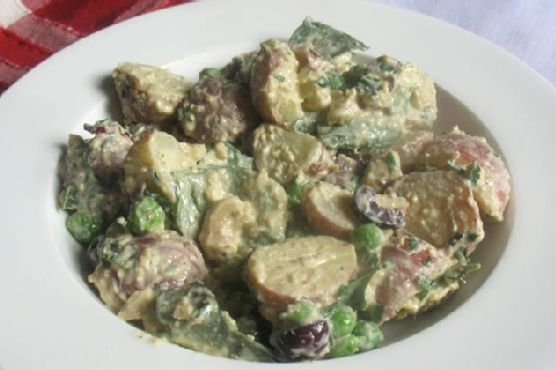
Creamy Potato Salad with Cashew Dressing and Fresh Basil | Made by Meaghan Moineau

Creamy Potato Salad with Cashew Dressing and Fresh Basil

Intro

There’s something deeply comforting about a bowl of potato salad. For me, it evokes memories of summer picnics with my family, where the air was filled with laughter and the smell of blooming flowers. My grandmother used to make her signature potato salad, which was a staple at every family gathering. Over the years, I’ve experimented with different variations, and today’s recipe combines those nostalgic flavors with a modern twist: a creamy cashew dressing, fresh basil, and vibrant vegetables. It’s a dish that bridges the gap between my childhood memories and my current culinary adventures.

Why You’ll Love It

This Creamy Potato Salad with Cashew Dressing and Fresh Basil is a delightful fusion of flavors and textures that offers something for everyone. It’s creamy yet light, thanks to the velvety cashew dressing, and it’s packed with fresh, vibrant ingredients. The combination of baby potatoes and fresh herbs creates a refreshing taste, while the addition of peas and kalamata olives adds a subtle complexity. Whether you’re looking for a side dish for your next barbecue or a comforting meal on its own, this potato salad is sure to please.

Ingredients

  • 1 cup almond milk
  • 2 pounds baby potatoes
  • 1 cup fresh basil leaves
  • 1/4 cup fresh chives, chopped
  • 1/4 cup fresh mint leaves, chopped
  • 1/4 cup trimmed fresh parsley, chopped
  • 1 cup fresh peas
  • 1/4 teaspoon black fresh ground pepper
  • 1 tablespoon dijon honey mustard
  • Juice of one lemon
  • 1/2 cup kalamata olives, pitted and sliced (optional)
  • 2 tablespoons nutritional yeast
  • 1/4 cup olive oil
  • 1 cup raw cashews, soaked for at least 2 hours
  • 2 tablespoons rice vinegar
  • 1 teaspoon sea salt
  • 1 tablespoon dijon grain mustard

Instructions

  1. Bring the baby potatoes to a boil in a large pot of water. Reduce the heat to medium and cook until they are fork-tender, about 10 to 12 minutes. Do not overcook.
  2. Drain the potatoes well and let them cool for 10 minutes or longer. Transfer them to a large bowl along with the peas, basil leaves, and olives if using.
  3. To make the dressing, combine the soaked cashews, almond milk, olive oil, rice vinegar, nutritional yeast, dijon honey mustard, dijon grain mustard, lemon juice, sea salt, and black pepper in a small blender or food processor. Pulse until smooth. If the dressing is too thick, add a bit more olive oil or almond milk.
  4. Taste the dressing for seasoning and adjust the nutritional yeast, salt, and pepper to taste.
  5. Toss the potatoes with the dressing until they are well coated.
  6. Garnish with fresh chives, mint, and parsley before serving.

Tips

For the best results, use baby potatoes as they have a creamy texture and cook evenly. Be sure to soak the raw cashews beforehand, as this will ensure the dressing is smooth and velvety. If you’re short on time, you can use frozen peas, but fresh peas will provide a firmer texture and sweeter flavor.

Variations & Substitutions

If you prefer a spicier flavor, consider adding a pinch of cayenne pepper or red pepper flakes to the dressing. You can also substitute the almond milk with another plant-based milk of your choice, such as oat or soy milk. For a more Mediterranean twist, add sun-dried tomatoes or artichoke hearts to the salad.

Storage

This potato salad can be stored in an airtight container in the refrigerator for up to 3 days. The flavors will meld together over time, making it even more delicious the next day. However, it’s best enjoyed fresh to maintain the vibrant texture of the herbs and peas.

FAQ

Can I make this salad ahead of time?

Yes, you can prepare the salad a day in advance. Simply store the potatoes and dressing separately and combine them just before serving to keep the potatoes from absorbing too much moisture and becoming mushy.

Is this salad suitable for vegans?

Absolutely! This salad is entirely plant-based, making it a wonderful option for vegans and anyone looking to incorporate more plant-based meals into their diet.

Can I use regular mustard instead of dijon?

While dijon mustard adds a specific tangy flavor, you can substitute it with regular mustard in a pinch. Keep in mind that the overall taste might differ slightly.

Nutrition

This salad is not just delicious but also packed with nutrients. It’s rich in healthy fats from the cashews and olive oil, vitamins from the fresh herbs and peas, and fiber from the potatoes. It’s a wholesome dish that satisfies both your taste buds and nutritional needs.

Conclusion

This Creamy Potato Salad with Cashew Dressing and Fresh Basil is more than just a side dish; it’s a testament to the power of fresh, wholesome ingredients coming together to create something truly special. Whether you’re reminiscing about family gatherings or simply looking for a new favorite recipe, this salad promises to be a delightful addition to your culinary repertoire. Gather your ingredients, channel your inner chef, and enjoy the comforting flavors of this vibrant potato salad.

Related update: Creamy Potato Salad with Cashew Dressing and Fresh Basil

Related update: Red Quinoa and Roasted Cauliflower Salad

Contraband’s Retro UI Reveals 1970s Heist | Analysis by Brian Moineau

A peek at what might have been: Contraband’s unearthed UI and 70s style

A burst of nostalgia hit the gaming world this week when a set of screenshots for Avalanche Studios’ cancelled Xbox-exclusive, Contraband, leaked from a former developer portfolio. The images don’t show gameplay, but they do something almost as powerful: they reveal the tone, the intent, and a bold visual identity that made this one of the more intriguing “what if?” projects of the last console generation.

The shots — uncovered and shared by sites including MP1st — lean hard into a stylized 1970s heist vibe: grainy poster art, warm neon, big typography and character cards that read like pulp magazine spreads. For a game described internally as a four-player co-op smuggler’s playground, the UI alone was selling mood and promise.

Why these screenshots matter

  • They turn rumor into texture. For years Contraband existed mostly as an announcement and a concept. Seeing UI and menu flows makes the project feel tangible.
  • They show deliberate design choices rather than placeholders. The rank system (Hustler → Bandit → Smuggler → Baron), lobby layout and “Downtown” map card point to a structured live-service design with progression and social hooks.
  • They remind us how much of a game’s personality comes from presentation. Even without playable footage, a UI can communicate genre, pacing and atmosphere.

The story so far

  • Contraband was revealed during Xbox and Bethesda showcases as a co-op, open-world smuggler title from Avalanche Studios — the studio behind Just Cause and Mad Max. It was positioned as an Xbox console exclusive and planned as an online-focused, live-service experience. (gamesradar.com)
  • After years of limited public updates, Microsoft ultimately shelved the project amid broader restructuring in Xbox publishing and a wave of studio-level changes. The cancellation and related studio reductions were widely reported in 2025. (gamesradar.com)
  • The newly surfaced images were traced to a UI artist’s portfolio and republished by outlets such as MP1st. They include matchmaking/lobby screens, character cards, rank tiers and a poster-like “Downtown” map illustration — all polished, stylized UI work rather than raw gameplay captures. MP1st also noted some of the character art might have been placeholder illustrations or assets shared elsewhere, and coverage has been cautious about over-interpreting concept UI as final in-game visuals. (mp1st.com)

What the art direction tells us about design intent

  • Tone first: The UI reads like a selling point. If you can evoke a cinematic 70s crime scene through typography, color and composition, you can steer player expectation before they even enter a mission.
  • Social and progression-focused: The lobby and rank screens imply a repeat-play loop built around small squads and escalating criminal prestige — classic live-service scaffolding with a period twist.
  • World as spectacle: The “Downtown” card and blurred hub background hint that Avalanche wanted the city itself to be character — a neon, nocturnal playground for smuggling runs and car chases.

The broader context: cancellations and industry shifts

The Contraband cancellation didn’t happen in isolation. Xbox’s 2024–2025 restructuring led to several high-profile project cancellations and studio reshuffles. That environment makes it harder for ambitious, risky new IPs to survive long, especially online-first projects that require long-term investment. The leaked UI images now act as artifacts from a project that represented both creative ambition and commercial uncertainty. (gamesradar.com)

A few caveats about leaked images

  • Early art and UI aren’t the same as final features. Design often changes through production; menus and rank names could have evolved had development continued.
  • Some visuals may be placeholders. MP1st and other outlets have noted that some character art seen in the images might have been reused or sourced from other portfolios, which complicates claims about final in-game character designs. Treat these images as a snapshot of direction, not a blueprint for the shipped game. (mp1st.com)

What fans and designers can take away

  • Design sells concept. Contraband’s leaked UI is a reminder that a strong, coherent UI and visual identity can make a title feel real even without playtests or trailers.
  • Cancellation doesn’t erase craft. The work of designers, artists and UX specialists survives in portfolios, lessons and — sometimes — community imagination.
  • Live-service projects need long-term commitment. The images show the plan for engagement loops and progression; without the deep pockets and patience required by the model, even interesting concepts risk being shelved.

My take

These screenshots are bittersweet: exciting because they show a team pursuing a distinct, stylish identity for a co-op crime title, and sad because they probably represent one of the last glimpses into a project that won’t reach players. For the industry, the moment underscores how creative ambition and corporate risk assessment collide — and how the cultural artifacts of cancelled projects can still inspire fans and designers alike.

Sources


Related update: We recently published an article that expands on this topic: read the latest post.


Related update: We recently published an article that expands on this topic: read the latest post.


Related update: We recently published an article that expands on this topic: read the latest post.

When Corporates Fight, Fans Lose Access | Analysis by Brian Moineau

Does anyone care about the consumers?

A lot of people woke up this week ready for college football highlights and Monday Night Football — and discovered their streaming lineup had turned into a choose-your-own-frustration. YouTube TV and Disney (which runs ESPN and ABC) are locked in a carriage fight that has already pulled Disney channels off YouTube TV for millions of subscribers. The timing — right in the middle of the football season — makes the question painfully simple: when big media companies brawl over fees, who actually looks out for the viewer?

Why this fight matters right now

  • The dispute centers on carriage fees and how Disney’s pricing and platform strategy (including Hulu + Live TV and its expanding stake in Fubo) intersects with Google’s YouTube TV ambitions. If no deal is reached, YouTube TV subscribers lose access to ESPN and ABC programming — including big games. (Nov 2–3, 2025 developments.) (nbcsports.com)
  • Sports rights are skyrocketing in value; networks want to recoup costs, distributors push back to avoid yet another price hike. That tug-of-war plays out directly in your living room when a blackout removes the game you planned your evening around. (businessinsider.com)
  • Both sides are using public pressure and PR: Disney rallied ESPN personalities and launched a site urging subscribers to "keep my networks," while YouTube TV highlights the possibility of higher prices and even offered subscribers a credit if the blackout drags on. The result: fans get propaganda instead of access. (businessinsider.com)

What this feels like for consumers

  • Frustrating: sudden loss of channels with little control or easy alternatives for live sports.
  • Confusing: companies point fingers and push viewers toward their own apps or rival platforms.
  • Expensive pressure: even if short-term fixes exist (trial offers or switching services), ongoing rights inflation means everyone may pay more in the long run.

Quick takeaways for readers

  • The blackout is a symptom, not the disease: escalating sports-rights costs and platform consolidation create repeated standoffs between content owners and distributors. (businessinsider.com)
  • Consumers are caught between two businesses optimizing for different goals — Disney monetizes content across its streaming ecosystem; Google wants to keep YouTube TV priced competitively. Neither has a primary incentive to prioritize the viewing public. (houstonchronicle.com)
  • Short-term fixes (credits, temporary workarounds, or switching services) help some users, but they don't solve the structural problem of fragmented access and rising prices. (houstonchronicle.com)

The investor-versus-consumer tug

This is where the incentives get ugly. Disney answers to shareholders who expect returns on massive sports contracts; YouTube TV answers to Google’s broader business strategy (and user-price sensitivity). When each side negotiates as if their primary audience is investors or corporate strategy committees, the ordinary fan is reduced to a bargaining chip.

  • Disney's leverage: premium sports channels and originals that people will chase.
  • YouTube TV’s leverage: a large, sensitive subscriber base that will balk at further price increases.
  • The missing stakeholder in negotiations: the consumer experience — consistent access, clear pricing, and minimal friction.

My take

This blackout is a reminder that the streaming era hasn’t delivered true consumer-first TV. The mechanics changed — cable’s set-top box replaced by apps — but the core dynamic remains: content owners and distributors treat viewers as units of monetization. The only real way to break the cycle is a market structure or product design that forces alignment: either clearer, standardized bundling, regulation that protects access to essential live content, or business models that reward reliability over short-term bargaining power.

Until then, expect more of these weekend-ruining spats during the high-stakes parts of sports seasons.

Final thoughts

Fans are being asked to play referee in fights they didn't start. Whether you root for the Cowboys, binge college games on Saturdays, or just want your Monday night ritual, the basic ask is reasonable: make the game available. Corporate positioning and profit engineering are fine boardroom topics, but when negotiations remove core live experiences, the companies involved should remember the two words that keep brand loyalty alive: keep watching.

Sources


Related update: We recently published an article that expands on this topic: read the latest post.


Related update: We recently published an article that expands on this topic: read the latest post.


Related update: We recently published an article that expands on this topic: read the latest post.


Related update: We recently published an article that expands on this topic: read the latest post.


Related update: We recently published an article that expands on this topic: read the latest post.

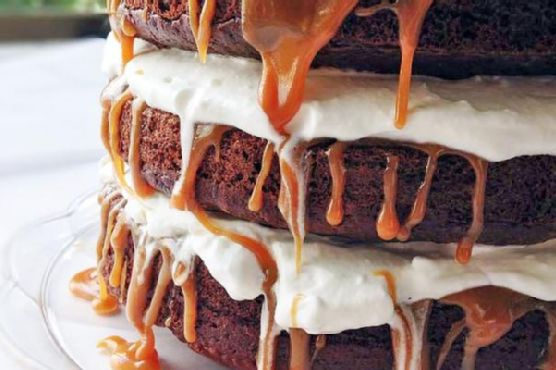
Caramel Macchiato Cake | Made by Meaghan Moineau

Caramel Macchiato Cake

Intro

There’s something magical about the aroma of coffee and caramel mingling in the air. It takes me back to lazy Sunday afternoons at my grandmother’s house, where the fragrant scent of freshly brewed coffee and the sweet promise of caramel treats filled the kitchen. Inspired by those cherished memories, this Caramel Macchiato Cake captures the essence of those moments in a delectable dessert that combines the rich flavors of coffee, chocolate, and caramel. Whether you’re a coffee lover or a dessert enthusiast, this cake is designed to bring warmth and joy to your table.

Why You’ll Love It

This Caramel Macchiato Cake is more than just a cake; it’s an experience. Here are a few reasons why you’ll fall head over heels for this delightful dessert:

  • Rich and Flavorful: The combination of chocolate, coffee, and caramel creates a symphony of flavors that dance on your taste buds.
  • Perfect for All Occasions: Whether it’s a birthday, a family gathering, or just a treat for yourself, this cake is sure to impress.
  • Easy to Make: With a few simple ingredients and steps, you’ll have a show-stopping dessert without spending hours in the kitchen.

Ingredients

  • Butter
  • Condensed milk
  • White corn syrup
  • Unflavored gelatin powder
  • Chocolate cake mix
  • Granulated sugar
  • Heavy whipping cream
  • Coffee
  • Powdered sugar
  • Water

Instructions

  1. Make the Cake Layers: Follow the chocolate cake box instructions to make three layers. Add an extra box of mix if needed to ensure you have enough batter for three layers. Add the instant coffee directly to the batter, stir, and let it sit for a few minutes to allow the coffee to dissolve.
  2. Divide the batter evenly into three 8-inch cake pans. Bake according to the box instructions.
  3. Once the cakes are cool, place a large plate on top of each pan and invert so that the plate is on the bottom. Tap the top of the pan a few times and gently wiggle to remove the pan from the cake. Repeat for the other two layers. Wrap the cake layers in plastic wrap and refrigerate for at least 2 hours or overnight.
  4. Make the Caramel: In a small saucepan over medium-low heat, combine the butter, condensed milk, white corn syrup, and granulated sugar. Stir and cook until the mixture reaches a dark golden brown color, stirring frequently to prevent burning.
  5. Once the caramel is ready, let it cool slightly before using it to layer and top the cake.
  6. Layer the cake with caramel and frosting of your choice, and drizzle more caramel on top for a beautiful finish.

Tips

To ensure your Caramel Macchiato Cake turns out perfectly, consider these helpful tips:

  • Chill the Cake Layers: Chilling the cake layers makes them easier to handle and frost.
  • Keep an Eye on the Caramel: Caramel can go from perfect to burnt quickly, so stir continuously and watch for the color change.
  • Use Quality Coffee: The coffee flavor is essential in this cake, so use a good quality coffee for the best results.

Variations & Substitutions

Feel free to make this cake your own by trying out some of these variations and substitutions:

  • Chocolate Variation: Add chocolate chips to the batter for extra chocolatey goodness.
  • Nutty Twist: Sprinkle chopped nuts between the layers for added texture and flavor.
  • Alternative Frosting: Try a cream cheese frosting for a tangy contrast to the sweet caramel.
  • Dairy-Free: Use dairy-free substitutes for butter and cream to make the cake suitable for those with dairy allergies.

Storage

To store your Caramel Macchiato Cake, wrap it tightly in plastic wrap or place it in an airtight container. It can be stored at room temperature for up to 3 days or in the refrigerator for up to a week. For longer storage, wrap the cake in plastic wrap and aluminum foil, then freeze for up to 3 months. Thaw in the refrigerator before serving.

FAQ

Can I use instant coffee instead of brewed coffee?

Yes, you can use instant coffee. Simply dissolve it in a bit of hot water before adding it to the batter for a stronger coffee flavor.

How do I prevent my caramel from burning?

Keep the heat on medium-low and stir the caramel constantly. Watch for the color change to a dark golden brown and remove it from heat immediately once it reaches that point.

Nutrition

This Caramel Macchiato Cake is a decadent treat, perfect for special occasions. While it’s not the lowest in calories, it is certainly rich in flavor and satisfaction. Enjoy a slice in moderation as part of a balanced diet.

Conclusion

The Caramel Macchiato Cake is a celebration of flavors and a delightful nod to the cherished memories of cozy afternoons filled with the aroma of coffee and caramel. Whether you’re making it for a special occasion or simply to enjoy a slice of comfort, this cake is sure to become a favorite. So gather your ingredients, embrace the warmth of your kitchen, and create a dessert that will surely bring smiles and sweet memories to those who share it with you.

Related update: Caramel Macchiato Cake

Blackout Fallout: Consumers Left Watching | Analysis by Brian Moineau

Does anyone care about the consumers?

A streaming blackout, Monday Night Football at stake, and two giant companies playing chicken

You open your living room app, ready for Monday Night Football, and—nothing. No ESPN banner, no kickoff, just a polite notice that the channel is “unavailable.” That’s the reality millions of YouTube TV subscribers faced this week as negotiations between Google’s YouTube TV and Disney broke down, pulling ESPN, ABC and other Disney-owned networks off the platform. The corporations trade blame; viewers lose access to the content they pay for. So where’s the consumer in all of this?

A quick snapshot of what happened

  • Disney’s carriage agreement with YouTube TV expired, and no new deal was reached, causing a blackout of Disney-owned channels on the platform. (This affected ESPN, ABC, FX, Nat Geo, SEC/ACC networks and more.) (washingtonpost.com)
  • The timing was brutal: college football on Saturday was disrupted and Monday Night Football (Cardinals vs. Cowboys the night after the blackout) became unavailable to YouTube TV subscribers. That raised the stakes for future marquee matchups. (nbcsports.com)
  • Earlier this season Google reached deals with Fox and NBCUniversal, yet Disney remains locked in a standoff that threatens millions of viewers and key sports windows. (reuters.com)

Why this feels so rotten for consumers

  • Live sports are time-sensitive. Missing a game is not the same as missing a scripted show you can stream later. A blackout during football season is especially painful. (washingtonpost.com)
  • Many subscribers chose YouTube TV for its aggregated convenience—one app, multiple channels, cloud DVR. When channels vanish overnight, the product promise is broken. (washingtonpost.com)
  • Alternatives are expensive or incomplete. Getting ESPN back might mean paying for Hulu + Live TV, Sling, DirecTV Stream, or buying an ESPN standalone tier — added cost and fragmentation. (washingtonpost.com)

The corporate chess game (and whose move matters)

  • Disney’s position: negotiate carriage rates that reflect the value of its live sports and unscripted programming, and protect the economics of its own streaming bundles. Disney has argued that Google was leveraging its platform to undercut industry-standard terms. (washingtonpost.com)
  • Google/YouTube TV’s position: push back on rising retransmission costs that they say would force higher subscriber prices and fewer choices for viewers. They’ve been willing to walk away in negotiations. (washingtonpost.com)
  • The consequence is predictable: both sides use negotiating leverage (blackouts) as a tactic, but it’s subscribers who feel the pain immediately while the companies posture for months.

The broader implications

  • Fragmentation: Media consolidation and content-holder vertical integration means consumers face more “must-have” services and more risk of blackouts.
  • Leverage vs. loyalty: Platforms that control distribution have power — but persistent blackouts risk driving subscribers to competitors or to piracy for live events.
  • Regulatory attention: Repeated high-profile blackouts raise political and regulatory questions about fair carriage practices and the consumer harm caused by market leverage.

A few practical things viewers can do (realistic, not ideal)

  • Check if ESPN/ABC are available through alternative services you already have (Hulu, Fubo, traditional antenna for ABC where available). (washingtonpost.com)
  • Explore temporary direct-to-consumer options (Disney/ESPN often offer standalone streaming tiers) — but account for added monthly cost. (washingtonpost.com)
  • Track official statements from both companies for updates and any credits/compensations YouTube TV might offer subscribers during the blackout. (washingtonpost.com)

What they’re not saying out loud

  • Neither company wants to be the face of a permanent loss in subscribers or ad reach; yet both are willing to see short-term consumer pain if it secures longer-term economics. That’s a sign that subscriber experience is secondary to corporate balance sheets in these fights.
  • Sports rights have become a pressure valve: owners and leagues can exert influence when their windows are at risk, but leagues often avoid stepping into distribution fights directly—preferring to let rights holders and distributors argue.

My take

This isn’t a negotiation problem; it’s a design problem in how modern TV is structured. When distribution hinges on a handful of expensive live-rights packages, every carriage cycle becomes a high-stakes game of chicken. Consumers are collateral damage. Companies will frame it as defending price or fairness, but the outcome too often leaves viewers paying more, switching services, or missing the moments that matter.

The simplest, most consumer-friendly route is obvious: cut a deal that keeps content available while moving toward clearer, more transparent pricing models. But simple and profitable rarely align. Until someone redesigns the incentives—whether by market shifts, consumer pushback, or regulation—these blackouts will keep happening.

Final thoughts

Sports are communal experiences: we watch together, cheer, complain and share highlights. The current carriage model treats those shared moments as bargaining chips. That’s bad business and worse customer care. Consumers shouldn’t be left filling the gap between corporate negotiating positions — particularly not on Monday nights when the games matter most.

Sources


Related update: We recently published an article that expands on this topic: read the latest post.


Related update: We recently published an article that expands on this topic: read the latest post.

Gluten Free Profiteroles | Made by Meaghan Moineau

Gluten Free Profiteroles

Intro

There’s something truly magical about the delicate crunch and soft, airy center of a well-made profiterole. Growing up, my grandmother used to make these delightful little puffs for special occasions, filling them with sweetened cream and drizzling them with chocolate. The kitchen would fill with the rich aroma of baking pastry, a scent that still transports me back to those cozy family gatherings. Now, with this gluten free version, I’m excited to share a recipe that brings the same joy and nostalgia, but without the gluten.

Why You’ll Love It

This gluten free profiterole recipe is a game-changer for anyone with gluten sensitivities. Not only does it deliver the classic texture and taste you love, but it’s also surprisingly simple to make. You’ll appreciate that the ingredients are likely already in your pantry and the method doesn’t require any fancy equipment. Whether you’re a seasoned baker or new to the kitchen, this recipe is designed to be approachable and rewarding.

Ingredients

  • Butter
  • Egg
  • Gluten free flour
  • Xanthan gum
  • Milk
  • Salt
  • Sugar
  • Water

Instructions

  1. Preheat oven to 375°F.
  2. Sift the flour, xanthan gum, salt, and sugar together 3-4 times. Set aside in a handy location close to the stove.
  3. Break the egg into a measuring cup and whisk to combine. Set aside.
  4. Prepare your hand mixer so that it is ready when needed.
  5. Measure milk and water into a deep heavy-bottomed pan. Cut butter into small chunks and add to the milk mixture. Heat gently until all the butter has melted.
  6. Increase heat on the butter-milk mixture until it comes to a rolling boil. Remove from heat and pour the flour mixture into the milk mixture all at once. Beat vigorously with a wooden spoon.
  7. Return to a low heat and continue beating with the wooden spoon until the flour forms a smooth paste and has come cleanly off all the sides and bottom (should be shiny and smooth). Avoid overcooking this paste as the buns will become heavy.
  8. Remove from heat and slowly pour the egg into the mixture, beating well with the hand mixer. Be careful not to make the paste too runny. The amount of egg required depends on the humidity, so add in small quantities. Continue to beat until shiny and stiff.
  9. The paste should be firm but elastic and should be able to stand on its own when dropped by spoonfuls. This paste may be kept for a couple of hours covered with a damp cloth. It can also be frozen and used successfully.
  10. Prepare a cookie sheet by running it under cold water, shaking excess water off, but leaving it damp. Use two baking sheets to protect the bottom of each puff from burning.
  11. Place tablespoons of the mixture about 10 cm apart (the choux will double to triple in size).
  12. Bake for 20-25 minutes, until the exterior is golden. Do not open the oven for the first 15 minutes. Choux needs to be golden; otherwise, they will collapse as they cool.
  13. When done, remove from the sheet to a baking rack, piercing with a toothpick to allow steam to escape. Choux pastry may be reheated for about 10 minutes to crisp them up again.

Tips

For the best results, make sure all your ingredients are at room temperature before you begin. This helps everything combine more smoothly. Also, keep an eye on the humidity levels in your kitchen; this can affect how much egg you need to add to your dough.

Variations & Substitutions

Feel free to get creative with your fillings! Traditional cream or custard are always hits, but consider experimenting with flavored creams like coffee or chocolate. For a dairy-free version, substitute the milk and butter with plant-based alternatives.

Storage

Store any leftover profiteroles in an airtight container at room temperature for up to two days. They can also be frozen for longer storage—just thaw and reheat them in the oven to regain their crispness.

FAQ

Can I make these profiteroles ahead of time?

Yes, you can make the choux pastry ahead of time and store it covered with a damp cloth for a few hours, or freeze them for later use. Just reheat in the oven before serving to ensure they are crisp.

What if I don’t have xanthan gum?

If you don’t have xanthan gum, you can try using guar gum or psyllium husk as an alternative. These help provide the necessary elasticity in gluten free baking.

Nutrition

Profiteroles are a treat and should be enjoyed in moderation. The exact nutritional content will vary based on the size of your profiteroles and the type of filling used. However, they are relatively low in sugar and can fit into a balanced diet when enjoyed as an occasional indulgence.

Conclusion

This gluten free profiterole recipe is a beautiful way to bring a touch of elegance to your dessert table. With the perfect balance of crispness and airiness, these treats are sure to impress your family and friends, gluten free or not. Enjoy the process of making them and savor every bite of nostalgia they bring. Happy baking!

Related update: Gluten Free Profiteroles

Related update: Creamy Potato Salad with Cashew Dressing and Fresh Basil

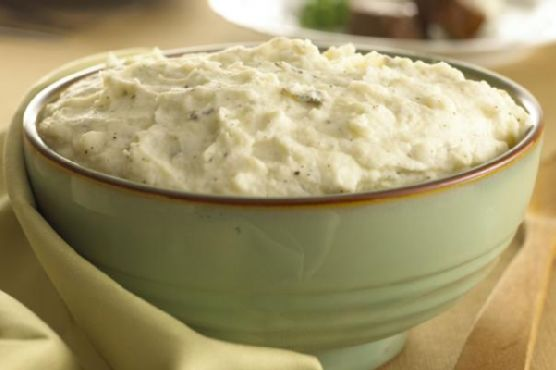
Mashed Potatoes with Garlic, Sage & Goat Cheese | Made by Meaghan Moineau

Mashed Potatoes with Garlic, Sage & Goat Cheese

Intro

There’s something truly comforting about a bowl of creamy mashed potatoes. For me, it brings back memories of Sunday family dinners at my grandmother’s house. The kitchen would be filled with the savory aroma of garlic and sage, enticing everyone to gather around the table. Her secret ingredient? A dash of tangy goat cheese that elevated the dish to something extraordinary. Today, I’m excited to share this cherished recipe with you, hoping it becomes a staple in your home just as it has been in mine.

Why You’ll Love It

This mashed potato recipe is not just any side dish; it’s a rich and flavorful experience. The creaminess of the goat cheese blends perfectly with the earthy notes of sage, creating a dish that’s both comforting and sophisticated. It’s the ideal side for your holiday gatherings, yet simple enough for a weeknight meal. Plus, with just a handful of ingredients, it’s as easy to prepare as it is delicious.

Ingredients

  • 4 large baking potatoes, peeled and cubed
  • 3 cloves of garlic, minced
  • 1 Chavrie goat cheese pyramid (or 5 oz of any soft goat cheese)
  • 2 tablespoons olive oil
  • 2 teaspoons fresh sage, finely chopped
  • Salt and black pepper to taste

Instructions

  1. In a medium saucepan, cook the potatoes in salted water until tender, about 15 minutes.
  2. Drain the potatoes and return them to the saucepan.
  3. While still warm, add the olive oil, garlic, and Chavrie Goat Cheese.
  4. Whip the potatoes with handheld mixers until the ingredients are blended and the desired consistency is obtained.
  5. Season with salt and black pepper to taste.
  6. Garnish with fresh sage before serving.

Tips

For perfectly fluffy mashed potatoes, make sure to thoroughly drain them before adding other ingredients. If you prefer a smoother texture, you can pass the potatoes through a ricer before mixing. Adjust the amount of garlic and sage according to your taste preference. Remember, the goat cheese adds a unique tang, so you may need less salt than usual.

Variations & Substitutions

If goat cheese isn’t to your liking, you can substitute it with cream cheese or even a bit of sour cream for a similar creamy texture. For a vegan version, use a vegan cream cheese alternative and replace the olive oil with a vegan butter. You can also experiment with different herbs like rosemary or thyme for a new flavor profile.

Storage

Store any leftover mashed potatoes in an airtight container in the refrigerator for up to three days. Reheat gently on the stove or in the microwave, adding a splash of milk or broth to restore the creamy texture. Unfortunately, mashed potatoes don’t freeze well as they can become grainy, so it’s best to enjoy them fresh.

FAQ

Can I prepare this dish in advance?

Yes, you can prepare the mashed potatoes a day in advance. Simply store them in the fridge and reheat before serving. Adding a little extra olive oil or milk when reheating can help maintain their creaminess.

What is the best potato type for mashing?

For the creamiest mashed potatoes, use starchy potatoes like Russets or Yukon Golds. They break down easily and absorb flavors well, resulting in a smooth, fluffy texture.

Can I make this recipe without a mixer?

Absolutely! While a mixer makes the job easier, you can use a potato masher or even a fork. The texture will be more rustic, which some people prefer.

Nutrition

This dish is not only delicious but also nutritious. The potatoes provide a good source of vitamins C and B6, while the goat cheese adds protein and calcium. Just be mindful of portion sizes if you’re watching your calorie intake, as the cheese and olive oil can add up.

Conclusion

Mashed Potatoes with Garlic, Sage & Goat Cheese is a dish that brings warmth and flavor to any table. Whether it’s a holiday feast or a simple family dinner, this recipe promises to be a crowd-pleaser. I hope you enjoy this family favorite as much as we do. Don’t forget to share your creations with us and let us know how it turned out!

Related update: Mashed Potatoes with Garlic, Sage & Goat Cheese

Manning’s Return Sparks Texas Rally | Analysis by Brian Moineau

Arch Manning’s comeback and a 75-yard first-play reminder that momentum loves drama

AUSTIN — If you like theater, Saturday’s Texas-Vanderbilt tilt wrote itself with bold strokes: Arch Manning, fresh off concussion protocol, steps back under center and uncorks a 75-yard touchdown to Ryan Wingo on the very first play. The Longhorns raced to a seemingly comfortable 34-10 lead, only to watch the Commodores stage a furious fourth-quarter push that made the closing minutes feel like a playoff game — and an onside kick bounce that decided everything.

This wasn’t just a win. It was a mood swing, a test of Texas’ resilience, and a reminder that college football flips faster than you can blink. Manning finished with 328 yards and three touchdown passes, but the story is as much about recovery, momentum, and the thin margin between confident control and late-game chaos.

Key takeaways

  • Arch Manning returned from concussion protocol and delivered a high-impact performance: 328 passing yards and three touchdown passes, including a 75-yard bomb to Ryan Wingo on the first play.
  • Texas built a big fourth-quarter cushion (34-10) but nearly squandered it as Vanderbilt rallied behind dynamic plays from Diego Pavia and Eli Stowers.
  • The Commodores’ comeback fell short after an onside kick rolled out of bounds — a reminder that even the best surges need a little luck.
  • The win keeps Texas’ résumé intact as they chase postseason positioning, but the late wobble exposes areas (closing out games, defensive consistency) that still need work.

The hook play: why one throw changed the day

That first-play 75-yard touchdown felt like a message. Not just to Vanderbilt, but to anyone still wondering whether Manning’s concussion layover had left him rusty. He didn’t just return — he ripped the game open. There’s psychological power in an opening-play score: it forces the opponent to answer immediately, energizes your crowd, and lets your offense operate with a bit more swagger.

But football isn’t a movie with a tidy first-act triumph. The middle act left Texas with a 24-point lead and all the veneer of control — and the final act nearly turned it into a horror show. Vanderbilt’s late barrage showed why teams don’t celebrate until the clock reads zero. Momentum can be contagious, and Pavia’s arm and legs sparked a late life that made Royal-Memorial Stadium sweat.

Arch Manning, recovery, and the quarterback narrative

Manning’s season has been a roller coaster: preseason hype, flashes of elite play, inconsistency, and now a concussion scare. Returning and playing well immediately is a positive sign for Texas and for Manning’s draft-season narrative. It also underscores how teams manage injury risk and the thin line coaches walk between caution and competitiveness.

That said, a single game shouldn’t erase the season’s ups and downs. What Texas got Sunday was a blend of encouraging poise and a reminder of the team’s vulnerability when an opponent refuses to quit.

What the late Vanderbilt rally says about both teams

  • Vanderbilt: The Commodores proved they can strike quickly and hang around against top opponents. Diego Pavia’s ability to create big plays (long TD runs and throws) makes Vanderbilt dangerous in every comeback scenario. A resilient team that doesn’t panic is a team to watch down the stretch.
  • Texas: Offensively potent and able to build blowout leads, but the defense’s late surrender of big plays is worrisome. Coaches will love the win but cringe at the scoreboard’s wobble. Closing games cleanly is as much a coaching and discipline issue as it is talent-based.

Bigger-picture implications

  • Polls and postseason hopes: A top-25 Texas win over a top-10 Vanderbilt matters in November. It keeps momentum in the Longhorns’ favor for conference positioning and resume-building.
  • Player stock-watch: Arch Manning regained some narrative shine; a timely performance after an injury boosts his profile. Ryan Wingo’s explosive playmaking also reaffirms him as a go-to vertical threat.
  • Coaching adjustments: Sarkisian’s team showed offensive firepower but will need to tighten late-game execution and defensive containment to avoid future scares.

Short reflection

There’s something poetic about sports’ unpredictability: two plays can feel like seasons. For Texas, this was a small but meaningful test passed — mostly. For neutral fans, it was the kind of roller-coaster that keeps college football intoxicating. Manning’s performance today is a plot twist, not the final chapter. The Longhorns won a high-stakes November game, but the way the lead evaporated is a useful nudge toward humility for a team with bigger goals.

Sources

Week in Wonder: Cosmic Revelations | Analysis by Brian Moineau

A week in wonder: black holes that were born twice, a rainbow Milky Way in radio, and why the universe isn’t just a very expensive screensaver

We live in an era when one news cycle can contain the smallest and the largest: a molecular peptide that helps sync your breath and heartbeat, a telescope assembling our galaxy in radio “colors,” gravitational waves that whisper about black holes with complicated family trees—and, yes, a mathematical argument that the Universe can’t be a computer simulation. It’s the kind of scientific buffet that leaves you equal parts thrilled and slightly dizzy. Here’s a guided tour through the most intriguing items from this week’s science roundups—and why they matter.

Key takeaways

  • LIGO-Virgo-KAGRA gravitational-wave detections offer the strongest evidence yet for “second‑generation” black holes—objects that were themselves born from earlier black‑hole mergers.
  • Radio astronomers released the largest low-frequency, radio‑color map of the southern Milky Way, revealing supernova remnants, stellar nurseries, and nearly 100,000 radio sources.
  • New mouse neuroscience implicates oxytocin (the “cuddle hormone”) in a neural pathway that helps synchronize breathing and heart-rate variability—insights that may inform stress-recovery therapies.
  • NASA’s X-59 made its first test flight, marking a milestone for low‑boom supersonic technology aimed at one day restoring over‑land supersonic travel.
  • Mathematicians and physicists published arguments showing that a fully algorithmic simulation of our universe is, in principle, impossible—pushing the “simulation hypothesis” back into philosophy and mathematical logic.

The LIGO surprise: black holes with family histories

Gravitational‑wave detectors have been listening to space for a decade and have built an unexpectedly rich catalog of mergers. This week’s papers and press releases highlight two events (first detected in late 2024) whose properties look like the product of previous collisions: the heavier components are unusually massive and show odd spins—clues that they may be “second‑generation” black holes formed when earlier black holes merged and then later merged again in dense environments (think star clusters or galactic hearts).

Why this is exciting:

  • It changes how we think black holes grow. Rather than only forming from dying massive stars, some grow hierarchically through repeated mergers.
  • Spin and mass fingerprints in gravitational‑wave signals become probes of the astrophysical playground—telling us about the dense, chaotic nurseries where these repeated collisions happen.
  • Each clear gravitational‑wave event is a test of general relativity pushed to extremes.

In short: LIGO and partner collaborations are moving beyond “first detections” into real population archaeology—reading the life histories of black holes from their final screams.

A radio Milky Way in living color

Optical photos of the Milky Way are mesmerizing, but dust and gas hide huge chunks of galactic life. The new ICRAR / GLEAM‑X radio color map gives us the largest low‑frequency radio view of the southern Galactic Plane to date. Built from enormous survey datasets and vast supercomputing time, the image:

  • Separates young star-forming regions from old supernova remnants by their radio “color” and morphology.
  • Reveals structures that are faint or invisible at higher frequencies, improving catalogs (nearly 100,000 radio sources were cataloged).
  • Serves as a treasure map for future studies of pulsars, supernova physics, and the interstellar medium.

Why it matters: this map is a practical tool for astronomers and a reminder that different wavelengths tell different stories—radio shows the Milky Way’s hidden architecture and energetic past.

Oxytocin: more than warm fuzzies

A Nature Neuroscience study in mice described a hypothalamus→brainstem→heart pathway where oxytocin amplifies respiratory‑heart‑rate synchronization (respiratory HRV). Practically, oxytocin release during calming social states enhances the coupling between breaths and cardiac vagal activity—one more mechanism showing how social or calming contexts produce measurable physiological benefits.

Potential implications:

  • A deeper mechanistic basis for why social contact and calmness feel restorative.
  • A route to therapies that target stress‑recovery and anxiety by modulating specific neural circuits (though translation from mice to humans is still a careful step).

This finding ties neat physiological facts (your breath and heart co‑vary for a reason) to the molecular machinery underlying social bonding.

X-59: a quiet first hop toward supersonic over land

NASA and Lockheed Martin’s X-59 (QueSST) flew its maiden test sortie at subsonic speed—an important structural and systems milestone. The long-term aim is far bolder: design an aircraft shape and flight regime that converts the dramatic sonic boom into a quiet “thump,” enabling regulations to someday permit supersonic travel over land.

What to watch:

  • Future flights will push speed and altitude toward Mach ~1.4 and evaluate the low‑boom signature in real communities.
  • If successful, the program could nudge regulators and airlines toward a new generation of faster, quieter long‑haul travel—though economic and environmental questions still loom.

The quantum problem that’s “unfathomable” even for quantum computers

Researchers showed that recognizing certain phases of matter from unknown quantum states scales exponentially with correlation length—even with quantum computers. Translation: there are fundamental recognition/classification problems in quantum many‑body physics that remain intractable in practice. It’s a sober reminder that quantum computing, while powerful for some tasks, is not a universal magic wand—hardness results identify where theory tells us to expect limits.

Why that’s useful:

  • It helps map the boundary between problems quantum computers might revolutionize and those that remain tough.
  • Guides experimentalists and theorists to realistic goals rather than hype.

Are we living in a simulation? Not, according to math

A team used results from mathematical logic and quantum incompleteness to argue that a complete, algorithmic simulation of our physical universe is impossible. The argument hinges on the idea that the fundamental laws of physics generate spacetime itself—so any simulation that runs “inside” spacetime cannot fully capture the non‑algorithmic aspects required to reproduce those laws. The upshot: the popular simulation hypothesis gets a serious formal challenge, moving the conversation away from speculative metaphysics toward precise mathematical constraints.

A practical takeaway: it’s both fun and useful when philosophy and formal math push on big metaphysical questions—some ideas can be framed as mathematical statements and tested for internal consistency.

A short reflection

What ties these stories together is scale: neuroscience traces circuits that synchronize heartbeats; radio maps stitch millions of signals into a galactic quilt; gravitational waves read cosmic collisions from billions of light‑years away; mathematicians interrogate the foundations of reality itself. Science is busiest, most human, and most imaginative when the very small and the very large converse. That conversation is going to keep getting richer—and a little stranger.

Sources

(All sources checked on or shortly before November 2, 2025.)


Related update: We recently published an article that expands on this topic: read the latest post.


Related update: We recently published an article that expands on this topic: read the latest post.

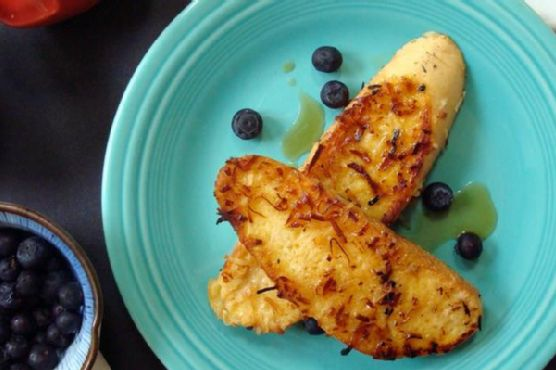
Spicy Coconut French Toast | Made by Meaghan Moineau

Spicy Coconut French Toast

Intro

Growing up, Sunday mornings in my family were synonymous with the enticing aroma of French toast wafting through the house. My grandmother would always prepare a classic version that was simple yet utterly delightful. However, as I grew older and started experimenting with flavors, I found that adding a hint of spice and a tropical twist transformed this beloved breakfast staple into something truly extraordinary. And thus, the Spicy Coconut French Toast was born—a dish that combines the warmth of nostalgia with a burst of exciting flavors, perfect for any brunch table.

Why You’ll Love It

This Spicy Coconut French Toast is a delightful departure from the traditional. Here’s why it will become a favorite in your home:

  • Unique Flavor Profile: The combination of coconut and a hint of cayenne pepper adds a surprising yet harmonious twist to the classic French toast.
  • Perfect for Special Occasions: Whether it’s a weekend brunch or a special breakfast gathering, this dish is sure to impress your guests.
  • Simple Ingredients: Despite its gourmet appearance, this recipe uses everyday ingredients that you likely already have in your pantry.
  • Quick and Easy: It takes just a few steps to prepare, making it ideal for both leisurely mornings and busy days.

Ingredients

  • 4 large eggs
  • 1 loaf French bread, sliced thickly
  • Oil for frying
  • 1/2 teaspoon ground cayenne pepper
  • 1/4 cup maple syrup
  • 1/4 teaspoon nutmeg
  • Pinch of salt
  • 1 tablespoon sugar
  • 1 cup sweetened shredded coconut
  • 1 teaspoon vanilla extract
  • 1 cup whole milk

Instructions

  1. Heat a large skillet over medium heat.
  2. In a baking dish or large bowl, whisk together the milk, eggs, salt, vanilla extract, sugar, cayenne pepper, and nutmeg.
  3. Pour the shredded coconut onto a plate.
  4. Pour enough oil into the skillet to completely coat the bottom.
  5. Dip each slice of bread into the egg mixture, allowing it to soak for 15-20 seconds per side.
  6. Then, dip the soaked bread slices into the coconut, ensuring an even coat on both sides.
  7. Once the oil is hot, start frying one slice as a test batch. Cook for 1 minute on each side, watching for a crispy golden-brown crust. The coconut may turn a deep brown, but avoid letting it burn.
  8. If the coconut browns before the crust forms, reduce the heat slightly. Add more oil as needed and continue frying the remaining slices.
  9. Serve warm with maple syrup and fresh berries for a delightful breakfast experience.

Tips

  • Use stale bread if possible, as it soaks up the egg mixture better without getting too soggy.
  • Adjust the amount of cayenne pepper to suit your spice preference.
  • Test the oil temperature by dropping a small piece of bread into it. If it sizzles and browns slowly, it’s ready.

Variations & Substitutions

  • Dairy-Free Version: Substitute whole milk with almond milk or coconut milk for a dairy-free alternative.
  • Gluten-Free Option: Use gluten-free bread to accommodate dietary restrictions.
  • Extra Spice: Add a pinch of cinnamon for an additional layer of warmth and spice in the flavor.

Storage

Store any leftover French toast in an airtight container in the refrigerator for up to 2 days. To reheat, place the slices in a toaster oven or on a skillet over medium heat until warmed through. Avoid microwaving to retain the crispy texture.

FAQ

Can I make this recipe ahead of time?

While it’s best enjoyed fresh, you can prepare the egg mixture and slice the bread the night before. Store them separately and quickly assemble and fry the French toast in the morning for a quick breakfast.

What can I serve with Spicy Coconut French Toast?

This dish pairs beautifully with fresh fruit, crispy bacon, or a dollop of whipped cream. For a more savory option, consider serving it with scrambled eggs or a sausage link.

Nutrition

Each serving of Spicy Coconut French Toast provides approximately:

  • Calories: 350
  • Protein: 8g
  • Carbohydrates: 45g
  • Fat: 15g
  • Sugar: 14g

Note: Nutritional values are estimates and can vary based on specific ingredients and preparation methods.

Conclusion

Spicy Coconut French Toast is a delightful fusion of sweet, spicy, and tropical flavors that will make your breakfast or brunch spread truly special. Its crispy exterior and soft, flavorful interior create a perfect bite every time. Whether you’re making it for your family or serving it at a gathering, this dish is bound to become a cherished favorite. So gather your ingredients, fire up the skillet, and indulge in a breakfast experience that’s both comforting and exciting. Enjoy!

Related update: Spicy Coconut French Toast

Related update: French Toast Croissants with Strawberries

Big Oil Doubles Down as Prices Falter | Analysis by Brian Moineau

A surprising act of confidence: Why Exxon and Chevron kept pumping in Q3

The image of major oil companies throttling back while prices sag feels intuitive — yet in Q3 2025 Exxon Mobil and Chevron did the opposite. Both U.S. giants raised oil-equivalent production even as analysts and agencies warned of a growing global supply surplus and softening oil prices. That choice matters for markets, investors and the energy transition — and it tells us something about how the biggest producers think about the future.

Key takeaways

  • Exxon and Chevron increased third-quarter 2025 output, setting new records in several regions.
  • Their production growth is driven by recent project start-ups, acquisitions (Chevron/Hess) and Permian and Guyana expansions (Exxon).
  • The increases come amid IEA and bank forecasts of a potential supply glut and downward pressure on prices.
  • The companies appear to be prioritizing volume, cash generation and project execution over short-term price signaling.
  • That strategy reduces per-barrel breakevens through scale and cost discipline, but it also risks amplifying a market surplus if too many producers do the same.

The scene: more barrels while the price outlook cools

In Q3 2025 Exxon reported oil-equivalent production of roughly 4.8 million boe/d, reflecting record Permian and Guyana volumes and recent project start‑ups (Yellowtail among them). Chevron posted production north of 4.0 million boe/d, helped materially by the Hess acquisition and ramp-ups across its portfolio. Both companies beat many expectations for operational delivery even as headline crude prices slid from earlier 2024–2025 highs. (corporate.exxonmobil.com)

Meanwhile, the International Energy Agency and several major banks warned that global supply is outpacing demand growth — a dynamic that could leave the market with a multi-million-barrel-per-day surplus into 2026 and keep downward pressure on benchmarks like Brent and WTI. Those forecasts, plus OPEC+ output decisions and slowing demand growth projections, have shaped a decidedly more bearish short‑term outlook for oil. (reuters.com)

Why keep the taps wide open?

Several practical and strategic reasons explain the behavior.

  • Project momentum and economics

    • Large investments and recently started projects (Exxon’s Guyana developments, Chevron’s post-Hess additions) are optimized to run. Once capital is committed, incremental unit costs fall as production scales — so maximizing throughput preserves investment economics and cash flow. (corporate.exxonmobil.com)
  • Cash generation and shareholder returns

    • Even at lower prices, higher volumes translate to meaningful cash flow. Both companies have continued to prioritize returning capital via dividends and buybacks; maintaining or growing production supports that. (investing.com)
  • Competitive and strategic positioning

    • Winning in long-cycle growth areas (Guyana, Permian) cements competitive advantages. Producing now also preserves market share and prevents leaving value on the table that competitors might capture.
  • Operational discipline lowers risk

    • Both firms emphasize cost control and higher-margin barrels (low breakeven wells, advantaged crude streams). Their messaging suggests confidence that many of their new barrels remain profitable even with softer benchmark prices. (corporate.exxonmobil.com)

The market tension: short-term glut vs. long-term demand view

From the IEA’s perspective, 2025–2026 could see several million barrels per day of surplus, driven by faster supply growth (OPEC+ easing cuts and higher non-OPEC output) and modest demand expansion. That’s a recipe for weaker prices near term. Yet Exxon and Chevron publicly lean on a longer-term view: resilient oil demand through the mid- to long-term and value tied to low-cost growth projects. The result is a strategic push to convert investments into volumes and cash today rather than mothballing assets in hopes of higher future prices. (reuters.com)

What investors and policymakers should watch

  • Price sensitivity: If more majors chase volume, the supply/demand imbalance could deepen, pressuring prices and testing the majors’ margin assumptions.
  • Capex discipline: Watch whether future spending remains disciplined or ramps further — more capex means more future supply.
  • OPEC+ moves: Any shift in OPEC+ policy (reinstating cuts or holding production steady) would quickly change the short-term equation.
  • Balance sheets and returns: Continued strong cash flow supports buybacks/dividends, but sustained low prices would force re‑prioritization.
  • Transition signalling: How these firms balance hydrocarbons growth with decarbonization investments will shape their political and social license to operate.

A short reflection

Watching Exxon and Chevron push production higher even with a bearish short-term outlook is a reminder that big oil plays a long game. Their choices reflect a mix of sunk-cost economics, shareholder obligations and confidence in portfolio quality. For markets, that can mean more price volatility in the near term; for the energy transition, it highlights a stubborn supply-side inertia that renewables and efficiency must outpace to shift demand-supply fundamentals.

Sources


Related update: We recently published an article that expands on this topic: read the latest post.

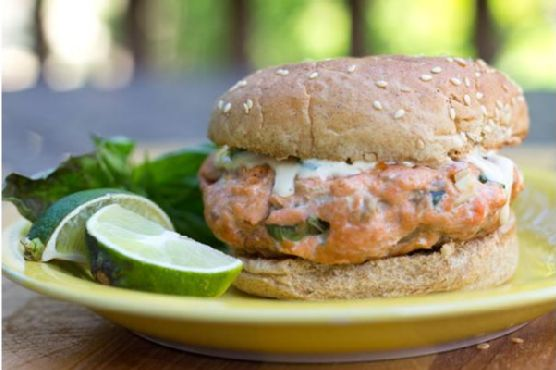
Asian Salmon Burgers With Tangy Ginger Lime Sauce | Made by Meaghan Moineau

Asian Salmon Burgers With Tangy Ginger Lime Sauce

Intro

There’s something undeniably comforting about sinking your teeth into a well-crafted burger. For me, it brings back fond memories of summer evenings spent with my family in our backyard. My father, the grill master, would whip up his signature dishes, and one day, he introduced us to these delightful Asian Salmon Burgers. The combination of fresh salmon with a tangy ginger lime sauce became an instant favorite. Today, I’m excited to share this family recipe with you all, hoping it brings the same joy and deliciousness to your home as it did to ours.

Why You’ll Love It

These Asian Salmon Burgers are not just another burger recipe. They are a delightful fusion of flavors and textures that will tantalize your taste buds. The fresh salmon, rich with omega-3 fatty acids, brings a tender and juicy bite, while the ginger lime sauce adds a perfect zing that complements the savory burger. Whether you’re looking for a healthy alternative to traditional beef burgers or simply want to try something new, these salmon burgers are a must-try!

Ingredients

  • 4 burger buns
  • 1/4 cup fresh basil, chopped
  • 2 cloves garlic, minced
  • 2 green onions, finely sliced
  • 1 lime, juiced
  • 1/2 cup mayonnaise
  • 2 tablespoons oyster sauce
  • 1 teaspoon powdered ginger
  • 1 pound salmon, skin removed
  • 2 tablespoons sesame oil
  • 1/4 cup sour cream
  • 2 tablespoons soy sauce

Instructions

  1. Cut the salmon into large hunks and run it through a food processor until no large pieces remain.
  2. Add to the salmon the soy sauce, garlic, ginger, oyster sauce, green onion, and basil.
  3. Combine ingredients well and form 4 large patties from the mixture.
  4. Heat up the sesame oil in a large frying pan on medium-high heat and add in the patties.
  5. Cook for about 10 minutes, flipping once halfway through.
  6. To make the sauce, mix the mayonnaise, sour cream, lime juice, and a pinch of ginger until smooth.
  7. Pour a spoonful of sauce over the top of the finished salmon burger and serve inside a toasted bun.

Tips

For the best results, use fresh salmon. It enhances the flavor and texture of the burger. If you don’t have a food processor, you can finely chop the salmon with a sharp knife. Be sure to toast your buns for extra flavor and crunch. Lastly, don’t overcook the salmon patties; they should be juicy and slightly pink in the center.

Variations & Substitutions

If you want to switch things up, consider using shrimp instead of salmon for a different seafood twist. You can also add some heat by including a teaspoon of sriracha or chili flakes to the sauce. For a gluten-free option, serve the patties on lettuce wraps instead of buns. If you prefer a different herb, cilantro works wonderfully in place of basil.

Storage

These salmon burgers are best enjoyed fresh, but if you have leftovers, store the patties in an airtight container in the refrigerator for up to 2 days. The sauce can be refrigerated separately in a small container. To reheat, gently warm the patties in a skillet over low heat until heated through.

FAQ

Can I freeze the salmon patties?

Yes, you can freeze the uncooked salmon patties. Place them on a baking sheet lined with parchment paper and freeze until solid. Once frozen, transfer the patties to a freezer-safe bag or container. They can be stored for up to 3 months. Thaw in the refrigerator before cooking.

What can I serve with these salmon burgers?

These burgers pair wonderfully with a light and fresh salad, sweet potato fries, or a simple coleslaw. You can also serve them with grilled vegetables for a wholesome meal.

Nutrition

This recipe provides a nutritious meal option rich in protein and omega-3 fatty acids, which are beneficial for heart health. Salmon is also a great source of vitamin D and B vitamins. Remember to adjust portion sizes to fit your dietary needs.

Conclusion

These Asian Salmon Burgers with Tangy Ginger Lime Sauce are a delicious way to enjoy a healthy and satisfying meal. With their vibrant flavors and simple preparation, they make an excellent choice for family dinners or entertaining guests. I hope you enjoy making and savoring these burgers as much as my family has over the years. Bon appétit!

Related update: Asian Salmon Burgers With Tangy Ginger Lime Sauce

Related update: Avocado Nests

Avocado Chicken Salad | Made by Meaghan Moineau

Avocado Chicken Salad: A Fresh and Flavorful Delight

Intro

There’s something undeniably nostalgic about a well-crafted salad. As a child, I fondly remember summer afternoons at my grandmother’s house, where the scent of fresh herbs from her garden filled the air. She would often prepare a simple yet delightful chicken salad, serving it with a smile that made every bite taste like home. Inspired by those cherished memories, I’ve crafted this Avocado Chicken Salad that combines the creamy richness of avocado with succulent chicken, topped with a zesty and refreshing dressing. It’s a dish that brings back those warm, comforting moments with every mouthful.

Why You’ll Love It

This Avocado Chicken Salad is more than just a meal; it’s a symphony of flavors and textures that will tantalize your taste buds. Here’s why you’ll fall in love with it:

  • Fresh and Nutritious: Packed with healthy fats from avocados and lean protein from chicken, this salad is a nutritious powerhouse.
  • Quick and Easy: With simple ingredients and straightforward steps, you can whip up this delicious salad in no time.
  • Customizable: Whether you’re serving it as a light lunch or a hearty dinner, this salad can be easily adjusted to fit your preferences.
  • Great for Meal Prep: Prepare it in advance for a convenient grab-and-go meal during the busy week.

Ingredients

  • 2 ripe avocados, cut into cubes
  • 1 cup cherry tomatoes, halved
  • 2 tablespoons extra virgin olive oil
  • Juice of 2 limes
  • 3 tablespoons mayonnaise
  • 1 teaspoon black pepper, plus more to taste
  • 4 cups shredded mixed salad greens
  • 2 skinless, boneless chicken breasts
  • Salt, to taste

Instructions

  1. Season the chicken breasts with a pinch of salt and pepper. Place in a pot of boiling water and cook until fully cooked through, about 15-20 minutes. Remove from water, let cool, then cut into cubes. Set aside.
  2. In a large bowl, place the shredded mixed salad greens. Drizzle with olive oil and lime juice, tossing well to coat the leaves evenly.
  3. Divide the dressed salad greens into two serving bowls.
  4. Evenly distribute the cubed avocados, cubed chicken, and halved cherry tomatoes on top of the salad in each bowl.
  5. Drizzle the mayonnaise over the top, and finish with a dash of black pepper.
  6. Serve immediately and enjoy the fresh, vibrant flavors!

Tips

For the best results, use ripe avocados that yield slightly to gentle pressure. If you’re making this salad ahead of time, prepare the ingredients separately and combine them just before serving to maintain the freshness and texture of the salad.

Variations & Substitutions

Feel free to get creative with this salad! Here are some variations and substitutions you might consider:

  • Add Crunch: Toss in some roasted nuts or seeds for an added crunch and a boost in nutrition.
  • Herbal Twist: Fresh herbs like cilantro or basil can elevate the flavors of the salad.
  • Protein Alternatives: For a different protein source, substitute the chicken with grilled shrimp or chickpeas for a vegetarian option.
  • Dairy-Free Option: Swap mayonnaise with a dairy-free yogurt or avocado-based dressing.

Storage

To store, keep the salad components separate in airtight containers in the refrigerator for up to 3 days. Assemble the salad just before serving to ensure the flavors remain vibrant and the ingredients stay fresh.

FAQ

Can I use leftover chicken for this salad?

Absolutely! Using leftover roasted or grilled chicken is a great way to save time and reduce waste. Just ensure the chicken is well-seasoned to enhance the overall flavor of the salad.

What can I do to prevent the avocados from browning?

To keep avocados from browning, squeeze a little extra lime juice over them. The acidity in the lime juice will slow down the oxidation process, keeping your avocados looking fresh and green.

Nutrition

This Avocado Chicken Salad is not only delicious but also nutritious. Each serving is packed with healthy fats, lean protein, and a variety of vitamins and minerals from the fresh vegetables. It’s a wholesome, balanced meal that will keep you energized and satisfied.

Conclusion

There you have it, a delightful Avocado Chicken Salad that’s both a treat for the taste buds and a nod to the comforting salads from my childhood. Whether you’re enjoying it on a sunny afternoon or packing it for a nutritious lunch, this salad is sure to become a favorite in your culinary repertoire. So gather your ingredients, take a trip down memory lane, and savor the simple pleasures of this fresh and flavorful dish. Bon appétit!

Related update: Avocado Chicken Salad

Séance of Blake Manor: A Haunting | Analysis by Brian Moineau

The Séance of Blake Manor: A Halloween detective that’s already haunting my bookmarks

Turnips! Everywhere! As far as the eye can see! Well, not quite — but that cheeky image from Eurogamer’s piece captures the game’s mix of whimsy and creeping dread perfectly. The Séance of Blake Manor is the kind of spooky, intelligent detective game that slips into your brain the way a good ghost story slips under a door: slow, deliberate, and impossible to shake once it’s inside.

Why this one feels special

  • It’s a first-person detective mystery set on All Hallows’ Eve, 1897, in a remote Irish manor full of mystics, secrets, and theatrical supernatural trappings.
  • You play Declan Ward, a private investigator racing against time to find Evelyn Deane before a grand séance – and every action nudges the clock forward.
  • The game blends interrogation, deduction, and environmental exploration with a layered narrative that leans into Irish folklore and folk horror rather than cheap jump-scares.
  • The tone oscillates between wry and unsettling: characterful guest interactions, moral ambiguity, and symbolic artifacts (yes, including turnips and other evocative props) that root the hauntings in cultural and historical context.

Key takeaways

  • The game nails atmosphere: ornate, graphic-novel-inspired visuals and a dynamic soundtrack that supports the mood rather than hogging it.
  • Investigation systems reward curiosity: note-taking, cross-referencing clues, and interrogations let players feel like actual sleuths rather than passive observers.
  • The narrative aims beyond thrills: themes of cultural appropriation, colonial legacies, and trauma are woven into the mystery, giving the scares weight and relevance.
  • Short, focused design: with a clear 48-hour time framing, the game promises tension and pacing that suit a Halloween playthrough.
  • Positive early reception: demos and early reviews show strong player and critic enthusiasm, positioning it as a standout indie release this autumn.

What I love (and what might ruffle you)

  • Atmosphere and craft: The manor is a character in its own right. Rooms, objects, and lighting are composed with purpose — you’ll pause in hallways just to take it all in.
  • Detective pleasures: The game puts deduction front and center. There’s delight in stitching together testimony, forensic details, and subtle environmental hints to build a coherent case.
  • Narrative ambition: Tackling topics like diaspora and historical injustice within a gothic context is bold for a game of this scale, and when it lands, it adds meaningful depth to otherwise familiar spooky tropes.
  • Time-pressure trade-off: The 48-hour countdown creates urgency, but that same constraint can feel tense in a way some players might find frustrating—especially if you like long, leisurely investigations.
  • Balance of supernatural and rational: The line between eerie atmosphere and outright horror is carefully walked; players expecting nonstop scares may instead find slow-burn unease and philosophical payoffs.

How it fits the season (and your library)

If you love detective games with character-driven narratives (think Return of the Obra Dinn, The Vanishing of Ethan Carter, or narrative-led indie mysteries) and also crave a game that leans into autumnal vibes, this is tailor-made for late-October gaming sessions. Shorter playtime and a single-location setting make it ideal for a focused weekend run — perfect for Halloween night with a cup of something warm and a dim lamp.

SEO-friendly reasons to care:

  • “The Séance of Blake Manor” offers a mix of folk horror and detective gameplay that taps into current interest in narrative-driven indie games.
  • It’s developer Spooky Doorway’s ode to gothic storytelling, backed by publisher Raw Fury — names that indie fans watch closely.
  • Steam demo impressions were positive, and launch coverage suggests the game already resonates with critics and players.

A short reflection

There’s something quietly radical about a game that invites you to interrogate more than suspects: interrogate assumptions. The Séance of Blake Manor uses the trappings of séance theatrics and haunted manors to point at deeper cultural questions, while still delivering the immediate satisfaction of solving puzzles and unmasking half-truths. It’s the sort of experience that lingers after you close the game: not just which twist you missed, but which stories get told and why.

Sources


Related update: We recently published an article that expands on this topic: read the latest post.


Related update: We recently published an article that expands on this topic: read the latest post.

Beat the KSL Staff: Week 10 Pick’em | Analysis by Brian Moineau

Week 10 Pick’em: Can you out-pick the KSL sports staff?

College football in November is emotional shorthand for upset fever, rivalry fog, and last-second heroics. The KSL.com staff has tossed their Week 10 ballots into the ring — the weekly ritual where we guess five scores, rail against injury reports, and pretend we aren’t wildly biased toward our local teams. The contest is simple, fun and (best of all) winnable: match the scores closest and you cash in for bragging rights and gift cards. Think you can do better? That’s the bet.

Why Week 10 matters

  • November stretches are where seasons are made or quietly dismantled. Conference races tighten and bubble teams get one more chance to prove they belong.
  • With BYU and Utah State sometimes resting and other weeks in play, Utah-area fans get the emotional roller coaster of seeing one, two or none of their teams on slate — which changes pick strategy.
  • A five-game Pick’em card rewards both local loyalty (guessing the in-state FBS teams) and national smarts (picking the marquee matchup or two correctly).

What the KSL staff picked (high-level context)

The KSL Week 10 staff post (published Oct. 31, 2025) lists five games chosen for the weekly College Pick’em ballot and shows how the writers lined up their score guesses. The article emphasizes local relevance — featuring Utah, BYU and Utah State when they play — and mixes in national games that matter for rankings and playoff positioning. The weekly prize structure (from weekly Visa gift cards to larger season prizes) adds a little extra spice to each ballot. (ksl.com)

Games to watch and why your picks could matter

  • Utah vs. Stanford: A Friday kickoff can throw off rhythm for competitors who base picks on injury updates or late-week roster changes. Short weeks plus travel, plus coaches wanting momentum, make these games pick-sensitive. (ksl.com)
  • Ranked matchups: When two ranked teams collide late in the season, lines tighten and upsets become headline makers. Those games can swing the leaderboard — nail the score and you vault up the standings.
  • Conference implications: Many Week 10 games carry tangible stakes: bowl eligibility, conference seeding, or resume padding for playoff consideration. That context should guide how conservative or aggressive your score predictions are.

How to sharpen your Pick’em ballot

  • Start with injuries and availability: late-week QB news and status reports are the single biggest mover of realistic scores.
  • Think turnovers and tempo: a fast-paced team vs. a conservative defense often inflates totals; a turnover-prone offense can flip a predicted close win into a surprise upset.
  • Use margins, not wishful thinking: predict realistic final scores rather than cheering for your team’s best-case scenario. The Pick’em scoring rewards proximity, so being plausible beats optimism.
  • Balance local pride with objective eyeballs: sure, back your state teams — but for national matchups, consider more neutral metrics (recent point differential, turnover margin, strength of schedule).

Key takeaways

  • Week 10 is a pivotal stretch; picks should weigh playoff and bowl implications, not just fandom.
  • Late-week injury updates and QB status are the biggest predictors of scoring accuracy.
  • Conservative, realistic scores (based on tempo and turnovers) often outperform wishful blowout predictions in Pick’em scoring.
  • Local matchups are fun but mixing a couple of calculated national calls can swing the weekly prize.

Short reflection

There’s something refreshingly democratic about a simple pick’em: it flattens the gap between armchair coaches and credentialed analysts. The KSL staff publishes their guesses not as gospel but as company for the ride — and that’s the whole point. Whether you play for a gift card or just to lord it over your coworkers on Monday, Week 10 is where smart reading of matchups (and a little bit of luck) makes you feel like a pundit for 48 hours.

Sources


Related update: We recently published an article that expands on this topic: read the latest post.

Baked Caramel Custard | Made by Meaghan Moineau

Baked Caramel Custard: A Sweet Journey Back in Time

Intro

There’s something magical about the aroma of caramel wafting through the kitchen. It transports me back to my grandmother’s cozy home, where weekends were filled with warmth and the promise of something sweet baking in the oven. Her Baked Caramel Custard was a family favorite, a simple yet elegant dessert that graced our table on special occasions and ordinary days alike. Each spoonful was a creamy, dreamy reminder of home, love, and the art of simple cooking. Today, I invite you to join me on this nostalgic journey and create your own sweet memories with this timeless recipe.

Why You’ll Love It

This Baked Caramel Custard is a delightful dessert that blends the rich, buttery flavor of caramel with the smoothness of custard. It’s not only a treat for the palate but also a feast for the eyes with its glossy, amber top. This recipe is perfect for those who appreciate simple ingredients coming together to create something extraordinary. Whether you’re new to custard-making or a seasoned pro, this recipe is easy to follow and promises a dessert that’s as satisfying to make as it is to eat.

Ingredients

  • Egg substitute
  • 1 egg yolk
  • Evaporated skim milk
  • Port wine
  • Skim milk
  • Sugar plus
  • Sugar
  • Vanilla

Instructions

  1. Preheat the oven to 350°F (175°C).
  2. Scald the evaporated skim milk and skim milk together in a heavy saucepan. Remove from heat and set aside.
  3. In a skillet over medium heat, caramelize the sugar until it melts and turns a golden brown.
  4. Slowly add the milk mixture to the caramelized sugar, stirring constantly until the sugar dissolves completely.
  5. In a medium bowl, beat the egg substitute and egg yolk together until lemon-colored.
  6. Add the milk mixture, port wine, and vanilla to the eggs, stirring well to combine.
  7. Pour the custard mixture into 6 custard cups and place them in a baking dish.
  8. Add boiling water to the baking dish, ensuring the water reaches halfway up the sides of the cups.
  9. Bake in the preheated oven for 35 to 40 minutes, or until the custards are set.
  10. Remove the custard cups from the oven and chill completely in the refrigerator.
  11. Once chilled, place a dessert plate on top of each custard cup and invert to serve.

Tips

For the perfect caramel, keep a close eye on the sugar as it melts. It can go from golden to burnt very quickly, so be ready to remove it from the heat as soon as it reaches the desired color. Additionally, when adding the milk to the caramel, pour slowly to avoid splattering and ensure a smooth mixture.

Variations & Substitutions

If you’re looking to adapt this recipe, consider using almond milk in place of skim milk for a nutty flavor. For a boozy twist, swap out the port wine for a favorite liqueur. You can also add a pinch of sea salt to the caramel for a salted caramel version that balances sweet with savory.

Storage

Store any leftover custard in the refrigerator, covered, for up to three days. This dessert is best enjoyed chilled, so feel free to prepare it a day in advance for a fuss-free treat.

FAQ

Can I make this custard without the egg substitute?

Yes, you can replace the egg substitute with an additional egg yolk if you prefer a richer custard.

How do I know when the custard is set?

The custard is set when it jiggles slightly in the center but is firm around the edges. A knife inserted into the center should come out clean.

Nutrition

This recipe yields six servings, with each serving being approximately 1/2 cup. While specific nutritional values will vary depending on ingredient brands and substitutions, this custard is generally lower in fat due to the use of skim milk and egg substitutes. It’s a delightful indulgence that can fit into a balanced diet.

Conclusion

Baked Caramel Custard is more than just a dessert; it’s a comforting reminder of simpler times and the joy of creating something special from everyday ingredients. Whether you’re making it for a family gathering or a quiet night in, this recipe is sure to delight and impress. So grab your apron, preheat the oven, and let the sweet journey begin!

Related update: Baked Caramel Custard

Related update: Gluten Free Profiteroles

Related update: Wild Blueberry Lemon Muffins

Yesavage’s Unhittable Splitter Stuns | Analysis by Brian Moineau

The legend of Trey Yesavage grows with each unhittable splitter

There are moments in sports that arrive fully formed — small, electric flashes that demand you stop and watch. Trey Yesavage’s latest outing against the Dodgers was one of those moments: a young pitcher whose splitter seems to have its own gravitational pull, leaving hitters flailing and teammates whispering “It’s like damn, wow.” The Blue Jays’ rookie didn’t just pitch; he announced himself on baseball’s biggest stage.

Key takeaways

  • Yesavage’s splitter has become a true wipeout pitch, generating huge swing-and-miss rates and shaping his early postseason dominance.
  • He delivered a historically dominant World Series performance, combining strikeouts, control and poise beyond his few major-league starts.
  • Opposing teams game-plan around that “from the sky” splitter, but Yesavage pairs it with a rising four-seam and a slider to keep hitters unbalanced.
  • His rapid ascent — first-round pick, September debut, postseason stardom — is a reminder of how quickly a young pitcher can shift a franchise’s trajectory.

A hook: when a pitch feels like destiny

Picture this: the stadium hushes, the hitter steps in, and the baseball seems to come from a different altitude entirely. That’s what watching Yesavage’s splitter feels like — a pitch released high, then dropping so late the batters' eyes betray them at the last second. Teammates and announcers use phrases that sound like hyperbole, but the outcomes — looking strikes, missed swings, and strikeouts — do the talking.

Why the splitter is more than a single pitch

Yesavage’s mechanics and pitch design make the splitter more than a nasty secondary offering. Analysts and Statcast breakdowns highlight a few features that make his arsenal sing together:

  • High release and extreme downhill plane make both his fastball and splitter travel on similar trajectories before diverging dramatically, confusing hitter timing.
  • His four-seamer shows above-average “rise,” which sets up the illusion: hitters expect a continuing path up in the zone and then the splitter plummets beneath the bat.
  • The splitter’s late, violent drop yields high chase and whiff rates, so when Yesavage lands it below the zone he gets swings-and-misses rather than fouls or weak contact.

These aren’t abstract numbers — they show up in the box score and in the body language of opponents. Dave Roberts and Dodgers hitters said they tried to lay off the splitter; when a lineup is forced to do that, you know it’s working. (Sources: MLB Statcast, ESPN, AP.)

The moment against the Dodgers: more than a stat line

Yesavage’s outing versus Los Angeles wasn’t just effective, it was historic. Facing one of baseball’s most fearsome lineups in the World Series, he mixed the splitter, slider and rising fastball to rack up strikeouts, limit hard contact, and tilt the game early in Toronto’s favor. For a pitcher with only a handful of regular-season starts, to deliver that kind of performance in Game 5 is remarkable — and the kind of moment that lingers in franchise lore.

  • He struck out a large number of batters and walked few or none, showing both swing-and-miss stuff and command.
  • Even when he didn’t lean on the splitter as much as usual, its mere presence altered hitters’ approaches.
  • Teammates responded with the kind of stunned admiration reserved for rare displays: silence, then “wow.”

(See detailed game coverage and postgame quotes from ESPN and AP for context.)

What this means for Toronto and the broader game

A pitcher like Yesavage changes matchups. Opposing managers must decide whether to attack his splitter zone aggressively — risking strikeouts — or to sit back and try to punish other pitches. For the Blue Jays, having a young starter who can control games in October deepens rotation flexibility and shortens the path to a title.

On a larger scale, Yesavage’s emergence is a reminder that baseball’s evolution — new grips, analytics-driven pitch usage, and refined mechanics — still produces old-fashioned spectacle: devastating breaking pitches, late swings, and the thrill of postseason theater.

A short reflection

There’s something magnetic about watching a rookie not just survive, but own the moment. Yesavage’s rise is the kind of story fans love because it’s uncontrived: talent meeting preparation, with a pitch that looks unfair. Whether he becomes a long-term ace or another memorable October hero, his splitter has already earned a place in the game’s highlight reels — and his teammates’ stunned, delighted silence says more than any headline could.

Sources


Related update: We recently published an article that expands on this topic: read the latest post.


Related update: We recently published an article that expands on this topic: read the latest post.

Rustic Brie Toasts with Wild Mushroom, Cranberry and Shallot | Made by Meaghan Moineau

Rustic Brie Toasts with Wild Mushroom, Cranberry, and Shallot

Intro

There’s something remarkably comforting about the scent of earthy mushrooms mingling with the crisp sweetness of cranberries and the savory richness of melted brie. This recipe for Rustic Brie Toasts with Wild Mushroom, Cranberry, and Shallot captures the essence of autumn in every bite. I remember my grandmother preparing something similar during our family gatherings in the fall. She’d gather us around her long wooden table, the fireplace crackling in the background, and serve these toasty delights as a warm-up to our festive meals. The aroma alone would draw us in, and the first bite was always a revelation of flavors. These toasts are a nod to those cherished moments and are perfect for sharing new memories with loved ones.

Why You’ll Love It

This recipe is a perfect blend of savory and sweet, offering a gourmet twist on the classic toast. The combination of creamy brie with the nuttiness of wild mushrooms and the tartness of cranberries creates a complex flavor profile that’s sure to impress. Not only are these toasts a breeze to make, but they also serve as an elegant appetizer for any occasion. Whether you’re hosting a dinner party or enjoying a quiet night by the fireplace, these toasts will elevate your dining experience.

Ingredients

  • Diced wild mushrooms
  • Diced shallot
  • 1/4 cup dried cranberries (juice sweetened if possible)
  • Fresh thyme
  • Rustic baguette
  • Olive oil
  • Wedge of beautiful brie cheese
  • Salt and pepper

Instructions

  1. Start by preheating your oven to 350 degrees Fahrenheit.
  2. While the oven is preheating, heat the olive oil in a sauté pan over medium heat.
  3. Add the diced shallot, wild mushrooms, cranberries, and a few sprigs of fresh thyme to the pan.
  4. Sauté the mixture for a few minutes until the shallot begins to wilt and the mushrooms are tender.
  5. Season with salt and pepper to taste and set aside to cool.
  6. Slice a rustic baguette into 12 pieces.
  7. Place a slice of brie on each piece of bread.
  8. Top each toast with a spoonful of the cranberry, mushroom, and shallot mixture.
  9. Arrange the toasts on an oiled cookie sheet.
  10. Bake the toasts for 15 minutes or until the brie just begins to melt.
  11. Remove from oven and serve warm. Enjoy!

Tips

  • For a more intense flavor, allow the mushroom mixture to marinate for an hour before assembling the toasts.
  • Use a sharp knife or serrated bread knife to ensure clean slices of baguette.
  • Consider using a mix of wild mushrooms for a more complex flavor profile.

Variations & Substitutions

If you prefer a different cheese, camembert can be a lovely substitute for brie, offering a similar creamy texture. For those who enjoy a bit of heat, consider adding a pinch of red pepper flakes to the mushroom mixture. If you’re avoiding gluten, opt for gluten-free bread or crackers.

Storage

While these toasts are best enjoyed fresh, any leftovers can be stored in an airtight container in the refrigerator for up to two days. To reheat, place them back in the oven at a low temperature until warmed through. Avoid microwaving, as this can make the bread soggy.

FAQ

Can I prepare the mushroom mixture in advance?

Yes, you can prepare the mushroom mixture a day in advance. Store it in an airtight container in the refrigerator and assemble the toasts just before baking.

What type of cranberries should I use?

For this recipe, juice-sweetened dried cranberries add just the right amount of sweetness. However, you can use regular dried cranberries if you prefer.

Is there a way to make this recipe vegan?

Absolutely! Replace the brie with a vegan cheese alternative and use olive oil or vegan butter for sautéing.

Nutrition

This appetizer is a delightful treat but remember that it is rich and indulgent. Each toast provides a balance of carbohydrates from the baguette, healthy fats from the olive oil and cheese, and a touch of sweetness from the cranberries. Consume in moderation as part of a balanced diet.

Conclusion

Rustic Brie Toasts with Wild Mushroom, Cranberry, and Shallot are a wonderful way to celebrate the flavors of the season. They’re simple to prepare, yet sophisticated enough to make any occasion feel special. Whether you’re rekindling old traditions or starting new ones, these toasts are sure to bring warmth and joy to your table. Enjoy them with a glass of your favorite wine or a mug of hot cider for a truly cozy experience. Bon appétit!

Related update: Rustic Brie Toasts with Wild Mushroom, Cranberry and Shallot

Related update: Roasted Red Pepper & Tomato Salsa

Carrot and Coriander Soup | Made by Meaghan Moineau

Carrot and Coriander Soup

Intro

There’s something undeniably comforting about a warm bowl of soup that not only satiates hunger but also soothes the soul. Growing up, I remember visiting my grandmother’s house on crisp autumn afternoons, where the inviting aroma of her signature carrot and coriander soup would welcome us at the door. It was more than just a meal; it was a hug in a bowl, filled with love and warmth that transcended generations. Today, I want to share this beloved recipe with you, so you can bring a bit of that warmth into your home too.

Why You’ll Love It

This carrot and coriander soup is not just a simple recipe; it’s an experience. Here’s why you’ll adore it:

  • Flavor-packed: The natural sweetness of carrots combines beautifully with the citrusy hint of orange juice and the earthy warmth of coriander.
  • Healthy: Packed with vitamins and antioxidants, this soup is as nourishing as it is delicious.
  • Easy to make: With just a handful of ingredients and simple steps, you’ll have a stunning soup on your table in no time.
  • Versatile: Perfect as a starter, side, or even as a light main dish.

Ingredients

  • 6 large carrots, peeled and roughly chopped
  • 1 large onion, chopped
  • 2 tablespoons olive oil
  • 1 teaspoon ground coriander
  • 1/2 cup fresh orange juice
  • 4 cups water
  • Salt, to taste
  • Pepper, to taste
  • Fresh coriander, for garnish

Instructions

  1. In a deep pot, heat the olive oil over medium heat. Add the chopped onions and sauté until they are soft and translucent.
  2. Stir in the carrots, allowing them to cook and soften slightly, about 5 minutes.
  3. Add the water, salt, and pepper. Cover the pot and let it simmer until the carrots are fully cooked and tender, about 20-25 minutes.
  4. Stir in the orange juice and ground coriander, letting it cook for an additional 2 minutes to blend the flavors.
  5. Carefully puree the soup in a blender until smooth and creamy. Adjust seasoning if necessary.
  6. Garnish with fresh coriander and serve the soup hot.

Tips

  • For an extra creamy texture, add a splash of coconut milk or cream before blending.
  • Use fresh coriander for garnish to add a pop of color and fresh flavor.
  • Always be cautious when blending hot liquids; allow the soup to cool slightly before blending, and do it in batches if necessary.

Variations & Substitutions

  • Spicy Kick: Add a pinch of cayenne pepper or a dash of hot sauce for a spicy version.
  • Herbal Twist: Try adding thyme or rosemary for an herbal aroma.
  • Low-Carb Option: Substitute half of the carrots with cauliflower for a lower-carb alternative.

Storage

This soup stores wonderfully, making it a great make-ahead option. Allow the soup to cool completely before transferring it to an airtight container. It can be stored in the refrigerator for up to 5 days. For longer storage, freeze the soup for up to 3 months. When ready to enjoy, simply thaw and reheat gently on the stove.

FAQ

Can I use vegetable broth instead of water?

Absolutely! Using vegetable broth will add more depth of flavor to the soup. Just be mindful of the salt content, as broth can be saltier than water.

Is this soup vegan?

Yes, this carrot and coriander soup is naturally vegan as long as you use olive oil for sautéing the onions. It’s a delightful plant-based option that everyone can enjoy.

How can I thicken the soup if needed?

If you prefer a thicker consistency, you can add a small potato when cooking the carrots. The potato will blend into the soup, adding body and creaminess without altering the flavor.

Nutrition

This wholesome soup is low in calories and high in nutrients. Carrots are an excellent source of beta-carotene, fiber, vitamin K1, and antioxidants. The addition of orange juice provides a boost of vitamin C. Overall, it’s a heartwarming dish that’s both nutritious and delightful.

Conclusion

Carrot and coriander soup is a classic recipe that brings warmth and joy to any table. Whether you’re looking to recreate a nostalgic family recipe or simply want to enjoy a healthy, delicious meal, this soup is sure to become a favorite in your household. Gather your ingredients, follow the simple steps, and indulge in the comforting flavors of this delightful soup. Bon appétit!

Related update: Carrot and Coriander Soup

Related update: Asian Salmon Burgers With Tangy Ginger Lime Sauce

Related update: Mashed Potatoes with Garlic, Sage & Goat Cheese

Related update: Baked Scallops With Parma Ham

18-Inning World Series Drew 17.6M Viewers | Analysis by Brian Moineau

How many people stuck around to watch the end of Game 3 of the World Series?

The clock read 2:50 a.m. Eastern Time when Freddie Freeman launched the walk-off homer that finally ended the 18-inning, six-hour-and-39-minute epic between the Dodgers and Blue Jays. You might assume most of the nation had long since given up and gone to bed — and yet, a staggering number of viewers were still glued to their screens.

Key takeaways

  • 8.5 million viewers in the United States were still watching when the game ended around 2:50 a.m. ET.
  • The game averaged roughly 11.4 million U.S. viewers across Fox platforms, with a peak near 13.1 million earlier in the night.
  • When you add Canadian audiences, the combined U.S.–Canada audience for Game 3 was around 17.6 million.
  • The unusual combination of prolonged drama, star power (Shohei Ohtani, Freddie Freeman) and a strong Canadian audience helped retain viewers deep into the night.

The hook: why that 8.5 million figure matters

Imagine a typical late-night crowd watching TV: by 2:50 a.m., most primetime audiences have evaporated. So when Sports Illustrated and Nielsen reported that roughly 8.5 million Americans were still watching the final swing, it wasn’t just a number — it was proof that a rare live sporting event can hold attention past the point where most programming loses it.

That figure means more people watched the walk-off than watched the first pitch earlier that evening in some viewing windows. It also tells TV executives, advertisers, and leagues that premium live sports — especially when they turn into dramatic, unpredictable marathons — still command huge, engaged audiences even in the unlikeliest time slots.

Context: the marathon that made viewers stay

  • The showdown took place on Monday, October 27, 2025 (Game 3).
  • The game tied the record for most innings in World Series history (18) and ran nearly 6 hours and 40 minutes.
  • Shohei Ohtani put on a historic offensive display, and Freddie Freeman finished it with his dramatic walk-off homer.
  • The telecast faced direct competition from Monday Night Football, which drew a larger audience that night; still, the World Series’ retention deep into the night was remarkable.

Long games often bleed viewers as casual fans sign off, but this one retained a surprising share — more than half of its earlier peak audience remained into the early-morning hours. That level of retention is unusual and notable for modern TV where on-demand viewing and multiple live options fragment attention.

Reading the numbers: averages, peaks, and late-night retention

  • Average U.S. audience: roughly 11.3–11.4 million viewers for the full telecast.
  • Peak audience: about 13.1 million (around the ninth inning earlier in the night).
  • Late-night audience at game end: ~8.5 million still watching at ~2:50 a.m. ET.
  • Combined U.S. + Canada audience: reported around 17.6 million, highlighting how the Blue Jays’ presence supercharged Canadian viewership.

The slight variations in the averages reported by different outlets (11.31M vs. 11.4M) reflect typical rounding and platform-count differences; the standout, consistent stat is the 8.5M who stayed to the finish.

Why viewers stayed — three quick reasons

  • Drama and unpredictability: Extra innings, shifting momentum, and the possibility of history keep viewers invested.
  • Star players and storylines: Ohtani’s record-setting night and Freeman’s late heroics gave casual fans reasons to stay.
  • National pride and regional interest: A massive Canadian audience for the Blue Jays lifted the combined numbers, and American viewers were willing to stay up for the rare baseball spectacle.

Small reflection

In an era when so much content is bite-sized and time-shiftable, live sports remain one of the clearest reminders that real-time, unscripted drama still has power. That 8.5 million people at 2:50 a.m. were not just watching — they were witnessing a moment together. There’s something ancient and communal about staying up late to see the end of a story not yet written.

Sources


Related update: We recently published an article that expands on this topic: read the latest post.


Related update: We recently published an article that expands on this topic: read the latest post.