
Marina F1 Free-Run: Spectacle and Mayhem | Analysis by Brian Moineau

When a Free F1 Showrun Became a Neighborhood Free-for-All

The roar of an F1 engine turned a Sunday in the Marina into a magnet for tens of thousands — and for a few hours the neighborhood looked less like a carefully managed showcase and more like the edges of a music festival that never got its permits. Red Bull’s free Showrun on February 21, 2026, delivered high-speed spectacle and social-media moments: donuts, skids, and an extra helping of chaos as people climbed roofs, trespassed onto private property, and — yes — urinated in yards. San Francisco police ultimately reported no arrests and called the event “extremely safe,” but neighbors’ accounts and local reporting tell a messier story about planning, public space, and how cities host blockbuster events.

Why everyone showed up (and why that matters)

  • Free access + Formula 1 hype = huge turnout. The Red Bull Showrun in the Marina was advertised as an open, public showcase featuring real F1 cars and drivers, which lowered barriers for attendance and raised expectations for spectacle.
  • The Marina is visually perfect for an F1 promo: waterfront views, a straight stretch of road (Marina Blvd.), and dense urban population nearby. That makes it attractive for organizers — and irresistible for thousands of onlookers.
  • What was missing was infrastructure: elevated viewing platforms, adequate restroom and trash facilities, clear crowd flows, and more visible, active crowd control — all the details that turn a pop-up spectacle into a safely run public event.

Neighborhood accounts vs. official line

  • Residents describe roof-climbing, trampling of landscaping, broken tiles and planters, damaged windows, and people relieving themselves on private property. Multiple accounts to local outlets said the scale of the crowd overwhelmed nearby streets and left behind visible damage. (sfstandard.com)
  • SFPD’s public statement to The San Francisco Standard: “Overall, the event was extremely safe, and there were no major public safety incidents.” The department said it responded to calls but made no arrests. That contrast — a calm official assessment versus vivid resident complaints — is at the heart of the controversy. (sfstandard.com)
  • Social media and neighborhood threads amplified the sense that planning and resource allocation were insufficient: limited policing presence at critical choke points, overwhelmed cell service, and a lack of amenities and signage. (reddit.com)

The mayor’s role and optics

  • Mayor Daniel Lurie donned a branded suit and appeared in promotional clips, a move some called a PR-friendly photo op. He later characterized such disruptions as part of the city’s comeback momentum. That framing — prioritize big events and accept some inconveniences — sits uneasily with residents who faced property damage and sanitation issues. (sfstandard.com)
  • When city officials embrace headline events, they also inherit responsibility for ensuring public-safety planning and neighborhood protections. The lack of clear pre-event coordination and post-event accountability has drawn criticism from local supervisors and community leaders. (sfstandard.com)

What went wrong — and what could have helped

  • Insufficient crowd management: no visible, phased entry points or dedicated bleachers meant people improvised with ladders, signs, balconies, and roofs.
  • Not enough public services: portable toilets, trash capacity, first-aid stations, and on-the-ground marshals were reportedly minimal or poorly signposted.
  • Communications and coordination gaps: residents said they received little advance notice and saw a limited on-site presence of city leadership directing logistics.
  • Traffic and emergency access: gridlock stretched across multiple neighborhoods, raising real concerns about ambulance access and urgent response capability. (axios.com)

Takeaway bullets

  • The formula for a successful free public spectacle requires as much logistics as it does hype — sightlines, sanitation, crowd flows, and emergency planning matter.
  • Official assessments that focus on arrests or major incidents don’t always capture the everyday harms neighbors experience (property damage, unsanitary conditions, feeling unheard).
  • High-profile events offer civic benefits — economic activity, tourism, global visibility — but those must be balanced with advance planning and local protections.
  • City leaders and promoters share responsibility: one provides the platform and visibility, the other must ensure the neighborhood survives the afterparty intact.

My take

Large-scale urban events are a test of civic muscle. The Marina Showrun proved that excitement and spectacle are easy to manufacture; the harder part is engineering for tens of thousands of unpredictable humans in a tight space. Calling the day “extremely safe” because there were no arrests feels incomplete. Safety isn’t just arrests avoided — it’s protecting property, ensuring sanitary conditions, preserving access for emergencies, and leaving neighborhoods as intact as they were before the party.

If San Francisco wants the benefits of world-class, headline-making events, the city needs to match that ambition with event infrastructure: meaningful advance coordination with neighbors, clear sightline solutions (paid or free elevated platforms), designated stewarding crews, and contingencies for crowd overflow. Otherwise the story repeats: thrillers on camera, headaches at home.

Sources


Related update: We recently published an article that expands on this topic: read the latest post.


Related update: We recently published an article that expands on this topic: read the latest post.


Related update: We recently published an article that expands on this topic: read the latest post.
Ancient Grains Bread | Made by Meaghan Moineau

Ancient Grains Bread: A Taste of Tradition

Intro

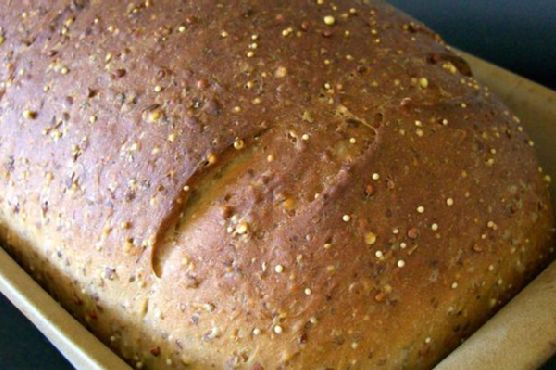
There’s something incredibly comforting about the smell of freshly baked bread wafting through the house. It’s a scent that takes me back to my grandmother’s kitchen, where she would spend hours kneading dough by hand, humming softly to herself. Her bread was always a family favorite, packed with hearty grains and a touch of sweetness. Inspired by her timeless recipes, I’ve crafted this Ancient Grains Bread to bring a slice of that nostalgia to your own table. This bread, rich with history and flavor, combines the best of old-world grains with modern baking techniques for a loaf that is both wholesome and delicious.

Why You’ll Love It

This Ancient Grains Bread is not just a treat for the taste buds but also a wholesome addition to your diet. Packed with a variety of nutritious grains, this bread offers a delightful texture and a rich, earthy flavor. Each bite provides a satisfying chew, a hint of sweetness from the honey, and the comforting aroma of a well-baked loaf. Whether you’re making sandwiches, toast, or enjoying it plain with a pat of butter, this bread is versatile enough to complement any meal.

Ingredients

  • 2 teaspoons yeast
  • 2 cups all-purpose flour
  • 1 cup whole wheat flour
  • 1/4 cup rye flakes
  • 2 tablespoons ground flaxseed
  • 2 tablespoons amaranth grain
  • 2 tablespoons quinoa
  • 2 tablespoons soy flour
  • 1 tablespoon vital wheat gluten
  • 1/4 cup skim milk powder
  • 2 teaspoons salt
  • 1 1/2 cups warm water
  • 2 tablespoons honey

Instructions

  1. In a large bowl or stand mixer, whisk together the yeast, all-purpose flour, whole wheat flour, rye flakes, ground flaxseed, amaranth grain, quinoa, soy flour, vital wheat gluten, skim milk powder, and salt.
  2. Stir in the warm water and honey, mixing thoroughly to form a cohesive, fairly firm but workable dough.
  3. Turn the dough out onto a floured board or knead it with the dough hook for about 12 minutes until it becomes very elastic and smooth.
  4. Place the dough into a bowl, cover, and allow it to rest for 30 minutes.
  5. Roll the rested dough into a log shape and tuck it into a greased loaf pan.
  6. Cover the pan with a clean towel and allow the dough to rise for 50-60 minutes.
  7. Preheat your oven to 350°F (175°C).
  8. Slash the top of the loaf 2-3 times with a sharp knife or lame to allow the bread to expand properly in the oven.
  9. Bake the loaf for about 40 minutes until it is golden brown and sounds hollow when tapped on the bottom.
  10. Turn the bread out of the pan immediately and cool on a rack before slicing.

Tips

For the best results, make sure your water is warm, not hot, to activate the yeast without killing it. If you have time, let the dough rise in a warm, draft-free area. This will give the yeast the best environment to work its magic, resulting in a lighter loaf.

Variations & Substitutions

Feel free to experiment with this recipe by adding seeds like sunflower or pumpkin seeds for additional crunch and flavor. If you have dietary restrictions, you can substitute the honey with agave syrup or maple syrup. For a gluten-free version, replace the flours and vital wheat gluten with your favorite gluten-free blend, though be aware that the texture may vary.

Storage

Store your Ancient Grains Bread in an airtight container or wrapped in a clean kitchen towel at room temperature for up to 3 days. For longer storage, slice and freeze the bread, then toast slices directly from the freezer as needed.

FAQ

Can I make this recipe without a stand mixer?

Absolutely! While a stand mixer makes the process easier, you can knead the dough by hand. Just ensure you knead it long enough to achieve a smooth and elastic texture, which is key for a good rise.

What can I use if I don’t have rye flakes?

If you don’t have rye flakes on hand, you can substitute them with rolled oats or simply omit them from the recipe. The bread will still be delicious and hearty.

Nutrition

This bread is rich in fiber and protein thanks to the mix of ancient grains, making it a nutritious choice for your meals. Each slice provides a balance of carbohydrates, healthy fats, and plant-based proteins.

Conclusion

Baking this Ancient Grains Bread is like baking a piece of history. With each slice, you’ll enjoy a medley of flavors and textures that only ancient grains can offer. Whether you’re a seasoned baker or a newcomer to bread making, this recipe is straightforward and rewarding. Share it with loved ones and let it become a staple in your kitchen, just as it has in mine. Happy baking!

Related update: Ancient Grains Bread

Easy Pork Chops on Stuffing | Made by Meaghan Moineau

Easy Pork Chops on Stuffing

Intro

There’s something magical about the aroma of a home-cooked meal wafting through the house. This Easy Pork Chops on Stuffing recipe takes me back to my childhood, when Sundays were reserved for family dinners and the kitchen was the heart of our home. I remember my grandmother preparing this dish, the savory scent of pork mingling with the comforting aroma of stuffing filling every corner. It was more than just a meal; it was a tradition, a moment to gather and share stories. Now, I’m excited to share it with you, so you can create your own cherished memories around the dinner table.

Why You’ll Love It

This recipe is a perfect combination of simplicity and flavor. You’ll love how tender and juicy the pork chops turn out, and the stuffing is the perfect accompaniment to soak up all the delicious juices. It’s a dish that doesn’t require a lot of fancy ingredients or complicated techniques, making it ideal for both weeknight dinners and special occasions. Plus, the nostalgic flavors will transport you back to simpler times, making every bite a comforting experience.

Ingredients

  • Butter
  • Diced celery
  • Chicken broth
  • Fresh parsley
  • Diced onion
  • Bell pepper
  • Pork chops
  • Salt
  • White bread

Instructions

  1. Early in the day (or the night before), cut the bread into 1-inch cubes and leave them out to air dry. Place the cubes in a large mixing bowl.
  2. Heat 2 tablespoons of butter over medium heat in a sauté pan and sauté the celery until it’s almost tender.
  3. Add the onions and continue to cook over medium heat until they become translucent.
  4. Remove the mixture from the heat and add half of the chicken broth.
  5. Add the chopped parsley to the bread cubes and toss to distribute evenly.
  6. Pour the celery/onion mixture over the bread cubes and gently toss, adding additional broth as needed to moisten the bread. Be cautious not to break up the bread cubes. They should be moistened through but not soaking wet.
  7. Butter a shallow baking dish with half of the remaining butter and place the stuffing in the middle. Dot the top of the stuffing with any remaining butter.
  8. Cover the dish with aluminum foil and bake for 20 minutes in a preheated 350°F oven.
  9. Meanwhile, pat the pork chops dry with a paper towel and season both sides with salt and pepper. With a sharp knife, cut 2-3 slices through the fat edge on each chop to prevent them from curling while cooking.
  10. Preheat a non-stick sauté pan over medium-high heat and quickly sear the chops on each side until lightly browned. The chops will still be nearly raw in the center.
  11. Remove the foil from the precooked stuffing and place the chops in a single layer over the stuffing.
  12. Return the dish to the oven and roast for approximately 15-25 minutes, uncovered (depending on the thickness of your chops). The chops should be cooked until they are no longer dark pink inside, remaining moist and juicy, but not overcooked.
  13. Remove from the oven and serve immediately.

Tips

  • Ensure your bread is stale enough before using it for stuffing. If it’s too fresh, the stuffing might become mushy.
  • Use a meat thermometer to ensure your pork chops are perfectly cooked. They should reach an internal temperature of 145°F.
  • Searing the pork chops before baking ensures a flavorful crust that locks in moisture.

Variations & Substitutions

If you’re looking to add more flavor, consider mixing in some diced apples or cranberries into the stuffing for a sweet twist. You can also substitute chicken broth with vegetable broth if you prefer a vegetarian version of the stuffing. For an herbaceous kick, try adding some fresh thyme or rosemary to the stuffing mixture.

Storage

Leftovers can be stored in an airtight container in the refrigerator for up to three days. To reheat, place them in an oven-safe dish and warm them in a preheated oven at 350°F until heated through. Alternatively, you can reheat individual portions in the microwave.

FAQ

Can I use bone-in pork chops for this recipe?

Yes, you can use bone-in pork chops, but you may need to adjust the cooking time slightly to ensure they are cooked through.

What can I serve with this dish?

This dish pairs wonderfully with a side of green beans or a fresh garden salad. Mashed potatoes or roasted vegetables also complement the flavors nicely.

Nutrition

This dish is a hearty and satisfying meal, with each serving offering a good balance of protein and carbohydrates. While exact nutritional values will vary based on portion sizes and specific ingredients used, pork chops are a great source of lean protein, and the stuffing provides fiber and essential vitamins from the vegetables.

Conclusion

This Easy Pork Chops on Stuffing recipe is more than just a meal; it’s an experience that brings people together. With its rich flavors and comforting aromas, it’s a dish that warms both the heart and the soul. Whether you’re making it for a family dinner or a special occasion, it’s sure to become a beloved favorite in your home. Enjoy creating delicious memories with this timeless recipe!

Related update: Easy Pork Chops on Stuffing

Related update: Penne with Goat Cheese and Basil

AI Deciphers 2,000-Year-Old Roman Game | Analysis by Brian Moineau

A 2,000-year-old Roman puzzle solved by AI — and it’s a game

It’s not every day that a weathered slab of stone sitting quietly in a small Dutch museum becomes the crossroads of archaeology, computer science and human curiosity. Yet Object 04433 — an unassuming piece of white Jurassic limestone from the Roman site of Coriovallum (modern Heerlen) — has just had its story rewritten. After more than a century of head-scratching, high-resolution scanning, use-wear forensics and simulated play by AI, researchers now argue the slab was a playable board: a variant of a “blocking” game related to haretavl (hare-and-hounds) traditions. The team calls the reconstructed game Ludus Coriovalli.

Why this matters goes beyond one artifact. The study shows how digital tools can recreate behaviors lost to time, turning scratches and smoothed lines into a living rule set. That kind of detective work — mixing microscope-level physical evidence with millions of simulated moves — is archaeology at its most 21st-century.

Quick takeaways from the discovery

  • The object (Object 04433) is a rounded, intentionally shaped slab of Norroy limestone found at Coriovallum, now in the Het Romeins Museum collection in Heerlen, Netherlands.
  • Microscopic and photogrammetric analysis revealed uneven wear: some incised lines are noticeably more abraded, consistent with repeated gameplay along those tracks.
  • Researchers ran 1,100 AI-driven simulated games across 130 rule configurations (using the Ludii platform) and found that blocking-style games best reproduce the observed wear pattern.
  • If correct, this pushes back evidence for blockade-type games into the Roman period in northern Europe, suggesting a deeper and older distribution for this family of games than previously known.
  • The project highlights a new method for identifying ancient play: combine use-wear analysis, 3D imaging and AI simulation to infer plausible rulesets from material traces.

The object and the problem

At first glance, Object 04433 looks like a roughly rectangular block — but closer inspection shows deliberate shaping, bevels and an engraved network of lines not seen on typical Roman building stones. For decades scholars debated its purpose: a decorative piece, an architectural plan, a tile fragment — or a game board.

The breakthrough came when researchers treated the slab as an archaeological palimpsest of behavior. Using photogrammetry and photometric stereo, they generated precise 3D depth maps that made subtle wear visible. Certain lines had been smoothed by repeated abrasion; others remained sharp. That unevenness is the fingerprint of repeated human action, not random erosion.

How AI helped turn scratches into rules

This is where the study gets clever. The team didn’t just compare the slab to known board geometries; they built candidate games from rules documented across northern Europe, then used Ludii — a formal game-description and simulation system — to run thousands of AI-played matches for each ruleset. The idea: if players repeatedly use certain tracks during play, those lines should show higher simulated usage and thus match the wear observed on the stone.

After testing hundreds of permutations (different piece counts, movement and capture rules, starting positions, and so forth), the AI simulations that most closely matched the wear patterns were variants of blocking or pursuit-and-encirclement games — think “hare and hounds” and related traditions. In short: the stone likely hosted games where one side tried to trap the other, producing repeated movement along particular lines.

What this reveals about Roman life

  • Play as routine: Finding a dedicated object for a relatively local or regional game suggests structured leisure — not just impromptu play in the dirt. People invested time and materials into play.
  • Cultural overlap: The reconstructed rules link Roman-period material culture to game forms known from later medieval and northern European sources, revealing deep continuities or diffusion channels for certain game types.
  • Methodological shift: This study offers a template for reading behavior from artifacts that initially seem inscrutable. Wear patterns + AI-driven behavior modeling = plausible reconstructions of how ancient people lived and played.

Wider implications and limits

There’s an alluring simplicity to the idea that AI “decoded” an ancient board game, but the real advance is methodological: pairing rigorous surface analysis with simulated behavior. The authors are careful — the match is strong but not unique. Alternative explanations (manufacturing marks, non-game uses, post-depositional processes) can’t be absolutely ruled out. Still, the convergence of physical evidence and simulation makes the gaming interpretation persuasive.

This approach also raises exciting possibilities. Museums and archaeologists hold countless objects whose purpose is unclear; many might reveal human practices if examined with the same forensic and computational toolkit. At the same time, we should remember that AI doesn’t conjure facts out of thin air — it amplifies hypotheses and tests them against measurable traces. Human judgment, comparative knowledge and archaeological context remain essential.

My take

There’s something charming about connecting a two-millennia-old pastime to the same human impulse that fuels modern board-game nights. That this connection was revealed by AI underscores how technology can deepen — not replace — our understanding of the past. The slab doesn’t just become an artifact with a label; it regains part of the life it once hosted: bodies leaning over a table, fingers nudging pieces, laughter, stakes, perhaps even wagers. That kind of bridging between eras is the best of archaeology.

Sources

Xbox Identity Crisis: What Comes Next | Analysis by Brian Moineau

What even is an Xbox anymore?

A good marketing tagline sticks. A product that people can describe in one sentence — a phone, a pickup truck, a streaming service — is easier to love, defend, and buy. Lately, Xbox has been anything but tidy. After decades and billions of dollars spent on studios, subscriptions, and cloud dreams, the brand feels like an argument with itself: is Xbox a console, a subscription, a cloud service, or a Microsoft-shaped ecosystem stitched across everything? The Verge’s recent piece captures that unease perfectly — and the leadership shake-up at Microsoft’s gaming division only raises more questions about what comes next.

Why this matters now

  • Phil Spencer, the public face of Xbox for more than a decade, announced his retirement on February 23, 2026.
  • Microsoft promoted Asha Sharma, a senior AI and CoreAI executive, to lead Microsoft Gaming.
  • Xbox president Sarah Bond is leaving, and internal promotions (like Matt Booty becoming Chief Content Officer) aim to anchor creative output.
  • These moves come after huge, headline-grabbing acquisitions — Bethesda ($7.5B) and Activision Blizzard ($68.7B) — and heavy investment in Game Pass and cloud initiatives that have reshaped Xbox’s strategy and identity.

Taken together, those facts make this more than a CEO change: it’s a brand identity crisis at scale.

The messy legacy of “Game Pass first”

The last decade under Spencer is, in one word, transformative — in another, contradictory.

  • Microsoft pivoted from a hardware-first console identity toward subscription and cloud-first thinking. Game Pass became the north star: an all-you-can-play library meant to expand Xbox beyond living-room consoles.
  • To fuel that vision, Microsoft bought entire studios and publishers. The result: more content, but also unexpected costs, antitrust headaches, layoffs, canceled projects, and a dilution of the old “this is an Xbox” simplicity.
  • Game Pass growth has slowed. Public metrics have been sparse since the service reported 34 million subscribers in 2024, far from the 100 million-by-2030 target once floated. Meanwhile the economics of bundling day-one releases with a subscription have complicated traditional game-sales revenue streams.

That mix — massive content buys, aggressive subscription bets, and a partially cloud-driven future — left Xbox with incredible capabilities and an unclear pitch for players.

What Asha Sharma’s hiring signals

Asha Sharma comes from Microsoft’s CoreAI organization, not from decades inside game development. That has provoked two reactions:

  • Worry: gaming communities and some industry watchers fear the company will lean heavy on AI-driven efficiencies, monetization shortcuts, or product decisions steered by machine-first thinking rather than craft.
  • Hope: others see a fresh strategic lens. Xbox has been accused of losing its way; an executive experienced in large-scale platform shifts (AI, cloud) might be exactly the toolkit needed to reframe Xbox for a multi-device, multi-modal future.

In her early messaging, Sharma pledged a “return of Xbox” and explicitly rejected “soulless AI slop” in creative work. That’s encouraging as rhetoric, but it’s vague — and rhetoric doesn’t replace clear product direction.

The core problem: identity, not just organization

The leadership turnover highlights a deeper question: Xbox means different things to different audiences.

  • To some, Xbox has been a hardware brand — recognizable green console boxes, controllers, and platform exclusives.
  • To others, it’s Game Pass, a subscription that breaks games out from devices and into libraries across PC, cloud, and console.
  • To developers and studios, Xbox is a publisher, partner, or corporate owner whose incentives shape projects and pipeline decisions.

Those roles are compatible in theory, but Microsoft’s choices — bringing its biggest acquisitions to multiple platforms and making many first-party titles available everywhere — blurred the lines. The “This is an Xbox” campaign tried to redefine the brand as a state of play that lives on any screen. The risk: a diluted brand that has trouble inspiring fervent fans, convincing console buyers, or explaining what unique value Xbox contributes that competitors do not.

What to watch next

  • Clarity on exclusives: will Microsoft make recently acquired franchises truly exclusive, or continue a multiplatform approach that treats exclusivity as an afterthought?
  • Game Pass economics: will Microsoft change pricing, tier structure, or content windows to stabilize revenue vs. subscriber growth?
  • Hardware roadmap: Sharma’s memo referenced “starting with console” — watch for clear signals on next-gen hardware or Windows-integrated devices (e.g., handhelds, Xbox-branded PCs).
  • Studio autonomy and layoffs: after past closures and reorganizations, preserving creative teams and confidence will be essential to shipping compelling games.
  • How AI is used (and limited): concrete policies about creative AI — when it’s used, and when human-driven craft is protected — will matter for developer trust and public perception.

The reader’s cheat-sheet

  • This is not just a CEO swap. It’s a reframing of Microsoft’s bets on gaming at scale.
  • Past spending bought content and capability, not an automatic audience. Xbox’s identity problem is now a business problem.
  • The company’s next concrete moves — exclusivity, pricing, hardware, and studio support — will decide whether this is a course correction or more strategic drift.

My take

Microsoft’s bet on a cloud-and-subscription future was bold and inevitable in many ways — but bold doesn’t mean flawless. Building a new, platform-spanning definition of “Xbox” needed both product clarity and patient execution. What’s happened instead is a high-cost experiment with uneven returns and a brand that’s harder to explain to newcomers and die-hards alike.

Asha Sharma’s appointment is an honest admission that the playbook has to change. Whether that means returning to a strong, console-rooted identity, fully embracing an everywhere-play playbook, or inventing something genuinely new depends on the humility to learn from what didn’t work and the courage to pick a clearer direction. The next year will be decisive: rhetoric about “the return of Xbox” needs follow-through in product roadmaps, studio support, and messaging that players can actually understand.

Sources


Related update: We recently published an article that expands on this topic: read the latest post.


Related update: We recently published an article that expands on this topic: read the latest post.

HomeMade Hashbrowns with Spinach and Carrots | Made by Meaghan Moineau

Homemade Hashbrowns with Spinach and Carrots

Intro

There’s something incredibly comforting about a plate of crispy hashbrowns. They remind me of weekend breakfasts at my grandmother’s house, where the aroma of frying potatoes would gently wake us up. My grandmother had a knack for adding a little something extra to her hashbrowns, a touch of love that made them irresistible. Inspired by those mornings, I’ve crafted a recipe that not only hits the comfort spot but also packs a nutritious punch with the addition of fresh spinach and carrots. These Homemade Hashbrowns with Spinach and Carrots are a delightful twist on the classic, providing a burst of flavor and a boost of nutrients in every bite.

Why You’ll Love It

This recipe is perfect for those seeking a delicious, healthy meal that doesn’t compromise on taste. The combination of crispy potatoes with the fresh, earthy flavor of spinach and the subtle sweetness of carrots is truly magical. These hashbrowns are versatile and can be served as a hearty breakfast, a delicious side dish, or even a satisfying snack. They’re also vegetarian-friendly and can be easily adapted to suit a variety of dietary needs.

Ingredients

  • 2 large potatoes, grated
  • 1 cup fresh spinach leaves, finely chopped
  • 1 onion, finely chopped
  • 1 carrot, grated
  • 1/2 teaspoon red chili powder
  • 2 tablespoons cornflour
  • 1/2 teaspoon salt, plus more to taste
  • Oil for shallow frying

Instructions

  1. In a large bowl, combine grated potatoes, chopped spinach, chopped onion, and grated carrot.
  2. Add 1/2 teaspoon of salt to the mixture and mix well.
  3. Squeeze the vegetable mixture to remove all the excess moisture.
  4. Stir in the red chili powder and cornflour, mixing until well combined. Adjust salt by tasting the mixture.
  5. Form the mixture into small patties, ensuring they’re compact and hold together.
  6. Heat oil in a pan over medium-high heat for shallow frying.
  7. Gently place the patties in the hot pan, allowing them to brown on both sides for a few minutes.
  8. Lower the heat to medium and cook until the patties are cooked through and crispy.
  9. Remove from the pan and drain on paper towels before serving.

Tips

For the best results, make sure to thoroughly squeeze out any moisture from the vegetable mixture. This ensures your hashbrowns are crispy rather than soggy. Also, be patient while frying; allow each side to brown completely before flipping to achieve that perfect golden crust.

Variations & Substitutions

Feel free to experiment with other veggies such as zucchini or bell peppers for added flavor and nutrition. If you’re avoiding cornflour, you can substitute with all-purpose flour or rice flour. For a spicier kick, consider adding a pinch of cayenne pepper or some finely chopped jalapeños.

Storage

These hashbrowns can be stored in an airtight container in the refrigerator for up to 3 days. To reheat, simply place them in a hot oven or in a pan to restore their crispiness. They can also be frozen for up to a month; just make sure to thaw them thoroughly before reheating.

FAQ

Can I make these hashbrowns gluten-free?

Yes, you can easily make this recipe gluten-free by using a gluten-free flour alternative like rice flour or chickpea flour in place of cornflour.

How can I make these hashbrowns vegan?

This recipe is naturally vegan as it contains no animal products. Just be sure to use a vegetable-based oil for frying.

Can I bake these hashbrowns instead of frying?

Absolutely! To bake, preheat your oven to 400°F (200°C) and line a baking sheet with parchment paper. Arrange the patties on the sheet and bake for about 20-25 minutes, flipping halfway, until they are golden brown and crispy.

Nutrition

These hashbrowns are not only delicious but also nutritious, providing a healthy dose of vitamins and minerals from the spinach and carrots. They’re a great source of dietary fiber and contain a good balance of carbs and protein to fuel your day.

Conclusion

Homemade Hashbrowns with Spinach and Carrots are a versatile and delicious addition to any meal. Whether you serve them for breakfast, as a side dish, or a snack, they are sure to please. This recipe is a nod to the comforting meals of my childhood, with a modern twist that incorporates fresh, nutritious ingredients. I hope you enjoy making and sharing these hashbrowns as much as I do. Happy cooking!

Related update: HomeMade Hashbrowns with Spinach and Carrots

Crunchyroll Outage: Why Streams Fail Now | Analysis by Brian Moineau

When Crunchyroll Goes Dark: Why outages feel worse than ever — and what to do about them

It’s Sunday night. You settle in for the latest episode, hit Play — and the wheel of buffering becomes the main character. On February 22, 2026 thousands of Crunchyroll viewers across the U.S. and beyond reported exactly that: login errors, “server not responding,” lost premium status, and interrupted episodes. For anyone who treats anime streaming like a weekend ritual, a platform-wide hiccup turns into a collective grievance and a frantic scroll through X and Reddit for answers.

Below I unpack what happened, why a single outage ripples so widely today, quick fixes that actually help, and what streaming services should be doing differently to avoid repeat meltdowns.

Quick summary: what happened

  • On February 22, 2026 thousands of users reported Crunchyroll problems, including streaming failures, site/app errors, and login/ subscription glitches. Downdetector activity spiked and social channels filled with frustrated posts. (hindustantimes.com)

At a glance (key points to remember)

  • Outage signals were mostly connection and playback failures — not immediate reports of a data breach or account compromise. (hindustantimes.com)
  • The official Crunchyroll status page initially showed services “running,” even as user reports surged — a frequent source of friction when users can see a different reality than the company’s public dashboard. (hindustantimes.com)
  • Community troubleshooting (restarts, clearing cache, disabling extensions, test on other devices) often resolves or narrows the problem for individual users. Many reported success after these steps. (reddit.com)

Why outages like this feel so catastrophic now

  • Streaming is synchronous: millions expect to watch the same content on demand. When the service falters, that expectation turns into immediate, visible outrage on social platforms.
  • Complexity of modern stacks: streaming platforms rely on CDN providers, authentication services, DRM, app stores, and account-billing systems. A failure in any of these layers — or in how they communicate — can look like the whole service is down.
  • Status-page mismatch: when users see outages but the official status page shows “all clear,” trust erodes quickly. Transparency during incidents matters as much as the fix itself. (hindustantimes.com)

Practical steps if Crunchyroll (or any streaming app) stops working

Try these in order — they’re the fastest ways to get back to your show.

  • Check outage trackers and social channels first:
    • Downdetector and subreddit/X threads will tell you if the issue is widespread. If reports are spiking, it’s likely a platform-side problem. (hindustantimes.com)
  • Basic local troubleshooting:
    • Force-close and relaunch the app or browser.
    • Log out and sign back in.
    • Clear browser cache/cookies or app cache (settings → storage).
    • Reboot the device (TV, Roku, Fire TV, console, phone).
    • If watching on web, disable browser extensions (adblockers, Tampermonkey) — some users found extensions caused site failures. (reddit.com)
  • Network troubleshooting:
    • Switch from Wi‑Fi to a wired connection if possible.
    • Restart your router/modem.
    • Try a different network (mobile hotspot) to rule out ISP issues.
  • Lower the stream quality temporarily (auto → 720p or below) to reduce buffering.
  • Check account status:
    • If the app claims your subscription is gone, log in on the website and confirm billing/account settings before panicking. Some users reported temporary “not premium” messages during the outage. (hindustantimes.com)
  • If nothing works:
    • Monitor official Crunchyroll channels for updates and wait it out — many outages are resolved within hours.
    • Contact support with timestamps, error messages, and device details if the problem persists.

Why these outages keep happening (system-level view)

  • CDN or edge outages: a misconfiguration or provider incident can prevent video segments from reaching users.
  • Authentication/session issues: if the login or subscription verification layer struggles, users may be kicked out or shown incorrect subscription status.
  • App regressions or bad releases: an update to apps (mobile, smart TV) that contains a bug can trigger mass failures. Reddit reports of “an app update released then problems started” are common signals. (reddit.com)
  • Infrastructure scale: spikes in traffic or poorly handled retries can cascade into rate-limiting or API timeouts.

What platforms should do differently

  • Improve incident transparency:
    • Publish real-time telemetry (even coarse) and honest timelines on status pages. Users tolerate outages if they know what’s happening and when to expect a fix. (hindustantimes.com)
  • Harden authentication and subscription checks:
    • Cache short-lived subscription validations so temporary API hiccups don’t drop users to “non-premium” states.
  • Stronger canarying of updates:
    • Roll out client updates gradually and watch canary metrics closely to halt a bad release before it affects millions.
  • Multi-CDN strategy:
    • Distribute load across providers so a localized CDN failure doesn’t take the whole service offline.
  • Better tooling for customer-facing messages:
    • Provide contextual messages in-app (e.g., “We’re aware of playback errors in your region. Working on a fix.”) rather than generic errors.

My take

Outages are inevitable; the question is how you respond. For viewers, a few device-level tricks and the patience to check outage trackers usually get you back online. For platforms, reliability is an operational product — it needs the same energy and transparency that goes into securing content licenses and rolling out new features. When the status page says “all systems go” and the community feed says otherwise, trust is the real casualty.

If Crunchyroll — or any streaming service — wants to avoid turning every weekend drop into a PR headache, they should treat incidents as product features: observable, graded, and communicated. Until then, keep a backup episode list, a downloaded episode or two, and maybe a second streaming habit for those inevitable nights when the servers decide to take a break.

Sources


Related update: We recently published an article that expands on this topic: read the latest post.


Related update: We recently published an article that expands on this topic: read the latest post.

North Carolina-Style BBQ Pulled Pork | Made by Meaghan Moineau

North Carolina-Style BBQ Pulled Pork

Intro

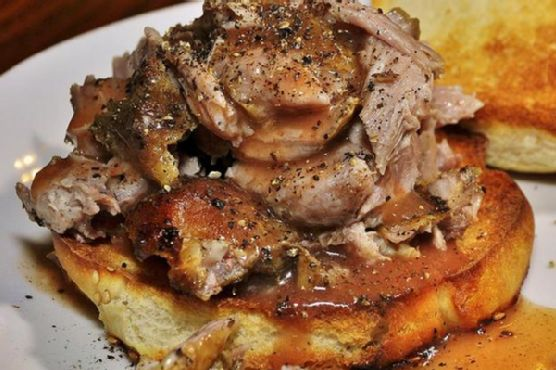
Welcome to a delightful culinary journey to the heart of North Carolina with our authentic BBQ Pulled Pork recipe. I remember summer afternoons at my grandmother’s house, where the aroma of slow-cooked pork would waft through the air as we played outside. This dish was the centerpiece of our family gatherings, bringing everyone together with its rich flavors and tender texture. Now, I’m thrilled to share this cherished recipe with you, so you can create your own memories around the table.

Why You’ll Love It

This North Carolina-Style BBQ Pulled Pork is a true crowd-pleaser. It’s a perfect blend of tangy, savory, and sweet flavors, with a hint of smokiness that takes it over the top. Whether you’re hosting a backyard barbecue, a family dinner, or just craving something comforting, this dish is incredibly versatile and sure to satisfy. Plus, it’s easy to make, allowing you to enjoy the company of your loved ones while the oven does most of the work.

Ingredients

  • 8 cups apple cider vinegar
  • 1 boneless pork shoulder (about 5 pounds)
  • 1/4 cup dark firmly-packed brown sugar
  • 1/4 cup butter, melted
  • 1 tablespoon celery salt
  • 1 tablespoon dry mustard
  • 1 tablespoon garlic salt
  • 1 tablespoon black ground pepper
  • 1 cup ketchup
  • 1/4 cup light brown sugar
  • 2 tablespoons liquid hickory smoke
  • 1 tablespoon onion powder
  • 1 tablespoon crushed red pepper flakes
  • 2 tablespoons salt
  • 1 cup water

Instructions

  1. In a small bowl, mix together paprika, light brown sugar, celery salt, garlic salt, dry mustard, black pepper, onion powder, and salt.
  2. Season the entire pork roast with the spice mixture and cover it. Let it rest overnight in the refrigerator to absorb the flavors.
  3. Preheat your oven to 325°F (165°C).
  4. Place the seasoned pork roast in a large, disposable aluminum roasting pan.
  5. In a small bowl, combine the melted butter and liquid hickory smoke to create the basting marinade.
  6. Pour the basting marinade over the pork and cover the pan with aluminum foil.
  7. Cook the pork for approximately 4 1/2 hours or until the meat becomes tender enough to pull apart. Turn the pork every hour and baste it every 30 minutes. Alternatively, cook the pork over white hot coals, covered, for 3-3 1/2 hours, basting and turning frequently with the marinade.
  8. Transfer the pork roast to a cutting board and drain the excess juices from the pan.
  9. Slice the pork roast and pull apart the meat, trimming any fat. Place the shredded pork back into the roasting pan.
  10. Prepare the BBQ sauce by mixing together the cider vinegar, water, ketchup, dark brown sugar, salt, and red pepper flakes in a large bowl.
  11. Pour the BBQ sauce over the pulled pork, stirring to ensure all the meat is covered. Cover with aluminum foil.
  12. Place the pulled pork back into the oven (still at 325°F) or grill and cook for 1 1/2 hours, stirring the pork and sauce every 30 minutes.

Tips

For best results, make sure to let the pork marinate overnight. This allows the spices to penetrate deeply, enhancing the flavor of the meat. When pulling the pork, be patient and gentle to ensure it remains juicy and tender. If you’re cooking on a grill, maintain a consistent temperature to avoid overcooking.

Variations & Substitutions

Feel free to get creative with this recipe! You can substitute the pork shoulder with a pork butt if preferred. For a spicier kick, add more red pepper flakes or a dash of hot sauce to the BBQ sauce. If you don’t have apple cider vinegar on hand, white vinegar can be used as a substitute. For a smoky flavor without liquid smoke, try grilling the pork over wood chips.

Storage

Store any leftover pulled pork in an airtight container in the refrigerator for up to 4 days. It can also be frozen for up to 3 months. To reheat, gently warm it in the oven or on the stovetop, adding a splash of water or extra BBQ sauce to keep it moist.

FAQ

Can I make this recipe in a slow cooker?

Absolutely! To adapt this recipe for a slow cooker, follow the same steps for seasoning the pork and making the sauce. Place the seasoned pork in the slow cooker, pour the sauce over it, and cook on low for 8-10 hours or until the pork is tender and falls apart easily.

How do I know when the pork is fully cooked?

The pork is done when it reaches an internal temperature of 195°F to 205°F and easily pulls apart with a fork. If using a meat thermometer, insert it into the thickest part of the pork for an accurate reading.

What should I serve with BBQ pulled pork?

BBQ pulled pork pairs wonderfully with classic sides like coleslaw, cornbread, baked beans, or potato salad. For a lighter option, serve it with a fresh green salad or roasted vegetables.

Nutrition

This North Carolina-Style BBQ Pulled Pork is high in protein and provides a satisfying meal. Keep in mind that portion sizes and sides will affect the overall nutritional value. For specific dietary concerns, consider using leaner cuts of pork or modifying the sugar content in the sauce.

Conclusion

Our North Carolina-Style BBQ Pulled Pork is a must-try for anyone who loves a good barbecue. With its rich flavors and tender texture, it’s a dish that brings people together, creating lasting memories around the table. Whether you’re a seasoned cook or a beginner, this recipe is straightforward and rewarding. So gather your loved ones, fire up the oven or grill, and enjoy this delicious taste of North Carolina tradition.

Related update: North Carolina-Style BBQ Pulled Pork

Related update: Easy Pork Chops on Stuffing

Korean Sweet n Sour Chicken | Made by Meaghan Moineau

Korean Sweet n Sour Chicken

Intro

There’s something about the combination of sweet and sour flavors that transports me back to my childhood. I remember the first time I tasted this delightful Korean Sweet n Sour Chicken; it was during a family gathering. My grandmother, who was an exceptional cook, had prepared this dish with so much love. As the aroma filled the house, we all gathered around the table, our mouths watering in anticipation. That first bite was a revelation — the perfect balance of crispy chicken, tangy sauce, and fresh vegetables. Today, I am thrilled to share this cherished recipe with you, hoping it becomes a favorite in your home as well.

Why You’ll Love It

This Korean Sweet n Sour Chicken recipe is not only delicious but also easy to make. It’s a wonderful fusion of flavors that takes your taste buds on a delightful journey. The crispy chicken pairs perfectly with the sweet and tangy sauce, and the colorful vegetables add a burst of freshness and nutrition. Whether you’re cooking for your family or hosting a dinner party, this dish is sure to impress.

Ingredients

  • 2 boneless chicken breasts
  • 2 tablespoons soy sauce
  • 1 cup flour
  • 1/2 cup cornstarch
  • 1 egg, beaten
  • 1 cup water (divided)
  • Vegetable oil for frying
  • 1 onion
  • 1 cup carrot slices
  • 1 cup edamame
  • 1/2 cup cider vinegar
  • 1/2 cup pineapple juice
  • 3 tablespoons sugar
  • 1/4 cup mixed corn starch and water

Instructions

  1. Cut the chicken into thin strips, about 1 or 2-inch pieces. Add soy sauce to the chicken for a short marination; mix well and set aside.
  2. Cut the vegetables into large bite-sized pieces. Set aside until the sauce is ready and thickened.
  3. Make the batter by mixing the flour, cornstarch, water, and beaten egg. Add more flour until a thick consistency is reached.
  4. Dip the marinated chicken strips into the batter.
  5. Bring vegetable oil to medium-high heat. Deep fry each of the strips for about 3 to 4 minutes per batch or until browned and cooked through.
  6. When finished, place on a paper towel-lined dish to remove excess oil. For extra crispiness, optionally re-fry the chicken strips for a second time.
  7. To make the sauce, bring 1 cup of water, 3 tablespoons of vinegar, 3 tablespoons of sugar, and 2 tablespoons of soy sauce to a rapid boil in a saucepan.
  8. Add the mixture of cornstarch and water to the saucepan. Add desired vegetables and let simmer for about 5 minutes or until it thickens.
  9. On a large plate, add the fried chicken strips, then pour over the sauce/vegetable mixture and serve while warm.

Tips

  • For best results, ensure the oil is at the right temperature before frying. Too low, and the chicken will absorb too much oil; too high, and it will burn.
  • Feel free to adjust the sweetness or sourness of the sauce according to your taste preferences.
  • Use paper towels to drain excess oil from the fried chicken, ensuring it stays crispy.

Variations & Substitutions

If you’re looking to switch things up, here are some variations and substitutions you can try:

  • Protein Swap: Substitute chicken with tofu or shrimp for a different protein option.
  • Vegetable Variety: Add bell peppers, snow peas, or broccoli for additional flavor and nutrients.
  • Gluten-Free Option: Use a gluten-free flour blend instead of regular flour for a gluten-free version.

Storage

Store any leftovers in an airtight container in the refrigerator for up to 3 days. To reheat, place the chicken and sauce in a skillet and warm over low heat until heated through. Alternatively, use a microwave, but be mindful that the chicken may not remain as crispy.

FAQ

Can I prepare this dish in advance?

Yes, you can prepare the sauce and marinate the chicken in advance. Store them separately in the refrigerator for up to 24 hours. When you’re ready to serve, fry the chicken and heat the sauce with the vegetables.

Is there a way to make this dish healthier?

To make this dish healthier, consider air frying the chicken instead of deep frying to reduce oil content. You can also use brown rice flour for the batter and serve with a side of steamed brown rice for added fiber.

Nutrition

While specific nutritional values can vary, this dish provides a good source of protein from the chicken and edamame. The vegetables offer dietary fiber, and the sauce, when used in moderation, can fit into a balanced diet. If you have dietary concerns, consider adjusting the sugar and oil quantities.

Conclusion

There you have it, a delightful and nostalgic Korean Sweet n Sour Chicken recipe that is bound to become a staple in your kitchen. Whether you’re making it for a special family gathering or a casual weeknight dinner, this dish is sure to bring smiles and satisfy cravings. Enjoy the harmonious blend of flavors and the joy of sharing a meal with loved ones. Happy cooking!

Related update: Korean Sweet n Sour Chicken

Related update: North Carolina-Style BBQ Pulled Pork

BYU Role Players Steal Spotlight Against | Analysis by Brian Moineau

Don’t let the star steal the story: BYU’s unsung pieces that made the Iowa State upset possible

There are nights when a singular performance steals the headlines — and rightfully so. AJ Dybantsa’s near triple‑double (29 points, 10 rebounds, 9 assists) in BYU’s 79–69 upset of No. 6 Iowa State on February 21, 2026, was one of those nights. But if you watched the whole game, you saw something else: a supporting cast that stepped up in ways the box score and highlights don’t fully capture. That collective lift turned a brilliant individual night into a signature team win. (byucougars.com)

Why this win matters beyond the highlight reel

  • BYU earned its first Top‑10 victory of the season, a marquee result that improves resume and belief. (byucougars.com)
  • Iowa State came in hot — a top‑10 team with national expectations — meaning this wasn’t a fluke; it was earned. (espn.com)
  • The win came after BYU lost a key rotation player (Richie Saunders), so the responsibility shifted to others and they delivered. (991thesportsanimal.com)

The unsung contributions that swung the game

  1. Kennard Davis Jr.: The reliable secondary scorer

    • Davis scored 17 points and provided timely shooting and offensive rebounding that sustained BYU through Iowa State’s runs. His floor spacing and willingness to crash the glass helped maintain possessions that became crucial late. (byucougars.com)
  2. Mihailo Boskovic: Confidence when it mattered most

    • In his third career start, Boskovic delivered a career‑best 13 points — including a big corner 3 with 1:20 left that pushed the lead back to double digits. That’s the kind of shot a freshman forward remembers. (byucougars.com)
  3. Khadim Mboup and the rebound margin

    • BYU dominated the boards (39–28), translating defensive rebounds into transition chances and limiting second‑chance points for Iowa State. Mboup’s activity and the team’s collective effort on the glass were foundational. (vanquishthefoe.com)
  4. Defense and timely stops

    • BYU’s ability to get stops at key moments — including forcing contested possessions on Iowa State’s sharpshooters — created the transition opportunities Dybantsa capitalized on and kept momentum on the home side. Coach Kevin Young highlighted the defensive fight as pivotal. (heraldextra.com)

The narrative shift: from reliance to resilience

Before this game, many narratives framed BYU as “AJ plus helpers.” Saturday’s result showed the helpers are not merely interchangeable pieces; they are decisive contributors. When the Cyclones closed within three late, it wasn’t another Dybantsa hero ball that finished it — it was a sequence that involved drawing defenders, kicking to the open man, a Boskovic 3, and rebounding grit that preserved possessions. That kind of team basketball is what separates one‑off wins from program momentum. (heraldextra.com)

What this suggests for the rest of the season

  • Opponents can no longer schematically focus only on Dybantsa; BYU has shown credible secondary options who can punish over‑help and capitalize on attention. (byucougars.com)
  • Confidence gained from beating a top‑10 opponent at home is intangible but real — it can change how players attack late‑game situations and how coaches deploy lineups. (heraldextra.com)
  • If BYU continues to win the rebound battle and get contributions from its role players, they’re not just dark‑horse candidates — they’re dangerous. (vanquishthefoe.com)

Plays to watch (so you notice the helpers next time)

  • The offensive rebound that turned into a Dybantsa finish at 16:39 of the second half — an example of how extra possessions changed the scoreboard. (heraldextra.com)
  • The late kickout to Boskovic for the corner 3 at 1:20 left — not a highlight that would trend, but a finish that sealed the game. (heraldextra.com)
  • Team defensive rotations on Milan Momcilovic when he got into early foul trouble — the attention on stopping the Cyclones’ sharpshooters bought BYU transition looks. (heraldextra.com)

My take

This wasn’t just a night for AJ Dybantsa — it was a night BYU earned by committee. Stars create separation, but championships and résumé‑building wins are often assembled by the supporting cast: the rebounder who scrapes for seconds, the young starter who drills a corner triple, the wing that takes a contested charge or a late defensive stop. BYU’s victory over Iowa State was a reminder that basketball is a team sport in the deepest sense. Keep watching those quiet box‑score lines; they’re telling a bigger story.

Sources


Related update: We recently published an article that expands on this topic: read the latest post.
8 Standout Gadgets Worth Your Attention | Analysis by Brian Moineau

Eight fresh gadgets worth a second look this week

If you scroll through the usual product noise, a few real standouts cut through: clever EDC upgrades, camera gear that actually feels designed for creators, and a few practical smart‑home updates that matter. Here’s a personable roundup of the eight picks Gear Patrol highlighted this week, what makes each one interesting, and why they might deserve a spot on your radar.

Why this week felt different

  • Product launches lately haven’t just been iterative—manufacturers are leaning into narrow, problem‑solving features (tiny cables that actually work at full speed, cameras built around long continuous video, and pocket‑sized gimbals that act like mini production rigs).
  • The trend: make something smaller, more capable, and more focused on real workflows—whether that’s a vlogger who needs hours of 4K, an EDC lover who wants a keychain cable that charges a laptop, or a homeowner who wants clear, 2K outdoor video without fuss.

What to watch (quick highlights)

  • Canon PowerShot V1 — A “video first” compact with a cooling system that lets creators film long 4K60 clips without throttling. That’s rare in a point‑and‑shoot and makes the V1 more of a pocket production tool than a toy. (Good for vloggers and run‑and‑gun creators.)
  • DJI Osmo Mobile 7P — DJI’s latest gimbal with ActiveTrack 7.0, an integrated lighting module, and a multifunctional module on the 7P that doubles as a wireless mic receiver. It’s design‑forward for mobile creators who want fewer accessories to carry.
  • Nomad ChargeKey V2 — Tiny, on‑keychain, and rated for up to 240W + 10Gbps data. It’s the kind of failure of imagination solved: why can’t a keychain cable actually handle modern power and transfer speeds? Now it can.
  • Ring Outdoor Cam Plus — Ring’s first outdoor camera with native 2K video, improved Wi‑Fi, and flexible power options (battery, plug‑in, solar). A practical upgrade if you want higher baseline resolution for outdoor monitoring without waiting for software patches.
  • Grado Signature S950 — A premium open‑back headphone drop for audiophiles, swapping the usual metals for walnut housings and positioning itself as a sonic and aesthetic statement.
  • Kim Jim Pomera D250US — A distraction‑free digital typewriter aimed at writers who want a focused drafting device (US keyboard layout via crowdfunding backing).
  • Canon, DJI, Nomad and Ring exemplify how small hardware changes can improve real user workflows—better cooling, smarter gimbal features, faster charging, and higher native camera resolution.

The gadgets, briefly explained

  • Canon PowerShot V1
    • Why it matters: Puts video front and center with a Type 1.4 sensor, 16–50mm zoom, Dual Pixel AF II, and an actual cooling system that enables extended 4K/60fps recording. It feels like Canon building a compact specifically for creators who record a lot. Source coverage highlighted its continuous‑video capability as the defining feature.
  • DJI Osmo Mobile 7P
    • Why it matters: Adds ActiveTrack 7.0, integrated lighting and wireless‑mic reception on the “P” model, and a built‑in extension rod. It’s a gimbal that reduces the number of separate tools creators need to carry.
  • Nomad ChargeKey V2
    • Why it matters: A bona fide EDC charge cable that supports up to 240W and 10Gbps transfer while remaining keychain friendly. Practical, tiny, and solves a real modern annoyance.
  • Ring Outdoor Cam Plus
    • Why it matters: Native 2K out of the box and modern Wi‑Fi (including Wi‑Fi 6 on some models), with flexible powering and improved low‑light performance. Upfront higher resolution is useful for clearer captures of packages, faces, and license plates.
  • Grado Signature S950
    • Why it matters: For listeners who still care about sonic nuance—wooden housings, open‑back staging, and Grado’s character make this a pricey but purposeful audiophile pick.
  • Kim Jim Pomera D250US
    • Why it matters: A deliberately minimal writing device aimed at distraction‑free work. If you want to draft without notifications, the Pomera approach keeps you on task.
  • DJI Mic 3 (brief mention from the week’s releases)
    • Why it matters: Smaller, more capable wireless mic hardware that improves on portability and recording workflows for creators.
  • Nomad and other small accessories (multi‑device chargers, compact EDC power) — incremental but meaningful upgrades to daily convenience.

Patterns worth noting

  • Creator tooling is maturing: instead of lumping features into dense all‑in‑ones, companies are shipping lightweight tools that slot into real workflows (gimbals that act as lighting and audio receivers, cameras that don’t overheat during long takes).
  • Practical over flashy: several of this week’s winners are quietly useful (faster keychain cables, real 2K surveillance cameras, durable EDC). That signals a market move from spectacle to polish.
  • Attention to thermals, connectivity, and battery options: these engineering details make devices actually usable day‑to‑day rather than just concept pieces.

Helpful buying notes

  • If you need continuous long‑form 4K on the go: Canon PowerShot V1 is designed for that purpose—confirm regional availability and price before committing.
  • For mobile creators who film a lot: the Osmo Mobile 7P trims accessory clutter (light + audio reception) and is more efficient for setups where speed matters.
  • If you carry a key cable daily: the Nomad ChargeKey V2 is worth the few extra dollars if you rely on modern fast‑charge workflows (laptops, power adapters).
  • For sensible home security upgrades: a camera with native 2K (Ring Outdoor Cam Plus) will give better baseline captures than older 1080p models—subscription features still matter for cloud recording and advanced detection.

What this means in plain language

Small hardware improvements—better cooling, higher native resolution, legit keychain‑capable power—lead to big improvements in everyday user experience. This week’s releases are less about headline specs and more about reducing friction: fewer overheating cameras, fewer battery worries, fewer adapters and micro‑steps to get a usable shot or a charged device.

A few quick takeaways

  • Product design is solving real user problems instead of chasing higher megapixel counts.
  • Creators benefit most when multiple small improvements are combined (cooling + autofocus + long battery life = more reliable takes).
  • Practical EDC and smart‑home upgrades are the unsung winners of the week.

My take

I like gear that anticipates where people actually use devices. The Canon V1 and DJI’s 7P both show that manufacturers are listening to creators: they’re trimming the friction between idea and execution. And the Nomad ChargeKey V2 is the kind of tiny improvement that quietly makes daily life better—the sort of thing you only notice when it’s missing. For buyers, the lesson is to evaluate a product by the workflow it enables, not just the headline spec.

Sources


Related update: We recently published an article that expands on this topic: read the latest post.


Related update: We recently published an article that expands on this topic: read the latest post.


Related update: We recently published an article that expands on this topic: read the latest post.

Mashed Potatoes with Garlic, Sage & Goat Cheese | Made by Meaghan Moineau

Mashed Potatoes with Garlic, Sage & Goat Cheese

Intro

There’s a certain magic in the air when the aroma of garlic and sage wafts through the kitchen, bringing back fond memories of family gatherings and celebrations. I remember my grandmother’s cozy kitchen, where we would gather around the table, eagerly waiting for her famous mashed potatoes to be served. The rich, creamy texture and the subtle tang of goat cheese would melt in our mouths, creating a symphony of flavors that lingered long after the meal was over. Today, I’m excited to share with you a recipe that brings those cherished memories to life: Mashed Potatoes with Garlic, Sage & Goat Cheese. This dish is a perfect combination of comfort and elegance, making it a delightful addition to any meal.

Why You’ll Love It

This recipe for Mashed Potatoes with Garlic, Sage & Goat Cheese is a game-changer for several reasons:

  • Rich and Creamy: The addition of goat cheese provides a luxurious creaminess that elevates traditional mashed potatoes.
  • Flavorful: Garlic and sage add depth and complexity, transforming a simple side dish into a gourmet experience.
  • Easy to Make: With just a handful of ingredients and straightforward instructions, you’ll have this dish ready in no time.
  • Versatile: Perfect for holiday feasts, intimate dinners, or as a comforting treat on a chilly evening.

Ingredients

  • 4 large baking potatoes, peeled and cubed
  • 3 cloves of garlic, minced
  • 1 Chavrie goat cheese pyramid (5.3 oz)
  • 2 tablespoons olive oil
  • 1 tablespoon fresh sage, finely chopped
  • Salt and black pepper to taste

Instructions

  1. In a medium saucepan, cook the potatoes in salted water until tender, about 15 minutes.
  2. Drain the potatoes and return them to the saucepan.
  3. While still warm, add the olive oil, garlic, and Chavrie Goat Cheese.
  4. Whip the potatoes with hand-held mixers until the ingredients are blended and the desired consistency is obtained.
  5. Season with salt and black pepper to taste.
  6. Garnish with fresh sage before serving.

Tips

  • Use Starchy Potatoes: Russet or Yukon Gold potatoes work best for this recipe, providing a fluffy and creamy texture.
  • Don’t Overmix: To avoid gummy mashed potatoes, mix just until the ingredients are combined.
  • Infuse the Oil: For an extra flavor boost, gently heat the olive oil with the minced garlic before adding it to the potatoes.

Variations & Substitutions

  • Dairy-Free Option: Substitute the goat cheese with a dairy-free cheese alternative for a lactose-free version.
  • Herb Variations: Experiment with different herbs like rosemary or thyme for a unique twist.
  • Cheese Alternatives: Try using cream cheese or feta for a different flavor profile.

Storage

Store any leftover mashed potatoes in an airtight container in the refrigerator for up to 3 days. To reheat, gently warm them on the stove over low heat, adding a splash of milk or cream to restore their creamy consistency.

FAQ

Can I prepare the mashed potatoes ahead of time?

Yes, you can prepare the mashed potatoes a day in advance. Simply reheat them gently on the stove or in the microwave before serving, adding a little cream or milk to bring back their creamy texture.

What can I serve with these mashed potatoes?

These mashed potatoes are incredibly versatile and pair well with a variety of dishes, including roasted chicken, grilled steak, or even a hearty vegetable stew.

Can I freeze the mashed potatoes?

While it’s possible to freeze mashed potatoes, the texture may change upon thawing. If you choose to freeze them, store in an airtight container and reheat gently, adding cream or milk to improve texture.

Nutrition

Each serving of these mashed potatoes provides approximately:

  • Calories: 230
  • Protein: 5g
  • Carbohydrates: 25g
  • Fat: 12g
  • Fiber: 3g
  • Sugar: 2g

Conclusion

Mashed Potatoes with Garlic, Sage & Goat Cheese are more than just a side dish—they’re a celebration of flavors that bring warmth and joy to any table. Whether you’re hosting a holiday gathering or simply treating yourself to a cozy meal at home, this recipe is sure to impress. With its blend of rich, creamy textures and aromatic herbs, you’ll find yourself returning to this dish time and again. So gather your ingredients, embrace the nostalgia, and savor the comforting taste of these gourmet mashed potatoes. Happy cooking!

Related update: Mashed Potatoes with Garlic, Sage & Goat Cheese

MagSafe Wallet w/ Kickstand and Find My | Analysis by Brian Moineau

A smarter MagSafe wallet that actually does more than hold cards

People have been attaching slim wallets to the backs of their iPhones for years, but until recently those sticky card-holders were dumb leather pouches — handy, but vulnerable to loss. MOFT’s long-promised MagSafe wallet with a built-in kickstand and Apple Find My support finally arrives in stores, and it’s the kind of sensible, everyday upgrade that quietly solves a handful of real annoyances: losing your wallet, fumbling for a stand, and wondering whether a small accessory is dead when it goes missing.

Why this matters now

MOFT first teased a Find My–enabled MagSafe wallet at CES in January 2025. After completing Apple’s Find My certification and several refinements, the product is now broadly available (including on Apple’s online store) and priced around $49–50 — squarely undercutting many brand-name alternatives while adding tracking tech and a practical folding stand. The timing is notable: Apple’s own Find My–compatible leather wallet set a precedent for integrating tracking into MagSafe accessories, and MOFT brings that feature to a design category it helped popularize: the fold-flat stand-wallet hybrid. (9to5mac.com)

Quick takeaways

  • MOFT’s new MagSafe wallet combines a two-card wallet, an adjustable kickstand, and Apple Find My tracking in one compact MagSafe accessory. (apple.com)
  • It offers a rechargeable battery (MOFT lists an 80 mAh battery) and audible alerts + lost-mode support through the Find My network. (apple.com)
  • Price sits near $49.99 and it is available through MOFT and Apple; color options vary by retailer. (moft.us)

What MOFT actually built

MOFT isn’t trying to reinvent the wheel. Instead, it packed a few complementary features into one polished package:

  • MagSafe-compatible attachment that sticks to iPhones and MagSafe cases.
  • A fold-flat origami-style kickstand that supports portrait viewing (and usually landscape depending on case/thickness) — MOFT’s signature move. (moft.us)
  • Apple Find My integration: location reporting, lost mode, and “play a sound” functionality like other Find My accessories. MOFT advertises roughly 30 meters indoor and 40 meters outdoor Bluetooth range for direct tracking. (appleinsider.com)
  • Rechargeable battery to keep the tracker alive (MOFT lists an 80 mAh capacity) with multi-month standby depending on usage. (apple.com)
  • Splash resistance and durable materials in a vegan leather / eco-friendly finish, consistent with MOFT’s previous Snap-on wallets. (moft.us)

How it compares to Apple and other makers

  • Apple’s iPhone Leather Wallet with Find My set expectations for what a tracked MagSafe wallet can do (lost mode, detachment alerts, show on map). MOFT mirrors that functionality but adds the kickstand/stand wallet form factor many users already prefer. Apple’s support article explains how the standard wallet behaves in iOS; MOFT’s product implements the same Find My features. (support.apple.com)
  • Nomad and a few others have released tracked MagSafe wallets too, but with different trade-offs (Nomad’s leather wallet focuses on premium materials and slimness). MOFT’s advantage is the hybrid stand + wallet concept — a practical win for people who watch video or attend calls on the go. (theverge.com)
  • Price is competitive. MOFT’s ~$50 price point undercuts some premium leather options while offering a richer feature set than many $30–40 MagSafe sleeves. Availability through Apple lends credibility and broadens access. (apple.com)

Practical considerations before buying

  • Compatibility: Works best with iPhones that support MagSafe. Thicker cases or non-MagSafe phones may reduce magnet strength or interfere with the stand function. MOFT offers standard and Find My–enabled versions; make sure you choose the tracked model if that’s important. (moft.us)
  • Card capacity: Designed for 2 cards (MOFT’s spec); if you carry many cards or cash you’ll still need a separate wallet. (moft.us)
  • Battery life: MOFT lists an 80 mAh battery; real-world battery life depends on tracking frequency and how often you use sound/notifications. Other makers quote multi-month life — expect similar range but be prepared to recharge occasionally. (apple.com)
  • Find My behaviors: Like Apple’s wallet, MOFT’s accessory will show last known location and support Lost Mode and detachment notifications — useful for travel and everyday misplacements. (support.apple.com)

Why I think this one will stick

MOFT’s strength is design clarity: the company built a product people already liked (the snap-on stand-wallet) and added the one feature that mattered most to skeptics — real findability. It’s an incremental upgrade that addresses the top user fears (losing the wallet, losing the phone) without making the wallet bulky or gimmicky. Offering it via Apple’s storefront also signals that MOFT passed Apple’s certification hurdles, which matters when you rely on the Find My network. (moft.us)

My take

If you’re someone who uses a MagSafe wallet and also wants the convenience of a stand, or if you’ve felt that twinge of panic after leaving a wallet on a café table, MOFT’s Find My–enabled wallet is the sort of small, thoughtful upgrade that actually improves daily life. It’s not the cheapest option on the market, but its combination of tracking, kickstand functionality, and availability through Apple make it a sensible pick for many iPhone users.

Sources


Related update: We recently published an article that expands on this topic: read the latest post.


Related update: We recently published an article that expands on this topic: read the latest post.

Chinese Potstickers | Made by Meaghan Moineau

Delicious Chinese Potstickers: A Culinary Adventure

Intro

Growing up, Chinese potstickers were a staple in my household. I remember the comforting aroma wafting through the kitchen as my grandmother expertly folded each dumpling with swift, practiced motions. We would gather around the kitchen table, sharing stories and laughter as we eagerly awaited the moment we could dig into these delectable treats. There’s something about these crispy, juicy dumplings that instantly transports me back to those warm family gatherings. Today, I’m excited to share this cherished recipe with you so you can create your own memories around the table with these scrumptious Chinese potstickers.

Why You’ll Love It

This Chinese potsticker recipe is a delightful blend of flavors and textures that will satisfy your cravings for a savory, mouthwatering treat. They’re not only delicious but also fun to make, especially if you involve family or friends in the dumpling-folding process. The fragrant filling, coupled with the crispiness of the wrapper, makes them an irresistible dish that you’ll want to make again and again. Plus, they’re perfect for serving at parties, family dinners, or simply as a comforting snack.

Ingredients

  • 200g lean ground pork (or ground chicken)
  • 100g canned water chestnuts (or spinach/cabbage)
  • 1 teaspoon sea salt
  • 1 teaspoon fine sugar
  • 1/2 teaspoon ground black pepper
  • 2 teaspoons light soy sauce
  • 2 teaspoons sesame oil
  • 1 tablespoon Shaoxing Huatiao wine
  • 2 to 3 tablespoons finely chopped scallions or spring onions
  • Dumpling wrappers
  • Plain flour, for dusting
  • 2 to 3 tablespoons vegetable oil
  • 1/3 cup water

Instructions

  1. Place 200g of ground pork in a large mixing bowl. If preferred, pork may be substituted with ground chicken.
  2. Add 1 teaspoon of sea salt, 1 teaspoon of fine sugar, 1/2 teaspoon of ground black pepper, 2 teaspoons of light soy sauce, 2 teaspoons of sesame oil, and 1 tablespoon of Shaoxing Huatiao wine.
  3. Place 100g of canned water chestnuts in a chopper/blender and chop them into small pieces. Add the chopped water chestnuts to the pork mixture. If preferred, use spinach or cabbage in place of water chestnuts.
  4. Add 2 to 3 tablespoons of finely chopped scallions or spring onions to the pork mixture. Combine all the filling ingredients well.
  5. Thaw the dumpling wrappers if they are frozen and keep them well covered until ready to use. Dust a dish and the table generously with flour.
  6. Fill each dumpling wrapper with about 1.5 teaspoons of the prepared pork filling. Prepare a bowl of water for sealing the wrappers.
  7. Dip a finger into the water and lightly wet the rim of each dumpling wrapper. Bring the wrapper together till the opposite ends meet, then gently push the filling into the wrapper and pinch the top tip to seal it.
  8. From the center, fold a pleat on one side and bring it to the other side of the dumpling. Repeat to create two more pleats, ensuring each side has three pleats. Repeat on the other end of the dumpling.
  9. Place the prepared dumplings in a well-floured dish, ensuring they do not touch each other. Set aside or freeze until ready to cook.
  10. To cook, add 2 to 3 tablespoons of vegetable oil to a very hot frying pan. Cook potstickers in batches, ensuring the flat surfaces face down.
  11. Pan fry until the bottoms are golden brown, then add 1/3 cup of water to the pan. Cover immediately and steam for 4 to 5 minutes.
  12. Once the water evaporates, remove the cover and let the dumplings sit in the hot pan for another minute to crisp up the base.
  13. Gently transfer the potstickers to a plate and serve immediately with a vinegar dip made with balsamic or black Chinese vinegar and thinly sliced ginger. Soy sauce, chili oil, or sesame oil can also be added to the dipping sauce.

Tips

When making potstickers, it’s important to ensure all the edges are sealed tightly to prevent the filling from spilling out. If you’re new to pleating dumplings, practice makes perfect! Don’t worry if your first few attempts aren’t perfect—each potsticker will still taste delicious. Additionally, make sure to use a non-stick pan to ensure the dumplings don’t stick during cooking. And remember, patience is key when frying and steaming to achieve that perfect crispy bottom.

Variations & Substitutions

This potsticker recipe is highly versatile and can be adapted to suit your tastes. You can swap the pork for ground chicken, turkey, or even shrimp for a different protein profile. Vegetarians can enjoy these dumplings by substituting the meat with finely chopped mushrooms or tofu. Feel free to experiment with different vegetables like finely chopped carrots or bell peppers for added color and texture in the filling. Additionally, you can spice things up by adding a pinch of chili flakes or a few drops of chili oil to the filling for a hint of heat.

Storage

Uncooked potstickers can be stored in the freezer for future enjoyment. Simply place them on a baking sheet in a single layer, making sure they don’t touch each other, and freeze until solid. Once frozen, transfer them to a zip-top bag or airtight container for long-term storage. Cooked potstickers can be refrigerated in an airtight container for up to three days. To reheat, simply pan fry them again until heated through.

FAQ

Can I make potstickers in advance?

Yes! Potstickers can be made in advance and stored in the freezer. Just follow the instructions up to the cooking step, then freeze the uncooked dumplings. When you’re ready to enjoy them, simply cook them directly from frozen, adding a couple of extra minutes to the steaming time.

What dipping sauce pairs well with potstickers?

Potstickers are traditionally enjoyed with a simple vinegar dipping sauce made from balsamic or black Chinese vinegar and thinly sliced ginger. You can also add soy sauce, chili oil, or sesame oil for extra flavor. Feel free to experiment with different combinations to find your perfect dipping sauce!

Can I use homemade dumpling wrappers?

Absolutely! Homemade dumpling wrappers can add a personal touch to your potstickers. If you have the time and inclination, making your own wrappers can be a fun and rewarding experience. Just make sure to roll them out thinly and evenly for best results.

Nutrition

While nutritional content can vary, a typical serving of Chinese potstickers (3-4 dumplings) may contain around 200 calories, with a balance of protein, carbohydrates, and fats. They’re a great source of protein and can be part of a balanced diet when enjoyed in moderation.

Conclusion

Chinese potstickers are more than just a delightful treat; they’re a gateway to cherished memories and shared experiences around the table. Making these dumplings at home allows you to bring a taste of traditional Chinese cuisine into your own kitchen. Whether you’re a seasoned home cook or a beginner looking to try something new, this recipe offers a wonderful opportunity to explore your culinary skills. So gather your ingredients, call your loved ones, and embark on a delicious adventure with these homemade Chinese potstickers. Enjoy the flavors, the process, and most importantly, the company as you savor every bite!

Related update: Chinese Potstickers

Related update: Korean Sweet n Sour Chicken

Cheesy Spinach Stuffed Shells | Made by Meaghan Moineau

Cheesy Spinach Stuffed Shells

Intro

There’s something about the combination of cheese and pasta that feels like a warm hug on a cold day. I remember family gatherings where this dish was a staple on the dining table. My grandmother would lovingly prepare these Cheesy Spinach Stuffed Shells, and the aroma that filled the house was just as comforting as the dish itself. Those gatherings were filled with laughter, stories, and the savory delight of pasta shells stuffed to the brim with cheesy goodness. Today, I’m excited to share this recipe with you, hoping it brings warmth and joy to your own home.

Why You’ll Love It

This dish is a delightful blend of creamy, cheesy flavors with a hint of fresh greens from the spinach. It’s comforting, filling, and perfect for both family dinners and special occasions. The combination of alfredo and spaghetti sauce creates a rich, savory base that complements the cheesy filling magnificently. Plus, the addition of pecans adds a delightful crunch, making each bite an experience to savor.

Ingredients

  • Jumbo pasta shells
  • Cooked frozen spinach
  • Wheat germ
  • Shredded parmesan cheese
  • Pecans, chopped
  • Shredded Mexican cheese
  • Diced green onions
  • Salt
  • Dried basil
  • 2 eggs
  • Water
  • Alfredo sauce
  • Spaghetti sauce

Instructions

  1. Preheat your oven to 350°F (175°C).
  2. Start by boiling the jumbo shells in a large pot of salted water for about 9 minutes. They should be al dente as they’ll finish cooking in the oven later. Drain and place them face down on a paper towel to remove excess water.
  3. While the shells are cooking, prepare the filling. Microwave the frozen spinach until thawed, following the package instructions. Do not add extra water.
  4. In a mixing bowl, combine the cooked spinach with wheat germ, parmesan cheese, shredded Mexican cheese, chopped pecans, and diced green onions. Mix until well combined.
  5. Season the mixture with salt, pepper, and dried basil to taste. Optionally, add a pinch of nutmeg for extra flavor. Once seasoned, add in the eggs and water, mixing until fully incorporated.
  6. Stuff each shell with the spinach mixture. You should have enough filling for approximately 16-20 shells. Set these aside.
  7. Prepare an 8×8-inch baking pan (or a 9×13-inch pan) by greasing it with cooking spray. Spread a layer of alfredo sauce on the bottom, followed by a layer of spaghetti sauce, using about half a jar of each.
  8. Arrange the stuffed shells on top of the sauce in the pan. Cover the shells with the remaining sauce.
  9. Bake in the preheated oven, uncovered, for about 30-35 minutes or until the sauce is bubbly and the top is slightly golden.
  10. Serve hot and enjoy!

Tips

For best results, make sure to drain the shells thoroughly to prevent a watery dish. You can prepare the filling a day in advance to save time. Just keep it stored in the refrigerator until you’re ready to stuff the shells.

Variations & Substitutions

If you want a lighter version, consider using low-fat cheeses and a lighter alfredo sauce. You can also substitute the pecans with walnuts or omit them altogether if you prefer a nut-free version. For added protein, mix in some cooked chicken or turkey with the filling.

Storage

Leftover stuffed shells can be stored in an airtight container in the refrigerator for up to 3 days. To reheat, cover with foil and bake at 350°F (175°C) until warmed through. You can also freeze the shells for up to 2 months. Allow them to thaw overnight in the fridge before reheating.

FAQ

Can I use fresh spinach instead of frozen?

Yes, you can use fresh spinach. Simply sauté it until wilted, then chop it finely before adding it to the filling mixture.

What can I serve with these stuffed shells?

This dish pairs beautifully with a fresh garden salad and garlic bread. A glass of white wine or your favorite sparkling water would also complement the flavors nicely.

Can I make this dish ahead of time?

Absolutely! You can prepare the stuffed shells up to the baking step and refrigerate them for a day. When ready to serve, bake them as directed, adding a few extra minutes if they are cold from the fridge.

Nutrition

This dish is a hearty, protein-rich meal thanks to the cheese and eggs. The spinach adds a good dose of vitamins and minerals, while the pecans provide healthy fats. Keep in mind that using full-fat cheeses and sauces will increase the calorie content, so adjust according to your dietary needs.

Conclusion

Cheesy Spinach Stuffed Shells are a wonderful way to bring comfort and warmth to your dining table. Whether you’re making them for a special occasion or a cozy family dinner, this dish is sure to become a beloved favorite. Enjoy the cheesy, creamy goodness and the delightful crunch of pecans in every bite. Bon appétit!

Related update: Cheesy Spinach Stuffed Shells

Related update: Chinese Potstickers

Related update: Mashed Potatoes with Garlic, Sage & Goat Cheese

Strickland Ends Streak, Calls Out Chimaev | Analysis by Brian Moineau

Sean Strickland’s statement night in Houston: he stops Hernandez and points straight at Khamzat

The Toyota Center was electric on February 21, 2026 — not just because Sean Strickland ended Anthony “Fluffy” Hernandez’s eight-fight surge, but because Strickland left the cage making it very clear what he wants next: Khamzat Chimaev. It was a night that felt equal parts tactical clinic, vintage Strickland aggression, and a loud, unapologetic challenge aimed at the division’s top dog.

What happened (quick recap)

  • Event: UFC Fight Night — Houston, Toyota Center.
  • Date: February 21, 2026.
  • Result: Sean Strickland defeated Anthony Hernandez by TKO (strikes) at 2:33 of Round 3.
  • Significance: Stopped Hernandez’s eight-fight winning streak and delivered Strickland’s first finish in several years while staking a claim for a title shot. (ufc.com)

Why this felt bigger than "just another main event"

There are a few layers to the moment:

  • Strickland’s performance wasn’t fluky. He controlled large stretches with his jab, landed a hard body knee early in Round 3 that visibly changed the fight, and followed with precise pressure until the referee stepped in. That combination of discipline and sudden finishing heat reminded fans why he’s still main-event-caliber. (ufc.com)

  • Hernandez was riding real momentum. “Fluffy” had ripped off eight wins — beating names that had him climbing into title-talk territory. Snapping that streak doesn’t just boost Strickland’s résumé; it reshuffles the middleweight pecking order. (mmamania.com)

  • The verbal angle is unavoidable. Strickland didn’t just celebrate — he publicly called out Khamzat Chimaev, re-igniting a rivalry that’s been building in and around the division. That callout turns a single win into a concrete narrative: Strickland wants the title back and wants to do it against the hottest champion in the weight class. (mmafighting.com)

A main-event finish is always headline material — but the timing (after Hernandez’s streak) and the bold callout make this moment meaningful for the entire 185-pound picture.

The matchup implications: could Strickland vs. Chimaev really happen?

There are reasons it’s a tantalizing matchup and reasons to be skeptical.

  • Why it makes sense:

    • Strickland just added a big win to his ledger and is a former champion with name value; the UFC rewards both.
    • Chimaev is the undefeated face of the division and a promotional favorite for big matchups; a fight between two outspoken, polarizing figures sells. (ufc.com)
  • Why it might not be straightforward:

    • Chimaev has flirted with moving weight classes and has his own career path and priorities, which may or may not align with an immediate Strickland defense.
    • The politics of matchmaking — rankings, previous rematches, and other contenders in line — could delay or detour this pairing. (mmafighting.com)

Bottom line: the matchup is plausible and marketable, but not automatic. Promotion, timing, and both fighters’ willingness will determine whether that callout becomes the next big middleweight fight.

What this means for Anthony Hernandez

  • The loss stings — Hernandez’s eight-fight run (dating back to 2020) was real momentum toward a title push. A loss like this bumps him off the immediate path, but it doesn’t erase the body of work that put him there. Expect him to recalibrate, pick a tough but winnable test, and chase a bounce-back run. (mmamania.com)

Quick takeaways from the night

  • Strickland reminded everybody he can still finish fights and do so against top-tier, in-form opponents. (ufc.com)
  • Hernandez’s streak ends, but he remains a dangerous, top-level middleweight with easy paths back into contention. (mmamania.com)
  • The callout to Khamzat Chimaev turns an impressive win into a storyline with title implications — whether or not it happens depends on both fighters and UFC timing. (mmafighting.com)

My take

Strickland’s win was classic: smart boxing, sudden violence, and a headline-ready post-fight demand. He hasn’t been the division’s most consistent finisher, but on this night he showed he still has that dangerous edge — and just as importantly, the appetite to push the division’s narrative. If the UFC wants intrigue (and pay-per-view eyeballs), matching him with Chimaev would be a gas. If Chimaev prefers different routes, though, expect Strickland to keep leaning into big nights and loud demands until the matchup he wants becomes impossible to ignore.

Sources


Related update: We recently published an article that expands on this topic: read the latest post.

Android Spyware Learns to Outsmart Removal | Analysis by Brian Moineau

Android malware just learned to ask for directions — from Gemini

A new strain of Android spyware called PromptSpy has put a chill in the security world by doing something we’ve only warned about in hypotheticals: it queries a large language model at runtime to decide what to do next. Instead of relying solely on brittle, hardcoded scripts that break across phone models and launchers, PromptSpy asks Google’s Gemini to interpret what’s on the screen and return step-by-step gestures to keep itself running and hard to remove.

It sounds like sci‑fi. It’s real. And even if this particular sample looks like a limited proof of concept, the implications are worth taking seriously.

Why this matters

  • PromptSpy is the first reported Android malware to integrate generative AI into its execution flow. That means an attacker can outsource part of the “how” to a model that understands language and UI descriptions, rather than trying to write brittle device‑specific navigation code. (globenewswire.com)
  • The malware uses Gemini to analyze an XML “dump” of the screen (UI element labels, class names, coordinates) and asks the model how to perform gestures (taps, swipes, long presses) to, for example, pin the malicious app in the Recent Apps list so it can’t be easily swiped away. That persistence trick — paired with accessibility abuse and a VNC module — turns a compromised phone into a remotely controllable device. (globenewswire.com)
  • This isn’t yet a massive outbreak. ESET’s initial research and telemetry don’t show widespread infections; distribution appears to be via a malicious domain and sideloaded APKs (not Google Play). Still, the technique expands the attacker toolbox. (globenewswire.com)

The anatomy of PromptSpy (plain English)

  • The app arrives outside the Play Store (phishing / fake bank site distribution).
  • It requests Accessibility permissions — that’s the red flag to watch for. With those permissions it can read UI elements and simulate touches.
  • PromptSpy captures an XML snapshot of what’s on screen and sends that, with a natural-language prompt, to Gemini.
  • Gemini returns structured instructions (JSON) with coordinates and gesture types.
  • The malware repeats the loop until Gemini confirms the desired state (e.g., the app is locked in the Recent Apps view).
  • Meanwhile it can deploy a built-in VNC server to let operators observe and control the device, capture screenshots and video, and block uninstallation via invisible overlays. (globenewswire.com)

What the vendors are saying

  • ESET, which discovered PromptSpy, named and analyzed the family and warned about the adaptability that generative AI brings to UI-driven malware. They emphasized that the Gemini component was used for a narrow but strategic purpose — persistence — and that the model and prompts were hard-coded into the sample. (globenewswire.com)
  • Google has noted that devices with Google Play Protect enabled are protected from known PromptSpy variants, and that the malware has not been observed in the Play Store. Google and other platforms are already using AI in defensive workflows, and Play Protect flagged the known samples. That said, the prescriptive takeaway from Google and researchers is: don’t sideload unknown apps and be suspicious of Accessibility requests. (helentech.jp)
  • Security teams have previously shown LLMs can be “prompted” into unsafe actions (so‑called prompt‑exploitation), and other threat research has already demonstrated experiments where malware queries LLMs for obfuscation or evasion tactics. PromptSpy is the first high‑profile example of a mobile threat using a model to make runtime UI decisions. (cloud.google.com)

Practical advice for users and admins

  • Treat Accessibility permission requests as extremely sensitive. Only grant them to well-known, trusted apps that explicitly need them (e.g., assistive tools you intentionally installed). PromptSpy relies on Accessibility abuse to operate. (globenewswire.com)
  • Keep Play Protect enabled and your device updated. Google says Play Protect detects known PromptSpy variants and the sample was not found in Google Play — meaning the main exposure vector is sideloading. (helentech.jp)
  • Don’t install APKs from untrusted websites. Even a convincing “bank app” landing page can be a trap.
  • If you suspect infection: reboot to Safe Mode (which disables third‑party apps) and uninstall the suspicious app from Settings → Apps. If removal is blocked, Safe Mode should allow you to remove it. (globenewswire.com)
  • Enterprises should monitor for unusual Accessibility API usage and VNC‑like activity, and enforce app installation policies that block sideloading where possible.

Bigger picture: a step change in attacker workflows

PromptSpy is not a finished army of super‑malware; it’s an inflection point. A few things to keep in mind:

  • Outsourcing UI logic to an LLM lowers the development cost and time for attackers who want their malware to work across many devices and OEM interfaces. That expands the potential victim pool without requiring extensive per‑device engineering. (globenewswire.com)
  • Right now the model and prompts were embedded in the sample, not letting the attacker dynamically reprogram behavior on the fly. But as attackers iterate, we can expect more dynamic patterns: just‑in‑time code snippets, adaptive obfuscation, or model‑assisted social engineering. (globenewswire.com)
  • Defenders are also using AI. Google and other vendors are integrating generative models into detection and app review. That creates an arms race where models will be used on both sides — but history shows defensive systems must evolve faster than attackers to keep users safe. (tech.yahoo.com)

My take

PromptSpy should be a wake‑up call, not a panic button. The malware demonstrates a plausible and worrying technique — using an LLM to adapt UI interactions in the wild — but it also highlights where traditional defenses still work: cautious app sourcing, permission hygiene, Play Protect and safe removal procedures. The bigger risk is what comes next, not this single sample: models make it easier to automate tasks that were once fiddly and fragile. Expect attackers to test and reuse these ideas, and expect defenders to double down on detecting model‑assisted behavior.

Security in an era of ubiquitous generative AI is going to be a cat‑and‑mouse game where the mice learned to read maps. Keep your guard up.

Readable summary

  • PromptSpy is the first widely reported Android malware to query a generative model (Gemini) at runtime to adapt UI actions for persistence. (globenewswire.com)
  • It relies on Accessibility abuse, has a VNC component, and was distributed outside the Play Store. Play Protect reportedly detects known variants. (globenewswire.com)
  • Protect yourself by avoiding sideloads, rejecting suspicious Accessibility requests, keeping Play Protect and updates enabled, and using Safe Mode removal if needed. (globenewswire.com)

Sources


Related update: We recently published an article that expands on this topic: read the latest post.


Related update: We recently published an article that expands on this topic: read the latest post.

Barbecued Baby Back Pork Ribs and Bush’s Grillin’ Beans | Made by Meaghan Moineau

Barbecued Baby Back Pork Ribs and Bush’s Grillin’ Beans

Intro

There’s something magical about the aroma of barbecued ribs wafting through a summer afternoon. Growing up, my family would gather in the backyard on warm weekends, the grill sizzling away as children played on the grass and adults shared stories. My grandfather, the grill master, was always at the helm, armed with his secret marinade and a knowing smile. Those days were filled with laughter, love, and the irresistible pull of the perfectly barbecued ribs he served. Today, I want to share with you a recipe that brings back those cherished memories and promises to become a favorite in your household as well: Barbecued Baby Back Pork Ribs paired with Bush’s Grillin’ Beans.

Why You’ll Love It

This recipe is the embodiment of comfort and culinary delight. The tender, flavorful ribs paired with the rich, hearty beans make for a dish that’s perfect for gatherings and grill-outs. The marinade, a blend of sweet, savory, and spicy notes, ensures the ribs are packed with flavor, while the beans add a robust side that complements the dish beautifully. Whether you’re a seasoned grill enthusiast or a novice, this recipe is straightforward and results in a dish that’s sure to impress.

Ingredients

  • 1 rack of baby back pork ribs
  • 2 tablespoons cooked black peppercorns
  • 1/4 cup brown sugar
  • 1/4 cup cider vinegar
  • 1 tablespoon dried coriander
  • 3 cloves garlic, minced
  • 2 green onions, chopped
  • 1/2 cup ketchup
  • 1/4 cup molasses
  • 1 tablespoon orange zest
  • 1/4 cup soy sauce

Instructions

  1. Before you start marinating the ribs, remove the white membrane on the underside of the ribs. To do this, use a sharp knife to start the removal, then grab it with a paper towel and pull it off.
  2. In a bowl, combine the black peppercorns, brown sugar, cider vinegar, dried coriander, garlic, green onions, ketchup, molasses, orange zest, and soy sauce to create the marinade.
  3. Place the ribs in a large dish and pour the marinade over them, ensuring they are completely coated. Cover and refrigerate for at least 2 hours, preferably overnight.
  4. Preheat your grill to medium heat.
  5. Remove the ribs from the marinade and place them on the grill. Cook for about 25-30 minutes, turning occasionally and basting with the marinade, until the ribs are cooked through and have a nice char.
  6. While the ribs are grilling, heat Bush’s Grillin’ Beans according to the package instructions.
  7. Once the ribs are done, let them rest for a few minutes before slicing.
  8. Serve the ribs with Bush’s Grillin’ Beans and enjoy!

Tips

For best results, marinate the ribs overnight to allow the flavors to fully penetrate the meat. When grilling, keep an eye on the ribs to prevent burning. If you find the ribs are charring too quickly, lower the heat slightly. Additionally, letting the ribs rest after grilling is crucial as it helps the juices redistribute, ensuring the meat remains tender and flavorful.

Variations & Substitutions

If you’re looking to switch things up, try adding a teaspoon of smoked paprika to the marinade for a smoky flavor. For those who prefer a spicier kick, a pinch of cayenne pepper or a chopped jalapeño can be added. If you are out of cider vinegar, white wine vinegar or even lemon juice can be used as substitutes. Moreover, if you want to make this dish gluten-free, ensure that the soy sauce is a gluten-free variety.

Storage

Any leftover ribs can be stored in an airtight container in the refrigerator for up to three days. To reheat, place them in a preheated oven at 300°F (150°C) until warmed through. The beans can also be stored in a similar manner and reheated in a saucepan over low heat.

FAQ

Can I bake the ribs instead of grilling them?

Yes, you can bake the ribs if a grill is not available. Preheat your oven to 300°F (150°C), place the marinated ribs on a baking sheet, and cover with foil. Bake for approximately 2 to 2.5 hours, then remove the foil and bake for another 15-20 minutes to achieve a nice crust.

What type of beans are best served with these ribs?

Bush’s Grillin’ Beans are an excellent choice due to their robust flavor, which pairs well with the savory and sweet notes of the ribs. However, if you’re looking to make your own, a homemade baked bean recipe with bacon and brown sugar would also complement the ribs beautifully.

Nutrition

While specific nutritional values will depend on portion sizes and exact measurements, this dish is a hearty meal rich in protein and flavor. Be mindful of the sugar content in the marinade and beans, especially if you are watching your sugar intake.

Conclusion

These Barbecued Baby Back Pork Ribs with Bush’s Grillin’ Beans are more than just a meal—they are an experience, a throwback to simpler times filled with family, fun, and unforgettable flavors. Whether you’re recreating a cherished childhood memory or starting a new family tradition, this recipe is sure to delight and satisfy. Happy grilling!

Related update: Barbecued Baby Back Pork Ribs and Bush’s Grillin’ Beans

Related update: Cheesy Spinach Stuffed Shells

Curling Bronze Showdown: Stolz Returns | Analysis by Brian Moineau

A busy Saturday at the Games: bronze curling, Stolz back on the ice, and more drama

The sound of stones colliding and blades slicing ice — that’s the rhythm of a Winter Games Saturday. Milan Cortina delivered a little bit of everything: an emotional bronze-medal curling matchup between the U.S. and Canada, Jordan Stolz returning to the ice with Olympic expectations on his shoulders, and a slew of results that kept the medal table in constant motion. If you want a snapshot of why these Games feel so alive, this Saturday was your primer.

Why this day mattered

  • Curling’s bronze match wasn’t just another consolation game. Team USA was playing for its first-ever Olympic women’s curling medal — and Canada, led by Rachel Homan, came in as the favorite and a standard-bearer for the sport.
  • Jordan Stolz’s return to competition kept the spotlight on one of the Olympics’ breakout stars. After earlier wins, every race he skated carried the possibility of history — and the inevitable weight of expectation.
  • Beyond those headline stories, Saturday’s slate illustrated a recurring theme in Milan Cortina: veteran experience meeting youthful audacity, and the small margins that separate podium glory from heartbreak.

Highlights from the day

  • Canada beat Team USA 10–7 to claim bronze in the women’s curling. It was a back-and-forth match that turned decisively in Canada’s favor in the middle ends, when a three-point end opened a gap the Americans couldn’t fully close. For the U.S., finishing fourth tied its best Olympic result in women’s curling; for Canada, it was the sport’s long-awaited return to the podium. (See coverage from NBC Olympics and Sports Illustrated.) (nbcolympics.com)

  • Jordan Stolz continued to be the storyline in speed skating. The 21-year-old American—already a multiple-world champion and Olympic gold medalist at these Games—returned to contest additional distances, drawing comparisons to historic U.S. skaters and stoking talk of multi-gold runs. Broadcasters and previews framed him as a potential multi-event champion and a face of these Games. (nbcolympics.com)

  • The day’s action reinforced an Olympic truth: momentum swings fast. One missed draw, one tactical miscue, or one perfectly timed sprint can rewrite a team’s destiny — whether that’s a curling squad aiming for history or a skater chasing another podium.

What the curling result tells us

  • Experience and composure won out. Rachel Homan’s Canadian rink leaned on its pedigree in the middle ends, turning a close early game into a comfortable margin.
  • Team USA showed it belonged in the conversation. Reaching the bronze match — and matching the country’s best Olympic finish in the sport — marks clear progress for U.S. women’s curling and gives the program momentum heading into the next Olympic cycle.
  • The margin for error at this level is tiny. A couple of misses in a crucial end were enough to tilt the game; that’s the kind of lesson teams study for years.

What Stolz’s presence means for the Games

  • He’s both an engine and a measuring stick. Stolz’s run of fast times and record-setting performances has energized U.S. speed skating and raised the competitive bar for rivals.
  • The “Stolz effect” radiates beyond medals. Young athletes and broadcasters alike gravitate to storylines of a young phenom chasing historic marks — which helps put speed skating and these Games in front of a broader audience.
  • Pressure is real — and in sport, it’s a two-edged sword. Exceptional athletes thrive on it, but every return-to-race after a big win invites fresh scrutiny. That tension makes for compelling viewing.

Quick takeaways from Saturday

  • Canada’s women’s curling program remains elite; the bronze was a reminder of depth and consistent execution.
  • Team USA’s fourth place in women’s curling is progress — painful in the short term, promising for the long term.
  • Jordan Stolz is the signature individual story of these Games: potential history-maker, headline magnet, and a focus for both fans and competitors.

My take

There’s something electric about a day that mixes team strategy (curling) with individual brilliance (speed skating). Saturday captured the Olympics’ dual identity: intimate tactical battles where a single shot matters, and broad heroic narratives where athletes chase their place in history. Team USA left Cortina with both frustration and optimism — a fourth-place finish stings, but it also signals that U.S. curling is closing the gap. And Stolz? He’s both a measuring stick for rivals and a reminder that the next Olympic legend can emerge at any age.

Sources

(News coverage and live updates consulted to shape perspective and context for this recap.)


Related update: We recently published an article that expands on this topic: read the latest post.


Related update: We recently published an article that expands on this topic: read the latest post.

Asian Lettuce Wraps | Made by Meaghan Moineau

Asian Lettuce Wraps

Intro

There’s something magical about gathering around the table with family and friends, sharing a meal that’s not only delicious but also fun to eat. Growing up, I remember my grandmother’s kitchen filled with the tantalizing aroma of her homemade dishes. She had a knack for transforming simple ingredients into extraordinary meals. One of my fondest memories is of her lettuce wraps, which she prepared with love and care. Inspired by her culinary magic, I’ve created my own version of Asian Lettuce Wraps, a dish that brings back warm memories and is sure to create new ones for your family.

Why You’ll Love It

These Asian Lettuce Wraps are not just a meal; they’re an experience. Here’s why you’ll fall in love with them:

  • Healthy and Nutritious: Packed with lean protein and fresh veggies, it’s a guilt-free indulgence.
  • Quick and Easy: Perfect for busy weeknights, this recipe comes together in less than 30 minutes.
  • Customizable: Easily adapt the ingredients to your taste or dietary needs.
  • Perfect for Sharing: Ideal for family dinners, parties, or any gathering where good food and company are desired.

Ingredients

  • 1 pound extra-lean ground turkey
  • 2 cloves garlic, minced
  • 1/4 cup chicken stock
  • 2 tablespoons coconut aminos
  • 1 tablespoon thai fish sauce
  • 2 tablespoons orange marmalade
  • 1 tablespoon fresh lime juice
  • 1 teaspoon sesame oil
  • 1/2 teaspoon ground ginger
  • 1 tablespoon tapioca starch
  • 1 cup broccoli slaw
  • Large green lettuce leaves

Instructions

  1. Place the ground turkey and minced garlic in a skillet over medium heat and begin to brown, breaking up the meat as you cook. Use a hand-held potato masher to help break up the meat more evenly.
  2. While the turkey is cooking, prepare the sauce. In a bowl or using a magic bullet, combine the chicken stock, coconut aminos, fish sauce, orange marmalade, lime juice, sesame oil, ground ginger, and tapioca starch. Whisk or process until well blended.
  3. Add the sauce to the ground turkey and continue cooking until the turkey is fully cooked and the sauce has thickened, about 5-7 minutes.
  4. Serve the turkey mixture with broccoli slaw, wrapped in large green lettuce leaves. Enjoy!

Tips

To ensure your lettuce wraps are the best they can be, consider these helpful tips:

  • Use Fresh Ingredients: Fresh garlic and lime juice make a noticeable difference in flavor.
  • Choose the Right Lettuce: Opt for large, sturdy lettuce leaves like Romaine or Butter lettuce for easy wrapping.
  • Balance the Flavors: Taste the sauce before adding it to the meat and adjust the ingredients to your liking.

Variations & Substitutions

Feel free to get creative with your lettuce wraps! Here are some ideas to make them your own:

  • Protein Swap: Substitute ground turkey with ground chicken or even tofu for a vegetarian version.
  • Spice It Up: Add some sriracha or red pepper flakes for a spicy kick.
  • Different Veggies: Add diced bell peppers or shredded carrots for extra crunch and color.

Storage

To store any leftovers, keep the turkey filling and lettuce leaves separate. Store the turkey mixture in an airtight container in the refrigerator for up to 3 days. When ready to eat, simply reheat the filling on the stove or in the microwave, and then wrap it in fresh lettuce leaves.

FAQ

Can I make these wraps ahead of time?

Yes, you can prepare the turkey filling in advance and store it in the refrigerator until you’re ready to serve. Just reheat the filling and wrap it in fresh lettuce leaves when you’re ready to eat.

What can I use instead of tapioca starch?

If you don’t have tapioca starch on hand, you can substitute it with cornstarch or arrowroot powder. Both will work well to thicken the sauce.

Is there a vegetarian version of this recipe?

Absolutely! You can make a vegetarian version by substituting the ground turkey with crumbled tofu or tempeh. Just adjust the cooking time as needed.

Nutrition

These Asian Lettuce Wraps are not only delicious but also nutritious. With lean protein and fresh vegetables, they offer a balanced meal that’s low in calories and high in flavor. Each serving provides essential vitamins and minerals, making it a healthy choice for any meal.

Conclusion

Whether you’re looking for a quick weeknight dinner, a healthy lunch option, or a dish to impress your guests, these Asian Lettuce Wraps are a perfect choice. They’re easy to make, customizable, and packed with flavor. Plus, they bring the joy of shared meals and the nostalgia of cherished family recipes to your table. Enjoy the process of creating and savoring these wraps, and make them a part of your family traditions. Happy cooking!

Related update: Asian Lettuce Wraps

Related update: Barbecued Baby Back Pork Ribs and Bush's Grillin' Beans