
Hughes Demands Return of Golden Goal Puck | Analysis by Brian Moineau

Jack Hughes Wants His "Golden Goal" Puck Back — and the Hockey World Isn’t Sure Who’s Right

There’s a line every athlete remembers: the puck that changes everything. For Jack Hughes, that puck is literal — the overtime shot that delivered the United States the men’s Olympic hockey gold in Milan-Cortina 2026. But now “Jack Hughes wants his ‘Golden Goal’ puck back” has become its own little drama, one that raises questions about ownership, tradition, and what a single object means to a family versus the sport’s collective memory.

The headline hits you fast: Hughes told ESPN he was trying to get the puck back and called it “bullshit” that the Hockey Hall of Fame (HHOF) had it. He said he wanted to give it to his dad, Jim Hughes, who collects keepsakes from his sons’ careers. The HHOF’s curator, Philip Pritchard, shot back: the puck was never Jack’s to begin with — it arrived as part of an official donation process tied to international authorities and the museum’s stewardship. The puck now sits in Toronto alongside other pieces of hockey lore. (nhl.com)

Why this feels bigger than a puck

Sports fans are sentimental by nature. A puck — small, black, unassuming — can become sacred because of the moment it helped create. Jack Hughes’ goal snapped a 46-year drought for U.S. men’s hockey at the Olympics and instantly joined the sport’s highlight reels, headlines, and social feeds. A handful of seconds in overtime transformed a piece of rubber into a national talisman. That’s why the question of who “owns” it doesn’t feel trivial.

But the legal and institutional reality is messy. International tournaments like the Olympics often have rules or established practices around game-used equipment. Museums and halls of fame rely on formal donation pipelines and relationships with governing bodies (like the IIHF) to curate and preserve artifacts meant for public display and historical record. The HHOF framed its hold on the puck as part of that role: a custodian of shared history rather than a private collector. (sportscollectorsdaily.com)

The human element: family, history, and a simple ask

Put aside the policy for a minute and you see a son wanting to thank his father. Jack’s ask was plain and emotional: he wanted the puck to give to Jim Hughes, a dad who raised three NHL sons and collects meaningful items from their careers. That plea resonates because it’s understandable — athletes often pass milestone objects to family members as keepsakes and symbols of shared sacrifice.

That said, public reaction has been a mixed bag. Some people sympathize with Jack — who’s only 24 and just lived in the brightest possible spotlight — while others point out precedent: iconic items from sport often end up in museums to be shared with future generations. The internet, predictably, turned this into hot takes and memes. (omni.se)

What precedent says (and where the gray area is)

There are examples both ways. Sidney Crosby’s “golden goal” puck (from the 2010 Olympics) ended up in a museum display. Other singular items — sticks, jerseys, even teeth in rare cases — find their way into institutional collections because they’re deemed part of the public story of the sport. Museums argue that keeping such artifacts preserves the narrative for everyone, not just one family.

On the flip side, many players routinely keep personal milestone items: first goals, playoff pucks, and other mementos. That practice is common in club and league play, where team policies and game officials may hand items back to players. The Olympics, operated under different governance and higher-profile archiving practices, creates friction between personal ownership and a broader historical claim. (en.wikipedia.org)

A closer look at the HHOF's position

The Hockey Hall of Fame emphasizes long-standing relationships with international bodies and a formalized donation process. Philip Pritchard framed the situation bluntly: it was never Jack’s puck to own. From the museum’s perspective, taking custody of artifacts from the Olympic Games is standard practice — they accept and display pieces that tell the story of hockey’s global history. That rationale makes sense for preservation and public access, though it also feels bureaucratic when set against a son’s plea. (espn.com)

What could a compromise look like?

There are paths that preserve both the artifact for public viewing and the emotional intent behind Jack’s request.

  • Loan agreements: The HHOF could formalize a loan or replica arrangement so the family receives a certified puck (or an identical replica) while the original remains on display.
  • Time-limited custody: The puck could be temporarily loaned back for a family display or ceremony, then returned to the museum collection.
  • Dual recognition: The HHOF could create a small on-site feature recognizing the family’s role and include high-quality replicas, photos, and an explanatory plaque about the artifact’s journey from Milan to Toronto.

These solutions acknowledge institutional duties while honoring the personal story — a win-win that keeps the history accessible and the family’s emotional claim respected.

What this tells us about sports and memory

This isn’t just a puck battle. It’s a reminder that sports objects are loaded with meaning for individuals, families, and nations. Museums preserve the collective memory, but players and their families live the private history. When those two worlds collide, tensions arise — and sometimes social media inflames them further.

Transitioning from outrage to understanding often requires a little context. The HHOF’s job is stewardship; Jack’s ask came from the heart. Both positions hold merit.

My take

I get why Jack wanted to give the puck to his dad — that impulse is pure and human. I also get why the HHOF, as an institution, would preserve the puck for public history. The best outcome is one that treats the artifact as both a family treasure and a piece of shared heritage. A formal loan or replica solution would be the kind of practical, respectful compromise that keeps history alive without erasing personal meaning.

This little controversy has a silver lining: it pushes a conversation about how we honor moments in sport and how institutions and families can work together to preserve both memory and meaning.

Notes and references

(Note: sources were reviewed to provide context and quotes about the puck and the Hockey Hall of Fame's position.)


Related update: We recently published an article that expands on this topic: read the latest post.


Related update: We recently published an article that expands on this topic: read the latest post.
Chia Seed Pudding | Made by Meaghan Moineau

It was one of those hectic Tuesday nights when my brain was fried from work, and the fridge seemed like a barren wasteland. I needed something easy yet satisfying, and I really didn’t want to run to the store. Enter: chia seed pudding. This little gem is like a miracle in a bowl — crazy simple to whip up with stuff you probably have on hand, and it feels like a little treat when you need it most. Plus, it’s perfect if you’re like me and need a grab-and-go breakfast or a midnight snack that doesn’t involve cookies (well, not always). Trust me, once you try this, you’ll wonder how you managed without it.

Jump to Recipe

What You’ll Need

Chances are you already have most of these ingredients lounging in your pantry or fridge, just waiting to become something delicious.

  • Black chia seeds
  • Almond milk
  • Raw agave syrup
  • Vanilla extract
  • Salt
  • Fresh raspberries for garnish (or any berries you adore)

How to Make Chia Seed Pudding

  1. In a small bowl, mix together the black chia seeds and almond milk until the seeds are evenly dispersed and not clumpy.
  2. Add in a dash of salt, a splash of vanilla extract, and drizzle in the raw agave syrup to sweeten things up. Stir until everything is well combined and the syrup has dissolved.
  3. Cover the bowl and pop it in the fridge overnight or for at least 4 hours. You’ll know it’s ready when the mixture has thickened and resembles a pudding-like consistency.
  4. Before diving in, give it a good stir and top with fresh raspberries. The chill and sweetness from the berries are going to be a game-changer.

Cook’s Notes

Here’s a little secret: the longer the chia seeds soak, the creamier your pudding will be. They need time to absorb the liquid, so patience is key. If you find it too thick in the morning, just stir in a splash more almond milk to reach your desired consistency.

  • Store any leftovers in an airtight container in the fridge, and they’ll keep for up to five days. Perfect if you want to meal prep!
  • Don’t stress if you don’t have almond milk; any milk (or milk substitute) works fine. Each brings a slightly different vibe to the pudding.
  • Be sure to stir well after it’s set. Chia seeds have a habit of clumping together, and a good stir smooths it all out.

Make It Your Own

  • Swap out the almond milk for coconut milk for a tropical twist that pairs beautifully with mango chunks.
  • Use maple syrup instead of agave if that’s what you have — it gives a warm, rich sweetness that’s divine.
  • For a chocolatey version, stir in a tablespoon of cocoa powder with the seeds and milk.
  • Add a sprinkle of cinnamon or nutmeg for a cozy, spiced-up flavor.

If you try this, I’d love to hear how it turns out — drop a comment or tag me! Your version might just inspire my next kitchen adventure.

Related update: Chia Seed Pudding

Related update: Fudgy chocolate cream cheese brownies with Baileys

Tristan Cockcroft’s 2026 Fantasy Twenty | Analysis by Brian Moineau

Pick, Pounce, Profit: Tristan H. Cockcroft’s 20 must-have fantasy baseball draft picks for 2026

There’s a thrill that runs through draft day: the hum of anticipation, the click of the clock, and the quiet confidence of a manager who snagged a late-round gem. Tristan H. Cockcroft’s list of 20 must-have fantasy baseball draft picks for 2026 gives us a curated map of those gems — players he’s higher on than most and wants you to keep on your radar. Whether you play points, roto, or head-to-head categories, his “Tristan’s Twenty” concept is built to help you snag more upside and fewer headaches as the season unfolds.

Transitioning from general hype to targeted value is what sets this list apart. Cockcroft blends ADP, injury context, role security, and underlying metrics to flag players who can outproduce their draft price. Below I unpack the angle behind the list, highlight themes to watch in drafts, and point out a handful of names that stand out as particularly actionable in 2026 drafts.

Why these 20 players matter right now

  • Cockcroft isn’t just naming sleepers; he’s identifying players who combine role certainty with upside that the broader market hasn’t fully priced.
  • The selections tend to favor those who provide category balance in roto or consistent week-to-week scoring in points leagues.
  • Many are players returning from injury, entering new roles, or with skills trending positively (hard-hit rate, chase rate, strikeout decline).

These players work best in drafts where you want to tilt toward upside without gambling on lottery tickets. In other words: get the floor, chase the ceiling.

What I noticed across Cockcroft’s preferences

  • Pitching emphasis: Cockcroft often targets pitchers who have shown sustained skill (strikeout rates, limiting barrels) but whose ADP lags because of regression fears or injury history. Durable upside arms rise in his evaluations.
  • Contact-first bats with sneaky power: Players who have cut strikeouts or improved launch-angle profiles make his list if they also play in favorable lineups or ballparks.
  • Multi-position and role security: Versatility and guaranteed at-bats weigh heavily. A player who can contribute at multiple positions or is locked into a middle-of-order role gets a nod.
  • Injury rebounds: The list frequently includes players returning from missed time — high reward if the health returns and peripherals look right.

These patterns are useful draft filters. When you spot a player who hits several of these boxes, they’re the sort of mid-to-late-round pick Cockcroft wants you to prioritize.

Players to target (themes and examples)

Below are archetypes and example names that echo the kinds of players Cockcroft often highlights. These are not a verbatim list, but they reflect the strategy behind his 20 must-haves and where to look on draft boards.

  • High-upside starting pitchers under ADP pressure.
    • Why: K/9 and chase metrics remain strong; workload questions create value opportunities.
  • Bounceback bats with improved contact rates.
    • Why: A small improvement in contact or launch quality can move a batting average and SLG significantly.
  • Speed-plus-power breakout candidates.
    • Why: Players adding a handful of homers while keeping 20+ steals become league-winners in many formats.
  • Multi-position everyday bats (roster flexibility).
    • Why: They free up lineup construction and allow early risk-taking elsewhere.

A few tactical examples you’ll likely see discussed around Cockcroft’s list in 2026 drafts:

  • A mid-round starter with elite swing-and-miss but recent injury and lowered ADP.
  • A corner infielder whose barrel rates ticked up in late 2025 and who now slots into a potent lineup.
  • A young outfielder who flashed 20/20 upside in limited playing time and is now guaranteed everyday at-bats.

Draft-day tactics inspired by the list

  • Load the board with players who meet two or more of Cockcroft’s filters rather than chasing one shiny stat.
  • In early rounds, secure a top-of-rotation arm or elite bat; pivot to value picks from Cockcroft’s profile in rounds 6–12.
  • Don’t overpay for perceived safety. If Cockcroft’s target falls to you late, that’s the time to pounce.
  • Balance risk across the roster: pair high-upside, injury-risk picks with stable veterans to maintain a usable floor.

These tactics turn Cockcroft’s preferences into an actionable plan rather than just a list of names.

Draft scenarios and sample moves

  • If you miss out on an early ace: prioritize a high-upside starter from Cockcroft’s universe in rounds 6–9, then double-dip on safe hitters.
  • If your league values steals heavily: lean into the speed-plus-power candidates on Cockcroft’s radar even if you sacrifice a bit of batting average.
  • In points leagues: favor players with steady game-to-game contributions (consistent run scorers and strikeout-limiting starters) — many of Cockcroft’s picks fit this model.

Mixing these scenarios into your mock drafts will make the real thing less stressful and more profitable.

My take

Cockcroft’s “20 must-haves” are less about naming guaranteed superstars and more about shaping your draft intuition. The value comes from understanding why a player is being targeted — role security, underlying metrics, and market inefficiency — and then using that logic across the board.

I like the emphasis on players who provide consistent contributions and real upside rather than long-shot lottery tickets. In a long season, those steady bets often win championships.

Final thoughts

Drafting is a blend of preparation, timing, and a little luck. Tristan H. Cockcroft’s 20 must-have fantasy baseball draft picks for 2026 help stack the deck in your favor by pointing to undervalued players with clear routes to outperform ADP. Use the list as a compass, not a map: it tells you which directions are promising, but you still get to choose the route that best fits your league and appetite for risk.

Happy drafting — may your sleepers wake up early and your studs stay healthy.

Sources


Related update: We recently published an article that expands on this topic: read the latest post.

Authentic Jamaican Curry Chicken | Made by Meaghan Moineau

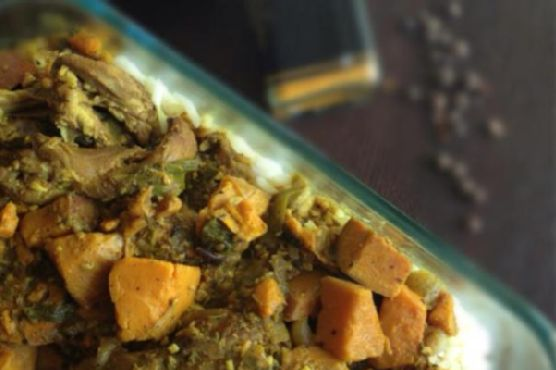
It was a dreary Tuesday evening, and I had just returned from a long day at work. I found myself staring blankly at my pantry, half-open bags of this and that strewn about, when I remembered the pack of chicken thighs in the fridge. But not just any chicken thighs — these were destined for something special. The craving hit me like a gentle nudge: Jamaican Curry Chicken. It’s the dish that wraps you up in warmth, filling the air with spices and familiarity. Perfect for a weeknight when you crave something that tastes like a sunny island vacation, yet is simple enough to pull together without a culinary degree. By the time the onions were sizzling, I already felt the day’s stress melting away. You’ve got to try this — it’s comforting yet vibrant, like a hug in a bowl.

Jump to Recipe

What You’ll Need

I bet you already have half of these tucked away in your pantry! The magic here lies in a blend of spices and fresh ingredients that create an unmistakable aroma and flavor.

  • Skinless chicken thighs
  • Curry powder
  • Allspice
  • Coconut oil
  • Garlic cloves
  • Green bell pepper
  • Onion
  • Black pepper
  • Salt
  • Scallions
  • Scotch bonnet pepper (or a substitute if you’re not a spice warrior)
  • Sweet potatoes
  • Thyme
  • Water

How to Make Authentic Jamaican Curry Chicken

  1. In a large bowl, season your chicken thighs with curry powder, allspice, minced garlic, chopped green bell pepper, diced onion, black pepper, salt, chopped scallions, and thyme. Toss everything together, ensuring each piece is coated. Let this marinate in the fridge for up to 2 hours — or if you’re a planner, overnight.
  2. Heat up the coconut oil in a Dutch oven over high heat. Remove the chicken from the marinade (but keep that marinade handy) and add the chicken pieces to the pot. Sear them until they are browned and beautiful on each side, about 10 minutes. Listen for that lovely sizzle and watch them turn a glorious golden brown.
  3. Once the chicken is seared, add in the remaining marinade, the whole scotch bonnet pepper, and the water. Cover the pot and bring it all to a fierce boil.
  4. Now, add the diced sweet potatoes. Reduce the heat to a gentle simmer and let it all stew for about an hour. Stir occasionally until the sauce thickens up nicely, coating the chicken and potatoes with its rich, spicy goodness.

Cook’s Notes

Okay, here’s the deal: this dish is forgiving, but there are a few things to keep in mind. Don’t skip the marination; it’s where the magic really begins. If you’re short on time, even 30 minutes can make a difference. Watch the heat when you’re frying the chicken; too hot, and you’ll lose those wonderful juices. For leftovers (if there are any!), store in an airtight container in the fridge for up to three days. Reheat gently on the stove or microwave to preserve that tender, juicy texture.

Make It Your Own

Here are a few swaps and twists to consider:

  • Swap the chicken for crispy tofu if you’re going plant-based. Just make sure you press the tofu first to get rid of excess moisture.
  • If sweet potatoes aren’t your style, try regular potatoes or even carrots for a different kind of sweetness and texture.
  • Substitute the scotch bonnet pepper with a milder pepper if you’re not into too much heat, like a jalapeño or even a bit of cayenne pepper.
  • Add a can of drained chickpeas for extra protein and fiber, making this dish even heartier.

If you try this, I’d love to hear how it turns out — drop a comment or tag me! It’s a dish that’s close to my heart, and I hope you’ll find it as joyful as I do.

Related update: Authentic Jamaican Curry Chicken

Related update: Neoguri (Spicy Seafood Ramen)

Khachapuri | Made by Meaghan Moineau

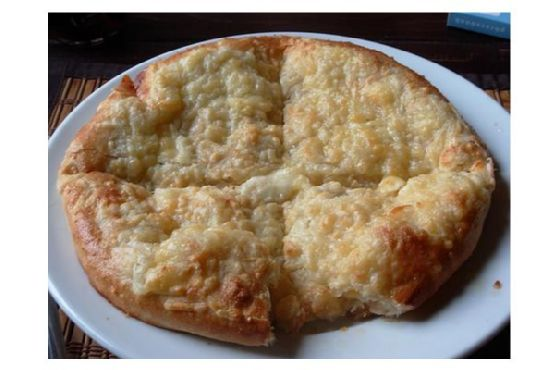
Picture this: it’s a drizzly Tuesday evening, and you’ve just returned from a long day that felt like a relentless blur of meetings and errands. You’re craving something comforting and hearty, yet adventurous enough to pull you out of the weekday monotony. Enter Khachapuri — the pillowy, cheese-filled bread boat that hails from Georgia (the country, not the state). I’ve always found Khachapuri to be the perfect marriage of comfort and culinary curiosity, with its gooey center and golden, flaky crust. Making it is like giving yourself a cozy hug in bread form, and it’s surprisingly doable even when you’re running on fumes. Let’s dive into creating this cheesy delight that’s sure to warm your soul.

Jump to Recipe

What You’ll Need

What’s fantastic about this recipe is that you might already have most of these ingredients lounging in your pantry or fridge. Let’s get you prepped:

  • Dry yeast
  • Sugar
  • Water
  • Milk
  • Butter
  • Salt
  • White Swiss cheese – 8 ounces
  • Cheddar
  • 2 eggs
  • Muenster cheese
  • Parsley
  • White pepper

How to Make Khachapuri

  1. Dissolve the yeast and 1 teaspoon of sugar in 1/4 cup of warm water. Let it stand for 5-10 minutes until it becomes foamy and alive with little yeast bubbles.
  2. In a mixing bowl, combine the proofed yeast with milk, 2 tablespoons of sugar, butter, and salt. Gradually mix in enough flour to form a soft, slightly tacky dough.
  3. Transfer the dough to a greased bowl, turning it so it’s coated on all sides. Cover with a damp cloth and let it rise in a warm spot until it doubles in size — about an hour.
  4. While your dough is having its beauty rest, shred the cheeses and mix them with the eggs, parsley, and a pinch of white pepper. Pop this filling in the fridge to chill and mingle.
  5. Grease a 9-inch springform pan generously. Punch down the risen dough, shape it into a ball, and roll it out to a 20-inch circle.
  6. Gently fold the dough circle in half to lift it, then unfold it into the pan, allowing the edges to drape over. Pile the cheese filling into the dough-lined pan.
  7. Bring the draped edges of the dough up and over the filling, creating 8-12 evenly spaced pleats around the perimeter. Twist and pinch the ends together in the center to form a rustic knob.
  8. Cover the loaf with a buttered square of waxed paper and let it rise again until doubled in bulk.
  9. Preheat your oven to 375°F. Brush the top with a glaze made of 1 egg white mixed with 1 tablespoon of water, or simply use margarine.
  10. Bake for 40-50 minutes until the Khachapuri is deeply golden brown. Remove from the pan and place directly on the oven rack for an additional 5 minutes to crisp the bottom crust.
  11. Let it cool on a rack for about 45 minutes before slicing into wedges and basking in all the cheesy goodness.

Cook’s Notes

Here’s where the magic and little nuances come into play:

  • Proofing patience: If your yeast doesn’t foam, give it another try with fresh yeast and slightly warmer water. It’s worth the wait to get that dough rising right!
  • Cheese choices: Feel free to tailor the cheese mix to your liking. I find the combination of Swiss, Cheddar, and Muenster to be a dreamy balance between sharp and creamy.
  • Leftovers: Khachapuri does great as leftovers. Wrap it tightly in foil and reheat it in the oven at 350°F for about 10-15 minutes to refresh that crispy crust.
  • Make-ahead: You can prepare the dough and filling up to a day in advance — just keep them chilled and separate until you’re ready to assemble and bake.

Make It Your Own

  • Herb It Up: Add fresh dill or cilantro to the filling for an herbal twist.
  • Meaty Marvel: Toss in crispy bacon bits or diced ham for a protein-packed version.
  • Spice Things Up: Mix in a pinch of red pepper flakes into the cheese for a touch of heat.
  • Go Green: Layer in some sautéed spinach or kale for a veggie boost.

If you try this Khachapuri recipe, I’d love to hear all about your cheesy adventures! Drop me a comment or tag me on social media with your delicious creations. Let’s connect over this cozy, cheesy masterpiece!

Related update: Khachapuri

Sims 4 March Patch: Marketplace | Analysis by Brian Moineau

The Sims 4 Patch Features for March 17th — Marketplace, fixes, and the messy fallout

The latest Sims 4 Patch Features for March 17th landed like a surprise house party that someone forgot to RSVP to: exciting headline news (hello, Marketplace), a stack of welcome bug fixes, and — for many players — an unexpected mess that broke mods and custom content. If you fired up The Sims 4 on March 17, 2026 expecting to browse the new in-game Marketplace, you probably found yourself juggling feelings: curiosity, irritation, and for some, the heartbreak of missing CC.

Here’s what happened, why it matters, and how the community is reacting — plus a few practical notes for Simmers who want to stay calm while the patch train gets back on the rails.

Why this patch mattered

This update introduced the long-announced in-game Marketplace and the Maker Program, which lets creators sell “Maker Packs” for real money currency (Moola). It also bundled more than 60 bug fixes and gameplay adjustments intended to improve stability and balance across many systems.

That combination makes the March 17th patch a big one: new monetization and creator tools on top of regular maintenance. It’s exactly the kind of update that changes how players access content and how creators share it — so stakes are high. Sources at EA and major outlets confirmed the Marketplace rollout for PC and Mac on March 17, with consoles to follow later. (help.ea.com)

Marketplace and Maker Program — what changed

  • The Marketplace is an in-game storefront where players can browse and buy official Kits, Maker Packs, and other items using Moola (a paid currency).
  • Kits that were previously purchasable through other channels were consolidated into the Marketplace, making some content exclusively available there after launch.
  • The Maker Program allows creators to publish and sell curated packs, with the promise of revenue share and support from the Sims team.

The intent is clear: bring more curated creator work into the official ecosystem, extend discoverability to console players, and create a monetization path for talented creators who want to sell polished packs. That shift could benefit creators who want an official storefront — but it also reorients a community that has relied on free and third-party distribution for years. (pcgamer.com)

The rollout: fixes shipped, and an unintended crash for mods

On paper, the patch delivered dozens of quality-of-life fixes and gameplay balances — the usual housekeeping that keeps a complex life simulator running smoothly. But in practice, many players reported a severe side effect: their custom content (CC) and mods were either invisible or stopped working after the update.

Community threads exploded with reports that package files and scripts weren’t loading properly, with users advising others to avoid updating until creators patched their mods. Some creators and community members hypothesized that changes to how package files are scanned or how Marketplace files integrate could be responsible. By March 18, EA and community managers were actively engaged in troubleshooting discussions and a quick-fix path was being explored. (reddit.com)

What the community is saying

  • Many mod and CC users felt blindsided: after years of relying on custom content, the immediate incompatibility looked like a blunt instrument against the modding scene.
  • Some players welcomed the Marketplace as a way to bring curated content to consoles, where installing CC has been historically difficult.
  • A substantial portion of the community expressed skepticism or anger: consolidating Kits and enabling paid CC felt like monetizing what many consider the soul of The Sims.

The discourse is polarized. Enthusiasts who run strictly vanilla games see potential for polished creator-made content, while longtime modders worry that official monetization and file-format changes could marginalize the free-creative foundations of the community. (gamesradar.com)

Practical advice for Simmers right now

  • If you rely on mods/CC, don’t auto-update or launch the game until you’ve read developer updates and creator guidance.
  • Back up your Mods/CC folder and important save files to an external drive before installing any game updates.
  • Follow official channels (EA/Maxis posts) and trusted creator hubs for compatibility patches and recommended fixes.
  • If your CC vanished after the patch, community troubleshooting threads point to temporary workarounds (clearing caches, toggling certain DirectX settings, or temporarily removing mods), but results vary — wait for verified fixes from creators or EA when possible. (reddit.com)

Marketplace vs modding culture — the deeper tension

This update brings a larger cultural question into sharper focus: can an official monetized marketplace coexist with a community built on free sharing, experimentation, and permissionless creativity?

  • Pros: Marketplace can provide a revenue stream for creators, increase discoverability, and make curated content more accessible on consoles.
  • Cons: It risks fragmenting the ecosystem, changing how creators prioritize their work, and — as the March 17 patch showed — introducing technical risks that affect the entire modding base.

The Sims community has always been resilient. Modders adapt, patchers collaborate, and players find workarounds. But trust matters: any transition to paid content needs transparent communication, careful technical migration, and solid safeguards for existing creators and players.

My take

The March 17th patch is ambitious and represents a real attempt to expand the ecosystem for creators and consoles. That said, the way it landed exposed a classic tension: big new features can’t be divorced from the fragile patchwork of community content that defines The Sims. The ideal path forward is incremental, transparent, and community-friendly — with rollback options and clear technical guidance for creators.

For now, be cautious with updates, back up everything, and keep an eye on creator channels and official announcements for fixes. The Marketplace could be a useful addition — but it shouldn’t come at the cost of sidelining the community that made The Sims what it is.

Where to read more

  • The official EA/Maxis update pages and the Sims’ Steam news feed for patch notes and developer statements. (help.ea.com)
  • Coverage and analysis from outlets like PC Gamer and GamesRadar for context on the Marketplace and community reaction. (pcgamer.com)
  • Community threads and troubleshooting on Reddit and creator hubs for real-time reports and creator responses. (reddit.com)

Sources


Related update: We recently published an article that expands on this topic: read the latest post.