UNC Coaching Search: Day 4 Update | Analysis by Brian Moineau

UNC Basketball Search Update – Day 4 – 247Sports: What’s Really Happening in Chapel Hill

The headline “UNC Basketball Search Update – Day 4 – 247Sports” has been lighting up feeds, and if you’ve been following this story, you know the urgency behind it. UNC’s search for the next basketball coach to lead its fabled program finished day four on Friday night, and the conversation has moved from speculation to serious candidate sorting. This post breaks down the mood in Chapel Hill, why the timing matters, and what the program is likely weighing as it tries to turn a frenetic weekend of reporting into a clear plan.

The scene: why Day 4 feels like a hinge moment

The Tar Heels’ coaching situation didn’t happen in a vacuum. A historic first‑round collapse in the NCAA Tournament and mounting pressure from big‑time boosters pushed UNC’s athletic department into rapid assessment mode. By Day 4 of the search, sources were talking — some privately hoping the program could keep continuity, others prepared to spend to reset everything.

That split is important. UNC isn’t choosing a coach in isolation; it’s choosing a strategy for recruiting, NIL partnerships, and long‑term identity. On Day 4, those conversations begin to harden into lists: insiders, finalists, and deal breakers.

Who’s being discussed and why names stick

There’s always a mix of profiles in a high‑stakes search: established blue‑blood names, rising mid‑major winners, and program builders with recruiting heft. Right now, the chatter centers on a few types of candidates:

  • Proven ACC or national names who bring immediate credibility and a track record in recruiting.
  • Younger coaches with strong transfer‑portal and player‑development resumes.
  • Alumni or Carolina‑linked figures who could preserve institutional DNA while offering fresh energy.

The tension is obvious. A big hire buys short‑term prestige but often carries enormous buyouts (and sometimes contractual buyouts from current employers). A younger hire may deliver modern systems and portal savvy but could struggle under the immediate pressure of Chapel Hill expectations.

Recruiting and money: the unseen levers

One insight that keeps coming up in coverage is the transactional reality behind coaching moves. Donor groups and boosters aren’t just opinionating — they often provide the funding UNC would need to both buy out a coach and fund an NIL and roster budget that keeps elite recruits in Chapel Hill.

On Day 4, that calculus becomes operational. If boosters are willing to underwrite a big buyout and roster spend, UNC can credibly court top names. If not, the athletic department has to be creative: emphasize Carolina tradition, sell a vision of long‑term stability, or target a rising coach whose buyout is feasible.

Transitioning from rumor to reality requires aligning three things: the athletic director’s plan, the university’s board/administration comfort, and donor willingness to back the chosen path.

The Carolina family vs. outside energy

One of the program’s unique constraints — and strengths — is the “Carolina family” pipeline. Historically, UNC has favored continuity: assistants, former players, or coaches steeped in The Carolina Way. That approach preserves identity and appeases parts of the fanbase.

Yet there’s a countervailing force: sometimes an outside voice is what a legacy program needs. Day 4 discussions often revolve around whether UNC wants to stay inside its lineage or go outside for a fresh perspective. The choice says a lot about the program’s priorities: tradition and steady stewardship, or immediate, aggressive retooling.

What Day 4 signals about timeline and urgency

The fourth day of a high‑profile search is more than symbolic. It’s when the process typically shifts from “who would we like?” to “who can we realistically hire in the next two weeks?” The tournament calendar, recruiting windows, and transfer timelines compress decisions.

  • Expect shortlists to be finalized.
  • Expect NDAs and preliminary terms to be floated.
  • Expect media leaks and counter‑leaks as camps jockey for position.

If UNC wants to land a top name, they’ll have to move quickly and decisively. If they prefer a measured process, Day 4 is the point where they accept recruitment risk for governance certainty.

What the reporting is telling us (and what it isn’t)

Coverage over the first few days has a pattern: strong reporting about booster sentiment, credible leaks about names being considered, and a cautionary lack of detail about formal offers. That’s normal. Early reporting reliably surfaces the temperature of conversations, not their contractual end results.

Reliable threads to watch:

  • Who publicly meets with the athletic director.
  • Whether the school positions any interim decision‑makers.
  • Any donor pledges tied explicitly to a hire.

These signals matter more than speculative name lists.

A plausible road map for UNC

Given the pressures and the timelines, here’s a practical series of steps UNC could take next:

  1. Finalize a vetted short list (3–5 names) that balance buyout feasibility and program fit.
  2. Secure donor commitments for immediate roster needs if pursuing a high‑profile coach.
  3. Open formal interviews with a firm timeline, while naming an interim leader for day‑to‑day operations.
  4. Close with a hire that aligns on recruiting philosophy and program culture, not just pedigree.

That last point is crucial: the Tar Heels’ next coach must be someone who can recruit at an elite level and manage expectations at a program that views anything short of national contention as underperformance.

What fans should pay attention to next

  • Formal announcements from the athletic director or university officials.
  • Clear signals about donor backing; that determines who’s realistically in play.
  • The next week’s recruiting and portal activity; early momentum there clues us in on the hire’s potential.

Above all, remember that while media cycles rush, program stability and long‑term vision should drive the decision.

Final thoughts

Day 4 of the UNC coaching search feels like the moment the program stops guessing and starts choosing. That’s both exciting and nerve‑racking for a fanbase used to national‑title aspirations. Whether UNC leans into its Carolina family or reaches outward for new blood, the incoming coach will inherit high expectations and immediate scrutiny.

This process will shape recruiting, the portal class, and the tone of Tar Heel basketball for years. For better or worse, decisions made this weekend will ripple across the ACC and the national landscape — and that’s why Day 4 matters.

Sources


Related update: We recently published an article that expands on this topic: read the latest post.


Related update: We recently published an article that expands on this topic: read the latest post.
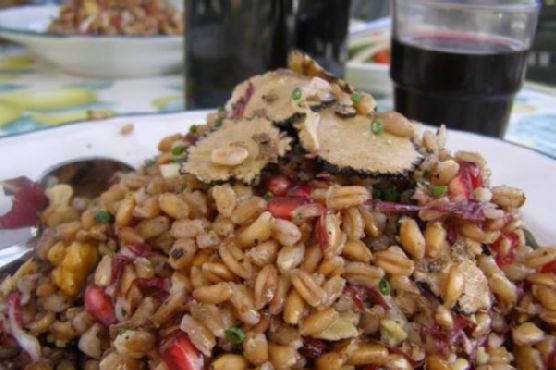
Fall Farro Salad with Pomegranate, Walnut & Truffles | Made by Meaghan Moineau

Picture this: It’s a chilly autumn afternoon, and the sun is giving off that perfect golden hue that makes everything look like a scene from a cozy movie. I’m in my kitchen, wearing my favorite oversized sweater, and I’ve got a craving for something that’s nourishing but still feels like a treat. Enter my Fall Farro Salad with Pomegranate, Walnut & Truffles. This dish is like a warm hug in a bowl, combining nutty farro with the sweet burst of pomegranate seeds, the earthy depth of truffles, and the crunch of walnuts. It’s quick to put together yet tastes like you’ve been working on it for hours. Trust me, this is the kind of recipe that’ll make you feel like a culinary genius with minimal effort, perfect for a weeknight dinner or impressing friends over a weekend brunch.

Jump to Recipe

What You’ll Need

Most of these ingredients are pantry staples, so you might already find them hanging out in your kitchen. Here’s what you need:

  • 1 cup farro
  • 2 tablespoons extra virgin olive oil
  • 1/2 cup pomegranate seeds
  • 1/2 cup walnuts, roughly chopped
  • 1/2 head radicchio, thinly sliced
  • 1/4 cup parmesan, shaved into ribbons
  • 2 teaspoons truffle oil
  • 1 tablespoon balsamic vinegar
  • Salt and pepper, to taste

How to Make Fall Farro Salad with Pomegranate, Walnut & Truffles

  1. Start by cooking the farro. Bring a pot of cold water to a boil, and don’t forget a pinch of salt. Toss in the farro and let it cook until it’s al dente—about 20-35 minutes. You can throw in some vegetable scraps like a carrot or celery if you have them, for added flavor.
  2. While the farro is cooking, toast the walnuts in a dry pan over medium heat. Keep an eye on them and stir occasionally, until they are golden and fragrant. This should take about 5-7 minutes.
  3. In a large bowl, whisk together the extra virgin olive oil, balsamic vinegar, truffle oil, salt, and pepper. This dressing will bring everything together with a luxurious, earthy flavor.
  4. Once the farro is cooked, drain it and let it cool slightly. You want it warm but not piping hot.
  5. Add the farro to the bowl with the dressing, and toss until the grains are well coated.
  6. Gently fold in the radicchio, pomegranate seeds, and toasted walnuts. The radicchio should soften slightly but remain crisp.
  7. Finish by shaving parmesan over the top. A vegetable peeler works wonders here for creating beautiful, thin ribbons.
  8. Give it a final toss, taste, and tweak any seasoning if needed. Serve immediately and enjoy the medley of textures and flavors!

Cook’s Notes

Let’s chat about farro for a second. It’s an ancient grain, so it’s a bit chewy and wonderfully nutty, perfect for absorbing all the dressing goodness. Don’t skimp on toasting your walnuts; it makes a world of difference in flavor. Also, this salad is best enjoyed fresh, but if you do have leftovers, they’ll keep in the fridge for a day or two. Just know that the radicchio might lose some of its crispness.

Make It Your Own

Feel free to remix this salad with these variations:

  • Swap the farro for quinoa if you’re looking for a gluten-free option.
  • Substitute walnuts with pecans or almonds for a different nutty dimension.
  • Try adding grilled chicken or crispy tofu for extra protein.
  • Love cheese? Crumbled goat cheese can replace parmesan for a tangier kick.

If you try this, I’d love to hear how it turns out — drop a comment or tag me! Cooking is all about experimenting and finding what makes your taste buds sing, so have fun with it.

Related update: Fall Farro Salad with Pomegranate, Walnut & Truffles

Related update: Tomato Cucumber Salad

Suzuka Shockers: F1 Qualifying Winners & | Analysis by Brian Moineau

Winners and losers from F1 qualifying at the Japanese Grand Prix — Suzuka snapshot

There’s something about Suzuka that teases the unexpected out of drivers and machines alike. Qualifying at the Japanese Grand Prix once again delivered drama, surprise and the brief, bright moments that make Formula 1 addictive. In this piece I pick through the winners and losers from F1 qualifying at the Japanese Grand Prix, explain why a few headline names rose or fell, and why those grid positions actually matter for Sunday’s race.

Quick scene-setting

Suzuka’s figure-eight layout rewards precision and bravery. Small errors are punished by time and traction loss, while the right set-up can yield pole from nowhere. The recent qualifying session (held on March 28, 2026) saw established stars and rising talents trading punches: a young fast gun grabbed attention, a perennial front-runner stumbled, and a couple of midfield outfits suddenly looked a lot more competitive.

What happened in qualifying (short summary)

  • Q1–Q2–Q3 played out under stable conditions, but traffic, tyre usage and tiny mistakes reshuffled expectations.
  • A breakout performance put a teenager or young driver on the front row (and in some coverage that man was Kimi Antonelli), while at least one top name failed to extract a clean Q3 lap.
  • Midfield teams that have been quietly developing their 2026 packages showed real pace in single-lap trim.

Now let’s dig into the winners and losers — and why their results matter beyond the immediate scoreboard.

Winners: the bold and the surprising

  • Young guns who delivered when it counted
    A rising driver converted practice promise into pure-lap pace when it mattered. Grabbing a front-row slot at Suzuka isn’t just media gold; it gives a real strategic advantage because overtaking here is hard and track position is precious. That kind of qualifying result can turn a rookie’s weekend into a podium-or-bust weekend.

  • Mercedes (tactical gains despite mixed signs)
    One Mercedes driver looked sharp in single-lap pace and extracted a top-three grid spot, salvaging a weekend that earlier sessions suggested might be tricky. Mercedes’ ability to deliver in qualifying shows the car still has one-lap performance, and starting up front helps mask race-pace or tyre-wear questions during the race.

  • A few midfield teams who found a setup sweet spot
    Suzuka can amplify small aero or balance gains. Teams that have been inching forward all season found themselves into Q3 or on the verge of it; that’s valuable for momentum, sponsor headlines, and importantly, points opportunities on Sunday.

Losers: the ones who misfired at the worst moment

  • Big names who left laps on the table
    A couple of well-known drivers failed to produce a clean Q3 lap — whether from traffic, a small mistake, or being held in the pits for an incoming car — and paid the price with a compromised grid slot. At Suzuka, missing out by a few tenths can drop you from prime podium contention to an uphill recovery.

  • Red Bull’s inconsistency in single-lap trim (if applicable)
    If the frontrunner team didn’t quite match its usual qualifying excellence, it becomes a talking point. Suzuka’s medium- and high-speed corners expose balance weaknesses; when Red Bull or another top team struggles in qualifying, rivals smell opportunity for the race.

  • Drivers who used tyre sets badly or burned a tyre allocation early
    Strategy around tyre sets and running in Q1–Q2 is deceptively complex. Those who found themselves short of fresh rubber in Q3 — or who’d wasted sets in earlier sessions — ended up with limp final-lap attempts and grid positions that don’t reflect their race pace.

Why qualifying here matters more than you might think

  • Track position is king at Suzuka. There are overtaking spots, but a clean run through the esses and a controlled exit from 130R are priceless. Starting on the front two rows reduces exposure to first-lap incidents and gives control of strategy.
  • The psychological edge: a strong qualifying puts pressure on rivals and gives the team clear tactical options (undercut, overcut, or playing the tyre game differently).
  • For rookies and lower-budget teams, Q3 or a surprise front-row spot is a trophy in itself — it attracts attention, placates sponsors, and can change the tone of a season.

Notable moments that shaped the order

  • A mechanical or traffic issue in Q3 for a top driver changed the podium landscape. Even a brief hold in the pit lane can equal a lost lap and a lost chance.
  • Some teams elected to be conservative with tyres early and paid for it later when track evolution made late laps faster. That’s a classic Suzuka trap: run too early and you miss the improving track.

My take

Suzuka’s qualifying served a reminder: single-lap speed still matters. It’s not always the team with the fastest race package that headlines Saturday — sometimes it’s the driver who finds the perfect combination of commitment and precision for one lap. The grid reshuffle we saw adds spice to Sunday: races at Suzuka often reward controlled aggression and strategic clarity, so expect teams that qualified lower but with strong race pace to push hard early.

Qualifying also underlined the sport’s shifting narrative — younger drivers are not just learning, they’re delivering when asked. That’s healthy for F1: it keeps the storylines fresh and makes Saturdays must-watch television.

Sources

(If you want to re-check any individual lap times or see the full Q1–Q2–Q3 timing sheet, the official Formula1.com qualifying page listed above has the detailed timing sheets.)


Related update: We recently published an article that expands on this topic: read the latest post.


Related update: We recently published an article that expands on this topic: read the latest post.

Oven Roasted Pears With Blackberry Sauce | Made by Meaghan Moineau

A few weekends ago, I found myself with a bowl of ripe pears staring back at me from the counter, practically begging to be transformed into something special. It was one of those blustery autumn afternoons where the leaves were doing their dance down the street, and all I wanted was a cozy dessert that felt both comforting and indulgent. Enter Oven Roasted Pears with Blackberry Sauce—a dish that marries the rich sweetness of roasted fruit with the tangy brightness of blackberries. It sounds fancy but is as easy as pie (actually, even easier since there’s no crust to wrestle with!). This little number is perfect for impressing your dinner guests or just treating yourself on a Tuesday night. Jump to Recipe

What You’ll Need

Chances are, you already have most of these hanging out in your pantry and fridge. This recipe is all about letting a few simple ingredients shine.

  • Pears (ripe but firm)
  • Unsalted butter
  • Blackberries (fresh and juicy)
  • Juice from a lemon
  • Powdered sugar
  • Confectioners sugar
  • Cream of tartar
  • Egg whites
  • Granulated sugar
  • Bittersweet chocolate

How to Make Oven Roasted Pears With Blackberry Sauce

  1. Preheat your oven to 450°F. Begin by peeling, coring, and quartering the pears. Melt the unsalted butter in a large casserole or baking dish over high heat. A 10-quart Dutch oven works perfectly for this.
  2. Once the butter is melted and sizzling, add the pear quarters. Cook them for about 10 minutes, stirring occasionally, until they’re golden brown all over. The aroma will be absolutely irresistible.
  3. Transfer your dish to the oven and let the pears roast for another 7 to 10 minutes. You’ll know they’re ready when a paring knife easily pierces through. Once done, take them out of the oven and let them cool to room temperature.
  4. As the pears cool, wash and dry the blackberries—my salad spinner is a lifesaver for this! Reserve a handful for garnishing later.
  5. In a food processor, blend 3 cups of blackberries with powdered sugar and lemon juice until smooth. Pour this vibrant sauce into a bowl and set aside.
  6. Now, for the meringue kisses! Preheat the oven to 275°F. Line a full-size sheet pan with a silpat mat or parchment paper lightly sprayed with cooking spray.
  7. In a food processor, give the granulated sugar a blitz for about a minute until it’s superfine. Transfer it to a bowl. Next, process the confectioners sugar and bittersweet chocolate together until the chocolate is reduced to tiny flecks.
  8. Using a mixer, beat the egg whites at a slow speed until they start to froth. Add the cream of tartar and crank up the speed to high, beating until stiff peaks form.
  9. Gradually add the superfine sugar, continuing to beat for another two minutes. Transfer this fluffy mixture to a pastry bag fitted with a star tip.
  10. Pipe out little meringue kisses onto the lined baking sheet, giving each a small peak by pushing the tip into the dollop and pulling away quickly.
  11. Place the meringues in the oven for an hour and a half. They’re done when they feel hard to the touch, perfectly dried out.
  12. To serve, spoon the blackberry sauce onto each plate, arrange 3 or 4 pear quarters on top, add a few meringue kisses, and garnish with those reserved whole blackberries.

Cook’s Notes

Here’s the thing, timing is everything with this dessert. You want the pears to still have a bit of bite, so don’t over-roast them. The meringue kisses can be made ahead of time and stored in an airtight container for up to a week. If you’re prepping the blackberry sauce ahead, keep it in the fridge for a day or two, but don’t add the lemon juice until just before serving to keep that bright flavor.

Make It Your Own

  • Swap the blackberries for raspberries for a different berry twist.
  • Add a splash of vanilla extract to the meringue mixture for a subtle aromatic boost.
  • For a dairy-free option, use coconut oil instead of butter when roasting the pears.
  • Garnish with some toasted chopped nuts (like hazelnuts or almonds) for a crunchy contrast.

If you try this recipe, I’d love to hear how it turns out—drop a comment below or tag me on social media with your delicious creations!

Related update: Oven Roasted Pears With Blackberry Sauce

Related update: Fall Fruit Compote

Oxtail Ragout | Made by Meaghan Moineau

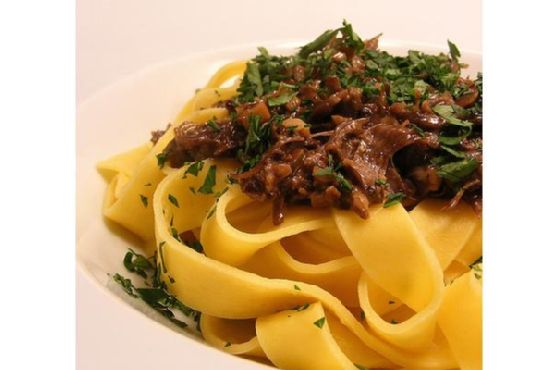
I’ve got to tell you about this time when I found myself staring into the abyss of my pantry, a little uninspired and a lot hungry. It was one of those dreary afternoons where the rain just wouldn’t let up, and all I craved was something rich and comforting to fill the house with warmth — and let’s be honest, something that would have me coming back for seconds. That’s when I remembered the oxtails tucked away in the freezer, just waiting for their moment. A few hours later, my kitchen was filled with the deep, savory aroma of Oxtail Ragout simmering away, and let me tell you, it was glorious. This recipe is the kind of comfort food that hugs you from the inside out, and while it might sound fancy, it’s pretty straightforward and oh-so-worth it.

Jump to Recipe

What You’ll Need

This ingredient list is a pantry’s best friend. You’re likely to have most of this stuff already, and the flavors all come together to create something magical.

  • Oxtails
  • Flour
  • Salt
  • Pepper
  • Paprika
  • Hot fat (like vegetable oil or lard)
  • Onion, chopped
  • Garlic, minced
  • Bell pepper, diced
  • Whole allspice
  • Whole bay leaf
  • Tomato juice
  • Water
  • Lemon juice

How to Make Oxtail Ragout

  1. In a small bowl, mix together 1 teaspoon of salt, some freshly cracked pepper, paprika, and enough flour to lightly coat the oxtails. Roll the oxtails in this seasoned flour mixture until they are fully covered.
  2. Heat some hot fat in a heavy-bottomed pot over medium-high heat. Add the floured oxtails and brown them thoroughly on all sides. You’re looking for a deep, golden crust that’s almost irresistible.
  3. Once browned, toss in the chopped onion, minced garlic, and diced bell pepper. Stir everything around until the onions are translucent and the garlic is fragrant but not burned.
  4. Add in the whole allspice and bay leaf, followed by the tomato juice and enough water to cover the oxtails. Give everything a good stir to combine.
  5. Bring the pot to a gentle simmer, then cover it up and let it do its thing for about 3 hours. You’re aiming for the kind of tenderness where the meat practically falls off the bone.
  6. Once the oxtails are melt-in-your-mouth tender, fish out the allspice and bay leaf. Stir in a splash of lemon juice to brighten the flavors, and you’re done!

Cook’s Notes

I’ve learned a few things the hard way, so here are some tips to keep in mind. Be patient with the browning process; it’s where a lot of the flavor develops. Don’t rush it! If you want to make this ahead, the ragout tastes even better the next day once the flavors have had a chance to deepen. Just store it in the fridge and reheat gently. Leftovers can be kept in an airtight container for up to 3 days, or frozen if you want to hoard this goodness for a rainy day.

Make It Your Own

Here are a few variations to keep things interesting or to cater to different tastes:

  • Swap the tomato juice for red wine if you’re looking for a richer, more robust flavor.
  • Add diced carrots and celery for a bit more veggie goodness and texture.
  • Try using smoked paprika for a deeper, smokier flavor profile.
  • If you’re feeling adventurous, throw in a dash of hot sauce for a little heat.

If you try this, I’d love to hear how it turns out — drop a comment or tag me on social media. Your kitchen adventures are half the fun for me!

Related update: Oxtail Ragout

Patience Pays: Staying Invested | Analysis by Brian Moineau

When staying calm beats panic: why patience often wins in falling markets

When stock markets are rattled, even by war, it usually pays for investors to be patient. That line — echoed recently in an AP News piece — is the hardheaded, comforting truth many of us need to hear when headlines and portfolio values move in opposite directions. Panic feels actionable; patience feels passive. Yet history and market mechanics both favor the latter when you're investing for the long run.

First, some context. Over the past few months investors have been fretting about geopolitical shocks, surging oil prices, and rapid swings in technology stocks. News stories and TV anchors amplify short-term danger, and sudden drops can make any retirement account feel fragile. Still, data going back decades shows the U.S. stock market has repeatedly recovered from steep losses and eventually pushed to new highs — sometimes quickly, sometimes slowly, but eventually. That pattern is the backbone of the argument for staying invested.

When stock markets are rattled, even by war, it usually pays for investors to be patient

  • Historically, the S&P 500 has eventually recovered from prior bear markets and reached new all-time highs. This resilience doesn’t mean every dip is harmless; it means missing the rebound can be costly. (apnews.com)

  • Recovery times vary. Corrections (drops of ~10%) often resolve within months; deeper bear markets can take a year or several years to reclaim previous peaks. The median full recovery timeline in some studies sits around 2–2.5 years, while some recoveries have been far faster (like the 2020 pandemic dip) and others far slower (like parts of the 1930s and early 2000s). (cnbc.com)

  • Importantly, the market’s long-term upward bias rewards staying invested, because the compounding gains after a trough can more than make up for the pain during the decline. Missing just a handful of the market’s best rebound days can meaningfully reduce long-term returns. (thearcalabs.com)

Now, let’s move beyond headlines and talk about what investors can actually do while markets are volatile.

Why the instinct to “do something” is expensive

When portfolios fall, many people sell to stop the pain. However, selling locks in losses and risks excluding you from the inevitable rebound. Moreover, emotional selling often coincides with market bottoms — the worst possible time to exit.

Also, moving money into “safe” assets like cash or short-term bonds can help preserve capital, but it comes with tradeoffs: inflation can erode cash’s purchasing power, and locking in lower returns may derail long-term goals. Finally, early withdrawals from retirement accounts can trigger taxes and penalties, making panic moves doubly costly. (apnews.com)

Practical moves that don’t equal panic

Instead of reacting impulsively, consider measured actions that reflect your timeline and tolerance for risk.

  • Reassess time horizon. If you need the money in the next 3–5 years, reduce stock exposure. If your horizon is 10+ years, short-term dips are noise. This simple distinction should guide most decisions.

  • Rebalance thoughtfully. Use market turbulence to rebalance toward your target allocation — selling a bit of what’s up and buying a bit of what’s down. Rebalancing enforces discipline and can improve long-term returns.

  • Dollar-cost average when adding new money. Investing a steady amount over time reduces the risk of mistimed lump-sum buys and makes volatility work for you.

  • Keep an emergency fund separate from retirement savings. Having 3–6 months (or more) of living expenses in safe, liquid accounts prevents forced selling during market stress.

  • Diversify across asset classes. Stocks, bonds, cash, and real assets behave differently. Diversification won’t eliminate losses, but it blunts them and smooths the ride.

  • Check fees and taxes before moving money. Poorly timed transactions can incur commissions, tax bills, or early-withdrawal penalties that compound the financial pain of market drops. (apnews.com)

How advisors and strategists are thinking right now

Financial professionals usually say the same two things: (1) review your plan; and (2) don’t let headlines rewrite it. In practice, that means updating assumptions if your personal situation changed (job loss, big spending, change in health), but not swinging strategy every time volatility spikes.

Research firms also emphasize that corrections and bear markets are normal market behavior. For example, some analyses show that corrections happen frequently but recoveries—to the previous peak—often follow within months to a few years, depending on the severity. Therefore, many advisors favor staying diversified and disciplined rather than timing markets. (thearcalabs.com)

The psychological side: tolerate discomfort, not ruin

Investing discipline is more psychological than mathematical. It’s one thing to know an approach is optimal on paper and another to watch your balance shrink. Structure helps: automated contributions, pre-set rebalancing rules, and periodic portfolio reviews remove emotion from the process.

Also, normalize the idea that markets decline — it’s part of the return investors demand for owning equities. If that idea feels untenable, your allocation might be too aggressive for your temperament.

My take

Markets will keep testing nerves. Some shocks are local and short-lived; others are broader and linger. Either way, history favors those who prepared for the storm, kept their eyes on time horizons, and avoided reactionary moves that lock in losses.

If you’re unsettled, do the clear things: confirm your timeline, shore up an emergency fund, rebalance to targets, and avoid big, impulsive withdrawals. Patience doesn’t mean inaction — it means acting by a plan, not by panic.

Sources


Related update: We recently published an article that expands on this topic: read the latest post.


Related update: We recently published an article that expands on this topic: read the latest post.