Tigers Hit by Mize and Báez Injuries | Analysis by Brian Moineau

Tigers Place Casey Mize, Javier Báez On Injured List — A Double Blow for Detroit

The headline "Tigers Place Casey Mize, Javier Báez On Injured List" landed like a gut punch for Detroit fans, and suddenly the Tigers’ early-season narrative shifted from promising depth to cautious damage control. Both names carry weight: Casey Mize as a front-of-rotation hopeful and Javier Báez as a game-changing spark with a knack for both flair and production. The club announced Mize would go on the 15-day IL with a right adductor strain, while Báez landed on the 10-day IL with a right ankle sprain after both exited the April 28 game in Atlanta. (mlbtraderumors.com)

What happened and why it matters

  • Casey Mize left Tuesday’s start with groin/adductor tightness and was placed on the 15-day injured list. That removes an Opening Day rotation piece and forces the Tigers to reshuffle pitching depth. (mlb.com)
  • Javier Báez suffered a right ankle sprain while hustling to first base and had to be carted off the field; he’s on the 10-day IL. Báez’s physical, high-energy style makes ankle injuries especially concerning because they can sap both mobility and bat-to-ball timing. (rotowire.com)

Together, these moves reduce Detroit’s on-field firepower and test the organization’s organizational depth. With Justin Verlander already on the IL earlier in April, the Tigers are being asked to rely on younger arms and utility pieces sooner than planned. (mlb.com)

Why this feels bigger than the roster moves

First, both players are recent All-Star-level contributors and occupy different but complementary roles. Mize provides rotation stability and swing-and-miss stuff; Báez brings veteran savvy, emotional leadership, and the kind of late-inning heroics that swing tight games.

Second, timing compounds the sting. The injury cluster happened during a heavy stretch of games and right after a string of positive results, so the team’s momentum faces a real test. Finally, the optics matter: losing two recognizable veterans in one night raises questions about workload, roster construction, and the Tigers' ability to weather short-term turbulence. (foxsports.com)

Short-term ripple effects

  • Rotation: Detroit needs another quality arm to fill Mize’s spot while he recovers. Expect a mix of internal options — long relievers stretched into starts, a recall from Toledo, or bullpen shuffling. The club already has several pitchers on the IL, so patience and creativity will be essential. (mlb.com)
  • Infield alignment: With Báez out, the Tigers will lean on internal versatility and possibly a minor-league call-up to cover shortstop/second base duties. That could create a chain reaction affecting lineup balance and bench usage. (rotowire.com)
  • Team morale and identity: Losing a high-energy spark like Báez can emotionally affect clubhouse dynamics; likewise, losing an innings-eater like Mize forces a younger pitching staff into higher-leverage roles earlier than expected.

Long-term outlook and injury context

Adductor strains and ankle sprains exist on spectrums. Many are manageable with conservative treatment and return-to-play timelines that match the IL designations — but setbacks can happen if rushed. The Tigers appear to be following a cautious path: 15 days for Mize and 10 for Báez, with roster moves already made to cover both absences. (krro.com)

Detroit’s broader health picture matters here. If these are isolated, short-term injuries, the club can absorb the loss and return to form. If instead they’re signs of wear across the roster or recurring issues (especially for pitchers), the front office may need to pivot — whether through trades, prospect promotions, or altered workload plans.

A look at the replacements

The Tigers quickly recalled or promoted depth pieces to cover the absences. Expect a mix of:

  • A minor-league arm stretched into rotation duty or an internal long-relief candidate converted to a starter.
  • An infielder who can run the bases and provide reliable defense while maintaining league-average bat contributions.
  • Bench adjustments that prioritize defense and baserunning in Báez’s absence.

These aren’t sexy moves, but they’re necessary stopgaps. How those players perform in the coming weeks will shape whether the Tigers tread water or flounder. (reddit.com)

Tigers Place Casey Mize, Javier Báez On Injured List — What fans should watch next

  • Timelines: Monitor official updates from the team and medical reports. The IL stints give a baseline, but return dates will depend on rehab progress and imaging results. (mlb.com)
  • Spot starts and bullpen usage: Watch how Manager and pitching coaches distribute innings. Overuse or ill-fitting matchups could create cascading problems.
  • Replacement performance: If a call-up performs above expectation, the team’s short-term outlook improves dramatically. Conversely, if replacements struggle, the front office may explore external options.

My take

This feels like a classic baseball test: the moment when depth and decision-making replace star power. The Tigers’ roster has promise, but sustained success in a long season hinges on health and how the organization reacts to setbacks.

If the replacements step up and the team leans into matchups and process over panic, Detroit can treat this as a blip. If injuries compound or if key players are rushed back, the team risks losing traction. Either way, the next two weeks will tell us a lot about the Tigers’ internal depth and the front office’s willingness to make timely adjustments. (mlb.com)

Final thoughts

Injuries are part of the game, messy and emotionally draining. But they also create narrative opportunities: a rookie seizes a moment, a forgotten veteran finds new life, or a front office demonstrates that it can adapt. Tigers fans have reasons to worry, but there are reasons to be curious, too. Watch the roster moves, trust good medical timelines, and enjoy the inevitable moments of baseball unpredictability that follow.

Sources


Related update: We recently published an article that expands on this topic: read the latest post.

Related update: We recently published an article that expands on this topic: read the latest post.
Simple Protein Pancakes | Made by Meaghan Moineau

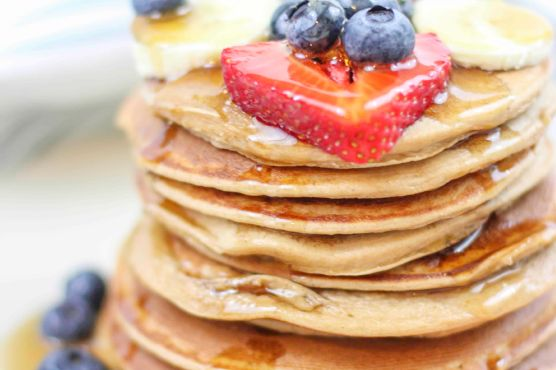
You know those mornings when you hit the snooze button one too many times, and suddenly you’re in a mad dash, wishing breakfast would magically appear? Yep, been there! That’s exactly how I stumbled upon these Simple Protein Pancakes. I was running late for a Saturday brunch with friends, craving something hearty yet wholesome. What I love about this recipe is how it comes together in a flash—just a quick blend, pour, and flip—but the end result feels like a treat. It’s perfect for lazy weekend mornings or even a speedy weekday breakfast when you need something filling yet fuss-free. Bonus: they’re nutritious and satisfyingly delicious, so you won’t even feel guilty drizzling on a bit of maple syrup. Jump to Recipe

What You’ll Need

This recipe is a pantry rescue mission! Chances are you already have most of these ingredients on hand, which means fewer grocery runs and more relaxed mornings.

  • 1 banana, ripe and full of natural sweetness
  • 2 eggs, because binding is key
  • 1/2 cup of oats, to keep you energized
  • 1/4 cup of greek yogurt, adds creaminess and protein
  • 1/2 cup of almond milk, or your favorite plant-based alternative
  • 1 scoop of Premier Protein powder, vanilla flavored for that extra protein punch
  • 1 teaspoon of vanilla extract, pure magic in a bottle
  • 1 teaspoon of baking powder, for a bit of lift

How to Make Simple Protein Pancakes

  1. Start by gathering all your ingredients. Toss the banana, eggs, oats, greek yogurt, almond milk, Premier Protein powder, vanilla extract, and baking powder into a blender. Blend for about a minute until you get a smooth, well-mixed batter.
  2. Let the pancake mixture sit for a couple of minutes. This allows the batter to thicken slightly, thanks to the oats soaking up some liquid.
  3. Meanwhile, heat your skillet over medium-high heat. You want it nice and hot before you pour the batter, so those pancakes get that delightful golden crust.
  4. Pour small amounts of batter onto the hot skillet. Watch for those small bubbles along the edges, your cue that it’s time to flip. This usually takes about 2 minutes.
  5. Flip the pancakes carefully and let them cook for another minute or two on the other side until they’re golden and cooked through.
  6. Stack the pancakes high, and top with your favorite fruits, nuts, or a drizzle of maple syrup for that breakfast bliss.

Cook’s Notes

These pancakes are forgiving, so don’t stress if your banana is more green than yellow. Just add a smidge of honey or maple syrup to the batter for sweetness. If you’re planning ahead, the batter can be made the night before and kept in the fridge. Just give it a good stir before using. Leftovers (if any!) keep well in the fridge for a couple of days and reheat beautifully in a toaster for a quick breakfast. Avoid over-blending to keep the batter from getting too thin.

Make It Your Own

  • Swap the almond milk for coconut milk to add a tropical twist.
  • If you’re out of oats, try using whole wheat flour for a similar hearty texture.
  • For a chocolatey version, add a tablespoon of cocoa powder and a handful of chocolate chips—your inner child will thank you!
  • Switch out the banana for half a cup of pumpkin puree and a dash of cinnamon for a fall-inspired flavor.

If you try this, I’d love to hear how it turns out—drop a comment or tag me! These pancakes have become a staple in my morning routine, and I hope they bring a little joy to your table, too. Happy flipping!

Related update: Simple Protein Pancakes

Related update: Blueberry, Chocolate & Cocao Superfood Pancakes – Gluten-Free/Paleo/Vegan

Related update: Avocado Egg Salad

NBA’s 3-2-1 Draft: Ending the Tanking Era | Analysis by Brian Moineau

Hook: The NBA wants to make losing less attractive

Imagine a late‑March game where a bottom‑dweller suddenly plays like it matters. That’s the picture the NBA is trying to paint with the proposed 3-2-1 draft lottery system — a change designed to blunt the incentive to tank and to reward teams that keep competing. The phrase 3-2-1 draft lottery system has already become shorthand for a broader anti‑tanking overhaul the league has presented to its governors and GMs. (nbcsports.com)

What is the 3-2-1 draft lottery system?

At its simplest, the 3-2-1 draft lottery system reorganizes how the NBA assigns "lottery balls" and who participates in the lottery.

  • The lottery would expand from 14 to 16 teams, bringing in a couple more non‑playoff clubs. (cbssports.com)
  • Teams would receive 3, 2, or 1 lottery balls depending on their finish — hence "3-2-1" — which flattens the odds compared with the current system that heavily rewards the very worst records. (cbssports.com)
  • The three worst teams would be placed in a so‑called “relegation zone” and actually be penalized with fewer balls (and a floor on how high they can pick), reducing the pure upside of finishing last. (nbcsports.com)

Those mechanics aim to both widen the pool and compress the top‑pick odds so that the gulf between the worst team and a middling lottery team narrows. NBC, CBS and other outlets reporting on the proposal emphasize that the idea is to reduce extreme incentive to lose while keeping meaningful randomness in the draft. (nbcsports.com)

Why the NBA is pushing this now

Tanking has been a recurring storyline for decades, but recent seasons and high‑stakes draft classes have intensified scrutiny. Owners, the commissioner’s office, and many fans worry that repeated losing seasons for some franchises create competitive and reputational problems for the league.

  • Expanding the lottery and flattening odds tries to remove the clear reward for being the absolute worst. Teams that might have accepted a competitive rebuild in the past often instead try to secure the top pick by minimizing wins late in the season. The 3-2-1 idea attacks that calculus. (espn.com)

There’s also a political and optics element: the league wants regular season games to matter, both to fans and local business partners. If losing becomes a viable long‑term strategy, attendance, TV interest, and player morale can all suffer.

The practical effects: winners, losers, and the weird middle

If implemented, the 3-2-1 plan would change front‑office strategy in several predictable ways.

  • For worst‑of‑the‑worst teams, the upside of finishing 30th is reduced. That’s the point, but it also means some terrible teams will be stuck in longer rebuilds without the occasional lottery jackpot. (nbcsports.com)
  • For teams hovering around play‑in/playoff cutoffs, there’s now more to play for: a win late in the season could shift you into a more favorable lottery band, or at least keep you out of the relegation zone. That should raise late‑season competitiveness. (cbssports.com)
  • Trades and pick‑management will become more complex. Because the lottery pool expands and odds are flatter, the value of asset diversification — buying multiple picks and young players instead of one shot at a top prospect — may rise. (cbssports.com)

Transitioning won't be frictionless. The proposal reportedly includes pick floors (e.g., bottom‑three teams cannot pick higher than a certain spot) which complicates trade valuations and could create unusual outcomes where a traded pick has a guaranteed range rather than pure upside. (nbcsports.com)

How fair — and how effective — is this likely to be?

There are two separate tests for the plan: fairness to struggling franchises, and effectiveness at stopping tanking.

  • On fairness: Critics argue the worst teams are already penalized by losing revenue and fan support; taking their best hope (a high lottery pick) feels harsh. Supporters say fairness must consider long‑term league health and competitive balance across 30 teams. Both sides have a point. (cbssports.com)

  • On effectiveness: Flattening odds and expanding the lottery should, in theory, reduce the explicit incentive to lose games for a top‑pick chance. But teams determined to rebuild quickly could still trade for picks, manipulate minutes, or otherwise find new ways to game the system. Many analysts think the proposal reduces—but won’t eliminate—tanking. Simulations and modeling will matter once the exact ball allocations and floors are finalized. (cbssports.com)

The human element: fans, players, and markets

This isn’t just math. Fans want honest competitions; players want meaningful opportunities and clearer career development paths.

  • Fans of small‑market teams may resent a system that appears to curtail their franchise’s fastest route back to contention.
  • Players finishing seasons on bad teams already face uphill development battles; fewer marquee rookie arrivals could slow team turnarounds and alter free‑agency dynamics.
  • Financially, stronger regular‑season competition could improve local gate and viewership numbers late in the year. That’s part of the league’s incentive to act. (cbssports.com)

3-2-1 draft lottery system: quick summary

  • Expands the lottery to 16 teams and assigns 3, 2, or 1 “balls” per team. (nbcsports.com)
  • Creates a relegation zone for the three worst teams, which receive fewer balls and are given a pick‑floor. (nbcsports.com)
  • Intends to reduce tanking incentives and encourage late‑season competitiveness while introducing new trade/pick valuation complexities. (cbssports.com)

My take

I like the ambition here. The 3-2-1 draft lottery system is a pragmatic attempt to fix a problem that’s grown thornier as single prospects can swing a franchise. Flattening odds and expanding the lottery rewards a broader set of teams for competing, not scheming.

That said, any rule change creates new incentives. Expect front offices to adapt quickly; the league will need to monitor outcomes and be ready with tweaks. And for fans, the value is simple: games that matter feel better than games that don’t.

Final thoughts

Rule changes rarely produce perfect outcomes. The league’s 3-2-1 idea is worth trying because it nudges incentives toward meaningful basketball without eliminating the drama of the lottery. If the goal is fewer strategically lost games and more earnest competition down the stretch, this proposal is an important step — but not the final one.

Sources


Related update: We recently published an article that expands on this topic: read the latest post.


Related update: We recently published an article that expands on this topic: read the latest post.

Peach Pie | Made by Meaghan Moineau

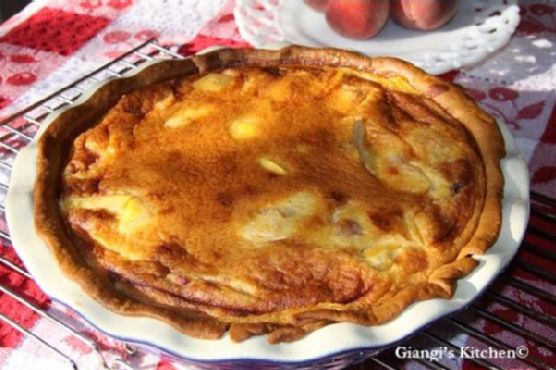
It was one of those chaotic Tuesdays when everything felt like it was going sideways. You know the type—emails piling up, a to-do list that looks like a novel, and somehow, the cord to my headphones decided to have a secret life of its own. All I wanted was to escape into a little slice of comfort, and that’s when it hit me: Peach Pie. Not just any peach pie, but a delightfully simple one that could come together faster than you can say “midweek madness.” This pie is my sweet escape—comforting and a little indulgent but totally achievable even when time isn’t your friend.

The true magic of this pie is in its simplicity. A buttery crust that you don’t have to fuss over, juicy peaches that make you wish summer could last forever, and a creamy filling that lends the whole thing an air of sophistication without needing a culinary degree. Trust me, once you’ve savored a slice, you’ll see why this recipe is a keeper.

Jump to Recipe

What You’ll Need

This recipe might just be your new pantry hero because chances are, you already have most of these ingredients.

  • Pastry crust – Store-bought or homemade, your call!
  • Cut up peaches – Fresh is fantastic, but canned works too.
  • Brown eggs
  • Almond paste – Adds a subtle, nutty depth.
  • Brown sugar
  • Heavy cream
  • Vanilla extract

How to Make Peach Pie

  1. Preheat your oven to 375°F (190°C). This is crucial for getting that crust just right.
  2. Roll out your pastry crust and gently lay it into a 9-inch pie plate. Be kind to it—no one likes a torn crust! Lightly poke the base with a fork.
  3. Pop the crust into the oven for a quick prebake, about 8 minutes. This gives it a head start so it won’t turn soggy later on. Once it’s lightly golden, remove and let it cool slightly.
  4. In a large mixing bowl, whisk together the eggs, almond paste, heavy cream, brown sugar, and vanilla extract until smooth. You’re looking for a fragrant, creamy mixture that’s just begging to be poured.
  5. Layer your cut-up peaches evenly over the prebaked crust. Feel free to sneak a few bites; it’s part of the process!
  6. Pour the creamy egg mixture over the peaches, making sure everything is nicely coated.
  7. Lower the oven temperature to 350°F (175°C) and bake the pie for about 45 minutes, or until the center is set and firm. The edges should be bubbling and the top should have a lovely golden hue.

Cook’s Notes

Alright, here’s the thing. This pie is pretty forgiving, but a few tips will make your life easier. When prebaking your crust, keep an eye on it—every oven has its quirks, and a few extra minutes can make the difference between golden and overdone. If your almond paste is a little tough to mix, try grating it first. It’ll blend like a dream. And about those peaches: if you’re using canned, just make sure to drain them well. We’re aiming for juicy, not soggy.

The pie is best enjoyed the day it’s made, but it’ll keep in the fridge for up to 3 days. Reheat it gently, or savor it cold—it’s surprisingly good that way.

Make It Your Own

This pie is a blank canvas, ready for your personal touch. Here are a few ideas to get your creativity flowing:

  • Swap the almond paste with lemon zest for a refreshing citrus twist.
  • Add a splash of bourbon to the filling for an adult version of this classic.
  • Top the finished pie with a handful of crushed walnuts for a bit of crunch.
  • Mix in a cup of fresh raspberries with the peaches for a berry-peach fusion.

If you try this, I’d love to hear how it turns out—drop a comment or tag me! Remember, pie is one of those things that brings a bit of magic to even the most mundane days, so get baking and enjoy every crumb.

Related update: Peach Pie

Related update: Cinnamon Sugar Fried Apples

Casual-Dining Shakeup: Smokey Bones | Analysis by Brian Moineau

When Smokey Bones abruptly closes locations, nobody expected the silence

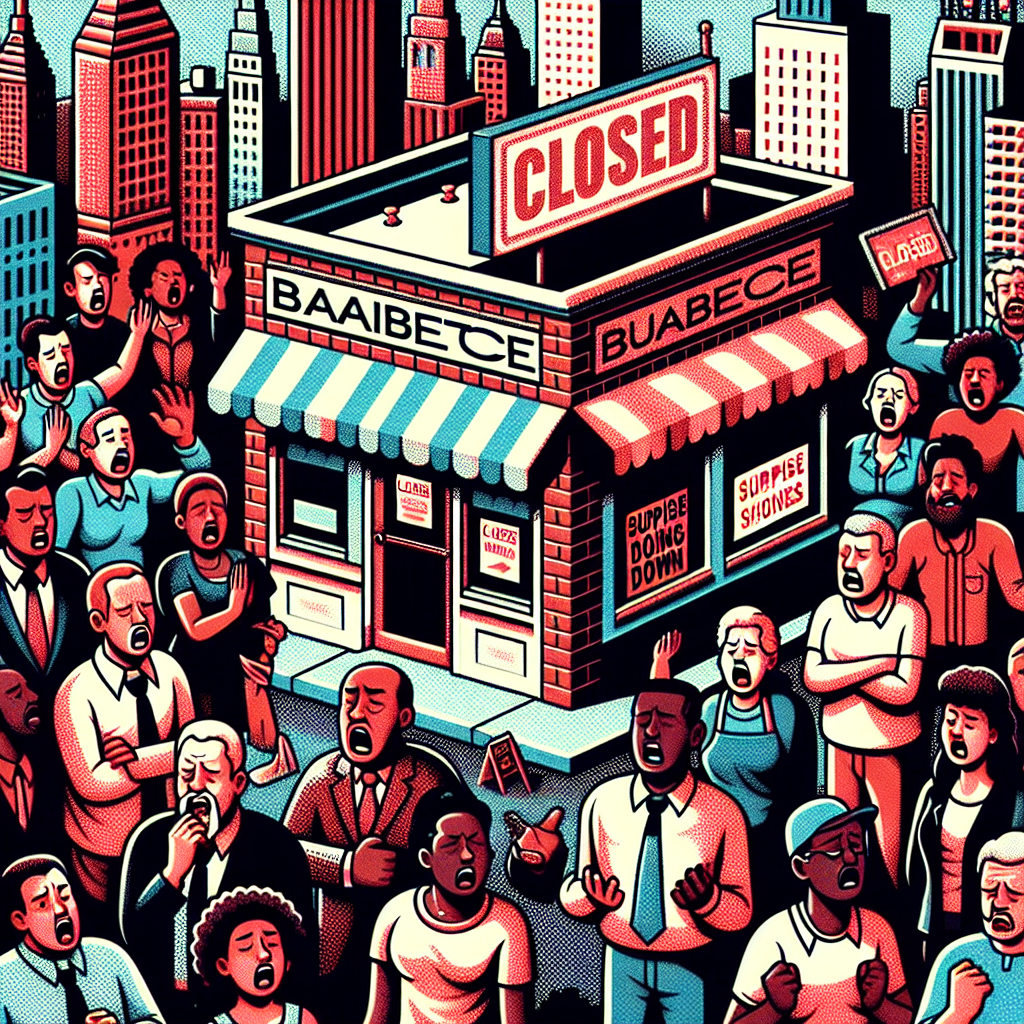
The morning of April 28, 2026 started like any other for many diners — except for those who walked up to a familiar Smokey Bones and found the doors locked with a handwritten sign. Smokey Bones abruptly closes locations across numerous states, leaving staff and customers blindsided and a string of long-time neighborhood anchors dark. The suddenness of these shutdowns, reported in markets from Columbus, Ohio to Long Island, added a surreal note to a brand that once felt reliably “there” for casual nights out. (wtvm.com)

Transitioning from a steady casual-dining staple to an overnight disappearing act is not just a local story — it’s a wider signal about the pressures on midscale restaurant chains in 2026.

What happened and when

  • On April 28, 2026 multiple Smokey Bones locations closed their doors with little to no advance notice to employees or patrons. Local news crews and storefront photos show closure notices posted that day. (wtvm.com)
  • Reports say the closures touched restaurants in states including Ohio, Pennsylvania, New York, Rhode Island, Illinois, Michigan and Georgia — and numerous community outlets confirmed permanent shutdowns at specific locations. (wpxi.com)
  • The chain’s parent and related ownership activity — including earlier restructuring and bankruptcy filings affecting related brands — set the stage for a portfolio-wide retrenchment before these abrupt closures. Local reporting and corporate filings from earlier in 2026 documented financial stress and a reshaping strategy. (en.wikipedia.org)

These are the facts that matter for employees, landlords, and regulars who relied on the chain.

Why the suddenness matters

First, abrupt closures have immediate human consequences. Employees often learned they were out of a job the same day: pay, benefits, final wages, and tip pools become urgent questions. Customers with gift cards or upcoming reservations were likewise left scrambling. The emotional imprint is significant — neighborhoods lose a familiar meeting place, and staff lose income without a runway.

Second, sudden chain-wide shutdowns amplify uncertainty in commercial real estate and municipal planning. Landlords and local business alliances that budget around occupied leases must now reconfigure foot traffic forecasts and tenant mixes. For retail corridors where a Smokey Bones anchored traffic, the empty space creates a measurable void.

Finally, from a brand perspective, the optics of disappearing without a clear public message corrodes trust. When companies close locations transparently, they can preserve relationships and reputation; opaque exits generate speculation and social-media backlash faster than corporate statements can travel.

The bigger picture for midscale chains

Smokey Bones’ fate illustrates structural headwinds hitting many midscale full-service restaurants:

  • Rising fixed costs (rent, utilities, insurance) squeeze margins when check sizes don’t keep up.
  • Labor market dynamics and turnover raise operational complexity and costs.
  • Shifting consumer habits — including off-premise spending, delivery expectations, and value-seeking — favor brands that adapt quickly or niche concepts that can be leaner.
  • Private-equity ownership, brand roll-ups, and portfolio optimization decisions can accelerate closures if owners decide to redeploy assets into higher-growth concepts. (en.wikipedia.org)

Taken together, these pressures mean that long-standing regional brands can be vulnerable, especially when they fail to modernize traffic-driving elements like brunch, delivery, loyalty, or local engagement.

What communities and workers can expect next

  • Short-term disruption: employees will pursue unemployment claims, and communities will see empty storefronts. Local news outlets have already chronicled the immediate aftermath at specific locations. (butlereagle.com)
  • Medium-term churn: landlords and developers will market the vacated spaces to new concepts. Some closures become opportunities for rising local restaurants or franchise swaps; others linger as blighted properties.
  • Long-term reckoning: restaurateurs and investors will watch whether the closures shift buyer behavior or accelerate consolidation in the casual-dining space.

These ripple effects show the closure is not just corporate housekeeping — it reshapes neighborhoods and labor markets.

Lessons for business owners and diners

  • For operators: transparency matters. When closures are handled with clear communication, severance planning, and customer remediation (gift-card refunds, for example), reputational damage is more containable.
  • For employees: knowing rights (final pay, tipped-wage rules, unemployment insurance) and documenting hours and pay is critical when a shutdown is abrupt.
  • For diners: cherish the local institutions you value, and support independent restaurants that reinvest locally — they often provide more resilient community value than sprawling chains.

Thinking practically, where possible vendors, landlords, and local chambers should coordinate to re-tenant spaces quickly and consider interim pop-ups that maintain foot traffic.

My take

Smokey Bones’ swift disappearance feels like a cultural punctuation mark: a reminder that even familiar brands aren’t immune to shifting economics and ownership decisions. The image of empty dining rooms and staff receiving the news on the same day is jarring — and points to a need for more humane exit plans when companies downsize. Long after the “Now Open” sign is replaced, the social habits and neighborhood flows that restaurants create can take years to recover.

If anything, these closures should prompt a conversation about sustainable business models in casual dining: nimble operations, clearer communication, and deeper local ties could buy more resilience. For communities, the creative opportunity is to fill those rooms with concepts that reflect current tastes, not just the ghosts of past dining trends.

Sources


Related update: We recently published an article that expands on this topic: read the latest post.


Related update: We recently published an article that expands on this topic: read the latest post.