The other day, I was in one of those “what’s for dinner” ruts, staring at the contents of my fridge as if they’d magically assemble themselves into something fabulous. I had exactly four pork chops and an assortment of condiments eyeing me back. Inspiration struck when I remembered the combination of sweet and spicy flavors that always hit the spot. That’s how these Pork Carnitas with Chipotle BBQ Sauce and Slaw came to life. The beauty of this dish is how it transforms humble ingredients into a plateful of bold, balanced flavors. It’s one of those recipes that’s perfect for a lazy weekend or a weeknight when you want dinner to do all the hard work for you, thanks to the slow cooker magic.
Jump to Recipe
What You’ll Need
This recipe is a pantry-friendly miracle, loaded with bold flavors you probably already have on hand. Here’s what you’ll need:
- 4 bone-in pork chops
- 1 cup orange juice
- 1/2 cup pineapple juice
- 3 cloves garlic, minced
- 1 teaspoon ground coriander
- 1 teaspoon ground cumin
- 1 tablespoon chili powder
- 1 teaspoon garlic powder
- 1 teaspoon onion powder
- Salt and pepper to taste
- 1 cup ketchup
- 1/4 cup brown sugar
- 2 tablespoons dijon mustard
- 1/4 cup white distilled vinegar
- 1/4 cup orange juice
- 2 tablespoons honey
- 2 tablespoons chipotles in adobo, minced
- 2 cups thinly sliced green cabbage
- 1/2 red onion, thinly sliced
- 1/2 cup shredded cilantro
- Juice of 1 lime
- 1/2 cup plain nonfat Greek yogurt
How to Make Pork Carnitas with Chipotle BBQ Sauce and Slaw
- Place the 4 pork chops snugly in your slow cooker. Pour the orange and pineapple juices over the top, letting them pool and marinate the pork.
- Sprinkle the minced garlic, ground coriander, cumin, chili powder, garlic powder, onion powder, salt, and pepper evenly over the chops. The spices will start to meld into a fragrant blend as they begin to cook.
- Cover with the slow cooker lid and set it on low for 6 hours. Halfway through, rotate the pork chops so they cook evenly. Lean back and let the slow cooker work its magic.
- Once the pork is done, let it cool slightly. Then, get in there with two forks and shred the meat into bite-sized pieces. You’ll know it’s perfect when it falls apart effortlessly.
- For the chipotle BBQ sauce, whisk together the ketchup, brown sugar, dijon mustard, white vinegar, orange juice, honey, and chipotles in adobo in a small saucepan. Simmer over medium heat until it thickens, about 10 minutes. Taste and adjust the heat and sweetness to your liking.
- In a large bowl, toss together the green cabbage, red onion, and cilantro. Squeeze over the lime juice and add a dollop of Greek yogurt. Toss until everything is well coated and vibrantly creamy.
- Serve the shredded pork drenched in chipotle BBQ sauce, topped with the slaw on soft tortillas, or as is if you’re feeling low-carb.
Cook’s Notes
Let’s chat about a few things to make this recipe foolproof. First off, using bone-in pork chops really helps to keep the meat tender and juicy. If you only have boneless, that’s okay, just keep an eye on the cooking time as they might cook faster. The BBQ sauce can be stored in an airtight container in the fridge for up to a week, and trust me, you’ll want to pour it on everything. You can easily make the slaw ahead of time, just hold off on mixing in the yogurt until you’re ready to serve to keep it crisp.
Make It Your Own
Flexibility is the name of the game here. Try these variations to switch things up:
- Swap the pork with boneless chicken thighs for a lighter option.
- Use crispy tofu cubes instead of pork for a vegetarian twist.
- Add a handful of sliced jalapeños to the slaw for extra heat.
- Try serving the carnitas on a bed of Mexican rice for a heartier meal.
If you try this, I’d love to hear how it turns out — drop a comment or tag me! And remember, the only rule in the kitchen is to have fun. Happy cooking!
Related update: Pork Carnitas with Chipotle BBQ Sauce and Slaw

It was one of those late summer evenings when the air is still warm, but you can feel the crispness of fall sneaking up on you. I was rummaging through my fridge, craving something that would capture this seasonal transition. That’s when I stumbled on a few ripe peaches, begging to be used, and a hunk of blue cheese just waiting for its moment. This Rustic Grilled Peaches Pizza was born out of necessity and a hint of culinary curiosity. It’s a little sweet, a little savory, and just the right amount of indulgent. The combination of juicy grilled peaches and the tangy sharpness of blue cheese, all on a crispy crust, is a total game-changer. Plus, this recipe is surprisingly easy and quick to throw together, making it perfect for a weeknight dinner that doesn’t feel rushed or routine.
Jump to Recipe
What You’ll Need
I’m willing to bet you have most of these ingredients hanging around your kitchen. The few you might need to grab are totally worth it for this sweet and savory masterpiece.
- Fresh arugula leaves
- Balsamic vinegar
- Blue cheese
- Fresh sage
- Low fat mozzarella cheese
- Onion
- Peach
- Whole wheat uncooked pizza crust
- Salt and pepper
- Walnuts
How to Make Rustic Grilled Peaches Pizza
- In a large skillet over medium heat, cook the onions with a pinch of salt and pepper. You’ll want them very soft and caramelized, which will take about 20-25 minutes. Stir occasionally and add tablespoons of water to deglaze the pan, but only after the previous batch has fully evaporated.
- Meanwhile, in a small saucepan, bring the balsamic vinegar to a boil. Reduce the heat and let it simmer until it transforms into about a tablespoon of syrupy goodness, roughly 15-20 minutes.
- Preheat your grill to medium-high heat. Roll or stretch your pizza dough into a 10-12 inch disc. Brush one side with olive oil so it’s all prepped and ready.
- Toss your pizza dough onto the hot grill, oil side down, and lower the heat to medium. Arrange your peach slices next to the pizza dough. Close the grill lid and let everything cook for about 2-3 minutes.
- Flip the pizza dough and cover it with the caramelized onions and a generous sprinkle of mozzarella cheese. Flip those peach slices, close the lid again, and cook for another 2-3 minutes, until the cheese is melty.
- Remove the pizza from the grill and artfully place those grilled peach slices on top. Crumble over the blue cheese, scatter toasted walnuts, and sprinkle fresh sage and arugula leaves.
- Finish it off with a drizzle of that balsamic reduction, slice into wedges, and savor each bite!
Cook’s Notes
Don’t rush the onions. Their sweet, caramelized nature is an absolute must for this recipe, and it’s worth every minute. If you’re prepping ahead, you can make the caramelized onions and balsamic reduction a day in advance. Just store them in the fridge and warm them slightly before using. Leftovers? They’re delicious cold or reheated. Just store the pizza in an airtight container in the fridge, and it’ll hold up for a couple of days. Keep in mind grilled pizza tends to lose its crispiness, but the flavors will still be spot on.
Make It Your Own
- Swap the blue cheese for goat cheese if you prefer something milder.
- Use crispy prosciutto instead of walnuts for a savory, salty touch.
- Substitute fresh basil for sage if that’s what you have on hand — it adds a lovely fresh note.
- Try a different stone fruit like nectarines or plums to mix it up.
If you try this, I’d love to hear how it turns out — drop a comment or tag me! This pizza is a little slice of late summer heaven, and I can’t wait for you to experience it. Enjoy every bite!
Related update: Rustic Grilled Peaches Pizza
Related update: Scotch Eggs
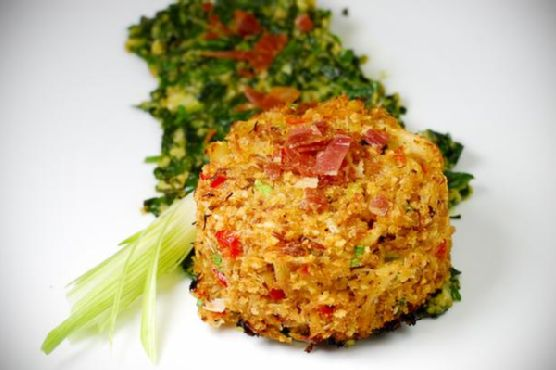
Picture this: It’s a crisp, chilly Sunday afternoon, and I’m standing in my cozy kitchen, trying to channel my inner chef with whatever ingredients I’ve got left. You know those weekends when grocery shopping just seems like too much of a chore? Well, I found myself staring at a can of crab meat, wondering what could possibly be made to brighten up a rather dreary day. And then it hit me — Crab Cakes Rockefeller! This dish is not just about the fancy name; it’s about turning a handful of pantry staples into something spectacular. It’s quick, comforting, and has that wow factor that feels like a mini celebration. Even if you’re working with a toaster oven, you’re in for a treat.
Jump to Recipe
What You’ll Need
This is one of those recipes where you might already have most ingredients lurking in your kitchen. It’s all about transforming simple components into something fabulous.
- Canned lump crab claw meat
- Red diced bell pepper
- Diced green onions
- Bread crumbs
- Honey
- Chili powder
- Unsalted butter
- Bacon
- Baby spinach
- Watercress stems
- Garlic
- Black salt & pepper
How to Make Crab Cakes Rockefeller
- Preheat your oven to 375°F and set the top rack to the middle position. If you’re like me and love using a toaster oven, this recipe is perfect for it too.
- Line a baking sheet with aluminum foil or a nonstick cooking mat. Less mess, more time to enjoy your masterpiece later!
- In a large bowl, combine the crab meat, diced red bell pepper, half of the diced green onions, and half of the bread crumbs. Mix in the honey and chili powder, then season to taste with salt and pepper. You want these flavors to marry beautifully.
- Form your crab cakes by pressing them into a 1/2 cup measure, squeezing tightly to maintain their shape. If molding by hand, be firm but gentle, like handling a delicate soap bubble.
- Arrange your crab cakes on the lined baking sheet, leaving at least an inch between each. This space ensures they brown evenly.
- Lightly coat the outside of each crab cake with olive oil using a sprayer or a drizzle. This little trick gives them a lovely golden crust.
- Bake for 25 minutes, or until golden brown and the aroma drives you wild with anticipation.
- Meanwhile, fry the bacon in a large skillet until crispy. Let it drain on paper towels, then crumble it into delightfully crunchy bits.
- Finely chop the spinach and watercress stems. In another skillet, melt the butter over medium heat. Add the garlic and sauté for about a minute until fragrant.
- Throw in the remaining green onions, bread crumbs, and watercress stems, sautéing for another minute.
- Finally, add the chopped spinach, cooking until wilted, about 1-2 minutes. Season with salt and pepper to your liking.
- To serve, gracefully nestle a crab cake atop a smear of the spinach mixture, and sprinkle with the crumbled bacon for that finishing touch.
Cook’s Notes
Just a few words of wisdom from my kitchen to yours. When forming the crab cakes, make sure they’re compact — it’s the key to them holding together beautifully. If you want to prep ahead, you can assemble the cakes and refrigerate them on the baking sheet for up to a day before baking. If you’ve got leftovers (a rare occurrence, trust me), they reheat well in the oven at 350°F for about 10 minutes. Just don’t microwave them unless you’re into soggy seafood — which I doubt!
Make It Your Own
Nothing is set in stone in my kitchen. Here are a few variations you might want to try:
- Swap the bacon for crispy prosciutto for an Italian twist.
- If you’re feeling fancy, add a sprinkle of parmesan cheese to the spinach mixture for an extra umami kick.
- Replace the watercress with arugula for a peppery punch.
- Try using panko instead of traditional bread crumbs for added crunch.
If you try this, I’d love to hear how it turns out — drop a comment or tag me! Let’s spread the joy of turning pantry staples into a gourmet delight. Here’s to cozy kitchens and culinary adventures!
Related update: Crab Cakes Rockefeller
Related update: Pork Carnitas with Chipotle BBQ Sauce and Slaw
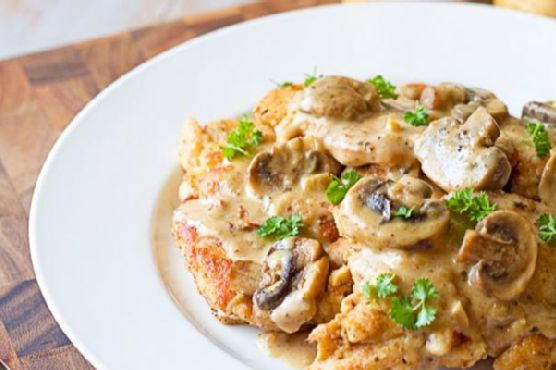
It was one of those chilly February evenings when the sky starts turning that perfect shade of twilight too early, and I found myself staring at a pack of chicken breasts, desperate for a dinner idea that was more love letter than meal prep. Valentine’s Day was just around the corner, and I wanted something special yet forgivingly simple because, let’s be honest, I was already knee-deep in heart-shaped crafts and tiny candy wrappers. That’s when Chicken Marsala entered the scene, like a classic movie star ready to sweep me off my feet. This recipe is a cozy blend of savory mushrooms and a creamy wine sauce that feels indulgent but is easy enough to conquer on a weeknight. Plus, it’s one of those dishes that’s impressive without being a diva about it.
Jump to Recipe
What You’ll Need
You might be surprised to find that most of these ingredients are probably hiding in your kitchen right this minute, waiting to come out to play.
- Fresh mushrooms, sliced
- Skinless boneless chicken breast
- Cloves of garlic, minced
- Butter
- Olive oil
- Seasoned breadcrumbs or coating mix
- Marsala wine
- Heavy cream
- Cooked pasta (for serving, if desired)
How to Make Valentine’s Chicken Marsala
- Start by prepping your mushrooms and chicken. Slice the mushrooms thinly and place your chicken breasts between two sheets of wax paper. Grab a mallet and pound the chicken to about 1/4 inch thickness. This helps them cook evenly and faster.
- Dredge each chicken breast in the seasoned breadcrumbs, making sure they’re fully coated. This is where that satisfying crunch comes from.
- Heat a heavy stainless or cast iron pan over medium heat. Trust me, non-stick just won’t give you that gorgeous sear. Add the butter and a splash of olive oil to the pan. Once the butter melts and becomes bubbly, it’s ready.
- Place the chicken breasts in the pan and brown them on both sides. This should take about 3-4 minutes per side. You’re looking for a deep golden color.
- Once browned, remove the chicken from the pan and set them aside. Add a little more olive oil to the pan, then toss in the mushrooms and garlic. Sauté until the mushrooms are tender and garlic is fragrant.
- Now, let’s deglaze. Pour in the Marsala wine, scraping up all those delicious brown bits from the pan. This is where the magic happens.
- Return the chicken to the pan, nestling it among the mushrooms. Bring the mixture to a boil, reduce the heat, cover, and let it simmer for 30 minutes. This makes the chicken incredibly tender.
- Remove the chicken again (I promise, it’s worth it), and pour in the heavy cream. Let it simmer and reduce by about half, stirring occasionally, until the sauce is thick and creamy.
- Serve the chicken and sauce over cooked pasta, if desired, and get ready to swoon.
Cook’s Notes
This dish is one of those forgiving recipes that lets you play a little. If you don’t have Marsala wine, a dry sherry or even a non-alcoholic cooking wine can step in. Just remember, each has its own personality, and the flavor will shift slightly. It’s best to avoid oversalting, especially since the breadcrumbs already have seasoning. For leftovers, store them in an airtight container in the fridge for up to three days. The sauce will thicken as it cools, so when reheating, add a splash of cream or milk to bring it back to life.
Make It Your Own
- Swap the chicken for crispy tofu for a vegetarian twist. Just press the tofu to remove excess moisture and proceed with the recipe as usual.
- Use portobello mushrooms for a meatier texture. They’re more robust and add a delightful depth to the dish.
- Try gluten-free breadcrumbs if you’re avoiding wheat. They work just as well and keep the coating nice and crunchy.
- Spice it up with a pinch of red pepper flakes during the mushroom sauté for a subtle kick.
If you try this, I’d love to hear how it turns out — drop a comment or tag me! Let’s keep the kitchen adventures rolling, because good food is all about sharing the love, right?
Related update: Valentine’s Chicken Marsala
Related update: My "Secret" Bolognese Sauce
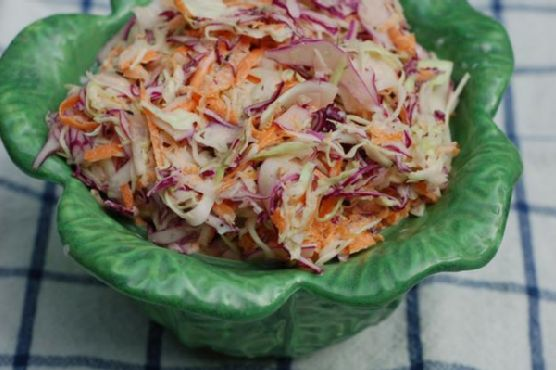
So there I was, standing in my kitchen on a Tuesday evening, staring at the lovely head of purple cabbage I had impulsively bought over the weekend. It was one of those days when you feel like the fridge is a puzzle, and you’re just not sure how all the pieces fit together. The pantry was looking sparse, and there was a definite need for a dinner side that wasn’t just steamed broccoli…again. Enter: Classic Creamy Coleslaw. This recipe is a lifesaver because it’s one of those dishes that hits the mark every time — creamy, tangy, and just the right amount of crunch to elevate any meal. Plus, it’s quick to whip up and, let’s be honest, who doesn’t love a dish that lets the veggies do all the colorful talking?
Jump to Recipe
What You’ll Need
The beauty of this coleslaw is its simplicity. Chances are you already have most of these hanging out in your kitchen — if not, they’re easy grabs during your next grocery run.
- Red cabbage
- Green cabbage
- Carrot
- Onion
- Apple cider vinegar
- Mayonnaise
- Dijon mustard
- Caraway seeds
- Sugar
- Sea salt
- Several grinds of black pepper
How to Make Classic Creamy Coleslaw
- Start by grabbing your trusty mandoline or a really sharp knife. You’re going to slice up the red and green cabbage, carrot, and onion paper-thin. Think of it as a meditation exercise — there’s something satisfying about seeing those vibrant veggies pile up in a bowl.
- In a separate small bowl, combine the apple cider vinegar, mayonnaise, Dijon mustard, caraway seeds, sugar, sea salt, and black pepper. Stir everything together until smooth; the sugar and salt should be fully dissolved so the dressing is creamy without any gritty bits.
- Toss your sliced veggies with the dressing in a medium-sized bowl. Make sure every slice gets a good coating. It’s like wrapping each piece in a creamy hug. Once everything is well-mixed, you can serve it right away or let it chill for a bit in the fridge to let those flavors meld together even more.
Cook’s Notes
This coleslaw is as forgiving as it is delicious. If you find the cabbage a bit stiff, letting the coleslaw sit in the fridge for an hour will soften it up just right. It’s perfect for making ahead — you can prepare the veggies and dressing separately and toss them together when you’re ready to serve. Leftovers hold up well for a couple of days in the fridge, but you might notice it gets a bit watery. Just give it a quick toss, and it’s as good as new. Be careful with the amount of salt; remember, you can always add more, but once it’s in, there’s no going back!
Make It Your Own
- Herb it Up: Add a handful of chopped fresh parsley or dill for a herbal twist.
- Go Nutty: Toss in some toasted sunflower seeds or slivered almonds for added crunch and nuttiness.
- Tropical Vibes: Swap the carrot with shredded pineapple for a sweet, tropical flavor.
- Spicy Kick: Add a teaspoon of sriracha or a pinch of cayenne to the dressing for some heat.
If you give this classic creamy coleslaw a try, I’d love to hear how it turns out for you — drop a comment or tag me on social! Your kitchen wins and tweaks are what make cooking such a fun adventure. Enjoy the crunch!
Related update: Classic Creamy Coleslaw
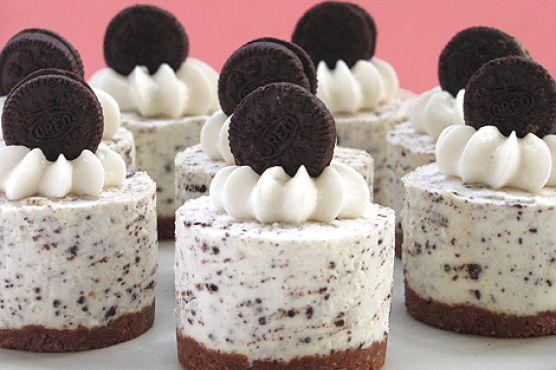
Okay, picture this: it’s a Friday night, and you’ve got a serious craving for something sweet and indulgent. But here’s the catch — it’s been a long week and the idea of turning on the oven feels like too much. Enter the Oreo Cookies & Cream No-Bake Cheesecake. This little beauty is so ridiculously easy (I promise, you can make it in your sleep), and yet it feels like a decadent treat you’d reserve for special occasions. It’s creamy, rich, and loaded with cookies — what more could you want? Plus, no oven means you can keep your kitchen cool and still get your cheesecake fix. Ready to dive into this creamy dream? Let’s go!
Jump to Recipe
What You’ll Need
The ingredients for this cheesecake are as simple as they come, and chances are you already have most of them in your pantry. Seriously, this is as close to a pantry party as it gets!
- Oreo cookies
- Cream cheese
- Heavy cream
- Lemon juice
- Salt
- Sugar
- Vanilla powder
How to Make Oreo Cookies & Cream No-Bake Cheesecake
- Start by beating the heavy cream in a mixing bowl until medium peaks form. You’ll know it’s ready when it holds its shape but still looks silky and luscious. Set it aside for the magic that’s coming next.
- In another bowl, combine the cream cheese, sugar, salt, vanilla powder, and lemon juice. Use a stand mixer with a paddle attachment or a hand beater if that’s your jam. Beat until the mixture is as smooth as a jazz playlist on a Sunday afternoon (around 3-5 minutes). If you’re using a hand beater, just zen out; it might take a bit longer.
- Gently add the cream cheese mixture to the whipped cream, beating until they’re fully incorporated. It should look like a cloud made of dreams and cream — no lumps in sight.
- Now comes the fun part: fold in the crushed Oreo cookies. Be gentle, like you’re working with a kitten or a delicate love note.
- Fill your chosen pan with the mixture, creating a slight mound in the center. Don’t worry if it looks a bit hilly; it’ll settle and look perfect after chilling.
- Refrigerate for at least 6 hours, or if you can handle the suspense, overnight. This is where the cheesecake sets into its beautiful self.
- Once set, take the cheesecake out and smooth the top to level it with the edges. It’s like putting the final brushstroke on a masterpiece.
- Serve with a dollop of whipped cream and garnish with mini Oreos for that extra touch of cuteness and crunch.
Cook’s Notes
- For the creamiest texture, ensure your cream cheese is at room temperature before you start. It’ll blend so much better with the other ingredients.
- This cheesecake is a make-ahead champ. Prepare it the night before and let it do its thing in the fridge while you dream sweet dreams.
- Store leftovers (if there are any) covered in the refrigerator for up to 3 days. But honestly, I’ve never seen it last that long.
- Avoid overmixing the batter once the Oreo cookies are added — you want those delightful chunks of cookie goodness in every bite.
Make It Your Own
- Swap the Oreos for your favorite cookie — think chocolate chip or even ginger snaps for a spicy twist.
- Add a swirl of peanut butter or Nutella for an extra layer of flavor. Just ribbon it through the batter before chilling.
- For a fruity touch, fold in some fresh raspberries or strawberries with the Oreos. Berry and cream is always a win.
- Get fancy with the crust by adding crushed pretzels for a sweet and salty vibe. Just press the crushed pretzels into the base of your pan before adding the cheesecake filling.
If you try this, I’d love to hear how it turns out — drop a comment or tag me! I hope this cheesecake brings you as much joy as it does for me. Here’s to no-bake desserts and sweet, sweet indulgence!
Related update: Oreo Cookies & Cream No-Bake Cheesecake
Related update: Fresh Fig, Walnut, Rosemary Upside Down Cake And A Crisp Citrusy Chardonnay

The other morning, as the autumn leaves whispered secrets through the slight breeze outside my window, I found myself in a breakfast conundrum. You know, the kind of morning where you crave something different but comforting, something that feels like a warm hug yet won’t leave you feeling weighed down. Enter: Oatmeal Pancakes. These beauties are both wholesome and satisfying, perfect for those busy weekdays when you still want to start your day with intention. They’ve quickly become my go-to because they’re not just heart-healthy; they’re heartwarming. Plus, they’re surprisingly simple to whip up. Seriously, you might already have everything you need in your kitchen!
Jump to Recipe
What You’ll Need
I love that these pancakes come together with just a handful of ingredients, most of which are probably chilling in your pantry or fridge right now.
- Irish oats
- Fat-free milk
- Whole wheat multi-purpose flour
- Baking powder
- Egg whites
- Agave (or sugar, if that’s your jam)
- Blueberries
- 100% maple syrup, for serving
How to Make Oatmeal Pancake (Yummy & Heart Healthy)
- Start by soaking your irish oats in the fat-free milk for a good 3-4 hours, or even better, let them get cozy overnight in the fridge. This is where the magic begins, softening up those oats for the perfect pancake texture.
- When you’re ready to get cooking, add the egg whites, whole wheat flour, baking powder, and agave to your oat and milk mixture. Blend everything together in a food processor or coffee grinder until you’ve got a smooth batter.
- Heat up a non-stick pan over medium heat. No need for any greasing here—these pancakes are low-maintenance!
- Pour 5 to 7 spoonfuls of your batter onto the heated pan. You’ll know it’s time to flip when the edges start to bubble and the bottom is a dreamy golden color.
- Flip and let the other side cook for another minute or two until puffed up and beautifully golden.
- Serve them warm, drizzled with 100% pure maple syrup, and maybe a handful of fresh blueberries if you’ve got them. Dig in and enjoy the cozy vibes!
Cook’s Notes
These pancakes are pretty forgiving, which I love. If you’re not a fan of soaking oats overnight, a few hours will do the trick, but the longer soak really gives the best texture. Once cooked, they’ll keep in the fridge for a couple of days. Just pop them in the microwave or toaster to reheat. Oh, and if you’re making these ahead, you can freeze them! Just layer parchment paper between each pancake and seal them in a freezer bag. Easy peasy.
Make It Your Own
- Boost the protein by swapping half of the egg whites for a scoop of your favorite protein powder.
- Not a fan of agave? Use honey or a tablespoon of brown sugar for a deeper sweetness.
- For a nutty twist, throw in a handful of chopped nuts like almonds or walnuts to the batter.
- Make it a berry bonanza by adding raspberries or strawberries instead of blueberries.
If you try this, I’d love to hear how it turns out — drop a comment or tag me! Enjoy your breakfast adventure and let these pancakes be your morning muse.
Related update: Oatmeal Pancake (Yummy & Heart Healthy)
Related update: Spicy Black-Eyed Pea Curry with Swiss Chard and Roasted Eggplant
Related update: Home made organic maple granola with fresh fruit

So picture this: It’s a Thursday evening, and I have exactly 30 minutes before friends drop by for that last-minute coffee chat I somehow volunteered to host. I rummage through my pantry while contemplating a magic trick—a dessert that’s both cozy and kind of fancy but doesn’t require an advanced degree in pastry arts. Enter the Butterscotch Pie. The aroma of graham crackers and that rich butterscotch filling is like wrapping everyone in a warm hug, and the fact that it’s deceptively simple to throw together makes it my go-to for spontaneous gatherings. Friends, this pie is worth its weight in gold, or in this case, buttery brown sugar goodness.
Jump to Recipe
What You’ll Need
This recipe is all about pantry heroes and a couple of star players. Chances are you already have most of this stuff tucked away.
- The pie crust: Sleeve of graham crackers, sugar, salted butter
- The filling: Unsalted butter, dark brown sugar or molasses, heavy cream, percent milk, salt, cornstarch, water, vanilla, scotch whiskey
- The pie topping: Heavy whipping cream, vanilla
How to Make Butterscotch Pie
- Start with the crust. Place the graham crackers in a Ziploc bag and crush them into crumbs using a rolling pin. If you’re like me, you might have someone who loves doing this part. In a medium bowl, mix the graham cracker crumbs with sugar and melted butter. Press this mixture firmly into a pie plate and let it chill in the fridge for about 30 minutes.
- Next, let’s create that dreamy filling. In a medium saucepan, melt the unsalted butter over low heat. Stir in the dark brown sugar until it’s melted and bubbly. Slowly add half of the heavy cream, stirring until the sugar and butter are completely dissolved. Pour in the rest of the heavy cream, milk, and a pinch of salt. Remove from heat and let it cool until it’s lukewarm, about 10 minutes.
- Mix together the cornstarch and water in a small bowl, then whisk it into the cooled pudding mixture. Return the saucepan to medium-high heat, stirring constantly until the mixture thickens. Trust me, it’ll happen fast! Reduce the heat to low and simmer for another minute while stirring vigorously.
- Take it off the heat and stir in the scotch whiskey and vanilla. This is where the magic happens, folks. Pour this luscious filling into the chilled crust. Cover with plastic wrap and let it chill in the fridge for at least two hours, although longer is totally fine.
- Finally, the topping. Whip the chilled heavy whipping cream using the wire whisk attachment on your mixer. Add sugar and vanilla while it’s whipping until you see soft peaks forming. Remove the pie from the fridge, take off the plastic wrap, and pile on the whipped cream. Spread it almost to the edges so everyone gets a little peek of that glorious pie. Optional: Garnish with some shaved chocolate, if you’re feeling fancy.
Cook’s Notes
Here’s the lowdown on making this pie shine every time. First, let’s talk crust. Press it firmly into the pie plate for a more stable base. And on the filling—don’t skip the cooling step after adding the milk; it’s crucial for achieving the right texture. If you mix the cornstarch into a hot mixture, it might seize up faster than you can say “butterscotch disaster.”
For storage, this pie keeps beautifully in the fridge for up to three days. Just make sure it’s covered to keep the whipped cream from going flat. You can also make the crust and filling in advance, then whip up the topping just before serving for maximum freshness.
Make It Your Own
- Nutty Twist: Swap half of the graham crackers with crushed pecans or walnuts for a nutty crust that adds extra depth.
- Boozy Switch-Up: If scotch isn’t your thing, try bourbon or rum, which both add a different but equally delightful warmth to the pie.
- Chocolate Lovers: Add a layer of melted dark chocolate over the crust before pouring in the filling for a chocolate-butterscotch symphony.
- Dairy-Free Option: Use coconut milk and coconut cream instead of regular milk and cream for a tropical twist that’s also friendly for dairy-sensitive guests.
If you give this Butterscotch Pie a try, I’d love to hear how it turns out. Drop a comment below or tag me on social media. Happy pie-making!
Related update: Butterscotch Pie
Related update: Oreo Cookies & Cream No-Bake Cheesecake

It was one of those chilly evenings when all you want is to wrap yourself in a blanket and indulge in something cozy. I rummaged through my fridge and pantry, and there it was—a head of cauliflower looking forlorn next to some leftover cheddar and parmesan. That’s when the idea for Creamy Cauliflower Chowder hit me. It’s one of those recipes that’s not only super comforting, but also surprisingly easy to throw together. Trust me, when the wind’s howling outside, a steaming bowl of this chowder can feel like a warm hug. Plus, it’s a great way to sneak in some veggies and still feel like you’re getting a treat.
Jump to Recipe
What You’ll Need
This chowder’s ingredient list is refreshingly simple, and there’s a good chance you already have most of these goodies in your kitchen.
- Butter
- Cauliflower, 1 head
- Cheddar cheese
- Chicken bouillon – for that savory depth
- Cooked bacon – because, why not?
- Croutons – for extra crunch
- Flour
- Garlic
- Ground mustard
- Milk
- Onion
- Paprika
- Parmesan cheese
- Salt
How to Make Creamy Cauliflower Chowder
- Start by melting the butter in a large pot on medium heat. Toss in the garlic, onion, and cauliflower. Saute for about 5 minutes until the cauliflower starts to brown and the garlic is fragrant.
- Sprinkle in the flour, chicken bouillon, ground mustard, paprika, and salt. Stir well to coat everything in this flavorful mix.
- Pour in 2 cups of milk and give it a good stir. Reduce the heat and let it simmer for about 10 minutes. You’ll know it’s ready when the cauliflower becomes soft and tender.
- Carefully transfer the mixture to a blender and blend until smooth. It’s going to smell amazing already!
- Pour the creamy mixture back into the pot and add the rest of the milk. Stir in the parmesan and cheddar cheese, watching them melt into the chowder.
- Once everything is heated through and melty, ladle the chowder into bowls. Top with crispy bacon, crunchy croutons, and an extra sprinkle of cheese if you’re feeling it. Dig in while it’s hot!
Cook’s Notes
Let’s keep it real—blending hot soups can be a little tricky. If your blender gets too hot, let the chowder cool a bit before blending or blend in batches. Safety first, friends! This chowder is a champ when it comes to leftovers; it’ll keep well in the fridge for up to 3 days. When reheating, just do it gently on the stovetop, adding a splash of milk if it’s too thick. And if you’re a planner, you can make the base a day ahead and just add the cheese when reheating.
Make It Your Own
Here are a few tasty twists to make this chowder uniquely yours:
- Swap the bacon for crispy tofu if you’re keeping things vegetarian, or just want a change.
- For a hint of spice, add a chopped jalapeño with the garlic and onion. It’ll add a delightful kick!
- Try using smoked paprika instead of regular for a deeper, smokier flavor.
- If you’re feeling indulgent, swirl in a dollop of sour cream just before serving for extra creaminess.
If you try this, I’d love to hear how it turns out—drop a comment or tag me in your foodie photos! There’s nothing like a shared love of good food to bring us all a little closer. Enjoy your cozy culinary creation!
Related update: Creamy Cauliflower Chowder
Related update: Smokey Rainbow Chili

It was one of those weeknights where everything just seemed to go wrong. You know, the kind where you open the fridge and it feels like it’s laughing at you because you’re just staring at a lonely pack of chicken and random condiments. I was determined to make something delicious out of it though, because when life gives you chicken, you make it blackened and Cajun. This Blackened Cajun Chicken recipe became my salvation that evening. It’s quick, it’s got a spicy kick, and the best part? The aroma that fills your kitchen will have everyone thinking you’re a culinary wizard. I’m telling you, it’s the kind of dish that turns chaos into comfort.
Jump to Recipe
What You’ll Need
The beauty of this dish is that it’s a pantry hero. Chances are, you already have most of this hanging out in your spice rack.
- Chicken – the star of the show, use your favorite cut.
- Paprika – for that deep smoky flavor.
- Cayenne pepper – the right amount of heat to kick it up a notch.
- Garlic powder – because everything is better with garlic.
- Onion powder – adds a subtle, savory base.
- Dried thyme and rosemary – a fragrant duo that rounds out the flavor.
- Ground cumin – for earthy warmth.
- Dry mustard – brings a tangy depth.
- Brown sugar – just a touch for balancing the heat.
- Bay leaves – a classic addition for aroma.
- Salt and black pepper – essential for seasoning.
How to Make Blackened Cajun Chicken
- Combine all the seasonings — paprika, cayenne pepper, garlic powder, onion powder, dried thyme, rosemary, ground cumin, dry mustard, brown sugar, bay leaves, salt, and black pepper — in a bowl. Mix until everything is well blended. This is the magic dust that turns chicken into a flavor bomb.
- Place your chicken in a 13-by-9-by-2-inch baking pan. Don’t be shy, rub half of that seasoning mixture all over the chicken, making sure every nook and cranny is covered. The spices should cling to the meat like it’s meant to be.
- Cover the pan and let the chicken chill in the refrigerator overnight. Trust me, this is when the flavors really party.
- When you’re ready to cook, preheat your grill to medium heat. Grill the chicken covered, flipping it once. You’re looking for those beautiful char marks and crisp edges, which should take about 30 to 45 minutes. The chicken is done when the juices run clear and the aroma is irresistible.
Cook’s Notes
Let’s talk about some real-life tips for making this dish a breeze. If you’re in a pinch, the seasoning mix can be prepped days in advance and stored in an airtight container. It’s a lifesaver on those hectic weekdays. Make sure to really let the chicken marinate overnight, as the time allows the spices to penetrate and the flavors to deepen. Oh, and use a meat thermometer to ensure the chicken reaches an internal temperature of 165°F, because safety first!
- Leftovers are perfect for meal prep — they stay juicy and flavorful. Just store them in the fridge for up to three days.
- If you’re not grilling, a hot cast-iron skillet works wonders to achieve that blackened crust indoors.
Make It Your Own
- Swap the chicken for crispy tofu for a vegetarian twist that’s equally satisfying.
- Use this seasoning on shrimp for a quick and spicy seafood option.
- Feeling adventurous? Add a pinch of smoked paprika for an extra layer of smokiness.
- Pair the chicken with a creamy coleslaw or a fresh corn salad to mellow out the heat.
If you try this, I’d love to hear how it turns out — drop a comment or tag me! Cooking is all about experimenting and finding what works for you, so don’t hesitate to put your own spin on it. Happy cooking!
Related update: Blackened Cajun Chicken
Related update: Boeuf Bourgignon
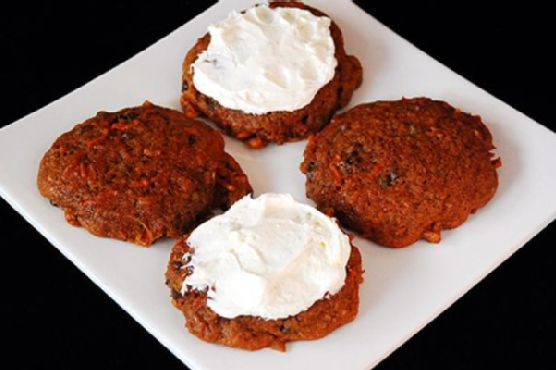
Picture this: it’s a chilly Tuesday evening, and I’m standing in my kitchen, craving something indulgent yet comforting. The kind of treat that feels like a warm hug but doesn’t demand a trip to the store for exotic ingredients. Enter these Carrot Raisin Chocolate Chip Cookies. They’re the result of a spontaneous kitchen experiment, born from a forgotten box of cake mix in the pantry and a sudden need for cookies that wouldn’t take all night to make. Trust me, these cookies are worth the minimal effort. They’re delightfully soft, bursting with the sweetness of raisins and carrots, and studded with decadent chocolate chips. Perfect for when you need a cozy snack for yourself or a quick dessert for unexpected guests. Seriously, this is the easiest way to turn an ordinary evening into something special.
Jump to Recipe
What You’ll Need
I bet you’ve got most of this on hand already! This recipe is all about taking a humble cake mix and turning it into something extraordinary. Here’s what you’ll need:
- Duncan Hines Classic Decadent Cake Mix
- 2 large eggs
- 1/2 cup of butter, softened
- 1 cup of hot water
- Chocolate chips (as many or as few as you like!)
How to Make Carrot Raisin Chocolate Chip Cookies
- First, preheat your oven to 350°F (175°C). This helps create that perfect cookie texture — crisp on the outside and soft inside.
- Open up that cake mix box and find the carrot and raisin packet. Hydrate it in 1 cup of hot water for 5 minutes. You’ll notice the raisins plump up, and the kitchen fills with a sweet, comforting aroma.
- Once hydrated, drain the mixture and give it a gentle squeeze to remove excess water. You want the carrots and raisins moist, not soggy.
- In a large bowl, beat together the softened butter, cake mix, and eggs. You’re looking for a smooth batter — it should smell like cake, but thicker.
- Add in the carrots and raisins, stirring until they’re well distributed throughout the dough. It’s starting to look more like cookie dough now!
- Gently fold in the chocolate chips. Go ahead, sneak a few chocolate chips — I won’t tell.
- Using a small ice-cream scoop, portion out the dough onto a parchment-lined baking sheet, spacing them about 2 inches apart. This gives room for them to spread just the right amount.
- Smooth the tops of the cookies with a knife or offset spatula if you want a more polished look. But honestly, rustic is a good look too.
- Bake for about 12 minutes. The cookies should be just starting to turn golden, with a slightly firm edge.
- Let them cool on the baking sheet for a minute to set before transferring them to a cooling rack. This is the hardest part — waiting!
- Once cooled, you can frost them with cream cheese frosting if you’re feeling extra indulgent. Otherwise, enjoy them plain. They’re delightful either way.
Cook’s Notes
Baking should be fun, not stressful, right? Here are a few tips to keep things running smoothly. First, always check your butter is softened before you start. Cold butter will make it tough to mix everything together. If you forget to take it out ahead of time, a quick 10-second zap in the microwave will do the trick. For storage, these cookies keep well in an airtight container for up to a week — if they last that long! You can also freeze the dough balls and bake them straight from the freezer. Just add a couple more minutes to the bake time.
Make It Your Own
Here are some fun ways to tweak the recipe and make it suit your style or whatever you have handy:
- Swap the chocolate chips for white chocolate and add a handful of chopped macadamia nuts for a tropical twist.
- For a spicier edge, stir in a teaspoon of cinnamon or a pinch of nutmeg with the cake mix.
- If you’re a coconut fan, add 1/4 cup of shredded coconut for extra texture and flavor.
- Not a fan of raisins? Leave them out and double down on the chocolate chips. Because why not?
If you try this, I’d love to hear how it turns out — drop a comment or tag me! Happy baking, and may your cookie jar always be full!
Related update: Carrot Raisin Chocolate Chip Cookies
Related update: Easter Bunny’s Vegan Ambrosia Salad
Related update: Buttered Plantain Fries and Seasoned Avocado
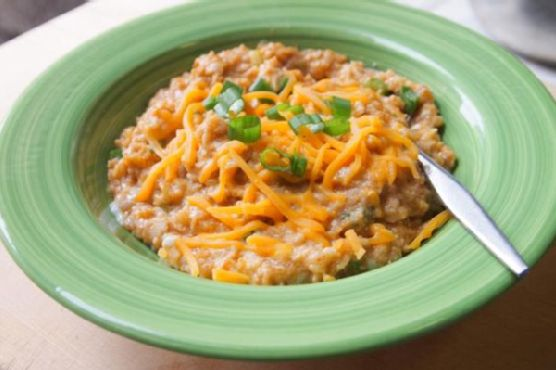
Picture this: It’s a chilly Tuesday morning, and I’m standing in my kitchen, bleary-eyed, clutching my favorite oversized mug of coffee. I need something hearty, something that’ll stick with me through the morning without sending me into a food coma by 10 a.m. Enter my go-to breakfast hero: Healthy Southwestern Oatmeal. It’s that perfect mix of comfort and sustenance — warm, savory oats with a kick of spice and cheesy goodness. Plus, it’s packed with protein from egg whites to keep me powered up. A total week-morning win, ready in no time, and bonus: you probably have most of the ingredients lurking in your pantry and fridge. Let’s dive into this simple yet satisfying breakfast wonder.
Jump to Recipe
What You’ll Need
This recipe is all about elevating simple pantry staples. Chances are you already have most of these on hand, which is great because who wants to run to the store before breakfast?
- 1 1/2 cups water
- 1 cup old fashioned oats
- 2-3 egg whites
- 1/4 cup reduced fat cheddar cheese, shredded
- 1/4 teaspoon chili powder (adjust to taste)
- 1-2 green white scallions, sliced
- Salt, to taste
How to Make Healthy Southwestern Oatmeal
- Start by bringing 1 1/2 cups of water to a boil in a medium saucepan. This is your base, so let that water get nice and bubbly before moving on.
- Add in the oats and reduce the heat to a gentle simmer. Let them cook for about 10 minutes. You’ll know they’re ready when the mixture is more oats than water, and it starts to thicken up. Stir occasionally to keep them from sticking.
- Once the oats are thick, toss in the scallions and chili powder. Give it a good stir, and let it all cook together until any remaining liquid is gone, and the aroma of chilies fills your kitchen.
- Now, the fun part: adding the egg whites. Pour them in slowly while stirring constantly. You’ll want to keep stirring until the whites are opaque and fully incorporated into the oats. It should take just a couple of minutes.
- Transfer the oatmeal to your favorite serving bowl, sprinkle with salt to taste, and top with the cheddar cheese. Let it melt over the top, and you’ve got yourself a delicious, energizing breakfast!
Cook’s Notes
Let’s talk about some tips and tricks to make this Southwestern Oatmeal fit right into your morning routine. First off, if you’re tight on time, you can prep the dry ingredients the night before. In the morning, just boil the water and you’re halfway there. Leftovers (if there are any!) can be stored in the fridge for up to two days. Just reheat them gently on the stove or in the microwave, and maybe splash a bit of water or milk to loosen them up. Be careful not to overdo the chili powder unless you’re really into spice — a little goes a long way!
Make It Your Own
You’re the boss of your breakfast bowl! Here are a few ideas to tweak it to your taste:
- Cheesy Upgrade: Swap the reduced-fat cheddar for a sharp aged cheddar or even some pepper jack for extra zing.
- Go Green: Add a handful of spinach or kale in with the scallions for an extra veggie boost.
- Protein Boost: Top with a sliced boiled egg if you’re looking for more protein power.
- Spice It Up: Add a dash of hot sauce or some chopped jalapeños if you want to kick up the heat.
If you try this, I’d love to hear how it turns out! Drop a comment or tag me on social media with your delicious creations. Happy breakfasting! 🥄
Related update: Healthy Southwestern Oatmeal
Related update: Blackened Cajun Chicken
Related update: Oatmeal Pancake (Yummy & Heart Healthy)
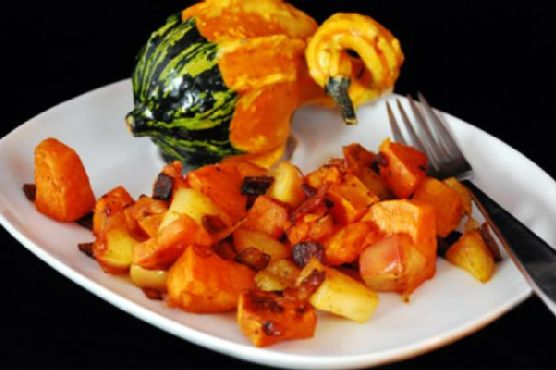
It was one of those chilly fall evenings when the air was crisp, and the leaves crunched underfoot like potato chips. I was rummaging through the fridge, looking for something cozy and satisfying yet simple enough not to turn dinner into a late-night affair. You know, the kind of weeknight dinner that lets you sit down with a glass of wine before you’ve completely run out of energy? Harvest Hash was my answer. This dish is everything I love about fall on a plate: sweet, savory, and just a little bit indulgent with crispy bacon and caramelized apples. It’s one of those dishes that makes you feel like you’ve done something special, even if you’re tired, and the best part is, it’s all done in about 30 minutes.
Jump to Recipe
What You’ll Need
The beauty of this recipe is in its simplicity. Chances are, you already have most of these ingredients lounging around in your kitchen, waiting for their moment to shine.
- 2 medium sweet potatoes, peeled and cubed
- 4 slices of bacon, cut into bite-sized pieces
- 1 small red onion, diced
- 2 honeycrisp apples, cored and diced
- 2 tablespoons extra-virgin olive oil (EVOO), divided
- Kosher salt, to taste
How to Make Harvest Hash
- First things first, get your oven preheating to 400°F. This helps everything cook evenly and gives those sweet potatoes a head start to become perfectly tender.
- In a large bowl, toss the cubed sweet potatoes with one tablespoon of EVOO and a good sprinkle of kosher salt. Make sure each piece is nicely coated, then spread them out on a baking sheet in a single layer.
- Roast the sweet potatoes for about 10-15 minutes until they’re tender but still hold their shape. You’ll know they’re ready when you can pierce them easily with a fork without them falling apart. Set aside when done.
- While the sweet potatoes are doing their thing, heat the remaining tablespoon of EVOO in a large frying pan over medium heat. Toss in the bacon pieces and let them cook until they start to get crisp and release their delicious fat.
- Add the diced red onion to the pan and sauté until they’re soft and tender. The onions will soak up some of that bacon goodness, making them irresistible.
- Next, add the diced apples and cook for another 3-4 minutes. They’ll become slightly golden and fragrant, adding a lovely sweetness to the mix.
- Stir in the roasted sweet potatoes and cook everything together for another 6-8 minutes. Let the edges of the sweet potatoes and apples get a little crispy — this is where the magic happens.
- Serve it up warm alongside a juicy ham steak, and you’ve got yourself a feast that tastes like fall on a plate.
Cook’s Notes
This dish is pretty forgiving, which is why I love it for those busier nights. Remember not to overcrowd your baking sheet with sweet potatoes; otherwise, they’ll steam rather than roast. Store leftovers in an airtight container in the fridge for up to three days. Reheat in a skillet to bring back some crispness, or pop in the microwave for convenience. If you’re planning ahead, you can roast the sweet potatoes a day before and store them until you’re ready to complete the dish.
Make It Your Own
- Vegetarian Version: Skip the bacon and use smoked paprika to bring in that smoky flavor.
- Pumpkin Spice Twist: Sprinkle a pinch of cinnamon and nutmeg when you add the apples for a cozy spice blend.
- Protein Boost: Stir in cooked, shredded chicken when you add the sweet potatoes.
- Vegan Delight: Swap out the bacon for crispy tofu cubes and use coconut oil instead of EVOO.
If you try this, I’d love to hear how it turns out — drop a comment or tag me! Cooking is all about sharing, after all. Enjoy these fall flavors!
Related update: Harvest Hash
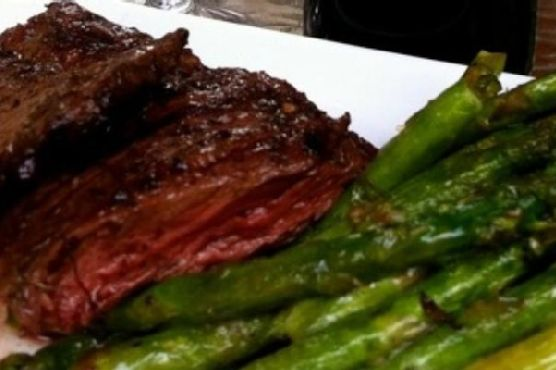
Picture this: It’s a Tuesday evening, and I’ve just gotten home after a day that felt like a whirlwind. The sun is setting, casting a golden hue over my kitchen, and I’m in the mood for something satisfying yet not too complicated. Enter my trusty Chimichurri Skirt Steak with Grilled Asparagus. It’s got that zingy, herby kick from the chimichurri that makes everything feel a little more special, and the whole meal comes together in a way that feels more weekend than weeknight. You’ll be surprised at how the bold flavors and the simplicity of the dish make it an absolute favorite for any night. Let’s dive in and make some magic happen. Jump to Recipe
What You’ll Need
This ingredient list is a breeze, and I bet you have most of these at home already. The stars here are definitely the fresh herbs and that gorgeous skirt steak.
- Skirt steaks
- Flat leaf parsley
- Fresh mint leaves
- Fresh oregano leaves
- Garlic cloves (4 to 5, depending on your garlic love level)
- Chili pepper flakes
- Kosher salt
- Lemon juice
- Olive oil
- Red wine vinegar
- Shallot
- Green and white asparagus
- Black freshly cracked pepper
How to Make Chimichurri Skirt Steak with Grilled Asparagus
- In your food processor, throw in everything for the chimichurri sauce except the olive oil. Give it a few pulses until it’s all well chopped and mixed together.
- Keep that processor running and slowly drizzle in the olive oil until the mixture is a harmonious blend. You want it smooth but still a bit rustic.
- Reserve half of this vibrant green sauce for later; it’s going to be the hero when you serve.
- Season your skirt steaks generously with salt and freshly cracked pepper on both sides.
- Spoon the other half of the chimichurri over the steaks, getting them good and marinated. Let them hang out and soak up the flavors for at least 30 minutes, or if you can, overnight in the fridge.
- Preheat your grill to a comfy 350 to 400°F. Let it warm up while you prep your veggies.
- In a large resealable plastic bag, toss in both the green and white asparagus. Add a drizzle of olive oil, a couple of smashed garlic cloves, and a sprinkle of salt and pepper. Seal the bag and shake it like you mean it.
- Place the asparagus in a grill basket to keep things neat, then set both the steak and basket directly over the hot grill.
- Gently toss the asparagus occasionally to ensure even grilling, and baste them lovingly with the garlic olive oil mixture. They’ll be ready in about 10 minutes, with some nice char marks.
- Grill your skirt steak to your preferred doneness, usually 5 to 8 minutes per side. Let it rest for 10 minutes post-grilling to keep all those juices in.
- Slice the steak against the grain into long strips, arrange them on a serving platter, and spoon that reserved chimichurri sauce over the top. Serve alongside the perfectly grilled asparagus.
Cook’s Notes
First off, let your steak rest after grilling. It’s tempting, but patience is key here for juicy, flavorful meat. If you’re marinating, overnight is king for maximum flavor, but 30 minutes will do if you’re in a pinch. As for leftovers, they keep well for a couple of days in the fridge. The steak is delightful cold or quickly reheated, and the chimichurri can be a flavor booster for other dishes.
Make It Your Own
- Swap the skirt steak for a flank steak if that’s what you have on hand. Just keep in mind the cooking time might vary slightly.
- For a vegetarian twist, use portobello mushrooms instead of steak. Marinate and grill them the same way for a hearty, satisfying meal.
- Feeling a little wild? Add a handful of cherry tomatoes to your asparagus mix for a burst of color and extra sweetness.
- If mint isn’t your thing, basil works beautifully here for a different but equally delicious twist.
If you try this, I’d love to hear how it turns out — drop a comment or tag me! Sharing food experiences makes them all the more enjoyable. Happy grilling!
Related update: Chimichurri Skirt Steak with Grilled Asparagus
Related update: Harvest Hash

Last Tuesday, I found myself staring at the fridge at 7 a.m., coffee in hand, trying to muster some inspiration for breakfast before the day spiraled into chaos. There they were: a half-empty bag of potato tots, some bell peppers, and a few eggs that desperately needed a purpose. In that moment of breakfast indecision, Easy Weekday Breakfast Muffins were born. These muffins are the perfect balance of savory, cheesy goodness, and they’re surprisingly simple to whip up. Plus, they can be made ahead, making those rushed weekdays just a tad more bearable. Trust me, once you try these, weekday mornings will feel like a breeze.
Jump to Recipe
What You’ll Need
Most of these ingredients are probably lounging in your kitchen already, just waiting to become something delicious.
- Bell pepper, chopped
- Eggs – 6 of them, whisked
- Milk – just a splash
- Small onion, chopped
- Potato tots – because who doesn’t love them?
- Salt and pepper, to taste
- Shredded cheese – the more, the merrier
- Turkey – diced or shredded
How to Make Easy Weekday Breakfast Muffins
- Preheat your oven to 350°F (180°C). This gives you time to prep everything while it heats up.
- In a medium-sized bowl, whisk together the eggs and a splash of milk until they’re well combined and a lovely shade of pale yellow.
- Fold in the chopped bell pepper and onion. Season this mixture with a good pinch of salt and a couple of cracks of pepper.
- Stir in a generous handful of shredded cheese. This will add that irresistible gooeyness and flavor.
- Lightly grease a muffin tin or line it with muffin cups, then fill each cup halfway with the egg mixture.
- Drop a few pieces of turkey into each cup. It’s like a little protein surprise!
- Place a single potato tot in the center of each cup, pressing it lightly into the egg mixture.
- Sprinkle a bit more shredded cheese on top of each muffin for that golden, bubbly top.
- Pop the muffin tin into the oven for about 20 minutes, or until the muffins are set and the tops are gloriously golden.
- Let them cool for a few minutes before serving or storing for later.
Cook’s Notes
If you’re short on time in the morning, these muffins can be made the night before and stored in the fridge. Just reheat them in the microwave for about 20-30 seconds, and they’ll taste like you just pulled them out of the oven.
- When whisking the eggs, ensure they’re completely blended to avoid any streaks of egg whites in your muffins.
- These muffins keep well in the fridge for up to 3 days. For longer storage, freeze them and thaw overnight in the fridge before reheating.
- Be careful not to overfill the muffin cups. They’ll expand as they cook, and you don’t want egg mixture overflowing in your oven!
Make It Your Own
- Swap the turkey for crispy tofu for a vegetarian version that’s just as satisfying.
- Try adding cooked bacon bits to each muffin for an extra savory kick.
- Use different cheeses like sharp cheddar or feta for a flavor twist.
- If you’re feeling a bit adventurous, sprinkle some chopped jalapeños into the mix for a spicy morning pick-me-up.
If you try this, I’d love to hear how it turns out — drop a comment or tag me! Breakfast doesn’t have to be a hassle; let’s make it delicious and fun together.
Related update: Easy Weekday Breakfast Muffins
Related update: Chimichurri Skirt Steak with Grilled Asparagus
Related update: Healthy Southwestern Oatmeal
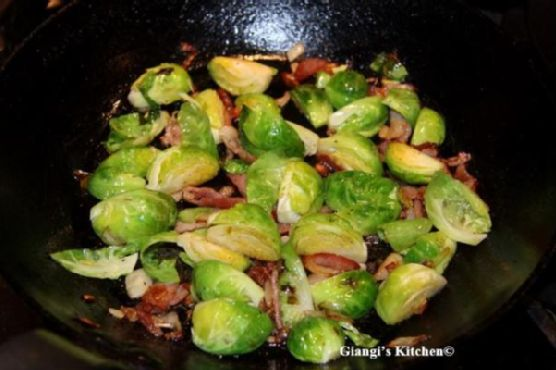
It was one of those evenings where I’d just gotten home from a long day, opened the fridge, and sighed at its contents — or lack thereof. You know what I’m talking about, the classic weeknight scramble where you’re too tired to go out but still want something comforting and a tad bit fancy. That’s when I spotted a lonely pack of bacon and some brussels sprouts I’d forgotten about. A lightbulb moment ensued, and this dish was born out of necessity, quickly becoming a household staple. It’s one of those meals that feels a bit impressive but is ridiculously easy to throw together. Plus, the crispy bacon pairs so perfectly with the tender brussels sprouts and sweet shallots. Trust me, this dish is a game-changer for lazy evenings.
Jump to Recipe
What You’ll Need
Chances are you already have most of this hanging around your kitchen. Just a few ingredients that combine to make magic happen:
- Bacon – the soul of this dish
- Brussels sprouts – trimmed and ready to shine
- Lemon juice – for that bright, zesty finish
- Salt and pepper – essentials, of course
- Shallot – it adds a sweet, delicate flavor
How to Make Brussels Sprouts with Bacon and Shallots
- In a large skillet, toss in the chopped bacon. Cook over medium heat until it’s golden brown and your kitchen smells like pure heaven.
- Next, add the shallots to the skillet. Let them mingle with the bacon, cooking until tender and translucent.
- Crank up the heat to high and introduce the brussels sprouts to the party. Sauté them until they develop that irresistible golden crust, making sure to stir occasionally so they don’t stick.
- Finish with a squeeze of lemon juice and season generously with salt and pepper. Give it all a good toss, letting every ingredient get cozy.
- Serve immediately, preferably with a grin because you just made something delicious with minimal effort.
Cook’s Notes
A couple of things I’ve learned along the way: First, do not overcrowd your skillet. This is a surefire way to end up with soggy sprouts, and nobody wants that. If you’re making a larger batch, definitely work in batches. As for storage, leftovers can be popped in an airtight container and kept in the fridge for a couple of days. Reheat them in the skillet to keep that crispiness alive. Pro tip: if you’re making this for a crowd, you can prep everything in advance and then do the actual cooking just before serving. It’s quick enough that even last-minute is doable!
Make It Your Own
Feeling like switching things up? Here are a few ideas:
- Swap the bacon for crispy pancetta or prosciutto for an Italian twist.
- Try adding a splash of balsamic vinegar instead of lemon juice for a deeper flavor.
- Throw in some toasted pine nuts or almonds for an extra crunch.
- If you’re vegetarian, swap the bacon for crispy tofu — trust me, it works!
If you try this, I’d love to hear how it turns out — drop a comment or tag me! Remember, the best recipes are the ones you make your own. Happy cooking!
Related update: Brussels Sprouts with Bacon and Shallots

Okay, so picture this: It’s a chilly autumn afternoon, and I’ve just returned from the farmer’s market with a bag full of crisp, tart apples. I’m totally in the mood for some fall baking therapy, but I need something that doesn’t have me glued to the oven for hours. Enter these adorable Brandy-Apple Mini Pies with Cornmeal Crust. They’re the perfect mix of cozy and impressive, with a buttery, cornmeal crust that crumbles just right and a filling that’s sweet with a hint of boozy warmth. They’re just the ticket for a quick baking session that still feels special—plus, they make your whole kitchen smell like the best parts of fall. And the best part? They’re mini, so you can totally have more than one. Intrigued? Jump to Recipe
What You’ll Need
You’re in luck, because there’s a good chance you’ve got most of these goodies chilling in your pantry or fridge already. Here’s what you’ll need:
- 1 cup all-purpose flour
- 1/2 cup yellow cornmeal
- 1/4 cup powdered sugar
- 1/2 tsp salt
- 1/4 cup vegetable shortening
- 3-4 Tb. ice water
- 3 cups green diced tart apples (like Granny Smith)
- 1/2 cup unsalted butter
- 2 Tb. brandy
- 1/2 cup brown sugar
- 1 tsp pumpkin pie spice
- 1 Tb. sugar
How to Make Brandy-Apple Mini Pies With Cornmeal Crust
- Start by tossing the flour, cornmeal, powdered sugar, and salt into your food processor. Pulse it a couple of times to mix everything together.
- Cut the shortening into small cubes and add it to the processor. Pulse again until the mixture resembles coarse crumbs.
- Add 3 tablespoons of ice water and pulse until the dough starts to come together. If it looks a little dry, add another tablespoon of water.
- Lay out a sheet of plastic wrap and turn the dough onto it. Divide it into two pieces—one larger and one smaller, about 80/20 split.
- Shape each piece into a disk, wrap them snugly, and pop them into the fridge for at least 30 minutes.
- While the dough chills, peel and dice your apples. Preheat your oven to 425°F.
- In a small saucepan over medium heat, blend together the butter, brandy, brown sugar, pumpkin pie spice, and sugar. Stir until it simmers, then pour this sweet mixture over the apples, tossing to coat.
- Take the larger dough disk out of the fridge and roll it out on a well-floured surface to about 1/8 inch thick.
- Use a drinking glass with a 3-4 inch rim to cut out circles of dough. Press these into your muffin tins. Gather and re-roll the dough scraps to get 14-16 crusts.
- Fill each mini crust with a generous scoop of the apple mixture.
- Roll out the smaller dough piece and use a cute 2-3 inch cookie cutter to make tops. Place these over each pie and brush with any leftover syrup from the apple bowl.
- Bake for 15 minutes, then lower the oven temp to 350°F and bake an additional 15 minutes. If they look perfectly golden after the first 15, cover them with foil to prevent over-browning.
- Cool the pies completely in the muffin tin before attempting to remove them. Trust me, no one wants to see these beauties fall apart!
Cook’s Notes
Silicone muffin pans are your best friend here—they make getting the pies out a breeze. If you’re using metal pans, gently run a sharp knife around the edges, and oh-so-carefully ease each pie out into your hand one at a time. If you’re eyeing a full-size pie instead of minis, just double the apples and syrup. Roll out the dough into a bottom crust and top, bake at 425°F for 30 minutes, then 350°F for another 30.
Make It Your Own
- Swap the brandy for a splash of bourbon or whiskey for a deeper, smokier flavor.
- Try using pears instead of apples for a sweet, juicy twist.
- Add a handful of chopped pecans to the apple mixture for some nutty crunch.
- Sprinkle a little coarse sea salt on top before baking for that sweet-salty combo we all secretly obsess over.
If you give these mini pies a spin, I’d love to hear how they turn out for you! Drop a comment below or tag me in your delicious creations. Happy baking!
Related update: Brandy-Apple Mini Pies With Cornmeal Crust
Related update: Yogurt Cake

Last Tuesday, my kitchen was a whirlwind of chaos. It was one of those evenings where craving something decadent and a bit out of the ordinary hit like a freight train, and all I had was a pantry challenge waiting to happen. After digging through the freezer, I found a bag of crawfish tails, and suddenly, a memory of summer seafood boils with friends came flooding back. The tantalizing mix of spices and seafood was exactly what I needed, but in a form that was quick and easy without compromising on flavor. Enter: Crawfish Cake Sliders. These little beauties pack a punch, they’re crispy on the outside yet tender inside, and they’re kind of impressive when you serve them up — like a casual, yet gourmet, hand-held delight. Perfect for a weeknight dinner or to wow your friends at a gathering.
Jump to Recipe
What You’ll Need
Let’s be honest, if you love a good seafood dish, you’ve probably got most of this on hand already. Here’s what you’ll need to whip up these sliders:
- 1 teaspoon oil
- 1 cup chopped red onion
- 1 clove garlic, minced
- 1 teaspoon Creole spice (or to taste)
- 1 pound crawfish tails, thawed if frozen
- 1 large egg
- 1/2 cup bread crumbs
- 8 slider buns
- 1/2 cup tartar sauce
How to Make Crawfish Cake Sliders
- Start by heating 1 teaspoon of oil in a sauté pan over medium heat. Toss in the chopped onion and let it sizzle away with a pop of color from some finely chopped red pepper and celery — sauté these until tender, about 2-3 minutes. The kitchen should start smelling like a savory promise.
- Once the veggies are tender, remove the pan from the heat and add the garlic, crawfish meat, and Creole spice. The residual heat will mellow out the garlic and awaken the spices.
- Transfer this aromatic mixture into a mixing bowl and let it cool just enough so that it doesn’t scramble the egg. Speaking from experience here, oops!
- Mix in the egg and just enough bread crumbs for the mixture to bind together — you’re looking for a consistency that holds but isn’t dry. Taste and adjust the seasonings with salt, pepper, and more Creole spice if you’re feeling bold.
- Form the mixture into 8 equal patties and flatten them to about 3/4-inch thick. They should feel sturdy but not densely packed.
- Heat the remaining oil in the same sauté pan over medium heat. Cook the patties on both sides until they’re brown and crispy, about 3-4 minutes per side. This is where the magic happens — the aroma alone is worth it.
- Once cooked, serve each cake nestled in a slider bun with a generous dollop of tartar sauce. It’s the final touch that brings everything together.
Cook’s Notes
As you embark on this culinary adventure, keep a few things in mind: If using frozen crawfish tails, make sure they’re fully thawed and patted dry to prevent soggy cakes. The mixture should be moist but not wet; too much moisture means your patties might fall apart during cooking. If you need to make these ahead, form the patties and store them covered in the fridge for a few hours. Cooked patties can also be reheated in a 350°F oven until warm.
Make It Your Own
Here’s where you can get creative with these sliders:
- Spice Swap: Try using Old Bay or a Cajun spice mix if Creole isn’t your thing.
- Herb Boost: Add chopped fresh parsley or cilantro to the mixture for a fresh twist.
- Different Sauce: Swap out tartar sauce for a spicy remoulade or even a dollop of garlic aioli for a different flavor profile.
- Gluten-Free Option: Use gluten-free bread crumbs and buns to make this dish suitable for your gluten-sensitive friends.
If you try this, I’d love to hear how it turns out — drop a comment or tag me! Your kitchen stories make this cooking journey so much more fun. Happy cooking!
Related update: Crawfish Cake Sliders
Related update: Ditalini with peas
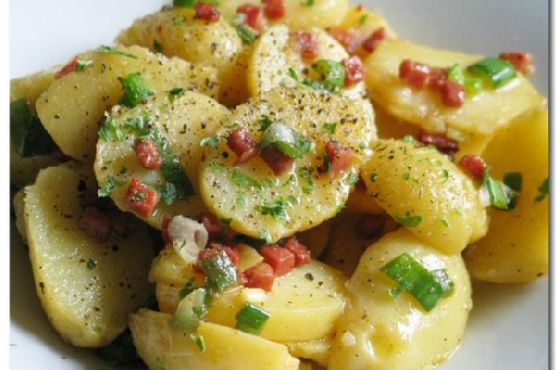
There was this one time, smack in the middle of a hectic Wednesday, when I found myself staring into the abyss of my fridge, promising my hungry self something quick and satisfying. You know those days, right? When you want something homemade but don’t really have the bandwidth for a culinary marathon. That’s when Charlotte Potato Salad came to the rescue. It’s like that best friend who stops by unannounced but always brings wine. This dish is vibrant, with just the right amount of zing from the mustard and lemon, balanced by the comforting notes of bacon and potatoes. Perfect for elevating a mundane weeknight or impressing a surprise guest.
Jump to Recipe
What You’ll Need
Here’s the best part — this recipe involves a handful of ingredients, many of which might already be sitting in your pantry or fridge. Just a few essentials come together to deliver a flavor-packed salad that feels both sophisticated and homey.
- Charlotte potatoes
- Bacon cubes
- Dijon mustard
- Dried parsley
- Lemon juice
- Olive oil
- Black salt and pepper
- Spring onions
How to Make Charlotte Potato Salad
- Begin by boiling the Charlotte potatoes in salted water until they are just tender. You’ll know they’re ready when a fork easily pierces through. Drain them and let them cool just enough to handle, then peel off the skins.
- In a small bowl, whisk together the lemon juice, Dijon mustard, black salt, and pepper until smoothly blended. Start to beat in the olive oil slowly, creating a creamy dressing. Add the finely chopped spring onions at this point, letting the sharpness infuse the sauce.
- In a dry frying pan over low heat, dry fry the bacon cubes. Let them sizzle and release their fat, crisping up for about 5 minutes. The smell will be irresistible!
- Add these golden bacon cubes to your dressing, stirring well to ensure each piece is coated in mustardy goodness.
- Thickly slice the warm potatoes and place them in a serving bowl. Pour the bacon-infused dressing over the potatoes, tossing gently to coat each slice.
- Finish with a generous sprinkle of dried parsley for a pop of color and added flavor, then serve warm or at room temperature.
Cook’s Notes
Alright, so here’s the scoop on making this dish even more seamless. If you’re prepping in advance, boil and peel the potatoes, then store them in the fridge. Just make sure everything comes to room temperature before you toss it together. This salad is best enjoyed warm but still delightful if served cold. Avoid over-boiling the potatoes — we want them soft but not mushy. The potato slices should hold their own and not turn into mashed potatoes as you mix.
Make It Your Own
You can riff on this salad in a few fun ways:
- Swap the bacon for crispy tofu cubes to make it vegetarian — simply fry the tofu until golden and proceed with the recipe.
- Try using fresh herbs like dill or chives instead of dried parsley for a fresh twist.
- For a richer flavor, substitute half of the olive oil with melted butter in the dressing.
- Mix in some capers for a briny kick that beautifully counterbalances the richness of the bacon and potatoes.
If you try this, I’d love to hear how it turns out — drop a comment or tag me! Cooking is all about sharing those delicious moments, and this one is too good not to share. Enjoy!
Related update: Charlotte Potato Salad
Related update: Quinoa Salad with Barberries & Nuts

It all started on a rainy Tuesday afternoon when my snack cravings were at an all-time high. I stared at the bunch of overripe bananas on the counter, contemplating yet another loaf of banana bread, when inspiration struck. What if I could combine the comforting flavors of a peanut butter banana sandwich with the indulgence of a chocolate chip cookie? That’s how these Chocolate Chip Peanut Butter Banana Cookies came to be. They’re a delightful twist on the usual, bringing together the creamy, nutty goodness of peanut butter with the sweet, decadent charm of chocolate chips—all in a soft, banana-infused cookie package. Perfect for a quick treat or a cozy moment with a cup of tea, these cookies hit the sweet spot every time.
Jump to Recipe
What You’ll Need
You won’t need a fancy trip to the grocery store for this recipe. Chances are, you’ve got most of these goodies in your pantry and fridge already. Here’s what you’ll need:
- 2 ripe bananas
- 1/2 cup butter, softened
- 1/2 cup creamy peanut butter
- 1/2 cup brown sugar
- 1/2 cup granulated sugar
- 1 large egg
- 1 teaspoon vanilla extract
- 1 and 1/2 cups flour
- 1 teaspoon baking powder
- 1/2 teaspoon baking soda
- 1/2 teaspoon cinnamon
- 1/4 teaspoon salt
- 1 cup mini chocolate chips
- 1/4 cup sugar (for sprinkling)
- 1/2 teaspoon cinnamon (for sprinkling)
How to Make Chocolate Chip Peanut Butter Banana Cookies
- Preheat your oven to 350°F. This is non-negotiable—no cold oven surprises here!
- In a large mixing bowl, mash the ripe bananas until smooth-ish. Don’t worry about small lumps; they’re just character.
- Add the softened butter, creamy peanut butter, both sugars, egg, and vanilla to the bananas. Stir until everything’s nicely combined and smelling heavenly.
- In a separate bowl, whisk together the flour, baking powder, baking soda, cinnamon, and salt. This dry blend will give our cookies structure and a hint of spice.
- Gently fold the dry ingredients into the banana mixture. Stir just until everything comes together—overmixing makes for tough cookies, and we want these to be soft and tender.
- Toss in those mini chocolate chips and give a few more gentle stirs to distribute them evenly.
- Using a large spoon, drop dollops of dough onto a parchment-lined baking sheet. Aim for about 2 inches apart to avoid cookie collisions.
- In a small bowl, combine the sugar and cinnamon for sprinkling. Give those dough mounds a generous dusting of cinnamon sugar magic.
- Bake in the preheated oven for 10-12 minutes, or until the edges are slightly golden brown and your kitchen smells like a dream. My oven runs hot, so keep an eye out; 10 minutes could be plenty.
Cook’s Notes
These cookies are best enjoyed fresh out of the oven (aren’t they all?), but they do keep well for a couple of days in an airtight container. If you’re planning ahead, you can make the dough and chill it for up to two days before baking. Just remember, cold dough might need an extra minute or two in the oven. And if you end up with leftovers that have lost their day-one freshness, a quick zap in the microwave will revive their warm, gooey glory.
Make It Your Own
Here are a few fun tweaks to shake things up:
- Swap the mini chocolate chips for dark chocolate chunks for a richer, more intense chocolate hit.
- If you’re nuts for nuts, add a handful of chopped walnuts or pecans to the dough for an extra crunch.
- Turn up the tropical vibes by adding a half cup of shredded coconut to the mix.
- For a gluten-free version, use a 1-to-1 gluten-free flour blend. Texture might vary slightly, but the flavor will still be on point.
If you give these cookies a whirl, I’d love to hear about it! Drop a comment below or tag me in your sweet creations. Happy baking, and remember, life’s too short to skip dessert!
Related update: Chocolate Chip Peanut Butter Banana Cookies
Related update: Authentic Mexican Wedding Cookies