
India’s GDP Surprise: Factories, Festivals and a Fed of Optimism
Prime Minister Narendra Modi called the GDP number “very encouraging.” And who wouldn’t be? When official data showed India’s economy growing faster than most forecasters dared to predict, the reaction was equal parts relief and recalibration — for businesses, policymakers and investors trying to read what comes next.
Why this quarter felt different
- India’s GDP surged 8.2% year‑on‑year in the July–September 2025 quarter, well above Bloomberg and consensus forecasts and the strongest pace in six quarters. (fortune.com)
- The upswing was broad-based: private consumption jumped ahead of the festival season, manufacturing posted a sharp gain, and services remained resilient. Policy moves — tax cuts in September and a series of earlier rate reductions — helped juice demand. (fortune.com)
- All of this happened while a strained trade backdrop loomed: a 50% U.S. tariff on many Indian imports complicates export prospects and adds uncertainty to the near term. Yet firms appear to have front‑loaded shipments and inventory activity, muting the immediate bite of tariffs. (fortune.com)
What the numbers really tell us
- Short-term momentum: The combination of festive-season spending, tax cuts and prior interest‑rate easing produced a powerful near‑term boost. Manufacturing growth (9.1%) and a near‑8% jump in private consumption are the headline engines of the quarter. (fortune.com)
- Not necessarily durable: Several economists warn the gains may fade once the one‑off effects — stockpiling before tariffs, festival demand, and statistical quirks like a lower GDP deflator — wash out. Forecasts for next fiscal year were nudged up, but multilateral institutions and rating agencies still flag downside risks if trade frictions persist. (fortune.com)
- Policy implications: Strong growth reduces the urgency for an immediate rate cut by the Reserve Bank of India, though low inflation keeps room for easing open. Markets reacted by pricing a lower probability of an imminent cut. (fortune.com)
A closer look at the Trump tariffs effect
- Timing matters: Many exporters shipped ahead of August’s tariff implementation, which created a temporary volume bump. That front‑loading shows up in the data, helping manufacturing and export‑related activity this quarter. (fortune.com)
- Structural risk remains: If high U.S. tariffs endure, exporters will face sustained price and market‑access penalties. Multilateral forecasts (IMF WEO and Article IV assessments) reduced long‑run growth projections slightly under a scenario of prolonged tariffs. India’s domestic demand cushion can blunt but not fully negate export pain. (imf.org)
- Winners and losers: Sectors with strong domestic market exposure (consumer goods, some services, domestic manufacturing) benefit most from the current setup. Labor‑intensive export sectors — textiles, gems and jewelry, seafood — are more exposed to tariff damage. (forbes.com)
When numbers and politics collide
- Messaging matters: Modi’s “very encouraging” post on X is more than cheerleading. Strong quarterly prints bolster the government’s reform story (tax cuts, Make in India push) and strengthen negotiating leverage in trade talks. But politics also raises the bar for sustaining results; the state wants growth to look both robust and inclusive. (fortune.com)
- External perceptions: International agencies still see India as one of the few bright spots in a slower world economy, even if they temper longer-term forecasts because of protectionist shocks. That positioning attracts capital and attention — until and unless trade barriers start redirecting supply chains away from India. (imf.org)
Practical implications for readers
- For consumers: Strong demand helped by tax cuts means fresher buying power now, especially in urban centers during festival cycles. But keep an eye on inflation and employment signals over the next two quarters.
- For business leaders: Don’t over‑interpret one robust quarter. Use the breathing room to invest in productivity, diversify export markets, and avoid over‑reliance on short‑term stockpiling gains.
- For investors: Macro momentum and lower inflation create a constructive backdrop, but tariff‑driven export risk and potential capital flow swings mean selective exposure and active risk management make sense.
A few smart caveats
- Some part of the headline jump may reflect statistical effects (lower GDP deflator and other discrepancy adjustments), so analysts are rightly cautious about extrapolating this pace forward. (fortune.com)
- Forecasts vary: While the IMF projects India to remain a top growth performer in 2025–26 under its baseline, it also warns that sustained high tariffs shave projected growth thereafter. (imf.org)
My take
This quarter feels like a tactical win for India: policy levers and private consumption combined to outpace expectations, and manufacturing showed welcome life. But the strategic contest is just beginning. If India wants manufacturing-led, export‑driven growth to be durable, it needs two things: (1) trade diplomacy and adaptation to reclaim lost market access, and (2) faster local value‑chain deepening so that front‑loaded shipments don’t become the main growth story. Short of that, domestic resilience will keep India growing, but the trajectory will be bumpier than a single headline number suggests.
The bottom line
An 8.2% print is newsworthy and politically powerful. It buys space for reforms and investment. But read it as a strong quarter, not a guarantee of uninterrupted acceleration. The next few quarters — how tariffs play out, whether festival demand normalizes, and whether investment follows consumption — will tell us whether this was a steppingstone or a spike.
Sources
Related update: We recently published an article that expands on this topic: read the latest post.
Related update: We recently published an article that expands on this topic: read the latest post.
Related update: We recently published an article that expands on this topic: read the latest post.

A faithful throwback: ModRetro’s M64 and the return of the N64 controller
The image of an original Nintendo 64 controller — that odd three-pronged trident, a chunky thumbstick centered like an awkward crown — still sparks a weird, affectionate debate. Is it genius or relic? ModRetro may have just answered that question by leaning into nostalgia. The company unveiled the design for its upcoming M64 console and, yes, recreated the classic N64 controller almost perfectly. But the reveal leaves the bigger, juicier questions — performance, features, and real-world polish — tantalizingly unanswered.
Why this matters beyond nostalgia
It’s easy to shrug this off as another retro-lite product for collectors. But the M64 sits at an interesting crossroads in retro gaming hardware:
- It’s an FPGA-based system, which means it’s aiming for hardware-accurate reproduction of the original N64 experience rather than the software emulation most people are used to.
- The M64 arrives in a moment when multiple companies (Analogue being the most notable) are chasing faithful N64 remakes, and each choice — from controller design to FPGA selection — signals what “authentic” will mean for a new generation of retro consoles.
- The controller decision matters. Analogue partnered with 8BitDo to modernize the N64 pad; ModRetro chose authenticity. That’s a deliberate statement about the market they’re courting.
What ModRetro revealed
- Design: Translucent console shells in green, purple, and white that echo N64 colorways while peeking at internal hardware.
- Physical features: Top-mounted cartridge slot, four front controller ports, HDMI, multiple USB-C ports, and a microSD slot. A large power button and a dial labeled “Menu” are visible but not yet fully explained.
- Controller: A near-identical recreation of the original three-pronged N64 controller — central thumbstick, trigger layout, and the familiar silhouette — color-matched to the console.
- Price signaling: Introductory pricing reportedly set at $199, a cheeky nod to the original N64’s 1996 launch price. Availability details initially favored a waitlist, then expanded.
(Source coverage emphasized the design reveal more than performance specs.) (theverge.com)
The technical elephant in the room
Design and nostalgia sell photos. But for serious retro fans, the crucial question is: how well does it play?
- FPGA promise: ModRetro is positioning the M64 as FPGA-driven, meaning the goal is cycle-accurate recreation of the N64’s hardware behavior rather than pure software emulation. That’s the same philosophy behind Analogue’s work and the MiSTer community — and when done right, it makes classic games feel and respond like the originals. (theverge.com)
- Unknowns that matter:
- Which FPGA and memory architecture are used? Those choices strongly influence how accurately the system can reproduce complex N64 graphics and timing.
- Which N64 core or implementation is running on the hardware? Some recent reporting suggests ModRetro has ties to existing MiSTer N64 cores and contributors, which could be promising for fidelity. (timeextension.com)
- Latency, upscaling, and compatibility (especially for tricky titles like Mario 64 or games that used specific cartridge expansion hardware) are still unproven.
The controller debate: authenticity vs. ergonomics
- Choosing authenticity: The recreated trident controller is a love letter to purists. For collectors and players who grew up on the original hardware, a faithful pad is comforting and — for some games — essential for the right feel.
- The ergonomic trade-off: The original design is polarizing. Modern reinterpretations (like Analogue’s 8BitDo collab or third-party controllers) try to keep the layout while improving sticks and shoulder inputs. ModRetro’s decision suggests they prioritize historical fidelity over ergonomic modernization. For competitive or long-session play, that could be a downside for some buyers. (theverge.com)
Market context and why ModRetro’s move is interesting
- Competition: Analogue’s 3D project and a slew of emulation-based solutions create a crowded field. Each approach — software emulation, FPGA, or hybrid — attracts different buyers. ModRetro is positioning the M64 as a lower-cost, authentic option in that space. (androidauthority.com)
- Community ties: Early signs indicate ModRetro is engaging with the MiSTer/FPGA community and possibly integrating proven N64 cores. If they contribute back or collaborate, that could elevate the platform’s credibility among enthusiasts. (timeextension.com)
- Brand context: ModRetro’s founder, Palmer Luckey, is a visible and polarizing figure; that shapes public reaction and coverage even when the product itself is broadly appealing to retro fans. Expect PR noise to mingle with product discussion.
What to look for next
- Detailed spec sheet: FPGA model, RAM configuration, video pipeline, and exact I/O functionality (what that Menu dial actually does).
- Compatibility list: Which cartridges work out of the box, and how the system handles edge cases and expansion carts.
- Controller feel tests: Stick drift prevention, deadzone behavior, and whether the recreated controller uses modern sensors or vintage-style potentiometers.
- Public demos and hands-on reviews: Playable showings (like retro expos) or early review units will reveal whether the M64’s claims match reality. (androidauthority.com)
Quick highlights for skimmers
- The M64 is an FPGA-based N64 tribute with a nearly identical recreation of the original trident controller.
- ModRetro favors authenticity over modernized ergonomics.
- Important technical and performance details remain unconfirmed; community FPGA cores may be part of the plan.
- Intro pricing at $199 echoes the original N64 launch cost.
My take
Seeing the M64’s translucent shell and faithful controller design gives me nostalgia goosebumps — it’s a crisp visual promise. But hardware nostalgia is only worth so much on Instagram shots and product renders. The real story will be whether ModRetro’s engineering choices deliver a low-latency, high-compatibility experience that respects the weird quirks of N64 hardware. If they pull that off at the reported price, the M64 could be a delightful, more affordable competitor in a market that’s been hungry for faithful N64 hardware for years.
Sources
Related update: We recently published an article that expands on this topic: read the latest post.
Related update: We recently published an article that expands on this topic: read the latest post.
Related update: We recently published an article that expands on this topic: read the latest post.

Amazon’s Hidden Outlet Is the Black Friday Gold Mine You Didn’t Know About
Black Friday and Cyber Monday can feel like a frantic sprint — but there’s a quieter lane that’s suddenly packed with bargains: Amazon’s Outlet. Think top kitchen brands, popular sneaker lines and useful home gear marked down to eye-catching prices (some starting as low as $7). If you like scoring quality items without wrestling through the noisy front-page flash sales, the Outlet is worth a bookmark this holiday season. (eatingwell.com)
Why the Outlet matters right now
- Amazon Outlet aggregates overstock, refurbished and clearance items from across Amazon’s catalog, which means brand-name gear shows up at steep markdowns without the flash-sale theater. That makes it a great place to find practical gifts or upgrade gear on a budget. (eatingwell.com)
- During the early Black Friday/Cyber Monday window this year, a wave of discounts hit kitchen and home categories: KitchenAid mixers and attachments, Nutribullet and Vitamix blenders, Wüsthof and Cuisinart knives and cookware, plus Adidas and New Balance footwear. Prices and inventory rotate fast, so patience and quick clicks pay off. (eatingwell.com)
Quick wins you might find
- Stand mixers, hand mixers and popular KitchenAid attachments at meaningful discounts — useful for bakers and gift givers. (eatingwell.com)
- Kitchen tools and cutlery: Wüsthof knife sets, OXO utensils and Cuisinart gadgets frequently appear with substantial cuts. (eatingwell.com)
- Small appliances: high-capacity blenders and air fryers from Nutribullet, Ninja and Vitamix show up at sale prices during this period. (allrecipes.com)
- Footwear and apparel from Adidas, New Balance and other brands at outlet prices starting near single digits on smaller items. (eatingwell.com)
How to shop the Outlet like a pro
- Check the Outlet early and often. Inventory is volatile — the best deals can disappear within hours. Set aside a short window each day during the sale period to scan for items on your list. (eatingwell.com)
- Use search filters and brand pages. Narrowing by brand (KitchenAid, Wüsthof, Adidas, etc.) and by category (kitchen, shoes, home) speeds discovery. (owler.com)
- Compare prices. Sometimes a “deal” looks good in the Outlet but similar or better discounts appear on the manufacturer’s site or Amazon’s main deals hub. Do a quick price-check before you add to cart. (tomsguide.com)
- Watch condition labels. Outlet listings can include new, open-box, or refurbished items. Read the condition notes and return policies before buying — for appliances and knives, condition and included accessories matter. (eatingwell.com)
- Check seller and fulfillment. Items sold and shipped by Amazon often have simpler return experiences. Third-party sellers can be fine, but scan ratings and return terms. (eatingwell.com)
What to prioritize (and what to skip)
- Prioritize: durable, high-use items where brand and build quality matter — stand mixers, blenders, quality knives, cast-iron or stainless pans. Those items age well and the Outlet’s discounts can give you near–clearance pricing on long-lasting gear. (eatingwell.com)
- Skip or pause: trendy single-use gadgets or heavily discounted fashion with unclear sizing/return language. If the listing lacks detailed photos or condition descriptions, wait or look for a better-specified listing. (owler.com)
A few deal examples spotted in the run-up to Black Friday
- KitchenAid stand mixers and smaller KitchenAid appliances appeared at lower-than-typical sale prices — good options for bakers who can’t bear to wait for doorbuster chaos. (tomsguide.com)
- Blenders from Nutribullet and Vitamix, and multi-use appliances (air fryers, combo ovens) showed steep discounts across Amazon’s deals ecosystem, sometimes mirrored in the Outlet. (allrecipes.com)
- Footwear: select Adidas and New Balance models and other casual shoes were included in Outlet markdowns, especially in common sizes and last-season colors. (eatingwell.com)
Smart risks and return-readiness
- High-dollar appliances: if you buy refurbs or open-box appliances, verify warranty transferability and what’s covered. Many refurbs come with limited warranties, so document serial numbers and seller info. (eatingwell.com)
- Knives and sharp tools: ensure listings make clear whether a full set, block, or single knife is included; check return policy because knives are a hygiene/inspection-sensitive category. (owler.com)
My take
The Amazon Outlet is the kind of shopping secret that rewards a bit of effort. It’s not always the absolute lowest price across every product, but for practical, high-quality kitchen gear and steady-use household items, it surfaces genuinely useful discounts with fewer gimmicks. If you’re gift-curating or upgrading tools for your kitchen this season, it’s a calmer, cleverer route than waiting on headline Black Friday frenzy. (eatingwell.com)
Sources
Related update: We recently published an article that expands on this topic: read the latest post.

A high-stakes hire, seized laptops, and the geopolitics of chips
An image of a pair of agents quietly removing computers from an executive’s home feels like a spy novel — until you remember this is about the tiny transistors that run the modern world. In late November 2025, Taiwan prosecutors executed search warrants at the homes of Wei-Jen Lo, a recently rehired Intel executive and former long-time TSMC senior vice president. Investigators seized computers, USB drives and other materials as part of a probe launched after TSMC sued Lo, alleging possible transfer or misuse of trade secrets. (investing.com)
Why this feels bigger than a garden‑variety employment dispute
- TSMC (Taiwan Semiconductor Manufacturing Company) isn’t just any supplier — it’s the world’s dominant advanced contract chipmaker, steward of production know‑how for the most cutting-edge process nodes. The executive at the center of the case played senior roles in scaling multiple advanced nodes, which is why TSMC framed the move as a major risk to trade secrets. (reuters.com)
- Taiwan’s prosecutors have flagged potential violations under not just trade‑secret laws but also the National Security Act, signaling this could be treated as more than a commercial case and touching state-level technology protections. (taipeitimes.com)
- Intel has publicly defended the hire and denied any evidence of wrongdoing while asserting it enforces strict policies to prevent misuse of third‑party IP. The firm also emphasized the return of seasoned talent as part of its engineering push. (reuters.com)
These elements turn a personnel dispute into a flashpoint where corporate law, national security, and the shifting geopolitics of supply chains intersect.
The context you need to know
- Talent moves are a normal — even healthy — part of technology ecosystems. Senior engineers and managers often switch firms, carrying experience and institutional knowledge. But when that knowledge concerns microfabrication techniques that took billions of dollars and decades to perfect, the stakes rise. (reuters.com)
- Taiwan treats certain semiconductor capabilities as strategic. Protecting advanced-node process knowledge is bound up with national economic and security interests; authorities have tools to investigate and seize assets when those boundaries are thought to be crossed. (taipeitimes.com)
- The global chip race is intensifying: the U.S. has moved to underwrite domestic foundry capacity, and Intel — under new leadership and with renewed government attention — is positioning itself to scale foundry operations at home. That broader backdrop makes any transfer of advanced manufacturing know‑how politically sensitive. (washingtonpost.com)
What this could mean geopolitically and for investors
- If authorities determine that trade secrets were transferred or that export of certain technologies violated Taiwanese rules, the case could result in injunctions, asset seizures, or stricter controls on how Taiwanese talent and know‑how are allowed to work abroad. That would ripple through global supply chains. (investing.com)
- There’s also an awkward overlay in the United States. In 2025 the U.S. federal government became a major financial backer of Intel through CHIPS‑related investments and — as reported in public coverage — acquired a significant equity stake. That makes any legal controversy involving Intel and Taiwanese technology suppliers more politically visible, and could complicate diplomatic and commercial channels if the dispute escalates. (cnbc.com)
- For investors, the short‑term impacts might show up as volatility in chip‑sector stocks and concerns about supply continuity. For customers and partners, the case raises questions about the permissible flow of people and IP across borders in a time of strategic decoupling.
What to watch next
- Court filings and prosecutorial statements in Taiwan for specifics on the allegations (what secrets are at issue, whether intent or actual transfer is alleged). (reuters.com)
- Official actions beyond evidence seizures: will Taiwan restrict certain talent movements or add licensing requirements for technologies considered “core” under the National Security Act? (taipeitimes.com)
- Intel’s and TSMC’s legal filings and public statements for how aggressively each side pursues remedies and defenses; and any U.S. government commentary given the country’s financial ties to Intel. (reuters.com)
A few practical implications
- For the semiconductor industry: expect heightened diligence in hiring senior process engineers who worked at advanced‑node fabs, and more emphasis on contractual protections and compliance checks.
- For governments: a reminder that industrial policy, national security, and human capital policy are converging — and that managing that intersection will require clearer frameworks around mobility and IP protection.
- For engineers and executives: the case underscores the need to document provenance of work, abide by contractual obligations, and get counsel when moving between firms with overlapping technical footprints.
My take
This episode is a warning the industry has been circling for years: in a world where leading-edge chipmaking is both commercially vital and geopolitically sensitive, the movement of people can’t be seen as merely HR. It’s also a test of institutions — courts, regulators, and corporate compliance regimes — to respond without chilling beneficial knowledge exchange. The right balance would protect legitimate trade secrets and national interests while preserving the healthy flow of talent that drives innovation.
Whether this particular matter becomes a landmark legal precedent or a quickly resolved corporate spat depends on the facts investigators unearth and the legal theories pursued. Either way, it’s another illustration of how microelectronics — measured in nanometers — now shapes macro policy.
Points to keep in mind
- At this stage the seizure of devices and the lawsuit are part of an investigation; criminal charges were not immediately filed when news broke. (investing.com)
- The broader story sits at the intersection of corporate IP law, national security frameworks in Taiwan, and the geopolitics of semiconductor industrial policy — especially given the U.S. government’s elevated financial role with Intel. (washingtonpost.com)
Sources
Related update: We recently published an article that expands on this topic: read the latest post.

Hook: The digital coin flip that everyone’s watching
Every year the Ohio State vs. Michigan rivalry churns out theatre — last-second heroics, controversial calls, and the kind of angst that keeps alumni awake. Lately, though, another character has entered the drama: the computer. The ESPN Football Power Index (FPI) and other predictive models don’t cheer, but they do simulate the matchup thousands of times and hand us a clear, if clinical, verdict. Let’s unpack what the machines are saying, why it matters, and what it might mean the next time the Wolverines and Buckeyes meet.
What the models are actually predicting
- ESPN’s FPI runs tens of thousands of simulated seasons and gives Ohio State the edge — roughly a 62–72% chance to win, depending on the specific writeup — with projections that place the Buckeyes as the stronger team on paper heading into The Game. (si.com)
- Other models (SP+, TeamRankings and College Football HQ compilers) paint similar — but not identical — pictures. Some show Ohio State narrowly favored (mid-single digits), others give Michigan a realistic upset window or even a slight edge depending on tempo and matchup assumptions. That spread of model results is exactly what makes the analytics conversation fun: the machines agree Ohio State is favored, but they disagree on by how much. (si.com)
Why the computer picks matter (beyond bragging rights)
- Objectivity: Models strip away fandom and focus on underlying metrics — offensive and defensive efficiency, tempo, adjustments for opponent quality — to create repeatable forecasts. That helps frame objective expectations when emotions run high. (si.com)
- Storyline clarity: When multiple models converge on a result — for example, Ohio State being the statistical favorite — that consensus becomes part of the narrative. Coaches, media and bettors notice, and that shapes game-week coverage and public pressure. (si.com)
- They’re not prophecy: Simulations are only as good as their inputs. Injuries, turnovers, weather, and one-off genius (or collapse) change the outcome in real time. The models quantify probability, they don’t eliminate uncertainty. (si.com)
What’s driving the Buckeyes’ projection
- Statistical strength: Ohio State’s offensive and defensive efficiency metrics — from ESPN’s FPI and SP+’s tempo-adjusted numbers — tend to be among the nation’s best in seasons when they’re favored. Those sustained efficiencies push the simulations toward the Buckeyes in most scenarios. (espntoday.com)
- Playoff implications and schedule: When a team is stacked on both sides of the ball and has demonstrated consistent results against quality opponents, the simulators weight that track record heavily — especially in a season where playoff positioning matters. (sports.yahoo.com)
Why Michigan still has life (and why the upset probability isn’t trivial)
- Rivalry variance: The Game has its own ecology — coaching familiarity, emotional spikes, and strategic wrinkles that models can’t fully capture. Michigan’s recent success in the series proves that past outcomes and hard-to-quantify momentum matter. (apnews.com)
- Matchup factors: If Michigan can force turnovers, control time of possession, and neutralize Ohio State’s big-play areas, even an underdog team can tilt the win probability. Models often show these scenarios as lower-probability outcomes, but in a one-off rivalry game those outcomes happen more often than you’d think. (si.com)
Reading between the lines: what the spread of model picks shows
- Consensus with uncertainty: The analytic chorus leans toward Ohio State, but spread differences (some models favoring OSU by two touchdowns, others calling a one-score game or Michigan slight favorite) reveal a key truth — the matchup is sensitive to small changes.
- Usefulness, not finality: Think of model predictions as a sophisticated referee’s whistle: they stop the “who should win” chaos long enough to focus planning, strategy and conversation. They don’t make the call on the field. (si.com)
What to watch on game day
- Turnover margin: Analytics consistently show turnovers swing single-game probabilities more than almost any other factor. Whoever protects the ball and forces giveaways will likely decide the game. (si.com)
- Third-down and red-zone efficiency: These compressed situations amplify the value of execution; the team that converts and limits conversions gains outsized returns in tight simulations. (espntoday.com)
- Clock and tempo control: If Michigan dictates pace and keeps Ohio State’s offense off the field, upset chances rise. Conversely, Ohio State’s ability to score quickly and create explosive plays is their shortcut to validating the computer’s favorite tag. (si.com)
What the predictive story means for fans and bettors
- Fans: Embrace the drama. The numbers add color to the story but don’t steal the punchlines. Rivalry games regularly produce outcomes outside the most-likely simulation. (si.com)
- Bettors: Models are a tool — compare them, understand assumptions (home field, injuries, weather), and never treat a single projection as gospel. The spread between models is often where value appears. (si.com)
Final thoughts
The computers give us a fascinating window into probability and expectation. For Ohio State vs. Michigan, the machines currently favor the Buckeyes — sometimes comfortably, sometimes narrowly — but every simulation still includes scenarios where the underdog wins. That uncertainty is the heart of college football’s appeal: statistics inform the story, but they don’t write the final chapter. On game day, the stadium — and the humans on the field — will get the last word.
Sources
Related update: We recently published an article that expands on this topic: read the latest post.
Related update: We recently published an article that expands on this topic: read the latest post.

A Kalos Celebration for Everyone: Pokémon GO Tour 2026 — Global
The moment has finally arrived for Trainers who grew up with Pokémon X and Y — and anyone who’s been itching for a new worldwide spectacle. Pokémon GO Tour: Kalos — Global runs February 28 and March 1, 2026 (10:00 AM to 6:00 PM local time), and it promises a two-day, citywide celebration of Kalos-style encounters, bonuses, and first-time shinies. Whether you’ll be hunting from your neighborhood park or planning a raid meetup, this is one of those events designed to make the whole world feel a little more like Lumiose City for a weekend. (pokemongo.com)
What makes this GO Tour different
- The event is free to join for everyone, but a paid global ticket (available through the Pokémon GO web store) unlocks exclusive Special Research, increased shiny chances, and other premium content. (pokemongo.com)
- Shiny Diancie debuts in Pokémon GO during this global Tour, alongside first-time shiny appearances for Klefki, Hawlucha, and Honedge — a major draw for collectors. (pokemongohub.net)
- The Kalos vibe isn’t just cosmetic: themed spawns (like Flabébé variants tied to regions), raid lineups, timed research, and route mechanics pull inspiration from Pokémon X and Y to emphasize exploration and beauty. (pokemongohub.net)
Quick details you need to know
- Dates: February 28 and March 1, 2026.
- Hours: 10:00 AM–6:00 PM local time each day.
- Cost: Free to play; Global tickets cost US$9.99 (or regional equivalent) and include Masterwork Research content. (pokemongo.com)
The highlights — Shinies, spawns, raids, and more
- Shiny Diancie joins the GO roster for the first time, giving collectors and raid groups something special to chase. (pokemongohub.net)
- New shiny debuts: Klefki, Hawlucha, and Honedge will be available in ways that encourage diverse play (eggs and one-star raids). Increased hatch rates for Klefki and Hawlucha make incubating those 10 km eggs feel worth it. (pokemongohub.net)
- Regional flavor: Flabébé will appear more frequently, with flower colors varying by region (red in EMEA, blue in Asia-Pacific, yellow in the Americas), plus rare white and orange forms possible worldwide. Collectors should keep an eye out. (pokemongohub.net)
- Bonuses for all Trainers include half hatching distances for eggs, Mega CP boosts, special research themed around Dark and Fairy types, and reduced Stardust cost for trades on event days. Ticket holders receive additional exclusive gameplay and rewards. (pokemongo.com)
Why the in-person events matter (Los Angeles and Tainan)
Niantic is pairing the global event with two real-world Kalos celebrations: Los Angeles (Rose Bowl) and Tainan, Taiwan, running February 20–22, 2026. Those in-person days include city-wide habitats, photo spots, merch, and unique stadium experiences for ticket holders — basically a Kalos-themed festival that complements the later global in-game weekend. If you’re near LA or Tainan and want that crowd energy, these are the obvious choices. (pokemongo.com)
Tips to make the most of your two-day Kalos weekend
- Plan your egg game: incubate 10 km eggs before the event to capitalize on increased Klefki/Hawlucha shiny odds and half-hatch-distance bonuses. (pokemongohub.net)
- Raid coordination: Honedge in one-star raids means quick, repeatable raid rewards — organize small groups to maximize counters and golden raspberry/rare candy gains. (pokemongohub.net)
- Time your trades: reduced Stardust costs apply across the event days; trade high-value friends or evolve regional-specials where possible. (pokemongo.com)
- Explore routes: the Route mechanic tied to Kalos will reward those who walk and interact — aim to complete up to 25 Routes per day to meet Mateo and collect Zygarde Cells. (pokemongohub.net)
- Safety and comfort: these events push people outdoors for hours. Bring hydration, wear comfortable shoes, and respect local rules and other players.
The bigger picture: Niantic’s playbook for 2026
Pokémon GO Tour: Kalos reinforces a pattern Niantic has leaned into: blending premium in-person experiences with global, accessible in-game events. The model keeps hardcore attendees rewarded (special Stadium gameplay, limited merch) while ensuring millions worldwide can join in during the global weekend. For the franchise, leaning on nostalgia with Kalos — a beloved 3DS era — is a smart move that taps into both longtime fans and new players discovering X and Y content through GO. (pokemonblog.com)
My take
This feels like one of Pokémon GO’s more balanced Tours: it offers genuine incentives for ticket buyers (exclusive research, higher shiny odds) without locking core event mechanics behind a paywall. The Kalos theme is a natural fit — it’s stylish, roster-friendly for GO’s catch/raid systems, and perfect for route-based exploration. If you’ve ever wanted a weekend that feels like wandering Lumiose’s boulevards with your phone in hand, mark those dates and prep your incubators.
Sources
Related update: We recently published an article that expands on this topic: read the latest post.
Related update: We recently published an article that expands on this topic: read the latest post.
Related update: We recently published an article that expands on this topic: read the latest post.

When your headphones should stay put: iOS 26’s little setting that matters more than you think
Ever had that jolt of embarrassment when your podcast — or worse, your midnight karaoke — suddenly starts booming through the car speakers as you climb in? Or fallen asleep with your AirPods on only to wake up to silence because your phone auto-switched? iOS 26 quietly fixes one of those tiny, annoying interruptions with a toggle that deserves a place on every AirPods user's settings screen.
Why this matters more than it sounds
We live in an ecosystem where devices are supposed to make things seamless. But “seamless” became a problem when your iPhone decided to be helpful by switching audio to whatever Bluetooth device it connected to next — often your car or a speaker — without asking. That handoff can be harmless, awkward, or flat-out embarrassing depending on the context.
iOS 26 introduces a new option that gives control back to you: keep your audio in your headphones until you explicitly move it elsewhere. For people who use AirPods while commuting, exercising, or winding down at night, that’s a tiny change with a big quality-of-life payoff.
What the setting does (and where to find it)
- Name: Keep Audio with Headphones.
- What it does: Prevents your iPhone from automatically rerouting audio from your headphones to other devices (CarPlay, car Bluetooth, speakers) when it connects to them.
- Where it lives: Settings > General > AirPlay & Continuity > Keep Audio with Headphones. Toggle it on.
This is a system-level setting, not limited to Apple’s own buds — it works for AirPods and most other Bluetooth headphones.
Who should turn it on
-
Nighttime listeners and nap-timers
- If you fall asleep wearing AirPods, this setting helps avoid sudden switches that interrupt sleep or stop the audio unexpectedly. Combined with iOS features that can pause audio when sleep is detected, it makes listening while dozing much less fragile.
-
Commuters and privacy-minded users
- If you want a private call or podcast to stay private when you step into a vehicle, this keeps the audio in your ears until you choose otherwise.
-
People who jump between Apple devices (but not always intentionally)
- Auto-switching across iPhones, Macs, and iPads is handy — but not when it happens at the worst time. This setting lets you keep the output anchored.
A couple of caveats
-
Manual switching still works
- With the setting on you can always move audio to your car or speakers manually through Control Center or CarPlay. The setting just stops the phone from doing it automatically.
-
It’s not a safety endorsement
- Using earbuds while driving can be illegal or unsafe in some places. The setting doesn’t change local laws or safety recommendations — it just prevents unwanted audio handoffs.
-
Behavior can vary by device & firmware
- Some users report differences depending on car systems and Bluetooth stack behaviors; generally, the setting improves predictability, but your mileage may vary.
A broader trend: Apple tightening up audio control
iOS 26 isn’t just about this toggle. Apple has been rolling out a series of refinements that make audio behavior more sensible — from improved AirPods gestures and camera controls to sleep-aware audio pausing and smarter device switching. The “Keep Audio with Headphones” option fits into a larger pattern: give users simple, explicit controls for things the OS used to guess about automatically.
Small change, big comfort
For a feature that’s easy to miss, this one is quietly powerful. It’s the kind of fix that doesn’t make headlines but saves you from small moments of irritation — and, for people who fall asleep with their earbuds in, preserves a peaceful night.
A quick checklist
- Want private playback that won’t hop to your car? Turn it on.
- Sleep with AirPods and hate sudden silence? Turn it on.
- Prefer the system to decide automatically? Leave it off.
My take
I love features that respect the user’s intent rather than guessing for them. This toggle is a great example of Apple listening to the little frustrations that add up. It doesn’t reinvent the wheel — it simply stops the wheel from rolling away when you don’t want it to. If you wear AirPods (or any Bluetooth buds) regularly, it’s worth flipping on and forgetting about it.
Sources
Related update: We recently published an article that expands on this topic: read the latest post.

Medicare just picked 15 big-name drugs for steep price cuts — here's what it means
The headline alone is a jaw-dropper: Medicare will pay less for 15 high-cost medicines — including household names like Ozempic, Wegovy and several cancer treatments — after the latest round of negotiations under the Inflation Reduction Act. That change, announced by the Centers for Medicare & Medicaid Services, is scheduled to take effect January 1, 2027, and CMS says the negotiated prices would have shaved billions off last year’s spending if they’d already been in place. (cms.gov)
Why this matters right now
- Drug prices are a top worry for older Americans and people with chronic illnesses; Medicare Part D covers many of the therapies on this list.
- The Medicare negotiation program — born out of the Inflation Reduction Act of 2022 — is moving from pilot to policy: this is the second batch of negotiated drugs, bringing the total with final prices to 25. (cms.gov)
- Some of the medicines targeted are among the fastest-growing sellers in the pharmaceutical market (notably GLP-1 drugs for diabetes and weight loss), so the political and commercial ripples will be big. (washingtonpost.com)
A quick snapshot of what's on the list
- GLP-1 drugs: Ozempic, Wegovy, Rybelsus (diabetes and weight-loss).
- Asthma/COPD inhalers: Trelegy Ellipta, Breo Ellipta.
- Cancer drugs: Xtandi, Pomalyst, Ibrance, Calquence.
- Other chronic-disease drugs: Janumet (diabetes), Tradjenta, Otezla (psoriatic arthritis), Linzess (IBS), Xifaxan, Austedo (movement disorders), Vraylar (psychiatric). (cms.gov)
What the price cuts actually look like
CMS reports negotiated discounts ranging widely — from substantial (dozens of percent off list price) to very large (some as high as about 70% for certain GLP-1 drugs in reporting). CMS estimates these second-round deals would have reduced Medicare spending by billions in a single year and projects material out-of-pocket relief for beneficiaries once the prices take effect. Exact monthly/annual costs for individual patients will still depend on their plan design and whether the manufacturer participates in the finalized deals. (cms.gov)
The stakes for patients, companies and taxpayers
- Patients: Lower Medicare-negotiated prices should reduce out-of-pocket costs for many seniors who use these drugs, especially those who reach catastrophic spending. CMS also pointed to a broader out-of-pocket cap in Part D that complements these negotiations. (cms.gov)
- Drugmakers: These negotiations can cut into revenues for blockbuster medicines, prompting pushback from industry — from public relations campaigns to lawsuits. Companies can choose to participate in negotiations (and accept a lower “maximum fair price”) or refuse and face penalties such as excise taxes or exclusion from Medicare markets. (cms.gov)
- Taxpayers/government: CMS frames the moves as meaningful federal savings; independent analysts and outlets have produced different estimates, but the consensus is these rounds will save Medicare and beneficiaries billions over time. (cms.gov)
The practical complications to watch
- Timing and transitions: Negotiated prices become effective January 1, 2027. Until then, current list/pricing structures remain in place, and insurers will have to adjust formularies and cost-sharing schedules ahead of implementation. (cms.gov)
- Manufacturer responses: History suggests some companies will litigate or otherwise resist; others may negotiate quietly. That can affect availability, manufacturer assistance programs, and how quickly savings reach patients. (apnews.com)
- Market effects: Large discounts on GLP-1s and other best-sellers could shift prescribing patterns, spur competition, and influence drug development priorities. How innovation incentives change is a central political and economic debate. (washingtonpost.com)
What to watch next
- Implementation details from CMS and Plan Sponsors: how Part D plans will show beneficiary savings (copays vs. coinsurance), and whether manufacturers alter patient support programs.
- Legal challenges from manufacturers and any court rulings that could delay or reshape the program.
- Market responses: price moves on competing therapies, potential shifts in formulary placement, and whether private insurers seek similar negotiated prices.
Quick takeaways for readers
- These negotiations are real, targeted, and scheduled to take effect Jan 1, 2027. (cms.gov)
- The second round covers 15 drugs used for diabetes, weight loss, cancer, asthma and other chronic conditions — many are widely used and high-spend items for Medicare. (cms.gov)
- Expected savings are large in aggregate but will vary for individual patients based on their plan and whether they hit the new out-of-pocket cap. (cms.gov)
My take
This moment is a practical test of a policy born from the Inflation Reduction Act: can government negotiation deliver meaningful relief without tangling the market in legal and logistical knots? The answer will be messy at first — implementation always is — but millions of Medicare beneficiaries stand to gain tangible relief if the rules play out as CMS projects. The bigger policy conversation — balancing affordability with incentives for pharmaceutical innovation — will continue to be fought in courtrooms, boardrooms and Congress. For now, patients facing high drug bills should follow their plan notices and work with providers and pharmacists to understand the impacts once 2027 approaches. (cms.gov)
Sources
Related update: We recently published an article that expands on this topic: read the latest post.

A new blade in Pokémon GO: Shiny Keldeo arrives with Pony Tales Masterwork Research
The moment many Trainers have been waiting for is here: Pokémon GO is finally giving players a shot at Shiny Keldeo — and it’s arriving on a paid Masterwork Research track tied to the Final Justice event. Whether you’re a completionist, a collector, or just curious how the paid track works, here’s a friendly walkthrough and my take on whether the ticket is worth it.
Quick hits you can scan
- Event window: November 25, 2025 at 10:00 a.m. local time through November 30, 2025 at 8:00 p.m. local time. (pokemongo.com)
- Shiny debut: Shiny Keldeo makes its Pokémon GO debut via the Pony Tales Masterwork Research ticket. (pokemongohub.net)
- Ticket price and availability: Masterwork Research ticket (Pony Tales) available in-game for US$7.99 (or equivalent) between Nov 25–30, 2025. Ticket is nonrefundable and cannot be bought with PokéCoins. Masterwork Research itself does not expire after purchase. (pokemongo.com)
- Resolute Form: The Final Justice event also unlocks the final Seasonal Special Research allowing players to change Keldeo into Resolute Form (requires 50 Keldeo Candy) and teaches it Secret Sword. (pokemongo.com)
Why this matters (and why it feels a bit different)
Keldeo is a Gen‑V mythical with high aesthetic and collector appeal. Historically, Mythical Pokémon and their rare forms are among the most sought-after catches in Pokémon GO, and a Shiny debut is a calendar moment for many players. What changes the dynamics this time is the distribution method: a paid Masterwork Research ticket.
Masterwork Research tracks in Pokémon GO are designed to be longer, premium research lines. They usually pack guaranteed encounters, cosmetics, and sometimes exclusive rewards. The trade-off: you pay up front but can complete it at your own pace (it does not expire after purchase). For Shiny-seekers, that guaranteed encounter is often the main draw.
What the Pony Tales Masterwork Research includes
- A paid ticket (Pony Tales Masterwork Research) sold in the in‑game shop during the Final Justice event period. (pokemongohub.net)
- Encounters with Keldeo (including the opportunity to encounter a Shiny Keldeo). (pokemongohub.net)
- Ancillary encounters and rewards tied into the event’s field research, raids, and themed spawns (e.g., Hitmonlee/Hitmonchan/Hitmontop increases and their shinies). (pokemongo.com)
- An Ultra Ticket box option highlighted by some outlets that bundles the ticket with extra items (Premium Battle Pass, Star Piece) for the listed price. Details and availability vary by region and are listed in the shop during the event. (pokemongohub.net)
Important dates and purchase details (be precise)
- Ticket sale window: November 25, 2025 at 10:00 a.m. local time — November 30, 2025 at 8:00 p.m. local time. You must purchase during that window, but once purchased, the Masterwork Research does not expire so you can finish it later. (pokemongo.com)
- Final claim window for the Seasonal Special Research: you can claim the final chapter (which unlocks Resolute Form) up to December 2, 2025 at 10:00 a.m. local time. (pokemongo.com)
Is the ticket worth the price?
Consider these factors when deciding:
- Collector priority: If you want a Shiny Keldeo in your dex, the ticket gives a direct pathway to that encounter. For collectors, a guaranteed chance often justifies the fee.
- Price sensitivity: US$7.99 for a guaranteed Shiny encounter is on the lower side compared with some big-ticket event passes, but it’s still a paid gate. If you don’t care for shinies or can wait for other distribution methods, skipping is fine. (pokemongo.com)
- Time flexibility: Because Masterwork Research doesn’t expire, you can pace the tasks — good for casual players or those with limited play time. (pokemongo.com)
- Extra value: Look at the Ultra Ticket box (if shown in your shop) — bundles sometimes include Premium Battle Passes and Star Pieces that boost XP or catch rewards, which can add value if you plan to raid or grind during the event. (pokemongohub.net)
My practical take: for a Trainer who values dex completion and shinies, US$7.99 for a long-term, guaranteed path to Shiny Keldeo is a reasonable price. If you’re budget-conscious and indifferent to missing a Shiny, wait and see—Keldeo might become available through other special research later, but a Shiny debut is often rare to repeat quickly.
Tips to get the most from Final Justice and the Masterwork Research
- Buy early during the sale window if you know you want the ticket — it must be purchased between Nov 25–30, 2025. (pokemongo.com)
- If an Ultra Ticket bundle is offered, compare the included items against what you’d buy separately (Premium Battle Passes are useful if you plan to raid). (pokemongohub.net)
- Save Keldeo Candy once Resolute Form becomes available (you’ll need 50 candy to change form). If you already have Keldeo from past research, consider transferring duplicates wisely. (pokemongo.com)
- Don’t forget other event benefits: increased shiny chances for Hitmonlee/Hitmonchan/Hitmontop and free raid passes from spinning Gyms during the event window. These are nice extras while you’re out playing. (pokemongo.com)
My take
Niantic’s move to debut shinies on paid research tracks keeps things interesting. It’s a compromise between accessibility and monetization: players willing to pay get a clean, guaranteed path to a rare catch, while others can still enjoy the event’s free content and hope for alternative chances later. For collectors and shinies hunters, this is a can’t-miss moment — and at US$7.99, it’s a modest investment for a potentially rare trophy.
Final thoughts
Shiny Keldeo’s debut is a highlight for 2025’s Tales of Transformation finale. The Pony Tales Masterwork Research is straightforward and player-friendly in that the research doesn’t expire after purchase. If you’ve been holding out for this shiny, the ticket gives you the clearest route. If not, the rest of the event still offers worthwhile spawns and rewards — and Keldeo’s new Resolute Form and Secret Sword add a fun competitive twist.
Sources
Related update: We recently published an article that expands on this topic: read the latest post.
Related update: We recently published an article that expands on this topic: read the latest post.

When a Kickoff Workout Became a Story: Saints Try Justin Tucker, Sign Cade York Instead
Justin Tucker got a workout with the New Orleans Saints — but the club ultimately signed Cade York to replace Blake Grupe. What looked like a dramatic midseason audition for the best kicker of the last decade instead turned into a reminder that talent, timing, and off-field context all matter as much as the swing of a leg.
Why the moment mattered
- The Saints were reeling from a shaky kicking performance: Blake Grupe missed two field goals in a recent loss, and New Orleans decided to explore alternatives.
- Justin Tucker is the marquee name — one of the most accurate kickers in NFL history, a record-holder and routine game-winner — but he arrived with baggage. In 2025 he served a 10-game suspension under the NFL’s personal conduct policy and had been released by the Baltimore Ravens earlier in the year.
- Cade York, a former LSU kicker who’s bounced around the league, earned the immediate opportunity: the team signed him to the practice squad and will have him compete for the job.
Quick snapshot of the situation
- Saints’ change: Blake Grupe will be released; Cade York was signed to the practice squad on November 25, 2025. (nbcsports.com)
- Justin Tucker worked out for the Saints but was not signed. His first workout since a 10-game suspension did not overcome the off-field concerns the team weighed. (reuters.com)
- Cade York’s résumé: a 2022 college pedigree (LSU) and multiple short stints with NFL teams; his career pro FG percentage and experience make him an experienced journeyman choice to bridge the gap. (nbcsports.com)
What the Saints likely weighed
- Performance vs. reputation
- Tucker’s on-field résumé is elite, but teams now factor in public perception, locker-room dynamics, and league discipline when making signings.
- Short-term stability
- The Saints needed a quick, low-friction fix while evaluating options; a younger, less controversial kicker who can be coached and slotted into a competition is attractive.
- Media and fan reaction
- Bringing Tucker aboard would have been headline-grabbing and polarizing. Signing York keeps the focus on on-field competition rather than off-field headlines.
Why Cade York makes pragmatic sense
- Familiarity with high-pressure environments: He kicked at LSU and has remained in NFL orbit, which matters when you need someone who can step in quickly.
- Low immediate risk: York on the practice squad gives the Saints time to evaluate him against Charlie Smyth and avoid the optics and complications of signing a high-profile player with recent suspension history.
- Roster flexibility: The Saints can still reassess later in the season — if performance or circumstances change, the team can pivot.
What this says about the NFL today
- Talent alone isn’t always enough. Teams are balancing winning now with organizational values, PR risks, and league discipline.
- High-profile players returning from suspension face an uphill climb to find landing spots, regardless of past excellence.
- The kicker market remains volatile — one missed kick can change a job, and teams are willing to cycle through options rather than commit immediately to headline-grabbing names.
Takeaways for fans and casual observers
- Signing York is a low-drag, short-term move; it keeps the Saints focused on play and competition rather than off-field headlines. (nbcsports.com)
- Tucker’s workout showed he’s still sought after for his talent, but broader considerations influenced the Saints’ decision. (reuters.com)
- The episode highlights how teams manage risk and optics in real time during a season that already stretches rosters thin.
My take
There’s something bittersweet about this one. On pure kicking merit, Justin Tucker would make a lot of teams better overnight. But the NFL isn’t a vacuum: reputational issues, league discipline, and timing change the calculus. For the Saints, signing Cade York feels like the sensible, cautious move — it buys time, limits distractions, and puts the job back into a competition rather than a headline. For Tucker, the audition with New Orleans signals he’s still in the conversation; whether he finds a home likely depends on timing, team willingness to accept the baggage, and how the rest of the season unfolds.
Sources
Related update: We recently published an article that expands on this topic: read the latest post.
Related update: We recently published an article that expands on this topic: read the latest post.

A tricky morning for the market: futures wobble while AI drama rattles Nvidia
Wall Street opened with a bit of that stomach-flip feeling investors know too well — futures flirting with a key level as big tech news rearranged the mood. Nvidia slipped after reports that Google (and possibly Meta) are moving more seriously into AI chips, while earnings from companies like Alibaba and Best Buy provided bright spots. The result: cautious optimism, punctuated by a reminder that narratives — and who controls AI compute — still move markets.
What to notice right away
- S&P 500 and Nasdaq futures were teetering around an important technical level, signaling that the major indexes face a decisive day (or week) ahead.
- Nvidia shares dropped after news that Google’s AI chips (TPUs) are being pitched more aggressively and that Meta may be in talks to use Google’s chips — a development that raises questions about market share in AI hardware.
- Retail and cloud-related earnings (Alibaba, Best Buy among them) surprised on the upside, giving pockets of the market fuel even as AI headlines dominated the tape.
Why futures matter this morning
- Futures act like a pre-market temperature check: small price differences can amplify when regular trading opens.
- When futures “waver at a key level,” traders interpret that as indecision at an important technical barrier — the line between a resumption of the uptrend or a pullback that could invite volatility.
- That indecision is particularly potent now because the market’s leadership is concentrated in a handful of mega-cap tech names; any uncertainty there can sway broad indexes.
The Nvidia story (short and relevant)
- The kerfuffle centers on reports that Google has been moving to offer its tensor processing units (TPUs) more broadly and that Meta may consider buying or renting them for data-center AI workloads.
- For Nvidia, whose GPUs dominate AI training and inference today, that’s a credible competitive threat if big customers diversify away or rent capacity elsewhere.
- Markets reacted: Nvidia down; Google/Alphabet gained ground as investors priced the prospect of a stronger cloud/chip offering. But analysts remain split between near-term price pressure and longer-term confidence in Nvidia’s ecosystem and product roadmap.
Earnings winners: Alibaba and Best Buy
- Alibaba: The company’s AI initiatives (including Qwen and other cloud efforts) and improving execution have investors rewarding the stock. Positive earnings or user/engagement data tends to revive confidence in its growth narrative beyond just Chinese e-commerce.
- Best Buy: A solid retailer report — especially during a season where tech and appliance demand matters — reminded markets that cyclical earnings can still surprise positively and support discretionary retail names even as tech headlines dominate.
The investor dilemma
- Focus vs. diversification: Are you trading the headlines (short-term swings tied to AI chip deals) or positioning for structural trends (AI spending continuing to balloon, where Nvidia still has advantages)?
- Technical risk vs. fundamental conviction: Futures waver at key levels often trigger stop runs and increased volatility. Long-term investors should ask whether a headline-driven drop meaningfully changes the underlying business case.
- Earnings pockets vs. market leadership: Retail winners and cloud/AIs successes can provide rotation opportunities, but broad indices are heavily weighted to the biggest tech names — which still drive the market’s direction.
Strategic thinking (practical ideas, not advice)
- If you’re short-term trading, watch the futures level closely: a clear break (with volume) could invite follow-through; a hold and reversal often signals buyers stepping in.
- For swing or longer-term investors, separate the signal from the noise: a one-off report about chip deals is newsworthy but doesn’t instantly rewrite competitive moats — track customer wins, product compatibility, and supply commitments over several quarters.
- Consider diversification across AI plays: chips (Nvidia), cloud/service providers (Google, AWS, Microsoft), and select application-layer companies that monetize AI rather than supply raw compute.
- Earnings surprises in areas like retail (Best Buy) and cloud/AI adoption (Alibaba) show rotation can matter — scanning relative strength and volume after reports helps find durable moves.
Market mood and what to watch next
- Watch how major indexes behave if/after they clear the “key level” in futures. A decisive breakout could renew the rally; a failure could bring renewed volatility and profit-taking.
- Keep an eye on follow-up reporting about the Google/Meta/TPU discussions and any official statements from Nvidia or Google — markets often move again when the details (or denials) arrive.
- Monitor next wave of earnings and guidance: retailers, cloud providers, and chip suppliers will shape whether headlines are transitory or signal a deeper reshuffling.
Quick takeaways
- Markets are at a crossroads: technical indecision in futures plus headline risk from AI supply competition equals heightened short-term volatility.
- Nvidia’s pullback reflects legitimate concerns about compute competition, but it doesn’t instantly erase Nvidia’s ecosystem advantages.
- Earnings from Alibaba and Best Buy show pockets of fundamental strength that can offer rotation opportunities amid headline-driven noise.
My take
This is a classic example of markets balancing two currents: headline-driven rotation (who supplies which chips) and the longer-running structural story of AI adoption. Short-term traders will be reactive — and rightly so — but long-term investors should weigh whether today’s headlines change durable revenue and margin pathways. For now, expect chop: the indexes are being tested, and the winners will be those who can blend quick risk management with a patient view on AI’s multi-year buildout.
Sources
Related update: We recently published an article that expands on this topic: read the latest post.

Lane Kiffin, Ole Miss and the late‑season coach carousel: a southern soap opera with a playoff on the line
Hook: Picture this — your team finally breaks through, the College Football Playoff looms, and the man who pulled it together might walk out the door before the confetti can be earned. That’s the story unfolding in Oxford, Mississippi, where Lane Kiffin has Ole Miss playing at its highest level — even as LSU and Florida reportedly circle with enormous offers.
Why this feels different
- Lane Kiffin isn’t just another hot name. He’s a polarizing, proven offensive architect who has rebuilt Ole Miss into a contender in a short span.
- The timing — late November, with an Egg Bowl looming and the CFP picture crystallizing — makes this more than a routine coaching shuffle. If Kiffin leaves now, Ole Miss could be without its leader before the Rebels play for the biggest prize in program history.
- The financial figures being reported (offers in the neighborhood of seven‑figure annual pay and NIL/roster investment pledges) underline how much power boosters and athletic departments will wield in this new era.
The immediate facts (what’s been reported)
- Ole Miss finished the regular season with a top‑10 CFP ranking and has been playing the best football in program history under Kiffin. Several outlets reported the school as a genuine playoff contender this year. (aol.com)
- Reports say LSU and Florida have aggressively pursued Kiffin, with LSU allegedly discussing deals worth upward of $90 million over multiple years plus roster/NIL commitments. Ole Miss officials set a public timeline for an announcement after the Egg Bowl (Nov. 29, 2025). (foxnews.com)
- Kiffin has publicly emphasized his focus on finishing the season, but travel by family members to potential suitors’ locales and the public nature of talks have kept speculation intense. Athletic director statements suggested a decision would be communicated after the rivalry game so the team can concentrate. (wruf.com)
What’s at stake for each party
- For Ole Miss:
- A potential national-title window — with Kiffin at the helm — could be irreversibly altered if he departs before the postseason.
- Program momentum, recruiting, and locker‑room morale could all take a hit midstream.
- For Kiffin:
- Career tradeoffs: staying could mean cementing a legacy as the coach who elevated a non‑traditional power to the playoff; leaving could mean accepting greater resources, higher pay, and the prestige of a legacy program (and the pressure that comes with it).
- For LSU and Florida:
- Landing Kiffin would be a statement hire — a quick way to restart stalled projects and leverage NIL funds to accelerate roster building.
- But doing it now risks perceptions of poaching and could invite backlashes from fans and the broader college‑football community.
The bigger picture: why the carousel is symptomatic of the times
- Money and NIL have blurred old lines. Schools now bid not only on coaches’ salaries but on roster‑building war chests, making shifts more lucrative and more immediate. (sports.yahoo.com)
- The expanded College Football Playoff and portal/NIL dynamics have created more programs that can credibly dream big — and more reasons for coaches to jump if the resources align.
- The calendar problem remains: coaching searches happening during postseason weeks create ethical and competitive dilemmas. Voices across the sport have argued for clearer rules to protect players from late‑season disruptions. (aol.com)
Talking points for fans and observers
- Loyalty vs. careerism: Is it unreasonable to expect a coach to stay through a playoff run when a substantially bigger job appears? Fans will split on whether Kiffin “owes” Ole Miss one more month.
- Institutional responsibility: Universities that pursue coaches midseason invite scrutiny. Are there changes (timelines, tamper rules, buyout norms) that could reduce drama?
- Player welfare: The uncertainty affects athletes’ focus, preparation and recruiting. That human element often gets lost in contract numbers and headlines.
What could happen next
- Kiffin stays through the Egg Bowl and beyond, using the moment to try to capture a program‑defining title.
- Kiffin accepts an offer and departs after the announced timeline, leaving Ole Miss to appoint an interim and scramble before the playoff.
- A protracted negotiation or legal complications (buyouts, timing clauses) could create a muddled aftermath that impacts postseason logistics and public perception.
My take
College football has always been a sport of ambitions and second chances, but the current mix of cash, NIL, roster mobility and playoff stakes makes late‑season coaching drama especially corrosive. If the reports are true and a traditional power like LSU or Florida can outbid Ole Miss, the calculus is understandable for a coach’s career. Still, there’s something viscerally off about the idea of a championship bid being upended by a coaching transaction that could have been settled months earlier. Institutions and the NCAA era's new power players should take note: the system currently rewards haste and escalation, not restraint for the sake of competitive integrity.
A few lesser‑seen angles
- If Kiffin leaves and Ole Miss still makes the playoff, the program’s depth and culture (and the quality of assistants and players he helped attract) could keep them competitive — an underrated aspect of his legacy.
- For recruits, the uncertainty might swing commitments either away from Ole Miss or toward it (if the program leans on continuity and sells immediate opportunity).
- A high‑profile hire during this window could force other programs to act quickly, causing a cascade of moves that reshapes several seasons in one week.
Sources
Final note: this is a live story with details changing quickly; the announced timeline (an update expected after the Egg Bowl on Nov. 29, 2025) will likely resolve much of the immediate drama and set the tone for the offseason.
Related update: We recently published an article that expands on this topic: read the latest post.
Related update: We recently published an article that expands on this topic: read the latest post.

When a Rival’s Win Becomes Your Windfall
Bristol Myers Squibb (BMY) got a bump on Monday — not because of its own press release, but because Bayer released what analysts called a “surprisingly positive” update on its experimental blood thinner, asundexian. The result: investors breathed new life into the broader class of Factor XIa inhibitors and pushed Bristol Myers shares higher. It’s one of those market moments that shows how biotech is often a group sport — your competitor’s breakthrough can validate your pipeline overnight.
Why a Bayer trial moved Bristol Myers
- Bayer’s Phase III OCEANIC‑STROKE trial reported that asundexian (50 mg daily), given with standard antiplatelet therapy, significantly reduced recurrent ischemic stroke risk in patients after a non‑cardioembolic ischemic stroke or high‑risk transient ischemic attack — and crucially, without increasing major bleeding. (bayer.com)
- Factor XIa inhibitors (the drug class) aim to uncouple thrombosis from normal hemostasis — meaning they could prevent clotting events like stroke while lowering bleeding risk compared with existing anticoagulants. That mechanism is precisely what drug developers such as Bristol Myers (milvexian) and others are trying to prove. (bayer.com)
- Investors treat successful late‑stage results for one program as partial proof‑of‑concept for the whole class. Bayer’s win raised the perceived odds that similar molecules — including Bristol Myers’ milvexian — can succeed in at least some indications, which translated into a multi‑percent pop in BMY stock. (investors.com)
A quick look at the players and timeline
- Bayer: announced positive topline results from OCEANIC‑STROKE on November 23, 2025, and said detailed results will be presented at an upcoming scientific congress. The company plans to engage regulators about potential marketing applications. (bayer.com)
- Bristol Myers Squibb: developing milvexian, another oral Factor XIa inhibitor. Milvexian had an earlier setback when an acute coronary syndrome (ACS) trial was halted for likely futility, but analysts now see greater odds for success in secondary stroke prevention after Bayer’s news. Bristol Myers expects key readouts for atrial fibrillation and stroke indications in 2026 (stroke) and late 2026 (AF study topline timing noted by analysts). (investors.com)
- Regeneron and other firms: also saw small moves after Bayer’s announcement, reflecting industry‑wide implications for the FXIa inhibitor class. (investors.com)
Why investors care beyond a single trial result
- The unmet-need math is compelling: recurrent stroke risk remains high, and current oral anticoagulants (like Factor Xa inhibitors) come with bleeding tradeoffs that limit use in some patients. A therapy that meaningfully lowers ischemic stroke risk without increasing major bleeding could shift practice and command large market share. (bayer.com)
- Drug development in cardiovascular and stroke indications often translates into multibillion‑dollar peak sales if regulators and clinicians accept the benefit/risk profile — which is why analysts quickly remapped revenue forecasts after Bayer’s topline. (investors.com)
- But “class validation” isn’t a guarantee. Molecules differ in pharmacology, trial designs matter, and regulatory hurdles remain. A positive headline helps, but each candidate must prove itself on its own data.
What to watch next
- Full data release: details on event rates, absolute risk reduction, subgroup analyses, and bleeding definitions (ISTH major bleeding vs. other metrics) will determine how convincing the result really is. Bayer said full results will be presented at a scientific meeting. (bayer.com)
- Bristol Myers’ milvexian readouts: timing and endpoints for milvexian’s stroke and atrial fibrillation trials — and whether milvexian reproduces asundexian’s safety/efficacy balance. Analysts have already increased probability estimates for some milvexian indications; the market will watch for Bristol’s own numbers. (investors.com)
- Regulatory feedback: Bayer plans to engage health authorities about applications; regulators’ responses (and any requests for additional data) will shape the approval timeline and commercial prospects. (reuters.com)
Market and scientific nuance
- Proof‑of‑concept at large scale: OCEANIC‑STROKE reportedly enrolled over 12,000 patients — a sizable dataset that, if robust, gives the result weight beyond small, early trials. Large phase III success can be a genuine inflection point. (bayer.com)
- Not all indications are equal: Bayer’s win was in secondary stroke prevention; earlier failures (e.g., atrial fibrillation) remind us that efficacy can vary by disease context. Analysts noted Bayer’s prior AF setback and cautioned extrapolating to every indication. (reuters.com)
- Competitive landscape: multiple companies are racing to develop FXIa inhibitors. A first approval for the class would change competitive dynamics rapidly, but differentiation (oral dosing, safety, efficacy in key subgroups) will matter for long‑term market share.
A few bite‑sized takeaways
- Bayer’s OCEANIC‑STROKE topline appears to validate the therapeutic potential of FXIa inhibition for secondary stroke prevention. (bayer.com)
- That validation lifted investor sentiment for peers, including Bristol Myers, which benefits from a stronger belief in milvexian’s prospects despite prior setbacks. (investors.com)
- Full data, regulatory reviews, and individual trial differences still determine winners — a class win is helpful, but not decisive.
My take
This is what makes biotech markets both thrilling and maddening: a single credible late‑stage readout can switch narratives overnight. Bayer’s result is an important proof‑point for Factor XIa inhibition and opens the door for rivals — but each program still needs to clear its own clinical and regulatory hurdles. For long‑term investors or clinicians, the sensible posture is curiosity plus scrutiny: welcome the class validation, then ask for the full data and watch how each molecule performs in its own trials.
Sources
Related update: We recently published an article that expands on this topic: read the latest post.
Related update: We recently published an article that expands on this topic: read the latest post.
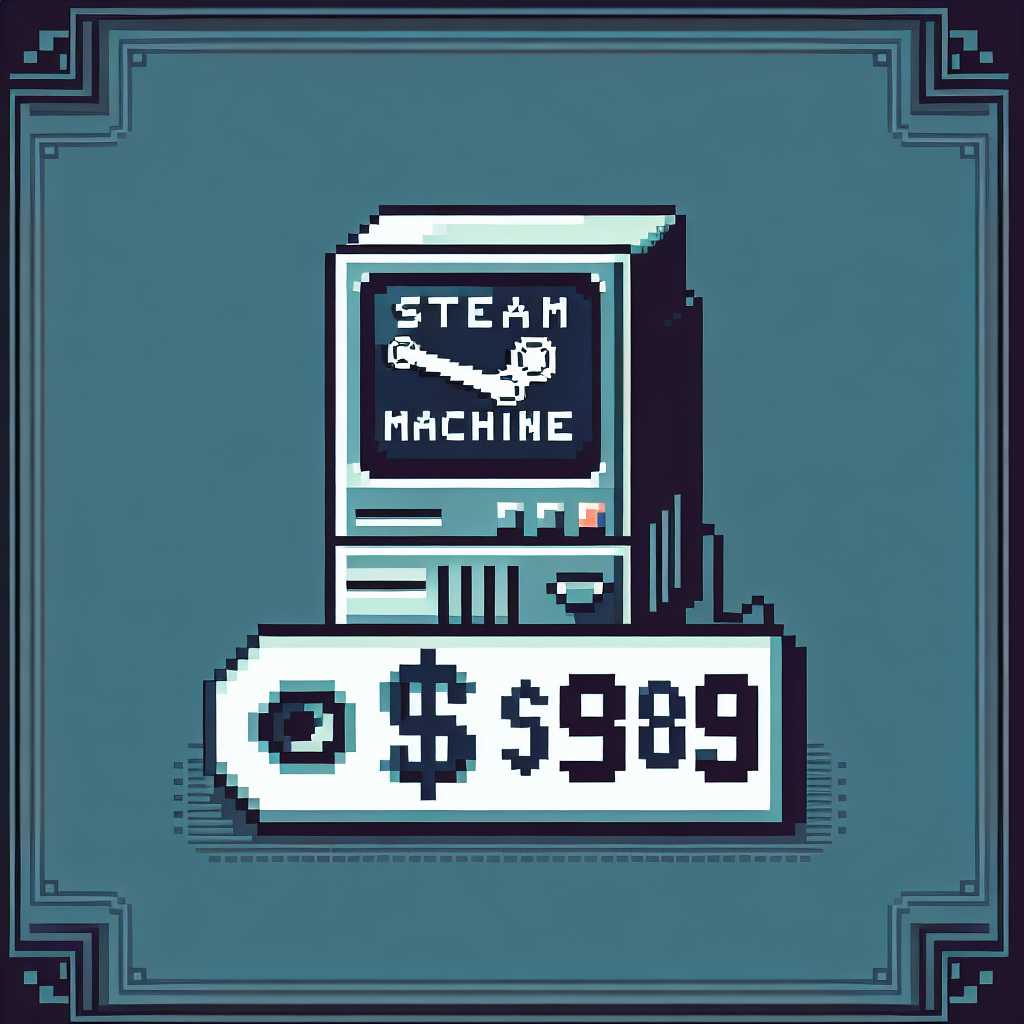
Valve’s Steam Machine won’t be subsidised — expect PC-like prices
You remember the moment Valve teased a living-room-sized PC that felt more like a console than a tower? That shiny little box — the Steam Machine — promises to live on your TV bench, boot into SteamOS, and bring much of your Steam library to the sofa. The catch, according to Valve, is that its price tag is going to be less “console launch loss leader” and more “what an equivalent PC costs.” That distinction matters more than you might think.
Why the price line matters
- Console makers traditionally sell hardware at or below cost at launch and make profit on software and services. That lets companies push a low entry price to build install base quickly.
- Valve is saying it will not subsidise the Steam Machine in that way. Instead, the device will be priced roughly in the same window as a PC with comparable CPU/GPU/RAM/storage.
- That framing shifts how consumers, press and competitors think about the product: it’s not a budget console alternative, it’s a curated, compact PC experience with a living-room focus.
What Valve actually said
Valve engineer Pierre-Loup Griffais told the Friends Per Second (Skill Up) podcast that the Steam Machine’s pricing will be “more in line with what you might expect from the current PC market,” and that Valve aims to be competitive at that level of performance. He emphasised Valve won’t subsidise the hardware the way console makers often do, and noted features like small form factor and low noise as added value that justify a PC-equivalent price. Several outlets have reported and analysed this explanation. Sources later reiterated Valve’s reluctance to set a concrete number while market conditions (component prices, supply) are still fluctuating. (See Sources.)
The practical fallout for buyers
- Expect one or more configurations (likely different storage and maybe a “Pro” later), with base models probably sitting above the cheapest consoles and closer to mid-range gaming PCs.
- Convenience vs. bang-for-buck: the Steam Machine sells convenience (plug-and-play living-room experience, quiet small form factor, TV integration) that a DIY small-form-factor PC has a hard time matching — but that convenience comes at a premium.
- For price-conscious buyers, building or buying a desktop might still give more raw performance per dollar. For people who want a tidy, TV-focused Steam experience, the trade-off might be worth it.
Market context and timing
- Component price volatility (RAM, storage, GPUs) makes precise pricing hard right now; Valve acknowledged that directly.
- Valve’s position is different from the Steam Deck era: the Deck launched with strong subsidies and aggressive pricing that helped it find a wide audience. Valve has signalled it won’t repeat that playbook for the Steam Machine.
- Competing consoles (PlayStation, Xbox) often use hardware pricing strategies tied to exclusive games and massive ecosystem investments. Valve is betting on Steam’s ecosystem and optional hardware advantages rather than subsidised entry prices.
A few reasonable price guesses (not official)
Analysts and outlets are speculating widely — numbers in the discussion range from roughly mid-$500s up to $800–$1,000 for higher-spec variants. Much depends on the final internal specs and whether Valve decides to offer a slimmer or “Pro” model later. Whatever the final tags are, remember the anchor: Valve says “PC-equivalent” pricing, not “console-priced.”
What this means for Steam’s strategy
- Valuing hardware parity with PC suggests Valve intends the Steam Machine to sit alongside desktops rather than undercut them.
- It positions Valve as offering a premium, integrated hardware option to access Steam — like the Steam Deck did for handhelds, but with less emphasis on low launch pricing.
- Valve retains flexibility: they can still adjust SKUs, storage options and promotions, but the commitment to non-subsidised pricing signals a different commercial calculus.
Quick takeaways
- The Steam Machine will be priced like a comparable PC, not like a subsidised console.
- Valve emphasises added hardware value (small form factor, low noise, TV integration) to justify that price.
- Final prices are TBD because component costs are still volatile; speculation ranges widely but tends to sit above typical console launch prices.
- Buyers need to weigh convenience and living-room integration against pure price-per-performance.
Final thoughts
Valve has earned goodwill by making clever hardware bets before (hello, Steam Deck). Saying the Steam Machine will track PC prices is honest and sets expectations early. It also reframes who the Steam Machine is for: not bargain hunters, but people who want a polished, compact, sofa-friendly PC experience without fiddling with mini-ITX builds or cables behind the TV. If you want the cheapest possible way to play PC games on a TV, building or buying a prebuilt PC may still win. If you want a tidy, Valve-curated living-room box that “just works,” you might be willing to pay for that convenience.
Sources
(Note: quotes and reporting above are drawn from Valve’s recent public comments and multiple technology outlets reporting on them.)
Related update: We recently published an article that expands on this topic: read the latest post.
Related update: We recently published an article that expands on this topic: read the latest post.
Related update: We recently published an article that expands on this topic: read the latest post.

A changing of the guard: Marcus Semien heads to the Mets, Brandon Nimmo to Texas
Baseball trades always come with a little drama — nostalgia for what was, curiosity about what’s next, and an inventory of both dollars and intangibles changing hands. The Rangers’ decision to send Marcus Semien to the New York Mets in exchange for outfielder Brandon Nimmo (plus cash) feels like all of that wrapped into one roster-clearing, future-facing move.
A hook: why this trade stopped me
Semien signed a seven-year, $175 million deal with Texas before the 2022 season and spent four seasons anchoring the middle infield. That kind of commitment usually signals a long-term identity: this is “our” player, our leader on and off the field. Trading him now — while he still has three years left on that deal and fresh off another Gold Glove — signals the Rangers are more interested in reshaping their roster and payroll structure than preserving continuity for its own sake.
What happened — the essentials
- Marcus Semien, 35, goes to the New York Mets.
- The Rangers receive Brandon Nimmo (32) and cash considerations in return.
- Semien had signed a seven-year, $175 million contract with Texas before 2022 and spent four seasons there.
- Nimmo waived his no‑trade clause to facilitate the deal and still has several years left on his extension with a significant salary commitment.
(Details and reporting on the transaction appeared across major outlets on Nov. 23–24, 2025.)
Why the Rangers made the move
- Roster reset: Texas went all‑in around the Corey Seager–Semien middle infield earlier in the decade and won the franchise’s first World Series in 2023. But the team has been trying to translate that into sustained contention. Moving Semien frees the Rangers to reshape that core and allocate roster spots and playing time differently.
- Payroll flexibility and timelines: Semien still carries guaranteed money for multiple seasons. Swapping him for Nimmo — plus cash considerations flowing the other way in some versions of the deal — changes positional needs and the mix of guaranteed salary; it might also be a bid to balance present competitiveness with longer-term roster flexibility.
- Defensive and clubhouse value for New York: Semien is still an elite defender up the middle. For the Mets, adding a sure-handed, veteran presence at second base improves run prevention and covers holes the team wants to fix without waiting for development.
What the Mets gain (and gamble on)
- Improved run prevention: Marcus Semien remains one of the better defensive middle infielders in baseball — the kind of player who can cut opponent scoring and stabilize an infield.
- Veteran leadership: Semien brings championship experience and steady daily play. For a Mets roster that has chased pitching and run prevention, that’s a natural fit.
- Offense is a question mark: Semien’s best offensive years were earlier in the decade (notably 2019 and 2021). His production dipped in recent seasons, so the Mets are betting that his defense and remaining offensive tools provide enough net value to justify the acquisition.
What the Rangers get (and what they’re counting on)
- A left-handed outfielder with pop and on-base skills: Nimmo is a steady, well-regarded presence who has produced strong counting numbers in recent seasons. He offers a different offensive profile than Semien.
- A clubhouse change and lineup shuffle: Nimmo's addition shifts lineup construction — more emphasis on outfield defense and plate discipline, less on middle‑infield offense. It also gives the Rangers the flexibility to explore internal options or free agency for middle infielders.
- A longer-term contract to manage: Nimmo still has years left on his deal, meaning the Rangers are swapping one multi-year commitment for another with different timing and risk.
Bigger picture: what this says about both teams
- The Rangers are moving from nostalgia toward pragmatism. Even players who helped deliver a championship aren’t immune to strategic retooling when the front office believes a different mix gives the best chance to return to the postseason.
- The Mets are prioritizing run prevention and veteran stability. They signaled that defense up the middle and reliable at-bats are worth trading a longtime fan favorite to try to improve their short-term chances.
A few things to watch next season
- Who plays second in Texas? Semien’s departure opens the door to prospects, trade market pickups, or internal solutions. How the Rangers replace his defense will be telling.
- How Semien ages in New York. Can he remain a defensive anchor while providing enough offense to help the Mets push for a playoff spot?
- Nimmo’s role in Arlington. Will the Rangers get consistent production from him in the middle of the lineup, and how will his contract years affect future roster moves?
What I’m taking away
Trades like this are rarely purely about on-field performance. They’re chess moves that account for payroll, contract horizons, clubhouse culture, and a team’s timeline for contention. Moving Marcus Semien — a recent World Series contributor and $175 million signee — is a clear statement from the Rangers: they’re willing to reconfigure the pieces that brought them success to chase a different path forward. The Mets, meanwhile, are saying they want a veteran defensive upgrade now rather than waiting for a longer, riskier rebuild in the infield.
This deal won’t be judged in headlines; it will be judged in April and September — in runs saved, clubhouse cohesion, and whether either front office got the long-term math right. Either way, it reminds us why the offseason is the most fascinating part of baseball: fortunes (and fan feelings) can pivot on a single phone call.
Final thoughts
Baseball’s churn can feel merciless — beloved players move, fan rituals shift, and narratives reset. But that churn is also the sport’s creative engine. The Semien–Nimmo swap reshapes two contenders and sets the table for another season of surprises. Expect emotions in the short term, and analytic verdicts in the long term.
Sources
Related update: We recently published an article that expands on this topic: read the latest post.
Related update: We recently published an article that expands on this topic: read the latest post.

One crushed the other: my take on ChatGPT‑5.1 vs Grok 4.1
The headline pretty much says it: after Tom’s Guide ran nine side‑by‑side prompts, one model didn’t just win — it dominated. If you’ve been following the weekly AI cage matches, this one matters because it shows where conversational AI is leaning: toward personality, interpretive depth, and emotional nuance.
Why this comparison matters
- Both ChatGPT‑5.1 and Grok 4.1 are among the most-talked‑about chatbots today.
- These are not incremental updates — they represent competing design philosophies: OpenAI’s emphasis on clarity, safety, and utility versus Grok’s (xAI/X) emphasis on boldness, candid tone, and contextual flair.
- A nine‑prompt shootout lets us see strengths and tradeoffs across categories that people actually care about: reasoning, creativity, humor, emotional support, and real‑world planning.
What the test looked at
Tom’s Guide used nine prompts spanning:
- Logic and trick questions
- Metaphors and explanations for kids
- Creative writing and storytelling
- Code generation and technical clarity
- Real‑world planning (travel iteneraries)
- Emotional intelligence and supportive messaging
The prompts were chosen to surface not just correctness but voice, subtext, and usefulness in everyday scenarios.
The short verdict
- Winner: Grok 4.1.
- Why: Grok took seven of the nine rounds, excelling at subtext, emotional tone, humor, and evocative creative writing. It was willing to call out trick questions, use more conversational slang when appropriate, and deliver answers that felt more human and expressive.
- ChatGPT‑5.1 wasn’t bad — it tended to be cleaner, more concise, and better at tightly constrained tasks (e.g., some concise metaphors and clean code), but it often felt more reserved compared with Grok’s bolder personality.
Highlights from the head‑to‑head
- Reasoning and trick questions
- Grok flagged the classic “all but 9” puzzle as a trick and contextualized it; that extra metacognitive move won points for interpretive understanding.
- Creative writing and atmosphere
- Grok built more tension and sensory detail in short fiction prompts; ChatGPT‑5.1 favored tighter structure and punchlines.
- Emotional support and tone
- Grok used colloquial, authentic phrasing that resonated like a friend’s message — not “toxic‑positivity” but genuine validation. ChatGPT’s responses were supportive but more formal.
- Practical planning
- ChatGPT‑5.1 sometimes won when the brief demanded balance, brevity, and modular practicality (e.g., family travel planning where flexibility matters).
What this tells us about AI design choices
- Personality vs. polish: Grok’s strength is personality. When human connection, subtext, or theatrical flair matters, personality wins. ChatGPT’s strength is polish: clarity, brevity, and predictability.
- Use‑case matters: If you want an assistant that’s a precise tool for structured tasks, the steadier, cleaner responses will be preferable. If your use case benefits from creative risk, humor, or raw empathy, a bolder voice can be more effective.
- The “best” model is context dependent: For developers, businesses, or educators, the ideal choice may combine the two approaches — or prefer one depending on brand voice and safety requirements.
Practical takeaways for users and creators
- Pick by outcome, not brand:
- Need crisp instructions, safe defaults, or conservative language? Lean toward the model that favors clarity.
- Want story mood, candid emotional replies, or punchy humor? Try the model that leans into personality.
- Prompt intentionally:
- Ask for tone guidance (“use friendly, informal language”) if you want to dial personality up or down.
- For critical tasks, request step‑by‑step reasoning and ask the model to show its work.
- Expect tradeoffs:
- Richer personality can sometimes risk more controversial phrasing or speculation; cleaner responses may omit color that helps engagement.
My take
Grok winning this set isn’t an accident — it reflects a deliberate design that prioritizes human‑style conversational cues: naming trick questions, leaning into idiomatic phrasing, and using vivid details. That approach pays off in tasks where the goal is connection or storytelling.
But ChatGPT‑5.1’s steadiness is a strength, not a weakness. There are many contexts — code reviews, step‑by‑step tutorials, or corporate communications — where a measured, concise voice is preferable. The two models illustrate how “better” in AI is multidimensional: better for creativity, better for clarity, better for empathy — pick the axis that matters to you.
What to watch next
- Will developers offer hybrid flows that combine Grok‑style flair with ChatGPT’s stricter guardrails? That would be powerful.
- How will safety teams manage the balance between expressive personality and factual accuracy?
- Expect more apples‑to‑apples tests from independent outlets — these comparisons shape user adoption and product decisions.
Final thoughts
This Tom’s Guide test is a useful snapshot: Grok 4.1 crushed ChatGPT‑5.1 in this particular set of nine, especially when tone, subtext, and emotional authenticity were decisive. But the broader lesson is that the “winner” depends on what you need. The race isn’t only about raw capability anymore — it’s about the kind of conversational partner you want.
Sources
Related update: We recently published an article that expands on this topic: read the latest post.

Why Chevy Went Flat‑Plane: The Corvette’s V8 That Screams Like an Exotic
There’s a moment you can’t forget the first time you hear a flat‑plane V8 alive at full song: a high, urgent wail that feels less “American V8” and more “race car from Italy.” That’s exactly what Chevrolet chased with the LT6 in the C8 Z06 — a 5.5‑liter V8 built to rev, breathe, and sound like nothing else in the Corvette family. But the change wasn’t just about noise and showmanship. It was a careful engineering choice that traded old-school torque curves and a burbly soundtrack for low rotating mass, cleaner breathing, higher revs, and — yes — a distinctive personality.
The moment that mattered
- The LT6 is a purpose‑built, naturally aspirated 5.5L V8 with a flat‑plane crank, dual overhead cams, titanium rods, and a racing‑level dry sump system.
- Chevrolet’s aim: make a production, naturally aspirated V8 that can reliably rev into the 8,000s and deliver peak power at very high rpm — something cross‑plane street V8s struggle to do without heavy compromise.
- The result: 670 hp at around 8,400 rpm and a redline in the neighborhood of 8,600 rpm (GM figures), and an exhaust that sounds more exotic than its lineage.
What a flat‑plane crank actually does
- Different journal layout: a flat‑plane crank spaces its rod journals 180° apart in one plane (think two 4‑cylinder engines sharing a crank), versus the 90° stagger of a traditional cross‑plane V8.
- Alternating firing order: the firing alternates bank to bank, which evens out intake/exhaust pulses and helps the engine “breathe” with less internal interference.
- Lower rotational inertia: flat‑plane cranks can be made lighter and require smaller counterweights, which helps the engine accelerate in rpm faster and sustain higher revs.
- Distinctive sound: the alternating banks and equal‑length header pulses create a higher‑pitched, exotic‑style wail that’s immediately recognizable.
The tradeoffs Chevrolet accepted — and fixed
- More vibration: flat‑plane V8s are inherently less naturally balanced than cross‑plane V8s, producing stronger secondary vibrations and lateral shaking.
- How Chevy mitigated it:
- Radical weight reduction in reciprocating parts: forged aluminum pistons, forged titanium connecting rods, and a lightweight harmonic balancer.
- Short stroke and oversquare bore (large bore, short stroke) to reduce piston speeds and secondary vibration at high rpm.
- Sophisticated engine mounts, NVH tuning, and chassis-level solutions borrowed from racing development to keep the car civilized in everyday driving.
- An advanced oiling system (multiple scavenge stages/dry sump) and a race‑derived valvetrain for reliability at sustained high rpm.
Why it mattered for performance
- Rev capability: lower rotating mass and optimized breathing let the LT6 stay healthy at very high engine speeds, where horsepower is won.
- Better volumetric efficiency: alternating bank pulses allow cleaner intake and exhaust flow strategies (including variable intake tuning) so the engine can develop torque farther up the rev range.
- Race development benefits: the LT6 architecture was honed in the C8.R race program, accelerating learning for durability and packaging for a production car.
- Packaging and weight penalty balance: while the flat‑plane design posed new NVH and packaging challenges, the payoff in peak power and engine character was judged worth it for a track‑focused Z‑model.
Notes on the exhaust and sonic design
- Engineering the exhaust for a flat‑plane V8 is more than bolting on pipes. The LT6 uses equal‑length headers and a purposely tuned mid‑mounted/center exit exhaust layout to shape the sound and manage pulse interactions.
- Chevy’s approach avoided X‑pipes that would damp the exotic note; instead they tuned the routing and mufflers so the sound is dramatic yet controllable, projecting into the cabin in a satisfying way.
What this means for Corvette buyers and enthusiasts
- If you want raw, high‑revving, naturally aspirated V8 character with race‑car breathing and exotic sound, the LT6 Z06 delivers it.
- If you prefer low‑down torque and the traditional burble of the classic American cross‑plane V8, the standard Stingray and its LT2 will feel more familiar.
- The LT6 represents a deliberate pivot: use advanced materials and race‑derived engineering to get the best out of a flat‑plane design while minimizing the compromises that once confined those cranks to small‑production exotics.
Highlights to remember
- The LT6’s flat‑plane crank reduces rotating mass and allows very high revs.
- Alternating bank firing improves breathing and helps extract power at high rpm.
- Engineering countermeasures (light internals, short stroke, race oiling, mounts, NVH tuning) tame vibration and make the concept viable for production.
My take
Chevy’s decision to fit the Z06 with a flat‑plane crank wasn’t a fashion statement — it was a performance-first engineering gambit. By leaning into lightweight components, race‑proven oiling and valvetrain tech, and carefully tuned exhaust and mounts, Chevrolet turned a historically exotic idea into a viable production solution. The LT6 is thrilling because it’s uncompromising where it counts: it revs hard, breathes freely, and sounds alive. For the enthusiast who wants a naturally aspirated V8 that behaves like a race engine on the street, that tradeoff — more NVH complexity for raw, rev‑happy performance — is exactly the point.
A few final thoughts
The shift to a flat‑plane crank in the Corvette Z06 is a reminder that automotive progress isn’t always about downsizing or electrification. Sometimes it’s about revisiting old ideas with new materials and systems and extracting performance in a visceral, memorable way. The LT6 showcases how race tech can be adapted to production with dramatic results — and gives the Corvette a voice that turns heads in a different register.
Sources
Related update: We recently published an article that expands on this topic: read the latest post.
Related update: We recently published an article that expands on this topic: read the latest post.
Related update: We recently published an article that expands on this topic: read the latest post.

David Benavidez pulverizes Anthony Yarde in Riyadh and immediately sets his sights on Zurdo Ramirez
An electric night in Riyadh ended with David “The Monster” Benavidez reminding the boxing world why he’s one of the sport’s most dangerous punchers — and why his plans don’t stop at light heavyweight. In a seventh-round TKO, Benavidez dismantled Anthony Yarde to retain the WBC light-heavyweight crown, then announced a blockbuster move up to cruiserweight to challenge Gilberto “Zurdo” Ramirez. The result was clinical, the post-fight declaration bold, and boxing’s landscape just tilted again.
Quick hits from the night
- Location: ANB Arena, Riyadh, Saudi Arabia.
- Result: David Benavidez defeated Anthony Yarde by TKO (7th round).
- Stakes: Benavidez retained the WBC light-heavyweight title.
- Immediate announcement: Benavidez said he’ll move up to cruiserweight to face Gilberto “Zurdo” Ramirez on May 2 (reported as being aimed for Las Vegas).
- Why it matters: Benavidez not only defended his belt but telegraphed ambitions to be a three-division titlist — a storyline that reshapes match-making at 175 and 200+ pounds.
How the fight played out
Benavidez paced himself early, using range and feints to measure Yarde. Once he turned the pressure up, the bout became a textbook display of his strengths: tireless forward momentum, volume punching, and sudden, brutal bursts that left Yarde on the back foot. As the rounds progressed, Benavidez moved from probing jabs to waves of combinations that tested Yarde’s chin and resolve.
The referee stepped in late in round seven after Benavidez had Yarde trapped and unloading. There was controversy in the round — Benavidez landed while Yarde took a knee and was penalized a point — but that did little to change the trajectory. When the stoppage came it felt inevitable: Benavidez had broken the British challenger down with relentless work rate and accuracy.
Why this matters beyond one result
- Benavidez cemented his status as a top light-heavyweight and a genuine threat to the division’s elite — especially Dmitry Bivol, who holds multiple titles at 175. Benavidez’s size, speed and finishing ability make him a stylistic problem for most top light-heavyweights.
- The announced jump to fight Gilberto “Zurdo” Ramirez at cruiserweight changes the narrative. If that matchup happens, Benavidez would be testing his power and frame against bigger men, pursuing multi-division legacy. That’s an attention-grabbing, high-reward — and high-risk — career move.
- For Anthony Yarde, the loss raises questions about taking another elite-level step. He showed heart and moments of effectiveness, but again came undone against sustained pressure from a volume puncher. Yarde’s future at the top level may hinge on how he adjusts to that style or whether he chooses different matchups.
- Promoters and networks will now juggle bigger picture options: Benavidez vs. Bivol, Benavidez vs. Artur Beterbiev, or Benavidez moving up to Ramirez. Each path has different commercial and sporting implications.
What the numbers and performances suggest
- Benavidez is undefeated and now has multiple stoppages at light-heavyweight since moving up. His work rate and punch output stood out: not just landing power shots, but chaining combinations that accumulated damage.
- Yarde remained dangerous in spots — single big shots and flashes of countering ability — but he struggled to consistently create separation or sustain offense against Benavidez’s pressure.
- The immediate claim that May 2 would host Benavidez vs. Ramirez is significant but still needs contracts and confirmation from both camps and sanctioning bodies. Announcements from a fighter or promoter are one thing; finalized, signed purses and dates are another. The likely stage (Las Vegas) and the involvement of Golden Boy (Ramirez’s promoter) were reported in the aftermath.
Three main takeaways
- Benavidez is not just a big light-heavy — he’s a relentless pressure fighter with finishing instincts who has arrived as a marquee champion at 175.
- The proposed move to fight Gilberto “Zurdo” Ramirez could vault Benavidez into a rarefied legacy conversation — if he succeeds against bigger opposition.
- Matchmaking and title unification at light-heavy could pivot depending on Benavidez’s next move: stay and chase Bivol/Beterbiev, or chase history by moving up.
My take
There’s something unapologetically cinematic about Benavidez’s trajectory: a powerful, aggressive fighter who keeps stepping into progressively bigger rooms. The Yarde win was both a statement and an audition — it said: I’m the kind of champion who doesn’t just keep belts, he seeks harder enemies. Moving to challenge Ramirez at cruiserweight is risky and smart at the same time; risk because size and style differences at 200+ pounds are real, smart because the reward — multi-division status and mainstream buzz — can be enormous.
If Benavidez wants to be remembered as one of the era’s true threats, he has to keep choosing the hardest questions. Tonight he answered one decisively. The next one — against Ramirez or another big name — will tell us whether he’s a two-weight terror or a generational force.
Sources
Related update: We recently published an article that expands on this topic: read the latest post.
Related update: We recently published an article that expands on this topic: read the latest post.

A hometown goodbye? Chris Paul’s quiet hint that an era may be ending
When Chris Paul posted a short highlight reel from his childhood through his Wake Forest days and two decades-plus in the NBA about 90 minutes before the Los Angeles Clippers faced the Charlotte Hornets in Charlotte, it didn’t read like a routine social-media nostalgia drop. The caption — “Back in NC!!! What a ride…Still so much left…GRATEFUL for this last one!!” — carried a tone heavy with gratitude and finality. For a player who has defined the point guard position for a generation, the moment felt like one of those slow-motion exits athletes and fans dread but secretly expect.
Below I unpack the scene, why this matters beyond a single game, and what Paul’s likely farewell tells us about legacy, leadership, and how modern athletes manage the end of a storied career.
Quick snapshots you should know
- The post and video were shared about 90 minutes before tipoff of the Clippers vs. Hornets game in Charlotte, North Carolina.
- Paul, 40, returned to the Clippers on a one-year contract this season and is playing in a greatly reduced role.
- He hails from Winston-Salem and starred at Wake Forest — making a return to North Carolina emotionally significant and a natural setting for a goodbye.
- Media reports and team comments framed the video as a possible hint at retirement; Paul did not discuss his future publicly after the game. (Sources below.)
Why that clip mattered more than highlights
Athletes post highlight reels all the time. What made Paul’s video feel different?
- Timing: Posting on the same day he was playing his final scheduled game in his home state created an unmistakable narrative arc — boy from Winston-Salem returns as an NBA legend.
- Language: “What a ride…Still so much left…GRATEFUL for this last one!!” reads like both gratitude and a gentle closing chapter. It leaves room for emotion without forcing a definitive announcement.
- The career arc: Paul’s résumé — Rookie of the Year, multiple All-Star nods, elite passer and defender, leader of multiple franchises — makes any hint of retirement a national moment. He’s not just any veteran; he’s a generational floor general whose style of play and leadership leaves an outsized imprint.
- The silence that followed: Declining interviews and slipping out quietly after the game amplified the sense that this was a personal moment Paul wanted to hold close rather than stage publicly.
The broader context: what retirement would mean
- A generational shift at point guard: Paul’s combination of court vision, clutch playmaking, and defensive instincts set a template for modern point guards. His likely retirement would mark the true end of an era that included peers like Tony Parker, Deron Williams, and others who shaped the 2005–2015 NBA landscape.
- Legacy beyond stats: Paul’s impact stretches to how teams value leadership, competitive intelligence, and mentorship. He revived careers, elevated young teammates, and frequently served as the identity-anchor for franchises.
- The narrative arc of modern NBA careers: Paul’s possible exit also highlights a modern reality — star players today move through multiple teams, reinvent themselves, and manage public farewells across social platforms rather than in single, orchestrated press conferences.
Moment by moment: what unfolded in Charlotte
- Paul shared the career-spanning video on social media ahead of the Clippers-Hornets matchup in Charlotte, his home state.
- The game played out and Paul, who is in a limited role this season, did not avail himself to media in the postgame window.
- He left the arena quietly and spent time with family — a portrait of a player choosing intimacy over spectacle at a potentially emotional career milestone.
What to expect next
- Official clarity: An explicit retirement announcement could come soon, or Paul may choose to confirm his plans at season’s end. Both paths are common — some athletes retire immediately; others finish the final year on the roster.
- The Hall of Fame discussion: When Paul does step away, his case for the Hall of Fame will be robust — from assist and steal totals to All-NBA and All-Defensive honors and influence on teammates.
- A cascade of tributes: Expect social-media reflections, team retrospectives, and ESPN-style documentaries that will retell Paul’s story through teammates, rivals, and coaches.
A few takeaways
- Paul’s video was more than nostalgia — it read as a controlled, emotionally resonant signal about the twilight of a luminous career.
- The quiet exit in his home state fits a player who has often let his on-court voice lead his narrative off the court.
- Whether he formally announces retirement now or later, the league and basketball culture will feel the absence of his leadership and craft.
Final thoughts
Watching Chris Paul return home — highlight reel, family hugs, a quiet walk out of Spectrum Center — felt like a respectful reminder that sports are as much about people and places as they are about points and assists. If this is the bookend to his playing days, it’s a graceful one: not bombastic, not performative, but deeply human. Paul’s career rewrote how teams think about the point guard position, and the way he may choose to leave — with control, dignity, and an eye toward the next chapter — is fitting for someone who made the game look like chess as much as athletics.
Sources
Related update: We recently published an article that expands on this topic: read the latest post.
Related update: We recently published an article that expands on this topic: read the latest post.