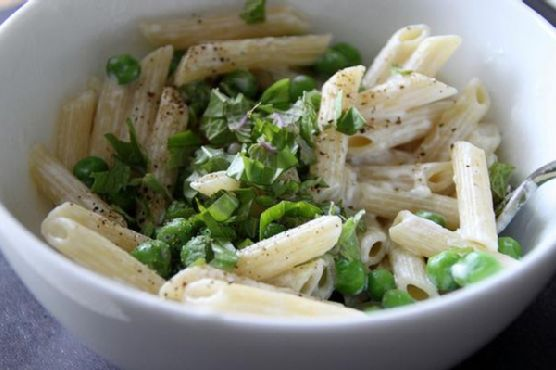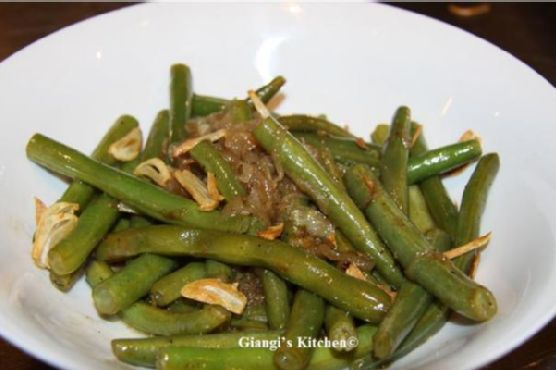
Moosewood Lentil Soup | Made by Meaghan Moineau

Moosewood Lentil Soup

Intro

There’s something deeply comforting about a warm bowl of lentil soup on a chilly evening. The way the aroma fills the kitchen, the steam that rises from the pot, and the savory flavors that come together so perfectly—it’s like a culinary hug. This Moosewood Lentil Soup has been a staple in my family for generations. I remember the first time I tasted it; I was a child, visiting my grandmother’s home in upstate New York. It was one of those snowy afternoons, and the world outside was transformed into a winter wonderland. As I sat at her table, spoon in hand, I felt a warmth that extended beyond the soup. It was the warmth of love, family, and tradition. Today, I am thrilled to share this cherished recipe with you, hoping it brings the same joy and comfort to your home.

Why You’ll Love It

This Moosewood Lentil Soup is not only delicious but also incredibly nutritious and easy to make. The lentils provide a hearty base, packed with protein and fiber, while the vegetables bring a delightful crunch and color. It’s a versatile dish that suits both vegetarians and meat-lovers alike. Plus, it’s budget-friendly and made with simple ingredients that you probably already have in your pantry. Whether you’re looking for a wholesome weeknight dinner or a satisfying lunch, this soup is sure to please.

Ingredients

  • 1 cup lentils
  • 6 cups water
  • 2 tablespoons grapeseed oil (or butter)
  • 1 large onion, chopped
  • 2 stalks celery, diced
  • 3 carrots, sliced
  • 3 cloves garlic, minced
  • 1 teaspoon salt
  • 1/2 teaspoon black pepper
  • 1 teaspoon dried herbs (such as thyme or oregano)
  • 1 tablespoon brown sugar
  • 2 tablespoons fresh lemon juice
  • 1 tablespoon red wine vinegar
  • 1 can (14.5 ounces) tomatoes, crushed

Instructions

  1. Place lentils and water in a large soup pot or Dutch oven. Bring to a boil, then lower the heat to a simmer. Let cook until lentils are mushy, about 45 minutes. Add more water as needed to reach your desired consistency.
  2. While the lentils are cooking, heat oil or melt butter in a medium-sized skillet over medium heat. Add onion, celery, and carrots, and sauté for about 10 minutes until they begin to soften.
  3. Add garlic, salt, black pepper, and dried herbs of your choice. Continue to sauté for another 5 minutes until the garlic is fragrant.
  4. Transfer the vegetable mixture to the pot with the lentils. Stir in the crushed tomatoes, brown sugar, fresh lemon juice, and red wine vinegar.
  5. Taste the soup and adjust seasonings if necessary. Simmer for at least 15 minutes longer to allow the flavors to meld together.
  6. Serve hot, with a drizzle of red wine vinegar over each serving, and a sprinkling of minced scallions or parsley on top if desired.

Tips

To enhance the flavor, consider adding a bay leaf while the lentils cook. Remember to remove it before serving. If you prefer a smoother texture, you can blend a portion of the soup with an immersion blender. For a touch of spice, add a pinch of red pepper flakes or a dash of hot sauce.

Variations & Substitutions

This soup is highly adaptable. You can use any type of lentils: green, brown, or red. Each variety offers a slightly different texture. Feel free to swap grapeseed oil with olive oil or butter, and add other vegetables like bell peppers or zucchini for extra nutrition. If you’re not a fan of tomatoes, simply leave them out or replace them with roasted red peppers for a sweeter taste.

Storage

Store any leftover soup in an airtight container in the refrigerator for up to 5 days. It also freezes beautifully. Just pour the cooled soup into freezer-safe containers or bags and freeze for up to 3 months. To reheat, thaw in the refrigerator overnight and warm on the stove over low heat.

FAQ

Can I make this soup in a slow cooker?

Yes, absolutely! To make in a slow cooker, simply add all ingredients except for the fresh lemon juice and red wine vinegar to the cooker. Cook on low for 7-8 hours or high for 4-5 hours. Stir in lemon juice and vinegar before serving.

Can I add meat to this recipe?

Certainly! If you wish to add meat, cooked and crumbled sausage or shredded chicken make excellent additions. Simply cook the meat separately and add it to the soup during the final simmering stage.

Nutrition

A serving of this Moosewood Lentil Soup provides a rich source of protein, dietary fiber, and essential vitamins and minerals. It’s low in fat and calories, making it a heart-healthy option for any meal.

Conclusion

Whether you’re a seasoned cook or a beginner in the kitchen, this Moosewood Lentil Soup is a recipe that promises warmth, comfort, and satisfaction. Its rich flavors and wholesome ingredients make it a beloved dish that you’ll want to return to time and again. From my family’s table to yours, may this soup bring joy and nourishment to all who gather around your table.

Related update: Moosewood Lentil Soup

Related update: How to Make the Cheesiest Bowtie Mac and Cheese

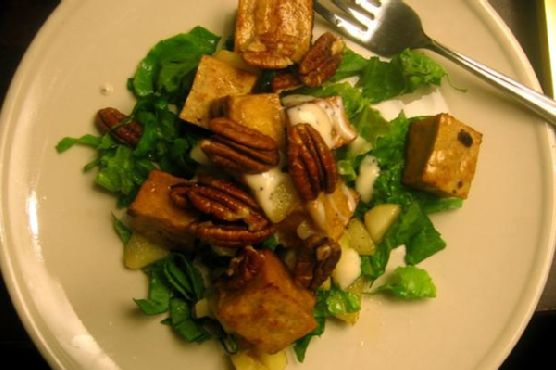
Warm Goat Cheese Salad | Made by Meaghan Moineau

Warm Goat Cheese Salad

Intro

There’s something inherently comforting about a warm goat cheese salad. The combination of creamy cheese, crunchy walnuts, and fresh greens creates a delightful medley of textures and flavors. This recipe, which I first encountered during a summer trip to the French countryside, brings back fond memories of leisurely lunches in sunlit gardens. One particular afternoon, after a long bike ride through picturesque villages, we stumbled upon a charming little bistro. There, I savored my first taste of a warm goat cheese salad, and it was love at first bite. Now, I’m thrilled to share this cherished recipe with you, so you can create your own unforgettable culinary moments.

Why You’ll Love It

This warm goat cheese salad is a perfect blend of flavors and textures, making it a standout dish for any occasion. Here’s why you’ll adore it:

  • Quick and Easy: Ready in just 20 minutes, it’s perfect for a speedy lunch or an elegant starter.
  • Healthy and Nutritious: Packed with wholesome ingredients like fresh greens, walnuts, and goat cheese, it’s a nutritious choice.
  • Versatile: Ideal for a light lunch, dinner starter, or even a sophisticated side dish.
  • Impressive Presentation: With its vibrant colors and artful arrangement, this salad is as beautiful as it is delicious.

Ingredients

  • Some bread crumbs
  • Fresh rounds of goat cheese
  • Grapes
  • Lemon juice
  • Olive oil
  • Pepper
  • Salad greens
  • Salt and pepper
  • Shallot
  • Walnut oil
  • Walnuts

Instructions

  1. Whisk together 3 tablespoons of walnut oil with lemon juice, minced shallot, salt, and pepper to make a vinaigrette.
  2. Coat each goat cheese round with walnut oil and then the bread crumbs, patting the crumbs to adhere.
  3. Combine the greens and the walnuts in a large bowl. Add in enough of the vinaigrette and toss well. Adjust the seasoning and divide among two serving plates.
  4. Heat a nonstick skillet over medium heat. Add in olive oil. When the oil is hot, add the goat cheese rounds.
  5. Cook until nicely browned, about 30 seconds. Turn and cook the other side. Do not allow it to burn or melt.
  6. Transfer the goat cheese to the plates, placing 2 or 3 atop each salad.
  7. Sprinkle the cheese with freshly ground pepper and garnish with grape wedges.

Tips

To ensure your salad turns out perfectly every time, consider these helpful tips:

  • Chill the Cheese: Keep the goat cheese rounds in the fridge until just before coating and cooking to help them hold their shape.
  • Use Fresh Ingredients: Fresh salad greens and grapes will enhance the taste and texture of the salad.
  • Adjust the Vinaigrette: Taste the vinaigrette and adjust the seasoning to suit your preference.

Variations & Substitutions

Feel free to customize the salad to your liking with these variations and substitutions:

  • Nuts: Swap walnuts for pecans or almonds for a different nutty flavor.
  • Cheese: Substitute the goat cheese with feta or blue cheese for a different taste profile.
  • Fruits: Add sliced apples or pears for additional sweetness and crunch.
  • Greens: Use arugula or spinach in place of mixed salad greens for a peppery or earthy flavor.

Storage

This salad is best enjoyed fresh, but if you have leftovers, store the components separately in airtight containers:

  • Greens and Walnuts: Store in the refrigerator for up to 2 days.
  • Goat Cheese: Can be stored in an airtight container in the fridge for up to 5 days.
  • Vinaigrette: Keep refrigerated and use within a week.

FAQ

Can I make this salad vegan?

Absolutely! You can replace the goat cheese with a vegan cheese alternative and use a vegan-friendly bread crumb option.

How can I make the salad more filling?

Consider adding grilled chicken or chickpeas to increase the protein content and make it more satiating.

Nutrition

This warm goat cheese salad is not only delicious but also nutritious, offering a good balance of healthy fats, protein, and vitamins. While exact nutritional values can vary, a typical serving provides:

  • Calories: Approximately 400 per serving
  • Protein: 12g
  • Fat: 30g (with healthy fats from olive and walnut oil)
  • Carbohydrates: 20g

Conclusion

Whether you’re seeking a quick lunch option or an elegant starter for a dinner party, this warm goat cheese salad is sure to impress. Its delightful combination of flavors and textures will surely become a favorite in your recipe repertoire. So, gather your ingredients and enjoy the comforting taste of a warm goat cheese salad, perhaps while dreaming of sunny afternoons in the French countryside.

Related update: Warm Goat Cheese Salad

Related update: Simple Squash Salad

Related update: Crab Cake Stuffed Shrimp

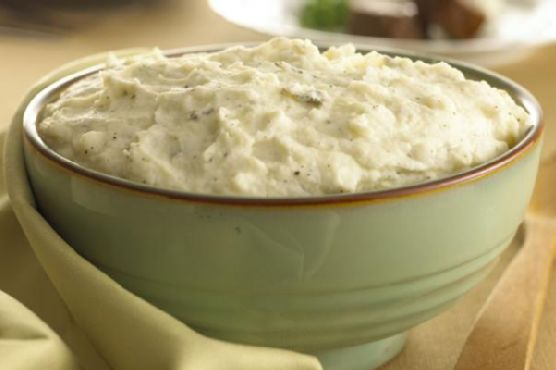
Parmesan Mashed Potatoes | Made by Meaghan Moineau

Parmesan Mashed Potatoes

Intro

There’s nothing quite like the comforting embrace of a bowl of mashed potatoes. Growing up, my grandmother’s kitchen was always filled with the intoxicating aroma of buttery potatoes during the holiday season. She had a special way of incorporating Parmesan that made her mashed potatoes the highlight of every meal. I’ve tried to capture that beloved family tradition in this recipe. Whether you’re gathered around the table with family or enjoying a cozy dinner for two, these Parmesan Mashed Potatoes are sure to bring warmth and joy to your meal.

Why You’ll Love It

This recipe takes a classic comfort food and elevates it with the rich, savory flavor of Parmesan cheese. The creaminess of the potatoes is perfectly complemented by the nutty and salty notes of the cheese, making it a dish that’s both simple and sophisticated. It’s easy to prepare, yet impressive enough to serve at a dinner party. Plus, it’s versatile enough to accompany a variety of main courses, from roasted chicken to grilled steak. You’ll love how these mashed potatoes turn any meal into a special occasion.

Ingredients

  • 4 pounds russet potatoes, peeled and cubed
  • 1 cup heavy cream
  • 1/2 cup unsalted butter
  • 1 cup grated Parmesan cheese
  • Salt and freshly ground black pepper, to taste

Instructions

  1. Place potatoes in a medium pot and cover with cold water.
  2. Bring to a boil, then reduce the heat to a simmer.
  3. Add a generous pinch of salt and continue to simmer until the potatoes are fork-tender, about 20 minutes.
  4. Meanwhile, heat the cream, butter, salt, and pepper in a medium saucepan over medium heat until steaming hot, about 6 minutes.
  5. When the potatoes are done, drain them and return them to the pot to dry slightly.
  6. Optional: Run potatoes through a food mill or potato ricer back into the pot for extra smoothness.
  7. Add the potatoes to the cream and butter mixture.
  8. Stir in the Parmesan cheese and taste for seasoning.

Tips

For the best texture, use russet potatoes as they are high in starch and yield a fluffier mash. Make sure to heat the cream and butter before adding them to the potatoes; this helps the potatoes absorb the liquid better, resulting in a creamier texture. If you prefer, you can leave the skins on for a more rustic feel, but be sure to scrub them well.

Variations & Substitutions

If you’re looking to change things up, consider adding roasted garlic for a deeper flavor. You can also substitute the Parmesan with Pecorino Romano for a slightly sharper taste. For a lighter version, you can use half-and-half in place of heavy cream. If you prefer a vegan option, use plant-based butter and cream, and nutritional yeast instead of Parmesan.

Storage

Store any leftover mashed potatoes in an airtight container in the refrigerator for up to 3 days. To reheat, place them in a saucepan over low heat, adding a splash of cream or milk to restore their creamy consistency. Stir frequently to prevent sticking.

FAQ

Can I make these mashed potatoes ahead of time?

Yes, you can prepare the mashed potatoes up to 2 days in advance. Store them in the refrigerator and reheat gently on the stovetop or in the oven before serving. Add a bit more cream or butter if needed to restore their creamy texture.

Can I freeze Parmesan Mashed Potatoes?

While it is possible to freeze mashed potatoes, the texture can change upon thawing. If you choose to freeze them, place them in a freezer-safe container for up to 1 month. Thaw in the refrigerator and reheat slowly, adding additional cream or butter as necessary.

Nutrition

Each serving of Parmesan Mashed Potatoes is approximately 250 calories. It contains about 15 grams of fat, 20 grams of carbohydrates, and 6 grams of protein. This dish is a source of calcium and vitamin C, thanks to the potatoes and Parmesan cheese.

Conclusion

These Parmesan Mashed Potatoes are a delightful twist on a classic dish that’s sure to be a hit with family and friends. Whether you’re making them for a special holiday meal or a cozy weeknight dinner, they bring a touch of elegance and warmth to the table. So, gather your loved ones, serve a generous helping, and enjoy the smiles that follow!

Related update: Parmesan Mashed Potatoes

Crisp Winter Salad with Maple Gorgonzola Dressing | Made by Meaghan Moineau

Crisp Winter Salad with Maple Gorgonzola Dressing

Intro

As the leaves begin to fall and the air turns crisp, I’m reminded of cozy family gatherings in my childhood home. My mother would always prepare a fresh, vibrant salad that seemed to mirror the beauty of the winter landscape outside. Her secret? A delightful blend of crunchy vegetables and a rich, creamy dressing that brought warmth to our hearts and smiles to our faces. This Crisp Winter Salad with Maple Gorgonzola Dressing is an homage to those cherished memories and a testament to the joy of sharing simple yet luxurious meals with loved ones.

Why You’ll Love It

This salad is a symphony of flavors and textures, perfect for those chilly months when you crave something fresh yet comforting. The crunchy vegetables provide a satisfying bite, while the maple gorgonzola dressing offers a creamy and tangy contrast. It’s a versatile dish that can be served as a starter, a side, or even a light main course. Whether you’re hosting a festive gathering or enjoying a quiet meal at home, this salad is sure to impress.

Ingredients

  • Broccoli stems, thinly sliced
  • Celery, thinly sliced
  • Cider vinegar
  • Dijon mustard
  • Gorgonzola cheese, crumbled
  • Jicama, julienned
  • Kosher salt
  • Low fat sour cream
  • Maple syrup
  • Olive oil
  • Radishes, thinly sliced
  • Red green apple, thinly sliced
  • Romaine lettuce, chopped
  • Savoy cabbage, shredded
  • Walnuts, toasted
  • White pepper

Instructions

  1. In a large bowl, combine the broccoli stems, celery, jicama, radishes, apple, romaine lettuce, and savoy cabbage. Toss gently to mix.
  2. In a medium bowl, whisk together the low fat sour cream, olive oil, cider vinegar, dijon mustard, maple syrup, kosher salt, and white pepper until smooth.
  3. Gently stir in the gorgonzola cheese, using a fork to combine without mashing the cheese—ensure there are visible chunks in the dressing.
  4. Add the toasted walnuts to the salad mixture, then pour the dressing over the top. Toss everything together until well coated.
  5. Serve immediately or refrigerate for up to an hour to allow the flavors to meld.

Tips

For the best results, use fresh, high-quality ingredients. Ensure your vegetables are crisp and your gorgonzola is flavorful and creamy. Toasting the walnuts enhances their flavor and adds a delightful crunch to the salad. Feel free to adjust the amount of maple syrup in the dressing to suit your taste for sweetness.

Variations & Substitutions

If gorgonzola isn’t your favorite, try substituting it with feta or blue cheese for a different flavor profile. For a vegan version, swap the sour cream with a plant-based alternative and omit the cheese altogether. Add some grilled chicken or roasted chickpeas for extra protein, making this salad a more substantial meal.

Storage

This salad is best enjoyed fresh, but you can store leftovers in an airtight container in the refrigerator for up to two days. If you plan to store the salad, keep the dressing separate and toss it just before serving to maintain the crunchiness of the vegetables.

FAQ

Can I make the dressing ahead of time?

Yes, you can prepare the dressing up to two days in advance. Store it in a sealed container in the refrigerator and give it a good stir before using.

What can I serve with this salad?

This salad pairs beautifully with roasted meats or grilled seafood. It also works well alongside hearty soups or stews, adding a fresh contrast to warm, rich dishes.

Can I use a different type of lettuce?

Absolutely! While romaine offers a nice crunch, you can use mixed greens, arugula, or even spinach for a different texture and flavor.

Nutrition

This salad is packed with nutritious ingredients. The array of vegetables provides fiber, vitamins, and minerals, while the walnuts add healthy fats. The dressing, although creamy, is made with low fat sour cream and olive oil, making it a healthier choice compared to traditional creamy dressings.

Conclusion

Our Crisp Winter Salad with Maple Gorgonzola Dressing is a delightful addition to any meal, bringing together the best of winter’s bounty. It’s a dish that not only nourishes the body but also warms the soul, reminding us of the simple joys of good food and cherished company. Whether you’re gathering around the table with family or treating yourself to a solo feast, this salad promises to deliver comfort and joy with every bite. Enjoy!

Related update: Crisp Winter Salad with Maple Gorgonzola Dressing

Monastery soup | Made by Meaghan Moineau

Monastery Soup: A Simple, Soul-Warming Delight

Intro

There’s something incredibly comforting about a bowl of hot soup, especially when it has a rich history and a story to tell. Monastery Soup is one such dish, with roots deeply embedded in the traditions of monastic cooking. I remember visiting a serene monastery nestled in the hills during my travels in Europe. The air was crisp, and the architecture, simplistic yet awe-inspiring. After a long day of exploration, I was offered a bowl of this humble soup by one of the monks. It was a moment of pure bliss, where the warmth of the soup matched the warmth in my heart. That moment has stayed with me, and today, I want to share this memory and recipe with you.

Why You’ll Love It

Monastery Soup is not just food; it’s an experience. Here’s why you’ll fall in love with this delightful dish:

  • Simplicity: With just a few wholesome ingredients, this soup is easy to prepare yet incredibly nourishing.
  • Heartiness: Packed with vegetables and beans, it’s a meal in itself, perfect for a satisfying lunch or dinner.
  • Customizable: You can easily adjust the ingredients to suit your taste or dietary needs.
  • Comforting: The aroma alone is enough to lift your spirits on a cold day.

Ingredients

  • 2 tablespoons sunflower oil
  • 2 medium potatoes, diced
  • 1 large onion, chopped
  • 3 cloves garlic, minced
  • 2 carrots, sliced
  • 1 leek, sliced
  • 2 stalks celery, chopped
  • 1 cup broad beans
  • 4 cups vegetable stock
  • Fresh parsley, chopped
  • Salt and pepper to taste

Instructions

  1. Heat the sunflower oil in a large pan over medium heat.
  2. Add the diced potatoes, chopped onion, and minced garlic. Sauté, covered, for about 10 minutes until the onions are translucent and the potatoes start to soften.
  3. Stir in the sliced carrots, leek, and chopped celery. Continue to sauté for another 5 minutes, allowing the vegetables to become tender.
  4. Add the broad beans and pour in the vegetable stock. Stir well, cover the pan, and let it simmer gently for another 10 minutes, or until the potatoes and broad beans are soft.
  5. Season with freshly chopped parsley, salt, and pepper according to your taste.
  6. Serve hot with crusty bread for a complete meal.

Tips

  • For a creamier texture, blend a portion of the soup and mix it back in.
  • Use fresh, seasonal vegetables for the best flavor.
  • Adjust the amount of garlic according to your preference for a more robust flavor.

Variations & Substitutions

Monastery Soup is wonderfully adaptable. Here are some variations you might want to try:

  • Vegetables: Swap out the potatoes for sweet potatoes or add some zucchini for a different taste.
  • Beans: If you don’t have broad beans, try using chickpeas or lentils instead.
  • Herbs: Experiment with adding thyme or rosemary for an aromatic twist.

Storage

Monastery Soup stores well, making it perfect for meal prep:

  • Refrigerate: Store in an airtight container for up to 4 days.
  • Freeze: You can freeze the soup for up to 3 months. Thaw in the refrigerator overnight before reheating.

FAQ

Can I make this soup in advance?

Absolutely! This soup tastes even better the next day as the flavors have more time to meld together. Simply reheat on the stove over low heat until warmed through.

Is Monastery Soup vegan?

Yes, as long as you use vegetable stock and avoid any animal-based additives, this soup remains vegan-friendly.

What can I serve with Monastery Soup?

A slice of crusty bread or a fresh green salad makes a perfect accompaniment to this hearty soup.

Nutrition

This soup is not only delicious but also nutritious. It’s packed with fiber from the vegetables and beans, and provides a good source of vitamins and minerals. It’s a guilt-free comfort food that’s perfect for any diet.

Conclusion

Monastery Soup is more than just a meal; it’s a bowl of comfort that carries with it a sense of history and tranquility. Whether you’re enjoying it on a cool evening or sharing it with loved ones, it’s a dish that warms both the body and soul. I hope this recipe brings as much joy to your kitchen as it does to mine. May it become a cherished part of your culinary repertoire, as it has become a staple in my own home.

Related update: Monastery soup

Related update: Corn Chowder with Potatoes, Poblanos, and Smoked Gouda

Walnut Pesto | Made by Meaghan Moineau

Walnut Pesto: A Nutty Twist on a Classic

Intro

I remember the first time I tasted homemade pesto at my grandmother’s kitchen table. The aroma of fresh basil mingling with garlic and cheese was heavenly, and it was an instant family favorite. Fast forward to today, I’ve put my own twist on this classic by incorporating walnuts, a nod to the bountiful walnut tree in our backyard. This walnut pesto is not only a homage to my grandmother’s recipe but also a deliciously nutty variation that adds depth and texture to a beloved classic.

Why You’ll Love It

This walnut pesto is a game-changer for several reasons. First, it’s incredibly versatile. Whether you’re tossing it with pasta, spreading it on sandwiches, or using it as a dip, this pesto adds a burst of flavor to any dish. Second, it’s quick and easy to make, taking less than 15 minutes from start to finish. Finally, the walnuts add a rich, earthy flavor and a dose of heart-healthy fats, making this pesto not only tasty but also nutritious.

Ingredients

  • 2 cups fresh basil leaves, packed
  • 2 cloves garlic
  • ½ cup olive oil
  • ½ cup grated Parmesan cheese
  • ½ teaspoon sea salt
  • ½ cup walnuts

Instructions

  1. Combine walnuts, basil, garlic, Parmesan, and salt in a food processor. Process until the mixture forms a coarse puree.
  2. With the machine running, slowly add the olive oil through the feed tube. Continue processing until the pesto is smooth, stopping to scrape down the sides as necessary.
  3. Transfer the pesto to an airtight jar, preferably one that is opaque to keep out the light.
  4. To prevent the pesto from browning, cover its surface with a thin layer of olive oil before sealing the jar.
  5. Store the pesto in the refrigerator and enjoy as needed.

Tips

For the best flavor, use fresh, high-quality ingredients. If your basil leaves are a little wilted, revive them by soaking in ice water for a few minutes. When adding olive oil, go slow to achieve the desired consistency. If your pesto is too thick, add more olive oil, a little at a time. You can also toast the walnuts lightly before processing for an added depth of flavor.

Variations & Substitutions

This recipe is incredibly adaptable. If you’re out of walnuts, try substituting with pine nuts or almonds. For a dairy-free version, omit the Parmesan cheese and add a tablespoon of nutritional yeast for a cheesy flavor. You can also experiment with different herbs; try adding a handful of parsley or cilantro for a unique twist. If you prefer a spicier kick, throw in a pinch of red pepper flakes while processing.

Storage

Store your walnut pesto in the refrigerator for up to a week. To extend its shelf life, freeze it in ice cube trays. Once frozen, transfer the cubes to a zip-top bag and store in the freezer for up to three months. Thaw the cubes in the refrigerator overnight or at room temperature for a couple of hours before using. Always ensure that the surface is covered with a layer of olive oil to prevent browning.

FAQ

Can I make walnut pesto without a food processor?

Yes, you can! If you don’t have a food processor, use a mortar and pestle. It requires a bit more elbow grease but yields a rustic texture that many find appealing. Start by crushing the garlic and salt, then gradually add the basil, walnuts, and cheese, grinding until you achieve a paste. Slowly mix in the olive oil to finish.

How can I use walnut pesto in my meals?

Walnut pesto is incredibly versatile. Toss it with your favorite pasta, spread it on sandwiches or wraps, or use it as a topping for grilled chicken or fish. It’s also a fantastic addition to soups and stews, adding a burst of flavor. Get creative and explore different ways to enjoy this delectable sauce!

Is walnut pesto vegan?

The traditional recipe includes Parmesan cheese, which is not vegan. However, you can make a vegan version by omitting the cheese and adding nutritional yeast to achieve a similar cheesy flavor. Ensure all other ingredients are vegan-friendly, and you’re good to go!

Nutrition

This walnut pesto is not only flavorful but also packed with nutrients. Walnuts are rich in omega-3 fatty acids, which are beneficial for heart health. Basil and garlic offer antioxidants, while olive oil provides healthy fats. This pesto is a nutritious addition to any meal, providing healthy fats, protein, and fiber.

Conclusion

Walnut pesto is a delightful twist on a classic recipe that’s sure to become a staple in your kitchen. Its rich, nutty flavor and versatility make it a must-try for pesto lovers and newcomers alike. Whether you’re making a quick weeknight dinner or looking to impress guests with a gourmet touch, this walnut pesto will not disappoint. I hope this recipe brings as much joy to your table as it has to mine. Enjoy!

Related update: Walnut Pesto

Related update: Quick N' Easy Basil Pesto

Zucchini & Basil Frittata | Made by Meaghan Moineau

Zucchini & Basil Frittata: A Delightful Breakfast or Brunch Dish

Intro

There’s something undeniably comforting about the aroma of a frittata wafting through the kitchen on a lazy Sunday morning. It takes me back to weekends spent with my grandmother, who had an uncanny ability to turn simple ingredients into magical meals. Her kitchen was a place of warmth, filled with laughter and the clatter of pots and pans. One of my favorite dishes that she made was a zucchini and basil frittata, a dish that seemed to capture the essence of summer in every bite. Today, I’m sharing this beloved recipe with you, hoping it brings as much joy to your table as it has to mine.

Why You’ll Love It

This Zucchini & Basil Frittata is a perfect blend of flavors and textures. The zucchini provides a tender, moist base, while fresh basil adds a burst of herby freshness. Cheddar cheese gives it a touch of richness, and green onions offer a hint of sharpness. It’s a dish that’s not only delicious but also incredibly versatile, making it perfect for breakfast, brunch, or even a light dinner. Plus, it’s a great way to use up any extra zucchini you might have on hand during the summer months.

Ingredients

  • 2 medium zucchini
  • 1/4 cup fresh basil, chopped
  • 1 cup cheddar cheese, shredded
  • 6 large eggs
  • 2 tablespoons grapeseed oil
  • 2 green onions, thinly sliced
  • Salt, to taste

Instructions

  1. Shred the zucchini using a box grater or a food processor.
  2. Place the shredded zucchini in a colander with a large bowl underneath. Sprinkle with a little salt and allow some water to seep out, about 20 minutes. You can squeeze some of the water out with your hands if you’re in a hurry. This step can be completed ahead of time, and the shredded zucchini can stay in your refrigerator overnight if you would like to do this recipe in stages.
  3. In a large mixing bowl, add the shredded zucchini, green onion, basil, cheddar cheese, and salt. Stir to combine.
  4. Crack the eggs in a separate bowl and beat them. Pour the egg mixture into the bowl with the veggies and stir to combine all ingredients.
  5. Preheat your oven to 350 degrees F.
  6. In a 10-inch cast iron skillet, heat 1 to 2 tablespoons of grapeseed oil (or olive oil). Spread the oil around, making sure the sides are nicely oiled as well.
  7. Heat to medium, then add the egg/zucchini mixture, ensuring the mixture is evenly distributed.
  8. Cook until the egg begins to set on the sides of the skillet, about 3 to 5 minutes.
  9. Use a potholder to place the skillet in the oven. Bake for 12 to 15 minutes until the center tests clean.

Tips

For the best results, make sure to thoroughly drain the zucchini to prevent the frittata from becoming too watery. If you’re in a rush, you can use a clean kitchen towel to squeeze out the excess moisture more quickly. Also, using a cast iron skillet not only helps with even cooking but also adds a beautiful rustic touch to your presentation.

Variations & Substitutions

Feel free to get creative with this recipe! You can substitute the cheddar cheese with feta or goat cheese for a tangier flavor. If you’re not a fan of basil, try using parsley or dill instead. For a bit of heat, add a pinch of red pepper flakes or a dash of hot sauce. This frittata is also a great way to use up other vegetables you have on hand, such as bell peppers or mushrooms.

Storage

This frittata can be stored in an airtight container in the refrigerator for up to three days. To reheat, simply pop it in the oven at 350 degrees F for about 10 minutes or until warmed through. Alternatively, you can reheat individual slices in the microwave for about 1 minute.

FAQ

Can I make this frittata ahead of time?

Yes, you can prepare the zucchini and store it in the refrigerator, then quickly assemble and bake the frittata when you’re ready to serve. The baked frittata also keeps well, making it a great make-ahead option for busy mornings.

Can I freeze the frittata?

While frittatas are best enjoyed fresh, you can freeze any leftovers. Simply wrap individual slices in plastic wrap and place them in a freezer-safe container. To reheat, bake in the oven at 350 degrees F until heated through, or microwave on a low setting.

What can I serve with this frittata?

This frittata pairs beautifully with a simple green salad or some crusty bread. If you’re serving it for brunch, consider adding a fruit salad or some roasted potatoes to round out the meal.

Nutrition

This zucchini and basil frittata is a nutritious option, packed with protein from the eggs and cheese, along with vitamins and minerals from the zucchini and basil. It’s a satisfying meal that will keep you fueled throughout the day.

Conclusion

The Zucchini & Basil Frittata is more than just a dish; it’s a celebration of simple, fresh flavors that come together to create something truly special. Whether you’re serving it for a leisurely weekend brunch or a quick weekday breakfast, it’s sure to become a favorite in your household. So, gather your ingredients, embrace the comforting process of cooking, and enjoy this delightful frittata with your loved ones. Bon appétit!

Related update: Zucchini & Basil Frittata

Related update: Grilled Garlicky-Herbed Shrimp

Summer Rolls | Made by Meaghan Moineau

Fresh and Flavorful Summer Rolls

Introduction

There’s something undeniably nostalgic about the first bite of a fresh summer roll. For me, it brings back memories of lazy summer afternoons spent in my grandmother’s kitchen, where the air was filled with the aroma of fresh herbs and the gentle sound of rice paper softening in water. She would tell stories of her youth while expertly rolling each piece, her hands moving with a practiced grace that I longed to emulate. Now, every time I prepare this dish, I feel a connection to those cherished moments, and I’m thrilled to share this recipe with you.

Why You’ll Love It

Summer rolls are a delightful combination of fresh ingredients and vibrant flavors that are perfect for any occasion. They’re incredibly versatile, making them suitable for a light lunch, a refreshing appetizer, or even a fun party snack. The combination of creamy avocado, crunchy vegetables, and spicy tofu wrapped in delicate rice paper creates a textural harmony that’s both satisfying and refreshing. Plus, they’re naturally gluten-free and can be easily adapted for vegan diets, making them a crowd-pleaser for all your friends and family.

Ingredients

  • 1 avocado, sliced
  • 1 cucumber, cut into strips
  • Fresh cilantro sprigs
  • 2 cloves garlic, minced
  • 1 tablespoon pureed lemongrass
  • 1 cup pineapple, cut into strips
  • 1 red bell pepper, cut into strips
  • Rice paper sheets
  • 1 cup cooked vermicelli noodles
  • 2 tablespoons sesame oil
  • 3 tablespoons soy sauce
  • 1 tablespoon sugar
  • 8 ounces spicy tofu, sliced
  • 1 tablespoon sambal oelek

Instructions

  1. Place all marinade ingredients (garlic, pureed lemongrass, sesame oil, soy sauce, sugar, and sambal oelek) in a zip lock bag with the sliced tofu.
  2. Seal the bag and shake to coat the tofu thoroughly. Place in the fridge for at least half an hour or up to one day to let the flavors meld.
  3. When ready to assemble the rolls, fill a shallow pan with water and submerge a piece of rice paper in it. Leave it in the water, turning once, until the sheet is flexible.
  4. Place the softened rice paper on a flat, moist surface. Near the edge closest to you, arrange a piece of avocado and a piece of marinated tofu.
  5. Add 2-4 pieces each of cucumber, pineapple, and red bell pepper on top of the tofu and avocado.
  6. Top with a small amount of vermicelli noodles and a few sprigs of cilantro.
  7. Take the edge of the rice paper and, holding the filling tightly, begin to roll it as if rolling a burrito. Be sure to fold the sides inward as you go.
  8. Place the finished roll on a platter to dry. Repeat the steps until you run out of ingredients.
  9. Serve the summer rolls with Thai chili sauce or spicy peanut sauce for dipping.

Tips

To ensure your summer rolls come out perfectly, keep the following tips in mind:

  • Keep the rice paper moist but not too wet to prevent tearing.
  • Don’t overfill the rolls, as this can make them difficult to wrap.
  • Work quickly once the rice paper is softened, as it can become sticky if left for too long.

Variations & Substitutions

Summer rolls are incredibly flexible, allowing you to tailor them to your taste preferences or dietary needs. Here are some variations you might consider:

  • Protein: Swap out the spicy tofu for shrimp, chicken, or even tempeh for a different protein profile.
  • Vegetables: Feel free to add or substitute vegetables such as carrots, lettuce, or mint for additional flavor and texture.
  • Sauce: Try different dipping sauces like hoisin sauce, sweet chili sauce, or a simple soy-vinegar mix.

Storage

Summer rolls are best enjoyed fresh, but if you need to store them, wrap each roll individually in plastic wrap to prevent sticking, and place them in an airtight container in the fridge. They should last for up to two days. When ready to eat, let them come to room temperature for the best flavor and texture.

FAQ

Can I make summer rolls ahead of time?

Yes, you can prepare summer rolls a few hours in advance. Be sure to wrap them tightly in plastic wrap to keep them fresh and prevent them from drying out.

What can I use instead of rice paper?

If you can’t find rice paper, you might try using large lettuce leaves or collard greens as a wrap alternative, but note that the texture will be different.

Is there a way to make these rolls spicy?

Absolutely! You can add a bit of sliced fresh chili or increase the amount of sambal oelek in the marinade for an extra kick.

Nutrition

Each summer roll is approximately 150 calories, depending on the specific ingredients used. They are low in fat and packed with vitamins and minerals from the fresh vegetables, making them a nutritious choice for snacking or meals.

Conclusion

Summer rolls are a delightful way to savor the fresh flavors of the season, offering a perfect balance of taste and texture. Whether you’re a seasoned chef or a novice in the kitchen, this recipe is approachable and rewarding. I hope it brings as much joy and nostalgia to your table as it does to mine. Happy rolling!

Related update: Summer Rolls

Related update: Crunchy Prawn Skewers With Lemony Avocado Dip

Flemish Style Asparagus Side Dish | Made by Meaghan Moineau

Flemish Style Asparagus Side Dish

Intro

There’s something magical about the way a simple dish can transport you back to a moment in time, like a well-loved book opening to your favorite chapter. For me, that moment is a sun-dappled afternoon at my grandmother’s table. She was a woman of few words but abundant warmth, and her Flemish Style Asparagus was a dish that spoke volumes. The tender asparagus, draped in a velvety sauce of butter, lemon, and eggs, was always the centerpiece of our springtime meals. As I learned to make it myself, I realized that this dish was more than just a recipe; it was a bridge to my heritage, a celebration of simple, fresh ingredients that come alive on the plate.

Why You’ll Love It

This Flemish Style Asparagus Side Dish is a tribute to the beauty of simplicity. It’s a testament to how a handful of fresh ingredients can create a symphony of flavors that delight the palate. You’ll love how quick and easy it is to prepare, making it perfect for both elegant dinner parties and casual family meals. The combination of buttery richness, a hint of lemony brightness, and the earthiness of asparagus will have you coming back for more.

Ingredients

  • Green and white fresh asparagus
  • Butter
  • 3 hardboiled eggs
  • Italian flat parsley
  • Juice from 1/2 lemon
  • Salt and pepper to taste

Instructions

  1. Peel the asparagus at its ends, avoiding the heads.
  2. Place the asparagus in a large saucepan and fill with boiling water to cover the veggies completely. Add a pinch of salt.
  3. Cook the asparagus until tender, about 3 to 4 minutes.
  4. Chop some flat parsley into fine bits and set aside.
  5. Boil 3 eggs until hard, then peel them.
  6. Use a fork to mash the eggs until they resemble fine crumbs. Set aside.
  7. Melt butter in a saucepan and add the juice from 1/2 a lemon. Whisk the mixture constantly and let it simmer gently for a couple of minutes.
  8. Stir in the mashed eggs and chopped parsley, combining well.
  9. Plate the dish by laying a few stalks of cooked asparagus on a plate and drizzling the sauce over the stalk ends.
  10. Season with salt and pepper. Serve warm.

Tips

For the best results, choose asparagus spears that are firm and vibrant in color. Avoid overcooking them to maintain their delightful crunch. The sauce can be made ahead of time and gently reheated before serving. This dish pairs wonderfully with roasted meats or fish.

Variations & Substitutions

If you prefer a richer sauce, consider adding a splash of cream to the butter-lemon mixture. For a tangier kick, experiment with adding a little Dijon mustard. You can also substitute dill or chives for the parsley if you want to try a different herb.

Storage

Store any leftovers in an airtight container in the refrigerator for up to two days. To reheat, gently warm the asparagus and sauce on the stove over low heat to avoid separating the butter.

FAQ

Can I use only green or only white asparagus?

Absolutely! While a mix of both adds a delightful visual contrast and varied flavor, using one type will work just as well. Just ensure they are fresh for the best taste.

Can I prepare this dish in advance?

Yes, you can prepare the sauce ahead of time and store it in the refrigerator. Reheat it gently on the stove while cooking the asparagus just before serving.

What can I serve with this dish?

This asparagus dish is versatile and pairs well with roasted chicken, grilled salmon, or even a hearty steak. It also complements a variety of vegetarian main courses.

Nutrition

This dish is not only delicious but also nutritious. Asparagus is packed with vitamins A, C, E, and K, and is a great source of fiber. The eggs provide protein, while the parsley adds a boost of antioxidants.

Conclusion

Flemish Style Asparagus is more than just a side dish; it’s a celebration of simplicity and flavor. Whether you’re sharing it with family or serving it at a special gathering, it’s sure to be a hit. Just like a cherished memory, this recipe will pull you back to the comfort of home, one delicious bite at a time.

Related update: Flemish Style Asparagus Side Dish

Grilled Portabella and Poblano Tacos | Made by Meaghan Moineau

Grilled Portabella and Poblano Tacos

Intro

There’s something magical about the aroma of fresh ingredients sizzling on a grill. Every time I make these grilled portabella and poblano tacos, I’m transported back to a summer evening at my grandmother’s house. She would fire up the grill, and we’d gather around, eagerly awaiting the feast to come. The smoky scent of chiles and mushrooms would fill the air, mixing with laughter and stories shared as we enjoyed each other’s company. This recipe is a tribute to those cherished memories, and I hope it brings the same joy and warmth to your table as it always has to mine.

Why You’ll Love It

These grilled portabella and poblano tacos are a delightful twist on classic taco fare. They’re perfect for vegetarians and meat-lovers alike, offering a robust and smoky flavor that’s entirely satisfying. The combination of earthy portabellas and spicy poblanos, complemented by the freshness of pico de gallo and creamy guacamole, creates a symphony of tastes and textures. Plus, they’re easy to customize, making them a hit for family dinners or casual gatherings with friends.

Ingredients

  • Canola oil
  • Chipotle powder
  • Cilantro, chopped
  • Cilantro sprigs for garnish
  • Corn tortillas
  • 2 cloves garlic, minced
  • Guacamole
  • 2 tablespoons lime juice
  • Lime wedges for serving
  • Olive oil
  • 1 whole poblano chile
  • 2 whole portabella mushrooms
  • 1 red onion, roughly chopped
  • 2 diced roma tomatoes
  • Salt
  • Salt and pepper
  • Shredded cheddar cheese

Instructions

  1. Preheat a lightly oiled grill on medium-high heat.
  2. While the grill is heating up, prepare the pico de gallo. In a small mixing bowl, combine tomatoes, onion, cilantro, garlic, salt, and lime juice. Set aside.
  3. Next, prepare the grilled portabella filling. Remove the stems from the portabellas, and discard. Using a spoon, scrape out the dark gills from the underside of the mushroom caps.
  4. Lightly brush the portabellas and the onions on both sides with canola oil, and sprinkle generously with salt and pepper.
  5. Arrange the mushrooms, onion, and poblano on the hot grill, and cook for 5-6 minutes per side or until the mushrooms are softened and the onion is lightly charred. Remove from heat and transfer to a cutting board.
  6. Remove the stem and seeds from the poblano, and discard. Cut the poblano and the portabellas into thin strips, and roughly chop the onion. Transfer to a mixing bowl and toss with lime juice and chipotle powder until well coated.
  7. To assemble, arrange 2 tortillas per plate, and divide the mushroom filling evenly between them.
  8. Serve with pico de gallo and bowls of the different toppings so that everyone can garnish their tacos as they please.

Tips

  • Make sure your grill is preheated to ensure a good sear on the vegetables.
  • For a spicier kick, leave a few seeds in the poblano before grilling.
  • Use fresh tortillas if possible; they really make a difference in flavor and texture.

Variations & Substitutions

If you want to switch things up, try using different types of mushrooms like cremini or shiitake for a different flavor profile. You can also substitute the poblano with bell peppers for a milder taste. For a vegan version, skip the cheese or use a plant-based alternative.

Storage

These tacos are best enjoyed fresh, but if you have leftovers, store the grilled vegetable mixture in an airtight container in the refrigerator for up to 3 days. Reheat gently on the stovetop or in the microwave before serving. Assemble the tacos just before eating to keep the tortillas from becoming soggy.

FAQ

Can I make these tacos in advance?

Yes, you can prepare the pico de gallo and grill the vegetables ahead of time. Store them separately in the fridge and assemble the tacos just before serving for the best texture and flavor.

What can I serve with these tacos?

These tacos pair well with a side of Mexican rice, refried beans, or a light salad. A refreshing beverage like a margarita or agua fresca can also complement the meal beautifully.

Nutrition

While the exact nutritional content will vary based on specific brands and quantities used, these tacos are a great source of vitamins and fiber, thanks to the vegetables. They’re also relatively low in calories and can be made even healthier by using whole wheat tortillas and reducing the cheese.

Conclusion

Grilled portabella and poblano tacos are a delightful way to enjoy the vibrant flavors of summer grilling. Whether you’re recreating cherished family memories or starting new traditions, these tacos are sure to become a favorite. Gather your loved ones, fire up the grill, and savor the rich, smoky flavors of this delicious and versatile dish. Enjoy!

Related update: Grilled Portabella and Poblano Tacos

Related update: Baked Chicken Thighs with Satay Sauce and Tomato Salad

Chapchae (Korean Stir-Fried Noodles) | Made by Meaghan Moineau

Chapchae (Korean Stir-Fried Noodles)

Intro

Chapchae, or Korean stir-fried noodles, has always been a beloved dish in our family. I remember as a child, watching my grandmother expertly toss the noodles with colorful vegetables in her large wok, the aroma of sesame oil and soy sauce filling the kitchen. It was a dish we often enjoyed during family gatherings and special occasions, a symbol of celebration and togetherness. The combination of sweet potato vermicelli noodles, fresh vegetables, and savory flavors makes it a comforting and satisfying meal. Whether you’re new to Korean cuisine or a seasoned enthusiast, Chapchae is sure to become a favorite in your household as well.

Why You’ll Love It

This Chapchae recipe is not only delicious but also incredibly versatile. It’s a perfect balance of sweet and savory, with a delightful mix of textures from the chewy noodles and crisp-tender vegetables. You’ll love how easy it is to customize with your favorite vegetables or protein, making it adaptable to your taste preferences and dietary needs. Plus, it’s a fantastic make-ahead dish that tastes even better the next day as the flavors meld together.

Ingredients

  • 200g sweet potato vermicelli noodles
  • 1 sweet onion, thinly sliced
  • 2 cloves garlic, minced
  • 2 cups baby spinach
  • 1 carrot, julienned
  • 2 scallions, sliced
  • 1 cup mushrooms, sliced
  • 1 zucchini, julienned
  • 2 tablespoons olive oil
  • 2 tablespoons sesame oil, divided
  • 3 tablespoons soy sauce
  • 1 tablespoon sugar
  • Salt, to taste

Instructions

  1. Cook the sweet potato vermicelli noodles according to the package directions. Drain and set aside.
  2. In a large pan or wok over medium heat, heat the olive oil and 1 tablespoon of sesame oil.
  3. Add the onion slices and minced garlic, sautéing for about 1 minute until fragrant.
  4. Add the rest of the vegetables: spinach, carrots, scallions, mushrooms, and zucchini. Cook for 4-5 minutes, until the vegetables are half-cooked and still a bit crispy.
  5. Turn the heat to low and add the cooked noodles, soy sauce, sugar, and the remaining sesame oil to the pan.
  6. Mix everything to combine and cook for another 2 minutes, allowing the flavors to meld.
  7. Season with salt or more soy sauce if needed. If you prefer a slightly sweeter taste, add a touch more sugar.
  8. If using sesame seeds, sprinkle them on top just before serving.

Tips

To ensure your Chapchae is a success, here are a few tips:

  • Use high-quality sesame oil and soy sauce for the best flavor.
  • Don’t overcook the vegetables; they should remain slightly crisp for the best texture.
  • If you’re adding protein, such as beef or chicken, cook it separately before adding it to the noodles.
  • For an authentic touch, garnish with sesame seeds and a sprinkle of sliced red chili for a bit of heat.

Variations & Substitutions

Chapchae is highly adaptable, so feel free to make it your own:

  • Vegetables: Use any vegetables you have on hand, such as bell peppers, broccoli, or bok choy.
  • Protein: Add beef, chicken, or tofu for extra protein. Simply cook it separately before mixing it with the noodles.
  • Sauce: For a gluten-free version, use tamari instead of soy sauce. You can also add a splash of rice vinegar for a tangy twist.

Storage

Chapchae can be stored in an airtight container in the refrigerator for up to 3 days. To reheat, simply warm it in a pan over medium heat, adding a splash of water or soy sauce if needed to prevent sticking. It’s an excellent option for meal prep, as the flavors continue to develop over time.

FAQ

Can I make Chapchae ahead of time?

Absolutely! Chapchae is a fantastic make-ahead dish. Prepare it up to a day in advance and store it in the refrigerator. Reheat gently before serving, and enjoy the enhanced flavors.

What can I serve with Chapchae?

Chapchae can be a standalone dish, but it also pairs well with other Korean dishes like kimchi, Korean BBQ, or a simple side salad. It’s versatile enough to complement a variety of meals.

Nutrition

Chapchae is a nutritious dish rich in fiber from the vegetables and sweet potato noodles. It’s naturally gluten-free when using gluten-free soy sauce and can be easily adapted to be vegan or vegetarian. The sesame and olive oils provide healthy fats, making it a well-rounded meal.

Conclusion

Chapchae is a delightful dish that brings a taste of Korean cuisine to your table. With its colorful array of vegetables and the unique texture of sweet potato noodles, it’s sure to impress family and friends alike. Whether you’re making it for a special occasion or a simple weeknight dinner, Chapchae is a versatile and delicious option. Give this recipe a try, and let it become a cherished part of your culinary repertoire, just as it has in mine.

Related update: Chapchae (Korean Stir-Fried Noodles)

Related update: A Post Thanksgiving “sopa De Tortilla”

Related update: Flemish Style Asparagus Side Dish

Tzadziki | Made by Meaghan Moineau

Tzatziki: A Creamy, Refreshing Mediterranean Delight

Intro

There’s something truly magical about family gatherings. For me, those memories often revolve around the kitchen table, surrounded by laughter, stories, and an array of delicious dishes. One staple that always graced our table was Tzatziki, a creamy and refreshing dip that has been a beloved part of my family’s culinary tradition for generations. Every time I make it, I’m transported back to those warm summer afternoons in my grandmother’s garden, where the scent of fresh herbs mingled with the sun-drenched air. Tzatziki was the star of those meals, cooling our palates and bringing us together in a shared love for simple, flavorful food.

Why You’ll Love It

Tzatziki is more than just a dip; it’s a versatile condiment that can elevate any meal. Whether you’re using it as a spread on sandwiches, a sauce for grilled meats, or simply as a dip for fresh vegetables, its creamy texture and refreshing taste make it a crowd favorite. It’s easy to make, requires only a few ingredients, and can be prepared in advance, making it perfect for entertaining. Plus, it’s a healthier alternative to many creamy dips, thanks to its yogurt base, which is rich in probiotics.

Ingredients

  • 2 large cucumbers
  • 1 teaspoon sea salt
  • 1 cup Greek yogurt
  • 1/2 cup sour cream
  • 2 tablespoons olive oil
  • 1 tablespoon vinegar
  • 2 cloves garlic, minced
  • 1/4 teaspoon white pepper
  • 1 tablespoon fresh dill, chopped (or 1 teaspoon dried dill)

Instructions

  1. Peel and grate the cucumbers. Lightly salt them, mix, and set aside for 5 minutes to help release the water.
  2. To remove as much water as possible from the grated cucumber, squeeze it in small quantities with your hands. This step is crucial to avoid a watery dip.
  3. In a medium bowl, mix together the yogurt, sour cream, olive oil, vinegar, garlic, and white pepper until smooth and well combined.
  4. Add the squeezed cucumbers and dill to the yogurt mixture. Mix thoroughly to combine all ingredients.
  5. Taste and adjust the seasoning as needed, adding more salt or white pepper to your preference.
  6. Chill the Tzatziki in the refrigerator for at least two hours before serving. This allows the flavors to meld beautifully.

Tips

For the best results, use full-fat Greek yogurt, which lends a rich creaminess to the dip. If you’re short on time, you can prepare the Tzatziki a day ahead; in fact, it often tastes even better the next day as the flavors develop further. When grating the cucumbers, use the large holes of a box grater to achieve the perfect texture.

Variations & Substitutions

If you’re looking to switch things up, consider adding a bit of lemon zest for a citrusy twist. You can also substitute the fresh dill with mint or parsley for a different flavor profile. For a vegan option, replace the yogurt and sour cream with coconut yogurt or a similar plant-based alternative. Experimenting with different herbs and spices can lead to delightful new versions of this classic dip.

Storage

Store any leftover Tzatziki in an airtight container in the refrigerator for up to 3 days. Stir well before serving, as some separation may occur. While Tzatziki is best enjoyed fresh, it can be stored in the freezer for up to a month. However, freezing may alter the texture, so it’s ideal to enjoy it fresh or refrigerated.

FAQ

Can I use a different type of yogurt?

While Greek yogurt is traditional and provides the creamy texture Tzatziki is known for, you can use regular yogurt if necessary. However, be sure to strain it through a cheesecloth to remove excess liquid and achieve a thicker consistency.

What can I serve with Tzatziki?

Tzatziki pairs wonderfully with a variety of dishes. Serve it with grilled meats like lamb or chicken, use it as a dip for fresh vegetables or pita bread, or spread it on sandwiches and wraps for an added burst of flavor.

Nutrition

Tzatziki is a nutritious addition to your meals, offering a good source of protein and probiotics from the yogurt. It’s also low in calories, making it a guilt-free option for those watching their intake. The healthy fats from olive oil and the freshness of cucumbers and herbs contribute to a well-rounded, wholesome dish.

Conclusion

Tzatziki is more than just a recipe; it’s a connection to tradition, family, and the vibrant flavors of the Mediterranean. Whether you’re recreating cherished memories or starting new traditions, this creamy dip is sure to become a staple in your culinary repertoire. Its simplicity and adaptability make it a delight to prepare and share. So gather your ingredients, invite some friends over, and enjoy the refreshing taste of homemade Tzatziki!

Related update: Tzadziki

Related update: Summer Rolls

Watching What I Eat: Peanut Butter Banana Oat Breakfast Cookies with Carob / Chocolate Chips | Made by Meaghan Moineau

Watching What I Eat: Peanut Butter Banana Oat Breakfast Cookies with Carob / Chocolate Chips

Intro

There’s a special kind of comfort in the aroma of freshly baked cookies wafting through the house. It takes me back to Sunday mornings at my grandmother’s kitchen. She had a way of using the simplest ingredients to create the most magical treats that brought the family together. Today, I’m sharing a recipe that combines my love for those nostalgic flavors with a modern twist: Peanut Butter Banana Oat Breakfast Cookies with Carob or Chocolate Chips. These cookies are not only delicious but also packed with wholesome ingredients, making them a perfect start to your day or a delightful snack anytime.

Why You’ll Love It

These breakfast cookies are a wonderful blend of flavors and textures. The creamy peanut butter and ripe bananas create a rich, moist base, while the oats add a hearty texture. Whether you choose chocolate or carob chips, you’ll get a burst of sweetness that complements the nuttiness perfectly. Plus, these cookies are easy to make and require just one bowl, making cleanup a breeze. They’re also versatile, allowing you to customize them to your taste and dietary needs. You’ll love how they are both satisfying and nourishing, giving you a delicious way to fuel your day.

Ingredients

  • 2 ripe bananas, mashed
  • 1/4 cup butter flavor shortening
  • 1/2 cup chocolate chips or carob chips
  • 1/2 cup creamy peanut butter
  • 1/4 cup chopped nuts (optional)
  • 1 1/2 cups oatmeal
  • 1/4 cup unsweetened applesauce
  • 1 teaspoon vanilla extract
  • 1/4 cup vanilla protein powder

Instructions

  1. Preheat your oven to 350 degrees Fahrenheit.
  2. In a large bowl, mix the mashed bananas and peanut butter until completely combined.
  3. Add in the applesauce, vanilla protein powder, and vanilla extract. Mix until all ingredients are fully incorporated.
  4. Add the oatmeal and nuts to the banana mixture and combine thoroughly.
  5. If you want the carob or chocolate chips mixed throughout, add them now. Let the dough rest for 10 minutes.
  6. Drop the cookie dough by spoonfuls onto a parchment paper-lined cookie sheet and flatten them into circles. If you prefer the chips on top, add them now.
  7. Bake the cookies for 20-30 minutes, depending on your preference for texture, until they are golden brown and done.
  8. Remove from the oven and let them rest on the cookie sheet for 5 minutes, then transfer to a cooling rack.
  9. If you want traditional fork marks, use a pizza cutter or sharp knife to score the tops while they’re still warm.
  10. Once completely cool, store in a covered container. Enjoy them on their own or with a cup of tea.

Tips

For best results, use ripe bananas as they will be sweeter and easier to mash. Letting the dough rest allows the oats to absorb some of the moisture, which helps with texture. If you’re using chocolate chips, consider high-quality dark chocolate for added depth of flavor. And remember, baking times can vary depending on your oven, so keep an eye on the cookies to achieve your desired level of doneness.

Variations & Substitutions

If you’re looking to switch things up, try using almond butter instead of peanut butter for a different flavor profile. You can also swap out the nuts for seeds like sunflower or pumpkin seeds if you have nut allergies. For a vegan option, use plant-based butter and ensure your chocolate chips are dairy-free. Feel free to experiment with different types of oats, such as steel-cut or rolled oats, to find the texture you like best.

Storage

These cookies are best stored in an airtight container at room temperature, where they will stay fresh for up to a week. For longer storage, you can refrigerate them for up to two weeks or freeze them for up to three months. To enjoy frozen cookies, simply let them thaw at room temperature or give them a quick warm-up in the microwave.

FAQ

Can I make these cookies gluten-free?

Absolutely! To make these cookies gluten-free, use certified gluten-free oats. This will ensure that your cookies are safe for those with gluten sensitivities or celiac disease.

What can I use instead of vanilla protein powder?

If you don’t have vanilla protein powder, you can substitute it with an equal amount of flour or almond meal. Alternatively, you can omit it entirely, though this may slightly alter the texture of the cookies.

Are these cookies suitable for kids?

Yes, these cookies are a great treat for kids! They are made with wholesome ingredients and can be a fun and nutritious way to satisfy their sweet tooth. Just be sure to adjust the nuts and chocolate based on your child’s dietary needs and preferences.

Nutrition

Each cookie is approximately 120 calories, with 5 grams of protein, 15 grams of carbohydrates, and 6 grams of fat. These values may vary based on the specific brands of ingredients you use. Remember, they are a treat, so enjoy them in moderation as part of a balanced diet.

Conclusion

These Peanut Butter Banana Oat Breakfast Cookies are a delightful blend of nostalgia and nutrition, offering a perfect balance of flavors and textures that are sure to please. Whether you’re enjoying them fresh out of the oven or as a quick grab-and-go breakfast, they’re a testament to the fact that eating well doesn’t have to mean sacrificing taste. I hope these cookies bring a little bit of warmth and joy to your mornings, just as they do to mine. Happy baking!

Related update: Watching What I Eat: Peanut Butter Banana Oat Breakfast Cookies with Carob / Chocolate Chips

Related update: Peppermint Patties

Related update: Easy Cheesy Scrambled Eggs

Mushroom Crepes with Vegetarian Sauce | Made by Meaghan Moineau

Mushroom Crepes with Vegetarian Sauce

Intro

There’s something magical about crepes that transports me back to my childhood. I remember standing on a stool next to my grandmother, watching her expertly flip the delicate pancakes in her ancient cast-iron skillet. The kitchen would fill with the comforting aroma of her savory mushroom filling, a family favorite that I’ve now made my own. These Mushroom Crepes with Vegetarian Sauce bring a modern twist to her classic recipe, combining earthy mushrooms with a rich, creamy sauce. Whether you’re making them for a leisurely brunch or a cozy dinner, these crepes are sure to become a beloved staple in your home as well.

Why You’ll Love It

This recipe is perfect for those who appreciate a balance of flavors and textures. The crepes are light and slightly crisp, while the mushroom filling is hearty and satisfying. The vegetarian sauce adds a creamy element that ties everything together beautifully. Not only is this dish delicious, but it’s also versatile and straightforward to prepare. Whether you’re a seasoned chef or a kitchen novice, you’ll find this recipe both approachable and rewarding.

Ingredients

  • 1 cup whole wheat flour
  • 2 eggs
  • 1 ½ cups water
  • Oil, for frying
  • 1 big onion, chopped
  • 2 garlic cloves, minced
  • 2 cups mushrooms, sliced
  • 1 can corn, drained
  • 1 cup low-fat sour cream
  • ½ cup white wine
  • 2 tablespoons chives, chopped
  • 1 tablespoon dill, chopped
  • 1 tablespoon parsley, chopped
  • 1 teaspoon garlic powder
  • 1 teaspoon ground coriander
  • 1 teaspoon sweet paprika
  • Sea salt, to taste
  • Ground pepper, to taste

Instructions

  1. Whisk the eggs in a large mixing bowl. Gradually add the water and mix well. You can use a hand-held mixer for a smoother consistency.
  2. Slowly sprinkle in the flour while continuously whisking until the batter is smooth and has the right consistency; it should be slightly thinner than pancake batter.
  3. Heat a small amount of oil in a frying pan over medium-high heat. Grease the entire surface of the pan, then pour the remaining oil into a cup for reuse.
  4. Pour a ladle of batter into the pan, tilting it to spread the batter evenly. Cook for about 2 minutes on one side, then flip and cook for another minute. Repeat until all batter is used.
  5. In another pan, heat a tablespoon of oil and sauté the chopped onion and minced garlic until translucent.
  6. Add the sliced mushrooms and cook until they are soft and browned.
  7. Stir in the corn, white wine, garlic powder, ground coriander, sweet paprika, sea salt, and ground pepper. Let it simmer for a few minutes.
  8. Reduce the heat and add the sour cream, stirring well until combined. Allow the sauce to thicken slightly.
  9. Remove from heat and stir in the chopped chives, dill, and parsley.
  10. Fill each crepe with the mushroom mixture, roll up, and serve with additional sauce drizzled over the top.

Tips

To ensure your crepes don’t stick, make sure the pan is hot before adding the batter. If your first crepe doesn’t turn out perfectly, don’t worry—it often takes a couple of tries to get the pan temperature just right. Use a non-stick pan for the best results.

Variations & Substitutions

Feel free to experiment with the filling by adding different vegetables like spinach or bell peppers. For a vegan version, replace the eggs with a flaxseed mixture (1 tablespoon flaxseed meal mixed with 2.5 tablespoons water) and use a dairy-free sour cream.

Storage

Store any leftover crepes and sauce separately in airtight containers in the refrigerator. They will keep well for up to 3 days. Reheat the crepes in a pan over low heat and the sauce in a small saucepan or microwave until warmed through.

FAQ

Can I make the crepes ahead of time?

Yes, you can prepare the crepes in advance. Stack them with a piece of parchment paper in between each crepe to prevent sticking, then wrap them tightly in plastic wrap or store them in an airtight container. They can be refrigerated for up to 3 days or frozen for up to 2 months.

What type of mushrooms should I use?

You can use any type of mushrooms you prefer. Button mushrooms, cremini, or a mix of wild mushrooms all work well in this recipe, adding unique flavors and textures to the dish.

Can I use regular flour instead of whole wheat flour?

Yes, all-purpose flour can be used as a substitute for whole wheat flour if you prefer a lighter crepe with a milder flavor. The texture will be slightly different, but they will still be delicious.

Nutrition

This recipe is packed with nutrients, thanks to its wholesome ingredients. Rich in fiber from the whole wheat flour and mushrooms, it also provides a good source of protein from the eggs and low-fat sour cream. The mix of herbs and spices not only enhances flavor but also adds antioxidants to your meal.

Conclusion

These Mushroom Crepes with Vegetarian Sauce are a comforting and flavorful dish that brings a touch of nostalgia with every bite. Perfect for any meal of the day, they offer a delightful way to enjoy the earthy flavors of mushrooms paired with a creamy sauce. Whether you follow the recipe to the letter or put your spin on it, I hope this dish brings the same joy to your table as it does to mine. Enjoy the process, savor each bite, and share this recipe with loved ones for a truly heartwarming experience.

Related update: Mushroom Crepes with Vegetarian Sauce

Related update: chettinad egg curry

Basic Hummus | Made by Meaghan Moineau

Basic Hummus: A Timeless Classic

Intro

Welcome to my warm and inviting kitchen, where today we’re diving into the luscious world of hummus. This basic hummus recipe is not just a dish; it’s a heartfelt connection to my childhood. I remember sitting in my grandmother’s cozy kitchen, a swirl of fragrant spices in the air, as she would blend her magic hummus. The ritual was always the same: a squeeze of lemon here, a dash of cumin there, and always, always a drizzle of the finest olive oil to finish. Those cherished memories inspire this recipe, and I’m thrilled to share it with you.

Why You’ll Love It

This hummus is the epitome of simplicity and flavor. It’s creamy, smooth, and rich with the earthy goodness of chickpeas and tahini. You’ll love how versatile it is—perfect as a spread, a dip, or even a side dish. It’s not just a healthy snack; it’s a culinary canvas for your creativity. Plus, it takes less than 10 minutes to whip up, making it perfect for last-minute gatherings or a quick snack.

Ingredients

  • 1 can of chickpeas
  • 3 tablespoons olive oil
  • Juice of 1 lemon
  • 2 cloves garlic
  • 1/4 cup tahini
  • 2-4 tablespoons water
  • 1 teaspoon cumin
  • Salt to taste

Instructions

  1. Puree the tahini in the food processor for about a minute until it becomes a smooth paste.
  2. Add the olive oil, garlic, lemon juice, cumin, and salt. Pulse until the ingredients are well incorporated.
  3. Add the chickpeas in two batches. Wait for the first batch to become completely smooth before adding the next.
  4. For a smoother hummus, add more lemon juice or water to reach your desired consistency.
  5. Pour the hummus into a bowl. Garnish with extra chickpeas, a sprinkle of paprika, and a drizzle of extra virgin olive oil.
  6. Serve with warm whole wheat pita bread.

Tips

For the creamiest hummus, consider peeling the chickpeas. It’s a bit of extra work, but the velvety texture is worth it. Also, make sure to use fresh lemon juice and good quality tahini for the best flavor. If you like a little heat, add a dash of cayenne pepper or hot paprika.

Variations & Substitutions

Feel free to experiment with flavors! Try adding roasted red peppers for a smoky twist, or a handful of fresh herbs like parsley or cilantro for an herby kick. If tahini isn’t available, you can substitute with a mild nut butter, though the flavor will change slightly. For a lower-fat version, reduce the olive oil and add more water or non-dairy yogurt.

Storage

Store your hummus in an airtight container in the refrigerator for up to a week. If it thickens over time, simply stir in a little water or olive oil to revive its creamy texture. You can also freeze hummus for up to three months; just be sure to thaw it fully in the fridge and give it a good stir before serving.

FAQ

Can I use dried chickpeas instead of canned?

Absolutely! If you prefer cooking from scratch, soak dried chickpeas overnight and then cook until tender. They can then be used in place of canned chickpeas. This can enhance the flavor and texture of your hummus.

Why is my hummus not smooth?

If your hummus isn’t as smooth as you’d like, it might be that the chickpeas weren’t cooked enough. Cooking them longer can help, or try peeling the chickpeas before blending. Also, make sure your food processor is strong enough to handle the job.

What can I serve with hummus?

Hummus pairs beautifully with fresh vegetables, pita chips, crackers, or even as a spread on sandwiches and wraps. It also makes a great accompaniment to grilled meats or falafel.

Nutrition

This hummus is rich in protein and healthy fats, making it a heart-healthy choice. Chickpeas provide fiber and essential nutrients, while tahini and olive oil offer a dose of beneficial fats. Enjoy in moderation as part of a balanced diet.

Conclusion

There you have it—a simple and delicious hummus recipe that’s bound to become a staple in your home. Whether you’re hosting a gathering, preparing a snack, or simply indulging in a moment of nostalgia, this hummus will bring warmth and flavor to your table. I hope it becomes a cherished part of your culinary repertoire, just as it has been in mine. Happy blending!

Related update: Basic Hummus

Related update: How to Make Easy Cheesy Garlic Bread

Related update: Tzadziki

Crispy Italian Cauliflower Poppers Appetizer | Made by Meaghan Moineau

Crispy Italian Cauliflower Poppers Appetizer

Intro

There’s something truly magical about the aroma of Italian herbs wafting through the kitchen, reminiscent of cozy family gatherings and hearty laughter. When I was a child, Sunday afternoons were reserved for family feasts at my grandmother’s house. The kitchen was always bustling, filled with the clinking sounds of pots and pans, and the air heavy with the rich scent of garlic and basil. This Crispy Italian Cauliflower Poppers Appetizer recipe brings me back to those cherished times, offering a modern twist on my grandmother’s classic Italian flavors. It’s a dish that’s sure to bring warmth and joy to your table, just as it did to ours.

Why You’ll Love It

  • Delightfully Crispy: These poppers boast a perfectly crunchy exterior with a tender interior, making them an irresistible snack.
  • Easy to Make: Simple steps and ingredients make this dish accessible for cooks of all levels.
  • Versatile: Perfect for parties, game nights, or simply as a delicious side dish.
  • Healthy Twist: Packed with the goodness of cauliflower, these poppers are a nutritious alternative to other fried snacks.
  • Kid-Friendly: Even the pickiest eaters will love these cheesy, flavorful bites.

Ingredients

  • 1 can of diced tomatoes, undrained
  • 1 large head of cauliflower, cut into florets
  • 2 large eggs
  • 1 cup all-purpose flour
  • 1/4 cup fresh basil, chopped
  • 3 cloves garlic, minced
  • 1 teaspoon garlic powder
  • 1/2 teaspoon black fresh ground pepper
  • 4 tablespoons olive oil, divided
  • 1 cup panko bread crumbs
  • 1/2 cup fresh parmesan cheese, grated
  • 1/2 teaspoon crushed red pepper flakes
  • 1/2 teaspoon salt, or to taste
  • 1 tablespoon water

Instructions

  1. Preheat your oven to 400°F (200°C). Brush a large baking sheet with 1 tablespoon of olive oil.
  2. In a large, shallow dish, combine the breadcrumbs, Parmesan cheese, garlic powder, salt, black pepper, and 2 tablespoons of olive oil. Toss well with a fork until the oil is completely dispersed.
  3. In a medium bowl, whisk together the eggs and 1 tablespoon of water.
  4. Place the flour in a large resealable bag. Add half of the cauliflower florets, seal, and shake to coat well. Use a fine mesh strainer to remove excess flour, then place the floured cauliflower on a plate. Repeat with the remaining florets.
  5. Working in batches, dip the floured florets into the egg mixture, ensuring they are completely coated. Transfer to the breadcrumb mixture, pressing to help the breadcrumbs adhere.
  6. Arrange the breaded cauliflower on the prepared baking sheet, leaving space between each floret for optimal crispiness. Spray the tops lightly with cooking spray.
  7. Bake for 20 minutes, then flip the pieces and bake for an additional 15 minutes, or until crunchy on the outside and tender on the inside.
  8. While the cauliflower is baking, prepare the marinara sauce. Pulse the undrained tomatoes in a food processor until mostly broken down.
  9. In a medium saucepan, heat 1 tablespoon of olive oil with the minced garlic and crushed red pepper flakes over medium heat until just sizzling. Add the tomatoes and simmer for about 10 minutes, allowing the marinara to thicken slightly. Stir in 2 tablespoons of fresh basil and season with salt and pepper to taste.
  10. Once the cauliflower is done, transfer to a serving dish and sprinkle with the remaining basil. Serve hot with the prepared marinara sauce.

Tips

  • Fresh is Best: Use fresh, high-quality ingredients for the best flavor, especially when it comes to basil and garlic.
  • Even Coating: Ensure each cauliflower floret is evenly coated in flour, egg, and breadcrumbs for consistent crisps.
  • Don’t Crowd the Pan: Leave space between florets on the baking sheet to allow them to crisp up properly.
  • Flavor Boost: Add a pinch of Italian seasoning to the breadcrumb mixture for an extra flavor punch.

Variations & Substitutions

  • Spicy Version: Increase the crushed red pepper flakes for a spicier kick.
  • Gluten-Free: Substitute the flour and breadcrumbs with gluten-free alternatives.
  • Cheesy Twist: Add shredded mozzarella to the breadcrumb mixture for a gooey cheese pull effect.
  • Herb Swap: Use parsley or oregano in place of basil if preferred.

Storage

Store leftover cauliflower poppers in an airtight container in the refrigerator for up to 3 days. To reheat, place them in a preheated oven at 350°F (175°C) for about 10 minutes, or until warmed through and crispy.

FAQ

Can I make these cauliflower poppers in advance?

Yes, you can prepare the cauliflower poppers up to the baking step a day in advance. Store them, covered, in the refrigerator and bake just before serving for maximum freshness and crispiness.

Can I use frozen cauliflower for this recipe?

Fresh cauliflower is recommended for the best texture, but you can use frozen cauliflower in a pinch. Ensure it’s thoroughly thawed and patted dry to remove excess moisture before coating.

What can I serve with these poppers?

These poppers are delicious on their own with the marinara sauce, but you can also serve them alongside other appetizers like bruschetta, caprese salad, or a charcuterie board for a complete Italian-themed spread.

Nutrition

While specific nutritional values will vary based on exact ingredient brands and quantities used, this recipe is a healthier alternative to deep-fried snacks, packed with fiber from the cauliflower and offering essential nutrients from the fresh ingredients.

Conclusion

These Crispy Italian Cauliflower Poppers are a delightful fusion of tradition and modern culinary creativity. Whether you’re hosting a gathering or just enjoying a quiet evening at home, this dish is sure to satisfy both your taste buds and nostalgic cravings. So gather your loved ones, and let these poppers bring a touch of Italian magic to your table, creating new memories alongside cherished old ones.

Related update: Crispy Italian Cauliflower Poppers Appetizer

Related update: Basic Hummus

Quinoa Tabbouleh Salad | Made by Meaghan Moineau

Quinoa Tabbouleh Salad

Intro

There’s something magical about the combination of fresh ingredients that come together in a tabbouleh salad. I remember my grandmother making a similar dish during summer picnics, where the scent of fresh mint and parsley would fill the air. Her version used the traditional bulgur, but I’ve found that quinoa adds a delightful twist while boosting the nutritional value. This Quinoa Tabbouleh Salad is a modern take on a beloved classic, perfect for those looking to enjoy a refreshing, healthy meal.

Why You’ll Love It

This Quinoa Tabbouleh Salad is a vibrant, nutrient-packed dish that’s perfect for any occasion. Here’s why you’ll fall in love with it:

  • Refreshing and Light: The fresh vegetables and herbs make this salad a refreshing choice for any meal.
  • High in Protein: Quinoa is a complete protein, making this salad an excellent option for vegetarians and vegans.
  • Quick and Easy: With simple ingredients and minimal prep time, this salad is easy to whip up even on the busiest of days.
  • Versatile: Enjoy it as a side dish, a light lunch, or a main course by adding your favorite protein.

Ingredients

  • 1 cup quinoa
  • 2 cups water
  • 4 green onions, sliced
  • 1 cup diced tomato
  • 1 cup diced cucumber
  • 1/2 cup fresh mint, chopped
  • 1/2 cup fresh parsley, chopped
  • 1/4 cup olive oil
  • 1/4 cup lemon juice
  • 1 tsp garlic powder
  • 1/2 tsp black freshly cracked pepper

Instructions

  1. Bring water to a boil in a medium saucepan.
  2. Add quinoa and stir. Cover and reduce heat to medium-low.
  3. Allow quinoa to simmer until all water is absorbed, about 20 minutes. Stir occasionally, ensuring it doesn’t burn.
  4. Once cooked, allow quinoa to cool completely.
  5. Transfer cooled quinoa to a large bowl with an airtight lid.
  6. Add green onions, diced tomato, diced cucumber, fresh mint, fresh parsley, olive oil, lemon juice, garlic powder, and freshly cracked pepper.
  7. Gently stir until all ingredients are very well-mixed.
  8. Cover and refrigerate for at least an hour to allow flavors to meld.
  9. Stir again before serving.

Tips

  • For extra flavor, try toasting the quinoa lightly before cooking. This will bring out a nutty flavor that complements the salad beautifully.
  • Ensure the quinoa is completely cool before adding the other ingredients to prevent wilting the fresh herbs and vegetables.
  • Use a sharp knife to chop the vegetables to maintain their texture and freshness.

Variations & Substitutions

This Quinoa Tabbouleh Salad can easily be adapted to suit your preferences:

  • Grains: Substitute quinoa with bulgur for a traditional touch or try couscous for a different texture.
  • Herbs: Add fresh dill or cilantro for an extra burst of flavor.
  • Protein: Add grilled chicken, chickpeas, or feta cheese to make it a more substantial meal.
  • Vegetables: Include chopped bell peppers or radishes for added crunch and color.

Storage

This salad is best enjoyed fresh but can be stored in the refrigerator for two to three days. Make sure to keep it in an airtight container to maintain its crispness and flavor. Stir well before serving leftovers to redistribute the dressing.

FAQ

Can I make this salad ahead of time?

Yes, you can prepare the salad a day in advance. In fact, allowing the flavors to meld in the fridge can enhance the taste. Just be sure to give it a good stir before serving.

Is Quinoa Tabbouleh Salad gluten-free?

Absolutely! This recipe uses quinoa, which is naturally gluten-free, making it a perfect choice for those with gluten sensitivities.

What can I serve with Quinoa Tabbouleh Salad?

This salad pairs well with grilled meats, fish, or even as part of a mezze platter alongside hummus, pita bread, and olives.

Nutrition

Quinoa Tabbouleh Salad is not only delicious but also packed with nutrients. Here’s a quick overview of its nutritional benefits:

  • High in Protein: Quinoa is a complete protein, providing all nine essential amino acids.
  • Rich in Fiber: The combination of quinoa and fresh veggies offers a good amount of dietary fiber.
  • Loaded with Vitamins and Minerals: Fresh herbs and vegetables provide vitamins A, C, K, and minerals like potassium and magnesium.
  • Healthy Fats: Olive oil offers heart-healthy monounsaturated fats.

Conclusion

Quinoa Tabbouleh Salad is more than just a dish; it’s a celebration of fresh flavors and wholesome ingredients. Whether you’re looking for a side dish to complement your meal or a light, nutritious option for lunch, this salad is sure to delight. Remember the days of picnics with loved ones and make new memories with this healthy twist on a classic. Enjoy every bite and share the love with those around you!

Related update: Quinoa Tabbouleh Salad

Related update: Crab Cakes Eggs Benedict

Related update: Strawberry Pretzel Salad

Agedashi Tofu | Made by Meaghan Moineau

Agedashi Tofu: A Crispy Delight with a Touch of Nostalgia

Intro

When I think of comfort food, my mind often drifts back to the cozy little Japanese restaurant I used to visit with my family on special occasions. Nestled in a quaint corner of our hometown, it was a place filled with laughter, warmth, and the sizzling sound of delicious food being prepared. Among the many delightful dishes, one that always stood out was the Agedashi Tofu. The crispy exterior contrasting with its silky interior, all smothered in a savory hoisin sauce, was a textural symphony that I have never forgotten. Today, I am excited to share this simple yet exquisite recipe that brings back those fond memories and allows you to recreate a beloved classic in your own kitchen.

Why You’ll Love It

Agedashi Tofu is a dish that perfectly balances simplicity and flavor. Here are a few reasons why you’ll fall in love with this recipe:

  • Texture Heaven: The crispy exterior and soft interior create a delightful contrast that keeps you coming back for more.
  • Quick and Easy: With just a few ingredients and minimal prep time, you can have a restaurant-quality dish ready in no time.
  • Customizable: This recipe serves as a blank canvas, allowing you to add your favorite toppings and sauces.
  • Impressive Presentation: Despite its simplicity, Agedashi Tofu is an elegant dish that looks as good as it tastes.

Ingredients

  • 1 block of silken tofu
  • 1/4 cup cornstarch
  • 2 green onions, thinly sliced
  • 2 tablespoons hoisin sauce
  • Oil for frying

Instructions

  1. Cut tofu into 12 cubes.
  2. Place cornstarch on a plate or in a shallow bowl and dredge tofu in it, coating thoroughly.
  3. Heat enough oil so that tofu will be half-way submerged. Fry tofu in hot oil for 3 to 5 minutes on each side, or until crispy.
  4. Drain on paper towels.
  5. Sprinkle green onions over tofu and drizzle with hoisin sauce.
  6. Serve immediately.

Tips

To ensure the best results, here are a few tips:

  • Use Silken Tofu: Opt for silken tofu as it provides the creamy texture that contrasts beautifully with the crispy exterior.
  • Pat Dry: Before dredging in cornstarch, make sure to pat the tofu cubes dry with a paper towel to remove excess moisture.
  • Oil Temperature: Ensure the oil is hot enough by testing with a small piece of tofu; it should sizzle immediately upon contact.
  • Avoid Overcrowding: Fry the tofu in batches to maintain the oil temperature and ensure even crisping.

Variations & Substitutions

This recipe is highly adaptable. Here are a few ideas to make it your own:

  • Spicy Kick: Add a drizzle of sriracha or sprinkle red pepper flakes for a spicy version.
  • Ginger Infusion: Grate fresh ginger into the hoisin sauce for an aromatic twist.
  • Gluten-Free Option: Use a gluten-free hoisin sauce to make this dish suitable for those with gluten sensitivities.

Storage

Agedashi Tofu is best enjoyed fresh, but if you have leftovers, store them in an airtight container in the refrigerator. To reheat, place them in a preheated oven at 350°F for about 10 minutes to restore some of the crispiness.

FAQ

Can I use firm tofu instead of silken tofu?

While you can use firm tofu, it won’t provide the same delicate texture as silken tofu. However, if you prefer a firmer bite, feel free to experiment with firm tofu.

Can I prepare Agedashi Tofu in advance?

For the best texture, it’s recommended to serve Agedashi Tofu immediately after frying. If you need to prepare in advance, fry the tofu and store separately from the sauce and toppings. Reheat in an oven before serving.

What can I serve with Agedashi Tofu?

Agedashi Tofu pairs wonderfully with steamed rice or a light salad. It also makes a great appetizer for a larger Japanese-themed meal.

Nutrition

While I don’t have exact nutritional values, Agedashi Tofu is a moderate-calorie dish that provides protein and is relatively low in fat when compared to other fried foods. For a healthier version, consider air-frying the tofu instead of deep-frying.

Conclusion

Whether you’re a tofu enthusiast or someone looking to try something new, Agedashi Tofu is a dish that promises to delight with its unique textures and flavors. Easy to prepare and even easier to enjoy, this recipe brings the taste of a beloved Japanese classic right to your home. I hope it brings you as much joy and nostalgia as it does for me. Happy cooking!

Related update: Agedashi Tofu

Related update: Crispy Italian Cauliflower Poppers Appetizer

Ratatouille With Brie | Made by Meaghan Moineau

Ratatouille With Brie

Intro

Welcome to a delightful culinary journey that combines the rustic charm of traditional French ratatouille with the creamy decadence of Brie cheese. This Ratatouille With Brie recipe is more than just a dish; it’s a heartfelt tribute to my grandmother’s kitchen, where the aroma of roasting vegetables and melting cheese would waft through the air, drawing family members into the cozy embrace of her dining room. I remember sitting by the window, watching her expertly layer each ingredient, a process that seemed like a beautiful dance. Today, I’m thrilled to share this recipe with you, hoping it brings warmth and joy to your home just as it did to ours.

Why You’ll Love It

This Ratatouille With Brie is a harmonious blend of textures and flavors. The creamy Brie melts beautifully, enveloping the tender, caramelized vegetables. It’s a dish that’s both comforting and sophisticated, making it perfect for any occasion, whether it’s a casual family dinner or a festive gathering. The recipe is simple yet elegant, allowing the natural flavors of the vegetables to shine through while being elevated by the rich creaminess of the Brie. It’s a perfect way to celebrate the bounty of summer produce and indulge in a taste of France.

Ingredients

  • 1 log of Brie cheese, such as Alouette
  • 1 medium eggplant
  • 1-2 oz. olive oil
  • 1 zucchini
  • 1 yellow squash
  • 2-3 plum tomatoes
  • Fresh thyme, chopped
  • Salt and pepper to taste

Instructions

  1. Remove the outer peel from the eggplant and dice it into 1-inch pieces.
  2. Heat 1-2 oz. of olive oil in a heavy-gauge skillet.
  3. Sauté the diced eggplant for 2-3 minutes, then place on a towel to drain.
  4. After draining, place the cooked eggplant into a small oval casserole dish.
  5. Preheat your oven to 375°F (190°C).
  6. Carefully slice the zucchini, yellow squash, and tomatoes into ¼-inch even slices.
  7. Slice the Brie into ¼-inch slices. Using a cheese wire simplifies this step.
  8. Begin placing sliced yellow squash, zucchini, Brie, and tomatoes in a shingled pattern, working from the outside of the casserole toward the center.
  9. Once all vegetables and cheese are placed in the casserole, drizzle with the remaining olive oil and sprinkle with chopped thyme.
  10. Season with salt and pepper, and bake in the oven for 10-15 minutes until bubbly.

Tips

For the best results, choose fresh, firm vegetables and a high-quality Brie. Make sure to slice the vegetables and cheese evenly for uniform cooking. If possible, use a mandoline for precise, thin slices. Let the dish rest for a few minutes after baking to allow the flavors to meld before serving.

Variations & Substitutions

If you’re looking to mix things up, try adding bell peppers or mushrooms for a different flavor profile. For a dairy-free version, replace the Brie with a plant-based cheese. You can also experiment with herbs like basil or oregano for a unique twist.

Storage

Store any leftovers in an airtight container in the refrigerator for up to three days. To reheat, place the ratatouille in a preheated oven at 350°F (175°C) for 10-15 minutes, or until heated through.

FAQ

Can I make this dish ahead of time?

Yes, you can prepare the vegetables and cheese ahead of time and assemble the dish just before baking. This makes it a great option for entertaining, as you can have everything ready and simply pop it in the oven when your guests arrive.

What should I serve with Ratatouille With Brie?

This dish pairs wonderfully with a simple green salad and crusty bread. It also complements roasted meats or can be enjoyed as a vegetarian main course.

Can I freeze Ratatouille With Brie?

While it’s possible to freeze this dish, the texture of the vegetables may change upon thawing. If you choose to freeze it, do so before baking. Wrap the casserole tightly and freeze for up to one month. Thaw in the refrigerator before baking as directed.

Nutrition

This dish is rich in vegetables, making it a great source of vitamins and fiber. The Brie adds a dose of calcium and protein. While it’s indulgent, it’s also a balanced meal when enjoyed in moderation.

Conclusion

Ratatouille With Brie is a dish that brings together the best of both worlds: the simplicity and wholesome goodness of fresh vegetables with the luxurious, creamy touch of Brie cheese. It’s a recipe that holds a special place in my heart, and I hope it becomes a cherished classic in your home, too. Whether you’re sharing it with family or savoring a quiet meal alone, it promises to deliver comfort and joy in every bite. Bon appétit!

Related update: Ratatouille With Brie

Related update: Indian Lentil Dahl

Spinach, Tomato & Onion Couscous | Made by Meaghan Moineau

“`html

Spinach, Tomato & Onion Couscous

Intro

There’s something special about recipes that transcend time and place, and this Spinach, Tomato & Onion Couscous is one such dish. It always takes me back to summer evenings at my grandmother’s kitchen. I remember the gentle hum of conversation blending with the sound of sizzling onions and the fragrant aroma of tomatoes and spices enveloping the room. It was in those moments that I learned the magic of simple, fresh ingredients coming together to create something greater than the sum of its parts. This couscous dish is a modern twist on the flavors I grew up with—a warm, comforting, and nutritious meal that never fails to bring joy to the table.

Why You’ll Love It

This couscous recipe is a delightful combination of flavors and textures. The earthy spinach pairs beautifully with the sweet, juicy tomatoes and the sharp, creamy feta. Toasted pine nuts add a satisfying crunch, while the whole-wheat couscous serves as a wholesome base. It’s quick to prepare, making it perfect for busy weeknights, yet it’s elegant enough to serve at a dinner party. Whether you’re a seasoned cook or just starting out, you’ll appreciate how effortless and rewarding this dish is to make.

Ingredients

  • 1 cup whole-wheat couscous
  • 2 tablespoons olive oil
  • 1 medium red onion, thinly sliced
  • 2 cups fresh spinach, washed and dried
  • 2 medium tomatoes, diced
  • 1/4 cup pine nuts
  • 1/2 cup crumbled feta cheese
  • 1 1/2 cups water
  • 1 teaspoon salt, divided
  • Salt and pepper, to taste

Instructions

  1. Bring the water, along with half the salt, to a boil in a small pan.
  2. Once boiling, add the couscous, stir, and cover with a lid. Remove the pot from the heat, and allow it to sit for 5 to 7 minutes while you cook the vegetables.
  3. Heat a large pan over medium-high heat and add the 2 tablespoons of olive oil. Once the oil is hot, add the onions and sauté until they begin to brown.
  4. Add the tomatoes and remaining salt and sauté until they begin to wilt, about 20 to 30 seconds.
  5. Add the spinach and sauté just until it wilts but remains bright green.
  6. Stir the pine nuts into the vegetable mixture and remove the pan from the heat. Season with salt and pepper to taste.
  7. Pour the couscous into a large bowl, add the sautéed vegetables along with the crumbled feta, and toss everything together.
  8. Top with the extra crumbled feta and enjoy while hot.

Tips

For best results, use fresh spinach and ripe tomatoes. If you prefer a stronger flavor, consider using sun-dried tomatoes instead of fresh ones. Toasting the pine nuts before adding them to the dish enhances their flavor profile. Be sure not to overcook the spinach; it should be just wilted and maintain its vibrant green color.

Variations & Substitutions

While this recipe is delicious as is, there are plenty of ways to make it your own. You can substitute quinoa or bulgur for the couscous if you’re looking for a gluten-free option. Add a pinch of red pepper flakes if you enjoy a bit of spice. For a Mediterranean twist, consider adding sliced olives or roasted red peppers. If you’re vegan, you can skip the feta or use a plant-based cheese alternative.

Storage

This dish is best enjoyed fresh, but you can store leftovers in an airtight container in the refrigerator for up to 3 days. To reheat, warm it gently in a pan over low heat or in the microwave. If the couscous has absorbed too much moisture, you can add a splash of water or olive oil to restore its texture.

FAQ

Can I make this dish ahead of time?

Yes, you can prepare the couscous and the vegetable mixture separately and store them in the refrigerator. When you’re ready to serve, combine them and reheat gently. This can save you time, especially if you’re hosting a gathering.

What can I serve with Spinach, Tomato & Onion Couscous?

This dish is versatile and pairs well with grilled chicken, fish, or tofu. A simple green salad or roasted vegetables would complement it nicely. You can also serve it as a standalone vegetarian main course.

Is this recipe kid-friendly?

Absolutely! The flavors are mild and approachable, making it a hit with kids. You might want to chop the spinach and tomatoes into smaller pieces for younger children. It’s a great way to introduce them to new vegetables and whole grains.

Nutrition

This recipe is not only delicious but also nutritious. It’s packed with fiber from the whole-wheat couscous and spinach, healthy fats from the olive oil and pine nuts, and protein from the feta cheese. It’s a well-rounded meal that will keep you satisfied and nourished.

Conclusion

Spinach, Tomato & Onion Couscous is more than just a meal; it’s an experience that brings together the warmth of family gatherings and the joy of sharing good food. I hope this recipe brings as much happiness to your kitchen as it does to mine. Whether you’re making it for a casual dinner or a special occasion, it’s sure to be a hit. Enjoy the rich flavors, the vibrant colors, and the comforting nostalgia in every bite. Happy cooking!

“`

Related update: Spinach, Tomato & Onion Couscous

Related update: Ratatouille With Brie