
Medicare Cuts Prices for 15 Big Drugs | Analysis by Brian Moineau

Medicare just picked 15 big-name drugs for steep price cuts — here's what it means

The headline alone is a jaw-dropper: Medicare will pay less for 15 high-cost medicines — including household names like Ozempic, Wegovy and several cancer treatments — after the latest round of negotiations under the Inflation Reduction Act. That change, announced by the Centers for Medicare & Medicaid Services, is scheduled to take effect January 1, 2027, and CMS says the negotiated prices would have shaved billions off last year’s spending if they’d already been in place. (cms.gov)

Why this matters right now

  • Drug prices are a top worry for older Americans and people with chronic illnesses; Medicare Part D covers many of the therapies on this list.
  • The Medicare negotiation program — born out of the Inflation Reduction Act of 2022 — is moving from pilot to policy: this is the second batch of negotiated drugs, bringing the total with final prices to 25. (cms.gov)
  • Some of the medicines targeted are among the fastest-growing sellers in the pharmaceutical market (notably GLP-1 drugs for diabetes and weight loss), so the political and commercial ripples will be big. (washingtonpost.com)

A quick snapshot of what's on the list

  • GLP-1 drugs: Ozempic, Wegovy, Rybelsus (diabetes and weight-loss).
  • Asthma/COPD inhalers: Trelegy Ellipta, Breo Ellipta.
  • Cancer drugs: Xtandi, Pomalyst, Ibrance, Calquence.
  • Other chronic-disease drugs: Janumet (diabetes), Tradjenta, Otezla (psoriatic arthritis), Linzess (IBS), Xifaxan, Austedo (movement disorders), Vraylar (psychiatric). (cms.gov)

What the price cuts actually look like

CMS reports negotiated discounts ranging widely — from substantial (dozens of percent off list price) to very large (some as high as about 70% for certain GLP-1 drugs in reporting). CMS estimates these second-round deals would have reduced Medicare spending by billions in a single year and projects material out-of-pocket relief for beneficiaries once the prices take effect. Exact monthly/annual costs for individual patients will still depend on their plan design and whether the manufacturer participates in the finalized deals. (cms.gov)

The stakes for patients, companies and taxpayers

  • Patients: Lower Medicare-negotiated prices should reduce out-of-pocket costs for many seniors who use these drugs, especially those who reach catastrophic spending. CMS also pointed to a broader out-of-pocket cap in Part D that complements these negotiations. (cms.gov)
  • Drugmakers: These negotiations can cut into revenues for blockbuster medicines, prompting pushback from industry — from public relations campaigns to lawsuits. Companies can choose to participate in negotiations (and accept a lower “maximum fair price”) or refuse and face penalties such as excise taxes or exclusion from Medicare markets. (cms.gov)
  • Taxpayers/government: CMS frames the moves as meaningful federal savings; independent analysts and outlets have produced different estimates, but the consensus is these rounds will save Medicare and beneficiaries billions over time. (cms.gov)

The practical complications to watch

  • Timing and transitions: Negotiated prices become effective January 1, 2027. Until then, current list/pricing structures remain in place, and insurers will have to adjust formularies and cost-sharing schedules ahead of implementation. (cms.gov)
  • Manufacturer responses: History suggests some companies will litigate or otherwise resist; others may negotiate quietly. That can affect availability, manufacturer assistance programs, and how quickly savings reach patients. (apnews.com)
  • Market effects: Large discounts on GLP-1s and other best-sellers could shift prescribing patterns, spur competition, and influence drug development priorities. How innovation incentives change is a central political and economic debate. (washingtonpost.com)

What to watch next

  • Implementation details from CMS and Plan Sponsors: how Part D plans will show beneficiary savings (copays vs. coinsurance), and whether manufacturers alter patient support programs.
  • Legal challenges from manufacturers and any court rulings that could delay or reshape the program.
  • Market responses: price moves on competing therapies, potential shifts in formulary placement, and whether private insurers seek similar negotiated prices.

Quick takeaways for readers

  • These negotiations are real, targeted, and scheduled to take effect Jan 1, 2027. (cms.gov)
  • The second round covers 15 drugs used for diabetes, weight loss, cancer, asthma and other chronic conditions — many are widely used and high-spend items for Medicare. (cms.gov)
  • Expected savings are large in aggregate but will vary for individual patients based on their plan and whether they hit the new out-of-pocket cap. (cms.gov)

My take

This moment is a practical test of a policy born from the Inflation Reduction Act: can government negotiation deliver meaningful relief without tangling the market in legal and logistical knots? The answer will be messy at first — implementation always is — but millions of Medicare beneficiaries stand to gain tangible relief if the rules play out as CMS projects. The bigger policy conversation — balancing affordability with incentives for pharmaceutical innovation — will continue to be fought in courtrooms, boardrooms and Congress. For now, patients facing high drug bills should follow their plan notices and work with providers and pharmacists to understand the impacts once 2027 approaches. (cms.gov)

Sources


Related update: We recently published an article that expands on this topic: read the latest post.


Mixed Berry Yogurt with Almonds | Made by Meaghan Moineau

Mixed Berry Yogurt with Almonds

Intro

There’s something undeniably comforting about a morning routine, and for me, it often involves a peaceful moment by the window, a favorite book in hand, and a bowl of my beloved Mixed Berry Yogurt with Almonds. This recipe takes me back to my childhood summers spent at my grandmother’s house, where the mornings were filled with the sweet aroma of berries picked fresh from her garden. Today, I’ve found a way to capture that nostalgia in a simple, yet satisfying, dish that is perfect for breakfast or a healthy snack.

Why You’ll Love It

This Mixed Berry Yogurt with Almonds is more than just a treat for the taste buds; it’s a symphony of textures and flavors that delight the senses. You’ll love the way the creamy yogurt pairs with the juicy berries, while the crunch of whole almonds and whole oats adds a satisfying bite. It’s a nutrient-rich meal, packed with antioxidants, protein, and healthy fats, to keep you fueled and satisfied.

Ingredients

  • 1 cup frozen mixed berries
  • 1/2 cup whole oats
  • 1 cup plain Greek yogurt
  • 1/4 cup whole almonds

Instructions

  1. Begin by toasting the whole almonds in a skillet over medium heat until they are golden brown and aromatic, about 5 minutes. Set aside to cool.
  2. In a large glass cup or bowl, start layering the ingredients. First, place a layer of Greek yogurt at the bottom.
  3. Add a layer of whole oats over the yogurt for that hearty texture.
  4. Scatter a portion of the frozen mixed berries over the oats. The berries will slightly thaw and release their juices, making the dish deliciously sweet and colorful.
  5. Repeat the layers until all ingredients are used, finishing with a generous layer of Greek yogurt on top.
  6. Top with the toasted almonds just before serving to maintain their crunch.

Tips

To enhance the flavor of this dish, consider adding a pinch of cinnamon or a drizzle of honey between the layers. For the best texture, use thick Greek yogurt, which will hold up nicely against the juicy berries. If you prefer a softer crunch, you can soak the oats in a bit of milk or yogurt overnight.

Variations & Substitutions

This breakfast lends itself to endless variations. If you’re in the mood for something more decadent, especially if serving this as a dessert, use a creamier vanilla yogurt. You can also drizzle a bit of maple syrup on top of the yogurt for added sweetness. Any kind of nut will do, and toasting them will bring out their maximum crunch and flavor. If you don’t have berries on hand, this works well with just about any fruit. Try sliced bananas, peaches, or even a tropical mix with mango and pineapple for a summery twist.

Storage

This dish is best enjoyed fresh, but you can prepare it in advance. Store the yogurt, oats, and berries layered in an airtight container in the refrigerator for up to 3 days. Add the toasted almonds just before serving to maintain their crunch and prevent them from becoming soggy.

FAQ

Can I use fresh berries instead of frozen?

Absolutely! Fresh berries are a wonderful substitute and can add a lovely burst of flavor and freshness to your dish. Just be sure to rinse them thoroughly before use.

What can I use instead of Greek yogurt?

If Greek yogurt isn’t your preference, you can use regular yogurt, dairy-free yogurt, or even cottage cheese for a different texture. Just keep in mind that the consistency and taste will vary slightly depending on your choice.

Nutrition

This dish is not only delicious but also packed with health benefits. The mixed berries provide a rich source of antioxidants, the Greek yogurt offers a high protein content, and the almonds and oats add healthy fats and fiber, making it a well-rounded meal to start your day.

Conclusion

Mixed Berry Yogurt with Almonds is a delightful way to savor the simple pleasures of a well-balanced meal. Whether you enjoy it as a quick breakfast, a refreshing snack, or a light dessert, it’s a versatile recipe you’ll return to time and again. As you dig into your bowl, I hope you’re reminded of your own cherished memories, just as I am of those sunlit mornings at my grandmother’s table. Enjoy every spoonful!

Related update: Mixed Berry Yogurt with Almonds

Cheese Tortellini Alfredo | Made by Meaghan Moineau

Cheese Tortellini Alfredo

Intro

There’s something undeniably comforting about a warm bowl of pasta, especially when it’s smothered in a creamy Alfredo sauce. This Cheese Tortellini Alfredo recipe is a delightful twist on the classic dish, bringing together the rich flavors of Parmiggiano Reggiano, the smoothness of whipping cream, and the subtle spice of nutmeg and black pepper. As I cook this dish, I’m often reminded of my childhood weekends spent in my grandmother’s kitchen. She would make everything from scratch, filling the room with the scent of butter and cheese that felt like a warm hug. This recipe is an homage to those cherished memories, offering a taste of home with every bite.

Why You’ll Love It

If you’re searching for a dish that is both luxurious and simple, this Cheese Tortellini Alfredo is perfect for you. It’s a quick and easy recipe, requiring only a handful of ingredients and minimal effort, making it ideal for busy weeknights or a cozy dinner for two. The creamy sauce clings perfectly to the cheese-filled tortellini, creating a meal that’s as satisfying as it is indulgent. Plus, the use of fresh ingredients like Parmiggiano Reggiano and freshly ground black pepper elevates the flavor profile, taking it from everyday to extraordinary.

Ingredients

  • 1 package cheese tortellini by Buitoni
  • Freshly ground black pepper
  • A dash of nutmeg
  • 1 cup grated Parmiggiano Reggiano
  • 2 tablespoons unsalted butter
  • 1 cup whipping cream

Instructions

  1. In a large pot of salted water, cook the tortellini according to the package directions.
  2. Drain the tortellini and return them to the pot.
  3. Fold in the butter until melted, ensuring each piece is lightly coated.
  4. Add the grated Parmiggiano Reggiano and the whipping cream to the pot.
  5. Stir continuously until the cream is absorbed and the sauce thickens slightly, enveloping the tortellini.
  6. Add a dash of nutmeg and freshly ground black pepper to taste, stirring to combine.
  7. Serve hot, garnished with extra Parmiggiano if desired.

Tips

To ensure the best results, use high-quality Parmiggiano Reggiano and freshly grind your black pepper. These small touches make a significant difference in flavor. Additionally, be careful not to overcook the tortellini; they should be tender but still firm, as they will continue to cook slightly when combined with the hot sauce.

Variations & Substitutions

Feel free to customize this dish to your liking. For a protein boost, add cooked chicken or shrimp. Vegetarians might enjoy the addition of sautéed spinach or mushrooms. If you’re looking for a lighter version, you can substitute half-and-half for whipping cream, though the sauce will be less rich. For a gluten-free option, replace the cheese tortellini with a gluten-free variety.

Storage

Leftover Cheese Tortellini Alfredo can be stored in an airtight container in the refrigerator for up to 3 days. To reheat, gently warm it on the stove over low heat, adding a splash of cream or milk to restore the sauce’s creamy consistency. Avoid microwaving, as it can cause the sauce to separate.

FAQ

Can I use pre-grated cheese?

While pre-grated cheese is convenient, it often contains additives that prevent it from melting smoothly. For the best texture and flavor, I recommend grating your Parmiggiano Reggiano fresh just before using it.

Is there a non-dairy substitute for the cream?

Yes, you can use a non-dairy cream alternative such as coconut cream or a cashew-based cream. Keep in mind that this will alter the flavor profile, but it can still be delicious.

What’s the best way to prevent the sauce from curdling?

To prevent curdling, make sure to cook the sauce over low heat and avoid rapid boiling. Stirring constantly and adding the cream gradually while maintaining a steady temperature can also help keep the sauce smooth.

Nutrition

This dish is rich and hearty, offering approximately 400 calories per serving. It is high in calcium and protein thanks to the cheese and cream but should be enjoyed in moderation as part of a balanced diet.

Conclusion

Cheese Tortellini Alfredo is more than just a meal; it’s an experience that brings warmth and satisfaction with each bite. Whether you’re making it as a quick dinner solution or to impress guests with its rich flavors, this recipe is sure to become a favorite. Enjoy the creamy, cheesy goodness, and perhaps it will evoke a sense of nostalgia and comfort as it does for me. Bon appétit!

Related update: Cheese Tortellini Alfredo

Related update: Farfalle with fresh tomatoes, basil and mozzarella

Shiny Keldeo Debuts in Pokémon GO Ticketed | Analysis by Brian Moineau

A new blade in Pokémon GO: Shiny Keldeo arrives with Pony Tales Masterwork Research

The moment many Trainers have been waiting for is here: Pokémon GO is finally giving players a shot at Shiny Keldeo — and it’s arriving on a paid Masterwork Research track tied to the Final Justice event. Whether you’re a completionist, a collector, or just curious how the paid track works, here’s a friendly walkthrough and my take on whether the ticket is worth it.

Quick hits you can scan

  • Event window: November 25, 2025 at 10:00 a.m. local time through November 30, 2025 at 8:00 p.m. local time. (pokemongo.com)
  • Shiny debut: Shiny Keldeo makes its Pokémon GO debut via the Pony Tales Masterwork Research ticket. (pokemongohub.net)
  • Ticket price and availability: Masterwork Research ticket (Pony Tales) available in-game for US$7.99 (or equivalent) between Nov 25–30, 2025. Ticket is nonrefundable and cannot be bought with PokéCoins. Masterwork Research itself does not expire after purchase. (pokemongo.com)
  • Resolute Form: The Final Justice event also unlocks the final Seasonal Special Research allowing players to change Keldeo into Resolute Form (requires 50 Keldeo Candy) and teaches it Secret Sword. (pokemongo.com)

Why this matters (and why it feels a bit different)

Keldeo is a Gen‑V mythical with high aesthetic and collector appeal. Historically, Mythical Pokémon and their rare forms are among the most sought-after catches in Pokémon GO, and a Shiny debut is a calendar moment for many players. What changes the dynamics this time is the distribution method: a paid Masterwork Research ticket.

Masterwork Research tracks in Pokémon GO are designed to be longer, premium research lines. They usually pack guaranteed encounters, cosmetics, and sometimes exclusive rewards. The trade-off: you pay up front but can complete it at your own pace (it does not expire after purchase). For Shiny-seekers, that guaranteed encounter is often the main draw.

What the Pony Tales Masterwork Research includes

  • A paid ticket (Pony Tales Masterwork Research) sold in the in‑game shop during the Final Justice event period. (pokemongohub.net)
  • Encounters with Keldeo (including the opportunity to encounter a Shiny Keldeo). (pokemongohub.net)
  • Ancillary encounters and rewards tied into the event’s field research, raids, and themed spawns (e.g., Hitmonlee/Hitmonchan/Hitmontop increases and their shinies). (pokemongo.com)
  • An Ultra Ticket box option highlighted by some outlets that bundles the ticket with extra items (Premium Battle Pass, Star Piece) for the listed price. Details and availability vary by region and are listed in the shop during the event. (pokemongohub.net)

Important dates and purchase details (be precise)

  • Ticket sale window: November 25, 2025 at 10:00 a.m. local time — November 30, 2025 at 8:00 p.m. local time. You must purchase during that window, but once purchased, the Masterwork Research does not expire so you can finish it later. (pokemongo.com)
  • Final claim window for the Seasonal Special Research: you can claim the final chapter (which unlocks Resolute Form) up to December 2, 2025 at 10:00 a.m. local time. (pokemongo.com)

Is the ticket worth the price?

Consider these factors when deciding:

  • Collector priority: If you want a Shiny Keldeo in your dex, the ticket gives a direct pathway to that encounter. For collectors, a guaranteed chance often justifies the fee.
  • Price sensitivity: US$7.99 for a guaranteed Shiny encounter is on the lower side compared with some big-ticket event passes, but it’s still a paid gate. If you don’t care for shinies or can wait for other distribution methods, skipping is fine. (pokemongo.com)
  • Time flexibility: Because Masterwork Research doesn’t expire, you can pace the tasks — good for casual players or those with limited play time. (pokemongo.com)
  • Extra value: Look at the Ultra Ticket box (if shown in your shop) — bundles sometimes include Premium Battle Passes and Star Pieces that boost XP or catch rewards, which can add value if you plan to raid or grind during the event. (pokemongohub.net)

My practical take: for a Trainer who values dex completion and shinies, US$7.99 for a long-term, guaranteed path to Shiny Keldeo is a reasonable price. If you’re budget-conscious and indifferent to missing a Shiny, wait and see—Keldeo might become available through other special research later, but a Shiny debut is often rare to repeat quickly.

Tips to get the most from Final Justice and the Masterwork Research

  • Buy early during the sale window if you know you want the ticket — it must be purchased between Nov 25–30, 2025. (pokemongo.com)
  • If an Ultra Ticket bundle is offered, compare the included items against what you’d buy separately (Premium Battle Passes are useful if you plan to raid). (pokemongohub.net)
  • Save Keldeo Candy once Resolute Form becomes available (you’ll need 50 candy to change form). If you already have Keldeo from past research, consider transferring duplicates wisely. (pokemongo.com)
  • Don’t forget other event benefits: increased shiny chances for Hitmonlee/Hitmonchan/Hitmontop and free raid passes from spinning Gyms during the event window. These are nice extras while you’re out playing. (pokemongo.com)

My take

Niantic’s move to debut shinies on paid research tracks keeps things interesting. It’s a compromise between accessibility and monetization: players willing to pay get a clean, guaranteed path to a rare catch, while others can still enjoy the event’s free content and hope for alternative chances later. For collectors and shinies hunters, this is a can’t-miss moment — and at US$7.99, it’s a modest investment for a potentially rare trophy.

Final thoughts

Shiny Keldeo’s debut is a highlight for 2025’s Tales of Transformation finale. The Pony Tales Masterwork Research is straightforward and player-friendly in that the research doesn’t expire after purchase. If you’ve been holding out for this shiny, the ticket gives you the clearest route. If not, the rest of the event still offers worthwhile spawns and rewards — and Keldeo’s new Resolute Form and Secret Sword add a fun competitive twist.

Sources


Related update: We recently published an article that expands on this topic: read the latest post.


Related update: We recently published an article that expands on this topic: read the latest post.

Saints Choose Cade York Over Justin Tucker | Analysis by Brian Moineau

When a Kickoff Workout Became a Story: Saints Try Justin Tucker, Sign Cade York Instead

Justin Tucker got a workout with the New Orleans Saints — but the club ultimately signed Cade York to replace Blake Grupe. What looked like a dramatic midseason audition for the best kicker of the last decade instead turned into a reminder that talent, timing, and off-field context all matter as much as the swing of a leg.

Why the moment mattered

  • The Saints were reeling from a shaky kicking performance: Blake Grupe missed two field goals in a recent loss, and New Orleans decided to explore alternatives.
  • Justin Tucker is the marquee name — one of the most accurate kickers in NFL history, a record-holder and routine game-winner — but he arrived with baggage. In 2025 he served a 10-game suspension under the NFL’s personal conduct policy and had been released by the Baltimore Ravens earlier in the year.
  • Cade York, a former LSU kicker who’s bounced around the league, earned the immediate opportunity: the team signed him to the practice squad and will have him compete for the job.

Quick snapshot of the situation

  • Saints’ change: Blake Grupe will be released; Cade York was signed to the practice squad on November 25, 2025. (nbcsports.com)
  • Justin Tucker worked out for the Saints but was not signed. His first workout since a 10-game suspension did not overcome the off-field concerns the team weighed. (reuters.com)
  • Cade York’s résumé: a 2022 college pedigree (LSU) and multiple short stints with NFL teams; his career pro FG percentage and experience make him an experienced journeyman choice to bridge the gap. (nbcsports.com)

What the Saints likely weighed

  • Performance vs. reputation
    • Tucker’s on-field résumé is elite, but teams now factor in public perception, locker-room dynamics, and league discipline when making signings.
  • Short-term stability
    • The Saints needed a quick, low-friction fix while evaluating options; a younger, less controversial kicker who can be coached and slotted into a competition is attractive.
  • Media and fan reaction
    • Bringing Tucker aboard would have been headline-grabbing and polarizing. Signing York keeps the focus on on-field competition rather than off-field headlines.

Why Cade York makes pragmatic sense

  • Familiarity with high-pressure environments: He kicked at LSU and has remained in NFL orbit, which matters when you need someone who can step in quickly.
  • Low immediate risk: York on the practice squad gives the Saints time to evaluate him against Charlie Smyth and avoid the optics and complications of signing a high-profile player with recent suspension history.
  • Roster flexibility: The Saints can still reassess later in the season — if performance or circumstances change, the team can pivot.

What this says about the NFL today

  • Talent alone isn’t always enough. Teams are balancing winning now with organizational values, PR risks, and league discipline.
  • High-profile players returning from suspension face an uphill climb to find landing spots, regardless of past excellence.
  • The kicker market remains volatile — one missed kick can change a job, and teams are willing to cycle through options rather than commit immediately to headline-grabbing names.

Takeaways for fans and casual observers

  • Signing York is a low-drag, short-term move; it keeps the Saints focused on play and competition rather than off-field headlines. (nbcsports.com)
  • Tucker’s workout showed he’s still sought after for his talent, but broader considerations influenced the Saints’ decision. (reuters.com)
  • The episode highlights how teams manage risk and optics in real time during a season that already stretches rosters thin.

My take

There’s something bittersweet about this one. On pure kicking merit, Justin Tucker would make a lot of teams better overnight. But the NFL isn’t a vacuum: reputational issues, league discipline, and timing change the calculus. For the Saints, signing Cade York feels like the sensible, cautious move — it buys time, limits distractions, and puts the job back into a competition rather than a headline. For Tucker, the audition with New Orleans signals he’s still in the conversation; whether he finds a home likely depends on timing, team willingness to accept the baggage, and how the rest of the season unfolds.

Sources


Related update: We recently published an article that expands on this topic: read the latest post.


Related update: We recently published an article that expands on this topic: read the latest post.

Fat Free Gingerbread Cookies | Made by Meaghan Moineau

Fat Free Gingerbread Cookies

Intro

There’s something magical about the aroma of gingerbread cookies wafting through the house during the holiday season, instantly transporting me back to my grandmother’s cozy kitchen. As a child, I would watch in awe as she skillfully rolled out the dough, her hands moving with practiced precision. She’d always let me sprinkle the cinnamon sugar on top, a task I took on with pride. Now, I carry on the tradition with my own twist—a fat-free version of her classic recipe that captures all the warm, spicy flavors without the added guilt. These Fat Free Gingerbread Cookies are a delightful treat that everyone can enjoy, and I’m thrilled to share them with you.

Why You’ll Love It

These cookies are a perfect blend of nostalgia and health-conscious baking. With their rich, spicy flavors and chewy texture, you won’t miss the fat at all. They’re perfect for holiday gatherings, or any time you’re craving a sweet treat. Whether you’re sharing them with family or enjoying them solo with a warm cup of tea, these cookies are sure to bring a smile to your face. Plus, they’re simple to make, requiring only a few pantry staples and some festive spices.

Ingredients

  • 1 cup all-purpose flour
  • 1 cup whole wheat flour
  • 1 teaspoon baking soda
  • 1/2 teaspoon salt
  • 1 teaspoon ground ginger
  • 1 teaspoon cinnamon
  • 1/2 teaspoon ground cloves
  • 1/4 teaspoon black pepper
  • 1/4 teaspoon fresh ground nutmeg
  • 1/4 teaspoon ground allspice
  • 1 cup dark brown sugar, packed
  • 1/2 cup blackstrap molasses
  • 1/4 cup unsweetened apple sauce
  • 1 teaspoon vanilla extract
  • 1/2 teaspoon maple extract
  • 1/4 cup chai concentrate
  • 2 egg whites
  • 1/4 cup chopped candied ginger
  • 1/4 cup granulated sugar
  • 1 teaspoon cinnamon

Instructions

  1. Sift together the all-purpose flour, whole wheat flour, baking soda, salt, ground ginger, cinnamon, ground cloves, black pepper, fresh ground nutmeg, and ground allspice. Set the mixture aside.
  2. In a large bowl, combine the dark brown sugar, blackstrap molasses, apple sauce, vanilla extract, maple extract, and chai concentrate. Beat with an electric mixer for about four minutes, until smooth.
  3. Add the egg whites and beat for another minute until well combined.
  4. Slowly whisk in the dry ingredients and beat until completely incorporated. Stir in the chopped candied ginger.
  5. Chill the dough for at least one hour. (For best results, chill overnight.)
  6. Preheat the oven to 350°F (175°C). Line a cookie sheet with parchment paper, or grease with cooking spray.
  7. In a shallow bowl, combine the granulated sugar with cinnamon.
  8. Scoop one tablespoon of cookie dough and place it in the shallow bowl. Using your hands, coat the dough with the cinnamon sugar and shape into balls.
  9. Place the cookie dough on the prepared cookie sheet, leaving about 3 inches between each cookie.
  10. Bake for 10-12 minutes. Remove from the oven and transfer to a rack to cool.

Tips

For the best flavor, make sure your spices are fresh. Spices lose their potency over time, so replacing them every six months to a year can make a big difference in your baking. When measuring flour, spoon it into the measuring cup and level it off with a knife to avoid packing it down, which can lead to dense cookies. Chilling the dough is key for these cookies, as it helps the flavors meld and prevents spreading during baking.

Variations & Substitutions

To make these cookies gluten-free, substitute the all-purpose flour and whole wheat flour with a gluten-free flour blend. If you’re not a fan of candied ginger, you can substitute it with finely chopped nuts or raisins for a different texture. For a touch of citrus, add a teaspoon of lemon or orange zest to the dough. If you prefer a sweeter cookie, consider drizzling melted dark chocolate over the cooled cookies.

Storage

Store the cookies in an airtight container at room temperature for up to a week. For longer storage, you can freeze the cookies for up to three months. Place them in a single layer in a freezer-safe container, using parchment paper between layers to prevent sticking.

FAQ

Can I use regular molasses instead of blackstrap molasses?

Yes, you can use regular molasses if you prefer a milder flavor. Blackstrap molasses provides a richer, more robust taste and a hint of bitterness that complements the spices beautifully.

Can I make the dough ahead of time?

Absolutely! You can prepare the dough up to two days in advance and store it in the refrigerator. Just be sure to wrap it tightly in plastic wrap to prevent it from drying out.

What should I do if my dough is too sticky?

If your dough is too sticky to handle, add a little more flour, one tablespoon at a time, until it reaches a manageable consistency. Be careful not to add too much, as this can make the cookies dry.

Nutrition

While these cookies are low in fat, they are still a treat best enjoyed in moderation. Each cookie contains approximately 80 calories, 18 grams of carbohydrates, and 1 gram of protein. They are a delightful indulgence that fits well into a balanced diet.

Conclusion

Baking these Fat Free Gingerbread Cookies is a heartwarming experience, reminiscent of cherished family traditions and the joy of sharing delicious food with loved ones. With their fragrant spices and soft, chewy texture, they’re sure to become a favorite in your household, just as they have in mine. Whether you’re serving them at a holiday party or enjoying them with a cup of chai on a quiet afternoon, these cookies are a testament to the magic of baking. I hope they bring you as much joy and satisfaction as they have brought to my family. Happy baking!

Related update: Fat Free Gingerbread Cookies

Markets Test Key Levels as AI Chip Race | Analysis by Brian Moineau

A tricky morning for the market: futures wobble while AI drama rattles Nvidia

Wall Street opened with a bit of that stomach-flip feeling investors know too well — futures flirting with a key level as big tech news rearranged the mood. Nvidia slipped after reports that Google (and possibly Meta) are moving more seriously into AI chips, while earnings from companies like Alibaba and Best Buy provided bright spots. The result: cautious optimism, punctuated by a reminder that narratives — and who controls AI compute — still move markets.

What to notice right away

  • S&P 500 and Nasdaq futures were teetering around an important technical level, signaling that the major indexes face a decisive day (or week) ahead.
  • Nvidia shares dropped after news that Google’s AI chips (TPUs) are being pitched more aggressively and that Meta may be in talks to use Google’s chips — a development that raises questions about market share in AI hardware.
  • Retail and cloud-related earnings (Alibaba, Best Buy among them) surprised on the upside, giving pockets of the market fuel even as AI headlines dominated the tape.

Why futures matter this morning

  • Futures act like a pre-market temperature check: small price differences can amplify when regular trading opens.
  • When futures “waver at a key level,” traders interpret that as indecision at an important technical barrier — the line between a resumption of the uptrend or a pullback that could invite volatility.
  • That indecision is particularly potent now because the market’s leadership is concentrated in a handful of mega-cap tech names; any uncertainty there can sway broad indexes.

The Nvidia story (short and relevant)

  • The kerfuffle centers on reports that Google has been moving to offer its tensor processing units (TPUs) more broadly and that Meta may consider buying or renting them for data-center AI workloads.
  • For Nvidia, whose GPUs dominate AI training and inference today, that’s a credible competitive threat if big customers diversify away or rent capacity elsewhere.
  • Markets reacted: Nvidia down; Google/Alphabet gained ground as investors priced the prospect of a stronger cloud/chip offering. But analysts remain split between near-term price pressure and longer-term confidence in Nvidia’s ecosystem and product roadmap.

Earnings winners: Alibaba and Best Buy

  • Alibaba: The company’s AI initiatives (including Qwen and other cloud efforts) and improving execution have investors rewarding the stock. Positive earnings or user/engagement data tends to revive confidence in its growth narrative beyond just Chinese e-commerce.
  • Best Buy: A solid retailer report — especially during a season where tech and appliance demand matters — reminded markets that cyclical earnings can still surprise positively and support discretionary retail names even as tech headlines dominate.

The investor dilemma

  • Focus vs. diversification: Are you trading the headlines (short-term swings tied to AI chip deals) or positioning for structural trends (AI spending continuing to balloon, where Nvidia still has advantages)?
  • Technical risk vs. fundamental conviction: Futures waver at key levels often trigger stop runs and increased volatility. Long-term investors should ask whether a headline-driven drop meaningfully changes the underlying business case.
  • Earnings pockets vs. market leadership: Retail winners and cloud/AIs successes can provide rotation opportunities, but broad indices are heavily weighted to the biggest tech names — which still drive the market’s direction.

Strategic thinking (practical ideas, not advice)

  • If you’re short-term trading, watch the futures level closely: a clear break (with volume) could invite follow-through; a hold and reversal often signals buyers stepping in.
  • For swing or longer-term investors, separate the signal from the noise: a one-off report about chip deals is newsworthy but doesn’t instantly rewrite competitive moats — track customer wins, product compatibility, and supply commitments over several quarters.
  • Consider diversification across AI plays: chips (Nvidia), cloud/service providers (Google, AWS, Microsoft), and select application-layer companies that monetize AI rather than supply raw compute.
  • Earnings surprises in areas like retail (Best Buy) and cloud/AI adoption (Alibaba) show rotation can matter — scanning relative strength and volume after reports helps find durable moves.

Market mood and what to watch next

  • Watch how major indexes behave if/after they clear the “key level” in futures. A decisive breakout could renew the rally; a failure could bring renewed volatility and profit-taking.
  • Keep an eye on follow-up reporting about the Google/Meta/TPU discussions and any official statements from Nvidia or Google — markets often move again when the details (or denials) arrive.
  • Monitor next wave of earnings and guidance: retailers, cloud providers, and chip suppliers will shape whether headlines are transitory or signal a deeper reshuffling.

Quick takeaways

  • Markets are at a crossroads: technical indecision in futures plus headline risk from AI supply competition equals heightened short-term volatility.
  • Nvidia’s pullback reflects legitimate concerns about compute competition, but it doesn’t instantly erase Nvidia’s ecosystem advantages.
  • Earnings from Alibaba and Best Buy show pockets of fundamental strength that can offer rotation opportunities amid headline-driven noise.

My take

This is a classic example of markets balancing two currents: headline-driven rotation (who supplies which chips) and the longer-running structural story of AI adoption. Short-term traders will be reactive — and rightly so — but long-term investors should weigh whether today’s headlines change durable revenue and margin pathways. For now, expect chop: the indexes are being tested, and the winners will be those who can blend quick risk management with a patient view on AI’s multi-year buildout.

Sources


Related update: We recently published an article that expands on this topic: read the latest post.

Best Baked Macaroni and Cheese | Made by Meaghan Moineau

Best Baked Macaroni and Cheese

Intro

Nothing brings back childhood memories quite like a warm, creamy, and gooey dish of baked macaroni and cheese. I remember, as a child, eagerly waiting in the kitchen as the comforting aroma of bubbling cheese wafted through the air, signaling that dinner was almost ready. My grandmother would always make her signature baked macaroni and cheese during family gatherings, serving it as a centerpiece that brought everyone together. Today, I’m sharing a beloved recipe that captures the essence of those cherished moments. This dish marries the rich flavors of gruyere and white cheddar with a hint of spice, creating a perfectly balanced and utterly indulgent meal that’s sure to become a favorite in your home too.

Why You’ll Love It

This baked macaroni and cheese is a classic comfort food elevated by a few key ingredients and techniques:

  • Rich and Creamy: The combination of gruyere and white cheddar creates a luxurious cheese sauce that’s creamy and full of flavor.
  • Perfectly Spiced: A touch of cayenne and nutmeg adds warmth and complexity to the dish without overpowering the delicate cheese flavors.
  • Crunchy Topping: The buttery breadcrumb topping provides a delightful contrast to the smooth, cheesy interior.
  • Customizable: This recipe is versatile and can be easily adapted to suit your taste preferences or dietary needs.

Ingredients

  • 1/2 teaspoon black pepper
  • 1/4 teaspoon cayenne pepper
  • 1 pound elbow macaroni
  • 1/4 cup flour
  • 2 cups grated gruyere cheese
  • 1 teaspoon kosher salt
  • 1/4 teaspoon nutmeg
  • 8 tablespoons unsalted butter
  • 4 slices white bread, torn into pieces
  • 4 cups grated white cheddar cheese
  • 5 cups whole milk

Instructions

  1. Heat the oven to 375 degrees Fahrenheit. Butter a 3-quart casserole dish; set aside.
  2. Place bread pieces in a medium bowl. In a small saucepan over medium heat, melt 2 tablespoons butter. Pour butter into the bowl with bread, and toss. Set the breadcrumbs aside.
  3. In a medium saucepan set over medium heat, heat milk.
  4. Melt the remaining 6 tablespoons butter in a high-sided skillet over medium heat. When the butter bubbles, add flour. Cook, stirring, for 1 minute.
  5. Slowly pour hot milk into the flour-butter mixture while whisking. Continue cooking, whisking constantly, until the mixture bubbles and becomes thick. Remove the pan from the heat.
  6. Stir in salt, nutmeg, black pepper, cayenne pepper, 3 cups cheddar, and 1 1/2 cups gruyere. Set cheese sauce aside.
  7. Fill a large saucepan with water. Bring to a boil. Add macaroni; cook 2 to 3 fewer minutes than the manufacturer’s directions, until the outside of the pasta is cooked and

    Related update: Best Baked Macaroni and Cheese

    Related update: Cheese Tortellini Alfredo

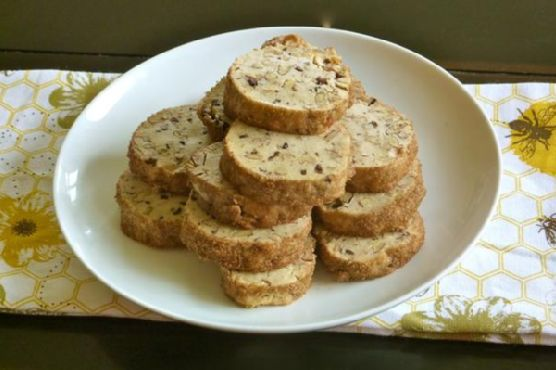
Cacao-Pecan Shortbread Cookies | Made by Meaghan Moineau

Cacao-Pecan Shortbread Cookies: A Delectable Treat for Every Occasion

Intro

There’s something magical about the aroma of freshly baked cookies wafting through the house. It instantly transports me back to my grandmother’s kitchen, where we spent countless afternoons baking and laughing. She had a knack for turning simple ingredients into the most delightful treats, and her shortbread cookies were always my favorite. Inspired by her love for baking and my passion for unique flavors, I’ve crafted these Cacao-Pecan Shortbread Cookies. They combine the rich, nutty aroma of toasted pecans with the sophisticated bitterness of cacao nibs, creating a cookie that’s both nostalgic and modern.

Why You’ll Love It

These cookies are a wonderful blend of textures and flavors. The shortbread’s buttery, melt-in-your-mouth consistency is perfectly complemented by the crunchy pecans and the subtle chocolatey notes of the cacao nibs. Whether you’re enjoying them with a cup of coffee in the morning or as a sweet treat after dinner, these cookies are sure to impress. Plus, they’re incredibly easy to make, making them a perfect recipe for both novice and seasoned bakers alike.

Ingredients

  • 1 cup unsalted butter, softened
  • 1/2 cup cacao nibs
  • 1 cup confectioners’ sugar
  • 1 large egg
  • 2 cups all-purpose flour
  • 1/2 teaspoon kosher salt
  • 1 cup pecans, chopped
  • Seeds from 1 split vanilla bean
  • 1 teaspoon vanilla extract
  • 1/4 cup vanilla sugar
  • 1 tablespoon water

Instructions

  1. Preheat the oven to 350°F (175°C). Set the butter out to soften.
  2. Spread the chopped pecans on a rimmed baking sheet and toast for about 4-6 minutes, until lightly browned and fragrant. Let cool.
  3. In a large bowl, beat the softened butter, confectioners’ sugar, vanilla bean seeds, vanilla extract, and salt at medium speed until fluffy.
  4. Add the flour, mixing in half at a time. Beat at low speed until just incorporated. Stir in the pecans and cacao nibs and mix well.
  5. Transfer the dough to a work surface and roll into a 1 1/2-inch-thick log. Wrap the log in plastic or parchment paper and refrigerate for 1 hour, until chilled.
  6. Line two large baking sheets with parchment paper. Spread the vanilla sugar on a platter.
  7. Mix the egg and water together to create an egg wash. Brush the log with the egg wash and roll in the sugar. Slice the log into 1/2-inch-thick rounds and place them on the prepared baking sheets, about 1 inch apart.
  8. Bake the cookies for about 15 minutes, until the edges are golden. Rotate the baking sheets from top to bottom and front to back halfway through baking. Transfer the cookies to a wire rack and let stand until completely cooled.

Tips

For the best results, make sure your butter is at room temperature before you start baking. This will help the dough come together more easily. Additionally, chilling the dough is key to achieving the perfect shortbread texture, so don’t skip this step! Finally, if you don’t have vanilla sugar, you can make your own by mixing granulated sugar with vanilla bean seeds, or simply use regular sugar in its place.

Variations & Substitutions

If you’re feeling adventurous, try adding some orange zest to the dough for a citrusy twist. You can also substitute walnuts or almonds for the pecans if you prefer a different nut flavor. If cacao nibs are hard to come by, mini chocolate chips make a great alternative, adding a sweeter chocolate note to the cookies.

Storage

These cookies can be stored in an airtight container at room temperature for up to one week. For longer storage, consider freezing the unbaked dough log. When you’re ready to bake, simply slice and bake from frozen, adding a couple of extra minutes to the baking time.

FAQ

Can I make the dough ahead of time?

Yes, you can prepare the dough up to three days in advance. Just keep it wrapped in plastic or parchment paper in the refrigerator until you’re ready to bake.

Are these cookies gluten-free?

As written, this recipe is not gluten-free due to the all-purpose flour. However, you can try substituting a 1:1 gluten-free baking flour for a gluten-free version.

What can I use if I don’t have a vanilla bean?

If you don’t have a vanilla bean, you can increase the vanilla extract to 1 1/2 teaspoons for a similar flavor profile.

Nutrition

While these cookies are an indulgent treat, it’s worth noting that they contain heart-healthy fats from pecans and antioxidants from cacao nibs. Moderation is key, so enjoy a cookie or two with your favorite beverage!

Conclusion

Baking these Cacao-Pecan Shortbread Cookies is not just about creating a delicious treat; it’s about crafting moments and memories that last a lifetime. Whether you’re sharing them with family or enjoying them on your own, these cookies are sure to bring warmth and joy to your day. I hope you find as much comfort and delight in baking and savoring these cookies as I do. Happy baking!

Related update: Cacao-Pecan Shortbread Cookies

Related update: Fat Free Gingerbread Cookies

Kiffin Poised to Bolt Before Title Game | Analysis by Brian Moineau

Lane Kiffin, Ole Miss and the late‑season coach carousel: a southern soap opera with a playoff on the line

Hook: Picture this — your team finally breaks through, the College Football Playoff looms, and the man who pulled it together might walk out the door before the confetti can be earned. That’s the story unfolding in Oxford, Mississippi, where Lane Kiffin has Ole Miss playing at its highest level — even as LSU and Florida reportedly circle with enormous offers.

Why this feels different

  • Lane Kiffin isn’t just another hot name. He’s a polarizing, proven offensive architect who has rebuilt Ole Miss into a contender in a short span.
  • The timing — late November, with an Egg Bowl looming and the CFP picture crystallizing — makes this more than a routine coaching shuffle. If Kiffin leaves now, Ole Miss could be without its leader before the Rebels play for the biggest prize in program history.
  • The financial figures being reported (offers in the neighborhood of seven‑figure annual pay and NIL/roster investment pledges) underline how much power boosters and athletic departments will wield in this new era.

The immediate facts (what’s been reported)

  • Ole Miss finished the regular season with a top‑10 CFP ranking and has been playing the best football in program history under Kiffin. Several outlets reported the school as a genuine playoff contender this year. (aol.com)
  • Reports say LSU and Florida have aggressively pursued Kiffin, with LSU allegedly discussing deals worth upward of $90 million over multiple years plus roster/NIL commitments. Ole Miss officials set a public timeline for an announcement after the Egg Bowl (Nov. 29, 2025). (foxnews.com)
  • Kiffin has publicly emphasized his focus on finishing the season, but travel by family members to potential suitors’ locales and the public nature of talks have kept speculation intense. Athletic director statements suggested a decision would be communicated after the rivalry game so the team can concentrate. (wruf.com)

What’s at stake for each party

  • For Ole Miss:
    • A potential national-title window — with Kiffin at the helm — could be irreversibly altered if he departs before the postseason.
    • Program momentum, recruiting, and locker‑room morale could all take a hit midstream.
  • For Kiffin:
    • Career tradeoffs: staying could mean cementing a legacy as the coach who elevated a non‑traditional power to the playoff; leaving could mean accepting greater resources, higher pay, and the prestige of a legacy program (and the pressure that comes with it).
  • For LSU and Florida:
    • Landing Kiffin would be a statement hire — a quick way to restart stalled projects and leverage NIL funds to accelerate roster building.
    • But doing it now risks perceptions of poaching and could invite backlashes from fans and the broader college‑football community.

The bigger picture: why the carousel is symptomatic of the times

  • Money and NIL have blurred old lines. Schools now bid not only on coaches’ salaries but on roster‑building war chests, making shifts more lucrative and more immediate. (sports.yahoo.com)
  • The expanded College Football Playoff and portal/NIL dynamics have created more programs that can credibly dream big — and more reasons for coaches to jump if the resources align.
  • The calendar problem remains: coaching searches happening during postseason weeks create ethical and competitive dilemmas. Voices across the sport have argued for clearer rules to protect players from late‑season disruptions. (aol.com)

Talking points for fans and observers

  • Loyalty vs. careerism: Is it unreasonable to expect a coach to stay through a playoff run when a substantially bigger job appears? Fans will split on whether Kiffin “owes” Ole Miss one more month.
  • Institutional responsibility: Universities that pursue coaches midseason invite scrutiny. Are there changes (timelines, tamper rules, buyout norms) that could reduce drama?
  • Player welfare: The uncertainty affects athletes’ focus, preparation and recruiting. That human element often gets lost in contract numbers and headlines.

What could happen next

  • Kiffin stays through the Egg Bowl and beyond, using the moment to try to capture a program‑defining title.
  • Kiffin accepts an offer and departs after the announced timeline, leaving Ole Miss to appoint an interim and scramble before the playoff.
  • A protracted negotiation or legal complications (buyouts, timing clauses) could create a muddled aftermath that impacts postseason logistics and public perception.

My take

College football has always been a sport of ambitions and second chances, but the current mix of cash, NIL, roster mobility and playoff stakes makes late‑season coaching drama especially corrosive. If the reports are true and a traditional power like LSU or Florida can outbid Ole Miss, the calculus is understandable for a coach’s career. Still, there’s something viscerally off about the idea of a championship bid being upended by a coaching transaction that could have been settled months earlier. Institutions and the NCAA era's new power players should take note: the system currently rewards haste and escalation, not restraint for the sake of competitive integrity.

A few lesser‑seen angles

  • If Kiffin leaves and Ole Miss still makes the playoff, the program’s depth and culture (and the quality of assistants and players he helped attract) could keep them competitive — an underrated aspect of his legacy.
  • For recruits, the uncertainty might swing commitments either away from Ole Miss or toward it (if the program leans on continuity and sells immediate opportunity).
  • A high‑profile hire during this window could force other programs to act quickly, causing a cascade of moves that reshapes several seasons in one week.

Sources

Final note: this is a live story with details changing quickly; the announced timeline (an update expected after the Egg Bowl on Nov. 29, 2025) will likely resolve much of the immediate drama and set the tone for the offseason.


Related update: We recently published an article that expands on this topic: read the latest post.

Related update: We recently published an article that expands on this topic: read the latest post.

Rival Trial Boosts Bristol Myers Stock | Analysis by Brian Moineau

When a Rival’s Win Becomes Your Windfall

Bristol Myers Squibb (BMY) got a bump on Monday — not because of its own press release, but because Bayer released what analysts called a “surprisingly positive” update on its experimental blood thinner, asundexian. The result: investors breathed new life into the broader class of Factor XIa inhibitors and pushed Bristol Myers shares higher. It’s one of those market moments that shows how biotech is often a group sport — your competitor’s breakthrough can validate your pipeline overnight.

Why a Bayer trial moved Bristol Myers

  • Bayer’s Phase III OCEANIC‑STROKE trial reported that asundexian (50 mg daily), given with standard antiplatelet therapy, significantly reduced recurrent ischemic stroke risk in patients after a non‑cardioembolic ischemic stroke or high‑risk transient ischemic attack — and crucially, without increasing major bleeding. (bayer.com)
  • Factor XIa inhibitors (the drug class) aim to uncouple thrombosis from normal hemostasis — meaning they could prevent clotting events like stroke while lowering bleeding risk compared with existing anticoagulants. That mechanism is precisely what drug developers such as Bristol Myers (milvexian) and others are trying to prove. (bayer.com)
  • Investors treat successful late‑stage results for one program as partial proof‑of‑concept for the whole class. Bayer’s win raised the perceived odds that similar molecules — including Bristol Myers’ milvexian — can succeed in at least some indications, which translated into a multi‑percent pop in BMY stock. (investors.com)

A quick look at the players and timeline

  • Bayer: announced positive topline results from OCEANIC‑STROKE on November 23, 2025, and said detailed results will be presented at an upcoming scientific congress. The company plans to engage regulators about potential marketing applications. (bayer.com)
  • Bristol Myers Squibb: developing milvexian, another oral Factor XIa inhibitor. Milvexian had an earlier setback when an acute coronary syndrome (ACS) trial was halted for likely futility, but analysts now see greater odds for success in secondary stroke prevention after Bayer’s news. Bristol Myers expects key readouts for atrial fibrillation and stroke indications in 2026 (stroke) and late 2026 (AF study topline timing noted by analysts). (investors.com)
  • Regeneron and other firms: also saw small moves after Bayer’s announcement, reflecting industry‑wide implications for the FXIa inhibitor class. (investors.com)

Why investors care beyond a single trial result

  • The unmet-need math is compelling: recurrent stroke risk remains high, and current oral anticoagulants (like Factor Xa inhibitors) come with bleeding tradeoffs that limit use in some patients. A therapy that meaningfully lowers ischemic stroke risk without increasing major bleeding could shift practice and command large market share. (bayer.com)
  • Drug development in cardiovascular and stroke indications often translates into multibillion‑dollar peak sales if regulators and clinicians accept the benefit/risk profile — which is why analysts quickly remapped revenue forecasts after Bayer’s topline. (investors.com)
  • But “class validation” isn’t a guarantee. Molecules differ in pharmacology, trial designs matter, and regulatory hurdles remain. A positive headline helps, but each candidate must prove itself on its own data.

What to watch next

  • Full data release: details on event rates, absolute risk reduction, subgroup analyses, and bleeding definitions (ISTH major bleeding vs. other metrics) will determine how convincing the result really is. Bayer said full results will be presented at a scientific meeting. (bayer.com)
  • Bristol Myers’ milvexian readouts: timing and endpoints for milvexian’s stroke and atrial fibrillation trials — and whether milvexian reproduces asundexian’s safety/efficacy balance. Analysts have already increased probability estimates for some milvexian indications; the market will watch for Bristol’s own numbers. (investors.com)
  • Regulatory feedback: Bayer plans to engage health authorities about applications; regulators’ responses (and any requests for additional data) will shape the approval timeline and commercial prospects. (reuters.com)

Market and scientific nuance

  • Proof‑of‑concept at large scale: OCEANIC‑STROKE reportedly enrolled over 12,000 patients — a sizable dataset that, if robust, gives the result weight beyond small, early trials. Large phase III success can be a genuine inflection point. (bayer.com)
  • Not all indications are equal: Bayer’s win was in secondary stroke prevention; earlier failures (e.g., atrial fibrillation) remind us that efficacy can vary by disease context. Analysts noted Bayer’s prior AF setback and cautioned extrapolating to every indication. (reuters.com)
  • Competitive landscape: multiple companies are racing to develop FXIa inhibitors. A first approval for the class would change competitive dynamics rapidly, but differentiation (oral dosing, safety, efficacy in key subgroups) will matter for long‑term market share.

A few bite‑sized takeaways

  • Bayer’s OCEANIC‑STROKE topline appears to validate the therapeutic potential of FXIa inhibition for secondary stroke prevention. (bayer.com)
  • That validation lifted investor sentiment for peers, including Bristol Myers, which benefits from a stronger belief in milvexian’s prospects despite prior setbacks. (investors.com)
  • Full data, regulatory reviews, and individual trial differences still determine winners — a class win is helpful, but not decisive.

My take

This is what makes biotech markets both thrilling and maddening: a single credible late‑stage readout can switch narratives overnight. Bayer’s result is an important proof‑point for Factor XIa inhibition and opens the door for rivals — but each program still needs to clear its own clinical and regulatory hurdles. For long‑term investors or clinicians, the sensible posture is curiosity plus scrutiny: welcome the class validation, then ask for the full data and watch how each molecule performs in its own trials.

Sources


Related update: We recently published an article that expands on this topic: read the latest post.


Related update: We recently published an article that expands on this topic: read the latest post.
Avocado Chicken Salad | Made by Meaghan Moineau

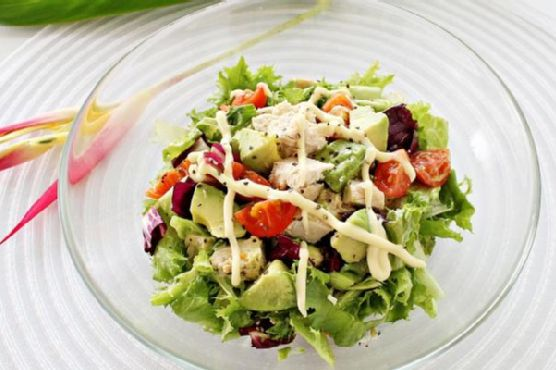
Avocado Chicken Salad

Intro

There’s something incredibly comforting about a hearty salad that satisfies both the taste buds and the soul. This Avocado Chicken Salad is more than just a meal; it’s a journey back to my grandmother’s sunny kitchen, where the aroma of freshly cooked chicken and the zest of lime filled the air. I remember sitting at her wooden table, the afternoon sun streaming through the windows, eagerly awaiting the delightful concoction she would prepare. With each bite, I felt wrapped in warmth and love. This recipe is my attempt to recreate that magic and share it with you.

Why You’ll Love It

This Avocado Chicken Salad is a delightful blend of flavors and textures that will leave you craving more. Here’s why you’ll love it:

  • Quick and Easy: This recipe is perfect for a busy weekday lunch or a light dinner. It comes together in under 30 minutes!
  • Healthy and Nutritious: Packed with protein from the chicken and healthy fats from the avocado, it’s a balanced meal that supports a healthy lifestyle.
  • Flavorful: The combination of creamy avocado, tender chicken, and fresh lime juice creates a refreshing and satisfying dish.
  • Versatile: It’s perfect on its own, or you can serve it with crusty bread or in a wrap for a more filling option.

Ingredients

  • 2 ripe avocados
  • 1 cup cherry tomatoes
  • 2 tablespoons extra virgin olive oil
  • 2 limes, juiced
  • 2 tablespoons mayonnaise
  • Black pepper to taste
  • 4 cups shredded mixed salad greens
  • 1 skinless boneless chicken breast

Instructions

  1. Season the chicken breast with a little salt and pepper.
  2. Place the chicken in a pot of boiling water and cook until done, approximately 12-15 minutes.
  3. Remove the chicken from the water and allow it to cool, then cut into cubes and set aside.
  4. Cut the avocados into cubes.
  5. In a large bowl, combine the mixed salad greens with olive oil and lime juice. Toss well.
  6. Divide the mixed salad into two serving bowls.
  7. Evenly distribute the avocado cubes, chicken, and cherry tomatoes over the salad in each bowl.
  8. Drizzle mayonnaise and sprinkle a dash of black pepper over the salad.
  9. Serve immediately and enjoy!

Tips

  • Ripe Avocados: Make sure to use ripe avocados for the best texture. They should yield slightly when pressed.
  • Perfectly Cooked Chicken: To ensure the chicken is cooked perfectly, use a meat thermometer. The internal temperature should reach 165°F (74°C).
  • Fresh Ingredients: Use fresh lime juice and high-quality olive oil for the best flavors.

Variations & Substitutions

This salad is wonderfully versatile. Here are some ideas to make it your own:

  • Spicy Kick: Add a pinch of cayenne pepper or some sliced jalapeños for a spicy version.
  • Herbs: Fresh herbs like cilantro or basil can add an extra layer of flavor.
  • Vegan Option: Replace chicken with chickpeas and use vegan mayonnaise to make it plant-based.
  • Cheesy Delight: Sprinkle some feta or goat cheese for added creaminess.

Storage

This salad is best enjoyed fresh. However, if you have leftovers, store them in an airtight container in the refrigerator for up to two days. Keep the salad dressing separate if possible to prevent the greens from becoming soggy.

FAQ

Can I use grilled chicken instead of boiled?

Absolutely! Grilled chicken adds a smoky flavor to the salad and works perfectly. Just ensure it’s cooked through and cooled before cutting into cubes.

What can I use instead of mayonnaise?

If you’re not a fan of mayonnaise, you can substitute it with Greek yogurt or a light vinaigrette for a different but equally delicious taste.

Nutrition

This Avocado Chicken Salad is not only delicious but also nutritious. It’s high in protein and healthy fats, making it a great option for a balanced meal. Avocados are a great source of vitamins C, E, K, and B-6, as well as riboflavin, niacin, folate, pantothenic acid, magnesium, and potassium. Remember, nutritional values can vary based on the specific ingredients and quantities used.

Conclusion

This Avocado Chicken Salad is a celebration of fresh, wholesome ingredients and simple preparation. It’s a dish that brings a touch of nostalgia and comfort with every bite. Whether you’re enjoying it for lunch, dinner, or a gathering with friends, it’s sure to impress with its vibrant flavors and satisfying texture. I hope it becomes a cherished favorite in your home, just as it is in mine. Enjoy your culinary journey!

Related update: Avocado Chicken Salad

Related update: Best Baked Macaroni and Cheese

Steam Machine Priced Like Regular PCs | Analysis by Brian Moineau

Valve’s Steam Machine won’t be subsidised — expect PC-like prices

You remember the moment Valve teased a living-room-sized PC that felt more like a console than a tower? That shiny little box — the Steam Machine — promises to live on your TV bench, boot into SteamOS, and bring much of your Steam library to the sofa. The catch, according to Valve, is that its price tag is going to be less “console launch loss leader” and more “what an equivalent PC costs.” That distinction matters more than you might think.

Why the price line matters

  • Console makers traditionally sell hardware at or below cost at launch and make profit on software and services. That lets companies push a low entry price to build install base quickly.
  • Valve is saying it will not subsidise the Steam Machine in that way. Instead, the device will be priced roughly in the same window as a PC with comparable CPU/GPU/RAM/storage.
  • That framing shifts how consumers, press and competitors think about the product: it’s not a budget console alternative, it’s a curated, compact PC experience with a living-room focus.

What Valve actually said

Valve engineer Pierre-Loup Griffais told the Friends Per Second (Skill Up) podcast that the Steam Machine’s pricing will be “more in line with what you might expect from the current PC market,” and that Valve aims to be competitive at that level of performance. He emphasised Valve won’t subsidise the hardware the way console makers often do, and noted features like small form factor and low noise as added value that justify a PC-equivalent price. Several outlets have reported and analysed this explanation. Sources later reiterated Valve’s reluctance to set a concrete number while market conditions (component prices, supply) are still fluctuating. (See Sources.)

The practical fallout for buyers

  • Expect one or more configurations (likely different storage and maybe a “Pro” later), with base models probably sitting above the cheapest consoles and closer to mid-range gaming PCs.
  • Convenience vs. bang-for-buck: the Steam Machine sells convenience (plug-and-play living-room experience, quiet small form factor, TV integration) that a DIY small-form-factor PC has a hard time matching — but that convenience comes at a premium.
  • For price-conscious buyers, building or buying a desktop might still give more raw performance per dollar. For people who want a tidy, TV-focused Steam experience, the trade-off might be worth it.

Market context and timing

  • Component price volatility (RAM, storage, GPUs) makes precise pricing hard right now; Valve acknowledged that directly.
  • Valve’s position is different from the Steam Deck era: the Deck launched with strong subsidies and aggressive pricing that helped it find a wide audience. Valve has signalled it won’t repeat that playbook for the Steam Machine.
  • Competing consoles (PlayStation, Xbox) often use hardware pricing strategies tied to exclusive games and massive ecosystem investments. Valve is betting on Steam’s ecosystem and optional hardware advantages rather than subsidised entry prices.

A few reasonable price guesses (not official)

Analysts and outlets are speculating widely — numbers in the discussion range from roughly mid-$500s up to $800–$1,000 for higher-spec variants. Much depends on the final internal specs and whether Valve decides to offer a slimmer or “Pro” model later. Whatever the final tags are, remember the anchor: Valve says “PC-equivalent” pricing, not “console-priced.”

What this means for Steam’s strategy

  • Valuing hardware parity with PC suggests Valve intends the Steam Machine to sit alongside desktops rather than undercut them.
  • It positions Valve as offering a premium, integrated hardware option to access Steam — like the Steam Deck did for handhelds, but with less emphasis on low launch pricing.
  • Valve retains flexibility: they can still adjust SKUs, storage options and promotions, but the commitment to non-subsidised pricing signals a different commercial calculus.

Quick takeaways

  • The Steam Machine will be priced like a comparable PC, not like a subsidised console.
  • Valve emphasises added hardware value (small form factor, low noise, TV integration) to justify that price.
  • Final prices are TBD because component costs are still volatile; speculation ranges widely but tends to sit above typical console launch prices.
  • Buyers need to weigh convenience and living-room integration against pure price-per-performance.

Final thoughts

Valve has earned goodwill by making clever hardware bets before (hello, Steam Deck). Saying the Steam Machine will track PC prices is honest and sets expectations early. It also reframes who the Steam Machine is for: not bargain hunters, but people who want a polished, compact, sofa-friendly PC experience without fiddling with mini-ITX builds or cables behind the TV. If you want the cheapest possible way to play PC games on a TV, building or buying a prebuilt PC may still win. If you want a tidy, Valve-curated living-room box that “just works,” you might be willing to pay for that convenience.

Sources

(Note: quotes and reporting above are drawn from Valve’s recent public comments and multiple technology outlets reporting on them.)


Related update: We recently published an article that expands on this topic: read the latest post.


Related update: We recently published an article that expands on this topic: read the latest post.

Related update: We recently published an article that expands on this topic: read the latest post.

Easy Thanksgiving Entertaining | Made by Meaghan Moineau

Easy Thanksgiving Entertaining

Intro

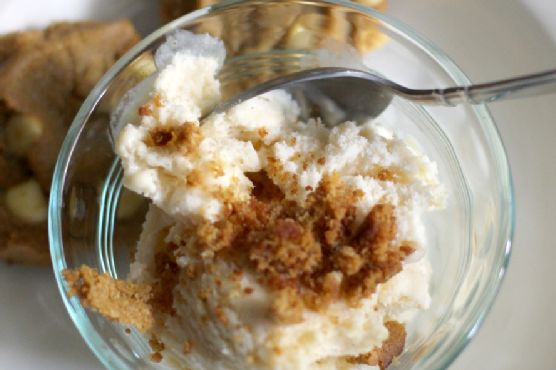
Thanksgiving has always been a time for family, friends, and unforgettable meals. As a child, I remember the warmth of the kitchen, the smell of spices, and the sound of laughter that filled our home. My grandmother would always have a special treat ready for us kids—a homemade pumpkin spice ice cream that was both comforting and delicious. Now that I host Thanksgiving, I’ve adapted her recipe to make it even easier, so I can spend more time with my loved ones and less time in the kitchen. This Easy Thanksgiving Entertaining recipe brings together the flavors of the season with minimal fuss, making it the perfect addition to your holiday table.

Why You’ll Love It

This ice cream recipe is a delightful twist on traditional Thanksgiving desserts. Here are a few reasons why you’ll fall in love with it:

  • Simple Ingredients: With just a handful of ingredients, you can create a dessert that’s both luxurious and comforting.
  • Quick Preparation: Spend less time cooking and more time enjoying with family and friends.
  • Seasonal Flavors: The combination of pumpkin spice and creamy goodness captures the essence of fall.
  • Kid-Friendly: This treat is a hit with kids and adults alike, making it perfect for gatherings.

Ingredients

  • 2 cups heavy cream
  • 1 cup whole milk
  • 1/2 cup sugar
  • 1 teaspoon vanilla extract
  • Pinch of salt
  • 1 cup crushed pumpkin spice cookies

Instructions

  1. In a large mixing bowl, whisk together the heavy cream, whole milk, sugar, vanilla extract, and salt until the sugar has completely dissolved.
  2. Gently fold in the crushed pumpkin spice cookies, ensuring they are evenly distributed throughout the mixture.
  3. Pour the mixture into an ice cream machine and freeze according to the manufacturer’s instructions.
  4. Once the ice cream reaches a soft-serve consistency, transfer it to an airtight container and freeze until firm, about 2-4 hours.
  5. When ready to serve, scoop into bowls and garnish with an additional pumpkin spice cookie for an extra touch of festivity and crunch.

Tips

For the best results, make sure your ice cream mixture is well chilled before adding it to the ice cream machine. This will help it freeze faster and achieve a creamier texture. If you don’t have an ice cream machine, you can pour the mixture into a shallow dish, freeze it, and stir every 30 minutes until it reaches the desired consistency.

Variations & Substitutions

If you’re looking to switch things up, consider these delicious variations:

  • Spiced Apple Cider: Replace the pumpkin spice cookies with crushed gingersnap cookies and add a teaspoon of cinnamon.
  • Chocolate Pumpkin: Stir in 1/2 cup of mini chocolate chips for a chocolatey twist.
  • Dairy-Free Option: Substitute coconut milk for heavy cream and almond milk for whole milk to make it dairy-free.

Storage

Store any leftover ice cream in an airtight container in the freezer for up to two weeks. To prevent ice crystals from forming, press a piece of plastic wrap directly onto the surface of the ice cream before sealing the container.

FAQ

Can I make this ice cream without an ice cream machine?

Yes, you can! Simply pour the mixture into a shallow dish and freeze, stirring every 30 minutes to break up ice crystals until it reaches the desired consistency.

How can I make this recipe more festive?

Consider adding a tablespoon of your favorite liqueur, such as bourbon or rum, for an adult version. You can also top the ice cream with caramel sauce or whipped cream for an extra indulgent treat.

Is there a way to make this ice cream less sweet?

Feel free to reduce the sugar to 1/4 cup if you prefer a less sweet dessert. The cookies will still provide plenty of flavor and sweetness.

Nutrition

While this ice cream is a treat, it can be enjoyed in moderation as part of a balanced diet. A single serving (1/2 cup) contains approximately:

  • Calories: 250
  • Fat: 18g
  • Carbohydrates: 22g
  • Protein: 3g

Conclusion

This Easy Thanksgiving Entertaining dessert is more than just ice cream—it’s a memory in the making. Perfect for sharing with loved ones, it’s a sweet reminder of the warmth and togetherness that the holiday season brings. Whether you’re serving it to a crowd or enjoying a quiet evening in, this ice cream is sure to become a cherished part of your Thanksgiving tradition. So go ahead, scoop up some joy, and savor the flavors of the season!

Related update: Easy Thanksgiving Entertaining

Related update: Cacao-Pecan Shortbread Cookies

Thai Cucumber Salad (By Roz) | Made by Meaghan Moineau

Thai Cucumber Salad (By Roz)

Intro

Welcome to my kitchen! Today, I’m sharing a delightful recipe that has been a staple in my family for generations: Thai Cucumber Salad. This dish is a vibrant medley of flavors and textures that will transport your taste buds straight to the bustling streets of Bangkok. I still remember the first time I tasted this salad at a family reunion—it was love at first bite. The refreshing crunch of cucumbers, the zing of lime, and the subtle heat from the peppers made it an unforgettable experience. I’m thrilled to bring this taste of Thailand into your home. Let’s dive in!

Why You’ll Love It

Thai Cucumber Salad is the perfect combination of sweet, spicy, and tangy. It’s incredibly refreshing and makes for a fantastic side dish or a light main course. You’ll love how simple it is to prepare, yet how complex and satisfying the flavors are. This salad is also highly customizable, allowing you to adjust the spice level and ingredients to your liking. Whether you’re a seasoned cook or a kitchen newbie, this recipe is sure to impress.

Ingredients

  • Cilantro
  • Canned cucumbers
  • Jalapeno pepper
  • Lime juice
  • Lime zest
  • Red white onions
  • Red pepper flakes
  • Rice wine vinegar
  • Dry unsalted chopped roasted peanuts
  • Salt
  • Coconut oil
  • Sesame oil
  • Soy sauce
  • Sugar
  • Thai garlic chili pepper sauce
  • White pepper

Instructions

  1. Blend all the dressing ingredients together: lime juice, lime zest, rice wine vinegar, coconut oil, sesame oil, soy sauce, sugar, Thai garlic chili pepper sauce, and white pepper. Adjust the ingredients to suit your taste.
  2. In a large bowl, mix in all of the chopped vegetables, herbs, and peanuts, if desired: canned cucumbers, cilantro, jalapeno pepper, red white onions, and dry unsalted chopped roasted peanuts.
  3. Add more of any of the flavors that you prefer, which is the true Thai way. Taste and adjust seasoning as needed.
  4. Garnish each plate with cilantro leaves and sliced limes for an added burst of freshness.
  5. Serve with a platter of add-ins: lime slices, red pepper flakes, chopped cilantro, chopped peanuts, Thai sweet chili sauce, sugar, salt, etc., for your guests to customize their plates.

Tips

To ensure your Thai Cucumber Salad is as delicious as possible, here are a few tips:

  • Use fresh lime juice for the best flavor. Bottled lime juice can be a bit too acidic.
  • Canned cucumbers can be substituted with fresh ones for an added crunch.
  • If you prefer less heat, remove the seeds from the jalapeno pepper before chopping.
  • Let the salad sit for at least 30 minutes before serving to allow the flavors to meld together.

Variations & Substitutions

This Thai Cucumber Salad is highly versatile. Here are some variations and substitutions you might consider:

  • Protein Boost: Add grilled chicken or shrimp for a more filling meal.
  • Vegetarian Option: Swap out the fish sauce for a vegetarian soy sauce or tamari.
  • Nut Allergy: Leave out the peanuts or substitute with toasted sunflower seeds.
  • Extra Veggies: Feel free to add additional vegetables such as bell peppers or carrots for more color and texture.

Storage

This salad is best enjoyed fresh, but you can store any leftovers in an airtight container in the refrigerator for up to two days. Keep in mind that the cucumbers may lose some of their crunch over time. If making in advance, consider storing the dressing separately and mixing just before serving.

FAQ

Can I make this salad ahead of time?

Yes, you can prepare the dressing and chop the vegetables a few hours in advance. However, for the best texture, it is recommended to combine the ingredients and add the dressing just before serving.

How can I adjust the spice level?

To adjust the spice level, start by adding a small amount of jalapeno and red pepper flakes, then taste and add more if desired. You can also serve additional red pepper flakes on the side for those who prefer a spicier salad.

What can I serve with Thai Cucumber Salad?

This salad pairs beautifully with grilled meats like chicken, pork, or beef. It also makes a refreshing side to accompany curries or as part of a larger Thai-inspired meal.

Nutrition

While the exact nutritional content will depend on the specific quantities and brands of ingredients used, Thai Cucumber Salad is generally low in calories and rich in vitamins A and C. It’s a great source of hydration and antioxidants, making it both a healthy and delicious choice.

Conclusion

There you have it—a simple yet irresistibly tasty Thai Cucumber Salad that brings a burst of flavor with every bite. Whether you’re making it for a family gathering or a quiet dinner at home, this dish is sure to please. I hope this recipe brings as much joy to your table as it has to mine. Happy cooking, and enjoy your culinary journey to Thailand!

Related update: Thai Cucumber Salad (By Roz)

Related update: Avocado Chicken Salad

Rangers Reset: Semien Traded for Nimmo | Analysis by Brian Moineau

A changing of the guard: Marcus Semien heads to the Mets, Brandon Nimmo to Texas

Baseball trades always come with a little drama — nostalgia for what was, curiosity about what’s next, and an inventory of both dollars and intangibles changing hands. The Rangers’ decision to send Marcus Semien to the New York Mets in exchange for outfielder Brandon Nimmo (plus cash) feels like all of that wrapped into one roster-clearing, future-facing move.

A hook: why this trade stopped me

Semien signed a seven-year, $175 million deal with Texas before the 2022 season and spent four seasons anchoring the middle infield. That kind of commitment usually signals a long-term identity: this is “our” player, our leader on and off the field. Trading him now — while he still has three years left on that deal and fresh off another Gold Glove — signals the Rangers are more interested in reshaping their roster and payroll structure than preserving continuity for its own sake.

What happened — the essentials

  • Marcus Semien, 35, goes to the New York Mets.
  • The Rangers receive Brandon Nimmo (32) and cash considerations in return.
  • Semien had signed a seven-year, $175 million contract with Texas before 2022 and spent four seasons there.
  • Nimmo waived his no‑trade clause to facilitate the deal and still has several years left on his extension with a significant salary commitment.

(Details and reporting on the transaction appeared across major outlets on Nov. 23–24, 2025.)

Why the Rangers made the move

  • Roster reset: Texas went all‑in around the Corey Seager–Semien middle infield earlier in the decade and won the franchise’s first World Series in 2023. But the team has been trying to translate that into sustained contention. Moving Semien frees the Rangers to reshape that core and allocate roster spots and playing time differently.
  • Payroll flexibility and timelines: Semien still carries guaranteed money for multiple seasons. Swapping him for Nimmo — plus cash considerations flowing the other way in some versions of the deal — changes positional needs and the mix of guaranteed salary; it might also be a bid to balance present competitiveness with longer-term roster flexibility.
  • Defensive and clubhouse value for New York: Semien is still an elite defender up the middle. For the Mets, adding a sure-handed, veteran presence at second base improves run prevention and covers holes the team wants to fix without waiting for development.

What the Mets gain (and gamble on)

  • Improved run prevention: Marcus Semien remains one of the better defensive middle infielders in baseball — the kind of player who can cut opponent scoring and stabilize an infield.
  • Veteran leadership: Semien brings championship experience and steady daily play. For a Mets roster that has chased pitching and run prevention, that’s a natural fit.
  • Offense is a question mark: Semien’s best offensive years were earlier in the decade (notably 2019 and 2021). His production dipped in recent seasons, so the Mets are betting that his defense and remaining offensive tools provide enough net value to justify the acquisition.

What the Rangers get (and what they’re counting on)

  • A left-handed outfielder with pop and on-base skills: Nimmo is a steady, well-regarded presence who has produced strong counting numbers in recent seasons. He offers a different offensive profile than Semien.
  • A clubhouse change and lineup shuffle: Nimmo's addition shifts lineup construction — more emphasis on outfield defense and plate discipline, less on middle‑infield offense. It also gives the Rangers the flexibility to explore internal options or free agency for middle infielders.
  • A longer-term contract to manage: Nimmo still has years left on his deal, meaning the Rangers are swapping one multi-year commitment for another with different timing and risk.

Bigger picture: what this says about both teams

  • The Rangers are moving from nostalgia toward pragmatism. Even players who helped deliver a championship aren’t immune to strategic retooling when the front office believes a different mix gives the best chance to return to the postseason.
  • The Mets are prioritizing run prevention and veteran stability. They signaled that defense up the middle and reliable at-bats are worth trading a longtime fan favorite to try to improve their short-term chances.

A few things to watch next season

  • Who plays second in Texas? Semien’s departure opens the door to prospects, trade market pickups, or internal solutions. How the Rangers replace his defense will be telling.
  • How Semien ages in New York. Can he remain a defensive anchor while providing enough offense to help the Mets push for a playoff spot?
  • Nimmo’s role in Arlington. Will the Rangers get consistent production from him in the middle of the lineup, and how will his contract years affect future roster moves?

What I’m taking away

Trades like this are rarely purely about on-field performance. They’re chess moves that account for payroll, contract horizons, clubhouse culture, and a team’s timeline for contention. Moving Marcus Semien — a recent World Series contributor and $175 million signee — is a clear statement from the Rangers: they’re willing to reconfigure the pieces that brought them success to chase a different path forward. The Mets, meanwhile, are saying they want a veteran defensive upgrade now rather than waiting for a longer, riskier rebuild in the infield.

This deal won’t be judged in headlines; it will be judged in April and September — in runs saved, clubhouse cohesion, and whether either front office got the long-term math right. Either way, it reminds us why the offseason is the most fascinating part of baseball: fortunes (and fan feelings) can pivot on a single phone call.

Final thoughts

Baseball’s churn can feel merciless — beloved players move, fan rituals shift, and narratives reset. But that churn is also the sport’s creative engine. The Semien–Nimmo swap reshapes two contenders and sets the table for another season of surprises. Expect emotions in the short term, and analytic verdicts in the long term.

Sources


Related update: We recently published an article that expands on this topic: read the latest post.


Related update: We recently published an article that expands on this topic: read the latest post.

ChatGPT‑5.1 Crushes Grok 4.1 in Showdown | Analysis by Brian Moineau

One crushed the other: my take on ChatGPT‑5.1 vs Grok 4.1

The headline pretty much says it: after Tom’s Guide ran nine side‑by‑side prompts, one model didn’t just win — it dominated. If you’ve been following the weekly AI cage matches, this one matters because it shows where conversational AI is leaning: toward personality, interpretive depth, and emotional nuance.

Why this comparison matters

  • Both ChatGPT‑5.1 and Grok 4.1 are among the most-talked‑about chatbots today.
  • These are not incremental updates — they represent competing design philosophies: OpenAI’s emphasis on clarity, safety, and utility versus Grok’s (xAI/X) emphasis on boldness, candid tone, and contextual flair.
  • A nine‑prompt shootout lets us see strengths and tradeoffs across categories that people actually care about: reasoning, creativity, humor, emotional support, and real‑world planning.

What the test looked at

Tom’s Guide used nine prompts spanning:

  • Logic and trick questions
  • Metaphors and explanations for kids
  • Creative writing and storytelling
  • Code generation and technical clarity
  • Real‑world planning (travel iteneraries)
  • Emotional intelligence and supportive messaging

The prompts were chosen to surface not just correctness but voice, subtext, and usefulness in everyday scenarios.

The short verdict

  • Winner: Grok 4.1.
  • Why: Grok took seven of the nine rounds, excelling at subtext, emotional tone, humor, and evocative creative writing. It was willing to call out trick questions, use more conversational slang when appropriate, and deliver answers that felt more human and expressive.
  • ChatGPT‑5.1 wasn’t bad — it tended to be cleaner, more concise, and better at tightly constrained tasks (e.g., some concise metaphors and clean code), but it often felt more reserved compared with Grok’s bolder personality.

Highlights from the head‑to‑head

  • Reasoning and trick questions
    • Grok flagged the classic “all but 9” puzzle as a trick and contextualized it; that extra metacognitive move won points for interpretive understanding.
  • Creative writing and atmosphere
    • Grok built more tension and sensory detail in short fiction prompts; ChatGPT‑5.1 favored tighter structure and punchlines.
  • Emotional support and tone
    • Grok used colloquial, authentic phrasing that resonated like a friend’s message — not “toxic‑positivity” but genuine validation. ChatGPT’s responses were supportive but more formal.
  • Practical planning
    • ChatGPT‑5.1 sometimes won when the brief demanded balance, brevity, and modular practicality (e.g., family travel planning where flexibility matters).

What this tells us about AI design choices

  • Personality vs. polish: Grok’s strength is personality. When human connection, subtext, or theatrical flair matters, personality wins. ChatGPT’s strength is polish: clarity, brevity, and predictability.
  • Use‑case matters: If you want an assistant that’s a precise tool for structured tasks, the steadier, cleaner responses will be preferable. If your use case benefits from creative risk, humor, or raw empathy, a bolder voice can be more effective.
  • The “best” model is context dependent: For developers, businesses, or educators, the ideal choice may combine the two approaches — or prefer one depending on brand voice and safety requirements.

Practical takeaways for users and creators

  • Pick by outcome, not brand:
    • Need crisp instructions, safe defaults, or conservative language? Lean toward the model that favors clarity.
    • Want story mood, candid emotional replies, or punchy humor? Try the model that leans into personality.
  • Prompt intentionally:
    • Ask for tone guidance (“use friendly, informal language”) if you want to dial personality up or down.
    • For critical tasks, request step‑by‑step reasoning and ask the model to show its work.
  • Expect tradeoffs:
    • Richer personality can sometimes risk more controversial phrasing or speculation; cleaner responses may omit color that helps engagement.

My take

Grok winning this set isn’t an accident — it reflects a deliberate design that prioritizes human‑style conversational cues: naming trick questions, leaning into idiomatic phrasing, and using vivid details. That approach pays off in tasks where the goal is connection or storytelling.

But ChatGPT‑5.1’s steadiness is a strength, not a weakness. There are many contexts — code reviews, step‑by‑step tutorials, or corporate communications — where a measured, concise voice is preferable. The two models illustrate how “better” in AI is multidimensional: better for creativity, better for clarity, better for empathy — pick the axis that matters to you.

What to watch next

  • Will developers offer hybrid flows that combine Grok‑style flair with ChatGPT’s stricter guardrails? That would be powerful.
  • How will safety teams manage the balance between expressive personality and factual accuracy?
  • Expect more apples‑to‑apples tests from independent outlets — these comparisons shape user adoption and product decisions.

Final thoughts

This Tom’s Guide test is a useful snapshot: Grok 4.1 crushed ChatGPT‑5.1 in this particular set of nine, especially when tone, subtext, and emotional authenticity were decisive. But the broader lesson is that the “winner” depends on what you need. The race isn’t only about raw capability anymore — it’s about the kind of conversational partner you want.

Sources


Related update: We recently published an article that expands on this topic: read the latest post.

Pittata – Pizza Frittata | Made by Meaghan Moineau

Pittata – Pizza Frittata: A Delicious Twist on Classic Breakfast

Intro

Growing up, Sunday mornings were a sacred time in our household. The aroma of freshly brewed coffee mingled with the sounds of sizzling bacon, creating a comforting symphony that signaled the start of a leisurely day. My mother, with her extraordinary culinary skills, would whisk together the most delightful dishes, but there was one that always stood out – the pittata. A clever blend of pizza and frittata, this dish was the embodiment of indulgence and creativity. Today, I’m thrilled to share this cherished recipe with you, bringing a piece of my family tradition to your kitchen.

Why You’ll Love It

The pittata is a versatile dish that combines the best of two worlds: the savory satisfaction of pizza and the fluffy, protein-packed delight of a frittata. It’s perfect for breakfast, brunch, or even a light dinner, offering a filling meal that’s both quick to prepare and utterly delicious. Whether you’re hosting a gathering or simply looking to treat yourself, this dish is sure to impress with its simple ingredients and depth of flavor.

Ingredients

  • 6 large eggs
  • 1/4 cup fresh basil, chopped
  • 1/4 cup milk (optional)
  • 1/2 cup grated parmesan cheese
  • 1/4 cup sliced pepperoni
  • 1/2 cup shredded mozzarella cheese
  • Salt and pepper to taste
  • Cooking fat (e.g., olive oil, butter)

Instructions

  1. Preheat your oven to ~450°F (230°C), using the top heat setting only.
  2. On the stove, heat your choice of cooking fat in a large oven-safe skillet over medium heat.
  3. In a bowl, beat the eggs with milk, salt, pepper, and any herbs or spices you desire.
  4. Add any additional ingredients (except cheese) to the skillet. For this recipe, we keep it simple, but feel free to include cooked or quick-cooking vegetables like bell peppers.
  5. Pour the egg mixture into the skillet, tilting it to evenly distribute around any add-ins.
  6. Distribute the shredded mozzarella cheese and pepperoni slices over the egg mixture.
  7. Allow the eggs to cook on the stove until the edges are set, leaving the center slightly jiggly.
  8. Generously top with parmesan cheese.
  9. Transfer the skillet to the preheated oven and bake until the eggs are puffed, browned, and the center is firm.
  10. Remove from the oven and let the pittata cool for a couple of minutes before slicing into wedges.

Tips

For the best results, ensure that your skillet is well-greased to prevent sticking. Keep an eye on the pittata as it bakes; it can go from perfectly puffed to overcooked quickly. Use a toothpick to check that the center is set if you’re unsure. Lastly, let it rest slightly before serving; this makes cutting it into neat wedges much easier.

Variations & Substitutions

One of the joys of a pittata is its adaptability. Feel free to experiment with different herbs, spices, or cheeses. Swap pepperoni for sausage, or go vegetarian with mushrooms and spinach. For a dairy-free option, skip the milk and use a plant-based cheese alternative. The possibilities are endless, ensuring every pittata is a unique creation.

Storage

Store any leftover pittata in an airtight container in the refrigerator for up to three days. To reheat, warm it in the oven or a skillet over low heat until heated through, or microwave individual slices for about 30 seconds. For longer storage, freeze individual portions and reheat directly from frozen for a quick and easy meal.

FAQ

Can I make the pittata ahead of time?

Yes, you can prepare the pittata a day in advance. Simply follow the instructions until baking, then cover and refrigerate the skillet. When ready to bake, allow it to come to room temperature before placing it in the oven.

What can I serve with pittata?

Pittata pairs beautifully with a simple green salad, fresh fruit, or crusty bread. For a heartier meal, consider serving it with roasted potatoes or a side of bacon or sausage.

Is there a way to make it spicier?

For a spicier kick, add crushed red pepper flakes, diced jalapeños, or a splash of your favorite hot sauce to the egg mixture before cooking.

Nutrition

While the exact nutritional content will vary with portion sizes and specific ingredients used, a typical slice of pittata (1/6 of the whole) provides approximately 200 calories, 15g of protein, and 15g of fat, making it a hearty, satisfying dish that’s also relatively low in carbohydrates.

Conclusion

The pittata is more than just a meal; it’s a nod to creativity and the joy of cooking. Whether you’re reliving cherished memories or creating new ones, this dish is sure to become a staple in your recipe repertoire. I hope you find as much comfort and joy in making and sharing this dish as I have over the years. Bon appétit!

Related update: Pittata – Pizza Frittata

Related update: Mixed Berry Yogurt with Almonds

Why Chevy’s Corvette Went Flat‑Plane | Analysis by Brian Moineau

Why Chevy Went Flat‑Plane: The Corvette’s V8 That Screams Like an Exotic

There’s a moment you can’t forget the first time you hear a flat‑plane V8 alive at full song: a high, urgent wail that feels less “American V8” and more “race car from Italy.” That’s exactly what Chevrolet chased with the LT6 in the C8 Z06 — a 5.5‑liter V8 built to rev, breathe, and sound like nothing else in the Corvette family. But the change wasn’t just about noise and showmanship. It was a careful engineering choice that traded old-school torque curves and a burbly soundtrack for low rotating mass, cleaner breathing, higher revs, and — yes — a distinctive personality.

The moment that mattered

  • The LT6 is a purpose‑built, naturally aspirated 5.5L V8 with a flat‑plane crank, dual overhead cams, titanium rods, and a racing‑level dry sump system.
  • Chevrolet’s aim: make a production, naturally aspirated V8 that can reliably rev into the 8,000s and deliver peak power at very high rpm — something cross‑plane street V8s struggle to do without heavy compromise.
  • The result: 670 hp at around 8,400 rpm and a redline in the neighborhood of 8,600 rpm (GM figures), and an exhaust that sounds more exotic than its lineage.

What a flat‑plane crank actually does

  • Different journal layout: a flat‑plane crank spaces its rod journals 180° apart in one plane (think two 4‑cylinder engines sharing a crank), versus the 90° stagger of a traditional cross‑plane V8.
  • Alternating firing order: the firing alternates bank to bank, which evens out intake/exhaust pulses and helps the engine “breathe” with less internal interference.
  • Lower rotational inertia: flat‑plane cranks can be made lighter and require smaller counterweights, which helps the engine accelerate in rpm faster and sustain higher revs.
  • Distinctive sound: the alternating banks and equal‑length header pulses create a higher‑pitched, exotic‑style wail that’s immediately recognizable.

The tradeoffs Chevrolet accepted — and fixed

  • More vibration: flat‑plane V8s are inherently less naturally balanced than cross‑plane V8s, producing stronger secondary vibrations and lateral shaking.
  • How Chevy mitigated it:
    • Radical weight reduction in reciprocating parts: forged aluminum pistons, forged titanium connecting rods, and a lightweight harmonic balancer.
    • Short stroke and oversquare bore (large bore, short stroke) to reduce piston speeds and secondary vibration at high rpm.
    • Sophisticated engine mounts, NVH tuning, and chassis-level solutions borrowed from racing development to keep the car civilized in everyday driving.
    • An advanced oiling system (multiple scavenge stages/dry sump) and a race‑derived valvetrain for reliability at sustained high rpm.

Why it mattered for performance

  • Rev capability: lower rotating mass and optimized breathing let the LT6 stay healthy at very high engine speeds, where horsepower is won.
  • Better volumetric efficiency: alternating bank pulses allow cleaner intake and exhaust flow strategies (including variable intake tuning) so the engine can develop torque farther up the rev range.
  • Race development benefits: the LT6 architecture was honed in the C8.R race program, accelerating learning for durability and packaging for a production car.
  • Packaging and weight penalty balance: while the flat‑plane design posed new NVH and packaging challenges, the payoff in peak power and engine character was judged worth it for a track‑focused Z‑model.

Notes on the exhaust and sonic design

  • Engineering the exhaust for a flat‑plane V8 is more than bolting on pipes. The LT6 uses equal‑length headers and a purposely tuned mid‑mounted/center exit exhaust layout to shape the sound and manage pulse interactions.
  • Chevy’s approach avoided X‑pipes that would damp the exotic note; instead they tuned the routing and mufflers so the sound is dramatic yet controllable, projecting into the cabin in a satisfying way.

What this means for Corvette buyers and enthusiasts

  • If you want raw, high‑revving, naturally aspirated V8 character with race‑car breathing and exotic sound, the LT6 Z06 delivers it.
  • If you prefer low‑down torque and the traditional burble of the classic American cross‑plane V8, the standard Stingray and its LT2 will feel more familiar.
  • The LT6 represents a deliberate pivot: use advanced materials and race‑derived engineering to get the best out of a flat‑plane design while minimizing the compromises that once confined those cranks to small‑production exotics.

Highlights to remember

  • The LT6’s flat‑plane crank reduces rotating mass and allows very high revs.
  • Alternating bank firing improves breathing and helps extract power at high rpm.
  • Engineering countermeasures (light internals, short stroke, race oiling, mounts, NVH tuning) tame vibration and make the concept viable for production.

My take

Chevy’s decision to fit the Z06 with a flat‑plane crank wasn’t a fashion statement — it was a performance-first engineering gambit. By leaning into lightweight components, race‑proven oiling and valvetrain tech, and carefully tuned exhaust and mounts, Chevrolet turned a historically exotic idea into a viable production solution. The LT6 is thrilling because it’s uncompromising where it counts: it revs hard, breathes freely, and sounds alive. For the enthusiast who wants a naturally aspirated V8 that behaves like a race engine on the street, that tradeoff — more NVH complexity for raw, rev‑happy performance — is exactly the point.

A few final thoughts

The shift to a flat‑plane crank in the Corvette Z06 is a reminder that automotive progress isn’t always about downsizing or electrification. Sometimes it’s about revisiting old ideas with new materials and systems and extracting performance in a visceral, memorable way. The LT6 showcases how race tech can be adapted to production with dramatic results — and gives the Corvette a voice that turns heads in a different register.

Sources


Related update: We recently published an article that expands on this topic: read the latest post.


Related update: We recently published an article that expands on this topic: read the latest post.


Related update: We recently published an article that expands on this topic: read the latest post.

Pork Menudo | Made by Meaghan Moineau

Pork Menudo: A Filipino Comfort Dish

Intro

Pork Menudo has always held a special place at our family dinners. I remember my grandmother making it every Sunday, the aroma wafting through the house even before we reached the doorstep. She would prepare it with such care, adding a pinch of nostalgia to every bite. This dish is a quintessential part of Filipino cuisine, embodying the warmth and comfort of home. It’s a recipe that’s been passed down through generations, each adding their own twist. Today, I’m excited to share this beloved recipe with you, hoping it brings the same joy and comfort to your table.

Why You’ll Love It

There are so many reasons to fall in love with Pork Menudo. First, it’s a hearty and filling dish that’s perfect for any occasion, from casual family dinners to festive celebrations. The combination of savory pork, sweet raisins, and rich liver creates a symphony of flavors that dance on your taste buds. Additionally, it’s a versatile recipe that can be easily adapted to suit your preferences or dietary needs. Plus, the ingredients are simple and readily available, making it an accessible dish for home cooks of all skill levels.

Ingredients

  • 1 red bell pepper, diced
  • 2 tablespoons butter
  • 1 cup diced carrots
  • 1 chorizo, sliced
  • 1 cup cooked garbanzo beans
  • 4 cloves garlic, minced
  • 2 tablespoons oil
  • 1 onion, chopped
  • 1 cup frozen green peas
  • 1 bell pepper, diced
  • 1/2 pound pork livers, chopped
  • 1 pound pork cubes
  • 2 cups diced potatoes
  • 1/4 cup raisins
  • Salt, to taste
  • 2 tomatoes, chopped

Instructions

  1. Heat your wok or big kawali. Make sure it’s hot before you put oil.
  2. Fry the potatoes until half-cooked. Set aside.
  3. On the same pan, add butter and garlic. Do not burn the garlic.
  4. Add the pork, tomatoes, onions, and bell pepper. Add salt and pepper to taste. You can also add 1 pork cube for a richer flavor.
  5. Reduce to low heat. Juices will eventually come out from the vegetables so no need to add water.
  6. Cover, stirring occasionally. Simmer until pork is tender or until the liquid has almost dried up leaving a thick sauce.
  7. Add the liver, cover for about 5 minutes. I’m adding the liver at a later part because we don’t want to overcook it. Liver cooks fast and can be tough if overdone.
  8. Add the potatoes, carrots, green peas, and raisins (and the rest of the ingredients, if any).
  9. Simmer for 15 more minutes stirring occasionally.
  10. Serve with steamed rice.

Tips

For the best Pork Menudo, use fresh pork and liver to ensure the meat retains its flavor and tenderness. When frying the potatoes, ensure they are golden brown to add texture. Don’t rush the simmering process; allowing the pork to cook slowly ensures it absorbs all the rich flavors. Lastly, taste and adjust the seasoning as needed to suit your palate.

Variations & Substitutions

If you’re not a fan of liver, you can substitute it with chicken gizzards or simply omit it. For a vegetarian twist, replace the pork with tofu and add more vegetables like zucchini or eggplant. You can also swap the raisins for dried apricots if you prefer a different kind of sweetness. If you want a spicier kick, include a chopped chili pepper.

Storage

Pork Menudo can be stored in an airtight container in the refrigerator for up to 3 days. To reheat, simply place it in a pot over low heat until warmed through. You can also freeze it for up to a month, but be sure to allow it to cool completely before freezing to maintain the texture and flavor.

FAQ

Can I make Pork Menudo in advance?

Yes, Pork Menudo is a great make-ahead dish. In fact, it often tastes better the next day as the flavors have more time to meld together. Simply store it in the fridge and reheat before serving.

What can I serve with Pork Menudo?

Pork Menudo is traditionally served with steamed white rice, but you can pair it with garlic fried rice for an extra flavor boost. For a complete meal, serve it alongside a fresh green salad or pickled vegetables.

Nutrition

This recipe serves approximately 4 people. Each serving contains roughly 400 calories, 20g of fat, 30g of carbohydrates, and 25g of protein. It’s a hearty dish that provides a good balance of macronutrients.

Conclusion

Pork Menudo is more than just a dish; it’s a culinary embrace, a reminder of home, and a celebration of Filipino culture. Whether you’re enjoying it for the first time or it’s been a staple in your kitchen for years, I hope this recipe brings warmth and satisfaction to your dining experience. Gather your loved ones, serve it with a smile, and enjoy every mouthful of this delicious, comforting dish. Happy cooking!

Related update: Pork Menudo

Related update: Pittata - Pizza Frittata