Darnold’s Homecoming: From Setback | Analysis by Brian Moineau

Sam Darnold Goes Back to Carolina — and It Feels Different This Time

There’s something poetic about a quarterback walking back into a stadium where he once had to re-find himself. For Sam Darnold, returning to Bank of America Stadium isn’t a trip down memory lane so much as a checkpoint on a journey that’s gone from “what if” to “why not.” Once the Panthers’ stop on a rocky early-career path, Carolina helped reshape him into the player who’s now a two-time Pro Bowler and a legitimate NFC contender with the Seattle Seahawks.

Why this visit matters

  • It’s more than nostalgia. It’s a concrete example of how short chapters can change a career arc.
  • Darnold’s story reframes the “bust-to-breakout” narrative into something cleaner: development, patience, and context.
  • The contrast between his two stints in Carolina (a starter-in-waiting role in 2021–22) and his current form shows what coaching, learning behind a veteran, and a little momentum can do for a quarterback’s confidence.

A quick timeline that matters

  • 2018: Darnold is drafted No. 3 overall by the New York Jets and struggles early in his career.
  • 2021–2022: Traded to the Carolina Panthers. He starts games, battles injuries, and finishes strong late in 2022 — a small stretch that mattered more than it looked at the time.
  • 2023: Spends a season in San Francisco as Brock Purdy’s backup, learning in a strong offensive system.
  • 2024: Breakout year with the Minnesota Vikings — strong statistics, a Pro Bowl nod, and widespread recognition as an improved quarterback.
  • 2025: Signs with the Seahawks and returns to Carolina as an established starter, playoff-bound and riding the momentum built over the previous seasons.

How Carolina “paved the way”

Darnold’s comments before the Seahawks’ December 26, 2025 game capture the essence of what those Carolina years meant to him: being around good teammates, weathering adversity, learning the offense, and coming through injury to finish the season on an upswing. That late-2022 stretch — where he helped the Panthers go 4-2 down the stretch and posted multiple games with a passer rating over 100 — became a kind of quiet audition. It didn’t solve everything overnight, but it seeded belief.

Three practical ways Carolina helped:

  • Rebuilding mental resilience: The Panthers stint forced Darnold to cope with setbacks and rebuild confidence in-game.
  • Learning from teammates and coaches: Exposure to different systems and veteran players gave him new tools to add to his repertoire.
  • Creating momentum: Playing well late in the 2022 season opened the door for the next steps — a learning season in San Francisco and the breakout year in Minnesota.

The bigger picture: player development and second chances

Darnold’s arc is a useful case study about NFL careers that aren’t linear. Talent alone rarely tells the whole story; context, coaching, scheme fit, health, and timing all matter. Teams (and players) who are patient and intentional about development can turn perceived “busts” into reliable starters. For Darnold, the time in Carolina didn’t instantly rewrite his narrative — it supplied the pieces he later used to build it.

  • Players can rebrand their careers with incremental wins and learning opportunities.
  • Backup years (like his time in San Francisco) can be less about sitting on the bench and more about refining decision-making.
  • Short hot stretches — the kind Darnold had in Carolina — matter because they provide evidence that a player can win when given the right support.

What to watch when Darnold plays in Carolina

  • Poise under pressure: Does he show the same command and decisiveness that powered his 2024 season?
  • Pocket movement and quick reads: Those were hallmarks of his improvement in Minnesota and will be critical against Carolina’s schemes.
  • Leadership cues: How he interacts with teammates on and off the field shows whether the growth is sustained beyond stats.

Things that make this narrative compelling for Seahawks fans

  • Darnold’s success is also a win for Seattle’s offensive staff and the broader rebuild: they signed a quarterback who’s earned momentum and now must prove it again in a new environment.
  • If the Seahawks keep winning with Darnold at the helm, his road through Carolina will look less like a detour and more like a necessary milepost.
  • The human element — friendships, locker room lessons, and hard-earned confidence — is what converts raw talent into consistent performance.

My take

Sam Darnold’s return to Carolina reads like one of those sports stories you don’t notice until it’s fully formed: a player who kept working, learned from imperfect opportunities, and used them as leverage for a genuine career revival. The Seahawks’ decision to bank on him wasn’t just about stats from one breakout year — it was betting on a player who’s shown the capacity to grow. Whether he cements a long-term legacy in Seattle or continues evolving, that trip back to Bank of America Stadium is a reminder that development often happens in unexpected places.

Sources


Related update: We recently published an article that expands on this topic: read the latest post.

Related update: We recently published an article that expands on this topic: read the latest post.

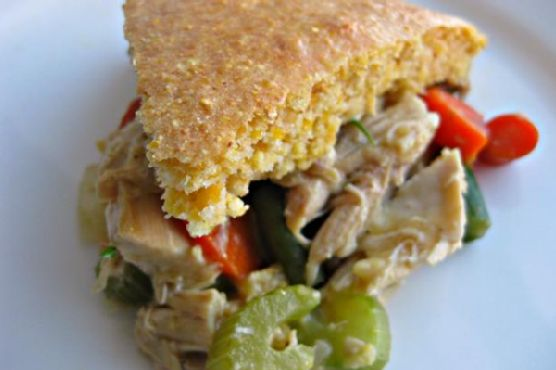
Turkey Pot Pie With Cornbread Crust | Made by Meaghan Moineau

Turkey Pot Pie With Cornbread Crust

Intro

There’s something about the aroma of a homemade pot pie wafting through the house that instantly transports me back to my childhood. I remember those chilly autumn evenings when my grandmother would pull a bubbling pot pie out of the oven, the golden crust perfectly crisp. We’d gather around the table, the warmth of the meal and the love in the room keeping the cold at bay. This Turkey Pot Pie with Cornbread Crust is my twist on that nostalgic dish, combining tender turkey and hearty vegetables with a sweet and savory cornbread topping. It’s a comforting classic with a delightful twist that I’m excited to share with you.

Why You’ll Love It

This Turkey Pot Pie with Cornbread Crust is not just any pot pie. Here are a few reasons why you’ll absolutely love it:

  • Comfort Food at Its Best: The combination of flavors from the savory turkey filling and the sweet cornbread crust is the ultimate comfort food experience.
  • Perfect for Leftovers: This recipe is a wonderful way to use up leftover turkey, especially after the holidays.
  • Family-Friendly: It’s a dish that both kids and adults will enjoy, making it perfect for family dinners.
  • Simple Ingredients: Made with pantry staples, you won’t have to make a special trip to the store.

Ingredients

  • 2 tablespoons olive oil
  • 1 onion, chopped
  • 2 carrots, diced
  • 2 stalks celery, sliced
  • 1 cup trimmed green beans, cut into 1-inch pieces
  • 2 cloves garlic, minced
  • 2 tablespoons flour
  • 2 cups chicken stock
  • 2 cups cooked turkey, shredded or diced
  • 1 teaspoon ground sage
  • 1 teaspoon ground thyme
  • Salt and cracked pepper to taste
  • 1 cup yellow white cornmeal
  • 1 cup flour
  • 1 tablespoon baking powder
  • 1 tablespoon sugar
  • 1/2 teaspoon salt
  • 1 cup milk
  • 1 large egg
  • 1/4 cup canola oil

Instructions

  1. Preheat the Oven: Preheat your oven to 400°F (200°C). Generously coat a pie plate or baking dish with nonstick cooking spray.
  2. Prepare the Filling: Heat olive oil in a large pan over medium heat. Add the onion, carrots, celery, and green beans, and sauté for about 10 minutes until the vegetables are tender.
  3. Add minced garlic to the pan and stir constantly for 30 seconds until fragrant.
  4. Sprinkle flour over the vegetables and stir until it coats them evenly, about 30 seconds.
  5. Slowly stir in the chicken stock, letting it thicken slightly with the flour.
  6. Add cooked turkey, sage, thyme, salt, and pepper to the mixture. Stir well to combine and let it cook for another 5 minutes. Pour the filling into the prepared baking dish.
  7. Make the Cornbread Crust: In a large bowl, whisk together the cornmeal, flour, baking powder, sugar, and salt.
  8. In a separate bowl, mix the milk, egg, and canola oil until well combined.
  9. Stir the wet ingredients into the dry ingredients until just combined. Do not overmix.
  10. Spoon the cornbread batter evenly over the turkey filling in the baking dish.
  11. Bake in the preheated oven until the cornbread is golden brown, about 22 to 25 minutes.
  12. Let the pot pie cool for at least 15 minutes before serving to allow the flavors to meld together.

Tips

  • Ensure the vegetables are tender before adding the flour to avoid a raw flour taste in your filling.
  • If the filling seems too thick, add a splash more chicken stock to loosen it up.
  • For a richer flavor, substitute half of the milk in the cornbread crust with buttermilk.

Variations & Substitutions

  • Protein Variations: Swap out turkey for chicken, beef, or even a vegetarian protein like chickpeas or tofu.
  • Vegetable Additions: Feel free to add other vegetables like mushrooms, peas, or corn for extra flavor and nutrition.
  • Gluten-Free Option: Use a gluten-free flour blend for both the filling and cornbread crust.

Storage

Store any leftovers in an airtight container in the refrigerator for up to three days. To reheat, place in a preheated oven at 350°F (175°C) until warmed through. You can also freeze the pot pie before baking. Thaw in the refrigerator overnight and bake as directed.

FAQ

Can I make this pot pie ahead of time?

Yes, you can prepare the filling and cornbread batter separately, then assemble and bake when you’re ready to serve. This makes it a great option for a make-ahead meal.

What can I serve with turkey pot pie?

This pot pie is quite filling on its own, but you can complement it with a simple green salad or roasted vegetables for a complete meal.

Can I use canned vegetables instead of fresh?

While fresh vegetables are recommended for the best flavor and texture, you can use canned vegetables in a pinch. Just be sure to drain them well and reduce the cooking time during the sautéing step.

Nutrition

This Turkey Pot Pie with Cornbread Crust provides a balanced meal with protein, carbohydrates, and plenty of vegetables. Each serving is approximately 350 calories, making it a satisfying yet moderate meal choice.

Conclusion

This Turkey Pot Pie with Cornbread Crust is more than just a meal; it’s a slice of nostalgia wrapped in warmth and comfort. Whether you’re recreating cherished memories or starting new traditions, this dish is sure to become a family favorite. Enjoy the medley of flavors and the heartwarming satisfaction it brings to your table. Happy cooking!

Related update: Turkey Pot Pie With Cornbread Crust

Related update: Blast Of Color Mexican Stuffed Bell Peppers

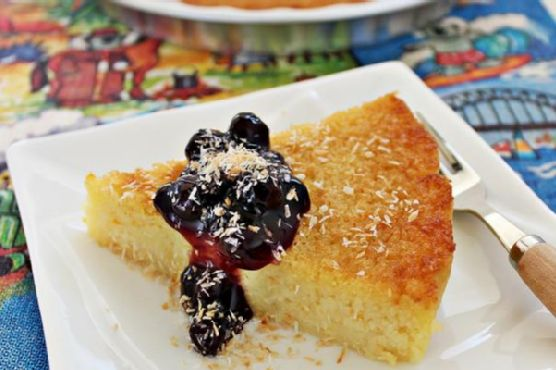
Impossible” Coconut Pie | Made by Meaghan Moineau

Impossible Coconut Pie: A Nostalgic Treat

Intro

There is something magical about certain recipes that transport us back to simpler times, and this “Impossible” Coconut Pie does just that for me. As a child, I remember visiting my grandmother’s house, the scent of coconut wafting through the air as she baked this pie that seemed to defy logic. The magic, she said, was in the way the ingredients blended together to create a crust, custard, and topping all in one go. It’s a recipe that brings warmth to my heart and a smile to my face every time I make it.

Why You’ll Love It

This Impossible Coconut Pie is not only a delight for the taste buds, but it’s also incredibly easy to make. With just a handful of ingredients and a food processor, you can whip up a dessert that looks and tastes like it took hours to prepare. The pie is rich with tropical flavors, thanks to the coconut milk and zest of citrus fruits, and has a unique texture that combines creamy custard with a lightly browned top. It’s a perfect dessert for any occasion, whether you’re hosting a dinner party or simply looking to satisfy a sweet tooth.

Ingredients

  • 4 eggs
  • 1 cup sugar
  • 1/2 cup butter, melted
  • 1 cup desiccated coconut
  • Zest of 1 lemon
  • Zest of 1 orange
  • Juice of 1 lemon
  • Juice of 1 orange
  • 1 cup coconut milk
  • 1/2 cup plain flour

Instructions

  1. Preheat your oven to 170°C (340°F).
  2. In a food processor, combine the eggs, sugar, melted butter, desiccated coconut, lemon zest, orange zest, lemon juice, orange juice, coconut milk, and plain flour.
  3. Blend the ingredients until they are well combined and smooth.
  4. Pour the mixture into a buttered 22cm (9 inch) pie tray.
  5. Place the pie tray on the lower rack of the oven and bake for 60 to 80 minutes.
  6. If the pie starts to brown too quickly, loosely cover it with aluminum foil halfway through baking.
  7. Once baked, set the pie aside to cool completely, then refrigerate for at least 1 hour to chill.
  8. Slice and serve with a dollop of whipped cream and a spoonful of passionfruit or blueberry jam. Sprinkle with toasted desiccated coconut for extra flavor.

Tips

To ensure your Impossible Coconut Pie turns out perfectly every time, consider these helpful tips:

  • Make sure the butter is fully melted and slightly cooled before adding it to the mixture to prevent scrambling the eggs.
  • For a more pronounced coconut flavor, lightly toast the desiccated coconut before blending it into the batter.
  • If you don’t have a food processor, you can use a blender or mix by hand, but ensure the mixture is as smooth as possible.

Variations & Substitutions

Feel free to get creative with this recipe. Here are some variations and substitutions you might consider:

  • Swap the coconut milk with almond milk or regular milk if you prefer a different flavor profile.
  • Add a teaspoon of vanilla extract for an extra layer of flavor.
  • For a gluten-free version, substitute the plain flour with almond flour or a gluten-free flour blend.

Storage

The Impossible Coconut Pie can be stored in the refrigerator for up to 3 days. Ensure it is covered with plastic wrap or stored in an airtight container to maintain its freshness. This pie does not freeze well, as the texture may change upon thawing.

FAQ

Can I make this pie in advance?

Yes, you can prepare the pie a day in advance. Simply bake it as directed, let it cool, and then refrigerate until you’re ready to serve. This makes it a great option for dinner parties or holiday gatherings.

What if I don’t have a food processor?

No worries! You can use a blender to achieve the same smooth consistency. Alternatively, you can mix by hand, though it may require a bit more effort to ensure the ingredients are well combined.

Nutrition

This dessert, while delicious, is rich and should be enjoyed in moderation. Each slice, assuming 8 slices per pie, contains approximately:

  • Calories: 320
  • Fat: 21g
  • Carbohydrates: 30g
  • Protein: 5g
  • Sugar: 20g

Conclusion

The Impossible Coconut Pie is a delightful dessert that brings a touch of magic to any occasion. Its ease of preparation paired with its rich, tropical flavors make it a standout choice for both novice and experienced bakers. Whether you’re reminiscing about fond memories or creating new ones, this pie is sure to become a cherished favorite. Enjoy each bite and the warm memories it brings!

Related update: Impossible” Coconut Pie

Related update: Delicious Rhubarb Custard Pie

Bears’ Defense Shaky Ahead of 49ers Night | Analysis by Brian Moineau

Bears enter Sunday night in San Francisco with question marks on defense

The Bears are headed to Levi's Stadium under a cloud of uncertainty. With playoff seeding on the line and a primetime national audience watching, Chicago’s defensive corps — normally one of the unit’s strengths this season — looks shakier than you’d like the week before the postseason push. Injuries and an illness bug have left multiple starters listed as questionable or out, forcing the Bears to lean on depth and coaching ingenuity against a 49ers offense that can punish hesitation.

What’s going on (short version)

  • Multiple defensive contributors are either ruled out or questionable because of injuries and illness.
  • Key concerns include cornerback availability, the status of veteran playmakers in the secondary, and whether linebackers can play at full strength.
  • The timing — late December, with seeding implications — makes these absences feel more urgent than they might earlier in the year.

Snapshot of the injury picture

  • Nick McCloud: ruled out due to illness.
  • Nahshon Wright: hamstring/illness and did not practice late in the week; questionable.
  • Josh Blackwell: missed late practices; questionable.
  • C.J. Gardner-Johnson: knee but practiced full; questionable.
  • T.J. Edwards: dealing with a glute issue; limited in practice and listed as questionable.
  • Rome Odunze (offense): ruled out (foot) — not a defensive player, but his absence affects game flow and offensive matchups.

(These notes reflect the team injury report and local media coverage released in the days leading into the Bears–49ers Sunday night game.)

Why this matters — more than just names on a sheet

  • Cornerback instability against a pass-heavy 49ers offense is a matchup problem: San Francisco’s route concepts and tight-end usage create high-demand coverage assignments. When your nickel and boundary corners are banged up or sick, you can expect the opponent to attack the seams and force the defense into matchup-based substitutions that invite communication errors.
  • Linebacker questions change fit and run-defense responsibilities: If T.J. Edwards is limited or unavailable, the Bears must shuffle reps and responsibility for middle-of-field coverage and run-gap integrity. That can open lanes for playmakers like Christian McCaffrey and force safeties into awkward run-support vs. coverage choices.
  • Depth and special teams get tested: Late-week illnesses frequently force elevation of practice-squad players and increased snaps for rotational guys. That’s not inherently bad, but it compresses the margin for error in a game where every possession matters.

How the Bears can cope (practical angles)

  • Lean on communication and simplify assignments: When bodies are limited, fewer moving parts helps reduce blown coverages. Expect play calls designed to keep the defense on its heels without relying on complex rotations.
  • Prioritize situational football: Limit third-and-long exposure and make the offense earn points. Winning field position and converting turnovers become even more valuable when personnel is stressed.
  • Trust experienced depth and scout-prep replacements: The Bears will look to backup corners and special teams standouts who already know the system. Coaching that prepares specific matchups for those replacements can blunt an opposing offense’s best plans.
  • Offense must stay on the field: Time of possession becomes a weapon when your defense is undermanned. A ball-control, methodical approach reduces the number of times the defense is forced to make game-altering plays.

Moments to watch on Sunday night

  • Early third-down plays: If the Bears struggle to get off the field, that will expose the thin spots in the secondary right away.
  • Matchups versus tight ends and slot receivers: How the Bears handle intermediate routes and seams will indicate whether Gardner-Johnson (if active) and the nickel package can hold up.
  • Substitution and communication penalties: Pre-snap confusion or repeated personnel errors often reflect last-minute lineup changes due to illness/injury.

A tempered optimism

This team has weathered stretches of adversity before. Coaching adjustments, veteran leadership, and a strong offensive identity can mitigate losses on the other side of the ball — at least to a degree. The 49ers present a stiff test, but football is still decided one play at a time; the Bears’ ability to slog through the ugly sequences and capitalize on turnovers will be decisive.

My take

Injuries and illnesses are part of NFL life, but timing is everything. Facing an elite offense in a primetime setting with multiple defensive starters uncertain elevates the stakes. I expect the Bears to simplify and play disciplined football — they don’t have the luxury of improvisation on defense. If the backups can hold the seams and the offense controls the clock, Chicago can make this a competitive game. If not, the 49ers will likely exploit matchup advantages and put the Bears on their heels.

Sources


Related update: We recently published an article that expands on this topic: read the latest post.

Related update: We recently published an article that expands on this topic: read the latest post.

S&P 500 Rally Extends to New Record | Analysis by Brian Moineau

A holiday-market high: Why the S&P 500 kept climbing after Christmas

The markets came back from their Christmas break like someone who just remembered they’d left the oven on — brisk, decisive, and not apologetic. On Friday, the S&P 500 notched another fresh record high and put Wall Street on pace for a winning week as traders returned to a thin, year‑end trading tape. The headline is simple; the story under it is a mix of momentum, rotating leadership, and the familiar tug-of-war over Fed policy and valuations.

What happened (quick snapshot)

  • The S&P 500 reached a new all‑time high on Friday, extending a year‑end rally that has left major U.S. indices near or at record territory. (Markets had been closed Thursday for the Christmas holiday.)
  • The index was pacing for weekly gains and coming off several recent record sessions earlier in the week.
  • Traders pointed to continued momentum, sector rotation away from frothy tech names into more moderately valued stocks, and continued investor focus on the Federal Reserve’s path for rate cuts and upcoming Fed minutes.

Why this felt different than a routine rally

  • Holiday trading is thin. With many market participants out, moves can look stronger than they are — a small flow of buying can lift indices. But thin volume alone doesn’t explain the recent run: earnings and economic signals have kept conviction alive.
  • Rotation, not just rally. While technology and AI leaders have driven much of the longer-term bull market, recent sessions showed money moving into financials, transports, healthcare, and small caps. That breadth matters: it makes a record close feel more durable than one dominated by just a few mega-cap winners.
  • The Fed narrative matters. Markets are digesting the timing and size of future rate cuts. Investors have rallied around the idea that easing is coming, but Fed votes and minutes have shown disagreements — which creates both fuel for gains and occasional bumps when expectations shift.

Market forces at play

  • Earnings season and corporate guidance: solid reports from large companies can keep the tape moving higher even when macro signals are mixed.
  • Rate-cut expectations: every hint that the Fed may ease later or slower than feared nudges valuations higher — particularly for growth names — but also prompts rotation if growth’s premium looks stretched.
  • Year-end positioning: portfolio flows, “window dressing,” and tax-related moves (like rebalancing) often amplify moves in late December. Traders returning after the holiday sometimes accelerate those flows.

Where the risks are now

  • Valuations: fresh highs make headlines, but they also raise questions about how much good news is already priced in. That’s especially true if earnings growth slows or if inflation proves stickier than hoped.
  • Fed uncertainty: minutes and Fed chair nominations are political and market events that can quickly change expectations for rates.
  • Thin liquidity: record closes during thin holiday trading can be less reliable indicators of the coming trend; early January often sees more decisive moves as liquidity returns.

Things investors should watch in the coming days

  • Fed minutes and any comments from policy makers about timing of cuts.
  • Earnings from a handful of market leaders that can either reinforce this rally or undermine it.
  • Breadth indicators (how many stocks are making new highs versus lows) — they tell whether the move is broad-based or top-heavy.
  • Volume and volatility as the New Year approaches: if volume stays low while prices pop, the chance of a sharper retracement rises.

A few quick takeaways

  • The fresh S&P 500 high is real, but context matters: the rally blends genuine earnings/rotation strength with holiday‑thin trading dynamics.
  • Broadening participation across sectors matters more than headline highs driven by a handful of megacaps.
  • Fed communications are the next big market catalyst; minutes and speeches can tilt the odds of continued gains.

My take

Record highs make for feel‑good headlines, and they deserve that moment of celebration. But markets rarely move in a straight line for long. Right now the picture looks constructive: earnings resilience, some rotation into traditionally undervalued areas, and still‑solid investor appetite. Still, the combination of thin holiday liquidity and an unresolved Fed story suggests prudence — for traders and long-term investors alike. Use the calm to check your exposures and risk tolerances; don’t confuse year‑end cheer with a free pass to ignore valuation and diversification.

Sources


Related update: We recently published an article that expands on this topic: read the latest post.
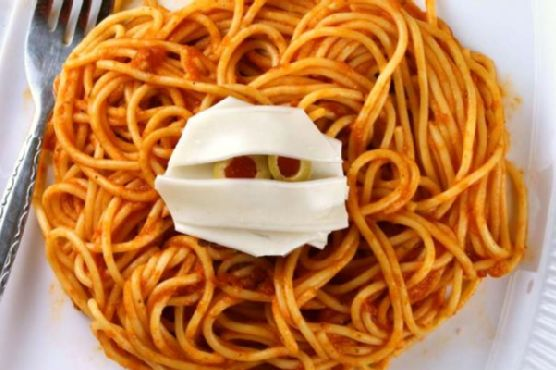
Mummy Meatballs with Spaghetti | Made by Meaghan Moineau

Mummy Meatballs with Spaghetti

Intro

When my kids were young, Halloween was always a cherished time filled with giggles, costumes, and whimsical meals. One of the highlights of the season was our tradition of making Mummy Meatballs with Spaghetti. I still remember their wide eyes and delighted laughter as they helped wrap the meatballs in “bandages” of rice noodles, eagerly anticipating the spooky feast to come. Now, I’m thrilled to share this beloved family recipe with you. It’s a dish that combines hearty meatballs with playful presentation, making it perfect for a Halloween dinner or any time you want to add a bit of fun to your meal.

Why You’ll Love It

This recipe is more than just a clever presentation; it’s a delicious and hearty meal that brings smiles to both kids and adults alike. The meatballs are juicy and flavorful, with a perfect blend of Italian seasoning and parmesan cheese, while the spaghetti provides a comforting base. The “mummy” wrapping adds an element of surprise and whimsy, making it a great hit at Halloween parties. Plus, it’s a wonderful way to involve the whole family in the kitchen. The process of assembling the mummies encourages creativity and fun, turning meal prep into a delightful activity.

Ingredients

  • 1 pound lean ground beef
  • 1/4 cup bread crumbs
  • 1 egg
  • 1 teaspoon garlic paste
  • 1 teaspoon Italian seasoning
  • 1/4 cup grated parmesan cheese
  • Salt, to taste
  • Black pepper, to taste
  • 8 green pimiento stuffed olives
  • 8 ounces cooked spaghetti noodles
  • 2 cups spaghetti sauce
  • 4 ounces cooked extra wide egg noodles

Instructions

  1. In a large bowl, combine the lean ground beef, bread crumbs, egg, garlic paste, Italian seasoning, parmesan cheese, salt, and black pepper. Mix until well combined.
  2. Preheat your oven to 350°F (175°C) and grease an 8-hole muffin tin.
  3. Using an ice cream scoop, divide the meatball mixture into the muffin tin, ensuring each portion is evenly distributed.
  4. Bake the meatballs for 35 minutes or until they reach an internal temperature of 160°F (71°C) using an instant-read thermometer.
  5. Once cooked, drain the meatballs on a cookie rack.
  6. While the meatballs are baking, heat the spaghetti sauce in a saucepan over medium heat.
  7. Cook the spaghetti and rice noodles separately according to package directions.
  8. Drain the spaghetti and keep it warm, then cool the rice noodles in cold water and drain.
  9. Slice the meatballs in half horizontally to create two pieces, each with a flat surface.
  10. Pat the rice noodles dry with paper towels, then layer them over the top of each meatball half to resemble mummy bandages. Tuck sliced olives in for eyes.
  11. Let the meatballs sit for about 15 minutes so they become more tacky and hold together better.
  12. Reheat the meatballs by microwaving them on a microwave-safe plate for a minute.
  13. Carefully place each mummy meatball onto a nest of sauced spaghetti and serve immediately.

Tips

For best results, make sure to pat the rice noodles dry thoroughly to ensure they stick to the meatballs effectively. You can use a paper towel to gently press and remove excess moisture. If you’re working with young children, let them help by arranging the rice noodles and olives – it’s a fun way to get them involved. Lastly, if you want a richer flavor, consider simmering your spaghetti sauce with a splash of red wine or additional herbs before serving.

Variations & Substitutions

Feel free to experiment with this recipe based on your dietary preferences or ingredient availability. You can substitute ground turkey or chicken for the beef if you prefer a lighter option. For a gluten-free version, use gluten-free bread crumbs and spaghetti noodles. Vegetarians can substitute the meatballs with plant-based alternatives and use vegan cheese. You can also spice up the meatballs by adding a pinch of red pepper flakes for a bit of heat.

Storage

Leftover mummy meatballs can be stored in an airtight container in the refrigerator for up to three days. To reheat, simply microwave them until warmed through or place them in a preheated oven at 350°F (175°C) for about 10 minutes. If you have extra spaghetti and sauce, store them separately to maintain the best texture.

FAQ

Can I make the meatballs ahead of time?

Yes, you can prepare the meatballs in advance. Simply follow the recipe to bake them, then allow them to cool and store them in the refrigerator. When ready to serve, reheat them in the oven or microwave, then assemble the mummies with rice noodles and olives.

What can I serve with Mummy Meatballs?

These meatballs pair wonderfully with a simple side salad or garlic bread. If you’re hosting a Halloween party, consider serving them alongside other themed dishes like “witch’s brew” soup or “ghostly” mashed potatoes for a complete festive meal.

Can I freeze the meatballs?

Absolutely! You can freeze the baked meatballs before assembling them into mummies. Simply place them in a freezer-safe container and store them for up to two months. Thaw in the refrigerator overnight before reheating and assembling.

Nutrition

This recipe offers a balanced meal with protein from the meatballs and carbohydrates from the pasta. The inclusion of parmesan cheese adds calcium, while the olives contribute healthy fats. To enhance the nutritional profile, consider serving with a side of steamed vegetables or a fresh salad.

Conclusion

Mummy Meatballs with Spaghetti is a delightful dish that brings joy and nostalgia to the table. Whether you’re crafting a fun Halloween meal or simply indulging in a playful dinner, this recipe is sure to be a hit. With its flavorful meatballs, creative presentation, and versatility, it’s a meal that’s as enjoyable to make as it is to eat. I hope this recipe becomes as cherished in your home as it has been in ours. Enjoy the smiles and laughter it brings, and happy cooking!

Related update: Mummy Meatballs with Spaghetti

Related update: Turkey Pot Pie With Cornbread Crust

Sprint to Milan: NHL’s High-Stakes Stretch | Analysis by Brian Moineau

NHL ramps up before the Milan Olympics — a midseason sprint with big storylines

The holiday lull is over and the NHL hits the gas. Between a first-ever Winter Classic in Florida, milestone chases, the World Juniors and the long-awaited return of NHL players to the Olympics, the next six weeks feel like the sport’s own sprint to the finish before Milan. If you love narratives — comebacks, records, outdoor theatrics and international stakes — this stretch is a confection of them all.

What to watch now that play resumes

  • The league begins a concentrated run of games that ends with NHL players heading to the Milano Cortina 2026 Winter Olympics (Feb 6–24, 2026). Expect coaches to juggle short-term playoff pushes with managing minutes for guys bound for the Italian ice. (Dec 25, 2025). (nhl.com)

  • The 2026 Discover NHL Winter Classic lands in Miami on Jan. 2, 2026 — the first NHL outdoor game in Florida. The New York Rangers meet the Florida Panthers at loanDepot park (with the retractable roof planned to be open), and the event brings with it big fan programming and a docuseries look behind the scenes. It’s a sea change in venue thinking and a test of outdoor hockey in a warm-weather market. (nhl.com)

  • Olympic rosters are being finalized (rosters due Dec. 31, 2025). The NHL’s decision to permit its players back into the Olympics for the first time since 2014 reintroduces the high-stakes international element to the season. Watch how teams manage travel, rest and risk. (nhl.com)

  • Keep an eye on milestone chases: Patrick Kane is within striking distance of 500 career goals and a U.S.-born scoring record; Auston Matthews and Steven Stamkos are closing in on franchise and historical goal marks; Anze Kopitar is on track for his 1,500th game. Those narratives deliver emotional moments and shift midseason storylines. (nhl.com)

  • The 2026 IIHF World Junior Championship — hosted partly in Minnesota — features returning U.S. talent and top draft prospects. That tournament can reshape futures and introduce new names to watch as teams plan for both short- and long-term roster construction. (nhl.com)

Why the Winter Classic in Miami matters

This isn’t just another outdoor game. Staging the Winter Classic at loanDepot park does several things at once:

  • Expands the NHL’s brand experiment with non-traditional markets, testing how outdoor spectacle performs in a warm-weather media market.
  • Lets the Panthers showcase a franchise narrative: from recent contenders to an outdoor-stage experiment — a symbolic “arrival” for the club.
  • Offers broadcast and fan-festival opportunities (including Stanley Cup appearances and concerts) that turn a regular-season game into a multi-day event for casual and die-hard fans alike. (nhl.com)

There are operational challenges, too — ice quality, logistics with a retractable roof and late-December weather — but the NHL has leaned into spectacle before and will treat this as a marquee TV moment.

The Olympic wildcard: ice safety and logistics

The NHL’s return to the Olympics carries baggage: organizers must deliver safe, NHL-caliber rinks. Media reports and league statements in December 2025 raised concern about construction timelines for the main Milan arena; the NHL has made participation conditional on safe, playable ice. That dynamic adds an edge to the next two months — teams and players are preparing for Olympic travel, but final assurances are still being watched closely. (nhl.com)

Teams to watch (who might change the narrative)

  • Florida Panthers: Hosting the Winter Classic and balancing superstar returns (e.g., Matthew Tkachuk’s recovery timeline) while sustaining a long playoff window.
  • New York Rangers: A franchise comfortable on outdoor stages and positioned to use the Winter Classic momentum.
  • Detroit Red Wings (Patrick Kane): A veteran chase that draws attention whenever it nears a historic plateau.
  • Toronto Maple Leafs (Auston Matthews): Potential franchise record chase that spikes local and national interest.
  • U.S. World Junior team: A chance to keep winning streaks and cement futures for prospects.

Headlines that can swing momentum

  • Major milestones achieved (500th goal, 1,500th game) become national news and can help teams ride emotional momentum.
  • Olympic roster announcements and any late changes will prompt strategic NHL responses (resting players, minute-management).
  • Outdoor-game weather/ice stories — anything from pure spectacle to operational headaches — will dominate sports media cycles the week of Jan. 2 and Feb. 1.

What fans should expect at home and in the stands

  • Big TV windows with cross-platform coverage and event-style production around the Winter Classic and Stadium Series.
  • Narrative-rich broadcasts: expect heavy features on milestone chase stories and human-interest pieces leading into Olympic rosters.
  • For the casual fan, these events are accessible hooks; for die-hards, they matter for playoff positioning and international bragging rights.

Quick takeaways

  • The NHL’s pre-Olympic stretch is part spectacle (Winter Classic in Miami) and part consequence (Olympic roster and arena readiness).
  • Individual milestones (Kane, Matthews, Kopitar, Stamkos) will punctuate the calendar and shape headlines.
  • The international element — returning NHL players to the Olympics — creates both excitement and logistical uncertainty centered on ice safety in Milan. (nhl.com)

My take

This next block of the season feels like a compressed version of why we love hockey: high-stakes individual stories, team pageantry, and national pride all folded into the same calendar. The Winter Classic in Miami is ambitious and symbolic of the NHL’s appetite to push boundaries. The Olympic return adds real drama — it’s a welcome risk, but only if organizers deliver safe, fair ice. If they do, fans get a rare midseason festival: outdoor glamour, milestone theatrics, and an Olympic curtain call.

Sources


Related update: We recently published an article that expands on this topic: read the latest post.

Related update: We recently published an article that expands on this topic: read the latest post.

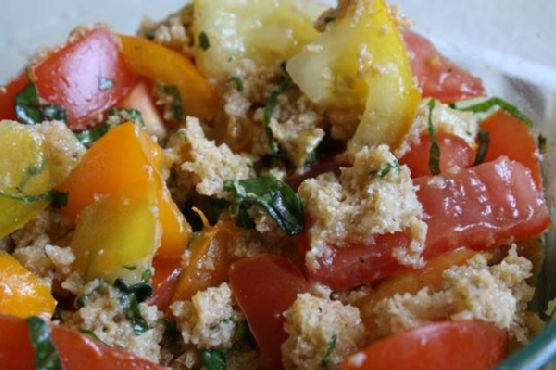
Traditional Panzanella | Made by Meaghan Moineau

Traditional Panzanella Recipe: A Taste of Italian Summer

Introduction

There’s something truly magical about the simplicity of Italian cuisine, and nothing epitomizes this more than the traditional Panzanella. I remember the first time I tasted this delightful Tuscan bread salad; it was a warm summer afternoon in Florence, sitting in a quaint trattoria with my grandmother. The vibrant colors of the fresh tomatoes, the aroma of basil, and the satisfying crunch of day-old bread soaked in olive oil and vinegar created an unforgettable symphony of flavors. This dish not only filled our bellies but also our hearts with cherished memories. I hope this recipe brings a little piece of Italy to your table and becomes a staple in your home, just as it has in mine.

Why You’ll Love It

Traditional Panzanella is a celebration of the freshest ingredients and the beauty of rustic cooking. Here’s why it’s sure to become a favorite:

  • Simple Ingredients: Made with just a handful of pantry staples and fresh produce, this recipe is all about quality ingredients shining through.
  • Quick and Easy: With minimal preparation and no cooking required, this dish is perfect for those hot summer days when you want something light yet satisfying.
  • Versatile and Adaptable: Easily customizable to suit your taste preferences, Panzanella is a great way to use up any leftover bread or vegetables you have on hand.
  • Healthy and Delicious: Packed with fresh vegetables and healthy fats from olive oil, it’s a nutritious option for any meal.

Ingredients

  • Six slices of day-old Tuscan bread
  • Extra virgin olive oil
  • Fresh basil leaves
  • One red onion
  • Red wine vinegar
  • Salt and pepper, to taste
  • Four ripe tomatoes

Instructions

  1. In a bowl, combine the bread with water and let it stand for at least 20 minutes or until it’s soft.
  2. Drain the bread and squeeze out as much water as you can. Crumble the bread and place it in a serving bowl.
  3. Scatter the tomatoes, onions, and chopped basil over the top of the bread.
  4. Dress the Panzanella with extra-virgin olive oil and vinegar. Season with salt and pepper and toss well.
  5. Taste and adjust the seasoning with more oil, salt, and vinegar according to your preference.
  6. Leave the Panzanella to stand for 15 minutes to allow the flavors to meld together. Serve at room temperature.

Tips

  • Choose the right bread: A rustic, crusty bread like Tuscan or sourdough works best. It should be slightly stale for the perfect texture.
  • Use the best tomatoes: Opt for ripe, juicy tomatoes for the best flavor. Heirloom varieties can add beautiful color and taste.
  • Let it rest: Allow the salad to sit for at least 15 minutes before serving to let the flavors meld.

Variations & Substitutions

Panzanella is incredibly adaptable, so feel free to make it your own:

  • Add protein: Include grilled chicken or tuna for a more substantial meal.
  • Incorporate more veggies: Cucumbers, bell peppers, or even olives can add extra flavor and texture.
  • Herb it up: Try adding parsley, oregano, or mint for a different aromatic profile.

Storage

Panzanella is best enjoyed fresh, but if you have leftovers, store them in an airtight container in the refrigerator for up to 2 days. Note that the bread will continue to absorb the dressing and may become softer. If you plan on making it ahead, keep the bread separate and combine just before serving.

FAQ

Can I use fresh bread instead of day-old bread?

While day-old bread is traditional and helps to achieve the right texture, you can use fresh bread in a pinch. Simply toast it lightly to dry it out before soaking.

Is there a gluten-free option for Panzanella?

Yes, you can make a gluten-free version by using gluten-free bread. Ensure the bread is sturdy enough to hold up to the soaking process.

Can I prepare Panzanella in advance?

It’s best to prepare Panzanella fresh to maintain the texture of the bread. However, you can chop the vegetables and prepare the dressing ahead of time, then combine just before serving.

Nutrition

This traditional Panzanella is a nutritious option that offers a balance of carbohydrates, healthy fats, and fresh vegetables. A typical serving provides approximately:

  • Calories: 250
  • Fat: 15g
  • Carbohydrates: 26g
  • Protein: 4g
  • Fiber: 3g

Conclusion

Traditional Panzanella is more than just a salad; it’s a testament to the beauty of simple, fresh ingredients coming together to create something extraordinary. Whether you’re enjoying it as a light lunch, a side dish, or a main course with added protein, this Tuscan classic is sure to delight your taste buds and transport you to a sun-drenched Italian countryside. Share it with loved ones, and create your own cherished memories around the table. Enjoy!

Related update: Traditional Panzanella

Related update: Zucchini Ribbon Caper Salad

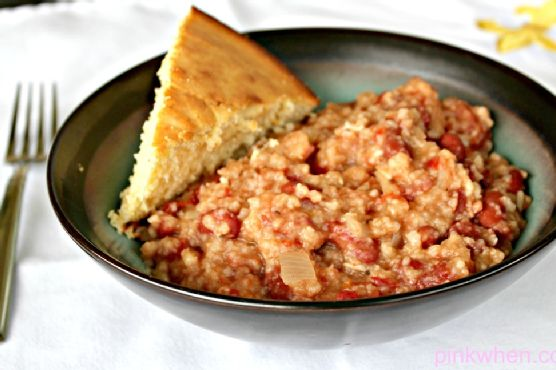
Slow Cooker Red Beans and Rice | Made by Meaghan Moineau

Slow Cooker Red Beans and Rice

Intro

There’s something incredibly comforting about a pot of slow-cooked red beans and rice simmering away, filling your home with tantalizing aromas. This dish takes me back to my childhood, spent in the vibrant kitchens of my grandmother’s house in the South. She would often prepare this hearty meal on Sundays, letting it cook slowly as we went about our day. By evening, we’d gather around her large wooden table, eager to dig into the savory goodness before us. The recipe I’m sharing today is inspired by those cherished memories, but with a convenient twist for the modern cook—a slow cooker!

Why You’ll Love It

This Slow Cooker Red Beans and Rice recipe is not just delicious, it’s also incredibly easy to make. Here are a few reasons why you’ll fall head over heels for this dish:

  • Effortless Preparation: Simply add all ingredients to your slow cooker and let it do its magic.
  • Rich, Savory Flavors: The combination of spices, sausage, and red beans creates a depth of flavor that is both comforting and satisfying.
  • Perfect for Busy Days: With minimal prep and the ability to cook all day, it’s an ideal choice for busy weeknights or lazy weekends.
  • Budget-Friendly: Utilizing pantry staples and affordable ingredients, this dish is kind to your wallet.
  • Family Favorite: The comforting flavors are a hit with kids and adults alike.

Ingredients

  • Ancho chili powder
  • Bay leaves
  • Butter
  • Canned red beans
  • Diced canned tomatoes
  • Cayenne pepper
  • Red onion
  • Rice
  • Sausage
  • Water
  • White pepper

Instructions

  1. Place all of your ingredients into the slow cooker and stir to mix everything well.
  2. Allow to cook all day on low for 6 hours (if with rice), or longer if needed without rice.
  3. Serve with cornbread and enjoy! (I like to take a whole piece and mix it up really well, YUM!)

Tips

  • Soak Your Beans: If you’re using dried beans instead of canned, be sure to soak them overnight before adding them to the slow cooker to ensure they cook fully.
  • Spice Levels: Adjust the cayenne pepper to suit your heat preference. Start with a pinch and add more if you like it spicy.
  • Use Good Quality Sausage: This will greatly enhance the flavor of the dish. Consider using smoked sausage for an extra depth of flavor.

Variations & Substitutions

This recipe is wonderfully adaptable. Here are some variations and substitutions you can try:

  • Vegetarian Option: Skip the sausage and add more vegetables like bell peppers and zucchini.
  • Different Beans: While red beans are traditional, you can use black beans or kidney beans for a different twist.
  • Spice Mix: Experiment with adding smoked paprika or cumin for a smoky flavor profile.
  • Grains Variety: Substitute rice with quinoa or farro for a different texture and added nutrients.

Storage

This dish makes great leftovers! Here’s how you can store it:

  • Refrigerate: Store in an airtight container in the fridge for up to 4 days.
  • Freeze: Portion into freezer-safe bags or containers and freeze for up to 3 months. Thaw in the refrigerator overnight before reheating.
  • Reheat: Warm on the stovetop over medium heat, stirring occasionally, until heated through. You can also reheat in the microwave in 1-minute intervals, stirring in between.

FAQ

Can I make this dish on the stovetop instead of a slow cooker?

Yes, absolutely! To prepare on the stovetop, sauté the onion and sausage in butter until the onion is translucent. Add the remaining ingredients and simmer on low heat for about 1-2 hours, stirring occasionally, until the beans are tender.

What kind of sausage works best for this recipe?

Smoked sausage is a great choice for this recipe as it adds a wonderful smoky flavor. Andouille sausage is traditional and particularly delicious, but you can use any spicy or mild sausage you prefer.

Can I add more vegetables to this recipe?

Definitely! This recipe is very flexible, and adding more vegetables like bell peppers, celery, or carrots can enhance the flavor and nutrition.

Nutrition

While I don’t have the exact nutritional breakdown for this dish, it’s worth noting that red beans are a great source of protein and fiber, and using whole grain rice can boost the fiber content even more. Just be mindful of the sodium content if you’re using canned beans and tomatoes. Balancing with fresh ingredients where possible is always a good idea!

Conclusion

Slow Cooker Red Beans and Rice is a warm, comforting, and flavorful dish that’s perfect for any day of the week. Whether you’re reminiscing about Southern roots or simply looking for an easy and delicious meal, this recipe is sure to satisfy. With its rich flavors and simple preparation, it’s a dish that brings people together, just like it did in my grandmother’s kitchen. Give it a try, and let me know how it brings warmth and happiness to your table!

Related update: Slow Cooker Red Beans and Rice

Related update: Mummy Meatballs with Spaghetti

Butchers Reinvent Menus as Beef Costs Soar | Analysis by Brian Moineau

When the Price of a Ribeye Rises, Small Butchers Reinvent the Counter

It used to be that a stroll into the neighborhood butcher meant two things: a chat with someone who knew the cut by name, and the smell of fresh meat ready for the weekend grill. Lately, that stroll comes with sticker shock. As beef prices climb to multi‑decade highs, small butcher shops are quietly reshaping how they sell, what they recommend, and how they keep customers coming back.

Why this matters now

  • Ground beef and steak prices climbed to record levels in 2025, driven by shrinking U.S. cattle herds, drought, higher feed and production costs, and other supply‑chain strains. (cbsnews.com)
  • Unlike large grocery chains with buying power and vertical integration, independent butchers rely on local supply and customer trust — two things that feel fragile when the cost of a pound of meat jumps dramatically. (cbsnews.com)

If you buy meat regularly — or run a small meat business — this is more than an economic headline. It changes weekly shopping lists, family dinners, and the way small food retailers position themselves in a competitive market.

How small butcher shops are adapting

Butchers are leaning into the advantages they have: craft, relationship, knowledge. The ways they’re responding fall into a few practical, customer‑facing moves:

  • Recommend cheaper cuts and show how to cook them

    • Educating customers about braises, slow roasts, and mince versus steak helps shoppers stretch a dollar without sacrificing flavor. (cbsnews.com)
  • Offer more value through portioning and combo packs

    • Smaller, recipe‑focused packs or mixed‑protein bundles let households get a taste of beef without buying an expensive whole cut.
  • Promote alternative proteins and mixed dishes

    • Increased suggestion of pork, chicken, plant‑based options, and blends (e.g., beef‑pork blends for meatloaf) helps retain customers who want familiar flavors at lower cost. (cbsnews.com)
  • Lean on relationships and local sourcing narratives

    • Customers are willing to pay a premium for traceability and trust; butchers emphasize provenance, seasonal availability, and chef‑style guidance.
  • Adjust pricing strategies and special offers

    • Time‑limited sales, loyalty deals, and highlighting lower‑cost cuts for weeknight meals help balance margins and foot traffic.

The supply picture behind the counter

To make sense of a butcher’s new pitch, you need the behind‑the‑scenes context:

  • Herds are smaller. The U.S. cattle inventory fell to its lowest levels in decades after years of drought and higher costs, shrinking the supply pipeline from ranch to retail. (axios.com)

  • It takes time to rebuild herds. Biological realities and feeding cycles mean relief won’t be immediate; even when ranchers expand, it can be years before more beef reaches grocery aisles. (farmprogress.com)

  • Policy, trade, and extreme weather add volatility. Tariffs, import/export shifts, and persistent climate stressors have amplified price swings for both cattle and feed. (cbsnews.com)

That combo explains why prices remain elevated even when ranchers or processors tweak production: the whole chain is interdependent and slow to rebalance.

For shoppers: smart moves at the meat counter

If you’re feeling the pinch, small changes at the store (or in your kitchen) can reduce cost without losing satisfaction:

  • Ask your butcher for weeknight‑friendly cuts (chuck, brisket, round) and simple recipes for braising or slow cooking.
  • Buy larger, less‑processed cuts and portion at home — it’s often cheaper per pound and gives leftovers for sandwiches or tacos.
  • Mix proteins in recipes (half beef, half turkey or pork) for flavor and savings.
  • Consider frozen or vacuum‑sealed bargains for longer shelf life and bulk savings.
  • Build rapport with a local butcher: they’ll tip you off on sales, day‑of‑cut discounts, or creative substitutions.

For butchers: business lessons from a beef squeeze

Independent meat sellers can survive and even strengthen their position by leaning into differentiation:

  • Become an educator: host demos, share recipes, and show cooking techniques to make lower‑cost cuts desirable.
  • Diversify inventory: sell more pork, poultry, value‑added items, and prepared foods to smooth revenue.
  • Strengthen supply relationships: local sourcing and cooperative purchasing can reduce exposure to volatile national markets.
  • Use storytelling: provenance and trust are powerful — customers pay for connection and honesty.
  • Innovate pricing and packaging: meal‑kits, subscription boxes, and mixed‑protein bundles increase convenience and perceived value.

What this trend might mean longer term

  • Beef may remain relatively expensive for months or years as herd recovery and supply‑chain fixes take hold. (farmprogress.com)
  • Consumer habits can shift permanently: when families learn new ways to cook cheaper cuts or embrace other proteins, demand patterns change.
  • Smaller shops that pivot effectively could win loyal customers who value expertise and personalized service — but those who cling to old assortments may lose traffic.

What to remember

  • Beef prices rose due to tight supply, drought impacts, and production costs; relief will be gradual. (axios.com)
  • Small butchers are responding by educating customers, promoting alternatives, and rethinking packaging and pricing. (cbsnews.com)
  • Practical consumer choices (different cuts, mixing proteins, buying larger portions) can blunt the sting of higher prices.

Final thoughts

Higher beef prices are reshaping more than grocery bills — they’re nudging everyday cooking toward resourcefulness and creativity. That’s a win for home cooks who learn to coax flavor from unexpected cuts, and for independent butchers who double down on craft and customer relationships. In a world where supply shocks and climate stressors are increasingly common, the butcher’s counter is quietly becoming a classroom in resilience.

Sources

Knuth’s Breakthrough: Counting Knight | Analysis by Brian Moineau

The knight that wouldn’t stop: Knuth’s 2025 detour into Knight’s Tours

If you’ve ever watched a knight dance across a chessboard and felt a little shiver of delight, Donald Knuth’s 2025 Christmas lecture was made for you. In early December he stepped away (briefly) from his life’s work and treated a packed Stanford auditorium to a warm, wide-ranging romp through the mathematics and art of Knight’s Tours — and announced new computational censuses that pin down long-standing curiosities about how a knight can visit every square exactly once. (thenewstack.io)

Why this matters (and why it’s beautiful)

  • The Knight’s Tour is both an ancient puzzle and a modern graph‑theory problem: trace a path that visits each of an 8×8 board’s 64 squares exactly once using the knight’s L-shaped move.
  • Beyond recreational math, studying Knight’s Tours touches combinatorics, symmetry, algorithm design, and the kinds of exhaustive enumeration problems that test both theory and computing power.
  • Knuth’s framing emphasizes aesthetics: these tours aren’t just numbers — many are visually striking “snowflakes” or spirals with deep symmetry, and classifying them helps us see structure inside apparent chaos. (thenewstack.io)

Fresh results from the lecture

  • Knuth described how dividing tours by the “wedges” formed at the four central squares reduces the search space (roughly by a factor of eight), letting him classify and count tours more systematically. (thenewstack.io)
  • Using modern census programs and clusters of machines, he presented counts for very specific constrained families of tours — for example, 103,361,771,080 tours with a particular slope distribution among middle moves. (thenewstack.io)
  • He highlighted the total number of Knight’s Tours often quoted in the literature: about 13,267,364,410,532 on an 8×8 board (a result first computed by Brendan McKay in 1997), and explained how the new censuses reveal fine-grained maxima and unique extremal tours (e.g., the only tour with exactly four obtuse angles). (thenewstack.io)
  • Knuth also discussed constructions and surprising extrema: tours maximizing or minimizing certain angle counts, tours with many or few path crossings, and “whirling” tours with coil-like structure (including results on larger boards). (thenewstack.io)

How Knuth’s approach blends old and new

  • Classic intuition: take symmetries, invariants, and small structural observations (like the wedge idea) that mathematicians have used for centuries.
  • Modern tooling: write efficient enumerators, exploit data structures and symmetry reductions, and run massively parallel jobs on clusters to exhaustively search constrained families. Knuth described borrowing a 26‑machine cluster (832 cores) to crank through long runs — a modern echo of the “man vs. machine” era, where mathematical insight guides computation and computation finds structures intuition missed. (thenewstack.io)

Patterns, extremes, and human taste

  • Some of the lecture’s most charming moments weren’t the big counts but the anecdotal extremes: the tours with the most straight lines, the ones with unusually many 37-degree wedges, those with minimal obtuse angles, or the single tour with exactly four obtuse angles.
  • Knuth repeatedly returned to the notion that mathematical work, at its best, looks for beauty. He compared favorite tours to favorite pieces of music — patterns that please both left- and right‑brain sensibilities. (thenewstack.io)

Things this work nudges forward

  • Enumeration practice: Knuth’s censuses are a reminder that clever classification plus raw compute still yields discoveries in classical problems.
  • Visualization and design: the knight’s routes are fertile ground for “geek art” — architectural installations, prints, or teaching aids that make abstract combinatorics tangible (Knuth collaborated on decorations for Case Western’s reopened CS building). (thenewstack.io)
  • New questions: now that many maxima/minima and specific census classes are known, attention can shift to provable constructions, asymptotic behavior on larger boards, and generalizations (3‑D boards, other piece-move graphs, or different topologies). (thenewstack.io)

A few technical highlights

  • Wedge-based classification: analyzing the angles made at the four central squares cuts the enumeration problem into manageable families.
  • Winding-number and darkness/lightness patterns: representing tours by black/white patterns (based on winding parity) gives a helpful invariant for classification and visualization.
  • Parallel census runs: some calculations that would take many months on a desktop were completed in days using dozens of modern cores. Knuth noted running over 800 concurrent jobs for certain searches. (thenewstack.io)

What I find most striking

  • It’s rare to see a living legend like Knuth combine playful curiosity, deep technical craft, and the joy of sharing results that are simultaneously rigorous and whimsical. The Knight’s Tour, an 1891‑era puzzle, remains a testing ground for fresh ideas about enumeration, symmetry, and what we call “beauty” in mathematics. (thenewstack.io)

My take

  • This lecture is a small manifesto for computationally aided mathematics: human insight reduces the problem; machines exhaust the reduced space; both supply new stories and new questions.
  • The work also reminds us that not all important progress looks like earth‑shattering theorems. Sometimes it’s counting, classifying, and revealing hidden patterns in well-worn territory — and that matters. Knuth’s delight in the tours is also an invitation: curiosity plus craft still pays dividends.

Final thoughts

Knuth’s Knight’s Tours lecture is equal parts computation, combinatorics, and gallery show. It’s a pragmatic lesson for researchers and hobbyists alike: embrace constraints that reveal structure, write clean code to enumerate wisely, and don’t forget to enjoy the images your work makes. After all, a solved count is more satisfying when it comes wrapped in symmetry, surprise, and a good story. (thenewstack.io)

Further reading

  • Knuth’s Pre‑Fascicle on Hamiltonian Paths and Cycles (parts referenced in the talk).
  • Historical background on Knight’s Tours and McKay’s 1997 total count.

Sources


Related update: We recently published an article that expands on this topic: read the latest post.


Related update: We recently published an article that expands on this topic: read the latest post.
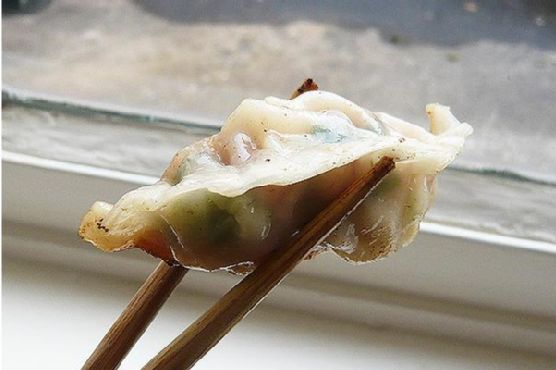
Japanese Gyoza Pot Stickers | Made by Meaghan Moineau

Japanese Gyoza Pot Stickers

Intro

There’s something incredibly comforting about a plate of perfectly cooked gyoza, or Japanese pot stickers, their crispy bottoms contrasting with a tender, juicy filling. I remember visiting my grandmother’s house on weekends, the kitchen filled with the aromatic scent of sizzling gyoza. She would always let me assist, my small hands struggling to pleat the delicate wrappers just right. It was in those moments that I learned the art of cooking and the love that goes into each fold. Today, I’m excited to share this cherished recipe with you, bringing a piece of my childhood into your home.

Why You’ll Love It

This Japanese Gyoza recipe is a delightful blend of savory, spicy, and aromatic flavors. The combination of ground beef, cabbage, and spices wrapped in a delicate shell is truly irresistible. Whether you’re a seasoned cook or a beginner, these pot stickers are easy to make and perfect for any occasion. Plus, you can customize them with ingredients you love or have on hand!

Ingredients

  • 1/2 teaspoon black pepper
  • 2 cups finely chopped cabbage
  • 1 teaspoon chili sesame oil
  • 1/2 cup dried mushrooms, soaked in warm water and chopped
  • 2 teaspoons grated ginger root
  • 3 to 4 green onions, chopped
  • 1/2 pound ground beef
  • 2 tablespoons salad oil
  • 1 tablespoon sesame oil
  • 2 tablespoons Kikkoman soy sauce
  • 1 tablespoon cooking wine
  • Gyoza wrappers

Instructions

  1. Chop the cabbage finely, place it in a colander, and pour boiling water over it. Allow it to cool to the touch, then squeeze the cabbage well to remove excess water.
  2. In a large bowl, mix the cabbage, chopped green onions, chopped mushrooms, and grated ginger.
  3. In a separate bowl, combine the ground beef, cooking wine, soy sauce, sesame oil, and black pepper. Add this mixture to the bowl of vegetables and mix well.
  4. Place about 1 teaspoon of filling in the center of a gyoza wrapper. Fold the wrapper in half and pleat the edges to seal. If the edges don’t stick, dampen the inside edge with a little water, then pleat.
  5. Heat 2 tablespoons of salad oil in a large skillet over medium heat. Place the gyoza into the skillet, flat side down, and cook until the bottoms are golden brown.
  6. At the edge of the pan, carefully pour in a little water, up to 1/4 of the depth of the pot stickers. Cover the skillet, turn the heat to low, and simmer until the water has evaporated.

Tips

For best results, make sure to squeeze out as much water from the cabbage as possible to prevent the filling from becoming too wet. Also, when pleating the gyoza, try to make small, even pleats to ensure they cook uniformly and look appealing.

Variations & Substitutions

If you’re looking to switch things up, consider these variations:

  • Vegetarian: Replace the ground beef with finely chopped tofu or tempeh.
  • Spicy: Add a dash of chili flakes or a bit more chili sesame oil for an extra kick.
  • Different Proteins: Try ground pork or chicken instead of beef for a different flavor profile.

Storage

Leftover gyoza can be stored in an airtight container in the refrigerator for up to 3 days. To reheat, simply pan-fry them again to regain their crispy texture. You can also freeze uncooked gyoza for up to a month; just be sure to place them in a single layer on a baking sheet to freeze initially before transferring to a freezer bag.

FAQ

Can I use store-bought gyoza wrappers?

Absolutely! Store-bought gyoza wrappers are a convenient option and work perfectly for this recipe. Just be sure to keep them covered with a damp cloth to prevent them from drying out while you work.

How do I prevent the gyoza from sticking to the pan?

Make sure your pan is well-oiled and preheated before adding the gyoza. Adding water to the pan and covering it helps to steam the gyoza, which also prevents sticking. If they still stick, let them sit for a moment after cooking to allow them to release naturally.

Nutrition

While exact nutritional values can vary, each gyoza pot sticker typically contains around 70-80 calories, with a good balance of protein from the beef and vegetables. This makes them a tasty yet relatively light appetizer or main dish. For those watching their sodium intake, be mindful of the soy sauce content, or opt for a low-sodium version.

Conclusion

Japanese Gyoza Pot Stickers are a delightful treat that brings warmth and joy to any meal. Whether you’re making them for a family gathering, a dinner party, or simply to enjoy a taste of Japan at home, these pot stickers promise to be a hit. I hope this recipe brings the same joy to your kitchen as it has to mine. Happy cooking!

Related update: Japanese Gyoza Pot Stickers

Related update: Vegetarian Ratatouille

From Bat Boy to Winter Classic GM | Analysis by Brian Moineau

From bat boy to Winter Classic: how Bill Zito’s Brewers memories shaped a Stanley Cup-winning GM

There’s something deliciously cinematic about a kid who once chased foul balls behind an outfield chain-link turning up decades later to stack fresh ice where grass once grew. Bill Zito’s path—from a Milwaukee Brewers clubhouse attendant in the early 1980s to the general manager of the Florida Panthers—feels less like a straight line and more like a braided rope: different experiences woven together until the tensile strength is unmistakable. With the Panthers scheduled to play the 2026 Winter Classic at loanDepot park (the Marlins’ ballpark) on January 2, 2026, that braid has been brought vividly into focus.

A hook you can picture

Imagine a 16-year-old kid getting ambushed by a laser throw from Reggie Jackson and blowing the return over the outfielder’s head—three times. Rather than dinging his confidence, Jackson stayed, played catch, and mentored him through it. That moment, which Zito still recalls with emotion, is small and human — and it’s the kind of moment that seeds a leadership philosophy more than any playbook ever could.

How a baseball summer taught hockey leadership lessons

  • Attention to standards matters.
    • As a clubhouse attendant Zito learned the “first-class” routine: keep uniforms clean, supplies stocked, and the environment professional. Those operational standards are the connective tissue of winning franchises.
  • Preparation and contingency are everything.
    • Baseball’s long seasons teach you to plan for wear-and-tear and surprise problems. Zito credits that mentality for helping the Panthers withstand early-season injuries and other curveballs.
  • Culture isn’t loud; it’s consistent.
    • Zito watched Brewers players balance irreverence with dignity. The lesson: build a team where chemistry exists under pressure, not just in highlight clips.
  • Mentorship turns embarrassment into growth.
    • Reggie Jackson’s patience with a nervous kid became a blueprint for how leaders can teach competence without crushing confidence.

These are practical, almost tactile lessons — how to run a room, how to keep things professional under chaos, and how to treat people so they can become their best. Zito didn’t learn them from a seminar; he learned them hauling jerseys, firing up laundry machines at odd hours, and watching pros behave when the lights were brightest.

The Winter Classic as a narrative fulcrum

  • Full-circle symbolism.
    • The game is literally being played in a ballpark, the same kind of place where Zito once worked. Bringing the Stanley Cup to Milwaukee in 2024 and now hosting an outdoor game in a baseball stadium ties personal history to franchise achievement.
  • Cross-sport learning is underrated.
    • Front offices in hockey borrow from baseball, basketball and soccer all the time — in scouting, analytics, and operations. Zito’s story makes that borrowing explicit and human.
  • Events of this scale reward organizational polish.
    • Building an outdoor rink at an MLB venue requires meticulous logistics. The Panthers’ ability to deliver reflects the same operational mindset Zito spent summers cultivating.

Why this matters beyond a feel-good backstory

This isn’t only nostalgia. Zito’s arc is a case study in transferable leadership. Sports organizations frequently fetishize “hockey people,” but the best leaders synthesize culture, systems, and people-smarts from many sources. Zito’s Brewers lessons are evidence that humility, attention to detail, and mentorship are portable assets — whether you’re handing out cleats or negotiating contracts.

  • For fans: it reframes the Winter Classic. It’s not just spectacle; it’s a stage that reveals how organizations operate.
  • For team executives: Zito’s story underscores investing in operations and culture as competitive edges.
  • For young staffers: starting low doesn’t mean staying small; early, close-up exposure to pros can shape future leadership.

Lessons you can apply in any team or workplace

  • Do the small things well — they compound.
  • Create rituals that standardize quality (prep, cleanliness, readiness).
  • Teach patiently when someone falters; mentorship builds capacity.
  • Treat contingency planning as a core function, not a checkbox.

Those lessons are easy to summarize and harder to execute consistently. Zito’s advantage is that he learned them in the daily grind, not in theory — and that makes them durable.

My take

There’s a romantic thread here — a kid humbled by Reggie Jackson, later welcomed back with the Stanley Cup — but the romance isn’t what matters most. What matters is how ordinary experiences shape extraordinary leadership. The Winter Classic at loanDepot park is a neat backdrop for that arc: a visible, public symbol of the overlapping seasons of Zito’s career. If you watch the game thinking only about the score, you’ll miss the other victory line: the institutional craftsmanship that makes such moments possible.

Notes for readers tracking the event

  • The game is scheduled for January 2, 2026, at 8 p.m. ET.
  • Broadcasters and streaming partners include HBO Max, truTV, TNT and regional networks listed in coverage. (Check local listings for final channels.)

Sources


Related update: We recently published an article that expands on this topic: read the latest post.


Related update: We recently published an article that expands on this topic: read the latest post.
Croissants With Sesame Seeds (Kifli) | Made by Meaghan Moineau

Croissants With Sesame Seeds (Kifli)

Intro

There is something truly magical about the smell of freshly baked croissants wafting through the house on a Sunday morning. It takes me back to my grandmother’s kitchen, where the warmth from the oven and her loving presence made everything feel just right. She would often bake these delicious croissants with sesame seeds, known as kifli in our family, and they quickly became a beloved tradition. I remember sitting on the counter, eagerly watching her every move and waiting for the moment when I could sink my teeth into the first warm, flaky bite. This recipe carries forward that cherished memory, and I am thrilled to share it with you today.

Why You’ll Love It

These croissants are not only a treat for your taste buds, but they are also a feast for your senses. From the irresistible aroma as they bake to the satisfying crunch of sesame seeds with each bite, these croissants are a perfect blend of nostalgia and flavor. Whether you’re enjoying them as a special breakfast, a delightful brunch addition, or a comforting snack, these kifli will surely become a favorite in your household.

Ingredients

  • 1 cup lukewarm milk
  • 2 tablespoons dry active yeast
  • 1 tablespoon sugar
  • 6 cups flour
  • 1 teaspoon baking powder
  • 1 teaspoon salt
  • 1/4 cup vegetable oil
  • 4 eggs (separated – yolks and whites)
  • Margarine (small pieces for baking)
  • Sesame seeds

Instructions

  1. In a large, deep mixing bowl, pour in the lukewarm milk. Stir in the sugar, 2 tablespoons of flour, and the yeast. Let stand for ten minutes to activate the yeast.
  2. Add in the baking powder, salt, vegetable oil, egg whites, and 6 cups of flour. Stir with a wooden spoon until the mixture is well incorporated. You may need to use your hands toward the end.
  3. Transfer the dough to a lightly floured surface and knead it for 10 minutes until smooth and elastic.
  4. Place the dough in a large bowl, cover it, and let it stand for one hour until doubled in size.
  5. Preheat your oven to 375°F (190°C).
  6. Bring the dough back to your working area and knead it again for another 5 minutes to remove any air bubbles.
  7. Form the dough into a log and cut it into 5 or 6 equal pieces.
  8. Take one piece (cover the rest with a kitchen towel), and roll it out to a size as big as a medium pizza.
  9. With a knife, cut the rolled-out dough into 8 equal slices. Beginning at the widest point of each slice, start rolling it toward the narrowest point to form a crescent shape.
  10. Place the croissants on a lightly greased baking sheet. Repeat with the remaining dough pieces.
  11. In a small mixing bowl, whisk the 4 egg yolks. Brush each croissant with the egg yolk wash and then top with sesame seeds.
  12. Distribute 4 or 5 small pieces of margarine throughout the baking sheet.
  13. Bake for 15 to 20 minutes, or until golden brown. Once baked, cover the croissants with a kitchen towel while they cool slightly.
  14. Serve immediately or store in an airtight container for later enjoyment.

Tips

For best results, make sure your milk is lukewarm, not hot, to activate the yeast properly. If the dough feels sticky, gradually add a little more flour until you achieve the right consistency. When rolling the croissants, ensure they are tightly rolled to prevent them from unrolling during baking.

Variations & Substitutions

If you’re looking to experiment with flavors, consider adding a sprinkle of dried herbs to the dough or incorporating cheese into the filling for a savory twist. For a sweet version, substitute the sesame seeds with a light dusting of sugar or cinnamon before baking.

Storage

These croissants are best enjoyed fresh out of the oven. However, if you have leftovers, store them in an airtight container at room temperature for up to two days. For longer storage, freeze them in a single layer before transferring to a freezer-safe bag. Reheat in the oven to regain the fresh-baked taste and texture.

FAQ

Can I use butter instead of margarine?

Yes, you can substitute butter for margarine in this recipe. It will add a rich flavor to the croissants, but ensure to use it sparingly during baking to prevent excessive greasiness.

Can I make the dough ahead of time?

Absolutely! You can prepare the dough a day in advance. After the first rise, cover it tightly and store it in the refrigerator overnight. Allow it to come to room temperature before proceeding with the remaining steps.

How can I ensure my croissants are flaky?

The key to flaky croissants lies in the kneading and rolling process. Be sure to knead the dough thoroughly and roll it tightly when forming each croissant. This will help create the desired layers and texture.

Nutrition

Each croissant offers a delightful balance of carbohydrates and proteins, making it a satisfying treat. While not low in calories, these croissants are made with wholesome ingredients and offer a moderate amount of healthy fats from the sesame seeds and vegetable oil.

Conclusion

Bringing the aroma and taste of freshly baked sesame seed croissants into your home is a wonderful way to create new memories while honoring old ones. Whether you’re sharing them with family or enjoying a quiet moment alone, these kifli croissants are sure to bring joy to your day. I hope you find as much delight in baking and savoring them as I have. Happy baking!

Related update: Croissants With Sesame Seeds (Kifli)

Related update: Bourbon Street Beignets

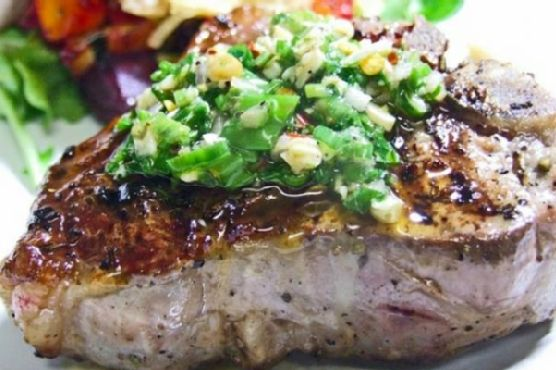
Pan Seared Lamb Loin With Chimichurri & Roasted Trio Squash Salad With Goat Cheese and Pinenuts | Made by Meaghan Moineau

Pan Seared Lamb Loin With Chimichurri & Roasted Trio Squash Salad With Goat Cheese and Pinenuts

Intro

Growing up, Sunday dinners were a special affair in our household. My grandmother would gather us around the table, and there was always an air of anticipation as we eagerly awaited the culinary delight she had prepared. One of my cherished memories is of her lamb dishes, which were always perfectly seasoned and cooked to tender perfection. Inspired by those cherished times, I’ve recreated a modern twist on her classic lamb recipe. This Pan Seared Lamb Loin with Chimichurri and Roasted Trio Squash Salad with Goat Cheese and Pinenuts brings together vibrant flavors and textures, just like those unforgettable Sunday dinners.

Why You’ll Love It

This recipe is a celebration of flavors and textures that will make your taste buds dance with joy. The juicy, tender lamb loin chops are perfectly complemented by the fresh and zesty chimichurri sauce, adding an aromatic flair to the dish. The roasted trio squash salad, with its creamy goat cheese and crunchy pinenuts, provides a delightful contrast in both flavor and texture. This meal is not only a feast for your palate but also a visual delight that will impress any dinner guest.

Ingredients

  • Cilantro
  • Extra virgin olive oil
  • Flat leaf parsley
  • Garlic clove
  • Black ground pepper
  • Kosher salt and pepper
  • Lamb loin chops
  • Lemon
  • Mint
  • Pinenuts
  • Red pepper flakes
  • Shallot

Instructions

  1. Preheat your oven to 400°F (200°C).
  2. For the Chimichurri, combine cilantro, parsley, garlic, lemon juice, olive oil, red pepper flakes, salt, and pepper in a large bowl. Mix well and set aside.
  3. Heat a large, heavy-bottomed pan with a drizzle of olive oil over medium-high heat.
  4. Sprinkle each side of the lamb loin chops evenly with kosher salt and freshly ground black pepper.
  5. Once the oil is hot and begins to smoke slightly, sear the lamb loin chops for approximately 2 minutes on each side.
  6. Transfer the seared lamb chops to the preheated oven. Cook according to your preference:
    • Rare: 2-3 minutes
    • Medium Rare: 6-8 minutes
    • Medium: 9-11 minutes
    • Well Done: 12-14 minutes
  7. Remove the lamb from the oven and let it rest, as it will continue to cook slightly during this time.
  8. Serve the lamb loin chops topped with the chimichurri sauce and accompanied by the roasted trio squash salad.

Tips

To ensure the lamb is cooked to your liking, use a meat thermometer. For rare, aim for an internal temperature of 125°F (51°C), for medium-rare, 135°F (57°C), and for medium, 145°F (63°C). Always allow the lamb to rest for a few minutes before serving to let the juices redistribute, ensuring tender and flavorful meat.

Variations & Substitutions

If you don’t have lamb loin chops on hand, this recipe works beautifully with beef steaks or pork chops as well. For a vegetarian twist, consider using portobello mushrooms as a meaty substitute. You can also customize the chimichurri by adding your favorite herbs or spices, such as oregano or cumin, for a unique flavor profile.

Storage

If you have leftovers, store the lamb and salad separately in airtight containers in the refrigerator. The lamb will keep well for up to 3 days. The chimichurri sauce can be stored in a sealed jar in the fridge for up to a week. When reheating the lamb, do so gently to avoid overcooking.

FAQ

Can I make the chimichurri sauce ahead of time?

Absolutely! Chimichurri can be made a day or two in advance. In fact, allowing it to sit for a few hours or overnight can enhance the flavors as the ingredients meld together. Just store it in an airtight container in the refrigerator.

What can I serve with this dish?

This dish pairs beautifully with a side of crusty bread to mop up any extra chimichurri sauce. You might also consider serving it with roasted potatoes or a simple green salad for a well-rounded meal.

Can I use dried herbs instead of fresh for the chimichurri?

While fresh herbs are recommended for the best flavor, you can use dried herbs in a pinch. Just remember that dried herbs are more concentrated, so use about one-third of the amount of fresh herbs called for in the recipe.

Nutrition

This dish is packed with nutritious ingredients. Lamb is an excellent source of high-quality protein, essential vitamins, and minerals such as iron and zinc. The chimichurri sauce provides healthy fats from olive oil and antioxidants from the fresh herbs. The trio squash salad adds fiber and vitamins A and C, while goat cheese offers calcium and healthy fats. Pinenuts contribute additional protein and healthy fats, making this meal a well-balanced and satisfying option.

Conclusion

There you have it – a delightful dish that brings together the warmth of tradition with the vibrancy of modern flavors. This Pan Seared Lamb Loin with Chimichurri and Roasted Trio Squash Salad is perfect for a special occasion or a comforting family dinner. Whether you’re reminiscing about cherished memories or creating new ones, this dish is sure to become a favorite in your home. Enjoy every bite!

Related update: Pan Seared Lamb Loin With Chimichurri & Roasted Trio Squash Salad With Goat Cheese and Pinenuts

Related update: Slow Cooker Red Beans and Rice

Nintendo Revives Nostalgic Icons for 2025 | Analysis by Brian Moineau

Nintendo’s nostalgia trick: old icons, new buzz for 2025 releases

Nintendo quietly knows how to tug at our nostalgia strings. This fall it rolled out a promotion for Nintendo Switch Online that brings back a stack of profile icons tied to big 2025 releases — including waves inspired by Super Mario Galaxy + Super Mario Galaxy 2, F‑Zero 99, and Kirby and the Forgotten Land. It’s a small feature on paper, but it tells a bigger story about how Nintendo keeps fans engaged between game drops.

Why icons matter more than you think

  • Icons are tiny, but they’re social: your profile avatar is how you present yourself in friends lists, lobbies, and party chats.
  • Tying icons to game releases turns a low‑friction cosmetic into a micro‑marketing channel: collectible waves, limited availability and the Missions & Rewards system push both attention and playtime.
  • For Nintendo, this is a light, low‑cost way to refresh interest in older IP (Super Mario Galaxy), support live services (F‑Zero 99) and spotlight newer hits (Kirby and the Forgotten Land).

What Nintendo brought back in 2025

  • Super Mario Galaxy + Super Mario Galaxy 2: multiple waves of character and background icons launched around September–October to coincide with the remastered bundle’s release, offering Mario, Rosalina, Lumas and other Galaxy staples via the Switch Online Missions & Rewards system.
  • F‑Zero 99: classic F‑Zero visuals resurfaced as icons alongside renewed interest in the franchise (and the battle royale spin).
  • Kirby and the Forgotten Land (and other Kirby games): icons tied to Kirby’s 3D comeback were rotated through Nintendo’s rewards lineup.

These icon drops are typically split into waves and cost small amounts of Platinum Points (the My Nintendo currency) — usually 10 points per character icon and smaller prices for frames or backgrounds. Availability tends to be limited, with each wave active for a week or so before rotating out. (See Sources for specific coverage and dates.)

Context: a pattern, not a one‑off

Nintendo has been leaning into collectible, limited‑time cosmetics across its ecosystem:

  • The Switch Online Missions & Rewards overhaul made profile icons a recurring reward that can be scheduled around releases.
  • Reissues and remasters like Super Mario Galaxy + Super Mario Galaxy 2 are natural anchors for nostalgia-driven drops.
  • The GameCube library and other retro pushes for Switch 2 also created opportunities to repurpose classic art into modern social cosmetics.

This is consistent with Nintendo’s broader strategy: marry premium releases with small, free/cheap engagement hooks that keep subscribers logging in and talking about their ecosystem.

The user experience side

  • It’s friendly to casual players: icons are cheap in My Nintendo points and don’t gate gameplay.
  • Collectors get a chase: limited windows create urgency and social bragging rights (“I grabbed the Rosalina icon”).
  • It nudges play: some icons require “Play and Redeem” style tasks (play a linked game X times) — that’s clever cross‑promotion.

For many fans, these small touches deepen fandom. For others, it can feel like manufactured scarcity — but compared to paid cosmetics in other platforms, Nintendo’s implementation leans light and community‑focused.

My take

Nintendo’s icon drops are a deceptively effective tool. They’re inexpensive to produce, resonate strongly with long‑time fans, and slot neatly into a subscription model where retention is king. By pairing iconic assets (literally) with marquee releases like Super Mario Galaxy + Super Mario Galaxy 2, Nintendo gets free social marketing and a steady trickle of engagement without heavy investment.

If you care about profiles and collector status, keep an eye on Switch Online’s Missions & Rewards during major release windows — these small items are often the most fun, smashable pieces of nostalgia Nintendo hands out between big game announcements.

Things to watch next

  • Will Nintendo expand rare icon drops to paid DLC-style bundles, or keep them mostly in My Nintendo’s Platinum economy?
  • How often will Nintendo synchronize icons with remasters and live‑service releases (e.g., F‑Zero 99)? Regular cadence could make these drops predictable — and predictable can be both comforting and stale.
  • As Switch 2 evolves, will higher‑resolution consoles get upgraded icon art (animated avatars, for instance)?

Sources


Related update: We recently published an article that expands on this topic: read the latest post.

Vikings vs. Lions: Christmas Day Guide | Analysis by Brian Moineau

Kickoff on Christmas: Vikings vs. Lions — How to Watch, Stream and Listen (Week 17, 2025)

Holiday football has a special vibe — family, food, and that one game that somehow becomes the soundtrack to your afternoon. This year the Minnesota Vikings host the Detroit Lions on Thursday, December 25, 2025, and the matchup comes with an extra twist: it’s part of the Christmas Day triple-header and streams on Netflix. Below is everything you need to know to watch, stream or listen — plus a few pro tips so you don’t miss a single drive.

Quick snapshot

  • When: Thursday, December 25, 2025
  • Kickoff: 4:30 p.m. ET (3:30 p.m. CT)
  • Where: U.S. Bank Stadium, Minneapolis
  • Main streamer: Netflix (national streaming rights for the game)
  • Local TV: Twin Cities and Detroit viewers may have local over-the-air options
  • Radio: Vikings and Lions radio networks; national radio and SiriusXM feeds

Why this one matters

A late-December divisional tilt in Minneapolis on Christmas Day is more than just a regular-season game — it’s the kind of matchup with playoff implications and emotional weight. Even if one or both teams have seen an up-and-down season, Week 17 games can reshape seeding or end hopes before the postseason. Plus, the novelty of a football game on Netflix (and added halftime entertainment for this broadcast) makes this one a must-follow even for casual fans.

Where to watch (video)

  • Netflix (national streaming): This Vikings–Lions game is part of Netflix’s 2025 NFL inventory for Christmas Day. If you have a Netflix subscription and a compatible device (smart TV, streaming stick, gaming console, phone/tablet), you can stream the live broadcast there. Make sure your Netflix app is updated before kickoff. (decider.com)

  • Local over-the-air affiliates: In many NFL windows where a streaming service has national rights, local broadcast affiliates in the home markets still carry the game. If you are in the Twin Cities (Minnesota) or in Detroit, check your local station listings (Vikings and Lions team pages and local TV guides will show the affiliate). If you’re near Minneapolis or Detroit, an antenna or local channel app may be a free option. (detroitlions.com)

  • NFL+ and team apps: For highlights, condensed replays and possibly mobile viewing of local prime-time games, NFL+ (and NFL+ Premium) often supplements fans’ options — though availability depends on the rights rules for that specific broadcast window (mobile restrictions apply). Team apps also typically provide highlights and live local radio audio. (vikings.com)

How to listen (radio and audio streaming)

  • Local radio networks:

    • Minnesota: Vikings radio network (KFAN 100.3 FM flagship in Twin Cities; check local affiliates).
    • Detroit: Lions radio network (97.1 The Ticket / WXYT-FM and affiliates). (sports.yahoo.com)
  • National and satellite radio:

    • SiriusXM typically carries home and away team audio feeds and a national broadcast feed; for this game, SiriusXM lists channels for both team broadcasts and NFL Radio. Streaming through the SiriusXM app is a solid national option. (siriusxm.com)
  • Team and league apps: The Vikings and Lions apps, plus the NFL app (via NFL+), often stream live game audio for local and national listeners on mobile devices. If you travel, this is a convenient backup. (vikings.com)

Local blackout and access notes

  • Streaming exclusivity vs. local blackouts: Even though Netflix holds the national streaming rights for this broadcast window, local over-the-air stations in the teams’ markets typically carry the game for viewers without Netflix. If you live in the Twin Cities or Detroit metro, check local listings ahead of kickoff to confirm the affiliate channel. Out-of-market viewers relying on traditional cable/satellite often need the streaming service carrying the game. (decider.com)

  • Device readiness: Streaming on Christmas Day means higher-than-usual traffic. Update your Netflix app, sign in early, and if you can use a wired connection or strong Wi‑Fi, do so to reduce buffering risk.

Announcers, halftime and extra flavor

  • Broadcasters and production: With the NFL expanding partnerships with streamers, expect a production that blends traditional play-by-play with some streamer-style enhancements (camera angles, special features). Some outlets reported a halftime entertainment segment tied to the Netflix presentation in 2025, which points to a more spectacle-driven broadcast than a standard linear TV telecast. (decider.com)

Fan tips and pregame checklist

  • Tune in early: Pregame coverage tends to start at least 30 minutes before kickoff on major platforms; being early avoids login or update issues.
  • If you travel on holiday: Use the SiriusXM app or local radio stream if you can’t get the Netflix stream.
  • Watch the DVR/rewatch options: Netflix or NFL+ may post condensed replays or highlights after the game — great if dinner runs long or you miss part of the action.
  • Keep an eye on injury reports and inactives: Week 17 often comes with last-minute roster changes; local beat reporters and the teams’ official pages post the inactives early on game day. (prideofdetroit.com)

What to expect competitively

  • Stakes and storylines: Even if one team has had an inconsistent season, Week 17 games can swing playoff positioning or momentum heading into the postseason. Expect both teams to treat this as more than just a holiday showcase. Recent reporting before the game highlighted key injuries and inactives, and both teams’ radio/beat coverage will be useful for late-breaking intel. (prideofdetroit.com)

A few streaming caveats

  • Netflix account limits: Make sure your account supports simultaneous streams needed for your household. If multiple people will stream something else in the house on Christmas, that could affect availability.
  • Platform compatibility: Netflix supports a wide array of devices, but if you plan to cast from a mobile device, ensure casting is supported and tested beforehand.
  • Off-network viewing: If you’re outside the U.S. or traveling, international rights differ — Netflix availability can vary by region. Use local listings or team pages for clarity. (detroitlions.com)

My take

This Vikings vs. Lions Week 17 game arrives with classic holiday energy: family, stakes, and a quirky — but increasingly modern — broadcast arrangement. The Netflix partnership signals how the NFL is reshaping where we watch games, while local radio and team networks preserve the traditional flavors fans love. Whether you’re tuning in for playoff implications or just enjoying a football-filled Christmas, plan your tech, pick your snack, and let the game be the centerpiece of your afternoon.

Sources


Related update: We recently published an article that expands on this topic: read the latest post.

Coconut Cream Pie Vegan Milkshake | Made by Meaghan Moineau

Coconut Cream Pie Vegan Milkshake

Intro

There’s something magical about the creamy, tropical sweetness of coconut. It takes me back to sun-drenched summer days spent at my grandmother’s house, where she would whip up her famous coconut cream pie. As a child, I would eagerly watch her mix the ingredients, my mouth watering in anticipation of the first bite. Now, as a vegan, I wanted to capture that nostalgic flavor in a refreshing new form. Introducing: the Coconut Cream Pie Vegan Milkshake. This recipe is a delightful fusion of nostalgia and modern plant-based cooking, perfect for those hot afternoons when you crave something cool and satisfying.

Why You’ll Love It

This Coconut Cream Pie Vegan Milkshake is a decadent treat that is both dairy-free and delicious. It combines the rich, creamy texture of coconut with the natural sweetness of bananas, creating a smoothie that feels indulgent yet is made with wholesome ingredients. It’s incredibly simple to prepare, requiring just a blender and a few minutes of your time. Whether you’re vegan or simply looking for a lighter, plant-based dessert option, this milkshake is sure to delight your taste buds.

Ingredients

  • Fresh coconut meat
  • Lemon juice
  • Coconut oil
  • Light coconut milk
  • Frozen banana
  • Vanilla extract
  • Graham cracker crumbs
  • Coconut flakes
  • Ice cubes

Instructions

  1. In a blender, combine the fresh coconut meat, lemon juice, coconut oil, light coconut milk, frozen banana, and vanilla extract.
  2. Add the graham cracker crumbs to the blender.
  3. If you like your milkshake a little sweeter, you can add agave nectar to taste.
  4. Blend all the ingredients until smooth and creamy.
  5. Pour the milkshake into glasses and top with your choice of soy or dairy-based whipped cream.
  6. Sprinkle additional graham cracker crumbs on top.
  7. Garnish with toasted coconut flakes for an extra touch of coconut flavor.
  8. Serve immediately and enjoy! This recipe serves 2-3 people.

Tips

To ensure your milkshake is as creamy as possible, use fresh coconut meat and a high-speed blender. The frozen banana helps to thicken the shake, so make sure it’s well frozen before blending. For an extra frosty treat, chill your glasses in the freezer before serving.

Variations & Substitutions

If you want to play around with the flavors, there are plenty of options! Try adding a tablespoon of cocoa powder for a chocolatey twist, or a pinch of cinnamon for a warm spice note. You can substitute almond or oat milk for the coconut milk if you prefer, though it will slightly alter the flavor. If you’re gluten-free, ensure your graham crackers are gluten-free as well.

Storage

This milkshake is best enjoyed immediately to maintain its creamy texture. If you have leftovers, you can store them in the refrigerator for up to 24 hours, though the texture may become more liquid. Give it a good stir before drinking.

FAQ

Can I use canned coconut milk instead of light coconut milk?

Yes, you can use canned coconut milk, but it will result in a richer and creamier milkshake. If you prefer a lighter version, stick to the light coconut milk or dilute the canned coconut milk with water.

Is there a substitute for the banana?

If you’re not a fan of bananas, you can use a scoop of vegan vanilla ice cream to achieve a similar creamy texture. Keep in mind, this will alter the flavor profile slightly.

Nutrition

This milkshake is a great source of healthy fats from the coconut and provides natural sweetness from the banana. It’s a delightful treat that satisfies your sweet tooth without the need for refined sugars, especially if you omit the agave nectar. If you’re monitoring your intake, be mindful of the graham crackers and whipped cream toppings, as these add extra calories.

Conclusion

The Coconut Cream Pie Vegan Milkshake is not just a drink; it’s an experience that transports you to a tropical paradise with every sip. It’s a wonderful homage to traditional coconut cream pie, yet adapted for a modern, vegan lifestyle. Whether you’re serving it as a dessert at a summer gathering or enjoying it as a midday treat, this milkshake is sure to become a favorite. Enjoy the creamy, dreamy taste of coconut in a whole new way, and relish the joy that comes with every delicious sip.

Related update: Coconut Cream Pie Vegan Milkshake

Related update: Impossible” Coconut Pie

Related update: Cranberry Margarita

Five Market Moves Investors Must Know | Analysis by Brian Moineau

Morning market pulse: five things investors should know before the bell

The market opens like a morning radio dial: a few headlines, a surprise on the tape, and suddenly portfolio emotions are humming. Today’s mix feels like that—economic growth that surprised, a regulatory pause that eases tech pressure, a fresh S&P milestone, and the usual questions about where bond yields and inflation fit into the picture. Below are the five things investors should keep front of mind as trading starts.

Quick hits for busy investors

  • U.S. economic growth came in stronger than many anticipated, giving risk assets a tailwind. (apnews.com)
  • Washington pushed back on near-term chip tariffs, a welcome reprieve for technology and manufacturing supply chains. (reuters.com)
  • The S&P 500 hit a new record as investors leaned into tech and rate-cut hopes. (reuters.com)
  • Bond yields and inflation data remain the variables that could change the narrative quickly. (apnews.com)
  • Market breadth matters: record highs driven by a few mega-cap winners can mask underlying fragility. (reuters.com)

1. Growth surprised — but read the fine print

Headline GDP growth beat street expectations, and that’s the kind of number that wakes traders up. Strong consumption and corporate spending pushed the headline higher, which supports the bullish case for equities. But a word of caution: growth beats can be two-edged. They may lift risk assets today while also reinvigorating inflation worries that could impede Fed easing later. Watch incoming inflation gauges and labor data closely; they’ll tell you whether this growth is durable or transitory. (apnews.com)

2. The chip-tariff delay is a tactical win for tech — strategic questions remain

Regulators have delayed implementing higher tariffs on certain semiconductor imports, which eases an immediate cost shock for chip-hungry industries. For firms running supply-constrained production schedules, that delay reduces near-term margin pain and lowers the risk of disrupted product roadmaps. But delaying a tariff is not the same as solving supply-chain fragility or the long-term strategic competition over semiconductors. Expect companies to use the breathing room to update guidance — and watch capex plans for evidence of longer-term reshoring or diversification. (reuters.com)

3. S&P keeps climbing — concentration risk is real

A new S&P 500 record tells us investors are confident, particularly about large-cap tech leaders and AI beneficiaries. Yet records driven by a cluster of mega-cap names raise the question of breadth: are most companies participating, or is market performance concentrated? When indices rally on a handful of stocks, risk is asymmetric — a shock to the leaders can amplify index pain. Portfolio tilt matters: if you’re overweight the rally leaders, consider whether your position sizing and stop-loss rules reflect the elevated correlation risk. (reuters.com)

4. Rates, yields and the Fed calendar still run the show

Even with strong GDP and a tariff pause, markets are sensitive to the path of interest rates. Recent moves show investors pricing in eventual rate cuts, which supports equities and higher multiple expansion for growth stocks. But if inflation re-accelerates or payrolls surprise to the upside, the Fed’s stance could stay firmer for longer — and that would pressure risk assets. Keep an eye on ten-year yields, the upcoming inflation prints, and any Fed commentary for clues on timing and magnitude of policy shifts. (reuters.com)

5. Earnings, guidance and sentiment will determine whether this is a rally or a run-up

Macro headlines move markets intraday, but corporate results and management commentary steer the trend. Better-than-expected revenue and margin outlooks will sustain optimism; cautious guidance could snap momentum. Also watch investor sentiment indicators — flows into and out of equities, options skew, and credit spreads — because they reveal whether participants are buying the rally or hedging against it. (reuters.com)

My take

We’re in a market that rewards conviction but punishes complacency. The mix of stronger growth and a regulatory pause is a constructive backdrop for stocks — especially tech — but it also raises the stakes on inflation and Fed expectations. For investors, that suggests a balanced posture: respect the rally, but keep risk controls in place, diversify across themes that can outperform in both a slower and a faster growth environment, and stay nimble around data releases. Position sizing and active monitoring matter more now than ever.

Sources


Related update: We recently published an article that expands on this topic: read the latest post.


Related update: We recently published an article that expands on this topic: read the latest post.

Brussel Sprouts in Bacon and Garlic Sauce | Made by Meaghan Moineau

Brussel Sprouts in Bacon and Garlic Sauce

Intro

When I think of family gatherings during the festive season, one particular dish always stands out in my memory: Brussel Sprouts in Bacon and Garlic Sauce. This recipe was a staple at our holiday table, lovingly prepared by my grandmother. I remember sitting in her cozy kitchen, stealing crispy bacon bits while she wasn’t looking, and watching in awe as she transformed humble ingredients into a dish that even the pickiest eater couldn’t resist. Today, I’m delighted to share this beloved recipe with you, hoping it brings as much warmth and joy to your table as it did to ours.

Why You’ll Love It

This dish is a perfect blend of savory and tangy flavors that complement the natural taste of brussel sprouts. The bacon and garlic sauce add richness, while a hint of lemon juice brightens the dish. It’s quick and easy to prepare, making it an excellent side dish for busy weeknights or special occasions. Plus, the crispy bacon bits add a delightful texture that even those who usually shy away from green vegetables will enjoy.

Ingredients

  • 250g whole brussel sprouts
  • 1/2 teaspoon salt
  • 4 cups water
  • 1 tablespoon salted butter
  • 1 tablespoon minced garlic
  • 1 tablespoon bacon bits
  • Salt and pepper to taste
  • 1 teaspoon lemon juice

Instructions

  1. Wash the brussel sprouts thoroughly and remove any old, hard outer leaves.
  2. Bring 4 cups of water to a boil in a saucepan and add 1/2 teaspoon of salt.
  3. Add the brussel sprouts to the boiling water and cook at medium heat for 4 minutes, or until they are tender but still slightly crunchy.
  4. Drain the brussel sprouts and set them aside.
  5. Return the saucepan to the hot stove and add 1 tablespoon of butter.
  6. While the butter is melting, cut the brussel sprouts in half.
  7. Add 1 tablespoon of minced garlic to the melted butter and sauté for a few seconds until the garlic is fragrant but not brown.
  8. Return the cut brussel sprouts to the saucepan and toss them lightly in the garlic-butter sauce.
  9. Add 1 tablespoon of bacon bits and toss to combine. For convenience, I always keep a jar of ready-to-use bacon bits in the fridge, but freshly pan-fried and crumbled bacon works just as well.
  10. Season to taste with salt and pepper. I personally love using Masterfoods Garlic Pepper for an extra flavor kick.
  11. Add a squeeze of fresh lemon juice (about 1 teaspoon) for a tangy finish.
  12. Toss everything together once more and serve. For an extra touch, garnish with toasted almond flakes or serve with fresh lemon wedges on the side.

Tips

To ensure your brussel sprouts are perfectly cooked, check them after 4 minutes of boiling. They should be tender but still retain a bit of crunch. Overcooking can lead to mushy sprouts, which we want to avoid. If you prefer a smokier flavor, try using smoked bacon bits. Remember, fresh lemon juice is key; it brightens the dish and balances the savory elements beautifully.

Variations & Substitutions

If you’re vegetarian or looking to reduce your meat intake, you can substitute the bacon bits with smoked paprika or sun-dried tomatoes for a similar depth of flavor. For a nutty crunch, consider adding toasted pine nuts or walnuts instead of almond flakes. If garlic isn’t your favorite, shallots or onions can also complement the sprouts nicely. Feel free to experiment with different herbs like thyme or rosemary for an aromatic twist.

Storage

Store any leftovers in an airtight container in the refrigerator for up to 3 days. To reheat, simply warm them in a skillet over medium heat until heated through. You can also use a microwave, though the skillet method will help retain their texture better. Unfortunately, this dish doesn’t freeze well, as the texture of the brussel sprouts can become unappealing when thawed.

FAQ

Can I use frozen brussel sprouts for this recipe?

Yes, you can use frozen brussel sprouts, but the texture might differ slightly. Make sure to thaw them thoroughly and pat them dry before cooking to remove excess moisture. Adjust the boiling time as needed since frozen sprouts might cook faster.

How do I make this dish vegan?

To make this dish vegan, simply replace the butter with a plant-based alternative and omit the bacon bits. You can use smoked paprika or nutritional yeast to add depth of flavor.

Can I prepare this dish ahead of time?

Yes, you can prepare the brussel sprouts and the garlic sauce a day in advance. Store them separately in the fridge. When ready to serve, reheat the sauce, toss in the brussel sprouts, and add the bacon bits and lemon juice for a fresh finish.

Nutrition

This dish is a great source of fiber, vitamins C and K, and antioxidants from the brussel sprouts. The bacon and butter add a dose of healthy fats, while garlic is known for its immune-boosting properties. Keep in mind that the nutritional content will vary based on the specific brands and quantities used.

Conclusion

Brussel Sprouts in Bacon and Garlic Sauce is a dish that has stood the test of time in my family, bringing smiles and satisfied sighs from everyone around the table. I hope this recipe becomes a cherished favorite in your home as well. Its simplicity and delightful flavors make it a winner for any occasion. So, gather your loved ones, share a meal, and create new memories with this heartwarming dish. Enjoy!

Related update: Brussel Sprouts in Bacon and Garlic Sauce