Eagles 2026 Free Agency Tracker Update | Analysis by Brian Moineau

Opening the ledger: why this matters now

Free agency is the NFL’s theater of possibilities — and this year, the Eagles 2026 free agency tracker - PhillyVoice is the ticket many Philly fans are refreshing between coffee and commute. The offseason calendar reached a new chapter as the 2026 league year opened, and Philadelphia’s moves (or strategic pauses) tell us a lot about roster intent: re-signments, cap maneuvering, and where Howie Roseman is willing to invest. (phillyvoice.com)

What the tracker is showing (and why it’s useful)

  • The tracker compiles who the Eagles will likely lose, who’s set to hit unrestricted free agency, and which younger players might be awarded qualifying offers — all of which feed into the team’s compensation and long-term plan. (phillyvoice.com)
  • It’s also a live indicator of strategy: early quietness often means patience (avoid overpaying early), while active spending signals urgency to fill a glaring need. Spotrac and cap analyses show where real dollars can be freed or squeezed. (spotrac.com)

Transitioning from summary to specifics, let’s break down the most consequential storylines emerging from the tracker.

Eagles 2026 free agency tracker - PhillyVoice: the big storylines

  • Defensive line and edge rush: The Eagles have several impending decisions on edge and interior defenders. Re-signing home-grown pass-rush help would preserve core continuity; letting veterans test the market could generate compensatory picks down the road. PhillyVoice’s previews highlight names likely to draw league interest. (phillyvoice.com)

  • Tight end and depth-chart balance: The tight end room has been under the microscope since last season. The tracker notes who’s unrestricted and who might be targeted in free agency if the Eagles don’t extend their own. This impacts both short-yardage play-calling and red-zone design. (phillyvoice.com)

  • Cap space vs. patience: Public cap trackers estimate the Eagles with modest room early in the cycle, which explains a tendency to wait for value or rotate from within. That quiet early in free agency doesn’t mean inactivity; it often signals planned, surgical additions rather than headline splashes. (sports.betmgm.com)

How the comp-pick calculus plays into decisions

The tracker also flags potential compensatory draft-pick outcomes based on which players depart and how the Eagles spend in free agency. Losing mid-level starters can net the team late-round compensation; signing big-money free agents can blunt that return.

  • Practical implication: Letting veterans walk for good offers elsewhere could be preferable if Philly gains picks and preserves the core. Conversely, extending select players before the market opens can keep elite talent in-house but reduces comp pick odds. (phillyvoice.com)

What the team’s current actions imply about 2026 roster construction

  • Preference for internal development: The Eagles have shown a pattern of promoting young talent and using the draft as a primary engine for upgrades. The tracker’s roster and futures updates indicate a healthy pipeline and activity in reserve/futures signings. (philadelphiaeagles.com)

  • Strategic patience in the early window: Early free agency usually lures teams into overpaying for name recognition. Philadelphia’s initial quiet — reflected in the tracker — suggests a plan to pick spots later or make trades when values more closely match their evaluation. (phillyfrontoffice.com)

Moving forward, the decisions made in the next weeks will illuminate whether Philly doubles down on the current core or retools around key positions.

What to watch this week

  • Any extension or long-term offer to top-tier pending free agents; those change the narrative immediately. (phillyvoice.com)
  • Signings from outside help at edge or tight end — these would signal targeted need-filling rather than sweeping roster overhaul. (spotrac.com)
  • Cap moves and contract restructures that free late-year flexibility and hint at midseason reinforcements. (sports.betmgm.com)

Things the tracker doesn’t capture (but you should)

  • Chemistry and coaching preferences: a player’s fit within Nick Sirianni’s scheme can matter as much as raw stats.
  • Injury risk assessments and medical subtleties aren’t fully reflected in public trackers.
  • The market’s psychological component: sometimes a single surprising overpay by another team shifts the whole market.

Midseason consequences of these early choices

If Philadelphia holds pat and trusts draft/development, their early-season depth will be tested but they’ll preserve draft capital. If they pay for immediate upgrades, expect a shorter leash for the backend of the roster but potentially a faster window to contend.

A few quick takeaways

  • The tracker is a real-time thermometer for organizational philosophy and roster priorities. (phillyvoice.com)
  • Expect measured moves: early quiet doesn’t equal inactivity; it often equals strategy. (phillyfrontoffice.com)
  • Comp picks are a subtle but material outcome of how Philly conducts free agency — sometimes more valuable than a marginal contract. (phillyvoice.com)

My take

I’m bullish on the idea that Philadelphia will use this period to protect its strongest building blocks while waiting for value. The Eagles’ historical willingness to develop and trade smartly suggests a preference for surgical additions over headline-grabbing overpays. That approach can be frustrating in real time, but it often preserves flexibility for later in the year — and for a team already near contention, flexibility can win playoff games.

Sources

Panic’s Big Walk Brings Gamers Back | Analysis by Brian Moineau

A publisher that still believes in Portland — and invites you to walk into their game

Portland’s downtown has felt quieter over the last few years: companies folded or moved, office towers echo with empty hallways, and the city’s reputation for being a tech hub got a little bruised. So when Panic — the indie-minded software maker and publisher behind Playdate and Untitled Goose Game — opens its doors and invites locals to try a new game in person, it feels less like a marketing stunt and more like a civic gesture. Panic is hosting demos of Big Walk at its downtown Portland office, and you actually have to show up in person to play. That choice says a lot about the game, the publisher, and how a single company can still lean into place.

Why the demo matters

  • Big Walk isn’t just another online co-op title you can patch into from your couch — the demo setup at Panic forces players to be nearby, physically sharing a space designed for conversation and discovery.
  • That in-person requirement signals confidence in the product and in downtown Portland as a place people will come to — a quiet vote of faith during a period many call a tech exodus.
  • The demo highlights what Big Walk is trying to do: make talking, proximity, and human interaction part of the core game mechanics rather than background noise.

What Big Walk is (and why it fits this moment)

  • Big Walk, developed by House House and published by Panic, is a cooperative “walker-talker” adventure about exploring an open world together, solving puzzles, and relying on communication.
  • The game intentionally foregrounds proximity chat and tools for in-game communication, so the social experience — how players share stories, help one another, and get unexpectedly creative — is the gameplay.
  • By creating a four-station room with noise-cancelling headphones and a Big Walk–themed environment, Panic is turning the demo into a small social experiment: can a publisher make an in-person, community-first moment out of a digital product?

The Portland angle: more than PR

  • In a city where other tech firms have shrunk or left for suburbs and other states, Panic’s commitment to a downtown office lease and its public-facing demo feels meaningful.
  • Local demos give Portlanders a real claim on the game’s launch story — not just as consumers but as participants in its early narrative.
  • This kind of grassroots activation supports local foot traffic, sparks word-of-mouth, and creates opportunities for press and fans to converge on a shared place. Those are the kinds of small-but-visible signals that help keep a downtown alive.

What this says about modern game publishing

  • Publishers increasingly lean on digital-first marketing: streams, influencers, and remote playtests. Panic’s choice to require in-person demos bucks that trend and makes scarcity feel intentional.
  • The tactic builds authenticity. Players who travel to play a demo will remember the setting and the people they played with; those memories are a different currency than a polished ad or trailer.
  • It’s also a subtle reminder that social mechanics aren’t just features — they’re design choices that can be amplified by real-world contexts.

Local logistics (what to expect)

  • Panic’s demo room is set up for four players per session, with gear and an emphasis on communication — so you’ll likely need a group or be willing to join strangers for a co-op slot.
  • Because the demo is tied to their downtown office, slots will be limited and geographically exclusive. That exclusivity is part of the charm for locals, but it also raises questions about accessibility for wider audiences.

What gamers and Portlanders can take from this

  • For gamers: Big Walk looks like a warm, cooperative experience that rewards conversation and shared problem-solving. An in-person demo is a good way to sample the social tone the developers are aiming for.
  • For Portlanders: This is a small but hopeful sign that a well-loved local company still sees downtown as worth investing in — whether through leases, events, or in-person culture-building.
  • For the industry: Physical, place-based activations can still create buzz and meaningful experiences in an era saturated by digital-first launches.

Key takeaways

  • Panic is using an in-person demo of Big Walk to spotlight social play and downtown Portland at the same time.
  • Big Walk’s design emphasizes proximity and communication, making an in-person demo particularly fitting.
  • The demo is a symbolic gesture for a city that’s seen many tech companies depart — it’s a reminder that place still matters.
  • Limited, local demos create memorable experiences but also pose accessibility challenges for fans farther away.

My take

I love the smallness of this move. In an age when everything is optimized for virality and scale, a publisher making a local, human-sized moment feels almost radical. Panic’s demo doesn’t just sell a game — it stages a moment where a handful of people will stumble into a shared story they’ll tell for weeks. That’s the kind of thing that keeps a gaming community — and a city — feeling alive.

Sources


Related update: We recently published an article that expands on this topic: read the latest post.

Bullish on Chaos: Cyclical Value Bargains | Analysis by Brian Moineau

When Risk Breeds Opportunity: Why a Messy Market Has Me Bullish on Cyclical Value Stocks

The market just got messier — oil spiked, headlines flashed “stagflation,” and safe-haven flows tightened valuations in spots that used to be reliable. And yet, amid that chaos I see a familiar pattern: short-term fear creating long-term buying opportunities for cyclical value stocks.

Below I walk through what's happening, why the panic around Iran-driven oil shocks and stagflation makes sense, and where patient investors might find bargains. This is written to inform thinking — not as investment advice — and leans on recent market commentary and institutional analysis.

Why the market is jittery right now

  • Geopolitical escalation involving Iran has driven a sharp jump in crude oil prices and prompted a broad reassessment of inflation and growth risks. Markets reacted quickly to supply-disruption fears. (seekingalpha.com)
  • That oil shock raises the specter of stagflation — higher inflation combined with slowing growth — which forces investors to reconsider winners and losers across sectors. Multiple research teams and market strategists have flagged the stagflation risk and its policy complications for central banks. (theguardian.com)
  • The short-term result: volatility, steep sector rotations (out of long-duration growth and into perceived “real asset” plays), and pullbacks in several cyclical names — some of which look oversold relative to fundamentals. (seekingalpha.com)

Market mechanics that create opportunities

  • Oil shocks feed into headline inflation quickly, pressuring consumer prices and producer margins. That can hurt growth expectations and push cyclical stocks down in the near term even when their long-term cash flows remain intact. (investing.com)
  • Investors often overreact in the short run: fear-driven selling widens discounts on beaten-up cyclicals (transportation, materials, energy services, housing-related names). Those sectors typically lead on the rebound when growth normalizes. Seeking Alpha and other commentators are noting exactly these dislocations. (seekingalpha.com)
  • The Fed’s balancing act (fight inflation vs. avoid forcing a deep slowdown) creates a “higher for longer” rates narrative that will influence sector performance. This tends to favor stocks with pricing power and healthy balance sheets — but it also temporarily punishes long-duration growth. (morganstanley.com)

Where cyclical value bargains might appear

  • Transportation and logistics: rising fuel costs are an input shock, but many large carriers have pricing contracts, pricing power, or the ability to pass through costs. Sharp sell-offs in well-capitalized names can create entry points after volatility settles. (seekingalpha.com)
  • Materials and industrials: commodity-driven repricings often hit these sectors first. When demand expectations are reset too low, companies with stable orderbooks and low leverage become attractive. (seekingalpha.com)
  • Energy and energy services: while energy is the obvious beneficiary of price spikes, energy equities can overshoot on both sides of the move. Look for producers and service firms with disciplined capital allocation and resilient cash flow. (trefis.com)
  • Housing-related cyclical plays: higher input costs and financing headwinds pressure sentiment, but mispriced downturns in housing-related suppliers or manufacturers can yield opportunities for long-term investors. (invesco.com)

How to think about timing and risk

  • This is not a call that everything down is a buy. Distinguish between:
    • Tactical dislocations (short-term overselling of fundamentally sound businesses).
    • Structural impairments (companies with weak balance sheets, poor pricing power, or secular decline). (seekingalpha.com)
  • Expect higher volatility. Size positions accordingly and use staggered entries (dollar-cost averaging or tranches) rather than lump-sum leaps into perceived bargains. (morganstanley.com)
  • Monitor indicators that matter for cyclicals: oil and commodity price trends, credit spreads, forward guidance from corporates in affected industries, and key macro readings (PMIs, employment, and inflation prints). (investing.com)

A practical lens: what institutions are saying

  • Large firms and research groups acknowledge the inflationary risk from the Iran shock and the possibility of slower growth. Many recommend rotating exposures — adding to defense, energy, and commodity-linked themes while taking profits in long-duration growth if overexposed. (morganstanley.com)
  • Rapid-response pieces from asset managers note that value and cyclicals can outperform following an initial risk-off move once the market digests the shock and the growth outlook stabilizes. That dynamic is central to the thesis that current fear can set up bargains. (seekingalpha.com)

What could go wrong

  • If the supply shock proves persistent and severe, inflation could remain elevated for longer and growth could slow meaningfully — a true stagflation scenario that pressures equities broadly and rewards hard assets and inflation hedges. That would be painful for cyclical stocks that rely on robust demand. (theguardian.com)
  • Central banks could respond with policy moves that tighten financial conditions unexpectedly, or geopolitical escalation could impair global trade routes for an extended period. Those are plausible tail risks that warrant defensive sizing. (candriam.com)

What investors need to know right now

  • The headlines are noisy; the underlying mechanics matter. Oil spikes can transiently punish cyclicals even if the companies remain fundamentally sound. (investing.com)
  • Volatility = opportunity for long-term, disciplined buyers who separate tactical panic from structural damage. (seekingalpha.com)
  • Diversification, position sizing, and emphasis on balance-sheet strength are essential in a “higher for longer” environment where inflation and growth are tugging in opposite directions. (morganstanley.com)

My take

I’m bullish on selective cyclical value opportunities created by this episode — but only where prices have been pulled down farther than fundamentals justify and where companies show resilient cash flow and manageable leverage. Short-term headlines will keep markets noisy; the disciplined investor’s edge is patience and process. Buy the quality cyclicals when fear peaks, not the moment headlines flash.

Sources


Related update: We recently published an article that expands on this topic: read the latest post.


Related update: We recently published an article that expands on this topic: read the latest post.


Related update: We recently published an article that expands on this topic: read the latest post.

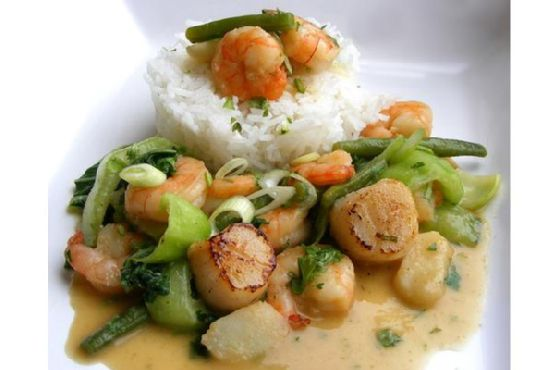
Thai Shrimp | Made by Meaghan Moineau

Delightful Thai Shrimp: A Flavorful Journey to Thailand’s Kitchens

Intro

There are few dishes that capture the vibrant spirit of Thai cuisine quite like a well-prepared Thai Shrimp. This dish takes me back to a summer spent in Thailand, where I learned the secrets of authentic Thai cooking in a bustling Bangkok kitchen. The aroma of fresh basil mingling with the sizzling shrimp was unforgettable, and I am thrilled to share this recipe that has brought my kitchen to life on countless occasions. This Thai Shrimp recipe is a beautiful blend of flavors and textures that will surely become a staple in your culinary repertoire.

Why You’ll Love It

Thai Shrimp is a dish bursting with fresh flavors and the perfect balance of sweet, spicy, and savory notes. It’s not only delicious but also incredibly quick to prepare, making it an ideal choice for a weekday dinner or a special weekend meal. The succulent shrimp pair wonderfully with the aromatic basil and the subtle heat of red and green chilies, creating an unforgettable taste experience. This dish is a celebration of simplicity and complexity, offering a taste of Thailand that is both accessible and authentic.

Ingredients

  • 1 pound of shrimp, peeled and deveined
  • 1 cup of fresh basil leaves
  • 1 cup of chicken stock
  • 2 cups of cooked rice
  • 2 tablespoons of fish sauce
  • 2 green onions, white and green parts separated
  • 2 tablespoons of peanut oil
  • 2-3 red and green chilies, seeded and thinly sliced
  • 2 tablespoons of soy sauce
  • 1 teaspoon of sugar

Instructions

  1. Peel and devein the shrimp, ensuring they are clean and ready to cook.
  2. Wash and dry the basil leaves, then steam them lightly to enhance their aroma.
  3. Mince the garlic and the white parts of the green onions, and cut the green parts into 1-inch pieces.
  4. Thinly slice the red and green chilies, making sure to remove the seeds to control the heat.
  5. Heat a wok over high heat until it is nearly smoking.
  6. Swirl the peanut oil into the wok, letting it heat up almost to smoking point.
  7. Add the minced garlic, chilies, and the white parts of the green onions to the wok. Stir-fry for 10-15 seconds to release their flavors.
  8. Add the shrimp to the wok and stir-fry for about 20 seconds, or until they just start to change color.
  9. Pour in the fish sauce, soy sauce, sugar, and chicken stock, and bring the mixture to a boil.
  10. Stir in the green parts of the onions and the basil, cooking for another 20 seconds until the basil leaves wilt and the shrimp are firm and pink.
  11. Serve the dish over hot cooked rice, ensuring to include some of the flavorful broth.

Tips

For the best results, use fresh shrimp and basil. The freshness of these ingredients significantly enhances the dish’s overall flavor. If you prefer a spicier dish, you can leave some seeds in the chilies or add a pinch of crushed red pepper flakes. To achieve the right consistency, make sure not to overcook the shrimp; they should be firm but not rubbery.

Variations & Substitutions

If you’re looking to switch things up, consider using chicken or tofu in place of shrimp. Both absorb the flavors beautifully and offer a different texture. For a gluten-free version, substitute the soy sauce with tamari. If you prefer a less soupy dish, reduce the amount of chicken stock by half. You can also add vegetables like bell peppers or snap peas for added crunch and color.

Storage

Thai Shrimp is best enjoyed fresh, but leftovers can be stored in an airtight container in the refrigerator for up to 2 days. When reheating, do so gently on the stovetop to maintain the shrimp’s texture. Avoid microwaving, as it can make the shrimp rubbery. Unfortunately, this dish doesn’t freeze well due to the delicate nature of shrimp.

FAQ

Can I make this dish ahead of time?

Yes, you can prepare the ingredients ahead of time by peeling and deveining the shrimp, slicing the chilies, and mincing the garlic and onions. Keep them refrigerated and ready to go. The actual cooking should be done just before serving to ensure the shrimp remain perfectly cooked and the flavors are fresh.

What can I serve with Thai Shrimp?

Thai Shrimp pairs wonderfully with steamed jasmine rice, which absorbs the flavorful broth beautifully. You can also serve it alongside a fresh Thai salad or a side of stir-fried vegetables to complement the meal.

Is this dish very spicy?

The level of spiciness in Thai Shrimp primarily depends on the chilies used and whether or not you include the seeds. You have complete control over the heat; if you prefer a milder dish, simply reduce the number of chilies or remove the seeds entirely.

Nutrition

This Thai Shrimp dish is a nutritious option, offering a good source of protein from the shrimp and a variety of vitamins and minerals from the fresh herbs and chilies. It’s relatively low in calories and can be part of a balanced diet. For those watching sodium intake, consider using low-sodium soy sauce and fish sauce.

Conclusion

Thai Shrimp is more than just a meal; it’s a sensory experience that transports you to the heart of Thailand with each bite. The harmony of flavors and aromas in this dish is truly a testament to the beauty of Thai cuisine. Whether you’re cooking for family, friends, or just for yourself, this recipe is sure to delight and satisfy. I hope it brings as much joy to your table as it has to mine. Enjoy your culinary journey to Thailand!

Related update: Thai Shrimp

OnePlus 15T: Compact Flagship, Refined | Analysis by Brian Moineau

OnePlus 15T — the compact flagship that’s quietly becoming its own thing

If you liked the OnePlus 15 but wished it came in a smaller, pocket-friendlier package, OnePlus appears to be answering that call again — this time with a subtly updated “T” model. The OnePlus 15T has been officially teased ahead of a China launch, showing a design that leans heavily on the OnePlus 15’s clean lines while preserving the compact spirit of last year’s 13T. The early reveals make it clear: OnePlus is positioning the 15T as a small flagship with a few measured surprises tucked under the hood. (gizmochina.com)

Why this matters (quick snapshot)

  • OnePlus is continuing the “T” strategy: compact flagship refreshes that sit alongside the main numbered series. (gadgets.beebom.com)
  • The 15T keeps the OnePlus 15’s design language but in smaller form — appealing to users who don’t want gigantic phones. (gizmochina.com)
  • Leaks and official teases hint at practical upgrades (notably a very large battery in some reports), which could make the 15T a rare small phone with long battery life. (androidcentral.com)

What we’ve actually seen so far

  • Design and colors: OnePlus posted official imagery showing the 15T in at least two colorways — an olive/matcha green and a dark brown (and reports suggest a white variant may be revealed shortly). The phone adopts the OnePlus 15’s minimalist metal unibody and a squircle camera island, keeping the overall look restrained and premium. (gizmochina.com)

  • Compact form factor: Early photos and past leaks place the 15T among OnePlus’s “small-screen king” models, following the compact sizing trend of the 13T while borrowing the newer aesthetic from the 15 series. That trend makes this variant attractive to people who prefer one-handed use without sacrificing flagship class specs. (smartprix.com)

  • Launch plans: OnePlus has confirmed the device will launch in China later this month. Past behavior suggests the 15T (or a close variant named 15s) may later appear in India and possibly other regions, but OnePlus sometimes limits T-series launches to select markets or rebrands them when expanding. Expect China first, global presence uncertain. (gizmochina.com)

Rumors and reports worth noting

  • Battery talk: Several outlets have flagged a leaked / teased battery upgrade — numbers as high as a 7,500 mAh “Glacier” battery have been circulated in the rumor mill and social posts. If accurate, that would be notable for a compact flagship and could change expectations for daily endurance. Treat this as an unconfirmed but widely reported claim for now. (androidcentral.com)

  • Performance and chip expectations: Tipsters and earlier leaks have suggested the 15T may adopt a current-generation flagship chipset (rumors mentioned variants of Qualcomm’s top-tier silicon), but OnePlus hasn’t confirmed specifics. Historically, “T” variants either reuse the main chip or introduce a bump — we’ll know more at launch. (pcquest.com)

  • Regional strategy: OnePlus has a pattern of debuting T models in China and rebranding or selectively releasing them elsewhere (the 13T and 13s last year are examples). That means whether you’ll see the 15T in North America or Europe could depend on OnePlus’s broader release calendar. (gadgets.beebom.com)

What this means for buyers and fans

  • For OnePlus fans who want a smaller phone: The 15T looks like the most obvious pick if you want flagship-level polish (camera island, premium finish) without a huge display. The brand seems determined to keep the small-flagship niche alive. (smartprix.com)

  • For battery-conscious users: If the 7,500 mAh figure or anything close to it is true, it addresses the long-standing complaint about small phones and short battery life. That would be a rare combination — a compact body with very high endurance. But wait for official specs before planning upgrades based on battery alone. (androidcentral.com)

  • For global buyers: Don’t assume immediate worldwide availability. OnePlus often staggers releases or renames models for different markets. If you’re outside China, keep an eye on OnePlus announcements for a possible 15s or similar rebrand. (9to5google.com)

Visual and product strategy: OnePlus playing it safe (and smart)

OnePlus isn’t radically reinventing its look with the 15T. The company is doing what it does best: subtle iteration. By keeping the OnePlus 15’s design cues but dialing the size down, OnePlus preserves brand consistency (fewer design lines to manage across a portfolio) while appealing to a distinct buyer segment. That approach minimizes risk and maximizes the chance that loyal customers will upgrade within the ecosystem. (gizmochina.com)

My take

OnePlus has a comfortable rhythm now: flagship series, then tactical “T” variants that refine or repackage the experience for specific markets. The 15T seems to follow that playbook closely — conservative visually, potentially bold where it matters (battery, ergonomics). If OnePlus really balances a compact chassis with class-leading battery life and a competent chipset, the 15T could be one of the year’s most interesting phones for people who’ve felt priced out of premium small devices. For everyone else, it’s a reminder that better ergonomics don’t require sacrificing flagship features — as long as manufacturers keep innovating in battery and thermal engineering.

Sources

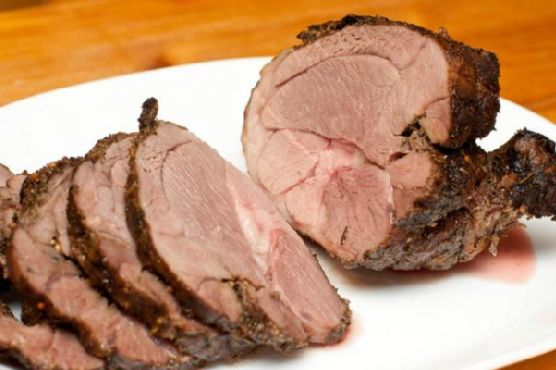
Easy Garlic Roast Leg Of Lamb With Rosemary and Parsley | Made by Meaghan Moineau

Easy Garlic Roast Leg Of Lamb With Rosemary and Parsley

Intro

There’s something undeniably special about a beautifully roasted leg of lamb. The aroma of herbs and garlic wafting through the kitchen is enough to evoke cherished memories of family gatherings and festive celebrations. I remember my grandmother preparing a similar dish on special occasions, filling the house with a warmth that wasn’t just from the oven. Her kitchen was a place of stories and laughter, where every ingredient had its role in creating magic. Today, I share a simplified version of her beloved recipe, making it accessible for any home cook looking to impress with minimal stress.

Why You’ll Love It

This Garlic Roast Leg Of Lamb is perfect for both seasoned cooks and beginners. The recipe is straightforward, yet the result is a stunning centerpiece worthy of any holiday table. The combination of garlic, rosemary, and parsley infuses the lamb with a depth of flavor that is both fresh and savory. The method of roasting ensures a perfectly cooked piece of meat that is juicy and tender, while the crispy exterior adds a delightful texture. Whether you’re celebrating a special occasion or simply want to treat your family to a delicious meal, this dish is sure to please everyone around the table.

Ingredients

  • 1 bone-in leg of lamb
  • 8-10 garlic cloves, sliced
  • 1/4 cup extra virgin olive oil
  • 1/4 cup Italian flat leaf parsley, chopped
  • 2 tablespoons fresh rosemary, chopped
  • 2 tablespoons kosher salt
  • 1 tablespoon black pepper

Instructions

  1. Preheat your oven to 425 degrees Fahrenheit.
  2. With the tip of a small sharp knife, poke holes in the leg of lamb about 1 1/2-inch deep.
  3. Into each hole, stuff one slice of garlic to infuse the meat with flavor.
  4. Rub the leg of lamb all over with olive oil, parsley, and rosemary, ensuring an even distribution.
  5. Season the lamb well with kosher salt and black pepper, pressing the seasoning into the meat.
  6. Place the lamb in a roasting pan, and roast for 30 minutes to develop a savory crust.
  7. Reduce the heat to 325 degrees Fahrenheit, basting the leg with any juices that have accumulated in the pan.
  8. Continue cooking for about 2 hours, or until an instant-read thermometer registers 130 degrees Fahrenheit in the thickest part for medium doneness.
  9. Remove the roast from the oven and allow it to rest for 15 minutes to retain its juices.
  10. Transfer the roast to a cutting board and let it rest for an additional 10 minutes before carving.
  11. Carve the lamb into thin slices, parallel to the bone, and serve immediately.

Tips

For the best results, bring the lamb to room temperature before roasting, which helps it cook more evenly. Always use a meat thermometer to avoid overcooking, as lamb can quickly become tough if left in the oven too long. Resting the meat is crucial as it allows the juices to redistribute, ensuring each slice is succulent and flavorful.

Variations & Substitutions

If rosemary isn’t your favorite, you can substitute it with thyme or oregano for a different herbal note. For a spicier kick, add a pinch of red pepper flakes to the olive oil mixture. If you prefer a boneless leg of lamb, you can certainly use that instead; just adjust the cooking time accordingly, as it may cook a bit faster.

Storage

Store any leftovers in an airtight container in the refrigerator for up to 3 days. To reheat, slice the lamb and place it in a covered dish with a splash of stock or water to prevent drying out, then warm it gently in the oven at a low temperature.

FAQ

Can I prepare this dish ahead of time?

Yes, you can prepare the lamb by stuffing it with garlic and rubbing it with herbs and oil up to a day in advance. Simply cover it and refrigerate until you’re ready to roast.

What side dishes complement this roast lamb?

This roast pairs beautifully with classic sides like roasted potatoes, sautéed greens, or a fresh salad. For a more robust meal, consider serving it with a creamy potato gratin or garlic mashed potatoes.

How do I know when the lamb is cooked to my preference?

The best way to ensure your lamb is cooked to your liking is to use an instant-read thermometer. For medium-rare, aim for 130 degrees Fahrenheit; for medium, 140 degrees; and for well-done, 150 degrees. Keep in mind the temperature will rise slightly as the meat rests.

Nutrition

This roast is not only delicious but also a good source of protein and essential vitamins. While lamb is higher in fat than some other meats, it provides important nutrients like iron, zinc, and vitamin B12. Just remember to enjoy it in moderation as part of a balanced diet.

Conclusion

Our Easy Garlic Roast Leg Of Lamb With Rosemary and Parsley is a celebration of flavor and tradition, perfect for gathering loved ones around the table. Whether you’re a novice cook or a seasoned chef, this recipe provides a reliable and impressive dish that is sure to become a family favorite. As you carve into the tender, flavorful meat, I hope it brings as much joy and connection to your home as it has to mine. Enjoy!

Related update: Easy Garlic Roast Leg Of Lamb With Rosemary and Parsley

Related update: Thai Shrimp

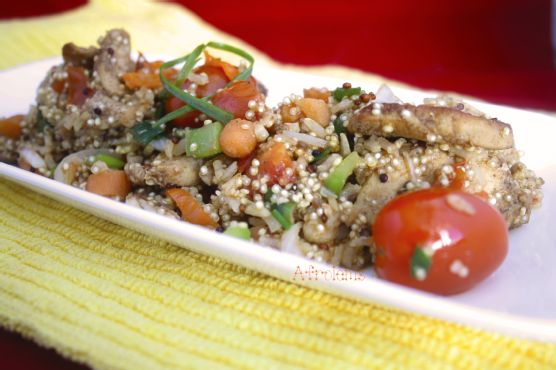
Stir Fried Quinoa, Brown Rice and Chicken Breast | Made by Meaghan Moineau

Stir Fried Quinoa, Brown Rice, and Chicken Breast

Intro

There’s something about the smell of sizzling chicken and vegetables that transports me back to my childhood kitchen. I remember standing on tiptoe to peek over the counter as my mom expertly tossed ingredients into her trusty pan, her laughter mingling with the sound of the spatula scraping the bottom of the pan. This Stir Fried Quinoa, Brown Rice, and Chicken Breast recipe is a tribute to those cherished memories, bringing together wholesome ingredients and vibrant flavors for a dish that’s both nourishing and delicious.

Why You’ll Love It

This recipe is a winner for so many reasons. First, it’s a one-pan wonder, meaning less cleanup and more time to relax. It’s also incredibly versatile; whether you’re an experienced cook or a kitchen newbie, you’ll find this dish straightforward and rewarding to make. The combination of quinoa and brown rice offers a hearty, nutritious base, while the chicken breast provides a lean source of protein. The dish is further elevated by the aromatic suya spice and a medley of fresh vegetables, creating a symphony of flavors and textures.

Ingredients

  • Suya spice
  • Quinoa and brown rice mix
  • Butter
  • Carrots
  • Whole cherry tomatoes
  • Chicken breast
  • Garlic
  • Seasoning cubes
  • Green bell pepper
  • Roma tomato
  • Scotch bonnet pepper
  • Spring onion
  • Vegetable oil
  • Water

Instructions

  1. In a bowl, season the chicken breast with the seasoning cubes and suya spice and allow to marinate for 2 hours, or if you are really hungry, you can use it immediately.
  2. In a pot of boiling water (1 cup), pour in your quinoa mix and the teaspoon of oil and allow to boil till soft, which should take about 5-7 minutes. Pour into a bowl and set aside.
  3. In a pan, heat up the melted butter and pan fry on medium heat the chicken breast, constantly flipping it over so it browns on both sides. Reduce the heat, cover the pan, and allow the chicken to cook properly. If the pan becomes too dry, add 2 tablespoons of water.
  4. Stir in the chopped vegetables into the pan of frying chicken and finally add the quinoa/brown rice mix. Serve hot!

Tips

For the best results, use fresh, high-quality ingredients. Make sure to marinate the chicken for at least two hours if time allows, to let the flavors seep in thoroughly. If you prefer a bit of a crunch, lightly sauté the vegetables instead of cooking them through completely. This will add texture and keep the veggies vibrant.

Variations & Substitutions

If you want to switch things up, try using shrimp or tofu instead of chicken for a different protein option. For a vegetarian version, simply omit the chicken and double up on the vegetables. You can also play around with the spice levels by adjusting the amount of suya spice or adding extra scotch bonnet pepper if you’re a fan of heat.

Storage

This dish keeps well in the refrigerator for up to 3 days. Store in an airtight container and reheat in a pan over medium heat, stirring occasionally to ensure even heating. Add a splash of water if needed to prevent it from drying out.

FAQ

Can I use only quinoa or only brown rice instead of a mix?

Absolutely! You can use only quinoa or only brown rice if you prefer. Just ensure to adjust the cooking time accordingly, as brown rice typically takes longer to cook than quinoa.

Is there a way to make this dish spicier?

Yes, if you love spicy food, consider adding more scotch bonnet pepper or a dash of cayenne pepper. You can also increase the suya spice for an added kick.

Nutrition

This dish is rich in protein from the chicken and packed with fiber and essential amino acids from the quinoa and brown rice. The vegetables add vitamins and minerals, making it a well-rounded meal that supports a balanced diet.

Conclusion

Stir Fried Quinoa, Brown Rice, and Chicken Breast is more than just a meal; it’s an experience that brings together the warmth of home cooking and the excitement of bold flavors. Whether you’re cooking for family or friends, or just treating yourself, this dish is sure to become a favorite. Enjoy every bite, and don’t forget to share the love!

Related update: Stir Fried Quinoa, Brown Rice and Chicken Breast

Related update: Easy Garlic Roast Leg Of Lamb With Rosemary and Parsley


Related update: We recently published an article that expands on this topic: read the latest post.


Related update: We recently published an article that expands on this topic: read the latest post.

G7 Emergency Oil Talks: Market Rescue? | Analysis by Brian Moineau

When oil spikes and markets wobble: what the G7 emergency talks mean

The Monday morning jolt was ugly: Brent and WTI leapt above $100 a barrel, global stock indices skidded, and headlines flashed that G7 finance ministers were holding emergency talks about releasing oil reserves. Add to that the news that UK Chancellor Rachel Reeves joined the discussions and said she “stands ready” to support a coordinated release of strategic stocks — and suddenly this feels less like a market hiccup and more like policy coming to the rescue.

Here’s a walk-through of what happened, why leaders are talking, and what it might mean for consumers, markets and policymakers.

Quick snapshot

  • What happened: Oil prices spiked after renewed conflict in the Middle East raised fears of supply disruption through the Strait of Hormuz. Global equity markets fell on the shock.
  • What the G7 did: Finance ministers held an emergency virtual meeting (joined by IMF, World Bank, OECD and IEA leaders) to discuss the surge and possible responses, including coordinated releases from strategic oil reserves.
  • UK role: Chancellor Rachel Reeves participated in the talks and said the UK is ready to support a co‑ordinated release of IEA-held reserves to help stabilise markets.

Why the G7 meeting matters

  • Oil is an input to almost every part of the global economy — transport costs, manufacturing, and even food prices. A sustained jump in crude feeds higher inflation and creates a policy headache for central banks that are already wrestling with sticky price pressures.
  • A coordinated release of strategic petroleum reserves (SPRs) is one of the few tools governments can use quickly to calm a supply scare. When member countries release barrels together it increases immediate global supply and can temper speculative pressure on futures markets.
  • But releasing reserves is not cost-free: it reduces emergency buffers and can send political signals. Countries need to weigh short-term market relief against longer-term energy security and market discipline.

How big a release could make a difference

  • The International Energy Agency (IEA) and policymakers often talk about releases in the hundreds of millions of barrels when trying to blunt a major shock. That scale can temporarily lower prices, but it won’t replace lost daily production indefinitely if shipping routes remain threatened.
  • The market reaction can be as important as the physical barrels — coordinated action reassures traders and can reduce the risk premium embedded in oil prices even before ships arrive at terminals.

Winners and losers in the near term

  • Winners:
    • Oil-consuming households and businesses (if a release reduces pump and wholesale fuel prices).
    • Economies worried about a fresh inflation burst if the move calms markets quickly.
  • Losers:
    • Oil producers and some energy equities if prices retreat.
    • Countries that prefer to keep strategic reserves for true physical interruptions rather than market smoothing.

What Rachel Reeves’ involvement signals

  • Political coordination: Reeves’ participation underscores that this is not only an energy problem but a macroeconomic one. Finance ministers are worried about inflation, growth and financial stability — not just barrels.
  • Pressure to act locally: Reeves also warned retailers against price gouging and stressed measures to protect consumers — an indication that domestic action (price monitoring, consumer support) will accompany international coordination.

Practical limits and second-order effects

  • Timing and logistics: SPR releases take time to flow through the system. Headlines can move markets immediately; physical supply effects lag.
  • Monetary-policy friction: If oil-driven inflation picks up, central banks may face renewed pressure to tighten — which could compound market declines. Conversely, a successful coordinated release that calms oil markets can ease those pressures.
  • Geopolitical uncertainty: If shipping through the Strait of Hormuz remains at risk, any release is a temporary fix unless the security issue is resolved.

What investors and households should watch next

  • Follow official announcements from the IEA and G7 energy ministers about coordinated releases and their scale.
  • Watch immediate price moves in Brent and gasoline; rapid declines after coordinated statements would suggest the market is responding to policy rather than a fundamental supply fix.
  • Track central bank commentary — higher oil can change inflation trajectories and influence rate expectations.

Takeaways to bookmark

  • The G7 emergency talks show policymakers view the oil spike as a macro shock — not simply an energy-sector issue.
  • A coordinated release of strategic reserves can calm markets quickly, but it is a temporary fix and comes with trade-offs.
  • Rachel Reeves’ public stance signals coordinated fiscal/consumer protection measures alongside international action.
  • The market reaction to statements and coordination may be as important as the physical barrels released.

My take

Policy coordination — the kind we saw with the G7 discussions and the UK chancellor’s involvement — is precisely what markets crave in moments of panic. That doesn’t make the choice easy: releasing strategic stocks can soothe prices and sentiment now, but it reduces buffers for a real physical blockade or prolonged disruption. For households and small businesses, the most immediate relief will come from clearer signals (and faster releases) than from longer-term fixes. For investors and policymakers, the lesson is familiar but urgent: when geopolitics threatens pipelines and shipping lanes, markets price in fear fast — and governments are left choosing between short-term relief and longer-term resilience.

Sources


Related update: We recently published an article that expands on this topic: read the latest post.


Related update: We recently published an article that expands on this topic: read the latest post.