Android Auto ups video, music, and Gemini | Analysis by Brian Moineau

Why this year feels like a turning point for Android Auto

Google just signaled a big shift: Android Auto is getting video apps, music updates, and more Gemini smarts — and it’s not a gentle iteration. The changes rolling out through 2026 promise to reshape the in-car experience from a simple phone projection to a richer, more context-aware platform that blends entertainment, navigation, and AI. (9to5google.com)

The announcement lands at a moment when cars are becoming connected living rooms, workspaces, and road-trip entertainment centers. That raises obvious questions: how will video fit safely into driving, what does deeper Gemini integration mean for privacy and usefulness, and which users will see the updates first?

What Google announced (the essentials)

  • Video apps will be supported in Android Auto while vehicles are parked, opening the door to services like YouTube and other streaming apps on compatible car screens. Google says playback will switch to audio-only as soon as the car starts moving. (9to5google.com)
  • Music and media controls are getting a redesign and richer app support, with spatial audio features (Dolby Atmos) and more powerful media widgets for easier control. (techspot.com)
  • Gemini Intelligence will be embedded more deeply, both in Android Auto on phones and in “cars with Google built-in.” That means more natural voice control, contextual suggestions (like route-aware playlists or vehicle-diagnostic prompts), and access to vehicle-specific data where manufacturers allow it. (blog.google)
  • A refreshed interface and immersive Maps features (edge-to-edge navigation and 3D elements) will accompany these additions, making the car UI feel more modern and visually cohesive with Android 17. (techspot.com)

Why the video support matters

Video in cars has been a long-teased feature, often held back by safety concerns. Google’s approach — play while parked, auto-switch to audio when moving — is a pragmatic compromise. It acknowledges a real user need (passenger entertainment during waits and long stops) while trying to minimize the risk of driver distraction.

That said, the user experience matters: how seamless is the transition from phone to car screen, will apps maintain playback quality (HD/60fps claims are being reported), and how strict are the safety locks? Early reports indicate HD playback and clear rules about audio-only on motion, but the rollout timing and variability across head units will shape real-world usefulness. (techradar.com)

Gemini Intelligence in the driver’s seat

Gemini replacing—or augmenting—the Assistant in car contexts is one of the more transformative pieces. Rather than just executing basic commands, Gemini Intelligence aims to understand context: your calendar, the route, passenger requests, and vehicle status (for cars with Google built-in). Expect things like:

  • Smart playlist suggestions tied to route type or time of day.
  • Natural-language tasks such as “Find a quiet coffee shop along my route and order a medium drip.”
  • Diagnostic hints for dashboard alerts when the car exposes that telemetry to Google. (blog.google)

This is both handy and sensitive. The feature relies on rich data sharing between vehicle and cloud AI, which brings convenience and potential friction around privacy and permissions.

The music and media overhaul you'll notice

Audio gets upgraded in two meaningful ways: interface and fidelity. Android Auto’s media widget gets a Material 3 refresh that’s easier to scan while driving, and Dolby Atmos support promises better spatial audio for compatible apps and vehicles.

Those changes will make streaming services feel more native on the dash. But as always, real-world benefit depends on app developers updating integrations and automakers enabling full multimedia pipelines in their hardware. (androidcentral.com)

Transitioning safely: what to watch for

  • Safety gating: Video playback while parked is a start, but how aggressively the system enforces playback locks will define whether this stays a passenger-only perk. Reports suggest the system switches to audio when motion is detected. (9to5google.com)
  • Rollout variability: Some features (Gemini in cars with Google built-in) will arrive through OEM updates; others will come via phone-side Android Auto updates. Expect fragmentation in timing and capability across brands. (blog.google)
  • Privacy and permissions: Deep Gemini features mean more vehicle data sharing. Users should review permissions and automaker data policies when features become available. (blog.google)

Android Auto is getting video apps, music updates, and more Gemini smarts

This phrase sums up not just feature names but a strategic pivot: Google is transforming Android Auto into a cognitive, media-rich companion for the car — not merely a projection of your phone.

If you’re a driver who values a clean, minimal dashboard, prepare for a busier interface that offers far more functionality. If you’re a passenger or a parent of frequent riders, the entertainment upgrades will feel like overdue additions. And if you care about privacy, the Gemini integrations warrant a careful permission review when updates arrive. (9to5google.com)

Who benefits first, and when to expect updates

  • Cars with Google built-in will see deeper Gemini hooks sooner via OEM updates.
  • Phone-based Android Auto users will get many quality-of-life features through app updates during 2026; timing will vary by region and device.
  • App developers need to add video-capable integrations and Dolby support to unlock the full potential for users. (blog.google)

My take

This feels like the moment Android Auto stops being an afterthought and starts acting like a proper platform. The combination of media upgrades, a cleaner UI, and a genuinely smarter assistant could make cars more useful and entertaining without being dangerously distracting — if Google and automakers keep safety and transparent data controls front and center.

I’m optimistic, but cautiously so: the technical pieces are there, but successful execution will depend on consistent rollout, responsible safety enforcement, and clear controls for users who don’t want their car’s telemetry feeding an AI by default.

Sources


Related update: We recently published an article that expands on this topic: read the latest post.
Related update: We recently published an article that expands on this topic: read the latest post.

Roasted Brussels Sprouts With Red Onions and Pancetta | Made by Meaghan Moineau

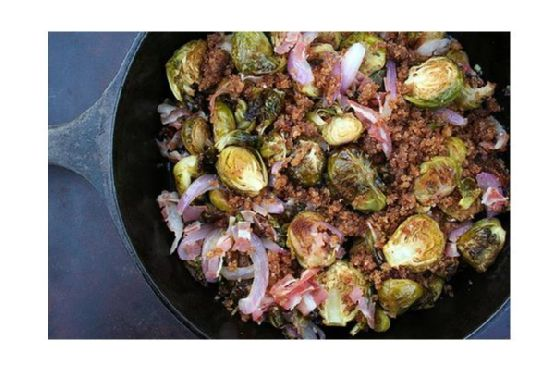
It was one of those Thursday evenings when the world felt like it was spinning a bit faster than usual. I had finally wrangled the kids to bed, and there I was staring at a fridge that seemed emptier by the minute. But from somewhere in the depths of that fridge, a bag of Brussels sprouts peeked back at me. Paired with some pancetta I had tucked away (a gift from my last “I’m going to learn charcuterie” phase), I realized a deliciously satisfying dinner was just a roast away. These Roasted Brussels Sprouts with Red Onions and Pancetta are the perfect way to coax out the caramelized sweetness of Brussels sprouts, make your kitchen smell heavenly, and use up those random pantry ingredients. Honestly, it’s a little bit of magic in under an hour.

Jump to Recipe

What You’ll Need

This dish is as much about what’s not in it as what is. Simple, fresh ingredients that you probably have hiding in your kitchen already.

  • 1 lb of **Brussels sprouts**, halved
  • 3-5 cloves of **garlic**, pressed
  • 1/4 cup and 2 tablespoons of **olive oil**, divided
  • 1 slice of **bread**
  • 1/2 cup of **red onions**, sliced
  • 1/4 cup of **pancetta**, diced
  • Salt and pepper to taste

How to Make Roasted Brussels Sprouts With Red Onions and Pancetta

  1. Preheat your oven to 350°F (175°C). While it warms up, grab a large plastic zippered bag. Toss in the halved Brussels sprouts, 3 cloves of pressed garlic, and 2 tablespoons of olive oil. Give it a good shake until everything’s nicely coated.
  2. Spread the Brussels sprouts out in an ovenproof dish. Pop it in the oven and roast for about 40 minutes. They should come out tender with a golden brown hue and a heavenly aroma.
  3. Meanwhile, take a pan and heat up 1/4 cup of olive oil over medium heat. Once it’s warm, fry the slice of bread until it’s golden on both sides. Trust me, this will be our crispy topping magic in just a bit.
  4. Set that bread aside. In the still-warm pan, add the sliced red onions. Give them a quick sauté for about 3 minutes until they slightly soften but still have a bite. You’re aiming for them to be fragrant but not mushy.
  5. Toss in the diced pancetta with the onions and let them mingle for another minute. The pancetta should release its flavors but not get overly crispy.
  6. When the Brussels sprouts have roasted to perfection, add them to the pan. Heat everything together for about 3 minutes, stirring gently so the flavors blend without turning into a mushy mess.
  7. In a food processor, blitz the fried bread with 1-2 cloves of garlic until you have a coarse crumb. Sprinkle this over your Brussels sprouts and finish with a final drizzle of olive oil for good measure.

Cook’s Notes

Roasting Brussels sprouts is all about the timing. Make sure they’re cut evenly so they cook at the same rate. You want them tender but not mushy, with just enough caramelization to bring out their natural sweetness. This dish is fantastic fresh out of the oven, but if you have leftovers (and that’s a big if), they keep well in the fridge for about two days. Just reheat them gently so you don’t lose that delightful texture. And if you’re a planner, you can prep the Brussels sprouts and onions in advance—store them separately and combine everything just before serving for peak freshness.

Make It Your Own

  • Substitute the pancetta with **crispy tofu** for a vegetarian version that’s just as satisfying.
  • Swap the red onions for **shallots** if you want a milder, slightly sweeter flavor.
  • Add a handful of **parmesan cheese** just before serving for a cheesy twist.
  • Mix in some **dried cranberries** after roasting for a pop of sweetness that pairs wonderfully with the savory elements.

If you try this, I’d love to hear how it turns out—drop a comment or tag me! Nothing makes me happier than seeing your versions of these dishes come to life. Till next time, happy cooking!

Related update: Roasted Brussels Sprouts With Red Onions and Pancetta

Related update: Bacon Wrapped Filet Mignon

Weathers’ No‑Hit Hope, Yankees Collapse | Analysis by Brian Moineau

Ryan Weathers took a hurl at history — and the Yankees self-destructed soon after

Ryan Weathers’ no-hit bid into the seventh inning dominated the narrative of Monday night’s tilt at Camden Yards, but the story didn’t end there. Ryan Weathers’ no-hit bid was the kind of drama every fan loves — dominant innings, electric swings-and-misses, and the faint hum of possibility — until the bottom fell out quickly: a broken bid, a reliever’s homer allowed, and the Yankees somehow turning a 2-0 lead into a 3-2 loss. The game became less about what Weathers almost did and more about what the Yankees couldn’t hold together afterward.

The image of a pitcher carving six no-hit innings and then watching his team unravel shortly after is an uncomfortable one. It’s also a good lens to examine the current Yankees: talented, streaky, and liable to implode at the worst possible moments.

How the night unfolded

  • Weathers, returning after a recent illness that cost him weight and a start, struck out nine and carried a no-hitter through six innings. He looked sharp and, by all accounts, surprised himself when he realized the bid was still alive.
  • In the seventh, Adley Rutschman lined a grounder that broke up the no-hit bid. That modest two-out single was the fulcrum. Momentum shifted immediately.
  • After Weathers was lifted, Brent Headrick faced Coby Mayo, who crushed a three-run homer that turned a 2-0 Yankees advantage into a 3-2 deficit.
  • The Orioles plated the decisive runs in a blink; the Yankees’ bats went silent when it mattered most, and New York dropped its fourth straight game.

Transitioning from one hero moment to another meltdown is baseball at its most theatrical. But the play-by-play masks a deeper problem: a team fragile enough that the emotional whiplash from “almost history” to “we lost” affected both the pitching staff and the lineup.

The turning point: Adley Rutschman’s grounder and Mayo’s blast

Small events often become huge ones in baseball. Rutschman’s ground-ball single to center might have been a single plate appearance in a long season anywhere else, but it did two things: it ended a rare personal achievement and it allowed Baltimore to breathe. That breath became a gust.

Headrick’s pitch to Mayo is where the Yankees’ night truly imploded. Relievers are asked to bridge innings and preserve leads; they are also judged by their ability to calm a game’s swing. Headrick’s homer allowed was textbook collapse: built on pressure, amplified by a crowd, and finished with a swing that will be replayed in Baltimore highlights.

The lesson is clear: the emotional and situational context of each pitch matters. A no-hit bid can energize a crowd and a team — but it can also leave players emotionally spent and less able to react when the margin for error shrinks.

Why this stings beyond one game

  • Momentum and psyche: Teams riding high can absorb setbacks; teams on the edge fold differently. The Yankees’ current skid made them vulnerable to the immediate effects of a broken bid and a reliever’s mistake.
  • Bullpen depth and usage: Taking a starter who’s just returned from illness deep into a game was a brave call and one that initially paid off. But the quick handoff to a bullpen arm in a pressure spot exposed limited margin for error.
  • Offense timing: New York scored two early but couldn’t add insurance. When a late collapse is a single swing away, the inability to build on a lead becomes costly.

This game is a compact example of bigger-season themes. One outstanding outing from a starter doesn’t erase the structural issues that pop up when the margin is thin — especially in May, when workloads, recoveries, and chemistry are still in flux.

A close look at Weathers’ outing

Weathers’ performance was both encouraging and bittersweet. He showed command of his repertoire, missing bats with a slider and keeping hitters off-balance. That he managed to do it after losing weight and missing time for illness suggests durability and guts.

Still, a pitcher’s success is rarely judged in isolation. The offense’s inability to add runs and the bullpen’s failure to turn a clean handoff into a victory mean Weathers’ line reads differently in the box score than it felt on the mound. It’s a reminder that baseball outcomes are collective even when individual moments shine.

What this means for the Yankees now

  • Short-term: A four-game skid presses on clubhouse confidence. Managerial decisions — when to pull a starter, how to route the bullpen — will be scrutinized more harshly after games like this.
  • Long-term: The roster still has top-tier talent, but this game underscores the need for consistency, bullpen reliability, and timely offense. Those are fixable, but not instantly.
  • Mental reset: The psychological aftermath of losing a game where a no-hit bid was on the line requires a quick turnaround. Baseball seasons are marathons; how a team responds in the next series is more revealing than any single defeat.

Teams that can compartmentalize — accept that unfortunate swings happen, then play the next inning with clarity — tend to recover quickly. The Yankees’ ability to do that will be tested in the coming days.

What the Orioles saw

From Baltimore’s perspective, the game was a study in patience. They rode their at-bats to get to the pitch count and waited for a chance. When the opening came (Rutschman’s grounder and the Headrick matchup), Coby Mayo and the Orioles didn’t flinch. It’s a reminder that opportunism and execution win many games that look lost on paper.

My take

There’s beauty and cruelty in a night like this. Ryan Weathers’ no-hit bid brought a burst of optimism and reminded fans of the undeniable thrill of near-history. Then the team’s collective failings converted that thrill into frustration. The Yankees aren’t broken; they’re a high-powered franchise with some fundamental work to do: tighten the bullpen, get more consistent offense, and build the mental resilience that turns “almost” into “we got it done.”

If nothing else, the game showed how fragile momentum can be — and how dramatic baseball remains when one pitch swings an entire night.

Sources


Related update: We recently published an article that expands on this topic: read the latest post.


Related update: We recently published an article that expands on this topic: read the latest post.

Philly Cheesesteak Grilled Wraps | Made by Meaghan Moineau

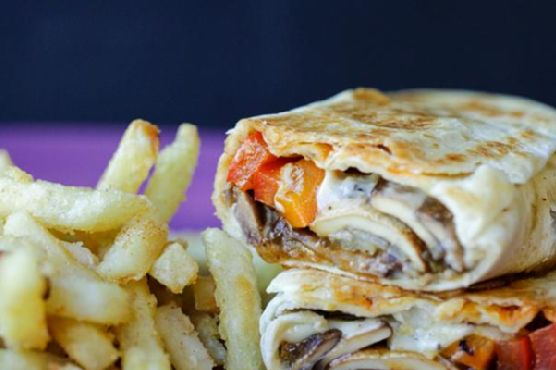
It was one of those early fall evenings when the chill starts to creep through the windows, and you find yourself craving something warm and comforting but don’t want to spend hours in the kitchen. The kind of night where you’re too lazy to do anything complicated but still want something that feels like a hug on a plate. That’s when I first made these Philly Cheesesteak Grilled Wraps. They’re a perfect blend of flavors with juicy steak, melty cheese, and a little kick of hot sauce, all rolled up into a crispy tortilla. They’re quick to assemble and hit all the right notes for a cozy meal. Plus, there’s something so satisfying about getting a little char on that wrap. Trust me, this recipe is going to be your new weeknight hero.

Jump to Recipe

What You’ll Need

I love how simple this ingredient list is. Chances are you already have most of this hanging out in your fridge or pantry:

  • Steaks – Choose your favorite cut; just slice it thin!
  • Vegetable oil – For those beautiful caramelized onions.
  • Onions – The backbone of flavor here!
  • Better Than Bouillon Beef Base – My little secret for that extra punch.
  • Portobello mushrooms – Meaty and delicious.
  • Bell peppers – Adds color and sweetness.
  • Mayonnaise – Trust me on this one, it’s the glue.
  • Hot sauce – For that essential kick.
  • Tortillas – The wrap that holds it all together.

How to Make Philly Cheesesteak Grilled Wraps

  1. In a frying pan over medium-low heat, add your onions and give them their time to shine. Let them caramelize slowly, stirring occasionally, until they transform into sweet, golden ribbons. This should take about 30 minutes.
  2. Once the onions are just right, stir in the Better Than Bouillon Beef Base with a tablespoon of water. This creates a faint gravy that coats everything beautifully.
  3. Next, introduce the mushrooms and bell peppers. Cook until they’ve softened and their flavors have melded, about 5 minutes. You’ll know they’re ready when the mushrooms are tender and the peppers are vibrant.
  4. Lay out a tortilla and spread a thin layer of mayonnaise over it. Add a few squirts of hot sauce for that necessary zing.
  5. Pile on the steak slices and the savory vegetable mix. Roll it up tightly, ensuring the ends are sealed so nothing escapes.
  6. Heat a griddle or large frying pan over medium heat and give it a light spray of cooking oil. Place your wraps seam side down, and press them with something heavy—think a smaller frying pan weighted down. Grill until the tortilla is toasty and golden.
  7. Flip the wraps and repeat the process on the other side. If you have a panini press or a George Foreman grill, these work wonders too.
  8. Once they’re grilled to perfection, pull them off and let them sit for a minute before slicing them in half. Enjoy watching happy faces around the table!

Cook’s Notes

Slow and steady wins the race with those onions. Rushing them will lose all that sweet, caramelized goodness. If you’re planning ahead, you can make the steak and veggie mix earlier in the day and just assemble and grill the wraps when you’re ready to eat. Leftovers? Pop them in the fridge and when you’re ready to reheat, a few minutes in a toaster oven will bring back that lovely crunch.

Make It Your Own

  • Swap the steak for crispy tofu to make it vegetarian-friendly. Just make sure to season the tofu well!
  • Try adding some provolone cheese or your favorite melty cheese for an extra layer of richness.
  • Incorporate some jalapeños if you want to amp up the heat—just slice them thinly and add them alongside the peppers.
  • Use whole wheat or spinach tortillas for a heartier, healthier twist.

If you try this, I’d love to hear how it turns out—drop a comment below or tag me on social media. Can’t wait to see your delicious creations!

Related update: Philly Cheesesteak Grilled Wraps

Escarole & Beans | Made by Meaghan Moineau

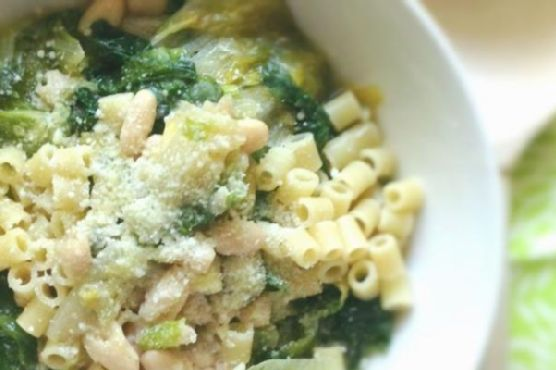
Picture this: it’s a dreary Tuesday evening, and the rain won’t let up. You’re standing in the kitchen, craving something warm and comforting but also something that won’t require an entire evening of chopping, stirring, and watching the pot. That’s when this Escarole & Beans recipe becomes your best friend. This dish is like a cozy blanket in a bowl—hearty, savory, and surprisingly simple to whip up. A few pantry staples, a quick simmer, and voila: you’re transported to a place where the rain feels less dreary and dinner feels a little more special. And trust me, the addition of escarole gives it just the right touch of freshness and bite.

Jump to Recipe

What You’ll Need

This dish thrives on simplicity, using ingredients you probably already have, with a couple of stars that elevate it from your typical pantry meal.

  • 8 oz of ditilini pasta
  • 3 diced garlic cloves
  • 3 tablespoons of olive oil
  • 1 can of cannellini beans, with its juice
  • 1 cup of vegetable broth
  • Salt & pepper to taste
  • 1 head of escarole, washed and chopped
  • 1 teaspoon of crushed red pepper flakes
  • Freshly grated parmesan cheese for garnish

How to Make Escarole & Beans

  1. Start by cooking the ditilini pasta according to the package directions. You want it al dente, so it holds up in the broth later.
  2. In a large pot, heat the olive oil over medium heat. Add the diced garlic and sauté just until it starts to turn golden and fragrant—don’t let it burn!
  3. Pour in the cannellini beans, juice and all. Add a sprinkle of salt, a crack of black pepper, and the crushed red pepper flakes. Stir it all together and let it heat through for a few minutes.
  4. Stir in the vegetable broth. Let the mixture simmer gently for about 10 minutes. You’ll notice the edges start to bubble, and it smells heavenly.
  5. Toss in the chopped escarole and cover the pot with a lid. You’re aiming to wilt the escarole, not stew it, so check every couple of minutes and give it a stir until it’s just wilted.
  6. Once the escarole is tender but still vibrant, turn off the heat. Taste and adjust the seasoning if needed—sometimes it just needs that little extra pinch of salt.
  7. To serve, spoon some pasta into each bowl and ladle the escarole and bean mixture over top. Don’t skimp on the broth—it’s the best part! Finish with a generous sprinkle of parmesan cheese.

Cook’s Notes

This dish is all about balance. The escarole should be wilted but not mushy, and the pasta al dente. If you’re making it ahead, you might want to store the pasta and the bean mixture separately, so the pasta doesn’t soak up all the broth and get soggy. Just combine them when you’re ready to eat.

  • If you’re not a fan of spicy, you can reduce or even omit the crushed red pepper flakes. It’s still delicious without the heat!
  • Leftovers can be stored in an airtight container in the fridge for up to three days. Reheat gently on the stove, adding a splash of water or broth if it’s too thick.

Make It Your Own

  • Swap out the escarole for kale or spinach if that’s what you have on hand or prefer. Both hold up beautifully in the broth.
  • If you’re looking for a heartier meal, add some Italian sausage to the pot when you sauté the garlic. Cook it through before proceeding with the recipe.
  • For a vegetarian twist with a protein kick, throw in some crispy tofu cubes just before serving.
  • Fancy a change from pasta? Try serving the beans and escarole over a slice of crusty, toasted sourdough bread for a rustic feel.

If you try this, I’d love to hear how it turns out—drop a comment or tag me! Cooking is all about sharing the love, after all. Bon appétit!

Related update: Escarole & Beans

Related update: Philly Cheesesteak Grilled Wraps

Indiana Jones Shines on Switch 2 Port | Analysis by Brian Moineau

Hook: A surprise port that still feels like a discovery

Indiana Jones and the Great Circle's Nintendo Switch 2 port landed with a pleasant thud: not a flashy miracle, but a careful, capable conversion that keeps the film-quality vibe intact while squeezing performance out of Nintendo’s newest hardware. Fans who worried the Switch 2 release would be a crippled afterthought can breathe: this version largely holds up, with a few clever technical tricks and sensible compromises that make portable tomb-robbing genuinely enjoyable. (gamesradar.com)

Why this port matters

When MachineGames and Bethesda announced a Switch 2 version, the question wasn’t just “will it run?” but “at what cost?” Indiana Jones and the Great Circle arrived on big-box consoles in 2024 as a cinematic, system-hungry adventure praised for level design, performances, and production values. Porting that to a handheld-first console requires both engineering muscle and design choices that respect the original experience. Early impressions and reviews show the team leaned into smart scaling and platform-specific features rather than making sweeping cuts. (pcgamer.com)

  • The Switch 2 build targets a steady 30fps in most situations, prioritizing consistent gameplay over pushing unstable 60fps. That’s a logical move for this class of game. (nintendoeverything.com)
  • Resolution and image-quality trade-offs are handled via dynamic scaling and DLSS-like upscaling, delivering a visually pleasing image despite reduced native resolution in handheld mode. (nintendoeverything.com)
  • The full game ships on cartridge for physical buyers, avoiding the controversial “game-key” packaging some other Switch 2 releases have used. That’s a notable win for collectors. (techradar.com)

Indiana Jones and the Great Circle's Nintendo Switch 2 port: how it looks and plays

Visually, reviewers consistently describe the Switch 2 version as “a looker for its platform.” Textures are scaled, distant geometry simplified, and crowd density reduced compared with Series X / PS5 builds, but the core art direction—grand vistas, convincing character faces, and atmospheric lighting—remains intact. The team’s use of temporal upscaling and hardware-aware tuning keeps image quality high enough that most players will feel fully immersed, even docked at 1080p or handheld at a lower native resolution. (gamesradar.com)

Gameplay-wise, the port emphasizes stability. MachineGames appears to have hard-limited demanding rendering effects and prioritized frame pacing so that combat, stealth, and puzzle beats stay snappy. Reviewers note occasional dips during cutscene transitions or densely populated areas, but these are described as minor blips rather than game-breaking issues. Controls adapt well to Joy‑Con/Pro Controller layouts, and the Switch 2’s alternative inputs (gyro aiming, mouse support in docked mode) add pleasant options for players who prefer them. (vooks.net)

The engineering choices behind the scenes

Ports like this are engineering puzzles: which visual features get kept, which systems get reworked, and how much of the original content stays on the cartridge. The Switch 2 release shows three pragmatic decisions:

  • Dynamic resolution and upscaling (including Nvidia/AI-assisted techniques where available) to preserve detail while keeping frame-rate targets. This helps scenes feel “next-gen” without native resolution costs. (nintendoeverything.com)
  • Conservative frame-rate target (30fps) to improve consistency across the game’s varied environments, from tight interiors to wide outdoor hubs. That trade gives smooth input response in stealth and melee sections. (vooks.net)
  • Inclusion of the full game on a physical card for the Switch 2 release, which changes the user experience for owners who want immediate access without downloads. (techradar.com)

Those choices add up to a port that’s honest about the platform’s limits while optimistic about what can be achieved with care and tuning.

How it compares to other Switch 2 ports

Nintendo’s second console generation has already shown it can carry big third‑party hits—this Indy port joins a growing list of ambitious conversions. Compared with earlier “impossible” ports that made heavy gameplay compromises, the Great Circle on Switch 2 mostly keeps the original pacing and structure. It’s closer in spirit to recent id Tech-based ports that settled for 30fps but preserved gameplay and level fidelity, rather than to stripped-down handheld-only spin-offs. (gamesradar.com)

That said, if you own (or prefer) the PS5 / Xbox Series X|S versions, you’ll still notice differences: sharper textures, steadier 60fps modes, and more cinematic polish on larger displays. The Switch 2 version is best seen as a portable alternative that sacrifices a bit of visual fidelity for flexibility and convenience. (pcgamer.com)

The player experience: do the compromises matter?

Short answer: for most players, no. The pacing, story beats, and moment-to-moment design—what makes Indiana Jones feel like an Indiana Jones game—survive the port intact. Reviewers who spent significant time with the Switch 2 build emphasize that the cinematic moments still land, the stealth and melee feel weighty, and the game’s humor and setpieces remain compelling. Occasional technical concessions are forgivable when the adventure still delivers the same thrills. (nintendoworldreport.com)

A few caveats:

  • If you’re a frame-rate purist or play on a very large TV, the Series X / PS5 versions will look and feel superior.
  • Some cutscenes or rapidly changing environments can trigger frame dips; these are worth noting but not often disruptive to play. (vooks.net)

What this port signals about Switch 2’s future

This release reinforces an encouraging pattern: Switch 2 isn’t just for indies and Nintendo first-party games—it’s a viable target for thoughtful ports of demanding, narrative-driven blockbusters. Publishers and studios now have a growing set of technical approaches to bring heavier titles to Nintendo’s hardware without betraying the original games’ intent.

In practical terms, that means:

  • More “big” games could reach Switch 2 if studios invest time in tuning and platform-specific features.
  • Players should expect trade-offs—especially around frame-rate and resolution—but also expect clever engineering that keeps gameplay intact. (gamesradar.com)

My take

Indiana Jones and the Great Circle on Switch 2 feels less like a compromise and more like an adaptation. It keeps the soul of the original game—its levels, character work, and sense of adventure—while reshaping the technical wrapper so the experience is stable and enjoyable on the new hardware. For players who want to play Indy on the go or who appreciate owning a physical Nintendo Game Card, this port is a rare sweet spot: ambitious, pragmatic, and fun. (gamesradar.com)

Sources


Related update: We recently published an article that expands on this topic: read the latest post.


Related update: We recently published an article that expands on this topic: read the latest post.