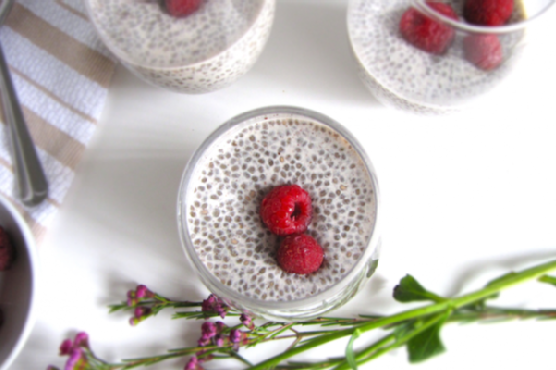
So there I was, rummaging through my pantry on a Sunday night, searching for something—anything—that could pass as a make-ahead breakfast for the hectic week ahead. You know how it is, right? That moment when you realize you’ve spent a little too much time on the couch binge-watching your favorite series and now the thought of meal-prepping feels like climbing Everest. Enter: chia seed pudding. Honestly, it’s like a little miracle in a bowl. Quick to put together, almost zero cleanup, and it somehow feels like a treat even though it’s packed with all the good stuff. And did I mention it requires zero effort in the morning? Just grab and go. Trust me, once you try this, you’ll wonder how you ever lived without it.
Jump to Recipe
What You’ll Need
This chia seed pudding is all about simplicity, and chances are you already have most of these in your kitchen.
- 2 tablespoons black chia seeds
- 1 cup almond milk
- 1 tablespoon raw agave syrup
- 1/4 teaspoon vanilla extract
- Pinch of salt
- Garnish: raspberries or your favorite berries
How to Make Chia Seed Pudding
- Start by grabbing a small bowl or a mason jar—whatever works for you. Pour in the almond milk, then add the chia seeds, giving them a gentle stir to ensure they begin to soak up the liquid.
- Add the raw agave syrup to the mix. Stirring slowly, add the vanilla extract and a pinch of salt. The salt might seem odd, but trust me, it balances the sweetness perfectly.
- Keep stirring until everything’s combined and the chia seeds are evenly distributed. Cover the bowl or jar, and place it in the fridge overnight. This is when the magic happens—let the chia seeds work their gelling wonder.
- In the morning, check the consistency. If it’s too thick for your liking, stir in a bit more almond milk. Top with fresh raspberries or any berries you fancy, and voilà—breakfast is served!
Cook’s Notes
Here’s the deal: chia seeds can be a little finicky when it comes to absorbing liquid. If you find your pudding too runny, just add a bit more chia seed, stir, and let it sit for another hour. For those of us who love a thicker consistency, you might try reducing the almond milk slightly. And if mornings are as hectic for you as they are for me, make a couple of these at once—they keep well in the fridge for up to four days.
Make It Your Own
- Coconut Dream: Swap almond milk for coconut milk and top with shredded coconut and pineapple chunks.
- Chocolate Indulgence: Mix in a tablespoon of cocoa powder and finish with dark chocolate shavings on top.
- Nutty Flavor: Replace almond milk with cashew milk and add a handful of chopped nuts on top.
- Berry Bonanza: Go wild with mixed berries for a burst of color and flavor.
If you try this, I’d love to hear how it turns out—drop a comment or tag me! Can’t wait to see your delicious creations and don’t forget to enjoy every spoonful. Happy breakfast prepping!
Related update: Chia Seed Pudding
Related update: Dried Fruit and Ginger Scones
Related update: Baked Oatmeal with Dried Cranberries

TL;DR
- Uruguay’s World Cup ended with a 1-0 loss to Spain and two draws (1-1 vs Saudi Arabia; 2-2 vs Cape Verde); Marcelo Bielsa said he “left nothing” to Uruguayan football after the exit. [1][2][3][4][5]
- The shock exit isn’t just about a “toxic” coach; it’s about a rigid system that mismatched the squad, a high-stakes goalkeeper call that backfired, and a 48‑team format where two points condemn you. [3][6]
- Cape Verde’s debutants advanced from Group H while 19th‑ranked Uruguay went home, underscoring how margins and squad politics—not mystique—decide modern World Cups. [5][6][8]
What the source said
Al Jazeera reported that Uruguay crashed out of the 2026 World Cup with zero wins after a 1-0 defeat to Spain, following draws against Saudi Arabia and Cape Verde. Marcelo Bielsa accepted full responsibility, repeated a self‑description as a “toxic perfectionist,” and said he had “left nothing” of value to Uruguayan football. The piece noted Uruguay were the highest‑ranked side eliminated at that point (FIFA No. 19 in June 2026) and recalled Bielsa’s prior World Cups: a group exit with Argentina in 2002 and a Round of 16 run with Chile in 2010. [1][8][9]
Why it matters
- For the AUF and a proud fan base in Montevideo, a second straight group‑stage exit (2022 and now 2026) dents a century‑long big‑tournament identity and forces a style‑versus‑fit debate for the next cycle. The next coach inherits a split squad—icons and a newer core—and a public argument about how Uruguay should play. [2][4][6]
- For FIFA 2026—48 teams in 12 groups with eight third‑placed teams advancing—the Uruguay case shows a heavyweight can still be out with two points and a negative goal difference. Cape Verde demonstrated a smaller federation can survive 270 minutes with structure and game management. [5][6]
Original analysis
Frame the debate: Bielsa’s ideology vs squad fit (a 2×2)
|
Squad fit high (roles, profiles lined up) |
Squad fit low (roles clash with demands) |
| Ideologue manager (non‑negotiable game model) |
Guardiola’s Barça/Spain core circa 2011: ideas + profiles aligned |
Bielsa 2026 Uruguay: pressing/transition asks vs veterans with different rhythms [2][3][4] |
| Pragmatist manager (model flexes to players) |
Del Bosque’s 2010 Spain: built around Xavi/Iniesta tempo |
Tournament firefighters: compact 4‑4‑2s riding goalkeeper form |
Bielsa landed in the top‑right box once the roster didn’t match his asks. Group H told that story in three beats: 1‑1 vs Saudi Arabia, 2‑2 vs Cape Verde, then 0‑1 vs Spain after a goalkeeping error. The pressing principles showed in spurts; under stress, execution and decision‑making fell apart. [2][4][5]
Back‑of‑envelope: the unforgiving math of two points
- Format math: 12 groups x 4 teams = 48; top two per group (24) + eight best third‑placed (8) = 32 qualifiers; two‑thirds of third‑placed teams advance. Points rule: win = 3, draw = 1, loss = 0. [6]
- Uruguay’s totals: 0W‑2D‑1L = 2 points; goals for 3 (1+2), goals against 4 (1+2+1), goal difference −1. With two points and a negative GD, you lose to any third‑placed side on 3+ points and most two‑point peers on tiebreaks, so you’re effectively out. Converting one draw to a win lifts you to 4 points and a neutral or positive GD, which typically clears the best‑third cut. [2][4][5][6]
The historical analogue that actually fits: Argentina 2002, not Leeds 2020
The consensus blames Bielsa’s “toxicity.” My contrarian read: the decisive failure was systemic misfit under tournament constraints, an old Bielsa problem that echoes 2002 Argentina more than any club spell. In 2002, a talented team fell in the group because selection and in‑game adjustments didn’t bend fast enough; in 2010 with Chile, a role‑aligned, younger core reached the Round of 16. World Cups reward risk compression; Bielsa inflates risk when profiles don’t align. [1][7][9]
The goalkeeper decision as a hinge moment
Fernando Muslera, 40, started against Spain and committed the mistake that decided 1‑0; he was substituted at half‑time after staff and media reported he asked to come off. That single high‑leverage error, in a three‑game tournament sample, can swing an entire arc when your model depends on perfect execution. Uruguay paid full price. [2][3][10][11]
Inside the camp: revolt or routine tension?
Outlets in Spain and the UK reported senior‑player pushback on physical workload and tactical mirroring before the Spain match, while other reporting rejected the idea of a full mutiny. Under results pressure, routine friction turned every meeting into a referendum on leadership style. Bielsa’s own post‑match words—“I haven’t left anything to Uruguayan football”—put the accountability squarely on him. [1][12][13]
Named‑stakeholder readout
- Marcelo Bielsa: A third World Cup without a deep run hardens the view of him as a club‑cycle alchemist more than a tournament operator. [1][7]
- AUF (Uruguayan FA): Decision point for 2026–2027—double down on the philosophy and recruit profiles to match it, or pivot to a pragmatist for the 2027 Copa América qualifying rhythm.
- Cape Verde FA: Validation on debut—compact block, timely saves, and game‑state control delivered second place in Group H at the first attempt. [5]
What others are missing
The goalkeeper selection politics—and how they created avoidable variance. Bielsa re‑installed a 40‑year‑old Muslera who hadn’t anchored most of the cycle, then watched a single error decide Uruguay‑Spain and trigger a halftime switch. That wasn’t just randomness; it flowed from a pre‑tournament choice compounded by documented tension over training load and tactical mirroring, which left almost no cushion for human error across 270 minutes. [3][10][11][12][13]
What to watch next
- By July 10, 2026, AUF will confirm Bielsa’s departure and name an interim for the September FIFA window.
- By September 2026, Uruguay will start a goalkeeper other than Fernando Muslera in every match of that window.
- By December 31, 2026, at least one of Uruguay’s June 2026 group‑stage starters will announce international retirement.
My take
Bielsa didn’t poison Uruguay; he misread the tournament. In a 48‑team World Cup where many third‑placed teams survive, you manage variance first and ideology second. Uruguay did the opposite: a high‑risk model, a volatile goalkeeper bet, and a public stance that made tactical U‑turns politically costly. The Celeste didn’t need fireworks—they needed three points and quiet. They got neither. [3][5][6]
Sources
- Toxic Bielsa leaves ‘nothing good’ behind as Uruguay suffer World Cup shock — Al Jazeera (https://www.aljazeera.com/sports/2026/6/27/toxic-bielsa-leaves-nothing-good-behind-in-uruguay-shock-world-cup-exit) — Core report with Bielsa’s “left nothing” admission and Uruguay’s winless exit.
- Uruguay 0-1 Spain — FIFA.com (https://www.fifa.com/en/articles/uruguay-spain-match-report-highlights) — Official match report and highlight context for the decisive defeat.
- World Cup 2026: Uruguay 0-1 Spain — Sky Sports (https://www.skysports.com/football/news/12098/13556686/world-cup-2026-uruguay-0-1-spain-alex-baena-goal-after-fernando-muslera-error-sends-marcelo-bielsas-team-out) — Independent match report noting Muslera’s error and elimination stakes.
- Saudi Arabia 1-1 Uruguay — FIFA.com (Arabic highlights/report) (https://www.fifa.com/ar/articles/saudi-arabia-uruguay-highlights-match-report-ar) — Confirms Uruguay’s opening draw in Group H.
- Uruguay 2-2 Cape Verde — FIFA Training Centre (official post‑match summary PDF) (https://www.fifatrainingcentre.com/media/native/tournaments/fifa-world-cup/2026/PMSR-M37-URU-V-CPV.pdf) — Confirms Uruguay’s second draw and match context against Cape Verde.
- Groups, qualification rules and third‑place advancement — FIFA explainer (https://www.fifa.com/en/articles/groups-how-teams-qualify-tie-breakers) — Format math for the 48‑team tournament and best third‑placed criteria.
- “I haven’t left anything to Uruguayan football” — The Guardian (https://www.theguardian.com/football/2026/jun/27/marcelo-bielsa-exits-world-cup-stage-with-uruguay-admission) — Bielsa’s post‑exit admission; includes substitution detail.
- FIFA/Coca‑Cola Men’s Rankings (June 2026): Uruguay 19th — The FA compiled rankings PDF (https://www.thefa.com/-/media/files/thefaportal/governance-docs/registrations/mens-fifa-rankings-june-2026-12-months.ashx) — Verifies Uruguay’s No. 19 rank at the time of elimination.
- Argentina 2002 group‑stage exit under Bielsa — World Soccer archive (https://www.worldsoccer.com/world-soccer-latest/bielsablames-bad-luck-for-departure-51864) — Historical analogue for Bielsa’s prior World Cup group‑stage failure.
- Muslera substitution explanation — Globo Esporte (https://ge.globo.com/google/amp/futebol/copa-do-mundo/noticia/2026/06/27/bielsa-explica-por-que-muslera-foi-substituido-no-intervalo-na-eliminacao-do-uruguai.ghtml) — Post‑match detail on the halftime goalkeeper change.
- “Muslera asked to come off” angle — Cadena SER (https://cadenaser.com/nacional/2026/06/27/error-garrafal-de-muslera-en-el-primer-gol-de-espana-cadena-ser/) — Reporting on the goalkeeper’s role in the substitution.
- Reports of player pushback on training/workload — The Guardian (https://www.theguardian.com/football/2026/jun/27/marcelo-bielsa-uruguay-depart-storm-spite-ill-discipline-world-cup) — Accounts of senior players’ concerns pre‑Spain.
- “No mutiny” counter‑report — Cadena SER (https://cadenaser.com/nacional/2026/06/27/la-version-de-uruguay-descarta-un-motin-en-ciernes-en-el-mundial-contra-marcelo-bielsa-hay-mucha-tension-pero-no-ha-habido-motin-cadena-ser/) — Balances the narrative on alleged revolt in the camp.
Related update: We recently published an article that expands on this topic: read the latest post.
Related update: We recently published an article that expands on this topic: read the latest post.
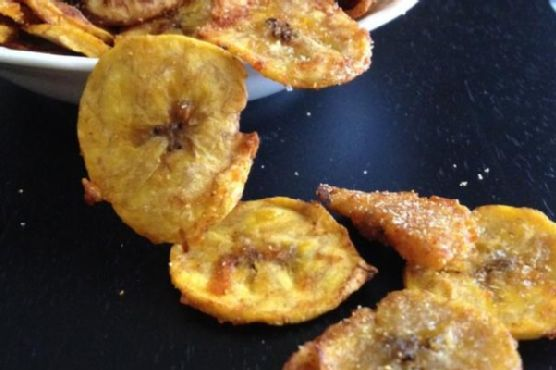
Last Tuesday, I found myself staring at a pair of plantains languishing on my counter, ripe and just waiting for their moment in the culinary sun. You know those evenings when you’re craving something salty, crunchy, and just a tad spicy, but the thought of another bowl of popcorn just seems so… meh? Enter: Garlic & Spice Plantain Chips. They come together ridiculously fast, are addictive in the best way, and bring the heat without sending you running for a glass of milk. They’re perfect for those late-evening cravings or to impress your friends at a casual get-together. Trust me, once you’ve made them, you’ll be hooked.
Jump to Recipe
What You’ll Need
These ingredients are simple yet punchy. Chances are, you already have most of these sitting in your pantry, just waiting to shine.
- 2 plantains – Look for ones that are more yellow than green for that perfect balance of sweetness and starch.
- 2 tablespoons olive oil – A good drizzle will coat the plantains perfectly.
- 1 teaspoon garlic powder – This adds a savory depth without being overpowering.
- 1 teaspoon paprika
- ½ teaspoon cumin
- ¼ teaspoon cayenne pepper – Adjust to your heat preference, but don’t skip it entirely. It’s the kick you didn’t know you needed.
- Salt, to taste
How to Make Garlic & Spice Plantain Chips
- Preheat your oven to 400°F (205°C). This is the magic temperature where the plantains get crispy but not burnt.
- Line a baking sheet with parchment paper or silicone mats to ensure nothing sticks and cleanup is a breeze.
- Take each plantain and cut off both ends. Make a slit along the entire length of the plantain, and peel off the skin. Don’t worry if it gets a little messy.
- Slice the plantains into thin rounds. Aim for consistency, but don’t stress if they’re not perfect. It adds character!
- In a medium-sized bowl, toss the plantain slices with olive oil, garlic powder, paprika, cumin, cayenne pepper, and a good pinch of salt. Stir until every slice is well-coated with this aromatic mixture.
- Lay the plantain slices on the baking sheets in a single layer. Overlapping leads to chewy rather than crispy chips.
- Bake for 15-20 minutes, flipping them at around 8 or 9 minutes. They’re done when the edges turn a nice golden brown. I like to swap the baking sheets between the top and bottom racks halfway through for even crispiness.
- Remove from the oven and let them cool slightly before diving in. The cooling process is where they really crisp up.
Cook’s Notes
A few things I’ve learned along the way:
- If your plantains are too green, they’ll be tough to peel and less sweet. Too ripe (almost black), and they’ll be overly sweet and not crisp up as much.
- If you’re making a large batch, work in batches so every slice gets proper attention in the oven. Overcrowding is the enemy of crispy chips.
- These chips are best enjoyed fresh, but if you need to store them, let them cool completely and keep in an airtight container. They’ll last for a couple of days, but who am I kidding—they never last that long in my house.
Make It Your Own
Here are a few ways to tweak the basic recipe and make it sing for your taste buds:
- Sweet and Spicy: Add a teaspoon of brown sugar to the spice mix for a sweet heat combo.
- Herbaceous Twist: Swap out the cumin for dried oregano or thyme for a herby hint.
- Citrus Zing: A little lime zest added before baking can give these chips a fresh twist.
- Cheesy Delight: Sprinkle some nutritional yeast for a cheesy flavor without the cheese.
If you give these a try, I’d love to hear how they turn out for you! Drop a comment or tag me in your crunchy chip moments. Enjoy every spicy, crispy bite!
Related update: Garlic & Spice Plantain Chips
Related update: Party Sausage Bites With Pine Nuts
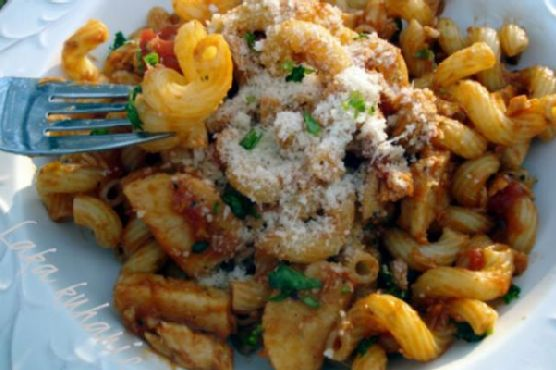
Picture this: It’s a blustery Tuesday evening, and you’ve just gotten home from a day that was long enough to make watching paint dry sound thrilling. You’re craving something that’s easy enough to not require a kitchen degree, but still feels like a cozy hug in a bowl. Enter my Cavatappi pasta with salmon crab surimi. This dish is a delightful tangle of flavors that hits the sweet spot between comfort food and seafood sophistication. The pasta’s curly tubes are perfect for catching all the saucy goodness, and the combination of salmon and surimi gives you that savory, oceanic touch without the need for a second mortgage. It’s a recipe that comes together in a flash, so you can have your taste of the Mediterranean with just a little bit of kitchen magic and minimal fuss. Curious yet?
Jump to Recipe
What You’ll Need
The best part about this ingredient list is that it’s likely you’ve already got most of these at your disposal. A few pantry staples, a couple of fresh herbs, and you’re in business.
- 8 oz Cavatappi pasta
- 2 tablespoons olive oil
- 2 cloves garlic, minced
- 1 can (6 oz) salmon fillets, drained
- 4 oz surimi crab sticks, sliced
- 2 plum tomatoes, chopped
- 2 tablespoons tomato puree
- 1 tablespoon red wine
- 1 teaspoon dried basil
- 2 tablespoons fresh basil, chopped
- 2 tablespoons fresh parsley, chopped
- 1 teaspoon sugar
- Salt and pepper to taste
- Grated Parmesan cheese for serving
How to Make Cavatappi pasta with salmon crab surimi
- First, get that pasta going. Cook the Cavatappi according to the package instructions until it’s al dente. Drain it, but don’t be too hasty — reserve a bit of that starchy cooking water like the little secret weapon it is.
- In a large skillet, heat up the olive oil over medium heat. Add the minced garlic and sauté it for about a minute. Keep an eye out – you want it just fragrant, not the golden brown of regret.
- Add the canned salmon and surimi crab sticks to the pan. Stir them gently, and let them simmer together for just a couple of minutes, like a friendly neighborhood chat.
- Time for the juicy bits: toss in the chopped tomatoes, tomato puree, dried basil, and red wine. Mix everything so it all gets to know each other, and let it simmer gently. You should start seeing those edges bubble in about 2-3 minutes.
- Sprinkle in the sugar, and season with salt and pepper. Stir it all together, letting the flavors meld into a harmonious sauce.
- Now, bring the pasta back into the fold. Add the Cavatappi to your sauce, turning it through until everything is well coated. If things look a bit too thick, a spoonful of that reserved pasta water will smooth it out beautifully.
- Serve immediately, with a generous sprinkle of Parmesan cheese and a touch of fresh, chopped basil for that finishing flair.
Cook’s Notes
Don’t be tempted to rush the garlic; it can go from golden to bitter in the blink of an eye. When simmering the sauce, keep it gentle—you’re coaxing out flavors, not boiling them away. This pasta dish is best enjoyed fresh, but if you happen to have leftovers, they’ll keep well in the fridge for up to two days. Just reheat gently, adding a splash of water if needed to get the sauce back to its luscious texture.
Make It Your Own
- Want to mix up the protein? Try swapping the salmon for some succulent shrimp or even crispy tofu for a vegetarian twist.
- If you’re a spice lover, a pinch of red pepper flakes tossed in with the garlic can add a nice kick.
- No wine on hand? A splash of chicken or vegetable broth works in a pinch and still adds depth.
- For a creamier version, stir in a splash of cream or a dollop of mascarpone cheese just before serving.
So there you have it! This Cavatappi pasta with salmon crab surimi is a surefire way to elevate any evening with minimal effort. If you try this, I’d love to hear how it turns out — drop a comment or tag me! Happy cooking! 🍝
Related update: Cavatappi pasta with salmon crab surimi