Fresh Tomato Mozzarella Side Salad | Made by Meaghan Moineau

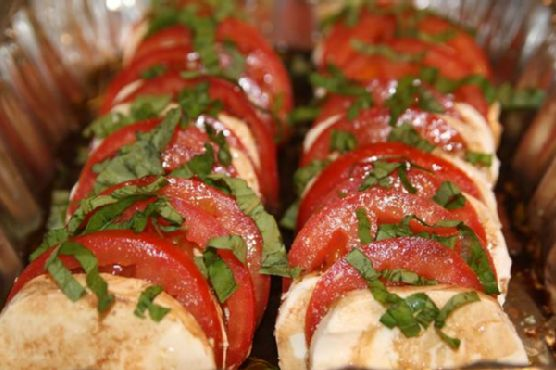
Fresh Tomato Mozzarella Side Salad

Intro

There’s something incredibly nostalgic about the combination of fresh tomatoes, creamy mozzarella, and fragrant basil. Every summer, as a child, I would watch my grandmother create this simple yet elegant salad with tomatoes freshly plucked from her garden. The vibrant reds, the pure whites, and the deep greens would come together on a plate, creating a symphony of colors and flavors. This Fresh Tomato Mozzarella Side Salad is a tribute to those cherished summer days, a recipe that brings warmth and simplicity to your table.

Why You’ll Love It

This salad is the epitome of freshness and simplicity. The juicy roma tomatoes paired with creamy mozzarella and aromatic basil create a delightful flavor profile that is hard to resist. Whether you’re looking for a quick side dish for a family dinner or a sophisticated starter for a dinner party, this salad is versatile enough to fit any occasion. It’s a celebration of fresh ingredients, easy to prepare, and full of healthy, wholesome goodness.

Ingredients

  • Balsamic vinegar
  • Shredded fresh basil leaves
  • Extra virgin olive oil
  • Kosher salt
  • Fresh Bel Gioioso mozzarella
  • 6 roma tomatoes

Instructions

  1. Slice the mozzarella into 1/2 inch slices.
  2. Slice the tomatoes into similar-sized slices.
  3. Arrange the slices by alternating the mozzarella and tomatoes in a neat row on a serving platter.
  4. Drizzle the arranged slices with extra virgin olive oil followed by balsamic vinegar.
  5. Sprinkle a pinch of Kosher salt over the salad for enhanced flavor.
  6. Stack about 4 basil leaves together and roll them up tightly like a log.
  7. Using a sharp knife, make diagonal slices along the rolled basil leaves to create thin strips.
  8. Loosen the strips and sprinkle them over the mozzarella and tomato slices.
  9. Chill the salad for at least 15 minutes before serving to allow the flavors to meld.

Tips

For the best flavor, choose ripe, firm tomatoes and high-quality mozzarella. If possible, use freshly picked basil from a garden or local market to maximize the aroma and taste. Drizzling the salad just before serving ensures that the tomatoes stay fresh and avoid becoming soggy.

Variations & Substitutions

If you want to switch things up, try using heirloom tomatoes for a burst of color and different textures. For a twist on the classic, you can substitute the mozzarella with burrata cheese for an extra creamy experience. If you prefer a touch of sweetness, consider adding a few slices of ripe peaches or nectarines to the salad. For a more robust flavor, a splash of lemon juice can be added to the olive oil before drizzling.

Storage

This salad is best enjoyed fresh but can be stored in an airtight container in the refrigerator for up to 2 days. If you plan to store it, avoid adding the balsamic vinegar until just before serving to prevent the tomatoes from becoming soggy.

FAQ

Can I make this salad ahead of time?

Yes, you can prepare the ingredients ahead and store them separately. Slice the mozzarella, tomatoes, and basil, but only assemble and dress the salad just before serving to maintain its freshness and texture.

What can I serve with this salad?

This salad pairs beautifully with grilled meats, such as chicken or steak, and goes well with crusty bread. It can also be served as a light appetizer before a heavier meal.

Nutrition

This Fresh Tomato Mozzarella Side Salad is not only delightful but also nutritious. Rich in vitamins A and C from the tomatoes, calcium from the mozzarella, and healthy fats from the olive oil, it’s a healthy choice that doesn’t compromise on flavor. It’s a perfect choice for those who are health-conscious but still want to enjoy delicious food.

Conclusion

The Fresh Tomato Mozzarella Side Salad is a testament to the beauty of simple, fresh ingredients coming together to create something truly special. Whether you’re looking to reminisce about summer days gone by or wanting to bring a bit of freshness to your current meal, this salad is sure to please. Enjoy it with loved ones, and let it become a staple in your culinary repertoire, just as it has in ours.

Related update: Fresh Tomato Mozzarella Side Salad

Related update: Bacalhau Macau

Related update: Gluten Free Dairy Free Sugar Free Chinese Chicken Salad

Brown sugar & Spice Sugar cookie frogs | Made by Meaghan Moineau

Brown Sugar & Spice Sugar Cookie Frogs

Intro

There is something magical about the aroma of freshly baked cookies wafting through the house. It reminds me of my childhood, when my grandmother would let me sneak a taste of cookie dough while she carefully rolled and cut the cookies, her hands perfectly steady despite her age. Over the years, I have carried forward her tradition of baking for every special occasion, but with my own twist. These Brown Sugar & Spice Sugar Cookie Frogs are a tribute to those cherished memories. The warm spices combined with the sweetness of brown sugar create a delightful cookie that both kids and adults will love.

Why You’ll Love It

These cookies are not only cute and whimsical, but they’re also packed with flavor. The combination of cinnamon, ginger, nutmeg, and allspice gives them a warm, cozy spice, perfect for any season. The brown sugar adds a depth of sweetness that pairs beautifully with the buttery richness of the cookie. Plus, they’re incredibly fun to make, especially with little helpers who will enjoy cutting out the frog shapes. Whether you’re baking for a family gathering, a holiday, or just because, these cookies are sure to bring smiles to everyone who tries them.

Ingredients

  • 2 1/2 cups unbleached all-purpose flour
  • 1 teaspoon baking powder
  • 1 teaspoon ground cinnamon
  • 1/2 teaspoon ground ginger
  • 1/4 teaspoon ground nutmeg
  • 1/4 teaspoon ground allspice
  • 3/4 cup granulated sugar
  • 3/4 cup light brown sugar, packed
  • 1 cup unsalted butter, softened
  • 1 large egg
  • 1 teaspoon vanilla extract

Instructions

  1. Whisk the flour, baking powder, cinnamon, ginger, nutmeg, and allspice together in a medium bowl. Set aside.
  2. In a large bowl, cream the granulated sugar, brown sugar, and butter together until light and fluffy.
  3. Add the egg and vanilla extract to the butter mixture and mix until well-blended.
  4. Gradually add the flour mixture to the wet ingredients, beating just until combined. Be sure to scrape down the sides and bottom of the bowl to incorporate all ingredients. If necessary, knead in any stray bits of flour by hand.
  5. Roll the dough out on a floured surface to about 1/4 inch thickness. Cut into frog shapes using a cookie cutter.
  6. Place the cookies on parchment-lined baking sheets, leaving a bit of space between them.
  7. Bake in a preheated oven at 350°F (175°C) for 9-12 minutes, depending on the size of your cutters, until the edges are lightly golden.
  8. Let the cookies sit on the baking sheet for a few minutes before transferring them to a cooling rack to cool completely.

Tips

For the best results, make sure your butter is softened to room temperature before you start. This will help it cream more easily with the sugars, creating a smooth and fluffy texture. If the dough feels too sticky when rolling, lightly flour your rolling pin and work surface. Lastly, be sure to chill the dough for about 30 minutes if it’s too soft to handle; this will make cutting the shapes much easier.

Variations & Substitutions

If you want to switch things up, try adding some finely chopped nuts for a bit of crunch, or substitute part of the flour with whole wheat flour for a nuttier flavor. You can also experiment with different shapes if frogs aren’t your style—stars and hearts are always popular choices. For a holiday twist, add a pinch of cloves to the spice mix, or glaze the cookies with a simple icing made from powdered sugar and milk after they’ve cooled.

Storage

Store these cookies in an airtight container at room temperature for up to a week. If you want to keep them longer, you can freeze the baked cookies in a freezer-safe container for up to three months. Just make sure to separate layers with parchment paper to prevent sticking. To enjoy, simply thaw at room temperature.

FAQ

Can I make the dough ahead of time?

Yes, you can prepare the dough in advance. Wrap it tightly in plastic wrap and store it in the refrigerator for up to two days. When you’re ready to bake, let it sit at room temperature for a few minutes to make it easier to roll out.

What can I use if I don’t have a frog-shaped cookie cutter?

No worries! You can use any cookie cutter shape you like, or even cut the dough into squares or circles using a knife or a glass. The taste will be just as delightful, no matter the shape.

Can I use dark brown sugar instead of light brown sugar?

Yes, you can use dark brown sugar if that’s what you have on hand. It will give the cookies a slightly deeper molasses flavor, which can be a lovely variation.

Nutrition

These cookies contain approximately 150 calories per serving (2 cookies), with 8g of fat, 20g of carbohydrates, and 2g of protein. They are a delightful treat best enjoyed in moderation.

Conclusion

These Brown Sugar & Spice Sugar Cookie Frogs not only bring a touch of whimsy to your table but also fill your home with the comforting aroma of spices and sweetness. They’re easy to make, delightfully customizable, and perfect for sharing with loved ones. I hope this recipe becomes a cherished part of your baking traditions, just as it has in mine. Happy baking!

Related update: Brown sugar & Spice Sugar cookie frogs

Related update: Shortbread Lemon Bars

Cooper Channels Cuban Flair at Stadium | Analysis by Brian Moineau

Havana Nights on the Ice: Jon Cooper’s Stadium Series Look Wrapped in Tampa Flavor

There’s outdoor hockey, and then there’s a theatrical performance that just happens to end with a 6-5 shootout. At the 2026 Navy Federal Credit Union NHL Stadium Series in Tampa, Lightning head coach Jon Cooper turned a pregame stroll into a moment that felt equal parts hometown salute and movie-set cameo — a white suit, matching hat, red undershirt and gold chain that leaned into Tampa’s Cuban heritage and the festive spirit of Raymond James Stadium.

Why the outfit mattered

This wasn’t just a costume. It was a small cultural wink from a coach who has long embraced Tampa as home. Ybor City — the historic Cuban enclave that helped shape Tampa’s identity — was the clear inspiration, and Cooper didn’t hide it. He later described the look as a “tip of a cap” to that heritage, even joking about staff outings to Ybor for cigars. The visual landed perfectly amid pyrotechnics, pirate-themed pageantry and the Bucs’ presence on the field earlier that day. (nhl.com)

  • The Lightning arrived earlier in Bucco-centric full Buccaneers gear, and local NFL ties were highlighted when quarterback Baker Mayfield and tackle Tristan Wirfs escorted the team into the stadium. (nhl.com)
  • The opposing Bruins leaned into a Revolutionary War-era theme, matching their NFL city counterparts (the Patriots) for pregame theatrics. (nhl.com)

The setting: outdoor spectacle meets local culture

The Stadium Series is designed to be more than a hockey game — it’s a spectacle that leans into place and personality. In Tampa, that meant merging the pageantry of Raymond James Stadium (pirates, pyrotechnics, creamsicle jerseys) with the city’s cultural threads. Cooper’s outfit was an accessible, playful bridge between team identity and community flavor: an on-ice nod to place that felt authentic rather than gimmicky. (nhl.com)

The game — a dramatic backdrop

If the pregame visuals set the tone, the game itself delivered on drama. The Lightning rallied from a four-goal deficit for a historic comeback and ultimately prevailed in a shootout — the kind of finish that makes these outdoor events linger in memory. Against that electric canvas, Cooper’s look reads as more than a fashion flourish; it was part of a larger chapter that fans will replay and recount. (nhl.com)

Notes on tone and intent

  • Cooper framed the choice as celebratory and light. He acknowledged the cultural reference while keeping the mood playful — “dressing like this probably doesn’t come around very often either,” he said. The reception from teammates and local observers was largely positive, treating it as a respectful, festive homage rather than appropriation. (nhl.com)
  • In the era of social media clips and highlight reels, a coach’s pregame look can become as viral as a highlight goal. Cooper leaned into that moment and let it amplify the event’s atmosphere.

Quick takeaways from the night

  • The outfit doubled as hometown tribute and headline-grabbing theater, showing how personality plays in modern pro sports.
  • Stadium Series events thrive on local flavor; Tampa’s Cuban heritage and Buccaneers connections gave this one a distinct identity.
  • The on-ice product matched the spectacle: a historic comeback and shootout win ensured the visuals would stick.

My take

Sports moments are rarely only about what happens on the scoreboard. They’re about memory-making — the smell of the arena, the pageantry, the tiny details that anchor a night in time. Jon Cooper’s look at Raymond James Stadium did more than get a few laughs and photos: it tied a franchise moment to the community that hosts it. It felt intentional, rooted and — most importantly — fun. In an age when authenticity matters, a coach wearing a white suit and tipping his hat to the city felt like a small but meaningful way to say, “This one’s for Tampa.”

Sources


Related update: We recently published an article that expands on this topic: read the latest post.


Related update: We recently published an article that expands on this topic: read the latest post.

Oven Roasted Pears With Blackberry Sauce | Made by Meaghan Moineau

Oven Roasted Pears With Blackberry Sauce

Introduction

There’s something magical about the combination of ripe pears and vibrant blackberries, especially when they come together in a warm, comforting dish like Oven Roasted Pears With Blackberry Sauce. This recipe takes me back to my grandmother’s cozy kitchen, where I spent countless afternoons learning the art of dessert making. I vividly remember the sweet, fruity aroma that filled the air each time we roasted pears together, and the way she would tell stories of her childhood as we waited for the dessert to finish. Today, I am thrilled to share this cherished recipe with you, hoping it brings as much joy and warmth to your home as it does to mine.

Why You’ll Love It

This dish is a celebration of flavors and textures. The tender, caramelized pears contrast beautifully with the tangy blackberry sauce, while the crisp meringue kisses add a playful crunch. It’s an elegant dessert that’s surprisingly easy to prepare, making it perfect for both special occasions and casual gatherings. Whether you’re a seasoned cook or a beginner, you’ll appreciate the straightforward steps and the impressive, restaurant-quality result.

Ingredients

  • 4 ripe pears
  • 4 tablespoons unsalted butter
  • 3 1/2 cups fresh blackberries
  • 1/4 cup powdered sugar
  • Juice from 1 lemon
  • 1/2 cup granulated sugar
  • 2 tablespoons confectioners’ sugar
  • 2 ounces bittersweet chocolate
  • 1/4 teaspoon cream of tartar
  • 3 large egg whites

Instructions

  1. Pre-heat the oven to 450 degrees Fahrenheit.
  2. Prepare the pears: Peel, core, and quarter the pears. Melt the butter in a large casserole or baking dish. Add the pears and cook over high heat for about ten minutes or until the pears are golden brown, stirring regularly to ensure even coloring.
  3. Roast the pears: Transfer the dish to the oven and roast for 7-10 minutes until the pears are easily pierced with a knife. Remove the pears from the oven, transfer to a bowl, and let them cool to room temperature.
  4. Prepare the blackberry sauce: Wash and dry the blackberries. Reserve 1/2 cup for garnish. In a food processor, puree the remaining blackberries with powdered sugar and lemon juice. Pour the puree into a bowl and set aside.
  5. Pre-heat the oven to 275 degrees Fahrenheit.
  6. Prepare the meringue kisses: Line a sheet pan with a silpat mat or parchment paper sprayed with cooking spray. In a food processor, blitz the granulated sugar into a fine powder. Transfer to a bowl. Add confectioners’ sugar and chocolate to the processor, and process until the chocolate is finely flecked.
  7. Beat the egg whites: In a mixing bowl, beat the egg whites on low speed until frothy. Add cream of tartar, increase speed to high, and beat until stiff peaks form. Gradually add superfine sugar and continue beating for two minutes.
  8. Pipe the meringues: Fill a pastry bag fitted with a star tip with the egg white mixture. Pipe out meringue kisses onto the lined baking sheet, creating a small point on top with a quick pull away of the bag.
  9. Dry the meringues: Bake for 1.5 hours until the meringues are hard to the touch. Remove from the oven and let cool to room temperature.
  10. Plate and serve: Spoon blackberry sauce into a serving dish, add pear quarters, and arrange meringue kisses on top. Garnish with whole blackberries.

Tips

  • Choose firm, ripe pears for the best texture and sweetness.
  • Use a salad spinner to quickly dry the blackberries after washing.
  • Ensure the egg whites are at room temperature for optimal meringue volume.

Variations & Substitutions

You can experiment with different fruits and flavors to make this dish your own. Try using apples instead of pears or adding a splash of vanilla extract to the blackberry sauce for a unique twist. If bittersweet chocolate isn’t your favorite, feel free to substitute with dark or semi-sweet chocolate.

Storage

Store leftover pears and blackberry sauce in an airtight container in the refrigerator for up to three days. Meringue kisses should be kept in a dry, airtight container at room temperature to maintain their crispness.

FAQ

Can I make this dessert ahead of time?

Yes! You can prepare the pears and blackberry sauce a day in advance. Simply store them in the refrigerator and assemble the dessert just before serving. The meringue kisses can be made several days ahead and stored in an airtight container.

What if I don’t have a pastry bag?

No worries! You can use a plastic sandwich bag with a corner cut off as a makeshift pastry bag. It will work just fine for piping the meringue kisses.

Is this dessert suitable for a gluten-free diet?

Absolutely! This recipe does not contain any gluten, making it a delicious and elegant option for those following a gluten-free diet.

Nutrition

While this dessert is indulgent, it offers a good balance of fruit and light meringue. Each serving contains a modest amount of calories and is a delightful way to enjoy a sweet treat without overindulging.

Conclusion

Oven Roasted Pears With Blackberry Sauce is not just a dessert; it’s an experience that brings together flavors, textures, and memories. It’s a dish that can transform an ordinary meal into a memorable occasion. I hope this recipe becomes a beloved addition to your culinary repertoire, just as it is in my family. Enjoy the warmth and delight it brings to your table!

Related update: Oven Roasted Pears With Blackberry Sauce

Related update: Fresh Tomato Mozzarella Side Salad

Spanakopita Cups | Made by Meaghan Moineau

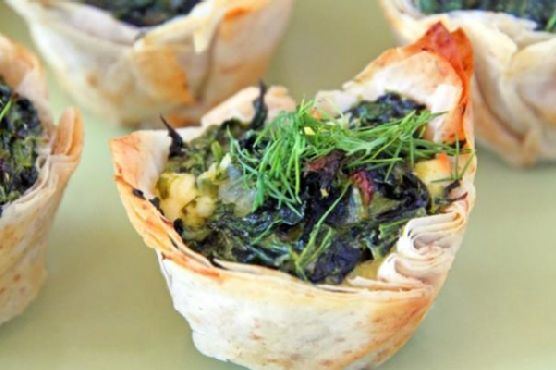
Spanakopita Cups: A Bite-Sized Greek Delight

Intro

Spanakopita cups are a delightful twist on the traditional Greek spinach pie, Spanakopita. These bite-sized treats capture the essence of the Mediterranean, combining flaky phyllo dough with a rich and savory spinach filling. I remember my first encounter with Spanakopita during a family trip to Greece when I was a child. The bustling market stalls, filled with aromatic herbs and spices, captivated my senses. The moment I took a bite of the warm, flaky pastry, I was hooked. That trip ignited my love for Greek cuisine, and this recipe is a homage to those cherished memories. Now, I am thrilled to share this recipe with you, bringing a piece of Greece into your home.

Why You’ll Love It

Spanakopita cups are perfect for entertaining and make for a wonderful appetizer or snack. Here’s why you’ll love them:

  • Easy to Make: Despite their elegant appearance, these cups are simple to prepare and require minimal ingredients.
  • Flavorful and Satisfying: The combination of spinach, feta, and dill creates a savory filling that is full of flavor.
  • Versatile: They can be served warm or at room temperature, making them ideal for parties or picnics.
  • Kid-Friendly: The mini size makes them a hit with kids and adults alike.

Ingredients

  • 2 tablespoons olive oil
  • 1 cup chopped green white scallions
  • 10 ounces frozen spinach, thawed and drained
  • 2 tablespoons chopped fresh dill
  • 3 large eggs, beaten
  • 1 cup crumbled feta cheese
  • Kosher salt, to taste
  • Black pepper, to taste
  • 1 package frozen phyllo dough, thawed
  • 1/2 cup unsalted butter, melted
  • 1/4 cup dry plain breadcrumbs

Instructions

  1. Preheat your oven to 400°F (200°C).
  2. Heat the olive oil in a pan over medium heat. Add the chopped scallions and cook for about 5 minutes until they are soft and fragrant.
  3. Squeeze most of the water out of the thawed spinach, then mix it with the cooked scallions, fresh dill, beaten eggs, and crumbled feta cheese. Season the mixture with kosher salt and black pepper to taste.
  4. Keep the phyllo dough sheets covered with a damp kitchen towel to prevent them from drying out.
  5. Unfold one sheet of the phyllo dough. Brush the sheet lightly with melted butter and sprinkle it with dry breadcrumbs.
  6. Repeat the process by laying a second sheet of phyllo dough over the first sheet, brushing it with melted butter and sprinkling with breadcrumbs. Continue this process until all four sheets have been used.
  7. Using a round cutter, cut circles out of the dough that will fit as a shell into mini muffin pans.
  8. Place the phyllo circles into the pan molds and fill each with the spinach mixture.
  9. Repeat until all the spinach mixture is used.
  10. Bake the spanakopita cups in the preheated oven for 17 minutes or until the phyllo pastry is golden brown and crispy.

Tips

  • Ensure the spinach is well-drained to prevent the filling from becoming too watery.
  • Keep the phyllo dough covered with a damp towel to maintain its pliability.
  • Use a pastry brush for even butter distribution on the phyllo sheets.

Variations & Substitutions

Feel free to experiment with the ingredients to suit your taste preferences:

  • Cheese: Swap feta for ricotta or goat cheese for a different flavor profile.
  • Herbs: Add or substitute other herbs like parsley or mint for a fresh twist.
  • Vegetables: Incorporate finely chopped mushrooms or bell peppers for added texture.

Storage

Store any leftover spanakopita cups in an airtight container in the refrigerator for up to 3 days. To reheat, place them in a preheated oven at 350°F (175°C) for about 10 minutes or until warmed through.

FAQ

Can I use fresh spinach instead of frozen?

Yes, you can use fresh spinach. Simply sauté the fresh spinach until wilted, then drain any excess moisture before combining it with the other filling ingredients.

How do I prevent the phyllo dough from drying out?

Keep the unused phyllo sheets covered with a damp kitchen towel while you work. This will keep the dough pliable and prevent it from cracking.

Nutrition

Each spanakopita cup is roughly 150 calories, containing healthy fats from olive oil and butter, and offering a good source of protein from the eggs and feta cheese. Spinach and dill add vitamins and minerals, making these cups not only delicious but also nutritious.

Conclusion

Spanakopita cups are a delightful and flavorful appetizer that brings a taste of Greece to your table. Their ease of preparation and versatile serving options make them a perfect choice for any occasion, from casual get-togethers to elegant parties. Whether you’re reminiscing about a past trip to Greece or simply looking to try something new, these spanakopita cups are sure to impress. Enjoy the warm, flaky goodness and share the joy of Greek cuisine with your loved ones!

Related update: Spanakopita Cups

Fresh Peach Margarita With Lime Sugar | Made by Meaghan Moineau

Fresh Peach Margarita With Lime Sugar

Intro

There’s something incredibly nostalgic about sipping on a refreshing cocktail that takes you back to warm summer evenings and gatherings with loved ones. The Fresh Peach Margarita with Lime Sugar does just that. It reminds me of the time I spent at my grandmother’s house in the heart of peach country, where the air always smelled of fresh fruit. We would sit on her porch and watch the sunset, savoring the sweetness of ripe peaches. This margarita is a delightful blend of those cherished memories and the vibrant flavors of peach and lime, offering a unique twist on the classic margarita.

Why You’ll Love It

This Fresh Peach Margarita is not just another cocktail; it’s an experience. The combination of juicy peaches and tangy lime sugar creates a harmony of flavors that’s both refreshing and invigorating. You’ll love the way the lime sugar adds a zesty kick to the sweet peach and smooth tequila, making each sip feel like a mini-vacation. Whether you’re hosting a summer party or simply enjoying a quiet evening at home, this margarita is sure to delight your taste buds and transport you to sunnier days.

Ingredients

  • Ice
  • 1 lime (juice)
  • Lime sugar (1/2 teaspoon of finely minced lime zest and 1/4 cup granulated sugar)
  • 1 ounce orange liquor
  • 1 ripe peach, peeled and sliced
  • 1 ounce peach schnapps
  • 1 tablespoon sugar
  • 2 ounces silver tequila

Instructions

  1. Add 1/2 teaspoon of finely minced lime zest to 1/4 cup granulated sugar and set aside for about 30 minutes, stirring occasionally.
  2. For a pretty presentation, coat the rims of the glasses you are using with lime sugar. Do this by rubbing the rim with a lime wedge and then placing the rim into a plate that has the sugar in it until the rim is coated.
  3. Place all ingredients into the blender and puree until smooth.
  4. If the mixture is too thick, add a little cold water to achieve the desired consistency.
  5. Either chill all ingredients before making or add some ice cubes after you have made the margarita and stir it until it is as cold as you like.
  6. Strain it into your glasses or serve on the rocks, as per your preference.

Tips

For the best flavor, use ripe peaches that are in season. They will be sweeter and more flavorful. If peaches aren’t available, frozen peaches can be used as a substitute. To enhance the lime flavor, consider adding a splash of lime juice directly into the margarita mixture. If you’re a fan of spicy drinks, try adding a dash of chili powder to the rim of your glass along with the lime sugar for an extra kick.

Variations & Substitutions

If you want to mix things up, consider using different fruits. Mango or pineapple can be excellent substitutes for peach, offering a tropical twist. You can also experiment with flavored tequilas or use a splash of coconut rum for a different flavor profile. For a non-alcoholic version, simply omit the tequila and schnapps and replace them with peach juice or nectar.

Storage

If you have any leftover margarita mix, store it in an airtight container in the refrigerator for up to two days. Before serving, give it a good stir or shake, as the ingredients may settle. It’s best enjoyed fresh, so try to consume it as soon as possible for the best taste.

FAQ

Can I make this margarita ahead of time?

Yes, you can prepare the lime sugar and slice the peaches ahead of time. However, for the freshest taste, it’s best to blend the margarita just before serving. If you must make it in advance, store it in the refrigerator and give it a good stir before serving.

What can I use if I don’t have a blender?

If a blender isn’t available, you can use a cocktail shaker. Muddle the peach slices in the shaker to release their juice, then add the rest of the ingredients with ice and shake well. Strain into your glass and enjoy.

Nutrition

While this cocktail is a treat, it’s worth noting that it contains sugar and alcohol, so enjoy it in moderation. The inclusion of fresh fruit does provide some nutritional benefits, such as vitamins and antioxidants from the peaches.

Conclusion

The Fresh Peach Margarita with Lime Sugar is a delightful way to celebrate the flavors of summer. Its vibrant taste and beautiful presentation make it the perfect addition to any gathering or a relaxing evening at home. I hope this recipe brings you as much joy as it has brought me, conjuring memories of sun-drenched days and cherished moments with loved ones. Cheers to creating new memories with every sip!

Related update: Fresh Peach Margarita With Lime Sugar

Related update: Spiced Apple Cider

Shrimp and Asparagus Foil Packs with Garlic Lemon Butter Sauce | Made by Meaghan Moineau

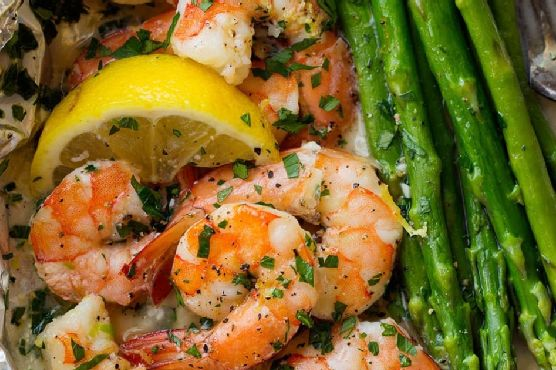
Shrimp and Asparagus Foil Packs with Garlic Lemon Butter Sauce

Intro

There’s something magical about the aroma of garlic and lemon wafting through the air, especially when it brings back memories of summer barbecues with family. I remember the first time I made these shrimp and asparagus foil packs. It was a warm evening, and my parents had come over for dinner. As the foil packs sizzled on the grill, we sat in the backyard, reminiscing about our family vacations to the coast. These foil packets quickly became a family favorite, capturing those cherished moments in every bite.

Why You’ll Love It

If you’re looking for a quick, wholesome meal that doesn’t skimp on flavor, these shrimp and asparagus foil packs are perfect for you. Here’s why:

  • Easy to Prepare: Minimal prep work and cleanup make this an ideal dish for busy weeknights.
  • Packed with Flavor: The garlic lemon butter sauce infuses the shrimp and asparagus with a burst of freshness and richness.
  • Healthy and Nutritious: Loaded with protein and vitamins, this dish is both satisfying and guilt-free.
  • Customizable: You can easily adjust the ingredients to suit your personal taste or dietary needs.

Ingredients

  • Asparagus
  • Diced butter
  • Dry white wine
  • Fresh parsley
  • Garlic
  • Fresh lemon juice
  • Lemon zest
  • Black salt and pepper
  • Shrimp

Instructions

  1. Preheat a grill to medium-high heat (about 400 – 425 degrees).
  2. Cut 4 sheets of 14 by 12-inch heavy-duty aluminum foil and lay each piece separately on the countertop.
  3. Divide shrimp among packets near the center, then place asparagus to one side of the shrimp (going the long direction of the foil).
  4. Pour 1/2 Tbsp white wine over each packet.
  5. Sprinkle over garlic (1 tsp per packet) and lemon zest, then season with salt and pepper.
  6. Divide butter pieces evenly among packets, layering them over the shrimp and asparagus.
  7. Wrap packets and crimp edges together, then wrap ends up (don’t wrap too tight – keep a little extra space inside for heat to circulate).
  8. Grill, sealed side upward, until shrimp has cooked through, about 9 – 10 minutes.
  9. Carefully unwrap, then drizzle with lemon juice (or just serve with lemon wedges for spritzing) and sprinkle with parsley.

Tips

For the best results, here are a few tips to keep in mind:

  • Choose Fresh Ingredients: Fresh shrimp and asparagus will make a significant difference in flavor.
  • Don’t Overcook: Keep an eye on the grill to ensure the shrimp doesn’t overcook and become rubbery.
  • Use Heavy-Duty Foil: This will prevent tearing and help the packets hold their shape.

Variations & Substitutions

Feel free to make this recipe your own with some variations:

  • Protein Swap: Try using chicken or salmon if you prefer.
  • Vegetable Add-Ins: Add bell peppers or cherry tomatoes for more color and variety.
  • Herbal Twist: Substitute parsley with dill or basil for a different flavor profile.

Storage

If you have leftovers, store them in an airtight container in the refrigerator for up to 2 days. Reheat gently on the stovetop or in the microwave, adding a splash of water or broth to keep the shrimp moist.

FAQ

Can I prepare these foil packs in the oven?

Absolutely! If you don’t have a grill, you can bake the foil packs in the oven at 425 degrees for about 10-12 minutes until the shrimp is cooked through and the asparagus is tender.

What type of shrimp should I use?

Use large, peeled, and deveined shrimp for the best results. Fresh or frozen (thawed) shrimp both work well.

Is there a non-alcoholic substitute for the white wine?

Yes, you can use chicken broth or a mix of water and a splash of apple cider vinegar as a substitute for white wine.

Nutrition

This dish is not only delicious but also nutritious. It’s a great source of protein from the shrimp and vitamins from the asparagus. The lemon butter sauce adds healthy fats, making it a well-rounded meal. For those counting calories, you can adjust the amount of butter used to suit your dietary needs.

Conclusion

Shrimp and Asparagus Foil Packs with Garlic Lemon Butter Sauce is a recipe that combines simplicity with exceptional flavor. Whether you’re hosting a family barbecue or seeking a quick weeknight dinner, this dish delivers on all fronts. Try it out and create your own memories around the grill. Happy cooking!

Related update: Shrimp and Asparagus Foil Packs with Garlic Lemon Butter Sauce

Related update: My Drunken Fish Fillet

Kale and Chickpea Soup with Lemon | Made by Meaghan Moineau

Kale and Chickpea Soup with Lemon

There’s something magical about a pot of soup simmering on the stove, its aroma enveloping the kitchen like a warm hug. My love affair with soups began on a chilly autumn afternoon at my grandmother’s house. I remember her kitchen, a small, cozy space filled with love and laughter, where she would prepare the most comforting soups. Her kale and chickpea soup was a family favorite, and I’ve carried on the tradition, adding my own twist with fresh lemon juice to brighten the flavors. This recipe is my homage to her, combining the wholesome goodness of chickpeas and kale with the zesty freshness of lemon. It’s a simple pleasure, perfect for warming your soul on a cold day.

Why You’ll Love It

This Kale and Chickpea Soup with Lemon is a delightful blend of flavors and textures. It’s hearty and satisfying, yet light enough for a quick lunch or a cozy dinner. The combination of tender kale, protein-rich chickpeas, and fragrant rosemary, all enhanced by the tangy lemon juice, makes for a truly memorable dish. It’s not just nutritious; it’s a bowl of comfort and a celebration of wholesome ingredients. Plus, it’s easy to make, with simple steps and minimal prep work. Whether you’re a seasoned cook or a kitchen novice, you’ll find joy in creating and savoring this delicious soup.

Ingredients

  • 2 banana shallots, finely diced
  • 1 bay leaf
  • 1 can of chickpeas, drained and rinsed
  • 2 stalks of celery, diced
  • 1/2 teaspoon chili flakes
  • Crusty bread, for serving
  • 1 garlic clove, crushed
  • Juice of 1 lemon
  • 200g kale, chopped
  • 1 lemon, sliced for garnish
  • 2 tablespoons olive oil
  • Parmesan cheese, for serving
  • 1 teaspoon rosemary leaves, finely chopped
  • Salt, to taste
  • 1 liter of vegetable or chicken stock

Instructions

  1. Set a dutch oven or large saucepan over medium heat and pour in the olive oil.
  2. Finely dice the shallots and add to the pan, stirring to coat with the oil.
  3. Make 4 or 5 long horizontal slices in the celery stalk and dice. Add this to the pan and stir.
  4. Finely chop the rosemary leaves and stir into the pan together with the bay leaf and the chili flakes.
  5. Peel the garlic clove and, using the flat of your knife and the heel of your hand, crush so that it is still whole and add to the pan.
  6. Add the chickpeas and the kale, and stir.
  7. Pour in the hot stock, let it come to a boil, and then turn down the heat. Let it simmer for 20 minutes until the kale is tender.
  8. Squeeze in the juice of half a lemon. Check the seasoning and adjust to taste. You might want more lemon or salt depending on the stock used.
  9. Working in batches or in the pan itself if you have a stick blender, blitz until you have the texture you like. I prefer to set aside a couple of ladlefuls and use a stick blender to blitz the rest.
  10. Serve hot, floating a couple of slices of lemon on top of each serving. Pass around the parmesan cheese for everyone to help themselves. Serve with toasted crusty bread.

Tips

To enhance the flavor of the soup, consider using homemade stock if you have the time. It can make a significant difference. Also, taste as you go! The lemon juice and salt levels can vary depending on the stock you use. If you like a bit more heat, don’t hesitate to increase the chili flakes. Lastly, if you don’t have a stick blender, a regular blender will work just fine, but be cautious with the hot liquid.

Variations & Substitutions

This recipe is quite versatile. You can substitute the kale with spinach or Swiss chard if that’s what you have on hand. If you prefer a creamier soup, you can add a splash of coconut milk or cream after blending. For a protein boost, consider adding cooked chicken or turkey. Vegetarians can opt for vegetable stock, while carnivores might enjoy the depth that a good chicken stock brings.

Storage

This soup stores wonderfully and often tastes even better the next day as the flavors meld. Allow the soup to cool completely before transferring it to an airtight container. It will keep in the refrigerator for up to 4 days. For longer storage, you can freeze the soup for up to 3 months. Reheat gently on the stove, adding a bit of water or stock if the soup has thickened too much.

FAQ

Can I make this soup ahead of time?

Absolutely! This soup is perfect for making ahead. It keeps well in the fridge and the flavors develop even more after a day or two. Just reheat it gently before serving.

What can I use instead of chickpeas?

If you’re not a fan of chickpeas, you can substitute them with white beans or lentils. They will provide a similar texture and nutritional benefits.

Is this soup suitable for vegans?

Yes, this soup can easily be made vegan. Simply ensure that you use vegetable stock and omit the parmesan cheese, or replace it with a vegan alternative.

Nutrition

This soup is packed with nutrients. Kale is a superfood rich in vitamins A, C, and K, while chickpeas provide protein and fiber. The addition of lemon not only enhances the flavor but also adds vitamin C. It’s a wholesome dish that’s both nourishing and delicious, perfect for those looking to maintain a balanced diet.

Conclusion

Kale and Chickpea Soup with Lemon is more than just a meal; it’s a comforting embrace that brings people together. Whether enjoyed alone with a good book or shared with loved ones around the table, this soup is a testament to the power of simple, wholesome ingredients. I hope this recipe brings you as much joy and warmth as it does for my family. Happy cooking!

Related update: Kale and Chickpea Soup with Lemon

Related update: Shrimp and Asparagus Foil Packs with Garlic Lemon Butter Sauce

Related update: Ham and Red Bean Soup

Southwest’s New Policy Spurs Travel Loss | Analysis by Brian Moineau

“A betrayal”: Southwest’s new plus-size rule and the passengers it sidelines

Southwest Airlines has built a brand on being the friendly, affordable airline that makes travel feel a little easier. Which is why the recent change in its “Customer of Size” policy — requiring travelers who need more than one seat to buy the adjacent seat at booking rather than relying on a last-minute accommodation — hit so many loyal customers like a gut punch. For some regulars, it isn’t just an inconvenience: it’s a decision that shrinks their ability to travel at all.

Why this feels personal

  • The policy change goes into effect January 27, 2026 — the same day Southwest abandons its decades-old open-seating approach and adopts assigned seats.
  • Under the previous practice, plus-size travelers who needed an extra seat could request one at the gate and often receive a refund afterward if space allowed.
  • Now, travelers who “encroach upon the neighboring seat(s)” are asked to proactively purchase the adjacent seat when booking. Refunds are allowed only if specific conditions are met (the flight had at least one open seat, both seats were in the same fare class, and the passenger requests the refund within 90 days).

That mixture of ambiguity (what exactly counts as “encroaching”) and financial risk (pay now, maybe get money back later) is what’s driving the anger and the sense of betrayal among longtime Southwest customers.

The human impact

  • For some travelers, buying two seats doubles the cost of a trip — suddenly making family visits, medical travel, or business trips unaffordable.
  • The change shifts the burden onto individuals who already face stigma and logistical barriers when they travel.
  • Because refunds depend on the flight’s occupancy at departure, travelers can’t know in advance whether they’ll get their money back. That uncertainty pressures people to either pay upfront or gamble on being rebooked — an untenable choice for many.

You can see why advocacy groups and regular flyers call the move “fatphobic” or discriminatory in practice. Even if the airline frames it as operational fairness (ensuring every passenger has the seat they purchased), the outcome disproportionately affects a marginalized group.

The broader context

This policy isn’t happening in a vacuum. Southwest has been reshaping its product and revenue model throughout 2025–2026:

  • It ended the open-seating tradition and introduced assigned seating.
  • It rolled out new fare tiers and seat types (Standard, Preferred, Extra Legroom).
  • Starting in 2025, Southwest began charging for checked bags on many fares — a major departure from its historic “two free bags” perk.

Those changes reflect a strategic pivot toward the commercial norms of legacy carriers: more segmentation, more ancillary fees, and more ways to upsell. For investors, that can look like maturation and profit optimization; for some customers, it feels like losing the airline’s original promise.

Practical questions the policy raises

  • How will “encroaching” be measured? Southwest refers to the armrest as the boundary and reserves discretion for staff; that leaves room for inconsistent application.
  • What happens if a traveler buys a seat and it’s later assigned to someone else as a standby or reissued? Reports suggest confusion and inconsistent refunds have already surfaced in some cases.
  • Will crews be trained and supported to handle emotionally charged interactions when a passenger is asked to buy an extra seat at the gate or be rebooked?

These are operational details that will determine whether the policy functions as a polite nudge toward fairness or as a recurring source of conflict and exclusion.

Perspectives around the change

  • Supporters say the rule is reasonable: if a passenger truly needs more space, paying for two seats treats them like any other customer who buys multiple seats and prevents disputes over who’s entitled to what.
  • Critics counter that the policy ignores systemic issues — from seat width standards to social stigma — and imposes additional cost and humiliation on people who may already avoid travel because of these barriers.

The airline’s stated intent is to “ensure space” and align policies with assigned seating. But intent and impact are different things, and for people whose mobility and livelihood depend on accessible—and affordable—air travel, the impact is what matters.

What travelers can do now

  • If you or a traveling companion might need an extra seat, consider purchasing it at booking to avoid last-minute gate pressure.
  • Keep documentation and fare class parity if you hope to qualify for a post-travel refund (and request the refund within the stated 90 days).
  • When possible, pick flights with lower expected loads or times that historically have less demand; refunds depend on open seats at departure.

None of these are ideal fixes — they’re stopgap tactics while customers and advocates push for clearer, fairer approaches.

A few fast takeaways

  • Southwest’s policy, effective Jan 27, 2026, requires advance purchase of adjacent seats for passengers who “encroach” on neighboring seats; refunds are limited and conditional.
  • The change coincides with Southwest’s shift to assigned seating and other revenue-driven reforms.
  • The policy creates financial and emotional burdens for plus-size flyers and leaves significant operational ambiguity.

My take

This feels like a classic clash between operational clarity and human dignity. Airlines need clear rules to run safe, predictable operations — but rules should be designed with empathy and equity. Requiring upfront payment for an extra seat is administratively tidy, but when the policy disproportionately reduces access for a vulnerable group, it risks crossing from practical to punitive.

If Southwest wanted to uphold both operational integrity and inclusion, it could publish clear, objective criteria (rather than discretionary ones), offer a straightforward refund guarantee when an airline cancels or reassigns seats, and couple the policy with investments in brighter, wider cabin options over time. Otherwise, the airline may gain short-term predictability while losing the loyalty of travelers who helped define its identity.

Sources


Related update: We recently published an article that expands on this topic: read the latest post.


Related update: We recently published an article that expands on this topic: read the latest post.

Corned Beef Cakes | Made by Meaghan Moineau

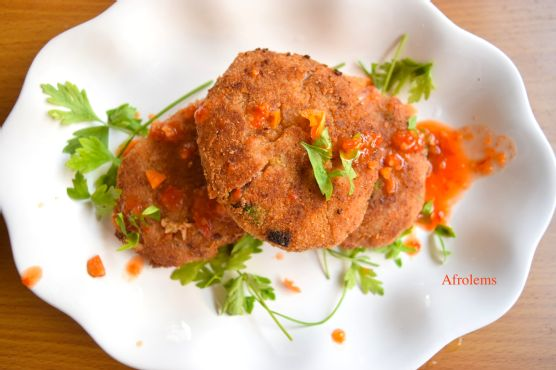
Corned Beef Cakes: A Savory Delight

Intro

Welcome to a recipe that brings back delightful memories of my grandmother’s kitchen. Every Sunday, the aroma of corned beef cakes would waft through the house, drawing everyone to the dining table. These cakes, crispy on the outside and tender on the inside, were a staple at our family gatherings. They carry a sense of nostalgia and warmth, reminding me of laughter-filled afternoons and the comforting embrace of home-cooked meals. Today, I’m excited to share this cherished recipe with you, hoping it brings the same joy to your table as it has to mine.

Why You’ll Love It

Corned beef cakes are a fusion of rich flavors and textures. They’re the perfect marriage of savory corned beef, creamy potatoes, and aromatic herbs. Whether you’re looking for a hearty snack, a delicious appetizer, or a side dish that stands out, these cakes will not disappoint. They’re easy to prepare, making them ideal for both casual and special occasions. Plus, the recipe is versatile, allowing you to tweak it to suit your family’s preferences.

Ingredients

  • 1 cup breadcrumbs
  • 2 chicken seasoning cubes
  • 1 can of corned beef
  • 2 eggs
  • 1/4 cup milk
  • Oil for frying
  • 1 bulb of onion, chopped
  • 2 tablespoons chopped parsley
  • 3 medium Irish potatoes
  • 1 scotch bonnet pepper, chopped

Instructions

  1. Wash, peel, and boil your potatoes with a pinch of chicken seasoning until tender.
  2. Mash the potatoes and set aside.
  3. Mash the canned corned beef and combine with the mashed potatoes.
  4. Add the chopped onions, parsley, chopped scotch bonnet pepper, and the remaining chicken seasoning cubes. Mix well and set aside.
  5. In a separate bowl, whisk the eggs with the milk.
  6. Pour approximately 3 tablespoons of the egg mixture into the corned beef and potato mix, stirring until fully integrated.
  7. Scoop a small portion of your mix and mold it into cakes.
  8. Dip each cake in the remaining egg mixture, then roll in the breadcrumbs, ensuring an even coating. Set aside.
  9. In a pan, heat the oil over medium-high heat for deep frying.
  10. Gently place the corned beef cakes into the hot oil and fry until golden brown, turning as needed.
  11. Carefully remove the cakes from the oil and drain on a paper towel-lined plate. Serve warm.

Tips

To ensure the perfect texture, make sure your potatoes are well-mashed and free of lumps. If you prefer a spicier kick, add more scotch bonnet pepper to taste. Be gentle when handling the cakes, as they can be soft and may crumble if not handled carefully. Consider using a slotted spoon for frying to help maintain the shape of the cakes.

Variations & Substitutions

If you’re looking to switch things up, try using sweet potatoes instead of Irish potatoes for a slightly sweeter flavor profile. For a cheesy twist, add some grated cheddar to the mix before molding the cakes. Vegetarians can substitute the corned beef with mashed chickpeas or lentils for a delicious alternative. Feel free to experiment with different herbs like cilantro or dill to add your personal touch.

Storage

Leftover corned beef cakes can be stored in an airtight container in the refrigerator for up to three days. To reheat, place them in a preheated oven at 350°F (175°C) for about 10 minutes or until heated through. Freezing is also an option; simply place the cakes on a baking sheet to freeze individually before transferring them to a freezer-safe bag. They can be stored in the freezer for up to two months. Thaw in the refrigerator overnight before reheating.

FAQ

Can I bake these instead of frying?

Yes, you can bake them! Preheat your oven to 400°F (200°C) and place the cakes on a baking sheet lined with parchment paper. Spray or brush them lightly with oil and bake for 20-25 minutes, flipping halfway through, until they’re golden and crisp.

What can I serve with corned beef cakes?

Corned beef cakes pair well with a simple green salad or roasted vegetables. For a more indulgent option, you can serve them with a side of garlic aioli or a dollop of sour cream. They also make a great addition to a brunch spread alongside scrambled eggs and toast.

Nutrition

While specific nutritional values can vary based on portion sizes and ingredient brands, a typical serving of corned beef cakes provides a good balance of protein and carbohydrates, making them a satisfying and energizing option. For those monitoring calorie intake, baking instead of frying can reduce the overall fat content.

Conclusion

Corned beef cakes are a delightful dish that combines comfort and flavor in every bite. Whether you’re recreating cherished family memories or introducing a new favorite to your culinary repertoire, these cakes are sure to impress. Easy to make and adaptable to various tastes, they’re a versatile addition to any meal. I hope you enjoy making and sharing them as much as I have. Happy cooking!

Related update: Corned Beef Cakes

Related update: Spanakopita Cups

Guacamole | Made by Meaghan Moineau

The Perfect Guacamole Recipe

Intro

There’s something incredibly comforting about making guacamole. It takes me back to my childhood, where Sunday afternoons meant family gatherings at my grandparents’ house. My grandmother’s guacamole was always the star of the meal, a creamy, flavorful delight that perfectly complemented the lively conversations and laughter that filled the room. Today, I’m excited to share a recipe that captures that same warmth and flavor. Whether you’re preparing it for a party or just a night in, this guacamole is sure to become a favorite in your household too.

Why You’ll Love It

This guacamole recipe is more than just an appetizer; it’s a celebration of fresh, vibrant flavors. You’ll love how the creamy avocados blend beautifully with the sharpness of onions, the heat of jalapenos, and the aromatic hints of cilantro, basil, and oregano. The addition of fresh lime juice not only enhances the taste but also keeps the guacamole looking green and fresh. It’s easy to make and can be customized to suit your taste preferences, making it a versatile choice for any occasion.

Ingredients

  • 3 ripe Haas avocados
  • 1 small onion, finely chopped
  • 1 jalapeno pepper, seeded and minced
  • 2 tablespoons fresh cilantro, chopped
  • 1 teaspoon salt
  • 1/2 teaspoon black pepper
  • 2 tablespoons fresh lime juice
  • 1 tablespoon fresh basil, chopped
  • 1 tablespoon fresh oregano, chopped

Instructions

  1. Cut the avocados in half lengthwise.
  2. Carefully drive a chef’s knife into the large pit and twist to remove it.
  3. Scoop the avocado out from the skin using a spoon and place it into a mixing bowl.
  4. Mash the avocado with a fork to your desired consistency.
  5. Add in the chopped onion, cilantro, oregano, and basil.
  6. Mix the ingredients to incorporate fully.
  7. Season the guacamole to taste with salt, pepper, and lime juice.
  8. Serve immediately or chill in the refrigerator.
  9. If not eating immediately, store in the refrigerator with plastic film wrap pressed directly onto the guacamole to prevent browning.

Tips

For the best guacamole, choose avocados that are ripe but not overripe. They should yield slightly when gently squeezed but not feel mushy. To keep your guacamole fresh, make sure to press the plastic wrap directly onto the surface to minimize exposure to air. This helps prevent browning. Finally, don’t skip the lime juice; it adds essential tartness and acts as a natural preservative.

Variations & Substitutions

If you’d like to change things up, try adding diced tomatoes or roasted corn for extra texture and sweetness. For those who prefer less heat, reduce or omit the jalapeno. You can also experiment with adding garlic or a dash of cumin for a different flavor profile. If you’re out of fresh herbs, dried ones can be used in smaller amounts, though fresh is always preferable for the best flavor.

Storage

Guacamole is best enjoyed fresh, but if you need to store it, keep it in an airtight container with a piece of plastic wrap pressed directly on the surface. This helps minimize browning. Stored this way, it should last about two days in the refrigerator. Remember to give it a good stir before serving again to refresh its appearance and flavor.

FAQ

Can I make guacamole in advance?

Yes, you can make guacamole a few hours in advance. Just be sure to store it properly with plastic wrap pressed directly onto the surface to minimize browning. Adding extra lime juice can also help preserve its color and flavor.

Is guacamole healthy?

Guacamole is a healthy addition to any diet, as it is rich in heart-healthy fats, vitamins, and minerals. Avocados are high in monounsaturated fats, which are good for cardiovascular health, and they also provide fiber, potassium, and vitamins C, E, and K.

Nutrition

A serving of this guacamole provides approximately 150 calories, primarily from the healthy fats in avocados. It’s low in carbohydrates and contains fiber, making it a satisfying and nutritious option. Be mindful of portion size, especially when pairing it with chips, to keep your meal balanced.

Conclusion

Whether you’re reminiscing about family gatherings or creating new memories, this guacamole recipe is sure to bring joy to your table. Its simple preparation, fresh ingredients, and irresistible taste make it a staple that you’ll return to time and again. Enjoy it with friends, family, or even as a solo treat, and savor the vibrant flavors that make guacamole an all-time favorite.

Related update: Guacamole

Traditional Panzanella | Made by Meaghan Moineau

Traditional Panzanella: A Taste of Tuscany

Intro

When I think of summers in Tuscany, the vibrant colors and rich flavors of Panzanella instantly transport me back to my grandmother’s kitchen. I remember watching her skillful hands as she lovingly prepared this traditional bread salad. The aroma of fresh basil mingling with ripe tomatoes filled the air, promising a meal that was not only delicious but also a celebration of simple, honest ingredients. This recipe is a cherished heirloom, a taste of home, and a perfect dish to share with loved ones.

Why You’ll Love It

Panzanella is more than just a salad; it’s a delightful blend of textures and flavors that captures the essence of summer. You’ll love it for its simplicity, its ability to bring stale bread to life, and its fresh, vibrant taste. The combination of juicy tomatoes, fragrant basil, and tangy dressing makes every bite a refreshing experience. Plus, it’s a dish that’s as beautiful as it is delicious, perfect for impressing guests or enjoying a quiet meal at home.

Ingredients

  • Six slices of day-old Tuscan bread
  • Extra virgin olive oil
  • Fresh basil leaves
  • Red onion
  • Red wine vinegar
  • Salt and pepper
  • Tomatoes

Instructions

  1. In a bowl, combine the bread with water and let it stand for at least 20 minutes or until it’s soft.
  2. Drain the bread and squeeze out as much water as you can.
  3. Crumble the bread and place it in a serving bowl.
  4. Scatter the tomatoes, onions, and chopped basil over the top.
  5. Dress the Panzanella with extra-virgin olive oil and vinegar. Season with salt and pepper and toss well.
  6. Taste and adjust the seasoning with more oil, salt, and vinegar.
  7. Leave the Panzanella to stand for 15 minutes and serve at room temperature.

Tips

For the best flavor, use the ripest tomatoes you can find. If your bread isn’t stale, you can dry it out in the oven for a few minutes. Be generous with the basil, as it adds a wonderful fragrance and taste to the dish.

Variations & Substitutions

Feel free to customize your Panzanella with additional ingredients like cucumbers, capers, or olives. If you don’t have red wine vinegar, balsamic vinegar can be a great substitute. For a gluten-free option, use your favorite gluten-free bread.

Storage

Panzanella is best enjoyed fresh, but you can store leftovers in an airtight container in the refrigerator for up to 2 days. The flavors will continue to meld, making it even more delicious the next day.

FAQ

Can I make Panzanella ahead of time?

Yes, Panzanella can be made a few hours in advance. In fact, letting it sit for a while allows the flavors to meld beautifully. However, it’s best to add the basil just before serving to keep it fresh.

What type of bread is best for Panzanella?

Traditionally, Panzanella is made with Tuscan bread, but any rustic, crusty bread will work. The key is to use day-old bread that can absorb the dressing without becoming too mushy.

Can I add protein to Panzanella?

Absolutely! Grilled chicken, tuna, or mozzarella are great additions if you want to make the salad more filling.

Nutrition

This classic Panzanella is not only delicious but also a nutritious option. It’s rich in healthy fats from the olive oil, packed with vitamins from the vegetables, and provides a good source of carbohydrates from the bread. Enjoy it as a wholesome meal or a side dish to complement any main course.

Conclusion

Traditional Panzanella is a testament to the beauty of simple ingredients coming together to create something magical. Whether you’re reliving cherished memories or creating new ones, this dish is sure to become a favorite in your kitchen. I hope you enjoy making and sharing this taste of Tuscany as much as I do. Buon Appetito!

Related update: Traditional Panzanella

Related update: Tempered Spicy Potatoes

Related update: Guacamole

Related update: Lebanese Tabouleh

Chicken Enchilada Salad Wraps | Made by Meaghan Moineau

Chicken Enchilada Salad Wraps

Intro

There’s something magical about recipes that bring back fond memories of family gatherings and cozy evenings. One of my favorite memories is of family picnics at the park, where my mom would pack a basket full of delicious and easy-to-eat meals. Among the assortment of sandwiches and snacks, her Chicken Enchilada Salad Wraps were always a hit. These wraps are the perfect blend of flavor and convenience, making them ideal for any occasion, whether it’s a quick lunch or a delightful picnic treat. Today, I’m excited to share this beloved recipe so you can enjoy these wraps as much as my family has over the years.

Why You’ll Love It

Chicken Enchilada Salad Wraps are the ultimate combination of flavor, ease, and versatility. Here’s why you’ll fall in love with this recipe:

  • Quick and Easy: With just a few simple ingredients, you can whip up these wraps in no time.
  • Flavorful: The creamy, spicy filling is balanced with fresh ingredients, making each bite a burst of deliciousness.
  • Versatile: Perfect for a quick meal, packed lunch, or a picnic snack.
  • Healthy: Made with light cream cheese and sour cream, these wraps are a lighter option that doesn’t compromise on taste.

Ingredients

  • 4 oz light cream cheese, softened
  • 1/2 cup sour light cream
  • 1 tsp chili powder
  • 1/2 tsp cumin
  • 1 clove garlic, minced
  • 1 can (12.5 oz) Swanson Premium Chicken, drained
  • 1 cup shredded cheddar cheese
  • 1 can (10 oz) diced tomatoes with green chilies, drained
  • 1/4 cup diced green onions
  • 2 tbsp fresh cilantro, chopped
  • 2 cups lettuce, chopped
  • 6 burrito-sized tortillas

Instructions

  1. In a medium bowl, blend together the light cream cheese, sour cream, chili powder, cumin, and minced garlic until smooth and well combined.
  2. Fold in the shredded cheddar cheese, Swanson Premium Chicken, drained tomatoes with green chilies, diced green onions, and chopped cilantro into the cream cheese mixture.
  3. Lay out the burrito-sized tortillas and divide the chicken mixture evenly among them.
  4. Top each tortilla with a portion of the chopped lettuce.
  5. Roll up each tortilla burrito-style, tucking in the sides as you go.
  6. Serve immediately or wrap in foil for later. Enjoy!

Tips

For the best Chicken Enchilada Salad Wraps, consider these helpful tips:

  • Ensure the cream cheese is softened for easier mixing.
  • To make rolling easier, slightly warm the tortillas before filling.
  • Cut wraps in half diagonally for easy handling, especially for packed lunches or picnics.

Variations & Substitutions

The beauty of this recipe is its flexibility. Here are some variations and substitutions you might consider:

  • Spice Level: Adjust the chili powder for more or less heat, or add a dash of hot sauce for an extra kick.
  • Protein: Swap the canned chicken for grilled chicken breast or rotisserie chicken for a different texture.
  • Cheese: Try using Monterey Jack or pepper jack cheese for a different flavor profile.
  • Tortillas: Use whole wheat or spinach tortillas for added nutrition.

Storage

These wraps are best enjoyed fresh, but they can also be stored for later:

  • Refrigerate: Wrap each enchilada salad wrap tightly in plastic wrap or foil and store in the refrigerator for up to 2 days.
  • Freeze: Although not recommended due to the fresh ingredients, you can freeze wraps without the lettuce for up to 1 month. Thaw in the refrigerator before adding fresh lettuce and serving.

FAQ

Can I make these wraps ahead of time?

Yes, you can prepare the filling a day in advance and store it in an airtight container in the refrigerator. Assemble the wraps just before serving to ensure they remain fresh and crisp.

What can I serve with Chicken Enchilada Salad Wraps?

These wraps are a meal on their own, but you can serve them with a side of tortilla chips, salsa, or a fresh fruit salad for a complete meal experience.

Can I make this recipe vegetarian?

Absolutely! Replace the chicken with canned black beans or grilled vegetables for a delicious vegetarian version.

Nutrition

While exact nutritional values can vary based on specific brands and quantities used, here’s an approximate breakdown per serving (1 wrap):

  • Calories: 320
  • Protein: 20g
  • Carbohydrates: 28g
  • Fat: 14g
  • Fiber: 3g

Conclusion

Chicken Enchilada Salad Wraps are a delightful blend of convenience and flavor, making them a fantastic choice for any meal or occasion. Whether you’re packing a lunch for work, planning a picnic, or simply looking for a quick and satisfying meal at home, these wraps are sure to please. Give this recipe a try, and I hope it becomes a staple in your household, just as it has in mine. Enjoy every bite!

Related update: Chicken Enchilada Salad Wraps

Alouette® Stuffed Mushroom Caps | Made by Meaghan Moineau

Alouette® Stuffed Mushroom Caps

Intro

There’s something magical about the aroma of mushrooms baking in the oven, taking me back to Sunday afternoons in my grandmother’s cozy kitchen. The warmth of the oven and the savory scent of garlic and herbs enveloped the room, signaling that a delicious treat was on the way. One of my all-time favorite appetizers that she would make were stuffed mushroom caps, a simple yet elegant dish that never failed to impress. Today, I’m excited to share a modern twist on her classic recipe: Alouette® Stuffed Mushroom Caps, combining the earthy flavor of mushrooms with the rich, creamy goodness of Alouette Spinach & Artichoke Spread.

Why You’ll Love It

  • Quick and Easy: This recipe is perfect for both beginners and seasoned cooks looking for a fuss-free appetizer.
  • Flavorful: The combination of Alouette Spinach & Artichoke Spread with seasoned bread crumbs creates a burst of flavor in every bite.
  • Elegant Presentation: These stuffed mushroom caps look as good as they taste, making them ideal for dinner parties or family gatherings.
  • Vegetarian-Friendly: A great option for vegetarians, these mushroom caps are both satisfying and indulgent.

Ingredients

  • 1 cup seasoned bread crumbs
  • 12 large mushroom caps, cleaned and stems removed
  • 1 package (6 oz) Alouette Spinach & Artichoke Spread

Instructions

  1. Preheat your oven to 375°F (190°C).
  2. Place the cleaned mushroom caps hollow side up on a baking sheet.
  3. Fill each mushroom cap with about 1 teaspoon of Alouette Spinach & Artichoke Spread.
  4. Sprinkle the tops with seasoned bread crumbs.
  5. Bake in the preheated oven for 12-15 minutes, or until the mushrooms are tender and the tops are golden brown.
  6. Garnish with fresh herbs if desired and serve warm.

Tips

  • Cleaning Mushrooms: Use a damp paper towel to gently wipe the surface of the mushrooms instead of washing them under water to prevent them from becoming soggy.
  • Even Filling: Use a small spoon or a piping bag to fill the mushroom caps evenly with the Alouette spread.
  • Perfect Baking: Keep an eye on the mushrooms in the oven to ensure they don’t overcook and become too soft.

Variations & Substitutions

  • Different Cheese Spread: Try using Alouette Garlic & Herbs Spreadable Cheese for a different flavor profile.
  • Additions: Consider adding chopped spinach or sun-dried tomatoes to the cheese spread for extra flavor and texture.
  • Gluten-Free: Use gluten-free bread crumbs to make this recipe suitable for those with gluten sensitivities.

Storage

Store any leftover stuffed mushroom caps in an airtight container in the refrigerator for up to 3 days. To reheat, place them in a preheated oven at 350°F (175°C) for about 10 minutes or until warmed through. Avoid using the microwave as it may make the mushrooms soggy.

FAQ

Can I prepare these mushroom caps ahead of time?

Yes! You can prepare the mushroom caps and fill them with the cheese spread a day in advance. Store them in the refrigerator and sprinkle the bread crumbs just before baking to keep them crisp.

What other mushrooms can I use?

While large white button mushrooms are ideal for this recipe, you can also use cremini or portobello mushrooms for a deeper flavor. Just be sure to adjust the filling amount accordingly as these mushrooms may have larger cavities.

Can I freeze stuffed mushroom caps?

It is not recommended to freeze cooked mushroom caps as they can become watery upon reheating. However, you can freeze them before baking. Simply assemble the mushrooms, place them in a single layer on a baking sheet, and freeze until solid. Transfer to a freezer-safe container and store for up to one month. Bake directly from frozen, adding a few extra minutes to the baking time.

Nutrition

Each serving of Alouette® Stuffed Mushroom Caps (2 pieces) contains approximately:

  • Calories: 120
  • Protein: 4g
  • Fat: 8g
  • Carbohydrates: 10g
  • Fiber: 1g

Conclusion

Alouette® Stuffed Mushroom Caps are a delightful appetizer that brings together the classic taste of stuffed mushrooms with the rich, creamy flavor of Alouette Spinach & Artichoke Spread. Perfect for any occasion, these mushroom caps are easy to make, packed with flavor, and sure to impress your guests. Whether you’re hosting a party or simply want to enjoy a special treat, this recipe is a must-try. So gather your ingredients, preheat your oven, and get ready to create a dish that will leave everyone asking for more!

Related update: Alouette® Stuffed Mushroom Caps

Steak And Pepper Rounds With Rose Horseradish Garlic Creme Sauce | Made by Meaghan Moineau

Steak And Pepper Rounds With Rose Horseradish Garlic Crème Sauce

Intro

There’s something about the aroma of steak sizzling on the grill that transports me back to summer evenings spent in my grandmother’s garden. She had a knack for turning simple ingredients into a feast, and this recipe is a tribute to those cherished memories. As the sun dipped below the horizon, we’d gather around the table, the air filled with laughter and the rich, savory scent of marinated steak. This dish, inspired by those warm, nostalgic evenings, combines tender beef with the vibrant flavors of roasted peppers and a creamy, horseradish-infused sauce, bringing a touch of elegance to any table.

Why You’ll Love It

This recipe is a delightful blend of flavors and textures that’s sure to impress your guests. Whether you’re hosting a summer barbecue or a cozy winter gathering, these steak and pepper rounds are perfect as both appetizers and hearty main courses. The creamy sauce, with its subtle hint of rose wine, perfectly complements the succulent steak and smoky peppers, making each bite a culinary experience. Plus, it’s a versatile dish that can easily be adapted to suit different tastes and dietary needs.

Ingredients

  • 1 tbsp olive oil, plus extra for sautéing
  • 1 whole garlic bulb
  • 1 boneless beef rib steak
  • 1 tbsp Worcestershire sauce
  • 1 tbsp Jack Daniels mustard
  • 1 tsp crushed red pepper flakes
  • 1/2 cup rose syrah wine
  • 1 onion, sliced into 3-inch strips
  • 1 cup red roasted pepper sections
  • 1/2 cup mascarpone cheese
  • 1 tbsp horseradish
  • 4 cloves roasted garlic
  • 1 tsp fresh dried basil
  • 1 tsp fresh dried oregano
  • 1 tbsp fresh lemon juice
  • Salt and pepper, to taste
  • 1 loaf French bread, sliced into 1-inch rounds

Instructions

  1. Preheat your oven to 400°F. Drizzle 1 tbsp of olive oil over the garlic bulb and wrap it in aluminum foil. Place on a cookie sheet and roast for approximately 40 minutes. Once roasted, let it cool to touch.
  2. While the garlic is roasting, marinate the steak in a ziplock bag with Worcestershire sauce, Jack Daniels mustard, crushed red pepper flakes, and 1/2 cup of rose syrah wine. Toss to coat and let it sit while you slice the vegetables.
  3. Heat olive oil in a skillet over medium heat. Add the sliced onion and sauté until slightly browned and caramelized, about 20 minutes. Add the red roasted pepper sections and cook for another 10 to 15 minutes.
  4. Meanwhile, place the marinated steak on a roasting pan and broil in the oven or grill for approximately 5 to 10 minutes per side. Be careful not to overcook, as the steak will continue to cook after being removed from the heat. Let it rest before cutting.
  5. In a food processor, combine the mascarpone cheese, horseradish, and squeeze out 4 cloves of the roasted garlic. (Store the rest of the garlic bulb in an airtight container in the refrigerator for up to one week.) Pulse a few times to blend.
  6. Add the fresh dried basil, oregano, lemon juice, and a pinch of salt and pepper to the mixture and blend well.
  7. Slice the French bread into 1-inch rounds and lightly toast them in the oven or on a grill.
  8. Cut the steak into 1/8 to 1/4-inch strips.
  9. Spread the rose horseradish garlic crème sauce over each warm piece of bread. Top with a slice of steak and a spoonful of the onion and pepper mixture.

Tips

For the best flavor, allow the steak to marinate for at least an hour, or overnight if possible. Ensure your skillet is properly heated before adding the onions to achieve the perfect caramelization. When slicing the steak, always cut against the grain to ensure tenderness. Finally, if you like a bit more kick, feel free to increase the amount of horseradish in the sauce.

Variations & Substitutions

This recipe is highly adaptable. For a lighter version, use chicken breast or portobello mushrooms instead of steak. You can substitute the Jack Daniels mustard with Dijon mustard for a milder taste. If you’re avoiding alcohol, replace the rose syrah wine with beef broth. For a gluten-free option, use gluten-free bread or serve the toppings over a bed of arugula.

Storage

Store any leftover steak and pepper mixture in an airtight container in the refrigerator for up to three days. The sauce can also be refrigerated for up to a week. When ready to serve again, reheat the steak and pepper mixture gently in a skillet, and toast the bread fresh just before serving.

FAQ

Can I prepare the sauce ahead of time?

Yes, the sauce can be prepared up to three days in advance. Just store it in an airtight container in the refrigerator. Before serving, give it a good stir and adjust the seasoning if necessary.

What wine pairs well with this dish?

A glass of the same rose syrah wine used in the recipe would complement the dish beautifully. Alternatively, a full-bodied red like Cabernet Sauvignon would also work well, enhancing the rich flavors of the steak.

Can I use a different type of cheese?

Absolutely! If mascarpone isn’t available, cream cheese or ricotta can be used as substitutes. Keep in mind that cream cheese will yield a slightly tangier sauce.

Nutrition

Each serving contains approximately 250 calories, 18g of fat, 12g of carbohydrates, and 15g of protein. These values may vary slightly based on specific ingredients used and portion sizes.

Conclusion

Steak and Pepper Rounds with Rose Horseradish Garlic Crème Sauce is a delightful appetizer or main dish that brings together a symphony of flavors reminiscent of time-honored traditions and cherished family gatherings. Whether you’re making this for a special occasion or a cozy night in, it’s sure to become a favorite in your culinary repertoire. Enjoy the process of creating and savoring each bite, and feel free to share your own variations and stories in the comments below. Happy cooking!

Related update: Steak And Pepper Rounds With Rose Horseradish Garlic Creme Sauce

Related update: Ginger Chicken Stir-Fry

Related update: Alouette® Stuffed Mushroom Caps

Microsoft 365 Outage: Lessons for Business | Analysis by Brian Moineau

Is Microsoft Down? When Outlook and Teams Go Dark — What Happened and Why It Matters

It wasn’t just you. On January 22, 2026, a large swath of Microsoft 365 services — notably Outlook and Microsoft Teams — went dark for many users across North America, leaving inboxes and meeting rooms inaccessible at a bad moment for plenty of businesses and individuals. The outage was loud, visible, and a useful reminder that even the biggest cloud providers can suffer outages that ripple through daily life.

Quick snapshot

  • What happened: Widespread disruption to Microsoft 365 services including Outlook, Teams, Exchange Online, Microsoft Defender, and admin portals.
  • When: The incident began on January 22, 2026, with reports spiking in the afternoon Eastern Time.
  • Cause Microsoft reported: A portion of service infrastructure in North America that was not processing traffic as expected; Microsoft worked to restore and rebalance traffic.
  • Impact: Thousands of user reports (Downdetector peaks in the tens of thousands across services), interrupted mail delivery, inaccessible Teams messages and meetings, and frustrated IT admins. (techradar.com)

Why this outage cut deep

  • Microsoft 365 is core business infrastructure for millions. When email and collaboration tools stall, calendar invites are missed, support queues pile up, and remote meetings become impossible.
  • The affected services span both user-facing apps (Outlook, Teams) and backend services (Exchange Online, admin center), so fixes require engineering work across multiple layers.
  • Enterprises depend on predictable SLAs and continuity plans; when a dominant vendor has a broad outage, knock-on effects hit suppliers, customers, and compliance workflows.

Timeline and signals (high level)

  • Afternoon (ET) of January 22, 2026: Users begin reporting login failures, sending/receiving errors, and service unavailability; Downdetector shows a rapid spike in complaints. (tech.yahoo.com)
  • Microsoft acknowledges investigation on its Microsoft 365 status/X channels and identifies a North America infrastructure segment processing traffic incorrectly. (tech.yahoo.com)
  • Microsoft restores the affected infrastructure to a healthy state and re-routes traffic to achieve recovery; normalized service follows after mitigation steps. (aol.com)

Real-world effects (examples of what users saw)

  • Outlook: “451 4.3.2 temporary server issue” and other transient errors preventing send/receive.
  • Teams: Messages and meeting connectivity problems; some users could not join or load chats.
  • Admins: Intermittent or blocked access to the Microsoft 365 admin center, complicating troubleshooting. (people.com)

Broader context: cloud reliability and concentrated risk

  • Outages at major cloud providers are not new, but their scale increases as more organizations consolidate services in a few platforms. A single routing, configuration, or infrastructure fault can affect millions of end users. (crn.com)
  • Microsoft had multiple service incidents earlier in January 2026 across Azure and Copilot components, underscoring that even large engineering organizations face repeated operational challenges. (crn.com)

What organizations (and individuals) can do differently

  • Assume outages will happen. Design critical workflows so a single vendor outage doesn’t halt business continuity.
  • Maintain robust incident playbooks: alternative communication channels (SMS, backup conferencing), clear escalation paths, and status-monitoring subscriptions for vendor health pages.
  • Invest in runbooks for quick triage: know how to confirm whether a problem is local (your network, MFA, conditional access policies) versus a vendor-side outage.
  • Communicate early and often: internal transparency reduces frustration when users know teams are working on it.

Lessons for cloud vendors and platform operators

  • Visibility matters: clear, timely status updates reduce speculation and speed customer response.
  • Isolation and graceful degradation: further architectural isolation between services can limit blast radius.
  • Post-incident reviews should be public enough to build trust and show concrete mitigation steps.

My take

Outages like the January 22 incident are messy and costly, but they’re also useful reality checks. They force organizations to test resilience plans and ask hard questions about risk concentration and recovery. For vendors, they’re a reminder that scale brings complexity—and that transparency and fast mitigation are as valuable as the underlying engineering fixes.

Further reading

  • News roundups that covered the outage and Microsoft’s response. (techradar.com)

Sources


Related update: We recently published an article that expands on this topic: read the latest post.


Related update: We recently published an article that expands on this topic: read the latest post.

Microsoft Outage Disrupts Email and Teams | Analysis by Brian Moineau

Was Microsoft Down? Why Outlook and Teams Went Dark (and What That Means)

It wasn’t your Wi‑Fi. On Thursday, January 22, 2026, a large chunk of Microsoft’s cloud stack — Outlook, Microsoft 365 apps and Teams among them — began failing for many users across North America. Emails wouldn’t send, calendar invites stalled, Teams calls hiccuped or refused to connect, and the question “Is Microsoft down?” trended on social media for good reason.

What happened (short version)

  • A portion of Microsoft’s North America service infrastructure stopped processing traffic as expected, causing load‑balancing problems and widespread interruptions to services such as Outlook, Microsoft 365 and Teams.
  • Microsoft acknowledged the incident on its status channels and worked to restore the affected infrastructure by rerouting and rebalancing traffic; recovery was gradual and uneven for some users.
  • Outage trackers like Downdetector showed thousands of reports at the peak, and mainstream outlets covered the disruption while Microsoft posted progressive updates as systems recovered. (people.com)

Why this felt so disruptive

  • Microsoft 365 and Outlook are deeply embedded in work and personal communications for millions of people — when mail and collaboration tools stop, meetings, deadlines and daily workflows stall.
  • The outage hit during business hours for many, amplifying the practical and psychological impact: it’s different to lose a streaming service for an hour than to be unable to send email or join a meeting mid‑day.
  • Even when core services are restored, residual issues (delayed queues, load‑balancing lag, partial restorations) can keep some users waiting and fuel social outcry.

How the company explained it

  • Microsoft reported the problem originated in a subset of infrastructure in North America that wasn’t processing traffic correctly, which in turn caused service availability issues. Their mitigation steps focused on restoring that infrastructure to a healthy state and rebalancing traffic across other regions. (economictimes.indiatimes.com)

Timeline (as reported)

  • Early/mid‑day on January 22, 2026: Reports of failures spike on Downdetector and social channels.
  • Microsoft posts status updates and begins mitigation, including traffic redirection and targeted restarts.
  • Over the following hours: progressive recovery for many users; some edge cases remained slower to recover while load balancing completed. (techradar.com)

Real‑world impacts

  • Businesses and schools experienced missed or delayed communication, forced switches to alternative tools (personal email, Slack, Zoom), and last‑minute manual coordination.
  • IT teams shifted into incident mode: triaging user tickets, monitoring Microsoft status updates, and standing up contingency channels.
  • End users faced anxiety and productivity loss — the social streams showed everything from bemused memes to genuine concern about lost messages. (people.com)

Lessons for organizations and users

  • Expect failure (even from the biggest cloud providers). Design fallback communication paths for critical workflows.
  • Have an outage playbook: status checklists, alternative meeting links (Zoom/Google Meet), and transparent internal communications reduce confusion.
  • For IT: monitor provider status pages and outage trackers, verify if an issue is provider‑side before widespread internal escalations, and communicate early with stakeholders.
  • For individuals: maintain a secondary contact method for urgent communications (phone numbers, alternative email, a team chat fallback).

A few technical notes (non‑deep‑dive)

  • Large cloud platforms rely on regional infrastructure and load balancers. If a subset becomes unhealthy, traffic must be rerouted; that rerouting process can be complex and sometimes slow, leading to partial recoveries rather than an instant fix.
  • Error messages like “451 4.3.2 temporary server issue” were reported by some users during similar incidents and typically indicate a transient server‑side problem in mail delivery systems. (people.com)

My take

Outages like this are reminders that cloud reliability is never absolute — and the cost of that reality has grown as organizations lean harder on a few dominant providers. Microsoft’s quick public acknowledgement and stepwise updates help, but the repeated nature of such incidents (other outages in past years) means businesses should treat provider availability as a shared responsibility: providers must keep improving resilience and transparency, and customers must design for graceful degradation.

Takeaway bullets

  • Major Microsoft services experienced a regionally concentrated outage on January 22, 2026, driven by infrastructure that stopped processing traffic correctly. (techradar.com)
  • Recovery involved rerouting traffic and targeted restarts; service restoration was gradual and uneven for some users. (economictimes.indiatimes.com)
  • Organizations should prepare fallback workflows and a clear incident communication plan to reduce disruption from provider outages. (people.com)

Sources

(Note: headlines and timing above are based on contemporary reporting around the January 22, 2026 outage; consult your IT or Microsoft 365 Status page for the definitive service health record for your tenant.)


Related update: We recently published an article that expands on this topic: read the latest post.


Related update: We recently published an article that expands on this topic: read the latest post.

Pan Seared Lamb Loin With Chimichurri & Roasted Trio Squash Salad With Goat Cheese and Pinenuts | Made by Meaghan Moineau

Pan Seared Lamb Loin With Chimichurri & Roasted Trio Squash Salad With Goat Cheese and Pinenuts

Intro

There’s a certain magic that fills the air when the holidays come around. The aroma of spices, the warmth of the kitchen, and the laughter of family gathered around the table create memories that last a lifetime. I vividly recall the first time I prepared this Pan Seared Lamb Loin with Chimichurri and Roasted Trio Squash Salad for my family. My grandmother, a culinary wizard in her own right, stood beside me, sharing tips and stories from her own kitchen adventures. That day, the recipe became more than just a meal; it became a family tradition.

Why You’ll Love It

This dish is a symphony of flavors and textures that will leave your taste buds dancing. The lamb loin, perfectly seared and seasoned, is juicy and tender, while the chimichurri adds a vibrant, herbaceous punch. Paired with a roasted trio squash salad, creamy goat cheese, and crunchy pinenuts, this meal is a celebration of fresh, wholesome ingredients. Whether you’re hosting a dinner party or simply want to treat yourself, this recipe is sure to impress.

Ingredients

  • Cilantro
  • Extra virgin olive oil
  • Flat leaf parsley
  • Garlic clove
  • Black ground pepper
  • Kosher salt and pepper
  • Lamb loin chops
  • Lemon
  • Mint
  • Pinenuts
  • Red pepper flakes
  • Shallot

Instructions

  1. Preheat your oven to 400°F.
  2. For the chimichurri, combine cilantro, flat leaf parsley, garlic clove, black ground pepper, and red pepper flakes in a large bowl. Mix well and season with kosher salt and pepper to taste.
  3. Heat a large, heavy-bottomed pan with extra virgin olive oil over medium-high heat.
  4. Season each side of the lamb loin chops with salt and pepper generously.
  5. Once the oil is hot and slightly smoking, sear the lamb loin chops for about 2 minutes on each side.
  6. Transfer the pan to the preheated oven to finish cooking. Refer to the following times for your preferred doneness:
    • Rare: 2-3 minutes
    • Medium rare: 6-8 minutes
    • Medium: 9-11 minutes
    • Well done: 12-14 minutes
  7. Remember, the lamb will continue to cook after you remove it from the oven, so plan accordingly.

Tips

To ensure the lamb is perfectly seared, make sure your pan is hot enough before adding the chops. A little smoke is a good indicator. Also, allow the meat to rest for a few minutes after cooking to retain its juices.

Variations & Substitutions

If you’re looking to add a twist to this dish, consider using basil in place of cilantro for a sweeter chimichurri. For a nut-free option, omit the pinenuts or replace them with sunflower seeds. You can also swap the goat cheese for feta or blue cheese for a different flavor profile.

Storage

Store any leftovers in an airtight container in the refrigerator for up to 3 days. The lamb can be reheated gently in a pan over low heat or in a preheated oven at 300°F until warmed through.

FAQ

Can I prepare the chimichurri in advance?

Absolutely! The chimichurri can be made up to 2 days in advance. Store it in the refrigerator in an airtight container to allow the flavors to meld together beautifully.

What can I serve with this dish?

This lamb dish pairs wonderfully with a side of roasted potatoes or a light green salad. A glass of red wine, such as a Cabernet Sauvignon or Malbec, would complement the flavors beautifully.

Is this recipe suitable for a special occasion?

Definitely! This recipe is elegant and flavorful, making it perfect for a special occasion or a festive gathering. Your guests will be impressed by the vibrant flavors and beautiful presentation.

Nutrition

This dish is a good source of protein, essential fatty acids, and various vitamins and minerals from the fresh herbs and vegetables. The use of extra virgin olive oil adds heart-healthy monounsaturated fats.

Conclusion

Bringing together the luscious flavors of pan-seared lamb loin and the refreshing zest of chimichurri, this dish is more than just a meal—it’s an experience. Whether you’re sharing it with loved ones or savoring it in solitude, this recipe is destined to become a favorite. From my kitchen to yours, happy cooking!

Related update: Pan Seared Lamb Loin With Chimichurri & Roasted Trio Squash Salad With Goat Cheese and Pinenuts

Related update: Ground Turkey Stuffed Peppers

Tex-Mex Burger | Made by Meaghan Moineau

Tex-Mex Burger

Intro

There’s something truly magical about a sizzling burger hot off the grill, bringing back memories of summer nights spent laughing and sharing stories with family and friends. Growing up, my family had a weekly tradition of gathering around the backyard grill, where my father would prepare his famous Tex-Mex burgers. The aroma of spices mingling with beef was irresistible, and the first bite was always a heavenly blend of flavors that danced on the palate. Now, I’m excited to share this beloved recipe with you, so you can create new memories with your loved ones, just as I have.

Why You’ll Love It

This Tex-Mex Burger is a flavor-packed twist on the classic American burger. It’s perfect for anyone who loves a bit of spice and a lot of flavor. The combination of cumin, chili powder, and paprika gives the beef a smoky, spicy depth, while the creamy avocado and pepper jack cheese add richness and a hint of heat. Topped with fresh cilantro and red onion, each bite is a delightful balance of textures and tastes. Whether you’re hosting a backyard barbecue or looking to switch up your weeknight dinner routine, this burger is sure to become a favorite!

Ingredients

  • 1 pound ground beef
  • 1/4 cup salsa
  • 1 teaspoon chili powder
  • 1 teaspoon cumin
  • 1/2 teaspoon paprika
  • 1/2 teaspoon salt
  • 1/4 teaspoon pepper
  • 4 slices pepper jack cheese
  • 1 avocado, sliced
  • 1/2 small red onion, thinly sliced
  • 1/4 cup fresh cilantro, chopped
  • 4 hamburger buns

Instructions

  1. Preheat your broiler to high. This will ensure your buns are perfectly toasted and ready to hold all the delicious fillings.
  2. In a large frying pan, heat to medium-high heat. This is where the magic happens, as the patties get their perfect sear.
  3. Make the patties: In a large bowl, combine ground beef, salsa, chili powder, cumin, paprika, salt, and pepper. Mix until the ingredients are evenly distributed. Be careful not to overwork the meat to maintain tenderness.
  4. Form the mixture into four equal-sized patties, making a slight indentation in the center of each to ensure even cooking.
  5. Place the patties in the heated frying pan. Cook for about 4-5 minutes on each side, or until they reach your desired level of doneness.
  6. During the last minute of cooking, place a slice of pepper jack cheese on each patty. Cover the pan briefly to allow the cheese to melt.
  7. While the patties are cooking, place the hamburger buns under the broiler for about 1 minute, or until they are lightly toasted.
  8. Assemble the burgers: Place each patty on the bottom half of a toasted bun. Top with avocado slices, red onion, and fresh cilantro. Finish with the top half of the bun.
  9. Serve immediately and enjoy the explosion of Tex-Mex flavors!

Tips

For the juiciest burgers, use ground beef with a higher fat content, like 80/20. If your patties shrink during cooking, it means they’re too compact; gently form them to avoid this. Toasting the buns adds a pleasant crunch and prevents them from getting soggy with the juicy toppings.

Variations & Substitutions

If you’re looking to customize your Tex-Mex Burger, consider these variations:

  • Protein Swap: Substitute the ground beef with ground turkey or chicken for a lighter version. Vegetarians can use black bean patties.
  • Cheese Options: Swap pepper jack for cheddar or Monterey Jack for a different cheesy experience.
  • Spice Level: Add a pinch of cayenne pepper for extra heat, or omit the chili powder for a milder taste.
  • Bun Alternatives: Use whole wheat buns or lettuce wraps for a low-carb option.

Storage

If you have leftovers, let the cooked patties cool to room temperature before storing them in an airtight container in the refrigerator for up to three days. To reheat, warm them in a skillet over medium heat or in the microwave, ensuring they’re thoroughly heated. Unfortunately, these burgers are best enjoyed fresh, so try to make just enough for your meal.

FAQ

Can I make the burger patties ahead of time?

Absolutely! You can prepare the patties and store them in the refrigerator for up to 24 hours before cooking. This can help save time during meal prep and allow the flavors to meld together even more.

What can I serve with Tex-Mex Burgers?

These burgers pair well with a variety of sides, such as crispy sweet potato fries, a fresh green salad, or classic coleslaw. For a true Tex-Mex experience, consider serving with a side of Mexican street corn or spicy black bean salad.

Nutrition

While exact nutritional values will vary based on portion sizes and specific ingredients used, each Tex-Mex Burger (including toppings and bun) is approximately 550 calories. This includes 35g of protein, 30g of fat, and 40g of carbohydrates. For a lighter version, consider using leaner meats and reducing the cheese and avocado portions.

Conclusion

There you have it — a delightful Tex-Mex Burger recipe that brings a touch of southwestern flair to your table. Whether you’re reliving cherished memories or creating new ones, this burger is sure to impress with its bold flavors and satisfying textures. I hope this recipe becomes a staple in your home, just as it has in mine. Enjoy the culinary journey, and happy cooking!

Related update: Tex-Mex Burger

Related update: Pan Seared Lamb Loin With Chimichurri & Roasted Trio Squash Salad With Goat Cheese and Pinenuts

Basil Lime White Bean Hummus | Made by Meaghan Moineau

Basil Lime White Bean Hummus

Intro

There’s something about the combination of fresh basil and lime that instantly transports me back to my childhood summers spent in my grandmother’s garden. She grew the most fragrant basil I’ve ever encountered, and we’d often pick a handful to mix into our meals. One of my favorite memories is sitting on her porch, a gentle breeze carrying the scent of fresh herbs as we dipped into a bowl of her homemade hummus. Inspired by those memories, I’ve created a recipe with a zesty twist: Basil Lime White Bean Hummus. It’s a delightful blend of creamy cannellini beans, aromatic basil, and a refreshing burst of lime that will bring a touch of sunshine to any snack or meal.

Why You’ll Love It

This Basil Lime White Bean Hummus is a refreshing take on the classic hummus, perfect for those who love a good twist on traditional flavors. Here are a few reasons why you’ll fall in love with it:

  • Quick and Easy: With just a few simple ingredients, you can whip up this hummus in no time.
  • Flavorful: The combination of basil and lime gives this hummus a unique and vibrant taste that stands out.
  • Healthy: Packed with protein and fiber from the beans, it’s a nutritious choice for any snack or meal.
  • Versatile: Perfect as a dip, spread, or even a salad dressing alternative.

Ingredients

  • 1 can of cannellini beans, drained and rinsed
  • 2 cloves of garlic
  • 1 cup of fresh basil leaves
  • Zest of 1 lime
  • Juice from 1 lime
  • 3 tablespoons of olive oil
  • 1/4 cup of water
  • Salt, to taste
  • Black pepper, to taste

Instructions

  1. In a food processor, combine the cannellini beans, garlic, basil leaves, lime zest, lime juice, and olive oil. Blend until the mixture is smooth.
  2. With the processor on, gradually add water to the mixture until you reach your desired consistency. You may need slightly more or less than 1/4 cup depending on your preference.
  3. Season with salt and black pepper to taste. Blend again to ensure everything is well mixed.
  4. Taste the hummus and adjust the seasoning if needed. If you prefer a more pronounced lime flavor, feel free to add a bit more lime juice.
  5. Transfer the hummus to a serving bowl and serve it with chips or fresh veggies. For the best flavor, allow it to chill before serving, but if you’re eager, enjoy it immediately!

Tips

To make the most of your Basil Lime White Bean Hummus, consider the following tips:

  • Use Fresh Ingredients: Fresh basil and freshly squeezed lime juice make a significant difference in flavor.
  • Adjust Consistency: If you prefer a thicker hummus, add less water. For a smoother, thinner consistency, add a bit more.
  • Garnish: Consider garnishing with a few whole basil leaves or a sprinkle of lime zest for an extra touch of flavor and presentation.

Variations & Substitutions

Feel free to customize the recipe to suit your taste preferences:

  • Herbs: Swap basil with cilantro for a different herbal note.
  • Beans: Substitute cannellini beans with chickpeas for a more traditional hummus base.
  • Spice: Add a pinch of red pepper flakes or a dash of hot sauce for a spicy kick.

Storage

Basil Lime White Bean Hummus can be stored in an airtight container in the refrigerator for up to 5 days. Before serving, you might want to stir it well, as some separation may occur. For longer storage, consider freezing it for up to 3 months. Thaw in the refrigerator and blend again before serving for the best texture.

FAQ

Can I use dried beans instead of canned?

Yes, you can use dried cannellini beans. Just make sure to soak them overnight and cook them thoroughly before using them in the recipe. You’ll need about 1.5 cups of cooked beans to replace a can.

What are the best dippers for this hummus?

This hummus pairs beautifully with a variety of dippers. Try it with fresh veggies like carrots, cucumbers, and bell peppers, or go for pita chips, whole-grain crackers, or even spread it on a sandwich or wrap.

Can I make it ahead of time?

Absolutely! In fact, the flavors tend to meld and improve after a few hours in the fridge. Just be sure to give it a good stir and check seasoning before serving.

Nutrition

This hummus is not only delicious but also nutritious. Each serving is packed with protein, healthy fats, and fiber. While nutritional values can vary based on the exact ingredients used, one serving of this hummus (about 1/4 cup) contains approximately:

  • Calories: 120
  • Protein: 4g
  • Fat: 8g
  • Carbohydrates: 10g
  • Fiber: 3g

Conclusion

Basil Lime White Bean Hummus is a delightful twist on a classic favorite, bringing a burst of fresh flavors that are perfect for any occasion. Whether you’re hosting a gathering, looking for a healthy snack, or simply craving something different, this hummus is sure to please. Easy to make, versatile, and packed with nutrition, it’s a recipe you’ll find yourself returning to time and again. So, gather your ingredients, fire up your food processor, and enjoy a taste of summer with every bite.

Related update: Basil Lime White Bean Hummus

Related update: Steak And Pepper Rounds With Rose Horseradish Garlic Creme Sauce