Pumpkin Pecan Streusel Cake – gluten free, soy free, vegan | Made by Meaghan Moineau

Pumpkin Pecan Streusel Cake – Gluten Free, Soy Free, Vegan

Intro

As the leaves begin to turn and the air grows crisp, there’s nothing quite like the smell of a freshly baked cake wafting through the house. This pumpkin pecan streusel cake transports me back to cozy autumn afternoons spent in my grandmother’s kitchen. I remember standing on a stool, barely tall enough to reach the counter, eagerly helping her mix ingredients while sneaking tastes of the batter. Those moments were filled with warmth and laughter, and every bite of this cake brings those cherished memories flooding back.

Why You’ll Love It

This Pumpkin Pecan Streusel Cake is an absolute delight for the senses. It’s rich in flavor, with the earthy sweetness of pumpkin paired beautifully with the nutty crunch of pecans. The streusel topping adds an irresistible texture contrast, making each bite a little piece of heaven. Plus, it’s completely gluten-free, soy-free, and vegan, so everyone can enjoy it. Whether you’re serving it to guests or indulging on a quiet afternoon, this cake is sure to become a seasonal favorite.

Ingredients

  • 1/2 teaspoon aluminum free baking soda
  • 1 teaspoon aluminum free baking powder
  • 1 tablespoon apple cider vinegar
  • 2 ripe bananas, mashed
  • 1 cup red brown rice flour
  • 1 cup light firmly packed brown sugar
  • 1/2 cup enjoy life brand chocolate chips
  • 1/2 teaspoon ground ginger
  • 1/2 teaspoon ground nutmeg
  • 1/2 teaspoon kosher salt
  • 1 cup gluten free oat flour
  • 1 cup pecans, chopped
  • 1 cup roasted pumpkin puree
  • 1/2 cup white rice flour
  • 1/2 cup sorghum flour
  • 1/2 cup earth balance soy free spread
  • 1/4 cup tapioca flour
  • 1/2 cup coconut yogurt

Instructions

  1. Preheat your oven to 350°F (175°C) and prepare a cake pan with parchment paper.
  2. In a small bowl, combine the flours, brown sugar, cinnamon, and kosher salt. Add the Earth Balance Soy Free Spread and work it into the mixture with your hands until it resembles coarse crumbs. Stir in the pecans and set aside.
  3. For the batter, measure your coconut yogurt and add the apple cider vinegar. Let it sit to curdle slightly.
  4. In a medium bowl, sift together the flours, baking powder, baking soda, cinnamon, ginger, nutmeg, and kosher salt.
  5. In the bowl of an electric mixer, beat together the Earth Balance spread and brown sugar until well combined. Add the mashed bananas, scraping down the sides as needed. Mix in the pumpkin puree and the coconut yogurt mixture on low speed.
  6. Gradually add the dry ingredients to the wet mixture until just combined. The batter should be thick. If it’s not, add 1/4 cup of white rice flour.
  7. Spread half of the batter in the prepared pan, sprinkle half of the streusel over it, then spread the remaining batter on top. Finish with the remaining streusel.
  8. Bake for 55-60 minutes, or until a toothpick comes out clean. Let the cake cool in the pan for 40 minutes.
  9. Gently remove the cake from the pan and refrigerate for about an hour before transferring to a platter.
  10. For the glaze, melt chocolate chips with Earth Balance spread over a saucepan with simmering water. Once smooth, let it cool slightly before drizzling over the cake.
  11. Serve chilled or at room temperature, and enjoy!

Tips

For the best results, ensure that all your ingredients are at room temperature before you start. This helps everything combine more smoothly. If you’re short on time, the cake can be made a day in advance and stored in the refrigerator.

Variations & Substitutions

Feel free to customize this cake to your tastes! You can swap out the pecans for walnuts or almonds if you prefer. If you’re not a fan of banana, applesauce makes a great substitute. To add a bit more spice, consider adding a pinch of cloves or allspice to the batter.

Storage

This cake keeps well in an airtight container in the refrigerator for up to five days. You can also freeze it for longer storage; just wrap it tightly in plastic wrap and then foil before freezing. Thaw in the refrigerator overnight before serving.

FAQ

Can I make this cake nut-free?

Yes, you can omit the pecans or replace them with sunflower seeds or another nut-free option. Just be sure to choose a nut-free chocolate chip brand as well.

What can I use instead of coconut yogurt?

If coconut yogurt isn’t available, you can use any non-dairy yogurt substitute. Soy yogurt or almond milk yogurt are great options.

Is there a way to make this cake sugar-free?

You can try using a sugar substitute like erythritol or monk fruit sweetener. Keep in mind that this may slightly alter the texture and taste of the cake.

Nutrition

While I haven’t calculated the exact nutritional content, this cake is relatively low in refined sugars and is full of wholesome ingredients like pumpkin and bananas. It’s a great source of fiber and healthy fats thanks to the pecans and coconut yogurt.

Conclusion

This Pumpkin Pecan Streusel Cake is more than just a dessert; it’s a celebration of fall flavors and a comforting reminder of cherished memories. Whether you’re sharing it with friends and family or savoring a slice on your own, this cake is sure to bring a smile to your face and warmth to your heart. Happy baking!

Related update: Pumpkin Pecan Streusel Cake – gluten free, soy free, vegan

Related update: 5 Minute Xocai Chocolate Mug Cake

Related update: Gluten Free Almond Blueberry Coffee Cake

Related update: Gooey Chocolate Buttermilk Sheet Cake

Jet2 Lifelong Ban After Midair Brawl | Analysis by Brian Moineau

A midair brawl and a lifetime ban: what happened on Jet2 flight LS896

It should have been the end of a holiday: a Jet2 flight taking passengers from Antalya, Turkey back to Manchester, England on February 12, 2026. Instead, the cabin erupted into violence, the pilot diverted to Brussels for safety, and two people were removed by police — later receiving lifetime bans from the airline. The incident has since rattled passengers, reignited debates about inflight safety, and hammered home that zero-tolerance policies are only as meaningful as the actions that follow them. (yahoo.com)

What we know (the timeline)

  • The flight, Jet2 LS896, departed Antalya on February 12, 2026 en route to Manchester. (flightradar24.com)
  • Shortly after takeoff a dispute escalated into a physical altercation in the aisle; video circulated online showing multiple people exchanging blows while others shouted and tried to intervene. (yahoo.com)
  • For safety reasons the crew and pilot diverted the aircraft to Brussels, Belgium, where police boarded and removed the two primary aggressors. The aircraft subsequently continued to Manchester. (yahoo.com)
  • Jet2 described the behaviour as “appalling,” confirmed the two passengers were banned from flying with the airline for life, and said it would seek to recover costs from the diversion. Witnesses reported racist slurs and heavy drinking as possible triggers, though the airline’s public statement focused on the disruptive conduct. (yahoo.com)

Why this story matters beyond the spectacle

  • Safety and duty of care: When violence breaks out mid-flight the options are limited — cabin crew can try to de-escalate, but the aircraft is a confined space at 30,000 feet with vulnerable people on board (children, elderly, passengers with disabilities). The decision to divert is a safety-first judgment that carries financial and operational consequences. (yahoo.com)
  • Zero-tolerance policies in practice: Airlines increasingly publish strict rules about disruptive behaviour, but enforcement and follow-through vary. A lifetime ban sends a public signal, and the airline’s stated plan to pursue financial recovery reinforces accountability — yet criminal charges, prosecutions, and the legal aftermath often determine whether consequences stick. (people.com)
  • The social context: Eyewitnesses alleging racist abuse points to a broader problem: disputes onboard can be about more than a spilled drink or a seat row. They can expose social tensions that play out in the smallest shared spaces we still rely on. That makes crew training, passenger education, and clear airline policy more important than ever. (yahoo.com)

Highlights you can scan quickly

  • Flight LS896 diverted to Brussels on February 12, 2026, after a midair brawl. (flightradar24.com)
  • Jet2 permanently banned the two disruptive passengers and will seek to recover diversion costs. (people.com)
  • Video and witness accounts circulated widely, reporting racist remarks and aggressive behaviour as contributing factors. (yahoo.com)

The airline response and legal landscape

Jet2’s statement framed the move as both protective and punitive: a family-focused carrier emphasizing zero tolerance, and a company that will pursue financial recovery for operational disruption. That’s a familiar script: airlines publicly distance themselves from violent incidents, promise support to affected customers and crew, and follow up with bans and claims. But criminal liability — arrests were made in Brussels — and any subsequent prosecutions are handled by local authorities and can take time. Public bans matter for travel privileges, but they’re not a substitute for legal accountability when laws have been broken. (yahoo.com)

How airlines, crews and passengers can make flights safer

  • Clear, enforced policies: Publicised bans mean little if enforcement is inconsistent. Airlines need fast, transparent processes that coordinate with ground authorities. (people.com)
  • Crew training and resources: De-escalation, communication, and access to rapid ground intervention make the difference between an incident that’s contained and one that requires diversion. (yahoo.com)
  • Passenger norms and expectations: Travelers should know the limits — intoxication, harassment, or physical aggression are not “part of the holiday.” Shared spaces require shared rules. (yahoo.com)

My take

This episode is jarring, but not surprising. In recent years the industry has seen a rise in disruptive incidents — sometimes fueled by alcohol, sometimes by outright bigotry — and airlines have had to balance deterrence with legal and practical limits on enforcement. A lifetime ban signals seriousness, and seeking to recover diversion costs is fair, but the real test is whether airlines, regulators, and courts together deter future incidents and protect those who are powerless in that small, pressurised space of the cabin. For passengers, the simplest protective step is choosing to behave like a neighbor: respect boundaries, follow crew instructions, and remember you’re sharing a space with strangers — some of whom are vulnerable and don’t deserve to be terrorized in the name of a holiday. (yahoo.com)

Sources

Clingan and Hansen Shine at Rising Stars | Analysis by Brian Moineau

Two Trail Blazers Stood Tall at All‑Star Weekend

The Rising Stars Challenge at the 2026 NBA All‑Star Weekend wasn’t just another playground for prospects — it was a stage where Portland’s young frontcourt made a case. Watching Donovan Clingan and Yang Hansen trade highlights felt like a snapshot of a team that’s quietly building a new identity: physical, hungry, and not afraid to show personality on a national stage.

Setting the scene

  • Event: Castrol Rising Stars Challenge during NBA All‑Star Weekend, Feb 13–15, 2026 (Intuit Dome, Inglewood, CA).
  • Format: Mini‑tournament — two semis (race to 40) and a final (first to 25), with NBA rookies/sophomores and a G League team mixed across squads.
  • Portland representation: Donovan Clingan (Team Melo) and Yang Hansen (Team Austin, representing Rip City Remix / G League).

This wasn’t a conventional box‑score night for the Blazers’ bigs so much as a collection of memorable moments — pump‑fakes, pull‑up threes, and a defensive presence that still has opponents guessing.

What jumped out

  • Clingan’s physicality and confidence. He opened things aggressively — winning the tip, scoring the first seven points for Team Melo in the semi, and finishing the semi with nine points. He carried that energy into the final, hitting two early threes and finishing as a presence on defense even when the offense dried up. (Blazer’s Edge)(blazersedge.com)
  • Hansen’s poise and versatility. The 7‑footer (and G‑League standout) came off the bench and immediately changed the flow: a made three, a classic three‑point play, and a highlight drive where he sold a shoulder fake on Clingan before gliding to the rim. He shot efficiently (80% in the semi) and played every minute after checking in. (Blazer’s Edge, ClutchPoints)(blazersedge.com)
  • The human moment that matters. Hansen faking out Clingan and finishing at the rim is the kind of play that does more than move the scoreboard — it gives fans and teammates something to tweet about, laugh about, and remember. It’s chemistry in public. (ClutchPoints)(clutchpoints.com)
  • Results and context. Team Melo advanced from the semis 40–34 (Clingan and Reed Sheppard led with nine apiece), but Team Vince ultimately won the tournament. Still, both Portland players left a national mark — notching minutes, highlights, and useful tape that matters for how teams and fans perceive them. (NBA.com, LA Times, Blazer’s Edge)(nba.com)

Why this matters for Portland

  • Validation of frontcourt investment. Portland has invested draft capital and development time in size and rim protection. Seeing two recent bigs perform — in different contexts (Clingan in the NBA rookie/sophomore mix, Hansen representing the G League) — suggests the frontcourt pipeline is producing tangible returns.
  • Developmental signals. Hansen’s efficiency and comfort with multiple actions (three, drive, free throws) hint at a high upside if coached and given reps. Clingan’s willingness to step out and attempt threes shows a modern center’s toolkit, even if it wasn’t all falling on this stage.
  • Fan and locker‑room momentum. Small moments — a smirk after a highlight, a teammate sold on a move — translate into confidence that carries back to regular‑season minutes.

Quick stat snapshot

  • Donovan Clingan: semi — 9 points, 2 rebounds, 1 block; final — early 6 points (two threes), ended with limited counting numbers but notable defensive contest on the final play. (Blazer’s Edge)(blazersedge.com)
  • Yang Hansen: semi (Team Austin) — 10 points, 2 rebounds, 80% shooting in his minutes; key plays included a three and a three‑point play after a drive. (Blazer’s Edge, NBA summary)(blazersedge.com)

My take

All‑Star exhibitions can be silly, but they’re also a rare live audition with a national audience and simpler scouting tape. Clingan looks like a menacing, modern rim protector who’s learning to stretch the floor; Hansen looks like a fast‑rising two‑way project with legitimate touch and instincts. For Portland fans wondering how the team’s long‑term blueprint will take shape, these two moments — one a pump‑fake‑and‑drive, the other a contested block and early threes — are part of the same story: a team leaning into size, versatility, and a new generation of identity.

Final thoughts

The Rising Stars Challenge wasn’t the definitive answer to everything about the Blazers’ future, but it was an encouraging footnote. Both Donovan Clingan and Yang Hansen left Inglewood with more than highlights — they left with momentum. If the season ahead is about growth, those little flashes at All‑Star Weekend become the kindling.

Sources


Related update: We recently published an article that expands on this topic: read the latest post.

Gingerbread Pancakes | Made by Meaghan Moineau

Gingerbread Pancakes: A Cozy Breakfast Delight

Intro

There’s something undeniably comforting about the aroma of freshly made pancakes wafting through the house on a chilly morning. One of my fondest childhood memories involves waking up to the scent of gingerbread pancakes sizzling on the griddle, a special treat my grandmother would make during the holiday season. The warmth of the spices combined with the sweetness of molasses created a breakfast experience that was nothing short of magical. Today, I’m thrilled to share this beloved recipe with you, so you can create your own cozy memories with these delightful gingerbread pancakes.

Why You’ll Love It

Gingerbread pancakes are the perfect blend of sweet and spice, making them an irresistible breakfast option. Here are a few reasons why you’ll love them:

  • Warm Spices: The combination of ground ginger and cinnamon brings a comforting warmth to each bite.
  • Easy to Make: With simple ingredients and straightforward instructions, these pancakes come together quickly, perfect for a relaxed weekend morning.
  • Holiday Vibes: The flavor profile of these pancakes is reminiscent of classic holiday gingerbread, making them a festive choice for any morning.
  • Kid-Friendly: The sweet and slightly spicy flavor is appealing to kids, and they’ll love helping out in the kitchen.

Ingredients

  • 2 cups all-purpose flour
  • 2 teaspoons baking powder
  • 1/2 teaspoon baking soda
  • 1/2 teaspoon salt
  • 1 teaspoon ground cinnamon
  • 1 teaspoon ground ginger
  • 1/4 cup unsalted butter, melted
  • 1/2 cup molasses
  • 1 1/2 cups milk
  • 2 large eggs
  • 1/2 cup raisins (optional)

Instructions

  1. In a large mixing bowl, sift together the flour, baking powder, baking soda, salt, ground cinnamon, and ground ginger.
  2. In a separate bowl, combine the molasses, milk, and eggs, whisking until well mixed.
  3. Stir the melted butter into the wet ingredients.
  4. Add the molasses mixture to the dry ingredients, stirring only until the batter is moistened. Be careful not to overmix.
  5. Gently fold in the raisins if using.
  6. Heat a griddle or skillet over medium heat or to 375 degrees Fahrenheit. Lightly grease the surface with shortening.
  7. Test the griddle’s readiness by sprinkling a few drops of water on it. It should bubble and skitter rapidly.
  8. For each pancake, pour a scant 1/4 cup of batter onto the hot griddle.
  9. Cook the pancakes until they are puffed and dry around the edges, then turn and cook the other side until golden brown.
  10. Serve hot with your favorite toppings, such as maple syrup or a dusting of powdered sugar.

Tips

Here are some helpful tips to ensure your gingerbread pancakes turn out perfectly every time:

  • Room Temperature Ingredients: Make sure your eggs and milk are at room temperature for a smoother batter.
  • Don’t Overmix: Stir the batter just until the dry ingredients are moistened to keep the pancakes light and fluffy.
  • Temperature Check: Keep the griddle at the right temperature to avoid burning the pancakes. Adjust as needed.

Variations & Substitutions

Feel free to customize these pancakes to suit your taste or dietary needs:

  • Gluten-Free: Substitute the all-purpose flour with your favorite gluten-free flour blend.
  • Vegan Option: Use plant-based milk and replace the eggs with flaxseed meal or applesauce.
  • Nutty Twist: Add chopped nuts like pecans or walnuts for extra texture and flavor.

Storage

Store any leftover pancakes in an airtight container in the refrigerator for up to 3 days. To reheat, simply pop them in the toaster or microwave. You can also freeze them for up to 2 months. Separate the pancakes with parchment paper and store them in a freezer-safe bag. Reheat directly from frozen in the toaster or oven.

FAQ

Can I make the batter ahead of time?

Yes, you can prepare the batter the night before and store it in the refrigerator. Give it a gentle stir before cooking, as the ingredients may settle overnight.

What toppings go well with gingerbread pancakes?

These pancakes are delicious with a drizzle of maple syrup, a dollop of whipped cream, or a sprinkle of powdered sugar. You can also try topping them with fresh fruit or a smear of apple butter for a seasonal touch.

Nutrition

These gingerbread pancakes are a treat, so it’s okay to enjoy them in moderation. Here’s a general nutritional breakdown per serving (based on a recipe yielding approximately 12 pancakes):

  • Calories: 180
  • Total Fat: 6g
  • Saturated Fat: 3.5g
  • Cholesterol: 50mg
  • Sodium: 250mg
  • Total Carbohydrates: 28g
  • Dietary Fiber: 1g
  • Sugars: 9g
  • Protein: 4g

Conclusion

Gingerbread pancakes are more than just a breakfast; they’re an experience that brings warmth and joy to any morning. Whether you’re making them for a special occasion or just to brighten up a regular day, these pancakes are sure to become a family favorite. So, gather your ingredients, fire up the griddle, and enjoy a taste of nostalgia with every delicious bite. Happy cooking!

Related update: Gingerbread Pancakes

Related update: HomeMade Hashbrowns with Spinach and Carrots

Quick and Easy Caprese Salad | Made by Meaghan Moineau

Quick and Easy Caprese Salad

Intro

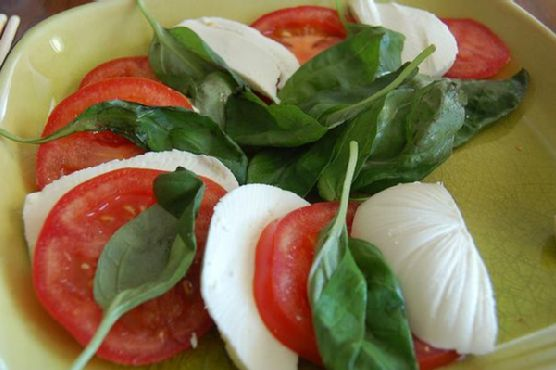
There’s something magical about the simplicity of a Caprese Salad. This dish takes me back to sunny summer days spent in my grandmother’s garden, where the aroma of fresh basil and ripe tomatoes filled the air. Grandma always had a knack for turning the simplest ingredients into a feast. It was in her kitchen that I learned the art of balancing flavors and the importance of fresh ingredients. Today, I’m sharing this delightful Quick and Easy Caprese Salad recipe that embodies the essence of those cherished moments, perfect for a light lunch or a beautiful appetizer at your next dinner party.

Why You’ll Love It

This Caprese Salad is a celebration of simplicity and freshness. It’s not only quick and easy to prepare but also incredibly delicious. The combination of juicy tomatoes, creamy mozzarella, and fragrant basil, all enhanced by a drizzle of olive oil and balsamic vinegar, creates a harmony of flavors that is both refreshing and satisfying. Whether you’re a busy professional or a home cook looking for a quick dish, this salad is perfect for you. It’s a versatile recipe that can adapt to different tastes and occasions, making it a staple in any kitchen.

Ingredients

  • 2 tablespoons balsamic vinegar
  • Fresh basil leaves
  • 8 ounces fresh mozzarella cheese
  • 2 tablespoons olive oil
  • 1 bell pepper (optional for added crunch)
  • Salt, to taste
  • 4 ripe tomatoes

Instructions

  1. Start by slicing the mozzarella cheese into 1/4 inch thick slices. Try to keep them even for a more uniform presentation.
  2. Cut the tomatoes into 1/4 inch slices. If your tomatoes are particularly juicy, you might want to drain them slightly on a paper towel.
  3. Arrange the slices of mozzarella and tomatoes alternately on a large platter, slightly overlapping them for a beautiful display.
  4. Take fresh basil leaves, and sprinkle them generously over the arranged slices. You can tear them into smaller pieces for a more rustic look.
  5. Drizzle the olive oil evenly over the salad, followed by the balsamic vinegar. Adjust the quantities if you prefer a more pronounced flavor.
  6. Season the salad with salt to taste. Freshly ground black pepper can also be added if desired.
  7. Optional: Thinly slice the bell pepper and add it to the salad for extra color and crunch.
  8. Serve immediately and enjoy your Quick and Easy Caprese Salad!

Tips

To elevate your Caprese Salad, use the freshest ingredients you can find. Opt for vine-ripened tomatoes and high-quality mozzarella for the best flavor. If you have the time, make your own balsamic reduction by simmering the vinegar until it thickens; this can add a rich, sweet dimension to the salad. Lastly, don’t shy away from experimenting with different types of tomatoes, such as heirloom varieties, to add visual interest and a depth of flavor.

Variations & Substitutions

This Caprese Salad is versatile and can be customized to your liking. If you want a twist on the traditional recipe, consider adding sliced avocados for creaminess or a sprinkle of pine nuts for a nutty crunch. For a different flavor profile, try using flavored olive oils, such as garlic-infused or lemon-infused varieties. If you’re avoiding dairy, substitute the mozzarella with a plant-based cheese alternative. Feel free to mix and match ingredients based on your dietary preferences or what’s in season.

Storage

While this salad is best enjoyed fresh, you can store any leftovers in an airtight container in the refrigerator for up to 1 day. Keep in mind that the tomatoes may release some moisture, which can affect the texture of the salad. To refresh it, you may want to add a little more olive oil and balsamic vinegar before serving.

FAQ

Can I make this salad ahead of time?

Yes, you can prepare the ingredients in advance by slicing the tomatoes and mozzarella and storing them separately. Assemble the salad just before serving to ensure it stays fresh and vibrant.

What type of mozzarella should I use?

For the best results, use fresh mozzarella, often sold in a brine or vacuum-sealed packages. Its creamy texture and mild flavor are perfect for a Caprese Salad.

Is there a way to make this salad more filling?

To make the Caprese Salad more substantial, you can add grilled chicken or shrimp. Serving it alongside crusty bread or over a bed of mixed greens can also turn it into a more complete meal.

Nutrition

This Quick and Easy Caprese Salad is not only delicious but also nutritious. It’s packed with vitamins and minerals from the tomatoes and basil, healthy fats from the olive oil, and protein from the mozzarella. A serving size is approximately 250 calories, making it a light yet satisfying option for any meal.

Conclusion

The Quick and Easy Caprese Salad is a tribute to the beauty of fresh, simple ingredients. It’s a dish that brings people together, evoking memories of shared meals and laughter. Whether you’re enjoying it as a light lunch or as part of a larger spread, this salad is sure to impress with its vibrant flavors and elegant presentation. I hope you find as much joy in making and sharing this recipe as I do. Bon appétit!

Related update: Quick and Easy Caprese Salad

Related update: Roasted red peppers and tomatoes salad

$10M Push for People-First AI | Analysis by Brian Moineau

A $10 Million Vote for People-First AI

The headline is crisp: the MacArthur Foundation is committing $10 million in aligned grants to the new Humanity AI effort — a philanthropic push that sits inside a much larger, $500 million coalition aiming to steer artificial intelligence toward public benefit. That money is more than a donation; it’s a signal. It says: the future of AI should be designed with people and communities in mind, not simply optimized for speed, scale, or shareholder returns.

Why this matters right now

We’re living through a rapid pivot: AI is no longer a niche research topic. It’s reshaping how people learn, how news is reported, how work gets organized, and how public decisions are made. That pace has created a glaring mismatch — powerful technologies rising faster than institutions, norms, or public understanding. Philanthropy’s new role here is pragmatic: fund research, build civic infrastructure, and support the institutions that translate technical advances into accountable public outcomes.

  • The $10 million from MacArthur is aimed at organizations working on democracy, education, arts and culture, labor and the economy, and security.
  • The broader Humanity AI coalition plans to direct roughly $500 million over five years, pooling resources across foundations to amplify impact and avoid duplicate efforts.

What the grants will fund (the practical pieces)

The initial MacArthur-aligned grants are deliberately diverse: universities, research centers, journalism networks, and civil-society groups. Expect funding to do things like:

  • Scale investigations into AI and national security.
  • Support public-interest journalism that holds AI systems and companies accountable.
  • Build tools and infrastructure for civil-society groups to use and audit AI.
  • Convene economists, policymakers, and labor experts to measure and prepare for AI’s workforce effects.
  • Create global forums that connect social science with technical development.

These are practical investments in the civic plumbing needed to make AI responsive to human values, not just technically impressive.

The larger context: philanthropy as a counterweight

Tech companies and venture capital continue to drive the research and deployment of large-scale AI models. That private momentum brings enormous benefits — and risks: concentration of power, opaque decision-making, cultural capture of creativity, and economic dislocation. A coordinated philanthropic effort does a few things well:

  • It funds independent research and watchdogs that companies and markets don’t naturally prioritize.
  • It supports public-facing education and debate so citizens and policymakers can participate knowledgeably.
  • It enables cross-disciplinary work (law, social science, journalism, the arts) that pure engineering teams rarely fund internally.

In short: philanthropy can nudge the ecosystem toward systems that are legible, accountable, and distributed.

Notable early recipients and what they signal

Several organizations receiving initial grants illuminate the strategy:

  • AI Now Institute — resources to scale work on AI and national security.
  • Brookings Institution’s AI initiative — support for policy-bridging research.
  • Pulitzer Center — funding to grow an AI Accountability Network for journalism.
  • Human Rights Data Analysis Group — building civil-society AI infrastructure.

These groups aren’t trying to beat companies at model-building. They’re shaping the social, legal, and civic frameworks needed to govern those models.

A few tough questions this effort faces

  • Coordination vs. independence: pooled efforts can avoid duplication, but philanthropies must protect grantee independence to ensure credible critique.
  • Speed vs. deliberation: AI moves fast. Can multi-year grant cycles and convenings keep pace with emergent harms?
  • Global reach: many harms and benefits are transnational. How will funding balance U.S.-centric priorities with global inclusivity?
  • Measuring success: outcomes like "better governance" or "safer deployment" are hard to measure, complicating evaluation.

Funding is an important lever — but it can’t substitute for good public policy and democratic oversight.

What this means for stakeholders

  • For policymakers: expect richer, evidence-based briefs and cross-disciplinary coalitions pushing for clearer rules and standards.
  • For journalists and civil-society groups: more resources to investigate, explain, and counter opaque AI systems.
  • For educators and labor advocates: funding and research to help design equitable integration of AI into classrooms and workplaces.
  • For the public: clearer communication and tools to engage in debates that will shape the rules governing AI.

How this fits into the broader timeline

This announcement is part of a wave of recent philanthropic attention to AI governance. Unlike earlier eras when foundations might have funded isolated tech projects, the Humanity AI coalition signals a coordinated, sustained investment across cultural, economic, democratic, and security domains — an acknowledgement that AI’s societal consequences are broad and interconnected.

What to watch next

  • The pooled Humanity AI fund’s grant-making priorities and application processes (timelines and transparency will be important).
  • Early outputs from grantees: policy proposals, investigative reporting, civic tools, and educational pilots.
  • Coordination with government and international bodies working on AI norms and regulation.

Key points to remember

  • MacArthur’s $10 million is strategically targeted to organizations that can shape AI governance, public understanding, and civic infrastructure.
  • Humanity AI represents a larger, collaborative philanthropic push (about $500 million over five years) to make AI development more people-centered.
  • The real leverage is in funding independent research, journalism, and civic tools — functions that markets alone poorly provide.
  • Success will depend on speed, global inclusion, measurable outcomes, and preserving independent critique.

My take

Investing in the institutions that translate technical advances into accountable social practice is a smart, necessary move. Technology companies are incentivized to move fast; funders like MacArthur can invest in pause—space for scrutiny, public education, and inclusive policymaking. That pause isn’t anti-innovation; it’s a buffer that lets societies choose what kinds of innovation they want.

If Humanity AI and its grantees keep their focus on measurable civic outcomes and maintain independence, this could be a turning point: philanthropy helping create the norms, tools, and institutions that ensure AI augments human flourishing rather than undermines it.

Sources


Related update: We recently published an article that expands on this topic: read the latest post.

Japanese Gyoza Pot Stickers | Made by Meaghan Moineau

Japanese Gyoza Pot Stickers

Intro

There’s something incredibly comforting about making Japanese gyoza pot stickers from scratch. I remember watching my grandmother skillfully pleating each one with love, her hands moving in a rhythm that seemed like second nature. The aroma of sizzling gyoza filled the kitchen, creating an irresistible invitation to gather around the table. These pot stickers are not just a dish; they’re a cherished family tradition that brings back memories of warmth and togetherness.

Why You’ll Love It

These Japanese gyoza pot stickers are a delightful combination of flavors and textures. The crispy exterior contrasts beautifully with the juicy filling, offering a bite that’s bursting with umami goodness. They’re versatile enough to be a main dish, appetizer, or snack, and they pair wonderfully with a tangy dipping sauce. Whether you’re hosting a dinner party or preparing a cozy meal for yourself, these gyoza are sure to impress.

Ingredients

  • 1/4 teaspoon black pepper
  • 2 cups cabbage, chopped finely
  • 1 teaspoon chili sesame oil
  • 1/4 cup dried mushrooms, soaked in warm water
  • 2 teaspoons ginger root, grated
  • 3 to 4 green onions, chopped
  • 1/2 pound ground beef
  • 2 tablespoons salad oil
  • 1 tablespoon sesame oil
  • 2 tablespoons Kikkoman soy sauce
  • 1 tablespoon cooking wine
  • 1 package gyoza wrappers

Instructions

  1. Chop the cabbage finely, place it in a colander, and pour boiling water over it. Allow it to cool to the touch, then squeeze the cabbage well to remove excess water.
  2. In a medium bowl, combine the cabbage, chopped green onions, chopped mushrooms, and grated ginger.
  3. In another bowl, mix the ground beef, cooking wine, soy sauce, sesame oil, and black pepper, then combine with the vegetable mixture. Mix well to ensure even distribution of ingredients.
  4. Place about 1 teaspoon of filling in the center of each gyoza wrapper. Fold the wrapper in half and pleat the edge to seal. If the edges won’t stick, dampen the inside edge with a little water before pleating.
  5. Heat 2 tablespoons of salad oil in a pan. Arrange the gyoza in the pan, ensuring they are not touching.
  6. At the edge of the pan, pour in a little water, up to 1/4 of the depth of the pot stickers. Cover the pan, reduce the heat to low, and simmer until the water has evaporated, leaving the gyoza crispy on the bottom.

Tips

For perfectly pleated gyoza, practice makes perfect! Don’t be discouraged if your first few attempts aren’t as neat as you’d like. Ensuring the filling is well-drained will help you achieve the desired texture. Also, use a non-stick pan to prevent the gyoza from sticking and breaking apart.

Variations & Substitutions

Feel free to experiment with different fillings based on your preferences. You can substitute ground pork, chicken, or even tofu for the beef. Add a dash of chili flakes for extra heat, or incorporate finely chopped shrimp for a seafood twist. Vegetarians can omit the meat entirely and increase the mushroom and cabbage quantities.

Storage

Leftover gyoza can be stored in an airtight container in the refrigerator for up to two days. To reheat, simply pan-fry them again until they’re warmed through and crispy. You can also freeze uncooked gyoza in a single layer on a baking sheet before transferring them to a freezer-safe bag. They can be cooked directly from frozen, just add a few extra minutes to the cooking time.

FAQ

Can I use pre-made coleslaw mix instead of chopping cabbage?

Yes, using pre-made coleslaw mix can save you time and effort, and it works well in this recipe. Just make sure to still squeeze out any excess water to prevent soggy filling.

What dipping sauce pairs well with gyoza?

A simple dipping sauce of soy sauce, rice vinegar, and a touch of chili oil or sesame oil complements gyoza perfectly. You can adjust the proportions based on your taste preference for a balance of tangy, savory, and spicy flavors.

How can I tell when the gyoza are done cooking?

The gyoza are done when the water has evaporated and the bottoms are golden brown and crispy. If you’re unsure, you can cut one gyoza open to check that the filling is cooked through.

Nutrition

This recipe is a balanced dish offering protein from the meat, fiber from the vegetables, and healthy fats from the sesame oil. Each serving of gyoza (about 5 pieces) is approximately 250 calories, with 10 grams of protein and 15 grams of carbohydrates, making it a moderate choice for a meal or snack.

Conclusion

Making Japanese gyoza pot stickers is a rewarding culinary adventure that connects you with rich traditions and flavors. As you share them with loved ones, you’ll be creating your memories around this beloved dish. Whether you’re a seasoned cook or trying gyoza for the first time, this recipe promises to bring joy and satisfaction to your table. Enjoy the process, and savor every delicious bite!

Related update: Japanese Gyoza Pot Stickers

Airo Trains Bring 2026 Cascades Upgrade | Analysis by Brian Moineau

A new ride for the Pacific Northwest: Amtrak’s Airo trains arrive in 2026

Imagine settling into a comfy seat, the Cascades rolling by outside panoramic windows, your phone quietly charging at a USB port while onboard Wi‑Fi handles the heavy lifting. That image is about to become routine for travelers between Eugene, Portland, Seattle and Vancouver, B.C. — Amtrak’s sleek new Airo trainsets are set to debut on the Amtrak Cascades line in 2026.

This post sketches what the Airo rollout means for Cascades riders, why the timing matters, and what to watch for as the Pacific Northwest becomes the first region to get these next‑generation trains.

Why this feels like an inflection point

  • The Cascades corridor is one of the country’s most scenic and increasingly busy regional routes. Riders have long wanted more comfort, reliability, and amenities that match modern expectations.
  • Airo is part of a wider Amtrak fleet modernization program — 83 trainsets are planned nationwide — funded in part by the federal Infrastructure Investment and Jobs Act.
  • The Cascades is slated to be the first route to receive Airo trainsets; eight Cascades trainsets and two new locomotives are expected to arrive and enter service during 2026. That makes the Pacific Northwest a testing ground of sorts for how modern equipment changes everyday travel.

What makes the Airo trains different

  • Modern interiors designed for comfort:
    • Panoramic windows and more table seating ideal for the scenic I‑5 corridor.
    • Ergonomic seats, larger tray tables, water bottle holders, and seatback tablet holders.
  • Better connectivity and convenience:
    • Individual power outlets and USB ports at seats; onboard 5G/Wi‑Fi to keep passengers connected.
    • Digital information screens showing speed, stops and connections.
  • Accessibility and hygiene upgrades:
    • Automated boarding steps to help at mixed‑height platforms.
    • Touchless restroom controls and updated restroom layouts.
  • Food and regional identity:
    • Redesigned café cars with Northwest‑inspired menu items, self‑service options, and alcohol service.
    • New Cascades liveries: evergreen, cream and mocha with Cascade Range graphics (Mount Hood and Mount Rainier).
  • Environmental and performance improvements:
    • Engines and systems built to reduce particulate emissions in diesel mode (Amtrak cites up to 90% lower particulate emissions in some modes).
    • Top technical speed is 125 mph, though on Cascades where tracks are shared with freight, operating speeds will remain limited by track conditions and rules (often 79 mph without significant track upgrades).

Why Cascades first — and what that means for riders

  • Manufacturing and testing sequencing: Siemens-built trainsets for the Cascades were among the first to roll off production lines and undergo testing (including in Pueblo and on the Northeast Corridor), so the region will see the earliest revenue service.
  • Maintenance facilities and readiness: Seattle and other cities have seen investment in new or upgraded maintenance yards so the new equipment can be supported locally — a practical necessity before full deployment.
  • Real-world constraints: Even with Airo’s 125 mph capability, actual running speeds depend on track upgrades, signaling, and agreements with freight railroads. So riders should expect a smoother, more comfortable journey more than dramatic time savings immediately — unless parallel infrastructure projects accelerate.

How this affects typical Cascades trips

  • Commuters and day‑trippers: More reliable equipment and better onboard amenities make train travel a more attractive alternative to driving or flying between Portland and Seattle.
  • Tourists and leisure travelers: Panoramic windows and more table seating enhance the scenic experience, making the Cascades a stronger tourism draw.
  • Cyclists and multi‑modal travelers: Local Cascades policies already support bike riders (reserved bike rack spaces on trains). Airo’s redesigned baggage/café layouts may change how easy it is to bring bikes — check the Cascades bike policy when booking.
  • Cross‑border travel to Vancouver, B.C.: Resumption and reliability of international trips will depend on border policies and schedules, but the new trains should improve the travel experience when service runs.

What to watch between now and rollout

  • Service announcements and exact entry‑into‑service dates from Amtrak and Amtrak Cascades (trainsets must complete testing and inspections).
  • Local station and yard upgrades that could affect schedules or temporary disruptions.
  • Any updates from Amtrak’s inspector reports about facility readiness; fleet rollout plans sometimes shift as facilities are completed and crews are trained.
  • Ticketing and reservation changes as Airo capacity comes online — new seating maps, café offerings, or bike reservation rules could appear.

Key points to remember

  • The Airo fleet is scheduled to begin service on Amtrak Cascades in 2026, with eight Cascades trainsets planned that year.
  • Riders should expect improved comfort, connectivity, and regional food options rather than large immediate speed gains on the Cascades corridor.
  • Long‑term benefits are substantial: environmental improvements, more consistent equipment, and a model for expanding modern train service nationwide.

My take

This is a feel‑good moment for Pacific Northwest travelers: a tangible upgrade to the daily experience of rail travel, not just a branding refresh. The Airo trains bring amenities passengers expect in 2026 — better connectivity, cleaner operations, and interior design that respects both commuter and scenic‑route needs. But the full promise — faster trips and transformative service growth — still hinges on track, signaling, and freight‑rail negotiations. For now, expect a nicer, more modern ride that makes the Cascades corridor more competitive with driving and flying.

Sources


Related update: We recently published an article that expands on this topic: read the latest post.

Baked Rigatoni | Made by Meaghan Moineau

Baked Rigatoni: A Comforting Classic

Intro

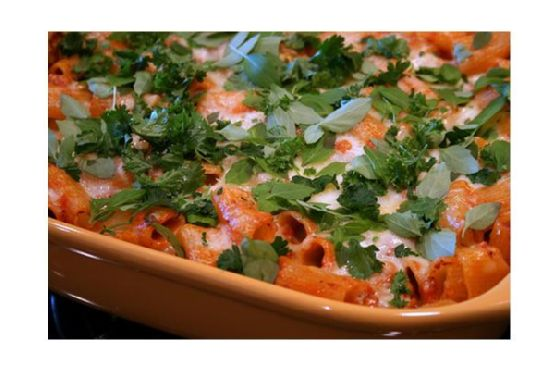
There’s something incredibly soothing about a warm, cheesy pasta dish fresh out of the oven. For me, baked rigatoni isn’t just food; it’s a cherished memory. Growing up, my grandmother would make this delightful dish every Sunday. The smell of pasta sauce mingling with melted mozzarella would fill the house, drawing everyone to the kitchen. I remember sitting at the table, eagerly watching as she pulled the bubbling casserole from the oven, the cheese golden and inviting. Today, I’m excited to share this nostalgic recipe with you, hoping it brings the same warmth and comfort to your home as it did to mine.

Why You’ll Love It

Baked Rigatoni is the epitome of comfort food. It’s hearty, satisfying, and incredibly easy to prepare. Whether you’re cooking for a family dinner or preparing a meal for a crowd, this dish is a guaranteed hit. You’ll love how the flavors of the tomatoes, broccoli, and pasta sauce meld together beautifully. The addition of mozzarella cheese creates a gooey, cheesy top that’s irresistible to both adults and kids alike. Plus, it’s easily adaptable for those with dietary preferences or restrictions.

Ingredients

  • 1 package frozen broccoli flowerets
  • 1 teaspoon dried basil
  • 1 teaspoon fennel seeds
  • 1 jar pasta sauce
  • 1 pound rigatoni
  • 6 oz. shredded mozzarella cheese, divided
  • 1 can diced ready-cut tomatoes
  • 1 package frozen vegetable burger crumbles

Instructions

  1. Preheat your oven to 400°F (200°C).
  2. Cook the rigatoni according to the package directions until al dente. Drain and set aside.
  3. In a large 9×13-inch baking dish, combine the cooked pasta, pasta sauce, diced tomatoes, frozen broccoli, burger crumbles, dried basil, fennel seeds, and 4 oz. of the shredded mozzarella cheese.
  4. Mix everything together until well combined, ensuring the pasta is evenly coated with sauce.
  5. Sprinkle the remaining 2 oz. of mozzarella cheese over the top of the pasta mixture.
  6. Bake in the preheated oven for about 20 minutes, or until the cheese is melted and the dish is heated through.
  7. Remove from the oven and let it cool slightly before serving. Enjoy your hearty and delicious baked rigatoni!

Tips

Here are a few tips to ensure your Baked Rigatoni turns out perfectly every time:

  • Don’t overcook the pasta. It should be slightly firm as it will continue to cook in the oven.
  • Feel free to adjust the amount of cheese according to your preference. If you’re a cheese lover, add extra mozzarella or even some Parmesan for added flavor.
  • Using a high-quality pasta sauce can make a significant difference in the overall taste of the dish.

Variations & Substitutions

Baked Rigatoni is a versatile dish that can be customized to suit your tastes:

  • Protein Swap: Substitute the vegetable burger crumbles with cooked ground beef, chicken, or turkey for a meatier version.
  • Vegetable Additions: Consider adding other vegetables like bell peppers, mushrooms, or spinach for added nutrition and flavor.
  • Cheese Options: Experiment with different cheeses such as cheddar, gouda, or ricotta for a unique twist.
  • Gluten-Free: Use gluten-free pasta to make this recipe suitable for those with gluten intolerance.
  • Vegan: Use vegan cheese and ensure your pasta sauce is vegan-friendly to make this dish entirely plant-based.

Storage

Baked Rigatoni can be stored in the refrigerator for up to 3-4 days. Simply cover the baking dish with plastic wrap or transfer leftovers to an airtight container. To reheat, place the desired portion in the oven at 350°F (175°C) until heated through, or microwave it for a quicker option.

FAQ

Can I prepare Baked Rigatoni ahead of time?

Absolutely! You can assemble the dish, cover it tightly, and refrigerate for up to 24 hours before baking. This makes it a great option for meal prep or when you’re expecting guests.

Can I freeze Baked Rigatoni?

Yes, you can freeze Baked Rigatoni. After baking, allow it to cool completely, then wrap it tightly with aluminum foil or plastic wrap and place it in a freezer-safe container. It can be frozen for up to 2 months. To reheat, thaw in the refrigerator overnight and bake at 350°F (175°C) until heated through.

Nutrition

While the nutritional content can vary based on specific brands and quantities, a typical serving of Baked Rigatoni made with the ingredients listed above is estimated to provide:

  • Calories: Approximately 400-500 per serving
  • Protein: 20-25 grams
  • Carbohydrates: 60-70 grams
  • Fat: 10-15 grams
  • Fiber: 5-8 grams

This dish is not only filling but also offers a good source of protein and fiber, making it a balanced meal option.

Conclusion

Baked Rigatoni is more than just a meal; it’s a tradition, a comforting embrace on a plate. Whether you’re revisiting old memories or creating new ones, this dish is sure to become a staple in your home. With its simple preparation and delicious flavors, it’s a recipe you’ll turn to time and time again. Gather your loved ones, serve it hot from the oven, and relish the joy that comes with sharing a meal together. Happy cooking!

Related update: Baked Rigatoni

Related update: Miso Eggplant Gratin

Siew Mai | Made by Meaghan Moineau

Siew Mai Recipe: A Delightful Dim Sum Treat

Intro

Growing up, weekends meant one thing: dim sum with the family. We would gather around a bustling table, eagerly awaiting the arrival of steaming baskets of our favorite dumplings. Among them, Siew Mai was always a standout. These flavorful pork dumplings, adorned with vibrant toppings, were a family favorite. Now, I’m excited to share this treasured recipe with you, bringing the joy of dim sum into your home.

Why You’ll Love It

Siew Mai, also known as Shumai, offers a delightful combination of flavors and textures that will captivate your taste buds. The juicy pork filling, coupled with the subtle crunch of water chestnuts and a burst of umami from mushrooms, creates a harmonious blend. Whether you’re a dim sum aficionado or a first-timer, these dumplings are sure to become a beloved addition to your culinary repertoire.

Ingredients

  • Wonton wrappers
  • 700g fatty pork
  • 2 tablespoons corn starch
  • 1 teaspoon salt
  • 1 teaspoon white ground pepper
  • 1/2 teaspoon sugar
  • 1 teaspoon Worcestershire sauce or Maggie Seasoning Sauce
  • 2 tablespoons Shaoxing Huatiao wine
  • 2 tablespoons sesame oil
  • 80g canned water chestnuts
  • 4 large Chinese mushrooms
  • 1 small carrot
  • Cooked whole shrimp
  • Raw glutinous rice
  • Shallots
  • Ginger
  • Cooking oil
  • Dried shrimps
  • Cooked dried scallops
  • Light soy sauce
  • Oyster sauce
  • 2 lap cheongs (Chinese sausages)
  • Water

Instructions

  1. To prepare the pork filling, mince 700g of pork and place it in a large mixing bowl. Add 2 tablespoons of corn starch, 1 teaspoon of salt, 1 teaspoon of white ground pepper, 1/2 teaspoon of sugar, 1 teaspoon of Worcestershire sauce, 2 tablespoons of Shaoxing Huatiao wine, and 2 tablespoons of sesame oil.
  2. Roughly chop 80g of water chestnuts and 4 large Chinese mushrooms into fine pieces. Add them to the pork mixture and mix well to combine.
  3. Finely dice a small carrot. Set aside the pork mixture and diced carrots for garnishing.
  4. For the glutinous rice filling, soak 2 lap cheongs in boiling water until the skin separates. Remove the skin and dice the meat.
  5. In a large saucepan, pan-fry the diced lap cheong until golden red. Follow instructions to prepare the glutinous rice as per Glutinous Rice in Lotus Leaf. Add fried lap cheong pieces and set aside to cool.
  6. To wrap the dumplings, place a wonton wrapper on a flat surface. Add a teaspoon of filling in the center, wet the edges with water, and fold the wrapper around the filling tightly.
  7. Top each pork Siew Mai with a shrimp and diced carrot. Add more lap cheong pieces to the glutinous rice Siew Mai if desired.
  8. Place dumplings in a steamer lined with baking paper. Steam over boiling water for 14-15 minutes or until cooked. Serve hot.

Tips

For the best texture, ensure that the pork is fatty, as this keeps the dumplings juicy. When wrapping, make sure the dumplings are tightly sealed to prevent them from falling apart during steaming.

Variations & Substitutions

If you prefer a different protein, ground chicken or turkey can be used instead of pork. For a vegetarian option, substitute the meat filling with a mixture of finely chopped vegetables like cabbage, mushrooms, and tofu. Feel free to experiment with different toppings, such as salmon roe or salted egg yolk, to enhance the visual appeal and taste.

Storage

Uncooked Siew Mai can be frozen for up to three months. To prevent them from sticking, dust a container with flour before placing the dumplings inside. When ready to serve, steam directly from the freezer for an additional 2-3 minutes.

FAQ

Can I make Siew Mai ahead of time?

Yes, you can prepare the fillings a day in advance and store them in the refrigerator. Assemble the dumplings just before steaming for the freshest taste.

What can I serve with Siew Mai?

Siew Mai pairs beautifully with a variety of dipping sauces, such as soy sauce, chili oil, or a simple vinegar and ginger dip. Serve them alongside other dim sum favorites for a complete meal.

Is there a gluten-free option?

To make this recipe gluten-free, use gluten-free wonton wrappers and replace soy sauce with a gluten-free alternative. Ensure all other ingredients are verified gluten-free.

Nutrition

While exact nutrition will vary based on specific ingredients and quantities used, Siew Mai is generally a good source of protein and provides essential vitamins and minerals from the vegetables and shrimp. For a healthier option, use lean pork or substitute with chicken.

Conclusion

Siew Mai is more than just a dumpling; it’s a celebration of flavors and a connection to cherished memories of family gatherings. Whether you’re reminiscing about past dim sum experiences or creating new ones, this recipe is sure to bring warmth and joy to your table. Happy cooking!

Related update: Siew Mai

Related update: Baked Rigatoni

Gingerbread | Made by Meaghan Moineau

The Perfect Gingerbread Recipe

Intro

Growing up, the aroma of gingerbread was synonymous with the holiday season in our household. The scent would waft through the house, wrapping us in a warm, spicy embrace that hinted at the festivities to come. My grandmother would always manage to sneak a few mini loaves to our neighbors, spreading the joy and warmth outside our home. It was during those times, sitting around the kitchen table with a slice of gingerbread and a glass of milk, that I learned the true meaning of sharing and community. This gingerbread recipe is a cherished family heirloom that I am thrilled to share with you today.

Why You’ll Love It

This gingerbread recipe is not just a treat for the taste buds; it’s a sensory experience that brings warmth and nostalgia. The spicy notes of ginger and cloves, combined with the sweetness of molasses and honey, create a rich and comforting flavor profile. Whether you enjoy it as a breakfast treat, a midday snack, or a holiday dessert, this gingerbread is sure to become a staple in your home. Plus, it’s made with whole wheat pastry flour, making it a slightly healthier option without compromising on taste.

Ingredients

  • 1 cup whole wheat pastry flour
  • 1 teaspoon baking powder
  • 1/2 teaspoon baking soda
  • 1/2 cup sweet un-packed brown sugar
  • 1/4 cup butter, melted
  • 1/2 cup canned pumpkin
  • 2 large eggs
  • 1 teaspoon ground cinnamon
  • 1/2 teaspoon ground cloves
  • 1 tablespoon ground ginger
  • 1/4 cup honey
  • 1/4 cup molasses
  • 1 tablespoon turbinado sugar
  • 1/4 cup water

Instructions

  1. Preheat your oven to 350°F (175°C).
  2. Spray 4 mini loaf pans with non-stick cooking spray and set aside.
  3. In a large mixing bowl, stir together the whole wheat pastry flour, brown sugar, baking powder, baking soda, ground cinnamon, ground ginger, and ground cloves.
  4. Add the canned pumpkin, molasses, eggs, honey, water, and melted butter to the bowl.
  5. Using an electric mixer, beat the mixture on low to medium speed until all ingredients are combined, about 30 seconds.
  6. Increase the speed to medium-high and continue beating for 2 minutes. Make sure to scrape the sides of the bowl occasionally to ensure even mixing.
  7. Divide the batter evenly between the prepared mini loaf pans.
  8. Sprinkle the tops with turbinado sugar for an extra crunch.
  9. Bake in the preheated oven for 25-30 minutes, or until a toothpick inserted into the center comes out clean.
  10. Allow the loaves to cool in the pans for 10 minutes before transferring them to a wire rack to cool completely.

Tips

To ensure your gingerbread loaves come out perfectly every time, consider these tips:

  • Make sure all your ingredients are at room temperature before starting. This helps them combine more smoothly.
  • Do not overmix the batter. Once the ingredients are combined, beat just enough to incorporate everything thoroughly.
  • If you prefer a stronger spice flavor, feel free to add more ginger or cloves according to your taste.

Variations & Substitutions

This gingerbread recipe is versatile and can be adjusted to suit different dietary needs and flavor preferences:

  • Gluten-Free: Substitute the whole wheat pastry flour with a gluten-free all-purpose flour blend.
  • Vegan: Replace the eggs with flax eggs (1 tablespoon ground flaxseed mixed with 3 tablespoons water per egg) and use a plant-based butter.
  • Extra Flavor: Add a handful of raisins or chopped nuts for an added texture and flavor boost.

Storage

To keep your gingerbread fresh, wrap the cooled loaves tightly in plastic wrap or store them in an airtight container. They can be kept at room temperature for up to three days. For longer storage, place them in the refrigerator for up to a week or freeze them for up to three months. If freezing, remember to thaw them at room temperature before serving.

FAQ

Can I make this gingerbread in a regular loaf pan instead of mini loaf pans?

Yes, you can use a regular loaf pan. However, you will need to adjust the baking time to approximately 45-50 minutes, or until a toothpick inserted into the center comes out clean.

What can I use instead of canned pumpkin?

If you don’t have canned pumpkin, you can use homemade pumpkin puree or even sweet potato puree as a substitute. Just ensure it’s similar in consistency to canned pumpkin.

Nutrition

While this gingerbread is a treat, it’s made with whole wheat pastry flour, which provides more fiber than traditional white flour. The addition of pumpkin not only adds moisture but also provides a dose of vitamins A and C. Enjoying a slice in moderation can be part of a balanced diet.

Conclusion

This gingerbread is more than just a baked good; it’s a slice of warmth and comfort that brings people together. Whether you’re enjoying it with your morning coffee or sharing it with friends and family during the holidays, this recipe is sure to become a beloved tradition in your home. I hope it brings you as much joy and connection as it has brought to my family over the years. Happy baking!

Related update: Gingerbread

Related update: Gingerbread Pancakes

Ben Ogden Breaks 50‑Year U.S. Drought | Analysis by Brian Moineau

A silver sprint that rewrites 50 years of U.S. cross‑country history

Ben Ogden stood on the snow, chest heaving, medal around his neck — and for a moment the neat, long drought of American men on the Olympic cross‑country podium felt like something that could be folded up and put away. Ogden, a 25‑year‑old Vermonter, skied powerful and smart in the men's sprint classic at the 2026 Milan‑Cortina Winter Olympics, finishing just behind Norway’s Johannes Høsflot Klæbo and delivering the first Olympic medal for a U.S. man in cross‑country skiing since Bill Koch’s silver in 1976.

Why this medal matters

  • It ends a 50‑year silence for U.S. men in Olympic cross‑country skiing (Bill Koch, Innsbruck, 1976 → Ben Ogden, Milan‑Cortina, February 10, 2026).
  • It’s a symbolic bridge between two Vermont stories: Koch’s legacy and Ogden’s rise through local youth leagues and New England trails.
  • Beyond nostalgia, it signals real momentum: American skiers — men and women — are increasingly competitive in sprint formats on the world stage.

The race in a sentence

Ogden qualified second, moved through quarterfinals and semis with composure, and in the final put in a strong classic‑technique sprint (3:40.61) that left him 0.87 seconds behind Klæbo’s winning 3:39.74 — fast enough for silver and history.

Backstory and context

  • Ben Ogden grew up in Vermont’s tight cross‑country community, coming up through the Bill Koch Youth Ski League and training on the same trails that shaped previous generations.
  • The sprint event is short, tactical and brutal: racers blast through qualification time trials and then jockey through multiple head‑to‑head heats (quarters, semis, final). It rewards not only speed but positioning, recovery and razor‑sharp technique.
  • For much of the 20th century and into the 2000s the U.S. was an also‑ran in men’s Olympic cross‑country. The breakthrough of U.S. women in the 2010s (Jesse Diggins, Kikkan Randall) helped reset expectations; Ogden’s medal now continues that upward arc for the men.
  • Johannes H. Klæbo remains a benchmark: the Norwegian’s sprint dominance and tactical savvy make him the toughest rival to beat in any championship race.

What this could mean going forward

  • Increased visibility and investment: Olympic medals change narratives. Ogden’s silver can boost youth enrollment, sponsorship interest, and funding for U.S. cross‑country programs — especially in classic technique and sprint development.
  • A confidence ripple for teammates: American men like Gus Schumacher and J.C. Schoonmaker, and the women already competitive at global level, may race with a new belief that podiums are repeatable, not accidental.
  • Tactical evolution: American programs may lean more into sprint‑specific training — starts, explosive power, heat‑recovery protocols — while still keeping the aerobic base that the sport demands.

Quick highlights

  • Event: Men’s sprint classic, Tesero (Val di Fiemme), Milan‑Cortina 2026.
  • Medalists: Gold — Johannes H. Klæbo (NOR); Silver — Ben Ogden (USA); Bronze — Oskar Opstad Vike (NOR).
  • Ogden’s time: 3:40.61. Klæbo’s winning time: 3:39.74.
  • Historic note: First U.S. men’s cross‑country Olympic medal since Bill Koch’s 1976 silver.

A human moment

Ogden’s podium celebration — including a backflip he’d promised his 15‑year‑old self he would do if he ever made an Olympic podium — underlined that this was as much a personal milestone as a national one. There’s an intimate, almost poetic thread here: a Vermont kid who grew up tracing the trails of an earlier American medalist now stands where Koch once stood. For small skiing communities, that’s catnip — a reminder that elite sport still has room for neighborhood roots.

My take

This silver feels less like an isolated surprise and more like a punctuation mark on a sentence that’s been building for years: U.S. cross‑country skiing is no longer content with incremental improvement — it’s chasing podiums. Ogden’s medal should be treated as a beginning, not an endpoint. If leaders in U.S. Ski & Snowboard and grassroots programs capitalize on the moment with coaching resources and youth outreach, we may be looking at the start of a sustained American presence in sprint events for the next decade.

Sources


Related update: We recently published an article that expands on this topic: read the latest post.


Related update: We recently published an article that expands on this topic: read the latest post.

Steamed Artichokes With Roasted Red Pepper Aioli | Made by Meaghan Moineau

Steamed Artichokes With Roasted Red Pepper Aioli

Intro

Growing up, artichokes were a staple at our family dinners. I still remember the excitement of pulling each leaf, savoring its delicate flavor, and dipping it into my grandmother’s secret aioli. The kitchen would fill with laughter and the comforting aroma of freshly steamed artichokes. As I grew older, I decided to add a modern twist to this cherished family recipe by pairing it with a roasted red pepper aioli, a combination that quickly became a new family favorite. Today, I’m thrilled to share this recipe with you, as it brings the warmth of my family’s tradition to your table, with a touch of contemporary flair.

Why You’ll Love It

This recipe for Steamed Artichokes With Roasted Red Pepper Aioli is a delightful combination of simplicity and elegance. Whether you’re hosting a dinner party or enjoying a quiet evening at home, this dish is sure to impress. The artichokes are tender and flavorful, while the roasted red pepper aioli adds a creamy, tangy kick that complements them perfectly. Plus, it’s a healthy and nutritious option, rich in vitamins and heart-healthy fats. You’ll love how easy it is to prepare and the beautiful presentation it offers.

Ingredients

  • 2 large artichokes
  • 1/4 teaspoon cayenne pepper
  • 2 egg yolks
  • 1 garlic clove, minced
  • 2 tablespoons lemon juice
  • 1 cup oil (such as olive or canola)
  • 1 roasted red pepper
  • Salt, to taste

Instructions

  1. Place the egg yolks, garlic, cayenne, and salt in a food processor. Puree until smooth.
  2. Add the roasted red pepper to the mixture, and puree until smooth again.
  3. While the mixture is pureeing, slowly pour in the oil. Puree until the mixture has emulsified to your desired consistency.
  4. Taste, then salt as needed. Cover and refrigerate until ready to serve.
  5. Fill a large pot with 2 inches of water and place a steaming basket over it. Cover and bring to a boil.
  6. Trim the artichoke stems off, and trim 1/2 inch off the top of the artichoke flower. Pull off any damaged leaves around the base.
  7. Using kitchen shears, trim each point off the outer leaves.
  8. Squeeze lemon juice over the cut edges to reduce browning. Sprinkle with salt and place in the steam basket.
  9. Cover and steam the artichokes for 30-40 minutes, until a center leaf pulls out easily.
  10. Serve the artichokes with the aioli on the side for dipping! Or try it with fingerling potatoes.

Tips

For the best results, choose artichokes that are firm and have tightly closed leaves. If you’re short on time, you can also use jarred roasted red peppers for the aioli. Be sure to adjust the seasoning to your taste, and feel free to experiment with different oils for unique flavor profiles.

Variations & Substitutions

If you’re looking to change things up, consider adding fresh herbs like basil or parsley to the aioli for an extra burst of flavor. For those who are vegan, you can substitute the egg yolks with a plant-based alternative like aquafaba. Additionally, switching out the cayenne for smoked paprika can give the aioli a smoky depth that’s simply irresistible.

Storage

The steamed artichokes and aioli can be stored separately in the refrigerator. Place the artichokes in an airtight container and consume within 3 days for the best quality. The aioli can be kept in a sealed jar for up to a week. Before serving, let the aioli come to room temperature and give it a good stir.

FAQ

How do I know when the artichokes are done steaming?

The artichokes are perfectly cooked when a center leaf pulls out easily and the base is tender. The color will also become a deeper, more vibrant green.

Can I prepare the aioli in advance?

Yes, the aioli can be made up to two days in advance. This allows the flavors to meld beautifully. Just be sure to store it in the refrigerator and give it a good stir before serving.

What can I serve with steamed artichokes?

Steamed artichokes are quite versatile and pair well with a variety of sides. Consider serving them with roasted potatoes, a fresh green salad, or even grilled fish for a more substantial meal.

Nutrition

This dish is not only delicious but also packed with nutritional benefits. Artichokes are a great source of dietary fiber, vitamin C, and antioxidants. The aioli, made with heart-healthy oils, provides healthy fats that aid in the absorption of fat-soluble vitamins. Overall, it’s a satisfying and nourishing choice for any meal.

Conclusion

Steamed Artichokes With Roasted Red Pepper Aioli is a wonderful way to bring a touch of elegance to your table while staying true to wholesome, homemade flavors. It’s a dish that invites you to slow down, savor each bite, and enjoy the company of those around you. Whether you’re introducing artichokes to your family for the first time or rekindling a love for this classic vegetable, I hope this recipe brings as much joy to your home as it does to mine. Enjoy!

Related update: Steamed Artichokes With Roasted Red Pepper Aioli

NewsGuard Sues FTC Over Ad Market Control | Analysis by Brian Moineau

A ratings service says the FTC is trying to strangle it — and the First Amendment is now part of the fight

The headline reads like a legal thriller: a company that assigns "trust scores" to news websites has sued the Federal Trade Commission, accusing the agency of weaponizing regulatory power to cut it out of the advertising ecosystem. It's NewsGuard versus the FTC, fronted by Chairman Andrew Ferguson — and the dispute raises three big questions: who gets to police the media marketplace, when does regulation become censorship, and how much power do ad buyers and agencies hold over what counts as “acceptable” news?

Why this matters (hook)

  • Advertisers funnel billions of dollars through a handful of ad agencies. If those agencies can't or won't buy inventory adjacent to particular outlets, the outlets' survival and audiences are affected.
  • Independent evaluators like NewsGuard say they help brands avoid reputational risk and help readers assess reliability. Critics say these ratings can be subjective or politically skewed.
  • When a regulator uses merger remedies or investigations that have the effect of freezing a ratings company out of the market, the stakes shift from commercial competition to free-speech and due-process questions.

Quick takeaways

  • NewsGuard filed a lawsuit in early February 2026 alleging the FTC burdened it with sweeping document demands and inserted merger conditions that effectively bar major ad agencies from using its ratings. (Filed Feb. 6, 2026.) (washingtonpost.com)
  • The contested merger remedy arose in the Omnicom–Interpublic transaction; the FTC’s order reportedly prevents those ad holding companies from basing ad buys on “journalistic standards or ethics” set by third parties — language NewsGuard says was crafted to target it. (washingtonpost.com)
  • NewsGuard argues the FTC’s actions violate the First and Fourth Amendments and amount to government censorship of a private service. The FTC and some conservatives argue NewsGuard has a political slant and has inflicted commercial harm on certain outlets. (washingtonpost.com)

What NewsGuard does and why advertisers use it

NewsGuard, launched in 2018 by media veterans including Steven Brill and Gordon Crovitz, uses human journalists to score sites on nine transparency and credibility criteria and publishes a “nutrition label” explaining each score. Brands and agencies have used these ratings to reduce ad placement near sites they judge risky, and browser extensions surface those trust scores to consumers. NewsGuard emphasizes transparency in its methodology and publishes the criteria it applies. (newsguardtech.com)

Why advertisers care:

  • Brand safety concerns: running ads next to fraudulent, extreme, or disinformation-filled content can cause reputational damage.
  • Liability and client pressure: large advertisers increasingly demand oversight tools to demonstrate they’re avoiding harmful placements.
  • Centralized buying power: big holding companies and ad agencies set de facto industry norms for what’s acceptable.

The FTC’s actions that sparked the lawsuit

According to NewsGuard’s complaint and reporting by The Washington Post, two lines of FTC activity prompted the suit:

  • An extensive information demand: the FTC ordered broad disclosures of NewsGuard’s client lists, ratings deliberations, communications, and financials — an investigation NewsGuard says is so sweeping it chills its business and violates privacy and press protections. (washingtonpost.com)

  • A merger condition in Omnicom–Interpublic approval: the FTC’s order included language preventing the combined agency from directing ad buys based on “adherence to journalistic standards or ethics established or set by a third party.” NewsGuard argues that language functions as a ban on companies using its ratings, effectively blacklisting the service. Newsmax and other conservative outlets publicly urged the FTC to broaden the language, which NewsGuard says revealed intent. (washingtonpost.com)

NewsGuard’s legal team frames these moves as retaliation driven by political disagreement, pointing to prior public criticism of the company by now-FTC Chair Ferguson. The company has asked a federal court to block enforcement of the merger condition and the investigative demand. (mediapost.com)

The competing narratives

  • NewsGuard’s story: a neutral, transparent ratings firm is being targeted for its editorial judgments. The FTC is overreaching by using merger remedies and investigations to hobble a private business whose work touches on public discourse. That, NewsGuard says, raises free-speech and due-process problems. (newsguardtech.com)

  • The FTC and critics’ story: regulators and some conservative outlets argue NewsGuard exercises editorial power that has real commercial effects and that its judgments may be politically biased. From this angle, the FTC’s scrutiny is about market power and potential exclusionary conduct — not censorship per se. Public comments from outlets like Newsmax influenced how the merger language was revised, suggesting industry players saw the remedy as relevant. (washingtonpost.com)

Both sides point to market realities: when ratings influence ad placement, they affect revenue flows. The novel legal wrinkle is whether a regulator may lawfully condition a merger or investigate a small ratings firm in a way that some regard as singling out protected speech.

Broader implications

  • The case could reshape how third-party content evaluators operate in advertising markets. If agencies are barred from relying on such ratings, advertisers lose one tool for brand protection; if regulators are limited, they may be less able to police potential collusion or exclusionary tactics in ad buying.
  • There’s a constitutional debate at the center: does the First Amendment protect the editorial judgments of a private ratings firm from regulatory interference? Conversely, do regulators have the authority to step in when a ratings product materially affects market competition or harms specific outlets?
  • The dispute exposes how intertwined advertising, editorial judgments, and platform economics have become. A private score can effectively act like a traffic light for publishers; when government action changes who can see or use that traffic light, the ripple effects are political, commercial, and civic.

My take

This lawsuit sits at the intersection of market structure and speech. NewsGuard’s methodology is transparent and human-driven — that matters in an era of opaque algorithmic moderation — but its influence on advertisers gives its judgments real economic weight. Regulators worried about arbitrary exclusion in ad markets have a legitimate role; at the same time, wielding merger conditions or sweeping investigative powers in ways that single out a small player risks the appearance (and perhaps the reality) of viewpoint-based regulation.

The healthier path would be clearer rules and neutral standards for ad buyers and ratings services: transparent criteria (which NewsGuard publishes), robust appeals and correction processes for rated outlets, and merger remedies narrowly targeted at anticompetitive conduct rather than broad language that could be read as a blacklist. These guardrails would protect both market fairness and free expression.

Final thoughts

At stake is not only one company’s business but the architecture of trust in the information ecosystem. When ratings, advertisers, and regulators collide, the outcome will shape how audiences find reliable information and how publishers — of whatever stripe — survive. Courts will now have to weigh whether the FTC crossed a constitutional line or acted within its mandate to police markets. Either way, the case underscores that in today’s media economy, the line between commerce and speech is increasingly hard to draw.

Sources


Related update: We recently published an article that expands on this topic: read the latest post.


Related update: We recently published an article that expands on this topic: read the latest post.


Related update: We recently published an article that expands on this topic: read the latest post.


Related update: We recently published an article that expands on this topic: read the latest post.

Sardine Croquettes (Croquetas De Sardinas) | Made by Meaghan Moineau

Sardine Croquettes (Croquetas De Sardinas)

Intro

There’s something truly magical about recipes that transport us back to cherished moments from our past. For me, sardine croquettes are a delightful reminder of family gatherings in my grandmother’s cozy kitchen. I remember sitting on a stool, watching her expertly shape the croquettes, her hands moving with a rhythm that was both practiced and loving. The aroma of frying croquettes filled the air, mingling with laughter and stories shared among family members. In this blog post, I am excited to share with you this beloved recipe for Sardine Croquettes, or as we say in Spanish, Croquetas de Sardinas. It’s a dish that brings warmth and connection, perfect for sharing with loved ones.

Why You’ll Love It

These Sardine Croquettes are a fantastic way to enjoy the rich flavors of sardines in a crispy, golden-brown package. Here’s why you’ll love them:

  • Quick and Easy: Using canned sardines and frozen cassava saves time without compromising on taste.
  • Flavorful: The combination of sardines, parmesan cheese, and fresh cilantro creates a savory and delightful bite.
  • Versatile: Perfect as an appetizer, snack, or main dish; they pair wonderfully with a simple salad or a tangy dip.
  • Nostalgic: A recipe that brings a taste of traditional Spanish cuisine to your table.

Ingredients

  • 1 can of sardines
  • 500g frozen cassava (yuca)
  • 1/2 cup grated parmesan cheese
  • 2 egg yolks
  • 2 egg whites
  • 1 teaspoon baking powder
  • 1 cup plain bread crumbs
  • 2 tablespoons chopped cilantro
  • Oil for frying
  • Salt & pepper to taste

Instructions

  1. Start by cooking the frozen cassava. In a pot with salted water, cook the cassava until fork tender, which usually takes about 20-25 minutes.
  2. Once the cassava is cooked thoroughly, drain the water and mash it until smooth.
  3. Add the canned sardines (drained), parmesan cheese, egg yolks, baking powder, salt, pepper, and chopped cilantro to the mashed cassava. Mix well until all ingredients are combined.
  4. Preheat oil in a frying pan over medium heat.
  5. With wet hands, form the sardine mixture into small balls.
  6. Dip each ball into the egg whites, then roll it in the bread crumbs to coat evenly.
  7. Fry the croquettes in the preheated oil until they are golden brown on all sides, about 3-4 minutes per side.
  8. Once cooked, let them rest on a double-lined paper towel to remove excess oil.
  9. Serve warm, accompanied by ketchup or your favorite dipping sauce.

Tips

  • Keep your hands wet when forming the croquettes to prevent the mixture from sticking.
  • For an extra crispy texture, you can double-dip the croquettes in the egg whites and bread crumbs.
  • Ensure the oil is hot enough before frying; otherwise, the croquettes may absorb too much oil.

Variations & Substitutions

  • Cheese: Swap parmesan with pecorino or even mozzarella for a different flavor profile.
  • Herbs: Substitute cilantro with parsley or dill for a different herbal touch.
  • Gluten-Free: Use gluten-free bread crumbs to make this recipe suitable for those with gluten sensitivities.

Storage

Store any leftover croquettes in an airtight container in the refrigerator for up to three days. To reheat, place them in a preheated oven at 350°F (175°C) for about 10 minutes to regain their crispiness.

FAQ

Can I use fresh cassava instead of frozen?

Absolutely! If you prefer using fresh cassava, peel and cut it into chunks before boiling. It might take a bit longer to cook, but the result will be just as delicious.

What can I serve with sardine croquettes?

Sardine croquettes pair well with a fresh green salad, roasted vegetables, or even a simple tomato and onion relish. They are also delicious on their own with a side of dipping sauce.

Nutrition

While the exact nutritional content may vary, these sardine croquettes are a good source of protein and healthy fats from the sardines. Cassava provides a carbohydrate base, making this dish a satisfying and balanced option.

Conclusion

Sardine Croquettes are a wonderful way to bring the heart and soul of Spanish cuisine into your home. They are easy to make, bursting with flavor, and perfect for sharing with friends and family. Whether you’re reminiscing about fond memories or creating new ones, I hope this recipe brings a bit of joy and deliciousness to your table. Enjoy!

Related update: Sardine Croquettes (Croquetas De Sardinas)

Related update: Steamed Artichokes With Roasted Red Pepper Aioli

Related update: Japanese Gyoza Pot Stickers

Ham and Red Bean Soup | Made by Meaghan Moineau

Hearty Ham and Red Bean Soup

Intro

There’s something deeply comforting about a pot of soup simmering on the stove, the aroma wafting through the house, promising warmth and nourishment. This Ham and Red Bean Soup is a recipe passed down through my family, a staple during cool autumn evenings. I remember my grandmother making it on Sundays, her kitchen filled with laughter and warmth. We’d gather around the table, bowls in hand, steaming with this savory delight. This soup is more than just a meal; it’s a memory, a legacy of love and togetherness.

Why You’ll Love It

This Ham and Red Bean Soup is a classic comfort dish that’s both hearty and flavorful. Here’s why you’ll fall in love with it:

  • Rich Flavor: The combination of smoked ham, aromatic spices, and tender beans creates a symphony of flavors that’s both warming and satisfying.
  • Nutritious: Packed with protein and fiber, this soup is not only delicious but also nutritious.
  • Easy to Make: With a bit of chopping and stirring, you can have this delightful soup simmering on your stove with minimal effort.
  • Perfect for Leftovers: This soup tastes even better the next day, making it a great make-ahead meal.

Ingredients

  • Green leeks, tops reserved
  • Thyme sprigs
  • 1 Bay leaf
  • 1 teaspoon Coriander seeds
  • 1 teaspoon Black peppercorns
  • 1 teaspoon Cumin seeds
  • 2 tablespoons Olive oil
  • 2 Diced carrots
  • 2 Diced celery stalks
  • 4 cloves Garlic, minced
  • 2 tablespoons Tomato paste
  • 2 cups Red beans, soaked overnight
  • 1 Cooked diced smoked ham bone
  • 3 cups Cooked diced ham
  • 1 teaspoon Ground chipotle chile powder
  • Salt and pepper to taste
  • Water, enough to cover

Instructions

  1. Take the thyme sprigs and bay leaf, and wrap the reserved green leek top around them. Tie with butchers twine to secure.
  2. Place the coriander seeds, peppercorns, and cumin seeds in the middle of a coffee filter or small piece of cheesecloth, and tie into a bundle using butchers twine. Set aside.
  3. Heat the olive oil in a large stockpot over medium heat. Add leeks, carrots, and celery. Saute for 5 minutes or until softened.
  4. Add garlic and saute for another minute.
  5. Add tomato paste and saute for another minute.
  6. Add the beans, ham bone, the herb bundle and the spice bundle, and enough water to cover. Bring to a boil and reduce to a simmer, partially covering. Allow to simmer for 1 hour.
  7. Add the diced ham and chipotle chile powder and stir in. Allow to simmer until beans are soft and are just beginning to break open, another 1 1/2 to 2 hours.
  8. Adjust seasoning to taste. Remove ham bone and pull any remaining ham from the bone and return to pot. Remove herb bundle and spice bundle, and serve.

Tips

  • Soak the Beans: Make sure to soak the red beans overnight. This helps to speed up the cooking process and ensures they become tender.
  • Spice it Up: If you like your soup with a bit more kick, feel free to add more chipotle chile powder.
  • Use Fresh Ingredients: Fresh spices and herbs make a big difference in flavor. Try to use fresh thyme, leeks, and garlic for the best results.

Variations & Substitutions

  • Vegetarian Option: Omit the ham and use vegetable broth instead of water for a delicious vegetarian bean soup.
  • Alternate Beans: If you don’t have red beans, you can substitute with kidney beans or pinto beans.
  • Spice Blend: Experiment with different spice blends or add a bit of smoked paprika for a different depth of flavor.

Storage

Store any leftover soup in an airtight container in the refrigerator for up to 4 days. This soup also freezes well; just allow it to cool completely before transferring to freezer-safe containers. It can be frozen for up to 3 months.

FAQ

Can I use canned beans instead of dried beans?

Yes, you can use canned beans. If you do, skip the soaking step and reduce the simmering time, as canned beans are already cooked.

What if I don’t have a ham bone?

No worries! You can still make the soup without a ham bone. The smoked diced ham will provide plenty of flavor on its own.

How can I make the soup thicker?

If you prefer a thicker consistency, you can blend a portion of the soup and return it to the pot, or you can let it simmer uncovered for a while longer to reduce the liquid.

Nutrition

This soup is a wholesome meal, rich in protein from the ham and beans, and full of fiber. It’s a perfect choice for a filling lunch or dinner that doesn’t compromise on flavor or nutrition.

Conclusion

This Ham and Red Bean Soup is more than a simple dish; it’s a comforting, hearty meal that brings family and friends together. Whether you’re enjoying it as a cozy dinner or sharing it with loved ones, this soup is sure to warm both the body and the soul. I hope you find as much joy in making and sharing this soup as I have over the years. Enjoy!

Related update: Ham and Red Bean Soup

Related update: Pasta With Salmon Cream Sauce

Related update: Sweet Potato and Celery Soup

Sixty Super Bowls: The Last Pilgrimage | Analysis by Brian Moineau

Sixty Sundays: The friends who’ve never missed a Super Bowl

From $8 seats to $8,000 trips, the Super Bowl has changed almost as much as the men who’ve watched every single one. This year Don Crisman, Gregory Eaton and Tom Henschel — three friends in their 80s — made the pilgrimage again, closing a chapter that began on January 15, 1967. For two of them, this pilgrimage may be the last.

A hook: why this story matters beyond football

There’s something quietly heroic about a ritual kept for six decades: it’s not just about touchdowns or halftime shows, it’s about continuity in a world that keeps speeding up. These men are living archives of the event that became America’s unofficial holiday. Their story asks a simple question: what do we owe our rituals — and to whom?

What happened this year

  • Don Crisman (Maine), Gregory Eaton (Michigan) and Tom Henschel (Florida) attended Super Bowl LX, preserving a streak that began with the very first AFL-NFL World Championship Game in 1967.
  • Crisman, nearly 90, and Henschel, 84 and recovering from a stroke, said this year will likely be their last trip. Eaton, 86, plans to go as long as he can.
  • The trio — once part of a larger “never missed” club that included media members and staff — are now essentially the living end of an era, having scaled back travel from weeklong stays to short trips focused only on the game. (apnews.com)

A little context: how the Super Bowl and fandom evolved

  • The first two championship games were called the AFL-NFL World Championship Game; “Super Bowl” became the common name almost by accident and then by marketing success.
  • Early Super Bowls felt different: cheaper tickets, smaller media machines, less corporate spectacle. Henschel remembers paying $12 for a ticket in 1969. Today, attending the game — travel, lodging, ticket markups — can run into the thousands. (apnews.com)
  • Over 60 editions, the Super Bowl transformed from a championship to a cultural event: halftime megashows, global advertising, and multi-day corporate campus takeovers around host cities.

Why their streak is about more than numbers

  • Ritual and friendship: The three men speak less about specific plays and more about the habit of showing up together. Their annual meetups, brunches and shared travels turned a sporting event into a social anchor.
  • Memory and changing America: Through their eyes you can trace social shifts — from stadium integration and the first Black winning quarterback to the commercialization of sports.
  • The cost of dedication: Their scaling back — shorter stays, tighter budgets — mirrors how the Super Bowl itself has become more expensive and logistically challenging. For them, the decision to continue is a personal calculus of mobility, finances, and how much the ritual still feeds their joy. (washingtonpost.com)

What this says about fandom and aging

  • Traditions adapt. Where once they’d spend a week soaking in the host city, now it’s three or four days and mostly the game. That’s not resignation — it’s pragmatism.
  • The emotional weight of a final trip: Saying “this might be my last” reframes the game as a milestone rather than an event. It’s the closing of a long-running story that others helped write.
  • Public memory vs. private ritual: The Super Bowl is public spectacle; their streak is private devotion made public. It reminds us that the biggest cultural events are made meaningful by countless small, consistent acts of attendance and attention.

Takeaways for readers

  • Small rituals accumulate into identity: attending once is memorable; attending 60 times becomes a life’s thread.
  • Cultural institutions age with us: as the NFL and its marquee event get bigger and pricier, the people who built the memory bank adapt — or fade away.
  • There’s dignity in ending things on your own terms: both Crisman and Henschel acknowledge limits and choose a graceful exit rather than forcing the habit beyond its meaningfulness. (apnews.com)

My take

The story of Crisman, Eaton and Henschel reads like a human-scale novel about time: the highs, the losses, the friendships that outlast careers and changing cities. Sports often give us a truncated narrative — winners and losers — but this trio shows the richer arc: persistence, memory, and the quiet decision to step back when the ritual stops serving who you are. It’s easy to romanticize “never missed” streaks, but the more interesting, humane moment is watching people choose how to end them.

Sources

(Links were checked on February 7, 2026.)


Related update: We recently published an article that expands on this topic: read the latest post.


Related update: We recently published an article that expands on this topic: read the latest post.

Acorn Squash Biscuits with Sage & Gruyere | Made by Meaghan Moineau

Acorn Squash Biscuits with Sage & Gruyere

Intro

As the crisp air of autumn settles in, my heart often wanders back to the cozy kitchen of my grandmother’s house. The warmth from her oven, the laughter echoing through the room, and the delightful aroma of her baking have left an indelible mark on my soul. One of my most cherished memories is of her acorn squash biscuits, a recipe she lovingly crafted to celebrate the bounties of fall. These Acorn Squash Biscuits with Sage & Gruyere are a tribute to those fond memories, blending the comforting flavors of roasted squash with the savory notes of Gruyere and sage.

Why You’ll Love It

These biscuits are more than just a side dish; they are a celebration of autumnal flavors and textures. The acorn squash adds a subtle sweetness and moisture, creating a tender crumb that is perfectly complemented by the nutty richness of Gruyere cheese. Fresh sage brings an earthy aroma that elevates the biscuits to gourmet status. Whether you’re serving them at a holiday gathering or enjoying them with a simple bowl of soup, these biscuits are sure to become a seasonal favorite.

Ingredients

  • 2 cups all-purpose flour
  • 2 tablespoons cornstarch
  • 2 tablespoons light brown sugar
  • 1 tablespoon baking powder
  • 1/2 teaspoon baking soda
  • 1 teaspoon salt
  • 6 tablespoons unsalted butter, chilled and cut into pieces
  • 2 tablespoons vegetable shortening, chilled
  • 1 cup mashed roasted acorn squash
  • 1 tablespoon apple cider vinegar
  • 1 cup shredded Gruyere cheese
  • 2 tablespoons chopped fresh sage
  • Optional: whole sage leaves for garnish

Instructions

  1. Preheat your oven to 425°F (220°C) and adjust the oven rack to the middle position. Line a large baking sheet with parchment paper.
  2. In the work bowl of a food processor, combine the flour, cornstarch, brown sugar, baking powder, baking soda, and salt. Pulse a couple of times to combine.
  3. Scatter the chilled butter and shortening over the top of the flour mixture. Pulse a few times until the mixture resembles coarse meal.
  4. In a large bowl, mix the mashed acorn squash with the apple cider vinegar. Stir in the Gruyere cheese and chopped sage.
  5. Add the flour and butter mixture to the squash mixture, stirring until just combined.
  6. Turn the dough out onto a lightly floured surface and knead a few times to bring the dough together. Pat the dough into a round about 1-inch thick.
  7. Using a 2 1/4-inch biscuit cutter, cut out the biscuits, dipping the cutter in flour to prevent sticking. Gather the scraps and continue cutting until all dough is used.
  8. Place the biscuits evenly spaced on the prepared baking sheet. If garnishing with sage leaves, dip your finger in beaten egg and dot a small amount on the center of each biscuit. Place a sage leaf on top, pressing lightly to affix.
  9. Brush the biscuits with melted butter and bake until golden brown, about 18-22 minutes.
  10. Let the biscuits cool for 15 minutes before serving. Enjoy warm or at room temperature.

Tips

For the best results, ensure your butter and shortening are well-chilled before you begin. This helps create a flaky texture. If you don’t have a food processor, you can use a pastry cutter or your fingers to break down the butter into the flour mixture. Be careful not to overwork the dough to keep your biscuits tender.

Variations & Substitutions

If you can’t find Gruyere, feel free to substitute with sharp cheddar or another melting cheese of your choice. For a twist on flavor, try adding a pinch of nutmeg or cinnamon to the dry ingredients. If acorn squash is unavailable, butternut squash or pumpkin puree can work as a substitute.

Storage

Store any leftover biscuits in an airtight container at room temperature for up to 2 days. For longer storage, freeze them in a single layer on a baking sheet, then transfer to a freezer-safe bag or container. Reheat in a 350°F (175°C) oven until warmed through.

FAQ

Can I make the dough ahead of time?

Yes, you can prepare the dough a day in advance. Wrap it tightly in plastic wrap and store it in the refrigerator. When ready to bake, let the dough sit at room temperature for a few minutes before cutting and baking.

Can I use dried sage instead of fresh?

While fresh sage provides the best flavor, you can use dried sage in a pinch. Use about 1 tablespoon of dried sage in place of the fresh sage leaves.

What can I serve with these biscuits?

These biscuits are a versatile side that pairs well with soups, stews, or roasted meats. They also make a delightful addition to a brunch spread or holiday meal.

Nutrition

This recipe yields approximately 12 biscuits. Each biscuit contains an estimated 180 calories, 9g of fat, 20g of carbohydrates, 5g of protein, and 1g of fiber. It’s a delicious indulgence that fits well into a balanced diet when enjoyed in moderation.

Conclusion

These Acorn Squash Biscuits with Sage & Gruyere not only fill your kitchen with the comforting aroma of fall but also offer a nostalgic nod to the warm memories of family gatherings. Whether you’re a seasoned baker or a novice in the kitchen, this recipe is simple yet rewarding, making it a perfect addition to your autumnal culinary repertoire. So gather your ingredients, roll up your sleeves, and bake a batch of these delightful biscuits to share with loved ones, creating new memories that will be cherished for years to come.

Related update: Acorn Squash Biscuits with Sage & Gruyere

Related update: Sardine Croquettes (Croquetas De Sardinas)

Related update: Strawberry Basil Italian Ice

Bobby Wagner: From Tackles to Service | Analysis by Brian Moineau

Bobby Wagner’s Moment: From Tackles to True Impact

There’s a scene I keep replaying: Bobby Wagner, eyes steady, voice low but shaking with gratitude, honoring the woman whose memory has shaped his life and work. On the evening the NFL handed out its Walter Payton Man of the Year award, the on-field legend who’s piled up tackles for more than a decade reminded everyone that greatness isn’t just measured in stats — it’s measured in service.

Why this matters right now

  • The Walter Payton NFL Man of the Year is the league’s highest honor for character and community impact, given to a player who combines on-field excellence with meaningful off-field contributions.
  • Bobby Wagner — a veteran linebacker now with the Washington Commanders — was named the 2025 Walter Payton Man of the Year during NFL Honors on February 5–6, 2026.
  • Wagner has been a finalist multiple times; this recognition crowns years of sustained community work and a personal campaign to turn family tragedy into public good.

Quick highlights from the night

  • Wagner accepted the award at NFL Honors and spoke about his mother, Phenia Mae, who died from stroke complications and inspired his charitable focus.
  • His FAST54 / Phenia Mae Fund partners with hospitals and health systems to raise stroke awareness, support patients, and provide resources for families.
  • The award includes a significant donation to the nonprofit of the winner’s choice, amplifying Wagner’s existing community investment.

The backstory: how tackles turned into a platform

Bobby Wagner’s football résumé is familiar to anyone who watches the league: multiple Pro Bowls and All-Pro nods, seasons stacked with 100-plus tackles, and a reputation as one of the most consistent linebackers of his generation. But the Man of the Year award spotlights a different arc — one that begins with a personal loss.

Wagner’s mother died young from stroke complications. He’s used that experience to build FAST54 and the Phenia Mae Fund, working with medical partners (including prominent children’s hospitals and health systems) to educate communities about stroke signs, provide financial assistance and increase access to care. Over time, his off-field initiatives expanded to include work on mental health, social justice, and local community programming in Washington, D.C., and beyond.

Repeated nominations for the Walter Payton award show this wasn’t a sudden pivot; it’s the long-tail effect of consistent engagement. Being a finalist multiple times before finally winning only reinforced the sense that Wagner’s community work had become as durable as his play on the field.

What the award signals for the league and the Commanders

  • It reinforces the NFL’s push to promote player-led social impact initiatives — not as PR moments, but as long-term investments linked to real partners and measurable outcomes.
  • For the Commanders, Wagner’s profile elevates the franchise’s community presence and connects fans to the human stories behind the roster.
  • For younger players, it sets a template: leverage visibility for causes with personal meaning, partner with credible institutions, and commit long-term.

Lessons in leadership from Wagner’s journey

  • Authenticity wins: Wagner’s work is rooted in personal experience, which gives the initiatives credibility and staying power.
  • Consistency matters: Small, repeated acts of service build toward recognition and, more importantly, real impact.
  • Use the platform: Athletic achievement creates access — Wagner turns that access into funding, awareness, and institutional partnerships.

What to watch next

  • The concrete effects of the prize donation — which nonprofit Wagner designates will receive the award’s funds, and how that money gets used locally.
  • How the Commanders amplify and scale Wagner’s initiatives within the D.C. area and in partnership with the NFL’s community programs.
  • Whether more veteran players follow Wagner’s model of sustained, personally rooted philanthropy rather than one-off campaigns.

My take

There’s something quietly radical about a superstar linebacker winning the NFL’s character award. It flips a stereotype: the game’s bruising, physical side and its softer side are not opposites but complements. Bobby Wagner’s story is a reminder that elite athletes can be fierce competitors and deeply committed civic leaders at once. That duality is increasingly the new standard — and Wagner earning the Walter Payton Man of the Year shows how far that standard has come.

Notable takeaways

  • Wagner was named the 2025 Walter Payton NFL Man of the Year during NFL Honors on Feb. 5–6, 2026.
  • His FAST54 / Phenia Mae Fund focuses on stroke awareness and patient support, born from the loss of his mother.
  • The award recognizes long-term, credible community impact paired with professional excellence.

Sources


Related update: We recently published an article that expands on this topic: read the latest post.


Related update: We recently published an article that expands on this topic: read the latest post.

Bacalhau Macau | Made by Meaghan Moineau

Bacalhau Macau: A Taste of Tradition and Comfort

Intro

There’s something magical about recipes that have stood the test of time, passed down through generations, and cherished by families. Bacalhau Macau is one such dish that brings back fond memories of my grandmother’s kitchen, where the air was always filled with the rich aroma of spices and the comforting warmth of family gatherings. I remember sitting at the wooden table, eagerly waiting for the first bite of those golden, crispy fish cakes that she lovingly prepared. This recipe is a tribute to those cherished moments, a blend of tradition and flavor that I am delighted to share with you.

Why You’ll Love It

Bacalhau Macau is not just a dish; it’s an experience. You’ll love it for its delightful combination of textures and flavors. The crispy outer layer contrasts beautifully with the creamy, savory filling. The fusion of salt cod with aromatic herbs and spices creates a burst of flavor in every bite. Whether you’re serving it as an appetizer or a main course, Bacalhau Macau is sure to impress your family and friends.

Ingredients

  • 1 cup Japanese breadcrumbs
  • 2 tablespoons butter
  • 2 tablespoons chopped cilantro
  • 1 large egg
  • 1 egg white
  • 2 cloves garlic, minced
  • 1 tablespoon minced ginger
  • 2 green onions, sliced
  • 2 russet (Idaho) potatoes, peeled and diced
  • 1/4 cup oil-cured olives, chopped
  • 1/2 teaspoon salt
  • 1 pound salt cod fillets, soaked and shredded
  • 1 tablespoon sesame oil
  • 1/2 cup whipping cream
  • 1/4 teaspoon white pepper
  • Vegetable oil for frying

Instructions

  1. Place cod in a bowl and cover with cold water. Soak for 6 to 8 hours, changing the water once or twice. Drain, rinse very well and pat dry. Shred fish with your fingers.
  2. Pour 3 inches of water into a medium saucepan and bring to a boil. Add the diced potatoes, and cook until tender, 10 to 12 minutes. Drain the potatoes, return them to the pan briefly. Mash the potatoes until smooth, then whisk in the butter.
  3. Stir the cod into the mashed potatoes. Stir in the green onion, cilantro, olives, egg white, sesame oil, salt, garlic, ginger, and pepper.
  4. In a chilled bowl, whip the cream until it holds soft peaks. Gently fold the whipped cream into the cod mixture with a rubber spatula.
  5. Using two large soupspoons, form about 3 tablespoons of the cod-potato mixture into an oval fish cake. Set the cod cake on a baking sheet and repeat with the remaining potato mixture.
  6. Spread the breadcrumbs on a plate. Beat the egg in a wide, shallow bowl. Dip each cod cake into the egg, turning it gently to coat all sides. Allow any excess egg to drip back into the bowl, then roll the cake in breadcrumbs to coat all sides. Set the coated fish cakes on a baking sheet.
  7. Place a large skillet over medium heat and pour in 1/4 inch of vegetable oil. When the oil is hot – a corner of a cod cake will give off a lively sizzle when dipped in the oil – add as many of the fish cakes to the skillet as will fit without touching each other. Cook, turning once, until golden brown, about 5 to 7 minutes.
  8. Remove the fish cakes with a slotted spoon and drain them on paper towels. If necessary, repeat with the remaining cod cakes. Serve warm.

Tips

For the best results, make sure the whipping cream is well chilled before whipping to achieve the perfect soft peaks. Additionally, ensure that the oil is hot enough before frying the fish cakes; otherwise, they may absorb too much oil and become greasy. If you find salt cod difficult to find, many specialty stores or online retailers carry it year-round.

Variations & Substitutions

Feel free to experiment with this recipe by adding your favorite herbs or spices. A dash of smoked paprika or a pinch of chili flakes can add an exciting twist. If you’re seeking a gluten-free option, substitute the Japanese breadcrumbs with gluten-free breadcrumbs available at most grocery stores.

Storage

Any leftover fish cakes can be stored in an airtight container in the refrigerator for up to three days. To reheat, place them in a preheated oven at 350°F (175°C) for about 10 minutes or until warmed through. Avoid microwaving, as it can make the fish cakes soggy and less appetizing.

FAQ

Can I use fresh cod instead of salt cod?

While fresh cod can be used, it won’t provide the same depth of flavor as salt cod. However, if you choose to use fresh cod, make sure to adjust the seasoning as needed since the salt content will differ.

Is it necessary to soak the salt cod for so long?

Yes, soaking the salt cod is crucial to remove excess salt and rehydrate the fish. If not soaked properly, the dish may end up too salty. Make sure to change the water at least once during the soaking process.

Nutrition

This recipe yields 4 servings. Each serving contains approximately 400 calories, 20g of protein, 35g of carbohydrates, and 20g of fat. It’s a deliciously balanced meal that’s rich in flavor and nutrients.

Conclusion

Bacalhau Macau is more than just a recipe; it’s a celebration of rich culinary heritage and the joy of sharing meals with loved ones. Whether you’re recreating family memories or trying it for the first time, this dish promises to bring warmth and comfort to your table. I hope you enjoy making and savoring these delightful fish cakes as much as my family and I do. Bon appétit!

Related update: Bacalhau Macau