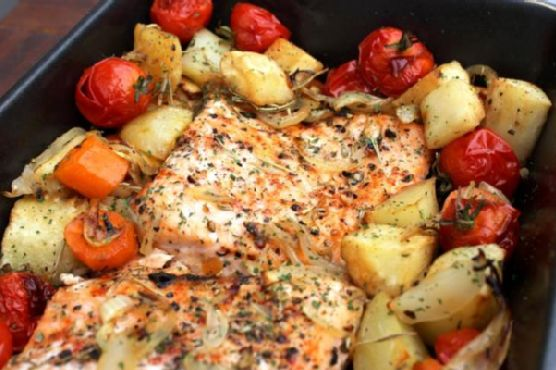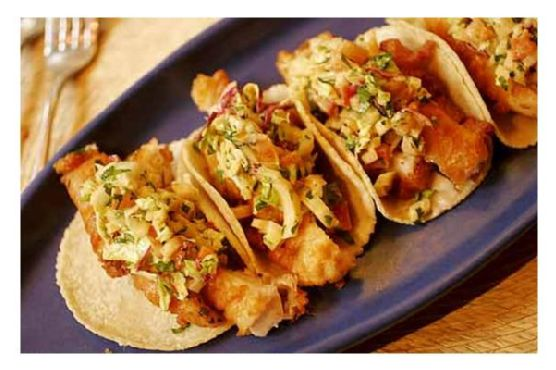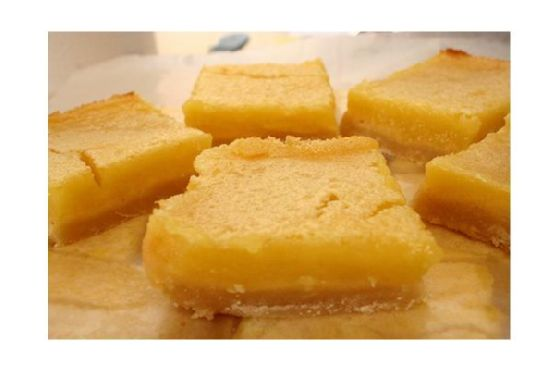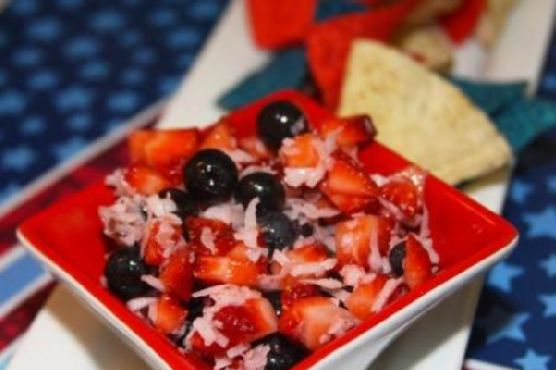
Red, White, and Blue Fruit Salsa | Made by Meaghan Moineau

Red, White, and Blue Fruit Salsa

Intro

There’s something undeniably nostalgic about summer gatherings. The aroma of freshly cut grass, children playing in the backyard, and the delightful chatter of family and friends create an atmosphere that’s hard to beat. One of my fondest memories is of July 4th celebrations at my grandmother’s house. The highlight for me was always the vibrant and refreshing fruit salsa she would make. Her recipe has been passed down to me, and today, I’m thrilled to share this Red, White, and Blue Fruit Salsa with you. It’s a dish that not only celebrates the colors of our flag but also captures the essence of those cherished summer days.

Why You’ll Love It

This Red, White, and Blue Fruit Salsa is a perfect blend of sweet and tangy flavors that will have your taste buds dancing. It’s incredibly easy to make, requiring just a handful of ingredients and minimal preparation time. Whether you’re hosting a summer barbecue, a patriotic holiday party, or simply craving a light and refreshing snack, this salsa is sure to impress. Plus, it’s a healthy alternative to traditional chips and dip, making it a hit with health-conscious guests.

Ingredients

  • 1 cup blueberries
  • 1 cup diced strawberries
  • 1/2 cup sweetened shredded coconut
  • 2 tablespoons lime juice
  • 2 tablespoons strawberry jam
  • Freedom Chips (to serve)

Instructions

  1. In a medium-sized bowl, combine the blueberries, diced strawberries, and sweetened shredded coconut. Gently mix them to ensure an even distribution.
  2. Add the lime juice and strawberry jam to the berry mixture. Stir well until all the ingredients are thoroughly combined.
  3. Cover the bowl with plastic wrap or a lid and refrigerate for at least an hour. This allows the flavors to meld together beautifully.
  4. Once chilled, serve the fruit salsa as an appetizer with Freedom Chips. Enjoy the burst of flavors and the delightful crunch of the chips.

Tips

For the best results, use fresh and ripe berries. Their natural sweetness will enhance the overall flavor of the salsa. If you want to add a bit of spice, consider sprinkling a pinch of chili powder or cayenne pepper into the mix for a subtle kick. Always taste the salsa before serving, as you may want to adjust the lime juice or jam to suit your personal preference.

Variations & Substitutions

Feel free to get creative with this recipe! You can substitute raspberries or blackberries for the blueberries if you prefer a different berry flavor. If you’re not a fan of coconut, try using finely chopped mint leaves instead for a refreshing twist. For a healthier option, use unsweetened shredded coconut. You can also experiment with different jams, such as raspberry or apricot, to change up the flavor profile.

Storage

Store any leftover salsa in an airtight container in the refrigerator for up to three days. Keep in mind that the berries might release some juice over time, so give the salsa a good stir before serving again. Unfortunately, this salsa does not freeze well due to the high water content of the fruit.

FAQ

Can I make this salsa ahead of time?

Absolutely! In fact, making it a day ahead can enhance the flavors even more. Just be sure to store it in the refrigerator and give it a good stir before serving.

What are Freedom Chips?

Freedom Chips are simply tortilla chips, but with a playful and patriotic twist. You can use any brand or make your own at home by cutting tortillas into your desired shape and baking or frying them until crispy.

Is there a way to make this salsa more savory?

Yes! You can add diced avocado, chopped cilantro, or a small amount of finely diced red onion to introduce savory elements to the salsa. These additions will complement the sweetness of the berries beautifully.

Nutrition

This fruit salsa is a nutritious choice, packed with vitamins and antioxidants from the fresh berries. It’s low in calories and contains healthy fats from the coconut. While the exact nutritional content will vary based on portion sizes, you can generally expect a serving to be low in fat and high in vitamin C, making it a guilt-free treat.

Conclusion

Red, White, and Blue Fruit Salsa is more than just a dish; it’s a celebration of summer and all the vibrant flavors it brings. Whether you’re reminiscing about past family gatherings or creating new memories, this salsa is sure to be a hit. Its simplicity, flexibility, and delightful taste make it a must-try for any occasion. So gather your loved ones, prepare this refreshing salsa, and let the festivities begin!

Related update: Red, White, and Blue Fruit Salsa

Related update: Italian Tomato and Mozzarella Caprese

Paramount Eyes Hostile Bid for Warner Bros | Analysis by Brian Moineau

A corporate cliffhanger: Paramount may try a hostile route to buy Warner Bros.

The takeover drama playing out at the top of Hollywood feels like one of those plotlines studios used to pay millions to produce — boardroom tussles, billionaire families, blockbuster IP, and a rival streaming giant walking away with the crown jewels. But the twist that landed over the last week is this: after Netflix won the auction for Warner Bros., reports say Paramount is now considering going straight to Warner shareholders with a hostile bid.

Why this matters (and why it’s thrilling)

  • This is not just about two studios swapping assets. It’s about who controls some of the most valuable franchises and TV libraries in the world — HBO, DC, Warner’s film slate, and vast back catalogs — and the consequences that consolidation would have for theaters, creators, competition, and subscriptions.
  • A hostile approach — taking an offer directly to shareholders rather than winning the board’s blessing — signals a major escalation. It’s a maneuver that invites legal fights, regulatory scrutiny, PR battles, and, possibly, concessions or divestitures to get a deal cleared.

Quick snapshot of what happened

  • Netflix struck an agreement to buy Warner Bros.’ studio and streaming assets in a deal reported in early December 2025, offering a mix of cash and stock that Warner’s board accepted. (The deal is large enough and politically sensitive enough that regulatory review is expected to be intense.)
  • Paramount — backed by the Ellison family and recently active in M&A moves — submitted competing offers during the auction and was reportedly unhappy with how the sale process unfolded.
  • After Netflix’s bid prevailed, reports surfaced that Paramount may bypass the boardroom and take an offer directly to Warner shareholders — the classic hostile-takeover playbook.

The high-stakes players

  • Netflix: The new suitor-turned-owner of Warner’s studios and HBO content (pending regulatory approval), which gains a huge portfolio of franchises and a powerful content library.
  • Warner Bros. Discovery: The seller, which has been restructuring and planned a split of cable assets from its studios and streaming business.
  • Paramount (Skydance/controlled by the Ellison family): The aggrieved bidder reportedly considering a shareholder-level attack to buy Warner outright.
  • Regulators, unions, and theater chains: All stakeholders who could shape how (or if) any mega-deal clears.

Useful context

  • Warner’s assets are unusually valuable because of ongoing streaming demand for high-quality content and well-known IP (DC, Harry Potter-related rights, HBO shows). Combining that with Netflix’s global distribution would create enormous scale.
  • Hostile bids are rare in modern media M&A because the process is messy and attracts intense regulatory and public scrutiny. But when strategic value is high and bidders are wealthy and motivated, boards and management teams sometimes find themselves in the crossfire.
  • Even a successful hostile offer rarely means an instant, clean integration. Regulators often demand divestitures or behavioral remedies, and the combined company may need to sell or spin off parts to satisfy antitrust concerns.

Headline risks and strategic levers

  • Antitrust scrutiny: A Paramount–Warner combo (if attempted) would combine two legacy studios plus major streaming services, which could push box-office and streaming market shares into territory that triggers heavy regulatory pushback.
  • Shareholder calculus: Warner shareholders might like a higher cash offer — but boards often prefer offers that preserve longer-term value (for example, Netflix’s proposal included stock exposure that the board found attractive). Getting shareholders to ignore the board’s recommendation is difficult and costly.
  • Political and public pressure: Unions, theater owners, and public-interest voices are quick to oppose concentration that could shrink creative jobs or theatrical windows.
  • Financing and break fees: Large deals typically include break fees and financing terms that can shape bidders’ willingness to pursue a hostile route.

Options on the table

  • Paramount could launch a tender offer, offering cash at a premium and asking shareholders to sell directly — a fast but aggressive route.
  • Paramount could pursue a proxy fight to change Warner’s board, a slower and riskier path that tries to win shareholder votes to replace directors and approve a deal.
  • Alternatively, Paramount could negotiate for a negotiated sale or carve-outs (less likely now that Netflix has an accepted bid).

What the market and Hollywood should watch next

  • Whether Paramount actually files a tender offer or proxy materials (formal steps are required under U.S. securities rules).
  • Statements from Warner’s board and management explaining why they chose Netflix and whether they’ll recommend shareholders reject a hostile approach.
  • Regulatory signals from the DOJ and international competition authorities — their posture will largely determine how much any buyer must divest.
  • Reactions from creative talent and unions — strong public opposition could sway regulators and complicate integration plans.

A few likely outcomes

  • Paramount blinks and stands down: The costs (legal, regulatory, PR) of a hostile bid outweigh the benefits, especially against a well-capitalized Netflix offer.
  • A limited sale or asset carve-out: Regulators or negotiating parties may push any acquirer to sell or spin off specific assets (e.g., news networks, sports rights) to reduce concentration risk.
  • Extended litigation and regulatory delay: A hostile move could trigger lawsuits, shareholder litigation, and prolonged regulatory review that delays any closing for many months.

My take

This is the kind of corporate theater Hollywood rarely stages but always watches with popcorn in hand. Paramount’s reported willingness to consider a hostile route shows how valuable Warner’s studios and streaming assets are — and how high the stakes remain for control of content in the streaming era.

Even if Paramount ultimately decides not to proceed, the episode will leave scars: it will highlight how boards balance cash now versus strategic upside later, how shareholders are courted during mega-deals, and how regulators and public opinion are front-row players. Whatever happens next, expect drama, negotiations, and a long regulatory road that will reshape the industry’s competitive map.

Things to remember

  • A board’s preference isn’t always the final say — shareholders can be persuaded, but hostile offers are costly and complicated.
  • Regulators are the real wildcard: even a winning tender can be undone or reshaped by antitrust requirements.
  • The fate of theaters, creators, and employees could hinge on the remedies imposed — this isn’t just corporate chess; it affects livelihoods and how audiences experience films and TV.

Sources


Related update: We recently published an article that expands on this topic: read the latest post.

Georgia Injury Report: Who’s Game Ready | Analysis by Brian Moineau

Who’s healthy — and who isn’t — as Georgia readies for the SEC rematch with Alabama

The Bulldogs and Crimson Tide meet again on Saturday, December 6, 2025, at Mercedes‑Benz Stadium — a rematch that already feels like postseason theater. But beyond Xs and Os, the story this week is the injury report: who’s cleared to play, who’s out, and how those absences reshape Georgia’s game plan against an Alabama team that beat them 24–21 earlier this season.

Quick snapshot

  • Game: Georgia vs. Alabama — SEC Championship
  • Date and time: Saturday, December 6, 2025 — 4:00 p.m. ET
  • Stakes: SEC title and positioning for the College Football Playoff

What the injury list looks like for Georgia

Georgia’s initial SEC availability report and subsequent team updates show a handful of notable absences and a couple of question marks. The most consequential headlines:

  • Drew Bobo (center) — Out.

    • The absence of Bobo is the biggest single blow to Georgia’s starting personnel. Losing a starting center forces line shuffling and can affect run- and pass‑blocking continuity on both the first- and second-level play calls. Multiple outlets report Bobo ruled out after a foot injury sustained against Georgia Tech. (saturdaydownsouth.com)
  • Bo Walker (running back) — Out.

    • Walker, who had flashed big-play ability late in the season, is listed out after a facial fracture. That reduces Georgia’s depth and explosiveness in the backfield. (on3.com)
  • Jordan Hall (defensive tackle) — Out for season.

    • Hall’s knee injury cost Georgia interior defensive line depth and rotational pass‑rush ability. That’s meaningful against an Alabama offense that relies on tempo and physicality. (on3.com)
  • Kyron Jones (safety) — Out.

    • Jones’ absence forces secondary adjustments; Georgia has leaned on depth and versatility in the back end, so this matters for matchup coverage versus Alabama’s big play threats. (on3.com)
  • Ethan Barbour (tight end) and Colbie Young (wide receiver) — Out.

    • Both limit Georgia’s pass-catching options and tight-end rotations, nudging the offense toward more reliance on the healthy pass-catchers and running game. (si.com)
  • Earnest Greene (offensive line) — Questionable.

    • If Greene is limited or unavailable, that further strains an offensive line already missing its starting center. (si.com)

Outside of those outs, Georgia listed Zion Branch as questionable at one point; availability updates were expected right up to kickoff. The injury picture has been evolving throughout the week, so final game‑day active rosters will be the ultimate indicator. (si.com)

Why these injuries matter — quick analysis

  • Offensive line continuity is king. Losing Drew Bobo at center is more than one missing starter: center is the anchor of line calls, protections, and the position that often dictates how comfortably a QB operates in the pocket. With Bobo out and Greene banged up, Georgia’s line must be cohesive against Alabama’s well‑coached front. If the Dawgs can’t establish consistent protection, their offense gets one-dimensional. (saturdaydownsouth.com)

  • Depth is being tested. The Bulldogs have historically relied on roster depth, rotation, and physical play. Losing rotational pieces on the line, in the trenches, and in the secondary compresses that advantage. In a rivalry rematch, depth shortages become magnified late in the game. (on3.com)

  • Alabama can exploit specific matchups. With Georgia’s secondary and interior line thinned by injuries, Alabama has incentives to attack inside, use play-action off screens, or lean on quick shots and tempo to force mismatches and fatigue. Conversely, Georgia’s defensive scheme and pass rush must compensate by creating pressure and disguising coverages. (reuters.com)

  • Special teams and situational football rise in importance. Close, low‑scoring rivalry games hinge on field position, penalties, clock management, and one or two swing plays. That’s even truer when injuries cut into starting rosters; coaches often pivot to situational efficiency when their playbooks feel limited. (ajc.com)

Matchup wrinkles to watch on Saturday

  • Who snaps the ball? Watch Georgia’s interior offensive line rotation and how the new center integrates protections and shotgun snaps. A miscue there can create turnovers or negative plays that swing momentum.

  • Short passing to neutralize rush: If Georgia’s line can’t buy time, expect more quick releases and screens to get the ball into playmakers’ hands before Alabama’s pass rush can collapse the pocket.

  • Alabama’s tempo vs. Georgia’s depth: If Alabama pushes pace, Georgia’s depleted depth could suffer late. Conversely, Georgia may try to control the clock with shorter drives and physical runs to blunt UGA’s roster disadvantage.

  • Red-zone and third-down efficiency: With fewer weapons and line changes, Georgia’s ability to sustain drives and convert on third down will be a litmus test for their adapted game plan.

What this means for the playoff picture

This matchup is about more than state bragging rights; the SEC title heavily impacts College Football Playoff positioning. Georgia’s ability to manage injuries and play clean, situational football will determine whether they lock in a top playoff seeding or hand Alabama a résumé-boosting conference championship. The margin for error is thin, and injuries increase variance — meaning special teams, turnovers, and one-break plays could decide the outcome. (reuters.com)

What to expect from Kirby Smart and staff

Based on coach comments and normal postseason posture, expect Smart to:

  • Emphasize fundamentals: blocking, tackling, and limiting penalties.
  • Simplify certain looks to protect younger linemen and preserve tempo.
  • Trust veteran leaders to absorb increased responsibility, especially on defense. (ajc.com)

Closing thoughts

Georgia enters Saturday with talent, tradition, and stakes — but also with some clear holes to plug. The Bobo absence is the clearest structural change; how seamlessly the Dawgs replace him and whether the rest of the roster can stay healthy will shape the game’s narrative. In rivalry rematches like this one, coaching adjustments and mental toughness often make the difference. Expect a chess match where details — not hype — decide the winner.

Final thoughts

Injuries are part of football’s fabric, especially in November and December. Georgia’s depth has been battle-tested before, and the Bulldogs still have multiple weapons and a championship pedigree. But against a disciplined Alabama side that beat them earlier this season, those missing pieces raise the stakes. Saturday should be a tight, strategic game — and the team that adapts best to its personnel realities will likely walk away with the SEC crown.

Sources


Related update: We recently published an article that expands on this topic: read the latest post.


Related update: We recently published an article that expands on this topic: read the latest post.

Siew Mai | Made by Meaghan Moineau

Siew Mai: A Delightful Dim Sum Classic

Intro

Growing up, dim sum Sundays were a cherished tradition in my family. We would gather around a bustling table, eagerly anticipating the arrival of steaming bamboo baskets filled with an assortment of dumplings. Among my favorites was siew mai, a delectable pork and shrimp dumpling that quickly won my heart with its savory filling and delightful textures. Today, I’m excited to share my family’s recipe for siew mai, a dish that brings back fond memories and continues to be a beloved part of our dining experience.

Why You’ll Love It

Siew mai is a timeless dish that has captivated taste buds for generations. Here’s why you’ll love making and eating these delicious dumplings:

  • Flavorful Filling: The combination of pork, shrimp, and Chinese sausages creates a savory and satisfying flavor profile.
  • Texture Delight: The tender pork is complemented by the crunch of water chestnuts and the chewy texture of glutinous rice.
  • Customizable: Easily adapt the recipe to suit your taste preferences with variations and substitutions.
  • Perfect for Sharing: These bite-sized delights are perfect for gatherings and will surely impress your guests.

Ingredients

  • Wonton wrappers
  • 700g fatty pork
  • 2 tablespoons corn starch
  • 1 teaspoon salt
  • 1 teaspoon white ground pepper
  • 1/2 teaspoon sugar
  • 1 teaspoon Worcestershire sauce or Maggie Seasoning Sauce
  • 2 tablespoons Shaoxing Huatiao wine
  • 2 tablespoons sesame oil
  • 80g canned water chestnuts
  • 4 large Chinese mushrooms
  • Cooked whole shrimp
  • Carrot
  • 2 lap cheongs (Chinese sausages)
  • Raw glutinous rice
  • Shallots
  • Ginger
  • Cooking oil
  • Dried shrimps
  • Cooked dried scallops
  • Light soy sauce
  • Oyster sauce

Instructions

  1. To prepare the pork filling, mince 700g of pork and place it in a large mixing bowl.
  2. Add 2 tablespoons of corn starch, 1 teaspoon of salt, 1 teaspoon of ground white pepper, 1/2 teaspoon of sugar, 1 teaspoon of Worcestershire sauce, 2 tablespoons of Shaoxing Huatiao wine, and 2 tablespoons of sesame oil. Mix well.
  3. Roughly chop 80g of canned water chestnuts and 4 large Chinese mushrooms into fine pieces. Add to the pork mixture and combine thoroughly.
  4. Finely dice a small carrot to garnish the siew mai later. Set aside.
  5. For the glutinous rice filling, soak 2 lap cheongs in boiling water until the skin separates. Remove the skin and dice the sausages.
  6. In a large saucepan over medium-high heat, pan fry the diced lap cheong until they are golden. Follow the instructions for glutinous rice preparation and stir-fry until fragrant. Add the fried lap cheong pieces and set aside to cool.
  7. Prepare the wonton wrappers by placing a sheet on a flat surface. Place a teaspoon of filling in the center of each wrapper.
  8. Dampen your finger with water and wet the edges of the wonton wrapper. Gather the wrapper around the filling and squeeze gently to seal.
  9. Top each pork siew mai with a shrimp and garnish with chopped carrot.
  10. Place the dumplings in a steamer lined with perforated baking paper. Steam over boiling water for 14-15 minutes or until cooked through.
  11. Serve hot, or freeze uncooked dumplings for later use.

Tips

To ensure the best results when making siew mai, keep these tips in mind:

  • Keep it Tight: Make sure the dumplings are tightly wrapped to prevent them from falling apart while steaming.
  • Use Fresh Ingredients: Fresh shrimp and quality pork make a significant difference in taste.
  • Steam Properly: Ensure steam can circulate by cutting holes in the baking paper lining the steamer.

Variations & Substitutions

Feel free to experiment with these variations to suit your preferences:

  • Vegetarian Siew Mai: Replace meat with chopped vegetables such as mushrooms, carrots, and bamboo shoots.
  • Spicy Twist: Add a dash of chili oil or finely chopped fresh chili for a spicy kick.
  • Flavor Enhancers: Add a touch of grated ginger or garlic for additional depth of flavor.

Storage

Siew mai is best enjoyed fresh, but if you have leftovers, store them in an airtight container in the refrigerator for up to 2 days. To freeze uncooked siew mai, place them on a baking sheet lined with parchment paper, freeze until solid, and then transfer to a freezer-safe container. They can be steamed directly from frozen.

FAQ

Can I make siew mai without shrimp?

Yes, you can omit the shrimp if desired. The pork filling is flavorful enough on its own, or you could increase the amount of pork or add other ingredients like mushrooms for added texture and taste.

What can I use instead of wonton wrappers?

If you don’t have wonton wrappers, you can use dumpling wrappers or even make your own from scratch using flour and water. The texture may vary slightly, but they’ll still be delicious.

Nutrition

While exact nutritional values can vary, siew mai is a protein-rich dish thanks to the pork and shrimp. The inclusion of vegetables like mushrooms and water chestnuts adds fiber and vitamins. Opt for leaner pork cuts to reduce fat content if desired.

Conclusion

Siew mai is more than just a dish; it’s a culinary tradition that brings people together. Whether you’re enjoying it as part of a dim sum spread or making it the star of your meal, siew mai is sure to delight with its savory flavors and satisfying textures. I hope this recipe brings joy to your kitchen and adds a touch of nostalgia to your dining table. Happy cooking!

Related update: Siew Mai

Related update: Red, White, and Blue Fruit Salsa

Related update: Lamb Tagine Stew

Glasses-Free AI 3D: Light-Steered Vision | Analysis by Brian Moineau

A future where 3D doesn’t come with glasses (for real this time)

Imagine sitting on your couch, a movie begins, and the characters step out of the screen—no clunky glasses, no parallax barriers, no weird double-images. That vision of true, comfortable glasses-free 3D has long been teased by prototypes and niche devices. This week a team from Shanghai AI Lab and Fudan University published a Nature paper describing EyeReal, a system that gets remarkably close to that dream by using AI to steer light exactly where your eyes are.

Why this feels like a turning point

  • Glasses-free (autostereoscopic) 3D has always faced a brutal physical constraint: the space-bandwidth product (SBP). In short, you can’t simultaneously have a very large, high-quality display and a wide viewing angle without paying an impossible information cost.
  • EyeReal doesn’t break physics. It sidesteps waste. Instead of broadcasting a complete, full-angle light field into the room, the system uses fast eye-tracking and a neural network to compute and emit the specific light needed for the viewer’s eyes in real time.
  • The result: a desktop-sized display prototype that achieves a viewing angle north of 100°, with full-parallax 3D rendering and dynamic content that adapts as you move and look around.

What EyeReal actually does (in plain language)

  • Hardware that’s surprisingly ordinary: EyeReal uses a stack of three LCD panels (not exotic holographic optics) plus a front-facing sensor for tracking.
  • Software that’s the secret sauce: a deep-learning model predicts the optimal light-field patterns to display on those panels so the correct rays reach each eye as they move.
  • Efficiency by focus: rather than trying to create every possible light ray in all directions, the system only generates what’s perceptually necessary for the viewer’s current gaze and head pose. That’s computation compensating for limited optical “bandwidth.”

Why that matters beyond neat demos

  • Practical manufacturing: because EyeReal leans on layered LCDs and computation, it’s potentially compatible with existing panel-making ecosystems—easier to scale than some entirely new optical technology.
  • Comfort and realism: prototype tests reportedly show smooth transitions, accurate depth cues as eyes change focus, and no notable motion sickness—one of the long-standing complaints about many 3D approaches.
  • Path to new applications: education, telepresence, product visualization, and gaming all benefit when realistic depth comes without extra wearables. Imagine museum exhibits or online shopping where a product truly “sits” in front of you.

What still needs work

  • Multi-viewer support: EyeReal currently targets a single viewer; scaling to multiple simultaneous viewers requires heavier sensing and more complex light routing.
  • Latency and reliability: the AI system must track and render at high speed to avoid perceptible lag. Real-world lighting, reflective environments, and unpredictable head motion will stress robustness.
  • Content pipeline and standards: filmmakers, game studios, and app creators will need accessible tools to produce light-field or depth-aware content that matches the system’s assumptions.
  • Commercial cost and power: stacked panels and continuous eye-tracking/compute come with cost, power draw, and heat considerations that affect consumer deployment.

A brief tech context

  • This effort is part of a larger trend where computation (especially deep learning) compensates for optical limits. We’ve seen similar shifts in computational photography and camera sensor design—where algorithms let modest hardware produce stunning results.
  • Autostereoscopic displays have taken many forms: lenticular lenses, parallax barriers, metagratings, time-multiplexed backlights, and holographic techniques. EyeReal’s contribution is marrying inexpensive layered displays with gaze-aware AI to maximize the effective use of available optical information.
  • Related research lines include foveated and gaze-driven light-field displays and recent industry demos of autostereoscopic handhelds and large-format displays—showing both industrial interest and technical convergence.

A few scenarios to imagine

  • A virtual product preview that you can walk around at your kitchen table, with correct depth and focus, without strapping on headgear.
  • Remote meetings where participants appear as volumetric, depth-correct images—more like being in the same room.
  • Games that use true, view-dependent parallax and depth, giving level designers a new palette for immersion.

My take

EyeReal isn’t magic glue that erases all engineering trade-offs. But it’s a smart, pragmatic pivot: use intelligence to reduce the optical “waste” that’s dogged glasses-free 3D for decades. The prototype’s reported 100°+ viewing angle on a desktop-scale display is impressive because it signals practical progress—this is the kind of advance that could migrate into real products faster than approaches that demand totally new manufacturing processes. If the team (or industry partners) can extend support to multiple viewers and make the system robust under everyday conditions, this could be the year glasses-free 3D stops being a novelty and becomes a real feature.

What to watch next

  • Progress on multi-user implementations and whether eye-tracking can be done discretely and cheaply.
  • Demonstrations of consumer-level prototypes (or licensing/partnership deals with panel makers).
  • Software toolchains for creators: depth capture, conversion to view-dependent assets, and runtime integrations for games and media players.

Sources

Final thought: the combination of modest optics plus smart computation keeps paying off. If EyeReal’s ideas scale, the next time you reach for 3D glasses, they might only be for nostalgia.


Related update: We recently published an article that expands on this topic: read the latest post.

Blackberry Pie With Lemon Verbena Whip Cream | Made by Meaghan Moineau

Blackberry Pie With Lemon Verbena Whip Cream

Intro

There’s something magical about the scent of a freshly baked pie wafting through the house. It brings back memories of summer afternoons spent at my grandmother’s kitchen, where the air was always filled with the sweet aroma of baked fruits and spices. Her blackberry pie was a family favorite, and over the years, I’ve added my own twist to it: a delightfully refreshing lemon verbena whip cream. This combination creates a delicious harmony of flavors, celebrating the tartness of blackberries with the gentle citrus notes of lemon verbena.

Why You’ll Love It

This blackberry pie with lemon verbena whip cream is a perfect dessert for any occasion, whether it’s a family gathering or a cozy weekend treat. Here’s why you’ll love it:

  • Flavorful Harmony: The tartness of blackberries complements the sweet and fragrant lemon verbena whip cream, creating a perfect balance of flavors.
  • Easy to Make: With simple, straightforward steps, this pie is accessible to both novice and experienced bakers.
  • Versatile: This pie is perfect for any occasion, from summer picnics to holiday dinners.
  • Nostalgic: It evokes the warmth and comfort of homemade desserts, bringing back cherished memories of family and tradition.

Ingredients

  • Fresh defrosted blackberries
  • Butter
  • Cinnamon
  • Pastry
  • Flour
  • Lemon verbena leaves
  • Nutmeg
  • Sugar
  • Fresh whipping cream

Instructions

  1. Preheat your oven to 450°F (232°C). Chill a mixing bowl in the freezer to prepare for the whip cream.
  2. Line a 9-inch pie pan with half of the pastry. Cover it and place it in the refrigerator to chill while you prepare the filling.
  3. In another mixing bowl, combine the blackberries, flour, cinnamon, nutmeg, and sugar. Stir gently until the blackberries are evenly coated.
  4. Spoon the blackberry mixture into the chilled pie shell. Cover it with the remaining pastry, crimping the edges to seal.
  5. Cut steam vents in the top crust to allow steam to escape during baking.
  6. Bake the pie in the preheated oven for 15 minutes, then reduce the oven temperature to 350°F (177°C) and continue baking for an additional 34 to 40 minutes, or until the crust is golden brown.
  7. While the pie is baking, prepare the lemon verbena whip cream. In a small saucepan, combine the cream and three lemon verbena leaves. Heat over medium-high heat until the cream is just simmering, then remove from heat and let steep for 5 minutes.
  8. Pour the cream and verbena leaves into a glass container and chill in the refrigerator for 20 minutes. Remove the verbena leaves from the cream.
  9. Pour the chilled cream into the mixing bowl you prepared earlier. Whip using an electric mixer until soft peaks form, adding sugar to taste.
  10. Once the pie has cooled slightly, serve slices with a generous dollop of lemon verbena-infused whip cream on the side.

Tips

  • Ensure your blackberries are fully defrosted and drained to prevent excess moisture in the pie.
  • Chill your pastry before baking to help maintain its shape and avoid a soggy crust.
  • Taste your whipped cream as you add sugar to achieve your preferred level of sweetness.

Variations & Substitutions

If you want to experiment with this recipe, here are some variations and substitutions you can try:

  • Fruits: Swap blackberries with raspberries or a mix of berries for a different flavor profile.
  • Herbs: If lemon verbena is unavailable, try using lemon zest or mint for a refreshing twist.
  • Crust: Use a graham cracker crust for a different texture and flavor.

Storage

Store any leftover pie in an airtight container in the refrigerator for up to three days. The lemon verbena whip cream should be stored separately in the refrigerator and is best used within two days. For longer storage, you can freeze the pie (without the whip cream) for up to two months. Thaw it in the refrigerator before serving.

FAQ

Can I use frozen blackberries?

Yes, you can use frozen blackberries if fresh ones are not available. Just make sure to defrost and drain them thoroughly to avoid excess moisture in your pie.

What can I use instead of lemon verbena?

If lemon verbena is hard to find, you can substitute it with lemon zest or a few mint leaves to infuse a similar refreshing flavor into your whipped cream.

How do I know when the pie is done?

The pie is done when the crust is golden brown and the filling is bubbling. If you’re unsure, insert a skewer to test if the filling has thickened.

Nutrition

This recipe is a delightful treat, but remember to enjoy it in moderation. The nutritional value will vary based on the size of the slices and the amount of whipped cream used. A typical serving with a dollop of whip cream contains approximately:

  • Calories: 350
  • Fat: 18g
  • Carbohydrates: 45g
  • Protein: 4g

Conclusion

This blackberry pie with lemon verbena whip cream is not just a dessert; it’s a celebration of flavors and memories. Whether you’re reliving the nostalgia of family gatherings or creating new traditions, this pie is sure to bring joy and warmth to your table. The balance of tart berries and fragrant whipped cream is a delightful treat for any palate. So gather your loved ones, serve up a slice, and enjoy the sweet taste of cherished memories and new beginnings.

Related update: Blackberry Pie With Lemon Verbena Whip Cream

Related update: Vanilla Pound Cake

Gluten Free Yellow Cake And Cupcakes | Made by Meaghan Moineau

Gluten Free Yellow Cake And Cupcakes

Intro

There’s something magical about the aroma of freshly baked cake wafting through the kitchen, a scent that has the power to transport us back to cherished childhood memories. I remember helping my grandmother in her kitchen, eagerly awaiting the moment when I could lick the spoon and taste the sweetness of her yellow cake batter. Her secret ingredient was always love, and today, I’m excited to share a gluten-free version of this classic treat. Whether you’re making a cake for a special occasion or whipping up cupcakes for a casual get-together, this recipe is sure to bring a smile to your face and warmth to your heart.

Why You’ll Love It

This gluten-free yellow cake and cupcake recipe is a delightful twist on a traditional favorite. Whether you’re gluten intolerant or simply looking to try something new, you’ll appreciate the moist, fluffy texture of this cake. The use of coconut and tapioca flours creates a delicate crumb, while the dairy-free ingredients ensure that everyone can enjoy a slice. Best of all, this recipe is versatile enough to adapt to any occasion, from birthday parties to afternoon tea.

Ingredients

  • 1/2 cup coconut flour
  • 1/2 cup tapioca flour (plus extra for dusting)
  • 1/4 teaspoon salt
  • 1/2 teaspoon baking soda
  • 1 teaspoon baking powder
  • 1/2 teaspoon xanthan gum
  • 4 whole eggs
  • 1 cup sugar
  • 1/2 cup veganaise
  • 3/4 cup milk alternative (just under)
  • 2 teaspoons vanilla extract
  • 1/2 cup Earth Balance butter (softened)
  • 1 cup dairy-free chocolate chips (optional)
  • Pinch of salt
  • 1 cup powdered sugar (for icing)

Instructions

  1. Preheat oven to 350 degrees Fahrenheit.
  2. Grease two 8 or 9-inch round cake pans and sprinkle with tapioca flour if making a layer cake, or line a muffin tin with baking cups for cupcakes.
  3. In a large bowl, mix together the coconut flour, tapioca flour, salt, xanthan gum, baking soda, and baking powder. Set aside.
  4. In another bowl, beat the eggs, sugar, and veganaise until the mixture is fluffy and well combined.
  5. Slowly add the vanilla extract, flour mixture, and milk alternative to the egg mixture, alternating between the dry ingredients and milk to ensure a smooth, fluffy batter.
  6. Pour the batter into the prepared cake pans or fill the baking cups 3/4 full. This recipe makes 24 cupcakes.
  7. Bake for 20-25 minutes for cakes or 12-15 minutes for cupcakes. The cakes are done when they are nicely browned and spring back when lightly touched, or when a toothpick inserted in the center comes out clean.
  8. Let the cakes or cupcakes cool completely before icing.

Tips

For best results, make sure all your ingredients are at room temperature before you begin. This will help the batter mix more evenly and ensure a uniform texture. Also, if you’re using the cake pans, be sure to tap them gently on the counter to release any air bubbles before baking. And remember, patience is key! Allowing the cakes to cool completely before icing will prevent the icing from melting and sliding off.

Variations & Substitutions

Feel free to get creative with this recipe! If you’d like to add a pop of flavor, consider incorporating lemon or almond extract in place of the vanilla. For a chocolatey twist, fold in dairy-free chocolate chips before pouring the batter into the pans. Additionally, if you’re not a fan of veganaise, you can substitute it with applesauce or mashed bananas for a fruity undertone.

Storage

Store your gluten-free yellow cake or cupcakes in an airtight container at room temperature for up to three days. If you’ve made a layered cake, it’s best to store it in the refrigerator to keep the icing fresh. Simply bring the cake to room temperature before serving for optimal flavor and texture.

FAQ

Can I freeze this cake?

Absolutely! You can freeze the unfrosted cake layers for up to two months. Wrap them tightly in plastic wrap and aluminum foil before placing them in the freezer. When you’re ready to enjoy, simply thaw the layers at room temperature and frost as desired.

What is a good milk alternative to use?

There are several milk alternatives that work well in this recipe. Almond milk, coconut milk, and oat milk are all excellent choices. Just make sure to use unsweetened varieties to maintain the right balance of flavors.

Nutrition

This recipe is gluten-free and dairy-free, making it suitable for those with specific dietary restrictions. However, it’s important to note that the cake is still a treat and should be enjoyed in moderation. Each serving of this cake is approximately 200 calories, depending on the size and any additional toppings or fillings.

Conclusion

Baking is a love language that connects us to each other and to our past. This gluten-free yellow cake and cupcake recipe is a testament to that connection, offering a delicious and inclusive option for everyone to enjoy. Whether you’re a seasoned baker or just starting out, I hope this recipe brings joy and sweetness to your table, just as it has to mine. Happy baking!

Related update: Gluten Free Yellow Cake And Cupcakes

Parsons Trade That Broke Dallas Season | Analysis by Brian Moineau

How a Late-August Trade Echoed All Season Long

The Cowboys lost in Detroit on a Thursday night and suddenly playoff math felt brutal. But if you peel back the immediate mistakes and misfortunes — fumbles, a concussion to CeeDee Lamb, an ugly defensive night — there’s a single, avoidable pivot that shaped Dallas’s 2025 arc: the Micah Parsons trade. That move didn’t just change a roster; it rewired a defensive plan, forced tactical improvisation, and turned a Week 4 overtime tie into a season-long scar.

Why one tie matters more than it should

  • Week 4: Cowboys vs. Packers ended 40–40 in overtime. Micah Parsons, traded to Green Bay just before the season, sacked Dak Prescott in overtime at the goal line. That play ended a drive that could’ve produced a Cowboys win and instead produced a tie. A single half-win became half a loss in the standings.
  • Fast-forward to December: Dallas sits on the knife edge of the wild-card chase. That Week 4 tie — and the lost chance to convert it into a win — looms because margins in the NFC were razor-thin. A win there would have changed seedings, tiebreakers and the feel of late-season matchups.

The Sports Illustrated piece that sparked this post frames the trade as the turning point: Detroit may have delivered the final blow, but Jerry Jones’s decision to move Parsons set the Cowboys back months before the Lions ever took the field. (si.com)

The tactical ripple: scheme, pressure and personnel

  • Micah Parsons wasn’t just a pass rusher; he was the fulcrum of the defensive game plan Matt Eberflus had been installing. When Dallas sent Parsons to Green Bay, Eberflus had to rethink pressure packages and cover responsibilities on the fly.
  • Dallas tried to plug the hole with later trades — adding Quinnen Williams and Logan Wilson — but those reinforcements arrived after several early losses and a 3–5–1 stretch that left the Cowboys scrambling. The defense improved with the additions, but the deficit had already been built. (inkl.com)
  • The Packers game is a neat microcosm: Parsons’s presence in Green Bay’s scheme allowed him to impact that overtime drive directly. That single sack in OT stands out as a tangible moment where the trade changed an outcome. The Packers’ own writeup of the Week 4 matchup highlights Parsons’ return-to-Dallas narrative and his late pressures. (packers.com)

The human element: timing, leverage and clubhouse dynamics

Trades don’t happen in a vacuum. The Parsons saga involved contract negotiations, public friction, and optics that mattered inside the locker room. Dallas’ leadership chose a path — prioritize long-term flexibility and move a star — and the timing (weeks before the opener) compounded the fallout.

  • A star departing days before the season forces schematic changes in real time.
  • A defense built around one player must either reinvent itself or suffer early growing pains.
  • Even when new pieces arrive, they need time to integrate; Dallas’ midseason reinforcements helped but couldn’t erase the lost ground. (profootballrumors.com)

What the box score doesn’t show

  • The Parsons trade’s real damage wasn’t just the stat sheet when examining that one sack. It was the lost continuity — game plans practiced with Parsons in mind, instincts tuned to his blitzes and containments that no longer existed.
  • Every defensive call thereafter had to account for absence: fewer obvious rushers, altered blitz timing, and more pressure on the secondary. Those intangible changes yielded points against Dallas in games that, in a different world, might have been wins.

Near-term implications and path forward

  • Dallas still has talent and, with four games left, could mount a late run. But the margin for error is small and the NFC is deep.
  • The franchise faces questions about decision-making cadence: trade timing, negotiating posture with stars, and whether midseason fixes can realistically erase early-season strategic deficits.
  • If the Cowboys want to avoid similar self-inflicted wounds, patience and clearer internal communication in contract talks might be as important as the next trade. Sports franchises win and lose on the margins — and on the choices made when time is short. (si.com)

Quick points to remember

  • The Week 4 tie vs. Green Bay (40–40) was pivotal; Parsons’ OT sack ended a potential game-winning drive for Dallas. (packers.com)
  • Trading Parsons weeks before the opener forced schematic changes that left Dallas vulnerable early in the year. (si.com)
  • Midseason additions (Quinnen Williams, Logan Wilson) helped, but they arrived too late to fully reverse the early damage. (inkl.com)

Final thoughts

Fans love neat narratives — the Lions knocked the Cowboys out, or Jerry Jones made the wrong move. Reality is messier: the Parsons trade wasn’t a single act that destroyed a season, but it was a strategic choice whose timing amplified other problems. When a season is decided by a few plays, those early choices matter more than headlines suggest. For Dallas, this year should be a lesson that roster moves are chess pieces, not quick fixes, and that the cost of haste can be measured in ties that become the difference between contention and collapse.

Sources


Related update: We recently published an article that expands on this topic: read the latest post.


Related update: We recently published an article that expands on this topic: read the latest post.

Paramount Accuses Sale Process of Bias | Analysis by Brian Moineau

When the Auction Feels Rigged: Paramount’s Blistering Charge Against Warner Bros. Discovery

The air in Hollywood smells faintly of scorched popcorn and boardroom fireworks. In a high-stakes auction for Warner Bros. Discovery’s prized studio and streaming assets, Paramount — led by David Ellison’s Paramount Skydance — fired off a blistering letter accusing WBD’s sale process of being “tilted” and unfair, singling out Netflix as the apparent favored suitor. The accusation isn’t just corporate chest-thumping; it challenges the integrity of one of the biggest media transactions of the decade and raises questions about how contests for cultural crown jewels are run. (au.variety.com)

Why this matters right now

  • The sale involves iconic IP (Warner Bros. film franchises and HBO content), deep strategic implications for streaming competition, and potential regulatory scrutiny.
  • Paramount is the only bidder offering to buy the entire company; Netflix and Comcast targeted primarily the studio and streaming assets — a material difference in offer scope.
  • Paramount’s charge goes beyond price: it alleges management conflicts of interest, pre-determined outcomes, and preferential treatment that could undermine shareholder duty and competitive fairness. (au.variety.com)

The arc of events (quick background)

  • Warner Bros. Discovery announced a process to solicit offers for its studio and streaming assets after strategic reviews and shareholder pressure.
  • Multiple bidders emerged, with Paramount Skydance proposing an all-cash offer for the entire company, and Netflix and Comcast focused on the studio/streaming pieces.
  • On December 3–4, 2025, Paramount’s lawyers sent a letter to WBD CEO David Zaslav asserting the auction had been “tainted” and urging the formation of an independent special committee to steer a fair process. WBD acknowledged receipt and defended the process. (au.variety.com)

The key points Paramount raised

  • The process appeared “tilted” toward a single bidder, notably Netflix, driven by management “chemistry” and enthusiasm for that outcome. (au.variety.com)
  • Alleged amendments to employment arrangements and possible post-transaction incentives created conflicts that could bias decision-making. (au.variety.com)
  • Paramount emphasized that its bid for the whole company would be more likely to survive regulatory review than a Netflix deal focused only on studios and streaming, and argued shareholders deserved a truly impartial auction. (fortune.com)

What supporters and skeptics will say

  • Supporters of Paramount’s stance:
    • Fair process matters as much as price — procedural integrity protects shareholder value and prevents cozy deals behind closed doors.
    • A full-company bid should be evaluated on its own merits, especially if it better preserves vertical integration and long-term competitive dynamics. (latimes.com)
  • Skeptics will note:
    • Boards routinely weigh operative fit, risk, and likelihood of regulatory approval; preferring a cleaner, mostly-cash deal for studio and streaming assets isn’t automatically nefarious.
    • Saying management “prefers” one bidder can conflate personal enthusiasm with fiduciary assessments about which offer is most likely to close and create value. (reuters.com)

The broader stakes for Hollywood and consumers

  • Market concentration: If Netflix acquires Warner Bros. studios and HBO content, the streaming landscape compresses further around a global player with a vast content library — raising antitrust eyebrows. (theguardian.com)
  • Creative ecosystems: Studio ownership changes can reshape greenlights, theatrical windows, and how franchises are stewarded — decisions that ripple into production jobs and global distribution strategies.
  • Shareholder precedent: How WBD handles this will be watched by other boards and bidders — a perceived compromise in process could chill future deal competition or invite more aggressive legal challenges.

Three takeaways worth bookmarking

  • Process can be as important as price: Allegations of procedural unfairness can derail or delay deals even when the headline numbers are big. (au.variety.com)
  • Scope matters: An all-in acquisition offer carries different regulatory and strategic calculus than carve-outs for studios and streaming. (fortune.com)
  • The optics of “chemistry” and executive incentives are real: Boards must document independent decisions to avoid accusations that outcomes were preordained. (au.variety.com)

My take

This fight reads like a modern Hollywood thriller: huge stakes, larger-than-life brands, and the kind of behind-the-scenes maneuvers investors and creatives will debate for years. Paramount’s letter is a blunt instrument — it’s designed both to defend a competitive bid and to force procedural transparency. Even if WBD believes Netflix’s offer is objectively superior, the board now faces a reputational and legal risk if it can’t demonstrate a documented, disinterested evaluation. In short: winning the auction won’t be the end of the story — proving the auction was fair might be just as important. (au.variety.com)

Final thoughts

Auctions for cultural empires are messy and emotional because they touch franchises people grew up with and powerful public brands. Whether this turns into litigation, regulatory review, or a negotiated close, the episode underscores something simple: in media M&A, what looks like a business decision quickly becomes a story about power, stewardship, and the future of storytelling itself.

Sources


Related update: We recently published an article that expands on this topic: read the latest post.

Salmon with roasted vegetables | Made by Meaghan Moineau

Salmon with Roasted Vegetables

Intro

There’s something magical about the aroma of roasted vegetables mingling with the rich, savory scent of salmon in the oven. It takes me back to my grandmother’s kitchen, where Sunday dinners were a cherished ritual. I remember sitting at the wooden table, my feet barely touching the floor, eagerly waiting for the feast to arrive. The combination of tender salmon and perfectly roasted vegetables was always the highlight of the meal. Today, I’m thrilled to share a recipe that brings those fond memories to life with a modern twist.

Why You’ll Love It

This recipe is a delightful symphony of flavors and textures. The salmon is tender and flaky, while the roasted vegetables offer a satisfying crunch. It’s a wholesome, nutritious meal that’s as easy to prepare as it is delicious to eat. Perfect for busy weeknights or a special weekend dinner, this dish will quickly become a favorite in your household.

Ingredients

  • 2 salmon fillets
  • 2 medium potatoes, roughly diced
  • 2 parsnips, roughly diced
  • 2 carrots, roughly diced
  • 1 large onion, cut into wedges
  • 1 cup cherry tomatoes
  • 3 tablespoons olive oil
  • Juice of 1 lemon
  • Salt
  • Freshly ground black pepper
  • Pinch of paprika
  • 2 sprigs fresh rosemary
  • 2 sprigs fresh thyme

Instructions

  1. Preheat your oven to 200°C (400°F).
  2. Season the salmon fillets with salt, pepper, and a pinch of paprika. Set aside.
  3. In a large roasting tray, combine the diced potatoes, parsnips, and carrots.
  4. Drizzle the olive oil over the vegetables and season with salt and pepper. Toss to coat evenly.
  5. Roast the vegetables in the oven for 15 minutes.
  6. Add the onion wedges to the tray and roast for an additional 10-15 minutes.
  7. Place the salmon fillets and cherry tomatoes between the roasted vegetables in the tray.
  8. Drizzle the lemon juice over everything and sprinkle with rosemary and thyme.
  9. Season lightly with salt and pepper.
  10. Roast for another 10-15 minutes, or until the salmon is cooked through and the vegetables are tender.
  11. Serve hot, accompanied by a fresh green salad.

Tips

For the best results, ensure that your salmon fillets are of even thickness so they cook evenly. It’s also important to give the vegetables enough space on the tray to roast rather than steam, which helps them become perfectly crispy. Don’t skip the fresh herbs—they add a wonderful aroma and flavor that dried herbs can’t quite replicate.

Variations & Substitutions

Feel free to experiment with different vegetables such as bell peppers or zucchini. If you don’t have fresh rosemary or thyme, you can use dried herbs, but reduce the quantity by half as dried herbs are more concentrated. For a zesty kick, add some lemon zest along with the juice. If you’re looking for a heartier dish, serve it over a bed of quinoa or brown rice.

Storage

Store any leftovers in an airtight container in the refrigerator for up to three days. To reheat, place the salmon and vegetables in a preheated oven at 180°C (350°F) for about 10 minutes, or until warmed through. You can also use a microwave, but be careful not to overcook the salmon.

FAQ

Can I use frozen salmon for this recipe?

Yes, you can use frozen salmon, but make sure to thaw it completely before cooking. This will ensure it cooks evenly with the vegetables.

What can I serve with this dish?

This salmon and roasted vegetable dish pairs wonderfully with a simple green salad, crusty bread, or a light quinoa salad. A glass of chilled white wine also complements the flavors beautifully.

Nutrition

This meal is packed with protein, healthy fats, and a variety of vitamins and minerals from the vegetables. It’s a balanced dish that fits well into a healthy diet. Each serving provides approximately 450 calories, 30g of protein, and a good dose of omega-3 fatty acids.

Conclusion

This Salmon with Roasted Vegetables recipe is a delightful reminder of how comforting and satisfying a home-cooked meal can be. Whether you’re cooking for family, friends, or just yourself, this dish is sure to please and impress. Embrace the simplicity and let the oven do the work, bringing flavors together in a way that only roasting can achieve. Enjoy this taste of nostalgia and make new memories with every bite.

Related update: Salmon with roasted vegetables

Related update: Siew Mai

Towns Takeover Silences Trade Chatter | Analysis by Brian Moineau

A night of answers from Karl-Anthony Towns and a resurgent Josh Hart

The Garden buzzed with trade-whisper electricity, but when the ball tipped on December 3, 2025 the Knicks handed the rumor mill a shrug and a statement instead: Karl‑Anthony Towns showed up like the franchise cornerstone he can be, and Josh Hart reminded everyone why his intangibles matter as much as his box‑score numbers. New York beat Charlotte 119–104 in a game that read like a quick lesson on prioritizing on‑court clarity over off‑court noise. (nbcsports.com)

What happened — quick snapshot

  • Karl‑Anthony Towns: 35 points, 18 rebounds, 5 assists — the kind of dominant, all‑around center night that changes matchups and moods. (nbcsports.com)
  • Jalen Brunson: 26 points and the buzzer‑beating triple that staved off a Hornets run before halftime. (espn.com)
  • Josh Hart: 15 points, 8 rebounds, 8 assists — near a triple‑double and a reminder that “glue guy” production is real production. (espn.com)

The Knicks led 27–12 after one and controlled big stretches of the middle quarters, even while LaMelo Ball tried to force a late drama with 34 points for Charlotte. The Garden went home happy; the media landscape kept spinning. (reuters.com)

The larger context — why this mattered

  • Trade talk swirled earlier in the night after reports about Giannis Antetokounmpo’s desire to be moved and hypothetical packages that often featured Towns leaving New York. That kind of chatter can destabilize a locker room on paper; in practice, this was Towns’ answer. He shrugged off speculation and produced a matchup‑dominating, physical performance inside the paint rather than living on the perimeter. (nbcsports.com)

  • Towns’ 35/18 was more than a stat line; it was the kind of two‑way presence that forces opponents to change lineups and priorities. On a roster still integrating pieces under Mike Brown, a consistent 48‑minute anchor helps stabilize offensive spacing and rebounding. (reuters.com)

  • Josh Hart’s return to a starting role — and his near‑triple‑double output — feels like the revival of a veteran who complements Towns and Brunson in a way that’s hard to quantify: defensive intensity, loose‑ball instincts, timely creation. His recent run of games had already shifted narratives; Wednesday simply confirmed that the Knicks’ rotation choices can pay off. (nbcsports.com)

Strategic takeaways

  • Towns inside-out: For stretches he abandoned the three and dominated the paint (20 of his 35 points came in the paint), which is an adjustment that keeps defenses guessing and benefits Brunson and Bridges spacing‑wise. It’s a reminder that Towns’ best nights can still come when he leans on inside scoring and offensive rebounding. (nbcsports.com)

  • Rotation chemistry matters more than headlines: When a team with legitimate title aspirations experiences trade conjecture, the easiest casualty is cohesion. New York’s five starters accounted for 107 of the team’s 119 points—evidence that when its core runs together, the outcome looks tidy. (reuters.com)

  • Hart’s role is versatile and undervalued: He contributes across the board and his current run suggests several things teams covet that won’t always show up in highlight reels—defensive ratings, hustle plays, and playmaking at the margins. Coach Mike Brown’s willingness to adjust rotated the narrative and boosted results. (nbcsports.com)

A closer look at the Hornets’ challenge

LaMelo Ball’s fourth‑quarter surge (16 of his 34 points came in the final frame) highlighted one vulnerability: New York’s lapses in closing minutes when opponent tempo spikes. Charlotte clawed back multiple times, and while the Knicks answered, the sequence is a neat preview of how elite scorers can create late drama even when a game feels settled. The Knicks’ ability to weather that and close with stops — aided by bench energy from Miles McBride and solid team free‑throw shooting — kept the W intact. (reuters.com)

Things to watch next

  • Will Towns keep running heavy interior minutes instead of chasing threes? This game suggested a sustainable arthritic approach: pick your spots from deep, but own the paint more nights than not. (nbcsports.com)

  • Can Josh Hart keep this two‑way efficiency while starting? If yes, New York’s depth chart suddenly looks harder for opponents to game‑plan around. (nbcsports.com)

  • How will the organization respond to external trade pressure? One performance doesn’t change the calculus in the front office, but on‑court cohesion can influence future thinking. (nbcsports.com)

My take

Sometimes basketball produces neat narrative symmetry: the louder the rumors, the clearer the performance. Towns answered with elbows‑up paint work and authority; Hart quietly reminded us he’s a two‑way rhythm keeper. The Knicks aren’t perfect — they still have late‑game breakdowns and questions about long‑term ceiling — but nights like this buy time, belief, and a little breathing room around messy trade talk.

Notes from the box

  • Knicks improved to 11–1 at Madison Square Garden. (espn.com)
  • New York shot 85.2% from the free‑throw line; Charlotte shot 90.5% from the line on fewer attempts. (reuters.com)

Sources


Related update: We recently published an article that expands on this topic: read the latest post.


Related update: We recently published an article that expands on this topic: read the latest post.

Siamese Fried Noodle (Mee Siam) | Made by Meaghan Moineau

Siamese Fried Noodle (Mee Siam)

Intro

There’s a certain magic that happens in the kitchen when you recreate a beloved dish from your childhood. For me, Siamese Fried Noodle, or Mee Siam, is that recipe. I remember the aroma wafting from my grandmother’s kitchen as she effortlessly tossed the noodles in her well-seasoned wok, each ingredient dancing in harmony. The taste was a beautiful blend of tangy, sweet, and spicy, a symphony of flavors that I have tried to replicate ever since. Today, I want to share this treasured recipe with you, hoping it brings a piece of my cherished memories into your home.

Why You’ll Love It

  • Authentic Flavor: Mee Siam offers a unique blend of Southeast Asian spices and flavors.
  • Versatile: You can adjust the spice level and ingredients to suit your taste.
  • Quick and Easy: Despite its complex flavors, this dish can be prepared in under an hour.
  • Perfect for Any Occasion: Whether it’s a family meal or a friendly gathering, Mee Siam never fails to impress.

Ingredients

  • Rice vermicelli – soaked in water
  • Prawns
  • Tofu
  • Beansprouts
  • Chives
  • Dried shrimps
  • Shredded kaffir lime leaves
  • Oil
  • Garlic
  • Shallots
  • Fresh turmeric
  • Bird’s eye chillies
  • Candlenuts
  • Lemongrass
  • Ginger flower
  • Sugar
  • Chicken stock granules
  • Pepper
  • Fish sauce
  • Soy sauce
  • Tamarind paste
  • Water

Instructions

  1. Heat oil in a frying pan.
  2. Lightly fry the chopped dried shrimps and tofu separately. Dish out and leave aside.
  3. Stir fry the pounded ingredients and kaffir lime leaves until aromatic.
  4. Add prawns and fry until they are half-cooked. Dish out the prawns and set aside.
  5. Add in seasonings and bring to the boil.
  6. Add meehoon and stir fry.
  7. Mix in dried shrimps, tofu slices, prawns, chives, and beansprouts. Toss well.
  8. Serve hot with a drizzle of lime or lemon juice.

Tips

For the best results, ensure your rice vermicelli is well-soaked but not overly soft before cooking. The key to a good Mee Siam is in the balance of flavors, so taste as you go and adjust the seasonings to your preference. Also, prepare all the ingredients in advance to make the cooking process smoother and quicker.

Variations & Substitutions

Feel free to get creative with Mee Siam. If you’re not a fan of prawns, chicken or tofu can be excellent substitutes. For a vegetarian version, simply omit the seafood and use vegetable stock instead of chicken stock. You can also experiment with different vegetables like bell peppers or carrots for added color and nutrition.

Storage

Mee Siam can be stored in an airtight container in the refrigerator for up to 3 days. Reheat it gently on the stove or in the microwave, adding a splash of water to prevent it from drying out. However, it’s best enjoyed fresh to savor the full spectrum of flavors.

FAQ

Can I make Mee Siam less spicy?

Absolutely! If you prefer a milder dish, reduce the number of bird’s eye chillies or omit them entirely. You can also serve extra lime wedges on the side to add a refreshing tang without additional heat.

What can I serve with Mee Siam?

Mee Siam is quite satisfying on its own, but you can pair it with a side of fresh cucumber salad or a simple clear soup for a complete meal. It’s also delightful with some crispy prawn crackers for an added crunch.

Nutrition

This dish is a balanced meal with protein from the prawns and tofu, carbohydrates from the noodles, and a variety of vitamins and minerals from the fresh herbs and vegetables. For a healthier version, you can use less oil and more vegetables, and opt for low-sodium soy sauce.

Conclusion

Mee Siam is more than just a dish; it’s a culinary journey that captures the essence of Southeast Asian cuisine. With its vibrant flavors and simple preparation, it’s no wonder that it holds a special place in many hearts and homes. I hope this recipe brings as much joy and nostalgia to your table as it does to mine. Enjoy your cooking adventure, and remember, the best recipes are those you make your own. Happy cooking!

Related update: Siamese Fried Noodle (Mee Siam)

Related update: Salmon with roasted vegetables

Kk’s Fish Tacos | Made by Meaghan Moineau

Kk’s Fish Tacos: A Crispy, Flavorful Delight

Intro

There’s something magical about fish tacos that transport me back to sun-soaked afternoons on the coast, where the gentle sea breeze mingles with the aroma of freshly caught seafood. My love affair with fish tacos began during a family vacation to Baja California, where every bite was a revelation of flavors. Over the years, I’ve refined my own version, which I now share with you as Kk’s Fish Tacos. This recipe is more than just a meal; it’s a culinary journey back to those cherished memories by the ocean.

Why You’ll Love It

This recipe for Kk’s Fish Tacos is a crowd-pleaser for many reasons. The crispy, golden-brown tilapia offers a satisfying crunch, perfectly complemented by the soft, warm tortillas. The combination of fresh cilantro, zesty lime, and vibrant veggies create a refreshing contrast to the savory fish. Whether it’s a casual family dinner or a lively gathering with friends, these tacos are sure to impress.

Ingredients

  • Fresh tilapia fillets
  • Flour tortillas
  • Fresh cilantro, chopped
  • Limes, cut into wedges
  • Iceberg lettuce, shredded
  • Diced tomatoes
  • Diced onion
  • Italian bread crumbs
  • Creole seasoning
  • Lard for frying
  • Salt (optional)
  • Queso fresco (optional)
  • Salsa and/or guacamole (optional)

Instructions

  1. In a pie pan or deep dish, add your Italian bread crumbs.
  2. In a large pan, add about 1 cup of lard and bring it up to a sizzling temperature. Note: You may need to add more oil after frying about half the fish.
  3. If using frozen tilapia, thaw it in lukewarm water and drain well.
  4. Once the oil is ready, take one of the fillets and thoroughly coat both sides with the bread crumbs.
  5. Place the fillet in the oil and cook until each side is golden brown, approximately 2-3 minutes per side.
  6. Transfer the cooked fillets to sheets of paper towels to drain excess oil.
  7. Lightly season the top side of the fish with salt or creole seasoning.
  8. While frying the rest of the fillets, chop up all of your accouterments.
  9. When everything is ready, microwave your tortillas for about 30 seconds on high, completely covered in a paper towel or clean dishtowel.
  10. Set up a taco-building buffet: add your fish, a little queso, your veggies, a pinch of cilantro, and then salsa and/or guacamole.
  11. Use the lime wedges to give your taco a little extra kick of citrus!

Tips

Here are some tips to ensure your fish tacos turn out perfectly:

  • Oil Temperature: Make sure your oil is hot enough before adding the fish. If it’s not sizzling, your fish might become soggy instead of crispy.
  • Draining Excess Oil: Use paper towels to drain the fish thoroughly after frying to keep them crispy.
  • Fresh Ingredients: Use the freshest ingredients possible, especially the fish and vegetables, for the best flavor.

Variations & Substitutions

Feel free to get creative with this recipe. Here are some variations and substitutions to consider:

  • Fish Options: While tilapia is a great choice, you can also use cod or haddock for a different flavor and texture.
  • Tortillas: Swap flour tortillas for corn tortillas if you prefer a different taste or are looking for a gluten-free option.
  • Spice Level: Adjust the creole seasoning to your preferred spice level, or add a dash of hot sauce for extra heat.

Storage

If you have leftovers, store the fish and toppings separately from the tortillas to maintain their texture. Keep the fish in an airtight container in the refrigerator for up to 2 days. Reheat the fish in a skillet to retain its crispiness before assembling your tacos.

FAQ

Can I bake the fish instead of frying it?

Yes, you can! Preheat your oven to 425°F (220°C). Place the breaded fish on a baking sheet lined with parchment paper and bake for 12-15 minutes, or until golden and cooked through.

What toppings work well with fish tacos?

Aside from the classic toppings listed in the recipe, you can also add sliced avocado, pickled red onions, or spicy slaw for added flavor and texture.

Can I make these tacos ahead of time?

While it’s best to serve these tacos fresh, you can prepare the components ahead of time. Store the fried fish and chopped vegetables in separate containers in the fridge, and assemble the tacos just before serving.

Nutrition

The nutritional content of these fish tacos will vary based on the specific ingredients and quantities used. Generally, they offer a balanced mix of protein, healthy fats, and carbohydrates, with additional vitamins and minerals from the fresh vegetables. Adjust portion sizes and toppings to fit your dietary needs.

Conclusion

Kk’s Fish Tacos are more than just a meal—they’re a celebration of flavors and memories. Whether you’re reminiscing about sunlit adventures or creating new culinary traditions, these tacos are sure to delight your taste buds. Gather your loved ones, share a meal, and enjoy the simple pleasures of life wrapped in a warm tortilla. Bon appétit!

Related update: Kk’s Fish Tacos

Related update: Siamese Fried Noodle (Mee Siam)

12 Ex-FDA Chiefs Rebuke Vaccine Memo | Analysis by Brian Moineau

When a Memo Becomes a Firestorm: What the Former FDA Chiefs Are Really Saying About Vaccine Policy

The moment an internal memo from a high-ranking FDA official leaked and landed in public view, it felt less like an agency debate and more like a political grenade. The memo — authored by Vinay Prasad, the FDA’s chief medical and scientific officer overseeing vaccines — alleged that COVID-19 vaccines had likely contributed to the deaths of at least 10 children and proposed sweeping changes to how vaccines are evaluated and updated. The reaction was immediate: a bipartisan group of 12 former FDA commissioners publicly pushed back, calling the memo and the proposed policy shifts a serious misstep that “misrepresent[s] both the science and the regulatory record.” (arstechnica.com)

Why this matters beyond headlines: vaccine regulation isn’t just arcane bureaucracy. It determines how quickly improved vaccines reach people, how safe products are vetted, and — crucially — whether public trust in vaccines withstands political winds. The battle unfolding is about science, process, and the credibility of institutions Americans rely on for public health.

Why the former commissioners pushed back

  • They say the memo used selective and poorly explained evidence — notably raw VAERS reports — to make startling causal claims about child deaths without transparent analysis. VAERS is a crowdsourced surveillance tool designed to flag signals, not prove causation; experts routinely review those reports and follow up with clinical investigation. The commissioners noted that FDA staff had previously reviewed many of the same reports and reached different conclusions. (arstechnica.com)

  • They argue the proposed regulatory overhaul would replace long-accepted tools (like immunobridging — using immune response data to infer effectiveness for vaccine updates) with demands for randomized trials for every update. That could slow vaccine updates, inflate costs, reduce competition, and make rapid responses to evolving viruses — e.g., seasonal flu or new variants — far harder. (arstechnica.com)

  • They worry process and transparency are being sidelined. Big changes to regulatory frameworks usually go through public rulemaking, advisory panels, and open scientific debate. The commissioners said the memo offered “no explanation of the process and analyses” underpinning its judgments and cautioned against unilateral shifts that bypass oversight. (reuters.com)

What Prasad proposed (in plain language)

  • Reassess the use of immunobridging studies — meaning, instead of approving updates based on lab-measured immune responses, require larger randomized clinical trials to show direct clinical benefit.
  • Revisit the FDA’s approach to annual vaccines like flu shots and to simultaneous administration of multiple vaccines.
  • Highlighted alleged adverse-event signals (the 10 child deaths) as a rationale for the policy change. (arstechnica.com)

These are not trivial technical adjustments. They amount to a new philosophical stance about what counts as adequate evidence — and they would reshape the economics and pace of vaccine development.

How scientists and former regulators see the risk

  • Slower updates for evolving viruses: Immunobridging is widely used precisely because it lets manufacturers swap antigens or tweak a formulation quickly while relying on established correlates of protection. For fast-moving pathogens, speed can save lives. (statnews.com)

  • Higher barriers = fewer players: Randomized trials for incremental updates are expensive. Smaller manufacturers and new entrants could be squeezed out, concentrating the market and potentially raising prices.

  • Erosion of trust: Dramatic claims based on surveillance signals, without transparent methods, risk amplifying vaccine skepticism — especially if the public perceives the FDA as politicized or inconsistent. The former commissioners explicitly frame open deliberation and visible procedures as the cure for shaken confidence. (arstechnica.com)

The politics beneath the science

This row isn’t happening in a vacuum. The memo arrived amid leadership changes at HHS and an administration that includes officials publicly skeptical of vaccines. The hiring of Prasad by Health Secretary Robert F. Kennedy Jr. — a figure long associated with vaccine criticism — has sharpened the optics. That doesn’t invalidate scientific critique, but it does mean scientific decisions will be filtered through a politically charged environment, which makes transparency and method even more important. (washingtonpost.com)

A few short, practical takeaways

  • Rapid vaccine updates rely on a balance of evidence types; immunobridging has been a practical, evidence-based compromise. Replacing it with blanket randomized-trial requirements would be costly and slow. (statnews.com)

  • VAERS is a signal-detection system, not proof of causation. Claims that depend on raw VAERS counts without clinical adjudication are scientifically weak and risk misinforming the public.

  • Institutional legitimacy depends as much on process as it does on outcome. Major scientific-policy shifts need public, peer-reviewed reasoning, not unilateral memos. (reuters.com)

My take

Policy change is healthy when it’s evidence-based, transparent, and debated openly. The former FDA chiefs’ intervention reads like a call to restore those norms: don’t rewrite the rulebook on the basis of opaque analyses and surveillance signals. If there are real problems in how vaccine safety is assessed, identify them publicly, lay out the methods and data, and let the scientific community and independent reviewers weigh in. That’s how trust is rebuilt — not by dramatic internal proclamations that read like verdicts before the evidence is shown.

Final thoughts

This episode is a reminder that public-health institutions live by two currencies: scientific rigor and public trust. You can’t transact in one without protecting the other. Whether the memo sparks constructive reform or lurches into politicized disruption will depend on whether the agency re-centers transparent methods, external review, and clear communication. For now, the chorus of former leaders is asking for a pause — and a return to the practices that made the FDA a global gold standard in the first place. (arstechnica.com)

Sources


Related update: We recently published an article that expands on this topic: read the latest post.


Related update: We recently published an article that expands on this topic: read the latest post.

Salesforce Earnings: Traders Brace | Analysis by Brian Moineau

Traders are bracing for a big Salesforce swing after earnings

Salesforce is in the spotlight following its quarterly report released after the closing bell on December 3, 2025. Traders had been betting on a sizable share-price reaction — and option prices told the story: the market was pricing in a roughly 6–8% move in either direction around the print. That setup made the stock a high-drama candidate for active traders, long-term holders and anyone paying attention to how AI momentum is reshaping enterprise software expectations.

Why option prices matter (and what they were saying)

  • Options markets convert uncertainty into a single, tradable number: implied volatility. Around earnings, that implied volatility spikes, and the at-the-money straddle gives a quick estimate of the market’s expected absolute move.
  • Ahead of the Dec. 3 report, traders were pricing roughly a 6–8% move in Salesforce (CRM) by the end of the week — meaning a $235 stock could be expected to reach about $251 on the upside or fall to roughly $218 on the downside.
  • That range reflected a mix of drivers: investor skepticism after a rough 2025 for the stock, plus renewed hope from Salesforce’s growing AI offerings that management had been talking up all year.

The backdrop: AI, sentiment, and a bruised stock

  • 2025 was a rocky year for Salesforce’s share price — down significantly at times — as investors digested execution risks, cloud migration cycles and competition.
  • Internally, Salesforce pushed hard on AI products (Agentforce, Data 360 and other offerings). Management has been arguing these products can expand contract values and accelerate upsells — a bullish argument for long-term revenue growth.
  • Yet AI hype alone hasn’t insulated the company from the market’s short-term instincts: earnings and forward guidance still get punished if growth or margins don’t meet high bars.

What traders were watching beyond the headline numbers

  • Revenue and subscription growth: Are enterprise customers buying more AI-enabled products, or is growth still concentrated in legacy CRM lanes?
  • Margin trajectory and guidance: AI investments can lift long-term revenue, but they also cost money today. Guidance for the next quarter and full year mattered a lot.
  • Customer metrics: churn, renewals and remaining performance obligations (RPO) are the connective tissue between product adoption and sustainable revenue.
  • Management tone on AI monetization: specifics about ARR contribution, adoption rates for Agentforce/Data 360, and conversion of pilot programs into full deployments could swing sentiment.

What the trade setup meant for different investors

  • Short-term traders: The options-implied move offered both opportunity and risk. A big move could produce quick profits, but the direction was uncertain — traders needed tight risk management.
  • Long-term investors: The headline move might have been noise. For investors focused on 12–24 month outcomes, the key question remained whether AI products materially change Salesforce’s growth profile.
  • Volatility sellers: Selling premium into high implied volatility (IV) is tempting before earnings, but doing so exposes sellers to outsized losses if the stock gaps sharply on the print.

Snapshot of the immediate market reaction

News outlets reported that Salesforce’s results and commentary leaned into AI momentum. Headlines after the report noted an upgraded outlook and stronger-than-expected contributions from AI products, and shares moved in after-hours trading accordingly. That kind of reaction is exactly why option-implied moves widen before earnings — the market prices in the possibility of both a pleasant surprise or a disappointment. (See Sources for links to coverage.)

What this means going forward

  • Expect continued sensitivity to AI metrics. Investors will now want proof that AI wins translate into predictable revenue and margin expansion.
  • The options market will continue to price earnings risk for large-cap software names where execution on AI is a key differentiator.
  • If Salesforce keeps beating expectations and converts pilot projects into ARR consistently, the market may reward the stock multiple expansion. If not, volatility will likely remain elevated.

Quick takeaways for readers

  • Traders were pricing a roughly 6–8% swing in Salesforce stock around the Dec. 3, 2025 earnings release.
  • The options market’s expected move captured uncertainty driven by AI adoption, guidance and customer metrics.
  • Short-term reactions can be sharp; longer-term investors should focus on evidence that AI products are sustainably driving ARR growth and margins.

My take

Earnings days for large software names are always a study in risk vs. reward, but in 2025 Salesforce felt different because AI wasn’t just a buzzword — it was a revenue argument management was quantifying. That makes the short-term moves volatile, but it also makes the post-earnings period more informative. For traders, that means opportunity if you manage risk. For investors, it means watching whether the AI story translates into repeatable, predictable revenue growth — and not just headline demos.

Sources


Related update: We recently published an article that expands on this topic: read the latest post.


Related update: We recently published an article that expands on this topic: read the latest post.


Related update: We recently published an article that expands on this topic: read the latest post.


Related update: We recently published an article that expands on this topic: read the latest post.

Fresh Peach With Goat Cheese Side Salad | Made by Meaghan Moineau

Fresh Peach With Goat Cheese Side Salad

Intro

There’s something uniquely magical about the late summer months when peaches are at their peak. I remember as a child, eagerly visiting the local farmer’s market with my grandmother, who knew every vendor by name. The sweet fragrance of ripe peaches would envelop us as we wandered past the stands, sampling slices offered with a smile. Those warm afternoons spent in her sun-dappled kitchen inspired this Fresh Peach With Goat Cheese Side Salad recipe, which captures the essence of those cherished moments. This salad is a celebration of simplicity, where fresh ingredients shine in perfect harmony.

Why You’ll Love It

This Fresh Peach With Goat Cheese Side Salad is a delightful blend of sweet, tangy, and savory flavors that will captivate your taste buds. It’s a breeze to prepare, making it an ideal choice for busy weeknights or as a refreshing addition to your weekend brunch spread. The combination of juicy peaches, creamy goat cheese, and fragrant basil leaves drizzled with honey is both elegant and comforting. Whether you’re a seasoned chef or a kitchen newbie, this recipe is sure to impress with its vibrant colors and irresistible flavors.

Ingredients

  • 2 ripe peaches, sliced
  • 2 tablespoons honey
  • A pinch of salt
  • 1/4 cup fresh basil leaves, torn
  • 1/3 cup crumbled goat cheese

Instructions

  1. Place the sliced peaches in a medium-sized bowl.
  2. Drizzle the honey over the peaches and gently toss to coat them evenly.
  3. Sprinkle a pinch of salt over the honey-coated peaches.
  4. Gently fold in the torn basil leaves and crumbled goat cheese, mixing until well combined.
  5. Transfer the salad to a serving dish and enjoy immediately or chill for a few minutes to allow the flavors to meld.

Tips

For the best results, choose peaches that are ripe but still firm enough to hold their shape when sliced. If your peaches are very juicy, you might want to reduce the amount of honey to prevent the salad from becoming too sweet. Fresh basil adds a wonderful aroma, but you can also experiment with mint leaves for a refreshing twist. Remember, the quality of the ingredients is key—opt for a high-quality goat cheese to enhance the salad’s creamy texture.

Variations & Substitutions

This salad is wonderfully versatile, allowing you to tailor it to your taste preferences or dietary needs. If you’re not a fan of goat cheese, feta cheese makes an excellent substitute with its crumbly texture and tangy flavor. You can also swap out honey for agave syrup for a vegan-friendly option. For a heartier version, consider adding a handful of arugula or mixed greens to transform this side dish into a light main course. Feel free to add a sprinkle of toasted nuts, such as almonds or walnuts, for an added crunch.

Storage

While this salad is best enjoyed fresh, you can prepare it a few hours in advance if needed. Store it in an airtight container in the refrigerator for up to 24 hours. If you’re planning to make it ahead, consider adding the goat cheese just before serving to maintain its creamy texture. Be mindful that the peaches will release their juices over time, which may affect the salad’s consistency.

FAQ

Can I use canned peaches for this salad?

While fresh peaches are recommended for their flavor and texture, you can use canned peaches in a pinch. Be sure to drain them thoroughly and adjust the honey accordingly, as canned peaches are often packed in syrup.

Can I prepare this salad in advance for a party?

Yes, you can prepare the ingredients a few hours in advance and store them separately. Simply combine the peaches, honey, basil, and goat cheese just before serving to ensure the salad remains fresh and vibrant.

What can I serve with this salad?

This Fresh Peach With Goat Cheese Side Salad pairs beautifully with grilled chicken or fish, providing a delightful contrast of flavors. It’s also an excellent complement to a charcuterie board or as a refreshing side dish for a summer barbecue.

Nutrition

This salad is a nutritious option, featuring the natural sweetness of peaches, the protein-rich creaminess of goat cheese, and the antioxidant properties of fresh basil. Each serving is approximately 250 calories, making it a light yet satisfying addition to any meal. The honey provides a natural energy boost, while the peaches offer vitamins A and C, contributing to a balanced diet.

Conclusion

This Fresh Peach With Goat Cheese Side Salad is a testament to the beauty of simplicity, allowing each ingredient to shine through with every bite. It’s a dish that evokes nostalgia, celebrates the bounty of the season, and brings people together around the table. Whether you’re serving it to family, friends, or simply enjoying it yourself, this salad is sure to become a beloved favorite in your culinary repertoire. So, gather your ingredients, savor the process, and indulge in this delightful taste of summer.

Related update: Fresh Peach With Goat Cheese Side Salad

Related update: Arame Edamame Cucumber Salad

Android 16: Practical Upgrades for Pixel | Analysis by Brian Moineau

Don’t ditch your Android just yet: why Android 16 gives Pixel and Galaxy owners plenty to cheer about

You know that nervous tingle you get when a new phone OS drops and you start imagining your device exploding into feature-packed life — or, let’s be honest, getting bricked? Android 16 is that update that actually leans toward making daily life easier and safer: urgent-call tags that stop you from ignoring a truly important call, new scam-check workflows that help you verify sketchy messages in the moment, Chrome tab pinning so your “must-return” pages survive battery drains, and a pile of other niceties that matter more than flashy camera bragging rights.

This isn’t just a polish release. Between security guardrails, smart UI tweaks, and deeper collaboration with Samsung, Android 16 nudges the platform into a space where staying with a Pixel or a Galaxy actually feels like a strategic choice — not just brand loyalty.

What changed and why it matters

  • Urgent call indicator (Call Reason)
    • You can mark outgoing calls as “urgent”; the recipient sees an indicator on the incoming screen and in call history if missed. It’s a tiny communication upgrade that can save you a lot of follow-up texts and missed opportunities.
  • Scam protection and on-call safety
    • Android 16 expands protections that block risky actions during calls (like sideloading or granting accessibility access to unknown apps) and surfaces warnings when a screen-sharing or banking action looks suspicious. Circle-to-Search can summarize whether a message or link looks like a scam, right where you’re reading it.
  • Chrome tab pinning on mobile
    • Pin a tab so it stays at the front of your tab strip — even after closing the browser. That’s the desktop behavior many of us missed on phones.
  • Expressive captions and notification summaries
    • Real-time captions gain context markers (cheers, applause) and emotional tags; AI notification summaries compress long group chats or message threads into digestible snippets.
  • Deeper Samsung collaboration and desktop windowing
    • Google worked closely with Samsung on a desktop/windowed experience (building on DeX), pushing Android toward being a real laptop replacement for some workflows.
  • Advanced Protection and security polish
    • Android 16 makes it easier to enable Google’s strongest protections, bundling anti-phishing and app-safety measures into a simpler flow.

Why Pixel and Samsung benefit most

  • Speed of rollout and update control
    • Pixels get updates first, and some features debut on Google’s Phone/Gboard/Chrome apps where Google can iterate faster. Samsung’s close collaboration with Google (and its existing DeX work) means many of Android 16’s big productivity bits land on Galaxy devices quickly and work well with Samsung’s hardware features.
  • Ecosystem and feature integration
    • Features like Call Reason rely on Google’s Phone app ecosystem; notification summaries and Circle-to-Search tie into Google’s AI services. Pixel owners get first dibs, while Galaxy owners benefit from Samsung’s polish on large-screen and multiwindow features.
  • Security and enterprise readiness
    • The Advanced Protection toggle and on-call safeguards make Android a safer place for executives, journalists, and anyone worried about targeted scams — and vendors that move quickly to adopt these features look better for security-conscious buyers.

Real-world wins (and a few caveats)

  • Wins
    • Practical safety: preventing a scammer from tricking you into side-loading malware while on a call is the kind of improvement you’ll appreciate the moment you need it.
    • Less friction: pinning tabs and compressed chat summaries reduce cognitive load for frequent multitaskers and people who use phones for work.
    • Accessibility and creative tools: expressive captions and camera/coding improvements make devices more useful for creators and people who rely on captions.
  • Caveats
    • Fragmentation still exists: not every Android maker will ship every Google-led feature immediately. Carrier deployments, OEM skins, and regional testing mean your timeline may vary.
    • Early rollouts can be bumpy: like many large OS updates, user reports have shown a mix of smooth upgrades and some bugs on specific devices. Expect patches and minor follow-ups after the initial release.
    • Feature parity: some features require Google apps or specific hardware; cross-brand parity depends on app updates and partner agreements.

A closer look at the scam and call protections

Android 16’s approach to security is practical and context-aware. It doesn’t just add a checkbox — it changes how the phone intervenes:

  • It blocks high-risk actions during suspicious calls (e.g., granting accessibility permissions, sideloading apps from untrusted sources).
  • It warns users when a banking app is opened while screen-sharing, giving a quick “end call” option.
  • Circle-to-Search gives immediate, AI-assisted context when you highlight content that looks fishy, helping you decide whether to trust a link or message.

That combination is the sort of thing that protects everyday users from social-engineering and gives security-minded users more confidence in their phone’s baseline safety.

Who should feel most reassured

  • People who use their phones for sensitive work (journalists, lawyers, executives).
  • Anyone who handles frequent logistics by phone and hates endless follow-up texts (the urgent-call tag helps here).
  • Multitaskers and mobile workers who treat their phone like a mini-laptop and will actually use pinned tabs and desktop windowing.
  • Users who appreciate Google’s AI features in Messaging, Chrome, and accessibility tools.

A short comparison with Apple’s approach

Apple focuses on tight hardware-software control and a closed ecosystem; Google is trying to get the best of both worlds — broad device compatibility with consistent, Google-led features where it counts. Android 16 signals Google doubling down on making core experiences (security, calling, AI summaries) less dependent on OEM fragmentation. If this succeeds, Android can offer the kind of uniform enhancements that historically made iPhone owners feel safe choosing Apple.

My take

Android 16 isn’t about flashy headlines — it’s about smoothing the everyday. Those small quality-of-life and security improvements compound: fewer missed urgent calls, fewer successful scams, fewer tab-hunting headaches. For users who prioritize timely updates, integrated AI tools, and strong on-device protections, staying with a Pixel or choosing a Samsung Galaxy with a good update record makes a lot of sense right now.

The real test will be how quickly OEMs besides Samsung adopt Google’s improvements across core apps and how fast Google ships follow-up patches for early issues. But if you’re on the fence about upgrading your hardware or staying in the Android camp, Android 16 gives you legitimate reasons to stick with Pixel or Galaxy — at least for another upgrade cycle.

What to watch next

  • OEM and carrier rollout schedules for your specific device.
  • Follow-up patches addressing early bugs in the Phone app and other core apps.
  • Whether Samsung and other OEMs fully adopt Google’s AI notification summaries and scam-check workflows.

Final thoughts

Android 16 is a pragmatic upgrade: not a revolution, but a thoughtful set of improvements that nudge daily phone use toward being safer, smarter, and less annoying. If you value security and productivity features that actually help in sticky moments, this update makes a strong case for staying with devices that get Google’s features and updates first — especially Pixel and Samsung Galaxy phones.

Sources


Related update: We recently published an article that expands on this topic: read the latest post.

Lemon Squares | Made by Meaghan Moineau

Lemon Squares: A Zesty Delight

Intro

There’s something magical about the taste of lemon squares that takes me back to my grandmother’s kitchen. I remember spending lazy Sunday afternoons with her, the air filled with the scent of fresh lemons and the warmth of her love. She would always let me sift the flour and powdered sugar, an important task for a small child, and together we would create a batch of these delightful treats. Those moments are etched in my memory, and today, I’m excited to share this beloved lemon squares recipe with you.

Why You’ll Love It

Lemon squares are the perfect blend of tart and sweet, making them a favorite for any occasion. Their bright, citrusy flavor and soft, buttery crust are irresistible. Whether you’re looking for a dessert to impress your guests or a comforting treat for yourself, these lemon squares deliver every time. Plus, they’re surprisingly easy to make with simple ingredients you probably already have in your kitchen.

Ingredients

  • 1 cup all-purpose flour
  • 1/2 cup powdered sugar, plus extra for sprinkling
  • 1/2 cup unsalted butter, chilled
  • 2 large eggs
  • 1 cup sugar
  • 1/2 teaspoon baking powder
  • 1/4 teaspoon salt
  • 1/3 cup fresh lemon juice
  • 2 teaspoons lemon peel, finely grated

Instructions

  1. Sift the flour and 1/2 cup of powdered sugar together in a medium bowl to remove any lumps.
  2. Cut in the chilled butter using a pastry cutter or your fingers until the mixture resembles coarse crumbs.
  3. Press the mixture evenly over the bottom of a 9 by 13 by 2-inch baking pan, forming the crust.
  4. Bake the crust at 300°F (150°C) for about 25 minutes, or until it is lightly browned.
  5. In a separate bowl, whisk together the eggs, sugar, baking powder, salt, lemon juice, and lemon peel until well combined.
  6. Pour the lemon mixture over the baked crust, spreading it evenly.
  7. Bake at 350°F (175°C) for 25 to 30 minutes, or until the filling is set.
  8. Allow the lemon squares to cool completely in the pan before sprinkling with additional powdered sugar.
  9. Cut into squares and serve.

Tips

For the best lemon squares, make sure to use fresh lemon juice and zest. It really makes a difference in the flavor. Also, when cutting the butter into the flour mixture, try to work quickly to keep the butter cold, which results in a flakier crust. Allowing the lemon squares to cool completely before cutting ensures clean cuts and helps the flavors meld together beautifully.

Variations & Substitutions

If you’re looking to switch things up, consider adding a layer of fresh berries on top of the lemon mixture before baking for a fruity twist. You can also substitute lime juice and zest for a different citrus flavor. For a gluten-free option, replace the all-purpose flour with a 1:1 gluten-free baking blend.

Storage

Store your lemon squares in an airtight container at room temperature for up to three days. If you prefer, they can also be refrigerated for up to a week. For longer storage, freeze the squares in a single layer, then transfer to a freezer-safe container for up to three months. Thaw at room temperature before serving.

FAQ

Can I make lemon squares ahead of time?

Yes, lemon squares are a great make-ahead dessert. You can prepare them a day or two in advance and store them in the refrigerator until you’re ready to serve. Just wait to sprinkle with powdered sugar until right before serving to keep them looking fresh.

What if I don’t have a pastry cutter?

No worries! If you don’t have a pastry cutter, you can use two knives or even your fingertips to cut the butter into the flour mixture. Just be sure to work quickly to keep the butter from melting.

Why is my filling runny?

If your filling is runny, it might not have baked long enough. Make sure the filling is set before removing from the oven. If needed, bake for a few additional minutes, checking frequently to avoid over-baking.

Nutrition

While these lemon squares are a delightful treat, they do come with a bit of indulgence. Each square (assuming you cut the batch into 16 pieces) contains approximately 150 calories, 7 grams of fat, 20 grams of carbohydrates, and 15 grams of sugar. Enjoy them in moderation as part of a balanced diet.

Conclusion

These lemon squares are a nostalgic treat that offer a perfect balance of tartness and sweetness. Easy to make and incredibly delicious, they’re a wonderful addition to any dessert table. Whether you’re enjoying them as a simple afternoon snack or serving them at a special gathering, they’re sure to bring a smile to anyone’s face. I hope this recipe brings you as much joy as it does to me, and perhaps even creates new cherished memories in your kitchen.

Related update: Lemon Squares

Related update: Fresh Peach With Goat Cheese Side Salad

Related update: Gluten Free Yellow Cake And Cupcakes

Yogurt Marinated Lamb Skewers | Made by Meaghan Moineau

Yogurt Marinated Lamb Skewers

Intro

There’s something magical about the aroma of lamb skewers sizzling over a charcoal grill, filling the air with their mouthwatering scent. This recipe for yogurt marinated lamb skewers takes me back to summers spent at my grandparents’ house. My grandfather, a man of few words, would gather the family around the backyard grill, teaching us the art of cooking over an open flame. Those evenings were filled with laughter, stories, and the irresistible taste of tender lamb infused with the rich flavors of cumin and paprika. It is this cherished memory that I bring to your kitchen with this recipe, perfect for a family gathering or a casual summer evening with friends.

Why You’ll Love It

This recipe is a crowd-pleaser for many reasons. First, the marinade infuses the lamb with a blend of spices that creates a depth of flavor that’s hard to resist. The yogurt not only tenderizes the meat but also adds a subtle tang that balances the spices beautifully. These lamb skewers are easy to prepare, making them ideal for both novice and experienced cooks. Plus, grilling gives the lamb a perfect char that enhances its savory goodness. Whether you’re hosting a barbecue or enjoying a quiet dinner at home, these skewers are sure to become a new favorite.

Ingredients

  • 1/4 cup vegetable oil
  • 2 teaspoons ground cumin
  • 2 pounds leg of lamb, boned and cut into 1-inch cubes
  • 1/2 teaspoon ground nutmeg
  • 1 tablespoon paprika
  • 1 cup plain yogurt
  • 1 teaspoon salt
  • 1 teaspoon ground turmeric

Instructions

  1. Start by boning the leg of lamb and cutting it into 1-inch cubes. This ensures even cooking and allows the marinade to fully penetrate the meat.
  2. In a large bowl, combine the vegetable oil, cumin, nutmeg, paprika, plain yogurt, salt, and turmeric. Mix well until you have a smooth marinade.
  3. Add the lamb cubes to the marinade, ensuring each piece is well coated. Cover the bowl with plastic wrap and refrigerate overnight to let the flavors meld.
  4. When ready to cook, preheat your charcoal grill to medium-high heat.
  5. Thread the marinated lamb cubes onto skewers, leaving a little space between each piece for even cooking.
  6. Place the skewers on the grill and cook for about 7 minutes on each side, or until the lamb reaches your desired level of doneness.
  7. Remove from the grill and let the skewers rest for a few minutes before serving. Enjoy the skewers with a side of your choice, such as a fresh salad or warm pita bread.

Tips

For the best results, use fresh, quality ingredients. If possible, source your lamb from a local butcher to ensure it’s fresh and flavorful. When marinating the lamb, make sure each piece is generously coated. If you don’t have time to marinate overnight, try to allow at least two to four hours for the flavors to develop. If you’re using wooden skewers, soak them in water for about 30 minutes before grilling to prevent them from burning.

Variations & Substitutions

Feel free to customize these skewers to suit your taste. You can substitute chicken or beef for the lamb if you prefer. For a spicier kick, add a pinch of cayenne pepper to the marinade. If you’re looking for a lighter option, swap the yogurt for a dairy-free alternative or use a lemon and olive oil marinade instead. Vegetarians can enjoy this recipe by replacing the lamb with firm tofu or a medley of vegetables like bell peppers, zucchini, and mushrooms.

Storage

Leftover skewers can be stored in an airtight container in the refrigerator for up to three days. To reheat, place them in a preheated oven at 300°F (150°C) until warmed through, or microwave them for a quick and easy meal. You can also freeze the marinated lamb before grilling. Be sure to store it in a freezer-safe container, and it will keep for up to two months. Thaw the lamb in the refrigerator overnight before grilling.

FAQ

Can I use a gas grill instead of a charcoal grill?

Absolutely! While a charcoal grill imparts a unique smoky flavor, a gas grill is a convenient alternative. Simply preheat the gas grill to medium-high heat and follow the same cooking instructions. You may need to adjust the cooking time slightly, so keep an eye on the lamb to avoid overcooking.

What should I serve with these lamb skewers?

These skewers pair wonderfully with a variety of sides. Consider serving them with a fresh cucumber and tomato salad, roasted vegetables, or a hearty grain like couscous or quinoa. A side of tzatziki sauce or hummus can also complement the flavors beautifully.

Nutrition

This recipe is rich in protein and offers a good balance of healthy fats and carbohydrates. Lamb is an excellent source of vitamins and minerals such as vitamin B12, zinc, and iron. If you’re watching your calorie intake, consider pairing the skewers with a light salad or grilled vegetables for a well-rounded meal.

Conclusion

These yogurt marinated lamb skewers are a delicious homage to the flavors of my childhood, and I hope they bring as much joy to your table as they have to mine. They’re a testament to the beauty of simple, well-prepared ingredients that come together to create something truly special. Whether you’re a seasoned cook or just starting out, this recipe is sure to impress and delight. Happy grilling!

Related update: Yogurt Marinated Lamb Skewers

Related update: Kk's Fish Tacos

Metroid Prime 4’s Credits Reveal Industry | Analysis by Brian Moineau

Metroid Prime 4: Beyond’s Credits Tell a Bigger Story — and Samus Sounds Different Now

There’s a certain thrill in watching a game’s credits roll — not just for the satisfaction of seeing “The End,” but for the little surprises tucked into the long list of names. With Metroid Prime 4: Beyond, those credits aren’t just a roll call; they’re a map of how modern triple-A (and near-triple-A) projects get across the finish line. Oh, and Samus? She’s been recast, and it changes the tone of the series in a quietly powerful way.

Why the credits matter

  • The credit list for Beyond includes an unusually long roster of external studios — everything from well-known Nintendo collaborators to specialized porting, VFX, and mocap teams.
  • That lineup suggests a highly collaborative, distributed production model rather than a single-studio auteur project.
  • Seeing familiar names (including Next Level Games and Virtuos) next to Retro Studios signals both technical ambition and the logistical scale of shipping a flagship title for Nintendo hardware.

The new voice of Samus — what changed

  • Samus is now voiced by Erin Yvette, with motion capture credited to Krystle Martin.
  • Jennifer Hale — who voiced Samus in the original Metroid Prime trilogy — is not listed for this role in Beyond.
  • The change isn’t just a casting footnote: voice actor and mocap choices shape the character’s presence, timing, and emotional weight. Even Samus’ sparse grunts and single-line moments can reframe a scene when delivered with a different timbre or cadence.

The assist dev list: who helped, and why it matters

  • Notable assist studios credited include Next Level Games, Virtuos, Territory Studio, Keywords Studios and many more across VFX, cinematic, animation, and technical support.
  • Practical effects of this approach:
    • Faster iteration and specialized skillsets (e.g., mocap, cinematics, VFX) without stretching a single studio too thin.
    • Polished setpieces and performance-driven animation, which likely contributed to the game’s presentation and filmic moments.
    • Possible trade-offs around cohesion — with many hands on the wheel, maintaining a consistent creative voice becomes a production challenge that leadership (Retro, Nintendo) must solve.

How this reflects industry trends

  • Big games increasingly rely on a “hub-and-spoke” model where core teams set direction and outsource specialized work.
  • Collaborations like this are common on technically ambitious projects — 4K/60/120FPS targets, cinematic mocap, and cross-platform builds require deep bench strength.
  • For Nintendo, bringing in outside talent (like Next Level Games, which has longstanding Nintendo ties) can speed delivery while preserving internal QA and IP stewardship.

The creative throughline: Kensuke Tanabe and continuity

  • Kensuke Tanabe — a familiar name in Metroid Prime history — provided the scan text, which helps anchor Beyond within the franchise’s lore even as the production team grows.
  • That kind of continuity matters: retention of key creative figures can preserve thematic voice and worldbuilding, balancing the dilution risk of many contributing studios.

What this means for players

  • Expect high production values: slick cinematics, polished visual effects, and nuanced animation.
  • Story and tone may feel fresher because new performers (Erin Yvette for Samus) bring slightly different emotional color to familiar beats.
  • Fans who value auteur-style continuity might be cautious, but the retention of franchise veterans in script and lore roles should reassure those who want Metroid’s core identity preserved.

Roundup: Notable names from the credits

  • Retro Studios (lead)
  • Next Level Games
  • Virtuos
  • Territory Studio
  • Keywords Studios
  • Liquid Development
  • Room 8 Studio
  • Formosa Interactive
  • House of Moves
  • (Plus many more listed in the public credits)

What Samus’ new voice might mean for lore and performance

  • Samus is famously laconic — she speaks rarely, and when she does, it carries weight. A new voice actor can shift perceived age, weariness, or resolve even in minimal dialogue.
  • Motion capture paired with voice work (Krystle Martin + Erin Yvette) suggests the team wanted a tightly integrated, physically grounded performance for Samus rather than piecing voices onto animation after the fact.
  • For long-time fans, subtle differences will be scrutinized. For newcomers, the change will likely register as part of the game’s broader, modernized presentation.

My take

Metroid Prime 4: Beyond reads like a statement of intent: Retro and Nintendo wanted scale, polish, and performance realism. The long list of assist studios is not a sign of weakness but of ambition — a recognition that today’s flagship titles require a village. Recasting Samus is bold in a franchise where silence has been part of her mystique. Done well, Erin Yvette’s performance and the mocap work can deepen Samus’ presence without erasing what made her iconic. Done poorly, fans will notice. Early signs (and the attention to lore continuity) suggest Nintendo tried to thread that needle.

Sources


Related update: We recently published an article that expands on this topic: read the latest post.


Related update: We recently published an article that expands on this topic: read the latest post.


Related update: We recently published an article that expands on this topic: read the latest post.