
10% Card Rate Cap: Relief or Risk | Analysis by Brian Moineau

Hook: A 10% cap, a political spark, and a household bill that won't wait

President Trump’s call to cap credit card interest rates at 10% for one year landed with a thud in boardrooms and a cheer (or wary optimism) in living rooms. The idea is simple enough to fit on a ballot sign: stop “usurious” rates and give struggling households breathing room. The reaction, though, revealed a knot of trade-offs—between relief and access, between political theater and durable policy—that deserves a calm, clear look.

Why this matters right now

  • U.S. credit card balances are at record highs and months of elevated living costs have left many households dependent on revolving credit.
  • The average card APR in late 2025 hovered north of 20%, while millions of consumers carry balances month-to-month.
  • A 10% cap is attractive politically because it promises immediate savings for people carrying balances; it worries bankers because it would compress a major revenue stream.

The short history and the new flashpoint

  • Interest-rate caps and usury limits are hardly new—states and federal debates have wrestled with them for decades. Modern card markets, though, are built around tiered pricing: low rates for prime borrowers, high rates (and higher revenue) for higher-risk accounts.
  • Bipartisan efforts to limit credit-card APRs existed before the latest push; senators from across the aisle introduced proposals in 2025 that echoed this idea. President Trump announced a one‑year 10% cap beginning January 20, 2026, a move that triggered immediate industry pushback and fresh public debate. (See coverage in CBS News and The Guardian.)

The arguments: who says what

  • Supporters say:

    • A 10% cap would directly reduce interest burdens and could save consumers tens of billions of dollars per year (a Vanderbilt analysis estimated roughly $100 billion annually under a 10% cap).
    • It would be a visible sign policymakers are tackling affordability and could force banks to rethink pricing and rewards structures that often favor wealthier cardholders.
  • Opponents say:

    • Banks and industry groups warn that a blunt cap would force issuers to tighten underwriting, shrink credit to riskier borrowers, raise fees, or pull products—leaving vulnerable households with fewer options.
    • Some economists caution the cap could push consumers toward payday lenders, “buy now, pay later” schemes, or other less-regulated credit sources that are often costlier or predatory.

How the mechanics could play out (real-world trade-offs)

  • Reduced interest revenue → banks respond by:

    • Raising annual fees or penalty fees; or
    • Tightening approvals and lowering credit limits; or
    • Reducing rewards and perks that effectively subsidize some consumers’ costs.
  • Net effect on a typical borrower:

    • If you carry a balance today at ~24% APR, a 10% cap would lower monthly interest payments substantially—real savings for households who can still access cards.
    • For those who lose access to traditional cards because issuers retreat, the result could be worse credit choices or no access when emergencies hit.

What the data and studies say

  • Vanderbilt University researchers modeled a 10% cap and found large aggregate interest savings for consumers, even after accounting for likely industry adjustments. (This is the key pro-cap, evidence-based counterbalance to industry warnings.)
  • Industry analyses emphasize the scale of credit-card losses and default risk: compressing APRs without alternative risk-pricing tools can make lending to subprime customers unprofitable, pushing issuers to change behavior.

Possible middle paths worth considering

  • Targeted caps or sliding caps tied to credit scores, rather than a one-size 10% ceiling.
  • Time-limited caps combined with enhanced consumer supports: mandatory hardship programs, strengthened oversight of fees, and incentives for low-cost lending alternatives.
  • Strengthening the Consumer Financial Protection Bureau and enforcement of transparent pricing so consumers can comparison-shop more effectively.
  • Encouraging market experiments—fintechs or banks offering low-APR products voluntarily for a year (some firms have already signaled creative moves after the announcement).

A few examples of immediate market responses

  • Major banks and trade groups issued warnings that a 10% cap would reduce credit availability and could harm the very people the policy intends to help.
  • Fintech and challenger firms publicly signaled willingness to test below-market APR products—evidence that market innovation can sometimes respond faster than legislation.

What to watch next

  • Will the administration pursue legislation, an executive action, or voluntary industry commitments? Each route has different legal and practical constraints.
  • How will card issuers adjust product lines, fee schedules, and underwriting if pressured to lower APRs?
  • Whether policymakers pair any cap with protections (limits on fee increases, requirements for alternative credit access) that blunt the worst trade-offs.

A few glances at fairness and politics

This is policy where economics and perception collide. A low cap is emotionally and politically compelling: Americans feel nickel-and-dimed by high rates. But the deeper question is structural: do we want a consumer-credit system that prices risk through APRs, or one that channels public policy to broaden access to safe, low-cost credit and stronger safety nets? The answer will shape not just card statements but who gets to weather a job loss, a medical bill, or a housing emergency.

My take

A blunt, across-the-board 10% cap is an attention-grabbing start to a conversation, but it’s not a silver-bullet fix. The potential consumer savings are real and politically resonant, yet the risks to access and unintended migration to fringe lenders are real, too. A more durable approach blends targeted rate relief with guardrails—limits on fee-shifting, stronger consumer protections, and incentives for low-cost lending options. Policy should aim to reduce harm without creating new holes in the safety net.

Final thoughts

Credit-card interest caps spotlight something larger: the fragility of many household finances. Whatever happens with the 10% proposal, the core challenge remains—how to give people reliable access to affordable credit while protecting them from exploitative pricing. That will take a mixture of smarter regulation, market innovation, and policies that address root causes—stagnant wages, high housing and healthcare costs, and inadequate emergency savings—not just headline-grabbing caps.

Sources


Related update: We recently published an article that expands on this topic: read the latest post.


Related update: We recently published an article that expands on this topic: read the latest post.

Homemade Muesli Breakfast Cereal | Made by Meaghan Moineau

Homemade Muesli Breakfast Cereal

Introduction

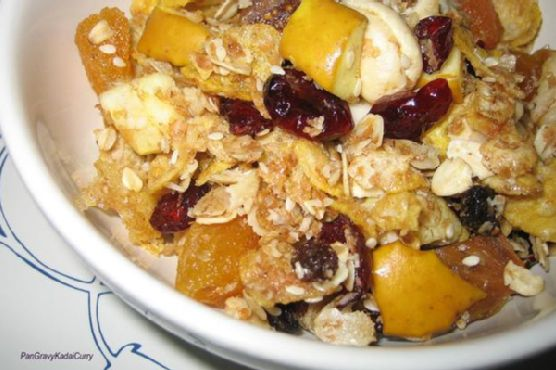
There’s something truly special about waking up to a bowl of homemade muesli, especially when it’s made with love and care. I remember visiting my grandmother’s house every summer, and one of my favorite memories was the aroma of freshly toasted muesli wafting through the kitchen. She had a knack for creating the perfect blend of ingredients, and now, I’m excited to share my version of this delightful breakfast cereal with you.

Why You’ll Love It

This homemade muesli is not just a breakfast cereal; it’s a versatile, nutritious, and delicious way to start your day. You’ll love it because:

  • Customizable: You can adjust the ingredients to match your dietary needs or flavor preferences.
  • Nutritious: Packed with fiber, healthy fats, and natural sweetness, this muesli is a wholesome start to your day.
  • Easy to make: With just a few simple steps, you can prepare this muesli and enjoy it for days.
  • Cost-effective: Making your own muesli is often cheaper than buying pre-packaged versions.

Ingredients

  • 1 cup rolled oats
  • 1/2 cup corn flakes or bran flakes
  • 1/4 cup cashews
  • 1/4 cup craisins (dried cranberries)
  • 1/4 cup apple chunks
  • 2 tablespoons honey
  • 2 tablespoons olive oil
  • 1 tablespoon sesame seeds
  • 2 tablespoons wheat bran
  • 2 tablespoons wheat germ

Instructions

  1. Preheat your oven to 250 degrees Fahrenheit.
  2. In a small bowl, mix the olive oil and honey. Warm this mixture slightly until it blends smoothly.
  3. In a large oven-proof dish, combine all the other ingredients.
  4. Pour the warmed oil-honey mixture over the dry ingredients.
  5. Give everything a brisk stir to ensure even coating.
  6. Place the dish in the oven and bake for 30 minutes. Stir the mixture occasionally to promote even toasting.
  7. Once toasted, remove from the oven and let it cool for about an hour. The muesli will crisp up as it cools.

Tips

To make the most out of your homemade muesli, consider these helpful tips:

  • Stir frequently: Stirring during baking helps to ensure even toasting and prevents any clumping.
  • Cool completely: Allow the muesli to cool completely for the best texture and crunch.
  • Store properly: Keep your muesli in an airtight container to maintain its freshness.

Variations & Substitutions

This muesli recipe is incredibly flexible. Here are some ideas for variations and substitutions:

  • Nut-free: Swap cashews for sunflower seeds if you’re avoiding nuts.
  • Gluten-free: Use certified gluten-free oats and corn flakes to make this recipe gluten-free.
  • Sweetener alternatives: Replace honey with maple syrup or agave nectar for a different flavor.
  • Fruit swaps: Use dried apricots, raisins, or chopped dates instead of craisins for a new twist.

Storage

To keep your muesli fresh and crunchy, store it in an airtight container at room temperature. It should last for up to two weeks. For longer storage, consider refrigerating it, which can extend its shelf life to about a month.

FAQ

Can I make this muesli without an oven?

Yes, you can toast the muesli on the stovetop. Use a large skillet over medium-low heat and stir frequently until the ingredients are golden and fragrant.

How do I serve homemade muesli?

Homemade muesli can be served with milk, yogurt, or your favorite non-dairy alternative. You can also top it with fresh fruits like berries or banana slices for added flavor and nutrition.

Is muesli the same as granola?

While similar, muesli and granola have some differences. Muesli is typically less sweet and not as clumpy as granola. Granola is often baked with sweeteners and oil to form clusters, while muesli is generally a looser mixture.

Nutrition

This homemade muesli is a nutritious blend of whole grains, nuts, and dried fruits. It’s high in fiber, offers healthy fats from the nuts, and provides natural sweetness without too much added sugar. A serving (about 1/2 cup) contains approximately:

  • Calories: 180
  • Fat: 8g
  • Carbohydrates: 23g
  • Protein: 4g
  • Fiber: 3g

Conclusion

Homemade muesli is a wonderful way to enjoy a healthy and satisfying breakfast. With its customizable ingredients and easy preparation, it can become a staple in your morning routine. I hope this recipe brings a touch of nostalgia and warmth to your kitchen, just as it has to mine. Enjoy your wholesome breakfast journey!

Related update: Homemade Muesli Breakfast Cereal

Eggplant pizzette | Made by Meaghan Moineau

Eggplant Pizzette: A Delightful Twist on a Classic Dish

Intro

Eggplant pizzette has always held a special place in my heart. I vividly remember visiting my grandmother’s kitchen on summer afternoons, the air thick with the scent of fresh basil and the sizzle of tomatoes simmering on the stove. As a child, I would eagerly await her signature eggplant pizzette, a dish that never failed to bring the family together around the table. This recipe, inspired by her culinary magic, offers a modern twist on a cherished classic, ideal for both intimate gatherings and solo indulgence.

Why You’ll Love It

Eggplant pizzette is an innovative and delightful dish that brings together the best of both worlds: the comforting flavors of pizza and the health benefits of fresh vegetables. Whether you’re a lifelong vegetarian or simply looking to incorporate more plant-based meals into your diet, this recipe is a winner. It’s simple to prepare, requires minimal ingredients, and is perfect for a quick appetizer or a light, satisfying meal. You’ll love the way the creamy eggplant pairs with the fresh, zesty tomatoes and aromatic herbs, all topped with a layer of melted Swiss cheese for that extra touch of indulgence.

Ingredients

  • Round eggplant
  • Tomatoes
  • Swiss cheese
  • Fresh basil leaves
  • Fresh oregano leaves

Instructions

  1. Preheat your oven to 230°C (450°F) and prepare a non-stick pan by greasing it lightly with olive oil.
  2. Slice the eggplant into rounds, about 1/2 inch thick, and arrange them in the prepared pan.
  3. Bake the eggplant rounds in the oven for 10 minutes. This will soften them and bring out their natural flavors.
  4. Remove the pan from the oven, leaving the baked eggplant inside to retain its warmth.
  5. On each eggplant round, place a spoonful of chopped tomatoes, ensuring even coverage.
  6. Sprinkle fresh basil and oregano leaves over the tomatoes for a burst of herbal aroma.
  7. Top each round with a generous amount of grated Swiss cheese.
  8. Return the pan to the oven and bake for an additional 5 minutes. Watch closely until the cheese is melted and golden brown.
  9. Remove from the oven and allow to cool slightly before serving. Enjoy your pizzette warm or cooled as a delightful appetizer or small meal.

Tips

To make your eggplant pizzette truly shine, ensure that the eggplants are fresh and firm to the touch. If you prefer a slightly thicker texture, you can leave the eggplant rounds a bit thicker, but adjust the initial baking time accordingly. Also, feel free to experiment with the cheese; while Swiss cheese is recommended for its mild flavor, mozzarella or provolone can be great substitutes for a different taste experience.

Variations & Substitutions

The beauty of eggplant pizzette is its versatility. You can easily customize it to suit your taste preferences or dietary needs. For a vegan version, simply replace the Swiss cheese with your favorite plant-based cheese. If you’re looking for a spicier kick, add a sprinkle of red pepper flakes or a dash of hot sauce. Additionally, you can incorporate other toppings like olives, roasted red peppers, or caramelized onions to add more depth to the dish.

Storage

If you have leftovers, store them in an airtight container in the refrigerator for up to three days. To reheat, place the pizzette in a preheated oven at 180°C (350°F) for about 5 minutes, or until they are warmed through. Avoid microwaving, as it may cause the eggplant to become too soggy.

FAQ

Can I make the eggplant pizzette ahead of time?

Yes, you can prepare the eggplant rounds and toppings ahead of time. Assemble them right before the second baking stage to ensure the cheese melts perfectly and the flavors remain vibrant.

What can I serve with eggplant pizzette?

Eggplant pizzette pairs beautifully with a fresh green salad or a light pasta dish. You can also serve them alongside a charcuterie board for a more substantial appetizer spread.

Is eggplant a good substitute for pizza dough?

Absolutely! Eggplant offers a nutritious and gluten-free alternative to traditional pizza dough. It’s lower in calories and carbohydrates, making it a healthier option without compromising on flavor.

Nutrition

Eggplant pizzette is a nutritious dish, rich in fiber and essential vitamins. Eggplants are a good source of antioxidants and can help in maintaining heart health. Fresh tomatoes and herbs add to the nutritional profile with vitamins C and K, while Swiss cheese provides a good dose of calcium and protein.

Conclusion

Eggplant pizzette is more than just a recipe; it’s a culinary journey that marries tradition with creativity. Whether you’re recreating a childhood memory or discovering a new favorite dish, this recipe promises satisfaction in every bite. Enjoy this delightful twist on a classic, and don’t forget to share the experience with loved ones. Cooking is, after all, an act of love, and what better way to express it than with delicious food!

Related update: Eggplant pizzette

Related update: Honey Dijon Roasted Brussels Sprout

Trump Bond Buy Raises Conflict Questions | Analysis by Brian Moineau

A president’s bond buy that raises eyebrows: Trump, Netflix and Warner Bros.

Just days after publicly saying he’d be “involved” in the regulatory review of Netflix’s proposed $82–83 billion deal for Warner Bros. assets, President Donald Trump’s financial disclosure shows he bought between $1 million and $2 million of corporate bonds tied to the companies. That timing — and the optics — is the story: not a blockbuster insider-trading allegation, but a neat example of how money, policy and power can look messy in the same frame.

Why this matters now

  • The bond purchases were disclosed in a January 2026 filing covering transactions from November 14 to December 19, 2025.
  • Trump publicly commented on the Netflix–Warner Bros. deal on December 7, 2025, saying he would be “involved” in the decision about whether it should be allowed to proceed.
  • Within days (Dec. 12 and Dec. 16, 2025), the filings show purchases of Netflix and Discovery/WBD debt in tranches (each listed in the $250,001–$500,000 range), totaling at least $1 million across the two companies.
  • The administration says Trump’s portfolio is managed independently by third-party institutions and that he and his family do not direct those investments.

Those facts are small in absolute dollars against the size of the merger, but politically and ethically they resonate: a president publicly weighing in on a transaction while he holds securities tied to the parties involved is a classic conflict-of-interest concern, even if the investments are bond holdings managed by others.

A quick snapshot of the timeline

  • December 7, 2025: Trump makes public remarks indicating he would be involved in reviewing the Netflix–Warner Bros. deal.
  • December 12 & 16, 2025: Financial-disclosure entries show purchases of Netflix and Discovery/WBD bonds.
  • January 14–16, 2026: Disclosure forms are posted and reported by major outlets, prompting renewed scrutiny.

What corporate bonds mean here

  • Bonds are debt instruments; bondholders get fixed-interest payments and the return of principal at maturity. They’re different from stocks — bondholders don’t get voting rights or upside from equity gains.
  • Still, bond prices and yields can move based on a company’s perceived creditworthiness, strategic moves (like a merger), and the broader market reaction. A big acquisition announcement can shift both corporate credit profiles and market sentiment, sometimes quickly.
  • So purchases of bonds shortly after a merger announcement could profit or lose depending on market reaction or changes in perceived risk — and they still link an investor financially to an outcome.

The investor dilemma (politics × perception)

  • Real conflicts require control or influence over a decision and financial benefit from it. The White House’s response — that external managers handle the portfolio — is a standard defense.
  • But ethics isn’t only about legal liability; it’s also about public trust. Even without direct influence, the president’s public role in enforcement and antitrust review creates an appearance problem when financial exposure aligns with active policy involvement.
  • That appearance can erode confidence in the neutrality of regulatory reviews and feed narratives of favoritism or self-dealing — which political opponents and watchdogs will marshal rapidly.

The broader context

  • The proposed Netflix–Warner Bros. transaction is one of the largest media deals in recent memory and has drawn attention from regulators, competitors (including rival bids), creators’ guilds, and politicians worried about concentration in media and streaming.
  • Corporate disclosures show this bond buying was part of a larger roughly $100 million slate of municipal and corporate debt purchases by Trump across mid-November to late December 2025. That breadth makes it less likely the Netflix/WBD trades were singularly targeted — but timing still matters.
  • The story fits into a bigger, long-running political debate about presidents, business holdings and blind trusts (or their alternatives). The U.S. has norms and rules around recusal and asset management, but the gap between legal compliance and public perception remains wide.

What to watch next

  • Will ethics watchdogs, the Office of Government Ethics, or Congress seek further details about who placed the trades and whether the president had any input?
  • Will regulators review whether the president recused himself from decisions directly tied to parties in which he has holdings — or whether any special procedures were used?
  • How will this episode shape the political narrative around the merger review (and other high-profile antitrust decisions) going forward?

Key takeaways

  • Timing is everything: bond purchases on Dec. 12 and Dec. 16 came days after the president said he’d be “involved” in reviewing the Netflix–Warner Bros. merger.
  • Bonds aren’t stocks, but they still create financial ties and optics that matter when the holder is the sitting president.
  • The White House says investments are managed independently, which may reduce legal exposure but doesn’t erase appearance-of-conflict concerns.
  • This episode highlights the persistent tension between private wealth and public duty in modern presidencies.

My take

This isn’t a dramatic legal smoking gun — the purchases are modest in scope, and bonds behave differently than equity. But democracy relies on public confidence as much as on written rules. Even routine investment activity can become a headline when the investor is also the nation’s chief enforcer of antitrust and regulatory policy. Tightening the routines around disclosures, timing, and recusal — or moving to clearer independent management structures — would reduce these recurring optics problems and help restore a baseline of trust.

Sources

(Note: dates above reference the December 2025 trades and January 2026 disclosures reported by these outlets.)


Related update: We recently published an article that expands on this topic: read the latest post.


Related update: We recently published an article that expands on this topic: read the latest post.

Bowman’s 2026 Fed Outlook: Calm Caution | Analysis by Brian Moineau

Reading the Fed’s Signals: Bowman’s January 16, 2026 Outlook on the Economy and Monetary Policy

Good morning at the conference table of the mind: imagine the Federal Reserve’s meeting notes as a weather report for the economy. On January 16, 2026, Vice Chair for Supervision Michelle W. Bowman stepped up in Boston and delivered a forecast that felt less like thunder and more like watching the clouds: inflation easing, but a labor market growing fragile — and policy makers watching both closely. Her remarks at the New England Economic Forum are a practical, plainspoken reminder that the Fed’s job is often about balancing calm and caution.

Why this speech matters

  • The speaker is Michelle W. Bowman, Vice Chair for Supervision of the Federal Reserve Board — a policymaker with a voting role on the FOMC and direct responsibility for bank supervision.
  • The talk comes at a moment of transition: after several rate cuts in late 2025, inflation readings looking better once one-off tariff effects are stripped out, and early signs that hiring is weakening.
  • Bowman’s emphasis: inflation seems to be moving toward the Fed’s 2% goal, but a fragile labor market raises downside risk — and that should shape monetary policy decisions.

Highlights from Bowman’s outlook

  • Recent policy changes: the Fed lowered the federal funds target range by 75 basis points since September 2025 (three 25-basis-point cuts), bringing the range to 3.50–3.75%. Bowman voted for those cuts, viewing policy as moving toward neutral.
  • Inflation narrative: headline and core PCE inflation have fallen, and when estimated tariff impacts are removed, core PCE looks much closer to 2%. Core services inflation has eased in particular; remaining pressure is concentrated in core goods, which Bowman expects to moderate as tariff effects fade.
  • Labor market concern: hiring rates are low and payroll growth has flattened; with layoffs not yet widespread, the labor market could still deteriorate quickly if demand softens. Bowman views the labor-market downside as the larger near-term risk.
  • Policy stance and approach: Bowman favors a forward-looking, data-informed strategy — ready to adjust policy to support employment if labor fragility worsens, while noting policy is not on a preset course.
  • Supervision agenda: as Vice Chair for Supervision, Bowman also highlighted regulatory priorities — rationalizing large-bank ratings, improving M&A review processes, and implementing the GENIUS Act responsibilities on stablecoins.

The investor and business dilemma

  • For businesses: easing inflation can reduce input-cost pressure, but softer hiring and potentially weaker demand mean firms should be cautious about growth plans and workforce commitments.
  • For investors: the combination of lower inflation risk and a fragile labor market suggests the Fed is unlikely to pivot aggressively. Markets should prepare for gradual adjustments rather than dramatic rate swings, with a watchful eye on employment indicators.

What to watch next

  • Monthly payrolls and the unemployment rate — signs of a pickup in layoffs or a sharper rise in unemployment would increase the Fed’s focus on supporting employment.
  • Core PCE inflation excluding tariff adjustments — Bowman explicitly treats tariff effects as one-offs; if core goods inflation doesn’t continue to soften, that would complicate the 2% story.
  • Business hiring intentions and consumer demand measures — weak demand would reinforce Bowman’s caution about labor-market fragility.
  • Fed communications at upcoming FOMC meetings — Bowman emphasized that policy is not on autopilot and that the Committee will weigh new data meeting by meeting.

A few practical takeaways

  • Expect policy to remain “patient but ready”: the Fed’s stance is moderately restrictive but responsive to incoming data.
  • Companies should build flexibility into hiring and capital plans — layering contingent plans (e.g., phased hiring, temporary contracts) reduces risk if demand softens.
  • Bond and equity investors should monitor real-time labor and inflation indicators rather than relying solely on past rate moves.

My take

Bowman’s speech reads as pragmatic: credit the Fed for recognizing progress on inflation while honestly calling out the economy’s weak spots. The emphasis on labor-market fragility is a useful corrective to narratives that celebrate disinflation as a finished project. Policymaking in 2026 looks set to be a juggling act — steadying inflation without worsening employment — and Bowman’s call for forward-looking, data-driven decisions is the kind of steady voice markets and Main Street need right now.

Sources


Related update: We recently published an article that expands on this topic: read the latest post.
17 Bean White Chicken Chili | Made by Meaghan Moineau

17 Bean White Chicken Chili

Intro

There’s something magical about a simmering pot of chili on a cool autumn day. It evokes memories of family gatherings and hearty meals shared around the dining table. I remember my grandmother’s kitchen, filled with the aroma of simmering spices and the warmth of her welcoming smile. Her 17 Bean White Chicken Chili was a staple at family events, and it brings back those cherished memories every time I make it. This recipe is a tribute to those days, a comforting dish that blends rich flavors and textures, perfect for cozying up on a chillier evening.

Why You’ll Love It

This 17 Bean White Chicken Chili is a delightful twist on traditional chili. It’s packed with protein and fiber from the beans and chicken, making it both nutritious and filling. The combination of spices adds a depth of flavor that’s warming without being overpowering. Plus, it’s incredibly versatile – perfect for feeding a crowd or meal-prepping for the week. Whether you’re a seasoned cook or a kitchen novice, this recipe is straightforward and rewarding, bringing a taste of comfort food with a healthy twist.

Ingredients

  • 3 cups cooked dry beans (such as a 17-bean mix)
  • 4 cups chicken broth
  • 2 chicken breasts
  • 2 tablespoons cornstarch
  • 1/4 cup water
  • 1 cup corn (fresh or frozen)
  • 1 bell pepper, chopped
  • 1 onion, diced
  • 3 cloves garlic, minced
  • 1 can green diced chiles
  • 1 tomato, chopped
  • Juice of 1 lime
  • 1 teaspoon cumin
  • 1 teaspoon chili powder
  • 1 teaspoon oregano
  • 1/2 teaspoon red pepper flakes
  • 1/2 teaspoon black pepper
  • 1 bunch cilantro, chopped
  • Salt to taste
  • 1 teaspoon ground coriander

Instructions

  1. Cook your beans according to the package directions, ensuring they are tender but not mushy. Set aside.
  2. Add the chicken broth to a large pot and bring to a boil over medium-high heat.
  3. Add in the chicken breasts and poach until cooked through, approximately 15-20 minutes.
  4. Remove the chicken from the pot, shred it using two forks, and set it aside.
  5. In a small bowl, mix together the water and cornstarch until smooth.
  6. Add the cornstarch mixture to the boiling broth and stir continuously for about 1 minute, or until slightly thickened.
  7. Return the shredded chicken to the pot along with corn, bell pepper, onion, garlic, canned green chiles, tomato, and lime juice.
  8. Stir in the spices: cumin, chili powder, oregano, ground coriander, red pepper flakes, and black pepper.
  9. Gently fold in the cooked beans and chopped cilantro.
  10. Salt to taste, then cover the pot and let the chili simmer on low heat for at least 30 minutes, allowing the flavors to meld together.
  11. Serve hot, garnished with additional cilantro and lime wedges if desired.

Tips

To enhance the flavor, try roasting the bell pepper before adding it to the pot. This adds a smoky depth that complements the chili’s warmth. For extra zest, finish the dish with a sprinkle of lime zest.

Variations & Substitutions

If you prefer a vegetarian version, simply omit the chicken and use vegetable broth instead of chicken broth. Adding extra beans or tofu can provide additional protein. For a spicier kick, increase the amount of red pepper flakes or add a chopped jalapeño. If you’re not a fan of cilantro, parsley makes a great substitute, providing fresh flavor without overwhelming the dish.

Storage

This chili keeps well in the refrigerator for up to four days. Allow it to cool completely before transferring it to an airtight container. For longer storage, freeze individual portions for up to three months. Reheat gently on the stove or in the microwave, adding a splash of broth or water if it thickens too much.

FAQ

Can I use canned beans instead of dry beans?

Absolutely! Canned beans are a convenient alternative. Use about 2-3 cans of mixed beans, drained and rinsed, to replace the cooked dry beans. This will save time and still provide great texture and flavor.

What can I serve with this chili?

This chili pairs wonderfully with warm cornbread or a crusty baguette. You can also serve it with a side salad for a complete meal. If you’re looking for something lighter, a dollop of Greek yogurt or sour cream on top adds creaminess without overpowering the chili’s flavor.

How can I make this dish gluten-free?

This recipe is naturally gluten-free, but always ensure that your chicken broth and spices do not contain any gluten-containing additives. Double-check the labels to be safe!

Nutrition

This hearty chili is not only delicious but also nutritious. Packed with protein from the chicken and beans, it’s a great source of fiber and essential vitamins. It’s a balanced meal that keeps you satisfied and energized, perfect for any time of the year.

Conclusion

17 Bean White Chicken Chili is more than just a meal; it’s a tribute to family traditions and a bowl of comfort. With its rich blend of spices and hearty ingredients, it promises warmth in every spoonful. Whether you’re gathering around the table with loved ones or enjoying a quiet night in, this chili brings a sense of nostalgia and joy to the table. Try it out, make it your own, and let it become a cherished part of your culinary repertoire.

Related update: 17 Bean White Chicken Chili

Related update: Mediterranean eggplants

Vineyard Wind sues over federal pause | Analysis by Brian Moineau

A giant wind farm, a sudden halt, and a lawsuit: what’s really at stake with Vineyard Wind

The image of enormous turbine blades turning off the coast of Massachusetts is jarring — not because turbines are dramatic to watch, but because those blades represent a whole ecosystem of jobs, contracts, clean power and shaky politics. In mid-December the Trump administration ordered a 90‑day pause on several East Coast offshore wind projects, and Vineyard Wind — a project that was about 95% complete and already producing power — answered with a lawsuit on January 15, 2026. The developers say the government illegally froze construction; the administration cites national security concerns. The courtroom is now where the future of U.S. offshore wind will be argued.

Why this feels bigger than one construction pause

  • Vineyard Wind 1 is not a conceptual proposal — it’s a nearly finished, $4.5 billion project with 44 turbines already operating and the rest due to be completed by March 31, 2026. The pause threatens specialized vessel contracts, financing and project viability. (WBUR)
  • The administration’s stated reason is national security: classified Department of Defense material allegedly shows turbines can create radar “clutter” and obscure targets. But developers and many judges have asked for clearer, non‑classified explanations and specific mitigation pathways. (DOI; WBUR)
  • Multiple other projects — Empire Wind, Revolution Wind, Sunrise Wind and Coastal Virginia Offshore Wind — were caught in the same pause. That makes this not just a Vineyard Wind dispute but a flashpoint for federal policy toward the entire U.S. offshore wind industry. (WBUR; AP)

What Vineyard Wind says in the lawsuit

  • The complaint argues the Interior Department overstepped its legal authority and acted arbitrarily and capriciously by suspending the project without providing sufficient factual support or opportunities for meaningful consultation. Vineyard Wind seeks a temporary restraining order to restart construction immediately. (WBUR)
  • Vineyard Wind says the pause is inflicting severe daily financial losses — the company estimated roughly $2 million in losses per day — and risks losing access to a specialized installation vessel that’s contracted only through March 31, 2026. Missing that window could imperil financing and the project’s completion. (WBUR)

What the administration says and why it matters

  • The Department of the Interior (DOI) framed the action as a national‑security precaution based on classified findings from the Department of Defense. DOI described the pause as necessary to evaluate emerging risks tied to the evolving technology landscape and the proximity of large offshore wind projects to population centers. (DOI press release)
  • National‑security arguments complicate judicial review because the government can withhold classified details. Courts may review sensitive materials in camera (privately), but developers and allies argue national security should not be used as a blanket reason to halt projects that were previously vetted by the Defense Department. (WBUR; AP)

Legal and practical precedents that matter

  • Other developers have already challenged the December order in court. Judges have, in several cases, allowed construction to resume pending litigation — pointing to problems with how the pause was justified. These rulings set important precedents for Vineyard Wind’s chances. (AP; WBUR)
  • During permitting, the Department of Defense typically evaluates potential radar and operational conflicts with turbines and proposes mitigations. All five paused projects had previously received sign‑offs or mitigations from defense agencies, which strengthens the developers’ argument that the new pause is unexpected and lacks sufficient explanation. (WBUR)

Who’s affected beyond the lawyers

  • Local economies and labor: Vineyard Wind claims thousands of jobs and supplier agreements are at stake. Delays ripple to unions, fabrication yards, and port communities that built supply chains around turbine installation timelines. (WBUR)
  • Electricity supply and costs: Regional grid operators warned that delaying or canceling these projects could increase winter electricity bills and create reliability risks for New England. Vineyard Wind was forecast to deliver up to 800 megawatts — roughly 400,000 homes’ worth — when complete. (WBUR)
  • The broader clean‑energy transition: A high‑profile government halt sends a chilling signal to investors. If major projects can be stopped after permitting and construction have begun, financing for future projects becomes riskier and more expensive.

Quick policy snapshot

  • The DOI’s December 22, 2025, pause was framed as a temporary 90‑day review to address national‑security concerns flagged by the Department of Defense. (DOI press release)
  • Courts reviewing similar challenges have weighed the government’s national‑security claims against evidence of arbitrary administrative action; several judges have allowed resumption of work after finding the government’s rationale thin or inadequately supported in public filings. (AP; WBUR)

A few practical fixes that could defuse the standoff

  • Declassify or summarize key findings where possible: A narrowly tailored, redacted summary could allow developers and state regulators to understand concerns and propose mitigations without exposing sensitive military details.
  • Faster, formal mitigation pathways: If radar “clutter” is the issue, concrete steps (e.g., radar software adjustments, sensor relocation, or other tech mitigations) should be clearly defined and implemented rather than serving as a pretext for blanket halts.
  • Contract and financing protections: Policymakers could consider transitional measures to protect projects and workers while security issues are resolved — for example, temporary extensions of vessel contracts or bridge financing mechanisms.

What to watch next

  • Court rulings on Vineyard Wind’s request for injunctive relief and whether judges will require more public justification from the government.
  • Whether DOI or the Department of Defense provides more detail, even in redacted form, about the alleged national‑security risks and potential mitigations.
  • The ripple effects on financing and future lease rounds for U.S. offshore wind development if the pause remains or becomes broader policy.

Takeaways worth bookmarking

  • The Vineyard Wind lawsuit isn’t just a legal spat — it’s a test of how the U.S. balances national security, energy policy, and the business realities of large clean‑energy projects.
  • Developers and some judges say the administration’s pause lacks sufficient public justification, especially for projects that previously obtained Defense Department clearance.
  • The immediate stakes are enormous: jobs, billions of dollars already spent, grid reliability in New England, and investor confidence in the U.S. offshore wind sector.

Final thoughts

Watching turbines idle while legal briefs fly feels like watching policy and commerce collide in real time. This dispute exposes a broader tension: how to responsibly integrate national‑security prudence with urgent climate goals. The smarter path will be one that neither fetishizes secrecy nor rushes policymaking without clear facts. If the administration can present specific risks and workable mitigations, and if developers can implement them, that would be preferable to stopping projects wholesale. But if the pause is mostly symbolic politics, the long‑term damage to U.S. clean‑energy ambition could be substantial.

Sources


Related update: We recently published an article that expands on this topic: read the latest post.

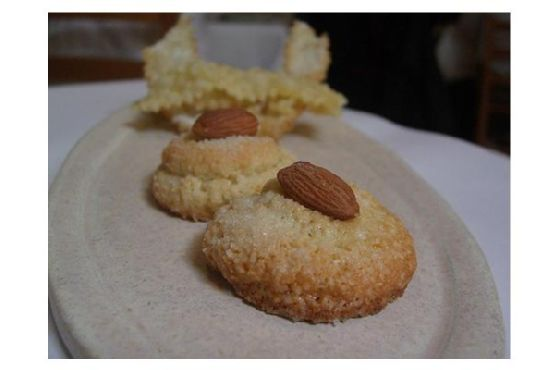
Amaretto Almond Cookies | Made by Meaghan Moineau

Amaretto Almond Cookies

Intro

There’s something magical about the aroma of freshly baked cookies wafting through the house. It transports me back to my grandmother’s cozy kitchen, where she often had a batch of cookies in the oven. Her cookie jar, a charming porcelain piece shaped like a plump cat, was always filled with delightful treats. Among them, the Amaretto Almond Cookies held a special place in my heart. With their rich almond flavor and a hint of amaretto, these cookies were her signature recipe that she loved to serve with a warm cup of tea. Today, I’m excited to share this cherished recipe with you, hoping it brings the same warmth and joy to your home as it did to mine.

Why You’ll Love It

These Amaretto Almond Cookies are a delightful blend of softness and flavor that will surely become a staple in your baking repertoire. Here’s why you’ll love them:

  • Rich Flavor: The combination of almond extract and amaretto provides a deep, nutty flavor that’s truly irresistible.
  • Simple Ingredients: With ingredients you likely already have in your pantry, these cookies are easy to whip up at a moment’s notice.
  • Perfect Texture: These cookies strike the perfect balance between chewy and crispy, making them a delightful treat for any occasion.
  • Nostalgic Aroma: Baking these cookies will fill your home with a warm, inviting aroma that evokes a sense of nostalgia and comfort.

Ingredients

  • 1 teaspoon almond extract
  • 2 tablespoons amaretto
  • 2 eggs
  • 1 cup ground almonds
  • 1 teaspoon grated lemon rind
  • 2 tablespoons molasses
  • 1/2 cup unsalted butter, softened
  • 1 1/2 cups whole wheat pastry flour

Instructions

  1. Cream together the unsalted butter and molasses in a large mixing bowl until the mixture is smooth and well combined.
  2. Add the eggs, one at a time, beating well after each addition. Stir in the ground almonds, grated lemon rind, and almond extract, mixing until everything is well incorporated.
  3. Stir in the amaretto, alternating with the whole wheat pastry flour. Mix until the dough is smooth and all ingredients are thoroughly combined.
  4. Drop the dough by teaspoonsful onto unoiled cookie sheets, spacing them about 2 inches apart.
  5. Bake in a preheated oven at 350 degrees Fahrenheit (175 degrees Celsius) for 12-15 minutes or until the cookies are golden brown.
  6. Remove from the oven and allow the cookies to cool on the baking sheet for a few minutes before transferring them to a wire rack to cool completely.

Tips

To ensure your Amaretto Almond Cookies turn out perfectly every time, consider these helpful tips:

  • Use room temperature butter for easier creaming with the molasses.
  • For a stronger almond flavor, you can increase the almond extract by an additional 1/2 teaspoon.
  • If you prefer a slightly crispier cookie, let them bake for the full 15 minutes.
  • Feel free to sprinkle a touch of sea salt on top of the cookies before baking for an added depth of flavor.

Variations & Substitutions

This recipe is quite versatile, allowing you to modify it to suit your taste preferences or dietary needs:

  • Gluten-Free: Substitute the whole wheat pastry flour with a gluten-free flour blend to make these cookies gluten-free.
  • Vegan: Replace the eggs with a flax egg (1 tablespoon ground flaxseed mixed with 2.5 tablespoons water per egg) and use a vegan butter substitute.
  • Nut-Free: If you have a nut allergy, you can replace the ground almonds with oat flour and omit the almond extract, using vanilla extract instead.
  • Citrus Twist: Add a little extra lemon rind or a few drops of lemon juice for a more pronounced citrus flavor.

Storage

To keep your Amaretto Almond Cookies fresh and delicious, store them in an airtight container at room temperature. They will stay fresh for up to a week. For longer storage, you can freeze the cookies for up to 3 months. Simply thaw them at room temperature before serving.

FAQ

Can I use regular flour instead of whole wheat pastry flour?

Yes, you can substitute regular all-purpose flour for whole wheat pastry flour if you prefer. This will slightly alter the texture, making the cookies a bit denser, but they will still taste wonderful.

What can I use instead of amaretto?

If you don’t have amaretto on hand, you can use almond liqueur or even a bit of rum or brandy as a substitute. For a non-alcoholic version, replace the amaretto with almond syrup or additional almond extract.

How do I know when the cookies are done?

The cookies are done when they have turned a golden brown color around the edges. They may still be slightly soft in the center when you take them out of the oven, but they will firm up as they cool.

Nutrition

While these cookies are a delightful treat, it’s important to enjoy them in moderation. Each cookie contains approximately:

  • Calories: 80
  • Fat: 4g
  • Carbohydrates: 10g
  • Protein: 2g
  • Sugar: 2g

Conclusion

Baking these Amaretto Almond Cookies is more than just making a delicious treat; it’s about creating memories and sharing warmth with those you love. Whether you’re enjoying them with family, sharing with friends, or savoring one quietly with a cup of tea, these cookies are sure to bring joy and satisfaction. I hope this recipe becomes a beloved part of your baking traditions, as it has been in mine. Happy baking!

Related update: Amaretto Almond Cookies

Related update: Korean Honey Citron Tea Cheesecake

Related update: Almond Butter Slices

Chorizo and Beef Quinoa Stuffed Pepper | Made by Meaghan Moineau

Chorizo and Beef Quinoa Stuffed Peppers

Intro

As a child, weekends at my grandmother’s house were filled with the rich aromas of spices and sizzling meats. Her kitchen was a haven where every dish told a story, and her stuffed peppers were a particular favorite of mine. Now, as an adult, I’ve taken her classic recipe and given it a modern twist with a blend of chorizo, beef, and quinoa. This recipe is my love letter to those cherished weekends, a fusion of tradition and innovation that will surely bring warmth and flavor to your dining table.

Why You’ll Love It

This Chorizo and Beef Quinoa Stuffed Pepper recipe is a delightful combination of savory, spicy, and satisfying. Packed with protein and fiber, it’s a nutritious meal that doesn’t compromise on taste. The combination of chorizo and lean ground beef offers a robust and hearty flavor profile, while quinoa adds a nutty texture and boosts the meal’s nutritional value. Whether you’re looking for a comforting weeknight dinner or an impressive dish to serve guests, these stuffed peppers are sure to become a favorite in your recipe repertoire.

Ingredients

  • Bell peppers (as many as you want to serve)
  • Cayenne pepper (to taste)
  • Chili powder (to taste)
  • Chorizo (1/2 pound)
  • Cumin (to taste)
  • Green onion tops (thinly sliced)
  • Mixed Monterey Jack and Cheddar cheese (shredded)
  • Lean ground beef (1/2 pound)
  • Quinoa (1 cup, uncooked)

Instructions

  1. Preheat your oven to 350°F (175°C).
  2. Bring a pot of water to a boil and cook the quinoa according to package instructions.
  3. In a separate skillet, brown the ground beef and chorizo over medium heat, breaking it up with a spoon as it cooks.
  4. Once the meat is fully cooked, drain off any excess fat and transfer the mixture to a medium mixing bowl.
  5. Once your quinoa is fully cooked, add it to the mixing bowl with the meat.
  6. Add the green onion tops, cumin, cayenne, chili powder, and a handful of the shredded cheese to the bowl. Mix everything together well.
  7. Prepare the bell peppers by cutting off the tops and removing the seeds and inner membranes.
  8. Stuff each bell pepper with the meat and quinoa mixture, pressing down gently to ensure they are filled completely.
  9. Sprinkle a little more cheese on top of each stuffed pepper.
  10. Place the stuffed peppers in a baking dish and bake in the preheated oven for about 10 minutes, or until the bell peppers have softened slightly and the cheese is melted and bubbly.
  11. Serve immediately and enjoy the warm, comforting flavors.

Tips

To make the most of this recipe, consider these tips:

  • Choose bell peppers that are similar in size for even cooking.
  • If you prefer a milder dish, adjust the amount of cayenne and chili powder to your taste.
  • Pre-cook the bell peppers for a few minutes if you like them softer.

Variations & Substitutions

This recipe is versatile and can be adapted in many ways:

  • For a vegetarian version, replace the meat with black beans and corn.
  • Use brown rice or couscous instead of quinoa for a different texture.
  • Swap the cheese for a dairy-free alternative to accommodate dietary restrictions.

Storage

Store any leftover stuffed peppers in an airtight container in the refrigerator for up to 3 days. To reheat, place them in a preheated oven at 350°F (175°C) for about 10 minutes or until heated through. You can also microwave them for a quicker option, though the texture of the peppers may be slightly softer.

FAQ

Can I freeze stuffed peppers?

Yes, you can freeze stuffed peppers! Prepare them as instructed but do not bake. Place them in a freezer-safe container, and they can be frozen for up to 3 months. When ready to eat, thaw in the refrigerator overnight and bake as directed.

What can I serve with stuffed peppers?

Stuffed peppers are a complete meal on their own, but you can serve them with a side salad, garlic bread, or steamed vegetables for a more rounded meal.

How can I make this dish spicier?

If you love spice, feel free to add more cayenne pepper or even some chopped jalapeños to the mixture. A dash of hot sauce mixed into the filling can also elevate the heat.

Nutrition

Each serving of Chorizo and Beef Quinoa Stuffed Peppers is approximately 350 calories, with 20g of protein, 15g of carbohydrates, and 22g of fat. These values may vary depending on specific ingredient brands and quantities used.

Conclusion

Chorizo and Beef Quinoa Stuffed Peppers are a delightful blend of hearty ingredients and bold flavors that are sure to satisfy. This recipe not only brings back fond memories of family gatherings but also offers a modern twist on a classic dish. Whether you’re feeding a crowd or meal-prepping for the week, these stuffed peppers are a delicious and nutritious choice that will leave everyone asking for seconds. Give them a try, and let the flavors transport you to a cozy kitchen filled with love and warmth.

Related update: Chorizo and Beef Quinoa Stuffed Pepper

Related update: 17 Bean White Chicken Chili

Credit Boom Since 2007 Fuels Complacency | Analysis by Brian Moineau

When Credit Markets Get Hot, Complacency Becomes the Real Risk

Global credit markets are running at their hottest in nearly two decades — spreads are compressing, issuance is booming, and big-name managers from Pimco to Aberdeen are waving caution flags. That combination makes for a heady cocktail: strong returns today, and a growing list of reasons to worry about what happens when the music stops.

Why this matters right now

  • Corporate bond spreads have tightened to levels not seen since around 2007, driven by strong demand for yield and an ongoing search for income across institutions and retail investors.
  • Heavy issuance — from investment-grade firms to private credit vehicles — has flooded markets with supply, yet investors continue to buy. That eagerness reduces compensation for taking credit risk.
  • Managers who’ve lived through cycles (and painful defaults) are increasingly saying the same thing: fundamentals are showing cracks in some corners, underwriting standards look looser than they should, and the “complacency premium” may be dangerously low.

The tone isn’t doomsday. Rather, it’s a reminder that stretched markets can stay stretched for a long time — and when conditions change, losses can happen fast.

How the market got here

  • Central banks’ pivot from emergency easing to tighter rates in recent years, followed by signs of easing expectations, encouraged buyers back into credit. Falling government yields made corporate spreads look attractive — at first.
  • Private credit exploded in size as investors chased higher returns outside public markets. That growth brought looser lender protections and more leverage in some deals.
  • Big pools of long-term capital (pension funds, insurers, yield-seeking mutual funds) have structurally increased demand for credit, reducing the market’s risk premiums.

Those forces combined into a classic late-cycle pattern: strong performance, plentiful issuance, and gradually deteriorating underwriting standards.

What the big managers are saying

  • Pimco’s research and outlooks have highlighted compressed spreads and growing caution about private credit and lower-quality, highly leveraged sectors. Their view: be selective, favor high-quality public fixed income, and avoid chasing thin risk premia where protections are weak. (See Pimco’s recent “Charting the Year Ahead” insights.)
  • Aberdeen (abrdn) analysts have laid out scenarios — soft landing, hard landing, and “higher-for-longer” rates — and pointed out that spreads now price a fairly optimistic path. They advise balancing risk and opportunity, favoring investment-grade credits while watching for vulnerabilities in lower-rated segments.

These voices aren’t saying “sell everything.” They’re saying: recognize where compensation is thin, stress-test portfolios for adverse outcomes, and favor structures and collateral that offer real protection.

Where vigilance should be highest

  • Private credit and direct lending: Less liquid, often less transparent, and sometimes offering little extra spread relative to liquidity and covenant risk.
  • Lower-rated corporate bonds and cov-lite loan markets: Covenant erosion and looser underwriting reduce recovery prospects if stress arrives.
  • Heavily levered sectors or those exposed to cyclical slowdowns: Retail, certain parts of tech and media, and some leveraged consumer plays.
  • Vehicles promising liquidity that isn’t supported by underlying assets: Mismatches can amplify losses in stressed conditions.

Practical portfolio nudges

  • Tilt toward quality: Favor issuers with stable cash flows, healthy balance sheets, and strong covenants when possible.
  • Mind liquidity: Don’t over-allocate to strategies or funds that can’t meet redemptions in a stress event if you rely on liquidity.
  • Diversify across credit continuums: Think of public vs. private, secured vs. unsecured, and short vs. long duration as decision levers — not as a single “credit” bucket.
  • Stress-test yield assumptions: Ask how returns hold up if rates shock higher or default rates rise modestly.
  • Focus on security selection: In a spread-compressed world, alpha from selection matters more than broad beta exposure.

The investor dilemma

  • On one hand, credit has delivered attractive returns and many investors can’t ignore the income.
  • On the other, chasing that income without discipline risks permanent impairment of capital if defaults or liquidity squeezes spike.

That tension is the heart of the current message from the Street: participate, but don’t confuse participation with prudence.

A few scenarios to watch

  • Soft landing: Spreads tighten further, defaults stay low — investors get more upside, but valuations look stretched.
  • Hard landing: Spreads widen materially, defaults rise — lower-quality credit and illiquid private positions suffer first and worst.
  • Higher-for-longer rates: Credit performance is mixed; higher absolute yields cushion total returns, but re-pricing risk and refinancing stress hurt vulnerable issuers.

Being explicit about which scenario you’re implicitly betting on helps shape position sizing and risk controls.

My take

There’s nothing inherently wrong with credit markets being hot — markets reflect supply, demand, and investor preferences. The problem is complacency: when good outcomes become the norm, people gradually lower their guard. Today’s environment rewards selectivity, structural protections, and a healthy dose of skepticism about easy-looking yield. For most investors, that means reducing blind beta in favor of credit with clear collateral, conservative underwriting, and diversified liquidity sources.

Final thoughts

Markets can stay frothy for longer than intuition suggests. That’s why the best defense isn’t trying to time the exact top but building resilience: limit exposure where compensation is thin, demand transparency and covenants, and keep some capacity to redeploy into genuinely attractive opportunities if conditions normalize or stress reveals weaknesses. The loudest warnings aren’t forecasts of immediate collapse — they’re a call to invest with intention.

Sources


Related update: We recently published an article that expands on this topic: read the latest post.

Make Jalopnik Your Google Preferred Source | Analysis by Brian Moineau

Please sir, I want some more: Make Jalopnik your go-to on Google Search

You know that feeling when you want more of a specific flavor — be it extra gravy with your fry-up or another Jalopnik teardown of the latest electric crossover? Google’s new “preferred sources” feature lets you feed that appetite directly into Search so your favorite outlets show up more often in Top Stories. If Jalopnik is your jam, here’s how to make it show up more when you hunt for car news, reviews, or the latest automotive chaos.

Why this matters right now

  • Google recently rolled out a Preferred Sources option in Search’s Top Stories, letting users prioritize outlets they trust. This isn’t about blocking other voices — it’s about nudging the algorithm toward the sites you love. (blog.google)
  • Publishers (including Jalopnik) are encouraging readers to add them as preferred sources because it helps visibility and keeps traffic flowing in a world where discovery has fragmented across platforms. (jalopnik.com)
  • For readers, it’s a small personalization that yields a more relevant stream of reporting when searching breaking topics — especially useful for fast-moving beats like cars, tech, and motorsports. (tomsguide.com)

Quick takeaways

  • The feature appears in Google Search’s Top Stories and can be accessed from the star/card icon or from a central preferences page.
  • You can add as many preferred sources as you like; changes sync to your Google account.
  • Adding Jalopnik helps surface more of its articles in searches where Top Stories appear — but you’ll still see other outlets too.

How to add Jalopnik as a preferred source (two easy ways)

  1. Via a direct Jalopnik link (fastest)
  • Click the link Jalopnik provides in their article or site post (they often include a direct link to the Google “Set your preferred sources” tool). Once on Google’s preferences page, type “Jalopnik,” tick the checkbox, and save. Jalopnik’s article highlights this shortcut for readers who want a one-click route. (jalopnik.com)
  1. From a Google Search results page (discover-as-you-go)
  • Search Google for a current car-related topic (for example: “2024 Kia Sorento review” or “EV recalls”). When Top Stories appears, look for the small stacked-card/star icon to the right of the Top Stories header. (tomsguide.com)
  • Click that icon to open the “Choose your preferred sources” dialog. Type “Jalopnik” into the search box, check the box next to the publication, then tap “Reload results” to see Top Stories refreshed with your selections. (blog.google)

Tips for getting the best results

  • Make sure you’re signed into your Google account — preferences tie to your account and sync across devices.
  • Use high-news queries (current events, trending car models, recalls, racing results) to trigger Top Stories and the star icon if you don’t see it for everyday searches.
  • Add several sources you trust, not just one; users often pick multiple outlets to keep perspective while prioritizing favorites. Google’s early testers typically added four or more. (blog.google)
  • If you change your mind, you can always remove or edit preferred sources from the same dialog or via Google Search personalization settings.

What this means for readers and publishers

  • For readers: more of what you like. If Jalopnik’s voice — cranky, irreverent, detail-hungry car coverage — is what you want, Preferred Sources nudges Search to serve it up more often.
  • For publishers: a way to court loyal readers directly inside the platform that still sends huge referral traffic. It’s also a reminder that discovery is a two-way street: publishers must keep producing content that readers want to prioritize. (theverge.com)

A couple of caveats

  • Preferred sources don’t mean exclusive results. Google will still show other outlets; the feature simply increases the prominence of your chosen sources when relevant.
  • Rollout and availability have been region-limited as Google expands the feature; if you don’t see the star icon yet, try updating the Google app or checking your account settings. (theverge.com)

My take

There’s a small, almost comforting delight in tailoring the internet to your tastes — like asking for an extra helping at a diner and being handed exactly what you wanted. Google’s Preferred Sources is that small favor writ large: it doesn’t rewrite the menu, but it nudges the kitchen to plate more of your favorite dish. If Jalopnik’s the publication that makes you laugh, think, and occasionally spit-take coffee when reading about automotive absurdity, this is an easy move to make your searches feel a little more like home.

Sources


Related update: We recently published an article that expands on this topic: read the latest post.

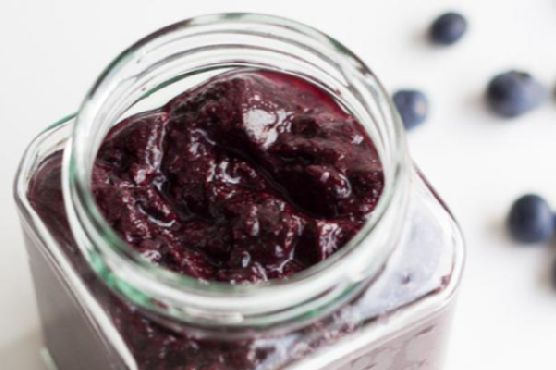
5-Minute Blueberry Chia Jam | Made by Meaghan Moineau

5-Minute Blueberry Chia Jam

Intro

There’s something magical about homemade jams that can instantly transport you back to the cozy kitchens of your childhood. I remember spending summer afternoons in my grandmother’s kitchen, surrounded by baskets of fresh berries picked from her garden. The sweet aroma of simmering fruits would fill the air as she stirred her pot of homemade jam, teaching me the art of patience and the joy of creating something truly delicious from scratch. Those cherished memories inspired me to create a quick and easy version of jam that fits perfectly into our busy lives today. Introducing: the 5-Minute Blueberry Chia Jam! This delightful recipe combines the natural sweetness of blueberries with the nutritional power of chia seeds, offering you a healthy and delicious spread in no time.

Why You’ll Love It

This 5-Minute Blueberry Chia Jam is not only quick and easy to make, but it is also packed with nutrients and flavor. Here are just a few reasons you’ll fall head over heels for this recipe:

  • Time-Saving: It takes just five minutes to whip up this jam, making it perfect for busy mornings or last-minute brunches.
  • Healthful Ingredients: Packed with antioxidants from blueberries and fiber from chia seeds, this jam is a nutritious addition to any meal.
  • Versatile: Use it on toast, pancakes, yogurt, or even as a topping for desserts.
  • Customizable Sweetness: You can adjust the sweetness to your liking with honey or maple syrup.
  • No Cooking Required: That’s right, no need to slave over a hot stove!

Ingredients

  • 1 cup fresh blueberries
  • 2 tablespoons chia seeds
  • 1-2 tablespoons honey or maple syrup (to taste)
  • Water (as needed for blending)

Instructions

  1. Add all of the ingredients to your blender with just enough water to allow it to blend smoothly.
  2. Blend until the mixture reaches your desired consistency. You can make it smooth or leave some texture, as you prefer.
  3. Pour the jam into a glass jar or similar container.
  4. Seal the jar and store it in the fridge. The jam should last for around 4-5 days.

Tips

For the best results, use fresh, ripe blueberries. If fresh blueberries aren’t available, frozen ones can be a good substitute—just make sure to thaw them first. Adjust the sweetness based on the natural sweetness of your berries and your personal preference. You can add a dash of lemon juice for a slight tangy twist, which also helps preserve the vibrant color of the jam.

Variations & Substitutions

Feel free to get creative with this recipe! You can substitute blueberries with other berries like strawberries, raspberries, or blackberries. If you’re vegan or prefer a different sweetener, agave syrup or coconut sugar works well too. For a thicker jam, simply add more chia seeds, as they will absorb the liquid and thicken the mixture.

Storage

Store your 5-Minute Blueberry Chia Jam in a sealed glass jar in the refrigerator. It’s best consumed within 4-5 days for optimal freshness and flavor. If you want to make a larger batch, consider freezing smaller portions in ice cube trays. Once frozen, transfer the cubes to a zip-top bag. Simply thaw as needed and enjoy!

FAQ

Can I use a food processor instead of a blender?

Yes, you can use a food processor if you don’t have a blender. Just ensure that the blueberries break down enough to mix well with the chia seeds and sweetener. You might need to scrape down the sides a few times to achieve an even consistency.

What if my jam is too runny?

If your jam is too runny, add an additional tablespoon of chia seeds and let the mixture sit for a few minutes to thicken. Chia seeds absorb liquid and will help achieve a firmer texture.

Nutrition

Blueberries are a powerhouse of antioxidants, while chia seeds provide a healthy dose of omega-3 fatty acids, fiber, and protein. Using honey or maple syrup allows you to control the sweetness naturally. This jam is a nutrient-rich choice compared to traditional sugar-laden jams and is suitable for a variety of dietary preferences.

Conclusion

With its simplicity, health benefits, and delightful taste, this 5-Minute Blueberry Chia Jam is sure to become a staple in your kitchen. Whether you’re spreading it on your morning toast or offering it as a topping on your favorite dessert, this jam promises to bring a bit of sunshine to your day. So, why not take a few minutes to make a batch today and enjoy a taste of homemade goodness that’s both nostalgic and nourishing?

Related update: 5-Minute Blueberry Chia Jam

Related update: Homemade Muesli Breakfast Cereal

NCAA Seeks Halt to College Prediction | Analysis by Brian Moineau

When prediction markets meet college sports: who should hit pause?

The headline landed like a buzzer-beater nobody asked for: on January 14, 2026, the NCAA asked the Commodity Futures Trading Commission (CFTC) to suspend prediction markets from offering trades on college sports until stronger guardrails are put in place. That request — delivered in a letter from NCAA president Charlie Baker and amplified at the NCAA Convention — pulls into sharp focus a fast-moving collision between financial innovation, fan engagement, and the fragile integrity of amateur athletics.

This isn't just a regulatory squabble. It touches students, coaches, parents, regulators, market operators and every fan who cares whether a game is decided on the field or by outside incentives.

What happened and why it matters

  • The NCAA formally asked the CFTC on January 14, 2026 to pause collegiate sports markets operated by prediction-market platforms. (espn.com)
  • Prediction markets let users buy and sell contracts on yes/no outcomes (for example: “Will Player X enter the transfer portal?”). They are federally regulated by the CFTC, and many platforms argue they are distinct from state-licensed sportsbooks. (espn.com)
  • The NCAA’s key concerns include:
    • Age and advertising restrictions (prediction markets are often available to 18+ users nationwide, unlike sportsbooks where many jurisdictions set 21+). (espn.com)
    • Stronger integrity monitoring and mandatory incident reporting (sportsbooks in many states must report suspicious activity; the NCAA argues prediction markets lack comparable requirements). (espn.com)
    • Banning or limiting prop-style markets tied to individual athletes (increasing risk of manipulation or harassment). (espn.com)
    • Anti-harassment measures and harm-reduction tools. (ncaa.org)

Why it matters: college athletes are not paid employees in the traditional sense (despite NIL changes), they’re still students whose careers and mental health can be affected by gambling-driven incentives and abuse. Prediction markets—accessible nationally and to younger bettors—create a different risk profile than regulated sportsbooks operating under state gaming laws.

The players on the court

  • NCAA: Focused on athlete welfare and competition integrity; willing to work with the CFTC to design safeguards. (ncaa.org)
  • Prediction market companies (e.g., Kalshi, Polymarket and others): Regulated by the CFTC and argue they operate as financial exchanges offering contracts between traders, not traditional wagering against a house. They have begun adding integrity partners and monitoring tools. (espn.com)
  • CFTC: The federal regulator for event contracts. Historically has allowed event markets but has been cautious about drawing hard lines around sports-related markets. The NCAA’s request asks the agency to take a more active stance. (espn.com)
  • State gaming regulators: Some have moved to restrict or challenge prediction markets, arguing those products violate state wagering laws. Recent enforcement actions and cease-and-desist letters show the state-federal regulatory boundary is contested. (barrons.com)

The core tensions

  • Jurisdiction and labeling
    • Are binary event contracts “financial products” under federal CFTC oversight, or are they sports betting that falls under state gambling laws? The answer determines who writes the rules. (barrons.com)
  • Age and accessibility
    • Many prediction platforms accept 18-year-olds nationwide; sportsbooks in many states restrict college-sports betting to older age groups or ban in-state college betting entirely. That gap concerns the NCAA. (espn.com)
  • Types of markets and harm
    • Prop markets or player-specific questions (transfer portal, injuries, playing time) can create perverse incentives and increase risk of manipulation, harassment, or targeted abuse. (espn.com)
  • Speed of innovation vs. pace of regulation
    • Prediction markets have evolved quickly; regulators and sports governing bodies are scrambling to adapt. That mismatch often leaves safeguards trailing innovation. (barrons.com)

What a workable compromise might look like

  • Temporary moratorium: A pause limited in time that gives regulators and the NCAA room to draft specific safeguards tied to college athletics.
  • Harmonized minimums: Federal rules requiring age verification (21+ for college sports?), targeted advertising restrictions, and robust geolocation enforcement for in-state protections.
  • Integrity reporting: Mandatory, standardized reporting of suspicious activity and cooperation channels between prediction-market operators, leagues, the NCAA and law enforcement.
  • Limits on player-level markets: A ban or strict controls on markets tied to individual athletes’ discrete actions (transfers, injuries, disciplinary outcomes), with exceptions only under university/athlete consent.
  • Independent monitoring and penalties: Third-party integrity firms with transparent methodologies and enforcement mechanisms that include suspensions or delisting of risky markets.

Those steps would mirror many safeguards already required of licensed sportsbooks while recognizing the structural differences of exchange-style prediction products.

How this could play out

  • The CFTC could accept the NCAA’s request and issue a temporary ban or guidance — an outcome that would quickly shape operator behavior and possibly defuse state-level enforcement actions.
  • If the CFTC declines to act, states may intensify enforcement, producing a patchwork of restrictions that platforms must navigate, or litigate — a costly, slow path with inconsistent protections for athletes.
  • Operators might self-impose stricter controls to avoid reputational and legal risk, especially if major leagues and associations amplify their objections.

Either route raises costs and complexity for prediction markets, but also pushes the industry toward clearer rules and stronger athlete protections.

What fans and college communities should watch

  • Will the CFTC respond with emergency measures or a formal rulemaking? Watch for agency statements or action following the NCAA letter (dated January 14, 2026). (espn.com)
  • Are states preparing enforcement actions, or crafting laws specifically addressing prediction markets and college-sports exposure? Recent history suggests more state attention is likely. (barrons.com)
  • How platforms adjust: whether they pull college markets voluntarily, raise minimum ages, or harden integrity controls.

Something only partly covered in the headlines

Prediction markets aren’t inherently villainous: they can provide price discovery for political events, economic forecasts and even fan engagement when done responsibly. The core issue is context. College sports involve unpaid (in the employment sense) student-athletes, academic obligations and developmental stakes that make the same market structure riskier than in professional sports. That nuance should shape tailored rules, not blanket acceptance or reflexive bans.

My take

The NCAA’s ask is forceful but reasonable: when a new market intersects with young athletes’ careers and safety, regulators and operators should err on the side of stronger protections. A coordinated approach led by the CFTC — working with the NCAA and state regulators — that sets baseline safeguards (age, integrity reporting, limits on individual-player markets) would protect athletes without crushing innovation. If regulators balk, expect a messy, uneven landscape of state responses and legal fights that ultimately does more harm than a short, well-scoped pause would.

Where this leaves us

We’re at a crossroads where technology, finance and sports culture clash. The right answer will balance consumer innovation and market freedom with clear protections for vulnerable participants. The NCAA’s letter forced the conversation into the open on January 14, 2026. The next moves from the CFTC, prediction-market operators and state regulators will determine whether college sports get a pragmatic safety net — or whether the growth of prediction markets continues to outpace the rules meant to keep play fair and players safe. (ncaa.org)

Sources


Related update: We recently published an article that expands on this topic: read the latest post.

Related update: We recently published an article that expands on this topic: read the latest post.


Related update: We recently published an article that expands on this topic: read the latest post.


Related update: We recently published an article that expands on this topic: read the latest post.


Related update: We recently published an article that expands on this topic: read the latest post.


Related update: We recently published an article that expands on this topic: read the latest post.

Watching What I Eat: Peanut Butter Banana Oat Breakfast Cookies with Carob / Chocolate Chips | Made by Meaghan Moineau

Watching What I Eat: Peanut Butter Banana Oat Breakfast Cookies with Carob / Chocolate Chips

Intro

Welcome to a delightful journey of taste and nostalgia with our Peanut Butter Banana Oat Breakfast Cookies with Carob / Chocolate Chips. Growing up, Saturday mornings were my sanctuary. I’d wake up to the sweet aroma of freshly baked cookies wafting from the kitchen, where my grandmother orchestrated her baking magic. These cookies capture the essence of those cherished mornings, combining wholesome ingredients with a touch of indulgence. Whether you’re looking for a healthy breakfast option or a comforting snack, these cookies will transport you back to simpler times with every bite.

Why You’ll Love It

These breakfast cookies are not just delicious; they are a perfect blend of nutrition and nostalgia. Here’s why you’ll fall in love with them:

  • They are packed with wholesome ingredients, providing a great start to your day.
  • The combination of peanut butter and banana is a timeless classic that delivers a rich, satisfying flavor.
  • Carob or chocolate chips add a touch of indulgence, making these cookies a delightful treat.
  • They are easy to make and perfect for meal prep, saving you time on busy mornings.
  • They’re versatile and can be customized to suit your taste or dietary preferences.

Ingredients

  • 2 ripe bananas, mashed
  • 1/4 cup butter flavor shortening
  • 1/2 cup chocolate or carob chips
  • 1/2 cup creamy peanut butter
  • 1/4 cup chopped nuts (your choice)
  • 1 cup oatmeal
  • 1/4 cup unsweetened applesauce
  • 1 teaspoon vanilla extract
  • 1/2 cup vanilla protein powder

Instructions

  1. Preheat your oven to 350 degrees Fahrenheit.
  2. In a large bowl, mix the mashed bananas and peanut butter until completely combined.
  3. Add the applesauce, vanilla protein powder, and vanilla extract to the mixture. Mix again until fully combined.
  4. Add the oatmeal and nuts to the banana mixture and combine thoroughly. If desired, add carob or chocolate chips at this stage to mix them throughout the dough.
  5. Let the dough rest for 10 minutes.
  6. Drop spoonfuls of cookie dough onto a parchment-lined baking sheet, flattening them into circles. If you prefer, add carob or chocolate chips on top of the cookies now.
  7. Bake for 20-30 minutes, depending on your preference for a softer or crispier cookie. Aim for a golden brown finish.
  8. Remove from the oven and let them rest on the cookie sheet for 5 minutes before transferring them to a cooling rack.
  9. If you like traditional fork marks, use a pizza cutter or sharp knife to score the tops while they’re still warm.
  10. Once completely cool, store in a covered container. Enjoy with a cup of tea or coffee!

Tips

Here are some handy tips to ensure your cookies turn out perfectly every time:

  • Use ripe bananas for a naturally sweet flavor.
  • If the dough feels too sticky, add a bit more oatmeal to achieve the right consistency.
  • For an even bake, make sure the cookies are of uniform size and thickness.
  • Experiment with baking times to find your preferred level of cookie softness or crispiness.

Variations & Substitutions

Make these cookies your own with these variations and substitutions:

  • Nut-Free: Omit the nuts or replace them with sunflower seeds for a nut-free version.
  • Gluten-Free: Use gluten-free oats and ensure all other ingredients are gluten-free.
  • Vegan: Replace butter flavor shortening with coconut oil and ensure your chocolate chips are vegan.
  • Sugar-Free: Use sugar-free chocolate chips or carob chips to lower the sugar content.

Storage

Store your peanut butter banana oat breakfast cookies in an airtight container at room temperature for up to 5 days. For longer storage, keep them in the refrigerator for up to two weeks or freeze them for up to three months. Thaw frozen cookies at room temperature before enjoying.

FAQ

Can I use almond butter instead of peanut butter?

Absolutely! Almond butter is a great alternative and will add a slightly different flavor profile to the cookies. Just ensure it’s creamy for the best texture.

What can I use instead of vanilla protein powder?

If you don’t have vanilla protein powder, you can substitute it with an equal amount of oat flour or almond flour. You might want to add a bit more vanilla extract to maintain the flavor.

Nutrition

Each cookie is approximately 150 calories, with 8g of fat, 18g of carbohydrates, and 5g of protein. These values may vary based on specific brands and measurements used.

Conclusion

These Peanut Butter Banana Oat Breakfast Cookies with Carob / Chocolate Chips are more than just a treat; they’re a connection to cherished memories and a step towards a healthier lifestyle. Whether you’re rushing out the door or enjoying a leisurely morning, these cookies are a perfect companion. I hope they bring joy to your mornings as much as they do to mine. Happy baking!

Related update: Watching What I Eat: Peanut Butter Banana Oat Breakfast Cookies with Carob / Chocolate Chips

Related update: 5-Minute Blueberry Chia Jam

Tart Raspberry Sorbet with a Hint of Heat | Made by Meaghan Moineau

Tart Raspberry Sorbet with a Hint of Heat

Intro

There’s something magical about the first scoop of a homemade sorbet. It’s a treat that instantly transports you back to sun-drenched afternoons and lazy picnics in the park. I remember as a child, my grandmother would make a variety of sorbets, each with its unique twist. The kitchen would be filled with the vibrant colors and aromas of fresh fruits. One summer day, she surprised us with a raspberry sorbet that had an unexpected kick of spice. The combination was unforgettable, and it left an indelible mark on my taste buds. This Tart Raspberry Sorbet with a Hint of Heat is a tribute to that delightful creation, perfect for those who crave a refreshing and unique dessert experience.

Why You’ll Love It

This sorbet is not your usual dessert. It’s a delightful blend of tart raspberries and a surprising hint of heat from green chili, balanced by the aromatic warmth of cardamom. The addition of white grape juice and raspberry jam enhances the sweetness, while a splash of lime juice adds a refreshing zing. It’s a perfect treat for those hot summer days, or whenever you need a little culinary adventure.

  • Unique flavor profile: The combination of tart, sweet, and spicy is sure to tantalize your taste buds.
  • Easy to make: With just a few ingredients and simple steps, you can enjoy a gourmet dessert at home.
  • Versatile: Perfect as a dessert, a palate cleanser, or a refreshing snack.

Ingredients

  • 1/4 teaspoon cardamom powder
  • 1 small green chili (adjust to taste), seeded and finely chopped
  • Juice of 1 lime
  • 4 cups frozen raspberries
  • 1/2 cup raspberry jam
  • 1 cup white grape juice

Instructions

  1. Combine all of the ingredients in a food processor and process until smooth.
  2. Push the mixture through a strainer to remove most of the seeds from the raspberries.
  3. Transfer the mixture to a container, cover, and place in the freezer.
  4. Every few hours, check the mixture’s consistency and stir it around a little.
  5. Near the end of the freezing time, consider shaping it into balls using an ice cream scoop or large spoon.
  6. Once the mixture is frozen, it’s ready to eat. You may want to let it thaw for a few minutes before serving, depending on your freezer’s temperature and how solid the sorbet is.
  7. Note: I let the sorbet freeze overnight and then let it thaw for a few minutes until I could scoop it out of the container to serve.

Tips

  • If you prefer a milder heat, start with half a chili and adjust to taste.
  • For a smoother texture, ensure the raspberry seeds are thoroughly strained out.
  • If you don’t have a food processor, a high-speed blender will work just as well.

Variations & Substitutions

Feel free to get creative with this sorbet recipe. Here are some variations and substitutions to consider:

  • Fruit Substitution: Swap out raspberries with strawberries or blackberries for a different berry flavor.
  • Spice Variation: Experiment with different spices like ginger or cinnamon if cardamom isn’t available.
  • Sugar-Free Option: Use sugar-free jam and white grape juice to reduce the sugar content.

Storage

Store the sorbet in an airtight container in the freezer for up to two weeks. To prevent ice crystals from forming, place a piece of plastic wrap directly on the surface of the sorbet before sealing the container. Allow the sorbet to sit at room temperature for a few minutes before serving to achieve a scoopable consistency.

FAQ

Can I make this sorbet without a food processor?

Yes, you can use a high-speed blender instead. Just ensure to blend the ingredients until smooth, and strain them well to remove the seeds.

How can I adjust the spiciness of the sorbet?

If you prefer a less spicy sorbet, start with half a green chili and gradually add more to taste. Remember, you can always add more spice, but you can’t take it away once it’s mixed in!

Nutrition

This sorbet is a delightful low-fat dessert option. While the exact nutritional content will vary based on the specific ingredients used, raspberries are rich in vitamins and antioxidants, and the sorbet’s low-fat content makes it a guilt-free treat.

Conclusion

This Tart Raspberry Sorbet with a Hint of Heat is not just a dessert; it’s an experience. The contrast of flavors will surprise and delight your guests, making it a perfect ending to any meal. Whether you’re reminiscing about your childhood or creating new memories, this sorbet brings a touch of nostalgia with every bite. So go ahead, indulge in this unique and refreshing treat that is sure to become a favorite in your dessert repertoire. Enjoy each spoonful, and let it transport you to those carefree summer days.

Related update: Tart Raspberry Sorbet with a Hint of Heat

Related update: Amaretto Almond Cookies

Stanford Rally Stuns No. 14 North Carolina | Analysis by Brian Moineau

Upsets, Runs and a Freshman Breakout: Stanford 95, North Carolina 90

There are games that feel like a yard-by-yard slog and then there are those where momentum flips so fast you can almost hear the rim rattling from coast to coast. Wednesday night at Maples Pavilion was the latter. Stanford rallied from a double-digit deficit and knocked off No. 14 North Carolina 95–90 on January 14, 2026 — a high-octane, three-heavy affair that left both teams with plenty to chew on.

Why this game mattered

  • North Carolina arrived with Top-15 respectability and national expectations; Stanford wanted to prove last season’s upset wasn’t a fluke.
  • The result further highlighted defensive concerns for the Tar Heels (particularly perimeter defense and late-game stops).
  • For Stanford, the win underscored the rise of a freshman who can carry an offense and the potency of a modern perimeter attack.

What stood out

  • Ebuka Okorie’s emergence
    • The Stanford freshman exploded for a career-high 36 points and added nine assists. He created off the dribble, got to the line, and kept the Cardinal offense humming when UNC clamped down early. His 36 points set a freshman record for Stanford in a single game and felt like the difference-maker on the final run.
  • Heat check: Stanford’s 3-point barrage
    • Stanford drained 16 three-pointers on the night — an enormous number against a program that usually takes pride in defending the arc. That barrage erased North Carolina’s cushion and proved decisive down the stretch.
  • North Carolina’s collapse from the perimeter
    • The Tar Heels made only six threes and went nearly four minutes without a field goal during the decisive stretch. Carolina’s inability to close out on shooters and its struggles at the free-throw line (20-of-32) turned a game they led for large stretches into a nail-biter they ultimately lost.
  • Late-game poise and clutch shooting
    • Jeremy Dent-Smith hit the go-ahead triple with about a minute left, and Ryan Agarwal’s follow-up three effectively sealed the deal. Stanford found the right shooters in the right moments; UNC could not respond.

Game flow snapshot

  • First half: North Carolina built an early 12-point lead behind Henri Veesaar and Caleb Wilson, taking advantage of transition opportunities and efficient looks.
  • Second half: UNC extended that advantage to 12 early on, but Stanford chipped away — led by Okorie’s creativity and a hot perimeter stroke from Agarwal and Dent-Smith.
  • Final minutes: A 7–0 Stanford run, timely threes, and steady free-throw shooting closed out a classic conference upset.

Breaking down the matchups

  • Backcourt battle
    • Caleb Wilson and Henri Veesaar combined for 52 points for UNC, but point production alone couldn’t compensate for team defensive lapses. Okorie’s dual threat — scoring and playmaking — forced UNC to alter its rotations and defensive matchups.
  • Perimeter defense vs. modern spacing
    • Stanford’s success underlined a broader truth: if you don’t respect the three-point line, you’re asking to be burned. UNC’s missing closeouts and the sheer volume of Stanford’s catch-and-shoot opportunities created a mismatch the Tar Heels couldn’t overcome.
  • Rebounding and transition
    • While not the headline, control of the glass and rebounding position in late possessions shaped the final possessions — Stanford got the offensive rebounds and extra chances that kept pressure on UNC’s defense.

Implications for both teams

  • For Stanford
    • This win builds confidence for a team that is starting to brand itself as a dangerous ACC opponent when its shooters are hot and Okorie is in rhythm. That combination — a dynamic freshman and multiple reliable shooters — gives Stanford staying power in close games.
  • For North Carolina
    • The Tar Heels need to address defensive fundamentals: closeouts, rotation communication, and late-game defensive discipline. Free-throw consistency is another nagging issue; making more of those 32 attempts would have swung the scoreboard margin in their favor.

What to watch next

  • Can Okorie sustain this level of play against top defenses? Consistency from a freshman is rare, but if he keeps creating, Stanford turns into a real problem for opponents.
  • Will UNC tighten perimeter defense and correct late-game lapse patterns? The schedule doesn’t get much kinder; immediate adjustments will be required to avoid a skid.
  • Three-point volume: Are we seeing an outlier night or a shift in Stanford’s identity toward “let it fly” when shooters are hot?

My take

This was college basketball in one concentrated blast: star-making performance, momentum swings, and the sort of late-game drama that keeps fans awake. Stanford didn’t just outscore North Carolina — they exposed a set of tactical vulnerabilities (closeouts, late rotations, and free-throw execution) that any smart opponent will exploit. For Carolina, the talent is there — Wilson and Veesaar proved that — but elite teams find ways to stop the bleeding when shots stop falling.

Stanford’s victory feels less like a lucky night and more like a statement: when your freshman can orchestrate and your shooters heat up, even blue-blood programs are beatable.

Sources


Related update: We recently published an article that expands on this topic: read the latest post.

Verstappen Reveals Secret 2026 Mustang | Analysis by Brian Moineau

When Max Verstappen Unveiled a Mustang No One Expected to See

Tucked into a glossy Red Bull YouTube special celebrating 100 years of Ford racing, there was a moment that felt equal parts movie trailer and automotive mic drop. Around the halfway mark, Max Verstappen—helmet off, in full race kit—climbs into a car labeled the "2026 Ford Mustang Dark Horse SC" and proceeds to lay down lap after lap, the car’s supercharger whine threading through the soundtrack. It wasn’t just a cameo; it was a public reveal of a Mustang variant that Ford hadn’t formally introduced yet. For lovers of loud V‑8s, racing theatre, and automotive Easter eggs, that 12‑minute reveal was delicious.

Why this moment matters

  • Red Bull and Ford are partners in a high‑visibility motorsport era (Ford joins Red Bull as an F1 power unit partner in 2026), so this cameo reads as more than a stunt—it’s cross‑promotion at scale.
  • The Dark Horse name has been Ford’s newer performance halo, and the SC suffix (strongly implied to mean “supercharged”) hints at a top‑tier, track‑focused Mustang that could replace or succeed the spirit of the old Shelby GT500 without using the Shelby badge.
  • Using Max Verstappen—arguably the most watched driver in modern motorsport—to debut the car instantly links Ford’s street performance story to the world’s highest level of racing.

The scene: what the video actually showed

  • Red Bull posted a roughly 24‑minute video chronicling Ford Racing’s history. At about the 12‑minute mark, Verstappen is shown driving the dark, aggressive Mustang identified on screen as the 2026 Ford Mustang Dark Horse SC. (roadandtrack.com)
  • Visual cues: large vented hood, prominent rear wing, widened fenders, low stance and race‑oriented aero—more aggressive than the standard Dark Horse. Audio cues: an unmistakable supercharger whine on acceleration. (carscoops.com)
  • Ford’s on‑brand copy in teasers described it as “the most advanced, powerful, and track‑capable Dark Horse ever,” but detailed specs, pricing, and full official reveal timing were still to come when the video surfaced. (roadandtrack.com)

Putting the Dark Horse SC in context

  • The Dark Horse family: Ford expanded Mustang options in recent years with the Dark Horse as a performance line distinct from traditional Shelby fare. The automaker appears to be building Dark Horse into a broader performance sub‑brand that emphasizes racing DNA while keeping Shelby separate for now. (roadandtrack.com)
  • Powertrain expectations: the SC is widely believed to use a supercharged V‑8—possibly a 5.2‑liter Predator variant or a supercharged 5.0 with heavy rework—placing it between the regular Dark Horse and the limited, GTD‑level supercar aspirants. Rumors and audio evidence point toward north‑of‑700 horsepower territory for this model. (caranddriver.com)
  • Market positioning: If the SC truly sits between the base Dark Horse and the GTD, Ford gains a performance halo that can attract track enthusiasts who want a near‑supercar experience without boutique pricing. It also preserves Shelby heritage while creating a new, modernized performance identity.

Why Red Bull’s platform was a smart play

  • Reach and spectacle: Red Bull’s YouTube audience is massive and skewed toward motorsport fans; unveiling a new Mustang variant there amplifies buzz faster than a traditional press release.
  • Crossovers sell: Verstappen driving a street‑legal (but track‑focused) Mustang creates an aspirational bridge—viewers feel the connection between F1 performance and road cars. That narrative benefits both Ford (brand excitement) and Red Bull (cultural relevance outside F1). (roadandtrack.com)
  • Teasing instead of telling: Dropping the car into a heritage reel invites speculation, social media dissection, and earned coverage—exactly what happened across automotive press the next day.

What to watch for next

  • Official Ford reveal: teasers suggest a formal unveiling and more concrete specs will follow (Ford had scheduled Season Launch events tied to its Ford Racing program). Keep an eye on Ford’s January 2026 rollout for confirmation of power, weight, and production plans. (fordmuscle.com)
  • Production run and variants: will the SC be a regular production model, a limited special, or spawn Track Pack editions? Early reporting hints at Track Pack options and special editions for enthusiasts. (roadandtrack.com)
  • Pricing and competition: if the Dark Horse SC lands where many expect (supercharged V‑8, high 600s–800s hp potential), it will be pitched against extreme pony‑car rivals and even some European sport coupes—an interesting value proposition if priced smartly.

Takeaways for gearheads and casual readers

  • The Red Bull video was a clever, theatrical reveal: using Verstappen gave the Mustang SC instant headline value and a performance pedigree by association. (roadandtrack.com)
  • The Dark Horse SC appears to be Ford’s answer to the need for a modern, track‑focused Mustang with supercharged power—positioned between the standard Dark Horse and the GTD halo models. (caranddriver.com)
  • Expect official numbers and more detailed materials from Ford soon—this was an appetizing teaser, not the full meal.

My take

Car reveals used to happen on static stages or at motor shows. Dropping a near‑production, race‑bred Mustang into a Red Bull video with Max Verstappen is the exact opposite: kinetic, viral, and delightfully irreverent. It signals how legacy automakers are leaning on cultural moments and motorsport cachet to make big product statements. If Ford backs the Dark Horse SC with the expected engineering, it could be a brilliantly positioned halo car that sounds as good as it looks—and that, these days, matters almost as much as raw horsepower.

Sources


Related update: We recently published an article that expands on this topic: read the latest post.

Delicious Rhubarb Custard Pie | Made by Meaghan Moineau

Delicious Rhubarb Custard Pie

Intro

There’s something magical about the smell of a freshly baked pie wafting through the house. It takes me back to my grandmother’s cozy kitchen, where I spent countless Sundays as a child. My grandmother always had a pie cooling on the windowsill, and her rhubarb custard pie was a family favorite. The tangy rhubarb paired with the creamy custard is a match made in dessert heaven. Today, I’m thrilled to share this timeless recipe with you, hoping it brings as much joy to your table as it has to mine.

Why You’ll Love It

This rhubarb custard pie is a delightful combination of flavors and textures. The tartness of the rhubarb perfectly balances the sweetness of the custard, and the buttery crust adds a lovely crunch. It’s a simple yet elegant dessert that’s perfect for any occasion, whether it’s a family gathering or a potluck with friends. Plus, it’s a great way to use up that rhubarb from your garden or local farmers’ market. You’ll love how easy it is to make, and your guests will love how delicious it tastes.

Ingredients

  • 1 pre-baked pie crust
  • 3 cups raw rhubarb, chopped
  • 1 cup sugar
  • 3 tablespoons all-purpose flour
  • 1/2 teaspoon nutmeg
  • 1/4 teaspoon salt
  • 3 large eggs, beaten
  • 1/4 cup butter, melted

Instructions

  1. Preheat your oven to 400°F (220°C).
  2. In a large bowl, combine the chopped rhubarb, sugar, flour, nutmeg, and salt. Mix well until the rhubarb is evenly coated.
  3. Pour the rhubarb mixture into the pre-baked pie crust, spreading it out evenly.
  4. Beat the eggs in a separate bowl until well combined, then pour them over the rhubarb mixture in the pie crust.
  5. Drizzle the melted butter evenly over the top of the pie to add richness and flavor.
  6. Make sure all the rhubarb is covered with the egg and butter mixture, pressing down gently if needed.
  7. Cover the edges of the pie crust with aluminum foil to prevent them from over-browning.
  8. Bake the pie in the preheated oven for 50 minutes, or until the custard is set and the top is golden brown.
  9. Allow the pie to cool on a wire rack before serving. This will help the custard firm up, making it easier to slice.

Tips

For the best results, use fresh rhubarb that’s firm and brightly colored. If your rhubarb is particularly tart, you can adjust the sugar to suit your taste. To prevent a soggy bottom crust, make sure your pie crust is fully baked before adding the filling. If you find that your pie is browning too quickly, you can tent a piece of foil over the top to slow down the browning process.

Variations & Substitutions

If you’re looking to mix things up, consider adding a teaspoon of vanilla extract or a pinch of cinnamon to the custard mixture for a different flavor profile. You can also substitute half of the rhubarb with strawberries for a classic strawberry-rhubarb combination. For a gluten-free version, use a gluten-free pie crust and substitute the all-purpose flour with a gluten-free flour blend.

Storage

This pie is best enjoyed fresh, but it can be stored in the refrigerator for up to three days. Simply cover the pie with plastic wrap or aluminum foil to keep it fresh. If you want to freeze the pie, wrap it tightly in plastic wrap and foil, and store it in the freezer for up to two months. Thaw it in the refrigerator overnight before serving.

FAQ

Can I use frozen rhubarb instead of fresh?

Yes, you can use frozen rhubarb if fresh is not available. Just make sure to thaw it completely and drain any excess liquid before using it in the pie to prevent a watery filling.

How can I tell when the pie is done?

The pie is done when the custard is set in the center and the top is lightly browned. You can gently jiggle the pie; if the center is firm and doesn’t wobble, it’s ready. If using a thermometer, the internal temperature of the custard should be around 180°F (82°C).

Can I make this pie ahead of time?

Yes, you can make the pie a day in advance. Once baked and cooled, cover it with plastic wrap and store it in the refrigerator. This allows the flavors to meld together, making it even more delicious.

Nutrition

This rhubarb custard pie is a delightful treat, but it is indulgent. Each slice contains approximately 300 calories, 15 grams of fat, 40 grams of carbohydrates, and 5 grams of protein. Enjoy it in moderation as part of a balanced diet.

Conclusion

There you have it, a delightful rhubarb custard pie that’s sure to be a hit at your next gathering. Whether you’re a rhubarb lover or new to this unique ingredient, this pie is a fantastic way to enjoy its distinctive flavor. I hope this recipe brings a touch of nostalgia to your home and becomes a cherished favorite. Happy baking!

Related update: Delicious Rhubarb Custard Pie

FortiSIEM RCE Fixes Critical SIEM Risk | Analysis by Brian Moineau

When your SIEM becomes the attacker's foothold: Fortinet patches a dangerous FortiSIEM flaw

The idea that your security operations center could be quietly turned against you is the stuff of nightmares — and, this week, reality. Fortinet released fixes after a critical vulnerability in FortiSIEM (tracked as CVE-2025-64155) was disclosed that lets unauthenticated attackers run commands on vulnerable appliances by abusing the phMonitor service. That’s not just an issue for one box; compromise can silence logging, tamper alerts, and become a springboard for lateral movement across an organization.

Why this matters right now

  • FortiSIEM sits at the heart of many enterprises’ detection and response tooling. If attackers gain root on those appliances, defenders lose both visibility and control.
  • The flaw is an OS command injection in phMonitor (the internal TCP service that listens on port 7900) that allows unauthenticated argument injection, arbitrary file writes and ultimately remote code execution as an administrative/root user.
  • A public proof-of-concept and exploit activity have been reported, raising the urgency for operators to act quickly.

What happened (quick timeline)

  • The vulnerability CVE-2025-64155 was publicly recorded in January 2026 after coordinated research and disclosure.
  • Researchers at Horizon3.ai detailed how the phMonitor service accepts crafted TCP requests that lead to command injection and file overwrite escalation, allowing full appliance compromise. (horizon3.ai)
  • Fortinet published fixes and guidance; vendors and CERTs pushed immediate mitigation advice. The NVD entry documents the affected releases and the OS command injection nature of the flaw. (nvd.nist.gov)

Affected products and where the fix is

  • A wide range of FortiSIEM releases are affected across multiple branches (6.7.x, 7.0.x, 7.1.x, 7.2.x, 7.3.x, and 7.4.0). Some newer branches (e.g., FortiSIEM 7.5 and FortiSIEM Cloud) are not affected. Exact affected versions and fixed builds are listed in Fortinet advisories; administrators should consult vendor notes for their exact build numbers. (horizon3.ai)

Immediate actions for defenders

  • Patch immediately.
    • Apply the Fortinet fixed builds for your FortiSIEM branch as published in the vendor advisory. Patching is the only reliable fix.
  • If you cannot patch right away, restrict network access.
    • Block or firewall TCP port 7900 (phMonitor) at the perimeter and between network segments so only trusted internal hosts or specific management IPs can reach it.
  • Hunt and validate.
    • Search for unexpected changes on FortiSIEM appliances (new files, altered binaries, unusual cron jobs, disabled logging).
    • Review network logs for inbound connections to port 7900 from Internet sources or unexpected internal hosts.
  • Assume potential compromise if your appliance was exposed prior to patching.
    • FortiSIEM compromise can mean attackers have tampered with logs and alerts; treat affected systems as high-risk and perform a full incident response (forensic imaging, integrity checks, and rebuilds where necessary).

Why phMonitor flaws keep resurfacing

phMonitor is a useful internal service — it coordinates discovery, health checks, and sync tasks — but that convenience comes with risk if it accepts unauthenticated, unchecked input. Over multiple disclosure cycles, researchers have found different handlers and helper scripts that trust external input. When a security product exposes internal control channels to the network, it increases the attack surface of the defender's infrastructure. The lesson is blunt: secure-by-default services and strict input sanitization are non-negotiable in security appliances.

Practical defender checklist

  • Confirm FortiSIEM version(s) in your environment.
  • Cross-check against Fortinet published fixed-build versions and apply patches.
  • Immediately block TCP/7900 from untrusted networks; document any exceptions.
  • Run integrity checks and look for indicators of unauthorized file writes and scheduled tasks.
  • Rebuild appliances if you discover evidence of exploitation (compromise of a SIEM is high-risk).
  • Review network segmentation and make sure management interfaces and internal services are not exposed to broad networks.

What this says about vendor security

This incident is a reminder that the software defending us must itself be held to rigorous standards. Vendors need secure defaults (services bound to localhost unless explicitly required), least-privilege internal APIs, continuous fuzzing/input validation, and faster transparent communication about exposure indicators. At the same time, customers should reduce exposure of management and internal services, assume compromise where appliances were internet-reachable, and treat security infrastructure as high-value assets requiring extra hardening.

My take

A SIEM’s compromise flips the security model: tools meant to detect threats can become cover for them. CVE-2025-64155 is a textbook example of how powerful and dangerous a single injection bug can be when it lives inside a security product. Patch quickly, tighten access to internal services, and treat exposure as a severe incident — because it is.

Sources

Hot Artichoke Crab Dip | Made by Meaghan Moineau

Hot Artichoke Crab Dip

Intro

There’s something magical about the aroma of a bubbling hot dip wafting through the house, heralding the arrival of friends and family. This Hot Artichoke Crab Dip recipe holds a special place in my heart, as it takes me back to countless family gatherings where laughter echoed through the rooms and the dip was the star of every appetizer table. I vividly remember my grandmother bringing out her signature dish, the sizzling crusty top crackling as it emerged from the oven. We all gathered around, eagerly dipping our bread into the creamy delight. Today, I continue the tradition, serving this decadent dip at every opportunity, and it never fails to delight!

Why You’ll Love It

This Hot Artichoke Crab Dip is not only easy to make but also irresistibly delicious. It’s creamy, cheesy, and loaded with chunks of artichoke and imitation crab, creating a symphony of flavors that captivate your taste buds. Whether you’re hosting a party or simply seeking comfort food, this dip is a crowd-pleaser that will have everyone coming back for more.

Ingredients

  • 1 cup mayonnaise
  • 1 cup sour cream
  • 1 cup shredded fresh parmesan cheese
  • 8 oz cream cheese, softened
  • 2 cloves garlic, minced
  • 1 small onion, finely chopped
  • 1 can (14 oz) artichoke hearts, drained and chopped
  • 8 oz fresh imitation crab meat, chopped

Instructions

  1. Preheat your oven to 350°F (175°C).
  2. In a microwave-safe bowl, soften the cream cheese for about 30 seconds in the microwave.
  3. Add mayonnaise, sour cream, parmesan cheese, minced garlic, chopped onion, artichoke hearts, and imitation crab meat to the softened cream cheese.
  4. Mix all the ingredients well until thoroughly combined.
  5. Transfer the mixture into a baking dish and spread it evenly.
  6. Bake in the preheated oven for 25-30 minutes, or until the top is golden and bubbly.
  7. Remove from the oven and let it cool slightly before serving.
  8. Serve with sliced baguette, crackers, or fresh vegetables. Enjoy!

Tips

  • Ensure the cream cheese is at room temperature before mixing; this helps in achieving a smooth consistency.
  • For an extra crispy top, consider sprinkling some additional parmesan cheese on top before baking.
  • If you prefer a spicier kick, add a pinch of red pepper flakes to the mixture.

Variations & Substitutions

If you’re feeling adventurous or need to accommodate dietary preferences, here are some suggestions:

  • Seafood Swap: Substitute imitation crab with real crab meat for a more authentic seafood flavor.
  • Cheese Variations: Try using a blend of cheeses like mozzarella or cheddar for a different flavor profile.
  • Vegan Option: Use vegan mayonnaise, cream cheese, and cheese substitutes along with artichoke and a plant-based protein like jackfruit.

Storage

Leftovers (if there are any!) can be stored in an airtight container in the refrigerator for up to 3 days. To reheat, simply place the dip back into the oven at 350°F until warmed through, or use a microwave for a quicker option.

FAQ

Can I make this dip ahead of time?

Absolutely! You can prepare the dip up to a day in advance. Simply mix all the ingredients and store in the fridge until you’re ready to bake. This makes it a convenient option for busy days or when hosting a gathering.

Can I freeze the dip?

While it’s possible to freeze this dip, dairy-based dips often change texture when frozen and reheated. If you choose to freeze, ensure it’s well-protected in an airtight container and plan to use it within a month for best results.

What can I use instead of imitation crab?

If you’re not a fan of imitation crab, feel free to use cooked, shredded real crab meat. Alternatively, shrimp or even cooked chicken could be interesting substitutes for a different twist.

Nutrition

While I don’t have exact nutritional data for this recipe, it’s worth noting that this dip is rich and indulgent. It’s best enjoyed in moderation, especially if you’re watching your calorie or fat intake. Consider pairing it with fresh veggies instead of bread for a lighter option.

Conclusion

The Hot Artichoke Crab Dip is more than just a dish; it’s a cherished tradition, a conversation starter, and a testament to the joy of sharing food with loved ones. Whether you’re reviving old memories or creating new ones, this warm, creamy, and flavorful dip is guaranteed to make your gatherings extra special. I hope you enjoy making and savoring it as much as I do. Happy dipping!

Related update: Hot Artichoke Crab Dip

Related update: Eggplant pizzette