Cranberry Margarita | Made by Meaghan Moineau

Cranberry Margarita: A Festive Twist on a Classic Cocktail

Intro

There’s something undeniably festive about the tart burst of cranberries, especially when paired with the smooth, citrusy notes of a classic margarita. I vividly remember the first time I tasted this delightful concoction. It was a chilly Thanksgiving evening at my grandmother’s house. The air was filled with the comforting aroma of roasted turkey and spiced pies, and my uncle, known for his cocktail prowess, decided to shake things up with a cranberry twist on his usual margarita. From the first sip, I was hooked, and that memory has since inspired me to recreate the magic every holiday season.

Why You’ll Love It

This Cranberry Margarita is the perfect blend of tart and sweet, offering a refreshing change from the traditional lime-based margarita. It’s easy to make, visually stunning, and perfect for impressing your guests at any gathering. Whether you’re celebrating the holidays or just in the mood for something special, this drink is sure to become a favorite.

Ingredients

  • Fresh cranberries
  • Grand Marnier
  • Orange juice
  • Light Karo syrup
  • Sugar
  • Tequila

Instructions

  1. In a saucepan over medium heat, melt the cup of sugar in the orange juice.
  2. Add the cranberries, reserving some for the skewers, and cook over low heat for 10 minutes. Set aside and let it cool.
  3. Blend the cooked cranberries in a blender, then strain to make the puree.
  4. In a shaker, add crushed ice, 1 1/2 ounces of tequila, 1/2 ounce of Grand Marnier, and 2 ounces of cranberry puree. Shake to mix.
  5. Skewer several cranberries onto 10 skewer sticks but leave enough skewer exposed on one end.
  6. Lightly brush each cranberry skewer with Karo syrup and then sprinkle extra sugar over the cranberry skewers.
  7. Place the cranberry swizzle sticks on wax paper and place in the freezer to set.
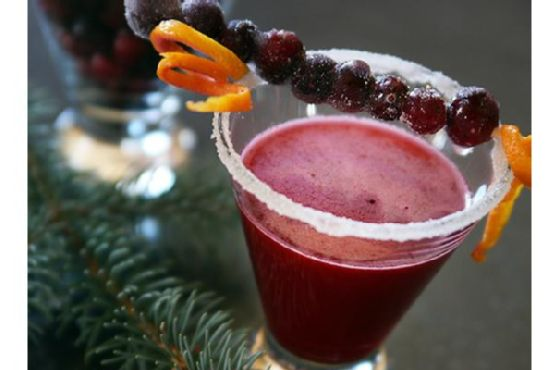
  8. Pour the drink into a sugar-rimmed martini glass.
  9. Add a cranberry swizzle stick for garnish.

Tips

For the best flavor, use fresh cranberries if they are in season. You can also adjust the sweetness by adding more or less sugar to the cranberry puree. If you prefer a smoother drink, make sure to strain the pureed cranberries thoroughly.

Variations & Substitutions

If you’re looking to tweak this recipe, here are a few ideas:

  • Alcohol-Free Version: Replace tequila and Grand Marnier with a mix of orange juice and sparkling water for a refreshing mocktail.
  • Spicy Twist: Add a slice of jalapeño to the shaker for a spicy kick.
  • Alternative Sweeteners: Use agave syrup instead of Karo syrup for a different flavor profile.

Storage

The cranberry puree can be stored in an airtight container in the refrigerator for up to three days. The cranberry swizzle sticks can be frozen and kept for up to a month, making them a handy garnish for impromptu cocktail nights.

FAQ

Can I make the cranberry puree in advance?

Absolutely! You can prepare the cranberry puree a day or two in advance. Just store it in the refrigerator until you’re ready to use it.

What can I use instead of Grand Marnier?

If you don’t have Grand Marnier on hand, you can substitute it with triple sec or Cointreau. Each will lend a slightly different citrus note to your margarita.

How do I rim the glass with sugar?

To rim the glass with sugar, simply rub a lime wedge around the edge of the glass, then dip the rim into a plate of sugar. This will give your drink a sweet finish with every sip.

Nutrition

Each serving of Cranberry Margarita contains approximately:

  • Calories: 180
  • Carbohydrates: 20g
  • Sugar: 17g
  • Alcohol: 15g

Note: Nutritional information does not include sugar on the rim.

Conclusion

The Cranberry Margarita is more than just a cocktail; it’s a celebration in a glass. Its vibrant color and tantalizing flavor make it a standout choice for any occasion. Whether you’re sipping it by a cozy fire or sharing it with friends at a festive party, this drink is sure to bring joy and warmth to your gatherings. I hope this recipe brings you as much delight as it has brought to my family and me. Cheers to crafting memorable moments, one sip at a time!

Related update: Cranberry Margarita

Seahawks Steamroll 49ers, Claim NFC Top | Analysis by Brian Moineau

Why the Seahawks’ 13-3 win over the 49ers feels like the start of something bigger

A cold afternoon at Levi’s Stadium turned into a warm reminder: this Seahawks team doesn’t just show up — it shuts things down. Seattle’s 13-3 victory over the San Francisco 49ers on January 3, 2026, didn’t just decide the NFC West. It announced to the rest of the conference that the Seahawks are built to win in January — and maybe February too.

What happened (the quick version)

  • The Seahawks beat the 49ers 13-3 in Santa Clara to claim the NFC West title and the NFC’s No. 1 seed.
  • Seattle finished the regular season 14-3, the most wins in franchise history.
  • The game was dominated by Seattle’s defense: the 49ers managed just nine first downs, 173 yards and were 2-for-9 on third down.
  • Zach Charbonnet’s early 27-yard touchdown and a late Jason Myers field goal (after some red-zone miscues) were enough because the Seahawks kept San Francisco off the scoreboard for most of the night. (espn.com)

Why this win matters beyond the scoreboard

  • Home-field advantage matters. Clinching the No. 1 seed gives Seattle the luxury of playing at home throughout the NFC playoffs — a massive edge when weather, crowd and familiarity become factors. The Seahawks’ path to Levi’s Stadium next month is now much more plausible. (nfl.com)
  • Defense is the identity. Seattle didn’t win this game because of an offensive shootout — they won because they made the big stops. Holding a 49ers offense that had been prolific all season to three points is a statement: this defense can control tempo, force mistakes and win tight, ugly postseason-style games. (espn.com)
  • Resilience and coaching. This result is also a credit to the staff and the culture Mike Macdonald has been building. The Seahawks finished the season strong (seven straight wins) and did the tough, ugly work necessary to close out a division rival. (nfl.com)

Standout moments and turning points

  • Opening punch: Zach Charbonnet’s 27-yard touchdown set the tone early and gave Seattle the confidence to play keep-away with the running game. (espn.com)
  • Defensive masterpiece: Boye Mafe’s tip and Drake Thomas’ red-zone interception at the 3-yard line late in the game erased San Francisco’s best chance to come back. That play essentially sealed the win. (nbcsports.com)
  • Red-zone misses that didn’t matter (this time): Seattle went 0-for-3 in the red zone and had missed field goals, but the defense compensated. That’s a double-edged sword — great to win despite offensive inefficiency, but worrying if those problems persist into the playoffs. (nbcsports.com)

What this means for the playoffs

  • Momentum and matchups: With the No. 1 seed, Seattle avoids a wild-card trip and can tailor a playoff run at home. Historically, having home-field through the conference helps — especially for a team that leans on defense and a ball-control offense. (nfl.com)
  • Questions to monitor:
    • Can the offense clean up red-zone execution and special teams? Missed opportunities can be the difference in single-elimination football. (nbcsports.com)
    • Will the defense sustain this level of pressure against elite postseason quarterbacks? They’ll be tested, but shutting down San Francisco is an encouraging sign. (espn.com)

A few context notes

  • This was Seattle’s first NFC West title since 2020 and their first No. 1 seed since 2014; the 14-win mark is a franchise record in the regular season. Those milestones matter for the franchise narrative and fan confidence. (spokesman.com)
  • The 49ers walked in on a six-game winning streak and left with a reminder that playoff positioning can pivot on a single late-season matchup. For San Francisco, the loss means heading into the postseason without home-field for at least the opening round. (espn.com)

What to watch next

  • Seattle’s divisional-round opponent (and potential Super Bowl path) now depends on remaining wild-card outcomes, but the crucial thing is Seattle gets to play at home.
  • Fixing red-zone offense and special teams consistency should be priorities in the next week of practice. If the Seahawks tighten those leaks, their defense and run game could carry them a long way.
  • Matchups against top NFC quarterbacks: if the defense can repeat performances like this one, Seattle will be a matchup nightmare.

Final thoughts

There’s a particular thrill watching a team rediscover a defensive identity and pair it with timely offense. This Seahawks squad feels like it knows who it is — not flashy for the sake of flash, but physical, disciplined and opportunistic. Winning at Levi’s Stadium to clinch the division and the No. 1 seed isn’t just a good headline; it’s the kind of statement that reshapes expectations for January. If Seattle can marry this defensive dominance with cleaner offense and steadier kicking, a trip back to Levi’s — for a date on Super Bowl Sunday — no longer sounds far-fetched.

Sources


Related update: We recently published an article that expands on this topic: read the latest post.


Related update: We recently published an article that expands on this topic: read the latest post.

Dividends Poised to Drive 2026 Returns | Analysis by Brian Moineau

When dividends take the wheel: why Bank of America thinks payouts matter in 2026

The market’s engines have been different lately. Price gains drove much of the S&P 500’s recent roar, but Bank of America’s research team — led by Savita Subramanian — is flagging a shift: dividend growth may pick up in 2026 and start reclaiming its traditional role in total returns. That’s a signal worth listening to if you own stocks for income, total-return compounding, or simply to reduce reliance on multiple expansion.

Why this matters now

  • Bank of America’s strategists argue that valuation expansion (higher price-to-earnings multiples) has been a major driver of recent gains — and that this tailwind may fade. When multiple expansion stalls, dividends become a bigger piece of the returns puzzle. (investing.com)
  • BofA projects stronger earnings breadth in 2026, and with payout ratios near historic lows for many firms, it expects dividend growth to rise year over year — providing more cash return to shareholders. (m.in.investing.com)
  • CNBC highlighted the same theme in its roundup of stocks with payouts that beat the market, anchoring the media coverage that income-focused investors should watch dividend trends as we move into 2026. (archive.ph)

What Bank of America actually said (in plain language)

  • The bank sees 2026 as a year when earnings growth broadens beyond a handful of mega-cap winners. That can support rising dividends across sectors. (m.in.investing.com)
  • Historically, dividend contributions to total return were much larger than they’ve been in the past decade; reverting toward that longer-run role would meaningfully lift long-term total returns even if price appreciation is muted. (investing.com)

The investor dilemma: chasing growth vs. locking in cash

  • If price returns slow, investors either must accept lower total returns or look to other sources of return — dividends are the obvious alternative.
  • High dividend yields can cushion downside and provide deployable cash, but they can also mask company-specific risks (e.g., weak cash flow or one-off payouts).
  • The smart move is not to fetishize a yield number; it’s to evaluate payout sustainability: earnings coverage, free cash flow, balance-sheet strength, and management’s capital-allocation priorities.

Sectors and stock types to watch (what typically leads when dividends matter)

  • Financials: banks and insurers can boost payouts when earnings and capital tests permit — and Bank of America itself has been growing its dividend in recent quarters, illustrating how a healthy bank can combine buybacks and higher payouts. (investor.bankofamerica.com)
  • Energy and commodities: mature producers often return excess cash via dividends when commodity markets cooperate.
  • REITs and utilities: by design, these businesses distribute a large share of cash flow and tend to be dividend-heavy.
  • Mature consumer and industrial companies: lower-growth, cash-rich firms frequently prioritize steady payouts.

(These are general tendencies; any specific company needs case-by-case scrutiny.)

How to think about building an income-aware portfolio for 2026

  • Tilt for quality: prioritize companies with consistent cash flow, conservative payout ratios, and intact balance sheets.
  • Check payout drivers: are dividends covered by operating cash flow or propped up by asset sales or one-time events? Coverage matters.
  • Diversify across dividend sources: combine REITs, select financials, defensives (consumer staples), and high-quality dividend growers rather than concentrating in one sector.
  • Reinvest thoughtfully: if your goal is compounding, dividend reinvestment can materially boost long-term returns — a point BofA emphasizes when prices don’t carry the full return load. (investing.com)

A small list of real-world reminders (not stock picks)

  • Even large, well-capitalized banks have increased payouts when capital ratios and stress-test results permitted — showing how regulation and capital policy shape dividend outcomes. (investor.bankofamerica.com)
  • Media coverage (CNBC and others) is already flagging individual stocks and groups where payouts “beat the market,” reflecting a broader marketplace focus on income as 2026 approaches. (archive.ph)

What to watch next (concrete signals)

  • Corporate payout-ratio revisions and published dividend guidance.
  • Federal Reserve and macro signals that affect corporate borrowing costs and capital allocation.
  • Quarterly earnings breadth: are more companies showing EPS growth (not just the mega caps)? BofA links rising dividend growth to broader earnings strength. (m.in.investing.com)

My take

Dividends aren’t glamorous, but they’re practical. If Bank of America’s call about rising dividend growth in 2026 proves right, investors who prepare now — by favoring payout sustainability and quality — will be positioned to benefit from steadier cash returns even if headline price gains cool. That doesn’t mean abandoning growth, but it does mean giving dividends their due in portfolio planning.

Sources


Related update: We recently published an article that expands on this topic: read the latest post.


Related update: We recently published an article that expands on this topic: read the latest post.

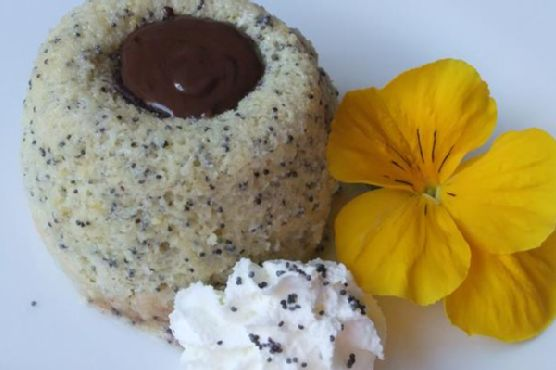
Warm Lemon Poppy Seed Cake With Chocolate Ganache Center | Made by Meaghan Moineau

Warm Lemon Poppy Seed Cake With Chocolate Ganache Center

Intro

There’s something magical about the aroma of lemon and poppy seeds wafting through the kitchen. It takes me back to my grandmother’s cozy home on Sunday afternoons where the warm glow of the oven was a constant companion. She would always have a special treat prepared, and one of my all-time favorites was her lemon poppy seed cake. The twist? A decadent chocolate ganache center that melted perfectly into every bite. Today, I’m thrilled to share this cherished recipe with you, hoping it brings as much joy to your kitchen as it has to mine.

Why You’ll Love It

This cake is a delightful blend of bright citrus and rich chocolate, striking the perfect balance between light and indulgent. It’s easy to prepare, yet impressive enough to serve at a dinner party. The contrast between the fluffy lemon poppy seed cake and the molten chocolate center is sure to captivate your senses. Whether you’re a seasoned baker or just starting out, this recipe is foolproof and guaranteed to please.

Ingredients

  • 1 cup flour
  • 1 tablespoon lemon rind, finely grated
  • 2 tablespoons poppy seeds
  • 4 egg yolks
  • 1/2 cup granulated sugar, plus extra for dusting
  • 1/4 cup unsalted butter, melted
  • 4 egg whites
  • 6 ounces bittersweet chocolate, divided into 1-ounce pieces

Instructions

  1. Position a rack in the center of the oven and preheat to 400 degrees.
  2. Lightly butter six 6-ounce ramekins, dust with sugar and place on a baking sheet.
  3. In a small bowl, whisk together the flour, lemon rind, and poppy seeds; set aside.
  4. In the 4-1/2 quart bowl of a heavy-duty electric mixer with the wire whip attachment, whip the egg yolks and sugar until the mixture is pale and forms a ribbon when the whip is lifted.
  5. Place the egg whites in a medium grease-free bowl and using a hand-held electric mixer, whip the whites to soft peaks.
  6. Fold the flour mixture into the yolk/sugar mixture, then add the melted butter and gently mix until combined.
  7. Fold in the egg whites until combined.
  8. Fill each of the prepared ramekins 3/4 full and place a 1-ounce piece of chocolate in the center of the batter.
  9. Bake for 15 minutes or until firm.
  10. Cool on a wire rack for 5 minutes.
  11. Gently invert the cake onto a dessert plate and serve warm.

Tips

To ensure the perfect consistency, be careful not to overmix the batter once the egg whites are added. This will help keep the cake light and airy. Additionally, make sure your ramekins are well-buttered and sugared to prevent sticking and to create a beautiful, caramelized exterior.

Variations & Substitutions

Feel free to experiment with this recipe by substituting lime rind for lemon for a zesty twist, or try using white chocolate instead of bittersweet for a sweeter center. You can also add a hint of vanilla extract to the batter for an extra layer of flavor.

Storage

Although these cakes are best enjoyed fresh and warm, you can store any leftovers in an airtight container at room temperature for up to 2 days. To reheat, simply place a cake on a microwave-safe plate and heat for about 20 seconds or until the center is warm.

FAQ

Can I make these cakes ahead of time?

Yes, you can prepare the batter ahead of time and refrigerate it for up to 24 hours. When ready to bake, bring the batter to room temperature, then proceed with filling the ramekins and baking as directed.

What can I serve with these cakes?

These cakes are delightful on their own but can be complemented with a dollop of whipped cream or a scoop of vanilla ice cream. A sprinkle of powdered sugar or some fresh berries can also enhance their presentation and flavor.

Nutrition

Each serving (one cake) contains approximately:

  • Calories: 320
  • Total Fat: 18g
  • Saturated Fat: 10g
  • Cholesterol: 140mg
  • Sodium: 50mg
  • Total Carbohydrates: 36g
  • Dietary Fiber: 2g
  • Sugars: 18g
  • Protein: 7g

Conclusion

This Warm Lemon Poppy Seed Cake with a Chocolate Ganache Center is a testament to the power of simple ingredients coming together to create something extraordinary. Whether you’re sharing it with family and friends or savoring a quiet moment alone, this cake is sure to become a beloved favorite. I hope it brings warmth and a touch of indulgence to your day, just as it has to mine for so many years. Happy baking!

Related update: Warm Lemon Poppy Seed Cake With Chocolate Ganache Center

Related update: Watermelon Popsicles with Mint, Basil & Lime

Related update: Delicious Triple Chocolate Bundt Cake

Rotated AM5 MicroATX Workstation | Analysis by Brian Moineau

Small board, big ambitions: ASUS Pro WS B850M-ACE SE brings workstation features to microATX AM5 builds

The first time you see the Pro WS B850M-ACE SE you do a double-take — the AM5 socket and the DIMM banks are rotated 90°, giving this microATX board an unconventional layout. That visual oddity is a clue: ASUS didn’t just squeeze desktop features into a smaller footprint. They rethought layout and connectivity to make a compact, IT-friendly workstation that pulls a surprising amount of pro-level hardware into a 244 × 244 mm package.

Below I unpack what makes this board interesting, who it’s for, and why that rotated socket matters beyond aesthetics.

Why this release matters now

  • AMD’s AM5 platform continues to expand from mainstream desktop into workstation and server-adjacent use. The B850 chipset fills a sweet spot for builders who want modern AM5 features without an E-ATX footprint.
  • ASUS targeted this board at compact workstations and small business servers by adding features you usually see on larger or server boards: onboard BMC with IPMI, a U.2 connector, dual high-speed Ethernet (10 Gb + 2.5 Gb), and PCIe 5.0 support.
  • With increasing demand for AI/ML inference at the edge and compact creator rigs, dense connectivity (fast NVMe, multi-Gb networking, remote management) matters as much as raw CPU core count.

Eye-catching specs at a glance

  • Form factor: microATX (244 × 244 mm).
  • Socket/chipset: AM5 with AMD B850 chipset — supports Ryzen 7000/8000/9000 and EPYC 4005 series.
  • Memory: 4 × DDR5 DIMM slots, up to 256 GB, EXPO support (OC up to high speeds).
  • Expansion/storage: PCIe 5.0 x16 primary slot, two M.2 slots (one PCIe 5.0 x4), MCIO support and an onboard U.2 connector.
  • Networking: onboard 10 Gb Ethernet + 2.5 Gb Ethernet, plus a dedicated 1 Gb IPMI/BMC port.
  • Management: onboard BMC (AST2600) with IPMI and ASUS Control Center Express for remote monitoring.
  • Extras: front USB-C 20 Gbps header, robust 8+2+1 power stages, 24/7 reliability testing.

(Full tech details on the ASUS product page linked below.)

The rotated socket: what it does and why ASUS might have chosen it

  • Space optimization: Rotating the CPU socket (and thus orienting the memory slots along a different axis) rearranges the board’s internal real estate. That allows ASUS to add server-grade features — BMC circuitry, a U.2 connector, MCIO, additional LAN ports — without pushing the layout beyond a microATX size.
  • Cooler compatibility trade-offs: Most aftermarket coolers assume the CPU orientation found on ATX boards. While standard AIOs and many air coolers will still fit, tight builds or unusual bracket designs could encounter clearance issues. Builders should check cooler compatibility against the board’s layout.
  • Cable routing and case fit: The rotated layout changes cable and fan header positions relative to case panels. For compact workstations and bespoke small-form-factor enclosures, that can be an advantage (shorter NVMe/MCIO traces, better airflow zoning) — just confirm the case supports the positioning.
  • Serviceability and pro usage: For IT/enterprise customers, being able to cram more I/O and remote management into a smaller board is a net win; the rotated layout is a practical compromise to prioritize features over standard orientation.

Who should consider the Pro WS B850M-ACE SE

  • Small business or home lab admins who need remote management (IPMI) but prefer a compact chassis. The onboard BMC and dedicated management NIC let you monitor and administer systems headlessly.
  • Creators and AI/ML hobbyists who want high-bandwidth storage (PCIe 5.0 M.2, MCIO, U.2) and multi-gig networking in a small desktop/workstation build.
  • Builders constrained by space who still want PCIe 5.0 graphics or accelerators plus enterprise-grade connectivity.
  • Not ideal for people who want plug-and-play compatibility with every consumer cooler or who insist on standard ATX layout expectations without checking clearances first.

Trade-offs and things to check before buying

  • Cooler fit: verify your CPU cooler (air or AIO bracket) supports the rotated socket or has enough clearance.
  • Case compatibility: microATX cases vary; double-check standoff alignment, IO shield area, and whether front-panel USB-C routing lines up.
  • U.2 vs modern NVMe priorities: U.2 remains useful for certain enterprise SSDs and hot-swap setups, but many consumer builds will rely primarily on M.2 drives. If you need U.2 specifically, this board is unusually accommodating for its size.
  • Remote management complexity: IPMI/BMC is powerful for IT, but it introduces additional configuration and potential security considerations; treat the BMC interface like any network-facing admin service.

How this fits into the broader AM5 & workstation landscape

ASUS is signaling that AM5 isn’t just for full-size enthusiast motherboards. By putting server-grade features into microATX format, they’re acknowledging a market trend: people want workstation capabilities in smaller form factors for edge inference, compact studios, and dense deployments. Expect more OEMs and board makers to explore similar compromises — squeezing IPMI, multi-gig networking, and industrial storage interfaces into smaller boards — especially as AI workloads demand fast local storage and network throughput.

My take

This is one of those “clever engineering” products: it doesn’t radically change performance specs for consumers, but it democratizes workstation features into a compact footprint that actually makes sense for modern workflows. The rotated socket is a pragmatic design choice rather than a gimmick — it unlocks space for the features that matter to IT and pro users. If you’re building a small workstation with remote management or need industrial storage support in a microATX box, this board is worth a close look. If you’re purely a gaming consumer who swaps coolers and cards frequently, the unusual layout means extra homework before purchase.

Practical buying notes

  • Expect pricing to be above typical consumer microATX boards because of the embedded BMC, 10 GbE, and industrial connectors. Retail listings show it in the workstation price band.
  • Verify BIOS compatibility with your chosen Ryzen or EPYC 4005 CPU (ASUS lists supported families; check the support page for CPU compatibility).
  • For IT deployments, plan for BMC security (firmware updates, network segmentation, credential management).

Final thoughts

ASUS’s Pro WS B850M-ACE SE is a tidy example of product differentiation: same AM5 ecosystem, but a different set of priorities. It’s a microATX motherboard built for professionals who need remote management, industrial storage options and high-speed networking without the bulk of a larger board. The rotated socket is simply the engineering price paid to make all that fit — a smart trade for the intended audience, and a sign that motherboards will keep evolving in form as well as function.

Sources


Related update: We recently published an article that expands on this topic: read the latest post.


Related update: We recently published an article that expands on this topic: read the latest post.

Minted Pea & Spinach Soup | Made by Meaghan Moineau

Minted Pea & Spinach Soup

Intro

There’s something magical about the first chill of autumn, when leaves begin to fall and the air turns crisp. It’s the perfect time to cozy up with a comforting bowl of soup. This Minted Pea & Spinach Soup has been a staple in my family for generations. I remember my grandmother making it every Sunday. The aroma of fresh mint mingling with the earthy scent of peas and spinach would fill the house, drawing everyone to the kitchen. I hope this recipe brings the same warmth and comfort to your home as it has to mine.

Why You’ll Love It

This soup is not only delicious but also incredibly nourishing. It’s packed with vitamins and minerals from the peas and spinach, while the mint adds a refreshing twist that brightens the entire dish. The creamy texture makes it feel decadent, yet it’s surprisingly light and healthy. Whether you’re serving it as a starter or a main dish, this soup is sure to impress and satisfy.

Ingredients

  • 1 cup chicken stock
  • 1/2 cup cream
  • 1 teaspoon canned dried mint
  • 1/2 cup milk
  • 2 cups frozen peas
  • 2 cups diced potatoes
  • Salt & pepper to taste
  • 2 cups fresh spinach
  • 1 teaspoon sugar
  • 1/2 cup water
  • 1/4 cup yoghurt

Instructions

  1. Place the diced potatoes in a medium-sized pot with a little bit of water and some salt & pepper. Cover with a lid and cook for 20 minutes until the potatoes are almost soft.
  2. Add the frozen peas to the pot and cook for an additional 5 minutes until the potatoes are soft and fully cooked through.
  3. Stir in the fresh spinach and cook for another 3-5 minutes, until the spinach is wilted.
  4. Remove the pot from the heat and let it cool for a few minutes. Then, blend the mixture to a puree using an immersion blender.
  5. Return the pot to the stovetop and add the cream, milk, water, and chicken stock. Reheat the soup for a few minutes until it is piping hot.
  6. Stir in the yoghurt, mint, sugar, and salt & pepper to taste. Mix well.
  7. Serve immediately, garnished with crispy croutons or bacon bits. For a unique touch, fry up some cheesegrillers in thin slices with a bit of sweet chili sauce and use them as a topper.

Tips

For the best results, use fresh ingredients whenever possible. Fresh spinach and mint will elevate the flavors to new heights. If you’re short on time, you can prepare the soup ahead and reheat it just before serving. The flavors will meld together beautifully, making it even more delicious the next day.

Variations & Substitutions

If you’re vegetarian, simply substitute the chicken stock with vegetable stock. You can also add other green vegetables like kale or broccoli for added nutrition. For a dairy-free version, replace the cream and milk with coconut milk; it will add a delightful, subtle sweetness to the soup.

Storage

This soup can be stored in an airtight container in the refrigerator for up to three days. To freeze, let the soup cool completely, then transfer it to a freezer-safe container. It will keep in the freezer for up to three months. When ready to eat, thaw the soup in the refrigerator overnight and reheat on the stovetop.

FAQ

Can I use fresh peas instead of frozen?

Absolutely! Fresh peas will work perfectly in this recipe. Just make sure to adjust the cooking time slightly, as fresh peas may cook faster than frozen ones.

What can I use instead of an immersion blender?

If you don’t have an immersion blender, you can use a regular blender. Just be sure to blend the soup in batches and allow it to cool slightly before blending to avoid any hot liquid splashes.

Is it possible to make this soup spicier?

Definitely! If you enjoy a bit of heat, consider adding a pinch of cayenne pepper or a few dashes of hot sauce to the soup. Adjust the amount to suit your taste preferences.

Nutrition

This soup is rich in vitamins A, C, and K, thanks to the spinach and peas. It’s also a good source of dietary fiber and protein. The addition of yoghurt and cream provides calcium and healthy fats, making it a well-balanced meal option.

Conclusion

The Minted Pea & Spinach Soup is a delightful blend of flavors that is sure to become a favorite in your household. Its simple yet elegant composition makes it suitable for both everyday meals and special occasions. I hope you enjoy making and savoring this recipe as much as I do. Remember, the best meals are made with love, so pour your heart into it and make it your own!

Related update: Minted Pea & Spinach Soup

Related update: Easy and Delicious Taco Soup

Chavrie Caramelized Red Onion Tarts | Made by Meaghan Moineau

Chavrie Caramelized Red Onion Tarts

Intro

There’s something truly magical about the combination of sweet and savory flavors, and these Chavrie Caramelized Red Onion Tarts capture that magic perfectly. I remember the first time I tasted these delightful bites at a family gathering. My grandmother had just pulled them from the oven, and the rich, comforting aroma filled her cozy kitchen, mingling with laughter and stories from loved ones. With one bite, I was transported: the creamy goat cheese, the sweet caramelized onions, and the hint of tangy red grape jelly created an unforgettable flavor experience. That memory is what I hope to share with you today through this recipe.

Why You’ll Love It

These tarts are not just delicious; they are also incredibly easy to make and versatile. Whether you’re hosting a dinner party, looking for a unique appetizer for a holiday gathering, or simply want a special treat for yourself, these tarts will impress. The balance of flavors is impeccable, with the creamy goat cheese pairing beautifully with the sweet and tangy onion mixture.

Ingredients

  • 1 tablespoon vegetable oil
  • 2 tablespoons unsalted butter
  • 2 large red onions, minced
  • 2 tablespoons sugar
  • 2 tablespoons red grape jelly
  • 2 tablespoons red wine vinegar
  • 4 ounces goat cheese
  • Prepared tart shells

Instructions

  1. Heat the vegetable oil and butter over medium heat in a heavy-gauge skillet.
  2. Add the minced onions and cook until they’re translucent, about 10 minutes.
  3. Stir in the sugar, red grape jelly, and red wine vinegar.
  4. Continue cooking the mixture until it reaches a syrupy consistency, about 15 minutes, stirring occasionally.
  5. Remove from heat and allow the mixture to cool to room temperature.
  6. Place the tart shells on a baking tray and spoon 1 tablespoon of the onion mixture into each shell.
  7. Top each tart with a dollop of goat cheese.
  8. Bake in a preheated oven at 350°F (175°C) for 10-15 minutes, or until the tarts are warmed through and the goat cheese is slightly melted.
  9. Serve warm and enjoy!

Tips

Caramelizing onions can be a delicate process. Make sure to keep the heat at medium to avoid burning them. Stir frequently and be patient; the sweet, rich flavor is worth the time. If your onions start to stick, add a splash of water to deglaze the pan and continue cooking.

Variations & Substitutions

If you’re looking to switch things up, consider adding a sprinkle of fresh thyme or rosemary to the onion mixture for an herbal touch. For a different flavor profile, try using fig jam instead of grape jelly. If you or your guests are not a fan of goat cheese, a creamy brie or a sharp cheddar could also work well in this recipe.

Storage

These tarts are best enjoyed fresh, but if you have leftovers, store them in an airtight container in the refrigerator for up to 3 days. Reheat them in the oven at 300°F (150°C) for about 10 minutes before serving to regain their crispness and warmth.

FAQ

Can I make these tarts ahead of time?

Absolutely! You can prepare the onion mixture a day in advance and store it in the refrigerator. Assemble the tarts just before you’re ready to bake them for the best results.

What type of tart shells should I use?

Pre-made tart shells are convenient and work well for this recipe. Look for ones made from puff pastry for a flaky, buttery crust. You can also use phyllo dough or even make your own tart shells if time permits.

Can I freeze these tarts?

Yes, you can freeze the baked tarts. Allow them to cool completely, then wrap them tightly in plastic wrap and store in a freezer-safe bag. Reheat them directly from the freezer in a 350°F (175°C) oven for about 15-20 minutes.

Nutrition

Each tart contains approximately 150 calories, 8 grams of fat, 12 grams of carbohydrates, and 4 grams of protein. They are a delightful indulgence, so enjoy them in moderation as part of a balanced diet.

Conclusion

Chavrie Caramelized Red Onion Tarts are a delightful addition to any occasion. With their rich, savory-sweet flavor and elegant presentation, they are sure to impress your family and friends. I hope this recipe brings a touch of warmth and nostalgia to your table, just as it did for me all those years ago in my grandmother’s kitchen. Happy cooking!

Related update: Chavrie Caramelized Red Onion Tarts

Related update: Baked Scallops With Parma Ham

Plow Truck Snaps Pole, N.E. Ohio Offline | Analysis by Brian Moineau

A plow truck, a snapped pole, and a neighborhood offline: what happened in Cleveland Heights

It was one of those small, aggravating disruptions that suddenly remind you how much of modern life runs on invisible lines. On January 2, 2026, a plow or salt truck struck a utility pole in Cleveland Heights and damaged fiber lines that carry internet and phone service for Spectrum customers. The result: pockets of northeast Ohio left without connectivity during a winter afternoon — a sharp inconvenience for remote workers, students, local businesses, and anyone trying to get basic information or call for help.

Why this matters more than a simple “outage” headline

  • Internet and phone outages aren’t just about lost streaming or annoyance. They can interrupt work meetings or deadlines, halt online classes, prevent contact with emergency services, and disrupt businesses that depend on card payments or inventory systems.
  • Fiber lines are often routed on the same poles that carry electricity and other utilities. Physical damage to a pole can therefore cascade into multiple systems going dark.
  • Winter weather makes repairs slower and more dangerous. Crews need safe access, proper equipment, and sometimes coordination with power companies to de-energize lines before they can work.

What we know (the quick facts)

  • Date of incident: January 2, 2026.
  • Location: Cleveland Heights, northeast Ohio.
  • Cause: A plow or salt truck hit a utility pole and damaged fiber lines.
  • Company affected: Spectrum (service disruption to Cleveland-area customers).
  • Response: Spectrum said crews responded immediately and were working to make repairs. Local news reported the developing situation and advised customers to check for updates. (cleveland19.com)

A closer look at the chain reaction

  • A vehicle strikes a pole → pole shifts or breaks → attached fiber and copper lines are pulled or severed → signal loss for downstream customers.
  • Even if the physical fiber is only partially damaged, signal quality can drop or intermittent outages can occur until full repairs are completed.
  • Utilities and ISPs often must coordinate: electrical crews may need to ensure a safe work environment before telecom technicians can access damaged lines.

How outages hit different people

  • Remote workers: missed calls, lost VPN access, inability to join video meetings.
  • Students: interrupted online classes, lost assignments or test access during timed exams.
  • Small businesses: card machines and POS systems may fail, causing revenue loss.
  • Vulnerable households: medical devices that rely on internet/phone service or inability to reach caregivers/emergency responders.
  • Community hubs: libraries and warming centers often provide connectivity — when they’re affected, residents lose fallback options.

Practical steps for residents (short, useful checklist)

  • Check official outage pages and local news for updates. Spectrum posted that crews were working to restore services; official channels are the best source for timelines. (cleveland19.com)
  • Use cellular data as a temporary fallback; if your mobile plan allows, create a hotspot for critical tasks.
  • If power is out, conserve mobile battery: lower screen brightness, close unused apps, use low-power mode.
  • For prolonged outages, seek local warming centers, libraries, or businesses that still have power and connectivity.
  • Report your outage to your provider so they have accurate counts and locations — aggregated customer reports help prioritize repairs.

What this says about infrastructure resilience

This incident is a reminder that our communications infrastructure is vulnerable to everyday accidents — not just cyberattacks or massive storms. As communities and utilities upgrade networks, there’s growing emphasis on:

  • Hardening critical poles and rerouting fiber underground where feasible (costly but reduces weather and accident risk).
  • Better coordination and mutual-aid agreements between utilities and ISPs to speed safe access for repairs.
  • Local contingency planning so residents without backups aren’t left stranded during transient events.

Spectrum and other providers often open public Wi‑Fi access points and issue advisories during wide outages; those measures help, but they’re stopgaps until physical repairs are finished. (spectrumlocalnews.com)

Neighborhood voices

On community forums and local social feeds, residents reported varying outage durations: some saw service restored within hours, others were offline longer. Those firsthand accounts show two things: (1) outage boundaries are often patchy and unpredictable, and (2) people rely on neighborhood networks — checking with neighbors, sharing battery packs, or pooling resources when needed. (reddit.com)

My take

Small incidents like a plow hitting a pole make for big-picture questions. How quickly can essential services be restored when the unexpected happens? Are there better ways to shield critical communications from routine roadway accidents? And how can communities plan so outages don’t become emergencies for vulnerable residents?

Practical investments — from targeted undergrounding in critical corridors to faster inter-agency coordination and community-level backup plans — won’t eliminate risk, but they make neighborhoods more resilient. In the meantime, keep a simple preparedness kit: phone charger, portable battery, and a plan for where to go if connectivity or power goes out.

Sources


Related update: We recently published an article that expands on this topic: read the latest post.

McIlroy Slams Bradley Over Ryder Cup Abuse | Analysis by Brian Moineau

When the Roar Crossed the Line: McIlroy, Bradley and the Ryder Cup Crowd That Won’t Be Forgotten

Hook

There’s a strange aftertaste when you win something rare and magnificent and the headlines still taste sour. That’s where Rory McIlroy finds himself — proud of Europe’s 15-13 victory at the 2025 Ryder Cup but frustrated that the week in New York is being remembered more for crowd abuse than for the golf. His recent comments about Keegan Bradley not doing enough to calm the crowd have reignited a debate about leaders, responsibility and the limits of “home advantage.”

Why this matters

The Ryder Cup has always thrived on passion, noise and tribal fervor. But when chants and taunts slide into personal abuse — targeting players’ partners and children, even prompting a beer to be thrown at McIlroy’s wife, Erica — that passion becomes a problem. McIlroy’s public disappointment goes beyond a player complaining about fans; it raises questions about how event leaders, captains and officials should respond when a minority turns toxic.

What McIlroy actually said

  • Speaking on The Overlap podcast in early January 2026, McIlroy called the Bethpage Black crowd “by far the worst” he’s experienced and described some abuse as “horrific,” including comments about his daughter that he said he “couldn’t even repeat.” (reuters.com)
  • He acknowledged expecting a hostile atmosphere in New York but said it exceeded those expectations and that elements of the crowd engaged in obscene heckling and personal attacks. (espn.com)
  • McIlroy said he and Keegan Bradley have discussed the matter and that, while Bradley is entitled to use home advantage, there were moments on Friday and Saturday where the U.S. captain “had the biggest platform of the week” and “could have said something” to tone things down — but didn’t. (sports.yahoo.com)

A little context

  • The 2025 Ryder Cup at Bethpage Black (September 2025) ended with Europe winning 15-13 on American soil — a rare away victory. That result should have been the dominant narrative. Instead, talk turned to crowd conduct, increased security, and the incident where a beer struck McIlroy’s wife. Officials later issued apologies and some hosts stepped back from duties after criticism. (feeds.bbci.co.uk)
  • Coverage across outlets — BBC, Reuters, ESPN, The Guardian and others — recorded players’ discomfort and the broader reaction from the PGA of America and event organisers. Those sources also noted players who did try to calm supporters at various moments. (feeds.bbci.co.uk)

Three ways to read Bradley’s role

  • Missed leadership opportunity

    • Captains have more than tactical duties: they set tone. When a vocal home crowd edges into abuse, an explicit, visible word from the captain can defuse or redirect energy. McIlroy’s view is that Bradley, with the largest megaphone, could have done exactly that. (sports.yahoo.com)
  • Limits of control

    • A captain can ask for decorum, but they don’t control every fan. Some argue it’s unfair to expect a single man — even the captain — to police tens of thousands and that security/organisers and broadcast hosts share responsibility. Coverage noted some U.S. players stepped up to calm fans, highlighting a mixed response. (feeds.bbci.co.uk)
  • Strategic calculation

    • Home advantage in the Ryder Cup is real — some warmth for the home side is expected. From a cynical angle, a captain might accept or tolerate a raucous crowd if it helps his team perform. The ethical line is where the noise becomes personal abuse; that’s what many, including McIlroy, say was crossed. (espn.com)

What leaders (and event organisers) can learn

  • Clear, early messaging works. A pre-emptive, widely broadcast appeal for respectful conduct — backed by concrete consequences — would reduce ambiguity about expectations.
  • Captains should be prepared to use their platform. Saying “calm down” publicly when a situation is escalating signals that the team does not condone abuse.
  • Event operations must be ready to act quickly: clearer stewarding, faster sanctions for physical debris (e.g., thrown drinks), and removing repeat offenders from sightlines.
  • Media hosts and MCs must be trained and briefed; letting an emcee egg fans on shifts responsibility onto those in charge of the show. (feeds.bbci.co.uk)

A few uncomfortable truths

  • Most fans are respectful. Multiple accounts emphasize that abusive behaviour came from a minority, but the minority can dominate narratives and damage reputations.
  • Social and cultural factors matter. McIlroy suggested a “mob mentality” at play — a reminder that group dynamics can amplify poor behaviour beyond what individuals would do alone. (espn.com)
  • Sporting leaders now operate in a culture where lines are drawn faster and publicly. That increases pressure on captains, commissioners and organisers to be forthright.

My take

Winning the Ryder Cup away from home is a rare, brilliant feat — and it deserves to be remembered for shots made under pressure, not for chants and thrown beer cups. McIlroy’s frustration is understandable: he won, but the story was marred. Captaincy is about more than pairings and pep talks; when emotions run high, a captain’s voice is a lever. Whether Bradley should have used it is debatable, but the episode makes the need for clearer standards obvious. Future captains, announcers and organisers should take this as a nudge: the roar that fuels sport should never be allowed to turn personal.

A note on tone

This isn’t a call to vilify fans or to demand heavy-handed policing of atmosphere. It’s a call for common-sense boundaries: passion plus respect equals the Ryder Cup at its best. When that balance tips, people in positions of leadership should be ready to restore it.

Final thoughts

The 2025 Ryder Cup will be remembered for Europe’s grit and comeback. It should also be remembered as the moment the sport collectively asked itself where the line is between raucous support and unacceptable abuse. Leaders on and off the course will be judged not just by trophies, but by whether they help protect the dignity of players and families when the crowd gets carried away. That’s a test golf — and all sports — should be ready to pass.

Sources

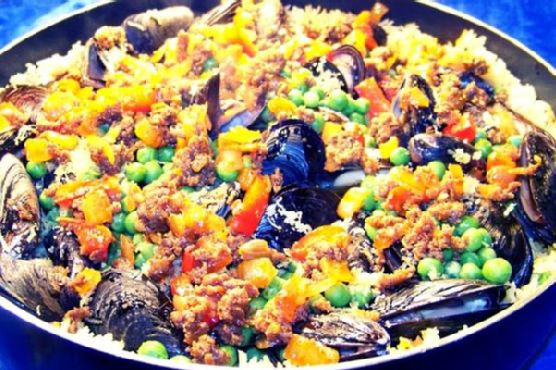
Mixed Paella | Made by Meaghan Moineau

Mixed Paella: A Hearty Feast for the Soul

Intro

Paella is more than just a dish; it’s a vibrant celebration of flavors and textures that brings people together. This Mixed Paella recipe has been a cherished staple in my family for generations, often making an appearance during our Sunday gatherings. I vividly recall the tantalizing aroma that filled my grandmother’s kitchen as she skillfully prepared the dish, her laughter mingling with the sizzle of chorizo in the pan. It’s a dish that carries with it the warmth and love of home, a culinary tradition I am thrilled to share with you today.

Why You’ll Love It

This Mixed Paella is a delightful medley of seafood, meat, and aromatic spices, making it a complete meal that is sure to satisfy. The harmonious blend of flavors from the saffron-infused rice, savory chorizo, and tender fish and shrimp creates a symphony on your palate. It’s a dish that’s both comforting and impressive, perfect for both casual family meals and special occasions. Plus, it’s a one-pan wonder that simplifies cleanup, allowing you more time to enjoy with your loved ones.

Ingredients

  • 1 bay leaf
  • 4 cups chicken broth
  • 1 chorizo sausage
  • 2 teaspoons extra virgin olive oil
  • 1 white fish fillet
  • 2 cloves garlic, minced
  • 1 lemon, cut into wedges
  • 1 teaspoon lemon zest
  • 1 pound mussels, cleaned
  • 1 Spanish onion, diced
  • 1/4 cup fresh parsley, chopped
  • 1/2 cup peas
  • 1 red bell pepper, diced
  • 1/2 teaspoon crushed red pepper flakes
  • 2 cups dry rice
  • 1/4 teaspoon saffron threads
  • 1/2 pound shrimp, peeled and deveined
  • 1 teaspoon thyme

Instructions

  1. In a very large non-stick skillet or paella pan preheated over medium-high heat, add 2 teaspoons of your oil (you will need more oil if you’re not using non-stick), garlic, red pepper flakes, and rice. Sauté for about 3 minutes.
  2. Add saffron, thyme, bay leaf, and chicken broth, then bring to a boil. Cover and reduce heat to a simmer. Leave covered, do not stir.
  3. In another non-stick skillet, heat to medium-high. Add chorizo and crumble as you sauté. When the sausage is cooked through, add red pepper and onion. Salt and pepper to taste if needed. Sauté until the onion is tender, then remove from heat and set aside.
  4. When the rice is nearly done (about 15 minutes), add fish and shrimp and press into rice. Add mussels, peas, and sprinkle with lemon zest. Cover and continue to simmer until the rice is done and the mussels have opened. Discard any mussels that do not open.
  5. Top with the chorizo mixture and parsley. Serve with lemon wedges and a crusty bread.

Tips

To ensure the perfect paella, resist the urge to stir the rice once the broth is added. This allows the rice to develop a crispy bottom layer known as “socarrat,” which is highly prized in traditional paella. Also, make sure to clean the mussels thoroughly and discard any that are cracked or do not close when tapped.

Variations & Substitutions

Feel free to customize your paella by swapping out ingredients based on your preferences or availability. You can use different types of seafood like clams or scallops, or substitute the chorizo with another type of sausage for a unique twist. For a vegetarian version, omit the meat and seafood entirely and add more vegetables like artichokes and green beans.

Storage

Leftover paella can be stored in an airtight container in the refrigerator for up to 3 days. To reheat, place it in a skillet over medium heat and add a splash of water or broth to retain moisture. Avoid using a microwave, as it may cause the seafood to become rubbery.

FAQ

Can I use brown rice instead of white rice?

Yes, you can use brown rice, but keep in mind that it has a longer cooking time compared to white rice. You’ll need to adjust the cooking time and possibly add more broth to ensure the rice is fully cooked.

Is it necessary to use saffron?

Saffron is a key ingredient in traditional paella, providing a unique flavor and vibrant color. However, if saffron is unavailable, you can substitute with turmeric, although the flavor will be different.

Can I freeze paella?

While it is possible to freeze paella, it’s not recommended as the texture of the seafood and rice may change upon thawing. It’s best enjoyed fresh or stored in the refrigerator for short-term use.

Nutrition

Mixed Paella is a balanced dish that combines proteins, carbohydrates, and healthy fats. With seafood providing omega-3 fatty acids and the addition of vegetables, it’s a nutritious option for a hearty meal. Adjust the portion size based on dietary needs and personal preferences.

Conclusion

This Mixed Paella recipe is a testament to the richness of Spanish cuisine, offering a delightful blend of flavors in every bite. Whether you’re sharing it with family or friends, it’s sure to be a crowd-pleaser. I hope this recipe becomes a treasured addition to your own culinary traditions, just as it has been in mine. Enjoy the process of cooking and savor the joyful moments it brings!

Related update: Mixed Paella

Related update: The Perfect Butter Beans Stew

BYD Overtakes Tesla as EV Leader | Analysis by Brian Moineau

When the Crown Slips: BYD Tops Tesla in the Global EV Race

A short, sharp image comes to mind: the electric vehicle throne — long assumed to be Elon Musk’s exclusive domain — quietly shifting eastward. In 2025, China’s BYD sold more fully electric cars than Tesla, marking the first time Tesla has been definitively overtaken on annual BEV (battery-electric vehicle) deliveries. That moment deserves a second look: it’s not just a change in ledger lines, it’s a sign of how fast the EV playing field is changing.

What happened

  • Tesla’s full-year deliveries fell in 2025 to roughly the mid-to-high 1.6 million range, down from about 1.79 million in 2024. Reuters and other outlets reported an annual decline driven by softer demand and the end of a key U.S. federal EV tax credit. (reuters.com)
  • BYD’s fully electric (BEV) sales jumped about 28% year-on-year, reaching a figure above 2.2 million BEVs in 2025 — while the company’s total passenger-vehicle deliveries (including plug-in hybrids) were much larger still. That helped BYD claim the top spot for BEV deliveries worldwide. (nasdaq.com)

Why this matters

  • Market leadership signals matter beyond ego: they shape investor narratives, supplier leverage, dealer and service footprints, and the direction of R&D budgets.
  • BYD’s win highlights a structural reality: scale in China + aggressive product mix (including lower-priced models) + rapid export growth = a powerful engine for volume.
  • Tesla’s setback suggests the company faces cyclical and structural headwinds: tougher competition in China and Europe, pricing pressures, and policy shifts (notably U.S. tax credit changes) that can swing consumer demand.

Quick takeaways for busy readers

  • BYD surpassed Tesla on annual BEV deliveries in 2025, driven by strong growth at home and surging exports. (forbes.com)
  • Tesla’s deliveries fell versus 2024; a key factor was the expiration of a U.S. federal tax credit that had boosted EV purchases. (reuters.com)
  • The gap reflects two different strategies: BYD’s high-volume, vertically integrated approach across price segments vs. Tesla’s higher ASP (average selling price) and continued focus on premiuming technology and margins. (statista.com)

The broader context

  • China is both the world’s largest EV market and a global manufacturing powerhouse. Domestic scale allows Chinese OEMs to iterate quickly on cost, battery chemistry, and model range — then export those efficiencies abroad.
  • BYD’s mix includes a significant volume of plug-in hybrids (PHEVs) alongside BEVs; while the global “BEV crown” is the headline, BYD’s overall passenger-vehicle scale (BEVs + PHEVs) gives it production flexibility and revenue diversification. (nasdaq.com)
  • Tesla still holds advantages: brand cachet, software and energy-integration narratives, an established Supercharger network in many markets, and high-margin software/Autopilot services. But those advantages are being contested on price, product breadth, and local partnerships in key markets.

What this could mean going forward

  • Competition will intensify on price and features. Expect more affordable models from legacy and new EV players, plus broader rollouts of mid-market tech (e.g., fast charging at lower cost). (autoini.com)
  • Global market share could fragment. Tesla may focus on differentiation (software, autonomy, energy) while BYD leverages scale and cost to win mainstream buyers and expand exports.
  • Regulation and incentives will remain swing factors. Policy changes (subsidies, tax credits, import rules) can rapidly change demand dynamics across regions.

My take

This shift is important, but not catastrophic for Tesla. It’s a signal that the EV market is maturing: leadership is contestable, and product, price and distribution matter as much as hype. BYD’s ascent is a reminder that manufacturing scale, vertical integration (including battery production) and a broad product ladder can win volume — especially when a domestic market as large as China’s acts as a testing ground and springboard.

For Tesla, the choice is tactical and strategic: defend volume with pricing and localized models where needed, and double down on the unique strengths that keep margins and future optionality intact (software, energy, and autonomy). For BYD, the opportunity is to convert volume into durable share in markets outside China while protecting profitability as it scales globally.

Final thoughts

The EV crown’s relocation tells us less about a single company’s destiny and more about an industry in transition. Expect more headline moments like this: the winners of the next decade will be those who combine scale, speed, and adaptability — and who can turn manufacturing muscle into global, trusted customer experiences.

Sources


Related update: We recently published an article that expands on this topic: read the latest post.


Related update: We recently published an article that expands on this topic: read the latest post.


Related update: We recently published an article that expands on this topic: read the latest post.


Related update: We recently published an article that expands on this topic: read the latest post.

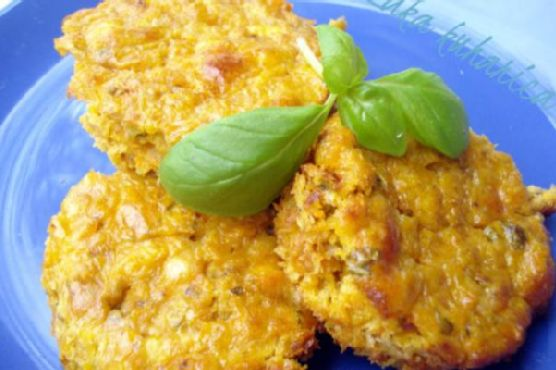
Pizza bites with pumpkin | Made by Meaghan Moineau

Pizza Bites with Pumpkin: A Delicious Twist on a Classic Favorite

Intro

Growing up, pizza nights were a cherished tradition in our family. The excitement of choosing toppings and watching the dough rise in the oven created an atmosphere of warmth and joy. As the weather turns cooler and pumpkins begin to adorn doorsteps, I am reminded of those cozy evenings shared with loved ones. Today, I’m thrilled to bring you a unique twist on a classic favorite—Pizza Bites with Pumpkin. This recipe combines the rich, earthy flavors of pumpkin with the savory goodness of cheese, creating a delightful treat that transports me right back to those beloved family gatherings.

Why You’ll Love It

These pizza bites are a perfect blend of nostalgia and innovation. They’re bite-sized, making them ideal for parties, snacks, or even a fun family meal. The addition of pumpkin adds a subtle sweetness that pairs beautifully with the savory cheeses and herbs. You’ll love how quick and easy this recipe is, and your guests will adore the surprise ingredient that makes these bites stand out. They’re also a great way to sneak in some extra veggies, making them a hit with both kids and adults alike.

Ingredients

  • Pumpkin
  • Olive oil
  • Feta cheese
  • Mozzarella cheese
  • Eggs
  • Dried oregano
  • Parsley
  • Garlic

Instructions

  1. Using a food processor, chop the pumpkin until it resembles rice-like granules.
  2. In a hot pan, sauté the pumpkin with olive oil for about 3 minutes, then set aside to cool.
  3. In a mixing bowl, combine feta and mozzarella cheeses. Add the eggs one at a time, mixing to combine.
  4. Add the cooled pumpkin and spices to the cheese mixture. Mix well until everything is well blended.
  5. Evenly spoon the mixture into the greased muffin tin molds.
  6. Press pizza dough down evenly and firmly in each mold. This step is crucial to ensure the bites stick together.
  7. Place in the oven and bake for 30 minutes at 200°C (392°F).
  8. Remove the pizza bites from the oven and let them set in the pan for 5-10 minutes before removing to cool completely. This step is important to prevent them from breaking apart.

Tips

To make your pizza bites even more flavorful, try using fresh herbs instead of dried ones. Fresh parsley and oregano can elevate the taste significantly. You can also add a pinch of chili flakes if you fancy a bit of heat. Remember, pressing the dough down firmly is essential to help the bites maintain their shape. Be patient and let them cool properly before removing from the molds.

Variations & Substitutions

If you’re looking to mix things up, try substituting the pumpkin with sweet potato for a different flavor profile. For a dairy-free version, you can use a vegan cheese substitute. Additionally, feel free to experiment with other herbs and spices that you love. Basil or thyme can be great alternatives to oregano and parsley.

Storage

These pizza bites can be stored in an airtight container in the refrigerator for up to 3 days. They can also be frozen for up to a month. If freezing, place them in a single layer on a baking sheet first, then transfer to a freezer-safe container once frozen. To reheat, simply pop them in the oven until warmed through.

FAQ

Can I make these pizza bites ahead of time?

Absolutely! You can prepare the mixture a day in advance and store it in the refrigerator. When ready to bake, simply spoon the mixture into the muffin tin molds and follow the baking instructions.

What can I serve with pizza bites?

These pizza bites pair wonderfully with a fresh green salad or a bowl of tomato soup. They’re also delicious on their own as a snack or appetizer.

Can I use canned pumpkin?

While fresh pumpkin is recommended for the best texture and flavor, canned pumpkin can be used in a pinch. Just make sure it’s not the pumpkin pie filling, as that contains added sugars and spices.

Nutrition

While the exact nutritional content will vary based on specific ingredient brands and quantities used, a typical serving of these pumpkin pizza bites is packed with protein from the cheese and eggs, and essential vitamins from the pumpkin. They provide a balanced snack option with a moderate amount of carbohydrates and fats.

Conclusion

Pizza Bites with Pumpkin are a delightful twist on a classic dish, bringing warmth and comfort to any occasion. They capture the essence of fall with their unique flavor combination and are sure to become a favorite in your household. I hope this recipe brings you as much joy and nostalgia as it has brought me. Happy cooking!

Related update: Pizza bites with pumpkin

Related update: Chavrie Caramelized Red Onion Tarts

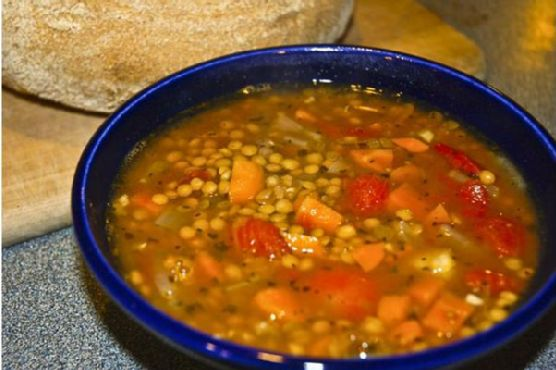
Lemony Greek Lentil Soup | Made by Meaghan Moineau

Lemony Greek Lentil Soup

Intro

There’s something truly magical about a warm bowl of soup on a crisp day. As autumn leaves begin to fall, I’m often reminded of my grandmother’s kitchen, where the aroma of simmering lentils filled the air, promising comfort with every spoonful. Her secret ingredient? A splash of lemon juice that brought a bright, sunny flavor to an otherwise humble dish. Today, I’m excited to share my version of her beloved Lemony Greek Lentil Soup — a recipe that has been passed down through generations and remains a family favorite.

Why You’ll Love It

Our Lemony Greek Lentil Soup is not only delicious but also nourishing. It’s a perfect blend of hearty lentils, aromatic herbs, and a zesty lemon finish. Whether you’re looking for a quick weekday meal or a cozy weekend dinner, this soup fits the bill. It’s vegan, gluten-free, and packed with plant-based protein and fiber, making it a healthy choice for everyone at the table. Plus, the ingredients are simple and budget-friendly, ensuring that you can whip up a pot without a trip to a specialty store.

Ingredients

  • 1 cup brown lentils
  • 1 carrot, diced
  • 8 cups water
  • 1 teaspoon dried thyme
  • Juice of 1 lemon
  • 1 teaspoon dried basil
  • 1 tablespoon fresh thyme
  • 1 teaspoon dried oregano
  • 1 teaspoon black pepper
  • Salt to taste
  • 1 onion, chopped
  • 3 cloves garlic, minced
  • 2 tablespoons olive oil
  • 1 can (28 oz) whole tomatoes, coarsely chopped

Instructions

  1. Put the lentils, water, carrot, and 1 teaspoon dried thyme into an 8-quart stockpot, cover and set over medium heat.
  2. After 15 minutes, lower the heat somewhat and gently bring the water to a simmer, which should take another half an hour or so.
  3. Once the lentils have reached the boiling point, turn off the burner and let them sit for 1 hour.
  4. After the hour, bring the soup back to a simmer and add the lemon juice, dried basil, fresh thyme, oregano, pepper, and salt, and simmer for 1 hour.
  5. Slowly sauté the onion and garlic in the olive oil until the onion is tender.
  6. Coarsely chop the tomatoes (I do this with kitchen scissors right in the can), and add them and the onion mixture to the soup.
  7. Adjust the salt to taste. Bring everything back to the boiling point and simmer for another hour.
  8. After this point, you can turn your burner to its lowest setting, and this soup will happily sit steaming with its lid cocked for several hours until you are ready to enjoy it. Add more water if necessary.
  9. Serve with crusty bread and a soft cheese like St. André or Cambozola.

Tips

To ensure your lentils cook evenly, check for any debris or small stones before rinsing them. If you prefer a thicker consistency, blend a portion of the soup before adding the tomatoes. The soup’s flavor deepens over time, so feel free to prepare it a day in advance. When reheating, add a splash of water if necessary to achieve your desired consistency.

Variations & Substitutions

Feel free to make this soup your own! Swap brown lentils for green or French lentils for a different texture. For a smoky twist, add a pinch of smoked paprika or cumin. If you’re not a fan of tomatoes, replace them with roasted red peppers for a sweeter flavor. Fresh herbs can be substituted with dried versions as needed, but remember to adjust quantities, as dried herbs are more concentrated.

Storage

This soup stores beautifully, making it perfect for meal prep. Refrigerate leftovers in an airtight container for up to 5 days. For longer storage, freeze the soup in individual portions for up to 3 months. Thaw overnight in the refrigerator before reheating on the stovetop or microwave.

FAQ

Can I use canned lentils instead of dried?

Yes, you can use canned lentils, but be sure to reduce the cooking time significantly, as canned lentils are already cooked. Add them during the last 30 minutes of simmering to prevent them from becoming mushy.

How can I make this soup spicier?

If you enjoy a bit of heat, consider adding a pinch of red pepper flakes or a diced jalapeño when sautéing the onion and garlic. Adjust the spice level to your preference.

Is this soup suitable for a slow cooker?

Absolutely! Simply add all the ingredients to your slow cooker and cook on low for 6-8 hours or on high for 3-4 hours. Sauté the onions and garlic separately before adding them to the slow cooker for added depth of flavor.

Nutrition

This Lemony Greek Lentil Soup is packed with nutrients. Each serving provides a good source of plant-based protein, fiber, iron, and vitamin C, thanks to the lentils and lemon juice. It’s a heart-healthy choice that supports digestion and boosts immunity.

Conclusion

There’s a reason why this Lemony Greek Lentil Soup has been a cherished recipe in my family for generations. Its delightful combination of flavors and hearty ingredients makes it a staple in our household, especially during the colder months. I hope you find the same comfort and joy in this dish as we do. Remember to experiment with the variations and make it your own. Enjoy every spoonful, and may it bring warmth to your heart and home!

Related update: Lemony Greek Lentil Soup

Related update: Mixed Paella

Related update: Minted Pea & Spinach Soup

DeBoer’s Rose Bowl Call Sparks Toughness | Analysis by Brian Moineau

What in the world was Kalen DeBoer thinking on that fourth-down call?

The image is burned in a lot of minds: Alabama lined up to punt from its own 34 on fourth-and-1 in the Rose Bowl, Ty Simpson under center after a timeout, a Wildcat-style shovel pass called — and it fails. Indiana gets a short field, scores, and the game spirals into a 38-3 rout. Curt Cignetti, Indiana’s coach, didn’t just celebrate his team; he took a not-so-subtle jab at Alabama’s identity: this is how you break a program’s will — you run and run until the armor cracks.

Let’s unpack what happened, why the decision landed so badly, and what it might mean for Alabama’s direction under Kalen DeBoer.

The setup: context that matters

  • This was the College Football Playoff quarterfinal at the Rose Bowl — the stage is huge and mistakes are amplified.
  • Alabama trailed 3-0 at the time. Traditionally, teams would punt in that spot, flip field position, and trust a defense built on physicality to handle the opponent.
  • DeBoer’s Alabama this season has been noticeably aggressive on fourth down, gambling often and converting at an impressive clip during the year. That aggressive identity carried into the playoff.
  • Curt Cignetti watched the whole sequence and afterward highlighted the old-school, grind-it-out way to beat Alabama: run the ball, wear them down, break their will. He pointed to the running game as the decisive factor in Indiana’s dominance. (archive.vn)

The call itself and why it stung

  • Fourth-and-1 at your own 34 is textbook punt territory: even if you convert, you gain a sliver of field position at enormous risk.
  • DeBoer dialed a Wildcat shovel pass after lining up in punt formation (with timeouts and a change of formation). The play is creative and has worked for Alabama on other fourth-down gambles this season — but the Rose Bowl felt like a time for prudence. (si.com)
  • When the gamble failed, Indiana had a short field and turned it into points. Momentum swung hard, and the game never recovered.

Why the call felt worse than a standard failed gamble:

  • It took the ball out of the realm of conservative, historically “Alabama” football (punt/defend/rush).
  • It looked, to many observers, like a calculated risk with nothing to gain but pride; the downside was immediate and game-altering.
  • DeBoer’s own acknowledgement after the game — “when you fall short, it was the wrong decision” — softened none of the sting. He defended his aggressiveness as belief in his offense and defense, but admitted it backfired. (archive.vn)

Curt Cignetti’s jab and what it signals

  • Cignetti praised his team’s physical approach and explicitly contrasted it with what Alabama did: run, wear opponents down, and break wills. His postgame comment — that breaking a team’s will by running the ball is the way to win — landed like a challenge and a coach’s confidence. (archive.vn)
  • That comment wasn’t just trash talk. It underscored a theme from the game: Indiana’s toughness on the line and commitment to a grinding identity neutralized Alabama’s creative-but-risky tendencies.

The bigger picture: identity, hiring, and the future

  • DeBoer came in as a modern, more “UP-tempo / West Coast / analytics-friendly” type compared to the Nick Saban era. That shift in identity has produced big wins but also moments that test fan patience and program expectations. (washingtonpost.com)
  • Goodman’s column framed the fourth-down call as “emblematic” of a larger concern: has Alabama moved away from the kind of physical, field-position-first football that defined its dynasty? And is that change worth it if the program loses some of its traditional edge? (archive.vn)
  • One game doesn’t rewrite a coach’s legacy. But playoff losses — especially self-inflicted-looking ones — raise legitimate questions about decision-making in high-leverage moments and whether a new identity is fully rooted.

Why the reaction is so visceral

  • Alabama’s brand is expectations. When the Tide isn’t simply better, every unconventional call is scrutinized through the lens of a program used to being “the standard.”
  • Fans and columnists aren’t just mad at one play; the shovel pass is shorthand for perceived hubris at a moment that demanded restraint.
  • Cignetti’s critique amplified that feeling because it came from the coach who controlled the game plan that exposed Alabama’s flaws. That kind of postgame message cuts deep and sticks in the narrative.

What this means moving forward

  • Expect DeBoer (and his staff) to revisit situational decision thresholds. Coaches who gamble must calibrate risk according to stage and opponent.
  • The offense will still be creative — that’s part of DeBoer’s appeal — but there will be pressure to demonstrate a tougher, more conservative baseline in short-yardage, field-position-sensitive spots.
  • For Indiana, Cignetti’s comments are a statement of identity: physical, relentless, and unapologetically old-school in execution. That identity beat Alabama on a big stage. (crimsonquarry.com)

A quick summary for the short-attention fan

  • The fourth-down shovel pass was a high-variance play that backfired in a moment where conservative play was eminently defensible.
  • Curt Cignetti used it as a teaching point: wear teams down, and you’ll win the fourth quarter.
  • The fallout is less about a single coach’s ego and more about how identity, roster construction, and situational discipline must align at a program with Alabama’s standards.

Final thoughts

Football loves drama; coaches love choices that define them. DeBoer’s aggressiveness delivered wins this season but met its limit in Pasadena. The shovel pass will be replayed, debated, memeified — and then it will do what big coaching moments do: force adjustments. If Alabama wants to reconcile modern creativity with the time-honored “punt-and-pummel” ethos its fans revere, it’ll take more than a press conference apology. It’ll take a roster and a game plan that can absorb and justify those gambles on the sport’s biggest stages.

Notes worth remembering

  • One play rarely costs a whole program its soul, but one play can expose where the program still needs tempering.
  • Cignetti’s line about “breaking their will” is a useful lens: championships are often won in the trenches, not by flash alone. (archive.vn)

Sources


Related update: We recently published an article that expands on this topic: read the latest post.


Related update: We recently published an article that expands on this topic: read the latest post.

Rosenior Emerges as Chelsea Manager | Analysis by Brian Moineau

Rosenior rumblings at Stamford Bridge: why Chelsea are eyeing Strasbourg’s boss

There’s a particular kind of drama that comes with managerial change at big clubs — equal parts urgency, half-formed rumours and boardroom chess. Chelsea’s shock split with Enzo Maresca on 1 January 2026 has produced all of that, and now one name is rising to the surface: Liam Rosenior, currently manager of Strasbourg, is being talked about as the leading contender to take over at Stamford Bridge. (aljazeera.com)

What just happened

  • Enzo Maresca left Chelsea on 1 January 2026 after a poor run of domestic results and reported tensions with the club hierarchy. He had enjoyed a trophy-laden spell early on — Conference League and Club World Cup success — but form dipped in recent weeks. (aljazeera.com)
  • Chelsea are now searching for a replacement as they juggle multiple competitions and a congested fixture list; interim coaching arrangements will cover the immediate short term. (skysports.com)

Why Rosenior is the name on everyone’s lips

  • Shared ownership simplifies logistics. Rosenior manages RC Strasbourg — a club linked to Chelsea via the BlueCo ownership structure — which makes him an obvious and accessible option. (reuters.com)
  • Recent success and stylistic fit. Rosenior has impressed since arriving at Strasbourg, getting them into European competition and forging a tactical identity that Chelsea’s hierarchy reportedly admires. That alignment with Chelsea’s playing and recruitment philosophy is part of what makes him attractive. (reuters.com)
  • He’s pragmatic about the move. Rosenior hasn’t ruled out the Chelsea job but has emphasised that any switch would depend on BlueCo finding a suitable replacement at Strasbourg — a reminder that ownership logistics and timing will be central to whether this becomes reality. (reuters.com)

The alternatives and the board’s dilemma

  • Chelsea reportedly have other names on their radar (clubs like Porto have managers attracting attention), and the board will weigh short-term rescue hires against long-term fit. (theguardian.com)
  • Mid-season hires can be risky. Chelsea’s ownership has a mixed history with frequent managerial change since the 2022 takeover; any appointment will be judged on whether it stabilises the dressing room and preserves their Champions League ambitions. (theguardian.com)

Why timing matters

  • With domestic and European fixtures coming fast, Chelsea need someone who can adapt quickly and secure immediate results while also fitting into a broader sporting structure that now features multiple sporting directors. That’s part of why an internal or closely aligned candidate (like Rosenior) looks appealing — less onboarding friction. (espn.com)

What could slow Rosenior’s move:

  • Strasbourg would need a replacement lined up (and BlueCo will want to minimise disruption for both clubs). (theguardian.com)
  • Rosenior’s own career calculus: he’s built momentum at Strasbourg and may not want the upheaval of a mid-season jump unless terms and assurances are right. (reuters.com)

Practical short-term reality:

  • Expect an interim coach for Chelsea’s immediate fixtures while talks (and due diligence) continue. That’s standard when the club wants to avoid a rushed permanent appointment that could blow up later. (theguardian.com)

Topline points to remember

  • Rosenior is currently the leading contender to replace Maresca, but nothing is guaranteed — ownership logistics and Strasbourg’s need for continuity are real constraints. (reuters.com)
  • Chelsea’s managerial merry-go-round reflects pressure to win now while also trying to build a long-term recruitment and coaching model under BlueCo. (espn.com)

My take

Chelsea sit at an awkward crossroads: they’ve got ambitious targets and a complex sporting structure that distributes power across multiple directors. Moving for Liam Rosenior would be a practical, low-friction solution — a manager who’s proven he can lift a smaller club and whose proximity (through ownership ties) reduces off-field complications. But it’s a gamble if it’s driven purely by convenience rather than conviction. Rosenior would need clear backing and patience to succeed in London’s pressure cooker; Chelsea need a reset, yes, but a reset with a plan.

Final thoughts

Football hires rarely follow tidy timelines. The Rosenior story is a neat narrative — same ownership, similar playing philosophies, an English coach who’s climbed steadily — but the messy details (timing, replacement at Strasbourg, Chelsea’s appetite for patience) will determine whether this is headline fodder or the next Stamford Bridge chapter. Keep an eye on official club statements and confirmations; January 1, 2026 is the concrete pivot point that started this sequence. (aljazeera.com)

Sources


Related update: We recently published an article that expands on this topic: read the latest post.


Related update: We recently published an article that expands on this topic: read the latest post.

Cheese and Leek Strata | Made by Meaghan Moineau

Cheese and Leek Strata: A Comforting Classic

Intro

Growing up, Sunday brunches were a cherished ritual in our household. My mother would wake up early, filling the kitchen with the comforting aroma of freshly baked goods. One of my all-time favorites was her cheese and leek strata, a dish that effortlessly combined savory flavors with a hint of nostalgia. I would sit at the kitchen counter, eagerly watching her layer the ingredients, each step building anticipation for the delicious meal to come. Today, I’m excited to share this beloved recipe with you, so you too can create new memories around your family table.

Why You’ll Love It

This cheese and leek strata is a perfect blend of rich flavors and creamy textures that will make any brunch special. Here’s why you’ll love it:

  • Make-ahead convenience: Prepare it the night before and bake it fresh in the morning.
  • Versatile: Easily customize the ingredients based on your preferences or what you have on hand.
  • Comforting and delicious: The combination of cheese, leeks, and tender bread is both satisfying and heartwarming.

Ingredients

  • 6 large eggs
  • 2 cups milk
  • 1/2 cup porter (dark beer)
  • 1 garlic clove, minced
  • 1/2 teaspoon salt
  • 1/4 teaspoon black pepper
  • 5 cups cubed sourdough bread
  • 1 large leek, cleaned and sliced
  • 1 red bell pepper, diced
  • 1 cup shredded cheddar cheese
  • 1 cup shredded Swiss cheese
  • Additional salt and pepper to season

Instructions

  1. Preheat your oven to 350°F (175°C).
  2. In a large bowl, combine the eggs, milk, porter, minced garlic, salt, and pepper. Beat well until the mixture is fully blended.
  3. Grease a 2.5-quart round baking dish and place half of the cubed sourdough bread on the bottom.
  4. Sprinkle half of the sliced leeks and diced red bell pepper over the bread pieces.
  5. Top with half of the shredded Swiss cheese and half of the cheddar cheese.
  6. Repeat the layers with the remaining ingredients, ending with a layer of cheddar cheese on top.
  7. Pour the egg mixture evenly over the top of the strata.
  8. Cover the dish tightly with foil or plastic wrap and weigh down the top of the strata with a slightly smaller baking dish.
  9. Refrigerate the strata for at least 2 hours or overnight to allow the flavors to meld.
  10. When ready to bake, remove the weight and cover, and bake the strata uncovered for 40 minutes or until the center is set.
  11. Serve warm and enjoy the delightful blend of flavors.

Tips

To make sure your strata is a success, consider these tips:

  • Use day-old bread: Slightly stale bread will absorb the egg mixture better, giving you a richer texture.
  • Don’t rush the soaking time: Allowing the strata to sit in the refrigerator ensures the bread fully absorbs the flavors.
  • Check for doneness: The center should be set and not jiggly when done. A knife inserted should come out clean.

Variations & Substitutions

This recipe is versatile, so feel free to experiment and make it your own:

  • Cheese: Swap out cheddar and Swiss for Gruyere, mozzarella, or your favorite cheese blend.
  • Vegetables: Add mushrooms, spinach, or tomatoes for additional flavor and nutrients.
  • Meat lovers: Incorporate cooked bacon, sausage, or ham for a heartier dish.
  • Gluten-free: Use gluten-free bread to accommodate dietary needs.

Storage

Leftover strata can be stored in an airtight container in the refrigerator for up to 3 days. To reheat, cover with foil and warm in the oven at 350°F (175°C) until heated through. Individual portions can also be microwaved for quick reheating.

FAQ

Can I freeze the strata before baking?

Yes, you can freeze the strata before baking. Assemble it as directed, then cover tightly with plastic wrap and foil. Freeze for up to 1 month. Thaw in the refrigerator overnight before baking.

What can I use instead of porter?

If you prefer not to use beer, substitute with vegetable or chicken broth for a different flavor profile while maintaining moisture.

Nutrition

This dish is rich in protein from the eggs and cheese, while the vegetables add fiber and nutrients. Keep in mind the nutritional content will vary based on specific ingredient brands and substitutions.

Conclusion

Cheese and leek strata is more than just a dish; it’s a way to bring loved ones together and create cherished memories. Whether it’s for a holiday brunch or a simple weekend gathering, this comforting recipe will surely become a family favorite, just as it has in mine. I hope you enjoy making and sharing it as much as I have over the years.

Related update: Cheese and Leek Strata

Related update: Watching What I Eat: Peanut Butter Banana Oat Breakfast Cookies with Carob / Chocolate Chips

Nvidia’s China Chip Move: Big Profit | Analysis by Brian Moineau

A late present under the tree: Why Nvidia’s potential China chip push matters more than holiday cheer

Imagine waking up after the holidays to learn a company you already loved just found a way to add billions to next year’s revenue outlook — and the market’s mood changes overnight. That’s the vibe around Nvidia right now, after multiple reports in late December 2025 that it has sounded out Taiwan Semiconductor Manufacturing Co. (TSMC) to ramp up production of its H200 AI chips to meet surging Chinese demand.

This isn’t just another supply-chain footnote. It’s a story that ties together geopolitics, export policy, product lifecycle management, and the very real question investors keep asking: can Nvidia keep turning AI momentum into sustainable profits?

Why this news grabbed headlines

  • Reuters reported on December 31, 2025 that Nvidia has asked TSMC about boosting H200 output because Chinese technology firms have reportedly placed more than 2 million H200 orders for 2026, while Nvidia’s on-hand inventory sits near 700,000 units. (reuters.com)
  • The H200 is a high-performance Hopper-architecture GPU built on TSMC’s 4nm process and is positioned well above the H20 variants previously permitted for China. The potential sales could recapture some of the revenue Nvidia lost during export restrictions and inventory writedowns earlier in the year. (reuters.com)
  • The reports are sourced to anonymous insiders and Reuters’ coverage makes clear regulatory and approval steps — particularly in China and via U.S. licensing — remain unresolved. That means upside exists, but risks and execution hurdles are material. (reuters.com)

Quick snapshot of the backdrop

  • 2025 saw Nvidia enjoy strong AI-driven gains early in the year (the stock rose substantially year-to-date), but the second half cooled as investors worried about growth sustainability, supply constraints, and geopolitically driven trade frictions. (aol.com)
  • U.S. export policy earlier in 2025 had constrained Nvidia’s ability to ship its most powerful chips into China; the company developed China-specific variants (like H20) to address that market. Later policy shifts introduced limited pathways for H200 shipments under license and with fees, reopening a big demand pool. (investing.com)
  • Chinese hyperscalers and internet firms — reportedly including ByteDance-sized buyers — are aggressively expanding AI infrastructure spending, making China an addressable and lucrative market if regulatory approvals and supply can be aligned. (reuters.com)

What this could mean for Nvidia (and investors)

  • Near-term revenue relief: Filling a 2-million-unit order book (even partially) at H200 price points would be a multi-billion-dollar revenue boost that could help reverse the inventory write-downs Nvidia took earlier and improve near-term cash flow. (reuters.com)
  • Supply balancing act: Ramping H200 production while launching/expanding Blackwell and Rubin series chips globally requires careful capacity planning. Prioritizing one market could tighten supply elsewhere and affect pricing and customer relationships. (investing.com)
  • Regulatory and political risk: Even with U.S. approvals loosening in specific ways, shipments to China still require licenses and potentially conditions (tariffs, bundling with domestic chips, or limits). Beijing’s own approval pathways could further complicate delivery. Execution risk is high. (reuters.com)
  • Valuation sensitivity: Markets have already priced a lot of AI optimism into Nvidia. Concrete evidence that China demand translates into recognized sales and margin recovery would justify further re-rating; conversely, delays or regulatory blocks could trigger renewed volatility. (finance.yahoo.com)

A few practical scenarios to watch in early 2026

  • Official confirmations: Nvidia or TSMC comments confirming new H200 production orders or schedules would materially reduce uncertainty.
  • Regulatory signals: U.S. Commerce Department license approvals and any Chinese import approvals (or conditions) will be immediate market catalysts.
  • Delivery timing: Reports that initial shipments will arrive before the Lunar New Year (mid-February 2026) would accelerate revenue recognition expectations — but failure to meet such timing would raise execution questions. (investing.com)

Points investors should keep top of mind

  • This story is a high-upside, high-uncertainty event: the potential gains are real, but so are regulatory and supply risks.
  • Nvidia’s strategic play is logical: retain developer mindshare in China and prevent customers from migrating to domestic alternatives while also protecting global product roadmaps.
  • Market reaction will depend on the clarity of confirmations — rumors lift sentiment, but confirmed orders and deliveries move the needle on fundamentals.

Final thoughts

Nvidia sounding out TSMC to boost H200 output is the kind of development that can flip a narrative: from “AI hype run” to “execution that converts enormous demand into actual revenue.” Still, investors should treat late-December reports as the start of a story, not the ending. The coming weeks — regulatory approvals, official company statements, and any first shipment confirmations — will be the proof points that determine whether this “late Christmas gift” truly arrives or remains an exciting, but unrealized, possibility.

If you’re following Nvidia for its AI leadership and revenue upside, watch the supply-and-regulatory milestones closely. They’ll tell you whether this is a material new chapter in the company’s growth or another tantalizing but tentative headline.

Sources

Mango Fried Rice | Made by Meaghan Moineau

Mango Fried Rice: A Tropical Twist on a Classic Dish

Intro

There’s something truly magical about the aroma of fried rice wafting through the kitchen. It takes me back to my childhood, when my grandmother would whip up a batch of her signature fried rice every Sunday. The sizzling sounds, the vibrant colors, and the rich, savory flavors were always the highlight of our weekend meals. It was a dish that brought our family together, and each bite was a reminder of the love and care that went into it.

Today, I’m excited to share a unique twist on this beloved dish: Mango Fried Rice. This recipe combines the traditional elements of fried rice with the sweet, tropical flavor of fresh mango. It’s a delightful fusion that will transport your taste buds to a sunny, exotic paradise. Whether you’re looking to impress guests or simply want to enjoy a special meal at home, Mango Fried Rice is a must-try!

Why You’ll Love It

  • Flavorful Fusion: The combination of savory rice and sweet mango creates a harmonious balance that’s both refreshing and satisfying.
  • Easy to Make: This recipe is straightforward and doesn’t require any complicated techniques, making it perfect for both novice and experienced cooks.
  • Versatile: You can easily customize this dish with different vegetables or proteins to suit your preferences.
  • Healthy: Packed with fresh ingredients, this dish is a nutritious choice for any meal of the day.

Ingredients

  • Chicken stock
  • Seasoning cubes
  • Mango, cubed
  • Rice
  • Vegetables (e.g., bell peppers, carrots, peas)
  • Scotch bonnet pepper, chopped

Instructions

  1. Wash your rice thoroughly and place it in a pot. Add a small amount of water, just enough to cover the rice, and bring it to a boil over medium heat.
  2. Once the rice is slightly soft and the initial water has evaporated, reduce the heat. Pour in the chicken stock and continue to cook until the stock is fully absorbed and the rice is tender.
  3. If your chicken stock is freshly made, it should contain some chicken fat, so you won’t need to add additional oil to the rice.
  4. Increase the heat and stir in the chopped vegetables and scotch bonnet pepper. Add the seasoning cube and mix well to combine.
  5. Finally, gently fold in the cubed mango, allowing it to warm through. Serve the Mango Fried Rice warm, paired with your favorite protein. Chicken is a great choice, but feel free to get creative!

Tips

  • Use Fresh Mango: For the best flavor, ensure that the mango is ripe and juicy.
  • Adjust the Heat: If you prefer a milder dish, reduce the amount of scotch bonnet pepper or omit it entirely.
  • Rice Texture: Be careful not to overcook the rice in the initial boiling stage, as it will continue to cook in the chicken stock.

Variations & Substitutions

This Mango Fried Rice recipe is incredibly versatile. Here are some ideas to make it your own:

  • Protein Swap: Replace chicken with shrimp, tofu, or beef for a different protein option.
  • Vegetable Variety: Include other vegetables like broccoli, snap peas, or mushrooms for added nutrition and texture.
  • Grain Alternative: Use quinoa or cauliflower rice for a low-carb option.

Storage

Store any leftovers in an airtight container in the refrigerator for up to 3 days. To reheat, simply microwave or stir-fry in a pan on the stove until warmed through. Note that the mango may become softer upon reheating.

FAQ

Can I use frozen mango for this recipe?

Yes, you can use frozen mango if fresh mango is unavailable. Just be sure to thaw it completely and drain any excess water before adding it to the rice.

Is there a substitute for scotch bonnet pepper?

If you can’t find scotch bonnet pepper, you can substitute it with habanero pepper or a milder chili pepper like jalapeño, depending on your heat preference.

Can I make this dish vegan?

Absolutely! Simply replace the chicken stock with vegetable stock and omit any animal-based protein. The mango and vegetable combination is delicious on its own.

Nutrition

This Mango Fried Rice is not only delicious but also nutritious. It’s rich in vitamins A and C from the mango and vegetables, while the rice provides essential carbohydrates for energy. Depending on your choice of protein, you can also add a healthy dose of protein and healthy fats to the meal.

Conclusion

Mango Fried Rice is a delightful dish that brings together the best of both worlds: the savory comfort of classic fried rice and the sweet, tropical essence of mango. It’s a versatile recipe that can be tailored to suit any dietary preference, making it a fantastic addition to your culinary repertoire. Whether you’re serving it for a family dinner or a special occasion, this dish is sure to impress with its vibrant flavors and beautiful presentation. So gather your ingredients, channel your inner chef, and enjoy this tropical twist on a beloved classic!

Related update: Mango Fried Rice

Related update: Cheese and Leek Strata

Mashed Potatoes with Garlic, Sage & Goat Cheese | Made by Meaghan Moineau

Mashed Potatoes with Garlic, Sage & Goat Cheese

Intro

There’s something about the aroma of garlic and sage that instantly transports me back to my grandmother’s kitchen. I remember the chilly autumn afternoons when I would watch her skillfully mash potatoes with her old hand masher, her movements rhythmic and comforting. She always had a knack for creating the most divine mashed potatoes, and her secret ingredient? A touch of creamy goat cheese that added a delightful tanginess. This recipe for Mashed Potatoes with Garlic, Sage & Goat Cheese is inspired by those cherished memories. It’s a dish that not only fills the belly but also warms the soul, making it perfect for family gatherings or a cozy night in.

Why You’ll Love It

This recipe is a modern twist on a classic comfort food. The creamy texture of the mashed potatoes is beautifully complemented by the rich, earthy flavors of garlic and sage. The addition of goat cheese introduces a subtle tanginess that elevates the dish to a gourmet level. Whether you’re serving these mashed potatoes as a side dish for a holiday feast or as a comforting weeknight dinner, they are sure to be a hit with everyone at the table.

Ingredients

  • 4 large baking potatoes, peeled and quartered
  • 2 cloves of garlic, minced
  • 1 pyramid (about 5.3 oz) Chavrie Goat Cheese
  • 2 tablespoons olive oil
  • 2 teaspoons fresh sage, finely chopped
  • Salt and black pepper to taste

Instructions

  1. In a medium saucepan, cook the potatoes in salted water until tender, about 15 minutes.
  2. Drain the potatoes and return them to the saucepan.
  3. While still warm, add the olive oil, garlic, and Chavrie Goat Cheese.
  4. Whip the potatoes with handheld mixers until the ingredients are blended and the desired consistency is obtained.
  5. Season with salt and black pepper to taste.
  6. Garnish with fresh sage before serving.

Tips

For the creamiest mashed potatoes, make sure to use high-starch potatoes like russets or Yukon Golds. Don’t overmix the potatoes, as this can make them gluey. If you’re mashing by hand, a potato masher or ricer works best. You can also add a splash of milk or cream for extra creaminess.

Variations & Substitutions

If you’re looking to switch things up, try using roasted garlic for a deeper flavor. Substitute the goat cheese with cream cheese or sour cream if you’re not a fan of goat cheese. For a dairy-free version, use a plant-based cheese alternative and coconut cream. You can also add a touch of nutmeg or a handful of chopped chives for additional flavor.

Storage

Leftover mashed potatoes can be stored in an airtight container in the refrigerator for up to 3 days. To reheat, simply microwave or warm them in a saucepan over low heat, adding a splash of milk or broth to bring back the creamy texture. These mashed potatoes can also be frozen for up to a month, making them a convenient make-ahead dish.

FAQ

Can I make these mashed potatoes ahead of time?

Yes, you can prepare these mashed potatoes up to two days in advance. Store them in the refrigerator and reheat gently on the stove or in the microwave before serving. Add a little milk or broth to revive the creamy texture.

How can I make this recipe vegan?

To make these mashed potatoes vegan, substitute the goat cheese with your favorite plant-based cheese and use a dairy-free milk alternative like almond or oat milk. Ensure that the olive oil is your primary fat source.

What can I serve with these mashed potatoes?

These mashed potatoes pair beautifully with a variety of main dishes. Try them alongside roasted chicken, grilled steak, or a hearty mushroom stew. They’re also a fantastic complement to holiday meals like Thanksgiving turkey or Christmas roast.

Nutrition

While nutritional values can vary based on specific ingredients and portion sizes, a serving of these mashed potatoes is roughly 250 calories. They are a good source of potassium and vitamin C from the potatoes, with additional healthy fats from the olive oil. The goat cheese adds a dose of protein and calcium, making this dish both delicious and nutritious.

Conclusion

Mashed Potatoes with Garlic, Sage & Goat Cheese is a dish that brings together the best of comfort and gourmet cooking. It’s a recipe that honors tradition while offering room for creativity and adaptation. Whether you’re cooking for a crowd or enjoying a solo dinner, these mashed potatoes are sure to become a staple in your culinary repertoire. I hope you find as much joy in making and eating them as I do, and that they bring a sense of warmth and nostalgia to your table, just as they do to mine.

Related update: Mashed Potatoes with Garlic, Sage & Goat Cheese

Sweden Dominates; Canada Clinches Top Spot | Analysis by Brian Moineau

A night of high drama at the World Juniors: Sweden rolls, Canada clears the way

The puck barely left the ice Wednesday night as two of the tournament favorites—Sweden and Canada—put on clinical offensive displays that reshaped group play at the 2026 IIHF World Junior Championship. Sweden’s balanced attack handed the United States a 6-3 loss and finished Group A unbeaten, while Canada leaned on timing and a red-hot Cole Beaudoin to outscore Finland 7-4 and claim first in Group B. If you like speed, finishing and a little junior-level chaos, this was hockey served hot.

Why this matters now

  • These games weren’t just group-stage box scores — they set seeding and momentum for the knockout rounds. Sweden’s statement win hands them real control in Group A; Canada’s late goals and depth scoring show a team built for the push toward a medal.
  • The World Juniors is where top prospects test themselves under bright lights. Performances here can lift a player’s draft stock and reveal which teams have systems tough enough to survive a seven-game tournament.

What stood out

  • Sweden’s two-headed scoring attack: Lucas Pettersson and Eddie Genborg each netted a pair of goals, giving Sweden reliable finishers at key moments. That kind of finishing from the top end makes a team hard to slow down.
  • Special teams and short-handed impact: Sweden converted on the power play and even struck short-handed—small margins that widened the gap and exposed lapses in U.S. discipline.
  • Canada’s depth production: Cole Beaudoin finished with three points and the Beaudoin–O’Reilly–Desnoyers line provided momentum swings. Multiple contributors (Brady Martin scored twice, Zayne Parekh and Sam O’Reilly each had multi-point nights) underline Canada’s offensive depth.
  • Goaltending and timing: Love Harenstram made 28 saves for Sweden in a game where timely saves didn’t steal the outcome but kept the gap manageable. Conversely, netminding inconsistencies and a few defensive miscues cost the U.S. chances to stay close.

Game snapshots

  • Sweden 6, United States 3

    • Sweden controlled the tempo after an early deflection gave them a 1-0 lead. Genborg struck twice on the power play and Pettersson added a short-handed dagger — a momentum killer that turned the game in Sweden’s favor. Jack Berglund’s three assists and some young draft-eligible names setting up plays showed Sweden’s mix of experience and emerging talent. The U.S. battled but could not sustain a full 60-minute effort. (NHL.com recap)
  • Canada 7, Finland 4

    • A wild first period gave way to Canada settling into effective chance creation and finished opportunities. Beaudoin scored twice and assisted once, and Brady Martin added a two-goal night. Finland kept pace at times — Roope Vesterinen and Lasse Boelius chipped in offensively — but Canada’s finishing and a clutch third-period goal margin carried them to top spot in Group B. (NHL.com recap)

Bigger-picture implications

  • Sweden looks like a legitimate gold-medal threat. Unbeaten in group play and with finishers who can convert special-team chances, they’ve staked a claim as a team to fear in the quarters and beyond.
  • Canada’s balance matters. Tournament hockey rewards teams that can roll multiple lines and still produce. Their depth scoring reduces the pressure on any single star and helps when matchups get tighter in elimination rounds.
  • The U.S. and Finland both have tools to correct course, but the margin for error shrinks in knockout hockey. Discipline and consistency — especially on special teams and defensive-zone coverage — will be critical if either wants to climb the bracket.

Headlines players to watch next

  • Lucas Pettersson (Sweden) — timely scoring and a knack for finishing from dangerous areas.
  • Eddie Genborg (Sweden) — power-play presence; two-goal nights change games.
  • Cole Beaudoin (Canada) — multi-point performances and a reliable scorer on the more physical Canadian forecheck.
  • Jack Berglund (Sweden) — playmaking that fuels the top line’s momentum.

My take

The World Juniors keeps delivering the best mix of raw talent and meaningful hockey. Sweden’s 6-3 win over the U.S. felt like more than a group-stage result — it was a reminder that tournament depth and special-teams execution beat sporadic heroics. Canada’s 7-4 victory showed that when a team spreads offense across lines, it becomes very hard to shut down. This tournament still has twists ahead, but after these results, teams that marry discipline with finishing will be the ones lifting trophies.

Sources


Related update: We recently published an article that expands on this topic: read the latest post.


Related update: We recently published an article that expands on this topic: read the latest post.