Big East Rivalry Returns for Final Four | Analysis by Brian Moineau

An old Big East rivalry renewed — and a trip to the Final Four on the line

UConn women vs Notre Dame live: Winner advances to Final Four — that headline says it all, and it couldn’t feel more rightful. Two programs that built modern women’s college basketball out of grit, guard play and championship expectations met again with a Final Four berth dangling like the ultimate prize. The rivalry between Connecticut and Notre Dame has texture: shared history, coaching mind games, and moments that have rewritten the sport’s narrative. Tonight, it’s about legacy meeting the present.

Why this matchup still matters

First, some context. UConn and Notre Dame spent decades as Big East neighbors before conference realignment scattered schedules and storylines. Even after moving to different leagues, their games remained marquee events — partly because of the coaches (think Geno Auriemma and Muffet McGraw’s era), partly because both programs produced stars and teams that routinely chased national titles.

Now, fast-forward to this NCAA Tournament meeting: both teams arrived having earned respect all season — UConn undefeated for long stretches and Notre Dame battle-tested in the ACC. The stakes could not be higher: win and you’re in the Final Four; lose and a season’s dream evaporates.

Transitioning to the present matters because this matchup is more than a single-elimination game. It’s a referendum on program identity. Will UConn’s trademark offensive movement and depth carry the day? Or will Notre Dame’s defense and tenacity, plus their knack for rising in big moments, flip the script?

The storylines to watch

  • Momentum and roster balance. UConn’s run this season has combined veteran leadership with standout guard play. Notre Dame counters with disciplined execution and players who show up late in games.
  • Coaching chess. Geno Auriemma’s adjustments and Notre Dame’s game-planning are both historically elite. When these two meet, the halftime tweaks often decide the outcome.
  • Matchup edges. Inside-out combinations, transition defense, and who controls the glass will be decisive. Small advantages — a timely steal, an offensive rebound, a cold shooting stretch — become the difference in knockout play.
  • The rivalry factor. Pressure magnifies when history is present. Players feel it; crowd and media feed it. That emotional element occasionally births surprising performances.

UConn women vs Notre Dame live: what the numbers hint at

Looking at recent results, UConn carried a dominant regular-season performance that included a convincing win over Notre Dame earlier this year. That game underscored the Huskies’ firepower and cohesion. Notre Dame, however, has shown the habit of peaking in tournament settings — and in prior seasons they’ve been the kind of team that can flip momentum with defensive stops and efficient scoring.

Statistically, UConn’s offense tends to generate high-percentage looks through ball movement and cutting. Notre Dame’s defense thrives on contesting shots and forcing turnovers that create transition opportunities. So expect an ebb and flow where possession-by-possession execution matters more than flashy plays.

Transitioning from numbers to intangibles: experience in late-game situations and bench depth could tilt things. In elimination games, reliable secondary scorers and bench minutes that don’t collapse are invaluable.

Players to keep your eye on

  • UConn’s lead guards and veterans who initiate the offense and set tempo.
  • Notre Dame’s primary ball handlers and defensive stoppers who can take over possession play.
  • Role players: the midrange shooters and rebounders who quietly determine whether a team can sustain a run or weather adversity.

These are the types of contributors who don’t always make the highlight reels but dictate the narrative by the end of regulation.

How the game might unfold

Expect UConn to push to create early rhythm, using motion and quick passes to manufacture open shots. Notre Dame will likely be willing to trade baskets if it means keeping their defense intact and waiting for late-game opportunities.

If UConn builds an early lead, Notre Dame’s comeback history says not to count them out. Conversely, if Notre Dame controls transition and the boards, UConn will have to shorten the game and rely on halfcourt efficiency.

Either way, this game should deliver texture: momentum swings, coaching adjustments, and a finish that could hinge on free throws and defensive discipline.

What this means beyond one game

The immediate prize is obvious — a Final Four berth. But these games reverberate. For recruits, alumni, and program reputation, a win here reinforces national standing. For the sport, a classic between two blue-blood programs renews interest, media attention, and the sense that women’s college basketball still produces the kind of drama fans hunger for.

Moreover, the match highlights how old rivalries remain relevant even after conference shifts. They carry history into modern narratives and remind us that college sports are about continuity as much as change.

Key takeaways

  • Rivalry + stakes = heightened drama; this matchup is built for a classic.
  • UConn’s offense versus Notre Dame’s defense frames the tactical battle.
  • Depth, late-game poise, and coaching adjustments will probably decide the outcome.
  • A win has program-level effects beyond a single season — Final Four access is a platform for legacy.

My take

There’s an emotional tug when two former conference foes meet with so much on the line. The history adds a flavor you don’t get in neutral matchups. While UConn’s regular-season dominance makes them feel like favorites on paper, Notre Dame’s tournament savvy makes them dangerous. Ultimately, I expect a tight game decided in the last five minutes — maybe even by a single possession. That’s the kind of contest that turns moments into memories and players into folklore.

Sources


Related update: We recently published an article that expands on this topic: read the latest post.
Related update: We recently published an article that expands on this topic: read the latest post.

Chocolate Chip Peanut Butter Mallow Dessert Bars | Made by Meaghan Moineau

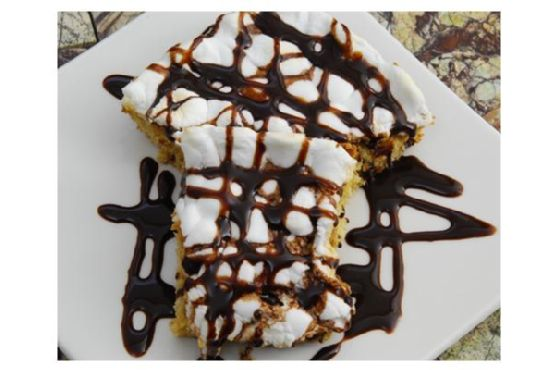
Last Tuesday, I found myself in need of a pick-me-up. It was one of those dreary afternoons when everything seemed to drag. The sky was grey, the email inbox was overflowing, and honestly, I just wanted something sweet and gooey to make it all better. That’s when I remembered these Chocolate Chip Peanut Butter Mallow Dessert Bars. Trust me, they’re the kind of treat that can turn any day around. Quick to whip up, using ingredients you likely already have kicking around your pantry, these bars are a perfect mix of chocolatey, peanut buttery magic with a delightful marshmallow surprise. They’re everything you didn’t know you needed.

Jump to Recipe

What You’ll Need

This is one of those recipes where a quick pantry dive will probably yield most of what you need. The combination of these ingredients is pure joy.

  • 1 package of chocolate chip cookie mix
  • 1 egg
  • 3 tablespoons of milk
  • 1/2 cup of butter, melted
  • 1/2 cup of peanut butter
  • 1 cup of marshmallows
  • Drizzle of chocolate syrup

How to Make Chocolate Chip Peanut Butter Mallow Dessert Bars

  1. Preheat your oven to 375°F (190°C). While it warms, grab a mixing bowl and stir together the chocolate chip cookie mix, egg, milk, and melted butter until smooth. It should be creamy and thick but pliable enough to spread.
  2. Grease an 8×8 baking pan well. Trust me, you’ll thank yourself later. Spread the cookie mixture evenly into the bottom of the pan. The more even, the better it’ll bake.
  3. Pop the pan into the oven for 15-20 minutes. You’ll know it’s ready when the edges are golden and the center looks set and slightly puffed. Your kitchen will smell like heaven by now.
  4. Take the pan out and immediately spread the peanut butter evenly over the hot cookie base. The warmth will help it glide smoothly.
  5. Top the peanut butter layer with marshmallows. Feel free to sneak a few into your mouth — I won’t tell.
  6. Return the pan to the oven for a few more minutes, just until the marshmallows start to melt and get a little golden on the tips.
  7. Remove from the oven and use a spatula to spread the marshmallows evenly over the peanut butter layer, creating a gooey, sticky blanket.
  8. Drizzle the chocolate syrup over the top. Let it cool to set completely before cutting into squares. This is the hardest part — waiting! But I promise it’s worth it.

Cook’s Notes

Keep an eye on the marshmallows when you pop the pan back in the oven. They can go from beautifully melted to burnt in a blink. If you’re making these ahead, let them cool completely before storing them in an airtight container at room temperature. They’ll keep for about 3-4 days, not that they’ll last that long! For leftovers, a quick zap in the microwave will bring back that gooey goodness.

Make It Your Own

  • Nut Swap: Substitute the peanut butter with almond or cashew butter for a different nutty twist.
  • S’mores Style: Add a layer of crushed graham crackers in between the peanut butter and marshmallows for a classic s’mores flavor.
  • Extra Chocolatey: Mix in a handful of chocolate chips into the cookie dough batter for extra bursts of chocolate with every bite.
  • Spice It Up: Stir a teaspoon of cinnamon into the cookie mix for a warm, spiced undertone.

If you try this, I’d love to hear how it turns out — drop a comment or tag me! There’s nothing like sharing a good recipe and seeing everyone’s delicious results. Happy baking, and may your days be as sweet as these bars!

Related update: Chocolate Chip Peanut Butter Mallow Dessert Bars

Related update: Valentine's Day Potted Plant Ice-Cream Desserts

Illini End 21-Year Wait, Reach Final Four | Analysis by Brian Moineau

A long wait ends: Illini advance to Final Four and bring March Madness back to Champaign

Twenty-one years is a long time to keep a city waiting, but on March 28, 2026 the Illini advance to Final Four dreams became reality. Freshman Keaton Wagler and sophomore Andrej Stojakovic took over in the second half, Illinois turned the game into a physical frontcourt statement and the result was a 71-59 win over Big Ten rival Iowa that sent Brad Underwood’s team to Indianapolis for the first time since 2005.

The headline feels right: this was a team effort with a storybook twist. Wagler’s aggressiveness inside, Stojakovic’s steady finishing and a brutal rebounding edge combined to flip a game that felt jittery in the first half. If you were an Illini fan, you felt the tension, then the swing, and finally the catharsis.

Why this game mattered

  • It ended a 21-year Final Four drought for Illinois (last appearance: 2005).
  • The win came in the South Region final of the NCAA Tournament — essentially the Elite Eight — and booked Illinois a spot in the national semifinals in Indianapolis.
  • The Illini leaned on size, toughness and second-half execution rather than outside shooting, a style that suggests a different blueprint for deep tournament runs.

The context matters. Illinois arrived in Houston with a roster that blends Eastern European bigs (the so-called “Balkan Bloc”) with high-upside guards. For much of the season they’ve been able to bully opponents on the glass and punish teams that can’t match their length. Against Iowa, that advantage was the defining factor: Illinois outrebounded the Hawkeyes 38-21 and outscored them 40-12 in the paint. Those numbers tell the story of a team that used its identity to win when shots weren’t falling.

Illini advance to Final Four: how the second half unfolded

The first half was a little chaotic. Iowa opened with energy and a double-digit lead early; the Toyota Center added its own weirdness with a buzzer malfunction and a dead jumbotron. Still, Illinois trailed by only four at halftime despite an awful night from long range (3-for-17).

Then the Illini flipped the script. Key elements:

  • Keaton Wagler’s interior aggression: The freshman finished with 25 points and imposed himself at the rim, especially in the second half when Illinois needed a closer.
  • Andrej Stojakovic’s balance and toughness: The guard — with a famous basketball pedigree — scored 17 and did the little things that mattered: drawing attention, finishing drives and keeping the offense calm.
  • Dominance on the glass: Tomislav and Zvonimir Ivisic, plus David Mirkovic, helped create 16 offensive rebounds and constant second-chance pressure.
  • Defensive adjustments: Illinois tightened its paint defense and forced tougher looks from Iowa’s perimeter creators late.

A late run — led by the Ivisic twins’ interior presence and a Wagler bucket in the lane — swung the lead to seven with under five minutes remaining. From there Illinois closed the door, converting trips to the line and converting offensive rebounds into points.

What this team represents beyond the scoreboard

Illinois’ run isn’t just a flash of March magic. It’s a validation of a program identity built around size, toughness and smart recruiting. Brad Underwood’s emphasis on international and particularly Eastern European recruiting has paid off in the postseason: the Ivisic twins and David Mirkovic gave Illinois a distinct physical profile that few teams could match.

At the same time, Keaton Wagler’s breakout as a freshman shows that Illinois can mix youth and expectation. Wagler’s poise — called “tougher than nails” by his coach — and his South Region Most Outstanding Player honor suggest he’s ready for a big stage.

There’s also a narrative arc: Andrej Stojakovic, son of former NBA All-Star Peja Stojakovic, coming into his own on a national stage; a program reconnecting with a storied past; and a fanbase finally getting the Final Four party it’s been dreaming about for more than two decades.

Matchup implications and what to watch next

Heading into the Final Four, Illinois will face a different kind of test. The field’s other participants include teams with elite guard play and different tempo preferences. Illinois’ keys for the national semifinals:

  • Control the glass. Continue the rebounding pressure that turned this game.
  • Avoid foul trouble and free-throw regression. Physical teams have to stay out of foul trouble to sustain defensive intensity.
  • Find efficient ways to score when the perimeter isn’t falling. Against Iowa, Illinois leaned on interior offense and offensive rebounds; that formula must translate against other top opponents.
  • Stay composed against late-game chaos. Tournament games create moments of noise; this team showed resilience in Houston and will need it in Indianapolis.

If Illinois can keep imposing its physical style while getting steady production from Wagler and Stojakovic, they’ll be dangerous. The Final Four stage rewards teams that know who they are — and this Illinois team seems to.

Moments that mattered

  • Wagler’s second-half buckets that blended power and calmness.
  • The Ivisic twins’ alley-oop and hook shots that punctuated the run.
  • A sustained rebounding beatdown — the Illini finished with 38 boards to Iowa’s 21.
  • A late sequence where offensive rebounding turned into a multi-possession lead and sealed the game.

Those are the plays that will live on highlight reels, but they also highlight the team’s character: persistent, physically imposing, and decisively clutch when the margin tightened.

Final thoughts

There’s an old-school quality to this Illinois squad — a team that doesn’t rely on one superstar threes-and-dribble iso but rather pounds the glass, shares the ball, and grinds out possessions. That approach has a timelessness that fits the tournament: physical teams with depth and discipline often do well in April.

The weight of a 21-year wait has been lifted. The Illini advance to Final Four not as a surprise but as a logical payoff for a roster built with a plan — and for a coaching staff willing to lean into a distinctive identity. Whether they can take the next two wins and end the program’s national-title drought remains to be seen. For now, Champaign gets to celebrate a team that returned the Final Four to Illinois, and the rest of college basketball gets to watch how this rugged, international-flavored roster handles the sport’s brightest stage.

A few quick takeaways

  • Keaton Wagler (25 points) and Andrej Stojakovic (17) paced Illinois in the second half.
  • Illinois dominated the paint and the boards — outscoring Iowa 40-12 in the paint and outrebounding them 38-21.
  • The win sends Illinois to its first Final Four since 2005, marking a major milestone for the program and its fans.

Sources


Related update: We recently published an article that expands on this topic: read the latest post.


Related update: We recently published an article that expands on this topic: read the latest post.

Tomato Cucumber Salad | Made by Meaghan Moineau

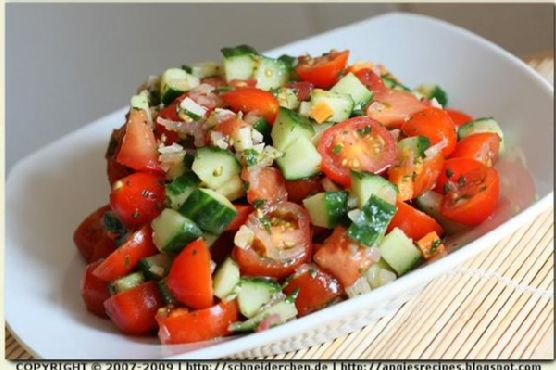
It was one of those hectic Tuesday evenings, you know the kind where the laundry is beckoning, emails are piling up, and yet your stomach still somehow wants to be fed. There I was, standing in front of my refrigerator, hoping for some culinary inspiration to jump out and save me from splurging on takeout for the third night in a row. My eyes landed on that lonely basket of cherry tomatoes and a half-used cucumber. Suddenly, a memory of a zesty Tomato Cucumber Salad from a sunlit café popped into my head. The beauty of this dish is its simplicity and the fact that it’s much more than the sum of its parts: refreshing yet satisfying, quick yet elegantly reminiscent of summer picnics. It’s the kind of dish that comes together with a handful of pantry staples, a little bit of chopping, and a splash of creativity. Easy enough to whip up in under 30 minutes, and impressive enough to make you feel like a culinary genius.

Jump to Recipe

What You’ll Need

This Tomato Cucumber Salad is all about letting simple ingredients shine. Chances are you already have most of this hanging around in your kitchen.

  • Cherry tomatoes – the sweeter, the better!
  • Diced cucumber – refreshing crunch is a must.
  • Sliced garlic
  • Lemon juice
  • Olive oil – go for the good stuff if you can.
  • Black salt and pepper
  • Shallot – for a hint of sweet oniony goodness.
  • Fresh parsley

How to Make Tomato Cucumber Salad

  1. Start by heating a splash of olive oil in a skillet over medium heat. When the oil shimmers, toss in the chopped shallot and sliced garlic. Stir-fry gently, keeping an eye out for a lightly golden hue. The kitchen should start smelling divine right about now.
  2. Remove the skillet from the heat and introduce a bright splash of lemon juice to the mix. The sizzle will tell you the dressing is coming together beautifully. Season with a sprinkle of black salt and a few cracks of pepper to taste.
  3. As the dressing takes a moment to cool, cut your cherry tomatoes into halves and dice the cucumber into cheerful 1cm cubes. Toss them both into a salad bowl, ready to soak up all the goodness.
  4. Pour the warm dressing over the tomato and cucumber combo, and toss gently. The fresh parsley should be added last, offering a vibrant pop of color and flavor.
  5. Cover the bowl and let the salad chill in the fridge for about an hour. This helps the flavors to meld into a harmonious chorus of tangy, sweet, and savory.

Cook’s Notes

This salad is as forgiving as it is delicious. If you’re running short on time, you can skip the chilling, but letting it sit in the fridge does wonders for flavor mingling. If you’ve got leftovers, they’ll keep in an airtight container in the fridge for a day or two, though the tomatoes may soften slightly. Avoid over-stirring after refrigeration if you prefer your salad to stay crisp.

Make It Your Own

  • Swap the cucumber for crisp, thinly sliced fennel for an aromatic twist.
  • Add a handful of crumbled feta for a creamy contrast.
  • Throw in some roasted chickpeas for extra protein and crunch.
  • Use fresh basil leaves instead of parsley for a fragrant, pesto-esque vibe.

If you try this, I’d love to hear how it turns out — drop a comment or tag me! This salad is a little taste of sunshine on your plate, and I hope it brings a bright spot to your day, just like it did for mine. Enjoy!

Related update: Tomato Cucumber Salad

Related update: Quinoa Salad with Barberries & Nuts

Fall Fruit Compote | Made by Meaghan Moineau

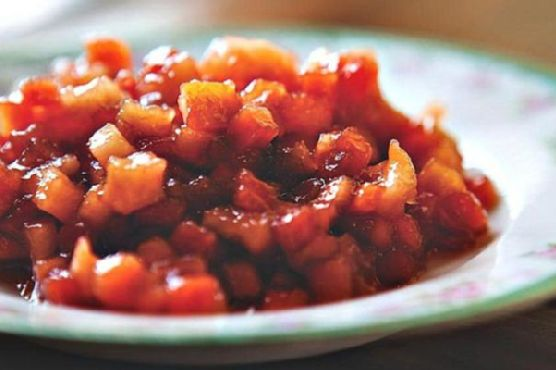
I recently found myself staring at a couple of Honeycrisp apples on my kitchen counter, feeling the first whispers of autumn in the air. You know the days when you can finally break out your sweaters but you still need sunglasses? That’s when my mind started tiptoeing towards something warm and cozy. I mean, what could be better than making a quick, delightful fall fruit compote that ties together all the best flavors of the season? The best part? You don’t need a culinary degree to whip this up. It’s a simple, heart-warming recipe that gives you that “kitchen hero” feeling without the sweat. Plus, it pairs perfectly with so many things, like crispy potato latkes or a dollop of ice cream.

Jump to Recipe

What You’ll Need

Trust me, chances are you already have most of this in your pantry or fridge. The real stars here are the cozy, autumnal ingredients that just sing when they’re together.

  • 2 tablespoons of butter
  • 2 cups of diced honeycrisp apples
  • 1 cup of diced pears
  • 1/2 cup of dried cherries
  • 1/4 cup of brown sugar
  • 1 tablespoon of apple cider vinegar
  • 1 cup of apple juice
  • 1 cinnamon stick

How to Make Fall Fruit Compote

  1. Start by melting the butter in a medium-sized saucepan over high heat. You’ll know it’s ready when it starts to smell nutty and divine.
  2. Once the butter is melted, toss in those diced apples, pears, dried cherries, vinegar, apple juice, brown sugar, and the cinnamon stick. Give it a good stir to coat everything in buttery goodness.
  3. Let it cook for about 5 minutes. You want the mixture to start bubbling, and the smell will be pure fall magic.
  4. Turn the heat down to medium and let it simmer for a few more minutes, just until the fruit is tender and the syrupy liquid has mostly reduced. If things start to stick, splash in a little more apple juice to keep it all juicy and lush.
  5. Once it’s all tender and gorgeous, you’re done! Serve warm and enjoy the fruit-laden spoonfuls of autumn joy.

Cook’s Notes

Let’s chat about some practical tidbits to make your compote experience as smooth as butter. First off, don’t forget that compote thickens as it cools, so don’t worry if it looks a little saucy at first. If you’re planning to serve it later, just warm it up slightly before serving to get back that perfect consistency. If you find yourself with leftovers, pop them in a sealed container in the fridge, and it will stay happy for about a week. This compote is perfect to make ahead of time, especially if you’re planning to dazzle some guests a day or two later.

Make It Your Own

Let’s play around with this compote base because, trust me, versatility is its middle name.

  • Swap out the apples for ripe peaches if they’re still in season. They add a lovely, juicy dimension.
  • Try cranberries instead of dried cherries for a tarter twist. A little zing never hurt anyone!
  • For a boozy touch, replace half the apple juice with a splash of bourbon or rum. It makes things just a little more grown-up.
  • Add a pinch of ground ginger or nutmeg for extra warmth and spice. Your taste buds will thank you.

If you give this autumnal delight a go, I’d love to hear how it turns out — drop a comment or tag me in your fall feasting pics! Happy cooking, friend!

Related update: Fall Fruit Compote

Related update: Chocolate Chip Peanut Butter Mallow Dessert Bars

Microsoft Pulls Troubled Windows 11 Update | Analysis by Brian Moineau

Hook: When an optional update goes wrong

Microsoft pulls Windows 11 KB5079391 preview after it causes install error loop on 25H2 and 24H2 – Windows Latest. That headline landed in inboxes and forums this week, and for good reason: an optional preview update meant to smooth out quirks instead trapped some machines in an install error loop. The result? Confused users, quick rollback reports, and another reminder that even “preview” updates can be disruptive.

What happened with KB5079391

On March 26, 2026 Microsoft published KB5079391 as a preview (optional) cumulative update for Windows 11 versions 25H2 and 24H2. The company’s support page shows the release and the OS build numbers (26200.8116 and 26100.8116), and it lists fixes and improvements — including updates for some AI components and servicing stack changes. Within hours, though, reports started to surface of systems failing to complete the install and repeatedly rolling back, leaving affected users stuck in an error loop. Microsoft subsequently pulled the update from Windows Update for affected channels while it investigates. (support.microsoft.com)

This wasn’t the first time a Windows preview patch caused headaches. Recent months have seen several problematic updates that required emergency fixes or out-of-band releases — so the community was already on high alert. (windowscentral.com)

Why this matters for everyday users

  • Preview updates are optional, but they appear in the same Update UI that many users glance at. That makes accidental installs possible.
  • An install loop can render a machine temporarily unusable or require a rollback to a restore point, which is disruptive and time-consuming.
  • For businesses with managed deployments, an unstable preview can cascade into multiple helpdesk tickets and lost productivity.

Put plainly: the promise of “preview = safe to try” is only as good as the QA that went into the build. When the QA misses an edge case, real people pay the price.

Signals from Microsoft and the community

Microsoft’s official KB entry for KB5079391 outlines installation methods and notes for admins, and it currently reflects that the update was removed from Windows Update due to installation issues while the company investigates. Community threads (feedback hubs and forums) show a mix of reports — some users installed the update successfully, others experienced failure codes and rollback loops, and a handful needed to uninstall the preview to restore normal operation. That variance suggests the problem is hardware- or configuration-dependent rather than universal. (support.microsoft.com)

What’s also notable: Microsoft has, in past months, pushed several rapid fixes and out-of-band updates when issues were severe (for example, restoring WinRE USB input after a prior update broke recovery tools). That past behavior indicates the company will likely prioritize a fix if the failure affects a meaningful number of users. (windowscentral.com)

Who should install preview updates — and who shouldn’t

  • Do install previews if:

    • You’re an IT pro or tester who needs to validate upcoming changes.
    • You run non-production machines that can tolerate a reinstall or recovery if things break.
  • Avoid installing previews on your daily driver if:

    • You depend on your PC for critical work and can’t afford downtime.
    • You lack recent system backups or a recovery plan.

If you already installed KB5079391 and see problems, uninstalling the preview (or restoring to a pre-update restore point) and filing a Feedback Hub report are sensible first steps. For enterprises, block or delay the optional update via update management tools until Microsoft issues a remediation. (support.microsoft.com)

Practical, quick advice for now

  • Check Windows Update settings: optional preview updates should be clearly labeled; don’t click “Install” on previews on production machines.
  • If your device is stuck in an install loop, boot into Safe Mode and uninstall recent updates or perform a system restore.
  • For managed environments, set policies to defer preview releases and test them first on a controlled cohort.
  • Keep backups current — system images and file backups make recovery far less painful.

These are straightforward precautions, but they’re surprisingly rare in everyday practice. A little preparation goes a long way.

What this episode reveals about Windows update strategy

Microsoft’s cadence — security monthly updates, optional previews, and occasional out-of-band patches — aims to balance stability and rapid improvement. But as Windows accumulates more features (AI components, expanded device drivers, deeper ecosystem dependencies), the surface area for interaction bugs grows.

In that context, preview updates serve an important role: they reveal compatibility frictions before a security or feature update becomes mandatory. The downside is visible: previews can behave like production updates for users who install them without understanding the risk. The trick for Microsoft (and for admins) is clearer labeling, smarter rollout gates, and better telemetry to detect and pause problem releases faster.

What to watch next

  • Microsoft’s follow-up: watch the Windows Release Health Dashboard and the KB support page for the official remediation details and any recommended fixes. (support.microsoft.com)
  • Community reports for patterns: look for common hardware, driver, or third-party software factors that correlate with failures.
  • Out-of-band fixes: if the issue is severe, Microsoft historically issues an emergency update — that’s likely the fastest route to resolution. (windowscentral.com)

My take

It’s frustrating when an update intended to help users instead causes disruption. The core problem isn’t that Microsoft ships updates — it’s that complexity is outpacing the safety nets many users rely on. For power users and IT pros, the path forward is clear: test, stage, and protect. For casual users, the best protection remains a simple habit: delay optional updates on your main machine, keep backups, and watch official channels for fixes.

When optional updates behave like mandatory ones, trust erodes. The way Microsoft responds — speed, transparency, and a fix — will determine how quickly that trust can be rebuilt.

Where I looked

  • Microsoft support article for KB5079391 (release and installation details). (support.microsoft.com)
  • Windows Central coverage of Microsoft’s recent emergency/out-of-band patches and update issues. (windowscentral.com)

Sources


Related update: We recently published an article that expands on this topic: read the latest post.