When The Last of Us Multiplayer Died | Analysis by Brian Moineau

When a Beloved Franchise Almost Went Live: The Last of Us Multiplayer's Rise and Fall

The Last of Us Multiplayer quietly became one of gaming’s most bittersweet “what if” stories. Fans remember Factions — the tense, soulful multiplayer mode from the 2013 original — and many hoped Naughty Dog would return to that magic. The Last of Us Multiplayer, a standalone live-service project often called Factions or The Last of Us Online, grew into an ambitious effort over several years, only to be dramatically scaled back and reportedly cancelled after being “about 80%” complete. (darkhorizons.com)

Why this mattered

For context, Naughty Dog built its reputation on cinematic, character-driven single-player games. Shifting a studio like that into the world of AAA live service multiplayer is not just a technical challenge — it’s a cultural and business pivot. The Last of Us multiplayer started as an extension of The Last of Us Part II’s ideas, evolved into a full project, and attracted big internal investment and high expectations. Yet, in a development landscape increasingly dominated by persistent online games with huge upkeep costs, the studio faced a trade-off: finish and support a sprawling live service, or refocus on the narrative experiences that define Naughty Dog. (dexerto.com)

  • It reportedly spent years in development — some sources say around seven years — and reached a late stage before being shut down or heavily reassessed. (gamesradar.com)
  • Internal voices and external partners were involved: there were reports of consultations and reviews, including input from other studios. (gamesradar.com)

What “80% done” actually means

Saying a game was “80% done” can be emotionally charged and technically misleading. Developers and studios measure progress differently. Often the visible systems, art, and core loops make up a large portion of early progress, while the remaining 20% can include the hardest parts: balancing, server infrastructure, anti-cheat systems, live ops tooling, monetization frameworks, and long-term support planning.

In other words, 80% might mean the prototype and many fundamentals existed — but not that the game was ready to ship or sustain a live community at scale. Reported quotes from former leads emphasize how close the project felt internally, yet also how daunting the last stretch was. (darkhorizons.com)

The industry tug-of-war

Transitioning from single-player excellence to live service success is difficult for any studio. There are several pressures that informed Naughty Dog’s decision-making:

  • Live services require continuous content updates, community management, and significant post-launch support teams.
  • AAA live games need long-term monetization strategies and technical backbones for servers, matchmaking, and anti-cheat.
  • Prioritizing one major live project can siphon talent and resources away from cinematic single-player titles, which often define a studio’s brand and revenue potential.

Because of these factors, Naughty Dog reportedly chose to reallocate resources toward other single-player projects, like the studio’s secretive Intergalactic: The Heretic Prophet, rather than commit to the long-term demands of an online Last of Us. That choice underscores a broader industry reality: not every beloved IP benefits from becoming a live service. (gamesradar.com)

What fans lost — and what they still have

Fans lost more than a potential new game; they lost a vision of how The Last of Us could translate into persistent, emergent multiplayer storytelling. Many players long for a refined, narrative-aware PvP experience that retains the franchise’s emotional weight.

However, there are silver linings:

  • The original Factions remains a touchstone and a design reference for team-based tension. Re-releases and memories keep its spirit alive.
  • Knowledge and prototypes from the canceled or paused project may inform future Naughty Dog work or inspire smaller-scale multiplayer experiments from former team members. (gamerant.com)

A closer look at the timeline

To clear confusion, here’s a concise timeline of the publicly reported events:

  • Development reportedly began around 2020, initially tied to The Last of Us Part II’s ecosystem. (forbes.com)
  • Over subsequent years, the project expanded into a standalone live-service title with a significant team.
  • Around late 2023 and into 2024, reports suggested the game was being reassessed or scaled back amid internal reviews and company priorities. (gamedeveloper.com)
  • Recently, statements from developers and coverage cited the project being “about 80%” complete at its cancellation or pause, triggering fresh debate about what “complete” means in practice. (darkhorizons.com)

Final thoughts

My take: the story of The Last of Us Multiplayer is a useful reminder that big ideas and beloved IPs don’t automatically equal sustainable live-service games. Quality, long-term support, and alignment with a studio’s identity matter just as much as ambition. While it’s heartbreaking to see a project with apparent momentum shelved, the choice to prioritize what a studio does best — especially when that’s telling powerful single-player stories — can be the braver, more honest path.

That said, the appetite for a well-made, emotionally resonant multiplayer Last of Us remains. If the right team, scope, and business model emerge — perhaps from former Naughty Dog talent or a smaller, more focused studio — fans may still get something that honors Factions without promising the impossible.

What to watch next

  • Anecdotes from former team members and interviews with studio leads will be telling about how much of the canceled work survives internally.
  • Any projects launched by ex-Naughty Dog devs could be fertile ground for The Last of Us-style multiplayer design.
  • Industry shifts in how publishers handle live services (shorter live ops, hybrid monetization, or tighter scopes) may open the door for revisiting similar projects with less risk.

Sources


Related update: We recently published an article that expands on this topic: read the latest post.

Related update: We recently published an article that expands on this topic: read the latest post.

Breaded Shrimp and Spicy Mayo Appetizer | Made by Meaghan Moineau

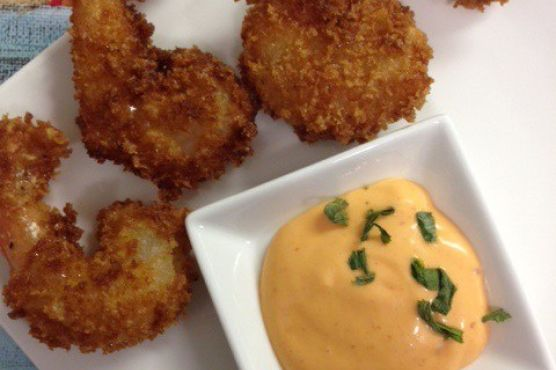
The craving hit me like a ton of bricks on a random Tuesday night. You know the type — the one where you’re suddenly transported to that cozy pub you used to frequent, with a plate of crispy shrimp and a cold drink in hand. However, instead of heading out, I was determined to recreate that same vibe right in my own kitchen. That’s how this Breaded Shrimp and Spicy Mayo Appetizer came to life. It’s the kind of dish that makes you feel like a rockstar chef without creating a mountain of dirty dishes. Trust me, it’s worth every minute you spend on it, especially when you bite into the perfectly crispy shrimp, complemented by the kick of spicy mayo. Whether you’re hosting a small gathering or just treating yourself, this recipe is a keeper.

Jump to Recipe

What You’ll Need

This recipe is delightfully straightforward, and I’m willing to bet you already have most of the ingredients lounging in your pantry. Here’s what you’ll need:

  • All-purpose flour
  • Bread crumbs
  • Chili powder
  • Egg
  • Garlic powder
  • Mayonnaise
  • Onion powder
  • Suya pepper (your secret weapon for flavor!)
  • Salt
  • Canned shrimp
  • Sriracha sauce

How to Make Breaded Shrimp and Spicy Mayo Appetizer

  1. Start by peeling and deveining your shrimp. Leave the tail on if you’re feeling fancy — it makes for a great handle.
  2. Season the shrimp generously with suya pepper, and let them sit for a bit. The spice will do its magic while you prep the rest.
  3. In a small bowl, whisk the egg until it’s a smooth, sunny yellow, then set it aside for dunking duty.
  4. In another bowl, mix the all-purpose flour with onion powder, garlic powder, chili powder, and a pinch of salt. This is your flavor-packed coating.
  5. Take each shrimp and give it a loving coat in the seasoned flour. Dunk it in the egg mixture, making sure it’s fully covered, and finally, roll it in the breadcrumbs.
  6. Heat up your oil in a pan over medium heat. Once it’s shimmering, it’s time to fry. Place the shrimp in gently, cooking them until they’re golden brown on both sides, filling your kitchen with a mouth-watering aroma.
  7. For the spicy mayo, mix two tablespoons of mayonnaise with one tablespoon of sriracha sauce until you have a beautifully smooth and spicy dip.
  8. Serve your crispy shrimp hot, with a generous dollop of spicy mayo on the side. Enjoy the crunch and kick with every bite!

Cook’s Notes

Here are a few things I’ve learned along the way. First, don’t skimp on the seasoning — the suya pepper really elevates the shrimp. Also, make sure your oil is hot enough before you start frying; otherwise, you’ll end up with greasy shrimp instead of crispy perfection. If you’re making this ahead, fry the shrimp and keep them warm in the oven at a low temperature. They’ll stay crisp without drying out. Leftovers (if there are any!) can be stored in an airtight container in the fridge, but they’re best enjoyed fresh.

Make It Your Own

Here are some fun twists for when you’re feeling adventurous:

  • Swap the shrimp for crispy tofu if you’re catering to vegetarian friends. The seasoning works well with tofu too!
  • Try adding some lemon zest to the bread crumbs for a citrusy zing that pairs beautifully with the spicy mayo.
  • If you love garlic, increase the garlic powder in the flour mix and add a dash of fresh minced garlic to the mayo for a garlic-lover’s dream.
  • Add a sprinkle of parmesan cheese to the breadcrumbs for a cheesy twist on the classic breading.

If you try this, I’d love to hear how it turns out — drop a comment or tag me on social media! Whether you stick to the script or put your twist on it, I’m excited to see these shrimp bring joy to your table.

Related update: Breaded Shrimp and Spicy Mayo Appetizer

Vote: Pick PS5 Game of the Month March | Analysis by Brian Moineau

Vote, argue, and celebrate: Decide Push Square's GOTM for March 2026

March was a weird, busy month for PlayStation players — a mix of big service drops, surprise catalog additions, and a handful of new releases that split opinions. If you’ve been following the community conversation, now’s the time to Decide Push Square's GOTM for March 2026: which PS5 release (or reappearance) deserves the crown for the month?

Below I’ll walk through the context that shaped March, highlight the strongest contenders, and explain why this poll matters more than internet bragging rights.

What shaped March 2026

March felt like a month of two halves. On one hand, PlayStation Plus handed out heavy hitters to subscribers — Monster Hunter Rise and PGA Tour 2K25 stood out among March's free/extra catalog moves — which changed what players actually fired up on day one. On the other, the month still delivered notable first-party and third-party moments, from DLC reveals to mid-size releases that found passionate niche followings. Those competing forces made “Game of the Month” less about sales and more about moments: who surprised, who soothed, and who stuck with players after the headlines faded. (blog.playstation.com)

Transitioning from the headlines to the poll itself, Push Square’s monthly GOTM campaign is community-led — readers vote, argue, and then the result becomes a small cultural snapshot of what PlayStation players actually enjoyed that month. That democratic angle matters: it reflects playtime, nostalgia, and value all at once. (pushsquare.com)

Decide Push Square's GOTM: the top contenders

Here are the kinds of titles that typically show up in Push Square polls for a given month. I’m grouping likely contenders for March 2026 into three categories so you can see why each one might earn votes.

  • Big-service additions and subscription standouts

    • Why it matters: when a major title arrives on PS Plus or the store’s charts, tens of thousands of players who might never have bought it get hands-on time. That surge in active players often translates directly into GOTM votes. PGA Tour 2K25 and Monster Hunter Rise were particularly visible in March. (blog.playstation.com)
  • Mid-tier new releases and surprise hits

    • Why it matters: these are the games that don’t need a blockbuster launch to create buzz. Dedicated communities form around them quickly — and Push Square voters love championing niche excellence.
  • Big-name DLC, remasters, or rereleases that dominated conversation

    • Why it matters: sometimes the most-discussed release isn’t a brand-new title but a high-value rerelease or an expansive DLC drop that changes how people return to a game. These moments can redefine a month more than any single launch.

Why the GOTM poll still matters

First, it captures sentiment over metrics. Sales charts and store-download lists show one side of the story; the Push Square poll shows what players actually enjoyed enough to vote for. Second, it surfaces underrated picks. In past months, community-chosen winners were not always the highest-selling titles — they were frequently the most beloved. Finally, it’s an accessible way for players to influence the conversation: a single vote nudges what gets talked about, archived, and remembered. (pushsquare.com)

How to choose your vote

If you’re torn about which game to pick, ask yourself these quick questions:

  • Did you actually play it? First-hand time matters more than hype.
  • Did it stick with you after the first session? Longevity often signals depth.
  • Did it create a memorable moment (a boss fight, a set-piece, an emotional beat)? Those are the things people champion in comment threads.

Using those criteria tends to elevate the choices that make sense for GOTM — not just the loudest marketing push.

The vote’s bigger context: PlayStation trends in March

Looking beyond single releases, March 2026 reinforced a trend that’s been growing: subscription services and catalog strategy reshaping what “new” looks like. With PS Plus bringing established, high-quality games into the hands of many, monthly conversation is less about fresh launches and more about renewed engagement with proven titles. That shift makes GOTM panels more interesting — voters are picking the best experience they had, whether it was a recent release or a reintroduction via the subscription ecosystem. (blog.playstation.com)

My take

March’s strongest stories didn’t necessarily come from a single dazzling new release, but from the way services and curated drops changed player behavior. In a month like this, my vote would favor the game that inspired the most actual playing time and discussion — the title that made communities reunite or convinced players to give something they’d missed a second chance.

That kind of impact — community activity, replay value, and conversation longevity — is what a GOTM should reward. For March 2026, that likely points toward either a high-profile service addition that got players back into a game, or a mid-tier new release that unexpectedly built a passionate player base.

Final thoughts

Voting in Push Square’s GOTM poll is more than fandom flexing; it’s a tiny cultural record of what PlayStation players found meaningful in a month that mixed subscription power with steady releases. Whether you vote for a beloved classic resurfacing on PS Plus or a sleeper indie that grew into a community darling, you’re helping capture what March 2026 felt like for PlayStation.

Cast your vote, bring your hot takes to the comments, and celebrate the month’s moments — because that’s the fun part of being in a community that still loves talking about games.

Sources

Beef Braised In Red Wine | Made by Meaghan Moineau

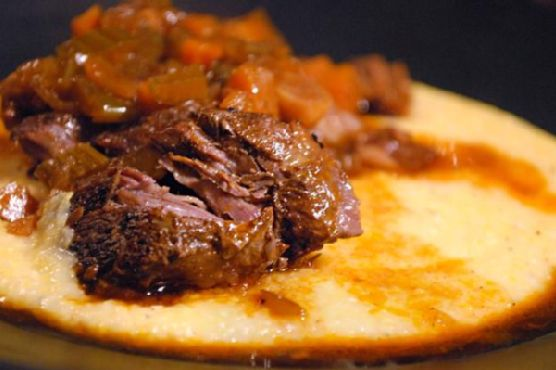
Picture this: It’s a chilly Wednesday evening, and I’ve had one of those days where I needed something more than just food—I needed comfort on a plate. In moments like these, I often find myself reaching for my trusty Dutch oven and a bottle of red wine to whip up my favorite Beef Braised In Red Wine. This dish is my go-to because it hits all the right notes: it’s rich, savory, and cozy, but doesn’t require babysitting on the stove. Plus, it fills the house with the kind of aroma that makes you feel wrapped in a warm hug. Trust me, this is the kind of dish that can turn any mundane weeknight into something special.

Jump to Recipe

What You’ll Need

What I love about this recipe is how unfussy it is. Chances are you already have most of these ingredients lounging in your pantry or fridge. Let’s gather up all the deliciousness:

  • Olive oil
  • Bacon, chopped
  • Boneless beef chuck roast
  • Salt
  • Pepper
  • 1 large onion, chopped
  • 2 carrots, peeled and chopped
  • 2 celery stalks, chopped
  • 4 garlic cloves, minced
  • 1 tablespoon tomato paste
  • 2 cups dry red full-bodied wine
  • 2 cups water
  • 1 teaspoon fresh thyme leaves
  • 1 teaspoon fresh rosemary, chopped

How to Make Beef Braised In Red Wine

  1. Place the oven rack in the middle position and preheat your oven to 325°F. This will give us that perfect low and slow heat we need for tender meat.
  2. In a large Dutch oven, heat a splash of olive oil until it’s shimmering but not smoking. This is where the magic begins!
  3. While the oil heats, pat your beef chuck roast dry with a paper towel, then season generously with salt and pepper. You want a nice crust when you sear it.
  4. Brown the beef on both sides for about 10 minutes total. Get it nice and golden—this is where flavor builds. If the pan gets too hot and things start to scorch, turn down the heat a bit.
  5. Remove the beef and let it rest on a plate, letting all those yummy juices hang out. We’ll need them later.
  6. In the same pot, toss in the bacon. Sauté until it’s browned and crisp. The smell will make you want to dive right in, but hold tight!
  7. Add the onion, carrots, and celery to the bacon and cook until they’re softened and golden brown. Think of this as the cozy base of your dish.
  8. Stir in the garlic, thyme, and rosemary, sautéing for just a minute until fragrant. Then add the tomato paste, cooking for another minute to caramelize those flavors.
  9. Pour in the wine and bring it to a boil. Let it bubble away until reduced by half, concentrating all that deliciousness.
  10. Add the water and bring everything to a simmer. This is the luxurious bath your beef will cook in.
  11. Return the beef and any accumulated juices to the pot, nestling it in with all the flavors. Cover with a lid and transfer to the oven.
  12. Let it cook in the oven for 2 1/2 to 3 hours, or until the meat is fall-apart tender. Your patience will be rewarded!
  13. Once done, remove the beef and slice it across the grain. Serve it atop fluffy mashed potatoes or creamy grits, spooning that gorgeous sauce over the top.

Cook’s Notes

Here’s the thing: you don’t have to be a culinary master to nail this dish. The key is in the low and slow cooking. If you rush it, the meat might not be as tender, so patience is your friend here. Also, feel free to experiment with the type of wine you use, but stick to something you enjoy drinking for the best results.

  • Leftovers will keep beautifully in the fridge for up to 3 days. Just warm them gently on the stove or in the microwave.
  • This is a great make-ahead dish. The flavors only get better after a day or two in the fridge.

Make It Your Own

  • Go Mediterranean by swapping out the rosemary and thyme for oregano and adding a handful of olives when you add the wine.
  • For a mushroom lover’s twist, add a cup of sliced mushrooms along with the veggies.
  • Substitute the beef with lamb for a different depth of flavor—just as delicious and maybe even more luxurious!
  • Skip the bacon for a leaner version and use a tablespoon of butter with the olive oil for browning.

If you try this, I’d love to hear how it turns out—drop a comment or tag me! It’s always a joy to see your creations and hear about any delicious twists you might have added. Happy cooking, friends!

Related update: Beef Braised In Red Wine

Related update: Guinness and Brats

OREO Cookie Balls – Snowman | Made by Meaghan Moineau

Picture this: It’s a Saturday afternoon, and I’m in the kitchen with my son. We’re both craving something sweet but don’t want to spend hours baking. Suddenly, the idea hits me—OREO Cookie Balls! These aren’t just any cookie balls; we’re going to turn them into adorable snowmen. It feels like the perfect plan for a chilly day when you want something as comforting as a warm sweater but as easy as a quick snack. The best part? You probably already have most of the ingredients in your pantry. Trust me, these little bites are worth making. They’re quick and fun, especially if you have little helpers around.

Jump to Recipe

What You’ll Need

So here’s the deal: These ingredients are as simple as it gets. You might even have them stashed away already. Let’s dive in:

  • A full package of OREO Cookies
  • One block of cream cheese (softened to room temperature)
  • Baker’s chocolate (for melting)
  • Rolo chocolate candy
  • Black gel icing (for the eyes and buttons)
  • Orange gel icing (for the nose)
  • Additional supplies to decorate snowmen (think scarves made of licorice or hats from mini peanut butter cups)

How to Make OREO Cookie Balls – Snowman

Ready? Let’s make some magic happen!

  1. First, grab your package of OREO Cookies. Without removing the filling, crush them up in a large gallon-sized ziplock bag. You want fine crumbs, so give them a good whack!
  2. Pour your cookie crumbs into a large mixing bowl, and add in the softened cream cheese. Mix these together on medium speed until you have a smooth, dough-like consistency.
  3. Take a 1-inch cookie scoop (or just eyeball it) to portion out the mixture. Roll each scoop between your palms to form smooth, even balls.
  4. Place the cookie balls on a cookie sheet and pop them in the freezer for about 10 minutes. This helps them firm up a bit.
  5. While they’re chilling, melt your Baker’s chocolate according to the package instructions. You want it smooth and glossy, ready for dipping.
  6. Remove the cookie balls from the freezer and dip each one into the melted chocolate. Use a fork to lift them out, letting any excess chocolate drip off before placing them on a wax paper-lined cookie sheet.
  7. With a gentle touch, add the Rolo chocolate candy on top for the hat while the chocolate is still wet.
  8. Chill your snowmen in the refrigerator for about an hour until the chocolate shell is firm and set.
  9. Now, the fun part—decorate! Use the black gel icing for eyes and buttons, and the orange gel icing for the cute little carrot nose. Let your creativity shine with any additional decorations you like.

Cook’s Notes

Alright, let’s talk strategy. If the OREO dough feels too sticky, chill it in the fridge for a bit. It makes rolling much easier. Regarding the chocolate, avoid overheating it—give it slow, gentle warmth so it won’t seize. For storage, these snowmen can chill out in the fridge for up to a week or stay cozy in the freezer for about a month. Just make sure they’re in an airtight container to keep them fresh. If you’re planning to make these ahead of time, consider doing the base a day in advance to save on last-minute hustle.

Make It Your Own

Feel like changing things up? Here’s how you can shake up the snowman scene:

  • Swap the Baker’s chocolate with white chocolate for an even snowier look.
  • Use colored gel icing to create vibrant scarves or hats.
  • Add crushed peppermint candy to the cookie crumb mixture for a holiday twist.
  • Substitute the Rolo candy with a mini marshmallow for a softer hat look.

If you try this, I’d love to hear how it turns out—drop a comment or tag me! Let’s share some sweet little snowmen with the world. Happy decorating!

Related update: OREO Cookie Balls – Snowman

Related update: Chocoholic's Deep Dark Dream Chiffon Cake

United Hikes Bag Fees as Fuel Costs Surge | Analysis by Brian Moineau

United Airlines raises bag fees — and travelers feel the pinch

The headline is blunt: United Airlines raises bag fees, adding $10 to the price of the first checked bag as of April 3–4, 2026. For many travelers flying within the U.S., Mexico, Canada and Latin America that means the first suitcase now costs $45 and the second $55 when purchased in advance. That change lands at a moment when jet fuel prices have jumped sharply, and airlines are looking for ways to shore up margins without immediately hiking base fares.

This isn’t an isolated tweak. It’s part of a broader shift in the industry—one that blends rising operating costs, shifting product segmentation, and decades of revenue strategies that move many “extras” off the headline fare.

What changed and why it matters

  • United raised checked-bag fees for tickets purchased on or after April 3, 2026.
  • The carrier also introduced a more tiered set of premium fares, carving out a lower-priced base fare that removes extras like seat selection and refunds.
  • United said the moves respond to higher jet fuel costs that have added hundreds of millions to monthly operating costs industrywide. (apnews.com)

Why this matters beyond your next luggage tag: checked-bag fees are a reliably profitable line item for major airlines. When fuel spikes, airlines can either absorb the cost, raise base fares, or add fees. Increasing baggage fees shifts some of the burden directly to customers who actually check bags, while letting headline fares remain comparatively stable—at least for now.

The bigger picture: fuel, conflict and the airline playbook

Over the last few weeks, geopolitics pushed crude and jet fuel higher. Executives at U.S. legacy carriers have repeatedly pointed to soaring fuel as a major cost pressure, sometimes quantifying it in the hundreds of millions per month. In turn, airlines have started to layer fee increases and fare unbundling on top of one another. JetBlue and others have already announced similar baggage-price moves. (apnews.com)

Historically, airlines introduced bag fees in the late 2000s and have treated ancillary revenue—baggage, seat assignments, change fees, and loyalty-related perks—as a steady profit center. The current pattern shows that when fuel or other costs jump, carriers revert to this proven lever. They can implement fee increases quickly, and regulators have limited ability to block them.

What the new tiered fares mean for travelers

United’s tiered premium structure takes aim at price-sensitive flyers by creating a cheaper “base” fare while moving services many passengers expect—like advance seat selection and easier refunds—into higher-priced bundles. The practical effects:

  • Occasional travelers might see a lower headline fare, but end up paying more if they want standard conveniences (checked bags, seat choice).
  • Frequent travelers with status and co-branded credit cards will still retain many perks, widening the gap between loyalty-holders and casual flyers.
  • Comparison shopping becomes trickier: two tickets with the same headline price can deliver very different experiences depending on included extras.

In short, if you travel light and don’t care where you sit, the new base fares might be fine. If you check a bag or prefer flexibility, the true cost can climb quickly.

How to respond as a traveler

  • Reassess packing habits. For short trips, carry-on only often beats the math of paid checked bags.
  • Use loyalty status or co-branded credit cards when possible; these still unlock free baggage for many customers.
  • Compare total trip costs (fare + baggage + seat fees) across carriers and fare classes, not just headline prices.
  • Consider alternate airports or travel dates if you have flexibility—sometimes small routing shifts avoid higher fees.
  • If you travel with family or need multiple bags, weigh whether a slightly higher premium fare that includes bags is cheaper than adding individual baggage fees.

These are practical steps, but they also underline a broader truth: airlines are optimizing revenue at a granular level, so travelers must do the same when shopping.

The investor dilemma and airline strategy

Investors favor clear margin improvement. From an airline’s viewpoint, raising ancillary fees and slicing fares into distinct tiers improves revenue per passenger and lowers exposure to sudden fare competition. Yet there’s risk: fee fatigue can sour customers, and sustained higher costs might eventually depress demand if ticket prices and fees both rise.

So far, demand has remained resilient—airlines are still reporting strong bookings despite higher fuel and fees. But if fuel remains elevated for months, carriers could either pass more costs along or trim capacity, each with consequences for travelers and broader travel demand. (apnews.com)

My take

This move is textbook airline economics: when a large, volatile cost (jet fuel) jumps, carriers apply nimble levers like ancillary fees first. That preserves headline fares and keeps seat sales robust in the near term. It’s sensible for the airlines; it’s frustrating for many customers.

Still, this is also a reminder that the “price” of a flight is not just ticket cost. In today’s airline market, the full price often includes bags, seats, changes, and add-ons. Savvy travelers will shop differently—thinking in total trip cost—while infrequent flyers may feel blindsided by fees they didn’t expect.

Final thoughts

United’s increase in bag fees and the new tiered fares are small moves with outsized signaling power. They reflect an industry recalibrating to sustained higher fuel prices and the strategic choice to monetize everything that isn’t a seat. For travelers, the path forward is practical: pack smarter, use perks, and total-up costs before you buy.

If you fly often, expect this to become part of the normal rhythm of airline pricing. If you fly occasionally, prepare for more surprises at checkout—and maybe buy a carry-on that fits overhead bins.

Sources