
Tigers Lock Up McGonigle in Huge Deal | Analysis by Brian Moineau

A bold move in Motown: Tigers Extend Kevin McGonigle — MLB Trade Rumors

The headline "Tigers Extend Kevin McGonigle – MLB Trade Rumors" landed like an exclamation point on an already electric spring: Detroit locked up its 21-year-old rookie infielder with an eight-year extension worth $150 million, a deal that could reach $160 million with escalators. The timing — just a few weeks and roughly 17 big-league games into his debut — makes this one of the league’s more aggressive early-career extensions. (mlbtraderumors.com)

This post walks through what the contract means for McGonigle, the Tigers, and the broader trend of teams buying long-term control of young stars. I’ll keep it conversational, pragmatic, and a little opinionated — because this isn’t just a number on a page; it’s a bet on the future of a franchise.

Why this extension matters now

Detroit signed McGonigle to an eight-year, $150 million extension that begins in 2027 and runs through 2034, with a signing bonus and performance escalators built in. That structure gives both sides something: security for McGonigle and cost certainty for the Tigers as they try to build a sustained contender. (mlbtraderumors.com)

The quick context: McGonigle arrived in Detroit with high prospect pedigree — top-5 lists, glowing scouting reports, and a debut that turned heads. Teams across baseball have recently moved to lock down elite young talent early, and Detroit’s front office appears to be following that blueprint while adding its own flavor. (mlb.com)

Because the guaranteed money is paid out before McGonigle reaches free agency, the Tigers essentially buy out arbitration and several early years of free agency risk. For a player who projects as a core everyday contributor — with contact skills, plate discipline, and defensive versatility — that certainty is attractive. (espn.com)

Key points to keep in mind

  • The deal starts in 2027 and runs eight years through 2034, which shifts expensive years into the future and gives Detroit cost certainty. (mlbtraderumors.com)
  • It’s an early extension; McGonigle had only recently debuted and had limited MLB track record at signing. (mlb.com)
  • The contract includes a substantial signing bonus and escalators that can push the total to roughly $160 million. (cbssports.com)

Tigers Extend Kevin McGonigle — what the team is buying

Put plainly: Detroit is buying a high-upside, controllable core piece. When a club commits this kind of money early, it’s signaling confidence in scouting and development. For the Tigers, who have invested heavily in young talent over recent seasons, keeping McGonigle under team-friendly control while he’s in his athletic prime helps stabilize the roster picture. (mlb.com)

There’s also roster construction logic. By paying guaranteed money now, teams often keep larger salary hits off the books in the immediate term, while locking in a young star at a rate that may look modest if he becomes an all-star. Conversely, if the player doesn’t develop as hoped, the team carries guaranteed dollars but gains roster flexibility and time to pivot.

The market and the momentum behind early extensions

We’re in a stretch where several top prospects have signed big early deals. This isn’t happening in isolation: clubs are increasingly eager to “buy low” on elite prospects before they hit arbitration and free agency, and agents are weighing guaranteed security for their young clients against the upside of later free-agent windfalls.

That broader market context matters. McGonigle’s extension looks like another data point in a pattern: teams prefer certainty, and players increasingly accept security early in exchange for guaranteed money and long-term stability. It’s a trade — risk now for reward later — that both sides can rationally prefer.

Risks, caveats, and what could go wrong

No big bet is risk-free. For Detroit, the main risk is performance volatility. A rookie sample of a few weeks or months can hide real weaknesses that emerge over larger samples. Injuries are another wildcard; guaranteed money protects the player but can become a sunk cost for the club.

For McGonigle, the risk is opportunity cost. If he becomes a perennial All-Star and a future MVP candidate, he may have left significant free-agent earnings on the table. But the guaranteed stability and the chance to grow in the same organization can outweigh that for a 21-year-old facing the uncertainty of a long career.

How this might shape Detroit’s near-term plans

This deal gives Detroit a clearer blueprint: build around young, controllable talent and accept some payroll certainty in future seasons. Short-term, the Tigers still have to compete in 2026 and beyond, but locking McGonigle in helps define infield plans and long-term roster construction.

Expect Detroit to continue investing in complementary pieces and veteran leadership while relying on homegrown talent as the core. The extension reduces the temptation to trade McGonigle in a rebuild and raises expectations for him to be a focal point of the club’s identity. (mlb.com)

Takeaways worth remembering

  • Early extensions are part of a growing trend: teams trade potential future bidding wars for near-term certainty. (mlbtraderumors.com)
  • McGonigle gets security; the Tigers get control of a key building block. (espn.com)
  • The real verdict will come over seasons, not headlines; development, health, and context will determine whether this looks prescient or premature. (mlb.com)

Final thoughts

There’s a theatrical element to moments like this: a rookie, city buzzed, and a headline that reshapes expectations. But beyond the spectacle, this extension is a practical contract born from modern roster math. Detroit didn’t buy a guaranteed superstar — it bought time and direction.

If McGonigle blossoms into the type of middle-of-the-order, multi-positional star scouts have imagined, this will look like sharp long-term planning. If not, it will be a reminder that baseball remains gloriously, maddeningly unpredictable. Either way, the Tigers and their fans just leveled up the stakes — and suddenly, every at-bat carries a little more narrative weight.

Sources


Related update: We recently published an article that expands on this topic: read the latest post.


Related update: We recently published an article that expands on this topic: read the latest post.
Kale and Chickpea Soup with Lemon | Made by Meaghan Moineau

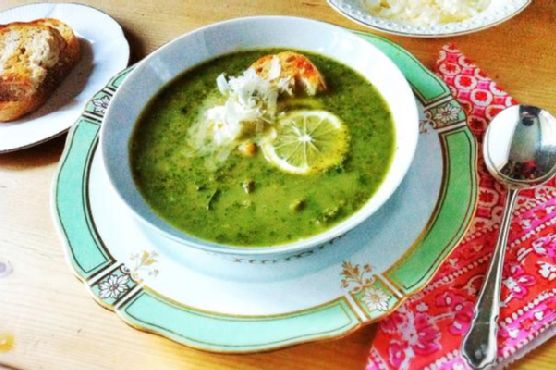
I remember the evening perfectly. It was one of those chilly Tuesday nights when you feel like you’ve barely survived the day and the only thing that could possibly make it better is a big bowl of something soul-warming. I opened my fridge and, like a miracle, the ingredients for this Kale and Chickpea Soup with Lemon seemed to jump out at me. The magic of this soup is in its simplicity. It’s the kind of dish that feels like a hug in a bowl, yet it’s deceptively easy to throw together. A few fresh ingredients, a touch of blending, and you’ve got yourself a soup that’s both nourishing and comforting. Plus, it’s the perfect excuse to use that crusty bread you’ve been meaning to finish.

Jump to Recipe

What You’ll Need

I bet you’ve got most of these lying around already. This list is all about those everyday heroes that transform humble into heartwarming.

  • 2 banana shallots
  • 1 bay leaf
  • 2 cans chickpeas, drained and rinsed
  • 2 stalks of celery
  • 1/2 teaspoon of chilli flakes
  • 1 loaf of crusty bread
  • 1 garlic clove
  • Lemon (juice of half, plus slices for garnish)
  • 1 bunch of kale, stems removed, roughly chopped
  • 2 tablespoons of olive oil
  • Parmesan cheese, for topping
  • 1 sprig of rosemary
  • Salt, to taste
  • 1.5 liters of stock (vegetable or chicken)

How to Make Kale and Chickpea Soup with Lemon

  1. Set a Dutch oven or large saucepan over medium heat and pour in the olive oil. Let it warm slightly until it shimmers.
  2. Finely dice the banana shallots and toss them in, stirring to coat them in the oil. Let them sizzle and become translucent.
  3. Slice the celery stalks horizontally into long strips, then chop them into small pieces. Add these to the shallots, stirring occasionally.
  4. Finely chop the rosemary leaves and add them to the pan, along with the bay leaf and chilli flakes. Wait for the fragrance to hit you – it’s a good sign.
  5. Smash the garlic clove using the flat of your knife and your palm, then toss it in whole. No need to fuss over chopping here.
  6. Rinse and drain the chickpeas and add them to the pan along with the kale. Stir everything together until it’s all coated nicely.
  7. Pour in the hot stock and bring it all to a gentle boil, then reduce the heat and let it simmer for about 20 minutes, until the kale is beautifully tender.
  8. Squeeze in the juice of half a lemon, stirring to blend. Taste and adjust the seasoning with more lemon or salt, depending on your stock.
  9. Using either a stick blender in the pan or in batches in a regular blender, blitz the soup to your desired texture. I like to set aside a ladleful or two before blending so there are still some chickpeas and kale for texture.
  10. Serve hot, with a couple of lemon slices floating on top of each bowl, and pass around the parmesan cheese for everyone to sprinkle to their heart’s content. Pair with toasted crusty bread for dipping.

Cook’s Notes

Okay, here’s the lowdown. If you’re planning ahead, this soup is a fantastic make-ahead option. It actually tastes even better the next day once the flavors have had time to marry. Just store it in an airtight container in the fridge for up to three days. Reheat gently on the stove, adding a splash of water if it’s thickened up too much. You can also freeze this soup for up to three months, though I’d recommend freezing before adding the lemon juice to prevent bitterness. Defrost it overnight in the fridge and add the lemon after reheating.

Watch your salt! If your stock is already salted, you might want to wait until the end of cooking to adjust the seasoning. It’s always easier to add than to take away.

Make It Your Own

The beauty of this soup is its flexibility. Here are a few of my favorite variations:

  • Swap the chickpeas for white beans: Cannellini or Great Northern beans work beautifully here, offering a creamier texture.
  • Add protein with chicken: Shredded rotisserie chicken stirred in at the end makes this a heartier meal.
  • Spice it up with chorizo: Cook some diced chorizo in the pan before the shallots and let the spicy oil enrich the soup.
  • Go green with spinach or Swiss chard: If kale isn’t your thing, these leafy greens make a great substitute.

If you try this, I’d love to hear how it turns out — drop a comment or tag me! Your feedback is the best part of sharing recipes. Happy cooking!

Related update: Kale and Chickpea Soup with Lemon

Ovechkin’s Uncertain Farewell in D.C | Analysis by Brian Moineau

Alex Ovechkin may have played his final game for the Washington Capitals

Alex Ovechkin may have played his final game for the Washington Capitals — or he might lace up again. That uncertainty hung in the air after the Capitals closed their season with a 2-1 win over the Columbus Blue Jackets on April 15, 2026, a night when the 40-year-old legend assisted on the game-winner and told reporters, “I hope it’s not my last game. I don’t know what’s going to happen.” The line felt both hopeful and honest: a champion pausing at a crossroads, with every next step open.

For fans and observers, this is more than a roster question. It’s the possible end of an era. Ovechkin has been the face of the franchise since 2005, the man who broke Wayne Gretzky’s single-season goal-scoring record and transformed goal scoring into an art form. Whether he returns or retires, the fallout will ripple through Washington, the NHL, and hockey culture itself.

What happened in the season finale

  • The Capitals beat the Blue Jackets 2-1 in Columbus, finishing their regular season on a high note.
  • Alex Ovechkin assisted on Jakob Chychrun’s power-play winner late in the third period and then received a long ovation as the final horn sounded. (nhl.com)
  • Ovechkin repeatedly emphasized that he will decide during the offseason — factoring in health, family conversations, and meetings with Capitals leadership. (nhl.com)

The scene was poetic: the opponent was the Blue Jackets, the same franchise Ovechkin faced in his NHL debut in 2005. Fans traveled from Washington for the chance to see him one more time. He responded to chants of “One more year!” with a wry “I’ll think about it,” and later told reporters he didn’t know what would happen next. The line “I hope it’s not my last game” carried the weight of someone who knows both what he’s achieved and what it takes to keep playing at an elite level.

Why this decision matters beyond goals and games

First, Ovechkin’s status affects the Capitals’ identity. He’s not merely a high-scoring winger; he’s the franchise’s cultural anchor. Losing him to retirement would force a shift in leadership, marketing, and fan engagement. The team has young pieces and an emerging core, but replacing the emotional and on-ice gravity of Ovechkin isn’t a simple transaction.

Second, his choice influences the conversation about longevity and legacy in the NHL. At nearly 41 in September, Ovechkin still produced — playing all 82 games and leading the Capitals in goals this season. If he returns, he’ll be a test case for how elite veterans age gracefully and how teams deploy elder statesmen without compromising development of younger players. If he retires, his legacy will be tidy and thunderous: the greatest pure goal-scorer in NHL history, a Cup champion, and an icon whose highlights will define a generation.

Finally, there’s the human side. Ovechkin repeatedly cited health and family as key input into his decision, and he has been clear he wants to be smart about the next step. For a player who has given so much, the offseason becomes a table for real, personal conversations with coaches, ownership, and his children — a reminder that athletes’ choices are about more than the box score. (apnews.com)

The financial and roster calculus

Teams and fans often speculate about contracts and cap flexibility, but Ovechkin’s decision will be shaped by subtler things: the role he’d accept, minute limits, and how the Capitals plan to balance veteran presence with youth development.

  • If Ovechkin returns, expect a one-year conversation about usage and potentially a team-friendly structure that preserves salary-cap flexibility.
  • If he retires, the Capitals will gain cap room but lose the leadership and draw that a superstar captain provides.

Either path requires careful management by GM Chris Patrick and the front office. In the end, the Capitals will prioritize sustainable competitiveness while honoring the legacy of the player who helped deliver their only Stanley Cup in 2018. (nhl.com)

Fans, sentiment, and nostalgia

Transitioning from the tactical to the sentimental: this offseason feels like a chapter’s end regardless. Fans flocked to that finale in Columbus, signs and chants in tow. Social feeds filled with highlight reels and gratitude. When a player reaches the end of a luminous run, the noise is less about speculation and more about communal memory-making.

There’s also a practical note: whether Ovechkin returns or retires, the league will keep celebrating him. He’s already etched into NHL history with 929 goals and counting as of the end of this season. His eventual Hall of Fame trajectory is a given; the only variable is timing.

What could influence his final call

  • Health and physical readiness after a full 82-game season. (nhl.com)
  • Family priorities and life after hockey.
  • Conversations with team leadership — coach Spencer Carbery, GM Chris Patrick, and owner Ted Leonsis.
  • Desire for one last run at the Cup versus the satisfaction of an already-completed career.

Each factor pulls differently. Sometimes the deciding factor is a single conversation; other times it’s the sum of a season’s wear and the hope of one more deep playoff run.

A final posture

  • He left the ice thanking the fans and saying he’d take the decision into the offseason.
  • The Capitals will meet internally and then wait on Ovechkin’s choice, which may come after summer reflection. (nhl.com)

Final thoughts

There’s beauty in the uncertainty. Watching a career close — or pause — forces us to appreciate the ordinary grit behind extraordinary moments. Alex Ovechkin has given us two decades of theatrical goals, relentless competitive fire, and a charisma that made hockey must-watch TV. Whether he returns for a 22nd season or decides this is the graceful last act, the sport will be richer for the story he wrote.

The offseason will tell us what comes next. For now, savor the highlights, celebrate a rare athlete who redefined scoring, and recognize a moment when a team — and its fans — stand at the threshold of change.

Sources


Related update: We recently published an article that expands on this topic: read the latest post.

Healthy Orange Chicken | Made by Meaghan Moineau

It was one of those evenings where the craving for takeout hits hard, but the thought of delivery fees makes you cringe. I remember standing in my kitchen, staring at a lonely chicken breast and a couple of oranges, thinking, “Could I… maybe… make orange chicken from scratch?” Spoiler: I did, and it was magic. It turns out, whipping up a healthier version of this takeout classic is not only doable but downright satisfying. The best part? It’s a whirlwind of citrusy freshness, subtle heat, and a sweet tangy glaze that hugs every bite of tender chicken.

Jump to Recipe

What You’ll Need

So, what’s the secret sauce (pun intended) to this homemade wonder? A lot of it is probably already chillin’ in your pantry or fridge. Here’s what you’ll need:

  • Chicken breast – the star; make sure it’s fresh and juicy.
  • Vegetable oil
  • Orange juice – squeezed or store-bought, but fresh is fab.
  • Rice vinegar
  • Rice wine
  • Soy sauce – it’s gotta be the good stuff.
  • Chili sauce
  • Garlic – because what is even life without garlic?
  • Brown sugar
  • Orange zest – that’s where the zing comes from!
  • Green onions
  • Water
  • Corn starch
  • Salt and pepper
  • White rice – fluffy and perfect for soaking up all that goodness.

How to Make Healthy Orange Chicken

  1. First, cut the chicken breast into bite-sized cubes. This is where the magic begins.
  2. In a mixing bowl, combine the chicken with orange juice, rice vinegar, rice wine, chili sauce, brown sugar, and minced garlic. Mix it up and let those flavors marinate.
  3. Cover the bowl with plastic wrap, pressing it down so the marinade really gets to know the chicken. Pop it in the fridge for about an hour.
  4. While the chicken is getting cozy in the marinade, chop up your veggies. Cut the onion into square pieces and separate the white and green parts of the green onions. Don’t forget to zest that orange!
  5. Heat vegetable oil in a sauté pan over high heat. Toss in the marinated chicken and sauté for about a minute. Toss it around and give it another minute until it’s golden and caramelized.
  6. Transfer the chicken to a dish and, in the same sizzling pan, add the chopped onion. Sauté until they’re soft and aromatic.
  7. Add the chicken back into the pan along with the white parts of the green onion and your glorious orange zest. Let them mingle for about 30 seconds.
  8. Pour in the marinade liquid and let it simmer. This is where things get saucy!
  9. Add the remaining green onion and let the sauce thicken to your liking. A little patience here goes a long way.
  10. Once the sauce has reached your preferred consistency, season with salt and pepper. Serve it over a bed of fluffy white rice, and voilà, your orange chicken masterpiece is ready!

Cook’s Notes

– Make sure not to skip the marinating process. It’s what gives the chicken all that flavor you love.
– If you’re short on time, you can marinate for less, but an hour is ideal.
– Store leftovers in an airtight container. They’ll keep in the fridge for up to three days, and honestly, the flavors get even better!
– To reheat, just pop it in a pan over medium heat. Add a splash of water if the sauce gets too thick.

Make It Your Own

  • Swap the chicken for crispy tofu to keep it vegetarian. Just prep the tofu the same way!
  • Add some bell pepper slices or broccoli florets for extra crunch and color.
  • Switch up the sauce with a few dashes of sesame oil for a nutty twist.
  • Fancy a bit more heat? A sprinkle of crushed red pepper or a drizzle of sriracha should do the trick!

If you try this, I’d love to hear how it turns out — drop a comment or tag me! And remember, cooking is all about experimenting, so don’t be afraid to put your own spin on it. Happy cooking! 🍊🍗

Related update: Healthy Orange Chicken

Related update: Cheddar Polenta With Bacon Wrapped Asparagus

Superbowl Chili | Made by Meaghan Moineau

It was one of those classic winter weekends when all you want to do is nestle under a blanket with something hearty and warm. The kind where the wind whistles outside like it’s in on some secret joke. I was in the kitchen, rifling through the pantry, and there it was: a can of black beans. That was the spark for my Superbowl Chili, a dish that’s not just for the big game but perfect for any occasion when you need a comforting, one-pot wonder. It’s rich, robust, and oh-so-satisfying, with a kick that warms you from the inside out. The best part? You probably have most of the ingredients already sitting in your kitchen waiting for their moment to shine.

Jump to Recipe

What You’ll Need

Most of these ingredients are pantry staples, so you might not even need a grocery run. And honestly, any recipe that saves me a trip to the store is already a win in my book.

  • Lean ground beef – This is our hearty base.
  • Sirloin steak – Adds a nice textural contrast.
  • Olive oil
  • Yellow onions
  • Carrots
  • Garlic
  • Canned black beans
  • Diced canned tomatoes
  • Chili powder
  • Cumin
  • Dried oregano
  • Chipotle chile pepper in adobo sauce
  • Kosher salt
  • Low sodium chicken stock
  • Fresh cilantro
  • Green onions
  • Lime
  • Monterey jack cheese
  • Sour cream

How to Make Superbowl Chili

  1. In a large heavy pot set over high heat, add the ground beef and steak chunks. Stir frequently until the meat is browned. This should take about 8 minutes. The kitchen will start to fill with those irresistible, savory aromas.
  2. Using a slotted spoon, remove the beef to a plate. Pour off the excess liquid from the pot. I like to use a strainer over a bowl to make sure I catch all the leftover juices, leaving the meat nicely drained.
  3. In the same pot, add a splash of olive oil and set over medium heat. Once it’s shimmering, toss in the carrots, onions, and garlic. Stir these until they’re softened, about 5 minutes, and enjoy how they turn golden and fragrant.
  4. Return the beef to the pot and sprinkle in the chili powder, cumin, oregano, salt, and chopped chipotle chile. Stir and let these cook for just a minute to unlock all those bold, mouth-watering flavors.
  5. Add in your diced tomatoes and chicken stock. Bring everything to a simmer, then reduce the heat to keep it at a gentle simmer for 30 minutes. Stir occasionally and watch as the liquid gradually reduces, intensifying the flavors.
  6. Stir in all but 1/3 cup of the black beans and cook for another 5 minutes. Mash the reserved beans with a fork and mix them into the chili for extra body and thickness.
  7. If you find the chili too thick, don’t fret. You can stir in up to an additional cup of chicken stock to get your preferred consistency. Let it warm for a few minutes, and you’re ready to serve.
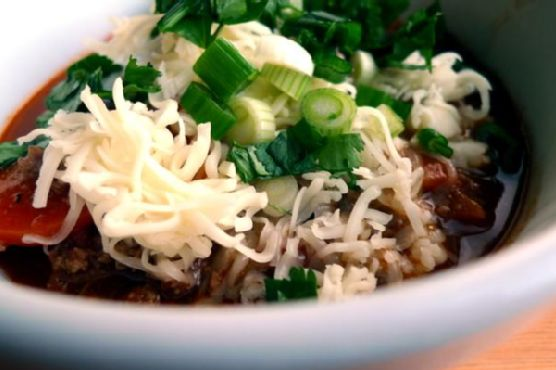
  8. Ladle the chili into bowls and garnish with your favorite toppings like fresh cilantro, green onions, a squeeze of lime, a sprinkle of Monterey jack cheese, and a dollop of sour cream. Enjoy!

Cook’s Notes

This chili is perfect for making ahead. You can prepare it up to two days before you plan to serve it. Just cool, cover, and refrigerate. When you’re ready to eat, reheat it over medium heat, stirring often to make sure it warms evenly.

Here’s a tip: if you’re making this for a crowd, keep the garnishes in separate bowls so everyone can customize their bowl just the way they like it. Don’t rush the simmering step. It’s crucial for developing that deep, rich flavor that makes this chili so special.

Make It Your Own

This chili is a canvas waiting for your personal touches. Here are a few ideas:

  • Swap the beef for crispy tofu to make it vegetarian. Just cube and brown the tofu before adding to the pot.
  • Use smoked paprika instead of regular chili powder for a smoky twist.
  • Add some bell peppers with the onions and carrots for an extra layer of sweetness.
  • For a spicier kick, add an extra chipotle pepper or a teaspoon of cayenne pepper.

If you try this, I’d love to hear how it turns out — drop a comment or tag me! Whether you’re watching the game or just enjoying a cozy night in, I hope this chili warms your heart and home. Enjoy every spoonful!

Related update: Superbowl Chili

Related update: Healthy Orange Chicken

Marvel Rivals: A New Hero Shooter Arena | Analysis by Brian Moineau

Ignite the Battle: Why Marvel Rivals Feels Like a Fresh Superhero Playground

Marvel Rivals lands like a gust of energy: flashy powers, crunchy third-person shooting, and the kind of fan-service roster that fills voice channels with excited squeals. Marvel Rivals invites players to "Play for free now! Get ready to Ignite the Battle with Marvel Rivals!" and, honestly, it delivers more than the usual hero-shooter checklist. From its 6v6 PvP core to growing PvE ambitions, this game feels less like a single product and more like the start of a living Marvel festival.

What Marvel Rivals is — and what it wants to become

At its core, Marvel Rivals is a free-to-play, team-based PvP shooter built around iconic Marvel characters and quick, ability-driven combat. Matches emphasize combos, positioning, and dramatic supers — the kind of moments where a perfectly timed skill turns a chaotic fight into a highlight clip.

However, developers at NetEase and Marvel Games are already signaling bigger goals. Rather than staying a straightforward 6v6 shooter, they intend to expand Rivals into broader experiences: seasonal content tied to MCU-inspired themes, PvE events (including a zombies mode), and even long-term plans that stretch toward 2027. In short, Rivals aims to be a game that evolves into more than "just a shooter." (marvelrivals.com)

Quick highlights

  • Fast, movement-friendly third-person combat with superhero abilities.
  • A rotating seasonal model that adds characters, modes, and themed content.
  • Free-to-play access with a robust hero roster at launch and ongoing updates. (marvelrivals.com)

Why the free-to-play hook matters now

Free-to-play means low friction: anyone with a PC or console can jump in and try combinations of heroes without a paywall blocking access. That accessibility helped Marvel Rivals amass a big player base shortly after launch, which in turn fuels matchmaking, stream visibility, and the ecosystem required for a live service to thrive. Players get instant access to heroes and can focus on learning kits and team synergies rather than grinding to unlock characters. This is a design choice that suits a hero shooter’s social momentum.

Moreover, keeping heroes broadly accessible encourages experimentation — and experimentation makes for community-driven meta shifts and highlight-worthy plays, both crucial for a game that lives or dies by its moments.

Marvel Rivals: evolving beyond PvP

Transitioning from purely competitive 6v6 matches to hybrid content is smart. NetEase has started introducing PvE content — most notably a Marvel Zombies mode — which mixes PvP-style heroes with cooperative encounters and boss battles. These modes broaden appeal: players who prefer co-op or story-driven events get something to sink their teeth into, while PvP veterans find new ways to test builds against AI and bosses. PC Gamer’s coverage of the Zombies announcement highlights how the game can leverage Marvel’s vast alternate-universe stories to create playful, sometimes bizarre experiences (yes, there’s a shark guy). (pcgamer.com)

Looking ahead, the creative director has spoken about plans that run through 2027: more modes, tie-ins inspired by the Infinity Saga, and an aesthetic evolution that he describes — cryptically — as moving toward a "moving anime" experience. Whether that becomes hyper-stylized cinematics, larger narrative events, or an overhaul of presentation, the ambition signals long-term thinking. If developers execute carefully, Rivals can avoid the "flash in the pan" trap many live-service shooters face. (gamesradar.com)

The gameplay loop that keeps players coming back

The action loop in Marvel Rivals is straightforward and addictive: pick a hero, learn a kit, master ability combos, and sync with teammates. Short matches make the game friendly for daily sessions, while frequent seasonal updates add new heroes and tweaks to spice up the meta.

Rewards and events support this loop. Timed events, cosmetic drops, and limited-time modes create immediate reasons to log in. Because Marvel Rivals shipped with all heroes unlocked at launch and maintains a steady cadence of content, players feel rewarded for trying new characters instead of being locked behind a progression wall. (marvelrivals.com)

The balancing act: challenge and community

Any hero shooter must balance complexity and accessibility. Rivals walks that line by giving characters distinct personalities and unique systems without forcing a steep learning curve. Still, balance patches and quality-of-life updates will be crucial as the roster grows — something the team seems aware of, given their regular patch notes and roadmap updates.

Community engagement also matters. When a game ties itself to a cultural behemoth like Marvel, expectations soar. Listening to players, addressing bugs, and offering transparent roadmaps will decide whether Rivals becomes a beloved destination or a well-intentioned experiment that fragments under competing expectations. (marvelrivals.com)

Key takeaways

  • Marvel Rivals blends quick 6v6 PvP with superhero spectacle and broad accessibility.
  • Developers are expanding beyond PvP toward PvE, seasonal tie-ins, and longer-term content through 2027.
  • Free-to-play and unlock-every-hero approaches boost experimentation and community growth.
  • Success depends on balance updates, content cadence, and responsive community management.

My take

Marvel Rivals delivers the core joys of a hero shooter: heroic powers, satisfying ability interactions, and those highlight-reel plays you want to show off. Its biggest strength is also its biggest risk — the ambition to become more than a shooter. If NetEase and Marvel Games keep a clear roadmap, maintain balance, and keep the community in the loop, Rivals can grow into a diverse, long-running hub of Marvel content.

On the other hand, live-service fatigue is real. The difference will be how Rivals uses Marvel lore: as surface aesthetics, or as a deep well for event design and modes that feel fresh rather than recycled. So far, moves like the Zombies PvE mode and a steady seasonal plan suggest they understand this distinction. (pcgamer.com)

Sources

Ignite the battle and see which hero combos spark a new favorite — Marvel Rivals wants you in, and it’s shaping up to be a surprisingly ambitious place to play.


Related update: We recently published an article that expands on this topic: read the latest post.