
Last Tuesday, my kitchen was a whirlwind of chaos. It was one of those evenings where craving something decadent and a bit out of the ordinary hit like a freight train, and all I had was a pantry challenge waiting to happen. After digging through the freezer, I found a bag of crawfish tails, and suddenly, a memory of summer seafood boils with friends came flooding back. The tantalizing mix of spices and seafood was exactly what I needed, but in a form that was quick and easy without compromising on flavor. Enter: Crawfish Cake Sliders. These little beauties pack a punch, they’re crispy on the outside yet tender inside, and they’re kind of impressive when you serve them up — like a casual, yet gourmet, hand-held delight. Perfect for a weeknight dinner or to wow your friends at a gathering.
Jump to Recipe
What You’ll Need
Let’s be honest, if you love a good seafood dish, you’ve probably got most of this on hand already. Here’s what you’ll need to whip up these sliders:
- 1 teaspoon oil
- 1 cup chopped red onion
- 1 clove garlic, minced
- 1 teaspoon Creole spice (or to taste)
- 1 pound crawfish tails, thawed if frozen
- 1 large egg
- 1/2 cup bread crumbs
- 8 slider buns
- 1/2 cup tartar sauce
How to Make Crawfish Cake Sliders
- Start by heating 1 teaspoon of oil in a sauté pan over medium heat. Toss in the chopped onion and let it sizzle away with a pop of color from some finely chopped red pepper and celery — sauté these until tender, about 2-3 minutes. The kitchen should start smelling like a savory promise.
- Once the veggies are tender, remove the pan from the heat and add the garlic, crawfish meat, and Creole spice. The residual heat will mellow out the garlic and awaken the spices.
- Transfer this aromatic mixture into a mixing bowl and let it cool just enough so that it doesn’t scramble the egg. Speaking from experience here, oops!
- Mix in the egg and just enough bread crumbs for the mixture to bind together — you’re looking for a consistency that holds but isn’t dry. Taste and adjust the seasonings with salt, pepper, and more Creole spice if you’re feeling bold.
- Form the mixture into 8 equal patties and flatten them to about 3/4-inch thick. They should feel sturdy but not densely packed.
- Heat the remaining oil in the same sauté pan over medium heat. Cook the patties on both sides until they’re brown and crispy, about 3-4 minutes per side. This is where the magic happens — the aroma alone is worth it.
- Once cooked, serve each cake nestled in a slider bun with a generous dollop of tartar sauce. It’s the final touch that brings everything together.
Cook’s Notes
As you embark on this culinary adventure, keep a few things in mind: If using frozen crawfish tails, make sure they’re fully thawed and patted dry to prevent soggy cakes. The mixture should be moist but not wet; too much moisture means your patties might fall apart during cooking. If you need to make these ahead, form the patties and store them covered in the fridge for a few hours. Cooked patties can also be reheated in a 350°F oven until warm.
Make It Your Own
Here’s where you can get creative with these sliders:
- Spice Swap: Try using Old Bay or a Cajun spice mix if Creole isn’t your thing.
- Herb Boost: Add chopped fresh parsley or cilantro to the mixture for a fresh twist.
- Different Sauce: Swap out tartar sauce for a spicy remoulade or even a dollop of garlic aioli for a different flavor profile.
- Gluten-Free Option: Use gluten-free bread crumbs and buns to make this dish suitable for your gluten-sensitive friends.
If you try this, I’d love to hear how it turns out — drop a comment or tag me! Your kitchen stories make this cooking journey so much more fun. Happy cooking!
Related update: Crawfish Cake Sliders
Related update: Ditalini with peas
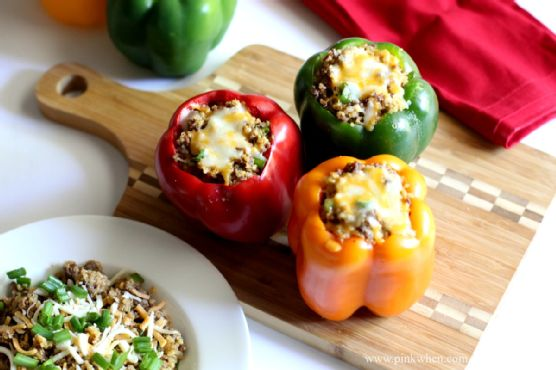
It was one of those weeknights where everything seemed to demand my attention at once. You know the kind, right? The kind where your inbox is overflowing, the laundry pile is ominously high, and all you want to do is eat something comforting that doesn’t involve a microwave pizza. So there I was, staring into my fridge, hoping for inspiration to leap out at me. That’s when I spotted the bell peppers chilling out in the crisper drawer, looking like they needed a purpose. The chorizo and ground beef were sitting in the fridge too, probably whispering that they’d be amazing together. And just like that, dinner was decided. These Chorizo and Beef Quinoa Stuffed Peppers are a satisfying blend of rich, spicy flavors and textures, and they come together quicker than you’d think. Plus, they’re perfect for those nights when you need something a bit more special without all the hassle.
Jump to Recipe
What You’ll Need
If you’re like me, you probably have most of these ingredients already lounging around your pantry and fridge. Here’s what you’ll want to gather:
- Bell peppers (any color you love)
- 1 cup quinoa
- Water (for quinoa)
- Chorizo, 250g
- Lean ground beef, 250g
- Mixed Monterey Jack and Cheddar cheese, 1 cup shredded
- 2 tablespoons green onion tops, chopped
- 1 teaspoon cumin
- 1/2 teaspoon cayenne
- 1 teaspoon chili powder
How to Make Chorizo and Beef Quinoa Stuffed Pepper
- Preheat your oven to 350°F (175°C). While you’re at it, bring a pot of water to boil for the quinoa. The goal is to get these started simultaneously to save time.
- In a skillet over medium heat, brown the chorizo and ground beef together. Stir occasionally until the mixture is golden and fragrant, around 6-8 minutes. Once cooked, drain the excess fat thoroughly and transfer the meat to a medium mixing bowl.
- Once your quinoa is fully cooked and fluffy, add it to the bowl with your meat mixture. This is where it starts to get exciting!
- Add the chopped green onion tops, cumin, cayenne, chili powder, and the shredded Monterey Jack and Cheddar cheese to the bowl. Mix everything well until it’s all happily combined.
- Prepare your bell peppers by cutting off the tops and removing any seeds. You want them to be ready to receive all that deliciousness.
- Stuff each bell pepper generously with your meat and quinoa mixture. Don’t be shy — pack it in there.
- Place your stuffed peppers in a baking dish, sprinkle a little more cheese on top for good measure, and bake in the preheated oven for about 10 minutes. You’ll know they’re done when the peppers have softened slightly and the cheese on top is melty and golden.
- Serve immediately and enjoy the awesome combination of flavors. Trust me, these are worth every bite.
Cook’s Notes
If you’re looking to make these ahead (and who doesn’t love a little meal prep?), you can absolutely prepare the filling in advance. Just store it in an airtight container in the fridge for up to two days. When you’re ready to eat, stuff the peppers and proceed with baking. As for leftovers, they keep well in the fridge for up to three days. Just reheat them gently in the oven or microwave until warmed through. A quick tip: make sure to drain the meat well after browning to avoid a greasy filling. Oh, and don’t skip the step of softening the peppers in the oven; it makes them easier to cut and eat!
Make It Your Own
Feel free to get creative with these stuffed peppers. Here are a few swap ideas to make them suit your taste:
- Swap the quinoa for cooked rice or couscous for a different texture experience.
- If you’re not into beef, try using ground turkey or chicken instead for a lighter option.
- Make it vegetarian by using crumbled tofu or tempeh in place of the meat. Just add a bit more spice to keep the flavor bold.
- Switch up the cheese with crumbled feta or a smoky gouda to add a unique twist.
If you try this, I’d love to hear how it turns out — drop a comment or tag me on your food pics! These stuffed peppers are a personal favorite, and I can’t wait to see your take on them. Happy cooking!
Related update: Chorizo and Beef Quinoa Stuffed Pepper
Related update: Crawfish Cake Sliders

It was one of those evenings when the fridge seemed to have its own agenda. You know, the kind where you open the door, and despite it being packed, you can’t find the makings of a straightforward dinner. I spotted some forlorn leeks and a half-full bottle of porter leftover from the weekend, and inspiration hit me like a bolt of lightning. Enter my Cheese and Leek Strata—a dish that’s an absolute game-changer for those nights when you don’t want to keep oscillating between the fridge and the pantry. This strata is comfort in a casserole, layered with flavors and textures that promise to turn your evening around. It’s like a savory bread pudding, but with a cheesy, leeky twist. Perfect for brunch or a cozy dinner, it’s a make-ahead marvel that gives you more time to curl up on the couch with a good book or Netflix series.
Jump to Recipe
What You’ll Need
With ingredients you likely have lurking around your kitchen, this dish won’t require a mad dash to the grocery store. Here’s the lowdown:
- 6 large eggs
- 2 cups milk
- 1/2 cup porter (or any dark beer)
- 1 garlic clove, minced
- Salt and pepper, to taste
- 1 loaf sourdough bread, cut into cubes
- 1 large leek, thinly sliced
- 1 red bell pepper, diced
- 1 cup shredded cheddar cheese
- 1 cup shredded Swiss cheese
How to Make Cheese and Leek Strata
- Preheat your oven to 350 degrees Fahrenheit. As it warms, the kitchen fills with a cozy promise of what’s to come.
- In a large mixing bowl, combine the eggs, milk, porter, minced garlic, and a generous pinch of salt and pepper. Beat this mixture well until it’s beautifully blended, creamy and slightly frothy.
- Grease a 2.5-quart round baking dish. Place half of the sourdough bread cubes at the bottom, forming the first layer of your strata.
- Sprinkle half of the sliced leeks and diced red bell pepper over the bread layer. The veggies should look like colorful confetti scattered across the bread.
- Top this veggie layer with half of the Swiss and cheddar cheeses, letting it snow over the vibrant layer beneath.
- Repeat the layering process with the remaining ingredients—bread, leeks, bell pepper, and cheeses—ending with a delightful blanket of cheddar cheese on top.
- Pour the egg mixture evenly over the entire dish, ensuring the liquid seeps through to all corners.
- Cover the dish tightly with foil or plastic wrap and weigh it down with a slightly smaller baking dish. This step helps everything meld together beautifully.
- Refrigerate for at least 2 hours or, even better, overnight. This waiting period lets the flavors mingle and intensify.
- When you’re ready to bake, remove the cover and place it in the oven for about 40 minutes. The strata is done when the center is set and the top is golden and enticingly fragrant.
- Serve warm, and let the compliments roll in!
Cook’s Notes
You’ll want to give this strata time in the fridge. Trust me, it makes all the difference in flavor and texture. If you’re strapped for time, a minimum of 2 hours will do, but overnight is optimal. If you have leftovers, they store beautifully in the fridge for up to three days. Just reheat them gently in the oven. Be sure to use a crusty sourdough—it holds up better against the liquid soaking. And if you find the center isn’t setting after 40 minutes, give it another 5-10 minutes until it’s firm.
Make It Your Own
- Swap the cheddar cheese for some sharp Gruyère if you’re feeling fancy.
- Not a fan of leeks? Try using caramelized onions for a sweeter touch.
- Give it a meaty twist by adding cooked bacon or sausage between the layers.
- For a spicy kick, toss in some jalapeños alongside the bell peppers.
If you try this, I’d love to hear how it turns out—drop a comment or tag me! Happy cooking, and may your fridge always surprise you in the best possible way.
Related update: Cheese and Leek Strata
Related update: Chorizo and Beef Quinoa Stuffed Pepper
Related update: Figure Friendly Mushroom and Bacon Strata

It was a rainy Wednesday evening when my kitchen turned into a culinary battleground. I was battling the clock, the weather, and my own growling stomach. In the chaos, I discovered a family classic that would become my weekday hero: Braised Pork, known in the Philippines as Humba. This dish is like a warm hug — cozy, flavorful, and so much easier than you’d think. The secret? It’s all in the marination and the slow simmering that transforms humble ingredients into something magical. Trust me, this one’s a keeper for when you need something hearty but don’t want to spend all day cooking.
Jump to Recipe
What You’ll Need
You might be surprised to find that the ingredient list reads like a pantry inventory. It’s a delightful mix of familiar staples and a few special twists that make all the difference.
- Pork belly – for that melt-in-your-mouth texture.
- Pork butt shoulder – adds a bit more substance and chew.
- Whole garlic – because vampires aren’t the only ones who appreciate its charm.
- Vinegar – gives the dish its signature tang.
- Brown sugar – balances the tang with a sweetness that caramelizes beautifully.
- Soy sauce – adds umami and color.
- Bay leaf – for a subtle aroma.
- Rice wine – it’s like the secret handshake of Asian cooking.
- Star anise – provides that warm, licorice-like hint.
- Oregano – a little herbal depth.
- Fermented black beans – those little flavor bombs.
- Whole peanuts – adds a nutty crunch.
- Olive oil – gets everything going.
- Paprika – a smoky whisper.
- Water – to help everything meld together.
- Fried bananas – trust me on this one.
How to Make Braised Pork: Filipino Humba
- In a large bowl, toss together the pork belly, pork butt shoulder, garlic, vinegar, brown sugar, soy sauce, and rice wine. Give it a good mix and let it marinate for about 30 minutes in the fridge. This is where the magic starts.
- After marinating, transfer everything from the bowl into a saucepan. Add water, fermented black beans, and peanuts. Cover the pan and bring it to a boil. You’ll start to smell the savory-sweet aroma—it’s heavenly.
- Once it’s boiling, lower the heat to a gentle simmer. Add the bay leaf, star anise, oregano, paprika, and a splash of olive oil. Stir gently, then cover and let it simmer for about an hour or until the sauce is thick and glossy.
- Five minutes before finishing, decide on the bananas. If you’re feeling adventurous, add them in. Otherwise, serve them on the side. They add sweetness and a fun twist.
Cook’s Notes
So, here’s the deal: this dish loves time. The longer it simmers, the more the flavors develop. But don’t overdo it—an hour is usually perfect. If you find the sauce too thick, add a bit of water to loosen it up. Store leftovers in an airtight container and they’ll keep beautifully in the fridge for up to three days. Reheating brings the flavors back to life, just add a splash of water to keep it from drying out.
Make It Your Own
Here are some fun ways to switch things up without losing the essence of the dish:
- Swap the pork for crispy tofu if you’re going for a vegetarian vibe. Just adjust the marinating time a bit shorter.
- Try using coconut vinegar for a milder, slightly tropical twist.
- Add some pineapple chunks during the last ten minutes of simmering for a sweet and tangy flair.
- Replace the peanuts with cashews for an even richer nutty note.
If you try this, I’d love to hear how it turns out — drop a comment or tag me on social media! This dish has become a weeknight favorite in my house, and I hope it does in yours too. Happy cooking!
Related update: Braised Pork: Filipino Humba
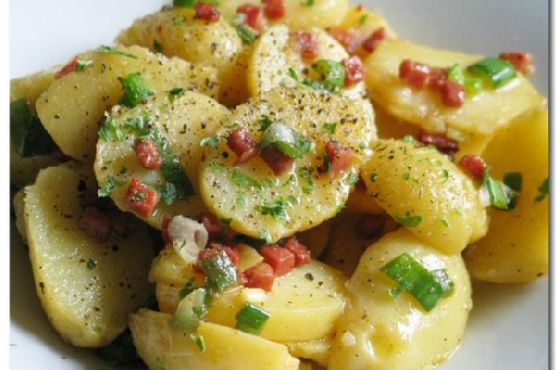
There was this one time, smack in the middle of a hectic Wednesday, when I found myself staring into the abyss of my fridge, promising my hungry self something quick and satisfying. You know those days, right? When you want something homemade but don’t really have the bandwidth for a culinary marathon. That’s when Charlotte Potato Salad came to the rescue. It’s like that best friend who stops by unannounced but always brings wine. This dish is vibrant, with just the right amount of zing from the mustard and lemon, balanced by the comforting notes of bacon and potatoes. Perfect for elevating a mundane weeknight or impressing a surprise guest.
Jump to Recipe
What You’ll Need
Here’s the best part — this recipe involves a handful of ingredients, many of which might already be sitting in your pantry or fridge. Just a few essentials come together to deliver a flavor-packed salad that feels both sophisticated and homey.
- Charlotte potatoes
- Bacon cubes
- Dijon mustard
- Dried parsley
- Lemon juice
- Olive oil
- Black salt and pepper
- Spring onions
How to Make Charlotte Potato Salad
- Begin by boiling the Charlotte potatoes in salted water until they are just tender. You’ll know they’re ready when a fork easily pierces through. Drain them and let them cool just enough to handle, then peel off the skins.
- In a small bowl, whisk together the lemon juice, Dijon mustard, black salt, and pepper until smoothly blended. Start to beat in the olive oil slowly, creating a creamy dressing. Add the finely chopped spring onions at this point, letting the sharpness infuse the sauce.
- In a dry frying pan over low heat, dry fry the bacon cubes. Let them sizzle and release their fat, crisping up for about 5 minutes. The smell will be irresistible!
- Add these golden bacon cubes to your dressing, stirring well to ensure each piece is coated in mustardy goodness.
- Thickly slice the warm potatoes and place them in a serving bowl. Pour the bacon-infused dressing over the potatoes, tossing gently to coat each slice.
- Finish with a generous sprinkle of dried parsley for a pop of color and added flavor, then serve warm or at room temperature.
Cook’s Notes
Alright, so here’s the scoop on making this dish even more seamless. If you’re prepping in advance, boil and peel the potatoes, then store them in the fridge. Just make sure everything comes to room temperature before you toss it together. This salad is best enjoyed warm but still delightful if served cold. Avoid over-boiling the potatoes — we want them soft but not mushy. The potato slices should hold their own and not turn into mashed potatoes as you mix.
Make It Your Own
You can riff on this salad in a few fun ways:
- Swap the bacon for crispy tofu cubes to make it vegetarian — simply fry the tofu until golden and proceed with the recipe.
- Try using fresh herbs like dill or chives instead of dried parsley for a fresh twist.
- For a richer flavor, substitute half of the olive oil with melted butter in the dressing.
- Mix in some capers for a briny kick that beautifully counterbalances the richness of the bacon and potatoes.
If you try this, I’d love to hear how it turns out — drop a comment or tag me! Cooking is all about sharing those delicious moments, and this one is too good not to share. Enjoy!
Related update: Charlotte Potato Salad
Related update: Quinoa Salad with Barberries & Nuts

It was one of those chilly evenings when nothing but a steaming bowl of comfort would do. My kitchen counter was a mess of ingredients that promised warmth and nostalgia: ramen packets, a handful of mussels I had ambitively picked up at the market, and that last lonely scallion in the crisper. This, I decided, was the night for Neoguri (Spicy Seafood Ramen). Quick enough for a weeknight yet impressive with its depth of flavor, this dish is all about minimal effort with maximum impact. And honestly, who doesn’t love a meal that comes together in under 15 minutes but feels like a hug in a bowl?
Jump to Recipe
What You’ll Need
You probably have most of these already lurking in your kitchen. Just a quick note, make sure to use fresh mussels for the best experience.
- Neoguri ramen (spicy seafood flavor)
- 1 egg
- Mussels (fresh, ideally)
- 1 green scallion
- Seaweed (gim sheets are perfect)
How to Make Neoguri (Spicy Seafood Ramen)
- Start by bringing a pot of water to a rolling boil. This is the moment for a deep breath because things are about to get exciting.
- Add the mussels and the sauce packets from the Neoguri ramen. Let them party in the pot for about 5 minutes. If you’re using fresh mussels, watch them closely: they should open up. Any stubborn, closed mussels deserve to be tossed.
- Time to add the ramen noodles. Give them 2 to 3 minutes to soften and soak up all that spicy goodness.
- For the egg, you have options: beat it and drizzle while swirling the noodles for those lovely egg ribbons or slide it in gently to poach. Both ways are dreamy.
- While everything mingles and cooks, grab your scallion and seaweed. Slice the scallion thinly and tear or cut up your seaweed into munchable pieces.
- Transfer your ramen to a serving bowl, putting the mussels on display like the treasures they are, and sprinkle generously with scallion and seaweed.
Cook’s Notes
The wonderful thing about this ramen is how forgiving it is. If you’re using dried seaweed snacks instead of gim, it works just as well. For those planning ahead, fresh mussels can be stored in the fridge for a day or two if they’re kept cool and moist. Once cooked, the ramen doesn’t fare well as leftovers (it tends to become a soggy sea of sadness), so plan to savor it in one sitting. If you find yourself with extra scallions or seaweed, these make great additions to salads or other soups you’ll whip up during the week.
Make It Your Own
- Swap out the mussels for shrimp or clams if that’s what you have on hand.
- Use crispy tofu instead of mussels for a delightful vegetarian spin that’s still packed with protein.
- If you’re not a fan of spicy, try mixing in a little coconut milk or cream to mellow out the heat.
- Want more greens? Toss in some spinach or bok choy just before the noodles finish cooking for extra nutrients.
If you try this, I’d love to hear how it turns out — drop a comment or tag me on social media! Whether you’re a ramen novice or a seasoned pro, this dish is bound to hit the spot. Enjoy your bowl of cozy goodness!
Related update: Neoguri (Spicy Seafood Ramen)
Related update: Braised Pork: Filipino Humba
Related update: Cauliflower, Leek and Cheddar Cheese Soup
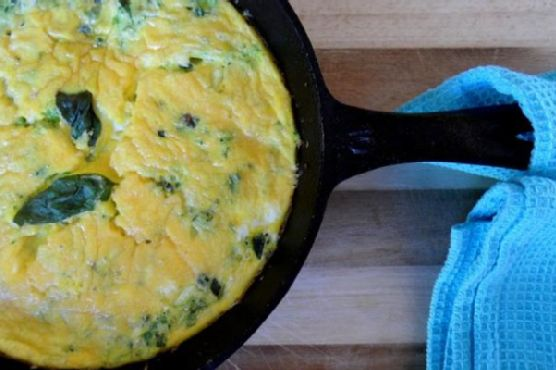
It was one of those Tuesday nights when the fridge was looking scarily empty, and yet, the thought of braving the grocery store felt like too much. That’s when I spotted the lone zucchini in the crisper drawer, looking like it might be the hero of dinner. With some eggs, a handful of basil, and a bit of cheese, this Zucchini & Basil Frittata came to life. It’s like an Italian hug in a skillet, perfect for a weeknight when you need something cozy but also have about 20 minutes of energy left in you. The beauty of this frittata is how it transforms humble ingredients into something that feels a bit more special.
Jump to Recipe
What You’ll Need
You probably have most of these on hand, which makes this recipe a lifesaver when you need a quick meal. Here’s what you’ll gather:
- Zucchini
- Salt
- Green onions
- Basil
- Cheddar cheese
- Eggs
- Grapeseed oil (or olive oil)
How to Make Zucchini & Basil Frittata
- First, shred your zucchini using a box grater or food processor. Place the shredded zucchini into a colander set over a bowl. Sprinkle with a little salt and let it sit for about 20 minutes to draw out the water. If you’re short on time, give it a squeeze with your hands to speed up the process.
- In a large mixing bowl, combine the shredded zucchini, chopped green onions, fresh basil, and grated cheddar cheese. Season with a bit more salt and stir everything until it’s well mixed.
- Crack the eggs into a separate bowl and beat them until smooth. Pour the beaten eggs into the vegetable mixture and stir until everything is happily combined.
- Preheat your oven to 350°F (175°C). While it’s warming up, heat 1 to 2 tablespoons of grapeseed oil in a 10-inch cast iron skillet over medium heat, ensuring the bottom and sides are well-coated.
- Pour the egg and veggie mixture into the skillet, spreading it out evenly. Let it cook for about 3 to 5 minutes, until the edges start to set and cook.
- Carefully transfer the skillet to the preheated oven. Bake for 12 to 15 minutes, or until the center is set and a toothpick comes out clean.
Cook’s Notes
Let’s talk about getting the most out of your frittata. It’s crucial to get rid of excess water from the zucchini; otherwise, the frittata might end up watery. If you’re planning ahead, you can shred the zucchini the night before, which makes assembling the dish a breeze the next day. Leftovers can be stored in an airtight container in the fridge for up to three days. Reheat gently in a skillet or microwave when ready to enjoy again.
Make It Your Own
Feel free to get creative with this recipe! Here are some swap ideas:
- Switch out the cheddar cheese for feta for a tangy twist.
- Substitute basil with fresh dill or parsley for a different herbal note.
- Add sliced cherry tomatoes for a burst of color and sweetness.
- Replace the zucchini with shredded carrots or thinly sliced bell peppers if you’re out of zucchini.
If you try this, I’d love to hear how it turns out — drop a comment or tag me! Can’t wait to see your delicious frittatas!
Related update: Zucchini & Basil Frittata

Last Tuesday, I found myself in a bit of a culinary pickle. It was one of those chaotic weeknights where all I wanted was something comforting yet not too heavy. But, with my pantry looking a little uninspired, the options seemed limited. As I rummaged through my fridge, I spotted some fresh herbs and eggs. That’s when inspiration struck – Vegetarian Scotch Eggs. They’re not only a playful twist on a classic favorite, but they also satisfy that comforting craving without being overly indulgent. Plus, they’re surprisingly easy to whip up, even when you’re short on time. So, if you’re juggling a busy schedule but still want something delicious, this recipe is your golden ticket.
Jump to Recipe
What You’ll Need
If you’re like me, you probably have most of these ingredients already hanging out in your kitchen. Simple yet flavorful, these are the stars of our dish:
- Fresh breadcrumbs
- Fresh dessert spoon chives
- 5 eggs (4 for boiling, 1 for coating)
- Fresh dessert spoon flat-leaf parsley
- Black salt and pepper
- Vegetable oil
How to Make Vegetarian Scotch Eggs
- Preheat your oven to 325°F (170°C). This step is key to ensure our Scotch eggs are perfectly warm and crisp.
- Place 4 eggs in a medium-sized pan and cover them entirely with cold water. It’s like giving them a little bath before the magic happens.
- Bring the water to a gentle boil, then reduce the heat and let them simmer for exactly 4 minutes. We’re aiming for that slightly soft, golden center.
- Immediately transfer the eggs to a bowl of cold water. This stops the cooking process and makes them easier to peel. Trust me, your fingers will thank you.
- Peel the cooled eggs carefully. It’s like unwrapping a delicate little gift.
- In a small bowl, whisk the remaining egg until it’s all sunshine-y and smooth.
- Mix the chopped chives and parsley with the fresh breadcrumbs. Season with a pinch of black salt and pepper. Feel free to get a little generous here; seasoning is key.
- Gently roll each peeled egg in a bit of flour. This helps the coating stick like a dream.
- Dip the floured eggs in the whisked egg mixture, ensuring they’re well coated. Now, roll them in the herby breadcrumbs. This is where they get their magical cloak of flavor.
- Pour vegetable oil into a pan, about 2 inches deep, and heat it up. You’re looking for it to shimmer slightly – that’s when you know it’s ready.
- Carefully fry the coated eggs in the hot oil. Turn them occasionally to get an even golden color all around. This takes about 2-3 minutes. They’ll start to look irresistibly crunchy.
- Use a slotted spoon to remove the eggs from the oil and place them in an ovenproof dish. Pop them in the oven for another 3-4 minutes to make sure they’re heated through.
Cook’s Notes
Here’s the deal: the fresher your breadcrumbs, the better the crunch you’ll get. If you can make them at home, do it! And when it comes to frying, make sure your oil is hot enough before you lower in the eggs – a little test with a breadcrumb should tell you if it sizzles right. If the coating starts to brown too quickly, the oil is too hot. Just turn down the heat a bit.
Leftovers? Although these are best enjoyed fresh, you can store any extras in the fridge for up to two days. Just pop them in a preheated oven for about 10 minutes to heat them up again – they’ll be almost as delightful as the first time.
Make It Your Own
Here are some fun ways to switch things up and keep it interesting:
- Spicy Kick: Add a teaspoon of crushed red pepper flakes to the breadcrumb mix for a little heat.
- Cheesy Delight: Mix in some grated Parmesan or cheddar with the breadcrumbs for a cheesy crust.
- Herb Lovers: Switch up the herbs – basil and dill can add a fresh twist.
- Vegan Version: Use a flaxseed egg (1 tablespoon flaxseed meal + 2.5 tablespoons water) instead of a regular egg for the coating.
If you try this, I’d love to hear how it turns out — drop a comment or tag me! It’s always a joy to see how my favorite recipes are enjoyed by others. Happy cooking!
Related update: Vegetarian Scotch Eggs

Picture this: It’s a rainy Tuesday evening, I’m rummaging through my pantry, and the undeniable craving for something warm, sweet, and savory strikes. My go-to? Braised Pork: Filipino Humba. There’s something about the combination of tender pork and the rich, slightly sweet sauce that just screams comfort food. You’d think a dish with such bold flavors requires hours, but this gem is surprisingly weeknight-friendly. The magic lies in the balance of flavors, a little patience, and a hint of adventure. So, let’s dive in and make this delightful dish that captures the heart of Filipino cuisine in every bite.
Jump to Recipe
What You’ll Need
This recipe is the definition of pantry-friendly with a sprinkle of exotic intrigue. Chances are you already have most of what you need.
- Pork belly – the king of tender, juicy cuts
- Pork butt shoulder – adds depth with its marbled fat
- Whole garlic – because who doesn’t love garlic?
- Vinegar – for that tangy kick
- Brown sugar – sweetens the pot
- Soy sauce – umami galore!
- Bay leaf – subtle fragrance
- Rice wine – adds complexity
- Star anise – a whisper of licorice
- Oregano – for a hint of earthiness
- Fermented black beans – rich and salty
- Whole peanuts – crunchy texture
- Olive oil – just a splash
- Paprika – a dash for color
- Water – to bring it all together
- Fried bananas – for that tropical twist
How to Make Braised Pork: Filipino Humba
- In a large mixing bowl, combine the diced pork belly and pork butt shoulder with the whole garlic cloves, vinegar, brown sugar, soy sauce, and rice wine. Give it a gentle stir until everything is well-coated. Pop this into the fridge for about 30 minutes to marinate. You’ll want those flavors to mingle and get cozy.
- Once marinated, transfer everything into a heavy-bottomed saucepan. Add water, fermented black beans, and whole peanuts. Bring this beauty to a rolling boil, and then watch as the kitchen fills with an irresistible aroma.
- When it reaches a boil, dial the heat down to a gentle simmer. Stir in the bay leaf, star anise, oregano, paprika, and a drizzle of olive oil. Let it simmer away for about an hour. During this time, the sauce will thicken, and the pork will become melt-in-your-mouth tender.
- Five minutes before you’re ready to serve, decide if you want the fried bananas in the mix or on the side. Either way, they add a delightful sweetness that complements the savory sauce. Taste and adjust seasoning if needed. Then, plate up and dive in!
Cook’s Notes
Don’t rush the marinating process; it’s where the flavor magic truly begins. If you’re short on time, a quick 15-minute marinade can work, but longer is always better. When simmering, keep the lid on to retain moisture, but check occasionally to ensure nothing sticks. Should you find yourself with leftovers (unlikely as that may be!), store them in an airtight container in the fridge. The flavors deepen overnight, making it even better the next day. You can reheat on the stove or microwave, just add a bit of water to loosen the sauce if needed.
Make It Your Own
- Swap the pork for chicken thighs if you’re in the mood for poultry. They’ll soak up the sauce beautifully and cook a bit faster.
- For a vegetarian twist, replace the meat with crispy tofu. Just skip the marinating step and add the tofu in the last 15 minutes of cooking.
- If peanuts aren’t your thing, try adding cashews for a creamier texture.
- Want more heat? Toss in a sliced chili or two with the other spices.
If you try this, I’d love to hear how it turns out — drop a comment or tag me! Cooking is all about sharing the joy, and I’m excited to hear your thoughts and twists on this classic dish. Happy cooking!
Related update: Braised Pork: Filipino Humba
Related update: Zucchini & Basil Frittata
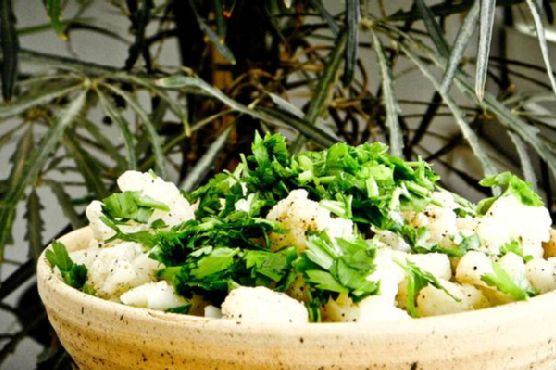
Last Tuesday, I found myself staring at a head of cauliflower in the fridge, feeling a bit uninspired and yet in desperate need of something fresh and zesty to perk up my weeknight dinner. It was one of those Tuesdays when you’re caught between the comfort of routine and the allure of a little culinary adventure. Enter the Egyptian Cauliflower Side Salad—a dish that’s beautifully simple yet impressively flavorful, perfect for those moments when you want something that’ll surprise your taste buds without complicating your evening. It’s quick, tangy, and lets the humble cauliflower shine with a bit of Middle Eastern flair. Trust me, this is one you’ll want as a regular in your recipe arsenal.
Jump to Recipe
What You’ll Need
This recipe is all about using fresh and vibrant ingredients that you might already have lounging around in your pantry or fridge. Think of it as a happy meeting between global flavors and everyday simplicity.
- Cauliflower – the star of the show, bring your best one!
- Cumin – to add that warm, earthy depth.
- Fresh parsley – for a burst of color and freshness.
- Lemon juice – for that zippy tang.
- Olive oil – your salad dressing superhero.
- Bell pepper – adds sweetness and crunch.
- Salt – to elevate all other flavors.
How to Make Egyptian Cauliflower Side Salad
- First, separate your cauliflower into medium-sized florets. Aim for bite-sized pieces that are easy to manage for both cooking and eating.
- Steam the cauliflower in a steamer until just tender. If you don’t have a steamer, no worries! You can boil the whole cauliflower in water until fork-tender and then cut it into pieces. Go for a texture that’s soft but still holds its shape.
- Once the cauliflower is cooked, place it in a large mixing bowl. The warmth will help it soak up all those delicious flavors we’re about to add.
- In a small bowl, whisk together the olive oil, cumin, lemon juice, and a generous pinch of salt. You want a good balance of zesty and savory here, so taste and adjust if needed.
- Pour the dressing over the warm cauliflower and toss gently to coat every piece. The aroma of cumin will start to fill your kitchen—it’s heavenly!
- Dice the bell pepper finely and add it to the bowl, tossing everything together once more for good measure.
- Finally, garnish with a handful of freshly chopped parsley. This not only adds a vibrant color but also a lovely fresh note to the salad.
Cook’s Notes
This salad is best enjoyed fresh, while the cauliflower is still warm, allowing it to soak up all those lovely flavors. However, it’s also quite forgiving if made in advance. Simply store it in the fridge for up to two days, and let it come to room temperature before serving to revive the flavors a bit. If you find the dressing has thickened upon chilling, a splash of warm water can loosen it right up. Be careful not to overcook the cauliflower—you’re aiming for tender, not mushy. It should have a slight bite to it, creating the perfect texture contrast with the creamy dressing and crunchy bell pepper.
Make It Your Own
- Swap the parsley for fresh cilantro if you’re a fan of its pungent flavor.
- For a spicy kick, add a pinch of red chili flakes to the dressing.
- Mix in some toasted almonds or pine nuts for extra crunch and nuttiness.
- Use lime juice instead of lemon for a slightly different citrusy edge.
If you try this, I’d love to hear how it turns out—drop a comment or tag me! Your kitchen adventures are always a delight to hear about. Enjoy your culinary trip to Egypt with just a few simple steps and ingredients!
Related update: Egyptain Cauliflower Side Salad
Related update: Charlotte Potato Salad
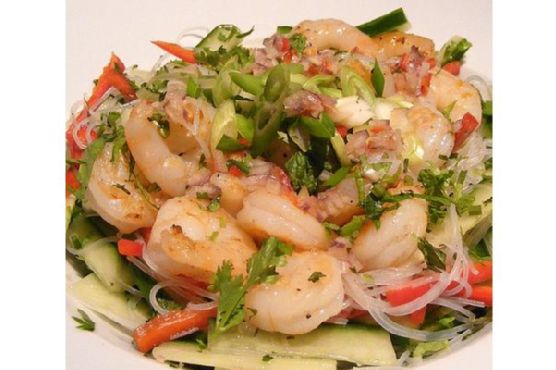
It was one of those evenings where the day seemed to stretch on forever, and all I could think about was something light yet satisfying to cap it off. The sun was setting, casting a warm glow across my kitchen, and I had a sudden craving for something that felt like a mini tropical escape. That’s when the idea of making Grilled Lemongrass Shrimp hit me. It’s the kind of dish that’s deceptively impressive but doesn’t demand hours of your time—perfect for a weeknight treat. The lemongrass adds a citrusy zing, while the chili paste gives it just the right kick. With a short marinating time, it’s as close to instant gratification as you can get with a grill. Plus, there’s something about skewering shrimp that feels like a fun party trick, even if it’s just you and your family.
Jump to Recipe
What You’ll Need
Chances are you already have most of this tucked away in your pantry, aside from maybe the lemongrass. But trust me, it’s worth hunting down for that signature aromatic flavor.
- Bamboo skewers soaked in water
- Lemongrass – the star of the show!
- Garlic
- Soy sauce
- Fish sauce
- Ground chili paste
- Pinch of salt
- Sugar
- Vegetable oil
- Water
- Raw shrimp – peeled and deveined
How to Make Grilled Lemongrass Shrimp
- Gather all your ingredients and a mixing bowl. Combine the chopped lemongrass, minced garlic, soy sauce, fish sauce, chili paste, salt, sugar, and a drizzle of vegetable oil in the bowl. Stir until it all comes together into a fragrant marinade.
- Add the shrimp into the bowl, making sure each one gets coated in the aromatic marinade. Let them marinate for 15 minutes—just enough time to sip on a cool drink and prep your grill.
- Thread the shrimp onto the soaked bamboo skewers. It’s all about that balance, so make sure the shrimp are spaced out evenly.
- Fire up your grill to moderate heat. If you’re using charcoal, wait until the coals are hot but no longer flaming. For a gas grill, a medium setting will do the trick.
- Place the skewers on the grill. The shrimp will cook quickly, so stay close. Turn them after about a minute or so, keeping an eye out for that beautiful pink hue and slightly charred edges. They’re done when they’re opaque and firm, about 2-3 minutes in total.
Cook’s Notes
If you’re like me and tend to get distracted, set a timer for the marinating and grilling time. You don’t want to overdo the shrimp—there’s nothing worse than rubbery seafood. If you don’t have a grill, a griddle pan on the stovetop works surprisingly well. Just make sure it’s hot enough to give you that lovely char. Leftovers, if you have any, are great cold in a salad or tossed into a noodle dish the next day.
Make It Your Own
- Swap the shrimp for chicken or tofu if you’re looking for a different protein. Adjust cooking times accordingly—chicken will take a bit longer.
- For a sweeter twist, add a splash of coconut milk to the marinade. It brings a creamy texture that pairs beautifully with the lemongrass.
- Throw in some chopped cilantro or mint into the marinade for a fresh, herbal kick.
- If you’re feeling brave, up the chili paste for more heat. Just have a cool drink at the ready!
If you try this, I’d love to hear how it turns out—drop a comment or tag me! It’s always fun to see how different kitchens bring their own flair to a dish. Enjoy your little slice of tropical heaven!
Related update: Grilled Lemongrass Shrimp

Last Tuesday, as I stood in my kitchen, surrounded by an unexpected bounty of carrots I’d picked up on a whim, inspiration hit. Why not make a comforting soup that’s both vibrant and subtly spiced? With a hint of coriander and a splash of orange juice, this carrot and coriander soup is not just a feast for the eyes, but also a delightful dance of flavors perfect for a chilly weeknight. It’s impressively easy, too, so it’s a win-win. The kind of recipe that lets you unwind as it simmers, filling your kitchen with warmth and the promise of a cozy meal. Oh, and it’s lightning fast to whip up! Jump to Recipe
What You’ll Need
Chances are you already have most of these ingredients in your pantry. Here’s what you’ll need to bring this dish to life:
- Carrots – peeled and ready to brighten up your evening
- Onion – chopped finely; it’ll lend sweetness as it cooks
- Olive oil – or butter, for that silky start
- Ground coriander – the star of the show with its earthy flavor
- Orange juice – to add a splash of freshness
- Water – enough to let the veggies dance around in the pot
- Salt – to taste, always
- Pepper – for a hint of warmth
- Fresh coriander – for that final, fragrant flourish
How to Make Carrot and Coriander Soup
- In a deep pot, heat the olive oil over medium heat. Toss in the chopped onions, stirring occasionally until they’re soft and translucent, and your kitchen smells like a dream.
- Add the peeled carrots to the pot and sauté them for a few minutes until they start to soften slightly and their sweetness gets a chance to shine.
- Pour in the water, season with salt and pepper, and cover the pot. Let it all simmer until the carrots are tender and flavorful, about 15-20 minutes.
- Stir in the orange juice and ground coriander. Let it cook for an additional 2 minutes, enough for the flavors to mingle and create magic.
- Carefully transfer the mixture to a blender and puree until smooth. You’ll want to do this in batches if your blender is on the smaller side.
- Return the pureed soup to the pot and give it a final taste test, adjusting the seasoning if needed. Serve hot, garnished with fresh coriander for a pop of color and extra zest.
Cook’s Notes
Here’s the stuff you really want to know: You can totally make this soup ahead of time. Just store it in an airtight container in the fridge for up to three days. When you’re ready to serve, simply reheat it on the stove until it’s piping hot. And a little secret — this soup freezes like a champ! Just skip the fresh coriander before freezing and add it only when serving.
Also, make sure your blender can handle hot liquids; you don’t want a carrot explosion! Let the soup cool a bit before blending, and never fill the blender more than halfway. Trust me on this one.
Make It Your Own
- Swap the water for veggie broth to amp up the flavor profile.
- Feeling indulgent? Stir in a splash of cream or coconut milk at the end for a richer texture.
- Boost the spice by adding a pinch of cayenne or smoked paprika.
- For a protein hit, toss in some cooked chickpeas when serving.
If you try this, I’d love to hear how it turns out — drop a comment or tag me! Whether you stick to the classic or put your own twist on it, this soup is sure to warm both your heart and your taste buds.
Related update: Carrot and Coriander Soup
Related update: Corn Avocado Salsa

It was one of those chaotic weeknights when I stumbled back into the kitchen after a long day, only to find a colorful assortment of bell peppers staring back at me from the fridge. They were practically begging to be turned into something delicious. I craved something that was not only quick to whip up but also packed with flavor and just the right amount of comfort. That’s when it hit me – a vibrant, flavor-packed Mexican stuffed bell pepper! These beauties come together effortlessly with a few pantry staples and a rotisserie chicken that I always keep around for emergencies. With a quick trip to the oven, they fill the house with mouthwatering aromas, and in no time, dinner is served. It’s the kind of recipe that feels satisfying and a little bit indulgent, but you know it’s good for you too.
Jump to Recipe
What You’ll Need
Let’s be honest, the best part about this recipe is that you probably have most of these ingredients on hand. Here’s what you’ll need to get started:
- Bell peppers (any color you love)
- Cooked brown rice
- Rotisserie chicken breast, shredded
- Frozen corn kernels
- Roma tomato, diced
- Red diced onion
- Black beans, drained and rinsed
- Fire roasted green diced chile
- Chili seasoning
- Minced garlic
- Low-fat shredded cheddar cheese
- Sour light cream
How to Make Blast Of Color Mexican Stuffed Bell Peppers
- Preheat your oven to 400 degrees. Feel that blast of warmth and imagine the deliciousness to come.
- In a large mixing bowl, toss together the cooked brown rice, shredded chicken, corn, diced tomato, onion, black beans, half a cup of shredded cheddar, garlic, green chile, and chili seasoning. Mix until everything is evenly distributed and it smells like a fiesta.
- Line a baking dish with foil and give it a spritz of cooking spray to prevent sticking.
- Take your bell peppers and cut off the tops, then scoop out the seeds. Stuff them generously with the chicken mixture, pressing it down to fill every nook and cranny, and heap some extra on top for good measure.
- Sprinkle each pepper with a bit more cheddar cheese, because let’s be honest, you can never have too much cheese.
- Bake in the preheated oven for 30 to 40 minutes. When the edges of the peppers start to bubble and the cheese turns golden, you know it’s ready.
- Let them cool just a bit, then top each pepper with a dollop of sour light cream before serving. Dig in and enjoy!
Cook’s Notes
These Mexican Stuffed Bell Peppers are a breeze to make, but here are a few things to keep in mind to ensure they turn out perfectly every time. Make sure your baking dish is large enough to fit all the peppers snugly so they stand upright and cook evenly. If you’re prepping ahead, you can mix the stuffing a day in advance and refrigerate it. Just stuff and bake when you’re ready. Leftovers can be stored in an airtight container in the fridge for up to three days. Just pop them in the microwave for a quick reheat.
Make It Your Own
Personalizing this dish is easy, and here are a few ideas to get you started:
- Swap the chicken for crispy tofu or ground turkey for a different protein option.
- Add a handful of fresh cilantro or parsley to the stuffing mix for a burst of freshness.
- If you like it spicy, throw in some jalapeño slices or a dash of hot sauce.
- Use quinoa instead of brown rice for a protein-packed alternative.
If you try this, I’d love to hear how it turns out — drop a comment or tag me! Cooking is all about experimenting and sharing, and I can’t wait to see your creations. Happy cooking!
Related update: Blast Of Color Mexican Stuffed Bell Peppers
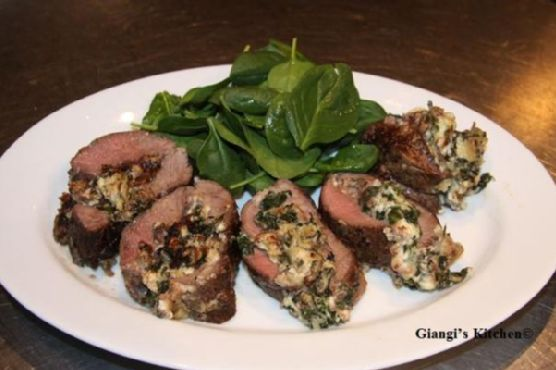
Picture this: It’s a Wednesday night, the middle of a chaos-filled week, and you’re staring into your fridge, half wishing it would magically produce something other than leftovers or eggs. It’s in moments like these that my Spinach and Gorgonzola Stuffed Flank Steak becomes a lifesaver. This dish is what I like to call my “secret weapon” — it sounds like a mouthful, but it’s surprisingly easy to pull together. Plus, it gives off this vibe that you’ve got your life together, even if you’re just trying to make it to the weekend. Think savory, melty gorgonzola mingling with fresh spinach, all hugged by a tender flank steak. Are you drooling yet?
Jump to Recipe
What You’ll Need
This ingredient list is refreshingly short and sweet, which means you can save that grocery store run for another day.
- Lean flank steak – the star of the show
- Olive oil – for a touch of richness
- Shallot – adds a subtle sweetness
- Spinach – fresh and vibrant
- Fresh bread crumbs – gives the stuffing a bit of body
- Blue gorgonzola – the cheesy dream
- Salt and pepper – the essentials
How to Make Spinach and Gorgonzola Stuffed Flank Steak
- Start by preheating your oven to 375°F (190°C). This is your cue to get things rolling.
- Next, butterfly the flank steak. Lay it flat on a cutting board and carefully slice through the long side, stopping just short of cutting it in half. If it’s already thin, just give it a good pounding with a mallet until it’s about 1/2 inch thick. Channel your inner chef!
- In a large skillet over medium heat, add 1 tablespoon of olive oil. Toss in the shallots and sauté until they’re soft and fragrant, about 2 minutes.
- Now, add the spinach. Stir occasionally until it’s just wilted, roughly 2 to 3 minutes. Transfer this mixture to a colander and let it cool. Once you can handle it, squeeze out all the moisture with your hands. Trust me, this step is crucial.
- In a medium bowl, combine the spinach with bread crumbs and gorgonzola. Season generously with salt and pepper, then mix it all up.
- Lay the steak flat on a piece of plastic wrap. Spread the spinach mixture evenly over it, leaving about a 1-inch border along the edges to prevent spillage.
- Using the wrap as an aid, roll the steak up starting from the edge closest to you. Press gently on the filling as you roll to keep it snug. Tie the roll with twine at 2 to 3-inch intervals to hold it all together.
- Season the outside with salt and pepper, then heat the remaining 2 tablespoons of olive oil in a large ovenproof skillet over medium-high heat.
- Sear the rolled steak on all sides until browned, about 2 minutes per side. The aroma will be irresistible at this point!
- Transfer the skillet to your preheated oven and roast for 20 to 25 minutes. When done, the steak should be firm but springy to the touch.
- Remove the steak from the oven, tent it with aluminum foil, and let it rest for 10 minutes. This is the hardest part – the waiting.
- When ready to serve, snip off the twine and slice into 1/2 inch to 1-inch thick slices. Voila! Enjoy your culinary masterpiece.
Cook’s Notes
If you’re looking for a shortcut, ask your butcher to butterfly the steak for you — major time saver. This dish works beautifully for make-ahead dinners. Simply prep it up to the point of searing, then chill in the fridge for a few hours, or even overnight. When you’re ready, just pick up where you left off. Leftovers (if there are any!) will keep well in the fridge for a couple of days and are delightful cold in a sandwich or reheated gently.
Make It Your Own
- Not a fan of gorgonzola? Swap it for creamy goat cheese or a melty Havarti.
- Add a layer of prosciutto before spreading the spinach mixture for an extra savory note.
- Throw in some chopped sun-dried tomatoes or roasted red peppers for a pop of color and flavor.
- For a twist, replace the spinach with arugula or baby kale — it’ll add a peppery kick.
If you try this, I’d love to hear how it turns out — drop a comment or tag me! Cooking should be fun, so let’s keep the conversation going. Happy cooking, friends!
Related update: Spinach and Gorgonzola Stuffed Flank Steak
Related update: Blast Of Color Mexican Stuffed Bell Peppers
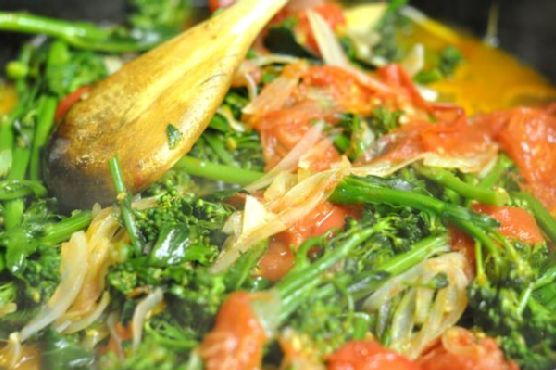
It was one of those chaotic Tuesday nights, you know the kind — the kind where you’re juggling an imaginary circus of tasks, and the last thing you want is to spend hours cooking. As I stood in front of my fridge, eyeing the contents like a puzzle to solve, I remembered a dish that never fails to impress with minimal effort: Broccoli Rabe and Breaded Veal Scallopini. This dish is a lifesaver when you want something that tastes gourmet but doesn’t require a culinary degree to execute. It’s elegant enough for company but simple enough for a weeknight. Plus, there’s the unbeatable combination of crispy breaded veal and the slightly bitter yet vibrant broccoli rabe. Trust me, it’s a winner.
Jump to Recipe
What You’ll Need
I promise, this recipe won’t send you on a scavenger hunt through specialty stores. Chances are you already have most of the ingredients hanging out in your pantry or fridge. Here’s what you’ll need:
- Broccoli rabe
- Veal scallopini
- Butter
- Egg
- Olive oil
- Salt and pepper
- Yellow onion
- Garlic clove
- Tomatoes
- Bread crumbs
How to Make Broccoli Rabe and Breaded Veal Scallopini
- Start by giving the broccoli rabe a good wash. Steam it for about three minutes until it’s a vibrant green but still slightly crisp. If you have a pressure cooker, even better — it’ll be done in no time.
- While your broccoli rabe is steaming away, thinly slice the yellow onion and peel a clove of garlic. Cut the garlic in half and remove the stem to mellow out the flavor a bit.
- In a deep pan, heat up a tablespoon or two of olive oil over medium heat. Toss in the sliced onion and garlic. Sauté until the onions are translucent and the garlic is fragrant — about three minutes.
- Add the steamed broccoli rabe to the pan, cover with a lid, and let it cook for another few minutes. You want it tender but not mushy.
- Chop your tomatoes into wedges — four or eight, depending on their size. Add them to the pan and let everything mingle together for a few more minutes. Season with salt and pepper to taste.
- Now for the veal: Season each piece of veal scallopini with salt and pepper. Dip them first in a beaten egg, and then in bread crumbs, ensuring an even coat.
- In another pan, melt a generous amount of butter over high heat. Pan-fry the veal for 1-2 minutes on each side until they’re golden brown and crispy. Remember, these cook fast, so keep an eye on them!
- Serve the veal alongside the broccoli rabe and tomato medley, and enjoy the delicious symphony of flavors.
Cook’s Notes
Okay, let’s chat about some practical stuff. First, make sure your veal is patted dry before you start breading. It helps the crumbs stick better. If you’re making this ahead of time, prepare the broccoli rabe and tomatoes and store them in the fridge. You can bread the veal in advance, but I recommend frying it right before serving for the best crunch. Leftovers? Store them in an airtight container and gently reheat them in a pan — the microwave will make the breading soggy, and nobody wants that.
Make It Your Own
Here are a few fun ways to switch things up!
- Swap the veal for chicken breast if that’s what you have on hand, or if you prefer chicken. It works just as well!
- Want a vegetarian version? Use crispy tofu as your protein. Just press it well before breading and frying.
- Add a sprinkle of grated Parmesan cheese to the bread crumbs for an extra layer of flavor.
- If you’re not a fan of broccoli rabe, broccolini or kale are great substitutes.
If you try this, I’d love to hear how it turns out — drop a comment or tag me! Cooking is all about experimenting and making it your own, so don’t hold back. Happy cooking!
Related update: Broccoli Rabe and Breaded Veal Scallopini
Related update: Spinach and Gorgonzola Stuffed Flank Steak
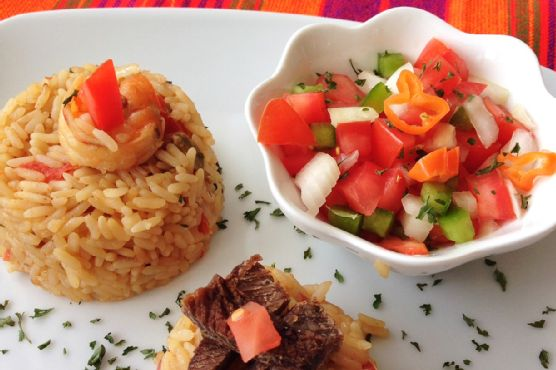
Imagine this: It’s a chilly, rainy Tuesday evening. I find myself staring into the pantry, looking for something that’ll warm me up, body and soul. I have a little bit of goat meat, some shrimp, and the usual pantry spices that seem to multiply on their own. It’s the kind of evening where you crave something comforting yet exotic, and that’s when I remember — Kenyan Pilau. It’s one of those dishes that sounds impressive but is surprisingly easy to whip up. The aroma of spices mingling in the kitchen is enough to make anyone feel like a culinary genius. It’s perfect for those weeknight dinners when you want to travel the world without leaving your kitchen.
Jump to Recipe
What You’ll Need
Trust me, you might already have most of these ingredients lounging around in your kitchen. And the hero of this dish? It’s definitely the spice mix that elevates a simple rice dish into something extraordinary.
- Black whole peppercorns
- Cardamom pods
- Cinnamon sticks
- Cumin seed powder
- Garlic
- Ginger
- Goat meat
- Onion
- Canned rice
- Salt
- Dressed shrimp
- Tomatoes
- Cooking spoon of vegetable oil
How to Make Kenyan Pilau
- First things first, season the goat meat well and set it to boil. You want it tender, like it’s ready to fall apart at a fork’s touch.
- Chop all your lovely spices — the peppercorns, cardamom, and cinnamon — and give them a good crush. This is where the magic begins.
- Heat up a cooking spoon of vegetable oil in a large pot. Once shimmering, add sliced onions and sauté until they’re golden brown, releasing a sweet aroma.
- Add the boiled goat meat to the pot and allow it to brown just a little more. This is where you start to feel like a pro chef.
- Stir in your crushed spices, letting their fragrance envelop the kitchen. Then, add the canned rice and chopped tomatoes, giving it all a good mix.
- Add the dressed shrimp, followed by 2 cups of water. Reduce the heat, cover the pot, and let it steam. Check occasionally to ensure the water is absorbed and the rice is soft.
- Once the rice is perfect, increase the heat briefly and stir to ensure all those fantastic spices soak into every grain. Serve it alongside some Kachumbari or your favorite salad.
Cook’s Notes
A little tip from my kitchen to yours: make sure you don’t rush the browning process for the onions and meat. This step deepens the flavor of the Pilau significantly. Feel free to make this dish ahead of time; it keeps well in the fridge for a couple of days and the flavors only get better. Just reheat gently to avoid drying out the rice. If you find yourself with leftovers, good news — they can be transformed into a delightful next-day lunch. Just add a splash of water before reheating to fluff it up again.
Make It Your Own
This Kenyan Pilau is versatile, and you can easily tweak it to fit your taste or pantry stock. Here are some ideas:
- Swap the goat meat with chicken thighs for a lighter version.
- Substitute the shrimp with crispy tofu for a vegetarian twist.
- Try using basmati rice instead of canned rice for a fragrant touch.
- Add a handful of peas or diced carrots for a pop of color and sweetness.
If you try this, I’d love to hear how it turns out—drop a comment or tag me! Whether you stick to the script or make it your own, this Kenyan Pilau is set to be a crowd-pleaser at your table. Happy cooking!
Related update: Kenyan Pilau

Last Tuesday, I found myself staring into the fridge, bleary-eyed and snacky, with no desire to make a big mess just to satisfy my craving for something warm and flavorful. It had been a long day, and I needed dinner on the table, pronto. Arroz Con Pollo fluttered into my mind like an old friend, promising that elusive blend of comfort and flavor without a crazy ingredient list. This one-pan wonder is my go-to for nights like this—simple enough for a weeknight but lush enough to feel like a treat. The best part? It’s a forgiving recipe that lets you swap in what you’ve got on hand. By the way, if you’re in a rush to get cooking, feel free to skip down to the nitty-gritty details. Jump to Recipe
What You’ll Need
Chances are you already have most of these ingredients chilling in your pantry or fridge. Here’s what you’ll need:
- Butter
- Garlic
- Chicken breasts
- Ground cumin
- Ground coriander
- Ground turmeric
- Onion
- Bell pepper
- Canned diced chiles
- Canned diced tomatoes
- Chicken broth
- Dried rice
- Chili powder
- Salt
- Onion powder
- Shredded cheese
How to Make Arroz Con Pollo
- Start by heating up a large pan over medium heat and melt the butter until it’s sizzling and aromatic.
- Add in the garlic and let it cook for a minute or two until it’s fragrant and just beginning to turn golden.
- Sprinkle your chicken breasts with about 1 teaspoon each of cumin, coriander, and turmeric. Toss them in the pan and cook until they are browned and cooked through.
- Once your chicken is fully cooked, toss in your diced onion and bell pepper. Stir everything together and let it cook for about 3 to 4 minutes, until the veggies start to soften.
- Add the canned diced chiles and tomatoes. Give it all a good swirl to combine.
- Pour in the chicken broth and add your dried rice. Stir gently to make sure everything is mixed well.
- Sprinkle in the remaining teaspoon of chili powder, cumin, and coriander, along with the salt, remaining turmeric, and onion powder.
- Bring the pot to a boil, then reduce the heat to low, cover, and let it simmer for about 20 minutes or until the liquid is absorbed and the rice is cooked through.
- Once the rice is perfectly cooked, grab your shredded cheese and generously spread it across the top of the chicken mixture. Cover the pan for another minute or two until the cheese melts completely into gooey perfection.
Cook’s Notes
This dish is pretty forgiving, but here are a few notes to make sure it’s perfect every time. If you find your pan getting too dry during the simmer, just add a splash more broth or water. Cooking times can vary depending on your stove and pot, so keep an eye on the rice after the 15-minute mark. If you want to prep ahead, you can chop your veggies and measure out spices a day in advance. Leftovers? They make for an awesome lunch the next day. Just store it in an airtight container in the fridge, and it should be good for about 3 days.
Make It Your Own
- Swap the chicken for crispy tofu if you’re leaning towards a plant-based version.
- Add in some frozen peas or corn during the last 5 minutes of cooking for a pop of sweetness and color.
- Use smoked paprika instead of chili powder for a smoky twist.
- Throw in some sliced olives or capers for a briny kick.
If you try this, I’d love to hear how it turns out—drop a comment or tag me! Remember, the best part of cooking is making it your own, so don’t be afraid to tweak it to suit your taste buds.
Related update: Arroz Con Pollo
Related update: Kenyan Pilau
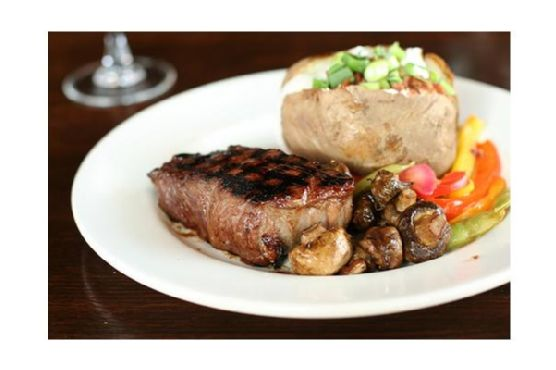
Last Tuesday, I was staring at a package of sirloin steak, contemplating my usual grill routine, when the weather made its own plans with a sudden downpour. With the rain hammering against the window, I pivoted to a cozy baking approach that turned out to be a game changer. Who knew that throwing sirloin in the oven could result in such tender, flavorful goodness? This Baked Sirloin Steak comes together with ingredients you likely already have lounging in your pantry, and the result is a melt-in-your-mouth, savory dish that’s perfect for any night of the week. Trust me, it’s a keeper when the grill isn’t an option, or you just want to switch things up a bit.
Jump to Recipe
What You’ll Need
This dish leans on the classics, with a few flavor boosters that make it special without any fuss. Chances are you already have most of this in your kitchen:
- Butter
- Ketchup
- Lemon
- Pepper
- Salt
- Water
- White onions
- Worcestershire sauce
How to Make Baked Sirloin Steak
- Preheat your oven to 425 degrees. You want it nice and hot to seal in all those juicy flavors.
- Rub both sides of the steak generously with butter. This not only adds flavor but helps in creating a wonderfully golden exterior.
- Place the buttered steak on a greased rack set in a shallow pan. The rack lets the heat circulate, cooking the steak evenly.
- Sprinkle the steak with salt and pepper. Be generous; these are your primary seasonings.
- Arrange thin slices of lemon directly on top of the steak. Trust me, this step is non-negotiable. The lemon adds a fresh zing that cuts through the richness.
- Top the lemon with slices of white onion. As it bakes, the onion softens and sweetens, melding beautifully with the lemon and steak.
- In a small bowl, mix together ketchup, Worcestershire sauce, and a splash of water. Pour this saucy goodness over the steak.
- Bake for 30 to 45 minutes, depending on how you like your steak. At 30 minutes, it should be medium-rare; extend the time for more doneness. Look for the sauce to be bubbling and the onions golden and fragrant.
Cook’s Notes
Don’t skip the rack inside the shallow pan setup; it’s essential for mimicking that grill-like air circulation. If you’re aiming for a specific doneness, a meat thermometer can be your best friend. For medium-rare, you’re looking for about 135 degrees. If you find yourself with leftovers (unlikely, but hey, it happens), slices of this steak make for killer sandwiches the next day. Just wrap them up tightly and store in the fridge for up to two days.
Make It Your Own
- Swap the sirloin for a different cut of steak like ribeye or strip for a richer flavor.
- Try using red onions instead of white for a milder sweetness and a pop of color.
- Mix in a teaspoon of minced garlic with the butter for a subtle garlicky kick.
- For a spicy twist, add a dash of hot sauce to the ketchup mixture before pouring it over the steak.
If you try this, I’d love to hear how it turns out — drop a comment or tag me! Your feedback means the world, and I’m always here for a kitchen chat. Enjoy your steak adventure!
Related update: Baked Sirloin Steak
Related update: Classic Macaroni and Cheese

I recently found myself staring at a half-head of cauliflower and some broccoli florets, both on the brink of overstaying their welcome in my crisper drawer. It was one of those evenings, you know? When the day has been a bit too long, and you need comfort but don’t want to weigh yourself down with a heavy meal. Enter this Cauliflower and Broccoli Gratin with Camembert Cheese. It’s the kind of dish that feels a little fancy — thanks to the gooey, rich camembert — yet it’s simple enough to whip up on a busy weeknight. Plus, it transforms those neglected veggies into something fabulous and satisfying. Let’s not forget, it’s a great way to sneak in some greens under all that cheesy goodness.
Jump to Recipe
What You’ll Need
For this dish, the ingredients are delightfully simple, and you might already have most of them chilling in your kitchen. Here’s what’s going into our cozy gratin:
- 1 head of cauliflower
- 1 bunch of broccoli
- 2 tablespoons of butter
- 2 tablespoons of flour
- 1 cup of milk
- Salt and pepper to taste
- 200g camembert cheese, cut into cubes, plus extra to put on top
- 1 cup of breadcrumbs
How to Make Cauliflower and Broccoli Gratin With Camembert Cheese
- First, preheat your oven to 180 degrees C (or 350 degrees F). It’s always nice to have it ready and waiting.
- In a large pot of boiling water, parboil the broccoli and cauliflower. You’re looking for tender-crisp veggies here — about 10-15 minutes should do the trick.
- Once your veggies are done, drain them well and set them aside. They’ll be ready to soak up that cheesy sauce.
- In a saucepan, melt the butter over medium heat. When it’s completely melted and starts to bubble, sprinkle in the flour. Stir constantly until it forms a smooth paste, which takes about a minute.
- Slowly whisk in the milk. Keep stirring until the mixture thickens to a nice, creamy consistency.
- Now, add in the camembert cubes. Stir until the cheese is fully melted and the sauce is smooth. Season with salt and pepper to your liking.
- Combine your cheese sauce with the parboiled veggies, ensuring they’re well coated.
- Transfer everything into a baking dish. Top with extra camembert chunks and breadcrumbs for that crispy, golden finish.
- Pop it in the oven for about 20 minutes or until it’s golden and bubbling on top. Your kitchen will smell heavenly!
Cook’s Notes
Let’s talk about some little tips that will make this dish even better. If you’re short on time, you can parboil the veggies in advance and keep them in the fridge until you’re ready to assemble the gratin. For storage, this dish keeps well in the fridge for up to three days — just reheat it in the oven to keep the top crispy. One common mistake is overcooking the veggies during parboiling. You want them to maintain some bite since they’ll continue cooking in the oven.
Make It Your Own
Here are some fun variations to shake things up if you feel like experimenting:
- Swap the camembert for a sharp cheddar if you prefer a stronger cheese flavor.
- Throw in some crispy bacon bits for an extra savory kick.
- Use panko breadcrumbs instead of regular ones for an even crunchier topping.
- Add a pinch of nutmeg to the cheese sauce for a warm, aromatic twist.
If you try this, I’d love to hear how it turns out — drop a comment or tag me! It’s always so fun to see your creations and variations. Enjoy the cheesy goodness!
Related update: Cauliflower and Broccoli Gratin With Camembert Cheese
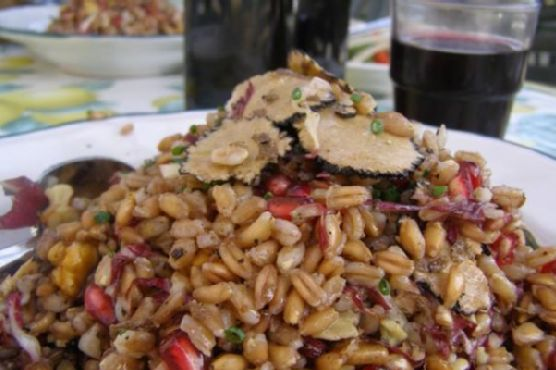
It was one of those evenings when the crisp air makes you crave something grounded yet bright—think cozy sweater vibes but on a plate. I had just returned from the farmers market, pomegranates in hand, and a desire for something different but not overly complicated. That’s how this Fall Farro Salad with Pomegranate, Walnut & Truffles was born. It’s the kind of dish that combines hearty farro with the tangy pop of pomegranate seeds, and the rich aroma of truffles—a little bit of everything deliciously fall. It’s a perfect weeknight meal that’s just as impressive for a weekend get-together, and the best part is how ridiculously easy it is to put together. I mean, we’re talking about strong flavors that do all the heavy lifting for you. Jump to Recipe
What You’ll Need
This salad’s ingredient list is refreshingly straightforward, yet it packs a punch with gourmet vibes. Chances are you already have most of these at home, except maybe the truffle mushroom, but trust me, it’s worth the small trip.
- Extra virgin olive oil
- Farro
- Parmesan (shaved into ribbons)
- Pomegranate (seeds)
- Radicchio (thinly sliced)
- Salt and pepper
- Truffle mushroom
- Vinegar
- Walnuts
How to Make Fall Farro Salad with Pomegranate, Walnut & Truffles
- Begin by rinsing the farro under cold water. In a large pot, bring plenty of cold water to a boil. Add a good pinch of salt along with the farro. If you have any vegetable scraps handy, toss them in for extra flavor. Cook until al dente, about 20-35 minutes. Taste a grain—it should be tender with a slight chew.
- While the farro cooks, prep the other ingredients. Shave the parmesan into delicate ribbons, thinly slice the radicchio, and remove the pomegranate seeds. You know you’re doing it right when your cutting board looks like a painter’s palette.
- In a small skillet, toast the walnuts over medium-low heat until they’re golden and fragrant. Keep an eye on them—they can go from toasty to burnt in a blink.
- Once the farro is ready, drain and let it cool slightly. Toss it into a big bowl with the radicchio, pomegranate seeds, walnuts, and parmesan ribbons.
- Drizzle with extra virgin olive oil, a splash of good vinegar, and season with salt and pepper. Mix gently, ensuring everything is well coated but not bruised.
- Finally, thinly slice the truffle mushroom and gently fold it into the salad. The aroma should start to bloom, lacing through the entire dish.
Cook’s Notes
Farro can be cooked ahead of time, making this salad a great option for meal prep. Just cool it completely before storing it in an airtight container in the fridge. When ready to assemble, allow it to return to room temperature for the best texture.
Watch out for overcooking the farro—it should retain some chewiness to balance the other textures of the salad. And remember, a little truffle goes a long way. You want it to complement, not overpower.
If you have leftovers, store the salad and dressing separately for up to two days to keep everything fresh and crunchy.
Make It Your Own
- Swap the truffle mushroom for a sprinkle of truffle oil if you’re in a pinch—it gives a similar aroma boost.
- Use feta cheese instead of parmesan for a tangier bite.
- Not a fan of radicchio? Substitute with baby kale or arugula.
- For a heartier version, add roasted butternut squash or sweet potato cubes.
If you give this recipe a whirl, I’d love to hear how it turned out—or any fun twists you added! Drop a comment or tag me on your food adventures. Happy cooking!
Related update: Fall Farro Salad with Pomegranate, Walnut & Truffles
Related update: Cauliflower and Broccoli Gratin With Camembert Cheese