
Blazers Rally to Snap Thunder’s Undefeated | Analysis by Brian Moineau

A comeback for the ages: Blazers end Thunder’s last unbeaten run

An electric night at the Moda Center turned into a reminder that no lead is truly safe in the modern NBA. On Wednesday, the Portland Trail Blazers erased a 22-point first-quarter deficit to beat the Oklahoma City Thunder 121–119 — and in the process handed the defending champions their first loss of the season. What looked like a runaway game for OKC early became a pulse-pounding finish, and the league’s last unbeaten tag came tumbling down.

Why this game mattered

  • The Thunder entered the night as the NBA’s final undefeated team, riding an 8–0 start.
  • Portland’s comeback was dramatic — down by 22 in the first quarter and never leading until late in the fourth.
  • The win snapped Portland’s long losing stretch to Oklahoma City and injected life into a Blazers squad looking to reestablish itself.

Game snapshot

  • Final score: Portland Trail Blazers 121, Oklahoma City Thunder 119.
  • Key performers:
    • Deni Avdija: 26 points, 10 rebounds, 9 assists (nearly a triple-double).
    • Jrue Holiday: 22 points, clutch free throws down the stretch.
    • Shai Gilgeous-Alexander: 35 points, 9 rebounds for Oklahoma City.
  • Turning point: A decisive 9–0 run by Portland late in the fourth quarter flipped momentum and gave the Blazers their first lead with about six minutes remaining.
  • Closing drama: With 0.6 seconds left and trailing by three, Isaiah Joe was fouled on what replay showed to be a three-point attempt; his toe was on the arc, so he shot two free throws, making one and intentionally missing the second. OKC’s last-second tip-in did not connect.

The comeback in context

Comebacks like this are more than just a single-game thrill — they tell you about identity. Portland’s rally showcased:

  • Veteran leadership: Jrue Holiday’s late-game poise (and free-throw composure) was textbook.
  • Balanced attack: Avdija’s near-triple-double hinted at how Portland can create mismatches without relying on a single superstar.
  • Tactical adjustments: After a brutal opening quarter (41–21 in OKC’s favor), Portland tightened rotations, leaned into 3-point shooting and stretched OKC’s defense by mixing lineups.

For Oklahoma City, the result is a harsh reminder that depth, availability and game management matter. OKC was missing several contributors, and while Shai was spectacular (35 points), basketball is a team product — and Portland out-executed them when it mattered.

What this says about both teams

  • Portland: This win can be a turning point. Overcoming a 22-point deficit requires belief and execution; if the Blazers can bottle that resilience, they’ll be dangerous in stretches this season. For a young roster still finding its identity, veteran calm and role-player contributions are enormous positives.
  • Oklahoma City: The Thunder remain talented and dangerous — the early-season buzz was earned. But this loss highlights potential vulnerability when rotations are thin and key role players are absent. It’s also a reminder that hot starts can be fragile and that game management in the fourth quarter remains crucial.

Moments that will linger

  • Avdija’s late surge and efficiency from the line (he finished 15-of-16 at the stripe in the game) — impact beyond the box score.
  • Holiday’s late-game shotmaking and free throws that ultimately sealed the win.
  • The razor-thin ending where a toe on the arc and an intentional miss determined whether the Thunder would force overtime.

Takeaways worth remembering

  • Upsets and comeback wins can reshape a team’s narrative quickly; momentum swings matter in a long season.
  • Star scoring (Shai’s 35) is vital, but basketball still rewards depth and situational execution.
  • The Thunder’s loss is not a collapse so much as a cautionary note about availability and closing out games; for Portland, it’s evidence they can compete with top teams when everything clicks.

My take

There’s a special electricity when a team erases a massive deficit and wins in dramatic fashion — it glue-s everything: coaching decisions, veteran steadiness, role players stepping up. Portland’s victory wasn’t a fluke; it was a full-team effort with timely shooting and defensive stops. For Oklahoma City, this game will sting, but the core is still elite. Expect both teams to take lessons from this one — Portland for confidence, Oklahoma City for course correction.

Sources


Related update: We recently published an article that expands on this topic: read the latest post.
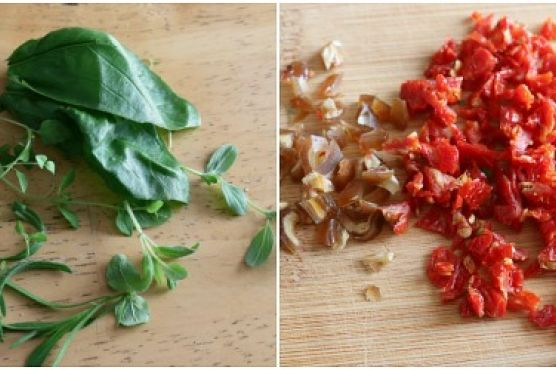
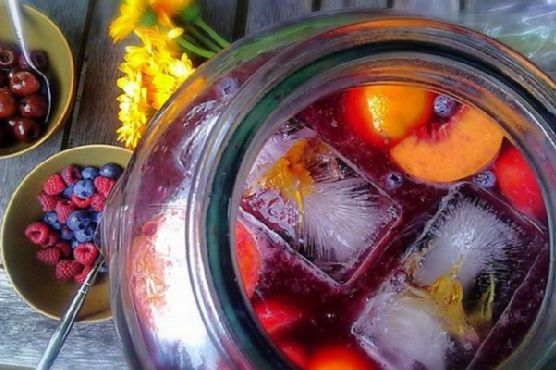

Related update: We recently published an article that expands on this topic: read the latest post.

Chicken Parmesan Patty- Eat As A Burger OR On Pasta | Made by Meaghan Moineau

Chicken Parmesan Patty – Eat As A Burger OR On Pasta

Intro

There’s something about the aroma of Italian seasonings and the rich, comforting taste of a classic Chicken Parmesan that brings back fond memories of family gatherings in my grandmother’s cozy kitchen. I remember the sound of laughter echoing through the house and the sight of her expertly preparing meals that would warm our hearts and fill our bellies. This Chicken Parmesan Patty recipe is a tribute to those cherished moments, offering the same delightful flavors in a versatile form. You can enjoy it nestled in a soft burger bun or served atop a bed of pasta for a delicious meal that is as comforting as it is satisfying.

Why You’ll Love It

This Chicken Parmesan Patty is perfect for those busy weeknights when you crave something delicious yet easy to prepare. The patties are packed with flavor, thanks to a mix of Italian seasoning, garlic, and onion, and they are wonderfully juicy thanks to the addition of ground chicken and egg. Plus, whether you decide to savor them as burgers or paired with pasta, these patties are sure to be a hit with the whole family. Their versatility means you can switch up your meal presentation without compromising on taste.

Ingredients

  • 1 cup whole wheat bread crumbs, divided
  • 1 egg
  • 1/2 cup fresh mozzarella, sliced
  • 2 cloves garlic, minced
  • 1 lb ground chicken
  • 2 tablespoons olive oil
  • 1 small onion, chopped and divided
  • 1/2 teaspoon pepper
  • 1 teaspoon sea salt
  • 1 teaspoon Italian seasoning blend

Instructions

  1. Preheat your oven to 400°F (200°C).
  2. In a large mixing bowl, combine the ground chicken, egg, 1/2 cup of the bread crumbs, half of the chopped onion, minced garlic, Italian seasoning, salt, and pepper.
  3. Mix the ingredients thoroughly until well combined.
  4. Shape the mixture into 6-8 patties, depending on your preferred size.
  5. Place the remaining bread crumbs on a plate and coat each patty evenly.
  6. Arrange the breaded patties on a sheet pan and drizzle them with olive oil.
  7. Bake in the preheated oven for about 20 minutes or until cooked through and golden brown.
  8. Top each patty with a slice of fresh mozzarella cheese and return to the oven for an additional 5 minutes, until the cheese is melted and bubbly.

Tips

For the best results, ensure that your patties are of even thickness so they cook uniformly. If you have time, let the patties rest in the refrigerator for about 30 minutes before cooking to help them hold their shape better. When drizzling olive oil, try to distribute it evenly to achieve a nice crispy texture on the outside.

Variations & Substitutions

If you prefer a spicier kick, add a pinch of red pepper flakes to the chicken mixture. To make a gluten-free version, substitute the whole wheat bread crumbs with gluten-free breadcrumbs. You could also experiment by adding some freshly chopped basil or parsley for an aromatic touch. For a creamier texture, mix a tablespoon of ricotta cheese into the chicken mixture before shaping the patties.

Storage

Store any leftover patties in an airtight container in the refrigerator for up to 3 days. To reheat, place them in a preheated oven at 350°F (175°C) for about 10 minutes, or until they are heated through. You can also freeze the patties for up to 2 months; just make sure to wrap them tightly in plastic wrap or aluminum foil before placing them in a freezer-safe bag.

FAQ

Can I use ground turkey instead of ground chicken?

Yes, ground turkey can be a great substitute for ground chicken in this recipe. It will yield a similar texture and flavor, and it’s just as nutritious.

How can I serve these patties as a burger?

To serve these patties as a burger, simply place them in a toasted burger bun. Top with your favorite condiments such as marinara sauce, fresh basil, or sliced tomatoes, and enjoy with a side of your choice.

What type of pasta pairs well with these patties?

These Chicken Parmesan Patties pair beautifully with a variety of pasta types. Consider serving them over spaghetti, penne, or fettuccine, topped with marinara sauce and a sprinkle of Parmesan cheese for a complete meal.

Nutrition

These patties are not only delicious but also packed with protein. Each serving contains approximately 220 calories, 15g of protein, 10g of fat, and 15g of carbohydrates. They’re a nutritious choice that fits well into a balanced diet.

Conclusion

This Chicken Parmesan Patty recipe is a delightful fusion of classic Italian flavors with modern culinary convenience. Whether you’re enjoying them as a hearty burger or a comforting pasta dish, these patties are sure to become a staple in your meal rotation. They bring the warmth and nostalgia of a cherished family recipe straight to your table, offering not just sustenance, but a taste of home. Bon appétit!

Related update: Chicken Parmesan Patty- Eat As A Burger OR On Pasta

Related update: Broccolini Quinoa Pilaf

Summer Fruit Sangria | Made by Meaghan Moineau

Summer Fruit Sangria: A Refreshing Delight for Warm Days

Intro

There’s something magical about the long, sun-drenched days of summer that calls for a refreshing, fruity drink in hand. For me, nothing captures the essence of summer more than a chilled glass of homemade sangria. I vividly remember the first time I tasted this delightful concoction. It was a balmy afternoon at my grandmother’s house, where the garden was in full bloom, and the air smelled of sweet blossoms. She poured me a glass of her special summer fruit sangria, brimming with vibrant colors and flavors. That moment, with its playful mix of citrus and berries, became a cherished memory, a taste of joy and sunshine. Today, I’m excited to share with you this beloved recipe, hoping it brings as much happiness to your table as it has to mine.

Why You’ll Love It

Summer Fruit Sangria is the quintessential drink for any warm-weather gathering. Here’s why you’ll fall head over heels for this delightful beverage:

  • Easy to Make: With just a handful of ingredients and simple steps, it’s a breeze to prepare.
  • Vibrant and Refreshing: The combination of juicy fruits and rich red wine creates an irresistible, refreshing blend.
  • Perfect for Entertaining: Whether you’re hosting a backyard BBQ or a casual get-together, sangria is always a crowd-pleaser.
  • Customizable: You can tailor it to your taste with different fruits and spirits.
  • Make-Ahead: Prepare it the day before, letting the flavors meld beautifully overnight.

Ingredients

  • 1 bottle of dry red table wine
  • 1/4 cup brandy
  • 1/4 cup triple sec
  • 1/2 cup orange juice
  • 1/4 cup simple syrup
  • 2 ripe peaches, sliced
  • 1 orange, sliced
  • 1 cup raspberries
  • 1 cup blueberries
  • Ice, for serving

Instructions

  1. In a large jug or beverage container, combine the bottle of dry red table wine, brandy, and triple sec.
  2. Add the orange juice and simple syrup, stirring gently to blend.
  3. Introduce the sliced peaches, orange, raspberries, and blueberries into the mixture. Stir well to ensure the fruit is evenly distributed.
  4. Cover the jug and refrigerate for at least 24 hours. This resting time allows the flavors to meld and develop beautifully.
  5. When ready to serve, give the sangria a gentle stir and pour it over ice in individual glasses.

Tips

For the best sangria experience, keep these tips in mind:

  • Choose a wine you enjoy drinking on its own; its flavor will be prominent in the sangria.
  • For a less sweet version, reduce the amount of simple syrup or omit it entirely.
  • Use ripe, in-season fruits for the best flavor and juiciness.
  • Chill your wine and fruit beforehand to speed up the refrigeration process.

Variations & Substitutions

One of the joys of making sangria is its versatility. Here are some variations and substitutions to consider:

  • Fruits: Try adding strawberries, cherries, or pineapple for a tropical twist.
  • Wine: Swap the red wine for a white wine or rosé for a lighter version.
  • Spirits: Replace brandy with rum or vodka for a different kick.
  • Sparkling Sangria: Just before serving, top each glass with a splash of club soda or sparkling water for some fizz.

Storage

Sangria is best enjoyed within a couple of days. Store any leftovers in the refrigerator, covered. Be sure to remove any ice before storing to prevent dilution. The flavors will continue to develop, but the freshness of the fruit is best within the first couple of days.

FAQ

Can I use frozen fruit in sangria?

Yes, frozen fruit can be a convenient and budget-friendly option. It can also help chill the sangria, eliminating the need for extra ice. Just be aware that frozen fruit may release more juice, slightly altering the flavor balance.

What type of wine is best for sangria?

Opt for a dry red wine like a Cabernet Sauvignon, Merlot, or Tempranillo. These wines offer a rich flavor that complements the sweetness of the fruit and other ingredients. However, feel free to experiment with your favorite variety.

Can sangria be made non-alcoholic?

Absolutely! Substitute the wine with a combination of grape juice and cranberry juice, and leave out the spirits. You can still enjoy the fruity, refreshing essence of sangria without the alcohol.

Nutrition

While sangria is a delightful treat, it’s essential to enjoy it in moderation. The nutritional content will vary based on the specific ingredients and quantities used. Typically, a serving of sangria contains around 150-200 calories, depending on the sweetness and type of wine. Remember, the addition of fruits contributes vitamins and antioxidants, making it a slightly healthier indulgence.

Conclusion

Summer Fruit Sangria is more than just a beverage; it’s a celebration of summer’s bounty, a nod to carefree days, and the joy of sharing moments with loved ones. Whether you’re sipping it by the pool or serving it at a festive gathering, this sangria will surely bring smiles and sunshine to your day. So, gather your ingredients, embrace the simplicity of the process, and let the flavors transport you to a summer paradise. Cheers to good times and great company!

Related update: Summer Fruit Sangria

Related update: Lemon Drop Jello Shots

Related update: Spiced Apple Cider

B.J. Penn Arrests Tarnish MMA Legend | Analysis by Brian Moineau

A fallen champion: B.J. Penn’s latest arrest and what it reveals

The image of B.J. Penn — quick, fearless, the first non‑Brazilian to win the World Jiu‑Jitsu Championship black‑belt division and a two‑division UFC champion — is seared into fight fans’ memories. That image is now colliding with a troubling string of real‑world headlines. On the morning of November 4, 2025, police in Hilo say they responded to an assault and later arrested Penn; authorities located him at 11:50 a.m. and took him into custody without incident, charging him with third‑degree assault. The incident adds to a year of repeated legal and mental‑health concerns that have increasingly overshadowed the legacy of one of MMA’s most talented fighters.

Quick context you should know

  • The alleged assault occurred in Hilo, Hawai‘i, at about 1:00 a.m. on November 4, 2025, when a 45‑year‑old man reported being punched and kicked and later sought medical care.
  • Police say they located Penn on Lehua Street at 11:50 a.m. and arrested him without incident; bail was set at $1,000, which he posted.
  • Penn is scheduled to make an initial court appearance on December 2, 2025, in Hilo District Court.
  • This is at least the sixth arrest involving Penn during 2025, most incidents tied to family disputes and a restraining order filed by his mother; courts have ordered mental‑health evaluations amid the legal proceedings.

What happened — the facts

  • Hawai‘i Island police responded to an assault call early on November 4, 2025. The reported victim told officers he was punched and kicked multiple times before escaping and calling for help.
  • The victim later went to Hilo Benioff Medical Center for treatment.
  • Officers located Penn at 11:50 a.m., arrested him without incident, charged him with third‑degree assault, and set bail at $1,000. Penn posted bail the same day.
  • Local authorities and multiple sports outlets have reported that the case will proceed in December and that it sits alongside several other legal matters involving Penn this year, including family‑related incidents and court orders for mental‑health evaluation. (Sources below.)

Why this matters beyond the headline

  • Loss of trust and legacy: Penn’s achievements in MMA are undeniable, but repeated legal troubles risk permanently reshaping public memory of his career. For many athletes, the court of public opinion weighs as heavily as any official record — and patterns of behavior matter.
  • Mental health in pro sports: Several reports this year have cited concerns about Penn’s mental state, including claims by family members that he believes relatives have been “replaced” by impostors (a description consistent with Capgras‑like delusions). That raises challenging questions about how legal systems, medical professionals, and sports communities support figures who may be struggling psychologically.
  • Accountability and care: Arrests and court dates are part of the legal process, but policymakers and communities must balance accountability with pathways to treatment when illness appears to be a factor.

Takeaways for readers who follow sports and society

  • This is not an isolated headline: the November 4 incident fits a pattern of run‑ins and family disputes for Penn in 2025.
  • Mental‑health concerns are central to this story; several court actions and media reports reference evaluations and allegations that point beyond simple criminality.
  • The legal timeline is concrete: initial hearing set for December 2, 2025, and possible future evaluations or proceedings could shape outcomes.
  • For fans and observers, it’s a reminder that athlete legacies are complex — athletic brilliance can coexist with serious personal struggles.

My take

There’s a sad, almost tragic element to watching a once‑dominant athlete unravel in public. B.J. Penn’s career highs — world jiu‑jitsu success, two UFC titles, Hall of Fame induction — are real and impressive. But repeated arrests and the specter of untreated or poorly managed mental illness change the conversation from nostalgia to concern. Ideally, the legal process will ensure safety and accountability for any victim while also directing Penn toward meaningful psychiatric care if that’s needed. For a community that lionizes toughness, this should be a wake‑up call: strength also includes getting help.

Sources


Related update: We recently published an article that expands on this topic: read the latest post.
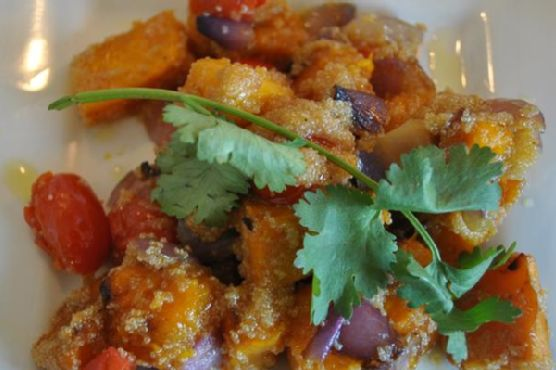

Related update: We recently published an article that expands on this topic: read the latest post.


Related update: We recently published an article that expands on this topic: read the latest post.
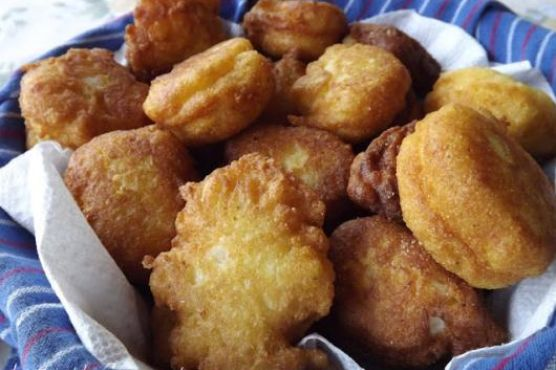
Brady’s Dog Clone: Grief or Brand Play | Analysis by Brian Moineau

Tom Brady cloned his dead dog — and it reads like a billionaire’s PR move

You know when a celebrity announcement lands and you can’t tell if it’s sincere grief, a flex, or a marketing stunt? Tom Brady’s recent revelation that his current dog Junie is a genetic clone of his late dog Lua checks all three boxes — and then some. The news landed alongside a corporate update from Colossal Biosciences, the biotech firm Brady has invested in, and set off a predictable storm of fascination, skepticism, and ethical hand-wringing. (defector.com)

Why this feels less like a private family moment and more like a brand activation

  • Tom Brady’s announcement coincided with Colossal Biosciences’ acquisition of Viagen Pets and Equine — a company that does commercial pet cloning — making the reveal read like a perfectly timed PR play. (statesman.com)
  • Brady is publicly invested in Colossal, so his glowing comments about cloning double as social proof for a company aiming to normalize high-profile animal cloning and sell an ambitious public story about “de‑extinction” and conservation. (people.com)
  • The optics are weirdly modern-feudal: a billionaire uses cutting-edge biotech to buy back what death took, then makes the purchase part of the company narrative. People notice when private grief overlaps with corporate messaging. (defector.com)

A quick primer: what actually happened (the short version)

  • Lua, a pit-bull mix that belonged to Brady’s family, died in December 2023. A blood draw taken before her death was used to preserve her DNA. (people.com)
  • Colossal Biosciences — which Brady has invested in — says it used non-invasive cloning technology to create Junie, an animal with the same genetic makeup as Lua. The announcement coincided with Colossal’s purchase of Viagen, a company known for cloning celebrity pets. (statesman.com)
  • Commercial pet cloning typically carries high price tags (public reports have cited something like $50,000 for cats or dogs through Viagen), and it’s not cheap or frictionless. (statesman.com)

Science, limits, and the “it’s not the same dog” argument

Genetic identity is not identity-of-experience. Cloning gives you the same genome, not the same life history. Personality, temperament, and quirks result from interactions with environment, maternal conditions in utero, early socialization, and random developmental events — all things a clone will experience differently. Scientists and animal cognition experts have made this clear repeatedly: clones resemble but do not replicate lived personality. (defector.com)

There are also practical realities of pet cloning:

  • Success rates for dog cloning have improved since the early, painstaking work (Snuppy in 2005), but cloning remains technically demanding and often involves low yield and surrogate animals. (defector.com)
  • The procedure carries ethical questions about the use of surrogates and the fate of embryos and failed attempts, plus animal welfare concerns around the whole process. (defector.com)

The larger story: investors, de‑extinction, and PR theater

Colossal markets itself as a company that can revive extinct species and help conserve endangered ones. Pet cloning is an immediately marketable, emotionally resonant offshoot that also generates headlines and revenue. Having a celebrity investor publicly clone a beloved pet offers three benefits:

  • It humanizes and legitimizes a controversial technology.
  • It ties a sentimental narrative to a corporate milestone (the Viagen deal).
  • It creates cultural conversation — which is cheap PR when coordinated around celebrity announcements. (people.com)

That coordination is why many readers called Brady’s announcement a “brand activation”: the timing and the corporate connection make it hard to read as purely private grief. For public-facing biotech, headlines and cultural cachet can be as valuable as scientific progress, and celebrities are unusually effective at generating both.

Social reaction and cultural vibes

Responses have been all over the map:

  • Some people find cloning comforting — a chance to spend more time with an animal that was deeply loved. (people.com)
  • Others see it as tone-deaf (given high numbers of shelter animals), ethically fraught, or simply emotionally misguided — a replacement, not a resurrection. Online reactions skewed skeptical and at times outraged. (defector.com)

A few practical questions this raises

  • What does a clone cost an average owner versus what Brady likely paid (or leveraged through investment ties)? Public numbers for Viagen services have circulated, but celebrity deals can blur price transparency. (statesman.com)
  • How does commercial pet cloning affect shelter adoption rates and resources? If cloning normalizes “buying back” pets, it could have ripple effects in how people view and source companion animals.
  • Where do we draw ethical lines between conservation goals and consumerized cloning for grief or vanity? Colossal’s stated conservation ambitions invite scrutiny when the company also markets celebrity pet cloning. (defector.com)

Things to remember

  • A clone is a genetic twin, not a memory machine. Expect resemblance, not reincarnation. (defector.com)
  • Celebrity announcements that align closely with a company’s corporate milestones should be read with a PR-skeptical eye. Timing matters. (defector.com)

My take

Grief is complicated and people find comfort in different ways. If cloning a beloved pet genuinely helped Brady’s family, that human element deserves empathy. But when the personal becomes entangled with investments and corporate narrative, we should scrutinize the optics and the industry incentives.

This isn’t just a weird rich-guy anecdote — it’s a cultural touchpoint for how emerging biotech will be marketed, normalized, and regulated. Celebrity validation can accelerate adoption, for better or worse, so the conversation we have now about ethics, transparency, and animal welfare matters.

Where to read more

  • Defector’s take on the timing, optics, and irony of Brady’s announcement. (defector.com)
  • People’s reporting on Brady’s statement and Colossal’s role in cloning Junie from Lua’s preserved blood sample. (people.com)
  • Local coverage on Colossal’s involvement and Viagen’s cloning services and pricing. (statesman.com)

Sources


Related update: We recently published an article that expands on this topic: read the latest post.

Related update: We recently published an article that expands on this topic: read the latest post.


Related update: We recently published an article that expands on this topic: read the latest post.


Related update: We recently published an article that expands on this topic: read the latest post.
Amaranth and Roast Veggie Salad | Made by Meaghan Moineau

Amaranth and Roast Veggie Salad

Intro

There’s something magical about family gatherings, where the kitchen becomes a hub of activity, and the aroma of delicious dishes wafts through the air. I vividly remember one summer evening when my grandmother introduced us to a unique and delightful salad that quickly became a family favorite. Her secret? A generous helping of amaranth paired with roasted vegetables. Today, I’m excited to share this heartfelt recipe with you: Amaranth and Roast Veggie Salad. It’s a dish that not only fills the belly but also warms the soul, much like those cherished family moments.

Why You’ll Love It

This Amaranth and Roast Veggie Salad is a perfect blend of textures and flavors. The nutty amaranth pairs beautifully with the sweetness of roasted vegetables and the fresh peppery bite of rocket leaves. This salad is not only delicious but also packed with nutrients, making it an ideal choice for a healthy meal. Whether you’re looking for a satisfying lunch, a vibrant side dish, or a contribution to a potluck, this salad fits the bill. Plus, it’s vegan and gluten-free, catering to a wide range of dietary preferences.

Ingredients

  • 1 cup amaranth
  • 2 tablespoons basil-infused olive oil
  • 1 bell pepper
  • 1 cup diced pumpkin
  • 1 red onion
  • Handful of rocket leaves
  • 1 teaspoon herbal salt
  • 1 punnet baby tomatoes

Instructions

  1. Cook the amaranth with about a cup of water in a saucepan. Bring it to a boil, then reduce the heat and simmer until the water is absorbed and the amaranth reaches a sticky consistency. This usually takes about 15-20 minutes.
  2. Preheat your oven to 200°C (392°F).
  3. Roughly cut the onion into chunks.
  4. Place the diced pumpkin and onion chunks onto a tinfoil-lined baking tray.
  5. Drizzle the basil-infused olive oil over the vegetables and sprinkle them with herbal salt and a pinch of pepper.
  6. Roast the vegetables in the oven for about 30 minutes, or until the edges of the pumpkin become crispy. Stir occasionally to ensure even roasting.
  7. About 5 minutes before the veggies are done, add the baby tomatoes to the tray, allowing them to roast until just blistered.
  8. Once the veggies are roasted, remove them from the oven and combine them with the cooked amaranth in a large bowl.
  9. Gently tear a few rocket leaves and add them to the bowl.
  10. Toss everything together until well mixed. Serve the salad warm and enjoy!

Tips

To make the most of this recipe, consider these helpful tips:

  • Make sure to rinse the amaranth thoroughly before cooking to remove any bitterness.
  • If you prefer a little more crunch, add some toasted nuts or seeds like sunflower or pumpkin seeds.
  • For an extra burst of flavor, try adding a splash of balsamic vinegar or a squeeze of lemon juice just before serving.

Variations & Substitutions

This recipe is versatile and can be adapted to suit your taste preferences or the ingredients you have on hand.

  • Grains: If you don’t have amaranth, quinoa or couscous can be great substitutes.
  • Vegetables: Feel free to add other vegetables like zucchini or sweet potatoes for variety.
  • Herbs: If basil-infused olive oil isn’t available, use regular olive oil with a handful of fresh basil leaves instead.

Storage

This salad is best enjoyed fresh, but it can be stored in an airtight container in the refrigerator for up to 3 days. If you plan to store it, wait to add the rocket leaves until just before serving to keep them from wilting.

FAQ

Can I make this salad ahead of time?

Yes, you can prepare the components of the salad ahead of time. Cook the amaranth and roast the vegetables a day in advance, then store them separately in the fridge. Assemble the salad with fresh rocket leaves just before serving.

Is amaranth gluten-free?

Yes, amaranth is naturally gluten-free, which makes it a fantastic choice for those following a gluten-free diet. It’s also rich in protein and fiber, adding nutritional value to the salad.

Can I use canned tomatoes instead of fresh?

While fresh baby tomatoes are recommended for their vibrant flavor and texture, you can use canned diced tomatoes in a pinch. Drain them well and add them to the salad at the end.

Nutrition

This Amaranth and Roast Veggie Salad is a nutritious meal option. It’s high in protein and fiber from amaranth, packed with vitamins from the vegetables, and offers healthy fats from the olive oil. Each serving provides essential nutrients that support overall health and wellness.

Conclusion

There you have it, a warm and hearty Amaranth and Roast Veggie Salad that’s sure to impress your taste buds and nourish your body. This recipe combines the simplicity of wholesome ingredients with the vibrant flavors of roasted vegetables, making it a delightful addition to any meal. Whether you’re reminiscing about family gatherings or creating new memories, this salad is a perfect companion. Enjoy it with loved ones, and don’t forget to share your own twists and variations in the comments below!

Related update: Amaranth and Roast Veggie Salad

Related update: Chicken Parmesan Patty- Eat As A Burger OR On Pasta

Related update: Pear Salad With Walnuts and Blue Cheese

Hidden Real Estate Gold: Industrial Lots | Analysis by Brian Moineau

The quiet land rush: industrial outdoor storage is stealing the spotlight

When someone says “real estate boom,” most of us picture gleaming warehouses, data centers or apartment towers. But there’s a quieter, dirt-under-your-nails story unfolding on paved and gravel lots across the U.S.: industrial outdoor storage (IOS). Once the domain of mom-and-pop operators and dusty truck yards, IOS is suddenly seeing explosive demand, sharp rent growth and major institutional attention — and it’s reshaping how investors and occupiers think about industrial land.

Why IOS matters now

  • IOS is simply land for things that live outside: containers, trucks, construction equipment, generators, bulk materials and fleet parking. Buildings — if present — typically occupy <25% of the site.
  • These parcels sit where movement matters: near highways, ports, intermodal nodes and data center construction sites. That adjacency makes them invaluable for staging and logistics.
  • Two forces collided to raise IOS’s profile: the ongoing industrial logistics reshuffle (e-commerce, fleet decentralization) and the data-center/A.I. construction boom. Data centers in particular need vast outdoor staging yards for generators, cooling equipment and construction fleets during buildouts.

Quick snapshot of the market

  • IOS rents have surged — Newmark reports rents rose roughly 123% since 2020, outpacing bulk warehouses by a wide margin. (Newmark’s “Lots to Gain” research is a useful primer.) (nmrk.com)
  • Vacancy is tight in many markets, and supply is constrained by zoning and land-use policies that often discourage industrial outdoor uses. That scarcity gives owners pricing power. (nmrk.com)
  • Institutional capital is moving in: private equity and large managers have formed JV’s and provided financing for IOS portfolios, turning what was once fragmented into investable, scalable pools of assets. Recent portfolio deals and credit commitments illustrate the shift. (danielkaufmanreal.estate)

The investor dilemma: high return, specific risks

  • Why investors are excited

    • Strong rent growth and low vacancy create attractive cash flows compared with many traditional industrial segments.
    • Many IOS assets are irreplaceable in the short-to-medium term because municipalities often restrict new IOS zoning.
    • Some markets show IOS rents that, when normalized per acre, rival bulk warehouse pricing — signaling potential revaluation upside. (nmrk.com)
  • What keeps cautious investors awake at night

    • Zoning and local politics: IOS is often labeled “non-productive” (low job density, limited tax generate), so expansion can be politically fraught. That’s both a supply limiter and a land-use risk. (nmrk.com)
    • Cyclical demand drivers: IOS benefits from spikes in trade, imports, construction and data center build cycles. If any of these cool materially (tariffs, weaker imports, slower AI/data-center rollouts), demand can ease. (globest.com)
    • Environmental and community pushback: stormwater, dust, visual blight and traffic impacts can invite stricter local controls or redevelopment pressure.
    • Standardization and liquidity: pricing and lease structures are still maturing. While institutional owners are professionalizing the sector, IOS is less homogeneous than a modern logistics park.

Where the value is concentrated

  • Inland logistics hubs (Phoenix, Memphis, Atlanta) have been leaders in rent growth; Southern California showed earlier strength but has seen more variability. Market-by-market performance diverges, so hyper-local analysis matters. (globest.com)
  • Sites close to ports, intermodal yards and major highway junctions command premiums — the same adjacency logic that drives warehouse economics, applied to land rather than buildings.

Practical takeaways for stakeholders

  • For investors

    • Treat IOS like a specialty industrial play: underwrite with conservative scenarios for zoning friction and cyclical demand swings.
    • Look for operators with platform capabilities — portfolio management, standardized leases, environmental controls and local permitting expertise.
    • Consider income-plus-value strategies: strong current cash flow today and limited-to-no new supply could yield outsized appreciation.
  • For occupiers (logistics firms, contractors, data-center developers)

    • Secure long-term yard capacity near critical nodes now; relocation costs and scarcity can be expensive later.
    • Negotiate site improvements and environmental protections into leases to reduce operating headaches and community pushback.
  • For municipalities and planners

    • Recognize IOS’s role in the logistics ecosystem but balance it with community concerns: permit management, stormwater controls and buffer zones can help make IOS less contentious.

A note on the data and narrative

This momentum is visible in market analytics and multiple industry reports: Newmark’s “Lots to Gain” research lays out national rent and vacancy trends, while trade coverage documents portfolio transactions and financing that signal institutionalization. Press consolidation, Yardi and market-specific deal reports corroborate the lift in rents and investor interest. (nmrk.com)

My take

IOS is one of those asset classes that looks boring until it outperforms. The category’s fundamentals — scarce, well-located land plus diversified, mission-critical demand — create an appealing combination. That said, it’s specialist investing: success will belong to owners who can navigate zoning, operationalize outdoor-land asset management and time exposure to cyclical infrastructure waves. Institutions will continue to professionalize the market, but the best returns are likely for those who pair local knowledge with the ability to scale.

Final thoughts

Industrial outdoor storage is no longer an afterthought. It’s a strategic piece of the industrial ecosystem, increasingly essential for logistics, construction and the buildout of digital infrastructure. For investors and occupiers, that means treating IOS with the same diligence long applied to warehouses — but with an added emphasis on land use, political risk and operational flexibility. In a market where dirt — literally — has become a scarce resource, those who see the value in the lot can find performance hiding in plain sight.

Sources

Hush Puppies | Made by Meaghan Moineau

Deliciously Crispy Hush Puppies

Intro

Ah, hush puppies! Just the mention of these golden, crispy delights brings back fond memories of summer barbecues at my grandparents’ house in the deep South. I can vividly remember sitting on the porch, the warm evening breeze on my face, while my grandmother expertly fried up a batch of hush puppies in her old cast-iron skillet. The aroma was irresistible, and the taste, simply unforgettable. These small, round cornmeal-based fritters have a unique charm, drawing people together with their simple yet satisfying flavor. Today, I’m excited to share this cherished family recipe with you, so you too can create wonderful memories over a plate of freshly made hush puppies.

Why You’ll Love It

Hush puppies are the perfect side dish for any occasion. Whether you’re hosting a fish fry, a barbecue, or just looking for a quick snack, these delicious morsels are sure to be a hit. Here’s why you’ll love them:

  • Quick and Easy: With a prep time of just 15 minutes, you can have a batch ready in no time.
  • Simple Ingredients: Made with pantry staples, you probably already have everything you need.
  • Crispy Exterior, Soft Interior: The perfect combination of textures makes every bite satisfying.
  • Versatile: Hush puppies pair well with a variety of meals and can be customized to your liking.

Ingredients

  • 1 cup cornmeal
  • 1 cup all-purpose flour
  • 1 tablespoon baking powder
  • 1 teaspoon salt
  • 1 egg
  • 1/2 cup milk
  • 1 small onion, finely chopped
  • Oil, for frying

Instructions

  1. Place the cornmeal, flour, baking powder, and salt into a large mixing bowl and stir until well combined.
  2. In a medium mixing bowl, crack the egg and beat it with a fork until it is well mixed. Add the chopped onion and milk to the egg and mix well.
  3. Pour the egg, milk, and onion mixture into the cornmeal and flour mixture. Stir until the batter is smooth and well combined.
  4. In a deep-fat fryer or a heavy skillet, pour in enough oil to fill 2-3 inches. Heat the oil over medium-high heat.
  5. Once the oil is hot, carefully drop heaping teaspoons of batter into the pan. You may fry 5-6 hush puppies at a time.
  6. The hush puppies will sink at first, then rise to the surface. Fry until they are golden brown, about 1-2 minutes.
  7. Use a slotted spoon to remove the hush puppies from the oil and let them drain on paper towels.
  8. Serve warm and enjoy!

Tips

For the best results, make sure your oil is hot before adding the batter. This ensures a crispy exterior without absorbing too much oil. If your hush puppies are browning too quickly, reduce the heat slightly.

Variations & Substitutions

Feel free to get creative with your hush puppies! Here are a few ideas:

  • Spicy Kick: Add a diced jalapeño or a pinch of cayenne pepper to the batter for a spicy version.
  • Cheesy Delight: Mix in a handful of shredded cheddar cheese for a cheesy twist.
  • Herb Infusion: Add chopped fresh herbs like parsley or chives for an herby flavor.
  • Gluten-Free: Replace the all-purpose flour with a gluten-free flour blend to make them gluten-free.

Storage

If you have leftovers (which is rare!), store them in an airtight container in the refrigerator for up to 3 days. To reheat, place them in a preheated oven at 350°F (175°C) for about 10 minutes until warmed through and crisp.

FAQ

Can I make hush puppies in advance?

While hush puppies are best enjoyed fresh, you can prepare the batter in advance and store it in the refrigerator for up to 24 hours. Just give it a good stir before frying.

Can I freeze hush puppies?

Yes, you can freeze cooked hush puppies. Allow them to cool completely, then place them in a single layer on a baking sheet and freeze until solid. Transfer to a freezer bag and store for up to 3 months. Reheat in the oven at 350°F (175°C) until heated through.

What can I serve with hush puppies?

Hush puppies are a versatile dish that pairs well with many meals. They are a classic accompaniment to fried fish, but also go well with barbecue, soups, or salads.

Nutrition

While hush puppies are a delicious treat, they are fried and should be enjoyed in moderation. Here’s a rough estimate of the nutritional value per serving (3 hush puppies):

  • Calories: 150
  • Fat: 7g
  • Carbohydrates: 18g
  • Protein: 3g

Conclusion

There’s something incredibly comforting about homemade hush puppies. Their crispy exterior and fluffy interior make them an irresistible treat that brings back cherished memories of family gatherings and Southern hospitality. Whether you’re serving them at a barbecue, a seafood feast, or just as a snack, they are sure to be a crowd-pleaser. I hope this recipe brings as much joy to your kitchen as it has to mine. Enjoy every crispy bite!

Related update: Hush Puppies

Related update: Easy Chicken Wings

Roasted Red Pepper & Tomato Salsa | Made by Meaghan Moineau

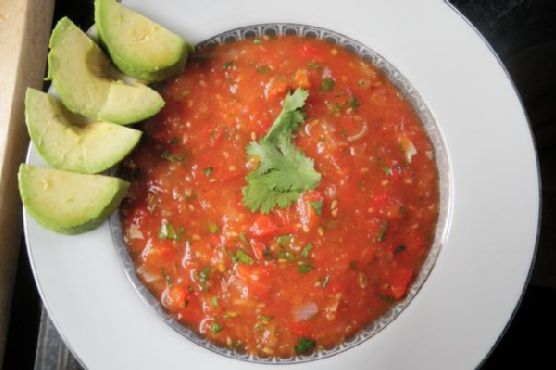
Roasted Red Pepper & Tomato Salsa

Intro

There’s something truly special about making salsa from scratch, especially when it’s a vibrant, flavor-packed Roasted Red Pepper & Tomato Salsa. This recipe takes me back to sunny afternoons at my grandmother’s house, where she would whip up her legendary salsa for our family gatherings. I remember the smell of roasting peppers wafting through the kitchen and the laughter of my cousins as we devoured bowls of the salsa with crispy corn chips. Today, I’m excited to share this cherished recipe with you, bringing a taste of my family’s tradition into your home.

Why You’ll Love It

This Roasted Red Pepper & Tomato Salsa is a game-changer for your appetizer spread. It’s not just about the bold flavors of roasted peppers and tomatoes, but also the delightful hint of smokiness and the fresh kick from cilantro and lime juice. This salsa is perfect for any occasion, whether you’re hosting a summer barbecue, enjoying a cozy night in, or just want to elevate your snack game. Plus, it’s naturally vegan and gluten-free, making it a crowd-pleaser for all your guests.

Ingredients

  • Fresh cilantro
  • Cumin
  • Garlic
  • Jalapeno pepper
  • Lime (juice)
  • Olive oil
  • Onion
  • Red bell pepper
  • Smoked salt (I used sea salt)
  • Tomatoes

Instructions

  1. Preheat your oven to broil.
  2. Cut the tomatoes in half and the onions in quarters. Arrange them on a tin-foil lined baking sheet.
  3. Add the red bell pepper, whole garlic cloves (with skin), and jalapeno pepper to the baking sheet.
  4. Drizzle the vegetables with a bit of olive oil and sprinkle with salt.
  5. Broil for 10 minutes, or until the skin on the tomatoes and peppers begins to char.
  6. Allow the vegetables to cool for 5 minutes.
  7. Remove the skins from the tomatoes, pepper, and garlic.
  8. Place all the vegetables (except for the cilantro and lime) into a food processor.
  9. Pulse 2-4 times, ensuring the salsa remains a bit chunky.
  10. Transfer the mixture to a bowl and toss with fresh cilantro and lime juice.
  11. Add cumin and salt to taste.
  12. Serve with corn chips or toasted pita chips.

Tips

To make the most of this salsa, choose ripe tomatoes and a vibrant red bell pepper. The quality of your produce will significantly impact the flavor. If you prefer a milder salsa, remove the seeds from the jalapeno pepper before roasting. When broiling, keep an eye on your vegetables to avoid burning; a slight char is all you need for that smoky flavor.

Variations & Substitutions

This recipe is incredibly versatile. If you want to add a bit more heat, consider adding a serrano pepper or two. For a sweeter twist, try incorporating roasted corn kernels or diced mango. If cilantro isn’t to your taste, fresh parsley can be a great substitute, bringing a different but equally fresh flavor to the salsa.

Storage

Store any leftover salsa in an airtight container in the refrigerator for up to 5 days. The flavors will meld and deepen over time, making it even more delicious the next day. Just give it a good stir before serving.

FAQ

Can I freeze this salsa?

Yes, you can freeze this salsa! Place the salsa in a freezer-safe container, leaving some room for expansion, and freeze for up to 3 months. Thaw overnight in the refrigerator before serving. Keep in mind that the texture may change slightly after freezing, but the flavor will remain delightful.

Can I make this salsa ahead of time?

Absolutely! This salsa can be made a day or two in advance. Store it in the refrigerator, and the flavors will continue to develop, making it even more flavorful when you’re ready to serve.

What can I serve with this salsa besides chips?

This salsa is incredibly versatile and pairs well with many dishes. Try it as a topping for grilled chicken or fish, mix it into a taco filling, or use it as a flavorful addition to scrambled eggs or an omelet. The possibilities are endless!

Nutrition

This salsa is not only delicious but also a healthy option. Packed with vitamins from the fresh vegetables, it’s low in calories and fat. The olive oil adds a touch of healthy fats, and the spices provide additional health benefits, making this salsa a guilt-free indulgence.

Conclusion

Roasted Red Pepper & Tomato Salsa is a delightful addition to any meal or gathering, bringing a burst of flavor and a touch of nostalgia to your table. Whether you’re a salsa aficionado or trying your hand at making salsa from scratch for the first time, this recipe is sure to please. Gather your ingredients, fire up your broiler, and enjoy the process of creating this vibrant, flavorful salsa that will have everyone coming back for more. Enjoy!

Related update: Roasted Red Pepper & Tomato Salsa

Why AMD Stock Fell Despite Strong Quarter | Analysis by Brian Moineau

Why AMD’s stock dipped even after a strong quarter

The headlines didn’t lie: AMD reported hefty year-over-year growth, beat expectations, and raised guidance — yet the stock slipped in after-hours trading. That jolt of investor skepticism tells a richer story than earnings alone: markets are pricing nuance, geopolitics, and AI hype all at once. Let’s unpack what happened, why the data-center performance matters, and how investors might think about AMD now.

Quick snapshot

  • Revenue: $9.25 billion (about +36% year over year).
  • Adjusted EPS: $1.20 (about +30% year over year).
  • Data center revenue: $4.3 billion, up 22% year over year — notable because that growth came despite no sales of AMD’s AI-enabling GPUs into China this quarter.
  • Q4 guidance: revenue ~ $9.6 billion ± $300 million (above consensus) and adjusted gross margin expected around 54.5%.
    (Sources: AMD earnings release, Motley Fool coverage.)

Why the stock dipped despite the beat

  • Market mood matters as much as the numbers. On the day of the release, broader tech and AI-related names were under pressure. When sentiment tilts negative, even good results can be punished.
  • AI-exposure expectations are sky-high. Investors compare AMD to Nvidia, the current market darling in AI chips. Even though AMD grew its data-center revenue 22%, some investors wanted a faster acceleration specifically driven by high-margin AI GPU sales — especially in China, a huge market.
  • China sales were absent. For the second consecutive quarter, AMD reported no sales of its MI308 (AI-enabled) GPUs into China. That absence is a clear drag on the headline growth investors expected from AI and introduces geopolitical/regulatory uncertainty into AMD’s near-term story.
  • Options and positioning amplified moves. With large investors hedging or taking big bets in AI names (publicized bets can shift sentiment), earnings-days become more volatile.

The standout: data-center resilience with a caveat

The data-center segment grew 22% year over year to $4.3 billion. That’s solid given the constraint of not shipping MI308 GPUs to China this quarter. It signals that:

  • AMD’s CPU business (EPYC) and its MI350 series GPUs are gaining traction.
  • Client and gaming were very strong too (client revenue even hit a record), showing the company isn’t a one-trick AI name.

But the caveat is structural: China is a major addressable market for AI accelerators. Ongoing export restrictions, government guidance in China, or delayed licensing can meaningfully alter the growth path for AMD’s AI GPU revenue.

Deals that change the narrative

AMD disclosed major strategic wins that matter long term:

  • A partnership with OpenAI to supply gigawatts of GPUs for next-generation infrastructure.
  • Oracle’s plan to offer AI superclusters using AMD hardware.

Those contracts underscore AMD’s competitive position in compute and AI infrastructure and could shift investor focus from short-term China frictions to multi-quarter deployments and recurring cloud spend.

What investors should watch next

  • MI308 China shipments: any change in export-license approvals or market access will materially affect near-term AI GPU sales.
  • Execution on MI350/MI450 and EPYC ramp: sustained server wins, performance metrics, and deployments at cloud providers.
  • Gross-margin trajectory: the company guided to ~54.5% non-GAAP gross margin — watch whether cloud and AI sales expand margins or create mix shifts.
  • Macro/market sentiment: broad risk-off moves in tech will continue to cause outsized stock swings irrespective of fundamentals.

Three things to remember

  • Good quarter ≠ guaranteed stock pop. Market context and expectations matter.
  • Growth is real and diversified: data center, client, and gaming all contributed, not just an AI GPU story.
  • Geopolitics is now a product variable: China access remains a key swing factor for AI accelerators.

My take

AMD just reinforced that it’s more than a single-product AI play. Revenue beats, solid margins, and high-profile cloud partnerships show a company executing across CPUs and GPUs. But investors are right to price in China-related uncertainty and the elevated expectations baked into AI names. If you’re a long-term investor, the quarter strengthens the thesis that AMD can meaningfully expand share in data-center compute — provided geopolitical headwinds don’t persist. For traders, expect continued volatility as the market reassesses AI winners and losers.

Sources


Related update: We recently published an article that expands on this topic: read the latest post.

Steelers Home Edge Could Roil AFC Playoffs | Analysis by Brian Moineau

If the Steelers Catch Fire in January, the AFC Is in Trouble

The sight of Acrisure Stadium going feral after a turnover is something else — and after the Pittsburgh Steelers forced six of them to beat the Indianapolis Colts, former cornerback Aqib Talib didn’t mince words. “If we let them get the number three seed or the number four seed and they get to be in Pittsburgh for these home games? The AFC gonna be in fucking trouble,” he said on The Arena. That line isn’t just hot take theater — it taps into a real, old-school truth about Pittsburgh football: a turnover-hungry defense, passionate crowd, and cold-weather home-field edge can derail the best offenses.

Below I unpack why Talib’s warning matters, what happened against Indianapolis, and whether the Steelers are a legitimate playoff threat or still too boom-or-bust to be feared in January.

The hook: one game, big implications

  • A 27-20 win over the AFC’s top seed (the Colts) doesn’t just move a record — it changes narratives.
  • Pittsburgh’s defense, long criticized for inconsistency, forced six turnovers and had five sacks — the kind of game that makes veteran commentators picture playoff chaos.
  • Turnovers are the great equalizer. Ask any coach: you can be outgained and still win if you take the ball away.

What happened in Pittsburgh (quick context)

  • On Sunday at Acrisure Stadium the Steelers turned a flashy Colts offense inside out by creating six turnovers (three interceptions, two fumbles, plus a muffed punt recovery) and generating five sacks. The Colts still outgained Pittsburgh by a large margin, but the turnover margin (and points off turnovers) decided the game. (steelers.com)
  • Pittsburgh held Jonathan Taylor to just 45 rushing yards on 14 carries and used timely pressure to rattle Colts QB Daniel Jones into mistakes. The Steelers scored 24 points off turnovers. (steelers.com)
  • Aqib Talib’s reaction — a blunt message to the rest of the AFC — came after watching that performance and picturing postseason Pittsburgh, where noise, weather and a restless crowd magnify mistakes. (steelersdepot.com)

Why Talib’s warning has teeth

  • Turnover-dependent defenses can look average most weeks and elite in the postseason. In playoff football, possessions shrink and mistakes are punished. A team that generates takeaways — especially with a pass rush that can turn safe throws into turnovers — is inherently dangerous.
  • Acrisure Stadium (cold, loud, hostile) amplifies defensive advantages. Visiting offenses trying to execute a timing-based passing game are more likely to slip up late in the year when weather and crowd noise increase.
  • Pittsburgh’s roster still has proven playmakers — pass-rushers who can flip a game, and young defensive backs like Joey Porter Jr. who can make splash plays. When those elements align, the Steelers look like a classic playoff spoiler. (nfl.com)

But there’s a cautionary asterisk

  • The Steelers’ identity this season has been volatile: when they win the turnover battle they win, when they don’t they lose. That’s not a resume that inspires predictable postseason success. Consistency matters in January. (steelersdepot.com)
  • Turnovers are, by nature, streaky and sometimes random. You can’t bank on forcing six giveaways every week. Opposing coaches will game-plan for ball security, screen out the rush, and adjust protections to minimize splash plays.
  • A few elite squads (think Chiefs, Bills, or others) pair high-octane offenses with disciplined ball security and can neutralize a hot defense with sustained drives and clock control.

How the rest of the AFC should think about Pittsburgh

  • Respect the threat: if the Steelers earn a home playoff game, they’re not a team to take lightly. A pass rush and takeaways can swing a wild-card game fast.
  • Don’t overreact: one signature defensive outing doesn’t reshape a season. Teams that prepare and execute fundamentals — protect the ball, win the line of scrimmage, and avoid risky throws — can blunt Pittsburgh’s best traits.
  • Matchups matter: cold-weather home games favor defensive, physical clubs. Teams that rely on timing routes and gadgetry are more vulnerable; teams built to run and possess the ball should feel better.

A few strategic adjustments opponents might make

  • Prioritize ball security: clean exchanges on handoffs, conservative play calls on early downs, and tight punt coverage to avoid muffed kicks.
  • Quick, decisive throws to neutralize the rush and get the ball out before pressure forces errors.
  • Run-game emphasis to chew clock and limit the Steelers’ opportunistic chances.

What this means for Pittsburgh’s playoff hopes

  • If the Steelers can tighten up the base fundamentals (less reliance on random turnovers and more consistent pressure without giving up explosive plays), they become a scary postseason club.
  • If they remain streaky — brilliant one week, leaky the next — they’re more likely to be a first-round headline than a deep contender.

My take

I love Talib’s confidence because it names a real dynamic: certain defenses become exponentially more dangerous in playoff atmospheres. Pittsburgh has the pieces to be that kind of team, but the difference between “spoiler” and “contender” is consistency. For now, the Steelers are a plausible January nightmare for teams that stroll into Acrisure expecting clean execution. They’re not a guaranteed wrecking ball — but they’re a matchup opponents can’t afford to underestimate.

Notes worth remembering

  • Turnovers won’t save you every week; they tilt games but don’t substitute for steady execution.
  • Home-field intensity is a multiplier in cold-weather cities — getting the seed that keeps playoff games in Pittsburgh could matter more than it looks on paper.
  • One high-profile win can shift perception quickly; the challenge for the Steelers is to make it a pattern rather than a moment.

Sources


Related update: We recently published an article that expands on this topic: read the latest post.
Mexi-Chicken Roll Ups | Made by Meaghan Moineau

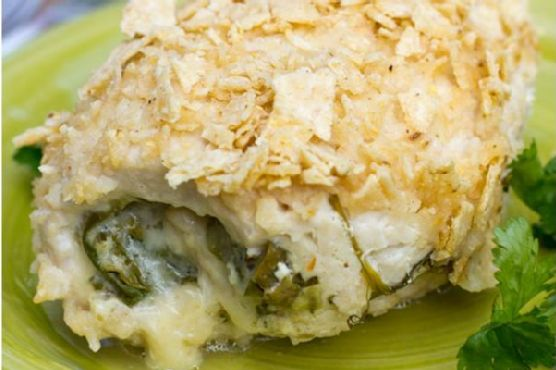
Mexi-Chicken Roll Ups

Intro

Welcome to a journey of flavors that dance right off the plate into your heart. Mexi-Chicken Roll Ups have been a beloved staple in my family for years. I remember the first time I tasted this dish at my grandmother’s house; the warmth of the kitchen, the sizzle of chicken in the oven, and the aromatic scent of cilantro and cumin wafting through the air. It was a chilly Sunday afternoon, and we gathered around the table, eagerly awaiting the feast. From that day on, this recipe has been a cherished family tradition, and I’m thrilled to share it with you today.

Why You’ll Love It

Mexi-Chicken Roll Ups are more than just a meal; they’re an experience. This dish is perfect for any occasion, whether it’s a family dinner, a potluck, or even a casual weeknight meal. Here’s why you’ll fall in love with it:

  • Flavorful and Satisfying: The combination of tender chicken, creamy sauce, and crunchy tortilla topping provides a delightful contrast in textures and flavors.
  • Easy to Make: With simple steps and readily available ingredients, this recipe is straightforward and foolproof.
  • Customizable: You can easily tweak the ingredients to suit your tastes or dietary needs.

Ingredients

  • 8 oz cream cheese
  • 1 cup salsa verde
  • 1 bunch cilantro, chopped
  • 1 tsp cumin
  • 1 tsp garlic powder
  • 4 chicken breasts
  • 1 cup fresh spinach
  • 1 cup shredded pepper jack cheese
  • 1 cup crushed tortilla chips

Instructions

  1. Preheat your oven to 350°F (175°C).
  2. Flatten out the chicken breasts to about 1/4″ thickness using a meat mallet or a rolling pin between sheets of wax paper.
  3. In a blender or food processor, combine cream cheese, salsa verde, chopped cilantro, cumin, and garlic powder to form a smooth sauce.
  4. Spread a generous spoonful of the sauce across each chicken breast.
  5. Top each breast with a layer of fresh spinach leaves and then sprinkle with shredded pepper jack cheese.
  6. Carefully roll each chicken breast closed. Secure with toothpicks if necessary.
  7. Place the crushed tortilla chips in a shallow dish and roll each chicken breast in the chips to coat evenly.
  8. Arrange the roll-ups in a baking dish, cover with foil, and bake for 30 to 35 minutes or until the chicken is cooked through and no longer pink in the center.
  9. Remove the foil for the last 5 minutes of baking to allow the tortilla chips to become crispy.
  10. Let cool slightly before serving. Enjoy!

Tips

  • For easier rolling, ensure your chicken breasts are thin and even. This will also help them cook more uniformly.
  • To save time, use pre-shredded cheese and pre-washed spinach.
  • If you don’t have a meat mallet, you can use a heavy skillet to flatten the chicken.

Variations & Substitutions

This recipe is incredibly versatile. Here are a few ideas to make it your own:

  • Cheese: Substitute pepper jack with cheddar or mozzarella for a different flavor profile.
  • Spiciness: Add chopped jalapeños to the cream cheese mixture for extra heat.
  • Herbs: Swap cilantro with parsley if you’re not a fan of its distinctive taste.

Storage

Leftover Mexi-Chicken Roll Ups can be stored in an airtight container in the refrigerator for up to 3 days. To reheat, place in the oven at 300°F (150°C) until warmed through. You can also freeze the roll-ups before baking. Simply thaw in the refrigerator overnight before cooking.

FAQ

Can I use a different type of meat?

Absolutely! This recipe works well with turkey or pork tenderloin. Adjust the cooking time as needed to ensure the meat is fully cooked.

What can I serve with Mexi-Chicken Roll Ups?

These roll-ups pair wonderfully with a side of Spanish rice, black beans, or a simple green salad. You can also serve them with guacamole or sour cream for dipping.

Is there a vegetarian option?

To make this dish vegetarian, substitute the chicken with large portobello mushrooms or zucchini slices. Adjust the baking time accordingly.

Nutrition

Each serving of Mexi-Chicken Roll Ups is packed with protein and flavor. While exact values depend on portion sizes, a typical serving provides approximately:

  • Calories: 450
  • Protein: 35g
  • Carbohydrates: 15g
  • Fat: 28g
  • Fiber: 3g

Conclusion

Mexi-Chicken Roll Ups are a delightful way to bring a taste of Mexican-inspired cuisine into your home. Whether you’re hosting a dinner party or looking for a comforting family meal, this dish is sure to impress. The combination of creamy, spicy, and crunchy elements will make it a favorite for years to come. I hope you enjoy making and eating this dish as much as my family has throughout the years. Bon appétit!

Related update: Mexi-Chicken Roll Ups

Paul vs. Davis Fight Canceled, Paul Plans | Analysis by Brian Moineau

When the Main Event Vanishes: Jake Paul vs. Gervonta Davis Called Off

Boxing fans woke up on November 4, 2025 to the kind of headline that halts a sport’s chatterboard: the much-hyped Jake Paul vs. Gervonta “Tank” Davis fight, scheduled for November 14, 2025 in Miami, has been cancelled. What promised to be one of the most talked-about crossover bouts of the year — a size-and-celebrity mismatch that drew headlines for months — unraveled after a civil lawsuit was filed against Davis in Miami-Dade County. Promoters say Paul will still headline an event on Netflix later in 2025, but the original spectacle is officially off.

Why the bout was scrapped

  • The cancellation followed the filing of a civil lawsuit against Gervonta Davis on or around the end of October 2025. Local authorities have confirmed investigations and a restraining order connected to the allegations. (aljazeera.com)
  • Most Valuable Promotions (MVP), led by CEO Nakisa Bidarian, and Netflix decided to pull the plug on the Nov. 14 event in Miami. MVP said the team had worked “closely with all parties to navigate this situation responsibly” and that Jake Paul will be rebooked for another Netflix-streamed event in 2025. (espn.com)
  • The fight had already been controversial because of the huge weight disparity: Paul typically fights near cruiserweight (around 200 lbs), while Davis is a 135-pound lightweight champion — an unusual and headline-grabbing matchup. (aljazeera.com)

What this means for Jake Paul, Tank Davis, and boxing

  • For Jake Paul: the cancellation removes a high-profile payday and a marketing moment, but MVP’s statement signals Paul’s team wants to keep momentum and still deliver a Netflix headliner before year-end. That suggests Paul’s brand and promotional machine remain intact even if opponents shift. (apnews.com)
  • For Gervonta Davis: beyond the immediate professional setback, the lawsuit and related investigations create reputational and legal uncertainty. Davis’s fights and endorsements could be affected while the matter is unresolved. (reuters.com)
  • For boxing and fans: the event’s shelving underscores a balancing act promoters face — chasing blockbuster, eyeball-grabbing matchups while also managing legal and ethical risks that can derail shows at the last minute.

Quick snapshot

  • Fight: Jake Paul vs. Gervonta “Tank” Davis (exhibition)
  • Original date: November 14, 2025 (Kaseya Center, Miami). Moved from Atlanta earlier due to sanctioning issues. (aljazeera.com)
  • Status: Cancelled as of November 4, 2025. MVP/Netflix to rebook Paul on a later 2025 card. (espn.com)

What fans and ticket holders should know

  • Ticket refunds: MVP said tickets purchased through Ticketmaster will be refunded automatically — expect processing timelines (often 14–21 days depending on vendor). (aljazeera.com)
  • Replacement opponents were reportedly considered to keep the Nov. 14 date, with names floated publicly (from other crossover stars to established boxers), but the promoters ultimately decided to cancel rather than proceed without Davis. (espn.com)

Takeaways for the bigger picture

  • High-profile crossover fights are fragile: the combination of celebrity boxing, legal exposures, and public scrutiny means big cards can collapse quickly. (aljazeera.com)
  • Streaming partners tighten standards: Netflix’s involvement and the swift cancellation show platforms are wary of attaching themselves to events mired in legal controversy. (mmafighting.com)
  • Promotions will pivot: MVP’s immediate promise to rebook Paul indicates modern boxing promotions lean on flexible streaming deals and brand-driven cards rather than single-fight reliance. (espn.com)

My take

This cancellation is a reminder that boxing’s current era — equal parts showbiz, streaming strategy, and sport — can create spectacles that look unstoppable on paper and fragile in practice. Fans will be disappointed; fighters and promoters will scramble. But for Paul, whose appeal is as much about entertainment as about in-ring results, the infrastructure to pivot (promoter power, Netflix deal, audience curiosity) likely softens the blow. For Davis, the situation is more precarious: legal drama is a long-term reputational wildcard that can affect career options far beyond a single cancelled bout.

Sources


Related update: We recently published an article that expands on this topic: read the latest post.


Related update: We recently published an article that expands on this topic: read the latest post.

Red Quinoa and Roasted Cauliflower Salad | Made by Meaghan Moineau

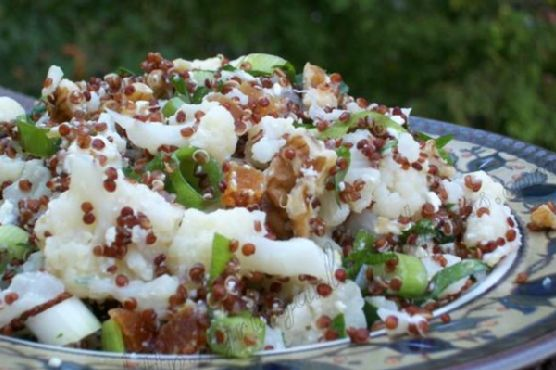
Red Quinoa and Roasted Cauliflower Salad

Intro

There’s something magical about the aroma of roasted cauliflower wafting through the kitchen. It transports me back to my grandmother’s cozy home, where the warmth of her cooking would fill every corner. She had a knack for taking simple ingredients and transforming them into something extraordinary. Inspired by her love for hearty, wholesome meals, I’ve created this Red Quinoa and Roasted Cauliflower Salad. It’s a dish that combines textures and flavors beautifully, making it a family favorite.

Why You’ll Love It

This salad is a delightful medley of nutty quinoa, sweet and chewy dried apricots, crunchy walnuts, and tangy feta cheese. The roasted cauliflower adds a savory depth, while the fresh green onions and parsley bring a burst of freshness. It’s a versatile dish that can be served warm or cold, making it perfect for any season. Whether you’re looking for a nutritious lunch, a side dish for dinner, or a potluck star, this salad fits the bill. Plus, it’s packed with protein, fiber, and healthy fats, ensuring you feel satisfied and nourished.

Ingredients

  • 1 head of cauliflower
  • 1 cup red quinoa
  • 1/2 cup walnuts, chopped
  • 1/2 cup dried apricots, chopped
  • 1/2 cup feta cheese, crumbled
  • 4 green onions, sliced
  • 1/4 cup fresh parsley, chopped
  • Salt and pepper to taste
  • Juice of 1/2 a lemon
  • 2 tablespoons olive oil

Instructions

  1. Cook the quinoa according to package directions. Set aside to cool slightly.
  2. Preheat the oven to 400°F (200°C).
  3. Cut the head of cauliflower into florets.
  4. Toss the cauliflower florets with olive oil, salt, and pepper. Arrange them on a baking sheet in a single layer.
  5. Roast the cauliflower in the preheated oven for 20 minutes or until tender and golden brown.
  6. Meanwhile, crumble the feta cheese and prepare the remaining ingredients: chop the walnuts, dried apricots, green onions, and parsley.
  7. In a large bowl, combine the cooked quinoa, roasted cauliflower, walnuts, apricots, feta cheese, green onions, and parsley.
  8. Drizzle with extra virgin olive oil and the juice from half a lemon. Toss to combine.
  9. Season with additional salt and pepper to taste.
  10. Serve immediately warm or chill in the refrigerator and serve cold.

Tips

For the best results, ensure your cauliflower florets are evenly coated in olive oil and spread out on the baking sheet to roast evenly. You can toast the walnuts for an extra layer of flavor. Simply place them in a dry skillet over medium heat, stirring frequently until fragrant. Be careful not to burn them! Finally, if you’re serving the salad cold, allow the flavors to meld by refrigerating it for at least an hour before serving.

Variations & Substitutions

This salad is highly adaptable to your preferences or dietary needs. You can swap the red quinoa for white or black quinoa, or even use farro or barley for a different grain base. If you’re not a fan of walnuts, try using almonds or pecans instead. For a vegan version, omit the feta cheese or replace it with a plant-based alternative. You can also add more veggies, like roasted cherry tomatoes or bell peppers, for extra color and nutrients.

Storage

This salad stores beautifully, making it an excellent option for meal prep. Place the salad in an airtight container and refrigerate for up to 4 days. If you’ve dressed the salad, the flavors will intensify over time, which many find delicious. However, if you prefer a fresher taste, consider storing the dressing separately and mixing it in just before serving.

FAQ

Can I make this salad ahead of time?

Absolutely! This salad is ideal for making ahead. Prepare all the components and combine them just before serving. This will keep the flavors vibrant and the textures perfect.

Is there a way to add more protein to this salad?

Yes, you can add grilled chicken, chickpeas, or tofu for additional protein. These options complement the existing flavors well and make the salad more filling.

What can I serve with this salad?

This salad is quite versatile and pairs well with grilled meats, such as chicken or fish. It’s also a great side dish for a barbecue or a potluck.

Nutrition

This Red Quinoa and Roasted Cauliflower Salad is not only delicious but also nutritious. It’s rich in plant-based protein from quinoa, healthy fats from walnuts and olive oil, and fiber from the cauliflower and dried apricots. It’s a well-rounded meal that will keep you energized and satisfied.

Conclusion

Whether you’re reminiscing about family meals or creating new memories, this Red Quinoa and Roasted Cauliflower Salad is a dish that brings people together. Its harmonious blend of flavors and textures makes it a standout choice for any occasion. I hope this recipe becomes a staple in your kitchen, just as it is in mine. Enjoy the journey of cooking and savor every bite!

Related update: Red Quinoa and Roasted Cauliflower Salad

Related update: Hush Puppies

Related update: Amaranth and Roast Veggie Salad

Caramel ice cream | Made by Meaghan Moineau

Decadent Homemade Caramel Ice Cream

Intro

There’s something truly magical about homemade ice cream, especially when it’s infused with the rich, buttery flavor of caramel. This recipe for caramel ice cream takes me back to summers spent in my grandmother’s kitchen, where the aroma of simmering sugar and cream would fill the air. We’d gather around the table eagerly waiting for the first scoop of freshly churned ice cream, savoring every bite as if it were a treasure. Today, I’m thrilled to share this delightful recipe that promises to evoke the same warm memories and smiles in your home.

Why You’ll Love It

This caramel ice cream is a creamy, indulgent treat that’s surprisingly simple to make. Its rich flavor profile will satisfy any sweet tooth, and the smooth texture is perfect for hot summer days or as a dessert for a cozy night in. Whether you’re an ice cream aficionado or a caramel lover, this recipe is sure to become a family favorite.

Ingredients

  • 2 cups sugar
  • 1 cup water, divided
  • 4 large eggs
  • 1 cup powdered sugar
  • 2 cups heavy cream
  • 1/2 teaspoon salt
  • 1 teaspoon vanilla extract

Instructions

  1. In a large skillet, combine the sugar and 1/2 cup of water over medium-high heat. Stir occasionally, allowing the sugar to dissolve and the mixture to come to a boil.
  2. Continue boiling the sugar mixture for about 5 minutes until it reaches a dark brown color. Be careful not to burn it.
  3. Remove the skillet from the heat and gradually stir in the remaining 1/2 cup of water. Allow the caramel to cool to room temperature and set aside.
  4. In a medium bowl, beat the eggs for 3 minutes until they are thick and light yellow in color.
  5. Gradually beat in the powdered sugar until well combined.
  6. Stir in the heavy cream, salt, and vanilla extract.
  7. Gently stir in the caramel mixture until smooth.
  8. Cover the mixture and chill in the refrigerator for at least 4 hours or overnight.
  9. Pour the chilled mixture into an ice cream machine and churn according to the manufacturer’s instructions until frozen.
  10. Transfer the ice cream to a plastic container and place it in the freezer for at least an hour before serving.
  11. Before serving, let the ice cream sit at room temperature for 5-10 minutes to reach the perfect scooping consistency.

Tips

For best results, serve your caramel ice cream in chilled glass or porcelain bowls. Use a hot, dry ice cream scoop for the perfect scoop every time—simply dip the scoop in boiling water and wipe it dry before using.

Variations & Substitutions

If you’re looking to switch things up, consider adding a pinch of sea salt to the caramel for a salted caramel twist. Alternatively, you could swirl in some chocolate chips or nuts during the churning process for added texture and flavor. For those who prefer a lighter version, substitute half of the heavy cream with milk.

Storage

Store your caramel ice cream in an airtight container in the freezer. It will keep for up to two weeks, although we doubt it will last that long! Just be sure to allow it to soften at room temperature before scooping.

FAQ

Can I make this recipe without an ice cream machine?

Yes! If you don’t have an ice cream machine, simply pour the mixture into a shallow dish and place it in the freezer. Stir every 30 minutes for the first few hours to break up ice crystals, then freeze until firm.

How can I prevent ice crystals from forming?

To prevent ice crystals, ensure that your mixture is thoroughly chilled before churning. Using an ice cream machine also helps achieve a smoother texture by churning air into the mixture as it freezes.

Nutrition

This recipe yields approximately 8 servings. Each serving contains about:

  • Calories: 350
  • Fat: 22g
  • Carbohydrates: 38g
  • Protein: 4g

Conclusion

Making caramel ice cream from scratch is a rewarding experience that brings joy to both the cook and those lucky enough to enjoy the results. With its rich flavor and creamy texture, this recipe is sure to become a staple in your culinary repertoire. Whether you’re serving it at a family gathering or enjoying a quiet night in, this homemade treat is sure to impress. So, gather your ingredients, channel your inner chef, and let the magic of caramel ice cream unfold in your kitchen!

Related update: Caramel ice cream

AI Winners Mask Weak Market Breadth | Analysis by Brian Moineau

November’s market mood: bright leaders, shaky foundation

Monday’s market tape told a familiar — and a little unsettling — story: the Nasdaq and S&P 500 quietly closed higher, lifted by a handful of AI and mega‑cap tech winners, while more than 300 S&P 500 stocks finished the day in the red. That kind of skew — a few names powering headline gains while many constituents lag — is the market’s current frisson: impressive on the surface, fragile underneath.

What happened (the quick read)

  • Major AI‑exposed names and cloud/semiconductor plays rallied and helped the indices eke out gains.
  • Stock futures slipped slightly the next session as investors digested valuation chatter, profit‑taking and mixed earnings signals.
  • Market breadth remained weak: hundreds of S&P 500 components fell even though the cap‑weighted indexes rose, highlighting concentrated leadership.

Why breadth matters

When a market rally is driven by a narrow group of stocks, the headline numbers can mask risk. A cap‑weighted index like the S&P 500 gives outsized influence to the largest companies, so the top handful of megacaps (the “Magnificent Seven” or similar groups) can lift the index even while most companies decline.

  • Narrow leadership raises volatility risk: if one or two leaders stumble, index performance can unwind quickly.
  • Weak breadth signals potential for rotation: sectors or mid‑caps that haven’t participated may suddenly correct further or rebound sharply if sentiment shifts.
  • Valuation sensitivity grows: when gains concentrate in richly valued AI/tech names, any hint of earnings disappointment, regulatory pressure, or slowing adoption can trigger swift re‑pricing.

The context you should keep in mind

  • AI enthusiasm has been a strong theme through 2025: big cloud deals, hyperscaler capex and continued demand for AI chips kept investor attention fixed on a small group of winners.
  • Many companies are still reporting solid earnings — a reason some strategists argue the rally isn’t just speculative. But even with good results, the market’s recovery is uneven.
  • Macro and policy noise (interest‑rate speculation, data delays from the U.S. government shutdown earlier in November, and geopolitical headlines) adds an extra layer of sensitivity to any cracks in leadership performance.

Market signals to watch this week

  • Earnings from big tech, chipmakers and cloud providers — these can either reinforce the narrow rally or expose cracks.
  • Breadth indicators: the number of advancing vs. declining S&P 500 stocks, and how many are above their 200‑day moving averages.
  • Volatility and flows: VIX moves and ETF flows into/out of mega‑cap tech versus broad market funds can show whether investors are rotating or doubling down.
  • Macro prints (jobs, Fed commentary) — still decisive for risk appetite and valuation multiples.

What investors can consider (practical framing)

  • Check exposure concentration: make sure your portfolio isn’t unknowingly overloaded with a few mega‑cap tech names.
  • Think in scenarios, not certainties: prepare for both continued AI momentum and for a re‑rating if sentiment shifts.
  • Revisit risk controls: position sizes and stop rules matter more when leadership is narrow and velocity of moves is high.
  • Look for quality breadth opportunities: beaten‑down cyclicals or small‑caps with improving fundamentals may offer better risk/reward if rotation arrives.

A snapshot: the narrative versus the reality

Narrative: “AI is lifting markets — buy the leaders.”
Reality: AI‑related leadership is real and powerful — but it hasn’t broadly lifted the market. That divergence means headline gains can be fragile if those leaders catch a cold.

My take

I find this market simultaneously thrilling and unnerving. The technology and AI stories driving gains are compelling — real revenue, real capex, and real productivity use cases — but markets priced on a handful of outcomes are brittle. For investors, nuance matters more than conviction right now: it’s a time to be thoughtful about concentration, to respect strong themes like AI without letting them blind you to poor breadth, and to balance optimism with risk management.

Sources


Related update: We recently published an article that expands on this topic: read the latest post.


Related update: We recently published an article that expands on this topic: read the latest post.
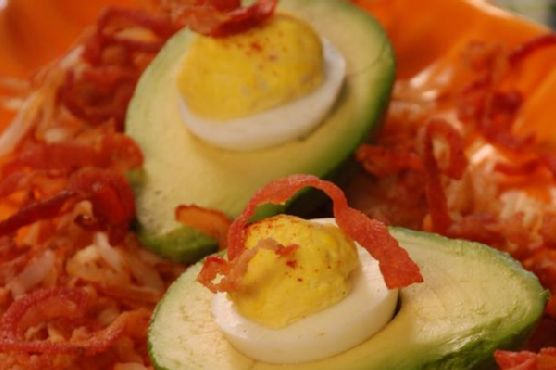
Has Apple Launched Products in November | Analysis by Brian Moineau

When was the last time Apple launched new products in November? A quick history as we wait for Apple TV, AirTag, and more

Apple fans have gotten very used to a cadence: big iPhone and Apple Watch news in September, occasional Mac and iPad moments in October, and then the company fades into a quieter holiday rhythm. So when rumors start swirling in late October about a new Apple TV, a HomePod mini 2, or AirTag 2, the question naturally follows — how often does Apple actually drop new hardware in November?

Below I walk through the recent history, call out the most notable late‑year launches, and offer a perspective on whether November 2025 could really be the month Apple surprises us again.

Why November feels surprising

  • Apple’s publicity machine is built around big, planned events. September has been the home for flagship iPhone launches for years, and October has been the fallback for Macs, iPads, and some Apple Services reveals.
  • November is often a shipping or retail month — announced products that trickle into stores, rather than brand‑new unveilings. That makes a fresh product announcement in November feel like a break from the pattern.
  • Still, Apple has used late‑year timing when it mattered: supply chains, software readiness, or pandemic delays have all shifted release calendars before.

Recent late‑year Apple product launches

  • November 10, 2020 — Apple unveiled the first M1 Macs (MacBook Air, 13‑inch MacBook Pro, Mac mini). That was a major architectural shift and one of Apple’s most consequential late‑year announcements in recent memory. (9to5mac.com)
  • December 2020 — AirPods Max were introduced via a press release in December 2020 (announced later in the year rather than at a major event). This illustrates Apple sometimes prefers quiet, non‑event rollouts late in the year. (9to5mac.com)
  • November 13, 2019 — Apple released the 16‑inch MacBook Pro in mid‑November, another example of a significant product arriving outside the usual September/October window. (9to5mac.com)
  • Other late releases have included products that were announced earlier and shipped in November or December (for example, the M4 Macs shipped in November after an October announcement). That pattern makes November a shipping month more than an unveiling month most years. (9to5mac.com)

What the rumors say for November 2025

  • Multiple outlets (including 9to5Mac, MacRumors, and coverage of Mark Gurman’s reporting) suggest Apple could be preparing new hardware in November 2025: a refreshed Apple TV 4K with a faster chip (reportedly A17 Pro), a second‑generation HomePod mini, and possibly AirTag 2 with improved Ultra Wideband and security features. These are described as likely “coming soon” or “in the coming months,” and several reports point to mid‑November retail refresh activity around November 11, 2025. (9to5mac.com)
  • Retail overnight store refreshes (an internal Apple practice ahead of product rollouts or merch changes) are often a hint but not definitive proof of a product launch. Apple has used this approach for both product introductions and seasonal store updates. (macrumors.com)

What history suggests about the chances of a November unveiling

  • Uncommon but not unprecedented: Major, headline‑making November launches are rare (2020 and 2019 stand out), but November product introductions do happen, especially when timing or logistics push Apple off its usual calendar. (9to5mac.com)
  • Apple’s habits favor September/October announcements, then November as a month to ship announced products or refresh retail displays. If Apple does announce an Apple TV, HomePod mini 2, or AirTag 2 in November 2025, it will be notable only because it bucks that trend — but the trend is not a rule.
  • Leaks and supply signals matter: limited availability of current models and internal retail plans increase the odds that something is imminent. Still, leaks can be wrong or refer only to shipping schedules rather than announcement events. (macrumors.com)

What to watch this November

  • November 11, 2025 — multiple reports flagged this date as a likely overnight store refresh. Keep an eye on Apple Store pages and press releases around that date. (macrumors.com)
  • Software release cadence — Apple often aligns hardware availability with software updates. The iOS/tvOS/wide system updates expected in early November could be paired with hardware availability or new product support notes. (9to5mac.com)
  • Short, quiet press releases — not every Apple product gets a keynote. AirPods Max and a few other products launched via press release or small announcements late in the year. Watch Apple’s Newsroom for those. (apple.com)

What this means for buyers and fans

  • If you want the rumored Apple TV 4K or AirTag 2, be ready for two possibilities:
    1. A quick, quiet Apple announcement (press release and product page) in November with immediate preorders or shipments.
    2. A short announcement that the product will ship later (December or early 2026), which is Apple’s typical holiday logistics play.
  • Holiday shopping windows could push Apple to time product availability for November even if the formal unveiling happened earlier — that’s why stock and shipping updates can be as telling as announcements.

Notable dates to remember

  • November 10, 2020 — M1 Macs unveiled. (9to5mac.com)
  • November 13, 2019 — 16‑inch MacBook Pro announced/arrived. (9to5mac.com)
  • November 11, 2025 — rumored retail refresh date many outlets flagged as a possible product timing hint. (timesofindia.indiatimes.com)

Quick takeaways

  • Apple launching hardware in November is uncommon but has happened in recent years (notably 2020 and 2019). (9to5mac.com)
  • November is more often a shipping or retail refresh month than a debut month, but supply cues and internal retail scheduling can presage real product drops. (9to5mac.com)
  • For November 2025 there are credible signals (rumors, retail refresh plans, and supply scarcity) that Apple could introduce or make available Apple TV 4K, HomePod mini 2, and AirTag 2 — but nothing is confirmed until Apple’s Newsroom or product pages change. (9to5mac.com)

Final thoughts

Apple doesn’t have to follow a calendar — and sometimes the company’s most interesting moves arrive when we least expect them. Historically, November announcements are rarer, but when they happen they’re often meaningful (we’re still feeling the impact of the M1 Macs announced on November 10, 2020). Keep an eye on Apple’s official channels and the November 11 retail timing that reporters are watching. Whether Apple surprises us with a shiny new Apple TV or quietly drops updated AirTags, the end of the year is a great time to revisit how Apple times product launches for market, shipping, and holiday reasons.

Sources


Related update: We recently published an article that expands on this topic: read the latest post.
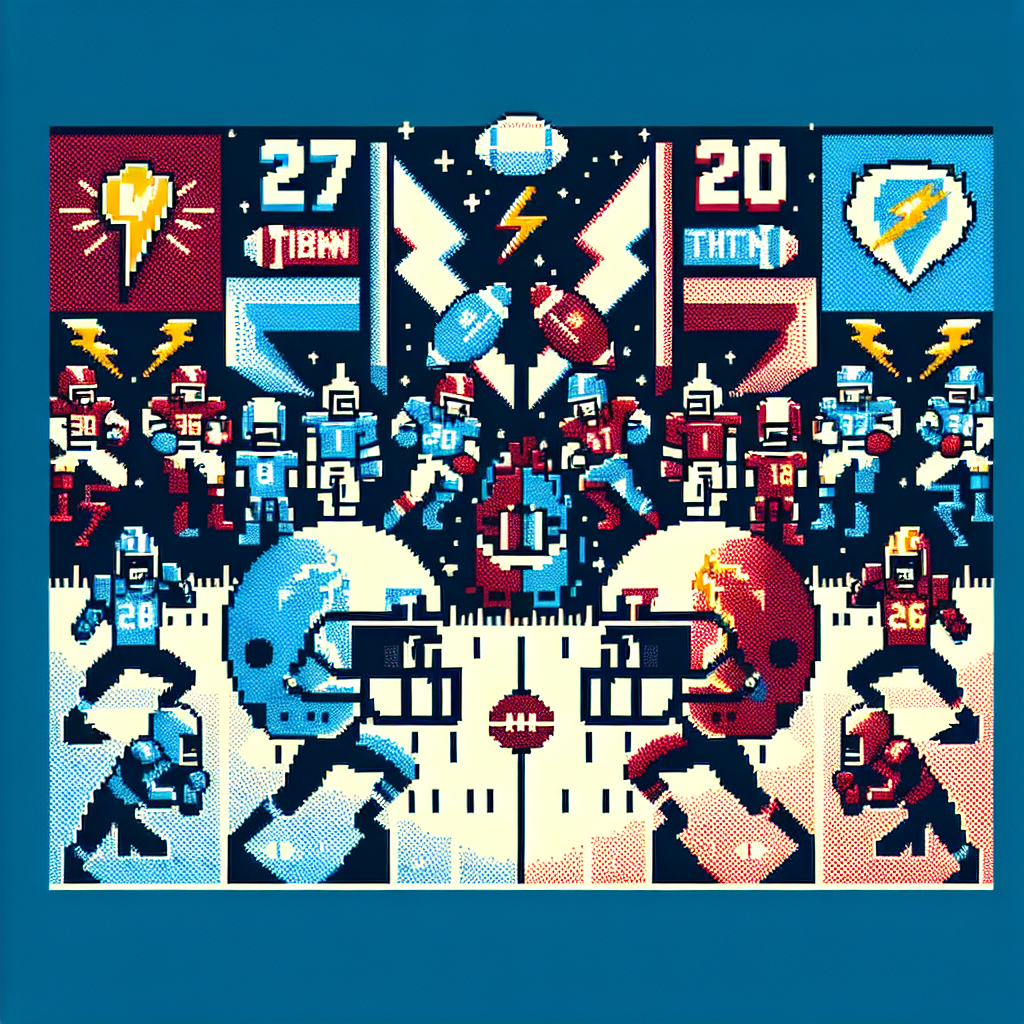
Avocado Nests | Made by Meaghan Moineau

Avocado Nests: A Delightful and Nutritious Breakfast

Intro

Growing up, Sunday mornings were always special in our household. My grandmother had a knack for turning simple ingredients into something extraordinary, and her Avocado Nests were no exception. The vibrant green of the avocado paired with the golden hue of hash browns and the savory goodness of bacon and eggs was a sight to behold. It was a dish that brought the family together, and to this day, it evokes cherished memories of laughter and love shared around the breakfast table.

Why You’ll Love It

This Avocado Nests recipe is more than just a feast for the eyes. It combines the creamy richness of avocados with the satisfying crunch of hash browns and the savory flavor of bacon, creating a harmonious blend of textures and tastes. The addition of deviled eggs brings an unexpected twist, elevating this dish to a new level of deliciousness. Whether you’re preparing a cozy breakfast for your family or impressing guests at brunch, Avocado Nests are sure to delight everyone at the table.

Ingredients

  • 2 ripe avocados
  • 4 hardboiled eggs
  • 2 cups frozen hash browns
  • 4 slices bacon
  • 2 tablespoons mayonaise (or cream cheese)
  • Salt and pepper to taste

Instructions

  1. Cook the frozen hash browns according to the package directions until they are golden and crispy. Set aside.
  2. Cut the bacon slices into thin strips and cook them in a skillet over medium heat until crispy, or bake them in the oven at 400°F (200°C) for about 15 minutes. Drain on a paper towel.
  3. To make the deviled eggs, carefully peel the hardboiled eggs and slice them in half lengthwise. Remove the yolks and place them in a bowl. Mix the yolks with mayonaise or cream cheese until smooth, then season with salt and pepper. Spoon or pipe the mixture back into the egg white halves.
  4. Cut the avocados in half lengthwise, remove the seeds, and gently peel the skin.
  5. On a serving plate, create a bed of hash browns and sprinkle the cooked bacon strips over them.
  6. Carefully place the deviled eggs into the seed cavity of each avocado half.
  7. Rest the filled avocado halves on the bed of hash browns and bacon, and serve immediately.

Tips

For the best results, use ripe but firm avocados to ensure they hold their shape. If you prefer a smokier flavor, consider using smoked bacon. Use a piping bag for a neater presentation of the deviled egg filling. To save time, you can prepare the deviled eggs and cook the bacon the night before.

Variations & Substitutions

Feel free to customize the Avocado Nests to suit your taste. For a vegetarian version, omit the bacon and add sautéed mushrooms or roasted bell peppers. If you’re looking to cut down on carbs, you can substitute the hash browns with a bed of fresh arugula or mixed greens. For a spicier kick, add a dash of hot sauce or a sprinkle of cayenne pepper to the deviled egg mixture.

Storage

Avocado Nests are best enjoyed fresh, but if you have leftovers, store them in an airtight container in the refrigerator for up to two days. To prevent the avocados from browning, you can brush them with a little lemon juice before storing. Reheat the hash browns and bacon in a skillet to restore their crispiness before serving.

FAQ

Can I make the deviled eggs in advance?

Yes, you can prepare the deviled eggs up to two days ahead of time. Store them in an airtight container in the refrigerator until you’re ready to assemble the dish.

What can I use instead of mayonnaise for the deviled eggs?

If you’re not a fan of mayonnaise, cream cheese or Greek yogurt are excellent substitutes that will provide a similar creamy texture.

Nutrition

While it’s difficult to provide precise nutritional information without exact measurements, Avocado Nests are generally a good source of healthy fats from the avocados, protein from the eggs, and essential nutrients from the bacon and hash browns. For those watching their calorie intake, consider using turkey bacon and reducing the amount of hash browns.

Conclusion

Avocado Nests are a delightful way to elevate your breakfast or brunch game. With their eye-catching presentation and mouthwatering flavors, they are sure to become a favorite in your household, just as they have in mine. I hope this recipe brings as much joy to your table as it has to ours. Enjoy these little nests of goodness and the memories they create with your loved ones.

Related update: Avocado Nests

Related update: Mexi-Chicken Roll Ups

Six Takeaways from Titans vs. Chargers | Analysis by Brian Moineau

A bruising night at Nissan: Six takeaways from the Titans’ 27-20 loss to the Chargers

The roar at Nissan Stadium felt different on Sunday — gritty, punctuated by big defensive plays and special-teams fireworks, but undercut by missed chances and self-inflicted mistakes. The final score said 27-20, but the narrative was more complicated: a defense that sacked Justin Herbert six times and a rookie returner who exploded for a TD, yet an offense that couldn’t finish the job inside the 1. Here’s a closer, conversational look at the six things that stood out and what they mean for the Titans moving forward. (tennesseetitans.com)

What happened, in one paragraph

Tennessee had momentum via a 67-yard punt-return touchdown from rookie Chimere Dike and frequent pressure on Chargers QB Justin Herbert (six sacks), but missed a crucial chance at the goal line late in the third quarter. That stop — followed by a 99-yard Chargers drive — swung the game. Penalties and offensive inefficiency ultimately kept the Titans from converting big defensive and special-teams plays into a win. (tennesseetitans.com)

Highlights that mattered

  • Chimere Dike’s 67-yard punt return gave the building a lift and turned special teams into a game-changing unit early. That kind of explosive return ability is rare and valuable. (tennesseetitans.com)
  • The defense’s relentless pass rush — six sacks and 11 QB hits — showed this unit can generate havoc even when the offense stalls. Jihad Ward and Dre’Mont Jones were particularly disruptive. (tennesseetitans.com)
  • Penalties (seven for 60 yards in the first half) repeatedly eroded momentum, forcing the Titans into longer down-and-distances and killing drives. Discipline remains a glaring area to fix. (tennesseetitans.com)

The turning point: stopped at the 1

Midway through the third quarter Tennessee drove to the Chargers’ 1-yard line and failed to score on consecutive rushes by Tony Pollard. Instead of going ahead, they watched the Chargers answer with a 15-play, 99-yard march capped by a Herbert one-yard TD. Momentum flipped in about two minutes — that sequence encapsulates the difference between a team that grinds out wins and one that finds ways to come up short. (tennesseetitans.com)

Discipline and situational football

Penalties were more than annoying — they were costly. The Titans’ seven first-half flags (60 yards) made already difficult drives harder, and poor situational execution — especially near the goal line and on third downs — prevented the offense from capitalizing on field position and defensive stands. Clean, situational football would have changed the texture of this game. (tennesseetitans.com)

Defense: ball-hawking and pressure — a real positive

If there’s a silver lining, it’s that the Titans’ defense played like the unit fans expect: consistent pressure, turnover creation, and streaky playmakers. The line’s six sacks and the team’s forced turnovers kept Tennessee competitive. That kind of defensive performance is a foundation to build on, but it needs offensive partners to turn stops into scoreboard advantage. (tennesseetitans.com)

Offense: promising flashes, persistent shortcomings

From red-zone inability to third-down struggles, the offense didn’t do enough. While special teams and defense produced highlight plays, the offense couldn’t finish the drives that mattered most. Whether it’s playcalling, protection, or execution in short-yardage, the Titans must solve their end-zone efficiency problem — especially with divisional standings tightening. (tennesseetitans.com)

The standings effect

This wasn’t just a single loss — it’s a momentum and playoff-seeding concern. With the AFC South getting tighter, each game becomes heavier in consequence. The Titans’ slide toward .500 (and the threat from teams chasing them) means urgency is warranted; lots of season-defining moments remain in front of them. (tennesseetitans.com)

Quick strategic notes

  • Lean into the pass rush: the front seven proved they can win games with pressure. More creative blitz packages and tempo might force turnovers and short fields. (tennesseetitans.com)
  • Fix situational offense: short-yardage and goal-line packages must be cleaner and more decisive; failing at the one-yard line is a teachable — and costly — moment. (tennesseetitans.com)
  • Reduce penalties: early-game discipline issues are compounding mistakes. A focus on fundamentals could add a few wins over the season. (tennesseetitans.com)

Key takeaways for fans tracking the season

  • The defense can still carry the team — but it can’t do it alone.
  • Special teams (hello, Dike) are suddenly a real advantage.
  • Offensive execution in the red zone and penalty discipline will likely determine whether the Titans finish strong.

Final thoughts

Sunday’s loss felt like a microcosm of a team at a crossroads: flashes of championship-caliber defense and special-teams heroics, paired with an offense that needs to learn how to close. The Titans showed grit and explosive plays, yet still left too much on the field. If they can clean up penalties and convert in short-yardage situations, the defensive foundation and special-teams dynamism give them a shot in tight games. Until then, expect more close calls and a fanbase hungry for consistency. (tennesseetitans.com)

Sources


Related update: We recently published an article that expands on this topic: read the latest post.
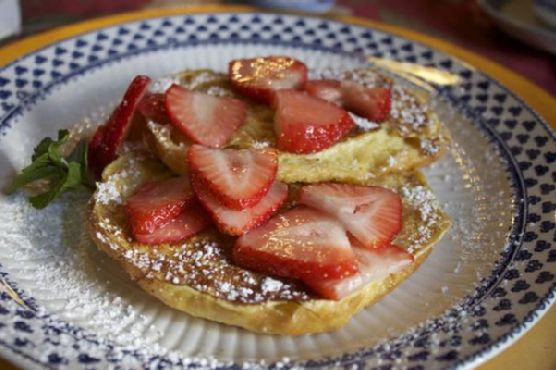

Related update: We recently published an article that expands on this topic: read the latest post.

French Toast Croissants with Strawberries | Made by Meaghan Moineau

French Toast Croissants with Strawberries

Intro

There’s something magical about the aroma of freshly cooked French toast wafting through the kitchen. It takes me back to those lazy Sunday mornings at my grandmother’s house, where breakfast was an event to be savored. Instead of traditional bread, today we’re giving this classic breakfast staple a delightful twist by using croissants. The rich, buttery layers of croissants make them the perfect canvas for this sweet, eggy delight. Paired with fresh strawberries and a hint of orange, this dish elevates any breakfast or brunch spread.

Why You’ll Love It

This recipe combines the best of both worlds: the indulgence of a French pastry and the comforting familiarity of French toast. Here’s why you’ll fall in love with these French Toast Croissants with Strawberries:

  • Rich Flavor: The croissants’ buttery layers absorb the egg mixture beautifully, creating a rich and satisfying taste.
  • Easy to Make: With simple ingredients and straightforward instructions, this recipe is perfect for both beginners and seasoned cooks.
  • Versatile: Whether you’re making a special breakfast or a fancy brunch, this dish fits the bill.
  • Seasonal Freshness: The addition of fresh strawberries brings a burst of color and flavor, making it a perfect dish for spring and summer.

Ingredients

  • Butter
  • Split plain croissants
  • Eggs
  • Milk
  • Orange peel
  • Powdered sugar
  • Fresh strawberries

Instructions

  1. In a small mixer bowl, beat together all orange butter ingredients at medium speed, scraping the bowl often, until light and fluffy (about 1 to 2 minutes); set aside.
  2. In a pie pan, stir together milk, eggs, and 1 teaspoon of orange peel.
  3. In a 10-inch skillet or griddle, melt 2 tablespoons of butter over medium heat.
  4. Dip 4 croissant halves into the egg mixture, turning to coat both sides. Place croissant halves, cut side down, in the skillet.
  5. Cook, turning once, until golden brown (3 to 4 minutes on each side). Remove to a serving platter and keep warm.
  6. Repeat with the remaining 2 tablespoons of butter and 4 croissant halves.
  7. Dust croissant halves with powdered sugar and serve with orange butter and fresh strawberries.

Tips

  • Use Day-Old Croissants: Slightly stale croissants will absorb the egg mixture better without becoming too soggy.
  • Keep Warm: To keep the croissants warm while you finish cooking, place them in a preheated oven at a low temperature.
  • Don’t Overcrowd the Pan: Cook the croissants in batches if necessary to ensure even cooking.

Variations & Substitutions

If you’re looking to customize your French toast croissants, here are a few ideas:

  • Fruity Variations: Swap strawberries with blueberries, raspberries, or sliced bananas for a different flavor profile.
  • Nutty Addition: Sprinkle chopped nuts like almonds or pecans for added crunch.
  • Dairy-Free Option: Use almond milk or coconut milk instead of regular milk for a dairy-free version.

Storage

French Toast Croissants are best enjoyed fresh, but if you have leftovers, store them in an airtight container in the refrigerator for up to two days. Reheat in a preheated oven at 350°F until warmed through, or use a toaster oven for added crispiness.

FAQ

Can I make the orange butter ahead of time?

Yes, you can prepare the orange butter ahead of time and store it in the refrigerator. Just make sure to bring it to room temperature before serving so it spreads easily.

Can I freeze French Toast Croissants?

While it’s possible to freeze them, the texture might change slightly. If you choose to freeze, wrap each croissant tightly in plastic wrap and place in a freezer-safe bag. Thaw in the fridge overnight before reheating.

What can I serve with French Toast Croissants?

This dish pairs wonderfully with a side of crispy bacon or sausage. A refreshing fruit salad or a glass of freshly squeezed orange juice complements the meal beautifully.

Nutrition

While I don’t have exact nutritional information, this dish is indulgent and should be enjoyed as a treat. For lighter options, consider reducing the amount of butter or powdered sugar, or serving with a fresh fruit salad.

Conclusion

French Toast Croissants with Strawberries is a delightful twist on a classic breakfast favorite that promises to add a touch of elegance to your morning routine. Whether you’re enjoying a cozy family breakfast or hosting a brunch with friends, this dish is sure to impress. The combination of buttery croissants, sweet strawberries, and fragrant orange butter creates a symphony of flavors that’ll transport you straight to a Parisian café. So, grab your apron and treat yourself to this indulgent breakfast experience!

Related update: French Toast Croissants with Strawberries

Related update: Caramel ice cream

Related update: Banana Blueberry Pancakes