
iOS 12.5.8 Revives iMessage and FaceTime | Analysis by Brian Moineau

When old iPhones get a lifeline: iOS 12.5.8 keeps iMessage and FaceTime alive

A small update can feel like a minor miracle when it suddenly makes an ancient phone useful again. On January 26, 2026, Apple quietly pushed iOS 12.5.8 to a handful of legacy devices — an unexpected but welcome move that ensures iMessage, FaceTime and device activation keep working on models that can’t run modern iOS releases.

Why this matters more than it sounds

  • Many people still rely on older phones as spare devices, handed-down hardware, or phones for kids and elders.
  • Some core services — iMessage, FaceTime and device activation — depend on security certificates that can expire. When that happens, even a perfectly functional battery and screen can’t redeem a device that can’t authenticate with Apple’s services.
  • Apple’s 12.5.8 update renews those certificates so these services continue to work past the original expiration window (Apple’s release notes say this extends functionality beyond January 2027).

That’s not a flashy feature update — no redesign, no new widgets — but it’s practical maintenance that keeps devices online and useful for everyday communication.

Which devices are covered

  • iPhone 5s
  • iPhone 6 and iPhone 6 Plus
  • iPad Air (original)
  • iPad mini 2 and iPad mini 3
  • iPod touch (6th generation)

If you own (or inherit) any of these models and still rely on Messages or FaceTime, installing iOS 12.5.8 is the simple way to avoid service interruption.

A little context: Apple’s approach to legacy support

  • Apple has a reputation for longer OS support than many Android vendors. This update extends the lifespan of devices launched in 2013–2014 — a 12–13 year span for the iPhone 5s and iPhone 6.
  • Historically, Apple issues focused security patches and certificate renewals for legacy OS branches (like iOS 12) when a backend change would otherwise break key functionality.
  • This particular update appears targeted and intentional: it replaces an expiring certificate rather than modernizing the platform.

What to do if you have one of these older devices

  • Back up the device first (iCloud or a local backup) in case anything goes wrong.
  • Check Settings > General > Software Update and install iOS 12.5.8 when it appears.
  • After updating, verify iMessage and FaceTime activation by sending a message or placing a FaceTime call.
  • Remember that app compatibility, security protections, and modern features remain limited on these devices — this update preserves core Apple services, not modern app support.

Why Apple might care about keeping old devices working

  • User experience: Broken messaging or activation is an outsized annoyance for users who otherwise have functioning hardware.
  • Device activation matters for transfer, resale, repairs and emergency calls — so certificate renewals protect many downstream scenarios.
  • Environmental and social impact: Extending useful life reduces e-waste and helps people who can’t or don’t want to upgrade frequently.
  • Brand consistency: Apple benefits when its services remain reliable across generations, even if hardware is dated.

A few caveats

  • This update does not make old hardware secure in the same way a modern iPhone is. Newer iOS releases get deeper security architecture upgrades and broader app compatibility.
  • Apple has also briefly stopped signing a few recently released updates (reported January 28, 2026), which can affect the availability of specific builds. If an update doesn’t appear or seems blocked, check Apple’s official notes and retry later.

Quick takeaways

  • iOS 12.5.8 (released January 26, 2026) extends the certificates that let iMessage, FaceTime and device activation continue to work on older Apple devices.
  • The update is small and targeted but meaningful: it keeps legacy hardware useful for communication and activation tasks.
  • If you use an iPhone 5s, iPhone 6, original iPad Air, older iPad mini, or iPod touch (6th gen), install the update after backing up.

My take

This is the kind of practical, unspectacular move that quietly matters to real users. It’s not about headlines or feature lists; it’s about keeping connections alive. For people holding onto older devices for budget, sentimental, or environmental reasons, Apple’s certificate renewal is a small mercy — one that nudges the device’s useful life forward without pretending it’s modern. Companies don’t always prioritize these low-glamour fixes, so when they do, it’s worth noticing.

Sources


Related update: We recently published an article that expands on this topic: read the latest post.


Related update: We recently published an article that expands on this topic: read the latest post.

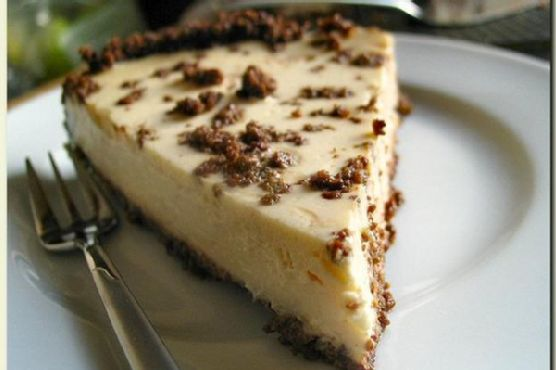
Dulce De Leche Cheesecake | Made by Meaghan Moineau

Dulce De Leche Cheesecake

Intro

There’s something magical about the rich, creamy texture of a well-made cheesecake. As a child, I remember watching my grandmother expertly whip together her signature desserts in our sunlit kitchen, the smell of caramel and vanilla swirling in the air. Her dulce de leche cheesecake was a family favorite, a decadent treat that brought us all together around the dining table. Inspired by those cherished memories, this Dulce De Leche Cheesecake recipe is a modern homage to her traditional creation, capturing the same warmth and sweetness that defined my childhood.

Why You’ll Love It

This Dulce De Leche Cheesecake is the perfect blend of creamy indulgence and subtle sweetness. You’ll appreciate the harmonious balance of flavors, from the smooth creaminess of the Philadelphia Balance cream cheese to the luscious caramel notes of the dulce de leche. The almond cookie crust adds a delightful crunch, contrasting beautifully with the velvety filling. Whether you’re a cheesecake connoisseur or a dessert novice, this recipe is sure to impress with its simple preparation and stunning results.

Ingredients

  • 200g almond cookies, crushed
  • 2 tbsp cornstarch
  • 500g Philadelphia Balance cream cheese, softened
  • 1 cup dulce de leche
  • 3 large eggs
  • 2 tbsp lemon juice
  • 1/2 tsp salt
  • 1 cup sugar
  • 100g unsalted butter, melted
  • 1/2 cup plain yogurt

Instructions

  1. In a mixing bowl, toss the almond cookie crumbs with the melted butter until well combined. Reserve 1 tablespoon of the mixture for the topping.
  2. Press the remaining mixture onto the bottom and up 3cm high of a greased 24cm springform pan. Chill until ready for use.
  3. Using an electric mixer, beat the Philadelphia Balance cream cheese and sugar in a large mixing bowl until smooth.
  4. Add yogurt and eggs, beating until just blended.
  5. Stir in cornstarch, dulce de leche, lemon juice, and zest until blended.
  6. Pour the mixture into the prepared crust and sprinkle the top with the reserved cookie crumbs.
  7. Steam bake the cheesecake at 165°C/330°F for 65 minutes until almost set.
  8. Turn the oven off and leave the cake inside with the oven door ajar for 1 hour.
  9. Cool the cheesecake completely and chill for at least 4 hours or overnight until firm.

Tips

Ensure all your ingredients are at room temperature before you begin mixing to achieve a smoother batter. For an even bake, use a water bath to prevent the cheesecake from cracking. Simply place the springform pan into a larger pan and fill the outer pan with hot water until it reaches halfway up the sides of the springform pan.

Variations & Substitutions

This recipe is highly adaptable to suit your taste preferences. Substitute almond cookies with graham crackers or digestive biscuits for a different flavor profile. If you prefer a more intense dulce de leche flavor, swirl additional dulce de leche into the top of the cheesecake batter before baking. For a zesty twist, incorporate orange zest instead of lemon.

Storage

Store the cheesecake in the refrigerator, covered, for up to 5 days. For longer storage, wrap it tightly in plastic wrap and aluminum foil, then freeze for up to 2 months. Thaw overnight in the refrigerator before serving.

FAQ

Can I make this cheesecake gluten-free?

Yes, you can make this cheesecake gluten-free by using gluten-free almond cookies or another gluten-free cookie alternative for the crust.

How do I know when the cheesecake is done baking?

The cheesecake is done when the edges are set and the center is slightly jiggly. It will continue to set as it cools in the oven with the door ajar.

What is a steam bake?

A steam bake involves placing the springform pan in a larger pan with water, creating a moist environment in the oven. This technique helps prevent cracks and ensures an even bake.

Nutrition

While exact nutrition can vary based on specific ingredients and portion sizes, a typical slice of this cheesecake provides a rich source of calcium and protein from the cream cheese and yogurt. However, it’s also high in sugar and fats, so it’s best enjoyed in moderation as part of a balanced diet.

Conclusion

Whether you’re baking for a special occasion or simply to satisfy a sweet craving, this Dulce De Leche Cheesecake is sure to become a new favorite. Its creamy texture, delightful flavor, and beautiful presentation make it a show-stopping dessert that’s surprisingly easy to prepare. Gather your ingredients, follow these simple steps, and soon you’ll be enjoying a slice of pure indulgence. Remember, the best recipes are those shared with loved ones, creating new memories that are as sweet as the dessert itself.

Related update: Dulce De Leche Cheesecake

Related update: Strawberry Basil Italian Ice

Triple Chocolate Whoppers | Made by Meaghan Moineau

Triple Chocolate Whoppers

Intro

There’s something magical about the aroma of freshly baked cookies wafting through the house, transporting us back to simpler times. My grandmother’s kitchen was a haven of warmth and delectable scents, and her Triple Chocolate Whoppers were the stars of many family gatherings. These cookies are an ode to those cherished memories, where the richness of chocolate intertwined with laughter and love. I recall sneaking into the kitchen, hoping to snag a warm cookie before they disappeared into the hands of eager family members. Now, I’m thrilled to share this recipe with you, ensuring that the legacy of these delightful treats continues to bring joy and sweetness to your home.

Why You’ll Love It

This recipe is a chocolate lover’s dream come true! The combination of semisweet baking chocolate, unsweetened chocolate chunks, and semisweet chocolate chips offers a deep and satisfying chocolate flavor that is hard to resist. The added espresso powder enhances the chocolate’s richness, while the pecans and walnuts provide a delightful crunch. These cookies are both gooey and chewy, with a perfect balance of sweet and savory. Perfect for any occasion, they are sure to impress your friends and family.

Ingredients

  • 4 ounces semisweet baking chocolate
  • 1 teaspoon baking powder
  • 1 cup brown sugar
  • 4 ounces unsweetened chocolate, chopped into chunks
  • 2 large eggs
  • 2 teaspoons espresso powder
  • 1/2 cup chopped pecans
  • 1/2 teaspoon sea salt
  • 1 cup semisweet chocolate chips
  • 3/4 cup unbleached all-purpose flour
  • 1/4 cup unsalted butter
  • 1 teaspoon vanilla extract
  • 1/2 cup chopped walnuts

Instructions

  1. Preheat your oven to 325 degrees F (163 degrees C). Lightly grease two baking sheets and set them aside.
  2. In a double boiler, combine the semisweet chocolate, unsweetened chocolate chunks, and butter. Melt the chocolate over low heat, stirring occasionally until just melted. Be careful not to burn the chocolate. Remove from heat and stir to blend the butter and chocolate. Set aside.
  3. In a large bowl, combine the eggs, espresso powder, and vanilla extract. Cream together using an electric mixer. Add the brown sugar and mix until creamy.
  4. In a separate bowl, sift together the flour, baking powder, and sea salt. Set aside.
  5. Add the melted chocolate and butter to the egg mixture and blend together using an electric mixer.
  6. Gently stir in the flour mixture by hand just until the dry ingredients are moist.
  7. Fold in the chopped nuts and chocolate chips into the dough gently. Note that the dough will be relatively soft.
  8. Drop large tablespoonfuls of the dough onto the greased baking sheets, leaving at least 3 inches of space between them. For uniform cookies, use a 2 oz. cookie or ice cream scoop.
  9. Bake immediately to prevent the chocolate from hardening, for 10 to 12 minutes. Rotate the pan halfway through the baking time. The cookies will still be very soft and sticky inside, but do not overcook them; they should remain chewy.
  10. Cool the cookies for 10 minutes on the baking sheets before gently transferring them to a baking rack to cool completely.

Tips

To achieve the best results, use high-quality chocolate for a richer flavor. If possible, allow the eggs and butter to reach room temperature before mixing; this helps in achieving a smooth batter. Be cautious not to over-mix the dough once the flour is added, as this can make the cookies tough. Finally, ensure that the cookies have enough space in between them on the baking sheet to spread evenly.

Variations & Substitutions

Feel free to get creative with these cookies! Substitute the pecans and walnuts with your favorite nuts or omit them altogether if you prefer a nut-free version. For an extra kick, consider adding a pinch of cayenne pepper to the dough. If you’re a fan of white chocolate, replace some of the semisweet chocolate chips with white chocolate chips for a delightful twist. For a gluten-free option, use a 1:1 gluten-free flour blend in place of the all-purpose flour.

Storage

Store your Triple Chocolate Whoppers in an airtight container, separating the layers with wax paper to prevent them from sticking together. They will stay fresh at room temperature for up to a week. For longer storage, freeze the cookies for up to three months. Thaw at room temperature before serving for best results.

FAQ

Can I use regular coffee instead of espresso powder?

While espresso powder intensifies the chocolate flavor, you can substitute it with instant coffee granules. The result will be similar, although the coffee flavor might be slightly less pronounced.

Can I make the dough ahead of time?

Yes, you can prepare the dough ahead of time. Store it in the refrigerator for up to two days. When you’re ready to bake, let the dough sit at room temperature for a few minutes before scooping and baking as directed.

What can I do if I don’t have a double boiler?

If you don’t have a double boiler, you can use a heatproof bowl set over a pot of simmering water, ensuring the bowl does not touch the water. Alternatively, you can melt the chocolate and butter in the microwave, stirring every 15-20 seconds to prevent burning.

Nutrition

Each cookie contains approximately 250 calories, 14g of fat, 30g of carbohydrates, 4g of protein, and 18g of sugar. Please note that these values are estimates and may vary based on specific ingredients used.

Conclusion

These Triple Chocolate Whoppers are a testament to timeless recipes that bring joy to every occasion. The rich chocolate flavor, combined with the perfect chewy texture, makes these cookies irresistible. Whether you’re baking for a family gathering, a special occasion, or simply because you’re craving something sweet, these cookies are sure to delight. I hope they bring as much happiness to your home as they have to mine. Happy baking!

Related update: Triple Chocolate Whoppers

Related update: Dulce De Leche Cheesecake

Related update: Cinnamon & Sugar Roasted Chickpeas

MTG Arena Update: Jan 26 Event Pulse | Analysis by Brian Moineau

Catch up with MTG Arena: January 26, 2026 update

If you’ve been away from MTG Arena for a few days, the January 26, 2026 update is a friendly shove back into the action: a fresh set rolling through competitive and casual events, Arena Direct sealed action, Alchemy cards arriving soon, and a busy event calendar to help you draft, build, or grind your way into the new meta. Here’s a readable breakdown of what matters, what to try, and why this moment feels kind of electric for Arena players.

Why this week feels important

  • Lorwyn Eclipsed just hit tabletop release January 23, and Arena support is being pushed hard across formats and events.
  • Competitive attention is focused: a Pro Tour, Arena Direct sealed, and multiple qualifiers are clustered in the coming days — meaning rapid metagame shifts and plenty of opportunities to watch (or join) high-level play.
  • Arena-only content (Alchemy) lands shortly after the set’s initial burst, giving digital players new toys that don’t exist in paper.

Quick highlights you can act on today

  • Arena Direct: Lorwyn Eclipsed Sealed runs January 30–February 1. It’s a Best-of-One sealed event with rewards like gems, MTG Arena packs, and a chance at a Collector Booster box (while supplies last).
  • Pro Tour Lorwyn Eclipsed is January 30–February 1 with a $500,000 prize pool and will showcase Draft and Standard play — a good spot to scout emerging archetypes.
  • Alchemy: Lorwyn Eclipsed arrives on MTG Arena on February 3 (with unique Arena-only cards and mechanics).
  • Brawl Modified Metagame Challenge runs January 26–February 9, letting you test broad card interactions under a modified ban list.
  • Qualifier Play-Ins and Qualifier Weekend for February’s Premier Play are scheduled at the end of January and early February (formats and dates listed below).

What to expect from Lorwyn Eclipsed on Arena

  • Draft and Sealed should emphasize the set’s dual-world theme (Lorwyn ↔ Shadowmoor), which historically creates interesting modal choices and shifting synergies.
  • Alchemy cards will introduce Arena-exclusive twists. These can reshape the digital meta quickly because they aren’t balanced against paper play and can be tuned for Arena’s unique environment.
  • The Pro Tour weekend will accelerate theorycrafting — decks that perform well on stream often become ladder staples within a week.

Event calendar (practical timeline)

  • January 26–February 9: Brawl Modified Metagame Challenge.
  • January 27–29: Midweek Magic — On the Edge + Magic: The Gathering Foundations.
  • January 30–February 1: Arena Direct Lorwyn Eclipsed Sealed.
  • January 30–February 1: Pro Tour Lorwyn Eclipsed (Draft + Standard, $500k prize pool).
  • January 31: Best-of-One Qualifier Play-In.
  • February 1: Best-of-One Sealed Play-In.
  • February 3: Alchemy: Lorwyn Eclipsed releases on MTG Arena (maintenance starts at 8 a.m. PT).
  • February 6: Best-of-Three Qualifier Play-In.
  • February 7–8: Qualifier Weekend.
  • February 20–22: Arena Limited Championship Qualifier (Best-of-One Draft).

All event times listed by Wizards are in Pacific Time; check MTG Arena for any last-minute maintenance or schedule specifics. Season rewards for January and February are also specified, so claim what you earn once the new ranked season rolls around.

Who should care and what you should try

  • New players: jump into the Arena Direct Sealed if you want a lower-stress way to experience Lorwyn Eclipsed drafting without needing to master full Best-of-Three play.
  • Competitive players: follow Pro Tour lists and tune into qualifiers. The condensed schedule rewards fast pivots and early reads — the first weeks of a set often select the enduring archetypes.
  • Brawl fans: the modified metagame event is a playground for weird builds and interactions (note the specific bans listed for that format).
  • Casual collectors and completionists: the store refresh adds new Brawl decks and cosmetics; the Collector Boosters and card styles make the set visually compelling.

Strategic tips for the first week

  • Focus on flexible cards and powerful commons/uncommons that appear across multiple archetypes — early meta consolidation often favors those.
  • Watch the Pro Tour drafts to spot draft-pick priority and synergies, especially for dual-theme sets where archetypes can split or merge across colors.
  • If you play Alchemy, keep an eye on the Arena-only previews; they can create or break staple strategies quickly.
  • Use Arena Direct sealed to evaluate your limited skills with the new set; it’s a lower variance way to sample archetypes than immediate Best-of-Three swiss leagues.

My take

This feels like one of those refresh weeks that keeps MTG Arena lively: a tabletop set launch plus a tight digital schedule, Arena-only content arriving, and a Pro Tour to accelerate the conversation. If you like theorycrafting, now’s the time to be compulsively online: watch streams, test in quick drafts, and don’t be surprised if the meta looks wildly different week-to-week for February. If you prefer playing casually, enjoy the new cosmetics and Aim for the Arena Direct sealed events — they’re a fun, lower-pressure way to drink from the new set without immediately getting lost in the grind.

Helpful reminders

  • MTG Arena maintenance for the Alchemy release on February 3 begins at 8 a.m. PT. Plan around that if you hoped to play early that day.
  • Check season reward delivery windows: January rewards land at the start of February’s ranked season (12:05 p.m. PT on January 31); February rewards land at the start of March ranked season (12:05 p.m. PT on February 28).
  • Follow official MTG Arena channels for live updates and status notices during maintenance windows.

Sources


Related update: We recently published an article that expands on this topic: read the latest post.


Related update: We recently published an article that expands on this topic: read the latest post.

Shedeur’s Pro Bowl Boost, Browns | Analysis by Brian Moineau

Shedeur Sanders’ Pro Bowl nod: a bright feather in a still-uncertain cap for the Browns

A late-January surprise: Shedeur Sanders — a fifth-round rookie who started seven games down the stretch for the Cleveland Browns — has been added to the AFC Pro Bowl roster. It’s the kind of headline that makes highlight reels and social timelines light up: a young quarterback, son of a Hall of Famer, earning a league recognition after an abbreviated audition at the position. But beneath the feel-good moment there’s a complicated story about opportunity, optics, and a quarterback room still waiting for clarity.

Why this matters right now

  • The Pro Bowl addition is both an accolade and an exclamation point on Sanders’ seven-game run as Cleveland’s starter. It gives him a résumé line — “Pro Bowler” — that few rookies obtain.
  • The Browns, however, have not settled on a head coach for the 2026 season. That means there’s no guarantee Sanders will enter next year as the unquestioned starter; a new coach could bring a new plan.
  • Sanders’ stat line (roughly 1,400 passing yards, seven touchdowns and 10 interceptions in eight appearances) reflects flashes of potential and the kind of growing pains coaches expect from a rookie QB thrust into live NFL games.

The audition: what Sanders showed in seven starts

  • Upside: Sanders produced moments of playmaking and late-season wins — including a noteworthy victory over the Bengals — and demonstrated poise that earned him the week-to-week starting nod down the stretch. His completion rate and a handful of big-yard games suggested a quarterback with arm talent and timing with at least some weapons around him. (clevelandbrowns.com)
  • Inexperience: Turnovers and pressure sacks were real issues. The interception total and timing mistakes are reminders that rawness still exists; he wasn’t a finished product, just a rapid-education student. (nbcsports.com)
  • Narrative boost: The Pro Bowl selection — technically as a replacement — elevates Sanders’ profile in a way raw stats alone might not. Whether voters saw promise, popularity, or both, the selection is an external validation that can influence perception inside and outside the Browns’ building. (nbcsports.com)

The coaching vacancy looms large

  • The Browns’ lack of a settled head coach for 2026 is the single biggest variable in Sanders’ immediate future. New head coaches often bring different QB preferences, scheme fits, and evaluation criteria. Even an internal candidate could reset how the team evaluates the position. (nbcsports.com)
  • Sanders’ fate is therefore tied to two conversations: what the front office wants long-term at QB, and what the incoming coach’s offensive philosophy demands. A coach that prioritizes experience or a particular skill set might look elsewhere, while one committed to developing a young passer could keep Sanders as the centerpiece.

What the Pro Bowl nod actually buys Sanders

  • Confidence and marketability: “Pro Bowler” is a durable credential. It helps the player’s brand and can be a subtle psychological edge during evaluation meetings.
  • Not a guaranteed job: The nod does not equal a sealed starting role. It’s a bright mark on a resume, not an ironclad job offer. Management and a new coach will weigh film, interviews, roster construction, and draft/FA possibilities before declaring a long-term QB plan. (nbcsports.com)

Takeaways for Browns fans (and NFL watchers)

  • The Browns have a young QB who flashed enough to be noticed league-wide — that’s meaningful even if it’s just a first step.
  • Organizational uncertainty at head coach makes the next few months critical. Sanders’ future will be decided as much by front-office vision and coaching preference as by his on-field flashes.
  • Pro Bowl selection can influence narrative momentum, but it won’t replace the hard work of development, scheme fit, and roster upgrades the Browns must pursue to turn promise into sustained success.

My take

Sanders’ Pro Bowl nod is a headline that matters because it changes conversations. It gives him a credential and a louder voice in the debate over Cleveland’s quarterback future, but it doesn’t write the final chapter. The Browns need more than a feel-good media moment — they need a coherent plan: a coach who trusts their QB, a supporting cast that limits turnovers and pressure, and a patient development path. If the organization wants Sanders to be its future, this offseason needs purposeful moves that match that message. If not, this Pro Bowl will stand as a promising but brief interlude in a rolling rebuild.

Sources


Related update: We recently published an article that expands on this topic: read the latest post.
Corned Beef Cakes | Made by Meaghan Moineau

Corned Beef Cakes: A Savory Delight

Intro

Welcome to a recipe that brings back delightful memories of my grandmother’s kitchen. Every Sunday, the aroma of corned beef cakes would waft through the house, drawing everyone to the dining table. These cakes, crispy on the outside and tender on the inside, were a staple at our family gatherings. They carry a sense of nostalgia and warmth, reminding me of laughter-filled afternoons and the comforting embrace of home-cooked meals. Today, I’m excited to share this cherished recipe with you, hoping it brings the same joy to your table as it has to mine.

Why You’ll Love It

Corned beef cakes are a fusion of rich flavors and textures. They’re the perfect marriage of savory corned beef, creamy potatoes, and aromatic herbs. Whether you’re looking for a hearty snack, a delicious appetizer, or a side dish that stands out, these cakes will not disappoint. They’re easy to prepare, making them ideal for both casual and special occasions. Plus, the recipe is versatile, allowing you to tweak it to suit your family’s preferences.

Ingredients

  • 1 cup breadcrumbs
  • 2 chicken seasoning cubes
  • 1 can of corned beef
  • 2 eggs
  • 1/4 cup milk
  • Oil for frying
  • 1 bulb of onion, chopped
  • 2 tablespoons chopped parsley
  • 3 medium Irish potatoes
  • 1 scotch bonnet pepper, chopped

Instructions

  1. Wash, peel, and boil your potatoes with a pinch of chicken seasoning until tender.
  2. Mash the potatoes and set aside.
  3. Mash the canned corned beef and combine with the mashed potatoes.
  4. Add the chopped onions, parsley, chopped scotch bonnet pepper, and the remaining chicken seasoning cubes. Mix well and set aside.
  5. In a separate bowl, whisk the eggs with the milk.
  6. Pour approximately 3 tablespoons of the egg mixture into the corned beef and potato mix, stirring until fully integrated.
  7. Scoop a small portion of your mix and mold it into cakes.
  8. Dip each cake in the remaining egg mixture, then roll in the breadcrumbs, ensuring an even coating. Set aside.
  9. In a pan, heat the oil over medium-high heat for deep frying.
  10. Gently place the corned beef cakes into the hot oil and fry until golden brown, turning as needed.
  11. Carefully remove the cakes from the oil and drain on a paper towel-lined plate. Serve warm.

Tips

To ensure the perfect texture, make sure your potatoes are well-mashed and free of lumps. If you prefer a spicier kick, add more scotch bonnet pepper to taste. Be gentle when handling the cakes, as they can be soft and may crumble if not handled carefully. Consider using a slotted spoon for frying to help maintain the shape of the cakes.

Variations & Substitutions

If you’re looking to switch things up, try using sweet potatoes instead of Irish potatoes for a slightly sweeter flavor profile. For a cheesy twist, add some grated cheddar to the mix before molding the cakes. Vegetarians can substitute the corned beef with mashed chickpeas or lentils for a delicious alternative. Feel free to experiment with different herbs like cilantro or dill to add your personal touch.

Storage

Leftover corned beef cakes can be stored in an airtight container in the refrigerator for up to three days. To reheat, place them in a preheated oven at 350°F (175°C) for about 10 minutes or until heated through. Freezing is also an option; simply place the cakes on a baking sheet to freeze individually before transferring them to a freezer-safe bag. They can be stored in the freezer for up to two months. Thaw in the refrigerator overnight before reheating.

FAQ

Can I bake these instead of frying?

Yes, you can bake them! Preheat your oven to 400°F (200°C) and place the cakes on a baking sheet lined with parchment paper. Spray or brush them lightly with oil and bake for 20-25 minutes, flipping halfway through, until they’re golden and crisp.

What can I serve with corned beef cakes?

Corned beef cakes pair well with a simple green salad or roasted vegetables. For a more indulgent option, you can serve them with a side of garlic aioli or a dollop of sour cream. They also make a great addition to a brunch spread alongside scrambled eggs and toast.

Nutrition

While specific nutritional values can vary based on portion sizes and ingredient brands, a typical serving of corned beef cakes provides a good balance of protein and carbohydrates, making them a satisfying and energizing option. For those monitoring calorie intake, baking instead of frying can reduce the overall fat content.

Conclusion

Corned beef cakes are a delightful dish that combines comfort and flavor in every bite. Whether you’re recreating cherished family memories or introducing a new favorite to your culinary repertoire, these cakes are sure to impress. Easy to make and adaptable to various tastes, they’re a versatile addition to any meal. I hope you enjoy making and sharing them as much as I have. Happy cooking!

Related update: Corned Beef Cakes

Related update: Spanakopita Cups

Seahawks’ Offense Steals NFC Title | Analysis by Brian Moineau

When the Script Flipped: Seahawks’ Offense Steals the Spotlight in NFC Title Win

The NFC title game felt like a movie where the twist isn’t telegraphed — and then everything changes. Seattle’s offense showed up not as a supporting actor but as the lead, delivering the sort of performance that turns “maybe” into “we’re going to the Super Bowl.” Meanwhile, the defense did enough drama to keep viewers on edge. Here’s a readable breakdown of how the game swung, what mattered most, and how the units graded out after a 31-27 victory over the Rams on January 25, 2026.

Quick snapshot

  • Final score: Seahawks 31, Rams 27 (NFC Championship, Jan 25, 2026).
  • Seattle’s offense posted a statement: Sam Darnold finished with 346 yards and 3 TDs; Jaxon Smith‑Njigba had 153 yards and a score.
  • The defense made a game-defining fourth‑down stop near the end to seal the victory.

The important bits — what tilted the game

  • Sam Darnold’s efficiency and poise: A turnover-free day with big yardage (346) and three touchdowns. He managed the clock and converted late third downs on the final possession — precisely the job of a championship QB.
  • Jaxon Smith‑Njigba’s route-running and consistent separation: When the offense needed chunk plays, Smith‑Njigba delivered. That kind of weapon changes how the defense must allocate resources.
  • Defensive stop when it mattered most: Despite some wobbles in coverage earlier, the “Dark Side” made the critical fourth‑down defensive play in the red zone late in the game — the kind of sequence that defines playoff runs.
  • Mistakes and recoveries: The Rams had turnovers and special-teams miscues that swung field position; Seattle’s defense also had some shaky coverage moments that made the game nervy until the final whistle.

How the units graded out

  • Offense — Top marks

    • Quarterback play: Calm, decisive and productive. He didn’t force throws and engineered the late possession. Grade: strong.
    • Receiving group: Big-game contributions from Smith‑Njigba and key catches on the final drive. The offense looked designed to create high-value plays. Grade: excellent.
    • Offensive line and running game: Mixed moments, but the line gave Darnold enough time and the run game did enough to keep the Rams honest. Grade: good.
  • Defense — Good but nervy

    • Run defense and pass rush: Made big plays when needed (notably the late sacks and the fourth‑down stop), but overall the back end gave up some explosive plays. Grade: solid with caveats.
    • Secondary: A rollercoaster — game‑saving plays mixed with coverage lapses that allowed the Rams to stay in it. Individual performances were uneven. Grade: inconsistent.
  • Special teams: A play here or there mattered (positive and negative), but the game hinged mostly on offense vs. defense. Grade: mixed.

Why this felt different for Seattle

Traditionally, narratives about the Seahawks have leaned on defensive identity — the days of the “Legion of Boom” cast a long shadow. This game felt like a handoff: Seattle’s offense carrying the team to the big stage while the defense supplied timely, clutch moments rather than complete dominance. It’s a healthy evolution; a championship roster needs both a reliable offense and a defense that can close.

Three strategic takeaways for the postseason

  • Keep feeding the matchup winners. When Smith‑Njigba is separating, the offense must keep targeting him to sustain drives and flip field position.
  • Tighten the back-end communication. The defense made the headline play, but the coverage lapses are blueprint fodder for playoff opponents — cleanup work is required.
  • Balance clock management with aggression. Darnold’s late-possession decisions were textbook: move the chains, use time, and finish. That is playoff football.

My take

This was more than a win; it was a statement of identity. Seattle’s offense proved it can be the engine of a title run, and the defense reminded everyone it still has the muscle to make game-clinching plays. If the Seahawks carry this blend — offensive firepower plus opportunistic defense — into the Super Bowl, they’ll be a lot harder to stop. That said, the coverage inconsistencies are the clearest place opponents will test them next — and how Seattle responds will tell us whether this was a one-off script flip or the start of a new chapter.

Sources


Related update: We recently published an article that expands on this topic: read the latest post.


Related update: We recently published an article that expands on this topic: read the latest post.

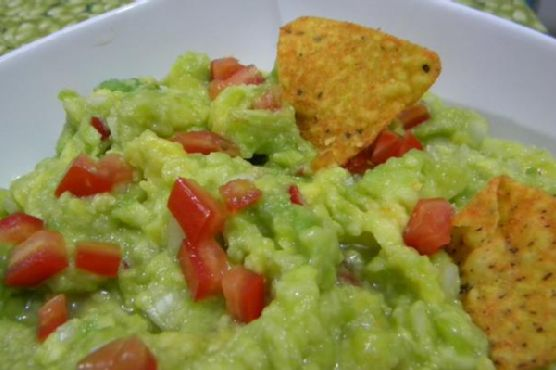
Guacamole | Made by Meaghan Moineau

The Perfect Guacamole Recipe

Intro

There’s something incredibly comforting about making guacamole. It takes me back to my childhood, where Sunday afternoons meant family gatherings at my grandparents’ house. My grandmother’s guacamole was always the star of the meal, a creamy, flavorful delight that perfectly complemented the lively conversations and laughter that filled the room. Today, I’m excited to share a recipe that captures that same warmth and flavor. Whether you’re preparing it for a party or just a night in, this guacamole is sure to become a favorite in your household too.

Why You’ll Love It

This guacamole recipe is more than just an appetizer; it’s a celebration of fresh, vibrant flavors. You’ll love how the creamy avocados blend beautifully with the sharpness of onions, the heat of jalapenos, and the aromatic hints of cilantro, basil, and oregano. The addition of fresh lime juice not only enhances the taste but also keeps the guacamole looking green and fresh. It’s easy to make and can be customized to suit your taste preferences, making it a versatile choice for any occasion.

Ingredients

  • 3 ripe Haas avocados
  • 1 small onion, finely chopped
  • 1 jalapeno pepper, seeded and minced
  • 2 tablespoons fresh cilantro, chopped
  • 1 teaspoon salt
  • 1/2 teaspoon black pepper
  • 2 tablespoons fresh lime juice
  • 1 tablespoon fresh basil, chopped
  • 1 tablespoon fresh oregano, chopped

Instructions

  1. Cut the avocados in half lengthwise.
  2. Carefully drive a chef’s knife into the large pit and twist to remove it.
  3. Scoop the avocado out from the skin using a spoon and place it into a mixing bowl.
  4. Mash the avocado with a fork to your desired consistency.
  5. Add in the chopped onion, cilantro, oregano, and basil.
  6. Mix the ingredients to incorporate fully.
  7. Season the guacamole to taste with salt, pepper, and lime juice.
  8. Serve immediately or chill in the refrigerator.
  9. If not eating immediately, store in the refrigerator with plastic film wrap pressed directly onto the guacamole to prevent browning.

Tips

For the best guacamole, choose avocados that are ripe but not overripe. They should yield slightly when gently squeezed but not feel mushy. To keep your guacamole fresh, make sure to press the plastic wrap directly onto the surface to minimize exposure to air. This helps prevent browning. Finally, don’t skip the lime juice; it adds essential tartness and acts as a natural preservative.

Variations & Substitutions

If you’d like to change things up, try adding diced tomatoes or roasted corn for extra texture and sweetness. For those who prefer less heat, reduce or omit the jalapeno. You can also experiment with adding garlic or a dash of cumin for a different flavor profile. If you’re out of fresh herbs, dried ones can be used in smaller amounts, though fresh is always preferable for the best flavor.

Storage

Guacamole is best enjoyed fresh, but if you need to store it, keep it in an airtight container with a piece of plastic wrap pressed directly on the surface. This helps minimize browning. Stored this way, it should last about two days in the refrigerator. Remember to give it a good stir before serving again to refresh its appearance and flavor.

FAQ

Can I make guacamole in advance?

Yes, you can make guacamole a few hours in advance. Just be sure to store it properly with plastic wrap pressed directly onto the surface to minimize browning. Adding extra lime juice can also help preserve its color and flavor.

Is guacamole healthy?

Guacamole is a healthy addition to any diet, as it is rich in heart-healthy fats, vitamins, and minerals. Avocados are high in monounsaturated fats, which are good for cardiovascular health, and they also provide fiber, potassium, and vitamins C, E, and K.

Nutrition

A serving of this guacamole provides approximately 150 calories, primarily from the healthy fats in avocados. It’s low in carbohydrates and contains fiber, making it a satisfying and nutritious option. Be mindful of portion size, especially when pairing it with chips, to keep your meal balanced.

Conclusion

Whether you’re reminiscing about family gatherings or creating new memories, this guacamole recipe is sure to bring joy to your table. Its simple preparation, fresh ingredients, and irresistible taste make it a staple that you’ll return to time and again. Enjoy it with friends, family, or even as a solo treat, and savor the vibrant flavors that make guacamole an all-time favorite.

Related update: Guacamole

Tempered Spicy Potatoes | Made by Meaghan Moineau

Tempered Spicy Potatoes

Intro

As a child, the aroma of tempered spices wafting through our home was a sure sign of a special meal in the making. My grandmother had a magical way of transforming simple ingredients into something extraordinary, and her Tempered Spicy Potatoes were no exception. This dish, with its crispy exterior and tender, spicy interior, was a family favorite that never failed to bring everyone to the table. Today, I’m excited to share this nostalgic recipe with you, hoping it brings warmth and flavor to your home just as it did mine.

Why You’ll Love It

This recipe is a delightful blend of flavors and textures that will tantalize your taste buds. Whether you’re looking to spice up your weeknight meals or impress guests with something unique, these Tempered Spicy Potatoes are a perfect choice. They’re easy to make, require minimal ingredients, and are incredibly versatile. Plus, they pair beautifully with rice, roti, or even a slice of crusty bread.

Ingredients

  • Cinnamon stick
  • Curry leaves
  • Mustard seeds
  • Oil
  • Onions
  • Cooked par potatoes
  • Red dried chilli flakes
  • Salt
  • Turmeric

Instructions

  1. Cut the par-boiled potatoes into wedges.
  2. Heat oil in a pan for deep frying and fry the potatoes until they are slightly golden brown. Keep the fried potatoes aside.
  3. Place a frying pan on medium heat and add 1 1/2 tbsp of oil. (I used a non-stick pan.)
  4. Add the mustard seeds, cinnamon stick, and curry leaves. Let the mustard seeds pop.
  5. Next, add the sliced onions and cook for 1 minute.
  6. Add the potatoes, turmeric, and salt. Stir fry the potatoes for 5 minutes on low heat until the onions are slightly golden brown.
  7. Lastly, add the red chilli flakes and cook for a minute.
  8. Serve warm with rice, roti, or bread.

Tips

For the best results, ensure the potatoes are thoroughly dried after par-boiling; this will help them achieve a crispier texture when fried. If you prefer a milder spice level, adjust the amount of red dried chili flakes to suit your taste. Remember to keep the heat low when adding the spices to prevent them from burning, which can result in a bitter taste.

Variations & Substitutions

If you’re looking to experiment, consider these variations:

  • Herbs: Add fresh cilantro or mint leaves for an added burst of flavor.
  • Vegetables: Throw in some bell peppers or peas for a more colorful dish.
  • Spices: Swap the mustard seeds for cumin seeds for a different flavor profile.
  • Oil: Use ghee instead of oil for a richer taste.

Storage

These spicy potatoes are best enjoyed fresh, but if you have leftovers, store them in an airtight container in the refrigerator for up to 3 days. To reheat, simply warm them in a pan over low heat until heated through. Avoid microwaving, as it can make the potatoes soggy.

FAQ

Can I make this recipe vegan?

Absolutely! This recipe is naturally vegan as it uses plant-based ingredients. Just ensure any bread or sides you serve with it are vegan as well.

How can I make this dish less spicy?

If you prefer a milder version, reduce the amount of red dried chili flakes or substitute them with paprika for a less intense heat.

Can I use sweet potatoes instead of regular potatoes?

Yes, sweet potatoes can be a delicious alternative. They will add a subtle sweetness to the dish that pairs beautifully with the spices.

Nutrition

This dish is a great source of carbohydrates and is rich in flavor without being overly heavy. The use of spices brings added health benefits, including anti-inflammatory properties. Keep in mind that the nutritional content may vary based on portion sizes and specific brands of ingredients used.

Conclusion

Tempered Spicy Potatoes are more than just a side dish; they’re a celebration of flavors and family traditions. I hope you enjoy making this recipe and that it becomes a cherished part of your culinary repertoire. Whether you’re sharing it with loved ones or enjoying it as a comforting solo meal, may it bring warmth and happiness to your table.

Related update: Tempered Spicy Potatoes

AI Echo Chambers: ChatGPT Sources | Analysis by Brian Moineau

When one AI cites another: ChatGPT, Grokipedia and the risk of AI-sourced echo chambers

Information wants to be useful — but when the pipes that deliver it start to loop back into themselves, usefulness becomes uncertain. Last week’s revelation that ChatGPT has begun pulling answers from Grokipedia — the AI-generated encyclopedia launched by Elon Musk’s xAI — isn’t just a quirky footnote in the AI wars. It’s a reminder that where models get their facts matters, and that the next chapter of misinformation might not come from trolls alone but from automated knowledge factories feeding each other.

Why this matters right now

  • Grokipedia launched in late 2025 as an AI-first rival to Wikipedia, promising “maximum truth” and editing driven by xAI’s Grok models rather than human volunteer editors.
  • Reporters from The Guardian tested OpenAI’s GPT-5.2 and found it cited Grokipedia multiple times for obscure or niche queries, rather than for well-scrutinized topics. TechCrunch picked up the story and amplified concerns about politicized or problematic content leaking into mainstream AI answers.
  • Grokipedia has already been criticized for controversial content and lack of transparent human curation. If major LLMs start using it as a source, users could get answers that carry embedded bias or inaccuracies — with the AI presenting them as neutral facts.

What happened — a short narrative

  • xAI released Grokipedia in October 2025 to great fanfare and immediate controversy; some entries and editorial choices were flagged by journalists as ideological or inaccurate.
  • The Guardian published tests showing that GPT-5.2 referenced Grokipedia in several responses, notably on less-covered topics where Grokipedia’s claims differed from established sources.
  • OpenAI told reporters it draws from “a broad range of publicly available sources and viewpoints,” but the finding raised alarm among researchers who worry about an “AI feeding AI” dynamic: models trained or evaluated on outputs that themselves derive from other models.

The risk: AI-to-AI feedback loops

  • Repetition amplifies credibility. When a large language model cites a source — and users see that citation or accept the answer — the content’s perceived authority grows. If that content originated from another model rather than vetted human scholarship, the process can harden mistakes into accepted “facts.”
  • LLM grooming and seeding. Bad actors (or even well-meaning but sloppy systems) can seed AI-generated pages with false or biased claims; if those pages are scraped into training or retrieval corpora, multiple models can repeat the same errors, creating a self-reinforcing echo.
  • Loss of provenance and nuance. Aggregating sources without clear provenance or editorial layers makes it hard to know whether a claim is contested, subtle, or discredited — especially on obscure topics where there aren’t many independent checks.

Where responsibility sits

  • Model builders. Companies that train and deploy LLMs must strengthen source vetting and transparency, especially for retrieval-augmented systems. That includes weighting human-curated, primary, and well-audited sources more heavily.
  • Source operators. Sites like Grokipedia (AI-first encyclopedias) need clearer editorial policies, provenance metadata, and visible mechanisms for human fact-checking and correction if they want to be treated as reliable references.
  • Researchers and journalists. Ongoing audits, red-teaming and independent testing (like The Guardian’s probes) are essential to surface where models are leaning on questionable sources.
  • Regulators and platforms. As AI content becomes a larger fraction of web content, platform rules and regulatory scrutiny will increasingly shape what counts as an acceptable source for widespread systems.

What users should do today

  • Ask for sources and check them. When an LLM gives a surprising or consequential claim, look for corroboration from reputable human-edited outlets, primary documents, or scholarly work.
  • Be extra skeptical on obscure topics. The reporting found Grokipedia influencing answers on less-covered matters — exactly the places where mistakes hide.
  • Prefer models and services that publish retrieval provenance or let you inspect the cited material. Transparency helps users evaluate confidence.

A few balanced considerations

  • Not all AI-derived content is inherently bad. Automated systems can surface helpful summaries and surface-level context quickly. The problem isn’t automation per se but opacity and lack of corrective human governance.
  • Diversity of sources matters. OpenAI’s claim that it draws on a range of publicly available viewpoints is sensible in principle, but diversity doesn’t replace vetting. A wide pool of low-quality AI outputs is still a poor knowledge base.
  • This is a systems problem, not a single-company scandal. Multiple major models show signs of drawing from problematic corners of the web — the difference will be which organizations invest in safeguards and which don’t.

Things to watch next

  • Will OpenAI and other major model providers adjust retrieval weightings or add filters to downrank AI-only encyclopedias like Grokipedia?
  • Will Grokipedia publish clearer editorial processes, provenance metadata, and human-curation layers to be treated as a responsible source?
  • Will independent audits become standard industry practice, with third-party certifications for “trusted source” pipelines used by LLMs?

My take

We’re watching a transitional moment: the web is shifting from pages written by people to pages largely created or reworded by machines. That shift can be useful — faster updates, broader coverage — but it also challenges the centuries-old idea that reputable knowledge is rooted in accountable authorship and transparent sourcing. If we don’t insist on provenance, correction pathways, and human oversight, we risk normalizing an ecosystem where errors and ideological slants are amplified by the very tools meant to help us navigate information.

In short: the presence of Grokipedia in ChatGPT’s answers is a red flag about data pipelines and source hygiene. It doesn’t mean every AI answer is now untrustworthy, but it does mean users, builders and regulators need to treat the provenance of AI knowledge as a first-class problem.

Sources


Related update: We recently published an article that expands on this topic: read the latest post.

NBA Games Postponed as Storm Grounds | Analysis by Brian Moineau

Snowed Out: When the NBA Hits the Brakes Because Mother Nature Shows Up

There’s something oddly humbling about a city full of jumbo screens and flight crews pausing because of snow. On January 25, 2026, the NBA postponed two games — Denver vs. Memphis and Dallas vs. Milwaukee — as a massive winter storm made travel unsafe across large swaths of the country. The league, teams and fans all had to reckon with a simple fact: some things are bigger than a game.

What happened (the short version)

  • On January 25, 2026, the Denver Nuggets at Memphis Grizzlies game scheduled for FedExForum was postponed due to inclement weather in the Memphis area. The decision came less than three hours before tipoff after snow, sleet and freezing rain made conditions hazardous. (abcnews.go.com)
  • The Dallas Mavericks’ trip to Milwaukee for a Sunday-night matchup with the Bucks was also postponed after the Mavericks were unable to complete flights to Milwaukee — despite two attempts — because of the storm and related travel issues. No reschedule dates were announced immediately. (cbssports.com)

Why this matters beyond the box score

  • Travel and safety come first: Professional sports operate on tight schedules and expensive logistics, but the league’s decision underscores that player/staff safety and public safety still override TV windows and ticket sales.
  • Scheduling ripple effects: Postponements create logistical headaches. Finding mutually available dates on two busy team calendars — particularly late in the season when back-to-backs and arena availability matter — is rarely simple.
  • Competitive fairness and rhythm: Teams build routines around game flow. Sudden cancellations can give one team an unexpected rest day or disrupt momentum, which matters in tight playoff races.
  • Fan experience and local economies: Last-minute postponements hit ticket holders, arena staff, local vendors and travel-dependent fans who planned around those games.

Scenes and logistics to imagine

  • In Memphis, both teams and the officiating crew had already arrived. For fans who’d made plans for a Sunday night outing, the postponement was abrupt but clearly grounded in safety given the wintry mix and refreeze risk on roadways. (abcnews.go.com)
  • In Milwaukee, the picture was different: the Mavericks tried twice to make the trip but couldn’t due to flight and de-icing or other operational issues. When teams can’t physically get to the arena, there’s no safe way to carry on with a professional game. (cbssports.com)

A few practical questions fans ask (and brief answers)

  • Will the games be rescheduled soon?
    • The league typically looks for an open date that fits both teams’ schedules and arena availability. Because schedules are crowded, especially late in January and February, it may take a while. The NBA announced the postponements and said reschedule dates would be announced later. (nba.com)
  • What about broadcast and ticket refunds?
    • Standard practice: broadcasters adjust programming and teams provide ticket exchange/refund options or reissue tickets for the rescheduled date. Check team and league communications for official details once reschedules are set. (Teams and the NBA handle these logistics directly.)
  • Could postponements affect playoff seeding or rust for star players?
    • Yes. Even minor disruptions can shift rest cycles and rehabilitation timelines. Coaches and staff must juggle minutes and workloads accordingly.

Broader context: weather, travel, and modern sports

Weather has always been an unpredictable opponent. But modern professional sports leagues run interdependent operations — charter flights, arena crews, broadcast windows and fans’ travel plans — that magnify the effects of any disruption. When a storm like the one on January 25, 2026, forces cancellations, it reveals how tightly choreographed the season is and how many moving parts depend on clear skies and open highways. (theguardian.com)

Key points to remember

  • Safety first: League officials postponed the games because travel and local conditions were unsafe.
  • Logistics follow: Rescheduling is complicated and may not happen immediately.
  • Everyone feels it: Teams, broadcasters, arena workers and fans all face consequences when weather intervenes.
  • It’s part of the game’s human element: Even the most high-tech sports world is still subject to nature.

My take

There’s an odd, almost democratic humility in seeing the NBA — a multibillion-dollar enterprise with meticulously planned travel — pause for snow. It’s a reminder that the game is played inside a larger world where safety, infrastructure and community well-being matter more than a perfectly timed TV slot. Fans disappointed by a canceled night can still appreciate that the decision likely prevented unsafe driving, stranded travelers, or worse. The league, teams and supporters all lose a planned moment of shared excitement, but they gain something more durable: the sensible prioritization of people over programming.

Sources

(For the most up-to-date reschedule information, check official team or NBA announcements on their websites or social feeds.)


Related update: We recently published an article that expands on this topic: read the latest post.


Related update: We recently published an article that expands on this topic: read the latest post.


Related update: We recently published an article that expands on this topic: read the latest post.
Traditional Panzanella | Made by Meaghan Moineau

Traditional Panzanella: A Taste of Tuscany

Intro

When I think of summers in Tuscany, the vibrant colors and rich flavors of Panzanella instantly transport me back to my grandmother’s kitchen. I remember watching her skillful hands as she lovingly prepared this traditional bread salad. The aroma of fresh basil mingling with ripe tomatoes filled the air, promising a meal that was not only delicious but also a celebration of simple, honest ingredients. This recipe is a cherished heirloom, a taste of home, and a perfect dish to share with loved ones.

Why You’ll Love It

Panzanella is more than just a salad; it’s a delightful blend of textures and flavors that captures the essence of summer. You’ll love it for its simplicity, its ability to bring stale bread to life, and its fresh, vibrant taste. The combination of juicy tomatoes, fragrant basil, and tangy dressing makes every bite a refreshing experience. Plus, it’s a dish that’s as beautiful as it is delicious, perfect for impressing guests or enjoying a quiet meal at home.

Ingredients

  • Six slices of day-old Tuscan bread
  • Extra virgin olive oil
  • Fresh basil leaves
  • Red onion
  • Red wine vinegar
  • Salt and pepper
  • Tomatoes

Instructions

  1. In a bowl, combine the bread with water and let it stand for at least 20 minutes or until it’s soft.
  2. Drain the bread and squeeze out as much water as you can.
  3. Crumble the bread and place it in a serving bowl.
  4. Scatter the tomatoes, onions, and chopped basil over the top.
  5. Dress the Panzanella with extra-virgin olive oil and vinegar. Season with salt and pepper and toss well.
  6. Taste and adjust the seasoning with more oil, salt, and vinegar.
  7. Leave the Panzanella to stand for 15 minutes and serve at room temperature.

Tips

For the best flavor, use the ripest tomatoes you can find. If your bread isn’t stale, you can dry it out in the oven for a few minutes. Be generous with the basil, as it adds a wonderful fragrance and taste to the dish.

Variations & Substitutions

Feel free to customize your Panzanella with additional ingredients like cucumbers, capers, or olives. If you don’t have red wine vinegar, balsamic vinegar can be a great substitute. For a gluten-free option, use your favorite gluten-free bread.

Storage

Panzanella is best enjoyed fresh, but you can store leftovers in an airtight container in the refrigerator for up to 2 days. The flavors will continue to meld, making it even more delicious the next day.

FAQ

Can I make Panzanella ahead of time?

Yes, Panzanella can be made a few hours in advance. In fact, letting it sit for a while allows the flavors to meld beautifully. However, it’s best to add the basil just before serving to keep it fresh.

What type of bread is best for Panzanella?

Traditionally, Panzanella is made with Tuscan bread, but any rustic, crusty bread will work. The key is to use day-old bread that can absorb the dressing without becoming too mushy.

Can I add protein to Panzanella?

Absolutely! Grilled chicken, tuna, or mozzarella are great additions if you want to make the salad more filling.

Nutrition

This classic Panzanella is not only delicious but also a nutritious option. It’s rich in healthy fats from the olive oil, packed with vitamins from the vegetables, and provides a good source of carbohydrates from the bread. Enjoy it as a wholesome meal or a side dish to complement any main course.

Conclusion

Traditional Panzanella is a testament to the beauty of simple ingredients coming together to create something magical. Whether you’re reliving cherished memories or creating new ones, this dish is sure to become a favorite in your kitchen. I hope you enjoy making and sharing this taste of Tuscany as much as I do. Buon Appetito!

Related update: Traditional Panzanella

Related update: Tempered Spicy Potatoes

Related update: Guacamole

Related update: Lebanese Tabouleh

Porsche Penske’s Nasr Completes Threepeat | Analysis by Brian Moineau

Sunrise, fog and a three-peat: Daytona’s 64th Rolex 24 delivered everything

If you were up through the night or woke to a flood of dramatic finish-line photos and confetti, you weren’t the only one. The 64th Rolex 24 at Daytona served up a textbook endurance thriller — long caution periods, strategic chess matches in the pits, a late-race duel that had the crowd on its feet, and a historic result that will be remembered in IMSA lore.

How the story ended (the short version)

  • The No. 7 Porsche 963 from Porsche Penske Motorsport — piloted by Felipe Nasr, Julien Andlauer and Laurin Heinrich — took the overall victory after 24 hours and 705 laps. (imsa.com)
  • Nasr’s win completed a personal and team “three-peat”: three straight Rolex 24 overall wins for Nasr and for Porsche Penske. (imsa.com)
  • The finish was tight — Nasr beat Jack Aitken’s Cadillac by 1.569 seconds after a stirring final-20-minute battle. (imsa.com)

What made this running of the Rolex 24 feel different

  • A record crowd brought the energy. Daytona confirmed the largest attendance in the event’s history, which turned the grandstands and infield into a proper festival for endurance racing. (nbcsports.com)
  • Nature played a role: a record-long six-and-a-half-hour full-course yellow for dense fog shuffled strategy and compressed the drama into the closing hours. (racing.porsche.com)
  • Porsche Penske’s dominance was both tactical and resilient — leading a majority of laps but still having to defend fiercely at the end, a reminder that endurance wins are never automatic. (imsa.com)

The race as a narrative — hour by hour highlights

  • Greed and patience in the opening laps: an early multi-car LMP2 incident and a few spins scattered the field, but the race settled into alternating waves of pace and caution. Porsche Penske’s 963s capitalized on consistency early and often. (nbcsports.com)
  • Night into morning: when Daytona goes dark, the race becomes a test of concentration. Hybrid prototypes filled the top-10 early on, and Porsche and Acura traded speed while teams managed traffic, tires and fuel. (nbcsports.com)
  • Fog and the long yellow: the unusually long full-course yellow limited on-track opportunities for many hours, turning pit stops and tire strategy into the prime battlegrounds. That long pause reintroduced tension when the race resumed and compressed the final strategic window. (racing.porsche.com)
  • The last hour: with the race back to green and strategy still unfolding, Felipe Nasr held off a charging Jack Aitken, weaving through GT traffic and defending a gap that swung down to inches — pure, wheel-to-wheel endurance drama. (nbcsports.com)

Cars and classes that mattered

  • GTP (overall): Porsche Penske Motorsport’s No. 7 (winner) and strong showings from hybrid prototypes (BMW M Hybrid V8, Cadillac V-Series.R, Acura ARX-06) made the top of the order a four-manufacturer tussle. (nbcsports.com)
  • LMP2: CrowdStrike Racing by APR’s No. 04 took the class win, a neat counterpoint to the GTP storylines. (nbcsports.com)
  • GTD Pro and GTD: Paul Miller Racing’s BMW M4 GT3 EVO won GTD Pro, while Winward Racing’s Mercedes took GTD — class battles were close and delivered plenty of late-race spice. (nbcsports.com)

Why the three-peat matters

  • Historical weight: three consecutive overall wins at Daytona are rare and put Nasr and Porsche Penske alongside names like Helio Castroneves and Peter Gregg in the record books. That kind of sustained success at a marquee endurance event cements a legacy beyond a single season. (imsa.com)
  • Team depth and execution: endurance racing is a whole-organization sport. The result reflects driver talent, pit crew discipline, engineering choices, and the ability to manage mechanical sympathy over 2,500+ miles. Porsche Penske showed all of those elements. (imsa.com)

Lessons for teams and fans

  • Durability beats raw pace: when fog or long yellows neutralize on-track passes, reliability and smart strategy pay huge dividends.
  • Never count out traffic as a deciding factor: multi-class racing makes lapping slower cars a recurring risk/reward moment late in the race.
  • Crowd and spectacle matter: strong attendance shows endurance racing’s continued appeal and helps make the finish-line moments even more meaningful.

What I noticed that numbers don’t show

Watching the final stint, you could feel the human element — drivers nursing tired bodies, spotters and engineers reading split seconds and making split-second calls, and crews working like a single organism during pit windows. That intimacy between machine and team is why Daytona still fascinates after 64 editions: it’s mechanical ballet under stress, scored to the clock.

My take

This Rolex 24 felt like both a milestone and a statement. Porsche Penske’s three-peat sends a clear message about program stability and execution in GTP, but the spice around the edges — Cadillac’s late charge, BMW’s newcomer performance, the long fog pause — shows the field is hungry and capable of producing shocks. If anything, Daytona 2026 reminded us that endurance racing’s greatest strength is uncertainty: no matter how tidy the statistics look, 24 hours always gives you a fresh story.

Sources


Related update: We recently published an article that expands on this topic: read the latest post.

Related update: We recently published an article that expands on this topic: read the latest post.

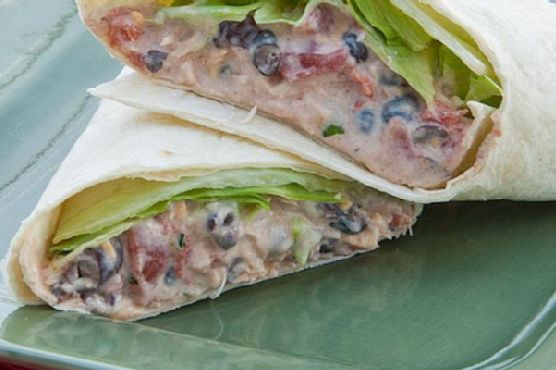
Chicken Enchilada Salad Wraps | Made by Meaghan Moineau

Chicken Enchilada Salad Wraps

Intro

There’s something magical about recipes that bring back fond memories of family gatherings and cozy evenings. One of my favorite memories is of family picnics at the park, where my mom would pack a basket full of delicious and easy-to-eat meals. Among the assortment of sandwiches and snacks, her Chicken Enchilada Salad Wraps were always a hit. These wraps are the perfect blend of flavor and convenience, making them ideal for any occasion, whether it’s a quick lunch or a delightful picnic treat. Today, I’m excited to share this beloved recipe so you can enjoy these wraps as much as my family has over the years.

Why You’ll Love It

Chicken Enchilada Salad Wraps are the ultimate combination of flavor, ease, and versatility. Here’s why you’ll fall in love with this recipe:

  • Quick and Easy: With just a few simple ingredients, you can whip up these wraps in no time.
  • Flavorful: The creamy, spicy filling is balanced with fresh ingredients, making each bite a burst of deliciousness.
  • Versatile: Perfect for a quick meal, packed lunch, or a picnic snack.
  • Healthy: Made with light cream cheese and sour cream, these wraps are a lighter option that doesn’t compromise on taste.

Ingredients

  • 4 oz light cream cheese, softened
  • 1/2 cup sour light cream
  • 1 tsp chili powder
  • 1/2 tsp cumin
  • 1 clove garlic, minced
  • 1 can (12.5 oz) Swanson Premium Chicken, drained
  • 1 cup shredded cheddar cheese
  • 1 can (10 oz) diced tomatoes with green chilies, drained
  • 1/4 cup diced green onions
  • 2 tbsp fresh cilantro, chopped
  • 2 cups lettuce, chopped
  • 6 burrito-sized tortillas

Instructions

  1. In a medium bowl, blend together the light cream cheese, sour cream, chili powder, cumin, and minced garlic until smooth and well combined.
  2. Fold in the shredded cheddar cheese, Swanson Premium Chicken, drained tomatoes with green chilies, diced green onions, and chopped cilantro into the cream cheese mixture.
  3. Lay out the burrito-sized tortillas and divide the chicken mixture evenly among them.
  4. Top each tortilla with a portion of the chopped lettuce.
  5. Roll up each tortilla burrito-style, tucking in the sides as you go.
  6. Serve immediately or wrap in foil for later. Enjoy!

Tips

For the best Chicken Enchilada Salad Wraps, consider these helpful tips:

  • Ensure the cream cheese is softened for easier mixing.
  • To make rolling easier, slightly warm the tortillas before filling.
  • Cut wraps in half diagonally for easy handling, especially for packed lunches or picnics.

Variations & Substitutions

The beauty of this recipe is its flexibility. Here are some variations and substitutions you might consider:

  • Spice Level: Adjust the chili powder for more or less heat, or add a dash of hot sauce for an extra kick.
  • Protein: Swap the canned chicken for grilled chicken breast or rotisserie chicken for a different texture.
  • Cheese: Try using Monterey Jack or pepper jack cheese for a different flavor profile.
  • Tortillas: Use whole wheat or spinach tortillas for added nutrition.

Storage

These wraps are best enjoyed fresh, but they can also be stored for later:

  • Refrigerate: Wrap each enchilada salad wrap tightly in plastic wrap or foil and store in the refrigerator for up to 2 days.
  • Freeze: Although not recommended due to the fresh ingredients, you can freeze wraps without the lettuce for up to 1 month. Thaw in the refrigerator before adding fresh lettuce and serving.

FAQ

Can I make these wraps ahead of time?

Yes, you can prepare the filling a day in advance and store it in an airtight container in the refrigerator. Assemble the wraps just before serving to ensure they remain fresh and crisp.

What can I serve with Chicken Enchilada Salad Wraps?

These wraps are a meal on their own, but you can serve them with a side of tortilla chips, salsa, or a fresh fruit salad for a complete meal experience.

Can I make this recipe vegetarian?

Absolutely! Replace the chicken with canned black beans or grilled vegetables for a delicious vegetarian version.

Nutrition

While exact nutritional values can vary based on specific brands and quantities used, here’s an approximate breakdown per serving (1 wrap):

  • Calories: 320
  • Protein: 20g
  • Carbohydrates: 28g
  • Fat: 14g
  • Fiber: 3g

Conclusion

Chicken Enchilada Salad Wraps are a delightful blend of convenience and flavor, making them a fantastic choice for any meal or occasion. Whether you’re packing a lunch for work, planning a picnic, or simply looking for a quick and satisfying meal at home, these wraps are sure to please. Give this recipe a try, and I hope it becomes a staple in your household, just as it has in mine. Enjoy every bite!

Related update: Chicken Enchilada Salad Wraps

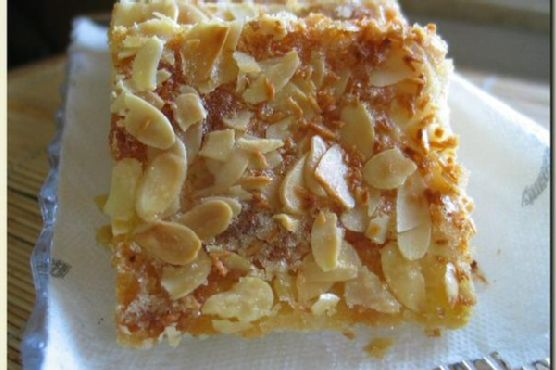
Almond Butter Slices | Made by Meaghan Moineau

Almond Butter Slices: A Delightful Treat

Intro

There’s something magical about the aroma of freshly baked almond butter slices wafting through the house. It takes me back to my grandmother’s cozy kitchen, where I would spend countless afternoons watching her expertly mix ingredients. Her baking tin, slightly worn but full of stories, was always ready for another batch of these delightful slices. This recipe, a cherished family tradition, combines the comforting flavors of almonds and butter with a hint of nostalgia. Today, I’m thrilled to share this beloved recipe so you can create your own warm memories and enjoy these delicious treats with your loved ones.

Why You’ll Love It

These Almond Butter Slices are incredibly easy to make and perfect for any occasion. Whether you’re hosting a tea party or simply craving a sweet treat, this recipe is a crowd-pleaser. Here’s why you’ll fall in love with this dessert:

  • Quick and Easy: With simple ingredients and minimal prep time, you’ll have delicious slices ready in under an hour.
  • Delightfully Crunchy: The almond topping provides a satisfying crunch, perfectly complementing the buttery dough.
  • Versatile: This recipe allows for creative variations and substitutions to suit your taste preferences or dietary needs.
  • Nostalgic Flavor: The combination of almonds and butter creates a timeless taste reminiscent of traditional European bakeries.

Ingredients

  • 100g almond slices
  • 1 teaspoon saffron baking powder
  • 150g Kerrygold butter, softened
  • 300g German #405 flour
  • 200g German Quark
  • 2 tablespoons safflower oil
  • 1/4 teaspoon salt
  • 100g sugar
  • 1 packet vanilla sugar
  • 50ml whole milk

Instructions

  1. Preheat the oven to 180°C (350°F). Line a 30x40cm baking tray with baking paper.
  2. In a small bowl, combine the sugar, vanilla sugar, and almond slices for the topping. Set aside.
  3. Sift the flour and baking powder into a large mixing bowl.
  4. Add the Quark, milk, safflower oil, sugar, and salt to the flour mixture.
  5. Mix all the ingredients with a hand mixer fitted with dough hooks for 1 minute on high speed. Be careful not to over-mix, as this will make the dough sticky.
  6. Transfer the dough onto the prepared tray and roll it out evenly.
  7. Spread the softened Kerrygold butter all over the surface of the dough.
  8. Sprinkle the almond topping mixture evenly over the dough.
  9. Bake on the upper rack of the preheated oven for about 20 minutes, until the slices are golden and crispy.

Tips

Here are some tips to ensure your Almond Butter Slices turn out perfectly every time:

  • Softened Butter: Make sure the butter is softened to room temperature for easy spreading over the dough.
  • Even Rolling: Roll the dough evenly on the baking tray to ensure consistent baking and a uniform texture.
  • Don’t Overmix: Mix the dough just until combined to prevent it from becoming sticky and difficult to handle.

Variations & Substitutions

This recipe is quite versatile, allowing for numerous variations and substitutions:

  • Flour: Substitute German #405 flour with all-purpose flour if it’s not available.
  • Quark: Replace Quark with Greek yogurt or ricotta cheese for a slightly different texture.
  • Oil: Use sunflower oil or melted coconut oil instead of safflower oil for a different flavor profile.
  • Sugar Alternatives: Swap sugar with coconut sugar or other sweeteners for a healthier option.

Storage

Store any leftover Almond Butter Slices in an airtight container at room temperature for up to 3 days. For longer storage, keep them in the refrigerator for up to a week. If you wish to enjoy them warm, reheat the slices in a preheated oven at 150°C (300°F) for about 5 minutes.

FAQ

Can I make these slices gluten-free?

Yes, you can substitute the German #405 flour with a gluten-free all-purpose flour blend. Ensure that the blend includes a binding agent like xanthan gum for best results.

What can I use instead of Quark?

If you don’t have access to Quark, you can use Greek yogurt or ricotta cheese as a substitute. These will provide a similar texture and flavor to the dough.

How can I make this recipe vegan?

To make this recipe vegan, you can replace the Kerrygold butter with a plant-based butter and use a dairy-free yogurt as a substitute for Quark. Ensure that all other ingredients are also vegan-friendly.

Nutrition

The Almond Butter Slices are not only delicious but also provide some nutritional benefits. Each slice contains a good amount of protein and healthy fats from almonds, making them a satisfying treat. However, they do contain sugar and butter, so it’s best to enjoy them in moderation as part of a balanced diet.

Conclusion

Baking these Almond Butter Slices is a delightful experience, filling your kitchen with warmth and the inviting aroma of almonds and butter. Whether you’re a seasoned baker or just starting, this recipe is straightforward and rewarding. I hope these slices bring as much joy to your home as they have to mine. So, gather your ingredients, preheat your oven, and enjoy the process of creating a delicious treat that echoes the nostalgia of cherished family traditions.

Related update: Almond Butter Slices

U.S. Backs Rare‑Earth Miner with $1.6B | Analysis by Brian Moineau

A government bet on magnets: why the U.S. is plunking $1.6B into a rare‑earth miner

The markets woke up on January 26, 2026, to one of those headlines that sounds like a policy memo crossed with a mining prospectus: the U.S. government is preparing to invest about $1.6 billion in USA Rare Earth, acquiring roughly a 10% stake as part of a debt-and-equity package. Stocks in the space jumped, investment banks circled, and policy wonks started debating whether this is smart industrial policy or a risky government-foray into private industry.

This post breaks down what’s happening, why it matters for supply chains and national security, and the political and investor questions that follow.

Why this move matters

  • The U.S. wants to onshore the production of heavy rare earths and magnets used in EV motors, wind turbines, defense systems, and semiconductors. China currently dominates much of the processing and magnet manufacturing chain, which leaves the U.S. strategically exposed. (ft.com)
  • The reported package is structured as about $277 million of equity for a 10% stake and roughly $1.3 billion of senior secured debt, per Financial Times reporting cited by Reuters. That mix signals both ownership and creditor protections. (investing.com)
  • USA Rare Earth controls deposits and is building magnet‑making facilities (Sierra Blanca mine in Texas and a neo‑magnet plant in Oklahoma) that the administration sees as critical to bringing more of the value chain onshore. (investing.com)

What investors (and voters) should be watching

  • Timing and execution: the government package and a linked private financing of about $1 billion were reported to be announced together; market reaction depends on final terms and any conditions attached. Early reports sent shares sharply higher, but financing details, warrants, covenants, and timelines will determine real value. (investing.com)
  • Project delivery risk: opening a large mine and commercial magnet facility on schedule is hard. The Stillwater magnet plant is expected to go commercial in 2026, and the Sierra Blanca mine has longer lead times; technical, permitting, or supply problems could delay revenue and test the resiliency of public‑private support. (investing.com)
  • Policy permanence: this intervention follows prior government equity stakes (e.g., MP Materials, Lithium Americas, Trilogy Metals). Future administrations could alter strategy, which makes long-term planning for the company and private investors more complicated. (cnbc.com)

The governance and perception issue: who’s on the banker’s list?

A notable detail in early reports is that Cantor Fitzgerald was brought in to lead the private fundraising, and Cantor is chaired by Brandon Lutnick — the son of U.S. Secretary of Commerce Howard Lutnick. That family link raises straightforward conflict-of-interest questions in the court of public opinion, even if legal ethics checks are performed. Transparency on how Cantor was chosen, whether other banks bid for the mandate, and what firewalls exist will be politically and reputationally important. (investing.com)

  • Perception matters for public investments: taxpayers and watchdogs will want to see arms‑length selections and clear disclosures.
  • For investors, that perception can translate into volatility: any hint of favoritism or inadequate procurement processes can spark investigations or slow approvals.

The broader strategy: industrial policy meets capital markets

This move is part of a larger program to reduce reliance on foreign sources for critical minerals. Over the past year the U.S. has increasingly used government capital and incentives to jumpstart domestic capacity — a deliberate industrial policy stance that treats critical minerals as infrastructure and national security priorities, not just market commodities. (ft.com)

  • Pros: Faster scale-up of domestic capability; security for defense and tech supply chains; potential private sector crowding‑in as risk is de‑risked.
  • Cons: Government shareholding can distort incentives; picking winners is politically fraught; taxpayer exposure if projects fail.

Market reaction so far

Initial market moves were dramatic: USA Rare Earth shares spiked on the reports, and other rare‑earth/mining names rallied as investors anticipated more government backing for the sector. But headlines move prices — fundamental performance will follow only if project milestones are met. (barrons.com)

My take

This is a bold, policy‑driven move that reflects a strategic pivot: the U.S. is treating minerals and magnet production like critical infrastructure. That’s defensible — the national security and industrial benefits are real — but it raises two practical tests.

  • First, can the projects actually be delivered on schedule and on budget? The risk isn’t ideological; it’s engineering, permitting, and capital execution.
  • Second, will procurement and governance be handled transparently? The involvement of a firm chaired by a senior official’s relative heightens the need for clear processes and disclosures to sustain public trust.

If the government can combine clear guardrails with sustained technical oversight, this could catalyze a resilient domestic rare‑earth supply chain. If governance or execution falters, the political and financial costs could be sharp.

Quick summary points

  • The U.S. is reported to be investing $1.6 billion for about a 10% stake in USA Rare Earth, combining equity and debt to shore up domestic rare‑earth and magnet production. (investing.com)
  • The move is strategic: reduce dependence on China, secure supply chains for defense and clean‑tech, and spur domestic manufacturing. (investing.com)
  • Practical risks are delivery timelines, financing terms, and perception/governance — especially given Cantor Fitzgerald’s involvement and the Lutnick family connection. (investing.com)

Final thoughts

Industrial policy rarely produces neat winners overnight. This transaction — if finalized — signals that the U.S. is willing to put serious capital behind reshaping a critical supply chain. The result could be a stronger domestic magnet industry that underpins clean energy and defense. Or it could become a cautionary example of the limits of state-backed industrial intervention if projects don’t meet expectations. Either way, watch the filings, the project milestones, and the transparency documents: they’ll tell us whether this was a decisive step forward or a headline with more noise than substance.

Sources


Related update: We recently published an article that expands on this topic: read the latest post.


Related update: We recently published an article that expands on this topic: read the latest post.


Related update: We recently published an article that expands on this topic: read the latest post.

DJI Mini 5 Pro Fly More: $500 Off Deal | Analysis by Brian Moineau

A DJI drone bundle with three batteries? Yes, please.

If you've ever watched the battery meter blink its last while stalking the perfect golden-hour shot, this deal reads like destiny: the DJI Mini 5 Pro Fly More Combo — the version that bundles the RC2 controller and three batteries — has dropped to a record-low price on Amazon, shaving roughly $500 off the usual tag. For creators who hate swapping batteries between scenes (and anyone who likes more airtime), that's an attention-grabbing headline—and one worth unpacking.

Why this sale matters right now

  • The Mini 5 Pro is one of DJI’s most capable lightweight drones: a 1-inch sensor, 4K HDR video (including high-frame-rate slow motion), and omnidirectional sensing that makes filming dynamic subjects and low-light scenes much easier. Trusted reviewers have praised it as a new benchmark for “mini” drones. (tomsguide.com)
  • The Fly More Combo bundles accessories you’re inevitably going to buy anyway: three intelligent flight batteries, a two-way charging hub, ND filters, spare props, and a shoulder bag. That means the sale isn’t just a single-item discount—the effective savings extend across the accessories. (t3.com)
  • Market context makes the price more notable: some DJI models have seen constrained official US availability, so third-party listings on Amazon and other retailers are where many buyers are finding stock. That scarcity can push prices up; seeing a $500 drop to around $1,099 is therefore a rare window. (linkedin.com)

What you actually get in the Fly More Combo

  • DJI Mini 5 Pro aircraft with 1-inch, 50MP-capable CMOS sensor and 225° gimbal rotation.
  • DJI RC 2 controller (color smart controller version in most Fly More bundles).
  • Three Intelligent Flight batteries (each advertised at roughly 36 minutes), plus a two-way charging hub.
  • ND filter set, spare propellers, shoulder bag, and charging/data cables.
  • In short: a travel-ready, production-capable kit that keeps you flying longer without buying extras. (dronefly.com)

Who should consider snapping this up

  • Content creators who travel or shoot all day: three batteries and a two-way hub drastically reduce downtime.
  • Photographers and videographers who want pro-level imaging without the weight penalty; the Mini 5 Pro aims to keep you under or very near common 250g-regulatory thresholds while offering larger-sensor performance. (Note: always check your local takeoff-weight rules—adding accessories can change legal requirements.) (tomsguide.com)
  • Hobbyists upgrading from earlier minis: better low-light performance, obstacle sensing, and video options make it a meaningful step up.
  • Buyers who are cautious about gray-market sellers should verify seller reputations on Amazon and inspect shipments on arrival, since some stock flows through third-party resellers. Community chatter has noted both quick deliveries and occasional listing confusion. (reddit.com)

Things to watch before pulling the trigger

  • Stock can fluctuate fast. Several outlets reported the $1,099 price in late January 2026, but listings have sold out or shifted between sellers quickly—so availability may change by the time you read this. (tech.yahoo.com)
  • Warranty and returns: when buying from third-party sellers on Amazon, confirm who’s selling and what the return/warranty process looks like.
  • Weight and legal compliance: the Mini 5 Pro is engineered to sit near the 250g line. If you plan to add heavy filters, the Battery Plus, or other gear, check the actual takeoff weight against FAA/your-country rules. (techradar.com)

Small checklist before buying

  • Confirm the Amazon seller and read recent reviews.
  • Verify the included controller model (RC2 vs. RC‑N3) if you care about a built-in screen.
  • Make sure the price shown is final (some listings include coupons or expire).
  • Factor in extras you might still want (spare ND filters, a hard case, or a different battery pack).

Quick wins this bundle delivers

  • More continuous flight time without hunting for power outlets between shots.
  • Ready-made production kit for travel and social-first vertical video with the vertical shooting gimbal.
  • A compact rig that punches above its weight for low-light and action work.

My take

Deals like this are the kind of “makes sense” purchases that aren’t just about sticker shock. The Fly More Combo is designed to solve a real pain point—limited airtime—and when a top-tier mini drone is paired with three batteries and a controller for a record-low price, it becomes a compelling one-purchase solution for creators. That said, buy smart: verify the seller, confirm the return policy, and double-check that you’re getting the exact combination you want. If everything checks out, you’ll be trading recharge anxiety for extra minutes of uninterrupted creative time—something every drone shooter values.

Sources

Alouette® Stuffed Mushroom Caps | Made by Meaghan Moineau

Alouette® Stuffed Mushroom Caps

Intro

There’s something magical about the aroma of mushrooms baking in the oven, taking me back to Sunday afternoons in my grandmother’s cozy kitchen. The warmth of the oven and the savory scent of garlic and herbs enveloped the room, signaling that a delicious treat was on the way. One of my all-time favorite appetizers that she would make were stuffed mushroom caps, a simple yet elegant dish that never failed to impress. Today, I’m excited to share a modern twist on her classic recipe: Alouette® Stuffed Mushroom Caps, combining the earthy flavor of mushrooms with the rich, creamy goodness of Alouette Spinach & Artichoke Spread.

Why You’ll Love It

  • Quick and Easy: This recipe is perfect for both beginners and seasoned cooks looking for a fuss-free appetizer.
  • Flavorful: The combination of Alouette Spinach & Artichoke Spread with seasoned bread crumbs creates a burst of flavor in every bite.
  • Elegant Presentation: These stuffed mushroom caps look as good as they taste, making them ideal for dinner parties or family gatherings.
  • Vegetarian-Friendly: A great option for vegetarians, these mushroom caps are both satisfying and indulgent.

Ingredients

  • 1 cup seasoned bread crumbs
  • 12 large mushroom caps, cleaned and stems removed
  • 1 package (6 oz) Alouette Spinach & Artichoke Spread

Instructions

  1. Preheat your oven to 375°F (190°C).
  2. Place the cleaned mushroom caps hollow side up on a baking sheet.
  3. Fill each mushroom cap with about 1 teaspoon of Alouette Spinach & Artichoke Spread.
  4. Sprinkle the tops with seasoned bread crumbs.
  5. Bake in the preheated oven for 12-15 minutes, or until the mushrooms are tender and the tops are golden brown.
  6. Garnish with fresh herbs if desired and serve warm.

Tips

  • Cleaning Mushrooms: Use a damp paper towel to gently wipe the surface of the mushrooms instead of washing them under water to prevent them from becoming soggy.
  • Even Filling: Use a small spoon or a piping bag to fill the mushroom caps evenly with the Alouette spread.
  • Perfect Baking: Keep an eye on the mushrooms in the oven to ensure they don’t overcook and become too soft.

Variations & Substitutions

  • Different Cheese Spread: Try using Alouette Garlic & Herbs Spreadable Cheese for a different flavor profile.
  • Additions: Consider adding chopped spinach or sun-dried tomatoes to the cheese spread for extra flavor and texture.
  • Gluten-Free: Use gluten-free bread crumbs to make this recipe suitable for those with gluten sensitivities.

Storage

Store any leftover stuffed mushroom caps in an airtight container in the refrigerator for up to 3 days. To reheat, place them in a preheated oven at 350°F (175°C) for about 10 minutes or until warmed through. Avoid using the microwave as it may make the mushrooms soggy.

FAQ

Can I prepare these mushroom caps ahead of time?

Yes! You can prepare the mushroom caps and fill them with the cheese spread a day in advance. Store them in the refrigerator and sprinkle the bread crumbs just before baking to keep them crisp.

What other mushrooms can I use?

While large white button mushrooms are ideal for this recipe, you can also use cremini or portobello mushrooms for a deeper flavor. Just be sure to adjust the filling amount accordingly as these mushrooms may have larger cavities.

Can I freeze stuffed mushroom caps?

It is not recommended to freeze cooked mushroom caps as they can become watery upon reheating. However, you can freeze them before baking. Simply assemble the mushrooms, place them in a single layer on a baking sheet, and freeze until solid. Transfer to a freezer-safe container and store for up to one month. Bake directly from frozen, adding a few extra minutes to the baking time.

Nutrition

Each serving of Alouette® Stuffed Mushroom Caps (2 pieces) contains approximately:

  • Calories: 120
  • Protein: 4g
  • Fat: 8g
  • Carbohydrates: 10g
  • Fiber: 1g

Conclusion

Alouette® Stuffed Mushroom Caps are a delightful appetizer that brings together the classic taste of stuffed mushrooms with the rich, creamy flavor of Alouette Spinach & Artichoke Spread. Perfect for any occasion, these mushroom caps are easy to make, packed with flavor, and sure to impress your guests. Whether you’re hosting a party or simply want to enjoy a special treat, this recipe is a must-try. So gather your ingredients, preheat your oven, and get ready to create a dish that will leave everyone asking for more!

Related update: Alouette® Stuffed Mushroom Caps

Europe Debates Boycotting 2026 World Cup | Analysis by Brian Moineau

When Football Becomes a Foreign-Policy Tool: Europe Mulls a World Cup Boycott

The stadium lights are supposed to be a refuge from geopolitics — a place where rivalries are settled on the pitch, not in parliaments. Yet in January 2026 the debate over whether to “weaponize” football moved from opinion pages into boardrooms and federation meetings: a senior German football executive urged a serious discussion about boycotting the 2026 World Cup in the United States to protest U.S. President Donald Trump’s aggressive posture toward Greenland and threats of tariffs against European allies.

This isn’t drama for drama’s sake. The suggestion landed in the middle of a broader diplomatic rupture between the U.S. and several NATO members, and it has forced a question that keeps many fans awake: should sport be a moral megaphone, or does mixing politics with football do more harm than good?

Why this conversation matters now

  • Oke Göttlich — president of St. Pauli and a vice president of the German Football Association (DFB) — told Hamburger Morgenpost that “the time has come” to seriously consider a boycott of the 2026 World Cup. He framed it as defending democratic norms and setting ethical taboos, comparing the situation to past Olympic boycotts. (apnews.com)
  • The 2026 tournament is scheduled to be hosted across the U.S., Canada and Mexico from June 11 to July 19, 2026, so any collective European decision to withdraw would be logistically possible but politically combustible. (apnews.com)
  • European governments and sports authorities are divided: some voices — including politicians and activists in several countries — support at least considering a boycott; others, including some sports ministers and federation leaders, warn against conflating sport and statecraft. (apnews.com)

Quick summary for skimmers

  • The idea: boycott or withdraw national teams from World Cup 2026 hosted in the U.S. as a protest against U.S. actions seen as destabilizing to European allies.
  • Who said it: Oke Göttlich (St. Pauli president, DFB vice president) urged debate; other politicians and activists have echoed similar thoughts in various countries.
  • Where it stands: No government or major federation has endorsed a boycott yet; many officials favor keeping sport and politics separate while monitoring the diplomatic fallout. (apnews.com)

The arguments on the table

  • Arguments for a boycott

    • Moral signal: A high-profile withdrawal would be a clear statement that international norms — territorial sovereignty, alliance solidarity — matter more than a sporting spectacle.
    • Leverage: The World Cup is the planet’s biggest sporting stage; withdrawing would impose reputational costs on a host seen to flout international norms.
    • Historical precedent: Olympic boycotts in the 1980s showed that sporting withdrawal can register politically and culturally. (apnews.com)
  • Arguments against a boycott

    • Players and fans lose: Athletes’ careers are short and fans around the world would be deprived of the event for reasons that may be beyond their influence.
    • Fragmentation of sport: Sporting bodies like FIFA and many national associations prize neutrality to protect competitions from becoming tools of statecraft; a boycott could fracture that consensus.
    • Limited impact: Economic and political pressure may be better exerted through formal diplomatic channels and coordinated sanctions rather than by sporting withdrawal, which could be dismissed as symbolic. (apnews.com)

The geopolitics behind the headlines

This discussion didn’t emerge in a vacuum. The immediate spark has been statements and moves by President Trump toward Greenland — a semiautonomous territory of Denmark — and warnings to European countries about tariffs and other punitive measures. European leaders view such moves as a potential rupture in NATO cohesion; the intensity of the reaction reflects fear that normal alliance dynamics are under strain. With the U.S. a co-host of 2026, sport and diplomacy overlap in an unusually direct way. (theguardian.com)

What a boycott would actually look like

  • Practical mechanics
    • National associations would need to coordinate through UEFA, FIFA and their governments.
    • Some federations could unilaterally pull teams; a more credible move would be a broad, coordinated European withdrawal.
  • Consequences to consider
    • Players might miss career-defining opportunities; federations would face financial and legal implications with sponsors and broadcasters.
    • FIFA could retaliate with fines or suspensions, or attempt to relocate or reshape the tournament — producing further uncertainty.

A few hard questions

  • Who decides? Sport governing bodies traditionally claim autonomy, but political crises can force governments into the conversation. Would federations risk defying their own governments — or vice versa?
  • What’s the endgame? Is the objective to coerce policy change, to signal moral opposition, or simply to raise awareness? A boycott without a clear diplomatic follow-up risks being purely symbolic.
  • Can fans be part of the pressure? Public opinion, petitions and boycotts by sponsors can amplify political signals without excluding athletes from competition.

My take

Sport has always carried meaning beyond scores: it can humanize enemies, crystallize grievances, or amplify protest. A World Cup boycott is a blunt instrument — powerful if coordinated, costly for athletes and fans, and unpredictable in diplomatic effect. Before taking such a step, Europe would need a rare and robust consensus: one that unites governments, federations, players and supporters around a clear moral and political objective. Right now, voices calling for debate serve a useful purpose: they force a public reckoning with where lines are drawn between values and spectacle. Whether that debate leads to a boycott or to another form of pressure, the underlying question — what price are democracies willing to pay to defend the rules that bind them — deserves a thoughtful, not reflexive, answer.

Sources

Ginger Chicken Stir-Fry | Made by Meaghan Moineau

Ginger Chicken Stir-Fry

Intro

There’s something truly magical about the way certain dishes can transport us back to cherished moments in our past. For me, Ginger Chicken Stir-Fry is one of those dishes. I remember the first time I tasted this delightful meal at my grandmother’s house. It was a rainy Saturday afternoon, and the aroma of ginger and teriyaki wafting through her cozy kitchen was simply irresistible. We gathered around her small wooden table, savoring each bite as the rain pattered softly against the window. This stir-fry became a family favorite, a dish we requested time and again, connecting us through shared laughter and stories.

Why You’ll Love It

Ginger Chicken Stir-Fry is a perfect blend of savory and slightly sweet flavors, making it both comforting and exciting. It’s a quick, one-pan meal that’s simple enough for a weeknight dinner but impressive enough to serve to guests. The vibrant colors of the vegetables, combined with the tender chicken and aromatic ginger, make this dish as pleasing to the eyes as it is to the palate. Plus, it’s versatile—you can easily adapt it to include your favorite vegetables or adjust the spiciness to suit your taste.

Ingredients

  • 2 chicken breasts, cut into bite-sized pieces
  • 1/4 cup teriyaki sauce
  • 1/4 cup water
  • 2 tablespoons vegetable oil
  • 1 onion, sliced
  • 1 teaspoon ground ginger
  • 1 package (16 ounces) frozen broccoli/cauliflower/carrots
  • 1/4 cup chicken broth
  • 2 tablespoons cornstarch
  • 3 tablespoons water
  • 2 cups cooked brown rice

Instructions

  1. In a shallow baking dish, combine the teriyaki sauce and 1/4 cup water. Add the chicken pieces, ensuring they are well coated. Cover and refrigerate for two hours to marinate.
  2. Drain the marinade from the chicken pieces.
  3. In a large skillet or wok, heat the vegetable oil over medium-high heat. Add the chicken and onion, stir-frying until the chicken is slightly browned.
  4. Stir in the frozen vegetables, ground ginger, and chicken broth. Cover and simmer for 4 to 5 minutes, or until the vegetables are tender-crisp.
  5. In a small bowl, combine the cornstarch and 3 tablespoons of water until smooth. Gradually add this mixture to the skillet, stirring constantly, until the sauce is thickened.
  6. Serve the stir-fry over hot cooked brown rice.

Tips

For the best results, ensure the chicken is cut into uniform pieces to promote even cooking. If you prefer a stronger ginger flavor, consider adding fresh ginger slices along with the ground ginger. To save time, you can marinate the chicken the night before, allowing it to soak up even more flavors.

Variations & Substitutions

Feel free to switch up the vegetables based on what you have on hand or your personal preferences. Snow peas, bell peppers, or snap peas would make excellent additions. If you’re looking for a gluten-free option, be sure to use a gluten-free teriyaki sauce. For a vegetarian version, substitute the chicken with firm tofu or tempeh, and use vegetable broth instead of chicken broth.

Storage

Store any leftovers in an airtight container in the refrigerator for up to 3 days. To reheat, simply warm the stir-fry in a skillet over medium heat until heated through. You may need to add a splash of water or broth to loosen the sauce as it reheats.

FAQ

Can I use fresh vegetables instead of frozen?

Yes, fresh vegetables can be used. Simply cut them into bite-sized pieces and adjust the cooking time slightly, as fresh vegetables may cook faster than frozen ones.

How can I make this dish spicier?

To add some heat, consider incorporating a pinch of red pepper flakes or a splash of sriracha sauce to the marinade. You can also add fresh sliced chili peppers during the stir-frying process.

Nutrition

This Ginger Chicken Stir-Fry is not only delicious but also nutritious. It’s a great source of protein from the chicken and a variety of vitamins and minerals from the vegetables. The use of brown rice adds fiber, making it a well-rounded meal that will keep you satisfied.

Conclusion

Ginger Chicken Stir-Fry is more than just a meal; it’s a journey back to those warm family gatherings and cherished memories. It’s a dish that brings people together, with its vibrant flavors and comforting nature. Whether you’re making it for a family dinner or a special occasion, this recipe is sure to become a favorite in your household, just as it did in mine. Enjoy every bite, and may it bring as much joy to your table as it has to mine.

Related update: Ginger Chicken Stir-Fry

Related update: Chicken Enchilada Salad Wraps