
Team USA Stars to Watch in Milano Cortina | Analysis by Brian Moineau

Milano Cortina 2026: Team USA athletes worth waking up for

The Winter Olympics always arrive like a cold front — sudden, exciting, and impossible to ignore. Milano Cortina 2026 promises a familiar cocktail of drama, artistry and raw athleticism, and Team USA has a roster stacked with personalities and storylines that will keep you glued to the screen. From record-chasing prodigies to comeback stories and first-time Olympians, here are the Team USA competitors I’d put on your watchlist — and why their stories matter beyond medals.

Why these athletes stand out

  • They represent different eras: established champions (Mikaela Shiffrin), rising stars (Ilia Malinin), and athletes making emotional returns (Alysa Liu).
  • Some are carrying historical weight — firsts and breakthroughs that expand the narrative of who gets to shine on winter’s biggest stage.
  • Others are magnetic personalities who can turn a single performance into a moment that resonates long after the podium photos are taken.

Highlights to follow

  • Mikaela Shiffrin — the alpine benchmark

    • A four-time Olympian and one of the most decorated skiers in World Cup history, Shiffrin brings experience across slalom, giant slalom, super-G and downhill. Expect every start to be part racing, part mental chess as she manages pressure and past injuries. Her resilience and range make her a centerpiece of the U.S. alpine effort. (Source: CBS News.)
  • Ilia Malinin — the technical revolution in men’s figure skating

    • Malinin arrives as a two-time world champion and the skater who landed the quadruple Axel in major competition. At just 20, he blends technical difficulty with a performance polish that could reshape the scoring conversation and give Team USA a genuine gold medal contender in men’s singles. (Sources: CBS News, NBC Olympics.)
  • Alysa Liu — the comeback artist turned world champion

    • After an early-career retirement and a dramatic return, Liu reestablished herself by winning the 2025 World Championships. Her combination of athletic jumping content and renewed artistic focus makes her one of the most compelling American skaters to watch. (Source: CBS News.)
  • Jordan Stolz — speed skating’s young phenom

    • Stolz grew up inspired by the Olympic greats and has already made history with world titles across sprint distances. He’s become a bridge between U.S. speed skating ambitions and the Netherlands’ deep tradition in the sport — a storyline that could lift speed skating’s profile back home. (Source: CBS News.)
  • Mikaela Shiffrin (reiterated because of scope) and the alpine sweep potential

    • She’s not just a headline name; Shiffrin’s capacity to contest across multiple events means she can affect Team USA’s medal count in a big way. Her presence elevates the entire alpine delegation. (Source: CBS News.)
  • Erin Jackson — speed skating veteran and flagbearer presence

    • A 2022 gold medalist and now a multi-time Olympian, Jackson’s story (including almost not making previous teams) is part grit, part public inspiration. She’ll also be a visual symbol for Team USA in the opening ceremony. (Source: CBS News.)
  • Alex Hall & Alex Ferreira — freeskiers with flair

    • Both bring X Games pedigree and creative approaches to halfpipe, slopestyle and big air. Their event histories hint at high-variance performances that can flip a day from predictable to must-see. (Source: CBS News.)
  • Jaelin Kauf — moguls specialist for an event’s Olympic debut

    • With dual moguls making its Olympic debut, Kauf’s history in the discipline makes her a name to remember — both for potential hardware and for the spectacle of a new Olympic event. (Source: CBS News.)
  • Mystique Ro & Korey Dropkin — fresh faces in sliding and curling

    • Rookie Olympians in sliding sports and curling bring fresh energy and local-feel narratives — the “from the club” curling arc for Dropkin and Ro’s multi-sport background add texture to Team USA’s depth. (Source: CBS News.)

Quick context: Team USA going into Milano Cortina

  • The U.S. delegation mixes experience and youth. After a strong showing in Beijing 2022 (25 medals), the Americans are aiming to convert world-championship success and X Games dominance into Olympic hardware.
  • Winter sports momentum isn’t evenly distributed — figure skating, freeskiing and speed skating are current bright spots thanks to recent world championships and international podiums. (Sources: CBS News, NBC Olympics.)

Fresh formats and event debuts (like dual moguls) and the continued influence of nontraditional winter-athlete backgrounds (track-to-skeleton, inline-skating-to-speedskating) mean Milano Cortina will feel both familiar and refreshingly modern.

Storylines to watch beyond the medals

  • Evolution of technical difficulty in figure skating: quads and quad-Axels from young contenders will test judges and expectations.
  • The X Games pipeline: how freestyle and freeski athletes translate big-air creativity into Olympic consistency.
  • Representation and firsts: athletes breaking barriers (racial, gender, age, or LGBTQ+ visibility) who change the cultural footprint of winter sports in the U.S.
  • Athlete comebacks and mental-health narratives: several top Americans are competing after injuries or personal breaks, adding emotional stakes to performances.

Smart ways to follow the Games

  • Scan nightly highlight reels for event summaries and human-interest pieces — they capture performances and the backstories that explain why the moment mattered.
  • Follow world-champion seasons leading up to the Games to set expectations (World Championships, X Games, World Cups).
  • Watch for where innovation meets pressure: new tricks or techniques often surface first at X Games/World Cups and arrive at the Olympics as either polished gold-winning elements or gutting experimentations.

What this means for American winter sports

  • Milano Cortina could accelerate fan interest in disciplines outside the traditional U.S. strongholds. When a young American like Malinin or Stolz becomes a household name, participation and funding can follow.
  • The Olympics remain the best storytelling platform for winter sports — breakout stars and surprising upsets create headlines that last beyond February.

Final thoughts

This U.S. roster feels like a good balance of bold experiments and steady leadership. Between veterans who ground the team and newcomers who promise fireworks, Milano Cortina 2026 looks set to deliver both edge-of-your-seat competition and moments that tug at the heart. Whether you care most about technical milestones (quad Axels, world records), comeback narratives, or pure spectacle, Team USA has someone worth rooting for.

Sources


Related update: We recently published an article that expands on this topic: read the latest post.



Related update: We recently published an article that expands on this topic: read the latest post.

Easy Chicken Cordon Bleu | Made by Meaghan Moineau

Easy Chicken Cordon Bleu

Intro

Chicken Cordon Bleu is a classic dish that never fails to impress, and it holds a special place in my heart. I vividly remember the first time I tasted this delightful creation. It was during a family gathering at my grandmother’s house, where the air was filled with warmth, laughter, and the irresistible aroma of delicious food. My grandmother, with her gentle hands and loving smile, served us her special version of Chicken Cordon Bleu, and I was instantly captivated by its rich flavors and tender texture. Today, I’m excited to share with you a simple and easy-to-follow recipe that brings back those cherished memories, and I hope it becomes a favorite in your home too.

Why You’ll Love It

This Easy Chicken Cordon Bleu is perfect for both novice cooks and seasoned chefs. It’s a dish that combines the savory flavors of ham and cheese with tender, juicy chicken, all wrapped up in a crispy breadcrumb coating. Here are a few reasons why you’ll love this recipe:

  • Simple Ingredients: You probably already have most of the ingredients at home.
  • Quick Preparation: With just a few straightforward steps, you’ll have a gourmet meal ready in no time.
  • Kid-Friendly: The cheesy, crispy goodness is sure to be a hit with both kids and adults alike.
  • Customizable: Easily adapt the recipe to suit your taste preferences or dietary needs.

Ingredients

  • 4 skinless boneless chicken breasts
  • 4 slices of ham
  • 8 sticks of cheddar cheese (or more if you love cheese!)
  • Salt
  • Ground peppercorn
  • Bread crumbs
  • Flour
  • 1 egg, beaten
  • Butter (for layering)

Instructions

  1. Preheat your oven to 180°C (356°F).
  2. Gently pound the chicken breasts to about 1/4-inch thickness using a meat mallet.
  3. Season both sides of the chicken with salt and ground pepper.
  4. Place one slice of ham and two sticks of cheddar cheese on top of each chicken breast. Feel free to add more cheese if you love it as much as I do!
  5. Roll up each breast and secure with a toothpick to hold its shape.
  6. Dredge each roll in flour, ensuring an even coat.
  7. Brush each roll with the beaten egg.
  8. Roll the chicken in the bread crumbs mixture until fully coated.
  9. Brush a baking pan with olive oil, then place the chicken rolls on it.
  10. Bake in the preheated oven for about 20 minutes.
  11. Layer each roll with butter cubes. Allow the butter to melt on top, enhancing the aroma and flavor.
  12. Bake for another 15 minutes until golden and fully cooked.
  13. Serve hot, optionally with your favorite sauce.

Tips

  • For an extra crispy coating, use panko breadcrumbs instead of regular bread crumbs.
  • Ensure the chicken is pounded evenly to cook uniformly.
  • Let the chicken rest for a few minutes before slicing to lock in the juices.

Variations & Substitutions

This recipe is wonderfully adaptable. Here are some ideas to make it your own:

  • Cheese: Swap cheddar cheese for Swiss or Gruyère for a more traditional flavor.
  • Ham: Use turkey or prosciutto for a different taste profile.
  • Gluten-Free: Substitute regular flour and breadcrumbs with gluten-free versions.
  • Herbs: Add fresh herbs like thyme or parsley to the breadcrumb mixture for added flavor.

Storage

Leftover Chicken Cordon Bleu can be stored in an airtight container in the refrigerator for up to 3 days. To reheat, place the rolls in a preheated oven at 180°C (356°F) for about 10 minutes or until warmed through. Avoid using the microwave, as it can make the chicken rubbery.

FAQ

Can I prepare Chicken Cordon Bleu in advance?

Yes, you can prepare the chicken rolls up to the point of baking, then cover and refrigerate them for up to 24 hours. When you’re ready to serve, simply bake them as directed, adding a few extra minutes to the cooking time if needed.

What sauce goes well with Chicken Cordon Bleu?

There are several sauces that pair beautifully with Chicken Cordon Bleu. A classic choice is a creamy Dijon mustard sauce. Alternatively, you could try a mushroom or white wine sauce for a gourmet twist.

Nutrition

While nutritional content can vary based on ingredient brands and portion sizes, each roll of Chicken Cordon Bleu generally contains approximately:

  • Calories: 400
  • Protein: 35g
  • Fat: 20g
  • Carbohydrates: 15g
  • Fiber: 1g
  • Sugar: 1g

Conclusion

This Easy Chicken Cordon Bleu is a delightful dish that combines simplicity with elegance, making it perfect for any occasion. Whether you’re hosting a dinner party or simply enjoying a cozy meal with family, this recipe is sure to become a treasured favorite. I hope you find as much joy in making and sharing it as I do. Enjoy!

Related update: Easy Chicken Cordon Bleu

Shortbread Lemon Bars | Made by Meaghan Moineau

Shortbread Lemon Bars

Intro

There’s something incredibly nostalgic about baking, especially when it involves the zesty burst of fresh lemons and the buttery, crumbly texture of shortbread. Growing up, my grandmother would always have a tray of her famous lemon bars waiting on the kitchen counter when we visited her during the summer. The sweet, tangy aroma would greet us at the door, promising a delightful treat after a day of playing outside. These Shortbread Lemon Bars are a tribute to her recipe, with a few little tweaks of my own. They capture the essence of those cherished childhood afternoons in the kitchen, filled with laughter, love, and the simple joy of homemade dessert.

Why You’ll Love It

This recipe for Shortbread Lemon Bars is perfect for so many reasons:

  • Easy to Make: With simple ingredients and straightforward steps, these bars are perfect for both novice and experienced bakers.
  • Bright and Tangy Flavor: Fresh lemon juice and zest provide a vibrant citrus flavor that pairs beautifully with the buttery shortbread crust.
  • Perfect for Any Occasion: Whether it’s a family gathering, a potluck, or just a sweet treat for yourself, these lemon bars are always a hit.
  • Make-Ahead Friendly: These bars can easily be made ahead of time and stored, making them convenient for busy schedules.

Ingredients

  • 1 cup all-purpose flour
  • 1/2 cup powdered sugar
  • 1/4 teaspoon salt
  • 1/2 cup unsalted butter, softened
  • 3/4 cup granulated sugar
  • 2 tablespoons all-purpose flour
  • 2 large eggs
  • 1/3 cup fresh lemon juice
  • 2 tablespoons fat milk
  • 1 tablespoon lemon zest
  • Powdered sugar for dusting

Instructions

  1. Preheat your oven to 350°F (175°C).
  2. Coat an 8-inch square baking pan with non-stick cooking spray or line it with foil for easy removal.
  3. In a large mixing bowl, combine 1 cup of flour, 1/2 cup of powdered sugar, and 1/4 teaspoon of salt.
  4. Add 1/2 cup of softened unsalted butter to the flour mixture.
  5. Using a fork or your fingers, crumble the butter into the flour mixture until it resembles coarse meal.
  6. Press this mixture evenly over the bottom of the prepared pan to form the crust.
  7. Refrigerate the crust for 15 minutes to set.
  8. Bake the crust for about 20 minutes, or until it is golden brown.
  9. While the crust bakes, prepare the filling. In a medium mixing bowl, combine 3/4 cup of granulated sugar and 2 tablespoons of flour.
  10. Whisk in the 2 large eggs until well combined.
  11. Add 1/3 cup of fresh lemon juice, 2 tablespoons of fat milk, and a pinch of salt to the egg mixture; stir to combine.
  12. Pour the lemon filling over the baked crust.
  13. Sprinkle 1 tablespoon of lemon zest evenly over the filling.
  14. Return the pan to the oven and bake for an additional 20 minutes, or until the filling is firmly set.
  15. Allow the bars to cool on a rack.
  16. Once cool, remove the bars from the pan and cut them into 9 squares.
  17. Dust with powdered sugar before serving for an extra touch of sweetness.

Tips

  • For the best flavor, use freshly squeezed lemon juice and freshly grated lemon zest.
  • To ensure even baking, make sure the crust is uniformly pressed into the bottom of the pan.
  • If you prefer a less sweet dessert, reduce the amount of powdered sugar in the crust slightly.

Variations & Substitutions

Feel free to experiment with this recipe by adding your own twist:

  • Gluten-Free Option: Substitute the all-purpose flour with a gluten-free flour blend.
  • Vegan Version: Use a plant-based butter and substitute the eggs with a flaxseed egg alternative (1 tablespoon ground flaxseed mixed with 3 tablespoons water per egg).
  • Flavor Variations: Add a touch of vanilla extract to the filling for a different flavor profile, or try using lime juice and zest for a lime twist.

Storage

Store these Shortbread Lemon Bars in an airtight container in the refrigerator for up to a week. You can also freeze them for up to three months. To freeze, wrap each bar individually in plastic wrap and place them in a freezer-safe bag. Thaw in the refrigerator before serving.

FAQ

Can I use bottled lemon juice instead of fresh?

While bottled lemon juice can be used in a pinch, I highly recommend using fresh lemons for the best flavor and aroma. Fresh juice has a brightness that bottled simply can’t match.

How do I know when the lemon bars are done baking?

The filling should be set and not jiggle in the center when the bars are done. You can also test by inserting a toothpick into the center; it should come out mostly clean with a few moist crumbs.

Can I make these bars in advance?

Absolutely! These bars are perfect for making ahead of time. Simply bake them and allow them to cool completely before storing. They taste even better the next day as the flavors have more time to meld together.

Nutrition

Each serving of Shortbread Lemon Bars (1 bar) contains approximately 220 calories, 11g of fat, 29g of carbohydrates, 2g of protein, and 15g of sugar. Please note that these values are estimates and can vary based on the specific ingredients used.

Conclusion

These Shortbread Lemon Bars are a delightful blend of tart and sweet, making them a perfect dessert for any occasion. Their buttery crust and zesty lemon filling are sure to impress anyone who tries them. Whether you’re baking them for a special gathering or simply to enjoy with a cup of tea, these bars promise a taste of sunshine in every bite. I hope this recipe brings as much joy to your home as it has to mine. Happy baking!

Related update: Shortbread Lemon Bars

Related update: 5 Minute Xocai Chocolate Mug Cake

Xenoblade Leak Sparks 2026 Release Hype | Analysis by Brian Moineau

Are you feeling it? A Xenoblade leak that smells like something big

There’s a particular kind of electricity that runs through fandoms when a single line — a cryptic profile update, a stray image, a careless comment — hints one of your favorite games might be coming back. This week that tingle landed squarely on Xenoblade fans’ necks: voice actress Caitlin Thorburn’s Spotlight profile reportedly lists a “Xenoblade Chronicles” project slated for 2026. Cue the speculation, the wishlists, and the rumour trains leaving every station.

Why this feels different

  • Voice actors have accidentally leaked big announcements before — notably, a slip from an actor helped ignite hype for Xenoblade Chronicles 3 years ago.
  • Spotlight is a professional casting platform where, reportedly, only the performer can edit their credits. That lends the listing more weight than a random anonymous forum post.
  • The entry names KOS‑MOS, a character with a cult following and a clear tie to Xenoblade Chronicles 2. That specificity makes fans think this isn’t just a generic credit or a mistaken tag.

So is this proof Nintendo and Monolith Soft are ready to drop another Xenoblade release in 2026? Not quite — but it’s the kind of breadcrumb that turns a simmering rumor into a social media blaze.

A bit of background for the uninitiated

  • Xenoblade Chronicles is a critically acclaimed JRPG series from Monolith Soft (and Nintendo), known for sprawling worlds, layered storytelling, and passionate communities.
  • KOS‑MOS originally comes from the Xenosaga lineage and showed up in Xenoblade Chronicles 2; her appearance tends to mean story threads that excite longtime fans.
  • After ports and remasters (including Xenoblade Chronicles X: Definitive Edition and the 2025 remaster cycle), many expect Monolith to continue supporting Nintendo platforms — and the rumored “Switch 2” era has fans thinking beyond simple ports.

What the evidence actually is

  • Caitlin Thorburn’s Spotlight profile reportedly lists a Xenoblade project for 2026, naming KOS‑MOS as one of her roles. (Spotlight is frequently used in the UK/EU casting scene.)
  • Major gaming outlets and aggregators flagged the update after users on Reddit and Famiboards posted screenshots and notes.
  • Multiple sources have picked up the story and run it as a rumour rather than a confirmed announcement. That’s the responsible framing: interesting, potentially meaningful, but unverified.

Possible explanations (ranked from most to least likely)

    1. Xenoblade Chronicles 2: Definitive Edition or another remaster port with new voice work — logical follow-up given recent remasters.
    1. A new Xenoblade title (Xenoblade Chronicles 4 or a side-entry) where KOS‑MOS appears — plausible, especially if Monolith is weaving franchise threads across projects.
    1. Minor project or cameo (dubbing, compilation release, or promotional media) where the credit is more administrative than a full game — less thrilling, but still possible.
    1. Human error or profile prank — rare on Spotlight but not impossible.

What to watch for next

  • Official channels: Nintendo, Monolith Soft, and the Xenoblade social accounts for any confirmation or release window.
  • Additional credits: more cast pages or industry listings mentioning Xenoblade 2026 would strengthen the case.
  • Retail listings and ratings boards: often, the earliest hard confirmations show up there (ESRB/PEGI listings, retailer preorders).
  • Developer events: Nintendo Directs, partner showcases, or Monolith interviews in the coming months.

Tonal read: How excited should you be?

Cautiously optimistic. The presence of a named actor credit and a specific character is stronger than vague whispers, but nothing beats an official announcement. If you’ve been hoping for a remaster, a Switch 2 upgrade, or a new chapter in the Xenoblade saga, this is exactly the kind of small miracle that keeps late‑night theorycrafting alive. Just treat it like an appetizer — delicious, promising, and not yet the main course.

My take

The pattern matters. Nintendo and Monolith have steadily kept the franchise visible with remasters and new entries. A Spotlight update naming KOS‑MOS for 2026 aligns neatly with either a polished port of Xenoblade Chronicles 2 or a new project that pulls franchise threads together. For fans, that’s a happy place to be: expect teasers, expect leaks, and expect the community to knit those into a thousand plausible narratives until the curtain lifts.

Final thoughts

Rumours like this are part of what keeps gaming communities buzzing — and while they can overpromise, they also signal that studios still care about these worlds and characters. Keep an eye on official announcements, but enjoy the speculation ride. Are you feeling it? I am.

Further reading

Tech Pullback: Palantir Bucks the Trend | Analysis by Brian Moineau

When a Rally Meets Reality: Tech Rotation Sends Dow Lower — but Palantir Shines

The market hit that familiar tug-of-war this week: broad indexes slipping while one high-profile tech name sprinted ahead. The Dow fell roughly 400 points and the S&P 500 lost about 1% as investors rotated out of richly valued software and cloud names — even as Palantir’s strong fourth-quarter results and upbeat guidance gave the tech complex a momentary lift.

Here’s a readable take on what happened, why it matters, and what to watch next.

Why the selloff felt different this time

  • Markets were already on edge from stretched valuations in AI and software stocks. That “priced-for-perfection” setup made the sector unusually sensitive to any signal that future growth might be harder to monetize.
  • A wave of fresh product launches and model advances in AI (and attendant discussions about disruption and pricing power) amplified investor anxiety about which companies will actually keep margins and customers.
  • The result: investors rotated away from high-flying software names toward either defensive sectors or names with clearer near-term fundamentals — a rotation that pulled the Dow and S&P lower even though pockets of tech reported strong results.

A bright spot: Palantir’s Q4 pushed a rally — briefly

  • Palantir reported stronger-than-expected fourth-quarter results and gave upbeat guidance, which initially sent its shares higher and provided a lift to the tech sector.
  • The company’s numbers reinforced the narrative that certain data- and AI-centric firms are converting demand into revenue and improved profitability — which is exactly what investors want to see when they question long-term business resilience.
  • Still, the broader software and cloud indexes were under pressure, suggesting Palantir was the exception rather than the rule in this pullback.

Market dynamics in plain language

  • When a handful of sectors (here: software and cloud) dominate gains over a long stretch, even modest doubts about future growth can produce outsized moves down.
  • Earnings surprises, guidance, and product launches now serve double duty: they can validate a growth story or create fresh skepticism about sustainability (and sometimes both, across different names).
  • In other words, a single company’s great quarter (Palantir) can’t single-handedly reverse a sector-wide reassessment — but it points to the winners investors will watch most closely.

What this means for investors and observers

  • Volatility is a feature, not a bug, in an era where AI expectations are stretched. Expect sharper moves as new models and product rollouts reshape perceived winners and losers.
  • Look beyond headlines: strong revenue growth or a beat matters, but so do guidance, customer metrics, and unit economics. Those are the signals that tend to outlast one-day price moves.
  • Diversification and a clear view of time horizon matter more than ever: short-term rotations can punish momentum-heavy portfolios, while longer-term investors may find opportunities in temporary selloffs.

Quick takeaways

  • Palantir’s solid Q4 and bullish guidance offered a pro-tech datapoint, but the broader software selloff overwhelmed those gains. (Markets can be unforgiving when an entire bucket of stocks is being re-priced.)
  • The price action reflects two competing narratives: genuine structural opportunity from AI versus near-term worries about disruption, pricing power, and stretched valuations.
  • Expect more headline-driven volatility as upcoming earnings and AI product launches hit the tape.

My take

This episode feels like a market-level reality check. Enthusiasm for AI remains powerful — but so does the discipline of investors who now demand clearer proof that AI-driven revenue growth translates into durable profits and defensible markets. Companies that can show both grit (unit economics, cash flow) and growth will outperform in the messy stretches between hype cycles.

Sources

(Article titles and coverage used to shape this post; links above point to the corresponding news outlets’ market coverage pages.)


Related update: We recently published an article that expands on this topic: read the latest post.


Related update: We recently published an article that expands on this topic: read the latest post.

Chili-Garlic Stir Fry | Made by Meaghan Moineau

Chili-Garlic Stir Fry

Intro

There’s something magical about the sizzling sound of a stir fry in the making. It takes me back to my childhood kitchen, where my grandmother would prepare her famous stir fries with a touch of chili and a hint of garlic. The aroma would fill the air, drawing us in with its enticing scent. This Chili-Garlic Stir Fry recipe is a homage to those cherished memories, blending the comfort of home-cooked meals with the vibrant flavors of Asian cuisine. It’s quick, full of color, and perfect for a busy weeknight dinner or a leisurely weekend meal.

Why You’ll Love It

This Chili-Garlic Stir Fry is not only delicious but also incredibly versatile and easy to make. Here are a few reasons why you’ll fall in love with it:

  • Quick and Easy: With just a few simple steps, you can have a flavorful meal ready in under 30 minutes.
  • Healthy and Nutritious: Packed with lean protein and fresh vegetables, this stir fry is a nutritious choice for any meal.
  • Customizable: You can easily switch up the ingredients based on what’s in your fridge or your personal preferences.
  • Deliciously Spicy: The hint of chili adds just the right amount of heat to keep things exciting.

Ingredients

  • 3 teaspoons sesame oil, divided
  • 1 pound skinless boneless chicken breast, sliced thin
  • 1 bunch bok choy, stalks separated from leaves
  • 1 cup snow peas
  • 1 cup carrots, sliced
  • 1 yellow bell pepper, sliced
  • 1 orange pepper, sliced
  • 3 green onions, chopped
  • 1 cup low sodium chicken broth
  • 2 tablespoons cooking sherry
  • 1 tablespoon cornstarch
  • 1 tablespoon sriracha, or to taste
  • 2 cloves garlic, minced

Instructions

  1. In a wok or large skillet, heat 1 teaspoon sesame oil over medium-high heat. Add chicken and sauté until cooked through, about 5-7 minutes. Remove from pan, set aside, and cover to keep warm.
  2. In the same pan, heat another teaspoon of sesame oil over medium-high heat. Add bok choy stalks, carrots, and snow peas. Sauté until just tender, about 3-5 minutes. Remove from pan, set aside, and cover.
  3. In a medium bowl, whisk together chicken broth, cooking sherry, cornstarch, and sriracha. Set aside.
  4. Heat the remaining teaspoon of sesame oil in the pan over medium-high heat. Add minced garlic and sauté until fragrant, about 30 seconds to 1 minute.
  5. Add the prepared sauce to the pan and bring to a boil. Stir continuously until the sauce thickens, about 1-2 minutes.
  6. Return the chicken and vegetables to the pan. Add the bok choy leaves and green onions. Stir until everything is well coated with the sauce and heated through, about 2-3 minutes.
  7. Serve hot, garnished with additional green onions if desired.

Tips

  • For best results, make sure to slice the chicken thinly for quick and even cooking.
  • Prep all your ingredients before starting to cook as the stir fry process moves quickly.
  • Adjust the sriracha to suit your spice preference. If you prefer less heat, start with half the amount and add more to taste.

Variations & Substitutions

This stir fry is incredibly versatile, and you can easily make substitutions based on your dietary needs or what you have on hand:

  • Protein: Swap the chicken for shrimp, tofu, or beef for a different flavor profile.
  • Vegetables: Feel free to add or substitute other vegetables like broccoli, bell peppers, or snap peas.
  • Sauce: You can replace the sriracha with another hot sauce or omit it altogether if you prefer a milder dish.

Storage

Store any leftovers in an airtight container in the refrigerator for up to 3 days. Reheat gently on the stovetop or in the microwave, adding a splash of water or chicken broth to loosen the sauce if needed.

FAQ

Can I make this stir fry ahead of time?

Yes, you can prepare the vegetables and sauce ahead of time. Store them separately in the refrigerator for up to two days. Cook the chicken and vegetables just before serving for the freshest taste.

What can I serve with this stir fry?

This stir fry pairs perfectly with steamed rice, quinoa, or noodles. You can also serve it with a simple side salad for a complete meal.

Nutrition

This stir fry is a healthy option, packed with protein, fiber, and vitamins. It’s low in calories and can be adjusted to fit low-carb or gluten-free diets by substituting ingredients as needed.

Conclusion

This Chili-Garlic Stir Fry is a delightful dish that brings together the warmth of nostalgic flavors with the freshness of vibrant vegetables. It’s a dish that celebrates simplicity and versatility, making it a staple in any kitchen. Whether you’re cooking for yourself, your family, or friends, this recipe is sure to impress with its bold flavors and beautiful presentation. I hope you enjoy making and sharing this dish as much as I do!

Related update: Easy Chicken Cordon Bleu

Capitals Rally to Topple Islanders 4-1 | Analysis by Brian Moineau

Capitals 4, Islanders 1 — When “biggest game of the season” actually feels that big

There’s something delicious about a team answering the noise. On Monday night at Capital One Arena the Washington Capitals faced the New York Islanders in what every local outlet and fan chat had already labeled “the biggest game of the season.” The hype felt earned: two Metro Division rivals separated by four points in the standings, both jockeying for position before the Olympic break. The final score — Capitals 4, Islanders 1 — tells a tidy story, but the way Washington manufactured it says more about identity, depth and momentum than a box score ever could.

Why this mattered more than one scoreboard

  • Both clubs were tight in the Metropolitan Division standings; a home win meant Washington cut the gap and put real pressure on an Islander club that had been playing well.
  • The Caps did it without their top two goalies available, relying on Clay Stevenson — in only his third NHL appearance — to steady the ship.
  • It wasn’t pretty for 60 minutes, but the result was the kind you accept when the playoff picture is on the line: two points and a nudge toward relevance.

What happened, in plain terms

  • Mathew Barzal punished a Tom Wilson turnover late in the first to give the Islanders a 1-0 lead.
  • Early in the second the Caps flipped the script: Martin Fehérváry scored on a give-and-go with Wilson, and 31 seconds later Anthony Beauvillier jammed one home to put Washington up.
  • Nic Dowd added a fortunate — but timely — third in the third period when his pass intended for Alex Ovechkin deflected in, and John Carlson iced it with an empty-netter.
  • Clay Stevenson made 29 saves and looked composed. David Rittich stopped 20 for the Isles.
  • Nic Dowd’s goal came in his 500th game with the franchise, and Ovechkin recorded an assist that moved a franchise-only points metric into rare territory.

(Recaps and box scores from NHL.com and ESPN confirm the sequence and outcomes.) (nhl.com)

Three reasons this win matters beyond the scoreboard

  • Momentum before the Olympics: NHL teams often treat the pre-Olympic stretch as a sprint; winning a divisional “measuring stick” game gives Washington psychological lift and tangible ground in the Metro race. RMNB framed it exactly that way — a huge intra-division victory that reshapes the short-term landscape. (russianmachineneverbreaks.com)
  • Depth showing up: With Logan Thompson and Charlie Lindgren sidelined, Stevenson’s calm performance removed a major worry. When a team can absorb injuries to prime goalies and still get two points, it bodes well as the grind intensifies. Multiple outlets noted Stevenson’s poise and the team’s ability to protect him. (espn.com)
  • Special teams and small margins still matter: Washington’s power play remains a sore point — commentators and analysts keep pointing out how many potential points that unit has cost the Caps this season. But even with a sputtering man advantage, Washington found ways to manufacture offense at even strength and get timely bounces. RMNB’s postgame bluntly called out the Caps’ power-play woes while celebrating the win’s impact. (russianmachineneverbreaks.com)

Standout moments and human color

  • Fehérváry’s goal had an emotional subtext: he scored just days after becoming a father, and the “dad-strength” narrative leapt straight from the crowd to social timelines. RMNB leaned into the storytelling element — newly minted fatherhood and a goal to match. (russianmachineneverbreaks.com)
  • Nic Dowd’s 500th-game bounce: sometimes hockey gives you moments you can’t script. Dowd’s goal — courtesy of an Islanders’ own-unlucky deflection — doubled as a feel-good marker in a veteran’s milestone night. ESPN and the AP noted the milestone alongside the goal. (espn.com)
  • Clay Stevenson’s calmness under pressure: thrust into the spotlight with two goalies out, Stevenson didn’t melt. Multiple recaps highlighted how his steady 29-save night turned a potentially nervy situation into a confidence-building performance. (nhl.com)

What this game doesn’t fix

  • The power play still needs help. Washington’s special teams slowness is a recurring theme; wins like this paper over the weakness briefly, but the math of standings over a full season eventually punishes those inefficiencies.
  • Aesthetic consistency. RMNB and others called the game “not the prettiest win.” That’s a fair description: sloppy zone exits, neutral-zone turnovers (a costly Wilson turnover started the Isles’ only goal), and defensive pinch timing that could have opened bigger holes if not for Stevenson’s saves. (russianmachineneverbreaks.com)

The bigger picture for both clubs

  • Capitals: This feels like a get-right stretch. A three-game winning streak and a resilient performance without top netminders suggests Washington can keep chipping at the Metro cluster. If they can fix special teams and maintain consistency, the team can quietly climb into a meaningful playoff position after the Olympic break. (espn.com)
  • Islanders: Losing two straight after a little winning streak is a reminder that momentum is fragile. They still sit ahead in the standings, but goaltending rotation choices (Rittich getting starts over Ilya Sorokin in some spots) and an inability to prevent quick concession moments (two goals in 31 seconds) are issues to iron out. (nhl.com)

My take

This was the kind of win that feels essential even when it isn’t pretty. Washington didn’t dazzle; they answered. That’s a hallmark of teams that turn close seasons into meaningful ones. The Caps showed depth (Stevenson), veteran grit (Dowd, Carlson), and the kind of timely bounces that define NHL runs. If they can pair nights like this with improved special-teams play and fewer sloppy turnovers, they’ll be more than a feel-good story — they’ll be a force in a crowded division.

Sources


Related update: We recently published an article that expands on this topic: read the latest post.


Related update: We recently published an article that expands on this topic: read the latest post.

Brown sugar & Spice Sugar cookie frogs | Made by Meaghan Moineau

Brown Sugar & Spice Sugar Cookie Frogs

Intro

There is something magical about the aroma of freshly baked cookies wafting through the house. It reminds me of my childhood, when my grandmother would let me sneak a taste of cookie dough while she carefully rolled and cut the cookies, her hands perfectly steady despite her age. Over the years, I have carried forward her tradition of baking for every special occasion, but with my own twist. These Brown Sugar & Spice Sugar Cookie Frogs are a tribute to those cherished memories. The warm spices combined with the sweetness of brown sugar create a delightful cookie that both kids and adults will love.

Why You’ll Love It

These cookies are not only cute and whimsical, but they’re also packed with flavor. The combination of cinnamon, ginger, nutmeg, and allspice gives them a warm, cozy spice, perfect for any season. The brown sugar adds a depth of sweetness that pairs beautifully with the buttery richness of the cookie. Plus, they’re incredibly fun to make, especially with little helpers who will enjoy cutting out the frog shapes. Whether you’re baking for a family gathering, a holiday, or just because, these cookies are sure to bring smiles to everyone who tries them.

Ingredients

  • 2 1/2 cups unbleached all-purpose flour
  • 1 teaspoon baking powder
  • 1 teaspoon ground cinnamon
  • 1/2 teaspoon ground ginger
  • 1/4 teaspoon ground nutmeg
  • 1/4 teaspoon ground allspice
  • 3/4 cup granulated sugar
  • 3/4 cup light brown sugar, packed
  • 1 cup unsalted butter, softened
  • 1 large egg
  • 1 teaspoon vanilla extract

Instructions

  1. Whisk the flour, baking powder, cinnamon, ginger, nutmeg, and allspice together in a medium bowl. Set aside.
  2. In a large bowl, cream the granulated sugar, brown sugar, and butter together until light and fluffy.
  3. Add the egg and vanilla extract to the butter mixture and mix until well-blended.
  4. Gradually add the flour mixture to the wet ingredients, beating just until combined. Be sure to scrape down the sides and bottom of the bowl to incorporate all ingredients. If necessary, knead in any stray bits of flour by hand.
  5. Roll the dough out on a floured surface to about 1/4 inch thickness. Cut into frog shapes using a cookie cutter.
  6. Place the cookies on parchment-lined baking sheets, leaving a bit of space between them.
  7. Bake in a preheated oven at 350°F (175°C) for 9-12 minutes, depending on the size of your cutters, until the edges are lightly golden.
  8. Let the cookies sit on the baking sheet for a few minutes before transferring them to a cooling rack to cool completely.

Tips

For the best results, make sure your butter is softened to room temperature before you start. This will help it cream more easily with the sugars, creating a smooth and fluffy texture. If the dough feels too sticky when rolling, lightly flour your rolling pin and work surface. Lastly, be sure to chill the dough for about 30 minutes if it’s too soft to handle; this will make cutting the shapes much easier.

Variations & Substitutions

If you want to switch things up, try adding some finely chopped nuts for a bit of crunch, or substitute part of the flour with whole wheat flour for a nuttier flavor. You can also experiment with different shapes if frogs aren’t your style—stars and hearts are always popular choices. For a holiday twist, add a pinch of cloves to the spice mix, or glaze the cookies with a simple icing made from powdered sugar and milk after they’ve cooled.

Storage

Store these cookies in an airtight container at room temperature for up to a week. If you want to keep them longer, you can freeze the baked cookies in a freezer-safe container for up to three months. Just make sure to separate layers with parchment paper to prevent sticking. To enjoy, simply thaw at room temperature.

FAQ

Can I make the dough ahead of time?

Yes, you can prepare the dough in advance. Wrap it tightly in plastic wrap and store it in the refrigerator for up to two days. When you’re ready to bake, let it sit at room temperature for a few minutes to make it easier to roll out.

What can I use if I don’t have a frog-shaped cookie cutter?

No worries! You can use any cookie cutter shape you like, or even cut the dough into squares or circles using a knife or a glass. The taste will be just as delightful, no matter the shape.

Can I use dark brown sugar instead of light brown sugar?

Yes, you can use dark brown sugar if that’s what you have on hand. It will give the cookies a slightly deeper molasses flavor, which can be a lovely variation.

Nutrition

These cookies contain approximately 150 calories per serving (2 cookies), with 8g of fat, 20g of carbohydrates, and 2g of protein. They are a delightful treat best enjoyed in moderation.

Conclusion

These Brown Sugar & Spice Sugar Cookie Frogs not only bring a touch of whimsy to your table but also fill your home with the comforting aroma of spices and sweetness. They’re easy to make, delightfully customizable, and perfect for sharing with loved ones. I hope this recipe becomes a cherished part of your baking traditions, just as it has in mine. Happy baking!

Related update: Brown sugar & Spice Sugar cookie frogs

Related update: Shortbread Lemon Bars

Thai Shrimp | Made by Meaghan Moineau

Thai Shrimp: A Flavorful Journey to the Heart of Thailand

Intro

There’s something truly magical about the aroma of Thai cuisine wafting through your kitchen. It reminds me of the first time I visited Thailand. I was wandering through the bustling streets of Bangkok when I stumbled upon a tiny street food stall. The vendor, with a warm smile, served me a dish that would forever change my culinary journey: Thai Shrimp. The combination of fresh basil, spicy chilies, and succulent shrimp immediately captivated my senses. This dish not only brings back fond memories but also allows me to share a piece of Thailand with my loved ones every time I make it. Join me as we recreate this vibrant and flavorful dish in the comfort of your own kitchen.

Why You’ll Love It

This Thai Shrimp recipe is a delightful symphony of flavors and textures. The fragrant basil leaves and spicy chilies create a perfect balance with the savory notes of soy sauce and fish sauce. The shrimp are cooked to perfection, tender yet firm, absorbing the rich broth that envelops them. What makes this dish stand out is its simplicity and quick preparation, making it a perfect choice for a weekday dinner or a special weekend treat.

Ingredients

  • Basil leaves
  • Chicken stock
  • Cooked rice
  • Fish sauce
  • Green onions
  • Peanut oil
  • Red green chilies
  • Cooked shrimp
  • Soy sauce
  • Sugar

Instructions

  1. Peel and devein the shrimp, ensuring they’re clean and ready for cooking.
  2. Wash and dry the basil leaves, then steam them until they are wilted and fragrant.
  3. Mince the garlic cloves and thinly slice the red green chilies, ensuring they are seeded for a milder heat.
  4. Mince the white part of the green onions and cut the green part into 1-inch pieces.
  5. Heat a wok over high heat until it’s hot, then swirl in the peanut oil, heating it almost to smoking point.
  6. Add the minced garlic, sliced chilies, and the white part of the onions to the wok, cooking for 10-15 seconds until aromatic.
  7. Add the shrimp to the wok and stir-fry for about 20 seconds or until they start to change color.
  8. Pour in the fish sauce, soy sauce, sugar, and chicken stock, bringing the mixture to a boil.
  9. Stir in the green parts of the onions and the basil leaves, cooking for another 20 seconds until the basil wilts and the shrimp are firm and pink.
  10. Serve the dish over hot cooked rice, ensuring some of the delicious soup is poured over the rice.

Tips

To ensure the best flavor, use fresh basil leaves and high-quality shrimp. Be cautious with the chilies if you prefer a milder dish, and consider wearing gloves when handling them to avoid skin irritation. If you’re short on time, prep the ingredients ahead of time and store them in the refrigerator until you’re ready to cook.

Variations & Substitutions

If you want to switch things up, consider these variations:

  • Swap the shrimp for chicken or tofu for a different protein source.
  • Use coconut milk instead of chicken stock for a creamier, richer sauce.
  • Add vegetables like bell peppers or snap peas for extra crunch and nutrition.
  • Substitute soy sauce with tamari for a gluten-free option.

Storage

Leftover Thai Shrimp can be stored in an airtight container in the refrigerator for up to 3 days. To reheat, gently warm it in a saucepan over medium heat, adding a splash of chicken stock or water if needed to maintain the soupy consistency. Avoid microwaving to prevent the shrimp from becoming rubbery.

FAQ

Can I make this dish ahead of time?

Yes, you can prepare the ingredients ahead of time and store them in the fridge. However, it’s best to cook the shrimp just before serving to maintain their texture and flavor.

How can I adjust the spiciness of the dish?

To adjust the spiciness, simply reduce the number of chilies or remove the seeds for a milder flavor. You can also add more chilies if you prefer a spicier kick.

What can I use if I don’t have a wok?

If you don’t have a wok, a large skillet or frying pan will work just fine. Ensure it’s hot enough to quickly stir-fry the ingredients, mimicking the wok’s high-heat cooking.

Nutrition

This dish is not only delicious but also nutritious. Shrimp is a great source of protein and low in calories, while basil and chilies provide vitamins and antioxidants. Served with rice, it offers a balanced meal with carbohydrates and essential nutrients.

Conclusion

Cooking Thai Shrimp at home is a wonderful way to bring the exotic flavors of Thailand into your kitchen. It’s a dish that resonates with nostalgia for me, and I hope it becomes a favorite in your household as well. Whether you’re a seasoned cook or a beginner, this recipe is approachable and rewarding. Enjoy the vibrant flavors and the joy of sharing a meal that’s as heartwarming as it is delicious.

Related update: Thai Shrimp

Copen Speedruns Into Gunvolt 3 CONNECT iX | Analysis by Brian Moineau

A surprise speedrun: Copen zips into Azure Striker Gunvolt 3 with CONNECT iX

There’s a small, electrifying update buzzing through the Gunvolt community this week: Inti Creates has pushed a free update to Azure Striker Gunvolt Trilogy Enhanced that injects a fresh, high-octane mode into Azure Striker Gunvolt 3. Called “CONNECT iX,” it hands players control of Copen — the rival-turned-standout from the Luminous Avenger iX subseries — and turns Gunvolt 3 into a compact speedrun playground built for chaining movement, scoring, and personal bests.

Why this matters beyond a new costume

On paper, it’s a single new mode. In practice, CONNECT iX does a lot of heavy lifting:

  • It bridges two branches of Inti Creates’ action catalog (the main Gunvolt numbered series and the iX spin-offs) in a playable, mechanical way.
  • It reframes Gunvolt 3’s stages as speedrun courses, highlighting movement tech and risk/reward scoring rather than long-form story progression.
  • It gives fans of Copen — and players who like fast, precise platform-action — a distilled, replayable challenge without needing to jump to a different game.

If you’ve played any Gunvolt title, you know the series is about rhythm: dash, lock, chain, and keep momentum. CONNECT iX takes that rhythm and accelerates it.

What CONNECT iX actually does

Based on the patch notes and coverage:

  • CONNECT iX is a “Speedrun” mode added to Azure Striker Gunvolt 3 (accessible from the main menu).
  • You play as Copen from Luminous Avenger iX 2 across five stages and bosses, aiming for the highest score and fastest time. (gematsu.com)
  • Gameplay highlights:
    • Bullit Dash mobility lets Copen zip through the air and lock onto enemies rapidly.
    • Access to the seven EX Weapons (Lola’s special equipment) from iX 2 enables different strategies and loadouts.
    • An Overdrive mechanic triggers when Kudos (score) is high enough, powering Copen up and invoking Lola’s support via song. (gematsu.com)

These changes make CONNECT iX feel like a curated best-of: short runs, explosive movement, and a focus on optimizing routes and weapon use. It’s competitive-friendly without being punishing to newcomers who want to experiment.

A bit of context: where CONNECT iX fits in the trilogy

Azure Striker Gunvolt Trilogy Enhanced launched as a bundled, polished package of the three main Gunvolt games (Gunvolt 1, 2, and 3) with added quality-of-life, music, and library content — released digitally for Nintendo Switch and PS5 on July 24, 2025 (with PC presence via storefronts like Steam). This update continues the “Enhanced” ambition: keep the trilogy current, add modes that broaden playstyles, and reward fans with new reasons to return to familiar stages. (nintendolife.com)

Inti Creates has a history of cross-pollination between its franchises (guest characters, crossover tracks, spin-offs). CONNECT iX is a neat design move: rather than just dropping Copen in as a palette swap, the mode adapts his iX toolkit and movement into a distinct scoring loop inside Gunvolt 3.

How players and speedrunners might react

  • Casual players: A fun, bite-sized diversion. Five-stage runs = quick sessions, perfect for practicing movement and learning Copen’s feel without committing to a full campaign.
  • Completionists: New leaderboards and high-score chasing will add another layer to platinuming or completion runs.
  • Speedrunners: CONNECT iX’s short-run structure is tailor-made for route optimization and leaderboard competition. Expect communities to form new categories or integrate these runs into existing Gunvolt speedrun sets.

Because the mode leans on iX-specific tools (Bullit Dash, EX Weapons, Overdrive), mastering it will also teach transferable skills for other iX-related content and fan-made challenges.

What this update says about Inti Creates’ approach

  • Iterative value: Inti Creates continues to support the Trilogy Enhanced edition post-launch, not just with balance tweaks but with meaningful content that changes how the games are played.
  • Franchise cohesion: Bringing Copen into Gunvolt 3 winks at long-term fans while remaining approachable to newcomers.
  • Community-first design: Short, score-driven modes encourage replayability and social competition, which helps sustain interest long after the initial release window.

Quick takeaways

  • CONNECT iX is a free speedrun mode in Azure Striker Gunvolt 3 that makes Copen playable across five fast stages. (gematsu.com)
  • The mode emphasizes aerial mobility (Bullit Dash), EX Weapon variety, and an Overdrive scoring mechanic tied to Kudos. (gematsu.com)
  • It’s a smart crossover that rewards both casual replay and competitive speedrunning, while reinforcing the Trilogy Enhanced package as a living product. (nintendolife.com)

My take

CONNECT iX is the kind of update that tells you a studio understands its audience: it’s quick to pick up, mechanically deep, and gives players a reason to reconvene around leaderboards and clips. It doesn’t rewrite the series’ identity, but it sharpens one of its most appealing facets — fluid, expressive movement — and packages that into a mode that’s both streamable and addictive. For anyone who loves action games where graceful movement meets scoring optimization, this is exactly the sort of bite-sized content that keeps a trilogy feeling fresh.

Sources


Related update: We recently published an article that expands on this topic: read the latest post.


Related update: We recently published an article that expands on this topic: read the latest post.


Related update: We recently published an article that expands on this topic: read the latest post.
Mega Evolutions Top 5 Meta Cards | Analysis by Brian Moineau

Why Xander Pero’s Top Five from Mega Evolution—Ascended Heroes matters right now

The newest Pokémon TCG expansion, Mega Evolution—Ascended Heroes, dropped a wave of high-impact cards and with it a lot of questions: which cards will reshape Standard play, which are just flashy collector picks, and what should competitive players be watching for? Xander Pero’s “Top Five” breakdown—featured on the official Pokémon channels—gives a concise, experience-driven view of the cards most likely to make real tournament noise. His picks aren’t just about raw power; they’re about synergy, tempo, and what fits the current Standard environment. (pokemonblog.com)

Quick context: what Ascended Heroes brings to Standard

  • Mega Evolution returns to the TCG in a big way, introducing a set with new Mega Pokémon ex and fresh Trainer/Support options that interact with existing decks. The expansion is positioned as a meta-moving release rather than a simple collector’s drop. (pokeinsider.com)
  • Because the card pool and regulation marks have shifted recently, even familiar mechanics deserve fresh evaluation: a single new utility or a high-HP attacker can flip matchups and create new archetypes.

What follows is a reader-friendly, strategic look at Xander Pero’s selections and why they matter for players trying to adapt to Standard.

Highlights from Xander’s list (and what they mean for Standard)

  • Mega Pokémon ex that play like late-game finishers

    • Why it matters: Mega cards typically come with massive HP and singularly devastating attacks. In a format where one-turn knockouts or huge swings decide matches, these cards act as clean finishers or pressure tools that force opponents into awkward plays. When Xander highlights a Mega as “meta-relevant,” he’s signaling it’s more than a trophy—expect decklists to pivot to enable it. (pokemonblog.com)
  • Flexible attackers with build-around potential

    • Why it matters: Cards that do predictable, repeatable damage while offering utility (status, energy acceleration, swap effects, or built-in draw) tend to be the ones deckbuilders can plug into multiple shells. Xander’s picks include these crossover pieces, which raises their chances of appearing in different archetypes rather than just one niche deck. (pokemonblog.com)
  • Trainer and partner synergy

    • Why it matters: Modern Standard is as much about the Support and Item suite as the main attackers. Cards that pair with new Trainers or that unlock consistent turn-to-turn setups increase a Mega card’s viability exponentially. Xander’s reasoning often calls out these synergies rather than treating each card in isolation. (pokemonblog.com)

The five cards (themes, not exact card text)

Xander’s list focuses on five standout pieces from Ascended Heroes. Rather than reproduce card text, here’s a practical reading of why each type of pick will be consequential in competitive play:

  1. Mega attacker that forces two-card answers

    • Impact: Opponents need to plan long-term resource allocation. When a Mega’s HP and attack demand multiple tools to remove, it changes prize-trade math and tempo—making stall or early-pressure decks struggle.
  2. A Mega with built-in recur/board control

    • Impact: Recursion or board-wide control effects (e.g., mass disruption, stat changes, or energy manipulation) allow a deck to pivot from defensive to offensive quickly. These cards reward players who can set up and maintain a board state.
  3. High-utility non-Mega attacker (flex slot)

    • Impact: These are the “toolbox” attackers: consistent damage, useful secondary effects, and easy fit into existing lists. They’re the reason a set goes beyond a single archetype—expect tech inclusions across many lists.
  4. Trainer/Support that accelerates Mega setup

    • Impact: If a Support card shortens the time to bring a Mega into play or offsets its cost, it effectively raises that Mega’s tournament ceiling. Cards that make Mega deployment reliable are meta catalysts.
  5. A surprise tech—low-profile but high-utility

    • Impact: Every set has a card that quietly breaks a common plan or counters an overplayed strategy. These cards often shift sideboard choices and can be the difference in best-of-three matches.

Xander’s picks are strongest where these themes overlap: a Mega that’s also easy to enable, plus trainers that smooth consistency. That combination is what typically pushes a card from “playable” to “format staple.” (pokemonblog.com)

How players should react (short guide)

  • Players who compete locally or online:

    • Test the highlighted cards in multiple shells—both as the main attacker and as a supporting piece.
    • Prioritize learning new Trainer interactions that enable Mega deployment; those turns matter most.
  • Deckbuilders and brewers:

    • Look for ways to exploit the repeatable synergies Xander mentions (energy acceleration, search loops, and recursion loops).
    • Don’t overcommit to a single Mega until you’ve tested the opening turns against top contenders from the current Standard meta.
  • Collectors:

    • Some Mega and Special Illustration Rare printings may carry collector premium, but tournament relevance often drives long-term demand more consistently than initial hype. Use the competitive utility as one data point among art and rarity.

What to watch in the next few weeks

  • Early event results and decklists—if multiple successful lists include the same Ascended Heroes picks, we’ll move from possibility to pattern.
  • Tech adoption—if a trainer that enables a Mega shows up across different decks, it’s a sign the card set is shifting the meta rather than complementing it.
  • Sideboard evolution—techs that counter the new Megas will appear quickly; expect adaptation within a few tournament cycles.

A few practical examples (what I’d try first)

  • Slot a flexible non-Mega attacker into an existing, consistent shell before committing to a full Mega build—this gives early tournament practice without a full format pivot.
  • If a Support shortens Mega setup by one turn, restructure your deck for reliability (add search, reduce dead draws). That one-turn improvement often matters more than raw power.

Final thoughts

Xander Pero’s top-five list is a smart starting point for players deciding where to spend playtesting time. His focus on competitive impact—rather than collectible appeal—makes it especially useful for anyone who wants to climb in Standard rather than chase the chase cards. The real story to watch is how those five pieces interact with the broader Standard toolkit: when synergy aligns, a handful of cards can reframe an entire meta. (pokemonblog.com)

Sources

Butternut Squash Frittata | Made by Meaghan Moineau

Butternut Squash Frittata: A Comforting and Nutritious Delight

Intro

As the leaves turn golden and a crisp chill fills the air, my kitchen transforms into a cozy haven of warmth and tantalizing aromas. It reminds me of my childhood, when my grandmother would bring us together with her hearty meals, each one a tapestry of flavors and memories. Among her favorites was a delightful butternut squash frittata, a dish that combines the comfort of home-cooked meals with the vibrant colors of fall. Today, I’m thrilled to share this cherished recipe with you, hoping it brings the same joy and warmth to your table.

Why You’ll Love It

This Butternut Squash Frittata is a perfect balance of simplicity and sophistication, making it a versatile dish for any occasion. Whether you’re hosting a brunch or looking for a quick and healthy dinner option, this frittata is sure to impress. You’ll love how the creamy goat cheese complements the sweet butternut squash, while the liquid egg substitute and non-fat milk keep it light yet satisfying. This dish is not only delicious but also packed with nutrients, making it a guilt-free pleasure.

Ingredients

  • 1 cup chopped butternut squash
  • 1/4 cup crumbled goat cheese
  • 1 cup liquid egg substitute
  • 1/4 cup non-fat milk
  • 1/2 cup chopped bell pepper

Instructions

  1. Preheat your oven to 350°F (175°C).
  2. Spray a 10 oz oven-safe dish with cooking spray.
  3. Add the chopped butternut squash evenly into the dish.
  4. In a measuring cup, combine the liquid egg substitute and non-fat milk. Mix until well combined.
  5. Pour the egg mixture over the butternut squash.
  6. Sprinkle the chopped bell pepper over the top, then add the crumbled goat cheese.
  7. Bake in the preheated oven for 30-35 minutes, or until the middle is slightly firm and set.
  8. Remove from the oven and let it cool for a few minutes before serving.

Tips

To ensure the best results, make sure to cut your butternut squash into even pieces so they cook uniformly. If you’re using fresh squash, consider roasting it lightly beforehand to enhance its natural sweetness. Additionally, if your oven runs hot, keep an eye on the frittata to prevent overcooking.

Variations & Substitutions

Feel free to get creative with this frittata! Swap the goat cheese for feta or cheddar if you prefer a different flavor profile. For a heartier version, add cooked bacon or sausage. Vegetarians can boost the veggie content by adding spinach or mushrooms. If you’re out of liquid egg substitute, whole eggs can be used as an alternative—just whisk them thoroughly with milk before pouring over the squash.

Storage

This frittata stores beautifully, making it an excellent meal prep option. Simply cover and refrigerate any leftovers for up to three days. To reheat, place a slice in the microwave for about a minute or until warmed through. For a crispier texture, you can also reheat it in the oven at 350°F (175°C) for about 10 minutes.

FAQ

Can I make this frittata ahead of time?

Absolutely! You can prepare the frittata up to a day in advance. After baking, allow it to cool completely, then cover and refrigerate. Reheat it in the oven before serving for the freshest taste.

Can I freeze the butternut squash frittata?

Yes, this frittata freezes well. Once it’s completely cooled, wrap individual slices in plastic wrap and then in aluminum foil. Store them in the freezer for up to three months. To reheat, thaw overnight in the refrigerator and warm in the oven.

Nutrition

This frittata is not only delicious but also a nutritious choice. Each serving is rich in vitamins A and C from the butternut squash and bell peppers. Using a liquid egg substitute and non-fat milk reduces the calorie content while maintaining protein levels. Goat cheese adds a dose of healthy fats, making this a balanced, wholesome meal.

Conclusion

There’s something magical about gathering around the table to share a meal that warms both body and soul. This Butternut Squash Frittata is more than just a dish; it’s a celebration of flavors, colors, and the simple joys of life. Perfect for any occasion, it brings a touch of nostalgia and comfort to your dining experience. I hope this recipe becomes a beloved staple in your home, just as it has in mine. Bon appétit!

Related update: Butternut Squash Frittata

Related update: Thai Shrimp

Cooper Channels Cuban Flair at Stadium | Analysis by Brian Moineau

Havana Nights on the Ice: Jon Cooper’s Stadium Series Look Wrapped in Tampa Flavor

There’s outdoor hockey, and then there’s a theatrical performance that just happens to end with a 6-5 shootout. At the 2026 Navy Federal Credit Union NHL Stadium Series in Tampa, Lightning head coach Jon Cooper turned a pregame stroll into a moment that felt equal parts hometown salute and movie-set cameo — a white suit, matching hat, red undershirt and gold chain that leaned into Tampa’s Cuban heritage and the festive spirit of Raymond James Stadium.

Why the outfit mattered

This wasn’t just a costume. It was a small cultural wink from a coach who has long embraced Tampa as home. Ybor City — the historic Cuban enclave that helped shape Tampa’s identity — was the clear inspiration, and Cooper didn’t hide it. He later described the look as a “tip of a cap” to that heritage, even joking about staff outings to Ybor for cigars. The visual landed perfectly amid pyrotechnics, pirate-themed pageantry and the Bucs’ presence on the field earlier that day. (nhl.com)

  • The Lightning arrived earlier in Bucco-centric full Buccaneers gear, and local NFL ties were highlighted when quarterback Baker Mayfield and tackle Tristan Wirfs escorted the team into the stadium. (nhl.com)
  • The opposing Bruins leaned into a Revolutionary War-era theme, matching their NFL city counterparts (the Patriots) for pregame theatrics. (nhl.com)

The setting: outdoor spectacle meets local culture

The Stadium Series is designed to be more than a hockey game — it’s a spectacle that leans into place and personality. In Tampa, that meant merging the pageantry of Raymond James Stadium (pirates, pyrotechnics, creamsicle jerseys) with the city’s cultural threads. Cooper’s outfit was an accessible, playful bridge between team identity and community flavor: an on-ice nod to place that felt authentic rather than gimmicky. (nhl.com)

The game — a dramatic backdrop

If the pregame visuals set the tone, the game itself delivered on drama. The Lightning rallied from a four-goal deficit for a historic comeback and ultimately prevailed in a shootout — the kind of finish that makes these outdoor events linger in memory. Against that electric canvas, Cooper’s look reads as more than a fashion flourish; it was part of a larger chapter that fans will replay and recount. (nhl.com)

Notes on tone and intent

  • Cooper framed the choice as celebratory and light. He acknowledged the cultural reference while keeping the mood playful — “dressing like this probably doesn’t come around very often either,” he said. The reception from teammates and local observers was largely positive, treating it as a respectful, festive homage rather than appropriation. (nhl.com)
  • In the era of social media clips and highlight reels, a coach’s pregame look can become as viral as a highlight goal. Cooper leaned into that moment and let it amplify the event’s atmosphere.

Quick takeaways from the night

  • The outfit doubled as hometown tribute and headline-grabbing theater, showing how personality plays in modern pro sports.
  • Stadium Series events thrive on local flavor; Tampa’s Cuban heritage and Buccaneers connections gave this one a distinct identity.
  • The on-ice product matched the spectacle: a historic comeback and shootout win ensured the visuals would stick.

My take

Sports moments are rarely only about what happens on the scoreboard. They’re about memory-making — the smell of the arena, the pageantry, the tiny details that anchor a night in time. Jon Cooper’s look at Raymond James Stadium did more than get a few laughs and photos: it tied a franchise moment to the community that hosts it. It felt intentional, rooted and — most importantly — fun. In an age when authenticity matters, a coach wearing a white suit and tipping his hat to the city felt like a small but meaningful way to say, “This one’s for Tampa.”

Sources


Related update: We recently published an article that expands on this topic: read the latest post.


Related update: We recently published an article that expands on this topic: read the latest post.

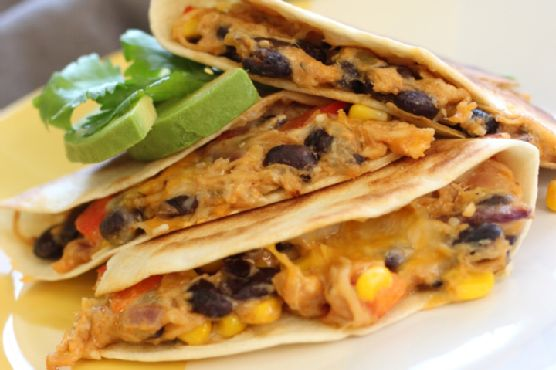
Cheesy Cowboy Quesadillas | Made by Meaghan Moineau

Cheesy Cowboy Quesadillas

Intro

There’s something magical about blending flavors from different cuisines to create a dish that feels both familiar and new. Cheesy Cowboy Quesadillas are one such delightful fusion, combining the heartiness of American cowboy cuisine with the classic Mexican quesadilla. I remember first encountering this dish during a summer road trip with my family through the American Southwest. We stopped at a quaint little diner in Texas, where the warm, cheesy quesadillas filled us with comfort after a long day of travel. It quickly became a family favorite, reminding us of sunsets over endless plains and the joy of discovering new flavors together.

Why You’ll Love It

This dish is a perfect blend of creamy, cheesy goodness with the earthy flavors of beans and corn. It’s a quick and satisfying meal that can be enjoyed any time of day. Whether you’re looking for a hearty breakfast, a filling lunch, or a comforting dinner, these quesadillas fit the bill. The ingredients are simple, yet they come together in a way that’s anything but ordinary. Plus, it’s a great way to use up leftover chicken and turn it into something spectacular.

Ingredients

  • 2 tablespoons of butter
  • 1 cup diced onions
  • 2 cloves garlic, minced
  • 2 cups shredded chicken
  • 1 can (15 oz) black beans, drained and rinsed
  • 1 cup corn kernels (fresh, frozen, or canned)
  • 1 diced bell pepper
  • 1 teaspoon salt
  • 1 teaspoon cumin
  • 1 teaspoon chili powder
  • 4 oz cream cheese, cut into small pieces
  • 1 cup shredded cheese (cheddar or Mexican blend)
  • 8 white tortillas

Instructions

  1. In a large skillet, melt the butter over medium heat. Add the diced onions and minced garlic, sautéing for about 2 minutes until they become fragrant and translucent.
  2. Add the shredded chicken, black beans, corn, diced bell pepper, salt, cumin, and chili powder to the skillet. Stir well, allowing the mixture to heat through, about 5 minutes.
  3. Reduce the heat to low and add the cream cheese in spoonfuls, stirring until it melts and combines with the other ingredients.
  4. Mix in 1 cup of shredded cheese, stirring until the filling becomes creamy and cheesy.
  5. Place about ¼ cup of the filling onto one half of a tortilla. If you like it extra cheesy, sprinkle a little more cheese over the filling.
  6. Fold the tortilla in half, pressing gently to close.
  7. Heat a clean, dry skillet over medium heat. Place the filled tortilla in the skillet and fry for 2-3 minutes on each side, until the tortilla is golden and crispy.
  8. Repeat with the remaining tortillas and filling. Serve warm and enjoy!

Tips

For the best results, use fresh, high-quality ingredients. You can prepare the filling ahead of time and store it in the fridge for up to two days, making it easy to whip up quesadillas in a flash. If you’re looking for an even crispier tortilla, brush a little melted butter on the outside before frying.

Variations & Substitutions

Feel free to customize your Cheesy Cowboy Quesadillas to suit your taste. Swap out the chicken for beef or omit the meat altogether for a vegetarian version. You can also add other vegetables like chopped spinach or zucchini. If you prefer a spicier kick, toss in some diced jalapeños or a dash of hot sauce. For a gluten-free option, use corn tortillas instead of white tortillas.

Storage

If you have leftovers, allow the quesadillas to cool completely before storing them in an airtight container in the refrigerator. They will keep for up to three days. To reheat, simply place them in a skillet over medium heat until warmed through and crispy again. Avoid microwaving, as it can make the tortillas soggy.

FAQ

Can I freeze Cheesy Cowboy Quesadillas?

Yes, you can freeze them! Assemble the quesadillas but don’t cook them. Place them on a baking sheet and freeze until solid. Transfer to a freezer bag and store for up to three months. To reheat, cook from frozen in a skillet over low heat, allowing extra time for the filling to heat through.

What type of cheese is best for quesadillas?

A blend of cheddar and Monterey Jack is ideal for quesadillas, offering both flavor and meltability. However, feel free to experiment with your favorite cheeses, such as mozzarella or pepper jack, to create your perfect cheesy bite.

How do I prevent the filling from spilling out?

To keep the filling inside the quesadilla, don’t overfill the tortillas. Press the top firmly after adding the filling, and use a spatula to gently press down while cooking. This will help seal the edges and keep everything in place.

Nutrition

While we haven’t conducted a full nutritional analysis, these quesadillas are packed with protein from the chicken and beans, as well as essential vitamins from the vegetables. For a lighter version, you can use reduced-fat cheese and cream cheese.

Conclusion

Cheesy Cowboy Quesadillas are more than just a meal; they’re a culinary experience that brings a taste of the Southwest into your home. Whether you’re enjoying them alone or sharing them with loved ones, they offer a comforting blend of flavors that are sure to become a staple in your household. Try them out and let the delightful combination of creamy cheese, hearty beans, and savory chicken transport you to a place of warmth and satisfaction. Happy cooking!

Related update: Cheesy Cowboy Quesadillas

Banana Pudding Cake | Made by Meaghan Moineau

Banana Pudding Cake

Intro

Banana pudding cake holds a special place in my heart, as it was the dessert my grandma would lovingly prepare every Sunday afternoon. Her kitchen would fill with the sweet aroma of ripe bananas and vanilla, instantly making everyone feel at home. This cake is a delightful blend of soft cake layers, creamy custard, and the nostalgic taste of banana pudding, topped with a cloud of whipped cream. Now, I’m excited to share this cherished family recipe with you, hoping it becomes a favorite in your home too.

Why You’ll Love It

This banana pudding cake is the perfect blend of moist cake, rich custard, and fresh bananas, making it a crowd-pleaser at any gathering. It’s a showstopper dessert that looks intricate but is surprisingly easy to make. Whether you’re hosting a dinner party or just treating yourself, this cake is the perfect choice for a comforting dessert that doesn’t compromise on flavor. Plus, it’s a great way to use ripe bananas, ensuring nothing goes to waste.

Ingredients

  • Baking powder
  • Bananas
  • Cocoa powder
  • Egg yolks
  • Eggs
  • Flour
  • Heavy whipping cream
  • Milk
  • Powdered sugar
  • Salt
  • Pudding
  • Sugar
  • Vanilla
  • Vanilla extract
  • Vanilla wafers
  • Whipped cream

Instructions

  1. In a large bowl, beat egg yolks with sugar and set aside.
  2. In the bowl of an electric mixer, whip egg whites until stiff.
  3. Add baking powder, processed wafers, and cocoa to the egg yolk mixture.
  4. Drop about 1/4 of the egg whites into the larger bowl and fold lightly.
  5. Fold in remaining whites carefully.
  6. Line a jellyroll sheet pan with parchment paper covering all sides and spray paper with non-stick floured baking spray.
  7. Spread cake batter onto paper, so it covers the entire pan.
  8. Bake in a preheated oven at 350 degrees for 15-20 minutes.
  9. Let cake cool completely on the sheet (at least 30 minutes to an hour).
  10. As cake cools, mix sugar, flour, and salt in the top of a double boiler (or a makeshift double boiler).
  11. Blend in egg yolks and milk. Cook, uncovered, over boiling water, stirring constantly for 10 to 12 minutes or until thickened.
  12. Remove from heat and stir in vanilla.
  13. When the cake is cooled, carefully lift the parchment paper, remove it from the pan, and place it on a flat surface.
  14. Starting from the short end, cut into three even pieces.
  15. Place the first layer of cake on a serving platter. Spread half of the custard over the top of the cake, then cover with one-third of the banana slices.
  16. Take about one-third of the crumbled wafers and sprinkle them over the custard-banana layer.
  17. Top with the next piece of cake and repeat, being sure to reserve a few bananas and crumbled cookies.
  18. Spread the final amount of custard onto the top layer of cake and refrigerate the whole cake for at least 2 hours or until ready to serve.
  19. Just before serving, make the whipped cream topping. Combine all ingredients together in a large mixing bowl until the cream thickens and becomes stiff.
  20. Spread whipped cream on the cake and top with remaining banana and wafers.

Tips

To prevent the bananas from browning, sprinkle them with a bit of lemon juice before placing them on the cake. This will keep them looking fresh and vibrant. When folding the egg whites into the batter, be gentle to maintain the airiness that will give your cake a light texture. Lastly, allow the cake to cool completely before assembling; this will make handling easier and prevent the custard from melting.

Variations & Substitutions

If you’re feeling adventurous, consider adding a layer of chocolate ganache for a richer taste. You can also substitute the vanilla wafers with graham crackers for a different texture. For a nutty twist, sprinkle some chopped pecans or walnuts between the layers. If you prefer a lighter version, use light whipping cream and reduce the sugar in the custard slightly.

Storage

Store any leftover banana pudding cake in an airtight container in the refrigerator for up to 3 days. The flavors meld beautifully over time, making it taste even better the next day. Avoid leaving the cake out at room temperature for extended periods, as the custard can spoil. If you need to store it longer, consider freezing individual slices wrapped in plastic wrap and placed in a freezer-safe container.

FAQ

Can I make this cake a day ahead?

Absolutely! In fact, making it a day ahead allows the flavors to develop further. Just be sure to add the whipped cream topping and fresh bananas right before serving to keep them fresh and appealing.

What if I don’t have a jellyroll pan?

No worries! You can use a standard baking sheet or even a cake pan. Just remember to adjust the baking time slightly and check for doneness by inserting a toothpick in the center.

Can I use instant pudding mix?

Yes, you can use instant pudding mix if you’re short on time. Simply prepare it according to the package instructions and use it in place of the homemade custard. However, making your own custard adds a lovely homemade touch to the cake.

Nutrition

The nutritional information will vary based on portion size and ingredients used. On average, a slice of banana pudding cake contains approximately 350 calories, 18g of fat, 45g of carbohydrates, and 5g of protein. Keep in mind these are estimates and can vary.

Conclusion

Banana pudding cake is more than just a dessert; it’s a slice of nostalgia and comfort on a plate. Whether you’re a seasoned baker or just beginning your culinary journey, this cake is sure to impress with its delightful flavors and stunning presentation. I hope it brings as much joy and warmth to your home as it has to mine. Happy baking!

Related update: Banana Pudding Cake

Related update: Pumpkin Pecan Streusel Cake - gluten free, soy free, vegan

Oracle’s $50B Cloud Gamble Fuels AI Race | Analysis by Brian Moineau

Oracle’s $45–50 billion Bet on AI: Why the Cloud Arms Race Just Got Louder

The headline is dramatic because the move is dramatic: Oracle announced it plans to raise between $45 billion and $50 billion in 2026 through a mix of debt and equity to build more cloud capacity. That’s not a routine capital raise — it’s a statement about how much money is now needed to stand toe-to-toe in the AI infrastructure race.

Why this matters right now

  • The market for large-scale cloud compute for AI is shifting from software-margin stories to capital-intensive infrastructure plays.
  • Oracle says the cash will fund contracted demand from big-name customers — including OpenAI, NVIDIA, Meta, AMD, TikTok and others — which means these are not speculative capacity bets but expansions tied to real deals.
  • Raising this much via both bonds and equity signals Oracle wants to preserve an investment-grade balance sheet while shouldering a very heavy upfront cost profile that may compress free cash flow for years.

What Oracle announced (the essentials)

  • Oracle announced its 2026 financing plan on February 1, 2026. The company expects to raise $45–$50 billion in gross proceeds during calendar 2026. (investor.oracle.com)
  • Financing mix:
    • About half via debt: a one-time issuance of investment-grade senior unsecured bonds early in 2026. (investor.oracle.com)
    • About half via equity and equity-linked instruments: mandatory convertible preferred securities plus an at-the-market (ATM) equity program of up to $20 billion. (investor.oracle.com)
  • Oracle says the capital is to meet "contracted demand" for Oracle Cloud Infrastructure (OCI) from major customers. (investor.oracle.com)

How this fits into Oracle’s longer-term AI strategy

  • Oracle has pivoted in recent years from being primarily a database and enterprise-software vendor to an infrastructure provider for generative AI customers. Large, multi-year contracts (notably with OpenAI) have been central to that story. (bloomberg.com)
  • Building AI-scale data centers is capital intensive: racks, GPUs/accelerators, power, cooling, networking, and long lead times. The company’s plan acknowledges that scale requires front-loaded spending — and external capital. (investor.oracle.com)

The investor dilemma

  • Pros:
    • Backing by contracted demand reduces some revenue risk versus pure capacity-to-sell strategies.
    • If Oracle can deliver the compute reliably, the payoff could be large: stable long-term revenue from hyperscaler-AI customers and higher utilization of OCI.
  • Cons:
    • Heavy near-term cash burn and higher gross debt levels could pressure margins and returns for several fiscal years.
    • Equity issuance (including ATM programs and convertible securities) dilutes existing shareholders and can weigh on the stock.
    • Credit metrics and investor appetite for more investment-grade bonds at this scale are uncertain. Credit-default-swap trading and analyst commentary show investor nervousness about overbuilding for AI. (barrons.com)

Who bears the risk — and who benefits?

  • Risk bearers:
    • Current shareholders face dilution risk and near-term margin pressure.
    • Bond investors absorb increased leverage and structural execution risk if demand slips or customers renegotiate.
  • Potential beneficiaries:
    • Customers that secure large, predictable capacity from Oracle (e.g., AI model trainers) may benefit from more onshore, enterprise-grade compute.
    • Oracle, if it executes, could lock in long-term, high-margin cloud contracts and tilt the competitive landscape versus other cloud providers.

What to watch next

  • Timing and pricing of the bond issuance (size, maturities, yields) — this will show investor appetite and borrowing cost. (investor.oracle.com)
  • Pace and pricing of the ATM equity program and any convertible issuance — how aggressively Oracle taps the market matters for dilution and market sentiment. (investor.oracle.com)
  • Delivery milestones and usage numbers from Oracle’s major contracts (especially OpenAI) — revenue recognition and cash flows tied to those deals will determine whether the investment turns into long-term value. (bloomberg.com)
  • Any commentary from ratings agencies about credit outlook — maintaining investment-grade status appears to be a stated goal; watch for downgrades or negative outlooks. (barrons.com)

A quick reality check

  • Oracle’s public statement is explicit: this is a 2026 calendar-year plan to fund contracted demand and to do so with a “balanced combination of debt and equity” while aiming to keep an investment-grade balance sheet. That clarity helps investors model the path forward — but it doesn’t remove execution risk. (investor.oracle.com)

My take

This is the clearest evidence yet that AI’s infrastructure tailwinds have become a capital market story as much as a software one. Oracle isn’t just buying GPUs — it’s buying a longer runway to be a backbone for AI customers. That could be brilliant if those contracts materialize and stick. It could also be a cautionary tale of heavy upfront capital deployed into an industry still sorting out which customers and deals will be durable.

For long-term investors, the question isn’t only whether Oracle can build data centers efficiently — it’s whether those investments translate into sustained, high-quality cash flows before the financing and dilution costs swamp returns. For the market, the move raises a broader point: large-scale AI will increasingly look like utilities and telecom in its capital intensity — and that changes how we value cloud vendors.

Sources


Related update: We recently published an article that expands on this topic: read the latest post.


Related update: We recently published an article that expands on this topic: read the latest post.

China Frenzy Sparks Silver Market Meltdown | Analysis by Brian Moineau

When silver forgot the rules: how a China-fueled frenzy blew the top off precious metals

The screens went white. For weeks, traders had been riding one of the most aggressive precious‑metals rallies in decades — then in less than twenty hours silver gave back roughly $40 an ounce and plunged in a way few had seen before. That violent reversal exposed how a cocktail of Chinese retail speculation, strained physical markets and technical safeguards (margins, algorithms, exchange rules) can turn a smoke‑and‑mirrors rally into a sudden market unwind.

Below I unpack what happened, why it got so extreme, and what investors should keep in mind going forward.

How the rally got out of hand

  • Parabolic move first. Silver staged an extraordinary rally through 2025 and into January 2026, propelled by a mix of industrial demand, geopolitical fears and speculative momentum. What starts as rational buying (industry, ETFs, central‑bank flows) can become self‑reinforcing when retail and leveraged players pile in. (Think: more buyers, less paper required per contract, and an expectation that prices only go up.) (m.economictimes.com)

  • A big Chinese footprint. Chinese traders and retail platforms played an outsized role in the surge. Heavy retail participation in China — often through leveraged products and exchange‑linked accounts — amplified volatility and expanded the “paper” exposure to silver beyond what physical supply could cover. When that speculative flow begins to reverse, the effect is amplified. (businessinsider.com)

  • Physical vs. paper stress. Tight physical inventories and frictions in cross‑border flows made the market fragile. When buyers started demanding physical delivery or when exporters tightened exports, the disconnect between the futures (paper) market and actual bullion intensified. That mismatch can sustain rallies — but it also primes the market for violent corrections if leveraged holders are forced to liquidate. (thestreet.com)

  • Margin hikes and forced selling. Exchanges (notably CME) raised margin requirements as volatility surged. Higher margins squeezed leveraged traders and funds, forcing rapid sell orders into already thin markets — a mechanical feedback loop that turned a correction into a crash. (thestreet.com)

  • Macro news as the spark. A shift in macro expectations — for example, a hawkish signal on U.S. monetary policy — strengthened the U.S. dollar and reduced the appeal of non‑yielding assets like gold and silver. That change in sentiment provided the trigger that turned fragile positioning into mass liquidation. (ft.com)

Why this felt different from past pullbacks

  • Speed and leverage. The crash happened faster than many historic drops because leverage today is higher and execution is electronic. Automated systems, program trading and margin‑sensitive accounts can force outsized flows in minutes rather than days.

  • China’s policy layer. Recent Chinese moves affecting metals exports and trading channels added a nation‑level source of uncertainty. That made liquidity in global physical markets more brittle and increased the chance that local Chinese flows would have outsized global effects. (astreka.com)

  • Cross‑market contagion. Silver’s drop didn’t happen in isolation — other industrial metals and gold were affected too. Where previously commodities could absorb shocks, the breadth of positioning (and the prevalence of leveraged retail exposure) made the systemwide reaction sharper. (ft.com)

Lessons for investors and traders

  • What matters more than you think: market plumbing. Supply and demand fundamentals matter — but so do margin rules, exchange interventions, delivery mechanics and who holds the risk. In leveraged, thinly‑liquid markets these mechanics can dominate fundamentals for a while.

  • Know your counterparty risk and leverage exposure. Retail platforms that offer cheap leverage can create asymmetric risks for clients. When you’re long with high leverage, even a small policy or macro surprise becomes dangerous.

  • Distinguish physical from paper exposure. Owning a bar in a vault and owning a futures contract are different bets. When the paper‑to‑physical ratio becomes extreme, prices can diverge quickly and painfully.

  • Expect whipsaw conditions around policy news. Monetary and geopolitical headlines can flip the narrative quickly. Position sizing and stop‑loss discipline aren’t optional in these markets.

What to remember

  • The January 2026 crash was a structural warning: rapid, leveraged flows from China plus strained physical markets and margin hikes equal the recipe for explosive reversals. (businessinsider.com)

  • Margin rules and exchange interventions can be the market’s circuit breakers — and sometimes the accelerants. (thestreet.com)

  • Ownership matters: physical metal, ETFs, futures and leveraged retail products behave differently in stress. (thestreet.com)

My take

We’ve been through narrative cycles before — short squeezes, retail mania, and commodity panics — but the 2025–2026 episode highlights how globalization and digitization of trading magnify those dynamics. Speculation in one major market (China) can now ripple through exchanges and vaults worldwide in a single trading session. For disciplined investors, that means re‑anchoring strategies to fundamentals, minding leverage, and treating liquidity risk as a first‑class concern.

For traders who thrive on volatility, this environment offers opportunity — but only if you respect the mechanics that turned a rally into a rout. For institutions and regulators, it’s a reminder that market structure evolves and that safeguards (margins, position limits, clearer delivery rules) must keep pace.

Sources


Related update: We recently published an article that expands on this topic: read the latest post.


Related update: We recently published an article that expands on this topic: read the latest post.

Chocolate Orange Madeleines | Made by Meaghan Moineau

Chocolate Orange Madeleines

Intro

Ah, the aroma of freshly baked Madeleines! It takes me back to Sunday mornings at my grandmother’s house, where the comforting scent of chocolate and citrus wafted through the air. These Chocolate Orange Madeleines are a cherished twist on the classic French treat that my grandmother used to make. With every bite, I’m reminded of those carefree days spent in her cozy kitchen, eagerly waiting for the Madeleines to cool just enough to dip into a glass of milk. Now, I want to share this delightful recipe with you, so you can create your own warm memories with your loved ones.

Why You’ll Love It

These Chocolate Orange Madeleines are a perfect combination of flavors and textures. The subtle citrus from the orange zest and juice complements the rich, dark chocolate beautifully. The madeleines are light and airy, with a delicate crumb that melts in your mouth. Plus, they’re dipped in melted chocolate for an extra touch of indulgence. Whether you’re an experienced baker or a novice, you’ll find this recipe both rewarding and straightforward. They’re great for special occasions or just a sweet afternoon treat with a cup of tea.

Ingredients

  • 1 cup all-purpose flour
  • 1 teaspoon baking powder
  • 1/4 teaspoon sea salt
  • 1/2 cup dark chocolate, melted
  • 2 large eggs
  • 1/2 cup granulated sugar
  • 2 tablespoons orange juice
  • 1 tablespoon orange zest

Instructions

  1. Preheat the oven to 374°F (190°C). Generously grease and liberally flour a madeleine cookie tin.
  2. In a small bowl, combine the flour, baking powder, and sea salt. Whisk together and set aside.
  3. In a medium bowl, beat the sugar and eggs on medium/high speed until the volume triples in size. This may take several minutes, and you should have a beautiful thick ‘ribbon’ of batter when you lift the beaters out of the bowl.
  4. Stir in the orange juice and orange zest.
  5. Beginning with the flour mixture, alternate adding to the egg/sugar batter with the melted butter. Mix only until just combined.
  6. Refrigerate the batter for about 45 minutes to an hour.
  7. Drop by rounded teaspoonfuls into the center of the madeleine molds. Leave the batter mounded; do not spread it out. Adjust the amount of batter depending on your mold size.
  8. Bake for 10-12 minutes or until the edges just start to turn golden and the center of the cookies spring back when lightly touched.
  9. Remove from the oven and immediately tap the tin on the counter to loosen the cookies. Carefully remove the cookies and allow them to cool completely.
  10. Melt the chocolate in a saucepan and pour it into a deep dish or cup with a wide mouth. Dip half or 1/4 of each cookie into the chocolate and place on a piece of parchment paper until the chocolate is set.

Tips

For the best results, make sure your eggs are at room temperature before beating them. This helps them whip up to the right volume. Also, be gentle when folding in the flour to maintain the airiness of the batter. If you don’t have a madeleine pan, mini muffin pans can be a good alternative, though they won’t have the classic shell shape.

Variations & Substitutions

If you’re not a fan of dark chocolate, feel free to substitute it with milk or white chocolate. You could also add a hint of spice by incorporating a pinch of cardamom or cinnamon into the batter. For a nutty twist, sprinkle some finely chopped almonds or pistachios over the chocolate before it sets.

Storage

Store these Chocolate Orange Madeleines in an airtight container at room temperature for up to three days. If you want to keep them longer, you can freeze them for up to a month. Just make sure to place parchment paper between layers to prevent sticking, and allow them to come to room temperature before serving.

FAQ

Can I make these ahead of time?

Yes, you can prepare the batter a day in advance and keep it refrigerated. This makes it even easier to have fresh madeleines whenever you need them.

Do I need a special pan for Madeleines?

While a madeleine pan is ideal for achieving the classic shell shape, you can use a mini muffin tin in a pinch. The texture and taste will remain delightful.

Nutrition

Each madeleine is approximately 90 calories, depending on the exact size and amount of chocolate used. They contain about 4g of fat, 12g of carbohydrates, and 1g of protein each. Perfect for a light indulgence!

Conclusion

Chocolate Orange Madeleines are a delightful treat that combines the best of both worlds: the rich, comforting taste of chocolate with the refreshing zing of orange. Whether you’re making them for a special occasion or just because, they are sure to be a hit. I hope this recipe brings a touch of nostalgia and warmth to your kitchen, just as it does to mine. Happy baking!

Related update: Chocolate Orange Madeleines

Related update: Banana Pudding Cake

Sixers Win Overshadowed by George | Analysis by Brian Moineau

A wild Saturday in Philly: a win that feels secondary to Paul George’s suspension

The Wells Fargo Center celebrated a 25th-anniversary reunion, fans soaked up the nostalgia, and the scoreboard showed a narrow Sixers victory. But by the time the confetti dried, the story that will linger was not the comeback or the reunion — it was the shock of Paul George’s 25-game suspension. For a team trying to build consistency, Saturday’s win suddenly reads like a footnote.

What happened — quick recap

  • The Sixers eked out a late victory against the Pelicans, a game that had its share of tense possessions and clutch moments.
  • Minutes after the final buzzer, news broke that Paul George was suspended 25 games for violating the NBA’s anti-drug policy. George released a statement saying he “made the mistake of taking an improper medication” while seeking treatment for a mental health issue and accepted responsibility. (phillyvoice.com)

Why this matters more than the box score

  • Paul George’s suspension isn’t just the temporary loss of a scorer. He’s a two-way piece who affects matchups, spacing, perimeter defense and late-game lineups.
  • The timing is brutal: it starts now, when the Sixers are jockeying for playoff positioning and when Coach Nick Nurse was just beginning to settle rotation minutes. With trade deadline noise and the regular season’s final stretch approaching, losing 25 games of a veteran wing alters the team’s short-term math. (apnews.com)
  • There’s also a human side: George framed the mistake in the context of mental-health treatment, which complicates the public conversation and the team’s internal support responsibilities. That context matters for public perception, locker-room chemistry, and how the organization responds.

Coach’s read: calm, practical, honest

Nick Nurse’s immediate response was measured: disappointment, sure, but also an emphasis on structure and next-person-up. He confirmed George can still be at the facility and practice, and highlighted names who will get more run — Jordan Barlow, Monte Morris, Miles McBride, Kelly Oubre, and others — while admitting matchups will drive decisions. Nurse’s posture: protect the team’s process and adapt. (phillyvoice.com)

Who steps up (and how big the gap is)

  • Offensive production: George has been averaging double-digit scoring and reliable spacing. Expect more shots and playmaking responsibility to cascade toward Tyrese Maxey and Joel Embiid, with role players asked to make the extra perimeter shots.
  • Defense and wing versatility: George’s ability to guard multiple positions had a direct impact on rotations. That responsibility will be shared among a mix of wings (Oubre, Grimes, Watford) and guards sliding up defensively on tougher matchups.
  • Ball movement and minutes: This is an opportunity to test bench depth — both short-term (cover these 25 games) and long-term (who can be a dependable rotational piece going forward).

The broader franchise calculus

  • Financial wrinkle: The suspension costs George roughly $11–12 million in salary; it also creates a small luxury-tax breathing room for the Sixers. That financial detail may influence front-office thinking ahead of the Feb. 5 trade deadline. (local10.com)
  • Trade deadline implications: With a sizeable chunk of the season without George, Philly might be incentivized to add short-term reinforcements (wing/3-and-D depth) or double-down on internal solutions. Conversely, the front office could choose to stand pat to preserve flexibility later in the season.
  • Team identity question: The Sixers were carving out a newer rhythm under Nurse. Losing a high-IQ veteran like George forces an identity check: do they lean more into Embiid-centric offense, Maxey’s isolation scoring, or a more collective approach?

The media and public conversation

  • Reactions will vary: some will call for leniency given the mental-health context; others will stress the letter of the policy. Public figures and analysts are already picking sides about whether the punishment fits the circumstances. The NBA’s decision to withhold the exact substance leaves room for debate. (nypost.com)

What to watch next (short-term checklist)

  • Who gets consistent minutes at the 2/3 spots over the next 10–15 games.
  • How Tyrese Maxey and Joel Embiid handle increased usage nights (look at assist rate, efficiency, foul trouble).
  • Whether the Sixers make a deadline move to replace wing defense or three-point shooting.
  • The team’s home/road splits during George’s absence — can they maintain seed positioning through chemistry and matchup management?

Perspective and context

This isn’t the first time an NBA season has been reshaped off the court, but it’s a reminder that a roster is both a competitive machine and a human ecosystem. Paul George’s admission that this came during mental-health treatment adds a layer of complexity — accountability is required, yes, but so is support. The Sixers now need to be precise about both: how they win games and how they care for a teammate.

Small set of takeaways

  • Saturday’s win will be remembered more for what happened after the buzzer than the result itself. (phillyvoice.com)
  • Losing George for 25 games creates immediate tactical and rotation gaps on both ends of the floor. (apnews.com)
  • The team’s front office and coaching staff face a compressed timeline to decide whether to plug the hole internally or in the market ahead of the trade deadline. (local10.com)

Final thoughts

Basketball is inherently fragile — a single injury or suspension can flip momentum and narratives overnight. The Sixers have talent and a coach who emphasizes adaptability; they also face a critical run of games that will test their depth and decision-making. If Saturday taught us anything, it’s that wins are still important, but how an organization responds to unexpected personal and structural challenges often defines the season more than any one buzzer-beater.

Sources


Related update: We recently published an article that expands on this topic: read the latest post.


Related update: We recently published an article that expands on this topic: read the latest post.

Cumin and Paprika Rubbed Chicken Drumsticks | Made by Meaghan Moineau

Cumin and Paprika Rubbed Chicken Drumsticks

Intro

There’s something absolutely delightful about the aroma of spices wafting through the kitchen, and this Cumin and Paprika Rubbed Chicken Drumsticks recipe brings back warm, nostalgic memories of family gatherings and weekend dinners. I remember my grandmother preparing a similar dish, where the spicy, earthy scent would fill the house, signaling the delicious feast that awaited us. This recipe is a tribute to those cherished times and is sure to become a favorite in your household too.

Why You’ll Love It

This dish is a perfect blend of simplicity and bold flavors. The cumin and paprika lend a warm, smoky depth to the chicken, while lime juice adds a refreshing tang. It’s a versatile recipe that can be served with a variety of sides, making it a staple in any meal plan. Moreover, the preparation is straightforward and requires minimal ingredients, making it a go-to for busy weeknights or relaxed weekend dinners.

Ingredients

  • 6 skinless chicken drumsticks
  • 2 teaspoons cumin powder
  • 2 teaspoons paprika powder
  • 3 garlic cloves, minced
  • Juice of 1 lime
  • Salt and pepper to taste
  • 1 teaspoon olive oil

Instructions

  1. In a mixing bowl, combine the cumin powder, paprika powder, minced garlic, lime juice, and olive oil. Season with salt and pepper to taste.
  2. Add the chicken drumsticks to the bowl, ensuring they are well coated with the spice mixture. Let them marinate at room temperature for at least 30 minutes.
  3. Preheat your oven to 400°F (200°C). Grease an ovenproof pan with a little olive oil.
  4. Arrange the marinated drumsticks in a single layer in the prepared pan.
  5. Bake in the preheated oven for 15 minutes at 400°F, then reduce the temperature to 300°F (150°C) and continue cooking for another 15 minutes, or until the chicken is almost cooked through.
  6. Turn on the broiler. Place the pan under the broiler and continue to cook the chicken, turning them after about 5 minutes on each side, until they achieve a nice color on both sides.
  7. Serve hot, accompanied by sautéed corn with garlic, chili, and green onions, garnished with fresh cilantro and spring onion greens.

Tips

To enhance the flavor, consider marinating the chicken overnight in the refrigerator. This allows the spices to penetrate deeper into the meat. Also, be sure not to overcrowd the pan, as this ensures even cooking and a nice crispy exterior.

Variations & Substitutions

If you prefer a milder flavor, reduce the amount of paprika. For a spicier kick, add a pinch of cayenne pepper to the marinade. You can also substitute chicken thighs or wings for the drumsticks, adjusting the cooking time as necessary. If lime isn’t available, lemon juice can be used as a substitute.

Storage

Store any leftovers in an airtight container in the refrigerator for up to 3 days. Reheat in a preheated oven at 300°F (150°C) until warmed through. You can also freeze the cooked chicken for up to 2 months; thaw in the refrigerator before reheating.

FAQ

Can I use bone-in chicken breasts instead of drumsticks?

Yes, you can use bone-in chicken breasts, but you will need to adjust the cooking time. Bake at 400°F for about 20 minutes, then reduce the heat and continue as directed, ensuring the internal temperature reaches 165°F.

What sides go well with this dish?

Aside from the recommended sautéed corn, this chicken pairs beautifully with roasted vegetables, a fresh green salad, or a simple rice pilaf.

Nutrition

This dish offers a healthy balance of protein and spices, with each drumstick containing approximately 180 calories, 12g of fat, 2g of carbohydrates, and 16g of protein, making it a nutritious choice for a fulfilling meal.

Conclusion

Cumin and Paprika Rubbed Chicken Drumsticks are more than just a meal; they’re a gateway to cherished memories and a testament to the power of simple, fresh ingredients. Whether you’re cooking for family or friends, this dish is sure to impress and become a beloved staple in your recipe collection. Enjoy every bite!

Related update: Cumin and Paprika Rubbed Chicken Drumsticks

Related update: Cheesy Cowboy Quesadillas