
Packers Mock: DT and CB Focused Draft Plan | Analysis by Brian Moineau

Leaning into Defense: How the Packers’ 7-Round Mock Solves Two Pain Points

The Packers 7-round mock from Acme Packing Company lands squarely on a blunt thesis: Green Bay should lean into defensive tackle (DT) and cornerback (CB) early and often. That idea rings true when you scan the roster realities and the longer-term contract timelines — and Acme’s one-and-only mock draft for the team makes a persuasive case for why focusing on interior line and cornerback depth could reshape the team’s defensive floor.

Why this mock matters

Acme Packing Company’s piece is more than a wish list. It’s a hand-crafted exercise that aligns player fits to Green Bay’s immediate needs and future salary-cap picture. The mock doesn’t just chase splashy names; it targets roster architecture — rotation DTs who can eat blocks and corners who can start or play early nickel. That approach matters because the Packers don’t always have a first-round pick, and smart value in rounds 2–4 often defines playoff teams.

Transitioning from the big picture, let’s dig into the logic behind prioritizing DT and CB.

Packers 7-round mock: the case for DT and CB

  • Interior push first. The Acme mock emphasizes adding a true gap-eating DT who can anchor a rotation and take on double teams. In today’s NFL, having stout interior defense slows rushing lanes and frees edge rushers to get creative. Green Bay’s depth inside has flashed but lacks long-term, contractable starters who fit multiple fronts.

  • Cornerback depth matters more than it looks. The mock doubles down on CB in mid-rounds. Young corners often translate quicker than throwaway edge projects because zone concepts and press technique can be taught; instincts and length matter. With several Packers defensive backs on expiring or short-term deals over the next two seasons, stockpiling cornerback prospects is prudent.

  • Value hunting, not reach hunting. The mock trades fit and scheme rather than reach for perceived blue-chip talent. That increases the chance of landing rotational starters — players who can contribute Week 1 but still have upside in Years 2–4.

Next, let’s look at roster context and why these positions are especially sensible targets.

Context: what Green Bay actually needs

The last couple of seasons showed the Packers as a team that can win in spurts but struggles to sustain defensive pressure without using a heavy blitz package. That puts extra strain on the front seven’s depth and corner play.

  • Run defense: Interior defensive line play has been inconsistent. Adding a reliable DT would help against physical NFC North and NFC opponents who favor a balanced attack.

  • Young secondary timeline: Several key defensive backs are aging toward free agency or are short-term stopgaps. Drafting corners with different profiles (long, pressable outside corners and sticky slot types) hedges risk.

  • Cap and draft capital: Green Bay’s draft capital profile this year means maximizing Day 2 and Day 3 picks for immediate contributors rather than stashing long-term developmental edge rushers who may take longer to impact the field.

Having set the stage, here are some concrete takeaways from the mock’s structure.

What the mock gets right (and what worries me)

  • Right moves:

    • Prioritizing players who fit Green Bay’s scheme and can play early. That’s a repeatable win in later rounds.
    • Building rotational DT depth to allow creative fronts without blowing matchups on run downs.
    • Investing in cornerback depth across multiple rounds to cover short-term attrition and future free-agent holes.
  • Potential concerns:

    • Overloading on defense could leave the offense light at positions that age into bigger needs in 2027 (wide receiver and offensive line play are never static).
    • Mid-round defensive prospects can be boom-or-bust; coaching and development matter as much as raw traits.

Still, the approach in the Acme mock feels tuned to both roster reality and draft value. It’s a pragmatic blueprint rather than a romantic reach.

How this draft strategy plays out over the next two seasons

If the Packers follow a similar path on draft day, expect a few changes:

  • More pressure on opposing offenses to beat Green Bay through the air, but with better run-stopping between the tackles.
  • A younger CB room with increasing competition for starting roles, which should improve coverage in nickel packages.
  • Short-term pain for long-term gain: sacrificing offensive depth now could mean fewer headaches in two years when several offensive starters hit free agency.

Moreover, this strategy keeps the Packers flexible in free agency — cheaper rookie contracts at DT and CB free up room to invest in other positions if a proven veteran becomes available.

Quick takeaway bullets

  • The mock emphasizes immediate-impact DTs and CBs who fit Green Bay’s defensive schemes.
  • Day 2 and Day 3 value-hunting increases the odds of finding starting-caliber players without costly reaches.
  • Building defensive depth addresses both run defense and secondary attrition, two recurring Packers issues.
  • The main risk is under-addressing offensive depth that may become a need by 2027.

My take

I like this mock because it treats the draft like roster surgery, not a highlight reel. Green Bay needs dependable, teachable pieces — especially inside the trenches and in the defensive backfield. Prioritizing those spots in a 7-round plan makes sense given the team’s draft capital and the league-wide importance of rookie wage control.

That said, balance matters. I’d rather see a hybrid approach: lean defensive early while keeping an eye on high-upside offensive tackles or receivers later in the draft. The beauty of the draft is flexibility; the risk is tunnel vision.

Final thoughts

Acme Packing Company’s single mock is a tidy reminder that good drafting often means solving real problems rather than chasing headlines. Leaning in at DT and CB in a Packers 7-round mock is a defensible, roster-savvy strategy. If Green Bay follows this template, fans should expect increased defensive resilience and more competition in the secondary — both things that win playoff games.

Sources


Related update: We recently published an article that expands on this topic: read the latest post.


Related update: We recently published an article that expands on this topic: read the latest post.

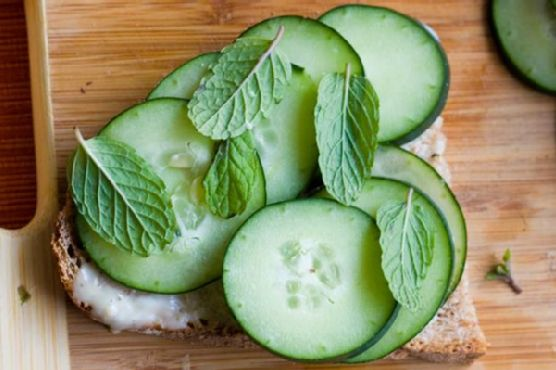
Cucumber Mint Tea Sandwiches | Made by Meaghan Moineau

It was one of those gloriously lazy Sunday afternoons when the sun was streaming through the kitchen window, painting everything in a warm, golden hue. I found myself craving something simple yet sophisticated to nibble on while sipping a freshly brewed pot of Earl Grey. That’s when the idea of Cucumber Mint Tea Sandwiches popped into my head. These little bites are like a garden party in your mouth — refreshing, slightly spicy, and with a hint of sweet earthiness. They’re perfect for when you want to impress your friends but also fit perfectly into a no-fuss, no-mess vibe. Trust me, once you try these, they’ll become your go-to for every casual gathering or solo indulgence.

Jump to Recipe

What You’ll Need

Honestly, you probably have most of these ingredients lounging in your pantry or fridge already. And if not, they’re super easy to find on your next grocery run.

  • Bread (your choice – think classy yet sturdy)
  • Cucumber (cool, crisp, and refreshing)
  • Wasabi Maple Spread (the secret zing)
  • Black pepper grinder (for that fresh, subtle heat)
  • Fresh mint leaves (fragrant and cooling)
  • Fresh dill (herbaceous and bright)
  • Vegenaise (creamy and delightful)
  • Maple syrup (just a touch of sweetness)
  • Wasabi powder (for that kick)

How to Make Cucumber Mint Tea Sandwiches

  1. Start by whipping together the wasabi maple spread. Combine vegenaise, a dash of maple syrup, and a sprinkle of wasabi powder until it’s smooth and slightly spicy.
  2. Thinly slice the cucumber. You can go for thick, crunchy slices if you’re feeling bold, or thin, silky ones for a more delicate bite. Either way, they should be refreshingly crisp.
  3. Gather your fresh mint leaves and dill. Rinse them under cold water and pat them dry with a clean kitchen towel. You want them to be fresh and vibrant.
  4. Spread a very thin layer of your wasabi maple spread on all the inside surfaces of the bread slices. It’s all about that flavor balance, not overpowering.
  5. Layer your cucumber slices neatly on top of the spread. Feel free to overlap them slightly. It’s like building a little cucumber brick wall.
  6. Add a layer of mint and dill. You can mix them up in each sandwich or go half mint, half dill if you like to keep your flavors organized.
  7. Grind some fresh black pepper over the top of the herbs and cucumbers. This will tie all the flavors together beautifully.
  8. Close each sandwich with another piece of bread and gently press down. Then, slice them into charming quarter cubes or triangles. Presentation is key!
  9. Plate the sandwiches, and if you’re feeling fancy, sprinkle a few edible flowers around for a pop of color and whimsy.

Cook’s Notes

These sandwiches are meant to be a fresh and light snack, so fresh ingredients are key. Make sure your cucumber is firm and your herbs are not wilting. Want to make them a few hours ahead? No problem! Just cover the platter with a slightly damp paper towel and wrap tightly with plastic wrap to keep everything moist and fresh. Leftovers (if you have any, which I doubt) can be stored in an airtight container in the fridge for up to a day — but they’re best fresh.

Make It Your Own

  • Swap out the bread for a whole grain or seed variety for extra texture and flavor.
  • Replace the wasabi maple spread with a spicy sun-dried tomato spread for a Mediterranean twist.
  • Add a layer of thinly sliced radishes for an extra peppery crunch.
  • Sprinkle a dash of red pepper flakes inside for those who love an extra spicy kick.

If you try this, I’d love to hear how it turns out — drop a comment or tag me in your tea-time creations! Happy sandwich making!

Related update: Cucumber Mint Tea Sandwiches

Related update: Vegetarian Spring Rolls With Garlic Lime Sauce

Titanium Court: Candy Crush Meets Strategy | Analysis by Brian Moineau

Titanium Court fuses multiple genres together to create an absurd and inventive strategy game that delights in messing with you.

Introduction

Titanium Court fuses multiple genres together to create an absurd and inventive strategy game that delights in messing with you. From the first slide of tiles it’s obvious this isn’t trying to be a polite marriage of ideas — it’s a gleeful experiment that mixes match‑three satisfaction with micro‑strategy, roguelike resets, and a theater‑of‑the‑absurd story voice. If you like the rhythmic joy of Candy Crush but crave decisions that actually matter, Titanium Court will grin at you and then rearrange the ground beneath your feet.

Why this matters right now

This spring saw a surge of small teams reinventing classic loops. Titanium Court arrives at a moment when players don’t just want polish; they want surprising friction: systems that reward pattern recognition but punish overconfidence. The result is a game that lands somewhere between the casual immediacy of mobile puzzlers and the tense resource dance of real‑time strategy. That hybrid is what makes Titanium Court feel contemporary — and why critics have been quick to call it a standout of 2026’s indie slate.

How the gameplay fuses genres

  • Match‑three as tactical currency. Battles play out on a grid where sliding tiles to match three or more still produces the same dopamine hits as any Candy Crush‑style swap. But here, each match is also a tactical choice: it harvests resources, shifts terrain, or powers units, and those choices ripple across the battlefield.
  • Roguelike structure and meta progression. You don’t just play isolated puzzles. Each “day” in the court sends your base upward through maps, with branching routes, events, and a slow curse that nudges you toward interesting tradeoffs. Lose, live, learn, and try a differently cursed run next time.
  • Strategy and positioning. Units, terrain types, and enemy movement make match outcomes meaningful—matching a field to farm food could simultaneously destroy a river tile that was protecting your base. The satisfaction of a big combo is tempered by the dread of unintended consequences.

Narrative tone and presentation

Titanium Court dresses its systems in a theatrical, slightly deranged aesthetic. The game riffs on fae mythology and campy Shakespearean motifs, with a Puck‑like trickster narrating your misfortunes. That voice matters because it reframes failure as farce: the world is designed to mislead you, and the game delights in punishing clever plans when they become predictable.

This presentation softens the difficulty spikes. You’re not punished for being bad; you’re being toyed with. That makes surprises feel like design flourishes rather than glitches.

Design lessons that stick

  • Let simple pleasures carry complex systems. The core act — swap tiles to match — is instantly approachable, which frees the game to add layered mechanics without overwhelming new players.
  • Use consequences to make choices weighty. Titanium Court doesn’t hide the fact that great combos can backfire; it highlights that tension and gives players tools to anticipate risk.
  • Lean into personality. The comedic, untrustworthy narrator turns procedural cruelty into charm. It’s a reminder that tone can convert frustration into engagement.

Why critics keep comparing it to Blue Prince and Candy Crush

  • Candy Crush: for the immediate, tactile satisfaction of matching tiles and chaining combos.
  • Blue Prince: for the puzzle‑forward, brain‑teasing design that rewards lateral thinking and creative problem solving.

These comparisons aren’t lazy shorthand; they capture how Titanium Court sits between addictive microloops and puzzles that ask you to rethink rules. Reviewers have praised it for feeling both familiar and inventively wrong-footing — a combination that’s hard to manufacture deliberately.

A few caveats

  • The game’s joy is fragile. Because systems interact so tightly, a single unforeseen chain reaction can derail a run in a way that feels unfair. Some players will love that chaos; others will want clearer telegraphing.
  • Learning curve. The early hours teach you the basics quickly, but true mastery requires accepting paradoxes (do you preserve terrain or pursue short‑term resources?) and embracing runs that end suddenly.

Transitioning from play to memory

What sticks after an hour with Titanium Court is not a single clever boss or a flashy combo, but the feeling of being outwitted by a game that’s candid about wanting to mess with you. It’s playful, sometimes cruel, and always inventive. That emotional aftertaste is what elevates it above many other mashups: the game’s identity is consistent even while its mechanics keep rearranging themselves.

My take

Titanium Court is the sort of experiment that remembers to be fun while it complicates everything. It borrows the bite‑sized gratification of match‑three puzzles and straps a surprising amount of consequence to each swipe. If you’re patient with its occasional unfairness and enjoy games that tease you into learning new ways to lose, you’ll find it endlessly replayable. It’s a rare title that makes you grin when the floor collapses under your best plan.

Final thoughts

This is a year for small games taking big swings. Titanium Court’s success shows there’s appetite for hybrids that respect players’ time and curiosity. It’s not trying to replace Candy Crush or Blue Prince; it’s carving out a middle ground where satisfying microloops meet meaningful, sometimes absurd, decisions. When a game delights in messing with you, the best response is to laugh, learn, and play another run.

Sources


Related update: We recently published an article that expands on this topic: read the latest post.

Farfalle with Shrimps, Tomatoes Basil Sauce | Made by Meaghan Moineau

It was a Wednesday evening, and I’d just returned home after a long day that seemed to have no end in sight. You know the one — where you’re too exhausted to even scroll through your takeout apps. I peered into the fridge, hoping for a miracle, and voilà, the ingredients for Farfalle with Shrimps, Tomatoes Basil Sauce all but jumped out at me. It was like they were whispering, “We got you.” There’s something magical about pulling together a meal that feels indulgent and comforting but comes together in the blink of an eye. This dish is that kind of magic. Perfect for those nights when you want something special without the hassle.

Jump to Recipe

What You’ll Need

You might already have most of these ingredients lounging in your pantry or fridge, just waiting to become something delicious. Farfalle pasta is the star of the show, and everything else is there to make it shine even brighter.

  • 1 tablespoon of butter
  • 8 ounces of farfalle pasta
  • 1 cup of fresh tomatoes, chopped
  • 1/2 pound of fresh shrimp, peeled and deveined
  • 1/2 cup of fresh basil leaves
  • Salt and freshly ground black pepper, to taste

How to Make Farfalle with Shrimps, Tomatoes Basil Sauce

  1. Bring a large pot of salted water to a boil. Add the farfalle and cook until al dente, which should take about 10-12 minutes. You’ll know it’s ready when it’s firm to the bite yet tender.
  2. While the pasta cooks, melt the butter in a large frying pan over medium-high heat. Once the butter starts to bubble and gives off a nutty aroma, toss in the tomatoes.
  3. Sauté the tomatoes for about a minute, just until they start to soften and their juices mingle with the butter, creating a simple, vibrant sauce.
  4. Add the shrimp to the pan. Cook them until they turn a beautiful light pink and are cooked through, about 3-4 minutes. Sprinkle with salt and freshly ground black pepper to taste.
  5. Toss in the fresh basil leaves and give everything a gentle stir, letting the basil release its fragrant oils.
  6. Once your pasta is perfectly cooked, drain it and add it directly to the skillet with the shrimp and tomatoes. Toss everything together so the pasta is well-coated in the buttery tomato sauce.
  7. Serve immediately while it’s still hot, and watch as the room fills with the comforting aroma of basil and buttery goodness.

Cook’s Notes

This dish is forgiving, which is a blessing if you’re prone to distractions like I am. Keep an eye on the shrimp; they cook fast and go from perfect to rubbery in a blink. If you find your sauce getting too thick, a splash of the pasta cooking water will loosen it right up.

Leftovers can be stored in an airtight container in the refrigerator for up to two days. Reheat gently in a skillet over low heat, adding a little water to bring back the sauce’s creaminess.

Make It Your Own

  • Swap out the shrimp for crispy tofu if you’re in the mood for a vegetarian twist.
  • Add a handful of baby spinach along with the basil for a boost of greens.
  • If you love a bit of heat, a pinch of red pepper flakes will do wonders.
  • For a citrusy finish, add a squeeze of lemon juice just before serving.

If you try this, I’d love to hear how it turns out — drop a comment or tag me! Cooking is such a shared joy, and I can’t wait to hear your tales from the kitchen.

Related update: Farfalle with Shrimps, Tomatoes Basil Sauce

Related update: Cannellini Bean Side Dish With Fennel, Red Onion, and Saffron

Chicken with Grape Tomatoes and Mushrooms | Made by Meaghan Moineau

It was one of those evenings where the fridge seemed determined to sabotage my dinner plans. A random mix of odds and ends stared back at me — a handful of grape tomatoes about to bid farewell, a shy pack of mushrooms, and the ever-reliable chicken breast. I was craving something that felt like comfort but didn’t require a culinary degree. And just like that, this Chicken with Grape Tomatoes and Mushrooms came to life. It’s simple, a bit rustic, and oh, the flavors! You can whip it up in about 30 minutes, and it’s perfect for those nights when you want something special but don’t want to break a sweat.

Jump to Recipe

What You’ll Need

This dish is all about fresh simplicity. You might already have most of these beauties in your kitchen:

  • 2 tablespoons olive oil
  • 4 skinless boneless chicken breast halves
  • 2 cups fresh mushrooms, sliced
  • 2 cloves garlic, minced
  • 1 cup grape tomatoes, halved
  • 2 green onions, sliced
  • 1 packet flavor concentrated chicken broth
  • 1/4 cup water

How to Make Chicken with Grape Tomatoes and Mushrooms

  1. Start by heating 1 tablespoon of the olive oil in a 12-inch skillet over medium-high heat. Once the oil shimmers, add the chicken and let it sizzle until well browned, turning occasionally to get an even golden crust. This should take about 5-7 minutes. Remove the chicken and set it aside.
  2. In the same skillet, pour in the remaining tablespoon of oil. Toss in the mushrooms and let them cook, stirring occasionally, until they’re tender and releasing their juices, about 5 minutes.
  3. Reduce the heat to medium and add the garlic, grape tomatoes, and green onions to the skillet. Stir everything together for about a minute until the garlic is fragrant and the tomatoes start to soften slightly.
  4. Nestle the browned chicken back into the skillet. Pour in the flavor boost and water, stirring gently to combine all the flavors. Let everything simmer together for another 5-7 minutes, or until the chicken is cooked through and no longer pink in the middle.

Cook’s Notes

When cooking chicken, keep an eye on the heat. If it’s too high, the chicken can dry out and the vegetables might scorch. If you’re not a fan of mushrooms, swap them out for zucchini or bell peppers. This dish can be made ahead of time and stored in the fridge for up to 3 days in a sealed container. To reheat, simply warm it in a skillet over low heat until heated through. Avoid using the microwave if you can — it tends to make the chicken rubbery.

Make It Your Own

  • Swap the chicken for crispy tofu for a vegetarian version. Just be sure to press the tofu to remove excess moisture.
  • Add a splash of white wine when you add the garlic for a richer flavor profile. Let it cook off slightly before proceeding to the next step.
  • If you love a bit of heat, throw in a pinch of red pepper flakes along with the garlic and tomatoes.
  • For a creamier sauce, stir in a tablespoon of heavy cream right at the end.

If you try this, I’d love to hear how it turns out — drop a comment or tag me! I’m always curious to see how you make it your own. Happy cooking!

Related update: Chicken with Grape Tomatoes and Mushrooms

Related update: Farfalle with Shrimps, Tomatoes Basil Sauce

Related update: Chicken Enchilada Salad Wraps

Fuel Spike Pushes UK Inflation to 3.3% | Analysis by Brian Moineau

When a litre at the pump becomes a headline: UK inflation jumps to 3.3% in March as fuel prices surge amid Iran war – CNBC

The phrase "UK inflation jumps to 3.3% in March as fuel prices surge amid Iran war – CNBC" landed in many inboxes this week, and it captures a simple, uncomfortable truth: geopolitics can show up at the filling station and in the household budget almost overnight. The Office for National Statistics reported headline CPI rising to 3.3% in March 2026, driven largely by one volatile element — motor fuel — which the ONS said recorded its largest increase in over three years.

Let’s walk through what happened, why it matters, and what to watch next — without the dry economese.

Why fuel pushed inflation up (and why that’s different from other inflation spikes)

A shock to supply is the clearest story here. The military conflict in and around Iran has tightened flows of crude and refined products, and global oil prices jumped as traders priced in disruption to shipping through the Strait of Hormuz. That translated quickly into higher wholesale and pump prices for petrol and diesel.

  • Motor fuel swung from an annual decline one month to a notable rise the next — the kind of movement that drags headline inflation with it because energy is a price-sensitive category.
  • The ONS highlighted the March jump in petrol and diesel as the single largest upward driver of the month’s CPI change.
  • Other categories — airfares and some food items — also nudged higher, but fuel was the headline-grabber.

This type of inflation is often called “imported” or supply-driven: it is concentrated, externally sourced, and (crucially) can be more transitory than broad-based domestic price pressures that come from wages or services.

The wider context: where the UK had been and where this bumps things

Heading into March, UK inflation had been trending downward from the highs of the past couple of years and was sitting around 3.0% in February. That decline allowed markets and some policymakers to hope the Bank of England could ease its stance later in the year.

The March data complicate that picture:

  • A rise to 3.3% suggests inflation momentum has re-accelerated, at least temporarily.
  • Central banks care about both the level and the persistence of inflation. A one-off commodity shock is one thing; a shock that spreads into wages, rents, and services is another.
  • For households already stretched by higher living costs, even a modest uptick has real consequences — especially for drivers and businesses with fuel-intensive operations.

So while this jump looks—on the surface—like a sharp, externally driven blip, its policy implications depend on whether the effect lingers and broadens.

What this means for consumers, businesses and policy

Short-term pain is obvious. Higher petrol and diesel bills hit consumers at the point of sale and raise operating costs for firms that transport goods. Less obvious are the next-round effects.

  • Consumers: More of the weekly budget goes to fuel, leaving less for discretionary spending. That can slow retail and service-sector growth.
  • Businesses: Firms with thin margins and high fuel use face squeezed profits or pass-through of higher costs to customers. Small businesses are most vulnerable.
  • Monetary policy: The Bank of England watches core inflation (which strips out energy and food), but repeated or persistent energy shocks can bleed into core through wage demands or higher service costs. That could delay or complicate any plans for interest-rate cuts.

Importantly, if the fuel spike is short-lived and global supply stabilises, the headline rate should ease again. If the conflict persists or other supply constraints appear, the upside risk to inflation grows.

Looking beyond the pump: ripple effects to watch

This episode is a reminder that headline inflation is the sum of many moving parts — and a few categories can matter a great deal.

  • Wages: If higher living costs push workers to seek bigger pay rises, that can entrench inflation. Watch earnings data.
  • Services inflation: Services are stickier. Rising transport and energy costs can feed into prices for hospitality, logistics, and other service sectors.
  • Expectations: If households and firms start expecting higher inflation going forward, those expectations can become self-fulfilling. Surveys of inflation expectations will be telling.
  • Fiscal buffers: Government policies that cushion energy costs (tax changes, subsidies) can blunt immediate pain but may carry fiscal costs and distort price signals.

Transitioning from a single-month spike to a sustained inflationary trend requires transmission into these broader channels — and that’s the key distinction for markets and policymakers.

Where the numbers came from and why to trust them

The figures are from the Office for National Statistics’ March 2026 Consumer Price Index release, which provides the official breakdown of what drove the 3.3% headline rate. Multiple reputable outlets summarised the same bulletin and the ONS commentary that motor fuels posted their largest increase in more than three years.

Those ONS releases are the reference point for economists and the Bank of England, and they disaggregate changes by category so we can see whether an event is narrowly concentrated or broadly spread.

What to watch next

If you’re tracking this as a consumer, investor or manager, keep an eye on:

  • Oil and refined product prices and any news about shipping or supply routes.
  • Next month’s ONS CPI release — will motor fuel cool off or continue to climb?
  • Wage and services inflation data, which indicate whether the shock is spreading.
  • Bank of England commentary and market pricing for rate changes.

Short-term volatility in energy markets is normal; the important question is whether that volatility becomes persistent.

My take

This March spike is a classic example of geopolitical risk migrating quickly into everyday economics. It’s painful for drivers and energy-intensive firms, but it’s not yet a full-blown, economy-wide inflation problem — not until those higher costs feed into wages and services. The sensible posture for households is realism: tighten budgets where you can, but keep an eye on broader labour-market signals before assuming long-term price increases.

For policymakers, the tightrope remains the same: resist overreacting to a potentially temporary supply shock while staying alert for signs it’s seeding longer-term inflationary pressures.

Sources


Related update: We recently published an article that expands on this topic: read the latest post.


Related update: We recently published an article that expands on this topic: read the latest post.