
PS6 Launch Timing Still Uncertain | Analysis by Brian Moineau

Waiting for the Next Level: Why PS6 Has No Release Date Yet, Sony Confirms

PS6 has no release date yet, Sony confirms and mentions memory prices Sony has not confirmed a launch date or price for its next PlayStation console. That blunt admission—made during Sony’s recent investor/earnings discussion—pulled the rug out from months of leaks and rumor timelines. For players who treat console generations like sporting seasons, the news is equal parts frustrating and strangely reassuring: Sony is choosing caution over hubris.

Let’s unpack what this means for gamers, developers, and the console market as a whole.

Why Sony hit pause

Sony’s message was simple: “We have not yet decided on at what timing we will launch the new console, or at what prices,” said CEO Hiroki Totoki during the call. The headline driver behind that indecision is the soaring cost and constrained supply of memory components—DRAM and NAND—that the PlayStation 6 would need to compete with PC hardware and Microsoft’s upcoming systems.

  • Memory prices have recently been pushed higher by demand from AI data centers and tight supply chains.
  • Higher component costs force OEMs to choose between slimmer margins, higher retail prices, or delaying launch until prices normalize.
  • Sony also signaled it’s open to “changing business models” rather than simply rolling out a new, more expensive box.

In short: the raw parts that make next-gen consoles feel next-gen are more expensive and harder to secure, so Sony is hesitating before setting a date or price.

The broader context: not just Sony’s problem

This isn’t an isolated complaint. Over the past 18 months the tech industry has seen memory and storage prices fluctuate due to geopolitical tensions, demand from data centers, and capacity constraints at memory fabs. Console makers are particularly sensitive because they sell millions of units at tightly calculated price points that influence software sales, subscriptions, and long-term platform health.

  • Microsoft and Nintendo are watching the same market pressures; their choices will shape competition.
  • Sony recently raised PS5 and PS5 Pro prices in some markets, which shows it has already been absorbing and passing on some cost increases.
  • Leakers and insiders have pushed release windows from 2027 toward 2028 or even later; Sony’s confirmation simply formalizes what many analysts suspected.

Put another way: a delayed or pricier PS6 is plausible, but not inevitable. Supply dynamics and Sony’s appetite for platform dominance will determine the outcome.

PS6 timing and price: what are the realistic scenarios?

Sony’s statement leaves room for several paths forward. Here are plausible scenarios the company could choose depending on how the supply chain and competitive landscape evolve.

  • Launch in 2027 at a higher price: Ship on schedule but accept a higher retail price to protect margins. That risks consumer backlash and slowed attach rates for games and services.
  • Delay until 2028+ and hit target price: Wait for component costs to moderate and deliver a more competitive MSRP. This extends the PS5 lifecycle and depends on Sony keeping player interest high with exclusive software.
  • Staggered product lineup: Launch multiple SKUs (e.g., base, Pro, or a handheld variant) to hedge costs and segment the market. Rumors have suggested Sony might pursue a multi-device family approach.
  • New business models: Shift emphasis to subscription, cloud streaming, or modular hardware to reduce upfront consumer cost while unlocking recurring revenue.

Each option has trade-offs: margin vs. volume, brand momentum vs. consumer goodwill, and hardware leadership vs. software-first strategies.

Why gamers shouldn’t panic (yet)

A lot of headlines turn the “undecided” into a crisis, but there are reasons to stay calm.

  • The PS5 ecosystem is still strong: first-party releases, third-party support, and services like PlayStation Plus keep players engaged.
  • A later PS6 could be technically superior: waiting can mean better thermals, newer SoCs, and higher-value feature sets at the same price point.
  • Sony has weathered console transitions before: it successfully navigated PS4/PS4 Pro and the unusual PS5 launch period; leadership decisions tend to be pragmatic, not impulsive.

That said, Sony will need to manage messaging carefully. Gamers remember price hikes and supply shortages; mishandling could push some spenders toward PC or competing consoles.

The competitive ripple effects

Sony’s pause gives rivals a few advantages and challenges.

  • Microsoft could accelerate or alter its launch plans to seize momentum, but it faces the same supply constraints.
  • Nintendo tends to operate on a different cadence, but higher industry prices can still influence its handheld/console strategies.
  • PC makers may benefit in the short term as surplus demand shifts to GPUs and custom PC builds.

For developers, the key is flexibility: target cross-gen releases, optimize assets, and plan for varied hardware penetration scenarios over the next 2–3 years.

What to watch next

If you want to follow the story as it develops, keep an eye on these signals:

  • Memory market trends and pricing reports throughout 2026–2027.
  • Sony quarterly updates and investor briefings for any shift from “undecided” to a formal window.
  • Microsoft and Nintendo statements or product reveals that could pressure Sony’s timing.
  • Supply chain disclosures from major memory manufacturers (Samsung, SK Hynix, Micron).

These will shape whether PS6 lands in 2027, slips to 2028/2029, or appears with new pricing models.

Takeaways for players and observers

  • Sony has publicly confirmed it hasn’t set a PS6 launch date or price, largely because of memory cost and supply uncertainty.
  • Multiple viable strategies exist: higher price, later launch, staggered SKUs, or new business models.
  • The PS5 remains Sony’s living platform; a delayed PS6 could be strategically sensible if it preserves ecosystem health.
  • Expect competition and supply signals to steer Sony’s ultimate choice.

Final thoughts

We’re living in an era where hardware launches are as much about supply-chain chess as they are about silicon and software. Sony’s candid line—“we haven’t decided yet”—is a rare, honest glimpse into that complexity. For gamers, the wait might be a little longer, but there’s an upside: a more polished, better-valued PS6 could be the result. In the meantime, the PS5 era still has life, and that’s a comforting thought for anyone worried the next-generation hype cycle will leap-frog this one too quickly.

Sources


Related update: We recently published an article that expands on this topic: read the latest post.

Easy Vegetable Fried Rice | Made by Meaghan Moineau

Ever have one of those days where you open the fridge, and it feels like a barren wasteland of half-used vegetables and random leftovers? Last Tuesday was precisely that for me. I had a craving for something comforting yet quick, and the idea of ordering takeout for the third time that week wasn’t sitting well with my wallet—or my waistline. That’s when I remembered my go-to Easy Vegetable Fried Rice. It’s one of those recipes that feels like a kitchen miracle, turning odds and ends into something spectacularly satisfying. Plus, it’s quicker than waiting for delivery and way more rewarding.

Jump to Recipe

What You’ll Need

This recipe’s magic lies in its versatility and simplicity. Chances are you already have most of these ingredients lurking in your kitchen:

  • Broccoli – The more the merrier!
  • Butter – Because everything’s better with it.
  • Carrots – Sweet and crunchy.
  • Cooked rice – Preferably a day old, but fresh works too.
  • Egg – For that authentic fried rice finish.
  • Garlic – Minced, for a punch of flavor.
  • Ginger – Freshly grated, if possible.
  • Green beans – Snappy and fresh.
  • Peas – Sweet, lovely little peas.
  • Soy sauce – This is your salt and savory magic.
  • Sesame oil – For that nutty, toasted aroma.
  • Sugar – Just a touch for balance.

How to Make Easy Vegetable Fried Rice

  1. Start by bringing a pot of water to a boil. Toss in the green beans and broccoli. Let them blanch for about two minutes, then drain them immediately to keep that vibrant color. If you’re using frozen veggies, ease off the package instructions by three minutes—no one likes mushy veggies.
  2. In a large pan or wok, heat your sesame oil over medium heat. Toss in the garlic and ginger. Stir them around for about a minute until your kitchen smells irresistibly fragrant.
  3. Add the carrots and give them a quick stir for one to two minutes—just enough to soften them a bit but still keep that crunch.
  4. Now, add the rice. The key here is using rice that’s a day old, but if you’re in a pinch, fresh rice works too. Pour in your soy sauce; adjust based on how salty you like it.
  5. While the rice warms up, beat the egg in a small bowl. Push the rice to the sides of the pan, creating a little space in the middle. Pour in the egg and scramble it right there, blending it in with the rice once it’s almost cooked.
  6. Throw in the blanched broccoli, peas, and any other veggies you fancy. Sprinkle in the sugar and stir everything together for a couple of minutes.
  7. Add the butter and let it melt through the rice mixture. This is where the magic happens—let the rice sit and sizzle just a bit to get those delightful crispy bits.
  8. Give it one last toss before serving. Dive in and enjoy your homemade fried rice!

Cook’s Notes

Fried rice is forgiving, but a few things can elevate your dish from good to great. First, cold, day-old rice is ideal since it’s less sticky and more likely to fry up nicely. If using fresh rice, spread it out on a baking sheet to cool and dry a bit. Feel free to adjust the soy sauce to your taste—every brand varies in saltiness. If you’re making this ahead of time, store it in an airtight container in the fridge for a couple of days. Reheat in a pan for the best texture, adding a splash of water if it seems dry.

Make It Your Own

  • For protein, swap the egg for crispy tofu cubes. Just pan-fry them before adding the garlic and ginger.
  • Add a kick by tossing in a teaspoon of chili paste or Sriracha along with the soy sauce.
  • Switch out the green beans for snap peas for an even sweeter crunch.
  • For a nutty twist, sprinkle toasted sesame seeds over the top before serving.

If you try this, I’d love to hear how it turns out—drop a comment or tag me on your social media adventures! Enjoy every spoonful of your kitchen creativity.

Related update: Easy Vegetable Fried Rice

Related update: Hyderabadi baghara Baingan

Intel-Apple Chip Pact Spurs Market Surge | Analysis by Brian Moineau

When a Washington Bet Turns into Silicon Valley Momentum

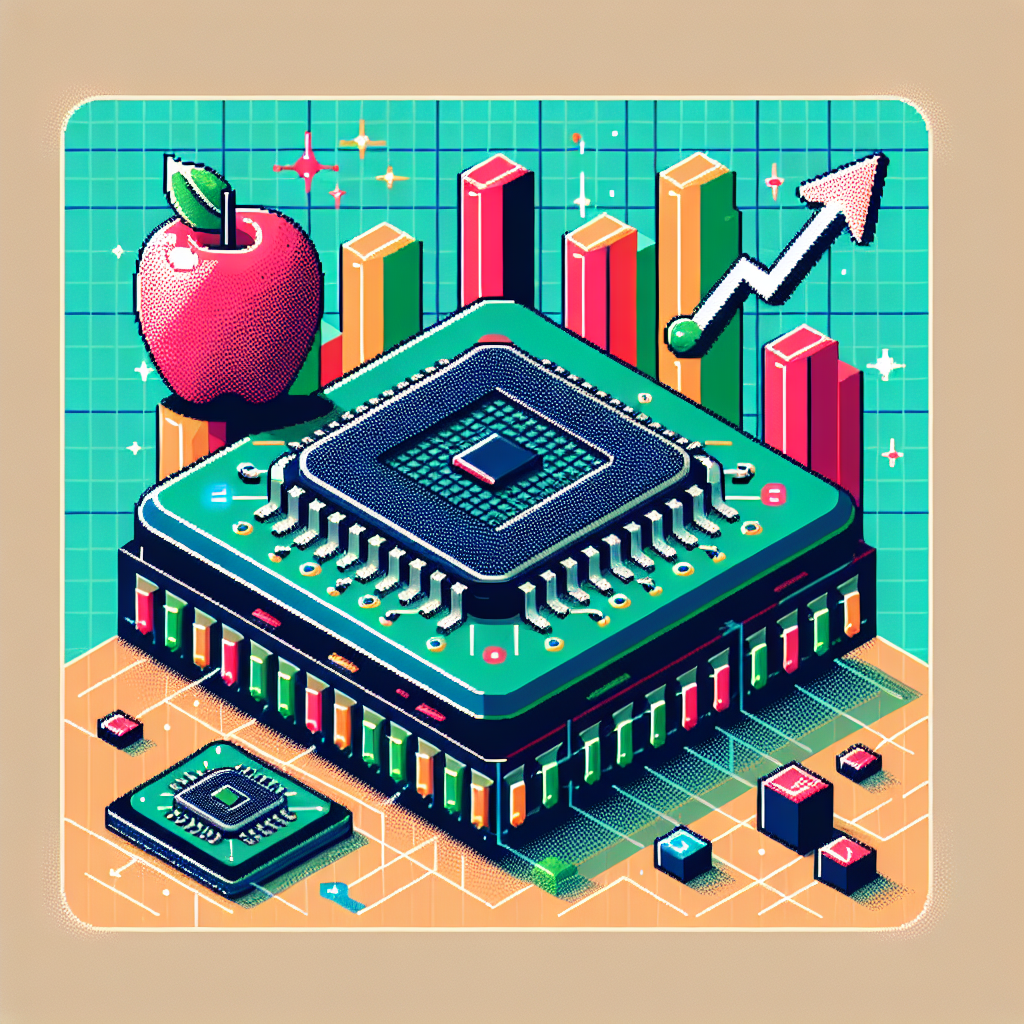
Intel stocks jump after reaching preliminary chip manufacturing deal with Apple – qz.com — that headline grabbed headlines for a reason. Within the first 100 words: the news that Intel and Apple have a preliminary chip-manufacturing understanding sent Intel shares soaring, and the U.S. government’s roughly 10% stake in Intel helped bring Apple to the negotiating table after more than a year of talks.

This isn’t just another supplier story. It’s a confluence of industrial policy, corporate strategy, and the geopolitics of supply chains — with real market consequences. Investors cheered. Policymakers quietly celebrated. And Apple, historically loyal to TSMC for its cutting-edge processors, is signaling a willingness to diversify where and how its chips are made.

Why this matters now

  • The report of a deal — first widely flagged by major outlets on May 8–9, 2026 — came after more than a year of intensive negotiations between Apple and Intel.
  • The U.S. government converted nearly $9 billion in CHIPS Act grants into an equity stake in Intel last year, creating a strategic link between industrial policy and private-sector partnerships.
  • Intel’s foundry revival has been central to Presidental-era efforts to bring advanced chipmaking back to U.S. soil; Apple’s interest validates that push at scale.

Put simply, the story matters because it reshapes incentives. Apple gains an onshore manufacturing option for some chips. Intel gains a marquee client and credibility for its foundry ambition. The U.S. government, with a minority stake, sees policy aims inch toward commercial reality.

What led up to the preliminary agreement

Over the past decade, Apple designed world-class systems-on-chip but relied largely on Taiwan Semiconductor Manufacturing Company (TSMC) for fabrication. TSMC’s technological lead made that a no-brainer. Yet two trends nudged Apple to explore alternatives:

  • Geopolitical risk and the desire for diversification of supply chains.
  • U.S. policy and subsidies aimed at rebuilding domestic chip capacity, notably via the CHIPS Act.

After the U.S. government converted federal grants into about a 10% stake in Intel, the company’s balance sheet and strategic posture changed. That shift didn’t instantly close technology gaps, but it made Intel a more politically and commercially viable partner for firms that face scrutiny for where their chips are made.

Consequently, Apple entered exploratory talks with potential onshore partners, including Intel and Samsung. Those conversations evolved into more serious negotiations lasting over a year, culminating in the preliminary understanding reported in early May 2026.

Intel stocks jump after reaching preliminary chip manufacturing deal with Apple

The market reaction was immediate. Intel’s stock surged after the reports, reflecting a mix of relief and forward-looking optimism.

  • Relief: Intel’s foundry business has faced skepticism after years of missed milestones. A high-profile customer like Apple signals validation.
  • Optimism: If Intel can capture a meaningful slice of Apple’s volumes — or other major customers follow suit — the revenue and margin upside could be material.

However, the market is forward-looking and conditional. Investors are pricing in the possibility that Intel can scale yields, control costs, and deliver the quality Apple demands. Should Intel stumble on execution, the initial euphoria could fade quickly.

The cautious case: technical and commercial hurdles

Transitioning from a report of a preliminary deal to large-scale production is nontrivial.

  • Process parity: TSMC remains the leader at the most advanced nodes. Intel needs to match Apple’s performance, power, and yield requirements on those nodes or find an acceptable compromise on which chips will shift production.
  • Scale and timing: Apple ships hundreds of millions of devices annually. Meeting that scale in the U.S. requires flawless ramp plans and predictable yields.
  • Contract details: “Preliminary” is the operative word. Pricing, IP protections, and long-term commitments all matter and can slow or alter final outcomes.

Thus, while the headline explains why stocks jumped, the mechanics of execution will decide whether the trade endures.

Policy stitched into corporate strategy

This episode is a case study in how industrial policy can change corporate calculus. The U.S. government’s roughly 10% stake in Intel — the result of converting CHIPS Act grants into equity — altered incentives in two ways:

  • It made Intel a more stable partner with explicit federal backing, addressing concerns about the viability of onshore manufacturing.
  • It gave Apple a stronger diplomatic and regulatory argument to work more closely with a U.S.-based foundry, easing political friction around supply chain choices.

In short, policy and private-sector strategy are converging. That alignment produces market movement, but not necessarily guaranteed production outcomes.

A few practical scenarios to watch

  • If Apple uses Intel for older or non-bleeding-edge chips, the transition could be faster and less risky.
  • If Apple insists on leading-edge nodes, Intel will face a steeper technical climb and longer timelines.
  • Other companies (Nvidia, Tesla, large cloud providers) may look at the arrangement and reassess their options with Intel, creating network effects — or revealing limits in Intel’s capacity.

Points to remember

  • Headlines reflected both politics and possibility: the U.S. stake in Intel helped open doors that industry conversations had already been nudging through.
  • A preliminary deal is meaningful, but delivery is what will ultimately matter for Apple, Intel, and investors.
  • The wider implication is a reshaping of the semiconductor supply chain toward greater onshore capacity — if the economics and technology align.

My take

This story reads like a turning point story: a government nudge plus corporate pragmatism producing a potentially seismic shift in where the world’s most important chips are made. That said, skeptics are right to press for details. Preliminary agreements make headlines; yields, costs, and contractual specifics move economies and product roadmaps.

If Intel manages to convert the headline into consistent, high-quality production for Apple — even on selected chips — this will be a major validation of U.S. industrial strategy and a big win for Intel’s turnaround. If not, the episode will still have value: it will accelerate conversations, investments, and perhaps partnerships that reshape the semiconductor landscape over the next several years.

Sources


Related update: We recently published an article that expands on this topic: read the latest post.


Related update: We recently published an article that expands on this topic: read the latest post.

Crawfish Cake Sliders | Made by Meaghan Moineau

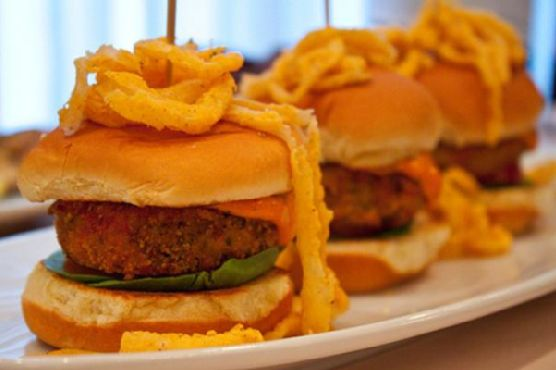
It was one of those weeks where everything felt just a bit off. You know the kind — when you drop your phone in the sink, forget your keys, and somehow leave a trail of bread crumbs throughout the entire house. I needed some comfort food, but not the kind that takes hours to prepare. Enter: Crawfish Cake Sliders. These little gems are a weeknight savior — quick to whip up, yet bold and satisfying. Perfect for when you need a little culinary escape without the fuss. Plus, they pack that southern charm that makes you feel like you’re right at home, sitting by a bayou.

Jump to Recipe

What You’ll Need

Here’s the best part: you likely have most of these ingredients hanging out in your pantry. Just a few fresh items and you’re golden.

  • 1 teaspoon oil (plus more for frying)
  • 1 pound crawfish tails, chopped
  • 1 small red onion, finely chopped
  • 1 clove garlic, minced
  • 1 teaspoon Creole spice (or more to taste)
  • 1 large egg
  • 1/2 cup bread crumbs
  • 8 slider buns
  • Tartar sauce for serving

How to Make Crawfish Cake Sliders

  1. In a sauté pan, heat 1 teaspoon of oil over medium heat. Add the chopped red onion and cook until tender, about 2-3 minutes. The kitchen will start to smell amazing, like the beginning of a great meal.
  2. Once the onion is tender, remove the pan from the heat and add the minced garlic, chopped crawfish tails, and 1 teaspoon of Creole spice. Give it a quick toss to awaken those flavors.
  3. Transfer the mixture to a mixing bowl and let it cool for a bit. This is the perfect time to take a breather and maybe sip some iced tea.
  4. Once cooled, mix in the egg and just enough bread crumbs to bind everything together. You want the mixture to hold its shape, so feel free to adjust with more crumbs if needed. Season with salt, pepper, and more Creole spice if you’re feeling bold.
  5. Form the mixture into 8 equal patties and flatten them to about 3/4-inch thick. They should feel firm but not too dense.
  6. Heat more oil in the sauté pan over medium heat. Fry the patties on each side until they’re brown and crispy — about 3-4 minutes per side. You’ll know they’re ready when they smell irresistible.
  7. Serve these beauties on slider buns with a generous dollop of tartar sauce, and watch them disappear as quickly as you made them.

Cook’s Notes

A few things to keep in mind:

  • If your mixture feels too wet, sprinkle in more bread crumbs until it binds correctly.
  • Worried about the patties falling apart? Let them chill in the fridge for 15 minutes before frying. It makes them easier to handle.
  • These sliders can be made ahead of time. Just prepare the patties and store them in the fridge. Cook them when you’re ready to serve.
  • Leftovers can be stored in an airtight container in the fridge for up to two days. Reheat them in a skillet to bring back that lovely crispiness.

Make It Your Own

Want to put your spin on these sliders? Here are a few ideas:

  • Add some heat: Chop up a jalapeño and add it to the mix for a spicy kick.
  • Go green: Mix in some chopped fresh parsley or cilantro for a burst of freshness.
  • Cheesy delight: Add a slice of your favorite cheese on top of each patty just before they’re done frying.
  • Gluten-free option: Swap the bread crumbs for gluten-free crumbs and use gluten-free buns.

If you try this, I’d love to hear how it turns out — drop a comment or tag me in your delicious creations! Let’s make sure those off weeks are few and far between, my fellow food adventurers. Happy cooking!

Related update: Crawfish Cake Sliders

Related update: Easy Vegetable Fried Rice

Related update: Homemade Apple Almond Granola Bars

White Chocolate Raspberry Brie Cups | Made by Meaghan Moineau

Picture this: It’s a chilly Wednesday evening, and I’ve got exactly 15 minutes before my friends show up for our weekly Wine & Whine night. The fridge is looking a bit sparse, but I spot some leftover brie from last weekend and a carton of raspberries that are starting to look a tad too ripe. As I rummage through my pantry, I stumble upon a forgotten stash of phyllo shells. A lightbulb moment strikes—why not whip up some White Chocolate Raspberry Brie Cups? They’re quick, ooze class with minimal effort, and the combination of creamy, tangy, and sweet is an absolute game-changer. Trust me, these little bites are what every Wednesday evening dreams of becoming.

Jump to Recipe

What You’ll Need

You might already have most of these on hand, which means fewer trips to the store—score!

  • Brie – The creamy heart of our cups.
  • Athens phyllo shells – Crunchy, flaky, ready-to-go lifesavers.
  • Raspberries – Fresh and slightly tart.
  • Raspberry preserves – For that extra berry punch.
  • White chocolate – The sweet base to balance it all out.

How to Make White Chocolate Raspberry Brie Cups

  1. Preheat your oven to 350 degrees. This gives us just enough time to assemble everything.
  2. Line a baking sheet with parchment paper. This helps prevent any sticky messes and makes cleanup a breeze.
  3. Place 1 teaspoon of white chocolate in the bottom of each phyllo shell. The chocolate will melt into a sweet, gooey foundation.
  4. Top with chunks of brie. Go generous here—the brie should be the star of the show.
  5. Add about 1/2 teaspoon of raspberry preserves on top of the cheese. This layer should start to glisten.
  6. Bake for 8 minutes, or until the corners of the phyllo shells turn golden and the cheese is bubbling away.
  7. Carefully remove from the oven and top with a small dollop of extra raspberry jam. Trust me, it’s worth it.
  8. Place back in the oven for just 1 more minute to let the jam settle.
  9. Finally, crown each cup with a fresh raspberry. Serve them hot—the contrast of temperatures is divine.

Cook’s Notes

Don’t overstuff the shells; they need some space to breathe and bake properly. If you’re prepping for a party, you can assemble these up to a day in advance. Just cover and refrigerate them, then bake right before serving. These cups are best enjoyed fresh, but if you have leftovers (unlikely!), store them in an airtight container in the fridge. Pop them back in a warm oven for a few minutes to re-crisp.

Make It Your Own

  • Swap the brie for camembert if you’re feeling adventurous—another creamy delight.
  • Try a darker chocolate for a less sweet, more sophisticated bite.
  • Substitute the raspberry preserves with apricot jam for a surprise twist.
  • Add a thin slice of prosciutto under the brie for a savory kick.

If you try this, I’d love to hear how it turns out—drop a comment or tag me! Wine & Whine nights are my favorite, and I hope these cups make yours special too.

Related update: White Chocolate Raspberry Brie Cups

Rodgers, Steelers: The Awkward New Normal | Analysis by Brian Moineau

For the Steelers and Rodgers, the new normal is abnormal

The headline — Report: No meeting scheduled or expected between Steelers, Aaron Rodgers – NBC Sports — landed like a splash of cold water for a fanbase that has been living in limbo for months. If you were hoping for a tidy, cinematic “welcome back” moment in Pittsburgh this weekend, reality served something messier: stop-start negotiations, mixed signals from reporters and insiders, and a veteran quarterback who seems intent on keeping his calendar and his options open.

The Rodgers-Steelers story has never been normal. But the awkward, publicly visible pauses and reverse-scoops we’re seeing now feel like the new normal — and that abnormality matters for how the team prepares, how fans cope, and how the roster will be built between now and the start of mandatory OTAs on May 18, 2026.

The context you need

Last season Aaron Rodgers arrived in Pittsburgh as a late free-agent addition and helped the Steelers reach the playoffs. Expectations were immediately elevated, and the idea of a short-term reunion in 2026 made sense on paper: veteran QB, experienced coach in Mike McCarthy, and a roster that still had youth waiting behind a potential bridge starter.

But Rodgers’ offseason behavior has been consistent with his past pattern: public ambiguity, selective availability, and an emphasis on keeping freedom of movement. NBC Sports’ ProFootballTalk reported Rodgers himself saying there have been no “progressive conversations” with Pittsburgh — and now, according to Steelers reporter Mark Kaboly, “there is no meeting scheduled or expected between Aaron Rodgers and the Steelers” this weekend. Those two facts feed one another: public comment creates speculation, speculation pressures teams to respond, teams get cautious, and the cycle repeats. (nbcsports.com)

Meanwhile, Pittsburgh’s internal calendar is real. OTAs start May 18 and the draft and roster planning process moves quickly after that. The Steelers can wait — they did last year — but waiting carries risk. It compresses decision windows, complicates quarterback coaching plans, and limits the front office’s ability to shop or pivot if Rodgers declines to sign.

Report: No meeting scheduled or expected between Steelers, Aaron Rodgers

That exact phrase has become the latest drumbeat for two competing narratives.

  • Narrative A: Rodgers is playing hard-to-get for leverage and personal comfort. He wants to avoid being tethered to mandatory offseason work, or he’s weighing other suitors. Rodgers has a history of pacing his decisions and wanting terms that protect playing-time freedom and personal flexibility. (nbcsports.com)

  • Narrative B: The Steelers are learning the cost of patience. Waiting for a marquee veteran can disrupt roster development (think young quarterbacks like Will Howard or Mason Rudolph) and create holes elsewhere if resources are tied up or contingency plans aren’t enacted early. Recent public statements from team insiders show growing organizational friction about timetables. (nfl.com)

Neither narrative is strictly wrong. The line between prudent flexibility and organizational paralysis is fine — and this moment exposes how tightrope-like the relationship has become.

Why this limbo matters beyond headlines

Short-term drama fuels clicks, but the operational effects matter more. Here’s what’s at stake:

  • Quarterback room chemistry: Young QBs need clarity. If Rodgers signs late (or not at all), the Steelers might enter training camp with a rotating plan that complicates development and depth management.

  • Roster construction: Waiting on a veteran can prevent the team from making early decisions in free agency or the draft, particularly if there’s a belief Rodgers will be in town. That affects offensive line upgrades, receiver contracts, and defensive adjustments.

  • Coaching narrative: Mike McCarthy’s reunion storyline with Rodgers is tempting, but coaching staffs prefer predictable workloads. Uncertainty about the starter’s availability changes practice planning and playbook installation.

  • Fan and cultural perceptions: Fans crave certainty. Repeated false starts or ambiguous reporting erode trust in front-office communication and leave supporters oscillating between optimism and frustration.

All of that is amplified by Rodgers’ celebrity status — his decisions resonate in ways that a typical roster move might not. When the quarterback of your team is also a cultural lightning rod, every delay becomes a story.

What the Steelers can do next

There are three pragmatic routes Pittsburgh can choose, each with trade-offs:

  1. Continue to wait and keep the door open for Rodgers, while quietly building contingency plans (sign a short-term veteran or draft/develop a QB). This is a balanced approach but requires disciplined resource allocation.

  2. Pivot decisively — sign a different veteran or commit to a young QB — and move forward publicly. This reduces drama but risks regret if Rodgers later opts to stay.

  3. Use the leverage: publicly set firm internal deadlines and let Rodgers decide. That’s high-risk from a PR perspective, but it forces clarity.

None are ideal. The team’s decision will reveal how much weight it places on short-term playoff dreams versus long-term roster health.

What to watch next

  • Any new travel or meeting reports involving Rodgers and Steelers executives. Even small scheduling shifts will reshape the narrative.

  • Official roster moves around the OTA start date (May 18, 2026). If Pittsburgh signs another veteran QB or makes a trade, that’s a clear sign they’re preparing to move on.

  • Rodgers’ public comments. He has historically used media appearances to signal intentions in a controlled way.

These markers will give the clearest signal that the “new normal” is shifting back toward something less chaotic.

A few takeaways from the saga

  • The Rodgers-Steelers situation proves top-tier free agents can create structural uncertainty for teams.
  • Patience is a strategy, but it isn’t free — it costs decision windows and can hurt development.
  • Media cross-talk (different reporters offering conflicting timelines) amplifies chaos; the truth often lands somewhere between hype and deflation.

My take

This is less about Aaron Rodgers or the Steelers individually and more about how modern roster-building and celebrity intersect. Teams once operated in quieter channels; now, every possible conversation can be amplified and misread. The “new normal” — open-ended timelines, conditional visits, and public hedging — is uncomfortable, but it’s the reality of a league where talent, brand, and bargaining power collide.

If I had to bet, Pittsburgh will preserve the option to reunite with Rodgers while quietly hedging. That’s pragmatic, if emotionally unsatisfying. Fans won’t get neat closure overnight — but the best outcome would be a clear, documented decision that lets the team move forward one way or the other before OTAs begin on May 18, 2026.

Sources


Related update: We recently published an article that expands on this topic: read the latest post.


Related update: We recently published an article that expands on this topic: read the latest post.