
CFTC vs. States: Battle Over Prediction | Analysis by Brian Moineau

A new round in the turf war: CFTC sues three states over prediction markets

The modern sports betting industry emerged after the states won a legal battle with the federal government. But that tidy narrative is fraying at the edges as the Commodity Futures Trading Commission (CFTC) this week sued Arizona, Connecticut and Illinois, asserting exclusive federal jurisdiction over prediction markets and calling state crackdowns unconstitutional. The clash reads like a sequel to the last big gambling fight — only this time the battlefield is markets that let people trade event-outcome contracts, from election results to whether a quarterback throws a touchdown.

This fight matters because prediction markets sit at an odd legal intersection: they look and feel like betting to many state regulators, yet the CFTC treats them as regulated derivatives. Consequently, what happens next will shape whether prediction platforms operate under uniform federal rules, or whether states can treat them like local sportsbooks and enforce a patchwork of gambling laws.

How we got here

First, a quick refresher. Over the last decade states largely reclaimed control of sports betting after a 2018 Supreme Court decision (Murphy v. NCAA) allowed states to legalize and regulate wagering. That victory let states design licensing regimes, tax rates and consumer protections tailored to local politics and markets.

Meanwhile, prediction-market startups like Kalshi and Polymarket pursued a different route: they registered, or sought to register, with the CFTC as trading platforms for event-based contracts. The CFTC’s view is straightforward — markets that let users buy and sell contracts on future events belong under federal commodities law and the Commodity Exchange Act. States, by contrast, have stepped in asserting that many prediction-market offerings are unlicensed gambling within their borders.

Tensions escalated last year. Several states issued cease-and-desist letters, and Arizona even filed criminal charges against an operator. The CFTC responded by filing an enforcement advisory, then moved to sue three states on April 2, 2026, seeking declaratory relief and injunctive remedies to stop what it calls overreach.

Why the CFTC is fighting the states

  • The CFTC says Congress gave it exclusive authority to regulate designated contract markets (DCMs). From its perspective, state actions that would ban or penalize CFTC-regulated swaps and exchange activity are preempted by federal law.
  • The agency is worried about regulatory fragmentation: if each state can impose its own rules, the result could be inconsistent supervision, higher compliance costs and legal uncertainty for firms and users.
  • Politically, the CFTC has a vested interest in protecting the regulatory model it has overseen for decades — and in defending the firms that have built business plans around federal authorization.

That said, states argue they’re protecting residents from unlicensed wagering and preserving the integrity of local gambling regimes. For regulators in Illinois, Connecticut and Arizona, offering sports and political markets without state licensing looks like the same public-policy problem as illegal sportsbooks.

The practical implications for bettors and platforms

  • Platforms: A federal win would likely solidify a national framework for event contracts, making it easier for operators to scale nationally without navigating dozens of state licensing regimes. A state victory — or a prolonged patchwork of injunctions and prosecutions — would fragment the market and raise compliance risk.
  • Consumers: Under federal oversight, there may be consistent disclosure and market integrity rules, but state-level consumer protections (e.g., problem-gambling programs, local licensing standards) could be harder to enforce. Conversely, state control could mean stronger local safeguards where lawmakers push for them.
  • Sports industry: Leagues and operators have mixed incentives. They want legal clarity and integrity protections, but they also benefit from state-level partnerships and revenue-sharing deals tied to local regulation.

The legal stakes and likely path forward

Court battles over preemption of state law by federal statutes can be messy and slow. Expect:

  • Motion practice over jurisdiction and whether federal court should decide the limits of CFTC authority.
  • Parallel suits and private litigation from platforms pushing back against state cease-and-desist orders — many of which are already underway.
  • Possible appeals that could bring this issue to higher courts, potentially clarifying the scope of the Commodity Exchange Act and what Congress intended when it created the CFTC’s exclusive jurisdiction.

Along the way, policymakers on both sides will press their cases in public. Given the political attention — and the economic stakes — Congress could also be tempted to weigh in with statutory fixes or clarifying legislation. That would be the cleanest route, but one that requires bipartisan agreement in a moment when Congress moves slowly on complex tech and gambling issues.

What to watch next

  • Court filings and preliminary injunction decisions in the CFTC’s suits against Arizona, Connecticut and Illinois.
  • Any new state enforcement actions or criminal charges targeting prediction-market operators.
  • Congressional hearings or bills that attempt to clarify federal versus state authority over event-based markets.

What this means for the broader betting landscape

Prediction markets are more than novelty sportsbooks; they’re experiments in pricing information. Traders price the likelihood of events in real time, and those prices often reflect collective intelligence. If the CFTC prevails, those markets will stay squarely in the commodities/regulatory camp — potentially opening capital, institutional participation, and derivative-style safeguards.

On the other hand, if states carve out authority, we’ll likely see a splintered marketplace where firms must either obtain dozens of state licenses or geofence users — reducing liquidity and user experience. That could push more activity offshore or into gray-market offerings, ironically making enforcement harder.

My take

The modern sports betting industry emerged after the states won a legal battle with the federal government, proving that regulatory clarity matters. Today’s dispute over prediction markets is the next chapter in that long story: it’s less about ideology and more about practical governance. Uniform federal oversight could provide predictability and scale, but only if it also delivers consumer protections that states have prioritized. Conversely, unchecked state power risks choking innovation and splintering markets.

In short, what we need is not a winner-takes-all ruling, but smarter coordination: federal baseline rules that ensure market integrity, combined with state-level public-interest safeguards that address local concerns. Until courts or Congress draw that line, operators and bettors will be left navigating uncertain terrain.

Sources


Related update: We recently published an article that expands on this topic: read the latest post.

Related update: We recently published an article that expands on this topic: read the latest post.
10 Minute Brownies | Made by Meaghan Moineau

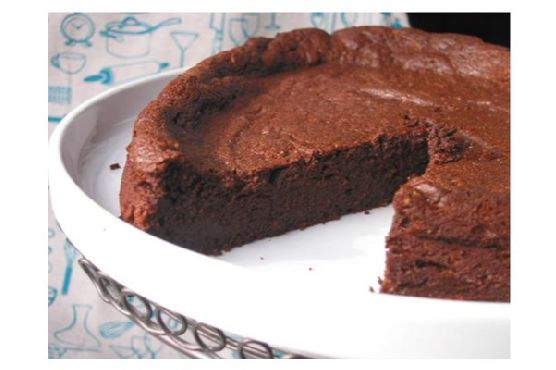
Picture this: it’s a late Tuesday night, and I’ve got a serious craving for something sweet. The kind of craving that whispers, “bake something now, or forever hold your peace.” But who has the energy for an elaborate dessert after a long day? I need something quick, comforting, and chocolatey. Enter: my 10 Minute Brownies. This recipe is the superhero of the sweet-tooth world. It’s so simple, you could practically make it with your eyes closed. Plus, it’s got this lush, fudgy texture thanks to a surprising ingredient — unsweetened applesauce. So, if you find yourself in need of a quick chocolate fix that feels both indulgent and guilt-free, these brownies are your answer.

Jump to Recipe

What You’ll Need

You might be surprised at how basic the ingredient list is. Spoiler: you likely have most of these on hand. Here’s what you’ll need to get started:

  • Canola oil – for that perfect moist texture.
  • Semisweet chocolate chips – because what’s a brownie without chocolate?
  • Unsweetened applesauce – our secret for keeping it moist without extra fat.
  • Sugar – for that classic brownie sweetness.
  • Vanilla extract – for a hint of flavor depth.
  • Unbleached flour – a staple!
  • Baking powder – gives it that slight lift, so they aren’t bricks.
  • Finely-chopped walnuts – optional, but they add a nice crunch.

How to Make 10 Minute Brownies

  1. Preheat your oven to 350 degrees F. Grab a 6 x 9 inch baking pan, lightly oil it, and set it aside for later.
  2. In a small saucepan over low heat, combine the canola oil and semisweet chocolate chips. Stir occasionally until the chocolate melts into a silky, smooth mixture. Remove from heat and let it cool slightly.
  3. In a large bowl, mix the unsweetened applesauce, sugar, and vanilla extract until everything is well blended. You should smell that sweet, vanilla aroma.
  4. Pour the cooled chocolate mixture into your applesauce blend. Whip it up until it’s smooth and shiny.
  5. Add in the unbleached flour, baking powder, and finely-chopped walnuts. Stir just until everything is combined; you don’t want to overmix and end up with tough brownies.
  6. Spoon the batter into your prepared baking pan, smoothing the top with a spatula.
  7. Bake in the oven for 25 to 30 minutes. You’ll know they’re done when the top springs back gently upon touch. The kitchen will smell like chocolate heaven by now!
  8. Allow the brownies to cool completely before cutting them into luscious squares. This waiting game is tough, but so worth it.

Cook’s Notes

Let’s be real, these brownies are pretty forgiving. But here are a few tips to ensure you get the best results every time. First, be careful not to overbake them. You’re going for fudgy, not crumbly. They might look a little underdone when you first pull them out, but they’ll firm up as they cool. For storing, keep them in an airtight container in the fridge, and they’ll stay fresh for up to a week — not that they’ll last that long!

Make It Your Own

The beauty of this recipe is its flexibility. Here are some delicious variations you can try:

  • Nut-free: Skip the walnuts if you’re not a fan or have allergies. Consider adding a handful of chocolate chips instead for extra gooeyness.
  • Gluten-free: Swap the unbleached flour for a gluten-free blend. No one will even know the difference.
  • Peanut butter swirls: Dollop some peanut butter over the batter before baking and swirl it in with a knife for a nutty twist.
  • Raspberry delight: Throw in a handful of fresh or frozen raspberries for a fruity surprise that pairs beautifully with the chocolate.

If you try this, I’d love to hear how it turns out — drop a comment or tag me! Happy baking, friends. 🍫✨

Related update: 10 Minute Brownies

Related update: OREO Cookie Balls – Snowman

Gemma 4: Open-Source AI for Everyone | Analysis by Brian Moineau

Hello, Gemma 4: Google’s newest Gemma model is now both open-weight and open-source

Imagine pulling a powerful, multimodal AI down from the cloud and running it on your phone, laptop, or Raspberry Pi — without paying subscription fees or signing an NDA. That's the real-world shift Google just nudged forward: Google's newest Gemma model is now both open-weight and open-source, available under Apache 2.0 and tuned for edge devices and developer ecosystems. This release feels like the moment the slogan “AI for everyone” stops being marketing and starts being practical. (blog.google)

Why this matters now

For years, the most capable models have lived behind corporate APIs and closed licenses. That created a gulf: cutting-edge capabilities for companies that could pay and constrained experimentation for everyone else. Gemma 4 chips away at that gap by shipping weights and tooling that developers can use, modify, and redistribute under a familiar open-source license. The result is faster innovation, more competition, and a broader base of people who can build with frontier AI. (eweek.com)

  • It’s multimodal: text, images, and edge variants support audio and video patterns.
  • It’s licensed permissively: Apache 2.0 removes many enterprise/legal frictions.
  • It’s optimized for the edge: small variants target phones and other local devices. (blog.google)

What Gemma 4 brings to the table

Gemma 4 is a family rather than a single model. Google released several sizes — from lightweight E2B/E4B edge models to more capable 31B dense and 26B MoE variants — so developers can pick performance, latency, and cost trade-offs that fit their projects. The family is built on research from the Gemini line, but the emphasis here is on practical, runnable models for real systems. (blog.google)

Performance highlights include strong reasoning and multimodal understanding for models in their class, and benchmarks show Gemma 4’s 31B variant punching well above its weight on some tasks. More importantly, Google released Gemma 4 with day-one support across major inference engines and ecosystems — Hugging Face, Ollama, llama.cpp, NVIDIA NIM, vLLM, and more — so you don’t need proprietary tooling to get started. (build.nvidia.com)

How to try Gemma 4 (quick guide)

If you want to tinker, here are straightforward paths people are already using:

  • Hugging Face: models and model cards are available in Google’s Gemma collection for immediate download and use with Transformers-based tooling. (huggingface.co)
  • Google AI Studio and Edge Gallery: run the larger models in cloud dev environments or test edge variants on Android via Google’s developer apps. (blog.google)
  • Local runtimes: community ports and quantized builds run on llama.cpp, Ollama, and other local engines — making phone-based, offline experiences viable. (huggingface.co)

Transitions between cloud and edge are smoother here because of the model sizes and pre-built engine integrations. Expect rapid community releases for quantized GGUF builds and optimized kernels in the next few days — the open-weight moment invites that energy.

The open-weight vs. open-source nuance

A quick clarification: "open-weight" has been used by model makers to mean the raw weights are available, but not all training data, training code, or full architecture details are published. Gemma 4 distinguishes itself by being released under Apache 2.0, a permissive license, and by shipping day-one ecosystem support — moving it closer to what practitioners reasonably call "open-source" in practical terms. That doesn’t mean every research artifact is public, but it does mean you can build, redistribute, and commercialize in ways you typically could with other Apache-licensed projects. (blog.google)

The developer opportunity and the risk landscape

Open weights democratize experimentation. Startups will be able to iterate on custom fine-tunes, on-device assistants will gain local intelligence, and defenders of privacy can architect systems that never send user data to third-party servers. This is a big win for builders and privacy-minded products. (techspot.com)

But with openness comes responsibility. Wider access means easier misuse and faster propagation of unvetted variants. Google and the community will need to keep working on guardrails, robust moderation tooling, and responsibly labeled checkpoints. The release also re-energizes debates about transparency in training data, provenance, and the ethics of model redistribution.

The broader tech context

Gemma 4 arrives into a field that has rapidly normalized large open-family releases. Other major players have pushed open-weight models in the past year, and the ecosystem has grown rich with quantization tools, inference optimizers, and hardware-specific kernels. Gemma 4's Apache licensing plus day-one integration with major runtimes could accelerate an already fast-moving open model marketplace. Expect more on-device AI experiences, new SaaS products built on local inference, and robust community forks. (techcrunch.com)

Final thoughts

My take: releasing Gemma 4 under Apache 2.0 is an inflection point. It lowers the bar for powerful, private, and portable AI, while re-centering developers in the innovation loop. The next few months will show whether community governance and responsible-release practices keep pace with the technical leaps. For now, we have a legitimately practical, high-quality open model family to explore — and that’s worth celebrating.

Sources


Related update: We recently published an article that expands on this topic: read the latest post.

The Blarney Burger | Made by Meaghan Moineau

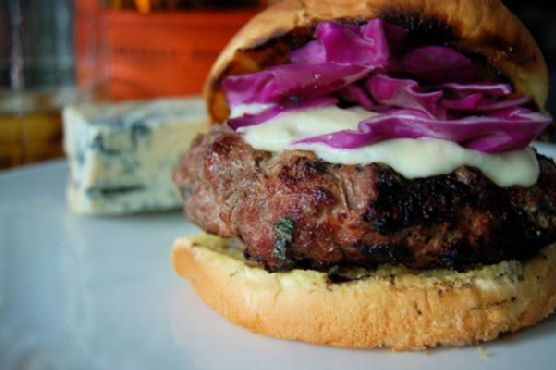
Picture this: It’s a chilly Tuesday night, and I’m standing in front of my fridge, staring at the contents with that familiar, slightly desperate hope that inspiration will strike. As I pull out a pound of ground sirloin, I remember the half-full bottle of Irish whiskey on my shelf. That’s when it hits me — the Blarney Burger. A burger so delightfully infused with flavors, it feels like an Irish pub in your very own kitchen. It’s got a hint of whiskey, a punch of garlicky goodness, and the creamy tang of piccante Gorgonzola. It’s quick enough for a weeknight but fancy enough to make your Netflix binge feel like a special occasion. Ready to create some burger magic?

Jump to Recipe

What You’ll Need

So, most of this is probably hanging out in your kitchen already, waiting for its moment to shine. The secret weapons here are the whiskey and the Gorgonzola. They’re the dynamic duo that transforms this from a regular burger into the Blarney Burger.

  • 1 pound ground sirloin
  • 2 tablespoons Irish whiskey
  • 1 large egg
  • 1/2 cup sweet diced onion
  • 2 cloves fresh garlic, minced
  • 1/2 cup piccante Gorgonzola crumbles
  • Salt and pepper, to taste
  • 2 tablespoons butter
  • 1 cup shredded purple cabbage
  • 4 hamburger buns
  • 1 tablespoon Worcestershire sauce

How to Make The Blarney Burger

  1. First, let’s start with our Irish Mustard Sauce. In a small saucepan, combine 1 tablespoon cornstarch, 2 teaspoons sugar, 1 teaspoon dry mustard, 1/2 teaspoon salt, 1 cup water, 1 tablespoon butter, 1/4 cup vinegar, and 1 teaspoon horseradish. Whisk everything together over medium heat until it’s smooth and thick like pudding. Set aside.
  2. In a large bowl, mix the ground sirloin, Irish whiskey, egg, sweet diced onion, minced garlic, and a dash of salt and pepper. Use your hands — it’s messy but worth it — to combine everything until just mixed.
  3. Shape the meat mixture into 4 patties. Don’t pack them too tight; you want a tender burger.
  4. Heat a skillet or grill over medium-high heat. Cook the patties for 4-5 minutes per side. You’re looking for a deep brown crust, while the inside stays juicy.
  5. While the burgers are cooking, create a Gorgonzola butter-wash by melting the remaining Gorgonzola crumbles with 2 tablespoons of butter in the microwave. Whisk them until smooth.
  6. Brush the Gorgonzola butter-wash on the cut sides of the buns. Toast them on the upper or outer edges of the grill until they’re golden and slightly crispy. It’s all about that crunch!
  7. Assemble your burgers by placing a patty on each bun bottom, then topping with a heap of shredded purple cabbage and a generous drizzle of your Irish Mustard Sauce. Pop on the top bun, and you’re ready to dig in.

Cook’s Notes

A few quick tips to ensure your Blarney Burger is nothing short of legendary:

– Don’t overwork the meat when forming the patties. The looser they are, the juicier they’ll be.
– If you find the mixture too wet due to the whiskey, add a bit more diced onion to bind it.
– The Irish Mustard Sauce can be made ahead and stored in the fridge. Just warm it up slightly before serving.
– Leftover patties (if there are any!) can be stored in the fridge for up to two days. Reheat gently on the stove to keep them juicy.

Make It Your Own

Here are a few ideas to tailor the Blarney Burger to your taste buds:

  • Swap the ground sirloin for turkey if you’re feeling a lighter vibe. It’s surprisingly good with the Irish whiskey!
  • Trade the piccante Gorgonzola for sharp cheddar if you’re not a fan of blue cheese. You’ll still get a great tangy flavor.
  • For a spicier kick, add a tablespoon of crushed red pepper to the meat mixture.
  • Want to go vegetarian? Use crispy tofu slices marinated in a little Worcestershire and whiskey, then seared to golden perfection.

If you try this, I’d love to hear how it turns out — drop a comment or tag me! Your kitchen adventure could inspire my next one. 🍀

Related update: The Blarney Burger

Related update: Beef Braised In Red Wine

Quinoa Salad with Barberries & Nuts | Made by Meaghan Moineau

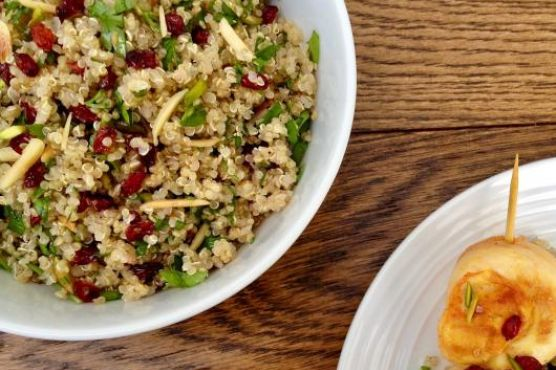
On a chilly Tuesday evening, I found myself rummaging through my pantry, desperate for something that felt like a hug in a bowl but wouldn’t keep me hostage in the kitchen. I wanted something earthy yet vibrant, complex but not fussy. That’s when a bag of quinoa caught my eye, nestled behind a family of lentils. With a little inspiration from the tangy barberries I’d recently discovered at the market and a stash of nuts that begged to be toasted to life, this Quinoa Salad with Barberries & Nuts was born. It’s the kind of dish that fills the kitchen with warm, toasty aromas and feels fancy enough to impress, but is simple enough to whip up on a weeknight.

Jump to Recipe

What You’ll Need

There’s a good chance you already have most of these ingredients hanging around, just waiting for a chance to shine. Here’s what you’ll gather:

  • Quinoa – the blank canvas for all the flavor.
  • Water – to cook the quinoa to fluffy perfection.
  • Salt – always the unsung hero.
  • Olive oil – for toasting and dressing.
  • Barberries – those tangy pops of flavor.
  • Slivered almonds – for that nutty crunch.
  • Slivered pistachios – because why not double down on nuts?
  • Coriander – a fresh, herby kick.
  • Mint – because everything deserves a little minty brightness.

How to Make Quinoa Salad with Barberries & Nuts

  1. Start by rinsing the quinoa under cool running water using a sieve. This little bath removes any bitterness. Once rinsed, drain thoroughly.
  2. In a medium saucepan, pour boiling water over the quinoa. Add a generous pinch of salt, stir, and cook over medium-low heat. You’re looking for the quinoa to be tender yet retain a slight bite. Drain again in a sieve if needed.
  3. While the quinoa is doing its thing, turn your attention to the barberries. Pick them over, rinse them clean in a sieve, and let them dry a bit on some kitchen paper.
  4. In another saucepan, heat 1 tablespoon of olive oil over medium heat. Toss in the slivered almonds and toast them lightly. When they’re golden and fragrant, add the pistachios. Keep an eye on them; nuts can burn quickly!
  5. Add the rest of the olive oil and the rinsed barberries to the pan with the nuts. Cook briefly until the barberries are shiny and slightly puffed. Remove from heat.
  6. Save a tablespoon of the nut and barberry mixture for garnish later. Combine the remaining nut-barberry mixture with the cooked quinoa along with the chopped coriander and mint.
  7. Return the quinoa mixture to the pot. Cover with a lid and let it sit over low heat for about ten minutes until everything is well heated and steam is rising. The aroma will make it hard to wait!
  8. Fluff the quinoa with a fork, drizzle a little extra olive oil, give it a twist of black pepper if you’re feeling it, and then sprinkle over the reserved nut-barberry mix and herbs.
  9. Serve this beauty as a star on its own or let it play the perfect sidekick to any main dish.

Cook’s Notes

I won’t lie, this dish is forgiving. Quinoa can be prepped a day ahead and kept in the fridge, making this a great make-ahead option. If you end up with leftovers (lucky you!), it holds up well in the fridge for up to 3 days. Just give it a gentle reheat on the stove or enjoy it cold—it’s pretty versatile. Be mindful when toasting the nuts; they love to go from golden to charred in a heartbeat.

Make It Your Own

  • Swap the barberries for dried cranberries if they’re more readily available. The sweetness will complement the nuts beautifully.
  • Not a fan of pistachios? Use toasted hazelnuts instead for an equally delicious crunch.
  • For a protein boost, toss in some shredded cooked chicken or crispy tofu cubes.
  • If coriander and mint aren’t your jam, try parsley and basil for a different herby note.

If you try this, I’d love to hear how it turns out—drop a comment or tag me on social media! It’s always a joy to see your creations and hear your twists on the recipe. Enjoy the journey from pantry to plate!

Related update: Quinoa Salad with Barberries & Nuts

Related update: Garlic Lime Grilled Chicken Salad

Dre Greenlaw: Why Denver Failed His Fit | Analysis by Brian Moineau

What was once buried is now coming to light: Dre Greenlaw Reveals Why He 'Just Wasn't Happy' with Broncos

The headline — Dre Greenlaw Reveals Why He "Just Wasn't Happy" with Broncos — lands like the confession in the middle of a long, awkward conversation. It’s the sort of line that promises more than a grievance: it promises context, closure, and a peek behind the curtain at how an NFL marriage unraveled in plain sight. Greenlaw said it plainly on Terron Armstead’s podcast and then again in interviews: he wasn’t himself in Denver, he didn’t feel healthy, and splitting reps on a defense that had been playing well left him unsettled.

That simple admission cuts through spin. It reframes his 2025 season not as a failure of character but as a story of timing, injury, and fit — and it helps explain why the Broncos ultimately moved on. This post walks through the key moments, what they reveal about NFL roster decisions, and why a player’s “happiness” can matter as much as stats.

The arc: from redemption hope to quick release

When Greenlaw signed a three-year, $31.5 million deal with the Broncos, the expectation was clear: a veteran inside linebacker returning to form, helping stabilize Denver’s defense. Instead, injuries — and an NFL suspension — limited him to eight games and disrupted the continuity both he and the team hoped for.

Greenlaw’s comments — “For me, it was like, the fact that I'm not healthy… it kind of makes you not happy” — are candid and specific. He described lacking the “twitch” and the gear he needed to feel like himself on the field, and he described the mental friction of easing back in and splitting reps with teammates who were playing well. That combination of reduced performance, shifting role, and personal frustration made his return to the field feel hollow.

  • He played eight games with modest production.
  • He missed time due to injury and suspension.
  • The Broncos re-signed other linebackers and reshaped their depth chart, creating fewer clear-cut reps for him.

Together, those facts help explain why Denver designated his release post–June 1 and created salary-cap relief by moving on early.

Dre Greenlaw and the fit problem

Greenlaw’s situation is a useful case study in fit. Teams buy players for skill sets and experience, but they also buy an expectation: that the player can execute, stay healthy, and slot into a role that advances the team’s plan. When those expectations and reality diverge, friction grows fast.

Greenlaw’s complaint wasn’t about money or relationship drama. It was about not being the player he expected to be and having to reconcile that with teammates who were thriving. That split — feeling like a square peg in a round hole — is different from outright failure. It’s about identity and agency: Greenlaw wanted to be a leader and a starter, not someone easing in and hoping to reclaim old form week-to-week.

Sean Payton’s reaction at the NFL owners meetings was enlightening, too. Payton called the decision “tough,” praised Greenlaw’s passion, and acknowledged a coach’s responsibility when signings don’t work out. That sympathy is important: it recognizes the human side of roster moves without excusing strategic choices.

Why the 49ers reunion made sense

Greenlaw’s quick move back to San Francisco on a one-year deal underscores two things: NFL franchises value fit and relationships, and players often find the right environment faster than they find new form.

The 49ers are the team where Greenlaw spent his first six NFL seasons. He cited relationships — with the coaching staff, management, and teammates like Fred Warner — as central to his return. That familiarity offers a psychological reset: known schemes, trusted teammates, and a culture where he previously thrived.

From a team perspective, the 49ers gain a seasoned linebacker who understands the locker room and the Xs and Os they run. From Greenlaw’s perspective, returning to a place where he felt competent and connected gives him the best shot at reclaiming the “twitch” he described missing in Denver.

What this says about health, role clarity, and the modern NFL

Greenlaw’s candor highlights several broader truths about the league today:

  • Health isn’t binary. Players might be cleared to play but still feel physically off, and that subtle decline can cascade into lost confidence.
  • Role clarity matters. Veteran acquisitions only work when the team carves a role that aligns with both the scheme and the player’s current ability.
  • Money doesn’t buy assurance. A large contract creates expectations, but it doesn’t guarantee performance or fit; it may even amplify scrutiny when things go wrong.

In short, the league’s human dynamics — recovery from injury, ego management, and fit within a defensive rotation — matter as much as analytics when outcomes diverge from plans.

What to remember

  • Greenlaw’s “I just wasn’t happy” was rooted in health, role uncertainty, and a feeling of not playing like himself.
  • The Broncos’ decision reflected a calculus of performance, cost, and depth, not malice.
  • The 49ers reunion offers Greenlaw familiarity and a clearer path back to the player he was pre-injury.

My take

Athletes are storytellers of their own careers, and Greenlaw chose to be honest about his season in Denver. That honesty benefits everyone: teams get clearer signals about fit, fans get a more nuanced picture than headlines provide, and Greenlaw gets the chance to reset in a place that suits him.

In a league that rarely gives players a second chance to rehabilitate both body and reputation, returning to the 49ers feels like the right next chapter. Whether he rediscovers his form will depend on a mixture of health, opportunity, and how well the 49ers integrate him into their defensive plan. But the most important element — his own buy-in — looks healthier now than it did amid the splitting reps and quiet frustration in Denver.

Sources


Related update: We recently published an article that expands on this topic: read the latest post.


Related update: We recently published an article that expands on this topic: read the latest post.