
Ikea’s Sleek Inflatable Chair Reinvents | Analysis by Brian Moineau

Inflatable, but Make It Stylish: Why Ikea's New Blow-Up Chair Is a Small Design Revolt

Ikea's New Blow-Up Chair Was Tested by Cats — and that headline is exactly the kind of delightful, slightly absurd moment that marks a good design story. The PS 2026 Easy Chair arrives as part of Ikea’s experimental PS 2026 collection, and the company says it’s taken around 26 years (and a lot of prototypes) to get inflatable furniture right. This isn’t nostalgia dressed up in neon: it’s a rethinking of what “air” furniture could be when paired with smarter engineering and modern materials. (wired.com)

Why an inflatable chair — again?

Inflatable furniture was a hallmark of ’90s kitsch: cheap, lightweight, portable, and famously squeaky or short-lived. Ikea tried similar ideas decades ago with mixed results and eventually shelved the concept. Designer Mikael Axelsson took the challenge back on for PS 2026, combining internal air chambers with a rigid frame and textile outer layer to balance the perks of inflatable pieces (compact shipping, low weight) with the comfort and durability people actually want. That marriage of air and structure is what sets this iteration apart. (ikea.com)

Quick context:

  • The PS collection is Ikea’s playground for experimental ideas — launched in 1995 and returning in 2026 for its tenth iteration. (ikea.com)
  • The Easy Chair was previewed at Milan Design Week and will be part of a full PS 2026 reveal in May (Ikea’s Democratic Design Days). (yankodesign.com)

Ikea's New Blow-Up Chair Was Tested by Cats

Yes, cats. When a product team wants to see how things behave in real homes, there’s no substitute for unpredictable living-room testers. WIRED’s coverage pointed out that Ikea actually let cats interact with prototypes — a playful and practical move, since claws, curiosity, and sudden leaps are a great stress test for seams, valves, and textile abrasion. This kind of “real-life” testing speaks louder than lab specs: if a sofa survives a cat’s ambush, it’s probably ready for human use. (wired.com)

What Ikea changed — the engineering bits that matter

The new Easy Chair isn’t a single plastic bubble. Key improvements include:

  • Internal air chambers that stabilize the shape rather than depending on a single bladder.
  • A carbon-steel or chrome frame that gives structural support and prevents the “floppy” feel of old inflatables.
  • Textile outer layers that mask the balloon aesthetic and add tactile comfort and durability. Those changes aim to keep shipping efficiencies (flat-pack potential, low weight) while making the piece feel — and last — like actual furniture. (trendhunter.com)

The sustainability and logistics angle

One big reason Ikea keeps circling back to inflatable ideas is logistics: air-filled furniture can pack smaller, lowering transport emissions per unit and cutting costs. Done responsibly, that efficiency can be a sustainability win. The caveat: longevity. If an inflatable product has a short life and ends up in landfill, the benefits evaporate. Ikea’s focus on reworked materials and replaceable parts will determine whether this is a genuine environmental plus or a clever marketing riff. Several early write-ups highlight that Ikea intends the PS 2026 pieces to be functional and durable — but real-world use will be the final verdict. (ikea.com)

Design culture: nostalgia vs. reinvention

There’s a cultural tug-of-war here. Inflatable furniture triggers nostalgia — dorm rooms, summer parties, and the era of throwaway trends. But PS 2026 reframes inflatable as intentional design, not a cheap gimmick. By enclosing air within engineered chambers and dressing it in contemporary textiles, Ikea reframes a once-frivolous object into something with design pedigree. The public reaction is mixed: some love the playful risk, others recall leaky failures and worry about longevity. Online forums show both enthusiasm and skepticism. (reddit.com)

What to watch when the chair ships

If you’re curious about buying one, consider:

  • Valve and repairability: can you patch or replace inner bladders easily?
  • Warranty and expected lifespan: Ikea’s commitment matters more than the flashy Milan reveal.
  • Environmental trade-offs: does compact shipping outweigh potential end-of-life issues?
  • Real-world comfort: showroom photos rarely capture how a piece performs over months of use. Early press says the full PS 2026 collection will drop in mid-May; that’s when we’ll start seeing durability reports and customer reviews. (ikea.com)

Playful testing as product storytelling

Let’s be honest: saying “we tested it with cats” is brilliant PR. But it’s also a legitimate design method. Home objects don’t live in climate-controlled labs; they live with pets, kids, and spilled coffee. Inviting those variables into the testing process produces better outcomes and makes the product story resonate. In Ikea’s case, the cats are a wink: a reminder that design should be useful, affordable, and a little bit fun.

Final thoughts

Ikea’s PS 2026 Easy Chair is more than a nostalgia stunt. It’s an attempt to reconcile the logistical brilliance of inflatable furniture with modern expectations of comfort and durability. Whether it becomes a staple or a curious footnote will depend on how those early promises hold up in living rooms around the world. For now, it’s exciting to see a mass-market giant take a risk, test it in the messy reality of home life (cats included), and try to make design playful again.

A few useful notes

  • Full PS 2026 launch and wider availability are scheduled around May 13–15, 2026 (Ikea’s mid-May Democratic Design Days and subsequent in-store rollouts). (admiddleeast.com)
  • Expect more hands-on reviews after the collection reaches stores; those will answer the repairability and longevity questions consumers rightly care about.

Sources

Seafood Sustainability: Why Its So | Analysis by Brian Moineau

Lost at Sea: Why seafood sustainability feels more complicated than ever

Hook: You walk into the seafood aisle, scan a dozen packages, spot blue and green labels, and still leave feeling unsure. Seafood sustainability used to be simple: don’t overfish, protect the seabed, and avoid wiping out vulnerable species. Now the question “What makes seafood sustainable?” comes with layers — carbon footprints, feed chains, labor rights, traceability, and competing certification schemes — and consumers are the ones left navigating turbulent waters.

Seafood sustainability matters because oceans, seafood-dependent communities, and global food systems depend on getting this right. But the conversation has expanded far beyond nets and quotas. Let’s unpack why the definition has stretched, what that means for shoppers, and how the industry (and labels) are responding.

Why seafood sustainability has become more complex

  • Seafood is now a global commodity. Supply chains span farms, wild fisheries, processing plants, and international shipping. Problems in one link — like fishmeal made from wild-caught forage fish, or abusive labor at a processing plant — ripple across the system.
  • Aquaculture grew to supply over half of the world’s seafood. That shifted attention from wild-catch management to feed sourcing, pollution from farms, disease, and the welfare of farmed fish.
  • Climate and carbon matter. Consumers and retailers increasingly ask about the greenhouse gas footprint of fish — from trawling fuel use to feed production and refrigeration.
  • Social issues entered the sustainability equation. Investigations into shrimp and other supply chains revealed forced labor, human rights abuses, and community harm — making worker conditions part of the sustainability conversation.
  • Multiple certifications and standards proliferated. MSC, ASC, BAP, Fair Trade, seafood-watch lists, and retailer-specific policies don’t always align, and they vary in scope, rigor, and geographic reach.

Taken together, these shifts mean sustainability is no longer one-dimensional. It’s ecosystem health plus people, climate, and corporate behavior.

Labels, certifications, and the trust gap

Certifications were supposed to be the consumer compass: an easy badge to say “this fish is responsibly sourced.” In practice, the picture is messy.

  • Some programs focus on wild fisheries (e.g., MSC) while others address farmed seafood (e.g., ASC). Their standards differ.
  • Critics say certain certifications have tolerated destructive practices or bycatch in exchange for engagement, while defenders point to continuous-improvement programs and independent audits.
  • Retailers increasingly layer their own sourcing rules on top of certifications, adding more signals — but also more complexity for shoppers.

As a result, many consumers either overtrust a familiar logo or feel paralyzed by choice. The labels still help, but they’re not a one-stop guarantee. Independent reporting and updated standards are nudging improvement, yet transparency and clearer consumer education lag.

How this affects everyday choices

Shopping for sustainable seafood now often requires trade-offs and priorities.

  • If your top priority is species conservation, you’ll focus on stocks and bycatch data.
  • If climate is primary, you might choose low-footprint species (e.g., some mollusks) or farmed fish raised on low-impact feeds.
  • If human rights matter most, you’ll look for supply-chain traceability and social-responsibility credentials.

No single purchase will check every box. The trick is deciding which dimension matters most to you and using reliable signals (credible certifications, retailer transparency, independent guides) to guide that choice.

What retailers, certifiers, and policymakers are doing next

The industry is responding in a few notable ways.

  • Certification bodies are updating standards to include feed sustainability, worker welfare, and greenhouse gas reporting. That broadening is intended to reflect what consumers and NGOs now expect.
  • Collaborative tools are emerging to harmonize ratings and share data across schemes, making it easier for businesses — and eventually consumers — to compare sources.
  • Some retailers are setting supply-chain commitments (e.g., sourcing targets for ASC or MSC) to simplify choices at the point of sale.

These efforts are promising, but they take time. Improvements require investment, audits, and often international coordination — and that’s why change can feel slow.

Seafood sustainability: practical tips for shoppers

  • Start with priorities. Decide whether you care most about overfishing, habitat damage, climate impact, or worker rights.
  • Use trusted guides. Look to independent buyer’s guides and reputable certifiers to narrow options.
  • Favor transparency. Retailers that publish supplier lists, sourcing policies, or audit outcomes are likelier to be making verifiable progress.
  • Rotate species. Eating a wider range of seafood reduces pressure on any single stock and supports more sustainable markets.
  • Ask questions. At fish counters or in restaurants, ask where the fish came from and what certification or traceability exists.

These steps won’t solve every dilemma, but they help make choices that align with your values.

My take

Seafood sustainability has matured from a narrow conservation message into a multifaceted social and environmental challenge. That complexity is actually a good sign: it means we're thinking holistically about oceans, climate, and human dignity. The downside is that consumers are left to translate dense supply-chain realities into simple shopping decisions.

We can get closer to clarity if certifiers keep tightening standards, retailers commit to transparency, and media and NGOs keep pushing for independent verification. In the meantime, informed, value-driven choices — guided by trustworthy sources — are the best compass we have.

Further reading

  • “Consumers are lost at sea as seafood sustainability grows more complex.” AP News.
  • Aquaculture Stewardship Council updates and standards pages.
  • Marine Stewardship Council FAQs and guidance on wild-capture certification.
  • Independent reporting on labor and environmental issues in seafood supply chains.

Sources


Related update: We recently published an article that expands on this topic: read the latest post.



Related update: We recently published an article that expands on this topic: read the latest post.


Related update: We recently published an article that expands on this topic: read the latest post.

From SF Classic to Bay Area Powerhouse | Analysis by Brian Moineau

How Original Joe’s grew from a San Francisco classic into a Bay Area restaurant empire, with Walnut Creek emerging as its latest hit

Original Joe’s is that kind of place you tell friends about the moment you smell the garlic and hear the clink of leather booths: warm, unapologetically retro, and stubbornly delicious. How Original Joe’s grew from a San Francisco classic into a Bay Area restaurant empire, with Walnut Creek emerging as its latest hit, is a story of heritage, careful expansion, and a family willing to bet big on local taste — even when the math looked risky.

The Duggan family didn’t invent the classic Italian-American diner in San Francisco, but they’ve become its most visible steward. Their choices over the last decade transformed a single-city institution into a multi-location operation that still reads as authentic. The Walnut Creek chapter, after fits and starts, is proof that a historic brand can scale without losing its soul.

Why the story matters

  • It’s a textbook example of preserving identity while pursuing growth.
  • It shows how legacy restaurants can tap suburban demand without becoming a caricature.
  • It offers a lens on Bay Area dining today: people want familiarity, theater, and big portions — often all at once.

The roots: a San Francisco original

Original Joe’s began in 1937 as a modest counter in San Francisco’s Tenderloin. Over decades it became synonymous with what many locals call “Joe’s Special” — egg-scramble comfort food, hearty steaks, red-sauce plates and cocktails served in rooms that feel like family basements made elegant.

Rather than chase trends, the restaurant doubled down on its DNA: open kitchens, leather booths, and the exact portion sizes that keep late-night customers and long-time regulars coming back. That fidelity to a recognizable experience turned the brand into cultural capital — something the Duggans could leverage.

The expansion dilemma: preserve or proliferate?

Growth often forces a brand to choose between dilution and authenticity. Original Joe’s faced a particularly tricky version of that question: expand and risk losing the old-guard charm, or stay small and miss a wave of regional opportunity.

The Duggan siblings opted for controlled expansion. They re-opened and refreshed historic locations, kept family leadership close to operations, and maintained menu staples while allowing limited innovation. The result was growth that looked deliberate rather than opportunistic.

Transitioning from a single iconic site to a regional presence required more than a good recipe. It required investment in operations, design, and — crucially — an ability to read neighborhood rhythms beyond San Francisco.

Walnut Creek: the gamble that paid attention

Walnut Creek wasn’t chosen at random. As suburbs like Walnut Creek revitalize downtown cores and malls, they attract diners craving full-service experiences they used to travel to the city for. Original Joe’s spent years planning the move into the East Bay, renovating a large space at Broadway Plaza to create a 300-seat destination that could handle both lunch crowds and weekend waits.

The Walnut Creek opening wasn’t drama-free — early setbacks like a kitchen fire briefly shuttered the new spot — but the reopening confirmed a truth: the appetite for nostalgia-forward, reliably executed comfort food extends beyond city limits. The Walnut Creek location, with its busy patios and long waits, quickly became the chain’s latest hit.

What they got right

  • Location sizing: a larger footprint let Joe’s host big parties and high-volume service without sacrificing the theatricality of the open kitchen.
  • Design that honors the past: new sites echo the San Francisco original with booths and vintage touches, which helps guests feel they’re part of the story.
  • Family leadership: having ownership tightly involved in operations kept the menu and service consistent.
  • Patient timing: years of planning and capital investment rather than rushed franchising avoided brand erosion.

What to watch next

Original Joe’s has proven it can transplant itself successfully, but scaling beyond the Bay Area poses new tests. Can the brand sustain quality while increasing speed and volume? Will new neighborhoods accept a retro Italian-American script, or will tastes shift toward lighter, faster formats? Their next moves will show whether this is a regional empire in the making or a carefully managed cluster of beloved outposts.

Lessons for other legacy restaurants

  • Preserve a core signature experience; it’s what people pay to revisit.
  • Invest in the guest experience, not just square footage. Design and theater matter.
  • Expand where demand is proven and demographics match the brand’s audience.
  • Expect hiccups. How you handle them — transparently, quickly, and with service recovery — defines long-term reputation.

A few data-backed notes

  • Original Joe’s traces back to 1937 and grew under the Duggan family’s stewardship in recent decades. (Original Joe’s official history documents this lineage.)
  • The Walnut Creek location opened after multiple planning years and major renovation, becoming the brand’s first East Bay outpost in 2025. (Local coverage and the city announcement documented the timeline.)
  • Early operational setbacks, including a brief closure due to a kitchen fire days after the grand opening, delayed a continuous run but didn’t stop the location from becoming popular after reopening. (Local news outlets covered the incident and reopening.)

My take

This story isn’t just about a menu or a storefront. It’s about cultural continuity: a family-owned restaurant recognizing that authenticity can scale when you invest in design, people, and timing. Walnut Creek’s love affair with Original Joe’s shows that modern diners still crave the comfort of classics done well. For restaurateurs, the lesson is clear: guard what makes you beloved, but be brave enough to go where the diners are.

Sources


Related update: We recently published an article that expands on this topic: read the latest post.

Torque Titans: Supercars Redefining Power | Analysis by Brian Moineau

When numbers hit you like a freight train: supercars with mind-boggling torque specs

There’s a particular moment in modern car culture when a spec sheet stops being a set of sterile numbers and becomes something visceral — a promise of a shove, a howl, a wheel-spin, or a perfectly timed launch. Supercars with mind-boggling torque specs aren’t just about headline horsepower; they’re about how force is packaged and delivered to the road, often in ways that rewrite what you expect from an engine, electric motor, or hybrid system.

Torque changed the game. Engineers now blend high-revving V12s, twin-turbo V8s, axial-flux electric motors, and front-axle e-drives to produce numbers that would have been science fiction a decade ago. Below, I take a look at four standout machines — the Maserati MCPura, Ferrari 849 Testarossa, Lamborghini Revuelto, and Chevrolet Corvette ZR1X — and why their torque figures matter beyond the spreadsheet.

Why torque matters more than you think

Torque is the rotational force an engine (or motor) produces. Where horsepower is about the engine’s ability to do work over time, torque is the immediate shove you feel. High torque at low RPMs gives blistering acceleration off the line; a broad torque curve makes a car feel effortless across its usable rev range. Modern electrified supercars complicate this: instant electric torque paired with internal combustion’s sustained power can give both explosive launches and relentless midrange thrust.

That marriage of instant and sustained torque is the theme running through today’s most exciting supercars.

Maserati MCPura: Nettuno pedigree with surprising torque

Maserati’s MCPura is a new chapter for the brand — a coupe that leans heavily on the Nettuno engine heritage from the MC20, but tuned and packaged for a more dramatic delivery. Maserati’s technical materials list the MCPura’s peak torque around 730 Nm (roughly 538 lb-ft) available across a useful midrange band. That kind of torque from a naturally aspirated-feeling powerplant (albeit with modern breathing and electronics) makes the MCPura feel eager without the abruptness of a big turbocharged unit.

  • Why it matters: Maserati tuned torque delivery to emphasize drivability and character. The result is a grand-tourer-meets-supercar sensation: plenty of shove when you want it, with a pliant, composed chassis to exploit it.

Ferrari 849 Testarossa: a retro name, a modern torque story

Ferrari’s 849 Testarossa revives a legendary name but does so with a thoroughly modern approach: hybridized powertrain architecture with front-axle electric motors and an axial-flux motor between the engine and gearbox. Official Ferrari materials report high torque figures that combine the combustion engine with electric torque-fillers to create a broad, brutal band of usable force.

  • Why it matters: Ferrari’s approach is about control and responsiveness. Torque vectoring from front electric motors plus the engine’s output lets the 849 serve up cornering precision and explosive exits — an exercise in how torque management can make a car feel scalpel-sharp rather than merely fast.

Lamborghini Revuelto: V12 meets electrification

Lamborghini’s Revuelto marks the brand’s full-hearted dive into electrified supercars. It pairs a newly developed, high-revving V12 with three electric motors (one axial-flux between engine and gearbox, two for the front axle), producing monstrous combined torque figures when the systems are working together. The internal combustion engine itself contributes big numbers (reported figures place the ICE torque around the mid-500s ft-lb), while the electric motors add instant front-axle torque and torque vectoring.

  • Why it matters: The Revuelto demonstrates a crucial trend — rather than replace the emotional core of a V12, electrification amplifies it. The result is instant off-the-line response without sacrificing the drama of a screaming petrol V12 at higher revs.

Chevrolet Corvette ZR1X: American zeal with hybrid assistance

The Corvette ZR1X represents Chevrolet’s answer to hypercar performance built around the C8 platform. It combines a twin-turbo 5.5L V8 with an electric front axle (an e-axle) that contributes additional horsepower and torque. GM’s materials and reporting around the ZR1X point to combined outputs that place torque in the league of exotic hybrids; the e-axle’s instant torque makes the Corvette’s launches ferocious and its traction far more manageable.

  • Why it matters: The ZR1X is notable because it packages hybrid torque benefits in an attainable, almost democratic way. It shows how high torque outputs are no longer exclusive to boutique exotics — American engineering puts them in reach with real-world usability.

Torque curves tell stories

It’s tempting to treat torque as a single number, but the shape of the torque curve often matters more than its peak. Here’s what to watch for:

  • Broad plateau: Torque that’s high across a wide RPM range makes a car feel strong at any revs — great for everyday usability and overtakes.
  • Low-end punch: High torque at low RPM gives explosive acceleration from a standstill.
  • Midrange shove: A car that pulls hard through the midrange feels relentless, perfect for fast back-road driving.
  • Electric instant torque: Motors provide immediate force; combined with ICE, they cover holes in the curve and enable better traction control and torque vectoring.

Manufacturers now design torque delivery as carefully as aerodynamics or suspension — it’s part of the vehicle’s personality.

How electrification changed the torque arms race

Electrification rewrote the rules. Where once torque increases required bigger displacements or forced induction, electric motors offer instant torque without lag. The best modern supercars use hybrids not merely to boost numbers but to tune how torque is delivered — front-axle e-motors for traction, in-between motors for gearbox fill, or multiple motors for torque vectoring in corners.

That technical layering gives designers a palette to make cars that are simultaneously faster, safer, and more entertaining to drive. The result: torque figures that astonish on paper and translate into immediate, usable performance on tarmac.

What those numbers mean on the road

Numbers alone don’t tell the whole story, but they’re a useful shorthand:

  • Launches become surgical — 0–60 times tumble as traction and instant torque improve.
  • Midrange overtakes are effortless, reducing the need for downshifts and complex driver input.
  • Chassis and tire engineering become the limiting factor; massive torque demands equally sophisticated handling and electronic control systems.
  • Emotional return: louder, more immediate power delivery often brings the visceral thrill drivers crave.

The numbers that leave you smiling (and sometimes dizzy)

These four cars show different philosophies: Maserati’s characterful torque delivery, Ferrari’s controlled hybrid mastery, Lamborghini’s V12 thunder plus electric flair, and Chevrolet’s accessible hypercar ambition. Each uses torque — and the way it’s given to the wheels — to define its driving personality.

Final thoughts

Torque used to be the domain of engine builders chasing displacement and boost. Now it’s a multi-disciplinary art, mixing electric motors, sophisticated controls, and old-school engine drama. The result is a new era of supercars where numbers on a spec sheet actually map to unforgettable moments behind the wheel. That’s why a dozen digits (and a few Nm or lb‑ft) can mean the difference between an impressive car and one that haunts your memory long after you’ve parked it.

Sources


Related update: We recently published an article that expands on this topic: read the latest post.

Storm Chaos Halts Travel and Commerce | Analysis by Brian Moineau

When the sky turns unpredictable: storms, stranded travelers and a modern mess

Around 60 million people, from northern Florida to New York state, are at risk from severe storms capable of destructive winds and tornadoes on Monday. That stark reality—severe storms capable of destructive winds and tornadoes—was the headline everyone remembered as weather models, warnings and airport departure boards all seemed to conspire against travellers and communities along the eastern corridor.

It’s an unnerving pattern: a large, fast-moving weather system sweeping up the eastern U.S., tornado watches issued across multiple states, and thousands of flights shuffled, delayed or canceled. The result is a convergence of urgency: people scrambling for safety, airlines struggling to rejig schedules and transportation networks feeling the ripple effects.

What happened and why it matters

  • A broad severe-weather threat developed across the Southeast into the mid-Atlantic and Northeast, producing conditions that can support damaging straight-line winds, large hail and tornadoes. National weather agencies and the Storm Prediction Center (SPC) tracked changing risk areas and issued watches and outlooks as the system evolved. (spc.noaa.gov)
  • At the same time, U.S. air travel saw heavy disruption. Multiple trackers and aviation outlets reported thousands of cancellations and many more delays over the same multi-day period, a product of weather impacts at key hubs, air-traffic flow programs to protect safety, and cascading effects on crew and aircraft positioning. Airlines repeatedly adjusted schedules and waived change fees in attempts to ease passenger chaos. (airhelp.com)

Why it matters: people’s lives and plans are literally at the mercy of rapidly evolving conditions. Tornadoes and destructive winds threaten homes and infrastructure; flight disruption strands families, workers and cargo; emergency services must stretch resources across multiple states. These events also expose how fragile the just-in-time choreography of modern travel and logistics can be when weather turns severe.

A traveler’s nightmare and a logistics puzzle

If you’ve been in an airport during one of these episodes, you know the feeling: bright departure screens turn red, lines form at ticket counters, calls and app notifications multiply. Airlines don’t cancel flights lightly—safety is the primary concern—but decisions cascade.

  • Ground stops and flow-control programs are common tools used by the FAA and air-traffic managers when thunderstorms and low ceilings carve up safe airspace corridors. These keep aircraft on the ground or route them around storm cells, but they also create massive schedule knock-on effects. (travelandtourworld.com)
  • Rebooked aircraft and crews cannot teleport. A delayed or canceled flight at a hub ripples outward: a plane needed at one airport may sit hours away at another, and crew duty-time limits can force wider cancellations.

From the passenger side, policies vary. Federal rules require refunds for canceled trips, and many airlines temporarily waive change fees during large disruptions. Yet practical help—hotels, food, quick rebooking—depends on local conditions and airport resources.

The science behind tornado watches and severe wind threats

Storm prediction is probabilistic. The SPC issues convective outlooks and watches to signal where conditions are ripe for thunderstorms and tornadoes; local National Weather Service offices then refine warnings. These products are based on satellite, radar, soundings and high-resolution models that forecast wind shear, instability and moisture—ingredients for rotating storms. (spc.noaa.gov)

A “tornado watch” doesn’t mean a tornado will definitely occur. Rather, forecasters see a real potential and urge people to be prepared: have a plan, know your nearest shelter, and monitor alerts. When severe wind or tornado warnings are issued, immediate protective action is necessary.

The human dimension: communities, crews and first responders

Beyond disrupted flights, the human toll can be heavy. Damage to homes, downed trees and power outages complicate both immediate rescue and longer-term recovery. Emergency managers balance warnings with logistics: evacuations where needed, shelters for displaced residents, and triage for damaged infrastructure.

First responders and utility crews often work long shifts under hazardous conditions. Meanwhile, airport staff, gate agents and airline operations teams are on the front lines trying to reunite travelers with onward options—an emotionally draining task when frustrated passengers are exhausted and options are limited.

What this episode reveals about resilience

  • Our systems—air travel, energy, communications—are interconnected. A severe-weather bubble in one region can cascade into national travel disruptions.
  • Forecasting continues to improve, but social preparedness and infrastructure resilience often lag behind. Weather warnings help, but communities also need hardened shelters, upgraded power grids and better evacuation logistics.
  • Airlines and airports need flexible playbooks for quick recovery: spare crew pools, buffer gates, and contingency partnerships to move passengers when routes close.

Transitioning from immediate response to longer-term resilience will be expensive and politically complex, but these events keep underlining its necessity.

Quick points to remember

  • Check local National Weather Service and SPC information for the latest watches and warnings. (spc.noaa.gov)
  • If you’re traveling during severe-weather periods: monitor airline apps, keep essential items and medications in carry-on, and expect rebooking delays if flights are canceled. (airhelp.com)
  • Tornado watches are a heads-up; tornado warnings require immediate sheltering.

My take

We live with more weather extremes, and our lives are threaded through systems that assume a baseline of stability. When that baseline shifts—suddenly and violently—we see a stress test of community preparedness and the limits of logistical agility.

There’s no magic fix. But better planning at every level—individual readiness, airport contingency procedures, and public investment in resilient infrastructure—would reduce the human cost when the next storm arrives. In the meantime, staying informed, flexible and calm will help get people through the immediate scramble.

Sources

Cruise Norovirus Outbreak Hits 153 | Analysis by Brian Moineau

When a Caribbean cruise turned into a floating outbreak story

More than 150 passengers and crew fell ill with norovirus during a Caribbean voyage aboard Princess Cruises’ Star Princess, the CDC says. The headline landed with a mix of sympathy and a familiar groan — norovirus on a cruise ship is a trope at this point, but the reality is still unpleasant: vomiting, diarrhea, missed excursions and an immediate scramble by ship staff and public-health officials.

Outbreaks like this are reminders that travel magic can be fragile. They also show how modern responses — from shipboard protocols to CDC Vessel Sanitation Program involvement — try to limit damage quickly. Let’s unpack what happened, why norovirus keeps showing up on ships, and what travelers and the industry can realistically do next.

The Star Princess outbreak and how it unfolded

  • The Centers for Disease Control and Prevention reported that 153 people — a mix of passengers and crew — reported gastrointestinal illness during the Star Princess’s March voyage.
  • Princess Cruises acknowledged a “limited number of individuals” who experienced mild gastrointestinal illness, and said the line took enhanced cleaning and isolation steps.
  • The CDC’s Vessel Sanitation Program (VSP) monitors and assists in outbreaks on ships that call at U.S. ports; in cases like this, the VSP can remotely monitor or deploy staff to investigate and guide sanitation efforts.

Outbreak data on cruise ships are publicly tracked by the CDC because cruises meet specific conditions (vessel size, voyage length, and percentage of people reporting symptoms) that make certain incidents reportable. When an outbreak crosses thresholds or is of public-health concern, the VSP steps in to help investigate the cause and the ship’s response.

Why cruise ships are vulnerable

Cruise ships aren’t dirty by default — they’re just high-density, high-contact environments. A few facts to keep in mind:

  • Norovirus spreads easily via contaminated food, water, surfaces, and person-to-person contact.
  • Ships are enclosed spaces where large numbers of people mingle daily in dining rooms, theaters, pools and gyms. That makes transmission fast once the virus is onboard.
  • Even rigorous cleaning and staff training can be challenged when crew members themselves become ill, reducing capacity for routine sanitizing and service.

Historically, norovirus is the most common cause of cruise-ship gastrointestinal outbreaks. It’s not unique to one cruise line, and outbreaks often start when an ill passenger boards or a contaminated item slips through food-prep controls.

What the ship and public-health officials typically do

When cases rise, there’s a predictable playbook that aims to stamp out spread and protect vulnerable passengers:

  • Isolate symptomatic individuals in their cabins and provide medical care as needed.
  • Increase cleaning frequency and use disinfectants effective against norovirus on high-touch surfaces.
  • Review food-preparation and handling processes, and sometimes suspend self-service buffets.
  • Notify health authorities and, when required, report to the CDC’s Vessel Sanitation Program, which can offer guidance and investigation support.

Transparency about numbers and measures matters — both for passenger trust and for public-health follow-up. The VSP’s public reporting helps researchers and travelers understand trends and ship responses over time.

Practical advice for travelers

If you love cruising (or plan to), a little preparation reduces the odds you’ll be hit hard by an outbreak:

  • Wash your hands with soap and water frequently; hand sanitizer is helpful but less effective against norovirus than thorough handwashing.
  • Avoid touching your face and skip self-serve stations when illness is reported onboard.
  • Pack basic supplies: oral rehydration sachets, over-the-counter anti-nausea meds you tolerate, and extra hand soap.
  • If you feel sick, stay in your cabin and notify the ship’s medical team promptly — early isolation helps stop spread.
  • Consider flexible bookings or travel insurance that covers interruptions caused by illness or mandatory quarantines.

These steps aren’t guarantees, but they tilt the odds in your favor and make life easier if you do get sick.

What this means for cruise lines and public health

Outbreaks like this test operational systems and public confidence. They also spotlight broader challenges:

  • Crew illness can hobble response capacity, requiring backup plans and cross-training.
  • Passenger expectations for transparency and quick remediation are higher since the pandemic.
  • Public-health agencies rely on accurate, timely reporting to identify patterns and advise preventive measures across the industry.

The good news is that established protocols and VSP oversight exist, and most outbreaks are contained through routine infection-control measures. The bad news is norovirus is stubbornly transmissible and will likely continue to surface whenever large groups converge in close quarters.

What to watch going forward

  • Whether the VSP conducts a field response and what its environmental assessment finds.
  • Any additional measures Princess Cruises adopts fleetwide (enhanced cleaning, modified dining services, or crew policies).
  • Patterns in seasonal norovirus activity — both on land and at sea — which can influence the frequency of shipboard outbreaks.

Tracking these items helps passengers make informed choices and pushes the industry toward better preventive strategies.

My take

Outbreaks on cruise ships draw headlines because they’re dramatic and inconvenient. But they’re also manageable when passengers, crew and public-health officials cooperate. The Star Princess incident is a blunt reminder: viruses don’t respect vacation plans. Preparation, honest communication and basic hygiene remain the most reliable defenses we have — whether you’re on the high seas or at home.

Quick reminders for travelers

  • Wash hands with soap and water often.
  • Stay in your cabin and report symptoms if you start feeling unwell.
  • Pack small medical and hygiene essentials.
  • Pay attention to ship announcements and follow crew guidance.

These small actions help protect you and those around you — and keep your vacation from becoming a cautionary tale.

Sources


Related update: We recently published an article that expands on this topic: read the latest post.

Listening to Earth: Technology Hears | Analysis by Brian Moineau

Listening to a Planet: When Technology Lets the Earth Speak

The first time you slow down to listen to a forest or stand beside the ocean at night, you get a sense that the world is making music you didn't write. New technology enables us to perceive sounds beyond human hearing range, and that simple fact is changing how we think about our place on the planet. These tools—underwater hydrophones, infrasound arrays, dense acoustic sensors and machine listening—are widening our ears and nudging us toward a humbler, more relational way of living on Earth.

For centuries humans treated sound as something primarily for human use: conversation, music, warning cries. But the planet has been talking long before us—seismic groans, whale songs, ice creaks, insect choruses—most of it outside our audible range. Today’s listening technologies translate those vibrations into forms we can perceive and analyze. The effect is partly scientific (new data about ecosystems) and partly existential (a different story about who “speaks” on Earth).

Why it matters: a new sensory perspective

When we translate low-frequency infrasound, ultrasonic clicks, or the spectral richness of an underwater soundscape into audible forms, we gain a vantage point not only for research but for empathy. Scientists use these signals to track whale migrations, detect earthquakes, monitor volcanic unrest, and even infer the health of coral reefs and forests. But beyond practical uses, these translations let people experience how nonhuman life and large-scale Earth processes occupy time and space.

That matters because our policy debates and moral imaginations are shaped by perception. If decision-makers and the public can hear the slow rumble of glaciers or the layered chorus of a healthy reef, those phenomena stop being abstract data points and become visceral realities. Sound becomes a bridge between scientific knowledge and public feeling.

New technology enables us to perceive sounds beyond human hearing range

  • Hydrophones brought whale song and ocean noise into public consciousness decades ago, but modern networks and better microphones make continuous, high-fidelity listening possible.
  • Infrasound arrays and seismic-acoustic coupling reveal events too low for our ears but crucial for understanding storms, volcanic eruptions, and human-made disturbances.
  • Machine listening and AI let researchers parse hours of recordings, classify species by call, and detect subtle changes in the acoustic ecology that would be invisible otherwise.

Together, these technologies form a new kind of sensory infrastructure: distributed, data-rich, and persistent. They don’t just capture rare moments; they map long-term patterns.

Where this is already showing value

  • Conservation: Passive acoustic monitoring identifies species presence and behavior without intrusive observation. For whales and other cryptic animals, sound is often the best real-time indicator.
  • Disaster detection: Infrasound and low-frequency monitoring can provide early signals for volcanic explosions, glacier calving, or landslides—events that move faster than visual monitoring networks sometimes can.
  • Urban planning and quiet protection: Acoustic maps reveal the loss of quiet spaces and the invasion of human-made noise into previously silent habitats. That helps prioritize conservation and design quieter infrastructure.
  • Cultural and artistic engagement: Sound artists and educators use translated Earth sounds to build empathy and curiosity—turning scientific signals into narratives that people can feel.

These use cases show both pragmatic benefits and cultural shifts: listening becomes a policy tool, a research method, and an aesthetic practice.

Challenges and caveats

  • Interpretation is hard. A recorded sound doesn’t automatically tell you intent or ecological significance. Contextual data (location, time, complementary sensors) remain essential.
  • Bias and access: Most monitoring happens where researchers have funding. That risks concentrating "listening power" on certain regions while leaving others under-monitored.
  • Privacy and ethics: Acoustic networks in human-dominated landscapes raise surveillance concerns. Distinguishing human voices from other sounds and ensuring appropriate use of recordings must be part of deployment plans.
  • Data overload: Continuous listening generates huge datasets. Machine learning helps, but training models requires careful curation and transparency.

A responsible listening practice pairs technological capability with ethical frameworks and equitable deployment.

The cultural ripple: what listening does to us

Listening to translated Earth sounds has an unusual effect: it slows us. Hearing a glacier calve in slow, low frequencies or the layered rush of a rainforest at dawn changes temporal scale—sudden human events sit differently against geologic and ecological durations. That re-scaling is political: it can shift debates from short-term convenience to long-term stewardship.

It also challenges human exceptionalism. When seas, wind, and soil are legible as “voices,” policy conversations must reckon with a more-than-human chorus. That doesn’t give animals or landscapes literal legal speaking rights by itself, but it makes it harder to treat ecosystems as silent resources.

Common questions, briefly

  • Will this replace other ecological methods? No. Acoustic data complements visual surveys, satellite imagery, and community knowledge. Each method offers distinct strengths.
  • Are these sounds reliable evidence? They’re robust signals when combined with careful analysis and corroborative data. Sound is a sensor, not a verdict.
  • Who owns acoustic data? This is evolving. Open-data approaches promise broad scientific gains, but stewardship, consent (for recordings near communities), and clear governance are essential.

My take

Listening is more than a technical upgrade; it is a change in attention. New technology enables us to perceive sounds beyond human hearing range, and with that perception comes a new responsibility. The planet’s signals can guide safer infrastructure, better conservation, and richer cultural experiences—but only if we pair technical ingenuity with ethical governance and a willingness to let nonhuman voices reshape our priorities.

If we move from extraction to attention—if policy-makers, scientists, artists, and communities adopt listening as a shared practice—we may find more humane and sustainable ways to inhabit this noisy, speaking planet.

Sources


Related update: We recently published an article that expands on this topic: read the latest post.


Related update: We recently published an article that expands on this topic: read the latest post.

Asylum Reversal Sparks Urgent Team | Analysis by Brian Moineau

A small crack that turned into a scramble

The headline — "Member of Iranian soccer team granted asylum in Australia changes her mind" — landed like a twist you don't see coming. Within hours that single change of heart forced Australian officials to move six other women into a new safe location after the player reportedly divulged their whereabouts to the Iranian embassy. The scene exposed how fragile sanctuary can be, how quickly protection plans must adapt, and how political pressure and personal ties collide around people simply trying to be safe. (yahoo.com)

What happened, in plain terms

  • The Iran women's national team was in Australia for the 2026 AFC Women’s Asian Cup when concerns about their safety escalated after a silent protest during the national anthem and threatening coverage from Iranian state media. (en.wikipedia.org)
  • Several members sought refuge in Australia; the government granted humanitarian protection visas to a number of players and staff. (abcnews.com)
  • On March 11, 2026, Home Affairs Minister Tony Burke told parliament one of the seven members who had been granted asylum changed her mind after speaking with teammates who had left Australia. That contact reportedly revealed the safe-house location to the Iranian embassy, prompting immediate moves for the remaining women. (abc.net.au)

This is not just a story about soccer players — it’s a human-rights moment that unfolded live, messy and public, across political lines and international relations.

Member of Iranian soccer team granted asylum in Australia changes her mind

Why does that line matter? Because asylum is not a one-time stamp on paper; it is an ongoing promise of safety that depends on secrecy, logistics, and trust. When someone granted protection reverses course — whether from fear, pressure, family ties, or persuasion — the consequences ripple outward fast. In this case, Australian officials described a rapid response: move the remaining players, tighten security, and manage diplomatic fallout. (abc.net.au)

The reports suggest the player’s contact with people who had left — and possibly with the Iranian embassy — unintentionally revealed where the others were sheltered. That disclosure changed a carefully controlled variable: the secrecy that helps keep people safe in transit and while claims are processed. The government then had to act immediately to mitigate risk. (yahoo.com)

The human layer: why some players might choose to go back

Decisions about asylum are rarely purely legal. They are entangled with family, community, and fear. Iranian authorities and state media branded the players "wartime traitors" after the anthem incident, and relatives back home can face pressure or retribution. Some players reportedly wanted to return to Iran for the safety and support of their families. Others accepted refuge, perhaps deciding the threat to themselves or their loved ones was too great. Those private dynamics explain why asylum choices can reverse — even under international scrutiny. (apnews.com)

Why the story escalated politically

The episode quickly attracted global attention — and political statements. International figures publicly urged protections; U.S. commentary added pressure on Australia. Iran’s own officials and media accused Australia of interfering with football and domestic affairs. That mix of media amplification and official statements makes what should be a discreet protection operation into a public diplomatic problem. When safe locations become public knowledge, the duty to shield people intensifies and the stakes rise for the host country. (time.com)

Immediate operational lessons

  • Secrecy matters: emergency relocation plans must assume contacts (digital or in-person) can leak safe locations.
  • Rapid response is essential: authorities need playbooks for moving people without drawing further attention.
  • Communication with asylum seekers has to be trauma-informed and family-aware, recognizing that contact with home can mean pressure or coercion. (espn.com)

Broader context beyond the headlines

This incident sits at the intersection of sport, protest, and geopolitics. The women's Asian Cup became a stage for dissent and visibility. The team’s silent act during the anthem triggered a cascade: state media backlash, fear for players, offers of refuge, and international debate about the responsibilities of host nations during crises. It’s a reminder that athletes are public figures but also vulnerable people whose choices can have immediate safety implications. (en.wikipedia.org)

Moreover, the story underscores how asylum systems and protective measures must adapt to the modern reality of instant communication. A text, call, or social-media message can undo days of careful planning.

Takeaways worth holding onto

  • Protection is fragile: physical relocation and visa grants matter, but so does maintaining secure lines and minimizing leaks.
  • People make hard choices for complex reasons; reversals are human, not simply bureaucratic problems.
  • Publicity helps awareness but can complicate safety; balancing transparency and confidentiality is crucial.
  • Host countries must prepare for rapid operational, legal, and diplomatic consequences in high-profile asylum cases.

My take

Watching this play out, the clearest impression is how unsentimental real-world protection must be. Good intentions — and even international applause — aren’t substitutes for meticulous processes that anticipate human behavior and information leaks. If democratic governments want to stand behind dissidents and those at risk, they need both compassion and cold logistics: secure housing, communications plans, family outreach strategies, and a recognition that decisions about safety are never one-and-done.

Sources


Related update: We recently published an article that expands on this topic: read the latest post.


Related update: We recently published an article that expands on this topic: read the latest post.

Kornet vs. Magic City: Atlanta’s Meme | Analysis by Brian Moineau

A night that became a meme: Luke Kornet vs. Magic City Night

It started as a quirky local promotion and quickly ballooned into a national talking point — Luke Kornet vs. Magic City Night became the most unexpectedly absurd NBA beef of the year. What was supposed to be a tongue-in-cheek tribute to an Atlanta institution turned into a controversy involving players, former Hawks legends, and ultimately a decision from Adam Silver’s office to cancel the event. The whole thing feels equal parts cultural wrestling match and late-night internet theater.

How a local idea went nuclear

The Atlanta Hawks announced "Magic City Night" for their March 16 game against the Orlando Magic: limited-edition merch, the club’s famous lemon-pepper wings (Lou Williams has a history there), and a halftime performance by T.I. The team framed it as celebrating an “iconic cultural institution” in Atlanta. On paper it read like another city-night promotion — until it didn’t. (theringer.com)

A few days later, Spurs center Luke Kornet posted an open letter asking the Hawks to cancel the promotion. Kornet argued that putting a strip club on the same program as an NBA game “reflects poorly” and risks objectifying women, asking the league and team to rethink the optics. His missive spread fast: social feeds, sports sites, and opinion columns picked it up, and even Hawks favorite Al Horford publicly agreed. (theringer.com)

Luke Kornet vs. Magic City Night: why this mattered

  • It wasn’t just about a themed night. It was about what the NBA and teams choose to elevate in public spaces where families, sponsors, and broadcast partners intersect.
  • The incident exposed splits in perception: some saw Magic City as an authentic cultural touchstone — tied to hip-hop and Atlanta lore — while others saw it as an inappropriate arena partnership.
  • Players speaking up about non-game matters have become louder and more consequential. Kornet’s blog was an example of a role player using his platform to push the league to act. (theringer.com)

These factors converged into a high-drama, low-stakes spectacle: a single player's essay, a team promotion, and a commissioner’s decision that landed on the national news cycle.

What the league did and why

The NBA said it was responding to “concerns from many across the league” and informed Hawks leadership that the Magic City promotion would be canceled. That statement — handed down from the commissioner’s office — effectively shut down the planned in-arena branding, though some elements (like the halftime performance and wings for sale) were stated to remain in other forms. The cancellation underscored how the league balances local marketing with national brand stewardship and corporate relationships. (apnews.com)

Some observers noted the irony: the NBA acted decisively here while it has been more circumspect on other, arguably bigger controversies in recent seasons. Critics argued the move rang a bit performative; defenders said the league has to be mindful of public optics and player concerns. Either way, the decision revealed how quickly governance, public relations, and social values can collide in pro sports.

The cultural tug-of-war underneath

Magic City isn’t just a strip club to many Atlantans — it’s woven into the city’s music, nightlife, and celebrity lore. For decades, the club has been referenced in rap songs and visited by major artists and players, making it an authentic local emblem to celebrate. Yet, that very embeddedness raises the question: does celebrating a venue with adult entertainment at a family-oriented sporting event cross a line? The split answers show why the debate landed where it did. (theringer.com)

Additionally, the episode highlighted tensions about who gets to define “city culture” publicly. Teams often curate local pride nights (restaurants, musicians, neighborhoods). When the celebrated institution is a strip club, it tests assumptions about normalization, worker dignity, and the messages teams send to fans and partners.

The players, the PR, and the punchlines

The spectacle had all the trappings of an internet-age controversy: a thoughtful blog post, celebrity endorsements or pushback on social media, ticket-price swings, and jokes about booing Kornet at future Hawks games. The Ringer framed it as both ridiculous and revealing — a tiny blog escalating to a commissioner’s office. Humor and skepticism abounded online: some cheered Kornet’s stance; others mocked the whole charade as performative or prudish. (theringer.com)

Yet beneath the memes and hot takes, real people and businesses were affected. Magic City staff, arena workers, and local vendors suddenly found themselves in headlines and apologies. The conversation wasn’t purely theoretical for those with livelihoods tied to the event.

What this says about modern sports culture

  • Teams are cultural curators now. Their promotions are statements about identity and audience.
  • Player platforms are powerful beyond the court. A single well-placed opinion can shape league action.
  • The league must balance local authenticity with national brand and sponsor responsibilities.

This incident acts as a small case study in how sports organizations navigate cultural complexity in a media-saturated moment. It also shows that what seems like a harmless promo can become a proxy for larger social debates.

My take

There’s something funny and a bit sad about the whole saga. It’s funny because the path from Medium post to commissioner statement is so emblematic of modern outrage cycles. It’s sad because real people — performers, venue staff, local small businesses — were collateral in a PR drama where the loudest voices were often outside the immediate community. The Hawks’ intent to celebrate Atlanta made sense in isolation; the league’s choice to step in made sense in context. Both truths can coexist.

At the end of the day, the Kornet vs. Magic City Night episode tells us more about how modern sports, media, and moral optics interact than it does about any one person or place. It will join the season’s strange highlights: equal parts headline, punchline, and cultural conversation starter. (theringer.com)

Final thoughts

This wasn’t a decisive moral victory or a demonstration of unified values. It was a reminder: sports franchises don’t operate in a vacuum. Their promotions are signals — to fans, to sponsors, to players — and sometimes those signals land poorly. The scramble that followed shows how quickly intentions can be reframed, and how small actions can illuminate much larger questions about culture, commerce, and community.

Sources


Related update: We recently published an article that expands on this topic: read the latest post.

Related update: We recently published an article that expands on this topic: read the latest post.

Baked Lemon~Lime Chicken Wings | Made by Meaghan Moineau

Baked Lemon~Lime Chicken Wings

Intro

Ah, chicken wings! A dish that never fails to evoke a sense of nostalgia. I remember the summer barbecues at my grandparents’ house, where the aroma of sizzling chicken wings filled the air. Those gatherings were always filled with laughter, stories, and the irresistible taste of my grandmother’s secret lemon-lime marinade. Today, I am excited to share a modern twist on this family favorite, Baked Lemon~Lime Chicken Wings, that is sure to become a staple in your home.

Why You’ll Love It

These Baked Lemon~Lime Chicken Wings are a delightful combination of zesty citrus and savory goodness. The lemon and lime juices bring a refreshing tang, while the honey and sugar add a touch of sweetness that balances the flavors beautifully. The addition of garlic and herbs gives the wings an aromatic depth that will have everyone reaching for seconds. Plus, the recipe is simple, requiring minimal ingredients and effort, yet delivering maximum flavor.

Ingredients

  • 2 lbs chicken wings
  • Juice of 1 lemon
  • Juice of 1 lime
  • 3 cloves garlic, minced
  • 2 tablespoons honey
  • 1 tablespoon sugar
  • 2 tablespoons red wine
  • 1/4 cup chicken broth
  • 2 tablespoons vegetable oil
  • 1 tablespoon chopped Italian fresh parsley
  • 1 tablespoon chopped fresh cilantro
  • Salt, to taste
  • Freshly ground black pepper, to taste

Instructions

  1. In a large mixing bowl, combine the lemon juice, lime juice, minced garlic, honey, sugar, red wine, chicken broth, and vegetable oil to create the marinade.
  2. Season the marinade with salt and freshly ground black pepper according to your taste.
  3. Add the chicken wings to the marinade, ensuring they are well coated.
  4. Cover the bowl with plastic wrap and refrigerate for at least 1 hour, or up to a few hours for a more intense flavor.
  5. Preheat your oven to 400°F (200°C).
  6. Line a baking sheet with parchment paper or foil, and place a wire rack on top.
  7. Arrange the marinated chicken wings on the wire rack, ensuring they are spaced evenly.
  8. Bake in the preheated oven for 35 to 40 minutes, turning halfway through, until the wings are golden brown and cooked through.
  9. Remove from the oven and sprinkle with chopped Italian parsley and cilantro before serving.

Tips

For the best results, allow the chicken wings to marinate for as long as possible. This will ensure the flavors penetrate deeply, making the wings even more flavorful. If you have the time, let them sit in the marinade overnight. Additionally, for extra crispy skin, consider patting the wings dry with a paper towel before baking.

Variations & Substitutions

If you want to add a spicy kick to your wings, consider adding a pinch of cayenne pepper or a dash of hot sauce to the marinade. For a different flavor profile, you can substitute the red wine with apple cider vinegar or balsamic vinegar for a tangy twist. If fresh herbs are not available, dried herbs can be used, but reduce the quantity by half as dried herbs are more concentrated.

Storage

Leftover chicken wings can be stored in an airtight container in the refrigerator for up to 3 days. To reheat, place them in a preheated oven at 350°F (175°C) for about 10 minutes or until heated through. Avoid microwaving, as it can make the skin soggy.

FAQ

Can I use chicken drumettes instead of whole wings?

Absolutely! Chicken drumettes work just as well. Just keep in mind that the cooking time might need slight adjustment depending on their size.

Is it possible to grill the wings instead of baking them?

Yes, grilling is a fantastic option. Preheat your grill to medium heat and cook the wings for about 20-25 minutes, turning occasionally, until they are browned and cooked through.

Can I freeze the marinated wings before baking?

Yes, you can freeze the marinated wings. Place them in a freezer-safe bag, remove as much air as possible, and store for up to 2 months. Thaw in the refrigerator overnight before baking.

Nutrition

While these Baked Lemon~Lime Chicken Wings are a treat for the taste buds, they’re also a reasonable choice nutritionally. Packed with protein from the chicken and with a moderate calorie count, they fit well into a balanced diet. Keep portion sizes in mind, and enjoy these wings as part of a varied meal plan.

Conclusion

These Baked Lemon~Lime Chicken Wings are not only a trip down memory lane for me but also an invitation for you to create lasting memories with your loved ones. Whether you’re hosting a game day party or a casual dinner, these wings are sure to be a hit. They’re easy to prepare, packed with flavor, and the perfect marriage of zesty and savory. So, gather your ingredients, and let’s make this delightful dish together. I hope you enjoy these wings as much as my family and I do!

Related update: Baked Lemon~Lime Chicken Wings

Panic’s Big Walk Brings Gamers Back | Analysis by Brian Moineau

A publisher that still believes in Portland — and invites you to walk into their game

Portland’s downtown has felt quieter over the last few years: companies folded or moved, office towers echo with empty hallways, and the city’s reputation for being a tech hub got a little bruised. So when Panic — the indie-minded software maker and publisher behind Playdate and Untitled Goose Game — opens its doors and invites locals to try a new game in person, it feels less like a marketing stunt and more like a civic gesture. Panic is hosting demos of Big Walk at its downtown Portland office, and you actually have to show up in person to play. That choice says a lot about the game, the publisher, and how a single company can still lean into place.

Why the demo matters

  • Big Walk isn’t just another online co-op title you can patch into from your couch — the demo setup at Panic forces players to be nearby, physically sharing a space designed for conversation and discovery.
  • That in-person requirement signals confidence in the product and in downtown Portland as a place people will come to — a quiet vote of faith during a period many call a tech exodus.
  • The demo highlights what Big Walk is trying to do: make talking, proximity, and human interaction part of the core game mechanics rather than background noise.

What Big Walk is (and why it fits this moment)

  • Big Walk, developed by House House and published by Panic, is a cooperative “walker-talker” adventure about exploring an open world together, solving puzzles, and relying on communication.
  • The game intentionally foregrounds proximity chat and tools for in-game communication, so the social experience — how players share stories, help one another, and get unexpectedly creative — is the gameplay.
  • By creating a four-station room with noise-cancelling headphones and a Big Walk–themed environment, Panic is turning the demo into a small social experiment: can a publisher make an in-person, community-first moment out of a digital product?

The Portland angle: more than PR

  • In a city where other tech firms have shrunk or left for suburbs and other states, Panic’s commitment to a downtown office lease and its public-facing demo feels meaningful.
  • Local demos give Portlanders a real claim on the game’s launch story — not just as consumers but as participants in its early narrative.
  • This kind of grassroots activation supports local foot traffic, sparks word-of-mouth, and creates opportunities for press and fans to converge on a shared place. Those are the kinds of small-but-visible signals that help keep a downtown alive.

What this says about modern game publishing

  • Publishers increasingly lean on digital-first marketing: streams, influencers, and remote playtests. Panic’s choice to require in-person demos bucks that trend and makes scarcity feel intentional.
  • The tactic builds authenticity. Players who travel to play a demo will remember the setting and the people they played with; those memories are a different currency than a polished ad or trailer.
  • It’s also a subtle reminder that social mechanics aren’t just features — they’re design choices that can be amplified by real-world contexts.

Local logistics (what to expect)

  • Panic’s demo room is set up for four players per session, with gear and an emphasis on communication — so you’ll likely need a group or be willing to join strangers for a co-op slot.
  • Because the demo is tied to their downtown office, slots will be limited and geographically exclusive. That exclusivity is part of the charm for locals, but it also raises questions about accessibility for wider audiences.

What gamers and Portlanders can take from this

  • For gamers: Big Walk looks like a warm, cooperative experience that rewards conversation and shared problem-solving. An in-person demo is a good way to sample the social tone the developers are aiming for.
  • For Portlanders: This is a small but hopeful sign that a well-loved local company still sees downtown as worth investing in — whether through leases, events, or in-person culture-building.
  • For the industry: Physical, place-based activations can still create buzz and meaningful experiences in an era saturated by digital-first launches.

Key takeaways

  • Panic is using an in-person demo of Big Walk to spotlight social play and downtown Portland at the same time.
  • Big Walk’s design emphasizes proximity and communication, making an in-person demo particularly fitting.
  • The demo is a symbolic gesture for a city that’s seen many tech companies depart — it’s a reminder that place still matters.
  • Limited, local demos create memorable experiences but also pose accessibility challenges for fans farther away.

My take

I love the smallness of this move. In an age when everything is optimized for virality and scale, a publisher making a local, human-sized moment feels almost radical. Panic’s demo doesn’t just sell a game — it stages a moment where a handful of people will stumble into a shared story they’ll tell for weeks. That’s the kind of thing that keeps a gaming community — and a city — feeling alive.

Sources


Related update: We recently published an article that expands on this topic: read the latest post.

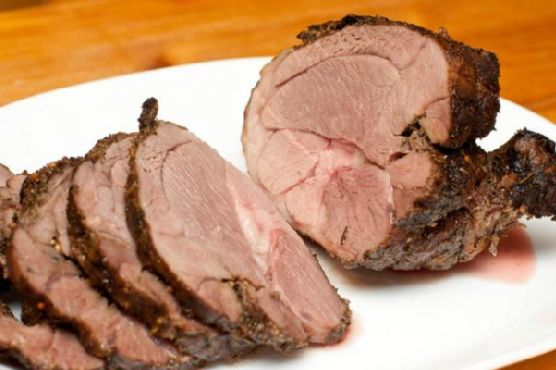
Easy Garlic Roast Leg Of Lamb With Rosemary and Parsley | Made by Meaghan Moineau

Easy Garlic Roast Leg Of Lamb With Rosemary and Parsley

Intro

There’s something undeniably special about a beautifully roasted leg of lamb. The aroma of herbs and garlic wafting through the kitchen is enough to evoke cherished memories of family gatherings and festive celebrations. I remember my grandmother preparing a similar dish on special occasions, filling the house with a warmth that wasn’t just from the oven. Her kitchen was a place of stories and laughter, where every ingredient had its role in creating magic. Today, I share a simplified version of her beloved recipe, making it accessible for any home cook looking to impress with minimal stress.

Why You’ll Love It

This Garlic Roast Leg Of Lamb is perfect for both seasoned cooks and beginners. The recipe is straightforward, yet the result is a stunning centerpiece worthy of any holiday table. The combination of garlic, rosemary, and parsley infuses the lamb with a depth of flavor that is both fresh and savory. The method of roasting ensures a perfectly cooked piece of meat that is juicy and tender, while the crispy exterior adds a delightful texture. Whether you’re celebrating a special occasion or simply want to treat your family to a delicious meal, this dish is sure to please everyone around the table.

Ingredients

  • 1 bone-in leg of lamb
  • 8-10 garlic cloves, sliced
  • 1/4 cup extra virgin olive oil
  • 1/4 cup Italian flat leaf parsley, chopped
  • 2 tablespoons fresh rosemary, chopped
  • 2 tablespoons kosher salt
  • 1 tablespoon black pepper

Instructions

  1. Preheat your oven to 425 degrees Fahrenheit.
  2. With the tip of a small sharp knife, poke holes in the leg of lamb about 1 1/2-inch deep.
  3. Into each hole, stuff one slice of garlic to infuse the meat with flavor.
  4. Rub the leg of lamb all over with olive oil, parsley, and rosemary, ensuring an even distribution.
  5. Season the lamb well with kosher salt and black pepper, pressing the seasoning into the meat.
  6. Place the lamb in a roasting pan, and roast for 30 minutes to develop a savory crust.
  7. Reduce the heat to 325 degrees Fahrenheit, basting the leg with any juices that have accumulated in the pan.
  8. Continue cooking for about 2 hours, or until an instant-read thermometer registers 130 degrees Fahrenheit in the thickest part for medium doneness.
  9. Remove the roast from the oven and allow it to rest for 15 minutes to retain its juices.
  10. Transfer the roast to a cutting board and let it rest for an additional 10 minutes before carving.
  11. Carve the lamb into thin slices, parallel to the bone, and serve immediately.

Tips

For the best results, bring the lamb to room temperature before roasting, which helps it cook more evenly. Always use a meat thermometer to avoid overcooking, as lamb can quickly become tough if left in the oven too long. Resting the meat is crucial as it allows the juices to redistribute, ensuring each slice is succulent and flavorful.

Variations & Substitutions

If rosemary isn’t your favorite, you can substitute it with thyme or oregano for a different herbal note. For a spicier kick, add a pinch of red pepper flakes to the olive oil mixture. If you prefer a boneless leg of lamb, you can certainly use that instead; just adjust the cooking time accordingly, as it may cook a bit faster.

Storage

Store any leftovers in an airtight container in the refrigerator for up to 3 days. To reheat, slice the lamb and place it in a covered dish with a splash of stock or water to prevent drying out, then warm it gently in the oven at a low temperature.

FAQ

Can I prepare this dish ahead of time?

Yes, you can prepare the lamb by stuffing it with garlic and rubbing it with herbs and oil up to a day in advance. Simply cover it and refrigerate until you’re ready to roast.

What side dishes complement this roast lamb?

This roast pairs beautifully with classic sides like roasted potatoes, sautéed greens, or a fresh salad. For a more robust meal, consider serving it with a creamy potato gratin or garlic mashed potatoes.

How do I know when the lamb is cooked to my preference?

The best way to ensure your lamb is cooked to your liking is to use an instant-read thermometer. For medium-rare, aim for 130 degrees Fahrenheit; for medium, 140 degrees; and for well-done, 150 degrees. Keep in mind the temperature will rise slightly as the meat rests.

Nutrition

This roast is not only delicious but also a good source of protein and essential vitamins. While lamb is higher in fat than some other meats, it provides important nutrients like iron, zinc, and vitamin B12. Just remember to enjoy it in moderation as part of a balanced diet.

Conclusion

Our Easy Garlic Roast Leg Of Lamb With Rosemary and Parsley is a celebration of flavor and tradition, perfect for gathering loved ones around the table. Whether you’re a novice cook or a seasoned chef, this recipe provides a reliable and impressive dish that is sure to become a family favorite. As you carve into the tender, flavorful meat, I hope it brings as much joy and connection to your home as it has to mine. Enjoy!

Related update: Easy Garlic Roast Leg Of Lamb With Rosemary and Parsley

Related update: Thai Shrimp

Three Nations, Three World Cup Experiences | Analysis by Brian Moineau

When a Continental Win Becomes Three Separate Shows

An unexpected split is taking shape ahead of the FIFA World Cup 2026. What began as a landmark North American victory — Canada, Mexico and the United States winning the right to co-host the expanded 48‑team World Cup — is starting to look less like a unified celebration and more like three overlapping tournaments driven by different priorities, politics and practicalities.

Opening hook

Imagine a single global party with three hosts who don’t quite agree on the playlist, the budget or who’s footing the bar tab. That’s the vibe right now: spectators will still flock to 16 host cities across the continent, but fans, organizers and local governments are preparing for very different experiences depending on which border they cross.

The promise — and how it frays

  • The United 2026 bid was sold as a demonstration of continental unity: shared infrastructure, shared storytelling, and a chance to show the world a diverse, cooperating region. That shared narrative helped beat Morocco and won FIFA votes.
  • But hosting responsibilities were never evenly distributed. The U.S. will stage the lion’s share of matches (78 of 104), including the knockout rounds and final, while Mexico and Canada each host 13 matches. That imbalance sets different stakes for each country. (en.wikipedia.org)

Three different agendas

  • United States: scale, security, and local headaches

    • The U.S. model leans heavily on decentralized host committees. Each U.S. city is responsible for much of the operations, security, permitting and costs — a setup that shifts financial risk to local governments and creates inconsistent readiness and enthusiasm. Some cities have balked at FIFA’s terms or at paying up-front security bills, and federal security funds promised for host cities have been slow to flow. That produces a patchwork of preparedness and local political fights rather than a single national push. (en.wikipedia.org)
    • Politics has seeped into planning. High-level U.S. interventions — from presidential task forces to public statements about “safe” cities — introduce uncertainty that can ripple through FIFA, sponsors and traveling fans. (apnews.com)
  • Mexico: heritage, passion, and risk management

    • Mexico brings deep soccer culture and iconic stadiums (notably Estadio Azteca). For Mexican organizers, the World Cup is both a sporting moment and a chance to showcase national football heritage and tourism. But safety concerns tied to crime and local security dynamics are real and have prompted contingency conversations and scrutiny. FIFA maintains confidence in Mexico’s readiness even as observers highlight risks and the potential need for alternate plans. (dailyjusticengr.com)
  • Canada: cautious optimism and logistical constraints

    • Canada’s hosting footprint is smaller but strategic: Toronto and Vancouver are set to host key matches and fan festivals. Canadian hosts emphasize public health, environmental concerns (wildfire smoke risks), and scaled fan experiences. Cities are planning large public festivals, but the smaller number of games and greater geographic distance between cities shape a different, more localized approach to the World Cup atmosphere. (apnews.com)

Practical consequences fans will notice

  • Inconsistent fan festivals and public programming: U.S. cities scaling back expected events because of local costs or political priorities; Canada and Mexico planning different styles of civic engagement and public viewing. (newsweek.com)
  • Security and funding gaps: debates over who pays for policing, medical services and emergency response have led to delays and local friction in U.S. host cities. Examples include licensing disputes, withheld approvals and battles over federal reimbursement timing. (en.wikipedia.org)
  • Political headlines becoming part of the story: trade tensions, immigration policy rhetoric and high‑profile political interventions risk overshadowing match-day narratives and souring fan sentiment, especially for travelers worried about visas, safety or admission rules. (apnews.com)
  • Environmental and health risks: wildfire smoke and extreme heat are variable regionally and may force last-minute operational moves or altered fan experiences, particularly in western Canada and southern U.S. venues. (apnews.com)

Why this matters beyond sport

  • A World Cup is both spectacle and soft power. When three neighbors co-host successfully, it can reshape global impressions of regional cooperation and civic capacity. When hosting is fractured, it exposes governance weaknesses — who pays, who decides and who is accountable — and that can eclipse on-field drama.
  • Economic expectations are uneven. Cities and regions counted on tourism and downtown activity; when festivals are scaled back or local fighters refuse licenses over cost, the expected economic windfall and small-business boosts may fall short. (newsweek.com)

What could re-unify the experience

  • Clearer federal coordination in the U.S., with timely distribution of promised funds and centralized guidance for security and permits, would reduce the patchwork effect.
  • Cross-border cultural programming and synchronized fan experiences — coordinated fan zones, shared broadcast moments and joint marketing — can help preserve a single narrative even if delivery differs by country.
  • Contingency plans for safety or climate issues that are transparent and jointly communicated would calm fans and stakeholders across borders. (en.wikipedia.org)

My take

This World Cup will still be historic: more teams, more cities, and the chance to watch global football across an entire continent. But the spectacle fans expect — the sense that North America is throwing one giant, coordinated party — is at risk. The three hosts are operating from different playbooks: the U.S. is navigating decentralized logistics and political friction, Mexico is balancing legacy and security, and Canada is emphasizing measured public events and public-health concerns. The quality of the tournament won’t hinge only on goals and upsets; it will also hinge on crisis management, coherent communication, and whether organizers can stitch these separate efforts into a convincing continental story.

Final thoughts

Fans will still see great soccer. What’s less certain is whether the 2026 World Cup will be remembered as a unified North American triumph — or as an impressive but disjointed continental showcase. Either way, the tournament will teach a lot about modern mega-event governance: big, cross-border wins are easy to sell; making them feel like one shared success is the real challenge.

Sources

(Note: I used multiple news and reporting sources to shape perspective and context.)


Related update: We recently published an article that expands on this topic: read the latest post.

Lemon and pepper veal cutlets | Made by Meaghan Moineau

Lemon and Pepper Veal Cutlets

Intro

There’s something truly special about a dish that brings back fond memories. For me, lemon and pepper veal cutlets are a nostalgic nod to Sunday dinners at my grandma’s house. I remember the comforting aroma wafting through her quaint kitchen, the sizzle of the veal in the pan, and the zest of lemon that added a bright note to our family gatherings. Those meals were more than just food; they were a time to connect, share stories, and create lasting memories. Today, I’m thrilled to share this cherished recipe with you, hoping it will bring as much joy to your table as it did to mine.

Why You’ll Love It

This lemon and pepper veal cutlet recipe is a delightful blend of simplicity and elegance. If you’re a fan of dishes that are both easy to prepare and rich in flavor, this is the recipe for you. The tender veal cutlets are infused with the refreshing tang of lemon and the warm, spicy notes of black pepper, creating a harmonious balance of flavors. The creamy sauce, enriched with herbs and a hint of zest, elevates the dish to gourmet levels, perfect for both weeknight dinners and special occasions.

Ingredients

  • Veal cutlets
  • Black pepper
  • Corn flour
  • Salt
  • Butter
  • Olive oil
  • Cream
  • Sour cream
  • Lemon rind
  • Lemon juice
  • Fresh rosemary
  • Black cracked pepper

Instructions

  1. Slightly flatten the veal cutlets with a meat mallet to ensure even cooking.
  2. In a shallow dish, combine corn flour, salt, and pepper. Dredge each cutlet through the mixture, ensuring they are well-coated.
  3. In a large pan, heat butter and olive oil over medium heat. Once the butter has melted and the pan is hot, add the cutlets.
  4. Cook the veal for about 3 minutes on each side, or until browned and cooked to your desired doneness.
  5. Remove the veal from the pan and set aside. Cover to keep warm.
  6. In the same pan, mix together cream, sour cream, lemon rind, lemon juice, rosemary, black cracked pepper, and a pinch of salt.
  7. Bring the mixture to a boil, then reduce the heat and simmer uncovered for about 5 minutes, allowing the sauce to thicken slightly.
  8. Return the veal cutlets to the pan, turning them to coat thoroughly with the sauce.
  9. Serve immediately, ideally with a side of pilaf and a fresh green salad.

Tips

For the best results, ensure your veal cutlets are of even thickness. This will help them cook uniformly and retain their tenderness. If you’re using frozen veal, make sure it is completely thawed before cooking. Also, keep an eye on the sauce as it simmers; you want it to thicken but not burn. Adjust the seasoning to taste, and remember that fresh lemon juice and rind will always provide the best flavor compared to bottled alternatives.

Variations & Substitutions

If veal isn’t your preference or is hard to come by, this recipe works beautifully with chicken breast or pork cutlets. For a dairy-free alternative, coconut cream can replace the cream and sour cream, though it will slightly alter the flavor profile. Add a pinch of cayenne pepper for an extra kick if you enjoy a bit more heat. Fresh thyme or oregano can substitute for rosemary, each bringing their unique aromatic qualities to the dish.

Storage

Store any leftovers in an airtight container in the refrigerator for up to 3 days. When reheating, do so gently over low heat to prevent the veal from becoming tough. Unfortunately, this dish doesn’t freeze well due to the cream-based sauce, which can separate when thawed.

FAQ

Can I use a different type of flour instead of corn flour?

Yes, you can substitute corn flour with all-purpose flour or even almond flour for a gluten-free option. Keep in mind that this may slightly change the texture of the coating.

What can I serve with lemon and pepper veal cutlets?

This dish pairs wonderfully with a simple pilaf, roasted vegetables, or a fresh green salad. The light and creamy sauce complements a variety of sides without overpowering them.

Nutrition

The nutritional values will vary depending on the specific brands and quantities of ingredients used. However, this dish is rich in protein from the veal, and provides a good amount of vitamin C from the lemon, along with beneficial fats from the olive oil and cream. Enjoy it as part of a balanced diet.

Conclusion

I hope this lemon and pepper veal cutlet recipe brings a touch of nostalgia and a burst of flavor to your dining table. Whether you’re cooking for family, friends, or just yourself, this dish is sure to impress with its simplicity and depth of flavor. Enjoy the process of cooking, savor each bite, and perhaps create some new cherished memories of your own. Happy cooking!

Related update: Lemon and pepper veal cutlets

Related update: Stir Fried Quinoa, Brown Rice and Chicken Breast

Crème Fraiche Coconut Bavarians | Made by Meaghan Moineau

Crème Fraiche Coconut Bavarians

Intro

Crème Fraiche Coconut Bavarians hold a special place in my heart, as they remind me of the warm, breezy summers I spent at my grandmother’s beach house. Each summer, she would prepare this delightful dessert, and the aroma of coconut would fill the air, mingling with the salty breeze. I remember sneaking into the kitchen, hoping to get a taste before it was ready, only to be greeted with a playful shooing motion from my grandmother. Today, I’m excited to share this cherished recipe with you, bringing a taste of the tropics and a touch of nostalgia to your table.

Why You’ll Love It

This Crème Fraiche Coconut Bavarian is a luscious dessert that combines the silky texture of a classic Bavarian cream with the exotic flavor of coconut. It’s creamy, light, and absolutely divine. The addition of Alouette Cuisine Crème Fraiche gives it a subtle tang, perfectly balancing the sweetness of the coconut. Whether you’re hosting a dinner party or simply treating yourself, this dessert is sure to impress and delight.

Ingredients

  • Gelatin
  • Coconut milk
  • Canned sweetened condensed milk
  • Sugar
  • Egg yolks
  • Alouette Cuisine Crème Fraiche
  • Shredded coconut

Instructions

  1. Combine the gelatin with 4 tablespoons of coconut milk to allow it to bloom.
  2. In a saucepan over medium-high heat, bring the condensed milk and remaining coconut milk to a simmer.
  3. In a separate bowl, whisk the sugar and egg yolks well.
  4. Add a small amount of the heated liquid to the egg yolk mixture to temper it, and continue whisking.
  5. Slowly pour the egg yolk mixture back into the heated liquid, stirring continually.
  6. Continue to heat the mixture until it coats the back of a spoon, about 5-7 minutes.
  7. Remove from heat and stir in the gelatin.
  8. Pour the entire mixture into a bowl and refrigerate until it begins to gel.
  9. In a separate bowl, whip the Alouette Cuisine Crème Fraiche to a soft peak.
  10. Once the refrigerated mixture begins to gel, fold it together with the whipped Crème Fraiche.
  11. Immediately pour into your desired molds and refrigerate overnight.
  12. To serve, remove from the mold and cover the Bavarians with shredded coconut.

Tips

To ensure your Bavarians set perfectly, make sure to properly bloom the gelatin. Keeping a close eye on the custard mixture as it cooks will prevent it from curdling. If you’re new to tempering eggs, take it slow—patience is key to achieving that smooth, creamy texture.

Variations & Substitutions

Feel free to experiment with this recipe by adding a splash of vanilla extract or a hint of lime zest for a citrusy twist. If you can’t find Alouette Cuisine Crème Fraiche, any good-quality crème fraiche will work. For a dairy-free version, substitute the crème fraiche with a coconut-based whipped topping.

Storage

Store your Crème Fraiche Coconut Bavarians in the refrigerator for up to three days. Keep them covered to prevent the shredded coconut from drying out. Unfortunately, this dessert does not freeze well, as the texture may become compromised upon thawing.

FAQ

Can I make this dessert ahead of time?

Absolutely! This dessert is perfect for making ahead of time, as it needs to set overnight. Simply prepare the Bavarians, refrigerate, and they will be ready to serve the next day.

What can I use if I don’t have molds?

If you don’t have molds, you can use small ramekins or even muffin tins. To remove them easily, line the molds with plastic wrap, or dip the bottom of the molds in warm water for a few seconds before unmolding.

Is there a non-alcoholic version?

This recipe is already non-alcoholic! If you’re interested in adding a bit of flavor, you might consider a splash of coconut extract or a non-alcoholic vanilla extract.

Nutrition

While this dessert is indulgent, it’s also quite rich, so a little goes a long way. Each serving is packed with creamy goodness, providing a delightful treat without being overly heavy. Remember, desserts are meant to be enjoyed in moderation!

Conclusion

Crème Fraiche Coconut Bavarians are more than just a dessert—they’re a testament to the joy of savoring life’s little pleasures. Whether you’re reminiscing about past summers or creating new memories, this dessert offers a comforting and luxurious experience. I hope this recipe brings as much joy to your home as it has to mine. Happy cooking!

Related update: Crème Fraiche Coconut Bavarians

Candied Spiced Pecans | Made by Meaghan Moineau

Candied Spiced Pecans

Intro

There’s something magical about the aroma of spiced pecans wafting through the kitchen, especially during the holidays. It instantly transports me back to my grandmother’s cozy kitchen, where I would watch her expertly mix and bake these delicious treats. The warmth of the spices combined with the sweet, buttery coating always felt like a warm hug on a cold day. Now, I’m thrilled to share this cherished recipe with you, so you can create your own sweet memories with these Candied Spiced Pecans.

Why You’ll Love It

These candied spiced pecans are more than just a snack; they’re a flavorful experience. With a perfect balance of sweet and spice, they captivate your taste buds from the first bite. Here are a few reasons why you’ll fall in love with them:

  • Easy to Make: This recipe takes minimal effort and time, making it perfect for both beginners and seasoned cooks.
  • Versatile: Whether you’re looking for a snack, a salad topping, or a gift, these pecans fit the bill.
  • Deliciously Addictive: The combination of spices and sweetness makes these pecans irresistible.
  • Perfect for Gifting: Pack them in a decorative jar, and you have a thoughtful homemade gift.

Ingredients

  • 1 cup granulated sugar
  • 1 teaspoon cinnamon
  • 1/2 teaspoon allspice
  • 1/4 teaspoon ground cloves
  • 1/4 teaspoon nutmeg
  • 1 teaspoon maple extract
  • 1/4 cup brown sugar
  • 1/4 cup water
  • 2 tablespoons butter
  • 2 cups pecans

Instructions

  1. Preheat your oven to 300°F (150°C). Line a cookie sheet with tin foil and coat it generously with cooking spray. Set aside.
  2. In a shallow bowl, sift together the granulated sugar, cinnamon, allspice, cloves, and nutmeg. Set this mixture aside as well.
  3. In a small bowl, whisk together the maple extract, brown sugar, and water until the sugar is mostly dissolved.
  4. Over medium heat, melt the butter in a skillet. Slowly whisk in the brown sugar mixture and bring it to a gentle boil.
  5. Add the pecans to the skillet, stirring to coat them evenly. Let them simmer for about 1-2 minutes until well coated.
  6. Using a slotted spoon, transfer the pecans to the reserved sugar and spice bowl. Toss them gently to coat with the sugar mixture.
  7. Evenly spread the coated pecans on the prepared cookie sheet and bake for 15 minutes.
  8. Stir the pecans and bake for an additional 15 minutes. Ensure they are spread out evenly.
  9. Once baked, remove from the oven and let them cool completely before serving or storing.

Tips

  • Consistency is Key: Make sure the pecans are evenly coated with the sugar and spice mixture for a consistent flavor.
  • Watch the Oven: Keep an eye on them while baking to prevent burning. Every oven is slightly different!
  • Cooling Time: Allow the pecans to cool completely to ensure they harden properly and develop that perfect crunch.

Variations & Substitutions

Feel free to experiment with this recipe to suit your taste:

  • Nut Options: Swap pecans for walnuts or almonds for a different nutty flavor.
  • Spice Levels: Adjust the amount of spices to make it more or less spicy according to your preference.
  • Sugar Alternatives: Use coconut sugar or a sugar substitute for a slightly different sweetness.

Storage

Store these candied spiced pecans in an airtight container at room temperature for up to two weeks. For extended freshness, you can also refrigerate them for up to a month. If you plan to gift them, ensure they are completely cool before packaging to prevent moisture buildup.

FAQ

Can I use other types of nuts?

Absolutely! This recipe works wonderfully with walnuts, almonds, or even a mix of your favorite nuts. Just make sure to adjust the baking time if necessary, as different nuts may have varying cooking times.

How can I make this recipe vegan?

To make this recipe vegan, simply swap the butter for a plant-based alternative. Coconut oil or vegan margarine works well in this recipe.

Why did my pecans turn out sticky?

If your pecans are sticky, it might be because they weren’t cooked long enough. Make sure they are baked until they are dry to the touch and then cooled completely to achieve that perfect crunch.

Nutrition

While these candied spiced pecans are a treat, they also offer some nutritional benefits. Pecans are a great source of healthy fats, protein, and fiber. However, due to the sugar content, it’s best to enjoy them in moderation.

Conclusion

These Candied Spiced Pecans are a delightful blend of sweet and spice, perfect for any occasion. Whether you’re making them as a cozy snack, a thoughtful gift, or a crunchy salad topping, they’re sure to be a hit. With the warmth of the spices and the crunch of the pecans, each bite is a nostalgic reminder of the simple joys of homemade treats. I hope this recipe brings as much warmth and joy to your home as it has to mine. Enjoy!

Related update: Candied Spiced Pecans

United Airlines bans speaker audio | Analysis by Brian Moineau

Some more peace and quiet in the cabin

You’re tucked into your window seat, the overhead bins are closed, you’ve settled in for the flight — and then the person across the aisle fires up a video on full speaker. That involuntary cringe? It may soon be less common. United Airlines quietly updated its Contract of Carriage on February 27, 2026 to add a headphone requirement: passengers who “fail to use headphones while listening to audio or video content” can be removed from a flight and even refused future travel. The airline put the rule under Rule 21 — Refusal of Transport — meaning it’s now a legally enforceable ground for denial of boarding, removal, or a temporary or permanent ban.

This isn’t a story about tech or gadget superiority; it’s about etiquette turned enforceable policy. Here’s what that change means, why airlines are doing it, and how passengers (and flight crews) might navigate the new normal.

Why this matters right now

  • The update makes what used to be a polite request — please use headphones — into a clause in United’s binding passenger agreement.
  • United is likely the first major U.S. carrier to place headphone use explicitly inside a refusal-of-transport rule rather than a general policy or recommendation.
  • The timing follows years of rising passenger complaints about noisy behavior onboard (and broader airline efforts to manage rising incidents of unruly conduct).

For fellow travelers who’ve sat through someone’s loud TikToks, sports highlights, or video calls at 30,000 feet, this reads like progress. For others it raises questions about enforcement, fairness, and the limits of airline authority.

What the rule actually does

  • The headphone clause appears in United’s Contract of Carriage under Rule 21 (Refusal of Transport), added February 27, 2026.
  • Consequences range from a crew reminder or warning up to removal from the aircraft, and potential temporary or permanent refusal of future transport.
  • The rule also joins other in-flight conduct items that airlines can use to justify removal or denial of boarding (e.g., refusing crew instructions, disruptive behavior).

It’s worth noting that several carriers and in-flight services have long requested headphone use (and many onboard entertainment systems require them). What’s new is the explicit legal muscle behind the expectation.

How enforcement might look

  • Most enforcement will probably start at the softer end: verbal reminders from flight attendants, announcements, or a request to hand over the device’s audio output to switch to headphones.
  • If a passenger refuses repeatedly or becomes confrontational, crews can escalate under Rule 21 — which could mean removal before departure, diversion, involvement of law enforcement after landing, or placing a ban on future travel with United.
  • Practical hurdles exist: policing headphone compliance mid-flight is awkward and can itself provoke conflict. Flight attendants must balance cabin safety and calm with the realities of enforcing a social norm.

Who benefits — and who might be disadvantaged

  • Beneficiaries
    • Passengers seeking a quieter cabin (especially those trying to sleep or concentrate).
    • Flight attendants, who gain clearer policy language to cite when asking people to stop playing audio aloud.
  • Potential pitfalls
    • People with certain disabilities or sensory needs may need accommodations. Federal nondiscrimination rules mean airlines must consider disability-related exceptions, and crews should be trained accordingly.
    • Conflicts over subjective loudness or misunderstandings can escalate, especially when enforcement feels inconsistent.
    • Passengers who forget headphones — United’s in-flight pages indicate some aircraft already carry inexpensive headphones; how airlines handle honest forgetfulness remains important.

Broader context: an industry shift toward enforceable conduct rules

  • Airlines have long struggled with in-cabin etiquette: mask disputes, intoxicated passengers, and conflict over seats and recline have all led carriers to tighten rules or change wording in contracts.
  • Codifying headphone use in a contract of carriage follows that pattern: transform recurring nuisance behaviors into explicit contractual violations to make enforcement easier.
  • Other carriers may follow suit if the policy reduces incidents and complaints; alternately, pushback from advocacy groups and legal scrutiny could limit how broadly such rules are applied.

What passengers should do (practical tips)

  • Always pack a pair of reliable, compact headphones or earbuds in your carry-on.
  • If you forget headphones, ask flight attendants politely — many airlines have spares or low-cost options available.
  • If another passenger plays audio aloud, request politely first; if that fails, alert a crew member rather than escalating yourself.
  • Be mindful of exemptions: if you require speaker audio for accessibility reasons, notify crew and be prepared to explain or show documentation if needed.

Quiet wins — or overreach? My take

Turning a long-standing courtesy into an enforceable rule feels like a reasonable step for improving the travel experience. For passengers who’ve been repeatedly exposed to other people’s loud device audio, the change promises a small but meaningful improvement in cabin comfort. That said, the success of the policy depends on fair, consistent enforcement and sensitivity to legitimate needs and edge cases.

Rules don’t remove the human element: flight attendants still mediate, passengers still forget or misbehave, and enforcement decisions will be made in real time. The hoped-for result is fewer shocks from someone else’s phone — and fewer awkward mid-flight confrontations when the only evidence you need to produce is “please put on headphones.”

Practical takeaway

  • Pack headphones. Seriously. It’s now both common courtesy and a potential contractual requirement on United flights.
  • Expect clearer cabin announcements and firmer intervention from crew when someone refuses to comply.
  • Watch how policy enforcement evolves — this could set a new standard across airlines, or prompt clarifications to guard against unfair outcomes.

Sources

Final thought

Quiet cabins don’t erase the frustrations of air travel, but making basic respect enforceable is a small policy nudge toward more tolerable flights — provided airlines apply it fairly and passengers do their part by bringing a pair of earbuds.

Zucchini Ribbon Caper Salad | Made by Meaghan Moineau

Zucchini Ribbon Caper Salad

Intro

There’s something truly magical about a simple salad that bursts with fresh flavors. For me, the Zucchini Ribbon Caper Salad is more than just a dish; it’s a delightful reminder of the warm summer days spent at my grandmother’s garden. I vividly remember watching her skillfully create ribbons of zucchini with nothing more than a knife and her practiced hands. She’d hum a gentle tune as she tossed them in a mixture of olive oil and lemon, the zest mingling with the sunlit air. This salad is a tribute to those cherished moments and a testament to the beauty of simplicity.

Why You’ll Love It

This Zucchini Ribbon Caper Salad is a celebration of fresh ingredients and bold flavors. It’s perfect for those who appreciate the subtle crunch of raw zucchini, the tangy punch of capers, and the aromatic zest of lemon. It’s a dish that’s both elegant and straightforward, making it ideal for both casual lunches and sophisticated dinner parties. Not only is it visually stunning with its vibrant green and red hues, but it’s also incredibly easy to make. You’ll love how it can be a standalone dish or a delightful side that complements any main course.

Ingredients

  • 2 medium zucchinis, sliced into ribbons using a peeler
  • 2 tablespoons capers, drained
  • 1 clove garlic, minced
  • Zest and juice of 1 lemon
  • 3 tablespoons olive oil
  • Salt and pepper to taste
  • 1 medium tomato, julienned
  • Dried parsley for garnish

Instructions

  1. In a large bowl, toss the zucchini strips with olive oil, lemon zest, lemon juice, and minced garlic.
  2. Season with salt and pepper to taste. Mix well to ensure all ribbons are coated.
  3. Set aside the mixture for 30 minutes, allowing the flavors to meld together.
  4. Divide the marinated zucchini ribbons between 2-3 serving plates.
  5. Top each plate with capers and julienned tomato.
  6. Drizzle any remaining dressing over the top if desired.
  7. Garnish with a pinch of dried parsley for a touch of color and flavor.

Tips

To get the best ribbons, make sure your zucchinis are fresh and firm. A sharp peeler or mandoline can help achieve even, thin slices that are both beautiful and easy to eat. When marinating, occasionally give the mixture a gentle toss to ensure even absorption of the dressing. If you prefer a milder garlic flavor, consider using roasted garlic instead of raw.

Variations & Substitutions

Feel free to personalize this salad to suit your taste preferences. If capers aren’t your favorite, olives can be a delightful substitute, offering a similar briny note. For a touch of sweetness, add a handful of halved cherry tomatoes. If you’re in the mood for some protein, grilled chicken slices or chickpeas make excellent additions, turning this salad into a hearty main course. Vegan friends can substitute the protein with tofu or tempeh for a plant-based twist.

Storage

While this salad is best enjoyed fresh, you can store leftovers in an airtight container in the refrigerator for up to two days. The flavors will continue to develop, but be aware that the zucchini may lose some of its crunch. If planning to store, consider keeping the dressing separate and combining it just before serving to maintain the salad’s texture.

FAQ

Can I make this salad in advance?

Yes, you can prepare the zucchini ribbons and dressing ahead of time. However, it’s best to combine them no more than a few hours before serving to ensure the ribbons remain crisp.

What can I serve with this salad?

This salad pairs beautifully with grilled fish or chicken. It’s also lovely alongside a crusty piece of bread or a light pasta dish for a complete meal.

Can I use a different type of squash?

Absolutely! Yellow summer squash works well in this recipe and adds a lovely color contrast. Just be sure to slice it thinly to match the texture of the zucchini ribbons.

Nutrition

This Zucchini Ribbon Caper Salad is low in calories and high in vitamins such as vitamin C and potassium, thanks to the zucchini and lemon juice. It’s also a great source of healthy fats from olive oil, making it a nutritious choice for those seeking a balanced meal.

Conclusion

The Zucchini Ribbon Caper Salad is more than just a dish; it’s a sensory experience that brings together the best of summer’s bounty. Whether you’re looking to relive cherished memories or create new ones, this salad is sure to delight with its simplicity and depth of flavor. Share it with family and friends, and watch as it becomes a beloved staple in your culinary repertoire. Enjoy each bite as a celebration of freshness and nostalgia, and may it bring warmth and joy to your table as it does to mine.

Related update: Zucchini Ribbon Caper Salad

Related update: Whole Wheat Dinner Rolls

Apple Musics AI Transparency Tags Debate | Analysis by Brian Moineau

Apple Music’s new “Transparency Tags”: a bandage or the start of honest AI music?

Imagine scrolling through a playlist and seeing a subtle note: “AI used in song.” Apple Music quietly rolled out a new metadata feature called Transparency Tags on March 4–5, 2026, that does exactly that — it lets rights holders (labels and distributors) mark tracks, artwork, lyrics, or videos when a “material portion” was created with AI tools. It’s a neat idea on paper, but the devil is in the delivery.

Why this matters right now

  • AI-generated music is no longer a fringe experiment — platforms report millions of AI-tagged uploads and whole waves of low-quality or impersonation-heavy releases. That flood has damaged listeners’ trust in playlists and recommendations.
  • Platforms are under pressure to give listeners clarity and to stop bad actors from gaming streams and royalties with synthetic content.
  • Apple’s approach matters: it’s one of the biggest music platforms and sets expectations across the industry.

What Apple announced and how it works

  • Apple introduced a Transparency Tags metadata system that covers AI use in:
    • Music (audio)
    • Lyrics
    • Artwork
    • Music videos
  • The tags are applied by labels or distributors at delivery (self-reporting). Apple does not appear to be independently detecting or verifying AI usage at rollout.
  • The change was communicated to industry partners in early March 2026 and is already showing up in press coverage and industry notes. (See Sources.)

The upside

  • Transparency: A visible tag gives listeners more context about what they’re hearing, which can shape expectations and trust.
  • Industry signal: Apple formalizing metadata for AI use nudges the whole ecosystem toward disclosure norms — that alone is a cultural win.
  • Granularity: The tags cover multiple content layers (audio, lyrics, artwork, video), so partial AI use (e.g., AI artwork but live vocals) can be disclosed rather than lumped together.

The big limitation: opt-in, self-reporting

This is the crux. Apple’s system depends on labels and distributors voluntarily adding the tag. That makes the feature vulnerable in three ways:

  • Incentive mismatch
    • Labels and distributors profit from streams. Some actors — especially bad-faith operators running farms of synthetic releases — will not disclose because disclosure could reduce playlist placement or listener interest.
  • Enforcement gap
    • Without independent detection or verification, there’s no reliable way to ensure accuracy. A tag is only useful if it’s applied consistently and truthfully.
  • Partial disclosure
    • What counts as a “material portion” is ambiguous. A backing vocal, a generated beat, or an AI-mixed master might or might not get flagged depending on how conservative the rights holder is.

Other services have taken different routes. Deezer, for example, built automated detection tools and reports large volumes of AI-generated uploads; they’ve used detection to tag content and to fight fraud. That technical approach is difficult and imperfect, but it doesn’t rely solely on self-reporting.

Practical effects listeners and creators should watch for

  • Discovery and playlists: If Apple ties Transparency Tags to discovery algorithms — for instance, deprioritizing tagged tracks in algorithmic recommendations — labeling could change what you hear. But as of rollout, Apple hasn’t specified such enforcement.
  • Artist impacts: Honest creators who use AI tools for production may benefit from clearer signaling, but could face stigma even when AI was a tiny part of the process.
  • Fraud reduction: Tags help if honest parties disclose; they won’t stop fraudsters who deliberately avoid tagging. Detection systems + disclosure rules together are stronger than either alone.

How this could evolve

  • Apple could pair self-reporting with audits or detection tools over time, shifting from voluntary to mandatory tagging backed by verification.
  • Industry standards might emerge (metadata schemas, definitions for “material use”) so disclosures are consistent across platforms.
  • Platforms might assign different weights to AI-tagged content in editorial playlists, recommendations, and revenue-reporting, which would make tagging outcomes meaningful.

Quick reads for context

  • Streaming services have been grappling with AI-driven floods of low-quality or impersonation tracks for over a year.
  • Deezer’s public efforts to detect and tag AI music show the detection-first route; Apple’s initial rules favor self-reporting and metadata.
  • The landscape is still fluid: expect policy updates as platforms, labels, and regulators react.

Key points to remember

  • Apple’s Transparency Tags (rolled out early March 2026) are a self-reporting metadata system for AI use across audio, lyrics, artwork, and video.
  • The labels/distributors must opt in to tag; Apple is not initially performing independent detection or verification.
  • The initiative increases clarity if rights holders disclose honestly, but it won’t stop bad actors unless combined with detection and enforcement.

My take

Transparency Tags are a welcome, necessary step — they acknowledge a reality listeners already suspected. But labeling without verification is like asking drivers to report their speed: some will, many won’t, and the problem doesn’t go away. For this to matter in practice, Apple will need to back its metadata with audits, detection tools, or partnership-driven enforcement. Otherwise the tags risk becoming a feel-good checkbox that leaves walled gardens and fraudsters untouched.

In short: great start, but now the work begins.

Sources


Related update: We recently published an article that expands on this topic: read the latest post.
Beef Braised In Red Wine | Made by Meaghan Moineau

Beef Braised In Red Wine

Intro

There’s something magical about the aroma of a hearty stew simmering gently in the oven. It always takes me back to my grandmother’s kitchen, where the scent of herbs and red wine would fill the room, promising a meal that warmed the soul as much as it did the body. This Beef Braised in Red Wine recipe is my homage to those cherished days. The tender beef, the rich sauce, and the earthy vegetables create a symphony of flavors that feels both nostalgic and comforting. Join me as we explore this classic dish that is perfect for cozy family dinners or special occasions.

Why You’ll Love It

This dish is a celebration of deep, robust flavors that develop beautifully over a few hours of slow cooking. The beef becomes exceptionally tender, practically melting in your mouth, while the red wine sauce is rich and velvety, with hints of rosemary and thyme. Whether you’re a seasoned chef or a home cook looking to impress, this recipe is straightforward yet delivers restaurant-quality results. Plus, the delicious aroma while it cooks will make your home feel warm and welcoming.

Ingredients

  • Bacon
  • Boneless beef chuck roast
  • Carrot
  • Celery
  • Dry red full-bodied wine
  • Garlic cloves
  • Olive oil
  • Onion
  • Pepper
  • Rosemary
  • Salt
  • Thyme
  • Tomato paste
  • Water

Instructions

  1. Put the oven rack in the middle and preheat the oven to 325°F (163°C).
  2. Heat oil in a large Dutch oven until hot but not smoking.
  3. Meanwhile, pat the beef dry and season with salt and pepper.
  4. Brown the beef on both sides, about 10 minutes total. If the bottom of your pan starts to scorch, turn down the heat slightly.
  5. Remove the beef from the pan and let it rest on a plate.
  6. Add bacon to the pan and sauté until browned.
  7. Add the carrot, celery, and onion, cooking until they are softened and golden brown.
  8. Add garlic, thyme, and rosemary, sautéing for 1 minute.
  9. Add tomato paste, stirring in and cooking for 1 minute.
  10. Add wine, and boil until the liquid is reduced by half.
  11. Add water to the pan and bring to a simmer.
  12. Return the beef and any juices to the pan.
  13. Cover the pot with the lid and transfer to the oven.
  14. Cook for 2 1/2 to 3 hours, or until the beef is very tender.
  15. Remove beef from the pan and slice across the grain.
  16. Serve beef on top of potatoes or grits, topped with sauce from the pan.

Tips

For best results, choose a full-bodied red wine, like Cabernet Sauvignon or Merlot, which will enhance the flavor of the dish. Make sure to brown the beef properly to develop a deep flavor base. If you find the sauce too thin after cooking, you can reduce it further on the stovetop.

Variations & Substitutions

If you prefer, you can substitute the beef chuck roast with beef short ribs for a different texture. For a non-alcoholic version, replace the wine with a mixture of beef broth and a splash of balsamic vinegar. To add a touch of sweetness, consider adding a handful of dried fruit, like prunes or raisins, during the braising process.

Storage

This dish stores beautifully and tastes even better the next day. Keep leftovers in an airtight container in the refrigerator for up to 3 days. To reheat, gently warm on the stovetop or in the oven until heated through. You can also freeze the beef and sauce for up to 3 months; just ensure it’s fully cooled before transferring to freezer-safe containers.

FAQ

Can I make this dish in advance?

Absolutely! In fact, the flavors deepen and improve if made a day ahead. Simply prepare the dish, allow it to cool to room temperature, and store it in the refrigerator. Reheat gently before serving.

What side dishes pair well with beef braised in red wine?

This dish pairs wonderfully with creamy mashed potatoes, polenta, or crusty bread to soak up the rich sauce. Steamed green beans or a simple salad also make for a refreshing contrast.

Is it possible to use a slow cooker instead of an oven?

Yes, after browning the beef and sautéing the vegetables, transfer everything to a slow cooker. Cook on low for 6-8 hours or until the beef is tender. Adjust the sauce consistency as needed before serving.

Nutrition

This dish is rich and hearty, so a little goes a long way. While specific nutrition can vary based on portion sizes and specific ingredients used, beef braised in red wine is a good source of protein and iron. For those watching their intake, consider serving smaller portions with plenty of vegetables on the side.

Conclusion

Beef Braised in Red Wine is more than a meal; it’s an experience. The deep, complex flavors and tender beef create a dish that feels like a warm embrace on a chilly evening. Whether for a special occasion or simply to indulge in a comforting classic, this recipe is a keeper. I hope it brings as much joy to your table as it has to mine over the years. Enjoy every savory, satisfying bite!

Related update: Beef Braised In Red Wine