Thai Savory Brown Fried Rice | Made by Meaghan Moineau

Thai Savory Brown Fried Rice

Intro

There’s something incredibly comforting about the aroma of fried rice sizzling on the stove, filling the kitchen with its enticing fragrance. This Thai Savory Brown Fried Rice recipe takes me back to my childhood summers spent in my grandmother’s bustling kitchen. She would whip up the most delicious meals seemingly without effort, and her fried rice was always the highlight of our family gatherings. Today, I am thrilled to share my version of this beloved dish, which brings together the warmth of those cherished memories and the vibrant flavors of Thailand in one delightful bowl.

Why You’ll Love It

This Thai Savory Brown Fried Rice is a deliciously wholesome and satisfying dish that you’ll fall in love with for several reasons:

  • Flavorful: The combination of garlic, red chili peppers, and fresh lime juice creates a symphony of tastes that dance on your palate.
  • Nutritious: Packed with wholesome ingredients like brown rice, fresh vegetables, and cashews, this dish is as nourishing as it is tasty.
  • Quick and Easy: Once the rice is ready, the rest of the meal comes together in a flash, making it perfect for busy weeknights.
  • Customizable: Easily adapt this recipe to suit your dietary preferences or whatever ingredients you have on hand.

Ingredients

  • 2 tablespoons extra virgin olive oil, divided
  • 3 cloves garlic, minced
  • 2 red fresh chili peppers, sliced
  • 1/2 cup raw cashew nuts
  • 1/4 cup dry unsweetened shredded coconut, toasted
  • 1 teaspoon stevia powder
  • 2 tablespoons Bragg Liquid Aminos
  • 1 tablespoon apple cider vinegar
  • 1 flax egg (1 tablespoon ground flaxseed mixed with 3 tablespoons water)
  • 1 cup fresh green beans, trimmed and cut into 1-inch pieces
  • 2 cups shredded regular bok choy
  • 3 cups cooked brown rice
  • Lime wedges, for serving

Instructions

  1. Prepare the Perfect Brown Rice: In a medium saucepan, heat 1 teaspoon of olive oil over medium heat. Add 1 cup of uncooked brown rice and stir until lightly browned. Place 2 basil leaves on top of the rice and add 2 cups of filtered water all at once. Cover with a lid and bring to a boil. Reduce heat to a simmer and cook until all the water has evaporated, about 40 minutes. Remove from heat and let it sit covered for 5 minutes, then fluff with a fork.
  2. While the rice is cooking, heat the remaining olive oil in a wok or large frying pan over medium heat. Add the minced garlic and cook until lightly golden, being careful not to burn it.
  3. Add the sliced red chili peppers, cashew nuts, and toasted coconut to the pan, stirring to combine.
  4. In a small bowl, mix together the stevia powder, Bragg Liquid Aminos, and apple cider vinegar. Pour this mixture into the pan and cook for 1 minute over medium heat.
  5. Push the stir-fry to one side of the pan and add the flax egg on the opposite end. Cook and stir the flax egg for about a minute, then incorporate it into the stir-fry mixture.
  6. Add the green beans, bok choy, and cooked brown rice to the stir-fry. Cook and stir on medium for another minute, until the bok choy is wilted but the green beans remain slightly crunchy.
  7. Spoon the fried rice into a serving dish and serve with lime wedges on the side for squeezing over the rice before eating.

Tips

  • Toast the Coconut: Toasting the coconut enhances its flavor and adds a delightful crunch to the dish. Simply spread it in a dry pan and heat over medium heat, stirring frequently until golden brown.
  • Prep Ahead: Cook the brown rice ahead of time and store it in the refrigerator. Cold rice works best for fried rice recipes as it doesn’t clump together.
  • Adjust Spice Level: If you prefer a milder dish, reduce the amount of chili peppers or remove the seeds before slicing.

Variations & Substitutions

This recipe is incredibly versatile, and you can easily adapt it to suit your taste or dietary needs:

  • Protein Options: Add tofu, shrimp, or chicken for additional protein.
  • Vegetable Swaps: Substitute or add other vegetables such as bell peppers, carrots, or snap peas.
  • Soy Sauce Alternative: If you don’t have Bragg Liquid Aminos, tamari or soy sauce will work just as well.

Storage

Leftover Thai Savory Brown Fried Rice can be stored in an airtight container in the refrigerator for up to 3 days. Reheat gently in a pan over medium heat, adding a splash of water or broth to help rehydrate the rice. Avoid microwaving as it can make the rice rubbery.

FAQ

Can I use white rice instead of brown rice?

Yes, you can substitute white rice for brown rice in this recipe. Keep in mind that white rice cooks faster, so adjust the cooking time accordingly.

Is there a substitute for flax egg?

If you’re not vegan, you can use a regular egg instead of a flax egg. Simply scramble it in the pan before adding it to the stir-fry.

Can I make this dish ahead of time?

Yes, you can prepare the rice and chop the vegetables ahead of time to streamline the cooking process. However, for the best texture and flavor, it’s recommended to stir-fry the ingredients just before serving.

Nutrition

This Thai Savory Brown Fried Rice is a wholesome and balanced meal. It’s rich in fiber from the brown rice and vegetables, healthy fats from the olive oil and cashews, and offers a moderate amount of protein. However, nutritional values can vary based on serving size and any variations you make to the recipe.

Conclusion

Thai Savory Brown Fried Rice is more than just a meal; it’s a culinary journey that brings together vibrant flavors and cherished memories. Whether you’re cooking for family, friends, or just treating yourself, this dish is sure to impress with its delightful taste and nourishing ingredients. I hope this recipe becomes a beloved staple in your home, just as it has in mine. Enjoy!

Related update: Thai Savory Brown Fried Rice

Related update: Madras Beef Curry

French Indie RPG Wins Presidential Praise | Analysis by Brian Moineau

A tiny French studio, a sweeping RPG, and a presidential nod: why Clair Obscur matters

When a relatively small Montpellier studio walks away from The Game Awards with Game of the Year — and the president of France posts public congratulations — you know something cultural has shifted. Clair Obscur: Expedition 33 isn’t just a surprise hit; it’s an example of how narrative ambition, indie craft, and national pride can collide in the most public of ways.

Why Emmanuel Macron’s congratulations feel bigger than a social media shout-out

  • Macron’s Instagram praise came twice: first after the game’s breakout commercial success earlier in 2025 and again following its record-setting haul at The Game Awards in December 2025.
  • His second message called the Game Awards win “a historic first for a French title” and framed the achievement as “great pride for Montpellier and for France.” (videogameschronicle.com)

That tone matters. Political leaders rarely weigh in on entertainment awards unless they see national cultural value — think of film festivals, literature prizes, or sporting victories. Macron’s public recognition signals that big, mainstream gaming moments are now part of national cultural conversation in France, not just niche industry talk.

What Clair Obscur did — and why the industry took notice

  • It swept multiple major categories at The Game Awards 2025, including Game of the Year, Best Narrative, Best Game Direction, Best Art Direction, Best Score and Music, Best RPG, and several indie-focused awards — a historic haul that made it one of the most-awarded games in the ceremony’s history. (gamesradar.com)
  • The game launched from Sandfall Interactive, a modestly sized French studio, and paired strong sales with critical acclaim — the combination that turns a successful release into a conversation starter about how games are made and valued. (en.wikipedia.org)

This mixture of indie origin, artistic ambition, and mainstream recognition complicates the old “indie vs AAA” story. Clair Obscur shows that a focused, coherent vision — and a smart relationship with players and press — can break through award seasons and sales charts alike.

A few broader ripples to watch

  • National industries: Macron’s praise could amplify interest in French game development funding, education, and export programs. Governments often point to cultural wins when arguing for more creative-sector investment. (videogameschronicle.com)
  • Indie visibility: A high-profile indie success re-centers conversations about creative risk, narrative-driven design, and sustainable studio models that avoid exploitative monetization. Industry leaders and fellow developers have publicly lauded Sandfall’s scale and choices. (en.wikipedia.org)
  • Cultural legitimacy: Games increasingly operate in the same cultural register as film and literature. When a president celebrates a title as representative of national audacity and creativity, that feeds broader acceptance of games as art and soft power.

A concise takeaway for readers (and gamers)

  • Clair Obscur: Expedition 33 proves that a small, well-crafted game can win the world’s attention — and win respect at the highest civic levels. That shift benefits players, creators, and national industries that want culture that travels.

My take

There’s a satisfying poetry to this moment: a team of creatives in Montpellier builds something personal and precise, players respond in force, critics reward daring, and a head of state frames it as national pride. That flow — from studio spark to cultural recognition to political acknowledgment — is exactly the arc that helps games move from hobby to heritage. It doesn’t mean every political comment is unalloyed praise (leaders often have complicated relationships with gaming), but Macron’s public congratulations are a reminder that games now live squarely in the lens of culture and diplomacy.

Sources

(Notes: linked articles above provide reporting on Macron’s messages, the Game Awards results, and the cultural response around Sandfall Interactive’s win.)


Related update: We recently published an article that expands on this topic: read the latest post.


Related update: We recently published an article that expands on this topic: read the latest post.


Related update: We recently published an article that expands on this topic: read the latest post.

Microsofts AI Ultimatum: Humanity First | Analysis by Brian Moineau

When a Tech Giant Says “We’ll Pull the Plug”: Microsoft’s Humanist Spin on Superintelligence

The image is striking: a company with one of the deepest pockets in tech quietly promising to shut down its own creations if they ever become an existential threat. It sounds like science fiction, but over the past few weeks Microsoft’s AI chief, Mustafa Suleyman, has been saying precisely that — and doing it in a way that tries to reframe the whole conversation about advanced AI.

Below I unpack what he said, why it matters, and what the move reveals about where big players want AI to go next.

Why this moment matters

  • Leaders at the largest AI firms are no longer just debating features and market share; they’re arguing about the future of humanity.
  • Microsoft is uniquely positioned: deep cloud, vast compute, a close-but-separate relationship with OpenAI, and now an explicit public pledge to prioritize human safety in its superintelligence ambitions.
  • Suleyman’s language — calling unchecked superintelligence an “anti-goal” and promoting a “humanist superintelligence” instead — reframes the technical race as a values problem, not merely an engineering one.

What Mustafa Suleyman actually said

  • He warned that autonomous superintelligence — systems that can set their own goals and self-improve without human constraint — would be very hard to contain and align with human values.
  • He described such systems as an “anti-goal”: powerful for the sake of power is not a positive vision.
  • Microsoft could halt development if AI risk escalated to a point that threatens humanity; Suleyman framed this as a real responsibility, not PR theater.
  • Rather than chasing unconstrained autonomy, Microsoft says it will pursue a “humanist superintelligence” — designed to be subordinate to human interests, controllable, and explicitly aimed at augmenting people (healthcare, learning, science, productivity).

(Sources linked below reflect his interviews, blog posts, and coverage across outlets.)

The investor and industry dilemma

  • Pressure for performance: Investors and customers expect tangible returns from AI investments (products like Copilot, cloud revenue, optimization). Slowing the pace for safety can be costly.
  • Risk of competitive leak: If one major player decelerates while others keep pushing, the safety-first company may lose market position or influence over standards.
  • Yet reputational and regulatory risk is real: companies seen as reckless invite stricter rules, public backlash, and long-term damage.

Microsoft’s stance reads like a bet that establishing a safety-first brand and norms will pay off — both ethically and strategically — even if it means moving more carefully.

Is Suleyman’s “humanist superintelligence” feasible?

  • Technically, the idea of heavily constrained, human-centered models is plausible: you can limit autonomy, add human-in-the-loop controls, and prioritize interpretability and robustness.
  • The big challenge is alignment at scale: ensuring complex, highly capable systems reliably follow human values in edge cases remains unsolved in research.
  • There’s also the governance question: who decides the threshold for “shut it down”? Internal boards, regulators, or multi-stakeholder panels? The answer matters enormously.

The wider debate: democracy, regulation, and narrative

  • Suleyman’s rhetoric pushes back on two trends: (1) a competitive “whoever builds the smartest system wins” race, and (2) a cultural drift toward anthropomorphizing AIs (calling them conscious or deserving rights).
  • He argues anthropomorphism is dangerous — it can mislead users and blur responsibility. That perspective has supporters and critics across academia and industry.
  • This conversation will influence policy. Public commitments by heavyweight companies make it easier for regulators to design realistic oversight because they signal which controls the industry might accept.

Practical implications for businesses and developers

  • Expect more emphasis on safety engineering, red teams, and orchestration platforms that keep humans in control.
  • Companies building on advanced models will likely face stronger documentation, audit expectations, and questions about fallback/shutdown plans.
  • For developers: design for graceful degradation, explainability, and human oversight. Those are features that will count commercially and legally.

Signs to watch next

  • Specific governance mechanisms from Microsoft: independent audits, kill-switch designs, escalation protocols.
  • How Microsoft defines the threshold for existential risk in operational terms.
  • Reactions from competitors and regulators — cooperation or competitive divergence will reveal whether this is a new norm or a lone ethical stance.
  • Research milestones and whether Microsoft pauses or limits certain capabilities in public models.

A few caveats

  • Promises matter, but incentives and execution matter more. Words don’t equal action unless paired with transparent governance and technical controls.
  • “Shutting down” an advanced model is nontrivial in distributed systems and in ecosystems that mirror models across many deployments.
  • The broader AI ecosystem includes many players (open, academic, state actors). Microsoft’s choice matters — but it cannot by itself eliminate global risk.

Things that give me hope

  • Public-facing commitments like this push the safety conversation into boardrooms and legislatures — a prerequisite for collective action.
  • Building human-first systems can deliver valuable benefits (healthcare, climate, education) while constraining dangerous uses.
  • The debate is maturing: more voices are recognizing that capability progress and safety must be coupled.

Final thoughts

Hearing a major AI leader say “we’ll walk away if it gets too dangerous” is morally reassuring and strategically savvy. It signals a shift from bravado to responsibility. But the hard work lies ahead: translating this ethic into rigorous technical limits, transparent governance, and multilateral agreements so that “pulling the plug” isn’t just a slogan but a real, enforceable safeguard.

We’re in an era where the decisions of a few large firms will shape the technology that shapes everyone’s lives. If Suleyman and Microsoft make good on their stance, they could help create a model where innovation and caution coexist — and that’s a narrative worth following closely.

Quick takeaways

  • Microsoft’s AI head frames unconstrained superintelligence as an “anti-goal” and promotes a “humanist superintelligence.”
  • The company says it would halt development if AI posed an existential risk.
  • The pledge is significant but must be backed by clear governance, technical controls, and broader cooperation to be effective.

Sources

How to Make the Perfect Sweet Potato Sloppy Joes | Made by Meaghan Moineau

How to Make the Perfect Sweet Potato Sloppy Joes

Intro

Do you remember those comforting dinners from your childhood that filled the house with warmth and mouth-watering aromas? For me, it was always the deliciously messy sloppy joes my mom would whip up on busy weeknights. The rich, savory flavors combined with the soft buns were a match made in heaven. Now, as a grown-up, I’ve found a new twist on this classic dish that not only satisfies those nostalgic cravings but also packs in a nutritious punch. Welcome to my recipe for Perfect Sweet Potato Sloppy Joes—where comfort meets health!

Why You’ll Love It

  • Healthier Twist: By replacing traditional buns with sweet potatoes, you’re adding fiber and essential nutrients to your meal.
  • Flavor Explosion: The combination of savory turkey, sweet potatoes, and a rich tomato sauce creates a delightful medley of flavors.
  • Family-Friendly: This dish is sure to be a hit with both adults and kids, making it perfect for family dinners.
  • Easy to Make: With simple steps and readily available ingredients, you can have a wholesome meal on the table in no time.

Ingredients

  • 4 medium-sized sweet potatoes
  • 1 tablespoon olive oil
  • 1 pound lean ground turkey
  • 1 diced onion
  • 1 diced bell pepper
  • 2 cloves diced garlic
  • 1 tablespoon tomato paste
  • 1 15-ounce can tomato sauce
  • 1/2 cup water
  • Salt and pepper to taste

Instructions

  1. Preheat your oven to 425°F (220°C).
  2. Pierce the sweet potatoes all over with a fork. Rub the skins with olive oil, then wrap each one in foil.
  3. Bake the wrapped sweet potatoes in the oven for 1 hour, or until they’re fully cooked and tender.
  4. In a large skillet over medium heat, brown the ground turkey until fully cooked.
  5. Add the diced onion, bell pepper, and garlic to the skillet. Stir well and cook until the vegetables are soft and the mixture starts to crumble.
  6. Stir in the tomato paste, tomato sauce, and water. Mix well to combine.
  7. Reduce the heat to low and let the mixture simmer for about 20 minutes, stirring occasionally.
  8. Remove the sweet potatoes from the oven and unwrap the foil. Slice each potato down the middle, then mash the insides gently with a fork.
  9. Top the mashed sweet potatoes with the sloppy joe mixture. Serve immediately and enjoy!

Tips

  • Sweet Potato Cooking: Be sure to pierce the sweet potatoes thoroughly to allow steam to escape and ensure even cooking.
  • Make it Spicy: Add a pinch of cayenne pepper or a splash of hot sauce for an extra kick.
  • Serve with Greens: Pair with a simple green salad for a well-rounded meal.

Variations & Substitutions

  • Meat Options: Swap ground turkey for ground beef or chicken if you prefer.
  • Vegetarian: Use lentils or crumbled tofu as a vegetarian alternative to ground meat.
  • Extra Veggies: Enhance the nutritional value by adding diced carrots, zucchini, or mushrooms to the mixture.

Storage

Leftovers can be stored in an airtight container in the refrigerator for up to 3 days. To reheat, simply warm them in the microwave or on the stovetop. If you plan to freeze the mixture, let it cool completely before transferring to a freezer-safe container. It will keep well for up to 2 months.

FAQ

Can I prepare the sweet potatoes in advance?

Yes, you can bake the sweet potatoes ahead of time. Simply store them in the refrigerator and reheat in the oven or microwave before serving.

Can I use canned sweet potatoes?

While fresh sweet potatoes are recommended for the best flavor and texture, canned sweet potatoes can be used in a pinch. Just be sure to drain and mash them well before serving.

How can I make this dish gluten-free?

This recipe is naturally gluten-free! Just ensure that your tomato paste and sauce are certified gluten-free if you have a sensitivity.

Nutrition

This dish is a great source of protein and fiber. Sweet potatoes are rich in vitamins A and C, while lean ground turkey provides a healthy dose of protein and essential minerals like zinc and selenium. Plus, the addition of bell peppers and onions adds antioxidants and flavor without extra calories.

Conclusion

There you have it—your ultimate guide to crafting the Perfect Sweet Potato Sloppy Joes! This dish is not only a tribute to the comforting meals of our past but also a testament to how we can reimagine traditional recipes to fit our modern lifestyles. Whether you’re cooking for a family dinner or meal-prepping for the week, this delightful recipe is sure to become a staple in your kitchen. So gather your ingredients, embrace the messiness, and enjoy this hearty, wholesome meal. Bon appétit!

Related update: How to Make the Perfect Sweet Potato Sloppy Joes

Related update: Thai Savory Brown Fried Rice

Bedard Injury Sidelines Chicago | Analysis by Brian Moineau

When a Single Second Changes Everything

The final horn had barely sounded when one second — 0.8 seconds, to be exact — rewrote the script for the Blackhawks. Connor Bedard, the 20-year-old whirlwind who has been carrying Chicago’s offense, left Friday night’s loss to St. Louis in visible pain after a last‑second faceoff. By the time the Hawks returned home, the team had already announced he would not play Saturday against Detroit. That tiny slice of time suddenly felt enormous.

Why that moment matters

  • Bedard isn’t just another young prospect. He’s the face of Chicago’s fast-moving rebuild and the team’s leading point producer this season.
  • The injury happened during the final faceoff with 0.8 seconds left — a play that, under normal circumstances, is a desperation attempt to spark something. Instead it produced an immediate and worrying absence.
  • Early comments from coach Jeff Blashill called the play a “freak accident,” and the organization pushed updates to Monday. For now it’s a short‑term absence but an ominous, uncertain one.

The scene: what happened

With the Blackhawks trailing late, Bedard tried to win the draw that would give Chicago one last crack at tying the game. As the puck dropped, he and Blues center Brayden Schenn engaged; Bedard fell awkwardly and grabbed at his right shoulder, then skated off escorted by trainers. He had assisted on both Chicago goals earlier in the night, and his loss was felt immediately as the Hawks prepared to face Detroit the next day without their star center. (bleachernation.com)

How teams react to sudden losses of a star

  • Short-term lineup moves: expect a forward from Rockford or a depth recall to take Bedard’s spot on the roster sheet. The Hawks will lean on secondary scoring, sheltered minutes for their top wingers, and tactical shifts on faceoffs.
  • Tactical escalation: opponents will test Chicago’s depth and defensive structure, particularly in the middle, to exploit a team that’s suddenly missing its primary playdriver.
  • Psychological ripple: losing a 20-year-old who sparks energy changes team morale and fan expectation. Games that felt winnable with Bedard on the ice suddenly take on a different feel.

What this means for larger storylines

  • Playoff race and standings: Bedard is a key contributor to Chicago’s offensive production; missing him even briefly can impact results and points in a tight race.
  • Olympic ambitions: media and fans immediately noted the potential Olympic implications — a serious shoulder injury could jeopardize Bedard’s availability for international play should Canada call. Bleacher Nation flagged that concern in its post‑game notes. (bleachernation.com)
  • Player development and durability narrative: Bedard’s early career has been meteoric. How the Hawks handle recovery and load management will shape debate about preserving franchise cornerstones.

Quick reads — what the outlets are saying

  • Bleacher Nation reported the moment as a sudden turning point and emphasized the immediate practical impact (he won’t play Detroit; team awaiting further tests). (bleachernation.com)
  • Reuters and ESPN provided succinct game‑and‑status updates, quoting coach Jeff Blashill calling it a “freak accident” and noting that the club expects to have more information after further evaluation. (reuters.com)

Three short takeaways

  • A single second in hockey can be decisive not just for a play but for a season’s momentum.
  • The Hawks will shuffle lines and likely call up depth, but Bedard’s unique impact is not easily replaced.
  • The team’s communication timeline matters: cautious wording from coaches and a Monday update window signal prudence — and uncertainty.

My take

I hate that sports conversations sometimes reduce injuries to bullet points, but there’s a deeper thread here about how modern teams protect and manage their young stars. Bedard has been handled carefully as he’s climbed into superstar territory; the immediate priority should be clarity on the injury, prudent medical care, and resisting any rush back that sacrifices long‑term availability for a single game or a short streak of wins. For the Blackhawks, this is a test of organizational depth and temperament — can they steady the ship and keep competing while they wait for news?

Sources


Related update: We recently published an article that expands on this topic: read the latest post.


Related update: We recently published an article that expands on this topic: read the latest post.

Chicken Stew For The Soul | Made by Meaghan Moineau

Chicken Stew For The Soul

Intro

There’s something magical about the aroma of spices wafting through the kitchen on a chilly evening. It takes me back to my grandmother’s cozy kitchen, where love was an essential ingredient in every meal she prepared. Her Chicken Stew was a family favorite, a recipe passed down through generations, and one that I cherish deeply. This dish isn’t just food; it’s a warm embrace on a plate, a reminder of home, and a testament to the power of simple ingredients combined with love and care.

Why You’ll Love It

This Chicken Stew is not just any stew; it’s a heartfelt dish that brings warmth and comfort with every bite. The blend of aromatic spices and creamy coconut milk creates a rich, flavorful broth that envelops tender pieces of chicken and perfectly cooked potatoes. It’s a meal that satisfies both the palate and the soul, perfect for sharing with family and friends or for savoring on a quiet evening by yourself. Plus, it’s straightforward to prepare, making it a go-to recipe for any occasion.

Ingredients

  • Cardamoms
  • Chicken
  • Cinnamon stick, broken
  • Coconut milk
  • Curry leaves
  • Fresh coriander
  • Garam masala
  • Ginger garlic paste
  • Green chillies
  • Red ground chilli
  • Ground coriander
  • Ground turmeric
  • Lemon (juice)
  • Onion
  • Potatoes
  • Salt
  • Oil
  • Mustard seeds

Instructions

  1. Slice the onions, slit the chillies, cube the potatoes, and keep aside.
  2. Heat oil in a heavy-bottomed pan or pressure cooker and splutter mustard seeds.
  3. Add the whole spices and stir until you begin to get the aroma of the spices.
  4. Add sliced onions, curry leaves, and green chillies, and sauté.
  5. Stir in the ground coriander and add the marinated chicken. Stir to coat the chicken well in the sautéed mixture.
  6. Cover and let it cook until it is half done, then add the cubed potatoes.
  7. When the chicken is almost done, add the garam masala, salt, and coconut milk and stir.
  8. Once cooked, turn off the heat and garnish with chopped fresh coriander.
  9. Remember, the most important ingredient is love. Stir it with lots of love for the family and friends who will partake of the meal.
  10. Serve hot chicken stew with freshly made appams.

Tips

  • For a deeper flavor, marinate the chicken overnight with ginger garlic paste and a pinch of salt.
  • Adjust the level of spiciness by modifying the amount of green chillies and red ground chilli to suit your taste.
  • For a thicker stew, allow it to simmer uncovered for a few extra minutes to reduce the liquid.

Variations & Substitutions

If you’re looking to make this stew your own, here are a few variations and substitutions you might consider:

  • Protein: Swap chicken with boneless lamb or beef for a different twist.
  • Vegetables: Add carrots or bell peppers for extra flavor and color.
  • Coconut Milk: Use heavy cream or almond milk if you’re out of coconut milk.

Storage

This Chicken Stew can be stored in an airtight container in the refrigerator for up to 3 days. To reheat, simply place it in a saucepan over medium heat until warmed through. Freezing is also an option; just ensure it’s fully cooled before placing it in the freezer, where it will keep for up to 2 months. Thaw overnight in the fridge before reheating.

FAQ

Can I make this stew in advance?

Absolutely! This stew actually tastes even better the next day, as the flavors have more time to meld together. Simply prepare as directed, cool completely, and store in the refrigerator. Reheat gently on the stove when ready to serve.

What can I serve with Chicken Stew?

Chicken Stew pairs beautifully with appams, as mentioned, but you can also serve it with steamed rice, crusty bread, or naan to soak up the delicious gravy.

Is this dish spicy?

The level of spiciness in this Chicken Stew can be easily adjusted to suit your palate. If you prefer a milder stew, reduce the number of green chillies and red ground chilli. Conversely, if you enjoy heat, consider adding more.

Nutrition

While the exact nutritional content can vary based on portion size and specific ingredients used, a typical serving of Chicken Stew with coconut milk is a good source of protein and healthy fats. It provides essential nutrients from the spices and vegetables, making it a nourishing option for a balanced diet.

Conclusion

This Chicken Stew For The Soul is more than just a meal; it’s a culinary experience that brings warmth and comfort. Whether you’re cooking for your family, hosting a dinner with friends, or simply treating yourself, this stew is sure to impress and soothe the soul. Remember, the secret ingredient is love, and it’s what makes this dish truly special. So gather your ingredients, invite your loved ones, and create cherished memories around the dinner table with this heartwarming stew.

Related update: Chicken Stew For The Soul

Related update: How to Make the Perfect Sweet Potato Sloppy Joes

Related update: Homemade Broccoli Cheddar Soup

Indian Butter Chicken | Made by Meaghan Moineau

Indian Butter Chicken

Intro

There’s something magical about the aroma of spices wafting through the house, reminding me of my grandmother’s cozy kitchen. I remember being a child, watching her deft hands mix spices with precision and love. Her Indian Butter Chicken was a family favorite, and it’s a recipe that has traveled through generations, bringing warmth and joy to our family meals. Now, it’s my turn to share this beloved dish with you. Whether you’re looking for a comfort meal or an exotic dish to impress your dinner guests, this recipe is sure to hit the spot.

Why You’ll Love It

This Indian Butter Chicken is rich, creamy, and packed full of flavor. The perfect blend of spices creates a dish that’s both indulgent and comforting. Not only is it a feast for the taste buds, but it’s also a feast for the soul. You’ll love how easy it is to prepare, making it perfect for both weeknight dinners and special occasions. The combination of tender chicken and a luscious sauce will make it a regular on your dinner table.

Ingredients

  • 2 tablespoons butter
  • 1 pound chicken breasts, chopped
  • 1 cup chicken broth
  • 2 teaspoons garam masala
  • 3 cloves garlic, minced
  • 1 tablespoon fresh ginger, grated
  • 1 tablespoon lemon juice
  • 2 tablespoons oil
  • 1 cup plain yogurt
  • Salt and pepper, to taste
  • 1/2 cup sour cream
  • 1 can (14 ounces) diced tomatoes

Instructions

  1. Start by adding the oil to your pan and heating it up on medium-high heat. Add in your chopped chicken, garlic, and garam masala. Swirl it together and cook for about two to three minutes.
  2. Add in your onion and ginger. Continue cooking until the chicken is cooked through.
  3. Turn the heat down to medium and add in your lemon juice and butter. Let the butter melt completely.
  4. Once the butter has melted, add in the tomatoes and broth. Give the dish a minute or two to heat back up.
  5. Stir in the yogurt and sour cream. Mix it all together and season with salt and pepper to taste.
  6. Serve over rice and enjoy!

Tips

For the best results, use fresh ginger and garlic. This will enhance the flavors and give your dish a more authentic taste. Make sure to cook the chicken until it’s just done to keep it tender and juicy. If you prefer a thicker sauce, let it simmer a little longer after adding the sour cream and yogurt.

Variations & Substitutions

If you’re looking for a dairy-free version, you can substitute coconut milk for the yogurt and sour cream. To add some heat, consider adding a teaspoon of chili powder or a diced chili pepper. You can also substitute chicken thighs for the breasts if you prefer a richer flavor.

Storage

Store any leftovers in an airtight container in the refrigerator for up to three days. To reheat, simply warm it up on the stove over medium heat, adding a splash of water or broth if necessary to maintain the creamy consistency. This dish can also be frozen for up to two months. Thaw overnight in the refrigerator before reheating.

FAQ

Can I make this recipe ahead of time?

Absolutely! The flavors develop even more when made a day in advance. Just store it in the refrigerator and reheat on the stove before serving.

What can I serve with Indian Butter Chicken?

This dish pairs wonderfully with basmati rice or naan bread. A side of steamed vegetables or a simple salad would also complement the meal nicely.

Nutrition

This recipe is rich in protein and offers a good amount of vitamins and minerals from the spices and tomatoes. However, it is also indulgent and contains fats from the butter and sour cream. Moderation is key, and pairing it with wholesome sides like vegetables or whole grains can create a balanced meal.

Conclusion

Indian Butter Chicken is more than just a meal; it’s an experience. It’s about bringing people together and savoring the rich tapestry of flavors that Indian cuisine has to offer. I hope this recipe becomes a cherished part of your culinary repertoire, just as it has been in my family for generations. Enjoy the warmth and comfort it brings, and don’t forget to share it with the ones you love. Happy cooking!

Related update: Indian Butter Chicken

Related update: Chicken Stew For The Soul

How a Fed Cut Lowers $600K Mortgage | Analysis by Brian Moineau

How much cheaper does a $600,000 mortgage feel after the Fed’s December rate cut?

You probably felt it in your inbox and on the housing feeds: lenders nudging rates down, refinance calculators lighting up, and that nagging “what-if-I-wait” question growing louder. The Federal Reserve’s December 2025 rate cut didn’t instantly rewrite mortgage math — but it did make a noticeable dent in monthly payments for many buyers. Let’s walk through what that means if you’re looking at a $600,000 mortgage, why the change matters, and how to think about timing.

Why a Fed cut matters (even if mortgage rates don’t follow directly)

  • The Fed sets the federal funds rate, which affects short-term borrowing costs and market sentiment.
  • Mortgage rates are driven by longer-term Treasury yields, lender risk, and market expectations — not the Fed rate itself.
  • Still, Fed cuts often push Treasury yields lower and ease financial conditions, which tends to put downward pressure on mortgage rates over time.

So the Fed’s move is more like turning down the thermostat in a crowded room: it won’t immediately cool everything to the same temperature, but it changes the environment and expectations — and lenders respond.

What the numbers look like now

Using the rate levels reported after the Fed’s December 2025 cut, today’s average mortgage rates translate into the following monthly principal-and-interest payments on a $600,000 loan:

  • 30‑year fixed at 5.99% → $3,593.45 per month. (cbsnews.com)
  • 15‑year fixed at 5.37% → $4,861.21 per month. (cbsnews.com)

To give those numbers some context, at the start of 2025 the averages were much higher:

  • 30‑year fixed at 7.04% → $4,007.95 per month. (cbsnews.com)
  • 15‑year fixed at 6.27% → $5,151.08 per month. (cbsnews.com)

That gap means a 30‑year borrower locking today would pay about $415 less per month (roughly $4,974 a year) compared with January 2025 rates — real breathing room on a sizeable mortgage. (cbsnews.com)

How meaningful is that change?

  • Monthly relief: Several hundred dollars a month can affect affordability, debt-to-income ratios, and the size of homes buyers can realistically consider.
  • Long-run savings: Lower interest rates over 30 years compound into tens of thousands of dollars in interest savings.
  • Market behavior: Easier rates can nudge more sellers to list homes and more buyers to act, which can tighten inventory and push prices up — offsetting some of the rate benefit in hot markets.

Remember: averages reported by Freddie Mac and rate trackers reflect the national picture; your local rate will depend on your credit score, down payment, lender fees, loan type, and whether your loan is conforming or jumbo. (apnews.com)

Should you lock now or wait for 2026?

  • Expectation vs. reality: Markets are pricing in more easing but not a guaranteed plunge. Some economists expect one or a few modest additional cuts in 2026; lenders may already price that in.
  • Opportunity cost: Waiting can save money if rates fall more — but it also risks higher home prices, increased competition, and months of uncertainty.
  • Practical rule: If you’ve found a home you can afford comfortably at today’s payments, locking secures your payment and removes rate risk. If you’re flexible and prefer to shop rates, be ready to act quickly if a clear downtrend appears.

The CBS analysis notes that many lenders have already baked in expectations for future cuts, meaning additional Fed easing might have a muted direct effect on posted mortgage rates; refinancing later is often the path buyers take if rates fall further. (cbsnews.com)

A few tactical tips

  • Shop widely: Small differences in points and fees change effective rates. Get multiple lender quotes and compare APRs.
  • Consider loan types: A 15‑year will save interest but cost more monthly; ARMs may help short-term buyers but carry re‑rate risk.
  • Improve your profile: Better credit, a larger down payment, and lower debt-to-income can unlock lower quoting rates.
  • Think refinance, not regret: If you buy now and rates fall materially, you can usually refinance — though you’ll pay closing costs and have to weigh break-even timing.

What I’m watching next

  • Treasury yields: These have the biggest sway on longer-term mortgage pricing.
  • Inflation data and job reports: Stronger-than-expected numbers can push yields (and mortgage rates) back up.
  • Fed guidance: Any explicit signal about the pace of future cuts or balance-sheet steps will move markets.

My take

The Fed’s December cut was welcome news for buyers and borrowers — it translated into meaningful monthly savings versus the painful first half of 2025. But the mortgage market doesn’t move in lockstep with Fed announcements, and the difference between “good enough” and “perfect” often comes down to personal circumstances. If the monthly payment at today’s rates fits your budget and matches your life plan, there’s solid logic to locking and moving forward. If you decide to wait for lower rates, do it with a clear timeline and contingency plan.

Sources


Related update: We recently published an article that expands on this topic: read the latest post.

Ditch Smart TVs: Best Dumb TV Options | Analysis by Brian Moineau

Sick of smart TVs? Here are your best options

You’re not alone. If the idea of a TV that spies on your viewing habits, nags you with ads, or slows to a crawl after a few years sounds terrible, welcome to the club. Smart TVs are brilliant when they work, but they also bundle an always-on computer — complete with telemetry, bloatware, and vendor lock-in — right into your living room. The good news: you don’t have to live with it. Here’s a friendly, practical guide to escaping the smart-TV treadmill without sacrificing picture quality.

Why “dumb” TVs are suddenly a thing again

Over the last decade, manufacturers jammed internet-capable software into every screen. That convenience came with trade-offs:

  • Privacy concerns from telemetry, voice assistants, and ad targeting.
  • Software that ages faster than the hardware — manufacturers often stop updating TV OSes after a few years.
  • Preinstalled apps, ads, and sluggish interfaces that degrade the experience.
  • Repair and longevity problems when a TV’s software becomes a liability.

Ars Technica recently put this tension into sharp focus and asked a simple question: how can you get a great display without the smart-TV strings attached? The answers fall into a few practical categories — each with pros and cons depending on your budget, technical comfort, and tolerance for tinkering. (arstechnica.com)

Choices that work (and what to expect)

1. Buy a genuinely non-smart TV (yes, they still exist)

  • What it is: A basic television that lacks an internet-capable OS.
  • Pros: No telemetry, no ads, simpler UI, sometimes cheaper.
  • Cons: Fewer models available; often lower-tier panels or fewer modern features (HDR, HDMI 2.1) at the same price points.
  • Who this fits: Minimalists, people who watch via antenna/cable or dedicated devices and want a no-friction display.

2. Buy a smart TV and never connect it to the internet

  • What it is: A modern TV with excellent panel tech whose network functions you never enable.
  • Pros: Access to high-quality displays (brightness, color, HDR, HDMI 2.1), longevity of hardware, and you can still use external devices for streaming.
  • Cons: Some TVs force-sign-in screens or firmware checks on boot; internal apps remain dormant but present.
  • Practical tip: Disable Wi‑Fi, don’t plug an Ethernet cable in, and set up your streaming box, game console, or antenna to handle content. Many reviewers say this gives the best balance of picture tech and privacy. (howtogeek.com)

3. Buy a smart TV but strip or lock down its software

  • What it is: Use privacy settings, remove (or hide) accounts, block telemetry, or use router-level DNS/firewall blocks for tracking domains.
  • Pros: Keeps built-in features if you occasionally want them; maintains a single remote experience.
  • Cons: Not foolproof — firmware updates can re-enable things, and it takes technical know-how to manage network-level blocks.
  • Who this fits: Tech-savvy buyers who want the convenience but refuse to be tracked.

4. Use an external streaming box or stick (Roku, Apple TV, Fire TV, Chromecast)

  • What it is: Pair any display with a small, replaceable streaming device.
  • Pros: External devices are updated more regularly, are easier to replace, and centralize streaming under platforms you control. Swap them when they age or you don’t like them.
  • Cons: More boxes/remotes to manage; the external device vendor may still have tracking (so pick one whose privacy stance you like).
  • Note: This is the most future-proof approach — upgrade the streamer, not the display. (arstechnica.com)

5. Consider projectors, computer monitors, or commercial signage

  • What it is: Alternatives that can function as TV displays without consumer smart features.
  • Projectors:
    • Pros: Huge screen for the price; many models remain “dumb.”
    • Cons: Require dark rooms, careful placement, and usually external audio.
  • Computer monitors:
    • Pros: Great pixel density, low latency for gaming.
    • Cons: Cheaper 4K monitors often lack TV features (tuner, speakers).
  • Digital signage displays:
    • Pros: Built for long uptime and durability.
    • Cons: More expensive and sometimes not optimized for home viewing.
  • Who this fits: Home theater enthusiasts, gamers, or anyone willing to accept trade-offs for a non-smart display. (arstechnica.com)

Shopping tips — what to look for when you want a dumb experience

  • Prioritize the panel: contrast ratio, peak brightness (for HDR), color gamut, and refresh rate (for gaming).
  • Count HDMI ports and check HDMI version (HDMI 2.1 matters for modern consoles).
  • If you buy new, read the manual or spec sheet to confirm whether Wi‑Fi or smart features can be completely disabled.
  • Consider warranty and supported hours (especially for signage displays or commercial panels).
  • If buying used, local classifieds or refurb sellers can be gold mines — but test the unit and ask about network features.

Privacy and network-level tricks to keep smart features quiet

  • Put the TV on its own VLAN or guest network and block outbound connections you don’t want (router-level DNS filtering or Pi-hole).
  • Disable automatic firmware updates unless you need a patch.
  • Avoid signing into vendor accounts on the TV; use an external device for services and log in there.
  • Regularly audit permissions for voice assistants or external microphones/cameras.

Alternatives and trade-offs summarized

  • Best for ease: Smart TV kept offline or with an external streamer.
  • Best for minimalism: New non-smart TV (if you can find a good one).
  • Best for picture tech: Modern smart TV used as if it were dumb (disable networking).
  • Best for scale: Projector + external streamer for big-screen enthusiasts.
  • Best for longevity: Commercial signage displays for durability, but watch energy/noise and cost.

What reviewers and testing labs say

Writers and reviewers agree that the simplest, most future-proof choice is to decouple software from hardware: buy the best display you can afford and route streaming through a separate, replaceable device. That way, you update the part that ages fastest (the software/streamer) without tossing the whole screen. Tom’s Guide, How-To Geek, and other outlets echo that trade-off between display quality and embedded software, and Ars Technica’s recent guide lays out the practical options for avoiding smart-TV pitfalls. (tomsguide.com)

What many folks forget: a cheap workaround is often the most durable. Want Netflix and none of the spying? Plug in a streaming stick and never connect the TV itself to the internet.

A few recommended scenarios

  • You want the best picture and low effort: buy a modern TV, keep its network off, and plug in a Roku/Apple TV/Chromecast.
  • You want a pure, simple display: hunt for a non-smart TV model or a refurbished commercial panel.
  • You want a cinematic, big-screen feel: consider a projector with an external streamer and a soundbar.
  • You’re privacy-focused and comfy with networking: block the TV’s telemetry at the router level.

Quick checklist before you buy

  • Does the TV allow disabling Wi‑Fi/Ethernet in settings?
  • Are firmware updates optional or forced?
  • How many HDMI ports and what version?
  • Does the TV have a microphone/camera that can’t be physically disabled?
  • If used, can you test network features before committing?

Parting thoughts

My take: “Dumb” TVs aren’t just nostalgia — they’re a sensible reaction to an ecosystem that too often prioritizes ads and data over user experience. The cleanest, most sustainable path for most people is to buy the best display you can and separate the software with a dedicated streamer. That gives you high-quality picture tech, the ability to swap streaming platforms as they evolve, and a lot more control over privacy without sacrificing convenience.

If you’re truly allergic to anything smart, used markets and budget non-smart models still exist — but be ready to trade some modern features for that peace of mind. Ultimately, the smart move is to choose the approach that keeps upgrades modular: replace the brains, not the TV.

Useful takeaways

  • Keeping a TV offline and using an external streamer is the most practical way to avoid smart-TV tracking without sacrificing modern display tech.
  • Pure non-smart TVs are rare but still available; consider them if you want zero network features.
  • Projectors, monitors, and commercial panels are valid alternatives with unique trade-offs.
  • Network-level blocking and privacy hygiene can significantly reduce telemetry even if you keep smart features available.

Sources


Related update: We recently published an article that expands on this topic: read the latest post.


Related update: We recently published an article that expands on this topic: read the latest post.

Chicken Lo Mein | Made by Meaghan Moineau

Chicken Lo Mein: A Delightful Homemade Classic

Intro

Growing up, one of my fondest memories is gathering around the kitchen table with my family every Friday night for our traditional takeout meal. Among the array of dishes, chicken lo mein was always the first to disappear. The way the flavors melded together in a harmonious blend of savory and slightly sweet was pure magic. Eventually, I set out to recreate this beloved dish at home, giving it my own twist while keeping it true to the flavors I cherished. Today, I’m excited to share with you this recipe for Chicken Lo Mein, a delightful dish that has become a staple in my home, brimming with vibrant vegetables and succulent chicken. Let’s dive into how you can bring this classic into your own kitchen.

Why You’ll Love It

This Chicken Lo Mein recipe is a perfect balance of taste and simplicity, making it an ideal choice for both busy weeknights and weekend feasts. Here are some reasons you’ll fall in love with this dish:

  • Quick and Easy: From start to finish, this dish comes together in just about 20 minutes, making it a lifesaver on hectic days.
  • Flavorful: The aromatic combination of ginger and garlic sets the stage for a deliciously savory dish that’s complemented by the gentle sweetness of sautéed vegetables.
  • Customizable: This recipe is highly adaptable to whatever you have on hand or prefer, making it perfect for using up leftover vegetables or trying new ingredients.
  • Healthier Takeout: With low sodium options and fresh ingredients, you can enjoy a meal that’s not only tasty but also better for you.

Ingredients

  • 1 tablespoon peanut oil
  • 1 tablespoon fresh ginger, minced
  • 2 cloves garlic, minced
  • 1 pound skinless boneless chicken breast, thinly sliced
  • 1 large carrot, julienned
  • 1 cup mushrooms, sliced
  • 1 cup bok choy, chopped
  • 1 cup bean sprouts
  • 4 scallions, sliced
  • 1 cup low sodium chicken broth
  • 2 tablespoons low sodium soy sauce
  • 8 ounces cooked spaghetti

Instructions

  1. In a large nonstick skillet, heat the peanut oil over medium heat.
  2. Add the minced ginger and garlic, cooking for about 1 minute until fragrant.
  3. Increase the heat to medium-high and add the sliced chicken and julienned carrot to the skillet. Cook, stirring occasionally, until the chicken is lightly browned, about 2-3 minutes.
  4. Add the sliced mushrooms, chopped bok choy, bean sprouts, and scallions to the skillet. Cook, stirring constantly, until the carrot is tender-crisp and the vegetables are just beginning to soften, about 3 minutes.
  5. Pour in the chicken broth and soy sauce, stirring well to combine with the chicken and vegetables.
  6. Finally, stir in the cooked spaghetti, tossing everything together to ensure the noodles are well-coated and heated through, about 1 minute.
  7. Serve immediately, garnished with extra scallions if desired.

Tips

  • Prep in Advance: Have all your ingredients chopped and ready to go before you start cooking. This will make the process seamless and stress-free.
  • Cooking Noodles: Cook the spaghetti just until al dente, as it will continue to cook a bit when you toss it with the hot ingredients.
  • High Heat: Stir-frying typically requires high heat. Make sure your pan is hot enough to quickly sear the chicken and vegetables.

Variations & Substitutions

This Chicken Lo Mein is wonderfully flexible. Here are some ideas to make it your own:

  • Vegetable Swaps: Feel free to add or substitute with bell peppers, snap peas, or broccoli for more variety.
  • Protein Options: You can replace the chicken with shrimp, beef, or tofu for a different protein source.
  • Noodle Alternatives: Try using rice noodles, udon, or whole wheat spaghetti for a different texture or dietary preference.

Storage

Leftover Chicken Lo Mein can be stored in an airtight container in the refrigerator for up to 3 days. To reheat, simply warm it in a skillet over medium heat, adding a splash of broth or water to loosen the noodles if necessary. Avoid microwaving as it can make the chicken rubbery and the noodles mushy.

FAQ

Can I make this dish vegetarian?

Absolutely! To make a vegetarian version, simply omit the chicken and replace the chicken broth with vegetable broth. You can add more vegetables or use tofu as a protein substitute.

What can I serve with Chicken Lo Mein?

Chicken Lo Mein is a complete meal on its own, but you can complement it with a side of egg rolls, dumplings, or a simple Asian cucumber salad for added freshness.

Is it okay to use pre-cooked chicken?

Yes, you can use pre-cooked chicken if you have leftovers or want to save time. Simply add the cooked chicken towards the end of the cooking process when you add the noodles to avoid overcooking.

Nutrition

While nutritional values can vary, a typical serving of Chicken Lo Mein is a good source of protein and provides essential vitamins and minerals from the vegetables. Opting for low sodium broth and soy sauce helps keep the sodium content in check, making this a healthier alternative to traditional takeout.

Conclusion

This Chicken Lo Mein recipe is a wonderful way to savor the delicious flavors of a beloved takeout dish while making it at home with wholesome ingredients. It’s quick, easy, and packed with flavor, ensuring it becomes a favorite in your kitchen just as it has in mine. So gather your ingredients, fire up the skillet, and enjoy the comforting taste of homemade Chicken Lo Mein. Whether it’s for a family dinner or a solo meal indulgence, this dish promises satisfaction in every bite.

Related update: Chicken Lo Mein

Related update: Indian Butter Chicken

Prada, Kolhapuri Deal Sparks IP Debate | Analysis by Brian Moineau

A luxury sandal, a centuries‑old craft, and the price of inspiration

Prada's decision to sell a limited run of "Made in India" Kolhapuri‑style sandals for about $930 has reignited a conversation the fashion world keeps circling back to: where does inspiration end and appropriation begin? What started this year as a pair of tan leather sandals on a Milan runway—briefly billed as simply "leather footwear"—became a flashpoint after Indian artisans and commentators pointed out the clear resemblance to Kolhapuri chappals, the handmade sandals from Maharashtra and Karnataka. Prada has since acknowledged the Indian roots of the design and struck a deal to make 2,000 pairs in collaboration with state‑backed artisan bodies, with plans to sell them globally in February 2026. (feeds.bbci.co.uk)

Quick takeaways

  • Prada showcased sandals in Milan that closely resembled traditional Kolhapuri chappals, prompting accusations of cultural appropriation. (feeds.bbci.co.uk)
  • The brand responded by acknowledging the inspiration and signing agreements with two Indian, state‑backed leather development corporations to produce a limited run made in India — 2,000 pairs priced at roughly €800–€930 each — for global sale in February 2026. (reuters.com)
  • The collaboration promises artisan training, short residencies at Prada's academy, and an investment Prada says will run into "several million euros," but questions remain about profit sharing, pricing parity, and long‑term benefits for the craftspeople. (reuters.com)

Why this matters beyond a single product drop

Kolhapuri chappals are not a trendy motif invented last season. They have a long cultural history, a specific geographic origin (GI protection in India since 2019), and are made by artisans from marginalised communities who rely on this craft for livelihoods. When a global luxury house reproduces that aesthetic and ships it out of context—then prices it at nearly 100 times the local market value—voices in India rightly asked for attribution, accountability and a share of the upside. The debate touches on:

  • Cultural heritage and intellectual property: designs tied to communities and places raise questions about recognition and rights. (dw.com)
  • Economic fairness: local Kolhapuri chappals sell for a few dollars in India; Prada’s versions are priced like collectible luxury items. That gap fuels the sense of extraction. (livemint.com)
  • The power dynamics of taste: global brands can amplify or erase origin stories depending on how they choose to tell them. (feeds.bbci.co.uk)

What Prada has done — and what's still missing

The facts Prada and its critics are pointing to are straightforward:

  • Prada publicly acknowledged the Indian inspiration after the backlash and entered talks with local bodies. (feeds.bbci.co.uk)
  • It signed memoranda of understanding with two government‑linked leather industry corporations in Maharashtra and Karnataka to produce 2,000 pairs locally and to run training programs and exchanges. Prada says the project spans three years and includes artisan residencies in Italy. (reuters.com)
  • The launch is slated for February 2026 across 40 Prada stores and online, with each pair priced around €800–€930 (about $930). (reuters.com)

But several sticky issues remain:

  • Profit sharing and pricing: early reporting indicates artisans are being paid better for production work, yet initial agreements reportedly do not include a formal profit‑sharing clause. That leaves open whether artisans will see long‑term revenue proportional to the value their craft helps create. (timesofindia.indiatimes.com)
  • Attribution vs. agency: attribution alone—acknowledging that a design was inspired by Kolhapuri chappals—is not the same as centring the artisans’ perspectives or ceding decision‑making power about how their craft is represented and sold. (dw.com)
  • Scale and authenticity: producing luxury variants for a global market can raise interest and demand, but it can also shift the meaning of a craft and price out local buyers unless carefully managed. (livemint.com)

A timeline to keep in mind

  • June 2025: Prada presented sandals during Milan Fashion Week that reminded many observers of Kolhapuri chappals; social media outcry and industry criticism followed. (feeds.bbci.co.uk)
  • July–December 2025: Prada acknowledged the Indian inspiration and entered talks with Indian artisan bodies and the Maharashtra Chamber of Commerce. Reporting over late 2025 shows the company formalising agreements and planning the limited run and training programs. (feeds.bbci.co.uk)
  • February 2026: Planned global sale of the 2,000 "Made in India" sandals through 40 Prada stores and Prada.com. (reuters.com)

(Those are the dates reported by news outlets; some implementation details and legal agreements may be updated as the project proceeds.)

The broader industry lesson

Big fashion houses will continue to find inspiration in global crafts; the issue is governance. Brands can handle cultural sources in ways that either replicate extractive patterns or help sustain cultural economies. Meaningful models often include:

  • Co‑design and co‑ownership models that give artisans a seat at the table.
  • Transparent, long‑term revenue arrangements (royalties, profit‑shares, co‑brands).
  • Capacity building that respects local production rhythms and markets, not just upscale retooling for export. (timesofindia.indiatimes.com)

Prada’s announced training programs and residencies are notable steps — they could be transformative if implemented with clear, enforceable commitments to artisans’ economic rights and community representation. Without legally binding profit‑share or co‑ownership terms, though, such initiatives risk being framed as goodwill optics rather than structural change. (timesofindia.indiatimes.com)

My take

This moment is a test case. The optics of a heritage craft going from village markets to luxury boutiques—priced at hundreds of times its local value—will always make people uneasy. What matters is whether this ends as a story of appropriation amended with PR, or as a genuine transfer of value and visibility to the communities who stewarded the craft for generations. Prada’s move toward collaboration is better than silence or denial, but the proof will be in published, enforceable terms: transparent payments, profit‑sharing, design credit, and meaningful decision‑making by artisans and their organisations.

If brands want to borrow cultural capital, they must be prepared to share economic capital and power too. That’s not just ethical—it's smart business for a future in which consumers increasingly expect provenance, fairness, and traceability.

Final thoughts

Heritage crafts entering the global luxury ecosystem can create opportunity, but only when reciprocity is institutionalised rather than optional. We should watch the Prada‑Kolhapuri rollout closely between now and February 2026: will the partnership deliver durable income, training that translates into demand for local makers, and formal obligations to share value? If the answer is yes, this could be a model; if not, it will be another reminder that apology and attribution without structural change aren’t enough.

Sources

(Where paywalls or regional access apply, I prioritized reporting from Reuters and BBC for clarity and accessibility.)

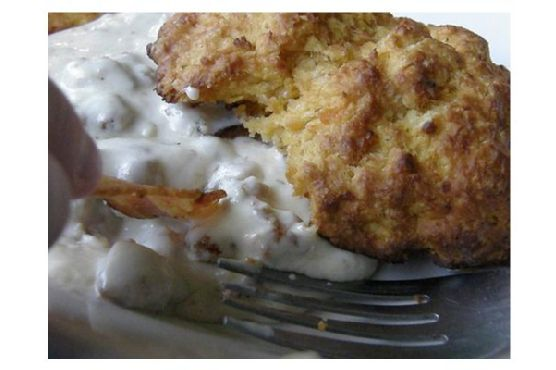
Breakfast Biscuits and Gravy | Made by Meaghan Moineau

Breakfast Biscuits and Gravy: A Comforting Start to Your Day

Intro

There’s something inherently comforting about starting your day with a plate of warm biscuits and savory gravy. My fondest childhood memories are of Sunday mornings at my grandmother’s house. The aroma of freshly baked biscuits and sizzling sausage would fill the air, inviting us to gather around the kitchen table. Her biscuits were always perfectly fluffy, and her gravy was rich and creamy, a recipe passed down through generations. Today, I want to share this cherished recipe with you, so you can create your own cozy mornings filled with love and deliciousness.

Why You’ll Love It

This Breakfast Biscuits and Gravy recipe is a heartwarming dish that’s perfect for leisurely weekends or whenever you need a little extra comfort in the morning. The biscuits are buttery and tender, providing the perfect base for the flavorful sausage gravy. With a balance of spices and a touch of fresh sage, the gravy is just the right amount of savory to complement the biscuits. Plus, this meal comes together with simple ingredients you likely already have in your pantry, making it an easy choice for a homemade breakfast.

Ingredients

  • 2 cups unbleached flour
  • 1 tablespoon baking powder
  • 1 teaspoon salt
  • 6 tablespoons unsalted butter, cold and cut into pieces
  • 1 cup plain yogurt
  • 1/4 cup whole milk
  • 1 pound pork sausage
  • Fresh sage leaves, finely chopped
  • 1/4 teaspoon ground allspice
  • 1/2 teaspoon paprika
  • Black salt and pepper, to taste

Instructions

  1. Preheat your oven to 425°F (220°C). Line a baking sheet with parchment paper for easy cleanup.
  2. Make the biscuits: Sift the flour, baking powder, and salt together into a large bowl. Using two knives or a pastry blender, cut in the butter until the mixture resembles coarse crumbs with pieces ranging from cornmeal to the size of small peas. Alternatively, you can use a food processor for this step.
  3. With a fork, gradually mix in the yogurt and then the milk until the dough is soft and slightly sticky. Be careful not to overwork the dough.
  4. Turn the dough out onto a lightly floured surface and knead it briefly until it holds together. Roll it out to about 1 1/4 inches thick and cut into round biscuits using a 2-inch cutter.
  5. Place the biscuits on the prepared baking sheet and bake in the preheated oven for 12-15 minutes or until golden brown.
  6. Prepare the sausage: In a large bowl, mix together the pork sausage, chopped sage leaves, ground allspice, paprika, black salt, and pepper using your fingers until well combined.
  7. To test the seasoning, fry a small patty of the sausage mixture and taste it. Adjust the seasoning as needed.
  8. Form the mixture into patties and cook them in a large heavy or nonstick skillet over medium-high heat for about 8 minutes per side, until they are crisp and browned on the outside and cooked through inside.
  9. Transfer the sausage patties to a warmed platter to keep them warm.
  10. Serve the warm biscuits topped with sausage patties and a generous serving of gravy.

Tips

For the best biscuits, make sure your butter is cold and handle the dough as little as possible to keep it tender. If you don’t have a biscuit cutter, a glass with a thin edge will work in a pinch. For a richer gravy, you can add a splash of cream or more butter.

Variations & Substitutions

If you’re looking to add a twist to this classic, try these variations:

  • Use turkey or chicken sausage for a lighter option.
  • Add a pinch of cayenne pepper to the sausage mixture for a bit of heat.
  • Substitute Greek yogurt for plain yogurt for a tangier flavor.

Storage

Store any leftover biscuits in an airtight container at room temperature for up to two days. The sausage patties can be refrigerated for up to three days or frozen for up to two months. To reheat, warm them in the oven or on the stovetop until heated through.

FAQ

Can I make the biscuits ahead of time?

Yes! You can prepare the biscuit dough, cut them into shapes, and freeze them on a baking sheet. Once frozen, transfer them to a ziplock bag and store in the freezer for up to a month. Bake directly from frozen, adding a few extra minutes to the baking time.

What can I use if I don’t have fresh sage?

If you don’t have fresh sage, you can substitute with half the amount of dried sage, as it’s more concentrated in flavor. Alternatively, try using rosemary or thyme for a different herbaceous note.

Nutrition

While this dish is indulgent and rich, it provides a hearty start to your day. Each serving offers a balance of carbohydrates and protein, perfect for keeping you satisfied through the morning. For a lighter version, consider making smaller biscuits and using leaner sausage.

Conclusion

There’s nothing quite like the satisfaction of a homemade breakfast, especially when it involves such a beloved classic as Biscuits and Gravy. With this recipe, you’ll bring a taste of nostalgia and warmth to your kitchen, creating memories that may become a tradition of your own. Whether it’s a leisurely weekend brunch or a special family gathering, this dish is sure to become a favorite in your home. Enjoy!

Related update: Breakfast Biscuits and Gravy

Related update: Chicken Lo Mein

Lamb & Sweet Potato Pot Pie | Made by Meaghan Moineau

Lamb & Sweet Potato Pot Pie

Intro

There’s something uniquely comforting about a homemade pot pie, with its flaky crust and savory filling. Growing up, my grandmother’s kitchen was filled with the aroma of her famous lamb pot pie, a dish she lovingly prepared every Sunday. The laughter of family mingling with the smell of sweet potatoes and fresh herbs was the highlight of my childhood weekends. Today, I’m thrilled to share my own version of this classic recipe, adding a sweet twist with sweet potatoes and a fragrant blend of spices. Whether you’re a seasoned cook or new to the kitchen, this Lamb & Sweet Potato Pot Pie is sure to become a family favorite.

Why You’ll Love It

This pot pie brings together tender lamb, sweet potatoes, and a medley of herbs and spices, all wrapped in a buttery, flaky crust. It’s a complete meal in itself, offering a delightful mix of textures and flavors. The sweet potatoes add a unique sweetness that balances the savory richness of the lamb, while the herbs and spices provide a fragrant depth. Perfect for a cozy family dinner or a special occasion, this pot pie is both heartwarming and satisfying.

Ingredients

  • 1 bay leaf
  • Black pepper, to taste
  • 1/2 cup butter, chilled
  • 1 teaspoon caraway seeds
  • 2 celery stalks, chopped
  • 2 tablespoons cornstarch
  • 1/2 cup demi glace
  • 2 1/2 cups flour
  • 1 tablespoon fresh rosemary, chopped
  • 1 tablespoon fresh thyme, chopped
  • 3 cloves garlic, minced
  • 1/4 cup ice water
  • 1 teaspoon kosher salt
  • 1 1/2 pounds lamb, cut into cubes
  • 1 teaspoon lemon zest
  • 1/4 cup milk
  • Olive oil, as needed
  • 1 teaspoon orange zest
  • 1 cup frozen peas
  • Prepared pie crust (bottom and top)
  • 1 red onion, diced
  • 1/2 cup red wine
  • Salt, to taste
  • 1/4 cup shortening
  • 1 tablespoon sugar
  • 2 sweet potatoes, peeled and diced
  • 1/2 cup water

Instructions

  1. Start with the crust. In a large bowl, combine flour, sugar, rosemary, thyme, and salt. Add chilled butter and use a pastry blender to mix until the mixture resembles coarse cornmeal.
  2. Add shortening and continue to combine until evenly distributed. Slowly add ice water by tablespoons, mixing well after each addition until the dough begins to stick together.
  3. Place the dough on a flat surface and divide into two even pieces. Roll into balls, dust lightly with flour, and wrap in plastic. Refrigerate for at least an hour.
  4. Toss lamb with salt, pepper, caraway seeds, garlic, and flour. Set aside.
  5. As the dough chills, heat olive oil in a wide, deep pan. When sizzling, add lamb pieces and cook on medium heat until just browned. Scoop onto a separate plate.
  6. If necessary, add more olive oil to the same pan. Scrape up all the drippings, then add onion and celery, cooking until they soften and become translucent.
  7. Pour in wine and demi glace, stirring well. Return lamb to the pan, followed by peas and the bay leaf. Cover, reduce to a simmer, and cook for about 15 minutes.
  8. Combine water and cornstarch, then pour into the lamb and vegetables. Mix well. Add sweet potatoes and cook for another 5-7 minutes. Remove from heat and allow to cool completely. Remove bay leaf.
  9. Once the filling has cooled, roll one ball of chilled dough on a floured surface for the bottom crust layer. Fit into a 9-inch pie dish and trim edges.
  10. Place in the fridge and roll the second piece of dough for the top. Remove the bottom crust layer from the fridge, pour in the filling, and top with the second layer. Trim edges if necessary, and roll the top crust edge over the bottom crust.
  11. Chill in the fridge or freezer for a quick chill (2-4 minutes) if the dough feels soft.
  12. Before baking, brush milk over the top crust. Bake in a preheated oven at 375°F for 45-50 minutes or until golden brown.
  13. For advance preparation, let the filling cool completely in the fridge before assembling the pie. Chill the assembled pie until ready to bake. This continuous chilling method ensures a flaky crust.

Tips

To ensure the perfect crust, always keep your ingredients cold. If the dough starts to warm up, give it a quick chill in the fridge or freezer. When rolling out the dough, use a light touch to avoid overworking it, which can lead to a tough crust. Pre-chill your pie dish to help the bottom crust bake evenly and avoid sogginess.

Variations & Substitutions

Feel free to experiment with different vegetables based on the season or your preferences. Carrots, parsnips, or mushrooms can be delightful additions. If you prefer a different protein, beef or chicken can be used in place of lamb. For a vegetarian version, omit the meat and add more vegetables, adjusting the seasoning as needed.

Storage

Store any leftovers in an airtight container in the refrigerator for up to 3 days. To reheat, cover with aluminum foil and warm in a preheated oven at 350°F until heated through. You can also freeze the unbaked pie after assembling. Wrap tightly in plastic wrap and aluminum foil, and freeze for up to 3 months. When ready to bake, add an extra 10-15 minutes to the cooking time.

FAQ

Can I make the crust ahead of time?

Yes, you can prepare the crust up to 2 days in advance. Keep it wrapped in plastic in the refrigerator until you’re ready to assemble the pie.

What if I don’t have demi glace?

If you don’t have demi glace, you can use beef or chicken stock as a substitute. Just reduce the quantity slightly to account for the liquid difference.

Can I use a store-bought crust?

Absolutely! A store-bought crust can save time and still deliver delicious results. Just make sure to keep it chilled until you’re ready to use it.

Nutrition

This pot pie is a hearty dish rich in protein from the lamb and packed with vitamins from the sweet potatoes and other vegetables. It’s a wholesome meal that provides a balance of carbohydrates, fats, and protein. For a lighter version, consider reducing the amount of butter or using a lower-fat milk for the crust.

Conclusion

Our Lamb & Sweet Potato Pot Pie is more than just a meal; it’s a comforting embrace that brings warmth and joy to any table. With its rich flavors and delightful textures, it’s perfect for gatherings or a satisfying family dinner. I hope this recipe becomes a cherished part of your culinary repertoire, just as it has been in my family. Enjoy every bite and the memories it brings!

Related update: Lamb & Sweet Potato Pot Pie

Related update: Breakfast Biscuits and Gravy

FSOC Reset: Deregulation for Growth | Analysis by Brian Moineau

A watchdog reborn for growth: What Scott Bessent’s FSOC reset means for markets and regulators

A policy about protecting the financial system just got a makeover. When Treasury Secretary Scott Bessent told the Financial Stability Oversight Council (FSOC) to stop thinking “prophylactically” and start hunting for rules that choke growth, the room changed from risk-management to rule‑rewriting. That pivot — part managerial, part ideological — will ripple across banks, fintech, investors and anyone who cares how Washington balances safety and dynamism.

Quick takeaways

  • Bessent has directed FSOC to prioritize economic growth and target regulations that impose “undue burdens,” signaling a clear deregulatory tilt.
  • The council will form working groups on market resilience, household resilience, and the effects of artificial intelligence on finance.
  • Supporters say loosening unnecessary rules can revive credit flow and innovation; critics warn that weakening post‑2008 safeguards risks rekindling systemic vulnerabilities.
  • Practical effects will depend on how FSOC’s new priorities influence independent regulators (Fed, SEC, OCC, CFPB) and whether Congress or courts push back.

Why this matters now

FSOC was born from the 2008 crisis under the Dodd‑Frank framework to sniff out risks that cross institutions or markets. For nearly two decades the accepted default for many regulators has been: better safe than sorry — build buffers, tighten oversight, and prevent contagion before it starts.

Bessent is asking the council to change the default. In a letter accompanying FSOC’s annual report (December 11, 2025), he framed overregulation as a stability risk in its own right — arguing that rules that slow growth, limit credit or choke technological adoption can produce stagnation that undermines resilience. He wants FSOC to spotlight where rules are excessive or duplicative and to shepherd work that reduces those burdens, including in emerging areas such as AI. (politico.com)

That’s a big philosophical and operational shift. Instead of primarily preventing tail risks (a “prophylactic” posture), FSOC will add an explicit mission: identify regulatory frictions that constrain growth and recommend easing them.

What the new FSOC playbook looks like

  • Recenter mission: Treat economic growth and household well‑being as core inputs to stability, not as tradeoffs. (home.treasury.gov)
  • Working groups: Create specialized teams for market resilience, household financial resilience (credit, housing), and AI’s role in finance. These groups will evaluate where policy might be recalibrated. (reuters.com)
  • “Undue burden” lens: Systematically review rules for duplication, cost‑benefit imbalance, or barriers to innovation — and highlight candidates for rollback or harmonization. (apnews.com)

What's at stake — the upside and the downside

  • Upside:

    • Faster capital flow and potential credit expansion if unnecessary frictions are removed.
    • More rapid adoption of financial technology (including AI) that could improve services and lower costs.
    • Reduced compliance costs for smaller banks and nonbank financial firms that often bear disproportionate burdens. (mpamag.com)
  • Downside:

    • Diminished guardrails could increase systemic risk if stress scenarios are underestimated or regulations that prevented contagion are untethered. Critics point to recent corporate bankruptcies and market stress as reasons to be cautious. (apnews.com)
    • FSOC’s influence is largely convening and coordinating; it cannot unilaterally rewrite rules. The real test will be whether independent agencies adopt the new tone or resist.
    • Political and legal pushback is likely from consumer‑protection advocates, some Democrats in Congress, and watchdog groups who argue loosened rules will favor financial firms at consumers’ expense. (politico.com)

How markets and stakeholders will likely respond

  • Big banks and fintech: Encouraged. They’ll press for reduced compliance burdens and clearer pathways for novel products (AI models, alternative credit scoring).
  • Regional/community banks: Mixed. Lower compliance costs could help, but loosening supervision can also allow larger firms to expand risky products that affect smaller lenders indirectly.
  • Consumer advocates and progressive lawmakers: Vocal opposition, emphasizing consumer protections, transparency, and stress‑test rigor.
  • Investors: Watchful. Market participants tend to welcome pro‑growth signals but will price in increased tail‑risk if oversight is perceived as weakened.

The real constraint: FSOC’s powers and the regulatory ecosystem

FSOC chairs and convenes — it doesn’t replace independent regulators. The Fed, SEC, OCC and CFPB set and enforce many of the rules Bessent has in mind. That means:

  • FSOC can recommend, coordinate, and spotlight problem areas; it can’t, by itself, decree deregulation.
  • The policy route will often run through agency rulemakings, litigation, and Congress — all places where the deregulatory push can be slowed, shaped, or blocked. (reuters.com)

Put simply: this is a strategic reorientation more than an instant policy rewrite. Its potency depends on persuasion and leverage across the regulatory web.

My take

There’s a reasonable middle path here. Financial rules that are genuinely duplicative or outdated deserve scrutiny — especially where technology has changed how services are delivered. Yet dismantling prophylactic measures wholesale risks repeating a painful lesson: stability is often the fruit of constraints that look costly in calm times.

The best outcome would be surgical reform: use FSOC’s platform to clean up inefficiencies, increase transparency, and direct agencies to modernize rules — while preserving the stress‑testing, capital, and resolution tools that limit contagion. The danger is rhetorical: calling prophylaxis “burdensome” can become a pretext for rolling back protections that matter when markets turn.

Final thoughts

Bessent’s reset reframes a central policy debate: is stability best secured primarily by stricter rules or by stronger growth? The answer isn’t binary. Markets thrive when rules are sensible, targeted, and adapted to new technologies — but don’t disappear when they make mistakes. Over the coming months expect vigorous fights over concrete rulemakings, not just rhetoric. How FSOC translates this new mission into action will tell us whether this shift produces smarter regulation — or just a lighter touch at the expense of resilience.

Sources


Related update: We recently published an article that expands on this topic: read the latest post.


Related update: We recently published an article that expands on this topic: read the latest post.

When Awards Become Ads: Gamings Fade | Analysis by Brian Moineau

The Game Awards are losing their shine — and that matters more than the viewership

There’s a strange feeling watching the biggest night of gaming while also feeling like you’re trapped inside a very expensive ad break. The Game Awards still pulls massive numbers — announcements trend, trailers light up Twitter, and stream counts climb every year — but increasingly the ceremony feels less like a celebration of creators and more like a packaged hour-and-a-half of marketing punctuated by a handful of awards.

This isn’t nostalgia for a purer past so much as an observation about priorities: flashy reveals and celebrity cameos get time and airtime; the people who actually make games rarely do.

Why the glow is dimming

  • The ceremony’s format and pacing reward spectacle.
    • Big reveals, music performances, and celebrity presenters generate headlines and clicks. They also fill the runtime while the acceptance speeches and developer moments get a shotgun blast of airtime. Reporters and devs have noted winners being cut off or rushed to make room for trailers and commercials. (theverge.com)
  • Marketing dollars shape what the show emphasizes.
    • The event functions as an enormous marketing platform where publishers debut trailers to captive millions. That commercial value naturally pushes awards and earnest developer recognition to the margins. (videogameschronicle.com)
  • Credibility and community goodwill are being stretched thin.
    • Programs meant to spotlight diverse, emerging talent — like the Future Class — have reportedly been paused or under-resourced, leaving participants feeling tokenized rather than supported. Meanwhile, the show’s handling of industry-wide crises (mass layoffs, worker concerns, geopolitical issues) has attracted criticism for silence or inconsistency. (theverge.com)
  • Popularity ≠ trust.
    • Streaming numbers can climb (and they do), but popularity doesn’t negate feeling sidelined. For many developers, being trotted onstage for 30 seconds between trailers isn’t a win — it’s performative recognition. (en.wikipedia.org)

A brief history so this makes sense

  • Geoff Keighley founded The Game Awards in 2014 as a producer-hosted ceremony intended to honor both creators and players while providing a platform for announcements.
  • Over the past decade the show grew into one of gaming’s main cultural touchpoints: huge livestream numbers, major reveals, and celebrity moments.
  • That growth brought attention — and with it commercial opportunity. As ad-sensitive and trailer-hungry content increased, the balance between honoring craft and selling products began shifting. (theverge.com)

The cost of the imbalance

  • Developers lose meaningful recognition.
    • When acceptance speeches are slotted for 20–30 seconds, the work and stories behind a game get flattened into 140-character headlines. That diminishes the ritual of recognition the awards are supposed to provide. (windowscentral.com)
  • Important industry conversations get sidelined.
    • The show’s reluctance or inconsistency in addressing labor issues and other systemic problems sends a message: spectacle over substance. That erodes trust, especially among workers the industry depends on. (theverge.com)
  • Audiences get a distorted picture of game development.
    • When trailers and celebrity moments dominate, viewers — especially casual ones — are reminded that gaming is about releases and marketing, not the long, collaborative craftsmanship behind games.

Could the show be different? What a better balance might look like

  • Give winners room to breathe.
    • More time for developer acceptance speeches and short profiles would humanize creators and their process.
  • Limit commercial blocks during award segments.
    • If trailers are essential, structure the show so awards remain a core throughline, not an intermission for ads.
  • Reinvest in initiatives like Future Class.
    • Turn programs for emerging creators into sustained mentorship and networking resources, with transparency and measurable outcomes.
  • Add editorial accountability.
    • Publish selection and programming rationale: how nominees are chosen, why certain awards are brief, and what trade-offs go into the show's structure.

Quick takeaways

  • The Game Awards remain huge in reach but are losing esteem among creators because spectacle often drowns recognition.
  • Commercial incentives — reveals, trailers, celebrity moments — warp airtime and priorities.
  • Meaningful, sustained support for developers (especially emergent or underrepresented creators) would rebuild credibility.
  • Popularity alone isn’t a substitute for trust. The awards must manage both if they want to keep their cultural authority.

My take

I love the idea of a single night where the industry’s creative work is given a spotlight. But magic fades when the spotlight looks like a billboard. The Game Awards still has the muscle to be meaningful: it can drive sales, shine attention on small teams, and uplift careers. If it truly wants to be the industry’s stage rather than its podium for marketing, it needs to stop treating awards as an interruption and start treating developers as the show’s heartbeat.

There’s room for trailers and spectacle — those are fun and important — but not at the expense of the people who make games. If the ceremony can rebalance airtime and resources toward real recognition (and meaningful programs that survive beyond a press cycle), the glitter will feel earned again.

Sources


Related update: We recently published an article that expands on this topic: read the latest post.


Related update: We recently published an article that expands on this topic: read the latest post.


Related update: We recently published an article that expands on this topic: read the latest post.

Pumpkin French Toast | Made by Meaghan Moineau

Pumpkin French Toast: A Cozy Autumn Breakfast Delight

Intro

There’s something magical about the crispness of fall mornings that calls for a breakfast as comforting as it is delicious. Growing up, I remember the aroma of spices filling our kitchen as my grandmother prepared her famous pumpkin French toast on chilly weekends. The warmth of cinnamon and nutmeg, combined with the sweetness of maple syrup, made those mornings unforgettable. This recipe is a tribute to those cherished memories, bringing the essence of autumn to your breakfast table.

Why You’ll Love It

This Pumpkin French Toast is more than just a breakfast; it’s an experience. The perfect blend of spices and pumpkin puree gives it that quintessential fall flavor, while the crispy exterior and fluffy interior provide a satisfying texture. Whether you’re hosting a brunch or treating yourself to a relaxed morning meal, this recipe is sure to impress. Plus, it’s easy to make and fills your home with an irresistible aroma.

Ingredients

  • Bread (preferably thick slices like brioche or challah)
  • 1/4 cup brown sugar
  • 1 teaspoon cinnamon
  • 4 eggs
  • 1/2 cup maple syrup
  • 1 cup milk
  • 1/4 teaspoon nutmeg
  • 1 teaspoon pumpkin pie spice
  • 1/2 cup pumpkin puree
  • 1 teaspoon vanilla extract

Instructions

  1. In a shallow dish, whisk together the eggs, milk, pumpkin puree, vanilla extract, brown sugar, cinnamon, nutmeg, and pumpkin pie spice until well combined.
  2. Preheat your griddle or skillet to 350 degrees Fahrenheit.
  3. Dip each slice of bread into the egg mixture, ensuring both sides are evenly coated. Allow the bread to soak for a few seconds for maximum flavor absorption.
  4. Place the coated bread slices onto the preheated griddle. Cook each side for 2-3 minutes, or until they are golden brown and cooked through.
  5. Serve the French toast hot, topped with butter and a generous drizzle of maple syrup. For an extra touch, spread some pumpkin butter on top.

Tips

For the best results, use day-old bread, as it absorbs the egg mixture more effectively without becoming overly soggy. If you’re using fresh bread, consider toasting it lightly before dipping. Be sure to adjust the cooking time according to the thickness of your bread slices to ensure even cooking.

Variations & Substitutions

You can easily customize this recipe to suit your tastes or dietary needs. Use almond milk or coconut milk for a dairy-free option, and swap out the brown sugar for coconut sugar or a sugar substitute if desired. Add a handful of chopped nuts or dried cranberries for a delightful texture contrast. For a gluten-free version, use your favorite gluten-free bread.

Storage

Leftover French toast can be stored in an airtight container in the refrigerator for up to 3 days. To reheat, simply place it in a toaster or oven at a low temperature until warmed through. You can also freeze the cooked French toast by laying slices flat on a baking sheet to freeze individually before transferring them to a freezer-safe bag or container. Reheat from frozen using a toaster or oven.

FAQ

Can I make the egg mixture ahead of time?

Yes, you can prepare the egg mixture up to a day in advance. Store it in the refrigerator in a covered container, and give it a good whisk before using it to ensure the spices are evenly distributed.

What kind of bread works best for this recipe?

Thick slices of bread like brioche, challah, or Texas toast are ideal for French toast as they hold up well to the egg mixture and cook evenly. However, feel free to use any bread you have on hand, just keep in mind that the texture may vary.

Can I use canned pumpkin pie filling instead of pumpkin puree?

It’s best to use pumpkin puree for this recipe as pumpkin pie filling contains added sugars and spices that could alter the flavor balance. If pumpkin puree is not available, you can adjust the spices in the recipe to account for the additional flavors in the pie filling.

Nutrition

This recipe is a delightful indulgence, providing a cozy start to your day. While the exact nutritional content will vary based on the type of bread used and toppings added, a serving made with regular bread and maple syrup typically contains around 250-300 calories, with healthy doses of vitamin A from the pumpkin puree.

Conclusion

Pumpkin French Toast is the perfect way to celebrate the flavors of fall. Its rich and comforting taste brings warmth to any morning, making it a favorite for family gatherings and lazy weekends alike. Whether you enjoy it with a cup of hot coffee or a glass of cider, this dish is sure to become a beloved part of your autumn traditions. Give it a try and let the nostalgic aroma of spices transport you to your own cherished memories!

Related update: Pumpkin French Toast

Related update: Banana Blueberry Pancakes

Google Maps Auto-Saves Your Parked Car | Analysis by Brian Moineau

A small update that will save millions of minutes: Google Maps now saves where you parked — on iPhone first

You know that tiny moment of panic after a concert or grocery run: you step out of the car, the lot looks the same from every angle, and your brain suddenly forgets which row, level, or light pole you claimed. Google just smoothed that friction — quietly, neatly, and in a way that will actually matter to everyday drivers.

Google Maps on iPhone can now automatically detect when your drive ends and drop a parked-car pin for you. No manual saving, no photo-taking, no mental note needed. The pin expires or disappears when you start driving again. For people who spend any part of their life hunting for a parked car, that’s a tiny UX miracle. (tomsguide.com)

Why this feels bigger than it sounds

  • It replaces a repetitive microtask (save parking spot) with an invisible one. People hate extra steps. Removing them increases satisfaction and adoption.
  • The feature works when your phone connects to the car (USB, Bluetooth or CarPlay), so it fits with how most of us already use phones in cars. (tomsguide.com)
  • Google preserves privacy-friendly behavior: the pin goes away when you drive again and auto-removal limits clutter (the saved spot lasts up to 48 hours in initial reports). (the-sun.com)

This kind of seamless assistance is exactly the sort of small automation that moves a feature from “nice to have” to “I use it every time.”

A little context: parking features on phones aren’t new — but automation is

Both Apple Maps and Google Maps have supported manually saved parking locations for years. Apple’s iPhone has also long offered a parked-car marker when you disconnect from CarPlay or a car’s Bluetooth, provided certain privacy/location settings are enabled. What’s new here is that Google’s parking save is automatic and, crucially, it’s rolling out first to iPhone users rather than Android. (support.apple.com)

That reversal — a Google feature debuting on iOS first — is notable in itself. It highlights how cross-platform product strategies and device ecosystems have evolved: developers target where the feature will have immediate impact and reach. For end users, that just means the convenience is arriving where they are, sooner. (tomsguide.com)

What drivers should know

  • How it triggers: your phone must be connected to the car via USB, Bluetooth, or Apple CarPlay while you drive. When you stop and disconnect, Maps will show a parking pin next time you open it. (tomsguide.com)
  • How long it stays: early reports suggest the pin persists up to 48 hours unless you start driving again. (the-sun.com)
  • Appearance: Google now supports custom car icons for parking, so instead of a default “P” you might see a colored car icon you previously selected. (tomsguide.com)
  • Android parity: Android already has parking reminders but requires manual removal of the icon in many cases; Google hasn’t committed to an Android timeline for automatic pin removal. (tomsguide.com)

Who benefits most

  • City drivers juggling street parking and multi-level garages.
  • Shoppers, concertgoers, and travelers who park in unfamiliar or large lots.
  • People who share cars or switch vehicles — automatic detection reduces human error.
  • Fleet drivers and gig workers who frequently stop and restart drives (though corporate device policies may affect behavior).

In short: anyone who’s ever spent extra minutes circling a lot will appreciate the time savings and stress reduction.

Potential privacy and edge-case considerations

  • Location settings and permissions still matter. If you’ve tightened up Location Services or “Significant Locations” settings on iPhone, the parked-car marker might not appear reliably. Apple’s Maps similarly depends on those system settings, which illustrates how platform privacy controls shape functionality. (support.apple.com)
  • Repeated parking at the same location (home/work) may not trigger a pin, by design, to avoid clutter and false positives. (support.apple.com)
  • Shared cars or phones could produce confusing markers if multiple users connect to the same vehicle. Expect a few kinks as the feature hits more users.

My take

This is the kind of product improvement that wins quietly: it doesn’t need a splashy headline, but it measurably improves daily life. Saving a few minutes and removing mild stress across millions of trips compounds into real user delight. Google shipped sensible defaults (auto-removal, limited lifetime) and leaned into existing behaviors (phone–car connections), which makes the feature more likely to “just work.”

I’d like to see Google confirm an Android rollout plan — especially because Android users often park across more device types and car setups — but as a practical matter, iPhone users will enjoy the convenience right away. (macrumors.com)

Quick practical tips

  • Check your phone’s location and Maps settings so the feature can run:
    • On iPhone: Settings > Privacy & Security > Location Services and System Services (Significant Locations). Also check Settings > Maps > Show Parked Location. (support.apple.com)
  • If you prefer not to have parked pins shown, disable the Maps parked-location option.
  • If you customize your “car icon” in Google Maps, watch for that icon to appear at your parking spot — small personalizations like that make the feature feel tailored to you. (tomsguide.com)

Final thoughts

Technology's biggest wins often come from reducing tiny frictions. A saved parking pin is not a paradigm shift, but it’s a thoughtful quality-of-life tweak that will quietly save time and frustration for a huge number of people. If you drive and carry a phone, expect fewer confused walks around parking lots and more time enjoying where you actually meant to be.

Sources


Related update: We recently published an article that expands on this topic: read the latest post.


Related update: We recently published an article that expands on this topic: read the latest post.


Related update: We recently published an article that expands on this topic: read the latest post.


Related update: We recently published an article that expands on this topic: read the latest post.

Italian Tomato and Mozzarella Caprese | Made by Meaghan Moineau

Italian Tomato and Mozzarella Caprese

Intro

There’s something truly magical about the simplicity of Italian cuisine. The first time I tasted a Caprese salad was during a family trip to the Amalfi Coast. We were dining al fresco at a quaint little restaurant with views of the sparkling Mediterranean Sea. The sun was setting, casting a golden hue over everything, and the air was rich with the scent of fresh basil and ripe tomatoes. Every bite of that Caprese was an explosion of freshness and flavor, and I’ve been in love with this dish ever since.

Why You’ll Love It

The Italian Tomato and Mozzarella Caprese is a celebration of fresh, high-quality ingredients. It’s a dish that requires minimal preparation but delivers maximum flavor. This easy-to-make salad is perfect for any occasion, whether you’re hosting a summer barbecue, looking for a quick appetizer, or simply craving a taste of Italy. The combination of juicy vine-ripened tomatoes, creamy mozzarella, and fragrant basil, all drizzled with balsamic vinegar and olive oil, is nothing short of divine.

Ingredients

  • Fluid balsamic vinegar
  • Black pepper
  • Fresh basil leaves
  • Kosher salt
  • Olive oil
  • Dry sprinkle of oregano leaves
  • Fresh whole-milk mozzarella
  • Vine-ripened tomatoes

Instructions

  1. On a large platter, arrange sliced tomatoes and drizzle with balsamic vinegar.
  2. Place one basil leaf on top of each tomato slice.
  3. Slice mozzarella and place on top of basil leaves.
  4. Sprinkle oregano, salt, and black pepper on cheese and drizzle with the olive oil.

This recipe yields 4 servings.

Tips

To make the most of your Caprese salad, ensure that your ingredients are as fresh as possible. Look for bright red, firm tomatoes and fresh mozzarella that is soft and slightly springy to the touch. Use high-quality olive oil and balsamic vinegar to enhance the flavors. Remember, the key to a perfect Caprese is balance, so adjust the seasoning to your taste.

Variations & Substitutions

While the classic Caprese is delightful on its own, there are several ways you can mix things up:

  • Avocado: Add slices of ripe avocado for a creamy twist.
  • Pesto: Drizzle a little pesto over the top for an extra burst of basil flavor.
  • Prosciutto: For a heartier salad, add thin slices of prosciutto.
  • Buffalo Mozzarella: Substitute traditional mozzarella with buffalo mozzarella for a richer taste.

Storage

Caprese salad is best enjoyed fresh. However, if you have leftovers, store them in an airtight container in the refrigerator for up to 24 hours. Note that the tomatoes may release some juice, which can affect the texture of the salad. It’s a dish that shines in its freshness, so try to prepare only as much as you plan to eat.

FAQ

Can I make Caprese salad ahead of time?

While it’s best to assemble the salad just before serving, you can prepare the individual components a few hours ahead. Slice the tomatoes and mozzarella and store them separately in the refrigerator. Assemble the salad when you’re ready to serve.

What can I serve with Caprese salad?

Caprese salad is wonderfully versatile and can be served alongside grilled meats, pasta dishes, or crusty bread. It’s also a great addition to a charcuterie board.

Is Caprese salad healthy?

Yes, Caprese salad is a healthy choice. It’s packed with nutrients from the tomatoes and basil, and the mozzarella provides protein and calcium. Just be mindful of the olive oil and cheese if you’re watching your calorie intake.

Nutrition

Each serving of Caprese salad contains approximately:

  • Calories: 250
  • Protein: 12g
  • Fat: 20g
  • Carbohydrates: 8g
  • Fiber: 2g
  • Sugar: 6g

Conclusion

The Italian Tomato and Mozzarella Caprese is more than just a salad; it’s a tribute to the beauty of simple, fresh ingredients. Whether you’re reminiscing about a past Italian getaway or just looking to bring a taste of Italy to your table, this Caprese salad is sure to delight your taste buds. Enjoy each layer, each flavor, and let it transport you to a sun-drenched terrace overlooking the Mediterranean. Buon appetito!

Related update: Italian Tomato and Mozzarella Caprese

Related update: Arame Edamame Cucumber Salad

Related update: Agedashi Tofu

5-Minute Rocky Road Fudge | Made by Meaghan Moineau

5-Minute Rocky Road Fudge: A Sweet Shortcut to Delight

Intro

There are few things in life as comforting as a bite of homemade fudge. The rich creaminess of chocolate combined with the nutty crunch of walnuts and the whimsical chew of mini-marshmallows creates a symphony of flavors and textures that can transport you to another time. When I was a child, my grandmother used to make a big batch of rocky road fudge every Christmas. The aroma would fill her cozy kitchen, mingling with the scent of pine from the tree, and the sound of laughter from family gathered around. Today, I’m excited to share a quicker version of this beloved treat—a recipe that takes just five minutes to prepare, yet captures all the nostalgia and warmth of those fond memories.

Why You’ll Love It

Not only does this rocky road fudge recipe bring the classic flavors you love, but it’s also incredibly easy to make. Here’s why you’ll fall head over heels for this quick confection:

  • Time-Saving: With just five minutes of prep time, this fudge is perfect for last-minute dessert needs or a quick treat.
  • Minimal Ingredients: You’ll only need a handful of pantry staples to whip this up.
  • No Stove Required: The microwave does all the heavy lifting, making this a convenient recipe that anyone can make.
  • Perfect for Gifting: Cut into squares, this fudge makes a delightful homemade gift, ideal for holidays or special occasions.

Ingredients

  • Semi-sweet chocolate chips
  • Canned sweetened condensed milk
  • Vanilla extract
  • Salt
  • Mini-marshmallows
  • Walnuts

Instructions

  1. Line a 13×9-inch pan with foil, lightly spray with cooking spray. Set aside.
  2. In a large, microwave-safe bowl, add chocolate chips and condensed milk. Microwave for about 40 seconds, or until the chips are just melted when you stir them. If needed, continue to microwave in 15-second increments until melted. Do not overcook.
  3. Immediately stir in vanilla and salt.
  4. Fold in the marshmallows and walnuts quickly.
  5. Spread and press fudge into the prepared pan swiftly. Refrigerate until completely cooled before cutting into squares.

Tips

To ensure that your fudge turns out perfectly every time, consider these helpful tips:

  • Microwave Caution: Be careful not to overcook the chocolate, as it can seize and become grainy. Stirring frequently helps prevent this.
  • Quick Mixing: Work swiftly when adding the marshmallows and nuts to prevent them from melting too much.
  • Even Spreading: Use a spatula to evenly spread the fudge in the pan, applying gentle pressure to ensure a smooth surface.

Variations & Substitutions

This rocky road fudge is incredibly versatile. Here are some fun ways to switch it up:

  • Nut Alternatives: Swap walnuts for pecans, almonds, or even a mix of your favorite nuts.
  • Chocolate Twist: Try using dark chocolate or milk chocolate chips for a different flavor profile.
  • Add-Ins: For added texture, consider including dried fruit like cranberries or raisins.
  • Vegan Option: Use vegan chocolate chips and a plant-based condensed milk alternative.

Storage

Store your rocky road fudge in an airtight container to maintain freshness. It will keep well in the refrigerator for up to two weeks. If you prefer a softer texture, you can also store it at room temperature for about a week. For long-term storage, consider freezing individual squares wrapped in parchment paper for up to three months. Thaw in the refrigerator before enjoying.

FAQ

Can I make this fudge without nuts?

Absolutely! If you have a nut allergy or simply prefer a nut-free version, you can omit the walnuts. The fudge will still be deliciously rich and satisfying.

How do I prevent the chocolate from seizing?

To prevent seizing, ensure that no water comes into contact with the chocolate. Use a dry, microwave-safe bowl and stir gently. Overheating can also cause seizing, so heat the mixture in short increments.

Is it okay to use flavored chocolate chips?

Yes, flavored chocolate chips, like mint or caramel, can add a unique twist to the traditional rocky road flavor. Experiment to find your favorite combination!

Nutrition

While this fudge is a treat, it’s always beneficial to be mindful of portion sizes. Each square of fudge (assuming 24 squares per batch) contains approximately:

  • Calories: 150
  • Fat: 8g
  • Carbohydrates: 20g
  • Protein: 2g

Remember, moderation is key, especially with such a rich and indulgent dessert.

Conclusion

Our 5-Minute Rocky Road Fudge is a delightful nod to a classic recipe, wrapped in the convenience of modern-day cooking. Whether you’re recreating cherished memories or building new ones, this recipe is sure to become a staple in your dessert repertoire. Easy to make and even easier to enjoy, it’s the perfect blend of tradition and simplicity. Gather your ingredients, take a trip down memory lane, and indulge in the sweet satisfaction of homemade fudge, all in just five minutes.

Related update: 5-Minute Rocky Road Fudge

Related update: Vanilla Cream Cakes, Easy and Fluffy Holiday Cakes

Bevacqua vs. Yormark: Notre Dame Fallout | Analysis by Brian Moineau

Notre Dame’s Public Meltdown and the Cost of Burning Bridges

The college-football offseason rarely delivers on drama like a rivalry game — yet here we are: Notre Dame’s athletic director, Pete Bevacqua, publicly calling out the ACC after the Fighting Irish were left out of the 2025 College Football Playoff, and Big 12 commissioner Brett Yormark answering back by calling Bevacqua’s actions “egregious.” The exchange is more than headline fodder. It’s a study in modern power dynamics in college sports: brand protection, conference alliances, and the long memory of favors.

Why this row matters more than just pride

  • Notre Dame is unique: football independent in practice but tied to the ACC in most sports and scheduling agreements. Its network of relationships matters more than ever in an expanded 12-team playoff world.
  • Public finger-pointing isn’t just awkward — it can cost future scheduling, revenue, and political capital when the sport’s power players make decisions about expansion, access, and TV money.
  • Brett Yormark’s rebuke highlights an important theme: institutions that benefit from alliances don’t always get to publicly scold their partners without consequences.

What happened (plain and simple)

  • After the CFP selection favored Miami over Notre Dame (Miami had the head-to-head win), Pete Bevacqua publicly criticized the ACC, accusing it of undermining Notre Dame’s case by pushing Miami in league messaging and social media.
  • Notre Dame officials also signaled the relationship with the ACC had been “strained,” and Bevacqua suggested the league’s actions did “permanent damage.”
  • At the Sports Business Journal Intercollegiate Athletics Forum, Big 12 commissioner Brett Yormark called Bevacqua’s conduct “egregious” and “totally out of bounds,” noting the ACC had “saved” Notre Dame during the COVID-19 season in 2020 by giving them a full conference schedule and access to the conference championship.
  • The episode opened talk of potential reprisals from other athletic directors (scheduling aversion), and renewed speculation about where Notre Dame fits in the evolving conference landscape. (bleacherreport.com)

A closer look at the players and incentives

  • Pete Bevacqua (Notre Dame AD)

    • Incentives: Protect Notre Dame’s brand, fight for access to the playoff and its financial upside, and signal to fans and donors that the program will push back.
    • Risk: Alienating conference allies, compromising behind-the-scenes relationships that matter for scheduling and future political support.
  • Jim Phillips (ACC commissioner)

    • Incentives: Advocate for all ACC members and preserve the league’s credibility when promoting its teams.
    • Risk: Accusations of favoritism, even if the league was acting within normal advocacy duties.
  • Brett Yormark (Big 12 commissioner)

    • Incentives: Defend conference solidarity and discourage public feuds that could destabilize the broader system.
    • Risk: Appearing partisan or discouraging legitimate transparency about selection processes.

Bigger context: governance, memory, and leverage

  • College sports is a relationship economy. Conferences and independents trade scheduling, revenue sharing, and access. Publicly criticizing a partner is not just emotional — it’s strategic malpractice if you need that partner again.
  • Yormark’s point about the 2020 season is a reminder: favors are remembered. The ACC allowed Notre Dame a 10-game conference slate in COVID-impacted 2020; that accommodation had long-term competitive consequences and built goodwill.
  • The CFP’s expanded format and the myriad memorandums and understandings that govern access mean that political capital and perceived fairness matter almost as much as wins and losses.

Key takeaways

  • Publicly calling out a partner rarely wins loyalty; it often costs leverage.
  • Short-term PR satisfaction (rallying the fanbase) can come with long-term strategic losses (fewer high-quality opponents, strained negotiations).
  • Transparency in selection criteria is crucial — but the way institutions air grievances matters just as much as the grievance itself.
  • The Notre Dame–ACC–CFP spat is a microcosm of college sports’ transition: bigger stakes, more politics, and less room for emotional outbursts without consequences.

My take

Bevacqua’s frustration is understandable — missing the CFP stings, and athletic directors are tasked with fiercely protecting institutional interests. But stewardship in college athletics requires a balance between defending your program and preserving the relationships that make future success possible. Publicly accusing a conference partner of undermining you burns trust. Yormark’s rebuke isn’t just rhetorical theater; it’s a reminder that in the post-expansion era, relationships are currency. Notre Dame’s leadership needed a different channel: a private, strategic response that preserved options rather than narrowed them.

Sources


Related update: We recently published an article that expands on this topic: read the latest post.


Related update: We recently published an article that expands on this topic: read the latest post.