Samsung Unpacked 2026: Phones as Partners | Analysis by Brian Moineau

A new chapter for Galaxy: what Samsung actually announced at Unpacked 2026

Samsung's Unpacked on February 25, 2026 landed like a weather front for mobile tech — not a single dramatic lightning strike, but a sweep of changes that together reframe what a smartphone can do. From the S26 Ultra's built-in Privacy Display to earbuds that talk back to AI and “agentic” assistants that act for you, this event wasn't just about specs. It was about shifting phones from reactive tools into proactive partners.

Below I break down the headlines, give the context you need, and share what the changes mean for privacy, daily workflows, and whether it's worth upgrading.

Quick snapshot

  • Event date: February 25, 2026 (Galaxy Unpacked, San Francisco).
  • Ships: Galaxy S26 series and Galaxy Buds4 line are slated to be available from March 11, 2026.
  • Themes: agentic AI (phones acting on your behalf), hardware privacy (Privacy Display), camera and performance refinements, and refreshed earbuds with tighter AI integration.

What matters most right now

  • Privacy Display: a hardware-layer privacy solution built into the S26 Ultra’s OLED that limits side viewing — useful in crowded places and for safeguarding on-screen data.
  • Agentic AI: Samsung positions Galaxy AI as more than assistants that answer questions; it will proactively perform tasks, leverage on-device Personal Data Engine (PDE), and work with partners like Google (Gemini) and Perplexity.
  • Buds4 and Buds4 Pro: redesigned earbuds with improved audio, new gesture and head controls, and closer integration with Galaxy AI.
  • Pricing and release: preorders opened after Unpacked; S26 series ships March 11, 2026 with U.S. pricing shifts (S26 and S26+ up $100 vs. predecessors; Ultra holds at $1,299 in the U.S., per reporting).

A few high-level takeaways

  • Privacy and AI are front-and-center, not afterthoughts.
  • Samsung is treating AI as infrastructure — deeply embedded, cross-device, and designed to act for you.
  • Hardware innovations (display tech, thermal design) support those AI ambitions by enabling sustained on-device processing.
  • The product lineup is evolutionary in many specs, but the platform changes (PDE, agentic features) create new user scenarios that may drive upgrades.

The Galaxy S26 series: subtle redesigns, big platform bets

  • Design and performance:
    • The S26 Ultra swaps titanium for lighter aluminum for better thermal control and adds a larger vapor chamber; Samsung claims significant NPU and CPU improvements for the Ultra’s custom AP. These changes are meant to sustain AI-heavy workloads on-device.
  • Cameras and displays:
    • Improvements in apertures, image processing, and a 200 MP main sensor on the Ultra continue Samsung’s push on computational photography. The Ultra keeps flagship camera capabilities (including 8K options) while adding a display technology that’s the real eye-catcher this year.
  • Privacy Display (S26 Ultra headline):
    • This is a display-integrated approach to “shoulder surfing”: when enabled the screen remains clear for the person directly in front of it but darkens or blacks out when viewed from the side. You can configure it per app or area (notifications/passwords), and there’s a “Maximum Privacy Protection” mode for especially sensitive content.
    • Importantly, this is hardware-level masking integrated into the OLED panel rather than a simple software filter — which reduces the chance of easy circumvention and preserves front-view clarity.
  • Pricing and availability:
    • Preorders followed Unpacked and shipping begins March 11, 2026. U.S. pricing shows S26 and S26+ up about $100 versus last year, while the Ultra stays around $1,299 (regional prices vary).

Why this matters: Samsung is answering two real user pain points — public privacy and AI usefulness — with hardware plus platform improvements. That combination is more compelling than incremental megapixel or battery gains alone.

Agentic AI: a phone that does more than answer

  • Agentic AI concept:
    • Samsung framed agentic AI as the phone taking action on your behalf: scheduling, summarizing conversations, searching and even completing tasks (via partnerships and Google Labs previews of Gemini 3).
  • Personal Data Engine (PDE) and security:
    • The PDE organizes on-device data so AI can use context sensibly, and Knox/KEEP/Knox Vault aim to isolate and protect that data. Samsung emphasizes that privacy/security sit at the architecture level.
  • Partners and assistants:
    • Galaxy devices will ship with multiple AI assistants available: Bixby, Google’s Gemini, and Perplexity (with “Hey Plex” wake-word support for Perplexity features).
  • Day-to-day features:
    • Examples shown include contextual nudges during chats (Now Nudge), natural-language photo edits (Photo Assist), multi-object Circle to Search, call screening and summaries, and proactive document scanning/cleanup.

Why this matters: agentic features are a step beyond voice queries. If executed well and securely, they could reduce friction — fewer taps, fewer app switches. The risk is user trust: people will need to feel confident the AI acts correctly and respects privacy boundaries.

Galaxy Buds4 and Buds4 Pro: tighter audio and smarter ears

  • Design and hardware:
    • A refreshed “blade” look, smaller earbud heads, IP54/IP57 dust-water ratings, and an 11 mm wide woofer in the Pro that increases speaker area and bass response.
  • AI and safety features:
    • Super Clear call quality, better ANC, siren detection that boosts ambient awareness, and head gesture controls for hands-free interactions.
  • Integration:
    • Deep integration with Galaxy AI and multi-assistant voice control means the earbuds become more than audio peripherals — they’re conversational endpoints and modes of invoking assistants.

Why this matters: earbuds are now an important interface for agentic AI. Improvements in call clarity and environmental awareness fit a world where voice and context increasingly drive interactions.

The privacy and ethics question

  • Hardware privacy vs. software privacy:
    • The Privacy Display protects visual eavesdropping, but it doesn't (and can't) address data collection, profiling, or how AI services handle information. Samsung’s architectural protections (PDE, KEEP) are meaningful, but trust depends on transparent policies and implementation details.
  • Agentic risks:
    • When AI acts for you, mistakes can multiply. Mis-scheduled meetings, incorrect actions, or poor judgment in sensitive contexts are real concerns. User control, clear undo/consent flows, and conservative defaults will be crucial.
  • Ecosystem complexity:
    • Multiple assistants (Bixby, Gemini, Perplexity) increase choice but also fragmentation and potential confusion. How Samsung surfaces which assistant is acting — and how data is shared between them — will affect adoption.

My take

Samsung didn’t just refresh a spec sheet at Unpacked 2026 — it laid foundational pieces for phones that act. The Privacy Display is a smart, tangible response to a mundane yet widespread annoyance (shoulder-surfing), and the agentic AI push is the kind of platform-level ambition needed to make mobile AI meaningfully useful. That said, agentic AI’s success will depend on careful rollout: predictable behavior, robust privacy controls, and sensible defaults.

If you’re someone who uses a phone for work, reads sensitive content in public, or loves productivity shortcuts, the S26 Ultra’s mix of hardware privacy and agentic AI previews is compelling. If you’re more conservative about AI acting on your behalf, watch for early user reports about accuracy, transparency, and how personal data is handled before committing.

Sources


Related update: We recently published an article that expands on this topic: read the latest post.


Classy Poached Pear In Spicy Mango Nectar With Mango Ice Cream | Made by Meaghan Moineau

Classy Poached Pear In Spicy Mango Nectar With Mango Ice Cream

Intro

There’s something undeniably enchanting about the delicate, aromatic flavors of poached pears. I remember the first time I tasted a poached pear at my grandmother’s Sunday lunch. It was a cold winter afternoon, and the warmth of the spices filled the room, creating a cozy haven from the chill outside. Each bite was a revelation, the soft fruit yielding to the rich syrup, and it was then that I knew this dessert would hold a special place in my heart.

Fast forward to today, I’ve added my own twist to this classic dessert by pairing it with a spicy mango nectar and a scoop of refreshing mango ice cream. This recipe is simple yet sophisticated, perfect for impressing your dinner guests or treating yourself to a luxurious dessert experience.

Why You’ll Love It

  • Elegantly Simple: Despite its sophisticated appearance, this recipe is straightforward and easy to follow.
  • Exotic Flavors: The combination of pear, mango, and spices creates a unique and tantalizing dessert.
  • Perfect for Any Occasion: Whether it’s a dinner party or a quiet evening at home, this dessert is sure to impress.

Ingredients

  • 4 ripe pears
  • 1/2 cup sugar
  • 1 cup water
  • 1 cup mango pulp
  • 1/2 cup fruit juice (orange or apple)
  • 1 teaspoon lemon juice
  • 1 tablespoon orange rind
  • 1/2 teaspoon ground cinnamon
  • A few strands of saffron
  • Fresh mint leaves for garnish
  • Mango ice cream, for serving

Instructions

  1. Peel the pears and slice a bit off the bottom of each pear to ensure they can stand upright. Keep the stem intact to insert a mint sprig later.
  2. Gently dab some lemon juice over the pears to prevent browning, and set them aside.
  3. In a medium pot, create a simple syrup by combining half a cup of sugar with one cup of water over medium heat. Stir until the sugar dissolves and the mixture thickens slightly.
  4. Add the mango pulp, fruit juice, orange rind, a dash of cinnamon, and saffron strands to the sugar syrup. Stir to combine.
  5. Submerge the peeled pears into the syrup, ensuring they’re completely covered. Allow them to cook on low heat for 15 to 20 minutes, or until the pears are tender and have absorbed the amber hue from the mango syrup.
  6. Once cooked, remove the pears from the syrup and set them on a plate to cool.
  7. Garnish each pear with a fresh mint leaf inserted into the stem and drizzle some of the remaining syrup over the top.
  8. Serve warm or chilled, accompanied by a scoop of mango ice cream.

Tips

  • Choose the Right Pears: Look for ripe but firm pears to ensure they hold their shape while poaching.
  • Monitor the Syrup: Keep an eye on the syrup as it simmers to prevent it from reducing too much or burning.
  • Chilling Option: For a refreshing summer treat, chill the pears before serving.

Variations & Substitutions

  • Spice It Up: Add a pinch of ground nutmeg or cloves for a more robust spice profile.
  • Fruit Juice Options: Experiment with different fruit juices like pineapple or pomegranate for a unique twist.
  • Dairy-Free: Substitute mango sorbet for the ice cream to make this dessert dairy-free.

Storage

Leftover poached pears can be stored in an airtight container in the refrigerator for up to three days. Keep the syrup separate and drizzle it over the pears just before serving to maintain their texture and flavor.

FAQ

Can I make this dessert ahead of time?

Absolutely! You can poach the pears a day in advance and store them in the refrigerator. Simply drizzle with syrup and garnish with mint just before serving.

What type of mango pulp should I use?

Both fresh and canned mango pulp work wonderfully in this recipe. If using canned, ensure it’s pure mango pulp without added sugars or preservatives.

Nutrition

This dessert is a luxurious treat, and while it is not low-calorie, it offers the natural sweetness of fruit with the richness of spices. Pairing it with mango ice cream adds a creamy contrast to the tender pears.

Conclusion

Incorporating the exotic flavors of mango and spices, this poached pear dessert is a testament to how simple ingredients can create a gourmet experience. Whether you’re channeling nostalgia like I do, or simply indulging your taste buds, this recipe is sure to delight. Serve it at your next gathering or enjoy it as a solo treat to make any day a little more special. Remember, cooking is all about sharing love through food, so don’t hesitate to put your own spin on this classic dish. Happy cooking!

Related update: Classy Poached Pear In Spicy Mango Nectar With Mango Ice Cream

Related update: Roasted Asparagus With Bacon and Feta Cheese

Related update: Ginger Molasses Rounds

Nano Banana 2: Google’s Photorealism Leap | Analysis by Brian Moineau

A photo editor that bends reality — sometimes spectacularly: Nano Banana 2, hands-on

Google just pushed another fast, polished step into the world where photos are as editable as text. Nano Banana 2 (officially Gemini 3.1 Flash Image) stitches the speed of Gemini Flash with the higher-fidelity tricks of Nano Banana Pro, and it’s now the default image model sprinkled across Google apps. That means anyone with access to Gemini, Search’s AI mode, or Google Lens can iterate edits and generate photorealism at four‑K resolutions in seconds.

This post walks through what Nano Banana 2 does well, where it still trips up, and what that means for creators, storytellers, and anyone who scrolls through images online.

Why this matters right now

  • Generative image models have shifted from novelty to everyday tools: marketing assets, social posts, family edits, quick mockups.
  • Google’s decision to make Nano Banana 2 the default across Gemini, Search, Lens, AI Studio, and Cloud brings higher-fidelity editing and faster iteration to a massive user base.
  • Improvements in text rendering, subject consistency, and web-aware generation make these tools more practical — and more potentially misleading — in real contexts.

What Nano Banana 2 actually brings to the table

  • Speed meets polish: It combines the “Flash” speed of Gemini with many of the Pro-level visual improvements (textures, lighting, higher resolution up to 4K). This means faster A/B iterations without waiting for long renders.
  • Better text and data visuals: Google highlights improved on-image text rendering and the ability to pull up-to-date web information for infographics and diagrams. That’s useful for mockups, posters, or quick data-driven visuals.
  • Consistent subjects and object fidelity: The model claims to keep the look of up to five characters consistent across edits and maintain fidelity for up to 14 objects in a single workflow — handy for sequential scenes or branded assets.
  • Platform integration and provenance: Outputs are marked with SynthID watermarking and C2PA content credentials to help identify AI-generated media. The model is rolling out across multiple Google products and available through APIs and Google Cloud integrations.

Where it dazzles

  • Photo edits that keep small details: When the source image contains distinct clothing patterns or jewelry, Nano Banana 2 often reproduces those subtle cues faithfully, even when the pose or scene changes.
  • Faster creative loops: For designers or social creators who test many variants, the speed difference is a real productivity win.
  • Cleaner text in images: Marketing mockups and greeting-card style images benefit from much less “wobbly text” than older models produced.

Where it still shows its seams

  • Reality punctured, not perfected: In tests reported by WIRED and hands-on reviews, faces and compositing can look unconvincing — heads pasted on mismatched bodies, odd facial proportions, or age morphing that overshoots the prompt.
  • Web-aware but fallible: The model uses real-time web context for things like weather or infographics, but it can pull stale or misaligned data (for example, an incorrect date) and embed that into an image. A human still needs to fact-check.
  • The uncanny valley remains for complex, bespoke scenes: Fast, high-energy action shots or implausible body positions sometimes return caricatured or “decoupaged” results rather than seamless photorealism.

The ethical and social brushstrokes

  • Democratised manipulation: Making high-quality image editing and realistic generation free and widely available lowers the technical barrier for image-altering content — both creative and deceptive.
  • Better provenance helps but isn’t foolproof: SynthID/C2PA metadata can indicate AI origin, but watermarks aren’t impossible to strip and content credentials aren’t universally checked by platforms or viewers.
  • Verification becomes more important: As generative visuals look more convincing, media literacy — checking sources, reverse image search, and trusting verified channels — becomes a practical necessity.

Use cases that feel right for Nano Banana 2

  • Rapid marketing and ad mockups where many variants are needed quickly.
  • Content that benefits from localized text and translations embedded directly into visuals.
  • Creative storytelling where consistent subject appearance matters (storyboards, character sequences).
  • Fun personal edits and social content — with a grain of skepticism about realism.

My take

Nano Banana 2 is a strong, pragmatic step forward: it doesn’t magically fix every compositing or realism problem, but it makes high-quality editing and generation markedly faster and more accessible. That combination is powerful — and a bit disquieting. When tools make it trivially easy to produce photorealistic fictions, the onus shifts further to platforms, creators, and consumers to signal intent and vet facts. Google’s provenance efforts are a positive move, but they’re not a substitute for skepticism.

If you’re a creator, think of Nano Banana 2 as an accelerant for ideas — great for drafts, storyboards, and mockups — but not always final-deliverable certainties for pixel-perfect realism. If you’re a consumer, keep the verification habits tight: check dates, look for provenance metadata, and assume an image could be crafted rather than captured.

Plausible next steps for the technology

  • Continued improvements in face/pose blending and consistency across complex scenes.
  • Wider adoption of content credentials by social platforms and image-hosting services.
  • More nuanced UI signals in apps (clearer provenance badges, easier access to creation metadata) so viewers can instantly tell when something is AI-made.

A few short takeaways

  • Nano Banana 2 makes pro-level image edits much faster and more widely available.
  • It improves text rendering, subject consistency, and fidelity, but can still produce unconvincing faces and compositing errors.
  • Provenance tools are baked in, but human verification remains essential.
  • For creators it’s a productivity boost; for the public it heightens the need for media literacy.

Sources


Related update: We recently published an article that expands on this topic: read the latest post.

Chapchae (Korean Stir-Fried Noodles) | Made by Meaghan Moineau

Chapchae (Korean Stir-Fried Noodles)

Intro

Chapchae, a delightful Korean stir-fried noodle dish, has a special place in my heart. I remember the first time I tasted it was during a family trip to Seoul. The vibrant colors of the vegetables, the glossy sheen of the noodles, and the intoxicating aroma of sesame oil filled the air as we sat down at a local eatery. Each bite was a harmony of flavors and textures, and it instantly became a favorite. Inspired by that trip, I’ve recreated this dish at home many times, each instance bringing back fond memories of that culinary adventure.

Why You’ll Love It

Chapchae is a versatile dish that’s not only delicious but also a feast for the eyes. It’s perfect for any season, offering a balance of savory, sweet, and umami flavors that appeal to various palates. This dish is naturally gluten-free when using sweet potato vermicelli, making it a fantastic option for those with dietary restrictions. Additionally, chapchae is packed with vegetables, making it a nutritious choice for a quick lunch or a vibrant side dish.

Ingredients

  • 8 oz sweet potato vermicelli noodles
  • 1 sweet onion, thinly sliced
  • 2 cloves garlic, minced
  • 2 cups baby spinach
  • 1 carrot, julienned
  • 3 scallions, sliced
  • 1 cup mushrooms, sliced
  • 1 zucchini, julienned
  • 2 Tbsp olive oil
  • 2 Tbsp sesame oil, divided
  • 3 Tbsp soy sauce
  • 1 Tbsp sugar
  • Salt to taste

Instructions

  1. Cook the sweet potato vermicelli noodles according to the package directions. Once cooked, drain and set aside.
  2. In a large pan or wok over medium heat, heat the olive oil and 1 tablespoon of the sesame oil.
  3. Add the onion slices and minced garlic, sautéing for about 1 minute until fragrant.
  4. Add the rest of the vegetables: baby spinach, carrots, scallions, mushrooms, and zucchini. Cook for 4-5 minutes until the vegetables are half-cooked and still a bit crispy.
  5. Turn the heat to low and add the cooked noodles to the pan.
  6. Pour in the soy sauce, sugar, and the remaining sesame oil. Mix everything to combine and cook for another 2 minutes.
  7. Taste and add salt or more soy sauce if needed. For a sweeter dish, add a touch more sugar.
  8. If using, sprinkle sesame seeds over the top just before serving for an added nutty flavor and crunch.

Tips

For the best results, ensure that your vegetables are cut uniformly for even cooking. Don’t overcook them; chapchae is best with vegetables that retain a slight crunch. Also, feel free to adjust the seasoning according to your taste preferences. A dash of chili flakes can also add a nice kick if you enjoy a bit of heat.

Variations & Substitutions

Chapchae is incredibly adaptable. You can substitute the vegetables with whatever you have on hand, such as bell peppers or broccoli. For a protein boost, add tofu, beef strips, or chicken. If you prefer a lower-sodium option, use low-sodium soy sauce. For a vegetarian version, ensure your soy sauce is vegetarian-friendly and skip any meat additions.

Storage

Chapchae can be stored in an airtight container in the refrigerator for up to three days. Reheat gently on the stovetop or in the microwave, adding a splash of water or soy sauce to revitalize the noodles. Note that the noodles may absorb more sauce over time, so adjust the seasoning as needed when reheating.

FAQ

Can I make chapchae ahead of time?

Yes, chapchae can be prepared in advance. It’s an excellent dish for meal prep as the flavors meld beautifully over time. Just be sure to store it properly and give it a good stir before serving.

Is chapchae gluten-free?

Chapchae is naturally gluten-free when made with sweet potato vermicelli noodles, which are a common ingredient in Korean cuisine. However, make sure to check the labels on your soy sauce to ensure it’s gluten-free, or opt for tamari as an alternative.

Nutrition

Chapchae is a nutrient-rich dish thanks to its variety of vegetables. It’s high in fiber, vitamins, and minerals, and the sweet potato noodles provide a source of complex carbohydrates. The sesame oil and soy sauce contribute healthy fats and protein, respectively, making chapchae a well-rounded meal.

Conclusion

Chapchae is more than just a dish; it’s a delightful journey through flavors and textures that can transport you to the vibrant streets of Korea. Whether you’re making it for the first time or it’s been a staple on your menu, this recipe is sure to bring joy to your table. So grab your wok, gather your ingredients, and savor a bowl of this Korean classic. Enjoy every bite and perhaps, like me, you’ll find it becomes a cherished part of your culinary repertoire.

Related update: Chapchae (Korean Stir-Fried Noodles)

Related update: Cilantro Lime Halibut

Savory Slow Roasted Tomatoes with Filet of Anchovy | Made by Meaghan Moineau

Savory Slow Roasted Tomatoes with Filet of Anchovy

Intro

There’s something incredibly comforting about a kitchen filled with the sweet aroma of slow-roasting tomatoes. It takes me back to lazy summer afternoons spent in my grandmother’s kitchen, where time seemed to slow down just enough to savor each moment. Her garden was always brimming with ripe, juicy tomatoes, and she would often let me help her prepare them for roasting. Those afternoons, with the sun filtering through the curtains and the smell of herbs dancing in the air, are memories I cherish deeply. Today, I want to share a recipe that captures that nostalgia — Savory Slow Roasted Tomatoes with Filet of Anchovy.

Why You’ll Love It

This dish is a delightful blend of rich, sweet, and savory flavors that come together beautifully. The slow-roasted tomatoes become wonderfully caramelized, their natural sugars intensified by the long cooking process. The subtle hint of herbs, combined with the salty punch of anchovy filets, creates a complex flavor profile that is simply irresistible. Whether served as an appetizer, a side dish, or even a topping for bruschetta, these tomatoes are sure to impress your guests and become a staple in your culinary repertoire.

Ingredients

  • Round tomatoes
  • Any fresh herbs you like
  • Salt & pepper
  • Extra virgin olive oil
  • Anchovy filets

Instructions

  1. Preheat your oven to 150°C (280°F).
  2. Cut the top third off the tomatoes and discard the tops.
  3. Place the tomatoes on a baking tray lined with parchment paper.
  4. Sprinkle generously with salt, pepper, and your choice of fresh herbs.
  5. Drizzle the tomatoes with a generous amount of olive oil.
  6. Place the tray in the oven and roast for 4-6 hours, depending on the size of your tomatoes.
  7. Occasionally, baste the tomatoes with the juices and olive oil from the pan.
  8. Once the tomatoes are shriveled and begin to resemble sun-dried tomatoes, they are ready. They should still hold their shape and not become mushy.
  9. Remove from the oven and top each tomato with a whole anchovy filet.
  10. Serve warm or at room temperature, drizzling olive oil from the baking pan over the top.

Tips

To enhance the flavor, consider using a variety of herbs such as thyme, rosemary, or basil. Each brings a unique taste that complements the tomatoes beautifully. Additionally, choose tomatoes that are firm and ripe for the best texture and sweetness.

Variations & Substitutions

If anchovies aren’t to your liking, you can substitute them with capers or olives for a different type of umami flavor. For a vegetarian option, consider topping the tomatoes with crumbled feta cheese or a sprinkle of nutritional yeast.

Storage

These slow-roasted tomatoes can be stored in an airtight container in the refrigerator for up to a week. They also freeze well, allowing you to enjoy a taste of summer long after tomato season has passed. Simply thaw in the refrigerator before serving.

FAQ

Can I use cherry tomatoes instead of round tomatoes?

Yes, cherry tomatoes can be used, though the roasting time will be shorter. Keep an eye on them to ensure they don’t overcook.

What type of olive oil should I use?

Extra virgin olive oil is recommended for its rich flavor and health benefits. However, feel free to use any good-quality olive oil you have on hand.

Nutrition

This dish is not only delicious but also nutritious. Tomatoes are packed with vitamins C and K, potassium, and folate, while anchovies provide a good source of omega-3 fatty acids, protein, and essential nutrients. A serving of this dish offers a healthy dose of antioxidants and healthy fats, making it a guilt-free indulgence.

Conclusion

Savory Slow Roasted Tomatoes with Filet of Anchovy is a dish that beautifully marries simplicity with sophistication. It’s a recipe that not only fills your home with an irresistible aroma but also promises a burst of flavor with every bite. Whether you’re reminiscing about sunlit afternoons in a nostalgic kitchen or looking to create new memories with loved ones, this dish is sure to be a hit. Enjoy the luxurious taste and embrace the joy of slow cooking with this delightful recipe.

Related update: Savory Slow Roasted Tomatoes with Filet of Anchovy

DOLs New Rule Redefines Worker Status | Analysis by Brian Moineau

A clearer line — or a slipperier slope? Why the DOL’s new contractor rule matters

Imagine you run a small business and hire freelancers one week and temp workers the next. One morning you open email and see the Department of Labor has proposed a rule meant to make it “clearer” whether someone is an employee or an independent contractor. Relief — or dread — sets in, depending on whether you value flexibility or worry about legal exposure.

The DOL’s February 26, 2026, proposal rescinds the Biden-era 2024 rule and returns to a streamlined “economic reality” approach that highlights two core factors: (1) the employer’s control over the work and (2) the worker’s opportunity for profit or loss from initiative or investment. The agency says the change aligns with decades of federal court precedent and aims to reduce litigation and confusion. But the move has stirred a predictable clash: business groups and many gig‑economy firms applaud the clarity and flexibility; labor advocates warn it could strip important wage-and-hour protections from millions of workers.

What the proposal does — in plain English

  • Replaces the 2024 DOL rule on classification with an analysis similar to the 2021 approach centered on the “economic reality” test.
  • Emphasizes two “core factors” as most important:
    • How much control the employer has over the worker’s tasks and work conditions.
    • Whether the worker has a realistic chance to make (or lose) money through their own initiative or investment.
  • Lists additional, secondary factors (skill level, permanence of the relationship, integration into the employer’s business).
  • Notes that actual practice matters more than what contracts say on paper.
  • Extends the same analysis to related federal statutes that use the FLSA’s definition of “employ.”
  • Opens a 60‑day public comment period closing April 28, 2026. (The DOL published the NPRM on Feb 26, 2026.)

Quick takeaways for different readers

  • For small-business owners:
    • The rule aims to make classification simpler and more predictable if finalized.
    • Expect a window for asking the DOL clarifying questions through the comment process and compliance programs.
  • For independent workers and gig economy participants:
    • The proposal could preserve or expand contractor status for many workers who value autonomy — but it also risks reducing access to minimum wage and overtime protections for others.
  • For labor advocates and employees:
    • Fewer workers classified as employees means fewer covered by wage-and-hour protections, collective bargaining leverage, and employer-provided benefits.
  • For lawyers and HR teams:
    • This will be fertile ground for litigation and for careful internal policy rewrites while the proposal moves through rulemaking.

Why the DOL framed this as “clarity” — and why clarity is complicated

The DOL’s framing rests on two arguments:

  1. Federal courts have long used a flexible economic‑reality inquiry rather than a rigid checklist, so regulations should reflect that precedent.
  2. A simpler core-factor approach reduces litigation and administrative burden for employers and helps workers know where they stand.

That logic is sensible in theory: predictable rules reduce uncertainty and compliance costs. But the devil is in the facts. Worker misclassification has two faces:

  • Some businesses genuinely misuse contractor labels to avoid overtime, payroll taxes, and benefits.
  • Some workers rely on genuine independent contracting for flexibility, higher hourly rates, and entrepreneurial control.

A rule that tilts too far toward flexibility risks enabling the first problem; a rule that tilts toward strict employee classification risks undermining the second. The 2024 rule leaned toward protecting workers by enumerating multiple factors; the 2026 proposal re-centers the analysis on control and profit/loss — factors employers often find easier to point to.

Likely effects — practical and political

  • Short term:
    • Companies that depend on contractor models (ride-hailing, delivery, certain professional services) will welcome a looser test and may pause internal reclassification drives.
    • Unions and worker-advocacy groups will mobilize public comments and legal challenges if the final rule substantially reduces employee coverage.
  • Medium term:
    • We can expect more Section-by-Section guidance requests, DOL compliance assistance calls, and possibly increased use of the PAID self-reporting program by employers uncertain about past classifications.
  • Long term:
    • The regulatory pendulum has swung several times in recent administrations. Unless Congress acts to codify a standard, future administrations or courts could reverse course again. That means businesses and workers face recurring uncertainty unless legislative clarity is achieved.

Real-world scenarios (simple illustrations)

  • A freelance graphic designer who sets her rates, works for many clients, and invests in her own software: likely independent contractor under the proposal.
  • A delivery driver required to follow company-set routes, schedules, and branding, whose earnings are largely determined by company assignments: closer to employee under the control core factor.
  • A construction subcontractor who invests in equipment and hires helpers: the profit/loss and investment factor could weigh toward independent contractor status even if they work primarily for one general contractor.

My take

The DOL’s stated goal of aligning regulations with long-standing court precedent and promoting predictability is reasonable. Businesses and independent workers deserve clearer guidance. But regulatory clarity should not become a shortcut for stripping protections. The two-core-factor approach can be useful, but success will depend on how the DOL defines and applies “control” and “opportunity for profit or loss” in practice — and on whether the agency’s examples and enforcement priorities protect vulnerable workers who lack genuine bargaining power.

The rulemaking process — public comments and later enforcement — will be the real battleground. Employers should review classification practices now, document actual working arrangements (not just contracts), and consider submitting informed comments. Workers and advocates should press the DOL to ensure the new framework doesn’t enable broad misclassification that escapes the protections Congress intended in the FLSA.

Final thoughts

This is a consequential regulatory moment with real money and livelihoods at stake. The DOL’s proposal could simplify life for many businesses and solidify independence for some workers — but it could also leave others with fewer protections. Watch the comment period (closes April 28, 2026) and the DOL’s examples closely; those details will determine whether the rule promotes honest flexibility or invites abusive classification.

Sources

Paul Skenes: Proudly Wearing USA Colors | Analysis by Brian Moineau

When Paul Skenes Says “I’m Never Saying No,” It’s Not Just Baseball — It’s a Statement

If you thought Team USA’s hockey gold stirred the pot, wait until the World Baseball Classic arrives and Paul Skenes takes the hill. The Pirates’ young ace didn’t offer a tepid, neutral soundbite when asked about representing the United States — he gave the kind of full-throated yes that turns a sports story into something bigger: identity, pride, and the culture wars that keep showing up in sports coverage.

Skenes’ line — effectively, “If I ever get the chance to do this, I’m never saying no” — is simple, direct, and unglamorous. But in 2026, when the World Baseball Classic puts country jerseys back under the spotlight, simple things can become cultural Rorschach tests. OutKick’s take (loud, partisan, and gleefully provocative) frames that answer as fuel for the right’s narrative that “lefty sports media” will be outraged. Other outlets treat it as what it most likely is: a top player eager to compete for his country.

Below I run through the context, why the reaction matters beyond headlines, and what this moment says about sport, fans, and media.

The set-up: Skenes, Team USA, and the WBC stage

  • Paul Skenes is among the game’s brightest young pitchers — a former Air Force Academy cadet turned LSU national champion, No. 1 overall pick, and immediate frontline starter in MLB.
  • Team USA for the 2026 World Baseball Classic has been building star power: Aaron Judge as captain, high-profile pitchers (including Skenes), and a roster meant to fix the pitching shortfalls that dogged the 2023 squad.
  • The WBC is different than the regular season: short tournaments, national jerseys, and emotions that bring out patriotism and critique in equal measure. Players say it feels like playoff baseball; fans and media often treat it like geopolitics in cleats.

(Sources: MLB, CBS, Fox Sports.) (mlb.com)

Why a straightforward “I’ll always say yes” matters right now

  • It underscores a rare thing in modern pro sports: player enthusiasm for international competition. That alone helps legitimize the WBC’s prestige.
  • It invites interpretation. In today’s polarized media ecosystem, a short quote becomes raw material. Outlets on the right will frame it as patriotic defiance; critics will scrutinize the broader symbolism (which players wear the star, what national representation means, etc.).
  • Skenes’ background — Air Force Academy, collegiate national team experience — makes his answer resonate differently than if it came from a player without military ties or prior Team USA history. That personal history amplifies the authenticity people read into his words. (mlb.com)

What we’re likely to see in coverage — and why it matters

  • Polarized headlines: Expect the extremes. Some pieces will paint Skenes as emblematic of unapologetic national pride; others will analyze how the WBC interacts with social and political narratives. OutKick’s headline is an example of the first approach — combative and performative. (outkick.com)
  • Sports-as-culture coverage: The WBC will be less about batting averages for many readers and more about what the event means culturally — unity, protest, representation, or division. That’s not new, but tournaments focused on national teams concentrate those conversations.
  • Player reactions will matter more than ever: If Skenes and other high-profile athletes lean into patriotism-themed messaging, the storylines will feed themselves; if they avoid politics and focus on competition, the coverage may pivot back to tactics and rosters.

What this says about fans and the media ecosystem

  • Fans want narratives. A player who pledges to “never say no” gives them a clean, emotional story to latch onto. National-team competition sells easily because it taps into identity.
  • Media incentives push toward extremes. Outlets that traffic in outrage or confirmation bias will squeeze a soundbite for clicks. Balanced outlets will contextualize Skenes’ quote with his history and the WBC’s competitive stakes. Both approaches coexist — and both shape public perception.
  • The athlete’s control is limited. Skenes can make a heartfelt statement; how it’s amplified is up to dozens of editors, columnists, podcasters, and social-media users. That’s the modern cost (and reach) of five words on a microphone.

Notes on the bigger baseball picture

  • Team USA’s pitching concerns from 2023 were real; adding Skenes addresses that on-paper weakness and raises expectations that the U.S. can contend for gold again. (cbssports.com)
  • The WBC’s March schedule and host cities (including pool play sites) mean the spotlight will be intense and geographically diverse — big markets, international stages, and the chance for narrative-heavy games (e.g., the U.S. versus Japan rematch potential). (mlb.com)

Notes for readers skimming headlines

  • OutKick’s piece uses partisan framing and rhetorical provocation to stoke reaction; other outlets (MLB.com, CBS, Fox Sports) focus more on Skenes’ enthusiasm and the team-building aspect. Read both types of coverage to separate spin from context. (outkick.com)

A few takeaways worth bookmarking

  • The simplest athlete quotes can become cultural flashpoints in today’s media climate.
  • Paul Skenes’ commitment to Team USA is both a purely sporting plus (better rotation) and a flashpoint for national narratives.
  • Expect WBC coverage to mix game analysis with broader cultural framing — sometimes in the same headline.
  • If you prefer calmer coverage, prioritize direct interviews and league reporting over partisan commentary.

My take

I think Skenes’ answer is exactly what most athletes mean when they talk about representing their country: pride, competitiveness, and a rare chance to wear a different uniform. The rest — outrage, triumphalism, hot takes — is a noisy overlay that tells us as much about the media and fans as it does about the player.

If you want hard baseball reasons to care, Skenes’ presence materially strengthens Team USA’s rotation. If you want cultural reasons, his background and the current media moment guarantee the conversation will be louder than the quote. Both are true, and both are interesting.

Sources


Related update: We recently published an article that expands on this topic: read the latest post.



Related update: We recently published an article that expands on this topic: read the latest post.

Grilled Guacamole with Pistachios | Made by Meaghan Moineau

Grilled Guacamole with Pistachios

Intro

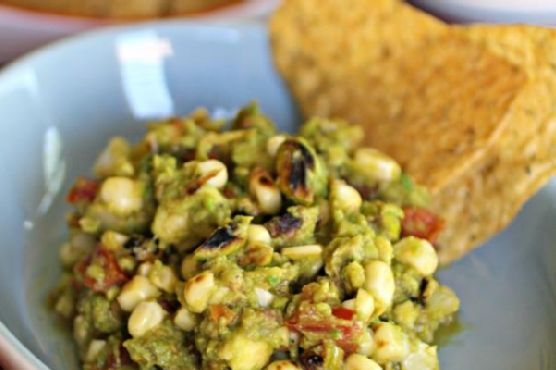
Welcome to a culinary journey where tradition meets innovation with our Grilled Guacamole with Pistachios. This recipe brings a smoky twist to the classic guacamole, elevating it to a gourmet experience that is perfect for any occasion. I remember the first time I tried grilled guacamole at a summer barbecue hosted by an old friend. The subtle smokiness intertwined with creamy avocado and crunchy pistachios was a revelation. Ever since that day, this dish has become a staple in my summer gatherings. Let me share this delightful recipe with you, and perhaps it will become a cherished part of your culinary repertoire as well.

Why You’ll Love It

This grilled guacamole is not your ordinary dip. Here are a few reasons why you’ll fall head over heels for this recipe:

  • Smoky Flavor: Grilling the vegetables adds a depth of flavor that is both intriguing and satisfying.
  • Texture Heaven: The crunchy pistachios contrast beautifully with the creamy avocado, creating a delightful texture.
  • Fresh and Nutritious: Packed with fresh ingredients and healthy fats, this recipe is both delicious and nutritious.
  • Versatile: Perfect as a dip, a topping for burgers, or even as a side dish.

Ingredients

  • 2 avocados, split
  • 1 teaspoon cumin
  • 1 ear of corn, split
  • 1/4 cup fresh cilantro, chopped
  • 2 cloves garlic, minced
  • 1/4 teaspoon red ground pepper
  • 1/4 teaspoon black fresh ground pepper
  • 2 jalapeño peppers, split
  • 1 lime, juiced
  • Olive oil, for brushing vegetables
  • 1 small onion, split
  • 1/4 cup pistachios, chopped
  • Salt to taste
  • 1/2 cup diced tomatoes

Instructions

  1. Lightly brush the avocado flesh, corn, onion, and jalapeño peppers with olive oil.
  2. Place all vegetables except the avocado in a grill basket and on the grill over medium-high heat.
  3. Place the avocados cut side up directly on the grill and cook for 2 minutes, then flip and cook cut side down for another 2 minutes. Remove and set aside.
  4. Allow the other vegetables to cook, turning, until they are tender and lightly charred (10-12 minutes). The corn may take a few minutes longer.
  5. When the vegetables have cooled enough to touch, cut the corn off the cob and dice the other vegetables.
  6. In a large bowl, combine the tomatoes, corn, onion, peppers, garlic, and cilantro, and toss to mix.
  7. Add the avocado to the mixture, lightly tossing and mashing it.
  8. Add the lime juice, cumin, red and black pepper, and salt. Mix together and adjust seasoning as needed.
  9. Add the pistachios, toss the mixture again, and serve.

Tips

  • Ensure your grill is properly heated before placing the vegetables to get that perfect char.
  • Adjust the level of spiciness by varying the amount of jalapeño and red ground pepper according to your preference.
  • Use ripe avocados for the best texture and flavor.

Variations & Substitutions

There are numerous ways to adapt this recipe to your tastes:

  • Cheese: Add crumbled feta or cotija cheese for an extra burst of flavor.
  • Nuts: Swap pistachios with pecans or almonds for a different nutty twist.
  • Herbs: Replace cilantro with parsley or basil for a different herbal note.

Storage

Store any leftover guacamole in an airtight container in the refrigerator for up to two days. To prevent browning, place a layer of plastic wrap directly on the surface of the guacamole before sealing the container.

FAQ

Can I make this recipe without a grill?

Absolutely! You can achieve a similar effect by using a grill pan on your stovetop. If neither is available, roasting the vegetables in the oven will also work, though you’ll miss a bit of the smoky flavor.

What if I don’t like spicy foods?

No problem! You can reduce or omit the jalapeño and red ground pepper for a milder version. Consider adding bell peppers for a sweet alternative.

Can I prepare this dish in advance?

Yes, you can grill the vegetables ahead of time and store them in the refrigerator. Assemble the guacamole just before serving to ensure the freshest flavor and texture.

Nutrition

This recipe is rich in healthy fats, fiber, and antioxidants. Avocados provide heart-healthy monounsaturated fats while pistachios offer protein and additional healthy fats. The vegetables add vitamins and minerals, making this a nutrient-dense dish perfect for any diet.

Conclusion

Grilled Guacamole with Pistachios is a delightful twist on the classic guacamole that brings a smoky flavor and a satisfying crunch from the pistachios. This dish is perfect for summer barbecues, family gatherings, or as a unique addition to your weeknight meals. With its combination of fresh, nutritious ingredients and vibrant flavors, it’s sure to become a favorite. We hope you enjoy making and sharing this recipe as much as we do!

Related update: Grilled Guacamole with Pistachios

Related update: Savory Slow Roasted Tomatoes with Filet of Anchovy

Raiders’ Price Tag: Two Firsts for Crosby | Analysis by Brian Moineau

“Crosby is available, at the right price” — what the Raiders’ steep asking price really means

Introduction hook

You don’t ask for two first-round picks and a player unless you’re trying to change the timeline of a franchise. When the Las Vegas Raiders reportedly told the league they’d only move Maxx Crosby for “two first-round picks and a player,” the sports world did that rare thing: it paused, re-routed conversations, and started imagining blockbuster scenarios. This isn’t just trade chatter — it’s a statement about value, identity and how teams decide between today’s best edge rusher and the uncertain currency of draft capital.

Why the demand is headline-worthy

  • Maxx Crosby is not just a good player. He’s a franchise-defining edge rusher — multi-time Pro Bowler, game-wrecker, and the kind of disruptive force that can flip playoff games.
  • But asking for a package on the scale of what the Cowboys received for Micah Parsons (two first-rounders plus a player) is aggressive. It signals that the Raiders view Crosby as an asset worth anchoring a rebuild or accelerating a contender — not a role player you move for mid-round picks.
  • The timing is notable: Las Vegas holds the top pick in the 2026 draft and looks poised to draft a rookie quarterback to reset the franchise timeline. Moving Crosby would be a clear pivot toward a multiyear rebuild with draft capital as the currency.

Context and relevant background

  • Crosby signed a big extension in 2025 and has remained an elite pass rusher through the 2025 season. Yet the Raiders’ 2025 campaign fell apart; internal friction (including Crosby leaving the facility after being told he wouldn’t play late in the season) was widely reported and raised the specter of an uneasy split. (nbcsports.com)
  • The precedent matters: the Packers–Cowboys–Parsons/Kenny Clark trade set a recent market benchmark for elite edge rushers. That deal involved two first-round picks plus a starting defensive lineman, and teams around the league are using it as a template. The Raiders’ price mirrors that template. (nbcsports.com)
  • Media and analytic outlets have started producing mock trades and lists of suitors (49ers, Bills, etc.), showing there’s real marketplace interest — but also serious complications like salary-cap math and what “a player” actually looks like in a package. (si.com)

What the asking price actually buys Las Vegas

  • Two first-round picks: draft capital lets the Raiders either (a) restock talent over multiple positions, (b) trade back for roster depth, or (c) acquire young, cost-controlled starters to pair with a rookie QB. High picks = flexibility.
  • A player in the return package: that’s the immediate plug-and-play piece — someone who can replace snaps or contribute right away. For a defense, this is typically a starting DL, LB, or complementary edge who can ease the loss of Crosby’s production.
  • In sum: Las Vegas would be exchanging a short-term superstar for a blended pathway back to sustained competitiveness — a classic “win-now” player swapped for long-term optionality.

How contenders and rebuilders should think about this

  • Contenders with a short window (Buffalo, 49ers, Cowboys-style teams) might justify giving up premium picks if they view Crosby as the missing piece to reach — and win — a Super Bowl. The calculus: guaranteed elite pass rush now vs. gambled future talent.
  • Rebuilders should sniff for picks, not players. If a team is four-plus years away from competing, taking the draft capital and flipping it into more picks or young talent is better than mortgaging the future for a veteran.
  • Salary-cap and contract length matter. Crosby’s extension matters to any acquiring team: paying elite money for a 28–29-year-old rusher changes the calculus on how many picks or players teams are willing to include. (nbcsports.com)

Risks and counterarguments

  • Age and wear: Crosby is in his late 20s. Elite pass rushers can remain dominant into their 30s, but injuries and diminishing returns are a real risk.
  • Changing team dynamics: Trading away a cultural leader and face of the defense can destabilize a locker room — even for a rebuild. Crosby’s footprint in Las Vegas isn’t just statistical; it’s identity.
  • Overpaying based on narrative: The Parsons trade set expectations. But Parsons was younger at the time of that deal and carried a different profile. Some insiders (e.g., Ian Rapoport) have warned that Crosby’s market might not match Parsons’ exactly. (raidersbeat.com)

Possible landing spots and what they’d owe

  • San Francisco: A natural fit defensively; they’ve been floated in multiple mock trades and could offer a combination of picks and role players. But their picks are late in Round 1, changing the value calculus. (si.com)
  • Buffalo: Has the playoff window and might be willing to sacrifice picks and a player to add an immediate game-wrecker for Josh Allen. Cap room and roster construction could complicate the deal. (cbssports.com)
  • Other contenders (teams like Detroit, Dallas-style suitors) could also be in the mix depending on how aggressive they want to be and what they can move without gutting depth.

Practical red lines for the Raiders

  • Don’t accept just quantity of picks — quality matters. Two late firsts are not the same as two early ones.
  • The “player” must be a starting-caliber contributor, or the Raiders should remain resolute and let Crosby walk if the market is insufficient.
  • If the franchise plans to draft a franchise QB with the No. 1 pick, any trade must leave the roster competent enough to give that QB a chance to develop; trading every veteran piece for picks would be self-defeating.

A few scenarios that make sense

  • Championship push: A contender gives two early firsts + starting DL — Raiders say yes to accelerate contention.
  • Balanced rebuild: Two mid/late firsts + a young starting-caliber player + a future pick swap — Raiders negotiate, keep cap flexibility, and restock.
  • No fair offer: Raiders keep Crosby, ride with him and the top draft pick — accept that a core veteran-plus-rookie rebuild can be compelling if managed well.

My take

Maxx Crosby is a rare commodity, but the Raiders’ asking price is as much a narrative plaster as it is a negotiating stance. By demanding two first-round picks and a player, Las Vegas is protecting its ability to reshape its roster while signaling that it won’t settle for pennies on the dollar for one of the league’s premier pass rushers. Teams should pay attention: a deal could reshape multiple rosters this spring, but it will require the right mix of draft capital, a reliable immediate contributor, and the willingness to absorb a significant contract.

Final thoughts

Trades like this are chess, not checkers. Crosby’s availability — “at the right price” — gives contenders a chance to flip a calculus and rebuilders a shot at reloading. Whether the Raiders get their exact asking price or a negotiated variant, the discussion alone highlights how much teams now value elite edge disruption. Expect heavy phone traffic, creative offers, and a price discovery process that will occupy the next few weeks of the offseason.

Sources


Related update: We recently published an article that expands on this topic: read the latest post.


Related update: We recently published an article that expands on this topic: read the latest post.

Gooey Chocolate Buttermilk Sheet Cake | Made by Meaghan Moineau

Gooey Chocolate Buttermilk Sheet Cake

Intro

There’s something magical about a chocolate cake that instantly brings back a flood of childhood memories. I recall spending countless afternoons in my grandmother’s kitchen, eagerly awaiting the moment when I could lick the spoon clean of any remaining batter. The aroma of chocolate wafting through the house was a promise of the indulgent treat to come. This Gooey Chocolate Buttermilk Sheet Cake is a tribute to those cherished days, combining rich cocoa flavors with a tender crumb that only buttermilk can provide. Whether it’s for a birthday, a family gathering, or just a midweek pick-me-up, this cake promises to delight and satisfy.

Why You’ll Love It

This cake isn’t just about chocolate; it’s about creating moments. Its melt-in-your-mouth texture and rich, gooey frosting make it an instant hit at any gathering. You’ll love how easy it is to make, with simple ingredients that come together to create something extraordinary. The buttermilk adds a subtle tanginess that perfectly complements the sweetness of the chocolate, while the frosting is a luscious dream that you’ll want to eat straight from the pan.

Ingredients

  • 2 cups all-purpose flour
  • 2 cups sugar
  • 1 teaspoon baking soda
  • 1/2 teaspoon salt
  • 1 cup butter (or margarine)
  • 1/4 cup cocoa powder
  • 1 cup water
  • 1/2 cup vegetable oil
  • 1/2 cup buttermilk
  • 2 large eggs, beaten
  • 1 teaspoon vanilla extract
  • 1/2 cup milk
  • 4 cups icing sugar
  • Optional: chopped nuts for topping

Instructions

  1. Preheat your oven to 350°F (180°C).
  2. In a large saucepan, bring to a boil the water, cocoa powder, oil, and butter or margarine.
  3. In a separate large mixing bowl, combine the flour, sugar, salt, and baking soda.
  4. Whisk the hot cocoa mixture into the dry ingredients and mix well.
  5. Add the buttermilk, vanilla extract, and beaten eggs to the batter; continue mixing until smooth.
  6. Pour the batter into a greased and floured 9″x13″ oblong baking pan.
  7. Bake in the preheated oven for approximately 20 minutes, or until a toothpick comes out clean when inserted in the middle.
  8. Remove the cake from the oven and prepare the frosting while the cake is still warm.
  9. For the frosting, set a large pan over medium heat and melt the butter with the cocoa powder and milk.
  10. Stir in the icing sugar and vanilla extract; whisk until smooth.
  11. Add the chopped nuts if desired, then stir well and spread the frosting on the warm cake.
  12. Let the cake cool before serving.

Tips

To ensure your cake remains moist, avoid overbaking. Keep a close eye on it towards the end of the baking time. If you want a deeper chocolate flavor, consider using Dutch-processed cocoa powder. For a nut-free option, simply omit the nuts from the frosting.

Variations & Substitutions

If you’re out of buttermilk, you can make a quick substitute by adding a tablespoon of lemon juice or white vinegar to a cup of milk and letting it sit for 5 minutes. For a more decadent version, fold in chocolate chips or swirl in some peanut butter before baking. If you prefer a lighter frosting, you can reduce the icing sugar by a cup.

Storage

This cake can be stored at room temperature, covered, for up to 3 days. If you live in a particularly warm climate, consider refrigerating it to preserve the frosting. For longer storage, wrap individual slices in plastic wrap and freeze them for up to two months. Thaw at room temperature before enjoying.

FAQ

Can I make this cake ahead of time?

Absolutely! This cake can be made a day in advance. Just ensure it’s stored properly to maintain its moist texture. You can frost it on the day you plan to serve for optimal freshness.

Can I use margarine instead of butter?

Yes, margarine can be used in place of butter in both the cake and the frosting. However, butter will provide a richer flavor and texture.

Can I add coffee to enhance the chocolate flavor?

Definitely! Adding a tablespoon of instant coffee granules to the boiling cocoa mixture will deepen the chocolate flavor without making the cake taste like coffee.

Nutrition

This cake is a treat and should be enjoyed as such. Each serving contains approximately 350 calories, with 15g of fat, 50g of carbohydrates, and 4g of protein. Keep in mind that these values may vary based on portion size and specific ingredients used.

Conclusion

This Gooey Chocolate Buttermilk Sheet Cake is more than just a dessert; it’s a delightful experience that brings joy with every bite. Whether you’re rekindling fond memories or creating new ones, this cake is sure to become a beloved staple in your recipe collection. So preheat that oven, gather your ingredients, and enjoy the sweet satisfaction of homemade goodness.

Related update: Gooey Chocolate Buttermilk Sheet Cake

Related update: Classy Poached Pear In Spicy Mango Nectar With Mango Ice Cream

Caramelized Tofu & Gala Apple Salad | Made by Meaghan Moineau

Caramelized Tofu & Gala Apple Salad

Intro

There’s something magical about the combination of sweet and savory flavors, especially when they come together in a perfectly balanced dish. This Caramelized Tofu & Gala Apple Salad is a delightful example of that harmony. I remember the first time I experimented with this recipe; it was a chilly autumn afternoon, and I was inspired by the abundance of apples from a recent orchard visit with my family. The air was crisp and filled with laughter as we picked apples straight from the trees. This salad brings back those warm memories with every bite, combining the sweetness of Gala apples with the rich, savory notes of caramelized tofu.

Why You’ll Love It

This salad is not only delicious but also incredibly satisfying and nourishing. The caramelized tofu provides a hearty, protein-rich element, while the Gala apples add a fresh, crisp sweetness. The greens and pecans add texture and a nutty flavor that ties everything together. This dish is perfect for a light lunch, a side dish at dinner, or even as a part of a holiday feast.

Ingredients

  • 1/4 cup brown sugar
  • 2 tablespoons butter
  • 1 block extra-firm tofu
  • 1 diced Gala apple
  • 2 cloves garlic, minced
  • 4 cups green lettuce, washed and torn
  • 1/2 cup raw whole pecans
  • 1/4 cup water

Instructions

  1. First thing of action: bake your tofu. Preheat the oven to 350°F. Let the tofu sit on a kitchen towel for 15 minutes, turning once, to absorb moisture.
  2. Cut tofu into 1-inch cubes. Brush them lightly with vegetable oil. Place them on a baking sheet and bake for 35 minutes, turning once.
  3. In a small pan, heat butter and garlic on low until the butter has just almost melted.
  4. Add the apples, tofu, and salt. Bring heat up to medium, and cook for about 4 minutes.
  5. Add the water and stir every minute for the next 6-7 additional minutes, or until there is little moisture left in the pan.
  6. Turn off the heat, and add the brown sugar. Stir to incorporate all of the sugar.
  7. Place the caramelized mixture on top of the salad lettuce and garnish with pecans.

Tips

To get the best texture out of your tofu, make sure to press it adequately to remove excess moisture. This step is crucial for achieving that perfect golden-brown crust when baking. Additionally, using a high-quality non-stick pan will make caramelizing the tofu and apples a breeze.

Variations & Substitutions

Feel free to customize this salad to your liking. If you prefer a different type of apple, Honeycrisp or Fuji would be excellent choices too. For a spicy kick, consider adding a pinch of cayenne pepper to the caramelization process. If you’re aiming for a nut-free version, sunflower seeds offer a similar crunch without the allergens.

Storage

This salad is best enjoyed fresh, but if you have leftovers, store the caramelized tofu and apples separately from the lettuce to prevent wilting. Keep them in an airtight container in the refrigerator for up to three days. When ready to serve, gently reheat the tofu and apples in a pan and toss them with fresh lettuce.

FAQ

Can I make this salad vegan?

Absolutely! Simply substitute the butter with a plant-based alternative, such as margarine or olive oil. The salad will be just as delicious.

What can I use instead of brown sugar?

If you’re looking for a healthier alternative, try using maple syrup or coconut sugar. Both will provide a similar sweetness and caramelization effect.

How can I make the tofu extra crispy?

To achieve extra crispy tofu, ensure that it’s thoroughly pressed to remove moisture and bake it at a slightly higher temperature, around 375°F, for an additional 5-10 minutes.

Nutrition

This Caramelized Tofu & Gala Apple Salad is not only delicious but also packed with nutrients. Tofu is a fantastic source of plant-based protein and contains all nine essential amino acids. Gala apples provide dietary fiber and vitamin C, while pecans are rich in healthy fats and antioxidants. Together, these ingredients make for a balanced and nourishing meal.

Conclusion

With its delightful blend of flavors and textures, the Caramelized Tofu & Gala Apple Salad is sure to become a favorite in your recipe collection. It’s a dish that not only satisfies the palate but also brings back cherished memories of family and nature. I hope this salad brings as much joy to your table as it does to mine. Enjoy!

Related update: Caramelized Tofu & Gala Apple Salad

Related update: Chapchae (Korean Stir-Fried Noodles)

Who Pays for AI’s Power? Industry Answer | Analysis by Brian Moineau

Who pays for AI’s power bill? A new pledge — or political theater?

Last week’s State of the Union brought the surprising image of the president leaning into the very modern problem of AI data centers and electricity rates. He announced a “rate payer protection pledge” and said major tech companies would sign deals next week to “provide for their own power needs” so local electricity bills don’t spike. It sounds neat: hyperscalers build or buy their own power, communities don’t pay more, and everybody moves on. But the reality is messier — and more revealing about how energy, politics, and tech interact.

What was announced — in plain English

  • President Trump announced during the February 24, 2026 State of the Union that the administration negotiated a “rate payer protection pledge.” (theverge.com)
  • The White House said major firms — Amazon, Google, Meta, Microsoft, xAI, Oracle, OpenAI and others — would formally sign a pledge at a March 4 meeting to shield ratepayers from electricity price increases tied to AI data-center growth. (foxnews.com)
  • The administration framed the fix as letting tech companies build or secure their own generation (including new power plants) so the stressed grid doesn’t force higher bills on surrounding communities. (theverge.com)

Why this matters now

  • AI data-center construction and operations have grown fast, pulling large blocks of power and creating hot local debates about grid strain, rates, and environmental impacts. Utilities and state regulators often negotiate special rates or infrastructure upgrades for big customers — which can shift costs around. (techcrunch.com)
  • Politically, energy costs are a live issue for voters. A presidential pledge that promises to blunt rate increases is attractive even if the mechanics are complicated. Axios and Reuters noted the move’s symbolic weight. (axios.com)

How much of this is new versus PR?

  • Much of the headline pledge echoes commitments big cloud providers have already made: signing deals to buy or build generation, increasing efficiency, and in some cases directly investing in local energy projects. Companies such as Microsoft have already offered community-first infrastructure plans in some locations. So the White House announcement amplifies existing industry steps rather than inventing a wholly new approach. (techcrunch.com)
  • Legal and logistical constraints matter. Electricity markets and permitting sit mostly at state and regional levels, and the federal government can’t unilaterally force a nationwide energy-market restructuring. A White House-hosted pledge can add political pressure, but enforcement and the details of cost allocation remain in many hands beyond the president’s. (axios.com)

Practical questions that matter (and aren’t answered yet)

  • Who pays up front? If a company builds generation, does it absorb the capital cost entirely, or does it receive tax breaks, subsidies, or other incentives that effectively shift some burden back to taxpayers? (nextgov.com)
  • What counts as “not raising rates”? If a company signs a pledge to “not contribute” to local bill increases, regulators will still need to verify causation and fairness across customer classes.
  • Will companies build fossil plants, gas peakers, renewables, or pursue grid-scale battery and demand-response strategies? The administration has signaled support for faster fossil-fuel permitting, which would shape outcomes. (theverge.com)

The investor and community dilemma

  • For local officials and residents, a tech company saying “we’ll pay” is appealing — but communities still face issues of water use, land use, emissions, and long-term tax and workforce impacts that a power pledge doesn’t fully resolve. (energynews.oedigital.com)
  • For energy markets and utilities, the ideal outcome is coordinated planning: companies that participate in grid upgrades, pay cost-reflective rates, and contract for incremental generation or storage reduce scramble-driven rate spikes. That coordination is harder than a headline pledge. (techcrunch.com)

What to watch next

  • The March 4 White House meeting: who signs, and what are the actual commitments (capital investments, long-term purchase agreements, operational guarantees, or merely statements of intent). (cybernews.com)
  • State regulatory responses: states with recent data-center booms (and local rate concerns) may adopt rules or require formal binding commitments from developers. (axios.com)
  • The type of generation and permitting choices: promises to “build power plants” can mean very different environmental and fiscal outcomes depending on whether those plants are gas, renewables, or nuclear. (theverge.com)

Quick wins and pitfalls

  • Quick wins: companies directly investing in local grid upgrades, long-term power purchase agreements (PPAs) tied to new renewables plus storage, and transparent cost-sharing with local utilities can reduce friction. (techcrunch.com)
  • Pitfalls: vague pledges without enforceable terms; incentives that mask public subsidies; and a federal play that ignores regional market rules could leave communities still paying the tab indirectly. (axios.com)

My take

This announcement will matter most if it turns political theater into enforceable, transparent commitments that prioritize community resilience and low-carbon options. Tech companies already have incentives — reputation, permitting ease, and long-term operational stability — to address their power footprint. The White House pledge can accelerate those moves, but it shouldn’t be a substitute for thorough state-level regulation, utility planning, and honest accounting of who pays and who benefits.

If the March 4 signings produce detailed, binding contracts (with measurable timelines, public reporting, and third-party oversight), this could be a meaningful pivot toward smarter energy planning around AI. If they’re broad press statements, expect headlines — and continuing fights at city halls and public utility commissions.

Sources


Related update: We recently published an article that expands on this topic: read the latest post.

Related update: We recently published an article that expands on this topic: read the latest post.


Related update: We recently published an article that expands on this topic: read the latest post.

Cavs Assert Control, Halt Knicks Sweep | Analysis by Brian Moineau

Cavs snap the sweep: how Cleveland stifled the Knicks in a 109-94 statement win

There was a midweek hum at Rocket Mortgage FieldHouse — not the usual buzzy, frantic kind, but the calm confidence of a team that feels itself coming together. The Cleveland Cavaliers weren’t just trying to avoid an ugly statline; they were putting a stake in the ground. On Tuesday night, they did that and more, handing the New York Knicks a 109-94 loss and keeping their season series from ending in a sweep.

Why this mattered

  • The Cavs and Knicks sit shoulder to shoulder in the East standings, and these matchups carry tiebreaker implications and playoff-pacing significance.
  • Cleveland entered with momentum (winning form recently) and used this game to show they can control a heavyweight opponent when it counts.
  • For New York, the loss exposed offensive dryness and a nightmare third quarter that flipped the game.

Game snapshot

  • Final score: Cavaliers 109, Knicks 94 (Feb 24, 2026).
  • Cleveland led 60-54 at halftime, then turned the heat up in the third quarter, outscoring New York 23-11.
  • Donovan Mitchell led Cleveland with 23 points; James Harden added 20. Jarrett Allen finished with 19 points and 10 rebounds.
  • Jalen Brunson had 20 and Mikal Bridges 18 for the Knicks. Mitchell Robinson grabbed 15 rebounds.
  • The Knicks shot 35-of-86 overall (around 40.7%) and struggled from deep (10-of-37, 27%). Their third quarter was brutal: 3-of-24 from the field.

The turning points

  • Third-quarter suffocation: Cleveland held the Knicks to just three field goals in the period. That defensive spasm wasn’t accidental — it was a mix of active help, contesting perimeter shots, and closing driving lanes when Brunson tried to create.
  • Harden + Mitchell in late game flow: Both stars paced the offense through the stretch run. Harden’s ability to control tempo and Mitchell’s scoring on drives and pull-ups kept New York from mounting a comeback.
  • Jarrett Allen’s inside presence: Between scoring and rim protection/rebounding, Allen anchored the paint and limited second-chance opportunities that the Knicks often rely on.

What the numbers tell us

  • Knicks 3-point woes: 10/37 is a killer against a team that has been vulnerable defending the arc. Cleveland’s ability to contest and force tougher looks tilted the efficiency scale.
  • Run timing: Cleveland’s 13-2 burst late in the third into the fourth created a gap New York couldn’t close. When a team converts pressure into a decisive run at that moment, the psychological edge often follows the scoreboard.
  • Standings context: Both teams were 37-22 after the game, but New York would hold the head-to-head tiebreaker if they finished tied after taking two of three meetings. That detail adds late-season significance to the matchup outcomes.

Matchup takeaways

  • Cleveland’s defense showed up when it mattered. They took away New York’s rhythm in the third and prevented the Knicks from finding consistent clean looks.
  • The Cavs’ depth and two-headed scoring (Mitchell + Harden) allow offensive variety; when one draws attention, the other benefits.
  • New York’s late-game issues and cold shooting from three are worrisome signs for a team trying to secure a top-tier playoff seed. They need consistency from their creators and better contingency offense when threes aren’t falling.

What this means next

  • Both teams head to Milwaukee (Knicks Friday, Cavs Wednesday) for important matchups against a conference contender. How each responds on the road will hint at their resilience and playoff readiness.
  • For Cleveland, the win continues a hot stretch (they’d won eight of nine), reinforcing their belief they can be one of the East’s toughest outs down the stretch.
  • For New York, it’s a reminder that margin for error is small — especially in head-to-head series against direct rivals.

My take

This was a classic-leveling moment. The Cavs didn’t merely “escape” with a win; they asserted defensive control at a point in the game when the Knicks have often leaned on offense to stay afloat. Cleveland’s balance — interior toughness from Allen, shot creation from Harden and Mitchell, and timely stops — was the difference. The Knicks will live to play another day, but they can’t afford more quarters like that third if they truly want to run with the East’s elite.

Sources


Related update: We recently published an article that expands on this topic: read the latest post.


Related update: We recently published an article that expands on this topic: read the latest post.

Green Beans with Pearl Onions and Salmon | Made by Meaghan Moineau

Green Beans with Pearl Onions and Salmon

Intro

As the cool breeze of autumn sets in, I often find myself reminiscing about family dinners at my grandmother’s house. Her kitchen, always filled with the comforting aroma of delicious home-cooked meals, was a sanctuary of love and laughter. One dish that stood out was her Green Beans with Pearl Onions and Salmon—a delightful medley that brought together the freshness of vegetables and the rich flavor of perfectly cooked salmon. Today, I’m sharing this cherished recipe with you, hoping it brings the same warmth and joy to your table as it does to mine.

Why You’ll Love It

This dish is a perfect blend of simplicity and elegance, making it ideal for both weeknight dinners and special occasions. You’ll love the way the tender green beans and sweet pearl onions complement the flaky, savory salmon. The addition of brown sugar adds a subtle sweetness that balances the dish beautifully. Moreover, it’s a healthy, one-pan meal that’s quick to prepare, leaving you with more time to enjoy with your loved ones.

Ingredients

  • 1 lb frozen green beans
  • 1 cup frozen pearl onions
  • 2 tablespoons olive oil
  • 1 tablespoon unsalted butter, plus 1 teaspoon
  • 1/4 cup chicken stock
  • 1 tablespoon brown sugar
  • Salt and pepper, to taste
  • 2 skinless salmon steaks

Instructions

  1. In a large pot, add some water, the frozen green beans, and frozen pearl onions. Cover and cook over medium heat until they are tender. Drain and set aside.
  2. In a large skillet over medium-high heat, melt 1 tablespoon of butter and the olive oil. Add the green beans and pearl onions and sauté for 1 minute.
  3. Add the chicken stock and cook for another minute until the stock is evaporated.
  4. Add 1 tablespoon of butter and the brown sugar; lower the heat to low and mix gently until slightly caramelized. Remove from the heat and keep warm.
  5. Return the skillet back to medium-high heat and melt the remaining teaspoon of butter in the center. Add the salmon, season with salt and pepper generously. Cook for 3-5 minutes until a golden crust is formed.
  6. Turn the salmon and cook for another 3 minutes.
  7. Place the green beans with pearl onions on the plate and top with the salmon. Serve immediately.

Tips

  • For perfectly cooked salmon, ensure your skillet is hot before adding the fish. This helps achieve a nice, crispy crust.
  • Do not overcrowd the pan when cooking salmon to ensure even cooking.
  • Adjust the seasoning according to your taste. A touch of lemon juice can also brighten the flavors.

Variations & Substitutions

Variations:

  • Add some crushed garlic to the green beans and onions for an extra layer of flavor.
  • Include some chopped fresh herbs like dill or parsley as a garnish for a fresh touch.

Substitutions:

  • If you prefer a different protein, chicken breast or shrimp would work well with this dish.
  • Feel free to use fresh green beans and onions if available, adjusting the cooking time accordingly.

Storage

Store any leftovers in an airtight container in the refrigerator for up to 2 days. Reheat gently in a skillet over low heat until warmed through. Avoid using the microwave as it can make the salmon rubbery.

FAQ

Can I use fresh green beans and onions instead of frozen?

Absolutely! Fresh green beans and onions can be used in place of frozen ones. Just be sure to adjust the cooking time, as fresh vegetables may take a bit longer to tenderize.

What should I do if I don’t have chicken stock?

If chicken stock is not available, you can substitute it with vegetable stock or even a bit of water with added salt for flavor. The goal is to deglaze the pan and add moisture to the dish.

How can I tell when the salmon is done?

Salmon is done when it flakes easily with a fork and the flesh is opaque. Be careful not to overcook it, as this can lead to dry, tough fish. The internal temperature should reach 145°F (63°C).

Nutrition

This dish is not only delicious but also nutritious. Salmon is a great source of omega-3 fatty acids and high-quality protein. The green beans and pearl onions provide fiber and essential vitamins, making it a balanced meal.

Conclusion

Green Beans with Pearl Onions and Salmon is a dish that beautifully combines flavors and textures, making it a standout meal in any household. It’s a recipe that brings a touch of nostalgia and comfort, perfect for sharing with family and friends. I hope this recipe finds a special place in your kitchen, just as it has in mine. Enjoy the warmth and joy of a cozy meal, and don’t forget to share your experience in the comments below!

Related update: Green Beans with Pearl Onions and Salmon

Harbaugh and Schoen: Building Trust | Analysis by Brian Moineau

Harbaugh and Schoen: Learning to “Agree to Agree” at the Combine

The NFL Scouting Combine is where prospects run, jump and answer the questions every scout already knows the answers to. This year, though, the real intrigue in Indianapolis wasn’t a 40-yard dash — it was the developing partnership between John Harbaugh and Joe Schoen. Their message was simple and oddly reassuring: they are figuring out how to work together, and they’re willing to “agree to agree.”

Below I pull apart what that phrase means for the New York Giants, why it matters going into the 2026 draft and free agency, and how this new leadership chemistry could shape the franchise’s near future.

Why the Combine mattered beyond prospects

  • The Combine gave Harbaugh and Schoen a public forum to show alignment after a high-profile coaching hire that altered the team’s power dynamics.
  • Harbaugh arrived with a clear identity shaped by 18 seasons in Baltimore; Schoen brings the front-office continuity and institutional knowledge of the Giants’ scouting and roster work.
  • Both men repeatedly emphasized collaboration — not a surrender of roles or a power struggle, but a practical, united front as the organization rebuilds around young QB Jaxson Dart and the No. 5 pick in the 2026 draft. (bigblueview.com)

The phrase that stole the headlines

“Agree to agree” isn’t slick PR — it’s a management philosophy with roots in Harbaugh’s time in Baltimore. It signals a few things:

  • A shared decision-making baseline where coach and GM align on player traits and organizational direction.
  • A willingness to avoid public infighting by finding collective clarity on priorities early.
  • Recognition that successful franchises marry coaching vision with roster construction, not a sole dictator making every call. (aol.com)

This approach won’t remove hard disagreements, but it sets a pattern: define the desired player profile together, then let scouts and evaluators find the best fits.

Five immediate takeaways from the Combine coverage

  • Harbaugh is taking a commanding role in organizational design. His contract and reporting lines (including the hire of Dawn Aponte in a senior operations role) indicate he’ll heavily influence how football operations are organized. (bigblueview.com)
  • Schoen is publicly upbeat and collaborative. He stressed that the structure on paper “doesn’t matter” compared with the work they’ll do together, even as the realities of decision-making evolve. (newsweek.com)
  • The leadership duo is aligning on player traits. Harbaugh and his staff have communicated the kinds of physical and mental attributes they want; Schoen’s scouting apparatus now has to translate that into draft targets. (aol.com)
  • The PR posture matters. With fans and media scrutinizing any perceived imbalance, both men used the Combine to project unity and blunt narratives of a power struggle. That’s important for locker-room stability and free-agent recruiting. (bigblueview.com)
  • Having multiple experienced play-callers and staffers isn’t a weakness if roles are clear. Harbaugh emphasized systems and role clarity to make sure collaboration among coaches becomes a strength, not a source of friction. (bigblueview.com)

What this means for the 2026 draft and offseason

  • Expect more coach input in the scouting process. Harbaugh wants the staff aligned on the “player we’re drafting” — that’s a head coach shaping evaluation criteria early. (aol.com)
  • The Giants’ top-5 pick will be evaluated not just by athletic upside but by fit within a Harbaugh system. Offensive linemen or playmakers who match the coaching staff’s traits will rise in importance.
  • Free agency conversations will likely be framed by a shared plan: plug immediate holes with veterans who fit the culture and athletic profile the coaches want, while keeping draft capital for foundational pieces.

What could go wrong — and how they can prevent it

  • Risk: Blurred accountability. If “agree to agree” becomes code for vague responsibility, decisions slow and mixed messages follow.
  • Fix: Clear decision gates. Define who has final say in specific domains (e.g., contract signings vs. draft day calls) and communicate them internally and to players.
  • Risk: Cultural clash between long-tenured scouts and a new coaching lens.
  • Fix: Joint evaluations, shared tape sessions, and concrete metrics that translate coach preferences into scout language.

My take

The soundbite “agree to agree” is a mature way to describe the messy work of collaborative leadership. For fans, it’s comforting to see both men choosing public unity over headline-grabbing tension. For the franchise, the real test will be whether that unity produces consistent drafts, coherent roster moves, and on-field improvement. If the Giants can convert talk into disciplined process — one where coach and GM blend vision with roster-building craft — this season’s Combine will look like the moment things started to click.

Where to watch next

  • Pay attention to how the Giants’ boardroom meetings translate into the pre-draft visit lists and pro days.
  • Watch early free-agent signings for players who clearly match Harbaugh’s stated preferences.
  • Track whether the scouting reports start using the same descriptors Harbaugh emphasized at the Combine — that’s where “agree to agree” becomes measurable.

Sources


Related update: We recently published an article that expands on this topic: read the latest post.


Related update: We recently published an article that expands on this topic: read the latest post.

Pulled Pork Sandwich with Mango BBQ sauce | Made by Meaghan Moineau

Pulled Pork Sandwich with Mango BBQ Sauce

Intro

Welcome to a culinary journey that blends the rich, smoky essence of pulled pork with the luscious sweetness of mango BBQ sauce. This dish is not just a meal; it’s an experience that evokes memories of backyard barbecues and sunlit afternoons. I remember the first time I tasted a pulled pork sandwich; it was at a family reunion where my uncle, the family grill master, introduced us to this delightful creation. The aroma filled the air, and I couldn’t resist sneaking a taste before dinner. That first bite left a lasting impression, and I knew I had to recreate it in my kitchen.

Why You’ll Love It

This pulled pork sandwich is a crowd-pleaser, perfect for gathering with friends and family. The combination of tender, slow-cooked pork and the unique twist of mango-infused BBQ sauce makes it unforgettable. The spices create a depth of flavor that balances the sweetness of the mango, while the brioche rolls add a buttery finish. Whether you’re hosting a party or looking for a comforting meal, this sandwich will leave everyone asking for seconds.

Ingredients

  • 1 tablespoon apple cider vinegar
  • 2 pounds lean boneless pork shoulder
  • 4 split brioche rolls
  • 1 teaspoon cumin seeds
  • 2 tablespoons dark brown sugar
  • 1 teaspoon fennel seeds
  • 1 tablespoon ginger, finely chopped
  • 1 teaspoon kosher salt
  • 2 tablespoons fresh lime juice
  • 1 cup mango puree
  • 2 tablespoons molasses
  • 1 small onion, finely chopped
  • 1 tablespoon paprika
  • 1 serrano pepper, minced
  • 2 tablespoons vegetable oil
  • 2 tablespoons Worcestershire sauce

Instructions

  1. Combine the rub ingredients, in a small bowl and massage it into the pork shoulder until well coated. Set aside while you make the BBQ sauce. You could do this a day ahead and keep refrigerated until ready to use.
  2. In a large saucepan, warm the oil over low heat until hot and shimmering. Add the cumin and fennel; they should splutter upon contact – be careful!
  3. Once the spluttering subsides, add the onions, ginger, serrano pepper, and a little salt, to taste. Sauté until they soften but don’t let them get any color.
  4. Add the rest of the sauce ingredients: apple cider vinegar, brown sugar, lime juice, mango puree, molasses, paprika, and Worcestershire sauce.
  5. Simmer for about 5 minutes. Taste and season as needed.
  6. Add the pork shoulder to the saucepan, coating it with the sauce. Cover, and gently simmer until the pork falls apart easily, stirring and turning often, about 3 hours.
  7. Remove the pork from the saucepan and shred it using 2 forks. Return it to the sauce and stir to coat with the sauce.
  8. Put a generous spoonful of the pork inside a brioche bun, top with a few slices of pickle, and serve.
  9. Enjoy the swoons from your loved ones!

Tips

For the best results, use a meat thermometer to ensure your pork is cooked to perfection. Letting the pork shoulder rest in the fridge with the rub overnight enhances the flavors. If you’re short on time, you can use a pressure cooker to speed up the cooking process without sacrificing tenderness.

Variations & Substitutions

If you’re looking to switch things up, try substituting the mango puree with pineapple for a tropical twist. For a spicier kick, add more serrano peppers or a dash of hot sauce. Vegetarian? Substitute the pork with jackfruit for a plant-based alternative that still satisfies.

Storage

Leftover pulled pork can be stored in an airtight container in the refrigerator for up to 3 days. To freeze, portion the pork into freezer-safe bags or containers, leaving some room for expansion, and store for up to 3 months. Reheat gently on the stovetop or in the microwave with a splash of water to keep it moist.

FAQ

Can I make this recipe in advance?

Absolutely! The flavors deepen when the pork is allowed to sit in the fridge overnight, making it a great make-ahead dish for parties or busy weeknights.

What can I serve with these sandwiches?

These sandwiches pair perfectly with classic coleslaw, sweet potato fries, or a simple green salad. The tangy coleslaw adds a refreshing crunch that complements the rich flavors of the pork.

Can I use a different type of bun?

Definitely! While brioche rolls add a buttery richness, you can use any type of bun you prefer, such as ciabatta or whole wheat, to suit your taste and dietary preferences.

Nutrition

Each serving of Pulled Pork Sandwich with Mango BBQ Sauce provides approximately:

  • Calories: 510
  • Protein: 32g
  • Carbohydrates: 56g
  • Fat: 18g
  • Sodium: 780mg
  • Fiber: 2g

Conclusion

Creating a Pulled Pork Sandwich with Mango BBQ Sauce is not just about cooking; it’s about crafting an experience that brings joy to those around you. With its perfect blend of sweet, spicy, and savory flavors, this dish is sure to become a favorite at your table. So go ahead, indulge in this delicious sandwich, and create memories that will last a lifetime. Happy cooking!

Related update: Pulled Pork Sandwich with Mango BBQ sauce

Related update: Green Beans with Pearl Onions and Salmon

Julia Child’s Vichyssoise | Made by Meaghan Moineau

Julia Child’s Vichyssoise: A Timeless Classic for Every Season

Intro

There’s something incredibly comforting about a bowl of soup, particularly one that carries the rich history and culinary expertise of a legend like Julia Child. When I was a child, my grandmother would often make vichyssoise on Sunday afternoons, filling the kitchen with its soothing aroma. Sitting at the kitchen table, I would eagerly watch her every move, fascinated by how a few simple ingredients transformed into a luxurious dish. This soup not only warms the belly but also the heart, evoking memories of family gatherings and laughter. Today, I share with you the recipe for Julia Child’s Vichyssoise, a chilled soup that’s perfect for any season and situation.

Why You’ll Love It

Julia Child’s Vichyssoise is more than just a soup; it’s a culinary experience. Here’s why you’ll love making and eating it:

  • Simple Ingredients: This recipe uses basic, easily accessible ingredients, making it convenient for any home cook.
  • Rich and Creamy: The combination of leeks and potatoes creates a perfectly smooth and creamy texture.
  • Versatile: Whether served hot or cold, this soup is delightful in any weather.
  • Elegant Presentation: With a simple garnish of chives or parsley, it’s an impressive dish for entertaining.
  • Nostalgic Comfort: Each spoonful is a trip down memory lane for those who grew up with classic French cuisine.

Ingredients

  • White leeks
  • Diced baking potatoes (recommended)
  • Water
  • Salt
  • Sour crème fraîche
  • Fresh chives

Instructions

  1. Bring the leeks, potatoes, and water to the boil in a saucepan.
  2. Salt lightly, cover partially, and simmer for 20-30 minutes, or until the vegetables are tender.
  3. Puree the soup if you wish for a smoother texture.
  4. Taste and correct the seasoning as needed.
  5. Chill the soup thoroughly.
  6. Once chilled, stir in a little more crème fraîche if desired.
  7. Taste carefully again and correct the seasoning.
  8. Top each serving with a sprinkle of chives or parsley and a drizzle or dollop of crème fraîche.

Tips

To ensure your Vichyssoise is perfect every time, keep these tips in mind:

  • Use Fresh Ingredients: The flavor of your soup depends heavily on the freshness of your leeks and potatoes.
  • Chill Thoroughly: For the best flavor, make sure the soup is well chilled before serving.
  • Adjust Consistency: If the soup is too thick, you can thin it out with a bit more water or broth.

Variations & Substitutions

While Julia Child’s original recipe is a classic, there are endless ways to make it your own:

  • Herbs: Add fresh herbs like thyme or basil for an additional layer of flavor.
  • Dairy-Free: Substitute the crème fraîche with a plant-based cream to make the soup vegan-friendly.
  • Broth: Swap water for chicken or vegetable broth for a richer taste.

Storage

This soup is perfect for make-ahead meals. Store it in an airtight container in the fridge for up to three days. If you want to enjoy it later, freeze it for up to two months. Just be sure to thaw it in the fridge overnight before reheating.

FAQ

Can I use other types of potatoes?

Yes, absolutely! While baking potatoes are recommended for their texture, you can use any type of potatoes you have on hand. Just be aware that the texture and flavor may vary slightly.

Is it necessary to puree the soup?

Pureeing the soup is optional but recommended for a smooth, creamy texture. If you prefer a chunkier soup, you can skip this step.

How can I make this recipe vegetarian or vegan?

This recipe is naturally vegetarian if you use vegetable broth in place of water. To make it vegan, replace the crème fraîche with a non-dairy alternative. The rest of the ingredients are already plant-based.

Nutrition

Vichyssoise is a nutritious option, thanks to its vegetable-rich base. While precise nutritional values depend on the specific quantities and brands used, a serving typically contains around 150-200 calories, with a healthy amount of vitamins and minerals derived from the leeks and potatoes. For a lighter version, reduce or omit the crème fraîche.

Conclusion

Julia Child’s Vichyssoise is a testament to the beauty of simplicity in cooking. It’s a dish that transcends time and trends, offering a luxurious yet comforting experience with every spoonful. Whether you’re revisiting childhood memories or creating new ones, this recipe is sure to become a beloved staple in your home. So, gather your ingredients, channel your inner Julia Child, and savor the delight of homemade vichyssoise.

Related update: Julia Child’s Vichyssoise

Related update: Pulled Pork Sandwich with Mango BBQ sauce

Related update: Grilled Guacamole with Pistachios

Related update: Loaded Baked Potato Soup with Crispy-Fried Potato Skins

Gutekunst’s Indy Takeaway for Packers | Analysis by Brian Moineau

What Gutekunst Said in Indy — and What It Means for the Packers' Next Move

The NFL Scouting Combine is where drills meet diplomacy: prospects earn headlines with 40-yard dash times, and front-office leaders trade candid soundbites into a media frenzy. When Packers GM Brian Gutekunst took the podium in Indianapolis, he did what he usually does — guarded optimism with a clear blueprint. His comments touched on receivers, pass rush, special teams and the salary-cap landscape. For fans trying to read the tea leaves, Gutekunst’s tone in Indy felt like part reassurance, part challenge: the roster is close, but key upgrades remain necessary.

Quick hits from the podium

  • Gutekunst shrugged off clubhouse friction from Josh Jacobs’ public comments, emphasizing private conversations and Jacobs’ team-first mentality. (packers.com)
  • The GM still prefers developing in-house receivers rather than making a splash external addition — but he’s not blind to the need for a proven No. 1. (packers.com)
  • Health updates: Christian Watson’s ACL rehab is progressing; Romeo Doubs’ concussion history doesn’t appear to be a long-term red flag. (packers.com)
  • Pass-rush production and kicker reliability are explicit offseason priorities. Gutekunst said the pass rush “has to get better” and confirmed competition at kicker. (packers.com)
  • The higher-than-expected salary cap gives flexibility, but Gutekunst framed it as breathing room rather than a license to overspend. (packers.com)

Why the receiver conversation matters (and why Gutekunst sounded measured)

The optics were interesting: running back Josh Jacobs openly said the Packers need a “proven, No. 1” receiver, and that line quickly became the storyline out of Super Bowl week. Gutekunst’s response in Indy defused the drama without dismissing the issue. He reiterated that he’s had private conversations with Jacobs and believes the RB’s comments were rooted in a desire to win, not discord. At the same time, Gutekunst made his evaluation priorities clear: the front office would prefer one or more players on the current roster to step up rather than immediately flipping resources for an established star. That signals two things:

  • Gutekunst trusts the development pipeline and values internal continuity (drafted players getting opportunities). (packers.com)
  • The door remains open for external moves if the right high-value option appears — but not at the cost of destabilizing long-term roster construction. The GM’s posture is pragmatic, not reactionary. (packers.com)

From an SEO perspective: fans searching “Packers receiver need 2025”, “Gutekunst Combine receivers” or “Josh Jacobs comments” will find that Indy didn’t change Green Bay’s strategy — it clarified it.

Pass rush, the hidden keystone

If receivers are the high-profile ask, pass rush is the structural one. Gutekunst explicitly said producing more pressure is crucial if the Packers want to meet their stated championship aims. The Combine is the early-stage marketplace for edge talent, and Gutekunst’s remarks suggest he’s prepared to use draft capital or trades to upgrade that front. Expect the Packers to weigh:

  • Drafting edge help (possibly trading up if a premier rusher is available). (packers.com)
  • Prioritizing players with both size and versatility, fitting the defensive vision Jeff Hafley wants. (packers.com)

For fans, the implication is clear: look for moves that boost pressure generation next to improving coverage. A better pass rush feeds the secondary, masks rough patches at corner, and gives Jordan Love more clean pockets.

Roster depth, contracts, and the salary-cap reality

A surprise jump in the salary cap created headlines around the league. Gutekunst described the windfall as helpful breathing room but didn’t suggest Green Bay will suddenly behave differently in free agency. Key notes:

  • Jordan Love’s contract talks were expected to begin around combine-time, but formal extension rules limit when teams can complete deals. Gutekunst said initial conversations are part of the combine rhythm. (packers.com)
  • Several impending free-agent decisions — from offensive line starters to rotational players — will shape draft and signing priorities. Gutekunst framed the cap boost as flexibility, not a wholesale change in philosophy. (packers.com)

This is smart conservative management: keep flexible while targeting high-impact upgrades rather than overpaying for short-term fixes.

Special teams and other nitty-gritty areas Gutekunst flagged

Two specific small-market but high-leverage items rose in his talk:

  • Kicker Anders Carlson will face competition after a shaky rookie year; Gutekunst expects improvement but also competition. Kicking matters in close games — the Packers are addressing it. (packers.com)
  • Running back depth and role definition: Gutekunst wants a “bigger back” behind Aaron Jones for short-yardage and late-game scenarios, especially if AJ Dillon departs. That’s a targeted roster need that can influence mid-round draft choices or free-agent looks. (packers.com)

These are the kinds of small decisions that swing tight games; Gutekunst’s comments show he’s not ignoring them.

What to expect next — a short roadmap

  • Draft: Look for an emphasis on pass rush and depth — possibly a late-round developmental QB and an OL insurance piece. (packers.com)
  • Free agency/trades: Gutekunst will use the extra cap room judiciously. Big splashes are possible but not guaranteed; priority will be on fit and value. (packers.com)
  • Development: The staff will continue to create opportunities for younger receivers and defensive backs to earn roles — Gutekunst repeatedly credited opportunity as a driver of recent draft ROI. (packers.com)

Midseason checklist for skeptics and optimists

  • Skeptics: Watch for whether Green Bay actually adds a true No. 1 receiver or simply leans on roster development; whether pass-rush production measurably improves; and if kicking issues are resolved. (packers.com)
  • Optimists: Lean into the fact that the cap boost and internal depth give Gutekunst options; a few well-timed moves (edge rusher + reliable kicker) could convert a very good roster into a championship one. (packers.com)

My take

Gutekunst’s Combine appearance felt less like a reveal and more like a status report from a GM who believes the roster is close but incomplete. He balanced faith in homegrown talent with an honest acceptance that targeted upgrades matter — especially in pass rush and at the receiver position. If Green Bay can pair smart additions with the growth already visible on the roster, this offseason could be the bridge between contention and genuine title expectation.

Sources


Related update: We recently published an article that expands on this topic: read the latest post.


Related update: We recently published an article that expands on this topic: read the latest post.
YouTube Premium Lite Adds Background Play | Analysis by Brian Moineau

YouTube’s $7.99 Lite Plan Just Got a Big Upgrade — Here’s Why It Matters

YouTube quietly made a move on February 24, 2026 that changes the calculus for anyone who wants fewer ads without paying full price: Premium Lite, the $7.99-per-month tier, now includes background playback and offline downloads. Those two features were previously held back for the full $13.99 Premium plan — and their arrival on Lite suddenly makes the cheaper option a lot more compelling.

Why this feels bigger than a feature toggle

  • Background play and downloads are the features that turn YouTube from a “watch while you look at the screen” service into something you can use like a music or podcast app — listen while you do other things, save videos for flights or commutes, and generally treat YouTube as part of your everyday media rotation.
  • Historically, YouTube has guarded those features to differentiate its highest-paying users. The original Premium Lite launch (announced March 5, 2025) offered most videos ad-free but explicitly excluded downloads and background playback. By adding them on February 24, 2026, YouTube has narrowed the gap between Lite and full Premium. (blog.youtube)

What changed, exactly (and when)

  • Date of announcement: February 24, 2026. YouTube’s official blog and major tech outlets reported the rollout starting that day, with a regional phased rollout over the following weeks. (blog.youtube)
  • New capabilities for Premium Lite subscribers:
    • Background playback (audio continues when the app is minimized or the screen is off).
    • Offline downloads (save most videos for temporary offline viewing).
  • What remains exclusive to full YouTube Premium:
    • Ad-free access to music content and YouTube Music Premium features.
    • Additional convenience features like certain playback controls and unified ad removal across all music and music videos. (blog.youtube)

Who wins (and who doesn’t)

  • Winners
    • Casual viewers who want an ad-light experience and the practical benefits of downloads and background listening without paying full price.
    • Parents, commuters, and travelers who rely on offline playback for long stretches without reliable connectivity.
    • Users who were on the fence about switching to any paid tier — Lite now offers more tangible day-to-day value.
  • Losers (or, at least, still disadvantaged)
    • People who depend on ad-free music or the integration with YouTube Music — those features still require the full Premium plan.
    • Creators may see modest changes in ad revenue or subscription dynamics depending on how many viewers migrate to Lite instead of full Premium.

The competitive angle

This is part of a broader push by major platforms to tier subscription offerings more carefully: offer a lower-priced, compelling entry tier to capture price-sensitive users while preserving a premium product with exclusive extras. YouTube’s decision also follows enforcement moves earlier this year to close background-play loopholes that non-subscribers used via certain browsers — a reminder that background playback is strategically valuable to YouTube’s subscription business. (technobezz.com)

Quick takeaways

  • YouTube added background playback and downloads to Premium Lite on February 24, 2026.
  • The Lite tier is $7.99/month in the U.S.; full Premium is $13.99/month and still covers ad-free music and YouTube Music features.
  • This change makes Lite a much stronger value for non-music-focused users who want ad-light, multitasking-friendly access.

My take

YouTube’s move feels like sensible product segmentation: give price-sensitive users the day-to-day conveniences that make the service useful beyond “watching with the screen on,” while keeping music and the deepest integrations as part of the premium bundle. For many listeners and casual viewers, $7.99 with downloads and background play will be enough — and that’s exactly the point. If you want music without ads or the full YouTube Music experience, you’ll still pay more. But for general video consumers, this blurs the line between “good enough” and “premium.”

Sources


Related update: We recently published an article that expands on this topic: read the latest post.

Penne with Goat Cheese and Basil | Made by Meaghan Moineau

Penne with Goat Cheese and Basil

Intro

There’s something undeniably comforting about a bowl of perfectly cooked pasta, especially when it’s infused with the creamy tang of goat cheese and the aromatic freshness of basil. This Penne with Goat Cheese and Basil recipe is a delightful blend of rich flavors and simple ingredients, creating a dish that’s both elegant and easy to prepare. Every time I make this dish, I’m transported back to a sunlit kitchen in Tuscany, where I first learned the art of making pasta from scratch with my grandmother. The memory of her gentle hands guiding mine through the process is as vivid as the vibrant green basil leaves we picked fresh from her garden. This recipe is my homage to those cherished moments and a reminder of how food can connect us to our past.

Why You’ll Love It

This recipe is a true celebration of simplicity and flavor, perfect for both weeknight dinners and special occasions. Here’s why you’ll adore it:

  • Quick and Easy: It takes less than 30 minutes from start to finish.
  • Minimal Ingredients: You’ll only need five ingredients, all of which are pantry staples.
  • Rich and Creamy: The goat cheese melts beautifully, creating a luscious sauce that coats each piece of pasta.
  • Fresh and Aromatic: Fresh basil adds a burst of flavor and color.
  • Versatile: Perfect for a quiet dinner for two or a festive gathering with friends.

Ingredients

  • Penne pasta
  • Fresh basil leaves
  • Goat cheese
  • Olive oil
  • Salt and pepper

Instructions

  1. Cook the penne pasta according to the package directions until al dente. Drain and set aside.
  2. Arrange the basil leaves in a stack, roll them lengthwise like a cigar, and slice thinly crosswise to create a chiffonade. This technique enhances the basil’s flavor and presentation.
  3. In a large bowl, toss the hot pasta with olive oil and crumbled goat cheese. Stir gently until the cheese melts slightly, coating the pasta.
  4. Allow the pasta to cool for a few minutes. This step helps the flavors meld together.
  5. Add the basil chiffonade, and season with salt and pepper to taste. Toss everything together until well combined.
  6. Serve immediately, garnished with additional basil if desired.

Tips

Here are some handy tips to make your dish even more delightful:

  • Use High-Quality Ingredients: Since this recipe relies on a few key ingredients, using high-quality olive oil and fresh goat cheese will make a noticeable difference.
  • Don’t Overcook the Pasta: Be sure to cook the pasta al dente, as it will continue to soften when tossed with the warm ingredients.
  • Chiffonade Like a Pro: Rolling the basil before slicing helps prevent bruising and keeps your basil looking fresh.

Variations & Substitutions

This recipe is wonderfully adaptable. Here are some variations and substitutions you might consider:

  • Add Protein: Grilled chicken or shrimp would pair beautifully with the creamy goat cheese and fresh basil.
  • Try Different Cheeses: If goat cheese isn’t your preference, feta or ricotta can work as delicious alternatives.
  • Incorporate Vegetables: Cherry tomatoes, roasted red peppers, or spinach can add extra nutrition and flavor.
  • Use Whole Wheat Pasta: For a healthier twist, substitute the penne with whole wheat pasta.

Storage

This dish is best enjoyed fresh, but if you have leftovers, store them in an airtight container in the refrigerator for up to three days. To reheat, gently warm the pasta in a skillet over low heat with a splash of olive oil to help revive the creamy texture.

FAQ

Can I make this dish vegan?

Yes, you can easily make a vegan version by using vegan cheese alternatives available in most grocery stores. Nutritional yeast can also add a cheesy flavor without dairy.

Can I serve this dish cold?

Absolutely! This pasta is also delightful as a cold pasta salad. Simply allow the pasta to cool completely before adding the basil, and enjoy it straight from the fridge.

What type of goat cheese should I use?

A soft, creamy goat cheese works best for this recipe, as it melts well and evenly coats the pasta. You can also experiment with flavored varieties, like herbed or peppered goat cheese for an extra kick.

Nutrition

This dish is a wholesome meal, offering a balanced mix of carbohydrates, healthy fats from the olive oil, and protein from the goat cheese. While exact nutritional values will vary based on the specific brands and quantities used, each serving provides a good source of calcium and vitamins from the basil.

Conclusion

Penne with Goat Cheese and Basil is not just a meal; it’s a comforting reminder of the power of simple ingredients coming together to create something extraordinary. Whether you’re relishing it alone with a glass of wine or sharing it with loved ones around a bustling dinner table, this dish is sure to become a beloved staple in your culinary repertoire. As you savor each bite, may it bring you warmth, joy, and perhaps a touch of nostalgia for the cherished memories created in your own kitchen.

Related update: Penne with Goat Cheese and Basil