Professor Layton Finally Arrives on PS5 | Analysis by Brian Moineau

Tip of the hat to you, sir

Introduction

Professor Layton Makes His Long-Awaited PS5 Debut Later This Year, Almost 20 Years After the Series Started — those words land like a polite but excited bow. For anyone who grew up coaxing riddles and clockwork secrets out of a stylized Victorian London on a handheld, the news that Level‑5’s puzzle maestro is finally stepping onto PlayStation 5 and PC alongside Nintendo platforms feels both inevitable and wildly overdue.

This post walks through what changed, why it matters for the franchise and the games industry, and what Layton’s migration from Nintendo exclusivity to a true multiplatform launch could mean for fans new and old.

Why this moment feels so big

  • The Professor Layton series began in 2007 on the Nintendo DS and carved its reputation around clever puzzles, cozy storytelling, and an art‑book visual voice. For nearly two decades the franchise was mostly a Nintendo territory.
  • Level‑5’s new entry, Professor Layton and the New World of Steam, was teased in prior showcases and delayed into 2026. The April Level‑5 Vision 2026 update confirmed a worldwide launch “toward the end of 2026” and — crucially — added PlayStation 5 and Windows (Steam) to the platform list.
  • That expansion makes this the first mainline Layton game to officially arrive on non‑Nintendo home consoles and PC, widening the audience for a series often associated with portable, touch‑based puzzling.

A fresh heading for an old favorite

Professor Layton Makes His Long-Awaited PS5 Debut Later This Year, Almost 20 Years After the Series Started

Putting the core topic front and center: Level‑5’s press updates and the new trailer confirm that Professor Layton and the New World of Steam will reach PS5 and PC in the same release window as Switch and Switch 2, with a global simultaneous launch penciled in for the end of 2026. For players who associate Layton with small screens and stylus clicks, the move suggests a deliberate reimagining — not a reboot, but an evolution.

What’s new in the game itself

  • Setting and tone: The game is set in Steam Bison, a steam‑driven American city that leans into the series’ affinity for charming, slightly off‑kilter locales. The narrative reportedly picks up about a year after events from earlier titles, promising both continuity and a fresh stage for mystery.
  • Presentation and mechanics: Early trailers and developer notes show fully 3D environments and expanded movement across towns — a departure from the mostly static maps of past DS/3DS entries. Mouse and PC controls were mentioned for non‑Switch versions, hinting at puzzle UIs rethought for controllers and keyboards alike.
  • Puzzles: Level‑5 promises “the most puzzles in series history” for this chapter. That’s an enticing line, but it also raises questions about puzzle quality and balance — can quantity coexist with the elegant designs that defined the originals?

Why multiplatform matters — beyond sales

  • Accessibility: New platforms mean Layton reaches players who never owned a DS or 3DS and don’t plan to invest in a Switch. PC and PS5 users get a chance to discover the series without hunting down legacy hardware or ports.
  • Preservation and legacy: Porting a beloved series to modern consoles can prevent it from becoming a dusty footnote. When distributed on major platforms, classic franchises have better odds of being preserved, patched, and rediscovered by future generations.
  • Creative possibility: Working for consoles and PC encourages developers to rethink interface, pacing, and visual storytelling. That can be a double‑edged sword: it may elevate the series’ cinematic and exploratory aspects, but it also risks losing the compact charm that made Layton a handheld staple.

Concerns for longtime fans

  • Puzzle fidelity: The original games benefited from contributors like Akira Tago and a design philosophy tuned to handheld play. With new platforms and a new era of designers, some longtime fans worry puzzles could skew toward spectacle or ambiguous solutions.
  • Localization timing: Historically, Layton games reached the West long after Japanese releases. Level‑5’s talk of a simultaneous worldwide launch is promising, but skeptical fans remember long waits and staggered rollouts.
  • Platform omissions: The announcement notably did not include Xbox, which may disappoint some players and leaves questions about Level‑5’s longer‑term platform strategy.

How this fits into larger industry trends

  • Franchises expanding beyond their original exclusivity is now normal. Bringing a property from a single‑platform identity to multiplatform release can rejuvenate creative interest and commercial prospects.
  • The move also reflects how studios need broader audiences to justify larger budgets. A global simultaneous launch across Switch, Switch 2, PS5, and PC gives Level‑5 the breathing room to invest in more ambitious visuals, voice work, and localization efforts.
  • Finally, Layton’s PS5/PC debut may nudge other “cult handheld” franchises to consider broader releases — especially ones with strong narratives and character work that translate well to living room audiences.

Transitions and expectations

We should temper excitement with realistic expectations. Level‑5 delayed the game into 2026 to “deliver the game in the best possible form,” and the new announcements frame the title as “nearing completion” rather than ready to ship tomorrow. That’s healthy. A well‑polished Layton game on modern hardware will reward patience far more than a rushed release.

My take

There’s a certain theatrical flourish to this story: a dignified professor, nearly two decades after his first case, tipping his hat and stepping onto a larger stage. Level‑5 is taking a chance — and the safest bet is to let them take their time and get the details right. If they do, Professor Layton and the New World of Steam could be the best possible bridge between the series’ comforting past and a wider, more diverse future audience.

Sources

Final thoughts

Tip of the hat to you, sir — and to the team keeping Professor Layton’s fires burning. This PS5 and PC arrival is more than a platform announcement; it’s a vote of confidence in the series’ ability to charm a new generation and to remind older players why they once fell for a puzzle‑solving gentleman in a top hat. Here’s hoping the puzzles remain fair, the characters warm, and the mystery as satisfying as ever.


Vegan Taco bowls with Cilantro Lime Cauliflower Rice | Made by Meaghan Moineau

On a particularly hectic Tuesday evening, not too long ago, I found myself staring into the abyss of my pantry, wondering what on earth I could whip up for dinner. After a long day, the thought of a quick yet satisfying meal was all I needed to keep my spirits up. It was then that my eyes fell on a bag of walnuts tucked away in the corner, and inspiration struck. Enter: Vegan Taco Bowls with Cilantro Lime Cauliflower Rice. A burst of fresh flavors, a medley of textures, and the best part? It’s as comforting as it is healthy. This dish has become my go-to when I crave something hearty yet light, and the simplicity of it is just the cherry on top.

Jump to Recipe

What You’ll Need

What makes this dish a gem is that it’s likely you already have most of these ingredients at home. It’s about combining fresh goodness with a pinch of creativity.

  • Avocado oil
  • Cauliflower
  • Red New Mexico chili powder
  • Fresh cilantro
  • Garlic powder
  • Hass avocado
  • Fresh jalapeño
  • Fresh lime juice
  • Onion
  • Salt
  • Tomato
  • Walnuts

How to Make Vegan Taco Bowls with Cilantro Lime Cauliflower Rice

  1. Set the walnuts to soak in a bowl of water for 2-8 hours before you plan to prepare the taco meat. This will soften them up nicely for processing.
  2. Preheat your oven to 375°F and line a baking sheet with aluminum foil. This step will ensure easy clean-up later.
  3. Finely chop the cauliflower into rice-sized pieces, or give it a quick whirl in a food processor until you achieve the desired consistency. Toss with avocado oil and spread onto the baking sheet in an even layer.
  4. Bake the cauliflower for 18 minutes, giving it a stir halfway through to ensure it cooks evenly. You’ll know it’s done when it turns a lovely golden brown and smells slightly nutty.
  5. While the cauliflower rice is cooking, turn your attention to the guacamole and taco meat. Cut the avocado into large chunks and place them into a small bowl. Add the lime juice and mash until you reach a chunky puree or your preferred consistency.
  6. Stir in finely chopped cilantro, diced jalapeño, onion, and a pinch of garlic powder into the avocado mix. Set your guacamole aside — if you can resist a taste test, that is.
  7. Drain the soaked walnuts and place them into a small food processor. Pulse until they’ve reached a ground meat consistency; about 5-7 pulses should do the trick.
  8. Transfer the walnut mixture to a bowl and stir in the salt, cumin, garlic powder, and red chili powder. Set aside.
  9. Once the cauliflower is done, transfer it to a mixing bowl while still warm and toss with lime juice, cilantro, and a sprinkle of salt to taste.
  10. To assemble, layer 1 cup of your fragrant cauliflower rice into a bowl, add a hearty portion of taco nut meat, a generous dollop of guacamole, fresh tomatoes, and a sprinkling of fresh cilantro.
  11. Serve immediately with an additional slice of lime if desired. Enjoy the fresh, vibrant flavors dancing in your mouth!

Cook’s Notes

Here’s the deal: soaking the walnuts ahead of time is crucial for getting that perfect meaty texture. So, if you’re planning on making this, set a reminder or put a sticky note on your fridge. This dish is fabulous fresh, but it also makes for great leftovers. Store the components separately in airtight containers in the fridge — they’ll keep well for up to three days. Simply reassemble and enjoy when you’re ready for round two!

Make It Your Own

  • Swap the walnuts with pecans for a sweeter, nuttier taco meat.
  • Spice things up by adding a pinch of smoked paprika to the walnut mix for a deeper flavor.
  • Make it extra creamy by adding a dollop of coconut yogurt on top of your assembled bowl.
  • Include black beans for an extra protein punch and a heartier meal.

If you try this, I’d love to hear how it turns out — drop a comment or tag me on social media! Your kitchen adventures make this cooking journey all the more rewarding. Enjoy every delicious bite!

Related update: Vegan Taco bowls with Cilantro Lime Cauliflower Rice

Related update: Moroccan Chicken Tagine

USPS Halts Pension Contributions Amid | Analysis by Brian Moineau

Hook: when a 250‑year‑old institution flips a switch

The news that the US Postal Service to suspend employer pay to workers’ pensions landed like a shock—and yet, in a way, it felt inevitable. On April 9, 2026, USPS notified federal officials it would temporarily stop making its biweekly employer contributions to the Federal Employees Retirement System (FERS) to conserve cash. The move—effective April 10, 2026—was framed as a short‑term measure to keep trucks moving, pay employees and vendors, and avoid an even worse liquidity crisis. (apnews.com)

What happened and why it matters

  • The Postal Service told the Office of Personnel Management it will pause employer contributions to the defined‑benefit portion of FERS, which covers the vast majority of career postal employees. The suspension was described as temporary and aimed at preserving cash amid what USPS calls an “ongoing, severe financial crisis.” (apnews.com)
  • Officials have warned the USPS could run out of cash by around February 2027 without changes such as a higher borrowing cap or increased postage revenue. To buy time, the agency also filed for a postage rate increase that would raise the cost of a First‑Class stamp from 78¢ to 82¢. (apnews.com)
  • Importantly, USPS leaders say current and future retirees will not be immediately impacted by the suspension; employee payroll deductions and other retirement mechanisms remain in place. Still, the optics and long‑term risk to pension funding have alarmed unions, lawmakers, and retirees' advocates. (apnews.com)

Moving from headline to consequence, the decision is less about pensions vanishing overnight and more about a cashflow triage in an agency that delivers essentials while operating under unique legal and financial constraints.

The context: a federal agency in a fiscal vise

The Postal Service isn’t a private company—it’s an independent federal agency that depends on postage revenue and a limited ability to borrow. A decades‑old statutory $15 billion borrowing cap, pre‑1990 rules on pension funding, and steep declines in first‑class mail volume have all contributed to recurring budget shortfalls. In recent months, the postmaster general warned Congress the agency could run out of cash within a year unless lawmakers act. (apnews.com)

Historically, USPS has used temporary suspensions before—most notably in 2011—only to resume payments and repay what it owed. The current environment is different, though: inflation, higher operating costs, and a tighter borrowing ceiling make today’s risk feel more pressing. (federalnewsnetwork.com)

US Postal Service to suspend employer pay to workers’ pensions — what that looks like day to day

  • Payroll: Employees will continue to receive their paychecks; employee contributions to retirement plans are still being processed. The suspension affects only the employer’s share of FERS defined‑benefit funding. (nbcwashington.com)
  • Service: USPS framed the decision as necessary to keep mail and package delivery running without interruption. The agency argued that insufficient liquidity would be more harmful to the public than a temporary pause in employer pension contributions. (apnews.com)
  • Uncertainty: The suspension raises questions about long‑term pension health, bargaining dynamics with unions, and congressional willingness to change the borrowing cap or pension rules. Lawmakers on both sides of the aisle may now face pressure to respond more quickly. (apnews.com)

Transitioning from immediate logistics to long‑term consequences, the central tension is clear: prioritize day‑to‑day operations or prioritize steady pension funding. USPS chose the former for now.

How employees and retirees should think about this

First, breathe: the agency and Office of Personnel Management say current and future retirees aren’t immediately affected. Service credit for pension calculations isn’t erased by a temporary employer payment pause; the mechanics of your FERS annuity—years of service, salary history, and benefit formulas—remain intact. (myfederalretirement.com)

Nevertheless, this is a wake‑up call:

  • Employees should review their paystubs and retirement account statements to confirm employee deductions are still being taken and recorded.
  • Retirees and near‑retirees should monitor official USPS and OPM communications for timelines and any required catch‑up payments.
  • Union leaders and members will likely press for safeguards—contractual or legislative—that limit the length of any future suspensions or ensure prompt reimbursement.

The broader policy puzzle

This episode spotlights a policy conundrum: the USPS sits at the intersection of public service and fiscal discipline. Policymakers must weigh taxpayer exposure, the social value of universal mail service, and the financial realities of 21st‑century logistics.

Possible policy responses include:

  • Raising the statutory borrowing cap (currently $15 billion) so USPS can smooth liquidity crises. (apnews.com)
  • Reforming pension funding rules to allow more flexibility in how USPS invests or times its contributions. (federalnewsnetwork.com)
  • Approving modest postage increases that reflect rising costs while balancing the political sensitivity of mail rate hikes. (apnews.com)

Each option has tradeoffs. Quick fixes risk temporary relief without structural change; deep reforms require political capital and may take years to implement.

My take

This move by USPS is a blunt instrument—but perhaps the only practical one left in the short term. Temporarily suspending employer pension contributions to avoid an immediate liquidity collapse is a painful but defensible choice if it truly preserves service and pays employees and vendors. Still, it should be a catalyst, not an endpoint.

Congress, regulators, and USPS leadership now face a simple test: turn this scramble into a strategic reset. That means transparent timelines for resuming pension funding, clearer contingency plans for cash shortfalls, and a realistic debate about funding the public good of universal mail service in a radically altered marketplace.

Final thoughts

The act of pausing employer payments to pensions doesn’t strip away decades of earned benefits overnight. But it does raise the bar for political courage and policy imagination. If nothing else, April 2026 should remind us that institutions—even venerable ones—require constant reinvention to meet changing economic realities.

Sources


Related update: We recently published an article that expands on this topic: read the latest post.


Related update: We recently published an article that expands on this topic: read the latest post.

Cheesy Cauliflower | Made by Meaghan Moineau

It was a typical Tuesday evening, and I found myself staring into the depths of my fridge, hoping for inspiration to magically appear. You know those days when you just want something cozy and satisfying without embarking on a full-blown culinary adventure? That’s when I stumbled across a lonely head of cauliflower. With a little bit of cheese and some pantry staples, I knew I could transform it into something special. My Cheesy Cauliflower recipe is the perfect blend of comfort and simplicity. It’s one of those dishes that feels indulgent but won’t have you spending hours in the kitchen. Curious yet? Trust me, one bite of this creamy, cheesy goodness and you’ll be hooked.

Jump to Recipe

What You’ll Need

This recipe is super forgiving, and chances are, you already have most of these ingredients hanging out in your kitchen:

  • Cauliflower – a medium head, about 2 pounds
  • 2 tablespoons unsalted butter
  • 2 tablespoons all-purpose flour
  • 1 teaspoon mustard powder
  • A pinch of cayenne pepper
  • 2 cups whole milk
  • Cheese – 1 ½ cups shredded, plus 2 tablespoons for topping (cheddar works great!)
  • Salt and black pepper to taste

How to Make Cheesy Cauliflower

  1. Preheat your oven to 400°F (200°C). This gives you the perfect time to prep everything else.
  2. Trim the cauliflower florets from the stalk and discard the stalk. Aim to cut the florets into 1-2 inch pieces so they cook evenly.
  3. Steam the cauliflower for about 10 minutes. You want them firm but tender — think al dente if cauliflower could be pasta.
  4. Spread the steamed florets out onto a paper towel. This ensures they’re not waterlogged when the cheese sauce coats them.
  5. In a medium saucepan, melt the butter over medium-high heat. Add the flour and whisk to combine, cooking for 1-2 minutes to get rid of that raw flour taste.
  6. Stir in the mustard powder, a pinch of cayenne (or more if you like a kick), and black pepper. Feel that aroma dancing around?
  7. Gradually drizzle in the milk, whisking continuously to keep things smooth and creamy. Bring this mixture to a simmer while stirring; it should thicken beautifully.
  8. Once thickened, add the cheese one handful at a time. Let each addition melt fully before the next. Taste and adjust with salt and pepper if needed.
  9. Spread the cauliflower into a 2-quart baking dish or an iron skillet, then spoon the rich cheese sauce over the top. Oh, yes!
  10. Sprinkle the reserve 2 tablespoons of cheese over everything, then bake for about 30 minutes or until it’s browned and bubbly.
  11. Garnish with fresh herbs if you fancy, and enjoy every cheesy, comforting bite!

Cook’s Notes

Don’t rush the sauce; taking your time to whisk it ensures a creamy consistency without lumps. If you’re making this ahead of time, you can assemble everything and then pop it in the fridge. Just extend the baking time slightly if you’re starting from cold. Leftovers (if there are any!) keep well in the fridge for up to three days. Reheat them gently in the oven to keep the texture lovely.

Make It Your Own

  • Swap out the cauliflower for broccoli or do a mix of both for a bit of variety.
  • If you’re in the mood for something heartier, add cooked chicken pieces before pouring over the cheese sauce.
  • Want more kick? Replace the cayenne with smoked paprika for a smoky twist.
  • Try sprinkling in some crisped bacon bits before baking for a savory boost.

If you try this, I’d love to hear how it turns out — drop a comment or tag me! This Cheesy Cauliflower is a little slice of happiness, and I hope it brings some warmth to your table. Enjoy!

Related update: Cheesy Cauliflower

Stuffed Pork Tenderloin with Marsala-Port Sauce | Made by Meaghan Moineau

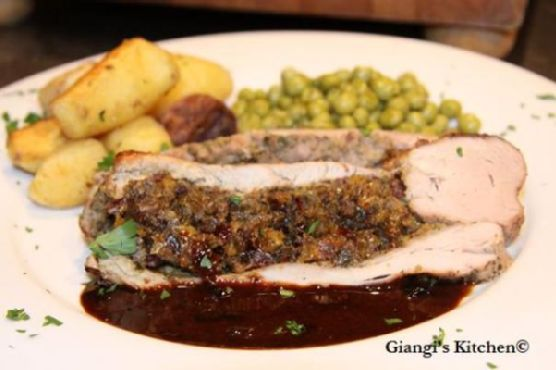
Picture this: It’s a chilly Tuesday evening, and I’m staring at the contents of my fridge, wondering what in the world to make for dinner. My eyes land on a pork tenderloin, and I remember that bottle of Marsala that’s been collecting dust on the shelf. Suddenly, the idea of a Stuffed Pork Tenderloin with Marsala-Port Sauce sounds like the perfect blend of comforting yet impressive. It’s the kind of dish that feels a bit fancy but is deceptively easy to whip up. As the aroma of Marsala and sautéed onions fills the kitchen, I can’t help but feel a little proud of the culinary magic happening right at my stove.

Jump to Recipe

What You’ll Need

The beauty of this dish is in its simplicity and the likelihood that you already have most of these ingredients tucked away in your pantry or fridge. We’re talking about a few surprises that elevate the dish, like dried fruits and Marsala wine.

  • 1 pork tenderloin
  • 1 shallot, finely diced
  • 1 small yellow onion, diced
  • 8 oz mushrooms, chopped
  • 1/4 cup dried apricots
  • 1/4 cup raisins
  • 1/4 cup dried cranberries
  • 1/4 cup flat-leaf parsley, chopped
  • 1/2 cup Marsala wine
  • 1/2 cup Port wine
  • 2 tablespoons butter
  • 1/4 cup heavy cream
  • 2 tablespoons olive oil
  • Salt and pepper to taste

How to Make Stuffed Pork Tenderloin with Marsala-Port Sauce

  1. Preheat your oven to 450°F (230°C). The key to a crispy outside and juicy inside is starting with a hot oven.
  2. In a large skillet over medium heat, warm up 1 tablespoon of olive oil. Toss in the diced onions, shallots, and mushrooms. Cook these until the onions turn translucent, and your kitchen smells like heaven.
  3. Remove the skillet from heat. In a small food processor, combine the cooked onion mixture, dried apricots, raisins, cranberries, and parsley. Pulse until everything is minced and well combined. This mixture will be your delectable stuffing.
  4. Take the pork tenderloin and cut it in half crosswise. Butterfly each section carefully, ensuring not to cut all the way through. Season both sides generously with salt and pepper.
  5. Spread the stuffing over one side of each butterflied pork piece. Lay the other half of the meat on top and secure the edges with toothpicks. Don’t be shy with the salt and pepper here — it’s the secret to bringing out all those flavors.
  6. In the same skillet you used earlier, heat another teaspoon of olive oil. Sear the pork tenderloin on each side for about 3-5 minutes. You’re looking for a lovely golden crust.
  7. Transfer the pork to the oven and let it roast for 20 to 30 minutes, until there’s no pink and the juices run clear. Internal temperature should hit 145°F (63°C).
  8. Once done, remove the pork from the oven, place it on a dish, and tent it with aluminum foil to rest while you make the sauce.
  9. Pour off any fat from the skillet. Add the Marsala and Port wines, scraping up any browned bits with a spatula as you bring it to a boil. Let this bubble away until reduced to about 1/2 cup.
  10. Remove from heat and swirl in the butter and cream. You’ll know it’s perfect when the butter is completely melted and the sauce is just thick enough to coat the back of a spoon.
  11. Remove the toothpicks, slice the pork tenderloin into rounds, and drizzle with that luscious sauce. Serve immediately and prepare to wow your taste buds.

Cook’s Notes

When stuffing the tenderloin, ensure the filling is well minced so it stays snugly inside as it cooks. If you don’t have a small food processor, chopping everything by hand works too — just takes a little more elbow grease. I recommend letting the meat rest for at least 5 minutes before slicing; this keeps it juicy. In terms of leftovers, this dish keeps well in the fridge for up to 3 days. Reheat gently with a splash of water or stock to keep it moist.

Make It Your Own

  • Try swapping the pork for a boneless chicken breast. Just pound it to an even thickness and proceed with stuffing and cooking as directed.
  • For a vegetarian twist, replace the pork with large portobello mushrooms. Use the same stuffing and bake them until tender, about 15 minutes.
  • Substitute the Marsala for sherry or white wine if you prefer a different flavor profile.
  • Add a sprinkle of crushed pistachios or walnuts to the stuffing for a delightful crunch.

If you try this, I’d love to hear how it turns out — drop a comment or tag me on social media! Your kitchen adventures make my day. Happy cooking!

Related update: Stuffed Pork Tenderloin with Marsala-Port Sauce

Related update: Vegan Taco bowls with Cilantro Lime Cauliflower Rice

Draft Night Drama: 16 Prospects Headed | Analysis by Brian Moineau

Draft night is shaping up: 16 prospects will attend 2026 NFL Draft in Pittsburgh

The NFL’s announcement that 16 prospects will attend the 2026 NFL Draft in Pittsburgh gives the event a distinctly different feel this year — more intimate, more concentrated, and oddly more suspenseful because the presumed No. 1 pick, Fernando Mendoza, won’t be there. For fans who love the pageantry — the walk to the stage, the commissioner’s handshake, the live confetti — this draft will still have flash. But the absence of Mendoza and the concentration of elite talent from a handful of schools creates new storylines to watch as the league’s next stars await their names. (nfl.com)

Who’s making the trip and why it matters

The league’s list reads like a highlight reel of defensive talent and playmakers across the board. Ohio State leads the way with five attendees — Caleb Downs, Kayden McDonald, Arvell Reese, Sonny Styles and Carnell Tate — while Alabama, Miami and others each send top names. The full roster includes standouts such as Jeremiyah Love (Notre Dame), Makai Lemon (USC), Francis Mauigoa (Miami) and Ty Simpson (Alabama). (nfl.com)

There are reasons prospects choose to be in Pittsburgh beyond the spectacle. For mid- to late-first-round hopefuls, being on stage instantly erases doubt and creates a career-defining image. For teams, having a prospect present can make a pick feel more ceremonial and connected to fans. The NFL’s invite list often reflects who expects to be selected early — or who wants to seize the spotlight and show they belong.

The Mendoza paradox: a No. 1 pick who’ll watch from Miami

Fernando Mendoza’s decision to skip the stage — instead watching the draft in Miami with family and friends — punches a hole in the usual narrative: the top pick walking up, smiling under the lights. Mendoza, the Heisman-winning Indiana QB widely projected to go first overall, informed the league he won’t attend. That’s notable because it’s rare for presumed top picks to be absent; the last No. 1 not to be present was Travon Walker in 2022. (nbcsports.com)

There are practical reasons players skip the event: family logistics, preference for privacy, or organizational clarity (when it’s basically a lock). Still, the optics are striking. For the Raiders (the team most linked to Mendoza), the moment of revealing the new franchise face will play out differently — on screens, with hometown celebrations instead of a handshake in Pittsburgh.

Why Ohio State’s five attendees are a storyline unto themselves

Ohio State put five prospects on the list, and that concentration is fascinating for two reasons. First, it speaks to how college powerhouses continue to funnel pro talent — a single program supplying multiple day-one or early-round players. Second, it creates an intra-college narrative: teammates who battled together will be shuffled across the league, opening immediate expectations about how quickly they’ll impact new franchises. (nfl.com)

Each Buckeye brings a different projection: Caleb Downs as a top safety, Sonny Styles as an off-ball linebacker with short waiting time to hear his name called, and others who could either be day-one contributors or developmental pieces with big ceilings. That variety makes Ohio State a microcosm of the draft class’s depth.

Defensive depth and the draft’s complexion

Nine of the 16 attendees are defensive prospects. That skew highlights this class’s defensive talent and the premium teams are placing on edge rushers, linebackers and corners. Names like Arvell Reese, Rueben Bain Jr. and David Bailey suggest an event where pass-rush and run-stopping traits will be in heavy demand. If you like defensive theatre, this draft will deliver. (nfl.com)

On offense, playmakers like Jeremiyah Love and Makai Lemon bring flash — running and receiving sparks that could change outcomes for teams craving explosiveness. The mixture of high-upside skill players and impact defenders makes the draft feel balanced, even though the spotlight often gravitates to quarterbacks.

What to watch on draft night

  • Who goes first and how the Raiders (or whoever picks) frame their new era without Mendoza on the stage.
  • Whether any of the attending prospects fall relative to expectations — and how that affects narrative: yesterday’s handshake moments can suddenly become redemption arcs.
  • The immediate reactions from teams picking Ohio State players: will franchises see chemistry value or just individual talent?
  • Ty Simpson’s spot: a quarterback who might float between Day 1 and Day 2, and who could change the QB conversation if he hears his name early. (nfl.com)

Transitioning from prospect lists to live moments, remember that being present doesn’t guarantee an early pick. Draft nights have surprised us before — and the emotional mix of joy, shock, and letdown is as much part of the show as the picks themselves.

A closer look at the atmosphere in Pittsburgh

With only 16 prospects in attendance, the draft will feel more curated. That intimacy has pros and cons: it elevates the players who are there, making each selection more personal, but it also means fewer on-stage reveal moments. For broadcasters and fans, the focus narrows to a handful of faces and backstories — and that can deepen storytelling, especially around players who might otherwise disappear into later-round anonymity. (si.com)

Pittsburgh’s draft will still buzz. The city knows how to throw a football party, and the league’s production will fill any gaps left by absent prospects with features, interviews and team reactions. In short: the show goes on, but with a different beat.

Final thoughts

Draft night is often as much about theater as it is about talent. This year, the theater’s script includes a top prospect observing from afar and a roster of 16 players ready to make their moment count onstage. That combination makes the 2026 NFL Draft feel both intimate and unpredictable — and for fans invested in the stories behind the picks, that unpredictability is the point.

Sources


Related update: We recently published an article that expands on this topic: read the latest post.


Related update: We recently published an article that expands on this topic: read the latest post.