
It was one of those chilly fall afternoons when the leaves were swirling outside, and my pantry was looking a bit sparse. I was craving something cozy but hadn’t done a proper grocery run. Luckily, I did have a few seasonal staples on hand, including a couple of butternut squashes that had been staring at me every time I opened the pantry door. A quick rummage through the fridge and spice rack, and voilà! This Roasted Butternut Squash and Sage Dip was born. It’s a creamy, savory dip with just a hint of sweetness from the roasted squash and an earthy touch from the sage. Perfect for those moments when you want to impress without the fuss. Plus, it makes your kitchen smell divine.
Jump to Recipe
What You’ll Need
The beauty of this dip is that it relies on simple, fresh ingredients that you might already have. The key is in the roasting, which brings out all the deep, wonderful flavors.
- Two butternut squash
- Olive oil
- Fresh sage
- Garlic powder
- Fresh ground pepper
- Sea salt
- Onion
- Garlic
- Anchovy (trust me on this one!)
- Goat cheese
How to Make Roasted Butternut Squash and Sage Dip
- Preheat your oven to 350 degrees. This is the perfect time to cozy up and let your kitchen get warm and inviting.
- In a big bowl, mix together some olive oil, fresh sage, a few dashes of salt, pepper, and garlic powder. Toss in the butternut squash cubes, making sure each piece is well-coated with the herby goodness.
- Spread the squash out on a large baking sheet. You want them in a single layer, so they roast up nice and caramelized. Bake for about 30 minutes, or until they are tender and golden at the edges.
- While the squash is doing its thing, sauté chopped onion, anchovy fillets, and garlic in a bit of extra virgin olive oil. Cook them until the onion is soft and the anchovy has melted into the mix. The aroma is heavenly.
- Once the squash is done, let it cool just enough to handle. This way, you’re not nuking your fingers when you move to the next step.
- In a food processor, combine the roasted squash, onion mixture, and about 1/4 cup of crumbled goat cheese. Blend until smooth and creamy. You may need to scrape down the sides a couple of times to get everything evenly mixed.
- Transfer the dip into a pretty bowl because presentation matters! Serve it up with pita wedges, breadsticks, or a colorful array of veggies.
Cook’s Notes
This dip is pretty forgiving and flexible, perfect for those “let’s wing it” cooking sessions. If you’re prepping in advance, you can roast the squash and make the sautéed onion mixture the day before. Just keep them in separate containers in the fridge and blend them up with the cheese when you’re ready to serve. It will keep well in the fridge for about 3 days, though it never lasts that long at my house! If the dip thickens too much after chilling, a splash of olive oil or a bit of warm water stirred in should bring it back to life.
Make It Your Own
This is where the fun begins—don’t be afraid to play around with this recipe!
- Swap the goat cheese for feta if you want a saltier, tangier vibe.
- For a vegan version, skip the anchovy and goat cheese, subbing in roasted red peppers for extra depth.
- Add a pinch of red pepper flakes to the roasting mix for a bit of heat.
- Use sweet potatoes instead of butternut squash for an earthier sweetness.
If you try this, I’d love to hear how it turns out—drop a comment or tag me! Nothing makes me happier than seeing all the delicious ways you bring these recipes to life. Enjoy!
Related update: Roasted Butternut Squash and Sage Dip
Related update: Breaded Shrimp and Spicy Mayo Appetizer
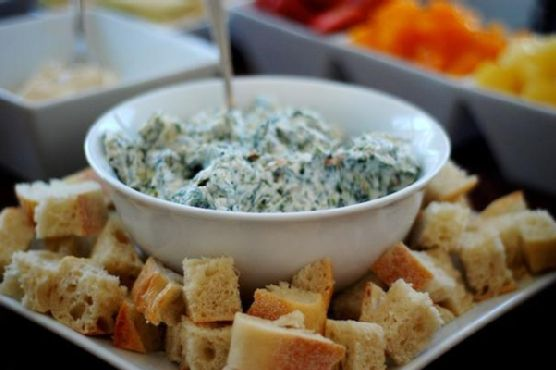
It was one of those evenings when the wind had a bite to it, and all I wanted was something warm and comforting that didn’t require a trip to the store. I peeked into my pantry and there it was — a can of artichoke hearts, a block of cream cheese, and some fresh spinach that had seen better days. It was like they were whispering, “Make something delicious out of us.” And thus, this Warm Spinach Artichoke Dip was born. It’s the kind of dish that’s easy to throw together when you need a little pick-me-up, perfect for snacking or impressing friends without breaking a sweat. The rich, creamy texture and the burst of garlicky goodness is just what you need at the end of a long day.
Jump to Recipe
What You’ll Need
I bet you’ve got most of this stuff in your kitchen already. It’s all about the handful of key players that bring everything together into a cozy, irresistible dip.
- Olive oil
- Artichoke hearts
- Garlic
- Red chili flakes
- Salt
- Baby spinach
- Cream cheese
- Parmesan cheese
- Lemon juice
- Black pepper
How to Make Warm Spinach Artichoke Dip
- Start by placing the olive oil, artichoke hearts, garlic, red chili flakes, and a pinch of salt in a small pot. Cover it up and let it simmer on low heat for an hour. Your kitchen will smell fantastic, a hint that you’re on the right track.
- Once the artichokes are fragrant, add the baby spinach to the pot. Cover it again and steam the leaves for about 2 minutes, just until they wilt and turn a vibrant green.
- Transfer everything from the pot into a food processor. Add the cream cheese, parmesan cheese, and a splash of lemon juice. Pulse until the mixture is chunky but well-combined, a texture that promises every scoop will be packed with flavor.
- Finally, garnish with a sprinkle of black pepper and serve it up with some warm, crusty bread — because trust me, you’ll want something sturdy to scoop up all that goodness.
Cook’s Notes
This dip is pretty forgiving, but here are some tips to keep it extra tasty. Make sure to simmer the artichokes long enough to really let the flavors meld. You can make this dip ahead of time and store it in the fridge for a couple of days. When you’re ready to serve, just reheat gently on the stove. If you find yourself with leftovers (unlikely, but possible), they make a killer sandwich spread or a pasta sauce with a bit of extra cream or milk.
Make It Your Own
- Swap the artichoke hearts for marinated artichokes if you want a little extra zing to your dip.
- Mix in some crispy bacon bits for a smoky touch that complements the creamy base.
- Use feta cheese instead of parmesan for a tangy twist.
- Add a handful of chopped sun-dried tomatoes for a burst of sweetness and color.
If you try this, I’d love to hear how it turns out — drop a comment or tag me! Whether it becomes your go-to for cozy nights in or a star at your next gathering, I hope this dip brings a little warmth and joy to your table.
Related update: Warm Spinach Artichoke Dip
Related update: Roasted Butternut Squash and Sage Dip

It was one of those sticky summer afternoons when the sun refused to set and the heat clung to every corner of my kitchen. I had just about given up on finding a dessert that felt right for the weather — something light and refreshing that wouldn’t require me to turn my kitchen into a sauna. That’s when the idea for these Lemon Bars hit me. They’re a sunshine-packed treat that’s as easy as they are impressive, giving you that sweet-tart zing without the fuss. Plus, they’re perfect for prepping ahead, which means more time for sipping iced tea on the porch. Whether you’re looking to whip up something special for a summer BBQ or just craving a burst of citrus, these Lemon Bars are your golden ticket.
Jump to Recipe
What You’ll Need
Chances are you already have most of this in your kitchen, making these bars a snap to put together.
- Butter, melted
- Cream cheese
- Flour
- Regular size containers of lemon pudding
- Milk
- Cool whip
- Nuts, chopped
- Powdered sugar
How to Make Lemon Bars
- Preheat your oven to 350°F. Mix the flour and melted butter together with a beater until combined. You’ll know it’s ready when it resembles coarse crumbs.
- Press this mixture firmly into the bottom of a 13 x 9 inch pan, creating a base layer. Bake it for about 20 minutes, or until it’s golden and fragrant.
- Remove from the oven and let it cool completely. Patience is key here!
- In a separate bowl, beat the cream cheese and powdered sugar until smooth and creamy. Blend in one cup of whipped topping. You’ll want a silky, spreadable texture.
- Once the pastry is cool, smoothly spread the cream cheese mixture over it, ensuring an even layer.
- Next, beat the instant pudding with milk until it thickens. Spread this lemony goodness over the cream cheese layer.
- Top everything with the remaining whipped topping, spreading it gently across the surface.
- Finish with a sprinkle of chopped nuts for a bit of crunch. Refrigerate overnight or for at least 3 hours. Let these bars chill until firm before serving.
- When ready to indulge, cut into 24 bars and enjoy the sunshine on a plate!
Cook’s Notes
These Lemon Bars are pretty forgiving, but there are a few things to keep in mind. Make sure the crust has time to cool completely before adding the cream cheese layer, as rushing this part can lead to a melty mess. For those moments when time isn’t on your side, pop your pan in the fridge to speed things up. If you’re planning ahead, rest assured these bars keep wonderfully in the fridge for up to three days. Just be sure to cover them tightly to keep them fresh.
Make It Your Own
- Swap the nuts for toasted coconut to give it a tropical twist.
- Use lime pudding instead of lemon for a zesty variation that’s equally delicious.
- Add a layer of fresh raspberries between the cream cheese and pudding layers for a burst of berry flavor.
- For a nut-free version, simply omit the nuts or replace them with white chocolate shavings.
If you try this, I’d love to hear how it turns out — drop a comment or tag me! There’s something magical about sharing food, and I hope these Lemon Bars bring a little sunshine to your day. Happy baking!
Related update: Lemon Bars
Related update: Oven Roasted Pears With Blackberry Sauce

On a Tuesday evening, not too long ago, I found myself staring into the fridge, contemplating yet another night of uninspired dinner options. It was one of those weeks where everything felt like it was on fast-forward, and the idea of cooking anything complicated sent me straight to visions of takeout menus. But then, I spotted those lonely boneless chicken breasts tucked away in the fridge and suddenly remembered a recipe that’s delightfully simple yet tastes like you’ve been at it for hours — Grilled Chicken Hunter Style. The beauty of this dish lies in its comforting flavors, reminiscent of a cozy Italian bistro, but with the ease suited for a hectic weeknight. Trust me, this is comfort food that’s as flavorful as it is straightforward to whip up.
Jump to Recipe
What You’ll Need
If your pantry is anything like mine, you probably have most of these ingredients already. This recipe is all about using what you’ve got and letting a few key ingredients really shine.
- Boneless chicken breasts
- Extra virgin olive oil
- Green bell pepper
- Mamma Lombardi’s marinara sauce
- Mushrooms
- Red bell pepper
- Romano cheese
- Black salt and pepper
How to Make Grilled Chicken Hunter Style
- First, let’s get those chicken breasts soaking up some flavor. Coat them well in 1 ounce of extra virgin olive oil and set them aside. This will keep them juicy and give them a lovely sear on the grill.
- Next, grab a 2-quart sauce pot and heat up 2 ounces of extra virgin olive oil over medium heat. Toss in the green bell pepper, red bell pepper, and mushrooms. Cook these until they begin to brown slightly, releasing a sweet aroma that fills the kitchen.
- Once the veggies are just right, add in the Mamma Lombardi’s marinara sauce. Sprinkle in some salt and freshly ground black pepper to taste. Let it all simmer together for about 12 minutes, stirring occasionally. The sauce should become rich and aromatic.
- While the sauce is simmering, fire up your grill. Grill the chicken breasts until they’re thoroughly cooked through and juicy, with those beautiful charred grill marks — about 6-8 minutes per side depending on thickness.
- To finish, arrange the grilled chicken on a serving tray. Ladle that beautiful, fragrant sauce generously over the top and sprinkle with grated Romano cheese. Serve it hot and enjoy!
Cook’s Notes
Here’s the thing about this dish: it’s forgiving. Forgot the mushrooms? No problem. Only have yellow bell peppers? They’ll work too. The essence of this meal is in the grill-marked chicken and that savory sauce. For leftovers, store the chicken and sauce separately in airtight containers in the fridge for up to 3 days. Reheat gently on the stove with a splash of water or broth if the sauce has thickened. This dish can also be prepped ahead; just make the sauce a day early and grill the chicken fresh.
Make It Your Own
- For a vegetarian twist, swap the chicken for crispy tofu. Just press and grill it the same way, soaking it in the olive oil first.
- Add a kick by stirring in some red pepper flakes or a dash of hot sauce to the marinara.
- Experiment with cheese! Replace Romano with Parmesan or even a sharp cheddar for a different flavor profile.
- Mix in some sautéed onions with the peppers and mushrooms for extra sweetness and depth.
If you try this, I’d love to hear how it turns out — drop a comment or tag me! Whether it’s a busy Tuesday or a lazy Sunday, this Grilled Chicken Hunter Style might just become your new go-to. Enjoy every delicious bite!
Related update: Grilled Chicken Hunter Style

Last Tuesday, I found myself staring into the fridge at 6 p.m. with a growling stomach and no dinner plans. You know the feeling, right? That weeknight scramble where you’re just trying to conjure up something quick yet satisfying. Lucky for me, an almost forgotten can of tuna and some leftover boiled eggs saved the day. Enter these deliciously simple Tuna Stuffed Hard-Boiled Eggs—a perfect blend of creamy and tangy, ready in a flash and impressive enough that you might actually look forward to making them again. Whether you’re crafting a light lunch or a snack for a spontaneous get-together, these little bites are exactly what you need.
Jump to Recipe
What You’ll Need
The beauty here is that you probably have all these ingredients lounging in your kitchen. It’s a simple yet delightful list that packs a punch.
- 6 hard-boiled eggs
- 1 can of tuna, drained
- 1/4 cup finely chopped onion
- 1/4 cup grated carrot
- 2 tablespoons chopped parsley
- 1 tablespoon fresh lemon juice
- 1/4 cup corn kernels for garnish
How to Make Tuna Stuffed Hard-Boiled Eggs
- Start by peeling those perfectly boiled eggs and slicing them in half lengthwise. Scoop the yolks into a bowl and place the whites on a plate.
- In the bowl with the yolks, add the drained tuna, chopped onion, grated carrot, parsley, and a squeeze of fresh lemon juice. Mash everything together with a fork until it’s well combined and creamy.
- Spoon or pipe the tuna mixture back into the egg whites, filling each hollow generously. You’ll want the filling to have a slightly mounded look.
- To finish, sprinkle the tops with corn kernels. They add a sweet pop and a dash of color—plus, who doesn’t love a little crunch?
Cook’s Notes
If you’re boiling the eggs specifically for this recipe, a 9-minute boil should give you that perfect firm yolk. To prevent overcooking them (nobody likes a green-tinged yolk!), immediately plunge them into an ice bath after boiling.
- For a smoother filling, try blending the mixture in a food processor. It’s not necessary, but it adds a touch of elegance.
- You can make the filling a day ahead—just store it in an airtight container in the fridge. Stuff the eggs just before serving for the freshest result.
- Leftovers can be stored in the fridge for up to 2 days, but honestly, they’re so good, you probably won’t have any!
Make It Your Own
- Swap the tuna for canned salmon or even shredded chicken for a different flavor profile.
- Love a bit of heat? Add a spoonful of sriracha or a pinch of cayenne pepper to the tuna mixture for a spicy kick.
- If you’re a fan of herbs, try swapping parsley for dill or basil for a fresh twist.
- For added creaminess, mix in a tablespoon of mayo or Greek yogurt with the tuna filling.
If you try this, I’d love to hear how it turns out—drop a comment or tag me! These eggs might just become your new go-to when you’re in a pinch. Happy cooking!
Related update: Tuna Stuffed Hard-Boiled Eggs
Related update: Warm Spinach Artichoke Dip
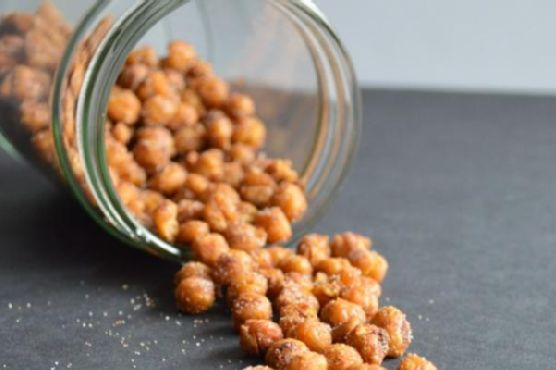
Picture this: It’s a breezy Sunday afternoon, my playlist is on shuffle, and I’m craving something snacky yet a little indulgent. I open the pantry, and there they are, my trusty canned chickpeas staring back at me like they know they’re about to be transformed. Last week, I had a major kitchen mishap with a new bread recipe that turned out more like a weapon than a loaf, so today I’m sticking to something foolproof and fabulous—Cinnamon & Sugar Roasted Chickpeas. These little morsels are not only super easy to whip up, but they also bring that sweet, crunchy magic that’s like a hug for your taste buds, without any of the guilt. Plus, they make my whole kitchen smell like a cinnamon wonderland, which is a win-win for everyone involved.
Jump to Recipe
What You’ll Need
What’s great about this recipe is that you likely already have most of these gems hanging around in your kitchen. We’re talking pantry staples with a sweet twist!
- 1 can of garbanzo beans (aka chickpeas)
- 1 tablespoon olive oil
- 1 tablespoon maple syrup
- 1 teaspoon cinnamon
- 1 tablespoon cane sugar
How to Make Cinnamon & Sugar Roasted Chickpeas
- First things first, preheat your oven to 425°F. Trust me, having it nice and hot is key for the perfect crunch.
- Line a baking sheet with parchment paper or a silicone mat. It makes cleanup super easy and keeps the chickpeas from sticking.
- Drain and rinse the chickpeas thoroughly. This is your chance to say goodbye to that canning liquid!
- Take two sheets of paper towels, lay one down, spread the chickpeas out, and use the other to gently pat them dry. You want them as dry as possible to achieve that crispy texture.
- While you’re drying, pick out any skins that have come loose. It’s not a big deal if you can’t get them all—just do your best!
- In a small bowl, mix the dried chickpeas with olive oil, maple syrup, and cinnamon until every little bean is well-coated and looking scrumptious.
- Spread the chickpeas on your prepared baking sheet in a single layer. Bake for 15 minutes, enjoy a dance break or clean up the kitchen.
- After 15 minutes, stir the chickpeas to ensure even baking. Return them to the oven, baking in 3-4 minute increments until they’re beautifully browned and dried to your liking. Remember, the longer they roast, the crunchier they’ll get, but keep an eye out to prevent burning.
- Once out of the oven, let them cool for a bit. Then, sprinkle the cane sugar over them while they’re still warm but not hot. Toss them gently to coat.
- Now, dig in and enjoy these delightful nuggets of crunchy sweetness!
Cook’s Notes
If you’re anything like me, you’ll want to store these in an airtight container if they last longer than a day (spoiler: they might not!). They generally stay fresh and crunchy for a couple of days, but after that, they tend to soften up. No worries though—they’re still tasty! For the impatient snackers, remember the necessity of drying the chickpeas; moisture is the enemy of crunch. Also, I wouldn’t recommend skipping the parchment paper unless you want a sticky mess on your hands.
Make It Your Own
- Feeling spicy? Add a pinch of cayenne pepper to the mix for a sweet and spicy combo that’ll keep you on your toes.
- Swap the maple syrup for honey if you’re after a deeper, richer sweetness.
- Use coconut oil instead of olive oil for a subtle tropical twist that pairs beautifully with the cinnamon.
- For a festive flair, sprinkle a bit of nutmeg or pumpkin pie spice into the mix. Hello, holiday vibes!
If you try this, I’d love to hear how it turns out—drop a comment or tag me in your snack-tastic creations! Your oven and chickpeas await, my friend. Snack on!
Related update: Cinnamon & Sugar Roasted Chickpeas
Related update: Tuna Stuffed Hard-Boiled Eggs
So there I was, staring at the contents of my fridge, wondering how I could whip up something that felt more like a brunch celebration and less like a “what’s-left-in-the-fridge” scramble. It was one of those days when you crave something cozy yet impressive, especially when your best friend calls and says she’s popping over in half an hour. Enter: Mini Spinach and Feta Quiches. They’re this magical combination of simplicity and elegance, bursting with savory flavors and just the right amount of cheese. Plus, they bake up quickly, so you can spend more time chatting and less time cooking. Trust me, these little quiches are worth every moment spent waiting for them to puff up in the oven. Perfect for a casual get-together or a solo treat with a cup of coffee.
Jump to Recipe
What You’ll Need
What’s great about these quiches is that they’re made with ingredients you probably have on hand or are easy to grab on a quick grocery run. Here’s the lineup:
- Eggs – because what is a quiche without eggs?
- Half-and-half – for that creamy, luscious texture.
- Garlic – a subtle kick with lots of flavor.
- Frozen spinach – convenient and just right for this dish.
- Onion – for a touch of sweetness and depth.
- Basil – fresh and aromatic, a lovely herbaceous note.
- Low-fat shredded cheddar cheese – because cheese is life.
- Feta cheese – tangy, crumbly, and oh-so-delicious.
- Salt and pepper – essential for balancing flavors.
How to Make Mini Spinach and Feta Quiches
- Preheat your oven to 375°F (190°C). This is your time to collect your thoughts and maybe sip on some coffee, knowing deliciousness is coming soon.
- Set a large skillet over medium heat and coat it well with olive oil spray. Wait until the oil shimmers like a little lake under the sun.
- Add the garlic. Stir it around for about 30 seconds, just until it releases that irresistible aroma. No burnt garlic here!
- Add the chopped onion with a sprinkle of salt and pepper. Turn the heat up slightly to medium-high and cook, stirring often, until the onion turns a light golden brown.
- Now, fold in the spinach, chopped basil, and another pinch of salt and pepper. Lower the heat to medium and let it all mingle for about 10 to 15 minutes, stirring occasionally. Taste and adjust the seasoning if needed.
- Meanwhile, in a large bowl, whisk together the eggs, feta cheese, half-and-half, some more salt and pepper. Make sure it’s well blended, like a team of flavors ready to win.
- Spray your mini muffin pans generously with more olive oil spray. You don’t want any quiches sticking around here when it’s time to serve.
- Distribute the spinach mixture evenly among the muffin cups, about a tablespoon each. Follow this up with a tablespoon of the egg mixture in each cup.
- Bake in your preheated oven for 15 minutes, until the edges start to set and the tops look a little puffy.
- Pull out the pans and sprinkle each quiche with a touch of reserved shredded cheddar. Pop them back in the oven for about 5 more minutes, until the cheese on top is a beautiful golden brown.
- Let them cool slightly before serving. They’re delightful warm or at room temperature, with the flavors singing together perfectly.
Cook’s Notes
These quiches are ultra flexible, which is what I love most about them. You can make them a day ahead if you’re planning for a brunch or party. Just store them in an airtight container in the fridge and reheat gently in the oven or microwave. They stay good for about 3 days, though they rarely last that long at my house!
- Don’t overfill the muffin cups. The filling puffs up a bit during baking, so leave a little space to avoid spillage.
- If you’re chopping onions and they make you cry, try chilling them in the fridge for a bit beforehand. It helps, promise!
Make It Your Own
- Protein Punch: Swap out the spinach for sautéed mushrooms and add some cooked, crumbled bacon for a heartier bite.
- Spice it Up: Sprinkle a little smoked paprika or cayenne into the egg mixture for an unexpected kick.
- Go Green: Use kale or Swiss chard instead of spinach for a different leafy green vibe.
- Cheese Swap: Try sharp cheddar or even a nutty Gruyère if you’re out of feta. It’ll change the flavor profile in the best way.
If you try this, I’d absolutely love to hear how it turns out — drop a comment or tag me! May your kitchen be filled with the aroma of baking goodness and the satisfaction of a job deliciously done. 🍴✨
Related update: Mini Spinach and Feta Quiches

It was one of those chilly evenings when the wind seemed to sneak its way into my kitchen despite all the windows being tightly shut. I had a craving for something sweet but not overly indulgent, the kind of dessert that feels luxurious without leaving you with a sugar hangover. Rummaging through my pantry and fridge, I realized I had everything I needed to make this Baked Caramel Custard. It’s one of those recipes that sounds fancy enough to impress but is simple enough to whip up on a weeknight. A little bit of whisking, a touch of caramelizing, and you’ve got yourself a smooth, silky dessert that hits the spot.
Jump to Recipe
What You’ll Need
Trust me, you might already have most of these ingredients lounging around in your kitchen. Here’s what you’ll need to gather:
- Egg substitute
- 1 egg yolk
- Evaporated skim milk
- Port wine
- Skim milk
- Sugar plus extra for caramelizing
- Vanilla extract
How to Make Baked Caramel Custard
- First things first, preheat your oven to 350 degrees. Your kitchen will be all toasty and inviting in no time.
- In a heavy saucepan, scald the evaporated skim milk and skim milk together. You’ll want to heat them until tiny bubbles form around the edge — don’t let it boil!
- Now, let’s get caramelizing. In a skillet over medium heat, let the extra sugar melt until it becomes a golden brown liquid, like liquid gold. Keep an eye on it so it doesn’t burn.
- Slowly add your scalded milk to the caramel. Stir constantly until the sugar is completely dissolved. The mixture will bubble and foam a bit, just keep stirring until it calms down.
- In a medium bowl, beat together the egg substitute and egg yolk until they’re a lovely lemon color. This is where the magic begins!
- Pour the milk mixture into the bowl with the eggs. Add in the port wine and vanilla extract, mixing until smooth and well combined.
- Divide this creamy dream into six custard cups. Place the cups in a baking dish, then pour boiling water into the dish until it reaches halfway up the sides of the cups.
- Bake the custard in the oven for about 35 to 40 minutes. You’ll know it’s done when you give a little jiggle to the cups, and the centers just barely wobble.
- Remove the custard cups from the oven and let them cool completely in the refrigerator. Patience is key here — you want them nice and chilled.
- When ready to serve, place a dessert plate on top of each custard cup, then boldly invert. The custard should slide out with a little coaxing, revealing its luscious caramel top.
Cook’s Notes
Want to make this ahead of time? You totally can! This custard keeps well in the fridge for up to two days, which makes it a perfect make-ahead dessert for entertaining. Just remember to pop them out of their cups right before serving. And hey, don’t rush the caramelizing process — it’s tempting to crank up the heat, but slow and steady wins the race here. If your caramel seizes up when you add the milk, just return it to the heat and stir until smooth.
Make It Your Own
Feel like switching things up? Here are a few variations to try:
- Swap the port wine for a splash of rum for a slightly different boozy note.
- For a non-alcoholic version, omit the port wine and add a teaspoon of orange zest for a citrusy kick.
- Use whole milk instead of skim for a richer custard if you’re feeling indulgent.
- For a nutty twist, sprinkle the top with toasted chopped hazelnuts before serving.
If you try this, I’d love to hear how it turns out — drop a comment or tag me on social media! Happy baking, and may your custard always be silky and your caramel perfectly golden.
Related update: Lemon Bars
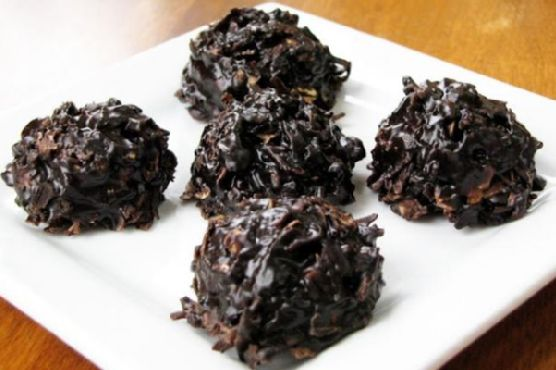
There I was, staring into my pantry on a rainy Wednesday afternoon, feeling the familiar pang of craving something sweet but not wanting to turn on the oven. You know those days when you just need a chocolate fix without all the fuss? That’s when I remembered these delightful little bites of joy: Xocai Oatmeal Dark Chocolate No-Bake Cookies. They’re the perfect balance of chocolatey goodness and wholesome oats, plus a breeze to whip up. What’s not to love about a recipe that feels like a treat but is secretly kind of healthy?
Jump to Recipe
What You’ll Need
This ingredient list is all about simplicity and, chances are, you already have most of these hanging out in your kitchen. Here’s what you’ll need:
- Butter substitute (for that creamy texture without the extra calories)
- Xocai healthy chocolate nugget (the star of the show with its rich, dark chocolate flavor)
- Oats (old-fashioned or quick oats both work perfectly)
- Peanut butter (for that nutty, irresistible taste)
- Soy milk
- Sugar substitute (to keep things sweet but light)
- Vanilla (a splash for that extra depth of flavor)
How to Make Xocai Oatmeal Dark Chocolate No-Bake Cookies
- In a medium saucepan, combine the butter substitute, Xocai chocolate nugget, oats, and peanut butter. Heat this mixture over medium heat, stirring gently to keep things smooth.
- Once everything is well-mixed and starting to melt together, increase the heat slightly and bring the mixture to a gentle boil. Keep stirring, and let it boil for five minutes. The mixture should become glossy and aromatic, like the best kind of hug in a pot.
- Remove the saucepan from the heat and stir in the soy milk, sugar substitute, and vanilla. This is where the mixture starts to transform into cookie magic.
- Finally, fold in the remaining Xocai chocolate nugget pieces. You want them to stay somewhat intact for that delightful chocolate burst in every bite.
- Spoon the mixture onto wax paper or foil, allowing the cookies to cool and harden. They’ll set as they cool, becoming perfectly chewy and rich.
Cook’s Notes
These cookies are incredibly forgiving, but here are a few tips to make them extra perfect:
- Make sure to stir constantly while boiling; this prevents the mixture from sticking to the pan or burning.
- If the cookies aren’t hardening, pop them in the fridge for a quicker set.
- Store the cookies in an airtight container at room temperature for up to a week, but I bet they won’t last that long!
Make It Your Own
- Swap the peanut butter for almond or cashew butter for a different nutty twist.
- Use almond milk instead of soy milk if that’s what you have on hand.
- Add a handful of shredded coconut to the mix for a tropical flair.
- Try adding a pinch of sea salt on top before they set for a sweet and salty combo.
If you try this, I’d love to hear how it turns out — drop a comment or tag me! There’s nothing better than sharing these little pieces of happiness with you all. Happy no-baking!
Related update: Xocai Oatmeal Dark Chocolate No-Bake Cookies
Related update: Cinnamon & Sugar Roasted Chickpeas
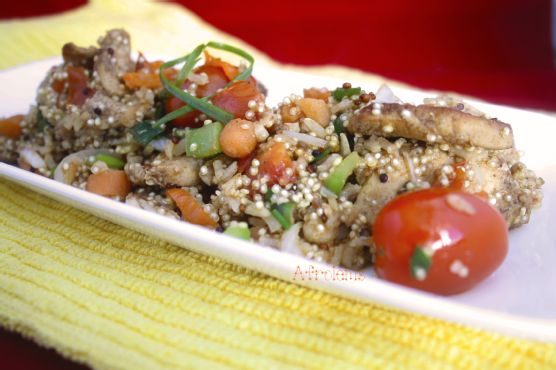
It was one of those Tuesday evenings when the fridge was looking pretty sparse, and my energy levels were even lower. You know the kind — a long day at work, the sun setting a bit too early, and a craving for something warm and satisfying but not a culinary marathon. That’s when my Stir Fried Quinoa, Brown Rice, and Chicken Breast came to the rescue. It’s a dish that seems fancy enough to impress anyone joining you at the table, but quick and easy enough that you won’t dread making it even after the most exhausting day. Plus, those spicy and savory flavors always hit the spot!
Jump to Recipe
What You’ll Need
This recipe is all about simplicity without sacrificing flavor. Chances are, you might already have most of these ingredients lying around, waiting to be transformed into something magical.
- Suya spice
- Quinoa and brown rice mix
- Butter
- Carrots
- Whole cherry tomatoes
- Chicken breast
- Garlic
- Seasoning cubes
- Green bell pepper
- Roma tomato
- Scotch bonnet pepper
- Spring onion
- Vegetable oil
- Water
How to Make Stir Fried Quinoa, Brown Rice and Chicken Breast
- Start by seasoning the chicken breast with the seasoning cubes and suya spice. Ideally, let it marinate for 2 hours, but if hunger strikes hard, go ahead and use it right away.
- In a pot, bring 1 cup of water to a boil. Add the quinoa and brown rice mix along with a teaspoon of oil. Cook until the grains are soft, approximately 5-7 minutes. Once cooked, transfer to a bowl and set aside.
- Melt the butter in a pan over medium heat, then add the marinated chicken breast. Pan fry, turning constantly, until it’s golden brown and fragrant on both sides. If the pan gets too dry, add 2 tablespoons of water to keep things juicy. Cover the pan and let the chicken cook through.
- While the chicken is cooking, chop up your veggies: carrots, green bell pepper, scotch bonnet pepper, spring onion, and the roma tomato.
- Once the chicken is nearly done, stir in the chopped vegetables. Let them cook until they’re vibrant and just tender, releasing a melody of aromas.
- Finally, fold in the cooked quinoa and brown rice mix. Stir everything together, ensuring that every grain is coated in flavor. Serve hot and enjoy the delicious medley!
Cook’s Notes
Cooking isn’t just about following steps; it’s about feeling the process. Here are a few tips to make this dish even better:
- If you’re short on time, skip the marination, but if you can spare those 2 hours, it makes the chicken extra flavorful.
- Leftover potential? Oh yes! Store in an airtight container and it’ll be good for up to 3 days in the fridge. Just reheat gently on the stove or in the microwave.
- If you’re new to using suya spice, start with a smaller amount and adjust to your heat preference.
- Don’t stress if you don’t have scotch bonnet peppers. They add a nice kick, but you can tone it down or swap with a milder pepper.
Make It Your Own
Cooking is all about personal touches. Here are some fun variations:
- Swap the chicken for crispy tofu for a vegetarian twist.
- Add a handful of spinach with the veggies for a burst of green goodness.
- Use coconut oil instead of butter for a slight tropical vibe.
- Mix in a spoonful of peanut butter with the suya spice for a creamy, nutty flavor.
If you try this, I’d love to hear how it turns out — drop a comment or tag me! Enjoy every bite of this simple yet satisfying dish, and remember, the best recipes are the ones that work for you. Happy cooking!
Related update: Stir Fried Quinoa, Brown Rice and Chicken Breast
Related update: Lebanese Kibbeh
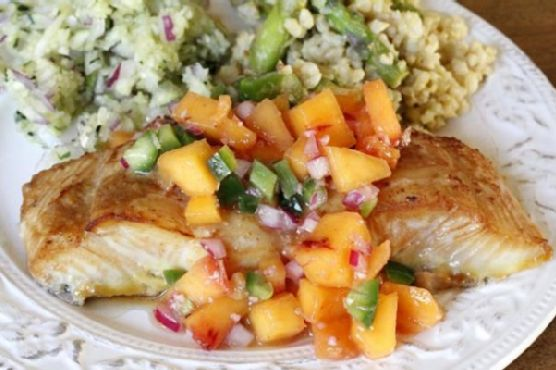
Picture this: it’s a Wednesday evening, my fridge looks like a ghost town except for a couple of halibut fillets staring back at me, and I’m craving something a bit more exciting than the usual mid-week fare. I’m also avoiding another last-minute dash to the store because, you know, life. So, I decided to bring some brightness and zing to the table with a Soy Ginger Glazed Halibut, topped with a Ginger Peach Relish that’s basically summer in a spoon. This recipe is the answer to impressing your taste buds without needing a culinary degree—or a packed pantry. Easy yet striking, this dish is the perfect combo of sweet, spicy, and savory. Trust me, you’ll want to keep this one in your recipe stash.
Jump to Recipe
What You’ll Need
Chances are, you already have most of what you need for this dish in your kitchen, especially if you’re a fan of Asian-inspired flavors. Here’s what to gather:
- Halibut fillets – the star of the show, make sure they’re nice and fresh
- Fresh ginger – adds that spicy zing we all love
- Soy sauce – for that umami depth
- White wine – adds a touch of elegance and acidity
- Olive oil – a smooth base for our marinade
- Peach – sweet and juicy, perfect for the relish
- Red onion – brings in a sharp, savory note
- Jalapeno – for a kick of heat
- Apple cider vinegar – a tangy counterbalance
- Lime – freshens everything up
How to Make Soy Ginger Glazed Halibut with Ginger Peach Relish
- Peel and roughly chop a piece of fresh ginger. You’re looking for that sharp, spicy aroma to fill your kitchen. Place all marinade ingredients—soy sauce, white wine, olive oil, and 1 tablespoon of chopped ginger—in a blender and blend until smooth. This ensures the ginger infuses its flavor beautifully.
- In a zip-lock bag or bowl with a secure cover, add the halibut fillets and pour in the marinade. Massage the bag gently to ensure the fillets are fully coated. Let them soak up all that goodness for at least 20 minutes, though a few hours would make them sing.
- Preheat your oven to broil. Once heated, place the fish in a casserole dish along with all the marinade. Set the dish on one of the top racks and bake for about 10-12 minutes. You’re aiming for a nice brown glaze on top and perfectly cooked-through fish.
- For the relish, chop up the peach, red onion, and jalapeno. Combine them in a bowl with apple cider vinegar, the juice of half a lime, and 1 tablespoon of ginger. Stir and refrigerate. The longer it sits, the more the flavors meld into a vibrant accompaniment.
Cook’s Notes
Let’s get practical for a second. First off, if you forget to marinate the fish ahead of time, don’t panic—it’ll still be delicious after just 20 minutes. However, if you can plan ahead, the flavors really deepen with a longer soak. When broiling, keep an eye on the fish to avoid burning, especially if your oven runs hot. As for the relish, it’s a make-ahead’s best friend. If you want, prepare it in the morning or even the night before. The flavors only get better with time, and it keeps beautifully in the fridge for a couple of days.
Make It Your Own
Feeling adventurous? Here are a few swaps that keep the spirit of the dish alive but shake things up a bit:
- Swap the halibut for salmon if you’re feeling more like a buttery fish vibe.
- If peaches are out of season, try using mango for the relish—a tropical twist that pairs beautifully with the heat of the jalapeno.
- Not a fan of heat? Leave out the jalapeno or swap it for a milder pepper like a poblano.
- For a gluten-free version, use tamari in place of soy sauce.
If you try this, I’d love to hear how it turns out—drop a comment or tag me! Seeing your creations is the best part of sharing these recipes. Bon appétit!
Related update: Soy Ginger Glazed Halibut with Ginger Peach Relish
Related update: Stir Fried Quinoa, Brown Rice and Chicken Breast

Last Tuesday, I found myself staring at an array of mismatched jars and half-opened cans in my pantry, curiously wondering, “What can I whip up for dinner that’s both comforting and easy?” The answer came in the form of this delightful Curry-Braised Chicken. It’s one of those glorious dishes where the simplicity of ingredients belies its depth of flavor. I’m all about recipes that make you look like a kitchen wizard without breaking a sweat, and this one’s a total weeknight win. The chicken turns out tender and juicy, and the creamy coconut curry sauce is pure magic over a bed of fluffy basmati rice. It’s the kind of dinner that makes you want to sit down, take a deep breath, and savor every bite. Plus, your home will smell incredible.
Jump to Recipe
What You’ll Need
This recipe is a pleasant surprise because chances are you already have most of these ingredients chilling in your kitchen.
- Skinless boneless chicken breasts – these soak up the curry flavors like a dream.
- Vegetable oil – just enough to get the party started in your Dutch oven.
- Salt – essential for seasoning the chicken.
- Yellow, red, or green curry paste – your choice here will define the dish’s character.
- Canned unsweetened coconut milk – the creamy backbone of our sauce.
- Fish sauce – brings a subtle umami depth.
- Brown sugar – a pinch of sweetness to balance the spice.
- Fresh lime juice – adds freshness and zing at the end.
- Basmati rice – perfect to soak up all that curry goodness.
- Bell pepper – optional, but adds a pop of color and texture.
How to Make Curry-Braised Chicken
- Preheat your oven to 325 degrees Fahrenheit. This ensures the magic happens slowly, making everything tender.
- Cut your chicken breasts in half. Season them with salt and a dash of pepper, massaging it in like you’re giving the chicken a spa day.
- Heat some vegetable oil over medium-high heat in a trusty Dutch oven. You want it hot enough that the chicken sizzles on contact.
- Brown the chicken on both sides for 1-2 minutes per side. You’re not cooking it through here; just giving it a lovely golden crust. Work in batches if needed.
- Remove the chicken and add your chosen curry paste to the same pot. Use a wooden spoon to break it up, getting the paste to meld beautifully with the leftover oil.
- Once the curry paste is fragrant and slightly darker, pour in the coconut milk. Stir with your spoon to scrape up any golden bits stuck to the bottom of the pot.
- Add the fish sauce and brown sugar, stirring until everything’s a harmonious blend.
- Return the chicken to the pot, snuggling it into the sauce. Cover with a lid and place the Dutch oven in the preheated oven.
- Bake for 45-55 minutes or until the chicken is cooked through and no longer pink. The sauce should be bubbling enticingly around the edges.
- Right before serving, stir in the fresh lime juice. Trust me, this is the zingy magic touch.
- Serve the curry-braised chicken over steaming basmati rice and, if using, sprinkle with sliced bell peppers for a crisp contrast.
Cook’s Notes
A few things I’ve learned along the way: don’t rush the browning step. That lovely golden crust adds layers of flavor. If you plan on making this ahead, you can pop it into the fridge after step 8 and finish baking when you’re ready to eat. Leftovers taste even better the next day, as the flavors have more time to mingle. Reheat gently on the stove, and add a splash of water if the sauce has thickened too much.
Make It Your Own
Looking to switch things up? Here are a few ideas:
- Swap the chicken for crispy tofu for a vegetarian version. Just brown the tofu pieces before adding them to the curry.
- Use shrimp instead of chicken. Adjust the cooking time – shrimp cooks much faster!
- Throw in some diced sweet potatoes along with the chicken. They’ll soak up the curry flavor wonderfully.
- Add a handful of spinach or kale at the end for a dose of greens.
If you try this, I’d love to hear how it turns out — drop a comment or tag me! Cooking is all about sharing, so let’s swap stories and tips. Happy cooking, friends!
Related update: Curry-Braised Chicken
Related update: Soy Ginger Glazed Halibut with Ginger Peach Relish

It was one of those foggy evenings in San Francisco where the mist hangs thick like a cozy, damp blanket. I was craving something that would bring all the warmth of the ocean into my little kitchen, something that felt like a tight hug for the soul. Enter: San Francisco Cioppino. This dish is not just a seafood stew; it’s a symphony of fresh catches and bold flavors that feel both hearty and impressively easy. You’ll find this cioppino is perfect for those nights you want to channel your inner fisherwoman without having to dive into the deep blue yourself. Trust me, it’s worth every delicious drop.
Jump to Recipe
What You’ll Need
You may be surprised to learn that despite sounding fancy, this ingredient list is mostly straightforward and filled with things you might already have. The key is in the freshness — it makes all the difference.
- Fresh canned tomatoes
- Clams
- Dry white wine
- Cooked freshly Dungeness crabs
- White fresh fish
- Fresh basil
- Fresh parsley
- Garlic
- Black fresh ground pepper
- Olive oil
- Fresh oregano
- Raw shrimp
- Scallops
- Tomato paste
- Yellow onion
How to Make San Francisco Cioppino
- Start by prepping the star of the show: the crabs. Gently remove the legs and claws, then break the body in half, making sure to keep as much of the “crab butter” (the delightful yellow center) as you can. Set the crab pieces aside and press the crab butter through a sieve into a small bowl. Set aside.
- For the clams, place them in a pan and add 1 cup of dry white wine. Cover and steam over medium heat for about 5 minutes, until their shells open wide like they’re waving hello. Discard any clams that refuse to open, then strain the stock through a cheesecloth and keep the liquid gold that’s left.
- Now, in your trusty 8-quart saucepan, heat up some olive oil. Toss in the onions and garlic, letting them dance over medium heat until they’re soft but not brown — think of it as just waking them up.
- Stir in the fresh canned tomatoes, tomato paste, the rest of your wine, pepper, herbs, and that flavorful clam stock you reserved. Partially cover the pot and let it simmer for a solid 20 minutes, letting those flavors mingle and get cozy.
- Add in your seafood: the fish, scallops, shrimp, crab, and the sacred crab butter. Simmer for about 5 minutes, but resist the urge to stir, as you want the fish to stay whole and proud. Then, add the clams and heat for another scant minute.
- Top with fresh parsley and serve immediately from the pot while everything is still joyously warm and inviting.
Cook’s Notes
Here’s the deal: freshness is key with cioppino, especially with the seafood. If you can get it from the market the day of, do it. As for the wine, choose a decent dry white that you’d actually enjoy sipping — it makes a big difference. And remember, don’t stir the stew after adding the fish. You want those chunks intact for a beautiful presentation. Leftovers can be stored in the fridge for up to two days and gently reheated over low heat. If you’re making it ahead of time, keep the seafood separate until you’re ready to serve, and add it in the last 5-6 minutes of reheating.
Make It Your Own
Here’s where you can play around with this seaside classic:
- Swap the white fish with salmon for a richer flavor.
- Trade the scallops for mussels if you fancy a different texture.
- Add a pinch of red pepper flakes for a bit of a kick.
- Use a splash of Pernod instead of wine for a slight anise twist that pairs beautifully with seafood.
If you try this, I’d love to hear how it turns out — drop a comment or tag me! Let’s keep sharing those warm, delicious moments. 🌊🍅🍲
Related update: San Francisco Cioppino
Related update: Curry-Braised Chicken

It was one of those unpredictable spring mornings where the sky couldn’t decide if it wanted to rain or shine. I found myself craving something that felt like a warm hug, something that would fill the house with the spicy sweet scent of comfort. Enter Hot Cross Buns. They’re perfect for those “in-between” days, bridging the gap between winter’s end and spring’s full bloom. What I adore about these buns is how deceptively simple they are to make; they sound fancy, but they’re actually pretty forgiving. You just mix, knead, roll, and bake. They’re like little pillows of happiness, complete with a sweet cross on top that’s practically begging to be photographed. Trust me, once you try them, these buns will become a regular request in your household.
Jump to Recipe
What You’ll Need
There’s a good chance you already have most of these ingredients lurking in your pantry. The combination of spices gives the buns their signature warmth, and the sour milk keeps them tender.
- Flour
- Sugar
- Baking powder
- Baking soda
- Salt
- Cinnamon
- Nutmeg
- Shortening
- Raisins
- Sour milk (or add a splash of vinegar or lemon juice to regular milk)
How to Make Hot Cross Buns
- Sift the flour once, then measure it out into a large bowl. Add the baking soda, baking powder, salt, sugar, and spices. Trust me, the double sifting might sound extra, but it makes the buns incredibly light.
- Cut in the shortening. You want to mix until the flour looks like coarse crumbs. This is your time to channel the patient, zen gardener within.
- Stir in the raisins. These little gems add pockets of sweetness in every bite.
- Add enough sour milk to create a stiff dough. You want it just moist enough to hold together without being sticky.
- Turn the dough onto a floured board and knead it slightly—just enough to bring it all together. Don’t overdo it!
- Roll the dough out to about 1/2 inch thickness. Use a 2-inch cutter to cut out your buns. It’s oddly satisfying, like cutting out cookies.
- Place the buns close together in a shallow pan. With a sharp knife, cut a cross into the top of each bun. This is where the magic happens.
- Brush the tops with a mixture of milk and sugar. This will give them a lovely gloss and help them brown beautifully.
- Bake in a hot oven at 475 degrees for 20 minutes. You’ll know they’re done when they’re golden and fragrant.
- Once out of the oven, brush them again with the milk and sugar solution. Fill the cross with plain frosting if desired. Serve them warm and watch them disappear.
Cook’s Notes
Here’s the scoop: these buns are best served warm, fresh out of the oven, but they do reheat well if you find yourself with leftovers (unlikely, but possible). Just pop them in the oven for a few minutes, wrapped in foil, to refresh them. You can make the dough ahead and keep it in the fridge overnight if you want to do the hard part in advance. Just be sure to let it come back to room temperature before rolling and cutting.
Make It Your Own
Feel free to play around with the recipe a bit. Here are some variations to consider:
- Swap raisins for dried cranberries for a tart twist.
- Add orange zest to the dough for a citrusy zing.
- Replace the frosting with a cream cheese glaze for a tangy finish.
- Throw in some chopped nuts if you’re in the mood for a bit of crunch.
If you try these Hot Cross Buns, I’d absolutely love to hear how they turn out for you! Drop a comment below or tag me on social media with your bun pics. Happy baking!
Related update: Hot Cross Buns
Related update: Xocai Oatmeal Dark Chocolate No-Bake Cookies
Related update: Simply Amazing Cinnamon Swirl Wheat Bread
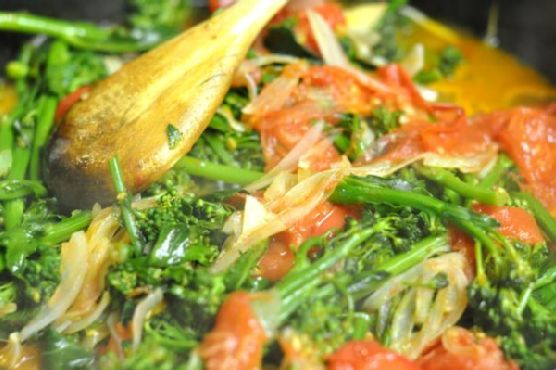
It was one of those Wednesday nights. You know the kind where the clock seems to race faster than your energy levels? I glanced into the fridge, feeling the kind of lazy where takeout menus begin to call your name. But I wasn’t ready to give in. Instead, I decided to whip up something that felt indulgent but wouldn’t have me stuck in the kitchen all night. Enter: Broccoli Rabe and Breaded Veal Scallopini. This dish is the perfect balance of earthy greens and crispy, golden veal. It’s a little fancy, but still approachable enough for a hectic midweek dinner. Plus, it makes your kitchen smell like an Italian bistro, which is never a bad thing.
Jump to Recipe
What You’ll Need
The best part? You might already have most of these ingredients lounging around in your kitchen! Here’s what you’ll need to create this lovely dish:
- Broccoli rabe – our powerhouse green
- Butter – for that rich, golden crust
- Egg – helps breadcrumbs stick like a culinary glue
- Olive oil – gives a subtle fruitiness to our sauté
- Salt and pepper – because seasoning is everything!
- Yellow onion – for a sweet, smooth base
- Garlic clove
- Tomatoes
- Veal scallopini – the star attraction
- Bread crumbs – for that irresistible crunch
How to Make Broccoli Rabe and Breaded Veal Scallopini
- First, wash and steam the broccoli rabe for about 3 minutes, or until it becomes a vibrant green. If you’re in a rush, a pressure cooker works wonders in no time.
- Thinly slice the onion. Grab a garlic clove, peel it, cut it in half and remove the stem. This will mellow out its strong bite.
- In a deep pan, heat 1 or 2 tablespoons of olive oil over medium heat. Sauté the onion and garlic until they’re soft and the kitchen is filled with a mouth-watering aroma.
- Add the steamed broccoli rabe to the pan, cover with a lid, and let it cook for a few more minutes until tender but still crisp.
- Quarter your tomatoes into wedges, depending on their size, and toss them into the pan. Cook for a few more minutes, mixing them gently with the greens until everything melds beautifully.
- Season with salt and pepper to your liking. Trust your taste buds here!
- For the veal scallopini, start by seasoning each piece with a sprinkle of salt and pepper.
- Dip each piece into a beaten egg, then coat it thoroughly with breadcrumbs. Make sure every inch is covered for maximum crunch.
- Heat a generous pat of butter in a pan over high heat. Once it’s sizzling, add the veal. Fry each side for 1 to 2 minutes until the scallopini is crisp and golden. Don’t skimp on the butter when flipping – those breadcrumbs are thirsty and need their drink!
Cook’s Notes
When buying broccoli rabe, look for bunches with deep green leaves and firm stalks. If you can’t find veal scallopini, thinly sliced chicken or turkey works just as well. If you make a bit extra, both the broccoli rabe and veal can be stored in an airtight container in the fridge for up to two days. Reheat the veal in a hot pan to keep that crispy goodness alive. For the greens, a quick zap in the microwave does the trick.
Make It Your Own
- If veal isn’t your thing, swap it out for chicken breast or even crispy tofu for a vegetarian twist.
- Boost the flavor by adding a sprinkle of parmesan cheese to your breadcrumbs before coating the veal.
- For a little heat, toss in some red pepper flakes when cooking the onions and garlic.
- Swap the broccoli rabe for spinach or kale if you’re in a pinch. They’ll give a slightly different texture but still work well.
If you try this, I’d love to hear how it turns out — drop a comment or tag me! Whether it becomes your midweek savior or a special weekend treat, I hope it brings a little joy to your table. Happy cooking!
Related update: Broccoli Rabe and Breaded Veal Scallopini
Related update: Zesty Lime Marinated Chicken with Homemade Watermelon Salsa

Picture this: It’s a blustery Tuesday evening, and I’ve just come home from work, craving something warm and savory to take the chill off. The kind of dish that fills the house with tantalizing aromas and makes you feel like you’re getting a hug from the inside. Enter my baked Indian samosas — golden, flaky, and just spicy enough to keep things interesting. These little parcels of joy are surprisingly easy to whip up, even on a weeknight, thanks to the magic of puff pastry. And trust me, your taste buds won’t know what hit them. Plus, they’re baked, not fried, so we can feel a little virtuous, right? These samosas have become my go-to comfort food, especially when I want to impress without too much hassle. Jump to Recipe
What You’ll Need
The ingredient list is refreshingly straightforward, and chances are you already have most of this in your pantry.
- Puff pastry
- 1 egg
- Water
- 1 russet potato, peeled and diced
- Salt
- 2 bay leaves
- 1 teaspoon coriander seeds, divided
- 1 teaspoon black peppercorns
- 1 teaspoon red chili flakes
- 1 skinless boneless chicken breast
- 1/2 cup diced mango
- 1/4 cup peas
- Juice of 1 lime
- 2 tablespoons chipotle sauce
- 1 teaspoon cumin seeds
- 1/4 cup chopped cilantro leaves
- Black salt and pepper, to taste
How to Make Baked Indian Samosas
- Preheat your oven to 425 degrees F. This is your golden ticket to perfectly baked samosas.
- In a small saucepan, combine the diced potato and enough cold water to cover. Add a generous pinch of salt. Bring it to a boil over medium heat, then reduce to a simmer until the potato is tender, about 12 to 15 minutes.
- In another pot, bring 4 cups of water to a simmer. Toss in a pinch of salt, the bay leaves, 1 teaspoon of coriander seeds, peppercorns, chili flakes, and the chicken breast. Let it simmer until the chicken is cooked through, about 8 to 10 minutes.
- Drain the cooked potato and mash it until smooth. Shred the chicken finely. Combine both in a large mixing bowl.
- Add the peas, diced mango, lime juice, chipotle sauce, remaining coriander seeds, cumin, cilantro, and salt and pepper to the bowl. Mix everything together until well incorporated, using a spoon or your hands. Taste and adjust the seasoning as needed.
- Roll out the puff pastry slightly to flatten the seams. Use a paring knife to cut the dough into 8 (7-inch wide) rounds. Cut each round into 2 semicircles.
- Place a tablespoon of filling in the center of each semicircle. Keep a small bowl of water nearby. Dip your finger in the water and run it along the edges of the dough.
- Fold the left corner over the filling in a triangular motion, landing the corner on the bottom right. Repeat with the other corner, then squeeze the bottom shut. Seal with water and press with a fork for good measure.
- Arrange the samosas on a lightly greased baking sheet. In a small bowl, whisk together the egg with 1 teaspoon of water. Brush the tops of the samosas with this egg wash.
- Bake for 15 minutes at 425 degrees F, then lower the heat to 375 degrees F and bake for another 10 minutes. If you’re feeling adventurous, flip them just before turning the heat down.
- Serve warm with your favorite chutney and bask in the deliciousness.
Cook’s Notes
The magic of these samosas is in their versatility. You can make the filling a day in advance, which makes assembly a breeze on a busy day. Just keep it chilled in an airtight container. As for leftovers, if there are any, you can store them in the fridge for up to three days. Reheat them in the oven to restore their crispness — microwaving makes them soggy, and nobody wants that. One common mistake is overfilling the samosas, which can lead to leaks. Less is more here, trust me.
Make It Your Own
- Swap the chicken breast for crispy tofu for a vegetarian version that’s equally satisfying.
- Replace the mango with diced apples for a subtly sweet twist.
- Add a handful of chopped spinach to sneak in some greens.
- For a spicier kick, mix in some diced jalapeños with the filling.
If you try this, I’d love to hear how it turns out — drop a comment or tag me! Nothing makes my day like seeing your kitchen adventures. Enjoy your samosa-making journey!
Related update: Baked Indian Samosas

It was a chilly Tuesday, and I found myself rummaging through my pantry, yearning for something warm and satisfying. As I sifted through the usual suspects, my eyes caught a glimpse of a pack of Neoguri ramen — my secret weapon for those mid-week cravings. The spicy seafood aroma from this dish has always been my go-to comfort, especially when I’m in the mood for something quick yet soul-satisfying. The best part? It’s like taking a mini-trip to a seaside ramen bar without leaving my kitchen. Trust me, you don’t need much time or experience to whip this up, but the flavor will have you thinking you’re some kind of ramen master.
Jump to Recipe
What You’ll Need
You know what’s great about this recipe? You probably have most of these ingredients lounging in your pantry or fridge. No wild goose chase required!
- 1 pack of Neoguri ramen (spicy seafood flavor)
- Mussels (fresh or pre-cooked, your choice)
- 1 egg
- 1 green scallion
- 1 sheet of gim (seaweed)
How to Make Neoguri (Spicy Seafood Ramen)
- First, get a pot of water boiling. Toss in the mussels and the sauce packets from the Neoguri ramen. Let it roll on medium heat for about 5 minutes. The broth should smell like spicy seafood heaven.
- If you’re using fresh mussels, keep an eye on them. Once they open, they’re ready. Any stubborn closed ones? Toss them out — they’re not invited to this party.
- Now, add the ramen noodles. Let them mingle with the broth for 2 to 3 minutes. You’ll know it’s time when they’re perfectly tender.
- Time for the egg! Beat it lightly and pour it in while stirring the noodles in a circular motion. This creates that lovely, flaky egg drop texture. If you’re more of a poached egg fan, gently slip the egg off to the side of the pot instead.
- While the pot is doing its thing, slice your scallion into thin pieces and tear up the gim (seaweed). Prep done!
- Scoop everything into a serving bowl. Sprinkle with the scallions and gim, and get ready to dive in.
Cook’s Notes
Let me share a few nuggets of wisdom to make your ramen experience even better. If you’re prepping this ahead, keep the broth and noodles separate until you’re ready to eat — nobody likes mushy noodles. For leftovers (if there are any), store the broth and noodles individually. They’ll keep in the fridge for a day or two. Reheat gently on the stove for best results. Watch your mussels — overcooked ones turn rubbery, which is less than ideal.
Make It Your Own
Want to put a personal spin on this ramen? Here are some ideas:
- Swap the mussels for crispy tofu for a vegetarian twist. Just pan-fry the tofu until golden and add it when your noodles are done.
- Spice it up a notch by adding a spoonful of your favorite chili paste or sriracha to the broth.
- For a heartier meal, toss in some cooked shrimp or sliced fish cake along with the mussels.
- Throw in a handful of baby spinach or bok choy for a dose of greens. They’ll wilt beautifully in the hot broth.
If you try this, I’d love to hear how it turns out — drop a comment or tag me! Once your friends get a taste, they’ll be begging you for the recipe, and you can be all smug and mysterious about your ramen secrets.
Related update: Neoguri (Spicy Seafood Ramen)
Related update: Broccoli Rabe and Breaded Veal Scallopini
Related update: Roasted Garlic & Butternut Parmesan Soup
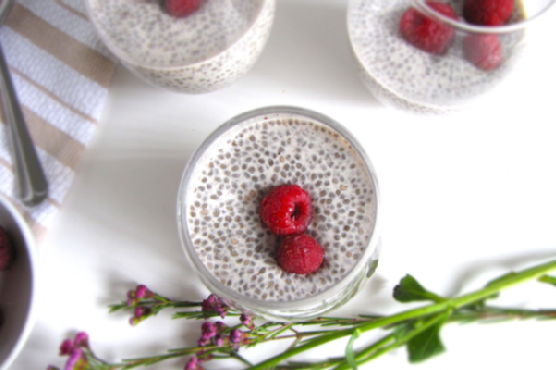
It was one of those hectic Tuesday nights when my brain was fried from work, and the fridge seemed like a barren wasteland. I needed something easy yet satisfying, and I really didn’t want to run to the store. Enter: chia seed pudding. This little gem is like a miracle in a bowl — crazy simple to whip up with stuff you probably have on hand, and it feels like a little treat when you need it most. Plus, it’s perfect if you’re like me and need a grab-and-go breakfast or a midnight snack that doesn’t involve cookies (well, not always). Trust me, once you try this, you’ll wonder how you managed without it.
Jump to Recipe
What You’ll Need
Chances are you already have most of these ingredients lounging in your pantry or fridge, just waiting to become something delicious.
- Black chia seeds
- Almond milk
- Raw agave syrup
- Vanilla extract
- Salt
- Fresh raspberries for garnish (or any berries you adore)
How to Make Chia Seed Pudding
- In a small bowl, mix together the black chia seeds and almond milk until the seeds are evenly dispersed and not clumpy.
- Add in a dash of salt, a splash of vanilla extract, and drizzle in the raw agave syrup to sweeten things up. Stir until everything is well combined and the syrup has dissolved.
- Cover the bowl and pop it in the fridge overnight or for at least 4 hours. You’ll know it’s ready when the mixture has thickened and resembles a pudding-like consistency.
- Before diving in, give it a good stir and top with fresh raspberries. The chill and sweetness from the berries are going to be a game-changer.
Cook’s Notes
Here’s a little secret: the longer the chia seeds soak, the creamier your pudding will be. They need time to absorb the liquid, so patience is key. If you find it too thick in the morning, just stir in a splash more almond milk to reach your desired consistency.
- Store any leftovers in an airtight container in the fridge, and they’ll keep for up to five days. Perfect if you want to meal prep!
- Don’t stress if you don’t have almond milk; any milk (or milk substitute) works fine. Each brings a slightly different vibe to the pudding.
- Be sure to stir well after it’s set. Chia seeds have a habit of clumping together, and a good stir smooths it all out.
Make It Your Own
- Swap out the almond milk for coconut milk for a tropical twist that pairs beautifully with mango chunks.
- Use maple syrup instead of agave if that’s what you have — it gives a warm, rich sweetness that’s divine.
- For a chocolatey version, stir in a tablespoon of cocoa powder with the seeds and milk.
- Add a sprinkle of cinnamon or nutmeg for a cozy, spiced-up flavor.
If you try this, I’d love to hear how it turns out — drop a comment or tag me! Your version might just inspire my next kitchen adventure.
Related update: Chia Seed Pudding
Related update: Fudgy chocolate cream cheese brownies with Baileys

So there I was, standing in my kitchen, staring down a perfectly ripe pineapple sitting all too proudly on my countertop. It’s that time of year when the sun is a little too generous, and all I can think of is something cold, sweet, and just a bit tropical to cool down the long afternoons. That’s when inspiration hit me like a cool breeze—Homemade Pineapple Ice Cream! It’s the sort of recipe that feels a little bit indulgent, like an escape to a Hawaiian beach, but without having to leave the comfort of your home. Plus, it’s easier than it sounds, and you probably have most of the ingredients lurking in your kitchen already. Ready to dive into a bowl of sunshine? Let’s do it!
Jump to Recipe
What You’ll Need
Guess what? Making this exotic treat doesn’t require a pantry full of mysterious ingredients. Chances are you already have most of this. Here’s what you’ll need:
- Eggs – The yolks are where the magic thickening happens.
- Heavy cream – For that luscious, creamy texture.
- Pineapple – The star of the show. Fresh is best!
- Powdered milk – Adds richness without too much heaviness.
- Sugar – Just the right amount of sweetness.
- Vanilla extract – Because a hint of vanilla makes everything better.
- Whole milk – The base of our creamy concoction.
How to Make Homemade Pineapple Ice Cream
Let’s get churning, shall we? Here’s how you turn these simple ingredients into tropical bliss:
- In a large pot, mix the whole milk, sugar, and powdered milk. Bring this mix to a low simmer over medium heat, stirring to dissolve the sugar completely. When the sugar’s gone stealth mode, turn the heat down to keep it just warm.
- Separate your eggs and place the yolks in a medium bowl. Whisk them for about 2 minutes, until they thicken up enough to leave ribbons when you lift the whisk.
- Here’s the tricky part: while whisking the yolks constantly (seriously, don’t stop), slowly add about 1 cup of the hot milk mixture. This step is all about blending, not scrambling.
- Pour the yolk-milk mix back into the pot with the remaining milk. Crank the heat to medium and keep stirring with a wooden or plastic spoon until the mixture thickens like a good gravy.
- Once thickened, stir in the heavy cream and vanilla extract. Cover the concoction and tuck it into the fridge for at least 6 hours, or let it hang out overnight. Patience, my friends, is part of the reward.
- While the custard chills, blend the pineapple into a puree using a food processor or blender. You want it smooth enough to stir in seamlessly.
- Mix the pureed pineapple into the chilled custard base. Ensure everything is thoroughly combined—evenly distributing that fruity goodness.
- Pour it all into your ice cream maker and churn to frozen perfection, about 15-20 minutes or per your machine’s directions. It’s about to get real delicious.
- Transfer your delightful creation into a plastic container and freeze for another hour to firm up before serving.
Cook’s Notes
A few tidbits to keep you on the right track:
- When heating your milk mixture, keep a close eye to avoid boiling. You want it warm, not scalding.
- Tempering the eggs is crucial—add the hot milk mixture gradually and whisk continuously to prevent curdling.
- If you don’t have an ice cream maker, you can still make this! Just pour the mixture into a shallow dish, freeze, and stir every 30 minutes until scoopable.
- Storing leftovers? Use an airtight container to prevent freezer burn. It should last for about a week, though I bet it’ll be gone before then!
Make It Your Own
Feel like switching it up a bit? Try these variations:
- Swap the pineapple for mango or passion fruit for a different tropical twist.
- Stir in toasted coconut flakes before the final freeze for extra texture.
- Add a splash of rum to the blend before churning for a grown-up version.
- Mix in some chocolate chips just before the ice cream’s finished churning for a sweet surprise in every bite.
If you give this pineapple ice cream a whirl, I’d love to hear how it turns out! Share your experience in the comments or tag me in your mouthwatering photos. Happy scooping!
Related update: Homemade pineapple ice cream

It was one of those Tuesday evenings when I felt like something sweet but didn’t want to spend hours in the kitchen. You know the type—when you’re in your jammies by 6 PM, and the couch is calling your name. I wanted something decadent but easy, a dessert that whispers “treat yourself” without the fuss. That’s when I remembered my go-to: Chocolate Hazelnut Mousse. It’s rich, dreamy, and takes less time than it does to watch an episode of your favorite show. Trust me, this mousse is a game-changer—perfect for impressing guests or just indulging solo.
Jump to Recipe
What You’ll Need
The best part about this recipe? Chances are you already have most of this in your pantry. Here’s what you need to grab:
- 2 tablespoons of instant espresso
- 2 tablespoons of hot water
- 1 cup of Nutella spread
- 2 tablespoons of Kahlua
- 2 cups of chilled whipping cream
- For decoration: toasted hazelnuts, chocolate shavings, and chocolate-hazelnut pirouette cookies
How to Make Chocolate Hazelnut Mousse
- Start by dissolving the instant espresso in hot water in a medium-sized bowl. The aroma will hit you first, filling your kitchen with the scent of a cozy café.
- Add the Nutella and Kahlua to the espresso mixture. Beat until it becomes smooth and glossy; it should pour off the spoon like liquid silk.
- In a stand mixer, whip the chilled whipping cream until it forms stiff peaks. You’re looking for that classic, cloud-like texture that holds its shape.
- Gently fold the Nutella mixture into the whipped cream. Take your time here—you want the color to be uniform but keep that airiness intact.
- Divide the mousse into serving glasses. Martini glasses work wonderfully for that touch of elegance.
- Top with toasted hazelnuts, chocolate shavings, and tuck a pirouette cookie into each glass for that extra flair.
Cook’s Notes
For best results, make sure your whipping cream is well-chilled before you start. It helps the cream whip up nice and fluffy. If you’re planning ahead, this mousse can be made a day in advance—just cover the glasses with plastic wrap and keep them in the fridge. This dessert also holds well for a day or two, so leftovers should never go to waste (if there are any!).
Make It Your Own
- Swap the Kahlua for a splash of vanilla extract if you prefer an alcohol-free version.
- Try using almond butter instead of Nutella for a different nutty twist.
- For a mocha vibe, mix cocoa powder into the espresso before adding to the Nutella.
- Substitute the pirouette cookies with your favorite wafer—any crispy, chocolatey delight will do the trick.
If you try this, I’d love to hear how it turns out—drop a comment or tag me! Happy indulging!
Related update: Chocolate Hazelnut Mousse
Related update: Homemade pineapple ice cream
Related update: Authentic Jamaican Curry Chicken