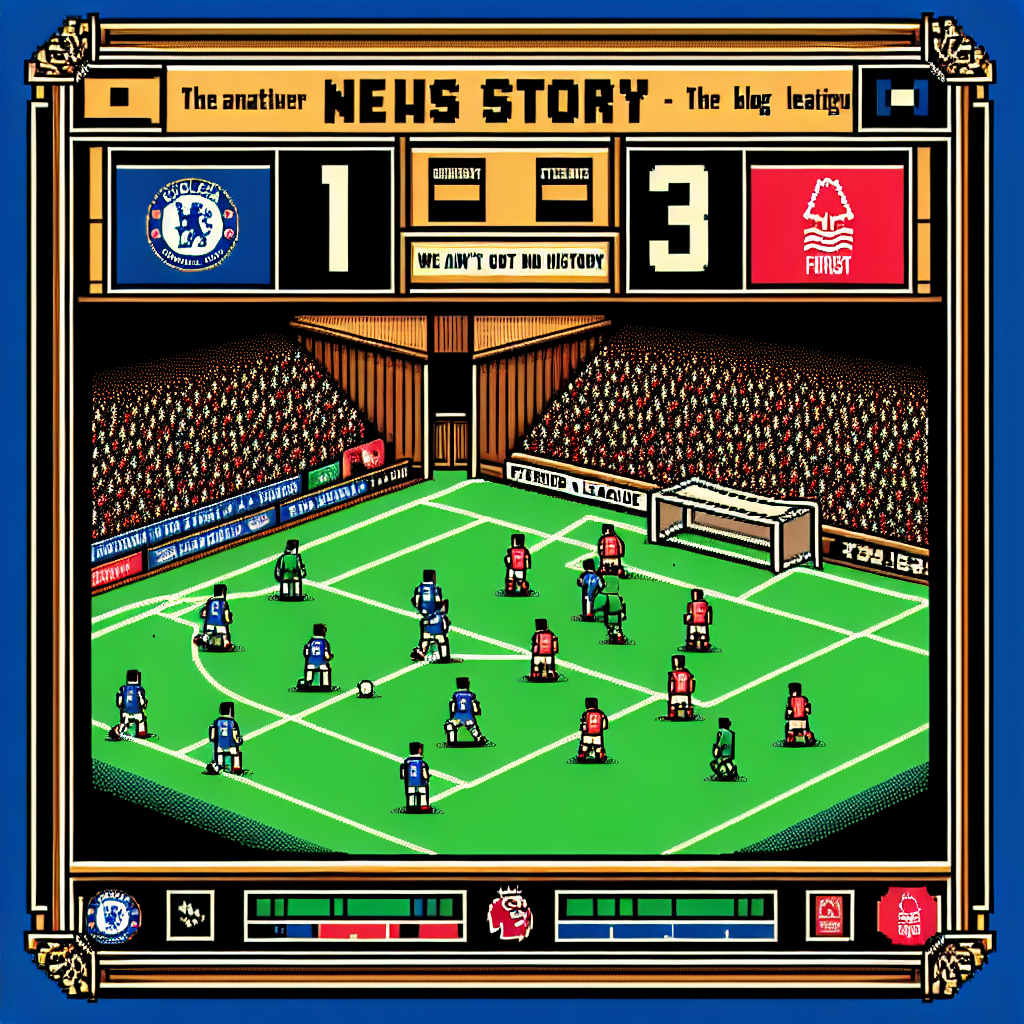
Cursed Blues: Stamford Bridge Nightmare | Analysis by Brian Moineau

We might be cursed: Stamford Bridge, nightmares and a 1-3 defeat that stings

Something about Monday night felt poisonous. Stamford Bridge — a ground that’s seen glory and gut punches — watched Chelsea lose 1-3 to Nottingham Forest, and as fans spilled out disbelief into the London drizzle you could almost hear the chant of inevitability: we might be cursed. The phrase captured the mood perfectly — a mix of frustration, bewilderment and the sort of dark humour supporters use when things go from bad to bizarre.

This blog digs into why this result feels more than just three missed points. We’ll look at the match, the wider context for Chelsea’s season, and why the “cursed” theory has traction right now.

How the game turned: simple yet savage

Chelsea came into the match with rotation and questions. Nottingham Forest, with real survival stakes, played like a team with nothing to lose. The early moments told the story: Forest’s Bakwa whipped a perfect cross and Taiwo Awoniyi peeled off his marker to head home — clinical and clean. Suddenly Chelsea were chasing.

Awoniyi’s brace and a later Igor Jesus strike gave Forest a two-goal cushion they’d defend doggedly. Chelsea’s consolation — João Pedro late on — felt like cold comfort. Moments that should have shifted momentum against Forest instead went awry: Enzo Fernández hit the post, Cole Palmer missed a penalty, and defensive moments were poorly defended at the back post. Small margins, big consequences. (Match coverage and reaction provide details and player ratings.) (skysports.com)

Why “we might be cursed” isn’t just theatrics

Losses happen. But a few patterns amplify that dread:

  • Repetition of the same failings: defensive lapses in set or cross situations, stalled attacking rhythms, and late-game mental lapses have become recurring headlines.
  • Important moments go the wrong way: woodwork, penalties missed, offside whistles — all at times when a swing could have helped. Those events stack and feed the narrative of bad luck.
  • Fan psychology: when a club with Chelsea’s history drops results like this, supporters look for patterns (and scapegoats). “Cursed” is shorthand for systemic issues — chaotic management, shaky recruitment, or tactical confusion.

Watching Forest treat Stamford Bridge like any away pitch and leave with three points fuels that feeling. The result wasn’t a fluke isolated to one bad half — it reflected broader instability across a season. (goal.com)

Tactical cracks exposed

Chelsea’s setup showed good intentions but poor execution. Some of the recurring tactical issues stood out:

  • Vulnerability to crosses: Forest exploited the back post repeatedly. Defending those moments is a mix of coordination and will — both looked absent. (skysports.com)
  • Lack of control in midfield: Without consistent control, Chelsea were predictable. When Enzo had a sight of goal the frame denied them; elsewhere the team struggled to string pressure together. (skysports.com)
  • Rotational headaches: With changes for fixture congestion, cohesion suffered. Debutants and rotated players didn’t knit into a functioning whole, so moments of brilliance from individuals were not enough.

These are fixable problems — but they require a steady plan and clear leadership. Short-term motivational speeches don’t rewrite structural problems.

The fan reaction and the narrative of doom

Fans responded with a mixture of anger, sorrow and gallows humour. Social feeds were awash with disbelief: booing at full-time, memes about the club’s decisions, and chants that blended nostalgia with fury. The “we might be cursed” line spread because it captured something wider than this single defeat: the sense that decisions off the pitch are producing results on it.

That perception matters. Club morale, public confidence and player psychology are mutually reinforcing. When supporters believe the club is adrift, those narratives leak into media and can even affect player performance. It becomes harder to break the cycle. (reddit.com)

What this means for the rest of the season

Pause and breathe: one loss doesn’t end seasons, but its timing can be toxic. A home defeat like this:

  • Damages hopes of a top finish or European qualification.
  • Puts pressure on the manager and the board if the results pattern continues.
  • Forces tactical and squad reassessments before the summer.

If ownership and coaching staff respond with coherent fixes — clear transfer targets, tactical clarity, and a commitment to stability — this can be a wake-up call rather than a crisis. If not, the “cursed” vibe hardens into institutional rot.

Takeaways from a messy night

  • Momentum and intent mattered: Forest played with survival-level focus; Chelsea did not match that intensity.
  • Small margins defined the match: woodwork, a missed penalty and poor defensive reads amplified the scoreboard.
  • The story is systemic: repeated patterns this season make the loss feel like more than bad luck.

My take

“We might be cursed” is a dramatic but useful shorthand. It captures emotions when fans see the same mistakes over and over. But luck only explains so much. What’s most worrying is the repeatability of these errors — tactical confusion, poor defending of crosses, and moments where the team looks short on belief.

Fixing this requires clarity and consistency: a tactical identity that players understand, smarter game management, and recruitment that addresses real weaknesses. Fans might use the curse line to cope, but the cures are mundane and managerial.

Final thoughts

Football has a way of turning narratives on their head in weeks: confidence can return, and a run of form can make this loss a blip. Equally, inertia and poor decision-making can make the same pattern persist. For Chelsea, the urgent task is to turn the “we might be cursed” chat into a list of concrete fixes — one training session, one clear instruction, one transfer at a time. Until then, Stamford Bridge will feel prickly after nights like this.

Sources


Related update: We recently published an article that expands on this topic: read the latest post.


Related update: We recently published an article that expands on this topic: read the latest post.

Ham and Red Bean Soup | Made by Meaghan Moineau

It was one of those chilly, dreary Tuesday evenings when I found myself staring blankly into the fridge, hoping for dinner inspiration to magically appear. The kids were grumbling about homework, and my partner was running late from work—classic weeknight chaos. The answer to my dinner dilemma came in the form of a half-eaten ham from Sunday’s roast, sitting lonely on the shelf. I decided to whip up a comforting pot of Ham and Red Bean Soup, a dish I love for its ability to transform leftovers into a cozy, steaming meal. This soup not only warms you from the inside out, but it also fills your kitchen with the aroma of home-cooked goodness. Plus, it’s one of those recipes where the ingredients do most of the work for you, simmering away until dinner time.

Jump to Recipe

What You’ll Need

This ingredient list is a gentle reminder that sometimes the best meals come from what’s already in your pantry and fridge.

  • Reserved green leek top
  • Thyme sprigs
  • Bay leaf
  • Coriander seeds
  • Black peppercorns
  • Cumin seeds
  • Olive oil
  • Diced carrots
  • Diced celery
  • Garlic
  • Tomato paste
  • Red beans
  • Cooked diced smoked bone from ham
  • 3 cups cooked diced ham
  • Ground chipotle chile powder
  • Salt and pepper
  • Water

How to Make Ham and Red Bean Soup

  1. Start by taking those fragrant thyme sprigs and a bay leaf, and wrapping them securely with the reserved green leek top. Tie it tightly with butcher’s twine—it should look like a tiny herb burrito.
  2. Next, gather your coriander seeds, peppercorns, and cumin seeds. Place them in the center of a coffee filter or a small piece of cheesecloth, and make a spice bundle by tying it with butcher’s twine.
  3. In a large stockpot, heat some olive oil over medium heat. Add the leeks, carrots, and celery, and sauté for about 5 minutes until they’re softened and releasing a sweet, earthy aroma.
  4. Toss in the garlic and let it sauté for another minute, followed by the tomato paste. Stir it around for another minute; you want the paste to coat the veggies and deepen in color.
  5. Add the red beans, ham bone, the herb bundle, and the spice bundle. Pour in enough water to cover everything, and bring the pot to a gentle boil. Once boiling, reduce the heat to a simmer and partially cover the pot. Let it simmer for 1 hour.
  6. After an hour, add the diced ham and the ground chipotle chile powder. Stir it all together and let the soup simmer for another 1½ to 2 hours, until the beans are soft and just beginning to break open, releasing their starchy goodness into the broth.
  7. Before serving, taste and adjust the seasoning with salt and pepper as needed. Remove the ham bone, pulling any remaining meat from it and returning it to the pot. Discard the herb bundle and spice bundle.
  8. Ladle the steaming soup into bowls and enjoy the cozy comfort of a simple, satisfying meal.

Cook’s Notes

This soup is pretty forgiving, which is a blessing on busy nights. You can prepare the herb and spice bundles in advance, making the actual cooking a breeze. The soup keeps well in the fridge for up to three days and, like most soups, tastes even better the next day as the flavors meld. If you’re thinking long-term, this soup freezes beautifully for up to three months—just omit the potatoes if you decide to add them, as they tend to get grainy after freezing.

Make It Your Own

Here are a few ideas to put your own spin on this classic:

  • Swap the ham for crispy tofu cubes if you’re looking for a vegetarian option. Just skip the ham bone and increase the cumin for a smoky flavor.
  • Add some diced potatoes or sweet potatoes an hour before the soup is done for an extra hearty version.
  • Throw in a handful of chopped kale or spinach in the last 10 minutes of cooking for a pop of green and a boost of nutrients.
  • If you like it spicy, increase the ground chipotle chile powder or add a diced jalapeño along with the garlic.

If you try this, I’d love to hear how it turns out—drop a comment or tag me! There’s truly something magical about turning a leftover ham into a bowl of comfort, and I can’t wait to hear your spin on it. Happy cooking!

Related update: Ham and Red Bean Soup

Leclerc Penalised After Miami GP Spin | Analysis by Brian Moineau

Why Leclerc was hit with a penalty after Miami GP — a closer look

Charles Leclerc endured a rollercoaster Miami Grand Prix on Sunday, and the headline — "Why Leclerc was hit with a penalty after Miami GP – Formula 1" — tells only part of the story. On the last lap he spun, clipped the wall, and limped across the line only to be demoted later when stewards added a post-race penalty. Fans saw the drama; the stewards saw repeated track-limit transgressions. Let’s unpack what happened, why it mattered, and what it means for Leclerc and Ferrari going forward.

Quick takeaways

  • The stewards handed Leclerc a drive-through penalty that was converted to a 20-second time addition because it was applied after the race.
  • The formal reason: repeated leaving of the track on the final lap without a justifiable reason, per FIA race regulations.
  • The penalty dropped Leclerc from sixth on the road to eighth in the official classification.
  • The decision reflects stricter enforcement of track limits and that mechanical issues do not automatically justify off-track excursions.
  • The incident underlines how a single error — compounded by post-race scrutiny — can erase a hard-fought recovery.

What exactly did Leclerc do on the last lap?

On the final lap at the Miami International Autodrome, Leclerc lost the rear end at Turn 3, spun and made light contact with the wall. He rejoined and continued to the finish, crossing the line in sixth position on track. Race control then reviewed telemetry, video and the car’s path. They concluded that on that lap Leclerc had left the track “on several occasions without a justifiable reason.” That finding triggered a drive-through penalty equivalent to 20 seconds added to his race time after the checkered flag, which demoted him in the final standings. (formula1.com)

The rule behind the decision

The stewards referenced F1 sporting regulations that penalize drivers who repeatedly go off the track to gain an advantage or avoid losing time, or who leave the track without a “justifiable reason.” Leaving the track because of an unavoidable mechanical failure or because someone else forced you off can be a valid defense. But in this case, the stewards judged Leclerc’s multiple excursions were not sufficiently justified by any mechanical issue. The wording used in the official explanations makes clear the decision centered on serial infringements on a single lap rather than one isolated mistake. (formula1.com)

Why the penalty was applied after the race

Stewards can issue certain penalties during the race (for example, drive-throughs or time penalties) but sometimes investigations extend beyond the chequered flag. When a drive-through is imposed post-race, the regulation converts it into a fixed time addition — in this case 20 seconds. That conversion is why Leclerc’s on-track sixth place became an eighth-place classification in the final results. Post-race conversions are standard procedure but feel especially brutal for drivers when the outcome was decided on the final lap. (formula1.com)

The human side: a costly mistake

Leclerc himself admitted the error was his responsibility, saying the last-lap spin was “not acceptable.” The image is stark: after fighting through the race, he loses rhythm and control right at the end, then suffers the double blow of a dramatic on-track error and an equally dramatic post-race demotion. That emotional arc — from hope to heartbreak — is part of why this story resonated with fans and pundits alike. (racer.com)

The tactical and championship implications

A single 20-second swing can be significant in both drivers’ and constructors’ standings, especially early in a season where margins are small. Beyond the points, there’s a reputational and momentum cost. For Leclerc, who has shown blistering pace but also occasional late-race errors this year, this incident reinforces a narrative teams hate: lost points are often more painful when they follow a recovery drive that could have yielded valuable reward.

For Ferrari, the stewards’ stance signals that teams must prepare drivers to accept strict policing of track limits — even when a spin or contact complicates the picture. Ferrari may need to reassess risk management in wheel-to-wheel scenarios and emphasize finishing cleanly as much as pushing for every tenth. (motorsport.com)

Why the stewards weren’t more lenient

Some fans expected sympathy — a spin and wall contact feel like extenuating circumstances. But stewards look at patterns. In Miami, the repeated nature of Leclerc’s departures from the track on that last lap made leniency harder to justify. The rule exists to preserve fairness: if drivers could routinely rejoin after going wide without consequence, track limits would lose their meaning. That said, debates always remain about proportionality: was a drive-through (20 seconds) the right conversion here? Opinions differ across pundits and former drivers. (motorsport.com)

My take

Racing is a mix of razor-edge skill and cold rules. Leclerc’s spin was human; the penalty was procedural. Both elements matter. Stewards are right to keep the sport consistent, but enforcement will always feel harsh when it erases a comeback. For Leclerc, the takeaway is practical: avoid leaving the track repeatedly, even after a mistake. For Ferrari, the task is to support that discipline while keeping Leclerc in a mindset that balances aggression with clean finishes.

Final thoughts

The Miami weekend will stick in memories not just for the on-track entertainment but because it highlights how modern F1 blends split-second driving with meticulous post-race governance. Rules are there to assure fairness; their application can change race outcomes. That tension — the human drama vs. the rulebook — is exactly what keeps debates alive after every Grand Prix.

Sources


Related update: We recently published an article that expands on this topic: read the latest post.


Related update: We recently published an article that expands on this topic: read the latest post.

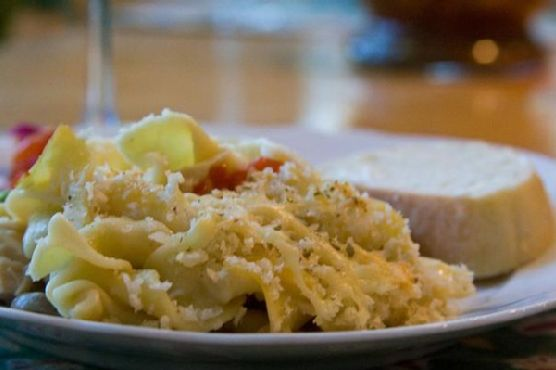
Tuna Noodle Casserole: Mommie Cooks | Made by Meaghan Moineau

One chilly evening last fall, I found myself rummaging through the pantry, desperate for something delicious but low-effort. Honestly, it had been one of those days where the last thing I wanted was a complicated dinner. That’s when I stumbled across a can of tuna and a pack of egg noodles — and like magic, the comforting idea of a Tuna Noodle Casserole bubbled to the surface. It’s the kind of dish that wraps you in a warm, cozy hug, yet is simple enough to pull together on a weeknight. With just a bit of chopping, stirring, and baking, the whole family can gather around a meal that feels like home. Trust me, this is a dinner worth diving into.

Jump to Recipe

What You’ll Need

The beauty of this recipe is that most of these ingredients are pantry staples. You might not even need a grocery run.

  • 1 cup bread crumbs
  • 5 tablespoons butter, divided
  • 1 can mushrooms, drained
  • 1 can peas, drained
  • 2 cans tuna in water, drained
  • 2 celery sticks, diced
  • 1 cup shredded cheese (cheddar works great!)
  • 1 cup chicken broth
  • 12 ounces cooked egg noodles
  • 1/4 cup flour
  • 3 cloves garlic, minced
  • 1 cup milk
  • 1 small onion, diced
  • 2 tablespoons chopped parsley
  • 1/4 cup pimientos, diced
  • Salt and pepper to taste
  • 1/4 cup sherry (optional, but adds depth)

How to Make Tuna Noodle Casserole: Mommie Cooks

  1. Melt 1 tablespoon of the butter in a skillet over medium heat. Toss in the garlic, onion, celery, mushrooms, and a pinch of salt and pepper. Cook for about 3 to 4 minutes until everything is soft and fragrant.
  2. Remove the veggies from the pan and turn the heat down to medium-low. Melt the remaining 4 tablespoons of butter in the skillet. Once melted, sprinkle in the flour and mix it up to create a roux.
  3. To the roux, slowly add in the milk, sherry, and chicken broth. Stir continuously and bring the mixture to a boil until it thickens, about 5 minutes.
  4. Reduce the heat to low and return the cooked veggies to the pan. Add in the tuna, peas, and pimientos. Give it a good stir to combine everything.
  5. Fold in the cooked egg noodles, ensuring they’re coated with the creamy goodness. Pour the mixture into an oven-safe dish.
  6. Top the casserole with bread crumbs and shredded cheese. Sprinkle with parsley for a pop of color.
  7. Bake in a preheated oven at 350°F for about 20 minutes, or until the cheese is bubbly and golden-brown.

Cook’s Notes

This casserole is pretty forgiving, so give yourself some grace if you’re not exact with measurements. Leftovers can be stored in the fridge for up to 3 days — just pop them in the microwave for a quick reheat. If you fancy making it ahead, prepare the casserole up to the baking step, then cover and refrigerate. When you’re ready to eat, bake it for an extra 10 minutes or so to ensure it’s heated through.

Watch out for overcooking the noodles initially; they’ll soften further as they bake, so aim for al dente. Also, if you’re not into sherry, simply leave it out or replace it with a bit more broth.

Make It Your Own

  • Swap the tuna for crispy tofu for a vegetarian spin.
  • Add a spicy kick with a teaspoon of red pepper flakes mixed into the sauce.
  • Trade the canned mushrooms for fresh ones, sautéing them with the onions and celery for an earthier flavor.
  • Use gluten-free noodles and flour to make this dish gluten-friendly.

If you try this recipe, I’d love to hear how it turns out for you! Drop a comment or tag me in your culinary adventures. Happy cooking, friends!

Related update: Tuna Noodle Casserole: Mommie Cooks

Related update: Apple Cheddar Turkey Burgers With Chipotle Yogurt Sauce

Related update: Crockpot "Refried" Beans

French Onion Marsala Soup | Made by Meaghan Moineau

It was one of those dreary Tuesday evenings, the kind where the wind howls just a little too enthusiastically and the rain taps against the window like it’s trying to join the conversation. I found myself in need of something cozy, something that would wrap me up like a warm blanket with each and every spoonful. Enter my kitchen experiment turned favorite: French Onion Marsala Soup. This dish has the timeless charm of French onion soup, but with a cheeky twist thanks to the marsala wine. It’s the kind of soup that feels indulgent but is actually surprisingly simple to whip up. Perfect for those nights when you’re craving restaurant-quality comfort without leaving the house.

Jump to Recipe

What You’ll Need

Trust me, the ingredient list is straightforward, and you probably have most of these tucked away in your pantry or fridge already. Here’s what you’ll need to make this comforting bowl of goodness:

  • Butter
  • Olive oil
  • Onions — lots of them!
  • Canned beef broth
  • Marsala wine — this is the twist that makes it special
  • Dried thyme
  • Salt and pepper
  • Sugar
  • Texas toast croutons
  • Provolone cheese
  • Diced Swiss cheese
  • Parmesan cheese

How to Make French Onion Marsala Soup

  1. Melt the butter with the olive oil in a large pot over medium heat. You’ll want to use a pot that’s big enough to handle all those onions without a fuss.
  2. Add the onions and stir them gently and continually until they’re translucent. Give them the time they need to soften and release their sweet fragrance.
  3. Pour in the beef broth, marsala wine, and a sprinkle of dried thyme. Bring it to a simmer, letting the flavors meld together for about 30 minutes.
  4. Add a dash of sugar and season with salt and pepper to taste. Be careful with the salt — it’s easy to go overboard when the broth’s already savory.
  5. Ladle the soup into oven-safe bowls. Add a generous handful of croutons to each bowl — they’re the crunchy surprise waiting at the bottom.
  6. Top with a sprinkle of Swiss cheese and Parmesan. Finish with two slices of provolone, which will melt into a gooey, golden layer.
  7. Place the bowls on a cookie sheet and broil them in a preheated oven until the cheese is bubbly and beautifully browned. Keep an eye on them — no one likes burnt cheese!

Cook’s Notes

This soup is all about the onions and cheese, so don’t rush the onion cooking phase. Slow and steady wins the race here. If you’re planning to make it ahead, you can stop right before broiling and refrigerate. Just reheat and broil when you’re ready to serve. Leftovers can be stored in the fridge for up to three days. They reheat beautifully, though you might want to add fresh croutons and cheese before broiling again to keep that satisfying texture balance.

Make It Your Own

Feel free to play around with this soup! Here are some ideas to make it your own:

  • For a vegetarian version, swap the beef broth for a rich vegetable stock.
  • Try using Gruyère cheese instead of Swiss for a nuttier flavor.
  • Use homemade croutons if you have stale bread lying around — just toss them in some olive oil and bake until crispy.
  • Want a bit of heat? Add a pinch of red pepper flakes during the simmering step.

If you try this, I’d love to hear how it turns out — drop a comment or tag me! Your kitchen adventures make my day, and who knows? You might just come up with a new twist on this classic for me to try next time. Happy cooking!

Related update: French Onion Marsala Soup

Related update: Ham and Red Bean Soup

Verstappen Penalized for Pit Exit Breach | Analysis by Brian Moineau

When a White Line Became the Story: Verstappen's Five-Second Penalty in Miami

A five-second time penalty has gone Max Verstappen’s way for crossing the white line at the pit exit in the Miami Grand Prix. The penalty felt small in raw seconds, but like many things in Formula 1, the detail — a single tyre over a painted line — grew into a prism that reflected rules, timing, and how tiny margins tilt championship narratives.

The incident happened during the 2026 Miami Grand Prix weekend. Verstappen rejoined the track after a pit stop and was later investigated by the stewards, who concluded his front-left tyre had crossed the outside of the solid white pit-exit line in breach of Appendix L, Chapter IV Article 6(c) of the International Sporting Code. The stewards applied the standard five-second time penalty post-race. Despite the sanction, race events (notably Charles Leclerc’s own post-race penalty) left Verstappen’s final position unchanged, but the moment still offers useful lessons about enforcement, perception, and the thin hairline between fair play and foul.

Why the white line matters

The pit-exit line isn’t a cosmetic rule. It exists to manage rejoining cars so they don’t create unsafe situations as they enter live racing lines. Crossing that line can put a driver directly into another car’s path, especially during safety-car periods or full-course yellows when cars bunch up and speeds converging are unpredictable.

Race control treats the line seriously because it’s an objective, clearly marked boundary. Video evidence and timing data make it straightforward to check whether a tyre touched the outside of the white. The regulation doesn’t make exceptions for the context — so, even if a driver says they were rejoining under a full-course yellow, that does not automatically excuse a line breach. The stewards’ published reasoning in Miami referenced exactly that text of the sporting code. (formula1.com)

What happened in Miami (short timeline)

  • Verstappen pitted and rejoined the track during a period when the race was affected by slowed conditions.
  • Race control flagged the exit; the stewards reviewed the camera footage after the race.
  • They determined the outside of Verstappen’s front-left tyre had crossed the solid white pit-exit line, constituting a breach.
  • The stewards imposed the standard five-second time penalty, applied to his race time post-event.
  • The final finishing order left Verstappen in P5, helped by other events and penalties that shuffled the order. (grandprixwire.com)

The penalty: proportional or pickier enforcement?

On the surface, a five-second penalty is the routine sanction here. But what made the Miami story interesting wasn’t the amount of time — it was how and when the stewards acted.

  • Timing: Officials chose a post-race review rather than an in-the-moment call. That invites debate: should obvious infractions be dealt with immediately to clear the air, or is it better to ensure incontrovertible evidence before penalising a championship leader?
  • Consistency: Fans and teams always compare enforcement across weekends. Some infractions get immediate penalties; others get reviewed later. That perceived inconsistency fuels chatter about “driver bias” or variable stewarding standards.
  • Outcome sensitivity: Because penalties can be converted (drive-throughs become time additions if issued after the race), the final race order can swing by seconds — and seconds matter in F1 standings and storytelling. (formula1.com)

These aren’t novel complaints. Formula 1 has long balanced on the tension between instant sporting justice and the need for airtight evidence. Miami’s choice to investigate post-race seems driven by the caution of stewards who wanted an unmistakable picture before altering results.

Broader race context matters

Verstappen’s penalty didn’t exist in a vacuum. The Miami race featured strategic gambles, on-track skirmishes, and other post-race investigations (notably Charles Leclerc receiving a larger time addition). Those developments meant the five-second penalty had less immediate consequence than it might have in a cleaner race.

Still, the optics are important: a World Champion being penalised for a pit-exit line breach feeds headlines and social media reaction. It reinforces that even the biggest names must obey the smallest lines, and it reminds teams to brief on rejoin discipline as much as they do tyre compounds. (formula1.com)

What teams and drivers will take away

  • Precision trumps bravado: A millimetre over a white line can cost time and headlines. Drivers must be drilled on pit-exit discipline.
  • Cameras win arguments: Expect continued investment in pit-exit camera angles and telemetry crosschecks to prevent late penalties.
  • Stewarding predictability should be the target: Teams want clearer, quicker signals so they can adapt strategy rather than chase post-race reversals.

From a championship perspective, the incident is a reminder that mechanical reliability, strategy, and tiny human choices combine to decide outcomes — not just raw pace.

My take

Rules are necessary and, in this case, straightforward. The stewarding panel followed the rulebook and delivered the expected sanction. What I find more notable is how a relatively small infraction can dominate headlines when it touches a star driver. That magnification is part sport, part media economics: Verstappen’s name sells attention, and the white line became a lens into how finely tuned F1 governance has to be.

That said, if the FIA wants to reduce post-race drama, a move toward faster, more transparent on-track communications — or an automated sensor-backed confirmation of pit-exit breaches — would help. Racing should feel like a contest decided by speed and strategy, not post-race paperwork.

Final thoughts

The Miami five-second penalty was a tidy enforcement of an old rule. It didn’t upend the championship, but it did what good sporting processes do: remind everyone that rules matter and that even tiny errors have consequences. In a sport where milliseconds define legacy, a tyre over a line is both a cautionary tale and a prompt to refine processes.

Sources


Related update: We recently published an article that expands on this topic: read the latest post.


Related update: We recently published an article that expands on this topic: read the latest post.