
So, picture this: it’s a chilly Tuesday evening, and I’m staring into my fridge like it’s a portal to another dimension. The day has been a blur, and all I want is a big bowl of something that feels like a cozy blanket. That’s when it hits me: the urge to whip up my “secret” Bolognese sauce. This recipe is my trusty sidekick for nights I want to impress with minimal effort. It’s rich, hearty, and tastes like you’ve been slaving away in the kitchen, but really, it’s just about letting the ingredients do the heavy lifting. By the end of the night, my kitchen smells like a Tuscan villa, and my stress? Vanished. If that sounds like your kind of evening, you’re in the right spot. Jump to Recipe
What You’ll Need
This isn’t your average Bolognese; it’s got layers of flavor thanks to a mix of meats and some surprise seasonings. Chances are you already have most of this.
- Olive oil
- Ground veal
- Ground beef
- Ground pork
- Italian sweet sausage
- Sweet diced Vidalia onions
- Diced carrots
- Garlic cloves
- Fresh oregano
- Red wine
- Fire roasted canned tomatoes
- Canned pureed tomatoes
- Fresh parsley
- Fresh basil
- Granulated sugar
- Salt and pepper
How to Make My “Secret” Bolognese Sauce
- In a large, heavy Dutch oven or stock pot, heat olive oil over medium/high heat. Add the ground veal, careful not to crowd the pot. Cook until it’s browned and has a slight crust. Remove with a slotted spoon to a large bowl.
- Drain all but 2 tablespoons of the fat, add the ground beef, and repeat the browning process. Once browned, add it to the bowl with the veal.
- Repeat with the ground pork, browning it and then adding it to the bowl. Drain all but 2 tablespoons of fat again.
- Brown the Italian sweet sausage in the remaining fat. This is where the magic really starts. Once browned, toss it in with the other meats, but don’t drain the fat this time.
- Add the diced onions and carrots to the pot. Let them cook in that delicious sausage fat until the onions turn translucent and the carrots are softened, stirring occasionally.
- Add minced garlic and fresh oregano. Cook for another 1-2 minutes until everything is fragrant, and your kitchen smells like heaven.
- Pour in the red wine, scraping up any brown bits stuck to the bottom of the pot. Let it simmer for about 2-3 minutes until the wine reduces a bit.
- Return the meat mixture to the pot with the onions and stir to combine everything into a beautiful medley of flavors.
- Add all four cans of tomatoes, stirring thoroughly to blend it all together. At this point, it should look like a vibrant, chunky sauce.
- Stir in fresh parsley, basil, granulated sugar, salt, and pepper. Turn down the heat to low and let it simmer for around 2-3 hours, stirring occasionally. Patience is key here!
- Before serving, always taste the sauce for seasoning. Adjust the sugar, salt, and pepper to suit your taste. This is a big batch, so don’t be shy!
Cook’s Notes
Alright, so a few things: First, you’ll want a pot that’s got some heft to it. A flimsy pot won’t distribute the heat as well, and you’ll miss out on those beautiful browned bits. If you’re making this sauce ahead, it actually tastes even better the next day since the flavors have more time to meld. Just store it in an airtight container in the fridge and it’ll be good for up to 5 days. You can also freeze it for up to 3 months. Just defrost and reheat gently over low heat. And remember, don’t skimp on the simmer time — this is where the sauce goes from good to unforgettable!
Make It Your Own
- Vegetarian Version: Swap all the meats for a mix of mushrooms like portobello and cremini. You’ll still get that meaty texture, and it’s divine with the same seasoning.
- Spicy Kick: Add crushed red pepper flakes when you’re cooking the garlic and oregano for some heat. It’s a great way to add a little zing.
- Extra Veggies: Toss in some diced zucchini or bell peppers along with the onions and carrots for a veggie-packed punch.
- Herb Swap: If you’re out of basil or parsley, try using thyme or rosemary. It’ll give you a slightly different but equally delicious flavor profile.
If you try this, I’d love to hear how it turns out — drop a comment or tag me! Happy cooking and even happier eating!
Related update: My "Secret" Bolognese Sauce

It was one of those chilly February evenings when the sky starts turning that perfect shade of twilight too early, and I found myself staring at a pack of chicken breasts, desperate for a dinner idea that was more love letter than meal prep. Valentine’s Day was just around the corner, and I wanted something special yet forgivingly simple because, let’s be honest, I was already knee-deep in heart-shaped crafts and tiny candy wrappers. That’s when Chicken Marsala entered the scene, like a classic movie star ready to sweep me off my feet. This recipe is a cozy blend of savory mushrooms and a creamy wine sauce that feels indulgent but is easy enough to conquer on a weeknight. Plus, it’s one of those dishes that’s impressive without being a diva about it.
Jump to Recipe
What You’ll Need
You might be surprised to find that most of these ingredients are probably hiding in your kitchen right this minute, waiting to come out to play.
- Fresh mushrooms, sliced
- Skinless boneless chicken breast
- Cloves of garlic, minced
- Butter
- Olive oil
- Seasoned breadcrumbs or coating mix
- Marsala wine
- Heavy cream
- Cooked pasta (for serving, if desired)
How to Make Valentine’s Chicken Marsala
- Start by prepping your mushrooms and chicken. Slice the mushrooms thinly and place your chicken breasts between two sheets of wax paper. Grab a mallet and pound the chicken to about 1/4 inch thickness. This helps them cook evenly and faster.
- Dredge each chicken breast in the seasoned breadcrumbs, making sure they’re fully coated. This is where that satisfying crunch comes from.
- Heat a heavy stainless or cast iron pan over medium heat. Trust me, non-stick just won’t give you that gorgeous sear. Add the butter and a splash of olive oil to the pan. Once the butter melts and becomes bubbly, it’s ready.
- Place the chicken breasts in the pan and brown them on both sides. This should take about 3-4 minutes per side. You’re looking for a deep golden color.
- Once browned, remove the chicken from the pan and set them aside. Add a little more olive oil to the pan, then toss in the mushrooms and garlic. Sauté until the mushrooms are tender and garlic is fragrant.
- Now, let’s deglaze. Pour in the Marsala wine, scraping up all those delicious brown bits from the pan. This is where the magic happens.
- Return the chicken to the pan, nestling it among the mushrooms. Bring the mixture to a boil, reduce the heat, cover, and let it simmer for 30 minutes. This makes the chicken incredibly tender.
- Remove the chicken again (I promise, it’s worth it), and pour in the heavy cream. Let it simmer and reduce by about half, stirring occasionally, until the sauce is thick and creamy.
- Serve the chicken and sauce over cooked pasta, if desired, and get ready to swoon.
Cook’s Notes
This dish is one of those forgiving recipes that lets you play a little. If you don’t have Marsala wine, a dry sherry or even a non-alcoholic cooking wine can step in. Just remember, each has its own personality, and the flavor will shift slightly. It’s best to avoid oversalting, especially since the breadcrumbs already have seasoning. For leftovers, store them in an airtight container in the fridge for up to three days. The sauce will thicken as it cools, so when reheating, add a splash of cream or milk to bring it back to life.
Make It Your Own
- Swap the chicken for crispy tofu for a vegetarian twist. Just press the tofu to remove excess moisture and proceed with the recipe as usual.
- Use portobello mushrooms for a meatier texture. They’re more robust and add a delightful depth to the dish.
- Try gluten-free breadcrumbs if you’re avoiding wheat. They work just as well and keep the coating nice and crunchy.
- Spice it up with a pinch of red pepper flakes during the mushroom sauté for a subtle kick.
If you try this, I’d love to hear how it turns out — drop a comment or tag me! Let’s keep the kitchen adventures rolling, because good food is all about sharing the love, right?
Related update: Valentine’s Chicken Marsala
Related update: My "Secret" Bolognese Sauce
It was one of those evenings when the rain was coming down hard, and I was craving something that felt like a warm hug — that’s when I decided to whip up my go-to Easy Chicken Tikka Masala. You know those nights when takeout sounds tempting, but you also feel like cooking something that’s a little bit special? This dish is perfect for that. It’s like a midweek savior: indulgent enough to feel like a treat but simple enough that you won’t be left with a mountain of dishes. Plus, the aroma of spices simmering on the stove is pure magic. Let’s get you sorted with everything you need to make this cozy delight.
Jump to Recipe
What You’ll Need
This ingredient list is a mix of pantry staples and some spices that really make the magic happen. Chances are you already have most of this on hand, but a trip to the spice aisle might be in order if you’re missing some key players.
- Chicken breasts – about two or three, cubed
- Grape seed oil – or any neutral oil
- Onion – finely chopped
- Garlic – four cloves, minced
- Garam masala
- Cumin
- Coriander
- Turmeric
- Cardamom
- Cinnamon
- Fresh ginger – grated
- Cayenne pepper
- Paprika
- Tomato paste
- Chopped tomatoes – fresh or canned
- Water
- Plain yogurt
- Fresh coriander – for garnish
- Salt – to taste
How to Make Easy Chicken Tikka Masala
- In a small bowl, mix together all the spices, including the grated ginger. This is the magic blend that will bring everything to life.
- Heat the grape seed oil in a large saucepan over medium heat. Add the chopped onion and cook until they turn a beautiful golden brown, releasing their sweetness.
- Add the minced garlic to the pan, and cook for just about a minute until it becomes fragrant. Make sure not to burn it!
- Stir in your pre-mixed spices. Let them cook for a minute or two to infuse the oil with all those wonderful flavors. Your kitchen should smell amazing by now.
- Mix in the tomato paste, stirring until everything is well combined. The paste will deepen in color and start clinging to the onions and garlic.
- Add the chopped tomatoes and pour in the water. Let this simmer gently, and season with salt to taste. You’ll see the sauce start to thicken.
- Introduce the chicken pieces to the pan, stirring well to coat them thoroughly with the sauce. Allow everything to simmer until the chicken is cooked through and the sauce has thickened even more, which should take around 12 minutes.
- Stir in the plain yogurt and continue to simmer for an additional 5 minutes. The yogurt adds a lovely creaminess that ties everything together.
- Garnish with freshly chopped coriander and serve hot, ideally with a fluffy pile of basmati rice to soak up all that goodness.
Cook’s Notes
Okay, let’s talk shop. First off, if you can, prep your ingredients before you start cooking — it makes everything flow so much smoother. This dish loves to be made ahead of time because the flavors deepen as it sits. Just store it in the fridge for up to three days and reheat gently. If it thickens too much, a splash of water or extra yogurt will loosen it right up.
A common pitfall is rushing the onion step — give them the time they deserve to turn that perfect golden brown. Also, feel free to adjust the cayenne pepper to your heat preference; it’s your dinner, after all.
Make It Your Own
Let’s personalize this bad boy a bit:
- Swap the chicken for crispy tofu for a vegetarian twist. Just press and cube your tofu, then fry until crispy before adding it into the sauce.
- Use coconut milk instead of yogurt for a dairy-free version that brings a subtle sweetness to the mix.
- Add a handful of spinach to the sauce right before serving for a pop of color and some extra nutrients.
- For a richer sauce, toss in some cashew cream – simply soak cashews in water, then blend until smooth.
If you try this, I’d love to hear how it turns out — drop a comment or tag me on social media with your delicious creations! Enjoy every bite, friends.
Related update: Easy Chicken Tikka Masala
Related update: Valentine's Chicken Marsala
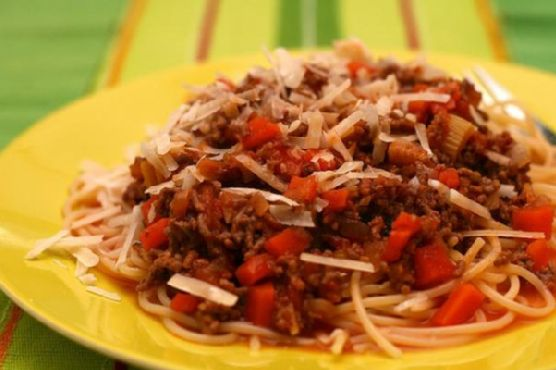
Last Tuesday, I found myself staring at a sorry-looking fridge, wondering how on earth I could whip up a dinner that wouldn’t just be another sad reheated pizza. I wanted something that felt like a hug at the end of a long day but didn’t require a trip to the store. That’s when the idea of Bolognese Sauce hit me like a blast of garlic in hot oil. It’s one of those dishes that feels special but is secretly a cinch if you’ve got some basics on hand. Imagine sinking into a bowl of pasta with a sauce that’s rich, flavorful, and satisfying — all while secretly feeling triumphant that you pulled it off. Trust me, this recipe is the kind of kitchen magic that turns an ordinary evening into something a little more extraordinary.
Jump to Recipe
What You’ll Need
This Bolognese is refreshingly straightforward with a few ingredients that might already be lurking in your pantry or fridge. Let’s check them out:
- Olive oil
- Thick-cut diced bacon
- Yellow white onion
- Carrot
- Celery
- Garlic cloves
- Fresh thyme
- Ground pork
- Ground veal
- Dry red wine
- Bay leaves
- Canned beef broth
- Canned tomato puree
- Pasta of your choice
- Parmesan cheese, for serving
How to Make Best Ever Bolognese Sauce
- Grab your trusty heavy large pot and heat the olive oil over medium-high heat. Once shimmering, toss in the bacon. Sauté until the bacon is just beginning to brown, about 5-6 minutes. The smell will be irresistible.
- Add the onion, celery, carrot, garlic, and thyme. Stir them around for about 5 minutes until they soften and the aromatic explosion makes your kitchen feel like an Italian trattoria.
- Time to add the ground pork and veal. Break them up with a spatula, and cook until the meat is brown and cooked through, about 10 minutes. You’ll know it’s ready when the meat is no longer pink and is nicely browned.
- Pour in the wine and add the bay leaves. Let everything simmer until the liquid is slightly reduced, around 10 minutes. The edges of the pot will start to bubble in the most delightful way.
- Add the beef broth and tomato puree. Reduce the heat to medium-low and let the sauce thicken, which should take about an hour. Stir often to prevent sticking and ensure everything melds beautifully.
- Season your masterpiece with salt and pepper to taste. You’ll want to sneak a taste now, but try to resist!
- Meanwhile, boil your pasta in a large pot of boiling salted water. Aim for al dente — firm to the bite but not crunchy. Drain it well.
- Transfer the pasta to the pot with the sauce and toss until everything is coated in that luscious sauce. Serve with a generous grating of Parmesan cheese. Voilà! Dinner is served.
Cook’s Notes
When making this Bolognese, patience is your best friend. Letting the sauce simmer for a full hour allows the flavors to deepen and mingle into something truly delicious. Keep an eye on the pot and give it a stir every so often. If the sauce gets too thick for your liking, a splash of pasta water can loosen things up nicely.
As for leftovers, this sauce is a gift that keeps on giving. Store it in an airtight container, and it will happily live in your fridge for up to 3 days. Or freeze it for those days when you need a dinner win without working for it.
Make It Your Own
Here are a few fun variations to consider:
- Swap out the ground veal for ground beef if that’s what’s handy or preferred.
- For a lighter option, replace the thick-cut diced bacon with pancetta or turkey bacon.
- Make it vegetarian by using a meat substitute or adding lentils instead of pork and veal.
- Feeling spicy? Add a pinch of red pepper flakes when you’re sautéing the garlic and veggies.
If you try this, I’d love to hear how it turns out — drop a comment or tag me in your kitchen adventures! Remember, cooking is about experimenting and making it your own, so don’t be shy to tweak it to your taste. Happy cooking!
Related update: Best Ever Bolognese Sauce
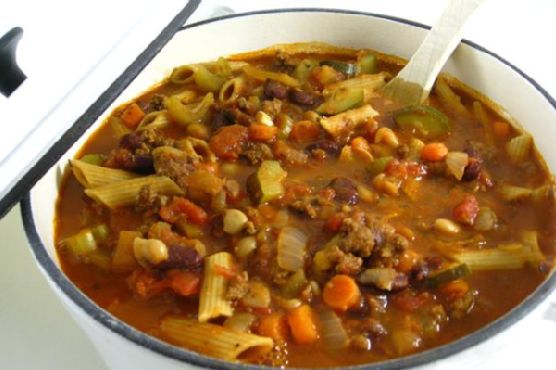
It was a Tuesday night, and I was staring into the abyss of my pantry, feeling utterly uninspired. You know those evenings when you just want something comforting yet deceptively simple? That’s when this Pasta Fagioli came to my rescue. This recipe is like a warm hug in a bowl, and it’s impressive enough to make it look like you put in way more effort than you actually did. Plus, let’s face it, anything reminiscent of Olive Garden’s cozy vibes has a special place in my heart. So, let’s dive into this perfect weeknight dish that’ll leave everyone asking for seconds.
Jump to Recipe
What You’ll Need
You might already have most of these on hand, saving you a trip to the store — and that’s a win in my book!
- Lean ground turkey
- Olive oil
- Onions, chopped
- Carrots, diced
- Celery stalks, diced
- Garlic cloves, minced
- Diced canned tomatoes
- Canned red kidney beans
- Canned white kidney beans
- Canned great northern beans
- Canned beef broth
- Pasta sauce
- Zucchini, diced
- Italian seasoning blend
- Fresh ground pepper
- Whole wheat penne pasta
- Parmesan cheese, for serving
How to Make Olive Garden’s Delicious Pasta Fagioli At Home
- Start by browning the lean ground turkey in a large soup pot over medium heat until it’s nicely browned and fragrant. Once done, drain the turkey in a colander to get rid of any excess fat.
- In the same pot, heat a generous drizzle of olive oil over medium heat. Add the onions, carrots, celery, and garlic. Stir often for about 2 minutes until the veggies are just starting to soften and your kitchen smells amazing.
- Return the browned turkey to the pot. Stir in the diced tomatoes, all the canned beans, beef broth, pasta sauce, chopped zucchini, a splash of water, Italian seasoning, and a good grind of fresh pepper.
- Bring the soup to a boil, then reduce the heat to a gentle simmer. Cover the pot and let it cook for about 50 minutes. Trust me, this is where the magic happens, as all the flavors meld together.
- After 50 minutes, stir in the whole wheat penne pasta. Cover again and cook for another 10 minutes, or until the pasta is perfectly al dente and the soup is bubbling at the edges.
- Ladle the hearty soup into bowls and, if you’re feeling fancy, top each serving with a sprinkle of grated Parmesan cheese. It’s time to dig in!
Cook’s Notes
This Pasta Fagioli is one of those soups that tastes even better the next day, once the flavors have had more time to meld. Store any leftovers in an airtight container in the fridge for up to 3 days. If you’re planning to freeze it, I’d recommend leaving the pasta out and cooking it fresh when you’re ready to serve. Just reheat the soup gently on the stove and add freshly cooked pasta just before serving.
Watch out for overcooking the pasta, since it can get mushy if left too long in the hot soup. If you prefer a thicker soup, you can mash a few of the beans before adding them to the pot, which creates a lovely, rich texture.
Make It Your Own
Here are a few ideas to switch things up and make this recipe truly yours:
- Swap the ground turkey for crispy tofu or chicken sausage for a different protein vibe.
- Want it spicy? Add a pinch of red pepper flakes or a splash of hot sauce while the soup simmers.
- Use any small pasta shape you have on hand like ditalini or elbows if you’re out of penne.
- Throw in a handful of fresh spinach or kale at the end for a boost of greens.
If you try this, I’d love to hear how it turns out — drop a comment or tag me! Your feedback makes my day, and I’m always here to answer any questions you might have. Happy cooking!
Related update: Make Olive Garden’s Delicious Pasta Fagioli At Home
Related update: Best Ever Bolognese Sauce
Related update: Thai Coconut Curry Soup

It was one of those days when everything felt like chaos. You know the kind — the laundry isn’t done, your phone won’t stop buzzing, and you’re pretty sure there’s a science experiment growing in the back of your fridge. I wanted something comforting but not the kind that puts you in a food coma. Enter this Spicy Black-Eyed Pea Curry with Swiss Chard and Roasted Eggplant, a dish that’s fiery, hearty, and soul-soothing without requiring a culinary degree. You start with roasted eggplant that practically melts in your mouth and pair it with earthy black-eyed peas. The spices? Oh, they’re just the thing to lift any gloomy day. Let’s not even talk about how good your kitchen will smell. Trust me, you’ll want to make this more than once.
Jump to Recipe
What You’ll Need
Just a handful of ingredients, really, and chances are you already have most of them tucked away in your pantry. Here’s what you’ll need:
- Cooked dried black-eyed peas
- Curry powder
- Garam masala
- Italian globe eggplant
- Ground coriander
- Ground cumin
- Ground mustard powder
- Lemon (juice)
- Olive oil
- Red and green chilies
- Sea salt
- Shallots
- Trimmed Swiss chard
- Tomato
- Water
How to Make Spicy Black-Eyed Pea Curry with Swiss Chard and Roasted Eggplant
- Rinse the black-eyed peas and soak them in several inches of water for at least 6 hours or overnight. When ready, drain and rinse them, then put them in a large saucepan and cover with fresh water. Bring it to a boil, reduce to a simmer, cover, and let them cook for 40 to 60 minutes. Aim for tender beans that aren’t mushy.
- As your beans are cooking, prep your eggplant. Cut off the stem and bottom edge, then halve it lengthwise. Score each half diagonally without cutting through the skin, sprinkle with salt, and let it sit to release water for 40 minutes. Rinse and gently squeeze out excess moisture.
- Brush the eggplant with olive oil and place in a roasting pan. Bake in a preheated 400°F oven until it looks collapsed and wrinkly. This should take about 25-30 minutes. Once done, let it cool a bit, scoop out the flesh, and drain any excess water it may have.
- In the same pot you used for the peas, heat some olive oil over medium heat. Toss in the shallots and chilies, sautéing for about 2-3 minutes until aromatic and just slightly caramelized.
- Add your spices: curry powder, garam masala, ground coriander, cumin, and mustard powder. Stir constantly for about a minute until the mixture is fragrant, a warm, spicy aroma that fills your kitchen.
- Add the chopped tomato and cook for a few minutes until it starts to break down and meld with the spices. Now, add the roasted eggplant and black-eyed peas, stirring to combine everything.
- Pour in a few tablespoons of water, then gradually add in the Swiss chard. Stir and cook until the greens are wilted and everything is well combined.
- Add lemon juice and sea salt to taste, letting everything simmer for just a couple more minutes. Take it off the heat, cover, and let it rest for a few minutes before serving.
Cook’s Notes
If you’re new to cooking with black-eyed peas, be patient with the soaking and cooking process. It’s easy to overcook them, so keep an eye out for that perfect tenderness. For the eggplant, salting it beforehand removes bitterness and excess moisture, making the roasting process more efficient. If making this dish ahead, note that the flavors deepen overnight, making leftovers something to look forward to. I usually store it in an airtight container in the fridge for up to three days. Reheat on the stove with a splash of water to revive its saucy goodness.
Make It Your Own
Feel free to riff on this recipe with these variations:
- Swap the Swiss chard for kale or spinach if that’s what you have on hand.
- Turn up the heat by adding more chilies or a pinch of cayenne pepper.
- For a creamier texture, stir in a bit of coconut milk right before serving.
- Use chickpeas instead of black-eyed peas for a slightly different, yet equally delicious, experience.
If you try this, I’d love to hear how it turns out — drop a comment or tag me! Each time you make it, it might just end up tasting a little different, but that’s the beauty of home cooking, don’t you think? Enjoy your cozy bowl of goodness!
Related update: Spicy Black-Eyed Pea Curry with Swiss Chard and Roasted Eggplant
Related update: Easy Chicken Tikka Masala
Related update: Italian Tomato and Mozzarella Caprese

The other morning, as the autumn leaves whispered secrets through the slight breeze outside my window, I found myself in a breakfast conundrum. You know, the kind of morning where you crave something different but comforting, something that feels like a warm hug yet won’t leave you feeling weighed down. Enter: Oatmeal Pancakes. These beauties are both wholesome and satisfying, perfect for those busy weekdays when you still want to start your day with intention. They’ve quickly become my go-to because they’re not just heart-healthy; they’re heartwarming. Plus, they’re surprisingly simple to whip up. Seriously, you might already have everything you need in your kitchen!
Jump to Recipe
What You’ll Need
I love that these pancakes come together with just a handful of ingredients, most of which are probably chilling in your pantry or fridge right now.
- Irish oats
- Fat-free milk
- Whole wheat multi-purpose flour
- Baking powder
- Egg whites
- Agave (or sugar, if that’s your jam)
- Blueberries
- 100% maple syrup, for serving
How to Make Oatmeal Pancake (Yummy & Heart Healthy)
- Start by soaking your irish oats in the fat-free milk for a good 3-4 hours, or even better, let them get cozy overnight in the fridge. This is where the magic begins, softening up those oats for the perfect pancake texture.
- When you’re ready to get cooking, add the egg whites, whole wheat flour, baking powder, and agave to your oat and milk mixture. Blend everything together in a food processor or coffee grinder until you’ve got a smooth batter.
- Heat up a non-stick pan over medium heat. No need for any greasing here—these pancakes are low-maintenance!
- Pour 5 to 7 spoonfuls of your batter onto the heated pan. You’ll know it’s time to flip when the edges start to bubble and the bottom is a dreamy golden color.
- Flip and let the other side cook for another minute or two until puffed up and beautifully golden.
- Serve them warm, drizzled with 100% pure maple syrup, and maybe a handful of fresh blueberries if you’ve got them. Dig in and enjoy the cozy vibes!
Cook’s Notes
These pancakes are pretty forgiving, which I love. If you’re not a fan of soaking oats overnight, a few hours will do the trick, but the longer soak really gives the best texture. Once cooked, they’ll keep in the fridge for a couple of days. Just pop them in the microwave or toaster to reheat. Oh, and if you’re making these ahead, you can freeze them! Just layer parchment paper between each pancake and seal them in a freezer bag. Easy peasy.
Make It Your Own
- Boost the protein by swapping half of the egg whites for a scoop of your favorite protein powder.
- Not a fan of agave? Use honey or a tablespoon of brown sugar for a deeper sweetness.
- For a nutty twist, throw in a handful of chopped nuts like almonds or walnuts to the batter.
- Make it a berry bonanza by adding raspberries or strawberries instead of blueberries.
If you try this, I’d love to hear how it turns out — drop a comment or tag me! Enjoy your breakfast adventure and let these pancakes be your morning muse.
Related update: Oatmeal Pancake (Yummy & Heart Healthy)
Related update: Spicy Black-Eyed Pea Curry with Swiss Chard and Roasted Eggplant
Related update: Home made organic maple granola with fresh fruit

It was one of those weeknights where everything just seemed to go wrong. You know, the kind where you open the fridge and it feels like it’s laughing at you because you’re just staring at a lonely pack of chicken and random condiments. I was determined to make something delicious out of it though, because when life gives you chicken, you make it blackened and Cajun. This Blackened Cajun Chicken recipe became my salvation that evening. It’s quick, it’s got a spicy kick, and the best part? The aroma that fills your kitchen will have everyone thinking you’re a culinary wizard. I’m telling you, it’s the kind of dish that turns chaos into comfort.
Jump to Recipe
What You’ll Need
The beauty of this dish is that it’s a pantry hero. Chances are, you already have most of this hanging out in your spice rack.
- Chicken – the star of the show, use your favorite cut.
- Paprika – for that deep smoky flavor.
- Cayenne pepper – the right amount of heat to kick it up a notch.
- Garlic powder – because everything is better with garlic.
- Onion powder – adds a subtle, savory base.
- Dried thyme and rosemary – a fragrant duo that rounds out the flavor.
- Ground cumin – for earthy warmth.
- Dry mustard – brings a tangy depth.
- Brown sugar – just a touch for balancing the heat.
- Bay leaves – a classic addition for aroma.
- Salt and black pepper – essential for seasoning.
How to Make Blackened Cajun Chicken
- Combine all the seasonings — paprika, cayenne pepper, garlic powder, onion powder, dried thyme, rosemary, ground cumin, dry mustard, brown sugar, bay leaves, salt, and black pepper — in a bowl. Mix until everything is well blended. This is the magic dust that turns chicken into a flavor bomb.
- Place your chicken in a 13-by-9-by-2-inch baking pan. Don’t be shy, rub half of that seasoning mixture all over the chicken, making sure every nook and cranny is covered. The spices should cling to the meat like it’s meant to be.
- Cover the pan and let the chicken chill in the refrigerator overnight. Trust me, this is when the flavors really party.
- When you’re ready to cook, preheat your grill to medium heat. Grill the chicken covered, flipping it once. You’re looking for those beautiful char marks and crisp edges, which should take about 30 to 45 minutes. The chicken is done when the juices run clear and the aroma is irresistible.
Cook’s Notes
Let’s talk about some real-life tips for making this dish a breeze. If you’re in a pinch, the seasoning mix can be prepped days in advance and stored in an airtight container. It’s a lifesaver on those hectic weekdays. Make sure to really let the chicken marinate overnight, as the time allows the spices to penetrate and the flavors to deepen. Oh, and use a meat thermometer to ensure the chicken reaches an internal temperature of 165°F, because safety first!
- Leftovers are perfect for meal prep — they stay juicy and flavorful. Just store them in the fridge for up to three days.
- If you’re not grilling, a hot cast-iron skillet works wonders to achieve that blackened crust indoors.
Make It Your Own
- Swap the chicken for crispy tofu for a vegetarian twist that’s equally satisfying.
- Use this seasoning on shrimp for a quick and spicy seafood option.
- Feeling adventurous? Add a pinch of smoked paprika for an extra layer of smokiness.
- Pair the chicken with a creamy coleslaw or a fresh corn salad to mellow out the heat.
If you try this, I’d love to hear how it turns out — drop a comment or tag me! Cooking is all about experimenting and finding what works for you, so don’t hesitate to put your own spin on it. Happy cooking!
Related update: Blackened Cajun Chicken
Related update: Boeuf Bourgignon

Picture this: It’s a chilly Tuesday morning, and I’m standing in my kitchen, bleary-eyed, clutching my favorite oversized mug of coffee. I need something hearty, something that’ll stick with me through the morning without sending me into a food coma by 10 a.m. Enter my go-to breakfast hero: Healthy Southwestern Oatmeal. It’s that perfect mix of comfort and sustenance — warm, savory oats with a kick of spice and cheesy goodness. Plus, it’s packed with protein from egg whites to keep me powered up. A total week-morning win, ready in no time, and bonus: you probably have most of the ingredients lurking in your pantry and fridge. Let’s dive into this simple yet satisfying breakfast wonder.
Jump to Recipe
What You’ll Need
This recipe is all about elevating simple pantry staples. Chances are you already have most of these on hand, which is great because who wants to run to the store before breakfast?
- 1 1/2 cups water
- 1 cup old fashioned oats
- 2-3 egg whites
- 1/4 cup reduced fat cheddar cheese, shredded
- 1/4 teaspoon chili powder (adjust to taste)
- 1-2 green white scallions, sliced
- Salt, to taste
How to Make Healthy Southwestern Oatmeal
- Start by bringing 1 1/2 cups of water to a boil in a medium saucepan. This is your base, so let that water get nice and bubbly before moving on.
- Add in the oats and reduce the heat to a gentle simmer. Let them cook for about 10 minutes. You’ll know they’re ready when the mixture is more oats than water, and it starts to thicken up. Stir occasionally to keep them from sticking.
- Once the oats are thick, toss in the scallions and chili powder. Give it a good stir, and let it all cook together until any remaining liquid is gone, and the aroma of chilies fills your kitchen.
- Now, the fun part: adding the egg whites. Pour them in slowly while stirring constantly. You’ll want to keep stirring until the whites are opaque and fully incorporated into the oats. It should take just a couple of minutes.
- Transfer the oatmeal to your favorite serving bowl, sprinkle with salt to taste, and top with the cheddar cheese. Let it melt over the top, and you’ve got yourself a delicious, energizing breakfast!
Cook’s Notes
Let’s talk about some tips and tricks to make this Southwestern Oatmeal fit right into your morning routine. First off, if you’re tight on time, you can prep the dry ingredients the night before. In the morning, just boil the water and you’re halfway there. Leftovers (if there are any!) can be stored in the fridge for up to two days. Just reheat them gently on the stove or in the microwave, and maybe splash a bit of water or milk to loosen them up. Be careful not to overdo the chili powder unless you’re really into spice — a little goes a long way!
Make It Your Own
You’re the boss of your breakfast bowl! Here are a few ideas to tweak it to your taste:
- Cheesy Upgrade: Swap the reduced-fat cheddar for a sharp aged cheddar or even some pepper jack for extra zing.
- Go Green: Add a handful of spinach or kale in with the scallions for an extra veggie boost.
- Protein Boost: Top with a sliced boiled egg if you’re looking for more protein power.
- Spice It Up: Add a dash of hot sauce or some chopped jalapeños if you want to kick up the heat.
If you try this, I’d love to hear how it turns out! Drop a comment or tag me on social media with your delicious creations. Happy breakfasting! 🥄
Related update: Healthy Southwestern Oatmeal
Related update: Blackened Cajun Chicken
Related update: Oatmeal Pancake (Yummy & Heart Healthy)
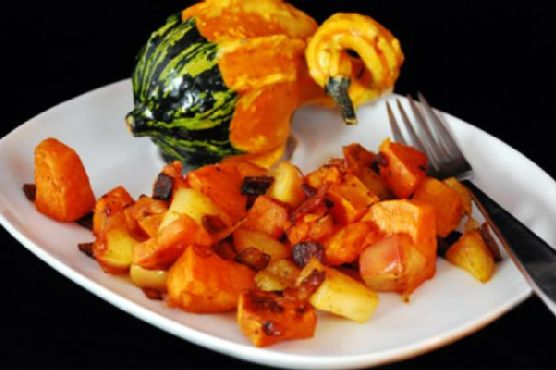
It was one of those chilly fall evenings when the air was crisp, and the leaves crunched underfoot like potato chips. I was rummaging through the fridge, looking for something cozy and satisfying yet simple enough not to turn dinner into a late-night affair. You know, the kind of weeknight dinner that lets you sit down with a glass of wine before you’ve completely run out of energy? Harvest Hash was my answer. This dish is everything I love about fall on a plate: sweet, savory, and just a little bit indulgent with crispy bacon and caramelized apples. It’s one of those dishes that makes you feel like you’ve done something special, even if you’re tired, and the best part is, it’s all done in about 30 minutes.
Jump to Recipe
What You’ll Need
The beauty of this recipe is in its simplicity. Chances are, you already have most of these ingredients lounging around in your kitchen, waiting for their moment to shine.
- 2 medium sweet potatoes, peeled and cubed
- 4 slices of bacon, cut into bite-sized pieces
- 1 small red onion, diced
- 2 honeycrisp apples, cored and diced
- 2 tablespoons extra-virgin olive oil (EVOO), divided
- Kosher salt, to taste
How to Make Harvest Hash
- First things first, get your oven preheating to 400°F. This helps everything cook evenly and gives those sweet potatoes a head start to become perfectly tender.
- In a large bowl, toss the cubed sweet potatoes with one tablespoon of EVOO and a good sprinkle of kosher salt. Make sure each piece is nicely coated, then spread them out on a baking sheet in a single layer.
- Roast the sweet potatoes for about 10-15 minutes until they’re tender but still hold their shape. You’ll know they’re ready when you can pierce them easily with a fork without them falling apart. Set aside when done.
- While the sweet potatoes are doing their thing, heat the remaining tablespoon of EVOO in a large frying pan over medium heat. Toss in the bacon pieces and let them cook until they start to get crisp and release their delicious fat.
- Add the diced red onion to the pan and sauté until they’re soft and tender. The onions will soak up some of that bacon goodness, making them irresistible.
- Next, add the diced apples and cook for another 3-4 minutes. They’ll become slightly golden and fragrant, adding a lovely sweetness to the mix.
- Stir in the roasted sweet potatoes and cook everything together for another 6-8 minutes. Let the edges of the sweet potatoes and apples get a little crispy — this is where the magic happens.
- Serve it up warm alongside a juicy ham steak, and you’ve got yourself a feast that tastes like fall on a plate.
Cook’s Notes
This dish is pretty forgiving, which is why I love it for those busier nights. Remember not to overcrowd your baking sheet with sweet potatoes; otherwise, they’ll steam rather than roast. Store leftovers in an airtight container in the fridge for up to three days. Reheat in a skillet to bring back some crispness, or pop in the microwave for convenience. If you’re planning ahead, you can roast the sweet potatoes a day before and store them until you’re ready to complete the dish.
Make It Your Own
- Vegetarian Version: Skip the bacon and use smoked paprika to bring in that smoky flavor.
- Pumpkin Spice Twist: Sprinkle a pinch of cinnamon and nutmeg when you add the apples for a cozy spice blend.
- Protein Boost: Stir in cooked, shredded chicken when you add the sweet potatoes.
- Vegan Delight: Swap out the bacon for crispy tofu cubes and use coconut oil instead of EVOO.
If you try this, I’d love to hear how it turns out — drop a comment or tag me! Cooking is all about sharing, after all. Enjoy these fall flavors!
Related update: Harvest Hash
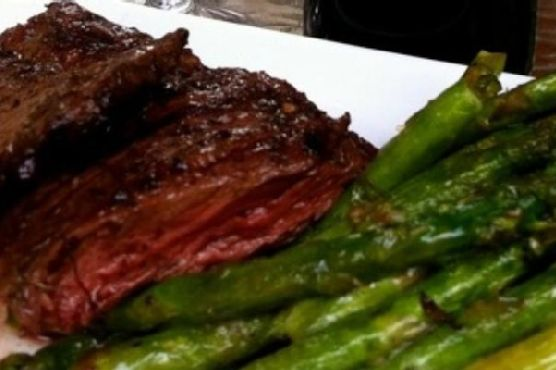
Picture this: It’s a Tuesday evening, and I’ve just gotten home after a day that felt like a whirlwind. The sun is setting, casting a golden hue over my kitchen, and I’m in the mood for something satisfying yet not too complicated. Enter my trusty Chimichurri Skirt Steak with Grilled Asparagus. It’s got that zingy, herby kick from the chimichurri that makes everything feel a little more special, and the whole meal comes together in a way that feels more weekend than weeknight. You’ll be surprised at how the bold flavors and the simplicity of the dish make it an absolute favorite for any night. Let’s dive in and make some magic happen. Jump to Recipe
What You’ll Need
This ingredient list is a breeze, and I bet you have most of these at home already. The stars here are definitely the fresh herbs and that gorgeous skirt steak.
- Skirt steaks
- Flat leaf parsley
- Fresh mint leaves
- Fresh oregano leaves
- Garlic cloves (4 to 5, depending on your garlic love level)
- Chili pepper flakes
- Kosher salt
- Lemon juice
- Olive oil
- Red wine vinegar
- Shallot
- Green and white asparagus
- Black freshly cracked pepper
How to Make Chimichurri Skirt Steak with Grilled Asparagus
- In your food processor, throw in everything for the chimichurri sauce except the olive oil. Give it a few pulses until it’s all well chopped and mixed together.
- Keep that processor running and slowly drizzle in the olive oil until the mixture is a harmonious blend. You want it smooth but still a bit rustic.
- Reserve half of this vibrant green sauce for later; it’s going to be the hero when you serve.
- Season your skirt steaks generously with salt and freshly cracked pepper on both sides.
- Spoon the other half of the chimichurri over the steaks, getting them good and marinated. Let them hang out and soak up the flavors for at least 30 minutes, or if you can, overnight in the fridge.
- Preheat your grill to a comfy 350 to 400°F. Let it warm up while you prep your veggies.
- In a large resealable plastic bag, toss in both the green and white asparagus. Add a drizzle of olive oil, a couple of smashed garlic cloves, and a sprinkle of salt and pepper. Seal the bag and shake it like you mean it.
- Place the asparagus in a grill basket to keep things neat, then set both the steak and basket directly over the hot grill.
- Gently toss the asparagus occasionally to ensure even grilling, and baste them lovingly with the garlic olive oil mixture. They’ll be ready in about 10 minutes, with some nice char marks.
- Grill your skirt steak to your preferred doneness, usually 5 to 8 minutes per side. Let it rest for 10 minutes post-grilling to keep all those juices in.
- Slice the steak against the grain into long strips, arrange them on a serving platter, and spoon that reserved chimichurri sauce over the top. Serve alongside the perfectly grilled asparagus.
Cook’s Notes
First off, let your steak rest after grilling. It’s tempting, but patience is key here for juicy, flavorful meat. If you’re marinating, overnight is king for maximum flavor, but 30 minutes will do if you’re in a pinch. As for leftovers, they keep well for a couple of days in the fridge. The steak is delightful cold or quickly reheated, and the chimichurri can be a flavor booster for other dishes.
Make It Your Own
- Swap the skirt steak for a flank steak if that’s what you have on hand. Just keep in mind the cooking time might vary slightly.
- For a vegetarian twist, use portobello mushrooms instead of steak. Marinate and grill them the same way for a hearty, satisfying meal.
- Feeling a little wild? Add a handful of cherry tomatoes to your asparagus mix for a burst of color and extra sweetness.
- If mint isn’t your thing, basil works beautifully here for a different but equally delicious twist.
If you try this, I’d love to hear how it turns out — drop a comment or tag me! Sharing food experiences makes them all the more enjoyable. Happy grilling!
Related update: Chimichurri Skirt Steak with Grilled Asparagus
Related update: Harvest Hash

Last Tuesday, I found myself staring at the fridge at 7 a.m., coffee in hand, trying to muster some inspiration for breakfast before the day spiraled into chaos. There they were: a half-empty bag of potato tots, some bell peppers, and a few eggs that desperately needed a purpose. In that moment of breakfast indecision, Easy Weekday Breakfast Muffins were born. These muffins are the perfect balance of savory, cheesy goodness, and they’re surprisingly simple to whip up. Plus, they can be made ahead, making those rushed weekdays just a tad more bearable. Trust me, once you try these, weekday mornings will feel like a breeze.
Jump to Recipe
What You’ll Need
Most of these ingredients are probably lounging in your kitchen already, just waiting to become something delicious.
- Bell pepper, chopped
- Eggs – 6 of them, whisked
- Milk – just a splash
- Small onion, chopped
- Potato tots – because who doesn’t love them?
- Salt and pepper, to taste
- Shredded cheese – the more, the merrier
- Turkey – diced or shredded
How to Make Easy Weekday Breakfast Muffins
- Preheat your oven to 350°F (180°C). This gives you time to prep everything while it heats up.
- In a medium-sized bowl, whisk together the eggs and a splash of milk until they’re well combined and a lovely shade of pale yellow.
- Fold in the chopped bell pepper and onion. Season this mixture with a good pinch of salt and a couple of cracks of pepper.
- Stir in a generous handful of shredded cheese. This will add that irresistible gooeyness and flavor.
- Lightly grease a muffin tin or line it with muffin cups, then fill each cup halfway with the egg mixture.
- Drop a few pieces of turkey into each cup. It’s like a little protein surprise!
- Place a single potato tot in the center of each cup, pressing it lightly into the egg mixture.
- Sprinkle a bit more shredded cheese on top of each muffin for that golden, bubbly top.
- Pop the muffin tin into the oven for about 20 minutes, or until the muffins are set and the tops are gloriously golden.
- Let them cool for a few minutes before serving or storing for later.
Cook’s Notes
If you’re short on time in the morning, these muffins can be made the night before and stored in the fridge. Just reheat them in the microwave for about 20-30 seconds, and they’ll taste like you just pulled them out of the oven.
- When whisking the eggs, ensure they’re completely blended to avoid any streaks of egg whites in your muffins.
- These muffins keep well in the fridge for up to 3 days. For longer storage, freeze them and thaw overnight in the fridge before reheating.
- Be careful not to overfill the muffin cups. They’ll expand as they cook, and you don’t want egg mixture overflowing in your oven!
Make It Your Own
- Swap the turkey for crispy tofu for a vegetarian version that’s just as satisfying.
- Try adding cooked bacon bits to each muffin for an extra savory kick.
- Use different cheeses like sharp cheddar or feta for a flavor twist.
- If you’re feeling a bit adventurous, sprinkle some chopped jalapeños into the mix for a spicy morning pick-me-up.
If you try this, I’d love to hear how it turns out — drop a comment or tag me! Breakfast doesn’t have to be a hassle; let’s make it delicious and fun together.
Related update: Easy Weekday Breakfast Muffins
Related update: Chimichurri Skirt Steak with Grilled Asparagus
Related update: Healthy Southwestern Oatmeal

Picture this: It’s a sweltering summer afternoon, the kind where even the shade feels warm, and all you can think about is finding a way to cool down. I was sprawled out on my couch, contemplating the mysteries of life and my growing need for something refreshing. That’s when the idea hit me — a Green Tea Fruit Medley Smoothie! This drink is the perfect blend of rejuvenating and hydrating, with just enough sweetness from the fruit to make you feel like you’re indulging in a treat. The best part? It’s incredibly easy to whip up, which means more time for lounging and less time in the kitchen.
Jump to Recipe
What You’ll Need
You’re in luck because the ingredient list for this smoothie is delightfully simple. Chances are, you might already have most of these in your kitchen.
- 1 cup of boiling water
- 3 green tea bags
- 1 cup of fresh berries (I love using a mix of blueberries and strawberries!)
- 1/2 cup of pineapple juice
- 1/2 cup of vanilla yogurt
- A handful of ice cubes
How to Make Green Tea Fruit Medley Smoothie
- Start by preparing your tea. Steep the 3 green tea bags in 1 cup of boiling water for about 5 minutes. You’re looking for a nice, rich golden color and that earthy, aromatic green tea scent wafting through your kitchen.
- After the tea has steeped, gently squeeze out the bags to get every last bit of flavor, then discard them.
- In a blender, combine the brewed tea, fresh berries, pineapple juice, vanilla yogurt, and ice cubes. Blend until the mixture is smooth and creamy. You’ll know it’s ready when it has a luscious, thick consistency and a vibrant color.
Cook’s Notes
When it comes to making this smoothie, the key is the balance of flavors. If you find the smoothie too tart, add a bit more vanilla yogurt for sweetness. On the flip side, if it’s too sweet, a splash more of green tea can do wonders. If you’re preparing this ahead of time, store it in the fridge for up to a day, but give it a good shake before drinking as it might separate slightly. And remember, the freshest berries will give you the best flavor, so if you’re using frozen ones, let them thaw a bit first.
Make It Your Own
- Need a protein boost? Swap out the vanilla yogurt for Greek yogurt.
- Looking for a tropical twist? Add a handful of mango chunks instead of or alongside the berries.
- For a dairy-free version, use coconut yogurt — it adds a nice subtle flavor that pairs surprisingly well with the green tea.
- If you’re a mint fan, toss in a few fresh mint leaves for an extra refreshing kick.
If you try this, I’d love to hear how it turns out — drop a comment or tag me! There’s nothing like sharing a refreshing moment with friends, even if it’s virtually. Stay cool, my friends!
Related update: Green Tea Fruit Medley Smoothie

It was one of those frenzied Wednesdays — you know the type — when the clock seems to mock you with its speed and your stomach growls louder than a lawnmower next door. The day had been a whirlwind of errands and work, leaving just enough time to ponder the eternal question: what’s for dinner? Enter my lifesaver — the Brown Sugar and Balsamic Glazed Pork Loin. With just a handful of pantry heroes and a slow cooker doing the heavy lifting, this dish is like a warm hug at the end of a chaotic day. The pork comes out tender and juicy, coated with a glossy glaze that’s sweet and tangy. It’s comfort food at its finest, and the best part is, it feels like you’ve put in way more effort than you actually have.
Jump to Recipe
What You’ll Need
This recipe is blessedly simple, and chances are, you already have most of the ingredients lounging in your kitchen. Here’s the lineup you need to gather:
- Boneless pork loin
- Ground sage
- Salt
- Pepper
- Garlic
- Water
- For the Glaze:
- Brown sugar
- Cornstarch
- Balsamic vinegar
- Soy sauce
How to Make Brown Sugar and Balsamic Glazed Pork Loin
- First, channel your inner artist and combine the ground sage, salt, pepper, and garlic in a small bowl. This is your flavor magic dust.
- Give your pork loin a good massage with the spice mix. This is key to infusing all those delicious flavors deep into the meat.
- Place the seasoned pork loin in your trusty slow cooker. Add half a cup of water — this will keep the pork moist and happy during its long, slow sauna.
- Set your slow cooker to low and let it work its magic for 6-8 hours. Your kitchen will start to smell amazing, and you’ll feel like a culinary magician.
- About an hour before the pork is done, gather your glaze ingredients and combine them in a small saucepan. Give it a good stir while heating so the cornstarch dissolves, and the mixture thickens to a lovely glossy glaze. You’ll know it’s ready when it coats the back of a spoon.
- Now comes the fun part: brush the pork with this delightful glaze two or three times during the last hour of cooking. Each sweep adds another layer of rich, tangy sweetness.
- Serve the pork with the remaining glaze on the side, because let’s be real — you’ll want to drizzle that stuff on everything!
Cook’s Notes
So, a couple of things to keep in mind: if your pork loin is on the smaller side, check for doneness a little earlier. Overcooking is the enemy of juiciness. If you’re in a pinch and don’t have ground sage, you can wing it with dried thyme or rosemary. They’re not identical but will still dance nicely with the other flavors. Leftovers? Toss slices in a sandwich or wrap, or simply reheat them gently, covered, in the oven or microwave. The glaze keeps well in the fridge, too, so you can drizzle it on everything from roasted veggies to your morning eggs.
Make It Your Own
Let’s talk variations because options are always a good thing:
- Swap out the pork for a chicken breast or thighs. Just adjust the cooking time as chicken will cook faster.
- If you’re feeling adventurous, try using maple syrup instead of brown sugar for a different kind of sweetness.
- For a spicy kick, add a teaspoon of chili flakes to the glaze.
- Vegetarian? Use a firm tofu block. Press, marinate, and then cook as directed.
If you try this, I’d love to hear how it turns out — drop a comment or tag me! There’s nothing more satisfying than knowing you’ve helped someone else enjoy a stress-free, delicious meal. Happy cooking!
Related update: Brown Sugar and Balsamic Glazed Pork Loin
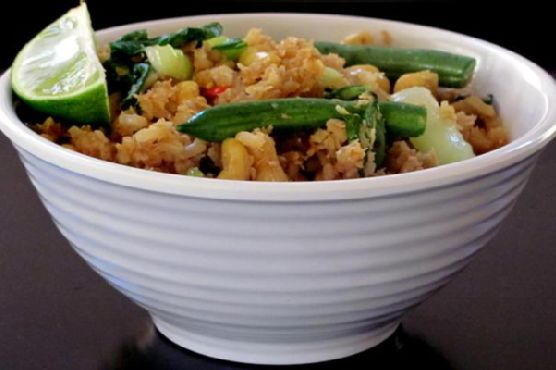
It was one of those Tuesday evenings when everything seemed to be spinning at a million miles an hour. You know the vibe — the kind of chaos where the idea of cooking dinner feels like a Herculean task. I peeked into my pantry, hoping for inspiration, and that’s when it hit me: Thai Savory Brown Fried Rice. A dish that’s quick to whip up but feels like a comforting hug in a bowl. It’s packed with flavor and gives off that takeout vibe without the takeout guilt. Plus, there’s something about the combination of spicy chili, crunchy cashews, and zesty lime that just sings. Let me tell you, this is a dish that transforms ordinary brown rice into something worth savoring.
Jump to Recipe
What You’ll Need
A lot of this stuff is pantry-friendly, which means you can dodge a grocery trip. You’ll likely have most of these ingredients lounging around already.
- Extra virgin olive oil
- 3 garlic cloves, minced
- 2 red fresh chili peppers, sliced
- Raw cashew nuts
- 1/4 cup dry unsweetened shredded coconut, toasted
- 1 teaspoon stevia powder
- 2 tablespoons Bragg Liquid Aminos
- 1 tablespoon apple cider vinegar
- 1 flax egg (1 tablespoon flaxseed meal + 2.5 tablespoons water)
- 1 cup fresh green beans, trimmed and cut into pieces
- 2 cups shredded regular bok choy
- 2 cups cooked brown rice
- Lime wedges for serving
How to Make Thai Savory Brown Fried Rice
- Start by making my Perfect Brown Rice. In a pot, sauté 1 cup of uncooked brown rice in 1 teaspoon of olive oil until it’s lightly browned. Toss in 2 basil leaves, then pour in 2 cups of filtered water. Quickly cover, bring to a boil, then simmer until all water has evaporated, about 40 minutes.
- As the rice cooks, heat a splash of olive oil in a wok or large frying pan. Add the minced garlic and sizzle until it’s lightly golden and fragrant. Be careful not to burn it — nobody likes bitter garlic.
- Toss in the sliced chili peppers, raw cashews, and toasted coconut. Let them dance around in the pan and get cozy for a good minute.
- In a small bowl, whisk together the stevia powder, Bragg Liquid Aminos, and apple cider vinegar. Pour this into the pan, blending it into your aromatic mix.
- Push everything to one side of the pan, making space for the flax egg. Pour it in and stir, cooking for about a minute until it firms up a bit, then mix it back into the stir-fry party.
- Add the green beans, bok choy, and your cooked brown rice to the pan. Stir well on medium heat for another minute. You want the bok choy wilted but those green beans still a bit snappy.
- Spoon your creation into a serving dish, and don’t forget to add a lime wedge on the side for that final zing.
Cook’s Notes
This dish is a lifesaver on busy nights! Toast the shredded coconut beforehand in a dry pan over low heat — trust me, it’s worth the extra step for that nutty aroma. If you’re prepping ahead, cook the brown rice the day before and keep it in the fridge. Cold rice works wonders for fried rice, soaking up all those flavors. Leftovers? They make for a fantastic lunch the next day. Just reheat in a pan with a splash of water to revive its moist goodness.
Make It Your Own
- Swap the green beans for crispy tofu if you’re feeling a plant-based protein moment.
- Throw in some sliced bell peppers for a pop of color and sweetness.
- Want it extra spicy? Add more chili peppers or a drizzle of sriracha at the end.
- Feel free to switch out the lime for lemon if that’s what you have on hand.
If you try this, I’d love to hear how it turns out — drop a comment or tag me! This dish is a little escape to Thailand in your own kitchen, without the need for a passport. Enjoy!
Related update: Thai Savory Brown Fried Rice
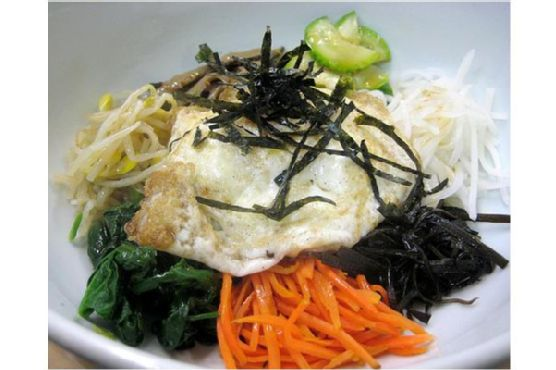
It was one of those chaotic Tuesday nights. You know the ones — the kind where you stare blankly into the fridge, hoping dinner will materialize while the clock ticks ever onward. I was craving something quick and satisfying, with just the right balance of savory and sweet. Enter the Korean Beef Rice Bowl. It’s the kind of recipe that magically turns a handful of ingredients into something that’s not only delicious but feels like a hug in a bowl. Plus, it’s faster than waiting for delivery, and you get all the kitchen glory.
Jump to Recipe
What You’ll Need
You might already have some of these tucked away in your pantry or fridge, just waiting to shine. Here’s the lineup:
- Beef flank steak, fat-trimmed
- Korean marinade
- Green beans
- Carrot
- Rice vinegar
- Asian sesame oil
- Sugar
- Salt
- Salad oil
- Fat-skimmed beef broth
- Cooked rice
- Thinly sliced green onions
- Sesame seeds
How to Make Korean Beef Rice Bowl
- Start by rinsing the beef under cold water, pat it dry, then slice it across the grain into thin, 1/8-inch slices. Aim for pieces that are about 3 inches long. This will help them cook quickly and evenly.
- In a small bowl, combine the sliced beef with 1/4 cup of Korean marinade. Let it sit while you prep the veggies to infuse the meat with flavor.
- Trim the ends and strings from the green beans and cut them diagonally into 3-inch pieces. Slice the carrot into matchstick-size pieces of the same length.
- In a large wok or frying pan over high heat, combine 1/2 cup of water with the green beans and carrot. Cover and stir occasionally, cooking until they’re just tender, about 3 minutes. Drain and promptly immerse them in cold water to stop the cooking. Once cool, drain them again.
- In a bowl, toss the drained veggies with a splash of rice vinegar, a drizzle of sesame oil, and a sprinkle of sugar and salt to taste. Give them a quick toss to coat evenly.
- Wipe out the wok and place it back over high heat, adding a splash of salad oil. Once the oil is hot, add the marinated beef along with any remaining liquid from the bowl. Stir-fry the meat until it’s no longer pink, approximately 2 minutes.
- Pour the remaining marinade and beef broth into the pan with the beef. Stir until the mixture begins to boil, creating a rich and savory sauce.
- To assemble, scoop generous portions of warm cooked rice into bowls. Top with the beef and its sauce, then arrange the marinated vegetables on top. Finish with a sprinkle of green onions and sesame seeds for that final burst of flavor.
Cook’s Notes
Here’s a little advice from my kitchen to yours. When slicing the beef, the thinner, the better — it lets the marinade seep through and cooks in a flash. If you can’t find toasted sesame seeds, no worries. Just toss regular sesame seeds in a pan over low heat for a minute until they’re golden and fragrant. This dish comes together in about 30 minutes, making it perfect for those nights when time is of the essence. Leftovers keep well for a couple of days in the fridge, though the rice might absorb some sauce, so maybe keep extra sauce on the side if you plan on having leftovers.
Make It Your Own
Consider these variations to change things up or cater to your dietary needs:
- Swap out the beef for crispy tofu if you’re going plant-based. Press the tofu to remove excess moisture before marinating.
- Use boneless chicken thighs instead of beef for a different protein option. They stay juicy and cook quickly.
- Substitute broccoli or snap peas for the green beans if that’s what you have on hand or prefer.
- For a spicier kick, add a teaspoon of gochujang (Korean chili paste) to the marinade.
If you try this, I’d love to hear how it turns out — drop a comment or tag me! Remember, your kitchen is your playground, so have fun with it. Happy cooking!
Related update: Korean Beef Rice Bowl
Related update: Thai Savory Brown Fried Rice
Related update: Brown Sugar and Balsamic Glazed Pork Loin

Picture this: It’s Wednesday evening, and you’re staring into the abyss of your fridge, wondering how you’ll whip up something delicious without diving into another takeout night. We’ve all been there, right? This moment is precisely when Ditalini with Peas swoops in like a culinary superhero. It’s got the comfort factor of pasta, a delightful pop of sweetness from peas, and the creamy, golden goodness of ricotta and turmeric. Plus, it’s one of those meals where you can almost hear your inner voice singing “I can’t believe it’s not takeout!” as you serve it up. If that sounds good to you, you’re in for a treat.
Jump to Recipe
What You’ll Need
This ingredient list is refreshingly simple, and I’m willing to bet you already have most of these in your pantry or fridge. It’s all about combining these humble ingredients into something greater than the sum of its parts.
- Coarse sea salt
- Ditalini pasta
- Freshly ground black pepper
- Ham, diced
- Olive oil
- Onion, finely chopped
- Pancetta, diced
- Parmesan or Grana Padano cheese, grated
- Ricotta cheese
- Turmeric, dissolved in 2 ladles of water
How to Make Ditalini with Peas
- Start by placing your onion in the olive oil, which is still cold. Cook it gently, adding a teaspoon of water now and then to prevent browning. You’re aiming for it to become soft and translucent, about 10 minutes.
- Once the onion is ready, introduce the peas to the party. Add just enough water to cover them, then season with salt and pepper. Cook until the peas are tender. Fresh peas might take anywhere from 5 to 15 minutes, depending on their size and freshness, while frozen peas will need about 10 minutes.
- As the peas reach their peak of tenderness, toss in the diced pancetta and ham. Give everything a good stir, then turn off the heat. This is where the magic begins.
- Pour in the turmeric-infused water and add the ricotta, sieving it through a colander. Stir until the ricotta melts into the liquid, creating a luscious golden sauce. Keep this mixture warm while you cook the pasta.
- Cook the ditalini according to the package instructions. Reserve some of the pasta water before you drain it, just in case you need to loosen the sauce later.
- With the pasta drained, immediately toss it into the saucepan with your glorious sauce. Stir until every little piece of ditalini is coated, then serve hot with a generous sprinkle of grated Parmesan or Grana Padano.
Cook’s Notes
Let’s chat about the little things that make a big difference. First, be gentle with the onion and remember that patience is key; you want them soft and flavorful, not browned. When it comes to water, trust your instincts—add as needed to keep things from sticking but not so much that you drown the flavor. If your final dish feels a bit dry, that reserved pasta water you saved is a lifesaver for loosening things up. Leftovers? They’re a joy to have and reheat beautifully with a splash of water or olive oil.
Make It Your Own
This recipe is as versatile as your imagination. Here are some ideas to switch things up:
- Swap the ham and pancetta for crispy tofu to keep it vegetarian while maintaining that satisfying protein punch.
- Add a kick of heat with a sprinkle of red pepper flakes during the onion sauté for those who love a bit of spice.
- Replace the peas with asparagus or broccoli for a different green vibe — just cut them small so they cook in about the same time.
- Use smoked paprika instead of turmeric for a smokier, earthier flavor profile.
If you try this, I’d love to hear how it turns out—drop a comment or tag me! Cooking is all about sharing the love, and I can’t wait to see how you make this dish your own. Happy cooking, friends!
Related update: Ditalini with peas
Related update: Korean Beef Rice Bowl

Last Tuesday, my kitchen was a whirlwind of chaos. It was one of those evenings where craving something decadent and a bit out of the ordinary hit like a freight train, and all I had was a pantry challenge waiting to happen. After digging through the freezer, I found a bag of crawfish tails, and suddenly, a memory of summer seafood boils with friends came flooding back. The tantalizing mix of spices and seafood was exactly what I needed, but in a form that was quick and easy without compromising on flavor. Enter: Crawfish Cake Sliders. These little beauties pack a punch, they’re crispy on the outside yet tender inside, and they’re kind of impressive when you serve them up — like a casual, yet gourmet, hand-held delight. Perfect for a weeknight dinner or to wow your friends at a gathering.
Jump to Recipe
What You’ll Need
Let’s be honest, if you love a good seafood dish, you’ve probably got most of this on hand already. Here’s what you’ll need to whip up these sliders:
- 1 teaspoon oil
- 1 cup chopped red onion
- 1 clove garlic, minced
- 1 teaspoon Creole spice (or to taste)
- 1 pound crawfish tails, thawed if frozen
- 1 large egg
- 1/2 cup bread crumbs
- 8 slider buns
- 1/2 cup tartar sauce
How to Make Crawfish Cake Sliders
- Start by heating 1 teaspoon of oil in a sauté pan over medium heat. Toss in the chopped onion and let it sizzle away with a pop of color from some finely chopped red pepper and celery — sauté these until tender, about 2-3 minutes. The kitchen should start smelling like a savory promise.
- Once the veggies are tender, remove the pan from the heat and add the garlic, crawfish meat, and Creole spice. The residual heat will mellow out the garlic and awaken the spices.
- Transfer this aromatic mixture into a mixing bowl and let it cool just enough so that it doesn’t scramble the egg. Speaking from experience here, oops!
- Mix in the egg and just enough bread crumbs for the mixture to bind together — you’re looking for a consistency that holds but isn’t dry. Taste and adjust the seasonings with salt, pepper, and more Creole spice if you’re feeling bold.
- Form the mixture into 8 equal patties and flatten them to about 3/4-inch thick. They should feel sturdy but not densely packed.
- Heat the remaining oil in the same sauté pan over medium heat. Cook the patties on both sides until they’re brown and crispy, about 3-4 minutes per side. This is where the magic happens — the aroma alone is worth it.
- Once cooked, serve each cake nestled in a slider bun with a generous dollop of tartar sauce. It’s the final touch that brings everything together.
Cook’s Notes
As you embark on this culinary adventure, keep a few things in mind: If using frozen crawfish tails, make sure they’re fully thawed and patted dry to prevent soggy cakes. The mixture should be moist but not wet; too much moisture means your patties might fall apart during cooking. If you need to make these ahead, form the patties and store them covered in the fridge for a few hours. Cooked patties can also be reheated in a 350°F oven until warm.
Make It Your Own
Here’s where you can get creative with these sliders:
- Spice Swap: Try using Old Bay or a Cajun spice mix if Creole isn’t your thing.
- Herb Boost: Add chopped fresh parsley or cilantro to the mixture for a fresh twist.
- Different Sauce: Swap out tartar sauce for a spicy remoulade or even a dollop of garlic aioli for a different flavor profile.
- Gluten-Free Option: Use gluten-free bread crumbs and buns to make this dish suitable for your gluten-sensitive friends.
If you try this, I’d love to hear how it turns out — drop a comment or tag me! Your kitchen stories make this cooking journey so much more fun. Happy cooking!
Related update: Crawfish Cake Sliders
Related update: Ditalini with peas
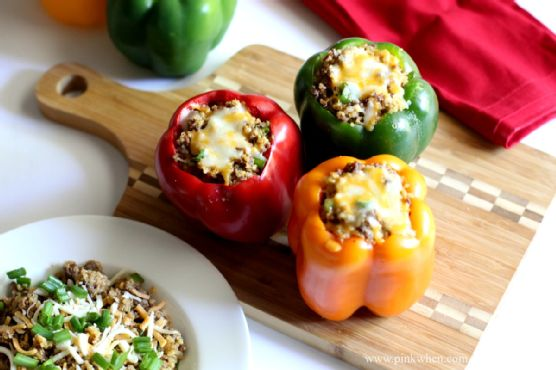
It was one of those weeknights where everything seemed to demand my attention at once. You know the kind, right? The kind where your inbox is overflowing, the laundry pile is ominously high, and all you want to do is eat something comforting that doesn’t involve a microwave pizza. So there I was, staring into my fridge, hoping for inspiration to leap out at me. That’s when I spotted the bell peppers chilling out in the crisper drawer, looking like they needed a purpose. The chorizo and ground beef were sitting in the fridge too, probably whispering that they’d be amazing together. And just like that, dinner was decided. These Chorizo and Beef Quinoa Stuffed Peppers are a satisfying blend of rich, spicy flavors and textures, and they come together quicker than you’d think. Plus, they’re perfect for those nights when you need something a bit more special without all the hassle.
Jump to Recipe
What You’ll Need
If you’re like me, you probably have most of these ingredients already lounging around your pantry and fridge. Here’s what you’ll want to gather:
- Bell peppers (any color you love)
- 1 cup quinoa
- Water (for quinoa)
- Chorizo, 250g
- Lean ground beef, 250g
- Mixed Monterey Jack and Cheddar cheese, 1 cup shredded
- 2 tablespoons green onion tops, chopped
- 1 teaspoon cumin
- 1/2 teaspoon cayenne
- 1 teaspoon chili powder
How to Make Chorizo and Beef Quinoa Stuffed Pepper
- Preheat your oven to 350°F (175°C). While you’re at it, bring a pot of water to boil for the quinoa. The goal is to get these started simultaneously to save time.
- In a skillet over medium heat, brown the chorizo and ground beef together. Stir occasionally until the mixture is golden and fragrant, around 6-8 minutes. Once cooked, drain the excess fat thoroughly and transfer the meat to a medium mixing bowl.
- Once your quinoa is fully cooked and fluffy, add it to the bowl with your meat mixture. This is where it starts to get exciting!
- Add the chopped green onion tops, cumin, cayenne, chili powder, and the shredded Monterey Jack and Cheddar cheese to the bowl. Mix everything well until it’s all happily combined.
- Prepare your bell peppers by cutting off the tops and removing any seeds. You want them to be ready to receive all that deliciousness.
- Stuff each bell pepper generously with your meat and quinoa mixture. Don’t be shy — pack it in there.
- Place your stuffed peppers in a baking dish, sprinkle a little more cheese on top for good measure, and bake in the preheated oven for about 10 minutes. You’ll know they’re done when the peppers have softened slightly and the cheese on top is melty and golden.
- Serve immediately and enjoy the awesome combination of flavors. Trust me, these are worth every bite.
Cook’s Notes
If you’re looking to make these ahead (and who doesn’t love a little meal prep?), you can absolutely prepare the filling in advance. Just store it in an airtight container in the fridge for up to two days. When you’re ready to eat, stuff the peppers and proceed with baking. As for leftovers, they keep well in the fridge for up to three days. Just reheat them gently in the oven or microwave until warmed through. A quick tip: make sure to drain the meat well after browning to avoid a greasy filling. Oh, and don’t skip the step of softening the peppers in the oven; it makes them easier to cut and eat!
Make It Your Own
Feel free to get creative with these stuffed peppers. Here are a few swap ideas to make them suit your taste:
- Swap the quinoa for cooked rice or couscous for a different texture experience.
- If you’re not into beef, try using ground turkey or chicken instead for a lighter option.
- Make it vegetarian by using crumbled tofu or tempeh in place of the meat. Just add a bit more spice to keep the flavor bold.
- Switch up the cheese with crumbled feta or a smoky gouda to add a unique twist.
If you try this, I’d love to hear how it turns out — drop a comment or tag me on your food pics! These stuffed peppers are a personal favorite, and I can’t wait to see your take on them. Happy cooking!
Related update: Chorizo and Beef Quinoa Stuffed Pepper
Related update: Crawfish Cake Sliders

It was a rainy Wednesday evening when my kitchen turned into a culinary battleground. I was battling the clock, the weather, and my own growling stomach. In the chaos, I discovered a family classic that would become my weekday hero: Braised Pork, known in the Philippines as Humba. This dish is like a warm hug — cozy, flavorful, and so much easier than you’d think. The secret? It’s all in the marination and the slow simmering that transforms humble ingredients into something magical. Trust me, this one’s a keeper for when you need something hearty but don’t want to spend all day cooking.
Jump to Recipe
What You’ll Need
You might be surprised to find that the ingredient list reads like a pantry inventory. It’s a delightful mix of familiar staples and a few special twists that make all the difference.
- Pork belly – for that melt-in-your-mouth texture.
- Pork butt shoulder – adds a bit more substance and chew.
- Whole garlic – because vampires aren’t the only ones who appreciate its charm.
- Vinegar – gives the dish its signature tang.
- Brown sugar – balances the tang with a sweetness that caramelizes beautifully.
- Soy sauce – adds umami and color.
- Bay leaf – for a subtle aroma.
- Rice wine – it’s like the secret handshake of Asian cooking.
- Star anise – provides that warm, licorice-like hint.
- Oregano – a little herbal depth.
- Fermented black beans – those little flavor bombs.
- Whole peanuts – adds a nutty crunch.
- Olive oil – gets everything going.
- Paprika – a smoky whisper.
- Water – to help everything meld together.
- Fried bananas – trust me on this one.
How to Make Braised Pork: Filipino Humba
- In a large bowl, toss together the pork belly, pork butt shoulder, garlic, vinegar, brown sugar, soy sauce, and rice wine. Give it a good mix and let it marinate for about 30 minutes in the fridge. This is where the magic starts.
- After marinating, transfer everything from the bowl into a saucepan. Add water, fermented black beans, and peanuts. Cover the pan and bring it to a boil. You’ll start to smell the savory-sweet aroma—it’s heavenly.
- Once it’s boiling, lower the heat to a gentle simmer. Add the bay leaf, star anise, oregano, paprika, and a splash of olive oil. Stir gently, then cover and let it simmer for about an hour or until the sauce is thick and glossy.
- Five minutes before finishing, decide on the bananas. If you’re feeling adventurous, add them in. Otherwise, serve them on the side. They add sweetness and a fun twist.
Cook’s Notes
So, here’s the deal: this dish loves time. The longer it simmers, the more the flavors develop. But don’t overdo it—an hour is usually perfect. If you find the sauce too thick, add a bit of water to loosen it up. Store leftovers in an airtight container and they’ll keep beautifully in the fridge for up to three days. Reheating brings the flavors back to life, just add a splash of water to keep it from drying out.
Make It Your Own
Here are some fun ways to switch things up without losing the essence of the dish:
- Swap the pork for crispy tofu if you’re going for a vegetarian vibe. Just adjust the marinating time a bit shorter.
- Try using coconut vinegar for a milder, slightly tropical twist.
- Add some pineapple chunks during the last ten minutes of simmering for a sweet and tangy flair.
- Replace the peanuts with cashews for an even richer nutty note.
If you try this, I’d love to hear how it turns out — drop a comment or tag me on social media! This dish has become a weeknight favorite in my house, and I hope it does in yours too. Happy cooking!
Related update: Braised Pork: Filipino Humba