
Metas Metaverse U‑Turn: Horizon Survives | Analysis by Brian Moineau

A last-minute reprieve for Horizon Worlds — and what it reveals about Meta's metaverse misadventure

Horizon Worlds was once a cornerstone of Meta's plans to build a social metaverse — four years later, the company almost shut it down. That twisty sentence captures the weird lifecycle of a product that began as a bold, public-facing proof of concept and ended up as a product trying to survive inside a shifting corporate strategy. Meta announced it would move Horizon Worlds almost entirely off VR and toward mobile, then—after a wave of headlines and developer concern—decided not to fully pull the VR plug. The back-and-forth tells us as much about the realities of building immersive platforms as it does about Meta’s broader pivot to AI and wearables. (techcrunch.com)

Why this moment matters

  • It’s a marker of failure and salvage at the same time: billions spent on Reality Labs, public layoffs, then a quiet decision to keep Horizon Worlds alive on VR in some form. (techcrunch.com)
  • It signals a strategic shift from “VR-first” to device-agnostic and mobile-first experiences, where reach and scale matter more than immersion alone. (arstechnica.com)
  • For creators and users, it creates uncertainty: will long-term investments in VR content pay off, or will mobile become the only viable path forward?

Let’s walk through the story, the practical implications, and what it might mean for the future of social virtual worlds.

The arc: launch, hype, losses, retrenchment

When Meta publicly doubled down on the metaverse in 2021, Horizon Worlds was the centerpiece—a social, user-created VR environment that embodied Zuckerberg’s vision of the next platform. Early demos and headlines promised that millions would use spatial computing to socialize, work, and play.

Reality hit hard. Reality Labs—the umbrella unit that included Horizon Worlds and Meta’s headset work—racked up enormous losses over several years. Usage and engagement numbers never matched Meta’s most optimistic targets, and Meta began cutting staff and shuttering in-house game studios tied to the VR push. By early 2026 the company had announced cuts that included hundreds (or more) of roles inside Reality Labs and the closure of some VR-focused projects. (forbes.com)

In response, Meta repositioned Horizon Worlds. The company emphasized mobile growth—pointing to a spike in mobile users after a mobile version launched—while saying it would “double down” on VR developers and the Quest store. Then came the announcement that Horizon Worlds would largely leave VR and focus on mobile, which sounded like an admission that the VR-first metaverse experiment hadn’t worked on Meta’s timeline. That announcement produced a strong reaction across press, developer communities, and users. (techcrunch.com)

After the backlash and the noise—both from creators worried about sunk work and from consumers who’d invested in the Meta Quest platform—Meta appears to have stepped back from a hard shutdown of Horizon Worlds on VR. It’s a graceful retreat rather than a total surrender: the company will continue to support certain VR developer pathways while making Horizon Worlds “almost exclusively mobile” at the product level. (techcrunch.com)

Why Meta might keep VR life support for Horizon Worlds

  • Brand and ecosystem risk: Killing Horizon Worlds outright would have sent a clear signal that Meta was giving up on VR, potentially collapsing Quest sales and developer investment.
  • Developer and creator relations: Meta still needs third-party content to make its VR storefront viable, and abruptly pulling its marquee social world would undercut that narrative.
  • Technical and IP continuity: Horizon’s tech—engines, tools, and creators’ assets—still have value and can be repurposed for mobile or future XR experiences.

So, rather than an immediate shutdown, Meta chose the calmer path: separate Horizon Worlds’ future from the Quest storefront narrative and enable a transition that prioritizes scale (mobile reach) while keeping VR options available for now. (dataconomy.com)

What this means for creators, users, and the industry

  • Creators: Expect ambiguity. Building for VR remains risky unless you target cross-platform worlds that work on phones and headsets. Diversifying for mobile-first distribution reduces the chance that your work becomes obsolete.
  • Users: Social VR communities that formed around shared headset experiences will feel the sting. Mobile versions often change interaction patterns and expectations—some communities will migrate; others won’t.
  • Industry: This is a textbook case of technology strategy meeting market realities. Immersive hardware adoption remains modest; AI, not VR, currently drives investor and executive enthusiasm. Companies will likely pursue hybrid approaches—XR where it makes sense, mobile and AI where scale and monetization are clearer.

A closer look at the risk–reward tradeoff

Meta spent heavily to own an end-to-end immersive stack: hardware, software, content, distribution. That requires patient capital and a long runway. But public companies face quarterly scrutiny and shifting priorities—Meta’s move toward AI and wearables shows how quickly strategic attention can shift if financial returns don’t justify continued investment.

The company’s decision not to immediately kill Horizon Worlds in VR suggests leaders want to avoid signaling a full retreat while still trimming losses. It’s a balancing act: keep the core story alive enough to protect other XR efforts, yet reallocate resources to the newer growth engines (AI, wearables). (linkedin.com)

What to watch next

  • Developer tools and monetization updates. If Meta invests in APIs and better monetization for cross-platform creators, that will indicate serious intent to keep Horizon alive in a new form.
  • Headset sales and Quest store positioning. If Quest hardware continues to sell and third-party VR apps thrive, VR could retain a strategic foothold.
  • AI and AR product announcements. Meta’s pivot to AI and smart wearables will shape where Horizon’s tech gets reused or folded into new experiences.

My take

Meta’s near-shutdown and last-minute reprieve for Horizon Worlds is a revealing moment: it doesn’t prove the metaverse was a mistake, but it does show the limits of a VR-first strategy pursued at scale and pace. The smarter takeaway is that social virtual worlds will survive—but likely as device-agnostic, networked experiences that live on phones, laptops, headsets, and whatever glasses come next. For creators and companies, the lesson is clear: build for portability, prioritize audience and monetization, and expect strategy to change rapidly as technologies and business pressures evolve.

Final thoughts

Horizon Worlds’ twisty path—from marquee bet to near-closure to partial rescue—captures the messy middle of innovation. Big bets are messy; some pay off, many require reinvention. Meta’s metaverse experiment has yielded useful tech and lessons even if the original dream didn’t unfold on schedule. The remaining question is whether the company can turn those lessons into a sustainable platform that respects creators, delights users, and fits into a broader AI-first roadmap.

Sources

Cyberpunk TCG Breaks Kickstarter Records | Analysis by Brian Moineau

Night City on Cards: how the Cyberpunk TCG became the most-funded TCG on Kickstarter

Boot up: the Cyberpunk TCG became the most-funded TCG game in Kickstarter history almost as fast as its backers hit the pledge button. The campaign — a licensed, physical trading card game tied to Cyberpunk 2077 and the Edgerunners universe — exploded past its goal in minutes and kept climbing, showing how a beloved IP plus a polished physical product can light up crowdfunding in 2026.

This post looks at why this Cyberpunk TCG resonated, what it means for creators and sellers of games, and what lessons developers should take from a campaign that turned fandom into record-setting funding.

Why the Cyberpunk TCG blew past expectations

  • The IP matters. Cyberpunk 2077 isn’t just a video game; after years of recoveries, expansions, and the Edgerunners anime, it’s a multi-platform franchise with passionate fans. That built-in audience gave the campaign an immediate traction edge.
  • Clear product promise. The Kickstarter focused on a physical, collectible TCG experience — starter decks, premium artwork, and collectability — which matches the expectations of trading-card audiences who prioritize tactile components and long-term collection value.
  • Timing and hype. Launched amid anniversary celebrations and other promotional activity for the franchise, the campaign benefited from headline attention and social amplification.
  • Professional execution. The campaign page and early previews leaned on strong visuals, video, and a structured release plan, which reduces perceived risk for backers and entices higher pledge tiers.

Together, these elements turned casual curiosity into immediate pledges. Moreover, the campaign rode the post-pandemic crowdfunding maturity curve: savvy buyers now expect polished campaigns and are willing to fund big production runs for premium table-top goods.

The crowdfunding landscape has changed — and this shows it

First, crowdfunding is no longer only for niche indie experiments. Large IP partners and established studios now use Kickstarter as a demand test and marketing engine. Consequently, the platform has seen campaigns with multimillion-dollar outcomes, especially in tabletop categories.

Second, backer expectations have shifted. They want transparency about manufacturing, distribution plans, and organized play. Campaigns that provide clear logistics, stretch goals tied to tangible components, and realistic timelines earn trust — and money.

Third, platforms beyond Kickstarter (Gamefound, BackerKit, and specialized fulfillment partners) have matured, making it economically feasible to promise large print runs and global distribution. That infrastructure lets campaigns scale rapidly when demand spikes.

Therefore, when a licensed title with good execution launches, it can climb record books quickly. This Cyberpunk TCG did exactly that.

What this record means for creators and sellers of games

  • Licensing can be a force multiplier. A strong license draws attention, but it also raises expectations. If you opt for an IP tie-in, invest in production quality and community-facing materials to match the brand’s reputation.
  • Community-first product development pays off. Early previews, playable prototypes, and transparent timelines reduce friction for backers. In practice, that translates into faster funding and higher-average pledges.
  • Physical-first collectors still drive value. Despite the growth of digital card games, many buyers prize the tactile and collectible aspects of physical TCGs. High-quality printing, sleeve-friendly card stock, and compelling art will remain selling points.
  • Prepare fulfillment early. Large, viral campaigns bring fulfillment complexity. Working with experienced manufacturers and fulfillment partners before launch mitigates delays and reputational risk.
  • Be wary of scale risk. Rapid funding growth is attractive, but it can force scope creep (more stretch goals, extra components). Creators should model budgets conservatively and avoid adding features that jeopardize delivery.

In short, the crowd will pay for what it loves — but creators must be ready to deliver at scale.

How retailers and distributors should read this

Retailers should watch two signals: demand spillover and long-tail collectability. Successful Kickstarter runs for recognizable IPs often translate into strong retail interest post-fulfillment, especially when the publisher secures distribution deals.

Consequently, retailers can:

  • Track Kickstarter momentum as an early indicator of SKU demand.
  • Consider preorder partnerships with publishers to capture backers who missed the campaign.
  • Emphasize boxed, starter, and premium sets for display and event play, since organized play drives repeat purchases.

Meanwhile, distributors should plan for staggered shipments and regional compliance (customs, taxes), because big tabletop runs often require multiple production batches and warehousing solutions.

The player perspective: why people pledged

Players don’t just buy games; they buy stories, status, and community. For many backers, the Cyberpunk TCG offered:

  • A chance to own premium, limited-run physical items tied to a favorite franchise.
  • Early access to prototype gameplay and collectible variants that may never be reprinted.
  • Social capital within fandom communities — supporting a launch and showing off exclusive components.

Additionally, the rapid funding momentum created a bandwagon effect: as stretch goals popped, latecomers saw more value for the same pledge, which further accelerated backing.

My take

This campaign is a clear sign that the TCG market still has appetite for well-executed physical products, especially when paired with a high-profile license and professional campaign management. However, the real test comes after the pledge period ends: fulfillment, quality control, and community support will determine whether this becomes a beloved TCG or a cautionary tale.

For designers and publishers, the takeaway is simple: combine strong IP or an equally compelling original vision with meticulous production planning and transparent communication. Do that, and the crowd will likely meet you at the starting line.

Further reading

  • The Kickstarter campaign page for the Cyberpunk TCG shows stretch goals, pledge tiers, and the team's production notes.
  • Coverage from tabletop press and independent outlets put this campaign in context with recent high-profile TCG Kickstarters and platform trends.

Sources


Related update: We recently published an article that expands on this topic: read the latest post.

Lillys Retatrutide: Next Obesity | Analysis by Brian Moineau

A new heavyweight enters the ring: retatrutide and Lilly’s obesity play

When Eli Lilly dropped the news that retatrutide — its next‑generation obesity drug — cleared a first late‑stage diabetes trial, the headlines didn’t just hum; they roared. Retatrutide is suddenly the conversation starter across clinics, investor decks, and patient forums because it promises to be the newest pillar in Lilly’s obesity portfolio alongside the injection Zepbound and the upcoming oral candidate, orforglipron. This isn’t incremental progress; it’s a strategic bet to widen Lilly’s lead in a market that keeps redefining itself.

What just happened

Lilly announced that a late‑stage study of retatrutide met its primary and key secondary endpoints, showing meaningful benefits for patients with obesity and related cardiometabolic conditions. That readout is the first of several late‑stage trials testing retatrutide across different indications — from obesity with osteoarthritis to type 2 diabetes — and it signals that the molecule is moving from promise toward potential approval and clinical use. (finance.yahoo.com)

Transitioning from trial results to market reality will take time, but this milestone is important: it validates the concept behind retatrutide as a “triple‑agonist” engineered to target multiple metabolic pathways, and it gives Lilly data to lean on as it positions the drug against both its own products and competitors.

Why retatrutide matters now

  • Lilly already has momentum. Zepbound (tirzepatide) shifted prescribing patterns and grabbed share from older GLP‑1 therapies. Adding retatrutide to that lineup could give clinicians and patients a stronger set of options for different needs and tolerances. (cnbc.com)
  • Orforglipron, Lilly’s oral GLP‑1 candidate, aims to broaden access for people who prefer pills over injections. Together, orforglipron, Zepbound and retatrutide form a diversified portfolio that addresses both convenience and efficacy. (cnbc.com)
  • The clinical data for retatrutide have shown unusually large weight‑loss signals in earlier studies, raising expectations that it could deliver more profound reductions than current standards. If sustained and safe in broader populations, that’s a game changer for severe obesity and its comorbidities. (finance.yahoo.com)

These factors help explain why investors, clinicians and competitors are watching closely: Lilly is stacking multiple approaches — injectable, oral, and a next‑gen triple agonist — all aimed at capturing distinct slices of a massive market.

Retatrutide in context of Lilly’s strategy

Lilly is deliberate here. Rather than relying on a single blockbuster, the company is building a suite of options:

  • Zepbound: a weekly injectable (tirzepatide) that already demonstrated strong weight‑loss outcomes and broad adoption.
  • Orforglipron: an oral GLP‑1 candidate targeting the convenience segment and potentially bringing more patients into treatment.
  • Retatrutide: a next‑generation, multi‑receptor agent designed to push efficacy higher for patients who need or want more substantial results.

That three‑pronged approach hedges commercial risk and addresses different patient preferences and clinical needs. It also positions Lilly to respond to pricing pressures and payer negotiations by offering differentiated products across efficacy and route‑of‑administration. Recent policy moves and pricing agreements in the U.S. (including government negotiations and payer covers) make having alternatives strategically valuable. (time.com)

The science: why a triple approach might be better

Retatrutide is engineered to act on multiple hormonal pathways involved in appetite, satiety and metabolism. The idea is simple: combine mechanisms to produce larger, sustained weight loss than single‑pathway drugs alone. Early results have been impressive in magnitude, but the real test is durability, safety, and performance across diverse, real‑world patients.

That’s why the ongoing late‑stage program — which spans obesity with comorbid conditions, type 2 diabetes, and organ‑specific indications like chronic kidney disease — matters. If retatrutide proves safe and effective across these studies, clinicians could gain a potent tool for patients with complex metabolic disease.

The competition and what’s at stake

Novo Nordisk remains a formidable competitor with Ozempic and Wegovy in the market and its own pipeline work. But Lilly’s aggressive pipeline and the breadth of indications it’s pursuing have shifted the competitive landscape. A broadly effective retatrutide would raise the bar on weight‑loss expectations — and force payers and clinicians to rethink treatment algorithms.

At the same time, the emergence of oral GLP‑1s (including other companies’ efforts) will change access dynamics. Pills are easier to distribute and may lower barriers for many patients. Lilly’s portfolio — injectable, pill, and next‑gen triple agonist — is designed to capture patients at multiple points along that adoption curve. (cnbc.com)

What to watch next

  • Upcoming readouts from the other TRIUMPH trials and indications, especially those focused on diabetes and organ‑specific outcomes.
  • Safety and tolerability data across larger and more diverse populations.
  • How payers respond: pricing, coverage decisions, and whether combinations of these drugs alter formularies.
  • Real‑world adoption patterns once orforglipron and (if approved) retatrutide become available.

Key points to remember

  • Retatrutide just cleared a meaningful late‑stage milestone, marking a significant step toward broader clinical use. (finance.yahoo.com)
  • Lilly is combining three product types — injection, pill, and a next‑gen triple agonist — to cover convenience and efficacy needs. (cnbc.com)
  • The stakes are high: safety, durability, access and payer decisions will determine whether retatrutide reshapes care or becomes another option among many.

My take

This is a pivotal moment for metabolic medicine. Retatrutide’s initial late‑stage win is the kind of data that shifts expectations, but the broader impact will depend on replicated results, safety, and how the market digests another powerful tool. Lilly’s multi‑product strategy is smart: it reduces single‑product risk and gives physicians flexibility. Still, success will require more than impressive trial numbers — it will require thoughtful rollout, accessible pricing, and clear guidance on where retatrutide fits in a crowded and evolving treatment landscape.

Sources


Related update: We recently published an article that expands on this topic: read the latest post.

Hughes Demands Return of Golden Goal Puck | Analysis by Brian Moineau

Jack Hughes Wants His "Golden Goal" Puck Back — and the Hockey World Isn’t Sure Who’s Right

There’s a line every athlete remembers: the puck that changes everything. For Jack Hughes, that puck is literal — the overtime shot that delivered the United States the men’s Olympic hockey gold in Milan-Cortina 2026. But now “Jack Hughes wants his ‘Golden Goal’ puck back” has become its own little drama, one that raises questions about ownership, tradition, and what a single object means to a family versus the sport’s collective memory.

The headline hits you fast: Hughes told ESPN he was trying to get the puck back and called it “bullshit” that the Hockey Hall of Fame (HHOF) had it. He said he wanted to give it to his dad, Jim Hughes, who collects keepsakes from his sons’ careers. The HHOF’s curator, Philip Pritchard, shot back: the puck was never Jack’s to begin with — it arrived as part of an official donation process tied to international authorities and the museum’s stewardship. The puck now sits in Toronto alongside other pieces of hockey lore. (nhl.com)

Why this feels bigger than a puck

Sports fans are sentimental by nature. A puck — small, black, unassuming — can become sacred because of the moment it helped create. Jack Hughes’ goal snapped a 46-year drought for U.S. men’s hockey at the Olympics and instantly joined the sport’s highlight reels, headlines, and social feeds. A handful of seconds in overtime transformed a piece of rubber into a national talisman. That’s why the question of who “owns” it doesn’t feel trivial.

But the legal and institutional reality is messy. International tournaments like the Olympics often have rules or established practices around game-used equipment. Museums and halls of fame rely on formal donation pipelines and relationships with governing bodies (like the IIHF) to curate and preserve artifacts meant for public display and historical record. The HHOF framed its hold on the puck as part of that role: a custodian of shared history rather than a private collector. (sportscollectorsdaily.com)

The human element: family, history, and a simple ask

Put aside the policy for a minute and you see a son wanting to thank his father. Jack’s ask was plain and emotional: he wanted the puck to give to Jim Hughes, a dad who raised three NHL sons and collects meaningful items from their careers. That plea resonates because it’s understandable — athletes often pass milestone objects to family members as keepsakes and symbols of shared sacrifice.

That said, public reaction has been a mixed bag. Some people sympathize with Jack — who’s only 24 and just lived in the brightest possible spotlight — while others point out precedent: iconic items from sport often end up in museums to be shared with future generations. The internet, predictably, turned this into hot takes and memes. (omni.se)

What precedent says (and where the gray area is)

There are examples both ways. Sidney Crosby’s “golden goal” puck (from the 2010 Olympics) ended up in a museum display. Other singular items — sticks, jerseys, even teeth in rare cases — find their way into institutional collections because they’re deemed part of the public story of the sport. Museums argue that keeping such artifacts preserves the narrative for everyone, not just one family.

On the flip side, many players routinely keep personal milestone items: first goals, playoff pucks, and other mementos. That practice is common in club and league play, where team policies and game officials may hand items back to players. The Olympics, operated under different governance and higher-profile archiving practices, creates friction between personal ownership and a broader historical claim. (en.wikipedia.org)

A closer look at the HHOF's position

The Hockey Hall of Fame emphasizes long-standing relationships with international bodies and a formalized donation process. Philip Pritchard framed the situation bluntly: it was never Jack’s puck to own. From the museum’s perspective, taking custody of artifacts from the Olympic Games is standard practice — they accept and display pieces that tell the story of hockey’s global history. That rationale makes sense for preservation and public access, though it also feels bureaucratic when set against a son’s plea. (espn.com)

What could a compromise look like?

There are paths that preserve both the artifact for public viewing and the emotional intent behind Jack’s request.

  • Loan agreements: The HHOF could formalize a loan or replica arrangement so the family receives a certified puck (or an identical replica) while the original remains on display.
  • Time-limited custody: The puck could be temporarily loaned back for a family display or ceremony, then returned to the museum collection.
  • Dual recognition: The HHOF could create a small on-site feature recognizing the family’s role and include high-quality replicas, photos, and an explanatory plaque about the artifact’s journey from Milan to Toronto.

These solutions acknowledge institutional duties while honoring the personal story — a win-win that keeps the history accessible and the family’s emotional claim respected.

What this tells us about sports and memory

This isn’t just a puck battle. It’s a reminder that sports objects are loaded with meaning for individuals, families, and nations. Museums preserve the collective memory, but players and their families live the private history. When those two worlds collide, tensions arise — and sometimes social media inflames them further.

Transitioning from outrage to understanding often requires a little context. The HHOF’s job is stewardship; Jack’s ask came from the heart. Both positions hold merit.

My take

I get why Jack wanted to give the puck to his dad — that impulse is pure and human. I also get why the HHOF, as an institution, would preserve the puck for public history. The best outcome is one that treats the artifact as both a family treasure and a piece of shared heritage. A formal loan or replica solution would be the kind of practical, respectful compromise that keeps history alive without erasing personal meaning.

This little controversy has a silver lining: it pushes a conversation about how we honor moments in sport and how institutions and families can work together to preserve both memory and meaning.

Notes and references

(Note: sources were reviewed to provide context and quotes about the puck and the Hockey Hall of Fame's position.)


Related update: We recently published an article that expands on this topic: read the latest post.



Related update: We recently published an article that expands on this topic: read the latest post.

Tristan Cockcroft’s 2026 Fantasy Twenty | Analysis by Brian Moineau

Pick, Pounce, Profit: Tristan H. Cockcroft’s 20 must-have fantasy baseball draft picks for 2026

There’s a thrill that runs through draft day: the hum of anticipation, the click of the clock, and the quiet confidence of a manager who snagged a late-round gem. Tristan H. Cockcroft’s list of 20 must-have fantasy baseball draft picks for 2026 gives us a curated map of those gems — players he’s higher on than most and wants you to keep on your radar. Whether you play points, roto, or head-to-head categories, his “Tristan’s Twenty” concept is built to help you snag more upside and fewer headaches as the season unfolds.

Transitioning from general hype to targeted value is what sets this list apart. Cockcroft blends ADP, injury context, role security, and underlying metrics to flag players who can outproduce their draft price. Below I unpack the angle behind the list, highlight themes to watch in drafts, and point out a handful of names that stand out as particularly actionable in 2026 drafts.

Why these 20 players matter right now

  • Cockcroft isn’t just naming sleepers; he’s identifying players who combine role certainty with upside that the broader market hasn’t fully priced.
  • The selections tend to favor those who provide category balance in roto or consistent week-to-week scoring in points leagues.
  • Many are players returning from injury, entering new roles, or with skills trending positively (hard-hit rate, chase rate, strikeout decline).

These players work best in drafts where you want to tilt toward upside without gambling on lottery tickets. In other words: get the floor, chase the ceiling.

What I noticed across Cockcroft’s preferences

  • Pitching emphasis: Cockcroft often targets pitchers who have shown sustained skill (strikeout rates, limiting barrels) but whose ADP lags because of regression fears or injury history. Durable upside arms rise in his evaluations.
  • Contact-first bats with sneaky power: Players who have cut strikeouts or improved launch-angle profiles make his list if they also play in favorable lineups or ballparks.
  • Multi-position and role security: Versatility and guaranteed at-bats weigh heavily. A player who can contribute at multiple positions or is locked into a middle-of-order role gets a nod.
  • Injury rebounds: The list frequently includes players returning from missed time — high reward if the health returns and peripherals look right.

These patterns are useful draft filters. When you spot a player who hits several of these boxes, they’re the sort of mid-to-late-round pick Cockcroft wants you to prioritize.

Players to target (themes and examples)

Below are archetypes and example names that echo the kinds of players Cockcroft often highlights. These are not a verbatim list, but they reflect the strategy behind his 20 must-haves and where to look on draft boards.

  • High-upside starting pitchers under ADP pressure.
    • Why: K/9 and chase metrics remain strong; workload questions create value opportunities.
  • Bounceback bats with improved contact rates.
    • Why: A small improvement in contact or launch quality can move a batting average and SLG significantly.
  • Speed-plus-power breakout candidates.
    • Why: Players adding a handful of homers while keeping 20+ steals become league-winners in many formats.
  • Multi-position everyday bats (roster flexibility).
    • Why: They free up lineup construction and allow early risk-taking elsewhere.

A few tactical examples you’ll likely see discussed around Cockcroft’s list in 2026 drafts:

  • A mid-round starter with elite swing-and-miss but recent injury and lowered ADP.
  • A corner infielder whose barrel rates ticked up in late 2025 and who now slots into a potent lineup.
  • A young outfielder who flashed 20/20 upside in limited playing time and is now guaranteed everyday at-bats.

Draft-day tactics inspired by the list

  • Load the board with players who meet two or more of Cockcroft’s filters rather than chasing one shiny stat.
  • In early rounds, secure a top-of-rotation arm or elite bat; pivot to value picks from Cockcroft’s profile in rounds 6–12.
  • Don’t overpay for perceived safety. If Cockcroft’s target falls to you late, that’s the time to pounce.
  • Balance risk across the roster: pair high-upside, injury-risk picks with stable veterans to maintain a usable floor.

These tactics turn Cockcroft’s preferences into an actionable plan rather than just a list of names.

Draft scenarios and sample moves

  • If you miss out on an early ace: prioritize a high-upside starter from Cockcroft’s universe in rounds 6–9, then double-dip on safe hitters.
  • If your league values steals heavily: lean into the speed-plus-power candidates on Cockcroft’s radar even if you sacrifice a bit of batting average.
  • In points leagues: favor players with steady game-to-game contributions (consistent run scorers and strikeout-limiting starters) — many of Cockcroft’s picks fit this model.

Mixing these scenarios into your mock drafts will make the real thing less stressful and more profitable.

My take

Cockcroft’s “20 must-haves” are less about naming guaranteed superstars and more about shaping your draft intuition. The value comes from understanding why a player is being targeted — role security, underlying metrics, and market inefficiency — and then using that logic across the board.

I like the emphasis on players who provide consistent contributions and real upside rather than long-shot lottery tickets. In a long season, those steady bets often win championships.

Final thoughts

Drafting is a blend of preparation, timing, and a little luck. Tristan H. Cockcroft’s 20 must-have fantasy baseball draft picks for 2026 help stack the deck in your favor by pointing to undervalued players with clear routes to outperform ADP. Use the list as a compass, not a map: it tells you which directions are promising, but you still get to choose the route that best fits your league and appetite for risk.

Happy drafting — may your sleepers wake up early and your studs stay healthy.

Sources


Related update: We recently published an article that expands on this topic: read the latest post.

Sims 4 March Patch: Marketplace | Analysis by Brian Moineau

The Sims 4 Patch Features for March 17th — Marketplace, fixes, and the messy fallout

The latest Sims 4 Patch Features for March 17th landed like a surprise house party that someone forgot to RSVP to: exciting headline news (hello, Marketplace), a stack of welcome bug fixes, and — for many players — an unexpected mess that broke mods and custom content. If you fired up The Sims 4 on March 17, 2026 expecting to browse the new in-game Marketplace, you probably found yourself juggling feelings: curiosity, irritation, and for some, the heartbreak of missing CC.

Here’s what happened, why it matters, and how the community is reacting — plus a few practical notes for Simmers who want to stay calm while the patch train gets back on the rails.

Why this patch mattered

This update introduced the long-announced in-game Marketplace and the Maker Program, which lets creators sell “Maker Packs” for real money currency (Moola). It also bundled more than 60 bug fixes and gameplay adjustments intended to improve stability and balance across many systems.

That combination makes the March 17th patch a big one: new monetization and creator tools on top of regular maintenance. It’s exactly the kind of update that changes how players access content and how creators share it — so stakes are high. Sources at EA and major outlets confirmed the Marketplace rollout for PC and Mac on March 17, with consoles to follow later. (help.ea.com)

Marketplace and Maker Program — what changed

  • The Marketplace is an in-game storefront where players can browse and buy official Kits, Maker Packs, and other items using Moola (a paid currency).
  • Kits that were previously purchasable through other channels were consolidated into the Marketplace, making some content exclusively available there after launch.
  • The Maker Program allows creators to publish and sell curated packs, with the promise of revenue share and support from the Sims team.

The intent is clear: bring more curated creator work into the official ecosystem, extend discoverability to console players, and create a monetization path for talented creators who want to sell polished packs. That shift could benefit creators who want an official storefront — but it also reorients a community that has relied on free and third-party distribution for years. (pcgamer.com)

The rollout: fixes shipped, and an unintended crash for mods

On paper, the patch delivered dozens of quality-of-life fixes and gameplay balances — the usual housekeeping that keeps a complex life simulator running smoothly. But in practice, many players reported a severe side effect: their custom content (CC) and mods were either invisible or stopped working after the update.

Community threads exploded with reports that package files and scripts weren’t loading properly, with users advising others to avoid updating until creators patched their mods. Some creators and community members hypothesized that changes to how package files are scanned or how Marketplace files integrate could be responsible. By March 18, EA and community managers were actively engaged in troubleshooting discussions and a quick-fix path was being explored. (reddit.com)

What the community is saying

  • Many mod and CC users felt blindsided: after years of relying on custom content, the immediate incompatibility looked like a blunt instrument against the modding scene.
  • Some players welcomed the Marketplace as a way to bring curated content to consoles, where installing CC has been historically difficult.
  • A substantial portion of the community expressed skepticism or anger: consolidating Kits and enabling paid CC felt like monetizing what many consider the soul of The Sims.

The discourse is polarized. Enthusiasts who run strictly vanilla games see potential for polished creator-made content, while longtime modders worry that official monetization and file-format changes could marginalize the free-creative foundations of the community. (gamesradar.com)

Practical advice for Simmers right now

  • If you rely on mods/CC, don’t auto-update or launch the game until you’ve read developer updates and creator guidance.
  • Back up your Mods/CC folder and important save files to an external drive before installing any game updates.
  • Follow official channels (EA/Maxis posts) and trusted creator hubs for compatibility patches and recommended fixes.
  • If your CC vanished after the patch, community troubleshooting threads point to temporary workarounds (clearing caches, toggling certain DirectX settings, or temporarily removing mods), but results vary — wait for verified fixes from creators or EA when possible. (reddit.com)

Marketplace vs modding culture — the deeper tension

This update brings a larger cultural question into sharper focus: can an official monetized marketplace coexist with a community built on free sharing, experimentation, and permissionless creativity?

  • Pros: Marketplace can provide a revenue stream for creators, increase discoverability, and make curated content more accessible on consoles.
  • Cons: It risks fragmenting the ecosystem, changing how creators prioritize their work, and — as the March 17 patch showed — introducing technical risks that affect the entire modding base.

The Sims community has always been resilient. Modders adapt, patchers collaborate, and players find workarounds. But trust matters: any transition to paid content needs transparent communication, careful technical migration, and solid safeguards for existing creators and players.

My take

The March 17th patch is ambitious and represents a real attempt to expand the ecosystem for creators and consoles. That said, the way it landed exposed a classic tension: big new features can’t be divorced from the fragile patchwork of community content that defines The Sims. The ideal path forward is incremental, transparent, and community-friendly — with rollback options and clear technical guidance for creators.

For now, be cautious with updates, back up everything, and keep an eye on creator channels and official announcements for fixes. The Marketplace could be a useful addition — but it shouldn’t come at the cost of sidelining the community that made The Sims what it is.

Where to read more

  • The official EA/Maxis update pages and the Sims’ Steam news feed for patch notes and developer statements. (help.ea.com)
  • Coverage and analysis from outlets like PC Gamer and GamesRadar for context on the Marketplace and community reaction. (pcgamer.com)
  • Community threads and troubleshooting on Reddit and creator hubs for real-time reports and creator responses. (reddit.com)

Sources


Related update: We recently published an article that expands on this topic: read the latest post.

Intel Core Ultra 290HX Plus Boosts Mobile | Analysis by Brian Moineau

A new contender for gaming laptops: Intel announces Core Ultra 9 290HX Plus and Core Ultra 7 270HX Plus for gaming laptops

Intel announces Core Ultra 9 290HX Plus and Core Ultra 7 270HX Plus for gaming laptops — and the rumor mill says these Arrow Lake Refresh “HX Plus” parts are designed to squeeze a little more desktop-like muscle into mobile rigs. The sparks flying around PassMark and other leaks suggest the 290HX Plus nudges ahead of existing HX silicon, promising marginal but meaningful gains for high-performance laptops. (videocardz.com)

First impressions matter. If you’re shopping the bleeding edge of mobile gaming, this refresh looks like Intel’s attempt to tighten the gap with desktop-class performance while OEMs chase ever-more-powerful laptop designs.

Why the Arrow Lake Refresh matters

Intel’s Arrow Lake family landed as Core Ultra 200-series. Now, the “Plus” refresh (often dubbed Arrow Lake Refresh) targets higher clocks and slightly different core configurations to push mobile performance forward without a full architecture change.

This matters because laptop makers and gamers want incremental performance lifts without radically new platforms. OEMs can reuse many designs, and Intel can reposition chips to better compete with AMD’s Ryzen and upcoming architectures. Early benchmarks and platform details hint that these chips aim for higher single-thread scores and improved thermal headroom. (videocardz.com)

Core Ultra 9 290HX Plus and Core Ultra 7 270HX Plus: what we know

  • The Core Ultra 9 290HX Plus has shown up in leaks and bench listings such as PassMark, where its single-thread and multi-thread numbers sit close to the current 285HX family. That’s notable for a mobile HX SKU. (videocardz.com)
  • The Core Ultra 7 270HX Plus appears as a strong second-tier option, expected to offer similar improvements in clocks and possibly more E-cores versus previous iterations. (tomshardware.com)
  • Reports suggest Intel planned a broader lineup (including desktop “K” variants), but some high-end variants (for example a rumored 290K Plus desktop SKU) may have been scaled back or canceled to avoid overlap with existing 285-series parts. That explains some of the confusion in recent retailer listings. (tomshardware.com)

Taken together, these moves show Intel dialing product segmentation to avoid internal cannibalization while still delivering a refresh that feels like progress for performance-focused laptops.

Performance expectations and what the benchmarks reveal

Leaked PassMark scores place the 290HX Plus within striking distance of the 285HX — single-thread scores around the 5,000-point mark were reported — suggesting about an 8% uplift in some comparisons. That’s not a generational leap, but it’s meaningful in workloads that still reward single-thread speed: gaming, some creative tools, and certain legacy apps. (videocardz.com)

However, remember that synthetic benchmarks can exaggerate differences or miss thermal and power trade-offs that appear under prolonged gaming. Real-world gaming performance will depend on laptop cooling, power limits (PL1/PL2), and OEM tuning. In short, don’t expect a desktop-level transformation — expect a more competitive, slightly faster HX-class mobile CPU. (videocardz.com)

The strategic context: why Intel is refreshing instead of replacing

Intel’s calendar is busy. With Panther Lake (Core Ultra 300) and other future launches stirring the pot, a modest Arrow Lake Refresh helps Intel keep press momentum and gives OEMs fresh SKUs to market for spring and early summer laptops.

Moreover, a refresh reduces supply-chain disruption. OEMs often prefer iterative upgrades that fit existing motherboard and cooling setups. So Intel can deliver a bump in public-facing performance and postpone a larger architecture roll-out for a later date. Industry coverage suggests Intel set this refresh window for March–April 2026, aligning with OEM seasonality. (tomshardware.com)

What gamers and laptop buyers should consider

  • Expect modest but tangible single-thread improvements that may translate to slightly higher FPS in CPU-bound game scenarios.
  • Evaluate OEM implementations closely. Two laptops with the same 290HX Plus SKU could behave very differently depending on power limits and cooling solutions.
  • If you have a recent HX laptop (e.g., 285HX), the upgrade value may be small unless you need every last frame or are upgrading from much older silicon.
  • Keep an eye on pricing and availability. Refresh parts sometimes ship first to premium models; mainstream designs follow weeks later. (videocardz.com)

How this shapes competition with AMD

AMD’s Ryzen offerings and integrated AI pushes have reshaped the laptop market. Intel’s refresh is less about outright dominance and more about regaining competitive parity where it matters: sustained gaming performance and flexible OEM options.

If Intel can deliver slightly higher clocks and better power curves in real laptops, it can blunt AMD’s momentum without a wholesale platform change. Yet, the payoff depends on whether OEMs use that thermal headroom effectively. Otherwise, it remains an incremental marketing win. (tomshardware.com)

My take

Intel’s Core Ultra 9 290HX Plus and Core Ultra 7 270HX Plus read like pragmatic moves. They won’t revolutionize mobile gaming, but they give power-hungry laptops a reason to refresh. For gamers who chase top-tier mobile rigs, these SKUs may be worth watching—especially once third-party reviews test sustained gaming loads.

At the same time, buyers should be patient. Real gains come from smart OEM tuning and solid cooling, not just a model number. If your current laptop still serves your needs, the upgrade case is niche; if you’re buying new and performance-per-watt matters, these chips could tilt OEM designs in Intel’s favor.

Sources

Traders Flee Giants to Forge Leaner Funds | Analysis by Brian Moineau

Traders Are Ditching Giant Hedge Funds to Set Their Own Terms

Introduction

There’s a quietly disruptive migration on Wall Street: traders are leaving giant hedge funds and starting smaller shops that let them “set their own terms.” That phrase — set their own terms — captures the new calculus for many market veterans: give up multimillion-dollar pay packages and access to billions in firepower, in exchange for autonomy, simpler economics and the freedom to run strategies on their timetable.

This trend shows up everywhere from proprietary desks spinning out to senior portfolio managers taking a smaller balance sheet but a bigger slice of the upside. It feels less like a rush to become celebrities and more like a return-to-basics: control risk, keep the upside, cut the bureaucracy.

Why traders are walking away

  • Pay structure friction. Big multi-strategy firms can offer juicy headline compensation today, but they also centralize profits, allocate capital across many teams, and use internal performance hurdles. Starting their own shop lets traders control fee splits, carry and vesting — even if the dollar amount initially looks smaller.
  • Cultural and operational drag. Giant firms have layers of compliance, comms, and process. For a trader whose alpha relies on quick decisions and nimble positioning, that drag can erode returns and morale.
  • Technology and infrastructure are cheaper. Cloud providers, third-party execution/prime services, and low-latency platforms have lowered the fixed cost of operating a fund. That makes it feasible to run a boutique with professional infrastructure but far lighter governance.
  • Brand and investor appetite. Institutional allocators who once preferred big brands are more willing to back small, high-performing teams — if they can show a clean track record and robust risk controls.
  • Risk appetite and diversification. Some traders want to focus on a single niche (event-driven, macro, relative value) rather than being shoehorned into a multi-strategy firm’s allocation mix. Running a boutique lets them concentrate on what worked for them historically.

A different bargain

Leaving a giant firm is not simply a lifestyle choice; it’s a new deal structure. Traders who spin out tend to renegotiate three things:

  • Capital: Instead of hundreds of millions or billions, they may start with tens of millions raised from seed investors, family offices, or former colleagues.
  • Economics: Boutiques often offer founders a larger share of management fees and carry, and they can tailor compensation or clawback terms to attract talent.
  • Governance: Less committee oversight, fewer reporting layers, and a direct line between desk performance and compensation.

That bargain isn’t risk-free. Boutique founders shoulder fundraising, investor relations, and operational headaches. They must buy or rent prime broker relationships, set up compliance, and often put more of their personal capital at stake. But for many, that trade-off — greater upside per dollar and less internal friction — is worth it.

Context matters: why now?

This movement isn’t brand-new. Over decades, regulatory shifts (think post-crisis reforms) and the growth of multi-strategy giants nudged talent toward or away from different platforms. What’s changing now is the combination of investor sophistication and low-cost infrastructure.

  • Allocators are more discerning. Due diligence has gotten more standardized; investors can evaluate small teams quickly and scale allocations if performance persists.
  • Tech lowers barriers. Outsourced trading systems, cloud data, and institutional service providers let small teams run complex strategies without building everything in-house.
  • The market’s scale paradox. Some strategies don’t scale well to billions; they generate alpha only at modest sizes. That structural reality makes small, nimble shops more attractive for certain approaches.

Examples and early results

  • Some boutique launches have been quietly successful, growing from a seed allocation to several hundred million AUM in a few years by sticking to their playbook and preserving risk discipline.
  • Other spinoffs stumble on fundraising or operational missteps — a reminder that skill at trading doesn’t automatically translate to running a business.

Lessons for firms and allocators

  • For large firms: retaining top traders may require reassessing how capital and carry are allocated, and where bureaucracy can be trimmed without sacrificing controls.
  • For allocators: diversification via small, specialized managers can offer exposures that large funds cannot supply — but it requires operational diligence and realistic sizing.
  • For traders: the decision to leave should account not only for potential upside, but also for the commitment to raise capital, negotiate service providers, and manage investor relationships.

What success looks like

Successful boutiques share a few traits:

  • A clear, defensible strategy that doesn’t rely on scale to produce alpha.
  • Strong, transparent risk management.
  • Reasonable initial capitalization and a credible plan for growth.
  • Discipline in investor communications and realistic performance expectations.

Transitioning smoothly often means partnering with experienced ops people or third-party providers who can shoulder the back-office load while founders focus on trading.

My take

The shift toward smaller, trader-led shops is less a revolt than a rebalancing. Big firms still matter for massive, diversified mandates and infrastructure-heavy strategies. But the market is making room for focused operators who trade less to chase headline AUM and more to preserve edge.

For traders, the choice comes down to trade-offs: security and scale versus speed and upside alignment. For investors, the opportunity is to access targeted alpha if they’re willing to do the homework.

Either way, the headline — traders ditching giant hedge funds to set their own terms — captures a deeper market evolution: the democratization of fund infrastructure and a renewed focus on alignment between decision-makers and owners.

Final thoughts

Expect more of this mosaic: big funds remain, boutiques proliferate, and allocators stitch exposures together. The winners will be traders who understand not only markets, but the operational and investor-relations work that turns trading skill into a durable business. The smart ones aren’t just leaving — they’re building a different kind of platform.

Sources


Related update: We recently published an article that expands on this topic: read the latest post.


Related update: We recently published an article that expands on this topic: read the latest post.

iPhone 18 Pro: Sensible Upgrades Ahead | Analysis by Brian Moineau

The iPhone 18 Pro could become Apple’s best and most responsible upgrade in a long time

Apple’s rumor mill rarely goes quiet, but the current wave of leaks around the iPhone 18 Pro is different — upbeat, focused, and oddly reassuring. The iPhone 18 Pro could become Apple’s best and most responsible upgrade in a long time, not because it promises headline-grabbing gimmicks, but because the whispers point to sensible engineering: bigger batteries, a genuinely faster A20 Pro chip, smarter camera hardware, and a cleaner front display. Those are the kinds of changes that improve everyday life, not just spec sheets.

Let’s walk through what the leaks say, why they matter, and why this could be the rare Apple upgrade that’s both bold and pragmatic.

What the leaks are actually shouting (quietly)

  • Several reputable rumor hubs and supply chain leaks now align on a few themes: an A20 Pro system-on-chip (TSMC 2nm), larger batteries (reports suggest 5,000mAh+ in Pro Max variants), and camera improvements that include a variable aperture and a larger-aperture telephoto. (phonearena.com)
  • On the design front, the chatter is more restrained. Instead of dramatic exterior changes, Apple may keep the overall look similar to the iPhone 17 Pro while subtly shrinking the Dynamic Island and cleaning up the bezel. That indicates a focus on internal, user-facing improvements rather than a visual overhaul. (macrumors.com)
  • Importantly, rumors about under-display Face ID and a full-screen revolution are mixed. Some leakers say the tech is being tested; others think it will land later (possibly iPhone 19). For 18 Pro, expect refinement over reinvention. (macrumors.com)

Transitioning from rumor to reality, these elements combine into a narrative of incremental but meaningful upgrades — the kind that change daily experience more than a flashy one-off feature ever could.

Why this could be Apple’s smartest upgrade strategy

First, performance where it counts. Moving to a 2nm-class A20 Pro with wafer-level multi-chip packaging suggests Apple is chasing sustained performance and efficiency, not just headline benchmark scores. That matters for battery life, on-device AI (Apple Intelligence), and longevity — features that benefit users year-round, not only on launch day. (phonearena.com)

Second, battery life finally getting the attention it deserves. Bigger cells paired with a more efficient SoC will actually extend real-world usage. People upgrade for better cameras and speed, but they keep a phone because the battery lasts. A meaningful jump here is a responsible upgrade: it reduces the need for accessory batteries and stretches the usable lifespan of the device.

Third, camera tech that respects practical photography. Variable aperture and larger-aperture telephoto lenses are not just marketing bullets — they allow for better low-light shots, more natural shallow depth-of-field, and improved telephoto performance without relying solely on digital tricks. That’s a smart path toward pro-grade imaging without radically changing form factors. (9to5mac.com)

Finally, conservative design changes can be a virtue. A smaller Dynamic Island and subtle front-panel improvements reduce the risk of early hardware issues and keep manufacturing yields healthy. In short, Apple is apparently choosing to perfect the internals and user experience rather than chase an all-or-nothing visual pivot.

The investor’s and consumer’s dilemma — balanced upgrades beat gimmicks

  • For investors and analysts, efficient, chip-driven upgrades are easier to scale and monetize: better chip yields, consistent parts sourcing, and a clearer roadmap to new services (think on-device AI).
  • For consumers, these are the upgrades you notice every day: faster app launches, better battery life, more reliable low-light photos, and fewer software compromises.

Put simply, risk-averse, quality-focused improvements are a responsible move for a company facing supply chain pressures and demanding customers.

Questions that still need answers

  • Will the variable aperture land on both Pro models or only on the Pro Max? Early leaks suggest it might be limited to the largest model. (9to5mac.com)
  • How much of Apple’s AI ambitions will be truly on-device versus cloud-assisted? The A20 Pro’s packaging hints at stronger on-device AI, but software and privacy trade-offs will define the experience. (phonearena.com)
  • What about price and timing? Rumors suggest a split launch cadence for iPhone models in 2026–2027, and Apple’s choices here could affect who upgrades and when. (macrumors.com)

These unknowns matter because they determine who benefits most from the improvements: early adopters, prosumers, or the mass market.

Why this matters to everyday users

  • Better battery life and efficiency means fewer battery replacements and less e-waste.
  • Practical camera upgrades reduce the need to carry separate gear for travel or events.
  • More on-device AI can improve privacy and responsiveness compared with cloud-first approaches.

In short, the rumored direction for the iPhone 18 Pro aligns product design with user welfare: more useful features, less forced obsolescence.

Key points to remember

  • The iPhone 18 Pro looks set to favor meaningful hardware and software improvements over dramatic design flips. (phonearena.com)
  • Camera upgrades (variable aperture, larger telephoto aperture) could be the most tangible benefit for everyday photography. (9to5mac.com)
  • An A20 Pro built on 2nm packaging promises better battery life and stronger on-device AI capabilities. (phonearena.com)

My take

If the leaks hold up, Apple is playing the long game: smaller visual changes, bigger quality-of-life wins. That’s a responsible upgrade path — one that respects user needs, manufacturing realities, and the company’s ambitions for on-device intelligence. For most people, the iPhone 18 Pro won’t be about a single showy feature; it will be the phone that simply works better, longer, and smarter.

Final thoughts

Excitement around smartphones often skews toward the novel. But there’s beauty in iterative excellence. The iPhone 18 Pro’s rumored mix of a more efficient chip, longer battery life, and camera improvements could deliver the most meaningful upgrade for many users in years — and do so without the usual risks of radical redesigns. If Apple follows this path, the smash hit everyone wants might come from doing the basics exceptionally well.

Sources


Related update: We recently published an article that expands on this topic: read the latest post.
Storm Chaos Halts Travel and Commerce | Analysis by Brian Moineau

When the sky turns unpredictable: storms, stranded travelers and a modern mess

Around 60 million people, from northern Florida to New York state, are at risk from severe storms capable of destructive winds and tornadoes on Monday. That stark reality—severe storms capable of destructive winds and tornadoes—was the headline everyone remembered as weather models, warnings and airport departure boards all seemed to conspire against travellers and communities along the eastern corridor.

It’s an unnerving pattern: a large, fast-moving weather system sweeping up the eastern U.S., tornado watches issued across multiple states, and thousands of flights shuffled, delayed or canceled. The result is a convergence of urgency: people scrambling for safety, airlines struggling to rejig schedules and transportation networks feeling the ripple effects.

What happened and why it matters

  • A broad severe-weather threat developed across the Southeast into the mid-Atlantic and Northeast, producing conditions that can support damaging straight-line winds, large hail and tornadoes. National weather agencies and the Storm Prediction Center (SPC) tracked changing risk areas and issued watches and outlooks as the system evolved. (spc.noaa.gov)
  • At the same time, U.S. air travel saw heavy disruption. Multiple trackers and aviation outlets reported thousands of cancellations and many more delays over the same multi-day period, a product of weather impacts at key hubs, air-traffic flow programs to protect safety, and cascading effects on crew and aircraft positioning. Airlines repeatedly adjusted schedules and waived change fees in attempts to ease passenger chaos. (airhelp.com)

Why it matters: people’s lives and plans are literally at the mercy of rapidly evolving conditions. Tornadoes and destructive winds threaten homes and infrastructure; flight disruption strands families, workers and cargo; emergency services must stretch resources across multiple states. These events also expose how fragile the just-in-time choreography of modern travel and logistics can be when weather turns severe.

A traveler’s nightmare and a logistics puzzle

If you’ve been in an airport during one of these episodes, you know the feeling: bright departure screens turn red, lines form at ticket counters, calls and app notifications multiply. Airlines don’t cancel flights lightly—safety is the primary concern—but decisions cascade.

  • Ground stops and flow-control programs are common tools used by the FAA and air-traffic managers when thunderstorms and low ceilings carve up safe airspace corridors. These keep aircraft on the ground or route them around storm cells, but they also create massive schedule knock-on effects. (travelandtourworld.com)
  • Rebooked aircraft and crews cannot teleport. A delayed or canceled flight at a hub ripples outward: a plane needed at one airport may sit hours away at another, and crew duty-time limits can force wider cancellations.

From the passenger side, policies vary. Federal rules require refunds for canceled trips, and many airlines temporarily waive change fees during large disruptions. Yet practical help—hotels, food, quick rebooking—depends on local conditions and airport resources.

The science behind tornado watches and severe wind threats

Storm prediction is probabilistic. The SPC issues convective outlooks and watches to signal where conditions are ripe for thunderstorms and tornadoes; local National Weather Service offices then refine warnings. These products are based on satellite, radar, soundings and high-resolution models that forecast wind shear, instability and moisture—ingredients for rotating storms. (spc.noaa.gov)

A “tornado watch” doesn’t mean a tornado will definitely occur. Rather, forecasters see a real potential and urge people to be prepared: have a plan, know your nearest shelter, and monitor alerts. When severe wind or tornado warnings are issued, immediate protective action is necessary.

The human dimension: communities, crews and first responders

Beyond disrupted flights, the human toll can be heavy. Damage to homes, downed trees and power outages complicate both immediate rescue and longer-term recovery. Emergency managers balance warnings with logistics: evacuations where needed, shelters for displaced residents, and triage for damaged infrastructure.

First responders and utility crews often work long shifts under hazardous conditions. Meanwhile, airport staff, gate agents and airline operations teams are on the front lines trying to reunite travelers with onward options—an emotionally draining task when frustrated passengers are exhausted and options are limited.

What this episode reveals about resilience

  • Our systems—air travel, energy, communications—are interconnected. A severe-weather bubble in one region can cascade into national travel disruptions.
  • Forecasting continues to improve, but social preparedness and infrastructure resilience often lag behind. Weather warnings help, but communities also need hardened shelters, upgraded power grids and better evacuation logistics.
  • Airlines and airports need flexible playbooks for quick recovery: spare crew pools, buffer gates, and contingency partnerships to move passengers when routes close.

Transitioning from immediate response to longer-term resilience will be expensive and politically complex, but these events keep underlining its necessity.

Quick points to remember

  • Check local National Weather Service and SPC information for the latest watches and warnings. (spc.noaa.gov)
  • If you’re traveling during severe-weather periods: monitor airline apps, keep essential items and medications in carry-on, and expect rebooking delays if flights are canceled. (airhelp.com)
  • Tornado watches are a heads-up; tornado warnings require immediate sheltering.

My take

We live with more weather extremes, and our lives are threaded through systems that assume a baseline of stability. When that baseline shifts—suddenly and violently—we see a stress test of community preparedness and the limits of logistical agility.

There’s no magic fix. But better planning at every level—individual readiness, airport contingency procedures, and public investment in resilient infrastructure—would reduce the human cost when the next storm arrives. In the meantime, staying informed, flexible and calm will help get people through the immediate scramble.

Sources

Chrome Extension Flagged: What Happened | Analysis by Brian Moineau

When a favorite Chrome extension gets flagged for malware — what just happened?

Google has just blocked one of our favorite Chrome extensions for apparently containing malware. That’s the headline Android Authority ran — and it landed in many inboxes with a familiar mix of annoyance and unease. Extensions that once made browsing breezier are suddenly disabled, users are left confused, and developers are scrambling to explain themselves.

This post walks through what happened, why extensions go rogue, and what you should do right now if Chrome has flagged an add‑on you rely on.

What the alert actually means

When Chrome flags an extension as malicious, Google isn’t making a cosmetic change — it’s saying the extension may perform harmful behavior (exfiltrate data, inject code, hijack settings, or silently redirect traffic). Chrome can automatically disable or block an extension if Safe Browsing or Google’s security systems detect suspicious activity, or if outside researchers publish evidence of abuse.

A flagged extension can be:

  • an originally benign project that was sold or hijacked, then updated with malicious code;
  • a deliberately malicious extension that slipped past review; or
  • an extension that suddenly behaves in a risky way after adding new permissions or remote scripts.

Researchers and security outlets have tracked these scenarios repeatedly over the last two years, with large removal waves and coordinated campaigns affecting millions of users. (thehackernews.com)

How this keeps happening: the typical playbook

The pattern repeats:

  • An extension gains users by solving a real problem (tab management, ad blocking, screenshots, VPN, etc.).
  • Attackers either buy the extension or compromise the developer account (phishing is common).
  • The attacker pushes an update that adds remote code, surveillance, credential theft, or monetization tricks (redirects, injected ads, affiliate theft).
  • The extension continues to run in users’ browsers until researchers spot the activity and publicize it, or Google’s detection systems act first. (arstechnica.com)

Ownership transfer is a recurring trigger. Sold projects may ship with new code or hidden remote config endpoints that let a new maintainer change behavior at will. That makes “once‑trusted” extensions suddenly dangerous overnight. Recent analyses show attackers increasingly using remote rule endpoints to hide payloads until after an update is approved. (thehackernews.com)

This popular Chrome extension just got flagged for malware

Let’s return to the Android Authority story line: this popular Chrome extension just got flagged for malware. The headline matters because it signals something broader — it’s rarely about one tiny project and more often about the underlying systemic weaknesses in extension distribution and review.

When a widely used extension is disabled:

  • hundreds of thousands (or millions) of users can be affected immediately;
  • removal from the Web Store doesn’t necessarily uninstall the extension from users’ machines — though Chrome can auto‑disable it; and
  • the reputational damage to the original developer (if they weren’t at fault) can be severe. Examples from past incidents include The Great Suspender and other well‑known tools that were removed after ownership changes and abuse claims. (androidcentral.com)

What to do if Chrome flags one of your extensions

If Chrome disables an extension and labels it “malicious” or “flagged”:

  1. Don’t panic. Assume the extension could be compromised and follow cleanup steps.
  2. Open chrome://extensions and confirm which extension is disabled. Note the exact name and developer listed.
  3. Remove the extension from Chrome (click Remove). This helps prevent any further browser‑level activity.
  4. Clear site data and cookies for sites you use with that extension, and change passwords for accounts you accessed while the extension was installed — especially if the extension had access to page content or form fields.
  5. Run a system scan with an up‑to‑date antivirus or anti‑malware tool; some malicious extensions attempt to pull additional payloads.
  6. If you used the extension for passwords, wallets, or sensitive tokens, follow platform‑specific recovery steps (revoke tokens, rotate API keys, and check wallet backup seeds).
  7. Follow reputable coverage (security vendors, major tech outlets) for updates on whether the developer restored a clean version or the extension was permanently removed. (malwarebytes.com)

Why automatic blocking helps — and where it falls short

Automatic blocking prevents fresh victims quickly, which is a win. Google’s ability to remotely disable harmful extensions is a blunt but effective emergency brake.

However, it’s not perfect:

  • Detection lags and false negatives occur; some malicious behavior is subtle.
  • Remote scripts can be rotated or obfuscated so the malicious behavior appears only for certain users.
  • Users who installed an extension from outside the Web Store or those who keep old V2 manifests may remain exposed.

Security researchers keep finding extension campaigns that harvest chat logs, screenshots, or credentials — sometimes at massive scale. That’s why independent researchers (Koi Security, Malwarebytes, The Hacker News and others) still play a vital role in discovery and public pressure. (thehackernews.com)

Practical habits to reduce risk

A few habits will lower your exposure without killing your browser workflow:

  • Install extensions only from verified developers and check user counts and reviews.
  • Limit permissions: avoid extensions that demand broad "read and change all data on websites you visit" unless that’s essential.
  • Prefer open‑source extensions with visible code/history on GitHub — you’ll have more transparency if something changes hands.
  • Use a dedicated browser profile for risky tools (or for work vs. casual browsing) so a compromised extension has narrower reach.
  • Keep Chrome updated and periodically review installed extensions for lesser‑used items you can remove. (cybernews.com)

What this means for the extension ecosystem

We’re witnessing a market correction of sorts: extensions are useful because they run with deep privileges, and that same power makes them attractive to attackers. The solution won’t be a single fix — it will require better developer identity controls, stricter review for ownership transfers, clearer permissions UX for users, and continued vigilance from the security community.

Until then, expect headlines like Android Authority’s to keep coming. Each one is a reminder that convenience and safety are a tradeoff, and that the safest browser is the informed one.

Final thoughts

Seeing a beloved extension get flagged is jarring, but it’s also a sign the system (researchers + vendors + platform defenders) is working. Treat the alert as an invitation to clean up and tighten practices: remove unused extensions, rotate sensitive credentials, and keep a skeptical eye on any tool that suddenly requests expansive permissions or changes ownership.

We should also push for better safeguards around extension transfer and for clearer signals in the Chrome Web Store about developer provenance. Those changes would blunt this problem at scale — and make it a little less dramatic the next time “this popular Chrome extension just got flagged for malware” shows up in your feed.

A few helpful reads

  • The Hacker News — Chrome Extension Turns Malicious After Ownership Transfer. (thehackernews.com)
  • Malwarebytes — Millions of people spied on by malicious browser extensions. (malwarebytes.com)
  • Android Central — Popular extension The Great Suspender removed for malware (example of a past high‑profile case). (androidcentral.com)

Sources


Related update: We recently published an article that expands on this topic: read the latest post.


Related update: We recently published an article that expands on this topic: read the latest post.
When Companies Blame AI for Layoffs | Analysis by Brian Moineau

Why “AI did it” sounds convenient — and often incomplete

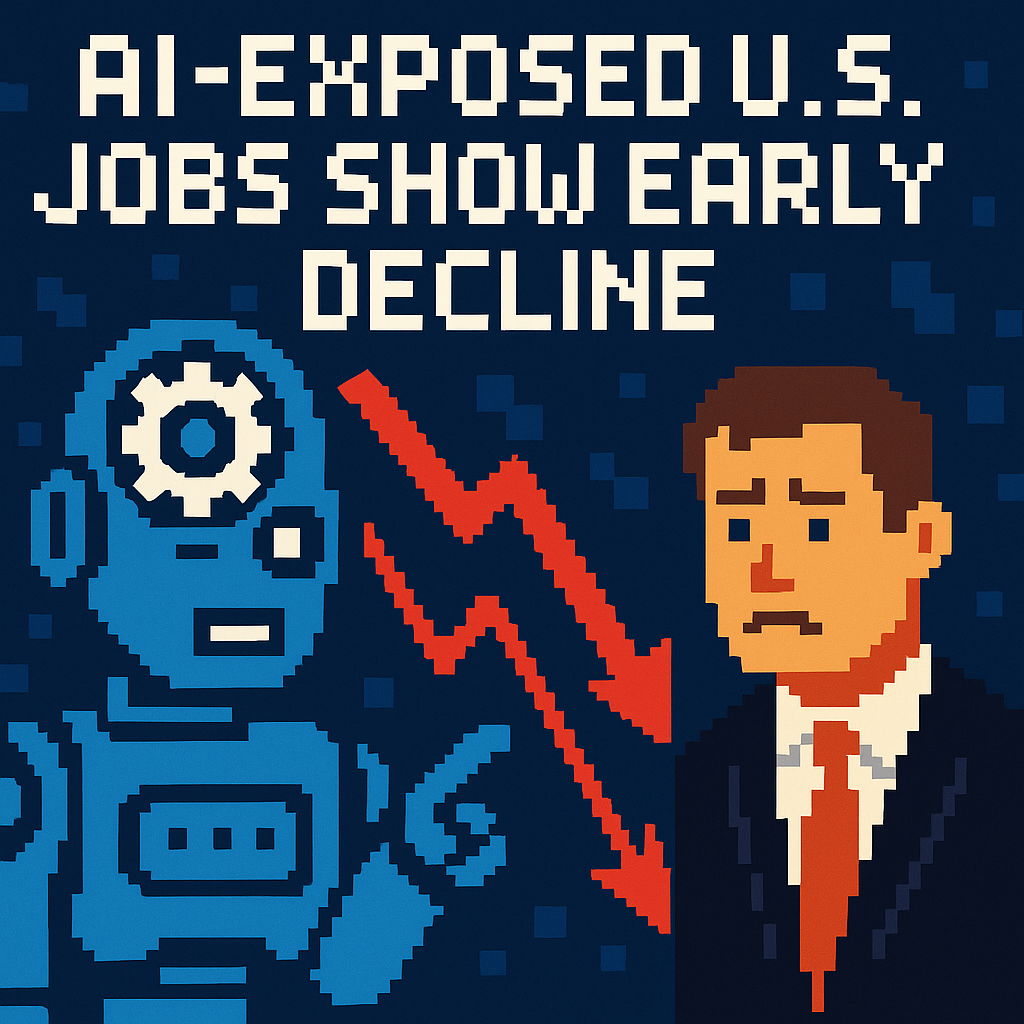
Tech companies are blaming massive layoffs on AI. What’s really going on? That line has become a familiar squeeze play in corporate communications: tidy, forward-looking, and investor-friendly. But peel back the memo and the explanation usually looks messier — a mix of pandemic-era overhiring, macro pressures, strategic pivots, and sometimes genuine automation opportunities. Let’s walk through what companies mean (and don’t mean) when they point to AI as the reason for job cuts — and why the distinction matters for workers, managers and policymakers.

The narrative everyone hears: AI as an efficiency engine

Since the generative-AI boom, executives have leaned into one message: AI will make work dramatically more efficient. Saying “we’re reducing roles because AI can handle X” serves two purposes for companies.

  • It signals to investors that the firm is modernizing and prioritizing high-margin AI projects.
  • It frames layoffs as forward-looking, not a punishment for past mistakes.

That framing is seductive — and occasionally accurate. Some tasks, especially routine customer support, data labeling, and certain content generation chores, are clearly within AI’s current reach. But the louder trend is that many layoffs announced as “AI-driven” are actually about other business realities.

The inconvenient background causes

Look beyond the memo and you often find traditional drivers:

  • Overhiring after the pandemic boom. Many firms expanded aggressively in 2020–2022 and are now trimming layers that grew in that rush.
  • Cost-cutting to protect margins. Even profitable companies prune headcount to boost profit per share or free up cash for capital-intensive AI investments.
  • Poor strategic bets. Companies sometimes pivot away from projects or markets that didn’t deliver, which triggers reorganizations and cuts.
  • Market slowdown or demand shifts. Ad revenue, enterprise spending, or product demand can drop, forcing layoffs unrelated to automation.

Research and reporting show this nuance. For example, Fortune’s recent reporting notes that AI was explicitly mentioned in only a small share of overall 2025 job-cut announcements, and many large cuts — including at companies with strong financials — still reflected trimming “bloat” rather than direct AI substitution. The Guardian and other outlets have documented similar patterns: executives using AI as a palatable public reason while underlying motives include over-expansion and economic recalibration. (fortune.com)

The “AI-washing” problem

A growing critique calls this messaging “AI-washing”: portraying layoffs as technology-driven when they’re not. OpenAI’s CEO and several analysts have used that term to describe cases where AI is a convenient cover for business mistakes or standard restructuring.

Why does AI-washing matter?

  • It erodes trust. Employees who survive cuts often distrust leadership claims about the future role of technology.
  • It misleads policymakers. If governments assume AI is already displacing huge swaths of labor, they may craft the wrong training or social-safety policies.
  • It manufactures fear. Public anxiety around automation can distort labor markets and political debates, even when the data don’t support mass displacement yet.

That’s not to say companies never replace workers with automation; they do, and the pace will vary by industry and role. The key point is transparency: leaders should specify which tasks are being automated, what the timeline looks like, and what support (retraining, redeployment, severance) they’ll provide.

What the data actually show

Empirical work is still catching up to the rhetoric. Several analyses indicate that, while AI is reshaping jobs, the proportion of layoffs that are demonstrably caused by deployed AI systems remains modest so far.

  • Much of the observable impact has been in task redefinition rather than outright replacement: job descriptions change, junior roles shift, and organizations hire different skills (AI-savvy engineers, data product managers). (phys.org)
  • Market-research firms have flagged that companies citing AI as a factor often mean anticipatory efficiency gains — "we expect AI will allow us to do more with fewer people sometime down the road" — not immediate automated replacement. (fortune.com)

So the labor market is changing, but not uniformly or instantaneously. Think slow remapping of roles and skills, punctuated by real but targeted automation in certain domains.

What this means for workers and managers

Transitioning into an AI-augmented workplace looks different depending on your role and company. Practical takeaways:

  • For workers: document the value you add that AI cannot replicate easily — judgment, cross-domain context, relationship-building, ethical oversight, and domain expertise. Learn to work with AI tools rather than only worry about them.
  • For managers: be specific in layoff and reskilling communications. Vague claims that “AI made this role unnecessary” breed cynicism and harm morale.
  • For leaders and boards: weigh the reputational and operational costs of premature layoffs aimed at signaling AI progress. Investors may cheer initial cost cuts, but churn, rehiring and lost institutional knowledge are expensive.

A pivot-and-reskill reality

Companies that handle the transition well will combine three moves: realistic assessment of which tasks can be automated, investment in high-impact AI capabilities, and meaningful reskilling pathways for displaced or redeployed staff.

That isn’t easy. Reskilling at scale takes time and money, and AI adoption itself is complex. But firms that treat automation as a reallocation of human effort (not a one-way replacement) will likely sustain better performance and workplace trust.

The conversation deserves better honesty

Tech companies are blaming massive layoffs on AI. What’s really going on? In many cases it’s a tangle of overhiring, margin pressure, and strategic reorientation — with AI invoked as a tidy explanation. Calling out that storytelling isn’t anti-AI; it’s pro-transparency. Honest communication about motives and timelines would help employees plan, policymakers design better supports, and investors set reasonable expectations.

My take

AI is real and powerful, and it will reshape work over the coming decade. But narrative matters. When leaders over-attribute layoffs to AI, they risk undermining the very workforce they’ll need to build, deploy and govern these systems. The healthier path is candidness: name the financial and strategic reasons for changes, explain how AI fits into the plan, and invest in the people who’ll make that future work.

Sources


Related update: We recently published an article that expands on this topic: read the latest post.


Related update: We recently published an article that expands on this topic: read the latest post.

Cruise Norovirus Outbreak Hits 153 | Analysis by Brian Moineau

When a Caribbean cruise turned into a floating outbreak story

More than 150 passengers and crew fell ill with norovirus during a Caribbean voyage aboard Princess Cruises’ Star Princess, the CDC says. The headline landed with a mix of sympathy and a familiar groan — norovirus on a cruise ship is a trope at this point, but the reality is still unpleasant: vomiting, diarrhea, missed excursions and an immediate scramble by ship staff and public-health officials.

Outbreaks like this are reminders that travel magic can be fragile. They also show how modern responses — from shipboard protocols to CDC Vessel Sanitation Program involvement — try to limit damage quickly. Let’s unpack what happened, why norovirus keeps showing up on ships, and what travelers and the industry can realistically do next.

The Star Princess outbreak and how it unfolded

  • The Centers for Disease Control and Prevention reported that 153 people — a mix of passengers and crew — reported gastrointestinal illness during the Star Princess’s March voyage.
  • Princess Cruises acknowledged a “limited number of individuals” who experienced mild gastrointestinal illness, and said the line took enhanced cleaning and isolation steps.
  • The CDC’s Vessel Sanitation Program (VSP) monitors and assists in outbreaks on ships that call at U.S. ports; in cases like this, the VSP can remotely monitor or deploy staff to investigate and guide sanitation efforts.

Outbreak data on cruise ships are publicly tracked by the CDC because cruises meet specific conditions (vessel size, voyage length, and percentage of people reporting symptoms) that make certain incidents reportable. When an outbreak crosses thresholds or is of public-health concern, the VSP steps in to help investigate the cause and the ship’s response.

Why cruise ships are vulnerable

Cruise ships aren’t dirty by default — they’re just high-density, high-contact environments. A few facts to keep in mind:

  • Norovirus spreads easily via contaminated food, water, surfaces, and person-to-person contact.
  • Ships are enclosed spaces where large numbers of people mingle daily in dining rooms, theaters, pools and gyms. That makes transmission fast once the virus is onboard.
  • Even rigorous cleaning and staff training can be challenged when crew members themselves become ill, reducing capacity for routine sanitizing and service.

Historically, norovirus is the most common cause of cruise-ship gastrointestinal outbreaks. It’s not unique to one cruise line, and outbreaks often start when an ill passenger boards or a contaminated item slips through food-prep controls.

What the ship and public-health officials typically do

When cases rise, there’s a predictable playbook that aims to stamp out spread and protect vulnerable passengers:

  • Isolate symptomatic individuals in their cabins and provide medical care as needed.
  • Increase cleaning frequency and use disinfectants effective against norovirus on high-touch surfaces.
  • Review food-preparation and handling processes, and sometimes suspend self-service buffets.
  • Notify health authorities and, when required, report to the CDC’s Vessel Sanitation Program, which can offer guidance and investigation support.

Transparency about numbers and measures matters — both for passenger trust and for public-health follow-up. The VSP’s public reporting helps researchers and travelers understand trends and ship responses over time.

Practical advice for travelers

If you love cruising (or plan to), a little preparation reduces the odds you’ll be hit hard by an outbreak:

  • Wash your hands with soap and water frequently; hand sanitizer is helpful but less effective against norovirus than thorough handwashing.
  • Avoid touching your face and skip self-serve stations when illness is reported onboard.
  • Pack basic supplies: oral rehydration sachets, over-the-counter anti-nausea meds you tolerate, and extra hand soap.
  • If you feel sick, stay in your cabin and notify the ship’s medical team promptly — early isolation helps stop spread.
  • Consider flexible bookings or travel insurance that covers interruptions caused by illness or mandatory quarantines.

These steps aren’t guarantees, but they tilt the odds in your favor and make life easier if you do get sick.

What this means for cruise lines and public health

Outbreaks like this test operational systems and public confidence. They also spotlight broader challenges:

  • Crew illness can hobble response capacity, requiring backup plans and cross-training.
  • Passenger expectations for transparency and quick remediation are higher since the pandemic.
  • Public-health agencies rely on accurate, timely reporting to identify patterns and advise preventive measures across the industry.

The good news is that established protocols and VSP oversight exist, and most outbreaks are contained through routine infection-control measures. The bad news is norovirus is stubbornly transmissible and will likely continue to surface whenever large groups converge in close quarters.

What to watch going forward

  • Whether the VSP conducts a field response and what its environmental assessment finds.
  • Any additional measures Princess Cruises adopts fleetwide (enhanced cleaning, modified dining services, or crew policies).
  • Patterns in seasonal norovirus activity — both on land and at sea — which can influence the frequency of shipboard outbreaks.

Tracking these items helps passengers make informed choices and pushes the industry toward better preventive strategies.

My take

Outbreaks on cruise ships draw headlines because they’re dramatic and inconvenient. But they’re also manageable when passengers, crew and public-health officials cooperate. The Star Princess incident is a blunt reminder: viruses don’t respect vacation plans. Preparation, honest communication and basic hygiene remain the most reliable defenses we have — whether you’re on the high seas or at home.

Quick reminders for travelers

  • Wash hands with soap and water often.
  • Stay in your cabin and report symptoms if you start feeling unwell.
  • Pack small medical and hygiene essentials.
  • Pay attention to ship announcements and follow crew guidance.

These small actions help protect you and those around you — and keep your vacation from becoming a cautionary tale.

Sources


Related update: We recently published an article that expands on this topic: read the latest post.

Hyundai Palisade Recall Sparks Safety | Analysis by Brian Moineau

When a Routine Family SUV Became a Tragedy: What Happened with the Palisade

Hyundai halted the sales of some Palisade SUVs and recalled 60,000 vehicles after the death of a child — a short, shocking sentence that landed this March and forced manufacturers, regulators, families, and safety advocates to ask hard questions. The headlines are raw: a child lost their life in an incident involving power-folding seats in the Palisade, and Hyundai moved quickly to stop sales of certain 2026 models and issue a recall while it develops a permanent fix. (reddit.com)

Let’s walk through what we know, why it matters, and what the episode reveals about product safety, corporate responsibility, and how we balance innovation with simple human risk.

The central facts

  • Hyundai issued a stop-sale order for some 2026 Palisade SUVs and announced a recall affecting tens of thousands of vehicles after an incident in which a child was fatally injured by a power-folding seat. (reddit.com)
  • The recall covers vehicles with power-folding second- and third-row seats where the seat actuation can trap people or objects during operation; Hyundai has advised caution when operating those functions until a remedy is available. (autos.yahoo.com)
  • Hyundai’s broader Palisade safety history includes prior large recalls (including a nearly 570,000-vehicle recall for seat-belt latch issues and other recent recalls), showing this model line has faced multiple serious safety fixes in recent months and years. (caranddriver.com)

Taken together, these pieces reveal two overlapping threads: an acute safety failure that led to a devastating outcome, and a chronic set of quality and compliance challenges tied to a popular family SUV.

Why a power-folding seat can be deadly

Power-folding seats are an attractive convenience feature: you press a button and the interior quickly rearranges itself for cargo or passengers. But that motion concentrates force and speed in a small space where fingers, limbs, or — worst of all — a child could be caught.

When safeguards fail — whether due to faulty sensors, poor detection algorithms, mechanical design flaws, or user-interface confusion — the system can operate while a person is in harm’s way. In this case, the result was fatal. That sharp reality changes the conversation from theoretical risk to moral urgency. (static.nhtsa.gov)

The regulatory and corporate response

Hyundai’s immediate response included stopping sales of affected 2026 Palisades and launching a recall for roughly 60,000 vehicles while it develops and deploys a remedy. The company has also told owners to exercise caution around the seat-folding functions until dealerships can provide a fix or inspection. Regulators, including the National Highway Traffic Safety Administration (NHTSA), typically investigate these incidents and can require remedies, mandate owner notifications, or push for broader fixes. (static.nhtsa.gov)

This is not Hyundai’s first major safety headache with the Palisade. Earlier recalls addressed seat-belt latches and other safety components affecting hundreds of thousands of vehicles. Those prior issues matter now because they shape public trust and the manufacturer’s capacity to deliver rapid, trustworthy remedies. (caranddriver.com)

The human and reputational costs

Beyond the technical details lie real human consequences. Families who choose SUVs like the Palisade expect safety features — not risks that could cause tragedy. When a design or manufacturing defect contributes to a death, trust erodes quickly.

Reputational damage can ripple: prospective buyers hesitate, resale values wobble, and regulators tighten oversight. For communities directly affected by the incident, corporate statements and recalls cannot replace the loss. Corporate transparency, timely fixes, and goodwill gestures (like reimbursement for incurred expenses) can help, but only insofar as they are sincere and effective. (autos.yahoo.com)

What manufacturers should do differently

  • Design with failure modes in mind. Active features need passive protections: mechanical overrides, redundant sensors, and fail-safe stop-and-release mechanisms.
  • Make user interfaces explicit. Clear labeling, lockouts, and child-proofing for power-folding controls reduce accidental activation.
  • Track complaints more aggressively. Early owner reports and small incidents should trigger design reviews before a fatality occurs.
  • Move faster on repairs. When a fix is identified, manufacturers should prioritize parts production and offer robust interim mitigations.

These actions are not radical. They’re engineering hygiene and ethical obligation.

How owners and caregivers can reduce risk now

  • Follow manufacturer guidance immediately: avoid using the power-folding function until your dealer inspects the vehicle.
  • Physically make the seat controls inaccessible to children (if practical) and never leave children unattended near folding-seat mechanisms.
  • Report any unusual seat behavior to NHTSA and to Hyundai; more data accelerates regulatory attention and manufacturer action. (static.nhtsa.gov)

What this episode means for product safety culture

This incident exposes a recurring pattern across tech-enabled consumer products: rapid feature rollout, complex supplier chains, and distributed responsibility. When a supplier’s part or an obscure sensor calibration causes harm, accountability can diffuse. That makes clear, auditable safety processes essential — and it suggests regulators and manufacturers must collaborate earlier and more transparently.

Moreover, public pressure matters. Media coverage, consumer reports, and social sharing can accelerate fixes. Sadly, as other owners and advocates have noted, sometimes it takes a severe outcome to spark decisive action. That is a bitter lesson. (reddit.com)

My take

Automakers must balance innovation with humility. Convenience features like power-folding seats are wonderful — until they aren’t. When lives are at stake, the default should be simplicity and redundancy. Companies should treat every user report as potentially critical, speed up remedial engineering, and communicate clearly with owners. Regulators must hold firms to high standards and move quickly when patterns emerge.

This tragedy should be a real turning point: not just another recall in a long list, but a prompt for industry-wide reflection on how we design, test, and monitor safety-critical systems that interact directly with people.

Sources


Related update: We recently published an article that expands on this topic: read the latest post.


Related update: We recently published an article that expands on this topic: read the latest post.

Inside the $160K Ammortal Recovery Chamber | Analysis by Brian Moineau

Step inside the high-tech, futuristic-looking Ammortal chamber

I lay down, the lid curved like a spaceship overhead, and within seconds a warm red light flooded the cabin. Step inside the high-tech, futuristic-looking Ammortal chamber and you don’t just get light—you get a carefully choreographed stack of therapies: red and near‑infrared photobiomodulation, pulsed electromagnetic fields, vibroacoustics, guided breathwork, and even a sip of molecular hydrogen delivered by a tiny nasal tube. The first time I tried it, the room hummed, a steady vibration threaded through the mattress, and my whole body began to buzz in a way I hadn’t expected.

The Ammortal chamber (reported price around $159–160K) has been showing up in luxury spas, athletic recovery centers, and wellness suites. It’s designed to condense hours of separate modalities into one guided session—25 to 50 minutes of what its makers call “human optimization.” The experience feels cinematic: audio cues, dimming lights, tactile resonance, and a gentle voice that shepherds you through breathwork and relaxation.

Why the buzz? The science inside the Ammortal chamber

Several distinct technologies are layered in the chamber—and each has a research footprint of varying strength.

  • Photobiomodulation (red and near‑infrared light) is the centerpiece. Controlled exposure to these wavelengths can stimulate mitochondrial activity and has evidence supporting skin repair, reduced inflammation, and improved circulation.
  • Pulsed electromagnetic fields (PEMF) claim to influence cellular signaling and blood flow. Some studies suggest benefits for recovery and pain reduction, though results vary by protocol.
  • Vibroacoustics and synchronized sound can promote relaxation, modulate heart rate variability, and change perceived pain or stress.
  • Molecular hydrogen inhalation is offered as an antioxidant adjunct; preliminary studies hint at anti‑inflammatory effects but large clinical trials are limited.

Stacking these modalities may produce additive—or even synergistic—effects, but that’s also the trick: because multiple inputs happen at once it’s harder to isolate which element is doing the work. Expectation, environment, and the guided breathwork likely amplify outcomes via the nervous system’s top‑down influence.

What it actually feels like

The session begins with a mild mechanical hum. The red glow washes over your skin; vibrations travel through the bed; a voice asks you to breathe slowly. For many users the immediate sensation is a profound relaxation coupled with heightened sensation—the “buzz” people report. That buzzing can be physical (vibroacoustics + PEMF) and perceptual (your nervous system shifting from fight/flight toward parasympathetic calm).

Post‑session effects often described in reviews and first‑hand accounts include:

  • A sustained feeling of calm and mental clarity ("caffeinated calm").
  • Reduced muscle soreness or quicker perceived recovery.
  • Subtle changes in skin tone or texture after repeated use (attributed to red/NIR exposure).

These are promising but largely anecdotal outside carefully controlled studies. Still, for athletes and high‑performers willing to pay per session, the chamber’s immersive format is an attractive time‑saving convenience.

Who is the Ammortal chamber for?

  • Professional athletes and performance teams who value incremental recovery advantages.
  • Luxury spas and clinics that can amortize the hardware cost across many clients.
  • Biohackers and early adopters who prioritize novelty and are comfortable with premium pricing.

For most consumers, buying a full $160K unit is unrealistic. Fortunately, the model is showing up as per‑session offerings in select facilities, letting curious people test it without the full price tag.

The business and ethical angle

Ammortal’s price point places it firmly in high‑end wellness. The company has attracted investment from athlete backers and wellness entrepreneurs, and it’s exploring lower‑cost variants to broaden access. The flip side: a high price plus polished marketing can drive expectation biases. Wellness tech companies must be cautious not to overpromise while research continues to catch up.

There’s also a practical safety note: stacked therapies mean stacked risk considerations. Users with implanted electronic devices, certain medical conditions, or pregnancy should consult clinicians before trying electromagnetic or inhalation components.

A short list of practical questions before you try it

  • Do you have any implanted devices or medical conditions that could interact with PEMF or oxygen/hydrogen delivery?
  • Is the facility transparent about protocols, training, and emergency procedures?
  • Can you try a single session first to judge subjective effects before committing to a package?

Answering these will help reduce surprises and keep the experience restorative rather than unsettling.

The Ammortal chamber experience

I left feeling oddly energized and calm—an alertness without jitters. The buzzing faded over a few hours but a lighter, buoyant clarity stayed with me into the next day. That combination of restorative relaxation plus a perceptible “lift” is what many reviewers report: a short session that feels like pressed reset.

That said, a single immersion is unlikely to replace consistent sleep, nutrition, and movement. Think of the chamber as a high‑spec tool in the recovery toolbox: useful for targeted sessions, especially when paired with a broader lifestyle plan.

My take

The Ammortal chamber is striking because it packages multiple plausible wellness technologies into a single, polished experience. It’s equal parts engineering, psychology, and design. For people chasing marginal gains—athletes, celebrity clients, and affluent biohackers—the chamber offers a compelling, time‑efficient ritual. For everyone else, the novelty and reported benefits are interesting, but the science needs larger, controlled trials to parse what’s real, what’s synergistic, and what’s placebo.

If you get the chance to try one at a spa, bring curiosity and healthy skepticism. Lie down, breathe with the guide, and notice what shifts. The buzz might be the machine—or your body finally getting permission to relax. Either way, it’s futurescape wellness: roomy, red, and a little bit electric.

Sources


Related update: We recently published an article that expands on this topic: read the latest post.


Related update: We recently published an article that expands on this topic: read the latest post.


Related update: We recently published an article that expands on this topic: read the latest post.


Related update: We recently published an article that expands on this topic: read the latest post.

Will Lawyers Embrace AI or Resist Change | Analysis by Brian Moineau

Two questions haunting lawyers about AI — and why the industry still moves slowly

I walked into a packed legal-conference ballroom expecting a tech pep talk. Instead I left wondering the same thing the Business Insider reporter did after 17 hours of panels: how many lawyers are actually using the tools? That core question — how many lawyers are actually using the tools? — sits at the center of billions of dollars of investment, a handful of discipline-worthy courtroom errors, and a simmering debate about the future of legal work.

The mood in the room was equal parts excitement and anxiety. Vendors promised speed and margin; partners worried about billing models; regulators and bar leaders warned about responsibility and hallucinations. Those conversations reduced to two persistent questions that every panelist, judge, and GC seemed to be circling back to.

The first question: Is the AI good enough — and safe enough — to use on client matters?

This is about accuracy, explainability, and risk. Lawyers aren’t just writing marketing copy — they’re giving advice that can cost clients millions or expose them to sanctions. So a model that hallucinates a case citation or invents a legal doctrine isn’t a novelty; it’s malpractice risk.

Recent reporting shows this tension plainly: firms have faced real sanctions when attorneys relied on generative models that produced fake cases, and vendors are racing to add hallucination checks and provenance features. That high-stakes context means many lawyers treat AI like an unclassified chemical: promising in the lab, suspect in the courtroom. (archive.ph)

But accuracy isn’t the only technical worry. Lawyers also ask whether tools reliably surface the whole legal universe they need — not just the most convenient answer — and whether outputs can be audited for conflicts, privilege, and source provenance. Firms longing for “copilot” productivity also need guardrails that turn AI from a black box into a supervised assistant. Studies testing legal copilots suggest progress but underscore important limits. (fortune.com)

The second question: Who pays when AI makes lawyers faster?

This is the business question that keeps partners awake. The legal economy is structured around the billable hour, and AI changes that math. If a task that used to take an associate 10 hours now takes 90 minutes with AI plus 30 minutes of review, how do firms price their services? Do they lower rates, keep rates and increase margin, or move toward value-based fees?

The answer matters because it determines incentives for adoption. If partners believe AI will hollow out revenue, they’ll stall investment and restrict use. If clients demand lower-priced, faster results, firms will be forced to pivot — but that pivot still faces cultural and billing inertia. The industry’s confusion shows in surveys: personal experimentation with generative tools often outpaces firm-level policies and billing strategies. (americanbar.org)

Transitioning from those two questions brings us to the real adoption dilemma: enthusiasm vs. institutional readiness.

So how many lawyers are actually using the tools?

Short answer: it depends which survey you read and which “use” you count. Personal, informal use of ChatGPT or other assistants is widespread; firm-sanctioned, regular use for client work is far less uniform.

  • Large, tech-forward firms and in-house legal teams report higher adoption rates and dedicated copilots, while many solos and small firms lag. (americanbar.org)
  • Some surveys show a modest minority using generative AI daily (roughly 20–30% in certain snapshots), while others report broader “some use” figures (30–60% depending on methodology). (news.bloomberglaw.com)

Put another way: a lot of lawyers have tried the tools, but fewer have woven them into audited, firm-wide workflows that handle privilege, provenance, and billing. That gap — between curiosity and trusted operational use — is where most of the money and friction live.

What’s holding the profession back?

Several practical and cultural brakes show up repeatedly at conferences.

  • Ethical and regulatory uncertainty. Bars and courts still debate disclosure, competence, and supervision rules for AI-assisted work. That uncertainty chills firm-wide rollouts. (americanbar.org)
  • Risk of hallucinations and errors. High-profile sanctions stories make partners risk-averse. The lesson: AI needs human checks, and those checks cost time. (archive.ph)
  • Billing and business-model friction. The billable-hour legacy makes firms ask whether to profit from AI efficiency or pass savings to clients — and that debate slows adoption. (lawyerist.com)
  • Data hygiene and integration. Many firms’ document ecosystems are messy; effective AI needs clean, well-governed data, which requires investment. (sbo.consulting)

These are solvable problems — but they require governance, training, and leadership decisions that many firms haven’t fully made.

Where investors and vendors fit in

Venture capital and vendors see a huge runway: legal AI deals and product launches have attracted billions. Investors are betting that once the ethical and billing knots are untied, adoption will accelerate and generate substantial efficiency gains across litigation, corporate work, and compliance. That’s why conferences feel equal parts product demo and sales pitch. (allaboutai.com)

But vendor enthusiasm must pair with sober legal risk management. The winning products will be those that embed verifiable sources, offer audit trails, and mesh with law firms’ billing and records systems — not just flashy drafting demos.

My take

AI in law is already real, but it’s not yet ubiquitous in the professional, accountable sense that matters for clients and courts. The two questions haunting lawyers — “Is it safe?” and “Who benefits financially?” — are practical, not philosophical. Answer those, and the rest follows.

We should expect uneven adoption for a few more years: rapid uptake among in-house teams and large firms that can invest in governance; slower movement among smaller shops where the billing model and compliance risk cut differently. The real measure of success won’t be how many firms claim to “use AI,” but how many can show audited, client-safe workflows that improve outcomes without inviting sanctions.

Final thoughts

When billions of dollars are riding on lawyers moving faster with AI, the overriding challenge isn’t the models themselves — it’s the profession’s risk calculus and business incentives. Conferences are useful because they surface those debates, but the practical work happens back at the firm: cleaning data, writing policies, training people, and rethinking pricing.

If the industry solves the two questions — safety and billing alignment — adoption will accelerate. Until then, expect a lot of pilots, a few headline failures, and steady, incremental progress.

Sources


Related update: We recently published an article that expands on this topic: read the latest post.

Windows 11 Update Locks Samsung C Drive | Analysis by Brian Moineau

Hook: When an update locks the door to your own files

"Microsoft: Windows 11 users can't access C: drive on some Samsung PCs – BleepingComputer" — that headline (and the problem it describes) landed in people's feeds in March 2026 and for good reason: some Samsung laptops running Windows 11 suddenly showed “C:\ is not accessible – Access denied” after recent updates, blocking apps and everyday workflows. It’s the kind of bug that feels personal — your machine boots, but the system drive becomes off-limits, and the apps you rely on simply won’t launch.

What happened and why you should care

  • On February 10, 2026 Microsoft shipped the cumulative update KB5077181 for Windows 11 (builds 24H2 and 25H2).
  • Starting in mid‑March, reports surfaced that some Samsung Galaxy Book laptops and certain Samsung desktops began showing the “C:\ is not accessible – Access denied” error after installing that update or interacting with recent app updates.
  • Affected users found they could not open files, run Office and web browsers, elevate privileges, or even collect logs in some cases. The error effectively crippled routine tasks.

This matters because updates are supposed to make devices safer and more reliable. When they instead break core functionality — especially storage access — trust erodes fast. People who depend on these devices for work, school, or creative projects faced hours of disruption.

Microsoft’s official take and what the investigation found

Microsoft opened an investigation and, together with Samsung, traced the root cause not to the Windows patch itself but to an issue in Samsung’s Galaxy Connect (and related Samsung apps). Microsoft’s Windows release‑health page documents the troubleshooting timeline and mitigation steps: the Samsung Galaxy Connect app was temporarily removed from the Microsoft Store, and Samsung republished an older stable version to prevent new installations. Microsoft also marked the issue as “Mitigated” on March 14, 2026 while further remediation is developed. (learn.microsoft.com)

In short: the symptoms coincided with the February patch, but the investigation concluded the app interactions — not the kernel of Windows updates — were the proximate cause on affected devices. That distinction matters for remediation and for how both vendors handle preinstalled OEM apps.

The user experience: scary, confusing, fixable (sometimes)

Many users described the same pattern: the laptop boots normally, but clicking the C: drive returns “Access denied.” Applications like Outlook, Office, and browsers either fail or behave erratically because they cannot access files or the profile store.

Some community workarounds showed up quickly:

  • Rolling back the February update via Settings > Windows Update > Update history > Uninstall updates.
  • Using Safe Mode or an elevated admin account to restore drive ownership and reset ACLs on C:\ (a risky manual step if you’re not comfortable with Windows permissions).
  • Restoring a system image or reinstalling Windows in severe cases.

These techniques helped some users, but recovery is not uniform. Microsoft and Samsung warned that recovery options for already‑impacted devices are limited and may require vendor support. Proceed carefully: editing ACLs or forcing ownership can fix permissions, but it can also produce side effects if done improperly. (learn.microsoft.com)

Broader context: why OEM apps keep causing trouble

This incident is part of a recurring pattern where OEM applications — intended to add value (cloud hooks, phone integration, device tuning) — interact with Windows internals in fragile ways. Over the years, multiple vendors’ software (and occasionally third‑party utilities) have conflicted with Windows updates, producing performance, boot, or security problems.

  • OEM apps often run with elevated privileges, install background services, or alter file/permission settings.
  • When Microsoft changes internals or security hardening behavior, those apps can surface latent bugs.
  • The supply chain between Microsoft updates, OEM customizations, and app stores creates complexity that complicates root‑cause analysis.

The practical lesson: if you buy a laptop with lots of preinstalled utilities, consider which ones you actually need. Less bloat can mean fewer points of failure. That said, users shouldn’t shoulder the burden of debugging, which is why coordinated vendor responses like the one here are important.

What you should do now (practical steps)

  • If you haven’t installed the February update (KB5077181) yet, pause feature or optional updates until vendors confirm compatibility for your device.
  • If you’re already affected, check Settings > Windows Update > Update history and follow the uninstall/rollback steps documented by Microsoft.
  • For peace of mind, contact Samsung support if your device is a Galaxy Book model named in Microsoft’s advisory; they may have device‑specific guidance or warranty support.
  • Avoid risky registry or ACL edits unless you’re comfortable with Windows recovery tools; if you try them, back up data first.

Above all, follow Microsoft’s release‑health page for official status updates and guidance as Samsung and Microsoft refine fixes. (learn.microsoft.com)

A quick look at the ecosystem impact

This bug is a reminder that modern OS ecosystems are highly entangled. Updates transit layers: Microsoft updates Windows, OEM apps live in the Microsoft Store or as vendor installers, and both can interact with device firmware and vendor drivers. When something goes wrong, it’s not always a simple “blame one actor” story — but users want fast, clear remediation.

Fortunately, the response here was quick: Microsoft publicly acknowledged the issue, worked with Samsung, and removed the problematic app from the Store to stop further installs. That containment step matters; it prevents more devices from entering the same failure mode while a long‑term fix is developed.

Final thoughts

Bugs like this are jarring because they attack the basic assumption we have about our computers: that we can get to our files. The March 2026 episode shows both the fragility and resilience of the ecosystem — fragile because an app interaction could lock C:, resilient because coordinated vendor action and community troubleshooting helped limit further fallout.

If you own a Samsung Galaxy Book (or any OEM machine with preinstalled utilities), take a moment to review what’s installed and keep backups current. Updates are important, but so is careful change management when your laptop is central to your day.

Sources


Related update: We recently published an article that expands on this topic: read the latest post.

Voice Chat Changes How League Coordinates | Analysis by Brian Moineau

Hearing the Rift: Team-based voice communications in League

We’ve been waiting a long time to hear each other across the lanes. Riot’s move toward team-based voice communications in League has the potential to change how millions of solo queue matches feel — for better or worse. This post digs into why Riot is adding voice, what they’re building around it, and what players should watch for as the feature rolls out.

Why voice now?

League of Legends is fundamentally a team game: five players working together need to coordinate map pressure, objectives, and timing. For years players have cobbled together third‑party voice tools or relied on text and pings. Adding team-based voice communications in League addresses that obvious gap.

Recent signals — data mining of the PBE, Riot pilots like Coach Voice in LCK events, and Riot’s ongoing work on moderation and player behavior systems — suggest Riot isn’t just tacking on a mic. They’re trying to bake voice into League’s ecosystem while acknowledging the serious moderation and abuse risks that come with open voice channels. Reports and leaks indicate the feature is being tested and iterated on rather than blindly released. (dotesports.com)

What Riot appears to be planning

Riot’s approach seems layered and cautious. Based on leaks, developer commentary around Coach Voice, and Riot’s published work on player dynamics, these are the core elements you should expect:

  • Team-only voice channels that connect matched teammates (not global or all-chat voice). This keeps comms focused on game coordination and reduces public broadcast abuse. (dotesports.com)
  • Integration with existing behavior systems, including new reporting categories like “Voice Comms Abuse,” automated monitoring, and moderation playbooks. Riot has signaled that voice will be tied into the same safety work that supports text moderation and sanctioning. (shanethegamer.com)
  • Experimental rollouts and pilots. Riot has trialed features like Coach Voice in esports settings and appears to plan staged rollouts (PBE > limited regions > global), so feedback can shape the final product. (invenglobal.com)

Taken together, those points suggest Riot is aiming for voice that improves in-game coordination while trying to limit toxicity and harassment through detection, reporting, and product design.

How voice could change gameplay and culture

Voice will be about more than convenience. Here are likely impacts:

  • Faster, richer coordination. Calling objectives, timing ganks, and responding to fog‑of‑war plays are faster over voice than text or pings. That can raise the tactical ceiling for solo queue teamwork.
  • Shift in social norms. Voice favors players comfortable speaking — which can improve clarity but also change who leads games. Teams that adapt to clear, calm comms will likely see stronger performance.
  • Potential for increased harassment. Voice can be more visceral than text: tone, mocking, and targeted abuse are harder to ignore. The net effect depends on moderation effectiveness and whether players can opt out or control who they hear. (shanethegamer.com)

Expect meta changes too: distinctive in‑game calls (e.g., short, standardized phrases) may emerge, and coaching or mentoring tools could expand — Riot’s Coach Voice tests hint at structured in‑game coaching becoming more common in competitive settings. (invenglobal.com)

Design choices that matter

Not all voice implementations are equal. Here are the product choices that will determine whether this feature helps or hurts League:

  • Opt-in vs forced participation. Players should be able to decline or mute team voice per match without penalty. Forcing voice across the board would provoke backlash.
  • Granular controls. Volume, push-to-talk vs open mic, language filters, and per-player muting are essential. Riot’s prior work in other titles (like Valorant) gives them precedents to follow. (agatasmurf.com)
  • Integration with behavior systems. Automatic detection of repeat offenders, friction for players with low honor or recent sanctions, and clear reporting flows will be necessary to keep voice usable. Riot’s recent reporting categories and moderation focus suggest they know this is vital. (shanethegamer.com)
  • Phased rollout and measurement. Pilots (e.g., PBE tests, regional trials) let Riot measure outcomes like toxicity reports, match quality, and player retention before global release. The Coach Voice pilot in LCK is a useful laboratory for how real-time voice affects competitive play. (invenglobal.com)

Listening to community concerns

Players’ reactions are split. Many welcome voice as overdue — a natural fit for a team‑based MOBA. Others worry rightfully about harassment, language barriers in international matches, and pressure to use voice even when uncomfortable.

Good product rollout will require listening to those concerns and acting on them. Actionable steps Riot can take include restricting voice access by account standing (e.g., honor thresholds), strong reporting categories for voice abuse, default mute settings for new or low-reputation accounts, and ongoing transparency around moderation outcomes. Several community threads and coverage emphasize these expectations. (reddit.com)

What to watch for next

  • PBE notes and official dev posts: check for Riot’s formal explanation and controls.
  • Pilot metrics: will reports or ban rates spike where voice is active? Riot’s behavior teams should publish high-level findings.
  • UX details: push‑to‑talk options, per‑match opt-out, and honor-linked gating will show how responsible the rollout is.
  • Esports experiments: Coach Voice trials in pro play will reveal if voice adds strategic depth without undermining competitive integrity. (invenglobal.com)

My take

Bringing team-based voice communications in League is overdue and, if done thoughtfully, can make coordination faster and play more satisfying. But the upside depends on the safety scaffolding Riot builds around the feature. Voice amplifies both good teamwork and bad behavior; the design and enforcement choices Riot makes now will shape League’s social culture for years.

If Riot combines opt-in controls, strong moderation integration, and phased testing, voice could be a net positive. If they rush a minimal implementation, players could see more harassment and fragmentation. The good news is Riot appears to be testing and listening — which is exactly the right posture for a change this big. (dotesports.com)

Further reading

  • “League of Legends is finally getting long-awaited team voice chat.” Dot Esports.
  • “League of Legends Is Finally Adding Team Voice Chat — But There's a Catch.” U.GG.
  • “LCK to Test Real-Time Coach Voice System During LCK Cup.” Inven Global.
  • Riot Games 2023 Annual Impact Report (Player Dynamics & moderation work).

Sources


Related update: We recently published an article that expands on this topic: read the latest post.


Related update: We recently published an article that expands on this topic: read the latest post.

Listening to Earth: Technology Hears | Analysis by Brian Moineau

Listening to a Planet: When Technology Lets the Earth Speak

The first time you slow down to listen to a forest or stand beside the ocean at night, you get a sense that the world is making music you didn't write. New technology enables us to perceive sounds beyond human hearing range, and that simple fact is changing how we think about our place on the planet. These tools—underwater hydrophones, infrasound arrays, dense acoustic sensors and machine listening—are widening our ears and nudging us toward a humbler, more relational way of living on Earth.

For centuries humans treated sound as something primarily for human use: conversation, music, warning cries. But the planet has been talking long before us—seismic groans, whale songs, ice creaks, insect choruses—most of it outside our audible range. Today’s listening technologies translate those vibrations into forms we can perceive and analyze. The effect is partly scientific (new data about ecosystems) and partly existential (a different story about who “speaks” on Earth).

Why it matters: a new sensory perspective

When we translate low-frequency infrasound, ultrasonic clicks, or the spectral richness of an underwater soundscape into audible forms, we gain a vantage point not only for research but for empathy. Scientists use these signals to track whale migrations, detect earthquakes, monitor volcanic unrest, and even infer the health of coral reefs and forests. But beyond practical uses, these translations let people experience how nonhuman life and large-scale Earth processes occupy time and space.

That matters because our policy debates and moral imaginations are shaped by perception. If decision-makers and the public can hear the slow rumble of glaciers or the layered chorus of a healthy reef, those phenomena stop being abstract data points and become visceral realities. Sound becomes a bridge between scientific knowledge and public feeling.

New technology enables us to perceive sounds beyond human hearing range

  • Hydrophones brought whale song and ocean noise into public consciousness decades ago, but modern networks and better microphones make continuous, high-fidelity listening possible.
  • Infrasound arrays and seismic-acoustic coupling reveal events too low for our ears but crucial for understanding storms, volcanic eruptions, and human-made disturbances.
  • Machine listening and AI let researchers parse hours of recordings, classify species by call, and detect subtle changes in the acoustic ecology that would be invisible otherwise.

Together, these technologies form a new kind of sensory infrastructure: distributed, data-rich, and persistent. They don’t just capture rare moments; they map long-term patterns.

Where this is already showing value

  • Conservation: Passive acoustic monitoring identifies species presence and behavior without intrusive observation. For whales and other cryptic animals, sound is often the best real-time indicator.
  • Disaster detection: Infrasound and low-frequency monitoring can provide early signals for volcanic explosions, glacier calving, or landslides—events that move faster than visual monitoring networks sometimes can.
  • Urban planning and quiet protection: Acoustic maps reveal the loss of quiet spaces and the invasion of human-made noise into previously silent habitats. That helps prioritize conservation and design quieter infrastructure.
  • Cultural and artistic engagement: Sound artists and educators use translated Earth sounds to build empathy and curiosity—turning scientific signals into narratives that people can feel.

These use cases show both pragmatic benefits and cultural shifts: listening becomes a policy tool, a research method, and an aesthetic practice.

Challenges and caveats

  • Interpretation is hard. A recorded sound doesn’t automatically tell you intent or ecological significance. Contextual data (location, time, complementary sensors) remain essential.
  • Bias and access: Most monitoring happens where researchers have funding. That risks concentrating "listening power" on certain regions while leaving others under-monitored.
  • Privacy and ethics: Acoustic networks in human-dominated landscapes raise surveillance concerns. Distinguishing human voices from other sounds and ensuring appropriate use of recordings must be part of deployment plans.
  • Data overload: Continuous listening generates huge datasets. Machine learning helps, but training models requires careful curation and transparency.

A responsible listening practice pairs technological capability with ethical frameworks and equitable deployment.

The cultural ripple: what listening does to us

Listening to translated Earth sounds has an unusual effect: it slows us. Hearing a glacier calve in slow, low frequencies or the layered rush of a rainforest at dawn changes temporal scale—sudden human events sit differently against geologic and ecological durations. That re-scaling is political: it can shift debates from short-term convenience to long-term stewardship.

It also challenges human exceptionalism. When seas, wind, and soil are legible as “voices,” policy conversations must reckon with a more-than-human chorus. That doesn’t give animals or landscapes literal legal speaking rights by itself, but it makes it harder to treat ecosystems as silent resources.

Common questions, briefly

  • Will this replace other ecological methods? No. Acoustic data complements visual surveys, satellite imagery, and community knowledge. Each method offers distinct strengths.
  • Are these sounds reliable evidence? They’re robust signals when combined with careful analysis and corroborative data. Sound is a sensor, not a verdict.
  • Who owns acoustic data? This is evolving. Open-data approaches promise broad scientific gains, but stewardship, consent (for recordings near communities), and clear governance are essential.

My take

Listening is more than a technical upgrade; it is a change in attention. New technology enables us to perceive sounds beyond human hearing range, and with that perception comes a new responsibility. The planet’s signals can guide safer infrastructure, better conservation, and richer cultural experiences—but only if we pair technical ingenuity with ethical governance and a willingness to let nonhuman voices reshape our priorities.

If we move from extraction to attention—if policy-makers, scientists, artists, and communities adopt listening as a shared practice—we may find more humane and sustainable ways to inhabit this noisy, speaking planet.

Sources


Related update: We recently published an article that expands on this topic: read the latest post.


Related update: We recently published an article that expands on this topic: read the latest post.

When the 60/40 Hedge Stops Working | Analysis by Brian Moineau

When the Old Hedge Breaks: Markets, War and the Vanishing Safe Harbor

Government bonds, which typically rise during periods of market stress to cushion equity losses, are now moving in the same direction with stocks as oil spikes and geopolitical shockwaves ripple through markets. That sentence — uncomfortable for anyone who built a portfolio on a 60/40 bedrock — captures the current dilemma: the classic stock-bond hedge is fraying just when investors want it most.

The last few weeks of conflict-driven volatility have amplified a trend that began during the inflation shock of 2021–22. Rising oil and commodity prices, higher-for-longer interest-rate expectations, and soaring uncertainty have pushed equities and government bonds into positive correlation episodes. Instead of bonds cushioning equity losses, both assets have been selling off together — and that changes everything for risk management.

Why bonds stopped being a reliable hedge

  • Inflation and rate expectations: When war pushes oil higher, it can revive inflation fears. Central banks respond (or are expected to respond) by keeping rates elevated, which lowers bond prices. At the same time, higher rates compress equity multiples. The net result: stocks and bonds falling together.
  • Structural balance-sheet changes: Governments ran large fiscal deficits in the pandemic era and later, increasing sovereign debt supply. This makes bond markets more sensitive to inflation and growth worries than in the low-rate decades before 2020.
  • Levered and crowded trades: Many institutional strategies (risk parity, certain hedge funds and derivative overlays) assumed negative stock-bond correlation. They used leverage expecting bonds to offset equity drawdowns. When hedges fail, forced deleveraging can magnify moves across asset classes.
  • Commodity and geopolitical channels: Oil is a key pivot. A sharp oil spike both increases inflation expectations and reroutes investor flows into energy and commodity plays — which can leave traditional defensive assets exposed.

Transitioning from these drivers to market behavior, we saw concrete signs in recent sessions: yields rose (prices fell) as stocks dropped, and volatility products saw heavy trading as investors scrambled for alternatives.

Investors hunt for new hedges

With the old playbook under stress, market participants are exploring alternatives.

  • Gold and select commodities have re-emerged as classic inflation/war hedges; gold’s recent surge illustrates its appeal when both bonds and stocks look vulnerable.
  • Volatility strategies, including long-VIX or structured products that profit from sudden volatility spikes, have enjoyed renewed interest. These can work as tactical hedges but are expensive if held long-term.
  • Defensive equity exposures (quality, dividend growers, and certain value sectors like energy and select industrials) are getting re-evaluated for their resilience in stagflation-like scenarios.
  • Real assets and inflation-linked bonds (TIPS in the U.S.) are rising on investor lists, though TIPS correlate with nominal bonds when real rates move.
  • Some allocators are leaning toward absolute-return or multi-strategy funds that can short or hedging dynamically, while others increase cash buffers to preserve optionality.

Importantly, none of these is a perfect substitute: each hedge has trade-offs in cost, liquidity, and long-run return drag.

Government bonds, which typically rise during periods of market stress to cushion equity losses, are now moving in the same direction with stocks as oil…

This sentence deserves its own moment because it spells the practical problem for long-term investors: if your bond sleeve no longer reliably cushions equity drawdowns, portfolio outcomes change. Retirement glide paths, target-date funds, and many risk models assumed a persistently negative stock-bond correlation — an assumption the market is challenging.

Analyses from major institutions and research groups show this is not a one-off. Historical data indicate that negative stock-bond correlation was an “anomaly” linked to a long disinflationary regime. When inflation breaches certain thresholds — or when supply shocks dominate — correlation tends to revert to positive territory. So we aren’t merely reacting to headlines: the macro structure has changed.

Practical moves for investors (the checklist)

  • Revisit assumptions: Re-run stress tests on multi-asset portfolios using scenarios where stocks, bonds and the dollar all fall together. That “triple red” outcome is more plausible now than it was five years ago.
  • Size hedges to the mission: For those near retirement or needing liquidity in the next few years, costlier but more reliable hedges (options, managed volatility products, inflation-protected debt) may be justified. Long-horizon investors can tolerate some short-term drag.
  • Diversify hedge types: Combine real assets, volatility exposure, and selective credit or alternative strategies rather than overloading on one single hedge that might fail under certain stressors.
  • Watch liquidity and counterparty risk: In a stress event, illiquid hedges can be unusable or deeply discounted, and leveraged SCAs can force unhelpful sales.
  • Keep fees and decay in mind: Some hedges (constant volatility ETFs, long-dated options) have structural costs. Know the expected drag and calibrate position sizes accordingly.

What history and research tell us

Research and institutional commentary support the idea that stock-bond correlation depends on the macro environment. Periods of high inflation or supply-driven shocks have historically produced positive correlations. Recent work by policy and research groups highlights that the pandemic-era low-inflation regime was not the default; markets can and do revert to regimes where traditional diversification underperforms.

That doesn’t mean bonds are irrelevant — they still provide income and play many roles in portfolios — but their blanket role as downside insurance is less reliable when inflation and policy-rate uncertainty dominate market moves.

My take

We’re in a regime where context matters more than blanket rules. The 60/40 baseline still has merits for long-term return expectations, but investors must be honest about what it will and won’t do in a surge-inflation, geopolitically stressed world.

So, be proactive: test portfolios against bad-but-plausible scenarios, size hedges to your time horizon and tolerance for short-term pain, and accept that some protection will cost you. In a market where war, oil, and inflation can conspire to move supposedly uncorrelated assets together, resilience is built through flexibility and planning — not faith in past correlations.

Closing notes

  • Expect more headline-driven volatility as commodity prices react to geopolitical developments.
  • Central bank communications will matter — and may move bond markets more than geopolitical headlines at times.
  • For most investors the response will be gradual: rebalancing assumptions, diversifying hedge types, and paying attention to liquidity.

Sources


Related update: We recently published an article that expands on this topic: read the latest post.


Related update: We recently published an article that expands on this topic: read the latest post.