
Imagine it’s one of those mornings where you’ve hit snooze one too many times, and now you’re racing through your kitchen in a flurry of panic. Your brain is still in bed but your body is desperately trying to catch up with the clock. It’s on these mornings that my Protein Strawberry Smoothie saves the day. It’s a quick, delicious way to fuel up, with a creamy texture that feels indulgent but is packed with goodness. And let’s be real, anything that helps you avoid a hangry rage before your first meeting is worth its weight in gold. Plus, it’s got that perfect balance of sweet strawberries and the smooth richness of almond milk, making it a versatile favorite you’ll find yourself coming back to again and again.
Jump to Recipe
What You’ll Need
This ingredient list is short and sweet, with a few pantry staples you probably already have on hand. Here’s what you’ll need:
- 1 cup of almond milk
- 1 banana
- 1/2 cup of fat-free Greek yogurt
- 1 tablespoon of honey
- 1 cup of ice
- 1 cup of fresh strawberries
How to Make Protein Strawberry Smoothie
- Toss your strawberries, banana, and Greek yogurt into the blender. The fruit should be fresh and ripe, which will give you that vibrant flavor burst.
- Pour in the almond milk, which adds a nutty base that balances the sweetness from the fruit.
- Add the honey. You’ll want just enough for a hint of sweetness without overpowering the strawberries.
- Throw in the ice. This will give your smoothie that chilly, refreshing feel that’s perfect for a morning pick-me-up.
- Blend everything on high until it’s smooth and creamy. You’ll know it’s ready when you see a beautifully pink, frothy mixture without any lumps.
Cook’s Notes
Don’t get too caught up in exact measurements here. This smoothie is pretty forgiving, so feel free to adjust based on what you have. If your bananas are smaller, use two. If your strawberries are extra-large, maybe go a bit shy on the cup measurement. Also, I recommend using fresh strawberries, but if you only have frozen, that’s totally fine—just skip the ice so it doesn’t turn into a frozen block! If you’ve got a busy morning ahead, you can prep the fruit the night before and store it in the fridge, then just throw it all in the blender when you’re ready. Leftovers can be stored in the fridge for a day, but be sure to give it a good stir before drinking.
Make It Your Own
- Swap the almond milk for coconut milk for a tropical twist.
- Add a tablespoon of your favorite nut butter for some extra protein and a richer flavor.
- If you’re not a fan of honey, replace it with a splash of maple syrup or agave nectar.
- For a green boost, toss in a handful of spinach. It won’t change the taste much but will kick up the nutrition!
If you try this, I’d love to hear how it turns out — drop a comment or tag me in your smoothie pics! Nothing makes my day more than seeing someone enjoy a recipe that’s made their morning just a bit brighter. Enjoy, and here’s to more deliciously lazy mornings!
Related update: Protein Strawberry Smoothie
Related update: Caramelized cranberries coconut pancakes
Related update: Green Tea Fruit Medley Smoothie
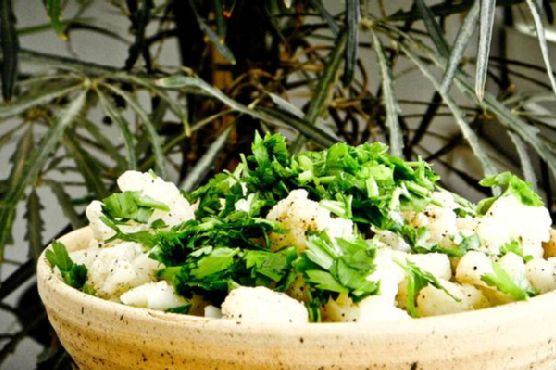
Last Tuesday, I found myself staring at a head of cauliflower in the fridge, feeling a bit uninspired and yet in desperate need of something fresh and zesty to perk up my weeknight dinner. It was one of those Tuesdays when you’re caught between the comfort of routine and the allure of a little culinary adventure. Enter the Egyptian Cauliflower Side Salad—a dish that’s beautifully simple yet impressively flavorful, perfect for those moments when you want something that’ll surprise your taste buds without complicating your evening. It’s quick, tangy, and lets the humble cauliflower shine with a bit of Middle Eastern flair. Trust me, this is one you’ll want as a regular in your recipe arsenal.
Jump to Recipe
What You’ll Need
This recipe is all about using fresh and vibrant ingredients that you might already have lounging around in your pantry or fridge. Think of it as a happy meeting between global flavors and everyday simplicity.
- Cauliflower – the star of the show, bring your best one!
- Cumin – to add that warm, earthy depth.
- Fresh parsley – for a burst of color and freshness.
- Lemon juice – for that zippy tang.
- Olive oil – your salad dressing superhero.
- Bell pepper – adds sweetness and crunch.
- Salt – to elevate all other flavors.
How to Make Egyptian Cauliflower Side Salad
- First, separate your cauliflower into medium-sized florets. Aim for bite-sized pieces that are easy to manage for both cooking and eating.
- Steam the cauliflower in a steamer until just tender. If you don’t have a steamer, no worries! You can boil the whole cauliflower in water until fork-tender and then cut it into pieces. Go for a texture that’s soft but still holds its shape.
- Once the cauliflower is cooked, place it in a large mixing bowl. The warmth will help it soak up all those delicious flavors we’re about to add.
- In a small bowl, whisk together the olive oil, cumin, lemon juice, and a generous pinch of salt. You want a good balance of zesty and savory here, so taste and adjust if needed.
- Pour the dressing over the warm cauliflower and toss gently to coat every piece. The aroma of cumin will start to fill your kitchen—it’s heavenly!
- Dice the bell pepper finely and add it to the bowl, tossing everything together once more for good measure.
- Finally, garnish with a handful of freshly chopped parsley. This not only adds a vibrant color but also a lovely fresh note to the salad.
Cook’s Notes
This salad is best enjoyed fresh, while the cauliflower is still warm, allowing it to soak up all those lovely flavors. However, it’s also quite forgiving if made in advance. Simply store it in the fridge for up to two days, and let it come to room temperature before serving to revive the flavors a bit. If you find the dressing has thickened upon chilling, a splash of warm water can loosen it right up. Be careful not to overcook the cauliflower—you’re aiming for tender, not mushy. It should have a slight bite to it, creating the perfect texture contrast with the creamy dressing and crunchy bell pepper.
Make It Your Own
- Swap the parsley for fresh cilantro if you’re a fan of its pungent flavor.
- For a spicy kick, add a pinch of red chili flakes to the dressing.
- Mix in some toasted almonds or pine nuts for extra crunch and nuttiness.
- Use lime juice instead of lemon for a slightly different citrusy edge.
If you try this, I’d love to hear how it turns out—drop a comment or tag me! Your kitchen adventures are always a delight to hear about. Enjoy your culinary trip to Egypt with just a few simple steps and ingredients!
Related update: Egyptain Cauliflower Side Salad
Related update: Charlotte Potato Salad

It was one of those dreary Tuesday afternoons when the sky couldn’t decide whether to rain or shine, so it just hovered in a blah gray. The kind of day that demands something bright and cheerful to rescue you from the monotony. I found myself in the kitchen, eyeing a lonely lemon on the counter. It hit me – pressed lemon butter cookies! They’re the perfect pick-me-up: buttery, zesty, and just the right amount of sweet, without the gluten. These cookies are impressive enough for a tea party yet simple enough for a midweek treat. If you, like me, need a little sunshine on a plate, these cookies are your answer.
Jump to Recipe
What You’ll Need
I bet you’ve got most of these tucked away in your pantry and fridge. It’s a short, sweet list that’s all about that lemony punch and buttery goodness. Here’s what you’ll need:
- Unsalted butter
- White sugar
- Egg yolks
- Lemon extract
- Lemon zest
- Fresh lemon juice
- Gluten-free flour
- Xanthan gum
How to Make Gluten-Free Pressed Lemon Butter Cookies
- Preheat your oven to 350°F (175°C). This is the perfect moment to get cozy with that mixing bowl and let the anticipation build.
- In a world where flour can be tricky, whisk or sift your gluten-free flour with the xanthan gum. This step ensures everything blends smoothly, trust me.
- Grab your standing mixer with the paddle attachment and cream the unsalted butter until it’s fluffy and inviting. The butter should look like a pillowy cloud.
- Add in the white sugar and continue to cream until the mixture is light and airy. You’re looking for that dreamy consistency.
- Introduce the egg yolks to the party, one at a time, making sure each is fully incorporated before adding the next.
- Now for the zesty kick: add the lemon zest, lemon extract, and fresh lemon juice. Mix them in until the batter sings with lemony aroma.
- Slowly fold in the flour mixture at a gentle speed, then increase the speed until it’s all well-incorporated. Your dough should be soft, but firm enough to hold its shape.
- Load your cookie press with the dough and press onto ungreased cookie sheets. This is where the magic happens – each press is a little masterpiece.
- Bake one sheet at a time, for about 12-15 minutes, until the edges are lightly browned and your kitchen smells like a citrus grove.
- Patience, my friend. Let them cool completely on the sheets before gingerly using a thin spatula to lift them. They’ll be delicate but oh-so-worth-it.
Cook’s Notes
Here’s a little insider scoop: when working with gluten-free flour, sifting is your best friend for a smooth texture. These cookies keep well in an airtight container for up to a week, but let’s be real, they’ll probably disappear way before that. If you’re planning ahead, the dough can be made a day in advance and refrigerated. Just let it come to room temperature before pressing. And whatever you do, don’t skip the cooling step – they’re fragile when fresh out of the oven.
Make It Your Own
With a recipe like this, there’s room to play around. Here are a few ideas to shake things up:
- Swap the lemon for orange zest and juice for a sweet, floral twist.
- Add a teaspoon of vanilla extract alongside the lemon for a more rounded flavor.
- Sprinkle a little coarse sugar on top before baking for a touch of sparkle and crunch.
- Mix in a tablespoon of poppy seeds for a delightful texture and a nod to classic lemon-poppy duo.
If you try this, I’d love to hear how it turns out — drop a comment or tag me! Knowing these cookies brought a little sunshine to your day would make mine. Enjoy each zesty bite!
Related update: Gluten-Free Pressed Lemon Butter Cookies
Related update: Dried Cranberry Chocolate Cookies
It was one of those weeks where everything seemed a bit too chaotic, and the weather was veering into that crisp, cozy fall vibe that just screams for comfort food. I was rummaging through my pantry, trying to figure out what on earth I could throw together without needing a last-minute grocery run. There it was, a can of chickpeas and some cauliflower that had been patiently waiting for their moment to shine. Enter the Cauliflower Chickpea Stew: a dish that’s hearty, full of flavor, and surprisingly easy to whip up. It’s one of those recipes that feels like a warm hug after a long day, plus it’s packed with spices that make your kitchen smell absolutely divine. Definitely a go-to for those nights when you need something nourishing but not overwhelming to make.
Jump to Recipe
What You’ll Need
I love this recipe because it relies on pantry staples but still feels a bit exotic thanks to the spices. Chances are you already have most of this hanging around your kitchen.
- Olive oil
- Brown rice
- Twice the amount of water to rice
- Garlic cloves
- Turmeric
- Salt & pepper
- Onion
- Canned tomatoes
- Tomato puree
- Fresh cm ginger
- Fresh chili
- Cinnamon
- Garam masala
- Paprika
- Sweet potatoes
- Lemon (juice)
- Additional water
- Cauliflower
- Canned chickpeas
How to Make Cauliflower Chickpea Stew
- Start by heating some olive oil in a large saucepan over high heat. You’ll want it shimmering but not smoking.
- Crush your garlic cloves and toss them in the pan with a generous pinch of turmeric, salt, and pepper. Fry for about a minute until everything is golden and fragrant.
- Add the brown rice, stirring occasionally. Let it fry for 4-5 minutes until the grains become slightly translucent.
- Pour in water (twice the amount of your rice) and bring it to a boil. Once boiling, reduce the heat to low-medium and let it simmer for 30 minutes. The rice should be tender and the water absorbed.
- While the rice does its thing, chop your onion, sweet potatoes, and cauliflower into bite-sized pieces. Grate the ginger and finely slice the chili.
- In another pot, heat more olive oil and sauté the onion until it’s soft and just starting to brown.
- Add the canned tomatoes, tomato puree, grated ginger, chili, cinnamon, garam masala, and paprika. Stir this mix for a couple of minutes until it’s well blended and aromatic.
- Throw in the sweet potatoes and stir them to coat in the sauce. Let them cook for about 5 minutes.
- Add the cauliflower and canned chickpeas, followed by a splash of water to help everything come together. Simmer for about 15 minutes until the veggies are tender but not mushy.
- Squeeze in the juice of a lemon, give it one last stir, and taste to adjust the seasoning as needed.
- Serve the stew over the cooked brown rice, and you’re ready to dig in!
Cook’s Notes
This stew is pretty forgiving, which is what makes it perfect for busy weeknights. A couple of things to keep in mind:
- Be sure not to rush cooking the garlic and spices at the beginning. This step is key for building flavor.
- Leftover stew keeps beautifully in the fridge for up to three days. Just reheat gently on the stove or microwave.
- If you’re prepping ahead, you can chop the veggies and have them ready to go in the fridge—makes the actual cooking a breeze!
- Remember that simmering times can vary depending on the size of your veggie chunks, so keep an eye on them to achieve that perfect tender texture.
Make It Your Own
This stew is a canvas for your creativity. Here are a few ways to switch it up:
- Swap the sweet potatoes for butternut squash if that’s more your style.
- Use coconut milk instead of water for a creamier, richer stew.
- Add spinach or kale at the end for some extra greens.
- Top with a dollop of Greek yogurt for a tangy finish.
If you try this, I’d love to hear how it turns out—drop a comment or tag me! Your feedback makes my day and helps others find their new favorite cozy meal. Happy cooking!
Related update: Cauliflower Chickpea Stew
Related update: Classic Boeuf Bourguignon

It was one of those dreary Tuesday afternoons — the kind that has you reaching for something sweet and comforting. And there I was, standing in my kitchen, craving something indulgent yet simple, when I remembered the half-used bag of sweetened coconut tucked away in the pantry. Enter: Coconut Macaroons with Chocolate Drizzle. This recipe is a delightful blend of chewy coconut goodness and rich chocolate, and the best part? You can whip it up with just a handful of ingredients. Perfect for last-minute cravings or impressing guests without breaking a sweat.
Jump to Recipe
What You’ll Need
Honestly, you probably have most of these ingredients lounging around your kitchen, just waiting to be transformed into something magical.
- 1 cup of flour
- 3 cups of sweetened coconut
- 1/2 teaspoon of salt
- 1 teaspoon of vanilla extract
- 1 can of sweetened condensed milk
- Optional: melted semi-sweet chocolate for drizzling
How to Make Coconut Macaroons With Chocolate Drizzle
- First, preheat your oven to 350°F (175°C). This is the moment to get your anticipation—and your oven—nice and toasty.
- In a large bowl, toss together the flour, coconut, and salt. Get in there with a spoon and make sure everything is mingling well.
- In a smaller bowl, mix the vanilla with the can of sweetened condensed milk. This mixture is your sweet elixir; make sure it’s smooth and unified.
- Pour the wet mixture into the dry ingredients. Stir together with a wooden spoon or your hands until you have a thick, sticky batter. Resist the urge to use a mixer unless it’s on the lowest speed—trust me on this, you don’t want a coconut explosion.
- Line your baking sheets with parchment paper. This will be your best friend for easy cleanup and perfect macaroons.
- Using a big spoon or an ice cream scooper, scoop generous mounds of batter onto the prepared baking sheets. Aim for consistency in size so they bake evenly.
- Bake in your preheated oven for about 20 minutes, keeping a close eye. You’re looking for that beautiful golden hue and a toasty coconut aroma.
- Once out of the oven, let them cool a bit. Then, get artsy with your melted chocolate drizzle. Alternatively, dip them halfway in chocolate for a more decadent treat.
Cook’s Notes
These macaroons are all about that rich, chewy texture with a hint of crispiness on the edges. Make sure not to over-mix your batter; just a few good turns to incorporate everything will do. If you make them ahead, they store well in an airtight container for up to a week—though I bet they’ll disappear much sooner. For freezing, allow them to cool completely and store in layers separated by parchment paper.
Make It Your Own
- Chocolate Lovers: Double up on the chocolate by mixing mini chocolate chips into the batter before baking.
- Nuts for Nuts: Add chopped almonds or macadamia nuts for a delightful crunch.
- Citrus Twist: Add a teaspoon of orange or lemon zest to the wet mixture for a zesty surprise.
- Spiced Up: Sprinkle a dash of cinnamon or nutmeg into the dry mix for a warm, spiced flavor.
If you try this, I’d love to hear how it turns out — drop a comment or tag me! Whether you stick to the classic or put your twist on it, these macaroons are sure to hit the sweet spot.
Related update: Coconut Macaroons With Chocolate Drizzle
Related update: Triple Chocolate Pumpkin Pie
Related update: Grilled Lemongrass Shrimp
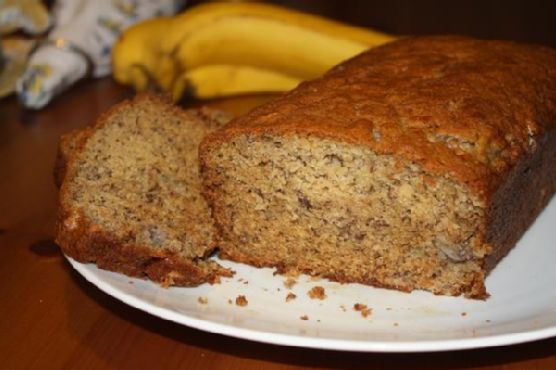
There’s something about the smell of banana bread baking that just instantly transports you to a place of comfort. It was a dreary Tuesday evening, and I was staring at a trio of overripe bananas languishing in my fruit bowl, a scene I suspect is familiar to many. These bananas had been begging to be transformed into something magical, and I knew just the recipe to do it. This traditional banana bread is like a warm hug in edible form—simple, reliable, and incredibly satisfying. Whether you’re trying to impress a last-minute guest or just want to make the most of those spotty bananas, this is the recipe you need. Plus, it’s almost guaranteed you have everything you need already in your pantry.
Jump to Recipe
What You’ll Need
Chances are you already have most of this sitting around your kitchen. We’re keeping it classic and straightforward, letting those bananas truly shine.
- Granulated sugar
- Unsalted butter, softened
- 2 large eggs
- 3 ripe bananas
- 2 tablespoons milk
- 1 teaspoon ground cinnamon
- 2 cups flour
- 1 teaspoon baking powder
- 1/2 teaspoon baking soda
- 1/2 teaspoon salt
How to Make Traditional Banana Bread
- Preheat your oven to 325 degrees F, and butter a 9x5x3-inch loaf pan. This is where your banana bread will take shape, so make sure it’s nicely coated to prevent sticking.
- Cream the sugar and butter in a large mixing bowl. You’re looking for a fluffy texture that feels as light as a cloud.
- Crack the eggs into the sugar mixture, one by one, beating well after each addition. This helps incorporate air, making your bread rise beautifully.
- In a small bowl, mash the bananas with a fork until they’re smooth but with a few small chunks remaining. Stir in the milk and cinnamon, giving your mixture that first hint of the aroma to come.
- In another medium-sized bowl, mix together the flour, baking powder, baking soda, and salt. It’s like setting the stage for a perfect bake.
- Fold the banana mixture into the butter mixture, stirring just until they’re happily combined.
- Add the dry ingredients to the banana mixture, stirring everything just until no flour pockets remain. Be careful not to overmix; we want tender, not tough.
- Pour the luscious batter into the prepared loaf pan. Level it out and pop it into the oven.
- Bake for about 1 hour, or until a toothpick inserted into the center comes out clean. The top should be golden and your kitchen will smell absolutely divine.
- Allow the bread to cool on a rack for at least 15 minutes before slicing. The waiting is hard, but worth it to avoid a crumbly mess when slicing.
Cook’s Notes
Banana bread is pretty forgiving, but a few pointers can make all the difference. Make sure your bananas are really ripe—almost too ripe to eat. They should be speckled brown and slightly mushy. This recipe works best with unsalted butter, but if all you have is salted, just reduce the salt a touch. If you’re baking ahead, this bread keeps well wrapped in foil or an airtight container for up to three days. You can also freeze slices individually for up to a month; just warm them in the oven before serving for that fresh-baked goodness.
Make It Your Own
Here are a few variations to consider if you’re feeling adventurous or just want to use up what you have:
- Swap the granulated sugar for brown sugar for a deeper, richer flavor.
- Fold in a handful of chocolate chips or chopped nuts right before baking for added texture and flavor.
- Add a teaspoon of vanilla extract when you add the eggs for a subtle twist that enhances the banana flavor.
- Replace the milk with Greek yogurt for a tangy touch and an extra moist crumb.
If you try this, I’d love to hear how it turns out—drop a comment or tag me! Whether you’re a seasoned baker or a newbie, this banana bread is sure to bring a bit of joy to your day. Happy baking!
Related update: Traditional Banana Bread
Related update: Coconut Macaroons With Chocolate Drizzle
Related update: Cheddar Chile Beer Bread

It was one of those evenings when nothing seemed to go right. I had just returned from a long day at work, craving something sweet and indulgent. With a sneaky glance at my fruit basket, I realized I had a bunch of slightly overripe bananas begging to be used. That was my eureka moment: Banana in brown sugar ice cream. It’s one of those recipes that sounds super fancy but is actually a delightful twist on your average ice cream. Plus, it’s a fantastic way to transform humble bananas into a rich, creamy treat that’s perfect for any occasion. This recipe strikes the perfect balance between indulgent and comforting, and it’s seriously worth a try.
Jump to Recipe
What You’ll Need
Trust me, you won’t need a shopping cart full of ingredients for this one. Chances are you already have most of these on hand:
- Bananas – The riper, the better!
- Light brown sugar
- Sour full-fat cream or coconut milk for a lighter twist
- Dark rum
- Vanilla extract
- Lemon juice
- A pinch of sea salt
How to Make Banana in brown sugar ice cream
- In a wide skillet or saucepan, heat the light brown sugar with one-quarter of the sour cream. Stir it gently until the mixture becomes smooth and bubbly, filling your kitchen with a caramel-like aroma.
- Add the bananas and a pinch of sea salt. Let them cook for about 5 minutes, stirring occasionally. You’re looking for soft, completely cooked-through bananas with a golden touch.
- Once the bananas are done, remove the skillet from heat and stir in the remaining sour cream, dark rum, and vanilla extract. Give it a taste, and if it’s a tad too sweet, a few drops of lemon juice will brighten it up.
- Pour everything into a blender or food processor, and puree until the mixture is utterly smooth.
- Chill it thoroughly for at least an hour, or if patience is a virtue you possess, let it sit overnight.
- When you’re ready, pour the chilled mixture into your ice cream maker and follow the manufacturer’s instructions. The anticipation is worth it!
- Before serving, let the ice cream sit out for 5-10 minutes, or longer if needed, to reach that perfect scooping consistency.
Cook’s Notes
Making this ice cream is a breeze, but here are a few tips to ensure it turns out perfectly:
- If you choose sour cream, the mixture might curdle a bit while cooking. Don’t panic! It will all smooth out when blended.
- This treat is best served in chilled glass or porcelain bowls to keep it from melting too quickly.
- For effortless scooping, soak your ice cream spoon in boiling water, then dry it before using.
- Store any leftovers (if there are any!) in an airtight container in the freezer. It’ll stay delicious for a week or two, though I doubt it will last that long.
Make It Your Own
Here are a few ideas to tweak this dessert to suit your fancy:
- Swap the dark rum for bourbon for a slightly different boozy kick.
- Add a handful of toasted pecans or walnuts after churning for a nutty crunch.
- For a chocolatey twist, toss in some chocolate chips or a swirl of chocolate syrup during the final mixing.
- Not a fan of bananas? Substitute with ripe peaches or mangoes for a tropical spin.
If you try this, I’d love to hear how it turns out — drop a comment or tag me! Let’s share the ice cream joy because we all need a little sweetness in our lives.
Related update: Banana in brown sugar ice cream
Related update: Traditional Banana Bread
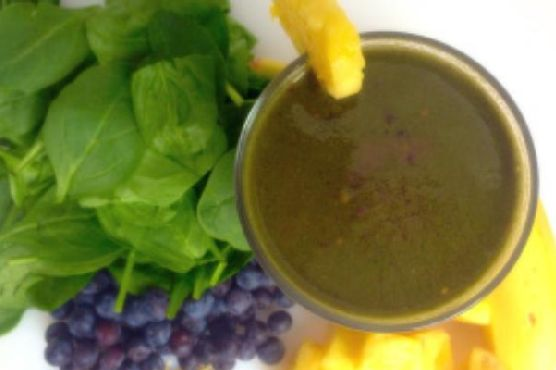
Okay, picture this: It’s a Wednesday morning, you hit snooze one too many times, and now you’re rushing around trying to make it out the door on time. You want something quick, healthy, and delicious to kick-start your day. That’s exactly how I stumbled upon this Tropical Banana Green Smoothie. I was in dire need of something refreshing and energizing, yet easy enough to throw together in less than five minutes. This smoothie checks all those boxes and more. It’s like a mini tropical vacation in a glass, and while it sounds fancy, it’s really just a few simple ingredients blended into creamy perfection. Trust me, one sip of this and you’ll forget all about your hectic morning. Jump to Recipe
What You’ll Need
This smoothie is all about using what you have on hand and embracing the refreshing flavors of the tropics. Chances are you already have most of this in your kitchen.
- 1 ripe banana
- 1 cup pineapple, fresh or frozen
- 1 cup coconut water
- 1/2 cup blueberries, fresh or frozen
- 1 scoop protein powder (vanilla works great!)
- 1 handful mixed spinach
How to Make TROPICAL BANANA GREEN SMOOTHIE
- Peel and slice the banana. If you’re using frozen pineapple, you can skip this step for now. If fresh, chop it into chunks. This will add to the creaminess.
- In a blender, add the banana slices and pineapple chunks. Pour in the coconut water. This will be the base of your smoothie, giving it that tropical flair.
- Throw in the blueberries and the scoop of protein powder. The blueberries add a pop of color and a hint of sweetness that complements the tropical vibes.
- Top it off with a generous handful of mixed spinach. Don’t worry; the taste is so mild, you won’t even notice it’s there (your body will, though!).
- Blend on high until the mixture is smooth and creamy. You’ll know it’s ready when there are no more visible chunks and the blend is a beautiful, vibrant green.
- Pour into your favorite glass, pop in a fun straw, and savor your mini-vacation in a cup.
Cook’s Notes
This smoothie is incredibly forgiving, so feel free to adjust the ingredient quantities to suit your taste. If you prefer a thicker smoothie, use frozen fruit or add a couple of ice cubes before blending. For those with a sweet tooth, a splash of honey or agave nectar can take it to another level.
It’s best enjoyed fresh, but if you’re in a time crunch, you can make it the night before. Just give it a quick stir or shake in the morning. As for leftovers, store in an airtight container in the fridge for up to one day; beyond that, it tends to lose its vibrancy and freshness.
Make It Your Own
- Swap the coconut water with almond milk for a creamier texture and a nutty undertone.
- Add a tablespoon of chia seeds before blending for an extra boost of fiber and omega-3s.
- Replace the spinach with kale for a more robust green flavor.
- For a tropical twist, throw in a few mint leaves during blending.
If you try this, I’d love to hear how it turns out — drop a comment or tag me! Let’s turn those chaotic mornings into something a bit more delightful, one smoothie at a time!
Related update: TROPICAL BANANA GREEN SMOOTHIE
Related update: Protein Strawberry Smoothie

Last Tuesday, as I stood in my kitchen, surrounded by an unexpected bounty of carrots I’d picked up on a whim, inspiration hit. Why not make a comforting soup that’s both vibrant and subtly spiced? With a hint of coriander and a splash of orange juice, this carrot and coriander soup is not just a feast for the eyes, but also a delightful dance of flavors perfect for a chilly weeknight. It’s impressively easy, too, so it’s a win-win. The kind of recipe that lets you unwind as it simmers, filling your kitchen with warmth and the promise of a cozy meal. Oh, and it’s lightning fast to whip up! Jump to Recipe
What You’ll Need
Chances are you already have most of these ingredients in your pantry. Here’s what you’ll need to bring this dish to life:
- Carrots – peeled and ready to brighten up your evening
- Onion – chopped finely; it’ll lend sweetness as it cooks
- Olive oil – or butter, for that silky start
- Ground coriander – the star of the show with its earthy flavor
- Orange juice – to add a splash of freshness
- Water – enough to let the veggies dance around in the pot
- Salt – to taste, always
- Pepper – for a hint of warmth
- Fresh coriander – for that final, fragrant flourish
How to Make Carrot and Coriander Soup
- In a deep pot, heat the olive oil over medium heat. Toss in the chopped onions, stirring occasionally until they’re soft and translucent, and your kitchen smells like a dream.
- Add the peeled carrots to the pot and sauté them for a few minutes until they start to soften slightly and their sweetness gets a chance to shine.
- Pour in the water, season with salt and pepper, and cover the pot. Let it all simmer until the carrots are tender and flavorful, about 15-20 minutes.
- Stir in the orange juice and ground coriander. Let it cook for an additional 2 minutes, enough for the flavors to mingle and create magic.
- Carefully transfer the mixture to a blender and puree until smooth. You’ll want to do this in batches if your blender is on the smaller side.
- Return the pureed soup to the pot and give it a final taste test, adjusting the seasoning if needed. Serve hot, garnished with fresh coriander for a pop of color and extra zest.
Cook’s Notes
Here’s the stuff you really want to know: You can totally make this soup ahead of time. Just store it in an airtight container in the fridge for up to three days. When you’re ready to serve, simply reheat it on the stove until it’s piping hot. And a little secret — this soup freezes like a champ! Just skip the fresh coriander before freezing and add it only when serving.
Also, make sure your blender can handle hot liquids; you don’t want a carrot explosion! Let the soup cool a bit before blending, and never fill the blender more than halfway. Trust me on this one.
Make It Your Own
- Swap the water for veggie broth to amp up the flavor profile.
- Feeling indulgent? Stir in a splash of cream or coconut milk at the end for a richer texture.
- Boost the spice by adding a pinch of cayenne or smoked paprika.
- For a protein hit, toss in some cooked chickpeas when serving.
If you try this, I’d love to hear how it turns out — drop a comment or tag me! Whether you stick to the classic or put your own twist on it, this soup is sure to warm both your heart and your taste buds.
Related update: Carrot and Coriander Soup
Related update: Corn Avocado Salsa

It was one of those chaotic weeknights when I stumbled back into the kitchen after a long day, only to find a colorful assortment of bell peppers staring back at me from the fridge. They were practically begging to be turned into something delicious. I craved something that was not only quick to whip up but also packed with flavor and just the right amount of comfort. That’s when it hit me – a vibrant, flavor-packed Mexican stuffed bell pepper! These beauties come together effortlessly with a few pantry staples and a rotisserie chicken that I always keep around for emergencies. With a quick trip to the oven, they fill the house with mouthwatering aromas, and in no time, dinner is served. It’s the kind of recipe that feels satisfying and a little bit indulgent, but you know it’s good for you too.
Jump to Recipe
What You’ll Need
Let’s be honest, the best part about this recipe is that you probably have most of these ingredients on hand. Here’s what you’ll need to get started:
- Bell peppers (any color you love)
- Cooked brown rice
- Rotisserie chicken breast, shredded
- Frozen corn kernels
- Roma tomato, diced
- Red diced onion
- Black beans, drained and rinsed
- Fire roasted green diced chile
- Chili seasoning
- Minced garlic
- Low-fat shredded cheddar cheese
- Sour light cream
How to Make Blast Of Color Mexican Stuffed Bell Peppers
- Preheat your oven to 400 degrees. Feel that blast of warmth and imagine the deliciousness to come.
- In a large mixing bowl, toss together the cooked brown rice, shredded chicken, corn, diced tomato, onion, black beans, half a cup of shredded cheddar, garlic, green chile, and chili seasoning. Mix until everything is evenly distributed and it smells like a fiesta.
- Line a baking dish with foil and give it a spritz of cooking spray to prevent sticking.
- Take your bell peppers and cut off the tops, then scoop out the seeds. Stuff them generously with the chicken mixture, pressing it down to fill every nook and cranny, and heap some extra on top for good measure.
- Sprinkle each pepper with a bit more cheddar cheese, because let’s be honest, you can never have too much cheese.
- Bake in the preheated oven for 30 to 40 minutes. When the edges of the peppers start to bubble and the cheese turns golden, you know it’s ready.
- Let them cool just a bit, then top each pepper with a dollop of sour light cream before serving. Dig in and enjoy!
Cook’s Notes
These Mexican Stuffed Bell Peppers are a breeze to make, but here are a few things to keep in mind to ensure they turn out perfectly every time. Make sure your baking dish is large enough to fit all the peppers snugly so they stand upright and cook evenly. If you’re prepping ahead, you can mix the stuffing a day in advance and refrigerate it. Just stuff and bake when you’re ready. Leftovers can be stored in an airtight container in the fridge for up to three days. Just pop them in the microwave for a quick reheat.
Make It Your Own
Personalizing this dish is easy, and here are a few ideas to get you started:
- Swap the chicken for crispy tofu or ground turkey for a different protein option.
- Add a handful of fresh cilantro or parsley to the stuffing mix for a burst of freshness.
- If you like it spicy, throw in some jalapeño slices or a dash of hot sauce.
- Use quinoa instead of brown rice for a protein-packed alternative.
If you try this, I’d love to hear how it turns out — drop a comment or tag me! Cooking is all about experimenting and sharing, and I can’t wait to see your creations. Happy cooking!
Related update: Blast Of Color Mexican Stuffed Bell Peppers

It was one of those mornings where I woke up, looked in the fridge, and realized I was running late for everything. My mind was a blur, but my stomach was loud and clear: it needed something quick, filling, and delicious. Enter the Protein Strawberry Smoothie. It’s like a breakfast hug in a glass, bursting with fruity freshness and a protein punch to keep you going. Plus, it comes together in minutes — perfect for the days when your to-do list is longer than your patience.
Jump to Recipe
What You’ll Need
I bet you already have most of these ingredients in your kitchen, which means you’re just minutes away from sipping on this creamy delight. Here’s what you’ll need:
- 1 cup almond milk
- 1 banana
- 1/2 cup fat-free Greek yogurt
- 1 tablespoon honey
- 1 cup ice
- 1 cup fresh strawberries
How to Make Protein Strawberry Smoothie
- Start by grabbing your blender and pouring in the almond milk. This will be the liquid base that helps everything blend smoothly.
- Peel the banana and break it into chunks, tossing them into the blender. Bananas add natural sweetness and a creamy texture.
- Add the fat-free Greek yogurt next. This is where the protein magic happens, making your smoothie satisfying and rich.
- Drizzle in the honey. Adjust the sweetness to your taste, but remember, the strawberries will add their own sweetness too.
- Throw in the ice to make it nice and frosty. No one likes a warm smoothie!
- Top it all off with the fresh strawberries. They bring a bright, berry flavor that’s completely irresistible.
- Blend on high until everything is smooth and the color is a lovely pink. It should only take about a minute. Taste and adjust if needed — maybe a bit more honey or a splash of almond milk if it’s too thick.
- Pour into your favorite glass and enjoy immediately. It’s best when fresh and frothy!
Cook’s Notes
So, a few quick things to make sure your smoothie game is on point. If your smoothie ends up too thick, just add a bit more almond milk to loosen it up. Too thin? A few more ice cubes will do the trick. I love using fresh strawberries when they’re in season, but frozen will work in a pinch and will make your smoothie even thicker — just reduce the ice a bit. As for storing it, well, this smoothie is really best made fresh. If you do have leftovers, pop them in the fridge for a few hours, but know they might separate a bit (just give it a good shake or stir before drinking).
Make It Your Own
Here are a few fun ways to switch things up:
- Swap the almond milk for coconut milk for a tropical twist.
- Replace the banana with a ripe avocado for a lower-sugar, extra creamy version.
- Add a tablespoon of chia seeds before blending for an extra boost of fiber and omega-3s.
- Throw in a handful of spinach to sneak in some greens — you won’t even taste it!
If you try this, I’d love to hear how it turns out — drop a comment or tag me! Whether you’re sipping this on a bustling morning or a lazy afternoon, I hope it adds a bit of joy to your day. Cheers to easy, tasty nutrition!
Related update: Protein Strawberry Smoothie
Related update: TROPICAL BANANA GREEN SMOOTHIE

Picture this: It’s a Wednesday night, the middle of a chaos-filled week, and you’re staring into your fridge, half wishing it would magically produce something other than leftovers or eggs. It’s in moments like these that my Spinach and Gorgonzola Stuffed Flank Steak becomes a lifesaver. This dish is what I like to call my “secret weapon” — it sounds like a mouthful, but it’s surprisingly easy to pull together. Plus, it gives off this vibe that you’ve got your life together, even if you’re just trying to make it to the weekend. Think savory, melty gorgonzola mingling with fresh spinach, all hugged by a tender flank steak. Are you drooling yet?
Jump to Recipe
What You’ll Need
This ingredient list is refreshingly short and sweet, which means you can save that grocery store run for another day.
- Lean flank steak – the star of the show
- Olive oil – for a touch of richness
- Shallot – adds a subtle sweetness
- Spinach – fresh and vibrant
- Fresh bread crumbs – gives the stuffing a bit of body
- Blue gorgonzola – the cheesy dream
- Salt and pepper – the essentials
How to Make Spinach and Gorgonzola Stuffed Flank Steak
- Start by preheating your oven to 375°F (190°C). This is your cue to get things rolling.
- Next, butterfly the flank steak. Lay it flat on a cutting board and carefully slice through the long side, stopping just short of cutting it in half. If it’s already thin, just give it a good pounding with a mallet until it’s about 1/2 inch thick. Channel your inner chef!
- In a large skillet over medium heat, add 1 tablespoon of olive oil. Toss in the shallots and sauté until they’re soft and fragrant, about 2 minutes.
- Now, add the spinach. Stir occasionally until it’s just wilted, roughly 2 to 3 minutes. Transfer this mixture to a colander and let it cool. Once you can handle it, squeeze out all the moisture with your hands. Trust me, this step is crucial.
- In a medium bowl, combine the spinach with bread crumbs and gorgonzola. Season generously with salt and pepper, then mix it all up.
- Lay the steak flat on a piece of plastic wrap. Spread the spinach mixture evenly over it, leaving about a 1-inch border along the edges to prevent spillage.
- Using the wrap as an aid, roll the steak up starting from the edge closest to you. Press gently on the filling as you roll to keep it snug. Tie the roll with twine at 2 to 3-inch intervals to hold it all together.
- Season the outside with salt and pepper, then heat the remaining 2 tablespoons of olive oil in a large ovenproof skillet over medium-high heat.
- Sear the rolled steak on all sides until browned, about 2 minutes per side. The aroma will be irresistible at this point!
- Transfer the skillet to your preheated oven and roast for 20 to 25 minutes. When done, the steak should be firm but springy to the touch.
- Remove the steak from the oven, tent it with aluminum foil, and let it rest for 10 minutes. This is the hardest part – the waiting.
- When ready to serve, snip off the twine and slice into 1/2 inch to 1-inch thick slices. Voila! Enjoy your culinary masterpiece.
Cook’s Notes
If you’re looking for a shortcut, ask your butcher to butterfly the steak for you — major time saver. This dish works beautifully for make-ahead dinners. Simply prep it up to the point of searing, then chill in the fridge for a few hours, or even overnight. When you’re ready, just pick up where you left off. Leftovers (if there are any!) will keep well in the fridge for a couple of days and are delightful cold in a sandwich or reheated gently.
Make It Your Own
- Not a fan of gorgonzola? Swap it for creamy goat cheese or a melty Havarti.
- Add a layer of prosciutto before spreading the spinach mixture for an extra savory note.
- Throw in some chopped sun-dried tomatoes or roasted red peppers for a pop of color and flavor.
- For a twist, replace the spinach with arugula or baby kale — it’ll add a peppery kick.
If you try this, I’d love to hear how it turns out — drop a comment or tag me! Cooking should be fun, so let’s keep the conversation going. Happy cooking, friends!
Related update: Spinach and Gorgonzola Stuffed Flank Steak
Related update: Blast Of Color Mexican Stuffed Bell Peppers
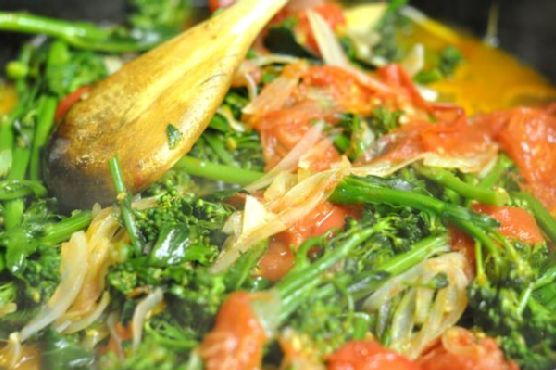
It was one of those chaotic Tuesday nights, you know the kind — the kind where you’re juggling an imaginary circus of tasks, and the last thing you want is to spend hours cooking. As I stood in front of my fridge, eyeing the contents like a puzzle to solve, I remembered a dish that never fails to impress with minimal effort: Broccoli Rabe and Breaded Veal Scallopini. This dish is a lifesaver when you want something that tastes gourmet but doesn’t require a culinary degree to execute. It’s elegant enough for company but simple enough for a weeknight. Plus, there’s the unbeatable combination of crispy breaded veal and the slightly bitter yet vibrant broccoli rabe. Trust me, it’s a winner.
Jump to Recipe
What You’ll Need
I promise, this recipe won’t send you on a scavenger hunt through specialty stores. Chances are you already have most of the ingredients hanging out in your pantry or fridge. Here’s what you’ll need:
- Broccoli rabe
- Veal scallopini
- Butter
- Egg
- Olive oil
- Salt and pepper
- Yellow onion
- Garlic clove
- Tomatoes
- Bread crumbs
How to Make Broccoli Rabe and Breaded Veal Scallopini
- Start by giving the broccoli rabe a good wash. Steam it for about three minutes until it’s a vibrant green but still slightly crisp. If you have a pressure cooker, even better — it’ll be done in no time.
- While your broccoli rabe is steaming away, thinly slice the yellow onion and peel a clove of garlic. Cut the garlic in half and remove the stem to mellow out the flavor a bit.
- In a deep pan, heat up a tablespoon or two of olive oil over medium heat. Toss in the sliced onion and garlic. Sauté until the onions are translucent and the garlic is fragrant — about three minutes.
- Add the steamed broccoli rabe to the pan, cover with a lid, and let it cook for another few minutes. You want it tender but not mushy.
- Chop your tomatoes into wedges — four or eight, depending on their size. Add them to the pan and let everything mingle together for a few more minutes. Season with salt and pepper to taste.
- Now for the veal: Season each piece of veal scallopini with salt and pepper. Dip them first in a beaten egg, and then in bread crumbs, ensuring an even coat.
- In another pan, melt a generous amount of butter over high heat. Pan-fry the veal for 1-2 minutes on each side until they’re golden brown and crispy. Remember, these cook fast, so keep an eye on them!
- Serve the veal alongside the broccoli rabe and tomato medley, and enjoy the delicious symphony of flavors.
Cook’s Notes
Okay, let’s chat about some practical stuff. First, make sure your veal is patted dry before you start breading. It helps the crumbs stick better. If you’re making this ahead of time, prepare the broccoli rabe and tomatoes and store them in the fridge. You can bread the veal in advance, but I recommend frying it right before serving for the best crunch. Leftovers? Store them in an airtight container and gently reheat them in a pan — the microwave will make the breading soggy, and nobody wants that.
Make It Your Own
Here are a few fun ways to switch things up!
- Swap the veal for chicken breast if that’s what you have on hand, or if you prefer chicken. It works just as well!
- Want a vegetarian version? Use crispy tofu as your protein. Just press it well before breading and frying.
- Add a sprinkle of grated Parmesan cheese to the bread crumbs for an extra layer of flavor.
- If you’re not a fan of broccoli rabe, broccolini or kale are great substitutes.
If you try this, I’d love to hear how it turns out — drop a comment or tag me! Cooking is all about experimenting and making it your own, so don’t hold back. Happy cooking!
Related update: Broccoli Rabe and Breaded Veal Scallopini
Related update: Spinach and Gorgonzola Stuffed Flank Steak
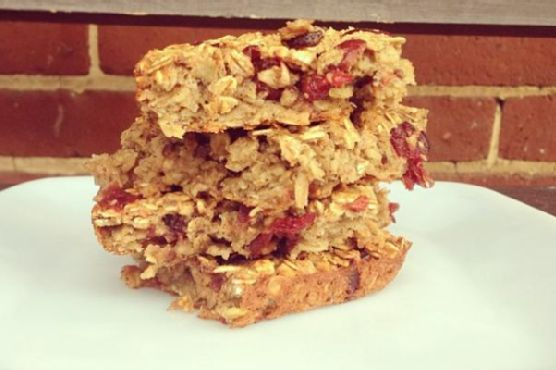
It was one of those chilly mornings where you can feel the crisp air sneaking through the cracks of your window, coaxing you to stay under the covers just a little longer. But I was determined to start my day with something as cozy as my fluffy duvet, so I headed to the kitchen and decided to whip up my favorite baked oatmeal with dried cranberries. This dish is a lifesaver on mornings like this because it warms you up from the inside out, and it’s the kind of comfort food that feels indulgent but is actually packed with goodness. Plus, it’s the perfect dish to make ahead for the week. I promise, once you try this, you’ll look forward to getting out of bed just for breakfast!
Jump to Recipe
What You’ll Need
I love this recipe because it uses a lot of pantry staples, so you’re likely to have everything you need on hand. Plus, the dried cranberries add that tart sweetness that makes every bite exciting.
- 2 cups dry oats
- 1 teaspoon baking powder
- 1/2 teaspoon cinnamon
- 1/4 teaspoon salt
- 1/4 cup flaxseeds
- 2 cups unsweetened almond milk
- 2 bananas, mashed
- 2 eggs
- 1 teaspoon vanilla extract
- 1/2 cup dried cranberries
How to Make Baked Oatmeal with Dried Cranberries
- Preheat your oven to 350°F (175°C). The warmth will soon fill your kitchen, hinting at the deliciousness to come.
- In a large bowl, mix the dry ingredients: oats, baking powder, cinnamon, salt, and flaxseeds. Stir until everything is well combined — you want the flaxseeds to be evenly distributed like little gems throughout the mixture.
- In a separate bowl, whisk together the liquid ingredients: almond milk, mashed bananas, eggs, and vanilla extract. Whisk until the mix is smooth and the bananas are well incorporated, giving off that lovely, sweet aroma.
- Pour the liquid mixture into the bowl of dry ingredients. Mix well until the oats are thoroughly soaked and the liquid is evenly distributed. It’ll look like a big, soupy mess, but don’t worry, it will transform in the oven!
- Spray a baking pan with non-stick spray. The size of the pan will determine the thickness of your oatmeal bars, so choose according to your preference. I like using a smaller pan to get thicker, chewier bars.
- Pour the oatmeal mixture into the prepared pan, spreading it out evenly. Sprinkle the dried cranberries on top, letting them fall where they may, like little jewels peeking out.
- Bake in the preheated oven for about 45 minutes. Your kitchen will be filled with the warm, inviting scent of cinnamon and baked bananas. The top should be slightly golden and the center set.
- Once done, let it cool for a few minutes before slicing. This is the hardest part, but trust me, it’s worth the wait!
- Enjoy a slice warm, perhaps with a drizzle of maple syrup or a dollop of yogurt. It’s the breakfast that feels like a hug!
Cook’s Notes
Baked oatmeal is incredibly forgiving, but here are a few tips to ensure success. If you prefer a sweeter dish, add a bit of honey or maple syrup to the wet ingredients. You can store leftovers in the fridge for up to a week, making it perfect for meal prep. Just reheat a slice in the microwave or enjoy it cold — both ways are delicious. If you find your oatmeal drying out in the fridge, a splash of almond milk during reheating will do the trick.
Make It Your Own
Here’s where you can let your creativity shine! Try these variations to keep things exciting:
- Swap the dried cranberries for chopped nuts like almonds or walnuts for a bit of crunch.
- If you’re a chocolate lover, sprinkle in some dark chocolate chips for a decadent twist.
- Trade the almond milk for coconut milk for a tropical flair.
- Mix in some fresh berries like blueberries or raspberries before baking for a burst of freshness in every bite.
If you try this, I’d love to hear how it turns out — drop a comment or tag me! I’m always excited to see how you make these recipes your own. Enjoy every cozy, delicious bite!
Related update: Baked Oatmeal with Dried Cranberries
Related update: Broccoli Rabe and Breaded Veal Scallopini
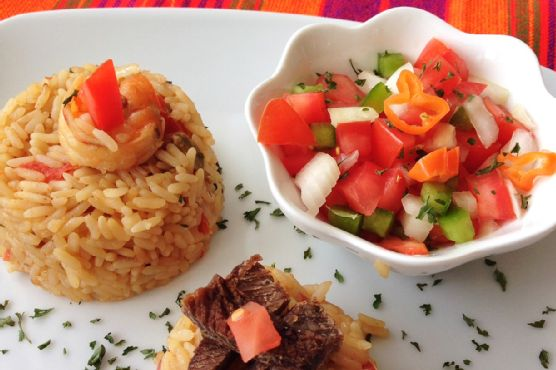
Imagine this: It’s a chilly, rainy Tuesday evening. I find myself staring into the pantry, looking for something that’ll warm me up, body and soul. I have a little bit of goat meat, some shrimp, and the usual pantry spices that seem to multiply on their own. It’s the kind of evening where you crave something comforting yet exotic, and that’s when I remember — Kenyan Pilau. It’s one of those dishes that sounds impressive but is surprisingly easy to whip up. The aroma of spices mingling in the kitchen is enough to make anyone feel like a culinary genius. It’s perfect for those weeknight dinners when you want to travel the world without leaving your kitchen.
Jump to Recipe
What You’ll Need
Trust me, you might already have most of these ingredients lounging around in your kitchen. And the hero of this dish? It’s definitely the spice mix that elevates a simple rice dish into something extraordinary.
- Black whole peppercorns
- Cardamom pods
- Cinnamon sticks
- Cumin seed powder
- Garlic
- Ginger
- Goat meat
- Onion
- Canned rice
- Salt
- Dressed shrimp
- Tomatoes
- Cooking spoon of vegetable oil
How to Make Kenyan Pilau
- First things first, season the goat meat well and set it to boil. You want it tender, like it’s ready to fall apart at a fork’s touch.
- Chop all your lovely spices — the peppercorns, cardamom, and cinnamon — and give them a good crush. This is where the magic begins.
- Heat up a cooking spoon of vegetable oil in a large pot. Once shimmering, add sliced onions and sauté until they’re golden brown, releasing a sweet aroma.
- Add the boiled goat meat to the pot and allow it to brown just a little more. This is where you start to feel like a pro chef.
- Stir in your crushed spices, letting their fragrance envelop the kitchen. Then, add the canned rice and chopped tomatoes, giving it all a good mix.
- Add the dressed shrimp, followed by 2 cups of water. Reduce the heat, cover the pot, and let it steam. Check occasionally to ensure the water is absorbed and the rice is soft.
- Once the rice is perfect, increase the heat briefly and stir to ensure all those fantastic spices soak into every grain. Serve it alongside some Kachumbari or your favorite salad.
Cook’s Notes
A little tip from my kitchen to yours: make sure you don’t rush the browning process for the onions and meat. This step deepens the flavor of the Pilau significantly. Feel free to make this dish ahead of time; it keeps well in the fridge for a couple of days and the flavors only get better. Just reheat gently to avoid drying out the rice. If you find yourself with leftovers, good news — they can be transformed into a delightful next-day lunch. Just add a splash of water before reheating to fluff it up again.
Make It Your Own
This Kenyan Pilau is versatile, and you can easily tweak it to fit your taste or pantry stock. Here are some ideas:
- Swap the goat meat with chicken thighs for a lighter version.
- Substitute the shrimp with crispy tofu for a vegetarian twist.
- Try using basmati rice instead of canned rice for a fragrant touch.
- Add a handful of peas or diced carrots for a pop of color and sweetness.
If you try this, I’d love to hear how it turns out—drop a comment or tag me! Whether you stick to the script or make it your own, this Kenyan Pilau is set to be a crowd-pleaser at your table. Happy cooking!
Related update: Kenyan Pilau

Last Tuesday, I found myself staring into the fridge, bleary-eyed and snacky, with no desire to make a big mess just to satisfy my craving for something warm and flavorful. It had been a long day, and I needed dinner on the table, pronto. Arroz Con Pollo fluttered into my mind like an old friend, promising that elusive blend of comfort and flavor without a crazy ingredient list. This one-pan wonder is my go-to for nights like this—simple enough for a weeknight but lush enough to feel like a treat. The best part? It’s a forgiving recipe that lets you swap in what you’ve got on hand. By the way, if you’re in a rush to get cooking, feel free to skip down to the nitty-gritty details. Jump to Recipe
What You’ll Need
Chances are you already have most of these ingredients chilling in your pantry or fridge. Here’s what you’ll need:
- Butter
- Garlic
- Chicken breasts
- Ground cumin
- Ground coriander
- Ground turmeric
- Onion
- Bell pepper
- Canned diced chiles
- Canned diced tomatoes
- Chicken broth
- Dried rice
- Chili powder
- Salt
- Onion powder
- Shredded cheese
How to Make Arroz Con Pollo
- Start by heating up a large pan over medium heat and melt the butter until it’s sizzling and aromatic.
- Add in the garlic and let it cook for a minute or two until it’s fragrant and just beginning to turn golden.
- Sprinkle your chicken breasts with about 1 teaspoon each of cumin, coriander, and turmeric. Toss them in the pan and cook until they are browned and cooked through.
- Once your chicken is fully cooked, toss in your diced onion and bell pepper. Stir everything together and let it cook for about 3 to 4 minutes, until the veggies start to soften.
- Add the canned diced chiles and tomatoes. Give it all a good swirl to combine.
- Pour in the chicken broth and add your dried rice. Stir gently to make sure everything is mixed well.
- Sprinkle in the remaining teaspoon of chili powder, cumin, and coriander, along with the salt, remaining turmeric, and onion powder.
- Bring the pot to a boil, then reduce the heat to low, cover, and let it simmer for about 20 minutes or until the liquid is absorbed and the rice is cooked through.
- Once the rice is perfectly cooked, grab your shredded cheese and generously spread it across the top of the chicken mixture. Cover the pan for another minute or two until the cheese melts completely into gooey perfection.
Cook’s Notes
This dish is pretty forgiving, but here are a few notes to make sure it’s perfect every time. If you find your pan getting too dry during the simmer, just add a splash more broth or water. Cooking times can vary depending on your stove and pot, so keep an eye on the rice after the 15-minute mark. If you want to prep ahead, you can chop your veggies and measure out spices a day in advance. Leftovers? They make for an awesome lunch the next day. Just store it in an airtight container in the fridge, and it should be good for about 3 days.
Make It Your Own
- Swap the chicken for crispy tofu if you’re leaning towards a plant-based version.
- Add in some frozen peas or corn during the last 5 minutes of cooking for a pop of sweetness and color.
- Use smoked paprika instead of chili powder for a smoky twist.
- Throw in some sliced olives or capers for a briny kick.
If you try this, I’d love to hear how it turns out—drop a comment or tag me! Remember, the best part of cooking is making it your own, so don’t be afraid to tweak it to suit your taste buds.
Related update: Arroz Con Pollo
Related update: Kenyan Pilau

It was one of those Mondays where everything seemed to go sideways. You know the kind — you spill your coffee, your phone dies halfway through the day, and by the time you get home, the last thing you want to do is cook. That’s when it hit me: the ultimate comfort food savior, Classic Macaroni and Cheese. This dish is like a warm, cheesy hug that never lets you down. It’s rich, creamy, and surprisingly easy to whip up even when your day’s gone haywire. Plus, it’s got that golden crust on top that makes everything feel just a little bit better. Trust me, once you dig in, you won’t even remember why you were stressed in the first place.
Jump to Recipe
What You’ll Need
This is one of those recipes where you’ll likely have most of the ingredients chilling in your pantry, just waiting to be transformed into something magical.
- 6 tablespoons butter
- 1/4 cup all-purpose flour
- 1/8 teaspoon cayenne pepper
- Salt and white pepper, to taste
- 3 cups hot whole milk
- 3 cups grated sharp cheddar cheese
- 1 pound cooked short macaroni
- 1/2 cup heavy cream
- 1 cup fresh bread crumbs
How to Make Classic Macaroni and Cheese
- Preheat your oven to 350°F. Get your 8″ x 11″ baking dish ready — butter it up like you’re giving it a massage.
- Melt 6 tablespoons of butter in a medium saucepan over low heat. Toss in the flour and stir constantly for about 4 minutes until you have a nice roux going. It’ll smell slightly nutty and look golden.
- Add the cayenne pepper, and sprinkle in some salt and white pepper. Slowly whisk in the hot milk, 1/2 cup at a time, cooking until your sauce thickens up and coats the back of a spoon. You’re looking for a smooth, luscious texture here.
- Reduce the heat and stir in 2 cups of cheddar. Keep stirring until the cheese melts into silky perfection, about 2 minutes.
- In a large bowl, combine the cooked macaroni and the cheese sauce. Give it a taste and season with more salt if needed. Cheese loves salt, trust me.
- Sprinkle 1/2 cup of cheese at the bottom of your prepared baking dish. Layer a third of the pasta mixture on top, followed by another 1/2 cup of cheese. Repeat the layering process, ending with a final cheese layer.
- Pour the heavy cream over the assembled dish — it’s the secret to that extra creamy finish.
- Melt the remaining butter in a skillet and toss in the bread crumbs until they’re all buttery and gorgeous. Sprinkle this over the top of your macaroni and cheese.
- Bake for about 30 minutes, or until the crust is golden and calling your name. Let it rest for 15 minutes before serving; it’ll firm up a bit as it cools.
Cook’s Notes
Here’s the lowdown: Make sure to taste your sauce before you start layering. It should be slightly more seasoned than you think, as the pasta will absorb some of the saltiness. If you’re in a rush, assemble the mac and cheese earlier in the day and store it in the fridge until you’re ready to bake. Just add an extra 10 minutes to the baking time if it’s coming straight from the fridge. For leftovers (if you have any!), they keep for up to 3 days in the fridge. Reheat in the oven at 300°F until warm and bubbly again. Avoid the microwave unless you’re really in a pinch — it just won’t do this comforting dish justice.
Make It Your Own
Want to put your own spin on this classic? Here are a few fun ideas:
- Swap the sharp cheddar with a mix of smoked gouda and mozzarella for a smoky, melty twist.
- Add cooked, crispy bacon bits between the layers for a savory boost.
- Use panko breadcrumbs instead of fresh for an extra crunchy top layer.
- For a veggie boost, stir in some sautéed spinach or roasted broccoli with the macaroni.
If you give this Classic Macaroni and Cheese a try, I’d love to hear all about your cheesy adventures — drop a comment or tag me in your gooey masterpiece!
Related update: Classic Macaroni and Cheese
Related update: Arroz Con Pollo

Last Tuesday, I was staring at a package of sirloin steak, contemplating my usual grill routine, when the weather made its own plans with a sudden downpour. With the rain hammering against the window, I pivoted to a cozy baking approach that turned out to be a game changer. Who knew that throwing sirloin in the oven could result in such tender, flavorful goodness? This Baked Sirloin Steak comes together with ingredients you likely already have lounging in your pantry, and the result is a melt-in-your-mouth, savory dish that’s perfect for any night of the week. Trust me, it’s a keeper when the grill isn’t an option, or you just want to switch things up a bit.
Jump to Recipe
What You’ll Need
This dish leans on the classics, with a few flavor boosters that make it special without any fuss. Chances are you already have most of this in your kitchen:
- Butter
- Ketchup
- Lemon
- Pepper
- Salt
- Water
- White onions
- Worcestershire sauce
How to Make Baked Sirloin Steak
- Preheat your oven to 425 degrees. You want it nice and hot to seal in all those juicy flavors.
- Rub both sides of the steak generously with butter. This not only adds flavor but helps in creating a wonderfully golden exterior.
- Place the buttered steak on a greased rack set in a shallow pan. The rack lets the heat circulate, cooking the steak evenly.
- Sprinkle the steak with salt and pepper. Be generous; these are your primary seasonings.
- Arrange thin slices of lemon directly on top of the steak. Trust me, this step is non-negotiable. The lemon adds a fresh zing that cuts through the richness.
- Top the lemon with slices of white onion. As it bakes, the onion softens and sweetens, melding beautifully with the lemon and steak.
- In a small bowl, mix together ketchup, Worcestershire sauce, and a splash of water. Pour this saucy goodness over the steak.
- Bake for 30 to 45 minutes, depending on how you like your steak. At 30 minutes, it should be medium-rare; extend the time for more doneness. Look for the sauce to be bubbling and the onions golden and fragrant.
Cook’s Notes
Don’t skip the rack inside the shallow pan setup; it’s essential for mimicking that grill-like air circulation. If you’re aiming for a specific doneness, a meat thermometer can be your best friend. For medium-rare, you’re looking for about 135 degrees. If you find yourself with leftovers (unlikely, but hey, it happens), slices of this steak make for killer sandwiches the next day. Just wrap them up tightly and store in the fridge for up to two days.
Make It Your Own
- Swap the sirloin for a different cut of steak like ribeye or strip for a richer flavor.
- Try using red onions instead of white for a milder sweetness and a pop of color.
- Mix in a teaspoon of minced garlic with the butter for a subtle garlicky kick.
- For a spicy twist, add a dash of hot sauce to the ketchup mixture before pouring it over the steak.
If you try this, I’d love to hear how it turns out — drop a comment or tag me! Your feedback means the world, and I’m always here for a kitchen chat. Enjoy your steak adventure!
Related update: Baked Sirloin Steak
Related update: Classic Macaroni and Cheese

Picture this: It’s a lazy Sunday afternoon, and I’m rummaging through my pantry, longing for something sweet but not overly indulgent. It’s one of those days where you want a little baking therapy but refuse to spend hours in the kitchen. Enter the Apricot Clafouti With Lavender & Pecans. This is the kind of recipe that surprises you with how easy it is, yet it brings such elegance to your table. Imagine delicate apricots mingling with the floral notes of lavender while pecans add that irresistible crunch. It’s like a summer melody in dessert form. Trust me, this is the kind of dish that makes you feel like you’ve been transported to a quaint French cafe.
Jump to Recipe
What You’ll Need
The beauty of this ingredient list is that it’s simple yet feels extravagant, and odds are, you’ve already got most of these on hand.
- All-natural apricot nectar
- Apricot preserves
- Dried California apricots
- Fresh apricots
- Cardamom
- Eggs
- Honey
- Dried culinary lavender buds
- Lemon juice
- Lemon zest
- Low fat sour cream
- Nonfat milk
- Pecans
- Salt
- Unbleached flour
- Vanilla extract
How to Make Apricot Clafouti With Lavender & Pecans
- First thing’s first: preheat your oven to 375°F. We want it nice and hot so that our clafouti bakes to perfection.
- In a large mixing bowl, beat the eggs until they’re frothy. This is your base, so put some love into it.
- Add in the sour cream, milk, apricot nectar, lemon juice, lemon zest, apricot preserves, honey, and vanilla extract. Mix until everything is beautifully combined and smooth.
- Slowly whisk in the flour, a pinch of salt, cardamom, and those aromatic lavender buds. You’ll start to smell the floral notes as you mix—heavenly!
- Fold in the diced, dried apricots and pecans. Make sure they’re evenly distributed; you want each slice to have its share of goodies.
- Pour the mixture into a glass pie plate. Gently press the fresh apricot halves into the mix, forming a decorative pattern on top. This step is where you can get artsy!
- Let it set for 10 minutes. This little rest allows the flavors to mingle and the mixture to thicken slightly.
- Pop it into the oven and let it bake for 30-45 minutes. You’ll know it’s done when the edges are golden and the center is set but slightly wobbly—like a good custard.
Cook’s Notes
Alright, so here’s the deal: the clafouti is best served warm, right out of the oven, with maybe a scoop of vanilla ice cream if you’re feeling decadent. But if you have leftovers, they’re still delightful the next day, cold or gently warmed in the oven. Store any extras in an airtight container in the fridge for up to three days. A little note of caution—don’t overdo the lavender; a little goes a long way, and too much can taste soapy. When folding the nuts and apricots, be gentle to avoid deflating your batter.
Make It Your Own
Here’s where the fun begins—customizing your clafouti to suit your mood or what’s in your pantry.
- Swap the apricots for juicy peaches or nectarines when they’re in season. They work beautifully with lavender as well.
- If pecans aren’t your thing, use almonds or hazelnuts for a different type of crunch.
- Add a handful of fresh raspberries before baking for a tart contrast to the sweet apricots.
- For a more herbal twist, sprinkle in some fresh rosemary to complement the lavender.
If you try this, I’d love to hear how it turns out—drop a comment or tag me! Whether you stick to the script or venture into your own variations, this clafouti is sure to bring a touch of culinary bliss to your table. Bon appétit!
Related update: Apricot Clafouti With Lavender & Pecans
Related update: Banana in brown sugar ice cream

I was standing in my kitchen, staring at an overly ripe banana, when the craving hit me. You know the type: the need for something sweet, quick, and just a little nostalgic. It was one of those almost-summer days that call for a cold treat, but I didn’t want to fuss around with anything too elaborate. Enter the Banana Milo Milkshake — a creamy, chocolatey delight that somehow feels both indulgent and a bit healthy (thanks to that banana). This recipe is a breeze to whip up, and trust me, it’s like sipping on a childhood dream.
Jump to Recipe
What You’ll Need
I bet you have most of this stuff hanging out in your kitchen already. That’s my favorite kind of recipe — no need for a last-minute grocery run.
- Canned almond milk
- Banana – ideally ripe and sweet
- Milo chocolate malt powder – the star of the show
- Vanilla ice-cream – because why not?
- Strawberries – for a pop of color and flavor
- Whipped cream – a fluffy finishing touch
How to Make Banana Milo Milkshake
- In a blender, pour in about a cup of canned almond milk. It’s the creamy base for our shake.
- Add a heaping spoonful of Milo chocolate malt powder. The more, the merrier — but a couple of tablespoons should do the trick.
- Peel your banana and break it into chunks before tossing it into the blender. The riper, the sweeter!
- Scoop in a generous helping of vanilla ice-cream. One or two scoops, depending on how indulgent you’re feeling.
- Blend everything together until it’s smooth and frothy. Listen for that perfect whirring sound and watch as it turns a delightful chocolatey hue.
- Pour the luscious mixture into a tall glass. The anticipation is real!
- Top with a cloud of whipped cream. Don’t be shy; it’s the cherry-on-top moment without the cherry.
- Finally, sprinkle chopped strawberries over the whipped cream. They add a splash of color and a fresh, fruity note.
- Serve immediately, preferably with a straw, and let the cool, creamy goodness wash over you.
Cook’s Notes
If you’re anything like me, you’ll want to make sure your banana is at peak ripeness for the best sweetness. This milkshake is versatile, but using canned almond milk brings a lovely creaminess that other milk might not. You can make the whipped cream yourself or grab some from the store — both work wonders. And if you end up with leftovers (unlikely, but it happens), just cover and pop it in the fridge. Stir it up again before drinking, as it might separate a bit. But honestly, it’s best enjoyed fresh.
Make It Your Own
- For a nutty twist, swap canned almond milk with hazelnut milk.
- Want more chocolate? Add a drizzle of chocolate syrup before blending.
- For a tropical vibe, substitute the strawberries with chopped pineapple.
- Go dairy-free by using coconut milk ice-cream instead of vanilla ice-cream.
If you try this, I’d love to hear how it turns out — drop a comment or tag me! Whether you make it just like this or put your own spin on it, this Banana Milo Milkshake is sure to hit the spot. Stay cool, friends!
Related update: Banana Milo Milkshake
Related update: Protein Strawberry Smoothie