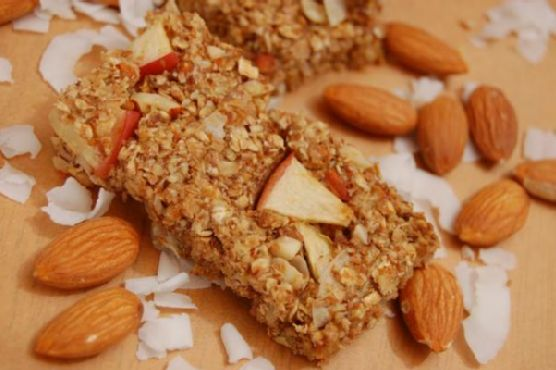
Homemade Apple Almond Granola Bars | Made by Meaghan Moineau

It was one of those late-summer afternoons, the kind where the sun hangs a little lower in the sky and you can just feel fall whispering from around the corner. I found myself digging through the pantry, looking for something to munch on that wouldn’t make me feel guilty later. You know that feeling, right? When you’re just done with salads but not quite ready to dive into pumpkin-everything? That’s when I decided to whip up these Homemade Apple Almond Granola Bars. They’re the perfect transition snack — hearty enough to curb hunger, sweet enough to feel indulgent, but packed with ingredients that say, “Hey, I’m still being healthy!”

Jump to Recipe

What You’ll Need

I love this recipe because you likely already have most of the ingredients lounging in your kitchen. Trust me, it’s all pretty basic, but with a few key players that make these bars special.

  • 2 cups rolled oats
  • 1/4 cup ground flax seed
  • 1/4 cup oat bran
  • 1/4 cup wheat bran
  • 1/2 teaspoon salt
  • 1 teaspoon baking powder
  • 1 teaspoon cinnamon
  • 1/2 cup sugar substitute
  • 1/4 cup unsweetened coconut
  • 1 cup non-fat milk
  • 2 tablespoons sweet honey
  • 1 large egg
  • 1 teaspoon vanilla extract
  • 1 large apple, chopped
  • 1/2 cup sliced almonds

How to Make Homemade Apple Almond Granola Bars

  1. First things first, preheat your oven to 350°F. Grab a 9×13 pan and give it a good spray with non-stick cooking spray. You don’t want any sticking drama later.
  2. In a big mixing bowl, stir together the oats, ground flax seed, oat bran, wheat bran, salt, baking powder, cinnamon, sugar substitute, and coconut. This mixture should look sandy and smell like a cozy cinnamon dream.
  3. Pour in the milk, honey, egg, and vanilla extract. Stir until everything is nice and combined. The mixture will be wet but not soupy.
  4. Fold in the chopped apple and sliced almonds. You want those chunks to be well distributed so every bar gets a piece of the action.
  5. Press the mixture evenly into your prepared pan. Make sure it’s packed tightly, so the bars hold together after baking.
  6. Bake for 15-20 minutes. You’ll know they’re done when the edges are just starting to brown and the kitchen smells like heaven.
  7. Let the bars cool in the pan for about 10 minutes. Then cut them into your desired bar size. Be careful, they’ll still be warm!
  8. Finally, let them cool completely before removing from the pan. This helps them set up nicely.

Cook’s Notes

These granola bars are super forgiving. If your apple is more tart, it pairs beautifully with the sweet honey. The bars are pretty adaptable — you can tweak them based on what you have on hand. Store them in an airtight container, and they’ll stay fresh for about a week, perfect for tucking into lunch boxes or grabbing on your way out the door. If you’re making them ahead, they freeze well too. Just wrap each bar individually and pull one out when you need a quick snack.

Make It Your Own

  • Pumpkin Spice Swap: Trade the cinnamon for an equal amount of pumpkin spice to usher in those autumn vibes.
  • Nutty Buddy: Swap almonds for pecans or walnuts. They add a different crunch and flavor.
  • Chunky Monkey: Throw in some mini chocolate chips or dried banana pieces for a sweeter treat.
  • Berry Burst: Substitute the apple with dried cranberries or raisins for a fruity twist.

If you try this, I’d love to hear how it turns out — drop a comment or tag me! Whether you stick to the script or put your own spin on it, these bars are bound to become a favorite. Happy snacking!

Related update: Homemade Apple Almond Granola Bars
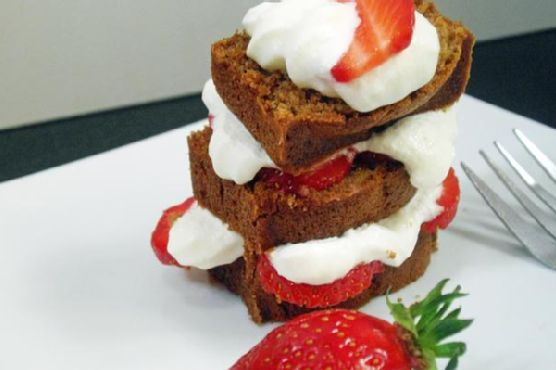
Gingerbread | Made by Meaghan Moineau

It was one of those unexpectedly chilly evenings when I found myself craving warmth, not just from the heater but from something I could savor. The kind of evening where you want to wrap yourself in a cozy sweater and let your kitchen fill with the scent of baking spices. That’s when gingerbread came to mind — the kind that’s rich with molasses and spices, yet so simple to whip up that you almost wonder if you missed a step. This recipe is one of those gems; it’s quick but doesn’t skimp on flavor, comforting with just the right amount of sweetness, and impressive enough if you decide last-minute to invite a friend over for tea. Trust me, you won’t regret letting this gingerbread become part of your chilly evening rituals.

Jump to Recipe

What You’ll Need

Gingerbread is all about those warm, inviting flavors that make your house smell like a dream. Chances are, you’ll already have most of these ingredients tucked away in your pantry:

  • Molasses
  • Salt
  • Eggs
  • Salad oil (use what you have — canola or vegetable oil works great)
  • Sugar
  • Baking soda
  • Boiling water
  • Flour
  • Ground ginger
  • Cinnamon

How to Make Gingerbread

  1. Start by mixing the molasses, salad oil, sugar, ground ginger, cinnamon, and a pinch of salt in a large bowl. Stir them together until the mixture looks smooth and the spices are beautifully fragrant.
  2. Add the eggs into the mix and beat them well. You want the batter to be uniform and glossy.
  3. Dissolve the baking soda in 1/8 cup of boiling water. This step is crucial as it activates the soda, giving your gingerbread the rise it needs. Stir this into your batter.
  4. Gradually add the flour and the rest of the water into the mixture. The batter will be thin, but that’s exactly what you’re aiming for.
  5. Pour the batter into a 9″x13″ pan, spreading it evenly. Bake in a preheated oven at 350°F until the top is done and lightly springy to the touch — your kitchen will smell divine!
  6. If you’re feeling extra indulgent, make the glaze: combine a stick of butter, 1/4 cup milk, and 1 cup brown sugar in a saucepan. Bring the mixture to a boil and let it bubble away for about 4 minutes. Drizzle this heavenly glaze over your gingerbread once it’s out of the oven.

Cook’s Notes

Here’s the thing about gingerbread: it’s forgiving. If you find yourself without ground ginger, a bit of allspice or nutmeg can pinch-hit in a hurry. Store any leftovers tightly wrapped in foil, and they’ll keep well at room temperature for a few days — if they last that long. To really appreciate its flavor, serve it either hot or cold; each temperature brings out different notes in the spices and molasses.

If you’re planning ahead, the gingerbread can be made a day in advance. Just keep it covered and apply the glaze right before serving to maintain that perfect texture.

Make It Your Own

  • Switch up the spices: Add a bit of ground cloves or nutmeg for an extra spice twist.
  • Nutty addition: Stir in a handful of chopped walnuts or pecans for some delightful crunch.
  • Fruity flair: Toss in a handful of raisins or chopped dried apricot before baking for a fruity surprise.
  • Lemon zest: For a citrusy zing, add the zest of a lemon to the batter before baking.

If you try this gingerbread, I’d truly love to know how it turns out — drop a comment or tag me in a post! Your kitchen will thank you for the delightful aroma, and your taste buds will be doing a happy dance. Happy baking!

Related update: Gingerbread

Related update: Gingerbread

Android 17 Brings Gemini AI to Your Phone | Analysis by Brian Moineau

Hook: The AI arms race lands in your pocket

Google previews Android 17 with "Gemini Intelligence" a month before Apple's iOS 27 reveal — and it feels less like a platform update and more like a shove toward phones that think for you. The headline isn't just about timing; it's about a shift in how Android will act: proactive, agentic, and tightly coupled to Google’s Gemini models. (macrumors.com)

What this means right away

  • Android 17 places Gemini Intelligence at the OS level, letting Android automate multi-step tasks across apps and generate context-aware suggestions. (blog.google)
  • Google plans staged rollouts: Pixel and recent flagship devices this summer, broader availability across watches, cars, and laptops later in the year. (blog.google)
  • The move is explicitly competitive with Apple's “Intelligence” branding, signaling a renewed platform rivalry where AI is the centerpiece. (macrumors.com)

Google Previews Android 17 With 'Gemini Intelligence' — what’s new

Google is folding Gemini deeper into the fabric of Android, rebranding a suite of AI features as "Gemini Intelligence" and baking agentic capabilities into the system. That means your phone won't just answer commands — it will offer to complete multi-step tasks like booking rides, filling complex forms from personal data (if you opt in), or building shopping carts from photos. (blog.google)

Other headline features announced at The Android Show include AI-generated widgets, smarter autofill, improved voice dictation that drops filler words, and cross-device sharing improvements similar to AirDrop. Google emphasized privacy and opt-in controls, but also signaled this will require more capable devices with on-device AI accelerators for the best experience. (android.com)

Why the timing matters

Google’s preview landed roughly a month before Apple's iOS 27 reveal, turning this into a public staging of strengths and narratives. Apple has been marketing “Intelligence” as its umbrella for on-device AI; Google’s preemptive showcase reframes the conversation around agency — phones that take actions for you rather than merely providing suggestions. This is competitive posturing, but it also gives developers and users a preview of the direction Android will take. (macrumors.com)

The timing does more than needle Apple — it pressures the ecosystem. OEMs, app makers, and accessory makers must decide how fast to support Gemini Intelligence capabilities and whether to lean on Google’s cloud models, on-device accelerators, or a hybrid approach. That accelerates a hardware and developer cycle that was already underway. (androidcentral.com)

Real user benefits — and the trade-offs

New experiences are compelling:

  • Automated, multi-step tasks will save time for common flows like ordering food or booking travel. (blog.google)
  • Smarter autofill and personal intelligence could reduce the friction of forms and appointments. (techspot.com)
  • On-device features (when available) improve speed and privacy compared with cloud-only approaches. (android.com)

But there are trade-offs to watch:

  • Agency requires access: for Gemini Intelligence to fill complex forms or scan personal mailboxes, users must permit the assistant to read across apps — a potential privacy concern if opt-in defaults or settings are confusing. (blog.google)
  • Hardware fragmentation: Google notes that many Gemini Intelligence features need higher-end devices or specific AI accelerators, so not all Android phones will get the full experience. That could deepen the divide between flagship and budget Android users. (android.com)
  • Developer dependency: apps may need extra integrations or to trust system-level agents to act on their behalf, which raises questions about control, security, and app logic boundaries. (androidcentral.com)

The developer angle

Google’s briefings make clear Android 17 is developer-facing as much as consumer-facing. APIs for automation, richer autofill hooks, and new widget tooling suggest Google wants apps to embrace AI-driven workflows rather than treat AI as a bolt-on. For developers, this is an opportunity and a responsibility: embrace system-level agents to improve UX, but design safe fallbacks and transparent consent flows. (blog.google)

Expect SDK updates, new testing scenarios, and more emphasis on privacy-preserving design patterns. Companies that move quickly will shape how Gemini Intelligence behaves across apps, influencing user expectations for “what my phone can do for me.” (androidcentral.com)

How Apple might respond

Apple’s iOS 27 preview (expected roughly a month after Google’s) will be cast in this new light: is Apple doubling down on on-device, private intelligence, or will it emphasize human control over agency? Google’s preview forces Apple to show whether Siri and Apple Intelligence will remain suggestion-first or take bolder steps toward acting on users’ behalf.

Either way, the competition is good for users: it should accelerate feature rollout, raise standards for privacy and usability, and push both companies to clarify where assistants should act and where people should remain in control. (macrumors.com)

What to watch in the next six months

  • Rollout cadence: which devices get Gemini Intelligence first and which features are gated by hardware. (blog.google)
  • Consent UX: how clearly Google communicates data access and opt-in choices for agentic features. (techspot.com)
  • Developer adoption: whether major apps add deep integrations or resist handing control to system-level agents. (androidcentral.com)

My take

This is a striking moment in mobile OS evolution. Android 17 and Gemini Intelligence move beyond “AI features” into system-level agency, and that changes expectations. I’m excited by the time-saving promise, skeptical about the privacy and fragmentation risks, and curious to see whether Google’s emphasis on opt-in and on-device processing will stand up in practice.

If executed well, Gemini Intelligence could finally deliver the helpful phone many of us imagined when voice assistants first launched — not just reactive tools, but subtle, respectful helpers. If handled poorly, it could become another confusing layer of permissions and uneven experiences across devices. (blog.google)

Sources


Related update: We recently published an article that expands on this topic: read the latest post.


Related update: We recently published an article that expands on this topic: read the latest post.

Android Auto ups video, music, and Gemini | Analysis by Brian Moineau

Why this year feels like a turning point for Android Auto

Google just signaled a big shift: Android Auto is getting video apps, music updates, and more Gemini smarts — and it’s not a gentle iteration. The changes rolling out through 2026 promise to reshape the in-car experience from a simple phone projection to a richer, more context-aware platform that blends entertainment, navigation, and AI. (9to5google.com)

The announcement lands at a moment when cars are becoming connected living rooms, workspaces, and road-trip entertainment centers. That raises obvious questions: how will video fit safely into driving, what does deeper Gemini integration mean for privacy and usefulness, and which users will see the updates first?

What Google announced (the essentials)

  • Video apps will be supported in Android Auto while vehicles are parked, opening the door to services like YouTube and other streaming apps on compatible car screens. Google says playback will switch to audio-only as soon as the car starts moving. (9to5google.com)
  • Music and media controls are getting a redesign and richer app support, with spatial audio features (Dolby Atmos) and more powerful media widgets for easier control. (techspot.com)
  • Gemini Intelligence will be embedded more deeply, both in Android Auto on phones and in “cars with Google built-in.” That means more natural voice control, contextual suggestions (like route-aware playlists or vehicle-diagnostic prompts), and access to vehicle-specific data where manufacturers allow it. (blog.google)
  • A refreshed interface and immersive Maps features (edge-to-edge navigation and 3D elements) will accompany these additions, making the car UI feel more modern and visually cohesive with Android 17. (techspot.com)

Why the video support matters

Video in cars has been a long-teased feature, often held back by safety concerns. Google’s approach — play while parked, auto-switch to audio when moving — is a pragmatic compromise. It acknowledges a real user need (passenger entertainment during waits and long stops) while trying to minimize the risk of driver distraction.

That said, the user experience matters: how seamless is the transition from phone to car screen, will apps maintain playback quality (HD/60fps claims are being reported), and how strict are the safety locks? Early reports indicate HD playback and clear rules about audio-only on motion, but the rollout timing and variability across head units will shape real-world usefulness. (techradar.com)

Gemini Intelligence in the driver’s seat

Gemini replacing—or augmenting—the Assistant in car contexts is one of the more transformative pieces. Rather than just executing basic commands, Gemini Intelligence aims to understand context: your calendar, the route, passenger requests, and vehicle status (for cars with Google built-in). Expect things like:

  • Smart playlist suggestions tied to route type or time of day.
  • Natural-language tasks such as “Find a quiet coffee shop along my route and order a medium drip.”
  • Diagnostic hints for dashboard alerts when the car exposes that telemetry to Google. (blog.google)

This is both handy and sensitive. The feature relies on rich data sharing between vehicle and cloud AI, which brings convenience and potential friction around privacy and permissions.

The music and media overhaul you'll notice

Audio gets upgraded in two meaningful ways: interface and fidelity. Android Auto’s media widget gets a Material 3 refresh that’s easier to scan while driving, and Dolby Atmos support promises better spatial audio for compatible apps and vehicles.

Those changes will make streaming services feel more native on the dash. But as always, real-world benefit depends on app developers updating integrations and automakers enabling full multimedia pipelines in their hardware. (androidcentral.com)

Transitioning safely: what to watch for

  • Safety gating: Video playback while parked is a start, but how aggressively the system enforces playback locks will define whether this stays a passenger-only perk. Reports suggest the system switches to audio when motion is detected. (9to5google.com)
  • Rollout variability: Some features (Gemini in cars with Google built-in) will arrive through OEM updates; others will come via phone-side Android Auto updates. Expect fragmentation in timing and capability across brands. (blog.google)
  • Privacy and permissions: Deep Gemini features mean more vehicle data sharing. Users should review permissions and automaker data policies when features become available. (blog.google)

Android Auto is getting video apps, music updates, and more Gemini smarts

This phrase sums up not just feature names but a strategic pivot: Google is transforming Android Auto into a cognitive, media-rich companion for the car — not merely a projection of your phone.

If you’re a driver who values a clean, minimal dashboard, prepare for a busier interface that offers far more functionality. If you’re a passenger or a parent of frequent riders, the entertainment upgrades will feel like overdue additions. And if you care about privacy, the Gemini integrations warrant a careful permission review when updates arrive. (9to5google.com)

Who benefits first, and when to expect updates

  • Cars with Google built-in will see deeper Gemini hooks sooner via OEM updates.
  • Phone-based Android Auto users will get many quality-of-life features through app updates during 2026; timing will vary by region and device.
  • App developers need to add video-capable integrations and Dolby support to unlock the full potential for users. (blog.google)

My take

This feels like the moment Android Auto stops being an afterthought and starts acting like a proper platform. The combination of media upgrades, a cleaner UI, and a genuinely smarter assistant could make cars more useful and entertaining without being dangerously distracting — if Google and automakers keep safety and transparent data controls front and center.

I’m optimistic, but cautiously so: the technical pieces are there, but successful execution will depend on consistent rollout, responsible safety enforcement, and clear controls for users who don’t want their car’s telemetry feeding an AI by default.

Sources


Related update: We recently published an article that expands on this topic: read the latest post.


Related update: We recently published an article that expands on this topic: read the latest post.

Roasted Brussels Sprouts With Red Onions and Pancetta | Made by Meaghan Moineau

It was one of those Thursday evenings when the world felt like it was spinning a bit faster than usual. I had finally wrangled the kids to bed, and there I was staring at a fridge that seemed emptier by the minute. But from somewhere in the depths of that fridge, a bag of Brussels sprouts peeked back at me. Paired with some pancetta I had tucked away (a gift from my last “I’m going to learn charcuterie” phase), I realized a deliciously satisfying dinner was just a roast away. These Roasted Brussels Sprouts with Red Onions and Pancetta are the perfect way to coax out the caramelized sweetness of Brussels sprouts, make your kitchen smell heavenly, and use up those random pantry ingredients. Honestly, it’s a little bit of magic in under an hour.

Jump to Recipe

What You’ll Need

This dish is as much about what’s not in it as what is. Simple, fresh ingredients that you probably have hiding in your kitchen already.

  • 1 lb of **Brussels sprouts**, halved
  • 3-5 cloves of **garlic**, pressed
  • 1/4 cup and 2 tablespoons of **olive oil**, divided
  • 1 slice of **bread**
  • 1/2 cup of **red onions**, sliced
  • 1/4 cup of **pancetta**, diced
  • Salt and pepper to taste

How to Make Roasted Brussels Sprouts With Red Onions and Pancetta

  1. Preheat your oven to 350°F (175°C). While it warms up, grab a large plastic zippered bag. Toss in the halved Brussels sprouts, 3 cloves of pressed garlic, and 2 tablespoons of olive oil. Give it a good shake until everything’s nicely coated.
  2. Spread the Brussels sprouts out in an ovenproof dish. Pop it in the oven and roast for about 40 minutes. They should come out tender with a golden brown hue and a heavenly aroma.
  3. Meanwhile, take a pan and heat up 1/4 cup of olive oil over medium heat. Once it’s warm, fry the slice of bread until it’s golden on both sides. Trust me, this will be our crispy topping magic in just a bit.
  4. Set that bread aside. In the still-warm pan, add the sliced red onions. Give them a quick sauté for about 3 minutes until they slightly soften but still have a bite. You’re aiming for them to be fragrant but not mushy.
  5. Toss in the diced pancetta with the onions and let them mingle for another minute. The pancetta should release its flavors but not get overly crispy.
  6. When the Brussels sprouts have roasted to perfection, add them to the pan. Heat everything together for about 3 minutes, stirring gently so the flavors blend without turning into a mushy mess.
  7. In a food processor, blitz the fried bread with 1-2 cloves of garlic until you have a coarse crumb. Sprinkle this over your Brussels sprouts and finish with a final drizzle of olive oil for good measure.

Cook’s Notes

Roasting Brussels sprouts is all about the timing. Make sure they’re cut evenly so they cook at the same rate. You want them tender but not mushy, with just enough caramelization to bring out their natural sweetness. This dish is fantastic fresh out of the oven, but if you have leftovers (and that’s a big if), they keep well in the fridge for about two days. Just reheat them gently so you don’t lose that delightful texture. And if you’re a planner, you can prep the Brussels sprouts and onions in advance—store them separately and combine everything just before serving for peak freshness.

Make It Your Own

  • Substitute the pancetta with **crispy tofu** for a vegetarian version that’s just as satisfying.
  • Swap the red onions for **shallots** if you want a milder, slightly sweeter flavor.
  • Add a handful of **parmesan cheese** just before serving for a cheesy twist.
  • Mix in some **dried cranberries** after roasting for a pop of sweetness that pairs wonderfully with the savory elements.

If you try this, I’d love to hear how it turns out—drop a comment or tag me! Nothing makes me happier than seeing your versions of these dishes come to life. Till next time, happy cooking!

Related update: Roasted Brussels Sprouts With Red Onions and Pancetta

Related update: Bacon Wrapped Filet Mignon

Weathers’ No‑Hit Hope, Yankees Collapse | Analysis by Brian Moineau

Ryan Weathers took a hurl at history — and the Yankees self-destructed soon after

Ryan Weathers’ no-hit bid into the seventh inning dominated the narrative of Monday night’s tilt at Camden Yards, but the story didn’t end there. Ryan Weathers’ no-hit bid was the kind of drama every fan loves — dominant innings, electric swings-and-misses, and the faint hum of possibility — until the bottom fell out quickly: a broken bid, a reliever’s homer allowed, and the Yankees somehow turning a 2-0 lead into a 3-2 loss. The game became less about what Weathers almost did and more about what the Yankees couldn’t hold together afterward.

The image of a pitcher carving six no-hit innings and then watching his team unravel shortly after is an uncomfortable one. It’s also a good lens to examine the current Yankees: talented, streaky, and liable to implode at the worst possible moments.

How the night unfolded

  • Weathers, returning after a recent illness that cost him weight and a start, struck out nine and carried a no-hitter through six innings. He looked sharp and, by all accounts, surprised himself when he realized the bid was still alive.
  • In the seventh, Adley Rutschman lined a grounder that broke up the no-hit bid. That modest two-out single was the fulcrum. Momentum shifted immediately.
  • After Weathers was lifted, Brent Headrick faced Coby Mayo, who crushed a three-run homer that turned a 2-0 Yankees advantage into a 3-2 deficit.
  • The Orioles plated the decisive runs in a blink; the Yankees’ bats went silent when it mattered most, and New York dropped its fourth straight game.

Transitioning from one hero moment to another meltdown is baseball at its most theatrical. But the play-by-play masks a deeper problem: a team fragile enough that the emotional whiplash from “almost history” to “we lost” affected both the pitching staff and the lineup.

The turning point: Adley Rutschman’s grounder and Mayo’s blast

Small events often become huge ones in baseball. Rutschman’s ground-ball single to center might have been a single plate appearance in a long season anywhere else, but it did two things: it ended a rare personal achievement and it allowed Baltimore to breathe. That breath became a gust.

Headrick’s pitch to Mayo is where the Yankees’ night truly imploded. Relievers are asked to bridge innings and preserve leads; they are also judged by their ability to calm a game’s swing. Headrick’s homer allowed was textbook collapse: built on pressure, amplified by a crowd, and finished with a swing that will be replayed in Baltimore highlights.

The lesson is clear: the emotional and situational context of each pitch matters. A no-hit bid can energize a crowd and a team — but it can also leave players emotionally spent and less able to react when the margin for error shrinks.

Why this stings beyond one game

  • Momentum and psyche: Teams riding high can absorb setbacks; teams on the edge fold differently. The Yankees’ current skid made them vulnerable to the immediate effects of a broken bid and a reliever’s mistake.
  • Bullpen depth and usage: Taking a starter who’s just returned from illness deep into a game was a brave call and one that initially paid off. But the quick handoff to a bullpen arm in a pressure spot exposed limited margin for error.
  • Offense timing: New York scored two early but couldn’t add insurance. When a late collapse is a single swing away, the inability to build on a lead becomes costly.

This game is a compact example of bigger-season themes. One outstanding outing from a starter doesn’t erase the structural issues that pop up when the margin is thin — especially in May, when workloads, recoveries, and chemistry are still in flux.

A close look at Weathers’ outing

Weathers’ performance was both encouraging and bittersweet. He showed command of his repertoire, missing bats with a slider and keeping hitters off-balance. That he managed to do it after losing weight and missing time for illness suggests durability and guts.

Still, a pitcher’s success is rarely judged in isolation. The offense’s inability to add runs and the bullpen’s failure to turn a clean handoff into a victory mean Weathers’ line reads differently in the box score than it felt on the mound. It’s a reminder that baseball outcomes are collective even when individual moments shine.

What this means for the Yankees now

  • Short-term: A four-game skid presses on clubhouse confidence. Managerial decisions — when to pull a starter, how to route the bullpen — will be scrutinized more harshly after games like this.
  • Long-term: The roster still has top-tier talent, but this game underscores the need for consistency, bullpen reliability, and timely offense. Those are fixable, but not instantly.
  • Mental reset: The psychological aftermath of losing a game where a no-hit bid was on the line requires a quick turnaround. Baseball seasons are marathons; how a team responds in the next series is more revealing than any single defeat.

Teams that can compartmentalize — accept that unfortunate swings happen, then play the next inning with clarity — tend to recover quickly. The Yankees’ ability to do that will be tested in the coming days.

What the Orioles saw

From Baltimore’s perspective, the game was a study in patience. They rode their at-bats to get to the pitch count and waited for a chance. When the opening came (Rutschman’s grounder and the Headrick matchup), Coby Mayo and the Orioles didn’t flinch. It’s a reminder that opportunism and execution win many games that look lost on paper.

My take

There’s beauty and cruelty in a night like this. Ryan Weathers’ no-hit bid brought a burst of optimism and reminded fans of the undeniable thrill of near-history. Then the team’s collective failings converted that thrill into frustration. The Yankees aren’t broken; they’re a high-powered franchise with some fundamental work to do: tighten the bullpen, get more consistent offense, and build the mental resilience that turns “almost” into “we got it done.”

If nothing else, the game showed how fragile momentum can be — and how dramatic baseball remains when one pitch swings an entire night.

Sources


Related update: We recently published an article that expands on this topic: read the latest post.


Related update: We recently published an article that expands on this topic: read the latest post.

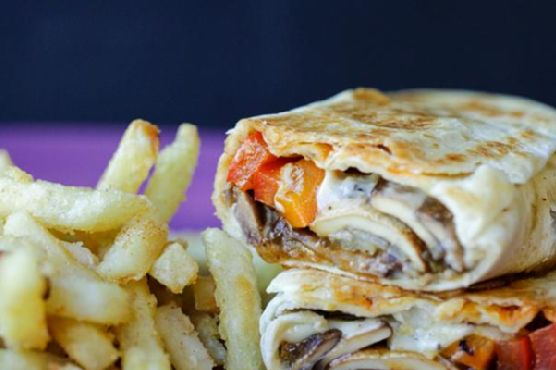
Philly Cheesesteak Grilled Wraps | Made by Meaghan Moineau

It was one of those early fall evenings when the chill starts to creep through the windows, and you find yourself craving something warm and comforting but don’t want to spend hours in the kitchen. The kind of night where you’re too lazy to do anything complicated but still want something that feels like a hug on a plate. That’s when I first made these Philly Cheesesteak Grilled Wraps. They’re a perfect blend of flavors with juicy steak, melty cheese, and a little kick of hot sauce, all rolled up into a crispy tortilla. They’re quick to assemble and hit all the right notes for a cozy meal. Plus, there’s something so satisfying about getting a little char on that wrap. Trust me, this recipe is going to be your new weeknight hero.

Jump to Recipe

What You’ll Need

I love how simple this ingredient list is. Chances are you already have most of this hanging out in your fridge or pantry:

  • Steaks – Choose your favorite cut; just slice it thin!
  • Vegetable oil – For those beautiful caramelized onions.
  • Onions – The backbone of flavor here!
  • Better Than Bouillon Beef Base – My little secret for that extra punch.
  • Portobello mushrooms – Meaty and delicious.
  • Bell peppers – Adds color and sweetness.
  • Mayonnaise – Trust me on this one, it’s the glue.
  • Hot sauce – For that essential kick.
  • Tortillas – The wrap that holds it all together.

How to Make Philly Cheesesteak Grilled Wraps

  1. In a frying pan over medium-low heat, add your onions and give them their time to shine. Let them caramelize slowly, stirring occasionally, until they transform into sweet, golden ribbons. This should take about 30 minutes.
  2. Once the onions are just right, stir in the Better Than Bouillon Beef Base with a tablespoon of water. This creates a faint gravy that coats everything beautifully.
  3. Next, introduce the mushrooms and bell peppers. Cook until they’ve softened and their flavors have melded, about 5 minutes. You’ll know they’re ready when the mushrooms are tender and the peppers are vibrant.
  4. Lay out a tortilla and spread a thin layer of mayonnaise over it. Add a few squirts of hot sauce for that necessary zing.
  5. Pile on the steak slices and the savory vegetable mix. Roll it up tightly, ensuring the ends are sealed so nothing escapes.
  6. Heat a griddle or large frying pan over medium heat and give it a light spray of cooking oil. Place your wraps seam side down, and press them with something heavy—think a smaller frying pan weighted down. Grill until the tortilla is toasty and golden.
  7. Flip the wraps and repeat the process on the other side. If you have a panini press or a George Foreman grill, these work wonders too.
  8. Once they’re grilled to perfection, pull them off and let them sit for a minute before slicing them in half. Enjoy watching happy faces around the table!

Cook’s Notes

Slow and steady wins the race with those onions. Rushing them will lose all that sweet, caramelized goodness. If you’re planning ahead, you can make the steak and veggie mix earlier in the day and just assemble and grill the wraps when you’re ready to eat. Leftovers? Pop them in the fridge and when you’re ready to reheat, a few minutes in a toaster oven will bring back that lovely crunch.

Make It Your Own

  • Swap the steak for crispy tofu to make it vegetarian-friendly. Just make sure to season the tofu well!
  • Try adding some provolone cheese or your favorite melty cheese for an extra layer of richness.
  • Incorporate some jalapeños if you want to amp up the heat—just slice them thinly and add them alongside the peppers.
  • Use whole wheat or spinach tortillas for a heartier, healthier twist.

If you try this, I’d love to hear how it turns out—drop a comment below or tag me on social media. Can’t wait to see your delicious creations!

Related update: Philly Cheesesteak Grilled Wraps

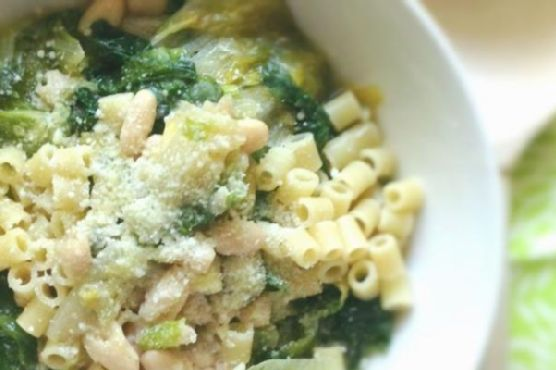
Escarole & Beans | Made by Meaghan Moineau

Picture this: it’s a dreary Tuesday evening, and the rain won’t let up. You’re standing in the kitchen, craving something warm and comforting but also something that won’t require an entire evening of chopping, stirring, and watching the pot. That’s when this Escarole & Beans recipe becomes your best friend. This dish is like a cozy blanket in a bowl—hearty, savory, and surprisingly simple to whip up. A few pantry staples, a quick simmer, and voila: you’re transported to a place where the rain feels less dreary and dinner feels a little more special. And trust me, the addition of escarole gives it just the right touch of freshness and bite.

Jump to Recipe

What You’ll Need

This dish thrives on simplicity, using ingredients you probably already have, with a couple of stars that elevate it from your typical pantry meal.

  • 8 oz of ditilini pasta
  • 3 diced garlic cloves
  • 3 tablespoons of olive oil
  • 1 can of cannellini beans, with its juice
  • 1 cup of vegetable broth
  • Salt & pepper to taste
  • 1 head of escarole, washed and chopped
  • 1 teaspoon of crushed red pepper flakes
  • Freshly grated parmesan cheese for garnish

How to Make Escarole & Beans

  1. Start by cooking the ditilini pasta according to the package directions. You want it al dente, so it holds up in the broth later.
  2. In a large pot, heat the olive oil over medium heat. Add the diced garlic and sauté just until it starts to turn golden and fragrant—don’t let it burn!
  3. Pour in the cannellini beans, juice and all. Add a sprinkle of salt, a crack of black pepper, and the crushed red pepper flakes. Stir it all together and let it heat through for a few minutes.
  4. Stir in the vegetable broth. Let the mixture simmer gently for about 10 minutes. You’ll notice the edges start to bubble, and it smells heavenly.
  5. Toss in the chopped escarole and cover the pot with a lid. You’re aiming to wilt the escarole, not stew it, so check every couple of minutes and give it a stir until it’s just wilted.
  6. Once the escarole is tender but still vibrant, turn off the heat. Taste and adjust the seasoning if needed—sometimes it just needs that little extra pinch of salt.
  7. To serve, spoon some pasta into each bowl and ladle the escarole and bean mixture over top. Don’t skimp on the broth—it’s the best part! Finish with a generous sprinkle of parmesan cheese.

Cook’s Notes

This dish is all about balance. The escarole should be wilted but not mushy, and the pasta al dente. If you’re making it ahead, you might want to store the pasta and the bean mixture separately, so the pasta doesn’t soak up all the broth and get soggy. Just combine them when you’re ready to eat.

  • If you’re not a fan of spicy, you can reduce or even omit the crushed red pepper flakes. It’s still delicious without the heat!
  • Leftovers can be stored in an airtight container in the fridge for up to three days. Reheat gently on the stove, adding a splash of water or broth if it’s too thick.

Make It Your Own

  • Swap out the escarole for kale or spinach if that’s what you have on hand or prefer. Both hold up beautifully in the broth.
  • If you’re looking for a heartier meal, add some Italian sausage to the pot when you sauté the garlic. Cook it through before proceeding with the recipe.
  • For a vegetarian twist with a protein kick, throw in some crispy tofu cubes just before serving.
  • Fancy a change from pasta? Try serving the beans and escarole over a slice of crusty, toasted sourdough bread for a rustic feel.

If you try this, I’d love to hear how it turns out—drop a comment or tag me! Cooking is all about sharing the love, after all. Bon appétit!

Related update: Escarole & Beans

Related update: Philly Cheesesteak Grilled Wraps

Indiana Jones Shines on Switch 2 Port | Analysis by Brian Moineau

Hook: A surprise port that still feels like a discovery

Indiana Jones and the Great Circle's Nintendo Switch 2 port landed with a pleasant thud: not a flashy miracle, but a careful, capable conversion that keeps the film-quality vibe intact while squeezing performance out of Nintendo’s newest hardware. Fans who worried the Switch 2 release would be a crippled afterthought can breathe: this version largely holds up, with a few clever technical tricks and sensible compromises that make portable tomb-robbing genuinely enjoyable. (gamesradar.com)

Why this port matters

When MachineGames and Bethesda announced a Switch 2 version, the question wasn’t just “will it run?” but “at what cost?” Indiana Jones and the Great Circle arrived on big-box consoles in 2024 as a cinematic, system-hungry adventure praised for level design, performances, and production values. Porting that to a handheld-first console requires both engineering muscle and design choices that respect the original experience. Early impressions and reviews show the team leaned into smart scaling and platform-specific features rather than making sweeping cuts. (pcgamer.com)

  • The Switch 2 build targets a steady 30fps in most situations, prioritizing consistent gameplay over pushing unstable 60fps. That’s a logical move for this class of game. (nintendoeverything.com)
  • Resolution and image-quality trade-offs are handled via dynamic scaling and DLSS-like upscaling, delivering a visually pleasing image despite reduced native resolution in handheld mode. (nintendoeverything.com)
  • The full game ships on cartridge for physical buyers, avoiding the controversial “game-key” packaging some other Switch 2 releases have used. That’s a notable win for collectors. (techradar.com)

Indiana Jones and the Great Circle's Nintendo Switch 2 port: how it looks and plays

Visually, reviewers consistently describe the Switch 2 version as “a looker for its platform.” Textures are scaled, distant geometry simplified, and crowd density reduced compared with Series X / PS5 builds, but the core art direction—grand vistas, convincing character faces, and atmospheric lighting—remains intact. The team’s use of temporal upscaling and hardware-aware tuning keeps image quality high enough that most players will feel fully immersed, even docked at 1080p or handheld at a lower native resolution. (gamesradar.com)

Gameplay-wise, the port emphasizes stability. MachineGames appears to have hard-limited demanding rendering effects and prioritized frame pacing so that combat, stealth, and puzzle beats stay snappy. Reviewers note occasional dips during cutscene transitions or densely populated areas, but these are described as minor blips rather than game-breaking issues. Controls adapt well to Joy‑Con/Pro Controller layouts, and the Switch 2’s alternative inputs (gyro aiming, mouse support in docked mode) add pleasant options for players who prefer them. (vooks.net)

The engineering choices behind the scenes

Ports like this are engineering puzzles: which visual features get kept, which systems get reworked, and how much of the original content stays on the cartridge. The Switch 2 release shows three pragmatic decisions:

  • Dynamic resolution and upscaling (including Nvidia/AI-assisted techniques where available) to preserve detail while keeping frame-rate targets. This helps scenes feel “next-gen” without native resolution costs. (nintendoeverything.com)
  • Conservative frame-rate target (30fps) to improve consistency across the game’s varied environments, from tight interiors to wide outdoor hubs. That trade gives smooth input response in stealth and melee sections. (vooks.net)
  • Inclusion of the full game on a physical card for the Switch 2 release, which changes the user experience for owners who want immediate access without downloads. (techradar.com)

Those choices add up to a port that’s honest about the platform’s limits while optimistic about what can be achieved with care and tuning.

How it compares to other Switch 2 ports

Nintendo’s second console generation has already shown it can carry big third‑party hits—this Indy port joins a growing list of ambitious conversions. Compared with earlier “impossible” ports that made heavy gameplay compromises, the Great Circle on Switch 2 mostly keeps the original pacing and structure. It’s closer in spirit to recent id Tech-based ports that settled for 30fps but preserved gameplay and level fidelity, rather than to stripped-down handheld-only spin-offs. (gamesradar.com)

That said, if you own (or prefer) the PS5 / Xbox Series X|S versions, you’ll still notice differences: sharper textures, steadier 60fps modes, and more cinematic polish on larger displays. The Switch 2 version is best seen as a portable alternative that sacrifices a bit of visual fidelity for flexibility and convenience. (pcgamer.com)

The player experience: do the compromises matter?

Short answer: for most players, no. The pacing, story beats, and moment-to-moment design—what makes Indiana Jones feel like an Indiana Jones game—survive the port intact. Reviewers who spent significant time with the Switch 2 build emphasize that the cinematic moments still land, the stealth and melee feel weighty, and the game’s humor and setpieces remain compelling. Occasional technical concessions are forgivable when the adventure still delivers the same thrills. (nintendoworldreport.com)

A few caveats:

  • If you’re a frame-rate purist or play on a very large TV, the Series X / PS5 versions will look and feel superior.
  • Some cutscenes or rapidly changing environments can trigger frame dips; these are worth noting but not often disruptive to play. (vooks.net)

What this port signals about Switch 2’s future

This release reinforces an encouraging pattern: Switch 2 isn’t just for indies and Nintendo first-party games—it’s a viable target for thoughtful ports of demanding, narrative-driven blockbusters. Publishers and studios now have a growing set of technical approaches to bring heavier titles to Nintendo’s hardware without betraying the original games’ intent.

In practical terms, that means:

  • More “big” games could reach Switch 2 if studios invest time in tuning and platform-specific features.
  • Players should expect trade-offs—especially around frame-rate and resolution—but also expect clever engineering that keeps gameplay intact. (gamesradar.com)

My take

Indiana Jones and the Great Circle on Switch 2 feels less like a compromise and more like an adaptation. It keeps the soul of the original game—its levels, character work, and sense of adventure—while reshaping the technical wrapper so the experience is stable and enjoyable on the new hardware. For players who want to play Indy on the go or who appreciate owning a physical Nintendo Game Card, this port is a rare sweet spot: ambitious, pragmatic, and fun. (gamesradar.com)

Sources


Related update: We recently published an article that expands on this topic: read the latest post.


Related update: We recently published an article that expands on this topic: read the latest post.

Epic Tech & Game Deals: Stocked and Cut | Analysis by Brian Moineau

Hook: Deals that make you want to hit “Add to Cart” now

If you skim headlines, the phrase Today’s Top Deals: MTG Edge of Eternities, Metal Gear Solid: Master Collection, and Pragmata – IGN probably jumped out at you — and for good reason. Bundles and reissues are back in the mix, beloved physical products are resurfacing, and digital discounts are deep enough to tempt even the most disciplined collector. Today’s roundup highlights a surprising mix: a Magic: The Gathering product resurfacing in stock, a classic Kojima collection on sale, and Pragmata still dropping in price alongside a restock of the Resident Evil Generation Pack.

Why these deals matter right now

We live in a weird crossover of retro revival and collectible scarcity. Publishers and retailers chase both new audiences and collectors who crave physical editions, while digital storefronts push big markdowns to clear inventory. That means deals on things like MTG Edge of Eternities booster boxes, Metal Gear Solid: Master Collection volumes, and Pragmata aren’t just cheap — they’re signals.

  • Gamers get access to preservation-friendly collections (Metal Gear Solid).
  • Tabletop players see rare print runs and bundles reappear (MTG Edge of Eternities).
  • Big-budget PC/console titles (Pragmata, Resident Evil Requiem/Requiem-linked editions) float between full price and surprising discounts as platforms and sales rotate.

Transitioning between hobbies has never been more affordable — or more urgent if you want the physical items before they sell out again.

Today’s Top Deals: MTG Edge of Eternities, Metal Gear Solid: Master Collection, and Pragmata – IGN

Yes, that full phrase belongs here — because it captures the range. On one hand, Magic: The Gathering’s Edge of Eternities items (collector/booster bundles) have been popping in and out of retail stock, making restocks news for dedicated players and speculators alike. On the other, Metal Gear Solid: Master Collection sales keep allowing newcomers to access Kojima’s legacy at a fraction of the usual cost. And then there’s Pragmata: a cinematic, ambitious release that has seen waves of price movement since launch, often included in publisher or platform sales.

What ties these together is timing: whether you’re chasing nostalgia, building a deck, or trying a visually bold sci-fi game, the current retail landscape is giving you chances to buy in cheaper than you might expect.

Snapshot: what’s notable in the current wave of discounts

  • Resident Evil Generation Pack restocks for Switch shoppers have surfaced — a boon for collectors who missed the initial run.
  • The MTG Edge of Eternities collector and booster offerings have returned to some retailers, giving players a chance to secure product without paying aftermarket premiums.
  • Metal Gear Solid: Master Collection Vol. 1 and related packages show up frequently on sales at major retailers, sometimes under $20 for physical or digital editions.
  • Pragmata and other recent Capcom releases have been featured in publisher sales across PC storefronts, creating good windows for price-sensitive buyers.

These kinds of cyclical availability patterns mean being ready — but not panicked. If you want a physical edition, quick action helps; if you’re flexible, waiting for the next platform sale can pay off.

How to decide fast without buying badly

Deals are fun, but the best purchases are intentional. Ask yourself these quick questions before checkout:

  • Do I want this for play or for collection? Physical collector boxes and limited-run packs matter far more to collectors than to players who just want singles or experiences.
  • Is this price lower than the typical sale? Compare with recent sale history (many communities track this).
  • What’s the return policy? Physical resellers and marketplace listings vary — verify before committing.
  • Will this become scarce or is it likely to be reprinted? MTG reprints and Wizards’ distribution strategies are volatile; sometimes a restock means more will follow, sometimes it’s the last run.

Plan for small wins: grab the one or two items you really want now and make a short watchlist for the rest.

Where to watch for similar deals

  • Big seasonal sales (publisher-weekend promotions, Steam/Amazon/Best Buy events) often include collections and recent releases.
  • Specialist stores and TCG retailers announce restocks for collectible products; follow them or join notification queues.
  • Community deal hubs and subreddits are excellent for spotting fleeting price drops and restocks, but cross-check with a retailer before you buy.

In practice, combining automated alerts (price trackers) with a couple of trusted deal communities gives you both speed and context.

My take

There’s a pleasing democratization in this wave of deals: mainstream gamers can finally afford curated retrospectives, while tabletop players get another shot at hot product without paying scalper prices. That said, deals are a two-sided coin — great for buyers who know what they want, and a trap for impulse shoppers chasing “rare” labels.

If you want one piece of advice: prioritize what you’ll actually use. Buy the game you’ll play and the MTG boxes you’ll open or display. The rest will either reappear or teach you patience (and maybe a little restraint).

Final thoughts

This moment feels like a crossover episode between collector culture and everyday gaming life. Whether you’re building a deck, replaying a classic stealth trilogy, or exploring a visually bold new IP, the current deals give you entry points at far lower risk. Keep an eye on restocks — and keep your wants ranked. That’s the best way to win at “deals” without losing your budget.

Sources


Related update: We recently published an article that expands on this topic: read the latest post.

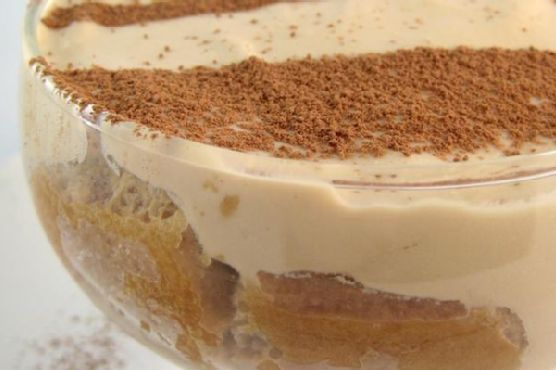
Kahlua Tiramisu | Made by Meaghan Moineau

It was one of those rainy Wednesday nights when the craving hit hard. You know the type — the kind where you just need something indulgent to take the edge off the mid-week blues. My mind immediately went to tiramisu, but not just any tiramisu. I wanted something with a little extra kick, a little something-something to make it feel like more than just a dessert. Enter Kahlua Tiramisu. This dish is luxurious yet surprisingly easy, a balance of creamy mascarpone and velvety espresso with a splash of Kahlua for that extra oomph. The best part? You don’t need to be a pastry chef to whip this up. It’s perfect for those nights when you want to impress with minimal effort.

Jump to Recipe

What You’ll Need

Before diving in, take a peek at the ingredient list. Chances are you already have most of this sitting around, just waiting to transform into dessert magic.

  • Mascarpone cheese
  • Vanilla extract
  • Kahlua
  • Espresso
  • Whipping cream
  • Icing sugar
  • Ladyfingers (pick a pack that will fit snugly in an 11×7 dish)
  • Cocoa powder

How to Make Kahlua Tiramisu

  1. In a medium mixing bowl, combine the mascarpone cheese with vanilla extract, Kahlua, and just under half of your freshly brewed espresso. Blend it well until you achieve a smooth, lush mixture.
  2. In another medium bowl, whip the cream with the icing sugar until it holds soft peaks. You want it smooth, like a cloud. Gently fold in the mascarpone mixture until it’s fully incorporated.
  3. Pour the remaining espresso into a wide, shallow dish, ready to soak those ladyfingers. Quickly dip each ladyfinger in, flipping it to coat both sides. Don’t let them soak too long — you want them soft but not mushy.
  4. Arrange the soaked ladyfingers to form a single layer at the bottom of an 11×7 casserole dish. Spread half of your mascarpone mixture over the ladyfingers, covering them evenly.
  5. Repeat the dipping and layering process with the rest of the ladyfingers and mascarpone mixture.
  6. Refrigerate for at least 4 hours, preferably overnight, to let the flavors meld. Just before you’re ready to serve, dust a generous layer of cocoa powder over the top using a fine sieve. For an extra treat, scatter some grated bittersweet chocolate or chocolate curls over the top.

Cook’s Notes

This dessert is a dream for planners. You can make it a day ahead, and it actually tastes better the next day as the flavors have time to develop and deepen. Store leftovers in the fridge, tightly covered, for up to three days. Avoid freezing; it messes with the creamy texture that makes tiramisu so delightful. When dipping ladyfingers, keep it quick! A mere second or so in the espresso will keep them from getting too soggy and disintegrating.

Make It Your Own

  • For a boozier version, swap some of the espresso for extra Kahlua. Your call!
  • Not a fan of Kahlua? Try using a hazelnut liqueur or even a shot of Baileys for a different flavor profile.
  • For a nutty twist, add a layer of crushed toasted almonds in between the mascarpone layers. It adds a lovely crunch.
  • If you’re watching sugar intake, reduce the amount of icing sugar in the whipped cream, or use a sugar substitute that blends well.

If you try this, I’d love to hear how it turns out — drop a comment or tag me! There’s nothing quite like sharing a sweet success. Enjoy your little slice of indulgence!

Related update: Kahlua Tiramisu

Related update: Gingerbread

Zahabi Urges Chimaev to Train with GSP | Analysis by Brian Moineau

A coach’s open door: Firas Zahabi thinks he can revive Khamzat Chimaev after UFC 328

The morning after UFC 328, Firas Zahabi was blunt and public: Firas Zahabi believes he is the man to revitalize Khamzat Chimaev's career after UFC 328. It wasn't a passive tweet or a wink — Zahabi, head coach at Tristar Gym and longtime mentor to Georges St‑Pierre, openly begged Chimaev to come to Montreal and train with him and GSP. The timing — immediately following Chimaev’s first professional loss to Sean Strickland on May 9, 2026 — shaped the offer into something part diagnosis, part lifeline.

This felt different from the usual post-fight hot takes. Zahabi wasn’t critiquing from the couch; he was extending a practical fix: a coaching environment where stamina, strategy and movement get rebuilt deliberately. For a fighter like Chimaev — explosive, relentless, but visibly gassed and tactically narrow against Strickland — that kind of surgical help can be career-defining.

What happened at UFC 328 and why Zahabi reacted

UFC 328 in Newark saw Sean Strickland edge out Khamzat Chimaev via split decision, taking back the middleweight belt and handing Chimaev his first pro defeat. Official scorecards were 48-47, 48-47, 47-48 in favor of Strickland. Coverage and replay showed a five-round war that turned on conditioning, pacing, and late-round control — areas Zahabi repeatedly cited as fixable with the right camp and planning. (ufc.com)

Zahabi’s message — paraphrased and quoted in outlets that picked up his YouTube remarks — was direct: “Come train with me and Georges St‑Pierre. I promise you won’t fade. I promise you this will never happen to you again.” He doubled down on specifics: improved fitness, refined striking and footwork, and a smarter gameplan that preserves energy across five rounds. Those are exactly the marginal gains that separate a dominant grappler from a complete elite champion. (bjpenn.com)

Transitioning from peak hype to the humility of a loss is messy. For Chimaev, who built his aura on relentless takedown pressure and suffocating intensity, the Strickland fight exposed a hard truth: when plan A stalls, there needs to be a plan B that doesn’t bankrupt your energy reserves.

Why Tristar and Zahabi might actually help

  • Zahabi’s coaching résumé is built on polishing elite-level fighters, most famously Georges St‑Pierre. Tristar’s approach is methodical: technical drilling, pacing strategies, and fight IQ that prioritizes winning rounds over dramatic single moments. That aligns with what Chimaev lacked at UFC 328. (en.wikipedia.org)
  • Tristar offers high-level partners and a blueprint for mid- to long-term rebuilding. It’s not a quick fix — it’s hard, repetitive, and tactical work. For a mercurial, high-energy grappler, that regimen can smooth out the edges and add the endurance to stop burning out after explosive openings.
  • Beyond physical prep, Zahabi promises mental reframing. Losses expose habits; a coach who can retool mental approach — when to press, when to reset, how to steal rounds on points — is worth as much as conditioning.

That’s not to romanticize the move. Fighters are human and ecosystems are complicated. Changing camps or absorbing new coaching philosophies takes time, trust, and buy-in from managers and support teams. But Zahabi’s line about “this will never happen to you again” reads less like bravado and more like confidence born of process. The question is whether Chimaev wants structural help or prefers to double down on his existing methods.

Obstacles and real-world frictions

  • Logistics and loyalties matter. Chimaev trains in a specific crew and has close ties to coaches and teammates. Moving to Montreal or even embedding with Tristar temporarily would require wide agreement from his handlers.
  • Style compatibility isn’t guaranteed. Chimaev’s strength is his ferocious, downhill pressure. Some coaches want to retain that identity while adding nuance; others try to remodel fundamentally. The best outcome would be complementary coaching, not a wholesale identity shift.
  • Public perception and ego play roles. A fighter coming off a loss is already on a narrative knife-edge. Accepting overtures from a legendary coach helps on the optics front, but it also signals vulnerability. That’s fine, and often necessary, but it can be politically delicate.

Still, the upside is large. If Zahabi helps Chimaev add gas tank management, better lateral movement and a selective striking game to complement takedowns, the result could be a more durable—and more dangerous—champion.

Practical ways a Tristar camp could change Chimaev’s trajectory

  • Drill-paced sparring that replicates five rounds at fight-intensity but teaches energy preservation.
  • Footwork and separation work to create entries for takedowns that don’t cost massive bursts every minute.
  • Strategic scenarios: what to do when takedowns aren’t landing, how to secure rounds with positional control or effective striking.
  • Cross-disciplinary conditioning (not just wrestling cardio) to maintain output without sacrificing power.

Those aren’t theoretical. Zahabi’s track record shows teams who emphasize cerebral work and pacing can convert fighters from specialists to well-rounded champions. For Chimaev, that conversion would go a long way toward sustaining a title reign. (en.wikipedia.org)

Quick points to remember

  • Zahabi publicly offered to host Chimaev and bring GSP into the process, emphasizing fitness, striking, and footwork. (bjpenn.com)
  • UFC 328’s official scorecards confirm the split-decision result that ended Chimaev’s undefeated streak. (ufc.com)
  • The path forward is practical but requires buy-in from Chimaev’s camps and a willingness to adapt identity as a fighter.

My take

There’s theater in Zahabi’s plea — the optics of a legendary coach extending a hand to a fallen, charismatic star. But beyond theater is a useful reality: elite athletes rarely plateau because they won’t change; they falter because they can’t adapt fast enough. Zahabi’s offer is the kind of adaptive option Chimaev needs if he’s committed to a long-term run at the top.

If Chimaev accepts, the most interesting outcome won’t be a miracle transformation overnight. It will be a quieter, steadier version of him: smarter pacing, cleaner entries, and the stamina to make seismic takedowns feel like the coup de grâce rather than a desperate bid for survival. That version would be harder to predict — and more dangerous when he does decide to explode.

Sources


Related update: We recently published an article that expands on this topic: read the latest post.


Related update: We recently published an article that expands on this topic: read the latest post.

Fresh Peach With Goat Cheese Side Salad | Made by Meaghan Moineau

It was one of those sticky summer afternoons, the kind where even the shade feels warm and inviting. I had a couple of peaches lounging on the counter, looking like they might start a protest if not eaten soon. That’s when inspiration struck! I wanted something refreshing but also satisfying, and that’s how this Fresh Peach With Goat Cheese Side Salad came to life. It’s such a delightful surprise: juicy peaches balanced by creamy goat cheese, accented with fragrant basil and a hint of honey sweetness. Plus, it only takes a few minutes to whip up, making it perfect for a spontaneous lunch or a quick dinner side.

Jump to Recipe

What You’ll Need

I bet you have most of these hanging around your kitchen. Here’s what you need for this bite of sunshine:

  • 4 ripe peaches – the juicier, the better
  • 1 tablespoon of honey – for that sweet, sticky goodness
  • Pinch of salt – to make all the flavors sing
  • 1/2 cup of crumbled goat cheese – creamy and tangy
  • A handful of fresh basil leaves – torn for maximum aroma

How to Make Fresh Peach With Goat Cheese Side Salad

  1. Halve and pit the peaches, then slice them into wedges. Place these sun-drenched beauties into a large mixing bowl.
  2. Drizzle the honey over the peach slices. Use your hands to gently toss them until they’re evenly coated. Feel free to sneak a taste here; it’s irresistible!
  3. Sprinkle a pinch of salt over the honeyed peaches. This simple move really brightens up the flavors, trust me.
  4. Now for the aromatic part: gently fold in the torn basil leaves. The smell is going to be like a mini vacation.
  5. Finally, crumble the goat cheese over the top and give it one last gentle toss. The cheese should cling lovingly to the peaches.

Cook’s Notes

Here’s a little secret: no need to be too precise with this salad. It’s all about the balance of sweet and tangy meeting fresh and creamy. If you don’t have ripe peaches, you might need a bit more honey to bring out their sweetness. This salad doesn’t keep well, so aim to enjoy it right away. But if you have leftovers, they’ll still be tasty for a day if stored in the fridge — just expect the basil to do a little wilting dance.

Make It Your Own

Looking to customize this salad? Here are some fun tweaks:

  • Swap the peaches for nectarines or even grilled apricots for a smoky twist.
  • Try using a soft blue cheese instead of goat cheese if you’re feeling adventurous.
  • For a nutty crunch, add a handful of toasted pistachios or sliced almonds.
  • If basil isn’t your thing, mint leaves could bring a refreshing coolness instead.

If you try this, I’d love to hear how it turns out — drop a comment or tag me! I hope this salad brings a burst of sunshine to your table as it did mine. Enjoy every juicy, creamy bite!

Related update: Fresh Peach With Goat Cheese Side Salad

Related update: Roasted Brussels Sprouts With Red Onions and Pancetta

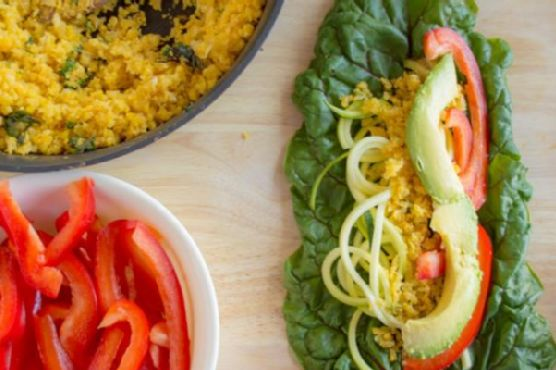
Swiss Chard Wraps | Made by Meaghan Moineau

Picture this: It’s a Wednesday evening, you’re staring blankly into your fridge, mentally calculating the time it takes to defrost a chicken breast versus the desire to just order takeout. Sound familiar? That’s when I stumbled upon the beauty of Swiss Chard Wraps. The first time I made these, I had a surplus of swiss chard and exactly zero motivation to cook anything I couldn’t make in less than 30 minutes. These wraps are fresh, flavorful, and unexpectedly satisfying, and they completely saved dinner that night. They’re packed with vibrant veggies and a spicy kick, and the best part is — they’re ridiculously easy to put together. Plus, they feel like a little bit of a kitchen adventure. Curious yet?

Jump to Recipe

What You’ll Need

Okay, here’s the best part. You likely have most of these ingredients on hand, and if not, they’re easy to grab. Plus, they’re all about that fresh, vibrant taste!

  • Dried swiss chard leaves
  • Orange cauliflower
  • Olive oil
  • Garlic
  • Salt
  • Fresh basil
  • Zucchini
  • Red bell pepper
  • Avocado
  • Trader Joe’s spicy peanut vinaigrette

How to Make Swiss Chard Wraps

  1. Chop off the stems of the swiss chard right where they meet the leaf. I like to leave a little bit of the stem attached to give the wraps some backbone, but you do you.
  2. Take that orange cauliflower, chop it into small pieces, and pulse in a food processor until it resembles rice. Florets and stalks are both fair game.
  3. Heat some olive oil in a sauté pan over medium-high heat. Once it’s shimmering, toss in the garlic and let it sizzle for a minute or two until you smell that glorious aroma and see it start to brown.
  4. Add your cauliflower rice to the pan and cook for about 2-3 minutes. You’ll know it’s done when it turns a vibrant yellow-orange. Sprinkle in a pinch of salt and some chopped basil, then give it a good stir.
  5. If you have a spiralizer, use Blade B to create zucchini noodles. No spiralizer? No problem. Just use a vegetable peeler to make ribbons.
  6. To assemble the wraps, lay a large swiss chard leaf flat. Add some sautéed cauliflower, zucchini noodles, red bell pepper slices, and avocado down the center along the stalk.
  7. Drizzle everything with a bit of spicy peanut vinaigrette and wrap it up tightly. Take a moment to admire your handiwork before diving in.
  8. These wraps are fantastic as a side dish to your favorite protein or even as a light main course. Enjoy them right away for the best experience!

Cook’s Notes

These wraps are freshest when made and eaten right away, but if you’re looking to prep ahead, you can make the cauliflower rice and chop the veggies in advance. Store them separately and assemble the wraps when you’re ready to eat. Leftovers? Pop them in an airtight container and refrigerate. They’ll keep for a day, but trust me, they’ll be long gone before you know it. If you’re watching the salt, taste as you go, especially if your vinaigrette is already salty.

Make It Your Own

Get creative with these wraps! Here are a few ways to mix things up:

  • Swap the avocado for hummus for a creamy, Mediterranean twist.
  • Use crispy tofu instead of the spicy peanut vinaigrette for a protein-packed version.
  • Throw in some shredded carrots for an extra crunch.
  • Experiment with different herbs — mint or cilantro can add new dimensions of flavor.

If you try this, I’d love to hear how it turns out — drop a comment or tag me! These wraps are a staple in my kitchen now, and I hope they become one in yours, too. Happy wrapping!

Related update: Swiss Chard Wraps

Related update: Fresh Peach With Goat Cheese Side Salad

Related update: Escarole & Beans

How Europe’s Oil Traders Won Big | Analysis by Brian Moineau

When traders beat drillers: how BP, Shell and TotalEnergies cashed in on Iran war volatility

A funny thing happened while the world was watching tankers and pipelines: trading desks at BP, Shell and TotalEnergies outshine US rivals. Traders at the big European majors turned the chaos from the Iran war into a near-term profit bonanza, using physical assets and deep derivatives benches to exploit price dislocations across crude, refined fuels and LNG markets.

This isn’t just a quirk of accounting. It highlights a structural difference across Big Oil: European groups have built vast, integrated trading machines that can both secure physical flows and place fast, large financial bets when volatility spikes. That mix of scale, optionality and agility turned what looked like a supply shock into cash for shareholders — and a headache for critics.

Why the trading windfall mattered

  • Volatility creates arbitrage. When route closures, outages and sudden reroutings make the same barrel worth different things in different places, traders who control shipping, storage and refinery access can profit from moving oil and paper contracts around the globe.
  • Physical footprint + derivatives = advantage. European majors combine refineries, terminals and fleet with active futures and options desks. That allows them to capture spreads that pure producers can’t.
  • Timing and scale. The shock to supply after late February (the conflict escalated and disruptions around the Strait of Hormuz followed) produced price spikes and extreme short-term moves. That’s where big trading operations shine.

Analysts and company updates suggest the trio’s trading gains were measured in the billions for the first quarter, with estimates varying by methodology — but the scale is unmistakable. These gains helped offset lost upstream output and made headline profits look stronger than many expected.

Trading desks at BP, Shell and TotalEnergies outshine US rivals

Reuters and other outlets have hammered on the contrast: BP, Shell and TotalEnergies run huge trading arms (trading volumes measured in millions of barrels per day), while the largest US producers — Exxon and Chevron — traditionally kept trading tightly tied to internal flows and limited independent market-facing bets.

  • BP, Shell and TotalEnergies trade materially more oil than they produce, giving them the flexibility to act as market makers and arbitrageurs.
  • US majors focus on scale in upstream production and historically restrained their third‑party trading activity, which reduces exposure to the wild swings that create outsized trading profits — but also limits windfall opportunities.

That tradeoff produced a transatlantic divide: European companies benefited immediately from volatility; U.S. giants benefit if and when high prices persist through bigger upstream cash flows.

What actually happened in the market

When physical flows became constrained, several dynamics unfolded at once:

  • Benchmarks jumped and spreads widened. Brent surged into triple digits at times; regional price gaps opened for diesel, jet and gasoline.
  • Cargo routing became creative. Traders rerouted products along unconventional pathways (for instance, shipping from Europe to Asia) to meet local shortages, and those long-route moves created both physical and paper profits.
  • Working capital ballooned. Holding cargoes, longer voyages and larger inventories tied up billions in capital — profitable when prices moved the right way, but risky if they reversed.

So profits were real but paired with elevated balance-sheet and execution risks. Several articles and company comments point out that trading can generate big losses as well as gains; size multiplies both.

The implications — for investors and policy

  • Valuation gaps may widen. If trading becomes a more central, recurring contributor to European majors’ earnings, investors could value them differently versus US peers that remain more upstream-heavy.
  • Earnings quality questions rise. Some investors and policymakers will ask whether volatility-driven trading gains are sustainable, and how transparent companies should be about the breakdown of trading vs. industrial results.
  • Political scrutiny increases. Windfall-style profits from geopolitical shocks often draw political heat and calls for windfall taxes or stricter disclosure — especially when energy prices bite consumers.

Transitioning from short-term effects to longer-term positioning, the story is a reminder that corporate strategy (build trading muscle or double down on production) shapes resilience and winners during crises.

Lessons from the episode

  • Integration pays off in turmoil, but at a cost. Vertical integration allowed majors to capture margin in a market shock — though running such desks requires capital, hedging sophistication and risk controls.
  • Diversification of capabilities matters. Companies that can flexibly combine physical logistics and financial markets will continue to have an edge in stressed energy markets.
  • Volatility is a two-way street. The same market conditions that produced windfalls can quickly reverse, exposing firms with big directional positions to rapid losses.

My take

The Iran war’s market shock underlined a simple truth: in energy markets, optionality is everything. European majors built optionality into their models for decades — partly as a commercial edge, partly to secure supplies for operations and retail networks. That optionality paid off spectacularly this quarter. But the episode also raises awkward questions about transparency, risk and the social licence of companies profiting while supply and consumer prices are under pressure.

If this becomes a recurring playbook — lean into trading to offset weaker upstream positions — investors will need to price those risks and rewards differently. Regulators and policymakers, meanwhile, will likely press for clearer reporting on trading results and for mechanisms to ensure consumers aren’t disproportionately harmed by market gaming during crises.

Final thoughts

Markets are machines for re-pricing risk. When geopolitics rips a hole in supply, the winners won’t always be the biggest pumps in the ground — sometimes they’re the teams that can thread a cargo through a storm and hedge the paper around it. That reality matters for company strategy, investor positioning and how we think about energy resilience in an increasingly unstable world.

Sources


Related update: We recently published an article that expands on this topic: read the latest post.

Game 4 Picks: Wolves vs Spurs Betting Edge | Analysis by Brian Moineau

Sunday NBA Picks & Predictions: Moneyline Bet, Naz Reid Prop for Wolves vs Spurs – Action Network

The second round of the NBA playoffs heats up this Sunday, and if you landed on "Sunday NBA Picks & Predictions: Moneyline Bet, Naz Reid Prop for Wolves vs Spurs – Action Network" you know we’re talking leverage — where a smart moneyline pick and one prop can turn a tense Game 4 into a clean edge. The Spurs and Timberwolves enter Game 4 with narrative and matchup quirks that make one side juicier than the other, and Naz Reid’s role looms as a small-but-important swing factor.

Why Game 4 matters

Game 4 in a best‑of‑7 often tilts a series’ psychology. A team that grabs a 3‑1 lead often closes the door; a 2‑2 tie flips momentum entirely. San Antonio already used a blueprint to slow Minnesota in Game 3, and Minnesota’s coaching staff must decide whether to re‑establish an inside game or chase spacing. Those adjustments shape odds, moneyline prices, and player props — especially for an energetic role player like Naz Reid.

  • San Antonio pushed the pace and disrupted the Wolves’ interior rhythm in Game 3.
  • Minnesota still has the offensive depth (Edwards, Randle, Reid) to respond.
  • Coaching tweaks on rotations and matchups will quickly affect minutes and prop viability.

Transition: let’s look at the matchup levers that make the Action Network pick readable.

Matchup edges that matter

Matchups speak louder than box scores in playoff basketball. San Antonio’s length and perimeter defense consistently force opponents into tougher shots, while Minnesota’s size and spacing create paint opportunities when they commit to it.

  • Spurs strength: elite wing length and two‑way schemes that dare stars to beat them with one‑on‑one play.
  • Wolves strength: multiple finishers and a physical small‑ball frontcourt that can punish defensive mismatches.
  • X‑factor: rotations around Rudy Gobert (if available) and how often Naz Reid is used as a roll/pop scoring option.

Those dynamics help explain why a moneyline bet could be compelling on one side and why a Naz Reid prop — particularly a points, rebounds, or three‑pointer line — is attractive.

The betting angle: moneyline + Naz Reid prop

The Action Network piece pointed readers toward a moneyline bet and a Naz Reid prop as two high‑value plays for Game 4. Here’s the logic behind combining those markets.

  • Moneyline edge: if line movement or matchup data shows one team getting too much public love, the opposing moneyline can offer +EV (expected value). In this series, look for where bookmakers overreact to a single game result and underprice regression possibilities.
  • Naz Reid prop: Reid is a matchup weapon. When he sees more touches at the elbow or in short roll situations, his efficiency climbs. If San Antonio invites Minnesota to attack inside or leaves him less contested, his points/rebounds prop often looks too low.

Put simply: when a matchup increases Reid’s floor (more touches, favorable defender), and the market misprices the team outcome, those two bets can coexist as a correlated, smart ticket.

Transition: but numbers matter, so let’s ground this in recent evidence.

What recent performances suggest

Recent box scores and game notes show Reid impacting both scoring and rebounding in spurts. Game 1 and Game 3 offered contrasting looks — when the Wolves emphasize inside actions, Reid shines; when the Spurs limit paint touches, his opportunity shrinks.

  • Reid has delivered meaningful minutes and high‑efficiency scoring in games where Minnesota prioritized short rolls and offensive rebounds.
  • San Antonio’s defensive schemes have intermittently cut off passing lanes, forcing Minnesota into isolation scoring that reduces Reid’s opportunities.
  • Rotations matter: if the Wolves rest or reduce minutes for a primary big, Reid’s minutes and usage often rise.

So, before betting the prop, track the pregame injury report and any minute‑distribution clues from shootarounds. Those short signals often move the true value of a Reid prop.

How to size and time the bet

Betting is about edges and bankroll control, not heroics. If you like the Action Network framing, consider these practical steps.

  • Stagger stakes: smaller wager on the moneyline, slightly larger on the Reid prop if you confirm minutes and matchup cues.
  • Shop lines: different books will price Naz Reid’s PRA or points line differently. Find the softest number.
  • Lock in early if the projection aligns with your model; late movement can squeeze value or reveal sharp money.

Transition: finally, context beyond the box score.

Broader playoff context

Playoff basketball rarely mirrors the regular season. Coaches micromanage rotations, fouls change matchups, and usage patterns shift to exploit weaknesses. That’s why a prop tied to role (like a Reid stat line) can outperform simple team‑outcome bets: it’s micro‑efficient and responsive to how a coach plans to deploy a player in a single game.

  • Coaching adjustments often determine who plays 28 minutes vs. 35 minutes.
  • A single foul trouble incident can flip a role player’s usage overnight.
  • Prop markets sometimes lag tactical changes, which creates opportunities.

Things to watch in the final hour

  • Injury reports and any scratch news.
  • Line movement on the moneyline and public money percentages.
  • Pre‑game minute hints from beat reporters or official rotations.

Closing thoughts

My take: the Action Network’s combination of a moneyline bet and a Naz Reid prop is a compact way to play a game where both macro and micro factors matter. Use disciplined sizing, confirm minutes, and don’t overreach when the market tightens. In playoff series this close, a single player’s extra possession — or an extra defensive stop — becomes the difference between a smart bet and an avoidable loss.

Quick points to remember

  • Game‑level narratives (momentum, adjustments) are as important as raw stats.
  • Props tied to minutes and role (Reid) can offer edges when rotation news lags.
  • Shop lines and stagger stakes; preserve bankroll discipline.

Sources


Related update: We recently published an article that expands on this topic: read the latest post.


Related update: We recently published an article that expands on this topic: read the latest post.

Home made coffee ice cream | Made by Meaghan Moineau

The other day, I found myself standing in my kitchen at 10 PM, staring longingly at the empty ice cream tub in my freezer. It was one of those evenings where you just need a little something sweet and comforting to wind down. I glanced over at my coffee maker, and a light bulb went off in my head. Why not combine my love of coffee with my undeniable ice cream addiction? And so, my homemade coffee ice cream was born. This recipe is worth the extra few steps because it’s creamy, full of java flavor, and doesn’t require anything fancy. Just a bit of time and patience, and you’ll be savoring the smoothest, most delightful treat you can imagine.

Jump to Recipe

What You’ll Need

This isn’t one of those ingredient lists that sends you on a wild goose chase. Chances are, you already have most of these goodies hanging out in your kitchen:

  • 2 cups of cream
  • 3/4 cup of sugar
  • 1 tablespoon of coffee granules
  • 1 cup of milk
  • 4 large egg yolks
  • 1 teaspoon of vanilla extract

How to Make Home made coffee ice cream

  1. In a medium, heavy saucepan, combine the cream, milk, sugar, and coffee granules. Bring the mixture to a gentle boil over medium heat, watching for those tiny bubbles at the edges and a heavenly coffee aroma, then remove from the heat and set aside.
  2. In a medium bowl, beat the egg yolks until they’re smooth and slightly frothy. Slowly whisk 1 cup of the hot cream mixture into the yolks, then stir in the vanilla extract.
  3. Pour the egg mixture back into the saucepan with the remaining hot cream mixture. Over low heat, cook the custard, stirring constantly with a wooden spoon or spatula until it thickens enough to coat the back of the spoon, about 4-5 minutes.
  4. Remove the custard from the heat and strain it through a fine mesh strainer into a clean bowl or container, catching any sneaky little bits of cooked egg. Press plastic wrap directly onto the surface to prevent a skin from forming.
  5. Chill the custard in the refrigerator for at least 2 hours to make it nice and cold. The anticipation will be worth it, trust me!
  6. Once chilled, pour the custard into your ice cream machine and churn according to the manufacturer’s instructions. The mixture will transform into a creamy, dreamy delight.
  7. Transfer the churned ice cream to a plastic container and pop it in the freezer for a few hours to firm up. When you’re ready to serve, let it sit out for 5-10 minutes to get to that perfect scoopable stage.

Cook’s Notes

There’s something magical about homemade ice cream, but it can be a bit tricky if you’re not careful. Always keep stirring the custard to prevent it from curdling. If you don’t have an ice cream maker, a bit of patience and elbow grease will do the trick—just freeze the mixture and stir it every 30 minutes until it’s frozen. Store the ice cream in an airtight container, and it should keep well for up to two weeks. That is, if you can resist finishing it off sooner!

Make It Your Own

Want to jazz things up a bit? Here are some simple swaps and additions:

  • For a mocha twist, melt 1/2 cup of chocolate chips into the cream mixture before boiling.
  • Add a teaspoon of cinnamon to the egg yolks for a spicy kick that pairs perfectly with the coffee.
  • Mix in crushed biscotti or chocolate-covered espresso beans during the last few minutes of churning for a crunchy surprise.
  • Swap the milk with almond milk for a nutty note that sings with the coffee flavor.

If you try this, I’d love to hear how it turns out—drop a comment or tag me! Enjoy every heavenly bite.

Related update: Home made coffee ice cream

Related update: Kahlua Tiramisu

Quadrasteer: Brilliant Innovation, Epic | Analysis by Brian Moineau

Hook: A clever idea that tripped on its own feet

When General Motors rolled out the Quadrasteer system on its full‑size pickups in the early 2000s, it looked like a brilliant answer to a real problem: make giant trucks handle like smaller vehicles while improving towing stability. The Quadrasteer system shaved feet off turning circles and made parking and trailer control measurably better — but despite those advantages it lasted only a few model years and then disappeared. What happened? Let’s unpack the idea, the execution, and why an innovative system that actually worked failed to stick. (en.wikipedia.org)

The Quadrasteer system: what it did and how it worked

Quadrasteer was a four‑wheel steering system developed by Delphi for GM and offered as an option on certain Chevrolet and GMC trucks and large SUVs from 2002 through 2005. Instead of the rear wheels being fixed, Quadrasteer allowed the rear axle to steer up to several degrees, controlled by an electric motor and sensors that linked rear wheel angle to steering input. The effect was dramatic: tighter low‑speed turning, improved maneuverability in parking and yards, and better trailer tracking at higher speeds. (en.wikipedia.org)

The engineering payoff was measurable. Some tests reported around a 20% reduction in turning radius and noticeably improved behavior when towing. Drivers found that a big SUV or pickup suddenly felt less like a cumbersome tool and more like a nimble machine for everyday driving. That combination of benefits made Quadrasteer look like a practical application of advanced chassis tech — not just showboating. (arstechnica.com)

Why Quadrasteer sounded like a winner — at first

  • The system solved real pain points for truck owners: tight parking, neighborhood maneuvering, and trailer sway/track.
  • It arrived when OEMs were experimenting with ways to add comfort and capability to light‑truck platforms.
  • Reviews and technical writeups praised its effectiveness and safety improvements during towing. (arstechnica.com)

Yet despite favorable reviews and solid engineering, Quadrasteer’s fate was decided in the market — not on the test track.

Why the Quadrasteer system failed to catch on

Several converging reasons explain why Quadrasteer was shelved after just a few years:

  1. Price and packaging.
    Quadrasteer carried a hefty option premium when new. Even after GM reduced the price (at one point to $2,000 and then lower discounts), the incremental cost made buyers pause — especially since many truck buyers prioritize payload, towing specs, or lower purchase price over a handling feature they might not fully understand. (autoweek.com)

  2. Poor dealer and OEM marketing.
    Experts and analysts later said dealers often failed to explain the system’s benefits. If customers didn’t grasp why a rear‑steering axle mattered for their daily life or towing tasks, they weren’t going to pay extra for it. The feature suffered from being technically credible but poorly communicated. (autoweek.com)

  3. Complexity and perceived reliability risks.
    A steerable rear axle added components, sensors, and calibration points. For a buyer thinking about decades of hard use, fishing trips, and heavy towing, additional complexity can equal potential future expense. Even though many Quadrasteer trucks have proven durable, the perception of repair difficulty and parts rarity haunted resale values and purchase decisions. (wardsauto.com)

  4. Timing and market readiness.
    In the early 2000s, the luxury pickup segment was still nascent. Customers weren’t used to paying a premium for handling enhancements the way they would later for tech and comfort packages. The truck market then favored brute capability and low‑end utility over subtle handling improvements. That cultural mismatch mattered. (drivingline.com)

Combined, these problems produced low take‑rates. GM sold only a few thousand Quadrasteer‑equipped vehicles each year; overall penetration remained tiny. With limited sales, spare‑parts economies of scale never developed, reinforcing concerns about cost and support — a vicious cycle. (autoweek.com)

Quadrasteer system: a lesson in technology adoption

Looking back, Quadrasteer reads like a classic case of “right idea, wrong moment, wrong go‑to‑market.” The system was technically impressive and delivered tangible benefits. However, adoption depends on more than engineering:

  • Timing: Customers needed to be in a mindset to pay for convenience and capability rather than just raw specs.
  • Pricing: The price premium must align with perceived value or be bundled effectively.
  • Education: Dealers and OEMs must translate engineering gains into real customer benefits.
  • Support: Long‑term parts and repair confidence influences purchase decisions for heavy‑use vehicles.

For every tech that survives, these nonengineering pieces must line up — and for Quadrasteer, they didn’t. (drivingline.com)

Quadrasteer system today and its legacy

Although GM discontinued the option after 2005, four‑wheel rear steering didn’t vanish from the automotive playbook. Newer implementations — particularly in electric platforms where electronic actuation is easier to package — have brought four‑wheel steering back to modern trucks and SUVs in different forms. In that sense, Quadrasteer was ahead of its time: a practical demonstration of the value of rear steering that the industry later rediscovered under different market conditions. (drivingline.com)

Key points to remember

  • Quadrasteer was an effective four‑wheel steering system offered by GM from 2002–2005 that improved turning radius and towing stability. (en.wikipedia.org)
  • The system failed commercially due to price, weak marketing, complexity concerns, and poor timing. (autoweek.com)
  • Its core ideas live on: modern four‑wheel‑steer systems on current vehicles owe something to the Quadrasteer experiment. (drivingline.com)

Final thoughts

Quadrasteer feels a little like a vintage gadget you find in a garage: brilliant engineering that didn’t get the audience it deserved. The lesson isn’t that automakers shouldn’t innovate — it’s that innovation must meet clear customer priorities, be priced appropriately, and be explained well. As trucks evolve and electrification reshapes architectures, the practical benefits Quadrasteer promised are easier to deliver and to sell. Maybe the market was simply waiting for better timing and simpler electronics.

Sources


Related update: We recently published an article that expands on this topic: read the latest post.

Lamb & Sweet Potato Pot Pie | Made by Meaghan Moineau

It was a Wednesday, smack in the middle of a busy week, when I found myself staring at a fridge full of mismatched leftovers and a craving for something hearty. A glimpse of sweet potatoes and a package of lamb sparked an idea — Lamb & Sweet Potato Pot Pie. It’s one of those meals that’s worth every step, filling the kitchen with cozy aromas and rewarding you with a golden, flaky crust. Plus, it’s a great way to transform humble ingredients into something that feels like a hug wrapped in pastry. If you’re in the mood for a little kitchen adventure with a comforting payoff, this recipe is just the ticket.

Jump to Recipe

What You’ll Need

Chances are you already have most of these ingredients in your pantry or fridge. Here’s what makes this pot pie special:

  • Lamb
  • Sweet potatoes
  • Bay leaf
  • Black pepper
  • Butter
  • Caraway seeds
  • Celery stalks
  • Cornstarch
  • Demi glace
  • Flour (used twice)
  • Fresh rosemary
  • Fresh thyme
  • Garlic
  • Ice water
  • Kosher salt
  • Lemon zest
  • Milk
  • Olive oil
  • Orange zest
  • Frozen peas
  • Crust
  • Red onion
  • Red wine
  • Shortening
  • Sugar
  • Water

How to Make Lamb & Sweet Potato Pot Pie

  1. Start with the crust. Combine the flour, sugar, fresh rosemary, fresh thyme, and salt in a large bowl. Add chilled butter and use a pastry blender to mix until it resembles coarse cornmeal.
  2. Integrate the shortening into your flour-butter mix until just combined. Gradually add ice water, mixing well after each tablespoon, until the dough begins to stick together.
  3. Divide the dough into two even balls, dust lightly with flour, and wrap in plastic. Let them chill in the fridge for at least an hour.
  4. For the lamb, toss it with salt, pepper, caraway seeds, garlic, and flour, and set aside for a bit.
  5. Swirl some olive oil in a deep, wide pan on medium heat. Add the lamb and cook it until just browned, then transfer to a plate.
  6. In the same pan, add a touch more oil if needed, and scrape up those flavorful drippings. Add the red onion and celery, cooking until they soften and turn translucent.
  7. Pour in the red wine and demi-glace, stirring well, then add the lamb back with the peas and bay leaf. Cover the pan, reduce to a simmer, and cook for about 15 minutes.
  8. Stir together water and cornstarch, pour into the lamb mixture, and mix well. Add in the sweet potatoes, cooking for another 5-7 minutes. Remove from heat and let cool completely. Remember to fish out that bay leaf!
  9. Roll the chilled dough on a floured surface for the bottom crust, place it in a 9-inch pie dish, and trim edges. Put it in the fridge to stay cool while you roll the top crust.
  10. Pour the cooled filling into the bottom crust. Top with the rolled-out dough for the top crust and trim the edges if necessary.
  11. Crimp the edges to seal, and chill the whole pie in the fridge. A quick chill in the freezer for about 2-4 minutes if the dough feels soft will also work wonders.
  12. Brush the top crust with milk just before baking. Bake in a preheated oven at 375 degrees for 45-50 minutes, until the crust is golden brown and fragrant.

Cook’s Notes

Always ensure your dough is well chilled to ensure a flaky crust. If it’s warm, it can become a soggy mess, so over-chilling is better than under-chilling. You can let the filling cool completely in the fridge before assembling to keep it manageable. This pot pie is a great candidate for make-ahead meals; assemble it in advance and bake it right before dinnertime. Leftovers stay tasty for up to 3 days when refrigerated.

Make It Your Own

  • Swap the lamb for chicken thighs for a lighter but equally delicious version.
  • Replace sweet potatoes with regular potatoes if that’s more your style.
  • Use vegetable broth instead of demi-glace for a different depth of flavor.
  • Add mushrooms to the filling for an earthier taste profile.

If you try this, I’d love to hear how it turns out — drop a comment or tag me on social media! It’s always a joy to see your spins on these recipes. Enjoy every flaky, savory bite!

Related update: Lamb & Sweet Potato Pot Pie

Related update: Swiss Chard Wraps

Hyderabadi baghara Baingan | Made by Meaghan Moineau

Picture this: it’s a bustling Tuesday evening and I’m standing in my kitchen, rifling through the pantry for dinner inspiration when I stumble upon a bunch of cute, little eggplants. A light bulb moment hits—Hyderabadi baghara Baingan! This dish is like a warm hug, perfect for when you’re craving something rich and tangy yet surprisingly easy to whip up. The eggplants soak up the spiced, nutty goodness, leaving you with a delicious meal that feels like it took hours, but really didn’t. Trust me, even on the busiest days, this is a dish that delivers on flavor with every bite.

Jump to Recipe

What You’ll Need

This isn’t one of those crazy ingredient lists that sends you to five different stores. Chances are you already have most of these at home.

  • 10-12 baby eggplants
  • 3-4 red Kashmiri chilies
  • Coconut
  • Coriander seeds
  • Cumin seeds
  • 8-10 curry leaves
  • Garlic
  • 1 piece of ginger
  • Tamarind, about a lime-sized ball
  • Oil
  • Onion
  • Salt
  • Nigella seeds
  • Sesame seeds
  • Turmeric
  • Jaggery
  • Peanuts
  • Cashews

How to Make Hyderabadi baghara Baingan

  1. First things first—wash those baby eggplants and pat them dry. You’re going to slit them lengthwise into fours, but keep the stems intact. This way, they hold together nicely in the dish.
  2. In a separate pan, heat a teaspoon of oil. Toss in the cumin seeds, peanuts, and cashews and fry them for a few seconds until fragrant.
  3. Add in the ginger, garlic, and chopped onion. Cook this down for about a minute until everything turns soft and golden.
  4. Sprinkle in the turmeric, coriander seeds, coconut, and Kashmiri red chilies. Keep frying till the mixture turns a lovely brown. Let this cool completely and then blend it into a fine paste with a little water.
  5. Now, in a thick-bottomed pan, heat some oil and fry the eggplants until they’re brown and tender. This is where they get all soft and lovely. Remove them and set aside.
  6. In the same oil, add the nigella seeds and let them crackle before stirring in those aromatic curry leaves. Fry for a few seconds to release their flavors.
  7. Add the ground paste you prepared, along with the tamarind pulp, salt, and jaggery. Mix it all up until it becomes a fragrant, bubbling sauce.
  8. Gently add the sautéed eggplants and about half a cup of water. Cover the pan and let everything simmer over low heat until the eggplants are cooked through and super soft.
  9. Serve this hot with rice or rotis, and savor each mouthful of that rich, tangy curry.

Cook’s Notes

Cooking Hyderabadi baghara Baingan is a breeze if you keep a few things in mind. First, ensure the eggplants are fresh and firm for the best taste. If you don’t have Kashmiri red chilies, substitute with any mild red chili for that vibrant color, but be mindful of the spice level. This dish is great the next day too as the flavors deepen overnight, so don’t hesitate to make it ahead of time. Store leftovers in an airtight container in the fridge for up to 3 days. Reheat gently, adding a splash of water if needed to loosen the sauce.

Make It Your Own

Looking to shake things up a bit? Here are a few ways to switch up this recipe:

  • Swap the eggplants for zucchini or baby bell peppers for a different twist.
  • For a nut-free version, omit the peanuts and cashews and add a tablespoon of almond butter to the paste for richness.
  • Dial up the heat by adding a green chili or two to the paste if you’re in the mood for something spicier.
  • For a heartier meal, toss in some boiled potatoes along with the eggplants.

If you try this, I’d love to hear how it turns out—drop a comment or tag me! Your feedback makes my day and helps fellow food lovers. Enjoy the cooking adventure!

Related update: Hyderabadi baghara Baingan

Related update: Lamb & Sweet Potato Pot Pie