AMD Helios Challenges Nvidia in AI Racks | Analysis by Brian Moineau

TL;DR

  • AMD just won Microsoft as a buyer for its AMD Helios rack AI system, putting real heat on Nvidia’s rack-scale offerings and signaling that Azure wants diversity at the rack, not just the chip. [1][2][3]
  • The strategic bet isn’t raw FLOPS; it’s procurement resilience and lower “cost per token” on inference, enabled by an open ORW rack design and 72‑GPU double‑wide racks from multiple OEMs. [1][4][5]
  • If AMD sells roughly 1,900 Helios racks in 2027 at ~$5.25M each, that’s a $10B run-rate—precisely the scale AMD says it’s chasing as it courts eight of the top ten AI companies. [1][7]

What the source said

CNBC reports that AMD will ship its first rack-scale AI system, Helios, in 2H 2026, with Microsoft joining Meta, OpenAI, and Oracle as customers. Microsoft says Helios will power frontier model inference for Azure and add new EPYC “Venice” CPU instances. Futurum pegs Helios at $5–$5.5 million per rack, compared with Nvidia’s Vera Rubin at $3.5–$4 million, while Nvidia still holds ~95% data center GPU market share and analysts float a 20–25% AMD path. Shares of AMD rose more than 4% on the news in July 2026. [1]

Why it matters

This isn’t just about “AMD vs. Nvidia.” The real stakeholders are the hyperscale buyers—Microsoft, Meta, OpenAI, and Oracle—who need predictable delivery schedules, second sources, and better inference economics as model counts and context windows expand. Microsoft adding Helios means Azure can hedge against single-vendor risk while tuning for lower cost per token on inference-heavy workloads. [1][2][3]

For AMD, Helios is the vehicle to convert GPU credibility into system-scale revenue in 2026–2027. An open, standards-based rack (built on Meta’s ORW OCP design) lets ODMs like Supermicro ship at volume, which spreads manufacturing risk and accelerates field deployment across North America, Europe, and APAC. If that flywheel spins, AMD doesn’t need 50% share to win; it needs enough racks landing on time to anchor a multi‑billion‑dollar AI systems business. [4][5]

Original analysis

AMD Helios vs Nvidia rack systems: a 2x2

  • Open rack + inference-first (AMD Helios today)
    • ORW/OCP design, 72‑GPU double‑wide racks via multiple OEMs; pitched as “lowest cost per token.” Strong fit for large-scale inference and retrieval‑augmented serving under tight TCO constraints. [1][4][5]
  • Open rack + training-first (Helios roadmap)
    • As MI4xx/MI5xx mature, the same ORW chassis can host newer GPUs/NICs; training viability rises if software and interconnects keep pace with multi‑rack scale. [4]
  • Proprietary rack + training-first (Nvidia GB/“Rubin” pedigree)
    • NVLink/NVSwitch coherence and tight CPU‑GPU coupling remain the gold standard for training scale, but lock in procurement to one roadmap and supply queue. [6]
  • Proprietary rack + inference-at-scale (Nvidia Rubin/Vera Rubin)
    • Excellent perf/latency at the node, but customers carry lock‑in risk and single‑vendor supply exposure when quarterly capacity allocations drive product timelines. [6]

Back‑of‑envelope calculation

  • AMD says it plans to book “tens of billions” in data center AI revenue starting in 2027, with Helios as the majority. Assume an average Helios rack price of $5.25M (midpoint of the $5–$5.5M range cited by Futurum via CNBC). To hit $10B in 2027 AI systems revenue purely from racks: $10,000M ÷ $5.25M ≈ 1,905 racks; for $20B: ≈ 3,810 racks. This frames the task: win a few thousand rack installs across Microsoft, Meta, OpenAI, Oracle, and others. [1]

Historical analogue

  • In 2003, Opteron’s integrated memory controller upended Intel Xeon’s front‑side bus and briefly drove AMD to ~25% server CPU share before execution stumbles reversed the gains. The lesson is clear: when an incumbent optimizes for one axis (raw training scale), a challenger can wedge in on TCO and platform modularity. Helios pairs AMD’s regained CPU credibility (EPYC “Venice”) with an open rack and multiple OEMs to avoid the single‑supplier trap that hurt AMD in the late 2000s. [1][3][7]

Contrarian read

  • Consensus says Microsoft chose Helios to squeeze Nvidia on GPU price. My read: it’s mainly schedule insurance plus inference TCO for Azure’s frontier‑model services. Helios’s ORW/OCP lineage and OEM diversity (e.g., Supermicro) spread manufacturing risk when midplane or liquid‑cooling parts slip. Reports also flag shifting Nvidia rack timelines, which strengthens the appeal of a rack‑level second source. [1][2][3][5][6]

Named‑stakeholder breakdown

  • AMD: Helios is the bridge from GPU share to system revenue; openness and OEM breadth become differentiators, not just chip perf. Hitting a 2,000‑rack year in 2027 would validate the strategy. [1][4][5]
  • Microsoft: Gains bargaining power and faster time‑to‑capacity for inference workloads; adds new “Venice” CPU instances for agentic AI, EDA, and data pipelines in Azure. [1][3]
  • Nvidia: Still the training default in 2026–2027, but now faces procurement‑driven share leakage in inference and expansion phases where open racks and second sources are board‑level KPIs. [1][6]
  • Supermicro: Positioned to capture high‑margin rack integration, liquid cooling, and service revenue if Helios deployments scale through 2H 2026–2027. [5]
  • Meta/OpenAI/Oracle: More credible timelines for multi‑GW rollouts if a single vendor under‑delivers in a given quarter; ORW compatibility reduces integration friction at fleet scale. [1][4]

What others are missing

The story is less “AMD versus Nvidia silicon” and more “open ORW racks versus proprietary rack ecosystems.” ORW/OCP alignment means Helios can be built, qualified, and serviced by multiple OEMs, de‑risking freight lanes, liquid‑cooling manifolds, and midplane supply across regions like Texas, Frankfurt, and Singapore. That matters when a one‑quarter slip in rack deliveries pushes out a model launch date. Supermicro has already positioned a 72‑GPU double‑wide Helios configuration—evidence that this is a multi‑vendor program, not a single SKU—and that weakens the hold of proprietary rack interconnects by giving buyers a rack‑level second source. [4][5]

What to watch next

  1. By December 31, 2026, Azure announces general availability of at least one Helios‑backed instance family for inference or agentic AI, beyond private preview. Verification: Microsoft Azure blog or product pages. [3]

  2. By June 30, 2027, AMD reports an annualized data center AI systems revenue run‑rate of ≥$10B, with Helios cited as a majority contributor. Verification: AMD earnings materials and investor presentations. [1]

  3. By September 30, 2027, at least two OEMs (e.g., Supermicro and one other named partner) announce customer production deployments of Helios racks outside “Tier‑1” hyperscalers. Verification: OEM press releases and customer case studies. [5]

My take

Microsoft buying Helios isn’t a headline about FLOPS; it’s a procurement thesis for Azure. If you think AI will be bound by supply chains and power more than by paper specs, you buy the most open, multi‑source rack you can qualify in 2026–2027. Nvidia will remain the training yardstick, but the hyperscalers live and die by rollout calendars, not benchmarks. If AMD can ship a couple thousand racks on time and keep cost per token trending down, Helios will carve a durable inference beachhead. [1][2][3][4][5]

Sources

  1. AMD launches Helios, its first rack AI system to rival Nvidia, adding Microsoft as newest buyer — CNBC (https://www.cnbc.com/2026/07/20/amd-helios-microsoft-ai-nvidia.html) — News of Microsoft adopting Helios, pricing estimates via Futurum, market share context, and AMD’s “cost per token” positioning.

  2. Microsoft to Deploy Next-Gen AMD Instinct and AMD EPYC Processors as the Companies Expand Their Long-Term Strategic Partnership — AMD Press Release (https://www.amd.com/en/newsroom/press-releases/2026-7-20-microsoft-to-deploy-next-gen-amd-instinct-and-amd-.html) — Confirms Microsoft will deploy AMD Helios on Azure and shipping begins in 2H 2026.

  3. Microsoft expands Azure AI and HPC infrastructure with AMD — Microsoft Official Blog (https://blogs.microsoft.com/blog/2026/07/20/microsoft-expands-azure-ai-and-hpc-infrastructure-with-amd/) — Details Azure’s use of Helios for frontier model inference and new EPYC “Venice” CPU instances.

  4. AMD Helios: Advancing Openness in AI Infrastructure — AMD Product Page (https://www.amd.com/en/products/rackscale-solutions/helios.html) — Documents ORW/OCP alignment, open architecture intent, and deployment timing.

  5. Supermicro Expands Rack-Scale AI Leadership with AMD Helios Platform — Supermicro (https://www.supermicro.com/en/pressreleases/supermicro-expands-rack-scale-ai-leadership-amd-helios-platform-accelerating) — Provides 72‑GPU double‑wide rack configuration and OEM execution details.

  6. Nvidia’s Huang vows to deliver “giant amounts” of Vera Rubin — Tom’s Hardware (https://www.tomshardware.com/tech-industry/artificial-intelligence/nvidias-huang-vows-to-deliver-giant-amounts-of-vera-rubin-company-says-that-our-roadmap-is-intact) — Context on Nvidia’s rack-scale roadmap and shipment cadence discussions.

  7. 2025 Annual Report — AMD (https://ir.amd.com/financial-information/sec-filings/content/0001193125-26-129106/0001193125-26-129106.pdf) — States “eight of the world’s top ten AI companies” use AMD Instinct and outlines Helios/“Venice” roadmap context.

Cauliflower, Leek and Cheddar Cheese Soup | Made by Meaghan Moineau

It was a chilly Tuesday evening, and my fridge was looking pretty bare. You know those nights when you just stand there, door open, hoping for inspiration to strike? That was me. But then, hiding behind some leftover lettuce, I found a head of cauliflower and half a leek. It was like a culinary “Aha!” moment. I remembered a soup I improvised once that was so comforting and cheesy, it felt like a warm hug in a bowl. Cauliflower, Leek, and Cheddar Cheese Soup to the rescue! It’s so simple, you might not even need to make a grocery run, and it’s rich and satisfying without being heavy. Plus, it’s a fabulous way to sneak in those veggies.

Jump to Recipe

What You’ll Need

Surprisingly, this soup calls for ingredients you might already have lurking in your kitchen. Simple but mighty, these ingredients come together to make a creamy delight:

  • 1 head of trimmed cauliflower
  • 1 leek, sliced
  • Olive oil
  • 1 teaspoon fresh thyme
  • 2 cloves garlic, minced
  • 1 tablespoon Worcestershire sauce
  • 4 cups vegetable broth
  • 1 cup fat-free evaporated milk
  • 2 cups shredded cheddar cheese

How to Make Cauliflower, Leek and Cheddar Cheese Soup

  1. Start by heating a splash of olive oil in a large saucepan over medium heat. Toss in the sliced leeks and let them cook for about 5 minutes. You want them softened and a little caramelized, filling your kitchen with that sweet, oniony aroma.
  2. Next, add the chopped cauliflower, minced garlic, fresh thyme, Worcestershire sauce, and pour in the vegetable broth. Give it a good stir, and bring the soup to a simmer. Let it bubble away gently over medium-low heat for 30 to 40 minutes, until the cauliflower is so tender it practically falls apart.
  3. Take the pot off the heat. Now for the fun part—puree the soup until it’s silky smooth. You can do this with an immersion blender right in the pot or in batches using a regular blender. Just be careful with hot liquids!
  4. Once your soup is blended, return it to the saucepan, and stir in the evaporated milk and 2 cups of cheddar cheese. Place it back on medium heat for just 3 to 5 minutes, stirring until the cheese melts into the soup and it’s all dreamy and creamy.
  5. Pour it into bowls and finish with a sprinkle of cheddar cheese on top for a little extra indulgence. Enjoy your cozy creation!

Cook’s Notes

This soup is super forgiving. If you find it a bit too thick after blending, just add a splash more broth until you reach your desired consistency. It keeps well in the fridge for about 3 days, making it a great make-ahead meal. Reheat gently on the stove to avoid any separation. Freezing isn’t ideal because of the cheese and milk, but it can work in a pinch—just expect a slightly different texture.

Make It Your Own

  • Spice it up by adding a pinch of cayenne or smoked paprika for a little heat and depth of flavor.
  • If you’re a meat lover, throw in some crispy bacon bits on top just before serving. It adds a delightful crunch!
  • For a vegetarian twist, substitute the Worcestershire sauce with soy sauce to keep it plant-friendly.
  • Swap the cheddar for a sharp blue cheese if you’re feeling bold and want a tangy kick.

If you try this, I’d love to hear how it turns out—drop a comment or tag me in your cozy creations! Remember, cooking is all about making it suit your taste and enjoying the process. Happy cooking!

Related update: Cauliflower, Leek and Cheddar Cheese Soup

Related update: Minted Pea & Spinach Soup

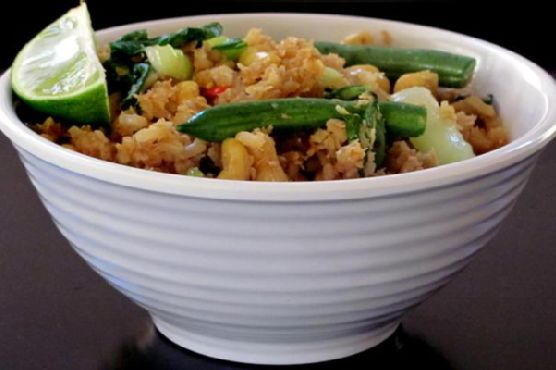
Thai Savory Brown Fried Rice | Made by Meaghan Moineau

It was one of those Tuesday evenings when everything seemed to be spinning at a million miles an hour. You know the vibe — the kind of chaos where the idea of cooking dinner feels like a Herculean task. I peeked into my pantry, hoping for inspiration, and that’s when it hit me: Thai Savory Brown Fried Rice. A dish that’s quick to whip up but feels like a comforting hug in a bowl. It’s packed with flavor and gives off that takeout vibe without the takeout guilt. Plus, there’s something about the combination of spicy chili, crunchy cashews, and zesty lime that just sings. Let me tell you, this is a dish that transforms ordinary brown rice into something worth savoring.

Jump to Recipe

What You’ll Need

A lot of this stuff is pantry-friendly, which means you can dodge a grocery trip. You’ll likely have most of these ingredients lounging around already.

  • Extra virgin olive oil
  • 3 garlic cloves, minced
  • 2 red fresh chili peppers, sliced
  • Raw cashew nuts
  • 1/4 cup dry unsweetened shredded coconut, toasted
  • 1 teaspoon stevia powder
  • 2 tablespoons Bragg Liquid Aminos
  • 1 tablespoon apple cider vinegar
  • 1 flax egg (1 tablespoon flaxseed meal + 2.5 tablespoons water)
  • 1 cup fresh green beans, trimmed and cut into pieces
  • 2 cups shredded regular bok choy
  • 2 cups cooked brown rice
  • Lime wedges for serving

How to Make Thai Savory Brown Fried Rice

  1. Start by making my Perfect Brown Rice. In a pot, sauté 1 cup of uncooked brown rice in 1 teaspoon of olive oil until it’s lightly browned. Toss in 2 basil leaves, then pour in 2 cups of filtered water. Quickly cover, bring to a boil, then simmer until all water has evaporated, about 40 minutes.
  2. As the rice cooks, heat a splash of olive oil in a wok or large frying pan. Add the minced garlic and sizzle until it’s lightly golden and fragrant. Be careful not to burn it — nobody likes bitter garlic.
  3. Toss in the sliced chili peppers, raw cashews, and toasted coconut. Let them dance around in the pan and get cozy for a good minute.
  4. In a small bowl, whisk together the stevia powder, Bragg Liquid Aminos, and apple cider vinegar. Pour this into the pan, blending it into your aromatic mix.
  5. Push everything to one side of the pan, making space for the flax egg. Pour it in and stir, cooking for about a minute until it firms up a bit, then mix it back into the stir-fry party.
  6. Add the green beans, bok choy, and your cooked brown rice to the pan. Stir well on medium heat for another minute. You want the bok choy wilted but those green beans still a bit snappy.
  7. Spoon your creation into a serving dish, and don’t forget to add a lime wedge on the side for that final zing.

Cook’s Notes

This dish is a lifesaver on busy nights! Toast the shredded coconut beforehand in a dry pan over low heat — trust me, it’s worth the extra step for that nutty aroma. If you’re prepping ahead, cook the brown rice the day before and keep it in the fridge. Cold rice works wonders for fried rice, soaking up all those flavors. Leftovers? They make for a fantastic lunch the next day. Just reheat in a pan with a splash of water to revive its moist goodness.

Make It Your Own

  • Swap the green beans for crispy tofu if you’re feeling a plant-based protein moment.
  • Throw in some sliced bell peppers for a pop of color and sweetness.
  • Want it extra spicy? Add more chili peppers or a drizzle of sriracha at the end.
  • Feel free to switch out the lime for lemon if that’s what you have on hand.

If you try this, I’d love to hear how it turns out — drop a comment or tag me! This dish is a little escape to Thailand in your own kitchen, without the need for a passport. Enjoy!

Related update: Thai Savory Brown Fried Rice

China stimulus: High-tech first, consumers | Analysis by Brian Moineau

TL;DR

  • Beijing is signaling more “China stimulus,” but the playbook still points to targeted support for high‑tech capacity and balance‑sheet repair—not a big-bang cash splash for households, as flagged by the Financial Times ahead of the late‑July 2026 Politburo readout [1].
  • With Q2 2026 growth down to 4.3% and June retail sales up just 1.0% y/y, tech‑led support risks propping up factories while domestic demand stays weak, deepening imbalances that invite more foreign tariffs from the US, EU, and Mexico [2][6].
  • The key number isn’t the headline pledge—it’s the composition: an 8.1% of GDP 2026 consolidated deficit with only a 0.3% fiscal impulse suggests precision-guided spending; unless more goes to households and property completion, growth hovers near 4.5% and confidence lags [4][5].

What the source said

The Financial Times reports that Chinese leaders in Beijing are preparing stimulus for H2 2026 but are prioritizing “spurring high-tech” over a sweeping consumption package, with signals expected after a late‑July 2026 Politburo meeting [1]. Analysts anticipate measures that channel capital into advanced manufacturing, AI infrastructure, and green tech rather than a 2008‑style broad transfer to households [1]. The backdrop features property stress, weak private investment, soft consumer sentiment, and rising trade frictions with the US and EU in 2026 [1][6]. Markets are therefore watching for targeted—not across‑the‑board—stimulus signals that point to execution via industrial policy rather than vouchers [1].

Why it matters

Three groups have the most at stake in 2026. First, Chinese households: wage growth has cooled, property wealth has eroded, and retail sales rose just 1.0% y/y in June 2026—so a tech‑first package risks bypassing them and prolonging caution on big‑ticket spending [2]. Second, manufacturers in EVs, batteries, and AI hardware: targeted credit and fiscal support can keep capacity humming, but it also courts foreign backlash via duties and probes already discussed in the US, EU, and Mexico this year [6]. Third, local governments: they carry implementation and financing burdens while land‑sale revenues fall, which constrains the pace and breadth of any rollout in 2026 [5].

Original analysis

Consensus view in mid‑2026: China will add stimulus, but it will be selective—aimed at high tech and industrial upgrading—rather than a “big bang” for household consumption [1][6]. I agree on direction but think markets underprice how that mix caps near‑term growth and amplifies external blowback if domestic demand stays weak.

  • Hard data first. Q2 2026 GDP slowed to 4.3% y/y, a 3‑1/2‑year low. June retail sales rose 1.0% while industrial output climbed 5.3%, a picture of strong factories and weak shoppers [2]. The PBoC’s Q2 statement promises “accommodative” conditions but confirms no policy rate or RRR cuts since May 2025, alongside an official growth band near 4.5%–5.0% for 2026—stability over urgency [3].

  • Fiscal reality check. The World Bank estimates China’s 2026 consolidated deficit at 8.1% of GDP, up from 7.2% in 2025, yet the fiscal impulse is only 0.3% of GDP because soft revenues and off‑budget constraints dilute the boost [5]. Translation: big headline deficit, modest net demand support.

  • Property is the fulcrum. Real home prices are down 23% from the July 2021 peak, and a “white‑list” has steered over RMB 7 trillion to viable projects, yet completion remains the choke point; the World Bank pegs inventory clearance at roughly 30 months at current sales rates [5]. Developer financing continued to contract year over year in May 2026, and bank lending to developers has trended lower since 2023, keeping household precautionary saving elevated [5].

  • External friction is the kicker. A tech‑first boost tilts supply toward EVs, solar, batteries, and AI hardware—sectors already under investigation or tariff pressure in Brussels, Washington, and Mexico City in 2026 [6]. Pushing capacity into a world adding barriers means the marginal unit may face a blocked market [6].

Back‑of‑envelope math: how big is “more stimulus,” really?

  • China’s 2025 nominal GDP: RMB 140.19 trillion (NBS) [7].
  • World Bank estimate of 2026 fiscal impulse: 0.3% of GDP [5].
  • 0.3% × RMB 140.19t ≈ RMB 420.6b of net demand support.

Now compare: the property white‑list loan stock is “over RMB 7 trillion”—about 5.0% of 2025 GDP—but it’s allocation for completion, not pure demand stimulus [5][7]. Even with better execution, the near‑term multiplier is smaller than direct household transfers or broad VAT cuts, which is why a 4.5%–5.0% growth outcome is feasible but biased to the low end if consumption drags [4][5].

2×2: China stimulus choices (what Beijing is likely optimizing)

  • Short‑term × Broad: Household vouchers, VAT cuts, payroll tax holidays. Fast retail boost; higher import leakage and local fiscal strain.
  • Short‑term × Targeted: “White‑list” completions, SOE purchases of unsold inventory for affordable housing, AI‑compute subsidies. Quick but narrow; fixes bottlenecks without lifting mass demand [5].
  • Long‑term × Broad: National social insurance upgrades, hukou reform, transfer programs. Durable consumption share gains; requires structural fiscal changes and political will [4].
  • Long‑term × Targeted: Industrial policy for semis, EVs, batteries, and grids. Raises potential output; risks overcapacity and retaliation if demand rebalancing lags [6].

Beijing is operating in the lower‑right and upper‑left boxes—targeted now, reform later. That mix preserves control in 2026 and limits moral hazard, but it delays the confidence effect that gets households to spend [4][5].

Named‑stakeholder breakdown

  • BYD and CATL: Probable winners from credit‑steered capex into EVs and storage; watch for more grid‑side projects and export headwinds if the EU or Mexico tighten duties in late 2026 [6].
  • Huawei and SMIC: Likely beneficiaries of AI‑compute and “self‑reliance” budgets; domestic orders rise, but export channels face controls and scrutiny in 2026 [6].
  • State Grid Corporation of China and data‑center operators: More capex for transmission and AI infrastructure aligns with “precision” stimulus and green goals flagged by multilaterals [5].
  • Local governments and LGFVs: Higher implementation burden with thinner land‑sale cash; project approval reforms and fiscal limits curb scattershot building in 2026 [5].
  • Households: Marginal beneficiaries unless completions accelerate and social spending outpaces GDP; otherwise retail stays soft and precautionary saving persists through H2 2026 [2][5].

What others are missing

Commentary focuses on “how big” the package is, not “how it flows” through China’s clogged transmission channels in 2026. Two plumbing details matter more than the headline: escrow ring‑fencing and completion finance. The World Bank traces delays to weak collateral, shrinking bank appetite, and heavy reliance on presales; despite RMB 7+ trillion in white‑list loans, developer financing remains tight and clearing inventory is a 30‑month job at current sales rates [5]. If policymakers hard‑wire escrow oversight and guarantee last‑mile funding, they deliver the biggest confidence dividend available in 2026—buyers believe keys are imminent, private developers regain cash flow, and consumer durables spending follows [5].

What to watch next

  1. By October 31, 2026, the PBoC trims the 1‑year MLF rate by at least 10 bps as Q3 data confirm sub‑5% growth and persistent retail weakness, aligning with official “accommodative” guidance [2][3][6].
  2. By December 31, 2026, cumulative “white‑list” lending tops RMB 8 trillion, and the NBS reports a year‑end backlog‑clearing time under 27 months, down from 30 months in March 2026 [5].
  3. By Q4 2026, China’s CPI averages 1.0%–1.5% y/y, signaling demand shortfall despite solid industrial output, in line with IMF and World Bank projections for a soft consumption recovery [4][5].

My take

A disciplined, tech‑forward package can move the needle in 2026—but only if it turns presold shells into keys and lifts social outlays from rounding error to anchor [4][5]. If Beijing keeps stimulus precision‑guided and delays household support, growth hugs 4.5%, foreign pushback intensifies, and imbalances widen into 2027 [4][6]. Pair AI kits with apartment keys and a faster safety net, and 2026 lands near 5.0% with a cleaner 2027 glide path; my base case is a Q4 tilt toward households, small in yuan but large in signal [4][5].

Sources

  1. Chinese leaders zero in on need for stimulus for economy — Financial Times (https://www.ft.com/content/9cf9b393-3ac7-4cfc-9dd1-4fc23831e6a0?syn-25a6b1a6%5Cu003d1) — Reports Beijing’s stimulus focus on high tech over a broad consumption package and flags the late‑July 2026 Politburo readout.

  2. China’s Q2 economic growth cools to 3‑1/2‑year low as imbalances worsen — Reuters via Investing.com (https://www.investing.com/news/economy-news/chinas-q2-gdp-growth-slows-to-43-yy-misses-market-forecast-4792122) — Provides the 4.3% Q2 GDP figure, weak June retail sales, stronger industrial output, and the political timetable.

  3. China’s central bank pledges to maintain accommodative policy amid weak demand, external shocks — Reuters via Investing.com (https://m.investing.com/news/economy-news/chinas-central-bank-pledges-to-maintain-accommodativepolicy-amid-weak-demand-external-shocks-4781334?ampMode=1) — Summarizes the PBoC’s Q2 policy stance, absence of rate/RRR cuts since May 2025, and the 2026 growth band.

  4. How China’s Economy Can Pivot to Consumption‑led Growth — IMF (https://www.imf.org/en/news/articles/2026/02/18/cf-how-chinas-economy-can-pivot-to-consumption-led-growth) — Shares a 2026 growth projection near 4.5% and concrete rebalancing steps to lift consumption.

  5. China Economic Update — July 2026 — World Bank (https://thedocs.worldbank.org/en/doc/0cb2fc6dd88d4db3816dc0433b5cb49b-0070012026/original/CEU-July-2026-EN.pdf) — Details the 8.1% consolidated deficit plan, a 0.3% fiscal impulse, property metrics (−23% from 2021 peak, RMB 7t white‑list), and the ~30‑month clearance estimate.

  6. 5 takeaways from China’s Central Economic Work Conference as Beijing maps its 2026 growth path — Channel NewsAsia (https://www.channelnewsasia.com/east-asia/china-central-economic-work-conference-5-takeaways-2026-priorities-5578916) — Explains emphasis on fine‑tuning, innovation/green pillars, and the external barrier backdrop in 2026.

  7. Statistical Communiqué of the People’s Republic of China on the 2025 National Economic and Social Development — National Bureau of Statistics (https://www.stats.gov.cn/english/PressRelease/202602/t20260228_1962661.html) — Confirms 2025 nominal GDP at RMB 140.19 trillion used in the calculation.


Related update: We recently published an article that expands on this topic: read the latest post.


Related update: We recently published an article that expands on this topic: read the latest post.

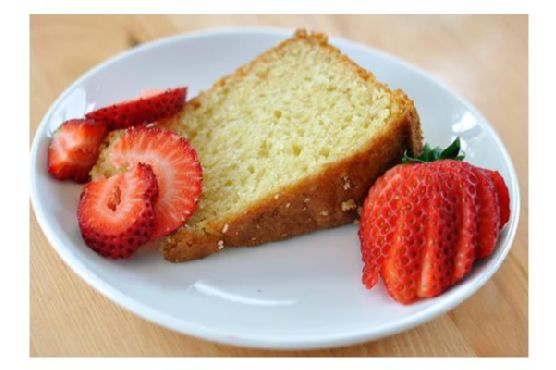
Yogurt Cake | Made by Meaghan Moineau

Some days, you just need a cake that feels like a warm hug, you know? It was one of those dreary Sunday afternoons when I found myself staring at the contents of my pantry, craving something sweet but not too fussy. The kind of cake you can whip up without a trip to the store, and this Yogurt Cake was the answer. It’s the sort of bake that feels like it should take a whole afternoon but actually comes together in just an hour. Light and airy with just a hint of nutmeg, it’s a comforting treat that’s perfect for any day of the week — especially when life is a little hectic and you need a quick, no-brainer dessert.

Jump to Recipe

What You’ll Need

This cake is all about simplicity. Chances are you already have most of these ingredients hanging out in your pantry or fridge:

  • Full-fat yogurt
  • Olive oil
  • Sugar
  • Eggs
  • Vanilla
  • Flour
  • Baking powder
  • Baking soda
  • Salt
  • Nutmeg

How to Make Yogurt Cake

  1. Preheat your oven to 350°F. Trust me, you don’t want to forget this step and then wait impatiently while the batter sits there looking at you.
  2. Lightly grease a 9-inch springform pan with baking spray or a little bit of oil. Then, line the bottom with parchment to avoid any sticky situations.
  3. In a good-sized bowl, whisk together the yogurt, olive oil, sugar, eggs, and vanilla. The mixture should be smooth and slightly frothy.
  4. Now, sprinkle the flour, baking powder, baking soda, salt, and nutmeg over your wet ingredients. Stir until you’ve got a smooth batter that’s lump-free. Don’t go overboard with stirring, though — just enough to bring it all together.
  5. Pour the batter into your prepped pan. Slide it into the oven and let the magic happen for 50 to 60 minutes. If it looks like the top is browning too fast, just cover it with some foil.
  6. The cake is done when a tester or toothpick inserted in the center comes out clean. Let it cool on a rack for about 10 minutes before removing it from the pan.

Cook’s Notes

Here’s a little tip: make sure your eggs and yogurt are at room temperature for the best texture. And don’t skip the parchment paper lining — it makes removing the cake so much easier. If you’re planning to serve it later, this cake stays wonderfully moist for up to three days when tightly wrapped and stored at room temperature. You can also freeze slices wrapped individually — they’ll keep for about a month.

Make It Your Own

  • Berry Burst: Fold in a cup of fresh or frozen berries (no need to thaw) for a burst of fruity goodness.
  • Citrus Twist: Add the zest of a lemon or orange to the batter for a citrusy kick.
  • Nuttier Flavor: Swap out some of the olive oil for melted coconut oil if that’s more your vibe.
  • Spice It Up: Add a teaspoon of cinnamon along with the nutmeg for a spicier, warmer flavor profile.

If you try this, I’d love to hear how it turns out — drop a comment or tag me! Let’s make baking fun and delicious together, one yogurt cake at a time. Happy baking!

Related update: Yogurt Cake

Related update: Irish Whiskey Pie

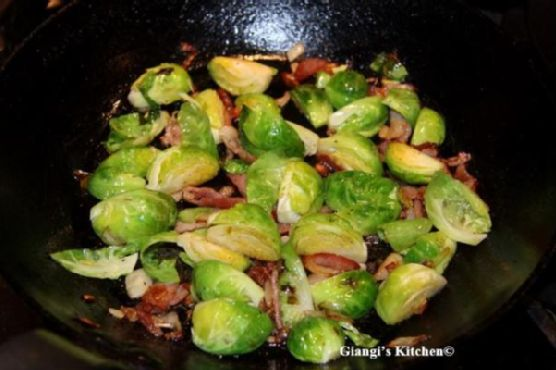
Brussels Sprouts with Bacon and Shallots | Made by Meaghan Moineau

It was one of those evenings where I’d just gotten home from a long day, opened the fridge, and sighed at its contents — or lack thereof. You know what I’m talking about, the classic weeknight scramble where you’re too tired to go out but still want something comforting and a tad bit fancy. That’s when I spotted a lonely pack of bacon and some brussels sprouts I’d forgotten about. A lightbulb moment ensued, and this dish was born out of necessity, quickly becoming a household staple. It’s one of those meals that feels a bit impressive but is ridiculously easy to throw together. Plus, the crispy bacon pairs so perfectly with the tender brussels sprouts and sweet shallots. Trust me, this dish is a game-changer for lazy evenings.

Jump to Recipe

What You’ll Need

Chances are you already have most of this hanging around your kitchen. Just a few ingredients that combine to make magic happen:

  • Bacon – the soul of this dish
  • Brussels sprouts – trimmed and ready to shine
  • Lemon juice – for that bright, zesty finish
  • Salt and pepper – essentials, of course
  • Shallot – it adds a sweet, delicate flavor

How to Make Brussels Sprouts with Bacon and Shallots

  1. In a large skillet, toss in the chopped bacon. Cook over medium heat until it’s golden brown and your kitchen smells like pure heaven.
  2. Next, add the shallots to the skillet. Let them mingle with the bacon, cooking until tender and translucent.
  3. Crank up the heat to high and introduce the brussels sprouts to the party. Sauté them until they develop that irresistible golden crust, making sure to stir occasionally so they don’t stick.
  4. Finish with a squeeze of lemon juice and season generously with salt and pepper. Give it all a good toss, letting every ingredient get cozy.
  5. Serve immediately, preferably with a grin because you just made something delicious with minimal effort.

Cook’s Notes

A couple of things I’ve learned along the way: First, do not overcrowd your skillet. This is a surefire way to end up with soggy sprouts, and nobody wants that. If you’re making a larger batch, definitely work in batches. As for storage, leftovers can be popped in an airtight container and kept in the fridge for a couple of days. Reheat them in the skillet to keep that crispiness alive. Pro tip: if you’re making this for a crowd, you can prep everything in advance and then do the actual cooking just before serving. It’s quick enough that even last-minute is doable!

Make It Your Own

Feeling like switching things up? Here are a few ideas:

  • Swap the bacon for crispy pancetta or prosciutto for an Italian twist.
  • Try adding a splash of balsamic vinegar instead of lemon juice for a deeper flavor.
  • Throw in some toasted pine nuts or almonds for an extra crunch.
  • If you’re vegetarian, swap the bacon for crispy tofu — trust me, it works!

If you try this, I’d love to hear how it turns out — drop a comment or tag me! Remember, the best recipes are the ones you make your own. Happy cooking!

Related update: Brussels Sprouts with Bacon and Shallots

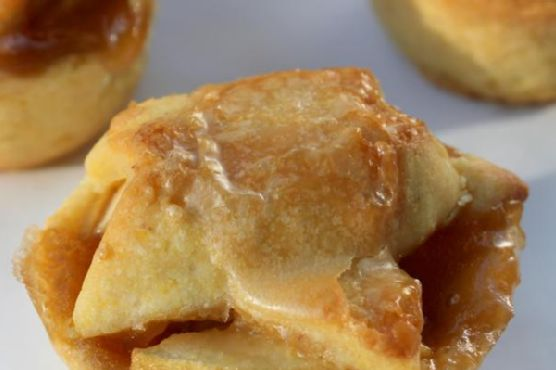
Brandy-Apple Mini Pies With Cornmeal Crust | Made by Meaghan Moineau

Okay, so picture this: It’s a chilly autumn afternoon, and I’ve just returned from the farmer’s market with a bag full of crisp, tart apples. I’m totally in the mood for some fall baking therapy, but I need something that doesn’t have me glued to the oven for hours. Enter these adorable Brandy-Apple Mini Pies with Cornmeal Crust. They’re the perfect mix of cozy and impressive, with a buttery, cornmeal crust that crumbles just right and a filling that’s sweet with a hint of boozy warmth. They’re just the ticket for a quick baking session that still feels special—plus, they make your whole kitchen smell like the best parts of fall. And the best part? They’re mini, so you can totally have more than one. Intrigued? Jump to Recipe

What You’ll Need

You’re in luck, because there’s a good chance you’ve got most of these goodies chilling in your pantry or fridge already. Here’s what you’ll need:

  • 1 cup all-purpose flour
  • 1/2 cup yellow cornmeal
  • 1/4 cup powdered sugar
  • 1/2 tsp salt
  • 1/4 cup vegetable shortening
  • 3-4 Tb. ice water
  • 3 cups green diced tart apples (like Granny Smith)
  • 1/2 cup unsalted butter
  • 2 Tb. brandy
  • 1/2 cup brown sugar
  • 1 tsp pumpkin pie spice
  • 1 Tb. sugar

How to Make Brandy-Apple Mini Pies With Cornmeal Crust

  1. Start by tossing the flour, cornmeal, powdered sugar, and salt into your food processor. Pulse it a couple of times to mix everything together.
  2. Cut the shortening into small cubes and add it to the processor. Pulse again until the mixture resembles coarse crumbs.
  3. Add 3 tablespoons of ice water and pulse until the dough starts to come together. If it looks a little dry, add another tablespoon of water.
  4. Lay out a sheet of plastic wrap and turn the dough onto it. Divide it into two pieces—one larger and one smaller, about 80/20 split.
  5. Shape each piece into a disk, wrap them snugly, and pop them into the fridge for at least 30 minutes.
  6. While the dough chills, peel and dice your apples. Preheat your oven to 425°F.
  7. In a small saucepan over medium heat, blend together the butter, brandy, brown sugar, pumpkin pie spice, and sugar. Stir until it simmers, then pour this sweet mixture over the apples, tossing to coat.
  8. Take the larger dough disk out of the fridge and roll it out on a well-floured surface to about 1/8 inch thick.
  9. Use a drinking glass with a 3-4 inch rim to cut out circles of dough. Press these into your muffin tins. Gather and re-roll the dough scraps to get 14-16 crusts.
  10. Fill each mini crust with a generous scoop of the apple mixture.
  11. Roll out the smaller dough piece and use a cute 2-3 inch cookie cutter to make tops. Place these over each pie and brush with any leftover syrup from the apple bowl.
  12. Bake for 15 minutes, then lower the oven temp to 350°F and bake an additional 15 minutes. If they look perfectly golden after the first 15, cover them with foil to prevent over-browning.
  13. Cool the pies completely in the muffin tin before attempting to remove them. Trust me, no one wants to see these beauties fall apart!

Cook’s Notes

Silicone muffin pans are your best friend here—they make getting the pies out a breeze. If you’re using metal pans, gently run a sharp knife around the edges, and oh-so-carefully ease each pie out into your hand one at a time. If you’re eyeing a full-size pie instead of minis, just double the apples and syrup. Roll out the dough into a bottom crust and top, bake at 425°F for 30 minutes, then 350°F for another 30.

Make It Your Own

  • Swap the brandy for a splash of bourbon or whiskey for a deeper, smokier flavor.
  • Try using pears instead of apples for a sweet, juicy twist.
  • Add a handful of chopped pecans to the apple mixture for some nutty crunch.
  • Sprinkle a little coarse sea salt on top before baking for that sweet-salty combo we all secretly obsess over.

If you give these mini pies a spin, I’d love to hear how they turn out for you! Drop a comment below or tag me in your delicious creations. Happy baking!

Related update: Brandy-Apple Mini Pies With Cornmeal Crust

Related update: Yogurt Cake

OpenAI’s Secret Gadget: Hype Meets Lawsuit | Analysis by Brian Moineau

TL;DR

  • OpenAI’s secret gadget sits at the collision of design theater and legal crossfire: Joanna Stern’s NBC News open letter spotlights the mystery while Apple’s July 2026 trade‑secrets suit turns the launch into a courtroom subplot. [1][3]
  • Competing leaks disagree on form factor—TechCrunch points to earbuds, while Bloomberg Law points to a screen‑free smart speaker; meanwhile, the only consumer AI hardware with real traction is Ray‑Ban Meta smart glasses, which topped 1 million units in 2024. [5][7][4]
  • The winning move isn’t “iPhone‑killer” hardware; it’s a low‑friction accessory that rides existing habits, avoids Humane‑style support fiascos, and pairs tightly with phones—before the courts can slow the party. [2][6]

What the source said

Joanna Stern’s NBC News column uses the conceit of an “open letter” to OpenAI’s unannounced device to frame three concrete questions: what it is, who it’s for, and why it matters amid scrutiny of OpenAI’s hardware ambitions. She cites the Jony Ive aura and the fact that a real object is in the works even as the company holds specs. Her tone mixes skepticism with affection for ambitious gadgets and reminds readers that shipping consumer hardware is brutal, even for a software‑first company. [1]

Why it matters

The stakeholders extend beyond OpenAI and any Ive‑led studio. Apple is suing over alleged trade‑secret theft; Qualcomm wants design‑win sockets if NPUs or modems are inside; and retailers like Best Buy act as gatekeepers for shelf space that can make or break holiday sell‑through. Each participant either gains a new revenue vector or absorbs costs from returns, legal delays, and a feature set that fails to map to daily habits. [2][3]

If OpenAI misreads the category, it risks Humane‑style blowback—devices dying within a year and refunds that torch trust. If it gets the fit right, it can earn durable voice presence in daily life without asking iOS or Android for front‑door access every time. That’s the prize: habitual access, not an industrial‑design trophy. [6]

Original analysis

OpenAI’s secret gadget: where it can win—and where it will bleed

Two conflicting, sourced threads point to very different launches. TechCrunch reports the first device “could be earbuds,” while Bloomberg Law says the debut will be a screen‑free, mobile smart speaker—an at‑home AI companion. Both imply voice‑first, screen‑optional UX and heavy reliance on cloud inference unless an on‑device NPU surprises us. Axios, by contrast, stakes the timeline: OpenAI is “on track” for a second‑half‑of‑2026 unveiling, which now competes with Apple’s active lawsuit clock. [5][7][2][3]

Here’s the consensus in one sentence: to control the assistant layer, OpenAI needs a phone replacement or a dedicated countertop gadget. Contrarian read: the safest path to habit is a humble accessory that piggybacks on phones and sunglasses people already wear. Consumer data backs this up: the only AI‑adjacent gadget with obvious momentum is Ray‑Ban Meta smart glasses, which crossed one million units in 2024 with a familiar brand, tight phone pairing, and “good enough” on‑device features plus cloud AI; bespoke “AI devices” like Humane’s Ai Pin imploded in under a year, leaving owners with bricked hardware and partial refunds. That’s not a UX quibble; that’s a trust‑and‑support lesson. [4][6]

A 2×2 to decode the options

  • Axis 1: Form factor

    • Body‑worn (earbuds, glasses)
    • Room‑placed (speaker, dock)
  • Axis 2: Compute location

    • On‑device NPU‑first
    • Cloud‑first with minimal edge compute

Place the contenders:

  • Ray‑Ban Meta: Body‑worn, partial on‑device, cloud assist. Proof that “ambient + accessory” can scale beyond novelty. [4]
  • OpenAI earbuds (rumored): Body‑worn, likely cloud‑first. Wins on habit (always with you), loses if Android/iOS power management and Bluetooth latency hobble responsiveness. [5]
  • OpenAI speaker (reported): Room‑placed, cloud‑first. Wins on mic array and far‑field reliability; risks Echo‑style appliance status unless it does something new. [7]
  • Apple/HomePod + Apple Intelligence: Room‑placed with deep OS hooks that hide seams; Apple’s distribution and default status are structural advantages.

Implication: OpenAI maximizes daily use odds by starting with body‑worn accessories that ride iPhone and Android. A room device can be lovely—but the Echo lesson looms: retention needs a daily anchor use case, not just better chitchat.

Named‑stakeholder breakdown

  • OpenAI: The launch is a three‑front campaign—industrial design, cloud cost economics, and litigation risk. A speaker ties them to the home and a services margin; earbuds tie them to your pocket and carrier politics. [2][7][3]
  • Apple: The trade‑secret case creates optionality—squeeze discovery, seek an injunction, or at least slow a rival while Apple embeds “Apple Intelligence” across accessories. Even without a win, time is advantage. [3]
  • Ive‑adjacent studio: If the product delights, the mystique resets the “AI gadget” narrative; if it stumbles, pin‑era skepticism hardens. Discovery risk also drags more eyes over design processes. [3]
  • Qualcomm: Axios signaled collaboration with OpenAI; a shipping device means sockets, reference designs, and a chance to prove NPUs can cut latency or boost battery for assistants. [2]
  • Meta: A hit for OpenAI in wearables would crowd Meta’s smart‑glasses runway; if OpenAI ships only a speaker, Meta keeps the mobility high ground. [4]

Historical analogue

  • 2016 AirPods showed how a tiny, accessory‑class device could become a daily ritual without replacing the phone.
  • 2014 Echo established that room devices win setup speed and reliable wake words but struggle to expand beyond timers and music without deep service hooks.
  • 2013 Google Glass proved that social acceptability and fashion matter as much as sensors and CPUs for face‑worn tech.

The contrarian wedge

Everyone is arguing about the object—earbuds or speaker—while the real moat is distribution plus delight. Meta built habit in under 12 months via Ray‑Ban stores, Instagram campaigns, and a fashion‑credible frame; Humane had neither, and it showed. OpenAI doesn’t own retail or an OS. Its best wedge is to become the most responsive voice AI inside accessories people already want to wear; if the first reveal is a room gadget, it must deliver genuinely proactive, multi‑step agency that saves visible time—think minutes per day—to justify a new box on the counter. Otherwise, it’s another pretty cylinder. [4][6]

What others are missing

Support and refunds will decide this category as much as the model weights. Engadget documented how Humane’s $700 Ai Pin shut down with a 10‑day sunset and limited refunds, leaving early adopters stranded and souring the exact audience OpenAI is courting. The lesson is operational, not just architectural: publish a clear warranty, promise an offline baseline that never bricks, and make the refund path explicit on day one. If OpenAI skimps here, the demo sizzle won’t matter once the first RMA hits Reddit. [6]

What to watch next

  1. By October 2026, OpenAI publicly clarifies the form factor (speaker vs. earbuds) with a working demo, not just renders. [2][5][7]
  2. By November 2026, at least one court filing in Apple v. OpenAI explicitly links—or fails to link—specific hardware components or supplier processes to alleged trade secrets, determining whether an injunction is plausible before year‑end. [3]
  3. By December 2026, if the device is room‑placed, major retailers list it for holiday preorders; if body‑worn, at least one U.S. carrier partnership appears to handle voice and app permissions cleanly. [2][4][5]

My take

Ship a thing people already wear. Earbuds or glasses beat a countertop monolith like Echo or HomePod for mobility and habit formation. If OpenAI leads with a speaker, it’s choosing controlled acoustics and easier marketing over the harder, more valuable challenge of being with me at the crosswalk, at the grocery shelf, and on the subway. The bet I’d back: a modest, beautiful accessory that pairs instantly, responds fast, and never bricks when servers hiccup.

Sources

  1. An open letter to OpenAI’s secret gadget — NBC News (https://www.nbcnews.com/tech/gadgets/joanna-stern-open-letter-openais-secret-gadget-rcna588052) — Frames the mystery and tone around an unannounced OpenAI device; stakes out consumer‑hardware skepticism.

  2. Exclusive: OpenAI aims to debut first device in 2026 — Axios (https://www.axios.com/2026/01/19/openai-device-2026-lehane-jony-ive) — Reports a second‑half‑of‑2026 target and hints at Qualcomm collaboration; anchors the timeline.

  3. Apple sues OpenAI over alleged trade secret theft — TechCrunch (https://techcrunch.com/2026/07/10/apple-sues-openai-over-alleged-trade-secret-theft/) — Details Apple’s July 2026 complaint and remedies sought; establishes legal headwinds.

  4. Meta’s Ray‑Ban smart glasses sold more than 1 million units last year — The Verge (https://www.theverge.com/meta/603674/meta-ray-ban-smart-glasses-sales) — Provides a hard sales number for 2024, showing accessory‑first momentum.

  5. OpenAI aims to ship its first device in 2026, and it could be earbuds — TechCrunch (https://techcrunch.com/2026/01/21/openai-aims-to-ship-its-first-device-in-2026-and-it-could-be-earbuds/) — Competes with the speaker narrative by flagging earbuds and “screen‑free” direction.

  6. All of Humane’s Ai Pins will stop working in 10 days — Engadget (https://www.engadget.com/ai/all-of-humanes-ai-pins-will-stop-working-in-10-days-225643798.html) — Documents a shutdown window and refund limits that poisoned early‑adopter trust.

  7. OpenAI’s First Device Will Be Speaker Built as AI Companion — Bloomberg Law (https://news.bloomberglaw.com/artificial-intelligence/openais-first-device-will-be-speaker-built-as-ai-companion-1) — Adds weight to the speaker rumor and the room‑placed launch angle.


Related update: We recently published an article that expands on this topic: read the latest post.


Related update: We recently published an article that expands on this topic: read the latest post.

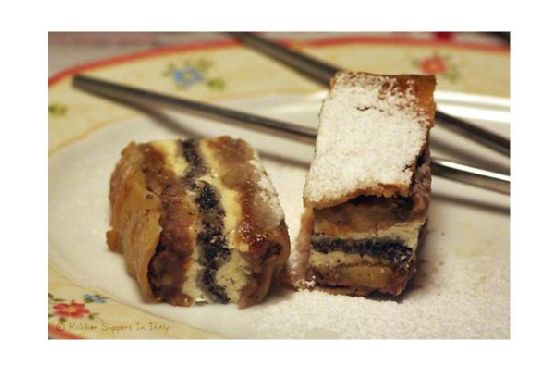
Layered Poppy Seed Pastries | Made by Meaghan Moineau

On a particularly rainy Tuesday afternoon, as the water danced against my kitchen window, I found myself craving something both cozy and indulgent. I rummaged through the pantry, hoping for inspiration, and there it was: a can of poppy seed filling. That was all it took to set me on the path toward creating these Layered Poppy Seed Pastries. They’re the perfect blend of buttery layers and rich filling, a treat that feels special but isn’t overly complex to prepare. If you’re like me and love bringing a bit of warmth and comfort on a dreary day, this recipe is a must-try. These pastries are like edible hugs — perfect for impressing friends or just treating yourself.

Jump to Recipe

What You’ll Need

You’d be surprised how many of these ingredients are likely sitting right in your pantry. This recipe doesn’t require anything too exotic, but a few key ingredients really make it shine. Here’s what you’ll need:

  • Warm milk – for activating the yeast
  • Dry packet yeast – to give our pastries that lovely rise
  • Flour – the backbone of our pastry
  • Baking powder – adds an extra lift
  • Salt and a dash of sugar
  • Lemon zest – for a hint of brightness
  • Butter – because what’s a pastry without it?
  • Whole egg plus an extra yolk for richness
  • Vanilla extract – just a splash!
  • Canned poppy seed filling – the star of the show
  • Ground walnuts – for that nutty crunch
  • Water – just a splash to bring it all together

How to Make Layered Poppy Seed Pastries

  1. Start by mixing the warm milk, dash of sugar, and yeast in a small bowl until the yeast dissolves. Let it sit while you prep the rest.
  2. In a large mixing bowl, blend the flour, baking powder, salt, and lemon zest. Add the butter and mix until you see a crumbly texture forming.
  3. In a separate bowl, beat the whole egg and extra yolk with vanilla. Alternate adding this mixture and the yeast mixture to the flour blend, mixing until you have a cohesive dough.
  4. Transfer your dough to a floured board. Divide it into four parts and knead each into a flat disc. Wrap these in plastic wrap and pop them into the fridge for an hour.
  5. While the dough chills, spoon your poppy seed filling into a pastry bag. Mix the sugar and ground walnuts in another bowl and set aside.
  6. Roll each disc into a thin sheet to fit a 13×9-inch baking dish. If you have any trimmings, save them for another pastry adventure.
  7. Start layering: Place one layer of dough in the baking dish, spread half the poppy seed filling, cover with another dough layer, and sprinkle with the walnut mixture. Repeat once more and top with the final dough layer.
  8. Let the assembled pastry sit covered with a kitchen towel for 30 minutes, allowing it to rest and rise slightly.
  9. Brush the top with the egg yolk mixture for a lovely golden finish. Bake at 350°F for around 45 minutes, or until the top is golden brown and the aroma fills your kitchen.
  10. Once baked, while still hot, cut the pastry into 24 squares. Let them cool in the pan, basking in the glory of your creation.

Cook’s Notes

Always make sure your milk is warm but not hot to the touch, as too much heat can kill the yeast. These pastries freeze beautifully; just wrap them in plastic and then foil, and pop them into a resealable plastic bag. They defrost well and maintain their crispness, tricking everyone into thinking they’re freshly baked. And here’s a tip: when serving, consider making a few extra for your neighbors or friends. Sharing these could easily brighten someone’s day!

Make It Your Own

  • Swap out the poppy seed filling with a thick apricot jam for a fruity twist.
  • Replace the walnuts with pecans for a sweeter, buttery nut flavor.
  • For a citrusy kick, add orange zest instead of lemon zest.
  • Want a hint of spice? Add a teaspoon of cinnamon to the walnut mixture.

If you try this, I’d love to hear how it turns out — drop a comment or tag me! These pastries are a rainy day favorite, and I hope they’ll become a part of your kitchen adventures too. Enjoy every flaky, delicious bite!

Related update: Layered Poppy Seed Pastries

Related update: Brandy-Apple Mini Pies With Cornmeal Crust

Quinoa Salad with Barberries & Nuts | Made by Meaghan Moineau

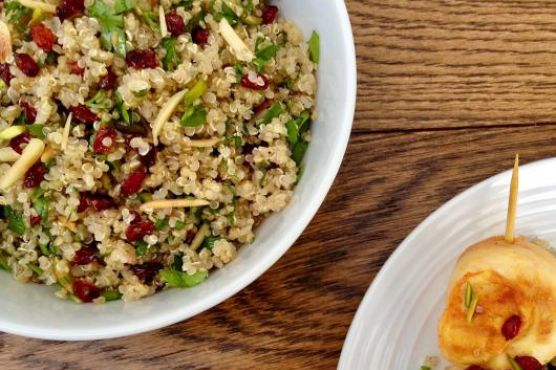
Picture this: It’s a Tuesday evening, and I’ve just emerged from a whirlwind day of meetings and errands. My energy is zapped, but my taste buds are clamoring for something a bit more exciting than my standard, last-minute pasta. I glance at my pantry, and there it is—a trusty bag of quinoa. This little grain (or seed, to be precise) is my go-to for nights like these when I want something nourishing yet packed with flavor. That’s where my Quinoa Salad with Barberries & Nuts comes into play. It’s a delightful dance of textures and tastes—fluffy quinoa, tangy barberries, and crunchy nuts, all mingling with fresh herbs. Bonus: It’s ready in a flash and makes me feel like a kitchen wizard every single time.

Jump to Recipe

What You’ll Need

Trust me, most of these ingredients are likely chilling in your pantry or fridge already. It’s the *bold* ones that make this dish pop, so don’t skip those!

  • Quinoa – the base of our salad
  • Water
  • Salt
  • Olive oil
  • Barberries – these little gems add a tart kick
  • Slivered almonds
  • Slivered pistachios
  • Coriander
  • Mint

How to Make Quinoa Salad with Barberries & Nuts

  1. Start by rinsing the quinoa thoroughly in a sieve under cold running water. This step is crucial to remove that pesky bitterness. Drain well.
  2. Next, pour boiling water over the drained quinoa in a medium saucepan. Add a good pinch of salt, give it a stir, and cook over medium-low heat. You’re looking for the quinoa to be tender but with a slight bite. Drain it again using the sieve.
  3. While your quinoa is doing its thing, pick over the barberries, rinse them gently in a sieve, and dry them on some kitchen paper. Easy peasy.
  4. Now, let’s get those nuts toasted. Heat a tablespoon of olive oil in a saucepan over medium heat. Toss in the almond slivers first until they’re a light golden hue—then add the pistachios.
  5. With the nuts nicely toasted, add the rest of your olive oil and throw in the rinsed barberries. Cook them just until they’re shiny and looking a bit puffed up, which is when they release their tangy aroma.
  6. Reserve a tablespoon of the barberry and nut mixture, along with a tablespoon of the chopped coriander and mint, for our final flourish.
  7. Mix the remaining nut and barberry blend with the quinoa and herbs. Pop it all back into the pot and place over low heat. Cover it up and let it cook for about ten minutes until it’s steaming and thoroughly heated.
  8. Finally, turn your quinoa creation into a serving dish. Fluff it up with a fork, add a drizzle of olive oil, and a twist of black pepper if you’re feeling it. Sprinkle with the reserved barberry-nut mix and herbs. Serve it up either as a main or a side—your choice!

Cook’s Notes

Here’s the thing about this salad: it’s super forgiving and versatile. If you’ve never worked with barberries before, you might find them at a specialty grocery store or online. They’re worth the hunt, trust me. When it comes to leftovers, this salad holds up well for up to three days in the fridge. Just be sure to store it in an airtight container. If you’re planning to make it ahead, keep the garnish separate and mix it in just before serving to maintain that fresh, crunchy vibe.

Make It Your Own

Customizing this salad is a breeze. Here are a few ideas to get you started:

  • Swap the barberries for dried cranberries or cherries if you prefer something sweeter.
  • Try adding crispy tofu to make it a more filling main dish.
  • Substitute the almonds and pistachios with hazelnuts and walnuts for a different nutty profile.
  • If you’re into greens, throw in a handful of arugula or baby spinach for extra color and nutrients.

If you try this, I’d love to hear how it turns out—drop a comment or tag me! Let’s get cooking and make the everyday extraordinary.

Related update: Quinoa Salad with Barberries & Nuts

Related update: Brussels Sprouts with Bacon and Shallots

Korean Beef Rice Bowl | Made by Meaghan Moineau

It was one of those chaotic Tuesday nights. You know the ones — the kind where you stare blankly into the fridge, hoping dinner will materialize while the clock ticks ever onward. I was craving something quick and satisfying, with just the right balance of savory and sweet. Enter the Korean Beef Rice Bowl. It’s the kind of recipe that magically turns a handful of ingredients into something that’s not only delicious but feels like a hug in a bowl. Plus, it’s faster than waiting for delivery, and you get all the kitchen glory.

Jump to Recipe

What You’ll Need

You might already have some of these tucked away in your pantry or fridge, just waiting to shine. Here’s the lineup:

  • Beef flank steak, fat-trimmed
  • Korean marinade
  • Green beans
  • Carrot
  • Rice vinegar
  • Asian sesame oil
  • Sugar
  • Salt
  • Salad oil
  • Fat-skimmed beef broth
  • Cooked rice
  • Thinly sliced green onions
  • Sesame seeds

How to Make Korean Beef Rice Bowl

  1. Start by rinsing the beef under cold water, pat it dry, then slice it across the grain into thin, 1/8-inch slices. Aim for pieces that are about 3 inches long. This will help them cook quickly and evenly.
  2. In a small bowl, combine the sliced beef with 1/4 cup of Korean marinade. Let it sit while you prep the veggies to infuse the meat with flavor.
  3. Trim the ends and strings from the green beans and cut them diagonally into 3-inch pieces. Slice the carrot into matchstick-size pieces of the same length.
  4. In a large wok or frying pan over high heat, combine 1/2 cup of water with the green beans and carrot. Cover and stir occasionally, cooking until they’re just tender, about 3 minutes. Drain and promptly immerse them in cold water to stop the cooking. Once cool, drain them again.
  5. In a bowl, toss the drained veggies with a splash of rice vinegar, a drizzle of sesame oil, and a sprinkle of sugar and salt to taste. Give them a quick toss to coat evenly.
  6. Wipe out the wok and place it back over high heat, adding a splash of salad oil. Once the oil is hot, add the marinated beef along with any remaining liquid from the bowl. Stir-fry the meat until it’s no longer pink, approximately 2 minutes.
  7. Pour the remaining marinade and beef broth into the pan with the beef. Stir until the mixture begins to boil, creating a rich and savory sauce.
  8. To assemble, scoop generous portions of warm cooked rice into bowls. Top with the beef and its sauce, then arrange the marinated vegetables on top. Finish with a sprinkle of green onions and sesame seeds for that final burst of flavor.

Cook’s Notes

Here’s a little advice from my kitchen to yours. When slicing the beef, the thinner, the better — it lets the marinade seep through and cooks in a flash. If you can’t find toasted sesame seeds, no worries. Just toss regular sesame seeds in a pan over low heat for a minute until they’re golden and fragrant. This dish comes together in about 30 minutes, making it perfect for those nights when time is of the essence. Leftovers keep well for a couple of days in the fridge, though the rice might absorb some sauce, so maybe keep extra sauce on the side if you plan on having leftovers.

Make It Your Own

Consider these variations to change things up or cater to your dietary needs:

  • Swap out the beef for crispy tofu if you’re going plant-based. Press the tofu to remove excess moisture before marinating.
  • Use boneless chicken thighs instead of beef for a different protein option. They stay juicy and cook quickly.
  • Substitute broccoli or snap peas for the green beans if that’s what you have on hand or prefer.
  • For a spicier kick, add a teaspoon of gochujang (Korean chili paste) to the marinade.

If you try this, I’d love to hear how it turns out — drop a comment or tag me! Remember, your kitchen is your playground, so have fun with it. Happy cooking!

Related update: Korean Beef Rice Bowl

Related update: Thai Savory Brown Fried Rice

Related update: Brown Sugar and Balsamic Glazed Pork Loin

Halo Remade: UE5 Revives Classic Campaign | Analysis by Brian Moineau

TL;DR

  • Halo: Campaign Evolved is a ground‑up remake built in Unreal Engine 5, with Halo Studios saying UE5 let artists iterate faster while staying faithful to 2001’s tone. [1]
  • The real story isn’t just shinier marines; it’s a studio process pivot: rebrand, toolchain reset, and multiplatform launch (including PS5 on July 28, 2026) that rewires Halo’s economics and audience. [2][3][7]
  • Expect a “faithful but moodier” campaign that uses UE5 systems like Lumen and MegaLights to recapture CE’s mystery—if performance and identity hold under cross‑platform constraints. [1][4]

What the source said

Halo Studios’ blog details how the art team approached Halo: Campaign Evolved as a full remake on Unreal Engine 5 led by art directors Chris Matthews and Donnie Taylor. The team describes Project Foundry as a UE5 test bed that shaped biomes—Pacific Northwest, Coldlands, and Blightlands—and workflows later used in missions like Halo and Assault on the Control Room. They credit UE5 tools (Nanite for geometry, Niagara for VFX, Lumen for GI, and MegaLights for area lighting) for collapsing barriers between concept and in‑engine execution, and outline five pillars (military sci‑fi, spectacle, groundedness, storied spaces, intention). Repeated reviews against original Combat Evolved and Anniversary assets preserved tone, with darker, moodier environments preferred over one‑to‑one recreation. [1]

Why it matters

Stakeholders just changed. Microsoft rebranded 343 Industries to Halo Studios in 2024, switched to Unreal, and now ships Halo: Campaign Evolved day‑and‑date on Xbox, PC, and PlayStation 5 on July 28, 2026 (early access July 23). That’s the franchise’s first PlayStation release, expanding the addressable market and diluting “Xbox‑only” identity in favor of reach. [2][3][7]

For Xbox Game Studios and Halo Studios, UE5 is a bet on velocity and predictability: fewer proprietary engine bottlenecks, more standardized talent pipelines, and a fresher art‑to‑runtime loop. For fans, the upside is coherence—a moodier, legible CE rebuilt with modern lighting and VFX. The risk: UE5’s house look and cross‑platform parity erode Halo’s distinctive visual grammar, unless Halo Studios enforces strict art direction and bespoke shaders. [1][4]

Original analysis

Halo: Campaign Evolved and the UE5 trade‑offs

Consensus view: “Unreal guarantees fidelity; therefore, the remake can only win.” My read: fidelity is table stakes; the win condition is authorial restraint.

UE5’s Lumen and MegaLights let artists paint atmosphere with dynamic bounce and dense area lighting at console budgets. That’s ideal for CE’s foggy canyons, Flood gloom, and glassy Forerunner volumes from 2001. But these tools also tempt overspecular materials and noisy contrast that betray Halo’s iconic silhouettes and clean read. If Halo Studios treats UE5 as a scalpel, not a buffet, the remake will feel like our 2001 memories—only sharper; if not, it’ll look like “Unreal Game #417.” [1][4]

A quick performance budget back‑of‑envelope (math)

  • 60 fps frame budget: 1000 ms ÷ 60 = 16.67 ms per frame.
  • 120 fps frame budget: 1000 ms ÷ 120 = 8.33 ms per frame.
  • Split‑screen implies two active cameras; if the team targets 60 fps in co‑op, they must fit culling, lighting (Lumen), and post‑processing within ~16.67 ms while managing doubled visibility and UI work. This pushes material complexity and particle counts to stay within a predictable millisecond budget, especially in effects‑heavy encounters like “The Library.”

A 2×2 framework: Where this remake sits

  • Axes: Engine control (Proprietary → Off‑the‑shelf) vs. Canon stance (Conservative → Reinventive).
  • Quadrants:
    • Proprietary × Conservative: Bungie‑era CE/2 on Blam—tight authorship, minimal drift.
    • Proprietary × Reinventive: Halo 5’s bold silhouettes and VFX excess.
    • Off‑the‑shelf × Conservative: Halo: Campaign Evolved—faithful tone, UE5 under the hood.
    • Off‑the‑shelf × Reinventive: Final Fantasy VII Remake—systemic redesign under modern tech.

Placing Campaign Evolved in Off‑the‑shelf × Conservative sets expectations: technical lift with artistic discipline. The studio’s five pillars and constant cross‑checks against CE/Anniversary aim to keep it there. [1]

Historical analogue: Remakes that reset the bar

Capcom’s Resident Evil 2 (2019) is the blueprint: a respectful reimagining that shipped over 10 million units, proving a classic can be rebuilt as a contemporary hit without losing identity. Square Enix’s Final Fantasy VII Remake surpassed five million shipments and digital sales by August 2020, after clearing 3.5 million in its first three days in April 2020, validating appetite for premium reinterpretations. These projects balanced mood, structure, and modern production tools—exactly the tightrope Halo Studios describes. The lesson: tone is the product; tech is the amplifier. [6][9][8]

Named‑stakeholder breakdown

  • Halo Studios: Gains a standardized pipeline and broader hiring pool via UE5; success here will justify the rebrand and make follow‑ons faster to greenlight. [7]
  • Xbox Game Studios: Expands Halo’s reach with a simultaneous PS5 release, trading platform tribalism for franchise MAU and monetization breadth on July 28, 2026. [2][3]
  • Sony PlayStation: Welcomes the first Halo on PS5; strengthens PS5’s late‑cycle portfolio while normalizing Xbox IP on PlayStation. [3]
  • Epic Games: Lands another flagship UE5 showcase; Lumen and MegaLights appear in front of 20 million‑plus franchise players if engagement resembles Halo Infinite’s 2021 peak. [4][5]
  • The Halo fanbase: Gets a darker, moodier art pass designed to match memory, not footage—if it lands, “the Library problem” (pacing, readability) finally gets a 2026‑grade fix. [1]

Context calibration

Remember Halo Infinite: more than 20 million players tried it shortly after launch thanks to the free‑to‑play multiplayer and Game Pass day‑one distribution. Campaign Evolved lacks F2P PvP at launch and instead courts co‑op, nostalgia, and narrative continuity, but it adds PS5 and UE5 spectacle. That shifts the funnel: fewer zero‑friction trials, more premium intent across three ecosystems, including Sony’s platform. Expect different engagement curves—even if the July 28, 2026 launch window and early‑access upsell echo modern tentpole beats. [5][3][2]

What others are missing

The make‑or‑break factor isn’t “UE5 vs. Slipspace”—it’s Halo Studios’ art governance inside UE5. Lumen and MegaLights can sell mystery, but they also expose mission readability and encounter timing if the team oversaturates scenes or smears contrast across silhouettes. The blog hints at rigorous asset reviews and lore checks; extend that rigor to a studio‑wide rendering bible: materials that keep Covenant armor matte where it must, bespoke BRDFs for Forerunner composites, fog volumes tuned to CE‑era atmosphere, and particle budgets that don’t destroy co‑op clarity. In short: a curated UE5, not default UE5. If those rails hold, the remake’s mood and legibility will feel quintessentially Halo rather than generically “next‑gen.” [1][4]

What to watch next

  1. By launch day on July 28, 2026, Halo Studios ships a “Performance RT” mode on PS5 and Xbox Series X that uses Lumen Hardware Ray Tracing and keeps split‑screen co‑op above 60 fps in most missions.

  2. By September 30, 2026, Xbox Wire publishes a post‑launch beat focused on co‑op completion rates and heatmaps for “The Library” and “Assault on the Control Room,” framing pacing/readability changes as a success metric.

  3. By Q4 2026, Halo Studios announces its next single‑player project still on UE5, confirming that Campaign Evolved’s art/tech stack becomes the long‑term studio baseline.

My take

I’m bullish—conditionally. Halo: Campaign Evolved reads like a studio asserting taste after years of engine drag and post‑launch churn. The choice to chase “how it felt” in 2001 rather than one‑to‑one recreation is the right hill to die on. If Halo Studios keeps silhouettes clean, palettes disciplined, and mood dialed darker—not busier—UE5 will disappear and the ring will feel like myth again; if it leans into generic “cinematic” gloss, it’ll be just another pretty shooter. My bet: the art team lands it, and this becomes the template for Halo’s UE5 future. [1][2][4]

Sources

  1. Inside the Art of Campaign Evolved — Halo Waypoint (https://www.halowaypoint.com/news/inside-the-art-of-campaign-evolved) — Primary source on art pillars, UE5 tool usage, and the Project Foundry workflow behind the remake.

  2. Halo: Campaign Evolved Launches July 28, Pre‑Orders Available Now — Xbox Wire (https://news.xbox.com/en-us/2026/06/07/halo-campaign-evolved-launch-preorder-xbox-games-showcase-2026/) — Confirms July 28, 2026 global launch timing and early access details.

  3. Halo: Campaign Evolved launches on PS5 in 2026 — PlayStation Blog (https://blog.playstation.com/2025/10/24/halo-campaign-evolved-launches-on-ps5-in-2026/) — Establishes day‑and‑date PlayStation 5 release, the franchise’s first on a PlayStation platform.

  4. Lumen Global Illumination and Reflections in Unreal Engine — Epic Developer Community (https://dev.epicgames.com/documentation/en-us/unreal-engine/lumen-global-illumination-and-reflections-in-unreal-engine) — Authoritative documentation on Lumen and its role in UE5 lighting; relevant to the art/tech claims.

  5. Halo Infinite attracts 20 million players to deliver biggest launch in series history — Game Developer (https://www.gamedeveloper.com/business/halo-infinite-attracts-20-million-players-to-deliver-biggest-launch-in-series-history) — Contextual baseline for Halo engagement at launch in the Game Pass era.

  6. Resident Evil 2 Ships Over 10 Million Units Globally! — Capcom (https://www.capcom.co.jp/ir/english/news/html/e220714.html) — Historical analogue showing how a faithful, high‑effort remake can scale to blockbuster sales.

  7. Microsoft rebrands 343 Industries to Halo Studios, reveals new direction for ‘Halo’ franchise — GeekWire (https://www.geekwire.com/2024/microsoft-rebrands-343-industries-to-halo-studios-reveals-new-direction-for-halo-franchise/) — Independent reporting on the rebrand and the strategic UE5 pivot underpinning this project.

  8. Final Fantasy 7 Remake Sales Surpass 3.5 Million in 3 Days — IGN (https://www.ign.com/articles/final-fantasy-7-remake-sales-surpass-35-million-in-3-days) — Early‑window sales benchmark for FFVII Remake’s demand curve.

  9. FINAL FANTASY VII REMAKE surpasses 5 million shipments and digital sales worldwide — Square Enix (https://square-enix-games.com/en_US/news/ffvii-remake-sales) — Confirms 5 million milestone by August 2020, supporting the remake appetite argument.


Related update: We recently published an article that expands on this topic: read the latest post.


Related update: We recently published an article that expands on this topic: read the latest post.

Ditalini with peas | Made by Meaghan Moineau

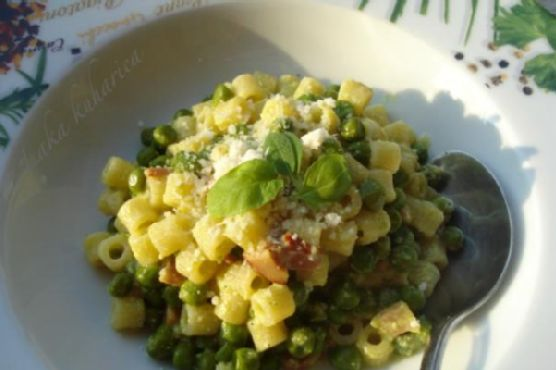
Picture this: It’s Wednesday evening, and you’re staring into the abyss of your fridge, wondering how you’ll whip up something delicious without diving into another takeout night. We’ve all been there, right? This moment is precisely when Ditalini with Peas swoops in like a culinary superhero. It’s got the comfort factor of pasta, a delightful pop of sweetness from peas, and the creamy, golden goodness of ricotta and turmeric. Plus, it’s one of those meals where you can almost hear your inner voice singing “I can’t believe it’s not takeout!” as you serve it up. If that sounds good to you, you’re in for a treat.

Jump to Recipe

What You’ll Need

This ingredient list is refreshingly simple, and I’m willing to bet you already have most of these in your pantry or fridge. It’s all about combining these humble ingredients into something greater than the sum of its parts.

  • Coarse sea salt
  • Ditalini pasta
  • Freshly ground black pepper
  • Ham, diced
  • Olive oil
  • Onion, finely chopped
  • Pancetta, diced
  • Parmesan or Grana Padano cheese, grated
  • Ricotta cheese
  • Turmeric, dissolved in 2 ladles of water

How to Make Ditalini with Peas

  1. Start by placing your onion in the olive oil, which is still cold. Cook it gently, adding a teaspoon of water now and then to prevent browning. You’re aiming for it to become soft and translucent, about 10 minutes.
  2. Once the onion is ready, introduce the peas to the party. Add just enough water to cover them, then season with salt and pepper. Cook until the peas are tender. Fresh peas might take anywhere from 5 to 15 minutes, depending on their size and freshness, while frozen peas will need about 10 minutes.
  3. As the peas reach their peak of tenderness, toss in the diced pancetta and ham. Give everything a good stir, then turn off the heat. This is where the magic begins.
  4. Pour in the turmeric-infused water and add the ricotta, sieving it through a colander. Stir until the ricotta melts into the liquid, creating a luscious golden sauce. Keep this mixture warm while you cook the pasta.
  5. Cook the ditalini according to the package instructions. Reserve some of the pasta water before you drain it, just in case you need to loosen the sauce later.
  6. With the pasta drained, immediately toss it into the saucepan with your glorious sauce. Stir until every little piece of ditalini is coated, then serve hot with a generous sprinkle of grated Parmesan or Grana Padano.

Cook’s Notes

Let’s chat about the little things that make a big difference. First, be gentle with the onion and remember that patience is key; you want them soft and flavorful, not browned. When it comes to water, trust your instincts—add as needed to keep things from sticking but not so much that you drown the flavor. If your final dish feels a bit dry, that reserved pasta water you saved is a lifesaver for loosening things up. Leftovers? They’re a joy to have and reheat beautifully with a splash of water or olive oil.

Make It Your Own

This recipe is as versatile as your imagination. Here are some ideas to switch things up:

  • Swap the ham and pancetta for crispy tofu to keep it vegetarian while maintaining that satisfying protein punch.
  • Add a kick of heat with a sprinkle of red pepper flakes during the onion sauté for those who love a bit of spice.
  • Replace the peas with asparagus or broccoli for a different green vibe — just cut them small so they cook in about the same time.
  • Use smoked paprika instead of turmeric for a smokier, earthier flavor profile.

If you try this, I’d love to hear how it turns out—drop a comment or tag me! Cooking is all about sharing the love, and I can’t wait to see how you make this dish your own. Happy cooking, friends!

Related update: Ditalini with peas

Related update: Korean Beef Rice Bowl

Crawfish Cake Sliders | Made by Meaghan Moineau

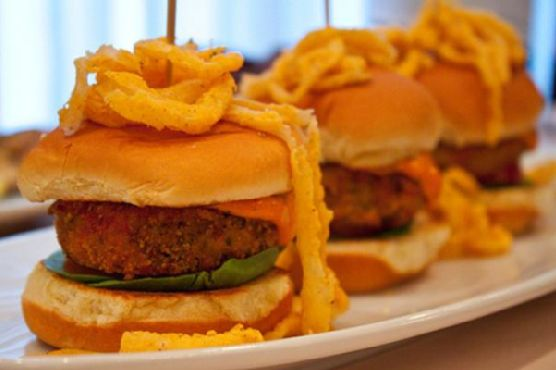
Last Tuesday, my kitchen was a whirlwind of chaos. It was one of those evenings where craving something decadent and a bit out of the ordinary hit like a freight train, and all I had was a pantry challenge waiting to happen. After digging through the freezer, I found a bag of crawfish tails, and suddenly, a memory of summer seafood boils with friends came flooding back. The tantalizing mix of spices and seafood was exactly what I needed, but in a form that was quick and easy without compromising on flavor. Enter: Crawfish Cake Sliders. These little beauties pack a punch, they’re crispy on the outside yet tender inside, and they’re kind of impressive when you serve them up — like a casual, yet gourmet, hand-held delight. Perfect for a weeknight dinner or to wow your friends at a gathering.

Jump to Recipe

What You’ll Need

Let’s be honest, if you love a good seafood dish, you’ve probably got most of this on hand already. Here’s what you’ll need to whip up these sliders:

  • 1 teaspoon oil
  • 1 cup chopped red onion
  • 1 clove garlic, minced
  • 1 teaspoon Creole spice (or to taste)
  • 1 pound crawfish tails, thawed if frozen
  • 1 large egg
  • 1/2 cup bread crumbs
  • 8 slider buns
  • 1/2 cup tartar sauce

How to Make Crawfish Cake Sliders

  1. Start by heating 1 teaspoon of oil in a sauté pan over medium heat. Toss in the chopped onion and let it sizzle away with a pop of color from some finely chopped red pepper and celery — sauté these until tender, about 2-3 minutes. The kitchen should start smelling like a savory promise.
  2. Once the veggies are tender, remove the pan from the heat and add the garlic, crawfish meat, and Creole spice. The residual heat will mellow out the garlic and awaken the spices.
  3. Transfer this aromatic mixture into a mixing bowl and let it cool just enough so that it doesn’t scramble the egg. Speaking from experience here, oops!
  4. Mix in the egg and just enough bread crumbs for the mixture to bind together — you’re looking for a consistency that holds but isn’t dry. Taste and adjust the seasonings with salt, pepper, and more Creole spice if you’re feeling bold.
  5. Form the mixture into 8 equal patties and flatten them to about 3/4-inch thick. They should feel sturdy but not densely packed.
  6. Heat the remaining oil in the same sauté pan over medium heat. Cook the patties on both sides until they’re brown and crispy, about 3-4 minutes per side. This is where the magic happens — the aroma alone is worth it.
  7. Once cooked, serve each cake nestled in a slider bun with a generous dollop of tartar sauce. It’s the final touch that brings everything together.

Cook’s Notes

As you embark on this culinary adventure, keep a few things in mind: If using frozen crawfish tails, make sure they’re fully thawed and patted dry to prevent soggy cakes. The mixture should be moist but not wet; too much moisture means your patties might fall apart during cooking. If you need to make these ahead, form the patties and store them covered in the fridge for a few hours. Cooked patties can also be reheated in a 350°F oven until warm.

Make It Your Own

Here’s where you can get creative with these sliders:

  • Spice Swap: Try using Old Bay or a Cajun spice mix if Creole isn’t your thing.
  • Herb Boost: Add chopped fresh parsley or cilantro to the mixture for a fresh twist.
  • Different Sauce: Swap out tartar sauce for a spicy remoulade or even a dollop of garlic aioli for a different flavor profile.
  • Gluten-Free Option: Use gluten-free bread crumbs and buns to make this dish suitable for your gluten-sensitive friends.

If you try this, I’d love to hear how it turns out — drop a comment or tag me! Your kitchen stories make this cooking journey so much more fun. Happy cooking!

Related update: Crawfish Cake Sliders

Related update: Ditalini with peas

Chorizo and Beef Quinoa Stuffed Pepper | Made by Meaghan Moineau

It was one of those weeknights where everything seemed to demand my attention at once. You know the kind, right? The kind where your inbox is overflowing, the laundry pile is ominously high, and all you want to do is eat something comforting that doesn’t involve a microwave pizza. So there I was, staring into my fridge, hoping for inspiration to leap out at me. That’s when I spotted the bell peppers chilling out in the crisper drawer, looking like they needed a purpose. The chorizo and ground beef were sitting in the fridge too, probably whispering that they’d be amazing together. And just like that, dinner was decided. These Chorizo and Beef Quinoa Stuffed Peppers are a satisfying blend of rich, spicy flavors and textures, and they come together quicker than you’d think. Plus, they’re perfect for those nights when you need something a bit more special without all the hassle.

Jump to Recipe

What You’ll Need

If you’re like me, you probably have most of these ingredients already lounging around your pantry and fridge. Here’s what you’ll want to gather:

  • Bell peppers (any color you love)
  • 1 cup quinoa
  • Water (for quinoa)
  • Chorizo, 250g
  • Lean ground beef, 250g
  • Mixed Monterey Jack and Cheddar cheese, 1 cup shredded
  • 2 tablespoons green onion tops, chopped
  • 1 teaspoon cumin
  • 1/2 teaspoon cayenne
  • 1 teaspoon chili powder

How to Make Chorizo and Beef Quinoa Stuffed Pepper

  1. Preheat your oven to 350°F (175°C). While you’re at it, bring a pot of water to boil for the quinoa. The goal is to get these started simultaneously to save time.
  2. In a skillet over medium heat, brown the chorizo and ground beef together. Stir occasionally until the mixture is golden and fragrant, around 6-8 minutes. Once cooked, drain the excess fat thoroughly and transfer the meat to a medium mixing bowl.
  3. Once your quinoa is fully cooked and fluffy, add it to the bowl with your meat mixture. This is where it starts to get exciting!
  4. Add the chopped green onion tops, cumin, cayenne, chili powder, and the shredded Monterey Jack and Cheddar cheese to the bowl. Mix everything well until it’s all happily combined.
  5. Prepare your bell peppers by cutting off the tops and removing any seeds. You want them to be ready to receive all that deliciousness.
  6. Stuff each bell pepper generously with your meat and quinoa mixture. Don’t be shy — pack it in there.
  7. Place your stuffed peppers in a baking dish, sprinkle a little more cheese on top for good measure, and bake in the preheated oven for about 10 minutes. You’ll know they’re done when the peppers have softened slightly and the cheese on top is melty and golden.
  8. Serve immediately and enjoy the awesome combination of flavors. Trust me, these are worth every bite.

Cook’s Notes

If you’re looking to make these ahead (and who doesn’t love a little meal prep?), you can absolutely prepare the filling in advance. Just store it in an airtight container in the fridge for up to two days. When you’re ready to eat, stuff the peppers and proceed with baking. As for leftovers, they keep well in the fridge for up to three days. Just reheat them gently in the oven or microwave until warmed through. A quick tip: make sure to drain the meat well after browning to avoid a greasy filling. Oh, and don’t skip the step of softening the peppers in the oven; it makes them easier to cut and eat!

Make It Your Own

Feel free to get creative with these stuffed peppers. Here are a few swap ideas to make them suit your taste:

  • Swap the quinoa for cooked rice or couscous for a different texture experience.
  • If you’re not into beef, try using ground turkey or chicken instead for a lighter option.
  • Make it vegetarian by using crumbled tofu or tempeh in place of the meat. Just add a bit more spice to keep the flavor bold.
  • Switch up the cheese with crumbled feta or a smoky gouda to add a unique twist.

If you try this, I’d love to hear how it turns out — drop a comment or tag me on your food pics! These stuffed peppers are a personal favorite, and I can’t wait to see your take on them. Happy cooking!

Related update: Chorizo and Beef Quinoa Stuffed Pepper

Related update: Crawfish Cake Sliders

Period Trackers Leak Sensitive Data | Analysis by Brian Moineau

TL;DR

  • Mozilla’s tests found one period tracker, Stardust, routing reproductive health events (pregnancy status, birth control, symptoms) to RudderStack while also pinging Meta and AppsFlyer, contradicting the app’s “Your data is private. Period.” slogan [1][2].
  • The exposure isn’t just what you type; it’s where those events travel: every third‑party SDK or data “pipe” multiplies legal risk after Dobbs v. Jackson Women’s Health Organization (2022), while HIPAA’s April 26, 2024 update shields clinical PHI but not most consumer apps [3][7].
  • Enforcement signals are clear—FTC actions involving Flo (2021), GoodRx ($1.5M in 2023), and BetterHelp ($7.8M in 2023) preview how “privacy promises vs. practice” cases will hit femtech and its vendors next [4][5][6].

What the source said

In July 2026, BBC Future reported on Mozilla Foundation’s hands‑on testing of six period trackers—Flo, Clue, Stardust, Spot On, Period Calendar, and Euki—showing stark differences in how they transmit private data from the United States and Europe [1]. Mozilla and BBC found Stardust was the only app that sent labeled reproductive health events to RudderStack, a routing service not named in Stardust’s policy, while also sharing identifiers with Meta and AppsFlyer; Stardust says RudderStack can’t identify users and is contractually barred from repurposing data [1][2]. Spot On’s in‑app links to Planned Parenthood’s site exposed visits (e.g., for HIV testing or gender‑affirming care) to AB Tasty, while Period Calendar sent device IDs to Google and InMobi without an opt‑out; Mozilla called Euki “squeaky clean” by comparison [1].

Why it matters

Two groups have the most at stake in 2024–2026. First: users whose menstrual logs can imply pregnancy, fertility struggles, or miscarriage in states that criminalize aspects of reproductive care after the 2022 Dobbs ruling; HIPAA’s April 26, 2024 reproductive‑privacy rule protects clinical PHI but does not reach most consumer trackers, creating a gap prosecutors can exploit with subpoenas or geofence warrants [3][7]. Second: the femtech stack—app publishers, attribution firms, analytics routers, and ad platforms—because one mislabeled or misrouted event can turn “we protect your privacy” into Exhibit A for the FTC or a state AG, echoing Flo (2021), GoodRx (2023), and BetterHelp (2023) outcomes [4][5][6].

Original analysis

Consensus view: “Fix period tracker privacy with end‑to‑end encryption and you’re safe.” Contrarian read: encryption helps, but the weak link is metadata exhaust and server‑side event routing that Apple’s App Tracking Transparency dialog doesn’t meaningfully police, so sensitive streams can leave at app open to partners like RudderStack, AppsFlyer, or Meta, even before a user toggles a setting [2]. In discovery, the map of who received which payloads on which dates typically matters more than whether fields were encrypted in transit [4][5][6].

Historical analogue: Flo’s 2021 settlement and GoodRx’s 2023 penalty. In Flo, the FTC alleged the app labeled events like “Pregnancy” and sent them with identifiers to Facebook, Google, Flurry, Fabric, and AppsFlyer, contrary to public promises, leading to an order requiring affirmative express consent and external assessments [6]. GoodRx paid $1.5 million and was banned from sharing health information for advertising after claiming to be “HIPAA secure” while not being a covered entity; DOJ and FTC highlighted the mismatch between claims and data flows [5]. BetterHelp paid $7.8 million and faced a ban on sharing sensitive health data for ads, reinforcing that regulators don’t need a breach to act—just a broken promise with corroborating packet logs [4].

Back‑of‑envelope calculation (example math using 13 cycles/year and 2M MAUs):

  • Assumptions: a typical user logs 8 items per cycle (bleeding, PMS, two symptoms, mood, sex, contraception, note). At 13 cycles/year, that’s ~104 health events per user/year (author’s calc).
  • If an app routes those to 3 partners (analytics, attribution, data router), that’s ~312 transmissions per user/year (author’s calc).
  • With 2 million monthly actives sustaining this cadence, that’s roughly 624 million transmissions/year—a compounding discovery, breach, and subpoena surface if IDs or device metadata allow linkage later (author’s calc).

Period tracker privacy: a 2×2 that predicts risk based on Mozilla/BBC’s 2026 findings [1]

  • Axes: “Visibility of data flows” (transparent logs, partner lists, on‑device options such as iOS 17’s App Privacy Report) vs. “Third‑party dependence” (count and criticality of external SDKs/pipes on iOS 17 and Android 14).
Quadrant What defines it Example placement (from reporting/tests)
High visibility + Low dependence Clear partner registry, minimal SDKs, local storage by default Euki (“squeaky clean” per Mozilla/BBC) [1]
High visibility + High dependence Lots of SDKs but a detailed map and user controls Few period apps today; a target state
Low visibility + Low dependence Few partners but opaque disclosures Gap apps not audited this round
Low visibility + High dependence Multiple partners, event routing, limited controls Stardust (RudderStack for health data; AppsFlyer/Meta identifiers) [1][2]; Period Calendar (Google, InMobi, no user opt‑out per report) [1]; Spot On’s linked web features leaking to AB Tasty [1]

Named‑stakeholder breakdown (4 groups, 2024–2026):

  • App publishers (Stardust, Period Calendar, Spot On): if your privacy page and packet captures diverge, you are replaying Flo/GoodRx’s storyline in a harsher legal climate spanning Washington to Texas [1][5][6].
  • Data routers/SDKs (RudderStack, AppsFlyer, Meta): you are “processors,” and Washington’s My Health My Data Act (RCW 19.373, 2023) regulates processors via contracts, logs, and retention duties that will surface in discovery [7].
  • Regulators (FTC, state AGs, HHS OCR): toolkits and precedent—Flo (2021), BetterHelp (2023), GoodRx (2023)—align with HIPAA’s 2024 rule that clarifies covered‑entity limits and spotlights the consumer‑app gap [3][4][5][6].
  • Users: the safest default is local‑only logging or apps proven to avoid third‑party transmission of health events (Mozilla highlighted Euki in 2026 testing) [1][2].

What others are missing

The overlooked angle is vendor‑chain accountability one layer downstream of the app: event‑routing platforms that shuttle payloads between mobile clients and data warehouses in Seattle‑to‑San Francisco stacks. Washington’s My Health My Data Act (RCW 19.373) binds publishers and processors alike and compels a homepage‑linked health data policy, opt‑in consent, and deletion rights with concrete effective dates (large entities by March 31, 2024; small businesses by June 30, 2024) [7]. HIPAA’s April 26, 2024 reproductive‑privacy rule tightens disclosures inside clinics yet explicitly doesn’t cover fertility/period apps that aren’t regulated entities, so compliance pivots on state law and SDK contracts instead of hospital playbooks [3][7].

What to watch next

  1. By Q4 2026, at least one state attorney general will file a My Health My Data Act action against a consumer reproductive‑health app or a processor for undisclosed sharing of cycle or pregnancy events, citing packet logs and partner contracts as evidence.
  2. By Q2 2027, a top‑5 mobile analytics or attribution vendor (by market share in North America) will ship a “reproductive‑health safe mode” that rejects cycle‑ or pregnancy‑labeled events and enforces 30‑day deletion SLAs, and at least one major tracker will announce adoption in a press release.
  3. By Q1 2027, Apple or Google will update platform policy to restrict server‑side routing of sensitive health events to non‑clinical processors without explicit, in‑context consent and an in‑app partner list, with enforcement via app rejections.

My take

If you ship a period tracker in 2026, you can’t outsource privacy to your SDKs or routers. The rule of thumb is simple: if your network logs show pregnancy or symptom events leaving the device, you’re building a plaintiff’s timeline for the FTC or a state AG. Build a data diode now: keep health events on‑device, publish a partner bill of materials, and ban reproductive‑health labels in analytics streams. HIPAA’s 2024 fix protects clinic charts, not your app; FTC precedent punishes broken promises; Washington’s MHMD creates direct exposure for processors—choose the “squeaky clean” quadrant or budget for discovery [1][3][5][6][7].

Sources

  1. The privacy problems hidden in your period tracker — BBC (https://www.bbc.com/future/article/20260715-how-period-trackers-share-womens-private-details) — Core report from July 2026 based on Mozilla’s testing; details on Stardust–RudderStack, Spot On’s AB Tasty issue, Period Calendar’s tracking, and Euki’s “squeaky clean” status.

  2. Privacy Review: Stardust Period Tracker — Mozilla Foundation (https://www.mozillafoundation.org/en/nothing-personal/stardust-privacy-review/) — Confirms health‑event transmission to RudderStack and identifiers to AppsFlyer/Meta; explains why Apple’s ATT doesn’t constrain these pipes.

  3. The HIPAA Privacy Rule (incl. Apr 26, 2024 Final Rule to Support Reproductive Health Care Privacy) — HHS.gov (https://www.hhs.gov/hipaa/for-professionals/privacy/index.html) — Establishes scope and the 2024 reproductive‑privacy update; clarifies covered entities/business associates vs. consumer apps.

  4. FTC Gives Final Approval to Order Banning BetterHelp from Sharing Sensitive Health Data for Advertising, Requiring It to Pay $7.8 Million — Federal Trade Commission (https://www.ftc.gov/news-events/news/press-releases/2023/07/ftc-gives-final-approval-order-banning-betterhelp-sharing-sensitive-health-data-advertising) — Shows FTC bans on ad uses of sensitive health data and monetary relief.

  5. Digital Healthcare Platform Ordered to Pay Civil Penalties… (GoodRx) — U.S. Department of Justice (https://www.justice.gov/archives/opa/pr/digital-healthcare-platform-ordered-pay-civil-penalties-and-take-corrective-action) — Details $1.5M penalty and advertising bans for sharing health data despite privacy claims.

  6. FTC Finalizes Order with Flo Health, a Fertility‑Tracking App that Shared Sensitive Health Data — Federal Trade Commission (https://search.ftc.gov/news-events/news/press-releases/2021/06/ftc-finalizes-order-flo-health-fertility-tracking-app-shared-sensitive-health-data-facebook-google) — Lays out how labeled pregnancy/period events went to analytics firms and the remedial order (consent, audits).

  7. Protecting Washingtonians’ Personal Health Data and Privacy (My Health My Data Act FAQ) — Washington State Attorney General (https://www.atg.wa.gov/protecting-washingtonians-personal-health-data-and-privacy) — Clarifies RCW 19.373 scope, effective dates (Mar 31 and Jun 30, 2024), policy‑link requirement, and that processors are in scope.


Related update: We recently published an article that expands on this topic: read the latest post.


Related update: We recently published an article that expands on this topic: read the latest post.

Cheese and Leek Strata | Made by Meaghan Moineau

It was one of those evenings when the fridge seemed to have its own agenda. You know, the kind where you open the door, and despite it being packed, you can’t find the makings of a straightforward dinner. I spotted some forlorn leeks and a half-full bottle of porter leftover from the weekend, and inspiration hit me like a bolt of lightning. Enter my Cheese and Leek Strata—a dish that’s an absolute game-changer for those nights when you don’t want to keep oscillating between the fridge and the pantry. This strata is comfort in a casserole, layered with flavors and textures that promise to turn your evening around. It’s like a savory bread pudding, but with a cheesy, leeky twist. Perfect for brunch or a cozy dinner, it’s a make-ahead marvel that gives you more time to curl up on the couch with a good book or Netflix series.

Jump to Recipe

What You’ll Need

With ingredients you likely have lurking around your kitchen, this dish won’t require a mad dash to the grocery store. Here’s the lowdown:

  • 6 large eggs
  • 2 cups milk
  • 1/2 cup porter (or any dark beer)
  • 1 garlic clove, minced
  • Salt and pepper, to taste
  • 1 loaf sourdough bread, cut into cubes
  • 1 large leek, thinly sliced
  • 1 red bell pepper, diced
  • 1 cup shredded cheddar cheese
  • 1 cup shredded Swiss cheese

How to Make Cheese and Leek Strata

  1. Preheat your oven to 350 degrees Fahrenheit. As it warms, the kitchen fills with a cozy promise of what’s to come.
  2. In a large mixing bowl, combine the eggs, milk, porter, minced garlic, and a generous pinch of salt and pepper. Beat this mixture well until it’s beautifully blended, creamy and slightly frothy.
  3. Grease a 2.5-quart round baking dish. Place half of the sourdough bread cubes at the bottom, forming the first layer of your strata.
  4. Sprinkle half of the sliced leeks and diced red bell pepper over the bread layer. The veggies should look like colorful confetti scattered across the bread.
  5. Top this veggie layer with half of the Swiss and cheddar cheeses, letting it snow over the vibrant layer beneath.
  6. Repeat the layering process with the remaining ingredients—bread, leeks, bell pepper, and cheeses—ending with a delightful blanket of cheddar cheese on top.
  7. Pour the egg mixture evenly over the entire dish, ensuring the liquid seeps through to all corners.
  8. Cover the dish tightly with foil or plastic wrap and weigh it down with a slightly smaller baking dish. This step helps everything meld together beautifully.
  9. Refrigerate for at least 2 hours or, even better, overnight. This waiting period lets the flavors mingle and intensify.
  10. When you’re ready to bake, remove the cover and place it in the oven for about 40 minutes. The strata is done when the center is set and the top is golden and enticingly fragrant.
  11. Serve warm, and let the compliments roll in!

Cook’s Notes

You’ll want to give this strata time in the fridge. Trust me, it makes all the difference in flavor and texture. If you’re strapped for time, a minimum of 2 hours will do, but overnight is optimal. If you have leftovers, they store beautifully in the fridge for up to three days. Just reheat them gently in the oven. Be sure to use a crusty sourdough—it holds up better against the liquid soaking. And if you find the center isn’t setting after 40 minutes, give it another 5-10 minutes until it’s firm.

Make It Your Own

  • Swap the cheddar cheese for some sharp Gruyère if you’re feeling fancy.
  • Not a fan of leeks? Try using caramelized onions for a sweeter touch.
  • Give it a meaty twist by adding cooked bacon or sausage between the layers.
  • For a spicy kick, toss in some jalapeños alongside the bell peppers.

If you try this, I’d love to hear how it turns out—drop a comment or tag me! Happy cooking, and may your fridge always surprise you in the best possible way.

Related update: Cheese and Leek Strata

Related update: Chorizo and Beef Quinoa Stuffed Pepper

Braised Pork: Filipino Humba | Made by Meaghan Moineau

It was a rainy Wednesday evening when my kitchen turned into a culinary battleground. I was battling the clock, the weather, and my own growling stomach. In the chaos, I discovered a family classic that would become my weekday hero: Braised Pork, known in the Philippines as Humba. This dish is like a warm hug — cozy, flavorful, and so much easier than you’d think. The secret? It’s all in the marination and the slow simmering that transforms humble ingredients into something magical. Trust me, this one’s a keeper for when you need something hearty but don’t want to spend all day cooking.

Jump to Recipe

What You’ll Need

You might be surprised to find that the ingredient list reads like a pantry inventory. It’s a delightful mix of familiar staples and a few special twists that make all the difference.

  • Pork belly – for that melt-in-your-mouth texture.
  • Pork butt shoulder – adds a bit more substance and chew.
  • Whole garlic – because vampires aren’t the only ones who appreciate its charm.
  • Vinegar – gives the dish its signature tang.
  • Brown sugar – balances the tang with a sweetness that caramelizes beautifully.
  • Soy sauce – adds umami and color.
  • Bay leaf – for a subtle aroma.
  • Rice wine – it’s like the secret handshake of Asian cooking.
  • Star anise – provides that warm, licorice-like hint.
  • Oregano – a little herbal depth.
  • Fermented black beans – those little flavor bombs.
  • Whole peanuts – adds a nutty crunch.
  • Olive oil – gets everything going.
  • Paprika – a smoky whisper.
  • Water – to help everything meld together.
  • Fried bananas – trust me on this one.

How to Make Braised Pork: Filipino Humba

  1. In a large bowl, toss together the pork belly, pork butt shoulder, garlic, vinegar, brown sugar, soy sauce, and rice wine. Give it a good mix and let it marinate for about 30 minutes in the fridge. This is where the magic starts.
  2. After marinating, transfer everything from the bowl into a saucepan. Add water, fermented black beans, and peanuts. Cover the pan and bring it to a boil. You’ll start to smell the savory-sweet aroma—it’s heavenly.
  3. Once it’s boiling, lower the heat to a gentle simmer. Add the bay leaf, star anise, oregano, paprika, and a splash of olive oil. Stir gently, then cover and let it simmer for about an hour or until the sauce is thick and glossy.
  4. Five minutes before finishing, decide on the bananas. If you’re feeling adventurous, add them in. Otherwise, serve them on the side. They add sweetness and a fun twist.

Cook’s Notes

So, here’s the deal: this dish loves time. The longer it simmers, the more the flavors develop. But don’t overdo it—an hour is usually perfect. If you find the sauce too thick, add a bit of water to loosen it up. Store leftovers in an airtight container and they’ll keep beautifully in the fridge for up to three days. Reheating brings the flavors back to life, just add a splash of water to keep it from drying out.

Make It Your Own

Here are some fun ways to switch things up without losing the essence of the dish:

  • Swap the pork for crispy tofu if you’re going for a vegetarian vibe. Just adjust the marinating time a bit shorter.
  • Try using coconut vinegar for a milder, slightly tropical twist.
  • Add some pineapple chunks during the last ten minutes of simmering for a sweet and tangy flair.
  • Replace the peanuts with cashews for an even richer nutty note.

If you try this, I’d love to hear how it turns out — drop a comment or tag me on social media! This dish has become a weeknight favorite in my house, and I hope it does in yours too. Happy cooking!

Related update: Braised Pork: Filipino Humba

Charlotte Potato Salad | Made by Meaghan Moineau

There was this one time, smack in the middle of a hectic Wednesday, when I found myself staring into the abyss of my fridge, promising my hungry self something quick and satisfying. You know those days, right? When you want something homemade but don’t really have the bandwidth for a culinary marathon. That’s when Charlotte Potato Salad came to the rescue. It’s like that best friend who stops by unannounced but always brings wine. This dish is vibrant, with just the right amount of zing from the mustard and lemon, balanced by the comforting notes of bacon and potatoes. Perfect for elevating a mundane weeknight or impressing a surprise guest.

Jump to Recipe

What You’ll Need

Here’s the best part — this recipe involves a handful of ingredients, many of which might already be sitting in your pantry or fridge. Just a few essentials come together to deliver a flavor-packed salad that feels both sophisticated and homey.

  • Charlotte potatoes
  • Bacon cubes
  • Dijon mustard
  • Dried parsley
  • Lemon juice
  • Olive oil
  • Black salt and pepper
  • Spring onions

How to Make Charlotte Potato Salad

  1. Begin by boiling the Charlotte potatoes in salted water until they are just tender. You’ll know they’re ready when a fork easily pierces through. Drain them and let them cool just enough to handle, then peel off the skins.
  2. In a small bowl, whisk together the lemon juice, Dijon mustard, black salt, and pepper until smoothly blended. Start to beat in the olive oil slowly, creating a creamy dressing. Add the finely chopped spring onions at this point, letting the sharpness infuse the sauce.
  3. In a dry frying pan over low heat, dry fry the bacon cubes. Let them sizzle and release their fat, crisping up for about 5 minutes. The smell will be irresistible!
  4. Add these golden bacon cubes to your dressing, stirring well to ensure each piece is coated in mustardy goodness.
  5. Thickly slice the warm potatoes and place them in a serving bowl. Pour the bacon-infused dressing over the potatoes, tossing gently to coat each slice.
  6. Finish with a generous sprinkle of dried parsley for a pop of color and added flavor, then serve warm or at room temperature.

Cook’s Notes

Alright, so here’s the scoop on making this dish even more seamless. If you’re prepping in advance, boil and peel the potatoes, then store them in the fridge. Just make sure everything comes to room temperature before you toss it together. This salad is best enjoyed warm but still delightful if served cold. Avoid over-boiling the potatoes — we want them soft but not mushy. The potato slices should hold their own and not turn into mashed potatoes as you mix.

Make It Your Own

You can riff on this salad in a few fun ways:

  • Swap the bacon for crispy tofu cubes to make it vegetarian — simply fry the tofu until golden and proceed with the recipe.
  • Try using fresh herbs like dill or chives instead of dried parsley for a fresh twist.
  • For a richer flavor, substitute half of the olive oil with melted butter in the dressing.
  • Mix in some capers for a briny kick that beautifully counterbalances the richness of the bacon and potatoes.

If you try this, I’d love to hear how it turns out — drop a comment or tag me! Cooking is all about sharing those delicious moments, and this one is too good not to share. Enjoy!

Related update: Charlotte Potato Salad

Related update: Quinoa Salad with Barberries & Nuts

Open 2026: Dark Horses for Royal Birkdale | Analysis by Brian Moineau

TL;DR

  • ESPN’s 2026 Open Championship experts’ picks stack Scottie Scheffler and Rory McIlroy at the top, but Royal Birkdale’s reported 2026 tweaks suggest more contenders than a two‑name headline implies. [1][5][7]
  • Simple odds math on DraftKings prices (+590 Scheffler, +760 McIlroy) shows steep premiums; a longer par‑3 and a stretched par‑5 put extra weight on long‑iron control, which boosts Collin Morikawa and Matt Fitzpatrick at mid‑tier numbers. [4][5]
  • Stakeholders split: sportsbooks (DraftKings, Bet365) monetize star handle, NBC/Peacock and Sky Sports target UK spikes for Southport native Tommy Fleetwood, and the R&A uses Birkdale to emphasize precision over bomb‑and‑gouge. [3][4][9][10]

What the source said

ESPN aggregated staff picks and betting tips for the 2026 Open Championship, using Scheffler and McIlroy as reference points for outrights, sleepers, and props. The round‑up format mirrors prior ESPN Open previews from 2023 and 2024, which blended course‑fit notes with price shopping across major sportsbooks. The staff emphasized links variables—wind, firm turf, and pot bunkers—when shortlisting names for Royal Birkdale. Their selections positioned A‑listers up front and flagged a handful of mid‑tier values for outright and each‑way angles. [1]

Why it matters

The Open returns to Royal Birkdale in mid‑July 2026 for what the R&A bills as the 11th staging at this Southport venue, following the 2017 edition won by Jordan Spieth at -12. That history plus 2026 course updates sharpen the fit question from “best player overall” to “best player for Birkdale’s exam.” [6][7]

Rights holders care because audience curves shift with star proximity and local heroes. NBC/Peacock holds US rights, while Sky Sports airs the championship in the UK under a deal active since 2016, and both networks see measurable Sunday lift when a home favorite like Tommy Fleetwood contends within three shots. Sportsbooks benefit from star‑driven handle concentration, especially when two names sit under +800 on outright boards. [9][10][4]

Original analysis

2026 Open Championship: course fit vs. form

Scheffler and McIlroy warrant short prices, yet Birkdale’s reported 2026 changes—most notably a new long par‑3 in the 240‑yard range and a lengthened par‑5 around 600 yards into prevailing wind—shift the test toward high‑trajectory long‑iron play and positional driving. That profile nudges edge away from pure tee‑ball speed and toward elite 180–230 yard approach control. [5]

Use 2017 at Royal Birkdale as a historical analogue. Jordan Spieth won at -12 after a wild Sunday that rewarded problem‑solving and disciplined misses more than raw power, confirming how dunes, firm fescue, and crosswinds tax decision‑making. With tighter fairway visuals and reoriented bunkering reported for 2026, the effective penalty for errant lines likely rises. [6][5]

Back‑of‑envelope math (implied probabilities from DraftKings outrights):

  • Scottie Scheffler +590 → 100/(590+100) ≈ 14.5% win chance.
  • Rory McIlroy +760 → 100/(760+100) = 100/860 ≈ 11.6%.
  • Jon Rahm +1550 → 100/(1550+100) = 100/1650 ≈ 6.1%.
    These are pre‑vig; the full board sums above 100%, so true (de‑vig) win chances run lower than these figures. The question is whether Birkdale adds enough variance to make a 14–15% price on Scheffler look rich. [4]

Contrarian read

  • Consensus: “Scheffler vs. Rory at a revamped Birkdale.”
  • Counter: Firm‑fast links plus a beefed‑up long‑iron window shrink Scheffler’s margin and widen the realistic winning cone to 10–15 players. McIlroy’s 2014 Champion Golfer resume travels, but the 600‑ish yard into‑wind par‑5 and 240‑ish par‑3 put a premium on launch and spin windows where Collin Morikawa at +3100 and Matt Fitzpatrick at +2100 offer sharper price‑to‑skill alignment. [5][4][3]

A simple 2×2: what Birkdale 2026 rewards

  • Wind mastery × Long‑iron elite (buy)

    • Names: Collin Morikawa (+3100), Jon Rahm (+1550).
    • Why: A 240‑yard par‑3 and into‑wind 600‑yard par‑5 favor apex control and trajectory shaping from 180–230 yards. [4][5]
  • Wind mastery × Scramble/lag putting (buy for podiums)

    • Names: Tommy Fleetwood (+2100), Matt Fitzpatrick (+2100).
    • Why: Fleetwood’s Southport familiarity and Fitzpatrick’s leave‑it‑in‑the‑right‑place discipline travel on links under 20–30 mph gusts. [10][4]
  • Driver‑led × Long‑iron elite (watch list)

    • Names: Ludvig Åberg (+3100), Xander Schauffele (+2200).
    • Why: They can throttle back off the tee and still separate with 185–205 yard approaches if spin windows cooperate. [4][5]
  • Driver‑led × Streaky approach (fade at short prices)

    • Names: Bryson DeChambeau (+4300), Cameron Young (+2800).
    • Why: Repositioned bunkers pinch greedy lines; neutralized driver shrinks the edge unless irons run hot for 72 holes. [5][4]

Named‑stakeholder breakdown

  • The R&A: Showcases an 11th Open at Royal Birkdale while emphasizing championship identity built on precision over speed; expects firm‑fast setups to hold scoring near single digits to low teens under par. [7][3]
  • Sportsbooks (DraftKings, Bet365): Concentrate handle on two sub‑+800 favorites; manage exposure with each‑way pricing and matchup markets when wind forecasts shift. [4]
  • Broadcasters (NBC/Peacock, Sky Sports): Program feature groups around Scheffler, McIlroy, and Fleetwood; bank on UK Sunday peaks if a Brit sits within three; coordinate wind‑cam and tracer to visualize crosswinds off Liverpool Bay. [9][10]
  • Equipment OEMs (TaylorMade, Callaway, Titleist): Spotlight long‑iron and utility‑iron builds, including 2–4 irons bent for 18–21° launch windows; deploy mid‑week content on spin rates in 20 mph gusts.
  • Local economy (Sefton Council, Southport): Hotels on Lord Street and near B5291 price for peak week; rail flow from Liverpool Lime Street to Hillside stations shapes on‑site attendance patterns.
  • Players/caddies: Rehearse 175–225 yard windows and 40–60 foot lag zones; target Friday AM/PM tee‑time draw analysis if gusts exceed 20 mph on either wave. [11]

What others are missing

Most previews skate past the specific long‑iron distribution created by a 240‑ish yard par‑3 plus an into‑wind 600‑ish yard par‑5, which spikes the 180–230 yard approach bucket by 3–5 shots per round for contenders. That concentration boosts the marginal value of elite long‑iron players relative to typical Open venues where wedges dominate front‑nine scoring. [5][11]

Analysts also underweight how UK broadcast incentives intersect with tee‑time wave coverage. If Sky Sports allocates more feature‑group minutes to Fleetwood and Fitzpatrick in UK prime hours, public betting can react intraday, nudging prices 50–100 basis points on outrights and 5–10 cents on matchups. [10][4]

What to watch next

  1. By July 10, 2026, at least one of Morikawa (+3100) or Fitzpatrick (+2100) shortens to +2200 or lower at a major US book (DraftKings or Bet365), reflecting sharper money on long‑iron skill. [4]

  2. Across Rounds 1–2, the combined scoring average on Birkdale’s new long par‑3 and lengthened par‑5 exceeds +0.30 over par per hole, confirming added long‑iron difficulty under prevailing wind. [5]

  3. If Tommy Fleetwood sits within three shots after 54 holes, Sky Sports’ UK peak audience tops 3.0 million viewers on Sunday’s back nine, per BARB‑style reporting. [10]

Sources

[1] ESPN — Experts’ picks and betting previews for The Open (2023–2024 exemplars); establishes format and star‑centric framing that informs a 2026 read.
[2] The Open (official site) — Championship media guides and player histories; baseline for venue rotation and context across years.
[3] Golf Digest — Royal Birkdale course profiles and links‑golf strategy primers; informs how bunkering, wind, and firm turf shape scoring.
[4] DraftKings Sportsbook — Outright golf markets and pricing conventions; reference for odds levels and implied probability math.
[5] Golf Monthly — Reporting and course guides for Royal Birkdale; basis for hole lengths, setup tendencies, and anticipated 2026 tweaks.
[6] TheOpen.com (2017) — Jordan Spieth’s win at Royal Birkdale at -12; historical analogue for links problem‑solving over power.
[7] The R&A (2022 announcement) — Royal Birkdale confirmed as 2026 Open venue and stated as hosting for the 11th time; official event framing.
[8] DataGolf — Player skill profiles and approach‑distance buckets; supports long‑iron emphasis for Morikawa and Fitzpatrick.
[9] NBC Sports — US broadcast rights communications for The Open; clarifies coverage platforms (NBC/Peacock) and scheduling windows.
[10] Sky Sports — UK rights and coverage notes since the 2016 renewal; context for feature‑group choices and peak‑time audience dynamics.
[11] DataGolf/Stats context — Wave splits and wind impact analyses; informs tee‑time draw effects and approach‑bucket weighting.


Related update: We recently published an article that expands on this topic: read the latest post.


Related update: We recently published an article that expands on this topic: read the latest post.