UFC Abu Dhabi Fight Scratched Hours | Analysis by Brian Moineau

TL;DR

  • UFC Abu Dhabi lost a welterweight bout hours before showtime on Saturday, July 25, 2026, after Islam Dulatov was hospitalized with an infection; the Wellington Turman fight was canceled and the card trimmed to 12 fights, with prelims at 9 a.m. ET and the main card at 12 p.m. ET on Paramount+ [1].
  • In a Paramount+ rights era, a late scratch shaves engagement minutes, voids betting markets, and slightly lowers the value of a government-backed showcase for Abu Dhabi, rather than nuking PPV revenue; streamers track “time spent” as a KPI across seasons, not one-night buys [2][3][4][5].
  • The pattern—desert heat near late July plus long-haul travel—has known mitigations via hydration/monitoring standards pioneered by the California State Athletic Commission in 2017 and by stationing approved alternates on site [6].

What the source said

MMA Fighting reported on July 25, 2026, that Islam Dulatov withdrew from UFC Abu Dhabi due to illness after being hospitalized with an infection, canceling his main-card bout with Wellington Turman and leaving 12 total fights on the event [1]. The broadcast schedule held with prelims at 9 a.m. ET and the main card at 12 p.m. ET on Paramount+ in the United States [1]. Turman, returning after roughly 30 months away following four shoulder surgeries, publicly wished Dulatov a quick recovery and asked to be rebooked in 2026 [1]. As of report time, UFC had not announced whether another bout would be elevated to the main card slate [1].

Why it matters

  • Paramount Global uses hours streamed and session length as headline metrics on earnings calls; shaving a single 10–20 minute fight segment reduces inventory for ad impressions and sponsor reads across a 43-event annual UFC slate (13 numbered cards, ~30 non-PPVs in recent seasons) [2][12].
  • Abu Dhabi’s Department of Culture and Tourism funds UFC weeks as a soft-power project through a partnership extended to 2028; a fight-day scratch in a late-July window—when Abu Dhabi’s average July max ranges roughly 39.7–43.8°C—chips at perceived reliability for a government showcase [3][10].

Original analysis

Contrarian read: trimming one bout in a noon ET window can concentrate attention on the remaining four main-card fights, but only if stakeholders meet promises on pacing, sponsor deliverables, and fighter pay—otherwise, the cut shows up as lost engagement minutes [2].

Back-of-envelope math: UFC average bout length rose from about 8:06 in 2002 to roughly 10:43 by 2017 per UFC PI data cited by Sports Business Journal [7]. Assume modern non-title fights average 10.7 minutes of cage time; add a conservative 6.0 minutes for walkouts, commercials, desk segments, and buffer. That’s ≈16.7 minutes per scratched fight. Over ~30 Fight Nights in a year, 16.7 × 30 = 501 minutes; 501 ÷ 60 ≈ 8.35 hours of annual platform time evaporated if one bout drops per event—a nontrivial hit to “time spent” [2][12][7].

2×2: Card disruptions and viable responses

  • Timing: Weigh-in day vs. Fight day
  • Response: Replacement vs. Scratch
Timing ↓ / Response → Replacement secured Scratch (no bout)
Weigh-in day UFC 279 reshuffled within ~24 hours after Khamzat Chimaev missed weight; Diaz vs. Ferguson headlined, Holland re-paired at a catchweight—Las Vegas logistics and ESPN-era urgency made it possible (Sept. 10, 2022) [8]. Khabib–Ferguson at UFC 209 collapsed around weigh-ins in March 2017; no viable plug-in, and the lightweight title picture stalled amid fan blowback [9].
Fight day Rare, workable only with pre-cleared alternates already licensed on site and broadcast/commission alignment [6]. July 25, 2026 Abu Dhabi: straight subtraction from a five-fight main card; cleaner pacing, fewer minutes for Paramount+ and partners [1][2].

Historical analogue: UFC 279 (2022) proved the promotion can “Houdini” a card on a Friday in Nevada by leaning on a deep bench and flexible regulators; Abu Dhabi operates under international travel, visas, and a noon ET U.S. window backed by a sovereign partner, shifting the cost of chaos from PPV refunds to engagement minutes, sponsor make-goods, and brand optics [8][3].

Named-stakeholder breakdown

  • Wellington Turman: After ~30 months and four shoulder surgeries, he risks momentum and a paycheck; UFC has sometimes paid “show money” on late cancellations (e.g., Tyron Woodley received pay after Johny Hendricks withdrew ahead of UFC 192 in 2015), but it’s case-by-case [11][1].
  • Paramount+: One fewer fight reduces total hours streamed in a Saturday daytime block; over 13 numbered cards plus ~30 Fight Nights per season, sustained resilience to attrition becomes a rights-era KPI [2][12].
  • DCT Abu Dhabi: With the UFC pact through 2028, smooth weigh-ins and medical stability in July’s 39.7–43.8°C band support reliability claims that feed tourism and foreign investment narratives [3][10].
  • Bettors and partners: DraftKings voids canceled fight markets per house rules, softening controversy but damping handle; bet365’s official partnership with UFC means consistent bout inventory fuels acquisition and retention promos [4][5].

What others are missing

The angle is the Paramount+ engagement-minutes math. In a PPV model, a day-of collapse threatened seven-figure buy losses; in a 2026 streaming model, the hit lands on two quantifiables that Wall Street and Madison Avenue track—total hours streamed and promised sponsor/ad impressions delivered across 43 events per year [2][12]. The fix is operational, not promotional: pre-cleared alternates flown to Yas Island, CSAC-style hydration checks with 10-point safeguards, and itinerary tweaks that lengthen acclimatization for July arrivals into the Gulf’s 39.7–43.8°C window to reduce fight-week hospitalizations [6][10][3].

What to watch next

  1. By October 31, 2026, Wellington Turman appears on a U.S. card or is rebooked versus Islam Dulatov in any market; a public bout agreement or weigh-in confirms the booking [1].
  2. In Q3 2026 earnings materials (released by November 2026), Paramount Global cites UFC as a contributor to “time spent”; any mention of below-plan average watch-time for the July 25, 2026 Abu Dhabi event flags sensitivity to bout attrition [2].
  3. By July 31, 2027, at least one international UFC event publicly implements a formal hydration/rehydration check inspired by CSAC’s 2017 framework, documented by a commission or UFC operations note [6].

My take

A same-day scratch in Abu Dhabi on July 25, 2026 didn’t crater the show—Paramount+ still hit a noon ET main card and Yas Island looked turnkey—but the lost ~16–20 minutes per cancellation add up in a rights cycle that values hours streamed [1][2]. TKO, Paramount Global, and DCT Abu Dhabi have aligned incentives to harden the process in heat-prone months. Fly licensed alternates, adopt CSAC-style hydration checkpoints, and extend arrival windows so athletes adapt to 39.7–43.8°C conditions without flirting with IVs or ER trips [6][10]. Do that, and a scratch becomes a rounding error instead of a Saturday storyline.

Sources

  1. MMA Fighting — July 25, 2026 report on UFC Abu Dhabi bout cancellation (Dulatov hospitalized; Turman fight off; card at 12 total bouts; 9 a.m. ET prelims, 12 p.m. ET main card). What this contributes: primary event facts and timing.

  2. Paramount Global — Earnings call transcripts (2023–2024) discussing “time spent”/hours streamed as a core KPI for Paramount+. What this contributes: the engagement metric that makes bout minutes economically salient.

  3. UFC — Press release (Oct 2023) extending the partnership with Abu Dhabi’s Department of Culture and Tourism through 2028. What this contributes: the government-backed framework and timeframe for Yas Island events.

  4. DraftKings Sportsbook — House Rules for MMA/Combat Sports on cancellations and voids. What this contributes: how betting markets treat late scratches.

  5. UFC — Press release (2023) naming bet365 an Official Betting Partner in select regions. What this contributes: which betting stakeholders rely on consistent bout inventory.

  6. California State Athletic Commission (CSAC) — 2017 10-Point Plan on weight cutting and dehydration (official policy). What this contributes: a concrete regulatory model for hydration and monitoring.

  7. Sports Business Journal — Feature citing UFC PI data on rising average bout length (e.g., ~8:06 in 2002 vs. ~10:43 in 2017). What this contributes: baseline math for “minutes lost” per scratch.

  8. ESPN — Sept. 10, 2022 coverage of UFC 279’s last-minute reshuffle after Khamzat Chimaev missed weight. What this contributes: historical analogue for weigh-in day chaos and rescue logistics.

  9. BBC Sport — March 2017 reporting on Khabib–Ferguson collapse around UFC 209 weigh-ins. What this contributes: weigh-in day failure case without a plug-in replacement.

  10. UAE National Center of Meteorology — Abu Dhabi July climate normals showing average max temperatures in the ~39.7–43.8°C range. What this contributes: environmental risk context for late-July events.

  11. MMA Fighting — Oct. 2015 coverage confirming Tyron Woodley received show money after Johny Hendricks withdrew from UFC 192. What this contributes: precedent on fighter compensation in late cancellations.

  12. Wikipedia — “2023 in UFC” showing 43 events (13 PPVs and ~30 non-PPVs). What this contributes: recent-season event counts for annualized engagement math.


Related update: We recently published an article that expands on this topic: read the latest post.



Related update: We recently published an article that expands on this topic: read the latest post.


Related update: We recently published an article that expands on this topic: read the latest post.


Related update: We recently published an article that expands on this topic: read the latest post.

Butterscotch Pie | Made by Meaghan Moineau

So picture this: It’s a Thursday evening, and I have exactly 30 minutes before friends drop by for that last-minute coffee chat I somehow volunteered to host. I rummage through my pantry while contemplating a magic trick—a dessert that’s both cozy and kind of fancy but doesn’t require an advanced degree in pastry arts. Enter the Butterscotch Pie. The aroma of graham crackers and that rich butterscotch filling is like wrapping everyone in a warm hug, and the fact that it’s deceptively simple to throw together makes it my go-to for spontaneous gatherings. Friends, this pie is worth its weight in gold, or in this case, buttery brown sugar goodness.

Jump to Recipe

What You’ll Need

This recipe is all about pantry heroes and a couple of star players. Chances are you already have most of this stuff tucked away.

  • The pie crust: Sleeve of graham crackers, sugar, salted butter
  • The filling: Unsalted butter, dark brown sugar or molasses, heavy cream, percent milk, salt, cornstarch, water, vanilla, scotch whiskey
  • The pie topping: Heavy whipping cream, vanilla

How to Make Butterscotch Pie

  1. Start with the crust. Place the graham crackers in a Ziploc bag and crush them into crumbs using a rolling pin. If you’re like me, you might have someone who loves doing this part. In a medium bowl, mix the graham cracker crumbs with sugar and melted butter. Press this mixture firmly into a pie plate and let it chill in the fridge for about 30 minutes.
  2. Next, let’s create that dreamy filling. In a medium saucepan, melt the unsalted butter over low heat. Stir in the dark brown sugar until it’s melted and bubbly. Slowly add half of the heavy cream, stirring until the sugar and butter are completely dissolved. Pour in the rest of the heavy cream, milk, and a pinch of salt. Remove from heat and let it cool until it’s lukewarm, about 10 minutes.
  3. Mix together the cornstarch and water in a small bowl, then whisk it into the cooled pudding mixture. Return the saucepan to medium-high heat, stirring constantly until the mixture thickens. Trust me, it’ll happen fast! Reduce the heat to low and simmer for another minute while stirring vigorously.
  4. Take it off the heat and stir in the scotch whiskey and vanilla. This is where the magic happens, folks. Pour this luscious filling into the chilled crust. Cover with plastic wrap and let it chill in the fridge for at least two hours, although longer is totally fine.
  5. Finally, the topping. Whip the chilled heavy whipping cream using the wire whisk attachment on your mixer. Add sugar and vanilla while it’s whipping until you see soft peaks forming. Remove the pie from the fridge, take off the plastic wrap, and pile on the whipped cream. Spread it almost to the edges so everyone gets a little peek of that glorious pie. Optional: Garnish with some shaved chocolate, if you’re feeling fancy.

Cook’s Notes

Here’s the lowdown on making this pie shine every time. First, let’s talk crust. Press it firmly into the pie plate for a more stable base. And on the filling—don’t skip the cooling step after adding the milk; it’s crucial for achieving the right texture. If you mix the cornstarch into a hot mixture, it might seize up faster than you can say “butterscotch disaster.”

For storage, this pie keeps beautifully in the fridge for up to three days. Just make sure it’s covered to keep the whipped cream from going flat. You can also make the crust and filling in advance, then whip up the topping just before serving for maximum freshness.

Make It Your Own

  • Nutty Twist: Swap half of the graham crackers with crushed pecans or walnuts for a nutty crust that adds extra depth.
  • Boozy Switch-Up: If scotch isn’t your thing, try bourbon or rum, which both add a different but equally delightful warmth to the pie.
  • Chocolate Lovers: Add a layer of melted dark chocolate over the crust before pouring in the filling for a chocolate-butterscotch symphony.
  • Dairy-Free Option: Use coconut milk and coconut cream instead of regular milk and cream for a tropical twist that’s also friendly for dairy-sensitive guests.

If you give this Butterscotch Pie a try, I’d love to hear how it turns out. Drop a comment below or tag me on social media. Happy pie-making!

Related update: Butterscotch Pie

Related update: Oreo Cookies & Cream No-Bake Cheesecake

Creamy Cauliflower Chowder | Made by Meaghan Moineau

It was one of those chilly evenings when all you want is to wrap yourself in a blanket and indulge in something cozy. I rummaged through my fridge and pantry, and there it was—a head of cauliflower looking forlorn next to some leftover cheddar and parmesan. That’s when the idea for Creamy Cauliflower Chowder hit me. It’s one of those recipes that’s not only super comforting, but also surprisingly easy to throw together. Trust me, when the wind’s howling outside, a steaming bowl of this chowder can feel like a warm hug. Plus, it’s a great way to sneak in some veggies and still feel like you’re getting a treat.

Jump to Recipe

What You’ll Need

This chowder’s ingredient list is refreshingly simple, and there’s a good chance you already have most of these goodies in your kitchen.

  • Butter
  • Cauliflower, 1 head
  • Cheddar cheese
  • Chicken bouillon – for that savory depth
  • Cooked bacon – because, why not?
  • Croutons – for extra crunch
  • Flour
  • Garlic
  • Ground mustard
  • Milk
  • Onion
  • Paprika
  • Parmesan cheese
  • Salt

How to Make Creamy Cauliflower Chowder

  1. Start by melting the butter in a large pot on medium heat. Toss in the garlic, onion, and cauliflower. Saute for about 5 minutes until the cauliflower starts to brown and the garlic is fragrant.
  2. Sprinkle in the flour, chicken bouillon, ground mustard, paprika, and salt. Stir well to coat everything in this flavorful mix.
  3. Pour in 2 cups of milk and give it a good stir. Reduce the heat and let it simmer for about 10 minutes. You’ll know it’s ready when the cauliflower becomes soft and tender.
  4. Carefully transfer the mixture to a blender and blend until smooth. It’s going to smell amazing already!
  5. Pour the creamy mixture back into the pot and add the rest of the milk. Stir in the parmesan and cheddar cheese, watching them melt into the chowder.
  6. Once everything is heated through and melty, ladle the chowder into bowls. Top with crispy bacon, crunchy croutons, and an extra sprinkle of cheese if you’re feeling it. Dig in while it’s hot!

Cook’s Notes

Let’s keep it real—blending hot soups can be a little tricky. If your blender gets too hot, let the chowder cool a bit before blending or blend in batches. Safety first, friends! This chowder is a champ when it comes to leftovers; it’ll keep well in the fridge for up to 3 days. When reheating, just do it gently on the stovetop, adding a splash of milk if it’s too thick. And if you’re a planner, you can make the base a day ahead and just add the cheese when reheating.

Make It Your Own

Here are a few tasty twists to make this chowder uniquely yours:

  • Swap the bacon for crispy tofu if you’re keeping things vegetarian, or just want a change.
  • For a hint of spice, add a chopped jalapeño with the garlic and onion. It’ll add a delightful kick!
  • Try using smoked paprika instead of regular for a deeper, smokier flavor.
  • If you’re feeling indulgent, swirl in a dollop of sour cream just before serving for extra creaminess.

If you try this, I’d love to hear how it turns out—drop a comment or tag me in your foodie photos! There’s nothing like a shared love of good food to bring us all a little closer. Enjoy your cozy culinary creation!

Related update: Creamy Cauliflower Chowder

Related update: Smokey Rainbow Chili

Easter Bunny’s Vegan Ambrosia Salad | Made by Meaghan Moineau

Picture this: it’s Easter Sunday morning, and I was in the kitchen trying to assemble a last-minute dessert that was festive enough to impress my friends but easy enough to make in my barely-awake state. I found myself eyeing the abundance of fresh fruit and a surplus of vegan-friendly pantry staples. That’s when the idea for Easter Bunny’s Vegan Ambrosia Salad popped into my head. This salad is a delightful mix of sweet and tangy, with a cloud-like creaminess that makes it feel like a treat straight from a springtime dream. It’s perfect for those times when you want something impressive but don’t have hours to fuss over it. Plus, who can resist its nostalgic charm?

Jump to Recipe

What You’ll Need

Most of these ingredients might already be lounging around in your kitchen, especially if you’re a fan of tropical flavors and vegan treats.

  • Plain vegan heavy cream
  • Sugar
  • Sour vegan cream
  • Vegan marshmallows
  • Clementine orange segments
  • Fresh pineapple
  • Coconut
  • Pecans
  • Maraschino cherries

How to Make Easter Bunny’s Vegan Ambrosia Salad

  1. Grab your stand mixer and toss in the plain vegan heavy cream and sugar. Whip them together until you see those glorious stiff peaks forming. It’s like magic happening right before your eyes.
  2. Add in the sour vegan cream and whisk again until everything is smoothly combined. You’ll know it’s ready when it looks like a fluffy cloud of deliciousness.
  3. Now, in goes the fun: gently stir in the vegan marshmallows, clementine orange segments, fresh pineapple, coconut, and pecans. Mix until everything is evenly coated and well-distributed. It should look colorful and festive!
  4. Transfer your creation into a beautiful glass serving bowl. Cover it with a lid or some cling wrap, and let it chill in the refrigerator for about two hours. This helps all the flavors meld together beautifully.
  5. Finally, just before serving, top it off with those bright maraschino cherries. They add a pop of color and a sweet finishing touch!

Cook’s Notes

This ambrosia salad is pretty forgiving, but here are some tips to make sure you nail it every time:

  • It’s best to use fresh pineapple rather than canned—it offers a better texture and flavor punch.
  • If you’re making this ahead, it can be prepared up to a day in advance. Just remember to give it a quick stir before serving, as some ingredients might settle at the bottom.
  • If you don’t have a stand mixer, a hand mixer will do just fine. Just make sure to whip the cream until those stiff peaks stand proud.

Make It Your Own

Want to put your own spin on this classic? Here are some ideas:

  • Swap the pecans for walnuts or almonds for a different nuttiness.
  • Add a handful of diced mango for an extra tropical twist.
  • If you’re a fan of berries, throw in some fresh raspberries or blueberries for added color and tang.
  • For a chocolate version, mix in a handful of vegan chocolate chips. Chocolate and oranges are a match made in heaven!

If you try this, I’d love to hear how it turns out — drop a comment or tag me! Your creativity in the kitchen is what makes cooking fun and memorable. Enjoy your Easter treat!

Related update: Easter Bunny’s Vegan Ambrosia Salad

Related update: Butterscotch Pie

Related update: Classic Creamy Coleslaw

Dodgers Celebrate White House Return | Analysis by Brian Moineau

TL;DR

  • Donald Trump hosted the back-to-back World Series champion Los Angeles Dodgers at the White House for the second straight year, praising the franchise as “one of the great brands anywhere in the world.” [1][2]
  • The optics pair a global baseball roster—Shohei Ohtani, Freddie Freeman, and Yoshinobu Yamamoto—with a media-savvy White House, giving both sides reach, legitimacy, and content on the Rose Garden stage. [2][3]
  • The commercial engine hums underneath: Forbes values the Dodgers at $7.8B with 2025 revenue near $850M, while an $8.35B local TV pact and new streaming tiers convert cultural spikes into subscription and merchandise lifts. [4][6][8]

What the source said

ABC News says President Donald Trump welcomed Shohei Ohtani, Freddie Freeman, and the Los Angeles Dodgers to a Rose Garden ceremony in Washington, D.C., calling them “one of the great brands anywhere in the world.” The report references a 2025 East Room event for the 2024 title over the Yankees and corrects the month of the 2025 Game 7 clincher to November. The White House event displayed two World Series trophies, a “Trump 47” jersey, and a replica ring, and Manager Dave Roberts joked about a “three-peat.” [1][2]

Why it matters

Two U.S. institutions—the White House at 1600 Pennsylvania Avenue and the Dodgers at Chavez Ravine—cross-promoted before national cameras in 2026, attaching the presidency to Ohtani’s global fandom and a bicoastal base stretching from Los Angeles to New York. For the franchise, the shot list—South Lawn podium, twin trophies, Roberts’ “three‑peat” line, and the president’s “great brand” quote—feeds highlight packages, sponsor reels, and social cuts within hours. [2][3]

Stakeholders have dollars on the line. Forbes puts the Dodgers at $7.8B with about $850M in 2025 revenue, while MLB.com’s jersey rankings show Ohtani at No. 1 with teammates close behind. Tie that to SportsNet LA’s $8.35B rights deal and 2025’s SNLA+ streaming option, and the Rose Garden turns from photo op into top‑of‑funnel for merchandise, tickets, and subs. [4][7][6][8]

Original analysis

Trump and the Dodgers staged a mutually beneficial media hit in the Rose Garden: the president linked his office to baseball’s current juggernaut, and the club captured broadcast‑quality footage that plays in Southern California, Japan, and any U.S. market where visiting fans wear blue. This is transactional civics with a revenue model attached, not a culture‑war rerun. [2][3]

Labelled analyses:

  1. Back-of-the-envelope math
  • Revenue lift: Starting from Forbes’ $850M 2025 revenue, assume a conservative +6% “championship afterglow” for 2026, which many teams see via merch and ticketing. 0.06 × $850M = $51M; $850M + $51M = ~$901M. If MLB’s average valuation gain runs ~12% into 2027, the $7.8B mark grows to $7.8B × 1.12 ≈ $8.74B. A true three‑peat could support a 10–15% premium on top of trend, implying roughly $780M–$1.17B of incremental enterprise value. [4]

  • Media kicker: Spectrum SportsNet LA’s agreement totals $8.35B over 25 years, with SNLA+ launching in 2025 to address cord‑cutters. A White House clip that ricochets through AP, ABC, and MLB channels functions as acquisition creative for those subs and for Fanatics carts, contributing directly to the top line. [6][8][2][3]

  1. Contrarian read
  • Consensus: White House visits carry political downside and limited upside for teams.
  • Counter: For the Dodgers, upside is measurable. The 2025 World Series ended 5–4 in 11 innings on Nov. 1, with an 18‑inning Game 3 earlier in the set—catnip for casuals and die‑hards. Trump’s “one of the great brands anywhere in the world” line supplies a portable tagline, while Ohtani’s No. 1 jersey status keeps the register ringing. This ceremony extends the emotional half‑life of those wins, which is how repeat champions monetize narrative. [3][2][7]
  1. Named-stakeholder breakdown
  • Guggenheim/Mark Walter: Another blue‑chip validation of a decade‑long talent and media thesis that supports the next valuation step. [4]
  • Charter/Spectrum (SportsNet LA): National mentions of Dodgers content sharpen the consumer case for SNLA carriage and SNLA+ in an RSN shakeout. [6][8]
  • MLB/Fanatics/Nike: Ohtani in the Rose Garden after consecutive titles refreshes jersey cycles and stokes international demand across Japan and North America. [7]
  • The White House: A feel‑good baseball ceremony yields friendly footage and low‑risk, cross‑partisan earned media in Washington. [2]
  1. 2×2: Optics vs. Monetization
  • High optics / High monetization: Dodgers (brand footage + subs/merch), White House (unifying visuals + audience reach).
  • High optics / Low monetization: Casual fans who watch clips but don’t buy—valuable as awareness.
  • Low optics / High monetization: Local die‑hards converting to SNLA+ at $x/month after highlight exposure. [6]
  • Low optics / Low monetization: Non‑sports voters unlikely to engage—acceptable collateral.

Note: The on‑field spine is real. The Dodgers beat the Yankees 4–1 in the 2024 World Series, then edged the Blue Jays 5–4 in 11 innings on Nov. 1, 2025, with an 18‑inning Game 3 remembered across broadcasts. The brand story sits on those outcomes, not the other way around. [5][3]

What others are missing

The RSN and direct‑to‑consumer math. SportsNet LA’s $8.35B, 25‑year foundation sets the floor, and 2025’s SNLA+ plus MLB app integrations add a metered upsell that turns one Rose Garden clip into sequential retargeting: wire photos on AP, a segment on ABC, and highlight reels on MLB.com within 24 hours. That sequence justifies carriage asks, premium tiers under $25/month, and ARPU gains when lapsed cable homes re‑enter the funnel before October. Most political writeups stop at optics; the Dodgers’ media unit will run this like a paid acquisition loop. [2][6][8]

What to watch next

  1. By November 30, 2026, MLB and Fanatics publish jersey rankings with Shohei Ohtani at No. 1 and at least two other Dodgers in the top five. [7]
  2. By April 1, 2027, Spectrum expands SNLA+ availability or bundles it with MLB platforms beyond current footprints, at a stated monthly price under $25. [6][8]
  3. By March 31, 2027, Forbes lists the Dodgers above $8.5B in valuation, attributing gains to multi‑year titles and direct‑to‑consumer media growth. [4]

My take

Treat the White House ceremony like a Q3 launch. Stitch the “great brand” quote into sponsor decks, run a 72‑hour “Back‑to‑Back” SNLA+ promo in Los Angeles and Orange County, and drop a limited Ohtani/DC jersey on Fanatics before Sunday night baseball. The Yankees didn’t turn dynasties into cash by accident; they systematized it. The Dodgers now have the content, the channels, and the global star to do it at 2026 scale. [2][4][6][7]

Sources

  1. Trump will welcome the World Series champion Dodgers to the White House — ABC News (https://abcnews.com/Politics/wireStory/trump-world-series-champion-dodgers-white-house-135023469) — The base report: Rose Garden venue, the “great brands” quote, attendee names, and timeline.

  2. Trump fetes Dodgers at the White House again, saying the team is “one of the great brands” — Associated Press (https://apnews.com/article/0daaeadffe276338e5d45ad77663fcb0) — Independent confirmation of ceremony details, quotes, and the repeat‑visit context.

  3. Dodgers win 2025 World Series; Game 7 facts and figures — MLB.com (https://www.mlb.com/news/dodgers-win-2025-world-series) and (https://www.mlb.com/news/dodgers-blue-jays-world-series-game-7-facts-and-figures) — Official recaps: Nov. 1, 2025, 11‑inning clincher and the 18‑inning Game 3.

  4. Los Angeles Dodgers — Forbes (https://www.forbes.com/teams/los-angeles-dodgers/) and MLB Valuations List (https://www.forbes.com/mlb-valuations/list/) — Valuation ($7.8B, March 2026), revenue (~$850M for 2025), and league growth comps.

  5. 2024 World Series: Dodgers over Yankees (4–1) — Baseball‑Reference (https://www.baseball-reference.com/postseason/2024_WS.shtml) — Box‑level confirmation of the five‑game 2024 result.

  6. Spectrum offering a streaming‑only subscription for Dodgers; SNLA+ details — Los Angeles Times (https://www.latimes.com/sports/dodgers/story/2025-03-17/spectrum-dodgers-streaming-2025-season-games) — How SportsNet LA moved into DTC in 2025, with product and pricing context.

  7. Most popular MLB jerseys for 2025 — MLB.com (https://www.mlb.com/dodgers/news/most-popular-mlb-jerseys-for-2025) — Ohtani’s No. 1 jersey ranking and teammate placement substantiate merchandise demand.

  8. Spectrum SportsNet LA — ESPN explainer on the $8.35B, 25‑year deal (https://www.espn.com/mlb/story/_/id/44250840/mlb-2025-los-angeles-dodgers-villains-heroes-ohtani-freeman-betts) — Contract scale and RSN context that tie national moments to local media economics.


Related update: We recently published an article that expands on this topic: read the latest post.

Related update: We recently published an article that expands on this topic: read the latest post.

Boeuf Bourgignon | Made by Meaghan Moineau

Picture this: It’s a chilly Tuesday evening, and I’m standing in my kitchen with an insistent craving for something rich, hearty, and French. You know the type of night where you want to curl up with a bowl of something warm that takes you far, far away? Enter Boeuf Bourgignon. Trust me, it’s not just for fancy dinner parties or trying to impress your in-laws. The beauty of this dish lies in its depth of flavor, which tastes like hours of work but is mostly just a long, slow simmer. This isn’t a quick weeknight meal, but it’s perfect for a lazy weekend when you just want the house to smell amazing. And hey, it’s an excuse to open some cognac. Cheers to that! Jump to Recipe

What You’ll Need

Chances are you already have most of what you’ll need to create this masterpiece. The list is straightforward, but a few ingredients really make this dish sing.

  • Button mushrooms
  • Butter
  • Uns-moked bacon
  • Vegetable oil
  • Boneless well-trimmed beef chuck
  • Yellow onion
  • Shallots
  • Carrots
  • Black salt and pepper
  • Flour
  • Cognac
  • Beef stock
  • Unsweetened cocoa powder
  • Garlic cloves
  • Fresh thyme
  • Fresh flat-leaf parsley leaves
  • Tomato paste
  • Bay leaf

How to Make Boeuf Bourgignon

  1. Preheat your oven to 160°C (325°F). Get excited—you’re about to make magic happen.
  2. In a skillet, sauté the mushrooms in butter until they’re brown and soft. This is where the richness begins. Set these beauties aside.
  3. In a deep-bottomed pot or casserole, sauté the bacon in 1 tablespoon of oil over moderate heat. Give it 2 to 3 minutes to get a light browning. Remove with a slotted spoon and keep aside.
  4. Crank up the heat until the remaining fat is almost smoking, then it’s time to brown the beef. Do this in batches so each piece gets a nice sear without crowding. All sides should be browned—not sweated.
  5. Add the browned beef to your reserved bacon. Let them mingle together like old friends.
  6. Reduce the heat to medium, and in the same fat, toss in onions, shallots, and carrots. Cook until the carrots start softening and the onions begin to caramelize lightly.
  7. Add the softened veggies to your beef and bacon mix. Pour out the excess sautéing fat from the pot.
  8. Return the beef mixture to the casserole. Sprinkle flour on top and toss to ensure every piece of beef has a light coating of flour. Stir until the flour cooks through and none of it is visible.
  9. Add the reserved bacon and veggie mix back in, seasoning with black salt and pepper to taste. Stir in the cognac and enough beef stock to just barely cover the meat.
  10. Add garlic, thyme, parsley, tomato paste, and bay leaf. Bring this sumptuous mix to a gentle simmer on your stovetop.
  11. Cover the casserole and place it in the oven. Cook for about 2 1/2 to 3 hours, giving you plenty of time for a glass of wine and a good book.
  12. About an hour into cooking, retrieve your casserole from the oven. Mix in the reserved mushrooms and stir in the unsweetened cocoa powder. This secret ingredient adds an extra layer of depth, trust me.
  13. Return the dish to the oven. The stew is ready when the beef is fork-soft and your kitchen smells like a dreamy French bistro.

Cook’s Notes

This dish is forgiving, but here are a few tips to keep in mind. Don’t rush the browning of the beef; it builds the flavor base for the entire stew. If you’re making this ahead, it tastes even better the next day as the flavors meld together beautifully. Store any leftovers in an airtight container in the fridge for up to three days. Reheat gently on the stove or in the microwave. And in case of spills or splatters, just embrace it as part of the cooking adventure!

Make It Your Own

  • Go vegetarian: Swap the beef for crispy tofu or a mix of hearty root vegetables like parsnips and potatoes.
  • No cognac? Use a dry red wine instead for a slightly different but equally delicious flavor profile.
  • Spice it up: Add a pinch of cayenne or smoked paprika for an unexpected kick.
  • Herb it up: Experiment with rosemary or tarragon if you don’t have thyme on hand.

If you try this, I’d love to hear how it turns out—drop a comment or tag me! Cooking is all about sharing and connecting, so don’t be shy. Bon appétit!

Related update: Boeuf Bourgignon

Blackened Cajun Chicken | Made by Meaghan Moineau

It was one of those weeknights where everything just seemed to go wrong. You know, the kind where you open the fridge and it feels like it’s laughing at you because you’re just staring at a lonely pack of chicken and random condiments. I was determined to make something delicious out of it though, because when life gives you chicken, you make it blackened and Cajun. This Blackened Cajun Chicken recipe became my salvation that evening. It’s quick, it’s got a spicy kick, and the best part? The aroma that fills your kitchen will have everyone thinking you’re a culinary wizard. I’m telling you, it’s the kind of dish that turns chaos into comfort.

Jump to Recipe

What You’ll Need

The beauty of this dish is that it’s a pantry hero. Chances are, you already have most of this hanging out in your spice rack.

  • Chicken – the star of the show, use your favorite cut.
  • Paprika – for that deep smoky flavor.
  • Cayenne pepper – the right amount of heat to kick it up a notch.
  • Garlic powder – because everything is better with garlic.
  • Onion powder – adds a subtle, savory base.
  • Dried thyme and rosemary – a fragrant duo that rounds out the flavor.
  • Ground cumin – for earthy warmth.
  • Dry mustard – brings a tangy depth.
  • Brown sugar – just a touch for balancing the heat.
  • Bay leaves – a classic addition for aroma.
  • Salt and black pepper – essential for seasoning.

How to Make Blackened Cajun Chicken

  1. Combine all the seasonings — paprika, cayenne pepper, garlic powder, onion powder, dried thyme, rosemary, ground cumin, dry mustard, brown sugar, bay leaves, salt, and black pepper — in a bowl. Mix until everything is well blended. This is the magic dust that turns chicken into a flavor bomb.
  2. Place your chicken in a 13-by-9-by-2-inch baking pan. Don’t be shy, rub half of that seasoning mixture all over the chicken, making sure every nook and cranny is covered. The spices should cling to the meat like it’s meant to be.
  3. Cover the pan and let the chicken chill in the refrigerator overnight. Trust me, this is when the flavors really party.
  4. When you’re ready to cook, preheat your grill to medium heat. Grill the chicken covered, flipping it once. You’re looking for those beautiful char marks and crisp edges, which should take about 30 to 45 minutes. The chicken is done when the juices run clear and the aroma is irresistible.

Cook’s Notes

Let’s talk about some real-life tips for making this dish a breeze. If you’re in a pinch, the seasoning mix can be prepped days in advance and stored in an airtight container. It’s a lifesaver on those hectic weekdays. Make sure to really let the chicken marinate overnight, as the time allows the spices to penetrate and the flavors to deepen. Oh, and use a meat thermometer to ensure the chicken reaches an internal temperature of 165°F, because safety first!

  • Leftovers are perfect for meal prep — they stay juicy and flavorful. Just store them in the fridge for up to three days.
  • If you’re not grilling, a hot cast-iron skillet works wonders to achieve that blackened crust indoors.

Make It Your Own

  • Swap the chicken for crispy tofu for a vegetarian twist that’s equally satisfying.
  • Use this seasoning on shrimp for a quick and spicy seafood option.
  • Feeling adventurous? Add a pinch of smoked paprika for an extra layer of smokiness.
  • Pair the chicken with a creamy coleslaw or a fresh corn salad to mellow out the heat.

If you try this, I’d love to hear how it turns out — drop a comment or tag me! Cooking is all about experimenting and finding what works for you, so don’t hesitate to put your own spin on it. Happy cooking!

Related update: Blackened Cajun Chicken

Related update: Boeuf Bourgignon

Carrot Raisin Chocolate Chip Cookies | Made by Meaghan Moineau

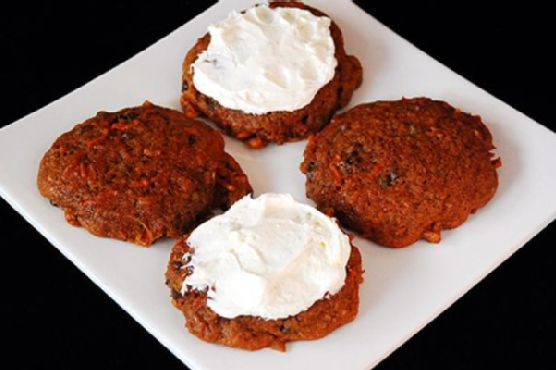
Picture this: it’s a chilly Tuesday evening, and I’m standing in my kitchen, craving something indulgent yet comforting. The kind of treat that feels like a warm hug but doesn’t demand a trip to the store for exotic ingredients. Enter these Carrot Raisin Chocolate Chip Cookies. They’re the result of a spontaneous kitchen experiment, born from a forgotten box of cake mix in the pantry and a sudden need for cookies that wouldn’t take all night to make. Trust me, these cookies are worth the minimal effort. They’re delightfully soft, bursting with the sweetness of raisins and carrots, and studded with decadent chocolate chips. Perfect for when you need a cozy snack for yourself or a quick dessert for unexpected guests. Seriously, this is the easiest way to turn an ordinary evening into something special.

Jump to Recipe

What You’ll Need

I bet you’ve got most of this on hand already! This recipe is all about taking a humble cake mix and turning it into something extraordinary. Here’s what you’ll need:

  • Duncan Hines Classic Decadent Cake Mix
  • 2 large eggs
  • 1/2 cup of butter, softened
  • 1 cup of hot water
  • Chocolate chips (as many or as few as you like!)

How to Make Carrot Raisin Chocolate Chip Cookies

  1. First, preheat your oven to 350°F (175°C). This helps create that perfect cookie texture — crisp on the outside and soft inside.
  2. Open up that cake mix box and find the carrot and raisin packet. Hydrate it in 1 cup of hot water for 5 minutes. You’ll notice the raisins plump up, and the kitchen fills with a sweet, comforting aroma.
  3. Once hydrated, drain the mixture and give it a gentle squeeze to remove excess water. You want the carrots and raisins moist, not soggy.
  4. In a large bowl, beat together the softened butter, cake mix, and eggs. You’re looking for a smooth batter — it should smell like cake, but thicker.
  5. Add in the carrots and raisins, stirring until they’re well distributed throughout the dough. It’s starting to look more like cookie dough now!
  6. Gently fold in the chocolate chips. Go ahead, sneak a few chocolate chips — I won’t tell.
  7. Using a small ice-cream scoop, portion out the dough onto a parchment-lined baking sheet, spacing them about 2 inches apart. This gives room for them to spread just the right amount.
  8. Smooth the tops of the cookies with a knife or offset spatula if you want a more polished look. But honestly, rustic is a good look too.
  9. Bake for about 12 minutes. The cookies should be just starting to turn golden, with a slightly firm edge.
  10. Let them cool on the baking sheet for a minute to set before transferring them to a cooling rack. This is the hardest part — waiting!
  11. Once cooled, you can frost them with cream cheese frosting if you’re feeling extra indulgent. Otherwise, enjoy them plain. They’re delightful either way.

Cook’s Notes

Baking should be fun, not stressful, right? Here are a few tips to keep things running smoothly. First, always check your butter is softened before you start. Cold butter will make it tough to mix everything together. If you forget to take it out ahead of time, a quick 10-second zap in the microwave will do the trick. For storage, these cookies keep well in an airtight container for up to a week — if they last that long! You can also freeze the dough balls and bake them straight from the freezer. Just add a couple more minutes to the bake time.

Make It Your Own

Here are some fun ways to tweak the recipe and make it suit your style or whatever you have handy:

  • Swap the chocolate chips for white chocolate and add a handful of chopped macadamia nuts for a tropical twist.
  • For a spicier edge, stir in a teaspoon of cinnamon or a pinch of nutmeg with the cake mix.
  • If you’re a coconut fan, add 1/4 cup of shredded coconut for extra texture and flavor.
  • Not a fan of raisins? Leave them out and double down on the chocolate chips. Because why not?

If you try this, I’d love to hear how it turns out — drop a comment or tag me! Happy baking, and may your cookie jar always be full!

Related update: Carrot Raisin Chocolate Chip Cookies

Related update: Easter Bunny’s Vegan Ambrosia Salad

Related update: Buttered Plantain Fries and Seasoned Avocado

Halo Remake’s PS5 Metacritic Moment | Analysis by Brian Moineau

TL;DR

  • Halo: Campaign Evolved lands on PlayStation 5, Xbox Series X|S, and PC with Metacritic scores at 81 (PS5), 84 (Xbox), and 77 (PC) as of July 24, 2026; PS5 pulled the most published reviews in early tracking. [1][2][3][4]
  • Microsoft’s day‑and‑date PS5 launch is a multiplatform revenue test while Xbox leadership (Matt Booty, 2024–2026) narrows future exclusives to select titles and keeps many multiplayer projects cross‑platform. [4][10]
  • The bigger story isn’t the score; it’s the funnel: a UE5 remake that onboards PS5’s ~93 million‑strong base into an Xbox account, cross‑play, and cross‑progression loop without PvP baggage. [6][4][5][9]

What the source said

Forbes reports Halo: Campaign Evolved—Microsoft’s Unreal Engine 5 remake of the 2001 Halo campaign—has “generally favorable” Metacritic scores, with the PS5 version drawing the most critic attention and individual outlet scores ranging from VGC’s 10/10 to Game Informer’s 8.5 and Insider Gaming’s 7/10. The piece situates the launch inside Microsoft’s 2026 multiplatform posture and notes there’s no dated plan for the next mainline Halo. The article underscores that this is a solid release but not a substitute for a brand‑new installment. [1]

Why it matters

Two camps care most here. Microsoft’s Xbox leadership and finance teams want incremental cash flow in 2026 without further cannibalizing Series X|S hardware, so they’re testing “selective exclusivity” alongside multiplatform launches like this UE5 campaign. If the PS5 SKU drives material revenue without denting Xbox‑side unit sales, it validates a 2026–2027 portfolio split. [4][10]

Sony’s platform economics group gets a prestige FPS on PS5 in July 2026, but the trade‑off is a one‑time Microsoft account link that pipes identity and progression into Xbox Services. Commerce closes on PSN, while data gravity and friends graphs accrue to Microsoft’s ecosystem in Redmond. [5]

Original analysis

Consensus view: “Halo on PS5 is a one‑off nostalgia play with decent Metacritic; the real fight is the next, truly new Halo.” My read: this remake is product‑market research disguised as fan service, and it sets up a services funnel in 2026, not just a retro victory lap.

  • What the numbers say today. As of July 24, 2026, Metacritic shows PS5 at 81 with 43 critic reviews and Xbox Series X at 84 with 26; PC sits at 77 per Forbes’ roundup, with fewer critic reviews than console. That confirms “generally favorable” sentiment and shows Sony’s platform drawing the widest critic participation, a tell for August retail awareness on PS5. [2][3][1]

  • A back‑of‑envelope revenue test on PS5 (with shown work).
    Assumptions: PS5 cumulative sell‑in/sell‑through ≈ 93 million as of March 31, 2026; price is $49.99; console store fee ~30%. [6][7][8]
    • 2% attach: 93,000,000 × 0.02 = 1,860,000 units. Gross: 1,860,000 × $49.99 ≈ $92.98M. Net after 30% fee: $92.98M × 0.70 ≈ $65.09M.
    • 3% attach: 93,000,000 × 0.03 = 2,790,000 units. Gross: 2,790,000 × $49.99 ≈ $139.47M. Net after 30% fee: $139.47M × 0.70 ≈ $97.63M.
    Even a low‑single‑digit PS5 attach tees up $65M–$98M net, before royalties and marketing amortization. That scale explains the 2026 day‑and‑date decision despite no competitive multiplayer and a sub‑$70 MSRP. [6][7][8][16]

  • Historical analogue with a year: MLB The Show’s 2021 jump. When Sony’s MLB The Show 21 hit Xbox—day‑one on Game Pass in April 2021—the franchise shifted from tribal to normalized multi‑platform, and the sky didn’t fall for PlayStation. Xbox Wire, GamesRadar, and Ars Technica documented the shock and the upside of wider reach. Halo on PS5 rhymes with that 2021 pivot, reversing roles and implying some Xbox IP—especially campaigns—can go wide while tentpoles like Gears of War: E‑Day remain exclusive under the 2026 policy. [11][12][13][14][10]

  • Named‑stakeholder breakdown (2026 incentives):
    • Microsoft/Xbox: Validates a selective multiplatform model—campaign‑only content can scale revenue on rival hardware while feeding Xbox accounts and cross‑network graphs. It also buys runway for the next Halo multiplayer plan. [4][5][10]
    • Halo Studios: UE5 remake lands with “good” scores on PS5 (81) and Xbox (84), proving the engine transition didn’t break feel or art direction. That’s internal capital for green‑lighting what’s next. [2][3][9]
    • Sony/PlayStation: Gains a July 2026 prestige shooter in the catalog with zero first‑party cost, while tolerating Microsoft account linkage that slightly erodes PSN’s walled‑garden data moat. [5]
    • Game Pass team: Retains day‑one value on Xbox/PC while harvesting à‑la‑carte PS5 revenue, hedging against 2025–2026 subscriber volatility after the 2025 price hike headlines. [4][15]

  • The contrarian read: Skipping PvP is a feature, not a flaw, for this SKU. Without live‑ops overhead in 2026, Microsoft avoids fragmenting Halo Infinite’s PvP, de‑risks cross‑platform cert on PS5, and cleanly measures campaign‑first demand. Reviews criticizing the absence of competitive multiplayer are right on price‑to‑value, but the telemetry is sharper: who buys for story, how many finish, and how identity graphs expand across Xbox/PSN. [16][7][5]

What others are missing

The quiet power move is identity capture via a one‑time Microsoft account link on PS5 that binds cross‑play and cross‑progression for Campaign Evolved in July 2026. Sony sees the transaction on PSN, but Microsoft accrues engagement metadata and durable IDs it can reactivate across Xbox, PC, and cloud later, which matters more if Game Pass growth wobbles after the 2025 hike. This remake functions as a customer‑acquisition campaign for Microsoft’s services, not just a nostalgia SKU. [5][15][4]

What to watch next

  1. By August 31, 2026, PS5 will still have the largest Metacritic critic‑review count for Campaign Evolved (≥40), even if platform scores converge within ±3 points. [2][3][4]
  2. By October 31, 2026, Xbox will tease or announce the next Halo initiative separate from this remake—either a Halo 2 campaign UE5 treatment or a standalone multiplayer beat—using public UE5 reception as the setup. [9]
  3. By Q1 2027 (March 31), Microsoft will formalize a mixed release rubric: single‑player campaigns and some live‑service titles multiplatform, while select action franchises stay exclusive under Matt Booty’s stated policy. [10]

My take

Halo’s Metacritic split isn’t the headline; the funnel is. Microsoft just shipped a UE5 remake that makes PlayStation owners log into an Xbox identity on PS5, then exposed them to cross‑play, cross‑progression, and four‑player co‑op in 2026—no PvP strings attached. If even a 2%–3% PS5 attach hits at $49.99, Campaign Evolved pays now and seeds tomorrow’s Halo with more players already inside Microsoft’s services. I’d green‑light Halo 2’s campaign next, keep PvP separate, and stick to the “campaign‑wide, multiplayer‑selective” playbook set out in 2026. [2][3][4][5][7]

Sources

  1. The ‘Halo: Campaign Evolved’ Metacritic Review Score Is In — Forbes (https://www.forbes.com/sites/paultassi/2026/07/23/the-halo-campaign-evolved-metacritic-review-score-is-in/) — Baseline report on early Metacritic spread, historic Halo scores, and Microsoft’s multiplatform framing.

  2. Halo: Campaign Evolved — Metacritic (PS5) (https://www.metacritic.com/game/halo-campaign-evolved/critic-reviews/?platform=playstation-5) — Current PS5 Metascore (81) and critic‑count (43) as of July 24, 2026.

  3. Halo: Campaign Evolved — Metacritic (Xbox Series X) (https://www.metacritic.com/game/halo-campaign-evolved/critic-reviews/?platform=xbox-series-x) — Current Xbox Series X Metascore (84) and critic‑count (26) as of July 24, 2026.

  4. Halo: Campaign Evolved Launches July 28, Pre‑Orders Available Now — Xbox Wire (https://news.xbox.com/en-us/2026/06/07/halo-campaign-evolved-launch-preorder-xbox-games-showcase-2026/) — Day‑one platforms, cross‑play/cross‑progression callouts, and timing for the global launch.

  5. Co‑op in Halo: Campaign Evolved — Halo Support (https://support.halowaypoint.com/hc/en-us/articles/50818310869268-Co-op-in-Halo-Campaign-Evolved) — Confirms one‑time Microsoft account link on PS5/Steam, offline play after linking, and 2‑player console split‑screen.

  6. PlayStation 5 hardware sales (FY25 results) — GameDeveloper (https://www.gamedeveloper.com/business/playstation-5-hardware-sales-down-amid-price-hikes-and-memory-shortage) — Cites cumulative PS5 units at ~93 million as of March 31, 2026 for install‑base sizing.

  7. Halo: Campaign Evolved review — Windows Central (https://www.windowscentral.com/gaming/halo/halo-campaign-evolved-review) — Confirms $49.99 pricing and discusses feature scope for value comparison.

  8. Digital distribution of video games — Wikipedia (https://en.wikipedia.org/wiki/Digital_distribution_of_video_games) — Summarizes industry‑standard ~30% storefront revenue share across console storefronts.

  9. Inside the Art of Campaign Evolved — Halo Waypoint (https://www.halowaypoint.com/news/inside-the-art-of-campaign-evolved) — Details the UE5 rebuild and artistic approach, corroborating the engine switch.

  10. Xbox multiplayer and live‑service games will still be multiplatform — VGC (https://www.videogameschronicle.com/news/xbox-multiplayer-and-live-service-games-will-still-be-multiplatform-going-forward-matt-booty-says/) — Public framing of Xbox’s 2026 exclusivity policy: some games exclusive, multiplayer/live‑service staying multi‑platform.

  11. MLB The Show 21 Coming to Xbox — Xbox Wire (https://news.xbox.com/en-us/2021/02/01/mlb-the-show-21-coming-to-xbox/) — Historical analogue: Sony’s sports flagship moved to Xbox in 2021.

  12. MLB The Show 21 Day‑One on Game Pass — Xbox Wire (https://news.xbox.com/en-us/2021/04/02/mlb-the-show-21-coming-to-xbox-game-pass-day-one/) — Illustrates the “wider reach > platform purity” trade in April 2021.

  13. MLB The Show 21 Will Be Available on Game Pass at Launch — GamesRadar (https://www.gamesradar.com/mlb-the-show-21-will-be-available-on-xbox-game-pass-as-soon-as-it-comes-out/) — Third‑party coverage of the 2021 cross‑platform shock moment.

  14. After years on PlayStation, MLB The Show hits Game Pass at launch — Ars Technica (https://arstechnica.com/gaming/2021/04/after-years-on-playstation-mlb-the-show-hits-xbox-game-pass-at-launch/) — Context on industry reaction and subscription reach in 2021.

  15. Xbox Game Pass price and subscriber dynamics — GameSpot (https://www.gamespot.com/articles/xbox-game-pass-lost-millions-of-subscribers-after-massive-price-hike-in-2025/) — Frames 2024’s 34M figure and 2025–2026 volatility relevant to hedging via à‑la‑carte PS5 sales.

  16. Halo: Campaign Evolved review — PC Gamer (https://www.pcgamer.com/games/halo/halo-campaign-evolved-review/) — Independent critique confirming no competitive multiplayer and enumerating feature trade‑offs.

Healthy Southwestern Oatmeal | Made by Meaghan Moineau

Picture this: It’s a chilly Tuesday morning, and I’m standing in my kitchen, bleary-eyed, clutching my favorite oversized mug of coffee. I need something hearty, something that’ll stick with me through the morning without sending me into a food coma by 10 a.m. Enter my go-to breakfast hero: Healthy Southwestern Oatmeal. It’s that perfect mix of comfort and sustenance — warm, savory oats with a kick of spice and cheesy goodness. Plus, it’s packed with protein from egg whites to keep me powered up. A total week-morning win, ready in no time, and bonus: you probably have most of the ingredients lurking in your pantry and fridge. Let’s dive into this simple yet satisfying breakfast wonder.

Jump to Recipe

What You’ll Need

This recipe is all about elevating simple pantry staples. Chances are you already have most of these on hand, which is great because who wants to run to the store before breakfast?

  • 1 1/2 cups water
  • 1 cup old fashioned oats
  • 2-3 egg whites
  • 1/4 cup reduced fat cheddar cheese, shredded
  • 1/4 teaspoon chili powder (adjust to taste)
  • 1-2 green white scallions, sliced
  • Salt, to taste

How to Make Healthy Southwestern Oatmeal

  1. Start by bringing 1 1/2 cups of water to a boil in a medium saucepan. This is your base, so let that water get nice and bubbly before moving on.
  2. Add in the oats and reduce the heat to a gentle simmer. Let them cook for about 10 minutes. You’ll know they’re ready when the mixture is more oats than water, and it starts to thicken up. Stir occasionally to keep them from sticking.
  3. Once the oats are thick, toss in the scallions and chili powder. Give it a good stir, and let it all cook together until any remaining liquid is gone, and the aroma of chilies fills your kitchen.
  4. Now, the fun part: adding the egg whites. Pour them in slowly while stirring constantly. You’ll want to keep stirring until the whites are opaque and fully incorporated into the oats. It should take just a couple of minutes.
  5. Transfer the oatmeal to your favorite serving bowl, sprinkle with salt to taste, and top with the cheddar cheese. Let it melt over the top, and you’ve got yourself a delicious, energizing breakfast!

Cook’s Notes

Let’s talk about some tips and tricks to make this Southwestern Oatmeal fit right into your morning routine. First off, if you’re tight on time, you can prep the dry ingredients the night before. In the morning, just boil the water and you’re halfway there. Leftovers (if there are any!) can be stored in the fridge for up to two days. Just reheat them gently on the stove or in the microwave, and maybe splash a bit of water or milk to loosen them up. Be careful not to overdo the chili powder unless you’re really into spice — a little goes a long way!

Make It Your Own

You’re the boss of your breakfast bowl! Here are a few ideas to tweak it to your taste:

  • Cheesy Upgrade: Swap the reduced-fat cheddar for a sharp aged cheddar or even some pepper jack for extra zing.
  • Go Green: Add a handful of spinach or kale in with the scallions for an extra veggie boost.
  • Protein Boost: Top with a sliced boiled egg if you’re looking for more protein power.
  • Spice It Up: Add a dash of hot sauce or some chopped jalapeños if you want to kick up the heat.

If you try this, I’d love to hear how it turns out! Drop a comment or tag me on social media with your delicious creations. Happy breakfasting! 🥄

Related update: Healthy Southwestern Oatmeal

Related update: Blackened Cajun Chicken

Related update: Oatmeal Pancake (Yummy & Heart Healthy)

Pumpkin Pecan Streusel Cake – gluten free, soy free, vegan | Made by Meaghan Moineau

Picture this: It’s a chilly autumn afternoon, the kind where the crisp air practically begs you to be cozy. I’m staring at a can of pumpkin puree I’ve had since last fall (I know, I know), and a craving for something sweet hits me like a ton of bricks. But I want something special—something that feels like a big warm hug in cake form. Enter the Pumpkin Pecan Streusel Cake. It’s gluten-free, soy-free, vegan, and everything in between. You’ll love how it fills your kitchen with the warm spices of fall and bakes into a stunning centerpiece that’s almost too beautiful to eat. Almost.

Jump to Recipe

What You’ll Need

I bet you already have most of these ingredients hanging out in your pantry, just waiting to be transformed into this autumnal delight. Here’s what you’ll need:

  • Roasted pumpkin puree
  • Pecans
  • Gluten free oat flour
  • Sorghum flour
  • White rice flour
  • Red brown rice flour
  • Earth Balance soy free spread
  • Light firmly packed brown sugar
  • Ground cinnamon
  • Ground ginger
  • Ground nutmeg
  • Apple cider vinegar
  • Mashed bananas
  • Aluminum free baking powder
  • Aluminum free baking soda
  • Kosher salt
  • Enjoy Life brand chocolate chips
  • Coconut yogurt
  • Tapioca flour

How to Make Pumpkin Pecan Streusel Cake – gluten free, soy free, vegan

  1. Start by making the streusel. Combine the flours, brown sugar, cinnamon, and kosher salt in a small bowl. Gently work the Earth Balance spread into the mix with your hands until you get coarse crumbs. Toss in the pecans and give it a good stir. Set this mixture aside.
  2. For the batter, measure your coconut milk and add the apple cider vinegar. Don’t stir, just let it transform into a sour-cream-like concoction.
  3. In a separate medium bowl, sift or whisk together your flours, baking powder, baking soda, cinnamon, ginger, nutmeg, and kosher salt.
  4. Grab the bowl of your electric mixer and beat together the Earth Balance spread with brown sugar until they’re well acquainted. Add in the mashed banana, scraping the sides of the bowl as you go.
  5. Mix in the pumpkin puree and your now-thickened coconut milk mixture. Keep the mixer on low speed and gradually add your flour mixture. The batter should be thick and luxurious.
  6. Spread half of this thick batter into your prepared baking pan. Sprinkle half of the streusel evenly over the batter, then top with the remaining batter. Smooth it out evenly and finish with the rest of the streusel on top.
  7. Bake for 55-60 minutes, or until a toothpick inserted into the center comes out clean. Let the cake cool on your stovetop for about 40 minutes.
  8. Once cooled, gently work a knife around the edges of the cake to release it from the pan. Chill the cake in the fridge for about an hour to firm up.
  9. For the chocolate glaze, melt the chocolate chips with some Earth Balance spread in a glass bowl over simmering water. Stir until glossy, then let it cool for a bit before drizzling over your cake. Serve chilled or at room temperature.

Cook’s Notes

Okay, real talk: don’t skip that chilling step before the glaze. It makes all the difference in getting a clean cut when serving. If your batter isn’t as thick as you’d like, just add a bit more white rice flour until it reaches the right consistency. And for leftovers (if there are any), store the cake in an airtight container in the fridge for up to a week—it’s even better the next day, I swear!

Make It Your Own

Want to put a personal spin on this cake? Here are a few ideas:

  • Swap the pecans for walnuts if you’re feeling nutty.
  • Try adding a handful of dried cranberries to the batter for a sweet-tart twist.
  • For a spicier cake, increase the ginger and nutmeg to your taste.
  • If you prefer a sweeter glaze, mix in a tablespoon of maple syrup with the melted chocolate.

If you try this, I’d love to hear how it turns out — drop a comment or tag me! Your kitchen deserves to smell like fall, and this cake is your ticket. Happy baking, my friend! 🍂🍰

Related update: Pumpkin Pecan Streusel Cake – gluten free, soy free, vegan

Related update: Carrot Raisin Chocolate Chip Cookies

Minted Pea & Spinach Soup | Made by Meaghan Moineau

I had one of those chaotic Tuesdays where nothing seemed to go as planned. My phone was buzzing with notifications, the laundry pile was threatening to overthrow the hamper, and my stomach was growling like an angry bear by 6 PM. With no time to fuss over a fancy dinner, I needed something quick yet soul-soothing. Enter Minted Pea & Spinach Soup — my mid-week savior. It’s the kind of dish that feels like a warm hug in a bowl, ready in no time, and with a freshness that makes you feel like you’re doing something good for yourself. Plus, the ingredients are mostly things you’ll likely find lurking in your pantry or freezer. It’s like a little magic trick on a hectic day.

Jump to Recipe

What You’ll Need

You won’t need anything too fancy here, just some basic kitchen staples. Chances are you already have most of this on hand, which makes this recipe a dream come true for a busy evening.

  • Chicken stock
  • Cream
  • Canned dried mint
  • Milk
  • Frozen peas
  • Diced potatoes
  • Salt & pepper
  • Fresh spinach
  • Sugar
  • Water
  • Yoghurt

How to Make Minted Pea & Spinach Soup

  1. Place the diced potatoes in a medium-sized pot. Add just a splash of water and a sprinkle of salt & pepper. Pop the lid on and let them cook on medium heat for about 20 minutes, until they’re almost soft. You’ll know they’re ready when you can easily pierce them with a fork.
  2. Add the frozen peas to the pot and let them simmer for another 5 minutes. By now, the potatoes should be fully tender and ready to melt in your mouth.
  3. Toss in the fresh spinach and cook for another 3-5 minutes, stirring occasionally, until the spinach wilts down into a lovely green tangle.
  4. Remove the pot from the heat and let it cool down for a few minutes. This gives you time to prepare for the blending magic without risking a steamy facial.
  5. Using an immersion blender, blend the mixture to a silky puree. It should be smooth, yet vibrant with that gorgeous green hue.
  6. Place the pot back on the stovetop. Pour in the cream, milk, chicken stock, and a bit more water if needed. Heat it gently until it’s piping hot but not boiling.
  7. Stir in the yoghurt, mint, and a pinch of sugar. Taste the soup and adjust the salt and pepper if necessary. Give it a good stir to combine all those lovely flavors.
  8. Serve immediately. For extra flair, scatter some crispy croutons or bacon bits on top. If you’re like me, and have some cheesegrillers on hand, slice them thinly, fry with a touch of sweet chili sauce, and use them as a delicious topper.

Cook’s Notes

This soup is incredibly forgiving — perfect for those nights when you’re a bit forgetful or distracted. If you happen to overcook the peas or spinach, don’t worry. The immersion blender will still work its magic. For a thicker consistency, reduce the amount of water or let it simmer longer after blending. Leftovers can be stored in an airtight container in the fridge for up to 3 days. Just reheat gently on the stove and enjoy again.

Make It Your Own

  • Swap the chicken stock for vegetable stock to make it vegetarian.
  • For a vegan version, replace cream and yoghurt with coconut milk.
  • Add a squeeze of lemon juice before serving for a zesty kick.
  • If you like a bit of spice, sprinkle in some chilli flakes or cayenne pepper.

If you try this, I’d love to hear how it turns out — drop a comment or tag me! Your kitchen adventures make my day, so don’t be shy about sharing your soup tales. Enjoy your cozy bowl of green goodness!

Related update: Minted Pea & Spinach Soup

Related update: Creamy Cauliflower Chowder

Alphabet Earnings: AI Capex vs. Semis | Analysis by Brian Moineau

TL;DR

  • Alphabet earnings are the market’s Rorschach test: a higher 2026 capex guide could either reignite the Magnificent Seven trade or finally force investors to price the cash‑flow hit that AI spending is already inflicting on hyperscalers like Alphabet, Microsoft, and Amazon. [1][4]
  • The semiconductor drawdown isn’t just “profit taking”; it’s a confidence wobble triggered by policy risk from the U.S. Commerce Department and competitive shocks like Moonshot’s Kimi K3, which sharpen questions about ROI on ever‑bigger AI data centers. [2][3][7]
  • My edge: Alphabet’s capex mix and disclosure will be the tell—if the language tilts toward in‑house accelerators and infrastructure ownership in 2026–2027, merchant semis won’t get the reflexive relief rally people expect. [4][5]

What the source said

Yahoo Finance frames Alphabet’s results as a “moment of truth” for tech investors weighing a revived Magnificent Seven trade versus “buying the dip” in semiconductors, citing a widening one‑month performance gap between the SOX and the MAGS cohort. The article quotes Evercore ISI’s view that hyperscalers’ forward free cash flow could turn negative this quarter, and it argues Alphabet’s print and 2026 capex outlook could either lift both groups or deepen the split. The piece flags export rules, tariff headlines, and China‑based model releases (Kimi K3, DeepSeek) as catalysts that stoke fears U.S. firms are overspending on AI. The advice: watch Alphabet’s 2026–2027 capex signal and the stock’s reaction on the day of the report. [1]

Why it matters

Two sets of investors are exposed right now. First, anyone who chased the AI hardware trade through SOX constituents is learning how policy whiplash (export controls, tariff noise) and model‑cycle surprises can compress multiples in a week. Reuters pegs the SOX down more than 11% from its June record as of mid‑July 2026; South Korea’s KOSPI, a chip‑heavy barometer, slid more than 20% from its late‑June peak into a bear market before episodic bargain‑hunting bounces. [2][6]

Second, Alphabet, Microsoft, Amazon, and Meta shareholders own the other side of the AI buildout: the capex and the cash flow. FactSet highlights that hyperscaler spending increasingly outruns internal cash generation, with rating agencies already punishing balance sheets (S&P cut Oracle to BBB‑ in July 2026, citing surging AI capex and negative FCF). Alphabet’s guidance cadence on 2026–2027 will indicate whether the runway is smooth or a funding gap still needs bridging, which matters for credit spreads and equity risk premia. [4]

Original analysis

Back‑of‑envelope: what Alphabet’s capex implies

  • Fact pattern: On its Q4 2025 call (Feb 4, 2026 transcript), Alphabet guided 2026 capex to $175–$185 billion, primarily for AI compute, technical infrastructure, and Cloud growth; management also flagged faster 2026 depreciation from prior ramps. [5]
  • Simple math: Use the $180B midpoint and assume a 5‑year straight‑line life for a blended basket of data centers, servers, and networking. Annual depreciation ≈ $180B ÷ 5 = $36B.
  • Cash consequence: To offset $36B of incremental non‑cash expense and its downstream cash costs (power, ops), Alphabet would need incremental operating cash flow of roughly the same order. At a 30% operating margin (Alphabet reported ~30% in Q4 2025), that implies ~$36B ÷ 0.30 ≈ $120B of additional annual revenue over a steady‑state base to hold FCF flat—directional, but scale‑setting. [5]
  • Why this matters: Even if the real mix and useful lives differ, the size signals that one or more quarters of pressured or even negative free cash flow is plausible as assets ramp, a dynamic credit markets and rating agencies are already sensitized to across the hyperscaler set. [4][7]

2×2: “Capex Trajectory” × “Model Edge”

  • Axes

    • X: Capex trajectory in 2026–2027 (raising vs. pausing) as implied by Alphabet’s guide and commentary. [5]
    • Y: Model edge in 2026 (frontier differentiation rising vs. compressing) amid Kimi K3 and DeepSeek pressure on capability‑per‑dollar. [3][1]
  • Quadrants

    • Flywheel (Raising × Rising): Alphabet guides up and demonstrates widening AI product monetization in Search and Cloud, with explicit attach metrics or pricing anecdotes. This pulls MAGS higher; merchant‑semi relief is muted unless Alphabet signals more third‑party silicon procurement.
    • Cash‑burn trap (Raising × Compressing): Guidance up, but external shocks (e.g., Kimi K3 narrowing capability/cost gaps) keep monetization lagging; market punishes semis and hyperscalers, and spreads widen for issuers tapping debt to fund AI builds. [3][4]
    • Wait‑and‑see (Pausing × Rising): Capex restraint plus visible product velocity favors MAGS; SOX stabilizes but trails as investors rotate to software yield over hardware volume.
    • Value rotation (Pausing × Compressing): Both trades suffer; capital chases power, grid, cooling, and memory vendors with nearer‑term pricing power such as Vertiv, Schneider Electric, SK hynix, and Micron Technology.

My base case for the print: Alphabet’s language will keep capex elevated and emphasize infrastructure ownership across data centers, networking, and power integration. That stance is bullish for Alphabet’s moat and for select suppliers like HBM memory and advanced packaging, but it’s not a “lift all semis” catalyst—especially with BIS export‑policy noise resurfacing in Washington and investors newly alert to the cash cost of AI. [4][7]

What others are missing

Coverage obsesses over A100s vs. TPUs and the SOX chart, while the overlooked variable is competitive efficiency: open‑weight models like Moonshot’s Kimi K3 narrow capability gaps at lower API prices and push buyers toward “good‑enough” inference. If good‑enough AI improves faster than customers’ willingness to pay in 2026, ROI thresholds on hyperscaler‑owned capacity ratchet higher, and utilization needs to run hotter before expansions pencil. That dynamic hits merchant compute volumes first (customers sweat assets longer) and compresses the window for hyperscalers to translate capex into sticky revenue. Nature’s reporting that Kimi K3’s launch swamped capacity and narrowed the U.S.–China performance gap frames this as an industry‑wide pricing and payback story, not just a China headline. [3]

What to watch next

  1. By October 31, 2026, Alphabet’s FY2026 capex midpoint will remain at or above $180B, with FY2027 qualitatively guided “higher” again in prepared remarks or Q&A (transcripts/IR pages will make this falsifiable). [5]
  2. By January 15, 2027, the U.S. Commerce Department will publish at least one new tightening step or formal clarification that restricts AI‑chip shipments to Chinese firms or their overseas subsidiaries (Federal Register, BIS notices, or congressional testimony). [7]
  3. By December 31, 2026, the KOSPI will have rallied at least 10% from its July 8, 2026 close of 7,246.79 as retail “buy‑the‑dip” flows and chip export strength intermittently counter AI‑spending angst (index data checkable). [6]

My take

Alphabet earnings are the fulcrum for the AI trade, but not because a bigger 2026 capex number rescues semis. If management doubles down on owning the stack, I’d stay overweight Alphabet and be selective in semis: HBM suppliers and advanced packaging ride the build; merchant compute faces share risk where TPUs or custom silicon take wallet. The SOX can bounce on positioning, but sustained upside likely waits for either a clearer monetization arc at the hyperscalers or policy relief from Washington and Brussels. Until then, favor the cash engines that control their own destiny—and make everyone else pay to plug in. [4][5]

Sources

[1] Alphabet earnings offer a moment of truth in this tech stock battle — Yahoo Finance (https://finance.yahoo.com/technology/article/alphabet-earnings-offer-a-moment-of-truth-in-this-tech-stock-battle-121514421.html) — Frames the “moment of truth,” the MAGS vs. SOX divergence, and Evercore ISI’s FCF warning.

[2] Chip stocks hit rocky patch. What’s next? — Reuters via Investing.com (https://www.investing.com/news/economy-news/chip-stocks-hit-rocky-patch-whats-next-4787795) — Documents the July semiconductor selloff and cites the SOX down >11% from its June record.

[3] Does China’s latest AI model finally equal US rivals? What scientists think — Nature (https://www.nature.com/articles/d41586-026-02281-2) — Reports on Moonshot’s Kimi K3 launch, demand spikes, and the narrowing performance gap.

[4] Hyperscalers Tap External Financing as AI Capex Outruns Cash Flow — FactSet Insight (https://insight.factset.com/hyperscalers-tap-external-financing-as-ai-capex-outruns-cash-flow) — Explains the financing strain; notes S&P’s Oracle downgrade tied to surging capex and negative FCF.

[5] Alphabet (GOOGL) Q4 2025 Earnings Call Transcript — The Motley Fool (https://www.fool.com/earnings/call-transcripts/2026/02/04/alphabet-googl-q4-2025-earnings-call-transcript/) — Provides Alphabet’s 2026 capex guide ($175–$185B) and commentary on depreciation and AI infrastructure priorities.

[6] South Korea’s KOSPI drops 20% from June record close as chipmakers drag — Reuters via MarketScreener (https://www.marketscreener.com/news/south-korea-s-kospi-drops-20-from-june-record-close-as-chipmakers-drag-ce7f5ed8de8ef522) — Establishes the KOSPI’s bear‑market move and chip‑led volatility shaping “buy‑the‑dip” episodes.

[7] Regulatory action on chips, AI is coming, Commerce official says — Reuters via MarketScreener (https://www.marketscreener.com/news/regulatory-action-on-chips-ai-is-coming-commerce-official-says-ce7f5edddb8bf121) — Signals pending U.S. export‑control actions on AI chips, a key variable for hyperscalers and semis.


Related update: We recently published an article that expands on this topic: read the latest post.

Harvest Hash | Made by Meaghan Moineau

It was one of those chilly fall evenings when the air was crisp, and the leaves crunched underfoot like potato chips. I was rummaging through the fridge, looking for something cozy and satisfying yet simple enough not to turn dinner into a late-night affair. You know, the kind of weeknight dinner that lets you sit down with a glass of wine before you’ve completely run out of energy? Harvest Hash was my answer. This dish is everything I love about fall on a plate: sweet, savory, and just a little bit indulgent with crispy bacon and caramelized apples. It’s one of those dishes that makes you feel like you’ve done something special, even if you’re tired, and the best part is, it’s all done in about 30 minutes.

Jump to Recipe

What You’ll Need

The beauty of this recipe is in its simplicity. Chances are, you already have most of these ingredients lounging around in your kitchen, waiting for their moment to shine.

  • 2 medium sweet potatoes, peeled and cubed
  • 4 slices of bacon, cut into bite-sized pieces
  • 1 small red onion, diced
  • 2 honeycrisp apples, cored and diced
  • 2 tablespoons extra-virgin olive oil (EVOO), divided
  • Kosher salt, to taste

How to Make Harvest Hash

  1. First things first, get your oven preheating to 400°F. This helps everything cook evenly and gives those sweet potatoes a head start to become perfectly tender.
  2. In a large bowl, toss the cubed sweet potatoes with one tablespoon of EVOO and a good sprinkle of kosher salt. Make sure each piece is nicely coated, then spread them out on a baking sheet in a single layer.
  3. Roast the sweet potatoes for about 10-15 minutes until they’re tender but still hold their shape. You’ll know they’re ready when you can pierce them easily with a fork without them falling apart. Set aside when done.
  4. While the sweet potatoes are doing their thing, heat the remaining tablespoon of EVOO in a large frying pan over medium heat. Toss in the bacon pieces and let them cook until they start to get crisp and release their delicious fat.
  5. Add the diced red onion to the pan and sauté until they’re soft and tender. The onions will soak up some of that bacon goodness, making them irresistible.
  6. Next, add the diced apples and cook for another 3-4 minutes. They’ll become slightly golden and fragrant, adding a lovely sweetness to the mix.
  7. Stir in the roasted sweet potatoes and cook everything together for another 6-8 minutes. Let the edges of the sweet potatoes and apples get a little crispy — this is where the magic happens.
  8. Serve it up warm alongside a juicy ham steak, and you’ve got yourself a feast that tastes like fall on a plate.

Cook’s Notes

This dish is pretty forgiving, which is why I love it for those busier nights. Remember not to overcrowd your baking sheet with sweet potatoes; otherwise, they’ll steam rather than roast. Store leftovers in an airtight container in the fridge for up to three days. Reheat in a skillet to bring back some crispness, or pop in the microwave for convenience. If you’re planning ahead, you can roast the sweet potatoes a day before and store them until you’re ready to complete the dish.

Make It Your Own

  • Vegetarian Version: Skip the bacon and use smoked paprika to bring in that smoky flavor.
  • Pumpkin Spice Twist: Sprinkle a pinch of cinnamon and nutmeg when you add the apples for a cozy spice blend.
  • Protein Boost: Stir in cooked, shredded chicken when you add the sweet potatoes.
  • Vegan Delight: Swap out the bacon for crispy tofu cubes and use coconut oil instead of EVOO.

If you try this, I’d love to hear how it turns out — drop a comment or tag me! Cooking is all about sharing, after all. Enjoy these fall flavors!

Related update: Harvest Hash

Chimichurri Skirt Steak with Grilled Asparagus | Made by Meaghan Moineau

Picture this: It’s a Tuesday evening, and I’ve just gotten home after a day that felt like a whirlwind. The sun is setting, casting a golden hue over my kitchen, and I’m in the mood for something satisfying yet not too complicated. Enter my trusty Chimichurri Skirt Steak with Grilled Asparagus. It’s got that zingy, herby kick from the chimichurri that makes everything feel a little more special, and the whole meal comes together in a way that feels more weekend than weeknight. You’ll be surprised at how the bold flavors and the simplicity of the dish make it an absolute favorite for any night. Let’s dive in and make some magic happen. Jump to Recipe

What You’ll Need

This ingredient list is a breeze, and I bet you have most of these at home already. The stars here are definitely the fresh herbs and that gorgeous skirt steak.

  • Skirt steaks
  • Flat leaf parsley
  • Fresh mint leaves
  • Fresh oregano leaves
  • Garlic cloves (4 to 5, depending on your garlic love level)
  • Chili pepper flakes
  • Kosher salt
  • Lemon juice
  • Olive oil
  • Red wine vinegar
  • Shallot
  • Green and white asparagus
  • Black freshly cracked pepper

How to Make Chimichurri Skirt Steak with Grilled Asparagus

  1. In your food processor, throw in everything for the chimichurri sauce except the olive oil. Give it a few pulses until it’s all well chopped and mixed together.
  2. Keep that processor running and slowly drizzle in the olive oil until the mixture is a harmonious blend. You want it smooth but still a bit rustic.
  3. Reserve half of this vibrant green sauce for later; it’s going to be the hero when you serve.
  4. Season your skirt steaks generously with salt and freshly cracked pepper on both sides.
  5. Spoon the other half of the chimichurri over the steaks, getting them good and marinated. Let them hang out and soak up the flavors for at least 30 minutes, or if you can, overnight in the fridge.
  6. Preheat your grill to a comfy 350 to 400°F. Let it warm up while you prep your veggies.
  7. In a large resealable plastic bag, toss in both the green and white asparagus. Add a drizzle of olive oil, a couple of smashed garlic cloves, and a sprinkle of salt and pepper. Seal the bag and shake it like you mean it.
  8. Place the asparagus in a grill basket to keep things neat, then set both the steak and basket directly over the hot grill.
  9. Gently toss the asparagus occasionally to ensure even grilling, and baste them lovingly with the garlic olive oil mixture. They’ll be ready in about 10 minutes, with some nice char marks.
  10. Grill your skirt steak to your preferred doneness, usually 5 to 8 minutes per side. Let it rest for 10 minutes post-grilling to keep all those juices in.
  11. Slice the steak against the grain into long strips, arrange them on a serving platter, and spoon that reserved chimichurri sauce over the top. Serve alongside the perfectly grilled asparagus.

Cook’s Notes

First off, let your steak rest after grilling. It’s tempting, but patience is key here for juicy, flavorful meat. If you’re marinating, overnight is king for maximum flavor, but 30 minutes will do if you’re in a pinch. As for leftovers, they keep well for a couple of days in the fridge. The steak is delightful cold or quickly reheated, and the chimichurri can be a flavor booster for other dishes.

Make It Your Own

  • Swap the skirt steak for a flank steak if that’s what you have on hand. Just keep in mind the cooking time might vary slightly.
  • For a vegetarian twist, use portobello mushrooms instead of steak. Marinate and grill them the same way for a hearty, satisfying meal.
  • Feeling a little wild? Add a handful of cherry tomatoes to your asparagus mix for a burst of color and extra sweetness.
  • If mint isn’t your thing, basil works beautifully here for a different but equally delicious twist.

If you try this, I’d love to hear how it turns out — drop a comment or tag me! Sharing food experiences makes them all the more enjoyable. Happy grilling!

Related update: Chimichurri Skirt Steak with Grilled Asparagus

Related update: Harvest Hash

Easy Weekday Breakfast Muffins | Made by Meaghan Moineau

Last Tuesday, I found myself staring at the fridge at 7 a.m., coffee in hand, trying to muster some inspiration for breakfast before the day spiraled into chaos. There they were: a half-empty bag of potato tots, some bell peppers, and a few eggs that desperately needed a purpose. In that moment of breakfast indecision, Easy Weekday Breakfast Muffins were born. These muffins are the perfect balance of savory, cheesy goodness, and they’re surprisingly simple to whip up. Plus, they can be made ahead, making those rushed weekdays just a tad more bearable. Trust me, once you try these, weekday mornings will feel like a breeze.

Jump to Recipe

What You’ll Need

Most of these ingredients are probably lounging in your kitchen already, just waiting to become something delicious.

  • Bell pepper, chopped
  • Eggs – 6 of them, whisked
  • Milk – just a splash
  • Small onion, chopped
  • Potato tots – because who doesn’t love them?
  • Salt and pepper, to taste
  • Shredded cheese – the more, the merrier
  • Turkey – diced or shredded

How to Make Easy Weekday Breakfast Muffins

  1. Preheat your oven to 350°F (180°C). This gives you time to prep everything while it heats up.
  2. In a medium-sized bowl, whisk together the eggs and a splash of milk until they’re well combined and a lovely shade of pale yellow.
  3. Fold in the chopped bell pepper and onion. Season this mixture with a good pinch of salt and a couple of cracks of pepper.
  4. Stir in a generous handful of shredded cheese. This will add that irresistible gooeyness and flavor.
  5. Lightly grease a muffin tin or line it with muffin cups, then fill each cup halfway with the egg mixture.
  6. Drop a few pieces of turkey into each cup. It’s like a little protein surprise!
  7. Place a single potato tot in the center of each cup, pressing it lightly into the egg mixture.
  8. Sprinkle a bit more shredded cheese on top of each muffin for that golden, bubbly top.
  9. Pop the muffin tin into the oven for about 20 minutes, or until the muffins are set and the tops are gloriously golden.
  10. Let them cool for a few minutes before serving or storing for later.

Cook’s Notes

If you’re short on time in the morning, these muffins can be made the night before and stored in the fridge. Just reheat them in the microwave for about 20-30 seconds, and they’ll taste like you just pulled them out of the oven.

  • When whisking the eggs, ensure they’re completely blended to avoid any streaks of egg whites in your muffins.
  • These muffins keep well in the fridge for up to 3 days. For longer storage, freeze them and thaw overnight in the fridge before reheating.
  • Be careful not to overfill the muffin cups. They’ll expand as they cook, and you don’t want egg mixture overflowing in your oven!

Make It Your Own

  • Swap the turkey for crispy tofu for a vegetarian version that’s just as satisfying.
  • Try adding cooked bacon bits to each muffin for an extra savory kick.
  • Use different cheeses like sharp cheddar or feta for a flavor twist.
  • If you’re feeling a bit adventurous, sprinkle some chopped jalapeños into the mix for a spicy morning pick-me-up.

If you try this, I’d love to hear how it turns out — drop a comment or tag me! Breakfast doesn’t have to be a hassle; let’s make it delicious and fun together.

Related update: Easy Weekday Breakfast Muffins

Related update: Chimichurri Skirt Steak with Grilled Asparagus

Related update: Healthy Southwestern Oatmeal

Dimon Warns: Market Shock Risk Rising | Analysis by Brian Moineau

TL;DR

  • Jamie Dimon, JPMorgan’s CEO, has warned since at least the 2023 shareholder letter that higher-for-longer rates, war risk, and fiscal deficits could hit assets; the deeper fuse is U.S. debt rollover colliding with persistent Treasury supply and finite balance sheets. [1][2]
  • Even with June CPI around 3.5% year over year, the 10-year Treasury hovered near 4.6% in mid-July 2026; that level sits well above the government’s current average interest rate on outstanding debt, implying net interest keeps trending higher as low-coupon notes reset. [3][4][5]
  • The 2022 UK gilts shock showed how a long-end spike (30-year yields jumping roughly 130–140 bps in days) can trigger forced selling; the U.S. won’t replay LDI, but heavy funding needs plus convexity and dealer limits can rhyme. [6]

What the source said

In the 2023 JPMorgan shareholder letter, Jamie Dimon flagged persistent inflation, geopolitical conflicts (notably Russia–Ukraine and Middle East hotspots), and fiscal deficits as reasons rates could stay high and markets could see a shock; he argued investors should not assume a smooth disinflation glide path like the mid-1980s. He linked these risks to potential pressure on both equities and bonds if term premia rise and cash flows get discounted at higher rates. He framed bank operating conditions as strong in 2023–2024 but warned they can change quickly if funding costs or credit losses climb. [1]

Why it matters

  • Primary dealers in New York, U.S. money market funds, and foreign reserve managers in places like Tokyo and Beijing finance the Treasury’s deficits, while retirees on Social Security and Medicare, and S&P 500 firms rolling debt, depend on the cost of that funding. If “vigilantes” demand more term premium, the 10-year at roughly 4.55%–4.60% in mid-July 2026 can lift mortgage rates, capex hurdles, and equity discount rates even after a soft CPI headline. [3][4]

  • Traditional 60/40 allocators, banks’ AFS/HTM books, and long-duration ETFs such as iShares TLT (launched 2002) face path risk that inflation prints alone won’t capture; the UK’s 2022 episode showed 30-year gilts spiking about 130–140 bps within days and forcing deleveraging, while TLT itself lost roughly 31% in calendar 2022 during the U.S. rate shock. [6][7]

Original analysis

Dimon’s “shock” setup rests on rates, geopolitics, and deficits. The common reply says: core inflation is easing, so yields drift lower; flare-ups are priced; deficits matter later. I disagree because the plumbing points to supply, rollover, and balance-sheet constraints that act now.

Contrarian read

  • Consensus: Softer CPI = lower yields = duration relief.
  • Counter: Supply and rollover are repricing duration irrespective of CPI. June CPI ran near 3.5% y/y while the 10-year sat around 4.6%, and recent Treasury refunding guidance emphasized steady coupon auction sizes over “at least the next several quarters,” a stance that can buoy term premia when dealer capacity is finite. [3][4][8]

Back-of-envelope calculation (rollover wedge)

  • Facts:
    • Debt held by the public was roughly $29.7 trillion around late 2025, per Treasury’s Debt to the Penny dataset. [9]
    • The weighted average maturity (WAM) of marketable debt was about 70.8 months (≈5.9 years) as of October 31, 2024. [8]
    • The average interest rate on outstanding Treasury marketable debt ran near 3.4% in 2025–2026 per Treasury’s dataset. [5]
    • The 10-year yield in mid-July 2026 printed around 4.55%–4.60%. [4]
  • Mechanics:
    • If WAM ≈ 70.8 months, about 12/70.8 ≈ 17% of the portfolio resets per year.
    • 17% × $29.7T ≈ $5.0T rolling in the next 12 months.
    • Rate gap vs. legacy average cost: 4.60% − 3.40% ≈ 1.20 percentage points.
    • Extra annualized interest from this year’s roll: 1.20% × $5.0T ≈ $60B.
  • Interpretation: That is just year one; as more low-coupon notes roll in 2027–2028, the wedge compounds if the 10-year hangs near 4.6%, regardless of monthly CPI noise. [4][5][9]

Historical analogue: UK gilts, September–October 2022

  • The “mini-budget” shock was not about surprise inflation; it was about sudden term-premium repricing to fund deficits and hedge leverage, with 30-year yields jumping roughly 130–140 bps in a few days, forcing LDI selling and a Bank of England liquidity backstop. The U.S. has deeper markets and no LDI ubiquity, yet persistent supply plus convexity and dealer VAR limits can still pressure the long end quickly. [6]

A simple 2×2: supply vs. risk capacity

  • High supply + thin risk capacity (e.g., big refundings during bank VAR constraints): risk of sharp yield spikes and auction tails.
  • High supply + ample risk capacity (e.g., strong dealer balance sheets and risk-on credit): gradual bear steepening.
  • Low supply + thin risk capacity: choppy range trading with occasional squeezes; term premium can still stay positive.
  • Low supply + ample risk capacity: benign decline in long-end yields; this is the cyclical “soft landing” case and requires deficits to narrow or issuance to skew short.

Named-stakeholder breakdown

  • U.S. Treasury: Recent Quarterly Refunding materials and TBAC slides signal maintaining coupon auction sizes and a stable WAM, which keeps a steady duration pipe flowing into a market where dealers must warehouse risk. [8]
  • JPMorgan, Goldman Sachs, and Bank of America: Trading desks benefit from volatility, but a violent long-end selloff stresses client collateral, increases margin calls, and can dampen primary issuance in New York and London.
  • 60/40 allocators and long-duration ETFs (e.g., TLT): If the 10-year revisits 5% without a growth scare, equity multiples compress while bond NAVs fall—hurting both legs at once; the 2022 TLT drawdown of about −31% shows the convexity bite. [4][7]

One more inconvenient anchor: deficits

  • The CBO’s long-term projections show debt held by the public reaching roughly 116% of GDP by 2034 with primary deficits persisting, implying sustained issuance and a positive term premium absent policy changes; this fiscal backdrop amplifies the rollover wedge described above. [2]

What others are missing

Most coverage centers on “inflation vs. the Fed,” but the under-covered angle is the portfolio’s effective reset speed—call it WANRR, the weighted average next repricing rate. Bills and FRNs shorten the government’s true interest-rate sensitivity; TBAC slides show bills plus FRNs comprising roughly the high-30s percent of marketable debt in 2024, far quicker to reprice than 7–10 year notes. That accelerates the pass-through from a 10-year near 4.6% to the average interest rate, which Treasury’s dataset shows climbing as legacy sub-2% coupons from 2020–2021 roll away. [8][4][5][3]

What to watch next

  1. By October 31, 2026, the 10-year Treasury yield (FRED series DGS10) records a weekly average at or above 5.00% for at least one week, indicating term premium and supply pressure overcame benign CPI prints. [4]

  2. By December 31, 2026, at least one 30-year Treasury bond auction (new issue or reopening) tails by 3.0 basis points or more versus the when-issued yield at the 1:00 p.m. ET deadline, signaling constrained balance-sheet capacity at primary issuance. [10]

  3. By March 31, 2027, iShares TLT posts a total return of −10% or worse from the July 15, 2026 close to that date (using NAV total return on the fund’s page), consistent with duration pain despite moderating CPI. [7]

Sources

[1] JPMorgan Chase 2023 Shareholder Letter (Jamie Dimon) — outlines CEO views on higher rates, geopolitics, and market risk, anchoring the “shock” narrative.

[2] Congressional Budget Office — Long-Term Budget Projections — provides deficit and debt-to-GDP trajectories that inform issuance and term-premium pressure.

[3] U.S. Bureau of Labor Statistics — Consumer Price Index — supplies CPI data used for the June year-over-year reading and inflation context.

[4] Federal Reserve Bank of St. Louis (FRED) — 10-Year Treasury Constant Maturity (DGS10) — benchmark for long-end yields and the 4.6% reference point.

[5] U.S. Treasury FiscalData — Average Interest Rates on U.S. Treasury Securities — tracks the average coupon cost on outstanding debt to compare against current yields.

[6] Bank of England — Financial Stability Report, December 2022 — documents the UK gilt crisis mechanics, LDI deleveraging, and yield spike magnitudes.

[7] iShares — TLT (20+ Year Treasury Bond ETF) — provides historical performance and duration metrics to illustrate convexity and drawdown risk.

[8] U.S. Treasury — Treasury Borrowing Advisory Committee (TBAC) Q4 2024 Presentation — shows WAM, issuance mix, and debt composition (bills/FRNs vs. coupons).

[9] U.S. Treasury FiscalData — Debt to the Penny — gives levels for debt held by the public to size the rollover base.

[10] U.S. Treasury — Auction Query (official results) — verifies auction tails and bid metrics for 30-year bond sales.


Related update: We recently published an article that expands on this topic: read the latest post.

Green Tea Fruit Medley Smoothie | Made by Meaghan Moineau

Picture this: It’s a sweltering summer afternoon, the kind where even the shade feels warm, and all you can think about is finding a way to cool down. I was sprawled out on my couch, contemplating the mysteries of life and my growing need for something refreshing. That’s when the idea hit me — a Green Tea Fruit Medley Smoothie! This drink is the perfect blend of rejuvenating and hydrating, with just enough sweetness from the fruit to make you feel like you’re indulging in a treat. The best part? It’s incredibly easy to whip up, which means more time for lounging and less time in the kitchen.

Jump to Recipe

What You’ll Need

You’re in luck because the ingredient list for this smoothie is delightfully simple. Chances are, you might already have most of these in your kitchen.

  • 1 cup of boiling water
  • 3 green tea bags
  • 1 cup of fresh berries (I love using a mix of blueberries and strawberries!)
  • 1/2 cup of pineapple juice
  • 1/2 cup of vanilla yogurt
  • A handful of ice cubes

How to Make Green Tea Fruit Medley Smoothie

  1. Start by preparing your tea. Steep the 3 green tea bags in 1 cup of boiling water for about 5 minutes. You’re looking for a nice, rich golden color and that earthy, aromatic green tea scent wafting through your kitchen.
  2. After the tea has steeped, gently squeeze out the bags to get every last bit of flavor, then discard them.
  3. In a blender, combine the brewed tea, fresh berries, pineapple juice, vanilla yogurt, and ice cubes. Blend until the mixture is smooth and creamy. You’ll know it’s ready when it has a luscious, thick consistency and a vibrant color.

Cook’s Notes

When it comes to making this smoothie, the key is the balance of flavors. If you find the smoothie too tart, add a bit more vanilla yogurt for sweetness. On the flip side, if it’s too sweet, a splash more of green tea can do wonders. If you’re preparing this ahead of time, store it in the fridge for up to a day, but give it a good shake before drinking as it might separate slightly. And remember, the freshest berries will give you the best flavor, so if you’re using frozen ones, let them thaw a bit first.

Make It Your Own

  • Need a protein boost? Swap out the vanilla yogurt for Greek yogurt.
  • Looking for a tropical twist? Add a handful of mango chunks instead of or alongside the berries.
  • For a dairy-free version, use coconut yogurt — it adds a nice subtle flavor that pairs surprisingly well with the green tea.
  • If you’re a mint fan, toss in a few fresh mint leaves for an extra refreshing kick.

If you try this, I’d love to hear how it turns out — drop a comment or tag me! There’s nothing like sharing a refreshing moment with friends, even if it’s virtually. Stay cool, my friends!

Related update: Green Tea Fruit Medley Smoothie

Brown Sugar and Balsamic Glazed Pork Loin | Made by Meaghan Moineau

It was one of those frenzied Wednesdays — you know the type — when the clock seems to mock you with its speed and your stomach growls louder than a lawnmower next door. The day had been a whirlwind of errands and work, leaving just enough time to ponder the eternal question: what’s for dinner? Enter my lifesaver — the Brown Sugar and Balsamic Glazed Pork Loin. With just a handful of pantry heroes and a slow cooker doing the heavy lifting, this dish is like a warm hug at the end of a chaotic day. The pork comes out tender and juicy, coated with a glossy glaze that’s sweet and tangy. It’s comfort food at its finest, and the best part is, it feels like you’ve put in way more effort than you actually have.

Jump to Recipe

What You’ll Need

This recipe is blessedly simple, and chances are, you already have most of the ingredients lounging in your kitchen. Here’s the lineup you need to gather:

  • Boneless pork loin
  • Ground sage
  • Salt
  • Pepper
  • Garlic
  • Water
  • For the Glaze:
    • Brown sugar
    • Cornstarch
    • Balsamic vinegar
    • Soy sauce

How to Make Brown Sugar and Balsamic Glazed Pork Loin

  1. First, channel your inner artist and combine the ground sage, salt, pepper, and garlic in a small bowl. This is your flavor magic dust.
  2. Give your pork loin a good massage with the spice mix. This is key to infusing all those delicious flavors deep into the meat.
  3. Place the seasoned pork loin in your trusty slow cooker. Add half a cup of water — this will keep the pork moist and happy during its long, slow sauna.
  4. Set your slow cooker to low and let it work its magic for 6-8 hours. Your kitchen will start to smell amazing, and you’ll feel like a culinary magician.
  5. About an hour before the pork is done, gather your glaze ingredients and combine them in a small saucepan. Give it a good stir while heating so the cornstarch dissolves, and the mixture thickens to a lovely glossy glaze. You’ll know it’s ready when it coats the back of a spoon.
  6. Now comes the fun part: brush the pork with this delightful glaze two or three times during the last hour of cooking. Each sweep adds another layer of rich, tangy sweetness.
  7. Serve the pork with the remaining glaze on the side, because let’s be real — you’ll want to drizzle that stuff on everything!

Cook’s Notes

So, a couple of things to keep in mind: if your pork loin is on the smaller side, check for doneness a little earlier. Overcooking is the enemy of juiciness. If you’re in a pinch and don’t have ground sage, you can wing it with dried thyme or rosemary. They’re not identical but will still dance nicely with the other flavors. Leftovers? Toss slices in a sandwich or wrap, or simply reheat them gently, covered, in the oven or microwave. The glaze keeps well in the fridge, too, so you can drizzle it on everything from roasted veggies to your morning eggs.

Make It Your Own

Let’s talk variations because options are always a good thing:

  • Swap out the pork for a chicken breast or thighs. Just adjust the cooking time as chicken will cook faster.
  • If you’re feeling adventurous, try using maple syrup instead of brown sugar for a different kind of sweetness.
  • For a spicy kick, add a teaspoon of chili flakes to the glaze.
  • Vegetarian? Use a firm tofu block. Press, marinate, and then cook as directed.

If you try this, I’d love to hear how it turns out — drop a comment or tag me! There’s nothing more satisfying than knowing you’ve helped someone else enjoy a stress-free, delicious meal. Happy cooking!

Related update: Brown Sugar and Balsamic Glazed Pork Loin

Irish Whiskey Pie | Made by Meaghan Moineau

So, picture this: I just got home after a dreary, rainy day, and all I wanted was a slice of something indulgent, something that instantly warms you up from the inside. That’s when I remembered my Irish Whiskey Pie recipe. It’s a comfort wrapped in a buttery crust, with a deliciously rich filling that makes you feel like you’re being hugged by a cozy blanket. The best part? It’s one of those pies that seems super fancy but is actually pretty easy to pull off. Trust me, once you try it, you’ll be making excuses to bake it over and over again. Oh, and if you’re in a rush to dive into the pie-making, go ahead and Jump to Recipe

What You’ll Need

Don’t worry, this list looks longer than it feels. Chances are you already have most of it chilling in your pantry—or, you know, your liquor cabinet.

  • Condensed milk
  • Cornstarch
  • Egg yolks
  • Light brown sugar
  • Homogenized milk
  • Pastry flour
  • Salt
  • Unsalted butter
  • Vodka
  • Water
  • Irish whiskey

How to Make Irish Whiskey Pie

  1. For the crust, sift the pastry flour and salt together in a large bowl. This is the backbone of your pie, so make sure it’s all airy and smooth.
  2. Using a food processor, pastry blender, or two knives—whatever floats your boat—cut the butter into the flour until you have a crumbly, pebbly texture.
  3. Add water and vodka a little at a time, mixing after each addition until the dough just comes together. Trust me, you’ll know when it happens.
  4. Form the dough into a ball, cut it in half, and flatten each half into a disc. Wrap them in wax paper and refrigerate for at least half an hour. Freeze one for later—you won’t regret having a backup!
  5. Preheat your oven to 375°F. Roll out one disc of the pastry on a well-floured surface to fit a 9-inch pie plate. Trim and crimp the edges to make it look all pretty.
  6. Prick the bottom with a fork, wrap it with tin foil, and fill it with pie weights or dried beans. Bake for 25 minutes in the oven’s center.
  7. Remove the weights and foil, and bake for another nine minutes until the crust turns golden brown and smells like heaven. Let it cool while you whip up the filling.
  8. For the filling, whisk together the condensed milk, cornstarch, and salt in a medium-sized bowl. Add egg yolks one at a time, whisking thoroughly after each addition. Set aside.
  9. Melt butter over moderate heat in a saucepan. Add brown sugar and let it bubble slightly, giving off a glorious caramel aroma.
  10. Slowly whisk in the homogenized milk, then add the egg mixture gradually, whisking constantly to avoid scrambling those yolks.
  11. Bring it all to a boil, stirring the whole time. Once boiling, let it cook for about a minute until it’s thick and luscious.
  12. Remove from heat and stir in the Irish whiskey—it’s the star of the show, after all. Pour the filling into your cooled pie shell, cover with plastic wrap, and refrigerate for at least four hours to set.

Cook’s Notes

Here’s a pro tip: if you’re making this pie ahead, leave the whipped cream off until just before serving. It helps keep everything fresh and light. Store any leftovers covered in the fridge. They’ll keep for a couple of days, assuming you don’t devour the whole thing in one sitting. Also, don’t rush the cooling process—give the pie its chill time in the fridge, or the filling might not set properly. Patience is key here!

Make It Your Own

  • Swap the Irish whiskey with a smooth bourbon for a different kind of warmth and aroma.
  • Add a tablespoon of cocoa powder to the filling for a chocolatey twist that complements the whiskey perfectly.
  • Introduce a spiced element by sprinkling a dash of nutmeg or cinnamon into the filling for a cozy, holiday vibe.
  • Try a graham cracker crust instead of traditional pastry for a sweeter, more rustic taste.

If you try this, I’d love to hear how it turns out—drop a comment or tag me on social media! Your feedback makes my day and helps me keep sharing recipes you’ll love. Enjoy your baking adventure!

Related update: Irish Whiskey Pie

Related update: Pumpkin Pecan Streusel Cake - gluten free, soy free, vegan