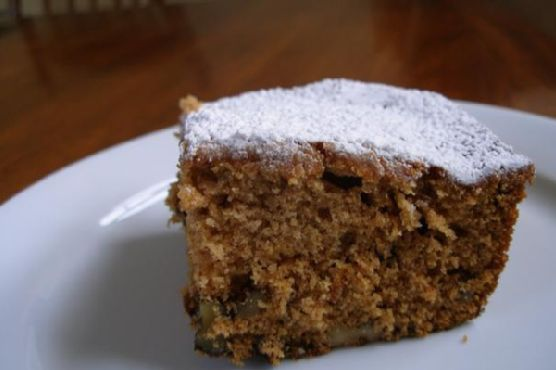
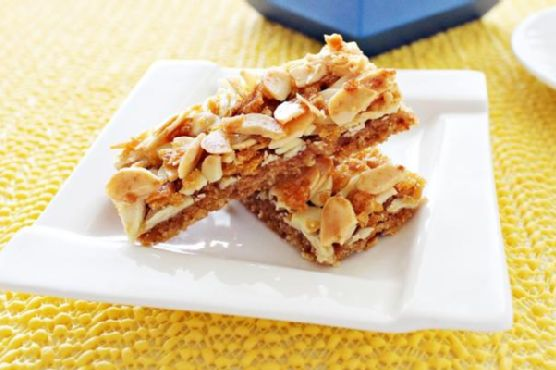
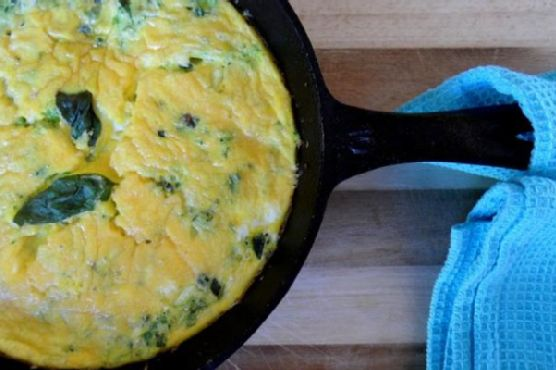
Authentic Mexican Wedding Cookies | Made by Meaghan Moineau

I was standing in my kitchen one Sunday afternoon, staring at the latest cookbook I’d impulsively bought. You know the feeling — you’ve got that itch to bake something, but the ingredients list reads like a novel. So there I was, craving something sweet, but not ready for a grocery run. A little lightbulb moment hit me when I remembered these Mexican Wedding Cookies — they’re a breeze to make and taste like pure joy wrapped in sugar. The kind of recipe that makes you feel accomplished without breaking a sweat. They’re like a warm hug, perfect for when you need a bit of comfort. Now, imagine sinking your teeth into a buttery, nutty cookie, with a snowy coating of sugar. You’re welcome.

Jump to Recipe

What You’ll Need

Honestly, you probably have most of these right in your kitchen. These cookies are all about keeping it simple yet delicious. Here’s what you need:

  • Butter – The star of the show for that rich flavor.
  • Powdered sugar – Twice; once for the dough, once for rolling.
  • Vanilla extract – Just a splash for depth.
  • All-purpose flour – The backbone of any good cookie.
  • Pecans – Coarsely chopped for that lovely crunch.
  • Ground cinnamon – For a little warmth in the sugar coating.

How to Make Authentic Mexican Wedding Cookies

  1. Start by beating the butter in a large bowl using an electric mixer. You want it to be light and fluffy, like clouds on a summer day.
  2. Add 1/2 cup of powdered sugar and a splash of vanilla. Keep beating until everything is well blended and smells heavenly.
  3. Mix in the flour bit by bit, then fold in the pecans. The dough should come together nicely — feel free to steal a taste test!
  4. Divide the dough in half and roll each into a ball. Wrap them in plastic and let them chill in the fridge for about 30 minutes.
  5. Preheat your oven to 350°F (or 180°C if you’re in my neck of the woods).
  6. While waiting, whisk the remaining 1 1/2 cups of powdered sugar with the cinnamon in a pie dish. This will be your magical coating.
  7. Take half of the chilled dough and roll it into small balls, about 2 teaspoons each. Line them up on a baking sheet, giving them a little room to breathe.
  8. Bake for about 18 minutes. You’re looking for golden brown bottoms and just a hint of gold on top.
  9. Let them cool on the sheet for 5 minutes, then gently toss in the cinnamon sugar while still warm. It’s like a sugar spa treatment.
  10. Transfer to a rack to cool completely, then repeat with the other half of the dough. Dust any leftover cinnamon sugar over the cookies before serving.

Cook’s Notes

Grab a good-quality vanilla extract, it makes a difference. Pecans can be swapped out for walnuts if you’re in a pinch, but pecans do have that melt-in-your-mouth quality that’s hard to beat. To store, keep them in an airtight container — if they last that long! They freeze well too, just defrost at room temperature. If you’re making ahead, you can chill the dough overnight. But be warned, you might start sneaking little bites from the fridge.

Make It Your Own

  • Almond Lovers: Swap pecans for almonds, and maybe add a dash of almond extract for a nutty twist.
  • Chocolate Dream: Add mini chocolate chips to the dough for a sweet surprise in every bite.
  • Orange Zest: Add a teaspoon of orange zest to the dough for a citrusy zing.
  • Gluten-Free: Use a cup-for-cup gluten-free flour blend — easy peasy!

If you try these, I’d love to hear how they turn out for you — drop a comment or tag me! There’s something magical about sharing a recipe and seeing it come to life in other kitchens. Enjoy, lovely bakers!

Related update: Authentic Mexican Wedding Cookies

Related update: Layered Poppy Seed Pastries

Béarnaise Sauce | Made by Meaghan Moineau

Picture this: It’s a Wednesday night, and I’ve got a craving — not just any craving, but a very specific desire for something that feels lavish but doesn’t require me to spend two hours in the kitchen. That’s when I think of Béarnaise sauce. It’s rich, velvety, and makes any dish feel like it’s straight out of a fancy restaurant. Whether I’m drizzling it over grilled steak or spooning it onto roasted vegetables, it’s the magic touch that elevates a meal from “meh” to “marvelous.” Plus, the whole process feels like a fun science experiment with all the whisking and bubbling. Seriously, once you nail this, you’ll never go back to store-bought.

Jump to Recipe

What You’ll Need

Let’s talk ingredients. Chances are, you already have most of these hanging out in your kitchen. It’s all about bringing them together in a way that sings.

  • 1/2 cup melted butter
  • 1/4 cup dry white wine
  • 3 egg yolks
  • 1 tablespoon lemon juice
  • 1 tablespoon chopped parsley
  • Salt and pepper to taste
  • 2 tablespoons minced shallots
  • 1 teaspoon chopped fresh tarragon
  • 1 tablespoon tarragon vinegar

How to Make Béarnaise Sauce

  1. In the top of a double boiler, whisk together the egg yolks and lemon juice. It’ll look thick and creamy, almost like a custard that’s waiting to be transformed.
  2. Place this over simmering water, making sure the water doesn’t actually touch the bowl. We want gentle heat, not a sauna for our eggs.
  3. Slowly stream in the melted butter while whisking constantly. You’ll see the mixture start to thicken and get glossy in the process. This part feels like magic! Keep it slow, and your sauce won’t break.
  4. Season with salt and a generous grind of pepper. Add the tarragon, shallots, parsley, vinegar, and the white wine. Whisk until everything is beautifully blended and the sauce has a lush, velvety texture.
  5. Keep whisking for another minute or so, allowing the flavors to meld together. You’ll know it’s ready when the sauce clings to the back of a spoon and smells like something you’d get at a five-star joint.

Cook’s Notes

Here’s the deal: Béarnaise sauce can be a bit temperamental, but don’t let that scare you. The key is patience and whisking. If you find your sauce is getting too thick, whisk in a teaspoon of warm water to loosen it. Also, remember that this sauce doesn’t love to wait around; make it just before serving for the best texture and flavor.

  • If you’re not serving it immediately, keep it warm in a thermos or a warmed bowl. Just avoid reheating directly on the stove as it tends to separate.
  • This sauce is best fresh, but if you have leftovers, store them in the fridge and use within a day. Gently reheat it in a double boiler, whisking vigorously to bring it back together.

Make It Your Own

  • Herb Swap: Not a fan of tarragon? Swap it out for basil or dill for a different herbal note. Each will give your Béarnaise a unique twist.
  • Citrus Twist: Replace the lemon juice with orange or lime for a subtle citrus variation.
  • Spicy Kick: Add a pinch of cayenne or a dash of hot sauce for a spicy Béarnaise that pairs beautifully with grilled meats.
  • Vegan Alternative: Use vegan butter and replace egg yolks with a tablespoon of nutritional yeast and a teaspoon of cornstarch for a plant-based version.

If you try this, I’d love to hear how it turns out — drop a comment or tag me! Béarnaise sauce has this wonderful way of making any dish feel like a special occasion. So go ahead, treat yourself!

Related update: Béarnaise Sauce

Chocolate Chip Peanut Butter Banana Cookies | Made by Meaghan Moineau

It all started on a rainy Tuesday afternoon when my snack cravings were at an all-time high. I stared at the bunch of overripe bananas on the counter, contemplating yet another loaf of banana bread, when inspiration struck. What if I could combine the comforting flavors of a peanut butter banana sandwich with the indulgence of a chocolate chip cookie? That’s how these Chocolate Chip Peanut Butter Banana Cookies came to be. They’re a delightful twist on the usual, bringing together the creamy, nutty goodness of peanut butter with the sweet, decadent charm of chocolate chips—all in a soft, banana-infused cookie package. Perfect for a quick treat or a cozy moment with a cup of tea, these cookies hit the sweet spot every time.

Jump to Recipe

What You’ll Need

You won’t need a fancy trip to the grocery store for this recipe. Chances are, you’ve got most of these goodies in your pantry and fridge already. Here’s what you’ll need:

  • 2 ripe bananas
  • 1/2 cup butter, softened
  • 1/2 cup creamy peanut butter
  • 1/2 cup brown sugar
  • 1/2 cup granulated sugar
  • 1 large egg
  • 1 teaspoon vanilla extract
  • 1 and 1/2 cups flour
  • 1 teaspoon baking powder
  • 1/2 teaspoon baking soda
  • 1/2 teaspoon cinnamon
  • 1/4 teaspoon salt
  • 1 cup mini chocolate chips
  • 1/4 cup sugar (for sprinkling)
  • 1/2 teaspoon cinnamon (for sprinkling)

How to Make Chocolate Chip Peanut Butter Banana Cookies

  1. Preheat your oven to 350°F. This is non-negotiable—no cold oven surprises here!
  2. In a large mixing bowl, mash the ripe bananas until smooth-ish. Don’t worry about small lumps; they’re just character.
  3. Add the softened butter, creamy peanut butter, both sugars, egg, and vanilla to the bananas. Stir until everything’s nicely combined and smelling heavenly.
  4. In a separate bowl, whisk together the flour, baking powder, baking soda, cinnamon, and salt. This dry blend will give our cookies structure and a hint of spice.
  5. Gently fold the dry ingredients into the banana mixture. Stir just until everything comes together—overmixing makes for tough cookies, and we want these to be soft and tender.
  6. Toss in those mini chocolate chips and give a few more gentle stirs to distribute them evenly.
  7. Using a large spoon, drop dollops of dough onto a parchment-lined baking sheet. Aim for about 2 inches apart to avoid cookie collisions.
  8. In a small bowl, combine the sugar and cinnamon for sprinkling. Give those dough mounds a generous dusting of cinnamon sugar magic.
  9. Bake in the preheated oven for 10-12 minutes, or until the edges are slightly golden brown and your kitchen smells like a dream. My oven runs hot, so keep an eye out; 10 minutes could be plenty.

Cook’s Notes

These cookies are best enjoyed fresh out of the oven (aren’t they all?), but they do keep well for a couple of days in an airtight container. If you’re planning ahead, you can make the dough and chill it for up to two days before baking. Just remember, cold dough might need an extra minute or two in the oven. And if you end up with leftovers that have lost their day-one freshness, a quick zap in the microwave will revive their warm, gooey glory.

Make It Your Own

Here are a few fun tweaks to shake things up:

  • Swap the mini chocolate chips for dark chocolate chunks for a richer, more intense chocolate hit.
  • If you’re nuts for nuts, add a handful of chopped walnuts or pecans to the dough for an extra crunch.
  • Turn up the tropical vibes by adding a half cup of shredded coconut to the mix.
  • For a gluten-free version, use a 1-to-1 gluten-free flour blend. Texture might vary slightly, but the flavor will still be on point.

If you give these cookies a whirl, I’d love to hear about it! Drop a comment below or tag me in your sweet creations. Happy baking, and remember, life’s too short to skip dessert!

Related update: Chocolate Chip Peanut Butter Banana Cookies

Related update: Authentic Mexican Wedding Cookies

Jackson’s Diversion Likely Means NFL Ban | Analysis by Brian Moineau

TL;DR

  • The diversion program for Alaric Jackson all but guarantees an NFL Personal Conduct Policy violation, triggering discipline even without a conviction, because “disposition” explicitly includes diversion programs. [1], [3]
  • Given a prior two-game ban in 2024, Jackson faces more than the domestic-violence baseline of six games; repeat-offender language allows “enhanced” discipline up to banishment with the right to reapply. [3], [4]
  • For the Rams, a six-to-eight game absence from their $25.375 million-cap-hit left tackle in 2026 is a math problem and a protection problem; the cap-per-game burn rate without him is roughly $1.49 million. [5]

What the source said

ProFootballTalk reported that the Los Angeles City Attorney assigned Rams left tackle Alaric Jackson’s June 9, 2026 domestic battery arrest to a pre-trial diversion program, an alternative to misdemeanor prosecution in Los Angeles County. Under the NFL’s Personal Conduct Policy, entering a diversion counts as a “disposition of a criminal proceeding,” which by itself is a policy violation. Because the allegation involves domestic violence, the baseline suspension is six games, and Jackson’s prior two-game suspension under the same policy raises the risk of an enhanced penalty, even up to banishment with a chance to reapply. The league’s disciplinary officer/appeal process still leaves the Commissioner with final say on the penalty length under the 2022 policy. [1], [3]

Why it matters

Two constituencies have the most at stake. First: the Rams’ offense around Matthew Stafford in 2026. Sean McVay must protect a quarterback carrying a $48.3 million cap charge, which gets harder if the starting left tackle misses six or more games. [9] Second: the locker room and front office. This case tests whether Los Angeles treats left tackle as interchangeable or pays the hidden tax of reshuffling protections, tight end usage, and play-action depth for two months.

There’s also a league precedent angle. Diversion is not exoneration under the policy. The union and league agreed that diversion equals a violation; prior discipline opens the door to more than six games. That procedural fact will drive the outcome here, not whether the City Attorney files charges in Los Angeles. [2], [3]

Original analysis

The diversion program for Alaric Jackson isn’t a legal footnote — it’s the trigger

“Disposition of a criminal proceeding” in the Personal Conduct Policy specifically includes “diversionary program[s]” and similar arrangements, which constitute a violation on their own. That frames the disciplinary question as sanction length, not guilt or innocence under a criminal standard. With domestic violence allegations, the baseline is six games for a first offense; prior misconduct allows enhanced penalties and even banishment with the right to reapply. Jackson already served a two-game suspension in 2024. [3], [4]

What we know, on the record:

  • Arrest date: June 9, 2026, on suspicion of felony domestic violence; felony charges were not filed. The Los Angeles City Attorney assigned the matter to pre-filing diversion, an alternative to misdemeanor prosecution. [2]
  • NFL policy posture: Diversion equals a policy violation; domestic-violence cases start at six games; repeat offenders can get more. [3]

That combination points to “six-plus” as the live over/under, not “will there be discipline?”

Back-of-the-envelope: the Rams’ cost per missed game

Anchoring to 2026 numbers:

  • Jackson’s 2026 cap hit: $25,375,000. [5]
  • Season structure: 17 games across 18 pay weeks. [8]
  • Cap burn rate per game: $25,375,000 ÷ 17 ≈ $1.49 million.

If he’s suspended six games, LA effectively ties up ≈ $8.96 million of cap across games he can’t play (25.375 ÷ 17 × 6 ≈ $8.96 million). On cash, NFL discipline forfeits pay at 1/18th of base salary per week; Jackson’s 2026 base is $18,925,000, so each missed week docks ≈ $1.051 million, and six weeks would cost him ≈ $6.31 million (18.925 ÷ 18 × 6). The team saves those forfeitures against cash and may realize limited in-season cap relief under CBA mechanics, but it still faces an availability hole at its most expensive line spot for roughly a third of the season. [5], [8]

A simple 2×2 to frame the range of outcomes

  • Legal track: Diversion vs. Conviction.
  • NFL discipline track: Baseline (6 games) vs. Enhanced (8+ games/banishment/reapply).

Where Jackson likely lands:

  • Legal: Diversion (already assigned). [2]
  • NFL discipline: Enhanced (prior two-game suspension is an aggravator). [3], [4]

Historical analogues show the league acts without waiting for convictions: Ezekiel Elliott’s 2017 ban was six games despite no criminal conviction. [10]

Historical analogue and what it predicts

Consider 2017 Ezekiel Elliott: no charge, six games, because the policy allows findings “regardless of criminal conviction.” That case reset expectations on the NFL’s independence from prosecutors and previewed today’s process: an independent disciplinary officer makes findings; the Commissioner can appeal the sanction. In Deshaun Watson’s 2022 case, Judge Sue L. Robinson issued six games; the league appealed and drove the penalty higher via settlement. Expect a similar dynamic if the initial sanction on Jackson lands near the floor. [10], [7], [3]

Named-stakeholder breakdown

  • Los Angeles Rams front office: Decide whether the fix is internal (chips, slides, and help) or external (a veteran tackle). Over The Cap’s contract data indicates Jackson’s 2026 structure is movable, which matters if trust erodes. [6]
  • Matthew Stafford: A $48.3 million 2026 cap figure without a stable blind side invites more quick-game and six-man protections, which crimps explosives on third-and-long. [9]
  • Sean McVay: He can win with line duct tape, but a long Jackson absence forces heavier 12-personnel and less five-out route distribution — a measurable personality shift on offense.
  • NFL Management Council/Commissioner: With diversion in hand, the league needn’t prove facts to a criminal standard; the “disposition” definition bridges that gap. The fight is over length, with prior misconduct as the lever. [3]
  • NFLPA: The union bargained to an independent officer with binding factual findings; on appeal, the Commissioner still controls the penalty range. [3], [7]

What others are missing

Coverage is underweighting roster sequencing risk tied to OC Mike LaFleur’s protection rules. The pass-pro choreography — slide calls, back scan assignments, and route depths — is tuned to the left tackle’s floor; remove it for six-to-eight weeks and the knock-ons stack: chips steal routes from tight ends, backs release later, and Stafford’s time-to-throw compresses. Those compounding costs don’t show up in “next man up” clichés or even in cap math. The Rams also face August calendar pressure: veteran tackles with 40+ starts rarely linger after cutdown weekend, and prices spike once Week 1 injuries hit.

What to watch next

  1. By August 31, 2026, the NFL announces a suspension of at least eight games for Jackson, citing his 2024 Personal Conduct Policy violation as an aggravating factor. [3], [4]
  2. By September 10, 2026, if the suspension is eight games or longer, the Rams add a veteran offensive tackle with 40+ career starts to the 53-man roster via signing or trade.
  3. By October 15, 2026, Los Angeles starts at least two different players at left tackle in games Jackson misses.

My take

I’d set the over/under at eight games and take the over. The policy’s text gives the league a clean runway: diversion equals violation; prior discipline invites escalation. The Rams will talk resilience, but the tape on third-and-7 will reveal stress on protections for a $48.3 million-cap quarterback. If Los Angeles wants to protect Stafford’s health and ceiling, it should pay the August premium for a real tackle and accept a production hit elsewhere. [2], [3], [4], [5], [9]

Sources

  1. NBC Sports/ProFootballTalk — Diversion program for Alaric Jackson likely results in another suspension — Adds that diversion is treated as an automatic Personal Conduct Policy violation and flags prior-discipline enhancement.

  2. Associated Press — Rams LT Jackson assigned to pre-filing diversion after June 9, 2026 arrest — Confirms arrest date and City Attorney assignment to diversion in Los Angeles.

  3. NFLPA — NFL Personal Conduct Policy (2022) — Provides definitions: diversion equals “disposition,” six-game baseline, enhanced penalties, banishment/reinstatement, and the disciplinary-officer/appeal framework.

  4. NFL.com — Rams LT Alaric Jackson suspended two games in 2024 for violating the Personal Conduct Policy — Establishes Jackson’s prior two-game suspension.

  5. Spotrac — Alaric Jackson contract page — Details 2026 base salary and cap hit used in the calculations.

  6. Over The Cap — Alaric Jackson contract page — Shows 2026 structure and potential tradeability that shapes Rams options.

  7. NFL.com — Deshaun Watson disciplinary process and six-game ruling by Judge Sue L. Robinson in 2022 — Illustrates the officer/appeal process and how penalties can increase.

  8. NFL Football Operations — Contract language on game checks in a 17-game, 18-week season — Confirms pay is 1/18th of base salary per week.

  9. Spotrac — Matthew Stafford contract/cap figures — Confirms the $48.3 million 2026 cap charge.

  10. NFL.com — Ezekiel Elliott suspended six games in 2017 under the Personal Conduct Policy — Demonstrates that discipline can occur without a criminal conviction.




Related update: We recently published an article that expands on this topic: read the latest post.


Related update: We recently published an article that expands on this topic: read the latest post.

Flemish Style Asparagus Side Dish | Made by Meaghan Moineau

Picture this: it’s a busy weeknight, the kind where everything that could go wrong does—my cat decided to knock over a plant, and I swear the vacuum cleaner is giving me side-eye for not using it. That’s when I remember the bundle of asparagus I impulsively bought at the market, and suddenly, the night doesn’t seem so impossible. This Flemish Style Asparagus Side Dish is everything you need it to be—quick, comforting, and just fancy enough to make you feel like you’ve got things under control. It’s got that buttery, lemony vibe that I can’t get enough of, and it’s one of those dishes that somehow manages to elevate your mood and your meal. So, let’s dive in and get cooking!

Jump to Recipe

What You’ll Need

You’re going to love how simple and stress-free this ingredient list is. Chances are, you already have most of these goodies lounging in your kitchen:

  • Green and white fresh asparagus
  • Butter
  • Hardboiled eggs
  • Italian flat parsley
  • Lemon (just the juice!)
  • Salt and pepper

How to Make Flemish Style Asparagus Side Dish

  1. Start by peeling the asparagus at their ends, leaving their heads untouched. This helps with texture and makes them more palatable.
  2. Place the asparagus in a large saucepan and cover them with boiling water. Add a pinch of salt. Let them simmer until they’re tender—about 3 to 4 minutes. You’ll know they’re perfect when they turn a vibrant green and are fork-tender.
  3. While the asparagus is cooking, chop the flat parsley into fine bits. Trust me, this will add a fresh, herby kick that’s just perfect.
  4. Boil three eggs till they’re hard, then peel them. Use a fork to mash them into fine crumbs—they should resemble coarse sand.
  5. In a separate saucepan, melt the butter over medium heat. Add the juice of half a lemon, and whisk constantly. It should smell like heaven and have a smooth, silky texture.
  6. Stir in the mashed eggs into your butter-lemon mixture. The mixture should be thick and luscious. Add the chopped parsley and stir to combine.
  7. Plate the dish by laying a few stalks of cooked asparagus on a plate and drizzling the sauce generously over the stalk ends. Season with salt and pepper to taste. Serve warm and enjoy every bite!

Cook’s Notes

Okay, real talk: the key to nailing this dish is all about timing. Make sure your asparagus is not overcooked—aim for that sweet spot where it’s tender but still has a bit of crunch. If you’re prepping in advance, you can boil the eggs and chop the parsley earlier in the day. The sauce, however, is best fresh. Leftovers are rare because it’s just that good, but if you find yourself with any, store the asparagus and sauce separately. The asparagus can go in an airtight container, and you can reheat the sauce gently on the stove. It keeps well for up to two days.

Make It Your Own

Want to put your personal spin on this dish? Here are a few variations to consider:

  • Swap the butter for ghee if you’re feeling adventurous—it adds a nutty richness.
  • Try adding a pinch of smoked paprika or cayenne to the sauce for a little heat.
  • If parsley isn’t your thing, fresh dill or chives would also be delightful.
  • For a bit of extra texture, toss in some toasted pine nuts or almonds before serving.

If you try this, I’d love to hear how it turns out—drop a comment or tag me! Whether you’re having a chaotic day or just need a little culinary pick-me-up, this dish is your new best friend.

Related update: Flemish Style Asparagus Side Dish

Applesauce Cake | Made by Meaghan Moineau

It was one of those chilly fall afternoons where the sky promised a drizzle, but I had a craving that promised warmth—something comforting to fill the kitchen with cozy scents. As I rummaged through my pantry, I found a jar of applesauce that sparked the idea of a nostalgic, spiced cake. This applesauce cake is the kind of recipe that wraps you in a hug from the first bite. It’s ridiculously easy to whip up, and before you know it, your kitchen will smell like pure autumn bliss. Trust me, this cake is the one you’ll want to cozy up with a hot cup of tea.

Jump to Recipe

What You’ll Need

This cake is built on pantry staples, so there’s a good chance you won’t need to run to the store. It’s all about the applesauce and cinnamon—they’re the stars of the show.

  • 1 cup brown sugar
  • 1 teaspoon cinnamon
  • 1 teaspoon baking soda
  • 1/2 cup raisins
  • 1/2 cup red cherries (reserve some for decoration)
  • 1 cup white sugar
  • 1 cup butter, softened
  • 2 eggs
  • 2 cups applesauce
  • 3 cups plain flour
  • 1 cup nuts (pecans work beautifully, reserve some for decoration)
  • 1 teaspoon vanilla extract

How to Make Applesauce Cake

  1. Preheat your oven to 325°F. Grab your trusty cake pan and give it a generous greasing, followed by a dusting of flour. This ensures no tragic sticking incidents later.
  2. In a mixing bowl, cream together the butter and both sugars. The mixture should be light and fluffy, almost like a sweet cloud.
  3. Add in the eggs, one at a time, beating well after each addition. You’re aiming for a smooth, unified batter here.
  4. Stir in the pure vanilla extract and the applesauce. You’ll notice the batter starts to look luscious and inviting.
  5. In a separate bowl, whisk together the flour, cinnamon, and baking soda. Carefully fold this dry mixture into the wet ingredients until just combined.
  6. Gently fold in the raisins, cherries, and nuts. The batter should look speckled with fruity and nutty goodness.
  7. Pour this aromatic batter into your prepared cake pan. Smooth out the top and sprinkle on those reserved cherries and nuts for a pop of color and texture.
  8. Bake in the preheated oven for about 1 1/2 hours. The cake is done when it’s golden and a skewer inserted into the center comes out clean.
  9. Let the cake cool in the pan for a few minutes before transferring it to a wire rack. The wait will be the hardest part!

Cook’s Notes

This cake keeps beautifully, making it an excellent make-ahead option. Just wrap it tightly in plastic wrap and store it in the fridge, where it can last for several days. It actually tastes even better the next day as the flavors meld together. If you find yourself with leftovers (a rarity, let me assure you), they’re perfect with a scoop of vanilla ice cream.

  • Don’t skip greasing and flouring the pan; it saves you from the heartbreak of half the cake sticking.
  • If your raisins are a bit dry, soak them in hot water for about 10 minutes and then drain them before adding to the batter.
  • Feel free to substitute pecans with walnuts if you have those on hand.

Make It Your Own

  • If you’re not into pecans, swap them out for walnuts or even hazelnuts for a different nutty note.
  • For a boozy twist, soak the raisins in rum before adding them to the batter.
  • Replace half the flour with whole wheat flour to add a rustic texture and flavor.
  • Try adding a teaspoon of ground ginger or nutmeg for an extra spice kick.

If you try this, I’d love to hear how it turns out—drop a comment or tag me! I’m already excited to see your takes on this cozy classic. Happy baking!

Related update: Applesauce Cake

Related update: Chocolate Chip Peanut Butter Banana Cookies

Christmas Fruit Cake | Made by Meaghan Moineau

It was one of those December weekends when the chill in the air nudges you to do something cozy and delicious. I found myself in the kitchen, rummaging for ideas to fill the house with the quintessential aroma of the holidays. That’s when I remembered the Christmas Fruit Cake — a recipe that’s not only indulgent and rich but also incredibly forgiving. This cake becomes the centerpiece of any celebration, and the best part? You can make it ahead, giving you more time to sip on that mulled wine while the cake matures into something truly spectacular.

Jump to Recipe

What You’ll Need

Before we dive into the holiday spirit, let’s gather the goods. What I adore about this recipe is that it often feels like a treasure hunt in your pantry. You might already have most of these ingredients, waiting to transform into something magical.

  • Butter – for that undeniable richness
  • Sugar – sweetens and balances the spices
  • Eggs – to give the cake structure
  • Plain flour – sifted with baking powder for a light crumb
  • Baking powder – keeps things lofty
  • Mixed spice – the heart of any Christmas bake
  • Dried mixed fruit – the star of the show
  • Pitted prunes – cut into pieces for extra moisture
  • Walnuts – chopped, adding a delightful crunch
  • Rum – because holiday cheer is essential
  • Orange juice – for a zesty kick
  • Orange zest – from one orange, to enhance the citrus notes
  • Vanilla extract – a warm, sweet background
  • Two layers of parchment paper – to line an 8″ square cake tin

How to Make Christmas Fruit Cake

Here’s where the magic happens. Each step is designed not just to guide you but to make you feel confident and capable.

  1. Start by lining your 8″ square cake tin with two layers of parchment paper. This ensures your cake doesn’t stick and makes for a smooth release.
  2. In a large bowl, mix the dried mixed fruit and pitted prunes with about 8 tablespoons of rum. Cover this mixture with cling wrap and let it sit overnight. This soak is where the fruits absorb all that boozy goodness.
  3. The following day, beat the butter and sugar together until light and fluffy. This should take on a pale yellow hue as air is incorporated.
  4. Slowly add in the rum, orange juice, orange zest, and vanilla extract. Mix until everything is well combined, and a sweet, citrusy aroma fills the air.
  5. Add the eggs one at a time, ensuring they are well incorporated before adding the next. Scrape down the sides of the bowl as you go.
  6. Take 1/4 of the flour and coat the soaked fruit mixture. This helps the fruit stay suspended while baking.
  7. Gradually add the remaining flour and mixed spice to the butter mixture. Mix until the batter comes together; it should be thick and fragrant.
  8. Fold in the fruit mixture and chopped walnuts using a rubber spatula. Pour the batter into the prepared cake tin and bang it on the table once to settle the contents evenly.
  9. Bake in a preheated oven at 160°C for about 1 1/2 hours. When the cake starts to turn brown after 30-40 minutes, cover it loosely with foil to prevent over-browning, and continue baking.
  10. As soon as you take the cake out of the oven, pour 3-4 tablespoons of rum over it. Let it cool, then turn it out from the tin. Wrap it in cling wrap and store in the fridge.
  11. For the next few days, pour 2-3 tablespoons of rum over the cake every three days until it’s time to serve or gift it. This keeps the cake moist and enhances the flavor.

Cook’s Notes

This cake is your holiday secret weapon. It’s forgiving if you need to make substitutions or if you forget to soak the fruit overnight. If you’re short on time, you can microwave the fruit and rum for a few seconds to help the process along. This cake stores beautifully in the fridge, wrapped tightly in cling wrap or foil. It actually tastes better as it sits, so don’t worry about making it a week or so ahead. Freezing is also an option; just make sure you bring it to room temperature and add a fresh splash of rum before serving.

Make It Your Own

While this cake is fantastic as is, sometimes a little twist is just what you need:

  • Swap the rum for brandy if you prefer a different kind of warmth.
  • Replace walnuts with pecans for a softer crunch.
  • Add in some shredded coconut with the fruit for a tropical flair.
  • Use dried cherries or cranberries instead of some of the mixed fruit for a tangy zip.

If you try this, I’d love to hear how it turns out — drop a comment or tag me on social media! Your holiday table just got a whole lot more festive. Happy baking!

Related update: Christmas Fruit Cake

Related update: Applesauce Cake

America’s $1T+ Interest Tab by 2026 | Analysis by Brian Moineau

TL;DR

  • Bessent’s Treasury is borrowing at a clip that makes net interest the fastest-growing federal bill, now bigger than year‑to‑date defense outlays—and taxpayers are already footing it [2].
  • The real squeeze isn’t “debt apocalypse”; it’s financing mechanics: coupon sizes are frozen into 2026, pushing a refinancing wave into 2027 when rates may still be sticky [3][4].
  • Back‑of‑envelope: if 9‑month net interest is $857B, FY2026 likely tops ~$1.14T—about $8.5K per U.S. household—before any new programs, tax cuts, or wars enter the chat [2][10].

What the source said

TheStreet’s piece argues the “troubling news for every taxpayer” is the interest bill itself and points to the CBO’s June 2026 Monthly Budget Review showing a $1.4 trillion deficit for the first nine months of the fiscal year and $857 billion in net interest, roughly $23.8 billion a week and up 13% year over year [1][2]. It notes that total federal debt is near $39.4 trillion and that year‑to‑date net interest has surpassed defense spending in the same period [1][2]. The article references CRFB’s warning that full‑year borrowing could exceed $2 trillion and cites longer‑term CBO projections showing interest costs roughly doubling by 2036, with Social Security’s OASI trust fund projected to hit insolvency in 2032 if laws remain unchanged [1][7][8].

Why it matters

Stakeholders aren’t abstract “taxpayers”; they’re workers whose FICA payroll taxes fund Medicare and Social Security, retirees whose checks depend on the OASI and DI trust funds, and households facing higher “interest taxes” in the form of rising federal carry costs each year [2][8]. The CBO ledger for FY2026 to date shows interest already outruns discretionary fights over EPA, Education, or Commerce; those culture‑war skirmishes won’t reclaim real money if the interest line keeps compounding at a double‑digit clip [2].

Markets, too, have agency. Primary dealers and bond funds absorb the supply that Bessent’s team ships each week via bills, notes, and bonds, and TBAC minutes indicate dealers expect larger coupon auctions in early 2027 [3]. That means price risk today and term‑premia tomorrow, with the bill landing in the public’s lap via higher interest outlays that crowd out choices elsewhere, including discretionary spending in FY2027–2028 [3][6].

Original analysis

  • Back‑of‑envelope math

    • Nine months into FY2026, net interest totals $857B. Annualizing: $857B ÷ 9 × 12 ≈ $1.142T for the full year (directionally conservative if rates or issuance tick up) [2].
    • Households: FRED shows ~134.79 million U.S. households in 2025. $1.142T ÷ 134.79M ≈ $8,470 per household in FY2026—pure carry cost, not new services [10].
  • Contrarian read

    • Consensus: “Debt is unsustainable; immediate austerity or crisis is inevitable.”
    • Counter: Over the next 12 months, the binding constraint is issuance plumbing, not instant insolvency. Treasury said it will keep note/bond auction sizes steady for “several more quarters,” even as TBAC’s discussion flags a ~$1.3 trillion funding shortfall over FY2027–2028 if current sizes persist [3][4]. Translation: the tough part got kicked into 2027, when terming out becomes unavoidable—and if 10‑year yields stay elevated, coupons will reset higher right as more supply arrives [3][4].
  • A named‑stakeholder breakdown

    • Scott Bessent, Treasury Secretary: He is selling into a rising‑rate, deficit‑heavy backdrop with limited levers beyond maturity mix, buybacks timing, and messaging that calms dealers; his “financial literacy” push won’t bend the interest curve, but execution on issuance strategy will [5][6].
    • TBAC (Treasury Borrowing Advisory Committee): Its May 2026 minutes telegraphed that dealers expect larger coupon sizes early 2027; if realized, that locks in more high‑coupon debt and lifts interest costs structurally into the 2030s [3].
    • CBO: It just printed the scoreboard—$1.4T nine‑month deficit, $857B net interest, and interest > defense year‑to‑date; its 10‑year baseline has net interest jumping from roughly $1.0T in 2026 to about $2.1T by 2036 at 4.6% of GDP, surpassing prior peaks [2][8].
    • CRFB (Maya MacGuineas): The outside push to keep borrowing under roughly $2T in FY2026 sharpens the political choice—trim now or accept higher carry costs in 2027–2028 [7].
  • Historical analogue

    • In the early 1990s, net interest peaked near about 3.2% of GDP and then ebbed as growth and falling yields did the heavy lifting from 1992 through 2000; CBO now projects roughly 3.3% in 2026 rising toward 4.6% by 2036 [8][9]. The 1990s playbook—grow out and refinance down—rode a secular disinflation tailwind; today’s baseline bakes in higher average rates, so the “grow and roll” cushion is thinner [8][9].
  • A simple 2×2: rates path vs. issuance mix

    • High rates + bill‑heavy: Best near‑term auctions, worst pass‑through to interest costs; FY2027 refi pain rises.
    • High rates + term‑out now: Higher coupons today, but reduced refi risk if the Fed eases late.
    • Lower rates + bill‑heavy: Wins everywhere; but you must be lucky on timing.
    • Lower rates + term‑out: Overpays briefly, but stabilizes carry; the conservative CFO’s choice.

Treasury’s current stance—hold coupons steady and lean on bills—prioritizes auction smoothness over long‑run carry, which assumes demand for U.S. duration remains adequate and disinflation continues through 2026 [3][4][6]. If that assumption fails and 10‑year yields hover near recent highs into 2027, taxpayers inherit a bigger, stickier interest bill for years [3][8].

What others are missing

Coverage fixates on the deficit topline. The subtler story is the composition shift underneath: CBO category tables show corporate income tax receipts down about 24% year‑to‑date versus last year due to 2025 law changes that boosted deductions, while individual/payroll taxes carried more weight until a February 2026 court ruling triggered roughly $70 billion in customs refunds that hit net tariff revenue [2]. That cocktail tilts financing toward bills and away from locking in term even as net interest outlays climb 13% year over year through June 2026, raising rollover risk into the 2027 refunding window [2][3].

What to watch next

  1. By September 30, 2026, net interest outlays reported in the Monthly Treasury Statement will exceed $1.12 trillion for FY2026 [2].
  2. By the February 2027 Quarterly Refunding, Treasury will announce increases to nominal coupon auction sizes (at least the 2‑year and 5‑year tenors), reversing 2026’s “steady for several quarters” guidance [3][4].
  3. By June 2027, CBO’s Monthly Budget Review will show corporate income tax receipts at least 15% below the same period two years earlier (June 2025), keeping pressure on bill issuance and net interest [2].

My take

If I ran Bessent’s Treasury, I’d front‑load some pain in 2026—nudge up coupons and lengthen maturities while market depth is intact—rather than gamble on a perfect 2027 [3][4]. The CBO scoreboard says interest is already outrunning defense, and the TBAC roadmap says the real refinance hit is coming within four quarters; trim the bill share, accept a few ugly auctions now, and buy rate insurance before the economy proves sticky [2][3][8]. Pair that with a modest, bipartisan PAYGO rule so new tax cuts or credits don’t feed the interest line. Otherwise households are staring at an $8K‑plus annual “interest tax” with nothing to show for it in FY2026–2027 [2][10].

Sources

  1. Bessent’s Treasury has troubling news for every taxpayer — TheStreet (https://www.thestreet.com/taxes/bessents-treasury-has-troubling-news-for-every-taxpayer) — Frames net interest as the taxpayer’s real bill and cites up‑to‑date deficit and debt figures.
  2. Monthly Budget Review: June 2026 — Congressional Budget Office (https://www.cbo.gov/system/files/2026-07/61982-MBR.pdf) — Confirms $1.4T nine‑month deficit, $857B net interest (up 13% YoY), and interest outlays surpassing defense year‑to‑date.
  3. Minutes of the Meeting of the Treasury Borrowing Advisory Committee, May 5, 2026 — U.S. Treasury (https://home.treasury.gov/news/press-releases/sb0491) — Details dealer expectations for 2027 coupon size increases and a ~$1.3T funding gap under current sizes.
  4. U.S. Treasury keeps auction sizes steady; dealers expect change in early 2027 — Kitco News (https://www.kitco.com/news/off-the-wire/2026-05-06/us-treasury-keeps-auction-sizes-steady-dealers-expect-change-early) — Reports on Treasury’s “several more quarters” guidance and market positioning.
  5. Bessent wants Americans to avoid easy‑money traps and invest in financial literacy — Washington Post (https://www.washingtonpost.com/business/2026/05/01/bessent-treasury-secretary-profile/) — Profiles Scott Bessent’s agenda and public messaging constraints.
  6. Bessent Has Limited Options to Halt Climb in Treasury Yields — Bloomberg News (https://news.bloomberglaw.com/capital-markets/bessent-has-limited-options-to-halt-climb-in-treasury-yields) — Explains rising yields and the narrow toolkit Treasury has to influence them.
  7. CBO Estimates FY 2026 Deficit Overtakes 2025, Totals $1.4 Trillion — CRFB (https://www.crfb.org/press-releases/cbo-estimates-fy-2026-deficit-overtakes-2025-totals-14-trillion) — Provides outside analysis warning FY2026 borrowing may exceed $2T.
  8. Director’s Statement on the Budget and Economic Outlook: 2026–2036 — CBO (https://www.cbo.gov/publication/62050) — Projects net interest rising from ≈$1.0T in 2026 to ≈$2.1T by 2036, from 3.3% to 4.6% of GDP.
  9. An Update on the Federal Budget Outlook (March 2026) — Brookings/TPC (https://www.brookings.edu/wp-content/uploads/2026/03/20260311_TPC_GaleAuerbach_FiscalOutlook_FINAL1.pdf) — Notes the prior historical peak of net interest at ≈3.2% of GDP in the early 1990s.
  10. Total Households (TTLHH) — FRED, St. Louis Fed (https://fred.stlouisfed.org/series/TTLHH/) — Supplies the ≈134.79 million household count used for per‑household cost estimates.


Related update: We recently published an article that expands on this topic: read the latest post.


Related update: We recently published an article that expands on this topic: read the latest post.


Related update: We recently published an article that expands on this topic: read the latest post.

Neoguri (Spicy Seafood Ramen) | Made by Meaghan Moineau

It was one of those chilly evenings when nothing but a steaming bowl of comfort would do. My kitchen counter was a mess of ingredients that promised warmth and nostalgia: ramen packets, a handful of mussels I had ambitively picked up at the market, and that last lonely scallion in the crisper. This, I decided, was the night for Neoguri (Spicy Seafood Ramen). Quick enough for a weeknight yet impressive with its depth of flavor, this dish is all about minimal effort with maximum impact. And honestly, who doesn’t love a meal that comes together in under 15 minutes but feels like a hug in a bowl?

Jump to Recipe

What You’ll Need

You probably have most of these already lurking in your kitchen. Just a quick note, make sure to use fresh mussels for the best experience.

  • Neoguri ramen (spicy seafood flavor)
  • 1 egg
  • Mussels (fresh, ideally)
  • 1 green scallion
  • Seaweed (gim sheets are perfect)

How to Make Neoguri (Spicy Seafood Ramen)

  1. Start by bringing a pot of water to a rolling boil. This is the moment for a deep breath because things are about to get exciting.
  2. Add the mussels and the sauce packets from the Neoguri ramen. Let them party in the pot for about 5 minutes. If you’re using fresh mussels, watch them closely: they should open up. Any stubborn, closed mussels deserve to be tossed.
  3. Time to add the ramen noodles. Give them 2 to 3 minutes to soften and soak up all that spicy goodness.
  4. For the egg, you have options: beat it and drizzle while swirling the noodles for those lovely egg ribbons or slide it in gently to poach. Both ways are dreamy.
  5. While everything mingles and cooks, grab your scallion and seaweed. Slice the scallion thinly and tear or cut up your seaweed into munchable pieces.
  6. Transfer your ramen to a serving bowl, putting the mussels on display like the treasures they are, and sprinkle generously with scallion and seaweed.

Cook’s Notes

The wonderful thing about this ramen is how forgiving it is. If you’re using dried seaweed snacks instead of gim, it works just as well. For those planning ahead, fresh mussels can be stored in the fridge for a day or two if they’re kept cool and moist. Once cooked, the ramen doesn’t fare well as leftovers (it tends to become a soggy sea of sadness), so plan to savor it in one sitting. If you find yourself with extra scallions or seaweed, these make great additions to salads or other soups you’ll whip up during the week.

Make It Your Own

  • Swap out the mussels for shrimp or clams if that’s what you have on hand.
  • Use crispy tofu instead of mussels for a delightful vegetarian spin that’s still packed with protein.
  • If you’re not a fan of spicy, try mixing in a little coconut milk or cream to mellow out the heat.
  • Want more greens? Toss in some spinach or bok choy just before the noodles finish cooking for extra nutrients.

If you try this, I’d love to hear how it turns out — drop a comment or tag me on social media! Whether you’re a ramen novice or a seasoned pro, this dish is bound to hit the spot. Enjoy your bowl of cozy goodness!

Related update: Neoguri (Spicy Seafood Ramen)

Related update: Braised Pork: Filipino Humba

Related update: Cauliflower, Leek and Cheddar Cheese Soup

Almond Cookie Bar | Made by Meaghan Moineau

I remember one of those whirlwind Wednesday evenings, you know the type — when you get home, realize you need something sweet to take to the office the next day, and have approximately no time to do it. Enter these Almond Cookie Bars. They’re like the lovely offspring of a tempting cookie and a sophisticated tart, but they’re actually super simple to make. Just the right amount of nutty crunch meets a hint of sweet apricot. Plus, they look kind of fancy for something that doesn’t require any complicated steps. Seriously, if I can pull these off during a midweek scramble, you can too!

Jump to Recipe

What You’ll Need

Chances are you already have most of this at home, except maybe the almond flakes. The rest? Probably hanging out in your pantry or fridge.

  • 100g butter, softened
  • 50g brown sugar
  • 70g plain flour
  • 70g wholemeal flour
  • 2 tbsp fresh milk
  • 100g oatmeal cornflakes
  • 50g almond flakes
  • 100g apricot gel/jam
  • 400g cookie base

How to Make Almond Cookie Bar

  1. Start by beating the butter and brown sugar together until the mixture is light and fluffy. This should take about 2 minutes with an electric mixer — it’s all about that creamy texture.
  2. In a separate bowl, combine the plain flour and wholemeal flour. Then, gently fold this dry mixture into the butter-sugar mixture using a rubber spatula. Knead it gently until you have a soft dough.
  3. Turn the dough out onto a floured surface or sandwich it between two plastic sheets (trust me, it’s less messy!). Roll it into a square shape and chill it for at least an hour. This helps the dough firm up for easier handling.
  4. Once chilled, place the dough on non-stick paper and roll it out to about 3mm thick. Prick all over with a fork—this keeps it from puffing up in weird places.
  5. Bake in a preheated oven at 180°C for about 15-18 minutes, or until the edges are just turning brown and the kitchen smells like buttery heaven. Set aside to cool.
  6. Once the biscuit base is cool, spread the apricot gel/jam over the top, ensuring an even layer.
  7. Mix the oatmeal cornflakes and almond flakes. Spread this topping evenly over the apricot layer using a palette knife, pressing down gently.
  8. Return the whole thing to the oven and bake for another 15 minutes until the topping is golden and fragrant. Let it cool completely before cutting into bars — patience is key here for neat slices!

Cook’s Notes

These bars are pretty forgiving, but here’s what I’ve learned along the way:

  • Make sure your butter is truly softened, not melted. This affects the dough texture and baking consistency.
  • Chilling the dough isn’t optional — it helps prevent spreading and keeps your bars nice and thick.
  • You can store these in an airtight container for up to a week, but let’s be real, they probably won’t last that long. They also freeze well for longer storage.
  • For a quick fix, you can even make the dough a day ahead and leave it in the fridge overnight.

Make It Your Own

Want to switch things up? Here are a few variations to keep things interesting:

  • Berry Swap: Substitute the apricot gel with raspberry or blackberry jam for a different fruity twist.
  • Nutty Overload: Add a handful of chopped pecans or walnuts to the almond-oat topping for extra crunch.
  • Spice It Up: Stir a teaspoon of cinnamon or cardamom into the flour mixture for a warm spice note.
  • Chocolate Drizzle: Once cooled, drizzle with melted dark chocolate for a fancy finish.

If you try this, I’d love to hear how it turns out — drop a comment or tag me! These bars have become a staple in my sweet treat rotation, and I hope they bring a little almond-y joy to your day too.

Related update: Almond Cookie Bar

Related update: Christmas Fruit Cake

Tropical Breakfast Quinoa | Made by Meaghan Moineau

Okay, so picture this: it’s a dreary Tuesday morning, and I’m dragging myself into the kitchen with one eye barely open, the other desperately seeking caffeine. The thought of another bland bowl of oatmeal is honestly more than I can handle. Enter: Tropical Breakfast Quinoa. This dish has become my sunshine in a bowl — it’s like a mini-vacation for your taste buds, without the hassle of airport security. It’s quick to whip up, comforting in all the right ways, and just fancy enough that you feel like you’ve got your life together (at least until lunch). Whether you’re rushing off to work or settling down for a lazy Sunday brunch, this vibrant breakfast will transport you to a sunny beach with every bite. No passport required!

Jump to Recipe

What You’ll Need

This recipe is basically a tropical party for your pantry. Chances are you already have most of this hanging around.

  • 2 cups of cooked quinoa
  • 1 cup of light coconut milk
  • 1/2 cup of crushed pineapple (canned or fresh)
  • 1/2 teaspoon of cinnamon
  • 2 tablespoons of maple syrup
  • 1/4 cup of toasted coconut
  • 1/4 cup of chopped pecans
  • 1/2 cup of sliced strawberries
  • A drizzle of balsamic vinegar (trust me, it works!)

How to Make Tropical Breakfast Quinoa

  1. Start by grabbing a medium-sized pot and tossing in your cooked quinoa, coconut milk, crushed pineapple, cinnamon, and maple syrup. Give it a good stir until everything is well combined and all the flavors are mingling like guests at a really great party.
  2. Turn up the heat until the mixture reaches a gentle boil. Then, reduce the heat to a simmer. Let it cook for about 5 minutes, stirring occasionally. You’ll know it’s ready when your kitchen smells like a tropical paradise and the mixture has thickened just a bit.
  3. Once your quinoa is ready, grab a bowl and spoon in a generous serving of the warm, tropical mixture.
  4. Top it off with a sprinkle of toasted coconut and chopped pecans for some crunch. Add a handful of sliced strawberries for freshness, and finish with a surprising drizzle of balsamic vinegar. The vinegar might sound weird, but it ties everything together with a subtle tang that just works.

Cook’s Notes

Here’s the deal with this recipe: it’s super forgiving. Don’t stress if your pineapple is fresh or canned; either works. The key is just to make sure your quinoa is cooked ahead of time. If you’re not a morning person, like me, make the quinoa the night before and save yourself some hassle. Leftovers can be stored in the fridge and reheated gently on the stove with a splash more coconut milk. Just remember, the strawberries and balsamic drizzle are best added fresh, right before serving to keep things vibrant and pretty.

Make It Your Own

  • Nut Swap: If pecans aren’t your jam, try almonds or walnuts for a different crunch.
  • Fruit Fiesta: Swap out the strawberries for mango or kiwi for an even more tropical twist.
  • Sweet Tooth: Add a dollop of Greek yogurt or a scoop of vanilla ice cream (yes, for breakfast) if you’re feeling indulgent.
  • Spice It Up: Add a pinch of nutmeg or cardamom for a bit of extra warmth and depth.

If you try this, I’d love to hear how it turns out — drop a comment or tag me in your breakfast masterpiece! Catch you in the kitchen. 😊

Related update: Tropical Breakfast Quinoa

Related update: Neoguri (Spicy Seafood Ramen)

Related update: Cheese and Leek Strata

Related update: Easy Weekday Breakfast Muffins

Xboxs 43‑Game Week Tests Game Pass | Analysis by Brian Moineau

TL;DR

  • Xbox gets 40+ new releases the week of July 13, 2026, with five new Xbox Game Pass titles; abundance grabs headlines, but the business test is curation clarity as Microsoft leans on volume to drive engagement. [1]
  • Microsoft’s July cadence follows an April 2026 price reset (Ultimate $22.99; PC $13.99) and the retreat from day‑one Call of Duty; this slate tests “retention by variety” instead of “retention by blockbuster.” [3]
  • Back‑of‑envelope: if 0.5% of ~30 million Game Pass members re‑sub for this drop, that’s roughly $2.10M–$3.45M in monthly revenue at PC vs. Ultimate pricing; unclear “Premium vs. Ultimate” tags could mute that lift. [3][4]

What the source said

TrueAchievements pegs the week of July 13, 2026 at a “ridiculous 43” Xbox launches across console and PC, with five arriving on Xbox Game Pass during the same window. It highlights day‑one timing inside the Monday–Friday span and flags that subscribers get only a subset of the total flood. The roundup functions as an old‑school release list, but it sets the baseline for how noisy the Xbox store will be that week. [1]

Why it matters

For players, a 43‑game week means choice and chaos on Xbox Series X|S and PC; with five Game Pass arrivals, sample‑and‑drop behavior spikes, and completion rates tend to fall as novelty climbs. The specific dates—July 13 through July 17—compress trials into a four‑day window, which raises the discoverability tax in the Game Pass carousel and the Microsoft Store. [1][2]

For Microsoft, July acts as a live‑fire trial of its 2026 Game Pass reset: lower prices, fewer day‑one AAA promises, and a bet that “enough” variety keeps churn in check. If the company converts volume into recurring playtime, Xbox Content & Services could see steadier engagement; if not, paying third parties for catalog noise won’t bend the retention curve. [3][4]

Original analysis

The “40+ new games” headline hides a harder question: what actually moves the retention needle for Game Pass in July 2026?

  • What Game Pass is actually adding next week
    The calendar shows five true “new to Game Pass” additions: Ascend to Zero (Jul 13), PBA Pro Bowling 2026 (Jul 14), Mavrix by Matt Jones (Jul 16), FixForce (Jul 17), and Fogpiercer (Jul 17), matching the TrueAchievements count. Xbox Wire also spotlights tier expansions like “Now with Game Pass Premium; joining Ultimate and PC Game Pass,” which are upgrades, not net‑new catalog entries. [1][2]

  • Cadence vs. clarity
    Microsoft blog posts frequently mix “Ultimate,” “Premium,” and “PC Game Pass” in a single paragraph, which forces customers to parse a tier matrix mid‑scroll on news.xbox.com. July posts have repeated the “Now with Game Pass Premium; joining Ultimate and PC” phrasing, signaling a tactic of using tier expansions to simulate novelty. A cleaner split—“New to Game Pass (5)” versus “New tier/platform availability (1+)”—would save attention and clicks. [2]

  • The cost of confusion
    April 2026 pricing sits at $22.99 for Ultimate and $13.99 for PC, paired with a public pullback from day‑one Call of Duty after years of marketing those beats. That swap trades shock‑and‑awe for steadier weekly flow, which only works if subscribers understand—at a glance—what their tier gets on their device that day. [3]

  • Back‑of‑envelope calculation (retention/returner math)
    Assume ~30 million Game Pass members and a modest 0.5% re‑enable in July off the five new titles: 150,000 incremental paid months.
    • PC tier: 150,000 × $13.99 ≈ $2.10M for July.
    • Ultimate tier: 150,000 × $22.99 ≈ $3.45M for July.
    Annualized (if even a fraction holds): ≈ $25M–$41M. The math frames why “quiet wins” matter when you don’t promise day‑one megahits. [3][4]

  • 2×2: Content velocity vs. curation quality
    • High velocity / High curation (ideal): Clear tiering, weekly heroes, minimal misses.
    • High velocity / Low curation (current risk): 43 launches drown five real debuts; tier tags confuse; sampling stalls.
    • Low velocity / High curation: Fewer, bigger beats; stronger marketing per title; risk of empty weeks.
    • Low velocity / Low curation: Thin pipeline and messy messaging—no place to hide. Today’s slate sits in “High velocity / Low curation,” fixable with UI headers that pin “New to Game Pass (5)” atop the store all week. [1][2]

  • Named‑stakeholder breakdown
    • Microsoft/Xbox: Must show that “variety + lower prices” can check churn without day‑one COD in 2026 earnings calls. [3]
    • Indie/AA publishers (e.g., Hooded Horse, tinyBuild): Gain sampling and cash, but face shelf‑life decay when sharing a stage with 42 neighbors. [2]
    • Subscribers: Get quirky genres this week—bowling sims, roguelikes, bike parks—and lose time to search costs on Series X|S dashboards. [1][2]
    • Competitors (Sony’s PS Plus): Track July conversion chatter; if Xbox’s “steady variety” resonates, expect PS Plus to double down on curated monthly spotlights instead of raw volume by Q4 2026. [3]

  • One more concrete tell
    Ten titles leave Game Pass on July 15—examples include PowerWash Simulator, Stellaris, and Shadow of the Tomb Raider—per Xbox Wire’s “Leaving soon” cadence. Net perception hinges on whether the five genuine arrivals feel additive against the visible exits on the 15th. [2]

  • Historical analogue (2016–2021)
    Netflix’s 2016–2019 “more originals” push eventually met a discovery wall, prompting the in‑app “Top 10” row rollout in February 2020 and a weekly Top 10 site in November 2021; both aimed to surface a small, clear set amid a flood. Xbox can mirror this with a persistent “This Week’s Five New to Game Pass” row across console and PC surfaces. [5]

What others are missing

Coverage keeps blurring “new to Game Pass” with “now on Premium/Ultimate,” echoing Xbox Wire’s phrasing that reads like “marketing‑new” but not catalog‑new. That specific label inflation—especially when repeated twice in a month—warps value perception during a post‑April price repositioning, because two of three “new” clicks can resolve to old content on your tier. A simple, visual split of “New to Game Pass (5)” versus “New tier/platform availability (1+)” is the concrete fix that affects retention and sampling minutes right away. [2][3]

What to watch next

  1. By September 30, 2026, Microsoft’s earnings remarks will explicitly tie April price changes and July cadence to better Xbox “retention” or “engagement” metrics in Content & Services; absence of that link implies another packaging tweak this fall. [3]
  2. By October 31, 2026, at least one of the five July “new to Game Pass” titles (Ascend to Zero, PBA Pro Bowling 2026, Mavrix, FixForce, Fogpiercer) will exit within six months, signaling shorter third‑party deal terms; verify via Xbox Wire “Leaving soon.” [2]
  3. By August 31, 2026, a Next Week on Xbox or Game Pass post will introduce a distinct “New to Game Pass” block, separate from “Now on Premium/Ultimate,” making tiering visually obvious in blog and app UI. [2]

My take

The flood is not a strategy; it is a stress test of 2026’s “variety over vanguard” plan on Xbox. Forty‑three launches create noise, so only five genuine Game Pass arrivals should dominate the store header across July 13–17 to earn those $2.10M–$3.45M upside scenarios. If Microsoft pins a persistent “New to Game Pass (5)” row and cleans tier copy (“Premium vs. Ultimate”), subscribers will sample more and complain less, which shows up in August MAU and July retention deltas. If Microsoft keeps blurring tiers, expect PS Plus to counter with loud, curated “Monthly Picks” by Q4 2026 while Xbox leaves money on the table. [1][2][3]

Sources

[1] TrueAchievements (2026): Weekly “New Xbox games” roundup for week of Jul 13, 2026 — baseline count (43) and the five Game Pass adds.
[2] Xbox Wire (news.xbox.com): Game Pass “Coming soon” and “Leaving soon” posts, plus tier labels (“Now with Game Pass Premium; joining Ultimate and PC”) — official timing, tier semantics, and removals cadence.
[3] Reuters (reuters.com): Coverage of Microsoft’s Game Pass pricing and subscription strategy shifts in 2026 — corroborates April pricing levels and day‑one policy context.
[4] TechSpot (techspot.com): Reporting on Game Pass subscriber counts near 30 million — frames scale for retention math.
[5] Netflix Media Center / Netflix Top 10 (about.netflix.com; top10.netflix.com): 2020 “Top 10” row and 2021 weekly Top 10 site — historical analogue for discovery fixes amid content volume.


Related update: We recently published an article that expands on this topic: read the latest post.

Frozen Mojito Pie | Made by Meaghan Moineau

Picture this: It’s the first truly warm day of spring, and I’m staring at my pantry, craving something fresh and zingy. My mind drifts to the mojitos I adore sipping by the pool, and suddenly, I have an idea. Meet my Frozen Mojito Pie, where your favorite cocktail meets a no-bake dessert. It’s the perfect mix of tangy lime and refreshing mint, all wrapped up in a salty-sweet pretzel crust. It’s basically summer on a plate, and trust me, your friends are going to be asking you for the recipe after the first bite. And the best part? It’s deceptively simple to whip up. You don’t even need to turn on the oven! Let’s dive into how you can bring a little sunshine to your table.

Jump to Recipe

What You’ll Need

This recipe is a breeze, and chances are, you’ve got most of it sitting in your kitchen already. Here’s what you’ll need to make this frosty delight:

  • 2 cups of **pretzels**, crushed into crumbs
  • 1/2 cup of **butter**, melted
  • 8 oz of **cream cheese**, softened
  • 1/2 cup of sugar
  • **Zest from 2 limes**
  • **Juice from 2 limes**
  • 1/4 cup of fresh mint, chopped
  • 8 oz of whipped topping, thawed

How to Make Frozen Mojito Pie

  1. Start by mixing the pretzel crumbs and melted butter in a medium-sized bowl. You want the mixture to resemble wet sand, which will form our crust. Press this mixture firmly onto the bottom of an 8-inch springform pan or a round pan lined with plastic wrap. Pop it in the freezer for at least an hour to set.
  2. Now, let’s work on the filling. In your mixer’s bowl, combine the cream cheese, sugar, lime zest, lime juice, and fresh mint. Beat them together until the mixture is smooth and the mint is nicely distributed. It should smell like a mojito at this point!
  3. Gently fold the whipped topping into the cream cheese mixture. Resist the urge to over-mix; you want it to stay light and fluffy.
  4. Spoon the filling over the frozen pretzel crust, smoothing the top with a spatula. Cover it and return it to the freezer for at least 6 hours, but overnight is best if you can wait that long.
  5. When you’re ready to serve, carefully remove the pie from the pan. If you lined it with plastic wrap, it should lift out easily. Garnish with crushed pretzels and thin slices of lime for that extra pizzazz. Keep any leftovers frozen.

Cook’s Notes

Here’s a little secret: the longer you let this pie chill, the more pronounced the flavors become, so patience pays off. If you don’t have a springform pan, lining a regular round pan with plastic wrap works wonders. Just pull up the edges to lift the pie out when it’s time to serve. For leftovers, keep them covered tightly in the freezer to avoid that dreaded freezer burn. And a quick tip: Use a hot knife to slice through the pie cleanly. Just run it under hot water and dry it off before cutting.

Make It Your Own

Here are a few fun ways to jazz up your pie:

  • Swap the **pretzels for graham crackers** if you prefer a sweeter crust.
  • Add a **splash of rum** to the filling for an adults-only twist.
  • Top with **sliced strawberries** or **kiwi** for a fruity touch.
  • Mix some **chocolate chips** into the crust for a chocolate-lovers’ version.

If you try this, I’d love to hear how it turns out — drop a comment or tag me! Let’s spread the joy of mojitos in pie form. Happy chilling! 🍋🌿

Related update: Frozen Mojito Pie

Related update: Almond Cookie Bar

Doughnuts | Made by Meaghan Moineau

Picture this: It’s a lazy Sunday morning, and I’m still in my pajamas with zero plans to change that anytime soon. The weather outside is just right, and there’s a soft playlist humming in the background. Suddenly, a craving hits—something sweet, something warm, something that will make the house smell like a dream. Doughnuts! But not just any doughnuts. These are the kind of doughnuts that make you feel like you’ve conquered a small kingdom right from your kitchen. They’re golden, fluffy, and just the right amount of sweet without veering into dessert territory. Best part? These homemade wonders come together without any fancy equipment or ingredients you don’t already have. So, if you’re ready to make your kitchen smell like a bakery and indulge in some deliciously fluffy doughnuts, let’s get started!

Jump to Recipe

What You’ll Need

Who doesn’t love it when a recipe calls for things you likely already have on hand? We’re talking pantry staples here, folks.

  • 2 cups of flour
  • 1/4 cup of honey
  • 1/4 cup of powdered milk
  • 1 teaspoon of salt
  • 1 cup of warm water
  • 2 1/4 teaspoons of yeast

How to Make Doughnuts

  1. Start by mixing the warm water with the yeast and honey in a bowl. Whisk it all together and let it sit for about 15 minutes, or until the mixture becomes foamy. This is your yeast proving it’s ready to party!
  2. In a separate bowl, combine the flour, salt, and powdered milk. Pour the bubbly yeast mixture into this bowl.
  3. Knead the dough until it feels elastic and not sticky. This is your chance to work out any stress—think of it as dough therapy. Cover the bowl and let the dough rise until it doubles in size, which usually takes 1-2 hours. Patience is key here!
  4. Once your dough has risen to the occasion, roll it out on a lightly floured surface, but don’t make it too thin—you want them fluffy, not flat. Cut the dough into circles. If you have a doughnut cutter, great! If not, improvise with a small bowl or the mouth of a plastic bottle for the center hole.
  5. Let these cut-out beauties rise for another 45 minutes. You’re in the home stretch now!
  6. Heat up your oil to fry the doughnuts until they’re a delicious golden brown on both sides. This is where the magic happens, and your kitchen starts smelling irresistible.
  7. For a Vanilla Glaze, whisk 1 cup of powdered sugar with 30ml of milk and a teaspoon of vanilla. Drizzle over your doughnuts and add sprinkles if you’re feeling fancy.
  8. For a Chocolate Glaze, simply drizzle some chocolate sauce over the doughnuts and top with sprinkles. Voilà!

Cook’s Notes

When you’re knee-deep in doughnut making, a few insider tips go a long way. First, make sure your water is warm, not hot, to keep that yeast alive and thriving. If the dough feels too sticky, dust your hands with a bit of flour rather than adding more to the dough itself, which can make the doughnuts tough. These doughnuts are best eaten fresh, but if you have leftovers (lucky you!), store them in an airtight container. Just pop them in the microwave for a few seconds to bring them back to life.

Make It Your Own

The best part about doughnuts? They’re a blank canvas waiting for your creative touch.

  • Spiced Doughnuts: Add a teaspoon of cinnamon and a pinch of nutmeg to the flour mixture for a cozy twist.
  • Lemon Zest: Mix in a tablespoon of fresh lemon zest to the dough for a zesty kick.
  • Coconut Glaze: Use coconut milk instead of regular milk in the glaze and sprinkle shredded coconut on top.
  • Maple-Bacon: Drizzle with a maple glaze and top with crispy bacon bits for a sweet and savory delight.

If you try this recipe, I’d love to hear how it turns out—drop a comment or tag me in your doughnut adventures! Trust me, once you start making these at home, you’ll be finding excuses to whip them up just about every weekend. Enjoy the sweet smell of success!

Related update: Doughnuts

Related update: Tropical Breakfast Quinoa

Savory Cheese Dill Scones | Made by Meaghan Moineau

The other day, I found myself on a typical Wednesday evening with a sudden, fierce craving for something warm, cheesy, and a little herby. The kind of comfort food you can savor with a cup of tea while staring out the window on a rainy day. As my pantry was a bit sparse, I knew I needed something quick and easy, yet utterly satisfying. That’s when Savory Cheese Dill Scones came to mind. They’re those magical little bites that feel fancy enough for company but are secretively easy to pull together. The kind of bake that makes you feel like a kitchen genius with minimal effort. So, let’s get scone-ing!

Jump to Recipe

What You’ll Need

You might be surprised how many of these you already have in your kitchen! The usual suspects of baking are here, alongside the stars of the show: cheese and dill. Here’s what you’ll need:

  • 2 cups unbleached flour
  • 1/2 cup whole wheat flour
  • 1 tablespoon baking powder
  • 1/4 teaspoon baking soda
  • 1/2 teaspoon black pepper
  • 1 tablespoon sugar
  • 1/2 cup cold butter, cut into small pieces
  • 3/4 cup buttermilk
  • 1/2 cup coarsely shredded cheddar cheese
  • 1/2 cup cottage cheese
  • 3 tablespoons chopped fresh dill
  • 1 small shallot, finely chopped

How to Make Savory Cheese Dill Scones

  1. Preheat your oven to 375°F, placing the rack in the middle position. This gives your scones the perfect balance of heat, making them rise nicely while staying tender and light.
  2. In a large bowl, whisk together the unbleached flour, whole wheat flour, baking powder, baking soda, black pepper, and sugar. This dry mix is your scone foundation.
  3. Add the chopped butter into the flour mixture. Use your fingers or a pastry cutter to blend until the mix resembles coarse crumbs. You want to see little bits of butter peeking through.
  4. Stir in both the cheddar and cottage cheese, followed by the fresh dill and shallot. The aroma will start making promises your taste buds will thank you for later.
  5. Pour in the buttermilk and gently fold the mixture with a spatula until just combined. Avoid overmixing; a rough dough will yield tender scones.
  6. Turn the dough out onto a floured surface and knead gently, just enough to bring it together — about 4 or 5 times.
  7. Pat the dough into a circle, approximately 1 inch thick. Cut into 8 wedges and place them on a baking sheet lined with parchment paper.
  8. Bake in your preheated oven for 20-25 minutes, until the scones are golden and the kitchen smells like heaven. Serve warm and swoon.

Cook’s Notes

These scones are best on the day they’re made, but if you have leftovers (lucky you!), store them in an airtight container for a day or two. They make a delightful breakfast, slightly warmed with a pat of butter. You can also freeze the unbaked scones on a tray, then transfer them to a bag once they’re solid. Bake them from frozen, adding a few extra minutes to the cooking time. Common pitfalls? Overworking the dough or letting the butter soften too much. Keep it chill for the chillest scones!

Make It Your Own

Here are some delicious twists to customize your scones:

  • Swap the dill for chopped chives if you’re in a more oniony mood.
  • Use gruyere instead of cheddar for a rich, nutty take.
  • Add a handful of crispy bacon bits for a savory delight.
  • Mix in some sun-dried tomatoes for a Mediterranean vibe.

If you try this, I’d love to hear how it turns out — drop a comment or tag me! Remember, cooking is just like life: best when shared and savored. Enjoy your baking adventure!

Related update: Savory Cheese Dill Scones

Sewell Tops 2026 NFL Tackle Rankings | Analysis by Brian Moineau

TL;DR

  • ESPN’s 2026 ranking of NFL offensive tackles crowns a new No. 1 in Detroit’s Penei Sewell and includes two Philadelphia Eagles (Jordan Mailata, Lane Johnson) in the top 10; that two-tackle clustering is the season’s biggest structural edge. [1]
  • With the 2026 salary cap set at $301.2 million, elite tackle deals have converged near $28 million AAV, forcing front offices to abandon automatic left-over-right premiums. [3][6]
  • Darnell Wright landing sixth—and as the highest-ranked right tackle—signals a right-side reprice has started; clubs that don’t plan before Halloween 2026 will overpay by March 2027. [1][2][3][8]

What the source said

ESPN’s 2026 panel—executives, coaches, and scouts—ranked Penei Sewell as the “new No. 1,” with Philadelphia placing Jordan Mailata and Lane Johnson in the same top-10 list. That concentration by the Eagles is unusual in a 32-team league and highlights a roster-building outlier. The top names include Tristan Wirfs and Darnell Wright, blending veterans and ascenders based on composite voting rather than a single metric, reflecting who decision-makers trust this year. [1]

Why it matters

The NFL’s $301.2 million cap for 2026 meets a tackle apex price clustered at $28–$28.5 million AAV, putting elite OTs near 9–9.5% of team budgets—close to second-tier quarterback territory. Those shares harden tradeoffs on fifth blockers, chip help, and receiver routes. [3][6]

Decision-makers have to choose: pay dual bookends like Philadelphia’s Mailata/Johnson or concentrate spend on one edge and scheme the other. Agents for right tackles now have a clean comp sheet: ESPN put Darnell Wright sixth overall and first among RTs, which normalizes an ask within 5–10% of LT money in 2026. [1][2][3][8]

Original analysis

A named typology for 2026 NFL offensive tackles

  • The Sledgehammer (power/angle control): Penei Sewell erases edges and compresses pockets; PFF graded him the league’s best tackle for 2025. [5]
  • The Fencer (mirror-and-match pass pro): Tristan Wirfs wins on set points and stingy losses; his 2025 PFF overall grade was 92.7, second among 89 OTs. [7]
  • The Island Veteran (technique + processing): Lane Johnson and Trent Williams survive on angles and hands; Johnson’s $25M AAV at age 36 shows teams still pay for “no-chip” reliability. [3]
  • The Riser (toolsy OT on a sharp curve): Darnell Wright sits sixth overall and first among right tackles in ESPN’s poll, entering extension talks from a position of strength. [1][8]

Consensus says the left side remains singularly premium. Contrarian read: the true apex has flattened—Rashawn Slater ($28.5M AAV), Tristan Wirfs ($28.125M), and Penei Sewell ($28.0M) sit on the same shelf, while Lane Johnson trails only slightly at $25M despite his 1990 birth year. The practical question isn’t blind side vs. strong side anymore; it’s whether a tackle can live on an island for 2.7 seconds against a Myles Garrett-type rush without help. [3][5][6][7][9][10]

Back-of-the-envelope math: What these rankings cost (and save)

  • Detroit (Sewell): $28.0M ÷ $301.2M = 9.3% of cap. The Lions are paying Sewell as a franchise piece, and his 2025 PFF grades matched that billing. [3][5][6]
  • Tampa Bay (Wirfs): $28.125M ÷ $301.2M = 9.34%. If Wirfs holds a top-3 PFF grade again, five-out protection looks recoup the premium via freed routes and fewer chip assignments. [3][6][7]
  • Chicago (Wright, looming extension): Assume $27.0M AAV; $27.0M ÷ $301.2M = 9.0% of cap. As the No. 6 overall OT and top RT, Wright can credibly ask near the LT apex now. [1][3][6][8]

These ratios become roster rules. Above roughly 9% of cap, a tackle must cut chip help to near-zero or you’re double-paying in dollars and in targets diverted from receivers. [3][6]

Historical analogue: When one team has two top-10 tackles

The 2019–2020 Ravens ran Ronnie Stanley and Orlando Brown Jr. as dual anchors before trading Brown to Kansas City in April 2021 for a package headlined by a Round 1 pick (No. 31). That move reset Baltimore’s spend profile and produced draft capital without collapsing protection quality. [11][12][13]

Philadelphia’s 2026 mirror—two ESPN top-10 tackles in Mailata and Johnson—points to the same fork: keep expensive bookends as identity, or convert one before age and AAV converge. The Ravens chose the latter in 2021 and remained competitive; the Eagles can ride both this year, but the Stanley/Brown precedent implies a decision window inside 12–18 months. [1][4][11]

Named-stakeholder breakdown

  • Detroit Lions (Brad Holmes, Dan Campbell): You secured the Sledgehammer in Sewell; maintain his “no-help” truth by investing in guard communication and cadence variety so true pass sets stay clean in 2026. [5]
  • Philadelphia Eagles (Howie Roseman): Two top-10 tackles enable five-out and heavier play-action; prepare a 2027 pivot as Johnson’s $25M AAV meets age-37 season risk. [1][3][4]
  • Tampa Bay Buccaneers (Jason Licht): Wirfs is the pass-pro floor; fortify the B-gap with interior depth so you don’t waste a 9.34% cap spend on edge protection that’s undone inside. [3][7]
  • Chicago Bears (Ryan Poles): Wright’s No. 6 ranking and RT-first status are contract ammo; move early to land near $27M AAV instead of chasing $28M in 2027 free agency. [1][3][8]

What others are missing

Two top-10 tackles force pressure to migrate inside, which tilts value toward interior rushers and games. Next Gen and PFF data from 2025 spotlighted simulated pressures and mug looks as rising tools, putting a premium on centers and guards who can pass off stunts in 2.5–3.0 seconds. That’s the hidden market link: a $28M OT plateau reprices defensive tackles and hybrid edges who win on inside counters, not just the classic bendy 7-techs. [9][10][6][3]

What to watch next

  1. By Week 9 of 2026, Chicago finalizes a Darnell Wright extension at ≥$26.5M AAV, placing him within 10% of the LT apex. [1][3][6][8]
  2. By the 2026 trade deadline, at least one contender trades a top-60 pick for a starting-caliber tackle, citing injury and “island” scarcity consistent with the 2021 Ravens–Chiefs Brown deal. [11][12][13]
  3. By January 2027, AP first-team All-Pro tackle selections include at least one right tackle, reflecting a narrowed LT–RT gap at the elite tier. [3][5][7]

My take

I’m buying the 2026 hierarchy: Sewell first, Wirfs adjacent, and a healthy Rashawn Slater within striking distance by AAV and recent form. The headline is price parity at the top—Darnell Wright’s sixth-place finish, above several decorated LTs, shows RT is no longer discounted. If I’m running a roster without a top-8 quarterback, I’d rather commit ~18% of cap to two island tackles and manufacture efficient throws than pay WR2 money to chip my way through protection. That spend-and-call pairing will define who’s still playing meaningful football in January 2027. [1][2][3][6]

Sources

  1. Execs, coaches, scouts rank top NFL offensive tackles for 2026 — ESPN (https://www.espn.com/nfl/story/_/id/49248530/ranking-nfl-top-10-offensive-tackles-2026-execs-coaches-scouts) — The ranking itself: Sewell at No. 1, two Eagles in the top 10, Wright at No. 6 per the panel.
  2. Penei Sewell listed as best OT in NFL by executives, coaches — Pride of Detroit (https://www.prideofdetroit.com/detroit-lions-analysis/166885/penei-sewell-best-ot-nfl-execs-coaches) — Independent recap confirming Sewell’s No. 1 status in ESPN’s poll.
  3. Offensive Line Contracts and Salaries — Over The Cap (https://server.overthecap.com/position/offensive-line) — Current AAVs show the $28–$28.5M elite tier (Slater, Wirfs, Sewell) and Lane Johnson at $25M with ages.
  4. Eagles place both starters on ESPN’s top-10 tackles list — Athlon Sports (https://athlonsports.com/nfl/philadelphia-eagles/eagles-place-both-starters-on-top-10-list-of-nfls-best-tackles) — Confirms Jordan Mailata and Lane Johnson both made ESPN’s 2026 top-10.
  5. Highest-graded tackles from the 2025 NFL season: Penei Sewell leads the pack — PFF (https://www.pff.com/news/highest-graded-tackles-from-the-2025-nfl-season-penei-sewell-leads-the-pack) — Establishes Sewell’s 2025 performance baseline as best-in-league by grade.
  6. NFL announces 2026 salary cap set at $301.2 million — NFL.com (https://www.nfl.com/news/nfl-announces-2026-salary-cap-set-at-301-2-million-per-team) — Official cap context for 2026 and % of cap calculations.
  7. Tristan Wirfs — PFF player page (https://www.pff.com/nfl/players/tristan-wirfs/64818) — 2025 overall grade (92.7) underpinning Wirfs’ inclusion near the top.
  8. Darnell Wright ranked No. 6 overall and top right tackle in ESPN poll — A to Z Sports (https://atozsports.com/nfl/chicago-bears-news/bears-darnell-wright-top-ranked-right-tackle-contract-extension-negotiations-leverage-espn/) — Details Wright’s specific slotting and contract leverage implications.
  9. PFF Offensive Tackle Rankings: Top 32 ahead of the 2025 NFL season — PFF (https://www.pff.com/news/nfl-offensive-tackle-rankings-top-32-ahead-of-2025-nfl-season) — Independent slate that also rated both Eagles tackles highly entering 2025.
  10. Next Gen Stats: Introduction to pressure probability — NFL.com (https://www.nfl.com/news/next-gen-stats-introduction-to-pressure-probability) — Explains pressure metrics and time-to-pressure assumptions for island protection.
  11. Chiefs acquire OT Orlando Brown in trade with Ravens — NFL.com (https://www.nfl.com/news/chiefs-acquire-lt-orlando-brown-in-trade-with-ravens) — Trade precedent for converting surplus tackle talent into picks.
  12. 2021 NFL Draft trade tracker — NFL.com (https://www.nfl.com/news/2021-nfl-draft-trade-tracker-full-details-of-every-move) — Full compensation details for the Orlando Brown deal, including the first-rounder.
  13. Ravens press release: Orlando Brown Jr. trade — Baltimore Ravens (https://www.baltimoreravens.com/news/press-release-ravens-chiefs-trade) — Team confirmation of the trade framework and context.


Related update: We recently published an article that expands on this topic: read the latest post.


Related update: We recently published an article that expands on this topic: read the latest post.

Fenugreek Roti | Made by Meaghan Moineau

Picture this: It’s a gloomy Wednesday evening, and the rain has been tapping on the windows since noon. I’m scouring the pantry for something interesting but comforting, and there it is—an unopened bag of dried fenugreek leaves. This is the perfect excuse to whip up a batch of warm, aromatic Fenugreek Roti. It’s one of those recipes that’s a total lifesaver when you want something homemade but don’t feel like spending hours in the kitchen. The subtle bitterness of the fenugreek combined with the spices makes this dish irresistibly flavorful and oh-so-satisfying. You’ll be hooked at the first bite, I promise.

Jump to Recipe

What You’ll Need

I bet you’ve got most of these goodies stashed away in your spice cabinet. Here’s what you’ll need:

  • 1 cup whole wheat flour
  • 1/2 cup chickpea flour
  • 1/2 teaspoon baking soda
  • 1 teaspoon sea salt
  • 1/2 teaspoon chili powder
  • 1/4 teaspoon cayenne
  • 1/2 teaspoon ground cumin
  • 1/2 teaspoon ground coriander
  • 1 teaspoon ajwain seeds
  • 1/4 teaspoon asafetida
  • 1 cup dried fenugreek leaves
  • 1/2 cup plain yogurt
  • Ghee or oil for cooking

How to Make Fenugreek Roti

  1. Start by soaking the dried fenugreek leaves in some warm water for about 5 to 10 minutes. This will soften them up a bit. Once they’re ready, drain and give them a good squeeze to get rid of excess water.
  2. In a medium bowl, sift together the whole wheat flour, chickpea flour, and baking soda. This helps keep the batter smooth and lump-free.
  3. Stir in the sea salt, chili powder, cayenne, cumin, coriander, ajwain seeds, and asafetida. The aroma at this point is already promising!
  4. Add the soaked fenugreek leaves and plain yogurt to the dry ingredients. Mix everything up nicely.
  5. Gradually add about 1/4 cup of water to the mixture to form a semi-hard batter. Cover the bowl and let it sit at room temperature for an hour. The rest is crucial for the flavors to meld together.
  6. After the resting period, dust your hands with some flour and divide the dough into 10 to 12 small balls.
  7. Roll out each ball into a roughly 3-inch circle. It doesn’t have to be perfect—think rustic charm!
  8. Heat a non-stick pan over medium heat and brush it lightly with ghee or oil. When it’s hot, place a rolled-out roti on the pan.
  9. Cook for about 4 minutes or until the bottom is beautifully browned. You’ll start to see some bubbles forming on the surface.
  10. Sprinkle a little more oil or ghee, flip, and fry for another 2 to 3 minutes until both sides are nicely browned.
  11. Transfer the cooked roti to a plate and keep it warm in a 150°F oven. Repeat with the remaining dough.

Cook’s Notes

Don’t skip the rest time! It’s tempting to rush, but allowing the dough to rest lets the flavors deepen. You can keep leftovers wrapped in foil and stored in an airtight container in the fridge for up to 3 days. When reheating, a quick toss on a hot pan will bring them back to life. Avoid using too much flour when rolling out, or it might mess with the taste. If you’re making these ahead, par-cook them and finish them off just before serving for the freshest taste.

Make It Your Own

  • Spice it up: Add a teaspoon of garam masala for an extra kick.
  • Herby twist: Swap fenugreek for freshly chopped cilantro if you want a less bitter flavor.
  • Gluten-free option: Use a gluten-free flour blend instead of whole wheat flour, and you’re good to go.
  • Cheesy love: Add some grated paneer or cheddar to the dough for a cheesy delight!

If you try this, I’d love to hear how it turns out—drop a comment or tag me! Your kitchen adventures inspire me, and I hope this cozy dish becomes a new favorite in your home. Happy cooking!

Related update: Fenugreek Roti

Related update: Flemish Style Asparagus Side Dish

Related update: Whole Wheat Dinner Rolls

Zucchini & Basil Frittata | Made by Meaghan Moineau

It was one of those Tuesday nights when the fridge was looking scarily empty, and yet, the thought of braving the grocery store felt like too much. That’s when I spotted the lone zucchini in the crisper drawer, looking like it might be the hero of dinner. With some eggs, a handful of basil, and a bit of cheese, this Zucchini & Basil Frittata came to life. It’s like an Italian hug in a skillet, perfect for a weeknight when you need something cozy but also have about 20 minutes of energy left in you. The beauty of this frittata is how it transforms humble ingredients into something that feels a bit more special.

Jump to Recipe

What You’ll Need

You probably have most of these on hand, which makes this recipe a lifesaver when you need a quick meal. Here’s what you’ll gather:

  • Zucchini
  • Salt
  • Green onions
  • Basil
  • Cheddar cheese
  • Eggs
  • Grapeseed oil (or olive oil)

How to Make Zucchini & Basil Frittata

  1. First, shred your zucchini using a box grater or food processor. Place the shredded zucchini into a colander set over a bowl. Sprinkle with a little salt and let it sit for about 20 minutes to draw out the water. If you’re short on time, give it a squeeze with your hands to speed up the process.
  2. In a large mixing bowl, combine the shredded zucchini, chopped green onions, fresh basil, and grated cheddar cheese. Season with a bit more salt and stir everything until it’s well mixed.
  3. Crack the eggs into a separate bowl and beat them until smooth. Pour the beaten eggs into the vegetable mixture and stir until everything is happily combined.
  4. Preheat your oven to 350°F (175°C). While it’s warming up, heat 1 to 2 tablespoons of grapeseed oil in a 10-inch cast iron skillet over medium heat, ensuring the bottom and sides are well-coated.
  5. Pour the egg and veggie mixture into the skillet, spreading it out evenly. Let it cook for about 3 to 5 minutes, until the edges start to set and cook.
  6. Carefully transfer the skillet to the preheated oven. Bake for 12 to 15 minutes, or until the center is set and a toothpick comes out clean.

Cook’s Notes

Let’s talk about getting the most out of your frittata. It’s crucial to get rid of excess water from the zucchini; otherwise, the frittata might end up watery. If you’re planning ahead, you can shred the zucchini the night before, which makes assembling the dish a breeze the next day. Leftovers can be stored in an airtight container in the fridge for up to three days. Reheat gently in a skillet or microwave when ready to enjoy again.

Make It Your Own

Feel free to get creative with this recipe! Here are some swap ideas:

  • Switch out the cheddar cheese for feta for a tangy twist.
  • Substitute basil with fresh dill or parsley for a different herbal note.
  • Add sliced cherry tomatoes for a burst of color and sweetness.
  • Replace the zucchini with shredded carrots or thinly sliced bell peppers if you’re out of zucchini.

If you try this, I’d love to hear how it turns out — drop a comment or tag me! Can’t wait to see your delicious frittatas!

Related update: Zucchini & Basil Frittata

Vegetarian Scotch Eggs | Made by Meaghan Moineau

Last Tuesday, I found myself in a bit of a culinary pickle. It was one of those chaotic weeknights where all I wanted was something comforting yet not too heavy. But, with my pantry looking a little uninspired, the options seemed limited. As I rummaged through my fridge, I spotted some fresh herbs and eggs. That’s when inspiration struck – Vegetarian Scotch Eggs. They’re not only a playful twist on a classic favorite, but they also satisfy that comforting craving without being overly indulgent. Plus, they’re surprisingly easy to whip up, even when you’re short on time. So, if you’re juggling a busy schedule but still want something delicious, this recipe is your golden ticket.

Jump to Recipe

What You’ll Need

If you’re like me, you probably have most of these ingredients already hanging out in your kitchen. Simple yet flavorful, these are the stars of our dish:

  • Fresh breadcrumbs
  • Fresh dessert spoon chives
  • 5 eggs (4 for boiling, 1 for coating)
  • Fresh dessert spoon flat-leaf parsley
  • Black salt and pepper
  • Vegetable oil

How to Make Vegetarian Scotch Eggs

  1. Preheat your oven to 325°F (170°C). This step is key to ensure our Scotch eggs are perfectly warm and crisp.
  2. Place 4 eggs in a medium-sized pan and cover them entirely with cold water. It’s like giving them a little bath before the magic happens.
  3. Bring the water to a gentle boil, then reduce the heat and let them simmer for exactly 4 minutes. We’re aiming for that slightly soft, golden center.
  4. Immediately transfer the eggs to a bowl of cold water. This stops the cooking process and makes them easier to peel. Trust me, your fingers will thank you.
  5. Peel the cooled eggs carefully. It’s like unwrapping a delicate little gift.
  6. In a small bowl, whisk the remaining egg until it’s all sunshine-y and smooth.
  7. Mix the chopped chives and parsley with the fresh breadcrumbs. Season with a pinch of black salt and pepper. Feel free to get a little generous here; seasoning is key.
  8. Gently roll each peeled egg in a bit of flour. This helps the coating stick like a dream.
  9. Dip the floured eggs in the whisked egg mixture, ensuring they’re well coated. Now, roll them in the herby breadcrumbs. This is where they get their magical cloak of flavor.
  10. Pour vegetable oil into a pan, about 2 inches deep, and heat it up. You’re looking for it to shimmer slightly – that’s when you know it’s ready.
  11. Carefully fry the coated eggs in the hot oil. Turn them occasionally to get an even golden color all around. This takes about 2-3 minutes. They’ll start to look irresistibly crunchy.
  12. Use a slotted spoon to remove the eggs from the oil and place them in an ovenproof dish. Pop them in the oven for another 3-4 minutes to make sure they’re heated through.

Cook’s Notes

Here’s the deal: the fresher your breadcrumbs, the better the crunch you’ll get. If you can make them at home, do it! And when it comes to frying, make sure your oil is hot enough before you lower in the eggs – a little test with a breadcrumb should tell you if it sizzles right. If the coating starts to brown too quickly, the oil is too hot. Just turn down the heat a bit.

Leftovers? Although these are best enjoyed fresh, you can store any extras in the fridge for up to two days. Just pop them in a preheated oven for about 10 minutes to heat them up again – they’ll be almost as delightful as the first time.

Make It Your Own

Here are some fun ways to switch things up and keep it interesting:

  • Spicy Kick: Add a teaspoon of crushed red pepper flakes to the breadcrumb mix for a little heat.
  • Cheesy Delight: Mix in some grated Parmesan or cheddar with the breadcrumbs for a cheesy crust.
  • Herb Lovers: Switch up the herbs – basil and dill can add a fresh twist.
  • Vegan Version: Use a flaxseed egg (1 tablespoon flaxseed meal + 2.5 tablespoons water) instead of a regular egg for the coating.

If you try this, I’d love to hear how it turns out — drop a comment or tag me! It’s always a joy to see how my favorite recipes are enjoyed by others. Happy cooking!

Related update: Vegetarian Scotch Eggs

EU orders Meta to disable addictive | Analysis by Brian Moineau

TL;DR

  • Brussels ordered Meta to switch off Facebook and Instagram’s “infinite scroll” and “autoplay” by default under the EU’s Digital Services Act (DSA), with penalties up to 6% of global turnover at stake. The European Commission’s preliminary findings arrived on July 10, 2026. [1][2][3]
  • The bigger risk than a fine is an EU product fork that slows Meta’s experimentation velocity and trims Reels watch time and ad impressions—the twin growth levers Meta highlighted in its FY2025 report. [4]
  • TikTok Lite’s April 2024 EU intervention showed the playbook: the Commission pushes live product changes, not PR or warning labels, when it labels a feature “addictive.” [5]

What the source said

AP reported that on July 10, 2026 the European Commission issued preliminary findings that Facebook and Instagram deploy “addictive design” features—autoplay, infinite scroll, push notifications, and engagement‑maximizing recommendations—that risk users’ physical and mental health, including minors across the EU‑27. The Commission wants Meta to disable those features by default, strengthen break prompts, and reduce the primacy of engagement in recommendations; Meta pointed to “Teen Accounts,” nightly lockouts, and a parent‑set 15‑minute time cap option as safeguards. If the findings become a formal decision, DSA penalties can reach 6% of Meta’s global revenue, and Meta can submit a response before any order is finalized. [1][3][6]

Why it matters

  • Stakeholders span EU teens and parents (default safety versus DIY controls), EU ad buyers (fewer impressions per euro if sessions shorten), Meta shareholders (compliance costs, slower growth), and every other “very large online platform” (VLOP) designated under the DSA as Brussels redraws the line between “engaging” and “manipulative” design. [2][3][7]
  • A DSA decision that hard‑codes design‑by‑default changes travels fast: it becomes a template for the UK and Australia and a data point for US state attorneys general litigating engagement features. The fine is a one‑off; the product constraints become a standing EU baseline. [2][5]

Original analysis

EU demands Facebook and Instagram dismantle design features it calls addictive for users

Consensus view: This is an EU shot across the bow that ends in a manageable fine and cosmetic tweaks. Contrarian read: The Commission is trying to edit the engagement stack itself, not negotiate labels—its April 2024 TikTok Lite move in France and Spain froze a rewards feature in days, signaling that “addictive design” triggers product shutdowns, not disclosures. [5]

Meta’s exposure is twofold: fines and experimentation friction. Meta’s growth engine depends on high‑throughput A/B tests on feeds, Reels, and notifications; default‑off autoplay and non‑infinite feeds in the EU force region‑specific branches that reduce statistical power and slow ranking rollouts. That drag does not show up in a penalty headline, but it compounds quarter after quarter for EU audiences and any global models trained with EU data in the mix.

Back‑of‑envelope calculation (the fine versus recurring drag):

  • Meta FY2025 revenue: $200.966 billion. [4]
  • Max DSA fine: 6% of global annual turnover. [3]
  • 6% × $200.966B = $12.06B (0.06 × 200.966).
  • A 2% ongoing revenue drag from sustained EU design constraints would be ≈$4.02B per year (0.02 × $200.97B), which can outweight a one‑time hit if constraints persist across 2026–2028 as enforcement matures. [4]

Historical analogue (TikTok Lite, 2024):

  • In April 2024, the Commission opened DSA proceedings against TikTok Lite’s “rewards for watch time” in France and Spain, signaled interim suspension, and TikTok paused the feature across the EU almost immediately. The lesson from Brussels: if a feature is framed as addictive, the remedy is to disable it by default, not simply warn or label it. [5]

Named‑stakeholder breakdown:

  • Meta: In 2025, ad impressions rose 12% year over year and average price per ad rose 9%, both sensitive to session length and video continuity—precisely what autoplay and infinite scroll amplify. Expect an “EU mode” that preserves recommendation quality while trimming endless continuity. [4]
  • European Commission: After designating Facebook and Instagram as VLOPs, this becomes a flagship DSA test; a soft settlement undermines the regime, while a hard remedy establishes that “addictive design” can trigger binding defaults across the bloc. [2][7]
  • Advertisers in the EU: Shorter sessions and fewer seamless video handoffs mean fewer mid‑scroll and mid‑video impressions; media buyers will seek higher‑quality creative, tighter frequency caps, and may swing incremental short‑form video spend toward YouTube if its defaults remain friendlier—until the Commission looks there, too. [2]
  • US regulators and AGs: State AG complaints have argued that engagement‑maximizing defaults harm minors; an EU design mandate—if finalized—becomes fresh evidence that “safe defaults” are technically and commercially viable at scale. [2]

A typology for “engagement engines” under DSA pressure:

  • Continuity drivers: autoplay and infinite scroll keep users moving without choices; squarely targeted for default‑off. [2]
  • Trigger drivers: push notifications pull users back; expect rate limits, quiet hours, or higher‑friction opt‑ins as defaults. [2]
  • Targeting drivers: personalized recommendations steer attention; not banned, but likely tuned for diversity and “breaks,” not pure watch‑through. [2]
  • Guardrails: teen accounts, time caps, and break nudges exist today; the Commission says current versions are easy to dismiss and wants enforced, stickier defaults. [1][2][6]

The bottom line: Meta can write a check; it cannot easily replace the automaticity that turns short sessions into long ones, and the DSA aims straight at that mechanic. [2][3]

What others are missing

Coverage centers on fines and teen settings, but the hidden cost is product velocity in the EU‑27. Default‑off autoplay and scroll force Meta to split core feed logic, notification cadence, and Reels playback into a region‑specific branch, which multiplies concurrent experiments, shrinks per‑variant samples, and stretches time to statistical confidence for ranking tweaks. That slows learning loops on video, where small watch‑time deltas drive big ad‑impression gains; Meta’s FY2025 numbers show it leaned on ad impressions (+12% YoY) to grow, so a slower release cycle hits the revenue engine more than a headline penalty. [4]

What to watch next

  1. By Q4 2026, Meta pilots an “EU mode” on Facebook and Instagram with default‑off autoplay and infinite scroll plus stronger break prompts, and claims in earnings or a blog post that engagement impact is “limited”; independent trackers (e.g., IAB Europe AdEx or SMI) show at least a 2‑percentage‑point EU shift of short‑form video ad spend toward YouTube by Q1 2027 if Reels watch time dips.
  2. By H1 2027, the European Commission issues a final DSA decision that includes binding design commitments and either a symbolic fine under 2% of FY2025 revenue or a suspended fine contingent on milestones. [2][3]
  3. By June 30, 2027, at least one other VLOP with heavy video autoplay—TikTok or YouTube—receives a formal DSA action focused on default design settings, confirming that “addictive design” enforcement is cross‑platform. [5][7]

My take

If I ran Meta’s EU product, I would stop litigating defaults and start shipping excellent “opt‑in continuity.” Make autoplay a clear choice with value—“Play next with sound off + topic diversity”—and instrument those opt‑ins for ranking. Treat Brussels as a lab for “engagement without compulsion,” then export wins globally; waiting for courts risks a ~$12.06B headline (6% of FY2025 revenue) and, worse, months of frozen roadmaps while regulators draft your release notes. [3][4]

Sources

  1. EU demands Facebook and Instagram dismantle design features it calls addictive for users — AP News (https://apnews.com/article/facebook-instagram-eu-regulators-teens-addictive-b2f0ffd5ffc90721cacef7937e5909d2) — Straight report on July 10, 2026 findings, targeted features, and Meta’s “Teen Accounts.”

  2. Commission preliminarily finds the addictive design of Instagram and Facebook in breach of the Digital Services Act — European Commission (https://digital-strategy.ec.europa.eu/en/news/commission-preliminarily-finds-addictive-design-instagram-and-facebook-breach-digital-services-act) — Official description of infinite scroll, autoplay, push notifications, and requested default changes.

  3. The enforcement framework under the Digital Services Act — European Commission (https://digital-strategy.ec.europa.eu/en/policies/dsa-enforcement) — Legal basis for fines up to 6% of global annual turnover and the response process.

  4. Meta Reports Fourth Quarter and Full Year 2025 Results — Meta Investor Relations (https://investor.atmeta.com/investor-news/press-release-details/2026/Meta-Reports-Fourth-Quarter-and-Full-Year-2025-Results/default.aspx) — FY2025 revenue ($200.966B), ad impressions (+12% YoY), average price per ad (+9% YoY), and regulatory commentary.

  5. Commission opens proceedings against TikTok under the DSA regarding the launch of TikTok Lite in France and Spain — European Commission (https://digital-strategy.ec.europa.eu/en/news/commission-opens-proceedings-against-tiktok-under-dsa-regarding-launch-tiktok-lite-france-and-spain) — Precedent for rapid EU intervention and product suspension tied to “addictive” mechanics.

  6. Beyond the Headlines: Meta’s Record of Protecting Teens and Supporting Parents — Meta Newsroom (https://about.fb.com/news/2026/01/metas-record-protecting-teens-supporting-parents/amp/) — Meta’s description of teen safeguards, including nightly lockouts and a 15‑minute time cap option.

  7. Supervision of the designated very large online platforms and search engines under DSA — European Commission (https://digital-strategy.ec.europa.eu/en/policies/list-designated-vlops-and-vloses) — Confirms that Facebook and Instagram are designated VLOPs subject to enhanced DSA obligations.


Related update: We recently published an article that expands on this topic: read the latest post.