Carry This $85 Michelin Car Lifesaver | Analysis by Brian Moineau

Keep this $85 gadget in your car — because nothing ruins a day like a dead battery

You’re running late, it’s raining, and the engine won’t turn over. Cue the dread. For the cost of a couple of takeout meals, Costco right now is selling a compact solution that turns a ruined morning into a five-minute problem: the Michelin Portable Jump Starter and 10,000 mAh LiFePO4 Power Bank — commonly listed at $84.99.

This isn’t just another flashy battery pack. It’s a pragmatic emergency tool that doubles as a power bank, flashlight, and — most importantly — a jump starter. If you spend any time on the road, it’s worth carving out a corner of the trunk for.

Why this one deserves a spot in your car

  • It’s a true two-in-one: a 10,000 mAh LiFePO4 battery that functions as a power bank for phones and a 12V jump starter for common passenger vehicles.
  • LiFePO4 chemistry is safer and longer-lived than typical lithium-ion cells, so the device is less likely to swell, overheat, or degrade quickly.
  • Costco listing shows strong user sentiment: about a 4.5-star rating from 200+ reviews (availability and ratings can vary by region).
  • It ships with jumper cables, a USB-C charge cable, a 12V car charger, and a storage bag — everything you’d need to stash it and forget it until needed.
  • Built-in emergency lighting (including strobe and SOS modes) makes it helpful for roadside visibility at night.

What it can and can’t do

  • What it can do:

    • Jump most small-to-mid-size passenger cars or deliver enough cranking current for typical sedans.
    • Charge phones, tablets, and small USB devices when you’re away from an outlet.
    • Provide emergency illumination and a visible SOS/strobe if you’re stranded at night.
  • What it might struggle with:

    • Very large engines (big V8s, diesel trucks) or batteries in extreme cold may require a higher-capacity pack rated for higher peak amps.
    • Some users report effectiveness drops in extreme subzero conditions, which isn’t unusual for portable battery tech.
    • If a vehicle’s battery is completely failed (not just discharged), a jump pack might not help — it can only provide a boost, not replace a bad battery.

Practical tips for storing and using a jump starter

  • Keep it charged: LiFePO4 holds charge well, but the unit should still be checked every few months. If you store it in an attached garage or trunk, a quick top-up every 3 months is reasonable.
  • Learn the clamp etiquette: red to positive (+), black to negative (–) or vehicle chassis ground per the manual. Incorrect connections can damage electronics or safety systems.
  • Read the manual before you need it: know the LED indicators, safety interlocks, and the recommended cranking procedure for your car.
  • Keep it accessible: trunk or cargo area is fine — but put it somewhere you can get to in rain or snow without unpacking the entire trunk.
  • Consider specs if you have a big vehicle: look for higher peak-amp ratings if you regularly need to service trucks, large SUVs, or diesel engines.

Practical value vs. price

At $84.99, this Michelin unit sits in the mid-range for consumer jump starters. It competes favorably because of the LiFePO4 cell chemistry and Costco’s broad return policy, plus the bundled accessories. If you compare to higher-end units with massive peak amps and air compressors, those cost more — but for everyday drivers who want a compact, reliable emergency tool, this is a sensible compromise.

Lessons from real users

  • Many owners praise its reliability and long battery life for charging phones and for the occasional jump.
  • Online threads show occasional reports of failure when used in extreme cold or when trying to jump very large vehicles; that’s a reminder to match the tool to your vehicle’s needs.
  • Buying through Costco provides the safety net of returns and broad availability in many areas, which matters when you want to test the device risk-free.

Quick points to scan

  • Product: Michelin Portable Jump Starter and 10,000 mAh LiFePO4 Power Bank.
  • Price at Costco (as listed recently): $84.99.
  • Battery: 10,000 mAh LiFePO4.
  • Extras: jumper cables, USB-C cable, 12V car charger, storage bag, emergency lighting.
  • Rating snapshot: roughly 4.5 stars from ~200+ reviews on Costco’s site (subject to change).

My take

This is the kind of practical purchase that quietly repays itself the first time it saves you from waiting for a tow or borrowing cables in a parking lot. It won’t replace a professional roadside kit for heavy-duty work, but for most daily drivers it’s the best kind of insurance: inexpensive, easy to store, and genuinely useful. If you value peace of mind on the road, it’s an easy add to your car essentials.

Sources


Related update: We recently published an article that expands on this topic: read the latest post.


Candied Spiced Pecans | Made by Meaghan Moineau

Candied Spiced Pecans

Intro

There’s something magical about the aroma of spiced pecans wafting through the kitchen, especially during the holidays. It instantly transports me back to my grandmother’s cozy kitchen, where I would watch her expertly mix and bake these delicious treats. The warmth of the spices combined with the sweet, buttery coating always felt like a warm hug on a cold day. Now, I’m thrilled to share this cherished recipe with you, so you can create your own sweet memories with these Candied Spiced Pecans.

Why You’ll Love It

These candied spiced pecans are more than just a snack; they’re a flavorful experience. With a perfect balance of sweet and spice, they captivate your taste buds from the first bite. Here are a few reasons why you’ll fall in love with them:

  • Easy to Make: This recipe takes minimal effort and time, making it perfect for both beginners and seasoned cooks.
  • Versatile: Whether you’re looking for a snack, a salad topping, or a gift, these pecans fit the bill.
  • Deliciously Addictive: The combination of spices and sweetness makes these pecans irresistible.
  • Perfect for Gifting: Pack them in a decorative jar, and you have a thoughtful homemade gift.

Ingredients

  • 1 cup granulated sugar
  • 1 teaspoon cinnamon
  • 1/2 teaspoon allspice
  • 1/4 teaspoon ground cloves
  • 1/4 teaspoon nutmeg
  • 1 teaspoon maple extract
  • 1/4 cup brown sugar
  • 1/4 cup water
  • 2 tablespoons butter
  • 2 cups pecans

Instructions

  1. Preheat your oven to 300°F (150°C). Line a cookie sheet with tin foil and coat it generously with cooking spray. Set aside.
  2. In a shallow bowl, sift together the granulated sugar, cinnamon, allspice, cloves, and nutmeg. Set this mixture aside as well.
  3. In a small bowl, whisk together the maple extract, brown sugar, and water until the sugar is mostly dissolved.
  4. Over medium heat, melt the butter in a skillet. Slowly whisk in the brown sugar mixture and bring it to a gentle boil.
  5. Add the pecans to the skillet, stirring to coat them evenly. Let them simmer for about 1-2 minutes until well coated.
  6. Using a slotted spoon, transfer the pecans to the reserved sugar and spice bowl. Toss them gently to coat with the sugar mixture.
  7. Evenly spread the coated pecans on the prepared cookie sheet and bake for 15 minutes.
  8. Stir the pecans and bake for an additional 15 minutes. Ensure they are spread out evenly.
  9. Once baked, remove from the oven and let them cool completely before serving or storing.

Tips

  • Consistency is Key: Make sure the pecans are evenly coated with the sugar and spice mixture for a consistent flavor.
  • Watch the Oven: Keep an eye on them while baking to prevent burning. Every oven is slightly different!
  • Cooling Time: Allow the pecans to cool completely to ensure they harden properly and develop that perfect crunch.

Variations & Substitutions

Feel free to experiment with this recipe to suit your taste:

  • Nut Options: Swap pecans for walnuts or almonds for a different nutty flavor.
  • Spice Levels: Adjust the amount of spices to make it more or less spicy according to your preference.
  • Sugar Alternatives: Use coconut sugar or a sugar substitute for a slightly different sweetness.

Storage

Store these candied spiced pecans in an airtight container at room temperature for up to two weeks. For extended freshness, you can also refrigerate them for up to a month. If you plan to gift them, ensure they are completely cool before packaging to prevent moisture buildup.

FAQ

Can I use other types of nuts?

Absolutely! This recipe works wonderfully with walnuts, almonds, or even a mix of your favorite nuts. Just make sure to adjust the baking time if necessary, as different nuts may have varying cooking times.

How can I make this recipe vegan?

To make this recipe vegan, simply swap the butter for a plant-based alternative. Coconut oil or vegan margarine works well in this recipe.

Why did my pecans turn out sticky?

If your pecans are sticky, it might be because they weren’t cooked long enough. Make sure they are baked until they are dry to the touch and then cooled completely to achieve that perfect crunch.

Nutrition

While these candied spiced pecans are a treat, they also offer some nutritional benefits. Pecans are a great source of healthy fats, protein, and fiber. However, due to the sugar content, it’s best to enjoy them in moderation.

Conclusion

These Candied Spiced Pecans are a delightful blend of sweet and spice, perfect for any occasion. Whether you’re making them as a cozy snack, a thoughtful gift, or a crunchy salad topping, they’re sure to be a hit. With the warmth of the spices and the crunch of the pecans, each bite is a nostalgic reminder of the simple joys of homemade treats. I hope this recipe brings as much warmth and joy to your home as it has to mine. Enjoy!

Related update: Candied Spiced Pecans

Best Day-One Game on Game Pass 2026 | Analysis by Brian Moineau

Xbox Game Pass just added a day-one stunner — and it might change how you view 2026 so far

There’s something electric about opening up Game Pass and finding a shiny new title available on day one. This week, Xbox Game Pass Ultimate and PC Game Pass subscribers got that exact thrill: a brand-new release dropped straight into the library, and critics are already calling it the best day-one game of 2026 so far. If you’re scanning your backlog and wondering whether to jump in now or wait, here’s why this one matters.

Why this day-one drop landed with a thump

  • Game Pass has leaned heavily into day-one releases as a competitive edge for years, but not every addition moves the needle. The title ComicBook.com highlights (and Xbox’s own announcements confirm) stands out because it combines strong design, meaningful scope, and accessibility thanks to being on Game Pass from day one.
  • Day-one availability on Ultimate/PC means no extra purchase for subscribers — a low-friction way to try something ambitious without the sticker shock.
  • For players who’ve felt 2026’s slate was a bit uneven, this release reads like proof Game Pass still delivers headline-quality surprises.

What this tells us about Xbox’s strategy

  • Microsoft continues to use Game Pass to spotlight both big, first-party tentpoles and curated third-party hits. Putting standout titles into the Ultimate/PC tier upfront keeps the service attractive to core players who pay for that higher tier.
  • Day-one releases act both as value-perception for subscribers and as powerful discovery mechanisms for developers. A title that might have struggled to reach an audience at retail can find millions of players instantly through Game Pass.
  • The model nudges players away from single-purchase risk and toward trial-by-subscription, and when the games are genuinely excellent, it reinforces the subscription’s long-term stickiness.

Early impressions and reader reactions

  • Reviews and community chatter (including the ComicBook.com piece and broader coverage) emphasize the game’s polish and ambition — elements that critics often use to crown a “best of” early-year pick.
  • Social communities reacted quickly: threads and comments show many players surprised at how deep and engaging the experience is, especially for a day-one Game Pass release.

Here are the essentials you should know before diving in:

  • Available at launch on Xbox Game Pass Ultimate and PC Game Pass (not the lower tiers).
  • Immediate access for subscribers means you can sample the full experience without buying.
  • Review and player sentiment rank it among the strongest day-one additions so far this year.

Quick hits for deciding whether to play now

  • You value exploration and strong narrative/design? Try it now — Game Pass removes the purchase barrier.
  • You’re performance- or completion-focused? Read a couple of reviews first to see how it aligns with your playstyle.
  • Short on time? Use the subscription to test a chunk first; Game Pass makes that painless.

What this means for players and developers

  • For players: more reason to keep an active Ultimate or PC subscription if you want immediate access to high-profile releases.
  • For developers: Game Pass can be a powerful launch platform — immediate exposure across millions of consoles and PCs can translate into long-term goodwill, word-of-mouth, and future sales of DLC or premium editions.

My take

This day-one addition is a reminder of why Game Pass still matters. When the hits are genuinely high-quality, the service isn’t just about volume — it’s about delivering moments that get people excited again. For 2026, that’s exactly the kind of headline Game Pass needed: a release that feels notable not only because it’s on day one, but because it’s worth playing.

Sources


Related update: We recently published an article that expands on this topic: read the latest post.


Related update: We recently published an article that expands on this topic: read the latest post.
Carrot Cake Pancakes | Made by Meaghan Moineau

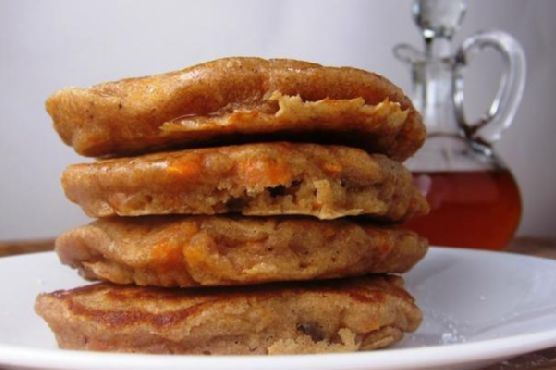
Carrot Cake Pancakes

Intro

There’s something undeniably comforting about the smell of pancakes sizzling on a Sunday morning. It takes me back to my childhood when my family would gather around the kitchen table, eagerly awaiting the breakfast treat that my grandmother would whip up with love. Her secret was always in the ingredients she chose, and one of my favorite variations was her Carrot Cake Pancakes. This recipe combines the classic flavors of carrot cake with the fluffy goodness of pancakes, making it a delightful morning indulgence.

Why You’ll Love It

Carrot Cake Pancakes are the perfect balance of sweet and savory, providing a delicious start to your day. They’re not only flavorful but also packed with nutrients from the carrots, making them a healthier option compared to traditional pancakes. Whether you’re looking to impress brunch guests or simply want to treat yourself, these pancakes are versatile, easy to make, and sure to become a household favorite.

Ingredients

  • 3-4 medium carrots, peeled and grated
  • 1 cup white whole wheat flour
  • 2 teaspoons baking powder
  • 1/2 teaspoon salt
  • 1 teaspoon cinnamon
  • 1/2 teaspoon ground nutmeg
  • 1/4 teaspoon ground allspice
  • 2 tablespoons butter, melted
  • 1 egg
  • 1 cup milk
  • 2 tablespoons turbinado sugar
  • 1 teaspoon vanilla extract
  • Optional: raisins or walnuts

Instructions

  1. Peel and grate the carrots. If you end up having more than 1 cup of grated carrots from the 3-4 medium carrots, that’s OK; this recipe can easily handle up to 1.5 cups.
  2. Microwave the grated carrots for 3 minutes on medium, or until the carrots are soft and partially cooked.
  3. In a large bowl, mix together the dry ingredients: flour, baking powder, salt, and spices.
  4. In another bowl, whisk together the wet ingredients until well combined: melted butter, sugar, egg, milk, and vanilla extract.
  5. Add the wet ingredients to the dry ingredients and whisk together until almost combined.
  6. Add the grated carrots and raisins/walnuts if you’re using them. Stir until everything is combined, but do not overmix!
  7. Heat some oil or butter in a skillet over medium/low heat.
  8. Use heaping tablespoons (or an ice cream scoop) to add the pancake batter to the pan.
  9. Cook for about 2-3 minutes, or until little bubbles start forming on the surface.
  10. Flip each pancake, and cook for about 2-3 minutes on the other side, or until the inside is fully cooked.
  11. Serve warm with butter, syrup, powdered sugar, or whatever toppings you prefer!

Tips

For the best results, ensure your carrots are finely grated. This will help them blend seamlessly into the batter and cook evenly. If you prefer a sweeter pancake, feel free to increase the sugar slightly or add a drizzle of honey to the batter. Remember, the key to fluffy pancakes is not overmixing the batter, so stir just until combined.

Variations & Substitutions

Feel free to get creative with this recipe! You can substitute the white whole wheat flour with all-purpose flour if that’s what you have on hand. For an extra flavor boost, consider adding a handful of shredded coconut or a pinch of ginger. If you’re not a fan of raisins, try adding chopped walnuts or pecans for a delightful crunch.

Storage

Leftover pancakes can be stored in an airtight container in the refrigerator for up to three days. To reheat, simply pop them in the toaster or microwave until they’re warmed through. You can also freeze them for up to two months. Just layer parchment paper between each pancake and place them in a freezer-safe bag.

FAQ

Can I make these pancakes gluten-free?

Yes, you can! Substitute the white whole wheat flour with a gluten-free flour blend. Ensure the blend is suitable for pancakes and baking for the best texture.

What can I use as a dairy-free substitute for milk?

Almond milk, soy milk, or oat milk can be used as a substitute for regular milk. Just ensure the milk is unsweetened to keep the pancakes balanced in flavor.

Can I prepare the batter in advance?

While it’s best to use the batter immediately, you can prepare it a few hours in advance if needed. Store it in the refrigerator and give it a gentle stir before cooking.

Nutrition

These Carrot Cake Pancakes are not only delicious but also packed with nutrients. Carrots add a good dose of beta-carotene, and using whole wheat flour adds fiber. Plus, the optional raisins or nuts provide additional vitamins and healthy fats. Enjoy this nutritious breakfast option guilt-free!

Conclusion

Carrot Cake Pancakes are a delightful twist on a classic breakfast favorite. They bring together the warmth of spices, the sweetness of carrots, and the fluffiness of pancakes into one scrumptious dish. Whether you’re reliving cherished memories or creating new ones, these pancakes are sure to bring joy to your table. So, gather your ingredients, heat up your skillet, and treat yourself to a stack of these delicious pancakes. Happy cooking!

Related update: Carrot Cake Pancakes

Carrot Cake Pancakes | Made by Meaghan Moineau

Carrot Cake Pancakes

Intro

Carrot Cake Pancakes are a delightful twist on a classic breakfast staple, bringing the cozy flavors of carrot cake into the morning routine. I still remember the first time I tasted these pancakes; it was during a family brunch at my grandmother’s house. The aroma of cinnamon and nutmeg wafted through the air as we gathered around her kitchen table. The pancakes were stacked high, dripping with syrup and dusted with a sprinkle of powdered sugar. Each bite was like a warm hug, filled with the sweetness of carrots and the comforting spices that reminded me of the holidays. This recipe is a tribute to those cherished mornings, and I’m thrilled to share it with you.

Why You’ll Love It

These Carrot Cake Pancakes are everything you love about carrot cake, but in pancake form. They’re fluffy, flavorful, and perfect for a leisurely weekend breakfast or brunch. Here’s why you’ll love them:

  • Flavorful: Packed with spices like cinnamon, nutmeg, and allspice, these pancakes are bursting with flavor.
  • Healthy Twist: Made with white whole wheat flour and packed with carrots, they offer a healthier take on traditional pancakes.
  • Customizable: Add raisins or walnuts for extra texture and taste, or top with your favorite syrup and butter.
  • Easy to Make: Simple ingredients and straightforward steps make these pancakes a breeze to whip up.

Ingredients

  • 3-4 medium carrots, peeled and grated (approx. 1 to 1.5 cups)
  • 1 cup white whole wheat flour
  • 1 tablespoon baking powder
  • 1/4 teaspoon salt
  • 1 teaspoon cinnamon
  • 1/4 teaspoon ground nutmeg
  • 1/4 teaspoon ground allspice
  • 3 tablespoons butter, melted
  • 1 large egg
  • 1 cup milk
  • 3 tablespoons turbinado sugar
  • 1 teaspoon vanilla extract
  • Optional: 1/4 cup raisins

Instructions

  1. Peel and grate the carrots. You should have about 1 to 1.5 cups of grated carrots.
  2. Microwave the grated carrots for 3 minutes on medium, or until they are soft and partially cooked.
  3. In a large bowl, mix together the dry ingredients: flour, baking powder, salt, cinnamon, nutmeg, and allspice.
  4. In a separate bowl, whisk together the wet ingredients: melted butter, sugar, egg, milk, and vanilla extract until well combined.
  5. Add the wet ingredients to the dry ingredients and whisk together until almost combined.
  6. Add the grated carrots and raisins, if using, and stir until everything is combined. Avoid overmixing.
  7. Heat some oil or butter in a skillet over medium/low heat.
  8. Use heaping tablespoons or an ice cream scoop to add the pancake batter to the pan.
  9. Cook for about 2-3 minutes, or until little bubbles start forming on the surface. Flip each pancake and cook for another 2-3 minutes, or until the inside is fully cooked.
  10. Serve warm with butter, syrup, powdered sugar, or your preferred toppings.

Tips

  • Grating Carrots: Use a box grater or a food processor to grate the carrots quickly and easily.
  • Microwaving Carrots: This step helps soften the carrots, ensuring they blend seamlessly into the pancake batter.
  • Avoid Overmixing: Overmixing the batter can lead to dense pancakes. Mix just until combined for fluffy results.

Variations & Substitutions

  • Raisins and Walnuts: Add some raisins or chopped walnuts for a delightful texture and flavor boost.
  • Gluten-Free: Substitute the white whole wheat flour with a 1:1 gluten-free flour blend.
  • Dairy-Free: Use almond milk or another non-dairy milk and replace the butter with coconut oil.

Storage

These pancakes can be stored in an airtight container in the refrigerator for up to 3 days. For longer storage, freeze them in a single layer on a baking sheet, then transfer to a freezer-safe bag for up to 3 months. Reheat in the toaster or microwave.

FAQ

Can I make the batter ahead of time?

Yes, you can prepare the batter the night before and store it in the refrigerator. Just give it a good stir before cooking, as the ingredients may settle overnight.

What can I serve with Carrot Cake Pancakes?

These pancakes are delicious with a dollop of cream cheese frosting or a drizzle of maple syrup. Fresh fruit, yogurt, or a sprinkle of cinnamon sugar are also great options.

Nutrition

Each serving of these pancakes is approximately 250 calories, with 8g of fat, 39g of carbohydrates, and 6g of protein. Packed with vitamin A from the carrots, they offer a nutritious and satisfying breakfast option.

Conclusion

Carrot Cake Pancakes are a delightful way to start your day, offering a warm, comforting flavor that’s perfect for any morning. Whether you’re enjoying them as a weekend treat or a special brunch, they bring a touch of nostalgia and a burst of flavor to your table. Try this recipe, and I’m sure it’ll become a beloved part of your breakfast repertoire, just as it has in my family. Enjoy every bite!

Related update: Carrot Cake Pancakes

Related update: Carrot Cake Pancakes

Capitals Lose Locker-Room North Star John | Analysis by Brian Moineau

A locker-room compass walks out the door: the end of John Carlson’s Washington story

The bus rolled into the arena like any other morning, but inside the Washington Capitals locker room something felt different — quieter, weightier. After 17 seasons, decades of late-night practices, playoff marches and championship celebration, John Carlson was no longer a Capital. The trade to Anaheim landed before the NHL’s March 6, 2026 deadline and, for a franchise that built seasons around a handful of locker-room pillars, it felt like a small seismic shift.

There’s sports drama and then there’s the human drama that follows longtime teammates when a “North Star” is moved. The reactions — teary-eyed players, stunned staff, a community of fans searching for the right words — captured the tug between competitive reality and deep emotional ties.

Why this matters beyond the box score

  • John Carlson wasn’t just a top-pair defenseman; he was a cultural anchor. He played 17 seasons in Washington, helped lift the franchise’s lone Stanley Cup, and led the blue line in all-time games, goals and points for the team.
  • The trade — Anaheim gave Washington a conditional first-round pick (2026 or 2027) and a 2027 third-round pick — is both cap- and roster-management logic and a symbolic break with the past. Teams in transition trade veterans like Carlson to accelerate a rebuild or restock future assets.
  • The immediate aftermath shows how leadership can’t be measured only in assists or time on ice. When a locker-room “North Star” leaves, the ripple effects are emotional, tactical and strategic.

What happened (concise timeline)

  • March 6, 2026: The Capitals traded John Carlson to the Anaheim Ducks for a conditional first-round pick in 2026 or 2027 and a 2027 third-round pick. (nhl.com)
  • Reaction: Teary goodbyes and locker-room interviews revealed teammates describing Carlson as foundational to the team’s identity — a family man, a mentor and a steady presence. RMNB captured those raw reactions. (russianmachineneverbreaks.com)
  • Media/context: Coverage from national outlets framed the move as part of the Capitals’ pivot at the deadline and a rare modern example of a player being traded after nearly two decades with one franchise. (nhl.com)

The locker-room lens: leadership that numbers don’t capture

Sports analytics do wonders for evaluating on-ice value, but they don’t quantify the quiet, daily leadership — the veteran voice in the pre-game skate, the dad who organizes team family nights, the player who models how to be a pro when things go sideways. Teammates called Carlson a “North Star” for a reason:

  • He was consistent. Seventeen seasons under one banner build habits that younger players copy.
  • He modeled loyalty and accountability, a living lesson that matters when a franchise is teaching its next generation.
  • His presence carried meaning in moments: playoff pushes, media storms, and the everyday grind.

That cultural capital is why trading long-tenured leaders is never purely transactional. It rearranges relationships and expectations inside the locker room.

The trade logic: why the Capitals did it

  • Asset accumulation: A conditional first-round pick is premium currency for a team evaluating a longer-term rebuild or retool. Draft capital gives flexibility to restock the pipeline. (nhl.com)
  • Roster timeline: At 35 (per reporting), Carlson’s peak years were behind him. Teams weigh current performance against future cost and fit; Washington appears to have chosen the future route.
  • Market dynamics: Offers for veteran leaders are rare. If a team can turn an aging core piece into high-value picks, the front office may see the move as necessary, even if wrenching emotionally. (thehockeynews.com)

What this means for Washington’s season and culture

  • Short term: The Capitals lose an all-situation defenseman and a stabilizing presence. On-ice adjustments and minutes redistribution will be necessary immediately.
  • Long term: The draft picks strengthen the franchise’s ability to add young talent or flip picks in other transactions. That’s the strategic payoff for letting go of a beloved veteran.
  • Cultural test: With a leadership vacuum, other players must step forward. The club’s identity will shift from one centered on long-tenured stalwarts to whatever new faces fill those roles.

Voices from the room

  • Teammates were emotional and candid, describing Carlson’s family-first approach and his habit of quietly setting the standard. Those human reactions underscored that this was not just a tactical move — it was the closing of a chapter for players and fans alike. (russianmachineneverbreaks.com)
  • Coverage from the Capitals’ organization acknowledged the era and celebrated Carlson’s legacy, while emphasizing belief in the current roster and the future the picks could buy. (nhl.com)

What to watch next

  • How Washington replaces Carlson’s minutes and power-play role.
  • Whether the Caps use the newfound draft capital to trade up, draft high-impact talent, or acquire a younger, NHL-ready defender.
  • The human follow-up: Will Carlson and Washington find a reunion path (short-term return or offseason free-agent conversations) or will his legacy remain a bittersweet chapter elsewhere? Media chatter suggests a Carlson reunion isn’t impossible, but nothing is certain. (washingtonpost.com)

Takeaways for fans and the casual observer

  • Trades like this are inevitable in cap-era hockey, but they hurt because they are personal. Fans mourn not only the player but the memories and the sense of continuity.
  • Smart roster building balances respect for legacy with strategic planning. Washington’s front office made a decision that favors future flexibility over present sentiment.
  • Leadership is replicable but not interchangeable; it will take time and intentional culture-building to replace a 17-year Capitol of the franchise.

Final thoughts

Watching a locker room process the exit of a player like John Carlson is a reminder that sports are storytelling as much as competition. Teams are living, changing things — and sometimes the toughest calls are the ones that reshape a franchise’s identity overnight. Carlson leaves Washington with a Chamber of memories, a Stanley Cup and a record of leadership few players match. For Capitals fans, the practical gains of draft capital won’t instantly fill the hole he leaves in the room. But in hockey as in life, endings open space for a new chapter to begin.

Sources


Related update: We recently published an article that expands on this topic: read the latest post.


Related update: We recently published an article that expands on this topic: read the latest post.

United Airlines bans speaker audio | Analysis by Brian Moineau

Some more peace and quiet in the cabin

You’re tucked into your window seat, the overhead bins are closed, you’ve settled in for the flight — and then the person across the aisle fires up a video on full speaker. That involuntary cringe? It may soon be less common. United Airlines quietly updated its Contract of Carriage on February 27, 2026 to add a headphone requirement: passengers who “fail to use headphones while listening to audio or video content” can be removed from a flight and even refused future travel. The airline put the rule under Rule 21 — Refusal of Transport — meaning it’s now a legally enforceable ground for denial of boarding, removal, or a temporary or permanent ban.

This isn’t a story about tech or gadget superiority; it’s about etiquette turned enforceable policy. Here’s what that change means, why airlines are doing it, and how passengers (and flight crews) might navigate the new normal.

Why this matters right now

  • The update makes what used to be a polite request — please use headphones — into a clause in United’s binding passenger agreement.
  • United is likely the first major U.S. carrier to place headphone use explicitly inside a refusal-of-transport rule rather than a general policy or recommendation.
  • The timing follows years of rising passenger complaints about noisy behavior onboard (and broader airline efforts to manage rising incidents of unruly conduct).

For fellow travelers who’ve sat through someone’s loud TikToks, sports highlights, or video calls at 30,000 feet, this reads like progress. For others it raises questions about enforcement, fairness, and the limits of airline authority.

What the rule actually does

  • The headphone clause appears in United’s Contract of Carriage under Rule 21 (Refusal of Transport), added February 27, 2026.
  • Consequences range from a crew reminder or warning up to removal from the aircraft, and potential temporary or permanent refusal of future transport.
  • The rule also joins other in-flight conduct items that airlines can use to justify removal or denial of boarding (e.g., refusing crew instructions, disruptive behavior).

It’s worth noting that several carriers and in-flight services have long requested headphone use (and many onboard entertainment systems require them). What’s new is the explicit legal muscle behind the expectation.

How enforcement might look

  • Most enforcement will probably start at the softer end: verbal reminders from flight attendants, announcements, or a request to hand over the device’s audio output to switch to headphones.
  • If a passenger refuses repeatedly or becomes confrontational, crews can escalate under Rule 21 — which could mean removal before departure, diversion, involvement of law enforcement after landing, or placing a ban on future travel with United.
  • Practical hurdles exist: policing headphone compliance mid-flight is awkward and can itself provoke conflict. Flight attendants must balance cabin safety and calm with the realities of enforcing a social norm.

Who benefits — and who might be disadvantaged

  • Beneficiaries
    • Passengers seeking a quieter cabin (especially those trying to sleep or concentrate).
    • Flight attendants, who gain clearer policy language to cite when asking people to stop playing audio aloud.
  • Potential pitfalls
    • People with certain disabilities or sensory needs may need accommodations. Federal nondiscrimination rules mean airlines must consider disability-related exceptions, and crews should be trained accordingly.
    • Conflicts over subjective loudness or misunderstandings can escalate, especially when enforcement feels inconsistent.
    • Passengers who forget headphones — United’s in-flight pages indicate some aircraft already carry inexpensive headphones; how airlines handle honest forgetfulness remains important.

Broader context: an industry shift toward enforceable conduct rules

  • Airlines have long struggled with in-cabin etiquette: mask disputes, intoxicated passengers, and conflict over seats and recline have all led carriers to tighten rules or change wording in contracts.
  • Codifying headphone use in a contract of carriage follows that pattern: transform recurring nuisance behaviors into explicit contractual violations to make enforcement easier.
  • Other carriers may follow suit if the policy reduces incidents and complaints; alternately, pushback from advocacy groups and legal scrutiny could limit how broadly such rules are applied.

What passengers should do (practical tips)

  • Always pack a pair of reliable, compact headphones or earbuds in your carry-on.
  • If you forget headphones, ask flight attendants politely — many airlines have spares or low-cost options available.
  • If another passenger plays audio aloud, request politely first; if that fails, alert a crew member rather than escalating yourself.
  • Be mindful of exemptions: if you require speaker audio for accessibility reasons, notify crew and be prepared to explain or show documentation if needed.

Quiet wins — or overreach? My take

Turning a long-standing courtesy into an enforceable rule feels like a reasonable step for improving the travel experience. For passengers who’ve been repeatedly exposed to other people’s loud device audio, the change promises a small but meaningful improvement in cabin comfort. That said, the success of the policy depends on fair, consistent enforcement and sensitivity to legitimate needs and edge cases.

Rules don’t remove the human element: flight attendants still mediate, passengers still forget or misbehave, and enforcement decisions will be made in real time. The hoped-for result is fewer shocks from someone else’s phone — and fewer awkward mid-flight confrontations when the only evidence you need to produce is “please put on headphones.”

Practical takeaway

  • Pack headphones. Seriously. It’s now both common courtesy and a potential contractual requirement on United flights.
  • Expect clearer cabin announcements and firmer intervention from crew when someone refuses to comply.
  • Watch how policy enforcement evolves — this could set a new standard across airlines, or prompt clarifications to guard against unfair outcomes.

Sources

Final thought

Quiet cabins don’t erase the frustrations of air travel, but making basic respect enforceable is a small policy nudge toward more tolerable flights — provided airlines apply it fairly and passengers do their part by bringing a pair of earbuds.

Creamy Polenta with Egg, Arrabiata & Bacon | Made by Meaghan Moineau

Creamy Polenta with Egg, Arrabiata & Bacon

Intro

There is something inherently comforting about a warm bowl of creamy polenta. It transports me back to lazy Sunday mornings in my grandmother’s kitchen, where the aroma of sizzling bacon and the gentle simmer of polenta on the stove was the perfect wake-up call. My grandmother would often make this dish, adding her own unique flair with a spicy arrabiata sauce and perfectly cooked eggs. Today, I’m sharing a modern twist on her classic recipe that combines the richness of goat cheese and cream cheese with crispy bacon and spicy arrabiata sauce. This recipe is a celebration of those cherished mornings and a testament to the beauty of simple, yet delicious ingredients coming together to create something truly special.

Why You’ll Love It

This dish is a harmonious blend of creamy, savory, and spicy flavors that will surely delight your taste buds. The creamy polenta is perfectly complemented by the richness of goat cheese and cream cheese, creating a velvety base for the spicy arrabiata sauce. The crispy bacon adds a satisfying crunch, while the perfectly cooked egg provides a luscious, runny yolk that ties everything together. Whether you’re preparing this for a cozy brunch or a comforting dinner, this recipe is sure to impress your family and friends.

Ingredients

  • 4 cups of water
  • 1 cup polenta
  • 4 oz goat cheese
  • 4 oz cream cheese
  • Black salt & pepper to taste
  • 1 cup marinara sauce (or arrabiata sauce for extra spice)
  • 4 slices of bacon
  • 1 tablespoon olive oil
  • 4 large eggs
  • Fresh parsley for garnish

Instructions

  1. Preheat the oven to 425 degrees F.
  2. Bring 4 cups of water to a boil in a medium saucepan. Slowly whisk in the polenta, whisking continuously until there are no lumps and it begins to thicken slightly.
  3. Reduce the heat to medium-low and allow the polenta to simmer for 30 minutes, stirring occasionally to keep it from overcooking.
  4. When the polenta has thickened and become tender, stir in the goat cheese and cream cheese. Stir until the cheeses are melted and fully incorporated into the polenta. Add salt and pepper to taste.
  5. Meanwhile, place the bacon on a parchment-lined baking sheet and place in the preheated oven on the middle rack. Roast for 15-18 minutes or until the bacon is golden and crisp. When it is done, remove it from the oven and place the bacon strips on a paper towel-lined plate. Set aside.
  6. In a small saucepan or in the microwave, heat the marinara sauce until just simmering. Keep warm until you are ready to assemble your bowls.
  7. In a large non-stick skillet, heat the 1 tablespoon olive oil over medium heat. If your pan is large enough, add the four eggs and allow them to cook until the whites are opaque but still a bit runny on the top. Put a lid over the pan and turn off the heat. Allow the eggs to continue cooking under the lid until the whites are set but the yolk is still runny. If your pan is small, fry the eggs in batches.
  8. To assemble the bowls, spoon even amounts of polenta in each bowl. Top with a spoonful of the arrabiata sauce, 1 egg, and 2 slices of bacon. Garnish with chopped parsley. Serve immediately.

Tips

For the creamiest polenta, make sure to whisk continuously while adding the polenta to avoid any lumps. If you find your polenta too thick, simply add a splash of water or milk to loosen it up. When cooking the eggs, a lid is your best friend for ensuring perfectly set whites while keeping the yolk runny. Be sure to monitor the bacon closely as it cooks, as it can quickly go from perfectly crisp to overdone.

Variations & Substitutions

Feel free to experiment with this recipe by adding your favorite ingredients. Swap out the goat cheese for feta or parmesan for a different flavor profile. If you prefer a vegetarian option, omit the bacon and add sautéed mushrooms or roasted vegetables for added texture and flavor. For a gluten-free option, ensure your polenta is certified gluten-free.

Storage

Any leftovers can be stored in an airtight container in the refrigerator for up to 3 days. When reheating, add a splash of water or milk to the polenta to restore its creamy texture. The eggs should ideally be cooked fresh when serving, as reheating can cause the yolks to solidify.

FAQ

Can I make the polenta ahead of time?

Yes, you can prepare the polenta ahead of time and store it in the refrigerator. When ready to serve, reheat it gently on the stove or in the microwave, adding a bit of water or milk to regain its creamy consistency.

What can I use instead of bacon for a vegetarian version?

For a vegetarian version, you can substitute the bacon with sautéed mushrooms, roasted bell peppers, or even crispy fried tofu for a similar texture and flavor contrast.

Nutrition

This hearty dish is not only delicious but also offers a good balance of carbohydrates, protein, and fats. Each serving provides approximately 450 calories, 20g of protein, 30g of carbohydrates, and 28g of fat. It’s a satisfying meal that will keep you energized throughout the day.

Conclusion

Creamy Polenta with Egg, Arrabiata & Bacon is more than just a dish; it’s a warm embrace on a plate, a nostalgic nod to cherished family meals, and a delightful culinary experience. Whether you’re indulging on a quiet weekend morning or sharing it with loved ones, this recipe brings a touch of warmth and joy to your table. I hope this dish becomes as beloved in your home as it is in mine. Enjoy!

Related update: Creamy Polenta with Egg, Arrabiata & Bacon

Related update: Carrot Cake Pancakes

Related update: Lemon and pepper veal cutlets

Lions’ Interior O-Line Free Agency Targets | Analysis by Brian Moineau

Where Detroit should plug the gap: a free-agency look at centers and guards

The Lions have been built around offense-first philosophy — a turbocharged passing game, heavy investment at tackle, and a roster that expects protection and continuity up front. Yet as free agency 2026 opens, the clearest hole on Detroit’s roster is stubbornly interior: who snaps the ball and who keeps the middle lanes clean? Let’s walk through what matters, which names you’ll hear about, and the fits that make sense for the Lions’ roster and salary picture.

Why the interior matters more than you think

  • The center is the quarterback’s on-field lieutenant: he calls adjustments, smooths line communication, and anchors the run/pass balance.
  • Guards win the trenches that free up Jahmyr Gibbs and keep Jared Goff clean on intermediate throws.
  • The Lions have spent on tackle and skill positions; the smartest moves now are about value and fit rather than headline splash signings.

This isn’t just theoretical — recent coverage from Pride of Detroit frames interior O-line as Detroit’s “biggest need,” and league-wide evaluations show a thin but interesting market for centers and guards entering 2026. (prideofdetroit.com)

Quick takeaways for busy fans

  • -Detroit’s top priority should be finding a reliable center who can run the line calls and integrate quickly.
  • -A short-term, mid-priced veteran center plus competition (internal or via draft) is preferable to an expensive long-term bet that limits flexibility.
  • -Quality guards are available, but value matters: target versatile interior linemen who can kick inside or play C/G depending on need.

The state of play: who’s available and why it matters

Coverage across Lions-focused sites and free-agent trackers highlights a handful of names and themes for 2026:

  • -Veteran centers and rotation guards will headline the market — teams that need day-one reliability will pay up, while contenders like Detroit can sometimes win by blending mid-market vets with internal development. (prideofdetroit.com)
  • -Analytics shops (PFF) and salary trackers (Spotrac) flag players such as proven starting centers who could command meaningful money; conversely, longer-term upside guards exist but may not match Detroit’s win-now window. (pff.com)

Pride of Detroit’s preview (March 6, 2026) is explicit: center and guard are Detroit’s biggest free-agency needs, and there are fits that balance cost, scheme, and readiness. (prideofdetroit.com)

Best fits for the Lions — short-list and rationale

Note: these are strategic fit-types rather than guaranteed signing predictions. The goal is what makes sense for the roster, cap, and coaching staff.

  • Reliable veteran center (two- to three-year deal, mid-market)

    • Why: Detroit needs line calls and steady snaps. A vet who can communicate with Goff and teach younger linemen buys the team time in the draft.
    • What to look for: consistent snap counts, low penalty rate, good PFF/film grades on interior pass sets. (pff.com)
  • Versatile guard who can play center in a pinch

    • Why: roster flexibility matters — injuries happen and offensive line depth is tested over a season.
    • What to look for: starts at both interior positions, ability to pull on zone runs, and chemistry in movement-blocking schemes. (spotrac.com)
  • Internal competition + low-cost veteran backup

    • Why: Detroit’s salary structure is crowded at certain spots. Adding a competent backup and creating competition for the starting job (rookie or second-year player) is often the most cost-effective path.

Fit examples (types you’ll see in rumors and coverage)

  • The “day-one center” signing

    • Teams sign an established center to be the starter immediately. This is ideal if the Lions decide they cannot wait for a draft prospect or internal fix. Expect a multi-year deal in the mid-to-high single-digit millions per year for many realistic options. (spotrac.com)
  • The “guard-then-train-center” approach

    • Sign a high-floor guard who can start immediately and groom a younger center behind him. This preserves immediate run/pass balance while buying time for a developmental center.
  • The “budget rotation” approach

    • Add two lower-cost interior veterans who split duties and create competition. Less elegant but preserves cap flexibility, useful if Detroit plans to pursue help elsewhere.

How this shapes draft and roster decisions

  • If Detroit signs a clear day-one center, the draft can be used to invest elsewhere (edge, secondary, or a swing tackle).
  • If Detroit prefers to keep cap space, expect more emphasis on interior line in the draft or on cheap veteran depth.
  • Coaching/communication fit matters: the center must mesh with the scheme and Jared Goff’s cadence — not every statistically-strong center fits play-caller responsibilities equally well. (prideofdetroit.com)

My take

Detroit sits at the intersection of contending now and needing interior reliability. The sensible path is a balanced one: sign a trustworthy, not necessarily headline-grabbing center on a team-friendly deal, add a versatile guard who can slide across as needed, and keep a draft pick or two lined up for long-term answers. That keeps the offense stable for 2026 while preserving flexibility for future roster construction.

Sources


Related update: We recently published an article that expands on this topic: read the latest post.


Related update: We recently published an article that expands on this topic: read the latest post.

Mangolicious Upside Down Cake | Made by Meaghan Moineau

Mangolicious Upside Down Cake

Intro

Growing up in a tropical paradise, mangos were a staple in my household. I remember the sweet aroma of ripe mangos filling our kitchen as my grandmother prepared her famous Mangolicious Upside Down Cake. This cake is a delightful twist on the classic pineapple version, offering a burst of tropical flavor with every bite. It’s a recipe that has been passed down through generations, and today, I’m excited to share it with you. Whether you’re a mango lover or just looking to try something new, this cake is sure to become a favorite in your home too.

Why You’ll Love It

This Mangolicious Upside Down Cake is not only delicious but also incredibly easy to make. The combination of juicy mangos and a fluffy, buttery cake creates a dessert that’s both satisfying and refreshing. Perfect for summer gatherings, family dinners, or just a sweet treat for yourself, this cake is bound to impress with its vibrant flavors and delightful presentation.

Ingredients

  • 1 1/2 teaspoons baking powder
  • 1/2 cup brown sugar
  • 1/2 cup butter, plus more for the pan
  • 1/2 teaspoon cinnamon
  • 3 large eggs
  • 1 1/2 cups all-purpose flour
  • 1 cup granulated sugar
  • 3 ripe mangos
  • 1/4 teaspoon salt
  • 1 teaspoon vanilla extract

Instructions

  1. Preheat your oven to 350°F (175°C). Butter a 9×2-inch round cake pan.
  2. Pat slices of mango dry with paper towels to remove excess moisture.
  3. In a small bowl, stir together 1/2 cup of butter and the brown sugar. Spread this mixture evenly in the prepared pan.
  4. Arrange the mango slices from two mangos over the sugar mixture. Reserve the remaining mango for the puree.
  5. In a food processor, puree the remaining mango to make about 1 cup of mango puree and set aside.
  6. In a small bowl, sift together the flour, baking powder, salt, and cinnamon.
  7. In another bowl, using an electric mixer, cream together the remaining butter and granulated sugar until the mixture is light and fluffy.
  8. Add the eggs one at a time, beating well after each addition. Then beat in the vanilla extract.
  9. Add the flour mixture alternately in batches with the pureed mangos, beginning and ending with the flour mixture, and beating well after each addition.
  10. Pour the batter into the prepared pan, spreading evenly over the mangos.
  11. Bake the cake in the middle of the oven for 45 to 55 minutes, or until a toothpick inserted into the center comes out clean.
  12. Let the cake cool in the pan on a rack for 15 minutes. Run a thin knife around the edge and invert onto a platter to serve.

Tips

For best results, use ripe mangos that are fragrant and slightly soft to the touch. This will ensure a sweet and juicy topping. If possible, prepare the mango slices and puree in advance to save time on baking day. Also, make sure to let the cake cool slightly before inverting to prevent it from sticking to the pan.

Variations & Substitutions

If you’re looking to switch things up, try using different types of fruit such as peaches or pineapples for a fun twist on this classic recipe. You can also substitute almond or coconut extract in place of vanilla for an exotic flavor profile. For a gluten-free version, replace the all-purpose flour with a gluten-free flour blend.

Storage

This cake can be stored at room temperature, covered, for up to two days. To extend its freshness, wrap it in plastic wrap and refrigerate for up to a week. For longer storage, slice the cake and freeze individual portions for up to three months. Thaw slices at room temperature before serving.

FAQ

Can I use canned mangos for this recipe?

While fresh mangos provide the best flavor and texture, canned mangos can be used in a pinch. Just be sure to drain them well and pat them dry before using.

What if I don’t have a food processor?

If you don’t have a food processor, you can mash the mangos by hand or use a blender to achieve a smooth puree. The key is to ensure the puree is smooth and free of chunks.

Can this cake be made in advance?

Yes, you can make this cake a day in advance and store it in the refrigerator. Simply allow it to come to room temperature before serving, or warm it slightly in the oven.

Nutrition

This Mangolicious Upside Down Cake is a delightful indulgence. While it’s a treat, each serving provides a good dose of Vitamin C from the mangos. Remember to enjoy it in moderation as part of a balanced diet.

Conclusion

This Mangolicious Upside Down Cake is a nostalgic journey to tropical flavors and cherished family memories. It’s a recipe that’s easy to make yet offers a sophisticated and delicious result. I hope it brings as much joy to your table as it has to mine. Enjoy every bite, and don’t forget to share it with loved ones!

Related update: Mangolicious Upside Down Cake

Related update: Crème Fraiche Coconut Bavarians

Shrimp & Orzo | Made by Meaghan Moineau

Shrimp & Orzo: A Mediterranean Delight

Intro

There’s something magical about the way food can transport us to different places and times. I remember the first time I tasted a dish similar to Shrimp & Orzo. It was during a family vacation to a small coastal village in Greece. The sun was setting, casting a golden hue over the ocean, and our table was filled with an array of delightful dishes prepared by the local chef. Among them was a humble orzo dish, its aroma mingling with the salty sea breeze. That evening, with laughter echoing around us and the sun dipping below the horizon, I fell in love with the simplicity and freshness of Mediterranean cuisine.

Why You’ll Love It

Shrimp & Orzo is a perfect blend of flavors and textures that will transport you to the Mediterranean coast. This dish is not only delicious but also visually stunning, with vibrant colors from the tomatoes, parsley, and shrimp. It’s a one-pan wonder that makes for easy cleanup, and it’s packed with protein, making it a satisfying meal that’s perfect for any night of the week. The combination of orzo, fresh vegetables, and succulent shrimp creates a dish that’s both comforting and elegant, ideal for family dinners or casual entertaining.

Ingredients

  • 1 can (14 oz) diced canned tomatoes
  • 1/2 cup dry white wine
  • 1 fennel bulb, thinly sliced
  • 4 oz feta cheese, crumbled
  • 1/4 cup fresh parsley, chopped
  • 4 cloves of garlic, minced
  • Lemon wedges, for serving
  • 3 cups low sodium chicken broth
  • 2 tbsp olive oil
  • 1 medium onion, diced
  • 1 tsp dried oregano
  • 1 cup orzo pasta
  • 1/4 tsp crushed red pepper flakes
  • Salt & pepper, to taste
  • 1 lb fresh shrimp, peeled and deveined
  • 1/2 cup water

Instructions

  1. Preheat your oven to 400 degrees F. Season the shrimp with salt and pepper, then refrigerate until ready to use.
  2. Grease a 13×9-inch baking dish and set aside.
  3. In a large Dutch oven, heat the olive oil over medium-high heat until shimmering.
  4. Add the onion, fennel bulb, and 1/2 teaspoon salt. Cook, stirring frequently, until the vegetables are softened and starting to brown around the edges, about 10 minutes.
  5. Add the minced garlic and crushed red pepper flakes, cooking until the garlic is very fragrant, about 30 seconds.
  6. Add the orzo to the vegetables, stirring to coat it with oil. Continue cooking, stirring fairly constantly, for about 4 minutes, until the orzo has a toasty aroma.
  7. Add the white wine, cooking and stirring constantly until the liquid evaporates, about 1 minute.
  8. Add the chicken broth, water, and 1/4 teaspoon salt. Bring to a boil, then reduce the heat and simmer until the orzo is almost completely tender, about 12 minutes, stirring fairly constantly.
  9. Remove from heat and stir in the shrimp, tomatoes, oregano, and 1 tablespoon of parsley.
  10. Transfer the mixture to the prepared baking dish and sprinkle with the crumbled feta cheese.
  11. Bake for about 20 minutes, until the shrimp is cooked through and the feta is lightly browned.
  12. Before serving, sprinkle with the remaining parsley and fennel fronds. Serve warm with lemon wedges on the side.

Tips

  • Ensure the shrimp are peeled and deveined to save prep time.
  • If you prefer a milder flavor, reduce the amount of crushed red pepper flakes.
  • Use fresh ingredients for the best flavor, especially the parsley and fennel.

Variations & Substitutions

Feel free to experiment with this recipe! You can substitute the shrimp with chicken or tofu for a different protein option. If you’re not a fan of fennel, try using bell peppers or zucchini instead. For a more robust flavor, consider adding sun-dried tomatoes or olives. If you prefer a creamy texture, stir in a tablespoon of heavy cream before baking.

Storage

Leftovers can be stored in an airtight container in the refrigerator for up to 3 days. To reheat, place the desired amount in a microwave-safe dish and heat until warmed through. You can also reheat in the oven at 350 degrees F for about 10 minutes.

FAQ

Can I make this dish ahead of time?

Yes, you can prepare the dish up to the point of baking. Cover and refrigerate for up to a day. When ready to serve, bake in a preheated oven as directed, adding a few extra minutes if necessary to ensure it’s heated through.

What can I serve with Shrimp & Orzo?

This dish pairs well with a simple green salad or roasted vegetables. A crusty loaf of bread would also complement the meal nicely, perfect for soaking up any extra sauce.

Is there a substitute for feta cheese?

If you’re not a fan of feta, you can substitute with goat cheese or even a mild cheese like mozzarella for a different flavor profile.

Nutrition

This dish is a balanced meal offering protein from the shrimp, carbohydrates from the orzo, and a variety of vitamins and minerals from the vegetables. If you’re watching sodium intake, ensure you use low sodium broth and adjust the added salt to your taste.

Conclusion

Shrimp & Orzo is a delightful meal that brings the essence of Mediterranean cooking to your home. It’s a dish that’s easy to prepare, yet impressive enough to serve at a dinner party. Whether you’re reminiscing about past travels or simply seeking a comforting and flavorful meal, this recipe is sure to become a favorite. Enjoy the taste of the Mediterranean in every bite and share this delicious dish with your loved ones.

Related update: Shrimp & Orzo

Related update: Creamy Polenta with Egg, Arrabiata & Bacon

Anthropic’s Detector Calms AI Job Fears | Analysis by Brian Moineau

Hook: the quiet detector for a loud fear

AI has been blamed for everything from auto-completing homework to threatening democracy. But one of the loudest anxieties—AI obliterating jobs and spiking unemployment—has felt part prophecy, part panic. Anthropic, maker of the Claude family of models, just launched a formal way to look for that disruption: a “job destruction detector” and an early report that finds only limited evidence that AI has raised unemployment so far. This matters because we’re not just debating whether AI can replace work; we’re arguing about how to measure it, and when to sound the alarm. (axios.com)

Why this new measure matters

  • It’s methodological: Anthropic isn’t simply issuing a headline prediction; it’s proposing a roadmap and an index that economists can use to track labor-market disruption over time. That changes the conversation from speculative forecasts to measurable signals. (anthropic.com)
  • It’s preventative: the team says the index is deliberately built “before meaningful effects have emerged,” so later findings aren’t shoehorned into post-hoc explanations. That helps avoid confirmation bias when big shifts happen. (anthropic.com)
  • It moderates the panic: their early result—“limited evidence” of AI-driven unemployment—doesn’t mean AI won’t disrupt jobs, only that large-scale displacement hasn’t shown up in standard unemployment data yet. (axios.com)

Quick takeaways from Anthropic’s work

  • The index combines task-exposure measures (which jobs could be affected) with macro labor data (what’s actually happening) to detect unusual upticks in unemployment among high-exposure occupations. (anthropic.com)
  • Early signals are weak: Anthropic’s initial tests find limited correlation between AI exposure and higher unemployment to date. That tracks with other recent analyses that have not yet seen broad, economy-wide job losses attributable to AI. (axios.com)
  • But exposure ≠ destiny: measurable “exposure” to AI tasks is not the same as inevitable job elimination; adoption, business incentives, regulation, and complementary skills all shape outcomes. (anthropic.com)

Putting this in context: why the story is more complicated than “AI kills jobs”

  • Historical pattern: major technologies often change which jobs exist, not the total number of jobs, at least in the short to medium term. Productivity boosts, new industries, and shifting demand frequently absorb displaced labor—though not always swiftly or evenly. (laweconcenter.org)
  • The “gradual then sudden” risk: some experts worry that AI adoption could appear mild for years and then accelerate as tools, workflows, and business models mature—producing rapid displacement in specific sectors. Anthropic’s index aims to spot that inflection early. (anthropic.com)
  • Distributional concerns: even if aggregate unemployment remains stable, certain groups—entry-level white-collar roles, administrative staff, or routine task workers—could face concentrated disruption. That’s the political and social flashpoint to watch. (axios.com)

What to watch next

  • Signal sensitivity: will the detector pick up subtle, leading indicators (hours worked, rehires, wage changes within occupations) before official unemployment spikes? Anthropic plans to incorporate usage and task-coverage data into future updates. (anthropic.com)
  • Real-world adoption: job-loss effects depend less on whether AI can do something than whether firms decide to deploy it at scale for cost-cutting or efficiency. Tracking firm-level layoffs, hiring freezes, and product rollouts anchors the index to concrete choices. (axios.com)
  • Policy responses: lawmakers are already proposing reporting rules and other measures to monitor AI-related workforce changes. Better data—like what Anthropic proposes—would make those policies more informed and targeted.

My take

Anthropic’s detector is a healthy step toward evidence-driven debate. The company’s own rhetoric about worst-case scenarios has driven headlines and policy attention; pairing those claims with a transparent, repeatable way to test for labor-market damage is the right move. Finding “limited evidence” today doesn’t settle the debate—it just buys us better measurement and earlier warning. If AI does cause waves of displacement, we should see them emerge in the index before they overwhelm the system. If we don’t, that’s useful information too.

Sources

Commanders Ready to Spend Big in Free | Analysis by Brian Moineau

Washington’s all-in moment: why the Commanders are expected to spend big in free agency

There’s an energy around the Washington Commanders that feels different this winter — not the slow-burn rebuild whispers of past years, but a louder, bolder hum that says: let’s win now. With ample cap space and clear holes on the roster, Washington is widely expected to be aggressive in free agency, targeting edge rushers, wide receivers and cornerbacks to give Dan Quinn’s defense and the offense immediate, high-impact upgrades. (espn.com)

Why this off-season matters

  • The Commanders enter the offseason with meaningful salary-cap flexibility and a front office that signaled a willingness to spend to accelerate the team’s timeline. That combination naturally points to heavy activity in March’s free-agent market. (washingtonpost.com)
  • The roster has glaring needs where veteran, top-of-market signings can move the needle quickly: an edge rusher who consistently pressures quarterbacks, a reliable outside receiver to complement the existing weapons, and a starting-caliber corner to stabilize pass defense. These are precisely the positions most analysts expect Washington to pursue. (espn.com)
  • Free agency lets a team buy proven production immediately — crucial for a franchise that has burned draft capital in recent years and now needs results rather than long-term projects. Expect the Commanders to target players who can contribute Week 1. (espn.com)

What the Commanders need, in plain terms

  • Edge rusher: A true consistent pass-rush presence to relieve pressure on the secondary and flip game-planning for opponents. A high-end edge signing would change opposing protections and help the entire defense perform better. (espn.com)
  • Wide receiver: A reliable outside threat who can draw coverage, create separation and finish contested catches — an upgrade that would open the field for the offense. (fanduel.com)
  • Cornerback: Either a veteran lockdown option or a versatile starter who can coexist with the team’s other corners and simplify defensive matchups. (washingtonpost.com)

How Washington might spend — scenarios to watch

  • Top-of-market move(s): With cap space, the Commanders could pursue one or two marquee free agents (for example, a high-grade edge rusher and a starting corner), accepting premium contracts to land immediate difference-makers. That’s the “splash” approach many pundits expect. (espn.com)
  • Mix of veteran signings + draft: Another path is signing one or two proven veterans and using the draft to fill complementary roles, balancing cost and roster depth. This reduces risk but still upgrades key spots. (fanduel.com)
  • Targeted bargains: If the market inflates and bidding wars push prices sky-high, Washington could pivot to younger, cheaper free agents with upside — trading immediate star power for more manageable long-term cap flexibility. Recent coverage notes both the temptation and the danger of overpaying in an inflated market. (atozsports.com)

The ripple effects on roster construction

  • Spending big at edge or corner affects draft strategy. If the Commanders lock up a premier pass rusher in free agency, their first-round pick could go to offense or to a different defensive need. Conversely, staying conservative in free agency would increase pressure to draft impact players early. (espn.com)
  • Financially, committing large sums to veteran free agents shortens flexibility in future windows. That’s fine if the signings push the team into contention; it’s risky if the players underperform or suffer injuries — a classic win-now tradeoff. (washingtonpost.com)
  • Culture and coaching fit matter. Dan Quinn’s scheme values pass rush and tight corner play; bringing in players who fit the scheme and locker-room culture will be as important as raw stats. Analysts have emphasized that the front office appears ready to prioritize scheme fits this offseason. (espn.com)

Possible names and market dynamics

  • The actual targets will depend on who reaches the market and how bidding wars unfold. Names have circulated in mock lists and local coverage — from established edge talents to starting corners and mid-level receiver options — but the bigger story is the Commanders’ willingness to be “top of market” for players who can make an immediate impact. Expect competition from other teams with similar needs, which tends to drive up contract values. (sportsnaut.com)

A few practical betting points to follow as the window opens:

  • Watch whether Washington bids aggressively early or dials in offers late — early splashes suggest confidence in a championship window; late buys suggest opportunism. (espn.com)
  • Track cap moves and restructures — they reveal how committed the front office is to spending now versus preserving flexibility. (washingtonpost.com)
  • Pay attention to positional signings league-wide; a handful of high-priced deals at edge or corner will define the market and affect Washington’s ability to land targets. (atozsports.com)

A quick snapshot for fans (TL;DR)

  • The Commanders have money and urgency. Expect big swings in free agency, particularly for edge rushers, wide receivers and cornerbacks. (espn.com)
  • The team could chase one or two marquee veterans or combine a couple of high-impact signings with draft solutions. (fanduel.com)
  • Outcomes will hinge on market inflation, bidding wars and whether Washington prioritizes immediate results over long-term flexibility. (atozsports.com)

My take

If Washington truly wants to pivot from hopeful rebuild to legitimate contender, this is the offseason to stop nibbling at the edges and invest where it counts. An elite edge rusher and a dependable boundary corner can transform the defense overnight; a consistent outside receiver can change the offense’s play-calling balance. Smart deals that emphasize fit — not just star power — will matter most. The risk of overpaying exists, but so does the upside of vaulting into contention. For fans, buckle up: the next few weeks should be lively.

Sources


Related update: We recently published an article that expands on this topic: read the latest post.


Related update: We recently published an article that expands on this topic: read the latest post.

Homemade Broccoli Cheddar Soup | Made by Meaghan Moineau

Homemade Broccoli Cheddar Soup

Intro

There’s something truly comforting about a warm bowl of soup, especially when it carries the nostalgic essence of childhood memories. Growing up, my mother would often make a creamy broccoli soup that filled our home with its rich aroma. Each spoonful was a reminder of cozy evenings spent around the family table, sharing stories and laughter. Today, I’m thrilled to share my take on this classic favorite: a Homemade Broccoli Cheddar Soup that combines the wholesome goodness of broccoli with the savory richness of cheddar cheese.

Why You’ll Love It

This Broccoli Cheddar Soup is the perfect blend of creamy and savory, made with wholesome ingredients that you likely already have in your kitchen. It’s a comforting and satisfying meal that’s easy to prepare, making it ideal for weeknight dinners or a cozy weekend lunch. The soup is naturally thickened with potatoes and yogurt, making it a healthier option without compromising on flavor. Plus, it’s a great way to get your daily dose of greens in a delicious way that the entire family will enjoy.

Ingredients

  • 2 heads of raw broccoli, chopped (florets and stems)
  • 1 shallot, finely chopped
  • Juice of 1 lemon
  • 4 cups vegetable broth
  • Salt and pepper to taste
  • 1 red onion, chopped
  • 1 cup plain yogurt
  • 2 Yukon Gold potatoes, peeled and diced
  • Fresh parsley, chopped
  • 1 bay leaf
  • 2 tablespoons olive oil
  • 1 cup plain almond milk
  • 1 cup shredded cheddar cheese

Instructions

  1. In your soup pot, heat 2 tablespoons of olive oil over medium-high heat. Add the shallot and red onion, sautéing until they are lightly cooked.
  2. Add the lemon juice, vegetable broth, remaining olive oil, salt, and pepper. Reduce the heat to medium.
  3. Add the diced potatoes and bring the broth to a boil. Cook until the potatoes are tender.
  4. Add the chopped broccoli, saving a few florets for later use. Cover the pot, and when the broccoli is tender, turn off the heat.
  5. Transfer the contents of the pot into a large mixing bowl and allow to cool slightly.
  6. Add the fresh parsley, yogurt, and almond milk to the bowl. Fold these ingredients into the hot soup mixture.
  7. In batches, puree the soup in a food processor or high-powered blender until smooth with no lumps or chunks.
  8. In the soup pot, sauté the reserved broccoli florets with a dash of vegetable broth, covered, for about a minute until tender.
  9. Return the pureed soup to the soup pot, add the bay leaf and a few pinches of chopped parsley (optional). Simmer uncovered for at least twenty minutes to cook out all the air bubbles, stirring constantly for the first few minutes.
  10. Remember to remove the bay leaf before serving or storing.

Tips

For a silkier texture, strain the pureed soup through a fine mesh sieve before reheating it in the pot. If you prefer a thicker consistency, reduce the amount of almond milk slightly. Remember not to overcook the broccoli to preserve its vibrant green color and nutrients. Always taste and adjust the seasoning as needed before serving.

Variations & Substitutions

Feel free to experiment with this recipe by adding different herbs like thyme or rosemary for a unique twist. If you’re not a fan of almond milk, you can substitute it with regular milk or coconut milk for a different flavor profile. For a vegan version, replace the cheddar cheese with a plant-based alternative. You can also add some diced carrots or celery for extra depth of flavor and nutrients.

Storage

This soup stores beautifully, making it a great option for meal prep. Once cooled, transfer the soup to an airtight container and store it in the refrigerator for up to 4 days. For longer storage, freeze the soup in portions for up to 3 months. When ready to enjoy, thaw overnight in the fridge and reheat on the stove, stirring occasionally.

FAQ

Can I use frozen broccoli instead of fresh?

Yes, you can use frozen broccoli in this recipe. Just be sure to thaw it first and adjust the cooking time accordingly, as frozen broccoli may cook faster than fresh.

What can I serve with Broccoli Cheddar Soup?

This soup pairs wonderfully with a fresh green salad or a slice of crusty bread. You can also serve it with a classic grilled cheese sandwich for a comforting meal.

How can I make this soup gluten-free?

Great news! This recipe is naturally gluten-free, so no adjustments are necessary. Just ensure that all your ingredients, particularly the vegetable broth, are certified gluten-free.

Nutrition

This Homemade Broccoli Cheddar Soup is not only delicious but also nutritious. It’s packed with vitamins from the broccoli, protein from the yogurt, and healthy fats from the olive oil. Each serving contains approximately:

  • Calories: 250
  • Protein: 8g
  • Carbohydrates: 28g
  • Fat: 12g
  • Fiber: 5g

Conclusion

Crafting a bowl of Homemade Broccoli Cheddar Soup is more than just making a meal; it’s creating a moment of warmth and comfort. Whether you’re reminiscing about family dinners or simply seeking a nutritious and delicious dish, this soup has it all. I hope you enjoy making and savoring this recipe as much as I do. Don’t forget to share your creations and any variations with the community. Happy cooking!

Related update: Homemade Broccoli Cheddar Soup

Related update: Shrimp & Orzo

Nvidia Rally Fueled by GPU Cloud Deals | Analysis by Brian Moineau

Why Nvidia Popped Again: GPUs, Cloud Deals, and the Iris Energy Spark

Nvidia’s stock shrugged off a quiet market and ticked higher again after a 2% regular-session gain on Wednesday — then continued to push in after-hours trading. The immediate spark? News from Iris Energy (IREN) about fresh AI cloud deals and expanded Nvidia-GPU deployments. But the story is bigger than one announcement: it’s a snapshot of how GPU demand, strategic cloud partnerships, and macro sentiment keep feeding Nvidia’s rally.

What happened (the short version)

  • Iris Energy said it secured multi-year cloud services contracts and has been buying Nvidia Blackwell/H200 GPUs for its AI cloud business.
  • That announcement lifted IREN shares and helped support demand narratives for Nvidia chips, contributing to NVDA’s 2% regular-session gain and further after-hours strength.
  • Investors are treating each large-scale GPU order or cloud partnership as another piece of evidence that AI infrastructure spending remains robust — and that’s bullish for Nvidia, the dominant GPU supplier.

Why Iris Energy matters for Nvidia’s stock

  • Iris Energy has pivoted from crypto mining to building an AI cloud business, buying thousands of GPUs (including H200/Blackwell-class accelerators) and signing multi-year customer contracts. Those purchases translate directly into Nvidia revenue and order visibility.
  • Public, large GPU orders — or publicized partnerships that require Nvidia silicon — are high-signal events for markets because they show concrete, near-term demand for expensive AI accelerators.
  • When smaller cloud providers or GPU operators announce deals, investors update expectations for both current revenue and future order flow for Nvidia. That can nudge NVDA shares even on otherwise quiet trading days.

The broader drivers behind the rally

  • Ongoing AI infrastructure buildout: Enterprises and cloud providers continue to scale GPU fleets to run large language models and other AI workloads. That persistent demand is the core fundamental supporting NVDA’s multiple.
  • Supply and product leadership: Nvidia’s H200 / Blackwell architecture and its software stack (CUDA, AI frameworks) keep it the preferred choice for many customers, helping it capture a disproportionate share of large orders.
  • Market sentiment and momentum: Nvidia’s size and role in the AI story mean each positive data point — earnings beats, new partnerships, or big GPU orders — can trigger momentum flows from funds and retail investors.
  • Macro cross-currents: Even when macro data or Fed signals wobble, durable secular stories like AI infrastructure can keep investor interest concentrated in a handful of winners.

Signals to watch next

  • More large-scale GPU purchase announcements from cloud operators, service providers, or hyperscalers.
  • Nvidia guidance and order backlog disclosures (earnings or investor updates).
  • Customer wins or multi-year service contracts (like the ones Iris announced) that convert GPU units into recurring revenue.
  • Macro triggers that could deflate momentum (rate surprises, recession risk) — these can amplify volatility even for high-growth leaders.

What this means for investors

  • For growth-oriented investors: The NVDA rally continues to be supported by structural demand for GPUs and Nvidia’s competitive position. Each big GPU contract — public or private — is treated as incremental validation.
  • For risk-conscious investors: A string of positive headlines can lift NVDA sharply, but share prices are also sensitive to sentiment and valuation rotation. Big rallies can reverse quickly on macro surprises.
  • For traders: After-hours and headline-driven moves are opportunities for short-term plays, but they come with elevated volatility and order-flow risk.

Investor cues from the Iris Energy example

  • Even non-hyperscaler players matter. Iris Energy is not Microsoft or Google, but its pivot and large GPU purchases still moved markets — showing that demand breadth (multiple types of buyers) matters.
  • Publicized customer contracts are especially important: they translate hardware purchases into revenue streams investors can model, boosting conviction.
  • Watch the chain: GPU orders → deployment in data centers → customer-facing cloud capacity → recurring revenue. Each link increases visibility for Nvidia’s TAM (total addressable market) and revenue predictability.

Quick takeaways

  • Nvidia’s 2% gain and after-hours follow-through were driven in part by Iris Energy’s announcement about multi-year AI cloud deals and Nvidia GPU deployments.
  • Large GPU orders and cloud contracts act as direct signals of demand for Nvidia hardware, and markets reward visible demand.
  • The NVDA rally is structural (AI infrastructure) but also fragile to sentiment shifts and macro surprises.

My take

Nvidia’s dominance in AI accelerators makes it the natural beneficiary of any publicized scaling of GPU capacity. Iris Energy’s announcements are a reminder that demand isn’t only coming from hyperscalers — a wider ecosystem of cloud providers and operators is buying at scale. That breadth matters for the sustainability of Nvidia’s growth story. Still, the price already bakes in a lot of future adoption; investors should balance excitement about continued AI spending with careful attention to valuation and macro risk.

Sources

Keywords: Nvidia, NVDA, Iris Energy, IREN, GPUs, H200, Blackwell, AI infrastructure, cloud services, stock rally


Related update: We recently published an article that expands on this topic: read the latest post.

Whole Wheat Dinner Rolls | Made by Meaghan Moineau

Whole Wheat Dinner Rolls

Intro

There’s something truly magical about the aroma of freshly baked bread wafting through the house. It transports me back to my childhood, where every Sunday, my grandmother would bake her signature whole wheat dinner rolls. The warmth of the kitchen, the cozy chatter of family members, and the anticipation of biting into those soft, fluffy rolls is a memory I cherish deeply. Today, I share with you her treasured recipe, lovingly passed down and perfected over the years. These rolls are not just a side dish; they’re a piece of my heart.

Why You’ll Love It

These whole wheat dinner rolls are the epitome of comfort food. They’re soft, slightly sweet, and have the perfect balance of whole wheat nuttiness. Whether you’re serving them alongside a hearty soup or using them to soak up gravy at Thanksgiving, these rolls are sure to be a hit. Plus, they’re made with wholesome ingredients that make them a healthier choice compared to store-bought options. Once you try these, you’ll never look back!

Ingredients

  • 1 cup water
  • 1/3 cup cracked wheat (such as Coaches Oats)
  • 2 1/4 teaspoons dry active yeast
  • 1 tablespoon granulated sugar
  • 1/3 cup warm water
  • 2 tablespoons butter, melted
  • 1 teaspoon table salt
  • 2 tablespoons molasses
  • 1 tablespoon honey
  • 1/4 cup wheat germ
  • 1/4 cup milk
  • 3 cups whole wheat flour, divided
  • 2 cups all-purpose flour, divided
  • 1 whole egg white, for egg wash

Instructions

  1. In a small saucepan, bring the 1 cup water and the cracked wheat to a boil. Reduce heat to medium-low and simmer for about 6 minutes. Remove from heat and allow to cool to lukewarm.
  2. In a medium-sized bowl, dissolve the yeast in 1/3 cup warm water with the sugar. Stir and let sit for 10 minutes until frothy.
  3. Add the cooled cracked wheat mixture to the yeast mixture. Add the butter, salt, molasses, honey, wheat germ, and milk to the bowl of an electric mixer fitted with the paddle attachment. Mix until combined.
  4. Gradually add 1 cup of whole wheat flour and 2 cups of all-purpose flour. Mix until well combined.
  5. Switch to the dough hook attachment. With the mixer on low speed, add the remaining whole wheat flour a little at a time until the dough starts to come together. If the dough sticks to the sides, add a little more flour, a tablespoon at a time, until the dough no longer sticks.
  6. Knead the dough on medium-low speed for 8-10 minutes until smooth and elastic.
  7. Remove the bowl from the mixer, take out the dough, and spray the bowl with cooking spray. Return the dough to the bowl, cover with a towel or plastic wrap, and let sit in a warm, dry place until doubled in size (about 1-2 hours).
  8. Punch down the dough and divide it into 19 portions, about 2.5 ounces each. Shape into balls and place on a baking sheet. Cover with a tea towel and let rise for about 45 minutes.
  9. Preheat the oven to 375°F (190°C) during the last 20 minutes of rising. Place a dutch oven or oven-safe pot filled with water on the lowest shelf of the oven to create steam.
  10. Brush each roll with the egg wash. Bake for 17-23 minutes, until the bottoms are lightly browned. You may need to bake in two batches.
  11. Allow the rolls to cool on the baking sheet for a few minutes before transferring to a wire rack to cool completely.

Tips

For perfectly risen rolls, ensure your water is warm but not too hot when activating the yeast. This will help your yeast thrive and give you that beautiful rise. If your kitchen is cold, consider placing the rising dough in a turned-off oven with the light on for extra warmth.

Variations & Substitutions

Feel free to experiment with different types of flour. You can substitute some of the whole wheat flour with spelt or rye for a different flavor profile. If you prefer a sweeter roll, increase the honey to 2 tablespoons. For a nutty twist, sprinkle some sesame or poppy seeds on top before baking.

Storage

Store these rolls in an airtight container at room temperature for up to three days. For longer storage, freeze them in a zip-top bag. You can reheat them in the oven at 350°F (175°C) for about 10 minutes or until warmed through.

FAQ

Can I make the dough ahead of time?

Yes, you can prepare the dough a day in advance. After the first rise, punch down the dough and refrigerate it overnight. Allow it to come to room temperature before shaping into rolls and proceeding with the second rise.

What if I don’t have an electric mixer?

No worries! You can mix and knead the dough by hand. It might take a bit more elbow grease, but the results will be just as delicious. Knead the dough on a lightly floured surface until smooth and elastic, about 10-12 minutes.

Can I use instant yeast instead of active dry yeast?

Yes, you can substitute instant yeast for active dry yeast. Use the same amount and skip the step of dissolving it in warm water. Simply add it directly to the dry ingredients.

Nutrition

Each roll is approximately 145 calories with 1.2g of fat, 0.03g of cholesterol, 20mg of sodium, 117mg of potassium, 29g of carbohydrates, 3g of fiber, 3.8g of sugar, and 4.9g of protein.

Conclusion

Baking these whole wheat dinner rolls is like wrapping yourself in a warm, cozy blanket of nostalgia and love. Whether you’re sharing them with family and friends or savoring them alone with a pat of butter, these rolls promise to bring joy and comfort to your table. I hope you enjoy making them as much as my family and I have over the years. Happy baking!

Related update: Whole Wheat Dinner Rolls

Zucchini Ribbon Caper Salad | Made by Meaghan Moineau

Zucchini Ribbon Caper Salad

Intro

There’s something truly magical about a simple salad that bursts with fresh flavors. For me, the Zucchini Ribbon Caper Salad is more than just a dish; it’s a delightful reminder of the warm summer days spent at my grandmother’s garden. I vividly remember watching her skillfully create ribbons of zucchini with nothing more than a knife and her practiced hands. She’d hum a gentle tune as she tossed them in a mixture of olive oil and lemon, the zest mingling with the sunlit air. This salad is a tribute to those cherished moments and a testament to the beauty of simplicity.

Why You’ll Love It

This Zucchini Ribbon Caper Salad is a celebration of fresh ingredients and bold flavors. It’s perfect for those who appreciate the subtle crunch of raw zucchini, the tangy punch of capers, and the aromatic zest of lemon. It’s a dish that’s both elegant and straightforward, making it ideal for both casual lunches and sophisticated dinner parties. Not only is it visually stunning with its vibrant green and red hues, but it’s also incredibly easy to make. You’ll love how it can be a standalone dish or a delightful side that complements any main course.

Ingredients

  • 2 medium zucchinis, sliced into ribbons using a peeler
  • 2 tablespoons capers, drained
  • 1 clove garlic, minced
  • Zest and juice of 1 lemon
  • 3 tablespoons olive oil
  • Salt and pepper to taste
  • 1 medium tomato, julienned
  • Dried parsley for garnish

Instructions

  1. In a large bowl, toss the zucchini strips with olive oil, lemon zest, lemon juice, and minced garlic.
  2. Season with salt and pepper to taste. Mix well to ensure all ribbons are coated.
  3. Set aside the mixture for 30 minutes, allowing the flavors to meld together.
  4. Divide the marinated zucchini ribbons between 2-3 serving plates.
  5. Top each plate with capers and julienned tomato.
  6. Drizzle any remaining dressing over the top if desired.
  7. Garnish with a pinch of dried parsley for a touch of color and flavor.

Tips

To get the best ribbons, make sure your zucchinis are fresh and firm. A sharp peeler or mandoline can help achieve even, thin slices that are both beautiful and easy to eat. When marinating, occasionally give the mixture a gentle toss to ensure even absorption of the dressing. If you prefer a milder garlic flavor, consider using roasted garlic instead of raw.

Variations & Substitutions

Feel free to personalize this salad to suit your taste preferences. If capers aren’t your favorite, olives can be a delightful substitute, offering a similar briny note. For a touch of sweetness, add a handful of halved cherry tomatoes. If you’re in the mood for some protein, grilled chicken slices or chickpeas make excellent additions, turning this salad into a hearty main course. Vegan friends can substitute the protein with tofu or tempeh for a plant-based twist.

Storage

While this salad is best enjoyed fresh, you can store leftovers in an airtight container in the refrigerator for up to two days. The flavors will continue to develop, but be aware that the zucchini may lose some of its crunch. If planning to store, consider keeping the dressing separate and combining it just before serving to maintain the salad’s texture.

FAQ

Can I make this salad in advance?

Yes, you can prepare the zucchini ribbons and dressing ahead of time. However, it’s best to combine them no more than a few hours before serving to ensure the ribbons remain crisp.

What can I serve with this salad?

This salad pairs beautifully with grilled fish or chicken. It’s also lovely alongside a crusty piece of bread or a light pasta dish for a complete meal.

Can I use a different type of squash?

Absolutely! Yellow summer squash works well in this recipe and adds a lovely color contrast. Just be sure to slice it thinly to match the texture of the zucchini ribbons.

Nutrition

This Zucchini Ribbon Caper Salad is low in calories and high in vitamins such as vitamin C and potassium, thanks to the zucchini and lemon juice. It’s also a great source of healthy fats from olive oil, making it a nutritious choice for those seeking a balanced meal.

Conclusion

The Zucchini Ribbon Caper Salad is more than just a dish; it’s a sensory experience that brings together the best of summer’s bounty. Whether you’re looking to relive cherished memories or create new ones, this salad is sure to delight with its simplicity and depth of flavor. Share it with family and friends, and watch as it becomes a beloved staple in your culinary repertoire. Enjoy each bite as a celebration of freshness and nostalgia, and may it bring warmth and joy to your table as it does to mine.

Related update: Zucchini Ribbon Caper Salad

Related update: Whole Wheat Dinner Rolls

Apple Musics AI Transparency Tags Debate | Analysis by Brian Moineau

Apple Music’s new “Transparency Tags”: a bandage or the start of honest AI music?

Imagine scrolling through a playlist and seeing a subtle note: “AI used in song.” Apple Music quietly rolled out a new metadata feature called Transparency Tags on March 4–5, 2026, that does exactly that — it lets rights holders (labels and distributors) mark tracks, artwork, lyrics, or videos when a “material portion” was created with AI tools. It’s a neat idea on paper, but the devil is in the delivery.

Why this matters right now

  • AI-generated music is no longer a fringe experiment — platforms report millions of AI-tagged uploads and whole waves of low-quality or impersonation-heavy releases. That flood has damaged listeners’ trust in playlists and recommendations.
  • Platforms are under pressure to give listeners clarity and to stop bad actors from gaming streams and royalties with synthetic content.
  • Apple’s approach matters: it’s one of the biggest music platforms and sets expectations across the industry.

What Apple announced and how it works

  • Apple introduced a Transparency Tags metadata system that covers AI use in:
    • Music (audio)
    • Lyrics
    • Artwork
    • Music videos
  • The tags are applied by labels or distributors at delivery (self-reporting). Apple does not appear to be independently detecting or verifying AI usage at rollout.
  • The change was communicated to industry partners in early March 2026 and is already showing up in press coverage and industry notes. (See Sources.)

The upside

  • Transparency: A visible tag gives listeners more context about what they’re hearing, which can shape expectations and trust.
  • Industry signal: Apple formalizing metadata for AI use nudges the whole ecosystem toward disclosure norms — that alone is a cultural win.
  • Granularity: The tags cover multiple content layers (audio, lyrics, artwork, video), so partial AI use (e.g., AI artwork but live vocals) can be disclosed rather than lumped together.

The big limitation: opt-in, self-reporting

This is the crux. Apple’s system depends on labels and distributors voluntarily adding the tag. That makes the feature vulnerable in three ways:

  • Incentive mismatch
    • Labels and distributors profit from streams. Some actors — especially bad-faith operators running farms of synthetic releases — will not disclose because disclosure could reduce playlist placement or listener interest.
  • Enforcement gap
    • Without independent detection or verification, there’s no reliable way to ensure accuracy. A tag is only useful if it’s applied consistently and truthfully.
  • Partial disclosure
    • What counts as a “material portion” is ambiguous. A backing vocal, a generated beat, or an AI-mixed master might or might not get flagged depending on how conservative the rights holder is.

Other services have taken different routes. Deezer, for example, built automated detection tools and reports large volumes of AI-generated uploads; they’ve used detection to tag content and to fight fraud. That technical approach is difficult and imperfect, but it doesn’t rely solely on self-reporting.

Practical effects listeners and creators should watch for

  • Discovery and playlists: If Apple ties Transparency Tags to discovery algorithms — for instance, deprioritizing tagged tracks in algorithmic recommendations — labeling could change what you hear. But as of rollout, Apple hasn’t specified such enforcement.
  • Artist impacts: Honest creators who use AI tools for production may benefit from clearer signaling, but could face stigma even when AI was a tiny part of the process.
  • Fraud reduction: Tags help if honest parties disclose; they won’t stop fraudsters who deliberately avoid tagging. Detection systems + disclosure rules together are stronger than either alone.

How this could evolve

  • Apple could pair self-reporting with audits or detection tools over time, shifting from voluntary to mandatory tagging backed by verification.
  • Industry standards might emerge (metadata schemas, definitions for “material use”) so disclosures are consistent across platforms.
  • Platforms might assign different weights to AI-tagged content in editorial playlists, recommendations, and revenue-reporting, which would make tagging outcomes meaningful.

Quick reads for context

  • Streaming services have been grappling with AI-driven floods of low-quality or impersonation tracks for over a year.
  • Deezer’s public efforts to detect and tag AI music show the detection-first route; Apple’s initial rules favor self-reporting and metadata.
  • The landscape is still fluid: expect policy updates as platforms, labels, and regulators react.

Key points to remember

  • Apple’s Transparency Tags (rolled out early March 2026) are a self-reporting metadata system for AI use across audio, lyrics, artwork, and video.
  • The labels/distributors must opt in to tag; Apple is not initially performing independent detection or verification.
  • The initiative increases clarity if rights holders disclose honestly, but it won’t stop bad actors unless combined with detection and enforcement.

My take

Transparency Tags are a welcome, necessary step — they acknowledge a reality listeners already suspected. But labeling without verification is like asking drivers to report their speed: some will, many won’t, and the problem doesn’t go away. For this to matter in practice, Apple will need to back its metadata with audits, detection tools, or partnership-driven enforcement. Otherwise the tags risk becoming a feel-good checkbox that leaves walled gardens and fraudsters untouched.

In short: great start, but now the work begins.

Sources


Related update: We recently published an article that expands on this topic: read the latest post.

Moderna Settlement Clears Path for Growth | Analysis by Brian Moineau

A clean break for Moderna — and why investors cheered

It felt like a legal cloud that wouldn’t lift: years of headline-grabbing patent fights over the lipid nanoparticle (LNP) delivery systems that made mRNA COVID vaccines effective. On March 3–4, 2026 Moderna announced a settlement that resolves the high-profile litigation with Roivant/Genevant and Arbutus, and markets reacted quickly. Stocks jumped, balance-sheet math shifted, and a central question landed squarely on the table: does settling a legacy pandemic dispute free Moderna to focus on growth, or did the company just write a very large check for certainty?

Below I unpack the settlement, why traders liked it, and what long-term investors should consider next.

Fast summary you can scan

  • Deal headline: Moderna agreed to resolve global litigation with Genevant (Roivant subsidiary) and Arbutus for up to $2.25 billion, with $950 million payable upfront and up to $1.3 billion contingent on a separate appellate outcome. (globenewswire.com)
  • Market move: Moderna shares rose sharply on the news as the settlement removes a major legal overhang that had shadowed the company’s vaccine franchise. (wbur.org)
  • Structural win: The deal reportedly includes no future royalties for Moderna’s future vaccines, which investors saw as preserving long-term gross margins on the company’s infectious-disease portfolio. (bignewsnetwork.com)

Why the settlement mattered (beyond the headline number)

  • Legal overhangs are expensive even when you don’t pay them. For years the uncertainty around LNP patent claims added a risk premium to Moderna’s valuation. Removing that overhang makes future cash flows—and the odds of pipeline monetization—easier to model. (investing.com)
  • The structure is important: $950 million upfront (reported for Q3 2026 timing) and an additional contingent payment tied to an appeal. That means Moderna recognized a near-term charge while keeping a cap on potential future liability. Analysts quoted in coverage framed the payment as material but manageable relative to historical COVID-era revenues. (investing.com)
  • No ongoing royalties for future vaccine use is the strategic nugget. If accurate, Moderna buys freedom to use its platform across upcoming respiratory programs (COVID/flu combos, seasonal vaccines) without a royalty tax on each dose sold—valuable if those programs scale. (bignewsnetwork.com)

What the market priced in (and the immediate reaction)

  • Short-term: equity pop. Traders rewarded clarity; Moderna shares rallied after-hours and into the next session as the legal risk premium evaporated. Coverage noted moves of ~6–10% on the news. (wbur.org)
  • Mid-term: balance-sheet hit, but offset by clarity. Moderna expects to book a $950 million charge in Q1 2026 tied to the settlement; yet management forecasts year-end liquidity that still supports late-stage oncology and respiratory programs. Investors appear to prefer certainty and predictable cash needs over lingering legal risk. (barchart.com)

The investor dilemma: growth runway vs. legacy liabilities

  • Positive case:
    • Clears a multisided legal distraction so management can refocus on regulatory milestones (flu + COVID filings, other vaccine approvals) and clinical readouts. (investing.com)
    • No royalties on future vaccines preserves upside for profitable launches.
    • One-time charge is finite; it’s a controlled cost to eliminate open-ended litigation risk.
  • Cautionary case:
    • The headline figure is large. If contingent payments are triggered or additional litigation emerges (other LNP owners, or parallel suits), the total bill could rise.
    • Paying to end a dispute does not change execution risk on pipeline programs—regulatory setbacks, clinical failures, or slow uptake of new respiratory vaccines would still hurt valuation.
    • The settlement resolves one set of claims but doesn’t eliminate competition or broader IP fights (other players like Pfizer/BioNTech have had their own disputes). (statnews.com)

How different investor types might think about this

  • Short-term traders: the headline is a clean catalyst. The post-announcement rally reflects relief; momentum traders could ride the immediate volatility but should watch upcoming liquidity guidance and any analyst revisions.
  • Long-term investors: focus on the payoff—the settlement reduces a persistent tail risk. The more important drivers remain pipeline success, commercial uptake of future respiratory vaccines, and margin expansion without royalty burdens.
  • Risk-averse holders: analyze cash guidance and balance-sheet effects. Moderna indicated expected year-end liquidity projections that still fund development priorities even after the charge. Verify management’s updated guidance in the next reporting cycle. (barchart.com)

Big-picture takeaways for the biotech space

  • Patent wars over platform technologies (like LNPs) are costly—and their resolution reshapes competitive dynamics. When platform ownership is clarified, winners can invest in scale rather than legal defense.
  • Settlements can be strategically smart: paying to remove a multi-year uncertainty can unlock value that dwarfs the payment itself if it enables faster commercialization of high-margin products.
  • Investors should continue watching IP developments across the industry (including analogous suits involving other vaccine makers), since one settlement doesn’t reset the sector’s legal landscape. (statnews.com)

My take

Moderna’s settlement reads like a pragmatic corporate move: a meaningful but finite payment to replace open-ended legal risk with a cleaner runway for product development and commercialization. For long-term investors the key question is execution—can Moderna convert this clearer path into approved, widely adopted products (seasonal respiratory vaccines, oncology readouts, etc.) that justify the current valuation multiple? If the answer is yes, the settlement will look like a sensible insurance premium; if not, it will be an expensive but ultimately cosmetic fix.

Sources

(Note: this post was inspired by coverage of the Barron's business article headline and synthesized from non-paywalled reporting and the parties' press information cited above.)


Related update: We recently published an article that expands on this topic: read the latest post.


Related update: We recently published an article that expands on this topic: read the latest post.

Buttermilk Pound Cake | Made by Meaghan Moineau

Buttermilk Pound Cake

Intro

There’s something timeless about a classic buttermilk pound cake. It takes me back to my grandmother’s cozy kitchen, where the aroma of fresh-baked cake would waft through the air, inviting everyone in the house to gather around the table. Her secret ingredient? Buttermilk, which added a tangy richness to the cake, making it irresistibly moist and flavorful. Today, I’m thrilled to share this cherished family recipe with you, hoping it brings as much joy to your home as it has to mine.

Why You’ll Love It

This buttermilk pound cake is a delightful combination of simplicity and elegance. The creamy texture and subtle hints of lemon zest and nutmeg make it a versatile dessert for any occasion. Whether you’re enjoying a slice with your morning coffee or serving it as a centerpiece at a dinner party, this cake is sure to impress. Plus, the recipe is straightforward enough for both seasoned bakers and novices alike. Let’s dive into why this cake will become a staple in your baking repertoire:

  • Rich Flavor: The combination of butter, vanilla, and buttermilk creates a deeply flavorful cake.
  • Perfect Texture: Achieves a moist, tender crumb that’s never dry or crumbly.
  • Easy to Make: Simple ingredients and step-by-step instructions ensure success every time.
  • Versatile: Serve it plain, with a dusting of powdered sugar, or topped with fresh berries.

Ingredients

  • 2 cups all-purpose flour
  • 1/2 teaspoon baking soda
  • 1/4 teaspoon salt
  • 1 cup unsalted butter, softened
  • 2 cups white sugar
  • 4 large eggs
  • 1 tablespoon lemon zest
  • 1/4 teaspoon ground nutmeg
  • 2 teaspoons vanilla extract
  • 1 cup buttermilk

Instructions

  1. Preheat your oven to 325°F (163°C). Butter one 9- or 10-inch tube pan. Line the bottom with parchment paper, and butter the bottom again. If desired, coat the sides with sugar for a sweet crust.
  2. In a medium bowl, sift together the flour, baking soda, and salt. Set aside.
  3. In a large mixing bowl, beat the softened butter and sugar together until creamy, about 5 minutes. This step is crucial for a light texture.
  4. Add the eggs one at a time, beating well after each addition. Ensure the mixture is smooth and fully combined.
  5. Stir in the lemon zest, nutmeg, and vanilla extract.
  6. Alternately add the flour mixture and buttermilk to the batter, starting and ending with the flour mixture. Mix well after each addition to ensure a smooth batter.
  7. Pour the batter into the prepared pan, smoothing the top with a spatula.
  8. Bake in the preheated oven for 60-70 minutes, or until a toothpick inserted into the center comes out clean.
  9. Allow the cake to cool in the pan for 15 minutes before transferring it to a wire rack to cool completely.
  10. Slice and serve as desired. Enjoy!

Tips

For the best results, ensure your ingredients are at room temperature before you begin. This helps create a smooth, even batter. Additionally, don’t rush the creaming process for the butter and sugar; this step is key to achieving a light and fluffy cake. Lastly, don’t overmix once you add the flour, as this can result in a dense cake.

Variations & Substitutions

This recipe is wonderfully versatile. If you prefer a more citrusy flavor, try adding the zest of an orange or lime. For a spiced version, increase the nutmeg or introduce a pinch of cinnamon. If you’re out of buttermilk, you can make a substitute by mixing 1 cup of milk with 1 tablespoon of lemon juice or white vinegar and letting it sit for 5 minutes. For a dairy-free option, use a plant-based butter and a buttermilk substitute made from non-dairy milk.

Storage

Store your buttermilk pound cake in an airtight container at room temperature for up to 3 days. If you wish to keep it longer, wrap it tightly in plastic wrap and aluminum foil, then freeze it for up to 3 months. Thaw at room temperature before serving.

FAQ

Can I use a different type of pan?

Yes, while a tube pan is traditional, you can also use a bundt pan. Ensure it’s well-greased and floured to prevent sticking, and adjust baking time if necessary.

Why did my cake turn out dense?

A dense cake can result from overmixing the batter after adding the flour or using cold ingredients. Ensure all ingredients are at room temperature, and mix just until combined.

Can I add frosting?

Absolutely! While delicious on its own, a simple glaze or cream cheese frosting can elevate this cake. For a lighter option, a dusting of powdered sugar works beautifully.

Nutrition

This cake is a rich and indulgent treat. Each slice (1/12 of the cake) is approximately 320 calories, with 16g of fat, 40g of carbohydrates, and 5g of protein. Please note these values are approximate and can vary based on specific ingredients used.

Conclusion

Our buttermilk pound cake is a testament to the magic of simple ingredients coming together to create something truly special. With its moist texture and delightful flavor, it’s a cake that speaks to the heart, evoking memories of cherished family gatherings and celebrations. Whether you’re baking it for a special occasion or just because, I hope this recipe brings warmth and joy to your kitchen. Happy baking!

Related update: Buttermilk Pound Cake

Related update: Mangolicious Upside Down Cake