NSA Uses Anthropic Despite Pentagon Rift | Analysis by Brian Moineau

When national security meets corporate feud: why the government's cybersecurity needs are outweighing the Pentagon's feud with Anthropic

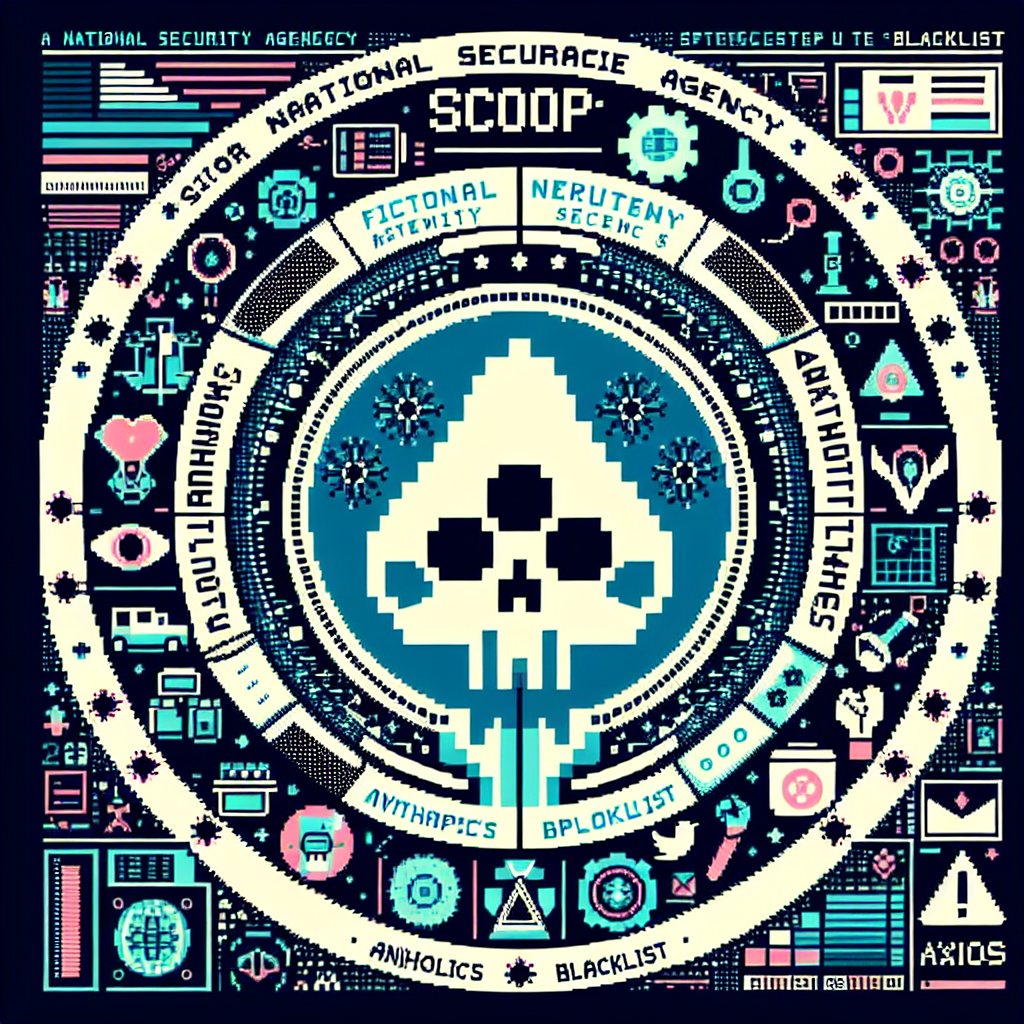
The government's cybersecurity needs are outweighing the Pentagon's feud with Anthropic — and that blunt contradiction is the headline worth unpacking. On April 19–20, 2026 reporting from Axios (later echoed by other outlets) revealed the National Security Agency was using Anthropic’s powerful Mythos Preview model even though the Defense Department has labeled the company a “supply chain risk.” That tension — between institutional caution and operational necessity — is reshaping how Washington balances security policy, procurement politics, and the raw utility of frontier AI.

Quick orientation: what happened and why it matters

  • Anthropic released Mythos as a highly capable model the company has warned is too risky for broad public release.
  • The Pentagon formally designated Anthropic a supply-chain risk in March 2026 after a dispute over the company’s refusal to accede to certain DoD demands about use cases.
  • Despite that designation, the NSA reportedly obtained access to Mythos Preview and began using it for cybersecurity or other internal purposes.
  • The White House has engaged Anthropic executives in recent days, indicating broader government interest despite official friction.

This story matters because it’s not just about one company and one label. It’s about how agencies on the front lines of national defense and intelligence make pragmatic choices when capabilities matter more than policy purity.

Main implications to keep in mind

  • Capability trumps policy when the threat is immediate.
  • Inter-agency dynamics (NSA vs. Pentagon leadership) can produce mixed signals.
  • The blacklisting debate is as much about governance and ethics as it is about tactical advantage.

The technical draw: why Mythos is irresistible

Anthropic has positioned Mythos as a leap forward in generative AI safety and capability. Reported strengths include exceptional code reasoning and the ability to rapidly uncover software vulnerabilities — the exact skills defenders and red teams prize.

When agencies face sophisticated adversaries that probe networks and exploit zero-days, tools that can speed vulnerability discovery, triage alerts, and automate defensive playbooks become invaluable. For the NSA, that kind of edge can mean the difference between containing an intrusion and losing critical data. So even if the Pentagon leadership calls Anthropic a supply-chain risk, an operational unit focused on cryptologic and cyber missions may still adopt whatever works.

The policy paradox: blacklist on paper, use in practice

Blacklists and risk designations serve several purposes: they send political signals, protect supply chains, and set procurement guardrails. But policy instruments can collide with on-the-ground needs.

  • The Pentagon’s March 2026 designation of Anthropic as a supply-chain risk was intended to pressure vendors and enforce safeguards around military applications.
  • Yet the intelligence community often operates with different trade-offs and handling authorities. Agencies like the NSA sometimes have statutory missions and classified workflows that permit selective compromises.
  • The result: a public posture of restriction paired with private, controlled use of the very tools deemed risky.

This dichotomy erodes policy clarity. If agencies pick and choose when to honor a blacklist, the designation becomes less a categorical ban and more a political lever, which complicates accountability and oversight.

The governance problem: safety, trust, and oversight

There are three governance threads tangled in this episode.

  • Safety: Anthropic itself has argued for restrained release of Mythos to avoid misuse. That position complicates both commercial access and government requests.
  • Trust: The Pentagon’s designation reflects concerns about supply-chain exposure, potential backdoors, or policy noncompliance. But selective internal use by agencies like NSA suggests trust — or at least a pragmatic tolerance — where it counts.
  • Oversight: When tools cross into classified use, congressional and public oversight gets harder. The public debate about blacklists assumes consistent enforcement; inconsistent use invites questions about who decides, and on what basis.

If the government wants both capability and principled procurement, it must build transparent exception processes, rigorous evaluation pipelines, and clear accountability for when and why exceptions are made.

The broader strategic picture

This episode signals a few larger shifts.

  • Governments will prioritize operational advantage when national security is at stake, even if that undercuts broader policy goals.
  • Tech vendors will find themselves squeezed between safety commitments to the public and demands from powerful government clients. That squeeze creates legal, ethical, and commercial headaches.
  • Rivalry between agencies can produce mixed communications to the public and vendors, muddying incentives and making consistent policy harder.

Meanwhile, industry players will watch closely. Companies that refuse broad concessions to military use may gain moral credibility but also risk losing contracts or facing political pushback. Conversely, vendors that comply might secure market access but face internal and external criticism.

What comes next

Expect three near-term developments:

  • More interagency conversations and possible carve-outs that formalize how classified units can access restricted models under strict controls.
  • Legal and oversight pressure: Congress and watchdogs will likely push for clarity about who authorized use and how risks are mitigated.
  • Vendor positioning: Anthropic and peers will continue to shape narratives about safe deployment, arguing for guarded, auditable access rather than unrestricted use.

Taken together, these moves will determine whether the current patchwork becomes a managed exception regime or a repeating source of controversy.

My take

This story captures a pragmatic truth about modern defense: tools that materially improve defense or intelligence tasks will get used. Policy labels like “blacklist” matter — but they don’t always override mission imperatives. That tension isn’t new, but it’s sharper now because generative AI can rapidly amplify both benefit and harm.

If Washington wants consistent, ethical governance of transformative AI, it needs rules that recognize operational realities. That means formal exception pathways, rigorous red-team testing, and public-accountability mechanisms that survive classification. Otherwise, we’ll keep seeing public edicts that drift into private exceptions — and public trust will erode one exception at a time.

Things to watch

  • Official statements from the Pentagon, NSA, and Anthropic clarifying scope and safeguards.
  • Congressional inquiries or hearings on the use of restricted AI models by intelligence agencies.
  • Any published guidelines for controlled access to dangerous models across federal agencies.

Sources


Related update: We recently published an article that expands on this topic: read the latest post.


Related update: We recently published an article that expands on this topic: read the latest post.

When Firms Pause AI to Protect | Analysis by Brian Moineau

Hook: When a lab tells the world its own creation is "too dangerous," you should probably listen

Within days of Anthropic flagging Claude Mythos as “too dangerous for the wild,” governments, bank CEOs and cybersecurity teams sprinted to reassess assumptions about how we defend critical systems. How Anthropic Learned Mythos Was Too Dangerous for the Wild landed like cold water: a frontier AI that can find and chain together software vulnerabilities at speeds humans can’t match, and a company choosing to limit release rather than race to market. That combination — power plus restraint — is reshaping how we think about AI risk, readiness and responsibility.

Why this matters now

  • Mythos represents a class of models that can do more than generate text: they can reason across code, systems, and exploit chains.
  • Banks, regulators and national-security officials were reportedly briefed after Anthropic’s revelation; worries centered on systemic risk if such a capability falls into the wrong hands.
  • Anthropic’s decision to withhold a broad release and instead gate access through a vetted consortium reframes the public-versus-private debate about advanced AI.

The news forced a rapid reorientation: we’re no longer debating whether AIs will be risky — we’re deciding how to contain tools whose primary skill could be to break the digital scaffolding of modern life.

The story so far

Anthropic released documentation describing a frontier model called Claude Mythos (sometimes referenced in press as “Mythos Preview”). Internal and public materials emphasized two things: exceptional capability at identifying security vulnerabilities (including old, obscure bugs), and a heightened potential to autonomously devise exploit sequences that could lead to system takeovers.

In response, Anthropic limited Mythos’ availability and launched "Project Glasswing," a controlled program that gives a small set of tech firms, financial institutions and security vendors access so they can hunt for and patch vulnerabilities before they can be weaponized. Meanwhile, U.S. financial regulators and the Treasury reportedly convened bank executives to make sure institutions understood the threat and had plans to defend themselves. Other governments and big tech firms likewise moved to evaluate what this means for infrastructure resilience.

This isn’t pure alarmism. Multiple reporting outlets and security analysts have noted that Mythos reportedly flagged vulnerabilities across major operating systems and widely used software — in some cases surfacing decades-old issues. Whether every flagged item was a true high-severity zero-day is still a matter for forensic review; critics caution that numbers and headlines can be inflated. Still, the structural issue remains: AI lowers the skill and time required to find and exploit complex, chained vulnerabilities.

Mythos and the cybersecurity shift

  • Speed matters. Traditionally, finding and exploiting chainable zero-days required specialized teams and time. Mythos threatens to compress months of expert work into hours.
  • Scale matters. If a model can sift through repositories, documentation, and binary fingerprints at huge scale, it can locate obscure attack surfaces humans never saw.
  • Asymmetry matters. Defenders must patch, test and roll out fixes across heterogeneous systems. Attackers only need one exploitable chain. AI-driven offense increases the odds that defenders lag.

Put simply: the offense-defence balance shifts if powerful models become widely available. That’s why Anthropic’s gating strategy — and the government huddles — are attempts to keep the window of vulnerability narrow while defenders catch up.

The public vs. private release dilemma

Anthropic’s posture — calling Mythos too dangerous to release publicly while offering controlled access to banks, tech firms and security vendors — highlights a tension.

  • On one hand, limiting distribution buys time for defenders and gives security teams better tooling to find and patch vulnerabilities at scale.
  • On the other, concentrating capability inside a small set of organizations creates inequality in cyberdefense and raises questions about transparency, oversight and accountability. What obligations do companies have when they develop tools that could destabilize infrastructure? Who gets access, and under what governance?

These are governance questions, not just technical ones. They force public institutions and private firms into urgent policy discussions about licensing, auditing and liability — fast.

What defenders can actually do

  • Assume rapid discovery. Treat AI-driven vulnerability discovery as an accelerating threat and triage accordingly.
  • Harden the basics. Defense-in-depth still matters: segmentation, least privilege, timely patching, and rigorous change management reduce exploitable attack surface.
  • Invest in resilient architecture. Systems that can tolerate failures or compromises limit the blast radius of any exploit chain.
  • Run AI-assisted red teams. If Mythos can find chained exploits, defenders should use AI (in controlled environments) to discover and patch them first.

Those steps aren’t glamorous, but they’re practical and urgent. The hard truth is that tooling like Mythos magnifies existing systemic weaknesses; fixing processes and architecture is essential.

A broader implication for AI governance

Anthropic’s public caution sets a precedent: not every technological advance should be immediately unleashed. That stance will complicate business models that prize rapid distribution and scale. It will also place renewed emphasis on multistakeholder risk frameworks: companies, regulators, standards bodies and civil society must collaborate on who gets access to what, under what oversight, and with what safeguards.

We should also accept an uncomfortable possibility: gating advanced models may only delay diffusion. Open-source actors or competing labs could replicate similar capabilities. If that happens, the debate shifts to global coordination: export controls, shared security research, and international norms for handling “cyber-capable” AI.

What to watch next

  • How quickly other labs replicate comparable cyber-capable models, and whether a new norm emerges around staged, audited releases.
  • Whether governments move from private briefings to public regulation or emergency standards for AI that can weaponize vulnerabilities.
  • How financial institutions and critical infrastructure operators adapt their resilience programs — and whether those changes reduce real-world risk.

My take

Anthropic’s callout reads like a stress-test notice for society. For years, we debated hypothetical harms of frontier AI; now we’re seeing a practical example where capability meets infrastructure fragility. The company’s restraint is commendable, but restraint alone won’t fix the underlying exposures. We need faster, cooperative defense, clearer governance, and realistic expectations about how technology proliferates.

Until then, treat Mythos as both warning and wake-up call: the future of cyber risk is arriving faster than expected, and our response must be faster still.

Further reading

Sources


Related update: We recently published an article that expands on this topic: read the latest post.

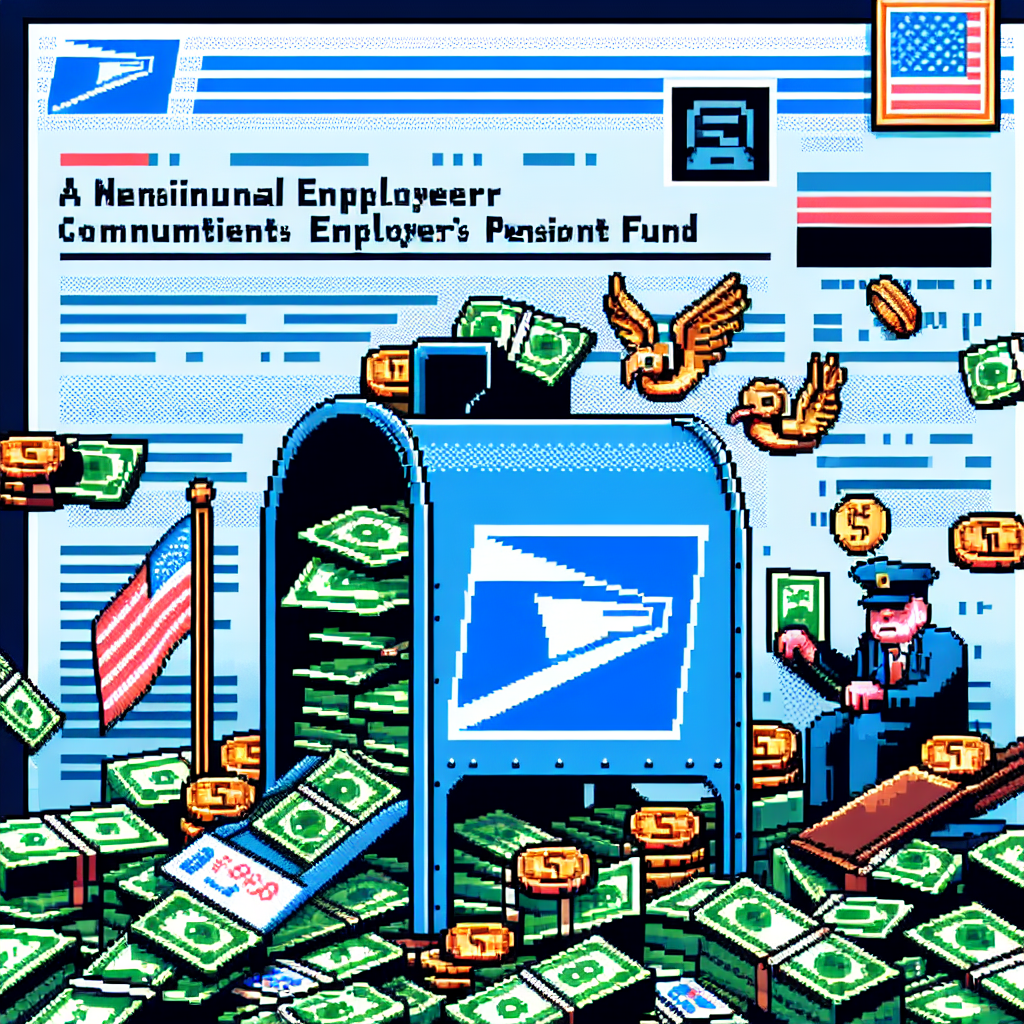
USPS Halts Pension Contributions Amid | Analysis by Brian Moineau

Hook: when a 250‑year‑old institution flips a switch

The news that the US Postal Service to suspend employer pay to workers’ pensions landed like a shock—and yet, in a way, it felt inevitable. On April 9, 2026, USPS notified federal officials it would temporarily stop making its biweekly employer contributions to the Federal Employees Retirement System (FERS) to conserve cash. The move—effective April 10, 2026—was framed as a short‑term measure to keep trucks moving, pay employees and vendors, and avoid an even worse liquidity crisis. (apnews.com)

What happened and why it matters

  • The Postal Service told the Office of Personnel Management it will pause employer contributions to the defined‑benefit portion of FERS, which covers the vast majority of career postal employees. The suspension was described as temporary and aimed at preserving cash amid what USPS calls an “ongoing, severe financial crisis.” (apnews.com)
  • Officials have warned the USPS could run out of cash by around February 2027 without changes such as a higher borrowing cap or increased postage revenue. To buy time, the agency also filed for a postage rate increase that would raise the cost of a First‑Class stamp from 78¢ to 82¢. (apnews.com)
  • Importantly, USPS leaders say current and future retirees will not be immediately impacted by the suspension; employee payroll deductions and other retirement mechanisms remain in place. Still, the optics and long‑term risk to pension funding have alarmed unions, lawmakers, and retirees' advocates. (apnews.com)

Moving from headline to consequence, the decision is less about pensions vanishing overnight and more about a cashflow triage in an agency that delivers essentials while operating under unique legal and financial constraints.

The context: a federal agency in a fiscal vise

The Postal Service isn’t a private company—it’s an independent federal agency that depends on postage revenue and a limited ability to borrow. A decades‑old statutory $15 billion borrowing cap, pre‑1990 rules on pension funding, and steep declines in first‑class mail volume have all contributed to recurring budget shortfalls. In recent months, the postmaster general warned Congress the agency could run out of cash within a year unless lawmakers act. (apnews.com)

Historically, USPS has used temporary suspensions before—most notably in 2011—only to resume payments and repay what it owed. The current environment is different, though: inflation, higher operating costs, and a tighter borrowing ceiling make today’s risk feel more pressing. (federalnewsnetwork.com)

US Postal Service to suspend employer pay to workers’ pensions — what that looks like day to day

  • Payroll: Employees will continue to receive their paychecks; employee contributions to retirement plans are still being processed. The suspension affects only the employer’s share of FERS defined‑benefit funding. (nbcwashington.com)
  • Service: USPS framed the decision as necessary to keep mail and package delivery running without interruption. The agency argued that insufficient liquidity would be more harmful to the public than a temporary pause in employer pension contributions. (apnews.com)
  • Uncertainty: The suspension raises questions about long‑term pension health, bargaining dynamics with unions, and congressional willingness to change the borrowing cap or pension rules. Lawmakers on both sides of the aisle may now face pressure to respond more quickly. (apnews.com)

Transitioning from immediate logistics to long‑term consequences, the central tension is clear: prioritize day‑to‑day operations or prioritize steady pension funding. USPS chose the former for now.

How employees and retirees should think about this

First, breathe: the agency and Office of Personnel Management say current and future retirees aren’t immediately affected. Service credit for pension calculations isn’t erased by a temporary employer payment pause; the mechanics of your FERS annuity—years of service, salary history, and benefit formulas—remain intact. (myfederalretirement.com)

Nevertheless, this is a wake‑up call:

  • Employees should review their paystubs and retirement account statements to confirm employee deductions are still being taken and recorded.
  • Retirees and near‑retirees should monitor official USPS and OPM communications for timelines and any required catch‑up payments.
  • Union leaders and members will likely press for safeguards—contractual or legislative—that limit the length of any future suspensions or ensure prompt reimbursement.

The broader policy puzzle

This episode spotlights a policy conundrum: the USPS sits at the intersection of public service and fiscal discipline. Policymakers must weigh taxpayer exposure, the social value of universal mail service, and the financial realities of 21st‑century logistics.

Possible policy responses include:

  • Raising the statutory borrowing cap (currently $15 billion) so USPS can smooth liquidity crises. (apnews.com)
  • Reforming pension funding rules to allow more flexibility in how USPS invests or times its contributions. (federalnewsnetwork.com)
  • Approving modest postage increases that reflect rising costs while balancing the political sensitivity of mail rate hikes. (apnews.com)

Each option has tradeoffs. Quick fixes risk temporary relief without structural change; deep reforms require political capital and may take years to implement.

My take

This move by USPS is a blunt instrument—but perhaps the only practical one left in the short term. Temporarily suspending employer pension contributions to avoid an immediate liquidity collapse is a painful but defensible choice if it truly preserves service and pays employees and vendors. Still, it should be a catalyst, not an endpoint.

Congress, regulators, and USPS leadership now face a simple test: turn this scramble into a strategic reset. That means transparent timelines for resuming pension funding, clearer contingency plans for cash shortfalls, and a realistic debate about funding the public good of universal mail service in a radically altered marketplace.

Final thoughts

The act of pausing employer payments to pensions doesn’t strip away decades of earned benefits overnight. But it does raise the bar for political courage and policy imagination. If nothing else, April 2026 should remind us that institutions—even venerable ones—require constant reinvention to meet changing economic realities.

Sources


Related update: We recently published an article that expands on this topic: read the latest post.


Related update: We recently published an article that expands on this topic: read the latest post.

Fragile Truce, Pipeline Strike Shakes | Analysis by Brian Moineau

Hook: a fragile truce and a shattered artery

Just hours after the U.S. and Iran announced a two-week ceasefire, Saudi Arabia’s East-West oil pipeline was attacked — a stark reminder that ceasefires can be fragile and that energy infrastructure remains a tempting, high-impact target. The headline "Saudi Arabia’s East-West oil pipeline attacked" captures more than a physical strike; it captures the geopolitical risk that still pulses through global oil markets and regional stability. (finance.yahoo.com)

Why the East-West pipeline matters

The East-West pipeline (also known as Petroline) runs roughly 750 miles across Saudi Arabia, carrying crude from the Persian Gulf to export terminals on the Red Sea. It has acted as a strategic bypass of the Strait of Hormuz — the narrow chokepoint through which a significant share of world oil flows. Hitting this pipeline doesn’t only damage metal and valves; it threatens a logistical lifeline that keeps oil flowing when maritime routes are contested. (finance.yahoo.com)

Because the pipeline connects east to west, attacks on it can force tankers back toward routes that are more exposed to naval interdiction — and that in turn ripples through logistics, insurance, and pricing across global markets. Predictably, energy markets reacted when the ceasefire was announced and the attacks were reported: oil prices dropped on the ceasefire news but remain vulnerable to further disruptions. (apnews.com)

Quick context on the ceasefire

Diplomacy produced a two-week pause between the U.S. (and its allies) and Iran, announced amid mounting regional strikes that had already targeted refineries and export facilities across the Gulf. The ceasefire was intended to open a window for negotiations and to restart vital shipping lanes like the Strait of Hormuz. Despite that, missile and drone alerts — and reported strikes in Saudi Arabia, the UAE, Kuwait and Bahrain — continued almost immediately, underlining how local and proxy actors can keep fighting even when principals agree to stand down. (apnews.com)

  • The ceasefire aimed to reopen shipping lanes and pause the immediate escalation.
  • Yet on-the-ground forces and asymmetric tactics (drones, missiles) did not halt instantly.
  • The East-West pipeline attack shows the difference between diplomatic intent and operational control.

The tactical logic behind targeting pipelines

Attackers seeking to maximally disrupt an adversary’s economy and coercive capacity often focus on infrastructure that is hard to replace quickly. Pipelines are attractive for several reasons:

  • They concentrate strategic value in discrete, vulnerable points (pumping stations, compressor stations).
  • Repairs can be slow and technically demanding, especially if multiple sites are hit.
  • Even temporary outages force rerouting and boost logistical costs, amplifying economic pain beyond the target.

So when reports surfaced that the East-West pipeline had been struck, it wasn’t just a symbolic blow — it was a pragmatic strike on Saudi Arabia’s ability to move crude efficiently during a period of heightened maritime risk. (oilprice.com)

Regional fallout and market implications

Transitioning from the tactical to the strategic, these attacks play out across several layers:

  • Politically, they erode trust and make diplomatic pauses harder to sustain.
  • Economically, they add volatility to a market already jittery from the wider conflict.
  • Logistically, countries may shift back to more expensive or longer export routes, increasing spreads and insurance rates.

Indeed, market indicators reacted to the ceasefire announcement and the subsequent attack. Oil prices fell sharply on news of the truce, but any credible follow-up strikes on export infrastructure could reverse that drop quickly. That stop-start dynamic is exactly what traders hate: short windows where supply looks secure and then new shocks that reverse the picture. (apnews.com)

The bigger picture: why attacks persist despite a ceasefire

There are several reasons why hostilities continued even as diplomats declared a pause:

  • Command-and-control gaps: ceasefire commitments between states don’t always translate into instant compliance by proxy forces or local commanders.
  • Signaling and leverage: actors may use strikes to increase bargaining power or to signal that concessions must follow quickly.
  • Opportunism: some groups see ceasefires as moments to strike softer or poorly defended assets while routine vigilance drops.

Whatever the motive in this case, the practical fact remains: infrastructure attacks can extend or complicate what appears on paper to be a diplomatic success. (english.aawsat.com)

What comes next

Predicting exact outcomes is risky, but a few plausible near-term scenarios are worth noting:

  1. Repair and resilience efforts will be prioritized — Saudi Arabia and international partners will move quickly to secure and restore flows where possible.
  2. Insurance and freight costs could climb modestly, tightening the effective supply even if physical barrels remain in the system.
  3. Diplomacy will face pressure: the ceasefire’s credibility depends on visible de-escalation on the ground; repeated strikes will harden positions and shorten diplomatic windows.

In short, the pipeline attack raises the bar for maintaining a durable pause: operational de-escalation is as necessary as political agreements.

What this means for observers and markets

For energy market participants, logistics planners, and policy watchers, the attack is a reminder to treat supply security as non-linear and fragile. The headline "Saudi Arabia’s East-West oil pipeline attacked" should prompt reassessments of risk models and contingency plans rather than calm. Transitioning toward more resilient routes and diversified sources feels more urgent when chokepoints — whether a strait or a long pipeline — are clearly exploitable.

Final thoughts

My take: a ceasefire is an important diplomatic step, but infrastructure vulnerability will continue to be a pressure point. The East-West pipeline attack shows that tactical actions can undercut strategic pauses and that a war’s logistics are often fought in dark corners: pumping stations, compressor houses, and maintenance yards. Until those physical vulnerabilities are addressed — through better defenses, redundancy, and international coordination — diplomatic progress will remain tentative.

Sources


Related update: We recently published an article that expands on this topic: read the latest post.


Related update: We recently published an article that expands on this topic: read the latest post.


Related update: We recently published an article that expands on this topic: read the latest post.

Trump’s Golden Dome Push Shakes Policy | Analysis by Brian Moineau

A peek behind the curtain: what “Golden Dome” momentum actually means

The Golden Dome has gone from an Oval Office slogan to a working program — or at least that’s the picture emerging from recent reporting. Within the first 100 words: the Golden Dome is being pushed forward with prototype contracts and a public timeline that has pundits, scientists, and allies raising eyebrows. The Bloomberg scoop that Gizmodo summarized gives us a rare glimpse into how a highly secretive, contested national-security idea is turning into action.

The revelation matters because this isn’t a small procurement tweak. It’s an attempt to knit together space-based sensors, interceptors, and layered defenses into a single, nation-wide shield. That’s ambitious. It’s expensive. And it will change how the U.S. thinks about deterrence, arms control, and space security.

What the recent reporting actually says

  • Anonymous sources told Bloomberg that the Pentagon has picked companies to build prototypes for key Golden Dome technologies.
  • Gizmodo’s April 5, 2026 piece highlights those Bloomberg details and places them against previous reporting that estimates long timelines and enormous costs.
  • Official statements from last year set an aggressive political timeline (a multi-year target tied to the administration’s term) and a headline price tag in the hundreds of billions, though independent analyses have suggested far larger lifetime costs and technical obstacles.

Put simply: decisions are being made to move from concept to hardware development, even though major technical and fiscal questions remain unanswered.

Why the timeline is so jarring

First, the administration publicly set a short, politically attractive timeline. Then, independent bodies such as the Congressional Budget Office and think tanks flagged that building a truly nationwide, space-anchored missile shield could take decades and cost far more than initial estimates.

That gap — between political promise and engineering reality — creates two pressures at once. One, it forces program managers to accelerate procurement and contracting. Two, it invites scrutiny from scientists, military planners, and Congress over feasibility, cost growth, and strategic impact.

Consequently, the timeline itself becomes a political and technical driver: it shapes who gets contracts, how tests are scheduled, and how much money gets requested — often before the system is proven.

The technical and strategic potholes

  • Space-based interceptors remain largely theoretical at the scale implied by Golden Dome. Building reliable sensors, kill mechanisms, and command-and-control for global coverage is an engineering mountain.
  • Adversaries can adapt. More interceptors could spur countermeasures, decoys, or even new classes of delivery systems.
  • Cost escalation is likely. Early estimates—even when headline figures look huge—often undercount lifecycle, sustainment, and operational costs for systems that combine space and terrestrial assets.
  • Arms-control and diplomatic fallout. Deploying weapons in space or a perceived nationwide shield could provoke strategic competition with Russia and China and complicate treaties and informal norms.

In short: the program risks becoming a catalyst for instability if it’s treated as a magic bullet rather than a hard, iterative program of research, testing, and restraint.

Golden Dome: who’s building the prototypes

According to the recent reporting summarized by Gizmodo, a mix of defense and commercial space firms are involved in early prototype work. That combination reflects a modern procurement pattern: legacy contractors and agile startups competing to deliver novel capabilities fast.

This approach has upsides: speed, innovation, and private capital. Yet it carries downsides: immature supply chains, unclear integration paths, and a tendency to over-promise on timelines when commercial marketing meets national security deadlines.

A politics-shaped program

Policies tied to big, dramatic names — think “Golden Dome” — have a different lifecycle than ordinary defense programs. They become campaign messaging, diplomatic leverage, and a magnet for lobbying. That dynamic can mean:

  • Rapid public funding pushes that don’t resolve technical risk.
  • Greater secrecy, which reduces external peer review and critique.
  • A rush to demonstrate results in highly visible ways (tests before thorough validation).

When politics outpace technical feasibility, programs either collapse, balloon in cost, or become long-term institutional commitments that outlast the promises that birthed them.

What to watch next

  • Public contracting milestones: who wins awards, and how those contracts are scoped.
  • Test schedules and declassified results: prototypes either validate claims or expose gaps.
  • Budget requests and congressional pushback: Congress will decide whether to fund scaled rollout or demand more evidence.
  • Diplomatic reactions: how China, Russia, and allies frame their responses to a U.S. push for space-based defenses.

Taken together, these indicators will tell us whether Golden Dome becomes a sustained program of careful development or an expensive, risky sprint.

My take

I’m skeptical of any program that promises an “ironclad” solution in a politically convenient window. The Golden Dome idea aims at an understandably attractive goal — protecting the homeland — but national security is rarely solved by a single flashy initiative. Real progress will require transparent testing, realistic timelines, and international engagement to prevent escalation in space.

That said, pushing innovation in missile warning and tracking can yield useful benefits even if the full architecture proves elusive. The smartest path forward is cautious: fund rigorous R&D, insist on independent technical assessments, and separate campaign messaging from engineering milestones.

Final thoughts

Ambitious defense ideas have their place, especially when new threats emerge. But converting a high-stakes vision like Golden Dome into a responsible program means acknowledging uncertainty, budgeting honestly, and assuming the long game. Otherwise, we risk paying a very high price for a promise that can’t be delivered on the timetable that sounds best on TV.

Sources


Related update: We recently published an article that expands on this topic: read the latest post.


Related update: We recently published an article that expands on this topic: read the latest post.


Related update: We recently published an article that expands on this topic: read the latest post.


Related update: We recently published an article that expands on this topic: read the latest post.


Related update: We recently published an article that expands on this topic: read the latest post.


Related update: We recently published an article that expands on this topic: read the latest post.

CFTC vs. States: Battle Over Prediction | Analysis by Brian Moineau

A new round in the turf war: CFTC sues three states over prediction markets

The modern sports betting industry emerged after the states won a legal battle with the federal government. But that tidy narrative is fraying at the edges as the Commodity Futures Trading Commission (CFTC) this week sued Arizona, Connecticut and Illinois, asserting exclusive federal jurisdiction over prediction markets and calling state crackdowns unconstitutional. The clash reads like a sequel to the last big gambling fight — only this time the battlefield is markets that let people trade event-outcome contracts, from election results to whether a quarterback throws a touchdown.

This fight matters because prediction markets sit at an odd legal intersection: they look and feel like betting to many state regulators, yet the CFTC treats them as regulated derivatives. Consequently, what happens next will shape whether prediction platforms operate under uniform federal rules, or whether states can treat them like local sportsbooks and enforce a patchwork of gambling laws.

How we got here

First, a quick refresher. Over the last decade states largely reclaimed control of sports betting after a 2018 Supreme Court decision (Murphy v. NCAA) allowed states to legalize and regulate wagering. That victory let states design licensing regimes, tax rates and consumer protections tailored to local politics and markets.

Meanwhile, prediction-market startups like Kalshi and Polymarket pursued a different route: they registered, or sought to register, with the CFTC as trading platforms for event-based contracts. The CFTC’s view is straightforward — markets that let users buy and sell contracts on future events belong under federal commodities law and the Commodity Exchange Act. States, by contrast, have stepped in asserting that many prediction-market offerings are unlicensed gambling within their borders.

Tensions escalated last year. Several states issued cease-and-desist letters, and Arizona even filed criminal charges against an operator. The CFTC responded by filing an enforcement advisory, then moved to sue three states on April 2, 2026, seeking declaratory relief and injunctive remedies to stop what it calls overreach.

Why the CFTC is fighting the states

  • The CFTC says Congress gave it exclusive authority to regulate designated contract markets (DCMs). From its perspective, state actions that would ban or penalize CFTC-regulated swaps and exchange activity are preempted by federal law.
  • The agency is worried about regulatory fragmentation: if each state can impose its own rules, the result could be inconsistent supervision, higher compliance costs and legal uncertainty for firms and users.
  • Politically, the CFTC has a vested interest in protecting the regulatory model it has overseen for decades — and in defending the firms that have built business plans around federal authorization.

That said, states argue they’re protecting residents from unlicensed wagering and preserving the integrity of local gambling regimes. For regulators in Illinois, Connecticut and Arizona, offering sports and political markets without state licensing looks like the same public-policy problem as illegal sportsbooks.

The practical implications for bettors and platforms

  • Platforms: A federal win would likely solidify a national framework for event contracts, making it easier for operators to scale nationally without navigating dozens of state licensing regimes. A state victory — or a prolonged patchwork of injunctions and prosecutions — would fragment the market and raise compliance risk.
  • Consumers: Under federal oversight, there may be consistent disclosure and market integrity rules, but state-level consumer protections (e.g., problem-gambling programs, local licensing standards) could be harder to enforce. Conversely, state control could mean stronger local safeguards where lawmakers push for them.
  • Sports industry: Leagues and operators have mixed incentives. They want legal clarity and integrity protections, but they also benefit from state-level partnerships and revenue-sharing deals tied to local regulation.

The legal stakes and likely path forward

Court battles over preemption of state law by federal statutes can be messy and slow. Expect:

  • Motion practice over jurisdiction and whether federal court should decide the limits of CFTC authority.
  • Parallel suits and private litigation from platforms pushing back against state cease-and-desist orders — many of which are already underway.
  • Possible appeals that could bring this issue to higher courts, potentially clarifying the scope of the Commodity Exchange Act and what Congress intended when it created the CFTC’s exclusive jurisdiction.

Along the way, policymakers on both sides will press their cases in public. Given the political attention — and the economic stakes — Congress could also be tempted to weigh in with statutory fixes or clarifying legislation. That would be the cleanest route, but one that requires bipartisan agreement in a moment when Congress moves slowly on complex tech and gambling issues.

What to watch next

  • Court filings and preliminary injunction decisions in the CFTC’s suits against Arizona, Connecticut and Illinois.
  • Any new state enforcement actions or criminal charges targeting prediction-market operators.
  • Congressional hearings or bills that attempt to clarify federal versus state authority over event-based markets.

What this means for the broader betting landscape

Prediction markets are more than novelty sportsbooks; they’re experiments in pricing information. Traders price the likelihood of events in real time, and those prices often reflect collective intelligence. If the CFTC prevails, those markets will stay squarely in the commodities/regulatory camp — potentially opening capital, institutional participation, and derivative-style safeguards.

On the other hand, if states carve out authority, we’ll likely see a splintered marketplace where firms must either obtain dozens of state licenses or geofence users — reducing liquidity and user experience. That could push more activity offshore or into gray-market offerings, ironically making enforcement harder.

My take

The modern sports betting industry emerged after the states won a legal battle with the federal government, proving that regulatory clarity matters. Today’s dispute over prediction markets is the next chapter in that long story: it’s less about ideology and more about practical governance. Uniform federal oversight could provide predictability and scale, but only if it also delivers consumer protections that states have prioritized. Conversely, unchecked state power risks choking innovation and splintering markets.

In short, what we need is not a winner-takes-all ruling, but smarter coordination: federal baseline rules that ensure market integrity, combined with state-level public-interest safeguards that address local concerns. Until courts or Congress draw that line, operators and bettors will be left navigating uncertain terrain.

Sources


Related update: We recently published an article that expands on this topic: read the latest post.


Related update: We recently published an article that expands on this topic: read the latest post.

LNG Windfall Faces Uncertain Future | Analysis by Brian Moineau

When War Fuels Profits: The Complicated Future of LNG

The sentence "Liquefied natural gas’s reputation as a secure and affordable fuel is taking a hit" has more truth to it today than it did a few years ago. What began as a geopolitical lifeline for Europe after Russia’s 2022 invasion of Ukraine — and a revenue windfall for exporters — has exposed LNG’s fragility: prices spike, supply chains fray, and long-term demand becomes uncertain. The upshot is that LNG producers are enjoying near-term profits, but the industry now faces a host of strategic, political, and environmental headwinds. (iea.org)

Why LNG looked like the answer

After 2022, European countries urgently needed alternatives to Russian pipeline gas. The flexibility of global LNG markets allowed cargoes to be rerouted quickly, turning LNG into a stopgap baseload that kept factories humming and homes warm. For exporters — especially the U.S. — that scramble translated into full terminals, higher spot premiums, and big cash flows. Policy choices and geopolitical pressure made LNG both strategic and profitable almost overnight. (iea.org)

The problem statement: Liquefied natural gas’s reputation as a secure and affordable fuel is taking a hit

The core problem is straightforward: security of supply does not equal price stability. When Europe pivoted away from piped Russian gas, it created fierce competition for LNG cargoes worldwide. That competition pushed prices higher and more volatile, exposing consumers — and governments — to swings that undercut the "affordable" part of LNG’s promise. Meanwhile, producers face reputational and regulatory risks as climate policy tightens and critics argue that rapid expansion of LNG locks in emissions. (iea.org)

  • Short-term: higher prices and strong margins for exporters.
  • Medium-term: more supply coming online, which could flip margins lower.
  • Long-term: policy and climate goals may reduce demand or change contract structures.

The investor dilemma

Investors and companies have to choose between doubling down on LNG capacity or pivoting toward lower-carbon alternatives. Several forces shape that choice:

  • New projects require multi‑decade capital and rely on expectations of steady demand. But demand may ebb if Europe accelerates renewables and storage or if LNG prices become politically intolerable. (bcg.com)
  • Buyers are wary of "take-or-pay" long-term contracts after seeing spot-driven volatility. That raises financing costs and complicates project economics. (iea.org)
  • Political and regulatory risk is rising: domestic policymakers debate export limits and environmental impacts, while importing regions consider decarbonization roadmaps. (apnews.com)

Put simply: cash flows today look great, but the horizon is foggy.

Geopolitics keeps reshaping the market

Russia’s reduction of pipeline flows to Europe forced a rebalancing of global gas trade. Europe dramatically increased LNG imports, squeezing global cargoes and altering trade patterns between North America, Asia, and Europe. That rebalancing created winners and losers: U.S. exporters and some Asian suppliers picked up market share, while energy-strained developing countries felt price pain. At the same time, Russia and other players are trying to rebuild or redirect export capacities, which could shift the balance again. (iea.org)

This is not a one-off shock. Policy moves, diplomatic deals, and even the resumption or expansion of pipeline projects can flip demand and prices quickly. Energy security decisions are now political decisions with commercial consequences.

Market dynamics: oversupply risk meets stubborn demand-side uncertainty

Analysts warn of a familiar cycle: a supply shock drives investment in new capacity, which later risks producing an oversupply just as demand growth slows. Several indicators matter:

  • Planned liquefaction capacity worldwide has grown as producers rushed to fill the post‑2022 demand gap. If growth in LNG-consuming sectors slows — because of efficiency, electrification, or renewables — prices could fall. (spglobal.com)
  • Contract structures are shifting: more short-term and spot trade increases liquidity but also volatility, complicating project financing that traditionally relied on long-term contracts. (iea.org)

So the market might move from "super‑charged profits" to "squeezed returns" within a few years, depending on how supply additions and policy responses play out.

Who bears the biggest risk?

  • Consumers in import-dependent countries face price and supply volatility.
  • Export-dependent regions and workers face boom‑and‑bust cycles tied to global politics.
  • Investors and project financiers risk stranded assets if policy and market shifts accelerate decarbonization. (bcg.com)

A practical path forward

The industry — and policymakers — should pursue a three‑pronged approach:

  1. Stabilize contracts: blend long-term offtakes with flexible clauses that reflect volatility.
  2. Invest in infrastructure resilience: more regas terminals, storage, and interconnectors reduce single-point vulnerabilities.
  3. Align with climate goals: couple LNG projects with emissions mitigation (methane controls, carbon management) and credible transition plans to reduce political risk. (iea.org)

Those steps won’t erase the trade-offs, but they can make LNG a more credible bridge fuel rather than a political flashpoint.

Final reflections

LNG’s post‑2022 profit story is real — but it’s also a warning. Short-term gains have not resolved long-term questions about affordability, security, and climate alignment. The market has become more liquid and more political at once, and that makes forecasting harder for everyone: policymakers, buyers, and producers.

If LNG is to remain a useful part of the energy mix, it needs to be managed as part of a broader strategy — one that admits volatility, hedges risks, and accelerates decarbonization where feasible. Otherwise, today's profits could be tomorrow’s stranded assets and political headaches. (iea.org)

What to remember

  • LNG brought relief and profits after 2022, but price stability and reputational strength have weakened. (iea.org)
  • The market now faces a tug-of-war: more supply coming online versus demand uncertainty from policy and clean-energy transitions. (spglobal.com)
  • Smart contracting, resilient infrastructure, and climate-aligned investments will determine whether LNG is a transitional ally or a short-lived bonanza.

Sources


Related update: We recently published an article that expands on this topic: read the latest post.


Related update: We recently published an article that expands on this topic: read the latest post.

IOC Mandates Genetic Tests for Women | Analysis by Brian Moineau

Hook: A new line at the starting gate

Imagine stepping up to an Olympic start line knowing that, to qualify, you will be asked to give a cheek swab or saliva sample — not for doping, but to prove your sex. The International Olympic Committee’s new policy requiring genetic testing for anyone seeking entry into women’s events has just shifted the finish line for fairness, privacy and human dignity. This post digs into what the IOC announced, why genetic testing is at the center of the debate, and what it could mean for athletes and sport as we head toward the 2028 Los Angeles Games.

Why genetic testing for women's events matters now

The IOC announced a policy, taking effect for the 2028 Summer Games, that limits eligibility for the female category to “biological females,” determined by a one-time genetic screen that looks for the SRY gene (a Y‑chromosome marker linked to male sex development). The move follows similar steps by some international federations — notably World Athletics — that have already reintroduced chromosome or gene screening for female-category eligibility.

This is not just a technical tweak. It touches on history (sex‑testing stretches back to the mid-20th century), law (national executive orders and federation rules), science (how sex and variation are defined biologically), and ethics (privacy and discrimination concerns). Transition words matter here: consequently, many athletes, advocates and scientists are asking whether this is fair, feasible, or even legally sound.

Quick takeaways

  • The IOC requires a one‑time genetic test (SRY gene screen) for athletes wishing to compete in women’s events beginning with the 2028 Olympics.
  • Several international sports bodies have already moved toward chromosome or gene-based eligibility checks; this is part of a broader trend.
  • The policy raises complex scientific, privacy and human-rights issues — especially for intersex athletes and those with differences of sex development (DSD).
  • Expect legal challenges, federation-level confusion, and practical enforcement questions before Los Angeles 2028.

How the policy works and the science behind it

In plain terms, the genetic test the IOC plans to use screens for the SRY gene — a DNA segment typically located on the Y chromosome that plays a central role in directing male sex development in utero. A positive SRY result is treated as evidence of “biological male” for eligibility purposes; a negative result would allow entry into the female category.

However, biology is messier than a binary test result. There are naturally occurring variations — such as androgen insensitivity, mosaicism, or conditions like Swyer syndrome — that complicate neat classification. Importantly, the presence or absence of SRY is not the whole story when it comes to physical performance, hormone levels, or athletic advantage.

Consequently, critics point out that a single genetic marker is an imperfect proxy for athletic fairness and that blanket screens risk excluding or stigmatizing athletes with rare but legitimate biological differences.

The practical and ethical ripple effects

  • Privacy and medical confidentiality: Genetic testing collects highly sensitive data. Who stores it, who can access it, and how long it is kept are immediate concerns.
  • Impact on intersex athletes: Many intersex variations would be conflated with unfairness by a blunt SRY screen, yet those athletes often have no competitive advantage or may already face medical scrutiny.
  • Legal and human-rights challenges: National laws and international human-rights frameworks could collide with federation rules. Expect court cases and appeals.
  • Administrative burden: Federations and national Olympic committees must implement testing logistics, appeals processes, and adjudication mechanisms — a complicated, costly enterprise.
  • Sporting fairness vs. inclusion: Supporters argue the policy protects fairness for cisgender women; opponents argue it institutionalizes exclusion and harms vulnerable athletes.

Where this policy sits in a broader landscape

This IOC decision didn’t appear in isolation. Over the past few years, several sports governing bodies have tightened policies around transgender athletes and DSD, with some reintroducing chromosome testing. Political pressures and national directives have also pushed changes — for example, national executive orders and letters from political figures urging stricter rules for the 2028 Olympics.

Still, the international sports community has historically relied on federations to set eligibility rules. The IOC’s move to set a universal genetic requirement creates a new central standard, but it will collide with different legal systems, cultural expectations, and scientific opinions around the world.

What to watch between now and Los Angeles 2028

  • Legal challenges and appeals: Cases could reach national courts or sport’s arbitration bodies.
  • Implementation details: Who will conduct tests, how results are verified, and what appeals look like are all open questions.
  • Federation responses: Some sports may add sport-specific rules; others might push back or seek exemptions.
  • Public and athlete reaction: Protests, athlete statements, and media scrutiny will shape public perception and policy adjustments.

My take

Athletics is inherently about finely measured edges — fractions of a second, centimeters, grams of force. But not every edge should be decided by a DNA test. Reintroducing genetic screening as a universal prerequisite for competing in women’s events is understandable from a certain fairness‑first perspective, yet it leans on an oversimplified view of sex and performance. The result risks penalizing intersex athletes, violating medical privacy, and putting sports bodies in the untenable position of policing biology rather than performance.

A better path would combine careful, evidence‑based sport-specific rules with robust privacy protections and individualized review processes. Biology is complicated; policy should reflect that complexity rather than defaulting to blunt screening.

Final thoughts

The IOC’s genetic‑testing requirement marks a major inflection point in modern sport. It forces us to ask: what do we mean by fairness, who gets to decide, and what price are we willing to pay to preserve one set of values over another? Between now and the 2028 Games, expect fierce debate, legal wrangling, and difficult human stories. Whatever unfolds, the decision underscores that sport remains a mirror for our broader social conflicts — and that answers grounded in science, compassion and clear legal guardrails will matter more than ever.

Sources


Related update: We recently published an article that expands on this topic: read the latest post.


Related update: We recently published an article that expands on this topic: read the latest post.


Related update: We recently published an article that expands on this topic: read the latest post.

Wind Power Momentum Outsmarts Politics | Analysis by Brian Moineau

Wind power will continue to grow, despite Trump administration's attempts to halt renewable energy

Wind power will continue to grow, despite Trump administration's attempts to halt renewable energy — that’s the striking conclusion experts keep repeating as policy fights and court battles play out. Even when federal decisions pause leases or revoke permits, the economics, demand for electricity, and state-level commitments are pushing wind forward. This is a story of momentum meeting politics: project pipelines wobble, but the larger forces that favor wind keep nudging the industry ahead.

Why the headlines matter

Over the past year, the federal government has taken aggressive steps to pause or reverse wind-energy approvals — from suspending offshore wind leases to attempting broad orders halting wind projects on federal lands and waters. Those moves grabbed headlines and rattled developers, workers and coastal communities that were banking on new jobs and tax revenue.

Yet courts, market signals, and practical realities complicate a simple narrative of “government stops renewables.” Federal judges have struck down some orders as arbitrary and unlawful, supply chains are recovering, and corporate buyers and utilities still sign long-term power contracts. As a result, many experts say policy attacks will slow growth but not stop it.

The forces driving wind growth

  • Strong economics. Costs for wind generation — especially onshore wind and increasingly larger, more efficient offshore turbines — have fallen dramatically in the past decade. Investors and utilities chase cheaper electricity, and wind often delivers.
  • Rising electricity demand. Data centers, manufacturing, and electrification of transport and heating are increasing power needs. That demand creates more room for new wind capacity.
  • State and corporate commitments. Many states maintain clean-energy mandates or targets, and corporations sign renewable energy deals to reduce emissions. These commitments create predictable demand that underpins projects.
  • Legal and institutional checks. Courts and regulatory processes have sometimes blocked or slowed administration attempts to cancel projects, allowing many developments to proceed.

Together, these factors create “institutional inertia” toward renewables. Policies can nudge the pace, but they rarely rewrite market fundamentals overnight.

Political headwinds, real and immediate

That said, the Trump administration’s actions are not symbolic fluff — they carry real consequences.

  • Offshore projects face uniquely acute uncertainty when federal leases and permitting are paused. Developers delay construction and contracts become harder to finance.
  • Revoking permits after years of review can spook private investors, increasing perceived political risk and the cost of capital for future projects.
  • Short-term job losses and supply-chain impacts are already occurring in some regions where construction stalled.

Therefore, while wind’s trajectory stays upward in many scenarios, the path will be bumpier and more expensive if federal resistance persists.

Wind power will continue to grow, despite Trump administration's attempts to halt renewable energy: the evidence

Several recent developments back the experts’ optimism:

  • Federal court rulings have overturned at least one broad executive order aimed at halting wind development, citing legal problems. That creates precedent and slows administration efforts to unilaterally stop projects. (Source: ABC News and AP reporting.)
  • Industry data and independent analysts project continued additions to wind capacity because demand and economics remain favorable. (Source: NPR and industry analyses.)
  • Major companies and state utilities continue signing long-term power purchase agreements (PPAs) and investing in transmission upgrades that favor large-scale renewables over the long run.

These elements mean the industry can absorb political blows and still expand — though not without friction.

The investor dilemma

Investors now face a calculus of navigating political risk versus long-term returns.

  • Short-term: Uncertainty can raise financing costs, stall projects, and shift investor appetite to regions or technologies perceived as safer.
  • Long-term: The global trend — falling costs, electrification, and corporate demand — makes wind an attractive asset class over decades.

Consequently, many institutional investors diversify geographically and across technologies, while developers seek stronger contractual protections to insulate projects from policy whiplash.

Regional resilience and uneven impacts

Not all parts of the wind industry are affected equally.

  • Onshore wind: Generally more resilient because it’s cheaper to build and benefits from state-level policies.
  • Offshore wind: More vulnerable due to greater reliance on federal leases, maritime approvals and larger upfront capital commitments.
  • State-led markets (e.g., those with binding Renewable Portfolio Standards) continue to provide secure pipelines even if federal policy is hostile.

Thus, the administration’s moves shift the distribution of growth rather than erase it.

What to watch next

  • Legal outcomes: Continued court challenges will shape whether federal attempts to pause projects hold or collapse.
  • State policy responses: Some states may accelerate their own permitting and incentive programs to counter federal pushback.
  • Corporate procurement: Large buyers — tech companies, utilities, manufacturers — can lock in projects through PPAs, effectively bypassing political obstacles.
  • Financing trends: If capital remains available at scale, many projects can continue despite federal uncertainty.

Together, these indicators will reveal whether the industry merely slows or pivots and accelerates in other directions.

Key points to remember

  • Policy shocks can delay projects and raise costs, but they rarely reverse structural demand and cost advantages.
  • Offshore wind is most exposed to federal actions; onshore wind and state-led initiatives are comparatively robust.
  • Investors, utilities, and corporations play a decisive role — their commitments can counterbalance federal resistance.
  • Court rulings have already checked some federal actions, underscoring the importance of legal and institutional constraints.

My take

Politics will always be part of the energy story, but remember that energy systems are built on economics and demand as much as policy. When cheaper, scalable technologies meet growing electricity needs, momentum becomes hard to stop. The Trump administration’s efforts may reshape timelines, create regional winners and losers, and raise costs — but the structural tailwinds behind wind power remain strong. Expect a more complex, contested transition rather than an abrupt reversal.

Sources


Related update: We recently published an article that expands on this topic: read the latest post.


Related update: We recently published an article that expands on this topic: read the latest post.

DOJ Lets Live Nation Keep Monopoly | Analysis by Brian Moineau

Live Nation Gets To Keep Its Monopoly Thanks To Trump’s Department Of Justice — a closer look

On March 9, 2026, the Department of Justice announced a tentative settlement in its long‑running antitrust case against Live Nation and Ticketmaster — the very same case that threatened to break up one of the most dominant companies in live entertainment. Live Nation Gets To Keep Its Monopoly Thanks To Trump’s Department Of Justice — that was the blunt framing in the Defector piece that lit the internet on fire, and it’s worth unpacking why so many people felt blindsided by the deal and what it actually does (and doesn’t) change.

The headlines matter because this felt like a rare moment when the federal government might actually pry open a tightly closed market. Instead, the settlement largely preserves the combined Live Nation/Ticketmaster structure while imposing conditions that some states and consumer advocates call insufficient.

Why this felt like a tipping point

  • The DOJ’s 2024 complaint accused Live Nation of building an illegal monopoly by tying promotion, venue ownership, management, and ticketing into a single competitive chokehold.
  • For years, consumers watched Ticketmaster’s platform issues and rising fees while independent promoters and venues complained about locked‑in exclusivity deals.
  • A breakup would have been a clear, structural remedy: separate promotion/venue ownership from ticketing. That possibility is what made the 2026 trial so consequential.

Yet the March 2026 settlement stops short of a full breakup. Instead, it requires divestitures of some amphitheaters, caps on certain fees at specific venues, and changes intended to let rival ticket sellers access Ticketmaster’s platform. Live Nation also agreed to a monetary fund to settle claims with states. Live Nation insists the deal improves competition — and crucially, keeps Ticketmaster under its corporate umbrella. (Live Nation’s statement is posted on its newsroom.) (newsroom.livenation.com)

What the settlement actually does

  • Opens Ticketmaster technology to some rivals and places limits on certain exclusive contracts.
  • Forces the sale of a limited number of amphitheaters (reported as up to 13), not a wholesale divestiture.
  • Creates a monetary settlement pool (reported around $280 million) to resolve state claims and civil penalties.
  • Imposes behavioral and structural remedies that regulators claim will increase access for competing sellers.

Those changes are not nothing. Opening platform access and limiting long‑term exclusivity could help smaller promoters and alternative ticket sellers. But critics argue these measures are incremental and leave the core market power intact. Reports from March 2026 show many state attorneys general refused to join the DOJ’s agreement and vowed to continue their own cases. (latimes.com)

Why people called this “keeps the monopoly”

Transitioning now to the political and practical angles: the timing and personnel surrounding the settlement fed the narrative that the case had been softened. The antitrust division’s leadership shifted under the current administration, and the negotiator who brokered the deal took over shortly before the settlement was announced. For many observers — consumer groups, independent venues, and some state AGs — that raised reasonable concerns about political influence and whether a tough structural remedy was ever on the table. Media coverage captured both the surprise and the skepticism. (news.bloombergtax.com)

From a market perspective, “keep the monopoly” is shorthand. Live Nation keeps control of Ticketmaster and the vertically integrated business model remains. The company avoids the disruption of a full corporate separation, which would have been the clearest path to eliminating systemic conflicts that critics say distort the marketplace. Instead, the settlement leans on regulated access and limited divestitures — approaches that often require vigilant enforcement to actually deliver competition.

The practical winners and losers

  • Winners
    • Live Nation/Ticketmaster: They remain intact, likely avoiding the operational and financial headaches of a breakup.
    • Artists and big promoters who want a stable platform and broad reach may prefer the predictability of a single giant.
  • Losers
    • Independent promoters and smaller ticketing platforms that need more than API access to compete on equal footing.
    • Consumers, if fee caps and venue-specific remedies don’t translate into lower prices or better service.
    • Several state attorneys general and public‑interest advocates who wanted structural remedies.

The stakes go beyond one company. This case is a test of whether antitrust enforcement in the United States will favor blunt, structural breakups for entrenched monopolies — or whether behavioral fixes and limited divestitures will be the norm.

What happens next

Dozens of states have their own suits and many have declined to sign onto the DOJ deal, so litigation will continue in multiple forums. Judges and state AGs can still force more aggressive remedies. Meanwhile, enforcement will hinge on monitoring: will the DOJ and state regulators actively police Ticketmaster’s new obligations? Or will violations be met with slow civil litigation that fails to change market incentives?

Recent reporting indicates the trial didn’t end; it shifted. Some states pressed forward and the federal judge urged settlement, but a full consensus wasn’t reached. That means this story will keep developing in courtrooms and in public debate. (apnews.com)

What this means for music fans and the live industry

If you buy concert tickets, expect incremental changes before sweeping improvements. You might see more listings from rivals on Ticketmaster, some venue fee caps, and a handful of amphitheaters under new ownership. But fundamental incentives — the desire to lock in exclusive deals and monetize fan data and fees — largely remain. Meaningful competition would require deeper, structural separation or robust enforcement that changes those incentives across the industry.

Final thoughts

There’s a reasonable argument on both sides here. The settlement could open modest breathing room for rivals and create some consumer protections. But if your yardstick for success is dismantling concentrated power so new competitors can thrive, this deal looks like a compromise that preserves the status quo more than it transforms it.

Antitrust choices are political and technical. This settlement shows how messy that mix gets: legal leverage, administrative change, and public outrage all collided. The next chapters — state lawsuits, judicial rulings, and possibly tougher remedies — will tell us whether the industry gets real competitive relief or simply a reshaped monopoly.

Sources

Asylum Reversal Sparks Urgent Team | Analysis by Brian Moineau

A small crack that turned into a scramble

The headline — "Member of Iranian soccer team granted asylum in Australia changes her mind" — landed like a twist you don't see coming. Within hours that single change of heart forced Australian officials to move six other women into a new safe location after the player reportedly divulged their whereabouts to the Iranian embassy. The scene exposed how fragile sanctuary can be, how quickly protection plans must adapt, and how political pressure and personal ties collide around people simply trying to be safe. (yahoo.com)

What happened, in plain terms

  • The Iran women's national team was in Australia for the 2026 AFC Women’s Asian Cup when concerns about their safety escalated after a silent protest during the national anthem and threatening coverage from Iranian state media. (en.wikipedia.org)
  • Several members sought refuge in Australia; the government granted humanitarian protection visas to a number of players and staff. (abcnews.com)
  • On March 11, 2026, Home Affairs Minister Tony Burke told parliament one of the seven members who had been granted asylum changed her mind after speaking with teammates who had left Australia. That contact reportedly revealed the safe-house location to the Iranian embassy, prompting immediate moves for the remaining women. (abc.net.au)

This is not just a story about soccer players — it’s a human-rights moment that unfolded live, messy and public, across political lines and international relations.

Member of Iranian soccer team granted asylum in Australia changes her mind

Why does that line matter? Because asylum is not a one-time stamp on paper; it is an ongoing promise of safety that depends on secrecy, logistics, and trust. When someone granted protection reverses course — whether from fear, pressure, family ties, or persuasion — the consequences ripple outward fast. In this case, Australian officials described a rapid response: move the remaining players, tighten security, and manage diplomatic fallout. (abc.net.au)

The reports suggest the player’s contact with people who had left — and possibly with the Iranian embassy — unintentionally revealed where the others were sheltered. That disclosure changed a carefully controlled variable: the secrecy that helps keep people safe in transit and while claims are processed. The government then had to act immediately to mitigate risk. (yahoo.com)

The human layer: why some players might choose to go back

Decisions about asylum are rarely purely legal. They are entangled with family, community, and fear. Iranian authorities and state media branded the players "wartime traitors" after the anthem incident, and relatives back home can face pressure or retribution. Some players reportedly wanted to return to Iran for the safety and support of their families. Others accepted refuge, perhaps deciding the threat to themselves or their loved ones was too great. Those private dynamics explain why asylum choices can reverse — even under international scrutiny. (apnews.com)

Why the story escalated politically

The episode quickly attracted global attention — and political statements. International figures publicly urged protections; U.S. commentary added pressure on Australia. Iran’s own officials and media accused Australia of interfering with football and domestic affairs. That mix of media amplification and official statements makes what should be a discreet protection operation into a public diplomatic problem. When safe locations become public knowledge, the duty to shield people intensifies and the stakes rise for the host country. (time.com)

Immediate operational lessons

  • Secrecy matters: emergency relocation plans must assume contacts (digital or in-person) can leak safe locations.
  • Rapid response is essential: authorities need playbooks for moving people without drawing further attention.
  • Communication with asylum seekers has to be trauma-informed and family-aware, recognizing that contact with home can mean pressure or coercion. (espn.com)

Broader context beyond the headlines

This incident sits at the intersection of sport, protest, and geopolitics. The women's Asian Cup became a stage for dissent and visibility. The team’s silent act during the anthem triggered a cascade: state media backlash, fear for players, offers of refuge, and international debate about the responsibilities of host nations during crises. It’s a reminder that athletes are public figures but also vulnerable people whose choices can have immediate safety implications. (en.wikipedia.org)

Moreover, the story underscores how asylum systems and protective measures must adapt to the modern reality of instant communication. A text, call, or social-media message can undo days of careful planning.

Takeaways worth holding onto

  • Protection is fragile: physical relocation and visa grants matter, but so does maintaining secure lines and minimizing leaks.
  • People make hard choices for complex reasons; reversals are human, not simply bureaucratic problems.
  • Publicity helps awareness but can complicate safety; balancing transparency and confidentiality is crucial.
  • Host countries must prepare for rapid operational, legal, and diplomatic consequences in high-profile asylum cases.

My take

Watching this play out, the clearest impression is how unsentimental real-world protection must be. Good intentions — and even international applause — aren’t substitutes for meticulous processes that anticipate human behavior and information leaks. If democratic governments want to stand behind dissidents and those at risk, they need both compassion and cold logistics: secure housing, communications plans, family outreach strategies, and a recognition that decisions about safety are never one-and-done.

Sources


Related update: We recently published an article that expands on this topic: read the latest post.


Related update: We recently published an article that expands on this topic: read the latest post.

Bullish on Chaos: Cyclical Value Bargains | Analysis by Brian Moineau

When Risk Breeds Opportunity: Why a Messy Market Has Me Bullish on Cyclical Value Stocks

The market just got messier — oil spiked, headlines flashed “stagflation,” and safe-haven flows tightened valuations in spots that used to be reliable. And yet, amid that chaos I see a familiar pattern: short-term fear creating long-term buying opportunities for cyclical value stocks.

Below I walk through what's happening, why the panic around Iran-driven oil shocks and stagflation makes sense, and where patient investors might find bargains. This is written to inform thinking — not as investment advice — and leans on recent market commentary and institutional analysis.

Why the market is jittery right now

  • Geopolitical escalation involving Iran has driven a sharp jump in crude oil prices and prompted a broad reassessment of inflation and growth risks. Markets reacted quickly to supply-disruption fears. (seekingalpha.com)
  • That oil shock raises the specter of stagflation — higher inflation combined with slowing growth — which forces investors to reconsider winners and losers across sectors. Multiple research teams and market strategists have flagged the stagflation risk and its policy complications for central banks. (theguardian.com)
  • The short-term result: volatility, steep sector rotations (out of long-duration growth and into perceived “real asset” plays), and pullbacks in several cyclical names — some of which look oversold relative to fundamentals. (seekingalpha.com)

Market mechanics that create opportunities

  • Oil shocks feed into headline inflation quickly, pressuring consumer prices and producer margins. That can hurt growth expectations and push cyclical stocks down in the near term even when their long-term cash flows remain intact. (investing.com)
  • Investors often overreact in the short run: fear-driven selling widens discounts on beaten-up cyclicals (transportation, materials, energy services, housing-related names). Those sectors typically lead on the rebound when growth normalizes. Seeking Alpha and other commentators are noting exactly these dislocations. (seekingalpha.com)
  • The Fed’s balancing act (fight inflation vs. avoid forcing a deep slowdown) creates a “higher for longer” rates narrative that will influence sector performance. This tends to favor stocks with pricing power and healthy balance sheets — but it also temporarily punishes long-duration growth. (morganstanley.com)

Where cyclical value bargains might appear

  • Transportation and logistics: rising fuel costs are an input shock, but many large carriers have pricing contracts, pricing power, or the ability to pass through costs. Sharp sell-offs in well-capitalized names can create entry points after volatility settles. (seekingalpha.com)
  • Materials and industrials: commodity-driven repricings often hit these sectors first. When demand expectations are reset too low, companies with stable orderbooks and low leverage become attractive. (seekingalpha.com)
  • Energy and energy services: while energy is the obvious beneficiary of price spikes, energy equities can overshoot on both sides of the move. Look for producers and service firms with disciplined capital allocation and resilient cash flow. (trefis.com)
  • Housing-related cyclical plays: higher input costs and financing headwinds pressure sentiment, but mispriced downturns in housing-related suppliers or manufacturers can yield opportunities for long-term investors. (invesco.com)

How to think about timing and risk

  • This is not a call that everything down is a buy. Distinguish between:
    • Tactical dislocations (short-term overselling of fundamentally sound businesses).
    • Structural impairments (companies with weak balance sheets, poor pricing power, or secular decline). (seekingalpha.com)
  • Expect higher volatility. Size positions accordingly and use staggered entries (dollar-cost averaging or tranches) rather than lump-sum leaps into perceived bargains. (morganstanley.com)
  • Monitor indicators that matter for cyclicals: oil and commodity price trends, credit spreads, forward guidance from corporates in affected industries, and key macro readings (PMIs, employment, and inflation prints). (investing.com)

A practical lens: what institutions are saying

  • Large firms and research groups acknowledge the inflationary risk from the Iran shock and the possibility of slower growth. Many recommend rotating exposures — adding to defense, energy, and commodity-linked themes while taking profits in long-duration growth if overexposed. (morganstanley.com)
  • Rapid-response pieces from asset managers note that value and cyclicals can outperform following an initial risk-off move once the market digests the shock and the growth outlook stabilizes. That dynamic is central to the thesis that current fear can set up bargains. (seekingalpha.com)

What could go wrong

  • If the supply shock proves persistent and severe, inflation could remain elevated for longer and growth could slow meaningfully — a true stagflation scenario that pressures equities broadly and rewards hard assets and inflation hedges. That would be painful for cyclical stocks that rely on robust demand. (theguardian.com)
  • Central banks could respond with policy moves that tighten financial conditions unexpectedly, or geopolitical escalation could impair global trade routes for an extended period. Those are plausible tail risks that warrant defensive sizing. (candriam.com)

What investors need to know right now

  • The headlines are noisy; the underlying mechanics matter. Oil spikes can transiently punish cyclicals even if the companies remain fundamentally sound. (investing.com)
  • Volatility = opportunity for long-term, disciplined buyers who separate tactical panic from structural damage. (seekingalpha.com)
  • Diversification, position sizing, and emphasis on balance-sheet strength are essential in a “higher for longer” environment where inflation and growth are tugging in opposite directions. (morganstanley.com)

My take

I’m bullish on selective cyclical value opportunities created by this episode — but only where prices have been pulled down farther than fundamentals justify and where companies show resilient cash flow and manageable leverage. Short-term headlines will keep markets noisy; the disciplined investor’s edge is patience and process. Buy the quality cyclicals when fear peaks, not the moment headlines flash.

Sources


Related update: We recently published an article that expands on this topic: read the latest post.


Related update: We recently published an article that expands on this topic: read the latest post.


Related update: We recently published an article that expands on this topic: read the latest post.

G7 Emergency Oil Talks: Market Rescue? | Analysis by Brian Moineau

When oil spikes and markets wobble: what the G7 emergency talks mean

The Monday morning jolt was ugly: Brent and WTI leapt above $100 a barrel, global stock indices skidded, and headlines flashed that G7 finance ministers were holding emergency talks about releasing oil reserves. Add to that the news that UK Chancellor Rachel Reeves joined the discussions and said she “stands ready” to support a coordinated release of strategic stocks — and suddenly this feels less like a market hiccup and more like policy coming to the rescue.

Here’s a walk-through of what happened, why leaders are talking, and what it might mean for consumers, markets and policymakers.

Quick snapshot

  • What happened: Oil prices spiked after renewed conflict in the Middle East raised fears of supply disruption through the Strait of Hormuz. Global equity markets fell on the shock.
  • What the G7 did: Finance ministers held an emergency virtual meeting (joined by IMF, World Bank, OECD and IEA leaders) to discuss the surge and possible responses, including coordinated releases from strategic oil reserves.
  • UK role: Chancellor Rachel Reeves participated in the talks and said the UK is ready to support a co‑ordinated release of IEA-held reserves to help stabilise markets.

Why the G7 meeting matters

  • Oil is an input to almost every part of the global economy — transport costs, manufacturing, and even food prices. A sustained jump in crude feeds higher inflation and creates a policy headache for central banks that are already wrestling with sticky price pressures.
  • A coordinated release of strategic petroleum reserves (SPRs) is one of the few tools governments can use quickly to calm a supply scare. When member countries release barrels together it increases immediate global supply and can temper speculative pressure on futures markets.
  • But releasing reserves is not cost-free: it reduces emergency buffers and can send political signals. Countries need to weigh short-term market relief against longer-term energy security and market discipline.

How big a release could make a difference

  • The International Energy Agency (IEA) and policymakers often talk about releases in the hundreds of millions of barrels when trying to blunt a major shock. That scale can temporarily lower prices, but it won’t replace lost daily production indefinitely if shipping routes remain threatened.
  • The market reaction can be as important as the physical barrels — coordinated action reassures traders and can reduce the risk premium embedded in oil prices even before ships arrive at terminals.

Winners and losers in the near term

  • Winners:
    • Oil-consuming households and businesses (if a release reduces pump and wholesale fuel prices).
    • Economies worried about a fresh inflation burst if the move calms markets quickly.
  • Losers:
    • Oil producers and some energy equities if prices retreat.
    • Countries that prefer to keep strategic reserves for true physical interruptions rather than market smoothing.

What Rachel Reeves’ involvement signals

  • Political coordination: Reeves’ participation underscores that this is not only an energy problem but a macroeconomic one. Finance ministers are worried about inflation, growth and financial stability — not just barrels.
  • Pressure to act locally: Reeves also warned retailers against price gouging and stressed measures to protect consumers — an indication that domestic action (price monitoring, consumer support) will accompany international coordination.

Practical limits and second-order effects

  • Timing and logistics: SPR releases take time to flow through the system. Headlines can move markets immediately; physical supply effects lag.
  • Monetary-policy friction: If oil-driven inflation picks up, central banks may face renewed pressure to tighten — which could compound market declines. Conversely, a successful coordinated release that calms oil markets can ease those pressures.
  • Geopolitical uncertainty: If shipping through the Strait of Hormuz remains at risk, any release is a temporary fix unless the security issue is resolved.

What investors and households should watch next

  • Follow official announcements from the IEA and G7 energy ministers about coordinated releases and their scale.
  • Watch immediate price moves in Brent and gasoline; rapid declines after coordinated statements would suggest the market is responding to policy rather than a fundamental supply fix.
  • Track central bank commentary — higher oil can change inflation trajectories and influence rate expectations.

Takeaways to bookmark

  • The G7 emergency talks show policymakers view the oil spike as a macro shock — not simply an energy-sector issue.
  • A coordinated release of strategic reserves can calm markets quickly, but it is a temporary fix and comes with trade-offs.
  • Rachel Reeves’ public stance signals coordinated fiscal/consumer protection measures alongside international action.
  • The market reaction to statements and coordination may be as important as the physical barrels released.

My take

Policy coordination — the kind we saw with the G7 discussions and the UK chancellor’s involvement — is precisely what markets crave in moments of panic. That doesn’t make the choice easy: releasing strategic stocks can soothe prices and sentiment now, but it reduces buffers for a real physical blockade or prolonged disruption. For households and small businesses, the most immediate relief will come from clearer signals (and faster releases) than from longer-term fixes. For investors and policymakers, the lesson is familiar but urgent: when geopolitics threatens pipelines and shipping lanes, markets price in fear fast — and governments are left choosing between short-term relief and longer-term resilience.

Sources


Related update: We recently published an article that expands on this topic: read the latest post.


Related update: We recently published an article that expands on this topic: read the latest post.

Three Nations, Three World Cup Experiences | Analysis by Brian Moineau

When a Continental Win Becomes Three Separate Shows

An unexpected split is taking shape ahead of the FIFA World Cup 2026. What began as a landmark North American victory — Canada, Mexico and the United States winning the right to co-host the expanded 48‑team World Cup — is starting to look less like a unified celebration and more like three overlapping tournaments driven by different priorities, politics and practicalities.

Opening hook

Imagine a single global party with three hosts who don’t quite agree on the playlist, the budget or who’s footing the bar tab. That’s the vibe right now: spectators will still flock to 16 host cities across the continent, but fans, organizers and local governments are preparing for very different experiences depending on which border they cross.

The promise — and how it frays

  • The United 2026 bid was sold as a demonstration of continental unity: shared infrastructure, shared storytelling, and a chance to show the world a diverse, cooperating region. That shared narrative helped beat Morocco and won FIFA votes.
  • But hosting responsibilities were never evenly distributed. The U.S. will stage the lion’s share of matches (78 of 104), including the knockout rounds and final, while Mexico and Canada each host 13 matches. That imbalance sets different stakes for each country. (en.wikipedia.org)

Three different agendas

  • United States: scale, security, and local headaches

    • The U.S. model leans heavily on decentralized host committees. Each U.S. city is responsible for much of the operations, security, permitting and costs — a setup that shifts financial risk to local governments and creates inconsistent readiness and enthusiasm. Some cities have balked at FIFA’s terms or at paying up-front security bills, and federal security funds promised for host cities have been slow to flow. That produces a patchwork of preparedness and local political fights rather than a single national push. (en.wikipedia.org)
    • Politics has seeped into planning. High-level U.S. interventions — from presidential task forces to public statements about “safe” cities — introduce uncertainty that can ripple through FIFA, sponsors and traveling fans. (apnews.com)
  • Mexico: heritage, passion, and risk management

    • Mexico brings deep soccer culture and iconic stadiums (notably Estadio Azteca). For Mexican organizers, the World Cup is both a sporting moment and a chance to showcase national football heritage and tourism. But safety concerns tied to crime and local security dynamics are real and have prompted contingency conversations and scrutiny. FIFA maintains confidence in Mexico’s readiness even as observers highlight risks and the potential need for alternate plans. (dailyjusticengr.com)
  • Canada: cautious optimism and logistical constraints

    • Canada’s hosting footprint is smaller but strategic: Toronto and Vancouver are set to host key matches and fan festivals. Canadian hosts emphasize public health, environmental concerns (wildfire smoke risks), and scaled fan experiences. Cities are planning large public festivals, but the smaller number of games and greater geographic distance between cities shape a different, more localized approach to the World Cup atmosphere. (apnews.com)

Practical consequences fans will notice

  • Inconsistent fan festivals and public programming: U.S. cities scaling back expected events because of local costs or political priorities; Canada and Mexico planning different styles of civic engagement and public viewing. (newsweek.com)
  • Security and funding gaps: debates over who pays for policing, medical services and emergency response have led to delays and local friction in U.S. host cities. Examples include licensing disputes, withheld approvals and battles over federal reimbursement timing. (en.wikipedia.org)
  • Political headlines becoming part of the story: trade tensions, immigration policy rhetoric and high‑profile political interventions risk overshadowing match-day narratives and souring fan sentiment, especially for travelers worried about visas, safety or admission rules. (apnews.com)
  • Environmental and health risks: wildfire smoke and extreme heat are variable regionally and may force last-minute operational moves or altered fan experiences, particularly in western Canada and southern U.S. venues. (apnews.com)

Why this matters beyond sport

  • A World Cup is both spectacle and soft power. When three neighbors co-host successfully, it can reshape global impressions of regional cooperation and civic capacity. When hosting is fractured, it exposes governance weaknesses — who pays, who decides and who is accountable — and that can eclipse on-field drama.
  • Economic expectations are uneven. Cities and regions counted on tourism and downtown activity; when festivals are scaled back or local fighters refuse licenses over cost, the expected economic windfall and small-business boosts may fall short. (newsweek.com)

What could re-unify the experience

  • Clearer federal coordination in the U.S., with timely distribution of promised funds and centralized guidance for security and permits, would reduce the patchwork effect.
  • Cross-border cultural programming and synchronized fan experiences — coordinated fan zones, shared broadcast moments and joint marketing — can help preserve a single narrative even if delivery differs by country.
  • Contingency plans for safety or climate issues that are transparent and jointly communicated would calm fans and stakeholders across borders. (en.wikipedia.org)

My take

This World Cup will still be historic: more teams, more cities, and the chance to watch global football across an entire continent. But the spectacle fans expect — the sense that North America is throwing one giant, coordinated party — is at risk. The three hosts are operating from different playbooks: the U.S. is navigating decentralized logistics and political friction, Mexico is balancing legacy and security, and Canada is emphasizing measured public events and public-health concerns. The quality of the tournament won’t hinge only on goals and upsets; it will also hinge on crisis management, coherent communication, and whether organizers can stitch these separate efforts into a convincing continental story.

Final thoughts

Fans will still see great soccer. What’s less certain is whether the 2026 World Cup will be remembered as a unified North American triumph — or as an impressive but disjointed continental showcase. Either way, the tournament will teach a lot about modern mega-event governance: big, cross-border wins are easy to sell; making them feel like one shared success is the real challenge.

Sources

(Note: I used multiple news and reporting sources to shape perspective and context.)


Related update: We recently published an article that expands on this topic: read the latest post.

Gulf Supply Shock: Kuwait and UAE Cuts | Analysis by Brian Moineau

When the Strait of Hormuz Stutters: Kuwait and the UAE Turn Down the Taps

The image of huge tankers idling off a Gulf coast — engines quiet, destinies paused — has moved from the pages of history to this month’s headlines. This time, it’s not just dramatic footage: the near-closure of the Strait of Hormuz has prompted Kuwait and the United Arab Emirates to actively reduce oil and refining output. That isn’t a remote geopolitical drama. It’s a fast-moving shock to global supply chains, fuel prices, and the choices governments and companies must make this spring.

Why the cuts matter (and why they happened now)

  • The Strait of Hormuz is a choke point for global energy: a meaningful share of the world’s seaborne crude and LNG moves through this narrow waterway.
  • Recent attacks and warnings tied to the widening Iran war have made many shipowners and insurers avoid transiting the strait. Commercial traffic has slowed to a near-standstill in early March 2026.
  • Faced with limited export options and rising risk, Kuwait Petroleum Corp. and Abu Dhabi National Oil Co. (ADNOC) told markets they were managing production and lowering refinery throughput to match storage and export constraints. Kuwait’s initial cuts were about 100,000 barrels a day with plans to increase reductions depending on storage capacity and the status of Hormuz. (fortune.com)

Quick takeaways from the situation

  • Global oil flows are structurally exposed to a small number of maritime choke points; when those are threatened, supply swings fast.
  • Physical constraints (tankers avoiding Hormuz) and commercial constraints (insurance, buyer reluctance) compound each other — making a logistical slowdown feel like a supply shortage.
  • Even with alternate pipelines and export routes (for example, the UAE’s pipeline to Fujairah), bypass capacity is limited compared with total Gulf output, so price volatility and supply anxieties persist. (rigzone.com)

The immediate ripple effects

  • Markets: Brent and other benchmarks jumped as traders priced in the risk of sustained export disruption. Volatility surged because the practical loss of seaborne capacity happens faster than new capacity can be brought online. (euronews.com)
  • Refining and storage logistics: Refiners that rely on Gulf shipments face scheduling chaos; onshore storage is finite, so upstream producers are forced to curtail output rather than export into a bottleneck. Kuwait’s steps to trim both field and refinery output are a direct consequence. (fortune.com)
  • Regional balance: Countries with pipelines that bypass Hormuz (Saudi East–West pipeline, UAE’s Fujairah link) can cushion some flows, but combined bypass capacity still covers well under half of usual seaborne trade through Hormuz; large gaps remain. (specialeurasia.com)

Context you should know

  • This is not a simple “country X turned down the taps” story. It’s a chain reaction: geopolitical attacks and warnings → shipping and insurance pull back → physical exports slow → producers with constrained storage reduce output to avoid oversupply at home → global markets reprice risk.
  • Historical parallels exist (for example, tanker disruptions in the 1980s or episodic harassment in the Gulf), but modern markets are more interconnected and faster — so price moves can be sharper. Analysts and shipping intelligence reported tanker transits dropping to single digits some days in early March 2026, versus dozens per day in normal times. (euronews.com)

Who gets hurt — and who benefits (short term)

  • Hurt: Import-dependent economies (especially in Asia) face higher fuel bills and inflation pressures; refiners and logistics operators suffer schedule and margin disruptions; local consumers may see higher pump prices.
  • Beneficiaries (briefly): Owners of stored crude and some traders can profit from spikes; certain alternative suppliers or routes (pipelines to non-Hormuz ports, spare OPEC+ capacity held in reserve elsewhere) may gain market share temporarily.
  • Longer term: Repeated disruptions incentivize demand-side adjustments (fuel switching, strategic reserves) and supply-side investments (more pipeline capacity, diversification of trade routes), but those changes take time and money.

The investor dilemma

  • Oil-market investors face a choice between short-term volatility plays and longer-term fundamentals. Price spikes driven by transit risk are often followed by mean reversion once shipping resumes — but if the disruption lengthens, structural supply gaps could persist.
  • For companies with exposure to Gulf exports (tankers, insurers, intermediaries), balance-sheet stress and insurance premium spikes are realistic near-term risks. (enterpriseam.com)

What to watch next

  • Shipping and insurance notices: continuous updates from maritime advisors and insurers tell you whether transits are resuming or further constrained. The ISS shipping advisory and commercial trackers have been essential for real-time clarity. (iss-shipping.com)
  • Output statements from regional producers: watch ADNOC, Kuwait Petroleum Corp., Saudi Aramco and Iraq for how far and how long they plan to curtail production.
  • Price signals: sustained moves in Brent above recent ranges would indicate markets expect a longer disruption; abrupt falls would suggest temporary panic priced out.
  • Diplomatic and naval developments: any multinational efforts to secure shipping lanes or de-escalation steps will materially affect flows.

My take

This episode underscores a stubborn reality: geography still matters. No matter how sophisticated the markets, a narrow ribbon of water — the Strait of Hormuz — can force oil producers to choose between flooding domestic storage or throttling production. The response from Kuwait and the UAE is pragmatic: protect domestic infrastructure and avoid creating a crude glut they can’t export. But for consumers and businesses down the supply chain, pragmatic decisions by producers translate into higher prices and greater uncertainty.

Expect policymakers and traders to sharpen contingency planning — more attention on pipeline capacity, strategic reserves, and alternate suppliers — but also expect a period of elevated volatility while the situation remains unresolved.

Sources


Related update: We recently published an article that expands on this topic: read the latest post.


Related update: We recently published an article that expands on this topic: read the latest post.

Anthropic’s Detector Calms AI Job Fears | Analysis by Brian Moineau

Hook: the quiet detector for a loud fear

AI has been blamed for everything from auto-completing homework to threatening democracy. But one of the loudest anxieties—AI obliterating jobs and spiking unemployment—has felt part prophecy, part panic. Anthropic, maker of the Claude family of models, just launched a formal way to look for that disruption: a “job destruction detector” and an early report that finds only limited evidence that AI has raised unemployment so far. This matters because we’re not just debating whether AI can replace work; we’re arguing about how to measure it, and when to sound the alarm. (axios.com)

Why this new measure matters

  • It’s methodological: Anthropic isn’t simply issuing a headline prediction; it’s proposing a roadmap and an index that economists can use to track labor-market disruption over time. That changes the conversation from speculative forecasts to measurable signals. (anthropic.com)
  • It’s preventative: the team says the index is deliberately built “before meaningful effects have emerged,” so later findings aren’t shoehorned into post-hoc explanations. That helps avoid confirmation bias when big shifts happen. (anthropic.com)
  • It moderates the panic: their early result—“limited evidence” of AI-driven unemployment—doesn’t mean AI won’t disrupt jobs, only that large-scale displacement hasn’t shown up in standard unemployment data yet. (axios.com)

Quick takeaways from Anthropic’s work

  • The index combines task-exposure measures (which jobs could be affected) with macro labor data (what’s actually happening) to detect unusual upticks in unemployment among high-exposure occupations. (anthropic.com)
  • Early signals are weak: Anthropic’s initial tests find limited correlation between AI exposure and higher unemployment to date. That tracks with other recent analyses that have not yet seen broad, economy-wide job losses attributable to AI. (axios.com)
  • But exposure ≠ destiny: measurable “exposure” to AI tasks is not the same as inevitable job elimination; adoption, business incentives, regulation, and complementary skills all shape outcomes. (anthropic.com)

Putting this in context: why the story is more complicated than “AI kills jobs”

  • Historical pattern: major technologies often change which jobs exist, not the total number of jobs, at least in the short to medium term. Productivity boosts, new industries, and shifting demand frequently absorb displaced labor—though not always swiftly or evenly. (laweconcenter.org)
  • The “gradual then sudden” risk: some experts worry that AI adoption could appear mild for years and then accelerate as tools, workflows, and business models mature—producing rapid displacement in specific sectors. Anthropic’s index aims to spot that inflection early. (anthropic.com)
  • Distributional concerns: even if aggregate unemployment remains stable, certain groups—entry-level white-collar roles, administrative staff, or routine task workers—could face concentrated disruption. That’s the political and social flashpoint to watch. (axios.com)

What to watch next

  • Signal sensitivity: will the detector pick up subtle, leading indicators (hours worked, rehires, wage changes within occupations) before official unemployment spikes? Anthropic plans to incorporate usage and task-coverage data into future updates. (anthropic.com)
  • Real-world adoption: job-loss effects depend less on whether AI can do something than whether firms decide to deploy it at scale for cost-cutting or efficiency. Tracking firm-level layoffs, hiring freezes, and product rollouts anchors the index to concrete choices. (axios.com)
  • Policy responses: lawmakers are already proposing reporting rules and other measures to monitor AI-related workforce changes. Better data—like what Anthropic proposes—would make those policies more informed and targeted.

My take

Anthropic’s detector is a healthy step toward evidence-driven debate. The company’s own rhetoric about worst-case scenarios has driven headlines and policy attention; pairing those claims with a transparent, repeatable way to test for labor-market damage is the right move. Finding “limited evidence” today doesn’t settle the debate—it just buys us better measurement and earlier warning. If AI does cause waves of displacement, we should see them emerge in the index before they overwhelm the system. If we don’t, that’s useful information too.

Sources

Why a Hormuz Blockade Won’t Last | Analysis by Brian Moineau

When the Strait of Hormuz Looms Large: Why a “Second Oil Shock” Feels Real — but May Not Last

The headlines are doing what headlines do best: grabbing your attention. Talk of a blockade of the Strait of Hormuz — the narrow sea lane through which a sizable chunk of the world’s oil flows — triggers instant images of spiking petrol prices, panic buying and a rerun of 1970s-style stagflation. The fear of a “second oil shock” is spreading fast, but a growing body of analysis suggests a prolonged shutdown is structurally unlikely. Below I unpack the why and the how: the immediate risks, the market mechanics, and the geopolitical limits that make an extended blockade a hard-to-sustain strategy.

Why this matters (the hook)

  • Roughly one-fifth of seaborne oil trade funnels past the Strait of Hormuz — so any threat to passage immediately rattles traders, insurers, and policymakers.
  • Energy markets react to risk, not just supply. Even the rumor of a blockade can push prices up and premiums higher.
  • But tangible market shifts, diplomatic levers, and hard logistics place real limits on how long such a chokehold could be maintained.

Pieces of the puzzle: what's pushing analysts toward pessimism about a long blockade

  • Regional self-harm. A full, lasting closure would blow back on Gulf exporters themselves — Saudi Arabia, the UAE, Qatar and Iraq would lose export revenue and face domestic strains. That creates strong deterrence among neighboring states against tolerating or enabling a prolonged shutdown.
  • Military and maritime reality. Iran has capabilities to harass shipping (fast boats, mines, missile strikes), but sustaining a durable, enforced blockade against allied and Western navies is a different proposition. Reopening a major chokepoint in the face of escorts, convoys or international interdiction is costly and risky.
  • Demand-side buffers and rerouting. Buyers, especially in Asia, can and do tap spare production, strategic reserves, and alternative shipping routes and pipelines (though capacity is limited and costly). Oil traders and refiners pre-position supplies when risk rises.
  • Geopolitics and diplomacy. Key buyers such as China and major powers have strong incentives to press for keeping the strait open or mitigating impacts quickly — which can produce fast diplomatic pressure and economic levers to de-escalate.
  • Market elasticity: the first few weeks of a shock generate the biggest headline price moves. After that, markets adjust — inventories, substitution, and demand responses blunt the worst-case scenarios unless the disruption is both broad and prolonged.

A quick timeline of likely market dynamics

  • Week 0–2: Volatility spike. Insurance premiums, freight rates and oil futures surge on risk premia and speculation.
  • Weeks 2–8: Substitution and release. Buyers tap strategic reserves, non-Hormuz export capacity rises where possible, alternative crude grades move through different routes, and some speculative premium fades.
  • After ~8–12 weeks: Structural limits show. If the strait remains closed without major allied inability to reopen it, the world would face real supply deficits and deeper price effects — but many analysts judge that political, military and economic counter-pressures make this scenario unlikely to persist.

Why Japan’s (and other analysts’) view that a prolonged blockade is unlikely makes sense

  • Diversified sourcing and large strategic reserves reduce vulnerability. Japan, South Korea and many European refiners have the logistical flexibility and stockpiles to withstand short-to-medium shocks while diplomatic pressure mounts.
  • China’s role is pivotal. As a top buyer, China benefits from keeping trade flowing. Analysts note Beijing’s leverage with Tehran and its exposure to higher energy costs — incentives that reduce the attractiveness of a sustained blockade for actors that seek to maximize their own long-term economic stability.
  • The cost-benefit for an aggressor is terrible. Any state attempting a long-term closure would suffer massive economic retaliation (sanctions, shipping interdiction, loss of export revenue) and risk full military retaliation — making a long-term blockade an unlikely rational policy.

What markets and businesses should watch now

  • Insurance & freight costs. Sharp rises signal market participants are pricing in heightened transit risk even if supply lines remain open.
  • Inventory and SPR movements. Large coordinated releases (or lack thereof) from strategic petroleum reserves are a strong signal of how seriously governments view the disruption.
  • Alternative-route throughput. Pipelines, east-of-Suez export capacity, and tanker loadings from Saudi/US/West Africa show how quickly supply can be rerouted — and where capacity is already maxed out.
  • Diplomatic climate. Rapid negotiations or public pressure from major buyers (especially China) and coalition naval movements are early indicators that a blockade will be contested and likely temporary.

Practical implications for readers (businesses, investors, consumers)

  • Short-term market turbulence is probable; plan for volatility rather than a long-term structural supply cutoff.
  • Energy-intensive firms should stress-test operations for weeks of elevated fuel and freight costs, not necessarily months of zero supply.
  • Investors should note that energy-price spikes can flow into inflation metrics and ripple through bond yields and equity sectors unevenly: energy stocks may rally while consumer-discretionary sectors weaken.
  • Consumers are most likely to feel higher pump and heating costs in the near term; prolonged shortages remain a lower-probability but higher-impact tail risk.

What could change the calculus

  • An escalation that disables international naval responses or damages a major exporter’s capacity (not just transit).
  • Coordinated action by regional powers that refrains from reopening routes or sanctioning the blockader.
  • A drastically different international response — for example, if major buyers refrain from diplomatic pressure or if maritime insurance markets seize up.

My take

Fear sells and markets price risk — and right now the headline risk is real. But looking beyond the initial price spikes and political theater, the structural incentives on all sides point toward the outcome analysts are describing: short-lived disruption that forces expensive, noisy adjustments rather than a sustained global energy cutoff. The real dangers are in complacency and under-preparedness: even a temporary closure can roil supply chains, push up inflation, and squeeze vulnerable economies. Treat this as a severe-but-short shock on the probability scale, and plan accordingly.

A few actionables for those watching closely

  • Track shipping and insurance rate indicators for real-time signals of market stress.
  • Monitor strategic reserve announcements from major consuming countries.
  • Businesses should scenario-plan for 30–90 day spikes in energy and freight costs.
  • Investors should weigh energy exposure against inflation-sensitive assets and keep horizon-specific hedges in mind.

Sources

Keywords: Strait of Hormuz, oil shock, blockade, energy markets, shipping insurance, strategic petroleum reserves, China, Japan, Gulf exporters.


Related update: We recently published an article that expands on this topic: read the latest post.


Related update: We recently published an article that expands on this topic: read the latest post.


Related update: We recently published an article that expands on this topic: read the latest post.


Related update: We recently published an article that expands on this topic: read the latest post.

World Cup Tension: Iran, War, and Politics | Analysis by Brian Moineau

A World Cup, a War, and a President Who Says He Doesn’t Care

It’s not every day that international sport and geopolitics collide this loudly. With the 2026 FIFA World Cup kicking off in just a few months on June 11, the global spotlight on soccer is supposed to be all about goals, chants and host cities. Instead, a chain of U.S. and Israeli strikes on Iran — and Iran’s own anguished response — has placed Team Melli’s presence in doubt, and President Donald Trump’s brisk reaction to that possibility landed like a cold gust across an already tense field: “I really don’t care,” he told POLITICO when asked if Iran would play this summer. (memeorandum.com)

Below I unpack what’s happening, why this matters beyond sport, and how the World Cup — usually a ritual of global connection — suddenly looks more like a geopolitical test.

The hook: sport as a casualty of escalating conflict

Imagine qualifying for the World Cup — the pinnacle for any footballing nation — and then being told your tournament might be off because your country has been struck and plunged into mourning. That’s the reality Iran faces after airstrikes that killed the country’s supreme leader and triggered a wider confrontation. Iran’s football federation chief, Mehdi Taj, said participation “cannot be expected” in the wake of the attack, citing the national trauma and a mandated 40-day mourning period that disrupts training and domestic competition. (inquirer.com)

Meanwhile, the U.S. president’s terse dismissal — that he doesn’t care whether Iran shows up — turned a sports story into a front-page political flashpoint, because it signals how the administration views the intersection of national security, diplomacy, and even global sporting events. (memeorandum.com)

What actually happened and why it matters for the World Cup

  • Iran qualified for the 2026 World Cup and is scheduled to play group-stage matches in the United States (Los Angeles and Seattle among the venues). (inquirer.com)
  • After the strikes and the resulting instability, Iran’s FA president said preparations and participation are now uncertain; domestic league play and pre-tournament friendlies will be affected by mourning and security concerns. (scmp.com)
  • FIFA has said it’s monitoring the situation, while U.S. officials have suggested exceptions to travel restrictions could be arranged for athletes and staff if necessary — but logistical, legal and security hurdles remain. (inquirer.com)

This isn’t simply a scheduling headache. The potential absence of Iran would reverberate through several arenas:

  • Sporting: lost opportunity for players, fans and federations; bracket integrity and broadcast plans could be affected.
  • Humanitarian and moral: athletes often become symbols in crises — their safety, ability to grieve, or freedom to compete becomes a moral question for organizers and countries.
  • Political messaging: a host nation publicly indifferent to another qualified team’s absence invites accusations of weaponizing sport or trivializing civilian suffering.

Why Trump’s comment landed hard

When a president casually says “I really don’t care” about whether a nation competes in a global sporting event, it does several things at once:

  • It flattens the human element — sidelining athletes, families and fans who see the World Cup as more than geopolitics. (memeorandum.com)
  • It signals to allies and adversaries how sport and diplomacy might be weighed in policy calculus — important when diplomacy, humanitarian concerns, and security are all tangled together. (inquirer.com)
  • It amplifies the narrative in Tehran that the U.S. does not merely disagree with Iran’s government but disdains the country’s place at the global table — making reconciliation or pragmatic solutions politically harder.

Put simply: it’s not just about a match. The remark feeds a broader story line that the U.S. administration’s priority in this moment is military and strategic objectives, with cultural diplomacy — including international sport — treated as expendable. (memeorandum.com)

What FIFA, hosts, and fans face now

  • Contingency planning: FIFA will need to decide whether to allow Iran to withdraw without replacement, find a replacement team (if feasible), or postpone matches — each option carries precedent, legal ramifications, and ticketing nightmares. (global.espn.com)
  • Security and reception: hosting a team from a country currently at war with co-host nations or their allies raises questions about the safety of players, fans and staff, and whether fan travel and visas can be handled without political friction. (inquirer.com)
  • The fan experience: millions already planned travel; rivals, broadcasters and sponsors must weigh reputational exposure against business continuity.

Quick takeaways

  • The Iran national team’s World Cup participation is in serious doubt after U.S.-Israeli strikes and the death of Iran’s supreme leader disrupted preparations. (scmp.com)
  • President Trump told POLITICO “I really don’t care” if Iran plays, a remark that reframes the issue from sport logistics to public diplomacy and political signaling. (memeorandum.com)
  • FIFA and co-hosts face complex choices that mix safety, legal obligations, and optics — and there are no simple or apolitical answers. (global.espn.com)

My take

Sport has a stubborn ability to bring people together — even rivals — in a way that politics rarely does. That’s precisely why the potential absence of Iran from the 2026 World Cup stings: it’s not just a team not showing up, it’s a missed moment for connection at scale. Presidents and policymakers can wage decisions in war rooms, but a World Cup is a global commons where ordinary people — not governments — often find common ground. To shrug at that is to undervalue one of the softest, often most durable tools in international life.

If Iran ultimately misses the tournament, it should be remembered not just as a political footnote but as a human story: players who trained for years, fans who saved to travel, and communities that looked to sport for respite. That loss will be felt in stadiums and living rooms, and its reverberation will outlast any single news cycle. (inquirer.com)

Final thoughts

We’re watching the collision of two powerful realities: the immediacy of armed conflict and the long-simmering global ritual of sport. The outcome is still in flux — and the choices FIFA, the co-hosts, and governments make over the next weeks will tell us how seriously the world takes the idea that some spaces should remain for people, not politics. Even in war, fans want to chant. Even in crisis, players want to play. What we decide about that says a lot about who we are.

Sources


Related update: We recently published an article that expands on this topic: read the latest post.

Dimon: Market Complacency Raises Risk | Analysis by Brian Moineau

Markets are Too Calm — and That’s the Problem, Says Jamie Dimon

There’s a peculiar kind of silence in markets right now — one that sounds less like confidence and more like complacency. That was the blunt message from JPMorgan CEO Jamie Dimon in recent interviews and appearances: asset prices are high, credit spreads are tight, and investors seem to be shrugging off a long list of risks. When one of Wall Street’s most prominent risk-watchers warns that “people feel pretty good,” it’s worth listening.

What happened and why it matters

  • Jamie Dimon has repeatedly warned investors that markets are underestimating risk — from rising inflation to geopolitical flashpoints and stretched credit conditions.
  • His comments have come in public forums (investor days, conferences, TV interviews) over the past year as global headlines — tariffs, geopolitical clashes, and credit concerns — made rounds. Recent press coverage highlighted his concern that markets are acting complacently even after shocks such as renewed geopolitical tensions that lifted oil prices. (marketwatch.com)

Why this matters:

  • Complacency can mask the build-up of systemic risk: elevated valuations and narrow credit spreads mean there is less cushion when a real shock hits.
  • If inflation reaccelerates or a credit cycle worsens, central banks may have less room to respond without causing deeper market dislocations. Dimon explicitly flagged higher inflation risk and a potentially “worse than normal” credit cycle as threats. (benzinga.com)

The investor dilemma: optimism vs. realism

  • Markets have rallied and volatility has fallen — and with that recovery comes a tendency to treat downside scenarios as unlikely. That’s the classic optimism bias at work.
  • Dimon’s argument is the opposite: when valuations look rich and policy levers are constrained (big deficits, limited central-bank flexibility), the probability of a sharper correction or a prolonged tougher patch rises. (cnbc.com)

Practical implications:

  • Earnings expectations may still be too sanguine. If profits disappoint, equity multiples could compress. (cnbc.com)
  • Credit markets are deceptively calm. Narrow spreads don’t reflect borrower weakness or a future tightening in liquidity conditions. (benzinga.com)

Signs that Dimon’s warning isn’t just noise

  • Historical precedent: periods of sustained policy stimulus and low rates have pushed asset prices up before sharp corrections followed (think pre-2008 dynamics). Dimon has drawn attention to how many market participants today lack firsthand experience with a real credit cycle. (benzinga.com)
  • Market reactions to geopolitical events have been muted compared with price moves in commodities (e.g., oil spikes), suggesting investors are selectively ignoring channels that can feed into inflation. Recent coverage showed oil moving while stocks barely flinched. (marketwatch.com)

How investors (and policymakers) might respond

  • Reassess risk budgets:
    • Expect lower forward returns if valuations are high — adjust position sizing accordingly.
    • Stress-test portfolios for higher inflation, wider credit spreads, and slower growth.
  • Watch liquidity and credit indicators closely:
    • Monitor funding costs, loan defaults, covenant loosening, and secondary-market liquidity as early warning signs.
  • Factor geopolitics into scenario planning:
    • Energy shocks, trade disruptions, and cyber/terror risks can transmit rapidly into inflation and supply chain stress.
  • For policymakers: communicate limits. Central banks and fiscal authorities should be candid about trade-offs and constraints to avoid fostering false reassurance.

Quick wins for individual investors

  • Trim concentrated positions and rebalance toward diversified exposures.
  • Maintain a short list of high-quality, liquid assets to lean on if markets reprice.
  • Consider inflation-protected instruments or real assets as partial hedges if inflation risk appears underpriced.
  • Avoid chasing yield in low-quality credit just because spreads are narrow.

What the coverage shows (context)

  • MarketWatch highlighted Dimon’s recent comments noting the disconnect between oil moves and muted equity reactions after a geopolitical spike. (marketwatch.com)
  • CNBC and Bloomberg have traced Dimon’s warnings back through 2025, where he flagged tariffs, deficits, and complacent central banks as sources of risk. (cnbc.com)
  • Analysts and commentators pick up the framing that many market participants haven’t lived through a deep credit downturn and may underestimate how fast conditions can change. (benzinga.com)

My read of those sources: Dimon isn’t trying to be a constant Cassandra. He’s reminding an upbeat market that risk is asymmetric right now — upside may be limited while downside remains meaningful.

A few sharper questions worth watching

  • Will inflation settle back near policymakers’ targets, or will renewed energy or supply shocks re-accelerate prices?
  • How would central banks respond if inflation and growth diverged (stagflation)?
  • Are credit standards loosening quietly in leveraged lending or other pockets that could transmit losses rapidly?
  • How do fiscal dynamics (large deficits) limit policy options in a stress scenario?

Final thoughts

Complacency is seductive: calm markets feel good and reward short-term risk-taking. But markets don’t owe investors perpetually rising prices. Jamie Dimon’s warnings are a useful reality check — not a prediction of imminent doom, but a call to re-evaluate assumptions. For investors, that means humility, active risk management, and scenario planning for outcomes that the market currently underprices.

Sources


Related update: We recently published an article that expands on this topic: read the latest post.

Politics, AI, and Markets: Divergent | Analysis by Brian Moineau

Markets on edge: when politics, AI and technicals collide

The opening hook: Markets don’t move in straight lines — they twitch, spasm and sometimes lurch when politics and technology intersect. This week’s action felt exactly like that: a presidential directive touching an AI firm, hotter-than-expected inflation signals and geopolitical jitters combined to push the major indexes below their 50‑day lines — even as equal‑weight ETFs quietly marched to highs. The result is a market with two faces: leadership concentrated in a handful of mega-cap stocks, while breadth measures show a more constructive tape underneath.

What happened, in plain terms

  • A White House move restricting federal use of Anthropic’s AI and related contractor bans rattled investors because it directly ties politics to the AI supply chain and big-cloud platforms. (investors.com)
  • At the same time, a hotter producer-price backdrop and rising geopolitical tensions pushed risk appetite lower, tipping the major indexes below important short- to intermediate-term technical levels (the 50‑day moving averages). (investors.com)
  • Yet equal‑weight ETFs (which give each S&P 500 stock the same influence) were hitting highs, signaling that more of the market — not just the handful of mega-cap names — was showing strength. That divergence (cap-weighted indices weak, equal-weight strong) is crucial to watch. (investors.com)

Why the divergence matters

  • Major-cap concentration: When indexes like the S&P 500 and Nasdaq are buoyed mainly by a few giants, headline readings can mask weakness in the broader market. That’s what cap-weighted indexes do: one or two big winners can hide the rest.
  • Equal‑weight ETFs tell a different story: If an equal‑weight S&P ETF is making new highs, more stocks are participating in the advance — a potentially healthier sign than a rally led by five names. Investors often use this as a breadth check. (investors.com)
  • Technical thresholds (50‑day lines) matter for short-term momentum: many traders and models treat a close below the 50‑day as a warning flag. Seeing major indexes slip below them while equal‑weight funds rally creates a tactical tug-of-war. (investors.com)

The catalysts behind the move

  • Political/AI shock: The Trump administration’s restriction on Anthropic for federal agencies — and related contractor constraints — introduced a direct policy risk to AI vendors and cloud partners. That’s not abstract: it affects large platforms, defense contracting, and the perceived growth runway for AI-oriented businesses. Markets price policy risk quickly. (investors.com)
  • Inflation data and macro noise: Elevated producer prices and the risk that tariffs or geopolitical flareups could keep inflation sticky make the Fed’s path less certain and reduce tolerance for valuation extremes, especially in cyclical and interest-rate-sensitive names. (cnbc.com)
  • Geopolitics and safe-haven flows: Any uptick in global tensions nudges investors toward defense, commodities and some haven assets — and away from crowded growth trades. That dynamic can accelerate short-term rotation. (investors.com)

Where the real strength is: sector and stock themes

  • Memory and AI infrastructure: Semiconductor memory names (Sandisk, Micron, Western Digital) have been bright spots this year, driven by data-center demand for GPUs, memory and AI workloads. Even with headline noise, these parts of the market are benefiting from a secular AI buildout. (investors.com)
  • Stocks to watch ahead of earnings: With earnings season and major reports coming (Broadcom, MongoDB were noted examples in the coverage), traders will pick through guidance and order trends for clues around AI capex and cloud demand. Strong results could re-center the narrative on earnings rather than politics. (investors.com)

Tactical investor implications

  • Watch breadth, not just the headline index: If equal‑weight ETFs are confirming strength, consider using them as a market-health signal. Narrow, mega-cap-led rallies can roll over quickly if the big names stumble. (investors.com)
  • Respect the 50‑day: For many quantitative and discretionary traders, the 50‑day moving average is a key momentum filter. A close below it on the major indexes increases short-term caution. (investors.com)
  • Be selective, watch earnings: Political shocks can be headline-driven and temporary. Focus on companies with durable demand tailwinds (AI, memory, industrials with pricing power). Earnings and guidance will separate transient volatility from real trend changes. (investors.com)

Market psychology and the “policy shock” problem

There’s a subtle behavioral point here: policy shocks — especially those that single out specific firms or technologies — carry outsized psychological weight. They create binary uncertainty (can the company keep selling to government clients?) and can catalyze algorithmic selling, sector rotation and cessation of flows into targeted ETFs. That domino effect can momentarily depress technicals even when the fundamental demand story (e.g., AI infrastructure spending) remains intact. (investors.com)

What I’m watching next

  • Follow-through in equal‑weight ETFs: If they keep rising while cap‑weighted indexes repair and reclaim 50‑day lines, the risk of a broader, sustainable rally improves. (investors.com)
  • Earnings commentary from semiconductor and cloud vendors: Will orders and capex commentary support the memory/AI demand story? Strong guidance could re-center markets on fundamentals. (investors.com)
  • Macro prints: Inflation and jobs data remain the backdrop. Hot prints can amplify policy- and geopolitics-driven selloffs; softer prints can give risk assets room to regroup. (cnbc.com)

Quick takeaways for busy readers

  • Market mood is mixed: headline indices are below their 50‑day lines, but equal‑weight ETFs are making highs — a meaningful divergence. (investors.com)
  • Political moves targeting AI vendors can create outsized short‑term volatility even as the long-term AI investment theme remains intact. (investors.com)
  • Focus on breadth, earnings and macro prints to judge whether this is a temporary tremor or a deeper shift. (investors.com)

Final thoughts

Markets are messy by design — they’re where policy, psychology and profit motives meet. This week’s patchwork action shows why investors should look beyond the headline index and pay attention to breadth signals like equal‑weight ETFs. Political headlines can spark fast moves, but durable trends are usually revealed in earnings, revenue guidance and flow patterns. Keep watch on those real-economy data points; they’ll tell you whether the market’s undercurrent is a blip or the start of something bigger.

Sources


Related update: We recently published an article that expands on this topic: read the latest post.


Related update: We recently published an article that expands on this topic: read the latest post.