Top Steam Next Fest Demos to Try Now | Analysis by Brian Moineau

TL;DR

  • Steam Next Fest runs June 15–22, 2026, and the demo glut is real: PC Gamer counted 4,347 playable demos on day one, enough to consume 90.6 straight days at 30 minutes each. [2][3]
  • The upside for devs is proven but uneven: Valve’s lookbacks showed Next Fest cohorts converting event wishlists to sales 292%–500% better than pre‑fest baselines (2020–2021), but 2024–2025 conversion medians cluster nearer 10%–15% of launch‑week sales per 25K wishlists. [6][2]
  • My read: treat Steam Next Fest demos as an algorithmic audition and UX stress test, not a “wishlist farm.” The attention market is scarcer than ever on a platform peaking above 42 million concurrent users in early 2026. [5]

What the source said

Game Informer published a rolling picks post highlighting favorite Steam Next Fest demos for Summer 2026. The editors position Next Fest—live through Monday, June 22, 2026—as a post–Summer Game Fest sampler where “hundreds if not thousands” of upcoming games offer free demos. The article aims to ease discovery fatigue by curating a starter list and promises to update as the week unfolds, blending buzzy titles with quieter gems the team thinks deserve more attention. The tone is service‑oriented: don’t try every demo, start with these and check back for more during the event window. [1]

Why it matters

Valve’s storefront is where PC games live or die at launch, and Steam Next Fest is one of the few moments where unknown teams can borrow real shelf space from the platform rather than pay to rent it elsewhere. In a week when 4,347 demos fight for clicks, a credible third‑party guide (Game Informer, GameSpot, PC Gamer) functions like a traffic router that can meaningfully shift demo downloads, wishlists, and downstream sales probability. [2][4]

Stakeholders with the most at stake aren’t just players and indies. Valve wants sustained engagement heading into the Summer Sale, mid‑market publishers need signal on whether 2026–2027 slates have hooks, and a platform with 42+ million peak concurrent users magnifies both the distribution upside and the competitive noise floor. [5]

Original analysis

Two quick back‑of‑envelope checks

  1. Demo volume reality check
  • Demos listed on June 15: 4,347. Source: PC Gamer. [2]
  • If a player sampled each for 30 minutes: 4,347 × 0.5 hours = 2,173.5 hours ≈ 90.6 days nonstop. [2]
    Conclusion: “Just browse and try stuff” is not a strategy; you need routing layers—Steam’s Discovery Queue, the Next Fest hub carousels, editorial lists, and creator coverage—to get surfaced. [3]
  1. Editorial oxygen vs. demo glut
  • GameSpot’s roundup alone spotlighted 25 demos this week. [4]
  • Even if ten major outlets each publish 20 picks, that’s ~200 editorial slots competing against 4,347 demos: roughly 4.6% “coverage capacity” if selection were random. (200 ÷ 4,347 ≈ 4.6.) [2][4]
    Conclusion: External media can’t cover the field; internal Steam mechanics (Discovery Queue, Popular Upcoming) and player‑to‑player diffusion do most of the work. Plan for platform discovery first, press/creator second. [3]

A named‑stakeholder breakdown

  • Valve: Next Fest feeds session time before the Summer Sale, while stress‑testing Discovery Queue, tag pages, and “Popular Upcoming” lists visible on steampowered.com. A healthy fest smooths spending into late June. [3]
  • Indie studios: This is a free market test under live‑fire conditions; past Valve data showed 292%–500% lifts in converting event wishlists relative to the two weeks before Next Fest, but modern launch‑week conversions tend to center around ~10%–15% of accumulated wishlists for titles with 25K+ WLs on Steam. [6][2]
  • Mid‑market/AA publishers: Fests refine portfolio positioning. If your “hook” doesn’t spike wishlists or demo retention this week, adjust the Steam capsule, trailer, or core loop before Gamescom beats drown you out in August 2026. [6]
  • Streamers/curators: Scarcity works in your favor; Twitch and YouTube channels can vault on sleeper hits if they time slots against the Next Fest homepage promos.
  • Press: Lists move traffic, but the moat is narrowing as Steam’s Discovery Queue and creator VODs steer sampling more than headlines alone. [3]

A contrarian read

Consensus: “Steam Next Fest is a wishlist farm—pile up WLs and your launch is set.”

Counter: Next Fest is an algorithmic audition where retention, tagging, and capsule click‑through determine how far Steam carries you after Day 2, not just how many people clicked “Wishlist.” Valve’s historical analyses framed fests as boosting conversion of fest‑earned wishlists versus pre‑fest baselines (292%–500%), which is about quality of interest, not just quantity, and in 2024–2025 data, median “wishlists to Week‑1 sales” ratios hover near 0.10x–0.15x for >25K‑wishlist launches—evidence that WL stock matters less than compounding store surfacing plus social proof at launch. [6][2]

A simple 2×2: Hook strength × Operational readiness

  • Strong hook, strong ops (best case): Eye‑catching Steam capsule + precise tags + polished demo onboarding + scheduled streams across Twitch. Likely outcome: WL velocity spikes, you touch “Popular Upcoming,” and event WLs later convert above median. [6]
  • Strong hook, weak ops: Great idea, sloppy Steam page. You’ll get clicks but leak them on the store page and in the first 10 minutes of the demo; WLs stagnate and algorithmic lift underperforms.
  • Weak hook, strong ops: Clean Steam page and demo UX, but the pitch lacks bite. You might nudge a genre niche, but you’ll need creator coverage to punch through.
  • Weak hook, weak ops (avoid): The fest becomes a quiet usability study on the Next Fest hub; cancel your launch sprint, fix the core, and re‑enter in October 2026.

So what should teams actually do this weekend?

  • Instrument your demo: track tutorial drop‑off, first combat loop completion, and first “aha” moment. If playtime heats up after minute 18, move that beat earlier before Monday, June 22, closes.
  • Test capsules/trailers mid‑fest: if click‑through on the Next Fest browse module lags genre peers, ship a new Steam capsule and a 30‑second trailer cut.
  • Stream tactically: schedule at least one broadcast in the final 48 hours to recapture “ending soon” traffic waves; Valve’s modules promote live demos via the event hub and Steam Broadcasts. [3]
  • Convert earned attention: WLs are inputs; reviews and wishlists‑to‑launch retention are outputs. Calibrate to 0.10x–0.15x Week‑1 sales per 25K WLs as a sober P50, then earn your upside via creator momentum. [2][6]

What others are missing

Most coverage worships raw wishlist counts and “best of” lists, but the actionable angle is WL quality segmentation by acquisition channel and session depth. Event‑earned WLs are heterogeneous: some are soft, impulse clicks from the Next Fest browse modules; others are hard, informed WLs after a 20‑minute demo session with a completed first loop. Valve’s retros emphasized higher conversion for fest‑period wishlists versus pre‑fest additions (292% in 2020; 500% in 2021), i.e., quality of intent beats sheer volume, and that squares with more recent analyses showing that 10%–15% median Week‑1 sales per 25K WLs is typical only when the game’s hook and social proof line up at launch. Studio decisions this weekend—capsule updates, stream scheduling, and demo difficulty curves—can shift WL quality, not just the top‑line number. [6][2]

What to watch next

  1. By June 22, 2026, at least one fest demo featured in GameSpot’s list will crack Steam’s “Popular Upcoming” top page modules during the final 24 hours, reflecting last‑minute WL surges. [4]
  2. By July 9, 2026 (two weeks post‑Summer Sale start), at least 5 of PC Gamer’s tracked 4,347 fest demos will announce accelerated EA or 1.0 dates, citing “Next Fest response” in patch notes, devlogs, or store updates. [2]
  3. By October 2026’s Next Fest, Valve will keep the June format but add an additional “Trending Demos” carousel driven by completion‑rate and median‑session metrics, not just WL velocity, to reward high‑retention demos.

My take

If you’re an indie, the June 2026 Steam Next Fest isn’t a party—it’s a live audition in front of Steam’s recommendation system. I’d trade 3,000 soft wishlists for 1,000 hard ones earned after a tight, 20‑minute demo loop and a cleaner capsule any day. The platform’s 42M+ peak concurrency tells you what you’re up against, and Valve’s own studies tell you what actually converts. Treat this weekend like a product sprint: update your capsule, polish your first five minutes, stream once more, and capture the right WLs. The press lists help, but Steam’s carousels decide your launch. Act accordingly. [5][6]

Sources

  1. Game Informer’s Favorite Steam Next Fest Demos – Summer 2026 Edition — Game Informer (https://gameinformer.com/2026/06/18/game-informers-favorite-steam-next-fest-demos-summer-2026-edition) — The curated picks post that frames the discovery problem and confirms the June 22 end date.

  2. It would take you 90 straight days to play each of Steam Next Fest’s demos for just 30 minutes — PC Gamer (https://www.pcgamer.com/games/it-would-take-you-90-straight-days-to-play-each-of-steam-next-fests-demos-for-just-30-minutes/) — Hard count of 4,347 demos on June 15, 2026, and the 90.6‑day half‑hour sampling math.

  3. Steam Next Fest: June 2026 Edition — Valve/Steam (https://store.steampowered.com/sale/nextfest) — Official event hub confirming the June 15–22, 2026 schedule and live festival modules.

  4. Steam Next Fest June 2026: 25 Of The Best Demos You Can Play Right Now — GameSpot (https://www.gamespot.com/articles/steam-next-fest-june-2026-25-of-the-best-demos-you-can-play-right-now/) — Example of mainstream editorial curation volume (25 slots) and confirmation that this fest wraps June 22.

  5. Steam sets a new all-time concurrent player record after surpassing 42 million users online — Notebookcheck (https://www.notebookcheck.net/Steam-sets-a-new-all-time-concurrent-player-record-after-surpassing-42-million-users-online.1201788.0.html) — Context on Steam’s 42M+ concurrent user peak in early 2026.

  6. Steam Next Fest continues to boost wishlisting and sales, says Valve — GameDeveloper.com (https://www.gamedeveloper.com/business/steam-next-fest-continues-to-boost-wishlisting-and-sales-says-valve) — Valve’s retrospective stats: 292% increase (2020) and 500% increase (2021) in converting fest‑period wishlists vs. pre‑fest baselines.


Related update: We recently published an article that expands on this topic: read the latest post.
Related update: We recently published an article that expands on this topic: read the latest post.
Easy Cheesy Pizza Casserole | Made by Meaghan Moineau

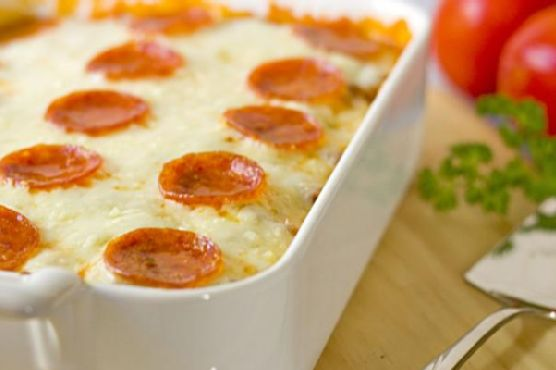
Picture this: It’s a Tuesday evening, and the week’s already wearing me down. I’m craving something cheesy, comforting, and a little indulgent. You know, the kind of meal where the smell alone makes you feel like you’ve just wrapped yourself in a warm, delicious hug. Enter the Easy Cheesy Pizza Casserole. It’s like a giant pizza in a pan but with all the cozy vibes of a casserole. Plus, it’s a crowd-pleaser, perfect for family dinners or casual get-togethers with friends. The best part? It’s as easy as it is cheesy. Grab your apron, and let’s dive in!

Jump to Recipe

What You’ll Need

Trust me, this ingredient list reads like a love letter to your pantry. Chances are, you already have most of these on hand:

  • Ground beef or bulk sausage mix
  • Ricotta cheese
  • Oregano
  • Basil
  • Parmesan cheese
  • Pasta sauce or canned pizza sauce
  • Crushed red pepper flakes
  • Pepperoni
  • Shredded mozzarella cheese
  • Shredded aged provolone cheese
  • Herbed parmesan drop biscuits (recipe follows)
  • Baking mix
  • Italian seasoning
  • Milk

How to Make Easy Cheesy Pizza Casserole

  1. Preheat your oven to 375°F. This is a crucial step, so your biscuits start cooking right away.
  2. Brown the ground beef or sausage in a skillet over medium heat until it’s no longer pink. Drain the fat because nobody likes greasy casseroles.
  3. Stir in the pasta or pizza sauce and a pinch of crushed red pepper flakes. Let it simmer until everything is well-blended and smells heavenly.
  4. In a separate bowl, mix the ricotta cheese with oregano, basil, and Parmesan cheese. This will be your creamy layer of deliciousness.
  5. Prepare the biscuit dough by combining the baking mix with Italian seasoning and milk. Stir until just blended; lumps are okay here.
  6. Spray a 13 x 9-inch pan with non-stick spray. Drop the biscuit dough by teaspoons into the pan, spacing them evenly. Don’t worry about gaps; the dough will spread out beautifully in the oven.
  7. Layer the ground beef mixture over the biscuits, then dot with the ricotta mixture. You should start to see the makings of a masterpiece.
  8. Bake at 375°F for about 20 minutes or until the biscuits are puffed and just starting to turn golden. Your kitchen should smell like a dream by now.
  9. Increase the oven temperature to 425°F. Sprinkle mozzarella and provolone cheeses over the top and lay out pepperoni slices like you’re decorating a pizza.
  10. Return the casserole to the oven for about 10 minutes, until the cheese is melted and bubbling slightly. This is the moment you’ve been waiting for.
  11. Let it stand for 5 minutes before slicing. Patience is a virtue, and it’ll pay off when your slices come out picture-perfect.
  12. Optionally, sprinkle additional Parmesan cheese on top before serving. More cheese is always the right choice.

Cook’s Notes

A few quick tips to make sure your casserole is a hit:

  • If you want to make this ahead, prepare the beef and ricotta mixtures and store them in the fridge. When ready to bake, just assemble everything, and you’re good to go.
  • This casserole keeps well in the fridge for up to three days. Just cover and reheat in the oven to keep the biscuits from getting soggy.
  • Be sure not to over-mix your biscuit dough; a gentle stir is all it takes. Over-mixing can make them tough.

Make It Your Own

Feel free to get creative and put your spin on this cozy dish:

  • Swap the pepperoni for crispy tofu slices for a vegetarian twist that still packs plenty of flavors.
  • Use spicy Italian sausage in place of ground beef for an extra kick.
  • Try adding a layer of sautéed mushrooms and onions for an earthy depth of flavor.
  • Go Hawaiian and add pineapple chunks along with ham or Canadian bacon for a sweet and savory combo.

If you give this Easy Cheesy Pizza Casserole a whirl, I’d be thrilled to hear how it turned out for you. Drop a comment or tag me on social media with your delicious creations. Happy cooking!

Related update: Easy Cheesy Pizza Casserole

Related update: My Drunken Fish Fillet

Pizza bites with pumpkin | Made by Meaghan Moineau

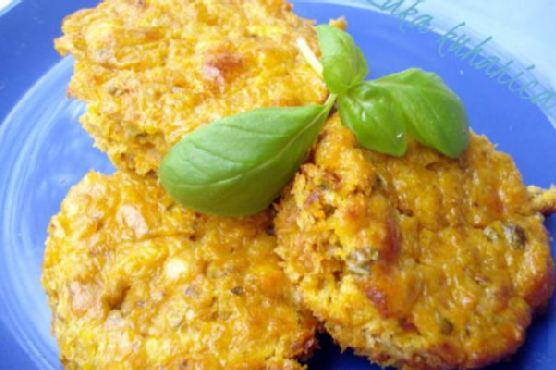
Picture this: it’s a chilly Tuesday evening, and I’m staring into my fridge, which is looking kind of bare except for a few odds and ends. Ever been there? Yeah, me too. But then, I spot a half-used can of pumpkin puree and some cheese. Suddenly, the idea hits me like a ton of bricks—Pizza Bites with Pumpkin! It’s the ultimate weeknight wonder, combining the cozy vibes of fall with the all-time favorite comfort food: pizza. These little bites are quick, comforting, and yes, they are bound to impress even the pickiest of eaters without much fuss. Plus, they’re made in a muffin tin, which automatically makes them adorable and somehow more delicious. Ready to give it a whirl? Grab your apron!

Jump to Recipe

What You’ll Need

The best part? You probably have most of these in your pantry already.

  • 1 cup of pumpkin
  • 2 tablespoons of olive oil
  • 1/2 cup of feta cheese
  • 1/2 cup of mozzarella
  • 2 eggs
  • 1 teaspoon of dried oregano
  • Fresh parsley, chopped, for garnish
  • 1 clove of garlic, minced
  • Your favorite pizza dough

How to Make Pizza Bites with Pumpkin

  1. Start by chopping the pumpkin into rice-sized bits using a food processor. This gives you the right texture for the bites.
  2. Heat up the olive oil in a pan over medium heat. Sauté the pumpkin for about 3 minutes, just until it starts to soften and turns a lovely golden hue. Set it aside to let it cool.
  3. In a mixing bowl, combine the feta and mozzarella cheeses. Crack in the eggs, one at a time, stirring after each addition until you have a smooth mixture.
  4. Add the cooled pumpkin and the minced garlic, along with the oregano and parsley. Mix everything until well combined. Your kitchen should start to smell amazing right about now!
  5. Grease a muffin tin and evenly spoon the mixture into each mold.
  6. Now, press the pizza dough down evenly and firmly into each mold. This step is crucial to ensure the bites stick together nicely.
  7. Bake in a preheated oven at 200°C (about 400°F) for 30 minutes, or until the tops are golden brown and the edges are slightly crisp.
  8. Once done, remove from the oven and let them cool in the pan for 5 to 10 minutes. Trust me, this waiting game is critical so they hold their shape when you take them out.

Cook’s Notes

Okay, let’s talk details. First, make sure to squeeze the pumpkin mixture firmly into the muffin tin. This ensures they hold their cute little bite shape once baked. And seriously, resist the urge to pop them out of the tin too soon. Letting them cool for about 5 to 10 minutes is like letting them gather their strength to hold together.

As for storage, these bites are best enjoyed fresh, but if you have leftovers (unlikely!), pop them in an airtight container in the fridge. Reheat them in the oven to retain that crisp factor.

Make It Your Own

  • Swap feta for goat cheese if you’re feeling fancy and want a tangy kick.
  • Looking for a veggie boost? Add some finely chopped spinach or kale to the mix.
  • For a meatier option, toss in some cooked bacon bits or pepperoni.
  • If you’re not a fan of pumpkin, butternut squash is a fantastic alternative.

If you try this, I’d love to hear how it turns out — drop a comment or tag me! Can’t wait to see your pumpkin pizza bite creations. Enjoy every cheesy, pumpkin-y bite!

Related update: Pizza bites with pumpkin

Related update: Bing's Mango Salsa

Fall Fruit Compote | Made by Meaghan Moineau

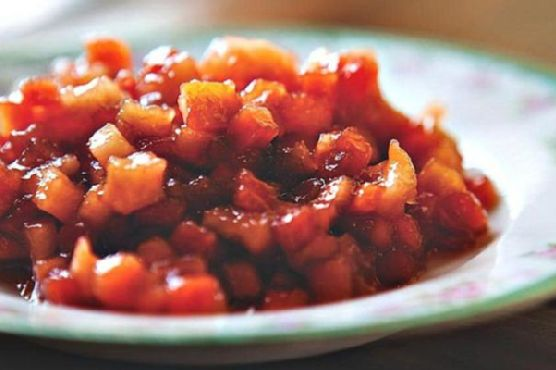
I was standing in my kitchen one chilly October morning, staring at a basket of apples and pears I’d picked up from the farmer’s market the day before. You know those mornings when the air is crisp, and everything feels just a little bit cozier? That’s when it hit me: a warm, spiced fruit compote that could double as a breakfast topping or a dessert treat was exactly what I needed. This Fall Fruit Compote is the kind of recipe that fills your kitchen with the scent of cinnamon and makes you feel like you’re swaddled in a warm blanket. It’s quick to whip up, requires only a few staple ingredients, and the result is pure comfort.

Jump to Recipe

What You’ll Need

The beauty of this recipe is its simplicity — you probably have most of these items on hand already. Here’s what you’ll need to get that cozy feeling wafting through your kitchen:

  • 2 tablespoons butter
  • 2 cups diced honeycrisp apples
  • 2 cups diced pears
  • 1/2 cup dried cherries
  • 1/4 cup apple cider vinegar
  • 1/2 cup apple juice, plus more as needed
  • 1/3 cup brown sugar
  • 1 cinnamon stick

How to Make Fall Fruit Compote

  1. Melt the butter in a medium saucepan over high heat. As it melts, breathe in that nutty aroma — that’s your first sign of deliciousness to come.
  2. Add the diced honeycrisp apples, diced pears, dried cherries, apple cider vinegar, apple juice, brown sugar, and the cinnamon stick. Your kitchen will start smelling like a fall wonderland. Stir everything well.
  3. Cook for about 5 minutes, letting the fruit soften slightly and the flavors mingle together. You want the liquid to begin bubbling up around the edges.
  4. Lower the heat to medium and continue to cook for a few more minutes. Keep stirring occasionally until the fruit is tender and the liquid has mostly evaporated. If it seems like the fruit might stick, add a little more apple juice to keep everything cozy and moist.

Cook’s Notes

Let’s talk about a few things that can make or break your compote. First, the type of apple matters — honeycrisps are perfect here for their sweet-tart flavor and firm texture. If you don’t have dried cherries, dried cranberries can step in as a worthy substitute. Remember, the compote will thicken as it cools, so don’t fret if it seems a bit saucy when you take it off the heat. If you’re planning ahead, you can make this compote up to a week in advance and just store it in an airtight container in the fridge. When you’re ready to serve, a gentle reheat on the stove will do the trick. And hey, it’s not just for potato latkes; try it over pancakes, waffles, or even vanilla ice cream!

Make It Your Own

Here are some fun ways to tweak this compote and make it yours:

  • Swap the dried cherries for golden raisins for a different layer of sweetness.
  • Substitute the apple cider vinegar with balsamic vinegar for a deeper, richer flavor profile.
  • Add a splash of bourbon or rum just before serving for a boozy warmth.
  • Throw in a handful of chopped walnuts or pecans for a bit of crunch and nutty warmth.

If you try this, I’d love to hear how it turns out — drop a comment or tag me! Your kitchen is about to smell amazing, and I can’t wait for you to experience it. Enjoy every warm, sweet, and spicy bite!

Related update: Fall Fruit Compote

Related update: Broccoli Oatmeal Breakfast Casserole

Related update: Easy Homemade Apple Fritters

Related update: Béarnaise Sauce

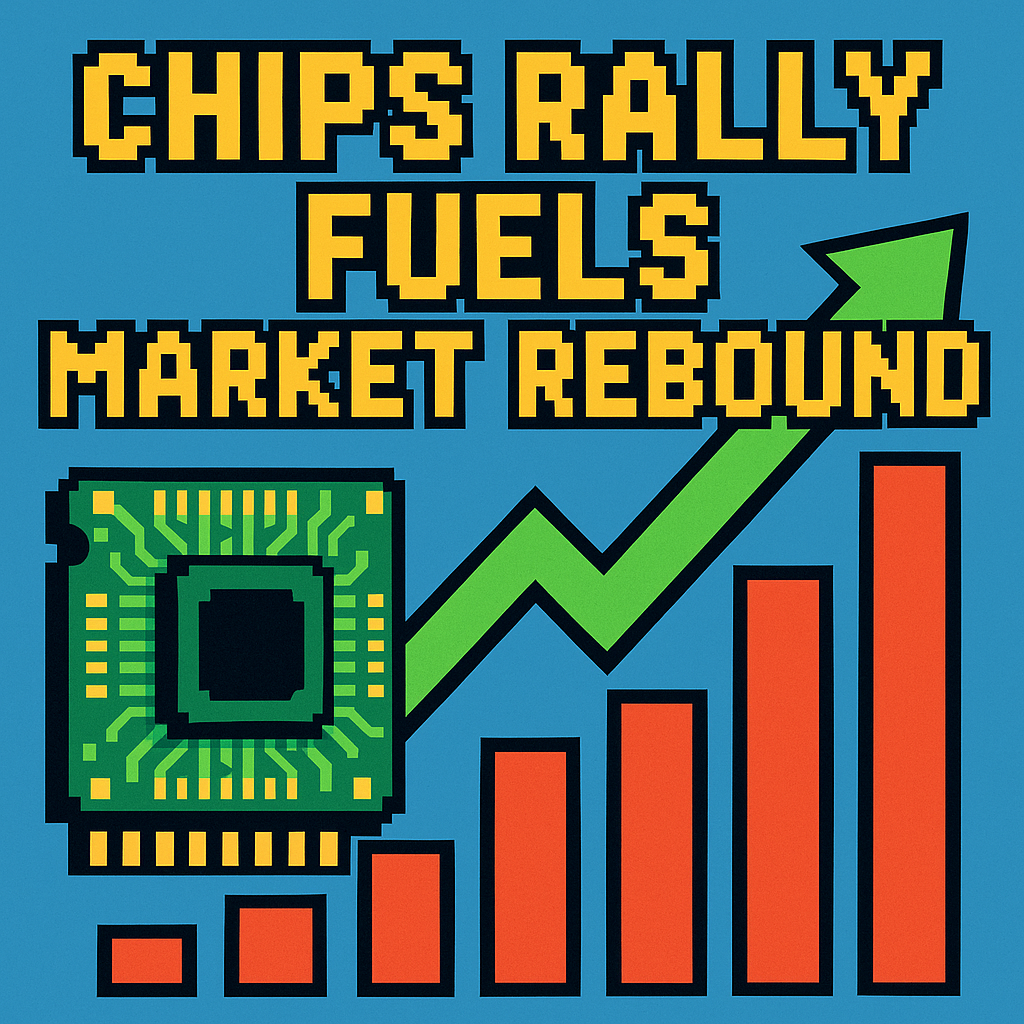
Chips Rally Fuels Market Rebound | Analysis by Brian Moineau

TL;DR

  • Chips led a rebound from the Fed-led sell-off as semiconductors ripped and the Nasdaq rose 1.91%, while the S&P 500 gained 1.08% on June 18, 2026; energy lagged as WTI crude slid to $73.58 on reports of a U.S.–Iran détente. [1][4]
  • Breadth improved under the surface: the Russell 2000 outperformed with nearly a 2% gain, while defensives wobbled—classic risk-on when oil and rate fears cool together in New York trading. [1][2]
  • The tape says “AI back on,” but the investable takeaway is rotation: lower crude compresses energy earnings while easing input and financing costs for power-hungry data center suppliers and small-cap borrowers in the U.S. market. [1][3][4]

What the source said

CNBC’s live blog logged a broad rebound after the Fed-driven slump: the S&P 500 closed up 1.08% to 7,500.58, the Nasdaq rose 1.91% to 26,517.93, and the Dow added 0.14% to 51,564.70 on June 18, 2026. Semiconductors led; Intel drew positive chatter linked to Apple, and AI-adjacent names such as Corning jumped 7%. The Russell 2000 outperformed with nearly +2% on the day, while the S&P energy sector fell almost 2% as WTI dipped to $73.58 on U.S.–Iran agreement headlines. Individual movers included Enphase (+10%), Corning (+7%), and Exxon/Chevron (−2%+), while Kroger slipped after a one‑cent EPS miss despite a revenue beat. [1]

Why it matters

Two policy levers—rates and oil—just loosened their grip on risk assets after a midweek hawkish Fed tone and a Thursday oil slide to the low‑$70s per barrel, as reported by Axios and Reuters from Washington and Tehran angles. If crude holds near $73–$76 through August 2026, gasoline and freight costs ease, trimming the inflation impulse that pressured multiples in Q2. In that setup, equity buyers can re-risk into growth stories (chips/data centers) without fighting duration headwinds. [2][3][4]

Small-cap industrials and services tied to diesel and short-term borrowing—think Russell 2000 constituents in trucking, tools, and regional services—gain operating and financing relief when oil dips and yields stabilize into Q2 2026 quarter‑end. Conversely, energy producers face a valuation headwind as futures reprice supply risk lower on a U.S.–Iran thaw around the Strait of Hormuz. Active managers entering June 2026 month‑end must choose between chasing AI beta or leaning into a breadth turn that favors cyclicals and balance‑sheet repair. [1][2][4]

Original analysis

Contrarian read: June 18, 2026 looked more like rotation than a pure AI melt-up in New York.

  • Consensus: “The AI trade is back—buy chips because the Fed sell-off was a blip.” The CNBC live blog framed the day that way while the Fed’s June messaging lingered. [1][6]
  • My case: Semis ripped, but the simultaneous pop in the Russell 2000 and slump in energy are cleaner breadth tells than another megacap surge. After a chip “bloodbath” earlier in June, next‑day rebounds often fade unless credit and input costs improve together; WTI at $73–$74 plus a Friday Juneteenth holiday that curbs catalysts tilts flows toward cyclicals over narrow AI leaders. [1][2][4][6]

Back‑of‑envelope calculation: Kroger’s miss was optical, not fundamental, in Q1 FY2026.

  • KR printed $1.58 in Q1 EPS vs. $1.59 expected—a $0.01 shortfall, or ~0.63% below consensus (0.01/1.59). Revenue was $46.12B vs. $45.59B, a $0.53B beat—about 1.16% above expectations (0.53/45.59). A 7% intraday drawdown on a one‑cent EPS miss—even as revenue outperformed—implies punishment for guidance quality or margin mix, not headline growth, and sets up mean reversion if fuel and promo costs moderate into H2 2026. [1][5]

Named‑stakeholder breakdown: the week’s winners and losers map to oil and AI.

  • Intel (INTC): Re‑rating risk tilts positive near term. A “brand upgrade” narrative tied to Apple chatter and a broad semi bounce catalyzed gains; sustained upside needs data center share wins, not just headlines. Tactically constructive into June month‑end while SOX momentum runs. [1][3]
  • Apple (AAPL): Bank of America nudged FY26E EPS to $8.63 as pricing offsets memory tightness; a $100 Pro/Pro Max hike is the tell. Risk: elasticity in a stretched replacement cycle for premium iPhones in the U.S. and China. [1]
  • Enphase (ENPH): IQ9S microinverter traction plus a Barclays upgrade produced a 10% jump; if oil stays soft and residential paybacks stabilize in H2 2026, backlog conversion can carry shares. [1]
  • Exxon/Chevron/Occidental: Oil’s downdraft—linked to U.S.–Iran détente talk and Hormuz passage risk easing—compresses near‑term cash yields and de‑rates beta. Discipline on 2026 capex versus buybacks will decide multiple support. [1][3][4]
  • Corning (GLW): A stealth AI beneficiary via glass, optics, and fiber; a 7% pop signals the market’s hunt for second‑order suppliers with real EBITDA tied to data center builds in places like Arizona and Ohio. [1]

Historical analogue: 2013’s mini “taper tantrum” flipped once rates found a level, and small caps plus cyclicals staged a summer catch‑up while energy lagged on supply comfort; 2026’s hawkish Fed tone followed by a breadthy risk‑on day with softer crude rhymes with that script. [2][4][6]

2×2: Who wins if chips lead while WTI stays below $80 into Q3 2026? [4]

  • High energy use + AI adjacency (cooling, power, optics suppliers): Win big—margin tailwinds and top‑line growth.
  • High energy use + no AI tie (airlines, trucking): Win moderate—cost relief without multiple expansion.
  • Low energy use + AI adjacency (software): Mixed—sentiment help, limited operating leverage.
  • Energy producers (upstream, oil‑beta): Lose near term—lower realized prices and weaker narrative carry.

Net: Thursday’s bounce is more than chips; it’s a breadth tell powered by cheaper oil and “good enough” macro into late June 2026. Position sizing should reflect that—add to cyclicals and small caps with operating leverage to sub‑$80 WTI, keep AI but prefer second‑order suppliers over crowded leaders. [1][2][4]

What others are missing

Coverage fixates on index points and AI tickers, but the oil‑tape linkage—with the Strait of Hormuz explicitly in play via a U.S.–Iran ceasefire framework—carries second‑order consequences for June–July CPI prints in the United States. That supply relief pushes WTI toward the mid‑$70s, compresses energy earnings, and boosts P&Ls for energy‑intensive end markets like glass, optics, cooling, and logistics tied to U.S. data centers. If crude sticks near $73–$76 instead of $85, multiples expand more for small caps and capital goods than for an already‑prized AI complex. Watch oil first; it’s the breadth key. [2][3][4]

What to watch next

  1. By August 15, 2026, WTI crude trades below $70 intraday at least once as supply risk premia fade on further clarity around the U.S.–Iran framework. [4]

  2. Between June 24 and September 30, 2026, the Russell 2000 outperforms the S&P 500 by at least 300 bps, reflecting falling fuel costs and improving breadth in U.S. equities. [1][2]

  3. By Q3 2026 earnings season (reported October–November 2026), at least two of Exxon, Chevron, or Occidental guide capex lower or slow buybacks versus H1 2026 cadence, acknowledging weaker realized prices. [1][4]

My take

Chasing semis after a big green day is easy; leaning into energy‑sensitive cyclicals and quality small caps while WTI sits at $73.58 is harder but smarter for Q3 risk. I’ll keep core AI exposure, but I’ll add to second‑order suppliers (glass, optics, cooling) and borrowers with high operating leverage to cheaper fuel. If a credible U.S.–Iran détente holds and crude drifts to the low‑$70s, the next leg won’t be five tickers—it’ll be 500 across the Russell 2000 and U.S. cyclicals. I’m buying the rotation, not the headline, with a 2026 lens on breadth. [1][2][4]

Sources

  1. S&P 500 closes higher, Nasdaq climbs nearly 2% as chips fuel comeback from Fed sell-off: Live updates — CNBC (https://www.cnbc.com/2026/06/17/stock-market-today-live-updates.html) — Primary live blog with index closes, sector moves, and notable stock drivers including energy weakness and small-cap strength.

  2. How major US stock indexes fared Thursday 6/18/2026 — AP News (https://apnews.com/article/411ec68891aa5dc7d7f684e0305e2aa3) — Confirms the broad rebound, notes calendar effects around Juneteenth, and frames weekly context.

  3. Wall St advances as Iran deal optimism offsets hawkish Fed; Intel soars — Reuters via Investing.com (https://au.investing.com/news/economy-news/wall-st-futures-bounce-back-as-usiran-deal-optimism-balances-hawkish-fed-intel-up-4494347) — Corroborates semiconductor leadership and market balancing of Fed messaging with geopolitical tailwinds.

  4. Oil prices sink on announcement of Iran deal — Axios (https://www.axios.com/2026/06/14/oil-prices-us-iran-war-hormuz-strait-peace-deal) — Details on the U.S.–Iran agreement, Strait of Hormuz implications, and the associated drop in WTI.

  5. Kroger (KR) Q1 Earnings Miss Estimates — Zacks (https://www.zacks.com/stock/news/2939171/kroger-kr-q1-earnings-miss-estimates) — Confirms the $1.58 EPS vs. $1.59 consensus and revenue outperformance, enabling the calculation.

  6. June Fed Meeting: Updates and Commentary — Kiplinger (https://www.kiplinger.com/news/live/fed-meeting-updates-and-commentary-june-2026) — Documents the midweek Fed‑led sell‑off and rate tone that set up the rebound dynamic.


Related update: We recently published an article that expands on this topic: read the latest post.
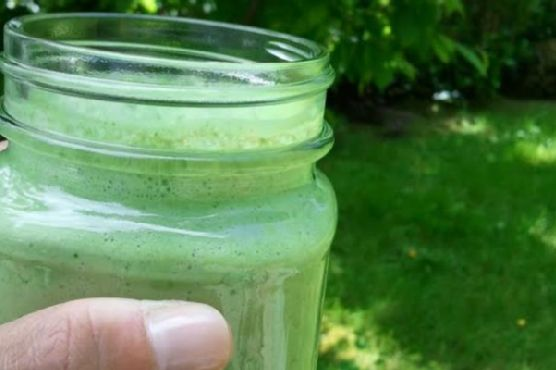
Skinny Green Monster Smoothie | Made by Meaghan Moineau

It was one of those mornings where hitting the snooze button was more tempting than ever. The kind of morning where a little pick-me-up is not just a want but a necessity. As I shuffled into the kitchen, I thought about something quick, healthy, and invigorating. Enter the Skinny Green Monster Smoothie. It’s like a jolt of energy in a glass, and it comes together in minutes. Trust me, this smoothie is both a morning lifesaver and a delightful way to sneak in those greens without sacrificing flavor. Just one sip, and you’ll be hooked—it’s the kind of recipe that keeps you coming back, not just for the taste, but for how it makes you feel: ready to tackle anything the day throws at you.

Jump to Recipe

What You’ll Need

I’ve gathered a list of ingredients that are both simple and likely already in your kitchen, so you can whip this up without a special trip to the grocery store. Here’s what you need:

  • Frozen banana – it makes the smoothie creamy and naturally sweet.
  • Baby spinach – don’t worry, you won’t even taste it!
  • Peanut butter – adds a delicious richness and nutty flavor.
  • Unsweetened vanilla almond milk – keeps it light and dairy-free.
  • Fat-free plain Greek yogurt – for that extra creaminess and a protein boost.

How to Make Skinny Green Monster Smoothie

  1. Start by placing the frozen banana in your blender. It’s best to break it into chunks so it blends smoothly.
  2. Add a generous handful of baby spinach. Don’t worry—it’ll blend in seamlessly, giving you all the green goodness without overpowering the taste.
  3. Spoon in the peanut butter. This is where the magic happens as it brings richness and a subtle sweetness to the mix.
  4. Pour in the unsweetened vanilla almond milk. This will help everything blend together and give the smoothie a lovely vanilla hint.
  5. Add the fat-free plain Greek yogurt for an extra creamy texture. This also ups the protein quotient, making the smoothie more filling.
  6. Blend everything on high until it’s completely smooth and creamy. You should see a beautiful green hue and a velvety texture. If needed, scrape down the sides and blend again.
  7. Taste and adjust if necessary. Need it a bit sweeter? Add a touch more banana or a splash of honey. Too thick? A little more almond milk will do the trick.

Cook’s Notes

There’s not much that can go wrong with this smoothie, but here are a few pointers to keep it perfect every time. If your blender is having trouble with the frozen banana, let it thaw for a few minutes before blending. This smoothie is best enjoyed fresh, but you can refrigerate leftovers for up to a day. Just give it a good shake or stir before drinking. If you prefer it colder, throw in a few ice cubes before blending, but keep in mind this might dilute the flavors slightly.

Make It Your Own

There are plenty of ways to tweak this smoothie to suit your taste:

  • Swap the peanut butter for almond or cashew butter if you’re feeling adventurous.
  • Use coconut milk instead of almond milk for a tropical twist.
  • Add a scoop of your favorite protein powder to make it a post-workout powerhouse.
  • For a berry boost, toss in a handful of frozen blueberries or strawberries.

If you try this, I’d love to hear how it turns out—drop a comment or tag me! Whether you’re rushing out the door or lounging with a good book, this smoothie is a perfect companion. Enjoy and embrace your inner green monster! 🥤💚

Related update: Skinny Green Monster Smoothie

Related update: Easy Cheesy Pizza Casserole

Related update: Banana Milo Milkshake

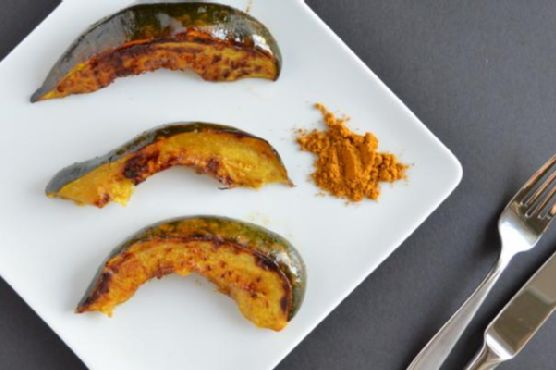
Maple & Curry Acorn Squash | Made by Meaghan Moineau

Picture this: It’s a chilly fall evening, and my kitchen still smells like the remnants of the apple pie I baked last weekend. I’m standing in front of the pantry, craving something that’s both cozy and a little unexpected. Ever had those moments where you stare at the ingredients you have and think, “This could either be a disaster or magic”? That was me a few weeks ago, reaching for an acorn squash, some curry powder, and a bottle of maple syrup that I had been saving for pancake Sundays. What came out of that experimental whirlwind was a dish that’s not only delicious but also has become my go-to when I need to impress with minimal effort. It’s sweet, spicy, and roasted to perfection—ideal for spicing up a weeknight or wowing guests without breaking a sweat.

Jump to Recipe

What You’ll Need

This recipe is delightfully simple, and chances are you already have most of these on hand. Here’s what you’ll need:

  • Acorn squash – pick one that’s firm and heavy for its size.
  • Curry powder – this is where the magic happens, so use your favorite blend.
  • Maple syrup – pure, not the pancake kind, for that rich, caramelized finish.
  • Olive oil – for that perfect roast.
  • Salt – to taste and to enhance all those flavors.

How to Make Maple & Curry Acorn Squash

  1. Preheat your oven to 400°F (200°C) and line a baking sheet with parchment paper or a silicone mat. This makes cleanup a breeze and prevents any sticky situations.
  2. Give the acorn squash a good rinse, especially if you plan to eat the skin (which, trust me, you’ll want to after it’s all roasted and crispy).
  3. Carefully, chop the squash in half and scoop out the seeds. You can use a spoon or an ice cream scoop for this—whichever feels less like wrestling and more like a gentle sweep.
  4. Slice the squash into one-inch wedges, using the natural grooves as your guide. Not only does this make the pieces look pretty, but it also ensures even cooking.
  5. In a medium bowl, toss the squash wedges with curry powder, maple syrup, olive oil, and salt. Stir until each piece is glistening with the mixture, and you’re tempted to lick your fingers.
  6. Arrange the wedges on the prepared baking sheet, cut side down. This helps them get that beautiful golden-brown finish on the edges.
  7. Bake for 15 minutes, then flip them over with a spatula so both sides get equal love and attention. Bake for another 10 to 15 minutes until they’re tender and can be easily pierced with a fork.

Cook’s Notes

When it comes to choosing the right acorn squash, look for one that feels heavy for its size and has a deep green skin. A few orange patches are okay and can even be a sign of ripeness. If you’re prepping ahead, you can slice the squash a day in advance and keep it in the fridge. Once roasted, these wedges keep well covered in the fridge for up to three days. Just pop them in the oven to reheat and crisp them back up. Be cautious not to over-bake; the squash should be tender but not mushy, and the edges should be caramelized but not burnt.

Make It Your Own

  • Switch up the squash: Don’t have acorn squash? Butternut or delicata squash work beautifully too.
  • Spice it up: Add a pinch of cayenne pepper to the mix for a spicy kick.
  • Play with herbs: Sprinkle some fresh rosemary or thyme over the top before baking for an aromatic twist.
  • Sweeten the deal: Drizzle a bit more maple syrup on top right before serving for an extra glossy finish.

If you try this, I’d love to hear how it turns out — drop a comment or tag me! Seriously, nothing makes my day more than seeing someone else enjoy something I whipped up in my kitchen. Happy cooking, and remember, kitchen experiments are just recipes in disguise!

Related update: Maple & Curry Acorn Squash

Related update: Pizza bites with pumpkin

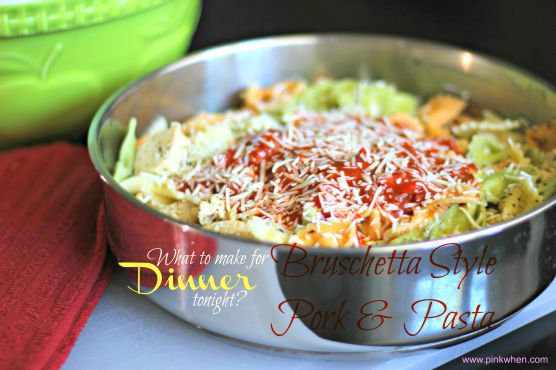
What to make for dinner tonight?? Bruschetta Style Pork & Pasta | Made by Meaghan Moineau

Picture this: It’s a hectic Wednesday evening, and you’ve just walked through the door, shoes off, contemplating what to make for dinner. The fridge hums with half-empty bottles of condiments, and there’s a lone pack of pork chops staring back at you. This is the moment you realize the magic of Bruschetta Style Pork & Pasta. It’s the perfect blend of comforting pasta and savory pork, all wrapped in the tangy-sweet goodness of bruschetta flavors. It’s one of those dishes that feels fancy enough to impress but is wonderfully simple to throw together, ideal for those mid-week dinners when time is not on your side.

Jump to Recipe

What You’ll Need

This recipe is a lifesaver because chances are you already have most of the ingredients hanging around your kitchen. Here’s what you’ll need to whip up this delight:

  • One package of bow tie pasta
  • Freshly grated parmigiano reggiano
  • A jar of Recipe Makers Chicken Bruschetta Pasta sauce
  • 4-6 pork chops

How to Make What to make for dinner tonight?? Bruschetta Style Pork & Pasta

  1. First, give those pork chops a good wash and rinse. Pat them dry, then plop them into your skillet. You’ll want to cut them into bite-sized pieces so they cook quickly and soak up all those delicious flavors.
  2. Add half of the Basil Garlic simmer sauce from your Bruschetta Pasta kit into the skillet with the pork. You’ll know it’s working its magic when the kitchen starts to fill with a seriously drool-worthy aroma.
  3. Meanwhile, bring a pot of water to a boil and get your bow tie pasta cooking. Aim for al dente—that perfect balance of tender but still with a bit of bite.
  4. Once your pasta is done, drained, and ready, toss it into the skillet with the pork. Pour in the rest of the Basil Garlic Simmering Sauce, giving everything a nice mix so the pasta is well-coated.
  5. Now for the pièce de résistance: top the whole thing with the Chunky Bruschetta Finishing Sauce. Sprinkle generously with Parmesan, then cover the skillet. Let it all cook on low heat for 2 to 3 minutes, just until everything’s heated through and the cheese melts into gooey perfection.

Cook’s Notes

Here’s the deal: when cutting your pork, keep the pieces uniform in size to ensure even cooking. You want them golden but not overcooked. If you’re making this ahead, stop just before adding the Parmesan and Finishing Sauce. Store it in the fridge, and when you’re ready to eat, layer on the sauce and cheese, then heat through. Leftovers? They’re a dream. Just store them in an airtight container, and they’ll be good for up to three days. Reheat gently on the stove or in the microwave with a splash of water to keep everything from drying out.

Make It Your Own

Here are some ways you can switch things up:

  • Swap the pork for crispy tofu for a vegetarian twist. Just pan-fry the tofu until golden before adding the sauces.
  • Use zoodles or spaghetti squash instead of bow tie pasta for a low-carb version.
  • Add a handful of fresh spinach to the skillet before serving for a pop of color and extra nutrients.
  • For a spicy kick, toss in some red pepper flakes along with the Parmesan.

If you try this, I’d love to hear how it turns out—drop a comment or tag me! Cooking should be fun, stress-free, and delicious, so let’s make that happen. Happy cooking, friends!

Related update: What to make for dinner tonight?? Bruschetta Style Pork & Pasta

USMNTs Record TV Draw Sparks World Cup | Analysis by Brian Moineau

TL;DR

  • The USMNT’s World Cup 2026 opener against Paraguay set a new English‑language record telecast for the team, with Fox updating the average to 18.037 million and a 21.526 million peak measured between 10:45–11:00 p.m. ET—headline numbers that sit atop a changed Nielsen yardstick. [1]
  • The real story is bilingual scale: English plus Spanish averaged roughly 24.9 million on opening weekend—and if Fox’s 18.037 million update holds against Telemundo’s 8.9 million, the implied total hits about 26.9 million, which flirts with a new all‑time U.S. soccer record. [1][2][6][7]
  • Treat “record” with caution: out‑of‑home (OOH) viewing inclusion since 2020 and Big Data methodologies now juice totals, and telecast vs. match windows differ by network—making 2014 comparisons trickier than press releases admit. [1][2][3][4][8]

What the source said

Yahoo Sports reported that the USMNT’s 4–1 win over Paraguay at SoFi Stadium in Inglewood, California delivered the most‑watched USMNT telecast ever on English‑language TV. An initial average of 15.986 million across Fox, FS1, and Tubi was later revised to 18.037 million, with a peak of 21.526 million viewers between 10:45–11:00 p.m. ET on Friday night. [1]

Fox cited Nielsen’s hybrid “Big Data + panel” methodology, Adobe Analytics for digital, and Tubi’s internal logs, noting that OOH measurement can significantly increase totals versus pre‑2020 norms. Yahoo also highlighted a 132% jump versus the USMNT’s 7.763 million English‑language average in the 2022 opener vs. Wales, and pointed out that ESPN’s 2014 USA–Portugal audience used different counting rules—so multiple “records” can be true depending on definitions. [1][3][8]

Sports Media Watch added that Mexico–South Africa’s tournament opener set an English‑language group‑stage record of its own, framing a weekend of high demand across languages and dayparts in June 2026. [2][5]

Why it matters

This isn’t just a victory lap for Fox’s PR team in Los Angeles; it’s a stress test of the new U.S. sports‑TV “currency” in the hardest setting: bilingual audiences, hybrid linear‑streaming distribution, and a Nielsen system that blends panel data with device‑level Big Data and OOH viewing across 100% of U.S. TV households as of 2024. [4]

Stakeholders with real money on the line—Fox Sports and Tubi (ad sales and distribution), NBCUniversal’s Telemundo and Peacock (Spanish‑language primacy), brands aligning with U.S. Soccer (Volkswagen, Nike), and measurement providers (Nielsen)—stand to gain credibility or get pulled into a definitional fight about what “record” means in 2026. [2][4][5][9][10]

Original analysis

  • Contrarian read

    • Consensus: “Soccer has finally arrived—record audience proves it.”
    • My take: The “record” is partly methodological, and bilingual totals are the truer commercial signal in the United States. In 2014, ESPN’s USA–Portugal averaged 18.22 million on a single English‑language network without OOH counting; today’s “record” includes hybrid measurement, streaming, and OOH. Advertisers should benchmark against combined English+Spanish reach, not a single‑language crown. [2][3][4]
  • Back‑of‑envelope calculations

    1. Combined audience now vs. “implied” update
      • Reported combined average (fast nationals, opening weekend): Fox 15.986M + Telemundo 8.9M ≈ 24.886M. [2][6]
      • If Fox’s updated English‑language average is 18.037M and Spanish stays 8.9M, implied combined ≈ 26.937M (18.037 + 8.9). That would edge past the 2015 Women’s World Cup final’s 26.7M combined—America’s standing all‑time soccer audience mark. Caveat: Spanish‑language figures could also update. [1][7]
    2. Growth lens vs. 2022 (apples‑ish, but different slot and stakes)
      • 2022 USA–Wales (English) = 7.763M. A 132% lift implies ≈ 18.0M (7.763 × 2.32 ≈ 18.0), consistent with Fox’s 18.037M update. Prime‑time scheduling on Friday, the home‑nation halo, and OOH inclusion explain much of the jump. [1]
    3. Streaming’s slice
      • Tubi’s AMA ≈ 1.13M within the 15.986M initial English‑language average → ≈ 7.1% streaming share on Fox platforms during this match window. Even in a peak live‑sports moment, FAST/AVOD remained a minority slice. [2]
  • A 2×2: what really drives “records”

    • Axis 1: Measurement regime
      • Legacy panel (2014) vs. Hybrid Big Data + panel with OOH (2026).
    • Axis 2: Distribution structure
      • Single‑network monopoly (ESPN 2014) vs. Fragmented ecosystem (Fox broadcast + FS1 + Tubi; Telemundo + Peacock).
    • Quadrants
      • Legacy × Single (2014): Clean apples‑to‑apples, fewer counting disputes; ESPN’s USA–Portugal 18.22M stood tall but excluded OOH. [3]
      • Hybrid × Single: Hypothetical—not our reality now.
      • Legacy × Fragmented: Also hypothetical for World Cup.
      • Hybrid × Fragmented (2026): Today’s world—bigger totals, more caveats, and more press‑release “records” in parallel lanes (English vs. Spanish; linear vs. streaming) that make simple leaderboards misleading. [2][4]
  • Historical analogue: 2015 Women’s World Cup final (26.7M combined)
    The 2015 USA–Japan final drew 25.4M on Fox and roughly 1.3M on Telemundo, totaling 26.7M—still the U.S. soccer audience to beat in any year. That match rode a dominant U.S. team, a Sunday night slot in July 2015, and a simpler counting era. A USMNT knockout in a June–July 2026 primetime window could surpass that mark if bilingual averages hold near 27M. [7]

  • Named‑stakeholder breakdown

    • Fox Sports/Tubi: The “most‑watched USMNT English telecast” headline arms Fox sellers with a simple story, and quantifies Tubi’s live‑sports role at ≈1.13M AMA. Expect Fox to anchor sales on cross‑platform gross reach and bilingual packages through July 2026. [1][2]
    • Telemundo/Peacock (NBCU): Spanish‑language gravity is clear; Mexico–South Africa’s opener averaged about 12.1M on Telemundo, and the USMNT pulled about 8.9M in Spanish—evidence that bilingual packaging is the U.S. soccer superpower. [2][5][6]
    • Nielsen: The inclusion of OOH since 2020 and the hybrid Big Data + panel methodology—as expanded to 100% of U.S. TV households in 2024—are the core context behind “record” debates. Networks will keep choosing telecast windows that maximize their headline. [4][8]
    • U.S. Soccer and partners: Presenting sponsors and kit suppliers such as Volkswagen and Nike don’t buy “English‑only records”; they buy cultural scale and frequency across demos. Combined language reach—and proof of youth and Hispanic engagement—will shape post‑tournament pricing in 2026–2027. [9][10]

What others are missing

The buried angle: time‑slot engineering plus bilingual duplication reshapes the leaderboard more than any single number. Fox’s U.S. opener peaked around 10:45–11:00 p.m. ET on a Friday from SoFi Stadium, stacking West Coast casuals into the back half of primetime, while Telemundo’s surges for both the U.S. and Mexico matches hit in their own windows. The 2014 ESPN “record” sat in a European daylight slot and lacked OOH counting, so press‑release “records” today can be true yet non‑comparable. For brands, the operative KPI is combined, time‑specific reach and frequency across English, Spanish, and streaming, where the USMNT is already delivering mid‑20‑millions in June 2026. [1][2][3][5][6][8]

What to watch next

  1. By July 3, 2026, a USMNT knockout match played in a U.S. primetime window will surpass 30.0 million combined English+Spanish average viewers across Fox/FS1/Tubi and Telemundo/Peacock.
  2. By July 19, 2026, at least one USMNT match will deliver a Tubi average‑minute audience of 1.5 million or higher as Fox pushes incremental, free streaming reach in big windows. [2]
  3. By July 19, 2026, either Nielsen or a major outlet will publish a formal explainer reconciling 2014 vs. 2026 “record” claims (telecast vs. match window and OOH impact), prompting at least one network to adjust its phrasing in press materials. [4][8]

My take

Bilingual, prime‑time soccer has become a top‑five U.S. TV event template in 2026. If Fox’s 18.037 million English update and Telemundo’s 8.9 million Spanish figure both hold, the next USMNT primetime date should clear the 2015 mark of 26.7 million combined and keep going. That scale, not the single‑language crown, is what moves ad markets and corporate boardrooms in New York and Chicago. The play now is to sell combined reach, prove streaming lift, and make the bar‑and‑watch‑party OOH wave a feature, not a footnote. [1][2][6][7]

Sources

  1. Yahoo Sports — Report on USMNT–Paraguay opener ratings (June 2026), with Fox’s updated 18.037M English‑language average, 21.526M peak, and methodology context.
  2. Sports Media Watch — USMNT opener English and Spanish viewership marks, 15.986M initial English average, ~1.13M Tubi AMA, and hybrid/OOH measurement framing.
  3. ESPN Press Room — 2014 USA–Portugal averaged 18.22M (English only), establishing the pre‑OOH benchmark and offering 2014 context.
  4. Nielsen News — 2024 expansion of National OOH coverage to 100% of U.S. TV households, outlining Big Data + panel integration.
  5. The Washington Post — Mexico–South Africa World Cup opener set an English‑language group‑stage record, underscoring strong early demand.
  6. NBCUniversal/Telemundo Deportes Press — Opening‑weekend Spanish‑language audiences: USMNT ~8.9M and Mexico opener ~12.1M; Peacock simulcast context.
  7. Sports Media Watch — 2015 Women’s World Cup final (USA–Japan) combined 26.7M across English and Spanish, the all‑time U.S. soccer high.
  8. MediaPost — 2020 addition of out‑of‑home viewing into national TV ratings, explaining why post‑2020 figures run higher.
  9. U.S. Soccer Federation — Volkswagen presenting partnership since 2019 and activation objectives around U.S. national team windows.
  10. U.S. Soccer Federation — Nike kit deal and long‑term partnership extension announced in 2023, signaling sustained commercial alignment.


Related update: We recently published an article that expands on this topic: read the latest post.

Related update: We recently published an article that expands on this topic: read the latest post.

Related update: We recently published an article that expands on this topic: read the latest post.


Related update: We recently published an article that expands on this topic: read the latest post.

Knockwurst with sauerkraut | Made by Meaghan Moineau

There was this one Thursday evening when I felt the chill in the air turning my fingers just a bit numb, and I craved something that felt like a warm hug. I was rifling through my pantry, hoping to discover a forgotten treasure, when I stumbled upon a jar of sauerkraut and a pack of knockwurst sitting in the fridge. Suddenly, inspiration struck. This dish is the epitome of comfort food — cozy, hearty, and surprisingly easy to throw together with a few pantry staples. The combination of savory knockwurst and tangy sauerkraut, all tied together with a hint of sweetness from molasses and the earthy warmth of spices, truly hits the spot on those brisk evenings when you just need a little extra comfort.

Jump to Recipe

What You’ll Need

This recipe is all about layering flavors with a minimal ingredient list — you’ll likely find many of these in your pantry already!

  • 1 tablespoon butter
  • 1 medium onion, chopped
  • 1 cup beer
  • 1 cup water
  • 1 tablespoon cornstarch
  • 2 tablespoons brown mustard
  • 1 tablespoon molasses
  • 1 teaspoon caraway seed
  • 1/4 teaspoon ground allspice
  • 1/4 teaspoon ground black pepper
  • 1 medium rutabaga, peeled and chopped
  • 1 pound cooked knockwurst
  • 2 cooking apples, peeled, cored, and cut into wedges
  • 1 can (about 14 ounces) sauerkraut

How to Make Knockwurst with Sauerkraut

  1. In a medium frying pan, melt the butter over medium heat. Add the knockwurst and cook, turning occasionally, until they’re browned and the edges are just starting to crisp — about 10-12 minutes.
  2. Meanwhile, drain the sauerkraut in a colander, rinse it under cold water, and let it drain again thoroughly. This step is crucial to avoid an overly sour dish.
  3. In a large pot, sauté the chopped onion over medium heat until the pieces are tender and translucent, but not browned. You’ll know it’s ready when the kitchen fills with that sweet, savory onion aroma.
  4. Pour in the beer and let it come to a gentle simmer. Meanwhile, in a separate bowl or measuring cup, mix together the water, cornstarch, brown mustard, molasses, caraway seed, ground allspice, and black pepper until smooth.
  5. Stir this mixture into the onion and beer in the pot. Cook and stir consistently until the sauce thickens and becomes bubbly. You’ll see it start to coat the back of a spoon — that’s when you know it’s ready for the next step.
  6. Add the chopped rutabaga to the pot, cover with a lid, and let it simmer for 15 minutes, allowing the rutabaga to become just tender.
  7. Finally, stir in the browned knockwurst, apple wedges, and sauerkraut. Cover the pot again and let everything simmer together for another 15 to 20 minutes, until the apples have softened and the flavors have melded beautifully.

Cook’s Notes

  • When browning the knockwurst, be patient and let them get a nice brown crust. It adds a lovely depth of flavor that you don’t want to miss.
  • The molasses adds a touch of sweetness but doesn’t overpower. If you prefer slightly less sweetness, you can reduce the amount to 1 teaspoon.
  • This dish can be made ahead and actually tastes better the next day as the flavors have more time to develop. Simply store it in an airtight container in the fridge for up to 3 days. Reheat on the stove over low heat until warmed through.

Make It Your Own

  • For a vegetarian twist, swap the knockwurst with crispy tofu cubes. You’ll get that savory satisfaction without the meat.
  • Use sweet potatoes in place of rutabaga for a sweeter, more colorful dish.
  • Add a handful of chopped kale or spinach at the end for a burst of color and nutrients.
  • If you’re a spice lover, a pinch of red pepper flakes will add a nice kick.

If you try this recipe, I’d love to hear how it turns out for you! Drop a comment below or tag me in your culinary adventures. Enjoy every bite of this cozy, delicious meal!

Related update: Knockwurst with sauerkraut

Related update: What to make for dinner tonight?? Bruschetta Style Pork & Pasta

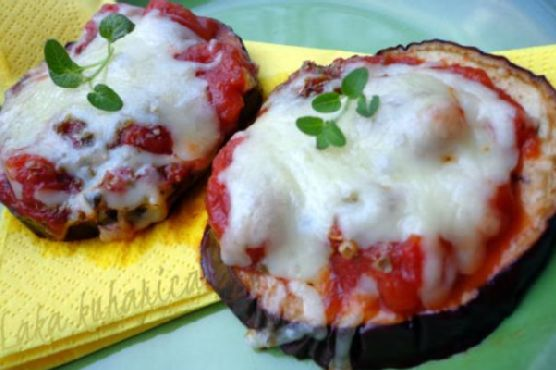
Eggplant pizzette | Made by Meaghan Moineau

So, there I was last Tuesday, staring into the fridge, wondering what to make for dinner that wouldn’t take an eternity. You know those days when all you want is something delicious but quick enough that you won’t be stuck in the kitchen all night? Enter: Eggplant pizzette. It’s that magical intersection of pizza cravings and veggie goodness. Plus, it’s one of those recipes that looks fancy enough to impress but is secretly super simple to throw together. Trust me, once you smell that cheese bubbling away, you’re going to thank yourself for making these little guys.

Jump to Recipe

What You’ll Need

Let’s talk about the ingredient list — it’s mercifully short and sweet. Chances are, you already have most of this at home, especially if you’re a basil hoarder like me.

  • Round eggplant – the base for our pizzette
  • Tomatoes – fresh or canned, your choice!
  • Swiss cheese – for that perfect melty goodness
  • Fresh basil leaves
  • Oregano leaves
  • Olive oil

How to Make Eggplant pizzette

  1. Preheat your oven to 230°C. Trust me, getting this right from the start saves you from impatiently watching the oven later.
  2. Grab your round eggplant and slice it into rounds, about half an inch thick. You want them thin enough to cook quickly but thick enough to hold all that topping.
  3. Place the eggplant rounds on a non-stick pan greased with olive oil. A light coating will do; no one wants oily pizzette.
  4. Bake the eggplant in the oven for about 10 minutes. You’ll know it’s ready for the next step when the edges start looking golden and slightly crispy.
  5. Carefully remove the pan from the oven — the eggplant stays, so it keeps warm and toasty.
  6. Spoon a generous amount of chopped tomatoes onto each eggplant round. If you’re using canned, make sure they’re well-drained to avoid sogginess.
  7. Sprinkle fresh basil and oregano leaves over the tomatoes. The aroma will start to hit you about now, and it’s divine.
  8. Top everything with grated Swiss cheese. Go ahead and be generous here; a good layer ensures that melty, bubbly finish.
  9. Pop the pan back in the oven for another 5 minutes. Keep an eye out — you want that cheese to turn a lovely golden brown.
  10. Remove from the oven and let them cool for a minute or two. These are fab served warm or even cooled down a bit as a snack.

Cook’s Notes

Alright, a few things to keep in mind. First, if you slice the eggplant too thin, it might turn into a mushy mess, so aim for that half-inch thickness. If you’re worried about bitterness, sprinkle a bit of salt on the eggplant slices and let them sit for 10 minutes before rinsing and patting dry. Also, feel free to adjust the herbs based on what you have—dried oregano works if fresh isn’t available. These pizzette can be stored in the fridge for up to two days, though they’re best enjoyed fresh.

Make It Your Own

Want to switch things up? Here are some ideas:

  • Swap the Swiss cheese for mozzarella for a more classic pizza flavor.
  • Add a layer of pesto under the tomatoes for an herbaceous kick.
  • Use zucchini slices instead of eggplant if you prefer a different base.
  • Try adding thin slices of pepperoni or mushrooms for extra toppings.

If you try this, I’d love to hear how it turns out — drop a comment or tag me! Happy cooking, and may your kitchen adventures be as tasty as they are fun!

Related update: Eggplant pizzette

Related update: Maple & Curry Acorn Squash

Neiman Marcus Oatmeal Chocolate Chip Cookies | Made by Meaghan Moineau

It was one of those chaotic Tuesday afternoons when everything seemed to be happening all at once. My inbox was overflowing, the laundry was threatening to become a second couch, and the dog was doing her best to convince me that she hadn’t been fed in weeks with those soulful eyes. As I rummaged through my pantry, I stumbled upon a forgotten stash of chocolate chips and suddenly, the only logical thing to do was to bake. Enter: Neiman Marcus Oatmeal Chocolate Chip Cookies. This recipe is that perfect balance between a comforting classic and a little twist that makes it feel special. It’s the kind of cookie that makes a regular Tuesday feel like a mini celebration. And the best part? These cookies are incredibly easy to whip up, even when life feels a bit like a juggling act.

Jump to Recipe

What You’ll Need

Trust me, chances are you already have most of these hanging out in your kitchen, just waiting to become something amazing.

  • 1 cup unsalted butter, softened
  • 1 cup granulated sugar
  • 1 cup brown sugar, packed
  • 2 large eggs
  • 1 teaspoon vanilla extract
  • 2 cups all-purpose flour
  • 2 ½ cups blended oatmeal (measure before blending)
  • ½ teaspoon salt
  • 1 teaspoon baking powder
  • 1 teaspoon baking soda
  • 12 ounces chocolate chips
  • 1 4-ounce chocolate bar, grated
  • 1 ½ cups chopped walnuts

How to Make Neiman Marcus Oatmeal Chocolate Chip Cookies

  1. Preheat your oven to 375 degrees F. The anticipation of warmth is part of the magic.
  2. In a large bowl, cream together the butter, granulated sugar, and brown sugar until the mixture is light and fluffy. You’re aiming for a dreamy, creamy consistency here.
  3. Add in the eggs, one at a time, and beat until just incorporated. Don’t forget the vanilla — it’s the unsung hero that ties everything together.
  4. Gradually mix in the flour, blended oatmeal, salt, baking powder, and baking soda. The dough will start to smell like a promise of good things to come.
  5. Fold in the chocolate chips, grated chocolate bar, and walnuts. You’ll want to use a spatula to make sure everything is evenly distributed and each scoop is a treasure trove of goodies.
  6. Roll the dough into balls and place them about two inches apart on a cookie sheet. This gives them room to spread and become their best cookie selves.
  7. Bake for about 10 minutes. Keep an eye out for those edges to turn golden and the aroma to fill your kitchen. That’s when you know they’re ready.

Cook’s Notes

Let’s be real — these cookies are hard to mess up. But here are a few thoughts to keep in mind. If your butter isn’t soft enough, you can microwave it for a few seconds, but watch closely — nobody wants half-melted butter. When blending your oatmeal, aim for a texture that’s slightly coarser than flour; it adds a delightful chewiness to the cookies. These cookies are at their most divine fresh out of the oven, but they’ll keep well in an airtight container for up to a week, if they last that long. You can even freeze the dough balls to bake later. Just add a couple of minutes to the bake time.

Make It Your Own

  • Swap the walnuts for pecans or almonds if that’s your jam. Each nut brings its own character to the party.
  • If you’re not a fan of oats, try substituting with crushed cornflakes for a different kind of crunchy texture.
  • Go wild and use white chocolate chips instead of the regular ones if you’re feeling fancy.
  • Add a teaspoon of cinnamon or espresso powder for a little extra depth in flavor. It’s like giving your cookies a secret superpower.

If you try this, I’d love to hear how it turns out — drop a comment or tag me! Happy baking, and may your Tuesday be as sweet as these cookies.

Related update: Neiman Marcus Oatmeal Chocolate Chip Cookies

Related update: Fall Fruit Compote

Commodore’s Retro Digital Detox Phone | Analysis by Brian Moineau

TL;DR

  • Commodore’s Callback 8020 digital detox phone threads a new needle: Sailfish OS with Android AppSupport for “need‑to‑have” apps like WhatsApp and Uber, while the OS itself blocks browsers and social media by design. [1][2]
  • The real swing market isn’t hipsters; it’s schools and parents adapting to statewide K–12 phone restrictions and porous parental controls—demand that could plausibly reach hundreds of thousands of units even at a $500 price, with U.S. feature‑phone interest rising per Counterpoint. [1][3][4][5][8]
  • The product’s fate in the U.S. will hinge on two unsexy hurdles: carrier certification (VoLTE/IMS whitelists) and whether Jolla’s Android layer stays current enough for essential apps over the next 24–36 months. [2][7][9]

What the source said

Wired reports that Commodore—the 1980s computer icon now led by Christian “Peri Fractic” Simpson—built the Callback 8020, a retro flip phone running Sailfish OS that can run selected Android apps like Uber, WhatsApp, and Spotify via Jolla’s AppSupport. Social media, web browsers, email, and Slack are blocked at the OS level to enforce “digital detox,” with T9 typing (or voice transcription), a removable battery, FM radio, a 48 MP Sony sensor with retro camcorder mode, and C64 chiptune ringtones included. Prices start at $500 ($550 clear “Starlight,” $640 Founder’s), preorders open June 30, and shipments target “toward the end of the year.” [1][2]

Why it matters

  • Stakeholders one: schools and parents. In 2025–26, at least 11 U.S. states had adopted some form of statewide K–12 student phone restrictions, which creates a procurement and BYOD gray zone where a “school‑legal” phone with enforced guardrails could be attractive. That demand spikes because kids routinely bypass software‑only parental controls on iOS 17 and iPadOS 17, and it’s reinforced by Counterpoint data showing a detox‑driven feature‑phone comeback. [3][4][5]
  • Stakeholders two: the Android app ecosystem and carriers. Jolla’s AppSupport makes Android essentials usable on a non‑Android platform, but if API parity lags, users lose mission‑critical apps like ride‑hailing and messaging. Meanwhile, U.S. carriers gate VoLTE, HD Voice, and Wi‑Fi Calling behind model whitelists and IMS provisioning—a common tripwire for niche devices. [2][7]

Original analysis

A 2×2: The detox device matrix

Axis X = App access (e.g., WhatsApp/Uber allowed vs blocked); Axis Y = UX friction (how much the phone slows you down).

Low app access (none/very few) Essential-only, whitelisted apps
High friction (T9, small screens, no feeds) Dumb flips (e.g., basic KaiOS devices); cheapest “detox,” but often too limiting for logistics like ride‑hailing. Commodore Callback 8020: T9, no browser/social/email, but Uber/WhatsApp/Spotify via Sailfish AppSupport; intentional friction with enough utility. [1][2]
Low friction (touch, modern UI) Ultra‑locked profiles on iOS/Android rarely hold; kids route around them. [5] Light Phone III: larger OLED, touch, minimal tools (timers, maps, etc.), but $799 and more permissive than “no browser at all.” [11]

Consensus view: “Detox phones are a short‑lived aesthetic fad.” Contrarian read: Hardware‑level and OS‑level constraints beat app‑level toggles—Apple’s Screen Time has seen persistent workarounds, and state ed boards are ratcheting toward bell‑to‑bell bans. The product that pairs a viable app subset with structural friction can endure, because the constraints are harder to bypass and aligned with 2025–26 policy. [4][5]

Back‑of‑the‑envelope TAM

  • U.S. public K–12 enrollment was 49.5 million in fall 2023. [8]
  • Assume 1.0% of students wind up needing a “school‑legal” phone that truly blocks browsers/social (due to statewide bans or family policy): 0.01 × 49.5M ≈ 495,000 units.
  • At a $500 average selling price (ASP), that’s ≈ $247.5M revenue for the category; even a 0.5% penetration implies ≈ 247,500 units and ≈ $123.8M. This dwarfs typical indie‑phone runs and suggests room for two or three players, assuming AppSupport keeps core APIs current. [1][4][8]

Named‑stakeholder breakdown

  • Commodore (Christian “Peri Fractic” Simpson): If the company converts retro goodwill from its 2025 C64 Ultimate relaunch into school/parent channels, the Callback can be more than merch—and the margin stack from bundled IEMs and accessories helps. [1][10]
  • Jolla (Sailfish OS/AppSupport): This is a marquee validation of AppSupport outside automotive; Jolla must keep Android API coverage modern—its materials emphasize “latest Android APIs,” and Sailfish 5.0 “Tampella” shipped recently—so cadence will be scrutinized. [2][9]
  • Light Phone: The Callback’s $500 undercuts Light Phone III’s $799 MSRP while offering a broader app whitelist; Light must defend premium minimalism or build a curated‑apps story to avoid being boxed in as “too limited, too pricey.” [11]
  • U.S. carriers (AT&T/T‑Mobile and MVNOs): Success hinges on certified VoLTE/IMS support; AT&T’s “Service Capabilities for Unlocked Devices” shows feature access is model‑ and certification‑dependent, which can strand boutique devices in “data‑only” purgatory. [7]

What others are missing

Coverage fawns over nostalgia and T9, but the hinge is compliance engineering for K–12 districts and parent‑device policies. First, the OS‑level ban on browsers/social matters because kids defeat app‑level toggles; structural blocks close common bypass vectors (Safari, embedded webviews) that Screen Time leaves open in practice. That gives principals and IT leads a tool that aligns with bell‑to‑bell bans adopted in at least 11 states as of April 2025. [4][5] Second, the “Commodore Store based on Aurora” phrasing points to Aurora Store plumbing, which is an unofficial Google Play client on F‑Droid—not a Jolla‑native store—raising governance questions about app whitelists, signature checks, and ToS risk. [1][6]

What to watch next

  1. By December 31, 2026: At least two additional U.S. states adopt bell‑to‑bell statewide K–12 phone restrictions, expanding the school‑legal device market (trackable via KFF and state ed departments). [4]
  2. By March 31, 2027: Jolla publicly commits AppSupport on current Sailfish devices to Android 13+ API parity for core apps, with a forward schedule (press/blog or docs; measurable against Android API levels). [2][9]
  3. By December 31, 2026: Commodore announces a U.S. carrier or MVNO partnership that explicitly lists the Callback 8020 as VoLTE‑certified (checkable via carrier BYOD and capabilities pages). [7]

My take

If Commodore ships what Wired describes—Sailfish plus a hard OS‑level block on browsers/social with an explicit whitelist—the Callback 8020 becomes the first “detox‑but‑capable” phone that isn’t a $799 art object. The bet is well‑placed: schools and parents need stronger controls than toggles kids can bypass, and $500 is palatable if the phone handles rides, messaging, and maps. The pitfalls are prosaic but fatal if ignored: carrier VoLTE certification and AppSupport cadence over 2025–2027. Nail those, and this isn’t cosplay; it’s a viable lane between dumb flips and full smartphones. Miss them, and it’s another beautiful curiosity in a drawer. [1][2][5][7][11]

Sources

  1. Commodore Made a Digital Detox Phone That Isn’t Dumb — WIRED (https://www.wired.com/story/commodore-callback-8020-is-a-digital-detox-phone-that-isnt-dumb/) — Original report with specs, prices, OS blocking model, and preorder/shipping window.
  2. Android AppSupport | Sailfish OS Documentation — Jolla (https://docs.sailfishos.org/Support/Help_Articles/Android_App_Support/) — Confirms how Sailfish runs Android apps via Jolla’s AppSupport layer.
  3. US Feature Phone Market Stages Comeback as Gen Z, Millennials Advocate Digital Detox — Counterpoint Research (https://counterpointresearch.com/insight/us-feature-phone-market) — Evidence of U.S. “detox” interest and the feature‑phone market’s resilience.
  4. A Look at State Efforts to Ban Cellphones in Schools and Implications for Youth Mental Health — KFF (https://www.kff.org/mental-health/issue-brief/a-look-at-state-efforts-to-ban-cellphones-in-schools-and-implications-for-youth-mental-health/) — State‑by‑state policy snapshot showing at least 11 states with restrictions as of April 2025.
  5. Screen time: Children can easily bypass app limits in iOS 17 and iPadOS 17 — heise online (https://www.heise.de/en/news/Screen-time-Children-can-easily-bypass-app-limits-in-iOS-17-and-iPadOS-17-9816215.html) — Documents persistent workarounds that undermine software‑only parental controls.
  6. Aurora Store | F‑Droid (https://f-droid.org/en/packages/com.aurora.store/) — Establishes Aurora Store as an unofficial, open‑source Google Play client (not a Sailfish‑native store).
  7. Service Capabilities for Your Unlocked Device (PDF) — AT&T (https://www.att.com/idpassets/images/support/pdf/Service-Capabilities-Unlocked-Devices-ATT-Network.pdf) — Shows that feature access (HD Voice/VoLTE, Wi‑Fi Calling) is model‑ and certification‑dependent.
  8. NCES Data Show Public School Enrollment Held Steady Overall From Fall 2022 to Fall 2023 — NCES (https://nces.ed.gov/whatsnew/press_releases/12_5_2024.asp) — Provides the 49.5 million public K–12 enrollment figure used in the TAM math.
  9. Sailfish OS 5.0 “Tampella” is here! — Jolla Blog (https://blog.jolla.com/sailfish-os-5-0-tampella-is-here/) — Confirms active development and recent major Sailfish release cadence.
  10. The Commodore 64 Ultimate computer is the company's first hardware release in over 30 years — Tom’s Hardware (https://www.tomshardware.com/video-games/retro-gaming/the-commodore-64-ultimate-computer-is-the-companys-first-hardware-release-in-over-30-years-pre-orders-start-at-usd299) — Corroborates the brand’s 2025 reboot under Christian “Peri Fractic” Simpson.
  11. The Light Phone 3 is here with miniature features, massive $799 price tag — Android Central (https://www.androidcentral.com/phones/the-light-phone-3-is-here-with-miniature-features-massive-usd799-price-tag) — Confirms Light Phone III’s pricing and minimalist positioning for comparison.


Related update: We recently published an article that expands on this topic: read the latest post.
Quinoa Tabbouleh Salad | Made by Meaghan Moineau

It was one of those weeks where every day felt like a Monday. You know the type. Between juggling work calls and the mountain of laundry that seemed to multiply overnight, the last thing I wanted was to spend hours in the kitchen. I needed something quick, something fresh, and something that wouldn't leave me feeling like I needed a nap right after eating. Enter: Quinoa Tabbouleh Salad. This dish is not just a salad; it's a vibrant, zesty bowl of goodness that magically makes everything seem a little more manageable. It's the kind of recipe that you can whip up with minimal fuss, yet it feels like a treat. Plus, it packs a punch with its medley of herbs and veggies, making it the perfect dish to reset your taste buds.

Jump to Recipe

What You'll Need

Honestly, the beauty of this recipe is in its simplicity. Chances are, you already have most of these ingredients lounging in your pantry or fridge. Here's what you need to gather:
  • 1 cup quinoa
  • 2 cups water
  • 4 green onions, finely chopped
  • 1 large diced tomato
  • 1 diced cucumber
  • 1/4 cup fresh mint, chopped
  • 1/2 cup fresh parsley, chopped
  • 1/4 cup olive oil
  • Juice of 2 lemons
  • 1 teaspoon garlic powder
  • Freshly cracked black pepper to taste

How to Make Quinoa Tabbouleh Salad

  1. Start by bringing the water to a boil in a medium saucepan. Once boiling, add the quinoa and give it a quick stir.
  2. Reduce the heat to medium-low, cover, and let the quinoa simmer. Keep an eye on it and stir occasionally to prevent sticking. It's done when all the water is absorbed, which should take about 20 minutes.
  3. Once cooked, remove the quinoa from the heat and allow it to cool completely. This step is key to a good salad texture.
  4. In a large bowl, combine the cooled quinoa with the green onions, diced tomato, and cucumber.
  5. Next, toss in the fresh mint and parsley. The aroma will be undeniably refreshing.
  6. Drizzle the olive oil and lemon juice over the mixture, then sprinkle with garlic powder and cracked black pepper. Stir gently until everything is well-mixed.
  7. Cover the bowl and refrigerate for at least an hour. This lets the flavors meld beautifully.
  8. Just before serving, give it one last gentle stir. Enjoy how the textures and flavors come together in each bite!

Cook's Notes

Quinoa can be a bit tricky if you’re not careful. Make sure to keep an eye on it while it's simmering to avoid any burning or sticking at the bottom of the pan. If you're a time-crunched cook like me, prepping the veggies while the quinoa cooks can save you those precious minutes. As for storing, this salad tastes best on the first day when everything is crisp. But if you're lucky enough to have leftovers, they'll hold up well in the fridge for two to three days. Just be sure to give it a good stir before diving back in.

Make It Your Own

Here’s where you can let your creativity shine. Try these variations to put your personal spin on the dish:
  • Swap the quinoa for bulgur for a more traditional take on tabbouleh.
  • Add some crumbled feta for a creamy contrast to the fresh veggies.
  • Throw in some chopped kalamata olives for a briny kick.
  • For a protein boost, mix in some chickpeas or grilled chicken pieces.
If you try this, I'd love to hear how it turns out — drop a comment or tag me! Whether it becomes a staple in your meal prep or a go-to for potlucks, this Quinoa Tabbouleh Salad is all about keeping it simple and satisfying. Happy cooking!

Avocado and Orange Salad With Orange-Ginger Dressing | Made by Meaghan Moineau

It was one of those days where I stood in front of the open fridge, hoping dinner would magically appear. You know the type, right? The sun had made a surprise appearance after a string of dreary days, and suddenly all I wanted was something fresh, vibrant, and maybe a little unexpected. That’s when the neglected oranges rolled into view, nestled next to a couple of perfectly ripe avocados. Bingo! Avocado and Orange Salad with Orange-Ginger Dressing was on the menu. It’s a salad that feels like sunshine on a plate — quick to prepare, yet impressive enough that you’ll feel like you’ve done something special. It’s got that killer combo of creamy and tangy, with the zing of ginger giving it an extra twist. Seriously, this salad is a game-changer for those nights when you want something different but can’t be bothered with too much fuss.

Jump to Recipe

What You’ll Need

This salad is all about the ingredients speaking for themselves. Chances are you already have most of this hanging around your kitchen.

  • Avocados – ripe but still firm
  • Oranges – sweet and juicy
  • Green onions
  • Orange juice – fresh is best
  • Lemon juice
  • Fresh ginger paste
  • Agave syrup
  • Olive oil
  • Salt and pepper

How to Make Avocado and Orange Salad With Orange-Ginger Dressing

  1. Start by peeling your oranges. Cut them into segments, saving any extra juice for the dressing. Arrange the orange segments and avocado slices so they’re overlapping slightly on a platter. It should look effortlessly gorgeous.
  2. Take the leftover orange carcass and give it a good squeeze all over the salad, letting that sweet juice mingle with the creamy avocado. This is what dreams are made of.
  3. Next, slice up some green onions and sprinkle them over the salad. A pinch of salt here too to bring everything together.
  4. Cover the platter with cling film and pop it in the fridge. Let it chill out until you’re ready to serve.
  5. For the dressing, blend together orange juice, lemon juice, fresh ginger paste, agave syrup, and olive oil. Make sure to taste it — you want it balanced, so add salt and pepper as needed.
  6. Right before serving, pour the dressing generously over the salad. Watch as it glistens and coats everything beautifully, inviting you to dig in.

Cook’s Notes

If you’re prepping this ahead of time, keep the salad and dressing separate until you’re ready to serve. The citrus will keep the avocados from browning, but it’s always best fresh. Leftovers can be stored in the fridge for a day, but the avocados might get a bit soft. I recommend making just enough for the meal to keep everything at its peak. One more tip: make sure the ginger paste is as fresh as possible — it’s key to that lovely zing!

Make It Your Own

  • Swap out the green onions for thinly sliced red onions if you prefer a bit more bite and color.
  • Add some toasted almonds or walnuts for crunch. They pair beautifully with the creamy avocado.
  • If you’re feeling adventurous, try adding thin slices of fennel for a mild anise flavor and an extra bit of crunch.
  • For a bit of spice, sprinkle some chili flakes over the salad before drizzling with the dressing.

If you try this, I’d love to hear how it turns out — drop a comment or tag me! There’s something about this salad that just feels like a little bit of sunshine in a bowl, and I hope it brings some brightness to your table too. Enjoy, friends!

Related update: Avocado and Orange Salad With Orange-Ginger Dressing

Related update: Citrus Arugula Salad with Seared Scallops

Yogurt Marinated Lamb Skewers | Made by Meaghan Moineau

There I was, standing in my tiny kitchen on a Tuesday afternoon, staring at a leg of lamb I’d ambitiously bought during my last grocery run. It was one of those moments where you think, “What have I gotten myself into?” But then inspiration hit me like a delicious lightning bolt: Yogurt Marinated Lamb Skewers. It’s one of those recipes that sounds fancy enough to impress a dinner guest but is secretly simple enough for a weeknight. The magic is all in the marinade, full of spices that soak into the lamb, turning it tender and flavorful. So if you’re looking to impress someone (or just yourself), keep reading.

Jump to Recipe

What You’ll Need

I’m willing to bet you’ve already got most of this stuff hanging out in your pantry. The marinade is what truly makes this dish shine, infusing the lamb with a fragrant mix of spices and creamy yogurt.

  • Vegetable oil
  • Cumin
  • Leg of lamb
  • Nutmeg
  • Paprika
  • Plain yogurt
  • Salt
  • Turmeric

How to Make Yogurt Marinated Lamb Skewers

  1. Start by boning the leg of lamb, if it isn’t already done, and cut it into 1-inch cubes. This size is perfect for skewers and ensures even cooking.
  2. In a large bowl, combine the vegetable oil, cumin, nutmeg, paprika, plain yogurt, salt, and turmeric. Mix until everything is nicely blended and the mixture is aromatic.
  3. Add the lamb cubes to the marinade. Toss them until they’re well-coated. Cover the bowl and pop it into the refrigerator overnight. This is where the magic happens, as the lamb soaks up all those wonderful flavors.
  4. The next day, thread the marinated lamb cubes onto skewers. If you’re using wooden skewers, don’t forget to soak them in water for at least 30 minutes to prevent burning.
  5. Grill the skewers over charcoal, which gives them that beautiful smoky flavor. Cook them for about 7 minutes on each side, until they’re a rich, golden-brown and fragrant.

Cook’s Notes

So, here’s the thing: patience is key! Letting the lamb marinate overnight is what makes it so tender and flavorful. If you’re in a rush, a few hours will do, but try not to skimp on marinating time. As for grilling, charcoal gives the best flavor, but a grill pan on the stovetop works in a pinch. Once cooked, these skewers are best enjoyed fresh, but any leftovers can be stored in an airtight container in the fridge for up to three days. Reheat them gently to avoid drying out the meat.

Make It Your Own

Want to put your own spin on these skewers? Here are some ideas:

  • Swap out the lamb for chicken thighs if you’re looking for a more budget-friendly option.
  • Add a little lemon juice to the marinade for a citrusy kick that pairs beautifully with the spices.
  • Try tossing in some fresh herbs like mint or cilantro at the end for a fresh pop of flavor.
  • For a vegetarian twist, use crispy tofu instead of lamb, letting it marinate just as you would the meat.

If you give these Yogurt Marinated Lamb Skewers a go, I’d love to hear how they turned out for you. Drop a comment or tag me on social media. Let’s make deliciousness together!

Related update: Yogurt Marinated Lamb Skewers

Related update: Knockwurst with sauerkraut

Garaged 1986 Ford Capri Brooklands Revival | Analysis by Brian Moineau

TL;DR

  • A Ford Capri 280 Brooklands that sat immobile since the mid‑1990s has been hauled from a home garage; its 2.8‑liter Cologne V6 turns and sparks but won’t run, a case study in 30‑year storage damage to Bosch K‑Jetronic fuel systems, brake hydraulics, and market value for a 1,038‑unit run. [1][11]
  • The barn‑find video economy can make a Capri 280 “go viral,” yet recommission invoices and originality choices still decide whether the car lands as a ~£30k driver or approaches an outlier ~£50k+ trophy, as seen in UK auction data from 2016–2024. [5][6][8]
  • With Ford Europe reviving the Capri nameplate for a battery‑electric model in July 2024, every road‑ready Brooklands becomes cultural collateral the brand can feature at events like Goodwood, creating second‑order demand for authentic survivors. [3][9]

What the source said

Autoblog and autoevolution recap a Late Brake Show episode in which Jonny Smith helps extract a 1986 Ford Capri 280 “Brooklands,” reportedly number 392 of 1,038, from a tight UK garage after roughly three decades off public roads. The 2.8‑liter V6 cranks and shows spark but backfires and fails to start, indicating clogged injectors, stale fuel, or timing issues typical of long K‑Jetronic layups. The Brooklands spec—Brooklands Green paint, Raven leather Recaros, 15‑inch seven‑spoke wheels, and a limited‑slip diff—mirrors period brochures, and the car cost £11,999 new with quoted figures of 0–60 mph in 7.9 seconds and a 130 mph top speed. The owner, identified as Chris, says it is not for sale on camera. [1][5][11]

Why it matters

UK Ford collectors, auctioneers, and specialists have real money on the line when a numbered Brooklands surfaces, because value on these late‑run Mk3 Capris hinges on mileage, provenance, and how sympathetically the recommission is handled relative to 1987–1989 build norms. Hagerty’s UK guide places strong‑condition 280s broadly in the £30,000–£40,000 band, while exceptional low‑mile examples can exceed £50,000, so quality of mechanical and cosmetic work is not a footnote—it is the spread. [5][6][8]

Ford Europe also benefits when a Brooklands returns to the road, because the July 2024 Capri EV relaunch created marketing gravity around the badge, as shown by the model’s Festival of Speed presence in West Sussex. Heritage‑meets‑modern storylines give Ford inexpensive, authentic content by pairing preserved 1980s 280s with the 2024 EV on press days and social channels. [3][9]

Original analysis

Ford Capri Brooklands: what a 30‑year sleep does to value

Consensus says a garage‑stored Brooklands is a blue‑chip—wash it and watch bids climb—but sales history is spikier. A sub‑1,000‑mile Capri 280 sold for £54,000 at the NEC Classic auction in 2016, yet Hagerty’s 2024 UK guide pegs most concours‑level 280s near the high‑30s, and many used‑mile cars change hands in the low‑ to mid‑30s unless recommissioned to a high standard. The headline “found after 30 years” rarely substitutes for documented fuel, brake, and ignition system work on these Bosch‑injected 2.8s. [5][6][8]

Named‑stakeholder breakdown

  • Ford Europe: Each roadworthy Mk3 Brooklands bolsters the 2024 Capri EV’s heritage narrative; expect brand‑owned media to feature old‑meets‑new pairings at UK events and dealer previews in 2024–2025. [3][9]
  • UK auctioneers (Iconic Auctioneers/Silverstone Auctions, CCA, Collecting Cars): Seller strategies will split cars into “museum‑miles trophies” with high reserves and “sympathetically recommissioned drivers” with broader buyer pools and lower buyer’s remorse. Auction comps from 2016–2024 show both paths can clear £30k, with outliers north of £50k. [6][8]
  • Insurers (Hagerty et al.): Tight bands between #2 and #1 condition mean agreed‑value policies rely on receipts, not thumbnails; underwriters increasingly treat high‑quality video/photo provenance as a credit in 2024. [5]
  • Parts specialists (Capri Gear, Burton Power): Availability of 2.8i‑specific injection pumps, tanks, master cylinders, and interior trim dictates timelines; a Burton Power ATE‑type master cylinder alone lists around £200 in 2024, before lines and calipers. [7]

Back‑of‑envelope calculation: recommission vs. market

  • Assumptions:
    • Labour rate: £80/hour, below the IMI‑reported UK average of ~£99/hour for 2023/24 to reflect indie specialist rates. [10]
    • Time: 30 hours to reach MOT‑ready status (fuel tank clean/swap, lines, filters, pump/injector checks, ignition diagnosis, brake hydraulics overhaul, tyres, fluids). [10]
    • Parts basket: master cylinder (~£207), soft lines/seals, filters/fluids, ignition wear items, four tyres, contingency = £1,500–£2,000. [7]
  • Math (midpoint): Labour 30 × £80 = £2,400; parts ~£1,800; subtotal ~£4,200 before any rust or paint.
  • Value context: Strong drivers transact ~£30,000–£40,000 in 2024 UK data; best‑in‑show, ultra‑low‑mile cars can exceed £50,000 but remain rare. [5][6][8]

Implication: For a ~49,000‑mile example like the Late Brake Show car, a £4–5k mechanical recommission that preserves period parts (e.g., rebuild original calipers, retain factory wheels, choose OE‑spec tyres) aligns costs with a top‑third driver result; chasing concours paint and full trim refresh risks breaching likely sale prices outside the unicorn‑miles bracket. Paper history, not just a viral clip, closes the gap to the upper 30s. [1][5][8]

A contrarian read on storage and scarcity
The UK’s historic fleet is not as scarce in practice as headlines imply: the FBHVC’s 2020 National Historic Vehicle Survey found a large share of historic vehicles registered but SORN’d in any given year, creating a reservoir of cars that periodically re‑enter the market. Buyers therefore discount “sat for decades” unless the end state is documented, road‑ready reliability rather than a static garage extraction. This dynamic keeps average‑mile Brooklands values anchored to condition and receipts rather than the barn‑find narrative alone. [4]

A simple 2×2 to decide your path

  • Axis 1: Originality high vs. low.
  • Axis 2: Use it vs. preserve it.
    • Originality + Preserve: “Glass‑case” approach—retain factory paint, Raven leather, and 15‑inch seven‑spokes; minimal miles; potential to flirt with £45k–£55k if sub‑10k miles and impeccable paperwork. [5][6]
    • Originality + Use: Sympathetic driver—rebuild brakes with OE‑pattern parts, rebuild injectors, fit period‑correct tyres; expect £30k–£40k depending on miles and invoices. [5][8]
    • Low Originality + Preserve: Over‑restored showpiece—fresh paint, repro trim; risks buyer skepticism and can cap at the mid‑30s without provenance. [5]
    • Low Originality + Use: Modified driver—non‑stock suspension or wheels and modern EFI swaps; strong usability but narrower buyer pool, commonly £25k–£32k unless period mods are desirable. [5][8]

Historical analogue
The late‑production, nostalgia‑rich “last of the line” effect has precedent: Ford’s Sierra RS Cosworth (homologation icon, 1986 debut) saw a similar bifurcation after 2010—ultra‑low‑mile, original cars achieved step‑change prices, while driver‑grade examples stayed tightly tethered to condition‑led ranges at UK auctions. That pattern foreshadowed how Brooklands results separated between museum‑miles outliers and recommissioned drivers through the 2016–2024 window. [6][8]

What others are missing

E10 petrol rolled out across the UK in September 2021 raises material‑compatibility risks for 1980s Bosch K‑Jetronic cars like the 2.8i Capri, because ethanol can swell legacy rubber hoses and degrade accumulator diaphragms; many “first start” videos skip the ethanol‑safe hose, seal, and accumulator checklist that prevents leaks and hot‑start issues. A concrete recommission plan should specify E5 sourcing or ethanol‑rated components (R9 hose, compatible injector seals) and document pressure and leak‑down tests, not just a can of fresh fuel. These steps add a few hundred pounds up front but materially improve reliability and underwriting confidence on a car aiming for a £30k–£40k sale. [5][7][13]

What to watch next

  1. By 31 December 2025, at least one UK headline auction (Iconic Auctioneers, CCA, or equivalent) will hammer a Capri 280 above £50,000 only if mileage is under 5,000 and originality is documented with period invoices and MOTs; otherwise, no 280 lot surpasses £50,000 in 2025. [5][6][8]
  2. By Q4 2024, Ford Europe will publish at least one owned‑channel feature pairing a 1980s Capri with the 2024 electric Capri at a UK venue (e.g., Goodwood or a dealer event), evidenced by an official press post or video. [3][9]
  3. By 30 June 2026, parts lead times for key 2.8i items (e.g., new‑old‑stock or OE‑type fuel accumulators or master cylinders) from major UK suppliers will exceed four weeks at least once, visible via public back‑order notices or supplier statements, pushing typical recommission timelines beyond eight weeks. [7]

Sources

[1] The Late Brake Show (YouTube) — Episode on extracting a Capri 280 Brooklands; firsthand observations on starting attempts and storage condition; establishes the ~30‑year layup and car number on camera.
[2] autoevolution — Coverage of the Brooklands garage extraction and spec summary; corroborates the Late Brake Show episode details and long‑term storage claims.
[3] Ford Media Center Europe (July 2024) — Official announcement of the all‑electric Capri; anchors the nameplate’s 2024 relaunch and marketing context.
[4] Federation of British Historic Vehicle Clubs (2020 National Historic Vehicle Survey) — Data on the UK historic fleet’s SORN/licensing patterns; supports the “reservoir” of off‑road cars.
[5] Hagerty UK Price Guide — Ford Capri 280 Brooklands values, production notes, and condition bands; underpins £30k–£40k guidance and concours commentary.
[6] Iconic Auctioneers/Silverstone Auctions (NEC Classic 2016 results) — Documented £54,000 sale of a sub‑1,000‑mile Capri 280; evidences the outlier trophy band.
[7] Burton Power (2024 parts listings) — Pricing and availability for Capri 2.8i brake master cylinders and related components; informs the parts basket.
[8] Classic Car Auctions (CCA) results, 2021–2024 — Multiple Capri 280 hammer prices in the £30k–£40k range; demonstrates the driver‑grade value band.
[9] Goodwood Road & Racing (July 2024) — Coverage of the new Capri at the Festival of Speed; evidences Ford’s heritage‑meets‑modern storytelling opportunities.
[10] Institute of the Motor Industry (IMI) Labour Rates 2023/24 — UK average labour rates; justifies using £80/hour as a specialist midpoint for calculations.
[11] Ford Capri 280 “Brooklands” production notes (period brochures and summaries) — Confirms 1,038‑unit run, Brooklands Green, Raven leather Recaros, 15‑inch wheels, and period performance figures.
[13] UK Department for Transport, E10 petrol rollout (September 2021) — Ethanol content guidance and compatibility notes; grounds the ethanol‑related recommissioning risks.


Related update: We recently published an article that expands on this topic: read the latest post.
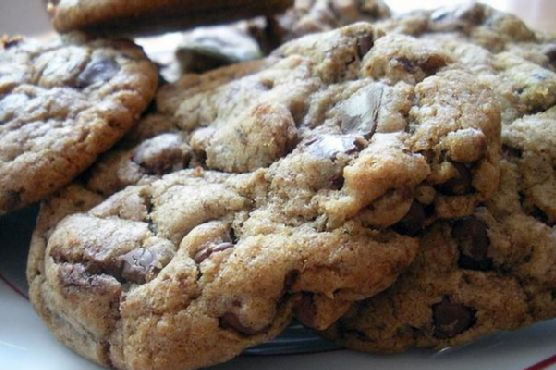
Southern 7 Layer Salad in a Mason Jar | Made by Meaghan Moineau

One chilly Tuesday evening last fall, I found myself digging through the fridge, craving something crisp and refreshing amidst all the usual comfort foods. The dilemma? It was one of those weeks where time seemed to vanish, and I needed something quick yet satisfying. That’s when it dawned on me: my favorite Southern 7 Layer Salad — but with a twist! Instead of the classic trifle dish, I opted for a mason jar presentation. Not only does it make for an easy, transportable lunch, but there’s something so charming about seeing those vibrant layers through glass. Plus, let’s be real, salads in mason jars just make you feel like you’ve got your life together. Ready to dive in?

Jump to Recipe

What You’ll Need

Here’s the beauty of this recipe: most of these ingredients are pantry regulars. If you don’t have them all, don’t worry — substitutions are a breeze!

  • Bacon – because everything’s better with bacon, right?
  • Black pepper
  • Eggs – hard-boiled and chopped
  • Lettuce – crisp and refreshing
  • Mayo
  • Frozen peas – they make the salad pop!
  • Red diced bell pepper
  • Sour cream
  • Sugar
  • Yellow or red diced onion

How to Make Southern 7 Layer Salad in a Mason Jar

  1. Prepare the dressing by mixing the mayo, sour cream, sugar, and a dash of black pepper in a small bowl. Give it a good whisk until smooth. Pop it in the fridge to chill while you prep everything else.
  2. Cook the bacon in a skillet over medium heat until it’s wonderfully crisp and the kitchen smells like breakfast heaven. Let it cool on a paper towel-lined plate, then chop it into bite-sized pieces.
  3. Hard-boil your eggs if you haven’t already, then dice them into little chunks. I love using an egg slicer for this — it’s oddly satisfying.
  4. Grab your large mason jars (21oz works beautifully). Start with a couple of spoonfuls of the chilled dressing at the bottom of each jar. This way, when you tip it out to eat, everything ends up nicely coated.
  5. Layer in this order: chopped lettuce, a sprinkle of diced onions, a cheerful scatter of red bell peppers, those poppy little peas, the diced eggs, and finally, the crispy bacon.
  6. Screw the lid on tightly, give it a little shake if you’re feeling adventurous, and either dig in straight from the jar or pour it into a bowl. Enjoy the crunchy, creamy goodness!

Cook’s Notes

Let’s talk practicalities:

– This salad is a fantastic prep-ahead option. You can make all the components the night before. Just wait to add the dressing until you’re ready to dig in to avoid anything getting soggy.
– Storing the salad in the fridge will keep it fresh for up to two days, but honestly, it’s so tasty it’ll probably disappear way before then.
– One potential trip-up: overcooking the bacon or eggs. Keep a close eye on both to ensure they’re just right.

Make It Your Own

Want to mix things up? Here are a few ideas:

  • Swap the bacon for crispy tofu for a vegetarian twist.
  • Use Greek yogurt instead of sour cream for a tangier, lighter dressing.
  • Add shredded cheddar cheese for an extra savory kick.
  • Include sliced avocado for a creamy texture and added health benefits.

So there you have it — my trusty Southern 7 Layer Salad in a Mason Jar! If you try this, I’d love to hear how it turns out. Drop a comment below or tag me on social media with your layered creations. Happy crunching!

Related update: Southern 7 Layer Salad in a Mason Jar

Related update: Avocado and Orange Salad With Orange-Ginger Dressing

Blueberry Almond Crescent Rolls | Made by Meaghan Moineau

Okay, picture this: It’s a lazy Sunday morning, and the sun is peeking through the kitchen window, but you’re still in your pajamas and not quite ready to embrace the day. You crave something sweet but are not in the mood for a mess of bowls and measuring cups. Enter Blueberry Almond Crescent Rolls, the savior for those who want to feel fancy without the fuss. These little guys are like a bakery treat you can whip up faster than you can say “brunch,” and I promise, they’ll make your kitchen smell like a dream. Plus, they’re guaranteed to impress anyone lounging around in their PJs with you! 🍇🥐

Jump to Recipe

What You’ll Need

This is one of those recipes where you might peek into your pantry and realize you’ve got most of it already. Here’s the lineup:

  • 1 can of regular crescent rolls
  • 1/4 cup blueberry jam
  • 4 ounces cream cheese, softened
  • 1/2 cup confectioner’s sugar, divided
  • 1/4 teaspoon almond extract, divided
  • 1 tablespoon flour
  • Pinch of sea salt
  • 1 egg
  • 1 tablespoon water
  • 1 tablespoon milk
  • 2 tablespoons turbinado sugar

How to Make Blueberry Almond Crescent Rolls

  1. Preheat your oven to 375 degrees F. Line a large baking sheet with parchment paper or a silicone baking mat. Trust me, it’s worth it for easy cleanup!
  2. In the bowl of your stand mixer with the paddle attachment—or just a handheld mixer if you’re like me and can’t be bothered—mix together the cream cheese, blueberry jam, 2 tablespoons of confectioner’s sugar, flour, sea salt, and 1/4 teaspoon of almond extract. Blend until smooth, which should take about 30 seconds.
  3. Spread your crescent roll wedges out on a clean work surface. You know the drill: take a generous tablespoon of that heavenly cream cheese mixture and plop it on the wide end of each wedge.
  4. Roll ’em up! Start from the wide end and roll until the narrow end is snug underneath. Nestle them onto your prepared baking sheet.
  5. Whisk the egg and water together to create an egg wash, then brush it over your crescent rolls. Don’t skip this step—it gives them that gorgeous golden glow.
  6. Sprinkle with turbinado sugar. This stuff is like edible glitter, trust me.
  7. Bake for 13-15 minutes, or until they’re puffed and golden. The anticipation will build as your kitchen fills with the scent of warm blueberries and almond.
  8. While they cool slightly on a wire rack, prepare the glaze. In a medium bowl, combine the remaining 1/2 cup of confectioner’s sugar, remaining 1/4 teaspoon of almond extract, and milk. Whisk until smooth. Taste and add a pinch of sea salt if it’s too sweet for your liking.
  9. Drizzle that silky glaze over your crescent rolls and serve immediately. Enjoy the blissful combo of flaky, sweet, and creamy!

Cook’s Notes

  • Don’t overfill the crescent rolls. It may be tempting, but too much filling can cause a messy overflow.
  • If you don’t have turbinado sugar, regular sugar works in a pinch, though it won’t have the same crunch.
  • The rolls are best enjoyed fresh but can be stored in an airtight container at room temperature for up to two days.
  • For make-ahead magic, prepare the cream cheese filling a day in advance and store it covered in the fridge. Let it come to room temp before using.

Make It Your Own

  • Swap the blueberry jam for raspberry or strawberry if that’s more your jam (pun intended!).
  • Add a dash of cinnamon to the cream cheese mixture for an extra layer of flavor.
  • Use orange marmalade and replace the almond extract with vanilla for a citrusy twist.
  • Feeling nutty? Add a sprinkle of chopped almonds inside or on top for added crunch.

If you try this, I’d love to hear how it turns out—drop a comment or tag me! Let’s make every breakfast feel like a special occasion, one crescent roll at a time. 🌟

Related update: Blueberry Almond Crescent Rolls

Related update: Neiman Marcus Oatmeal Chocolate Chip Cookies

Related update: Soft Croatian corn bread – proja

Related update: Avocado Nests

Swiss Chard Wraps | Made by Meaghan Moineau

Last Tuesday was one of those days. You know the kind—when work drags, the laundry pile is a mountain, and the fridge looks like a post-apocalyptic wasteland. I needed something quick, fresh, and healthy, but my brain was too fried to concoct anything elaborate. As I rummaged through the crisper drawer, I found some vibrant swiss chard and an orange cauliflower that had somehow survived the week. With a handful of other ingredients, I whipped up some Swiss Chard Wraps. They were the perfect antidote to a hectic day: simple, fresh, and surprisingly satisfying. Plus, they look as good as they taste, which is always a bonus when you’re trying to convince your family (or yourself) to eat more greens.

Jump to Recipe

What You’ll Need

Chances are you already have most of this, but there are a few stars that make all the difference.

  • Dried swiss chard leaves
  • Orange cauliflower (it’s just a bit sweeter and cuter)
  • Olive oil
  • Garlic
  • Salt
  • Fresh basil
  • Zucchini
  • Red bell pepper
  • Avocado
  • Trader Joe’s spicy peanut vinaigrette

How to Make Swiss Chard Wraps

  1. Begin by chopping off the stems of the swiss chard right where they meet the leaf. I like to leave a bit of stem for extra crunch and structure, but feel free to stem them entirely if that’s your jam.
  2. Chop the cauliflower into small bits and toss them into a food processor. Give it a few pulses until it resembles rice. Yes, even the stalks!
  3. Heat up some olive oil in a sauté pan over medium-high heat. Once it’s shimmering, add the garlic and let it sizzle for a minute or two, until you can smell its toasty aroma.
  4. Add the cauliflower rice to the pan. Cook it for about 2-3 minutes until it turns a bright, cheerful orange. Stir in a pinch of salt and some chopped basil, letting the flavors mingle.
  5. Spiralize the zucchini using Blade B to make noodles. No spiralizer? No problem—use a vegetable peeler to create ribbons.
  6. To assemble, lay a swiss chard leaf flat. Pile on a bit of the sautéd cauliflower, zucchini noodles, slices of red bell pepper, and creamy avocado along the stalk.
  7. Drizzle some spicy peanut vinaigrette over everything (don’t be shy!) and wrap it all up snugly.

Cook’s Notes

Here’s the thing with these wraps: they really shine fresh. The swiss chard will wilt if you let it sit too long, so try to make just what you’ll eat in one go. However, if you find yourself with leftovers, pop them in an airtight container and store them in the fridge. They’ll last a day or two, but the flavors will meld and mellow a bit.

  • Make the cauliflower rice a day ahead if you’re in a time crunch!
  • If you’re not into raw red bell peppers, give them a quick sauté with the cauliflower rice to soften them up.
  • Be generous with the vinaigrette; it’s the secret sauce that ties everything together.

Make It Your Own

  • Swap the avocado: If you’re not an avocado fan, try hummus or a dollop of Greek yogurt for creaminess.
  • Spice it up: Add some sliced jalapeños or a sprinkle of chili flakes to give your wraps a kick.
  • Change up the greens: If you can’t find swiss chard, collard greens or large kale leaves work as excellent substitutes.
  • Protein punch: Add grilled chicken, tofu, or shrimp for a more filling meal.

If you try this, I’d love to hear how it turns out—drop a comment or tag me on social media! Your kitchen adventures always brighten my day, and who knows? You might inspire the next variation. Enjoy your leafy, crunchy bites of happiness!

Related update: Southern 7 Layer Salad in a Mason Jar