Raptor Lake Next: Affordable Upgrades | Analysis by Brian Moineau

TL;DR

  • Intel Raptor Lake Next looks like a tactical stopgap for 2027: Core 7/5/3 parts on LGA1700, max 20 cores (8P+12E), and DDR4/DDR5 flexibility to ride out memory costs. [1][2] (wccftech.com, tomshardware.com)
  • The headline isn’t cores; it’s cost: HUDIMM (half‑channel DDR5) plus DDR4 support lets OEMs hit entry price bands by cutting DRAM silicon per DIMM and reusing boards. [2][3] (tomshardware.com, techspot.com)
  • If next‑gen Nova Lake and Zen 6 cluster around CES 2027, Raptor Lake Next becomes the 2027 volume workhorse for OEM towers and upgraders, not a footnote. [2] (tomshardware.com)

What the source said

Wccftech reports Intel is prepping “Raptor Lake Next,” a third spin of Raptor Lake on Intel 7 that lives on the existing LGA1700 socket and spans Core 7, Core 5, and Core 3. The rumored top desktop SKU hits 20 cores (8 P‑cores, 12 E‑cores) at 65W, with Core 5 variants at 8+8 and 6+4 (the latter getting a 24MB L3 via an “asynchronous cache slices” trick), and Core 3 at 4P only. The lineup keeps DDR4/DDR5 support, retains 125W/65W tiers, keeps the same I/O with an iGPU, and is framed as a value play while next‑gen parts slip toward early 2027. [1] (wccftech.com)

Why it matters

  • Two stakeholder groups drive this: PC buyers stuck between elevated DDR5 pricing in 2026 and opaque CPU roadmaps, and OEMs that ship millions of desktops against tight BoM targets. DDR4 reuse and HUDIMM’s single 32‑bit subchannel give builders a path to hit sub‑$900 configs without waiting on supply relief. [2][3] (tomshardware.com, techspot.com)

  • For Intel, desktop isn’t the growth engine in 2026, but the channel still demands fresh SKUs and backward‑compatible platforms. Staying on LGA1700 while capping at 8P+12E preserves board inventories and bundle economics as Nova Lake ramps. [2] (tomshardware.com)

Original analysis

What’s really driving “Raptor Lake Next”

The rumor stack converges on a simple truth: Intel is optimizing for platform total cost in 2026–2027, not for architectural novelty. Raptor Lake Next reportedly caps at 20 cores with 8 P‑cores and retains LGA1700 plus DDR4/DDR5 flexibility to extend the platform’s life. That combination targets volume tiers where every $10 of BoM matters in 2027. [2] (tomshardware.com)

HUDIMM makes the strategy click. By halving DDR5’s dual 32‑bit subchannels to a single 32‑bit path, HUDIMM literally halves the DRAM chip count per module, trading bandwidth for cost headroom; early demos show roughly half the throughput, as expected. ASRock proposed the spec, and industry chatter cites interest from major board vendors like ASUS. [3] (techspot.com)

Tom’s Hardware also notes asynchronous cache behavior: certain Raptor Lake Next SKUs may keep L3 slices accessible even when associated core clusters are fused off. If accurate, that yields oddball configs like a 6P+4E chip with 24MB L3 instead of the usual 20MB—perceived value from mature silicon. [2] (tomshardware.com)

Back‑of‑envelope: Why HUDIMM and LGA1700 cut real dollars

  • Assumption A: DRAM die cost is ~70% of a UDIMM’s BoM; the rest is PCB, PMIC, SPD, assembly, and margin.
  • Assumption B: HUDIMM halves the die count per stick (one 32‑bit subchannel vs two). [3]
  • Savings math: If a 16GB UDIMM’s DRAM content is 70% of price, halving chips saves ~35% of end‑module cost before overheads (0.5 × 70%). Even after validation and scale penalties, a 20–25% per‑stick reduction is plausible at volume.
  • Desktop roll‑up: If a typical 16GB×2 kit is $100 in 2026 conditions (illustrative), a 20% shave is $20. On a $699 street‑price target, $20 can flip a retailer’s promo calculus for Q1 2027.

That saving only materializes if BIOS and QVL support HUDIMM broadly across 600/700‑series boards and if DDR5 supply stays tight enough that “less silicon per module” matters through late 2026. Both hinge on firmware landings by the 2026 holiday freeze and coordinated vendor messaging. [3] (techspot.com)

A 2×2: Where Raptor Lake Next wins or whiffs

Memory reality → DDR5 stays expensive into 2027 DDR5 cools fast in 2026
Platform choice ↓
Stick with LGA1700 (DDR4 or HUDIMM) Sweet spot. Reuse DDR4; HUDIMM fills capacity gaps; 8P+12E at 65W fits $600–$900 towers. Weak play. If full‑channel DDR5 is cheap, HUDIMM’s half‑bandwidth is a hard sell; buyers jump to LGA1851/Arrow‑family in Q4’26–Q1’27.
Jump to LGA1851 (Arrow‑family) Niche. DDR5 tax kneecaps entry builds; OEMs reserve LGA1851 for premium SKUs. Preferred. If DDR5 normalizes, OEMs push Arrow‑family and Nova Lake resets for 2027 lineups.

As of 2026, signals still favor the top‑left box: cost pressure persists, and platform reuse with LGA1700 reduces validation churn for volume SKUs.

Historical analogue: Kaby Lake, 2016–2017

We’ve seen this pattern. When 10nm Cannon Lake slipped in 2016, Intel inserted Kaby Lake (14nm+) across LGA1151 in 2016–2017 to stabilize OEM roadmaps while the next node baked. That refresh wasn’t flashy, but it preserved desktop volume and margins during a transition year.

Contrarian read

  • Consensus: “Raptor Lake Next is a stale rerun; wait for Nova Lake or Zen 6.”
  • My take: If you buy in Q1 2027, this “rerun” is the only mass‑market option aligned with memory reality. Reports point to early‑2027 timing, Core 200‑style branding, and LGA1700 deployment, while the clean‑sheet parts cluster around CES. If you need a $700 tower in March 2027, an 8P+12E Raptor Lake Next plus DDR4 or HUDIMM is what ships in pallets. [2] (tomshardware.com)

Named‑stakeholder breakdown

  • Intel: Gains shelf stability and better wafer economics by binning mature Intel 7 dies into new SKUs; LGA1700 reuse cuts OEM friction in 2026–2027. [2] (tomshardware.com)
  • AMD: Risks losing some AM5 mid‑range oxygen if buyers cling to cheap DDR4 builds; benefits if DDR5 normalizes sooner and X3D parts keep the gaming halo in 2027.
  • ASRock/ASUS/Gigabyte: Can move 600/700‑series inventory by marketing HUDIMM‑ready BIOSes as a budget feature; they must manage QVL fragmentation and RMA risk. [3] (techspot.com)
  • Micron/SK hynix/Samsung: Prioritize high‑margin HBM and server DDR5 through 2026; HUDIMM marginally stretches DDR5 die inventory into client DIMMs.
  • Retailers/Etailers: Get a defensible sub‑$900 desktop story in Q1–Q2 2027 with LGA1700 bundles and mixed DDR4/HUDIMM configs.

What others are missing

Motherboard firmware is the bottleneck in 2026. HUDIMM is not just a stick; it’s a topology shift that touches training algorithms, SPD parsing, PMIC behavior, and QVL validation on 600/700‑series boards. If BIOS support lands unevenly, the “cheap DDR5” story will fragment, and OEMs will retreat to safe DDR4 SKUs even if HUDIMM silicon ships. The only way Raptor Lake Next bends street prices is if top vendors push synchronized, stable HUDIMM firmware by the 2026 holiday freeze on popular LGA1700 models. [3] (techspot.com)

What to watch next

  1. By January 2027 (CES), Intel announces Raptor Lake Next desktop SKUs for LGA1700, including a Core 7 8P+12E/65W model and a Core 5 6P+4E/65W variant with 24MB L3. [2] (tomshardware.com)
  2. By March 31, 2027, at least one memory vendor announces retail HUDIMM DDR5 kits, and ASRock posts public BIOS updates enabling HUDIMM on select 600/700‑series boards. [3] (techspot.com)
  3. By December 31, 2026, at least five LGA1700 motherboards from top‑three vendors (ASUS, ASRock, or Gigabyte) list HUDIMM explicitly on their QVL/support pages. [3] (techspot.com)

My take

Raptor Lake Next is the right kind of boring for early 2027. If you’re building a family or gaming PC, you want a tower that boots on day one, not a compute‑tile whitepaper. Intel is reading the room: keep an 8P ceiling, turn on clever cache salvage, stick with LGA1700, and embrace memory pragmatism even if HUDIMM halves bandwidth. I’d pick a balanced sub‑$900 tower that exists in March 2027 over a pricier “next‑gen” rig that waits on DDR5 economics. [2][3] (tomshardware.com, techspot.com)

Sources

  1. Intel Raptor Lake “Next” Desktop CPUs To Come In Core 7, Core 5, Core 3 Flavors With Up To 20 Cores But Retain 8 P‑Cores On LGA1700 Socket — Wccftech (https://wccftech.com/intel-raptor-lake-next-desktop-cpus-core-7-core-5-core-3-up-to-20-cores-lga-1700-socket/) — Origin of the leak: tiers (Core 7/5/3), 8P+12E cap, LGA1700, cache‑slice detail, and early‑2027 framing.

  2. Intel’s upcoming “Raptor Lake Next” will reportedly top out at 20 cores and retain Core 200 branding — Tom’s Hardware (https://www.tomshardware.com/pc-components/cpus/intels-upcoming-raptor-lake-next-will-reportedly-top-out-at-20-cores-and-retain-core-200-branding-lineup-may-include-a-special-10-core-sku-with-24mb-of-l3-cache) — Independent corroboration on 20‑core/8P limit, LGA1700, early‑2027 timing, and the 6+4/24MB L3 quirk.

  3. ASRock’s new HUDIMM standard wants to make DDR5 affordable again, by cutting it in half — TechSpot (https://www.techspot.com/news/112122-asrock-new-hudimm-standard-wants-make-ddr5-affordable.html) — Explains HUDIMM’s single‑subchannel design, bandwidth trade‑off, and board‑vendor interest.


Related update: We recently published an article that expands on this topic: read the latest post.


Basil Coconut Ice Cream | Made by Meaghan Moineau

It was one of those sticky summer afternoons when the air conditioner just couldn’t keep up, and I found myself craving something cool and refreshing. I’d been eyeing the basil plants on my kitchen windowsill, their leaves lush and inviting, and it hit me — basil coconut ice cream. It’s a little unusual, sure, but that’s part of its charm. This recipe is perfect when you’re in the mood for something a bit different yet incredibly easy to whip up. If you’re ready for a creamy, herby delight that tastes like a tropical breeze, you’re in the right place.

Jump to Recipe

What You’ll Need

The best part? You probably already have most of these ingredients in your kitchen. Just a few stars of the show to gather up, and you’re all set for a culinary adventure.

  • Fresh basil leaves
  • Canned full-fat coconut milk
  • Honey
  • Half & half
  • Salt

How to Make Basil Coconut Ice Cream

  1. Start by heating the coconut milk and half & half in a saucepan over medium-high heat until it’s hot and just beginning to bubble gently. You’ll want to catch it right before a full boil.
  2. Add in the honey and a pinch of salt, stirring until they dissolve completely, giving the mixture a lovely sweet-salty balance.
  3. Drop in the fresh basil leaves and stir them through until they wilt down, infusing the liquid with their aromatic goodness. Remove the saucepan from heat.
  4. Pour the mixture into a blender, and blend until it’s silky smooth and no chunks of basil remain. If your blender leaves bits, strain the mixture through a fine sieve.
  5. Let the basil-infused cream cool for about 20 minutes, allowing the flavors to deepen.
  6. Transfer the mixture to a large container, cover, and chill it in the fridge for a few hours until completely cool.
  7. If you have an ice cream maker, follow your machine’s instructions to churn the mixture. If not, pour it into a freezer-safe container, and stir it every hour for about 8-10 hours to achieve the best texture possible.

Cook’s Notes

Making ice cream at home is as much about patience as it is about flavor. If you can, use fresh basil for the most vibrant taste. You can make the base a day ahead and chill it overnight, which can deepen the flavors even more. When it comes to leftovers, freeze them in a tightly sealed container. Just remember, the ice cream will harden significantly, so let it sit out for 10 minutes before scooping.

  • If you don’t have an ice cream maker, don’t fret! While the texture won’t be as smooth, frequent stirring during the freezing phase will help prevent too many ice crystals from forming.

Make It Your Own

  • Swap out the basil for mint leaves if you’re craving a more classic flavor combo.
  • For a richer taste, replace half of the half & half with heavy cream.
  • Substitute honey with maple syrup for a deeper, earthier sweetness.
  • If you’re feeling adventurous, toss in a handful of dark chocolate chips during the churning process for a hint of bitterness against the sweetness.

If you try this, I’d love to hear how it turns out — drop a comment or tag me! Whether you’re enjoying it in the heat of summer or dreaming of warmer days, this basil coconut ice cream is sure to be a hit. Enjoy every refreshing scoop!

Related update: Basil Coconut Ice Cream

Braid sweet citrus flavored licorice | Made by Meaghan Moineau

I was knee-deep in a midwinter slump, the kind where you just crave a burst of sunshine, when I stumbled upon this idea: Braid sweet citrus-flavored licorice. It’s a bit of a departure from your typical licorice, and honestly, it’s more of a pastry with a playful twist. Picture this: a light, flaky puff pastry with a zesty citrus glaze that dances on your taste buds. Perfect for those days when you need a little joy but aren’t in the mood for anything too fussy or time-consuming.

One of the best things about this recipe is its versatility. It’s a delightful treat that can play the part of a breakfast snack, a tea-time companion, or the unexpected star of a dessert platter. The secret weapon here is the citrus glaze, which brings this pastry to life with a sweet-tart zing. If you’ve got some puff pastry lingering in the freezer and a stash of citrus in the fruit bowl, you’re basically halfway there.

Jump to Recipe

What You’ll Need

Chances are you already have most of this sitting in your kitchen. Let’s keep it simple, shall we?

  • Puff pastry Buitoni – the flaky base of our braids
  • Fresh cream – to add richness to the glaze
  • Grand cru muscovado sugar – for that deep, molasses-like sweetness
  • Lemon – zest and juice will do wonders here
  • Lime – for that extra citrus punch
  • Orange – more zest, more flavor

How to Make Braid Sweet Citrus Flavored Licorice

  1. Roll out the puff pastry and use a sharp knife to etch designs of strips about 10 cm high and 1 cm wide. Precision isn’t key here, just have fun with it.
  2. Gently twist each strip on itself. It doesn’t have to be perfect; the twists will bake into beautiful, rustic braids.
  3. Place the twisted strips spaced apart on a sheet of parchment paper. This prevents them from sticking together as they bake.
  4. Bake in a preheated oven at 200°C for about 12 minutes, or until they’re golden brown and your kitchen smells like heaven.
  5. While the braids cool on a wire rack, zest your citrus fruits, and set the zest aside.
  6. Juice the lime, half of the orange, and half of the lemon. Boil the juices until you reduce it down to about two tablespoons of liquid.
  7. Remove from heat and stir in the cream and brown sugar until it’s well mixed and dreamy.
  8. Let the glaze cool until it thickens, then brush it generously over the cooled braids.
  9. Sprinkle the reserved citrus zest over the glazed braids while they’re still a bit wet to ensure it sticks well.
  10. Allow the glaze to dry on the wire rack until it hardens slightly. Then, go ahead and devour them!

Cook’s Notes

Don’t stress if your twists aren’t perfect—imperfections add character! Make sure to space them well on the parchment paper to allow for expansion. If your glaze seems too runny, let it cool a bit more; it thickens as it cools. Want to save time? You can make the glaze ahead of time and refrigerate it for up to two days. Just warm it slightly before using. Leftovers can be stored in an airtight container for a couple of days, but honestly, they probably won’t last that long.

Make It Your Own

  • Try using blood orange instead of the regular orange for a more intense flavor and color.
  • Add a splash of vanilla extract to the glaze for a warm, comforting undertone.
  • For a spiced twist, sprinkle a little ground cardamom in with your citrus zest.
  • If you’re feeling adventurous, drizzle a bit of melted white chocolate over the top once the glaze has set.

If you try this, I’d love to hear how it turns out—drop a comment or tag me! Enjoy the bright and citrusy vibes these braids bring, no matter what the weather outside is doing. Happy baking!

Related update: Braid sweet citrus flavored licorice

Related update: Basil Coconut Ice Cream

Patriots Summer Checkup: Depth, Contracts | Analysis by Brian Moineau

TL;DR

  • The Patriots enter the June-to-July 2026 break with a mostly settled roster; the soft spot is edge depth while Harold Landry III continues knee management and rookie Gabe Jacas remains the lone unsigned second-rounder. [1], [7], [12]
  • A.J. Brown’s arrival plus a looming Christian Gonzalez mega-extension will redefine New England’s cap identity; the front office has to set terms before veterans report on July 24, 2026. [2], [4], [5]
  • Many say “sign another pass rusher now,” but Mike Vrabel’s history and the production baselines for Landry and Dre’Mont Jones support a patient, coverage-first plan if those two hit 75–80% of prior output. [3], [6], [8]

What the source said

A team-run roundup says the defending AFC champs finished OTAs and minicamp on June 12, 2026, and will reconvene at training camp with veterans reporting July 24 and the first public practice July 25 in Foxborough. The post lists Drake Maye as the established QB1, notes positive spring reports on Michael Onwenu’s group, and highlights a defense headlined by Christian Gonzalez and Carlton Davis. Questions remain at edge (Harold Landry III’s rehab timeline; unsigned second-rounder Gabe Jacas), TE2 after Julian Hill’s injury, and several back-end roster spots. Vrabel publicly praised his edge room, and the club is tracking a Gonzalez “mega-extension” while he was limited during minicamp periods. [1], [2]

Why it matters

  • Inside Foxborough, Eliot Wolf and Mike Vrabel must sequence contracts that add A.J. Brown and extend Christian Gonzalez while protecting 2026–2028 cap flexibility around Drake Maye’s below-market rookie window. Miss the timing and you either pay a July premium for pass rush or let a CB1 gain leverage heading into 2027. [4], [5]

  • Outside Foxborough, AFC East rivals have to pick between defending Maye-to-Brown shootouts or hammering the run into New England’s coverage shell and away from Gonzalez’s side. New England’s choice at edge—buy in July or ride internal options—will shape early-down scripts in September divisional games. [2], [3]

Original analysis

Late June 2026 is the pivot point: separate OTA storylines from real constraints before the July 24 report date and July 25 public practice. Two levers will set September margins—edge availability and the timing/structure of a Christian Gonzalez extension. [2]

Contrarian read

  • Consensus: sign a veteran edge before camp because Landry is still rehabbing and Jacas isn’t under contract.
  • Counter: if Harold Landry III is functional and Dre’Mont Jones stabilizes, Vrabel can manufacture pressure with coverage and games up front without paying a July markup.
    • Landry logged 10.5 sacks across 17 games in 2023 (0.62 per game), a usable baseline even with continued knee management into early 2026. [6], [7]
    • Jones agreed to three years and $39.5 million after a career-best 7.0 sacks in 2025; at 17 games, that’s 0.41 per game before any scheme bump. [4], [8]
    • Vrabel’s June media tone on the edge room skewed confident, not hedged, which signals he sees an acceptable floor to start camp. [3]

Back-of-envelope calculation

  • Assume 75% of prior sack rates to reflect Landry’s rehab and Jones settling into a hybrid edge/3T role:
    • Landry: 0.62 sacks/gm × 0.75 ≈ 0.47 sacks/gm
    • Jones: 0.41 sacks/gm × 0.75 ≈ 0.31 sacks/gm
    • Combined ≈ 0.78 sacks/gm. Over 17 games, that’s ~13 sacks from the top two. With rotational, DB, and ILB pressures layered in, team sacks plausibly land in the mid-40s—a range that wins when paired with a CB1 like Gonzalez and an offense boosted by Brown. [6], [8]

2×2: Patriots 2026 roster reality (certainty vs. depth)

Unit Certainty (Talent/Role) Depth (2nd/3rd options) Read
WR (A.J. Brown, Romeo Doubs) High Medium WR1 solved; WR4/5 surplus becomes August trade capital. [4], [9], [10]
CB (Christian Gonzalez, Carlton Davis) High Medium Star + steady veteran; Gonzalez deal sets 2027 flexibility. [5], [11]
Edge (Landry, Dre’Mont Jones, Jacas) Medium Low–Medium If Landry’s pitch count rises slowly and Jacas starts late, early heat comes from stunts/sim pressures. [1], [3], [8]
OL (Michael Onwenu + ascending group) Medium–High Medium Spring reports point up; tackle depth vs. elite fronts remains the test. [1]

Named-stakeholder breakdown

  • Mike Vrabel: He’s signaling coverage-first, pressure-second to start August, and he controls the timing on any external edge addition if September pressure craters. [3]
  • Eliot Wolf: He needs a Gonzalez extension at or just above the current CB apex (~$30M AAV) while keeping 2027 escape hatches for cash/Cap 2.0 scenarios. [11]
  • Christian Gonzalez: Limited minicamp work tracks with a “protect the asset” posture during negotiations; closing in July avoids a daily question cycle and preserves a full ramp to Week 1. [5]
  • Gabe Jacas: As the lone unsigned second-rounder, each unsigned day squeezes install; a PUP start would make 2026 a rotational year capped below starter volumes. [12]
  • Dre’Mont Jones: A scheme-versatile piece whose 2025 production bump suggests he can hold early downs while Vrabel dials up movement to free one-on-ones. [8]

Historical analogue

  • In 2019, New England finished at or near the top of defensive DVOA by pairing elite coverage with simulated pressure, despite lacking a Bosa/Garrett archetype; the 2019–2020 stretch under Belichick shows the coverage-first blueprint that Vrabel can echo with Gonzalez and a healthy-enough Landry. [13]

What others are missing

The hinge isn’t the July price of an edge; it’s the time-value of a Gonzalez extension. Top-corner AAV has clustered around the $30 million mark, and every new comp tilts leverage toward Gonzalez if Wolf waits past the July 24 report date. A structure with 2026–2027 option bonuses and front-loaded guarantees can pair A.J. Brown’s cap with Gonzalez’s and preserve 2027 room for a Maye renegotiation path; slip a month, and you pay a CB tax or cut depth at safety or guard to fit. [2], [11]

What to watch next

  1. By July 24, 2026, Christian Gonzalez signs an extension at or above $30M AAV, announced before or during the report-day window. [2], [5], [11]

  2. By July 20, 2026, Gabe Jacas signs his rookie deal but opens camp on PUP or a pitch count; if Landry is active, his Week 1 defensive snap share stays below 35%. [2], [12]

  3. Through August 18, 2026 (end of joint practices/preseason Week 2), New England does not add a veteran edge on a multi-year deal; any addition, if made, is one year and under $6 million after late-August cuts. [3], [8]

My take

I’m buying Vrabel’s bet because 10.5 sacks from Landry in 2023 and a career-high season from Jones in 2025 create a real baseline to start camp in July 2026. With Gonzalez erasing one side and Brown changing offensive tenor, a coverage-tilt front can muddy reads and still generate drive-killing pressure. Spend urgency on paperwork, not headlines: close Gonzalez at market-plus, get Jacas under contract and learning, and walk into the July 25 public practice with clarity. If the rush lags by Week 3, cutdown-week veterans will exist—and the same cap dollars will buy more certainty in September. [2], [3], [6], [8]

Sources

  1. New England Patriots Official Website — Team-run minicamp/OTA roundup detailing June 12 wrap, July camp dates, and edge/TE2 notes; establishes baseline roster context.

  2. NBC Sports ProFootballTalk — Training camp schedule piece confirming veterans report July 24 and first public practice July 25; sets the calendar.

  3. Yahoo Sports — Vrabel’s June minicamp comments indicating confidence in the current edge group; informs coaching posture.

  4. FOX Sports (AP-sourced) — Report of Dre’Mont Jones agreeing to a three-year, $39.5M contract with New England; anchors contract math.

  5. CBS Boston — Coverage of Christian Gonzalez’s limited minicamp work amid extension buzz; frames negotiation timing.

  6. NFL.com — Harold Landry III career stats, including 10.5 sacks in 2023 over 17 games; supplies production baseline.

  7. Patriots.com — Injury report analysis noting Landry’s knee management into February 2026; contextualizes availability.

  8. CBS Sports — Note on Dre’Mont Jones’s 2025 career-high sacks and confirmation of contract terms; informs per-game estimates.

  9. Patriots.com — Club announcement of the A.J. Brown trade to New England; establishes WR1 arrival.

  10. Associated Press — Independent confirmation of A.J. Brown trade details and context; corroborates transaction.

  11. Boston.com — Report outlining current top-corner AAV benchmarks near $30M and Gonzalez’s leverage; supports extension valuation.

  12. Pats Pulpit — Note that Gabe Jacas remained the lone unsigned second-rounder entering late June 2026; signals install risk.

  13. Football Outsiders — 2019 defensive DVOA rankings showing New England’s coverage-first, simulated-pressure success; provides historical analogue.


Related update: We recently published an article that expands on this topic: read the latest post.



Related update: We recently published an article that expands on this topic: read the latest post.
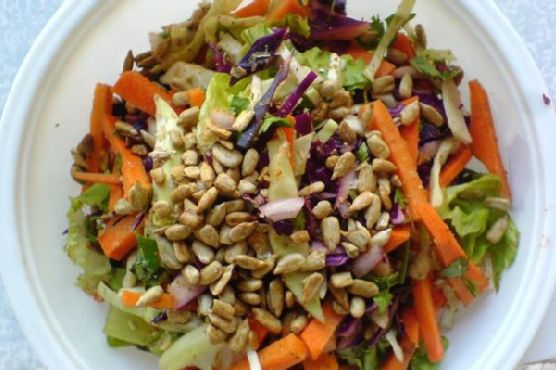
Carrot and Cabbage Salad With Coriander+cumin Dry Rub | Made by Meaghan Moineau

So there I was, standing in the kitchen, mid-week with a craving for something fresh yet satisfying. I’d just finished a long day of work, and the idea of a heavy meal felt like too much. My fridge had the usual suspects: a couple of carrots and half a cabbage from my last attempt at being super healthy. That’s when I remembered this Carrot and Cabbage Salad With Coriander+cumin Dry Rub. It’s one of those recipes that’s surprisingly easy and hits that magical spot between simplicity and flavor explosion. The combination of earthy spices and crunchy vegetables makes it refreshing and comforting at the same time. And the best part? It’s perfect for when you need to throw something together quickly but still feel like a kitchen wizard.

Jump to Recipe

What You’ll Need

You’re in luck because this ingredient list is all about basics that pack a punch. Chances are you already have most of this hanging out in your pantry and fridge.

  • Carrots
  • Green cabbage
  • Red cabbage
  • Cumin seed powder
  • Ground coriander
  • Fresh coriander
  • Lime juice
  • Olive oil
  • Sunflower seeds

How to Make Carrot and Cabbage Salad With Coriander+cumin Dry Rub

  1. Start by chopping up the carrots and both the green and red cabbage into thin slivers. Aim for uniformity here so every bite is a perfect mix.
  2. In a large bowl, add the chopped veggies, then sprinkle in the ground coriander and cumin seed powder.
  3. Pour in the lime juice and olive oil. Now, roll up your sleeves and massage the spices into the veggies. You’ll know you’re done when everything’s lightly coated and you can smell the spices waking up.
  4. Finish by tossing in the fresh coriander and sunflower seeds. Give it a final stir to distribute these goodies evenly.
  5. Let the salad sit for a couple of hours. This waiting game is crucial for the spices to seep into the veggies, enriching the flavors.

Cook’s Notes

Don’t skip the resting period. This gives the spices a chance to penetrate the veggies, making them more flavorful. If you’re planning ahead, you can even prepare this salad the day before and let it sit in the fridge overnight. Just give it a quick toss before serving. Leftovers hold up surprisingly well too, so pack some for lunch the next day!

  • Be sure to chop the vegetables evenly to ensure each bite is well-balanced.
  • Feel free to adjust the lime juice to taste. More lime will give it a zestier kick!

Make It Your Own

  • Switch out the sunflower seeds for pumpkin seeds for a different crunch.
  • Add thinly sliced red onion or scallions for an extra layer of flavor.
  • Replace the olive oil with avocado oil for a different, slightly nuttier taste.
  • If you prefer a bit of heat, toss in some thinly sliced chili or a pinch of chili flakes.

If you try this, I’d love to hear how it turns out — drop a comment or tag me! Your variations and tweaks are always inspiring, and who knows, you might come up with the next favorite twist on this dish! 🌿🥕

Related update: Carrot and Cabbage Salad With Coriander+cumin Dry Rub

Lemonade Bundt Cake | Made by Meaghan Moineau

Picture this: it’s a Tuesday evening, and the week is already feeling like one long, chaotic whirlwind. I’m staring at the contents of my pantry, trying desperately to remember that elusive thing called “meal planning.” But instead of a dinner brainstorm, my mind wanders to something sweet and zesty—something that feels like sunshine on a plate. That’s when I remember the Lemonade Bundt Cake, a marvel of citrusy goodness and simplicity. This cake is like a mood booster in dessert form—tangy, moist, and delightfully easy to whip up with a handful of pantry staples. Whether you need a midweek pick-me-up or a show-stealing dessert for your next get-together, this cake is your answer.

Jump to Recipe

What You’ll Need

This recipe is delightfully straightforward, and chances are you already have most of these ingredients in your kitchen. Here’s what you’ll need:

  • Lemon cake mix
  • Lemon pudding mix
  • 3 eggs
  • Sour cream
  • Vegetable oil
  • Water
  • Frozen lemonade concentrate
  • Powdered sugar

How to Make Lemonade Bundt Cake

  1. First up, preheat your oven to 350 degrees. Take a moment to prepare your 10-inch bundt pan by greasing and flouring it. Trust me, this little step saves the cake from dreaded sticking disasters later on.
  2. Next, grab a large mixing bowl and combine the lemon cake mix, lemon pudding mix, eggs, sour cream, vegetable oil, and water. Mix everything together until you have a smooth, luscious batter that smells like pure lemony magic.
  3. Pour this gorgeous batter into your prepared bundt pan, smoothing the top with a spatula. Pop it into the oven and let it bake for 50-60 minutes. You’ll know it’s done when a toothpick inserted in the center comes out clean and the cake is a lovely golden hue.
  4. Once baked, let the cake cool in the pan for about 10-15 minutes. During this time, your kitchen will fill with a tantalizing lemony aroma that’s hard to resist.
  5. While the cake cools, make the glaze by combining the frozen lemonade concentrate with 1 cup of powdered sugar. Stir in more powdered sugar until the glaze reaches your desired consistency—thick enough to coat but still drizzle-friendly.
  6. Carefully turn your cake out onto a wire rack. Spoon the glaze generously over the top, allowing it to drip down the sides like a candied waterfall. For an added touch, dust the cake with more powdered sugar if you’re feeling fancy.

Cook’s Notes

This cake is as forgiving as it is delicious. You can make it a day ahead, and it will still taste fresh and fabulous. Just cover it tightly and store it at room temperature. If you’re in a rush, speed up the cooling process by placing the cake in the fridge for a few minutes before glazing. One common mistake is overmixing the batter, which can make the cake dense. Mix just until everything is combined, and you’ll be golden. Leftovers (if there are any!) can be kept in an airtight container for up to three days.

Make It Your Own

Here are a few fun ways to switch things up with this recipe:

  • Replace the lemon cake mix with a white or vanilla cake mix for a subtler lemon flavor.
  • Swap the lemon pudding mix for vanilla pudding mix if you prefer a less tangy cake.
  • Add a handful of poppy seeds to the batter for a delightful crunch and a hint of nuttiness.
  • For a berry twist, fold in fresh raspberries or blueberries before pouring the batter into the pan.

If you try this, I’d love to hear how it turns out — drop a comment or tag me! This Lemonade Bundt Cake is a little slice of sunshine, and I hope it brightens your day as much as it does mine. Enjoy every zesty bite!

Related update: Lemonade Bundt Cake

Related update: Braid sweet citrus flavored licorice

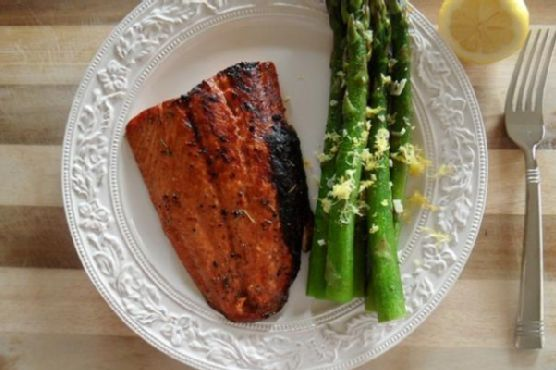
Balsamic & Honey Glazed Salmon with Lemony Asparagus | Made by Meaghan Moineau

Picture this: It’s Tuesday evening, and you just got home from a day that felt longer than it had any right to be. You’re staring into the fridge, willing it to offer up some inspiration. Then, like a beacon of hope, you spot a lonely salmon fillet tucked behind last night’s leftovers. A lightbulb moment strikes: Balsamic & Honey Glazed Salmon with Lemony Asparagus. Deliciously sweet and tangy salmon, paired with asparagus that’s just the right amount of zesty. It’s the perfect blend of “fancy enough for company” and “easy enough for a weeknight.” This dish is a favorite because it’s quick yet feels special, and it hits all the right notes from tangy to savory. Trust me, your taste buds will thank you.

Jump to Recipe

What You’ll Need

You probably have most of these at home already, with maybe just a quick spice cabinet dive for a few aromatics. Here’s the lineup for this easy-peasy dinner:

  • Salmon fillet
  • Balsamic vinegar
  • Apple cider vinegar
  • Honey
  • Dried dill
  • Herbs de Provence
  • Salt and pepper
  • Grapeseed oil
  • Lemon (juice and zest)
  • Asparagus
  • Garlic
  • Vegetable stock

How to Make Balsamic & Honey Glazed Salmon with Lemony Asparagus

  1. In a small mixing bowl or blender, throw together all the balsamic marinade ingredients except the lemon juice: balsamic vinegar, apple cider vinegar, 1 tablespoon grapeseed oil, honey, dried dill, herbs de Provence, salt, and pepper. Whisk or blend until the mixture loses its vinegar-and-oil identity crisis.
  2. Lay the salmon fillet in a cozy little baking dish — I usually opt for a small casserole dish. Pour your freshly mingled marinade over the salmon, letting it settle in for at least 15 minutes. If patience is your virtue, up to 24 hours in the fridge is even better.
  3. Crank your oven to high broil. Just before the salmon gets its turn in the oven spotlight, drizzle the lemon juice over the top for that extra zing.
  4. Slide the salmon onto the top rack and broil for 10 to 12 minutes. You’re looking for glazed, browned, and a sizzle that says, “Dinner is almost ready!”
  5. While the salmon works its magic, prep your asparagus. Wash and trim off the tough ends — about an inch and a half will do. Lay them in a large skillet, as if sunbathing.
  6. Drizzle grapeseed oil over the asparagus, and use your hands to ensure every stalk gets some love. Sprinkle with salt and pepper, then sauté over medium heat for about 5 minutes.
  7. Add 2 tablespoons of vegetable stock, cover, and let them steam for 4 minutes. Lift the lid, introduce the minced garlic, and cover again. Let cook for another 3 to 5 minutes, just until tender but with a little bite.
  8. Finish with a flourish of freshly grated lemon zest over the asparagus, adding a citrusy brightness that ties the whole dish together.

Cook’s Notes

Let’s talk salmon: It should flake easily with a fork when it’s done. If you’re new to broiling, remember that it’s super quick and can go from perfect to overdone in a flash. As for leftovers (if there are any!), this dish reheats beautifully. Store the salmon and asparagus separately in airtight containers for up to two days. Reheat gently, so you don’t dry out that beautiful fish. If you’re meal prepping, the marinade is a fantastic make-ahead step. Whip it up and keep it in the fridge for when inspiration (or hunger) strikes.

Make It Your Own

Here are a few ways to switch things up:

  • Swap salmon for crispy tofu if you’re going plant-based. Marinate and bake it the same way for a protein-packed treat.
  • Try maple syrup instead of honey for a deeper, earthier sweetness.
  • Substitute broccoli for asparagus if that’s more your jam — just adjust the cooking time to keep it crisp-tender.
  • Add a sprinkle of red pepper flakes to the marinade for a little heat if you like things spicy.

Hey, if you try this, I’d love to hear how it turns out for you! Drop a comment below or tag me in your delicious photos. Happy cooking!

Related update: Balsamic & Honey Glazed Salmon with Lemony Asparagus

Related update: Yogurt Marinated Lamb Skewers

Chinese EV Boom, Domestic Buyers Withhold | Analysis by Brian Moineau

TL;DR

  • Chinese automakers are climbing global sales rankings, yet China’s own buyers delayed purchases through early 2026 amid a bruising price war and falling resale values, flipping the old “home‑market first” playbook [1][2][4][5].
  • Exports cushion P&Ls for now, but European Commission duties of 17.4%–37.6% on China‑made BEVs force double‑digit retail hikes or margin absorption in the EU’s 27 member states [3].
  • Over the next 12 months (mid‑2026 to mid‑2027), low‑cost exporters like BYD and Chery can ride volume abroad, while domestically exposed players face a grind of margin pressure, inventory risk, and model fatigue inside China [2][4][6].

What the source said

The Wall Street Journal’s “Everyone Loves Chinese Cars, Except the Chinese” (via Google News RSS) argues that Chinese automakers are winning abroad while domestic demand sags, a paradox visible in 2025–2026 sales patterns [1]. The piece ties booming exports to price competitiveness and fast model cycles, noting that those same dynamics—relentless refreshes and discounting—have trained home buyers to wait. It sets Europe and several emerging markets as bright spots, contrasted with a promotion‑heavy Chinese retail market weighed down by weak residuals and buyer hesitation; exports exceeded 7 million vehicles in 2025, while the home market cooled [2]. It also sits against a policy backdrop: January 2026 passenger‑car sales fell 19.5% year on year, and Brussels added BEV duties of up to 37.6% [3][4].

Why it matters

  • Stakeholder #1: Chinese automakers (BYD, SAIC, Chery, Geely). They gain share overseas as exports surpassed 7 million in 2025 (+21% year over year), but they face a soft home market and tightening rules against aggressive discounting in 2026 [2][4][5]. Every incremental export lifts factory utilization, yet domestic pressure tests cash flow, dealer solvency, and software update cadence.

  • Stakeholder #2: Policymakers in Brussels and Beijing. The European Commission imposed provisional countervailing duties on China‑made BEVs—BYD 17.4%, Geely 19.9%, SAIC 37.6%—re‑pricing value segments from Portugal to Poland and forcing localization decisions in 2026–2027 [3]. Beijing moved to curb the price war after January 2026’s 19.5% sales drop, signaling tolerance for discipline over chaotic promotions [4].

Original analysis

Consensus says, “Exports will save China’s carmakers while home demand chills.” Contrarian read: exports are a pressure valve, not a moat. EU duties and politics can turn a 10% cost edge into a wash, while China—still the world’s largest auto market by units—decides who survives by 2027 [2][3][4].

Back‑of‑envelope math:

  • Scale today: China exported “over 7 million” vehicles in 2025; domestic passenger‑car sales were about 24 million [2]. Exports ≈ 7 ÷ (24 + 7) ≈ 23% of unit volume. If 2026 exports grow only low single digits per CPCA commentary and domestic sales stagnate, export share inches toward ~24%—helpful, but not enough to offset multi‑point margin hits from tariffs and incentives [5].
  • Tariff impact in the EU: Assume a €15,000 ex‑factory BYD BEV. A 17.4% duty lifts border cost by €2,610; if pre‑tariff retail was €25,000, holding margin implies roughly a 10% retail hike or painful absorption by the OEM/importer. For SAIC at 37.6%, the duty is €5,640—nearly a full gross margin on an entry BEV, before distribution and financing [3].

Named‑stakeholder breakdown:

  • BYD: Cost leader with DM‑i hybrids and BEVs. A 17.4% EU duty narrows the price gap but doesn’t erase it; expect CKD/SKD or final assembly pilots inside the EU Customs Union to blunt tariffs, while hybrids keep flowing into duty‑light markets [2][3].
  • SAIC (MG): Heavy EU/UK exposure makes the 37.6% duty acute; localization or price/mix shifts can’t wait. Watch pushes into Brazil, Mexico, and the Middle East, where regulatory barriers and duties are lower in 2026 [3].
  • Chery: China’s top vehicle exporter in 2024; strong in emerging markets with ICE and PHEV lines. Less EU‑centric near‑term, but brand equity must rise to avoid “race‑to‑bottom” traps as volumes expand [6].
  • Volkswagen (China JVs): China’s slowdown squeezes legacy ICE cash cows while an EV revamp rolls out; if share erosion persists through 2026, VW’s China profit pool shrinks as Euro 7 and CO2 rules bite in Europe [5].
  • Policymakers (EU/China): Brussels raises drawbridges with countervailing duties; Beijing polices the price war after a steep January 2026 fall. Policy swings compress planning horizons and elevate inventory risk for 2026 model years [3][4].

2x2 typology (Cost position × Domestic dependency):

  • Low cost × Low domestic dependency: Chery (export‑heavy, flexible on ICE/PHEV) and SAIC‑MG if it localizes in the EU quickly.
  • Low cost × High domestic dependency: BYD (still sells the bulk in China; exports rising from a small 2023–2024 base).
  • High cost × Low domestic dependency: Geely’s premium trims in select export markets; needs localization/alliances to hold price after duties.
  • High cost × High domestic dependency: NIO and XPeng (software‑heavy, brand‑building phase), most exposed to residual‑value shocks in 2026.

Historical analogue:

  • Late‑1970s to mid‑1980s Japan hit U.S./EU barriers and pivoted to localization (e.g., NUMMI and Kentucky assembly). China’s champions will copy that template faster because they control batteries, inverters, and E/E stacks end‑to‑end; expect “build‑where‑you‑sell” by 2027 in tariff‑exposed regions.

What others are missing

The resale‑value loop is dictating Chinese consumer behavior more than ad spend. Rapid fire refreshes and publicized cuts trained buyers to wait, crushing used‑car prices and blowing up monthly‑payment math. That shows up as NEV penetration topping 40% in early 2026 without delivering steady throughput for every brand, a mismatch CPCA data flagged alongside soft retail prints into May 2026 [5]. When January 2026 sales fell 19.5% and regulators cracked down on pricing games, Beijing aimed to rebuild residual‑value credibility so buyers would stop freezing purchases [4]. If OEMs stabilize depreciation—with certified pre‑owned floors, longer battery warranties, and 90‑day price‑protection guarantees—domestic demand can rebound faster than export growth alone.

What to watch next

  1. By Q4 2026, at least one top‑five Chinese exporter announces EU final assembly or CKD capacity sized for 100,000+ units per year to blunt provisional duties; announcement specifies plant location inside the EU Customs Union [3].
  2. By Q1 2027, China’s passenger‑car retail posts year‑on‑year growth for two straight quarters as price‑war rules and stabilized residuals take hold; CPCA reports positive comps in at least two of three months each quarter [4][5].
  3. By mid‑2027, at least one major European incumbent discloses a China JV EBIT margin below 2% in an annual or interim filing, citing local EV competition and discounting pressure in 2026–2027 [5].

My take

Exports bought time, not safety. The profit engine still lives—or dies—inside China. If brands can’t steady depreciation and end the discount addiction, they’ll bleed capital while Brussels taxes away foreign margin. Expect a shake‑out down to a half‑dozen scale players that localize in tariffed markets and enforce price discipline at home; BYD and Chery make the cut, while SAIC must localize or rethink its EU stance.

Sources

  1. Everyone Loves Chinese Cars, Except the Chinese — The Wall Street Journal via Google News RSS (https://news.google.com/rss/articles/CBMilAFBVV95cUxNc2hUR0tKTU5zUUFuN3N1VzBXUjRnN3FyZHlQd09MZGhqbjZBbEI3S0JkVEhDUWd1U2R3X3A4Rm10d3JSMVlKRW9BSUhWU1hock1qcDZ0MlZ5Sm5VeFJ5NGhxazdMemhseE5GNlhFeVdnOUkyQUlmQ3dyc0F5OFFsZ2dYMmZaWWdXT281SUJVb2RXQmxx?oc=5) — Frames the paradox of strong exports vs. hesitant Chinese buyers and highlights price‑cut dynamics.
  2. China’s car exports surged in 2025, but domestic demand slowed — AP News (https://apnews.com/article/871137ad17b9e491e14da0e6de1e1cc6) — Confirms 2025 exports “over 7 million” (+21% YoY) and slower home‑market momentum.
  3. Commission imposes provisional countervailing duties on imports of battery electric vehicles from China — European Commission (press release, IP_24_3630) (https://ec.europa.eu/commission/presscorner/api/files/document/print/en/ip_24_3630/IP_24_3630_EN.pdf) — Lists provisional duty rates (BYD 17.4%, Geely 19.9%, SAIC 37.6%) and EU scope.
  4. China issues new rules to curb auto price war after January passenger car sales drop 20% — AP News (https://apnews.com/article/c5c32f6982cc163764e8941e1df3d9a2) — Details the 19.5% YoY drop in January 2026 and Beijing’s response to discounting.
  5. China car sales downturn extends into May as VW tests EV revamp — Reuters via Investing.com (https://www.investing.com/news/economic-indicators/china-car-sales-downturn-extends-into-may-as-vw-tests-ev-revamp-4730983) — Shows domestic softness into May 2026 and summarizes CPCA expectations and VW’s China pivot.
  6. 中汽协公布2024年整车出口TOP10:奇瑞、上汽、长安前三,比亚迪同比增长71.8% — Sina Finance (https://finance.sina.com.cn/tech/digi/2025-01-13/doc-ineevenx2156132.shtml) — Ranks 2024 export leaders (Chery, SAIC, Changan) and quantifies exporter mix.

(Inline citations: [1]–[6].)

Homemade Broccoli Cheddar Soup | Made by Meaghan Moineau

Have you ever had one of those days when the weather just flips from sunny and warm to cold and dreary, like the sky can’t make up its mind? That’s exactly what happened last Tuesday. I was planning on grilling dinner, but as the clouds rolled in, I found myself craving something warm and comforting instead. Enter my trusty Homemade Broccoli Cheddar Soup. It’s one of those recipes that feels like a big, cozy sweater for your insides. Plus, it’s surprisingly easy to whip up, which makes it perfect for those spontaneous soup days. With just a handful of ingredients, most of which are probably lurking in your pantry right now, you’ll have a bowl of creamy, cheesy goodness that hits all the right notes.

Jump to Recipe

What You’ll Need

This soup keeps things simple, but there are a few standout ingredients that make it special and oh-so-delicious. Don’t worry if your pantry is looking a little bare; chances are you already have most of this stuff on hand.

  • Olive oil
  • 1 shallot, chopped
  • 1 red onion, chopped
  • 1 jalapeno, optional for heat
  • Lemon juice
  • 4 cups vegetable broth
  • Salt and pepper to taste
  • 2 large Yukon Gold potatoes, peeled and diced
  • 2 heads of raw broccoli, chopped (save a few florets for garnish!)
  • Plain yogurt (like Chobani)
  • Plain almond milk
  • Fresh parsley, chopped
  • Shredded cheddar cheese
  • 1 bay leaf

How to Make Homemade Broccoli Cheddar Soup

  1. In your soup pot, heat 2 tablespoons of olive oil over medium-high heat. Add the shallot, red onion, and jalapeno. Sauté until the onions are translucent and everything smells heavenly.
  2. Add a splash of lemon juice, all the vegetable broth, the remaining olive oil, salt, and pepper. Give it a good stir, then reduce the heat to medium.
  3. Toss in the diced potatoes and bring the broth to a boil. Cook until you can easily pierce the potatoes with a fork.
  4. Stir in the chopped broccoli, but remember to reserve a few florets for later. Cover the pot and let the broccoli get nice and tender.
  5. Once the broccoli is cooked, turn off the heat. Carefully transfer the contents of the pot to a large mixing bowl and let it cool slightly.
  6. Add the parsley, yogurt, and almond milk to the bowl. Gently fold these into the soup mixture, letting the heat from the soup meld everything together.
  7. In batches, puree the mixture in a blender until it’s as smooth as you like it. I’m still dreaming of that Vitamix, but any blender will do!
  8. In the now-empty soup pot, sauté the reserved broccoli florets with a dash of veggie broth until they’re just tender.
  9. Return the pureed soup to the pot, add the bay leaf, and a few pinches of chopped basil if you’re feeling fancy. Simmer uncovered for at least 20 minutes, stirring frequently to banish those pesky air bubbles. Remember to fish out the bay leaf before serving!

Cook’s Notes

Let’s chat about some things that might come in handy as you make this soup. First off, if you’re not into spicy, feel free to skip the jalapeno; it’s totally optional. If you’re planning to make this soup ahead of time, it stores beautifully in the fridge for up to 3 days. Just reheat it slowly on the stove, and you’ll be good to go. As for freezing, I wouldn’t recommend it — the texture can get a little funky once thawed. Always remember to remove that bay leaf before serving; no one wants a surprise in their spoon!

Make It Your Own

This is where the fun begins! Here are a few ideas to tweak this soup to your liking:

  • Swap the cheddar for Gruyere cheese if you’re feeling fancy; it adds a nutty depth to the soup.
  • Want a heartier meal? Stir in some cooked quinoa or white beans for added protein.
  • For a vegan twist, use nutritional yeast instead of cheddar cheese. It adds a cheesy flavor without the dairy.
  • Love greens? Toss in a few handfuls of spinach or kale before blending for an extra boost of nutrients.

If you try this, I’d love to hear how it turns out — drop a comment or tag me! Whether you’re combating a surprise rainy day or just craving something warm and comforting, I hope this soup brings a bit of joy to your kitchen. Happy cooking!

Related update: Homemade Broccoli Cheddar Soup

Related update: Moroccan Carrot Soup

Balsamic-Honey Chicken Drumsticks | Made by Meaghan Moineau

Last Tuesday night, I found myself elbow-deep in a fridge raid, eyeing a pack of chicken drumsticks that had been giving me the side-eye all week. It was one of those evenings where time was not on my side. I needed something quick, but I also craved something that felt a little special. That zingy, sweet, and sticky combination of balsamic vinegar and honey popped into my mind like a lightbulb moment, and let me tell you, it did not disappoint. These Balsamic-Honey Chicken Drumsticks are not only ridiculously easy to throw together but they make your kitchen smell like you’ve been cooking for hours. You know that feeling when a dish makes you look like a kitchen wizard with minimal effort? Yeah, this is one of those recipes. Bonus: The leftovers are a gift that keeps on giving.

Jump to Recipe

What You’ll Need

Let’s be real, the magic here lies in a few pantry staples that you probably already have lurking in your cupboards. Here’s your shopping list:

  • Chicken drumsticks
  • Balsamic vinegar
  • Honey
  • Brown sugar
  • Soy sauce
  • Rosemary sprigs
  • Garlic cloves
  • Sesame seeds
  • Fresh flat-leaf parsley

How to Make Balsamic-Honey Chicken Drumsticks

  1. Grab a large, resealable plastic bag and toss in the balsamic vinegar, honey, brown sugar, soy sauce, rosemary, and garlic cloves. Now, shake it like a Polaroid picture until the honey and sugar dissolve. You’ll know it’s ready when it’s all shiny and smooth.
  2. Add the chicken drumsticks to the bag. Try to squeeze out as much air as you can before sealing it up. Give the drumsticks a little massage to make sure they’re all cozy in the marinade. Let them chill in the fridge for about two hours. Trust me, the wait is worth it.
  3. Preheat your oven to a toasty 450°F. Line a baking sheet with foil — it makes clean-up a breeze later. Lay out the marinated drumsticks, making sure they have some space to breathe.
  4. Bake the drumsticks for 30 to 35 minutes. You’re looking for that gorgeous caramelized skin, dark in spots, with the smell wafting through your home.
  5. While the drumsticks are in the oven, pour the leftover marinade into a small saucepan. Bring it to a bubbly boil, then simmer on low until it thickens up, about 15 minutes. This is your golden glaze.
  6. Once the drumsticks are out of the oven, brush them with the boiled marinade. It’s like giving them a glossy topcoat. Arrange them on a serving platter and sprinkle with sesame seeds and parsley. Voilà!

Cook’s Notes

A few words of wisdom from my kitchen to yours: If you accidentally leave the drumsticks to marinate a bit longer than two hours, it’s no biggie. It’s all about that flavor infusion. Just don’t go beyond 24 hours. This dish is perfect for making ahead; just stop before baking and keep the marinated chicken in the fridge until you’re ready to cook. Leftovers can be stored in an airtight container in the fridge for up to three days. Reheat them in the oven to keep that skin crispy.

Make It Your Own

  • Swap the drumsticks for chicken thighs or wings — adjust cooking time accordingly.
  • If you’re avoiding soy, coconut aminos make a great substitute.
  • Not a fan of rosemary? Try thyme or oregano for a different aromatic twist.
  • For a vegetarian option, replace the chicken with crispy tofu squares.

If you try this, I’d love to hear how it turns out — drop a comment or tag me! Whether it’s a weeknight dinner or an impromptu gathering, I promise these drumsticks will steal the show. Happy cooking!

Related update: Balsamic-Honey Chicken Drumsticks

Related update: Balsamic & Honey Glazed Salmon with Lemony Asparagus

Mangoes with Rum and Ice Cream | Made by Meaghan Moineau

Picture this: It’s a balmy summer evening, and I’m rummaging through my kitchen, desperate for something sweet. There, on the counter, sits a perfectly ripe mango, glistening like it’s daring me to turn it into something spectacular. That’s when it hits me—Mangoes with Rum and Ice Cream. It’s the kind of dessert that feels both indulgent and delightfully easy. The rum-soaked mangoes are a tropical escape with every bite, and the ice cream? Pure creamy bliss. It’s the dessert that says, “I see your heatwave and I raise you a cooling, boozy treat.” Plus, it’s a breeze to whip up, so you can spend less time in the kitchen and more time savoring summer’s finest.

Jump to Recipe

What You’ll Need

If your pantry is anything like mine, you might already have most of what you need. The key is in a few star ingredients that really bring the magic.

  • Mangoes – ripe and juicy
  • Sugar
  • Dark Rum
  • Fresh lime juice
  • Lime rind
  • Vanilla Ice Cream

How to Make Mangoes with Rum and Ice Cream

  1. Start by peeling your mangoes. Make sure to remove all traces of green-colored flesh; you want the mangoes to be perfectly ripe and sweet.
  2. Next, slice the mango flesh away from the pit and cut it into pieces about a half-inch thick. Discard the pit and any fibrous bits that might cling to it.
  3. In a bowl, combine the sugar, dark rum, freshly grated lime rind, and lime juice. Give it a good mix until the sugar starts to dissolve.
  4. Add the mango slices to the rum mixture. Gently stir so each piece is bathed in that luscious liquid. The aroma will start to swirl around you, making your kitchen smell like a tropical paradise.
  5. Cover the bowl and let it chill in the fridge for a couple of hours. This wait is key as it allows the flavors to meld beautifully.
  6. When you’re ready to serve, scoop some vanilla ice cream into chilled glasses. Spoon the rum-soaked mangoes on top, making sure each serving gets a generous amount of the fragrant syrup.

Cook’s Notes

Here’s the thing about this recipe: it’s pretty forgiving. Just make sure your mangoes are ripe; underripe ones can be a bit tart and don’t soak up the rum as well. If you’re in a pinch and can’t find fresh lime, a good quality bottled lime juice will do, but fresh really gives it that zing. For storing leftovers, keep the mango mixture in an airtight container in the fridge, but I doubt there will be any left! The flavors deepen over a day or two, so if you make it ahead, it only gets better. Just store the ice cream separately.

Make It Your Own

  • Swap the Rum: If dark rum isn’t your thing, try using coconut rum for a creamy twist.
  • Add Some Heat: A pinch of chili flakes can add a surprising kick to the sweet and boozy mixture.
  • Try a Sorbet: Replace the vanilla ice cream with a mango or coconut sorbet for a lighter version.
  • Go Nutty: Sprinkle some toasted coconut flakes or chopped macadamia nuts over the top for added texture.

If you try this, I’d love to hear how it turns out—drop a comment or tag me! Your feedback and variations are always a treat to read. Enjoy every sweet, boozy bite! 🍨🥭

Related update: Mangoes with Rum and Ice Cream

Related update: Lemonade Bundt Cake

Related update: Eggplant pizzette

Three-City Kickoff: World Cup Goes Global | Analysis by Brian Moineau

TL;DR

  • The 2026 FIFA World Cup opening ceremonies are a three-city flex: Mexico City launched on June 11 with Shakira, Burna Boy, and the anthem “Dai Dai,” while Toronto and Los Angeles follow on June 12 with big-name slates—staking a claim that the tournament is as much culture as football. [2][3][4][5]
  • The expanded 48‑team, 104‑match format sets an attendance record path; even a conservative 45,000 average would top USA ’94’s 3.59 million, while 60,000–70,000 averages imply roughly 6.2–7.3 million tickets used. [7][8][9]
  • The staggered ceremonies are schedule and monetization architecture: they stretch prime viewing windows across time zones, create more sellable tentpoles for FOX/FS1 and Telemundo/Peacock, and smooth urban operations across three host nations. [4][6]

What the source said

CBS News reports that the largest FIFA Men’s World Cup ever has begun across the U.S., Mexico, and Canada—with three opening ceremonies instead of one. Mexico City’s Azteca show featured Shakira before Mexico beat South Africa 2–0, while Toronto and Los Angeles host their ceremonies on June 12 ahead of Canada–Bosnia and the U.S.–Paraguay. The piece lists artist lineups (Shakira, Burna Boy, Michael Bublé, Alanis Morissette, Katy Perry, LISA, and more), gives kickoff times in ET/PT, notes the 48‑team expansion to 104 matches, and describes stepped‑up U.S. security in host metros. It also flags Toronto’s BMO Field temporary expansion and points fans to live coverage. [1]

Why it matters

Three opening ceremonies signal a new tournament logic for a 48‑team, 104‑match event spread across 16 host cities in the U.S., Mexico, and Canada in 2026. FIFA is multiplying cultural touchpoints that sell ad spots, sponsor activations, and social clips while easing pressure on single venues like SoFi Stadium (Inglewood) and BMO Field (Toronto). The commercial upside concentrates with rights‑holders FOX/FS1 and Telemundo/Peacock and with FIFA’s 2023‑approved format change. [6][7][12]

The downside risk sits with city operations chiefs and transit systems—LA Metro, the Toronto Transit Commission (TTC), and Mexico City’s STC Metro—plus artists tied to production glitches and federations facing a supersized spotlight. U.S. security agencies already elevated their posture around host metros per CBS News, and Toronto’s organizers must sync ceremony timing to a 3:00 p.m. ET kickoff window. In 2026, optics ride alongside outcomes. [1][5]

Original analysis

  • Back‑of‑envelope: the attendance ceiling

    • Total matches: 104. If average in‑stadium attendance hits only 45,000, the tournament draws ≈4.68 million (104 × 45,000), already beating USA ’94’s 3.59 million (3,587,538). If it averages 60,000, that’s ≈6.24 million; at 70,000, ≈7.28 million. Even without universal sellouts, the record falls. [7][8][9]
    • Reference points: USA ’94 totaled 3.587 million across 52 matches; Qatar 2022 drew about 3.4 million across 64 matches. [8][9]
  • Named‑stakeholder breakdown (what this means for them)

    • FIFA: A three‑ceremony format creates three distinct inventory peaks (Mexico City June 11; Toronto and Los Angeles June 12), each with sponsorable “moments.” That spreads risk and magnifies social engagement spikes around official assets like the anthem. [3][4][5]
    • FOX/FS1 and Telemundo/Peacock: A primetime USMNT vs. Paraguay at SoFi (9:00 p.m. ET) sets up a ratings test against 2022’s USA–England Black Friday benchmark near 20 million combined viewers in the U.S. [6][10][11]
    • BMO Field (Toronto): Temporary capacity to ≈45,000 turns Canada’s opener into a full‑stadium TV picture, narrowing the optics gap with NFL‑scale U.S. venues and stress‑testing modular seating at international scale. [12]
    • Mexico City (Azteca): Opening match plus opening ceremony equals global first impression; a 2–0 win over South Africa gives the host’s narrative momentum on day one. [2]
    • Artists/labels: “Dai Dai” as the official anthem debuts live to cross‑market audiences; Shakira and Burna Boy span Latin America, Africa, and U.S. diaspora fandoms, a positioning built for Global 200 lift next chart week. [3][2]
  • A 2×2: What the three opening ceremonies optimize

    • Axis 1: Nation‑branding vs. Global‑pop spectacle.
    • Axis 2: Fan atmosphere vs. Broadcast‑first staging.
    • Mexico City (Nation‑branding × Fan atmosphere): Azteca’s history and a Latin‑leaning lineup (Shakira, Maná, J Balvin) deliver heritage and terrace color on camera. [2][3]
    • Toronto (Nation‑branding × Broadcast‑first): Canadian icons (Alanis Morissette, Michael Bublé) and a tight pre‑kickoff window match domestic pride with TV pacing inside BMO Field. [5][12]
    • Los Angeles (Global‑pop spectacle × Broadcast‑first): Katy Perry, LISA, Future, Anitta, Rema, and Tyla anchor a clip‑engineered show in a U.S. primetime slot from SoFi’s stage. [4][6]
  • Contrarian read

    • Consensus: “Three ceremonies are pure sizzle.”
    • Counter: They are scheduling infrastructure. FIFA and broadcasters are distributing tentpoles across time zones—Mexico City midday local on June 11; Toronto afternoon ET; USA primetime PT/ET on June 12—to widen contiguous viewing blocks for a 39‑day, 104‑match product. That is revenue design, not ornament. [4][6][7]

What others are missing

The three‑ceremony design is an operations‑and‑monetization hack, not just a highlight reel. Staggered start times build a rolling “live” window—Mexico City spectacle feeds Toronto’s afternoon slot, which hands off to L.A. primetime—keeping FOX/FS1 and Telemundo/Peacock in near wall‑to‑wall event mode for two calendar days. That yields more makegoods capacity, more local sponsor activations per host committee, and thinner peaks for security and transit versus one mega‑ceremony. With SoFi’s USMNT kickoff at 9:00 p.m. ET and Toronto’s at 3:00 p.m. ET anchoring different dayparts, this is inventory and incident‑risk management by design. [6][5][4]

What to watch next

  1. By June 27, 2026 (end of the group stage), FIFA’s cumulative attendance tally surpasses 3.6 million, eclipsing USA ’94 before the knockouts begin. [7][8][9]
  2. By June 15, 2026 (first ratings day after the U.S. opener), USA–Paraguay delivers at least 21 million combined U.S. viewers across English and Spanish platforms, topping the ~20 million from USA–England in 2022. [6][10]
  3. By June 12, 2026 (post‑game Toronto), BMO Field’s announced attendance for Canada–Bosnia is ≥44,000, showing the ≈45,000 temporary build‑out can run at scale. [12][5]

My take

I’m bullish on the three‑ceremony model because it converts a 39‑day, 16‑stadium, three‑federation puzzle (USSF, FMF, Canada Soccer) into serialized appointment TV that flatters each country’s identity while hardening FIFA’s commercial spine. The football will write its own stories, but the stagecraft is already earning its keep with primetime U.S. placement at 9:00 p.m. ET and a format approved in March 2023 that expands total inventory to 104 matches. If the U.S. opener clears 21 million combined viewers, brands will treat the rest of the USMNT slate like NFL‑adjacent tentpoles. [6][7][10]

Sources

[1] CBS News — Report on triple opening ceremonies across U.S., Mexico, and Canada; includes artist lineups, kickoff times, venue notes, and U.S. security posture.
[2] Reuters — Match report from June 11, 2026: Mexico 2–0 South Africa at Estadio Azteca and coverage of the Mexico City opening ceremony.
[3] FIFA Media Release (June 2026) — Announcement of the official 2026 anthem “Dai Dai” and participating artists including Shakira and Burna Boy; frames global music strategy.
[4] Los Angeles 2026 Host Committee / SoFi Stadium advisory — LA opening ceremony lineup and timing; confirms primetime window and production scale.
[5] City of Toronto / Host City Toronto briefing — Toronto ceremony slate (Alanis Morissette, Michael Bublé) and same‑day timing ahead of Canada–Bosnia at BMO Field.
[6] FOX Sports and Telemundo Deportes programming advisories — U.S.–Paraguay kickoff at 9:00 p.m. ET and distribution across FOX/FS1 and Telemundo/Peacock; primetime positioning.
[7] FIFA Council decision (March 2023) — 2026 format approval: 48 teams and 104 matches; provides the structural basis for schedule and inventory.
[8] FIFA World Cup USA 1994 statistics — Total attendance of 3,587,538 across 52 matches; historical benchmark.
[9] FIFA / BBC Sport summaries for Qatar 2022 — Approximate total attendance around 3.4 million across 64 matches; recent comparator.
[10] Sports Business Journal (Nov 2022) — USA–England combined U.S. audience near 20 million across English and Spanish; benchmark for 2026 ratings expectations.
[11] Telemundo Deportes (Nov 2022) — Spanish‑language audience records for USA–England, including broadcast and streaming totals; supports combined‑viewership math.
[12] Maple Leaf Sports & Entertainment (MLSE) / BMO Field construction brief — Temporary expansion plan to roughly 45,000 capacity for 2026; operational implications for Toronto matches.


Related update: We recently published an article that expands on this topic: read the latest post.


Related update: We recently published an article that expands on this topic: read the latest post.
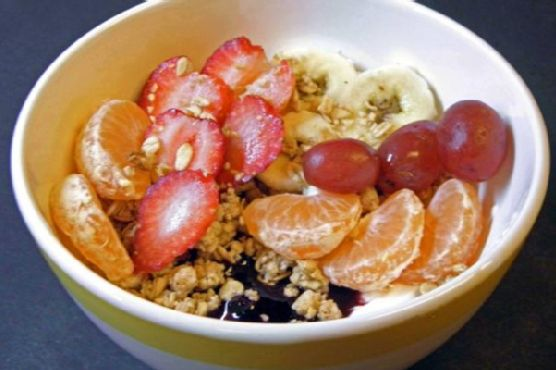
Home made organic maple granola with fresh fruit | Made by Meaghan Moineau

One chilly Sunday morning, I found myself staring at a nearly empty pantry, craving something cozy and sweet without stepping out into the biting cold. That was the day my homemade organic maple granola was born, and let me tell you, it was like a warm hug in a bowl. There’s just something magical about the way the house smells when this granola is baking—sweet, nutty, and comforting. The best part? It’s ridiculously easy to make. You’ll end up with hearty, golden clusters that are perfect to pair with fresh, juicy fruit. Now, this recipe is a staple in my home, perfect for those days when you want something wholesome and satisfying, without a lot of fuss.

Jump to Recipe

What You’ll Need

The beauty of this granola lies in its simplicity and versatility. You might already have most of these ingredients lurking in your kitchen!

  • Rolled oats
  • Dark brown sugar
  • Maple syrup
  • Vegetable oil; peanut oil is preferred
  • Salt
  • Cashew pieces
  • Slivered almonds
  • Dried cranberries
  • Dried raisins
  • Fresh fruit (to serve)

How to Make Home made organic maple granola with fresh fruit

  1. Preheat your oven to 250°F. This low temperature ensures the granola dries out rather than burns, for that perfect crunch.
  2. In a large bowl, combine the rolled oats, cashew pieces, slivered almonds, salt, and dark brown sugar. Give it a good stir to distribute the sugar evenly.
  3. Pour in the maple syrup and vegetable oil. Mix everything until the oats and nuts are well coated. You should be able to smell the sweetness already!
  4. Spread the mixture thinly and evenly onto two baking sheets with sides about an inch high. Trust me, the thin layer is key for even baking.
  5. Bake for 45 to 60 minutes, stirring carefully every 15 minutes. Don’t forget to swap the positions of the trays each time you stir them. This little dance ensures even browning.
  6. You’ll know it’s done when the granola looks tan—not dark—and feels slightly crisp to the touch. It will harden more as it cools.
  7. Remove the trays from the oven and let the granola cool completely. Once cooled, mix in the dried cranberries and raisins.
  8. Store your granola in sealed plastic bags or containers. It’ll stay fresh for up to two weeks, unrefrigerated.
  9. Serve your granola with a handful of fresh fruit. Enjoy every crunchy, sweet bite!

Cook’s Notes

This granola is super forgiving, but here are a few tips to keep it foolproof. Remember to stir it gently to keep those lovely clusters intact. If you don’t have peanut oil, any neutral oil like canola will work in a pinch, but peanut oil does add a subtle, nutty flavor that’s just divine. Make sure to let it cool completely before storing, as any trapped heat can make it soggy. If you somehow don’t finish this in two weeks (but let’s be real, you will), just pop it in an airtight container in the freezer for longer storage.

Make It Your Own

Here are some fun tweaks to make this granola truly yours:

  • Swap the cashews and almonds for your favorite nuts like walnuts or pecans for a different flavor profile.
  • Add a teaspoon of cinnamon or a pinch of nutmeg to the oat mixture for a warm spice kick.
  • Try using honey instead of maple syrup for a different kind of sweetness.
  • Sprinkle some coconut flakes into the mix before baking for a tropical twist.

If you try this, I’d love to hear how it turns out — drop a comment or tag me! Happy granola-making, friends!

Related update: Home made organic maple granola with fresh fruit

Crock-Pot: Asian-Style Country Ribs with Black Bean Garlic Sauce | Made by Meaghan Moineau

Picture this: It’s a chilly Tuesday evening, and I’ve just walked in from a day that felt three years long. My stomach is grumbling louder than my thoughts, and the last thing I want is a kitchen marathon. That’s when my trusty Crock-Pot and this Asian-Style Country Ribs with Black Bean Garlic Sauce recipe save the day. It’s one of those magical dishes that feels like a warm hug—comforting and flavorful yet deceptively simple. I swear, the first time I made it, I was convinced it was a culinary miracle. Not only does it take just 10 minutes to prep, but the result is rich and complex, like you’ve been slaving away for hours. Seriously, if you can operate a can opener, you can make this. Jump to Recipe

What You’ll Need

You’ll love how this recipe leans on pantry staples, with just a couple of special ingredients that pack a punch. Chances are you already have most of this. Here’s what you’ll need:

  • Boneless pork ribs
  • Cooked black bean garlic sauce from a jar
  • Low sodium soy sauce
  • Chicken stock
  • Dark sesame oil
  • Fresh garlic
  • Ginger root
  • Honey
  • Black coarsely cracked pepper
  • Cornstarch
  • Green scallions

How to Make Crock-Pot: Asian-Style Country Ribs with Black Bean Garlic Sauce

  1. Begin by mincing your fresh garlic and ginger root. Trust me, the aroma is going to be your first reward.
  2. In a small bowl, mix together the black bean garlic sauce, low sodium soy sauce, chicken stock, dark sesame oil, honey, and the minced garlic and ginger. This is your magic potion.
  3. Place your boneless pork ribs into the Crock-Pot. Pour the sauce mixture over them, ensuring each rib is drenched in deliciousness.
  4. Add cracked black pepper over the top. It will give a subtle heat that ties everything together.
  5. Set your Crock-Pot on low and let it work its magic for 5 to 6 hours. You’ll know it’s ready when the meat is tender and falling apart.
  6. In the last 15 minutes of cooking, whisk together cornstarch with a bit of cold water. Stir it into the sauce in the Crock-Pot to thicken it slightly.
  7. Just before serving, sprinkle sliced green scallions over the top. They’ll add a fresh crunch and a pop of color.

Cook’s Notes

Okay, a couple of things to keep in mind: Don’t let the ribs go past the 6-hour mark, or you’ll end up with mushy meat instead of that perfect fall-apart texture. If you’re juggling tasks, you can prep everything the night before, store it in the fridge, and just dump it all into the Crock-Pot in the morning.

Leftovers are gold! Store them in an airtight container, and they’ll keep in the fridge for up to three days. Just reheat slowly on the stovetop or microwave. If the sauce thickens too much, a splash of chicken stock will do the trick.

Make It Your Own

  • Swap the pork for chicken thighs: They cook beautifully in the sauce and stay juicy.
  • Add a kick with Sriracha: Mix a tablespoon into the sauce for some heat.
  • Go vegetarian with tofu: Use firm tofu, cut into large cubes, and reduce cooking time to 3 hours.
  • Try a citrus twist: Add a tablespoon of orange zest to the sauce for a fresh, zesty note.

If you try this, I’d love to hear how it turns out—drop a comment or tag me! Your kitchen deserves this kind of effortless magic, and so do you.

Related update: Crock-Pot: Asian-Style Country Ribs with Black Bean Garlic Sauce

Related update: Balsamic-Honey Chicken Drumsticks

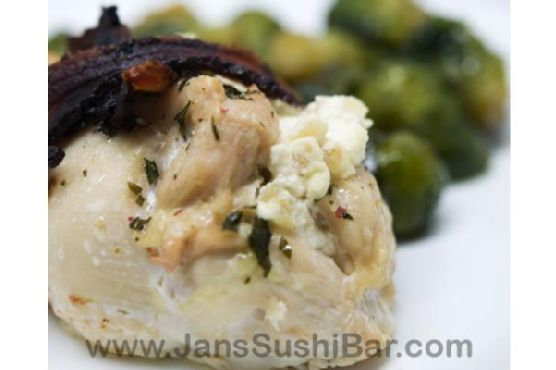
Cream Cheese Stuffed Chicken Breasts | Made by Meaghan Moineau

Picture this: It’s a Wednesday night, and I have exactly 45 minutes to whip up something that feels a little fancy but won’t leave me with a mountain of dishes. That’s when I remember my trusty cream cheese stuffed chicken breasts. It’s the kind of meal that sounds like it took hours, but really, it’s a bit of kitchen magic that you can pull together with everyday ingredients. And let’s be honest, who doesn’t love a good creamy-cheesy-bacon combo? The first time I made it, I almost skipped the tarragon — but trust me, it’s the game-changer that makes this dish sing.

Jump to Recipe

What You’ll Need

This list is pretty much pantry-basics-plus-bacon. You might even have everything you need already, minus a quick trip to the fridge:

  • Skinless boneless chicken breasts
  • Cream cheese
  • Bacon
  • Olive oil or unsalted butter
  • Diced onion
  • Garlic
  • Salt
  • Black pepper
  • Fresh tarragon

How to Make Cream Cheese Stuffed Chicken Breasts

  1. Preheat your oven to 350°F. This is your moment to take a deep breath and envision the golden deliciousness to come.
  2. In a small skillet, warm the butter or olive oil over medium-low heat. Add the diced onions and let them sweat it out until they’re soft and translucent, about 5 minutes. Toss in the garlic and stir for another minute until it’s fragrant enough to make you weak in the knees.
  3. While that cools, grab another skillet and give the bacon a gentle sauté over low heat. You want it soft and a little bit rendered, not crispy. Paper towel it up and let it chill.
  4. Place the chicken breasts between two sheets of waxed paper, and give them a good, even pounding to about 1/4-inch thickness. Channel your inner zen and season them with salt and pepper.
  5. Combine the cooled onion-garlic mix with the cream cheese. Spread a generous dollop of this goodness in the center of each chicken breast.
  6. Roll or fold the chicken around the cream cheese mixture. Tuck the ends under and secure these delightful little packages with toothpicks. Don’t worry if they look a bit rustic, that’s part of the charm.
  7. Sprinkle fresh tarragon over the rolled chicken. Wrap each piece with bacon, giving them a cozy little blanket.
  8. Place your chicken rolls in an 8×11 baking dish and drizzle with melted butter. Pop them in the oven for 25 to 30 minutes. They’re done when the chicken is cooked through, the bacon is browned, and the cream cheese is irresistibly melty.
  9. Serve immediately and watch them disappear. Seriously, they’re magic.

Cook’s Notes

A few things to keep in mind while you’re chef-ing it up:

– Make sure the onions and garlic are cool before mixing them with the cream cheese. Otherwise, things might get a bit too melty too soon.
– If you’re making this ahead, you can assemble the chicken rolls and keep them in the fridge for a few hours. Just bake them right before you’re ready to eat.
– Leftovers? Store them in an airtight container in the fridge for up to two days. Reheat gently in the oven to keep that bacon crisp.

Make It Your Own

Here’s where you can get a little playful:

  • Swap the chicken for crispy tofu for a vegetarian twist that still brings all the creamy-bacon vibes (yep, vegetarian bacon exists!).
  • Add some chopped spinach to the cream cheese mixture for a pop of color and a little extra nutrition.
  • Try prosciutto instead of bacon for a slightly saltier, more gourmet flavor.
  • Experiment with herbs — basil or rosemary could take this dish in a deliciously different direction.

If you try this, I’d love to hear how it turns out — drop a comment or tag me! Your kitchen adventures are what make this all so fun. Happy cooking!

Related update: Cream Cheese Stuffed Chicken Breasts

Related update: Crock-Pot: Asian-Style Country Ribs with Black Bean Garlic Sauce

CFTC vs States: Battle for Prediction | Analysis by Brian Moineau

TL;DR

  • The CFTC just proposed a rule to codify what prediction markets can list, carving out a path for sports contracts while drawing a hard line against wagers tied to war, terrorism, assassination, and other “enumerated activities” under Section 5c(c)(5)(C) of the Commodity Exchange Act. [1][2]
  • If even 5% of 2025’s $166.94B U.S. sportsbook handle migrates to CFTC‑regulated venues, that’s an ~$8.35B swing in notional volume and a meaningful new revenue stream for exchanges like Kalshi; state sportsbooks will fight to keep it. [2][4][8]
  • The real battle is jurisdiction: a one‑commissioner CFTC under President Trump is asserting exclusive federal authority over prediction markets, setting up court fights with state gaming regulators that will shape who gets the economics—and the rules. [2][3][6][7]

What the source said

In June 2026, the Wall Street Journal reported that a Trump‑led CFTC plans to clarify what prediction markets may legally offer via a new rule that defines a review process and the “public interest” standard. The Journal said sports contracts would largely be permissible, whereas wagers tied to sensitive topics—wars, terrorism, assassinations—would be restricted as “enumerated activities.” The move targets ambiguity that has fueled lawsuits and uneven enforcement across platforms like Kalshi and Polymarket since at least 2012. The proposal opens a formal public comment period and tees up federal–state clashes over whether event contracts sit under the Commodity Exchange Act or state gambling codes. [1]

Why it matters

Two ecosystems collide: federally regulated derivatives exchanges such as Kalshi (a DCM under the CEA) and state‑regulated sportsbooks like DraftKings, FanDuel, and Fanatics. The American Gaming Association reported $166.94B in 2025 U.S. sports betting handle and $16.96B in revenue, so even small share shifts matter to P&Ls and tax receipts. If CFTC‑supervised “sports trading” offers lower friction than parlay‑heavy sportsbooks, time and dollars will migrate. [4]

Regulatory turf is equally material. The CFTC’s NPRM claims these markets fall under the CEA and outlines a 90‑day contract‑by‑contract review with “public interest” factors, pitting Washington against state gaming commissions in jurisdictions like New York and Nevada. The outcome will define whether event contracts scale like futures or remain a boutique product fenced by 50 state regimes. [2][3][7]

Original analysis

Consensus read: “The CFTC is effectively legalizing prediction markets, so volumes will explode and sportsbooks will be sidelined.” My take: not so fast. The proposal mostly clarifies what’s out—the “enumerated activities” in Section 5c(c)(5)(C): terrorism, assassination, war, gaming, and illegality—and how the CFTC will decide if a contract is contrary to the public interest. It nods to many sports outcomes in principle but keeps a 90‑day federal review per listing, which tempers speed and breadth. That’s a green light, not the Autobahn. [2]

  • Back‑of‑envelope math

    • 2025 U.S. sportsbook handle: $166.94B; revenue: $16.96B. If 5% of that handle pivots to CFTC‑regulated sports event contracts by 2027, notional equals 0.05 × $166.94B = ~$8.35B. [4]
    • Exchange economics: Kalshi’s fee schedule charges cents per contract; near $0.50 mid‑prices, that maps to roughly 30–60 bps all‑in per round‑trip. On $8.35B, 0.30%–0.60% implies ~$25M–$50M in annualized fees for one venue; at 10% migration, double the range. [8][4]
    • State impact: With a typical 9%–10% sportsbook hold, $8.35B of diverted handle equates to ~$750M in lost gross gaming revenue; at 10%–20% tax rates, states forgo ~$75M–$150M per year across major markets like New Jersey and Pennsylvania. Expect hardened opposition. [4]
  • A 2×2 to read the rule’s effect (my typology)

    • Axes: Manipulability/insider risk (low↔high) vs. real‑economy/hedging utility (low↔high).
    • Low risk / high utility (Green): “NBA Finals winner,” “season‑long batting average,” “Olympic medal counts.” Expect smoother approvals: outcomes are televised, settled by third‑party stats providers, and leagues like the NBA run integrity programs. [2][3]
    • High risk / high utility (Amber): “Fed cuts by X bps next meeting,” “U.S. CPI above Y% next month.” Useful hedges but sensitive to leaks; April 2026 self‑betting by a U.S. House candidate on Kalshi underscores insider exposure that surveillance must catch. [2][9]
    • Low risk / low utility (Gray): “Celebrity pregnancy by Q4,” “new album release date.” Thin societal utility; the public‑interest test will likely deprioritize or deny. [2]
    • High risk / low utility (Red): “Assassination,” “terror incidents,” “active theater‑of‑war outcomes.” The NPRM aims to exclude these systematically under Rule 40.11. [2]
  • Historical analogue that actually predicts behavior

    • In 2012, the CFTC used a 90‑day review to block Nadex political event contracts under Rule 40.11, citing the public‑interest standard. The 2026 NPRM revives that scaffold but expressly tolerates many sports outcomes, signaling a cleaner, more durable process and fewer ad‑hoc staff letters. Expect formal dockets and repeatable screening criteria. [5][2]
  • Named‑stakeholder implications

    • Kalshi (DCM): Clearer path to list U.S. sports and macro contracts, subject to 90‑day reviews and surveillance proofs; slower than a sportsbook’s daily menu. [2]
    • Polymarket: Positive sports signaling, but U.S. scale still hinges on registration and whether federal preemption over states holds in court; bans on war/terror curtail viral tail events. [2][3]
    • DraftKings/FanDuel/Fanatics: Face a federally supervised substitute with lower take rates and different unit economics; expect lobbying and litigation to classify event contracts as “gaming.” [3][4]
    • State gaming regulators/AGA: Tax base at the margin is at risk; anticipate coordinated challenges to federal preemption and integrity claims in venues like the Second and D.C. Circuits. [3][7]
    • Leagues and data vendors (NFL/NBA, Sportradar/Stats Perform): As CFTC markets grow, official data deals and integrity MOUs may mirror futures‑market surveillance models, with per‑event fees and T+0 settlement feeds. [2][3]

Two underestimated constraints loom. First, the Commission is a one‑member shop under Chair Michael S. Selig, which invites process challenges to any final rule and to exclusive‑jurisdiction assertions. Second, the NPRM’s 90‑day, multi‑factor, contract‑by‑contract screen will throttle the “long tail” listings that drive cult engagement, unless the CFTC standardizes families of sports contracts. Expect early volume to cluster in a few high‑liquidity markets with robust surveillance. [6][2][7]

What others are missing

Coverage has fixated on “pro‑sports, anti‑war,” but the commercial hinge is federal preemption paired with standardization. If exclusive jurisdiction survives in court, a DCM can offer a national sports product insulated from 50 state codes, while a Rule 40.11‑driven taxonomy lets brokerages such as Robinhood or Coinbase embed cash‑settled markets via APIs under federal KYC/AML. That combination enables distribution at scale and forces futures‑style surveillance across venues, rather than state patchworks. The NPRM’s 90‑day process and factor test become a template for comparable disclosures, error‑handling, and settlement sources across exchanges. [2][3][7]

What to watch next

  1. By Q4 2026, at least one top‑five U.S. sportsbook publicly partners with a CFTC‑regulated exchange or files to list a sports event contract through a DCM affiliate, seeking federal cover for nationwide distribution. [2][3]

  2. By March 2027, a federal court issues a merits ruling in a state–federal dispute that affirms or rejects the CFTC’s exclusive jurisdiction over prediction markets, materially changing venue operations in at least three states. [7]

  3. Within 12 months of the rule’s finalization in 2026, the CFTC publishes at least one determination rejecting a proposed geopolitical/violence‑adjacent contract under amended Rule 40.11, setting a binding precedent on “involve” and “public interest.” [2]

My take

This 2026 NPRM is a pragmatic swing: fence out the toxic stuff, normalize the rest under Rule 40.11 and a 90‑day review. If the CFTC finalizes cleanly and wins the preemption fight, prediction markets will look like low‑fee, high‑liquidity retail derivatives that Wall Street can distribute without state silos. I’d bet medium‑term winners are regulated exchanges that operate like brokerages and the leagues that sell them data rights. The losers are anyone betting that state‑by‑state de‑platforming can halt a national market. [2]

Sources

[1] Trump Regulator Proposes New Rules on What’s Allowed on Prediction Markets — Wall Street Journal (https://www.wsj.com/finance/regulation/trump-cftc-prediction-markets-betting-rules-1aea5c9d) — Original report that a Trump‑era CFTC is proposing formal boundaries for prediction markets, including likely bans on war/terror contracts.

[2] CFTC Seeks Public Comment on Notice of Proposed Rulemaking Concerning Event Contracts Involving Enumerated Activities — CFTC (https://www.cftc.gov/PressRoom/PressReleases/9249-26) — The official NPRM: 90‑day review, “public interest” factors, and the terrorism/assassination/war/gaming/illegality screen; references sports contracts.

[3] Feds move to formally allow sports “trading” on prediction markets — Axios (https://www.axios.com/2026/06/10/cftc-prediction-markets-sports-event-contract-rules) — Independent confirmation that the proposal opens a lane for sports event contracts and includes industry reaction.

[4] Commercial Gaming Revenue Hits $78.7 Billion in 2025, Driving Record $18.1 Billion in Gaming Taxes Nationwide — American Gaming Association (https://www.americangaming.org/commercial-gaming-revenue-hits-78-7-billion-in-2025-driving-record-18-1-billion-in-gaming-taxes-nationwide/) — Baseline sports betting economics: $166.94B handle and $16.96B revenue in 2025.

[5] CFTC Issues Order Prohibiting North American Derivatives Exchange’s Political Event Derivatives Contracts — CFTC (https://www.cftc.gov/PressRoom/PressReleases/6224-12) — The 2012 precedent: 90‑day review and prohibition of political event contracts under Rule 40.11.

[6] Exclusive: Prediction markets and sports betting are “two separate things,” regulator says — Axios (https://www.axios.com/2026/05/12/prediction-markets-cftc-selig-regulation) — Chair Michael S. Selig’s stance on separating prediction markets from sportsbooks; context on the one‑commissioner CFTC.

[7] CFTC Reaffirms Exclusive Jurisdiction over Prediction Markets in U.S. Circuit Court Filing — CFTC (https://www.cftc.gov/PressRoom/PressReleases/9183-26) — The agency’s legal brief asserting federal preemption over prediction markets, foreshadowing court fights with states.

[8] Fee Schedule (Feb. 2026 update) — Kalshi (https://kalshi.com/docs/kalshi-fee-schedule.pdf) — Primary documentation of cents‑per‑contract trading fees used to approximate exchange‑level economics.

[9] Kalshi suspends Democratic U.S. House candidate for bet on own primary race — Axios Local (Twin Cities) (https://www.axios.com/local/twin-cities/2026/04/22/kalshi-suspends-democratic-us-house-candidate-matt-klein-primary-race-bet) — Concrete example of insider‑trading risk the rule aims to contain.


Related update: We recently published an article that expands on this topic: read the latest post.

Chocolate Crinkle Cookies | Made by Meaghan Moineau

It was a typical Wednesday evening, and I found myself rummaging through the pantry, desperately seeking something to satisfy my sweet tooth. The weather outside was chilly, the kind of evening that begged for something cozy and chocolatey. In the midst of my search, I stumbled upon a forgotten container of dark cocoa powder wedged between bags of flour and sugar. It was then that the idea struck me — Chocolate Crinkle Cookies. These cookies are like a warm hug: comforting, slightly crunchy on the outside, chewy on the inside, and oh-so-chocolaty. Perfect for a spontaneous midweek baking session, especially when they’re this easy to make. Within an hour, my kitchen was filled with the scent of rich cocoa, and I knew I’d found my new favorite go-to treat for those cold, restless evenings.

Jump to Recipe

What You’ll Need

Imagine the delight of realizing that you already have most of these ingredients lounging in your pantry. Here’s what you need to create these delightful cookies:

  • Vegetable oil – keeps the cookies moist
  • Sugar – for sweetness and texture
  • Vanilla extract – adds a lovely aroma
  • Eggs – the glue that binds
  • Dark cocoa powder – the heart of the chocolatey goodness
  • Flour – the base of any good cookie
  • Baking powder – gives those crinkles their puff
  • Confectioners’ sugar – for that signature snowy look

How to Make Chocolate Crinkle Cookies

Ready to dive into the wonderful world of crinkly cookies? Here’s the step-by-step:

  1. Start by mixing the vegetable oil, sugar, and vanilla extract in a mixing bowl. You’ll know it’s right when the mixture looks like wet sand glistening in the sun.
  2. Add the eggs one at a time, mixing well after each addition until the batter is silky and smooth.
  3. Incorporate the dark cocoa powder into the mixture, slowly stirring until it turns into a rich, dark chocolate color.
  4. Combine the flour and baking powder with the wet ingredients. Continue mixing until you have a smooth dough that’s slightly thicker than cake batter.
  5. Chill the dough in the refrigerator for at least 4 hours. This step isn’t just a suggestion — it’s crucial for achieving perfect crinkles.
  6. When you’re ready, preheat your oven to 350°F. Line a cookie sheet with greaseproof paper or a nonstick silicone mat.
  7. Using an ice cream scooper, scoop out the dough and roll each ball generously in confectioners’ sugar. Make sure they’re well-coated for that iconic crinkle effect.
  8. Place the dough balls on the cookie sheet, leaving about 2 inches of space between each to allow for spreading.
  9. Bake for 12 minutes. You’ll know they’re done when the edges are firm and the tops have a cracked, powdered sugar crust.
  10. Let the cookies cool on the sheet initially, then transfer them to a wire rack to finish cooling completely. This helps them firm up nicely.

Cook’s Notes

Let’s chat kitchen wisdom for a second. The dough is sticky, and that’s normal — resist the urge to add more flour! Chilling the dough helps it firm up enough to handle, so don’t skip that step. If you’re in a pinch, you can speed-chill in the freezer for about 30 minutes. These cookies are best enjoyed fresh, but they’ll keep in an airtight container for about a week. To revive day-old cookies, zap them in the microwave for a few seconds — they’ll taste freshly baked!

Make It Your Own

Feeling adventurous? Here are a few ways to tweak these cookies to suit your mood:

  • Swap out the dark cocoa powder for regular cocoa powder if you prefer a milder chocolate flavor.
  • Add a teaspoon of espresso powder to the dough for a subtle coffee kick that pairs beautifully with the cocoa.
  • Fold in some chocolate chips or chunks just before chilling for an extra burst of chocolate in every bite.
  • For a festive twist, mix in a teaspoon of peppermint extract or a handful of crushed candy canes.

If you try this, I’d love to hear how it turns out — drop a comment or tag me! Whether you’re indulging alone or sharing with loved ones, these Chocolate Crinkle Cookies are sure to bring a smile. Happy baking!

Related update: Chocolate Crinkle Cookies

Related update: Mangoes with Rum and Ice Cream

Stuffed Pork Tenderloin with Marsala-Port Sauce | Made by Meaghan Moineau

The other night, I found myself aimlessly scrolling through my pantry, wanting something that felt both fancy and comforting. You know those days when takeout just won’t do, but you don’t want to slave away in the kitchen either? Well, that was me. I stumbled on this Stuffed Pork Tenderloin with Marsala-Port Sauce recipe, and let me tell you, it hit every craving. It’s one of those dishes that sounds impressive (trust me, it is), but it’s actually pretty straightforward. Plus, talk about using up those dried fruits that have been lingering in the cupboard! Juicy pork, rich sauce, and a stuffing that makes you feel like you’re indulging at a fancy restaurant—all without breaking a sweat.

Jump to Recipe

What You’ll Need

The magic of this recipe lies in its simplicity—most of these ingredients might already be lounging in your kitchen. It’s all about those pantry staples coming together in the most delightful way. Check it out:

  • 1 shallot, finely chopped
  • 1 yellow onion, diced
  • 1 cup mushrooms, chopped
  • 1/4 cup dried apricots
  • 1/4 cup raisins
  • 1/4 cup dried cranberries
  • 1/4 cup flat leaf parsley, chopped
  • 2 pounds pork tenderloin
  • 1/2 cup Marsala wine
  • 1/2 cup Port wine
  • 2 tablespoons butter
  • 1/4 cup heavy cream
  • 2 tablespoons olive oil
  • Salt and pepper to taste

How to Make Stuffed Pork Tenderloin with Marsala-Port Sauce

  1. Preheat your oven to 450°F (230°C). This is crucial to get that perfect sear and juicy interior.
  2. Warm 1 tablespoon of olive oil in a large skillet over medium heat. Toss in the onions, shallots, and mushrooms. Stir occasionally until the onions are translucent and everything smells mouthwateringly fragrant.
  3. Remove the skillet from heat. In a small food processor, combine the cooked onion mixture with the dried apricots, raisins, cranberries, and parsley. Pulse just enough to achieve a minced, well-combined filling.
  4. Cut the pork tenderloin in half crosswise. Butterfly each section, being careful not to cut all the way through the meat. Generously season both sides with salt and pepper.
  5. Spread the onion-mushroom mixture onto one side of each butterflied section. Place the other half over the mixture, sealing the edges with toothpicks. Give both sides another generous seasoning with salt and pepper.
  6. In the same skillet, warm another teaspoon of olive oil over medium heat. Carefully sear the pork tenderloin on each side for 3-5 minutes until it’s gorgeously brown.
  7. Transfer the skillet to your hot oven. Roast for 20-30 minutes, or until the juices run clear. This is your cue that the pork is perfectly cooked.
  8. Remove from the oven, transferring the pork to a dish. Cover it with foil to let it rest and lock in those juicy flavors.
  9. Discard any excess fat or stubborn bits in the skillet. Pour in the Marsala and Port wines. Bring to a boil, gently scraping up those flavorful browned bits from the bottom.
  10. Pour in any juices from the resting pork, reducing the sauce until it measures about 1/2 cup. Remove from heat and swirl in the butter and cream until melted and luxurious.
  11. Remove the toothpicks from the pork, slice it crosswise, and plate it up. Drizzle that divine sauce over the top or serve it on the side for dipping.

Cook’s Notes

Let’s chat practicalities! This dish is perfect for a special dinner, but it can definitely be prepped ahead. You can assemble the pork with the stuffing a day before—just wrap it up tightly and refrigerate, then bring it to room temperature before cooking. Keep an eye on your sauce; don’t let it reduce too much, or you’ll end up with something more akin to caramel than sauce. Leftovers? They’re even better the next day. Store them in an airtight container in the fridge for up to three days. Reheat gently, so the pork doesn’t dry out.

Make It Your Own

You can totally switch things up depending on what you’ve got lying around or what you’re in the mood for. Here are a few ideas:

  • Swap the pork for chicken breast if you’re feeling poultry. Just adjust the cooking time accordingly.
  • No Marsala? A dry sherry or even a splash of brandy can stand in beautifully.
  • Try adding some crushed walnuts to the stuffing for a crunchy surprise.
  • If dried fruit isn’t your thing, substitute with chopped apples for a fresh twist.

If you give this a whirl, let me know how it turns out! Drop a comment or tag me in your culinary creations. I can’t wait to hear what you think. Enjoy every flavorful bite!

Related update: Stuffed Pork Tenderloin with Marsala-Port Sauce

Related update: Cream Cheese Stuffed Chicken Breasts

Whole Wheat Blueberry Brownies | Made by Meaghan Moineau

It was one of those days where the clouds just wouldn’t quit, and the afternoon seemed to stretch on forever. I was staring at a ridiculously overripe banana when inspiration struck — not banana bread, but something unexpected, and maybe even a little healthier. That’s when I thought of these Whole Wheat Blueberry Brownies. They’re the perfect mix of indulgence and nourishment, with a tangy twist thanks to the blueberries. A little dense, definitely chocolaty, and oh-so-simple to whip up. You’re gonna love the way the whole wheat adds a subtle nuttiness, and if you happen to have a pint of fresh blueberries sitting around, well then, my friend, you’re in for a treat.

Jump to Recipe

What You’ll Need

Most of these goodies are probably hanging out in your pantry already, just waiting to become besties in this delightful treat. Let’s make it happen:

  • 1 cup whole wheat pastry flour
  • 1/2 cup cocoa powder
  • 1/2 teaspoon salt
  • 1/2 teaspoon baking powder
  • 1/4 teaspoon baking soda
  • 1/2 teaspoon cinnamon
  • 1/2 cup sugar
  • 1/2 cup brown sugar
  • 1 large egg
  • 1/2 cup low fat sour cream
  • 1/4 cup almond milk
  • 1 teaspoon vanilla extract
  • 1 cup fresh blueberries

How to Make Whole Wheat Blueberry Brownies

  1. Preheat your oven to a cozy 350 degrees Fahrenheit. While it warms up, grab an 8 x 8 x 2-inch baking pan and give it a good coat of cooking spray. You don’t want these beauties sticking!
  2. In one bowl, whisk together the dry stuff: whole wheat pastry flour, cocoa powder, salt, baking powder, baking soda, and cinnamon. Take a moment to marvel at the chocolatey goodness forming already.
  3. In a separate bowl, beat the egg, then mix in the low fat sour cream, almond milk, and vanilla extract. It should be smooth and slightly glossy.
  4. Now, gently fold the wet ingredients into the dry mix. Stir until you can no longer see streaks of flour, and everything looks like a harmonious, silky batter.
  5. Time to bring in the stars of the show — fold in those plump blueberries with the same care you’d show a friend running a relay race. You want them evenly distributed but not squished.
  6. Pour the batter into your prepared pan, spreading it with a spatula so it’s nice and even. Slide it into your preheated oven and let it bake for 20-25 minutes. You’ll know it’s ready when a toothpick inserted in the center comes out clean.
  7. Let them cool in the pan for a bit. The waiting is hard, but trust me, it’s worth it for that first bite that won’t burn your tongue.

Cook’s Notes

These brownies are a bit more rustic (in a good way) due to the whole wheat flour. If your taste buds are a little shy of tang, swap the low fat sour cream for full-fat or even Greek yogurt. They’ll keep in an airtight container for about four days, assuming there are any leftovers. If you’re planning ahead, you can make the batter the night before and bake them fresh in the morning. Just fold in the blueberries right before you bake!

Make It Your Own

  • For a more decadent treat, replace the almond milk with full-fat coconut milk and get a subtle tropical twist.
  • Substitute the fresh blueberries with raspberries for a tart and tangy variation that cuts through the chocolate beautifully.
  • If you’re feeling nutty, toss in a handful of chopped walnuts or pecans for some extra crunch.
  • For a touch of spice, add a pinch of cayenne pepper to the mix. Chocolate and spice are a match made in dessert heaven.

If you try this, I’d love to hear how it turns out — drop a comment or tag me! There’s nothing better than sharing a sweet success. Enjoy every chewy, blueberry-filled bite!

Related update: Whole Wheat Blueberry Brownies

Related update: Chocolate Crinkle Cookies

Bitcoin rout fuels bullish stock bets | Analysis by Brian Moineau

TL;DR

  • Bitcoin’s sell-off under $60,000 triggered a rare, record outflow regime in U.S. spot Bitcoin ETFs, while options traders split: a large bearish diagonal in MicroStrategy (MSTR) and a bullish diagonal in Coinbase (COIN). [1][3][4]
  • Since late 2024, options on spot Bitcoin ETFs (IBIT, FBTC, ARKB) have let dealer hedging amplify spot moves via creations/redemptions feedback loops. [5][6]
  • Miners are a hidden pressure point: CoinShares’ weighted average cash cost neared ~$79,995 per BTC post‑halving, so sub‑$65k spot tightens balance sheets and can force BTC sales or AI pivots. [8]

What the source said

CNBC reported Bitcoin dipped below $60,000 for the first time since October 2024 before rebounding, leaving BTC roughly 27% lower year‑to‑date in 2026 and about 50% off its October 2025 all‑time high near $126,000. Options activity surged: IBIT ranked among the most‑traded tickers as one jumbo diagonal in MicroStrategy collected about $56 million by selling August $125 calls and buying nearer‑dated $180 calls, while another trader spent ~$21 million on a bullish diagonal in Coinbase targeting ~$183.40 by August 21. FundStrat’s Tom Lee cited Bitcoin’s proof‑of‑work resilience as a reason to expect a rebound. [1][2]

Why it matters

  • ETF flows are the marginal driver. U.S. spot Bitcoin ETFs just posted a 13‑session, ~$4.4 billion outflow streak, the longest since their 2024 launches, and that afternoon flow regime now dictates who buys or sells spot each day. Whether those flows flip back to net inflows or extend redemptions will steer whether BTC stabilizes near $60k or revisits deeper drawdowns. [3]

  • Options→ETF→spot plumbing now transmits shocks. Since options began trading on IBIT, FBTC, and ARKB, dealer hedging can transform options exposure into ETF share demand, AP creates/redeems, and then spot prints—especially on thin‑liquidity days around month‑end. If you hold MSTR, COIN, or miners, your P/L partly depends on that 2024‑vintage microstructure. [5][6]

Original analysis

Contrarian read

  • Consensus: “ETF outflows prove institutions are leaving—winter is back.”
  • My case: The 13‑day outflow streak looks like a microstructure‑driven unwind, not a secular abandonment. It ended with a small $3.05 million net inflow on June 4, and IBIT posted a second‑largest daily outflow of $528 million a week earlier amid a record‑scale block—hallmarks of position clearing and rebalance. Watch flows over the next 4–6 weeks; normalization would frame the sell‑off as a mid‑cycle flush. [3][4]

Back‑of‑envelope math: the Coinbase diagonal

  • The flagged trade owns August 21 COIN $160 calls financed by selling June 18 calls; breakeven sits near $183.40, about 13% above Monday’s price. If COIN’s beta to BTC runs >1—as digital‑asset equities often do in volatile regimes—then a 13% COIN pop implies only a ~9–10% BTC lift. With BTC around $61,233 on June 10, the diagonal pays if spot tags roughly $67k by mid‑August—achievable if ETF outflows ease and macro headwinds (rates/dollar) cool. [1][7][10]
    • Math: 13% COIN move ÷ 1.3–1.5 beta ≈ 8.7%–10% BTC move; $61,233 × 1.09 ≈ $66,745; × 1.10 ≈ $67,356. [7][10]

Named‑stakeholder breakdown

  • MicroStrategy (MSTR): The firm disclosed selling 32 BTC for about $2.5 million between May 26–31—the first sale since 2022—signaling a willingness to tactically raise cash during stress. MSTR’s high equity beta to BTC remains a double‑edged sword for shareholders. [2][9]
  • Coinbase (COIN): Reuters reported back‑to‑back quarterly losses into May 2026 as spot volumes cooled, yet elevated implied volatility and options turnover can boost Q3 transaction and derivatives revenues. The August bullish diagonal monetizes rich implieds while targeting a summer bounce above ~$183. [11][1]
  • U.S. spot Bitcoin ETFs (IBIT, FBTC, ARKB, GBTC): After ~$4.4B in redemptions over 13 sessions, these wrappers remain the swing factor because listed ETF options invite systematic dealer hedging around strikes and expiries. Watch IBIT option open interest into month‑end and quarter‑end windows. [3][5][6]
  • Miners (Marathon, CleanSpark, Riot): With weighted average cash costs near ~$80k per BTC post‑halving, sub‑$65k spot can compress margins and force equity issuance, BTC reserve sales, or an AI‑compute pivot—each adding fragility to rallies. [8]

Flow × Price 2×2 (what each path implies)

  • Inflows + Range ($60k–$75k): Base case for stabilization; COIN outperforms MSTR; miners grind on relief.
  • Inflows + Breakdown (<$60k): Unlikely but powerful; flows fight price; snapbacks become violent.
  • Outflows + Range: Churn; options‑led rallies fade; diagonal sellers win; miners tread water.
  • Outflows + Breakdown: Pain trade; MSTR’s high beta bites; miner balance sheets crack faster; COIN delays improvement despite volatility.

Why this isn’t 2022 redux

  • The 2022 crash lacked the ETF‑options pipe; 2026 has it. IBIT options ranked in the top 1% of all options products on day one and ETF options volume grew in OCC’s May 2026 data, while the 13‑session outflow streak paused with a small inflow. That mix looks like hedging and de‑risking rather than cascading insolvencies. If rates and the dollar ease and outflows abate, a reflexive rebound toward ~$67k spot would validate the COIN diagonal without heroics. [3][6][12]

What others are missing

The options‑on‑spot‑ETF feedback loop. Since late 2024, IBIT and its peers have listed options that invite dealer gamma/vega hedging on top of ETF creations/redemptions. On down days with net redemptions, dealers short delta against long puts and short calls, which can align with AP redemptions and push spot lower into the close; on calm days, call‑overwriters recycle premium into buybacks or roll‑ups that support rebounds. IBIT options cracked the top 1% of all products at launch, and OCC’s May 2026 report shows ETF options gaining share—evidence the hedging tail can move the spot dog. Ignore this microstructure and you’ll misread both the violence and the velocity of BTC moves. [6][12][5]

What to watch next

  1. By July 31, 2026, U.S. spot Bitcoin ETFs record at least one five‑trading‑day streak of net inflows, and BTC settles between $65,000 and $69,999 on at least one daily close during that window.
  2. By the August 21, 2026 options expiration, Coinbase (COIN) trades at or above $183.00 intraday on Nasdaq, validating the bullish diagonal’s breakeven.
  3. By September 30, 2026 (Q3 2026 reporting), at least one top‑five U.S. miner by market cap announces a significant asset sale or BTC reserve draw to fund capex or AI expansion—disclosed in a Form 8‑K, earnings release, or call transcript. [8]

My take

This downturn looks like plumbing, not doom: ETF redemptions, options hedging, and miner stress hit together, exaggerating both downside and potential recovery. If I must choose into Labor Day 2026 (September 7), I prefer COIN over MSTR because Coinbase monetizes volatility and volume rebounds, while MicroStrategy’s equity beta and balance‑sheet tactics raise drawdown risk. The test is simple and measurable—two straight weeks of positive ETF flows and BTC tagging $67k–$69k—and the August COIN diagonal pays without requiring a new all‑time high. I see better odds of that tape than a 2022‑style insolvency spiral. [3]

Sources

  1. Bitcoin’s brutal sell-off sparks a flurry of trading in related stocks, including one big bullish bet — CNBC (https://www.cnbc.com/2026/06/09/bitcoins-brutal-sell-off-sparks-a-flurry-of-trading-in-related-stocks-including-one-big-bullish-bet.html) — Baseline on the BTC break below $60k and the two large diagonal options trades in MSTR and COIN.

  2. Bitcoin Drops Under $60,000—A First Since Late 2024 — Forbes (https://www.forbes.com/sites/tylerroush/2026/06/05/bitcoin-falls-below-60000-erasing-trump-fueled-rally/) — Corroborates the sub‑$60k move and frames the drawdown vs. the October 2025 ATH (~$126k).

  3. Bitcoin and Ether ETFs end record multi‑billion outflow streak — CoinDesk (https://www.coindesk.com/markets/2026/06/05/bitcoin-and-ether-etfs-end-record-multi-billion-outflow-streak) — Documents the 13‑session, ~$4.4B outflow streak and the first small inflow that ended it.

  4. BlackRock’s IBIT sheds $528 million, second‑largest daily outflow — CoinDesk (https://www.coindesk.com/markets/2026/05/28/blackrock-s-bitcoin-etf-sheds-usd528-million-the-second-largest-daily-outflow-on-record) — Details the IBIT redemption scale and role of block trades.

  5. SEC approves options trading for multiple Bitcoin ETFs — ETF.com (https://www.etf.com/sections/news/sec-approves-options-trading-multiple-bitcoin-etfs) — Confirms options launches on IBIT, FBTC, ARKB, enabling the hedging channel.

  6. Nasdaq-listed IBIT options end first day in the top 1% of all options products — Nasdaq (https://www.nasdaq.com/newsroom/nasdaq-listed-ibit-options-end-first-day-top-1-all-options-products-traded) — Shows IBIT options attained scale quickly, validating the microstructure point.

  7. Bitcoin and gold fall together as rate‑hike bets hit every hedge — CoinDesk (https://www.coindesk.com/markets/2026/06/10/bitcoin-and-gold-fall-together-as-a-rate-hike-bet-hits-every-hedge) — Sets spot context: BTC around $61,233 on June 10 and macro linkages.

  8. Bitcoin miners are becoming AI companies and selling their BTC to fund the transition — CoinDesk (https://www.coindesk.com/markets/2026/03/27/bitcoin-miners-are-becoming-ai-companies-and-selling-their-btc-to-fund-the-transition) — Cites CoinShares’ ~$79,995 weighted average cash cost and miner AI pivots.

  9. MicroStrategy sold 32 BTC for ~$2.5 million between May 26–31 — CoinDesk (https://www.coindesk.com/markets/2026/06/01/strategy-sold-32-btc-for-usd2-5-million-in-late-may-filing-shows) — Confirms the first disclosed sale since 2022 via SEC filing.

  10. Structural persistence of digital‑asset treasury betas — SSRN (https://papers.ssrn.com/sol3/Delivery.cfm/6474638.pdf?abstractid=6474638&mirid=1) — Documents that DAT equities exhibit BTC betas >1, informing the COIN beta math.

  11. Coinbase logs second straight quarterly loss as trading momentum fades — Investing.com (Reuters) (https://www.investing.com/news/stock-market-news/coinbase-logs-second-straight-quarterly-loss-as-crypto-trading-momentum-fades-4669831) — Supports the claim that early‑2026 activity softness pinched COIN fundamentals.

  12. OCC May 2026 Monthly Volume Data — OCC (https://www.theocc.com/newsroom/views/2026/06-02-may-2026-monthly-volume) — Shows the scale and growth of ETF options volume, underscoring why options hedging matters to ETF microstructure.


Related update: We recently published an article that expands on this topic: read the latest post.


Related update: We recently published an article that expands on this topic: read the latest post.
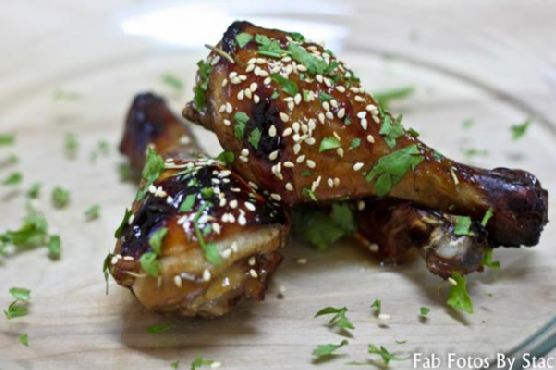

Related update: We recently published an article that expands on this topic: read the latest post.