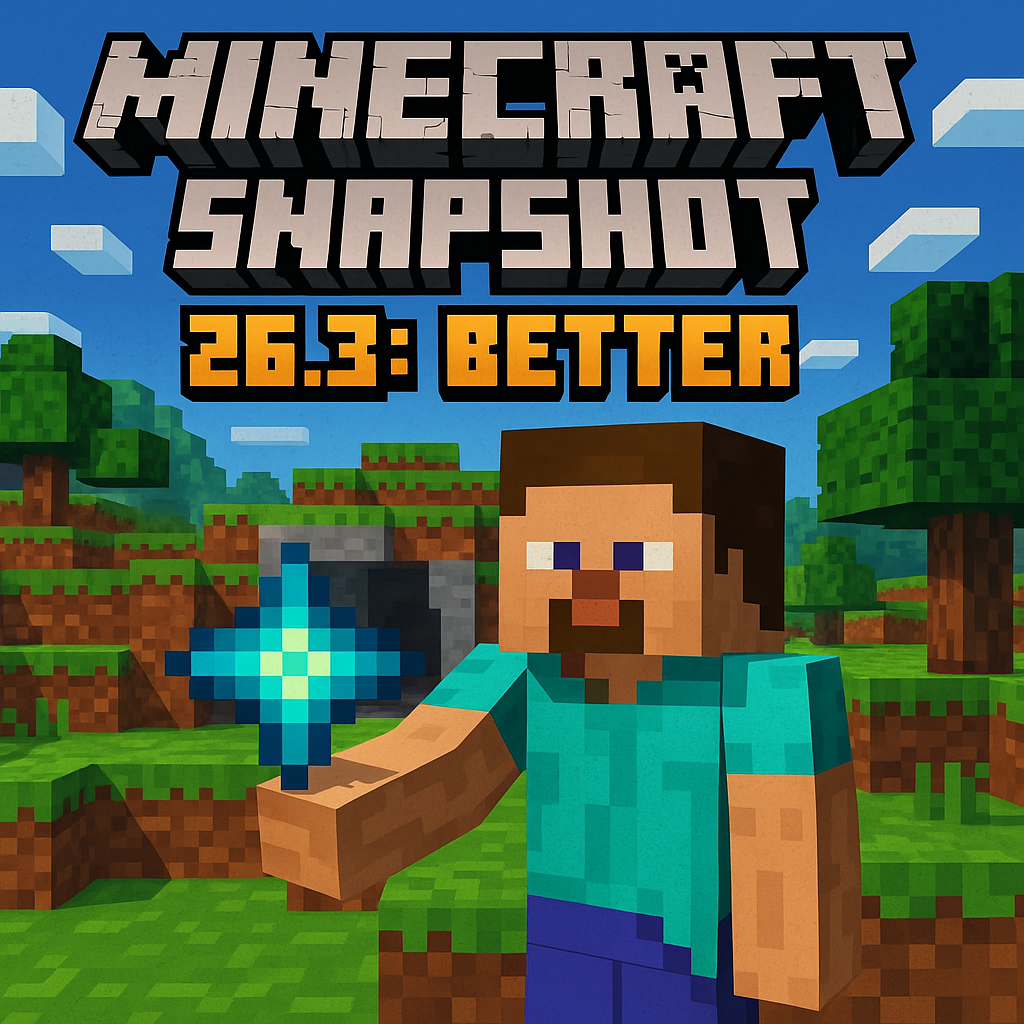
VR Brings TMNT’s Pizza‑Powered Mayhem | Analysis by Brian Moineau

Go ninja, go: Why Teenage Mutant Ninja Turtles: Empire City feels like a proper Turtle game

There’s something deeply satisfying about swinging a sai, flipping through the air with a bo staff, then high-fiving your buddy in VR. Teenage Mutant Ninja Turtles: Empire City drops you into that exact groove — it’s a VR beat‑’em‑up that leans into the cartoonish energy, cheesy one‑liners, and pizza-fueled camaraderie the franchise is famous for. From the opening moments, Empire City sells you on being a Turtle, not just playing one. (uploadvr.com)

The game’s charm comes from how it stitches familiar TMNT DNA to modern VR design. It’s not a museum piece or a souped-up nostalgia trap: it’s a living, playable homage. The result is a game that, as the review line goes, “is better than the sum of its parts” — a phrase you’ll hear echoed throughout the community and press. (uploadvr.com)

What Empire City gets right

  • Iconic characters and personality. The Turtles’ banter, mannerisms, and recognizable moves are here in spades. Each Turtle feels distinct in motion and attitude, which matters in a game built around identity and teamwork. (uploadvr.com)
  • VR-first combat. Rather than awkwardly translating a 2D beat‑’em‑up into headset space, Empire City embraces VR mechanics: reachable attacks, parries, and environmental interactions that make fights feel tactile. Players report that stealth or all‑guns-blazing both work, rewarding different playstyles. (androidcentral.com)
  • Co‑op social energy. The high‑five moments aren’t just fluff — multiplayer amplifies the experience. Moving and fighting alongside friends turns small skirmishes into memorable set pieces. Community chatter online mirrors preview impressions: this is a social VR playground for Turtle fans. (androidcentral.com)

Transitioning from fond memories to modern expectations, Empire City manages a delicate balance: it’s respectful but not reverent, playful but mechanically sound.

Teenage Mutant Ninja Turtles: Empire City — how it feels to play

At its best, Empire City is kinetic. Combat uses weapons, grabs, and throws in a way that translates into satisfying feedback in headset. There’s a joy to improvising with objects and crowds that makes each encounter feel a little improvised and cinematic. Reviewers who spent hands‑on time said the game nails the feeling of being a superpowered martial artist in cramped urban spaces. (gameinformer.com)

That said, the game isn’t flawless. Some critics note that parts of the city feel empty or underpopulated, and a few systems could use polish as the map scales up. These are the sorts of trade‑offs you often see in ambitious VR titles — scope versus fidelity. CGMagazine pointed out instances where the world’s sparseness undercut immersion, even if the core combat still delivered. (cgmagonline.com)

Still, those shortcomings rarely derail the central promise: convincing you you’re in a Turtle suit. The art direction, voice work, and animated expressions all push in the same direction, which matters far more than an extra NPC on the street when the combat and co‑op are clicking.

Design that respects the source material

Empire City works because it understands what makes TMNT lovable: the mix of goofy humor, brotherhood, and pulse‑pounding brawls. The developers lean into classic tropes — sewers, rooftops, Foot Clan thugs, and mutant oddities — while making sure the mechanics support those moments.

Instead of grafting in franchise elements as token cosmetics, the game integrates them into progression and encounter design. Weapons have weight. Tactics reward coordination. Even simple things like the music cues and sound effects are tuned to hit those nostalgic places without feeling like carbon copies of the old cartoons. That approach keeps the experience fresh for returning fans and accessible for newcomers. (uploadvr.com)

Where Empire City could improve

  • Population density: The city occasionally feels quiet, which can make bustling urban combat feel oddly staged. This is a common VR performance choice, but it’s still noticeable. (cgmagonline.com)
  • Polish across systems: Some interfaces and mission flows could be tightened. Expect small friction points during longer play sessions.
  • Replay incentives: While combat is fun, persistent motivators for replay (deeper progression or varied mission structure) will determine the game’s long‑term stickiness.

These aren’t deal‑breakers, especially if you value moment‑to‑moment fun. For many players, the immediate joy of being a Turtle will overshadow backend rough edges.

A few quick notes about platforms and availability

The game has been showcased as a major VR release for Quest and SteamVR platforms, and it’s already drawing wishlist and storefront attention. Early hands‑on previews and reviews have put it on the radar for VR fans who’ve been craving a big‑budget licensed VR experience. (uploadvr.com)

Key points to remember

  • Empire City nails the feel of being a Teenage Mutant Ninja Turtle. (uploadvr.com)
  • Combat and co‑op are the game’s emotional core; they’re fun and social. (androidcentral.com)
  • Visual and world‑building choices occasionally undercut immersion, but not enough to ruin the experience. (cgmagonline.com)

My take

I left my time in Empire City smiling, slightly winded, and oddly hungry for pizza — exactly the emotional cocktail a good TMNT game should produce. It doesn’t reinvent VR or the beat‑’em‑up, but it stitches enough smart design, voice, and heart to feel authentic. For players who grew up with the Turtles or anyone who wants a loud, physical co‑op romp in VR, this is the closest thing to stepping into the cartoon we’ve gotten in years. (uploadvr.com)

Sources


Related update: We recently published an article that expands on this topic: read the latest post.


Related update: We recently published an article that expands on this topic: read the latest post.
Apex S29: Axle, Deathbox Respawns, Pace | Analysis by Brian Moineau

Apex Legends Season 29 patch notes: speed, respawns, and a nudge toward chaos

Apex Legends Season 29 patch notes dropped the kind of changes that make players both excited and suspicious — a new hypermobile Legend, a system that lets you respawn teammates directly from deathboxes, and a set of buffs and nerfs that feel designed to speed matches up. Whether you’re a movement main who’s been waiting for another skirmisher or a methodical player who likes holding angles, Season 29 (“Overclocked”) promises to reshape how fights start, finish, and get restarted.

What’s the point of this season?

Respawn’s pitch for Overclocked is simple: inject momentum. The new Legend, Axle, doubles down on slide-based movement and skirmishing; Deathbox Respawns reward teams that clear and hold ground; and a swath of legend and weapon tweaks nudges the meta away from slow resets toward immediate map pressure. The result is a season that’s clearly oriented toward aggressive play and higher tempo — and that will force many players to rethink positioning, loot priorities, and how they value holding a midfight position.

Highlights from the patch notes

  • New Legend: Axle — a hypermobile skirmisher built around slide speed and momentum, with abilities that boost her and teammates’ sliding and close-range skirmishing potential.
  • Deathbox Respawns — you can now bring teammates back directly from their deathbox without retrieving banners, but with important trade-offs and risks.
  • Chain Healing and other system tweaks — changes that make midfight recovery and post-respawn survivability smoother.
  • Legend buffs and nerfs — notable upgrades for Vantage and Conduit, targeted nerfs to mechanics that slow fights, and quality-of-life adjustments for several characters.
  • Weapon and vehicle updates — Hemlok tuning, loot reshuffles (notably Tridents being removed from maps in this season), and a few weapon placements shuffled between floor and care package pools.

Transitioning to the impact…

Apex Legends Season 29 patch notes: Deathbox Respawns and why they matter

Deathbox Respawns are the headline system change that will directly alter the flow of games. Instead of treating deathboxes solely as loot crutches, Respawn turned them into an alternate respawn method: clear a fight, pick up a deathbox, and in short order your teammate can re-enter the match at that location.

This change rewards teams that hold an area after a successful engagement, making post-fight map control a critical objective rather than an afterthought. It shortens comebacks — you can turn a 2v3 into a full squad much faster — but it also introduces tactical depth: deathbox respawns are risky, visible, and can place the returning player in the open. Expect teams to establish quick, temporary fortifications or use cover-creating legends immediately after a respawn attempt.

Dot Esports and the official notes emphasize that Respawn wanted to reward “teams who hold ground,” and the implementation reflects that: it’s a comeback tool, not a free reset button. Use it well and you buy momentum; use it poorly and you hand the map back to the opposition. (dotesports.com)

Axle and the speed meta

Axle’s kit is unapologetically movement-first. Think of her as a specialist who turns slides into a primary avenue for repositioning and aggression. Her passive and abilities amplify slide speed, and she brings utility that helps squads chain mobility into offensive plays.

Why is this notable? Apex has been nudging toward faster interactions for several seasons, but Axle signals a renewed design direction: movement as core combat ecology, not just utility. That puts pressure on slower, more tactical legends to either gain compensating buffs or fall out of favor in pick rates. Respawn’s published season pages and interviews make the design intent clear: Overclocked is about tempo. (ea.com)

Buffs, nerfs, and the ripple effects

Season 29’s balance changes are targeted rather than sweeping, but a few stand out:

  • Vantage and Conduit received meaningful buffs meant to help them compete in a fast meta. Vantage’s optics and mobility quality-of-life upgrades aim to make her sniper role less punishing while Conduit’s kits got adjustments to improve playmaking viability.
  • Hemlok received tuning to its breach mode and other weapon placements were adjusted: some guns moved into care packages while others saw floor loot returns.
  • Tridents and some zip-rail density were reduced on Broken Moon, pushing engagements into on-foot encounters and tighter skirmishes.

What this means practically: expect less vehicle-driven map travel and more immediate, close-range firefights. Legends that create hard cover or enable quick re-entry (e.g., certain supports) will likely see increased strategic value, especially around deathbox respawns. Reports and patch breakdowns suggest Respawn wants fights to resolve faster and for kills to be more consequential to map control. (dotesports.com)

How it changes everyday play

  • Early-game looting priorities will shift: deathbox utility and mobility items become higher value.
  • Post-fight behavior will pivot from “loot and leave” to “secure and respawn” if your team can hold the area.
  • Ranked and high-level play could accelerate: the ability to reintroduce teammates quickly punishes sloppy third-parties and rewards coordinated area control.
  • Expect short-term meta hops: streamers and pro teams will explore Axle-centric compositions and new counterplays fast, which will drive the community meta for weeks.

The devs have flagged that deathbox respawns are intentionally risky and visible, which should prevent them from becoming an overpowered, guaranteed comeback mechanic — but their mere existence changes risk calculus. (ea.com)

My take

This season walks a careful line between revitalizing pace and preserving tactical depth. Axle and Deathbox Respawns will energize matches and create memorable, momentum-swinging moments. At the same time, I’m glad Respawn added the usual trade-offs — visibility, risk, and positioning — rather than handing out free respawns. The most interesting matches will come when teams must decide: press the advantage immediately with a deathbox respawn, or rotate to safer ground and risk losing the chance to re-engage quickly?

If you enjoy chaos, faster rotations, and creative uses of mobility, Overclocked looks tailor-made. If you prefer slow-burn tactical play, the next few weeks will be a time to adapt, experiment with new comps, and lean into legends that can create cover or deny space.

Sources


Related update: We recently published an article that expands on this topic: read the latest post.

Gabe Newell Tried Sending Kojima to SpaceX | Analysis by Brian Moineau

Hook: The small, human story hiding in a courtroom drama

It sounds like a headline out of a celebrity gossip column: "Gabe Newell emailed Elon Musk to get Hideo Kojima a tour of SpaceX and OpenAI." But that exact line — Gabe Newell emailed Elon Musk to get Hideo Kojima a tour of SpaceX and OpenAI — entered the public record because of the Musk v. Altman lawsuit. Suddenly an intimate, oddly charming request about sending a legendary game auteur to see rockets and AI labs sits alongside testimony about corporate structure, nonprofit pledges, and the future of artificial intelligence.

Why this little anecdote matters

The Musk v. Altman trial is about big stakes: who controls advanced AI, how profit and purpose collide, and what responsibilities founders owe the public. Amid testimony, emails from 2018 that were filed as exhibits revealed something else — a glimpse of personality, fandom, and the very human urge to share wonder. In late October 2018, Valve founder Gabe Newell told Elon Musk that Hideo Kojima had visited Valve and was keen on future work in AI, and that Kojima "really wants to go to space." Newell offered to introduce Kojima to both Musk and OpenAI folks. The email chain is now visible because it was submitted as part of court filings. (pcgamer.com)

This tiny scene helps us feel how intertwined tech, gaming, and celebrity have become — not in a cynical way, but as a reminder that the same people shaping transformative technologies are also fans, collaborators, and friends who swap favors and share dreams.

Gabe Newell emailed Elon Musk to get Hideo Kojima a tour of SpaceX and OpenAI

  • The email thread dates to October 2018 and surfaced in legal exhibits during the Musk v. Altman litigation. (pcgamer.com)
  • Gabe Newell framed the ask simply: Kojima had been at Valve and talked about AI and also expressed a strong desire to travel to space. Newell offered to make introductions. Elon Musk replied positively in public before, saying Kojima was welcome to visit when he wanted. (as.com)

Small moments, larger context

To read that email as a throwaway bit of fandom is fair. But the timing and the players give it texture.

  • In 2018, OpenAI was still defining itself between nonprofit aims and commercial realities; its founders and supporters (including donors like Gabe Newell) were actively shaping its direction. The lawsuit that made these emails public centers on whether OpenAI pivoted away from early commitments and who benefited from that shift. That’s why a personal email from Newell is now lodged inside a bundle of high-stakes documents. (en.wikipedia.org)
  • Hideo Kojima’s fascination with space isn’t just eccentric fandom. He’s a storyteller obsessed with scale — human, cosmic, and technological — so the idea of a director of games literally seeing a rocket factory fits his public persona. Elon Musk’s public friendly line to Kojima (“when you want, you’re welcome”) makes the exchange feel warm, not transactional. (as.com)

What this reveals about tech culture

There are a few revealing threads that run through this episode.

  • Networks matter. Access to labs like SpaceX or OpenAI is partly about personal introductions. One email can open doors, both literally and figuratively.
  • The blur between creative and technical elites continues. Game designers, platform founders, AI researchers, and space entrepreneurs increasingly move in the same orbit — sharing ideas, resources, and attention.
  • Public legal battles cast a wide net. A lawsuit rooted in governance and fiduciary questions can expose mundane, human correspondence that otherwise would have stayed private.

These points matter because they illustrate how institutions and personalities shape the technological future — sometimes in boardrooms, sometimes in emails arranging a factory tour.

A few notable details

  • The email appeared among documents filed in Musk’s suit against Sam Altman and other OpenAI principals; prosecutors and defense teams often submit contemporaneous communications to show intent, relationships, or context. (cases.justia.com)
  • Reporting about the reveal ran across outlets and regions, underscoring both the global interest in Kojima and the public curiosity about how Silicon Valley mixes friendship with influence. (pcgamer.com)

Quick takeaways

  • The anecdote humanizes a high-profile legal fight: tech leaders are people with fandoms and favors. (pcgamer.com)
  • Personal introductions still shape who sees next-generation tech labs and learns about emerging research. (cases.justia.com)
  • Public court records can reveal surprising crossovers — here, gaming, AI, and spaceflight intersecting in a single email. (as.com)

Looking forward: what this doesn't tell us

This story won’t change the legal outcome of Musk v. Altman, nor does it disclose any secret deals between the parties. The email is a human footnote, not a smoking gun. Yet it matters for the lens it gives us: technological revolutions are made by people who bring their whole selves to the project — curiosity, ambition, and sometimes a friend who’ll help arrange a tour.

From a reputation standpoint, it’s also a reminder that public records can turn private favors into public anecdotes overnight. Tech leaders should expect their personal networks to show up in official documents when major disputes reach court.

My take

There’s a sweetness to this: a legendary game director wants to see rockets before he dies, and his friends try to make it happen. In an era when AI governance and space commercialization are debated in courtrooms and legislatures, the human scale of curiosity gets lost. These emails put that scale back on the table — playful, earnest, and oddly hopeful.

We should care about the legal and ethical questions in the Musk v. Altman case. But we should also remember that behind every nonprofit charter and shareholder meeting are people who want to see something beautiful: inside a rocket factory, inside a lab, or inside a game. Sometimes those small acts of connection are the sparks that lead to bigger collaborations.

Sources

Mid‑Tier Studio Spiders Shuts Amid Nacon | Analysis by Brian Moineau

When a Publisher’s Fall Takes an RPG Studio With It

Spiders’ confirmation that it “no longer exists” landed like a cold splash of reality for fans and developers alike. Nacon’s collapse claims first closure as RPG studio confirms it ‘no longer exists’ — a headline that captures the bluntness of what’s happened: a mid-tier French developer, known for Greedfall and Steelrising, has been liquidated amid its parent company’s insolvency. The message was short, stark, and final — Spiders’ Discord announcement makes clear this isn’t a restructuring or pause, but an end.

This post walks through what happened, why it matters beyond one studio, and what the closure reveals about the fragile middle of the games industry today.

What happened

  • In February 2026, publisher Nacon filed for insolvency after a default tied to its majority shareholder, Bigben Interactive.
  • Attempts to sell subsidiaries, including Spiders, reportedly failed.
  • On April 29, 2026, Spiders confirmed it is being liquidated and “the company as a whole no longer exists.” The studio said its planned DLC for Greedfall: The Dying World will be released via Nacon, but that Spiders itself will cease functions immediately. (videogameschronicle.com)

Together, these events turned a corporate liquidity problem into the most visible casualty so far: an independent studio with nearly two decades of output shuttered because its parent couldn’t find a buyer or otherwise solve the insolvency.

Why this stings more than a single studio closing

First, there’s the obvious human cost. Teams that poured years into code, design, writing, and art now face unemployment and uncertain futures. For many staffers, the skills they’ve honed are transferable; for others, particularly those who have specialized in a studio’s engine, tools, or niche design approach, the path forward may be more complicated.

Second, the creative cost matters. Spiders built a distinct identity in the “AA” RPG space — ambitious, occasionally rough-around-the-edges, and increasingly polished over time. Their closure removes a particular voice and a pipeline that produced riskier, mid-budget RPGs that larger publishers often won’t fund. As PC Gamer observed, Spiders improved with each release and even produced an unexpected GOTY pick for some critics. (pcgamer.com)

Third, it exposes how upstream financial failures cascade. When a publisher’s balance sheet collapses, the knock-on effects hit studios, middleware groups, and service providers. The market’s appetite for acquiring distressed studios appears reduced right now; buyers who once snapped up troubled teams aren’t stepping in as readily — a function of general market caution, investor scrutiny around returns, and shifting priorities toward either massive AAA investments or low-cost mobile/casual portfolios.

Nacon’s collapse claims first closure as RPG studio confirms it ‘no longer exists’ — what that headline reveals

Putting the core phrase into a subheading isn’t just SEO formality: it points to a structural truth. The problem isn’t only bad games or one studio’s bad quarter — it’s financial fragility in publishing that directly threatens creators. When a publisher fails to service debt or secure liquidity, the traditional scaffolding for studio survival (royalty advances, marketing, contractual support) can evaporate overnight.

Moreover, this is a cautionary tale about concentration of risk. If a publisher owns several internal studios and encounters a solvency crisis, each studio becomes an economic hostage. That concentration was a major reason Spiders — despite a loyal fanbase and recent release — could not be preserved.

Broader industry context

  • The mid-tier or “double-A” developer has been under pressure for years. Rising development costs, the scaling demands of modern engines, and investor preference for fewer, larger bets have squeezed studios that previously occupied a comfortable middle ground.
  • Market consolidation and the rise of platform-focused funding (console-first deals, subscription exclusives) have changed acquisition calculus. Acquirers now look for clear synergies and predictable returns; distressed studios without ongoing profitable IP or massive talent pools are less attractive.
  • Technological shifts (e.g., rapid AI tooling adoption, engine licensing changes) can lower some barriers but also raise expectations for output and speed — and that can increase short-term burn without guaranteeing higher revenues.

Taken together, these trends create an environment where why a solid studio like Spiders could be liquidated becomes clearer: corporate finance problems upstream can be fatal downstream.

The ripple effects developers and players should expect

  • Short-term: DLC, patches, and support may be handled unevenly. Spiders said its DLC will still release via Nacon, but future patches and player support could become more fragmented. (videogameschronicle.com)
  • Mid-term: Talent migration. Staff will likely scatter to other studios, indie teams, or different industries. That talent redistribution changes the creative map but can also seed fresh projects.
  • Long-term: A tightening of the middle market. If more mid-sized studios disappear, the industry polarizes further into AAA and indie extremes, reducing diversity in game types and experiment scale.

Lessons for publishers, creators, and players

  • Publishers must balance growth and debt prudently. Aggressive leverage to fund quick expansion leaves studios exposed when market conditions turn.
  • Studios benefit from diversified revenue streams and strong legal agreements that anticipate parent-company distress; however, these protections are limited when insolvency proceedings accelerate.
  • Players and preservationists should treat digital access and ongoing support as fragile. The closure underscores a larger conversation about game preservation and contractual obligations in insolvency scenarios.

A few hopeful notes

Despite the pain, history shows that closures can seed new beginnings. Developers from shuttered studios often form new teams, join other projects, or spin up micro-studios that carry forward creative DNA. In the long arc, the industry can absorb losses and reconfigure, but the timing and human cost are what makes each closure tragic.

Final thoughts

Nacon’s collapse claims first closure as RPG studio confirms it ‘no longer exists’ is more than a headline: it’s a snapshot of an industry in structural flux. The loss of Spiders is both a concrete casualty and a warning sign. As publishers juggle debt and ambition, the creative work we value is at risk of being collateral. We should care — not only because terrific games vanish, but because the ecosystem that lets diverse voices build them is weaker for it.

Sources


Related update: We recently published an article that expands on this topic: read the latest post.
Tigers Hit by Mize and Báez Injuries | Analysis by Brian Moineau

Tigers Place Casey Mize, Javier Báez On Injured List — A Double Blow for Detroit

The headline "Tigers Place Casey Mize, Javier Báez On Injured List" landed like a gut punch for Detroit fans, and suddenly the Tigers’ early-season narrative shifted from promising depth to cautious damage control. Both names carry weight: Casey Mize as a front-of-rotation hopeful and Javier Báez as a game-changing spark with a knack for both flair and production. The club announced Mize would go on the 15-day IL with a right adductor strain, while Báez landed on the 10-day IL with a right ankle sprain after both exited the April 28 game in Atlanta. (mlbtraderumors.com)

What happened and why it matters

  • Casey Mize left Tuesday’s start with groin/adductor tightness and was placed on the 15-day injured list. That removes an Opening Day rotation piece and forces the Tigers to reshuffle pitching depth. (mlb.com)
  • Javier Báez suffered a right ankle sprain while hustling to first base and had to be carted off the field; he’s on the 10-day IL. Báez’s physical, high-energy style makes ankle injuries especially concerning because they can sap both mobility and bat-to-ball timing. (rotowire.com)

Together, these moves reduce Detroit’s on-field firepower and test the organization’s organizational depth. With Justin Verlander already on the IL earlier in April, the Tigers are being asked to rely on younger arms and utility pieces sooner than planned. (mlb.com)

Why this feels bigger than the roster moves

First, both players are recent All-Star-level contributors and occupy different but complementary roles. Mize provides rotation stability and swing-and-miss stuff; Báez brings veteran savvy, emotional leadership, and the kind of late-inning heroics that swing tight games.

Second, timing compounds the sting. The injury cluster happened during a heavy stretch of games and right after a string of positive results, so the team’s momentum faces a real test. Finally, the optics matter: losing two recognizable veterans in one night raises questions about workload, roster construction, and the Tigers' ability to weather short-term turbulence. (foxsports.com)

Short-term ripple effects

  • Rotation: Detroit needs another quality arm to fill Mize’s spot while he recovers. Expect a mix of internal options — long relievers stretched into starts, a recall from Toledo, or bullpen shuffling. The club already has several pitchers on the IL, so patience and creativity will be essential. (mlb.com)
  • Infield alignment: With Báez out, the Tigers will lean on internal versatility and possibly a minor-league call-up to cover shortstop/second base duties. That could create a chain reaction affecting lineup balance and bench usage. (rotowire.com)
  • Team morale and identity: Losing a high-energy spark like Báez can emotionally affect clubhouse dynamics; likewise, losing an innings-eater like Mize forces a younger pitching staff into higher-leverage roles earlier than expected.

Long-term outlook and injury context

Adductor strains and ankle sprains exist on spectrums. Many are manageable with conservative treatment and return-to-play timelines that match the IL designations — but setbacks can happen if rushed. The Tigers appear to be following a cautious path: 15 days for Mize and 10 for Báez, with roster moves already made to cover both absences. (krro.com)

Detroit’s broader health picture matters here. If these are isolated, short-term injuries, the club can absorb the loss and return to form. If instead they’re signs of wear across the roster or recurring issues (especially for pitchers), the front office may need to pivot — whether through trades, prospect promotions, or altered workload plans.

A look at the replacements

The Tigers quickly recalled or promoted depth pieces to cover the absences. Expect a mix of:

  • A minor-league arm stretched into rotation duty or an internal long-relief candidate converted to a starter.
  • An infielder who can run the bases and provide reliable defense while maintaining league-average bat contributions.
  • Bench adjustments that prioritize defense and baserunning in Báez’s absence.

These aren’t sexy moves, but they’re necessary stopgaps. How those players perform in the coming weeks will shape whether the Tigers tread water or flounder. (reddit.com)

Tigers Place Casey Mize, Javier Báez On Injured List — What fans should watch next

  • Timelines: Monitor official updates from the team and medical reports. The IL stints give a baseline, but return dates will depend on rehab progress and imaging results. (mlb.com)
  • Spot starts and bullpen usage: Watch how Manager and pitching coaches distribute innings. Overuse or ill-fitting matchups could create cascading problems.
  • Replacement performance: If a call-up performs above expectation, the team’s short-term outlook improves dramatically. Conversely, if replacements struggle, the front office may explore external options.

My take

This feels like a classic baseball test: the moment when depth and decision-making replace star power. The Tigers’ roster has promise, but sustained success in a long season hinges on health and how the organization reacts to setbacks.

If the replacements step up and the team leans into matchups and process over panic, Detroit can treat this as a blip. If injuries compound or if key players are rushed back, the team risks losing traction. Either way, the next two weeks will tell us a lot about the Tigers’ internal depth and the front office’s willingness to make timely adjustments. (mlb.com)

Final thoughts

Injuries are part of the game, messy and emotionally draining. But they also create narrative opportunities: a rookie seizes a moment, a forgotten veteran finds new life, or a front office demonstrates that it can adapt. Tigers fans have reasons to worry, but there are reasons to be curious, too. Watch the roster moves, trust good medical timelines, and enjoy the inevitable moments of baseball unpredictability that follow.

Sources


Related update: We recently published an article that expands on this topic: read the latest post.

Related update: We recently published an article that expands on this topic: read the latest post.
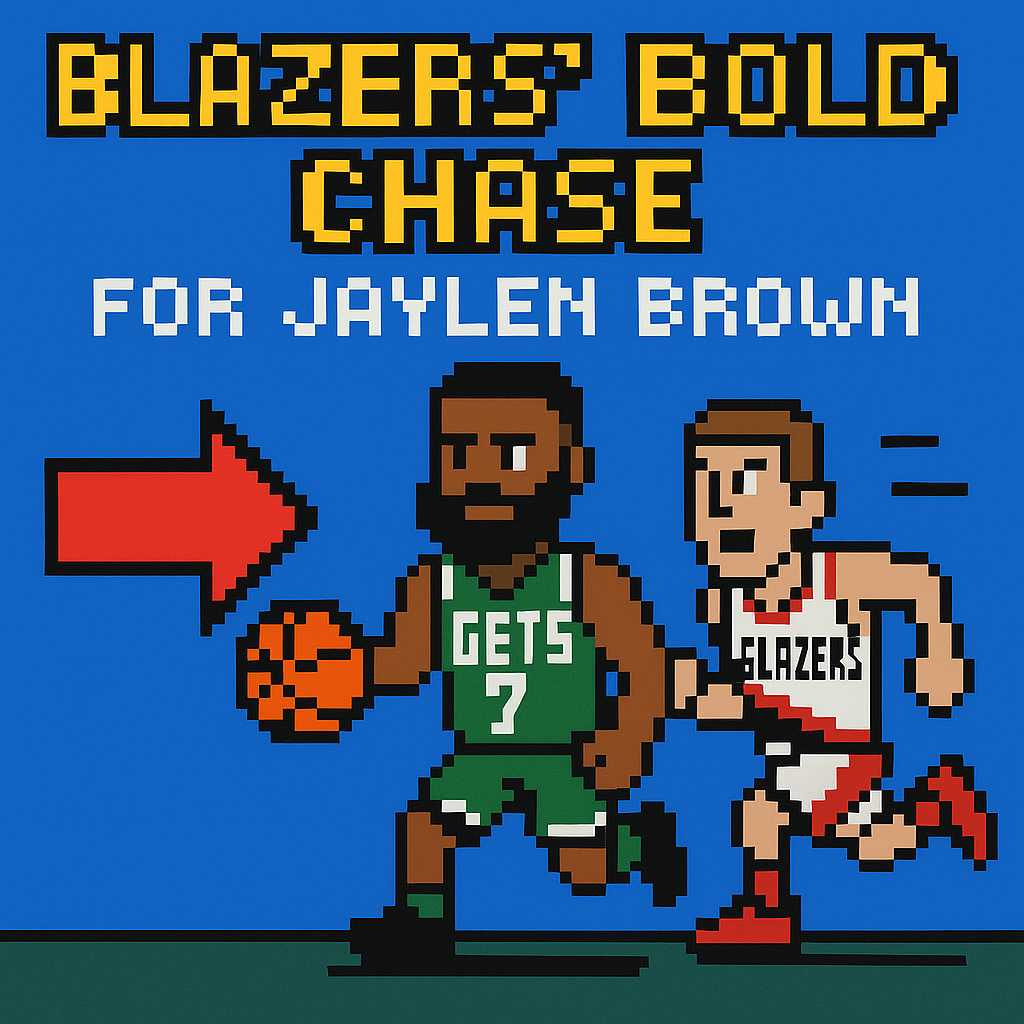
NBA’s 3-2-1 Draft: Ending the Tanking Era | Analysis by Brian Moineau

Hook: The NBA wants to make losing less attractive

Imagine a late‑March game where a bottom‑dweller suddenly plays like it matters. That’s the picture the NBA is trying to paint with the proposed 3-2-1 draft lottery system — a change designed to blunt the incentive to tank and to reward teams that keep competing. The phrase 3-2-1 draft lottery system has already become shorthand for a broader anti‑tanking overhaul the league has presented to its governors and GMs. (nbcsports.com)

What is the 3-2-1 draft lottery system?

At its simplest, the 3-2-1 draft lottery system reorganizes how the NBA assigns "lottery balls" and who participates in the lottery.

  • The lottery would expand from 14 to 16 teams, bringing in a couple more non‑playoff clubs. (cbssports.com)
  • Teams would receive 3, 2, or 1 lottery balls depending on their finish — hence "3-2-1" — which flattens the odds compared with the current system that heavily rewards the very worst records. (cbssports.com)
  • The three worst teams would be placed in a so‑called “relegation zone” and actually be penalized with fewer balls (and a floor on how high they can pick), reducing the pure upside of finishing last. (nbcsports.com)

Those mechanics aim to both widen the pool and compress the top‑pick odds so that the gulf between the worst team and a middling lottery team narrows. NBC, CBS and other outlets reporting on the proposal emphasize that the idea is to reduce extreme incentive to lose while keeping meaningful randomness in the draft. (nbcsports.com)

Why the NBA is pushing this now

Tanking has been a recurring storyline for decades, but recent seasons and high‑stakes draft classes have intensified scrutiny. Owners, the commissioner’s office, and many fans worry that repeated losing seasons for some franchises create competitive and reputational problems for the league.

  • Expanding the lottery and flattening odds tries to remove the clear reward for being the absolute worst. Teams that might have accepted a competitive rebuild in the past often instead try to secure the top pick by minimizing wins late in the season. The 3-2-1 idea attacks that calculus. (espn.com)

There’s also a political and optics element: the league wants regular season games to matter, both to fans and local business partners. If losing becomes a viable long‑term strategy, attendance, TV interest, and player morale can all suffer.

The practical effects: winners, losers, and the weird middle

If implemented, the 3-2-1 plan would change front‑office strategy in several predictable ways.

  • For worst‑of‑the‑worst teams, the upside of finishing 30th is reduced. That’s the point, but it also means some terrible teams will be stuck in longer rebuilds without the occasional lottery jackpot. (nbcsports.com)
  • For teams hovering around play‑in/playoff cutoffs, there’s now more to play for: a win late in the season could shift you into a more favorable lottery band, or at least keep you out of the relegation zone. That should raise late‑season competitiveness. (cbssports.com)
  • Trades and pick‑management will become more complex. Because the lottery pool expands and odds are flatter, the value of asset diversification — buying multiple picks and young players instead of one shot at a top prospect — may rise. (cbssports.com)

Transitioning won't be frictionless. The proposal reportedly includes pick floors (e.g., bottom‑three teams cannot pick higher than a certain spot) which complicates trade valuations and could create unusual outcomes where a traded pick has a guaranteed range rather than pure upside. (nbcsports.com)

How fair — and how effective — is this likely to be?

There are two separate tests for the plan: fairness to struggling franchises, and effectiveness at stopping tanking.

  • On fairness: Critics argue the worst teams are already penalized by losing revenue and fan support; taking their best hope (a high lottery pick) feels harsh. Supporters say fairness must consider long‑term league health and competitive balance across 30 teams. Both sides have a point. (cbssports.com)

  • On effectiveness: Flattening odds and expanding the lottery should, in theory, reduce the explicit incentive to lose games for a top‑pick chance. But teams determined to rebuild quickly could still trade for picks, manipulate minutes, or otherwise find new ways to game the system. Many analysts think the proposal reduces—but won’t eliminate—tanking. Simulations and modeling will matter once the exact ball allocations and floors are finalized. (cbssports.com)

The human element: fans, players, and markets

This isn’t just math. Fans want honest competitions; players want meaningful opportunities and clearer career development paths.

  • Fans of small‑market teams may resent a system that appears to curtail their franchise’s fastest route back to contention.
  • Players finishing seasons on bad teams already face uphill development battles; fewer marquee rookie arrivals could slow team turnarounds and alter free‑agency dynamics.
  • Financially, stronger regular‑season competition could improve local gate and viewership numbers late in the year. That’s part of the league’s incentive to act. (cbssports.com)

3-2-1 draft lottery system: quick summary

  • Expands the lottery to 16 teams and assigns 3, 2, or 1 “balls” per team. (nbcsports.com)
  • Creates a relegation zone for the three worst teams, which receive fewer balls and are given a pick‑floor. (nbcsports.com)
  • Intends to reduce tanking incentives and encourage late‑season competitiveness while introducing new trade/pick valuation complexities. (cbssports.com)

My take

I like the ambition here. The 3-2-1 draft lottery system is a pragmatic attempt to fix a problem that’s grown thornier as single prospects can swing a franchise. Flattening odds and expanding the lottery rewards a broader set of teams for competing, not scheming.

That said, any rule change creates new incentives. Expect front offices to adapt quickly; the league will need to monitor outcomes and be ready with tweaks. And for fans, the value is simple: games that matter feel better than games that don’t.

Final thoughts

Rule changes rarely produce perfect outcomes. The league’s 3-2-1 idea is worth trying because it nudges incentives toward meaningful basketball without eliminating the drama of the lottery. If the goal is fewer strategically lost games and more earnest competition down the stretch, this proposal is an important step — but not the final one.

Sources


Related update: We recently published an article that expands on this topic: read the latest post.


Related update: We recently published an article that expands on this topic: read the latest post.
Casual-Dining Shakeup: Smokey Bones | Analysis by Brian Moineau

When Smokey Bones abruptly closes locations, nobody expected the silence

The morning of April 28, 2026 started like any other for many diners — except for those who walked up to a familiar Smokey Bones and found the doors locked with a handwritten sign. Smokey Bones abruptly closes locations across numerous states, leaving staff and customers blindsided and a string of long-time neighborhood anchors dark. The suddenness of these shutdowns, reported in markets from Columbus, Ohio to Long Island, added a surreal note to a brand that once felt reliably “there” for casual nights out. (wtvm.com)

Transitioning from a steady casual-dining staple to an overnight disappearing act is not just a local story — it’s a wider signal about the pressures on midscale restaurant chains in 2026.

What happened and when

  • On April 28, 2026 multiple Smokey Bones locations closed their doors with little to no advance notice to employees or patrons. Local news crews and storefront photos show closure notices posted that day. (wtvm.com)
  • Reports say the closures touched restaurants in states including Ohio, Pennsylvania, New York, Rhode Island, Illinois, Michigan and Georgia — and numerous community outlets confirmed permanent shutdowns at specific locations. (wpxi.com)
  • The chain’s parent and related ownership activity — including earlier restructuring and bankruptcy filings affecting related brands — set the stage for a portfolio-wide retrenchment before these abrupt closures. Local reporting and corporate filings from earlier in 2026 documented financial stress and a reshaping strategy. (en.wikipedia.org)

These are the facts that matter for employees, landlords, and regulars who relied on the chain.

Why the suddenness matters

First, abrupt closures have immediate human consequences. Employees often learned they were out of a job the same day: pay, benefits, final wages, and tip pools become urgent questions. Customers with gift cards or upcoming reservations were likewise left scrambling. The emotional imprint is significant — neighborhoods lose a familiar meeting place, and staff lose income without a runway.

Second, sudden chain-wide shutdowns amplify uncertainty in commercial real estate and municipal planning. Landlords and local business alliances that budget around occupied leases must now reconfigure foot traffic forecasts and tenant mixes. For retail corridors where a Smokey Bones anchored traffic, the empty space creates a measurable void.

Finally, from a brand perspective, the optics of disappearing without a clear public message corrodes trust. When companies close locations transparently, they can preserve relationships and reputation; opaque exits generate speculation and social-media backlash faster than corporate statements can travel.

The bigger picture for midscale chains

Smokey Bones’ fate illustrates structural headwinds hitting many midscale full-service restaurants:

  • Rising fixed costs (rent, utilities, insurance) squeeze margins when check sizes don’t keep up.
  • Labor market dynamics and turnover raise operational complexity and costs.
  • Shifting consumer habits — including off-premise spending, delivery expectations, and value-seeking — favor brands that adapt quickly or niche concepts that can be leaner.
  • Private-equity ownership, brand roll-ups, and portfolio optimization decisions can accelerate closures if owners decide to redeploy assets into higher-growth concepts. (en.wikipedia.org)

Taken together, these pressures mean that long-standing regional brands can be vulnerable, especially when they fail to modernize traffic-driving elements like brunch, delivery, loyalty, or local engagement.

What communities and workers can expect next

  • Short-term disruption: employees will pursue unemployment claims, and communities will see empty storefronts. Local news outlets have already chronicled the immediate aftermath at specific locations. (butlereagle.com)
  • Medium-term churn: landlords and developers will market the vacated spaces to new concepts. Some closures become opportunities for rising local restaurants or franchise swaps; others linger as blighted properties.
  • Long-term reckoning: restaurateurs and investors will watch whether the closures shift buyer behavior or accelerate consolidation in the casual-dining space.

These ripple effects show the closure is not just corporate housekeeping — it reshapes neighborhoods and labor markets.

Lessons for business owners and diners

  • For operators: transparency matters. When closures are handled with clear communication, severance planning, and customer remediation (gift-card refunds, for example), reputational damage is more containable.
  • For employees: knowing rights (final pay, tipped-wage rules, unemployment insurance) and documenting hours and pay is critical when a shutdown is abrupt.
  • For diners: cherish the local institutions you value, and support independent restaurants that reinvest locally — they often provide more resilient community value than sprawling chains.

Thinking practically, where possible vendors, landlords, and local chambers should coordinate to re-tenant spaces quickly and consider interim pop-ups that maintain foot traffic.

My take

Smokey Bones’ swift disappearance feels like a cultural punctuation mark: a reminder that even familiar brands aren’t immune to shifting economics and ownership decisions. The image of empty dining rooms and staff receiving the news on the same day is jarring — and points to a need for more humane exit plans when companies downsize. Long after the “Now Open” sign is replaced, the social habits and neighborhood flows that restaurants create can take years to recover.

If anything, these closures should prompt a conversation about sustainable business models in casual dining: nimble operations, clearer communication, and deeper local ties could buy more resilience. For communities, the creative opportunity is to fill those rooms with concepts that reflect current tastes, not just the ghosts of past dining trends.

Sources


Related update: We recently published an article that expands on this topic: read the latest post.

Related update: We recently published an article that expands on this topic: read the latest post.

Requiem Minigame Promises Combat Mayhem | Analysis by Brian Moineau

Sharpen your tomahawks: Resident Evil Requiem’s minigame nears release

Resident Evil Requiem's upcoming minigame is in the "final stages" of development, and will be based on the main game's combat. If that sentence made you sit up and double‑check your controller, you’re not alone — Capcom’s latest tease from director Koshi Nakanishi has the community buzzing. The hint is equal parts reassurance and dare: finish the main story, polish your combos, and get ready to “rampage” in a bite‑sized mode that promises concentrated chaos.

The tease arrived after launch as part of developer comments and interviews, where Nakanishi and producer Masato Kumazawa confirmed a small suite of post‑launch additions: a photo mode, a story expansion (still in the works), and this combat‑centric minigame slated for May. The developer language — “sharpen your tomahawks” and “for those who’ve cleared the main game and are thinking ‘I still haven’t done enough rampaging yet’” — strongly points to a frenetic, score‑driven survival arena rather than a narrative detour. (gamesradar.com)

Why this minigame matters

Capcom has a long habit of tucking delightful little modes into Resident Evil releases — the Mercenaries, Separate Ways, and other arcade‑style diversions have extended playtime and offered alternative challenges. A combat‑based minigame for Requiem does more than pad out content: it reframes what players loved about the base game (tight gunplay, weapon variety, environmental improvisation) into a distilled test of skill.

  • It rewards mastery. Players who learn enemy patterns, weapon strengths, and stamina management will get the biggest kicks.
  • It extends longevity. A well‑designed minigame can keep leaderboards humming and communities competing long after the single‑player buzz subsides.
  • It informs future DLC. How Capcom balances difficulty, scoring, and unlockables here could signal their approach for larger expansions. (pushsquare.com)

Transitioning from a tense, story‑driven experience to a fast‑paced, score‑oriented mode isn’t automatic. The trick lies in how faithfully the minigame translates the combat fundamentals — movement, precision, ammo economy — while providing immediate feedback and progression loops that feel rewarding in short sessions.

Resident Evil Requiem’s minigame: what to expect

Based on developer comments, here’s a practical read on what the mode might include and why fans are reading between the lines.

  • Single‑player focus. Nakanishi specifically described it as a single‑player minigame, which narrows the design toward personal performance and leaderboards rather than co‑op chaos. (gamesradar.com)
  • Combat‑first gameplay. Expect waves or scenarios that showcase the main game’s enemy variety and weapon niches — think timed arenas, modifier challenges, or risk‑reward scoring like “mercenaries” modes from past RE titles. (gamesradar.com)
  • Unlockables and incentives. Capcom tends to gate cosmetics, weapons, or challenge ladders behind such modes; this keeps players coming back and ties the minigame into the broader experience.
  • Access tied to story completion. The team asked players to finish the main game first, suggesting the minigame will unlock post‑campaign — a decision that preserves the base game’s pacing and ensures players bring all their learned skills into the new mode. (videogameschronicle.com)

If you enjoyed the weapon juggling and improvisational kills of Requiem’s Leon sections, this minigame could be the studio’s way of giving those players a distilled playground. Conversely, players who favored Grace’s survival‑leaning chapters might find a new way to test adaptability with limited resources.

The risk‑reward of arcade modes in modern games

Arcade‑style add‑ons can be a double‑edged sword. When they’re well‑executed, they amplify community engagement, spawn speedruns, and feed streaming content. When they’re tacked on with little care, they dilute the brand with repetitive or unpolished experiences.

Capcom’s recent track record is instructive. The studio has successfully used smaller modes to experiment (third‑person options, photo modes, mini challenges) while reserving larger story content for paid expansions. For Requiem, a free minigame that emphasizes combat seems both a safe move and a targeted one — it’s low friction for players and a clear value add that channels the best mechanical bits of the base game. (gamereactor.eu)

What this says about Capcom’s post‑launch plan

Two things stand out from the messaging around Requiem’s roadmap. First, Capcom is pacing content: small, fast hits (photo mode, minigame) arrive sooner while a bigger story expansion gets more time. Second, the studio appears attentive to player behavior — offering a combat minigame for players who crave “more rampaging” acknowledges that fans often split between story completionists and those who want repeatable mechanical thrills.

This tiered approach can keep engagement steady: shorter updates give immediate gratification, while the larger expansion can land later with more polish and narrative weight. If history repeats, the minigame will act as both a bridge and a testing ground for ideas in the expansion. (pcgamer.com)

The minigame is in the "final stages" of development

That phrase from Nakanishi is both concrete and encouraging: “final stages” usually means internal testing, balance passes, and localization — an indicator that players should expect the mode soon rather than months away. Capcom mentioned a May window, which aligns with the company’s cadence of rolling out smaller updates shortly after launch spikes. Mark your calendars and keep those tomahawks metaphorically (or literally) sharpened. (techradar.com)

My take

I’m optimistic. A focused, combat‑first minigame fits Requiem’s strengths and the franchise’s history of addictive side modes. If Capcom leans into scoring depth, meaningful rewards, and a tight progression loop, this could be the kind of small feature that boosts community longevity and gives players a reason to revisit the city’s nightmares with a smile.

If, however, the mode skews too shallow or feels like filler, it risks being forgotten the week after release. Here’s hoping Capcom treats it like a concentrated showcase of everything that made Requiem fun: elegant weapon design, satisfying enemy reactions, and the occasional beautiful, terrible gory spectacle.

Sources


Related update: We recently published an article that expands on this topic: read the latest post.
GM Sees $500M Windfall After SCOTUS Ruling | Analysis by Brian Moineau

When a $500 Million Refund Feels Like a Reprieve: General Motors and the SCOTUS Tariff Ruling

General Motors says it expects $500 million tariff refund after SCOTUS ruling — and that sentence landed like a small, welcome shockwave across the auto industry. For a company that paid billions in import levies over the last two years, a half-billion-dollar rebate is both meaningful and oddly symbolic: meaningful for the near-term earnings outlook, symbolic of a larger tug-of-war between presidential power, trade policy, and corporate risk management.

Put bluntly: the Supreme Court’s February 20, 2026 decision striking down tariffs imposed under the International Emergency Economic Powers Act (IEEPA) set off a chain reaction. The federal government opened a refund portal, importers began tallying what they might recover, and legacy manufacturers such as GM quickly updated guidance. The “$500 million” line isn’t just a number — it’s a lens into how legal decisions cascade into balance sheets and boardroom strategy.

Why General Motors says it expects $500 million tariff refund after SCOTUS ruling

The Supreme Court held that IEEPA did not authorize the president to impose broad-based tariffs — a 6–3 decision on February 20, 2026. That ruling invalidated a swath of so-called “emergency” tariffs the White House used in 2024–25, leaving companies that paid those duties with a question: will the government return the money? The administration responded by creating a process for refunds, and GM says it expects roughly $500 million to flow back to the company through that channel. (orrick.com)

This figure should be viewed in context. GM reported paying multiple billions in tariffs across recent years; some outlets note GM’s tariff bill exceeded $3 billion in a single year. The $500 million refund helps, but it doesn’t erase the full fiscal impact of higher input costs, supply-chain adjustments, or price changes passed to consumers. Still, for investors and analysts, the refund nudges 2026 earnings forecasts upward and trims GM’s projected tariff burden for the year. (fortune.com)

The broader ripple: what this refund tells us about trade risk

First, legal uncertainty is expensive. When administrations try new reaches of power — here, using emergency authorities to levy tariffs — companies can be forced to absorb rapid cost changes. Those costs ripple through procurement, pricing, and investment decisions.

Second, refunds don’t automatically become consumer relief. Companies often treat tariff costs as part of overall margins or pricing strategy rather than a direct pass-through. Even if GM receives $500 million, there’s no guarantee of lower vehicle prices or rebates to buyers. Market dynamics, labor costs, and strategic priorities will determine how much of that windfall affects consumers. (forbes.com)

Third, not all tariffs were struck down. The Supreme Court’s ruling targeted the IEEPA-based levies. Other trade authorities — like Section 232 (national security) and Section 301 (unilateral trade remedies) — remain viable pathways for tariffs and trade restrictions. That means companies still face a multifaceted policy landscape rather than a clean reset. (torys.com)

Moving from headline to balance sheet

Investors noticed quickly. A $500 million refund can change guidance in a sector where margins are tight and capital expenditures for electrification are enormous. GM itself adjusted its 2026 outlook after accounting for the expected rebate and the administration’s evolving tariff posture.

Yet it’s important to be cautious. Refund processing is administrative and phased. The government’s portal opened in stages and the mechanics — liquidation rules, claim timing, and whether all payers get full restitution — are still settling into practice. Some importers may face delays if their entries have been “liquidated” (a customs term meaning duties have been finalized), while others will receive faster payouts. In short, a headline number can take months to convert into cash. (fortune.com)

What consumers and competitors should watch next

  • Watch for company-level disclosures. Firms like GM are already announcing expected refunds; others will follow. Earnings calls and 10-Q/10-K filings will show how companies plan to use refunds — to shore up margins, fund investments, or reduce prices.
  • Watch tariff authorities. The administration signaled it could reimpose duties under alternative statutes (for example, Section 122 of the Trade Act of 1974) or adjust policy in other ways. That means the trade risk hasn’t disappeared — it has simply been rerouted. (sidley.com)
  • Watch refund mechanics. The Department of Homeland Security and U.S. Customs and Border Protection will manage claims. Timing, paperwork, and legal challenges could slow or reshape expected flows.

What this means for corporate strategy

Strategically, companies will likely diversify responses:

  • Improve supply-chain resilience by reshoring or nearshoring critical inputs where politically feasible.
  • Incorporate legal-risk buffers into pricing and procurement frameworks.
  • Lobby for clearer statutory authority or expedited refund mechanisms.

Taken together, these moves reduce the chance that a single legal ruling again causes sudden financial stress.

Final thoughts

A $500 million refund is a headline-grabbing relief for General Motors — materially helpful, but not transformational on its own. The Supreme Court’s February 20, 2026 decision changed the legal scaffolding of modern trade policy, and companies will spend months converting legal victories into financial clarity.

For consumers, the real question is whether refunds will translate into lower prices or improved services. For investors and corporate leaders, the ruling is a reminder: policy risk is not theoretical. It lives in procurement contracts, in boardroom budgets, and — yes — in the margins of your favorite carmaker. How those entities react will shape the next chapter of U.S. industrial strategy.

Sources


Related update: We recently published an article that expands on this topic: read the latest post.

Related update: We recently published an article that expands on this topic: read the latest post.

Supreme Court vs. State Warnings: Roundup | Analysis by Brian Moineau

A label, a lawsuit, and a nation asking who decides: why the Supreme Court’s Roundup hearing matters

The Supreme Court recently heard a high-stakes case about how to label risks of popular weed killer — and the outcome could reshape tens of thousands of lawsuits against Roundup’s maker, Monsanto, now owned by Bayer. That short phrase hides a thicket of science, regulation, state power and corporate strategy. But at its heart the dispute asks a simple question: when federal regulators set the tone, can states still require their own warnings and let juries decide whether a company should pay for harm?

Let’s walk through the courtroom drama, the regulatory tug-of-war, and what a ruling might mean for everyday people, farmers, and the legal landscape.

The courtroom clash and the core legal question

On April 27, 2026, the Supreme Court heard arguments in Monsanto Co. v. Durnell, a case that grew out of state-court jury verdicts finding Monsanto liable for failing to warn users that Roundup might increase cancer risk. Monsanto (Bayer) argues federal pesticide law preempts state labeling requirements: because the Environmental Protection Agency (EPA) oversees pesticide registration and labeling, states shouldn’t impose additional or conflicting warnings through tort suits.

Opponents — plaintiffs and some states — say preemption here would leave injured people without a remedy when the science evolves or when regulators decline to require a particular warning. They argue state tort law has long served as a backstop for public safety, filling gaps federal regulators might leave open.

Transitioning from the legal scaffolding to practical stakes: the decision won’t decide whether glyphosate causes cancer. Instead, it will decide who gets to require warnings — the EPA or the states and juries — and that allocation of authority will determine whether tens of thousands of existing suits survive or are swept aside.

Why this matters beyond the lawyers’ briefs

  • The case affects the fate of tens of thousands of Roundup lawsuits and billions in potential liability for Bayer. Recent settlements and verdicts have already cost the company billions, and the Supreme Court’s ruling could either preserve that exposure or sharply limit it. (apnews.com)
  • It’s about federalism and regulatory reach. If the Court blesses broad preemption, federal agencies’ determinations would carry stronger protective force for manufacturers. If not, states retain a robust role to respond to local concerns and evolving science. (supremecourt.gov)
  • The ruling could set a template for other product-liability fights where federal oversight exists: medical devices, pesticides, even aspects of food and drug regulation. The Court’s reasoning will be mined for years. (supremecourt.gov)

How the debate about science and timing plays out

Both sides lean on scientific claims, but they use them differently. Bayer points to EPA findings and long regulatory review cycles that, in its view, show glyphosate is not likely carcinogenic when used as directed. That argument supports the idea that state warnings would be “false or misleading” compared to the EPA-approved label.

Plaintiffs point out that scientific views change, and they highlight studies and court rulings that contested the EPA’s conclusions. They say state juries should be able to weigh the evidence and impose warnings where a court finds the label inadequate for protecting the public. The question of “new science” — what happens when fresh studies appear between EPA reviews — was a live topic during oral argument. (theguardian.com)

A practical view: who’s harmed if preemption is broad?

  • Individuals who believe they were injured may lose the only forum that provides compensation or public accountability.
  • States seeking to protect their residents could see reduced tools to act where they think federal action lags.
  • Companies could get clearer shielding from inconsistent state rules, reducing litigation risk and legal uncertainty.

Put differently: a ruling for preemption gives predictability to manufacturers; a ruling against it preserves a patchwork of state standards and keeps civil courts as a corrective mechanism when regulators don’t act.

Where politics and law collide

This case didn’t unfold in a vacuum. It comes after years of political and legislative activity: some states have sought to limit litigation via statutes, Congress has been nudged to consider preemption clarifications, and public protests converged on the Court as arguments were heard. The Justice Department’s position aligning with Bayer in federal preemption arguments deepened the political stakes. That mix of law, lobbying, and activism means the decision will matter not only legally but politically. (axios.com)

What to watch for in the Court’s reasoning

  • Will the Court treat EPA’s pesticide-labeling regime as occupying the field entirely, or will it read the statute more narrowly?
  • Will the justices rely on precedents that favored preemption in federal regulatory contexts, or will they emphasize state tort traditions?
  • How the Court frames the relationship between “label accuracy” and “public-protection” objectives could be decisive: are state-required warnings inherently in conflict with EPA judgments, or can they coexist?

Those lines of reasoning will dictate whether existing Roundup cases survive appeals and whether jurisdictions can continue to craft their own remedies.

My take

This isn’t just a corporate defense strategy or a technical dispute about legal doctrines. It’s a test of where responsibility lands when science is messy and institutions disagree. Broad preemption would help companies and create uniformity — useful for markets and manufacturers. But it would also narrow citizens’ access to redress and slow the ability of states to react to new scientific signals.

I expect the Court to try threading a narrow path: limiting preemption to clear conflicts while avoiding a sweeping rule that extinguishes state tort claims entirely. But given the stakes and the Court’s composition, a ruling that sharply constrains state actions is a real possibility.

Either way, the decision will be consequential: not only for Bayer and Roundup plaintiffs, but for how we balance federal agency judgments and state-based accountability when public health questions remain unsettled.

Final thoughts

The Roundup oral argument is a reminder that labels are more than small print — they are the front line of how we communicate risk, allocate responsibility, and translate science into real-world safety. The Supreme Court’s decision will reverberate beyond one chemical or one company; it will help define the boundary between national regulatory standards and local remedies. That boundary matters to farmers, gardeners, juries, regulators, and anyone who expects the law to provide both certainty and recourse.

Sources


Related update: We recently published an article that expands on this topic: read the latest post.

Related update: We recently published an article that expands on this topic: read the latest post.


Related update: We recently published an article that expands on this topic: read the latest post.

Crimson Desert Outpaces Elden Ring | Analysis by Brian Moineau

Why Crimson Desert player retention is turning heads

The video-game world loves big launches, but “big” doesn’t always mean “lasting.” That’s why the conversation around Crimson Desert player retention matters: despite launching later and into a crowded market, Pearl Abyss’s open-world epic has kept a surprising number of players engaged weeks after release. That kind of staying power changes how we should think about single-player games and what “success” looks like in 2026. (forbes.com)

First impressions: the numbers you’ll see in headlines

Crimson Desert exploded on release day with six-figure concurrent user peaks on Steam and later hit new highs during its second weekend. SteamDB shows daily and peak-concurrent figures in the hundreds of thousands, and multiple outlets report sustained six-figure activity more than a month after launch. Those raw numbers are impressive, but the story Forbes highlighted is retention — the percentage of launch players who are still active after the initial hype — where Crimson Desert has outpaced even an established phenomenon like Elden Ring. (steamdb.info)

Why does that matter? A huge opening-day crowd can be largely curiosity-driven. Retention suggests players found reasons to stay: systems that reward long play, content that intrigues, or a loop that fits different playstyles. For Crimson Desert, the combination of a sprawling open world, varied combat, and ongoing patches appears to have extended the window of engagement. (techradar.com)

What “player retention” really measures here

Let’s be clear: when journalists compare retention between single-player experiences, they’re often using proxy metrics such as Steam peak concurrency over time. That isn’t the same as session frequency or daily-active-user metrics used by live-service games, but it’s a useful lens. In plain terms: how many of the people who showed up at launch are still in-game a month later? Crimson Desert’s percentage drop from launch peak to month-one peak was considerably smaller than Elden Ring’s at a similar point after its release. (forbes.com)

Context matters. Elden Ring launched in 2022 with a different market environment, different player expectations, and a design that encourages completion rather than long-term wandering. Crimson Desert launched with platforms, marketing, and a community primed for streaming and discovery — factors that can extend a game’s lifespan after launch. (techradar.com)

Why Crimson Desert might be retaining players better

  • Rapid iteration and fixes: Developers responded quickly to early feedback and patched notable pain points, which can stop a first-week drop from becoming a long-term decline. This fix-first cadence matters more than ever for converting curious players into long-term fans. (sweepleague.com)

  • Breadth of content and playstyles: The game mixes long-form exploration, sandbox systems, and optional difficulty accessibility. That lets both completionists and casual explorers find a place to stay. Players who might finish a tightly-focused RPG in weeks can keep playing Crimson Desert as a sandbox or sidequests destination. (en.wikipedia.org)

  • Social and streaming momentum: High viewership and streaming attention (Twitch peaks were massive at launch) create social proof and discovery loops that keep new players arriving even after the first week — and some of those newcomers stick around. (reddit.com)

  • Patching and reputation management: Beyond bug fixes, removing controversial elements (for example, disputed AI-generated assets) and transparent communication can stabilize community sentiment and restore trust — which in turn helps retention. (gamesradar.com)

A fair comparison to Elden Ring

It’s tempting to talk about "beating" Elden Ring at retention and declare a shift in industry power dynamics. Resist that temptation. Elden Ring’s strengths are different: it’s a tightly tuned, high-difficulty RPG that many players finish and move on from because they completed its challenge. Crimson Desert’s longer tail so far is a signal that its design and post-launch handling are keeping players engaged — not necessarily that one game is objectively “better.” (forbes.com)

Comparisons are useful for framing trends, though. They underscore that single-player games can both launch big and retain players — a mix once thought to belong mainly to live-service titles. That’s a meaningful market signal for developers and publishers thinking about investment in large-scale solo experiences.

What this means for developers and players

  • For developers: polished launch content is no longer enough. Speedy post-launch updates, community listening, and systems that support varied playstyles extend a game’s lifecycle. The industry is learning that coupling bold launches with strong live support can create hybrid success models even for single-player titles.

  • For players: retention means more reasons to return. Whether you want a sprawling world to lose yourself in or a sequence of incremental improvements and events, games that keep a community around tend to develop content, fixes, and social spaces that reward continued play.

What to watch next

  • Sales versus retention: Crimson Desert crossed multi-million sales thresholds early, but whether that sales momentum converts into a stable, multi-year community will depend on continued updates and player satisfaction. (gamesradar.com)

  • Long-term engagement metrics: Watch for how concurrent peaks evolve across months and whether the player base diversifies across platforms beyond Steam. The first 60–90 days will be particularly telling.

  • Community sentiment: Review trends and forum chatter often predict whether a game’s retention will flatten or keep growing. The early review turnaround for Crimson Desert suggests a robust recovery pattern, but lasting goodwill needs consistent care. (windowscentral.com)

My take

Crimson Desert’s retention story is one part design, one part timing, and one part reaction speed. It doesn’t dethrone Elden Ring from any throne of design excellence, but it does nudge the industry’s assumptions: single-player games can have legs, and retention isn’t exclusively a live-service metric. For players, that’s great news — it means more single-player titles will get the post-launch attention needed to become lasting experiences.

Sources

Steelers Draft: Hits, Misses, Future | Analysis by Brian Moineau

When critics nod and fans cheer: unpacking "NFL Draft Expert Assesses Pittsburgh’s Draft Haul – Steelers Depot"

The 2026 NFL Draft has come and gone, and the Pittsburgh Steelers’ 10-player draft class is complete — a class that prompted a lively piece titled "NFL Draft Expert Assesses Pittsburgh’s Draft Haul – Steelers Depot" and plenty of second-guessing across social feeds. That Steelers Depot article captures the most salient expert takes, and it’s worth walking through the hits, the hair-raising moves, and what the new faces (led by Iowa’s Gennings Dunker) actually mean for Pittsburgh’s immediate roster and longer-term identity.

Transitioning from reaction to context, let’s look at how the experts framed the haul, why particular picks mattered, and what to expect when training camp opens.

What experts praised and worried about

  • Experts celebrated the Steelers’ ability to address multiple immediate needs without mortgaging the future.
  • Day 2 additions and the third-round snag of Gennings Dunker were repeatedly framed as win-now moves: Dunker projects as a physical, technically polished interior lineman who can help protect and create running lanes early.
  • Some analysts flagged the Drew Allar selection (a noted early-round quarterback talent) and other high-upside picks as aggressive, borderline bold choices given Pittsburgh’s draft position and depth chart.
  • Overall grade consensus leaned positive: many outlets gave the class solid marks for balancing immediate roster fits and developmental upside.

Those points reflect what Steelers Depot summarized from the expert roundups — a mix of high praise for positional value and cautious notes about long-term fit. (steelersdepot.com)

Why Gennings Dunker mattered (and why experts liked him)

Gennings Dunker’s slide into Pittsburgh’s lap at No. 96 stirred smiles. Experts highlighted:

  • Proven tape from Iowa’s line play and experience starting multiple seasons in a pro-style system.
  • Positional versatility: while listed as a tackle at times, Dunker projects as an interior guard in many NFL schemes — a natural fit for a Steelers unit that values toughness and positional flexibility.
  • NFL readiness: scouts noted his technique, physicality, and the relatively short transition required to move inside.

That combination is the kind of mid-round value that draft analysts look for. If he settles quickly into the rotation, Dunker could become a Day 1 contributor — exactly what Pittsburgh wanted from a third-round pick. (steelersdepot.com)

The bigger Steelers draft picture

  • The Steelers finished with 10 selections, using them to address offensive line, receiver depth, secondary pieces, and a quarterback with upside. External coverage emphasized that Pittsburgh blended need-based picks with upside players who can grow into larger roles. (steelersdepot.com)
  • Experts who graded the Steelers’ draft repeatedly mentioned depth creation: adding linemen like Max Iheanachor (reported first-round pick), receivers to expand an already healthy corps, and defensive prospects to refresh rotation depth.
  • Trade activity around certain picks (including moves to acquire higher third-round positioning) factored into some analysts’ evaluations: when a team trades up, expectations shift — and the Steelers’ moves signaled they wanted to land specific targets rather than settle. (ffsn.com)

Transition: now that the picks are in, how should fans realistically temper expectations?

What to expect in Year One

  • Immediate contributors: Look for interior linemen like Dunker to compete for snaps early. The Steelers’ offensive line situation and Dunker’s college résumé point to a real chance at early playing time.
  • Development projects: Some later-round picks will likely follow normal rookie curves — special-teams snaps, rotational duty, and a development focus in year one.
  • Quarterback timeline: If Pittsburgh did take a quarterback with future starter traits, expect an extended evaluation period. Teams that draft quarterbacks outside the top 10 often plan for multi-year development while leaning on veterans in the short term. (steelersdepot.com)

A few tactical moves that drew expert attention

  • Trading for third-round positioning suggested targeted drafting rather than opportunistic picks.
  • Emphasis on offensive line and receiver depth play to a clear strategic priority: protecting the passer and giving offensive weapons to whoever leads the team.
  • Experts noted Pittsburgh’s penchant for players with strong college-level technique and character traits consistent with the franchise’s identity — physical, disciplined, and coachable. Those intangibles often sway mid-round grades. (steelersdepot.com)

What critics will keep an eye on

  • Immediate impact vs. long-term upside: Will these picks win now, or are they investments for seasons two and three?
  • Roster churn: Pittsburgh has a history of retooling through the draft; fans should watch how quickly rookies move into starting roles.
  • Injury and adaptation risk: Especially for players moving inside on the line, the transition to NFL strength and speed is the true test.

Transitioning into perspective: the draft is one weekend, but player evaluation is much longer.

Final thoughts

The “NFL Draft Expert Assesses Pittsburgh’s Draft Haul – Steelers Depot” framing captures both the optimism and measured skepticism that follows every draft. Pittsburgh’s 2026 class checks several boxes: immediate positional help, multiple players with clear developmental paths, and a few swing-for-the-fences moves that could pay off big.

If Dunker becomes a stable starter on the interior and a couple of later picks carve out roles, this draft will look prescient. If a few high-upside selections stall, critics will be loud — but that’s the draft’s nature. For now, Steelers fans can reasonably expect a bolstered line, more receiving depth, and a rookie class that should generate competition and energy in training camp and beyond.

Quick takeaways

  • The Steelers prioritized offensive line and receiver depth while adding a mix of NFL-ready and developmental prospects.
  • Gennings Dunker represents clear Day-1 rotational potential with a short path to starting snaps.
  • Experts generally graded the haul positively, noting Pittsburgh balanced need and upside without overpaying for picks.
  • The real verdict will arrive in training camp and Year One performance; rookie progression matters more than draft weekend headlines.

Sources


Related update: We recently published an article that expands on this topic: read the latest post.

Related update: We recently published an article that expands on this topic: read the latest post.

Rockies Roast Mets: Queens Sweep Shame | Analysis by Brian Moineau

When trolling becomes a storyline: Rockies prolifically troll reeling Mets after doubleheader sweep in Queens

The Mets have become an easy mark on social media these days as their dreadful 2026 season continues — and nowhere was that more obvious than after the Colorado Rockies completed a doubleheader sweep at Citi Field. What began as a rain-delayed Sunday quickly turned into a social-media sideshow: the Rockies won both games, served up bite-sized graphics and one-liners, and let the internet amplify every miserable Mets moment.

This post walks through the on-field collapse, the off-field chirping, and why this particular sweep feels like more than just two losses. Along the way I’ll unpack the narratives that are forming around New York’s early-season slide and why fans — and opponents — are having a field day.

How the doubleheader unfolded and why it stung

First, the baseball: the Rockies swept a three-game series in Queens on April 26, 2026, after a makeup doubleheader produced 3-1 and 3-0 wins. Colorado’s starters dominated, combining for a stingy ERA and keeping the Mets’ lineup largely silent. Chase Dollander pitched seven scoreless innings in the nightcap, turning in one of the more impressive outings of the young season and shutting the door on any hope of a Mets comeback. (foxsports.com)

Second, the math: the sweep dropped New York to a very ugly record (sitting 9-19 after that series), which only worsened the perception that this team is teetering. When a team hits double-digit games below .500 in late April, narratives harden fast. Headlines and social feeds moved from concern to mockery in a matter of hours. (fingerlakes1.com)

The trolling: not subtle, and wildly effective

The Rockies leaned into it. Social posts from Colorado’s official channels — playful graphics, cheeky captions (including a riff on “New York State of Mind” with “Sweep State of Mind”) — turned a three-game road sweep into a trending topic. Opponents poking fun at struggling teams is nothing new, but the mixture of timing (right after the doubleheader), the wording, and the Mets’ ongoing slide made the posts land especially hard. (aol.com)

Why it resonated:

  • It’s cathartic. Fans love schadenfreude, especially when the target is a high-profile, big-budget franchise.
  • The Mets’ offseason moves had promised defensive stability and run prevention; failing to deliver made the bite feel earned.
  • Social media compresses context into memes — and memes spread faster than explanations.

Context: this isn’t just one bad weekend

To understand why the sweep sparked such noise, consider the broader arc. The Mets’ roster changes and managerial decisions created expectations of improvement. Instead, a long losing stretch — 15 losses in 17 games at one point — made every subsequent stumble look like proof of a deeper problem. The team’s pitching staff and lineup both offered maddening inconsistencies, and sweeps like the one by Colorado feed the “collapse” narrative. (heavy.com)

Meanwhile, the Rockies aren’t a marquee powerhouse; they were below-average in recent seasons. That’s what makes the sweep sting: getting humiliated by a team that was supposed to be an easier out amplifies fan frustration and rivals’ mockery. Sports fans love underdog wins, but they especially love seeing a giant stumble on a small stage.

The social-media mechanics that amplify defeats

Sports teams today are brands — and social-media departments know how to monetize moments. Quick graphics, clever copy, and a tweet at the right time can turn a win into a viral moment. The Rockies played that game expertly: they didn’t rant or gloat for hours; they posted tight, sharable content that fit the story the internet wanted to tell. That kind of precision matters.

Moreover, content creators and opposing fans amplify everything. Within minutes, Mets losses become reaction videos, meme threads, and sports-talk fodder. Once a narrative like “Mets are an easy mark” takes hold, it feeds itself: every subsequent misstep collects more evidence, making the trope stickier.

What this means for the Mets (and why it’s not the end)

Losing and getting roasted online isn’t the same as being out of contention. Baseball is a long season; teams rebound all the time. However, two realities matter:

  • Confidence and clubhouse morale can be fragile. Extended slumps often require managerial adjustments, lineup tinkering, and sometimes roster moves.
  • The optics affect everything from ticket sales to national headlines. For a big-market club, perception creates pressure — internal and external.

So yes, the trolling is a symptom of poor results, not the disease itself. The cure is simple in theory (better pitching, timely hitting) but hard in practice. If the Mets can stabilize starting pitching and find consistent offense, the social-media narrative will flip — fast. For now, the Rockies’ posts are a reminder that in 2026, one bad weekend can earn a team a full season’s worth of jokes.

Key takeaways from the sweep and the social fallout

  • The Rockies’ doubleheader sweep at Citi Field on April 26, 2026, magnified the Mets’ early-season struggles and opened them up to widespread online ribbing. (foxsports.com)
  • Social media turns timely wins into trending stories; Colorado’s marketing hit the tone and timing perfectly. (aol.com)
  • Poor results on the field create cascading problems off it: narrative momentum, pressure on personnel, and fan frustration. (heavy.com)

My take

Sports are messy and emotional; that’s part of the allure. The Rockies did what every good competitor should: they won when it mattered and then leaned into the moment. The Mets, meanwhile, are paying for an uneven start. If you’re a neutral, it’s entertaining. If you’re a Mets fan, it’s excruciating — and fair to say, the jokes will keep coming until the team gives them nothing to work with.

But take a breath: seasons aren’t decided in April. Teams rally, slumps end, and narratives reverse. Still, until that turnaround arrives, expect the social-media beatings to continue — because when a big-market team struggles, the internet rarely shows mercy.

Sources


Related update: We recently published an article that expands on this topic: read the latest post.


Related update: We recently published an article that expands on this topic: read the latest post.

Kings Face Must-Win Game 4 to Extend | Analysis by Brian Moineau

Los Angeles Kings vs. Colorado Avalanche — Round 1, Game 4 preview

Sunday’s Game 4 between the Los Angeles Kings and the Colorado Avalanche carries more than the usual playoff hum — it’s a crossroads. The Los Angeles Kings vs. Colorado Avalanche matchup in the 2026 Stanley Cup Playoffs — Round 1, Game 4 puts the Kings down 0-3 and facing elimination on April 26, 2026 at Crypto.com Arena. The urgency is obvious: change the tone, renew the energy, and find a way to extend the series.

This preview pulls together locker-room signals, expected lineup moves, and what stylistic adjustments might matter most if the Kings want to avoid a sweep.

The immediate context

  • Colorado leads the series 3-0 and has controlled large stretches with speed, structure, and a steady special teams performance.
  • The Kings have shown flashes — moments of push and individual effort — but they haven’t sustained pressure or match Colorado’s transition game for 60 minutes.
  • LAKingsInsider reported the Kings expect two lineup changes for Game 4, aimed at injecting speed and energy into the middle-six and creating a new look in the third-line mix. (lakingsinsider.com)

What the two expected changes mean

The tweaks aren’t dramatic on paper, but they’re meaningful in intent.

  • The Kings are adding more skating and pace to their bottom-six, moving Scott Laughton into the middle of a different trio. That’s a clear signal: they want a line that can close gaps quickly, pressure puck carriers, and create simpler entries — even at the cost of some established special-teams chemistry. (nhl.com)
  • The second change is another forward shuffle that aims to balance energy and possession. The goal is straightforward — get more pucks to the net and cycle faster so Colorado can’t play their easy, high-octane transition hockey as often.

These moves read as an attempt to change the series narrative. Rather than overcomplicate tactics, the Kings are choosing a practical lever: speed.

Style battle: why the Kings must simplify

Colorado’s strengths are obvious: elite transition speed, disciplined puck retrievals, and a top-tier penalty kill. Against that, the Kings have sometimes tried to outthink the game rather than outskate it.

  • Simplification helps. Quick, north-south plays, tighter support for puck carriers, and relentless net-front presence will force Colorado into half-ice battles more often.
  • You don’t need to completely reinvent the system. Incremental adjustments — quicker line changes, cleaner breakouts, and prioritizing the slot on zone entries — can blunt Colorado’s odd-man attacks.

Anže Kopitar’s comments about the team’s stylistic approach hint at a willingness to adapt, while keeping the captain’s legacy and minutes in mind. Kopitar remains the emotional spine of the group, and his deployment will likely tilt toward stabilizing minutes and high-leverage situations. (lakingsinsider.com)

Scott Laughton and chemistry with new linemates

Moving Laughton into the center of a new third line is a clear gamble that could pay off in two ways:

  • First, Laughton brings competitive two-way instincts and better-than-expected skating metrics. That should allow the line to pressure on forechecks and win board battles. (nhl.com)
  • Second, if that trio can sustain puck possession and relieve pressure from the top two lines, the Kings will limit Colorado’s prime chances and buy some breathing room for their defensive pairs and goaltending.

However, chemistry matters. New linemates need time to read each other’s tendencies. In a playoff series with no margin for error, the risk is that short-term miscommunication invites odd-man rushes — exactly the situations Colorado prefers.

Special teams and game-state management

Special teams will decide moments in tight playoff contests, and this series is no different.

  • Colorado’s penalty kill has been elite. The Kings can’t rely on drawing penalties; instead they must focus on power-play zone time and shot quality.
  • When leading, the Kings have to resist passive clock-killing tactics that cede neutral-zone control. Colorado punishes hesitation with speed and structure.

In short: attack on offense, be decisive on the defensive breakouts, and don’t invite transition chances late in the game.

What a realistic LA comeback looks like

If the Kings are to extend the series, a successful Game 4 scenario would include:

  1. Fast starts — stake a lead within the first period and force Colorado to chase.
  2. A top-line that wins possession battles in the offensive zone and generates high-danger looks around the net.
  3. The new middle-six providing bite — wins on pucks behind the net and cleaner entries.
  4. Disciplined line changes and a goaltending performance that keeps the score close through the middle periods.

Those components won’t guarantee a win, but they give the Kings the best shot at flipping momentum.

What this means for Kopitar’s career arc

Anže Kopitar’s role in this series has felt heavy with context. This season carried talk of endings and legacies. Whether Game 4 is a last stand or another chapter, Kopitar’s deployment and effort remain central.

  • He can still influence the game through positioning, puck management, and faceoff control.
  • More importantly, his presence stabilizes minutes and decision-making for younger pieces who need to find their playoff identity.

Kopitar won’t erase the systemic gaps alone, but his approach can set the tone.

A few quick things to watch

  • How quickly the new third line gels in 5-on-5 and in defensive-zone coverage.
  • Whether LA’s breakout decisions become more direct and less fanciful under forecheck pressure.
  • Colorado’s response: will they adjust to counter increased bottom-six speed, or double down on sheltering their gap control?

Final thoughts

Game 4 is a pivot point. The Kings’ two lineup changes signal intent: get faster, press harder, and avoid giving Colorado easy transition hockey. It’s a pragmatic response — not a philosophical makeover — but pragmatism can win games. If the Kings can combine Kopitar’s steadying influence with a bitey middle-six and cleaner decisions, they have a chance to force at least one more fight in the series. Otherwise, this week may mark the end of a chapter and the start of hard offseason questions.

Sources


Related update: We recently published an article that expands on this topic: read the latest post.


Related update: We recently published an article that expands on this topic: read the latest post.

Ikea’s Sleek Inflatable Chair Reinvents | Analysis by Brian Moineau

Inflatable, but Make It Stylish: Why Ikea's New Blow-Up Chair Is a Small Design Revolt

Ikea's New Blow-Up Chair Was Tested by Cats — and that headline is exactly the kind of delightful, slightly absurd moment that marks a good design story. The PS 2026 Easy Chair arrives as part of Ikea’s experimental PS 2026 collection, and the company says it’s taken around 26 years (and a lot of prototypes) to get inflatable furniture right. This isn’t nostalgia dressed up in neon: it’s a rethinking of what “air” furniture could be when paired with smarter engineering and modern materials. (wired.com)

Why an inflatable chair — again?

Inflatable furniture was a hallmark of ’90s kitsch: cheap, lightweight, portable, and famously squeaky or short-lived. Ikea tried similar ideas decades ago with mixed results and eventually shelved the concept. Designer Mikael Axelsson took the challenge back on for PS 2026, combining internal air chambers with a rigid frame and textile outer layer to balance the perks of inflatable pieces (compact shipping, low weight) with the comfort and durability people actually want. That marriage of air and structure is what sets this iteration apart. (ikea.com)

Quick context:

  • The PS collection is Ikea’s playground for experimental ideas — launched in 1995 and returning in 2026 for its tenth iteration. (ikea.com)
  • The Easy Chair was previewed at Milan Design Week and will be part of a full PS 2026 reveal in May (Ikea’s Democratic Design Days). (yankodesign.com)

Ikea's New Blow-Up Chair Was Tested by Cats

Yes, cats. When a product team wants to see how things behave in real homes, there’s no substitute for unpredictable living-room testers. WIRED’s coverage pointed out that Ikea actually let cats interact with prototypes — a playful and practical move, since claws, curiosity, and sudden leaps are a great stress test for seams, valves, and textile abrasion. This kind of “real-life” testing speaks louder than lab specs: if a sofa survives a cat’s ambush, it’s probably ready for human use. (wired.com)

What Ikea changed — the engineering bits that matter

The new Easy Chair isn’t a single plastic bubble. Key improvements include:

  • Internal air chambers that stabilize the shape rather than depending on a single bladder.
  • A carbon-steel or chrome frame that gives structural support and prevents the “floppy” feel of old inflatables.
  • Textile outer layers that mask the balloon aesthetic and add tactile comfort and durability.
    Those changes aim to keep shipping efficiencies (flat-pack potential, low weight) while making the piece feel — and last — like actual furniture. (trendhunter.com)

The sustainability and logistics angle

One big reason Ikea keeps circling back to inflatable ideas is logistics: air-filled furniture can pack smaller, lowering transport emissions per unit and cutting costs. Done responsibly, that efficiency can be a sustainability win. The caveat: longevity. If an inflatable product has a short life and ends up in landfill, the benefits evaporate. Ikea’s focus on reworked materials and replaceable parts will determine whether this is a genuine environmental plus or a clever marketing riff. Several early write-ups highlight that Ikea intends the PS 2026 pieces to be functional and durable — but real-world use will be the final verdict. (ikea.com)

Design culture: nostalgia vs. reinvention

There’s a cultural tug-of-war here. Inflatable furniture triggers nostalgia — dorm rooms, summer parties, and the era of throwaway trends. But PS 2026 reframes inflatable as intentional design, not a cheap gimmick. By enclosing air within engineered chambers and dressing it in contemporary textiles, Ikea reframes a once-frivolous object into something with design pedigree. The public reaction is mixed: some love the playful risk, others recall leaky failures and worry about longevity. Online forums show both enthusiasm and skepticism. (reddit.com)

What to watch when the chair ships

If you’re curious about buying one, consider:

  • Valve and repairability: can you patch or replace inner bladders easily?
  • Warranty and expected lifespan: Ikea’s commitment matters more than the flashy Milan reveal.
  • Environmental trade-offs: does compact shipping outweigh potential end-of-life issues?
  • Real-world comfort: showroom photos rarely capture how a piece performs over months of use.
    Early press says the full PS 2026 collection will drop in mid-May; that’s when we’ll start seeing durability reports and customer reviews. (ikea.com)

Playful testing as product storytelling

Let’s be honest: saying “we tested it with cats” is brilliant PR. But it’s also a legitimate design method. Home objects don’t live in climate-controlled labs; they live with pets, kids, and spilled coffee. Inviting those variables into the testing process produces better outcomes and makes the product story resonate. In Ikea’s case, the cats are a wink: a reminder that design should be useful, affordable, and a little bit fun.

Final thoughts

Ikea’s PS 2026 Easy Chair is more than a nostalgia stunt. It’s an attempt to reconcile the logistical brilliance of inflatable furniture with modern expectations of comfort and durability. Whether it becomes a staple or a curious footnote will depend on how those early promises hold up in living rooms around the world. For now, it’s exciting to see a mass-market giant take a risk, test it in the messy reality of home life (cats included), and try to make design playful again.

A few useful notes

  • Full PS 2026 launch and wider availability are scheduled around May 13–15, 2026 (Ikea’s mid-May Democratic Design Days and subsequent in-store rollouts). (admiddleeast.com)
  • Expect more hands-on reviews after the collection reaches stores; those will answer the repairability and longevity questions consumers rightly care about.

Sources


Related update: We recently published an article that expands on this topic: read the latest post.

Did the Packers Win the 2026 Draft? | Analysis by Brian Moineau

Did the Packers Win the 2026 Draft? A look at “Packers draft grades Reacts survey: Grading the full 2026 class — Acme Packing Company”

You could feel the split-second hum across message boards and living rooms the minute the draft ended: relief, skepticism, excitement, and the predictable pile-on. Acme Packing Company’s piece, “Packers draft grades Reacts survey: Grading the full 2026 class,” captured that immediate aftershock — readers and analysts handing out anything from an A- to a D. Let’s walk through what those grades mean, why they’re so different, and whether Green Bay actually improved its roster this spring.

What the headline tells us

  • The Packers entered the 2026 draft without a first-round pick (a consequence of past trades), and that context shapes every reaction.
  • Acme’s Reacts survey aggregates voices — fans, local writers, and a few national takes — so the resulting grade is a blend of emotion and analysis.
  • Immediate draft grades tend to reflect expectations and need more than long-term value. That’s why you’ll see lots of variance.

Why that matters: drafting is probabilistic. Short-term grades measure perceived fit and value on draft night; long-term success hinges on development, injuries, and scheme fit.

Quick snapshot of the class

  • Green Bay used a relatively small number of picks compared to some teams and prioritized players they believed could compete quickly.
  • The most criticized point: no first-rounder to grab a difference-maker — a sticking point for media and fans alike.
  • Supporters of the class argue the front office graded their board and took best player/fit at value on the clock.

Transitioning from feeling to facts, let’s parse the specific strengths and weaknesses people cited.

Strengths that earned higher marks

  • Drafting for need in the middle rounds: Several picks reportedly addressed depth concerns — particularly along the offensive line and in the defensive front — areas that can make an immediate difference in year one.
  • Value finds: When teams hit on later-round picks, those picks can become roster cornerstones without costing premium capital.
  • Coaching fit: Packers coaches have a decent track record developing certain types of players, which increases the perceived upside of this class.

Weaknesses that drew the low scores

  • No top-end swing: Critics faulted the lack of a first-round pick and the team’s inability to land a clear “ceiling” player who can change games.
  • Risky/unknown profiles: Some selections were seen as upside shots with limited tape or injury histories, which fuels skepticism from analytic types and impatient fans.
  • Depth vs. star power: The class looked like roster filling rather than a transformational haul — perfectly valid strategy, but less glamorous.

What the grades are actually grading

When you see an A or a D attached to a draft, understand that graders are mixing several things:

  • Immediate roster impact.
  • Perceived value relative to pick position.
  • Long-term upside and fit with the team’s scheme.
  • Narrative bias (teams that traded up or down get judged for the move as much as the player.)

Acme’s Reacts survey shows how subjective this moment is: some respondents penalized the team for lacking a first-rounder, while others judged strictly on the players Green Bay actually selected.

The real benchmark: development

Draft-night grades are loud. But the only objective test is time and development. A few points to keep in mind:

  • Many franchises (and fans) misjudge value when they grade immediately; a third of successful NFL starters were mid- to late-round picks.
  • Success depends on coaching stability, health, and whether new players get a clear path to meaningful snaps.
  • For Green Bay specifically, look at how the front office has developed similar profiles in prior drafts — that pattern predicts a lot.

Moving from analysis to practical expectations: don’t expect instant stars from all picks, but watch snap counts and special teams involvement as the real first-year signals.

How fans should react to the grades

  • Balanced perspective works best: be optimistic about upside, skeptical of immediate proclamations, and patient.
  • Watch training camp reports and early-season usage — those two indicators usually separate “project” from “prospect.”
  • Remember that roster construction is cumulative: one draft rarely fixes deep roster holes, but a steady stream of mid-round wins builds a contender.

What to watch next

  • Preseason snaps and position battles. Early usage tells us the coaches’ true view.
  • Special teams contributions. Rookie snap counts there can predict roster survival and future roles.
  • Injury reports and whether any rookie faces a redshirt-type year. Availability is a primary driver of draft ROI.

A few quick takeaways

  • The draft was practical rather than flashy.
  • Grading immediately will always split opinion; Acme’s Reacts survey reflects that gap.
  • The Packers’ 2026 class looks like depth-building with a couple of upside plays — not a home-run draft, but not a disaster either.

My take

I lean toward cautious optimism. With no first-rounder, the front office played the hand it had: filling weaknesses and taking a couple of reasonable swings. That approach can work — if the development pipeline functions and the coaching staff integrates newcomers into real roles. Expect this class to matter in Year 2 more than Year 1. If one or two guys emerge as clear-day starters, this will read much better in retrospect.

Sources

Share your view: did the Packers get their money’s worth in the 2026 draft, or will this class go down as a missed opportunity?


Related update: We recently published an article that expands on this topic: read the latest post.


Related update: We recently published an article that expands on this topic: read the latest post.

Sega Universe Revives Classic Franchises | Analysis by Brian Moineau

A warm reboot: Sega Universe brings OutRun, NiGHTS, Sakura Wars and more back into the spotlight

Sega Universe landed like a surprise mixtape from the past — familiar tracks rearranged for a new crowd. The "Sega Universe" initiative spotlights Sega's deep catalogue, promising anniversary projects that revive IP such as OutRun, NiGHTS and Sakura Wars across film, music, fashion and beyond. It’s a clear signal: Sega wants its classics to feel alive, not shelved.

The announcement, made via Sega’s new dedicated site and amplified by outlets like Nintendo Life and Gematsu, positions this as a transmedia push. Rather than simply repackaging old games, Sega says it will develop “anniversary projects” for franchises hitting milestones in 2026 that extend into other entertainment forms. That’s exciting — but also raises sensible questions about scope, fidelity, and how fans will react.

Why Sega Universe matters now

For decades Sega has been a fountain of creative risk-taking: arcade racers, dreamy platformers, anime-adjacent strategy-dramas. Many of those brands are dormant or lightly tended, yet they still hold emotional currency for long-time fans. Sega Universe is meaningful because it acknowledges that legacy IP can be cultural infrastructure — adaptable and evocative — not just a nostalgia sale.

Moreover, the timing is smart. Several Sega franchises hit notable anniversaries in 2026, creating natural editorial hooks. And with a transmedia approach, Sega can test concepts in lower-risk formats (music releases, stage shows, merch) while building appetite for bigger game projects later.

Transitioning from heritage to modern relevance, however, is an art. Done well, this can introduce NiGHTS or Sakura Wars to a whole new generation. Done poorly, it risks diluting what made those titles special.

What Sega actually announced

  • A unified brand and website for the initiative, labeled under the tagline “NO OLD, STAY GOLD.”
  • An initial focus on anniversary-driven projects for IP that reach milestones in 2026.
  • Intent to expand beyond games into film, music, fashion and other forms of entertainment.
  • A promise of forthcoming specific announcements tied to particular franchises; concrete release dates and project types remain scarce for now.

These details come from Sega’s official announcement and reporting across Nintendo Life, Gematsu and other outlets that covered the April 2026 launch. Early coverage highlights OutRun, NiGHTS, Streets of Rage, Sakura Wars and several other legacy series as part of the initiative’s roster.

Sega Universe: opportunities and risks

  • Opportunity — Brand breathing room: This lets Sega spotlight smaller or non-Sonic franchises without overshadowing ongoing Sonic plans. It spreads attention across the back catalog.
  • Opportunity — Creative cross-pollination: Music releases, fashion ties, or stage shows can provide safe testbeds for what audiences want before greenlighting large (and expensive) game projects.
  • Risk — Surface-level merchandising: Fans worry this could become a merch-first strategy with little meaningful game content. The campaign’s success depends on whether Sega follows up with substantive interactive work.
  • Risk — Misread fan expectations: Some IPs thrive because of tone and gameplay idiosyncrasies. Modern adaptations that chase trends rather than essence could alienate core supporters.

Put simply, Sega Universe is promising on paper. The challenge will be converting nostalgia into sustainable creative output that respects originals while offering fresh value.

How this fits with broader industry trends

Studios across the industry increasingly treat legacy IP as living properties. We’ve seen film, TV and merch become integral parts of franchise strategies. For Sega, a company with an unusually broad and genre-hopping back catalog, transmedia allows selective experimentation.

Additionally, multi-format anniversaries are a proven engagement tool. They re-engage lapsed fans, generate earned media, and often create low-cost revenue streams (soundtrack sales, remasters). When combined with well-timed new game announcements, they can build momentum and make larger investments feel safer.

What I’m watching for next

  • Concrete project reveals. Will OutRun get a remaster, a film tie-in, or a synthwave soundtrack and themed fashion collab? The form matters.
  • Release timelines and regions. Many classic Sega titles have uneven international legacies — localization and global planning will be key.
  • Degree of creative involvement from original teams or respected custodians. Authenticity often comes from the people who shaped the originals.
  • Balance between nostalgia and innovation. The most successful reboots honor the core while introducing modern design sensibilities.

Keeping an eye on official updates will clarify whether Sega Universe becomes a living ecosystem for its IP or a marketing umbrella for curated anniversary content.

Bright spots to imagine

  • NiGHTS: a music-forward VR/AR experience that captures the dreamlike flight and soundtrack-driven magic.
  • OutRun: a modern remaster with optional arcade-mode fidelity, plus a curbside fashion collaboration and synthwave compilation.
  • Sakura Wars: a stage show and anime mini-series that leads into a narrative-driven game or restored classic release.

These are the kinds of cross-format moves that could make Sega Universe feel like a genuine renaissance instead of a nostalgia tour.

My take

Sega Universe is an encouraging, patient-sounding approach. By framing the effort around anniversaries and transmedia, Sega recognizes both the cachet and the caution necessary when handling beloved IP. The best outcome would be a steady, quality-first cadence: small, meaningful projects that signal larger investments when the community response justifies them.

That said, fans should temper excitement with curiosity. The promise of “beyond games” is tantalizing — but Sega must deliver substance, not only swagger. If it leans into creative risks that honor what made each title resonate, Sega Universe could become one of the most thoughtful catalog revivals in recent years.

Quick takeaways

  • Sega Universe is a new transmedia initiative celebrating Sega’s 2026 anniversaries across games, music, film and fashion.
  • The program highlights IP such as OutRun, NiGHTS and Sakura Wars, aiming to revive them beyond simple re-releases.
  • Success hinges on concrete game and creative announcements that respect the original spirit, not just merchandising.
  • The initiative aligns with industry trends of treating legacy IP as living properties that can expand across media.

Sources

Blue Jays Move On From Closer Hoffman | Analysis by Brian Moineau

Blue Jays Remove Hoffman From Closer Role — what it means for Toronto's late innings

The headline "Blue Jays Remove Hoffman From Closer Role" landed with an audible thud across baseball Twitter and inside the Rogers Centre: a tidy sentence that masks a messy reality. Toronto's decision to strip Jeff Hoffman of the ninth-inning reins — and shift to a closer-by-committee approach — is both reactionary and pragmatic, born of a few high-profile blown saves and a club that still believes it can contend. (mlb.com)

Why the Blue Jays removed Hoffman from the closer role

Put simply: results. Hoffman converted just three of six save opportunities early this season and struggled with consistency, including recent blown chances that forced the front office's hand. The club announced the change on April 24, 2026, with GM Ross Atkins and manager John Schneider signaling a short-term reset while Hoffman works in lower-leverage spots. (en.wikipedia.org)

This isn't a theatrical firing — it's a recalibration. Toronto signed Hoffman to a three-year, $33 million deal to stabilize the back end, and enough of the organization still trusts his stuff to not completely sever ties. But baseball is a greedy, numbers-driven sport: blown saves compound quickly on the scoreboard and in confidence, and the Jays opted to stop the bleeding before it became a season-defining problem. (mlb.com)

Context: Hoffman's arc and team expectations

Hoffman is no stranger to high-leverage work — he arrived with closer experience and a sizeable contract that came with expectations. Last season he had 33 saves and a middling 4.37 ERA, a profile that made Toronto hopeful they had a staple late-game arm. Early 2026 showed flashes, but also the longball vulnerability and command lapses that make ninth-inning duties unforgiving. (cbssports.com)

Meanwhile, the Blue Jays roster is constructed to win now: offense that can carry nights, rotation pieces with upside, and a bullpen that needs to provide reliable short innings. When the closer falters, the ripple effects are immediate — both in the box score and in bullpen usage. That reality pushed Toronto toward a committee while they re-evaluate roles and matchups. (mlb.com)

How a closer-by-committee could look for Toronto

Transitioning to a committee usually means mixing and matching arms depending on matchup, hand, and the inning’s leverage. Names that immediately pop up are Louis Varland and Braydon Fisher, though the Jays could also deploy Hoffman in an eighth-inning "reset" role or slide other righty/lefty matchup arms into ninth-inning spots. The approach buys the team flexibility and keeps options open if Hoffman rediscovers form. (mlbtraderumors.com)

  • Varland has shown the ability to handle high-leverage innings and could become the de facto closer if he strings dominant outings together.
  • Fisher or other reliable arms can be the firemen — entering earlier in the eighth when the game's heartbeat is loudest.
  • Hoffman gets a mental and mechanical reset in lower-leverage innings, which could be the most productive path back to ninth-inning work.

This is tactical, not terminal. The committee model also shields the team from gambling on one wavering arm and allows matchup-savvy deployment in late innings.

What this means for Hoffman’s future

Demotions in baseball carry heavy narratives: some pitchers rebound and return stronger; others slide into long relief or trade rumors. Hoffman's contract protects him financially, and the organization’s public stance suggests they haven't closed the door. If he responds with improved command and fewer homers allowed, the role could be his again.

At the same time, if struggles persist, the Blue Jays will face a decision: keep him as a multi-inning reliever with upside, or pivot and look externally for a more consistent ninth-inning presence. Either path has roster and payroll implications, especially midseason. (mlb.com)

Broader bullpen implications for Toronto

Shifting the ninth-inning responsibilities creates a short-term strain: more arms will see high-leverage work, and the team must manage workloads carefully. But it also creates opportunity. Young relievers and reclamation projects thrive when given clear, bite-sized roles instead of a single all-or-nothing leash.

  • The committee could reveal a new closer candidate.
  • It could lengthen some outings by using fresh arms earlier.
  • Or it could expose underlying roster holes that require a trade-market upgrade.

For a club that expects to be in postseason conversations, the bullpen is a living roster item — one move away from stabilizing a run or unraveling one. The Jays are clearly choosing to experiment now rather than let the problem calcify. (thescore.com)

Signals to watch in the coming weeks

If you follow this story, focus on three things:

  • How many high-leverage innings Hoffman pitches, and his results in those spots.
  • Whether Varland or another reliever starts getting the majority of ninth-inning opportunities.
  • Any roster moves or trades aimed at acquiring a proven late-inning arm.

Those patterns reveal whether the committee is temporary or the start of a deeper bullpen overhaul. Quick improvements from Hoffman would likely compress the timeline; continued struggles will speed up alternative plans. (mlbtraderumors.com)

My take

Baseball is a game of adjustments, and removing Hoffman from the closer role is an adjustment the Blue Jays needed to make. It’s less a condemnation of his talent and more a recognition that ninth-inning work is a pressure-cooker. The committee approach is smart: it mitigates risk and explores internal options before making a costly move.

If Hoffman regains his strike-throwing rhythm, this could be a short detour on his path back to the ninth. If not, the Jays still gain valuable intel about the rest of their pen and how best to deploy resources at the trade deadline. Either way, the decision shows a front office willing to act quickly — and that, in playoff races, can be the difference between sputtering and surviving.

Notes for fans

Expect updates in daily beat reports and postgame comments from the manager. The change happened on April 24, 2026; early reactions will be emotional but the real story will be told in the months ahead through usage patterns and results. (mlb.com)

Sources


Related update: We recently published an article that expands on this topic: read the latest post.


Related update: We recently published an article that expands on this topic: read the latest post.

Analysts Lift Amazon Ahead of Q1 Earnings | Analysis by Brian Moineau

Why analysts are nudging Amazon higher ahead of Q1 earnings

Top Analysts Raise Amazon Stock (AMZN) Price Targets Ahead of Q1 Earnings – TipRanks has been the buzz line on desks this week, and for good reason. With Amazon scheduled to report first-quarter results on April 29, 2026, a string of influential research shops — including BMO, UBS, Bank of America and others — have nudged up price targets and refreshed their thinking on AWS, advertising and margin trajectory. (tipranks.com)

The timing matters. Expectations and price targets are shaping investor positioning right before a major earnings print, which can amplify market moves. Below I unpack what’s driving the optimism, what to watch in the Q1 release, and why the market’s reaction may hinge less on headlines and more on the tone of AWS growth and margin progress.

What analysts are saying and why it’s notable

  • Several top analysts raised price targets in recent weeks, citing stronger AWS momentum, improving free cash flow trends, and expanding ad monetization. These adjustments include moves from Bank of America, BMO and others that raised targets into the high-$200s and low-$300s. (tipranks.com)
  • TipRanks and other aggregator services show a consensus that remains skewed toward Buy/Outperform, with the average recent price target implying meaningful upside vs. spot. Analysts are increasingly valuing Amazon as a hybrid of retail, cloud (AWS) and advertising businesses, rather than a single-line retailer. (tipranks.com)

Why this is notable: large broker adjustments often reflect both fresh channel checks and updated multiples — sometimes driven by accelerating AI demand for cloud services. In Amazon’s case, investors are focusing on whether AWS’s revenue acceleration is structural, and whether retail margins are stabilizing.

The investor dilemma: expectations vs. execution

Two dynamics create tension for Q1:

  1. Expectations have crept higher. Greater confidence in AWS and ad growth has led analysts to lift models, which raises the bar for results. That’s good when the company delivers, and painful when it doesn’t. (tipranks.com)

  2. Execution noise remains real. Inventory shifts, promotional cadence, and one-off cost items can swing retail profitability quarter-to-quarter. Meanwhile, AWS growth — particularly if AI-driven demand persists — is the cleanest signal of durable operating leverage.

So, investors face a classic trade-off: lean into the narrative of a cloud-fueled re-rating, or treat the name as a still-volatile company where short-term beats or misses matter.

Pillars that could justify higher price targets

  • AWS acceleration. Analysts increasing targets point to evidence that AWS is regaining a higher growth multiple, driven by new AI workloads and infrastructure demand. If AWS posts sequential acceleration in revenue and improving margins, that provides the clearest justification for higher valuations. (tipranks.com)

  • Advertising and monetization. Amazon’s ad business remains under-monetized relative to digital peers. Continued expansion of DSP, Prime Video ad opportunities, and better cross-sell into retail could produce steady revenue lift without heavy capital intensity. (finance.yahoo.com)

  • Margin leverage and cash flow. Cost actions taken over the past year — including workforce adjustments and logistics optimization — may translate into margin and free cash flow improvements if demand stays healthy. Analysts note that even modest margin inflections can create large upside in price targets. (thestreet.com)

Near-term risks to keep on your radar

  • Guidance and tone. Management’s commentary about demand, pricing, and capital allocation will likely drive sentiment more than headline EPS. Defensive language or conservative guidance can undo positive momentum instantly.

  • Retail volatility. Retail remains sensitive to consumer spending cycles and promotional activity. A miss in retail margins or unexpected inventory write-downs would temper enthusiasm, even if AWS is strong. (tipranks.com)

  • Multiple compression. Even with AWS growth, broader multiple re-rating depends on sustained evidence of higher margins and cash returns. Market macro swings or multiple compression in tech could overwhelm company-level gains.

How I’d read the print on April 29, 2026

  • Focus on AWS growth rate and operating margin. A clear acceleration and margin expansion there is the single most market-moving item.

  • Watch guidance and management language. Are they talking about durable AI-driven demand, or one-off pockets of strength? Tone matters.

  • Check ad revenue cadence and retail margins. Together they reveal whether the diversification thesis is moving from narrative to numbers.

If AWS outperforms and management signals durable margin tailwinds, analysts’ higher price targets look prescient. If the report shows mixed AWS figures or defensive commentary, expect a reset in sentiment regardless of a near-term beat.

Market framing: why price-target moves matter

Analyst target changes ahead of an earnings event do three things:

  • They shift the narrative: upgrades send buyers looking for confirmation; downgrades trigger selling pressure.

  • They change positioning: institutional flows often track highest-conviction calls, so visible target hikes can draw fresh capital.

  • They create a higher bar: elevated targets increase the expectations that management must meet, intensifying post-earnings reactions.

That’s why even modest target increases — when issued by well-followed banks — can ripple through both retail and institutional trading desks. (tipranks.com)

A few quick takeaways

  • Analysts have raised AMZN price targets ahead of Q1 based largely on AWS strength and better margin visibility. (tipranks.com)
  • The Q1 print on April 29, 2026 will be read for AWS acceleration and management tone more than isolated retail beats. (tipranks.com)
  • Elevated targets raise the bar — good outcomes can drive a strong rally, but anything short of convincing AWS momentum could prompt a re-rating.

My take

Amazon sits at an inflection where cloud performance can eclipse retail quibbles. That doesn’t make it a sure winner in the next session, but it does mean the risk-reward heading into the April 29 report is more about narrative confirmation than baseline fundamentals. If you’re watching the print, prioritize AWS metrics and free-cash-flow signals over one-off retail noise.

Sources


Related update: We recently published an article that expands on this topic: read the latest post.


Related update: We recently published an article that expands on this topic: read the latest post.

ID@Xbox April 2026: All Indie Reveals | Analysis by Brian Moineau

The full list of all reveals from today's Xbox event — and why it matters

The full list of all reveals from today's Xbox event reads like a love letter to indie players and Game Pass subscribers. Microsoft’s ID@Xbox April 2026 showcase poured out a steady stream of trailers, release dates, and day-one Game Pass additions — from cozy slice‑of‑life experiments to ambitious AA premieres and sequels. If you wanted a snapshot of where indie creativity is heading on Xbox and PC, this was the place to look. (purexbox.com)

Transitioning from big-budget exclusives to indie showcases, ID@Xbox has quietly become one of the most watchable developer-focused events. This latest showcase (hosted with IGN) highlighted a broad slate of titles, many landing on Xbox Game Pass at launch and several with concrete release dates. The event underscored Microsoft’s continued push to make Game Pass the easiest way to discover diverse games. (news.xbox.com)

What the showcase revealed: highlights and surprises

  • Echo Generation 2 revealed gameplay and a release date, bringing back the turn‑based, deckbuilding charm of the original but on a much larger sci‑fi scale. This was one of the clearer “can’t miss” moments for longtime fans. (windowscentral.com)
  • Several indies received day‑one Game Pass announcements, including titles that cover different tones: atmospheric horror, cozy simulators, and fast‑paced action. Xbox and its partners leaned heavily into the Game Pass-first model during the show. (purexbox.com)
  • Release date confirmations were plentiful. A mix of late‑April and May launch windows were shown, giving the indie schedule a clearer cadence for the next few months. (purexbox.com)
  • A few established indie franchises and anime‑inspired adaptations (like updates for Solo Leveling titles) got new content reveals or updates, expanding the reach of existing communities. (windowscentral.com)

Next, a quick breakdown of why those points matter.

Why the full list matters for players and developers

First, for players, the showcase made discovery frictionless. With many games confirmed for Game Pass day one, there’s less risk in trying titles outside your usual comfort zone. That’s good for experimentation: you can sample a narrative adventure, then switch to a tight roguelike without worrying about additional cost. (news.xbox.com)

For developers, being part of ID@Xbox and landing Game Pass can be transformational. The visibility from a Microsoft-backed showcase plus day‑one access to millions of subscribers shortens the discoverability problem that historically buries indie gems. The tradeoff — platform visibility vs. other storefronts — remains a point of debate in the community, but the promotional lift is undeniable. (purexbox.com)

Finally, for the platform, these showcases reinforce Xbox’s strategy: make the platform a home for variety. By amplifying narrative indies, experimental projects, and AA ambitions, Microsoft is building both a cultural identity and a content pipeline that suits casual and committed players alike. (windowscentral.com)

The full list of all reveals from today's Xbox event — quick summary

  • Echo Generation 2 — new trailer + release date. (windowscentral.com)
  • Multiple day‑one Game Pass titles announced (including cozy, horror, and action indies). (purexbox.com)
  • Release dates for several upcoming indies clustered around late April and May. (purexbox.com)
  • Updates and DLC for established indie franchises and anime‑inspired games. (windowscentral.com)

(For the exhaustive, itemized list, Pure Xbox compiled every trailer and announcement from the show in a single roundup.) (purexbox.com)

The broader context: where this fits in Xbox’s calendar

ID@Xbox events are now a reliable complement to the bigger Xbox showcases. They fill a different purpose: instead of pushing first‑party blockbuster releases, these showcases surface the creative risk-takers and the hidden gems that keep ecosystems healthy.

Over the last year Xbox has been retooling how it presents games and communicates Game Pass value. This April showcase slots into that shift by funneling attention to titles that drive long‑tail engagement — the sort of games players keep returning to and recommending. The result: a pipeline that feeds both short-term buzz and long-term library value. (news.xbox.com)

What I’m watching next

  • How many of these titles maintain cross‑platform parity in messaging (logos, storefronts) vs. being Xbox-first in promotion. Platform optics matter to fans and creators.
  • Whether the Game Pass-first trend increases the average visibility for mid-tier indie titles, or whether discoverability still skews toward a small share of standout plays.
  • Which announced release dates stick — indie schedules shift, and the next few months will test how many studios meet those windows. (purexbox.com)

Key points to take away

  • Microsoft used the ID@Xbox showcase to push discovery through Game Pass and to spotlight a wide range of indie creativity. (news.xbox.com)
  • Echo Generation 2 and several other notable indies had meaningful reveals, including release dates and day‑one Game Pass availability. (windowscentral.com)
  • The event reinforced that Xbox’s content strategy values breadth: experimental indies and AA titles both have space to flourish on the platform. (windowscentral.com)

Final thoughts

There’s a genuine warmth to shows like this. They remind you why the gaming ecosystem needs indies: to surprise, to iterate quickly, and to tell stories that big studios sometimes can’t risk. The full list of all reveals from today's Xbox event is more than a checklist — it’s a curated map of where small teams are taking risks and where players can find unexpected joy.

If you missed the stream, skim the roundup to see which trailers grabbed your attention and which Game Pass additions you want to queue up. For players who love variety, this showcase did exactly what it needed to do: open a door to dozens of new possibilities. (purexbox.com)

Sources