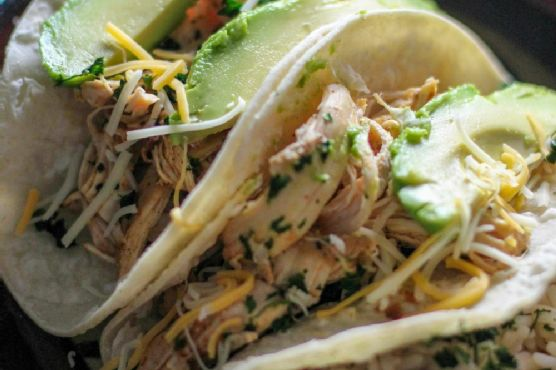
Instant Pot Chicken Thighs | Made by Meaghan Moineau

It was one of those chaotic weekday evenings where all I could think about was getting dinner on the table in less time than it would take for me to order takeout. I stood in my kitchen, slightly overwhelmed by the day’s hustle, when I felt that familiar craving for something warm and homey — something that felt like a hug on a plate. The answer? My trusty Instant Pot Chicken Thighs. This dish is perfect when you want something flavorful but don’t want to spend hours in the kitchen. With a few pantry staples and the magic of the Instant Pot, dinner would be ready in a flash. It’s the kind of meal that makes you feel accomplished and cozy all at once.

Jump to Recipe

What You’ll Need

This recipe is great because you probably have most of these ingredients already lounging in your pantry, like they’re waiting for their time to shine. Here’s what you’ll need:

  • Skinless boneless chicken thighs
  • Dried oregano
  • Dried thyme
  • Pepper
  • Garlic powder
  • Onion powder
  • White pepper
  • Olive oil

How to Make Instant Pot Chicken Thighs

  1. In a small bowl, mix together dried oregano, dried thyme, pepper, garlic powder, onion powder, and white pepper. This will be your flavor magic dust.
  2. Rub the chicken thighs generously with the seasoning mix. Imagine you’re giving them a spa treatment — they deserve it.
  3. Set your Instant Pot to Saute mode and let it get nice and warm for about a minute. When it’s ready, add the olive oil. The oil should shimmer — that’s your cue.
  4. Place the seasoned chicken thighs in the pot and cook them for 3-4 minutes on each side until they’re lightly browned. You want them to have that golden look, and your kitchen will start smelling heavenly.
  5. Transfer the chicken thighs to a plate. Now, turn off the Instant Pot and pour in 1 cup of water. Use a scraper to gently nudge all those tasty brown bits off the bottom of the pot — these are flavor bombs!
  6. Place the metal trivet into the pot, and then nestle the chicken thighs on top of it.
  7. Secure the lid on the Instant Pot, making sure the vent is closed. Set it to Manual Pressure on high for 8 minutes. This is where the Instant Pot works its magic.
  8. Once the timer is up, let the pressure release naturally for 10 minutes. Then, carefully release any remaining pressure. When the pin drops, it’s safe to open the lid and reveal your perfectly cooked chicken.
  9. Serve these juicy chicken thighs with your favorite sides, and enjoy the deliciousness!

Cook’s Notes

Here’s the scoop: don’t skip the browning step. It adds a depth of flavor that makes people wonder if you’ve been cooking all day. If you’re making this ahead of time, these chicken thighs reheat beautifully. Just pop them in the microwave or a warm oven for a few minutes. Store leftovers in an airtight container in the fridge for up to three days. If you happen to forget to release the pressure naturally, don’t worry too much; the chicken should still be juicy, but try to remember next time for the best texture.

Make It Your Own

There’s a world of possibilities to tweak this recipe to your liking:

  • Swap the chicken thighs for crispy tofu if you’re going for a vegetarian vibe. Just be mindful of cooking times.
  • Add a squeeze of lemon juice and zest to the seasoning mix for a bright, zesty kick.
  • Craving spice? Toss in some cayenne pepper with the seasoning for a fiery twist.
  • Throw in some baby potatoes or carrots on the trivet with the chicken for a complete one-pot meal.

If you try this, I’d love to hear how it turns out — drop a comment or tag me! This dish has saved my sanity more times than I can count, and I hope it becomes a staple in your kitchen too. Enjoy every bite!

Related update: Instant Pot Chicken Thighs

Related update: Tuna Noodle Casserole: Mommie Cooks

Utes Big Bats Dominate BYU Series Victory | Analysis by Brian Moineau

When the Bats Attack: Utah Bats Blast BYU for Series Victory

There’s nothing like a rivalry series to remind you why you follow college baseball — and the phrase "Utah bats blast BYU for series victory" does a lot of heavy lifting in describing what unfolded in Provo. Over three games at Miller Park, the Utes’ lineup woke up, found its swing, and delivered the kind of middle-of-May offense that turns a friendly rivalry into a weekend the other team remembers.

The series went the full three games (April 30–May 2, 2026), with both programs trading momentum early before Utah punched through in the rubber game. That final contest wasn’t just a win — it was a statement: Utah’s offense can carry a team, and when the long ball and timely hitting come together, the Cougars were in trouble.

How the series tilted: momentum, timely hitting, and a four-run inning

  • Game 1 (April 30): BYU used a late rally to steal the opener, a 6-4 win that felt like the home team pressing the right buttons at the right time. BYU’s approach that night — working counts and delivering under pressure — set an early tone for the series. (sports.yahoo.com)

  • Game 2 (May 1): Utah responded with a thumping 8-1 performance. The Utes didn’t merely scratch out runs; they exploded, including multiple solo home runs that changed the scoreboard and the psychology of the series. Utah’s lineup found consistent, middle-of-the-order pop and put the pressure on BYU’s pitching staff. (byucougars.com)

  • Game 3 (May 2): The rubber match turned into a showcase for Utah’s bats and defense. An 8-3 final score gave the Utes the series victory, anchored by a multi-run inning that opened the floodgates and a defense that turned key double plays to halt BYU rallies. Utah’s ability to manufacture runs in bunches — and then protect the lead — was the difference. (utahutes.com)

Those four-run innings — and particularly the Utes’ sixth-inning surge in game two and their multi-run rally in the finale — illustrate a classic baseball truth: steady offense plus opportunistic hitting beats sporadic heroics.

Utah bats blast BYU for series victory: what it means for both teams

For Utah:

  • Confidence boost. Winning a rivalry series on the road injects momentum into the schedule. The lineup’s .300+ team average inside the Big 12 has teeth; when it clicks, Utah can pressure any pitching staff. (utahutes.com)
  • Balanced attack. Home runs and small-ball mixed well; that balance makes the Utes harder to plan for and easier to sustain over a weekend.

For BYU:

  • A reminder about depth. BYU showed it can win with timely hitting and strong pitching, but the losses exposed how quickly a bullpen or defensive hiccup can flip a series.
  • Opportunity to adjust. Rivalry losses sting, but they also clarify what needs fixing (late-inning relief, limiting extra-base hits, and tightening situational hitting).

Transitioning from raw results to implications: this series doesn’t define either club’s season, but it does shape near-term trajectories and seeding conversations inside the conference.

Players and plays that mattered

There were a few patterns and performers worth noting:

  • Utah’s long ball came at helpful times, and a trio of solo blasts in one game underscored how power can change momentum in a hurry. (byucougars.com)
  • BYU’s Game 1 offense demonstrated patience and situational execution — skills that will keep them competitive, especially if the pitching staff stabilizes. (sports.yahoo.com)
  • Defensive moments — including a reverse-force double play in the series finale — stopped rallies cold and stole outs that felt like extra runs. That’s the kind of fielding that complements hot batting. (utahutes.com)

These contributions aren’t just box-score fodder. They change the rhythm of a game and, over a weekend, alter a rival’s confidence.

Bigger-picture context for the rivalry

This matchup is the 386th meeting between BYU and Utah on the diamond, part of a decades-long in-state rivalry that sways between blowouts and classic, one-run dramas. The Utes’ recent success in this series reflects not only current talent but also the program’s adjustment to the rigors of Big 12 play. Meanwhile, BYU’s fighting performances — especially earlier in the series — show why the rivalry remains compelling: even when the overall records look similar, rivalry feel and execution change outcomes. (byucougars.com)

Moreover, college baseball in May is about peaking: teams that time a hot stretch become dangerous in the postseason. Utah’s bats arriving now could make them a dark horse for a late-season surge, while BYU can use this as a reset.

What to watch next

  • Utah’s lineup consistency: Can the Utes string together consecutive weeks of offensive output, or will production ebb?
  • BYU’s bullpen response: The Cougars must shore up late-game relief to avoid giving opponents multi-run windows.
  • Conference ripple effects: Series outcomes like this shift the Big 12 standings in small but meaningful ways; both teams still have opportunities to improve their league position.

Key takeaways from the series

  • Momentum swung the series; Utah seized it with explosive middle innings and persistent pressure.
  • Timely home runs and a clutch defensive playbook gave the Utes the edge.
  • BYU showed grit but needs steadier late-inning pitching and fewer long-ball allowances to win rivalry weekends.

My take

This was exactly the kind of three-game set that keeps fans invested: close moments, sudden eruptions, and a satisfying finish. Utah’s series victory in Provo wasn’t just about one standout night — it was about the lineup deciding, collectively, to take control. Rivalry wins taste sweeter on the road, and for the Utes, this one should reverberate through the locker room. For BYU, the loss is a push: tough to swallow, but fixable with attention to bullpen depth and situational defense.

Baseball’s beauty is that weekends like this rearrange narratives without erasing seasons. Expect both teams to be motivated — Utah riding high, BYU hungry for retribution — as the calendar flips toward tournament time.

Sources


Related update: We recently published an article that expands on this topic: read the latest post.


Related update: We recently published an article that expands on this topic: read the latest post.

Tatum vs. Embiid: Game 7 Deciders | Analysis by Brian Moineau

Game 7 felt like fate: Boston's offense and Jayson Tatum vs. Joel Embiid could decide everything

There’s a special kind of electricity that surrounds a Game 7, and when the Celtics and 76ers met with the series on the line, Boston's offense and Jayson Tatum vs. Joel Embiid were the storylines everyone circled. The Celtics had the regular-season pedigree and the home-court history; the Sixers had the narrative of a comeback and a resurging MVP. Whoever won the small battles — halfcourt offense, paint defense, late-clock execution — would win the war.

Let’s unpack seven numbers and the story behind them, then connect the dots: why Boston’s offense mattered so much, how the Tatum–Embiid axis shaped matchups, and what the game ultimately told us about both teams.

What those seven numbers said (and why they mattered)

  • 9 — This Game 7 was the ninth time the Celtics and 76ers have gone the distance, the most common Game 7 matchup in NBA history. History adds pressure and a dash of superstition; Boston’s pedigree in Game 7s (historically strong) was a contextual advantage. (NBA.com)

  • 34.7 — Combined transition points per game (Synergy). Neither team leaned on quick, easy baskets; this series featured more halfcourt warfare than open-court sprints. That reality magnified the value of organized sets and star isolation play. (NBA.com)

  • 28.0 — Joel Embiid’s points per game over the final four contests coming into the decider. When Embiid was on, Philadelphia’s offense found a center of gravity, especially after his return post-appendectomy. His presence meant Boston had to make a choice: leave a big to deter him or risk perimeter scorers. (NBA.com / AP)

  • 53.7% — Embiid’s true shooting percentage in the stretch. Efficient scoring from the rim and midrange forced the Celtics to respect him and adjust rotations. (NBA.com)

  • 18 — The largest deficit the Celtics faced during Game 7 before mounting a comeback bid. Boston’s offense showed resilience, but the margin highlighted how much ground they had to make up late. (Boston Globe / NBA recap)

  • DND — Jayson Tatum’s status: ruled out of Game 7 with left knee stiffness about two hours before tip-off. Tatum’s absence shifted Boston’s offensive identity and put pressure on role players and Jaylen Brown to shoulder the load. (Boston Globe / NBA)

  • 109-100 — Final score: 76ers over Celtics in Game 7. The number at the end of the box score is the ultimate tie-breaker, but the path to those points was paved by how each team attacked and defended in the halfcourt. (Box score)

Taken together, these numbers frame two competing narratives: Philadelphia’s series pivoted around Embiid’s return and finishing ability; Boston’s project relied on an offense that, even without its primary star, needed to execute complex schemes to create clean looks.

Boston's offense and Jayson Tatum vs. Joel Embiid: matchup implications

When you say "Boston's offense and Jayson Tatum vs. Joel Embiid," you’re naming two fundamentally different engines. Boston typically hums through ball movement, spacing, and off-ball cutting; Tatum is both a scorer and a primary creator. Embiid is a gravitational force — he demands attention in the paint and punishes defensive miscues.

Here’s how that chess match played out:

  • Personnel decisions mattered. With Tatum ruled out, Boston lost a Swiss Army knife: isolation scoring, creation off the bounce, and late-clock playmaking. That elevated Jaylen Brown and role players for scoring, but it also removed the matchup flexibility that helps counter Embiid in the post.

  • Interior offense vs. perimeter juggling. Embiid pulled defenders into the paint; Boston needed to convert perimeter shots or attack off kick-outs. The Celtics’ ability to generate high-quality threes under pressure was a key barometer.

  • Defensive rotations and help principles. Playing drop coverage or committing two bodies to Embiid opens up threes; sticking one-on-one risks him finishing. Boston’s defensive choices against Embiid shaped how often he got straight line entries versus contested finishes.

  • Late-game execution. Transition points were low in this series, so late-clock sets and clutch decisions decided the night. That’s where a healthy Tatum’s gravity and shot-creation would have been invaluable. Without him, the Celtics frequently ran complex sets that required clean reads and crisp passing.

How the series arc favored one team’s strengths

Momentum swung both ways across seven games. Early on, Boston’s depth and regular-season offensive identity looked like the blueprint for control. Philadelphia’s season, however, was a narrative of survival — play-in survival, Embiid’s surgery, and then a heroic return.

  • The Sixers leaned into Embiid. When he was effective and efficient, Philly’s offense became simpler and deadlier. The Celtics had to account for that and still generate offense, a tall order against a defense keyed to collapse.

  • Boston’s offense showed flashes but lacked a consistent fulcrum in the finale. Missing Tatum in Game 7 exposed how much of Boston’s late-clock possessions go through him. Role players can step up, but replacing a primary creation source in a winner-take-all is an enormous hill.

  • Tyrese Maxey’s late-game playmaking and clutch shot-making pushed Philadelphia over the top when the margin tightened.

Transitioning from numbers to narrative, the stat sheet confirms what watching the game felt like: a series decided by the individual matchups and the ability to sustain offensive identity under playoff pressure.

The turning points you didn’t always see in the box score

  • Pre-tip injury report swings. Tatum being ruled out two hours before tip changed Boston’s game plan less on paper than in feeling — rotations were shorter, substitution patterns tightened, and tireless energy that a full roster provides was reduced.

  • Second-chance calculations. Embiid’s rim presence altered defensive rebounding priorities; Boston’s offensive rebounds often translated into hurried possessions rather than sustained offensive sets.

  • Clutch chemistry. When the Celtics clawed back from 18 down, they forced the Sixers into uncomfortable possessions. But in close moments, Philadelphia’s pick-and-roll execution around Embiid and Maxey’s composure sealed decisive baskets.

Final thoughts

Game 7 provided a blunt reminder: when star health and interior dominance collide with an opponent’s identity, matchups and small margins decide outcomes. Boston’s offense — elegant, ball-movement driven, and usually resilient — struggled to find its fulcrum without Jayson Tatum. Conversely, Joel Embiid’s return gave Philadelphia a steady gravitational pull that simplified their attack and stressed Boston’s defense.

In playoff basketball, you want your engine running at full power. The 76ers found theirs in the clutch; the Celtics were left searching for the spark that comes from a healthy Tatum. That, more than any single number, explains how the series ended.

Sources


Related update: We recently published an article that expands on this topic: read the latest post.


Related update: We recently published an article that expands on this topic: read the latest post.

One Soup, Two Ways: Chunky Vegetables and Cream Of Vegetables | Made by Meaghan Moineau

It was one of those weeks where I was juggling a dozen things—work deadlines, a last-minute school project, and the usual life chaos. That’s when I stumbled upon the idea of making soup, a comforting pause in a hectic day. But I wanted something versatile enough to please everyone’s different tastes at home. Enter: One Soup, Two Ways. This recipe is like a choose-your-own-adventure book from my childhood, letting you decide between a comforting chunky vegetable soup or a smooth, creamy version. Perfect for when you want a warm hug in a bowl or to impress your family and friends without breaking a sweat. Plus, it’s one of those recipes where I bet you already have most of the ingredients lying around, so no emergency grocery runs are needed.

Jump to Recipe

What You’ll Need

You might be amazed at how these pantry staples transform into something delicious and heartwarming!

  • Olive oil
  • Garlic (because everything good starts with garlic, right?)
  • Onion
  • Carrots
  • Celery
  • Salt
  • Canned tomato puree
  • Canned corn
  • Chicken broth
  • Canned beans
  • Dried herbs like thyme
  • Whole cooking cream (for the creamy version)
  • Turmeric

How to Make One Soup, Two Ways: Chunky Vegetables and Cream Of Vegetables

  1. Heat a drizzle of olive oil over medium-low heat in a soup pot that’s big enough to hold all the goodness you’re about to create.
  2. Sauté the garlic, onions, carrots, and celery in the pot. You want that garlic to get fragrant and the onions to turn translucent while the carrots and celery soften up, about 10 minutes.
  3. Sprinkle in the salt, give it a good stir, and cover the pot to let those veggies sweat it out.
  4. Pour in the tomato puree and canned corn, stirring them in well. Let that mixture cook for a few minutes until the tomato puree deepens in color.
  5. Add the chicken broth and turn the heat to high. Bring it all to a rolling boil, which infuses the flavors beautifully.
  6. Stir in the canned beans and dried herbs, feeling free to add a pinch more if you’re feeling adventurous. Let it simmer for a few more minutes.
  7. Here’s where you choose your path: For chunky soup, simply ladle it into bowls. For the creamy version, remove the pot from heat, stir in the whole cooking cream, and use an immersion blender to blend until smooth and velvety.
  8. Sprinkle turmeric over both versions for a pop of color and a hint of earthiness. It’s like the finishing touch that makes everything special.

Cook’s Notes

  • This soup is a great “clean out the fridge” meal. Toss in any leftover veggies you’ve got on hand.
  • Store leftovers in the fridge, in an airtight container, for up to 3 days. Reheat on the stove over low heat until warmed through.
  • If you want to make it ahead, just stop before adding the cream and blend. The chunky version freezes like a charm!

Make It Your Own

  • Swap out the chicken broth for vegetable broth to keep it vegetarian-friendly.
  • Use crispy tofu instead of beans for a plant-based protein option.
  • Add a dash of hot sauce or chili flakes for a spicy kick.
  • Incorporate some cooked pasta or rice for a heartier meal.

If you try this, I’d love to hear how it turns out—drop a comment or tag me! Whether you’re slurping the chunky version or savoring the creaminess, enjoy every spoonful. Happy cooking!

Related update: One Soup, Two Ways: Chunky Vegetables and Cream Of Vegetables

Related update: Instant Pot Chicken Thighs

Related update: French Onion Marsala Soup

US Faces Steeper Fuel Shock Than G7 | Analysis by Brian Moineau

The fuel pinch: why petrol and diesel prices are rising more swiftly in America than other major economies including the UK and Canada

There’s a simple sentence that explains why your next fill-up will sting more in the U.S.: petrol and diesel prices are rising more swiftly in America than other major economies including the UK and Canada. That reality — underscored after the U.S. military action against Iran and the months of disruption that followed — has turned already tight markets into a sharper, more immediate shock for American drivers and businesses.

The short version: a combination of geopolitics, supply chokepoints and differences in how fuel markets and refining systems are structured across countries has left U.S. pump prices climbing faster than those in many G7 peers.

What happened and why it matters

Late February and March 2026 marked a turning point. Attacks and countermeasures centered on Iran disrupted shipping in and around the Strait of Hormuz and raised the risk premium on crude. Traders responded quickly: benchmark crude surged, and wholesale fuel supplies tightened. The result filtered down into retail gasoline and diesel, with the U.S. national averages spiking noticeably.

Why the U.S. felt the squeeze more acutely?

  • The U.S. relies heavily on seaborne crude flows and on tight, regionally balanced refinery operations. When shipping routes slow or refineries adjust runs for summer blends, there’s less slack to smooth price shocks.
  • Diesel in particular is a linchpin for freight and logistics. A sharp diesel rise hits trucking and supply chains quickly, feeding broader inflation and distribution headaches.
  • Policy and operational choices — such as U.S. biofuel mandates, refinery configurations, and inventory buffers — differ from the UK or Canada, meaning similar crude moves translate into larger retail changes in the U.S.

These factors combined to make the U.S. the G7 member with the steepest fuel-price acceleration in the immediate aftermath of the conflict escalation. That’s not just a headline: it’s a practical hit to household budgets and to sectors that move goods.

Petrol and diesel prices are rising more swiftly in America than other major economies including the UK and Canada

The phrase above isn’t just a soundbite — it captures the crux of recent data and reporting. American retail gasoline averages have jumped more in percentage and absolute terms than many European and North American peers since hostilities intensified.

  • U.S. pump prices moved sharply higher as oil rallied above earlier ranges, driven by concerns about blocked or slow tanker traffic through the Strait of Hormuz and possible damage to Middle Eastern energy infrastructure. (axios.com)
  • Diesel climbed even more dramatically in places tied to heavy freight demand, pressuring trucking margins and increasing costs for goods movement. Analysts warned that diesel spikes can quickly flow into consumer prices. (supplychaindive.com)

Contrast that with the UK and Canada: both countries experienced increases — crude is a global commodity — but their retail price response was moderated by different refinery flows, regional gas storage dynamics, and in some cases higher starting tax levels that mute percentage swings.

The mechanics behind the divergence

Understanding why one country’s pump price jumps faster requires looking beyond crude alone.

  • Refinery complexity and product slates: U.S. refineries are optimized for particular blends and regional demand. When crude grades change or shipping slows, it’s harder and slower to swap product flows without raising prices. (spglobal.com)
  • Inventory buffers: Strategic and commercial stockpiles vary. The U.S. Strategic Petroleum Reserve and commercial inventories existed, but traders and refineries still tightened access to supply, pushing spot prices up sooner. (spglobal.com)
  • Transportation costs and bottlenecks: Diesel is the lifeblood of trucking. When diesel jumps, carriers either eat margins or pass costs to shippers; either way, effects show up quickly in domestic logistics and retail prices. (supplychaindive.com)
  • Market psychology and policy signals: Announcements about blockades, seizures or extended military operations add a risk premium. Traders price in longer disruptions, which inflates wholesale fuel well before shortages materialize at every station. (axios.com)

These mechanisms mean the U.S. average pump price can swing faster and more sharply than in countries where supply channels and market structures dampen short-term volatility.

Who feels it most

  • Commuters and low-income households: Fuel is a bigger share of daily budgets for lower-income families. Rapid pump-price rises worsen affordability and discretionary spending.
  • Trucking and freight: Higher diesel increases transport costs immediately, squeezing margins for independent carriers and raising prices for goods.
  • Small businesses: Companies without fuel hedges or automatic surcharges face margin compression.
  • Policymakers and politicians: Rapid price rises become a political issue quickly, especially in an election year, prompting pressure for relief measures or strategic releases.

What might happen next

Markets are forward-looking. Outcomes hinge on the conflict’s duration, shipping restoration through key chokepoints, and how quickly refiners and distributors can rebalance flows.

  • If tensions persist and tanker traffic remains constrained, crude and retail fuel prices could stay elevated into the summer driving season. (axios.com)
  • Short-term relief is possible if diplomatic progress or a temporary resumption of flows reduces the risk premium, or if strategic reserve releases are coordinated among major consuming countries.
  • Structural adjustments — longer-term shifts in refining runs, alternative routing, or changes to inventory policy — could reduce future vulnerability but take time.

Larger economic implications

Rising fuel costs act like a tax on consumption. They reduce discretionary spending, raise input costs across the supply chain, and can complicate inflation control for central banks.

  • For the U.S., a steeper fuel shock means more immediate inflationary pressure and a faster pass-through to consumer prices than peers saw, making policy responses more politically fraught. (investing.com)

Key points to remember

  • The U.S. saw faster pump-price increases than many G7 peers because of refinery structures, inventory dynamics, and supply-route risks.
  • Diesel’s surge is particularly consequential because it propagates quickly through logistics and consumer prices.
  • Short-term market psychology and policy signals can amplify price moves even when physical shortages are localized.

My take

Geopolitics has a blunt way of reminding markets and households that energy systems are interconnected and brittle. The U.S. finding itself at the sharpest end of this fuel shock is partly the cost of being a major importer and partly a result of how fuel markets are configured domestically. That doesn’t make the pain any less immediate for drivers and small businesses — but it does clarify where policy levers and private-sector responses should focus: build resilience in supply chains, increase transparency around inventory and distribution, and consider targeted relief where price shocks hit hardest.

Sources


Related update: We recently published an article that expands on this topic: read the latest post.


Related update: We recently published an article that expands on this topic: read the latest post.


Related update: We recently published an article that expands on this topic: read the latest post.

Roasted Red Pepper & Tomato Salsa | Made by Meaghan Moineau

It was one of those lazy Sunday afternoons when the weather couldn’t decide if it wanted to be sunny or stormy. I found myself staring at an overabundance of tomatoes and peppers on my counter, all begging for attention before they started their slow decline. You know, that guilt-inducing moment when your produce is almost too ripe, taunting you with its fleeting freshness? That’s when I decided it was a perfect day to whip up a batch of my favorite Roasted Red Pepper & Tomato Salsa. It’s one of those recipes that rewards you with intense, smoky flavors and a satisfying texture—all with minimal effort. Plus, with the broiler doing most of the work, you’ll spend less time in the kitchen and more time curled up with a good book or catching the latest episode of your favorite show.

Jump to Recipe

What You’ll Need

This recipe is delightfully simple, and chances are you already have most of these ingredients hanging out in your kitchen, just waiting to be transformed into something magical.

  • Tomatoes, ripe and juicy
  • Red bell pepper, for that sweet, smoky touch
  • Onion, because every good salsa needs a little bite
  • Whole garlic cloves, roasted to mellow perfection
  • Jalapeno pepper, for those who like a kick
  • Olive oil, just a drizzle to bring it all together
  • Smoked salt or sea salt, whatever you have on hand
  • Fresh cilantro, for that bright, herby finish
  • Lime juice, to add the perfect zing
  • Cumin, a dash for warmth and depth

How to Make Roasted Red Pepper & Tomato Salsa

  1. Preheat your oven to broil. This step is where all the magic begins—the high heat will give your veggies that perfect char.
  2. Cut the tomatoes in half and the onions into quarters, then arrange them on a tin-foil lined baking sheet. Trust me, the foil makes clean-up a breeze.
  3. Add the red bell pepper, whole garlic cloves (leave the skins on for now), and the jalapeno pepper to the sheet. The hot pepper is where we bring the heat, so adjust to your liking.
  4. Drizzle everything with a bit of olive oil and a sprinkle of salt. This is where the flavor party starts.
  5. Pop the sheet under the broiler for about 10 minutes. You’re looking for those beautiful char marks—until the skins start to blacken and bubble.
  6. Remove from the oven and let your veggies cool for about 5 minutes. This gives you just enough time to pour yourself a refreshing drink.
  7. Once cooled, peel the skins from the tomatoes, pepper, and garlic. It’s a bit messy, but oh-so-worth it.
  8. Toss all the roasted goodness into a food processor, except for the cilantro and lime juice. Pulse 2-4 times. You’re going for a chunky texture, not smooth.
  9. Transfer to a bowl and mix in the fresh cilantro and lime juice. This is the part where your salsa gets its vibrant color and zing.
  10. Season with cumin and add salt to taste. Give it a quick stir, and you’re done! Serve it up with corn chips or toasted pita chips and dig in.

Cook’s Notes

Remember, the key to this salsa is the broil—don’t skip it! It gives the dish that lovely depth of flavor that you simply can’t achieve with raw veggies. If you’re making it ahead, you can store it in the fridge for up to three days in a sealed container. The flavors actually meld together even more beautifully as it sits. Just give it a good stir before serving. If you find your leftovers a bit too thick, a splash of lime juice or even a bit of water can help loosen things up nicely.

Make It Your Own

Here’s where you can let your creativity run wild with some easy variations:

  • Swap the red bell pepper for a couple of yellow or orange peppers for a sweeter, milder salsa.
  • If you’re not a fan of spice, leave out the jalapeno or replace it with a sweet pepper variety.
  • For a smoky twist, replace the cumin with a teaspoon of smoked paprika.
  • Want a fruitier version? Add in some mango chunks before serving for a sweet and spicy delight.

If you try this, I’d love to hear how it turns out—drop a comment or tag me! Your feedback and creativity make this journey even more fun. Happy cooking!

Related update: Roasted Red Pepper & Tomato Salsa

Related update: Tzadziki

How Sweet It Is Sweet Potato Lasagne | Made by Meaghan Moineau

So there I was, staring at my pantry on a chilly Tuesday evening, fingers drumming impatiently on the counter. You know those nights when you crave something cheesy and delightful but also want to sneak in some veggies? Yeah, that was me. Enter: How Sweet It Is Sweet Potato Lasagne. This baby is the answer to those midweek blues — a marriage of hearty, comforting layers with a hint of spice and a whole lot of veggies. It’s one of those dishes that sounds fancy but is surprisingly straightforward. You get to play around with flavors a little, and honestly, who doesn’t like the idea of lasagne that feels a little healthier but still indulgent?

Jump to Recipe

What You’ll Need

So, here’s the kicker with this recipe: chances are you already have most of what you need right at home. A few staples, a couple of fresh picks, and voilà!

  • Sweet Potatoes – the star of the show, sliced into 1/4 inch pieces.
  • Baby Portabella Mushrooms – because mushrooms are the unsung heroes of any good veggie lasagne.
  • Dry curry powder – gives our dish a lovely kick.
  • Dried basil leaves – for that aromatic pop.
  • Eggplants – sliced just like the sweet potatoes, they add a lovely texture.
  • Frozen spinach – convenience meets nutrition.
  • Heavy cream – for when you want things creamy, not watery.
  • Monterey jack & cheddar cheese mix – because, cheese.
  • Jalapeños – optional, but a little spice never hurt anyone.
  • Marinara sauce – your favorite brand or homemade, up to you.
  • Salt & pepper – always necessary.
  • Vegetable cooking oil – canola or your oil of choice.

How to Make How Sweet It Is Sweet Potato Lasagne

  1. Start by slicing your sweet potatoes into 1/4 inch thick slices. Boil them until they’re just about tender but still a tad firm, around 10 minutes. You don’t want them too mushy.
  2. Mix together the dry curry powder and olive oil. Rub this aromatic mixture onto your semi-cooked sweet potatoes and let them marinate for at least 10 minutes, soaking in all that spicy goodness.
  3. Next, slice your eggplants just like the sweet potatoes. Rub them with a mix of olive oil, dried basil, and a pinch of salt and pepper. Let these beauties marinate for at least 15 minutes.
  4. Heat up some vegetable oil in a pan. Sauté your frozen spinach and baby portabella mushrooms for about 3-5 minutes, until fragrant and slightly softened.
  5. Add in the jalapeños (if you’re feeling adventurous) and season with salt and pepper. Turn the heat down and stir in some heavy cream and about half of your cheese mix until it’s creamy, but not runny.
  6. It’s time to assemble the masterpiece! In a baking dish, layer in this order: sweet potatoes, spinach/mushroom mix, eggplants, and a generous pour of marinara sauce. Repeat with sweet potatoes, spinach/mushroom mix, and eggplants.
  7. Sprinkle the remaining cheese mix on top like you’re raining down cheesy love.
  8. Bake at 350-375°F for about 35-45 minutes. You’ll know it’s ready when the cheese is bubbly and you can easily pierce through all the layers with a fork.
  9. Let it rest for a few minutes before serving to let everything meld together. Then, devour with passion!

Cook’s Notes

Let’s talk leftovers. This lasagne is a delight even the next day. Store it in an airtight container in the fridge for up to 3 days, and when you’re ready to reheat, just pop it in the oven at a low temperature until warm.

A word of caution: don’t overcook the sweet potatoes. We want them to hold their shape and add a bit of bite to the lasagne. If you’re prepping ahead, you can have your veggies sliced and marinated in advance, making assembly a breeze when you’re ready to bake.

Make It Your Own

This recipe is your canvas, so paint away:

  • Swap the eggplants for zucchini if you prefer a lighter bite.
  • Use crispy tofu instead of mushrooms for extra protein.
  • Add a layer of ricotta cheese for extra creaminess.
  • If curry isn’t your thing, try using smoked paprika for a different flavor profile.

So, if you give this sweet potato lasagne a spin, I’d love to hear how it turns out. Drop a comment or tag me! I’m always ready to chat about all things delicious. Enjoy every cheesy, veggie-packed bite! 🧡

Related update: How Sweet It Is Sweet Potato Lasagne

Caleb Downs Debuts in Cowboys No. 18 | Analysis by Brian Moineau

Caleb Downs receives Cowboys jersey number alongside 2026 rookie class — first steps in a new chapter

The moment every rookie remembers is when they put on their first NFL jersey. Caleb Downs receives Cowboys jersey number 18 as the Dallas Cowboys’ 2026 rookie class reported to rookie minicamp, and that single detail already feels like a small, public christening of a career that began as a headline at Ohio State and now carries the weight of Cowboys expectations. The number is more than fabric — it’s identity, merchandise, and a first handshake with the fanbase.

Rookie minicamp at The Star in Frisco is where paperwork meets pads, and where assignments like equipment, playbooks, and yes, initial jersey numbers, make the draft picks look and act like professionals. For Downs — the Cowboys’ first-round pick at No. 11 overall — getting number 18 was one of the early, visible signs that the transition from college standout to Dallas Cowboy has officially begun. The team also assigned numbers to the rest of the class, including Malachi Lawrence (57) and several others who will vie for roles in training camp. (dallascowboys.com)

What the jersey number moment means

  • A jersey number is a snapshot: it tells you position group, immediate availability of preferred digits, and sometimes hints at future branding.
  • For rookies, the number assignment is ceremonial and practical — it shows they’re cleared, signed, and on the field with coaches and veterans.
  • For fans, it starts the speculation: will Caleb keep 18 or negotiate for another number (reporting shows he’s been linked to No. 2 but currently wears 18 during minicamp)? (star-telegram.com)

Transition: beyond the symbolism, this moment also ties directly into the practical flow of NFL life.

Caleb Downs, the rookie minicamp, and fitting into the Cowboys

Downs arrived in Dallas with a reputation: a physical, instinctive safety who excelled at Ohio State and was one of the most talked-about defensive prospects in the 2026 class. The Cowboys made him their top defensive priority, and his immediate integration into minicamp drills — including work with coaches and veterans — suggests the staff wants him steeped in their defensive language right away. Photos from The Star showed him in No. 18 while learning the “very multiple” Cowboys defense that defensive staff emphasize. (dallascowboys.com)

The rookie minicamp is short but intense. It’s where playbooks get heavy, positional battles begin, and where coaches start to map rookies into the long season ahead. For Downs, wearing that assigned jersey while working one-on-one with established players and coaches does two things: it puts him on the daily radar of staff and it gives fans the first durable image of him in Cowboys blue.

Why fans care about numbers (and why they shouldn’t overreact)

  • Numbers sell jerseys. A first-round safety with star potential will generate preorders and social chatter; fans love to buy into the moment. Those sales matter to the franchise and create early brand momentum for the player. (reddit.com)
  • Numbers can change. Veteran players already in the room might claim or negotiate numbers. Media coverage has noted that Downs has shown interest in No. 2 — currently held by a veteran — but until the regular season roster finalizes and NFL merchandising updates, minicamp numbers are often provisional. That’s normal. (star-telegram.com)
  • The real metric isn’t the digit. How quickly Downs adapts to the scheme, his special teams impact early on, and whether he can translate college instincts into NFL reads are what will ultimately define his rookie season.

Transition: looking outward, the number assignment also frames how Dallas organized its 2026 class.

The rookie class snapshot

The Cowboys used a defensive-first approach in the draft, and their initial number assignments reflect the mix of positions they brought in: from edge rushers to linebackers to defensive backs. Alongside Downs, other picks received numbers that place them into positional groups to immediately join meetings and drills. That early organization helps coaches run focused sessions and gives each rookie a place in the rotation from day one. (dallascowboys.com)

This matters because Dallas isn’t rebuilding from scratch — they’re retooling a defense that expects contributions from youth and vets alike. Assigning numbers, handing out playbooks, and getting rookies on the field speeds up evaluation and helps identify who might be ready to push for snaps come August.

Early signals and what to watch next

  • Will Downs remain at No. 18? Keep an eye on roster moves and veteran negotiations as training camp progresses.
  • Special teams are often the first proving ground for rookies. How much Downs participates there could determine early roster security.
  • Practice reps against starters: how does he match up in coverage and run support against established Cowboys? Those reps will be telling.

Transition: before wrapping up, a brief takeaways section.

Quick takeaways

  • The jersey moment is symbolic: Caleb Downs wears No. 18 in rookie minicamp and is officially integrated into the Cowboys’ practice environment. (dallascowboys.com)
  • Numbers can be temporary; performance and roster negotiations will determine the permanent assignments. (star-telegram.com)
  • More important than the digit is the speed of adaptation — Downs’ learning curve in Dallas’ “very multiple” defense will set the tone for his rookie year. (dallascowboys.com)

My take

There’s a reason fans obsess over jersey numbers: they’re tangible, collectible, and emotionally loaded. But for Caleb Downs, the important story isn’t 18 or 2 — it’s opportunity. Having been drafted to fill a clear need in Dallas’ defense, his true rookie uniform will be defined by snaps, assignments, and how often coaches call his name in critical moments. The jersey is the opening line; the season will write the rest.

Sources


Related update: We recently published an article that expands on this topic: read the latest post.


Related update: We recently published an article that expands on this topic: read the latest post.

iPhone Pro 2026: quad‑curved redesign | Analysis by Brian Moineau

A new look for the iPhone’s milestone year: the 20th anniversary iPhone might actually just be an all-new design that’s coming to next year’s iPhone Pro models

Apple loves an anniversary moment — and the rumor mill is heating up around the idea that the 20th anniversary iPhone will bring more than just a sticker and a commemorative wallpaper. The core whisper — that the 20th anniversary iPhone might actually just be an all-new design that’s coming to next year’s iPhone Pro models — has been amplified by recent reports pointing to a “quad-curved” display and a drastic rethinking of how Apple hides bezels and sensors.

Let’s unpack what’s being reported, why this matters, and what it might mean for the broader iPhone line.

What the latest rumors are actually saying

  • According to 9to5Mac, analyst Jeff Pu suggests the special anniversary design could land on Apple’s Pro models next year rather than being a standalone one-off. (9to5mac.com)
  • Multiple leakers and outlets (MacRumors, Notebookcheck, and others) have picked up a consistent image: Apple is testing an “equal-depth quad-curved” OLED panel — essentially a display that curves subtly along all four edges to create a near bezel-free look. (macrumors.com)
  • Bloomberg’s prior reporting has also hinted at a big redesign roadmap that includes an all-glass, all-screen ambition for the iPhone’s milestone model, plus major changes across the Pro lineup. (macrumors.com)

In short: the “20th anniversary iPhone” story may be less about a special edition and more about the moment Apple flips the switch on a new design language — starting with the Pro models.

Quad-curved display: what is it and why would Apple use it?

Put simply, a quad-curved display gently wraps the panel over all four edges of the phone, blurring the line between screen and glass. It’s not new to the concept wars — manufacturers like Samsung experimented with heavily curved edges years ago — but Apple seems to be leaning toward a much subtler, “equal-depth” micro-curve that reduces visible bezel without the usability problems of deep curves.

  • Benefits: cleaner edge-to-edge visuals, the illusion of fewer bezels, and a refined, premium aesthetic.
  • Challenges: manufacturing complexity, accidental touch rejection, and the technical headache of placing sensors (front camera, Face ID) under a curved panel without degrading performance.

Therefore, it makes sense Apple would start the push with Pro models, where margins and customer expectations allow for experimental and more expensive components. (macrumors.com)

The strategy: why debut the new design on Pro models

There are a few practical reasons Apple would introduce a major design shift on the Pro line first.

  • Pro buyers are historically more willing to pay for new materials and features, giving Apple room to absorb higher component costs.
  • Rolling changes into the Pro line allows Apple to iterate on tricky engineering problems — like under-display Face ID or front cameras — before applying them to mass-market models.
  • Apple has precedent: the iPhone X’s design debuted as a premium model in 2017 and became the template for later generations.

Hence, introducing a new look via Pro models is both a product and risk-management decision. (macrumors.com)

The roadmap and timeline context

To add context, Bloomberg and others have sketched a multi-year roadmap: Apple’s been testing bold shifts including a foldable iPhone and an all-glass, cutout-free design aimed at the 20th anniversary in 2027. Meanwhile, the rumor timeline suggests incremental steps — smaller Dynamic Island, punch-hole approaches, and then a more radical all-screen rollout. So, the quad-curved Pro models could be the pivotal middle step in that evolution. (macrumors.com)

Importantly, rumors shift and timelines slip: prototypes don’t always become products, and under-display sensors remain a tough engineering puzzle. Still, the volume and consistency of recent reporting suggest Apple is committed to a major display evolution.

What this means for users and the market

  • For consumers: expect a more immersive visual experience and a sleeker feel in hand if the quad-curved approach arrives. However, durability and repairability will be questions to watch — curved glass can affect screen protectors and case compatibility.
  • For competitors: Apple adopting micro-curves at scale would pull Android makers toward subtler styling and under-display solutions, not the dramatic curves of earlier years.
  • For the accessory industry: cases, screen protectors, and repair services will need to adapt quickly — a new edge profile changes a lot.

Transitioning to this design primarily in Pro models means early adopters get the novelty first, while Apple buys time to refine broader rollout.

Design trade-offs and realism check

There’s a balance between spectacle and utility. Historically, dramatic curves created glare and accidental touches that annoyed users. Apple’s rumored “micro” or “equal-depth” curve sounds like an attempt to capture the cinematic look without the downsides.

Moreover, under-display Face ID and camera tech still face performance trade-offs. Reports vary: some sources claim Apple will hide sensors under the panel in a true all-screen device; others say those systems may remain partially visible for now. So, while the visual change is plausible, some core functions might remain conservative until the technology matures. (macrumors.com)

My take

If Apple is indeed planning to roll a quad-curved display into next year’s Pro models, it’s a smart move. It’s evolutionary rather than purely revolutionary: Apple tightens the visual beltline and moves closer to the “all-screen” ideal without betting the whole company on a fragile new component. Practically, that minimizes user disruption while resetting the design language for the next half-decade of iPhones.

Plus, anniversaries are marketing gold. Even if the 20th anniversary device isn’t a one-off luxury edition, treating the milestone as the start of a new era—rather than a single commemorative release—makes more sense for product continuity.

Final thoughts

Rumors are only as good as their evidence, and Apple is famously cagey. Nevertheless, several outlets now point to a consistent direction: a quad-curved, near bezel-free look debuting on Pro models as Apple marches toward an all-screen future. Whether this becomes the next iPhone signature or an experiment that’s refined later, it’s clear Apple is pushing design boundaries again — and that’s what keeps the iPhone conversation exciting every year.

Sources


Related update: We recently published an article that expands on this topic: read the latest post.


Related update: We recently published an article that expands on this topic: read the latest post.

Cinnamon Sugar Fried Apples | Made by Meaghan Moineau

It was one of those Tuesday evenings where everything felt a little upside down. My oven was on the fritz, my dinner plans had gone awry, and yet, that familiar sweet craving hit me like clockwork. As I rummaged through my pantry, the thought of something warm and comforting felt like the perfect antidote to my topsy-turvy day. Enter, cinnamon sugar fried apples. Not only are these little guys a quick fix for any sweet tooth, but they also bring a cozy vibe that feels like a warm hug on a plate. And honestly, who doesn’t love a recipe that transforms humble ingredients into something downright delicious?

Jump to Recipe

What You’ll Need

This recipe is all about simplicity — chances are you’ve got most of this in your kitchen already. Here’s what you’ll need:

  • All-purpose flour
  • Apples (crisp varieties like Granny Smith or Honeycrisp work great!)
  • Brown sugar
  • Cinnamon
  • Eggs
  • Granulated sugar
  • Lemon zest
  • Milk
  • Oil (for frying)
  • Salt
  • Unsalted butter

How to Make Cinnamon Sugar Fried Apples

  1. In a large bowl, whisk together the all-purpose flour, a pinch of salt, granulated sugar, milk, lightly beaten eggs, lemon zest, and melted unsalted butter until the batter is smooth to the touch. Cover the bowl with plastic wrap and let it rest for 30 minutes to ensure the flour fully hydrates and the flavors meld beautifully.
  2. While the batter is resting, core and slice your apples into 1 cm thick rings. Aim for even slices as this will help them cook uniformly. Set them aside and start heating the oil in your preferred frying vessel over medium heat.
  3. Once your batter has rested and your oil is shimmering and ready, dip each apple slice into the batter, allowing any excess to drip back into the bowl. Gently lay the slices into the hot oil.
  4. Fry the apple slices until they are golden and fragrant, about 2-3 minutes per side. You’ll know they’re ready when the edges turn a beautiful golden hue and your kitchen is filled with the nostalgic aroma of apples and cinnamon.
  5. As each batch finishes, transfer the fried apples to a plate lined with double-layered paper towels to drain any excess oil.
  6. In a small bowl, combine the brown sugar and cinnamon. Sprinkle this delightful cinnamon sugar mixture generously over the warm apple slices. Serve immediately for that perfect combination of crispy, sweet, and spiced.

Cook’s Notes

Here’s the thing: frying can be a bit of a mess, but it’s so worth it. Make sure your oil is hot enough before dipping in the apples; otherwise, they’ll soak up too much oil and get soggy. A small kitchen thermometer can be handy if you’re unsure. If you’re planning to make these ahead of time, I’d recommend just prepping the batter and slicing the apples. Frying is best done right before serving to maintain that delightful crispiness. If you do end up with leftovers, a quick reheat in the oven at 350°F should do the trick.

Make It Your Own

Want to put your own spin on these cinnamon sugar fried apples? Here are some fun ideas:

  • Instead of apples, try using firm pears for a slightly different but equally delicious twist.
  • For a nutty crunch, toss in some chopped pecans or walnuts after sprinkling the cinnamon sugar.
  • Want a caramel vibe? Drizzle some homemade or store-bought caramel sauce over the fried apples for an extra indulgent treat.
  • Looking for a boozy kick? Add a splash of spiced rum to the batter for a grown-up version.

If you try this recipe, I’d love to hear how it turns out — drop a comment or tag me in your delicious creations! Whatever you do, make sure to enjoy each crispy, sweet bite. Happy cooking! 🍏✨

Related update: Cinnamon Sugar Fried Apples

Related update: Roasted Red Pepper & Tomato Salsa

Related update: Bacon Brownie Cupcakes

Spurs vs Timberwolves: Semifinals Begin | Analysis by Brian Moineau

And now they have an opponent: Spurs Western Conference Semifinals schedule

The Spurs Western Conference Semifinals schedule landed like good news and a dare all at once. The NBA released the dates for San Antonio’s second-round series — and, crucially, the Spurs now have an opponent: the Minnesota Timberwolves. With Game 1 set for Monday, May 4, and the series mapped through a possible Game 7 on May 17, the city has gone from savoring a hard-fought first-round win to recalibrating for a matchup that will test how quickly this young Spurs group can rise to playoff pressure.

What the schedule says (and why it matters)

  • Game 1: Monday, May 4 — Spurs at home.
  • Game 2: Wednesday, May 6 — Spurs at home.
  • Game 3: Friday, May 8 — at Minnesota.
  • Game 4: Sunday, May 10 — at Minnesota (Mother’s Day).
  • Game 5*: Tuesday, May 12 — Spurs at home (if needed).
  • Game 6*: Friday, May 15 — at Minnesota (if needed).
  • Game 7*: Sunday, May 17 — Spurs at home (if needed).

These dates come from the NBA’s schedule announcement and were summarized in Pounding The Rock’s open thread covering Tom Orsborn’s post and the Express-News coverage. The rhythm — two at home, two away, then the 2-2-1-1-1 if needed — gives San Antonio a strong early chance to seize home-court momentum. Yet, as any playoff vet will tell you, the calendar is only the start: matchups, injuries, and adjustments write the rest of the story.

Spurs vs. Timberwolves: matchup feel and storyline

First, let’s set the scene. The Timberwolves just dispatched the Denver Nuggets in six games to punch their ticket; the Spurs closed their first-round series against Portland in five. Minnesota brings postseason muscle and a physical frontcourt presence that will force the Spurs to answer on both ends.

  • Offense vs. defense: The Spurs have shown offensive creativity, ball movement, and a budding inside-out game anchored by their young centerpiece. Conversely, Minnesota plays with defensive length and veteran rim deterrence. That contrast will shape possessions: will the Spurs attack the paint early to draw help, or dry-hump matchups for open threes?
  • Youth vs. experience: San Antonio’s core still feels young and sometimes mercurial. Minnesota’s playoff experience — and the mental edge it affords — could matter in tight fourth quarters.
  • Health caveats: The Wolves’ series with Denver carried injuries and storylines that may affect availability. Conversely, the Spurs must manage minutes of breakout contributors to stay fresh for a physical, potentially long series.

Taken together, this isn’t a mismatch on paper. The Spurs have talent and momentum; the Wolves have playoff-tested pieces and defensive toughness. Expect adjustments, physicality, and coaching chess.

Why the schedule favors urgency

Because Game 1 and Game 2 are in San Antonio, the Spurs can start with energy and community advantage. That matters for three reasons:

  • Momentum: Winning both home games would put pressure on Minnesota and let the Spurs use crowd energy to close out possessions.
  • Matchup leverage: Home games give the Spurs a chance to implement their ideal scheme before traveling into Minnesota’s tougher environment.
  • Rest and recovery: The spacing (May 4, 6, then May 8, 10) creates a dense block. Teams that survive that sprint with freshness will have an edge if the series drags to Game 6 or 7.

However, urgency cuts both ways. Falling into a 0-2 hole at home would flip the series script quickly. So the Spurs can’t treat the opening two games as experiments.

X-factors to watch

  • Interior defense and rebounding. If the Spurs let Minnesota control the boards, second-chance points will tilt the series.
  • Perimeter shooting. Open threes will open the paint; missing them forces the Spurs to attack a beefy Wolves defense one-on-one.
  • Foul trouble for bigs. Playoff refereeing tightens on off-ball contact. The Spurs need their interior pieces available late in games.
  • Coaching adjustments. Both staffs will have to react quickly — who gets the better counter over the first four games may decide the series.

Momentum, narrative, and the city

San Antonio has felt a buzz this postseason — rare playoff life after years of rebuild talk. That intangible matters. The schedule gives the city almost a full week to lean into the series before the teams swap arenas. Expect the Frost Bank Center to feel electric for Games 1 and 2; those nights could define whether this series becomes a Spurs statement or a grind-out battle.

Transitioning from a first-round victory, the Spurs now face a different kind of challenge: longer series planning, deeper scouting, and the need to protect players’ legs across a swift schedule. The Spurs organization — from coaching to strength-and-conditioning — must treat this like a step up, not the finish line.

My take

This series is a true measuring stick. The schedule gives the Spurs an early chance to seize control, but Minnesota’s blueprint for physical defense and playoff toughness won’t make it easy. If San Antonio’s young core leans into that pressure, plays with discipline on defense, and keeps the ball moving, they can make this a long summer for Minnesota.

On the other hand, if the Spurs rely too heavily on isolated scoring or fail to secure rebounds and close-out defense, the Wolves’ experience could flip the home-court advantage. I expect close games, varying game plans, and a lot of halftime adjustments — the kind of series that reveals whether a team is merely good or legitimately resilient.

Final thoughts

The NBA’s announced Spurs Western Conference Semifinals schedule gives San Antonio a clear roadmap and a big opportunity: win early at home, and the path to the West feels real. Lose focus, and the path narrows. Either way, the city gets playoff basketball that matters — and the next two weeks will tell us whether the Spurs are poised for a deep run or still learning what postseason consistency looks like.

Enjoy the games, savor the suspense, and keep an eye on how adjustments change the series story from one game to the next. This will be fun.

Sources


Related update: We recently published an article that expands on this topic: read the latest post.


Related update: We recently published an article that expands on this topic: read the latest post.

Mediterranean eggplants | Made by Meaghan Moineau

Picture this: It’s a Wednesday evening, and I’m staring at a couple of eggplants sitting forlornly in my fridge. They’re giving me that “use us before we wilt away” look. I had originally bought them with grand plans of making something elaborate, but let’s be real, life happened, and here we are. So, in the spirit of keeping things simple yet utterly delicious, I decided to whip up my go-to Mediterranean eggplants. This dish is like a warm hug—comforting yet bright, with the kind of flavors that make you feel like you’ve just dined at a cozy little seaside café. Plus, it’s a one-pan wonder that’ll save you from a pile of dish-nightmares.

Jump to Recipe

What You’ll Need

Chances are you already have most of this lying around, which is perfect because who wants to make a grocery run for a weeknight meal?

  • Eggplants – the stars of the show, make sure they’re fresh and firm.
  • Fresh sausage without the casing – it adds savoriness and richness.
  • Almonds – for that unexpected crunch.
  • Egg – to bring everything together.
  • Feta cheese – for that tangy creaminess we all love.
  • Mozzarella cheese – because melted cheese is life.
  • Pepper – freshly ground, of course.
  • Bread crumbs – gets all crispy and delightful on top.
  • Olive oil – don’t skimp on this, it’s the liquid gold that makes everything better.
  • Fresh dill – for a pop of freshness to finish.

How to Make Mediterranean Eggplants

  1. Start by washing the eggplants thoroughly. Cut off the stems and slice them in half lengthwise. You’ll want to scoop out the middle, leaving about a half-inch shell. It’s like carving a little canoe for all the tasty fillings.
  2. In a mixing bowl, combine the sausage meat, egg, feta cheese, mozzarella, almonds, and a few cracks of pepper. Use your hands to mix it all up until everything is just combined. It should smell irresistible already.
  3. With a spoon, generously stuff this mixture into your eggplant halves. Don’t worry about being too precise; rustic is charming, right?
  4. Sprinkle each stuffed eggplant with breadcrumbs, about a tablespoon each, then drizzle with olive oil. This will give your eggplants a delectable golden crust.
  5. Place them all on a baking sheet lined with parchment paper. Bake in a preheated oven at 230°C (that’s about 450°F) for 25 minutes. You’re looking for bubbling cheese, golden tops, and the edges of the eggplant to be slightly charred.
  6. Serve hot, sprinkled with fresh, chopped dill, or if you’ve got some chives or basil hanging out, they’ll work beautifully too.

Cook’s Notes

A couple of things to keep in mind: When scooping out the eggplant, don’t take too much flesh out, or else you’ll end up with a floppy mess. If you scoop out a bit of extra flesh, you can mix it into the sausage filling for zero waste. These eggplants are best eaten fresh out of the oven, but if you’ve got leftovers, store them in an airtight container in the fridge. They’ll keep for about 2-3 days, and you can reheat them in the oven or a skillet to keep that delightful crispiness intact.

Make It Your Own

  • Swap the sausage for crispy tofu if you’re going the vegetarian route. Just crumble and sauté it with some smoked paprika for extra flavor.
  • Switch out the almonds for walnuts if that’s what you have on hand. They add a lovely depth of flavor.
  • If you’re out of feta, try using goat cheese for a similarly tangy kick.
  • No dill? No worries! Parsley or cilantro can step in as a fresh finisher.

If you try this, I’d love to hear how it turns out — drop a comment or tag me! Happy cooking, and may your eggplants never languish in the fridge again. 🌿

Related update: Mediterranean eggplants

Related update: How Sweet It Is Sweet Potato Lasagne

Herb chicken with sweet potato mash and sautéed broccoli | Made by Meaghan Moineau

Last Tuesday, I found myself frantically rummaging through my pantry, desperately trying to pull a quick dinner together while my kids were on the brink of a full-blown meltdown. You know, one of those evenings when time feels like it’s slipping through your fingers, and everyone is hangry? That’s when I stumbled upon my trusty mixed herb pack and had a lightbulb moment: Herb chicken with sweet potato mash and sautéed broccoli. This dish turned out to be a lifesaver — it’s comforting enough to soothe any midweek chaos but feels just fancy enough to make you proud of your culinary skills. Plus, it’s a breeze to make, with most of the ingredients likely lounging around in your kitchen already.

Jump to Recipe

What You’ll Need

This ingredient list is refreshingly simple, and chances are you already have most of this on hand. Here’s what you’ll need to whip up this delicious meal:

  • Broccoli
  • Mixed pack of Maggi So Herbs
  • Olive oil
  • Diced russet potato
  • Black pepper and salt
  • Skinless boneless chicken breasts
  • Diced sweet potatoes
  • Unsalted butter

How to Make Herb Chicken with Sweet Potato Mash and Sautéed Broccoli

  1. Preheat your oven to 350°F (180°C) or 320°F (160°C) if you’re using a convection oven. Cook the chicken following the instructions on the herb pack — it’s as simple as it sounds, and your kitchen will soon smell divine.
  2. About 15 minutes before the chicken is done, bring a pot of water to a boil. Toss in the diced russet potatoes and let them cook for 5 minutes. Then add the sweet potatoes and continue boiling until both types of potatoes are tender.
  3. Drain the potatoes and roughly mash them. Add a generous dollop of butter, a pinch of salt, and a sprinkle of black pepper. Mash until everything is smooth and creamy — taste and adjust seasoning if needed.
  4. While the potatoes are doing their thing, heat a splash of olive oil in a pan over medium heat. Add the broccoli and sauté it quickly until it’s tender and vibrant green. Cover to keep it warm and steamy.
  5. Once the chicken is done, take it out of the oven and let it rest for a minute. Carefully cut open the cooking bag and gently tip the contents into a serving dish.
  6. Slice the chicken breasts into chunky pieces, doing your best to keep their original shape. This’ll make for a pretty presentation when served on top of the mash.
  7. To serve, generously pile the mash onto a plate, top it with sliced chicken and any delicious juices from the cooking bag, and add a side of that bright sautéed broccoli. Enjoy!

Cook’s Notes

Here’s the lowdown on making this dish smoothly. First off, when you’re mashing the potatoes, don’t be shy with the butter — it’s what makes the mash indulgently creamy. If you want to make this meal ahead, you can prep the mash and broccoli earlier in the day and just reheat them when you’re ready to serve. The chicken is best cooked fresh, but if you have leftovers, store them in an airtight container in the fridge for up to two days. Just note that reheated chicken can dry out, so add a splash of water or broth when warming it up.

Make It Your Own

This dish is versatile, so don’t hesitate to put your own spin on it! Here are a few ideas:

  • Swap the chicken for crispy tofu to make it vegetarian. Just coat the tofu in herbs before baking.
  • Add a handful of grated cheese to the mashed potatoes for an extra creamy, cheesy flavor.
  • Throw some sliced almonds or pine nuts into the broccoli for a bit of crunch and nuttiness.
  • Use a mix of sweet and smoked paprika in the potatoes for a smoky kick.

If you try this, I’d love to hear how it turns out — drop a comment or tag me on social media. Happy cooking, and may this recipe save your midweek dinner scramble just like it did mine!

Related update: Herb chicken with sweet potato mash and sautéed broccoli

Related update: Mediterranean eggplants

VR Brings TMNT’s Pizza‑Powered Mayhem | Analysis by Brian Moineau

Go ninja, go: Why Teenage Mutant Ninja Turtles: Empire City feels like a proper Turtle game

There’s something deeply satisfying about swinging a sai, flipping through the air with a bo staff, then high-fiving your buddy in VR. Teenage Mutant Ninja Turtles: Empire City drops you into that exact groove — it’s a VR beat‑’em‑up that leans into the cartoonish energy, cheesy one‑liners, and pizza-fueled camaraderie the franchise is famous for. From the opening moments, Empire City sells you on being a Turtle, not just playing one. (uploadvr.com)

The game’s charm comes from how it stitches familiar TMNT DNA to modern VR design. It’s not a museum piece or a souped-up nostalgia trap: it’s a living, playable homage. The result is a game that, as the review line goes, “is better than the sum of its parts” — a phrase you’ll hear echoed throughout the community and press. (uploadvr.com)

What Empire City gets right

  • Iconic characters and personality. The Turtles’ banter, mannerisms, and recognizable moves are here in spades. Each Turtle feels distinct in motion and attitude, which matters in a game built around identity and teamwork. (uploadvr.com)
  • VR-first combat. Rather than awkwardly translating a 2D beat‑’em‑up into headset space, Empire City embraces VR mechanics: reachable attacks, parries, and environmental interactions that make fights feel tactile. Players report that stealth or all‑guns-blazing both work, rewarding different playstyles. (androidcentral.com)
  • Co‑op social energy. The high‑five moments aren’t just fluff — multiplayer amplifies the experience. Moving and fighting alongside friends turns small skirmishes into memorable set pieces. Community chatter online mirrors preview impressions: this is a social VR playground for Turtle fans. (androidcentral.com)

Transitioning from fond memories to modern expectations, Empire City manages a delicate balance: it’s respectful but not reverent, playful but mechanically sound.

Teenage Mutant Ninja Turtles: Empire City — how it feels to play

At its best, Empire City is kinetic. Combat uses weapons, grabs, and throws in a way that translates into satisfying feedback in headset. There’s a joy to improvising with objects and crowds that makes each encounter feel a little improvised and cinematic. Reviewers who spent hands‑on time said the game nails the feeling of being a superpowered martial artist in cramped urban spaces. (gameinformer.com)

That said, the game isn’t flawless. Some critics note that parts of the city feel empty or underpopulated, and a few systems could use polish as the map scales up. These are the sorts of trade‑offs you often see in ambitious VR titles — scope versus fidelity. CGMagazine pointed out instances where the world’s sparseness undercut immersion, even if the core combat still delivered. (cgmagonline.com)

Still, those shortcomings rarely derail the central promise: convincing you you’re in a Turtle suit. The art direction, voice work, and animated expressions all push in the same direction, which matters far more than an extra NPC on the street when the combat and co‑op are clicking.

Design that respects the source material

Empire City works because it understands what makes TMNT lovable: the mix of goofy humor, brotherhood, and pulse‑pounding brawls. The developers lean into classic tropes — sewers, rooftops, Foot Clan thugs, and mutant oddities — while making sure the mechanics support those moments.

Instead of grafting in franchise elements as token cosmetics, the game integrates them into progression and encounter design. Weapons have weight. Tactics reward coordination. Even simple things like the music cues and sound effects are tuned to hit those nostalgic places without feeling like carbon copies of the old cartoons. That approach keeps the experience fresh for returning fans and accessible for newcomers. (uploadvr.com)

Where Empire City could improve

  • Population density: The city occasionally feels quiet, which can make bustling urban combat feel oddly staged. This is a common VR performance choice, but it’s still noticeable. (cgmagonline.com)
  • Polish across systems: Some interfaces and mission flows could be tightened. Expect small friction points during longer play sessions.
  • Replay incentives: While combat is fun, persistent motivators for replay (deeper progression or varied mission structure) will determine the game’s long‑term stickiness.

These aren’t deal‑breakers, especially if you value moment‑to‑moment fun. For many players, the immediate joy of being a Turtle will overshadow backend rough edges.

A few quick notes about platforms and availability

The game has been showcased as a major VR release for Quest and SteamVR platforms, and it’s already drawing wishlist and storefront attention. Early hands‑on previews and reviews have put it on the radar for VR fans who’ve been craving a big‑budget licensed VR experience. (uploadvr.com)

Key points to remember

  • Empire City nails the feel of being a Teenage Mutant Ninja Turtle. (uploadvr.com)
  • Combat and co‑op are the game’s emotional core; they’re fun and social. (androidcentral.com)
  • Visual and world‑building choices occasionally undercut immersion, but not enough to ruin the experience. (cgmagonline.com)

My take

I left my time in Empire City smiling, slightly winded, and oddly hungry for pizza — exactly the emotional cocktail a good TMNT game should produce. It doesn’t reinvent VR or the beat‑’em‑up, but it stitches enough smart design, voice, and heart to feel authentic. For players who grew up with the Turtles or anyone who wants a loud, physical co‑op romp in VR, this is the closest thing to stepping into the cartoon we’ve gotten in years. (uploadvr.com)

Sources


Related update: We recently published an article that expands on this topic: read the latest post.


Related update: We recently published an article that expands on this topic: read the latest post.

Apex S29: Axle, Deathbox Respawns, Pace | Analysis by Brian Moineau

Apex Legends Season 29 patch notes: speed, respawns, and a nudge toward chaos

Apex Legends Season 29 patch notes dropped the kind of changes that make players both excited and suspicious — a new hypermobile Legend, a system that lets you respawn teammates directly from deathboxes, and a set of buffs and nerfs that feel designed to speed matches up. Whether you’re a movement main who’s been waiting for another skirmisher or a methodical player who likes holding angles, Season 29 (“Overclocked”) promises to reshape how fights start, finish, and get restarted.

What’s the point of this season?

Respawn’s pitch for Overclocked is simple: inject momentum. The new Legend, Axle, doubles down on slide-based movement and skirmishing; Deathbox Respawns reward teams that clear and hold ground; and a swath of legend and weapon tweaks nudges the meta away from slow resets toward immediate map pressure. The result is a season that’s clearly oriented toward aggressive play and higher tempo — and that will force many players to rethink positioning, loot priorities, and how they value holding a midfight position.

Highlights from the patch notes

  • New Legend: Axle — a hypermobile skirmisher built around slide speed and momentum, with abilities that boost her and teammates’ sliding and close-range skirmishing potential.
  • Deathbox Respawns — you can now bring teammates back directly from their deathbox without retrieving banners, but with important trade-offs and risks.
  • Chain Healing and other system tweaks — changes that make midfight recovery and post-respawn survivability smoother.
  • Legend buffs and nerfs — notable upgrades for Vantage and Conduit, targeted nerfs to mechanics that slow fights, and quality-of-life adjustments for several characters.
  • Weapon and vehicle updates — Hemlok tuning, loot reshuffles (notably Tridents being removed from maps in this season), and a few weapon placements shuffled between floor and care package pools.

Transitioning to the impact…

Apex Legends Season 29 patch notes: Deathbox Respawns and why they matter

Deathbox Respawns are the headline system change that will directly alter the flow of games. Instead of treating deathboxes solely as loot crutches, Respawn turned them into an alternate respawn method: clear a fight, pick up a deathbox, and in short order your teammate can re-enter the match at that location.

This change rewards teams that hold an area after a successful engagement, making post-fight map control a critical objective rather than an afterthought. It shortens comebacks — you can turn a 2v3 into a full squad much faster — but it also introduces tactical depth: deathbox respawns are risky, visible, and can place the returning player in the open. Expect teams to establish quick, temporary fortifications or use cover-creating legends immediately after a respawn attempt.

Dot Esports and the official notes emphasize that Respawn wanted to reward “teams who hold ground,” and the implementation reflects that: it’s a comeback tool, not a free reset button. Use it well and you buy momentum; use it poorly and you hand the map back to the opposition. (dotesports.com)

Axle and the speed meta

Axle’s kit is unapologetically movement-first. Think of her as a specialist who turns slides into a primary avenue for repositioning and aggression. Her passive and abilities amplify slide speed, and she brings utility that helps squads chain mobility into offensive plays.

Why is this notable? Apex has been nudging toward faster interactions for several seasons, but Axle signals a renewed design direction: movement as core combat ecology, not just utility. That puts pressure on slower, more tactical legends to either gain compensating buffs or fall out of favor in pick rates. Respawn’s published season pages and interviews make the design intent clear: Overclocked is about tempo. (ea.com)

Buffs, nerfs, and the ripple effects

Season 29’s balance changes are targeted rather than sweeping, but a few stand out:

  • Vantage and Conduit received meaningful buffs meant to help them compete in a fast meta. Vantage’s optics and mobility quality-of-life upgrades aim to make her sniper role less punishing while Conduit’s kits got adjustments to improve playmaking viability.
  • Hemlok received tuning to its breach mode and other weapon placements were adjusted: some guns moved into care packages while others saw floor loot returns.
  • Tridents and some zip-rail density were reduced on Broken Moon, pushing engagements into on-foot encounters and tighter skirmishes.

What this means practically: expect less vehicle-driven map travel and more immediate, close-range firefights. Legends that create hard cover or enable quick re-entry (e.g., certain supports) will likely see increased strategic value, especially around deathbox respawns. Reports and patch breakdowns suggest Respawn wants fights to resolve faster and for kills to be more consequential to map control. (dotesports.com)

How it changes everyday play

  • Early-game looting priorities will shift: deathbox utility and mobility items become higher value.
  • Post-fight behavior will pivot from “loot and leave” to “secure and respawn” if your team can hold the area.
  • Ranked and high-level play could accelerate: the ability to reintroduce teammates quickly punishes sloppy third-parties and rewards coordinated area control.
  • Expect short-term meta hops: streamers and pro teams will explore Axle-centric compositions and new counterplays fast, which will drive the community meta for weeks.

The devs have flagged that deathbox respawns are intentionally risky and visible, which should prevent them from becoming an overpowered, guaranteed comeback mechanic — but their mere existence changes risk calculus. (ea.com)

My take

This season walks a careful line between revitalizing pace and preserving tactical depth. Axle and Deathbox Respawns will energize matches and create memorable, momentum-swinging moments. At the same time, I’m glad Respawn added the usual trade-offs — visibility, risk, and positioning — rather than handing out free respawns. The most interesting matches will come when teams must decide: press the advantage immediately with a deathbox respawn, or rotate to safer ground and risk losing the chance to re-engage quickly?

If you enjoy chaos, faster rotations, and creative uses of mobility, Overclocked looks tailor-made. If you prefer slow-burn tactical play, the next few weeks will be a time to adapt, experiment with new comps, and lean into legends that can create cover or deny space.

Sources


Related update: We recently published an article that expands on this topic: read the latest post.

Instant Pot Chicken Tacos | Made by Meaghan Moineau

One rainy Tuesday evening, I found myself staring at a lonely lime on the counter, wondering how I could whip up something that felt fresh and exciting despite the weather gloom. My Instant Pot was calling, and I imagined the sizzle of tacos — not just any tacos, but ones that are easy enough for a weeknight yet flavorful enough to make you feel like a dinner hero. That’s how these Instant Pot Chicken Tacos came to life. They’re a symphony of flavors, with just the right tang from lime and a kick from taco seasoning, and the best part? They’re a breeze to make, even if you’re juggling a million things. Trust me, you’re going to want to bookmark this one for every taco Tuesday (or any day, really) when life gets a little hectic.

Jump to Recipe

What You’ll Need

The beauty of this recipe is its simplicity. Chances are, you already have most of these waiting in your pantry or fridge. Here’s what you’ll need to create this taco magic:

  • Chicken breasts — the star of the show, tender and juicy.
  • Black pepper
  • Taco seasoning — brings the fiesta to your taste buds.
  • Purple onion — for a subtle sharpness and a pop of color.
  • Canned salsa — your secret shortcut to layered flavor.
  • Lime juice — for that fresh zing at the end.

How to Make Instant Pot Chicken Tacos

With just a few steps, you’ll have these delightful tacos ready in no time:

  1. First, generously season both sides of the chicken breasts with black pepper and taco seasoning. Make sure they’re well-covered for maximum flavor.
  2. Place the seasoned chicken into the bottom of your Instant Pot. Let the anticipation build as you layer the flavors.
  3. Next, top the chicken with a handful of diced purple onion and a generous pour of canned salsa. It should look like a fiesta in a pot!
  4. Secure the Instant Pot lid into the lock position. Set it to the Poultry setting for 12 minutes. During this time, you can almost hear the flavors mingling and dancing inside.
  5. Once the timer beeps, don’t rush things. Allow the Instant Pot to naturally release pressure for 20 minutes. This is where the magic happens.
  6. Carefully remove the chicken from the pot and shred it with two forks. You’ll notice how effortlessly it falls apart.
  7. Sprinkle the shredded chicken with fresh lime juice. The tangy aroma will hit you, and you’ll know it’s taco time.
  8. Serve the chicken over a bed of rice or wrap it snugly in tortillas. Either way, you’re in for a treat!

Cook’s Notes

Here’s a little insider scoop to make the most out of this recipe:

– If you’re in a hurry, you can quick-release the pressure after cooking, but I find the patience pays off in flavor.
– Store any leftovers in an airtight container in the fridge for up to 3 days. They make for some mean taco bowls or quesadillas the next day.
– Shredding gets messy, but it’s worth it! Just make sure your forks are sturdy enough for the job.
– If you like your tacos with a bit of heat, feel free to throw in a pinch of cayenne with the taco seasoning.

Make It Your Own

Here are a few ideas to put your personal spin on these tacos:

  • Swap the chicken for crispy tofu for a vegetarian delight that’s just as satisfying.
  • Use a smoky chipotle salsa instead of regular salsa for an extra layer of depth.
  • Top with crumbled queso fresco or a dollop of sour cream for added creaminess.
  • Stir in some fresh corn kernels or sliced bell peppers before cooking for extra crunch and color.

If you try this, I’d love to hear how it turns out — drop a comment or tag me! Your kitchen adventures make my day. Enjoy those tacos, and remember, the best meals are the ones shared with laughter and a little bit of lime. 🌮

Related update: Instant Pot Chicken Tacos

Related update: Herb chicken with sweet potato mash and sautéed broccoli

Gabe Newell Tried Sending Kojima to SpaceX | Analysis by Brian Moineau

Hook: The small, human story hiding in a courtroom drama

It sounds like a headline out of a celebrity gossip column: "Gabe Newell emailed Elon Musk to get Hideo Kojima a tour of SpaceX and OpenAI." But that exact line — Gabe Newell emailed Elon Musk to get Hideo Kojima a tour of SpaceX and OpenAI — entered the public record because of the Musk v. Altman lawsuit. Suddenly an intimate, oddly charming request about sending a legendary game auteur to see rockets and AI labs sits alongside testimony about corporate structure, nonprofit pledges, and the future of artificial intelligence.

Why this little anecdote matters

The Musk v. Altman trial is about big stakes: who controls advanced AI, how profit and purpose collide, and what responsibilities founders owe the public. Amid testimony, emails from 2018 that were filed as exhibits revealed something else — a glimpse of personality, fandom, and the very human urge to share wonder. In late October 2018, Valve founder Gabe Newell told Elon Musk that Hideo Kojima had visited Valve and was keen on future work in AI, and that Kojima "really wants to go to space." Newell offered to introduce Kojima to both Musk and OpenAI folks. The email chain is now visible because it was submitted as part of court filings. (pcgamer.com)

This tiny scene helps us feel how intertwined tech, gaming, and celebrity have become — not in a cynical way, but as a reminder that the same people shaping transformative technologies are also fans, collaborators, and friends who swap favors and share dreams.

Gabe Newell emailed Elon Musk to get Hideo Kojima a tour of SpaceX and OpenAI

  • The email thread dates to October 2018 and surfaced in legal exhibits during the Musk v. Altman litigation. (pcgamer.com)
  • Gabe Newell framed the ask simply: Kojima had been at Valve and talked about AI and also expressed a strong desire to travel to space. Newell offered to make introductions. Elon Musk replied positively in public before, saying Kojima was welcome to visit when he wanted. (as.com)

Small moments, larger context

To read that email as a throwaway bit of fandom is fair. But the timing and the players give it texture.

  • In 2018, OpenAI was still defining itself between nonprofit aims and commercial realities; its founders and supporters (including donors like Gabe Newell) were actively shaping its direction. The lawsuit that made these emails public centers on whether OpenAI pivoted away from early commitments and who benefited from that shift. That’s why a personal email from Newell is now lodged inside a bundle of high-stakes documents. (en.wikipedia.org)
  • Hideo Kojima’s fascination with space isn’t just eccentric fandom. He’s a storyteller obsessed with scale — human, cosmic, and technological — so the idea of a director of games literally seeing a rocket factory fits his public persona. Elon Musk’s public friendly line to Kojima (“when you want, you’re welcome”) makes the exchange feel warm, not transactional. (as.com)

What this reveals about tech culture

There are a few revealing threads that run through this episode.

  • Networks matter. Access to labs like SpaceX or OpenAI is partly about personal introductions. One email can open doors, both literally and figuratively.
  • The blur between creative and technical elites continues. Game designers, platform founders, AI researchers, and space entrepreneurs increasingly move in the same orbit — sharing ideas, resources, and attention.
  • Public legal battles cast a wide net. A lawsuit rooted in governance and fiduciary questions can expose mundane, human correspondence that otherwise would have stayed private.

These points matter because they illustrate how institutions and personalities shape the technological future — sometimes in boardrooms, sometimes in emails arranging a factory tour.

A few notable details

  • The email appeared among documents filed in Musk’s suit against Sam Altman and other OpenAI principals; prosecutors and defense teams often submit contemporaneous communications to show intent, relationships, or context. (cases.justia.com)
  • Reporting about the reveal ran across outlets and regions, underscoring both the global interest in Kojima and the public curiosity about how Silicon Valley mixes friendship with influence. (pcgamer.com)

Quick takeaways

  • The anecdote humanizes a high-profile legal fight: tech leaders are people with fandoms and favors. (pcgamer.com)
  • Personal introductions still shape who sees next-generation tech labs and learns about emerging research. (cases.justia.com)
  • Public court records can reveal surprising crossovers — here, gaming, AI, and spaceflight intersecting in a single email. (as.com)

Looking forward: what this doesn't tell us

This story won’t change the legal outcome of Musk v. Altman, nor does it disclose any secret deals between the parties. The email is a human footnote, not a smoking gun. Yet it matters for the lens it gives us: technological revolutions are made by people who bring their whole selves to the project — curiosity, ambition, and sometimes a friend who’ll help arrange a tour.

From a reputation standpoint, it’s also a reminder that public records can turn private favors into public anecdotes overnight. Tech leaders should expect their personal networks to show up in official documents when major disputes reach court.

My take

There’s a sweetness to this: a legendary game director wants to see rockets before he dies, and his friends try to make it happen. In an era when AI governance and space commercialization are debated in courtrooms and legislatures, the human scale of curiosity gets lost. These emails put that scale back on the table — playful, earnest, and oddly hopeful.

We should care about the legal and ethical questions in the Musk v. Altman case. But we should also remember that behind every nonprofit charter and shareholder meeting are people who want to see something beautiful: inside a rocket factory, inside a lab, or inside a game. Sometimes those small acts of connection are the sparks that lead to bigger collaborations.

Sources

Blueberry, Chocolate & Cocao Superfood Pancakes – Gluten-Free/Paleo/Vegan | Made by Meaghan Moineau

One rainy Saturday morning, I found myself staring out the window, clutching my mug of coffee and craving something cozy yet indulgent to lift the dreariness. The idea of pancakes popped into my head, but I wanted something a bit more special than the usual stack. That’s when I remembered a little experiment I tried once with superfoods—and hey, if a little cacao nib magic can infuse the morning with some extra joy, I’m all for it. Enter my Blueberry, Chocolate & Cacao Superfood Pancakes. They’re fluffy, packed with antioxidants, and importantly, they’re gluten-free, Paleo, and vegan. Perfect for those of us who like to start the day feeling virtuous yet a tad spoiled.

Jump to Recipe

What You’ll Need

Most of these ingredients are pantry staples if you love dabbling in gluten-free baking like I do. The superstars? A mix of flours and those dreamy add-ins that elevate the pancakes from Saturday to SATUR-YAY.

  • Almond flour
  • Coconut flour
  • Tapioca or arrowroot flour
  • Nut, hemp, or coconut milk
  • Baking powder
  • Vanilla bean paste or extract
  • Himalayan sea salt
  • Frozen blueberries
  • Cacao nibs
  • Dark chocolate

How to Make Blueberry, Chocolate & Cacao Superfood Pancakes – Gluten-Free/Paleo/Vegan

  1. In a large mixing bowl, combine the almond flour, coconut flour, tapioca or arrowroot flour, baking powder, and a pinch of Himalayan sea salt. Stir until everything is well mixed, envisioning the fluffy pancakes you’re about to create.
  2. Pour in your choice of nut, hemp, or coconut milk along with the vanilla bean paste or extract. Whisk everything together until you have a smooth batter that’s reminiscent of a soft morning cloud.
  3. Let the batter sit for 10-15 minutes. This is your moment to sip on some coffee or tea and let the flours absorb all that liquid goodness.
  4. Heat a bit of coconut oil in a frying pan over medium heat. Ladle a small portion of the batter into the center of the pan, forming a circle. Watch as the edges of the pancake begin to brown and bubbles form on the surface.
  5. Gently sprinkle a few blueberries onto the pancake. Flip it over carefully, allowing the other side to cook. The blueberries will burst into juicy pockets of delight.
  6. While the pancake is finishing up, sprinkle some cacao nibs and dark chocolate over the top. Let them melt slightly, mingling with the warm pancake.
  7. Once cooked through, remove the pancake from the pan and keep warm. Repeat with the remaining batter, and try not to nibble them all straight from the pan!

Cook’s Notes

These pancakes are forgiving, so don’t fret if your batter seems a bit thick; just add a splash more milk. If it’s too runny, a touch more almond flour should do the trick. These pancakes store well in the fridge for a couple of days, making them a quick breakfast solution—just pop them in the toaster to reheat. Don’t stack them when storing, though, as the blueberries and chocolate might make them stick together.

Make It Your Own

  • Swap frozen blueberries for fresh raspberries for a tart twist.
  • Try adding a tablespoon of chia seeds to the batter for extra fiber.
  • Use a mix of white and dark chocolate chips if you’re feeling decadent.
  • Top with a dollop of almond butter and a drizzle of maple syrup for an extra treat.

If you try this, I’d love to hear how it turns out—drop a comment or tag me! Whether you’re sharing with friends or keeping them all to yourself (no judgment here), these pancakes are sure to make your morning a little brighter.

Related update: Blueberry, Chocolate & Cocao Superfood Pancakes – Gluten-Free/Paleo/Vegan

Related update: Instant Pot Chicken Tacos

Related update: Peaches And Cream Oatmeal

Easy To Make Spring Rolls | Made by Meaghan Moineau

On one of those bustling weekday evenings when time seems to slip away faster than you can say “dinner,” I found myself staring into the fridge, hoping for a miracle. What I really wanted was something fresh and light but also satisfying. That’s when I remembered these Easy To Make Spring Rolls. They’re perfect for those nights when you want something delicious and impressive-looking without the fuss. Plus, they have this uncanny ability to make you feel like you’ve got your life together. Not bad for a dish that’s ready in under 30 minutes!

Jump to Recipe

What You’ll Need

This recipe is the epitome of a grab-and-go grocery list. Most of these ingredients are probably already lounging in your kitchen. Here’s what you’ll need to whip up these fresh bites of joy:

  • Rice paper wrappers
  • Cooked shrimp, halved
  • Boston lettuce leaves
  • Fresh basil, mint, and coriander leaves
  • Red bell pepper, sliced into thin strips
  • Chili pepper, thinly sliced (optional for a kick)
  • Garlic, minced
  • Fresh lime juice
  • Nuoc cham for dipping
  • Fish sauce
  • Rice vinegar
  • Sugar
  • Water

How to Make Easy To Make Spring Rolls

  1. First, get all your ingredients prepped and within arm’s reach. Trust me, this will save you a lot of scrambling later.
  2. Fill a large bowl with warm water. Dip a rice paper wrapper in the water just until it softens—this means a couple of swishes should do it. It might feel slightly stiff as you take it out, but don’t worry.
  3. Lay the softened wrapper flat on a clean surface. In the center, line up two shrimp halves. It’s like creating a little shrimp runway!
  4. Top the shrimp with a few leaves of basil, mint, and cilantro. Add a layer of Boston lettuce, and maybe some red bell pepper strips and a slice of chili if you’re feeling spicy.
  5. Fold the sides of the wrapper inward over the filling. Start rolling from the end with the lettuce, tucking in the filling as you go for a snug little spring roll.
  6. Repeat with the remaining wrappers and ingredients. Once you’ve got your little spring roll soldiers lined up, cut them in half for easy handling.
  7. Serve them at room temperature with some nuoc cham for dipping. Don’t skip the dipping sauce—it’s the secret weapon!

Cook’s Notes

Dealing with rice paper wrappers can be a bit like handling a delicate flower. Too much time in the water and they’ll become a soggy mess. Not enough and they’ll tear when you try to roll. My trick? A quick dip and a confident hand. They’ll soften up perfectly by the time you start rolling. These rolls are best enjoyed fresh, but you can prepare all the components ahead of time and roll them just before serving. If you have leftovers, wrap them tightly in plastic wrap to keep them from drying out.

Make It Your Own

Feel free to get creative with these spring rolls. Here are some variations to consider:

  • Swap the shrimp for crispy tofu to make it vegetarian-friendly.
  • Add in slivers of cooked pork or chicken for a meatier bite.
  • Include julienned carrots for an extra crunch and pop of color.
  • Spice things up by adding a dash of Sriracha to the dipping sauce.

If you try this, I’d love to hear how it turns out—drop a comment or tag me on social media! Whether you’re a spring roll pro or a first-timer, I hope these become a fun and tasty part of your meal rotation. Enjoy every bite!

Related update: Easy To Make Spring Rolls

Mid‑Tier Studio Spiders Shuts Amid Nacon | Analysis by Brian Moineau

When a Publisher’s Fall Takes an RPG Studio With It

Spiders’ confirmation that it “no longer exists” landed like a cold splash of reality for fans and developers alike. Nacon’s collapse claims first closure as RPG studio confirms it ‘no longer exists’ — a headline that captures the bluntness of what’s happened: a mid-tier French developer, known for Greedfall and Steelrising, has been liquidated amid its parent company’s insolvency. The message was short, stark, and final — Spiders’ Discord announcement makes clear this isn’t a restructuring or pause, but an end.

This post walks through what happened, why it matters beyond one studio, and what the closure reveals about the fragile middle of the games industry today.

What happened

  • In February 2026, publisher Nacon filed for insolvency after a default tied to its majority shareholder, Bigben Interactive.
  • Attempts to sell subsidiaries, including Spiders, reportedly failed.
  • On April 29, 2026, Spiders confirmed it is being liquidated and “the company as a whole no longer exists.” The studio said its planned DLC for Greedfall: The Dying World will be released via Nacon, but that Spiders itself will cease functions immediately. (videogameschronicle.com)

Together, these events turned a corporate liquidity problem into the most visible casualty so far: an independent studio with nearly two decades of output shuttered because its parent couldn’t find a buyer or otherwise solve the insolvency.

Why this stings more than a single studio closing

First, there’s the obvious human cost. Teams that poured years into code, design, writing, and art now face unemployment and uncertain futures. For many staffers, the skills they’ve honed are transferable; for others, particularly those who have specialized in a studio’s engine, tools, or niche design approach, the path forward may be more complicated.

Second, the creative cost matters. Spiders built a distinct identity in the “AA” RPG space — ambitious, occasionally rough-around-the-edges, and increasingly polished over time. Their closure removes a particular voice and a pipeline that produced riskier, mid-budget RPGs that larger publishers often won’t fund. As PC Gamer observed, Spiders improved with each release and even produced an unexpected GOTY pick for some critics. (pcgamer.com)

Third, it exposes how upstream financial failures cascade. When a publisher’s balance sheet collapses, the knock-on effects hit studios, middleware groups, and service providers. The market’s appetite for acquiring distressed studios appears reduced right now; buyers who once snapped up troubled teams aren’t stepping in as readily — a function of general market caution, investor scrutiny around returns, and shifting priorities toward either massive AAA investments or low-cost mobile/casual portfolios.

Nacon’s collapse claims first closure as RPG studio confirms it ‘no longer exists’ — what that headline reveals

Putting the core phrase into a subheading isn’t just SEO formality: it points to a structural truth. The problem isn’t only bad games or one studio’s bad quarter — it’s financial fragility in publishing that directly threatens creators. When a publisher fails to service debt or secure liquidity, the traditional scaffolding for studio survival (royalty advances, marketing, contractual support) can evaporate overnight.

Moreover, this is a cautionary tale about concentration of risk. If a publisher owns several internal studios and encounters a solvency crisis, each studio becomes an economic hostage. That concentration was a major reason Spiders — despite a loyal fanbase and recent release — could not be preserved.

Broader industry context

  • The mid-tier or “double-A” developer has been under pressure for years. Rising development costs, the scaling demands of modern engines, and investor preference for fewer, larger bets have squeezed studios that previously occupied a comfortable middle ground.
  • Market consolidation and the rise of platform-focused funding (console-first deals, subscription exclusives) have changed acquisition calculus. Acquirers now look for clear synergies and predictable returns; distressed studios without ongoing profitable IP or massive talent pools are less attractive.
  • Technological shifts (e.g., rapid AI tooling adoption, engine licensing changes) can lower some barriers but also raise expectations for output and speed — and that can increase short-term burn without guaranteeing higher revenues.

Taken together, these trends create an environment where why a solid studio like Spiders could be liquidated becomes clearer: corporate finance problems upstream can be fatal downstream.

The ripple effects developers and players should expect

  • Short-term: DLC, patches, and support may be handled unevenly. Spiders said its DLC will still release via Nacon, but future patches and player support could become more fragmented. (videogameschronicle.com)
  • Mid-term: Talent migration. Staff will likely scatter to other studios, indie teams, or different industries. That talent redistribution changes the creative map but can also seed fresh projects.
  • Long-term: A tightening of the middle market. If more mid-sized studios disappear, the industry polarizes further into AAA and indie extremes, reducing diversity in game types and experiment scale.

Lessons for publishers, creators, and players

  • Publishers must balance growth and debt prudently. Aggressive leverage to fund quick expansion leaves studios exposed when market conditions turn.
  • Studios benefit from diversified revenue streams and strong legal agreements that anticipate parent-company distress; however, these protections are limited when insolvency proceedings accelerate.
  • Players and preservationists should treat digital access and ongoing support as fragile. The closure underscores a larger conversation about game preservation and contractual obligations in insolvency scenarios.

A few hopeful notes

Despite the pain, history shows that closures can seed new beginnings. Developers from shuttered studios often form new teams, join other projects, or spin up micro-studios that carry forward creative DNA. In the long arc, the industry can absorb losses and reconfigure, but the timing and human cost are what makes each closure tragic.

Final thoughts

Nacon’s collapse claims first closure as RPG studio confirms it ‘no longer exists’ is more than a headline: it’s a snapshot of an industry in structural flux. The loss of Spiders is both a concrete casualty and a warning sign. As publishers juggle debt and ambition, the creative work we value is at risk of being collateral. We should care — not only because terrific games vanish, but because the ecosystem that lets diverse voices build them is weaker for it.

Sources


Related update: We recently published an article that expands on this topic: read the latest post.